View allAll Photos Tagged devotion
He is your friend, your partner, your defender, your dog. You are his life, his love, his leader. He will be yours, faithful and true, to the last beat of his heart. You owe it to him to be worthy of such devotion. ~ unknown.
Dedicated to my boy, 2005 - 2013. My heart is broken, until we meet again.
Each morning at 4am the golden figure of the Mahamuni Buddha in Mandalay, Burma is carefully washed by a monk. The ceremony ends with the Buddha being fanned with golden fans.
Umayyad mosque is considered one of the holy shrines for Shiite Muslims (mostly Iranian) as they believed the grandson of Muhammad was buried in the mosque, whom they held highly.
Are Syrian religious? I am not very certain as a 10-day trip can't give us such deep comprehension. I would say the younger ones probably a little less, and they normally cover themselves with head scarf only. However, we also bumped into very modern Syrians -- pictures later.
A young Nun at the Mc Cleod Ganj Monastery practises her prostrations in front of the Buddha, of which she must do 108 a day. There are two parts to the prostration, the second is illustrated in the image below.
I greatly admired her mindfulness in her meditation even me with my ostentatious equipment photographing her did not seem to distract her. Peace and acceptance appeared to flow from her.
I felt great respect for her and her sisters.
A quick snapshot on these devotees. Tokyo photowalk with Kidperez.
SOOC except resizing to 723 pixels x 480 pixels and convert to B&W treatment.
The first morning devotion at this beautiful small chapel near Heja Game Lodge before the long trip to Ondangwa, trip to Ondangwa. Photo: LWF/JC Valeriano
……………………………….
Poster:
Locandina:
m.media-amazon.com/images/I/81jc866255L._AC_SX679_.jpg

pad.mymovies.it/filmclub/2006/06/239/coverlg.jpg
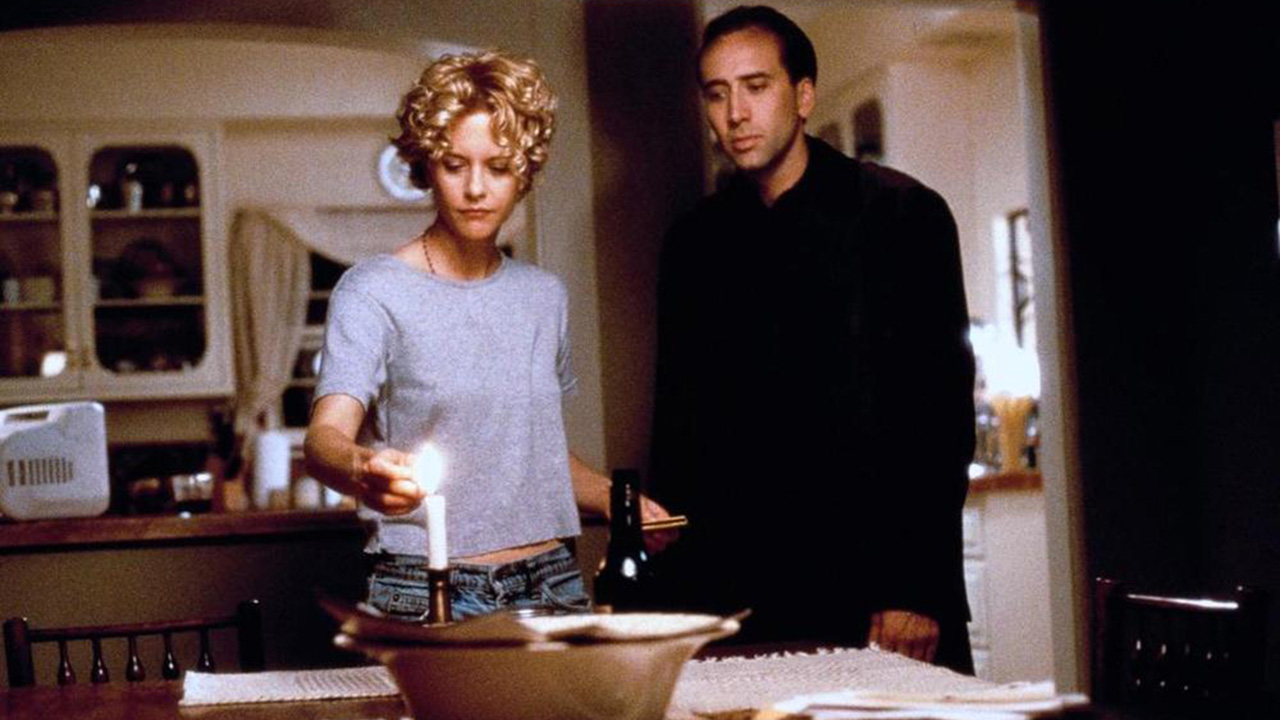
m.media-amazon.com/images/I/61X-PuyzEqL._AC_UF894,1000_QL...

minimaleffort.home.blog/wp-content/uploads/2020/09/city-o...

.............................................................................
click to activate the small icon of slideshow: the small triangle inscribed in the small rectangle, at the top right, in the photostream (it means the monitor);
or…. Press the “L” button to zoom in the image;
clicca sulla piccola icona per attivare lo slideshow: sulla facciata principale del photostream, in alto a destra c'è un piccolo rettangolo (rappresenta il monitor) con dentro un piccolo triangolo nero;
oppure…. premi il tasto “L” per ingrandire l'immagine;
www.fotografidigitali.it/gallery/2726/opere-italiane-segn...
………………………………………………………………………
What I present here on Flickr is a photographic account of the festival held every year in Palazzolo Acreide (Syracuse) in honor of Saint Michael the Archangel. This year the festival was celebrated on October 5th. The cult of Saint Michael the Archangel in Palazzolo Acreide seems to date back to the Arab-Norman period of Sicily (in Sicily, that period from the Arab conquest, 827 AD, which took it from the Byzantines, until the complete domination of the Normans, around 1194 AD). This is an era in which Sicily became a "container" of the most diverse cultures, Byzantine, Arab, Latin, Norman, thus creating a cultural, artistic and scientific synthesis: in this period, Christians invoked the "fighting" Archangel so that He could help them drive the Saracens from ancient Palazzolo (Palatiolum). On the eve of the liturgical feast (28 September), the “sciuta ra cammina” takes place, or what in other Sicilian feasts is called “la svelata” (the unveiled). The curtain covering the statue of the Archangel, placed in a “small room” above the main altar, is opened. Remaining behind the curtain, it is blocked from view for almost the entire year. The statue, now exposed for the adoration of the faithful, is moved forward a little (“sciuta ra cammina”, or “la svelata – the exit that walks” referring to the statue, which is carried forward). On the day of the big celebration, at 11:00 a.m., there will be a "hot air balloon launch." The organizers explained to me that the hot air balloons are made entirely of paper. The writing is also made with paper letters that are then glued together. The hot air produced beneath the balloons will make them fly. This year, the writing was in tune with the echo of the "People of Peace" movement, which hopes for an end to the war in Ukraine, waged by Russia, and for an end to Israeli oppression of the Palestinian people. At 1:00 pm the “sciuta” takes place, or the “exit” of the float with the statue of the Saint on it, carried on the shoulders of the devout bearers, to begin the procession. At that eagerly awaited moment, the fireworks are set off simultaneously, as are the “nzareddi” (long ribbons of colored paper, along with large confetti (the same ones seen during the exit of San Paolo, for his feast day, always in Palazzolo A.), the faithful explode in displays of jubilation, with their arms stretched high and invoking San Michele in a loud voice (this seems contagious to me, I too felt the need to raise my arms to the sky invoking San Michele, despite the photographic equipment….:o))…), the festive music of the marching band. Thus begins the procession toward the neighboring neighborhoods. The float is carried bare-shouldered by devout bearers. Long banners proceed at the front of the procession. Many devout women walk barefoot. Many children, both boys and girls, are lifted up and shown to the Archangel to ask for his spiritual intercession to protect them from evil. In thanksgiving, donations of banknotes or gold jewelry are made. Some typical curiosities of this celebration include: the statue of Saint Michael wears a breastplate made from gold from votive offerings donated over the centuries. It was later decided to melt them down and create his "gold-colored" breastplate. The statue of the Archangel, unlike what is seen in other Sicilian celebrations (usually from the "camera" located on the main altar, the saint, or saints, is made to descend by sliding on two tracks to reach the float, placed in front of the altar), here in Palazzolo A., instead, the simulacrum of the Archangel descends with a special ancient "elevator", placed under the small room, then behind the main altar, then lovingly carried in arms up to the float; on the shield of the Archangel, in the church that bears his name, on the T-shirts of the devotees, and on those of the boys and girls exposed to the Archangel, one reads "Quis ut Deus", it is the Latin translation of the name Michael (in Hebrew Mîkhā’ēl), which means “Who is like God?”, this expression is traditionally attributed to Saint Michael the Archangel, leader of the celestial armies, because, according to Christian tradition, it was the cry he uttered when he rebelled against Satan and his angels during the battle in heaven, affirming both the supremacy and uniqueness of God, and his devotion and loyalty towards the divine.
.………………………………………………
Questo che presento qui su Flickr, è un racconto fotografico della festa che si tiene ogni anno a Palazzolo Acreide (Siracusa) in onore di San Michele Arcangelo, quest’anno la festa è stata celebrata il 5 ottobre. Il culto per San Michele Arcangelo a Palazzolo Acreide, sembra risalga al periodo arabo-normanno della Sicilia (in Sicilia quel periodo che va dalla conquista araba, 827 d.C, che la sottrae ai Bizantini, fino al completo dominio dei Normanni, circa 1194 d.C.), questa è un’epoca nella quale la Sicilia diviene un “contenitore” di culture le più diverse, bizantina, araba, latina, normanna, realizzandosi in tal modo una sintesi culturale, artistica e scientifica: in questo periodo i Cristiani invocano l’Arcangelo “che combatte” affinchè Egli li possa aiutare a scacciare i Saraceni dall’antica Palazzolo (Palatiolum). Il giorno della vigilia della festa liturgica (28 settembre), si ha la “sciuta ra cammina”, ovvero quella che in altre feste siciliana si chiama “la svelata”, si apre la tenda che copre la statua dell’Arcangelo, posta in una “cameretta” posta sopra l’altare maggiore, restando dietro la tenda viene preclusa alla vista per quasi tutto l’anno, la statua esposta ora all’adorazione dei fedeli, viene fatta avanzare di poco (“sciuta ra cammina”, ovvero “la svelata-l’uscita che cammina” riferita alla statua, che viene portata in avanti). Il giorno della grande festa alle ore 11:00 c’è la manifestazione del “lancio delle mongolfiere”, gli organizzatori mi hanno spiegato che le mongolfiere sono realizzate completamente con la carta, le scritte sono fatte anch’esse con lettere di carta poi incollate, l’aria calda prodotta sotto tali mongolfiere le farà volare: quest’anno le scritte erano in sintonia con quella eco del “Popolo della Pace” che spera nella fine della guerra in Ucraina ad opera della Russia, e nella fine della oppressione Israeliana verso il popolo Palestinese. Alle ore 13:00 avviene la “sciuta”, ovvero “l’uscita” della vara con sopra il simulacro del Santo, portato in spalla dai devoti portatori, per iniziare la processione, in quel momento, attesissimo, avviene in contemporanea lo sparo dei fuochi d’artificio, lo sparo degli “nzareddi” (sono lunghi nastri di carta colorata, insieme a grossi coriandoli (gli stessi si assistono durante l’uscita di San Paolo, per la sua festa, sempre a Palazzolo A.), i fedeli esplodono in manifestazioni di esultanza, con le braccia protese in alto ed invocando San Michele a gran voce (cosa questa che a me sembra contagiosa, anch’io ho sentito il bisogno di alzare le braccia al cielo invocando San Michele, nonostante l’attrezzatura fotografica….:o))…), la musica festosa della banda musicale. Inizia così la processione verso i quartieri vicini, la vara viene portata con la “spalla nuda” dai devoti portatori, lunghi stendardi procedono davanti nella processione, molte donne devote camminano a piedi scalzi, molti bimbi o bimbe, vengono alzati e mostrati all’Arcangelo, per chiedere la sua intercessione spirituale per essere protetti dal male, in ringraziamento ci sono donazioni di bancanote o monili d’oro. Alcune curiosità tipiche di questa festa sono: la statua di San Michele ha una corazza realizzata con l’oro proveniente dagli Ex Voto donati nei trascorsi secoli, poi si decise di fonderli e realizzare la sua corazza “color oro”; la statua dell’Arcangelo a differenza di ciò che si vede in altre feste siciliane (in genere dalla “cameretta” che si trova sull’altare maggiore, il santo, o più santi, viene fatto scendere scorrendo su due binari per giungere sulla vara, posta davanti l’altare), qui a Palazzolo A., invece il simulacro dell’Arcangelo scende con un particolare antico “ascensore”, posto sotto la cameretta, quindi dietro l’altare maggiore, poi portato amorevolmente in braccio fin sopra la vara; sullo scudo dell’Arcangelo, nella chiesa che porta il suo nome, sulle magliette dei devoti, su quelle dei bimbi e bimbe esposte all’Arcangelo, si legge “Quis ut Deus”, è la traduzione in latino del nome Michele (in ebraico Mîkhā’ēl), che appunto significa “Chi è come Dio?”, questa espressione è tradizionalmente attribuita a San Michele Arcangelo, capo delle milizie celesti, perché, secondo la tradizione cristiana, fu il grido che egli pronunciò quando si ribellò a Satana e ai suoi angeli durante la battaglia in cielo, affermando e la supremazia e unicità di Dio, e la sua devozione e lealtà verso il divino. .
...........................................
For my beautiful & multi talented friend Diane Kramer aka She Wolf,
Devoted to Grandma Barica set
On the final night of Navaratri, we celebrate Goddess Siddhidatri. She is the ultimate form of all the devis so far, and the sashtras say She can only be worshiped after all of the other forms have been venerated.
She is the one who delivers ultimate success, and in fact, those who worship Her with full devotion are bestowed all eighteen forms of success. According to the Puranas, even Lord Shiva achieved salvation through Her grace. She grants perfection and the power to act with gratitude and humility, revealing the Love of God.
As we do every night of Navaratri, we performed a guru-puja, kalash-puja, yajna, abhishekam, and arati, as well as Divya Prabandham satsangs from different speakers. Tonight we also had a ceremony to venerate all nine devis.
paramahamsavishwananda.com
bhaktimarga.org
The following information and photos have been extracted with permission from NPS publication History Through Eyes of Stone: A Survey of Civil War Monuments in the Vicinity of Fredericksburg, Virginia written by Donald C. Pfanz February 1983, Revised September 2006.
Lee-to-the
Rear
Stone
Texas Stone at Tapp
Courtesy of FSNMP
The Lee-to-the-Rear Stone was erected by local residents in or before September 1891. Writing to the Richmond Times on September 10th of that year, a Wilderness resident described how Confederate veterans, with the assistance of their children and grandchildren, erected the boulder in a shaded “grove of oak and hickory, pine and cedar in Tapp’s old field….” To prevent the rock from falling over, they buttressed it with quartz stones taken from earthworks nearby. The residents had found the boulder along the Orange Turnpike, near the works defended by Ewell’s corps, and had carried it to the Orange Plank Road. They erected it “in commemoration of their [sic] heroism and devotion to General Lee shown by the Texas brigade….” There is no mention of any dedication ceremony having been performed. James Horace Lacy owned the lot on which the monument rests. Lacy originally intended to donate the 0.76-acre triangular parcel to the Ladies Southern Memorial Society, but it appears that he donated it to the Society for the Preservation of Virginia Antiquities instead.
In coming years, many Confederate veterans visited the monument, some of whom vividly, if not accurately, recalled the Lee-to-the-rear incident. Incredibly, some even remembered the stone marker. One soldier went so far as to claim that the Texans themselves were responsible for the memorial, having paused to erect it before charging into battle!
Over the years the Lee-to-the-Rear Stone fell over and settled comfortably into the ground. As other, more formal monuments took its place, the boulder was forgotten. Outside of a few historians, it is still forgotten even to this day.
Location
The 1891 Richmond Times article gives the following short, yet precise, description of the stone’s location: “It is beautifully shaded in a grove of oak and hickory, pine and cedar in Tapp’s old field, and is sixty feet north of the Orange plank-road, and eighty feet in rear of the Confederate breastworks to the east.” The author added that the stone was surrounded by the open graves of approximately 40 Texans who died during the battle, whose remains had been removed to the Confederate cemetery in Fredericksburg. The boulder and the graves that surround it are still visible today.
Photo courtesy of LAKE HOUSE, i.e. Associated Newspapers of Ceylon
9. 1958 RIOTS IN CEYLON: VAN BURNS
This mini-pogrom against Tamils occurred during the last days of May and early June. While Sinhalese too were attacked in retaliation in a few localities in the north and east, the populist action directed against the Tamils residing in parts of the south west in particular were far more severe – though not on the scale that took place in July 1983. Nevertheless it could be said the disenchantment and alienation of a number of Tamils began at this point, compounding their readings of the Sinhala Only Bill promulgated by the government of S. W. R. D. Bandaranaike after he eld a coalition to power in 1956.
The sort of scene depicted here has been replicated in many “riots” in southern Asia during the latter half of the 20th century. The term “riots” is from the British legal lexicon and does not adequately capture the terror unleashed on particular outnumbered communities during some episodes.
This old man was sitting for a long time inside Jama Masjid reading the Qu'ran facing Mecca. And there was a young boy praying behind him. It seemed that the old man was nearer to Mecca than the young boy. It felt as if the old man, with all his experiences that made him a stronger believer, was nearer to Mecca than the young man who still had a long way to go.
Unauthorised reproduction is prohibited. Image copyrighted.
Read my profile to know about me. Visit Website and buy prints at: www.wix.com/subhanjan/subhanjansenguptaphotography
Palm Sunday 2010, at Teocelo, up in the mountains of central Veracruz, Mèxico. Nikon D300 + Sigma 50-500 @ 85 mm; ISO 160 @ 1/400 with f/7.1
on the banks of the ganga, no matter the time of the day, people are in different stages of dressed and undressed. sometimes you see the weirdest things but mostly you see devotion. this guy spent 10 minutes lovingly washing the vilva leaves before he started his morning prayers.
My facebook page for V-Eyez Imagery
Está un poco devo-obsesionado, pero es una gran persona y no disfruta con nada más que con que le paren para echarle fotos o saludarle!! Así que si lo véis en algún festival o concierto con esas pintas, no dudéis en devo-saludarle :)
The Royal Thai Embassy in Dhaka, the Royal Thai Consulate in Thimphu and the Royal Government of Bhutan organized a seminar to commemorate 20 years of friendship between Bhutan and Thailand today.
Her Royal Highness Ashi Chimi Yangzom Wangchuck was the chief guest at the seminar.
Bhutan and Thailand established bilateral relations in 1989. Since then, the people of Bhutan and Thailand have enjoyed close friendship. To celebrate the 20th anniversary of this friendship, Bhutan and Thailand organized a seminar on Gross National Happiness and self sufficiency economy.
In the opening speech, the Thai Ambassador to Bhutan Mr. Chalermpol Thanchitt highlighted the similarities between Bhutan and Thailand including the deep reverence the people have for their Monarchs and the love and devotion of the Monarchs for their people.
The Foreign Affairs Minister Lyonpo Ugyen Tshering said His Majesty the Fourth Druk Gyalpo’s philosophy of Gross National Happiness and the concept of self sufficiency economy propounded by His Majesty King Bhumibol Adulyadej are testimonies of the great wisdom of the two Monarchs.
He said the development cooperation between the two Kingdoms have made significant contributions in human resource, education, medicine and tourism over the last 20 years.
The Former Thai Foreign Minister Dr. Tej Bunnag gave a talk on the development activities instituted by His Majesty King Bhumibol Adulyadeji of Thailand
The director of the centre for Bhutan studies Dasho Karma Ura made a presentation on Gross National Happiness. The seminar also saw discussions on bilateral development cooperation between the two countries
28/04/2009
A restored monastery built from ancient hand cut stone. Located on the grounds of the Cisturcian Abbey at New Clairveaux, Vina, California. The original stones were salvaged from a Cisturcian Monastery of Santa Maria de Ovila in Trillo, Spain which is 90 miles northeast of Madrid. The stones were purchased by William Randolph Hearst and transported to San Francisco in 1931. In 1994 the stones were purchased and transported to the existing monastery of New Clairveau in Vina California. Then, teams of architects inspected and catalogued the useable stones and employed stone cutters to replicate the defective or missing stones. The original Spanish stones were cut in 1181. This door is an example of the inspired craftsmanship that went into the restored building.