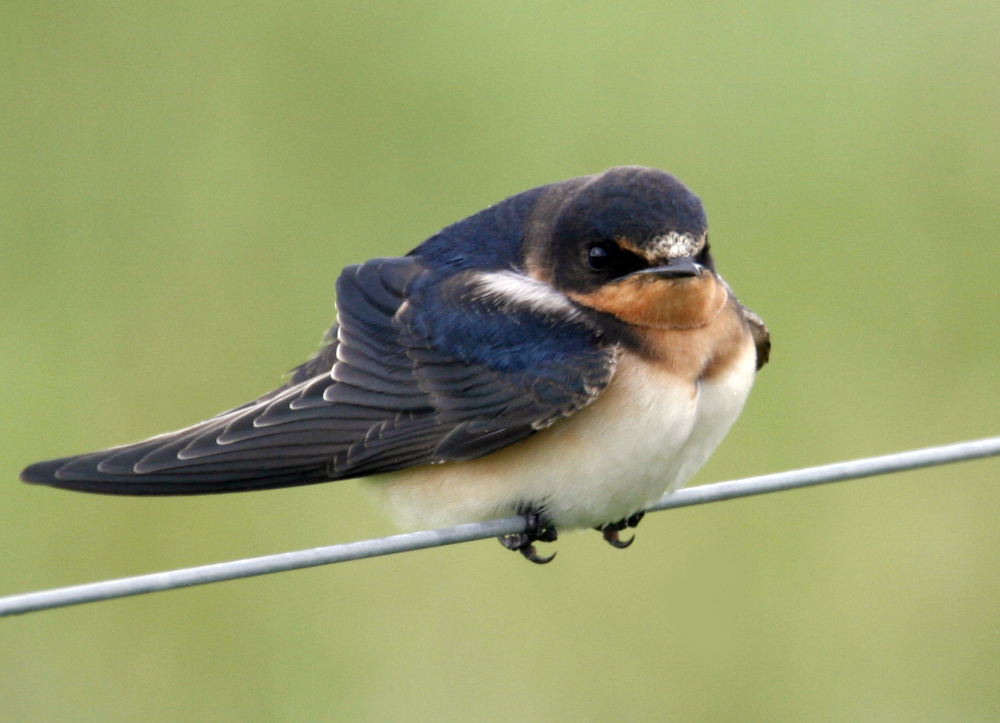
View allAll Photos Tagged comment
Girls are listed with comments & critque in the order they were saved:
1) Aubrieanna, the judges felt you had a strong pose which captured your classical beauty. You really gave us something with your face. Congrats, your still in the running to be the next Barbie Basic Fashions Model.
2)Brita, you had one of the strongest connections with the camera, you are a natural in front of the camera, people really seem to react to you, for this reason you are still in the running to be the next Barbie Basic Fashions model.
3) Lara, you have a different style than the rest of the girls and it shows in the way you photograph, your eyes could have been a little stronger in your photo, but you had a solid pose, congrats your still in the running to become the next Barbie Basic Fashion's model.
4) Jane, you seem to be resting on pretty, luckily for you, it worked in your favor this week, we hope to see more energy in your next photo, congrats yours still in the running.
5) Shallyn, when we looked at your photos, we seen catalog model poses, however you have captivated the judges with your facial poses, congrats your still in the running.
6) Vega, you are the least experienced of all the girls, however, you may not have the knowledge about the industry that they do, but you can flirt with the camera and give us some interesting angles, congrats your still in the running.
7)Latoya, while you are one of the more exotic girls you seem to give us bland poses and your face seems to be void of your energy and passion, we know you have real potential, so you are still in the running.
8) Jaymen, We loved the poses you started off with, however with your knowledge of the industry we really expected more from you, however you photo was solid enough to maintain a spot in the running to become Barbie Basic Fashion's newest model.
So that leaves us with the final two, DeeDee & Kitsie, please come forward. Looking at your photo's you can see two different girls with totally different looks, but with a very similar almost robotic pose... Deedee, you are the youngest competitor and although you have been around the industry since a young age, you really seemed lost in front of the camera, your photo looks more like a social networking photo, not a model. You have such a fun and young look that can really appeal to people, you just need to really find how to show that.... Kitsie, you were one of the girls we were most excited to photograph, you have exotic features and such a unique style, however, like DeeDee you didn't seem to handle the pressure and gave us a flat photoshoot. You used your body to create great angles and shapes, but your eyes are lifeless. so who goes home? The fiery latina with a killer fashion sense, or the young squeaky clean model who can charm all kinds of audiences? ................
Nice comments without copied/pasted group icons are welcome. .
As Flickr is a sharing site I only add my pictures to public groups, .
Photography experience courses available, please email for details.
Large scale prints are available, i.e. 24 x 30 at $249
The full portfolio available from Stock photography by Tim Large at Alamy
Photographer:- Tim Large
purpleport.com/portfolio/timlarge/?referrer=timlarge
Location:- Cheddar Gorge, Somerset, UK
©Timothy Large - TACraftPhotography
12/14/09
Your Vernon Parish Chamber of Commerce Annual Christmas parade rolled through historic downtown Leesville recently. The community turned out by the thousands and there was no shortage of candy and Christmas cheer. With almost 90 entries, the 2009 parade was met withy rave reviews. Citizens on hand commented that it was one of the best parades in recent memory.
The 2009 Grand Marshall, Leesville Mayor Betty Westerchil, kicked off the festivities with the help of the Fort Polk/JRTC Color Guard and Polk Commander BG James Yarbrough. The 83rd Chemical Company Commander was also on hand to support this community and brought along some interesting military vehicles for parade-goers to enjoy. The support from Fort Polk continued with the entry of 162nd infantry heavy vehicles.
As the parade rolled past the Vernon Parish Police Jury office they were announced to the attendees and the volunteer judges. Based on creativity, Christmas spirit and the degree of work, the judges chose winners for each category and chose a winner for best float overall. Santa Claus rode down 3rd Street marking the end of the annual event. Attendees who followed him were greeted by the announcement of the winners of the cash prizes awarded by the stage sponsor, Navy Federal Credit Union. Navy Federal Manager, Kate Safstrom alongside Sammy the Sea Otter, and the staff of the Leesville Fort Polk branch drew tickets to determine which lucky patrons would go home with cash in hand. $600 in cash prizes were awarded to the holders of drawn tickets.
For the category of Automobiles, The Neal Family took home the prize with their entry in loving memory of Kevin Neal. The category of Marching Units/Drill Teams went to a repeat winner, The Interdenominational Church of Faith for their spirited performance. Galilee Baptist Church took home the prize for the category of Churches/Civic Clubs for their festive and musical float. The winner chosen for the Commercial category was Leesville Residential & Employment Services. This is a proud second consecutive win for Leesville Residential. Leesville Junior High JAG claimed the win for the best School Organization/Club category. The best Marching Band category win was clenched by the Leesville High School Band with an energetic performance.
The Grand Marshall Award for best overall float was presented by 2009 Grand Marshall, Leesville Mayor Betty Westerchil. The winner for this category cemented themselves as master float craftsman. The Antioch Baptist Church Puppet Team of Leesville has taken home the Grand Marshall for the second consecutive year. Antioch Baptist has previously claimed the prize in the Churches/Civic Club category as well proving that they are stiff competition for many years to come.
Pictured: (1) Holliday Belle Sr, Princess Samantha Sage. (2) 4-H Junior Queen Kasci Toups. (3) Holliday Belle Miss Congeniality Tiffany Mango. (4) LA Forestry Festival Queen Sara Reese.
Pictured: (1) Galilee Baptist Church receives their plaque for best float in the Churches/Civic Clubs category. (2) Interdenomination of Faith took home the prize for best Marching Unit/Drill Team. (3) The Neal Family won for best entry in the Automobile category for their entry In Loving Memory of Kevin Neal. (4) The Grand Marshall Award for the best overall float presented to Antioch Baptist Church Puppet Team.
Biennalist
Biennalist is an Art Format commenting on active biennials and managed cultural events through artworks.Biennalist takes the thematics of the biennales and similar events like festivals and conferences seriously, questioning the established structures of the staged art events in order to contribute to the debate, which they wish to generate.
About artist Thierry Geoffroy/Colonel:
en.wikipedia.org/wiki/Thierry_Geoffroy
en.wikipedia.org/wiki/Emergency_Room_(art)
www.emergencyrooms.org/formats.html
Biennalist :
Biennalist is an Art Format commenting on active biennials and managed cultural events through artworks.Biennalist takes the thematics of the biennales and similar events like festivals and conferences seriously, questioning the established structures of the staged art events in order to contribute to the debate, which they wish to generate.
-------------------------------------------
links about Biennalist :
Thierry Geoffroy/Colonel:
en.wikipedia.org/wiki/Thierry_Geoffroy
en.wikipedia.org/wiki/Emergency_Room_(art)
www.emergencyrooms.org/formats.html
—--Biennale from wikipedia —--
The Venice International Film Festival is part of the Venice Biennale. The famous Golden Lion is awarded to the best film screening at the competition.
Biennale (Italian: [bi.enˈnaːle]), Italian for "biennial" or "every other year", is any event that happens every two years. It is most commonly used within the art world to describe large-scale international contemporary art exhibitions. As such the term was popularised by Venice Biennale, which was first held in 1895. Since the 1990s, the terms "biennale" and "biennial" have been interchangeably used in a more generic way - to signify a large-scale international survey show of contemporary art that recurs at regular intervals but not necessarily biannual (such as triennials, Documenta, Skulptur Projekte Münster).[1] The phrase has also been used for other artistic events, such as the "Biennale de Paris", "Kochi-Muziris Biennale", Berlinale (for the Berlin International Film Festival) and Viennale (for Vienna's international film festival).
Characteristics[edit]
According to author Federica Martini, what is at stake in contemporary biennales is the diplomatic/international relations potential as well as urban regeneration plans. Besides being mainly focused on the present (the “here and now” where the cultural event takes place and their effect of "spectacularisation of the everyday"), because of their site-specificity cultural events may refer back to,[who?] produce or frame the history of the site and communities' collective memory.[2]
The Great Exhibition in The Crystal Palace in Hyde Park, London, in 1851, the first attempt to condense the representation of the world within a unitary exhibition space.
A strong and influent symbol of biennales and of large-scale international exhibitions in general is the Crystal Palace, the gigantic and futuristic London architecture that hosted the Great Exhibition in 1851. According to philosopher Peter Sloterdijk,[3][page needed] the Crystal Palace is the first attempt to condense the representation of the world in a unitary exhibition space, where the main exhibit is society itself in an a-historical, spectacular condition. The Crystal Palace main motives were the affirmation of British economic and national leadership and the creation of moments of spectacle. In this respect, 19th century World fairs provided a visual crystallization of colonial culture and were, at the same time, forerunners of contemporary theme parks.
The Venice Biennale as an archetype[edit]
The structure of the Venice Biennale in 2005 with an international exhibition and the national pavilions.
The Venice Biennale, a periodical large-scale cultural event founded in 1895, served as an archetype of the biennales. Meant to become a World Fair focused on contemporary art, the Venice Biennale used as a pretext the wedding anniversary of the Italian king and followed up to several national exhibitions organised after Italy unification in 1861. The Biennale immediately put forth issues of city marketing, cultural tourism and urban regeneration, as it was meant to reposition Venice on the international cultural map after the crisis due to the end of the Grand Tour model and the weakening of the Venetian school of painting. Furthermore, the Gardens where the Biennale takes place were an abandoned city area that needed to be re-functionalised. In cultural terms, the Biennale was meant to provide on a biennial basis a platform for discussing contemporary art practices that were not represented in fine arts museums at the time. The early Biennale model already included some key points that are still constitutive of large-scale international art exhibitions today: a mix of city marketing, internationalism, gentrification issues and destination culture, and the spectacular, large scale of the event.
Biennials after the 1990s[edit]
The situation of biennials has changed in the contemporary context: while at its origin in 1895 Venice was a unique cultural event, but since the 1990s hundreds of biennials have been organized across the globe. Given the ephemeral and irregular nature of some biennials, there is little consensus on the exact number of biennials in existence at any given time.[citation needed] Furthermore, while Venice was a unique agent in the presentation of contemporary art, since the 1960s several museums devoted to contemporary art are exhibiting the contemporary scene on a regular basis. Another point of difference concerns 19th century internationalism in the arts, that was brought into question by post-colonial debates and criticism of the contemporary art “ethnic marketing”, and also challenged the Venetian and World Fair’s national representation system. As a consequence of this, Eurocentric tendency to implode the whole word in an exhibition space, which characterises both the Crystal Palace and the Venice Biennale, is affected by the expansion of the artistic geographical map to scenes traditionally considered as marginal. The birth of the Havana Biennial in 1984 is widely considered an important counterpoint to the Venetian model for its prioritization of artists working in the Global South and curatorial rejection of the national pavilion model.
International biennales[edit]
In the term's most commonly used context of major recurrent art exhibitions:
Adelaide Biennial of Australian Art, South Australia
Asian Art Biennale, in Taichung, Taiwan (National Taiwan Museum of Fine Arts)
Athens Biennale, in Athens, Greece
Bienal de Arte Paiz, in Guatemala City, Guatemala[4]
Arts in Marrakech (AiM) International Biennale (Arts in Marrakech Festival)
Bamako Encounters, a biennale of photography in Mali
Bat-Yam International Biennale of Landscape Urbanism
Beijing Biennale
Berlin Biennale (contemporary art biennale, to be distinguished from Berlinale, which is a film festival)
Bergen Assembly (triennial for contemporary art in Bergen, Norway)www.bergenassembly.no
Bi-City Biennale of Urbanism\Architecture, in Shenzhen and Hong Kong, China
Bienal de Arte de Ponce in Ponce, Puerto Rico
Biënnale van België, Biennial of Belgium, Belgium
BiennaleOnline Online biennial exhibition of contemporary art from the most promising emerging artists.
Biennial of Hawaii Artists
Biennale de la Biche, the smallest biennale in the world held at deserted island near Guadeloupe, French overseas region[5][6]
Biwako Biennale [ja], in Shiga, Japan
La Biennale de Montreal
Biennale of Luanda : Pan-African Forum for the Culture of Peace,[7] Angola
Boom Festival, international music and culture festival in Idanha-a-Nova, Portugal
Bucharest Biennale in Bucharest, Romania
Bushwick Biennial, in Bushwick, Brooklyn, New York
Canakkale Biennial, in Canakkale, Turkey
Cerveira International Art Biennial, Vila Nova de Cerveira, Portugal [8]
Changwon Sculpture Biennale in Changwon, South Korea
Dakar Biennale, also called Dak'Art, biennale in Dakar, Senegal
Documenta, contemporary art exhibition held every five years in Kassel, Germany
Estuaire (biennale), biennale in Nantes and Saint-Nazaire, France
EVA International, biennial in Limerick, Republic of Ireland
Göteborg International Biennial for Contemporary Art, in Gothenburg, Sweden[9]
Greater Taipei Contemporary Art Biennial, in Taipei, Taiwan
Gwangju Biennale, Asia's first and most prestigious contemporary art biennale
Havana biennial, in Havana, Cuba
Helsinki Biennial, in Helsinki, Finland
Herzliya Biennial For Contemporary Art, in Herzliya, Israel
Incheon Women Artists' Biennale, in Incheon, South Korea
Iowa Biennial, in Iowa, USA
Istanbul Biennial, in Istanbul, Turkey
International Roaming Biennial of Tehran, in Tehran and Istanbul
Jakarta Biennale, in Jakarta, Indonesia
Jerusalem Biennale, in Jerusalem, Israel
Jogja Biennale, in Yogyakarta, Indonesia
Karachi Biennale, in Karachi, Pakistan
Keelung Harbor Biennale, in Keelung, Taiwan
Kochi-Muziris Biennale, largest art exhibition in India, in Kochi, Kerala, India
Kortrijk Design Biennale Interieur, in Kortrijk, Belgium
Kobe Biennale, in Japan
Kuandu Biennale, in Taipei, Taiwan
Lagos Biennial, in Lagos, Nigeria[10]
Light Art Biennale Austria, in Austria
Liverpool Biennial, in Liverpool, UK
Lofoten International Art Festival [no] (LIAF), on the Lofoten archipelago, Norway[11]
Manifesta, European Biennale of contemporary art in different European cities
Mediations Biennale, in Poznań, Poland
Melbourne International Biennial 1999
Mediterranean Biennale in Sakhnin 2013
MOMENTA Biennale de l'image [fr] (formerly known as Le Mois de la Photo à Montréal), in Montreal, Canada
MOMENTUM [no], in Moss, Norway[12]
Moscow Biennale, in Moscow, Russia
Munich Biennale, new opera and music-theatre in even-numbered years
Mykonos Biennale
Nakanojo Biennale[13]
NGV Triennial, contemporary art exhibition held every three years at the National Gallery of Victoria, Melbourne, Australia
October Salon – Belgrade Biennale [sr], organised by the Cultural Center of Belgrade [sr], in Belgrade, Serbia[14]
OSTEN Biennial of Drawing Skopje, North Macedonia[15]
Biennale de Paris
Riga International Biennial of Contemporary Art (RIBOCA), in Riga, Latvia[16]
São Paulo Art Biennial, in São Paulo, Brazil
SCAPE Public Art Christchurch Biennial in Christchurch, New Zealand[17]
Prospect New Orleans
Seoul Biennale of Architecture and Urbanism
Sequences, in Reykjavík, Iceland[18]
Shanghai Biennale
Sharjah Biennale, in Sharjah, UAE
Singapore Biennale, held in various locations across the city-state island of Singapore
Screen City Biennial, in Stavanger, Norway
Biennale of Sydney
Taipei Biennale, in Taipei, Taiwan
Taiwan Arts Biennale, in Taichung, Taiwan (National Taiwan Museum of Fine Arts)
Taiwan Film Biennale, in Hammer Museum, Los Angeles, U.S.A.
Thessaloniki Biennale of Contemporary Art [el], in Thessaloniki, Greece[19]
Dream city, produced by ART Rue Association in Tunisia
Vancouver Biennale
Visayas Islands Visual Arts Exhibition and Conference (VIVA ExCon) in the Philippines [20]
Venice Biennale, in Venice, Italy, which includes:
Venice Biennale of Contemporary Art
Venice Biennale of Architecture
Venice Film Festival
Vladivostok biennale of Visual Arts, in Vladivostok, Russia
Whitney Biennial, hosted by the Whitney Museum of American Art, in New York City, NY, USA
Web Biennial, produced with teams from Athens, Berlin and Istanbul.
West Africa Architecture Biennale,[21] Virtual in Lagos, Nigeria.
WRO Biennale, in Wrocław, Poland[22]
Music Biennale Zagreb
[SHIFT:ibpcpa] The International Biennale of Performance, Collaborative and Participatory Arts, Nomadic, International, Scotland, UK.
—---Venice Biennale from wikipedia —
The Venice Biennale (/ˌbiːɛˈnɑːleɪ, -li/; Italian: La Biennale di Venezia) is an international cultural exhibition hosted annually in Venice, Italy by the Biennale Foundation.[2][3][4] The biennale has been organised every year since 1895, which makes it the oldest of its kind. The main exhibition held in Castello, in the halls of the Arsenale and Biennale Gardens, alternates between art and architecture (hence the name biennale; biennial).[5][6][7] The other events hosted by the Foundation—spanning theatre, music, and dance—are held annually in various parts of Venice, whereas the Venice Film Festival takes place at the Lido.[8]
Organization[edit]
Art Biennale
Art Biennale
International Art Exhibition
1895
Even-numbered years (since 2022)
Venice Biennale of Architecture
International Architecture Exhibition
1980
Odd-numbered years (since 2021)
Biennale Musica
International Festival of Contemporary Music
1930
Annually (Sep/Oct)
Biennale Teatro
International Theatre Festival
1934
Annually (Jul/Aug)
Venice Film Festival
Venice International Film Festival
1932
Annually (Aug/Sep)
Venice Dance Biennale
International Festival of Contemporary Dance
1999
Annually (June; biennially 2010–16)
International Kids' Carnival
2009
Annually (during Carnevale)
History
1895–1947
On April 19, 1893, the Venetian City Council passed a resolution to set up an biennial exhibition of Italian Art ("Esposizione biennale artistica nazionale") to celebrate the silver anniversary of King Umberto I and Margherita of Savoy.[11]
A year later, the council decreed "to adopt a 'by invitation' system; to reserve a section of the Exhibition for foreign artists too; to admit works by uninvited Italian artists, as selected by a jury."[12]
The first Biennale, "I Esposizione Internazionale d'Arte della Città di Venezia (1st International Art Exhibition of the City of Venice)" (although originally scheduled for April 22, 1894) was opened on April 30, 1895, by the Italian King and Queen, Umberto I and Margherita di Savoia. The first exhibition was seen by 224,000 visitors.
The event became increasingly international in the first decades of the 20th century: from 1907 on, several countries installed national pavilions at the exhibition, with the first being from Belgium. In 1910 the first internationally well-known artists were displayed: a room dedicated to Gustav Klimt, a one-man show for Renoir, a retrospective of Courbet. A work by Picasso "Family of Saltimbanques" was removed from the Spanish salon in the central Palazzo because it was feared that its novelty might shock the public. By 1914 seven pavilions had been established: Belgium (1907), Hungary (1909), Germany (1909), Great Britain (1909), France (1912), and Russia (1914).
During World War I, the 1916 and 1918 events were cancelled.[13] In 1920 the post of mayor of Venice and president of the Biennale was split. The new secretary general, Vittorio Pica brought about the first presence of avant-garde art, notably Impressionists and Post-Impressionists.
1922 saw an exhibition of sculpture by African artists. Between the two World Wars, many important modern artists had their work exhibited there. In 1928 the Istituto Storico d'Arte Contemporanea (Historical Institute of Contemporary Art) opened, which was the first nucleus of archival collections of the Biennale. In 1930 its name was changed into Historical Archive of Contemporary Art.
In 1930, the Biennale was transformed into an Ente Autonomo (Autonomous Board) by Royal Decree with law no. 33 of 13-1-1930. Subsequently, the control of the Biennale passed from the Venice city council to the national Fascist government under Benito Mussolini. This brought on a restructuring, an associated financial boost, as well as a new president, Count Giuseppe Volpi di Misurata. Three entirely new events were established, including the Biennale Musica in 1930, also referred to as International Festival of Contemporary Music; the Venice Film Festival in 1932, which they claim as the first film festival in history,[14] also referred to as Venice International Film Festival; and the Biennale Theatro in 1934, also referred to as International Theatre Festival.
In 1933 the Biennale organized an exhibition of Italian art abroad. From 1938, Grand Prizes were awarded in the art exhibition section.
During World War II, the activities of the Biennale were interrupted: 1942 saw the last edition of the events. The Film Festival restarted in 1946, the Music and Theatre festivals were resumed in 1947, and the Art Exhibition in 1948.[15]
1948–1973[edit]
The Art Biennale was resumed in 1948 with a major exhibition of a recapitulatory nature. The Secretary General, art historian Rodolfo Pallucchini, started with the Impressionists and many protagonists of contemporary art including Chagall, Klee, Braque, Delvaux, Ensor, and Magritte, as well as a retrospective of Picasso's work. Peggy Guggenheim was invited to exhibit her collection, later to be permanently housed at Ca' Venier dei Leoni.
1949 saw the beginning of renewed attention to avant-garde movements in European—and later worldwide—movements in contemporary art. Abstract expressionism was introduced in the 1950s, and the Biennale is credited with importing Pop Art into the canon of art history by awarding the top prize to Robert Rauschenberg in 1964.[16] From 1948 to 1972, Italian architect Carlo Scarpa did a series of remarkable interventions in the Biennale's exhibition spaces.
In 1954 the island San Giorgio Maggiore provided the venue for the first Japanese Noh theatre shows in Europe. 1956 saw the selection of films following an artistic selection and no longer based upon the designation of the participating country. The 1957 Golden Lion went to Satyajit Ray's Aparajito which introduced Indian cinema to the West.
1962 included Arte Informale at the Art Exhibition with Jean Fautrier, Hans Hartung, Emilio Vedova, and Pietro Consagra. The 1964 Art Exhibition introduced continental Europe to Pop Art (The Independent Group had been founded in Britain in 1952). The American Robert Rauschenberg was the first American artist to win the Gran Premio, and the youngest to date.
The student protests of 1968 also marked a crisis for the Biennale. Student protests hindered the opening of the Biennale. A resulting period of institutional changes opened and ending with a new Statute in 1973. In 1969, following the protests, the Grand Prizes were abandoned. These resumed in 1980 for the Mostra del Cinema and in 1986 for the Art Exhibition.[17]
In 1972, for the first time, a theme was adopted by the Biennale, called "Opera o comportamento" ("Work or Behaviour").
Starting from 1973 the Music Festival was no longer held annually. During the year in which the Mostra del Cinema was not held, there was a series of "Giornate del cinema italiano" (Days of Italian Cinema) promoted by sectorial bodies in campo Santa Margherita, in Venice.[18]
1974–1998[edit]
1974 saw the start of the four-year presidency of Carlo Ripa di Meana. The International Art Exhibition was not held (until it was resumed in 1976). Theatre and cinema events were held in October 1974 and 1975 under the title Libertà per il Cile (Freedom for Chile)—a major cultural protest against the dictatorship of Augusto Pinochet.
On 15 November 1977, the so-called Dissident Biennale (in reference to the dissident movement in the USSR) opened. Because of the ensuing controversies within the Italian left wing parties, president Ripa di Meana resigned at the end of the year.[19]
In 1979 the new presidency of Giuseppe Galasso (1979-1982) began. The principle was laid down whereby each of the artistic sectors was to have a permanent director to organise its activity.
In 1980, the Architecture section of the Biennale was set up. The director, Paolo Portoghesi, opened the Corderie dell'Arsenale to the public for the first time. At the Mostra del Cinema, the awards were brought back into being (between 1969 and 1979, the editions were non-competitive). In 1980, Achille Bonito Oliva and Harald Szeemann introduced "Aperto", a section of the exhibition designed to explore emerging art. Italian art historian Giovanni Carandente directed the 1988 and 1990 editions. A three-year gap was left afterwards to make sure that the 1995 edition would coincide with the 100th anniversary of the Biennale.[13]
The 1993 edition was directed by Achille Bonito Oliva. In 1995, Jean Clair was appointed to be the Biennale's first non-Italian director of visual arts[20] while Germano Celant served as director in 1997.
For the Centenary in 1995, the Biennale promoted events in every sector of its activity: the 34th Festival del Teatro, the 46th art exhibition, the 46th Festival di Musica, the 52nd Mostra del Cinema.[21]
1999–present[edit]
In 1999 and 2001, Harald Szeemann directed two editions in a row (48th & 49th) bringing in a larger representation of artists from Asia and Eastern Europe and more young artists than usual and expanded the show into several newly restored spaces of the Arsenale.
In 1999 a new sector was created for live shows: DMT (Dance Music Theatre).
The 50th edition, 2003, directed by Francesco Bonami, had a record number of seven co-curators involved, including Hans Ulrich Obrist, Catherine David, Igor Zabel, Hou Hanru and Massimiliano Gioni.
The 51st edition of the Biennale opened in June 2005, curated, for the first time by two women, Maria de Corral and Rosa Martinez. De Corral organized "The Experience of Art" which included 41 artists, from past masters to younger figures. Rosa Martinez took over the Arsenale with "Always a Little Further." Drawing on "the myth of the romantic traveler" her exhibition involved 49 artists, ranging from the elegant to the profane.
In 2007, Robert Storr became the first director from the United States to curate the Biennale (the 52nd), with a show entitled Think with the Senses – Feel with the Mind. Art in the Present Tense.
Swedish curator Daniel Birnbaum was artistic director of the 2009 edition entitled "Fare Mondi // Making Worlds".
The 2011 edition was curated by Swiss curator Bice Curiger entitled "ILLUMInazioni – ILLUMInations".
The Biennale in 2013 was curated by the Italian Massimiliano Gioni. His title and theme, Il Palazzo Enciclopedico / The Encyclopedic Palace, was adopted from an architectural model by the self-taught Italian-American artist Marino Auriti. Auriti's work, The Encyclopedic Palace of the World was lent by the American Folk Art Museum and exhibited in the first room of the Arsenale for the duration of the biennale. For Gioni, Auriti's work, "meant to house all worldly knowledge, bringing together the greatest discoveries of the human race, from the wheel to the satellite," provided an analogous figure for the "biennale model itself...based on the impossible desire to concentrate the infinite worlds of contemporary art in a single place: a task that now seems as dizzyingly absurd as Auriti's dream."[22]
Curator Okwui Enwezor was responsible for the 2015 edition.[23] He was the first African-born curator of the biennial. As a catalyst for imagining different ways of imagining multiple desires and futures Enwezor commissioned special projects and programs throughout the Biennale in the Giardini. This included a Creative Time Summit, e-flux journal's SUPERCOMMUNITY, Gulf Labor Coalition, The Invisible Borders Trans-African Project and Abounaddara.[24][25]
The 2017 Biennale, titled Viva Arte Viva, was directed by French curator Christine Macel who called it an "exhibition inspired by humanism".[26] German artist Franz Erhard Walter won the Golden Lion for best artist, while Carolee Schneemann was awarded a posthumous Golden Lion for Lifetime Achievement.[27]
The 2019 Biennale, titled May You Live In Interesting Times, was directed by American-born curator Ralph Rugoff.[28]
The 2022 edition was curated by Italian curator Cecilia Alemani entitled "The Milk of Dreams" after a book by British-born Mexican surrealist painter Leonora Carrington.[29]
The Biennale has an attendance today of over 500,000 visitors.[30][31][32]
Role in the art market[edit]
When the Venice Biennale was founded in 1895, one of its main goals was to establish a new market for contemporary art. Between 1942 and 1968 a sales office assisted artists in finding clients and selling their work,[33] a service for which it charged 10% commission. Sales remained an intrinsic part of the biennale until 1968, when a sales ban was enacted. An important practical reason why the focus on non-commodities has failed to decouple Venice from the market is that the biennale itself lacks the funds to produce, ship and install these large-scale works. Therefore, the financial involvement of dealers is widely regarded as indispensable;[16] as they regularly front the funding for production of ambitious projects.[34] Furthermore, every other year the Venice Biennale coincides with nearby Art Basel, the world's prime commercial fair for modern and contemporary art. Numerous galleries with artists on show in Venice usually bring work by the same artists to Basel.[35]
Central Pavilion and Arsenale[edit]
The formal Biennale is based at a park, the Giardini. The Giardini includes a large exhibition hall that houses a themed exhibition curated by the Biennale's director.
Initiated in 1980, the Aperto began as a fringe event for younger artists and artists of a national origin not represented by the permanent national pavilions. This is usually staged in the Arsenale and has become part of the formal biennale programme. In 1995 there was no Aperto so a number of participating countries hired venues to show exhibitions of emerging artists. From 1999, both the international exhibition and the Aperto were held as one exhibition, held both at the Central Pavilion and the Arsenale. Also in 1999, a $1 million renovation transformed the Arsenale area into a cluster of renovated shipyards, sheds and warehouses, more than doubling the Arsenale's exhibition space of previous years.[36]
A special edition of the 54th Biennale was held at Padiglione Italia of Torino Esposizioni – Sala Nervi (December 2011 – February 2012) for the 150th Anniversary of Italian Unification. The event was directed by Vittorio Sgarbi
…so I guess it is of your opinion, out there, on Flickr the best Tussi photo of 2013.
17.596 views
319 fave's
41 comments
….so far
Comments always appreciated, as long as you keep it clean - I love to hear your feedback! xx
Saturday dinner time we went to Almost Famous, the amazing burger place in Leeds. Their fries are so good, absolutely delicious!
Comments always appreciated, as long as you keep it clean - I love to hear your feedback! xx
I had a wonderful day out visiting my old school friend Paul and his beautiful family.
Afterwards a bit of a glam night in at home, trying on a beautiful new dress which I love!
I just adore dogs!
Comments always appreciated, as long as you keep it clean - I love to hear your feedback! xx
Leeds First Friday weekend was fantastic as always, had a really good time out and spent quality time with friends.
Sunday I had the immense pleasure to meet one of my old friends for a drink in the incredible Tiled Hall in Leeds Art Gallery. What an amazing place!
It was a delight to spend time with Suzanne, she is such a lovely person.
Cristina D'Avena & Gem Boy
Carroponte - Sesto San Giovanni - Milano
11 Luglio 2013
© Mairo Cinquetti
© All rights reserved. Do not use my photos without my written permission. If you would like to buy or use this photo PLEASE message me or email me at mairo.cinquetti@gmail.com
Cristina D'Avena nasce a Bologna lunedì 6 luglio 1964 da Alfredo, medico, e da Ornella, casalinga. All'età di 3 anni e mezzo esordisce cantando "Il valzer del moscerino" alla decima edizione della rassegna canora per bambini Zecchino d'Oro; il brano si aggiudica il 3º posto. Dopo l'esperienza allo Zecchino d'Oro, rimane all'Antoniano come componente del Piccolo Coro fino al 1976, ma continuerà a frequentarlo per altri 5 anni accompagnando la sorella Clarissa, nata 10 anni dopo di lei e anche lei diventata nel frattempo componente del coro.
Nel 1981 Cristina è una diciassettenne studentessa di Liceo Classico che vede il canto solo come un hobby. In quel periodo, Alessandra Valeri Manera, l'allora responsabile della tv dei ragazzi della neonata Canale 5, era alla ricerca di una voce femminile che potesse interpretare la sigla della serie animata giapponese "Pinocchio": per questo motivo interpellò Augusto Martelli, direttore artistico-musicale della rete nonché figlio del maestro Giordano Bruno Martelli. Fu proprio Martelli padre, tramite il figlio, a segnalare a Valeri Manera il nome di Cristina D'Avena, avendo egli avuto modo di frequentarla fino a poco tempo prima presso il Piccolo Coro dell'Antoniano. Dopo essere stata sottoposta ad un provino discografico, Cristina, ancora minorenne, firma un contratto di esclusiva (a cui è legata ancora oggi) con l'etichetta discografica di Canale 5, la Five Record (in seguito ridenominata RTI Music, oggi inglobata in RTI s.p.a.), e diviene così l'interprete della canzone "Bambino Pinocchio" composta da Martelli figlio che di lei all'epoca disse: « Diventerà una grande cantante ». Il successo commerciale del relativo 45 giri diede effettivamente inizio alla carriera di Cristina: da allora non ha mai smesso di incidere e, grazie alla quantità di sigle da lei registrate, è l'unico personaggio dello spettacolo la cui voce è presente sulla tv italiana ininterrottamente dai primi anni '80 almeno una volta al giorno, 7 giorni su 7, 365 giorni l'anno.
Sempre da questo periodo inizia a pubblicare numerosi singoli ed album, che complessivamente venderanno un totale di circa 6 milioni di copie: nel 1983, infatti, Five Record dà vita a "Fivelandia", il primo volume di quella che diventerà una longeva collana destinata a contenere le sigle dei cartoni animati in onda sulle reti del biscione; un appuntamento fisso dell'autunno a cadenza annuale, a cui si aggiungerà, a partire dal febbraio 1987, la sua versione primaverile anch'essa a cadenza annuale dal titolo "Cristina D'Avena con i tuoi amici in tv". Tra le canzoni di maggior successo dei primi anni, particolare menzione per "Canzone dei Puffi" del 1982 (grazie alla quale verrà premiata con il suo primo Disco d'Oro per le oltre 500.000 copie vendute) e "Kiss me Licia" del 1985 (Disco di Platino per le oltre 100.000 copie vendute del relativo album): quest'ultima è la sigla a cui la cantante dichiarerà più volte di essere maggiormente legata.
A partire dal settembre 1986 raggiunge, tuttavia, una popolarità ulteriore a quella già acquisita in 5 anni con la sola interpretazione delle sigle, nonché una notevole visibilità, quando interpreta il ruolo di Licia nella prima di 4 serie di telefilm per ragazzi intitolata "Love me Licia": la serie è basata sulla protagonista e sui personaggi del cartone animato giapponese "Kiss me Licia" (che aveva fatto il suo debutto 12 mesi prima), del quale questa produzione italiana con attori in carne e ossa prosegue idealmente le vicende. È così che quella che fino a questo momento era quasi soltanto una voce (quel timbro così particolare che milioni di bambini italiani avevano già imparato a riconoscere) diventa di fatto un volto, il volto di una ragazza dall'aspetto più giovane dei suoi 22 anni che l'intero pubblico, anche quello più adulto, ora conosce e apprezza già. A "Love me Licia" seguiranno "Licia dolce Licia" nella primavera 1987, "Teneramente Licia" nell'autunno 1987 e "Balliamo e cantiamo con Licia" nella primavera 1988; le serie vengono trasmesse il lunedì, il mercoledì e il venerdì alle ore 20:00 su Italia Uno in diretta concorrenza coi telegiornali Rai e raggiungono insperati ascolti record.
Nel 1987, mentre i brani da lei incisi ammontano già ad un centinaio, Cristina registra un brano in lingua francese: si tratta della versione francofona della sigla italiana "Lovely Sara" (da lei già interpretata pochi mesi prima), destinata ad accompagnare la messa in onda di "Princesse Sarah" che sarà il primo cartone animato ad essere trasmesso su La Cinq, rete televisiva francese di proprietà di Silvio Berlusconi costruita sul modello di Canale 5. Grazie a questa sua incisione la cantante, che per la prima volta vide apparire il proprio nome sulla copertina di un disco pubblicato e distribuito esclusivamente all'estero, è conosciuta e ricordata ancora oggi dai bambini francesi degli anni '80.
Conclusasi la saga di Licia nella primavera 1988, dall'autunno Italia Uno decide di mettere in scena proprio Cristina e la sua realtà quotidiana, costantemente impegnata tra gli studi universitari alla Facoltà di Medicina e il lavoro di cantante. Non a caso, durante l'ultima puntata dei telefilm di Licia, Cristina D'Avena compare nel ruolo di se stessa annunciando la sua intenzione di metter su una band musicale. Pochi mesi dopo viene infatti trasmessa su Italia Uno "Arriva Cristina", a cui seguiranno "Cristina" nell'autunno 1989, "Cri Cri" nell'autunno 1990 e "Cristina, l'Europa siamo noi" nell'autunno 1991. "Cri Cri" si compone di due serie da 36 episodi l'una, mentre "Cristina, l'Europa siamo noi" viene trasmessa da Retequattro anziché da Italia Uno e alle ore 19:00 anziché al consueto orario delle 20:00. Come già avvenuto per le 4 serie di Licia, per ognuno di questi telefilm Five Record pubblica un disco contenente la sigla e tutti i brani cantati all'interno degli episodi: i primi tre album diventano Dischi di Platino.
Tra i suoi concerti più riusciti quelli realizzati nel novembre 1989 e 1990 al PalaTrussardi di Milano, a cui assistettero un totale di circa 20.000 spettatori, e quello del 1992 al FilaForum di Assago (13.000 persone in sala e 3.000 all'esterno) i cui incassi sono stati interamente devoluti alla Associazione Italiana per la Ricerca sul Cancro.
Con alle spalle la stessa autrice-produttrice degli esordi ed una casa discografica che, grazie solamente alle sue canzoni, nel 1991 ottiene un fatturato di oltre 9 miliardi di lire, negli anni '90 la cantante prosegue, regolarmente e senza interruzioni, ad incidere nuove sigle e a pubblicare CD; numeri, i suoi, che tanti artisti blasonati, ancora oggi, le invidiano. Persino la cantante Mina, nel 1994, inciderà ed inserirà in uno dei suoi album una cover di una canzone di Cristina del 1988 dal titolo "Sempre attento al regolamento"; per l'occasione, testo e titolo furono modificati e la canzone divenne "Tu dimmi che città".
All'attività musicale e discografica si aggiunge l'attività di conduttrice e co-conduttrice televisiva (nonché radiofonica) iniziata già nel 1989 col varietà del sabato sera di Canale 5 "Sabato al circo", esperienza grazie alla quale Cristina, insieme a tutto il cast del programma, si aggiudicherà il Telegatto nella categoria "Programmi per ragazzi". Il programma andrà avanti per quattro anni, fino al 1992, quando cambia titolo, rete e giorno di programmazione e diventa "Il Grande Circo di Retequattro", in onda per 16 settimane da mercoledì 7 ottobre. Assieme a Gerry Scotti presenta per due anni lo speciale di Capodanno di Canale 5, in onda il 31 dicembre 1989 con il titolo "L'allegria fa 90" e il 31 dicembre 1990 con il titolo "Evviva l'allegria". Dall'8 novembre 1992 conduce su Italia Uno "Cantiamo con Cristina", la versione per bambini del "Karaoke" di Fiorello che va in onda alle ore 20:00 della domenica: in ogni puntata si affrontano due squadre che si sfidano sulle note delle sigle di Cristina. Nella stagione 1993/94 farà parte del cast della sesta edizione di "Buona Domenica", al fianco di Gerry Scotti e Gabriella Carlucci: qui, tra le altre cose, conduce la rubrica "Radio Cristina" dove commenta lettere e fax inviati dai più piccini e si esibisce in alcuni numeri musicali e di danza (in questi spazi avrà anche modo di eseguire le canzoni dell'album "Cristina canta Disney" fresco di pubblicazione). Avrà poi il ruolo di inviata speciale in giro per l'Italia nella quinta edizione di "La sai l'ultima?", in onda su Canale 5 nella stagione televisiva 1995/96 e condotta da Gerry Scotti assieme a Paola Barale. A partire dal 15 settembre 1996, invece, conduce per due anni di seguito, alternandosi settimanalmente col doppiatore ed amico Pietro Ubaldi, il contenitore di cartoni animati e giochi telefonici "Game Boat", in onda tutti i giorni nel preserale di Retequattro; in questo periodo, tra l'altro, viene pubblicato il quattordicesimo capitolo di "Fivelandia", premiato con il Disco di Platino per le oltre 100.000 copie vendute. Nel 1998, nel 1999 e nel 2000 ritorna allo Zecchino d'Oro in qualità di co-conduttrice al fianco di Cino Tortorella e Milly Carlucci. Nell'autunno 1998 è chiamata da Fabio Fazio per condurre con Andrea Pezzi il varietà del venerdì sera di Rai Due "Serenate", ideato dallo stesso Fazio che inizialmente doveva esserne il conduttore. Su Rai Uno, invece, condurrà il tradizionale "Concerto di Primavera", sia ad aprile 1999 che ad aprile 2000, oltre che lo special natalizio "Buon Natale a tutto il mondo" di cui sarà la presentatrice sia nell'edizione del 1999 che in quella del 2000.
Nel 1998 debutta anche al cinema, seppur con un cameo: interpreta infatti se stessa in una scena del film "Cucciolo" di Neri Parenti accanto a Massimo Boldi, con il quale aveva già lavorato ai tempi di "Sabato al circo".
Nel dicembre 2002 Cristina festeggia ufficialmente 20 anni di carriera (sebbene l'incisione di "Bambino Pinocchio", la sua prima sigla per un cartone animato, risalga al secondo semestre del 1981) con la pubblicazione di un doppio CD dal titolo "Cristina D'Avena: Greatest Hits" (ma il titolo inizialmente previsto è "Cristina D'Avena: Vent'anni"), che raccoglie i più grandi successi della cantante (il CD 1 è relativo agli anni 1981-1990, il CD 2 agli anni 1991-2002) e include una nuova versione, riarrangiata e reinterpretata per l'occasione, della sua prima sigla. Proprio nel giorno d'uscita del disco, il 6 dicembre, dall'auditorium di Cologno Monzese la rete televisiva satellitare Video Italia le dedica, in prima serata e in diretta contemporanea su Radio Italia, una puntata di oltre 2 ore della sua trasmissione "Serata con...", durante la quale la cantante esegue dal vivo gran parte dei brani dell'album, in quella che si rivela essere una vera e propria festa-concerto a cui prendono parte fan storici, amici e collaboratori di vecchia data.
Il suo nome per oltre 20 anni è stato professionalmente associato in modo indissolubile a quello di Alessandra Valeri Manera: responsabile dei programmi per ragazzi delle tv del biscione dal 1980 al 2001 e a conti fatti talent scout e creatrice del personaggio "Cristina D'Avena", Valeri Manera è stata anche ideatrice, autrice, direttrice artistica e produttrice di tutti i lavori della cantante alla quale è legata da una sincera amicizia, sebbene dal 2001 la sua attività si sia ridotta ad una composizione saltuaria dei testi di sigle. In coppia con Valeri Manera, nel 2002 Cristina firma per la prima volta come autrice una sua canzone dal titolo "I colori del cuore". Nel 2007 firma da sola il testo di una sua sigla per un cartone animato (il titolo del brano, e della serie, è "Dolce piccola Remì") e da allora, di tanto in tanto, alcune delle sigle da lei interpretate portano il suo nome come unica autrice delle parole.
Il 14 aprile 2007, al Roxy Bar di Bologna, Cristina celebra 25 anni di successi con un grande concerto, accompagnata dall'irriverente gruppo dei Gem Boy con il quale inaugura una collaborazione che dura ancora oggi. In questa occasione riceve da Red Ronnie il prestigioso riconoscimento "Gandhi 9.11", un totem luminoso creato dall'artista Marco Lodola e destinato a quei personaggi che si sono maggiormente distinti come portatori di pace. Nello stesso anno, poi, si verifica un vero e proprio record per la cantante: alla cifra di 1.210 euro si chiude l'asta online del CD del 1989 "Cristina D'Avena e... i tuoi amici in TV 3", venduto sul portale eBay il 10 settembre. La vendita viene resa nota e definita dalla divisione italiana del sito come « il primato mai raggiunto online da un CD in Italia »; non a caso, la versione CD dell'album è considerata uno tra i pezzi più rari nella produzione discografica della cantante, non tanto per le 14 sigle in esso contenute (reperibili comunque su altre pubblicazioni successive) ma poiché, nella sua versione digitale, venne stampato in un numero limitatissimo di copie rispetto ai classici formati utilizzati all'epoca (sebbene per ancora pochi anni), vale a dire l'LP e l'MC. Il record è stato addirittura superato il 10 novembre del 2011, quattro anni dopo, quando un'altra copia messa all'asta è stata venduta alla cifra di 3.010,00 euro.
In questa fase della sua carriera, nonostante da tempo non abbia più un programma tutto suo, la cantante continua a farsi vedere dal pubblico televisivo accettando l'invito di numerose trasmissioni Rai o Mediaset che la chiamano per intervistarla o per vederla esibirsi; nella puntata del 16 febbraio 2008 del programma di prima serata di Rai Uno "I Migliori Anni" si registrerà un picco di ascolti pari a 7.618.000 telespettatori proprio nel momento della sua partecipazione al programma in cui dal vivo canta la sigla di "Kiss me Licia". Nello stesso anno pubblica due libri per bambini, di cui la cantante è autrice e narratrice, dal titolo "Le fiabe di Fata Cri: Fata Cri e i draghetti pasticcioni" e "Le fiabe di Fata Cri: Fata Cri e il ballo degli scoiattoli": quest'ultimo venderà 37.500 copie.
Dopo aver scritto e interpretato la sigla della serie animata "Twin Princess - Principesse Gemelle" che diverrà il suo primo singolo ad essere commercializzato come download digitale, nel 2009 realizza un disco che si distacca dalle sigle tv per le quali è da sempre conosciuta: per la prima volta infatti si rivolge al grande pubblico, non solo a quello dell'infanzia, e lo fa con un album dal titolo "Magia di Natale", in cui reinterpreta 12 brani della tradizione natalizia, classici e moderni, tutti arrangiati dal maestro Valeriano Chiaravalle. Il disco è anche l'occasione, per la cantante, di incidere per la prima volta in lingua inglese. Nell'album figura anche una cover di "Childhood", brano di Michael Jackson con il quale l'artista ha voluto rendere omaggio al Re del Pop.
Da giovedì 21 gennaio 2010 torna a lavorare in tv: è nel cast della seconda edizione del programma di prima serata di Italia Uno "Matricole & Meteore". Nello show, composto da 8 puntate e condotto da Nicola Savino e Juliana Moreira, ha il doppio ruolo di ospite fisso e inviata speciale nei panni di una principessa alla ricerca del Principe Azzurro; nelle varie puntate si esibisce anche in alcuni medley di sigle fra le tante incise nel corso della sua carriera. Dal 28 febbraio dello stesso anno è testimonial di Intervita ONLUS, organizzazione umanitaria internazionale impegnata in progetti di sviluppo nel Terzo Mondo attraverso il sostegno a distanza, per la quale registrerà 15 messaggi promozionali trasmessi da Canale 5. A partire dal periodo autunnale, le serie di telefilm che la videro protagonista tra l'86 e il '91 riacquistano visibilità nonché rinnovata fortuna grazie alla loro riproposizione da parte del canale Hiro di Mediaset Premium e, poco tempo dopo, anche per mano di La5 che le trasmette, tutte le sere, allo stesso orario della prima messa in onda, vale a dire alle 20. Visto il grande successo riscosso (la fascia oraria in cui vengono trasmessi risulta essere la più seguita per la rete), la casa discografica della cantante decide di ristampare, per la prima volta su CD e dopo oltre due decadi di assenza dal mercato discografico, le colonne sonore di ciascuna delle 8 serie, raccogliendole in due box multidisco intitolati "Licia e i Bee Hive Story" e "Arriva Cristina Story", che appassionati vecchi e nuovi accoglieranno con straordinario entusiasmo.
Anche nel nuovo millennio la cantante ha continuato e continua a tenere concerti in tutta Italia, sia da sola che accompagnata dal gruppo dei Gem Boy; uno dei suoi ultimi concerti più fortunati è sicuramente quello tenuto ad Avellino nel maggio del 2010 dove, tra bambini e adulti, ha raccolto oltre 15.000 spettatori.
Nel gennaio 2011 incide una sigla per la prima volta in duetto con una voce femminile: quella di Alessia Volpicelli, piccola paziente del C.R.O. (Centro di Riferimento Oncologico) di Aviano; il brano, di cui la D'Avena è anche autrice, si intitola "Emily della Luna Nuova". Nello stesso periodo firma anche il testo di una canzone per uno dei concorrenti del programma televisivo "Io Canto": si tratta del brano "Tutto quello che ho" incluso nell'album d'esordio di Simone Frulio dal titolo "Tredici".
L'anno successivo la cantante torna in tv e approda su Super!: per tutta l'estate è infatti la conduttrice di "Karaoke Super Show!", la prima produzione del canale televisivo per ragazzi edito da De Agostini. In onda nel week-end dalle più belle piazze della riviera romagnola, il programma prevede la partecipazione di due squadre composte da bambini, genitori e nonni che si sfidano interpretando i grandi tormentoni estivi, le canzoni dello Zecchino d'Oro più amate e naturalmente le più famose sigle dei cartoni animati di Cristina. Ma il 2012 è anche l'anno del 30º anniversario del debutto artistico di Cristina D'Avena: per festeggiare questa ricorrenza viene messa in atto una serie di celebrazioni a partire già dal dicembre 2011, quando apre il fanclub ufficiale della cantante che gli ammiratori chiedevano insistentemente da tempo. Ad aprile del 2012 i festeggiamenti proseguono con l'inaugurazione del suo negozio online, all'interno del quale è possibile trovare gran parte della sua sempre più abbondante produzione discografica oltre a tanti prodotti e gadget esclusivi, scelti e ideati direttamente da Cristina in persona. Le celebrazioni di questo importante traguardo si materializzano anche a livello discografico con la nascita di un grande progetto in due parti dal titolo "30 e poi...", che debutta nei negozi di dischi il 27 novembre 2012 con l'uscita del triplo CD "30 e poi... Parte Prima". L'album è composto da 3 CD che racchiudono un totale di ben 70 sigle originali dei cartoni animati più famosi degli anni '80, '90 e 2000; la scaletta è impreziosita dalla presenza di tre sigle inedite (una risalente al '95, una al '99 e un'altra ancora al 2009) qui pubblicate per la prima volta in assoluto e di una ora disponibile per la prima volta su CD, da una reinterpretazione di Cristina del classico natalizio "O Holy Night", da un megamix dei suoi storici successi anni '80 e infine da una cover del brano "L'anno che verrà" di Lucio Dalla, con la quale l'artista vuole rendere omaggio al cantautore suo concittadino. Il progetto "30 e poi..." prosegue quindi nel 2013 con una serie di iniziative a tema e si concluderà nell'autunno dello stesso anno con l'uscita di "30 e poi... Parte Seconda".
2-16-08
My name is Lori Zarlenga- Blaquiere. I was born on September 14, 1961 in the state of Rhode Island. I am writing to you for your immediate help. My life is in immediate danger from orders issued by President George W. Bush and Rhode Island Governor Donald Carcieri to
assassinate/murder me. You can contact me at my email LoriZarlenga@gmail.com and
my space.com/lorizz Also, you can find me on “google” by entering my name as keyword. My case is legitimate. Please do not disregard my case.
I have evidence and tapes on top officials and law enforcement among others to support my
claims. The current Rhode Island Senators Sheldon Whitehouse , Senator Jack Reed and former Senator Lincoln Chafee, among others are covering up and will not help me.
I posted a diary on the Daily Kos website on August 12, 2007 with regard to my life being in immediate danger from orders issued by President George W. Bush and Rhode Island Governor Donald Carcieri to assassinate/murder me.
I continued to stay on the Daily Kos website until sometime after 5:00 am and received
comments from the Daily Kos members community. The Daily Kos has over 1 million
members on their website.
On August 12, 2007, I was uploading exhibits, photos, and evidence to the Daily Kos members that support my claims against the United States Government et al.
On August 12, 2007 at approximately between 5:00 am & 6:00 am a West Warwick
Police officer came out to my house at 101 Border Street West Warwick, R.I. and violently banged at the doors at my house and continued to violently bang at the doors of my house for a long period of time in a terrorizing manner. The West Warwick Police Officer was given orders to stop me from getting the truth out to the American public .
I Lori Ann Zarlenga state that on August 21, 2007, a West Warwick Police vehicle came
up behind the vehicle where I was located in the back seat with my 5 year
old granddaughter and my mother Victoria Zarlenga who was seated on the passenger
side and my son Michael Zarlenga who was driving the vehicle on Cowesett Avenue
West Warwick, R.I.
I Lori Ann Zarlenga state that the police officers proceeded to get out of their police
vehicles with their guns drawn and aimed at the vehicle where I was located in the back
seat of the vehicle along with my 5 year old granddaughter, my mother and son .
The Coventry police, East Greenwich Police, the Rhode Island State Police, and the West
Warwick Police were on the scene.
I Lori Ann Zarlenga state that a West Warwick Police Officer pulled me out of the
vehicle where I was located in the back seat near my 5 year old granddaughter, with my
mother and son in the front seat of the vehicle.
I Lori Ann Zarlenga state that the Police proceeded to slam me to the ground and force
handcuffs on me and force me in the back seat of the West Warwick Police Vehicle.
I repeatedly asked the West Warwick Police Officer why the police forced handcuffs on
me and forced me in the back seat of the police vehicle, but the West Warwick Police
Officer repeatedly ignored me.
I continued to ask the West Warwick Police Officer why the police forced handcuffs on
me and forced me in the back seat of the police vehicle, he then stated to me that he was
trying to protect me .
While I was in the West Warwick Police vehicle, I observed police officers saluting to
each other with regard to capturing me.
While I was in the back seat of the West Warwick Police vehicle, a West Warwick Police
Officer asked me if I was injured and if I needed to go to the hospital inorder to lure me
into consenting to go to the hospital.
I stated to the West Warwick Police officer that I did not need to go to the hospital.
The West Warwick Police Officer told me that the fire rescue was going to take me to the
hospital for a psych evaluation.
I stated to the West Warwick Police officer that I did not want to go to the hospital and
that I did not need a pych evaluation. However, the West Warwick Police Officer told me
that I had to get into the Fire Rescue and go to the hospital. As a result, I had no other
choice but be taken by fire rescue to Kent County Memorial Hospital for a psych
evaluation without my consent.
My mother told me that the police officers apologized to her and stated to my mother
that they made a mistake .
I was subsequently taken by ambulance and transferred
to Land mark Medical Center without my consent and held hostage in lock down mental
health unit against my will. All of the evidence that was in my favor was ignored
by the doctors, social workers, and psychiatrist at Kent County Memorial Hospital and
Landmark Medical Center. The doctors, social workers, and psychiatrist at Kent County
Memorial Hospital and Land mark Medical Center manipulated and skewed the true facts
to cause me harm in connection with helping law enforcement and United States
Government from preventing me from exposing the truth to the American people and
my case continuing on Appeal with regard to the criminal acts committed by law
enforcement and the United States Government.
My Mother stated to the psychiatrist and nurses at Landmark Medical Center that I was
not delusional or paranoid and that I have never been a danger to myself or others and
that I have no history of mental health, and that I have never had a history of being
prescribed psychiatric medication and that I did not need psychiatric medication
my complaints against law enforcement are legitimate.
However, Dr. Elahi disregarded my mother statements and proceeded to contact his lawyer to
discuss whether or not he should discharge me, despite all evidence in my favor.
My family member stated to me that nurses at Landmark Medial Center made
statements about being disgusted with Dr. Shahid Elahi for consulting with his lawyer
with regard to whether or not to discharge me and delaying my discharge.
The nurses at Landmark Medical Center stated to me that I did not belong at Landmark
Medical Center Mental Health Unit
I have never had a history of mental illness.
On September 4, 2007, I was discharged from Landmark Medical Center.
I have never had a history of being targeted by the United States Government, Federal
and State law enforcement, among others prior to my L-tryptophan lawsuit.
In August of 2007, I had an Appeal pending in the First Circuit United States Court of
Appeals with regard to my December 7, 2006 Complaint against the United States
Government et al. As a result, of being held hostage in the hospital from August 21, 2007
to September of 2007, along with intimidation from law enforcement, among others in
connection with the United States Government I was unable to respond important
deadlines set by the First Circuit United States Court of Appeals . As a result, my Appeal with the First Circuit United States Court of Appeals is in default/dismissed for lack of
diligent prosecution.
As a result of my ingestion of contaminated L-tryptophan manufactured by Showa
Denko K.K., I developed a disease Eosinphilia Myalgia Syndrome. There are
approximately 5,000 people who ingested contaminated L-tryptophan
manufactured by Showa Denko K.K., and developed a disease Eosinphilia Myalgia
Syndrome. There maybe more unreported cases of Eosinphilia Myalgia
Syndrome caused by ingestion of contaminated L-tryptophan .
The L-tryptophan problem is the fault of the FDA due to lack of enforcement of 172.320,
among other violations of the FDA rules. Therefore, the FDA permitted the continued
illegal use of L-tryptophan.
If the FDA had enforced action against Showa Denko K.K., for violation of the FDA
rules mentioned herein, then L-tryptophan would not have been on the market and sold
to the American Public and caused death and illnesses associated with the sales of L-
tryptophan .
On October 25, 1995, I filed a products liability lawsuit against the Defendants
Showa Denko, K.K., Showa Denko America, Inc. General Nutrition Centers (GNC), et al. in
the State of Rhode Island Superior Court.
My case was transferred to Rhode Island District Court, (Blaquiere v. Showa Denko, K.K.,
Showa Denko America, Inc. General Nutrition Centers (GNC), et al., C.A.No.1:95-629 ).
My case was subsequently transferred for discovery to (MDL) United States District Court
Columbia, South Carolina, C. A. No. 3:96-361-0.
My case (Blaquiere v. Showa Denko, K.K., Showa Denko America, Inc. General
Nutrition Centers (GNC), et al., (C.A.No.1:95-629 ) was remanded to Rhode Island
District Court in 2003.
I hired a lawyer Dennis S. Mackin in 2000/2001 who used my case to file discovery
motions in the(MDL) United States District Court Columbia, South Carolina, (C. A. No. 3:96-
361-0), damaging to the defendant ShowaDenkoK.K.,their lawyers,Cleary,Gottlieb,Steen,and
Hamilton, and the United States Government.
My former lawyer Dennis Mackin was paid off to withdraw from my case and to
not go forward with the discovery motions and depositions damaging to Showa
Denko K.K., their lawyers, and the United States Government.
The discovery sought in my case that my former attorney Dennis Mackin filed in 2001 in the(MDL) United States District Court Columbia, South Carolina, (C. A. No. 3:96-361-0) was to demonstrate that Showa Denko K.K. and its attorneys have been involved in a continuing conspiracy to not only circumvent the discovery process, but to manipulate any scientific examination of Showa Denko K.K.’s reckless and wanton conduct”.
The United States Government wiretapped my phones, hacked my computers, surviellanced me during my L-tryptophan litigation and to the present. The United States Government obstructed justice, unlawfully sabotage my case inside and outside of the court system at every level.
My former attorney Dennis Mackin stated in his October 12, 2001 Reply of Plaintiff to Defendant's Motion to Qaush Deposition of Kenneth Rabin , that "additional questions must be answered about political pressure brought to bear upon members of the South Carolina Congressional delegation."" What information was given to Senator Thurmond, Senator Hollings and Congressman Ravenell?"
Documents made by Showa Denko K.K. included a budget attached to their public
relation scheme which was an amount determined for congressional
contracts, including the South Carolina delegation which was for 16, 000.00.
My former attorney Dennis Mackin stated in his motions that, “ The research of
this Eosinophilia Myalgia Syndrome has been twisted by the endless
manipulations by Showa Denko K.K and their lawyers,Cleary,Gottlieb,Steen,and
Hamilton and their confederates”. “ Worst of all, the scientific literature now
contains representations by shills for Showa Denko K.K. that will cause erroneous
medical science in the future”.
The United States Government is involved in the cover up .
My former attorney Dennis Mackin informed me that a promoter of an EMS
support group was being surveillanced and that anyone that who was viewed as a
threat was being surveillanced and intelligence was gathered .
The defendant Showa Denko K.K. a corrupt corporate giant, their corrupt lawyers,
and the United States Government conspired with all the courts at every level to
sabotage my case and the L-tryptophan litigation.
Showa Denko K.K., their lawyers, and the United States Government view me as
a threat, since my lawsuit still remains open that is damaging against Showa
Denko K.K. and General Nutrition Centers (GNC), among others. Also, Showa Denko K.K., their lawyers, and the United States Government, President George W. Bush and Rhode Island Governor Donald Carcieri fear the threat of civil and criminal action against them for their unlawful criminal activities.
I pose a threat to Showa Denko K.K. and the United States Government since,
my L-tryptophan lawsuit could re-open previous settlements entered into by
2,000- 5,000 L-tryptophan litigants on the basis of fraudulent inducement and the
United States Government's involvement in the cover up.
They were entered into by L-tryptophan Plaintiffs who were unaware of the defendants fraudulent concealment and the United States Government's cover up.
Showa Denko K.K., the United States Government, President George W. Bush and
Rhode Island Governor Donald Carcieri fear a movie being made and publicizing
their criminal activities which has continued to date.
President George W. Bush's father former President George H. W. Bush Sr. was
President of the United States from 1989 to 1993 during the Eosiophilia Myalgia Syndrome epidemic.
I filed a Complaint on December 7, 2006 against the United States Government et al. in
the United States District Court of Rhode Island, CA. No. 06-534 ML. My complaint is
pending in the First Circuit Court of Appeals. The United States Government have hired
my family, among others as informants to surveillance and gather intelligence on me.
At the time that I filed my December 7, 2006 complaint against a number of defendants
who are employed by the United States Government, I was unaware of orders issued by
President George W. Bush and Rhode Island Governor Donald Carcieri to assasinate/
murder me.
I spoke to a state senator with regard to my circumstances of law enforcement on the state and federal level that have harassed, targeted, survillenced me and have come out to my house and follow me on a daily basis. Also, the West Warwick police have even parked at my grandchild’s school shortly after I exposed President George W. Bush orders to assassinate/murder me.
The state senator stated to me that federal law enforcement, the Attorney General of the United States, and the Department of Justice are employed by President George W. Bush.
Moreover, my case is not isolated by a small number of police and law enforcement targeting and surveillanceing me. There are to many law enforcement and police and government officials organized at the highest level on the federal and local level that have targeted and surviellanced me. The state senator stated that the orders to murder me are coming from the President George W. Bush .
Further, the Rhode Island State Police who have been targeting and surviellancing me are given orders from Rhode Island Governor Donald Carcieri
In June or July of 2007, President George W. Bush came to Rhode Island and went on a
private helicopter ride with Rhode Island Governor Donald Carcieri and had discussions.
Shortly after I filed my December 7, 2006 complaint against the United States
Government et al, two key defendants named in my complaint retired Captain Gregory
Johnson of the West Warwick Police Department and Supervisory Special Agent
Nicholas Murphy of the Federal Bureau of investigation of R.I., and there may be others
who have also retired.
I am targeted, followed, and surveillanced by police officers, among others in the towns and places I travel in the state of Rhode Island and out of the state of Rhode Island on a daily basis.
The level of intensity and the number of police targeting, surviellancing, and following me has increased after I filed my December 7, 2006 complaint. And now since I have exposed President George W. Bush who issued orders to assassinate/murder me, the level of intensity and the number of police surviellacing and following me has further increased.
My telephones are wiretapped. The United States Government is hacking my computers.
The Federal Bureau of investigation, among others covered up the investigation of the hacking of my computers.
The Federal Bureau of investigation, United States Attorneys Office , Attorney Generals office, Department of Justice, among others are covering up and aware of the fact that I was kidnapped and assaulted by a Warwick Police Officer Joseph Mee on January 22, 2006 that was organized at the highest level of United States Government to assassinate/ murder me.
Further, law enforcement, among others are covering up the fact that on December 15, 2005 and December 16, 2005, Captain Gregg Johnson and Officer Patrick Kelly and the Kent County Memorial Hospital Emergency Room Staff violated my constitutional rights and deprived me of liberty against my will and without my consent to cause me harm in connection with the United States Government and Showa Denko K.K.
On April 14, 2006, I spoke to Laura Lineberry who is Condalezza Rice's personal assistant. Laura Lineberry informed me that she could not help me with regard to my circumstances mentioned herein, and that I should leave a message with the Representative of Secretary of State. I left a message with the Representative of Secretary of State, but no one returned my call.
On April 14, 2006, I contacted the White House comments department in Washington, DC for help with regard to my circumstances mentioned herein, and spoke to a young lady number(77) who stated she would pass on my comments to her supervisor and that her supervisor would summarize my comments and give it to President Bush. On April 14, 2006, I was unaware that President George W. Bush issued orders to assassinate/ murder me.
President George W. Bush, Condalezza Rice's office , nor anyone associated with the White House, responded in any way shape or form to my plea for help with regard to my circumstances mentioned herein.
I have evidence of my telephone calls to the White House, among others.
The IP Addresses with regard to the hacking of my computers have been traced to Washington, D.C.
You can view my complaint at pacer.psc.uscourts.gov.
My login is: lz0129 My password is 3y6!pomz ( party name is under my married name of Blaquiere) December 8, 2006 thru December 8, 2007 is the date you would use to view my complaint, since December 8, 2006 is the date my complaint was entered by the United States District Court of Rhode Island.
The United States District Court of Rhode Island omitted my supporting exhibits on
Pacer website and have intentionally obstructed my case and deprived me of a fair judicial process, inorder to protect and insulate the United States Government et al.
UNITED STATES GOVERNMENT DOES NOT INITIATE ACTION AGAINST SHOWA DENKO K.K. FOR THE FOLLOWING VIOLATIONS:
The L-tryptophan problem is the fault of the FDA due to lack of enforcement of 172.320, among other
violations of the FDA rules. Therefore, the FDA permitted the continued illegal use of L-tryptophan.
If the FDA had enforced action against Showa Denko K.K.,for violation of the FDA rules mentioned
herein, then L-tryptophan would not have been on the market and sold to the American Public and
caused death and illnesses associated with the sales of L-tryptophan in violation of the FDA rule.
In 1970 FDA considered L-tryptophan (amino acids) , when used as nutrients or dietary supplements, to
be generally recognized as safe (GRAS) for those uses, and published that fact in the code of Federal
Regulations.
In 1972 FDA engaged in rule making to withdraw and remove approximately twenty amino acids
including L-tryptophan from the GRAS list ( generally recognized as safe) and to regulate them as
approved food additives that could not be sold without FDA's prior approval in the form of a food
additive petition, (37 Fed. Reg. 6938; April 6, 1972).
In 1973 FDA promulgated a binding substantive rule that is presently on the books, the Food additive
regulation that makes all amino acids, when used as components of dietary supplements,
unsafe food additives that violate the adulteration provisions of Act. 21 C.F.R. 172. 320.
In 1977, FDA seized L-tryptophan tablets on the grounds that the L-tryptophan that they contained
was an unapproved food additive. The court, however, found for the manufacturer of the tablets
because L-tryptophan was still on the FDA's GRAS list, (FDA had failed to remove it after the 1973
rulemaking), and the manufacturer was acting in accordance with the FDA's regulation.
In 1977, FDA deleted the listing of twenty amino acids that were the subject of the 1973 rulemaking
form the GRAS list, ( 42 Fed. Reg. 56720; October 28, 1977).
The FDA never renewed its regulatory action against dietary supplements containing L-tryptophan .
The food additive regulation that the FDA adopted in 1973 does not list (approve) L-tryptophan for
this use, and foods that contain unapproved food additive are deemed to be adulterated (21 U.S.C. 342
(a) (2) (c)).
FDA has not brought an action since 1977 against an L-tryptophan dietary supplement.
The FDA sought to enforce the rule prohibiting the use of amino acids in dietary supplements in two
seizure actions against products containing L-tryptophan. Those seizure actions were not successful.
The U.S. Government voluntarily dismissed the second lawsuit because the lawsuit was controlled by
a very hostile judge and the government feared that it would obtain an adverse ruling that would
insulate all dietary supplements from regulation under the food additive provisions of the act.
The FDA has not made any efforts to regulate amino acids since 1982. FDA ignored the food additive
regulations since 1982. In 1990, there was evidence showing that 30 amino acids other than L-
tryptophan were being sold by at least 22 companies.
The FDA has failed to date to bring charges against Showa Denko K.K. Showa Denko K.K. was in
violation of the FDA Food additive regulation that makes all amino acids, when used as components of
dietary supplements, unsafe food additives that violate the adulteration provisions of Act. 21
C.F.R. 172. 320. FDA should have gone after Showa Denko K.K. on an adulteration charge that the
L-tryptophan in the supplements is an unapproved food additive under 21 U.S.C. 342 (a) (2) (c).
Also, FDA failed to bring charges against Showa Denko K.K. with regard to L-
tryptophan being unfit for food, ( 21 U.S.C. 342 (a) (3). L-trytophan associated with illness
Eosinophilia Myalgia Syndrome, is unfit for food.
The FDA could have gone after L-tryptophan supplements as drugs. The FDA could have
developed evidence that L-tryptophan used for therapeutic purposes to combat sleeplessness and PMS
which is what L-tryptophan was advertized for is considered a drug and the FDA finding L-tryptophan
had not met the FDA's rational food supplement test would permit the FDA to bring drug charges
against the product under either 21 U.S.C. 321(g) (1) (B) or (c), National Nutritional Foods
Association v. Mathews, 557 F.2nd 325, 334 ( 2d Cir. 1977).
If the FDA had enforced action against Showa Denko K.K.,for violation of the FDA rules mentioned
herein, then L-tryptophan would not have been on the market and sold to the American Public and
caused death and illnesses associated with the sales of L-tryptophan in violation of the FDA rule.
On the Rhode Island ACLU website, there is a lawsuit against the United States
Government for Illegally surviellacing individuals attending a peace group in Rhode
Island and in other states.
The United States Government has files on these peace groups and have labeled these
peace group individuals as a threat because their simply anti-war.
The illegal acts of our United States Government is not an example of democracy, it is a
Dictatorship ruled by a dictator President George W. Bush who has committed crimes
against humanity and has violated our human rights.
Representative John Conyers Jr, was the Chairman re: the July 18, 1991 hearing on the FDA oversight of L-tryptophan. Representative John Conyers Jr, is currently the Chairman of the U.S.
House of Representatives Committee on the Judiciary who can call for an investigation and immediate congressional hearings into this matter.
Please help me by writing to congress and. to investigate and call for immediate congressional hearings into this matter. Also, contact Rhode Island Senator Sheldon Whitehouse and Senator Jack Reed to investigate and call for congressional hearings into this matter. If the American people place enough political pressure to investigate and call for congressional hearings into this matter, then an investigation into this matter will go forward and the truth will be exposed to the American people.
Also, please contact Senate Majority Leader, Senator Harry Reid, Senate Judiciary Chairman Patrick Leahy of Vermont, Senator Arlen Specter, Senator Charles E. Schumer, Senator Joseph R. Biden Jr., Senator John McCain, Senator Hillary Clinton, Senator Barack Obama, and all members of the Senate to call for investigation and congressional hearings with regard to law enforcement engaged in an ongoing organized crime to assassinate/murder me by orders issued by President George W. Bush.
President George W. Bush has scammed the American people into believing that the Iraq
war is a "just war" and that the United States military are fighting for democracy,
freedom and for our safety here at home, and yet at the same time President George W.
Bush is committing the worst crimes in american history against innocent american
citizens.
Please expedite the above and contact me at my email: LoriZarlenga@hotmail.com
You can view documents and obtain information about L-tryptophan and Eosinophilia Myalgia Syndrome on the National EMS Support Group website at www.nemsn.org
You can find me at myspace.com/lorizz
Also, you can find me at my website www.tiptopwebsite.com/lorizz.
I posted a letter explaining in more detail on my website and on my space.com/lorizz
If you have any questions or want to view my exhibits that support my December 7, 2006 complaint filed in the United States District Court of Rhode Island, then you can e-mail me and I will send you attachments you can view .
Thank You, Lori Zarlenga
Comment Box ..CLOSED..
but will be returning faves "Share + Look"
All best wish happy and take care 2022
Aber Lin
April/08/2022
😍😍😷😷💉💉💉😷😷😍😍
Born to a crown, ladies in waiting - so ready for love, ready to sing.
But you're too stubborn to see no heart is a trophy.
Inspired by Born Clever by Kat Frankie.
My German introduced me to Kat Frankie a while ago and ever since then I've been pleasantly enthralled. Her lyrics hit home in the most genuine way possible and her technique in one word is fascinating. I encourage you all to look up her YouTube videos (that I've linked here and are all over the interwebz). I sincerely hope to see her live sometime while I'm in Europe next semester.
In other news I purchased a set of colored smoke bombs this afternoon. My brother and I tentatively lit the red one for this shoot and the experience quickly became another bullet point on my growing list labeled "Why Chelsea is Destined to be a Pyromaniac."
Also, I can't believe I'll be done with this project in a week.
Biennalist :
Biennalist is an Art Format commenting on active biennials and managed cultural events through artworks.Biennalist takes the thematics of the biennales and similar events like festivals and conferences seriously, questioning the established structures of the staged art events in order to contribute to the debate, which they wish to generate.
-------------------------------------------
links about Biennalist :
Thierry Geoffroy/Colonel:
en.wikipedia.org/wiki/Thierry_Geoffroy
en.wikipedia.org/wiki/Emergency_Room_(art)
www.emergencyrooms.org/formats.html
—--Biennale from wikipedia —--
The Venice International Film Festival is part of the Venice Biennale. The famous Golden Lion is awarded to the best film screening at the competition.
Biennale (Italian: [bi.enˈnaːle]), Italian for "biennial" or "every other year", is any event that happens every two years. It is most commonly used within the art world to describe large-scale international contemporary art exhibitions. As such the term was popularised by Venice Biennale, which was first held in 1895. Since the 1990s, the terms "biennale" and "biennial" have been interchangeably used in a more generic way - to signify a large-scale international survey show of contemporary art that recurs at regular intervals but not necessarily biannual (such as triennials, Documenta, Skulptur Projekte Münster).[1] The phrase has also been used for other artistic events, such as the "Biennale de Paris", "Kochi-Muziris Biennale", Berlinale (for the Berlin International Film Festival) and Viennale (for Vienna's international film festival).
Characteristics[edit]
According to author Federica Martini, what is at stake in contemporary biennales is the diplomatic/international relations potential as well as urban regeneration plans. Besides being mainly focused on the present (the “here and now” where the cultural event takes place and their effect of "spectacularisation of the everyday"), because of their site-specificity cultural events may refer back to,[who?] produce or frame the history of the site and communities' collective memory.[2]
The Great Exhibition in The Crystal Palace in Hyde Park, London, in 1851, the first attempt to condense the representation of the world within a unitary exhibition space.
A strong and influent symbol of biennales and of large-scale international exhibitions in general is the Crystal Palace, the gigantic and futuristic London architecture that hosted the Great Exhibition in 1851. According to philosopher Peter Sloterdijk,[3][page needed] the Crystal Palace is the first attempt to condense the representation of the world in a unitary exhibition space, where the main exhibit is society itself in an a-historical, spectacular condition. The Crystal Palace main motives were the affirmation of British economic and national leadership and the creation of moments of spectacle. In this respect, 19th century World fairs provided a visual crystallization of colonial culture and were, at the same time, forerunners of contemporary theme parks.
The Venice Biennale as an archetype[edit]
The structure of the Venice Biennale in 2005 with an international exhibition and the national pavilions.
The Venice Biennale, a periodical large-scale cultural event founded in 1895, served as an archetype of the biennales. Meant to become a World Fair focused on contemporary art, the Venice Biennale used as a pretext the wedding anniversary of the Italian king and followed up to several national exhibitions organised after Italy unification in 1861. The Biennale immediately put forth issues of city marketing, cultural tourism and urban regeneration, as it was meant to reposition Venice on the international cultural map after the crisis due to the end of the Grand Tour model and the weakening of the Venetian school of painting. Furthermore, the Gardens where the Biennale takes place were an abandoned city area that needed to be re-functionalised. In cultural terms, the Biennale was meant to provide on a biennial basis a platform for discussing contemporary art practices that were not represented in fine arts museums at the time. The early Biennale model already included some key points that are still constitutive of large-scale international art exhibitions today: a mix of city marketing, internationalism, gentrification issues and destination culture, and the spectacular, large scale of the event.
Biennials after the 1990s[edit]
The situation of biennials has changed in the contemporary context: while at its origin in 1895 Venice was a unique cultural event, but since the 1990s hundreds of biennials have been organized across the globe. Given the ephemeral and irregular nature of some biennials, there is little consensus on the exact number of biennials in existence at any given time.[citation needed] Furthermore, while Venice was a unique agent in the presentation of contemporary art, since the 1960s several museums devoted to contemporary art are exhibiting the contemporary scene on a regular basis. Another point of difference concerns 19th century internationalism in the arts, that was brought into question by post-colonial debates and criticism of the contemporary art “ethnic marketing”, and also challenged the Venetian and World Fair’s national representation system. As a consequence of this, Eurocentric tendency to implode the whole word in an exhibition space, which characterises both the Crystal Palace and the Venice Biennale, is affected by the expansion of the artistic geographical map to scenes traditionally considered as marginal. The birth of the Havana Biennial in 1984 is widely considered an important counterpoint to the Venetian model for its prioritization of artists working in the Global South and curatorial rejection of the national pavilion model.
International biennales[edit]
In the term's most commonly used context of major recurrent art exhibitions:
Adelaide Biennial of Australian Art, South Australia
Asian Art Biennale, in Taichung, Taiwan (National Taiwan Museum of Fine Arts)
Athens Biennale, in Athens, Greece
Bienal de Arte Paiz, in Guatemala City, Guatemala[4]
Arts in Marrakech (AiM) International Biennale (Arts in Marrakech Festival)
Bamako Encounters, a biennale of photography in Mali
Bat-Yam International Biennale of Landscape Urbanism
Beijing Biennale
Berlin Biennale (contemporary art biennale, to be distinguished from Berlinale, which is a film festival)
Bergen Assembly (triennial for contemporary art in Bergen, Norway)www.bergenassembly.no
Bi-City Biennale of Urbanism\Architecture, in Shenzhen and Hong Kong, China
Bienal de Arte de Ponce in Ponce, Puerto Rico
Biënnale van België, Biennial of Belgium, Belgium
BiennaleOnline Online biennial exhibition of contemporary art from the most promising emerging artists.
Biennial of Hawaii Artists
Biennale de la Biche, the smallest biennale in the world held at deserted island near Guadeloupe, French overseas region[5][6]
Biwako Biennale [ja], in Shiga, Japan
La Biennale de Montreal
Biennale of Luanda : Pan-African Forum for the Culture of Peace,[7] Angola
Boom Festival, international music and culture festival in Idanha-a-Nova, Portugal
Bucharest Biennale in Bucharest, Romania
Bushwick Biennial, in Bushwick, Brooklyn, New York
Canakkale Biennial, in Canakkale, Turkey
Cerveira International Art Biennial, Vila Nova de Cerveira, Portugal [8]
Changwon Sculpture Biennale in Changwon, South Korea
Dakar Biennale, also called Dak'Art, biennale in Dakar, Senegal
Documenta, contemporary art exhibition held every five years in Kassel, Germany
Estuaire (biennale), biennale in Nantes and Saint-Nazaire, France
EVA International, biennial in Limerick, Republic of Ireland
Göteborg International Biennial for Contemporary Art, in Gothenburg, Sweden[9]
Greater Taipei Contemporary Art Biennial, in Taipei, Taiwan
Gwangju Biennale, Asia's first and most prestigious contemporary art biennale
Havana biennial, in Havana, Cuba
Helsinki Biennial, in Helsinki, Finland
Herzliya Biennial For Contemporary Art, in Herzliya, Israel
Incheon Women Artists' Biennale, in Incheon, South Korea
Iowa Biennial, in Iowa, USA
Istanbul Biennial, in Istanbul, Turkey
International Roaming Biennial of Tehran, in Tehran and Istanbul
Jakarta Biennale, in Jakarta, Indonesia
Jerusalem Biennale, in Jerusalem, Israel
Jogja Biennale, in Yogyakarta, Indonesia
Karachi Biennale, in Karachi, Pakistan
Keelung Harbor Biennale, in Keelung, Taiwan
Kochi-Muziris Biennale, largest art exhibition in India, in Kochi, Kerala, India
Kortrijk Design Biennale Interieur, in Kortrijk, Belgium
Kobe Biennale, in Japan
Kuandu Biennale, in Taipei, Taiwan
Lagos Biennial, in Lagos, Nigeria[10]
Light Art Biennale Austria, in Austria
Liverpool Biennial, in Liverpool, UK
Lofoten International Art Festival [no] (LIAF), on the Lofoten archipelago, Norway[11]
Manifesta, European Biennale of contemporary art in different European cities
Mediations Biennale, in Poznań, Poland
Melbourne International Biennial 1999
Mediterranean Biennale in Sakhnin 2013
MOMENTA Biennale de l'image [fr] (formerly known as Le Mois de la Photo à Montréal), in Montreal, Canada
MOMENTUM [no], in Moss, Norway[12]
Moscow Biennale, in Moscow, Russia
Munich Biennale, new opera and music-theatre in even-numbered years
Mykonos Biennale
Nakanojo Biennale[13]
NGV Triennial, contemporary art exhibition held every three years at the National Gallery of Victoria, Melbourne, Australia
October Salon – Belgrade Biennale [sr], organised by the Cultural Center of Belgrade [sr], in Belgrade, Serbia[14]
OSTEN Biennial of Drawing Skopje, North Macedonia[15]
Biennale de Paris
Riga International Biennial of Contemporary Art (RIBOCA), in Riga, Latvia[16]
São Paulo Art Biennial, in São Paulo, Brazil
SCAPE Public Art Christchurch Biennial in Christchurch, New Zealand[17]
Prospect New Orleans
Seoul Biennale of Architecture and Urbanism
Sequences, in Reykjavík, Iceland[18]
Shanghai Biennale
Sharjah Biennale, in Sharjah, UAE
Singapore Biennale, held in various locations across the city-state island of Singapore
Screen City Biennial, in Stavanger, Norway
Biennale of Sydney
Taipei Biennale, in Taipei, Taiwan
Taiwan Arts Biennale, in Taichung, Taiwan (National Taiwan Museum of Fine Arts)
Taiwan Film Biennale, in Hammer Museum, Los Angeles, U.S.A.
Thessaloniki Biennale of Contemporary Art [el], in Thessaloniki, Greece[19]
Dream city, produced by ART Rue Association in Tunisia
Vancouver Biennale
Visayas Islands Visual Arts Exhibition and Conference (VIVA ExCon) in the Philippines [20]
Venice Biennale, in Venice, Italy, which includes:
Venice Biennale of Contemporary Art
Venice Biennale of Architecture
Venice Film Festival
Vladivostok biennale of Visual Arts, in Vladivostok, Russia
Whitney Biennial, hosted by the Whitney Museum of American Art, in New York City, NY, USA
Web Biennial, produced with teams from Athens, Berlin and Istanbul.
West Africa Architecture Biennale,[21] Virtual in Lagos, Nigeria.
WRO Biennale, in Wrocław, Poland[22]
Music Biennale Zagreb
[SHIFT:ibpcpa] The International Biennale of Performance, Collaborative and Participatory Arts, Nomadic, International, Scotland, UK.
—---Venice Biennale from wikipedia —
The Venice Biennale (/ˌbiːɛˈnɑːleɪ, -li/; Italian: La Biennale di Venezia) is an international cultural exhibition hosted annually in Venice, Italy by the Biennale Foundation.[2][3][4] The biennale has been organised every year since 1895, which makes it the oldest of its kind. The main exhibition held in Castello, in the halls of the Arsenale and Biennale Gardens, alternates between art and architecture (hence the name biennale; biennial).[5][6][7] The other events hosted by the Foundation—spanning theatre, music, and dance—are held annually in various parts of Venice, whereas the Venice Film Festival takes place at the Lido.[8]
Organization[edit]
Art Biennale
Art Biennale
International Art Exhibition
1895
Even-numbered years (since 2022)
Venice Biennale of Architecture
International Architecture Exhibition
1980
Odd-numbered years (since 2021)
Biennale Musica
International Festival of Contemporary Music
1930
Annually (Sep/Oct)
Biennale Teatro
International Theatre Festival
1934
Annually (Jul/Aug)
Venice Film Festival
Venice International Film Festival
1932
Annually (Aug/Sep)
Venice Dance Biennale
International Festival of Contemporary Dance
1999
Annually (June; biennially 2010–16)
International Kids' Carnival
2009
Annually (during Carnevale)
History
1895–1947
On April 19, 1893, the Venetian City Council passed a resolution to set up an biennial exhibition of Italian Art ("Esposizione biennale artistica nazionale") to celebrate the silver anniversary of King Umberto I and Margherita of Savoy.[11]
A year later, the council decreed "to adopt a 'by invitation' system; to reserve a section of the Exhibition for foreign artists too; to admit works by uninvited Italian artists, as selected by a jury."[12]
The first Biennale, "I Esposizione Internazionale d'Arte della Città di Venezia (1st International Art Exhibition of the City of Venice)" (although originally scheduled for April 22, 1894) was opened on April 30, 1895, by the Italian King and Queen, Umberto I and Margherita di Savoia. The first exhibition was seen by 224,000 visitors.
The event became increasingly international in the first decades of the 20th century: from 1907 on, several countries installed national pavilions at the exhibition, with the first being from Belgium. In 1910 the first internationally well-known artists were displayed: a room dedicated to Gustav Klimt, a one-man show for Renoir, a retrospective of Courbet. A work by Picasso "Family of Saltimbanques" was removed from the Spanish salon in the central Palazzo because it was feared that its novelty might shock the public. By 1914 seven pavilions had been established: Belgium (1907), Hungary (1909), Germany (1909), Great Britain (1909), France (1912), and Russia (1914).
During World War I, the 1916 and 1918 events were cancelled.[13] In 1920 the post of mayor of Venice and president of the Biennale was split. The new secretary general, Vittorio Pica brought about the first presence of avant-garde art, notably Impressionists and Post-Impressionists.
1922 saw an exhibition of sculpture by African artists. Between the two World Wars, many important modern artists had their work exhibited there. In 1928 the Istituto Storico d'Arte Contemporanea (Historical Institute of Contemporary Art) opened, which was the first nucleus of archival collections of the Biennale. In 1930 its name was changed into Historical Archive of Contemporary Art.
In 1930, the Biennale was transformed into an Ente Autonomo (Autonomous Board) by Royal Decree with law no. 33 of 13-1-1930. Subsequently, the control of the Biennale passed from the Venice city council to the national Fascist government under Benito Mussolini. This brought on a restructuring, an associated financial boost, as well as a new president, Count Giuseppe Volpi di Misurata. Three entirely new events were established, including the Biennale Musica in 1930, also referred to as International Festival of Contemporary Music; the Venice Film Festival in 1932, which they claim as the first film festival in history,[14] also referred to as Venice International Film Festival; and the Biennale Theatro in 1934, also referred to as International Theatre Festival.
In 1933 the Biennale organized an exhibition of Italian art abroad. From 1938, Grand Prizes were awarded in the art exhibition section.
During World War II, the activities of the Biennale were interrupted: 1942 saw the last edition of the events. The Film Festival restarted in 1946, the Music and Theatre festivals were resumed in 1947, and the Art Exhibition in 1948.[15]
1948–1973[edit]
The Art Biennale was resumed in 1948 with a major exhibition of a recapitulatory nature. The Secretary General, art historian Rodolfo Pallucchini, started with the Impressionists and many protagonists of contemporary art including Chagall, Klee, Braque, Delvaux, Ensor, and Magritte, as well as a retrospective of Picasso's work. Peggy Guggenheim was invited to exhibit her collection, later to be permanently housed at Ca' Venier dei Leoni.
1949 saw the beginning of renewed attention to avant-garde movements in European—and later worldwide—movements in contemporary art. Abstract expressionism was introduced in the 1950s, and the Biennale is credited with importing Pop Art into the canon of art history by awarding the top prize to Robert Rauschenberg in 1964.[16] From 1948 to 1972, Italian architect Carlo Scarpa did a series of remarkable interventions in the Biennale's exhibition spaces.
In 1954 the island San Giorgio Maggiore provided the venue for the first Japanese Noh theatre shows in Europe. 1956 saw the selection of films following an artistic selection and no longer based upon the designation of the participating country. The 1957 Golden Lion went to Satyajit Ray's Aparajito which introduced Indian cinema to the West.
1962 included Arte Informale at the Art Exhibition with Jean Fautrier, Hans Hartung, Emilio Vedova, and Pietro Consagra. The 1964 Art Exhibition introduced continental Europe to Pop Art (The Independent Group had been founded in Britain in 1952). The American Robert Rauschenberg was the first American artist to win the Gran Premio, and the youngest to date.
The student protests of 1968 also marked a crisis for the Biennale. Student protests hindered the opening of the Biennale. A resulting period of institutional changes opened and ending with a new Statute in 1973. In 1969, following the protests, the Grand Prizes were abandoned. These resumed in 1980 for the Mostra del Cinema and in 1986 for the Art Exhibition.[17]
In 1972, for the first time, a theme was adopted by the Biennale, called "Opera o comportamento" ("Work or Behaviour").
Starting from 1973 the Music Festival was no longer held annually. During the year in which the Mostra del Cinema was not held, there was a series of "Giornate del cinema italiano" (Days of Italian Cinema) promoted by sectorial bodies in campo Santa Margherita, in Venice.[18]
1974–1998[edit]
1974 saw the start of the four-year presidency of Carlo Ripa di Meana. The International Art Exhibition was not held (until it was resumed in 1976). Theatre and cinema events were held in October 1974 and 1975 under the title Libertà per il Cile (Freedom for Chile)—a major cultural protest against the dictatorship of Augusto Pinochet.
On 15 November 1977, the so-called Dissident Biennale (in reference to the dissident movement in the USSR) opened. Because of the ensuing controversies within the Italian left wing parties, president Ripa di Meana resigned at the end of the year.[19]
In 1979 the new presidency of Giuseppe Galasso (1979-1982) began. The principle was laid down whereby each of the artistic sectors was to have a permanent director to organise its activity.
In 1980, the Architecture section of the Biennale was set up. The director, Paolo Portoghesi, opened the Corderie dell'Arsenale to the public for the first time. At the Mostra del Cinema, the awards were brought back into being (between 1969 and 1979, the editions were non-competitive). In 1980, Achille Bonito Oliva and Harald Szeemann introduced "Aperto", a section of the exhibition designed to explore emerging art. Italian art historian Giovanni Carandente directed the 1988 and 1990 editions. A three-year gap was left afterwards to make sure that the 1995 edition would coincide with the 100th anniversary of the Biennale.[13]
The 1993 edition was directed by Achille Bonito Oliva. In 1995, Jean Clair was appointed to be the Biennale's first non-Italian director of visual arts[20] while Germano Celant served as director in 1997.
For the Centenary in 1995, the Biennale promoted events in every sector of its activity: the 34th Festival del Teatro, the 46th art exhibition, the 46th Festival di Musica, the 52nd Mostra del Cinema.[21]
1999–present[edit]
In 1999 and 2001, Harald Szeemann directed two editions in a row (48th & 49th) bringing in a larger representation of artists from Asia and Eastern Europe and more young artists than usual and expanded the show into several newly restored spaces of the Arsenale.
In 1999 a new sector was created for live shows: DMT (Dance Music Theatre).
The 50th edition, 2003, directed by Francesco Bonami, had a record number of seven co-curators involved, including Hans Ulrich Obrist, Catherine David, Igor Zabel, Hou Hanru and Massimiliano Gioni.
The 51st edition of the Biennale opened in June 2005, curated, for the first time by two women, Maria de Corral and Rosa Martinez. De Corral organized "The Experience of Art" which included 41 artists, from past masters to younger figures. Rosa Martinez took over the Arsenale with "Always a Little Further." Drawing on "the myth of the romantic traveler" her exhibition involved 49 artists, ranging from the elegant to the profane.
In 2007, Robert Storr became the first director from the United States to curate the Biennale (the 52nd), with a show entitled Think with the Senses – Feel with the Mind. Art in the Present Tense.
Swedish curator Daniel Birnbaum was artistic director of the 2009 edition entitled "Fare Mondi // Making Worlds".
The 2011 edition was curated by Swiss curator Bice Curiger entitled "ILLUMInazioni – ILLUMInations".
The Biennale in 2013 was curated by the Italian Massimiliano Gioni. His title and theme, Il Palazzo Enciclopedico / The Encyclopedic Palace, was adopted from an architectural model by the self-taught Italian-American artist Marino Auriti. Auriti's work, The Encyclopedic Palace of the World was lent by the American Folk Art Museum and exhibited in the first room of the Arsenale for the duration of the biennale. For Gioni, Auriti's work, "meant to house all worldly knowledge, bringing together the greatest discoveries of the human race, from the wheel to the satellite," provided an analogous figure for the "biennale model itself...based on the impossible desire to concentrate the infinite worlds of contemporary art in a single place: a task that now seems as dizzyingly absurd as Auriti's dream."[22]
Curator Okwui Enwezor was responsible for the 2015 edition.[23] He was the first African-born curator of the biennial. As a catalyst for imagining different ways of imagining multiple desires and futures Enwezor commissioned special projects and programs throughout the Biennale in the Giardini. This included a Creative Time Summit, e-flux journal's SUPERCOMMUNITY, Gulf Labor Coalition, The Invisible Borders Trans-African Project and Abounaddara.[24][25]
The 2017 Biennale, titled Viva Arte Viva, was directed by French curator Christine Macel who called it an "exhibition inspired by humanism".[26] German artist Franz Erhard Walter won the Golden Lion for best artist, while Carolee Schneemann was awarded a posthumous Golden Lion for Lifetime Achievement.[27]
The 2019 Biennale, titled May You Live In Interesting Times, was directed by American-born curator Ralph Rugoff.[28]
The 2022 edition was curated by Italian curator Cecilia Alemani entitled "The Milk of Dreams" after a book by British-born Mexican surrealist painter Leonora Carrington.[29]
The Biennale has an attendance today of over 500,000 visitors.[30][31][32]
Role in the art market[edit]
When the Venice Biennale was founded in 1895, one of its main goals was to establish a new market for contemporary art. Between 1942 and 1968 a sales office assisted artists in finding clients and selling their work,[33] a service for which it charged 10% commission. Sales remained an intrinsic part of the biennale until 1968, when a sales ban was enacted. An important practical reason why the focus on non-commodities has failed to decouple Venice from the market is that the biennale itself lacks the funds to produce, ship and install these large-scale works. Therefore, the financial involvement of dealers is widely regarded as indispensable;[16] as they regularly front the funding for production of ambitious projects.[34] Furthermore, every other year the Venice Biennale coincides with nearby Art Basel, the world's prime commercial fair for modern and contemporary art. Numerous galleries with artists on show in Venice usually bring work by the same artists to Basel.[35]
Central Pavilion and Arsenale[edit]
The formal Biennale is based at a park, the Giardini. The Giardini includes a large exhibition hall that houses a themed exhibition curated by the Biennale's director.
Initiated in 1980, the Aperto began as a fringe event for younger artists and artists of a national origin not represented by the permanent national pavilions. This is usually staged in the Arsenale and has become part of the formal biennale programme. In 1995 there was no Aperto so a number of participating countries hired venues to show exhibitions of emerging artists. From 1999, both the international exhibition and the Aperto were held as one exhibition, held both at the Central Pavilion and the Arsenale. Also in 1999, a $1 million renovation transformed the Arsenale area into a cluster of renovated shipyards, sheds and warehouses, more than doubling the Arsenale's exhibition space of previous years.[36]
A special edition of the 54th Biennale was held at Padiglione Italia of Torino Esposizioni – Sala Nervi (December 2011 – February 2012) for the 150th Anniversary of Italian Unification. The event was directed by Vittorio Sgarbi.[37]
National pavilions[edit]
Main article: National pavilions at the Venice Biennale
The Giardini houses 30 permanent national pavilions.[13] Alongside the Central Pavilion, built in 1894 and later restructured and extended several times, the Giardini are occupied by a further 29 pavilions built at different periods by the various countries participating in the Biennale. The first nation to build a pavilion was Belgium in 1907, followed by Germany, Britain and Hungary in 1909.[13] The pavilions are the property of the individual countries and are managed by their ministries of culture.[38]
Countries not owning a pavilion in the Giardini are exhibited in other venues across Venice. The number of countries represented is still growing. In 2005, China was showing for the first time, followed by the African Pavilion and Mexico (2007), the United Arab Emirates (2009), and India (2011).[39]
The assignment of the permanent pavilions was largely dictated by the international politics of the 1930s and the Cold War. There is no single format to how each country manages their pavilion, established and emerging countries represented at the biennial maintain and fund their pavilions in different ways.[38] While pavilions are usually government-funded, private money plays an increasingly large role; in 2015, the pavilions of Iraq, Ukraine and Syria were completely privately funded.[40] The pavilion for Great Britain is always managed by the British Council[41] while the United States assigns the responsibility to a public gallery chosen by the Department of State which, since 1985, has been the Peggy Guggenheim Collection.[42] The countries at the Arsenale that request a temporary exhibition space pay a hire fee per square meter.[38]
In 2011, the countries were Albania, Andorra, Argentina, Australia, Austria, Bangladesh, Belarus, Belgium, Brazil, Bulgaria, Canada, Chile, China, Congo, Costa Rica, Croatia, Cuba, Cyprus, Czechia and Slovakia, Denmark, Egypt, Estonia, Finland, France, Georgia, Germany, Greece, Haiti, Hungary, Iceland, India, Iran, Iraq, Ireland, Israel, Italy, Japan, Korea, Latvia, Lithuania, Luxembourg, Macedonia, Mexico, Moldova, Montenegro, Netherlands, New Zealand, Norway, Poland, Portugal, Romania, Russia, San Marino, Saudi Arabia, Serbia, Singapore, Slovenia, South Africa, Spain, Sweden, Switzerland, Syrian Arab Republic, Taiwan, Thailand, Turkey, Ukraine, United Arab Emirates, United Kingdom, United States of America, Uruguay, Venezuela, Wales and Zimbabwe. In addition to this there are two collective pavilions: Central Asia Pavilion and Istituto Italo-Latino Americano. In 2013, eleven new participant countries developed national pavilions for the Biennale: Angola, Bosnia and Herzegowina, the Bahamas, Bahrain, the Ivory Coast, Kosovo, Kuwait, the Maldives, Paraguay, Tuvalu, and the Holy See. In 2015, five new participant countries developed pavilions for the Biennale: Grenada,[43] Republic of Mozambique, Republic of Seychelles, Mauritius and Mongolia. In 2017, three countries participated in the Art Biennale for the first time: Antigua & Barbuda, Kiribati, and Nigeria.[44] In 2019, four countries participated in the Art Biennale for the first time: Ghana, Madagascar, Malaysia, and Pakistan.[45]
As well as the national pavilions there are countless "unofficial pavilions"[46] that spring up every year. In 2009 there were pavilions such as the Gabon Pavilion and a Peckham pavilion. In 2017 The Diaspora Pavilion bought together 19 artists from complex, multinational backgrounds to challenge the prevalence of the nation state at the Biennale.[47]
The Internet Pavilion (Italian: Padiglione Internet) was founded in 2009 as a platform for activists and artists working in new media.[48][49][50] Subsequent editions were held since,[51] 2013,[51] in conjunction with the biennale.[52]
-----
وینسVenetsiya
art umjetnost umění kunst taideτέχνη művészetList ealaínarte māksla menasartiKunst sztuka artăumenie umetnost konstcelfקונסטարվեստincəsənətশিল্প艺术(yìshù)藝術 (yìshù)ხელოვნებაकलाkos duabアートಕಲೆសិល្បៈ미(misul)ສິນລະປະകലकलाအတတ်ပညာकलाකලාවகலைఆర్ట్ศิลปะ آرٹsan'atnghệ thuậtفن (fan)אומנותهنرsanat artist
venice biennale Venezia Venedig biennalen Bienal_de_Venecia Venise Venecia Bienalo Bienal Biënnale Venetië Veneza Μπιενάλε της Βενετίας ヴェネツィ ア・ビエンナーレ 威尼斯双年展 Venedik Bienali Venetsian biennaali Wenecji biennial #venicebiennale #venicebiennial biennalism
Veneziako Venecija Venècia Venetië Veneetsia Venetsia VenedigΒ ενετία Velence Feneyjar Venice Venēcija Venezja Venezia Wenecja VenezaVeneția Venetsiya Benátky Benetke Fenisוועניס Վենետիկ ভেনি স威尼斯 威尼斯 ვენეციისવે નિસवेनिसヴ ェネツィアವೆನಿಸ್베니스வெனிஸ்వెనిస్เวนิซوینس Venetsiya Italy italia
--------key words
headband protest fashion protestfashion artistic intervention performance artformat action installation critical critic critique institutional critic choregraphy scenography
#venicebiennale #biennalist #artformat #biennale #artbiennale #biennial
#BiennaleArte2024 #artformat
Many thanks for your visits, faves and comments. Cheers.
Australian Water Dragon
This is an The Eastern Water Dragon Intellagama lesueurii lesueurii, is a subspecies that occurs along the east coast of Australia from Cooktown in the north down to the New South Wales south coast (approximately at Kangaroo Valley) where it is replaced with the Gippsland Water Dragon Intellagama lesueurii howittii (there are a lot of young ones around Sandy Camp Rd Wetlands at the moment)
Scientific Name: Intellegama lesueurii
Identification: The genus Physignathus was described by George Cuvier (1769-1832) in 1829 based on the type specimen of the genus; the Green Water Dragon, Physignathus cocincinus of south-east Asia. The name Physignathus translates to "puff-cheek" and refers to the bulging appearance of the throat and lower jaw. Physignathus comprises two recognised species; Physignathus lesueurii and Physignathus concincinus. The specific name lesueurii honours the French naturalist Charles-Alexandre Lesueur (1778-1846) who collected this species on the Baudin expedition of 1800. There are two recognised subspecies of Water Dragon; the Eastern Water Dragon, Physignathus lesueurii lesueurii and the Gippsland Water Dragon, Physignathus lesueurii howittii. A recent taxonomic review concluded that the Australian species of Physignathus shows enough differing characteristics to classify it in its own genus, since Physignathus was first assigned to P. cocincinus, a new genus hand to be created for the Australian Water Dragons. In 2012 the species was officially renamed Itellagama lesueurii.
The Water Dragon can be identified by a distinctively deep angular head and nuchal crest of spinose scales that joins the vertebral crest extending down the length of its body to the tail. Enlarged spinose scales are also present across the lateral surface, unevenly distributed amongst regular keeled scales. The jowls are large and ear is exposed and of almost equal size of the eye. The dorsal ridge and tail are laterally compressed and the limbs are strong and robust with particularly long toes on the hind legs. The tail is capable of regeneration when lost, furthermore, regenerated tails can also grow back when severed.
Colouration differs between the subspecies; the Eastern Water Dragon, Itellagama lesueurii lesueurii, has a grey to brownish-grey colour above with patterns of black stripes along the dorsal ridge as well as down the tail. There is also a dark stripe horizontally from the eye back over the tympanum and extending down the neck. The limbs are mostly black with spots and stripes of grey and the tail is patterned with grey and black stripes. The ventral surface is yellowish-brown, with the chest and upper belly becoming bright red in mature males.
The Gippsland Water Dragon, Itellagama lesueurii howittii, is identical in morphology apart from slightly smaller spinose scales but differs in colouration and patterning. Dorsally the body is olive-green to brown in colour with transverse black stripes. The dark stripe from the eye to ear is absent. Mature males have dark blue-green chests and streaks of yellow and blue around the neck and throat.
Size range: Total length of 80 to 90cm
Distribution: Water Dragons are found in eastern Australia as well as southern New Guinea. The Eastern subspecies, Itellagama lesueurii lesueurii, occurs along the east coast of Australia from Cooktown in the north down to the New South Wales south coast (approximately at Kangaroo Valley) where it is replaced with the Gippsland subspecies Itellagama lesueurii howittii, which is distributed as far south and into the Gippsland region of eastern Victoria. There are also at least one anthropologically introduced feral population found in the Mount Lofty Ranges near Adelaide in South Australia.
Habitat: The habitats available to this species differ greatly over its distribution, from tropical rainforest in the north to alpine streams in the south. Flowing water with ample tree cover and basking sites appear to be the key to habitat preference for this species. Water dragons will be found in built-up urban areas provided that the above conditions can be found and water quality is fair.
Feeding and Diet: Water Dragons are completely insectivorous as juveniles, however as they grow they become more omnivorous with vegetable matter gradually making up to almost half of the diet. In the wild Water Dragons have been observed ground feeding on insects such as ants as well as foraging amongst the branches of trees for arboreal invertebrates like cicadas. They may also consume molluscs and crustaceans such as yabbies, and individuals have been reported foraging for algae and crabs in intertidal zones of the Sydney region. Juvenile Water Dragons have also been observed feeding on mosquitoes which they will jump in the air to catch. Types of vegetation reportedly consumed include figs, lilly-pilly fruits, and other fruits and flowers. Water Dragons are believed to forage underwater, however this is based on one observation of diving Water Dragons returning to the surface and moving their jaws.
Other behaviours and adaptations: The Water Dragon is more often heard than seen as it dives into the water when disturbed. It can remain submerged for around one hour. This species has a much lower preferred body temperature than other large dragons and can remain in the water or in shade on hot days. They are often seen on overcast days or in the morning basking in the available heat.
Water Dragons have quite contrasting activity patterns that are dependent on the season and average daily temperature within its range. During spring and summer, Water Dragons of all ages and sizes can be seen in the various riparian environments they inhabit - basking on riverbanks and rocks, lounging in trees, swimming, as well as foraging for food on land. They can sometimes be hard to observe, and even animals accustomed to human attention will be quick to escape if approached too closely, by either dropping from rock ledges and branches into the water or running bipedally to the water or thick cover. Young Water Dragons prefer to be on the ground and appear to be more wary than the larger adults. Juveniles of I. l. lesueurii have been observed staying completely still when discovered in a grassed section metres from the water, relying heavily on their dull grey camouflage to blend in with the grass and fallen leaves.
Life cycle: Growth rate is fastest in the first year with hatchings from one mark-recapture project growing 2.25mm or 1.25g per month. One individual measured in its first season in March 1990 was 78mm from snout to vent and weighed 17g. The following year in January this same individual had a snout to vent length of 101mm and was 34g.
Mating and reproduction
The timing of breeding is determined by the onset of warmer weather in spring which occurs sooner in populations inhabiting northern Queensland and later in populations living in Gippsland. In the Sydney region, the breeding season begins in September, when courtship and mating begins, and concludes in January when the last clutches of eggs are laid.
Males are thought to be sexually mature at a snout-vent length of about 210 mm and a mass of 400 g. In the wild this occurs at approximately 5 years of age; in captivity however this can occur as early as 2 years. A single captive female was recorded reproducing from the age of 4 until it was 27 years of age. It is unclear how long males can remain reproductive.
Males of similar size will fight each other when confronted. A male will first attempt to deter his opponent through intimidation, e.g. by walking tall and puffing out the throat with the mouth open wide (see Image 18), and will try to appear as large as possible. If this does not deter the opponent, then ritual combat will result. Male combat includes both animals siding up to each other on the ground so that each animal has its head next to its opponentâs hip area. Both animals will circle each other while taking short bites at each others hip and neck regions. Then they may stop still before erupting into action and repeating this pattern over several more times. Before the end of the battle both opponents will have wounds from biting and scratching on their hips and necks. Fighting between wild males has been observed lasting for ten minutes.
Females can reproduce twice a season in captivity; however this has not been reported in mark-recapture studies of wild populations.
Females begin digging test holes in sandy soil from a week to three days prior to laying. Water Dragon clutch size ranges from 6 to 18. Mean mass of individual eggs varies from about 4.0 to 5.1g.
Predators, Parasites and Diseases
Small Water Dragons have been observed being taken by Brown Tree Snakes Boiga irregularis which hunt for them in the tree branches as they sleep. Other species of snakes known to prey on juvenile Water Dragons include Death Adders Acanthophis antarcticus, Copperheads Austrelaps superbus and Red-bellied Black Snakes Pseudechis porphyriacus. Hatchlings and young dragons are also known to be cannibalised by adult Water Dragons in some wild populations.
(Source: Australian Museum)
© Chris Burns 2017
__________________________________________
All rights reserved.
This image may not be copied, reproduced, distributed, republished, downloaded, displayed, posted or transmitted in any form or by any means, including electronic, mechanical, photocopying and recording without my written consent.
Animate a stereo image: scroll down to the first comment.
Details:
A fungus, likely Tuberifa Ferruginosa (raspberry slime), grows on a fallen log. The genus tubifera is perhaps more easily identified than other slime mold because of its characteristic appearance.
How to make it: Two images taken with the cha-cha method (moving camera) were aligned and the gif was generated in stereophotomaker.
This image is offered in addition to the animated GIF, below, to maintain the metadata present in the original.
Quick Links to related items:
More slime molds.
All fungi.
My macro shots.
Comment interprétez-vous cette tache ???
Evaluation psychologique de la forme (Gestalt) par Hermann Rorschach (1921)
Voir les 10 planches de ce test sur :
Comments always appreciated, as long as you keep it clean - I love to hear your feedback! xx
Saturday night in Lincoln was one of our best nights out there ever. We had such a great time, lots of interaction with other people.
We started out at the Skylight Bar in the Doubletree hotel on Brayford Wharf then went on to Popworld, which was a Fever Boutique last time we were there.
At Popworld we met the wonderful Ashliegh who was just great company all night! And we had a dance on the light-up dance floor too. A brill night all round!
At the Sylight Bar in the Doubletree.
Comment Box ..CLOSED..
but will be returning faves "Share + Look"
All best wish happy and take care 2022
Aber Lin
March/26/2022
😍😍😷😷💉💉💉😷😷😍😍
Comments from the IMDB.com message boards.
Go to the photoset for more like this one: www.flickr.com/photos/angusmcdiarmid/sets/72057594087388006/
Also, there's the Cameo website. Best screen in the country!
A beautiful historic Scottish Fishing bay dating back to the 1700's, under duress due to problems between the "Owner" and local fishermen who have utilised this historic harbour as they and their fore fathers have done for hundreds of years .
I revisited today Tuesday 27th August 2019 , I was disappointed to see concrete barriers blocking access to cars and fishing boats , sad circumstances indeed , though I still managed to capture as much of the bays charm a I could , its ongoing battle and new concrete blocks preventing access made me feel unhappy and sad, any ways I have pasted some of my previous comments and news items reference this pathetic situation below for your perusal, I am on the side of the fishermen , its a sad tale indeed.
Check my previous posts in my Cove Bay folder for photos of the harbour in its glory days that I have taken over the years before this nonsense raised its ugly head.
Previous Posts
I love this bay, its a beautiful tranquil place, however after reading news reports on a court judgement 13/7/2018 forcing the fisher men to remove their boats within 28 days it saddened me, hence I made a trip today Friday 13th July 2018 to capture the views and scenery before this unpopular ruling is implemented, what a sad situation indeed, I have included the news report on the legal wrangle at the end of this description.
Cove is a 20 minute drive from my home in Aberdeen Scotland, it was a pleasure to visit today and capture the tranquility that it presented.
Scattered across the harbour are stones with various sealife characters carved into them.
Cove Bay is a suburb on the south-east edge of Aberdeen, Scotland.
Today Cove is home to over 7000 people. It is a popular residential location owing to its extremely village-like status.
It is a quiet suburb just at the edge of the City and in 2015 won the Silver award for Scotland in bloom. Nearby Altens and Tullos Industrial Estates, affording ample employment opportunities.
History
Cove Bay is situated to the east of the ancient Causey Mounth, which road was built on high ground to make passable this only available medieval route from coastal points south from Stonehaven to Aberdeen.
This ancient trackway specifically connected the River Dee crossing (where the Bridge of Dee is located) via Portlethen Moss, Muchalls Castle and Stonehaven to the south.
The route was that taken by William Keith, 7th Earl Marischal and the Marquess of Montrose, who led a Covenanter army of 9000 men in the battle of the Civil War in 1639.
Cove Bay was a village in the extreme north-east corner of Kincardine, governed from Stonehaven, until 1975, when it was added to the City of Aberdeen. Though simply referred to as Cove, in the 19th and early 20th centuries it was known as The Cove, becoming Cove Bay around 1912.
Industry
Cove has been noted for industries such as granite, which was quarried in several locations to the south of the village. Owing to its close-grained texture, Cove granite was one of the hardest in north-east Scotland and proved highly resistant to frost, making it ideal for causeway stones used in the construction of roads. It was widely exported to cities in England, including Billingsgate Market in London.
Fishing
The village itself sprung up around the fishing industry, with the boats berthed on a shingle beach, a gap in the rocks that afforded a natural harbour. During this time, it is estimated that approximately 300 people lived in the area. In the mid 19th century the fishing was at its height, which, over years, has included cod, haddock, salmon, herring and shellfish. The piers and breakwater were constructed in 1878. At the end of World War I the fishing began to decline. At present only a couple of boats pursue shellfish on a part-time basis.
Between 1894 and 1937, Cove also housed a fishmeal factory, the Aberdeen Fish Meal Factory, which was located at the edge of the cliffs. It produced quality manure which was exported to both Europe and America. It became locally known as "the stinker" because of the processing odour, which was highlighted by the Aberdeen entertainer Harry Gordon in a parody entitled A Song of Cove.
Amenities
Retail
Cove has just had a brand new Co-operative built just off of Earnshugh Circle.
To the west of Loirston Road is the Cove Shopping Centre, which overlooks Loirston Primary School. This houses a pharmacist, the Wee China Chinese takeaway/Chip shop, Ruby Tuesdays beauty salon and the Harr Rock cafe (Cove's second).
Within the new development of cove a local Sainsbury's has opened. There is also the Harr Rock Cafe (the first one), a hairdressers and a gift shop within the new development.
There are also 2 RS McColl newsagents. One located at Bervie Brow in Altens, and a second located on the corner of Loirston Road and Cove Road which also houses a Post Office.
Hospitality
The Cove Bay hotel is located on Colsea Road. There is also The Aberdeen Altens Hotel in Altens, which has 216 bedrooms, making it the largest of the three Thistle Hotels in Aberdeen.
There is also a pub, the Langdykes which now has an Indian restaurant situated inside called The Curry lounge which you can sit in or take away.
Transport
Bus services to and from Cove and the wider area of Aberdeen are available. These are run by First Aberdeen with the numbers 3 (to Mastrick) and the 18 to Dyce, via Kincorth. Stagecoach also cover cove partially, with numbers 7A & 8 (Both to the City Centre).
Healthcare
Cove Bay has its own medical centre, the Cove Bay Medical Centre. It was originally located on Catto Walk, but moved to a new facility off Earns Hugh Road. Cove Dental Care has since moved into the old surgery building.
Sport
Cove is currently home to two football teams: Cove Rangers, who currently play in the Highland Football League, they temporarily play in Harlow Park, Inverurie, as their old home Allan park was demolished to make way for housing. Cove Thistle, who hold amateur status. Sunday amateur team Cove Revolution folded in 2010.
There are also many youth teams in the area that are run by Cove Youth FC. The Cove Youth FC area SFA credited community club, organizing players from 6 years old up to 19 years old. They also have a girls section. The Cove Community Football Trust is run by Cove Rangers FC, Cove Thistle FC and Cove Youth FC.
Other Amenities
A state-of-the-art library was recently built between Loirston Primary School and the Cove Shopping Centre. There are blueprints for a local sports centre to also be built in the near future.
Education
Cove has two primary schools, Charleston Primary School and Loirston Primary School. Most secondary pupils attend the nearby Kincorth Academy, but some choose to go to Portlethen Academy.
Future Developments
Aberdeen Gateway[edit]
Construction on a new Aberdeen Gateway industrial development began in 2008. It will see new offices and industrial units built to the south of the village. Current tenants at the site include National Oilwell Varco (NOV), Driving Standards Agency and Hydrasun. A Community football pitch is also inlcluded within the development.
Cove Academy
Plans for a secondary school in Cove have now been approved and will be situated alongside Wellington Road. It is thought that once this is built pupils from Cove, Torry as well as Kincorth will attend this school.
The Legal Wrangle - Landowner V Fishermen - Judgement 13/7/18
Fishermen told to move boats from Cove Bay after legal dispute
Fishermen have been told to move their boats from an Aberdeen bay after a long-running dispute.
Several fishermen were fighting an eviction order on behalf of landowner Pralhad Kolhe at Cove Bay, where they had been fishing for many years.
In a written judgement, a sheriff has given them 28 days to move their boats and equipment from Mr Kolhe's land.
However, Sheriff Andrew Miller also ordered the removal of obstructions to vehicular access onto the pier.
The case was heard at Aberdeen Sheriff Court earlier this year.
One of the fisherman, Jim Adam, told a court he was "stunned" to receive a legal letter telling him to remove his boat.
He had been fishing from Cove Bay since 1966.
'We were hopeful'
The first day of the hearing heard the letter said the landowner, who lives in a house overlooking the harbour, was unable to make use of his land for amenity purposes and that he did not wish Mr Adam's vessel, or any other vessel, on his land.
In the ruling, Sheriff Miller also gave Mr Kolhe 28 days to remove the obstructions to vehicle access to the pier.
Mr Adam told BBC Scotland: "We are disappointed, we were hopeful.
"The good news is at least for the recreational folks they have got vehicle access."
News Report From P&J Aberdeen
A campaign group could use new powers to try to buy the land at the centre of a long-running dispute over access to Cove Harbour.
Councillors in Aberdeen agreed yesterday to investigate using the purchase powers contained in the Community Empowerment Scotland Act 2015 to finally resolve the stand-off.
The proposal was backed after Jim Adam, chairman of the Cove Fishermen Association, delivered an emotional plea to Aberdeen City Council’s petitions committee yesterday.
He outlined the group’s ongoing disagreement with the landowner, Pralhad Kohle, over vehicle access to the harbour-side.
Mr Adam highlighted the historical use of the harbour since the 1700s for fishing boats and recreational users, showing members photographs as evidence.
He also said the denial of emergency access to the harbour would create safety issues, and spoke of a strong community spirit in the village.
Cove Councillor Neil Cooney stated: “Boats have been fishing out of Cove since mediaeval times; we need to retain that heritage.”
Committee convener Alan Donnelly said: “You would think, with 11,000 signatures, that the owner would take it seriously and come along.”
He added: “We are moving today that the council refers the petition to the landowner, with the hope that they can come to an amicable solution.
“And request a report to the communities, housing and infrastructure committee to investigate the viability of the community to use the new Community Empowerment Scotland Act 2015 to purchase the land.”
Speaking afterwards Mr Adam said: “We are very encouraged by the support from the council. It’s very positive and has opened up a number of avenues, but we would like there to be an amicable solution.
“The Community Empowerment Act is a very useful tool, but it would be a last resort.”
Mr Kohle, who was not in attendance, owns a house overlooking the bay and some of the land at the harbour below.
Scotland’s First Minister has pledged to investigate the “suffering” faced by the Cove Harbour fishing community as a result of a devastating fire and a dispute with the landlord.
The first minister promised action after being warned the Scottish Government risked ignoring a group whose livelihoods had been threatened by recent events.
Ms Sturgeon said the government wanted “to do everything we possibly can” to help communities faced with difficulties after the Cove Harbour situation was raised with her.
In January, thousands of pounds worth of damage was caused when a fire, thought to be deliberate, destroyed five vessels, boating equipment, a shed and fishing gear.
The community has also been involved in a long-running battle with landowner Pralhad Kolhe, a plastic surgeon who had sought to evict the fishermen’s fleet of traditional vessels from the part of the harbour he owns.
The Cove Fisherman’s Association had a four-year legal battle with Mr Kolhe, and lost their fight to dock their small fleet of traditional vessels at a particular part of Cove Harbour last year.
Last August the remaining vessels at the site were finally moved from Mr Kolhe’s land to a small corner of the harbour. The judgement said access to the pier for walkers and vehicles should be maintained.
After January’s fire, North East MSP Liam Kerr wrote to Rural Economy Secretary Fergus Ewing asking for support for the fishermen.
Mr Ewing replied say he was “very saddened” by the disaster but financial support would be “limited”.
Yesterday Mr Kerr raised Cove Harbour with Ms Sturgeon in the Scottish Parliament.
Mr Kerr told the first minister the Cove Harbour fishing community was “suffering” and faced “significant” legal costs.
The Tory MSP said the fishermen had requested a meeting with Mr Ewing “but to no avail”.
And he asked Ms Sturgeon to persuade Mr Ewing to meet the community and “not risk ignoring a community facing the loss of their livelihoods”.
The First Minister said: “Of course we want to do everything we possibly can to help any community experiencing difficulties.
“I am not aware beyond what the member has just said of the content of the correspondence to Fergus Ewing.
“But I am happy to give an undertaking to look into that and if Fergus Ewing thinks there is help the Scottish Government can offer – certainly to meet with those affected.”
A group of Aberdeen fishermen who lost a court case last year have been hit with a legal fee bill of around £45,000 – just days after their cherished vessels were destroyed in a malicious fire.
The Cove Fishermen’s Association was forced to move its boats at Cove Harbour last year after a court ruled in favour of landowner Pralhad Kolhe – who owns sections of the historic bay.
Mr Kolhe has been seeking to remove the small fleet of boats from his land, but in the months since the court’s decision, the fishermen have continued their activities by keeping their remaining vessels in a much smaller pocket of the harbour not under the landowner’s control, further away from the shoreline
Your comments and faves are greatly appreciated. Many thanks.
Magpie-lark
Scientific Name: Grallina cyanoleuca
Description: The Magpie-lark is distinctively marked in black and white. The thin whitish bill and pale iris separate it from other similarly coloured species. The adult male Magpie-lark has a white eyebrow and black face, while the female has an all-white face with no white eyebrow. Young birds have a black forehead, a white eyebrow and a white throat. The Magpie-lark is often referred to as a Peewee or Pee Wee, after the sound of its distinctive calls.
Similar species: The name Magpie-lark is quite misleading, as the species has no link with either the magpies or the larks. However, the Magpie-lark is sometimes confused with the Australian Magpie, Gymnorhina tibicen. While both species are black and white, the Magpie-lark is noticeably smaller than the Australian Magpie.
Distribution: Magpie-larks are confined to Australasia, being found throughout Australia (although only a rare vagrant to Tasmania), southern New Guinea and Timor.
Habitat: Magpie-larks are found in almost any habitat except rainforests and the driest deserts and are familiar urban birds.
Seasonal movements: Seasonal migrations;non-breeding and young birds form large nomadic flocks, sometimes consisting of several thousand individuals; mainly move north in autumn/winter and south in spring/summer
Feeding: The Magpie-lark is mostly ground-dwelling, and is usually seen slowly searching on the ground for a variety of insects and their larvae, as well as earthworms and freshwater invertebrates.
Breeding: Magpie-larks build an unusual mud nest and generally breed from August to December (though may occasionally breed outside this time). During the breeding season both the male and female gather wet mud and construct a bowl-shaped nest on a horizontal branch, or similar site, often up to 20 m above the ground. The bowl is lined with feathers and grasses. The male and female birds often sit side by side and call alternately, each raising and lowering their wings as they do so. Magpie-larks aggressively defend their nest and territory, which may occupy up to 10 ha. Both parents share the incubation duties and care for the young. If conditions are favourable, more than one brood may be reared in a year. The Magpie-lark's mud nest seems to link it closely with the mud-nest builders of the Family Corcoracidae, the White-winged Chough, and the Apostlebird. But it actually belongs in the Family Dicruridae (Monarchs, Fantails, and Drongos).
Calls: The 'pee-o-wit' or 'pee-wee' call is frequently given as a duet, each bird raising its wings in turn, and has given rise to the colloquial name of Peewee.
Minimum Size: 26cm
Maximum Size: 30cm
Average size: 28cm
Average weight: 92g
Clutch Size: 3 to 5
(Source: www.birdsinbackyards.net/species/Grallina-cyanoleuca)
© Chris Burns 2017
__________________________________________
All rights reserved.
This image may not be copied, reproduced, distributed, republished, downloaded, displayed, posted or transmitted in any form or by any means, including electronic, mechanical, photocopying and recording without my written consent.
Comment Box ..CLOSED..
but will be returning faves "Share + Look"
All best wish happy and take care 2022
Aber Lin
March/26/2022
😍😍😷😷💉💉💉😷😷😍😍
Comments always appreciated, as long as you keep it clean - I love to hear your feedback! xx
A few video clips from our visit to The Deep, some amazing scenes in there!
NOTE: The comments that follow will be added to all of the photos from this 12/26/2014 excursion to Liberty State Park, for everything you see is connected to the overall message in one way or another.
Having done a very early morning start at Liberty State Park on Christmas day of 2013, while thoroughly enjoying the awe inspiring experience along the waterfront walkway with one of the world’s greatest urban landscapes (and waterscape) in and around the New York Harbor, I decided to do the same again this year; however, given some prior obligations, it was the day after Christmas, instead. Like the previous year, nary a soul besides me was out before sunrise, and it was not until about an hour after the sun first appeared that a group of visitors emerged. So, I basically had the entire waterfront park to myself for a pretty good stretch of time.
If you have never been there, it really is a sight to behold when one can see the majesty of the Statue of Liberty, Ellis Island with its unique place in American history, and the recently completed Freedom Tower, standing above all as the new proud symbol of what every person aspires to possess . . . FREEDOM. It took my wife and me quite a few years after the infamous, heart wrenching event of the fallen Twin Towers, simply known as “9-11.” If you go to our FLICKR albums, you will see the mid to latter construction stage of the Freedom Tower in photos under New York Skylines or the Meadowlands landscapes and such.
Initially, we both felt that nothing could ever replace or exude the same powerful presence as the original Twin Towers, and felt disappointment in the design of the Freedom Tower as it began to evolve from ground up, but when it reached its latter stages and the way the natural light over the course of any given day would play a significant role in its image, an overwhelming sense of admiration for the concept began to grow, and when finally completed, it all seemed to be a perfect visual symbol to the new landscape of New York Harbor. As we used to feel driving to the City or passing by from the New Jersey side, a similar kind of pride is felt with this new, great landmark that has made such a significant impact on the psyche of our citizens.
Many of you have likely stopped reading this long narrative, but you can probably surmise that aforementioned pride in these comments. Having personally seen the falling of the Twin Towers from work three miles away on that horrific weekday morning with all the confused and maddening reports being broadcasted on the radio and television news, it becomes an experience that is, indelibly, forever etched in my mind . . . So, that day is always present whenever I look toward the southern anchor of the Manhattan skyline, and I absolutely love how the Freedom Tower has not replaced, but serves as a natural extension of the Twin Towers and honors those who have lost their lives, accordingly.
Looking farther north offers the Empire State Building and Chrysler Building, the two iconic skyscrapers that ruled the architectural world of construction beyond imagination in the early 1930’s. And the Goldman-Sachs Tower of Jersey City, on the New Jersey side of the Hudson River, can hold its own amongst the giants of the NY Harbor landmarks. The captivating style of this particular modern design somehow compliments the glorious Manhattan skyline—practically blending in as part of a grand visual sweep from one side of the harbor to the other. And furthermore, the famous Brooklyn Bridge can be seen in the distance between the southern end of Manhattan and the borough of Brooklyn, and to the far south, the Verrazano Bridge dominates the entry way to the great harbor that saw thousands upon thousands of aspiring immigrants who traveled the vast Atlantic Ocean, ultimately arriving in America, while taking their first step on our soil at Ellis Island, under the protective presence of Lady Liberty.
One historic reminder after another permeates the air, causing just about everyone to feel something truly special. Even if visitors know little of the history here, it is nearly impossible not to be awe struck.
In closing, the two extreme ends of the waterfront park, the northern point and the South Lawn, offer monuments that are so powerful and captivating. I am always taken by the Liberation Monument, which honors all of those who served our nation in the fight for freedom. If any of you ever have the chance to visit LSP, please do take some time to genuinely appreciate this statue from all angles, for it almost comes to life. The northern end of the park has the “New Jersey EMPTY SKY 9-11 Memorial,” which must be seen. A surge of emotions will flood through your body as you stand at the site and gaze across to the East where the Twins once stood.
Anyhow, I hope that this passage would serve as a motivating factor to visit Liberty State Park, if possible. Regardless of the degree of personal meaning this may have, it is still a landscape that is well worth the trip . . . Nothing like it in the world.