View allAll Photos Tagged Wikimedia
Reference: Photo 24/(219)
From the Girdwood Collection held by the British Library.
This image is part of the Europeana Collections 1914-1918
Date: 2 Aug 1915
See also:
- View this at the British Library's site

Description
Description
{{bn|1=[[: bn: ভেনেজুয়েলা|ভেনেজুয়েলার]] মার্গারিটা দ্বীপের ৯ বছরের একটি ছেলের ঘামে ভেজা মুখ মণ্ডল।}}
A 9-year-old boy's face, [[: en: Isla Margarita|Margarita Island]], Venezuela.He's my nephew, his parents agreed to publish this photo here and with the license listed below.
{{hu|1=Egy 9 éves kolumbiai fiú arca Margarita szigetén.}}
Date
2012-08-23
Source
{{Own}}
Author
{{User: The Photographer/info}}
Permission
Other_versions
{{Derived from|Boy Face from Venezuela (Original).JPG}}
Other_fields
field|{{Notes}}|}}
== {{Assessment}} ==
{{Assessments|quality=1|featured=1}}
License
{{Self|Cc-zero}}
{{Personality rights}}
{{Consent|full}}
Uploaded with UploadWizard
Human skin
Perspiration
Portrait photographs of boys
Boys of Venezuela
Children of Isla Margarita
Taken with Nikon D300
Featured pictures of Venezuela
Featured pictures by User: The Photographer
Featured pictures of Venezuela by User: The Photographer
Culture pictures by The Photographer
9-year-old human malesTaken with Nikon D300Files by The Photographer
Images of Venezuela by User: The Photographer
.……………………………….
upload.wikimedia.org/wikipedia/en/2/2b/Pasolini_Gospel_Po...

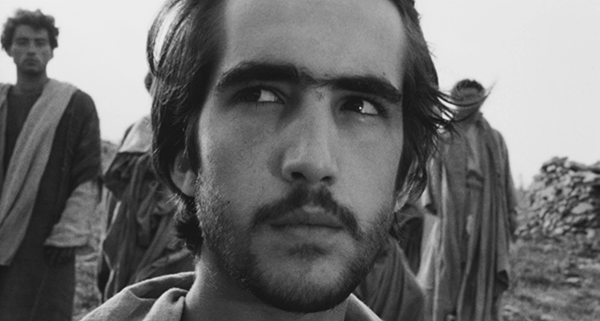
The Gospel According to Pasolini
The Gospel According to Pasolini
THE GOSPEL ACCORDING TO ST MATTHEW(Il Vangelo Secondo Matteo)
-----------------------------------------------------------------
click to activate the icon of slideshow: the small triangle inscribed in the small rectangle, at the top right, in the photostream;
or…. Press the “L” button to zoom in the image;
clicca sulla piccola icona per attivare lo slideshow: sulla facciata principale del photostream, in alto a destra c'è un piccolo rettangolo (rappresenta il monitor) con dentro un piccolo triangolo nero;
oppure…. premi il tasto “L” per ingrandire l'immagine;
www.worldphoto.org/sony-world-photography-awards/winners-...
www.fotografidigitali.it/gallery/2726/opere-italiane-segn...
…………………………………………………………………
Before talking about the procession of the Holy Crucifix of Aracoeli which is held in the town of San Marco d'Alunzio (in the province of Messina), I make a brief introduction, this "photographic story" was created with photographs taken both during the procession of this year 2024, and during the procession of last year 2023, this meant, in some cases, that in some key moments of the procession the shots were taken simultaneously from two different angles, as if I had been in "bilocation", this because this year I chose a different perspective than last year. The procession begins on the morning of the last Friday of March each year, however there is an exception to this rule, when it coincides with Good Friday, which happened this year, then the procession is brought forward to the previous Friday. That of the SS. Crucifix of Aracoeli is an ancient penitential rite, on the day of the feast of the Crucifix in San Marco d'Alunzio the Holy Mass is celebrated in the Church of Aracoeli, therefore the SS. Crucifix (which is found in the church at the end of the right nave, at its feet the picture of the Virgin of Sorrows pierced by seven swords) is removed from the hook on which it is hanging, is taken outside the church, then raised and fixed on the float , and so (after the sermon of the priest who climbed onto the float next to the Crucifix) the Crucifix with the picture of his Sorrowful Mother underneath, then both placed on the float, are carried in procession by the Babbaluti, who proceed invoking the pity and mercy of the Lord with a faint lament that continually repeats “Signuri, Misericordia, Pietà!”. San Marco d'Alunzio is a pleasant town in the Messina area, located in the Nebrodi mountains, in Sicily; the procession takes place in honor of the Holy Crucifix of Araceli, this is a religious-penitential occasion also known as the "procession of the babbaluti", they are those who, by vote or by grace received, have decided to carry during the procession on their shoulders the float with the Crucifix and the painting; they head to the nearby Church of Santa Maria dei Poveri or to some private home nearby where, sheltered from the curiosity of the faithful, they wear a simple but characteristic indigo-coloured cloth habit, consisting of a tunic and a conical-shaped hood such to cover the entire body and leave only the eyes and hands free, it is not uncommon, however, that among the penitents, made anonymous by the habit they wear, there are also women, who, to avoid any possibility of recognition, wear a pair of gloves; the babbaluti are 33 in number to commemorate the 33 years of Christ, the number is odd, in fact the 33rd babbaluto does not wear the float, he (should be the "chief of float") proceeds backwards, turning his gaze to Christ and to His Mother, and at the same time checks that everything is in order among the babbaluti (this is a way of proceeding in carrying the float, which is present in various Sicilian religious processions). Then, the 32 (+1) "babbaluti" carry on their shoulders the launch bearing the Holy Crucifix of the Araceli church (the statue of Christ was created by Scipione Li Volsi, in the year 1652, he was a sculptor and plasterer of the Sicilian Baroque), at whose feet, on the float, the painting of Our Lady of Sorrows is tied, which appears pierced by seven swords (an 18th century painting). Before the start of the procession, the babbaluti advance barefoot wearing only heavy handmade raw wool socks. Before entering the church they must walk a purification path: when they arrive near the ancient church of Araceli , they bend down and kiss the ground, thus receiving permission to enter the church, but this happens from a side door, called "false door" (in Sicilian dialect “porta fausa”), once they enter the church laterally, they now emerge from the main entrance, thus being able to take their places, kneeling at the front and behind, of the float; the priest's long-awaited speech will follow, once finished, the procession can begin which takes place through the streets of the picturesque and welcoming town of San Marco d'Alunzio. Along the route the Babbaluti pace their pace accompanied by the sad and plaintive jugulation that invokes the Lord. There are devout men and women who proceed together with the mugglers, walking alongside the float, touching it, now caressing it... just to have physical (and consequently spiritual) contact with it. Finally, after having completed a specific route, the procession returns to the ancient church (of Norman origins) of Aracoeli. Whenever I am present at this touching occasion I am completely flooded with emotions (which however I cannot abandon myself to, I would lose concentration in taking the photos), the highlight is when the Crucified Christ is removed from the hook fixed on the wall by expert men, and then be carried (seems to float) above the heads of the devotees, supported with their hands, right outside the church, and be hoisted and fixed on the float; in these moments of intense emotion it is common to see in the eyes of the devotees, shining with tears, that profound emotion of their relationship with this Christ, which has always lasted: it is as if they found themselves in the presence of the true Christ, in flesh and blood, this it is the atmosphere you experience in those moments, this is the magic of the procession of the SS. Crucifix and his Mother, represented by the painting of Our Lady of Sorrows pierced by seven swords (iconography of Spanish origin).
+++++++++++++++++++++++++++++++++++++++++
+++++++++++++++++++++++++++++++++++++++++
Prima di parlare della processione del Santissimo Crocifisso di Aracoeli che si tiene nel paese di San Marco d’Alunzio (in provincia di Messina), faccio una breve premessa, questo “racconto fotografico” è stato realizzato con fotografie scattate sia durante la processione di quest’anno 2024, sia durante la processione dello scorso anno 2023, questo ha comportato, in alcuni casi, che in alcuni momenti salienti della processione gli scatti siano stati realizzati contemporaneamente da due angolazioni diverse, come se io fossi stato in “bilocazione”, questo perché quest’anno ho scelto una prospettiva differente da quella dello scorso anno. La processione inizia la mattina dell’ultimo venerdì del mese di marzo di ogni anno, c’è però una eccezione a questa regola, quando avviene la coincidenza col Venerdì Santo, cosa accaduta quest’anno, allora la processione viene anticipata al venerdì precedente. Quella del SS.Crocifisso di Aracoeli è un antico rito penitenziale, il giorno della festa del Crocifisso a San Marco d'Alunzio viene celebrata la S. Messa nella Chiesa dell'Aracoeli, quindi il SS. Crocifisso (che si trova nella chiesa in fondo alla navata di destra, ai suoi piedi il quadro della Vergine Addolorata. trafitta da sette spade) viene tolto dal gancio sul quale è appeso, viene portato all’esterno della chiesa, quindi innalzato e fissato sulla vara, e così (dopo il sermone del sacerdote salito sulla vara accanto al Crocifisso) il Crocifisso con sotto il quadro di sua Madre Addolorata, quindi messi entrambi sulla vara, vengono portati in processione dai Babbaluti, che procedono invocando la pietà e la misericordia del Signore con un flebile lamento che ripete continuamente “Signuri, Misericordia, Pietà!”. San Marco d’Alunzio è un ameno paese del territorio Messinese, sito sui monti Nebrodi, in Sicilia; la processione si svolge proprio in onore del Santissimo Crocifisso di Araceli, è questa una ricorrenza religioso-penitenziale conosciuta anche come "processione dei babbaluti", essi sono coloro che per voto o per grazia ricevuta, hanno deciso di portare in processione sulle loro spalle il fercolo con il Crocifisso ed il quadro; essi si dirigono nella vicina Chiesa di Santa Maria dei Poveri o in qualche abitazione privata lì vicino dove, al riparo dalla curiosità dei fedeli, indossano un semplice ma caratteristico saio di tela di colore indaco, costituito da una tunica e un cappuccio di forma conica tale da coprire l'intero corpo e lasciare liberi solo gli occhi e le mani, non è raro purtuttavia che tra i penitenti, resi anonimi dal saio che indossano, vi siano anche delle donne, le quali per evitare qualsiasi possibilità di riconoscimento, indossano un paio di guanti; i babbaluti sono in numero di 33 per rievocare i 33 anni di Cristo, il numero è dispari, infatti il 33° babbaluto non porta la vara, egli (dovrebbe essere il “capo vara”) procede all’indietro, rivolgendo lo sguardo al Cristo ed a sua Madre, e nel contempo controlla che tutto sia in ordine tra i babbaluti (questo è un modo di procedere nel portare la vara o fercolo, che è presente in diverse processioni religiose siciliane). Quindi, i 32 (+1) "babbaluti" portano sulle loro spalle la vara che reca il Santo Crocifisso della chiesa dell’Araceli (la statua del Cristo è stata creata da Scipione Li Volsi, nell'anno 1652, egli fu uno scultore e stuccatore del barocco SIciliano), ai cui piedi, sulla vara, viene legato il quadro della Madonna Addolorata, che appare trafitta da sette spade ( un dipinto del XVIII secolo). I babbaluti prima dell'inizio della processione avanzano a piedi scalzi indossando solo delle pesanti calze di lana grezza realizzate a mano, devono percorrere, prima di entrare in chiesa, un cammino di purificazione: quando essi giungono in prossimità dell'antica chiesa dell'Araceli, essi si chinano e baciano in terra, ricevendo in tal modo il permesso per poter accedere dentro la chiesa, questo però avviene da una porta laterale, chiamata "falsa porta" (In dialetto siciliano “porta fausa”), una volta entrati in chiesa lateralmente, ora fuoriescono dall'ingresso principale, potendo così prendere posto, inginocchiandosi sul davanti ed alle spalle, della vara; seguirà l'atteso discorso del sacerdote, terminato, potrà iniziare la processione che si svolge per le vie del pittoresco ed accogliente paese di San Marco d'Alunzio. Lungo il percorso i Babbaluti cadenzano la propria andatura accompagnandosi alla mesta e lamentosa giugulatoria che invoca il Signore . Ci sono uomini e donne devoti che procedono assieme ai babbaluti camminando a lato della vara, toccandola, ora accarezzandola...pur di avere un contatto fisico (e di rimando spirituale) con essa. Infine, dopo aver compiuto un preciso percorso, la processione fa rientro nell'antica chiesa (di origini Normanne) dell'Aracoeli. Ogniqualvolta sono presente a questa toccante ricorrenza sono completamente inondato da emozioni (alle quali però non posso abbandonarmi, perderei la concentrazione nel realizzare le foto), il momento clou è quando il Cristo Crocifisso viene tolto dal gancio fissato sul muro da uomini esperti, per poi essere portato (sembra galleggiare) sopra la testa dei devoti, sostenuto con le mani, fin fuori la chiesa, ed essere issato e fissato sulla vara; in questi momenti di intensa emozione è comune vedere negli occhi dei devoti, lucidi di lacrime, quella emozione profonda del loro rapporto con questo Cristo, che dura da sempre: è come se si trovassero al cospetto del Cristo vero, in carne ed ossa, questa è l’atmosfera che si vive in quei momenti, questa è la magia della processione del SS. Crocifisso e di Sua Madre, rappresentata dal quadro dell’Addolorata trafitta da sette spade (iconografia di origine spagnola).
++++++++++++++++++++++++++++++++++++++++
Map made for Wikipedia and the Wikimedia Commons.
This is a map of the Ganges (yellow), Brahmaputra (violet), and Meghna (green) drainage basins. Created with ArcExplorer and Adobe Illustrator, based on Natural Earth data.
Commons links: commons.wikimedia.org/wiki/File:Ganges-Brahmaputra-Meghna...

Used on en.wikipedia.org/wiki/Ganges and many other pages.
upload.wikimedia.org/wikipedia/en/1/1f/Corpo_celeste_post...

“……………………………………”
“…………………………………..”
-----------------------------------------------------------------
click to activate the icon of slideshow: the small triangle inscribed in the small rectangle, at the top right, in the photostream;
or…. Press the “L” button to zoom in the image;
clicca sulla piccola icona per attivare lo slideshow: sulla facciata principale del photostream, in alto a destra c'è un piccolo rettangolo (rappresenta il monitor) con dentro un piccolo triangolo nero;
oppure…. premi il tasto “L” per ingrandire l'immagine;
www.worldphoto.org/sony-world-photography-awards/winners-...
www.fotografidigitali.it/gallery/2726/opere-italiane-segn...
…………………………………………………………………
St. Paul the Apostle is a very revered saint in the Sicilian town of Palazzolo Acreide, the feast in his honor is celebrated on two occasions (very important periods if referring to peasant civilization), on 29 June (the day I took this photo story this year 2023) date of his martyrdom, and January 25, the date of his conversion to Christianity. The "summer party" of June 29, begins with a particular collection of donut-shaped bread (in Sicilian called "cuddura"), donated by the villagers and collected on a cart, this is the "round of bread", these loaves (called "di San Paolo") have decorations that recall snakes: the reference is always to San Paolo, considered the protector from the poisonous bites of vipers, this is the ancestral legacy of an ancient peasant civilization, the wheat harvest period that coincides with the feast, it makes working in sunburnt fields particularly dangerous; once there were characters to whom supernatural gifts were attributed, they were called "ciarauli", capable of protecting from the venomous bites of the viper (This year, a very nice man of Palazzolo Acreide, who was also present last year, was present at the feast to recall these ancient figures. Instead of little snakes, as was once the custom, he had with him a very calm python, also because it was full). The procession takes the name of "sciuta", with reference to the "exit" from the basilica of San Paolo of two floats, first the float comes out with the relic of the saint, carried on the shoulders by the devotees, immediately after, at 13.00 o'clock the exit of the float takes place with the ancient statue of Saint Paul holding a sword in his hand (the iconography represents him with the sword for two reasons, he was beheaded with a sword stroke, and because he, referring to the word of God, defined it more effective and sharper than a double-bladed sword), at this point they begin among the most spectacular and evocative pyrotechnic games that I have ever seen, we witness a phantasmagoric and kaleidoscopic explosion of colors made with enormous colored confetti and with colored ribbons about two meters long called 'nzareddi, which recall the shape and movement of snakes. During the procession we witness the rite of children who, completely naked, are taken by their parents by the expert hands of two devotees present on the float, they are thus placed in front of St. Paul to ask for his intercession and protection, sometimes these children are adorned with paper money, in fact, the donation of money is part of the rites that accompany the procession. Among these rites is the vow of the "bare shoulder" made by devout bearers, and that of women who walk barefoot by vow. The procession with the two vare then arrives, as a sign of devotion, in the church of the Annunziata.
San Paolo Apostolo è un santo molto venerato nel paese siciliano di Palazzolo Acreide, la festa in suo onore viene celebrata in due occasioni (periodi molto importanti se riferiti alla civiltà contadina), il 29 giugno (giorno in cui ho realizzato quest’anno 2023 questo foto-racconto) data del suo martirio, ed il 25 gennaio, data della sua conversione al cristianesimo. La “festa estiva” del 29 giugno, inizia con una particolare raccolta di pane a forma di ciambella (in siciliano detta “cuddura”), donato dai paesani e raccolto su di un carretto, questo è il “giro del pane”, questi pani (detti “di San Paolo”) presentano delle decorazioni che richiamano i serpenti: il riferimento è sempre a San Paolo, ritenuto il protettore dai morsi velenosi delle vipere, questo è il retaggio ancestrale di un’antica civiltà contadina, il periodo della mietitura che coincide con la festa, rende particolarmente pericoloso il lavoro nei campi arsi dal sole; una volta esistevano dei personaggi a cui si attribuivano doti sovrannaturali, erano chiamati “ciarauli”, capaci di proteggere dai morsi velenosi della vipera (quest’anno era presente nella festa, a rievocare queste antiche figure, un simpaticissimo Palazzolese, presente anche l'anno scorso, che al posto delle bisce, come si usava una volta, aveva con se un docilissimo pitone, anche perchè satollo). La processione prende il nome di “sciuta”, con riferimento alla “uscita” dalla basilica di San Paolo di due vare, dapprima esce la vara con la reliquia del santo, portata in spalla dai devoti, subito dopo, alle 13,00 in punto avviene l’uscita della vara con l’antica statua di San Paolo che stringe una spada in pugno (l’iconografia lo rappresenta con la spada per due motivi, egli fu decapitato con un colpo di spada, e perché egli, riferendosi alla parola di Dio, la definiva più efficace e più tagliente di una spada a doppia lama), a questo punto iniziano tra i più spettacolari e suggestivi giochi pirotecnici che io che io abbia mai visto, si assiste ad una fantasmagorica e caleidoscopica esplosione di colori realizzati con enormi coriandoli colorati e con dei nastri colorati lunghi circa due metri chiamati ‘nzareddi, che richiamano la forma ed il movimento dei serpenti. Durante la processione si assiste al rito dei bambini che, completamente nudi, vengono presi dai genitori dalle esperte mani di due devoti presenti sulla vara, vengono così messi al cospetto di San Paolo a chiederne la sua intercessione e protezione, a volte questi bimbi sono adornati con della carta moneta, infatti la donazione di denaro fa parte dei riti che accompagnano la processione. Tra questi riti c’è il voto della “spalla nuda” fatto dai devoti portatori, e quello delle donne che per voto camminano scalze. La processione con le due vare giunge poi, in segno di devozione, nella chiesa dell’Annunziata.
………………………………………………………
Map made for Wikipedia and the Wikimedia Commons.
This is a map of the route taken by Alessandro Malaspina during his expedition of 1789-1794. The map shows only the route of Malaspina's ship, Descubierta. A second ship, Atrevida, under command of José Bustamante accompanied Malaspina along most but not all of this route. The return route from Tonga to Spain is not shown. Made using various sources that describe the expedition and its route.
Commons link: commons.wikimedia.org/wiki/File:MalaspinaRouteMap.png

Used on various pages including
en.wikipedia.org/wiki/Alessandro_Malaspina
Reference: Photo 24/(208)
From the Girdwood Collection held by the British Library.
This image is part of the Europeana Collections 1914-1918
Date: 1 Aug 1915
See also:
- View this at the British Library's site
Map made for Wikipedia and the Wikimedia Commons.
Map of the Appalachian Mountain physiographic regions, highlighting the Great Appalachian Valley, naming the main valleys making it up and the main mountains on either side.
Commons link: commons.wikimedia.org/wiki/File:Greatvalley-map.jpg

Used on various pages including
en.wikipedia.org/wiki/Great_Appalachian_Valley
WikiconNL is de jaarlijkse conferentie over Wikipedia, Wikimedia, digitaal erfgoed en onderwerpen als auteursrecht en (linked) open data.

Wikimedia's annual development community meet-up — the Wikimedia Hackathon — was held in Amsterdam, Netherlands in 2013 from 24-26 May. It was a long weekend filled with hacking anything related to MediaWiki or one of the Wikimedia projects (and sometimes other things, too). The Hackathon was completely open to seasoned and new developers, as well as people working on MediaWiki, tools, pywikipedia, gadgets, extensions, templates, etc.
Wikimedia commons.
"Godber Collection, Alexander Turnbull Library"
Wellington New Zealand
commons.wikimedia.org/wiki/File:Nc_Class_steam_locomotive...

The origins of the church dedicated to St. Michael the Archangel and documentary evidence of so-called (Arkhangel'skoe) village goes back to the 17th century when these groungs were owned by Boltin boyars. The church as it's shown on a photo was finalized in 1822 by well-known Russian architect Joseph Bove who was the second husband of princess A.S. Trubetskoy, whose noble family owned this land since year 1710. Later in 1937 the church was closed by atheist soviet authorities and turned into warehouse and country club, then severly damaged during WW II. One of the most sad things in history of the church is that The Nazis killed lots of people from the bell-tower of the church as it's a prevailing height of this area. The church was returned to the Russian Orthodox Church in 1995 and since then is permanently under reconstruction process.
More information about the village and country estate of the Trubetskoy family can be found here -in Russian
More information about Joseph Bove : WIKI
To animate the image scroll down to the first comment below or view original size.
Details and History
The Wikimedia Commons website offers a multitude of historical images with no restrictions on use. This 1902 C. L. Wasson stereoview is titled Love at the Seaside -- Atlantic City, NJ.

Quick Links to related animated stereo images
Images with Victorian era fashions.
Images from Atlantic City, NJ.
All images with a beach theme.
Browse the 19th century or by decade: 1850s, 1860s, 1870s, 1880s, 1890s.
Browse the 20th century or by decade: 1900s, 1910s, 1920s, 1930s, 1940s.
Copyright Advisory
This item is indicated as being in the public domain on its Wikimedia page:
commons.wikimedia.org/wiki/File:Love_at_the_Seaside_--_At... .
This image is also available with bibliographic notes from the New York Public Library's Digital Library under the digital ID digitalgallery.nypl.org/nypldigital/id?G90F449_010F .
Technical trivia
Image manipulations and animated gif generation done with StereoPhotoMaker, a freeware program by Masuji Suto & David Sykes. Rotation: Left, 0.3; Right, -0.3
.……………………………….
upload.wikimedia.org/wikipedia/en/2/2b/Pasolini_Gospel_Po...
The Gospel According to Pasolini
The Gospel According to Pasolini
THE GOSPEL ACCORDING TO ST MATTHEW(Il Vangelo Secondo Matteo)
-----------------------------------------------------------------
click to activate the icon of slideshow: the small triangle inscribed in the small rectangle, at the top right, in the photostream;
or…. Press the “L” button to zoom in the image;
clicca sulla piccola icona per attivare lo slideshow: sulla facciata principale del photostream, in alto a destra c'è un piccolo rettangolo (rappresenta il monitor) con dentro un piccolo triangolo nero;
oppure…. premi il tasto “L” per ingrandire l'immagine;
www.worldphoto.org/sony-world-photography-awards/winners-...
www.fotografidigitali.it/gallery/2726/opere-italiane-segn...
…………………………………………………………………
Before talking about the procession of the Holy Crucifix of Aracoeli which is held in the town of San Marco d'Alunzio (in the province of Messina), I make a brief introduction, this "photographic story" was created with photographs taken both during the procession of this year 2024, and during the procession of last year 2023, this meant, in some cases, that in some key moments of the procession the shots were taken simultaneously from two different angles, as if I had been in "bilocation", this because this year I chose a different perspective than last year. The procession begins on the morning of the last Friday of March each year, however there is an exception to this rule, when it coincides with Good Friday, which happened this year, then the procession is brought forward to the previous Friday. That of the SS. Crucifix of Aracoeli is an ancient penitential rite, on the day of the feast of the Crucifix in San Marco d'Alunzio the Holy Mass is celebrated in the Church of Aracoeli, therefore the SS. Crucifix (which is found in the church at the end of the right nave, at its feet the picture of the Virgin of Sorrows pierced by seven swords) is removed from the hook on which it is hanging, is taken outside the church, then raised and fixed on the float , and so (after the sermon of the priest who climbed onto the float next to the Crucifix) the Crucifix with the picture of his Sorrowful Mother underneath, then both placed on the float, are carried in procession by the Babbaluti, who proceed invoking the pity and mercy of the Lord with a faint lament that continually repeats “Signuri, Misericordia, Pietà!”. San Marco d'Alunzio is a pleasant town in the Messina area, located in the Nebrodi mountains, in Sicily; the procession takes place in honor of the Holy Crucifix of Araceli, this is a religious-penitential occasion also known as the "procession of the babbaluti", they are those who, by vote or by grace received, have decided to carry during the procession on their shoulders the float with the Crucifix and the painting; they head to the nearby Church of Santa Maria dei Poveri or to some private home nearby where, sheltered from the curiosity of the faithful, they wear a simple but characteristic indigo-coloured cloth habit, consisting of a tunic and a conical-shaped hood such to cover the entire body and leave only the eyes and hands free, it is not uncommon, however, that among the penitents, made anonymous by the habit they wear, there are also women, who, to avoid any possibility of recognition, wear a pair of gloves; the babbaluti are 33 in number to commemorate the 33 years of Christ, the number is odd, in fact the 33rd babbaluto does not wear the float, he (should be the "chief of float") proceeds backwards, turning his gaze to Christ and to His Mother, and at the same time checks that everything is in order among the babbaluti (this is a way of proceeding in carrying the float, which is present in various Sicilian religious processions). Then, the 32 (+1) "babbaluti" carry on their shoulders the launch bearing the Holy Crucifix of the Araceli church (the statue of Christ was created by Scipione Li Volsi, in the year 1652, he was a sculptor and plasterer of the Sicilian Baroque), at whose feet, on the float, the painting of Our Lady of Sorrows is tied, which appears pierced by seven swords (an 18th century painting). Before the start of the procession, the babbaluti advance barefoot wearing only heavy handmade raw wool socks. Before entering the church they must walk a purification path: when they arrive near the ancient church of Araceli , they bend down and kiss the ground, thus receiving permission to enter the church, but this happens from a side door, called "false door" (in Sicilian dialect “porta fausa”), once they enter the church laterally, they now emerge from the main entrance, thus being able to take their places, kneeling at the front and behind, of the float; the priest's long-awaited speech will follow, once finished, the procession can begin which takes place through the streets of the picturesque and welcoming town of San Marco d'Alunzio. Along the route the Babbaluti pace their pace accompanied by the sad and plaintive jugulation that invokes the Lord. There are devout men and women who proceed together with the mugglers, walking alongside the float, touching it, now caressing it... just to have physical (and consequently spiritual) contact with it. Finally, after having completed a specific route, the procession returns to the ancient church (of Norman origins) of Aracoeli. Whenever I am present at this touching occasion I am completely flooded with emotions (which however I cannot abandon myself to, I would lose concentration in taking the photos), the highlight is when the Crucified Christ is removed from the hook fixed on the wall by expert men, and then be carried (seems to float) above the heads of the devotees, supported with their hands, right outside the church, and be hoisted and fixed on the float; in these moments of intense emotion it is common to see in the eyes of the devotees, shining with tears, that profound emotion of their relationship with this Christ, which has always lasted: it is as if they found themselves in the presence of the true Christ, in flesh and blood, this it is the atmosphere you experience in those moments, this is the magic of the procession of the SS. Crucifix and his Mother, represented by the painting of Our Lady of Sorrows pierced by seven swords (iconography of Spanish origin).
+++++++++++++++++++++++++++++++++++++++++
+++++++++++++++++++++++++++++++++++++++++
Prima di parlare della processione del Santissimo Crocifisso di Aracoeli che si tiene nel paese di San Marco d’Alunzio (in provincia di Messina), faccio una breve premessa, questo “racconto fotografico” è stato realizzato con fotografie scattate sia durante la processione di quest’anno 2024, sia durante la processione dello scorso anno 2023, questo ha comportato, in alcuni casi, che in alcuni momenti salienti della processione gli scatti siano stati realizzati contemporaneamente da due angolazioni diverse, come se io fossi stato in “bilocazione”, questo perché quest’anno ho scelto una prospettiva differente da quella dello scorso anno. La processione inizia la mattina dell’ultimo venerdì del mese di marzo di ogni anno, c’è però una eccezione a questa regola, quando avviene la coincidenza col Venerdì Santo, cosa accaduta quest’anno, allora la processione viene anticipata al venerdì precedente. Quella del SS.Crocifisso di Aracoeli è un antico rito penitenziale, il giorno della festa del Crocifisso a San Marco d'Alunzio viene celebrata la S. Messa nella Chiesa dell'Aracoeli, quindi il SS. Crocifisso (che si trova nella chiesa in fondo alla navata di destra, ai suoi piedi il quadro della Vergine Addolorata. trafitta da sette spade) viene tolto dal gancio sul quale è appeso, viene portato all’esterno della chiesa, quindi innalzato e fissato sulla vara, e così (dopo il sermone del sacerdote salito sulla vara accanto al Crocifisso) il Crocifisso con sotto il quadro di sua Madre Addolorata, quindi messi entrambi sulla vara, vengono portati in processione dai Babbaluti, che procedono invocando la pietà e la misericordia del Signore con un flebile lamento che ripete continuamente “Signuri, Misericordia, Pietà!”. San Marco d’Alunzio è un ameno paese del territorio Messinese, sito sui monti Nebrodi, in Sicilia; la processione si svolge proprio in onore del Santissimo Crocifisso di Araceli, è questa una ricorrenza religioso-penitenziale conosciuta anche come "processione dei babbaluti", essi sono coloro che per voto o per grazia ricevuta, hanno deciso di portare in processione sulle loro spalle il fercolo con il Crocifisso ed il quadro; essi si dirigono nella vicina Chiesa di Santa Maria dei Poveri o in qualche abitazione privata lì vicino dove, al riparo dalla curiosità dei fedeli, indossano un semplice ma caratteristico saio di tela di colore indaco, costituito da una tunica e un cappuccio di forma conica tale da coprire l'intero corpo e lasciare liberi solo gli occhi e le mani, non è raro purtuttavia che tra i penitenti, resi anonimi dal saio che indossano, vi siano anche delle donne, le quali per evitare qualsiasi possibilità di riconoscimento, indossano un paio di guanti; i babbaluti sono in numero di 33 per rievocare i 33 anni di Cristo, il numero è dispari, infatti il 33° babbaluto non porta la vara, egli (dovrebbe essere il “capo vara”) procede all’indietro, rivolgendo lo sguardo al Cristo ed a sua Madre, e nel contempo controlla che tutto sia in ordine tra i babbaluti (questo è un modo di procedere nel portare la vara o fercolo, che è presente in diverse processioni religiose siciliane). Quindi, i 32 (+1) "babbaluti" portano sulle loro spalle la vara che reca il Santo Crocifisso della chiesa dell’Araceli (la statua del Cristo è stata creata da Scipione Li Volsi, nell'anno 1652, egli fu uno scultore e stuccatore del barocco SIciliano), ai cui piedi, sulla vara, viene legato il quadro della Madonna Addolorata, che appare trafitta da sette spade ( un dipinto del XVIII secolo). I babbaluti prima dell'inizio della processione avanzano a piedi scalzi indossando solo delle pesanti calze di lana grezza realizzate a mano, devono percorrere, prima di entrare in chiesa, un cammino di purificazione: quando essi giungono in prossimità dell'antica chiesa dell'Araceli, essi si chinano e baciano in terra, ricevendo in tal modo il permesso per poter accedere dentro la chiesa, questo però avviene da una porta laterale, chiamata "falsa porta" (In dialetto siciliano “porta fausa”), una volta entrati in chiesa lateralmente, ora fuoriescono dall'ingresso principale, potendo così prendere posto, inginocchiandosi sul davanti ed alle spalle, della vara; seguirà l'atteso discorso del sacerdote, terminato, potrà iniziare la processione che si svolge per le vie del pittoresco ed accogliente paese di San Marco d'Alunzio. Lungo il percorso i Babbaluti cadenzano la propria andatura accompagnandosi alla mesta e lamentosa giugulatoria che invoca il Signore . Ci sono uomini e donne devoti che procedono assieme ai babbaluti camminando a lato della vara, toccandola, ora accarezzandola...pur di avere un contatto fisico (e di rimando spirituale) con essa. Infine, dopo aver compiuto un preciso percorso, la processione fa rientro nell'antica chiesa (di origini Normanne) dell'Aracoeli. Ogniqualvolta sono presente a questa toccante ricorrenza sono completamente inondato da emozioni (alle quali però non posso abbandonarmi, perderei la concentrazione nel realizzare le foto), il momento clou è quando il Cristo Crocifisso viene tolto dal gancio fissato sul muro da uomini esperti, per poi essere portato (sembra galleggiare) sopra la testa dei devoti, sostenuto con le mani, fin fuori la chiesa, ed essere issato e fissato sulla vara; in questi momenti di intensa emozione è comune vedere negli occhi dei devoti, lucidi di lacrime, quella emozione profonda del loro rapporto con questo Cristo, che dura da sempre: è come se si trovassero al cospetto del Cristo vero, in carne ed ossa, questa è l’atmosfera che si vive in quei momenti, questa è la magia della processione del SS. Crocifisso e di Sua Madre, rappresentata dal quadro dell’Addolorata trafitta da sette spade (iconografia di origine spagnola).
++++++++++++++++++++++++++++++++++++++++
Map made for Wikipedia and the Wikimedia Commons.
Map showing the major Continental divides of North America, following the style of commons.wikimedia.org/wiki/File:NorthAmericaDivides.gif and intended as a replacement. Made using commons.wikimedia.org/wiki/File:BlankMap-North_America-Su... as a base map. Various maps and other sources consulted, such as: commons.wikimedia.org/wiki/File:Ocean_drainage.png, Drainage Basins, The Atlas of Canada, www.cec.org/atlas/files/watersheds/na_watersheds_en.jpg, and others.


Commons link: commons.wikimedia.org/wiki/File:NorthAmerica-WaterDivides...

Used on various pages including
en.wikipedia.org/wiki/Continental_divide
en.wikipedia.org/wiki/Continental_Divide_of_the_Americas
en.wikipedia.org/wiki/Triple_Divide_Peak_(Montana)
en.wikipedia.org/wiki/Laurentian_Divide
and many others.
Wikimedia's annual development community meet-up — the Wikimedia Hackathon — was held in Amsterdam, Netherlands in 2013 from 24-26 May. It was a long weekend filled with hacking anything related to MediaWiki or one of the Wikimedia projects (and sometimes other things, too). The Hackathon was completely open to seasoned and new developers, as well as people working on MediaWiki, tools, pywikipedia, gadgets, extensions, templates, etc.
The purpose here is not to duplicate the original image, from the Wikimedia Commons website (search for vintage KS stereoimages), but to generate an animated gif to assist viewing. Unfortunately, animation is not automatic - to animate you must view the image at original resolution (click all sizes) or simply scroll down.
The Wikimedia commons a multitude of historical images online, many needing no license to redistribute. The original image entitled Commerical street looking east from Seventh street, Atchinson, by Conklin & Kleckner(sic), is from Atchison area photographers. This 19th century view predates the brick streets and trolley that came at the end of the century. See the same, or a nearby block, in 1905 or the intersection of 7th & Commerical in 1907. This image is reduced to 600dpi wide to facilitate loading. See the full resolution animated gif (1400 x 1600 dpi; 2 MB).

Notable landmarks:
List of landmarks found at the Atchison History project.
The reverse of a Conklin and Kleckner describes their oeuvre:
Stereoscopic views of life and scenes in Kansas
Atchison, Union Deopt, Hotels, Business Houses, Missouri River Views, Atchison Brisge, Commercial Street, Grain Elevators, and all placesof interest in and around Atchison.
Prairie Life and Scenes
Sod Houses, Dugouts, Log Cabins, Prairie Flowers, Great Spirit Springs, Hunter's Cabins, Sod School Houses, Sheep Herding, and everything of interest on the frontier.
Photographed and published by Conklin & Kleckner, Portrait and Landscape Photographers.
509 Commercial St., Atchison, Kansas
Animated gif generated with StereoPhotoMaker, a freeware program by Masuji Suto & David Sykes
Wikimedia commons.
"Godber Collection, Alexander Turnbull Library"
Wellington New Zealand
tiaki.natlib.govt.nz/#details=ecatalogue.292904
Now at Ferrymead Railway Christchurch.
Wikimedia Commons share. Public photo. Engraving by Edward Harding. Source: www.altair.co.uk
The Sami is known to have used ermine in the 1600's. Det er kjent fra flere kilder at samene brukte hermelin skinn på 1600-tallet.
Map made for Wikipedia and the Wikimedia Commons.
World map showing the context of the Maritime Fur Trade era, circa 1790 to 1840.
Commons link: commons.wikimedia.org/wiki/File:Maritime_Fur_Trade-WorldC...

Used on various pages including
en.wikipedia.org/wiki/Maritime_fur_trade
Map made for Wikipedia and the Wikimedia Commons.
This is a map of the Salmon River of Idaho. Created based on USGS and Digital Chart of the World data.
Commons link: commons.wikimedia.org/wiki/File:Salmon_River_Idaho_Map.png

Used on various pages including
That is a very top of the pine of about 30m tall.
To the contrary to Bunya pine, is does not drop the cones - the seeds are dispersed by the wind. Cones are much smaller than bunya's cones.
I was happy to get this shot for my Araucaria collection
They say (ANBG site), that it can take over 200 years to produce cones! Really I cannot believe that my tree is older than 50-60 years. So, I do not know...
The tree stands in the park of suburban Brisbane and its trunk is about 40cm diameter.
This image in Wikimedia now:
commons.wikimedia.org/wiki/File:Araucaria_cunninghamii_co...


To animate the image scroll down to the first comment below or view original size (936 x 1050).
Details and History
The Wikimedia Commons website offers a multitude of historical images with no restrictions on use. This 1859 view of the Rag Rorums celebration at St Johnsbury, Vermont is by F. B. Gage. As an early pioneer of artistic photography he documented life in Vermont from 1850 until his death in 1874. Lisby1 offers a detailed biographical sketch in the caption to this 1858 family portrait.
Quick Links to related animated stereo images:
Browse the 19th century or by decade: 1850s, 1860s, 1870s, 1880s, 1890s.
Browse the 20th century or by decade: 1900s, 1910s, 1920s, 1930s, 1940s.
Copyright Advisory
This item is indicated as being in the public domain on its Wikimedia page:
commons.wikimedia.org/wiki/File:Public_celebration_of_the... .
,_1824-1874.png)
This image is also available with bibliographic notes from the New York Public Library's Digital Library under the digital ID digitalgallery.nypl.org/nypldigital/id?G92F050_014F .
Technical trivia
Image manipulations and animated gif generation done with StereoPhotoMaker, a freeware program by Masuji Suto & David Sykes.
Map made for Wikipedia and the Wikimedia Commons.
This is a locator map of Price Island. Made it with ArcGIS, Adobe Illustrator, and Adobe Photoshop. The coastline data is from the Digital Chart of the World.
Commons link: commons.wikimedia.org/wiki/File:Locmap-PriceIsland.png

Used on en.wikipedia.org/wiki/Price_Island and other pages.
To animate the image scroll down to the first comment below or view original size.
Details and History
The Wikimedia Commons website offers a multitude of historical images with no restrictions on use. This April 1916 stereoview is titled Child sitting on steps with doll.

Quick Links to related animated stereo images
Images with children.
Images with dolls.
Copyright Advisory
This item is indicated as being in the public domain on its Wikimedia page:
commons.wikimedia.org/wiki/File:Child_sitting_on_steps_wi... .
This image is also available with bibliographic notes from the New York Public Library's Digital Library under the digital ID digitalgallery.nypl.org/nypldigital/id?G91F081_030F .
Technical trivia
Tones were enhanced in HSV colorspace. Image manipulations and animated gif generation done with StereoPhotoMaker, a freeware program by Masuji Suto & David Sykes.
Volunteers who want to take a leading role in Wikimedia UK's training programme have the option to follow a Training for trainers course at Wikimedia UK office. For the first time this training was organised for international Wikimedians too.
President of the People for the Ethical Treatment of Animals (PETA) and my dog, Little Man. You can read my interview with her here.
This photo is included in my '100 People I Photographed for the Creative Commons' set of my favorites shots out of the thousands of people I have photographed.

Description
Description
A young bull in the distance displayed a mule and a horse and frailejones bushes, wild inhabitants of the Sierra Nevada de Merida. The photo was taken at Loma Redonda, about 400 meters from the cable car station Loma Redonda in reconstruction and inoperative over 4045 meters, Venezuela{{es|1=Un toro joven visualiza en la distancia a una mula y un caballo entre arbustos y frailejones, salvajes habitantes de la Sierra Nevada de Merida. La foto fue tomada en Loma Redonda, a unos 400 metros de la estación del teleférico Loma Redonda en reconstrucción y fuera de funcionamiento a mas de 4.045 m.s.n.m, Venezuela}}
Date
2012-08-07 09: 00: 10
Source
{{own}}
Author
{{User: The Photographer/info}}
Other_fields
Location dec|8.54164|-71.080097
{{Panorama
License
{{self|cc-zero}}
Uploaded with UploadWizard
Sierra Nevada de Mérida
Animals in Mérida (state)
Charolais cattle in the wild
Mules
Espeletia schultzii
Quality images by The Photographer
Quality images of Venezuela
{{QualityImage}}Taken with Nikon D300Files by The Photographer
Images of Venezuela by User: The Photographer
Files by The Photographer

Description
Location dec|10.959196| -63.998959
Description
Goat for Christmas. Each end of the year for more than 100 years is celebrated goat for Christmas dinner in Margarita Island, Venezuela. The goat can be killed with a knife in the aorta to use their blood. Later is flayed for using their skin. The first thing that is done to kill is fresh consumption of his testicles, penis and blood that are boiled for 2 min with wild oregano leaves from the same area. In this case, this goat was prepared by residents of Las Guevaras in Margarita Island, Venezuela. This activity has been eroding due to the gradual decrease of rearing goats
{{es|Chivo para Navidad. Cada fin de año desde hace mas de 100 años se celebra la cena de chivo para Navidad en la Isla de Margarita, Venezuela. El chivo o cabra puede ser matado con un puñal en la vena aorta para usar su sangre. Posteriormente es desollado para la utilización de su piel. Lo primero que se realiza al matarlo es el consumo fresco de sus testículos, pene y sangre que son hervidos durante 2 min junto con hojas de orégano silvestre de la misma zona. En este caso, este chivo fue preparado por habitantes de Las Guevaras, en la Isla de Margarita, Venezuela. Esta actividad ha ido mermando debido a la disminución paulatina de crianza de chivos, principalmente por la inseguridad de criarlos, la tasa de robo de estos animales ha crecido exponencialmente en los últimos 15 años.}}
Date
2012-12-29 11: 22: 03
Source
{{own}}
Author
{{User: The Photographer/info}}
Other_fields
License
{{self|cc-zero}}
{{QualityImage}}
Uploaded with UploadWizard
Goat meat
Mammals of Margarita island
Goats in Venezuela
Slaughtering
Quality images by The Photographer
Culture pictures by The Photographer
Quality images of Venezuela
Quality images of Isla Margarita
Taken with Nikon D300
Files by The Photographer
Images of Venezuela by User: The Photographer
Files by The Photographer
Wikimedia commons.
"Godber Collection, Alexander Turnbull Library"
Wellington New Zealand
commons.wikimedia.org/wiki/File:Te_Karaka_Railway_Station...
Tijdens de design edit-a-thon in het Centraal Museum in Utrecht werd door vrijwilligers van Wikimedia Nederland een cursus Wikipedia bewerken gegeven. Het Centraal Museum gaf een presentatie over het Collect & Connect project. Oud-conservator Ida van Zijl en Jurgen Bey gaven een rondleiding over de tentoonstelling ‘De zeven hoofdzonden’ - een presentatie van de (toegepaste kunst) collectie en het werk van Jurgen Bey.