View allAll Photos Tagged Wikimedia
.……………………………….
upload.wikimedia.org/wikipedia/en/2/2b/Pasolini_Gospel_Po...

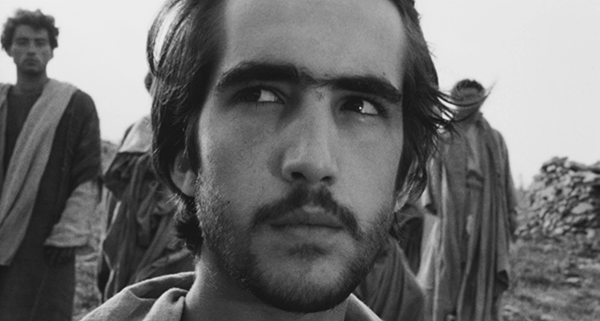
The Gospel According to Pasolini
The Gospel According to Pasolini
THE GOSPEL ACCORDING TO ST MATTHEW(Il Vangelo Secondo Matteo)
-----------------------------------------------------------------
click to activate the icon of slideshow: the small triangle inscribed in the small rectangle, at the top right, in the photostream;
or…. Press the “L” button to zoom in the image;
clicca sulla piccola icona per attivare lo slideshow: sulla facciata principale del photostream, in alto a destra c'è un piccolo rettangolo (rappresenta il monitor) con dentro un piccolo triangolo nero;
oppure…. premi il tasto “L” per ingrandire l'immagine;
www.worldphoto.org/sony-world-photography-awards/winners-...
www.fotografidigitali.it/gallery/2726/opere-italiane-segn...
…………………………………………………………………
Before talking about the procession of the Holy Crucifix of Aracoeli which is held in the town of San Marco d'Alunzio (in the province of Messina), I make a brief introduction, this "photographic story" was created with photographs taken both during the procession of this year 2024, and during the procession of last year 2023, this meant, in some cases, that in some key moments of the procession the shots were taken simultaneously from two different angles, as if I had been in "bilocation", this because this year I chose a different perspective than last year. The procession begins on the morning of the last Friday of March each year, however there is an exception to this rule, when it coincides with Good Friday, which happened this year, then the procession is brought forward to the previous Friday. That of the SS. Crucifix of Aracoeli is an ancient penitential rite, on the day of the feast of the Crucifix in San Marco d'Alunzio the Holy Mass is celebrated in the Church of Aracoeli, therefore the SS. Crucifix (which is found in the church at the end of the right nave, at its feet the picture of the Virgin of Sorrows pierced by seven swords) is removed from the hook on which it is hanging, is taken outside the church, then raised and fixed on the float , and so (after the sermon of the priest who climbed onto the float next to the Crucifix) the Crucifix with the picture of his Sorrowful Mother underneath, then both placed on the float, are carried in procession by the Babbaluti, who proceed invoking the pity and mercy of the Lord with a faint lament that continually repeats “Signuri, Misericordia, Pietà!”. San Marco d'Alunzio is a pleasant town in the Messina area, located in the Nebrodi mountains, in Sicily; the procession takes place in honor of the Holy Crucifix of Araceli, this is a religious-penitential occasion also known as the "procession of the babbaluti", they are those who, by vote or by grace received, have decided to carry during the procession on their shoulders the float with the Crucifix and the painting; they head to the nearby Church of Santa Maria dei Poveri or to some private home nearby where, sheltered from the curiosity of the faithful, they wear a simple but characteristic indigo-coloured cloth habit, consisting of a tunic and a conical-shaped hood such to cover the entire body and leave only the eyes and hands free, it is not uncommon, however, that among the penitents, made anonymous by the habit they wear, there are also women, who, to avoid any possibility of recognition, wear a pair of gloves; the babbaluti are 33 in number to commemorate the 33 years of Christ, the number is odd, in fact the 33rd babbaluto does not wear the float, he (should be the "chief of float") proceeds backwards, turning his gaze to Christ and to His Mother, and at the same time checks that everything is in order among the babbaluti (this is a way of proceeding in carrying the float, which is present in various Sicilian religious processions). Then, the 32 (+1) "babbaluti" carry on their shoulders the launch bearing the Holy Crucifix of the Araceli church (the statue of Christ was created by Scipione Li Volsi, in the year 1652, he was a sculptor and plasterer of the Sicilian Baroque), at whose feet, on the float, the painting of Our Lady of Sorrows is tied, which appears pierced by seven swords (an 18th century painting). Before the start of the procession, the babbaluti advance barefoot wearing only heavy handmade raw wool socks. Before entering the church they must walk a purification path: when they arrive near the ancient church of Araceli , they bend down and kiss the ground, thus receiving permission to enter the church, but this happens from a side door, called "false door" (in Sicilian dialect “porta fausa”), once they enter the church laterally, they now emerge from the main entrance, thus being able to take their places, kneeling at the front and behind, of the float; the priest's long-awaited speech will follow, once finished, the procession can begin which takes place through the streets of the picturesque and welcoming town of San Marco d'Alunzio. Along the route the Babbaluti pace their pace accompanied by the sad and plaintive jugulation that invokes the Lord. There are devout men and women who proceed together with the mugglers, walking alongside the float, touching it, now caressing it... just to have physical (and consequently spiritual) contact with it. Finally, after having completed a specific route, the procession returns to the ancient church (of Norman origins) of Aracoeli. Whenever I am present at this touching occasion I am completely flooded with emotions (which however I cannot abandon myself to, I would lose concentration in taking the photos), the highlight is when the Crucified Christ is removed from the hook fixed on the wall by expert men, and then be carried (seems to float) above the heads of the devotees, supported with their hands, right outside the church, and be hoisted and fixed on the float; in these moments of intense emotion it is common to see in the eyes of the devotees, shining with tears, that profound emotion of their relationship with this Christ, which has always lasted: it is as if they found themselves in the presence of the true Christ, in flesh and blood, this it is the atmosphere you experience in those moments, this is the magic of the procession of the SS. Crucifix and his Mother, represented by the painting of Our Lady of Sorrows pierced by seven swords (iconography of Spanish origin).
+++++++++++++++++++++++++++++++++++++++++
+++++++++++++++++++++++++++++++++++++++++
Prima di parlare della processione del Santissimo Crocifisso di Aracoeli che si tiene nel paese di San Marco d’Alunzio (in provincia di Messina), faccio una breve premessa, questo “racconto fotografico” è stato realizzato con fotografie scattate sia durante la processione di quest’anno 2024, sia durante la processione dello scorso anno 2023, questo ha comportato, in alcuni casi, che in alcuni momenti salienti della processione gli scatti siano stati realizzati contemporaneamente da due angolazioni diverse, come se io fossi stato in “bilocazione”, questo perché quest’anno ho scelto una prospettiva differente da quella dello scorso anno. La processione inizia la mattina dell’ultimo venerdì del mese di marzo di ogni anno, c’è però una eccezione a questa regola, quando avviene la coincidenza col Venerdì Santo, cosa accaduta quest’anno, allora la processione viene anticipata al venerdì precedente. Quella del SS.Crocifisso di Aracoeli è un antico rito penitenziale, il giorno della festa del Crocifisso a San Marco d'Alunzio viene celebrata la S. Messa nella Chiesa dell'Aracoeli, quindi il SS. Crocifisso (che si trova nella chiesa in fondo alla navata di destra, ai suoi piedi il quadro della Vergine Addolorata. trafitta da sette spade) viene tolto dal gancio sul quale è appeso, viene portato all’esterno della chiesa, quindi innalzato e fissato sulla vara, e così (dopo il sermone del sacerdote salito sulla vara accanto al Crocifisso) il Crocifisso con sotto il quadro di sua Madre Addolorata, quindi messi entrambi sulla vara, vengono portati in processione dai Babbaluti, che procedono invocando la pietà e la misericordia del Signore con un flebile lamento che ripete continuamente “Signuri, Misericordia, Pietà!”. San Marco d’Alunzio è un ameno paese del territorio Messinese, sito sui monti Nebrodi, in Sicilia; la processione si svolge proprio in onore del Santissimo Crocifisso di Araceli, è questa una ricorrenza religioso-penitenziale conosciuta anche come "processione dei babbaluti", essi sono coloro che per voto o per grazia ricevuta, hanno deciso di portare in processione sulle loro spalle il fercolo con il Crocifisso ed il quadro; essi si dirigono nella vicina Chiesa di Santa Maria dei Poveri o in qualche abitazione privata lì vicino dove, al riparo dalla curiosità dei fedeli, indossano un semplice ma caratteristico saio di tela di colore indaco, costituito da una tunica e un cappuccio di forma conica tale da coprire l'intero corpo e lasciare liberi solo gli occhi e le mani, non è raro purtuttavia che tra i penitenti, resi anonimi dal saio che indossano, vi siano anche delle donne, le quali per evitare qualsiasi possibilità di riconoscimento, indossano un paio di guanti; i babbaluti sono in numero di 33 per rievocare i 33 anni di Cristo, il numero è dispari, infatti il 33° babbaluto non porta la vara, egli (dovrebbe essere il “capo vara”) procede all’indietro, rivolgendo lo sguardo al Cristo ed a sua Madre, e nel contempo controlla che tutto sia in ordine tra i babbaluti (questo è un modo di procedere nel portare la vara o fercolo, che è presente in diverse processioni religiose siciliane). Quindi, i 32 (+1) "babbaluti" portano sulle loro spalle la vara che reca il Santo Crocifisso della chiesa dell’Araceli (la statua del Cristo è stata creata da Scipione Li Volsi, nell'anno 1652, egli fu uno scultore e stuccatore del barocco SIciliano), ai cui piedi, sulla vara, viene legato il quadro della Madonna Addolorata, che appare trafitta da sette spade ( un dipinto del XVIII secolo). I babbaluti prima dell'inizio della processione avanzano a piedi scalzi indossando solo delle pesanti calze di lana grezza realizzate a mano, devono percorrere, prima di entrare in chiesa, un cammino di purificazione: quando essi giungono in prossimità dell'antica chiesa dell'Araceli, essi si chinano e baciano in terra, ricevendo in tal modo il permesso per poter accedere dentro la chiesa, questo però avviene da una porta laterale, chiamata "falsa porta" (In dialetto siciliano “porta fausa”), una volta entrati in chiesa lateralmente, ora fuoriescono dall'ingresso principale, potendo così prendere posto, inginocchiandosi sul davanti ed alle spalle, della vara; seguirà l'atteso discorso del sacerdote, terminato, potrà iniziare la processione che si svolge per le vie del pittoresco ed accogliente paese di San Marco d'Alunzio. Lungo il percorso i Babbaluti cadenzano la propria andatura accompagnandosi alla mesta e lamentosa giugulatoria che invoca il Signore . Ci sono uomini e donne devoti che procedono assieme ai babbaluti camminando a lato della vara, toccandola, ora accarezzandola...pur di avere un contatto fisico (e di rimando spirituale) con essa. Infine, dopo aver compiuto un preciso percorso, la processione fa rientro nell'antica chiesa (di origini Normanne) dell'Aracoeli. Ogniqualvolta sono presente a questa toccante ricorrenza sono completamente inondato da emozioni (alle quali però non posso abbandonarmi, perderei la concentrazione nel realizzare le foto), il momento clou è quando il Cristo Crocifisso viene tolto dal gancio fissato sul muro da uomini esperti, per poi essere portato (sembra galleggiare) sopra la testa dei devoti, sostenuto con le mani, fin fuori la chiesa, ed essere issato e fissato sulla vara; in questi momenti di intensa emozione è comune vedere negli occhi dei devoti, lucidi di lacrime, quella emozione profonda del loro rapporto con questo Cristo, che dura da sempre: è come se si trovassero al cospetto del Cristo vero, in carne ed ossa, questa è l’atmosfera che si vive in quei momenti, questa è la magia della processione del SS. Crocifisso e di Sua Madre, rappresentata dal quadro dell’Addolorata trafitta da sette spade (iconografia di origine spagnola).
++++++++++++++++++++++++++++++++++++++++
Wikimedia commons.
"Godber Collection, Alexander Turnbull Library"
Wellington New Zealand
<
a href="https://tiaki.natlib.govt.nz/#details=ecatalogue.277840" rel="noreferrer nofollow">tiaki.natlib.govt.nz/#details=ecatalogue.277840
commons.wikimedia.org/wiki/File:%22Eo%22_class_electric_l...
Wikimedia commons.
"Godber Collection, Alexander Turnbull Library"
Wellington New Zealand
commons.wikimedia.org/wiki/File:Bb_Class_steam_locomotive...

This is the only remaining fresco painted by Andrei Rublev, the great iconographer of the 15th century. It is an ensemble depicting the last judgment under the central arch of the west gallery in the cathedral of Vladimir. Few people are able to photograph it because of the poor lighting.
This picture was selected for Wikimedia:
commons.wikimedia.org/wiki/Image:O_palsson_-_Just_the_moo...
.jpg)
I was just checking what the 20 X optical zoom on my new Canon SX10 IS camera could do, so I pointed it at the moon. Comes out quite nice. Who needs a telescope when you have a 20 X zoom?
To see the animated image scroll down to the first comment below or view original size.
Details and History
The Wikimedia Commons website offers a multitude of historical images with no restrictions on use. This circa 1870 John H. Heering image, published in San Jose, shows two unidentified women with their hair down. A short biography at Google books indicates Heering retouched his photos with India ink, suggesting he worked extensively with high contrast images like this.
_San_Jose,_California,_from_Robert_N._Dennis_collection_of_stereoscopic_views.png)
Copyright Advisory
This item is indicated as being in the public domain. This image is also available with bibliographic notes from the New York Public Library's Digital Library under the digital ID digitalgallery.nypl.org/nypldigital/id?G89F349_003F .
Technical trivia
The digital image was enhanced by adjusting the color curve in HSV color space to fit image detail to the visible window (dark details were darkened and highlights were lightened). Subsequent image manipulations and gif generation done with StereoPhotoMaker, a freeware program by Masuji Suto & David Sykes.
Wikimedia commons.
"Godber Collection, Alexander Turnbull Library"
Wellington New Zealand
tiaki.natlib.govt.nz/#details=ecatalogue.277671
commons.wikimedia.org/wiki/File:Uc_Class_steam_locomotive...

.……………………………….
upload.wikimedia.org/wikipedia/en/2/2b/Pasolini_Gospel_Po...
The Gospel According to Pasolini
The Gospel According to Pasolini
THE GOSPEL ACCORDING TO ST MATTHEW(Il Vangelo Secondo Matteo)
-----------------------------------------------------------------
click to activate the icon of slideshow: the small triangle inscribed in the small rectangle, at the top right, in the photostream;
or…. Press the “L” button to zoom in the image;
clicca sulla piccola icona per attivare lo slideshow: sulla facciata principale del photostream, in alto a destra c'è un piccolo rettangolo (rappresenta il monitor) con dentro un piccolo triangolo nero;
oppure…. premi il tasto “L” per ingrandire l'immagine;
www.worldphoto.org/sony-world-photography-awards/winners-...
www.fotografidigitali.it/gallery/2726/opere-italiane-segn...
…………………………………………………………………
Before talking about the procession of the Holy Crucifix of Aracoeli which is held in the town of San Marco d'Alunzio (in the province of Messina), I make a brief introduction, this "photographic story" was created with photographs taken both during the procession of this year 2024, and during the procession of last year 2023, this meant, in some cases, that in some key moments of the procession the shots were taken simultaneously from two different angles, as if I had been in "bilocation", this because this year I chose a different perspective than last year. The procession begins on the morning of the last Friday of March each year, however there is an exception to this rule, when it coincides with Good Friday, which happened this year, then the procession is brought forward to the previous Friday. That of the SS. Crucifix of Aracoeli is an ancient penitential rite, on the day of the feast of the Crucifix in San Marco d'Alunzio the Holy Mass is celebrated in the Church of Aracoeli, therefore the SS. Crucifix (which is found in the church at the end of the right nave, at its feet the picture of the Virgin of Sorrows pierced by seven swords) is removed from the hook on which it is hanging, is taken outside the church, then raised and fixed on the float , and so (after the sermon of the priest who climbed onto the float next to the Crucifix) the Crucifix with the picture of his Sorrowful Mother underneath, then both placed on the float, are carried in procession by the Babbaluti, who proceed invoking the pity and mercy of the Lord with a faint lament that continually repeats “Signuri, Misericordia, Pietà!”. San Marco d'Alunzio is a pleasant town in the Messina area, located in the Nebrodi mountains, in Sicily; the procession takes place in honor of the Holy Crucifix of Araceli, this is a religious-penitential occasion also known as the "procession of the babbaluti", they are those who, by vote or by grace received, have decided to carry during the procession on their shoulders the float with the Crucifix and the painting; they head to the nearby Church of Santa Maria dei Poveri or to some private home nearby where, sheltered from the curiosity of the faithful, they wear a simple but characteristic indigo-coloured cloth habit, consisting of a tunic and a conical-shaped hood such to cover the entire body and leave only the eyes and hands free, it is not uncommon, however, that among the penitents, made anonymous by the habit they wear, there are also women, who, to avoid any possibility of recognition, wear a pair of gloves; the babbaluti are 33 in number to commemorate the 33 years of Christ, the number is odd, in fact the 33rd babbaluto does not wear the float, he (should be the "chief of float") proceeds backwards, turning his gaze to Christ and to His Mother, and at the same time checks that everything is in order among the babbaluti (this is a way of proceeding in carrying the float, which is present in various Sicilian religious processions). Then, the 32 (+1) "babbaluti" carry on their shoulders the launch bearing the Holy Crucifix of the Araceli church (the statue of Christ was created by Scipione Li Volsi, in the year 1652, he was a sculptor and plasterer of the Sicilian Baroque), at whose feet, on the float, the painting of Our Lady of Sorrows is tied, which appears pierced by seven swords (an 18th century painting). Before the start of the procession, the babbaluti advance barefoot wearing only heavy handmade raw wool socks. Before entering the church they must walk a purification path: when they arrive near the ancient church of Araceli , they bend down and kiss the ground, thus receiving permission to enter the church, but this happens from a side door, called "false door" (in Sicilian dialect “porta fausa”), once they enter the church laterally, they now emerge from the main entrance, thus being able to take their places, kneeling at the front and behind, of the float; the priest's long-awaited speech will follow, once finished, the procession can begin which takes place through the streets of the picturesque and welcoming town of San Marco d'Alunzio. Along the route the Babbaluti pace their pace accompanied by the sad and plaintive jugulation that invokes the Lord. There are devout men and women who proceed together with the mugglers, walking alongside the float, touching it, now caressing it... just to have physical (and consequently spiritual) contact with it. Finally, after having completed a specific route, the procession returns to the ancient church (of Norman origins) of Aracoeli. Whenever I am present at this touching occasion I am completely flooded with emotions (which however I cannot abandon myself to, I would lose concentration in taking the photos), the highlight is when the Crucified Christ is removed from the hook fixed on the wall by expert men, and then be carried (seems to float) above the heads of the devotees, supported with their hands, right outside the church, and be hoisted and fixed on the float; in these moments of intense emotion it is common to see in the eyes of the devotees, shining with tears, that profound emotion of their relationship with this Christ, which has always lasted: it is as if they found themselves in the presence of the true Christ, in flesh and blood, this it is the atmosphere you experience in those moments, this is the magic of the procession of the SS. Crucifix and his Mother, represented by the painting of Our Lady of Sorrows pierced by seven swords (iconography of Spanish origin).
+++++++++++++++++++++++++++++++++++++++++
+++++++++++++++++++++++++++++++++++++++++
Prima di parlare della processione del Santissimo Crocifisso di Aracoeli che si tiene nel paese di San Marco d’Alunzio (in provincia di Messina), faccio una breve premessa, questo “racconto fotografico” è stato realizzato con fotografie scattate sia durante la processione di quest’anno 2024, sia durante la processione dello scorso anno 2023, questo ha comportato, in alcuni casi, che in alcuni momenti salienti della processione gli scatti siano stati realizzati contemporaneamente da due angolazioni diverse, come se io fossi stato in “bilocazione”, questo perché quest’anno ho scelto una prospettiva differente da quella dello scorso anno. La processione inizia la mattina dell’ultimo venerdì del mese di marzo di ogni anno, c’è però una eccezione a questa regola, quando avviene la coincidenza col Venerdì Santo, cosa accaduta quest’anno, allora la processione viene anticipata al venerdì precedente. Quella del SS.Crocifisso di Aracoeli è un antico rito penitenziale, il giorno della festa del Crocifisso a San Marco d'Alunzio viene celebrata la S. Messa nella Chiesa dell'Aracoeli, quindi il SS. Crocifisso (che si trova nella chiesa in fondo alla navata di destra, ai suoi piedi il quadro della Vergine Addolorata. trafitta da sette spade) viene tolto dal gancio sul quale è appeso, viene portato all’esterno della chiesa, quindi innalzato e fissato sulla vara, e così (dopo il sermone del sacerdote salito sulla vara accanto al Crocifisso) il Crocifisso con sotto il quadro di sua Madre Addolorata, quindi messi entrambi sulla vara, vengono portati in processione dai Babbaluti, che procedono invocando la pietà e la misericordia del Signore con un flebile lamento che ripete continuamente “Signuri, Misericordia, Pietà!”. San Marco d’Alunzio è un ameno paese del territorio Messinese, sito sui monti Nebrodi, in Sicilia; la processione si svolge proprio in onore del Santissimo Crocifisso di Araceli, è questa una ricorrenza religioso-penitenziale conosciuta anche come "processione dei babbaluti", essi sono coloro che per voto o per grazia ricevuta, hanno deciso di portare in processione sulle loro spalle il fercolo con il Crocifisso ed il quadro; essi si dirigono nella vicina Chiesa di Santa Maria dei Poveri o in qualche abitazione privata lì vicino dove, al riparo dalla curiosità dei fedeli, indossano un semplice ma caratteristico saio di tela di colore indaco, costituito da una tunica e un cappuccio di forma conica tale da coprire l'intero corpo e lasciare liberi solo gli occhi e le mani, non è raro purtuttavia che tra i penitenti, resi anonimi dal saio che indossano, vi siano anche delle donne, le quali per evitare qualsiasi possibilità di riconoscimento, indossano un paio di guanti; i babbaluti sono in numero di 33 per rievocare i 33 anni di Cristo, il numero è dispari, infatti il 33° babbaluto non porta la vara, egli (dovrebbe essere il “capo vara”) procede all’indietro, rivolgendo lo sguardo al Cristo ed a sua Madre, e nel contempo controlla che tutto sia in ordine tra i babbaluti (questo è un modo di procedere nel portare la vara o fercolo, che è presente in diverse processioni religiose siciliane). Quindi, i 32 (+1) "babbaluti" portano sulle loro spalle la vara che reca il Santo Crocifisso della chiesa dell’Araceli (la statua del Cristo è stata creata da Scipione Li Volsi, nell'anno 1652, egli fu uno scultore e stuccatore del barocco SIciliano), ai cui piedi, sulla vara, viene legato il quadro della Madonna Addolorata, che appare trafitta da sette spade ( un dipinto del XVIII secolo). I babbaluti prima dell'inizio della processione avanzano a piedi scalzi indossando solo delle pesanti calze di lana grezza realizzate a mano, devono percorrere, prima di entrare in chiesa, un cammino di purificazione: quando essi giungono in prossimità dell'antica chiesa dell'Araceli, essi si chinano e baciano in terra, ricevendo in tal modo il permesso per poter accedere dentro la chiesa, questo però avviene da una porta laterale, chiamata "falsa porta" (In dialetto siciliano “porta fausa”), una volta entrati in chiesa lateralmente, ora fuoriescono dall'ingresso principale, potendo così prendere posto, inginocchiandosi sul davanti ed alle spalle, della vara; seguirà l'atteso discorso del sacerdote, terminato, potrà iniziare la processione che si svolge per le vie del pittoresco ed accogliente paese di San Marco d'Alunzio. Lungo il percorso i Babbaluti cadenzano la propria andatura accompagnandosi alla mesta e lamentosa giugulatoria che invoca il Signore . Ci sono uomini e donne devoti che procedono assieme ai babbaluti camminando a lato della vara, toccandola, ora accarezzandola...pur di avere un contatto fisico (e di rimando spirituale) con essa. Infine, dopo aver compiuto un preciso percorso, la processione fa rientro nell'antica chiesa (di origini Normanne) dell'Aracoeli. Ogniqualvolta sono presente a questa toccante ricorrenza sono completamente inondato da emozioni (alle quali però non posso abbandonarmi, perderei la concentrazione nel realizzare le foto), il momento clou è quando il Cristo Crocifisso viene tolto dal gancio fissato sul muro da uomini esperti, per poi essere portato (sembra galleggiare) sopra la testa dei devoti, sostenuto con le mani, fin fuori la chiesa, ed essere issato e fissato sulla vara; in questi momenti di intensa emozione è comune vedere negli occhi dei devoti, lucidi di lacrime, quella emozione profonda del loro rapporto con questo Cristo, che dura da sempre: è come se si trovassero al cospetto del Cristo vero, in carne ed ossa, questa è l’atmosfera che si vive in quei momenti, questa è la magia della processione del SS. Crocifisso e di Sua Madre, rappresentata dal quadro dell’Addolorata trafitta da sette spade (iconografia di origine spagnola).
++++++++++++++++++++++++++++++++++++++++
upload.wikimedia.org/wikipedia/en/e/e7/The_Brand_New_Test...

“……………………………………”
“…………………………………..”
-----------------------------------------------------------------
click to activate the icon of slideshow: the small triangle inscribed in the small rectangle, at the top right, in the photostream;
or…. Press the “L” button to zoom in the image;
clicca sulla piccola icona per attivare lo slideshow: sulla facciata principale del photostream, in alto a destra c'è un piccolo rettangolo (rappresenta il monitor) con dentro un piccolo triangolo nero;
oppure…. premi il tasto “L” per ingrandire l'immagine;
www.worldphoto.org/sony-world-photography-awards/winners-...
www.fotografidigitali.it/gallery/2726/opere-italiane-segn...
…………………………………………………………………
This story in photographs and words was created last year 2023, in the Sicilian town of Butera, in the province of Caltanissetta, on the occasion of Palm Sunday: it is precisely in this town that a characteristic re-enactment is celebrated with the 12 apostles wearing traditional costumes, of Christ's entry into Jerusalem, for the occasion Christ (his statue) does not use the back of a donkey, as handed down to us by the Holy Gospels, rather he is placed on a singular open car without of doors, and then subsequently more classically the Christ is carried on the shoulder on a float, on this last occasion we witness a unique traditional fact, which I personally had never seen, whoever has to carry the float on the front buys this possibility at auction (a few dozen euros, which will be donated to charity), the two devotees who win them will have the honor of carrying the statue of Christ on their shoulders, metaphorically, the two front bearers will be the first "to enter Jerusalem" (i.e. into the church of Our Lady of Graces, which will be opened on command of Saint Peter, who by banging with his stick on the door will ensure that it is opened allowing the entry of the float with Christ). We then witness a characteristic procession with Christ placed in front (first on the characteristic car, then carried on the shoulder on the float), behind there are always the 12 apostles, wearing the traditional costumes of the procession, all carrying in their hands a stick decorated with flowers (wallflowers), with olive branches, wild mint stems and colored ribbons; eleven of them wear a blue tunic, the apostle John instead wears white, since he is considered the purest, since he did not betray Jesus and followed him to Calvary, the apostle Judas has a bag that preserves the 30 money that he received as a reward "for his betrayal" and a small wooden barrel containing wine, in fact whoever impersonates Judas must behave like a drunkard, a person not very inclined to a spiritual life. Everyone wears a cardboard halo, which is fixed to a lock of hair, causing a few drops of wax to drip onto it from a lit candle; the procession proceeds behind with the priests, the town's devotees and the musical band. A nod to a curious fact that happened to me that day, I had planned to go to Aidone, where on the occasion of Palm Sunday there is a celebration with the "Santuni" (Big Saints), very big wooden and papier-mâché statues depicting the twelve apostles, which is from my town, Taormina, about 129 KM, I had also contacted some local people by telephone to ask for information; I would have liked to go to Butera, but the distance of 160 km (who knows why, at the time it seemed excessive, perhaps the navigator was giving me a much longer route) had made me postpone it until who knows when; that morning, very early, I left to go to Aidone, during the journey, near Enna, the navigator lost the signal, and unbeknownst to me, incredible to say, it reconnected to "my search for the routes of a couple of days before” …taking me, against my will, to Butera: so, while I was taking my photographs during the procession, I thanked and blessed that navigator of mine…who had turned out to be so… enterprising.
………………………………
Questo racconto in fotografie e parole, è stato realizzato l’anno scorso 2023, nel paese siciliano di Butera, in provincia di Caltanissetta, in occasione del giorno della Domenica delle Palme: è proprio in questo paese che si celebra una caratteristica rievocazione con i 12 apostoli che indossano costumi tradizionali, dell’ingresso di Cristo in Gerusalemme, per l’occasione il Cristo (la sua statua) non si avvale del dorso di un asinello, come tramandatoci dai Sacri Vangeli, piuttosto viene posto su di una singolare automobile aperta priva di sportelli, e poi successivamente più classicamente il Cristo viene portato in spalla su di una vara (il fercolo), in quest’ultima occasione si assiste ad un fatto tradizionale unico, che personalmente non avevo mai visto, i due posti anteriori della vara vengono messi all’asta (poche decine di euro, che verranno devolute in beneficenza), i due devoti che se li aggiudicano avranno l’onore di portare la statua del Cristo sulle proprie spalle (questa particolarissima asta viene chiamata “a spadda all'asta”), metaforicamente, i due portatori anteriori, saranno i primi “ad entrare in Gerusalemme” (ovvero dentro la chiesa della Madonna delle Grazie, che verrà aperta su comando di San Pietro, che battendo col proprio bastone sul portone farà si che esso venga aperto consentendo l’ingresso della vara col Cristo). Si assiste quindi ad una caratteristica processione col Cristo posto sul davanti (dapprima sulla caratteristica automobile, poi portato in spalla sulla vara), dietro si trovano sempre i 12 apostoli, che indossano i costumi tradizionali della processione, tutti portano in mano un bastone addobbato con fiori (violaciocche), con rami d’ulivo, steli di menta selvatica e nastri colorati; undici di essi indossano una tunica di colore blu, l’apostolo Giovanni invece veste di bianco, poiché viene considerato il più puro, poiché non tradì Gesù e lo seguì fino al Calvario, l’apostolo Giuda in più ha un sacchetto che conserva i 30 denari che ebbe come ricompensa “per il suo tradimento” ed un piccolo barilotto in legno (o caratello) contenente vino, infatti chi impersona Giuda deve comportarsi come un beone, una persona poco incline ad una vita spirituale. Tutti indossano una aureola di cartone, che viene fissata su di una ciocca di capelli, facendovi colare sopra qualche goccia di cera da una candela accesa, infine dietro procede il corteo con i sacerdoti, i devoti del paese, la banda musicale. Un cenno ad un fatto curioso che mi accadde quel giorno, avevo programmato di andare ad Aidone, dove in occasione della Domenica delle Palme c’è la festa con i “Santuni”, grandi statue in legno e cartapesta raffiguranti i dodici apostoli, che dista dal mio paese, Taormina, circa 129 KM, avevo anche contattato telefonicamente qualche persona locale per chiedere informazioni; mi sarebbe piaciuto andare a Butera, ma la distanza di 160 km (chissà perchè, sul momento mi sembrava eccessiva, forse il navigatore mi dava un percorso molto più lungo) mi aveva fatto rimandare a chissà quando; quella mattina, molto presto, io partii per andare ad Aidone, durante il tragitto, in prossimità di Enna, il navigatore perse il segnale, e si riagganciò a mia insaputa, incredibile a dirsi, alla “mia ricerca sui percorsi di un paio di giorni prima” …portandomi, mio malgrado, a Butera: così, mentre scattavo le mie fotografie durante la processione, ringraziavo e benedicevo quel mio navigatore…che si era rivelato così … intraprendente.
……………………….

Description
Description
{{es|1=El Valle de San Juan Bautista, se localiza en la [[: es: isla de Margarita|isla de Margarita]] en las laderas del [[: es: Parque nacional Cerro El Copey - Jóvito Villalba|cerro Copey]] (La Sierra) a una altura de 1.000 metros sobre el nivel del mar. Debido a su clima templado de montaña y a su población calmada posee el lema Silencio laborioso y del verdor perenne}}
San Juan Bautista Valley is located on [[: en: Isla Margarita|Isla Margarita]] on the hillside Copey (La Sierra) at a height of 1,000 meters above sea level. Because of its mild climate and its quiet mountain town has the slogan Silence laborious and evergreen
Date
2012-12-24 14: 37: 03
Source
{{own}}
Author
{{User: The Photographer/info}}
Other_fields
{{Assessments|featured=1}}
Location dec|11.017022| -63.939471
License
{{self|cc-zero}}
{{QualityImage}}
Uploaded with UploadWizard
San Juan Bautista (Nueva Esparta, Venezuela)
Quality images by The Photographer
Nature pictures by The Photographer
Quality images of Venezuela
Nature in Isla Margarita
Taken with Nikon D300
Featured pictures by User: The Photographer
Files by The Photographer
Images of Venezuela by User: The Photographer
Featured pictures of landscapes
Featured pictures of Venezuela
Files by The Photographer
This portrait was taken at the Wiki Loves Monuments 2014 Spain awards ceremony (I won the 7th prize), held at the Parador de Alcalá de Henares.
After the prize giving, Diego Delso (first prize and active Wikimedia member) made an interesting presentation about Wikimedia Commons.
I took several photos of the act, but I don't think I have enough skill bouncing flash, so I got some unflattering shadows in most. This is one of the better ones (in my opinion)
Map made for Wikipedia and the Wikimedia Commons.
Map of the San Juan Islands (highlighted) and surrounding region. Created with ArcExplorer and Adobe Illustrator. Based on on GeoBase and The National Map data. Map projection: Washington State Plane North (State Plane Coordinate System).
Commons links: commons.wikimedia.org/wiki/File:San_Juan_Islands_map.png

Used on en.wikipedia.org/wiki/San_Juan_Islands and various other pages.
Flickr friend Temegami446 alerted me to another example of my amazing internet fame as a photographer / model.
Here I am in the Wikimedia Commons database, showcasing the "best" in "Indiana Jones" cosplay, circa whenever Kingdom of the Crystal Skull was released on DVD and Blu-ray, which was, like, a long time ago now.
Wikimedia commons.
"Godber Collection, Alexander Turnbull Library"
Wellington New Zealand
commons.wikimedia.org/wiki/File:C_class_2-6-2_steam_locom...

Maglev track.
Taken at Yamanashi Prefectural Maglev Exhibition Center (山梨県リニア見学センター), on 10 Dec 2016 (JST).
NOTE: This pic has been already uploaded to Wikimedia commons. ☆
.jpg)
Map made for Wikipedia and the Wikimedia Commons.
Map of the Gulf Islands (highlighted) and surrounding region. Created with ArcExplorer and Adobe Illustrator. Based on on GeoBase and The National Map data. Map projection: Washington State Plane North (State Plane Coordinate System).
Commons links: commons.wikimedia.org/wiki/File:Gulf_Islands_map_2.png

Used on en.wikipedia.org/wiki/Gulf_Islands and various other pages.
upload.wikimedia.org/wikipedia/en/1/1f/Corpo_celeste_post...

“……………………………………”
“…………………………………..”
-----------------------------------------------------------------
click to activate the icon of slideshow: the small triangle inscribed in the small rectangle, at the top right, in the photostream;
or…. Press the “L” button to zoom in the image;
clicca sulla piccola icona per attivare lo slideshow: sulla facciata principale del photostream, in alto a destra c'è un piccolo rettangolo (rappresenta il monitor) con dentro un piccolo triangolo nero;
oppure…. premi il tasto “L” per ingrandire l'immagine;
www.worldphoto.org/sony-world-photography-awards/winners-...
www.fotografidigitali.it/gallery/2726/opere-italiane-segn...
…………………………………………………………………
St. Paul the Apostle is a very revered saint in the Sicilian town of Palazzolo Acreide, the feast in his honor is celebrated on two occasions (very important periods if referring to peasant civilization), on 29 June (the day I took this photo story this year 2023) date of his martyrdom, and January 25, the date of his conversion to Christianity. The "summer party" of June 29, begins with a particular collection of donut-shaped bread (in Sicilian called "cuddura"), donated by the villagers and collected on a cart, this is the "round of bread", these loaves (called "di San Paolo") have decorations that recall snakes: the reference is always to San Paolo, considered the protector from the poisonous bites of vipers, this is the ancestral legacy of an ancient peasant civilization, the wheat harvest period that coincides with the feast, it makes working in sunburnt fields particularly dangerous; once there were characters to whom supernatural gifts were attributed, they were called "ciarauli", capable of protecting from the venomous bites of the viper (This year, a very nice man of Palazzolo Acreide, who was also present last year, was present at the feast to recall these ancient figures. Instead of little snakes, as was once the custom, he had with him a very calm python, also because it was full). The procession takes the name of "sciuta", with reference to the "exit" from the basilica of San Paolo of two floats, first the float comes out with the relic of the saint, carried on the shoulders by the devotees, immediately after, at 13.00 o'clock the exit of the float takes place with the ancient statue of Saint Paul holding a sword in his hand (the iconography represents him with the sword for two reasons, he was beheaded with a sword stroke, and because he, referring to the word of God, defined it more effective and sharper than a double-bladed sword), at this point they begin among the most spectacular and evocative pyrotechnic games that I have ever seen, we witness a phantasmagoric and kaleidoscopic explosion of colors made with enormous colored confetti and with colored ribbons about two meters long called 'nzareddi, which recall the shape and movement of snakes. During the procession we witness the rite of children who, completely naked, are taken by their parents by the expert hands of two devotees present on the float, they are thus placed in front of St. Paul to ask for his intercession and protection, sometimes these children are adorned with paper money, in fact, the donation of money is part of the rites that accompany the procession. Among these rites is the vow of the "bare shoulder" made by devout bearers, and that of women who walk barefoot by vow. The procession with the two vare then arrives, as a sign of devotion, in the church of the Annunziata.
San Paolo Apostolo è un santo molto venerato nel paese siciliano di Palazzolo Acreide, la festa in suo onore viene celebrata in due occasioni (periodi molto importanti se riferiti alla civiltà contadina), il 29 giugno (giorno in cui ho realizzato quest’anno 2023 questo foto-racconto) data del suo martirio, ed il 25 gennaio, data della sua conversione al cristianesimo. La “festa estiva” del 29 giugno, inizia con una particolare raccolta di pane a forma di ciambella (in siciliano detta “cuddura”), donato dai paesani e raccolto su di un carretto, questo è il “giro del pane”, questi pani (detti “di San Paolo”) presentano delle decorazioni che richiamano i serpenti: il riferimento è sempre a San Paolo, ritenuto il protettore dai morsi velenosi delle vipere, questo è il retaggio ancestrale di un’antica civiltà contadina, il periodo della mietitura che coincide con la festa, rende particolarmente pericoloso il lavoro nei campi arsi dal sole; una volta esistevano dei personaggi a cui si attribuivano doti sovrannaturali, erano chiamati “ciarauli”, capaci di proteggere dai morsi velenosi della vipera (quest’anno era presente nella festa, a rievocare queste antiche figure, un simpaticissimo Palazzolese, presente anche l'anno scorso, che al posto delle bisce, come si usava una volta, aveva con se un docilissimo pitone, anche perchè satollo). La processione prende il nome di “sciuta”, con riferimento alla “uscita” dalla basilica di San Paolo di due vare, dapprima esce la vara con la reliquia del santo, portata in spalla dai devoti, subito dopo, alle 13,00 in punto avviene l’uscita della vara con l’antica statua di San Paolo che stringe una spada in pugno (l’iconografia lo rappresenta con la spada per due motivi, egli fu decapitato con un colpo di spada, e perché egli, riferendosi alla parola di Dio, la definiva più efficace e più tagliente di una spada a doppia lama), a questo punto iniziano tra i più spettacolari e suggestivi giochi pirotecnici che io che io abbia mai visto, si assiste ad una fantasmagorica e caleidoscopica esplosione di colori realizzati con enormi coriandoli colorati e con dei nastri colorati lunghi circa due metri chiamati ‘nzareddi, che richiamano la forma ed il movimento dei serpenti. Durante la processione si assiste al rito dei bambini che, completamente nudi, vengono presi dai genitori dalle esperte mani di due devoti presenti sulla vara, vengono così messi al cospetto di San Paolo a chiederne la sua intercessione e protezione, a volte questi bimbi sono adornati con della carta moneta, infatti la donazione di denaro fa parte dei riti che accompagnano la processione. Tra questi riti c’è il voto della “spalla nuda” fatto dai devoti portatori, e quello delle donne che per voto camminano scalze. La processione con le due vare giunge poi, in segno di devozione, nella chiesa dell’Annunziata.
………………………………………………………
.……………………………….
upload.wikimedia.org/wikipedia/en/2/2b/Pasolini_Gospel_Po...
The Gospel According to Pasolini
The Gospel According to Pasolini
THE GOSPEL ACCORDING TO ST MATTHEW(Il Vangelo Secondo Matteo)
-----------------------------------------------------------------
click to activate the icon of slideshow: the small triangle inscribed in the small rectangle, at the top right, in the photostream;
or…. Press the “L” button to zoom in the image;
clicca sulla piccola icona per attivare lo slideshow: sulla facciata principale del photostream, in alto a destra c'è un piccolo rettangolo (rappresenta il monitor) con dentro un piccolo triangolo nero;
oppure…. premi il tasto “L” per ingrandire l'immagine;
www.worldphoto.org/sony-world-photography-awards/winners-...
www.fotografidigitali.it/gallery/2726/opere-italiane-segn...
…………………………………………………………………
Before talking about the procession of the Holy Crucifix of Aracoeli which is held in the town of San Marco d'Alunzio (in the province of Messina), I make a brief introduction, this "photographic story" was created with photographs taken both during the procession of this year 2024, and during the procession of last year 2023, this meant, in some cases, that in some key moments of the procession the shots were taken simultaneously from two different angles, as if I had been in "bilocation", this because this year I chose a different perspective than last year. The procession begins on the morning of the last Friday of March each year, however there is an exception to this rule, when it coincides with Good Friday, which happened this year, then the procession is brought forward to the previous Friday. That of the SS. Crucifix of Aracoeli is an ancient penitential rite, on the day of the feast of the Crucifix in San Marco d'Alunzio the Holy Mass is celebrated in the Church of Aracoeli, therefore the SS. Crucifix (which is found in the church at the end of the right nave, at its feet the picture of the Virgin of Sorrows pierced by seven swords) is removed from the hook on which it is hanging, is taken outside the church, then raised and fixed on the float , and so (after the sermon of the priest who climbed onto the float next to the Crucifix) the Crucifix with the picture of his Sorrowful Mother underneath, then both placed on the float, are carried in procession by the Babbaluti, who proceed invoking the pity and mercy of the Lord with a faint lament that continually repeats “Signuri, Misericordia, Pietà!”. San Marco d'Alunzio is a pleasant town in the Messina area, located in the Nebrodi mountains, in Sicily; the procession takes place in honor of the Holy Crucifix of Araceli, this is a religious-penitential occasion also known as the "procession of the babbaluti", they are those who, by vote or by grace received, have decided to carry during the procession on their shoulders the float with the Crucifix and the painting; they head to the nearby Church of Santa Maria dei Poveri or to some private home nearby where, sheltered from the curiosity of the faithful, they wear a simple but characteristic indigo-coloured cloth habit, consisting of a tunic and a conical-shaped hood such to cover the entire body and leave only the eyes and hands free, it is not uncommon, however, that among the penitents, made anonymous by the habit they wear, there are also women, who, to avoid any possibility of recognition, wear a pair of gloves; the babbaluti are 33 in number to commemorate the 33 years of Christ, the number is odd, in fact the 33rd babbaluto does not wear the float, he (should be the "chief of float") proceeds backwards, turning his gaze to Christ and to His Mother, and at the same time checks that everything is in order among the babbaluti (this is a way of proceeding in carrying the float, which is present in various Sicilian religious processions). Then, the 32 (+1) "babbaluti" carry on their shoulders the launch bearing the Holy Crucifix of the Araceli church (the statue of Christ was created by Scipione Li Volsi, in the year 1652, he was a sculptor and plasterer of the Sicilian Baroque), at whose feet, on the float, the painting of Our Lady of Sorrows is tied, which appears pierced by seven swords (an 18th century painting). Before the start of the procession, the babbaluti advance barefoot wearing only heavy handmade raw wool socks. Before entering the church they must walk a purification path: when they arrive near the ancient church of Araceli , they bend down and kiss the ground, thus receiving permission to enter the church, but this happens from a side door, called "false door" (in Sicilian dialect “porta fausa”), once they enter the church laterally, they now emerge from the main entrance, thus being able to take their places, kneeling at the front and behind, of the float; the priest's long-awaited speech will follow, once finished, the procession can begin which takes place through the streets of the picturesque and welcoming town of San Marco d'Alunzio. Along the route the Babbaluti pace their pace accompanied by the sad and plaintive jugulation that invokes the Lord. There are devout men and women who proceed together with the mugglers, walking alongside the float, touching it, now caressing it... just to have physical (and consequently spiritual) contact with it. Finally, after having completed a specific route, the procession returns to the ancient church (of Norman origins) of Aracoeli. Whenever I am present at this touching occasion I am completely flooded with emotions (which however I cannot abandon myself to, I would lose concentration in taking the photos), the highlight is when the Crucified Christ is removed from the hook fixed on the wall by expert men, and then be carried (seems to float) above the heads of the devotees, supported with their hands, right outside the church, and be hoisted and fixed on the float; in these moments of intense emotion it is common to see in the eyes of the devotees, shining with tears, that profound emotion of their relationship with this Christ, which has always lasted: it is as if they found themselves in the presence of the true Christ, in flesh and blood, this it is the atmosphere you experience in those moments, this is the magic of the procession of the SS. Crucifix and his Mother, represented by the painting of Our Lady of Sorrows pierced by seven swords (iconography of Spanish origin).
+++++++++++++++++++++++++++++++++++++++++
+++++++++++++++++++++++++++++++++++++++++
Prima di parlare della processione del Santissimo Crocifisso di Aracoeli che si tiene nel paese di San Marco d’Alunzio (in provincia di Messina), faccio una breve premessa, questo “racconto fotografico” è stato realizzato con fotografie scattate sia durante la processione di quest’anno 2024, sia durante la processione dello scorso anno 2023, questo ha comportato, in alcuni casi, che in alcuni momenti salienti della processione gli scatti siano stati realizzati contemporaneamente da due angolazioni diverse, come se io fossi stato in “bilocazione”, questo perché quest’anno ho scelto una prospettiva differente da quella dello scorso anno. La processione inizia la mattina dell’ultimo venerdì del mese di marzo di ogni anno, c’è però una eccezione a questa regola, quando avviene la coincidenza col Venerdì Santo, cosa accaduta quest’anno, allora la processione viene anticipata al venerdì precedente. Quella del SS.Crocifisso di Aracoeli è un antico rito penitenziale, il giorno della festa del Crocifisso a San Marco d'Alunzio viene celebrata la S. Messa nella Chiesa dell'Aracoeli, quindi il SS. Crocifisso (che si trova nella chiesa in fondo alla navata di destra, ai suoi piedi il quadro della Vergine Addolorata. trafitta da sette spade) viene tolto dal gancio sul quale è appeso, viene portato all’esterno della chiesa, quindi innalzato e fissato sulla vara, e così (dopo il sermone del sacerdote salito sulla vara accanto al Crocifisso) il Crocifisso con sotto il quadro di sua Madre Addolorata, quindi messi entrambi sulla vara, vengono portati in processione dai Babbaluti, che procedono invocando la pietà e la misericordia del Signore con un flebile lamento che ripete continuamente “Signuri, Misericordia, Pietà!”. San Marco d’Alunzio è un ameno paese del territorio Messinese, sito sui monti Nebrodi, in Sicilia; la processione si svolge proprio in onore del Santissimo Crocifisso di Araceli, è questa una ricorrenza religioso-penitenziale conosciuta anche come "processione dei babbaluti", essi sono coloro che per voto o per grazia ricevuta, hanno deciso di portare in processione sulle loro spalle il fercolo con il Crocifisso ed il quadro; essi si dirigono nella vicina Chiesa di Santa Maria dei Poveri o in qualche abitazione privata lì vicino dove, al riparo dalla curiosità dei fedeli, indossano un semplice ma caratteristico saio di tela di colore indaco, costituito da una tunica e un cappuccio di forma conica tale da coprire l'intero corpo e lasciare liberi solo gli occhi e le mani, non è raro purtuttavia che tra i penitenti, resi anonimi dal saio che indossano, vi siano anche delle donne, le quali per evitare qualsiasi possibilità di riconoscimento, indossano un paio di guanti; i babbaluti sono in numero di 33 per rievocare i 33 anni di Cristo, il numero è dispari, infatti il 33° babbaluto non porta la vara, egli (dovrebbe essere il “capo vara”) procede all’indietro, rivolgendo lo sguardo al Cristo ed a sua Madre, e nel contempo controlla che tutto sia in ordine tra i babbaluti (questo è un modo di procedere nel portare la vara o fercolo, che è presente in diverse processioni religiose siciliane). Quindi, i 32 (+1) "babbaluti" portano sulle loro spalle la vara che reca il Santo Crocifisso della chiesa dell’Araceli (la statua del Cristo è stata creata da Scipione Li Volsi, nell'anno 1652, egli fu uno scultore e stuccatore del barocco SIciliano), ai cui piedi, sulla vara, viene legato il quadro della Madonna Addolorata, che appare trafitta da sette spade ( un dipinto del XVIII secolo). I babbaluti prima dell'inizio della processione avanzano a piedi scalzi indossando solo delle pesanti calze di lana grezza realizzate a mano, devono percorrere, prima di entrare in chiesa, un cammino di purificazione: quando essi giungono in prossimità dell'antica chiesa dell'Araceli, essi si chinano e baciano in terra, ricevendo in tal modo il permesso per poter accedere dentro la chiesa, questo però avviene da una porta laterale, chiamata "falsa porta" (In dialetto siciliano “porta fausa”), una volta entrati in chiesa lateralmente, ora fuoriescono dall'ingresso principale, potendo così prendere posto, inginocchiandosi sul davanti ed alle spalle, della vara; seguirà l'atteso discorso del sacerdote, terminato, potrà iniziare la processione che si svolge per le vie del pittoresco ed accogliente paese di San Marco d'Alunzio. Lungo il percorso i Babbaluti cadenzano la propria andatura accompagnandosi alla mesta e lamentosa giugulatoria che invoca il Signore . Ci sono uomini e donne devoti che procedono assieme ai babbaluti camminando a lato della vara, toccandola, ora accarezzandola...pur di avere un contatto fisico (e di rimando spirituale) con essa. Infine, dopo aver compiuto un preciso percorso, la processione fa rientro nell'antica chiesa (di origini Normanne) dell'Aracoeli. Ogniqualvolta sono presente a questa toccante ricorrenza sono completamente inondato da emozioni (alle quali però non posso abbandonarmi, perderei la concentrazione nel realizzare le foto), il momento clou è quando il Cristo Crocifisso viene tolto dal gancio fissato sul muro da uomini esperti, per poi essere portato (sembra galleggiare) sopra la testa dei devoti, sostenuto con le mani, fin fuori la chiesa, ed essere issato e fissato sulla vara; in questi momenti di intensa emozione è comune vedere negli occhi dei devoti, lucidi di lacrime, quella emozione profonda del loro rapporto con questo Cristo, che dura da sempre: è come se si trovassero al cospetto del Cristo vero, in carne ed ossa, questa è l’atmosfera che si vive in quei momenti, questa è la magia della processione del SS. Crocifisso e di Sua Madre, rappresentata dal quadro dell’Addolorata trafitta da sette spade (iconografia di origine spagnola).
++++++++++++++++++++++++++++++++++++++++
Design with love: An ETC (Ethereum Classic) HODL Wallpaper 4 u !
Feel free to use it also for Facebook, Reddit, Twitter and other Social Media & ETC Blog News
Based on official ETC Logo: ETC Logo

P.S.: Share & download our ETC Album Gallery :)
License: Creative Commons Zero (CC0) - 100% FREE
ETC - Cant Beat The Real Thing. <3
Map made for Wikipedia and the Wikimedia Commons.
This is a map of the proposed boundaries between the United States and Canada around the San Juan Islands, for use in describing the Pig War. Made it with ArcGIS, Adobe Illustrator, and Adobe Photoshop.
Commons links: commons.wikimedia.org/wiki/File:PigWar-boundaries.png

Used on en.wikipedia.org/wiki/Pig_War and various other pages.
Inscription is in English & Greek, as the icon is intended as a gift to the Kykkos Monastery in Cyprus.
For more information on St. Peter, please see: en.wikipedia.org/wiki/Peter_the_Aleut
Esha Gupta & Jaey Gajera together at the Promotions of Bollywood Film ' Humshakals '
#Humshakals #SajidKhan #VashuBhagnani #SaifAliKhan #RiteishDeshmukh #TamannaahBhatia #EshaGupta #BipashaBasu #RamKapoor #HimeshReshammiya #JaeyGajera #FoxStarStudios #India #Worldwide #Release #CallerTune — at Ramee Guestline Hotel - Juhu, Mumbai.
Map made for Wikipedia and the Wikimedia Commons.
This is a map showing the location and delineation of Queen Charlotte Sound, Hecate Strait, and Dixon Entrance. Made it with ArcGIS, Adobe Illustrator, and Adobe Photoshop. The coastline data is from the Digital Chart of the World.
Commons link: commons.wikimedia.org/wiki/File:Locmap-QCS-Hecate-Dixon.png

Used on en.wikipedia.org/wiki/Queen_Charlotte_Sound_(Canada) and many other pages.

Wikimedia Commons.
Orenstien & Koppel Photo
Baldwin Locomotive Works (BLW 13021/1892)
commons.wikimedia.org/wiki/File:Transport_des_Zuckerrohrs...

WikiconNL is de jaarlijkse conferentie over Wikipedia, Wikimedia, digitaal erfgoed en onderwerpen als auteursrecht en (linked) open data.
To see the animated image scroll down to the first comment (below) or view original size.
Details and History
The Wikimedia Commons offers a multitude of historical images with no restrictions on use. This 1893 B. W. Kilburn stereoview, shows The wonder of the age, Midway Plaisance, World's Columbian Exposition. The eponymous designer of the wheel, George Washington Gale Ferris, Jr., constructed it as a "tallest ever" landmark for the 1893 Columbian Exposition in Chicago. This wheel was moved to St. Louis for the 1904 Louisiana Purchase Exposition then was demolished in 1906.
,_1827-1909_2.jpg)
Quick Links to related animated stereo images:
Other Kilburn images.
Images with Ferris wheels.
Browse the 19th century or by decade: 1850s, 1860s, 1870s, 1880s, 1890s.
Browse the 20th century or by decade: 1900s, 1910s, 1920s, 1930s, 1940s.
Copyright Advisory
This item is indicated as being in the public domain on its Wikimedia page:
secure.wikimedia.org/wikipedia/commons/wiki/File:The_wond...
Technical trivia
The image was darkened (PictureWindow Pro) then subsequent manipulations and gif generation were performed with StereoPhotoMaker, a freeware program by Masuji Suto & David Sykes.
Steinfigur auf der Nordseite der Alten Mainbrücke in Würzburg: Pipinus
Photo by 12345678: Creative Commons Wikimedia
Pepin the Short"
From Wikipedia, the free encyclopedia
"Pepin the Short[a] (German: Pippin der Kurze, French: Pépin le Bref, c. 714 – 24 September 768) was the King of the Franks from 751 until his death. He was the first of the Carolingians to become king.[b][2]
The younger son of the Frankish prince Charles Martel and his wife Rotrude, Pepin's upbringing was distinguished by the ecclesiastical education he had received from the monks of St. Denis. Succeeding his father as the Mayor of the Palace in 741, Pepin reigned over Francia jointly with his elder brother Carloman. Pepin ruled in Neustria, Burgundy, and Provence, while his older brother Carloman established himself in Austrasia, Alemannia and Thuringia. The brothers were active in suppressing revolts led by the Bavarians, Aquitanians, Saxons, and the Alemanni in the early years of their reign. In 743, they ended the Frankish interregnum by choosing Childeric III, who was to be the last Merovingian monarch, as figurehead king of the Franks.
Being well disposed towards the church and Papacy on account of their ecclesiastical upbringing, Pepin and Carloman continued their father's work in supporting Saint Boniface in reforming the Frankish church, and evangelising the Saxons. After Carloman, who was an intensely pious man, retired to religious life in 747, Pepin became the sole ruler of the Franks. He suppressed a revolt led by his half-brother Grifo, and succeeded in becoming the undisputed master of all Francia. Giving up pretense, Pepin then forced Childeric into a monastery and had himself proclaimed king of the Franks with support of Pope Zachary in 751. The decision was not supported by all members of the Carolingian family and Pepin had to put down a revolt led by Carloman's son, Drogo, and again by Grifo.
As King, Pepin embarked on an ambitious program to expand his power. He reformed the legislation of the Franks and continued the ecclesiastical reforms of Boniface. Pepin also intervened in favour of the Papacy of Stephen II against the Lombards in Italy. He was able to secure several cities, which he then gave to the Pope as part of the Donation of Pepin. This formed the legal basis for the Papal States in the Middle Ages. The Byzantines, keen to make good relations with the growing power of the Frankish empire, gave Pepin the title of Patricius. In wars of expansion, Pepin conquered Septimania from the Islamic Umayyads, and subjugated the southern realms by repeatedly defeating Waiofar and his Gascon troops, after which the Gascon and Aquitanian lords saw no option but to pledge loyalty to the Franks. Pepin was, however, troubled by the relentless revolts of the Saxons and the Bavarians. He campaigned tirelessly in Germany, but the final subjugation of these tribes was left to his successors.
Pepin died in 768 and was succeeded by his sons Charlemagne and Carloman. Although unquestionably one of the most powerful and successful rulers of his time, Pepin's reign is largely overshadowed by that of his more famous son.
Assumption of Power[edit]
Pepin's father Charles Martel died in 741. He divided the rule of the Frankish kingdom between Pepin and his elder brother, Carloman, his surviving sons by his first wife: Carloman became Mayor of the Palace of Austrasia, Pepin became Mayor of the Palace of Neustria. Grifo, Charles's son by his second wife, Swanahild (also known as Swanhilde), demanded a share in the inheritance, but he was besieged in Laon, forced to surrender and imprisoned in a monastery by his two half-brothers.
In the Frankish realm the unity of the kingdom was essentially connected with the person of the king. So Carloman, to secure this unity, raised the Merovingian Childeric to the throne (743). Then in 747 Carloman either resolved to or was pressured into entering a monastery. This left Francia in the hands of Pepin as sole mayor of the palace and dux et princeps Francorum.
At the time of Carloman's retirement, Grifo escaped his imprisonment and fled to Duke Odilo of Bavaria, who was married to Hiltrude, Pepin's sister. Pepin put down the renewed revolt led by his half-brother and succeeded in completely restoring the boundaries of the kingdom.
Under the reorganization of Francia by Charles Martel, the dux et princeps Francorum was the commander of the armies of the kingdom, in addition to his administrative duties as mayor of the palace.[3]
Coronation in 751 of Pepin the Short by Boniface, Archbishop of Mainz
First Carolingian King [edit]
As mayor of the palace, Pepin was formally subject to the decisions of Childeric III who had only the title of King but no power. Since Pepin had control over the magnates and actually had the power of a king, he now addressed to Pope Zachary a suggestive question:
In regard to the kings of the Franks who no longer possess the royal power: is this state of things proper?
Hard pressed by the Lombards, Pope Zachary welcomed this move by the Franks to end an intolerable condition and lay the constitutional foundations for the exercise of the royal power. The Pope replied that such a state of things is not proper. In these circumstances, the de facto power was considered more important than the de jure authority.
After this decision the throne was declared vacant. Childeric III was deposed and confined to a monastery. He was the last of the Merovingians.
Pepin was then elected King of the Franks by an assembly of Frankish nobles, with a large portion of his army on hand. The earliest account of his election and anointing is the Clausula de Pippino written around 767. Meanwhile, Grifo continued his rebellion, but was eventually killed in the battle of Saint-Jean-de-Maurienne in 753.
Pepin was assisted by his friend Vergilius of Salzburg, an Irish monk who probably used a copy of the "Collectio canonum Hibernensis" (an Irish collection of canon law) to advise him to receive royal unction to assist his recognition as king.[4] Anointed a first time in 751 in Soissons, Pepin added to his power after Pope Stephen II traveled all the way to Paris to anoint him a second time in a lavish ceremony at the Basilica of St Denis in 754, bestowing upon him the additional title of patricius Romanorum (Patrician of the Romans) and is the first recorded crowning of a civil ruler by a Pope. As life expectancies were short in those days, and Pepin wanted family continuity, the Pope also anointed Pepin's sons, Charles (eventually known as Charlemagne), who was 12, and Carloman, who was 3.
Expansion of the Frankish Realm[edit]
Muslim troops leaving Narbonne to Pépin le Bref in 759, after 40 years of occupation
Pepin's expedition to Septimania and Aquitaine (760)
Pepin's first major act as king was to go to war against the Lombard king Aistulf, who had expanded into the ducatus Romanus. After a meeting with Pope Stephen II at Ponthion, Pepin forced the Lombard king to return property seized from the Church.[5] He confirmed the Papacy in possession of Ravenna and the Pentapolis, the so-called Donation of Pepin, whereby the Papal States were established and the temporal reign of the Papacy officially began.[5] At about 752, he turned his attention to Septimania. The new king headed south in a military expedition down the Rhone valley and received the submission of eastern Septimania (i.e. Nîmes, Maguelone, Beziers and Agde) after securing count Ansemund's allegiance. The Frankish king went on to invest Narbonne, the main Umayyad stronghold in Septimania, but could not capture it from the Iberian Muslims until seven years later in 759,[6] when they were driven out to Hispania.
Aquitaine still remained under Waiofar's Gascon-Aquitanian rule, however, and beyond Frankish reach. Duke Waiofar appears to have confiscated Church lands, maybe distributing them among his troops. In 760, after conquering the Roussillon from the Muslims and denouncing duke Waiofar's actions, Pepin moved his troops over to Toulouse and Albi, ravaged with fire and sword most of Aquitaine, and, in retaliation, counts loyal to Waiofar ravaged Burgundy.[7] Pepin, in turn, besieged the Aquitanian-held towns and strongholds of Bourbon, Clermont, Chantelle, Bourges and Thouars, defended by Duke Waiofar's Gascon troops, who were overcome, captured and deported into northern France with their children and wives.[8]
In 763, Pepin advanced further into the heart of Waiofar’s domains and captured major strongholds (Poitiers, Limoges, Angoulême, etc.), after which Waiofar counterattacked and war became bitter. Pepin opted to spread terror, burning villas, destroying vineyards and depopulating monasteries. By 765, the brutal tactics seemed to pay off for the Franks, who destroyed resistance in central Aquitaine and devastated the whole region. The city of Toulouse was conquered by Pepin in 767 as was Waiofar's capital of Bordeaux.[9]
As a result, Aquitanian nobles and Gascons from beyond the Garonne too saw no option but to accept a pro-Frankish peace treaty (Fronsac, c. 768). Waiofar escaped but was assassinated by his own frustrated followers in 768.
Legacy[edit]
Allegoric depiction of Pepin
Pepin died during a campaign, in 768 at the age of 54. He was interred in the Basilica of Saint Denis in modern-day Metropolitan Paris. His wife Bertrada was also interred there in 783. Charlemagne rebuilt the Basilica in honor of his parents and placed markers at the entrance.
The Frankish realm was divided according to the Salic law between his two sons: Charlemagne and Carloman I.
Historical opinion often seems to regard him as the lesser son and lesser father of two greater men, though a great man in his own right. He continued to build up the heavy cavalry which his father had begun. He maintained the standing army that his father had found necessary to protect the realm and form the core of its full army in wartime. He not only contained the Iberian Muslims as his father had, but drove them out of what is now France and, as important, he managed to subdue the Aquitanians and the Gascons after three generations of on-off clashes, so opening the gate to central and southern Gaul and Muslim Iberia. He continued his father's expansion of the Frankish church (missionary work in Germany and Scandinavia) and the institutional infrastructure (feudalism) that would prove the backbone of medieval Europe.
His rule, while not as great as either his father's or son's, was historically important and of great benefit to the Franks as a people. Pepin's assumption of the crown, and the title of Patrician of Rome, were harbingers of his son's imperial coronation which is usually seen as the founding of the Kingdom of France. He made the Carolingians de jure what his father had made them de facto — the ruling dynasty of the Franks and the foremost power of Europe. Known as a great conqueror, he was undefeated during his lifetime.
Family[edit]
Pepin married Leutberga from the Danube region. They had five children. She was repudiated some time after the birth of Charlemagne and her children were sent to convents.
In 741, Pepin married Bertrada, daughter of Caribert of Laon. They are known to have had eight children, at least three of whom survived to adulthood:
Charles (2 April 742 – 28 January 814), (Charlemagne)
Carloman (751 – 4 December 771)
Gisela (757–810)
Pepin, died in infancy.
Chrothais, died young, buried in Metz.
Adelais, died young, buried in Metz.
Notes[edit]
^ Rarely his name may be spelled "Peppin".
^ He wore his hair short, in contrast to the long hair that was a mark of his predecessors.[1]
Citations[edit]
^ Dutton 2008, p. ?.
^ Riché 1993, p. 65.
^ Schulman 2002, p. 101.
^ Enright 1985, p. ix, 198.
^ Jump up to: a b Brown 1995, p. 328.
^ Lewis 2010, p. chapter 1.
^ Petersen 2013, p. 728.
^ Petersen 2013, pp. 728–731.
^ Tucker 2011, p. 215.
References[edit]
Brown, T.S. (1995). "Byzantine Italy". In McKitterick, Rosamond (ed.). The New Cambridge Medieval History, c.700-c.900. Vol. II. Cambridge University Press.
Dutton, Paul Edward (2008). Charlemagne's Mustache: And Other Cultural Clusters of a Dark Age. Palgrave Macmillan.
Enright, M.J. (1985). Iona, Tara, and Soissons: The Origin of the Royal Anointing Ritual. Walter de Gruyter.
Lewis, Archibald R. (2010). The Development of Southern French and Catalan Society, 718–1050. THE LIBRARY OF IBERIAN RESOURCES ONLINE.
Petersen, Leif Inge Ree (2013). Siege Warfare and Military Organization in the Successor States (400-800 AD): Byzantium, the West and Islam. Leiden: Brill Publishers. ISBN 978-90-04-25199-1.
Riché, Pierre (1993). The Carolingians: A Family Who Forged Europe. Translated by Allen, Michael Idomir. University of Pennsylvania Press.
Schulman, Jana K., ed. (2002). The Rise of the Medieval World, 500-1300: A Biographical Dictionary. Greenwood Press.
Tucker, Spencer C., ed. (2011). A Global Chronology of Conflict. Vol. I. ABC-CLIO."
[This page was last edited on 30 April 2019, at 18:38 (UTC).]
Erfgoed Gelderland organiseerde op vrijdag 19 januari 2018 het Symposium Open-up! Een symposium over Wikimedia en erfgoed, speciaal bedoeld voor iedereen die interesse heeft in het delen van collecties als open data om deze beschikbaar te maken op wereldwijd toegankelijke platforms zoals Wikipedia. Tijdens het symposium deelden erfgoedinstellingen hun ervaringen over werken met Wikipedia en konden bezoekers praktisch aan de slag met verschillende tools en applicaties. Open up! Wikimedia en erfgoed werd georganiseerd als afsluiting van het project Wikipedian in Residence in Gelderland.
WikiconNL is de jaarlijkse conferentie over Wikipedia, Wikimedia, digitaal erfgoed en onderwerpen als auteursrecht en (linked) open data.
Map made for Wikipedia and the Wikimedia Commons.
Map of the route of the York Factory Express. Books referenced for route information: Mackie, Richard Somerset (1997). Trading Beyond the Mountains: The British Fur Trade on the Pacific 1793-1843. Vancouver: University of British Columbia (UBC) Press. ISBN 0-7748-0613-3; and Meinig, D.W. [1968] (1995). The Great Columbia Plain, Weyerhaeuser Environmental Classic edition, University of Washington Press. ISBN 0-295-97485-0.
Commons link: commons.wikimedia.org/wiki/File:York-Factory-Express.png

Used on various pages including
en.wikipedia.org/wiki/York_Factory_Express
en.wikipedia.org/wiki/Oregon_Trail
en.wikipedia.org/wiki/Fort_Vancouver
and many more.
The church was built in the first half of the 17th century to replase wooded one destroyed by fire. This church is one of the few that were not closed during the Soviet period, and have retained its original interiors.
The icon ''Salvation of Sinners'' is kept here, the one that witness the Holy Matrimony of Sergei Efron and Marina Tsvetayeva.
Reference: Photo 24/(192)
From the Girdwood Collection held by the British Library.
This image is part of the Europeana Collections 1914-1918
Date: 31 Jul 1915
See also:
- View this at the British Library's site
.……………………………….
upload.wikimedia.org/wikipedia/en/2/2b/Pasolini_Gospel_Po...
The Gospel According to Pasolini
The Gospel According to Pasolini
THE GOSPEL ACCORDING TO ST MATTHEW(Il Vangelo Secondo Matteo)
-----------------------------------------------------------------
click to activate the icon of slideshow: the small triangle inscribed in the small rectangle, at the top right, in the photostream;
or…. Press the “L” button to zoom in the image;
clicca sulla piccola icona per attivare lo slideshow: sulla facciata principale del photostream, in alto a destra c'è un piccolo rettangolo (rappresenta il monitor) con dentro un piccolo triangolo nero;
oppure…. premi il tasto “L” per ingrandire l'immagine;
www.worldphoto.org/sony-world-photography-awards/winners-...
www.fotografidigitali.it/gallery/2726/opere-italiane-segn...
…………………………………………………………………
Before talking about the procession of the Holy Crucifix of Aracoeli which is held in the town of San Marco d'Alunzio (in the province of Messina), I make a brief introduction, this "photographic story" was created with photographs taken both during the procession of this year 2024, and during the procession of last year 2023, this meant, in some cases, that in some key moments of the procession the shots were taken simultaneously from two different angles, as if I had been in "bilocation", this because this year I chose a different perspective than last year. The procession begins on the morning of the last Friday of March each year, however there is an exception to this rule, when it coincides with Good Friday, which happened this year, then the procession is brought forward to the previous Friday. That of the SS. Crucifix of Aracoeli is an ancient penitential rite, on the day of the feast of the Crucifix in San Marco d'Alunzio the Holy Mass is celebrated in the Church of Aracoeli, therefore the SS. Crucifix (which is found in the church at the end of the right nave, at its feet the picture of the Virgin of Sorrows pierced by seven swords) is removed from the hook on which it is hanging, is taken outside the church, then raised and fixed on the float , and so (after the sermon of the priest who climbed onto the float next to the Crucifix) the Crucifix with the picture of his Sorrowful Mother underneath, then both placed on the float, are carried in procession by the Babbaluti, who proceed invoking the pity and mercy of the Lord with a faint lament that continually repeats “Signuri, Misericordia, Pietà!”. San Marco d'Alunzio is a pleasant town in the Messina area, located in the Nebrodi mountains, in Sicily; the procession takes place in honor of the Holy Crucifix of Araceli, this is a religious-penitential occasion also known as the "procession of the babbaluti", they are those who, by vote or by grace received, have decided to carry during the procession on their shoulders the float with the Crucifix and the painting; they head to the nearby Church of Santa Maria dei Poveri or to some private home nearby where, sheltered from the curiosity of the faithful, they wear a simple but characteristic indigo-coloured cloth habit, consisting of a tunic and a conical-shaped hood such to cover the entire body and leave only the eyes and hands free, it is not uncommon, however, that among the penitents, made anonymous by the habit they wear, there are also women, who, to avoid any possibility of recognition, wear a pair of gloves; the babbaluti are 33 in number to commemorate the 33 years of Christ, the number is odd, in fact the 33rd babbaluto does not wear the float, he (should be the "chief of float") proceeds backwards, turning his gaze to Christ and to His Mother, and at the same time checks that everything is in order among the babbaluti (this is a way of proceeding in carrying the float, which is present in various Sicilian religious processions). Then, the 32 (+1) "babbaluti" carry on their shoulders the launch bearing the Holy Crucifix of the Araceli church (the statue of Christ was created by Scipione Li Volsi, in the year 1652, he was a sculptor and plasterer of the Sicilian Baroque), at whose feet, on the float, the painting of Our Lady of Sorrows is tied, which appears pierced by seven swords (an 18th century painting). Before the start of the procession, the babbaluti advance barefoot wearing only heavy handmade raw wool socks. Before entering the church they must walk a purification path: when they arrive near the ancient church of Araceli , they bend down and kiss the ground, thus receiving permission to enter the church, but this happens from a side door, called "false door" (in Sicilian dialect “porta fausa”), once they enter the church laterally, they now emerge from the main entrance, thus being able to take their places, kneeling at the front and behind, of the float; the priest's long-awaited speech will follow, once finished, the procession can begin which takes place through the streets of the picturesque and welcoming town of San Marco d'Alunzio. Along the route the Babbaluti pace their pace accompanied by the sad and plaintive jugulation that invokes the Lord. There are devout men and women who proceed together with the mugglers, walking alongside the float, touching it, now caressing it... just to have physical (and consequently spiritual) contact with it. Finally, after having completed a specific route, the procession returns to the ancient church (of Norman origins) of Aracoeli. Whenever I am present at this touching occasion I am completely flooded with emotions (which however I cannot abandon myself to, I would lose concentration in taking the photos), the highlight is when the Crucified Christ is removed from the hook fixed on the wall by expert men, and then be carried (seems to float) above the heads of the devotees, supported with their hands, right outside the church, and be hoisted and fixed on the float; in these moments of intense emotion it is common to see in the eyes of the devotees, shining with tears, that profound emotion of their relationship with this Christ, which has always lasted: it is as if they found themselves in the presence of the true Christ, in flesh and blood, this it is the atmosphere you experience in those moments, this is the magic of the procession of the SS. Crucifix and his Mother, represented by the painting of Our Lady of Sorrows pierced by seven swords (iconography of Spanish origin).
+++++++++++++++++++++++++++++++++++++++++
+++++++++++++++++++++++++++++++++++++++++
Prima di parlare della processione del Santissimo Crocifisso di Aracoeli che si tiene nel paese di San Marco d’Alunzio (in provincia di Messina), faccio una breve premessa, questo “racconto fotografico” è stato realizzato con fotografie scattate sia durante la processione di quest’anno 2024, sia durante la processione dello scorso anno 2023, questo ha comportato, in alcuni casi, che in alcuni momenti salienti della processione gli scatti siano stati realizzati contemporaneamente da due angolazioni diverse, come se io fossi stato in “bilocazione”, questo perché quest’anno ho scelto una prospettiva differente da quella dello scorso anno. La processione inizia la mattina dell’ultimo venerdì del mese di marzo di ogni anno, c’è però una eccezione a questa regola, quando avviene la coincidenza col Venerdì Santo, cosa accaduta quest’anno, allora la processione viene anticipata al venerdì precedente. Quella del SS.Crocifisso di Aracoeli è un antico rito penitenziale, il giorno della festa del Crocifisso a San Marco d'Alunzio viene celebrata la S. Messa nella Chiesa dell'Aracoeli, quindi il SS. Crocifisso (che si trova nella chiesa in fondo alla navata di destra, ai suoi piedi il quadro della Vergine Addolorata. trafitta da sette spade) viene tolto dal gancio sul quale è appeso, viene portato all’esterno della chiesa, quindi innalzato e fissato sulla vara, e così (dopo il sermone del sacerdote salito sulla vara accanto al Crocifisso) il Crocifisso con sotto il quadro di sua Madre Addolorata, quindi messi entrambi sulla vara, vengono portati in processione dai Babbaluti, che procedono invocando la pietà e la misericordia del Signore con un flebile lamento che ripete continuamente “Signuri, Misericordia, Pietà!”. San Marco d’Alunzio è un ameno paese del territorio Messinese, sito sui monti Nebrodi, in Sicilia; la processione si svolge proprio in onore del Santissimo Crocifisso di Araceli, è questa una ricorrenza religioso-penitenziale conosciuta anche come "processione dei babbaluti", essi sono coloro che per voto o per grazia ricevuta, hanno deciso di portare in processione sulle loro spalle il fercolo con il Crocifisso ed il quadro; essi si dirigono nella vicina Chiesa di Santa Maria dei Poveri o in qualche abitazione privata lì vicino dove, al riparo dalla curiosità dei fedeli, indossano un semplice ma caratteristico saio di tela di colore indaco, costituito da una tunica e un cappuccio di forma conica tale da coprire l'intero corpo e lasciare liberi solo gli occhi e le mani, non è raro purtuttavia che tra i penitenti, resi anonimi dal saio che indossano, vi siano anche delle donne, le quali per evitare qualsiasi possibilità di riconoscimento, indossano un paio di guanti; i babbaluti sono in numero di 33 per rievocare i 33 anni di Cristo, il numero è dispari, infatti il 33° babbaluto non porta la vara, egli (dovrebbe essere il “capo vara”) procede all’indietro, rivolgendo lo sguardo al Cristo ed a sua Madre, e nel contempo controlla che tutto sia in ordine tra i babbaluti (questo è un modo di procedere nel portare la vara o fercolo, che è presente in diverse processioni religiose siciliane). Quindi, i 32 (+1) "babbaluti" portano sulle loro spalle la vara che reca il Santo Crocifisso della chiesa dell’Araceli (la statua del Cristo è stata creata da Scipione Li Volsi, nell'anno 1652, egli fu uno scultore e stuccatore del barocco SIciliano), ai cui piedi, sulla vara, viene legato il quadro della Madonna Addolorata, che appare trafitta da sette spade ( un dipinto del XVIII secolo). I babbaluti prima dell'inizio della processione avanzano a piedi scalzi indossando solo delle pesanti calze di lana grezza realizzate a mano, devono percorrere, prima di entrare in chiesa, un cammino di purificazione: quando essi giungono in prossimità dell'antica chiesa dell'Araceli, essi si chinano e baciano in terra, ricevendo in tal modo il permesso per poter accedere dentro la chiesa, questo però avviene da una porta laterale, chiamata "falsa porta" (In dialetto siciliano “porta fausa”), una volta entrati in chiesa lateralmente, ora fuoriescono dall'ingresso principale, potendo così prendere posto, inginocchiandosi sul davanti ed alle spalle, della vara; seguirà l'atteso discorso del sacerdote, terminato, potrà iniziare la processione che si svolge per le vie del pittoresco ed accogliente paese di San Marco d'Alunzio. Lungo il percorso i Babbaluti cadenzano la propria andatura accompagnandosi alla mesta e lamentosa giugulatoria che invoca il Signore . Ci sono uomini e donne devoti che procedono assieme ai babbaluti camminando a lato della vara, toccandola, ora accarezzandola...pur di avere un contatto fisico (e di rimando spirituale) con essa. Infine, dopo aver compiuto un preciso percorso, la processione fa rientro nell'antica chiesa (di origini Normanne) dell'Aracoeli. Ogniqualvolta sono presente a questa toccante ricorrenza sono completamente inondato da emozioni (alle quali però non posso abbandonarmi, perderei la concentrazione nel realizzare le foto), il momento clou è quando il Cristo Crocifisso viene tolto dal gancio fissato sul muro da uomini esperti, per poi essere portato (sembra galleggiare) sopra la testa dei devoti, sostenuto con le mani, fin fuori la chiesa, ed essere issato e fissato sulla vara; in questi momenti di intensa emozione è comune vedere negli occhi dei devoti, lucidi di lacrime, quella emozione profonda del loro rapporto con questo Cristo, che dura da sempre: è come se si trovassero al cospetto del Cristo vero, in carne ed ossa, questa è l’atmosfera che si vive in quei momenti, questa è la magia della processione del SS. Crocifisso e di Sua Madre, rappresentata dal quadro dell’Addolorata trafitta da sette spade (iconografia di origine spagnola).
++++++++++++++++++++++++++++++++++++++++
Map made for Wikipedia and the Wikimedia Commons.
This is a map of the Ganges (yellow), Brahmaputra (violet), and Meghna (green) drainage basins. Created with ArcExplorer and Adobe Illustrator, based on Natural Earth data.
Commons links: commons.wikimedia.org/wiki/File:Ganges-Brahmaputra-Meghna...

Used on en.wikipedia.org/wiki/Ganges and many other pages.
upload.wikimedia.org/wikipedia/en/1/1f/Corpo_celeste_post...
“……………………………………”
“…………………………………..”
-----------------------------------------------------------------
click to activate the icon of slideshow: the small triangle inscribed in the small rectangle, at the top right, in the photostream;
or…. Press the “L” button to zoom in the image;
clicca sulla piccola icona per attivare lo slideshow: sulla facciata principale del photostream, in alto a destra c'è un piccolo rettangolo (rappresenta il monitor) con dentro un piccolo triangolo nero;
oppure…. premi il tasto “L” per ingrandire l'immagine;
www.worldphoto.org/sony-world-photography-awards/winners-...
www.fotografidigitali.it/gallery/2726/opere-italiane-segn...
…………………………………………………………………
St. Paul the Apostle is a very revered saint in the Sicilian town of Palazzolo Acreide, the feast in his honor is celebrated on two occasions (very important periods if referring to peasant civilization), on 29 June (the day I took this photo story this year 2023) date of his martyrdom, and January 25, the date of his conversion to Christianity. The "summer party" of June 29, begins with a particular collection of donut-shaped bread (in Sicilian called "cuddura"), donated by the villagers and collected on a cart, this is the "round of bread", these loaves (called "di San Paolo") have decorations that recall snakes: the reference is always to San Paolo, considered the protector from the poisonous bites of vipers, this is the ancestral legacy of an ancient peasant civilization, the wheat harvest period that coincides with the feast, it makes working in sunburnt fields particularly dangerous; once there were characters to whom supernatural gifts were attributed, they were called "ciarauli", capable of protecting from the venomous bites of the viper (This year, a very nice man of Palazzolo Acreide, who was also present last year, was present at the feast to recall these ancient figures. Instead of little snakes, as was once the custom, he had with him a very calm python, also because it was full). The procession takes the name of "sciuta", with reference to the "exit" from the basilica of San Paolo of two floats, first the float comes out with the relic of the saint, carried on the shoulders by the devotees, immediately after, at 13.00 o'clock the exit of the float takes place with the ancient statue of Saint Paul holding a sword in his hand (the iconography represents him with the sword for two reasons, he was beheaded with a sword stroke, and because he, referring to the word of God, defined it more effective and sharper than a double-bladed sword), at this point they begin among the most spectacular and evocative pyrotechnic games that I have ever seen, we witness a phantasmagoric and kaleidoscopic explosion of colors made with enormous colored confetti and with colored ribbons about two meters long called 'nzareddi, which recall the shape and movement of snakes. During the procession we witness the rite of children who, completely naked, are taken by their parents by the expert hands of two devotees present on the float, they are thus placed in front of St. Paul to ask for his intercession and protection, sometimes these children are adorned with paper money, in fact, the donation of money is part of the rites that accompany the procession. Among these rites is the vow of the "bare shoulder" made by devout bearers, and that of women who walk barefoot by vow. The procession with the two vare then arrives, as a sign of devotion, in the church of the Annunziata.
San Paolo Apostolo è un santo molto venerato nel paese siciliano di Palazzolo Acreide, la festa in suo onore viene celebrata in due occasioni (periodi molto importanti se riferiti alla civiltà contadina), il 29 giugno (giorno in cui ho realizzato quest’anno 2023 questo foto-racconto) data del suo martirio, ed il 25 gennaio, data della sua conversione al cristianesimo. La “festa estiva” del 29 giugno, inizia con una particolare raccolta di pane a forma di ciambella (in siciliano detta “cuddura”), donato dai paesani e raccolto su di un carretto, questo è il “giro del pane”, questi pani (detti “di San Paolo”) presentano delle decorazioni che richiamano i serpenti: il riferimento è sempre a San Paolo, ritenuto il protettore dai morsi velenosi delle vipere, questo è il retaggio ancestrale di un’antica civiltà contadina, il periodo della mietitura che coincide con la festa, rende particolarmente pericoloso il lavoro nei campi arsi dal sole; una volta esistevano dei personaggi a cui si attribuivano doti sovrannaturali, erano chiamati “ciarauli”, capaci di proteggere dai morsi velenosi della vipera (quest’anno era presente nella festa, a rievocare queste antiche figure, un simpaticissimo Palazzolese, presente anche l'anno scorso, che al posto delle bisce, come si usava una volta, aveva con se un docilissimo pitone, anche perchè satollo). La processione prende il nome di “sciuta”, con riferimento alla “uscita” dalla basilica di San Paolo di due vare, dapprima esce la vara con la reliquia del santo, portata in spalla dai devoti, subito dopo, alle 13,00 in punto avviene l’uscita della vara con l’antica statua di San Paolo che stringe una spada in pugno (l’iconografia lo rappresenta con la spada per due motivi, egli fu decapitato con un colpo di spada, e perché egli, riferendosi alla parola di Dio, la definiva più efficace e più tagliente di una spada a doppia lama), a questo punto iniziano tra i più spettacolari e suggestivi giochi pirotecnici che io che io abbia mai visto, si assiste ad una fantasmagorica e caleidoscopica esplosione di colori realizzati con enormi coriandoli colorati e con dei nastri colorati lunghi circa due metri chiamati ‘nzareddi, che richiamano la forma ed il movimento dei serpenti. Durante la processione si assiste al rito dei bambini che, completamente nudi, vengono presi dai genitori dalle esperte mani di due devoti presenti sulla vara, vengono così messi al cospetto di San Paolo a chiederne la sua intercessione e protezione, a volte questi bimbi sono adornati con della carta moneta, infatti la donazione di denaro fa parte dei riti che accompagnano la processione. Tra questi riti c’è il voto della “spalla nuda” fatto dai devoti portatori, e quello delle donne che per voto camminano scalze. La processione con le due vare giunge poi, in segno di devozione, nella chiesa dell’Annunziata.
………………………………………………………
Map made for Wikipedia and the Wikimedia Commons.
This is a map of the route taken by Alessandro Malaspina during his expedition of 1789-1794. The map shows only the route of Malaspina's ship, Descubierta. A second ship, Atrevida, under command of José Bustamante accompanied Malaspina along most but not all of this route. The return route from Tonga to Spain is not shown. Made using various sources that describe the expedition and its route.
Commons link: commons.wikimedia.org/wiki/File:MalaspinaRouteMap.png

Used on various pages including
en.wikipedia.org/wiki/Alessandro_Malaspina
Map made for Wikipedia and the Wikimedia Commons.
Map of the Appalachian Mountain physiographic regions, highlighting the Great Appalachian Valley, naming the main valleys making it up and the main mountains on either side.
Commons link: commons.wikimedia.org/wiki/File:Greatvalley-map.jpg

Used on various pages including
en.wikipedia.org/wiki/Great_Appalachian_Valley