View allAll Photos Tagged Wikimedia
Source:
commons.wikimedia.org/wiki/File:Advert_for_Harness%27_%22...

Electricity transformed the lives of Victorians. Inspired by its spectacular properties, they found some ingenious and bizarre uses for it.
At the end of the 19th century Cornelius B Harness was managing director of the Pall Mall Medical Association and the Medical Battery Company, and the driving force behind the Electropathic Belt. Harness’ devices used what he called “electropathy or the cure of disease by electricity”. The theory was that if, for any reason, the natural supply of electricity to an organ or function of the body, such as the kidney, was disrupted, then an artificial source of electricity could be used to “restore the function or maintain its healthy condition”.
The Electropathic Belt consisted of a series of copper and zinc discs linked by copper wire and fastened into a tight-fitting belt. When placed next to the skin, the patient’s sweat was “sufficient to excite a mild continuous current that was a specific treatment in some diseases”, a relief in many, and “improved the general health in all and could never do any harm”. Harness’ device was not the first electric belt made for medical purposes – Isaac Pulvermacher brought out an electric chain in the late 1850s, and there were many other rivals – but the Electropathic Belt became a brand leader and made Harness a fortune.
Credit:
.……………………………….
upload.wikimedia.org/wikipedia/en/2/2b/Pasolini_Gospel_Po...

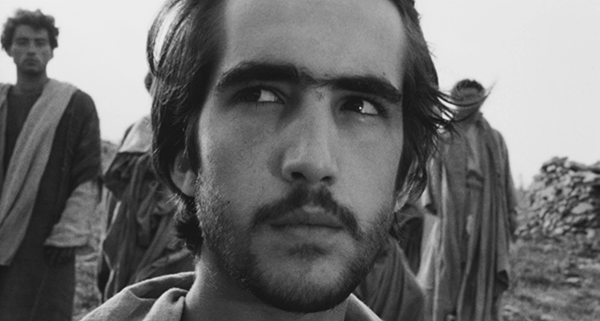
The Gospel According to Pasolini
The Gospel According to Pasolini
THE GOSPEL ACCORDING TO ST MATTHEW(Il Vangelo Secondo Matteo)
-----------------------------------------------------------------
click to activate the icon of slideshow: the small triangle inscribed in the small rectangle, at the top right, in the photostream;
or…. Press the “L” button to zoom in the image;
clicca sulla piccola icona per attivare lo slideshow: sulla facciata principale del photostream, in alto a destra c'è un piccolo rettangolo (rappresenta il monitor) con dentro un piccolo triangolo nero;
oppure…. premi il tasto “L” per ingrandire l'immagine;
www.worldphoto.org/sony-world-photography-awards/winners-...
www.fotografidigitali.it/gallery/2726/opere-italiane-segn...
…………………………………………………………………
Before talking about the procession of the Holy Crucifix of Aracoeli which is held in the town of San Marco d'Alunzio (in the province of Messina), I make a brief introduction, this "photographic story" was created with photographs taken both during the procession of this year 2024, and during the procession of last year 2023, this meant, in some cases, that in some key moments of the procession the shots were taken simultaneously from two different angles, as if I had been in "bilocation", this because this year I chose a different perspective than last year. The procession begins on the morning of the last Friday of March each year, however there is an exception to this rule, when it coincides with Good Friday, which happened this year, then the procession is brought forward to the previous Friday. That of the SS. Crucifix of Aracoeli is an ancient penitential rite, on the day of the feast of the Crucifix in San Marco d'Alunzio the Holy Mass is celebrated in the Church of Aracoeli, therefore the SS. Crucifix (which is found in the church at the end of the right nave, at its feet the picture of the Virgin of Sorrows pierced by seven swords) is removed from the hook on which it is hanging, is taken outside the church, then raised and fixed on the float , and so (after the sermon of the priest who climbed onto the float next to the Crucifix) the Crucifix with the picture of his Sorrowful Mother underneath, then both placed on the float, are carried in procession by the Babbaluti, who proceed invoking the pity and mercy of the Lord with a faint lament that continually repeats “Signuri, Misericordia, Pietà!”. San Marco d'Alunzio is a pleasant town in the Messina area, located in the Nebrodi mountains, in Sicily; the procession takes place in honor of the Holy Crucifix of Araceli, this is a religious-penitential occasion also known as the "procession of the babbaluti", they are those who, by vote or by grace received, have decided to carry during the procession on their shoulders the float with the Crucifix and the painting; they head to the nearby Church of Santa Maria dei Poveri or to some private home nearby where, sheltered from the curiosity of the faithful, they wear a simple but characteristic indigo-coloured cloth habit, consisting of a tunic and a conical-shaped hood such to cover the entire body and leave only the eyes and hands free, it is not uncommon, however, that among the penitents, made anonymous by the habit they wear, there are also women, who, to avoid any possibility of recognition, wear a pair of gloves; the babbaluti are 33 in number to commemorate the 33 years of Christ, the number is odd, in fact the 33rd babbaluto does not wear the float, he (should be the "chief of float") proceeds backwards, turning his gaze to Christ and to His Mother, and at the same time checks that everything is in order among the babbaluti (this is a way of proceeding in carrying the float, which is present in various Sicilian religious processions). Then, the 32 (+1) "babbaluti" carry on their shoulders the launch bearing the Holy Crucifix of the Araceli church (the statue of Christ was created by Scipione Li Volsi, in the year 1652, he was a sculptor and plasterer of the Sicilian Baroque), at whose feet, on the float, the painting of Our Lady of Sorrows is tied, which appears pierced by seven swords (an 18th century painting). Before the start of the procession, the babbaluti advance barefoot wearing only heavy handmade raw wool socks. Before entering the church they must walk a purification path: when they arrive near the ancient church of Araceli , they bend down and kiss the ground, thus receiving permission to enter the church, but this happens from a side door, called "false door" (in Sicilian dialect “porta fausa”), once they enter the church laterally, they now emerge from the main entrance, thus being able to take their places, kneeling at the front and behind, of the float; the priest's long-awaited speech will follow, once finished, the procession can begin which takes place through the streets of the picturesque and welcoming town of San Marco d'Alunzio. Along the route the Babbaluti pace their pace accompanied by the sad and plaintive jugulation that invokes the Lord. There are devout men and women who proceed together with the mugglers, walking alongside the float, touching it, now caressing it... just to have physical (and consequently spiritual) contact with it. Finally, after having completed a specific route, the procession returns to the ancient church (of Norman origins) of Aracoeli. Whenever I am present at this touching occasion I am completely flooded with emotions (which however I cannot abandon myself to, I would lose concentration in taking the photos), the highlight is when the Crucified Christ is removed from the hook fixed on the wall by expert men, and then be carried (seems to float) above the heads of the devotees, supported with their hands, right outside the church, and be hoisted and fixed on the float; in these moments of intense emotion it is common to see in the eyes of the devotees, shining with tears, that profound emotion of their relationship with this Christ, which has always lasted: it is as if they found themselves in the presence of the true Christ, in flesh and blood, this it is the atmosphere you experience in those moments, this is the magic of the procession of the SS. Crucifix and his Mother, represented by the painting of Our Lady of Sorrows pierced by seven swords (iconography of Spanish origin).
+++++++++++++++++++++++++++++++++++++++++
+++++++++++++++++++++++++++++++++++++++++
Prima di parlare della processione del Santissimo Crocifisso di Aracoeli che si tiene nel paese di San Marco d’Alunzio (in provincia di Messina), faccio una breve premessa, questo “racconto fotografico” è stato realizzato con fotografie scattate sia durante la processione di quest’anno 2024, sia durante la processione dello scorso anno 2023, questo ha comportato, in alcuni casi, che in alcuni momenti salienti della processione gli scatti siano stati realizzati contemporaneamente da due angolazioni diverse, come se io fossi stato in “bilocazione”, questo perché quest’anno ho scelto una prospettiva differente da quella dello scorso anno. La processione inizia la mattina dell’ultimo venerdì del mese di marzo di ogni anno, c’è però una eccezione a questa regola, quando avviene la coincidenza col Venerdì Santo, cosa accaduta quest’anno, allora la processione viene anticipata al venerdì precedente. Quella del SS.Crocifisso di Aracoeli è un antico rito penitenziale, il giorno della festa del Crocifisso a San Marco d'Alunzio viene celebrata la S. Messa nella Chiesa dell'Aracoeli, quindi il SS. Crocifisso (che si trova nella chiesa in fondo alla navata di destra, ai suoi piedi il quadro della Vergine Addolorata. trafitta da sette spade) viene tolto dal gancio sul quale è appeso, viene portato all’esterno della chiesa, quindi innalzato e fissato sulla vara, e così (dopo il sermone del sacerdote salito sulla vara accanto al Crocifisso) il Crocifisso con sotto il quadro di sua Madre Addolorata, quindi messi entrambi sulla vara, vengono portati in processione dai Babbaluti, che procedono invocando la pietà e la misericordia del Signore con un flebile lamento che ripete continuamente “Signuri, Misericordia, Pietà!”. San Marco d’Alunzio è un ameno paese del territorio Messinese, sito sui monti Nebrodi, in Sicilia; la processione si svolge proprio in onore del Santissimo Crocifisso di Araceli, è questa una ricorrenza religioso-penitenziale conosciuta anche come "processione dei babbaluti", essi sono coloro che per voto o per grazia ricevuta, hanno deciso di portare in processione sulle loro spalle il fercolo con il Crocifisso ed il quadro; essi si dirigono nella vicina Chiesa di Santa Maria dei Poveri o in qualche abitazione privata lì vicino dove, al riparo dalla curiosità dei fedeli, indossano un semplice ma caratteristico saio di tela di colore indaco, costituito da una tunica e un cappuccio di forma conica tale da coprire l'intero corpo e lasciare liberi solo gli occhi e le mani, non è raro purtuttavia che tra i penitenti, resi anonimi dal saio che indossano, vi siano anche delle donne, le quali per evitare qualsiasi possibilità di riconoscimento, indossano un paio di guanti; i babbaluti sono in numero di 33 per rievocare i 33 anni di Cristo, il numero è dispari, infatti il 33° babbaluto non porta la vara, egli (dovrebbe essere il “capo vara”) procede all’indietro, rivolgendo lo sguardo al Cristo ed a sua Madre, e nel contempo controlla che tutto sia in ordine tra i babbaluti (questo è un modo di procedere nel portare la vara o fercolo, che è presente in diverse processioni religiose siciliane). Quindi, i 32 (+1) "babbaluti" portano sulle loro spalle la vara che reca il Santo Crocifisso della chiesa dell’Araceli (la statua del Cristo è stata creata da Scipione Li Volsi, nell'anno 1652, egli fu uno scultore e stuccatore del barocco SIciliano), ai cui piedi, sulla vara, viene legato il quadro della Madonna Addolorata, che appare trafitta da sette spade ( un dipinto del XVIII secolo). I babbaluti prima dell'inizio della processione avanzano a piedi scalzi indossando solo delle pesanti calze di lana grezza realizzate a mano, devono percorrere, prima di entrare in chiesa, un cammino di purificazione: quando essi giungono in prossimità dell'antica chiesa dell'Araceli, essi si chinano e baciano in terra, ricevendo in tal modo il permesso per poter accedere dentro la chiesa, questo però avviene da una porta laterale, chiamata "falsa porta" (In dialetto siciliano “porta fausa”), una volta entrati in chiesa lateralmente, ora fuoriescono dall'ingresso principale, potendo così prendere posto, inginocchiandosi sul davanti ed alle spalle, della vara; seguirà l'atteso discorso del sacerdote, terminato, potrà iniziare la processione che si svolge per le vie del pittoresco ed accogliente paese di San Marco d'Alunzio. Lungo il percorso i Babbaluti cadenzano la propria andatura accompagnandosi alla mesta e lamentosa giugulatoria che invoca il Signore . Ci sono uomini e donne devoti che procedono assieme ai babbaluti camminando a lato della vara, toccandola, ora accarezzandola...pur di avere un contatto fisico (e di rimando spirituale) con essa. Infine, dopo aver compiuto un preciso percorso, la processione fa rientro nell'antica chiesa (di origini Normanne) dell'Aracoeli. Ogniqualvolta sono presente a questa toccante ricorrenza sono completamente inondato da emozioni (alle quali però non posso abbandonarmi, perderei la concentrazione nel realizzare le foto), il momento clou è quando il Cristo Crocifisso viene tolto dal gancio fissato sul muro da uomini esperti, per poi essere portato (sembra galleggiare) sopra la testa dei devoti, sostenuto con le mani, fin fuori la chiesa, ed essere issato e fissato sulla vara; in questi momenti di intensa emozione è comune vedere negli occhi dei devoti, lucidi di lacrime, quella emozione profonda del loro rapporto con questo Cristo, che dura da sempre: è come se si trovassero al cospetto del Cristo vero, in carne ed ossa, questa è l’atmosfera che si vive in quei momenti, questa è la magia della processione del SS. Crocifisso e di Sua Madre, rappresentata dal quadro dell’Addolorata trafitta da sette spade (iconografia di origine spagnola).
++++++++++++++++++++++++++++++++++++++++
It was opened in 1979. 1981 pictures of the store:
commons.wikimedia.org/wiki/File:Bundesarchiv_Bild_183-Z10...

and

upload.wikimedia.org/wikipedia/en/e/e7/The_Brand_New_Test...

“……………………………………”
“…………………………………..”
-----------------------------------------------------------------
click to activate the icon of slideshow: the small triangle inscribed in the small rectangle, at the top right, in the photostream;
or…. Press the “L” button to zoom in the image;
clicca sulla piccola icona per attivare lo slideshow: sulla facciata principale del photostream, in alto a destra c'è un piccolo rettangolo (rappresenta il monitor) con dentro un piccolo triangolo nero;
oppure…. premi il tasto “L” per ingrandire l'immagine;
www.worldphoto.org/sony-world-photography-awards/winners-...
www.fotografidigitali.it/gallery/2726/opere-italiane-segn...
…………………………………………………………………
This story in photographs and words was created last year 2023, in the Sicilian town of Butera, in the province of Caltanissetta, on the occasion of Palm Sunday: it is precisely in this town that a characteristic re-enactment is celebrated with the 12 apostles wearing traditional costumes, of Christ's entry into Jerusalem, for the occasion Christ (his statue) does not use the back of a donkey, as handed down to us by the Holy Gospels, rather he is placed on a singular open car without of doors, and then subsequently more classically the Christ is carried on the shoulder on a float, on this last occasion we witness a unique traditional fact, which I personally had never seen, whoever has to carry the float on the front buys this possibility at auction (a few dozen euros, which will be donated to charity), the two devotees who win them will have the honor of carrying the statue of Christ on their shoulders, metaphorically, the two front bearers will be the first "to enter Jerusalem" (i.e. into the church of Our Lady of Graces, which will be opened on command of Saint Peter, who by banging with his stick on the door will ensure that it is opened allowing the entry of the float with Christ). We then witness a characteristic procession with Christ placed in front (first on the characteristic car, then carried on the shoulder on the float), behind there are always the 12 apostles, wearing the traditional costumes of the procession, all carrying in their hands a stick decorated with flowers (wallflowers), with olive branches, wild mint stems and colored ribbons; eleven of them wear a blue tunic, the apostle John instead wears white, since he is considered the purest, since he did not betray Jesus and followed him to Calvary, the apostle Judas has a bag that preserves the 30 money that he received as a reward "for his betrayal" and a small wooden barrel containing wine, in fact whoever impersonates Judas must behave like a drunkard, a person not very inclined to a spiritual life. Everyone wears a cardboard halo, which is fixed to a lock of hair, causing a few drops of wax to drip onto it from a lit candle; the procession proceeds behind with the priests, the town's devotees and the musical band. A nod to a curious fact that happened to me that day, I had planned to go to Aidone, where on the occasion of Palm Sunday there is a celebration with the "Santuni" (Big Saints), very big wooden and papier-mâché statues depicting the twelve apostles, which is from my town, Taormina, about 129 KM, I had also contacted some local people by telephone to ask for information; I would have liked to go to Butera, but the distance of 160 km (who knows why, at the time it seemed excessive, perhaps the navigator was giving me a much longer route) had made me postpone it until who knows when; that morning, very early, I left to go to Aidone, during the journey, near Enna, the navigator lost the signal, and unbeknownst to me, incredible to say, it reconnected to "my search for the routes of a couple of days before” …taking me, against my will, to Butera: so, while I was taking my photographs during the procession, I thanked and blessed that navigator of mine…who had turned out to be so… enterprising.
………………………………
Questo racconto in fotografie e parole, è stato realizzato l’anno scorso 2023, nel paese siciliano di Butera, in provincia di Caltanissetta, in occasione del giorno della Domenica delle Palme: è proprio in questo paese che si celebra una caratteristica rievocazione con i 12 apostoli che indossano costumi tradizionali, dell’ingresso di Cristo in Gerusalemme, per l’occasione il Cristo (la sua statua) non si avvale del dorso di un asinello, come tramandatoci dai Sacri Vangeli, piuttosto viene posto su di una singolare automobile aperta priva di sportelli, e poi successivamente più classicamente il Cristo viene portato in spalla su di una vara (il fercolo), in quest’ultima occasione si assiste ad un fatto tradizionale unico, che personalmente non avevo mai visto, i due posti anteriori della vara vengono messi all’asta (poche decine di euro, che verranno devolute in beneficenza), i due devoti che se li aggiudicano avranno l’onore di portare la statua del Cristo sulle proprie spalle (questa particolarissima asta viene chiamata “a spadda all'asta”), metaforicamente, i due portatori anteriori, saranno i primi “ad entrare in Gerusalemme” (ovvero dentro la chiesa della Madonna delle Grazie, che verrà aperta su comando di San Pietro, che battendo col proprio bastone sul portone farà si che esso venga aperto consentendo l’ingresso della vara col Cristo). Si assiste quindi ad una caratteristica processione col Cristo posto sul davanti (dapprima sulla caratteristica automobile, poi portato in spalla sulla vara), dietro si trovano sempre i 12 apostoli, che indossano i costumi tradizionali della processione, tutti portano in mano un bastone addobbato con fiori (violaciocche), con rami d’ulivo, steli di menta selvatica e nastri colorati; undici di essi indossano una tunica di colore blu, l’apostolo Giovanni invece veste di bianco, poiché viene considerato il più puro, poiché non tradì Gesù e lo seguì fino al Calvario, l’apostolo Giuda in più ha un sacchetto che conserva i 30 denari che ebbe come ricompensa “per il suo tradimento” ed un piccolo barilotto in legno (o caratello) contenente vino, infatti chi impersona Giuda deve comportarsi come un beone, una persona poco incline ad una vita spirituale. Tutti indossano una aureola di cartone, che viene fissata su di una ciocca di capelli, facendovi colare sopra qualche goccia di cera da una candela accesa, infine dietro procede il corteo con i sacerdoti, i devoti del paese, la banda musicale. Un cenno ad un fatto curioso che mi accadde quel giorno, avevo programmato di andare ad Aidone, dove in occasione della Domenica delle Palme c’è la festa con i “Santuni”, grandi statue in legno e cartapesta raffiguranti i dodici apostoli, che dista dal mio paese, Taormina, circa 129 KM, avevo anche contattato telefonicamente qualche persona locale per chiedere informazioni; mi sarebbe piaciuto andare a Butera, ma la distanza di 160 km (chissà perchè, sul momento mi sembrava eccessiva, forse il navigatore mi dava un percorso molto più lungo) mi aveva fatto rimandare a chissà quando; quella mattina, molto presto, io partii per andare ad Aidone, durante il tragitto, in prossimità di Enna, il navigatore perse il segnale, e si riagganciò a mia insaputa, incredibile a dirsi, alla “mia ricerca sui percorsi di un paio di giorni prima” …portandomi, mio malgrado, a Butera: così, mentre scattavo le mie fotografie durante la processione, ringraziavo e benedicevo quel mio navigatore…che si era rivelato così … intraprendente.
……………………….
Wikimedia commons.
"Godber Collection, Alexander Turnbull Library"
Wellington New Zealand
commons.wikimedia.org/wiki/File:Albert_Percy_Godber_stand...


Lunch at the 79th Street Boat Basin, Jul 2009 - 04
This woman was stretched out on the concrete siding that runs along the pier at 70th street; the view is looking south, with the Hudson River behind her. I don't know what she was writing, so industriously, but it must have been very serious work...
Note: this photo was published on a Wikimedia Commons page, with the same title as the caption I used on this Flickr page, on Mar 25, 2010. It was also published in a Sep 22, 2010 blog titled "Sunbathing." And it was published in an undated (early Jun 2012) blog titled "Los mejores consejos para prevenir una insolación."

Moving into 2014, the photo was published in a Jul 28, 2014 blog titled "Sun Exposure Could Cut Risk Of These Cancers In Half, Study Says."
***********************
There's a cafe by the 79th Street Boat Basin, on the Upper West Side of Manhattan -- nestled into the stone arches of the 79th Street entrance/exit of the West Side Highway. I've walked past it numerous times, during strolls along the river, but I've never had the time or inclination to stop for a snack or a meal. But on this quiet, sunny Fourth of July weekend, it seemed like just the place to go for a relaxing lunch, looking out over the river as people walked by, and boats sailed up and down the Hudson River.
After lunch, I couldn't resist the temptation to stroll down to the pier that extends out into the river at 70th Street, part of the landscaping improvements that Donald Trump made on behalf of NYC when he built a row of luxury apartment buildings along this stretch of the west side. After that, I strolled back up past the Boat Basin to 82nd Street, and then back down to 72nd Street again - before exiting from Riverside Park, and heading off to the gym for some additional exercise.
And, oh, did I mention that I had my camera with me?
commons.wikimedia.org/wiki/WMF-Abteilung_f%C3%BCr_Galvano...
www.tbr-reutlingen.de/de/Friedhoefe/Die-Reutlinger-Friedh...
Leica M6 TTL
Voigtländer Heliar 75 mm F1.8
Ilford Delta 100
orangefilter
Fotografía: NASA / Wikimedia Commons
El piloto Neil Armstrong es visto aquí junto a la nave X-15 después de un vuelo de investigación. Armstrong realizó su primer vuelo en el X-15 el 30 de noviembre de 1960, y su segundo vuelo el 9 de diciembre de 1960.
Este fue el primer vuelo del X-15 en el que se utilizó la nariz de bola, que permitía medir con precisión la velocidad del aire y el ángulo de flujo a velocidades supersónicas e hipersónicas. La nariz de bola servo accionada puede verse en esta foto delante de la mano derecha de Armstrong.
El X-15 empleaba un tren de aterrizaje no estándar. Tenía un tren de morro con rueda y neumático, pero el aterrizaje principal consistía en patines montados en la parte trasera del vehículo. En la foto, el patín izquierdo es visible, al igual que las marcas en el lecho del lago de ambos patines. Debido a los patines, el avión propulsado por cohetes sólo podía aterrizar en el lecho de un lago seco, no en una pista de hormigón. (Fuente: Wikipedia).
El X-15 obtuvo varias marcas de velocidad y altitud a comienzos de los años 1960, alcanzando el límite con el espacio exterior y obteniendo información que después sería utilizada en el diseño de aviones y naves espaciales.
Neil Alden Armstrong (Wapakoneta, Ohio, 5 de agosto de 1930 – Cincinnati, Ohio, 25 de agosto de 2012) fue un astronauta estadounidense y el primer ser humano en pisar la Luna.
Pilot Neil Armstrong is seen here next to the X-15 spacecraft after a research flight. Armstrong made his first flight in the X-15 on November 30, 1960, and his second flight on December 9, 1960.
This was the first X-15 flight to use the ball nose, which allowed accurate measurement of airspeed and flow angle at supersonic and hypersonic speeds. The servo-operated ball nose can be seen in front of Armstrong's right hand in this photo.
The X-15 used a non-standard landing gear. It had a nose gear with wheels and tires, but the main landing gear consisted of skids mounted on the rear of the vehicle. In the photo, the left skid is visible, as well as the markings on the lakebed of both skids. Because of the skids, the rocket-powered aircraft could only land on a dry lakebed, not on a concrete runway (source: Wikipedia).
The X-15 achieved several speed and altitude records in the early 1960s, reaching the edge of space and gathering information that would later be used in aircraft and spacecraft design.
Neil Alden Armstrong (Wapakoneta, Ohio, August 5, 1930 - Cincinnati, Ohio, August 25, 2012) was an American astronaut and the first man to walk on the moon.
© Restauración y coloreado: Jaime Gea Ortigas.
upload.wikimedia.org/wikipedia/en/1/1f/Corpo_celeste_post...

“……………………………………”
“…………………………………..”
-----------------------------------------------------------------
click to activate the icon of slideshow: the small triangle inscribed in the small rectangle, at the top right, in the photostream;
or…. Press the “L” button to zoom in the image;
clicca sulla piccola icona per attivare lo slideshow: sulla facciata principale del photostream, in alto a destra c'è un piccolo rettangolo (rappresenta il monitor) con dentro un piccolo triangolo nero;
oppure…. premi il tasto “L” per ingrandire l'immagine;
www.worldphoto.org/sony-world-photography-awards/winners-...
www.fotografidigitali.it/gallery/2726/opere-italiane-segn...
…………………………………………………………………
St. Paul the Apostle is a very revered saint in the Sicilian town of Palazzolo Acreide, the feast in his honor is celebrated on two occasions (very important periods if referring to peasant civilization), on 29 June (the day I took this photo story this year 2023) date of his martyrdom, and January 25, the date of his conversion to Christianity. The "summer party" of June 29, begins with a particular collection of donut-shaped bread (in Sicilian called "cuddura"), donated by the villagers and collected on a cart, this is the "round of bread", these loaves (called "di San Paolo") have decorations that recall snakes: the reference is always to San Paolo, considered the protector from the poisonous bites of vipers, this is the ancestral legacy of an ancient peasant civilization, the wheat harvest period that coincides with the feast, it makes working in sunburnt fields particularly dangerous; once there were characters to whom supernatural gifts were attributed, they were called "ciarauli", capable of protecting from the venomous bites of the viper (This year, a very nice man of Palazzolo Acreide, who was also present last year, was present at the feast to recall these ancient figures. Instead of little snakes, as was once the custom, he had with him a very calm python, also because it was full). The procession takes the name of "sciuta", with reference to the "exit" from the basilica of San Paolo of two floats, first the float comes out with the relic of the saint, carried on the shoulders by the devotees, immediately after, at 13.00 o'clock the exit of the float takes place with the ancient statue of Saint Paul holding a sword in his hand (the iconography represents him with the sword for two reasons, he was beheaded with a sword stroke, and because he, referring to the word of God, defined it more effective and sharper than a double-bladed sword), at this point they begin among the most spectacular and evocative pyrotechnic games that I have ever seen, we witness a phantasmagoric and kaleidoscopic explosion of colors made with enormous colored confetti and with colored ribbons about two meters long called 'nzareddi, which recall the shape and movement of snakes. During the procession we witness the rite of children who, completely naked, are taken by their parents by the expert hands of two devotees present on the float, they are thus placed in front of St. Paul to ask for his intercession and protection, sometimes these children are adorned with paper money, in fact, the donation of money is part of the rites that accompany the procession. Among these rites is the vow of the "bare shoulder" made by devout bearers, and that of women who walk barefoot by vow. The procession with the two vare then arrives, as a sign of devotion, in the church of the Annunziata.
San Paolo Apostolo è un santo molto venerato nel paese siciliano di Palazzolo Acreide, la festa in suo onore viene celebrata in due occasioni (periodi molto importanti se riferiti alla civiltà contadina), il 29 giugno (giorno in cui ho realizzato quest’anno 2023 questo foto-racconto) data del suo martirio, ed il 25 gennaio, data della sua conversione al cristianesimo. La “festa estiva” del 29 giugno, inizia con una particolare raccolta di pane a forma di ciambella (in siciliano detta “cuddura”), donato dai paesani e raccolto su di un carretto, questo è il “giro del pane”, questi pani (detti “di San Paolo”) presentano delle decorazioni che richiamano i serpenti: il riferimento è sempre a San Paolo, ritenuto il protettore dai morsi velenosi delle vipere, questo è il retaggio ancestrale di un’antica civiltà contadina, il periodo della mietitura che coincide con la festa, rende particolarmente pericoloso il lavoro nei campi arsi dal sole; una volta esistevano dei personaggi a cui si attribuivano doti sovrannaturali, erano chiamati “ciarauli”, capaci di proteggere dai morsi velenosi della vipera (quest’anno era presente nella festa, a rievocare queste antiche figure, un simpaticissimo Palazzolese, presente anche l'anno scorso, che al posto delle bisce, come si usava una volta, aveva con se un docilissimo pitone, anche perchè satollo). La processione prende il nome di “sciuta”, con riferimento alla “uscita” dalla basilica di San Paolo di due vare, dapprima esce la vara con la reliquia del santo, portata in spalla dai devoti, subito dopo, alle 13,00 in punto avviene l’uscita della vara con l’antica statua di San Paolo che stringe una spada in pugno (l’iconografia lo rappresenta con la spada per due motivi, egli fu decapitato con un colpo di spada, e perché egli, riferendosi alla parola di Dio, la definiva più efficace e più tagliente di una spada a doppia lama), a questo punto iniziano tra i più spettacolari e suggestivi giochi pirotecnici che io che io abbia mai visto, si assiste ad una fantasmagorica e caleidoscopica esplosione di colori realizzati con enormi coriandoli colorati e con dei nastri colorati lunghi circa due metri chiamati ‘nzareddi, che richiamano la forma ed il movimento dei serpenti. Durante la processione si assiste al rito dei bambini che, completamente nudi, vengono presi dai genitori dalle esperte mani di due devoti presenti sulla vara, vengono così messi al cospetto di San Paolo a chiederne la sua intercessione e protezione, a volte questi bimbi sono adornati con della carta moneta, infatti la donazione di denaro fa parte dei riti che accompagnano la processione. Tra questi riti c’è il voto della “spalla nuda” fatto dai devoti portatori, e quello delle donne che per voto camminano scalze. La processione con le due vare giunge poi, in segno di devozione, nella chiesa dell’Annunziata.
………………………………………………………
Wikimedia commons.
"Godber Collection, Alexander Turnbull Library"
Wellington New Zealand
commons.wikimedia.org/wiki/File:E_Class_steam_locomotive_...

tiaki.natlib.govt.nz/#details=ecatalogue.276392
Now Preserved in Dunedin Otago.
Sailko is his username or Pseudonym on wikimedia & wikipedia, his real name is Francesco Bini and he lives and works in Florence.
(Born in 1978)
He has uploaded in the meantime more then 730,000 photos
of excellent quality on wikimedia - free of charge.
commons.wikimedia.org/wiki/User:Sailko
More about Sailko is to be found here:
www.wikilovesmonuments.org/wlm-stories-sailko-the-record-...
theframeblog.com/2022/06/21/photography-with-borders-an-i...
wikimedia.ch/de/news/european-champion-on-wikimedia-commo...
Pharaoh appoints Joseph as chancellor of the Egyptian empire with all powers and instructs him to lay in stocks against famine throughout the empire
****************************************************************
Florence, Baptistery of San Giovanni, Interior
Dome mosaics, story fro Old Testament about Jeseph and
his brothers & Joseph in Egypt
Original photo by courtesy of Sailko on wikimedia
commons.wikimedia.org/wiki/Category:Stories_of_Saint_John...
Adele Romany (1769-1846) - Portrait de Mlle Thevenet de Montgarrel près d’un piano tenant un cahier de musique
commons.wikimedia.org/wiki/File:Adele_Romany_-_Portrait_d...

Wikimedia commons.
"Godber Collection, Alexander Turnbull Library"
Wellington New Zealand
commons.wikimedia.org/wiki/File:G_class_steam_locomotive,...

inspiration: upload.wikimedia.org/wikipedia/commons/c/c9/Abraham_Bloem...
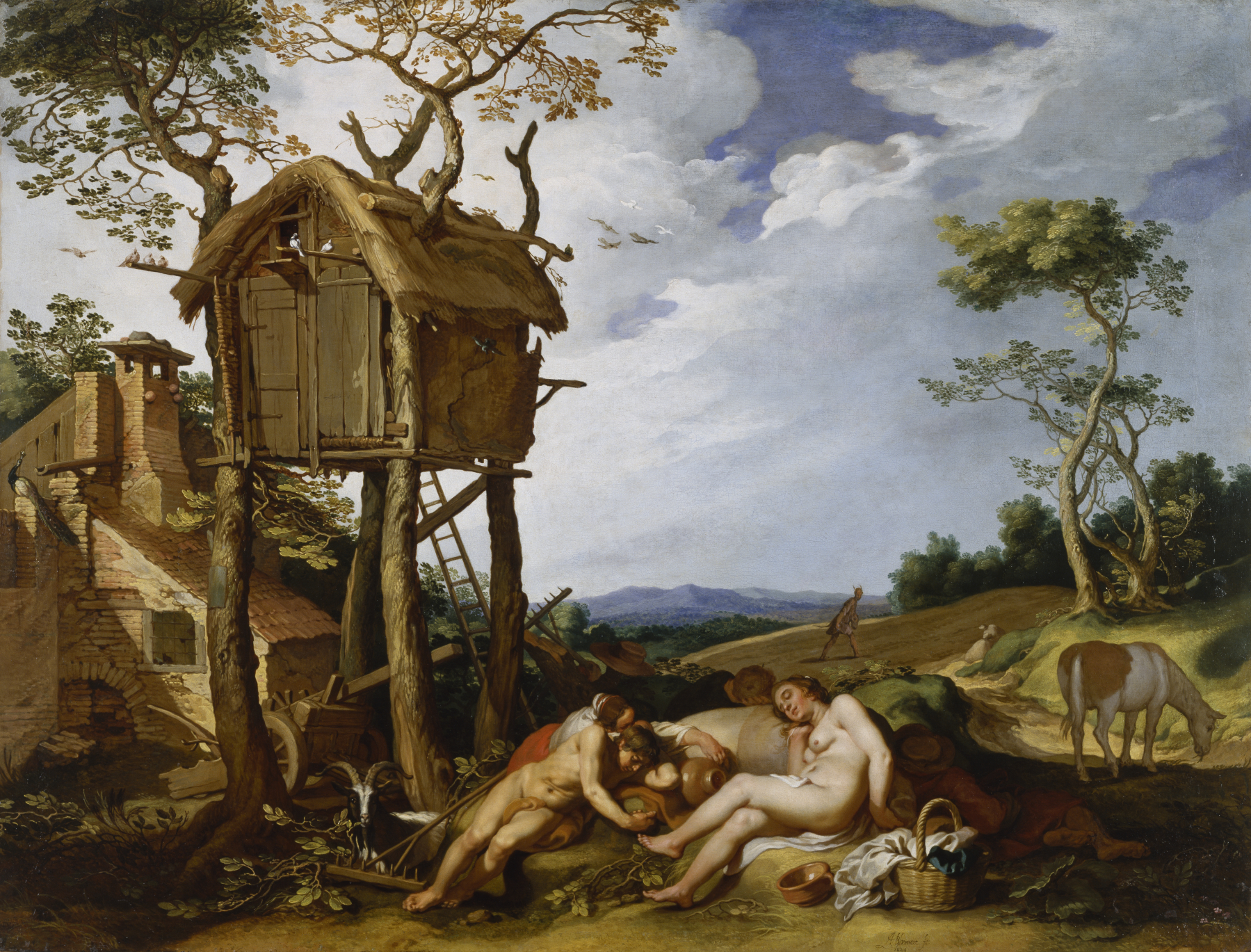
I am SO SORRY! I totally forgot the due date for the last theme X_X I've been really busy, but trust me,from now on I will try my hardest to get all my photos in on time!
the 7 deadly sin I chose was "sloth" :D I really like how my pic turned out! hope you like it!
The Wikimedia Commons Picture of the Year 2007!
Taken by Wikipedian Newton2
Licensed as Creative Commons Attribution 2.5
See more Results!

Description
Description
{{es|1=[[: es: Castillo de San Carlos de la Barra|Castillo San Carlos de la Barra]], [[: es: Isla de San Carlos|Isla de San Carlos]], Estado Zulia, Venezuela}}San Carlos de la Barra Castle, San Carlos Island, State of Zulia, Venezuela
Date
2012-10-12 10: 14: 44
Source
{{own}}
{{Commons Archive|Castillo San Carlos de la Barra, Isla de San Carlos Panoramic.zip}}
Author
{{User: The Photographer/info}}
Permission
{{cc-zero}}
Other_versions
Castillo de San Carlos, Isla de San Carlos, Estado Zulia 3.jpg|Croped version
Other_fields
Location dec|10.986442| -71.607624
{{Panorama}}
{{Assessments|eswiki=1}}
{{QualityImage}}
{{VI|[[: Category: Castillo San Carlos de La Barra|Castillo San Carlos de La Barra]]|00: 13, 21 October 2012 (UTC)|
subpage=Castillo San Carlos de la Barra, Isla de San Carlos, Estado Zulia, Venezuela.jpg}}
Uploaded with UploadWizard
Castillo San Carlos de La Barra
Quality images by The Photographer
Culture pictures by The Photographer
Quality images of Venezuela
Quality images of Zulia
Taken with Nikon D300
Valued images by The Photographer
Valued images of VenezuelaTaken with Nikon D300Files by The Photographer
Images of Venezuela by User: The Photographer
Files by The Photographer
Wikimedia commons.
"Godber Collection, Alexander Turnbull Library"
Wellington New Zealand
commons.wikimedia.org/wiki/File:Steam_locomotive,_%22Bb%2...

upload.wikimedia.org/wikipedia/en/1/1f/Corpo_celeste_post...
“……………………………………”
“…………………………………..”
-----------------------------------------------------------------
click to activate the icon of slideshow: the small triangle inscribed in the small rectangle, at the top right, in the photostream;
or…. Press the “L” button to zoom in the image;
clicca sulla piccola icona per attivare lo slideshow: sulla facciata principale del photostream, in alto a destra c'è un piccolo rettangolo (rappresenta il monitor) con dentro un piccolo triangolo nero;
oppure…. premi il tasto “L” per ingrandire l'immagine;
www.worldphoto.org/sony-world-photography-awards/winners-...
www.fotografidigitali.it/gallery/2726/opere-italiane-segn...
…………………………………………………………………
St. Paul the Apostle is a very revered saint in the Sicilian town of Palazzolo Acreide, the feast in his honor is celebrated on two occasions (very important periods if referring to peasant civilization), on 29 June (the day I took this photo story this year 2023) date of his martyrdom, and January 25, the date of his conversion to Christianity. The "summer party" of June 29, begins with a particular collection of donut-shaped bread (in Sicilian called "cuddura"), donated by the villagers and collected on a cart, this is the "round of bread", these loaves (called "di San Paolo") have decorations that recall snakes: the reference is always to San Paolo, considered the protector from the poisonous bites of vipers, this is the ancestral legacy of an ancient peasant civilization, the wheat harvest period that coincides with the feast, it makes working in sunburnt fields particularly dangerous; once there were characters to whom supernatural gifts were attributed, they were called "ciarauli", capable of protecting from the venomous bites of the viper (This year, a very nice man of Palazzolo Acreide, who was also present last year, was present at the feast to recall these ancient figures. Instead of little snakes, as was once the custom, he had with him a very calm python, also because it was full). The procession takes the name of "sciuta", with reference to the "exit" from the basilica of San Paolo of two floats, first the float comes out with the relic of the saint, carried on the shoulders by the devotees, immediately after, at 13.00 o'clock the exit of the float takes place with the ancient statue of Saint Paul holding a sword in his hand (the iconography represents him with the sword for two reasons, he was beheaded with a sword stroke, and because he, referring to the word of God, defined it more effective and sharper than a double-bladed sword), at this point they begin among the most spectacular and evocative pyrotechnic games that I have ever seen, we witness a phantasmagoric and kaleidoscopic explosion of colors made with enormous colored confetti and with colored ribbons about two meters long called 'nzareddi, which recall the shape and movement of snakes. During the procession we witness the rite of children who, completely naked, are taken by their parents by the expert hands of two devotees present on the float, they are thus placed in front of St. Paul to ask for his intercession and protection, sometimes these children are adorned with paper money, in fact, the donation of money is part of the rites that accompany the procession. Among these rites is the vow of the "bare shoulder" made by devout bearers, and that of women who walk barefoot by vow. The procession with the two vare then arrives, as a sign of devotion, in the church of the Annunziata.
San Paolo Apostolo è un santo molto venerato nel paese siciliano di Palazzolo Acreide, la festa in suo onore viene celebrata in due occasioni (periodi molto importanti se riferiti alla civiltà contadina), il 29 giugno (giorno in cui ho realizzato quest’anno 2023 questo foto-racconto) data del suo martirio, ed il 25 gennaio, data della sua conversione al cristianesimo. La “festa estiva” del 29 giugno, inizia con una particolare raccolta di pane a forma di ciambella (in siciliano detta “cuddura”), donato dai paesani e raccolto su di un carretto, questo è il “giro del pane”, questi pani (detti “di San Paolo”) presentano delle decorazioni che richiamano i serpenti: il riferimento è sempre a San Paolo, ritenuto il protettore dai morsi velenosi delle vipere, questo è il retaggio ancestrale di un’antica civiltà contadina, il periodo della mietitura che coincide con la festa, rende particolarmente pericoloso il lavoro nei campi arsi dal sole; una volta esistevano dei personaggi a cui si attribuivano doti sovrannaturali, erano chiamati “ciarauli”, capaci di proteggere dai morsi velenosi della vipera (quest’anno era presente nella festa, a rievocare queste antiche figure, un simpaticissimo Palazzolese, presente anche l'anno scorso, che al posto delle bisce, come si usava una volta, aveva con se un docilissimo pitone, anche perchè satollo). La processione prende il nome di “sciuta”, con riferimento alla “uscita” dalla basilica di San Paolo di due vare, dapprima esce la vara con la reliquia del santo, portata in spalla dai devoti, subito dopo, alle 13,00 in punto avviene l’uscita della vara con l’antica statua di San Paolo che stringe una spada in pugno (l’iconografia lo rappresenta con la spada per due motivi, egli fu decapitato con un colpo di spada, e perché egli, riferendosi alla parola di Dio, la definiva più efficace e più tagliente di una spada a doppia lama), a questo punto iniziano tra i più spettacolari e suggestivi giochi pirotecnici che io che io abbia mai visto, si assiste ad una fantasmagorica e caleidoscopica esplosione di colori realizzati con enormi coriandoli colorati e con dei nastri colorati lunghi circa due metri chiamati ‘nzareddi, che richiamano la forma ed il movimento dei serpenti. Durante la processione si assiste al rito dei bambini che, completamente nudi, vengono presi dai genitori dalle esperte mani di due devoti presenti sulla vara, vengono così messi al cospetto di San Paolo a chiederne la sua intercessione e protezione, a volte questi bimbi sono adornati con della carta moneta, infatti la donazione di denaro fa parte dei riti che accompagnano la processione. Tra questi riti c’è il voto della “spalla nuda” fatto dai devoti portatori, e quello delle donne che per voto camminano scalze. La processione con le due vare giunge poi, in segno di devozione, nella chiesa dell’Annunziata.
………………………………………………………
upload.wikimedia.org/wikipedia/en/1/1f/Corpo_celeste_post...
“……………………………………”
“…………………………………..”
-----------------------------------------------------------------
click to activate the icon of slideshow: the small triangle inscribed in the small rectangle, at the top right, in the photostream;
or…. Press the “L” button to zoom in the image;
clicca sulla piccola icona per attivare lo slideshow: sulla facciata principale del photostream, in alto a destra c'è un piccolo rettangolo (rappresenta il monitor) con dentro un piccolo triangolo nero;
oppure…. premi il tasto “L” per ingrandire l'immagine;
www.worldphoto.org/sony-world-photography-awards/winners-...
www.fotografidigitali.it/gallery/2726/opere-italiane-segn...
…………………………………………………………………
St. Paul the Apostle is a very revered saint in the Sicilian town of Palazzolo Acreide, the feast in his honor is celebrated on two occasions (very important periods if referring to peasant civilization), on 29 June (the day I took this photo story this year 2023) date of his martyrdom, and January 25, the date of his conversion to Christianity. The "summer party" of June 29, begins with a particular collection of donut-shaped bread (in Sicilian called "cuddura"), donated by the villagers and collected on a cart, this is the "round of bread", these loaves (called "di San Paolo") have decorations that recall snakes: the reference is always to San Paolo, considered the protector from the poisonous bites of vipers, this is the ancestral legacy of an ancient peasant civilization, the wheat harvest period that coincides with the feast, it makes working in sunburnt fields particularly dangerous; once there were characters to whom supernatural gifts were attributed, they were called "ciarauli", capable of protecting from the venomous bites of the viper (This year, a very nice man of Palazzolo Acreide, who was also present last year, was present at the feast to recall these ancient figures. Instead of little snakes, as was once the custom, he had with him a very calm python, also because it was full). The procession takes the name of "sciuta", with reference to the "exit" from the basilica of San Paolo of two floats, first the float comes out with the relic of the saint, carried on the shoulders by the devotees, immediately after, at 13.00 o'clock the exit of the float takes place with the ancient statue of Saint Paul holding a sword in his hand (the iconography represents him with the sword for two reasons, he was beheaded with a sword stroke, and because he, referring to the word of God, defined it more effective and sharper than a double-bladed sword), at this point they begin among the most spectacular and evocative pyrotechnic games that I have ever seen, we witness a phantasmagoric and kaleidoscopic explosion of colors made with enormous colored confetti and with colored ribbons about two meters long called 'nzareddi, which recall the shape and movement of snakes. During the procession we witness the rite of children who, completely naked, are taken by their parents by the expert hands of two devotees present on the float, they are thus placed in front of St. Paul to ask for his intercession and protection, sometimes these children are adorned with paper money, in fact, the donation of money is part of the rites that accompany the procession. Among these rites is the vow of the "bare shoulder" made by devout bearers, and that of women who walk barefoot by vow. The procession with the two vare then arrives, as a sign of devotion, in the church of the Annunziata.
San Paolo Apostolo è un santo molto venerato nel paese siciliano di Palazzolo Acreide, la festa in suo onore viene celebrata in due occasioni (periodi molto importanti se riferiti alla civiltà contadina), il 29 giugno (giorno in cui ho realizzato quest’anno 2023 questo foto-racconto) data del suo martirio, ed il 25 gennaio, data della sua conversione al cristianesimo. La “festa estiva” del 29 giugno, inizia con una particolare raccolta di pane a forma di ciambella (in siciliano detta “cuddura”), donato dai paesani e raccolto su di un carretto, questo è il “giro del pane”, questi pani (detti “di San Paolo”) presentano delle decorazioni che richiamano i serpenti: il riferimento è sempre a San Paolo, ritenuto il protettore dai morsi velenosi delle vipere, questo è il retaggio ancestrale di un’antica civiltà contadina, il periodo della mietitura che coincide con la festa, rende particolarmente pericoloso il lavoro nei campi arsi dal sole; una volta esistevano dei personaggi a cui si attribuivano doti sovrannaturali, erano chiamati “ciarauli”, capaci di proteggere dai morsi velenosi della vipera (quest’anno era presente nella festa, a rievocare queste antiche figure, un simpaticissimo Palazzolese, presente anche l'anno scorso, che al posto delle bisce, come si usava una volta, aveva con se un docilissimo pitone, anche perchè satollo). La processione prende il nome di “sciuta”, con riferimento alla “uscita” dalla basilica di San Paolo di due vare, dapprima esce la vara con la reliquia del santo, portata in spalla dai devoti, subito dopo, alle 13,00 in punto avviene l’uscita della vara con l’antica statua di San Paolo che stringe una spada in pugno (l’iconografia lo rappresenta con la spada per due motivi, egli fu decapitato con un colpo di spada, e perché egli, riferendosi alla parola di Dio, la definiva più efficace e più tagliente di una spada a doppia lama), a questo punto iniziano tra i più spettacolari e suggestivi giochi pirotecnici che io che io abbia mai visto, si assiste ad una fantasmagorica e caleidoscopica esplosione di colori realizzati con enormi coriandoli colorati e con dei nastri colorati lunghi circa due metri chiamati ‘nzareddi, che richiamano la forma ed il movimento dei serpenti. Durante la processione si assiste al rito dei bambini che, completamente nudi, vengono presi dai genitori dalle esperte mani di due devoti presenti sulla vara, vengono così messi al cospetto di San Paolo a chiederne la sua intercessione e protezione, a volte questi bimbi sono adornati con della carta moneta, infatti la donazione di denaro fa parte dei riti che accompagnano la processione. Tra questi riti c’è il voto della “spalla nuda” fatto dai devoti portatori, e quello delle donne che per voto camminano scalze. La processione con le due vare giunge poi, in segno di devozione, nella chiesa dell’Annunziata.
………………………………………………………
Oskar Moll -
Rotes Haus im Gruenen [1940] -
Goslar Museum - MeisterDrucke
**********************************************************************************
Oskar Moll (21 July 1875, Brieg – 19 August 1947, Berlin) was a German Fauvist painter, best known for his landscapes, portraits and somewhat abstract still-lifes.
en.wikipedia.org/wiki/Oskar_Moll
**********************************************************************************
More paintings by Oskar Moll:

Description
Description
{{en|1=Facade of the [[: Category: Conjunto Nacional|Conjunto Nacional]] building, situated in the {{w|Paulista Avenue}}, {{w|São Paulo City}}, {{w|Brazil}}.}}
{{pt|Fachada do edifício [[: pt: Conjunto Nacional|Conjunto Nacional]], situado na [[: pt: Avenida Paulista|Avenida Paulista]], [[: pt: São Paulo (cidade)|Cidade de São Paulo]], [[: pt: Brasil|Brasil]].}}
Date
2014-08-23 13: 04: 00
Source
{{own}}
Author
[[User: The Photographer|The Photographer]]
Other_versions
[[: File: Facade of the Conjunto Nacional croped version.jpg]]
License
{{self|cc-zero}}
Uploaded with UploadWizard
Avenida Paulista
Quality images of Brazil
Quality images by The Photographer
Conjunto Nacional
{{QualityImage}}
Files by The Photographer
Design with love: An ETC (Ethereum Classic) HODL Wallpaper 4 u !
Feel free to use it also for Facebook, Reddit, Twitter and other Social Media & ETC Blog News
Based on official ETC Logo: ETC Logo

P.S.: Share & download our ETC Album Gallery :)
License: Creative Commons Zero (CC0) - 100% FREE
ETC - Cant Beat The Real Thing. <3
Wikimedia: This is a Grade II* listed Georgian mansion house built in 1798 for Samuel Rolles, a wealthy merchant.
The original picture used as the subject for this digital illustration can be viewed here.

The Sd.Kfz. 7 was a half-track military vehicle used by the German Wehrmacht, Luftwaffe and Waffen-SS during the Second World War. (Sd.Kfz. is an abbreviation of the German word Sonderkraftfahrzeug, "special purpose vehicle". A longer designation for the vehicle is; Sd.Kfz. 7 mittlerer Zugkraftwagen 8t, "medium towing motor vehicle 8t".)
Development of the Sd.Kfz. 7 can be traced back to a 1934 Wehrmacht requirement for an eight-ton (7.87 tons) half-track. Various trial vehicles were built by Krauss-Maffei from 1934 to 1938. The production vehicle that first appeared in 1938 was intended to be used mainly as the tractor for the 8.8 cm Flak gun and the 15 cm sFH 18 150 mm howitzer however, over the course of the war, the vehicle saw many applications; Recovery vehicle, general troop carrier, a mechanized platform for anti-aircraft guns and some variants were fitted with special apparatus for launching V-2 rockets. Krauss-Maffei in Munich, Sauserwerke in Vienna and the Borgward works at Bremen manufactured this vehicle at various stages. Production of the Sd. Kfz. 7 ceased in 1944.
The vehicle could carry gun crews of up to 12 men in theatre-type seats. Under the seats was storage room for various tools, and the whole vehicle was spacious enough to carry their kit. The rear of the vehicle housed an enclosed compartment for storage of ammunition, though a second ammunition carrier was desirable. The tractor could tow loads up to 8,000 kg (17,600 lb) in weight. Most were fitted with a winch that could pull up to 3450 kg. It had a payload of 1800 kg. The windscreen was able to fold down and a canvas roof could be erected. A number were also constructed with a hard top, but this was less common in service. A later simplified type appeared with a timber frame truck-type layout, the ammunition being stored behind the driver's station and the gun crew having space on wooden benches behind.
The running gear consisted of two front wheels with hydro-pneumatic tires for steering and a track each side with 14 road wheels (7 overlapping on each side of the vehicle); a drive sprocket was located at the front of each track system. Minor variations on the track and road wheel design and manufacture took place throughout the course of service, some being combined in the field as repairs took place. In 1943, the Maybach HL 62 engine was replaced with Maybach HL 64.
The use of half-tracked prime movers for artillery was common in the German forces but not elsewhere. Compared to wheeled vehicles, half-tracks are more difficult to maintain, they often suffer track breakages, and are slower on roads. However, they have better off-road mobility compared to wheeled vehicles.
The Sd.Kfz. 7 also became the basis of a number of self-propelled anti-aircraft variants based on 20 mm and 37 mm flak types in use. The Sd.Kfz. 7/1 was armed with 2 cm Flakvierling 38 quadruple anti-aircraft guns. The Sd.Kfz. 7/2 was armed with a single 3.7 cm FlaK 36 anti-aircraft gun. On many of these variants, the driver's position and the engine cover was armored (8 mm thickness). There were also conversions made mounting a single 2 cm anti-aircraft gun. Trial vehicles mounting a 5 cm FlaK 41 were produced but proved unsuccessful, and did not enter into production.
A variant with an armored superstructure based on the Sd.Kfz. 7, the Feuerleitpanzer auf Zugkraftwagen 8t, was used by launch crews of the V-2 ballistic missile. This was necessary as the V-2 sometimes malfunctioned and exploded on the launch pad. It was also used to tow the launch pad in place. The V-2 rocket was launched from mobile platforms to avoid Allied air attacks.
Specifications:
Weight .............................................................................................. 11.53 tonnes
Length .............................................................................................. 6.85 m
Width ............................................................................................... 2.35 m
Height .............................................................................................. 2.62 m
Crew .................................................................................................. 1 driver
Passengers ...................................................................................... 11
Engine ......................................................... Maybach HL 62 & HL 64 six-cylinder petrol
140 PS (138 hp, 103 kW)
Power/weight ............................................................................. 12.1 hp/tonne
Payload capacity ....................................................................... 1800 kg
Suspension ........................................................................................ Torsion bar
Fuel capacity ................................................................................... 215 liters
Operational range ................................ 250 km (road) ...................... 120 km (off-road)
Speed ............................................................................................. 50 km/h (road)
Source: en.wikipedia.org/wiki/SdKfz_7
* The German officer in the picture is a Captain (Hauptmann) in the Heer (Wehrmacht). Likewise the I.D. placards on the vehicle (WH) designate a vehicle assigned to a Wehrmacht unit.
Hope you enjoy more of Roger’s madness...........
………………………………….
upload.wikimedia.org/wikipedia/en/2/2b/Pasolini_Gospel_Po...
The Gospel According to Pasolini
The Gospel According to Pasolini
THE GOSPEL ACCORDING TO ST MATTHEW(Il Vangelo Secondo Matteo)
-----------------------------------------------------------------
click to activate the icon of slideshow: the small triangle inscribed in the small rectangle, at the top right, in the photostream;
or…. Press the “L” button to zoom in the image;
clicca sulla piccola icona per attivare lo slideshow: sulla facciata principale del photostream, in alto a destra c'è un piccolo rettangolo (rappresenta il monitor) con dentro un piccolo triangolo nero;
oppure…. premi il tasto “L” per ingrandire l'immagine;
www.worldphoto.org/sony-world-photography-awards/winners-...
www.fotografidigitali.it/gallery/2726/opere-italiane-segn...
…………………………………………………………………
Before talking about the procession of the Holy Crucifix of Aracoeli which is held in the town of San Marco d'Alunzio (in the province of Messina), I make a brief introduction, this "photographic story" was created with photographs taken both during the procession of this year 2024, and during the procession of last year 2023, this meant, in some cases, that in some key moments of the procession the shots were taken simultaneously from two different angles, as if I had been in "bilocation", this because this year I chose a different perspective than last year. The procession begins on the morning of the last Friday of March each year, however there is an exception to this rule, when it coincides with Good Friday, which happened this year, then the procession is brought forward to the previous Friday. That of the SS. Crucifix of Aracoeli is an ancient penitential rite, on the day of the feast of the Crucifix in San Marco d'Alunzio the Holy Mass is celebrated in the Church of Aracoeli, therefore the SS. Crucifix (which is found in the church at the end of the right nave, at its feet the picture of the Virgin of Sorrows pierced by seven swords) is removed from the hook on which it is hanging, is taken outside the church, then raised and fixed on the float , and so (after the sermon of the priest who climbed onto the float next to the Crucifix) the Crucifix with the picture of his Sorrowful Mother underneath, then both placed on the float, are carried in procession by the Babbaluti, who proceed invoking the pity and mercy of the Lord with a faint lament that continually repeats “Signuri, Misericordia, Pietà!”. San Marco d'Alunzio is a pleasant town in the Messina area, located in the Nebrodi mountains, in Sicily; the procession takes place in honor of the Holy Crucifix of Araceli, this is a religious-penitential occasion also known as the "procession of the babbaluti", they are those who, by vote or by grace received, have decided to carry during the procession on their shoulders the float with the Crucifix and the painting; they head to the nearby Church of Santa Maria dei Poveri or to some private home nearby where, sheltered from the curiosity of the faithful, they wear a simple but characteristic indigo-coloured cloth habit, consisting of a tunic and a conical-shaped hood such to cover the entire body and leave only the eyes and hands free, it is not uncommon, however, that among the penitents, made anonymous by the habit they wear, there are also women, who, to avoid any possibility of recognition, wear a pair of gloves; the babbaluti are 33 in number to commemorate the 33 years of Christ, the number is odd, in fact the 33rd babbaluto does not wear the float, he (should be the "chief of float") proceeds backwards, turning his gaze to Christ and to His Mother, and at the same time checks that everything is in order among the babbaluti (this is a way of proceeding in carrying the float, which is present in various Sicilian religious processions). Then, the 32 (+1) "babbaluti" carry on their shoulders the launch bearing the Holy Crucifix of the Araceli church (the statue of Christ was created by Scipione Li Volsi, in the year 1652, he was a sculptor and plasterer of the Sicilian Baroque), at whose feet, on the float, the painting of Our Lady of Sorrows is tied, which appears pierced by seven swords (an 18th century painting). Before the start of the procession, the babbaluti advance barefoot wearing only heavy handmade raw wool socks. Before entering the church they must walk a purification path: when they arrive near the ancient church of Araceli , they bend down and kiss the ground, thus receiving permission to enter the church, but this happens from a side door, called "false door" (in Sicilian dialect “porta fausa”), once they enter the church laterally, they now emerge from the main entrance, thus being able to take their places, kneeling at the front and behind, of the float; the priest's long-awaited speech will follow, once finished, the procession can begin which takes place through the streets of the picturesque and welcoming town of San Marco d'Alunzio. Along the route the Babbaluti pace their pace accompanied by the sad and plaintive jugulation that invokes the Lord. There are devout men and women who proceed together with the mugglers, walking alongside the float, touching it, now caressing it... just to have physical (and consequently spiritual) contact with it. Finally, after having completed a specific route, the procession returns to the ancient church (of Norman origins) of Aracoeli. Whenever I am present at this touching occasion I am completely flooded with emotions (which however I cannot abandon myself to, I would lose concentration in taking the photos), the highlight is when the Crucified Christ is removed from the hook fixed on the wall by expert men, and then be carried (seems to float) above the heads of the devotees, supported with their hands, right outside the church, and be hoisted and fixed on the float; in these moments of intense emotion it is common to see in the eyes of the devotees, shining with tears, that profound emotion of their relationship with this Christ, which has always lasted: it is as if they found themselves in the presence of the true Christ, in flesh and blood, this it is the atmosphere you experience in those moments, this is the magic of the procession of the SS. Crucifix and his Mother, represented by the painting of Our Lady of Sorrows pierced by seven swords (iconography of Spanish origin).
+++++++++++++++++++++++++++++++++++++++++
+++++++++++++++++++++++++++++++++++++++++
Prima di parlare della processione del Santissimo Crocifisso di Aracoeli che si tiene nel paese di San Marco d’Alunzio (in provincia di Messina), faccio una breve premessa, questo “racconto fotografico” è stato realizzato con fotografie scattate sia durante la processione di quest’anno 2024, sia durante la processione dello scorso anno 2023, questo ha comportato, in alcuni casi, che in alcuni momenti salienti della processione gli scatti siano stati realizzati contemporaneamente da due angolazioni diverse, come se io fossi stato in “bilocazione”, questo perché quest’anno ho scelto una prospettiva differente da quella dello scorso anno. La processione inizia la mattina dell’ultimo venerdì del mese di marzo di ogni anno, c’è però una eccezione a questa regola, quando avviene la coincidenza col Venerdì Santo, cosa accaduta quest’anno, allora la processione viene anticipata al venerdì precedente. Quella del SS.Crocifisso di Aracoeli è un antico rito penitenziale, il giorno della festa del Crocifisso a San Marco d'Alunzio viene celebrata la S. Messa nella Chiesa dell'Aracoeli, quindi il SS. Crocifisso (che si trova nella chiesa in fondo alla navata di destra, ai suoi piedi il quadro della Vergine Addolorata. trafitta da sette spade) viene tolto dal gancio sul quale è appeso, viene portato all’esterno della chiesa, quindi innalzato e fissato sulla vara, e così (dopo il sermone del sacerdote salito sulla vara accanto al Crocifisso) il Crocifisso con sotto il quadro di sua Madre Addolorata, quindi messi entrambi sulla vara, vengono portati in processione dai Babbaluti, che procedono invocando la pietà e la misericordia del Signore con un flebile lamento che ripete continuamente “Signuri, Misericordia, Pietà!”. San Marco d’Alunzio è un ameno paese del territorio Messinese, sito sui monti Nebrodi, in Sicilia; la processione si svolge proprio in onore del Santissimo Crocifisso di Araceli, è questa una ricorrenza religioso-penitenziale conosciuta anche come "processione dei babbaluti", essi sono coloro che per voto o per grazia ricevuta, hanno deciso di portare in processione sulle loro spalle il fercolo con il Crocifisso ed il quadro; essi si dirigono nella vicina Chiesa di Santa Maria dei Poveri o in qualche abitazione privata lì vicino dove, al riparo dalla curiosità dei fedeli, indossano un semplice ma caratteristico saio di tela di colore indaco, costituito da una tunica e un cappuccio di forma conica tale da coprire l'intero corpo e lasciare liberi solo gli occhi e le mani, non è raro purtuttavia che tra i penitenti, resi anonimi dal saio che indossano, vi siano anche delle donne, le quali per evitare qualsiasi possibilità di riconoscimento, indossano un paio di guanti; i babbaluti sono in numero di 33 per rievocare i 33 anni di Cristo, il numero è dispari, infatti il 33° babbaluto non porta la vara, egli (dovrebbe essere il “capo vara”) procede all’indietro, rivolgendo lo sguardo al Cristo ed a sua Madre, e nel contempo controlla che tutto sia in ordine tra i babbaluti (questo è un modo di procedere nel portare la vara o fercolo, che è presente in diverse processioni religiose siciliane). Quindi, i 32 (+1) "babbaluti" portano sulle loro spalle la vara che reca il Santo Crocifisso della chiesa dell’Araceli (la statua del Cristo è stata creata da Scipione Li Volsi, nell'anno 1652, egli fu uno scultore e stuccatore del barocco SIciliano), ai cui piedi, sulla vara, viene legato il quadro della Madonna Addolorata, che appare trafitta da sette spade ( un dipinto del XVIII secolo). I babbaluti prima dell'inizio della processione avanzano a piedi scalzi indossando solo delle pesanti calze di lana grezza realizzate a mano, devono percorrere, prima di entrare in chiesa, un cammino di purificazione: quando essi giungono in prossimità dell'antica chiesa dell'Araceli, essi si chinano e baciano in terra, ricevendo in tal modo il permesso per poter accedere dentro la chiesa, questo però avviene da una porta laterale, chiamata "falsa porta" (In dialetto siciliano “porta fausa”), una volta entrati in chiesa lateralmente, ora fuoriescono dall'ingresso principale, potendo così prendere posto, inginocchiandosi sul davanti ed alle spalle, della vara; seguirà l'atteso discorso del sacerdote, terminato, potrà iniziare la processione che si svolge per le vie del pittoresco ed accogliente paese di San Marco d'Alunzio. Lungo il percorso i Babbaluti cadenzano la propria andatura accompagnandosi alla mesta e lamentosa giugulatoria che invoca il Signore . Ci sono uomini e donne devoti che procedono assieme ai babbaluti camminando a lato della vara, toccandola, ora accarezzandola...pur di avere un contatto fisico (e di rimando spirituale) con essa. Infine, dopo aver compiuto un preciso percorso, la processione fa rientro nell'antica chiesa (di origini Normanne) dell'Aracoeli. Ogniqualvolta sono presente a questa toccante ricorrenza sono completamente inondato da emozioni (alle quali però non posso abbandonarmi, perderei la concentrazione nel realizzare le foto), il momento clou è quando il Cristo Crocifisso viene tolto dal gancio fissato sul muro da uomini esperti, per poi essere portato (sembra galleggiare) sopra la testa dei devoti, sostenuto con le mani, fin fuori la chiesa, ed essere issato e fissato sulla vara; in questi momenti di intensa emozione è comune vedere negli occhi dei devoti, lucidi di lacrime, quella emozione profonda del loro rapporto con questo Cristo, che dura da sempre: è come se si trovassero al cospetto del Cristo vero, in carne ed ossa, questa è l’atmosfera che si vive in quei momenti, questa è la magia della processione del SS. Crocifisso e di Sua Madre, rappresentata dal quadro dell’Addolorata trafitta da sette spade (iconografia di origine spagnola).
++++++++++++++++++++++++++++++++++++++++
Авторы архитектурного проекта: Мастерские Андрея Анисимова, архитекторы А. Анисимов, Т. Ефимова, конструктор В. Райберг, художники А. Брусов, А. Верди.
Hiroki Otsuka to act as Mangaka-in-Residence at the Japan Society NYC
New York's Japan Society has engaged internationally acclaimed visual artist and professional illustrator (image right) Hiroki Otsuka as mangaka (comic book illustrator) artist-in-residence during its spring exhibition Graphic Heroes, Magic Monsters: Japanese prints by Utagawa Kuniyoshi from the Arthur R. Miller Collection (March 12-June 13, 2010).
Taking the mass-produced color woodblock prints of late period Ukiyo-e master and forerunner of Manga Utagawa Kuniyoshi as his vantage point, Otsuka will create an original full-length manga (Japanese style comic book), often working onsite visible to visitors. In addition, Otsuka lends his talents to an array of related activities, including illustration workshops for the general public and New York City high school students, devising and judging an international manga competition, blogging about his work and experience at Japan Society, and creating original Kuniyoshi-inspired artwork to be made available to the public.
Otsuka's yet-to-be titled original manga, which begins production on the opening of Graphic Heroes Magic Monsters, centers on a teenager who comes to Japan Society's exhibition as part of a school group. The student literally gets drawn into the artwork as a Kuniyoshi-inspired warrior and is called on to save New York City from the multitude of monsters marauding throughout Kuniyoshi's prints. A new episode of Otsuka's manga will be made available weekly online. Visitors to Japan Society Gallery will have the opportunity to observe Otsuka working onsite on Friday evenings 5-9, and Saturdays and Sundays 11 am-5 pm.
Like other masters of the school of Ukiyo-e printmaking ("Pictures of the Floating World"), Kuniyoshi pursued the themes of landscape, kabuki theater, and beautiful women. He was unique, however, in his mastery of lesser known subjects: action-packed tales drawn from the history, religion, folklore, and myths of Japan, China, and other Asian countries; comic "crazy pictures" often featuring animals impersonating humans; and exotic experiments with foreign subject-matter and European techniques of visual representation.
"Kuniyoshi's work can be seen as foreshadowing the visual storytelling of contemporary manga, anime, and computer and video games," says Joe Earle, Director of Japan Society Gallery and organizer of the exhibition. "Like a number of the top creators in these genres of today, he was an eccentric who specialized in comic figures and action scenes sold in vast numbers at low prices to an insatiable and visually sophisticated audience."
VIew the extensive image gallery of Utagawa Kuniyoshi's color woodblock prints at the Japan Society's web site.
Read more about Utagawa Kuniyoshi at Wikipedia.
About Hiroki Otsuka
A professional comic book illustrator since 1994, Brooklyn based Japanese artist/illustrator honed his craft drafting and inking comic book cells for a variety of projects, and illustrated for a number of major Japanese publications through 2004. "I grew up reading manga like all youngsters in Japan, although I was completely obsessed with submerging myself in their realm of imagination," says Otsuka. "Since then, I have devoted a great deal of time studying manga. Through drawing manga, I like to open doors for readers to share my imaginative world. I use personal experiences, or experiences and stories from my friends to inspire my work. I create drawings, paintings, and manga whose underlying themes are entertaining and convey something of the essence of living freely, easily and vividly."
In 2005, Otsuka's focus shifted from graphic to fine arts, working predominantly with traditional sumi ink used in Japanese calligraphy. Otsuka's debut solo show at Brooklyn's Stay Gold Gallery in 2005 prompted The New Yorker to write that his works "push the populist youth quotient through the roof." Since then, his work has appeared in galleries throughout the United States and Japan, and has been featured in international art fairs in New York, Tokyo and Basel, Switzerland. He's been exhibited at major art institutions such as The Museum of Contemporary Art, Los Angeles (Nothing Moments, 2007) and in academic settings such as Pittsburgh University Art Gallery (Making Faces: Depiction of Women in Japan from Edo to Today, 2009). In 2007, Otsuka was featured in Japan Society’s centennial exhibition Making a Home, curated by Eric C. Shiner, that highlighted 33 Japanese contemporary artists living and working in New York. Berlin's Kunstraum Richard Sorge held a major exhibition of Otsuka's paintings and murals in 2009 entitled Everything to More. Most recently, Otsuka provided the integrated illustrations for choreographer Jeremy Wade's critically acclaimed multimedia dance there is no end to more, a Japan Society commission which had its world premiere in New York in December 2009.
To animate the image scroll down to the first comment below or view original size.
Details and History
The Wikimedia Commons website offers a multitude of historical images with no restrictions on use. This circa 1900 William H Rau image, published by Griffith & Griffith, is titled Atlantic City -- A Beach Study.

Quick Links to Related Animated Stereo Images
Images from William H. Rau.
Images from Atlantic City, NJ.
All images with a beach theme.
Browse the 19th century or by decade: 1850s, 1860s, 1870s, 1880s, 1890s.
Browse the 20th century or by decade: 1900s, 1910s, 1920s, 1930s, 1940s.
Copyright Advisory
This item is indicated as being in the public domain on its Wikimedia page:
secure.wikimedia.org/wikipedia/commons/wiki/File:Atlantic... .
This image is also available with bibliographic notes from the New York Public Library's Digital Library under the digital ID digitalgallery.nypl.org/nypldigital/id?G90F449_040F .
Technical trivia
The source PNG file was enhanced in HSL colorspace (Picturewindow Pro) by adjusting the luminance channel color curve. Regions of insignificant intensity were cut then the remaining data was expanded to fill the window. Aggressive noise reduction (Noiseware pro) smoothed dark areas by eliminating white dust and specks. Subsequent image manipulations and animated gif generation done with StereoPhotoMaker, a freeware program by Masuji Suto & David Sykes.
Melk Abbey is a Benedictine abbey above the town of Melk, Austria, on a rocky outcrop overlooking the Danube river, adjoining the Wachau valley.
upload.wikimedia.org/wikipedia/commons/b/b6/Melk_-_Stift_...
.JPG)
Bob McCausland
1988
Watercolor on paper
Westport Maritime Museum
For a photo of the actual Harbor Belle, please click here: upload.wikimedia.org/wikipedia/commons/thumb/0/0f/Harbor_...
_ca_1902_(from_stern).JPG/240px-Harbor_Belle_(sternwheeler)_ca_1902_(from_stern).JPG)
From the artist's obituary:
He was born in 1959 and lived for 22 years in the imagination, and pen, of cartoonist Bob McCausland.
Hairbreadth Husky would appear twice a week, once before and once after each Husky game. Even opposing coaches loved him.
Here's a cartoon penned for the 1961 Rose Bowl game, where the University of Washington Huskies played Minnesota. "We're looking for a Mr. Cliff Hanger who badgered a friend of ours last Jan. 1," a huge gopher ranted after the Huskies won the game.
Another shows a Cougar bobbing apples with a Husky before a Washington State game.
Mr. McCausland, 90, died Friday night while attending a Garrison Keillor performance at the Chateau Ste. Michelle Winery in Woodinville. His wife, Ruth, said he collapsed in the heat.
"I think his heart just wore out," Ruth McCausland said. He was given a pacemaker after his third surgery for cancer two years ago, she said.
Mr. McCausland, a longtime cartoonist at the Seattle Post-Intelligencer, was born in Seattle. As a young man, he joined the Army and served during World War II. When the war ended in 1945, he went to the P-I with his portfolio and was asked when he could start.
Mr. McCausland worked at the P-I for 33 years, illustrating everything from food stories to sketching defendants in courtrooms.
But it was Hairbreadth Husky that drew the most fervent fans. "When he first began appearing ... he didn't have a name," said Martin Rudow, in his book about Hairbreadth Husky. "Bob McCausland found that he could have more fun with his Husky cartoon characters if they didn't take themselves too seriously, and so grew the idea of Hairbreadth Husky as we came to know him: slightly underfed, sporting a booster hat and a too-large letterman's jacket, plucky but overmatched."
Former Husky coach Don James has one of the drawings in his home. "We looked forward to [the cartoons]," he said. "It was cute the way he used them, and he was always positive."
P-I reporter Gordie Holt knew Mr. McCausland when Holt was a sportswriter at the paper. "He was an incredibly creative guy," Holt said. "He was a sculptor, a woodcarver, universally an art guy who couldn't leave things alone."
After Mr. McCausland retired, he and his wife moved to Tokeland, Pacific County, on the north shore of Willapa Bay, where they lived for 27 years. Last month they moved into a guesthouse near Olympia owned by their son Gary.
The couple had just celebrated their 65th wedding anniversary.
They were charter members of the Westport-South Beach Historical Society, and Mr. McCausland painted a mural for the state's centennial celebration. He designed 29 plaques along Westport's harbor and painted a mural on Swanson's grocery in Aberdeen. He continued to publish a weekly cartoon in the Aberdeen Daily World until he officially retired last October, on his 90th birthday.
Ruth McCausland said her husband created Hairbreadth Husky because the UW football team, always the underdog, would win by a hair.
"He carved, he whittled, he did stained glass," she said. "He carved me 120 miniature birds, which are beautiful."
She said her husband was a workaholic but still loved to go camping with his family.
Son Gary recalled the day, when he was in second grade, that his father came to talk to his class. "He did this wonderful thing, drew illustrations on the chalkboard and talked about the newspaper business," said Gary McCausland. When it was over, he said, he asked for questions and one child raised his hand: " 'Can you draw Donald Duck?' My dad didn't have a clue who Donald Duck was. He was an artist who stuck with his own things, and I was embarrassed."
Another time, he said, his father spent months in the basement on a secret project. On Christmas morning, the McCausland brothers found a model train and village, all handpainted, just like the train in Skykomish.
Mr. McCausland's other son, Paul, said his father loved the ocean and history. "He was always giving his time and his art talent to projects, even up to the very end. He was always fiddling. He always had things in mind that people would appreciate."
old.seattletimes.com/html/obituaries/2003146053_mccauslan...
upload.wikimedia.org/wikipedia/en/1/1f/Corpo_celeste_post...
“……………………………………”
“…………………………………..”
-----------------------------------------------------------------
click to activate the icon of slideshow: the small triangle inscribed in the small rectangle, at the top right, in the photostream;
or…. Press the “L” button to zoom in the image;
clicca sulla piccola icona per attivare lo slideshow: sulla facciata principale del photostream, in alto a destra c'è un piccolo rettangolo (rappresenta il monitor) con dentro un piccolo triangolo nero;
oppure…. premi il tasto “L” per ingrandire l'immagine;
www.worldphoto.org/sony-world-photography-awards/winners-...
www.fotografidigitali.it/gallery/2726/opere-italiane-segn...
…………………………………………………………………
St. Paul the Apostle is a very revered saint in the Sicilian town of Palazzolo Acreide, the feast in his honor is celebrated on two occasions (very important periods if referring to peasant civilization), on 29 June (the day I took this photo story this year 2023) date of his martyrdom, and January 25, the date of his conversion to Christianity. The "summer party" of June 29, begins with a particular collection of donut-shaped bread (in Sicilian called "cuddura"), donated by the villagers and collected on a cart, this is the "round of bread", these loaves (called "di San Paolo") have decorations that recall snakes: the reference is always to San Paolo, considered the protector from the poisonous bites of vipers, this is the ancestral legacy of an ancient peasant civilization, the wheat harvest period that coincides with the feast, it makes working in sunburnt fields particularly dangerous; once there were characters to whom supernatural gifts were attributed, they were called "ciarauli", capable of protecting from the venomous bites of the viper (This year, a very nice man of Palazzolo Acreide, who was also present last year, was present at the feast to recall these ancient figures. Instead of little snakes, as was once the custom, he had with him a very calm python, also because it was full). The procession takes the name of "sciuta", with reference to the "exit" from the basilica of San Paolo of two floats, first the float comes out with the relic of the saint, carried on the shoulders by the devotees, immediately after, at 13.00 o'clock the exit of the float takes place with the ancient statue of Saint Paul holding a sword in his hand (the iconography represents him with the sword for two reasons, he was beheaded with a sword stroke, and because he, referring to the word of God, defined it more effective and sharper than a double-bladed sword), at this point they begin among the most spectacular and evocative pyrotechnic games that I have ever seen, we witness a phantasmagoric and kaleidoscopic explosion of colors made with enormous colored confetti and with colored ribbons about two meters long called 'nzareddi, which recall the shape and movement of snakes. During the procession we witness the rite of children who, completely naked, are taken by their parents by the expert hands of two devotees present on the float, they are thus placed in front of St. Paul to ask for his intercession and protection, sometimes these children are adorned with paper money, in fact, the donation of money is part of the rites that accompany the procession. Among these rites is the vow of the "bare shoulder" made by devout bearers, and that of women who walk barefoot by vow. The procession with the two vare then arrives, as a sign of devotion, in the church of the Annunziata.
San Paolo Apostolo è un santo molto venerato nel paese siciliano di Palazzolo Acreide, la festa in suo onore viene celebrata in due occasioni (periodi molto importanti se riferiti alla civiltà contadina), il 29 giugno (giorno in cui ho realizzato quest’anno 2023 questo foto-racconto) data del suo martirio, ed il 25 gennaio, data della sua conversione al cristianesimo. La “festa estiva” del 29 giugno, inizia con una particolare raccolta di pane a forma di ciambella (in siciliano detta “cuddura”), donato dai paesani e raccolto su di un carretto, questo è il “giro del pane”, questi pani (detti “di San Paolo”) presentano delle decorazioni che richiamano i serpenti: il riferimento è sempre a San Paolo, ritenuto il protettore dai morsi velenosi delle vipere, questo è il retaggio ancestrale di un’antica civiltà contadina, il periodo della mietitura che coincide con la festa, rende particolarmente pericoloso il lavoro nei campi arsi dal sole; una volta esistevano dei personaggi a cui si attribuivano doti sovrannaturali, erano chiamati “ciarauli”, capaci di proteggere dai morsi velenosi della vipera (quest’anno era presente nella festa, a rievocare queste antiche figure, un simpaticissimo Palazzolese, presente anche l'anno scorso, che al posto delle bisce, come si usava una volta, aveva con se un docilissimo pitone, anche perchè satollo). La processione prende il nome di “sciuta”, con riferimento alla “uscita” dalla basilica di San Paolo di due vare, dapprima esce la vara con la reliquia del santo, portata in spalla dai devoti, subito dopo, alle 13,00 in punto avviene l’uscita della vara con l’antica statua di San Paolo che stringe una spada in pugno (l’iconografia lo rappresenta con la spada per due motivi, egli fu decapitato con un colpo di spada, e perché egli, riferendosi alla parola di Dio, la definiva più efficace e più tagliente di una spada a doppia lama), a questo punto iniziano tra i più spettacolari e suggestivi giochi pirotecnici che io che io abbia mai visto, si assiste ad una fantasmagorica e caleidoscopica esplosione di colori realizzati con enormi coriandoli colorati e con dei nastri colorati lunghi circa due metri chiamati ‘nzareddi, che richiamano la forma ed il movimento dei serpenti. Durante la processione si assiste al rito dei bambini che, completamente nudi, vengono presi dai genitori dalle esperte mani di due devoti presenti sulla vara, vengono così messi al cospetto di San Paolo a chiederne la sua intercessione e protezione, a volte questi bimbi sono adornati con della carta moneta, infatti la donazione di denaro fa parte dei riti che accompagnano la processione. Tra questi riti c’è il voto della “spalla nuda” fatto dai devoti portatori, e quello delle donne che per voto camminano scalze. La processione con le due vare giunge poi, in segno di devozione, nella chiesa dell’Annunziata.
………………………………………………………
Freshwater Tiger Oscar fish from our tank. Here is he curiously inspecting the flash hanging over his head. He is cooler than sliced bread. More fish from our tanks.
This image is available on Wikimedia under the GNU licence and can be seen on the Astronotus ocellatus and Astronotus pages on Wikipedia.


Wikimedia commons.
"Godber Collection, Alexander Turnbull Library"
Wellington New Zealand
commons.wikimedia.org/wiki/File:Steam_locomotive_466,_Wj_...

Reference: Photo 24/(11)
From the Girdwood Collection held by the British Library.
This image is part of the Europeana Collections 1914-1918
Date: 1915
See also:
- View this at the British Library's site
upload.wikimedia.org/wikipedia/en/e/e7/The_Brand_New_Test...
“……………………………………”
“…………………………………..”
-----------------------------------------------------------------
click to activate the icon of slideshow: the small triangle inscribed in the small rectangle, at the top right, in the photostream;
or…. Press the “L” button to zoom in the image;
clicca sulla piccola icona per attivare lo slideshow: sulla facciata principale del photostream, in alto a destra c'è un piccolo rettangolo (rappresenta il monitor) con dentro un piccolo triangolo nero;
oppure…. premi il tasto “L” per ingrandire l'immagine;
www.worldphoto.org/sony-world-photography-awards/winners-...
www.fotografidigitali.it/gallery/2726/opere-italiane-segn...
…………………………………………………………………
This story in photographs and words was created last year 2023, in the Sicilian town of Butera, in the province of Caltanissetta, on the occasion of Palm Sunday: it is precisely in this town that a characteristic re-enactment is celebrated with the 12 apostles wearing traditional costumes, of Christ's entry into Jerusalem, for the occasion Christ (his statue) does not use the back of a donkey, as handed down to us by the Holy Gospels, rather he is placed on a singular open car without of doors, and then subsequently more classically the Christ is carried on the shoulder on a float, on this last occasion we witness a unique traditional fact, which I personally had never seen, whoever has to carry the float on the front buys this possibility at auction (a few dozen euros, which will be donated to charity), the two devotees who win them will have the honor of carrying the statue of Christ on their shoulders, metaphorically, the two front bearers will be the first "to enter Jerusalem" (i.e. into the church of Our Lady of Graces, which will be opened on command of Saint Peter, who by banging with his stick on the door will ensure that it is opened allowing the entry of the float with Christ). We then witness a characteristic procession with Christ placed in front (first on the characteristic car, then carried on the shoulder on the float), behind there are always the 12 apostles, wearing the traditional costumes of the procession, all carrying in their hands a stick decorated with flowers (wallflowers), with olive branches, wild mint stems and colored ribbons; eleven of them wear a blue tunic, the apostle John instead wears white, since he is considered the purest, since he did not betray Jesus and followed him to Calvary, the apostle Judas has a bag that preserves the 30 money that he received as a reward "for his betrayal" and a small wooden barrel containing wine, in fact whoever impersonates Judas must behave like a drunkard, a person not very inclined to a spiritual life. Everyone wears a cardboard halo, which is fixed to a lock of hair, causing a few drops of wax to drip onto it from a lit candle; the procession proceeds behind with the priests, the town's devotees and the musical band. A nod to a curious fact that happened to me that day, I had planned to go to Aidone, where on the occasion of Palm Sunday there is a celebration with the "Santuni" (Big Saints), very big wooden and papier-mâché statues depicting the twelve apostles, which is from my town, Taormina, about 129 KM, I had also contacted some local people by telephone to ask for information; I would have liked to go to Butera, but the distance of 160 km (who knows why, at the time it seemed excessive, perhaps the navigator was giving me a much longer route) had made me postpone it until who knows when; that morning, very early, I left to go to Aidone, during the journey, near Enna, the navigator lost the signal, and unbeknownst to me, incredible to say, it reconnected to "my search for the routes of a couple of days before” …taking me, against my will, to Butera: so, while I was taking my photographs during the procession, I thanked and blessed that navigator of mine…who had turned out to be so… enterprising.
………………………………
Questo racconto in fotografie e parole, è stato realizzato l’anno scorso 2023, nel paese siciliano di Butera, in provincia di Caltanissetta, in occasione del giorno della Domenica delle Palme: è proprio in questo paese che si celebra una caratteristica rievocazione con i 12 apostoli che indossano costumi tradizionali, dell’ingresso di Cristo in Gerusalemme, per l’occasione il Cristo (la sua statua) non si avvale del dorso di un asinello, come tramandatoci dai Sacri Vangeli, piuttosto viene posto su di una singolare automobile aperta priva di sportelli, e poi successivamente più classicamente il Cristo viene portato in spalla su di una vara (il fercolo), in quest’ultima occasione si assiste ad un fatto tradizionale unico, che personalmente non avevo mai visto, i due posti anteriori della vara vengono messi all’asta (poche decine di euro, che verranno devolute in beneficenza), i due devoti che se li aggiudicano avranno l’onore di portare la statua del Cristo sulle proprie spalle (questa particolarissima asta viene chiamata “a spadda all'asta”), metaforicamente, i due portatori anteriori, saranno i primi “ad entrare in Gerusalemme” (ovvero dentro la chiesa della Madonna delle Grazie, che verrà aperta su comando di San Pietro, che battendo col proprio bastone sul portone farà si che esso venga aperto consentendo l’ingresso della vara col Cristo). Si assiste quindi ad una caratteristica processione col Cristo posto sul davanti (dapprima sulla caratteristica automobile, poi portato in spalla sulla vara), dietro si trovano sempre i 12 apostoli, che indossano i costumi tradizionali della processione, tutti portano in mano un bastone addobbato con fiori (violaciocche), con rami d’ulivo, steli di menta selvatica e nastri colorati; undici di essi indossano una tunica di colore blu, l’apostolo Giovanni invece veste di bianco, poiché viene considerato il più puro, poiché non tradì Gesù e lo seguì fino al Calvario, l’apostolo Giuda in più ha un sacchetto che conserva i 30 denari che ebbe come ricompensa “per il suo tradimento” ed un piccolo barilotto in legno (o caratello) contenente vino, infatti chi impersona Giuda deve comportarsi come un beone, una persona poco incline ad una vita spirituale. Tutti indossano una aureola di cartone, che viene fissata su di una ciocca di capelli, facendovi colare sopra qualche goccia di cera da una candela accesa, infine dietro procede il corteo con i sacerdoti, i devoti del paese, la banda musicale. Un cenno ad un fatto curioso che mi accadde quel giorno, avevo programmato di andare ad Aidone, dove in occasione della Domenica delle Palme c’è la festa con i “Santuni”, grandi statue in legno e cartapesta raffiguranti i dodici apostoli, che dista dal mio paese, Taormina, circa 129 KM, avevo anche contattato telefonicamente qualche persona locale per chiedere informazioni; mi sarebbe piaciuto andare a Butera, ma la distanza di 160 km (chissà perchè, sul momento mi sembrava eccessiva, forse il navigatore mi dava un percorso molto più lungo) mi aveva fatto rimandare a chissà quando; quella mattina, molto presto, io partii per andare ad Aidone, durante il tragitto, in prossimità di Enna, il navigatore perse il segnale, e si riagganciò a mia insaputa, incredibile a dirsi, alla “mia ricerca sui percorsi di un paio di giorni prima” …portandomi, mio malgrado, a Butera: così, mentre scattavo le mie fotografie durante la processione, ringraziavo e benedicevo quel mio navigatore…che si era rivelato così … intraprendente.
……………………….
Wikimedia commons.
"Godber Collection, Alexander Turnbull Library"
tiaki.natlib.govt.nz/#details=ecatalogue.336625
commons.wikimedia.org/wiki/File:Ka_class_locomotive,_New_...

Wellington New Zealand
[†Otodus Agassiz 1838: †11 spp]
23.0-2.6 mya, 24.3 m × 5E4 Kg ℮
Currently there is near unanimous consensus that megalodon shark belongs to †Otodontidæ; in 2016, †Carcharocles was treated as invalid and lumped within †Otodus in order to preserve monophyly, with †Megalolamna as its sister clade. Cfr. note¹ over the above image².
NOTES
1. Scale ≅ 1:64; 5 m = 300√p; 1√p = 1/96" ≅ 1.67E-2 m.
2. J.C. Hauser 2012: C. carcharias @N29E-118 (original image).

REFERENCES
K. Shimada & al. 2025: †Otodus megalodon size reassessment.
K. Shimada & al. 2023: †Otodus megalodon cartilage & scales.
P.C. Sternes & al. 2022: †Otodus megalodon morphology.
S.J. Godfrey & B.L. Beatty 2022: Miocene vertebra fracture.
J.A. Cooper & al. 2022: †Otodus megalodon 3D modeling.
N.D. Pyenson & P.L. Koch 2022: †O. megalodon food webs.
E.R. Kast & al. 2022: †Otodus trophic positions.
T. Greenfield 2022: †Otodontidae skeletal material.
A.V. Towner & al. 2022: Orcinus orca predation of C. carcharias.
J. McCormack & al. 2022: †Otodus megalodon trophic position.
K. Shimada & al. 2022: †O. megalodon body size & nursery areas.
D.R. Prothero 2022: Vertebrata evolution.
K. Shimada & al. 2021: †Otodus megalodon growth.
D.A. Ebert & al. 2021: Sharks of the world.
V.J. Perez & al. 2021: Lamniformes body size.
D.C. Abel & R.D. Grubbs 2020: Shark biology.
A. Ballell & H.G. Ferron 2021: †Otodontidæ dentition.
K. Shimada & al. 2020: Lamniformes body size evolution.
J.L. Herraiz & al. 2020: †Otodus megalodon nurseries.
J.A. Cooper & al. 2020: †Otodus megalodon body dimensions.
H.M. Maisch & al. 2019: †Otodus megalodon macroborings.
K. Shimada 2019: †Otodus megalodon size.
C. Pimiento & al. 2019: Gigantism in sharks and rays.
P.L. Jambura & al. 2019: Elasmobranchii dental evolution.
R.W. Boessenecker & al. 2019: †Otodus megalodon extinction.
Y.Y. Watanabe & al. 2019: C. carcharias swimming strategies.
H.G. Ferrón 2017: †Otodontidæ endothermy and gigantism.
C. Pimiento & al. 2017: Pliocene marine megafauna extinction.
J.K. Moyer & W.E. Bemis 2016: G. cuvier, C. carcharias dentition.
L. Schnetz & al. 2016: Lamniformes dentition.
N. Trif & al. 2016: †O. megalodon 1st record from Romania.
K. Shimada & al. 2016: †Megalolamna paradoxodon g & sp n.
C. Pimiento & al. 2016: †C. megalodon geographic distribution.
J.K. Moyer & al. 2015: P. glauca, C. carcharias dentition.
M. Reolid & J.M. Molina 2015: †C. megalodon record in Spain.
C. Pimiento & M. Balk 2015: †C. megalodon body-size trends.
G. Guinot & L. Calvin 2015: Fish diversification.
C. Pimiento & C.F. Clements 2014: †C. megalodon extinction.
L.L. Hamady & al. 2014: C. carcharias extreme longevity.
C.G. Diedrich 2013: Evolution of white and megatooth sharks.
C. Pimiento & al. 2010: †C. megalodon ancient nursery area.
S. Wroe & al. 2008: C. carcharias 3D FEA jaw mechanics.
H. Cappetta 1974a: Megaselachus as Otodus sg.
L.S. Glikman 1964: Paleogene sharks (Megaselachus g.n.).
L. Agassiz 1837: Poissons fossiles, vol. 3, pp. 247-249, tab. 29.
Church of St James, Normanton on Soar, Nottinghamshire is known as the boatman's church as it stands next to the east bank of the River Soar (the county boundary with Leicestershire) with steps to a small mooring platform from the churchyard.
The present building of a cruciform plan, the oldest part being the central tower which was built at the start of the 13c with a broach-spire added soon afterwards. It is located in the south of the village on Main Street
The earliest recorder rector is Henry de Melsamby of 1326
During the 15c the walls of the nave were raised, creating an open roof with a lower pitch. Uniquely , the walls were raised with a storey of timber work, to which the pendent posts of the new roof were attached. Probably this timber construction was thinner than the stone walls below, and had a set-off outside, covered with lead to keep the rain out of the tops of the walls. A trace of this can be seen on the south wall, towards its eastern end. In the late 17c or early 18c the outer sides of the timber storey were faced with brick work (apparently not all of one date) flush with the stone walls below...
The 13c chancel, where Sunday services are now held, is unusually large for its period, almost as long as the nave measuring 39'6" and 17' wide, which was possibly for accommodating visiting monks from Durham.
During the 1889 restoration the chancel roof was replaced and the timber beams were restored; a screen was also placed within the chancel before the altar, however in 1913 the screen was removed. Many monuments previously recorded seem to have vanished at this time, some rremain including a long winded inscription to Anne Ragdale www.flickr.com/gp/52219527@N00/FQsna2 a duplicate of another at Long Whatton www.flickr.com/gp/52219527@N00/048Ue1
Two remain in the chancel, one to Frances Willoughby Columbel 1600 www.flickr.com/gp/52219527@N00/4Pd2Qd , the other to her son William Willoughby 1629 www.flickr.com/gp/52219527@N00/24NM3i and wife Susannah later the wife of Edward Darling +++
A fire broke out in the roof in 1986 requiring it to be replaced. Restoration began in 1988 and was completed in 1989, the roof was restored using timber partly salvaged from the fire
The church was restored In 1889 using designs by Mr. Weatherley at a cost of £2020.
It is believed it was originally dedicated to the Blessed Virgin Mary and later rededicated to St James.
William Holmes , Rector here from 1777 - 1831 died at Bath, aged 84. having survived a court hearing In 1827 at Nottingham to determine if he was suffering from lunacy
There are 4 bells dating from 1635. Two bells being cracked by 1887, all four bells were recast in 1897 by John Taylor & Co of Loughborough They are inscribed: 'God save his church';
‘I sweetly toling men do call to taste on meals that feeds the soule’: ‘Edward Cotton citizen and merchant tailor of London gave 40 mark to buy this bell’: and ‘This bell was given to this church and parish by Edward Darling esq. & Susanna his wife’ +++
Due to lack of maintenance the bells could not be rung since the 1950s until in 1978 they were repaired and rehung by John Taylor & Co
Picture with thanks - Fitzwilliam2020 CCL commons.wikimedia.org/wiki/File:Nave_of_St._James%27,_Nor...

upload.wikimedia.org/wikipedia/en/1/1f/Corpo_celeste_post...
“……………………………………”
“…………………………………..”
-----------------------------------------------------------------
click to activate the icon of slideshow: the small triangle inscribed in the small rectangle, at the top right, in the photostream;
or…. Press the “L” button to zoom in the image;
clicca sulla piccola icona per attivare lo slideshow: sulla facciata principale del photostream, in alto a destra c'è un piccolo rettangolo (rappresenta il monitor) con dentro un piccolo triangolo nero;
oppure…. premi il tasto “L” per ingrandire l'immagine;
www.worldphoto.org/sony-world-photography-awards/winners-...
www.fotografidigitali.it/gallery/2726/opere-italiane-segn...
…………………………………………………………………
St. Paul the Apostle is a very revered saint in the Sicilian town of Palazzolo Acreide, the feast in his honor is celebrated on two occasions (very important periods if referring to peasant civilization), on 29 June (the day I took this photo story this year 2023) date of his martyrdom, and January 25, the date of his conversion to Christianity. The "summer party" of June 29, begins with a particular collection of donut-shaped bread (in Sicilian called "cuddura"), donated by the villagers and collected on a cart, this is the "round of bread", these loaves (called "di San Paolo") have decorations that recall snakes: the reference is always to San Paolo, considered the protector from the poisonous bites of vipers, this is the ancestral legacy of an ancient peasant civilization, the wheat harvest period that coincides with the feast, it makes working in sunburnt fields particularly dangerous; once there were characters to whom supernatural gifts were attributed, they were called "ciarauli", capable of protecting from the venomous bites of the viper (This year, a very nice man of Palazzolo Acreide, who was also present last year, was present at the feast to recall these ancient figures. Instead of little snakes, as was once the custom, he had with him a very calm python, also because it was full). The procession takes the name of "sciuta", with reference to the "exit" from the basilica of San Paolo of two floats, first the float comes out with the relic of the saint, carried on the shoulders by the devotees, immediately after, at 13.00 o'clock the exit of the float takes place with the ancient statue of Saint Paul holding a sword in his hand (the iconography represents him with the sword for two reasons, he was beheaded with a sword stroke, and because he, referring to the word of God, defined it more effective and sharper than a double-bladed sword), at this point they begin among the most spectacular and evocative pyrotechnic games that I have ever seen, we witness a phantasmagoric and kaleidoscopic explosion of colors made with enormous colored confetti and with colored ribbons about two meters long called 'nzareddi, which recall the shape and movement of snakes. During the procession we witness the rite of children who, completely naked, are taken by their parents by the expert hands of two devotees present on the float, they are thus placed in front of St. Paul to ask for his intercession and protection, sometimes these children are adorned with paper money, in fact, the donation of money is part of the rites that accompany the procession. Among these rites is the vow of the "bare shoulder" made by devout bearers, and that of women who walk barefoot by vow. The procession with the two vare then arrives, as a sign of devotion, in the church of the Annunziata.
San Paolo Apostolo è un santo molto venerato nel paese siciliano di Palazzolo Acreide, la festa in suo onore viene celebrata in due occasioni (periodi molto importanti se riferiti alla civiltà contadina), il 29 giugno (giorno in cui ho realizzato quest’anno 2023 questo foto-racconto) data del suo martirio, ed il 25 gennaio, data della sua conversione al cristianesimo. La “festa estiva” del 29 giugno, inizia con una particolare raccolta di pane a forma di ciambella (in siciliano detta “cuddura”), donato dai paesani e raccolto su di un carretto, questo è il “giro del pane”, questi pani (detti “di San Paolo”) presentano delle decorazioni che richiamano i serpenti: il riferimento è sempre a San Paolo, ritenuto il protettore dai morsi velenosi delle vipere, questo è il retaggio ancestrale di un’antica civiltà contadina, il periodo della mietitura che coincide con la festa, rende particolarmente pericoloso il lavoro nei campi arsi dal sole; una volta esistevano dei personaggi a cui si attribuivano doti sovrannaturali, erano chiamati “ciarauli”, capaci di proteggere dai morsi velenosi della vipera (quest’anno era presente nella festa, a rievocare queste antiche figure, un simpaticissimo Palazzolese, presente anche l'anno scorso, che al posto delle bisce, come si usava una volta, aveva con se un docilissimo pitone, anche perchè satollo). La processione prende il nome di “sciuta”, con riferimento alla “uscita” dalla basilica di San Paolo di due vare, dapprima esce la vara con la reliquia del santo, portata in spalla dai devoti, subito dopo, alle 13,00 in punto avviene l’uscita della vara con l’antica statua di San Paolo che stringe una spada in pugno (l’iconografia lo rappresenta con la spada per due motivi, egli fu decapitato con un colpo di spada, e perché egli, riferendosi alla parola di Dio, la definiva più efficace e più tagliente di una spada a doppia lama), a questo punto iniziano tra i più spettacolari e suggestivi giochi pirotecnici che io che io abbia mai visto, si assiste ad una fantasmagorica e caleidoscopica esplosione di colori realizzati con enormi coriandoli colorati e con dei nastri colorati lunghi circa due metri chiamati ‘nzareddi, che richiamano la forma ed il movimento dei serpenti. Durante la processione si assiste al rito dei bambini che, completamente nudi, vengono presi dai genitori dalle esperte mani di due devoti presenti sulla vara, vengono così messi al cospetto di San Paolo a chiederne la sua intercessione e protezione, a volte questi bimbi sono adornati con della carta moneta, infatti la donazione di denaro fa parte dei riti che accompagnano la processione. Tra questi riti c’è il voto della “spalla nuda” fatto dai devoti portatori, e quello delle donne che per voto camminano scalze. La processione con le due vare giunge poi, in segno di devozione, nella chiesa dell’Annunziata.
………………………………………………………

I'm very bemused how many times this image is used and favourited, when a far better quality image is available on the Wikimedia Commons at commons.wikimedia.org/wiki/Image:BlankMap-World.png or commons.wikimedia.org/wiki/File:BlankMap-World6.svg. Both of those images are in the Public Domain, as is this image, but Flickr won't give me an option less restrictive than CC.

Cinderella at the Subscription Rooms, Stroud, Gloucestershire, England. First dress rehearsal image, 21 December 2022.
Acabashi, © 2022 All rights reserved. Republishing in whole, part, form, variation or adaptation in any media or on any web site is not allowed. This image could be released through application. There are 25,000+ files on Wikimedia Commons that can be used under Creative Commons licence; see Acabashi at Wikimedia.
Wikimedia commons.
"Godber Collection, Alexander Turnbull Library"
Wellington New Zealand
commons.wikimedia.org/wiki/File:%22Ed%22_class_electric_l...
