View allAll Photos Tagged RetroStyle
Cool cars, cooler outfits, and a whole lot of sunshine at the Classic Car Boot Sale, King’s Cross, Spring 2026.
@ Cuiabá/MT - BRASIL
_________________________________________________
© 2008 Bruno Moreira. All rights reserved. Please do not use this image, or any images from my photostream without my permission.
Vintage sepia portrait of a young woman wearing a sailor dress, Székesfehérvár, 1930s. Magyary-Kossa Katalin
Page 125
This is Flickrs Vintage Laura. She made that dress herself and specialises in vintage styles, as her name suggests
Toronto, Canada.
Vlog: www.youtube.com/watch?v=-wuWSC8hmGg&t=65s
Twitter: twitter.com/TheJennire
Instagram (Photographyl): www.instagram.com/jennirenarvaezphotography/
Instagram (Personal): instagram.com/thejennire
TikTok: www.tiktok.com/@thejennire
Toronto, Canada.
Vlog: www.youtube.com/watch?v=-wuWSC8hmGg&t=65s
Twitter: twitter.com/TheJennire
Instagram (Photographyl): www.instagram.com/jennirenarvaezphotography/
Instagram (Personal): instagram.com/thejennire
TikTok: www.tiktok.com/@thejennire
Black-and-white photograph of a woman sitting beside a statue in Hungary during the 1960s. Rural setting in the background.
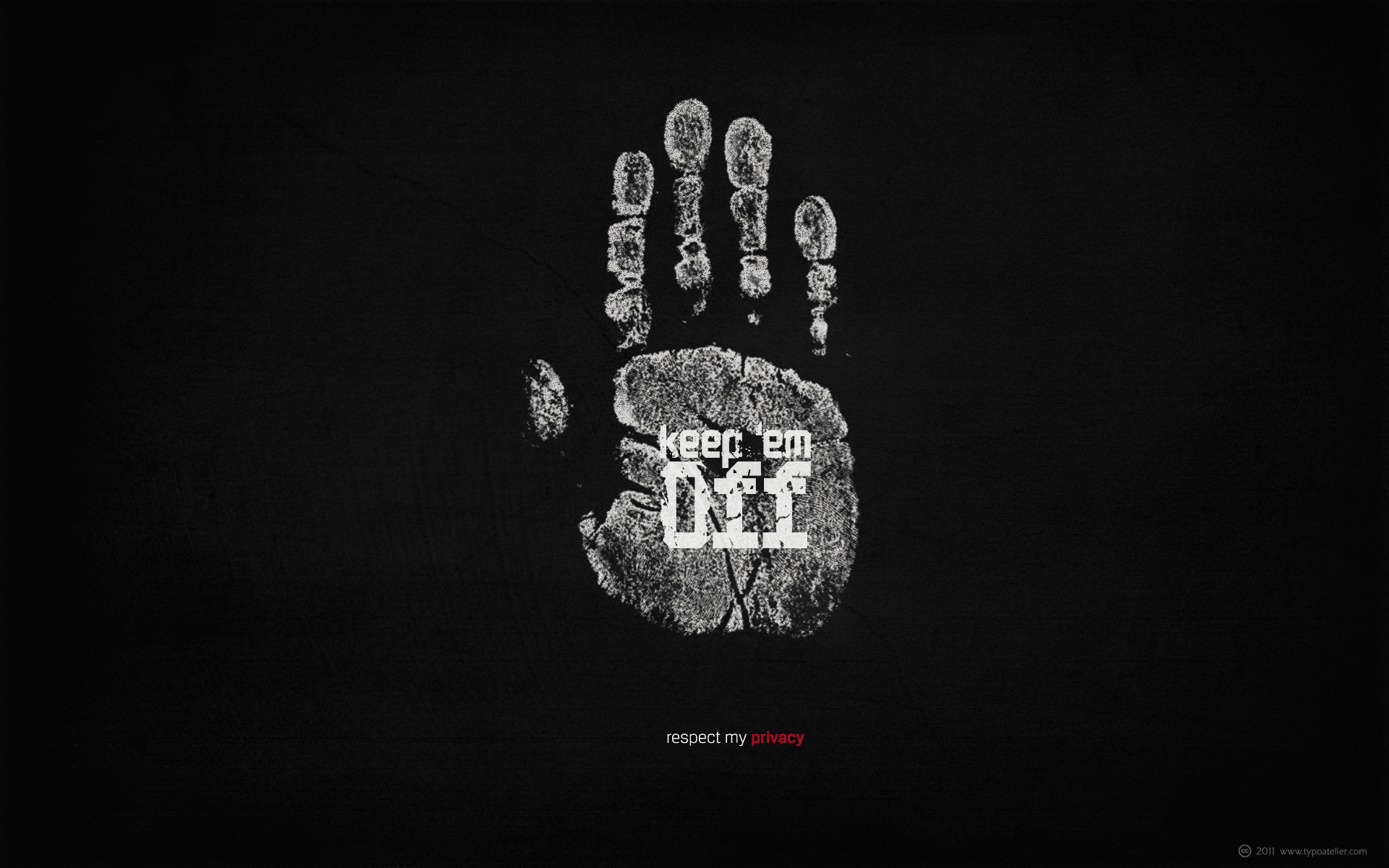
I created this grungy, simple, minimalist wallpaper for my desktop. You may resize it, modify it, use it on your desktop, iPhone or whatever you like.
Typefaces in use:
Carlos Fabián Camargo Guerrero’s (ANDINISTAS) futuristic, square, mechanical typeface »Codiga«.
Codiga is perfect for titles and badges that need to show a futurist and space sensation. Its angles are formed by straight lines and its san serif »monolineal« design allows its solid and rigid shapes stress its industrial and technology Look. Codiga consisting of 8 styles: Blanca, Gris, Negra, Super Negra, X1, X2, Stencil and Dingbats (Codiga Dingbats includes 26 illustrations characters). Codiga Blanca, Gris, Negra, Super Negra, X1, X2, Stencil include the complete character set with lower and upper case letters, numbers, accents, diacritics, puntuation and monetary symbols.
and
Silas Dilworth’ (TypeTrust) clean, geometric sans-serif face »Breuer Text«.
Breuer Text is a simple geometric sans with relaxed curves and slightly condensed proportions suitable for moderate lengths of body copy. The italics are optically adjusted obliques with a selection of augmented lowercase glyphs for a warmer read.
Breuer Text offers the distinct aura of technical precision in a personable tone, ideal for instructional copy or safety warnings. Its basic structure and conservative letterforms maintain a level voice without turning robotic or sterile.
Pair with the two-font Breuer Headline family for a simple and complete editorial type system. Breuer Text includes Small Caps, Old Style Figures and Tabular Figures.

Typefaces in use:
Roland Hörmann’s (PHOSPHO) distressed, grungy blackletter typeface »Adhesive Nr. Seven«.
Adhesive Nr. Seven is a sticky blackletter font owes its street credibility to the texture of torn adhesive tape. Designed to support rehabilitation of the historically tainted Fraktur, its pragmatically shaped majuscules guarantee legibility to a 21st-century readership. They even forgive all-caps usage - a thing you better not try with most blackletter types around. It contains a range of diacritics and ligatures, as well as open type features that substitute alternate glyphs for often repeating characters. With its fine tape strip details you may best use it at poster and headline sizes; at small sizes you interestingly get a nice woodcut appearance.
Pedro Leal’s (DSType) elegant, fancyful script face »Penna«.
Penna is a calligraphic type system designed by Pedro Leal. Amidst the four available styles you get four different ascender and descender styles, two different styles of starting and ending swashes, pleura of ligatures and several other features. Chose between regular, swashes, unconnected and connected versions or mix them all up for a deeper calligraphic feeling.
Steve Mehallo’s great, messy typewriter face »Chandler 42«.
»Chandler 42« was one of the first messy typewriter fonts to hit the market, Chandler 42 was compiled with forensic care from the voluminous output of a circa 1942 portable. All the eccentric personality of this particular machine is intact: a slightly angled “m,” filled in gaps in the most-used characters; even the number “4” is reminiscent of gasoline pump numbers of its day.
Ray Larabie’s (TYPODERMIC) punk, spraypaint, stencilled typeface »Burnaby Stencil«.
Burnaby Stencil is oversprayed, a bit crooked and 100% dirty.
Strobist info:
Main light to camera right was a speedlight in an apollo orb
second light was a speedlight, bounced off of a gold reflector behind stairs.
Black and white 1890s portrait of a man with a mustache, captured at Kossak & Wippler studio in Herkulesfürdő, Hungary.
Cool cars, cooler outfits, and a whole lot of sunshine at the Classic Car Boot Sale, King’s Cross, Spring 2026.
Una maleta gastada, una moto clásica y un sidecar que parece listo para cualquier camino. Los detalles cuentan historias: kilómetros recorridos, encuentros, paradas y recuerdos que viajan sujetos con correas. Un pequeño homenaje al espíritu de la carretera. A worn suitcase, a classic motorcycle, and a sidecar ready for any road ahead. Details that tell stories: miles traveled, encounters, stops, and memories carried along the way. A small tribute to the spirit of the open road.
Vintage 1960s photo of a mother and child standing by the Rába River with a bridge in Győr, Hungary.
FACEBOOK:https://www.facebook.com/Mss.Diversity
INSTAGRAM: instagram.com/rragtime_cat
Photographer: Jens Peltzer
Picture is made with the film camera fully immersed under water. Film size 18x24 cm. Monocle. Without shutter. Xray film. DS51 flash. Model is wearing soviet diving dry suite УКГ2.
Vintage Portraits of Miss Mary
Picture and Edit: Davide Morino
Outfit, makeup and hairstyle:
Miss Malí
Find out more about this photo, here on my blog :)
Hat: Failsworth
Glasses: Theo
Coat: UNIQLO x Lemaire
Cardigan: H&M
Blouse: ASOS
Dress: made it myself
Petticoat: Der Celine
Tights: Insua
Star Wars sneakers: Primark
Bag: Bakker made with love
Bag Charm: Disney Store Japan
Accessories: handmade, Han Cholo x Think Geek, Roxy, ASOS, Piesces
Copyright 2018 Bert Van den Wyngaert.
All rights reserved.
No unauthorized use, reproduction or distribution without prior permission.
Model, MUAH: Miss Diversity
www.facebook.com/Mss.Diversity/
Photographer: Delicate Photography
Dress: Stop Staring/ 192 West