View allAll Photos Tagged presentar
High tide has liberated the red, yellow and blue balls.
I want to present this project to the public opinion as a work for Land art Connections for the month of June with one theme: WATER.
My project is sleeping in the past. Now it's time for it to awake. I dream that the balls are floating in the Atlantic Ocean. There is no date for this work. It's only living in my heart.
La marea alta ha alliberat la pilota vermella,la groga i la blava. Vull presentar aquest projecte als treballd de Land art Connections, que durant tot el mes de juny. es treballarà el tema: AIGUA.
AQUEST PROJECTE ESTÀ ADORMIT EN EL PASSAT. COM M'AGRADARIA VEURE LES PILOTES FLOTANT A L'OCEA ATLANTIC. NO HI HA DATA PER AQUEST PROJECTE, SOLSAMENT ESTÀ VARAT EN EL MEU COR.
Alguno dirá "si que está pesadito este con el tema de estas fotos"..... En este caso no es tanto por repetirme como por presentaros la nueva entrada en www.light4magic.com.
Si quieres ver como se logra este efecto pasate por aquí:
Si te animas a probar, estaría genial que dejases enlaces a las fotos para verlas entre todos.
*No use esta foto sin mi autorizacion
*Don´t use this photo without my permission
© All rights reserved
Asesinato es lo que he sentido cuando Flickr cambió la forma de presentar nuestras fotografías. El nuevo Flickr, como así aún lo sigo conociendo, no me convence. Espero haber elegido una fotografía que exprese ese sentimiento. Gracias a todos, por vuestros amables comentarios.
Murder is what I felt when Flickr changed the way we present our photographs. The new Flickr as well yet I still know, I'm not convinced. I hope I have chosen a photography that expresses that feeling. Thank you all for your kind comments.
Y este es el resultado final... Una circumpolar con casa en ruinas iluminada, con trayectorias de aviones, con la contaminación lumínica de Manresa al Este y con todo el cariño y la ilusión de este humilde equipo de iluminador y fotógrafo que se somete a vuestro juicio crítico, NO sin antes, naturalmente, presentaros las características técnicas de la imagen:
- Número de imágenes: 18.
- Tiempo de exposición por imagen: 180 segundos.
- Cámara: Nikon D700.
- Objetivo: Nikkor AF-S 14-24mm 1:2.8 G ED.
- Focal: 15mm.
- Apertura: f/2.8.
- ISO: 200
- Trípode: Manfrotto.
- Linterna: Led Lenser M7.
- Flash: Metz Mecablitz 30 B 3.
- Intervalómetro: Nikon MC 36.
- Edición: Adobe Camera RAW + Photoshop.
- Montaje circumpolar: Star Trails.
- Iluminador y coautor: Guillem González Claramunt.
- Fotógrafo: Miquel González Page.
Música recomendada: "Lucky Man". Emerson, Lake & Palmer.
I'm so happy to show you my new&cute doll, she's Nyan!! ♥ I hope you like her!
-----
Estoy muy feliz de presentaros a Nyan!!! la nueva incorporación, un idea de keki que tenía en mente desde hace tiempo y que por fin se ha hecho realidad *w* Espero que os guste!
Visita de Sylvester Stallone a Madrid el día 28 de Enero de 2008 para presentar su película John Rambo. Fotografía de Francisco Bellón Ballesteros.
The road network of Madagascar, comprising about 4,500 unique roads spanning 31,640 kilometers (19,660 mi), is designed primarily to facilitate transportation to and from Antananarivo, the Malagasy capital. Transportation on these roads, most of which are unpaved and two lanes wide, is often dangerous. Few Malagasy own private vehicles; long-distance travel is often accomplished in taxi brousses ('bush taxis') which may be shared by 20 or more people.
While most primary roads are in good condition, the World Food Programme has classified nearly two-thirds of the overall road network as being in poor condition. These conditions may make it dangerous to drive at moderate-to-high speeds and dahalo (bandit) attacks pose a threat at low speeds. Many roads are impassable during Madagascar's wet season; some bridges (often narrow, one-lane structures) are vulnerable to being swept away. Few rural Malagasy live near a road in good condition; poor road connectivity may pose challenges in health care, agriculture, and education.
Drivers in Madagascar travel on the right side of the road. On some roads, to deter attacks from dahalo, the government of Madagascar requires that drivers travel in convoys of at least ten vehicles. Car collision fatalities are not fully reported, but the rate is estimated to be among the highest in the world. Random police checkpoints, at which travelers are required to produce identity documents, are spread throughout the country. Crops are transported by ox cart locally and by truck inter-regionally. Human-powered vehicles, once the only means of road transport, are still found in the form of pousse-pousses (rickshaws). Taxi brousses constitute a rudimentary road-based public transportation system in Madagascar. Rides on taxi brousses cost as little as 200 Malagasy ariary (roughly US$0.10) as of 2005, and vehicles involved are often overpacked, sometimes with the assistant driver riding on the outside of the vehicle. Stops on their routes are generally not fixed, allowing passengers to exit at arbitrary points.
en.wikipedia.org/wiki/Driving_in_Madagascar
www.roadtripafrica.com/madagascar/practical-info/driving-...
internationaldriversassociation.com/madagascar-driving-gu...
La red de carreteras de Madagascar, que comprende alrededor de 4.500 carreteras únicas que abarcan 31.640 kilómetros (19.660 millas), está diseñada principalmente para facilitar el transporte hacia y desde Antananarivo, la capital malgache. El transporte por estas carreteras, la mayoría de las cuales no están pavimentadas y tienen dos carriles de ancho, suele ser peligroso. Son pocos los malgaches que poseen vehículos privados; Los viajes de larga distancia a menudo se realizan en taxis ("taxis rurales") que pueden ser compartidos por 20 o más personas.
Si bien la mayoría de las carreteras principales están en buenas condiciones, el Programa Mundial de Alimentos ha clasificado casi dos tercios de la red vial general como en malas condiciones. Estas condiciones pueden hacer que sea peligroso conducir a velocidades de moderadas a altas y los ataques de dahalo (bandidos) representan una amenaza a bajas velocidades. Muchas carreteras son intransitables durante la estación húmeda de Madagascar; algunos puentes (a menudo estructuras estrechas de un solo carril) son vulnerables a ser arrastrados. Son pocos los malgaches rurales que viven cerca de una carretera en buenas condiciones; La mala conectividad vial puede plantear desafíos en la atención de salud, la agricultura y la educación.
Los conductores en Madagascar circulan por el lado derecho de la carretera. En algunas carreteras, para disuadir los ataques desde Dahalo, el gobierno de Madagascar exige que los conductores viajen en convoyes de al menos diez vehículos. Las muertes por colisiones automovilísticas no se informan en su totalidad, pero se estima que la tasa se encuentra entre las más altas del mundo. Por todo el país hay puestos de control policial aleatorios, en los que los viajeros deben presentar documentos de identidad. Los cultivos se transportan en carretas de bueyes a nivel local y en camiones a nivel interregional. Los vehículos de propulsión humana, que alguna vez fueron el único medio de transporte por carretera, todavía se encuentran en forma de pousse-pousses (rickshaws). Los taxis constituyen un rudimentario sistema de transporte público por carretera en Madagascar. Los viajes en taxi cuestan tan solo 200 ariary malgaches (aproximadamente 0,10 dólares estadounidenses) en 2005, y los vehículos involucrados suelen estar demasiado llenos, a veces con el asistente del conductor viajando en el exterior del vehículo. Las paradas en sus rutas generalmente no son fijas, lo que permite a los pasajeros salir en puntos arbitrarios.
Era su primera entrevista. Pocos años, carrera recién terminada, muchos nervios, aún más ilusión, mezclada con todos los miedos del mundo y algunas inseguridades. Y un traje azul oscuro, hurtado del armario paterno, para causar buena impresión en la entrevista.
Pasó casi toda la mañana en la empresa, haciendo pruebas de contabilidad, test psicotécnicos y dos entrevistas diferentes. Al final de la jornada, pasó al despacho del Director de Recursos Humanos.
“Bueno, Javier”. Dijo el director, “has llegado al final del proceso , tus pruebas han sido muy buenas y estaremos encantados de contar contigo en breve. Solo nos falta ajustar la oferta, ver si te interesa, por supuesto, y fijar la fecha de incorporación a nuestra plantilla. ¿qué te parece?”.
El joven todavía no se lo podía creer y empezó a balbucear unas gracias sinceras y algo tímidas.
La conversación continúa, de manera muy afable por parte del director y cada vez más seguro de sí mismo el joven. Hasta que llega la frase fatídica.
“Bueno, Javier, pues nos vemos el día 15 en mis oficinas, firmamos el contrato, te presentaré a tu jefe y ¡a empezar!. Como te dije, tus pruebas fueron excelentes, pero ¿sabes lo que realmente nos decidió a contratarte? …¡las excelentes referencias que nos dieron de ti!”.
Javier se puso tenso, muy nervioso y algo irritado “¡ya ha llamado mi padre! Y mira que le pedí que no se metiera, que me dejara conseguir el empleo por mí mismo, que dejara fuera a sus amistades y contactos, que yo solo lo podía conseguir, pues no, ha tenido que meter las narices en ésto”.
“¿Referencias?”, preguntó, “¿quién ha dado referencias de mí?”.
“Las mejores”, contestó el Director, “de Araceli Cañete y Cañete natural de Bienservida, provincia de Albacete”.
¿Cómoooooooooooooo?” casi gritó el aspirante. “Sí, la misma. Cuando llamamos a tu casa para concertar la entrevista, la persona que nos atendió no parecía que se estuviera enterando muy bien, por eso insistimos, por favor, tome muy buena nota, es muy importante, es para una entrevista de trabajo. Entonces, la mujer se puso a gritar ¡¡De trabajo!! , ¡¡Que van a contratar a mi niño!!. Bueno, señora, tranquilícese, lo contrataremos si vemos que es la persona adecuada para el puesto. ¡¡lo es, lo es!! casi gritaba la buena mujer y entonces, esgrimió sus argumentos:
Soy Araceli Cañete y Cañete, natural de Bienservida, provincia de Albacete, y sirvo en casa de mi niño desde tiempos de su abuela, mi señora Doña Dolores, mi niño es muy bueno, muy estudioso y muy trabajador, y merece que le den el puesto porque es muy limpio…¡¡cómo será de limpio, que se cambia de muda todos los días!!.
“Y por eso estás aquí, Javier, ¡porque te cambias de muda todos los días!” y no podía parar de reír mientras le entregaba documentación relativa al puesto.
Javier entendió todo y acepto la broma…pero siempre le quedó la duda, cuando le miraban muy fijamente en el trabajo “¿No sería que estaban intentando averiguar si se había cambiado de muda?”.
NOTA.
La historia (que tiene más de 35 años) es real, el nombre del aspirante lo he cambiado, como cambié los apellidos, pueblo y provincia de la “recomendadora”. Lo que no cambié fue el nombre de pila, Araceli.
Aracelí llegó de su pueblecito antes de la guerra civil. Entró “a servir “ en casa de mi suegra y se quedó allí toda la vida, crió a dos generaciones, a los hermanos menores de mi suegra , con la que se quedó cuando ella casó, y luego a mi marido y mi cuñado.
Araceli fue mi “tata política”, le costó aceptarme porque yo era flaca, con gafas y poca cosa para “su niño”, que evidentemente era perfecto. Cuando me la gané, fue como una madre para mí y cuidó después de mis hijos, que la adoraban, con un amor infinito. Araceli tenía unos golpes de ingenio naif que nos hacían partirnos de risa. Fue todo un personaje con sus coplas, versos, historias, chascarrillos y la lotería de la parroquia de su pueblo. Araceli formó parte de nuestra familia, hasta que falleció con casi 90 años. La cuidé en su vejez como ella se merecía, con todo el amor que ella supo darnos a todos los demás.
Chevrolet es una marca de automóviles y camiones con sede en Detroit, Estados Unidos perteneciente al grupo General Motors. Nació de la alianza de Louis Chevrolet y William Crapo Durant el 3 de noviembre de 1911, en los Estados Unidos, fabricando automóviles robustos.
Actualmente, Chevrolet incrementó su participación en el mercado mundial a partir de la implementación del nuevo concepto de diseño global llamado GPix o Global Pix, con el cual comenzó a presentar sus primeros vehículos denominados "globales", los cuales comenzaron a ser vendidos en Asia, Europa y América junto a los Estados Unidos. El primer vehículo presentado con esta característica fue el Chevrolet Aveo, presentado en el mercado de China. Más tarde, comenzaron a sucederse nuevas presentaciones, teniendo como protagonistas a los modelos Chevrolet Cruze, Chevrolet Impala y Chevrolet Captiva, quienes compartían rasgos de diseño con el Aveo. Esta política, además de renovar la cara de Chevrolet en el mundo, reafirmó su posición en diferentes mercados, donde la marca utilizaba modelos de otras marcas propiedad de General Motors para venderlos bajo la marca Chevrolet. Otro proyecto generado por esta nueva corriente de diseño es el denominado "Proyecto Viva", desarrollado en el Mercosur y del cual fueron concebidos los modelos Chevrolet Agile, Chevrolet Montana y la nueva generación del Chevrolet Cobalt, presentado el 16 de junio de 2011 en el Salón del Automóvil de Buenos Aires. (Wikipedia)
© Copyright : You can not use my photos !
© Copyright : No se pueden utilizar mis fotos !
© Copyright :Sie können nicht meine Fotos !
© Copyright : Vous ne pouvez pas utiliser mes photos !
© Copyright : Non è possibile utilizzare le mie foto!
© Copyright : ! لا يمكنك استخدام الصور الخاصة بي
© Copyright : ! איר קענען ניט נוצן מיין פאָטאָס
© Copyright : 你不能用我的照片!
© Copyright : あなたは私の写真を使用することはできません!
© Copyright : तुम मेरे फ़ोटो का उपयोग नहीं कर सकते हैं!
© Copyright : Вы не можете использовать мои фотографии!
Visita de Sylvester Stallone a Madrid el día 28 de Enero de 2008 para presentar su película John Rambo. Fotografía de Francisco Bellón Ballesteros.
Tras la esquina espero el momento
En que no me miren y meterme dentro
Era mi oportunidad
Unos entran, otros van saliendo
Y entre el barullo yo me cuelo dentro
Allí me colé y en tu fiesta me planté
Coca-cola para todos y algo de comer
Mucha niña mona pero ninguna sola
Luces de colores, lo pasaré bien
Yo me preguntaba
¿Quién me la puede presentar?
Yo me preguntaba
¿Qué es lo que le voy a contar?
La vi pasar y me escondí
Con su traje transparente
Iba provocando a la gente
Ella me vio y se acercó
El flechazo fue instantáneo
Y cayo entre mis brazos
Allí me colé y en tu fiesta me planté
Coca-cola para todos y algo de comer
Mucha niña mona pero ninguna sola
Luces de colores, lo pasaré bien
Yo me preguntaba
¿Quién me la puede presentar?
Yo me preguntaba
¿Qué es lo que le voy a contar?
Allí me colé y en tu fiesta me planté
Coca-cola para todos y algo de comer
Mucha niña mona pero ninguna sola
Luces de colores, lo pasaré bien
Yo me preguntaba
¿Quién me la puede presentar?
Yo me preguntaba
¿Qué es lo que le voy a contar?
Allí me colé y en tu fiesta me planté
Coca-cola para todos y algo de comer
Mucha niña mona pero ninguna sola
Luces de colores, lo pasaré bien
Allí me colé y en tu fiesta me planté
Coca-cola para todos y algo de comer
Mucha niña mona pero ninguna sola
Luces de colores, lo pasaré bien
Allí me colé y en tu fiesta me planté
Coca-cola para todos y algo de comer
Mucha niña mona pero ninguna sola
Luces de colores, lo pasaré bien
Allí me colé y en tu fiesta me planté
Coca-cola para todos y algo de comer
Mucha niña mona pero ninguna sola
Luces de colores, lo pasaré bien
Allí me colé y en tu fiesta me planté
Coca-cola para todos y algo de comer
.cat
Història
Durant la guerra de Successió Espanyola, Antoni Desvalls i de Vergós va presentar batalla als borbònics el 7 de maig de 1713 en el Combat de Mura, derrotant la columna de Diego Gonzalez, després de fer una incursió sobre Manresa en la que va derrotar el regiment borbònic napolità de Félix de la Escalera, dirigint-se posteriorment a Terrassa, sent atacat el dia 9 a Esparreguera per un destacament sortit de Martorell.
Geografia
El municipi de Mura té un territori trencat per serres i fondalades, amb boscos abundants de pins, alzines i roures, fonts nombroses i indrets pintorescos. La població s'agrupa majoritàriament en el poble de Mura, presidit per l'església de Sant Martí, romànica i ben restaurada, de la qual destaquen els absis per les seves arcuacions ornades amb capitells. Mura forma un conjunt agradable de placetes i carrerons empedrats, i de cases de pedra, moltes de les quals han estat preparades per a vacances o estades de cap de setmana, a causa de l'interès de l'entorn i de les possibilitats que ofereix l'immediat parc natural. Prop de Mura, en un marc de masies escampades, destaca l'insòlit paratge del Puig de la Balma, amb edificis construïts dins d'una gran balma que acull un petit museu i un centre agroturístic.
Als afores del poble hi ha l'església de Santa Creu de Palou, d'estil romànic.
.es
La primera noticia que se tiene de su existencia data del año 978. Alrededor de la iglesia de Sant Martí, ya documentada el año 1088 empezaron a levantarse las primeras casas de este pintoresco pueblo que aún hoy en día conserva todo su encanto medieval.
Históricamente, el trabajo en el campo era la principal dedicación de sus gentes; especial importancia tuvo el cultivo de la uva, que a partir del siglo XVIII desplazó las formas más tradicionales de agricultura. Ésta era una tarea especialmente ardua dada las características montañosas del terreno, solventadas en parte mediante la construcción de lagares entre las viñas, los cuales se utilizaban para la prensa y fermentación de la uva. Ya entrado el siglo XIX, la filoxera acabó con los viñedos y provocó un importante descenso de la población.
Otra tarea importante, hasta mediados del siglo XX, fue la elaboración de carbón vegetal, hasta el momento en que la energía eléctrica determinó su desaparición.
+ Info: .cat Vikipedia
+ Info: .es Wikipedia
► ◄ .cat Gracies per les vostres visites
► ◄ .es Gracias por vuestras visitas
► ◄ .eng Thank you for your visit
Blog ¦ Flickr ¦ Fluidr ¦ Flickriver ¦ Flickeflu ¦ Picssr ¦ Portfotolio ¦ Flickrock¦Facebook
Please don't use this image on websites, blogs or other media
without my explicit permission.
© All rights reserved
The western lowland gorilla is exclusively vegetarian and lives in family groups led by a dominant male, characterised by having a silvery back.
El gorila de llanura occidental es exclusivamente vegetariano y vive en grupos familiares dirigidos por un macho dominante, que se caracteriza por presentar la espalda plateada, de color blanquecino.
The western plains gorilla is exclusively vegetarian and lives in family groups led by a dominant male, characterised by having a silvery back.
El gorila de llanura occidental es exclusivamente vegetariano y vive en grupos familiares dirigidos por un macho dominante, que se caracteriza por presentar la espalda plateada, de color blanquecino.
Feliz de presentar oficialmente mi libro, diseño " Underbau", edición " Alex Llovet" e impresión " Artefacto". Disponible en www.edicionesposibles.com
Gracias a tod@s!
Vengo a presentaros a mi nueva nena que ha llegado hace poco, su nombre es Kuhn, me ha gustado el nombre asi que se lo he dejado, hehehe ^^
Pero creo que el motivo principal de la foto a sido el poder comunicarme con ustedes, hace ya varios días que intento entrar al foro y no me lo permite, o mas bien, no se visualiza la página, se los comento a ustedes porque fueron mis finalistas y me gustaria saber si esto les pasa tambien, saben cuanto durara?
Espero que se la esten pasando de maravilla y que podamos concluir pronto este concurso.
The road network of Madagascar, comprising about 4,500 unique roads spanning 31,640 kilometers (19,660 mi), is designed primarily to facilitate transportation to and from Antananarivo, the Malagasy capital. Transportation on these roads, most of which are unpaved and two lanes wide, is often dangerous. Few Malagasy own private vehicles; long-distance travel is often accomplished in taxi brousses ('bush taxis') which may be shared by 20 or more people.
While most primary roads are in good condition, the World Food Programme has classified nearly two-thirds of the overall road network as being in poor condition. These conditions may make it dangerous to drive at moderate-to-high speeds and dahalo (bandit) attacks pose a threat at low speeds. Many roads are impassable during Madagascar's wet season; some bridges (often narrow, one-lane structures) are vulnerable to being swept away. Few rural Malagasy live near a road in good condition; poor road connectivity may pose challenges in health care, agriculture, and education.
Drivers in Madagascar travel on the right side of the road. On some roads, to deter attacks from dahalo, the government of Madagascar requires that drivers travel in convoys of at least ten vehicles. Car collision fatalities are not fully reported, but the rate is estimated to be among the highest in the world. Random police checkpoints, at which travelers are required to produce identity documents, are spread throughout the country. Crops are transported by ox cart locally and by truck inter-regionally. Human-powered vehicles, once the only means of road transport, are still found in the form of pousse-pousses (rickshaws). Taxi brousses constitute a rudimentary road-based public transportation system in Madagascar. Rides on taxi brousses cost as little as 200 Malagasy ariary (roughly US$0.10) as of 2005, and vehicles involved are often overpacked, sometimes with the assistant driver riding on the outside of the vehicle. Stops on their routes are generally not fixed, allowing passengers to exit at arbitrary points.
en.wikipedia.org/wiki/Driving_in_Madagascar
www.roadtripafrica.com/madagascar/practical-info/driving-...
internationaldriversassociation.com/madagascar-driving-gu...
La red de carreteras de Madagascar, que comprende alrededor de 4.500 carreteras únicas que abarcan 31.640 kilómetros (19.660 millas), está diseñada principalmente para facilitar el transporte hacia y desde Antananarivo, la capital malgache. El transporte por estas carreteras, la mayoría de las cuales no están pavimentadas y tienen dos carriles de ancho, suele ser peligroso. Son pocos los malgaches que poseen vehículos privados; Los viajes de larga distancia a menudo se realizan en taxis ("taxis rurales") que pueden ser compartidos por 20 o más personas.
Si bien la mayoría de las carreteras principales están en buenas condiciones, el Programa Mundial de Alimentos ha clasificado casi dos tercios de la red vial general como en malas condiciones. Estas condiciones pueden hacer que sea peligroso conducir a velocidades de moderadas a altas y los ataques de dahalo (bandidos) representan una amenaza a bajas velocidades. Muchas carreteras son intransitables durante la estación húmeda de Madagascar; algunos puentes (a menudo estructuras estrechas de un solo carril) son vulnerables a ser arrastrados. Son pocos los malgaches rurales que viven cerca de una carretera en buenas condiciones; La mala conectividad vial puede plantear desafíos en la atención de salud, la agricultura y la educación.
Los conductores en Madagascar circulan por el lado derecho de la carretera. En algunas carreteras, para disuadir los ataques desde Dahalo, el gobierno de Madagascar exige que los conductores viajen en convoyes de al menos diez vehículos. Las muertes por colisiones automovilísticas no se informan en su totalidad, pero se estima que la tasa se encuentra entre las más altas del mundo. Por todo el país hay puestos de control policial aleatorios, en los que los viajeros deben presentar documentos de identidad. Los cultivos se transportan en carretas de bueyes a nivel local y en camiones a nivel interregional. Los vehículos de propulsión humana, que alguna vez fueron el único medio de transporte por carretera, todavía se encuentran en forma de pousse-pousses (rickshaws). Los taxis constituyen un rudimentario sistema de transporte público por carretera en Madagascar. Los viajes en taxi cuestan tan solo 200 ariary malgaches (aproximadamente 0,10 dólares estadounidenses) en 2005, y los vehículos involucrados suelen estar demasiado llenos, a veces con el asistente del conductor viajando en el exterior del vehículo. Las paradas en sus rutas generalmente no son fijas, lo que permite a los pasajeros salir en puntos arbitrarios.
traslashuellasdemir.com/destinos-irresistibles/madagascar...
internationaldriversassociation.com/es/madagascar-driving...
The road network of Madagascar, comprising about 4,500 unique roads spanning 31,640 kilometers (19,660 mi), is designed primarily to facilitate transportation to and from Antananarivo, the Malagasy capital. Transportation on these roads, most of which are unpaved and two lanes wide, is often dangerous. Few Malagasy own private vehicles; long-distance travel is often accomplished in taxi brousses ('bush taxis') which may be shared by 20 or more people.
While most primary roads are in good condition, the World Food Programme has classified nearly two-thirds of the overall road network as being in poor condition. These conditions may make it dangerous to drive at moderate-to-high speeds and dahalo (bandit) attacks pose a threat at low speeds. Many roads are impassable during Madagascar's wet season; some bridges (often narrow, one-lane structures) are vulnerable to being swept away. Few rural Malagasy live near a road in good condition; poor road connectivity may pose challenges in health care, agriculture, and education.
Drivers in Madagascar travel on the right side of the road. On some roads, to deter attacks from dahalo, the government of Madagascar requires that drivers travel in convoys of at least ten vehicles. Car collision fatalities are not fully reported, but the rate is estimated to be among the highest in the world. Random police checkpoints, at which travelers are required to produce identity documents, are spread throughout the country. Crops are transported by ox cart locally and by truck inter-regionally. Human-powered vehicles, once the only means of road transport, are still found in the form of pousse-pousses (rickshaws). Taxi brousses constitute a rudimentary road-based public transportation system in Madagascar. Rides on taxi brousses cost as little as 200 Malagasy ariary (roughly US$0.10) as of 2005, and vehicles involved are often overpacked, sometimes with the assistant driver riding on the outside of the vehicle. Stops on their routes are generally not fixed, allowing passengers to exit at arbitrary points.
en.wikipedia.org/wiki/Driving_in_Madagascar
www.roadtripafrica.com/madagascar/practical-info/driving-...
internationaldriversassociation.com/madagascar-driving-gu...
La red de carreteras de Madagascar, que comprende alrededor de 4.500 carreteras únicas que abarcan 31.640 kilómetros (19.660 millas), está diseñada principalmente para facilitar el transporte hacia y desde Antananarivo, la capital malgache. El transporte por estas carreteras, la mayoría de las cuales no están pavimentadas y tienen dos carriles de ancho, suele ser peligroso. Son pocos los malgaches que poseen vehículos privados; Los viajes de larga distancia a menudo se realizan en taxis ("taxis rurales") que pueden ser compartidos por 20 o más personas.
Si bien la mayoría de las carreteras principales están en buenas condiciones, el Programa Mundial de Alimentos ha clasificado casi dos tercios de la red vial general como en malas condiciones. Estas condiciones pueden hacer que sea peligroso conducir a velocidades de moderadas a altas y los ataques de dahalo (bandidos) representan una amenaza a bajas velocidades. Muchas carreteras son intransitables durante la estación húmeda de Madagascar; algunos puentes (a menudo estructuras estrechas de un solo carril) son vulnerables a ser arrastrados. Son pocos los malgaches rurales que viven cerca de una carretera en buenas condiciones; La mala conectividad vial puede plantear desafíos en la atención de salud, la agricultura y la educación.
Los conductores en Madagascar circulan por el lado derecho de la carretera. En algunas carreteras, para disuadir los ataques desde Dahalo, el gobierno de Madagascar exige que los conductores viajen en convoyes de al menos diez vehículos. Las muertes por colisiones automovilísticas no se informan en su totalidad, pero se estima que la tasa se encuentra entre las más altas del mundo. Por todo el país hay puestos de control policial aleatorios, en los que los viajeros deben presentar documentos de identidad. Los cultivos se transportan en carretas de bueyes a nivel local y en camiones a nivel interregional. Los vehículos de propulsión humana, que alguna vez fueron el único medio de transporte por carretera, todavía se encuentran en forma de pousse-pousses (rickshaws). Los taxis constituyen un rudimentario sistema de transporte público por carretera en Madagascar. Los viajes en taxi cuestan tan solo 200 ariary malgaches (aproximadamente 0,10 dólares estadounidenses) en 2005, y los vehículos involucrados suelen estar demasiado llenos, a veces con el asistente del conductor viajando en el exterior del vehículo. Las paradas en sus rutas generalmente no son fijas, lo que permite a los pasajeros salir en puntos arbitrarios.
traslashuellasdemir.com/destinos-irresistibles/madagascar...
internationaldriversassociation.com/es/madagascar-driving...
AirPower 2024 - www.ismaeljorda.com - Nikon D850 + 600VR @ 1/1000 f5 Iso64
----------------------------
🔴 Después de un par de días organizando y revisando las miles de fotos que me he traído del AIRPOWER, empiezan a salir las que merece la pena presentar en público. El F-18 finlandés firmó una de las mejores actuaciones de todo el festival con maniobras espectaculares, muchas bengalas y pasando bien cerquita de nosotros.
🔵 After a couple of days sorting and reviewing the thousands of photos I brought back from AIRPOWER, the ones worth presenting in public are starting to emerge. The Finnish F-18 put in one of the best performances of the entire festival with spectacular maneuvers, lots of flares, and flying very close to us.
Tatachan!!! Después de mes y pico, llegaron sus ojitos de coolcat. Con lo cuál... ya puedo presentaros en sociedad a Mahina! Mi nena hawaiiana, anteriormente, una Naah Atto. ^^ Ya sabeís las ganas que tenia de una nena morenita!! y esta hawaiiana va a ser de las que dan que hablar!!!
Pronto subiré su ficha!! vereís spam de fotillos de ella. Eso si, hoy hacia un día super nublado, pero aún asi, creo que he podido salvar alguna que otra foto!! ¿os gusta como ha quedado? creo que tienen un tono de piel PRECIOSO. Tendrían que sacar más morenitas asi.
Ey!! y recuerda que si te ha gustado y quieres algo similar, o tienes en mente algo 100% nuevo, aqui tienes mi página de customs:
www.facebook.com/keicustomatelier
Asdad quiero hacerle más fotos!!!
Estos vídeos son pruebas realizadas con la cámara fotográfica.
Es muy complicado e inestable. A pesar de utilizar un bastón monopie, he tenido que estabilizar, digitalmente, la imagen.
La calidad de la imagen es buena, siempre y cuando no se desenfoque, cosa muy fácil, aunque se utilice un diafragma muy cerrado.
En resumen: Es un follón.
Para hacer un video: una cámara de video, no un sucedáneo.
These videos are tests made with the photographic camera.
It is very complicated and unstable. Despite using a monopod cane, I had to digitally stabilize the image.
The quality of the image is good, as long as it does not defocus, which is very easy, even if a very closed diaphragm is used.
In summary: It's a mess.
To make a video: a video camera, not a substitute.
Boeing KC-97 L Stratotanker.
Avión examotor de transporte y bombardeo de fabricación norteamericana, cuyo prototipo fue una evolución del famoso B-29 "Superfortress", y voló por primera vez en noviembre de 1944.
Su sección transversal en forma de doble burbuja era su aspecto más característico, siendo su velocidad y capacidad operativa las mayores ventajas que ofrecía en su época.
Su verdadera importancia la adquirió en 1950, con motivo de la guerra de Corea, al presentar una variante como avión-cisterna que obtuvo la aprobación y el encargo de 592 ejemplares por parte de la USAF.
Para aumentar su velocidad se le dotó de dos turborreactores J-47. Posteriormente fueron sometidos a diversas mejoras, llegando a actuar en la guerra de Vietnam.
Uno, en servicio en la Fuerza Aérea Israelí, fue derribado en 1973 con un misil Sam.
El Ejército del Aire español adquirió, en 1972, tres ejemplares de la versión "L'' de la Guardia Nacional Aérea de Nueva York, para reabastecimiento de los aviones F-4C Phantom.
Incorporados al 123 Escuadrón (Torrejón), tuvieron una corta etapa de servicio por sus dificultades de mantenimiento y causaron baja en 1976.
También se adquirieron dos C-97G que sirvieron para la obtención de repuestos y estuvieron estacionados en la Maestranza Aérea de Albacete.
Pese a su corto periodo operativo, su actividad fue intensa y en misiones de todo tipo. Suministraron mas de un millón de litros de combustible y completaron mas de mil horas de vuelo.
Capaz de transportar 90 soldados con equipo completo llevó a legionarios del Tercio Alejandro Farnesio de Villa Cisneros al Aaiún en 1974.
El que se expone, al causar baja el 19 de julio de 1976 , fue adquirido en subasta por un particular.
En 1985 fue recuperado por el teniente general Jesús Bengoechea para el Instituto de Historia y Cultura Aeronáutica, quien lo donó al museo, siendo transportado en camiones desde Albacete y entregado el 5 de diciembre de 1986.
Actualmente el 123 Escuadrón es de reconocimiento aéreo.
Boeing KC-97 L Stratotanker.
US-made transportation and bombardment examination plane, whose prototype was an evolution of the famous B-29 "Superfortress", and flew for the first time in November 1944.
Its cross section in the form of a double bubble was its most characteristic aspect, its speed and operative capacity being the greatest advantages it offered in its time.
Its real importance was acquired in 1950, on the occasion of the Korean War, by presenting a variant as a tanker that obtained the approval and commissioning of 592 copies by the USAF.
To increase its speed, it was equipped with two J-47 turbojets. Subsequently they were subjected to various improvements, eventually acting in the Vietnam War.
One, in service in the Israeli Air Force, was shot down in 1973 with a Sam missile.
The Spanish Air Force acquired, in 1972, three copies of the "L" version of the New York Air National Guard, to replenish the F-4C Phantom aircraft.
Incorporated into the 123 Squadron (Torrejón), they had a short stage of service due to their maintenance difficulties and caused a loss in 1976.
Two C-97G were also acquired, which were used to obtain spare parts and were parked in the Albacete Air Force.
In spite of its short operative period, its activity was intense and in missions of all kinds. They supplied more than one million liters of fuel and completed over a thousand hours of flight.
Able to transport 90 soldiers with full equipment led to Legionaries of the Third Alejandro Farnesio of Villa Cisneros al Aaiún in 1974.
The one that is exposed, when causing loss on July 19, 1976, was acquired at auction by an individual.
In 1985 it was recovered by Lieutenant General Jesus Bengoechea for the Institute of Aeronautical History and Culture, who donated it to the museum, being transported in trucks from Albacete and delivered on December 5, 1986. Currently the 123 Squadron is of aerial reconnaissance.
Chevrolet es una marca de automóviles y camiones con sede en Detroit, Estados Unidos perteneciente al grupo General Motors. Nació de la alianza de Louis Chevrolet y William Crapo Durant el 3 de noviembre de 1911, en los Estados Unidos, fabricando automóviles robustos.
Actualmente, Chevrolet incrementó su participación en el mercado mundial a partir de la implementación del nuevo concepto de diseño global llamado GPix o Global Pix, con el cual comenzó a presentar sus primeros vehículos denominados "globales", los cuales comenzaron a ser vendidos en Asia, Europa y América junto a los Estados Unidos. El primer vehículo presentado con esta característica fue el Chevrolet Aveo, presentado en el mercado de China. Más tarde, comenzaron a sucederse nuevas presentaciones, teniendo como protagonistas a los modelos Chevrolet Cruze, Chevrolet Impala y Chevrolet Captiva, quienes compartían rasgos de diseño con el Aveo. Esta política, además de renovar la cara de Chevrolet en el mundo, reafirmó su posición en diferentes mercados, donde la marca utilizaba modelos de otras marcas propiedad de General Motors para venderlos bajo la marca Chevrolet. Otro proyecto generado por esta nueva corriente de diseño es el denominado "Proyecto Viva", desarrollado en el Mercosur y del cual fueron concebidos los modelos Chevrolet Agile, Chevrolet Montana y la nueva generación del Chevrolet Cobalt, presentado el 16 de junio de 2011 en el Salón del Automóvil de Buenos Aires. (Wikipedia)
© Copyright : You can not use my photos !
© Copyright : No se pueden utilizar mis fotos !
© Copyright :Sie können nicht meine Fotos !
© Copyright : Vous ne pouvez pas utiliser mes photos !
© Copyright : Non è possibile utilizzare le mie foto!
© Copyright : ! لا يمكنك استخدام الصور الخاصة بي
© Copyright : ! איר קענען ניט נוצן מיין פאָטאָס
© Copyright : 你不能用我的照片!
© Copyright : あなたは私の写真を使用することはできません!
© Copyright : तुम मेरे फ़ोटो का उपयोग नहीं कर सकते हैं!
© Copyright : Вы не можете использовать мои фотографии!
Mejor pincha aquí para ver en grande sobre negro o pulsa 'L'.
Better click here to view this large on black or press 'L'.
© Derechos de Autor. Esta fotografía no podra usarse sin mi consentimiento escrito.
© All rights reserved, don´t use this image without my permission.
Ahora puedes seguirme en:/ Now you can follow me in:
500px | Getty | Twitter | Blurb | 123rf | fotolia | Tumblr | Fluidr | Flickriver
Canon 450D +2 CANON EF24-105 4L IS USM, @24mm, 1/125, 1/160, 1/320sec, f/6.3, ISO 100
No Tripod, Manual exposure, Date 07/22/2011 21:43:24
Explore: 26 December 2011 in # 4
Como se hizo: Vertorama procedente de tres RAW.
Quiero aprovechar para presentar mi primer libro de fotografía, podeis verlo en el siguiente link.
Quisiera dedicar esta foto a Ana, una gran persona, divertida y a destacar su valor humano. Tiene un gran sentido del humor que aplica a cada momento, gracias por ser así.
Iglesia de Nuestra Señora de los Dolores en Barro, carente de valor arquitectónico es bellísima por su entorno. Enclavada en la bahía de Barro siempre ha sido tema de inspiración de famosos pintores y fotógrafos que la han dado a conocer en el mundo entero.
Felices fiestas a tod@s
English:
Making off: Vertorama edited from a three RAWs file and merged with of CS. No HDR
I want present my first book of photography, in this book you can see the selection of my best Spanish landscapes, you can see or buy in the next link.
This time I would like to dedicate this picture to my friend Ana,, i invite to view your photostream, thanks for you support.
Merry christmas and happy new year to @ll
Aun quedan unos días para mi cumple pero no he podido esperar para presentar a mi nueva niña y mi autorregalo. Espero que os guste tanto como a mi n_n
Tuesday morning, my second full day at Keystone, I am sitting at the bar and Nora Simone appears, as her alter ego, and presents me with a copy of her latest book. It is a compilation of all the articles and interviews she has conducted for Trans Living Magazine and other publications.
My first impression is to admire the beautiful rendition of Nora's portrait that graces the cover! Wow! Then, I am amazed at how many articles she has written and how many people she has interviewed over a not so long period of time! As I am glancing through the pages, I am surprised and honored that she included my interview! Can you believe it? Cristy's story and images have now been published twice and it is all because of Nora! Needless to say that I am not the only person who has been touched, in one way or another, mostly many ways, by this Special Angel that has done so much for our community, by presenting a very positive and inspiring side of our stories for the rest of the world to see.
Not in my wildest dreams did I ever think that one day, I would have met so many people like me, resulting in so many meaningful and fulfilling friendships! This is why I keep on insisting about how relevant it is to attend conferences. Materializing a virtual friendship and making it stronger with each meeting in person is priceless!
Once again, personally and on behalf of all of us you have touched, thank you, Nora Simone!
This photos were taken by Nora with my phone.
_____________________________________________________________
Martes por la mañana, mi segundo día completo en Keystone, estoy sentada en el bar y aparece Nora Simone, en su alter ego, y me regala una copia de su publicación más reciente. Es una compilación de artículos y entrevistas que ella ha realizado para Trans Living Magazine y otras publicaciones.
Mi primera impresión es admirar la portada que contiene un retrato artístico de Nora.¡!Wow! Luego, me sorprende ver la cantidad de artículos que ha escrito y la gente que ha entrevistado en un período no tan largo de tiempo. ¡Mientras hojeo el libro, me siento sorprendida y honrada de que hay incluido mi entrevista! ¿Pueden creerlo? ¡La historia y fotos de Cristy ha sido publicada dos veces y ambas gracias a Nora! No necesito decirles que no soy la única persona que ha sido beneficiada, de una manera u otra, en realidad muchas maneras, por este ángel especial que ha hecho tanto por nuestra comunidad, al presentar el lado positivo e inspirador de nuestras historias, al resto del mundo.
¡Jamás imaginé, ni en sueños, que un día conocería an tanta gente como yo y la cantidad de amistades tan significativas que haría! Es por esto que siempre insisto en lo relevante que es asistir a convenciones. ¡El poder materializar una amistad virtual y hacerla más fuerte con cada encuentro personal, no tiene precio!
¡Nuevamente, en nombre propio y de todas a las que has beneficiado, gracias, Nora Simone!
Estas fotos las tomó Nora con mi teléfono.
El dia 6 de juliol es va presentar 21 autobusos per el servei urbà d'autobusos de Bilbao, conegut com Bilbobus-Biobide ( UTE ALSA-Transitia), al costat del camp de futbol de San Mames. Aqui veiem un dels nous autobusos present en l'acte de presentació. El 6 de julio se presentaron 21 autobuses para el servicio urbano de autobuses de Bilbao, conocido como Bilbobus-Biobide ( UTE ALSA-Transitia), al lado del campo de futbol de San Mames. Aqui vemos uno de los nuevos autobuses presentes en el acto de presentación.
The road network of Madagascar, comprising about 4,500 unique roads spanning 31,640 kilometers (19,660 mi), is designed primarily to facilitate transportation to and from Antananarivo, the Malagasy capital. Transportation on these roads, most of which are unpaved and two lanes wide, is often dangerous. Few Malagasy own private vehicles; long-distance travel is often accomplished in taxi brousses ('bush taxis') which may be shared by 20 or more people.
While most primary roads are in good condition, the World Food Programme has classified nearly two-thirds of the overall road network as being in poor condition. These conditions may make it dangerous to drive at moderate-to-high speeds and dahalo (bandit) attacks pose a threat at low speeds. Many roads are impassable during Madagascar's wet season; some bridges (often narrow, one-lane structures) are vulnerable to being swept away. Few rural Malagasy live near a road in good condition; poor road connectivity may pose challenges in health care, agriculture, and education.
Drivers in Madagascar travel on the right side of the road. On some roads, to deter attacks from dahalo, the government of Madagascar requires that drivers travel in convoys of at least ten vehicles. Car collision fatalities are not fully reported, but the rate is estimated to be among the highest in the world. Random police checkpoints, at which travelers are required to produce identity documents, are spread throughout the country. Crops are transported by ox cart locally and by truck inter-regionally. Human-powered vehicles, once the only means of road transport, are still found in the form of pousse-pousses (rickshaws). Taxi brousses constitute a rudimentary road-based public transportation system in Madagascar. Rides on taxi brousses cost as little as 200 Malagasy ariary (roughly US$0.10) as of 2005, and vehicles involved are often overpacked, sometimes with the assistant driver riding on the outside of the vehicle. Stops on their routes are generally not fixed, allowing passengers to exit at arbitrary points.
en.wikipedia.org/wiki/Driving_in_Madagascar
www.roadtripafrica.com/madagascar/practical-info/driving-...
internationaldriversassociation.com/madagascar-driving-gu...
La red de carreteras de Madagascar, que comprende alrededor de 4.500 carreteras únicas que abarcan 31.640 kilómetros (19.660 millas), está diseñada principalmente para facilitar el transporte hacia y desde Antananarivo, la capital malgache. El transporte por estas carreteras, la mayoría de las cuales no están pavimentadas y tienen dos carriles de ancho, suele ser peligroso. Son pocos los malgaches que poseen vehículos privados; Los viajes de larga distancia a menudo se realizan en taxis ("taxis rurales") que pueden ser compartidos por 20 o más personas.
Si bien la mayoría de las carreteras principales están en buenas condiciones, el Programa Mundial de Alimentos ha clasificado casi dos tercios de la red vial general como en malas condiciones. Estas condiciones pueden hacer que sea peligroso conducir a velocidades de moderadas a altas y los ataques de dahalo (bandidos) representan una amenaza a bajas velocidades. Muchas carreteras son intransitables durante la estación húmeda de Madagascar; algunos puentes (a menudo estructuras estrechas de un solo carril) son vulnerables a ser arrastrados. Son pocos los malgaches rurales que viven cerca de una carretera en buenas condiciones; La mala conectividad vial puede plantear desafíos en la atención de salud, la agricultura y la educación.
Los conductores en Madagascar circulan por el lado derecho de la carretera. En algunas carreteras, para disuadir los ataques desde Dahalo, el gobierno de Madagascar exige que los conductores viajen en convoyes de al menos diez vehículos. Las muertes por colisiones automovilísticas no se informan en su totalidad, pero se estima que la tasa se encuentra entre las más altas del mundo. Por todo el país hay puestos de control policial aleatorios, en los que los viajeros deben presentar documentos de identidad. Los cultivos se transportan en carretas de bueyes a nivel local y en camiones a nivel interregional. Los vehículos de propulsión humana, que alguna vez fueron el único medio de transporte por carretera, todavía se encuentran en forma de pousse-pousses (rickshaws). Los taxis constituyen un rudimentario sistema de transporte público por carretera en Madagascar. Los viajes en taxi cuestan tan solo 200 ariary malgaches (aproximadamente 0,10 dólares estadounidenses) en 2005, y los vehículos involucrados suelen estar demasiado llenos, a veces con el asistente del conductor viajando en el exterior del vehículo. Las paradas en sus rutas generalmente no son fijas, lo que permite a los pasajeros salir en puntos arbitrarios.
traslashuellasdemir.com/destinos-irresistibles/madagascar...
internationaldriversassociation.com/es/madagascar-driving...
Català Als voltants de les 8 d'aquell matí plujós es van presentar a Juneda dos Tecos seguits amb una càrrega molt similar, a un cantonament de distància. Suposo que tots dos eren procedents de Madrid-Abroñigal i que un anava a Constantí i l'altre a Barcelona-Morrot.
Castellano Entorno a las 8 de aquella lluviosa mañana se presentaron en Juneda dos Tecos seguidos con una carga muy similar, a un cantonamiento de distancia. Supongo que ambos eran procedentes de Madrid-Abroñigal y que uno iba a Constantí y el otro a Barcelona-Morrot.
English The container train Madrid-Abroñigal - Barcelona-Morrot arrives at Juneda on a rainy day, headed by the Traxx 253-010.
Mejor pincha aquí para ver en grande sobre negro o pulsa 'L'.
Better click here to view this large on black or press 'L'.
© Derechos de Autor. Esta fotografía no podra usarse sin mi consentimiento escrito.
© All rights reserved, don´t use this image without my permission.
Sevilla: Album/Set
Remembering old times...: Album/Set
Ahora puedes seguirme en:/ Now you can follow me in:
Getty | Twitter | Blurb | 123rf | fotolia | Tumblr | Fluidr | Flickriver
Canon 450D + ZEISS Distagon T* 2,8/21, @21mm, 1/80 sec, f/5,6, ISO 100
No Tripod, Date 08/1/2011 16:31:33
Explore: 30 December 2011 in # 8
Como se hizo: Imagen procedente de dos archivos RAW, fusionadas con photomerge de photoshop CS, pasada a blanco y negro con método ColorLab y virada con amarillo.
Con esta fotografía quiero despedirme por una temporada, necesito tiempo para preparar nuevos trabajos y nuevos retos, así que por ahora sólo voy a repostear una temporada. Desear una gran salida/entrada de año a todos, y quiero volver a presentar mi primer libro de fotografía, podeis verlo en el siguiente link.
English:
Making off: Edited from a two RAWs files and merged with photomerge of phoshop CS. BW with Color Lab method and merge with a yelow filter.
I want present my first book of photography, in this book you can see the selection of my best Spanish landscapes, you can see or buy in the next link.
Solo podo presentar esta foto con un drástico redimensionado, o tiff orixinal ten case 12.500 px de ancho a 300 ppp e pesa 65 MB.
Al comenzar la rúa do Vilar veremos a nuestra izquierda la Casa del Deán. Esta casa-palacio del siglo XVIII, actual sede de la Fundación Catedral de Santiago, fue originalmente concebida como residencia para los obispos que visitaban la ciudad. Durante más de 20 años, hasta su traslado en el año 2015 al actual Centro de Acogida a Peregrinos en la rúa Carretas, acudían a estas dependencias los peregrinos llegados por las distintas variantes del Camino de Santiago para recibir su Compostela, el certificado que acredita el sentido cristiano de su peregrinación. Para obtenerla, deben presentar su credencial del peregrino debidamente sellada en las distintas parroquias y albergues de la ruta, sin importar cuán largo haya sido su camino. El requisito es haber realizado los últimos 100 kilómetros a pie o a caballo, o los últimos 200 en bicicleta.
La rúa do Vilar fue siempre una calle de viviendas nobles, como demuestran los caserones renacentistas, barrocos y neoclásicos que hallaremos avanzando por ella. Estas residencias nobiliarias, que responden al prototipo de pazo urbano, se caracterizan por sus grandes escudos y la calidad de sus trabajos de cantería y forja ornamental. Buenos ejemplos son la Fundación Torrente Ballester en el número 7, el Pazo de Monroy en el 18 y la sede de AFundación en el 19. Siguiendo la calle, nos encontramos en el número 35 con el viejo Casino de Santiago, fundado en el siglo XIX. Su exclusivo salón social, que antaño disfrutaron personajes ilustres como Valle-Inclán, Castelao o Saramago, está decorado con ricas tallas y artesonados de madera. Junto al Pazo de Vaamonde, en el número 59, llegamos al callejón de Entrerrúas, el más estrecho de la ciudad. (Turismo de Compostela.)
© Copyright : You can not use my photos !
© Copyright : No se pueden utilizar mis fotos !
© Copyright :Sie können nicht meine Fotos !
© Copyright : Vous ne pouvez pas utiliser mes photos !
© Copyright : Non è possibile utilizzare le mie foto!
© Copyright : ! لا يمكنك استخدام الصور الخاصة بي
© Copyright : ! איר קענען ניט נוצן מיין פאָטאָס
© Copyright : 你不能用我的照片!
© Copyright : あなたは私の写真を使用することはできません!
© Copyright : तुम मेरे फ़ोटो का उपयोग नहीं कर सकते हैं!
© Copyright : Вы не можете использовать мои фотографии!
Ha fet un tamborinada d'estiu. Ara se sent l'olor de l'aigua amb la terra escalfada del sol, m'agrada aquest olor.
Estic preparant-me per anar fins a la biblioteca, està ben aprop, hi ha la presentació del primer llibre d'una amiga i em fa certa il·lusió.
Quan va sortir i va haver el primer intent de presentació, pocs dies abans va començar la pandèmia i es va haver d'anular, avui ha plogut, no té sort en la presentació, hauré de comprar-lo i llegir-lo ja que segur que amb tants entrebancs ha de ser un molt bon llibre.
Fa un parell d'anys vam coincidir a un curs que feia la UNED de aprenentatge d'escriptura, els treballs que va presentar eren prou interessants..
IN ENGLISH BELOW THE LINE
Amb orgull us puc presentar el meu trio de les més magnifiques, grans i veteranes càmeres Graflex, reflex de gran format.
Es tracta de tres càmeres de 4x5 (la de la esquerra) i 5x7 polzades, totes elles fabricades per Graflex (quan aquesta era la Graflex Division dins del gegant Eastman Kodak, 1905-1926) entre 1906 i 1923, i totes son gegantines SLR, amb el seu mirall mobil, obturador de pla focal Folmer-Schwing, i el visor superior de "xemeneia". També totes tres... necessiten una seriosa posta a punt del obturador, tot i que les cortines respectives estan en bon estat i he pogut fer fotos amb les tres.
D'esquerra a dreta, teniu la Revolving Back Auto Graflex, de 4x5 i fabricada cap a 1906-1908, i és la més veterana. Després ve la més espectacular de totes, la Press Graflex, fabricada per als fotoperiodistes cap a 1916-1920; finalment, la segona 5x7 és la Graflex Auto fabricada cap a 1911-1915.
Aquí en teniu més detalls de cadascuna:
=================
I am proud to present to you my trio of the most magnificent, large and veteran Graflex large format reflex cameras.
These are 4x5 (the one on the left) and 5x7 inch cameras, all made by Graflex (when this was the Graflex Division within the giant Eastman Kodak, 1905-1926) between 1906 and 1923, and all of them are gigantic SLRs, with its movable mirror, Folmer-Schwing focal plane shutter, and "chimney" top viewfinder. Also all three...need some serious shutter CLA, although the respective curtains are in good condition and I was able to take photos with all three.
From left to right, you have the Revolving Back Auto Graflex, 4x5, and made around 1906-1908, and is the oldest. Then comes the most spectacular of all, the Press Graflex, manufactured for photojournalists in 5x7 around 1916-1920; finally, the second 5x7 is the Graflex Auto manufactured around 1911-1915.
Here are more details on each:
The road network of Madagascar, comprising about 4,500 unique roads spanning 31,640 kilometers (19,660 mi), is designed primarily to facilitate transportation to and from Antananarivo, the Malagasy capital. Transportation on these roads, most of which are unpaved and two lanes wide, is often dangerous. Few Malagasy own private vehicles; long-distance travel is often accomplished in taxi brousses ('bush taxis') which may be shared by 20 or more people.
While most primary roads are in good condition, the World Food Programme has classified nearly two-thirds of the overall road network as being in poor condition. These conditions may make it dangerous to drive at moderate-to-high speeds and dahalo (bandit) attacks pose a threat at low speeds. Many roads are impassable during Madagascar's wet season; some bridges (often narrow, one-lane structures) are vulnerable to being swept away. Few rural Malagasy live near a road in good condition; poor road connectivity may pose challenges in health care, agriculture, and education.
Drivers in Madagascar travel on the right side of the road. On some roads, to deter attacks from dahalo, the government of Madagascar requires that drivers travel in convoys of at least ten vehicles. Car collision fatalities are not fully reported, but the rate is estimated to be among the highest in the world. Random police checkpoints, at which travelers are required to produce identity documents, are spread throughout the country. Crops are transported by ox cart locally and by truck inter-regionally. Human-powered vehicles, once the only means of road transport, are still found in the form of pousse-pousses (rickshaws). Taxi brousses constitute a rudimentary road-based public transportation system in Madagascar. Rides on taxi brousses cost as little as 200 Malagasy ariary (roughly US$0.10) as of 2005, and vehicles involved are often overpacked, sometimes with the assistant driver riding on the outside of the vehicle. Stops on their routes are generally not fixed, allowing passengers to exit at arbitrary points.
en.wikipedia.org/wiki/Driving_in_Madagascar
www.roadtripafrica.com/madagascar/practical-info/driving-...
internationaldriversassociation.com/madagascar-driving-gu...
La red de carreteras de Madagascar, que comprende alrededor de 4.500 carreteras únicas que abarcan 31.640 kilómetros (19.660 millas), está diseñada principalmente para facilitar el transporte hacia y desde Antananarivo, la capital malgache. El transporte por estas carreteras, la mayoría de las cuales no están pavimentadas y tienen dos carriles de ancho, suele ser peligroso. Son pocos los malgaches que poseen vehículos privados; Los viajes de larga distancia a menudo se realizan en taxis ("taxis rurales") que pueden ser compartidos por 20 o más personas.
Si bien la mayoría de las carreteras principales están en buenas condiciones, el Programa Mundial de Alimentos ha clasificado casi dos tercios de la red vial general como en malas condiciones. Estas condiciones pueden hacer que sea peligroso conducir a velocidades de moderadas a altas y los ataques de dahalo (bandidos) representan una amenaza a bajas velocidades. Muchas carreteras son intransitables durante la estación húmeda de Madagascar; algunos puentes (a menudo estructuras estrechas de un solo carril) son vulnerables a ser arrastrados. Son pocos los malgaches rurales que viven cerca de una carretera en buenas condiciones; La mala conectividad vial puede plantear desafíos en la atención de salud, la agricultura y la educación.
Los conductores en Madagascar circulan por el lado derecho de la carretera. En algunas carreteras, para disuadir los ataques desde Dahalo, el gobierno de Madagascar exige que los conductores viajen en convoyes de al menos diez vehículos. Las muertes por colisiones automovilísticas no se informan en su totalidad, pero se estima que la tasa se encuentra entre las más altas del mundo. Por todo el país hay puestos de control policial aleatorios, en los que los viajeros deben presentar documentos de identidad. Los cultivos se transportan en carretas de bueyes a nivel local y en camiones a nivel interregional. Los vehículos de propulsión humana, que alguna vez fueron el único medio de transporte por carretera, todavía se encuentran en forma de pousse-pousses (rickshaws). Los taxis constituyen un rudimentario sistema de transporte público por carretera en Madagascar. Los viajes en taxi cuestan tan solo 200 ariary malgaches (aproximadamente 0,10 dólares estadounidenses) en 2005, y los vehículos involucrados suelen estar demasiado llenos, a veces con el asistente del conductor viajando en el exterior del vehículo. Las paradas en sus rutas generalmente no son fijas, lo que permite a los pasajeros salir en puntos arbitrarios.
traslashuellasdemir.com/destinos-irresistibles/madagascar...
internationaldriversassociation.com/es/madagascar-driving...
Ahir es va presentar aquest individu a Granollers-Centre, al nord de l'R2 Catalana. Extrany de veure'l per aqui.
Ayer se presentó éste individuo en Granollers-Centre, en el norte de la R2 Catalana. Raro de ver por aquí,
Granollers-Centre, 19 Noviembre 2008.
Quiero presentaros a mi nueva niña, no me digais que no es lo mas bonito del mundo ^_^
La primera letra del nombre es una i, sí, todavía tiene su cuerpo de stock jejejeje
Este collar es mi propuesta para el duelo número 3 de JWL-ArtDuel: beads-perles.blogspot.com/2011/12/jwl-artduel-diciembre-2...
Durante las últimas semanas, mayoritariamente en horario nocturno, he estado trabajando en esta pieza que por fin puedo hoy mostrar orgullosa.
El tema para este duelo es "Foto Inspiradora". A partir de una fotografía de la cúpula de "El Capitolio de los Estados Unidos": 1x.com/photo/26325/"
, las duelistas de ambos equipos tenemos que diseñar una pieza de joyería-bisutería artesanal en función de lo que la imagen nos sugiriese a cada una.
Yo veo la cúpula del Capitolio así....¿y vosotras?
Esta es la imagen que presentaré para lucir en el cartel del equipo JASPE, para JWL-ArtDuel, pero a continuación también os muestro alguna otra imagen más detallada.
Gracias por vuestros comentarios..... Espero que os guste mi collar. ¡¡ Besos a todas !!
Amb el sol ja ben baix es va presentar al revolt de Lavern aquest portacotxes amb plataformes LTF, que feia molt de temps que no veia, i amb la tracció a càrrec de la 253-072.
Con el sol ya bien bajo se presentó en la curva de Lavern este portacoches con plataformas LTF, que hacía mucho tiempo que no veía, y con la tracción a cargo de la 253-072.
© All rights reserved
_______________________________________________________________________
Para presentar esta fotografía, os adjunto una pequeña joyita... de algo más de 59 minutos de duración _Indochine_
Pequeños momentos por Noruega
Feliz semana para todos
Más imágenes del viaje: Click!
© Saúl Tuñón Loureda
El Royal Albert Hall es una sala de conciertos en Londres. Inaugurado el 29 de marzo de 1871, es uno de los teatros más emblemáticos del mundo y una de las construcciones más distintivas del Reino Unido. Está ubicado en Albertopolis, en el extremo norte del área de South Kensington, en la ciudad de Westminster.
El Royal Albert Hall fue construido para cumplir la visión del príncipe Alberto, consorte de la reina Victoria, de un "Salón Central" que fuera utilizado para promover las artes y las ciencias en South Kensington, rodeado de museos y centros de aprendizaje.1
Iba a llamarse The Central Hall of Arts and Sciences, pero se lo renombró Royal Albert Hall of Arts and Sciences por decisión de Victoria, en memoria de su esposo.
En 1851, con motivo de la Gran Exposición en Hyde Park (Londres), se construyó el The Crystal Palace. La exposición tuvo un gran éxito y esto hizo que el príncipe Alberto propusiera la construcción de una serie de instalaciones permanentes para la cultura y educación de la gente.
La propuesta fue aprobada y el sitio fue comprado con una parte de los beneficios recaudados en la exposición. En abril de 1867 la reina Victoria firmó la «Royal Charter of the Corporation of the Hall of Arts and Sciences» para poder iniciar la construcción y operación del teatro y el 20 de mayo se colocó la primera piedra. Sin embargo, el progreso del proyecto fue muy lento y, en 1861, Alberto murió sin poder ver realizadas sus ideas. No obstante, se propuso la construcción de un monumento en su memoria, el Albert Memorial, orientado hacia el Royal Albert Hall.
La ceremonia oficial de inauguración fue el 29 de marzo de 1871. El discurso de bienvenida estuvo a cargo de Eduardo, Príncipe de Gales. Aunque Victoria no dio un discurso, sí comentó que el edificio le recordaba a la Constitución Británica.
El Royal Albert Hall, monumento clasificado de Grado 1, fue diseñado por los ingenieros civiles Francis Fowke y Henry Young Darracott Scott, de la Royal Engineers, y construido por los hermanos contratistas Thomas y Charles Lucas.3 Los diseñadores estuvieron fuertemente influenciados por la forma de los antiguos anfiteatros, así como también por las ideas de Gottfried Semper, mientras él trabajaba en el South Kensington Museum.
Para su construcción se emplearon ladrillos rojos de Fareham, con bloques de decoración hechos de terracota, fabricados por Gibbs and Canning Limited. Tiene un tamaño de 83 metros (eje mayor) por 72 metros (eje menor) y una forma elíptica. El domo, diseñado por el ingeniero Rowland Mason Ordish, está hecho de cristal y acero forjado, se encuentra a 41 metros de altura en el techo. Originalmente, el teatro fue diseñado para poder albergar 8000 personas, capacidad que ha sido aumentada hasta 9000, aunque las medidas de seguridad actuales han restringido la capacidad máxima permitida, lo que permite un cupo de 5544, incluyendo gente de pie en la Galería.
Desde su inauguración, han pasado por su escenario artistas reconocidos internacionalmente, de música clásica hasta bandas de rock. Ha sido sede de galas benéficas, entregas de premios, banquetes, conferencias, eventos públicos y torneos de tenis. Se llevaron a cabo las graduaciones del Imperial College, acogió el Festival de Eurovisión 1968, el primero transmitido en color, y albergó a celebridades como Creedence Clearwater Revival, John Fogerty, Lady Gaga, Cream, Tony Bennett, Glen Hansard, Laura Pausini, Paul McCartney, Elton John, Slash, B.B. King, David Bisbal, Yanni, bond, Eric Clapton, Mark Knopfler, George Harrison, David Gilmour, Deep Purple, Bob Dylan, Led Zeppelin, Rod Stewart, Camel, Sting, Eric Idle, Michael Palin, Terry Jones, Terry Gilliam, Umberto Tozzi, Jack Bruce, Jimmy Page, Robert Plant, Sarah Brightman, Julio Iglesias, Mick Jagger, Muse, Frank Sinatra, Phil Collins, Pete Townshend, The Corrs, Robbie Williams, The Last Shadow Puppets, Arctic Monkeys, Enrique Iglesias, Noel Gallagher, Depeche Mode, Snow Patrol, The Stranglers, The Killers, Jake Bugg, Porcupine Tree, Coldplay y, recientemente Steven Wilson, Opeth, Emeli Sandé, Adele, Florence and the Machine, Mystery Jets, Foals, Bring Me The Horizon , McFly y Juan Luis Guerra.
El Royal Albert Hall es la sede de The BBC Proms, el mayor festival mundial de música clásica que se realiza anualmente durante el verano, con una duración de ocho semanas y con un maratón de solistas, coros y orquestas transmitido a todo el mundo por la BBC.6 Por los Proms han pasado importantes figuras de la música clásica como Adrian Boult, Malcom Sargent, Colin Davis, Georg Solti, Evgeny Kissin, Joshua Bell, John Williams (guitarrista), Luciano Pavarotti, Jessye Norman, Plácido Domingo, Sarah Brightman, Renée Fleming, Bryn Terfel y Simon Rattle, entre otros.
La tradicional última noche de los Proms es uno de los hitos del verano londinense. Es un show que reúne multitudes dentro del hall y en Hyde Park y otros parques en otros lugares del Reino Unido. El último concierto del festival (a menudo la Novena Sinfonía de Beethoven) finaliza con bises de clásicos la cultura victoriana como Pompa y circunstancia de Sir Edward Elgar, Land of Hope and Glory, Rule Britannia, Jerusalem y God Save the Queen.
El Cirque du Soleil ha realizado numerosas presentaciones en este teatro desde 1996, con el espectáculo Saltimbanco, que se presentó hasta 1997. En 1998 y 1999, presentaron Alegría. En 2003 se presentan nuevamente con Saltimbanco. En 2004 y 2005 montaron el espectáculo Dralion. En 2006 y 2007 se dio el regreso de Alegría, mientras que en el 2008, realizaron la premiere de Varekai, espectáculo con el que regresaron en 2010, con motivo de la celebración de los 25 años de la compañía. En 2011 y 2012 se presentaron con Totem. En 2013 estarán presentando Kooza.
Desde 1998, el English National Ballet se ha presentado en numerosas temporadas en sociedad con el teatro y Raymond Gubbay con, entre otros, La bella durmiente (2000), Romeo y Julieta (2001 y 2005), El lago de los cisnes (2002, 2004, 2007 y 2010) y Strictly Gershwin (2008 y 2011).
The Festival of Remembrance de la Royal British Legion se celebra anualmente, un día antes del Rembrance Sunday, fecha en la que se recuerda a todos aquellos que han perdido la vida en conflictos bélicos.7
Teenage Cancer Trust
Desde el año 2000, el Teenage Cancer Trust ha celebrado anualmente conciertos de caridad. Iniciaron como un evento sencillo, pero a través de los años se han ido expandiendo hasta presentar una semana o más de presentaciones.
Roger Daltrey, vocalista de The Who, ha estado profundamente envuelto en la realización de los conciertos para este evento.8
Ceremonias de graduación
El teatro es usado anualmente por el Royal College of Art y el Imperial College London para sus ceremonias de graduación.
La Kingston University celebró también sus ceremonias de graduación hasta 2008, año en que cambió de sede al nuevo Rose Theatre, Kingston.
es.wikipedia.org/wiki/Royal_Albert_Hall
The Royal Albert Hall is a concert hall on the northern edge of South Kensington, London, which holds the Proms concerts annually each summer since 1941. It has a capacity of up to 5,272 seats. The Hall is a registered charity held in trust for the nation and receives no public or government funding.[1]
Since its opening by Queen Victoria in 1871, the world's leading artists from many performance genres have appeared on its stage and it has become one of the UK's most treasured and distinctive buildings. The location of some of the most notable events in British culture, each year it hosts more than 390 shows in the main auditorium, including classical, rock and pop concerts, ballet, opera, film screenings with live orchestra, sports, award ceremonies, school and community events, charity performances and banquets. A further 400 events are held each year in the non-auditorium spaces.
The Hall was originally supposed to have been called the Central Hall of Arts and Sciences, but the name was changed to the Royal Albert Hall of Arts and Sciences by Queen Victoria upon laying the Hall's foundation stone in 1867, in memory of her husband consort, Prince Albert who had died six years earlier. It forms the practical part of a memorial to the Prince Consort – the decorative part is the Albert Memorial directly to the north in Kensington Gardens, now separated from the Hall by Kensington Gore.
he Hall, a Grade I listed building,[22] is an ellipse in plan, with major and minor axes of 83 m (272 ft) and 72 m (236 ft). The great glass and wrought-iron dome roofing the Hall is 41 m (135 ft) high. It was originally designed with a capacity for 8,000 people and has accommodated as many as 9,000 (although modern safety restrictions mean that the maximum permitted capacity is now 5,544 including standing in the Gallery).
Around the outside of the building is a great mosaic frieze, depicting "The Triumph of Arts and Sciences", in reference to the Hall's dedication. Proceeding anti-clockwise from the north side the sixteen subjects of the frieze are: (1) Various Countries of the World bringing in their Offerings to the Exhibition of 1851; (2) Music; (3) Sculpture; (4) Painting; (5) Princes, Art Patrons and Artists; (6) Workers in Stone; (7) Workers in Wood and Brick; (8) Architecture; (9) The Infancy of the Arts and Sciences; (10) Agriculture; (11) Horticulture and Land Surveying; (12) Astronomy and Navigation; (13) A Group of Philosophers, Sages and Students; (14) Engineering; (15) The Mechanical Powers; and (16) Pottery and Glassmaking.
Above the frieze is an inscription in 12-inch-high (300 mm) terracotta letters that combines historical fact and Biblical quotations: "This hall was erected for the advancement of the arts and sciences and works of industry of all nations in fulfilment of the intention of Albert Prince Consort. The site was purchased with the proceeds of the Great Exhibition of the year MDCCCLI. The first stone of the Hall was laid by Her Majesty Queen Victoria on the twentieth day of May MDCCCLXVII and it was opened by Her Majesty the Twenty Ninth of March in the year MDCCCLXXI. Thine O Lord is the greatness and the power and the glory and the victory and the majesty. For all that is in the heaven and in the earth is Thine. The wise and their works are in the hand of God. Glory be to God on high and on earth peace."
Below the Arena floor there are two 4000 gallon water tanks, which are used for shows that flood the arena like Madam Butterfly.
The Hall has been affectionately titled "The Nation's Village Hall".[24] The first concert was Arthur Sullivan's cantata On Shore and Sea, performed on 1 May 1871.[25][26]
Many events are promoted by the Hall, whilst since the early 1970s promoter Raymond Gubbay has brought a range of events to the Hall including opera, ballet and classical music. Some events include classical and rock concerts, conferences, banquets, ballroom dancing, poetry recitals, educational talks, motor shows, ballet, opera, film screenings and circus shows. It has hosted many sporting events, including boxing, squash, table tennis, basketball, wrestling including the first Sumo wrestling tournament to be held in London as well as UFC 38 (the first UFC event to be held in the UK), tennis and even a marathon.[27][28]
On 6 April 1968, the Hall was the host venue for the Eurovision Song Contest which was broadcast in colour for the first time.[29] One notable event was a Pink Floyd concert held 26 June 1969, the night they were banned from ever playing at the Hall again after shooting cannons, nailing things to the stage, and having a man in a gorilla suit roam the audience. At one point Rick Wright went to the pipe organ and began to play "The End Of The Beginning", the final part of "Saucerful Of Secrets", joined by the brass section of the Royal Philharmonic Orchestra (led by the conductor, Norman Smith) and the ladies of the Ealing Central Amateur Choir.[30] A portion of the pipe organ recording is included on Pink Floyd's album The Endless River.[31]
On 30 June 2 and 3 July 2011, Janet Jackson brought her Number Ones, Up Close and Personal Tour here, These were her first headlining UK shows in 13 years.
Kylie Minogue performed a show here on 11 December 2015, to promote Kylie Christmas, her first Christmas album and thirteenth studio album. She will return with two more shows on 9 & 10 December 2016.
Benefit concerts in include the 1997 Music for Montserrat concert, arranged and produced by George Martin, an event which featured artists such as Phil Collins, Mark Knopfler, Sting, Elton John, Eric Clapton and Paul McCartney,[32] and 2012 Sunflower Jam charity concert with Queen guitarist Brian May performing alongside bassist John Paul Jones of Led Zeppelin, drummer Ian Paice of Deep Purple, and vocalists Bruce Dickinson of Iron Maiden and Alice Cooper.[33]
On 2 October 2011, the Hall staged the 25th anniversary performance of Andrew Lloyd Webber's The Phantom of the Opera, which was broadcast live to cinemas across the world and filmed for DVD.[34] Lloyd Webber, the original London cast including Sarah Brightman and Michael Crawford, and four previous actors of the titular character, among others, were in attendance – Brightman and the previous Phantoms (aside from Crawford) performed an encore.
On 24 September 2012, Classic FM celebrated the 20th anniversary of their launch with a concert at the Hall. The programme featured live performances of works by Handel, Puccini, Rachmaninoff, Parry, Vaughan Williams, Tchaikovsky and Karl Jenkins who conducted his piece The Benedictus from The Armed Man in person.[35]
On 19 November 2012, the Hall hosted the 100th anniversary performance of the Royal Variety Performance, attended by the Queen and Prince Philip, with boyband One Direction among the performers.[36]
Between 1996 and 2008, the Hall hosted the annual National Television Awards all of which were hosted by Sir Trevor McDonald.
Regular events
Royal Choral Society
The Royal Choral Society is the longest running regular performance at the Hall, having given its first performance as the Royal Albert Hall Choral Society on 8 May 1872. From 1878 it established the annual Good Friday performance of Handel's Messiah.
The BBC Promenade Concerts, known as "The Proms", is a popular annual eight-week summer season of daily classical music concerts and other events at the Hall. In 1942, following the destruction of the Queen's Hall in an air raid, the Hall was chosen as the new venue for the proms.[37] In 1944 with increased danger to the Hall, part of the proms were held in the Bedford Corn Exchange. Following the end of World War II the proms continued in the Hall and have done so annually every summer since. The event was founded in 1895, and now each season consists of over 70 concerts, in addition to a series of events at other venues across the United Kingdom on the last night. In 2009, the total number of concerts reached 100 for the first time. Jiří Bělohlávek described The Proms as "the world's largest and most democratic musical festival" of all such events in the world of classical music festivals.[38]
Proms (short for promenade concerts) is a term which arose from the original practice of the audience promenading, or strolling, in some areas during the concert. Proms concert-goers, particularly those who stand, are sometimes described as "Promenaders", but are most commonly referred to as "Prommers".[39]
Tennis
Tennis was first played at the Hall in March 1970 and the ATP Champions Tour Masters has been played annually every December since 1997.
Classical Spectacular
Classical Spectacular, a Raymond Gubbay production, has been coming to the Hall since 1988. It combines classical music, lights and special effects.
Cirque du Soleil
Cirque du Soleil has performed several of its shows at the Hall beginning in 1996 with Saltimbanco, a show which returned in 1997. In 1998 they had their UK première of Alegría and returned in 1999. After a few years away they returned in 2003 with Saltimbanco. Their European première of Dralion was held at the Hall in 2004 and returned in 2005. 2006 and 2007 saw the return of Alegría whilst 2008 saw the UK première of Varekai, which returned in 2010 marking 25 years of Cirque du Soleil. Quidam returned to London (but a first for this show at the Hall) in 2009 and again in January 2014. In January and February 2011 and again in 2012 they presented Totem. From January–February 2013 and again from January–February 2015, the hall held performances of Koozå.
Classic Brit Awards
Since 2000, the Classic Brit Awards has been hosted annually in May at the Hall. It is organised by the British Phonographic Industry.
Festival of Remembrance
The Royal British Legion Festival of Remembrance is held annually the day before Remembrance Sunday.[40]
Institute of Directors
For 60 years the Institute of Directors' Annual Convention has been synonymous with the Hall, although in 2011 and 2012 it was held at indigO2.
English National Ballet
Since 1998 the English National Ballet has had several specially staged arena summer seasons in partnership with the Hall and Raymond Gubbay. These include Strictly Gershwin, June 2008 and 2011, Swan Lake, June 2002, 2004, 2007, 2010 and 2013, Romeo & Juliet (Deane), June 2001 and 2005 and The Sleeping Beauty, April – June 2000.[41]
Teenage Cancer Trust
Starting in the year 2000 the Teenage Cancer Trust has held annual charity concerts (with the exception of 2001). They started as a one off event but have expanded over the years to a week or more of evenings events. Roger Daltrey of the Who has been intimately involved with the planning of the events.[42]
Graduation Ceremonies
The Hall is used annually by the neighbouring Imperial College London and the Royal College of Art for graduation ceremonies. Kingston University also held its graduation ceremonies at the Hall until 2008.
Films, premières and live orchestra screenings
The venue has screened several films since the early silent days. It was the only London venue to show William Fox's The Queen of Sheba in the 1920s.
The Hall has hosted many premières, including the UK première of Fritz Lang's Die Nibelungen, 101 Dalmatians on 4 December 1996, the European première of Spandau Ballet's Soul Boys of the Western World[43] and three James Bond royal world premières; Die Another Day on 18 November 2002 (attended by Queen Elizabeth II and Prince Philip), Skyfall on 23 October 2012 (attended by Charles, Prince of Wales and Camilla, Duchess of Cornwall)[44] and SPECTRE on 26 October 2015 (attended by Prince William, Duke of Cambridge and Catherine, Duchess of Cambridge).[45]
The Hall held its first 3D world première of Titanic 3D, on 27 March 2012, with James Cameron and Kate Winslet in attendance.[46]
The Hall has curated regular seasons of film-and-live-orchestra screenings since 2009, including the Lord of the Rings trilogy, Gladiator, Star Trek, Star Trek Into Darkness, Interstellar, The Matrix, West Side Story, Breakfast at Tiffany's, Back to the Future and the world première of Titanic Live in Concert.
Beyond the main stage
The Hall hosts hundreds of events and activities beyond its main auditorium. There are regular free art exhibitions in the ground floor amphi corridor, which can be viewed when attending events or on dedicated viewing dates. You can take a guided tour of the Hall on most days. The most common is the one-hour Grand Tour which includes most front-of-house areas, the auditorium, the gallery and the Royal Retiring Room. Other tours include Story of the Proms, Behind the Scenes, Inside Out and School tours. Children's events include Storytelling and Music Sessions for 0 - 4 year olds which take place in the Door 9 Porch and Albert's Band sessions in the Elgar Room during school holidays. "Live Music in Verdi" takes place in the Italian restaurant on a Friday night featuring different artists each week. "Late Night Jazz" events in the Elgar Room, generally on a Thursday night, feature cabaret style seating and a relaxed atmosphere with drinks available. "Classical Coffee Mornings" are held on Sundays in the Elgar Room with musicians from the Royal College of Music accompanied with drinks and pastries. Sunday brunch events take place in Verdi Italian restaurant and features different genres of music.[47]
Regular performers
Eric Clapton is a regular performer at the Hall, it having played host to his concerts almost annually for over 20 years. In December 1964, Clapton made his first appearance at the Hall with the Yardbirds. It was also the venue for his band Cream's farewell concerts in 1968 and reunion shows in 2005. He also instigated the Concert for George, which was held at the Hall on 29 November 2002 to pay tribute to Clapton's lifelong friend, former Beatle George Harrison. Since 1964, Clapton has performed at the Hall almost 200 times, and has stated that performing at the venue is like "playing in my front room".[48][49]
David Gilmour played at the Hall in support of two solo albums, while also releasing a live concert on September 2006 entitled Remember That Night which was recorded during his three nights playing at the Hall for his 2006 On an Island tour. Notable guests were Robert Wyatt and David Bowie (who sang lead for "Arnold Layne" and "Comfortably Numb"). The live concert was televised by BBC One on 9 September 2007 and again on 25 May. Gilmour is set to return to the Hall; having previously played five nights in September 2015, to end his 34-day Rattle That Lock Tour on September 2016 by playing another four nights at the Hall. He will also make an appearance on 24 April 2016 as part of the Teenage Cancer Trust event.
Shirley Bassey has appeared many times at the Hall, usually as a special guest. In 2001, she sang "Happy Birthday" for the Duke of Edinburgh's 80th birthday concert. In 2007, she sang at Fashion Rocks in aid of the Prince's Trust. On 30 March 2011, she sang at a gala celebrating the 80th birthday of Mikhail Gorbachev.[50] In May 2011, she performed at the Classic Brit Awards, singing "Goldfinger" in tribute to the recently deceased composer John Barry.[51] On 20 June 2011, she returned and sang "Diamonds Are Forever" and "Goldfinger", accompanied by the Royal Philharmonic Orchestra, as the climax to the memorial concert for Barry.
James Last appeared 90 times at the Hall between 1973 and 2015, making him the most frequent non–British performer to have played the venue.[52]
Education & Outreach
The Hall's Education & Outreach programme engages 100,000 people a year. It includes workshops for local teenagers led by musicians such as Foals, Jake Bugg, Emeli Sandé, Nicola Benedetti, Alison Balsom and First Aid Kit, innovative science and maths lessons in partnership with Samsung, visits to local residential homes from the venue's in-house group, Albert's Band, under the 'Songbook' banner, and the Friendship Matinee: an orchestral concert for community groups, with £5 admission.
Management
The Hall is managed day to day by the chief executive Chris Cotton and five senior executives: the chief operating & financial officer, director of operations, director of business development, director of events and director of external affairs. They are accountable to the Council of the Corporation, which is the Trustee body of the charity. The Council is composed of the annually elected president, currently Mr Jon Moynihan OBE, 18 elected Members (either corporate or individual seat owners) and five Appointed Members, one each from Imperial College London, Royal Commission for the Exhibition of 1851, Department for Culture, Media and Sport, British Museum of Natural History and the Royal College of Music.
Pop culture references
A large mural by Sir Peter Blake is displayed in the amphi corridor of Door 12 at the Hall. Unveiled in April 2014, it shows more than 400 famous figures who have appeared on the stage.
In 1955, English film director Alfred Hitchcock filmed the climax of The Man Who Knew Too Much at the Hall.[63] The 15-minute sequence featured James Stewart, Doris Day and composer Bernard Herrmann, and was filmed partly in the Queen's Box. Hitchcock was a long-time patron of the Hall and has already set the finale of his 1927 film, The Ring at the venue, as well as his initial version of The Man Who Knew Too Much, starring Leslie Banks, Edna Best and Peter Lorre.[64]
Other notable films shot at the Hall include Major Barbara, Love Story, The Seventh Veil, The Ipcress File, A Touch of Class, Shine and Spice World.
In the song "A Day in the Life" by the Beatles, the Albert Hall is mentioned. The verse goes as follows:
I read the news today, oh boy
four thousand holes in Blackburn, Lancashire
and though the holes were rather small
they had to count them all
now they know how many holes it takes to fill the Albert Hall
I'd love to turn you on.
The song "Session Man" by the Kinks references the Hall:
He never will forget at all
The day he played at Albert Hall.
In the song "Shame" by Robbie Williams and Gary Barlow, Gary mentions the Hall in his verse:
I read your mind and tried to call, my tears could fill the Albert Hall.
In some variants of "Hitler Has Only Got One Ball", Hitler's second testicle is mentioned to be in the Hall.
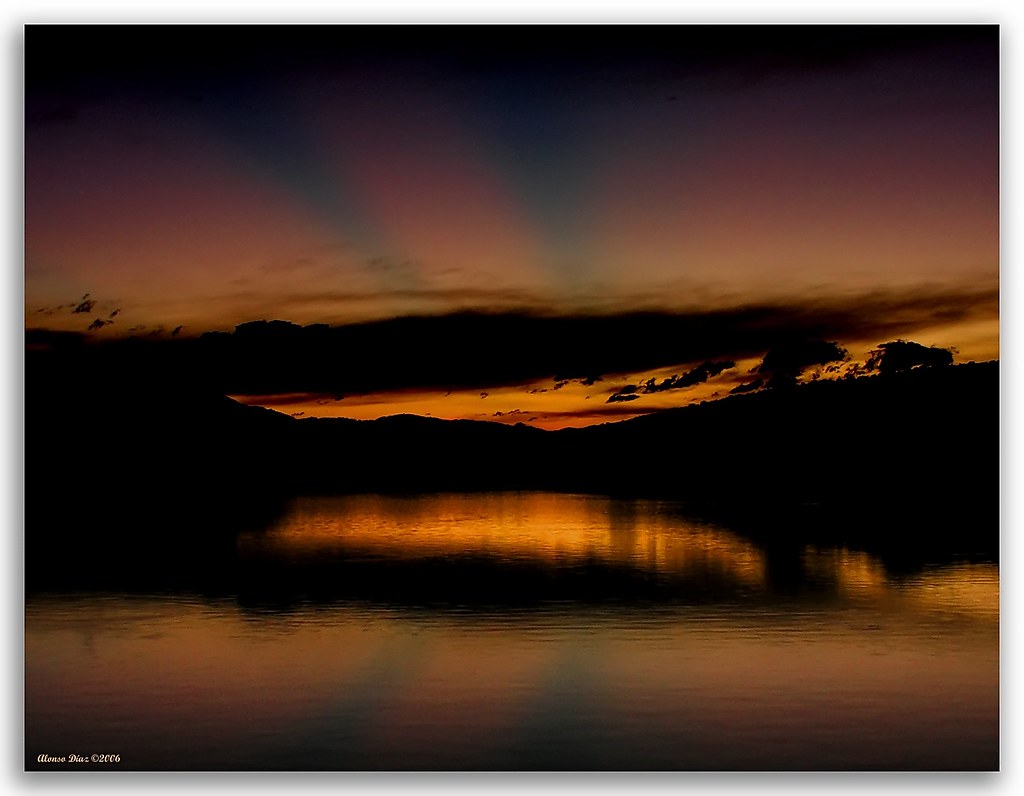
Viper's bugloss (Echium vulgare L.). Vilallonga de Ter, Ulldeter, Ripollès, Girona, Catalonia.
CATALÀ
La llengua de bou o buglossa (Echium vulgare) és una planta herbàcia biennal de la família de les boraginàcies. Aquest planta és originària de l'àrea del Mediterrani i es troba al sud d'Europa i les zones temperades d'Àsia occidental i Àfrica del nord.
La llengua de bou viu generalment a les zones de vegetació baixa, com a les brolles, erms i prats secs. També és molt comú a les vores de camins rurals.
La llengua de bou és una herba hemicriptòfita erecta i té la tija puntejada de negre. És una planta híspida, d'entre 25 cm i 1 m d'altura. Les fulles fan uns 35 mm a la base. Són linears i lanceolades, aspres i peludes. Les de la roseta bassal són molt majors que les caulinars, oblongo-linears i atenuades a la base. Durant l'hivern només resta la roseta de fulles cobertes de pèls quasi punxants. Les fulles caulinars són més menudes.
Les flors són blaves i es troben al final de la tija; són flors tubuloses amb els estams molt sortits. Les flors estan agrupades en cimes escorpioides que surten al final de la tija, i floreixen des de la primavera fins a la tardor. Calze amb cinc sèpals soldats a la base i persistents. Corol·la de color blau, violaci o porpra, forma un tub que va obrint-se cap a l'àpex, on acaba en cinc lòbuls poc assenyalats. Cinc estams que no sobresurten de la corol·la, que atreuen molt els insectes. Té un pistil amb estigma bífid que sembla la llengua d'una serp. Les flors són blaves però, abans d'obrir-se i quan es marceixen, prenen tons rogencs perquè els pigments que posseeixen varien de color en canviar el pH dels líquids cel·lulars. Contenen gran quantitat de nèctar que és aprofitat per les abelles, sent així una planta mel·lífera.
Els fruits són poliaquenis que es divideixen en quatre aquenis que es dispersen amb el vent amb protuberàncies que recorden el cap d'un escurçó. Sovint s'enganxen als pels del bestiar o de la gent que passa, el que ajuda a llur disseminació. El nom genèric "Echium" que prové del grec Echis = escurçó, es basen en l'aparença de les llavors de l'Echium vulgare que recorden el cap de la serp verinosa. Altres tradicions diuen que els origen dels noms vulgars rau en l'aparença de les seves inflorescències.
El folclore tradicional de moltes cultures afirma que la llengua de bou guareix o calma les picades dels escurçons. En els remeis casolans es consumien les fulles tendres com a verdura, barrejades amb altres herbes.[7] Consumida en grans quantitats, aquesta planta pot resultar verinosa per el bestiar, però no és una planta massa perillosa per als humans.
Les inflorescències tenen propietats diürètiques, expectorants, vulneràries, anticanceroses i antineuràlgiques. En cosmètica s'usa com emol·lient. En infusió estan indicades contra els tumors malignes, les febres, el mal de cap, les alteracions nervioses, els dolors de tipus inflamatori i els refredats. Cal tindre precaució, doncs pot presentar toxicitat hepàtica si es pren de manera prolongada. En cataplasma s'utilitzen els àpex frescos de les inflorescències per a tractar furóncols i rodadits. En agricultura orgànica pot sembrar-se o deixar-se créixer com a un reclam per als pol·linitzadors i fauna auxiliar.
És una herba tintòria, de la qual s'aprofita l'arrel per a obtenir un tint rogenc.
ENGLISH
Echium vulgare — known as viper's bugloss and blueweed— is a species of flowering plant in the borage family Boraginaceae. It is native to most of Europe, and western and central Asia and it occurs as an introduced species in north-eastern North America.
It is a biennial or monocarpic perennial plant growing to 30–80 cm (12–31 in) tall, with rough, hairy, oblanceolate leaves. The flowers start pink and turn vivid blue and are 15–20 mm (0.59–0.79 in) in a branched spike, with all the stamens protruding. The pollen is blue[6] but the filaments of the stamens remain red, contrasting against the blue flowers. It flowers between May and September.
It is native to Europe and temperate Asia. It has been introduced to Chile North America and is naturalised in parts of the continent including northern Michigan, being listed as an invasive species in Washington state.It is found in dry calcareous grassland and heaths, bare and waste places, along railways and roadsides, and on coastal cliffs, sand dunes and shingle.
Echium vulgare is cultivated as an ornamental plant, and numerous cultivars have been developed. The cultivar ‘Blue Bedder’ has gained the Royal Horticultural Society’s Award of Garden Merit
WIKIPEDIA
The road network of Madagascar, comprising about 4,500 unique roads spanning 31,640 kilometers (19,660 mi), is designed primarily to facilitate transportation to and from Antananarivo, the Malagasy capital. Transportation on these roads, most of which are unpaved and two lanes wide, is often dangerous. Few Malagasy own private vehicles; long-distance travel is often accomplished in taxi brousses ('bush taxis') which may be shared by 20 or more people.
While most primary roads are in good condition, the World Food Programme has classified nearly two-thirds of the overall road network as being in poor condition. These conditions may make it dangerous to drive at moderate-to-high speeds and dahalo (bandit) attacks pose a threat at low speeds. Many roads are impassable during Madagascar's wet season; some bridges (often narrow, one-lane structures) are vulnerable to being swept away. Few rural Malagasy live near a road in good condition; poor road connectivity may pose challenges in health care, agriculture, and education.
Drivers in Madagascar travel on the right side of the road. On some roads, to deter attacks from dahalo, the government of Madagascar requires that drivers travel in convoys of at least ten vehicles. Car collision fatalities are not fully reported, but the rate is estimated to be among the highest in the world. Random police checkpoints, at which travelers are required to produce identity documents, are spread throughout the country. Crops are transported by ox cart locally and by truck inter-regionally. Human-powered vehicles, once the only means of road transport, are still found in the form of pousse-pousses (rickshaws). Taxi brousses constitute a rudimentary road-based public transportation system in Madagascar. Rides on taxi brousses cost as little as 200 Malagasy ariary (roughly US$0.10) as of 2005, and vehicles involved are often overpacked, sometimes with the assistant driver riding on the outside of the vehicle. Stops on their routes are generally not fixed, allowing passengers to exit at arbitrary points.
en.wikipedia.org/wiki/Driving_in_Madagascar
www.roadtripafrica.com/madagascar/practical-info/driving-...
internationaldriversassociation.com/madagascar-driving-gu...
La red de carreteras de Madagascar, que comprende alrededor de 4.500 carreteras únicas que abarcan 31.640 kilómetros (19.660 millas), está diseñada principalmente para facilitar el transporte hacia y desde Antananarivo, la capital malgache. El transporte por estas carreteras, la mayoría de las cuales no están pavimentadas y tienen dos carriles de ancho, suele ser peligroso. Son pocos los malgaches que poseen vehículos privados; Los viajes de larga distancia a menudo se realizan en taxis ("taxis rurales") que pueden ser compartidos por 20 o más personas.
Si bien la mayoría de las carreteras principales están en buenas condiciones, el Programa Mundial de Alimentos ha clasificado casi dos tercios de la red vial general como en malas condiciones. Estas condiciones pueden hacer que sea peligroso conducir a velocidades de moderadas a altas y los ataques de dahalo (bandidos) representan una amenaza a bajas velocidades. Muchas carreteras son intransitables durante la estación húmeda de Madagascar; algunos puentes (a menudo estructuras estrechas de un solo carril) son vulnerables a ser arrastrados. Son pocos los malgaches rurales que viven cerca de una carretera en buenas condiciones; La mala conectividad vial puede plantear desafíos en la atención de salud, la agricultura y la educación.
Los conductores en Madagascar circulan por el lado derecho de la carretera. En algunas carreteras, para disuadir los ataques desde Dahalo, el gobierno de Madagascar exige que los conductores viajen en convoyes de al menos diez vehículos. Las muertes por colisiones automovilísticas no se informan en su totalidad, pero se estima que la tasa se encuentra entre las más altas del mundo. Por todo el país hay puestos de control policial aleatorios, en los que los viajeros deben presentar documentos de identidad. Los cultivos se transportan en carretas de bueyes a nivel local y en camiones a nivel interregional. Los vehículos de propulsión humana, que alguna vez fueron el único medio de transporte por carretera, todavía se encuentran en forma de pousse-pousses (rickshaws). Los taxis constituyen un rudimentario sistema de transporte público por carretera en Madagascar. Los viajes en taxi cuestan tan solo 200 ariary malgaches (aproximadamente 0,10 dólares estadounidenses) en 2005, y los vehículos involucrados suelen estar demasiado llenos, a veces con el asistente del conductor viajando en el exterior del vehículo. Las paradas en sus rutas generalmente no son fijas, lo que permite a los pasajeros salir en puntos arbitrarios.
traslashuellasdemir.com/destinos-irresistibles/madagascar...
internationaldriversassociation.com/es/madagascar-driving...
VÍA LÁCTEA DESDE EL BALCÓN DE PILATOS
Parque Natural de Urbasa Andía (Baquedano - Navarra)
Panorámica de 18 fotografías verticales, tomadas en dos filas horizontales.
SONY A7RII + 16-35 GM
Editada en LR y PS y rematada en CO.
Entusiasmado por presentaros mi primera Panorámica del arco entero de la Vía Láctea.
Situación: la una de la mañana exactamente, solo en la completa oscuridad de la fría noche, con fuerte viento soplando a mis espaldas y a escaso medio metro de un precipicio de 300.
Solamente el que se ha puesto delante de una cámara a contemplar la vía láctea en un entorno similar, puede sentir la enorme satisfacción que da ver por el visor de la cámara el resultado de semejante festival de luces de las estrellas sobre un enorme valle que da origen al bellísimo Nacedero del río Urederra.
Satisfacción por conseguir esta foto con la que llevo mucho tiempo soñando, aprendiendo poco a poco cada día, foto tras foto y saboreando cada instante retratado hasta llegar a la imagen que ahora podéis ver. Espero que os guste.
Dedico esta fotografía a Salomé y a mis dos hijos pequeños Enzo y Luca, las personas que más quiero y que más paciencia tienen conmigo en mis escapadas fotográficas.
Agradecer al maestro José David Riquelme por enseñarme a sacar Panos y editarlas como es debido (Espero no haberlo hecho tan mal 😜).
Català: Fins aleshores encara no havia fotografiat cap AVE internacional, ni tan sols cap tren S100, però quan es va presentar l'AVE nº19724 Madrid-Marseille el sol ja s'havia amagat i la foto va quedar deslluïda, i això que pocs minuts abans la llum estava de conya...
Castellano: Hasta entonces aun no había fotografiado ningún AVE internacional, ni tan solo ningún tren S100, pero cuando se presentó el AVE nº19724 Madrid-Marseille el sol ya se había escondido y la foto quedó deslucida, y eso que pocos minutos antes la luz estaba de perlas...
¿Cuántas confidencias se habrán contado en este tipo de meriendas? Estas es otra de las fotos que presenté para el concurso de fotografía modernista de Carcaixent.
Quantes confidències s'hauran comptat en aquesta mena de berenars? Aquestes és una altra de les fotos que vaig presentar per al concurs de fotografia modernista de Carcaixent.
How many confidences will have been counted in this type of snacks? This is another of the photos I submitted for the Carcaixent modernist photography contest.
#nikonphotography #nikond850prophotographers #nikond850 #nikonistas #tamron70200g2 #robisa #firamodernista #modernismecarcaixent #carcaixentmodernista #nikon @nikonistas @robisa.es @modernistescarcaixent @cxtmodernista @natgeo @natgeoesp
© Saúl Tuñón Loureda
El Royal Albert Hall es una sala de conciertos en Londres. Inaugurado el 29 de marzo de 1871, es uno de los teatros más emblemáticos del mundo y una de las construcciones más distintivas del Reino Unido. Está ubicado en Albertopolis, en el extremo norte del área de South Kensington, en la ciudad de Westminster.
El Royal Albert Hall fue construido para cumplir la visión del príncipe Alberto, consorte de la reina Victoria, de un "Salón Central" que fuera utilizado para promover las artes y las ciencias en South Kensington, rodeado de museos y centros de aprendizaje.1
Iba a llamarse The Central Hall of Arts and Sciences, pero se lo renombró Royal Albert Hall of Arts and Sciences por decisión de Victoria, en memoria de su esposo.
En 1851, con motivo de la Gran Exposición en Hyde Park (Londres), se construyó el The Crystal Palace. La exposición tuvo un gran éxito y esto hizo que el príncipe Alberto propusiera la construcción de una serie de instalaciones permanentes para la cultura y educación de la gente.
La propuesta fue aprobada y el sitio fue comprado con una parte de los beneficios recaudados en la exposición. En abril de 1867 la reina Victoria firmó la «Royal Charter of the Corporation of the Hall of Arts and Sciences» para poder iniciar la construcción y operación del teatro y el 20 de mayo se colocó la primera piedra. Sin embargo, el progreso del proyecto fue muy lento y, en 1861, Alberto murió sin poder ver realizadas sus ideas. No obstante, se propuso la construcción de un monumento en su memoria, el Albert Memorial, orientado hacia el Royal Albert Hall.
La ceremonia oficial de inauguración fue el 29 de marzo de 1871. El discurso de bienvenida estuvo a cargo de Eduardo, Príncipe de Gales. Aunque Victoria no dio un discurso, sí comentó que el edificio le recordaba a la Constitución Británica.
El Royal Albert Hall, monumento clasificado de Grado 1, fue diseñado por los ingenieros civiles Francis Fowke y Henry Young Darracott Scott, de la Royal Engineers, y construido por los hermanos contratistas Thomas y Charles Lucas.3 Los diseñadores estuvieron fuertemente influenciados por la forma de los antiguos anfiteatros, así como también por las ideas de Gottfried Semper, mientras él trabajaba en el South Kensington Museum.
Para su construcción se emplearon ladrillos rojos de Fareham, con bloques de decoración hechos de terracota, fabricados por Gibbs and Canning Limited. Tiene un tamaño de 83 metros (eje mayor) por 72 metros (eje menor) y una forma elíptica. El domo, diseñado por el ingeniero Rowland Mason Ordish, está hecho de cristal y acero forjado, se encuentra a 41 metros de altura en el techo. Originalmente, el teatro fue diseñado para poder albergar 8000 personas, capacidad que ha sido aumentada hasta 9000, aunque las medidas de seguridad actuales han restringido la capacidad máxima permitida, lo que permite un cupo de 5544, incluyendo gente de pie en la Galería.
Desde su inauguración, han pasado por su escenario artistas reconocidos internacionalmente, de música clásica hasta bandas de rock. Ha sido sede de galas benéficas, entregas de premios, banquetes, conferencias, eventos públicos y torneos de tenis. Se llevaron a cabo las graduaciones del Imperial College, acogió el Festival de Eurovisión 1968, el primero transmitido en color, y albergó a celebridades como Creedence Clearwater Revival, John Fogerty, Lady Gaga, Cream, Tony Bennett, Glen Hansard, Laura Pausini, Paul McCartney, Elton John, Slash, B.B. King, David Bisbal, Yanni, bond, Eric Clapton, Mark Knopfler, George Harrison, David Gilmour, Deep Purple, Bob Dylan, Led Zeppelin, Rod Stewart, Camel, Sting, Eric Idle, Michael Palin, Terry Jones, Terry Gilliam, Umberto Tozzi, Jack Bruce, Jimmy Page, Robert Plant, Sarah Brightman, Julio Iglesias, Mick Jagger, Muse, Frank Sinatra, Phil Collins, Pete Townshend, The Corrs, Robbie Williams, The Last Shadow Puppets, Arctic Monkeys, Enrique Iglesias, Noel Gallagher, Depeche Mode, Snow Patrol, The Stranglers, The Killers, Jake Bugg, Porcupine Tree, Coldplay y, recientemente Steven Wilson, Opeth, Emeli Sandé, Adele, Florence and the Machine, Mystery Jets, Foals, Bring Me The Horizon , McFly y Juan Luis Guerra.
El Royal Albert Hall es la sede de The BBC Proms, el mayor festival mundial de música clásica que se realiza anualmente durante el verano, con una duración de ocho semanas y con un maratón de solistas, coros y orquestas transmitido a todo el mundo por la BBC.6 Por los Proms han pasado importantes figuras de la música clásica como Adrian Boult, Malcom Sargent, Colin Davis, Georg Solti, Evgeny Kissin, Joshua Bell, John Williams (guitarrista), Luciano Pavarotti, Jessye Norman, Plácido Domingo, Sarah Brightman, Renée Fleming, Bryn Terfel y Simon Rattle, entre otros.
La tradicional última noche de los Proms es uno de los hitos del verano londinense. Es un show que reúne multitudes dentro del hall y en Hyde Park y otros parques en otros lugares del Reino Unido. El último concierto del festival (a menudo la Novena Sinfonía de Beethoven) finaliza con bises de clásicos la cultura victoriana como Pompa y circunstancia de Sir Edward Elgar, Land of Hope and Glory, Rule Britannia, Jerusalem y God Save the Queen.
El Cirque du Soleil ha realizado numerosas presentaciones en este teatro desde 1996, con el espectáculo Saltimbanco, que se presentó hasta 1997. En 1998 y 1999, presentaron Alegría. En 2003 se presentan nuevamente con Saltimbanco. En 2004 y 2005 montaron el espectáculo Dralion. En 2006 y 2007 se dio el regreso de Alegría, mientras que en el 2008, realizaron la premiere de Varekai, espectáculo con el que regresaron en 2010, con motivo de la celebración de los 25 años de la compañía. En 2011 y 2012 se presentaron con Totem. En 2013 estarán presentando Kooza.
Desde 1998, el English National Ballet se ha presentado en numerosas temporadas en sociedad con el teatro y Raymond Gubbay con, entre otros, La bella durmiente (2000), Romeo y Julieta (2001 y 2005), El lago de los cisnes (2002, 2004, 2007 y 2010) y Strictly Gershwin (2008 y 2011).
The Festival of Remembrance de la Royal British Legion se celebra anualmente, un día antes del Rembrance Sunday, fecha en la que se recuerda a todos aquellos que han perdido la vida en conflictos bélicos.
Teenage Cancer Trust
Desde el año 2000, el Teenage Cancer Trust ha celebrado anualmente conciertos de caridad. Iniciaron como un evento sencillo, pero a través de los años se han ido expandiendo hasta presentar una semana o más de presentaciones.
Roger Daltrey, vocalista de The Who, ha estado profundamente envuelto en la realización de los conciertos para este evento.
Ceremonias de graduación
El teatro es usado anualmente por el Royal College of Art y el Imperial College London para sus ceremonias de graduación.
La Kingston University celebró también sus ceremonias de graduación hasta 2008, año en que cambió de sede al nuevo Rose Theatre, Kingston.
es.wikipedia.org/wiki/Royal_Albert_Hall
The Royal Albert Hall is a concert hall on the northern edge of South Kensington, London, which holds the Proms concerts annually each summer since 1941. It has a capacity of up to 5,272 seats. The Hall is a registered charity held in trust for the nation and receives no public or government funding.[1]
Since its opening by Queen Victoria in 1871, the world's leading artists from many performance genres have appeared on its stage and it has become one of the UK's most treasured and distinctive buildings. The location of some of the most notable events in British culture, each year it hosts more than 390 shows in the main auditorium, including classical, rock and pop concerts, ballet, opera, film screenings with live orchestra, sports, award ceremonies, school and community events, charity performances and banquets. A further 400 events are held each year in the non-auditorium spaces.
The Hall was originally supposed to have been called the Central Hall of Arts and Sciences, but the name was changed to the Royal Albert Hall of Arts and Sciences by Queen Victoria upon laying the Hall's foundation stone in 1867, in memory of her husband consort, Prince Albert who had died six years earlier. It forms the practical part of a memorial to the Prince Consort – the decorative part is the Albert Memorial directly to the north in Kensington Gardens, now separated from the Hall by Kensington Gore.
he Hall, a Grade I listed building,[22] is an ellipse in plan, with major and minor axes of 83 m (272 ft) and 72 m (236 ft). The great glass and wrought-iron dome roofing the Hall is 41 m (135 ft) high. It was originally designed with a capacity for 8,000 people and has accommodated as many as 9,000 (although modern safety restrictions mean that the maximum permitted capacity is now 5,544 including standing in the Gallery).
Around the outside of the building is a great mosaic frieze, depicting "The Triumph of Arts and Sciences", in reference to the Hall's dedication. Proceeding anti-clockwise from the north side the sixteen subjects of the frieze are: (1) Various Countries of the World bringing in their Offerings to the Exhibition of 1851; (2) Music; (3) Sculpture; (4) Painting; (5) Princes, Art Patrons and Artists; (6) Workers in Stone; (7) Workers in Wood and Brick; (8) Architecture; (9) The Infancy of the Arts and Sciences; (10) Agriculture; (11) Horticulture and Land Surveying; (12) Astronomy and Navigation; (13) A Group of Philosophers, Sages and Students; (14) Engineering; (15) The Mechanical Powers; and (16) Pottery and Glassmaking.
Above the frieze is an inscription in 12-inch-high (300 mm) terracotta letters that combines historical fact and Biblical quotations: "This hall was erected for the advancement of the arts and sciences and works of industry of all nations in fulfilment of the intention of Albert Prince Consort. The site was purchased with the proceeds of the Great Exhibition of the year MDCCCLI. The first stone of the Hall was laid by Her Majesty Queen Victoria on the twentieth day of May MDCCCLXVII and it was opened by Her Majesty the Twenty Ninth of March in the year MDCCCLXXI. Thine O Lord is the greatness and the power and the glory and the victory and the majesty. For all that is in the heaven and in the earth is Thine. The wise and their works are in the hand of God. Glory be to God on high and on earth peace."
Below the Arena floor there are two 4000 gallon water tanks, which are used for shows that flood the arena like Madam Butterfly.
The Hall has been affectionately titled "The Nation's Village Hall".[24] The first concert was Arthur Sullivan's cantata On Shore and Sea, performed on 1 May 1871.[25][26]
Many events are promoted by the Hall, whilst since the early 1970s promoter Raymond Gubbay has brought a range of events to the Hall including opera, ballet and classical music. Some events include classical and rock concerts, conferences, banquets, ballroom dancing, poetry recitals, educational talks, motor shows, ballet, opera, film screenings and circus shows. It has hosted many sporting events, including boxing, squash, table tennis, basketball, wrestling including the first Sumo wrestling tournament to be held in London as well as UFC 38 (the first UFC event to be held in the UK), tennis and even a marathon.[27][28]
On 6 April 1968, the Hall was the host venue for the Eurovision Song Contest which was broadcast in colour for the first time.[29] One notable event was a Pink Floyd concert held 26 June 1969, the night they were banned from ever playing at the Hall again after shooting cannons, nailing things to the stage, and having a man in a gorilla suit roam the audience. At one point Rick Wright went to the pipe organ and began to play "The End Of The Beginning", the final part of "Saucerful Of Secrets", joined by the brass section of the Royal Philharmonic Orchestra (led by the conductor, Norman Smith) and the ladies of the Ealing Central Amateur Choir.[30] A portion of the pipe organ recording is included on Pink Floyd's album The Endless River.[31]
On 30 June 2 and 3 July 2011, Janet Jackson brought her Number Ones, Up Close and Personal Tour here, These were her first headlining UK shows in 13 years.
Kylie Minogue performed a show here on 11 December 2015, to promote Kylie Christmas, her first Christmas album and thirteenth studio album. She will return with two more shows on 9 & 10 December 2016.
Benefit concerts in include the 1997 Music for Montserrat concert, arranged and produced by George Martin, an event which featured artists such as Phil Collins, Mark Knopfler, Sting, Elton John, Eric Clapton and Paul McCartney,[32] and 2012 Sunflower Jam charity concert with Queen guitarist Brian May performing alongside bassist John Paul Jones of Led Zeppelin, drummer Ian Paice of Deep Purple, and vocalists Bruce Dickinson of Iron Maiden and Alice Cooper.[33]
On 2 October 2011, the Hall staged the 25th anniversary performance of Andrew Lloyd Webber's The Phantom of the Opera, which was broadcast live to cinemas across the world and filmed for DVD.[34] Lloyd Webber, the original London cast including Sarah Brightman and Michael Crawford, and four previous actors of the titular character, among others, were in attendance – Brightman and the previous Phantoms (aside from Crawford) performed an encore.
On 24 September 2012, Classic FM celebrated the 20th anniversary of their launch with a concert at the Hall. The programme featured live performances of works by Handel, Puccini, Rachmaninoff, Parry, Vaughan Williams, Tchaikovsky and Karl Jenkins who conducted his piece The Benedictus from The Armed Man in person.[35]
On 19 November 2012, the Hall hosted the 100th anniversary performance of the Royal Variety Performance, attended by the Queen and Prince Philip, with boyband One Direction among the performers.[36]
Between 1996 and 2008, the Hall hosted the annual National Television Awards all of which were hosted by Sir Trevor McDonald.
Regular events
Royal Choral Society
The Royal Choral Society is the longest running regular performance at the Hall, having given its first performance as the Royal Albert Hall Choral Society on 8 May 1872. From 1878 it established the annual Good Friday performance of Handel's Messiah.
The BBC Promenade Concerts, known as "The Proms", is a popular annual eight-week summer season of daily classical music concerts and other events at the Hall. In 1942, following the destruction of the Queen's Hall in an air raid, the Hall was chosen as the new venue for the proms.[37] In 1944 with increased danger to the Hall, part of the proms were held in the Bedford Corn Exchange. Following the end of World War II the proms continued in the Hall and have done so annually every summer since. The event was founded in 1895, and now each season consists of over 70 concerts, in addition to a series of events at other venues across the United Kingdom on the last night. In 2009, the total number of concerts reached 100 for the first time. Jiří Bělohlávek described The Proms as "the world's largest and most democratic musical festival" of all such events in the world of classical music festivals.[38]
Proms (short for promenade concerts) is a term which arose from the original practice of the audience promenading, or strolling, in some areas during the concert. Proms concert-goers, particularly those who stand, are sometimes described as "Promenaders", but are most commonly referred to as "Prommers".[39]
Tennis
Tennis was first played at the Hall in March 1970 and the ATP Champions Tour Masters has been played annually every December since 1997.
Classical Spectacular
Classical Spectacular, a Raymond Gubbay production, has been coming to the Hall since 1988. It combines classical music, lights and special effects.
Cirque du Soleil
Cirque du Soleil has performed several of its shows at the Hall beginning in 1996 with Saltimbanco, a show which returned in 1997. In 1998 they had their UK première of Alegría and returned in 1999. After a few years away they returned in 2003 with Saltimbanco. Their European première of Dralion was held at the Hall in 2004 and returned in 2005. 2006 and 2007 saw the return of Alegría whilst 2008 saw the UK première of Varekai, which returned in 2010 marking 25 years of Cirque du Soleil. Quidam returned to London (but a first for this show at the Hall) in 2009 and again in January 2014. In January and February 2011 and again in 2012 they presented Totem. From January–February 2013 and again from January–February 2015, the hall held performances of Koozå.
Classic Brit Awards
Since 2000, the Classic Brit Awards has been hosted annually in May at the Hall. It is organised by the British Phonographic Industry.
Festival of Remembrance
The Royal British Legion Festival of Remembrance is held annually the day before Remembrance Sunday.[40]
Institute of Directors
For 60 years the Institute of Directors' Annual Convention has been synonymous with the Hall, although in 2011 and 2012 it was held at indigO2.
English National Ballet
Since 1998 the English National Ballet has had several specially staged arena summer seasons in partnership with the Hall and Raymond Gubbay. These include Strictly Gershwin, June 2008 and 2011, Swan Lake, June 2002, 2004, 2007, 2010 and 2013, Romeo & Juliet (Deane), June 2001 and 2005 and The Sleeping Beauty, April – June 2000.[41]
Teenage Cancer Trust
Starting in the year 2000 the Teenage Cancer Trust has held annual charity concerts (with the exception of 2001). They started as a one off event but have expanded over the years to a week or more of evenings events. Roger Daltrey of the Who has been intimately involved with the planning of the events.[42]
Graduation Ceremonies
The Hall is used annually by the neighbouring Imperial College London and the Royal College of Art for graduation ceremonies. Kingston University also held its graduation ceremonies at the Hall until 2008.
Films, premières and live orchestra screenings
The venue has screened several films since the early silent days. It was the only London venue to show William Fox's The Queen of Sheba in the 1920s.
The Hall has hosted many premières, including the UK première of Fritz Lang's Die Nibelungen, 101 Dalmatians on 4 December 1996, the European première of Spandau Ballet's Soul Boys of the Western World[43] and three James Bond royal world premières; Die Another Day on 18 November 2002 (attended by Queen Elizabeth II and Prince Philip), Skyfall on 23 October 2012 (attended by Charles, Prince of Wales and Camilla, Duchess of Cornwall)[44] and SPECTRE on 26 October 2015 (attended by Prince William, Duke of Cambridge and Catherine, Duchess of Cambridge).[45]
The Hall held its first 3D world première of Titanic 3D, on 27 March 2012, with James Cameron and Kate Winslet in attendance.[46]
The Hall has curated regular seasons of film-and-live-orchestra screenings since 2009, including the Lord of the Rings trilogy, Gladiator, Star Trek, Star Trek Into Darkness, Interstellar, The Matrix, West Side Story, Breakfast at Tiffany's, Back to the Future and the world première of Titanic Live in Concert.
Beyond the main stage
The Hall hosts hundreds of events and activities beyond its main auditorium. There are regular free art exhibitions in the ground floor amphi corridor, which can be viewed when attending events or on dedicated viewing dates. You can take a guided tour of the Hall on most days. The most common is the one-hour Grand Tour which includes most front-of-house areas, the auditorium, the gallery and the Royal Retiring Room. Other tours include Story of the Proms, Behind the Scenes, Inside Out and School tours. Children's events include Storytelling and Music Sessions for 0 - 4 year olds which take place in the Door 9 Porch and Albert's Band sessions in the Elgar Room during school holidays. "Live Music in Verdi" takes place in the Italian restaurant on a Friday night featuring different artists each week. "Late Night Jazz" events in the Elgar Room, generally on a Thursday night, feature cabaret style seating and a relaxed atmosphere with drinks available. "Classical Coffee Mornings" are held on Sundays in the Elgar Room with musicians from the Royal College of Music accompanied with drinks and pastries. Sunday brunch events take place in Verdi Italian restaurant and features different genres of music.[47]
Regular performers
Eric Clapton is a regular performer at the Hall, it having played host to his concerts almost annually for over 20 years. In December 1964, Clapton made his first appearance at the Hall with the Yardbirds. It was also the venue for his band Cream's farewell concerts in 1968 and reunion shows in 2005. He also instigated the Concert for George, which was held at the Hall on 29 November 2002 to pay tribute to Clapton's lifelong friend, former Beatle George Harrison. Since 1964, Clapton has performed at the Hall almost 200 times, and has stated that performing at the venue is like "playing in my front room".[48][49]
David Gilmour played at the Hall in support of two solo albums, while also releasing a live concert on September 2006 entitled Remember That Night which was recorded during his three nights playing at the Hall for his 2006 On an Island tour. Notable guests were Robert Wyatt and David Bowie (who sang lead for "Arnold Layne" and "Comfortably Numb"). The live concert was televised by BBC One on 9 September 2007 and again on 25 May. Gilmour is set to return to the Hall; having previously played five nights in September 2015, to end his 34-day Rattle That Lock Tour on September 2016 by playing another four nights at the Hall. He will also make an appearance on 24 April 2016 as part of the Teenage Cancer Trust event.
Shirley Bassey has appeared many times at the Hall, usually as a special guest. In 2001, she sang "Happy Birthday" for the Duke of Edinburgh's 80th birthday concert. In 2007, she sang at Fashion Rocks in aid of the Prince's Trust. On 30 March 2011, she sang at a gala celebrating the 80th birthday of Mikhail Gorbachev.[50] In May 2011, she performed at the Classic Brit Awards, singing "Goldfinger" in tribute to the recently deceased composer John Barry.[51] On 20 June 2011, she returned and sang "Diamonds Are Forever" and "Goldfinger", accompanied by the Royal Philharmonic Orchestra, as the climax to the memorial concert for Barry.
James Last appeared 90 times at the Hall between 1973 and 2015, making him the most frequent non–British performer to have played the venue.[52]
Education & Outreach
The Hall's Education & Outreach programme engages 100,000 people a year. It includes workshops for local teenagers led by musicians such as Foals, Jake Bugg, Emeli Sandé, Nicola Benedetti, Alison Balsom and First Aid Kit, innovative science and maths lessons in partnership with Samsung, visits to local residential homes from the venue's in-house group, Albert's Band, under the 'Songbook' banner, and the Friendship Matinee: an orchestral concert for community groups, with £5 admission.
Management
The Hall is managed day to day by the chief executive Chris Cotton and five senior executives: the chief operating & financial officer, director of operations, director of business development, director of events and director of external affairs. They are accountable to the Council of the Corporation, which is the Trustee body of the charity. The Council is composed of the annually elected president, currently Mr Jon Moynihan OBE, 18 elected Members (either corporate or individual seat owners) and five Appointed Members, one each from Imperial College London, Royal Commission for the Exhibition of 1851, Department for Culture, Media and Sport, British Museum of Natural History and the Royal College of Music.
Pop culture references
A large mural by Sir Peter Blake is displayed in the amphi corridor of Door 12 at the Hall. Unveiled in April 2014, it shows more than 400 famous figures who have appeared on the stage.
In 1955, English film director Alfred Hitchcock filmed the climax of The Man Who Knew Too Much at the Hall.[63] The 15-minute sequence featured James Stewart, Doris Day and composer Bernard Herrmann, and was filmed partly in the Queen's Box. Hitchcock was a long-time patron of the Hall and has already set the finale of his 1927 film, The Ring at the venue, as well as his initial version of The Man Who Knew Too Much, starring Leslie Banks, Edna Best and Peter Lorre.[64]
Other notable films shot at the Hall include Major Barbara, Love Story, The Seventh Veil, The Ipcress File, A Touch of Class, Shine and Spice World.
In the song "A Day in the Life" by the Beatles, the Albert Hall is mentioned. The verse goes as follows:
I read the news today, oh boy
four thousand holes in Blackburn, Lancashire
and though the holes were rather small
they had to count them all
now they know how many holes it takes to fill the Albert Hall
I'd love to turn you on.
The song "Session Man" by the Kinks references the Hall:
He never will forget at all
The day he played at Albert Hall.
In the song "Shame" by Robbie Williams and Gary Barlow, Gary mentions the Hall in his verse:
I read your mind and tried to call, my tears could fill the Albert Hall.
In some variants of "Hitler Has Only Got One Ball", Hitler's second testicle is mentioned to be in the Hall.
♫♪♫ Metallica - Master of puppets ♪♫♫ Algo así quería presentar al reto de IFC "Carnavales". No llegué a tiempo :S