View allAll Photos Tagged materials
Material Circulante: CP E214 + CEyf 4169 + CEyf 4178 + CEyf 466
Hora: 11:11
Data: 04-01-2020
Local: Sernada do Vouga (PK 0 - Linha do Vouga)
Serviço: Marcha n.º 27013 (Macinhata --» Sernada do Vouga) [Comboios Históricos na Linha do Vouga]
For several years Shelly Materials SD18M No. 321 was used to bring Santa Claus into town in Kent, Ohio. Shelly engineer Robert Rohal would deck out the locomotive, known as Flash, in holiday lights, including reindeer as seen on the top of the cab. That tradition ended when the Wheeling & Lake Erie declined to allow the locomotive to operate on its tracks in Kent.
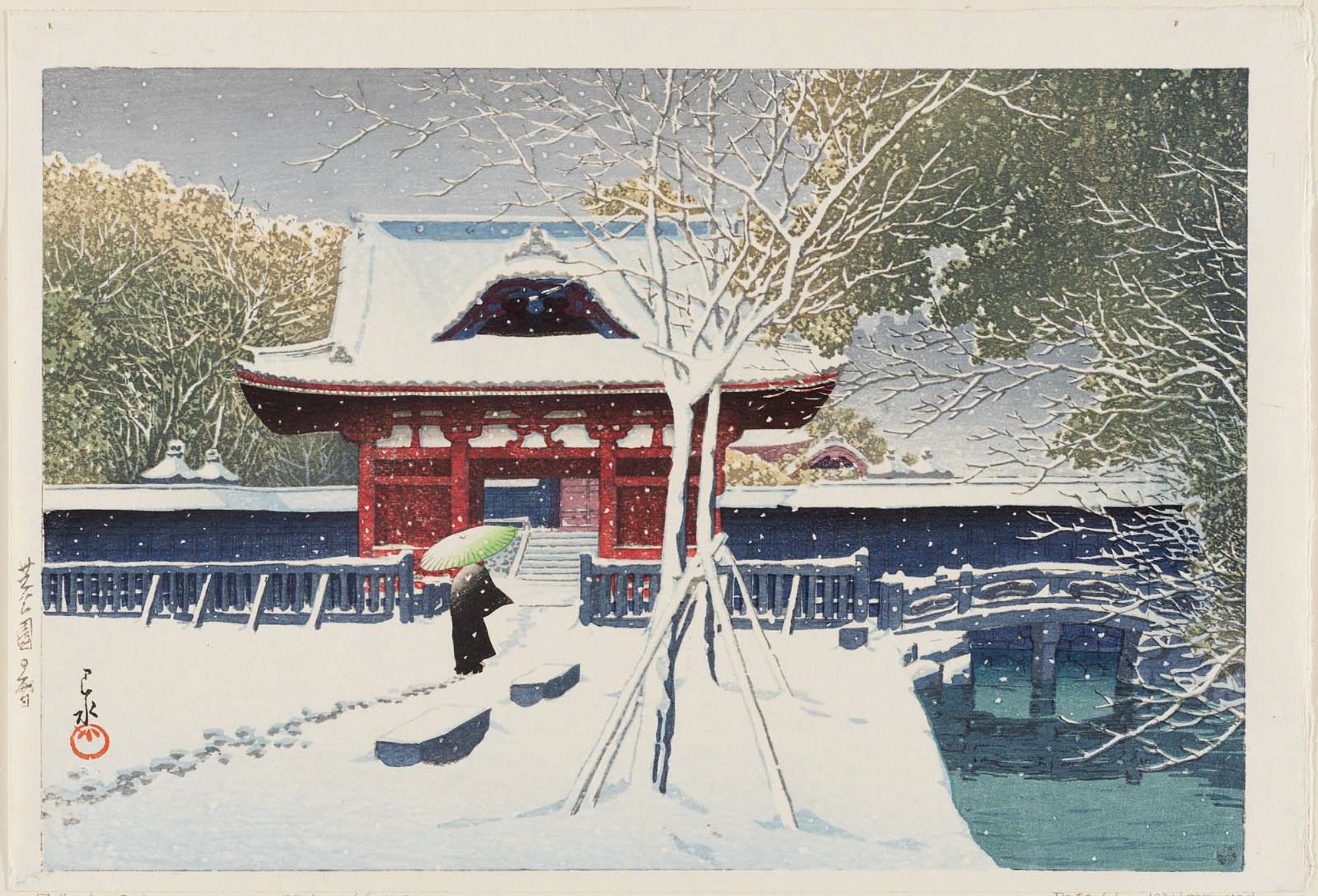
Materials: woodblock print. Dimensions: 42.4 x 28 cm. Nr.: 52.44. Source: www.mfa.org/collections/object/kinry%C3%BBzan-temple-at-a.... I have changed the light and contrast of the original photo.
Material Circulante: CP 4722 + 5 Sggmrss + 7 Sgnss + 4 Sgmms + 1 Lgnss
Hora: 12:48
Data: 12-09-2015
Local: Estação de Santarém (PK 74 - Linha do Norte)
Serviço: Comboio Especial n.º 95226 (Entroncamento --» Terminal de Mercadorias da Bobadela)
Henry Moore - Form and Material - Museum Beelden aan Zee - The Hague
In collaboration with the Henry Moore Foundation, Museum Beelden aan Zee has made a selection of works from the artist's substantial oeuvre. Around 70 objects and sculptures portray the artistic vision and creative process of one of the most important innovators of modern sculpture. The exhibition in Beelden aan Zee focuses on the influence of nature on his work and his growth and development as a sculptor. From promoting direct carving – carving without using preparatory sketches and studies – to experimenting with casting in lead and bronze. Henry Moore (1898-1986) is one of the most important British artists of the twentieth century. His sculptures balance on the boundary between figurative and abstract art and continue to be a source of inspiration to artists. His work has a recognisable and characteristic formal language. Important themes in his oeuvre are ‘mother and child’ and his reclining figures, which he explored extensively.
From the 1920s, Moore participated in countless British and international exhibitions, with solo as well as group exhibitions, he sold work on a regular basis, and so made a name for himself as an important modernist sculptor. However, the Second World War called a halt to these positive developments. Henry Moore left his teaching post and took up a commission as a war artist. It was in this capacity that he produced his deeply moving Shelter Drawings of Londoners crowding the city's underground stations sheltering from the Blitz. In the 1950s he created larger groups of figures. The prices for his works increased considerably and his fame as an international artist continued to grow. In later years he served as a trustee at both the Tate Gallery and the National Gallery and he was the recipient of a large number of prizes and honours.
Materials: oil on canvas. Dimensions: 116 x 164 cm. Source: de.wikipedia.org/wiki/Datei:Bellotto_Krasi%C5%84ski_Squar.... I have changed the light and contrast of the original photo.

Detail: 8x8 Kisten
Part of: "Rural Austria apart of tourism stereotypes ländliches Österreich abseits von Heimatfilm Idyll und volkstümlichem Kitsch (Acker Bauernhof Gewächshaus Glashaus Landwirtschaft Gerätschaft agriculture equipment tools eggen pflügen säen ernten)" and "res noscenda note notiz sketch skizze material sammlung collection entwurf überlegung gedanke brainstorming musterbogen schnittmuster zwischenbilanz bestandsaufnahme rückschau vorschau" // wood Holz Schnittmuster Musterbogen
DMC-G2 - P1640949 - 2013-07-13 Trip Ausflug: Direktvermarkter Weinviertel - Raasdorf, Markgrafneusiedl, Altes Dorf: Prenner Sommer Café #box #cube #würfel #kubus #holz #wood #pattern #schnittmuster #musterbogen #rural #ländlich #landwirtschaft #gerät #gerätschaft #holzbrett #agricultural #agriculture #equipment
Materials: oil on canvas. Dimensions: 48 x 114 cm. Nr.: W.S. 136. Source: commons.wikimedia.org/wiki/File:Carl_Friedrich_Lessing_(1)Silesian_Landscape.JPG. I have changed the light of the original photo.
Materials: oil on canvas. Dimensions: 39.7 x 56.5 cm. Source: www.rct.uk/sites/default/files/collection-online/d/8/6848.... I have changed the light and contrast of the original photo

Latest edition of my transparent materials.
Yellow brick is my reference to ensure lighting is the same as my real set up on my desk.
Material Circulante: CP 1412 + 10 Falls
Hora: 16:05
Data: 26-07-2015
Local: Entroncamento (PK 103 - Linha do Norte)
Serviço: Comboio Especial n.º 95206 (Entroncamento --» Riachos)
About 5 x 7.5 inches on vintage paper. Writing original to paper and book it came from. The Button Man lost in the fields.
Materials
Hero Arts S4878 Old Letter Writing
Hero Arts Cl497 Find Joy
Wild Honey, and Vintage photo distress inks
Tim Holtz Tattered florals die
Notes: map showing existing and abandoned railway lines, buildings, tunnels and roadways including Cox's Old Road
Format: printed map 42 cm x 29 cm, CC Singleton cartographer
Date Range: 1957
Location: Lapstone - Glenbrook
Licensing: Attribution, share alike, creative commons
Repository: Blue Mountains Library library.bmcc.nsw.gov.au
Part of: Local Studies Collection - Maps
Provenance: BMCC
Links:
flickriver.com/photos/javier1949/popular-interesting/
FUNDACIÓN FRANCISCO GINER DE LOS RÍOS Rehabilitación y Ampliación
Paseo del General Martínez Campos, 14. Madrid
Pabellón Macpherson: arquitecto, Joaquín Kramer Arnaiz: 1908-1909.
Rehabilitación y Ampliación: AMID[cero9]-Cristina Díaz Moreno & Efrén García Grinda arquitectos-. Concurso: 2004-05. Proyecto 2006-2007. Construcción.- 2011-2014. Paisajista Teresa Galí-Izard. Colaboradores. Concurso: Ana Belén Franco, Iñigo González-Haba Plana, David Marsinyach, Jorge Martín Sainz de los Terreros. Proyecto básico: Jaime Bartolomé Yllera, Íñigo González-Haba Plana, Julia Gómez Candela, Jesús Isla, José Quintanar Iniesta, Jorge Saz Semolino y Rebeca Vallecillo.
La Fundación Francisco Giner de los Ríos, uno de los pedagogos más significativos de la Europa contemporánea, encarna desde 1916 a la Institución Libre de Enseñanza. Se creó a la muerte de Giner, para asegurar la continuación de su labor, encargándose de la tutela de su patrimonio material e intelectual. Su Patronato ha mantenido sin interrupciones la continuidad desde aquella fecha, lo que permitió que, tras la incautación sufrida tras la Guerra Civil, en los años de la transición democrática la Fundación viera de nuevo reconocida plenamente su personalidad jurídica y recobrara sus bienes. Desde entonces, ha venido trabajando en la recuperación del legado de la Institución Libre de Enseñanza para la sociedad española de nuestro tiempo.
En el año 2003, debido a las condiciones de deterioro de los edificios de la Fundación se inicia un proceso para la rehabilitación y ampliación de su sede. Los ganadores del concurso público son Cristina Díaz Moreno y Efrén García Grinda. Su propuesta mantiene íntegramente los edificios históricos del conjunto, la casa de Giner y Cossío, de finales del XIX, que existía ya antes de la llegada de la institución, y el Pabellón Macpherson, y sustituye el resto de edificaciones por una serie de volúmenes que se relacionan entre sí a través del jardín, espacio generador de todo el proyecto.
La rehabilitación y ampliación refleja la visión vanguardista del espacio arquitectónico, de la naturaleza y del paisaje de Francisco Giner de los Ríos, a la vez que recrea la organización espacial de su sede histórica a partir de 1884 alrededor del jardín que perseguía el ideal pedagógico de la Institución de aproximarse hasta el último grado posible a la vida al aire libre.
El proyecto ha conservado y rehabilitado íntegramente los edificios históricos: la casa de Giner y Cossío, edificio preexistente a la instalación de la Institución, y el Pabellón Macpherson, como un objeto que atesora la memoria de la arquitectura escolar inspirada por la ILE antes de su implantación como modelo con validez general. En ambos casos se han mantenido las fachadas, el volumen y la espacialidad originales. El resto de edificaciones, añadidas tras la guerra civil o desfiguradas y deterioradas por las sucesivas remodelaciones, incluyendo el llamado pabellón de párvulos, han sido sustituidas por un conjunto de nuevos espacios vinculados directamente al jardín, que cobra su original protagonismo, y adaptados a las funciones que la renovada Institución tiene que cumplir en nuestros días.
Se preserva la idea original del jardín como "punto de encuentro" y se convierte en un espacio cambiante y en continuo proceso, mostrando su evolución en las distintas estaciones. Un espacio vivo y activo recuperado gracias a la documentación gráfica y escrita y al trabajo de la paisajista Teresa Galí-Izard. El edificio queda tan sólo como el elemento que configura el jardín, cediéndole todo el protagonismo. Las salas del conjunto, tanto cerradas como al aire libre, se vuelcan hacia el jardín generando entrantes y salientes, que lo dividen en sectores múltiples, jardines diferentes. Son los conos visuales a lo largo del recorrido por el jardín los que determinan la disposición de los volúmenes, con el objetivo de crear espacios con distinto grado de privacidad y exposición.
"Las aulas son espacios multifocales sin dirección predominante, rodeados por un cerramiento de vidrio y sistemas flexibles de cuelgue que permiten modificar intencionadamente sus condiciones acústicas y lumínicas de manera sencilla. Su geometría replica el sistema de plantaciones del jardín y permite diferentes configuraciones para ensayar también con el espacio como herramienta educativa. Los distintos tamaños y agrupaciones de las salas, así como las posibilidades de apertura del cerramiento exterior, permiten entender las salas en perfecta continuidad con el exterior".
De los 5.000 metros cuadrados construidos, la mitad lo está bajo tierra. Unas escaleras conectan el patio ajardinado con un deambulatorio subterráneo. Al final del pasillo, como una sorpresa inesperada, aparece un vanguardista auditorio con 263 butacas que se utilizará para congresos, conferencias o proyecciones. Para la directora de la Fundación, Elisa Navas, el resultado final de este proyecto "hace honor a la tradición innovadora de la Institución Libre de Enseñanza y es perfectamente adecuado a las necesidades de la Fundación".
Las ideas de la Institución están también presentes en la elección de los materiales, sostenibles, durables, austeros y fáciles de mantener. La envolvente exterior hacia el jardín está formada por una celosía metálica que varía la escala de sus barras y su disposición actuando de protección solar y de filtro visual entre las aulas y el espacio al aire libre.
Amid.cero9 define la ampliación como una "medianera especializada". El edificio se construye como un muro que se deforma ensanchándose y comprimiéndose a lo largo de todo el perímetro para albergar salas de diversos tamaños que, sin necesidad separar físicamente el espacio y condicionar futuros cambios de uso, pueden destinarse a funciones distintas. Se ha mantenido la altura de la construcción anterior, dejando bajo rasante la zona destinada a los actos públicos. Los espacios vierten sobre el salón de actos principal, con la posibilidad de abrirse o cerrarse, variando el tamaño de la sala según la audiencia.
"El proyecto trata al mismo tiempo de instalarse dentro de la geografía sentimental de la Fundación y el ideario institucionista, tejiendo con cuidado los hilos de las relaciones entre las personas y su legado material e intelectual, para construir una evocación del espíritu de la Institución sin conservación acrítica del pasado; admitiendo el valor espacial y escala del jardín y pabellones existentes, pero redefiniéndolo de forma confiada y optimista a través de una sensibilidad completamente contemporánea para ayudar a proyectar la Fundación hacia el futuro".
La Rehabilitación y ampliación ha sido Premio COAM 2015 por "su excelente implantación en el lugar a nivel urbano, manejando una escala acertada y adecuada”. El interés del proyecto motivó su elección para formar parte del Pabellón de España en la 14ª edición de la Bienal de Arquitectura de Venecia de 2014
www.fundacionginer.org/index.htm
www.openhousemadrid.org/#!fundacion-francisco-giner-de-lo...
www.metalocus.es/content/es/blog/fundaci%C3%B3n-giner-de-...
bacecg.com/newsandmedia/premio-coam-2015-para-el-proyecto...
www.coam.org/es/actualidad/noticias/sede-fundacion-franci...
www.fueradeserie.expansion.com/2015/04/21/arquitectura/14...
Materials: woodblock print. Dimensions: 18.7 x 35.5 cm. Source: www.hanga.com/artists/kawase-hasui/ks/uenopark.jpg

A few days ago 2019's Edition of Summerfest has open their doors to public. And 22769, invited you to the best part of Summer: Happy Hour.
So we created next to a set of colorfull drinks a unique rattan fruniture set to invite your friends over to a Happy Hour sit in during sunset.
But before we get a drink, let's have a look at the items available at Summerfest : 2019
Happy Hour - Bamboo Lounge Chair:
15 single sit animations
1,4 x 1,1 x 1,3 meters
LI 3
Happy Hour - Bamboo Side Table contains:
Bamboo Side Table* - 07 x 07 x 07 meters - LI 2
Plate with Strawberries* - LI 1
Happy Hour - Bamboo Bar Stand contains:
Bamboo Bar Stand* - 08 x 04 x 101 meters - LI 2
Bowl of Citrus Fruits* - LI 1
Happy Hour - Barkeeper Tools contains:
Bottle of Champagne* LI 2
Bottle of Vodka* LI 1
Bar Bottles* LI 1
Bottle of Whisky* LI 1
Martini Glasses* LI 1
Whisky Glasses* LI 1
Happy Hour - Cocktails contains:
Glass Of White Wine* LI 1
Glass Of Red Wine* LI 1
Martini* LI 1
Frozen Watermelon Daiquiri* LI 2
Pina Colada* LI 1
Strawberry Daiquiri* LI 2
Swimmingpool* LI 1
Items mareked with asterix(*) are decoration only items.
All items in the List above are orginal creator mesh, with original creator textures and materials enabeled.
Level of Details are creator created.
Next Owner Permissions of all items are copy, mod, no-trans - used script and animations may have different permissions.
The SLurl to Summerfest : 2019:
This advert appears in the November - December 1952 issue of the excellent Sales Appeal trade journal. The magazine dealt with matters relating to packaging, display, marketing and industrial design.
I'd be the first to say that Abram Games was a remarkable and, deservedly, much respected graphic designer but - it is grand to see another poster/press advert in this remarkable series issued by British Aluminium in the early 1950s by an artist other than Games! And it is by another of the greats of the time; Frederick Henri Kay Henrion. The already established German born designer moved to the UK in 1938 and here became both a teacher and practioner. He is noted as being responsible for some of the most noted and long lasting corporate identities for numerous companies as well as for advertising and publciity materials.
©All photographs on this site are copyright: ©DESPITE STRAIGHT LINES (Paul Williams) 2011 – 2021 & GETTY IMAGES ®
No license is given nor granted in respect of the use of any copyrighted material on this site other than with the express written agreement of ©DESPITE STRAIGHT LINES (Paul Williams). No image may be used as source material for paintings, drawings, sculptures, or any other art form without permission and/or compensation to ©DESPITE STRAIGHT LINES (Paul Williams)
.
.
AN IN DEPTH LOOK AT CORVUS CORONE
LEGEND AND MYTHOLOGY
Crows appear in the Bible where Noah uses one to search for dry land and to check on the recession of the flood. Crows supposedly saved the prophet, Elijah, from famine and are an Inuit deity. Legend has it that England and its monarchy will end when there are no more crows in the Tower of London. And some believe that the crows went to the Tower attracted by the regular corpses following executions with written accounts of their presence at the executions of Anne Boleyn and Jane Gray.
In Welsh mythology, unfortunately Crows are seen as symbolic of evilness and black magic thanks to many references to witches transforming into crows or ravens and escaping. Indian legend tells of Kakabhusandi, a crow who sits on the branches of a wish-fulfilling tree called Kalpataru and a crow in Ramayana where Lord Rama blessed the crow with the power to foresee future events and communicate with the souls.
In Native American first nation legend the crow is sometimes considered to be something of a trickster, though they are also viewed positively by some tribes as messengers between this world and the next where they carry messages from the living to those deceased, and even carry healing medicines between both worlds. There is a belief that crows can foresee the future. The Klamath tribe in Oregon believe that when we die, we fly up to heaven as a crow. The Crow can also signify wisdom to some tribes who believe crows had the power to talk and were therefore considered to be one of the wisest of birds. Tribes with Crow Clans include the Chippewa (whose Crow Clan and its totem are called Aandeg), the Hopi (whose Crow Clan is called Angwusngyam or Ungwish-wungwa), the Menominee, the Caddo, the Tlingit, and the Pueblo tribes of New Mexico.
The crow features in the Nanissáanah (Ghost dance), popularized by Jerome Crow Dog, a Brulé Lakota sub-chief and warrior born at Horse Stealing Creek in Montana Territory in 1833, the crow symbolizing wisdom and the past, when the crow had became a guide and acted as a pathfinder during hunting. The Ghost dance movement was originally created in 1870 by Wodziwob, or Gray Hair, a prophet and medicine man of the Paiute tribe in an area that became known as Nevada. Ghost dancers wore crow and eagle feathers in their clothes and hair, and the fact that the Crow could talk placed it as one of the sages of the animal kingdom. The five day dances seeking trance,prophecy and exhortations would eventually play a major part in the pathway towards the white man's broken treaties, the infamous battle at Wounded knee and the surrender of Matȟó Wanáȟtaka (Kicking Bear), after officials began to fear the ghost dancers and rituals which seemed to occur prior to battle.
Historically the Vikings are the group who made so many references to the crow, and Ragnarr Loðbrók and his sons used this species in his banner as well as appearances in many flags and coats of arms. Also, it had some kind of association with Odin, one of their main deities. Norse legend tells us that Odin is accompanied by two crows. Hugin, who symbolizes thought, and Munin, who represents a memory. These two crows were sent out each dawn to fly the entire world, returning at breakfast where they informed the Lord of the Nordic gods of everything that went on in their kingdoms. Odin was also referred to as Rafnagud (raven-god). The raven appears in almost every skaldic poem describing warfare.Coins dating back to 940's minted by Olaf Cuaran depict the Viking war standard, the Raven and Viking war banners (Gonfalon) depicted the bird also.
In Scandinavian legends, crows are a representative of the Goddess of Death, known as Valkyrie (from old Norse 'Valkyrja'), one of the group of maidens who served the Norse deity Odin, visiting battlefields and sending him the souls of the slain worthy of a place in Valhalla. Odin ( also called Wodan, Woden, or Wotan), preferred that heroes be killed in battle and that the most valiant of souls be taken to Valhöll, the hall of slain warriors. It is the crow that provides the Valkyries with important information on who should go. In Hindu ceremonies that are associated to ancestors, the crow has an important place in Vedic rituals. They are seen as messengers of death in Indian culture too.
In Germanic legend, Crows are seen as psychonomes, meaning the act of guiding spirits to their final destination, and that the feathers of a crow could cure a victim who had been cursed. And yet, a lone black crow could symbolize impending death, whilst a group symbolizes a lucky omen! Vikings also saw good omens in the crow and would leave offerings of meat as a token.
The crow also has sacred and prophetic meaning within the Celtic civilization, where it stood for flesh ripped off due to combat and Morrighan, the warrior goddess, often appears in Celtic mythology as a raven or crow, or else is found to be in the company of the birds. Crow is sacred to Lugdnum, the Celtic god of creation who gave his name to the city of Lug
In Greek mythology according to Appolodorus, Apollo is supposedly responsible for the black feathers of the crow, turning them forever black from their pristine white original plumage as a punishment after they brought news that Κορωνις (Coronis) a princess of the Thessalian kingdom of Phlegyantis, Apollo's pregnant lover had left him to marry a mortal, Ischys. In one legend, Apollo burned the crows feathers and then burned Coronis to death, in another Coronis herself was turned into a black crow, and another that she was slain by the arrows of Αρτεμις (Artemis - twin to Apollo). Koronis was later set amongst the stars as the constellation Corvus ("the Crow"). Her name means "Curved One" from the Greek word korônis or "Crow" from the word korônê.A similar Muslim legend allegedly tells of Muhammad, founder of Islam and the last prophet sent by God to Earth, who's secret location was given away by a white crow to his seekers, as he hid in caves. The crow shouted 'Ghar Ghar' (Cave, cave) and thus as punishment, Muhammad turned the crow black and cursed it for eternity to utter only one phrase, 'Ghar, ghar). Native Indian legend where the once rainbow coloured crows became forever black after shedding their colourful plumage over the other animals of the world.
In China the Crow is represented in art as a three legged bird on a solar disk, being a creature that helps the sun in its journey. In Japan there are myths of Crow Tengu who were priests who became vain, and turned into this spirit to serve as messengers until they learn the lesson of humility as well as a great Crow who takes part in Shinto creation stories.
In animal spirit guides there are general perceptions of what sightings of numbers of crows actually mean:
1 Crow Meaning: To carry a message from your near one who died recently.
2 Crows Meaning: Two crows sitting near your home signifies some good news is on your way.
3 Crows Meaning: An upcoming wedding in your family.
4 Crows Meaning: Symbolizes wealth and prosperity.
5 Crows Meaning: Diseases or pain.
6 Crows Meaning: A theft in your house!
7 Crows Meaning: Denotes travel or moving from your house.
8 Crows Meaning: Sorrowful events
Crows are generally seen as the symbolism when alive for doom bringing, misfortune and bad omens, and yet a dead crow symbolises potentially bringing good news and positive change to those who see it. This wonderful bird certainly gets a mixed bag of contradictory mythology and legend over the centuries and in modern days is often seen as a bit of a nuisance, attacking and killing the babies of other birds such as Starlings, Pigeons and House Sparrows as well as plucking the eyes out of lambs in the field, being loud and noisy and violently attacking poor victims in a 'crow court'....
There is even a classic horror film called 'THE CROW' released in 1994 by Miramax Films, directed by Alex Proyas and starring Brandon Lee in his final film appearance as Eric Draven, who is revived by a Crow tapping on his gravestone a year after he and his fiancée are murdered in Detroit by a street gang. The crow becomes his guide as he sets out to avenge the murders. The only son of martial arts expert Bruce Lee, Brandon lee suffered fatal injuries on the set of the film when the crew failed to remove the primer from a cartridge that hit Lee in the abdomen with the same force as a normal bullet. Lee died that day, March 31st 1993 aged 28.
The symbolism of the Crow resurrecting the dead star and accompanying him on his quest for revenge was powerful, and in some part based on the history of the carrion crow itself and the original film grossed more than $94 Million dollars with three subsequent sequels following.
TAKING A CLOSER LOOK
So let's move away from legend, mythology and stories passed down from our parents and grandparents and look at these amazing birds in isolation.
Carrion crow are passerines in the family Corvidae a group of Oscine passerine birds including Crows, Ravens, Rooks, Jackdaws, Jays, Magpies, Treepies, Choughs and Nutcrackers. Technically they are classed as Corvids, and the largest of passerine birds. Carrion crows are medium to large in size with rictal bristles and a single moult per year (most passerines moult twice). Carrion crow was one of the many species originally described by Swedish naturalist Carl Linnaeus (Carl Von Linne after his ennoblement) in his 1758 and 1759 editions of 'SYSTEMA NATURAE', and it still bears its original name of Corvus corone, derived from the Latin of Corvus, meaning Raven and the Greek κορώνη (korōnē), meaning crow.
Carrion crow are of the Animalia kingdom Phylum: Chordata Class: Aves Order: Passeriformes Family: Corvidae Genus: Corvus and Species: Corvus corone
Corvus corone can reach 45-47cm in length with a 93-104cm wingspan and weigh between 370-650g. They are protected under The Wildlife and Countryside Act 1981 in the United Kingdom with a Green UK conservation status which means they are of least concern with more than 1,000,000 territories. Breeding occurs in April with fledging of the chicks taking around twenty nine days following an incubation period of around twenty days with 3 to 4 eggs being the average norm. They are abundant in the UK apart from Northwest Scotland and Ireland where the Hooded crow (Corvus cornix) was considered the same species until 2002. They have a lifespan of around four years, whilst Crow species can live to the age of Twenty years old, and the oldest known American crow in the wild was almost Thirty years old. The oldest documented captive crow died at age Fifty nine. They are smaller and have a shorter lifespan than the Raven, which again is used as a symbol in history to live life to the full and not waste a moment!
They are often mistaken for the Rook (Corvus frugilegus), a similar bird, though in the UK, the Rook is actually technically smaller than the Carrion crow averaging 44-46cm in length, 81-99cm wingspan and weighing up to 340g. Rooks have white beaks compared to the black beaks of Carrion crow, a more steeply raked ratio from head to beak, and longer straighter beaks as well as a different plumage pattern. There are documented cases in the UK of singular and grouped Rooks attacking and killing Carrion crows in their territory. Rooks nest in colonies unlike Carrion crows. Carrion crows have only a few natural enemies including powerful raptors such as the northern goshawk, the peregrine falcon, the Eurasian eagle-owl and the golden eagle which will all readily hunt them.
Regarded as one of the most intelligent birds, indeed creatures on the planet, studies suggest that Corvids cognitive abilities can rival that of primates such as chimpanzees and gorillas and even provide clues to understanding human intelligence. Crows have relatively large brains for their body size, compared to other animals. Their encephalization quotient (EQ) a ratio of brain to body size, adjusted for size because there isn’t a linear relationship is 4.1. That is remarkably close to chimps at 4.2 whilst humans are 8.1. Corvids also have a very high neuronal density, the number of neurons per gram of brain, factoring in the number of cortical neurons, neuron packing density, interneuronal distance and axonal conduction velocity shows that Corvids score high on this measure as well, with humans scoring the highest.
A corvid's pallium is packed with more neurons than a great ape's. Corvids have demonstrated the ability to use a combination of mental tools such as imagination, and anticipation of future events. They can craft tools from twigs and branches to hook grubs from deep recesses, they can solve puzzles and intricate methods of gaining access to food set by humans., and have even bent pieces of wire into hooks to obtain food. They have been proven to have a higher cognitive ability level than seven year old humans. Communications wise, their repertoire of wraw-wraw's is not fully understood, but the intensity, rhythm, and duration of caws seems to form the basis of a possible language. They also remember the faces of humans who have hindered or hurt them and pass that information on to their offspring.
Aesop's fable of 'The Crow and the Pitcher, tells of a thirsty crow which drops stones into a water pitcher to raise the water level and enable it to take a drink. Scientists have conducted tests to see whether crows really are this intelligent. They placed floating treats in a deep tube and observed the crows indeed dropping dense objects carefully selected into the water until the treat floated within reach. They had the intelligence to pick up, weigh and discount objects that would float in the water, they also did not select ones that were too large for the container.
Pet crows develop a unique call for their owners, in effect actually naming them. They also know to sunbathe for a dose of vitamin D, regularly settling on wooden garden fences, opening their mouths and wings and raising their heads to the sun. In groups they warn of danger and communicate vocally. They store a cache of food for later if in abundance and are clever enough to move it if they feel it has been discovered. They leave markers for their cache. They have even learned to place walnuts and similar hard food items under car tyres at traffic lights as a means of cracking them!
Crows regularly gather around a dead fellow corvid, almost like a funeral, and it is thought they somehow learn from each death. They can even remember human faces for decades.Crows group together to attack larger predators and even steal their food, and they have different dialects in different areas, with the ability to mimic the dialect of the alpha males when they enter their territory!
They have a twenty year life span, the oldest on record reaching the age of Fifty nine. Crows can leave gifts for those who feed them such as buttons or bright shiny objects as a thank you, and they even kiss and make up after an argument, having mated for life.
In mythology they are associated with good and bad luck, being the bringers of omens and even witchcraft and are generally reviled for their attacks on baby birds and small mammals. They have an attack method of to stunning smaller birds before consuming them, tearing violently at smaller, less aggressive birds, which is simply down to the fact that they are so highly intelligent, and also the top of the food chain. Their diet includes over a thousand different items: Dead animals (as their name suggests), invertebrates, grain, as well as stealing eggs and chicks from other birds' nests, worms, insects, fruit, seeds, kitchen scraps. They are highly adaptable when food sources grow scarce. I absolutely love them, they are magnificent, bold, beautiful and incredibly interesting to watch and though at times it is hard to witness attacks made by them, I cannot help but adore them for so many other and more important reasons.
OBSERVATIONS ON THE PAIR IN MY GARDEN
Crows have been in the area for a while, but rarely had strayed into my garden, leaving the Magpies to own the territory. Things changed towards the end of May when a beautiful female Carrion crow appeared and began to take some of the food that I put down for the other birds. Within a few days she began to appear regularly, on occasions stocking up on food, whilst other times placing pieces in the birdbath to soften them. She would stand on the birdbath and eat and drink and come back over the course of the day to eat the softened food.
Shortly afterwards she brought along her mate, a tall and handsome fella, much larger than her who was also very vocal if he felt she was getting a little too close to me. By now I had moved from a seated position from the patio as an observer, to laying on a mat just five feet from the birdbath with my Nikon so that I could photograph the pair as they landed, scavenged and fed. She was now confident enough to let me be very close, and she even tolerated and recognized the clicking of the camera. At first I used silent mode to reduce the noise but this only allowed two shooting frame rates of single frame or continuous low frame which meant I was missing shots. I reverted back to normal continuous high frames and she soon got used to the whirring of the mechanisms as the mirror slapped back and forth.
The big fella would bark orders at her from the safety of the fence or the rear of the garden, whilst she rarely made a sound. That was until one day when in the sweltering heat she kept opening her beak and sunning on the grass, panting slightly in the heat. I placed the circular water sprayer nearby and had it rotating so that the birdbath and grass was bathed in gentle water droplets and she soon came back, landed and seemed to really like the cooling effect on offer. She then climbed onto the birdbath and opened her wings slightly and made some gentle purring, cooing noises....
I swear she was expressing happiness, joy....
On another blisteringly hot day when the sprayer was on, she came down, walked towards it and opened her wings up running into the water spray. Not once, but many times.
A further revelation into the unseen sides to these beautiful birds came with the male and female on the rear garden fence. They sat together, locked beaks like a kiss and then the male took his time gently preening her head feathers and the back of her neck as she made tiny happy sounds. They stayed together like that for several minutes, showing a gentle, softer side to their nature and demonstrating the deep bond between them. Into July and the pair started to bring their three youngsters to my garden, the nippers learning to use the birdbath for bathing and dipping food, the parents attentive as ever. Two of the youngsters headed off once large enough and strong enough.
I was privileged to be in close attendance as the last juvenile was brought down by the pair, taught to take food and then on a night in July, to soar and fly with it's mother in the evening sky as the light faded. She would swoop and twirl, and at regular intervals just touch the juvenile in flight with her wing tip feathers, as if to reassure it that she was close in attendance. What an amazing experience to view. A few days later, the juvenile, though now gaining independence and more than capable of tackling food scraps in the garden, was still on occasions demand feeding from it's mother who was now teaching him to take chicken breast, hotdogs or digestive biscuits and bury them in the garden beds for later delectation. The juvenile also liked to gather up peanuts and bury them in the grass. On one occasion I witnessed a pair of rambunctious Pica Pica (Magpies), chasing the young crow on rooftops, leaping at him no matter how hard he tried to get away. He defended himself well and survived the attacks, much to my relief.
Into August and the last youngster remained with the adults, though now was very independent even though he still spent time with his parents on rooftops, and shared food gathering duties with his mum.Hotdog sausages were their favourite choice, followed by fish fingers and digestive biscuits which the adult male would gather up three at a time. In October, the three Crows were still kings of the area, but my time observing them was pretty much over as I will only put food out now for the birds in the winter months.
Corvus Corone.... magnificently misunderstood by some!
Paul Williams June 4th 2021
I would like to say a huge and heartfelt 'THANK YOU' to GETTY IMAGES, and the 40.396+ Million visitors to my FLICKR site.
***** Selected for sale in the GETTY IMAGES COLLECTION on June 11th 2021
CREATIVE RF gty.im/1322825199 MOMENT ROYALTY FREE COLLECTION**
This photograph became my 5,301st frame to be selected for sale in the Getty Images collection and I am very grateful to them for this wonderful opportunity.
©DESPITE STRAIGHT LINES (Paul Williams)
.
.
Photograph taken at an altitude of Fifty three metres at 15:25pm on a summer afternoon on Tuesday 8th June 2021, of an adult Carrion crow (Corvus corone), standing beside some ground covering Geranium macrorrhizum off Hythe Avenue and Chessington Avenue in Bexleyheath, Kent.
.
.
Nikon D850 Focal length 460mm Shutter speed: 1/800s Aperture f/7.1 iso250 Hand held with Tamron VC Vibration control set to ON in position 1 14 Bit uncompressed RAW NEF file size L (8256 x 5504 pixels) FX (36 x 24) Focus mode: AF-C AF-Area mode: 3D-tracking AF-C Priority Selection: Release. Nikon Back button focusing enabled 3D Tracking watch area: Normal 55 Tracking points Exposure mode: Manual exposure mode Metering mode: Matrix metering White balance on: Auto1 (4600k) Colour space: RGB Picture control: Neutral (Sharpening +2)
Tamron SP 150-600mm F/5-6.3 Di VC USD G2. Nikon GP-1 GPS module. Lee SW150 MKII filter holder. Lee SW150 95mm screw in adapter ring. Lee SW150 circular polariser glass filter.Lee SW150 Filters field pouch. Hoodman HEYENRG round eyepiece oversized eyecup.Mcoplus professional MB-D850 multi function battery grip 6960.Two Nikon EN-EL15a batteries (Priority to battery in Battery grip). Black Rapid Curve Breathe strap. My Memory 128GB Class 10 SDXC 80MB/s card. Lowepro Flipside 400 AW camera bag.
.
.
LATITUDE: N 51d 28m 28.35s
LONGITUDE: E 0d 8m 10.48s
ALTITUDE: 54.0m
RAW (TIFF) FILE: 130.00MB NEF FILE: 90.80MB
PROCESSED (JPeg) FILE: 41.40MB
PROCESSING POWER:
Nikon D850 Firmware versions C 1.10 (9/05/2019) LD Distortion Data 2.018 (18/02/20) LF 1.00
HP 110-352na Desktop PC with AMD Quad-Core A6-5200 APU 64Bit processor. Radeon HD8400 graphics. 8 GB DDR3 Memory with 1TB Data storage. 64-bit Windows 10. Verbatim USB 2.0 1TB desktop hard drive. WD My Passport Ultra 1tb USB3 Portable hard drive. Nikon ViewNX-1 64bit Version 1.4.1 (18/02/2020). Nikon Capture NX-D 64bit Version 1.6.2 (18/02/2020). Nikon Picture Control Utility 2 (Version 2.4.5 (18/02/2020). Nikon Transfer 2 Version 2.13.5. Adobe photoshop Elements 8 Version 8.0 64bit.
Materials: oil on canvas. Dimensions: 31.7 x 47 cm. Source: www.rauantiques.com/images/products/30-0155/zoom/full/30-....

©All photographs on this site are copyright: ©DESPITE STRAIGHT LINES (Paul Williams) 2011 – 2021 & GETTY IMAGES ®
No license is given nor granted in respect of the use of any copyrighted material on this site other than with the express written agreement of ©DESPITE STRAIGHT LINES (Paul Williams). No image may be used as source material for paintings, drawings, sculptures, or any other art form without permission and/or compensation to ©DESPITE STRAIGHT LINES (Paul Williams)
.
.
I would like to say a huge and heartfelt 'THANK YOU' to GETTY IMAGES, and the 51.285+ Million visitors to my FLICKR site.
***** Selected for sale in the GETTY IMAGES COLLECTION on Saturday 25th October 2025
CREATIVE RF gty.im/2242189606 MOMENT ROYALTY FREE COLLECTION**
This photograph became my 7,427th frame to be selected for sale in the Getty Images collection and I am very grateful to them for this wonderful opportunity.
©DESPITE STRAIGHT LINES (Paul Williams)
.
.
Photograph taken at an altitude of Fifty five metres at 18:14pm on Wednesday 24th June, of an adult Male Blackbird (Turdus Merula), off Chessington Avenue in Bexleyheath, Kent.
.
.
Nikon D850 Focal length 600mm Shutter speed: 1/125s Aperture f/10.0 iso800 Image area FX (36 x 24) NEF RAW L (8256 x 5504). NEF RAW L (14 bit uncompressed) Image size L (8256 x 5504 FX). Focus mode AF-C focus. AF-C Priority Selection: Release. Nikon Back button focusing enabled. AF-S Priority selection: Focus. 3D Tracking watch area: Normal 55 Tracking points.AF-Area mode single point & 73 point switchable. Exposure mode: Shutter Priority mode. Matrix metering. Auto ISO sensitivity control on (Max iso 800/ Minimum shutter speed 125). White balance on: Auto1. Colour space: RGB. Active D-lighting: Normal. Vignette control: Normal. Nikon Distortion control: Enabled. Picture control: Auto (Sharpening A +1/Clarity A+1
Sigma 60-600mm f/4.5-6.3DG OS HSM SPORTS. Lee SW150 MKI filter holder with MK2 light shield and custom made velcro fitting for the Sigma lens. Lee SW150 circular polariser glass filter.Lee SW150 Filters field pouch.Nikon GP-1 GPS module. Hoodman HEYENRG round eyepiece oversized eyecup.Manfrotto MT057C3-G Carbon fibre geared tripod. Neewer Gimbal tripod head with Arca Swiss quick release plate.055XPROB Tripod 3 Sections (Payload: 5.6kgs). Mcoplus professional MB-D850 multi function battery grip 6960.Two Nikon EN-EL15a batteries (Priority to battery in Battery grip). Matin quick release neckstrap. My Memory 128GB Class 10 SDXC 80MB/s card. Lowepro Flipside 400 AW camera bag.
LATITUDE: N 51d 28m 28.02s
LONGITUDE: E 0d 8m 10.47s
ALTITUDE: 51.0m
RAW (TIFF) FILE: 130.00MB NEF: 94.7MB
PROCESSED (JPeg) FILE: 48.60MB
PROCESSING POWER:
Nikon D850 Firmware versions C 1.10 (9/05/2019) LD Distortion Data 2.018 (18/02/20) LF 1.00
HP 110-352na Desktop PC with AMD Quad-Core A6-5200 APU 64Bit processor. Radeon HD8400 graphics. 8 GB DDR3 Memory with 1TB Data storage. 64-bit Windows 10. Verbatim USB 2.0 1TB desktop hard drive. WD My Passport Ultra 1tb USB3 Portable hard drive. Nikon ViewNX-1 64bit Version 1.4.1 (18/02/2020). Nikon Capture NX-D 64bit Version 1.6.2 (18/02/2020). Nikon Picture Control Utility 2 (Version 2.4.5 (18/02/2020). Nikon Transfer 2 Version 2.13.5. Adobe photoshop Elements 8 Version 8.0 64bit.
En la vía 1 de Estación Temuco se encuentra ubicado automotor TLD-504 y junto a el, en la vía número 2 se encuentran los coches 10000 del servicio TerraSur Temuco (el regreso, luego de 5 años de ausencia), esperando la noche para su retorno hacia Alameda.
Saludos!
really i use this stuff every day (in the morning, at work, before the dates, being late, etc.) exept the notebook which were bought in Los-ANGELES. i decided to include it here just for showing off :D
flickriver.com/photos/javier1949/popular-interesting/
Centro de Expresión e Innovación de Nuevas Tecnologías de Madrid
“Catedral de las nuevas tecnologías” Nave Boetticher
C. Cifuentes, s/n. Villaverde Cruce Madrid
Nave Boetticher: Ingeniero: Manuel Cámara Muñoz: 1949 - 1950
Reforma y ampliación: Concurso: 2006. Arquitectos: José María Churtichaga, Joaquín Lizasoain, Rolf Brülisauer y Mauro Doncel. Colaboradora Ophelia Mantz.
Obras: Lizasoain-Churtichaga arquitectos 2010 - 2012.
La nave Boetticher es una de las cinco que formaban el complejo industrial, dedicado fabricación de ascensores y escaleras mecánicas, turbinas para la producción de energía eléctrica, equipamiento de puertos (grúas…), compuertas para pantanos y centrales hidroeléctricas, etc., que Gustavo Boetticher y José Luis Gómez Navarro levantan en Villaverde en la década de1940, y cuyos primeros edificios se construyen según proyecto firmado en 1940 el arquitecto Ricardo Gómez Abad con la colaboración del ingeniero Eduardo Torroja. Por ello, pese a no encontrarse el proyecto de esta zona concreta de la fábrica, y dada su espectacular estructura de hormigón armado con dimensiones de 140 x 42 m y más de 20 de altura, se ha considerado autor de la gran nave de producción del conjunto al ingeniero Eduardo Torroja junto al arquitecto Ricardo Gómez Abad, autores del resto del complejo fabril. De hecho era conocida como Nave Torroja, también como La Catedral por sus dimensiones e interior impactante. Hoy según un estudio encargado por el Instituto Torroja (del CSIC), que consideraba que el diseño estructural de la nave conocida como “la Catedral” no tenía las características propias de la obra del famoso ingeniero, puede afirmarse que fue obra del ingeniero Manuel Cámara Muñoz.
Construida entre 1949 y 1950, su gran estructura de hormigón armado resultó muy novedosa en plena posguerra. Constaba de tres naves, de tipología basilical, una gran nave central, definida como un espacio diáfano cubierto con una bóveda de cañón rebajada, dividida en 16 tramos integrados en un sistema constructivo que se apoya en las dos laterales (de menor tamaño y altura), concebidas a modo de contrafuertes y sustentadas, a su vez, por un entramado de dobles pórticos de hormigón. Los muros de cerramiento y los testeros eran de fábrica de ladrillo.
En 1992 la empresa Boetticher y Navarro quiebra y comienza una larga historia de abandono y progresivo deterioro de sus instalaciones, pese a haberse protegido, por el planeamiento municipal, la nave principal como edificio singular siendo obligada su conservación. Grafiteada, usada como refugio por mendigos y convertida en campo de voleibol cubierto por los inmigrantes, hasta que en 2003 la antigua fábrica y sus terrenos pasan a pertenecer al Ayuntamiento mediante un convenio urbanístico. La parcela de más de 68.000 m2 recalifica su uso industrial pasando a ser el de equipamiento singular, y se proyecta la rehabilitación de la nave para Centro de Expresión de Nuevas Tecnologías. En 2006 el Ayuntamiento junto con el Colegio de Arquitectos convocaron un concurso de ideas para la recuperación de la nave, concurso que es ganado por el proyecto “Banda Ancha” presentado por el equipo formado por José María Churtichaga, Joaquín Lizasoaín, Rolf Brülisauer y Mauro Doncel, con la colaboración de Ophelia Mantz. Aunque estaba prevista su inauguración en 2008 no se puso la primera piedra del nuevo conjunto hasta 2009 y se concluye en 2012. La recuperación incluye una serie de construcciones anejas entre las que destaca una icónica torre. En 2015, con las obras concluidas, aún permanece sin uso.
¿Cómo se transforma una nave de industria pesada, tan siglo XX, en un templo de tecnofilia? "Nuestra apuesta fue no construir nada dentro", dicen Lizasoain y Churtichaga, los arquitectos responsables de la remodelación. "Propusimos una plaza flexible, un gran vacío: no queríamos hacer nada para poder hacerlo todo". El espacio es enorme -140 metros de largo, 40 de ancho y 20 de alto-, "de esos que ya no quedan en Madrid". El reto: que el monstruo no quede desangelado. "El quid era conservar su crudeza pero crear un lugar agradable". "Respetamos sus arrugas y sus cicatrices, pero los muebles le darán alegría y los chispazos de color la cargan de energía". Se pueden ver en la colorista celosía vertical que rodea el inmueble -y que los arquitectos llaman "los pelos"- y en los espectaculares lucernarios. Delante de la nave han construido una torre de oficinas diáfanas que sirve "de faro", ese que se supone llevará al degradado barrio de Villaverde a buen puerto tecnológico.
La propuesta ganadora respeta la nave como elemento central, añadiendo además otros espacios, conserva y restaura la estructura original de la nave y su valor arquitectónico, realzando la amplitud de sus dimensiones y la fuerza de su presencia en el paisaje urbano, planteando una obra estéticamente impactante, acorde a la importante función que tendrá en toda la ciudad.
El nuevo complejo está compuesto por varias zonas diferenciadas, destinadas a distintas facetas de la promoción de la tecnología y de la innovación, tanto para los ciudadanos como para empresas y profesionales. En torno a la vieja nave, se construye una amplia zona congresual, que consta de un salón de actos, con capacidad para 1.000 personas y equipado con la más moderna tecnología, así como de varias salas multifunciones. En esta zona se posibilitará el encuentro de profesionales en conferencias y congresos de carácter eminentemente tecnológico. La antigua nave Boetticher se dedicará a actividades de divulgación y exhibición de las nuevas tecnologías, informática, telecomunicaciones, ingeniería, nano y biotecnología, nuevos materiales, y sus aplicaciones a la vida diaria de las ciudades, las empresas y las personas. También se dará espacio a exposiciones temporales e itinerantes de la misma temática y se creará una “Innovateca”, que se constituirá como un auténtico “almacén digital” de información y conocimiento sobre multitud de aspectos relacionados con la innovación y las nuevas tecnologías al alcance de todos los ciudadanos y empresas de España.
Un edificio de seis alturas, situado en plaza norte del complejo, se destinará a “Factoría de Innovación”, un “centro de alto rendimiento” en innovación destinado a fomentar la cultura innovadora y la creatividad en las empresas. Junto a la factoría estará el “Escaparate de la Innovación” que se situará en un lateral de la calle interior del complejo tecnológico. Estas dos zonas contribuirán a que el centro se convierta en un polo de innovación con importantes efectos de desarrollo económico en el distrito.
Se ha utilizado acero para los refuerzos de la nave, se han rehabilitado más de 27.000 m2 de estructura y además se han empleado micropilotes para su cosido. En cuanto a instalaciones de telecomunicaciones se han tendido 8.184 m. de fibra óptica, más de 35 km. de líneas y circuitos eléctricos, 146.200 m. de cableado de altas prestaciones y 150 puntos de acceso wifi. También, se han utilizado energías renovables, instalando 61 paneles fotovoltaicos con una superficie de captación de 99,3 m2 y un sistema geotérmico de apoyo, formado por 11 pozos de más de 100 m. de profundidad cada uno.
Todo el conjunto se ha rodeado de una celosía vertical de colores, los de la fibra óptica, símbolo de las nuevas tecnologías, azul, verde, gris, naranja… gama que sirve igualmente para la decoración interior y en las medianeras interiores se han conservado alguno de los graffitis existentes.
www.cspcoordinacion.com/index.php/en/projects/singular-co...
artedemadrid.wordpress.com/2015/10/12/nave-boetticher/
www.lacatedraldelasnuevastecnologias.com
elpais.com/diario/2011/10/08/madrid/1318073064_850215.html
elpais.com/tag/boetticher_y_navarro/a/
www.arqueologiaypatrimonioindustrial.com/2010/05/lacatedr...
www.espormadrid.es/2008/12/en-marcha-el-centro-de-nuevas....
patrindustrialquitectonico.blogspot.com.es/2012/02/antigu...
www.madrid.es/UnidadesDescentralizadas/UDGParticipacionCi...)Contenidos/02_2.PlanesEspec.DistYDesa/D_7.Villaverde/7_1_4/PROYECTO%20NAVE%20B%C3%96ETTICHER%2017%2010%2007%20(PEI).pdf
A "USD" (unidade simples a diesel) com o número 0360, da série "Allan", alface, na cocheira de limpeza
3D printing has broken free of its novelty nature and is becoming the tool of choice to replace many traditionally complex and labour intensive tasks, thanks in no small part to the capabilities of the various materials now being commonly used.
Koenigsegg are currently using 3D printing technology to produce a variable speed turbo charger in stainless steel and currently use these in their production super-cars. These turbos proved difficult to cast using traditional methods, but by utilising an additive manufacturing process, these units are now printed with the internal parts completed within the unit at time of print.
NASA have successfully test fired a new 3D printed rocket-engine fuel injector. The injector replaced an earlier unit comprised of 115 different parts. The replacement 3D printed unit has 2 parts and is had only two parts and represents a simplified design which was not available using traditional manufacturing techniques.
Anecdotally these examples show how leaders in their respective fields are benefiting from the adoption of additive manufacturing techniques. Laser based 3D printing systems are now capable of working with various metals at commercial levels, including titanium, nickel, stainless steel, and aluminium to name but a few. Many of these metals suffer little in the way of tensile or yield strengths in comparison to the annealed counterparts.
When added to the high accuracy nylon available from laser based systems, and the plethora or materials available for use in FDM printing, some customers can find themselves facing a wider choice of materials than they may have expected. Highlights of FDM materials include compositions using carbon-fibre, titanium, cobalt, bronze and wood, as well as more traditional materials such as flexible rubber, low cost PLA and even some fully recycled filaments.
form 3d services ltd was formed in June 2014. we are specialists in additive manufacturing and 3d print solutions.
our goal is to provide high-end, high value outcomes to suit the project requirements of our customers
based in north east scotland, form 3d have nearly 40 years combined experience in the engineering and oil and gas
sectors. combined with our extensive experience in additive manufacturing, we believe this puts us in a strong
position to partner with all industries and educational establishments
through collaboration with our clients we aim to enhance the customer experience and subsequent deliveries by
understanding their business and products, and offering advice on how projects can be best served by the additive
manufacturing industry
options to further augment certain products may include lighting and simulation effects, local web servers via
embedded wi-fi hotspots, or intelligent assessment to allow models to react to changes in their environment
all products are offered a range of plastics and metals and in a variety of finish qualities. parts are protected by
suitable lacquer products where applicable. colours are customer defined and may be chosen to suit model context
or custom mixed to match company branding, as required
Yashica MAT 124G
ilford HP5
Visit my WebSite www.ValeriaSpiga.com
ALL RIGHTS RESERVED
All material in my gallery MAY NOT be reproduced, copied, edited, published, transmitted or uploaded in any way without my permission
Materials: oil on wood. Dimensions: 39.3 x 60.5 cm. Source: www.clevelandart.org/art/1973.2. I have changed the light and contrast of the original photo.
Materials: woodblock print. Dimensions: 26.7 x 40 cm. Source: data.ukiyo-e.org/mfa/images/sc205910.jpg. I have changed the light and contrast of the original photo.
Los Armaos de Almagro
Ruta de la Pasión Calatrava.
La Hermandad que más está en la calle durante la Semana Santa es la Compañía Romana. Alrededor de doscientos Armaos invaden las calles de Almagro desde hora temprana, además de estar presentes en las procesiones y actos litúrgicos, que se organizan en la localidad. Es una tradición que se transmite de padres a hijos y comienza a cumplirse desde cortas edades, por eso no es raro ver a niños y niñas de cortas edades debidamente ataviados, que ya acompañan a sus padres. Incluso en ocasiones hay familias enteras que siguen con la tradición como es el caso de los Chaves Romero que los cinco miembros se visten, con otra particularidad, el padre Antonio Chaves es el afortunado abanderado quién afirmaba “esto es lo más grande y la mayor ilusión para un Armao, llevaba 16 años echando bandera y estaba deseando que llegase este momento”.
La Compañía Romana ostenta los estatutos más estrictos, el Armao no puede salir a la calle sin estar bien uniformado, no puede quitarse el casco en público y sobre todo no puede abandonar una formación sin el debido consentimiento de su comandante. El no cumplimiento de estas y otras normas puede conllevar a la expulsión de esa persona de la compañía. Se rigen jerárquicamente como si fuera un ejército. La jefatura está compuesta por 24 jefes. Seis cada año son los encargados de organizar las guardias, las procesiones. Aunque los que mandan son los comandantes. La compañía almagreña tiene cuatro, por lo que cada uno de ellos es la máxima autoridad cada cuatro años pero también el resto de los que forman la jefatura: un capitán, un capitán ayudante, tres tenientes (elegidos por orden de antigüedad). El abanderado es la única figura que es elegida por sorteo, aunque con el requisito ineludible de haber cumplido y participado en todos los actos de la Semana Santa anterior.
Durante los tres días principales de la semana de pasión la jornada comienza temprano preparándose y vistiéndose, una tarea que no pueden desempeñar solos, sino que necesitan de la ayuda de otra persona. Es tradicional también que sea la mujer del romano, la que desempeñe esta función. Además, este año un grupo de doce mujeres de Armaos han participado activamente portando en andas la imagen de San Juanillo, en la procesión del Sermón de la Cruz. Pero no debemos olvidar, que cada año son más las feminas que participan de esta tradición de uniformarse con las chapas y cascos de romano. Por todo ello, no es atrevimiento el afirmar que en la casa dónde hay un armao los días de pasión de viven intensamente.
Sin duda alguna, el momento que mayor número de seguidores congrega es la vuelta el caracol, un ritual que se repite Jueves, Viernes y Sábado Santo en la Plaza Mayor. El caracol es una forma de desfilar en la que los ‘Armaos’ forman en fila de a uno y terminan enredándose en el centro, porque el primero, que es el ‘Cabo de Cuarta’, llega al centro de la plaza y cambia el sentido al pasar por debajo de las espadas de otros dos mandos. Todos lo siguen y terminan desenredando el caracol y poco a poco deshaciendo los círculos concéntricos que van describiendo. Un movimiento colectivo de todas las unidades que conforman la Compañía Romana y que generan una singular imagen que impresiona y admira a las miles de personas que cada año se dan cita en la Plaza Mayor almagreña. Pero los soldados romanos no sólo realizan el caracol. Durante los tres días centrales de la Semana Santa hacen los denominados frentes. Al llegar a la plaza Mayor los ‘Armaos’ forman filas de ocho, extendiéndose por todo el ancho del paseo, y avanzan siempre en paso ordinario pero, poco a poco, y a la voz del comandante, giran 180 grados, todos al mismo tiempo, y avanzan hacia el otro lado.
Autor: José-María Moreno García. Fotógrafo humanista y documentalista. Cronista Oficial de la Villa de Madridejos.
Una de las mejores formas de conocer la historia de un pueblo es a través de sus imágenes; en ellas se conserva no sólo su realidad tangible, calles, plazas, monumentos, sino también sus costumbres, fiestas, tradiciones, lenguaje, indumentaria, gestos y miradas, que nos dicen sin palabras como se vivía, cuales eran sus esperanzas y temores, qué había en su pasado, qué esperaban del futuro. Uno de los objetivos más ambiciosos es recuperar y catalogar todo el material gráfico existente en nuestra familia desde 1.915, para después ponerlo a disposición de vosotros, que la historia volviera a sus protagonistas, y los que aún siguen con nosotros pudieran disfrutar con ello. VISITA La colección "CIEN AÑOS DE FOTOGRAFÍA FAMILIA MORENO (1915-2015)" en www.josemariamorenogarcia.es y www.madridejos.net
SI ALGUIEN NO DESEA APARECER EN EL ÁLBUM POR FAVOR COMUNÍCALO A josemariamorenogarcia@gmail.com