View allAll Photos Tagged fireproof
Manufacturer: probably WAKU
Design / Colours: Mustard-Yellow glossy glaze, lower part with rhombus-relief decor, cream-white glaze inside
Height: ca. 14 cm
50s
Another look at the former Delaware, Lackawanna & Western Railroad Station. The DL&W Railroad came to Syracuse in 1848 and built its first passenger station at West Onondaga and Clinton Streets. A second larger station was built next to the Armory and was replaced by the present building which was built in 1941. Architect Frederick B. O'Connor's flat-roofed rectangular Art Modern design has a streamlined appearance which was symbolic of speed and transportation. Constructed with a polished granite base, buff-colored brick and limestone trim, the building was touted as "completely fireproof". The interior was trimmed with aluminum and had travertine floors. Trains ran on elevated tracks behind the building that were built in the 1930s when new regulations prohibited rail lines from running at street-level through the city. The station served passengers until 1958. After closing as a passenger station, it was sold in 1961. Since its sale and subsequent remodeling, the former station has functioned as an office building, a bus terminal and a restaurant. Most recently, in 1986, a real estate appraisal company moved into the building and renovated the facility. The front extension was added in 1961. Located in Armory Square, at 225 South Clinton Street in Syracuse, NY. (100)
At the time of its construction the Albert Dock was considered a state of the art docking system. Built almost entirely from cast iron, stone and brick, the Albert Dock was designed to be fireproof and upon completion was the world's first non-combustible warehouse system. It provided 1,290,000 square feet (120,000 m2) of warehouse space and its dock basin had a water area of 7.75 acres (3.14 ha). In its construction over 23 million bricks were used as well as 47,000 tonnes of mortar. In total it cost £782,265 (approximately £41m today) whilst today its estimated to be worth £230 million.
The building's design complements many existing construction techniques with, what were considered at the time, radical solutions. The warehouses are supported by large load-bearing walls that range from being 3 feet (0.91 m) in diameter at the base to 19 inches (480 mm) on the fourth level. One of the most advanced architectural features is the use of stressed skin roofing, which at the time of construction was virtually unheard of. Huge iron trusses are crossed with riveted and galvanised wrought iron plates, creating a shape similar to an upturned boat hull that acts to support the roof above. The floors in the warehouses are supported by large iron columns and the spaces themselves were considered 'highly flexible', with the addition of new windows, stairwells and lift shafts being possible without any risk to the building's structural integrity.
Huge cast iron columns line the Albert Dock's quayside helping to support the building above
The advanced design stretches far beyond what is visible from the ground. Whilst the structures themselves are free from any wood, the foundations used to support them contain 13,729 piles of timber, which would stretch for 48 miles (77 km) in length if laid end to end. Such heavily supportive foundations were needed because the construction land was reclaimed from the River Mersey to build upon. Given the 'quicksand' nature of the Mersey's tidal silt the piles were needed to provide maximum stability. The resultant effect of the dock being constructed where it was is that the north and west stacks (now Merseyside Maritime Museum and Colonnades) rise and fall with every tide.
One of the most notable features of the Albert Dock are the huge cast iron columns that line the quayside. At 15 feet (4.6 m) high and almost 13 feet (4.0 m) feet in circumference, the columns are based upon the Greek Doric style of architecture. Hartley's decision to use cast iron was an economic one as at the time it was cheaper than granite. Nonetheless, because of the huge dock walls that were built, the Albert Dock's construction required so much granite that the dock trustee's had to open their own mine in Kirkcudbrightshire in Scotland. The quality of the build materials used as well as the docks sheer size are considered a strong illustration of the great prosperity that the Port of Liverpool afforded the city at the time and the building's style is described as cyclopean classicism.
The concept behind this shot is not about being demonic, but rather fighting through the fiery trials of life. Also, it was an exercise on off-camera flash and using reflectors.
Nikon D7000
18mm
F3.5
ISO 125, 1/3 Sec
sb600 Cam Left
White linen bed sheet cam left reflecting.
These are fireproof pants. They were delivered to Governor Scott Walker of Wisconsin. Background info is at WTF's site: www.wiwtf.org/
Kyuu-Shimoda-tei(residence), Takasaki-shi(city) Gunma-ken(Prefecture), Japan
群馬県高崎市(ぐんまけん たかさきし) 旧下田邸(きゅう しもだてい)
St. Louis, MO (est. 1764. pop. ~300K)
• Merchants Laclede Building aka Laclede Building • "fireproof" bldg. has wrought iron frame w/ hollow brick firewalls, facade brick • designed for banks & brokerage firms • later tenants include banks, brokers, lawyers, ad firms • Ozark Airlines founded here • renovated & opened as a Hilton Hotel, 2005
Marker:
The eight-story Merchant Laclede Building named after the merger of two of its bank tenants, is an early example of St. Louis’ tall fireproof office buildings. Completed in 1889, some of its offices contain fireplaces.
The building was designed for the banks in the area during the 1880s when the St. Louis economy surged. By 1890, St. Louis’ population grew to fifth largest in the nation.
Notice the decorative terra cotta relief panels with varied designs accenting the building. Look closely at one of the panels high above Olive Street for particularly mischievous subject matter.
• City Landmark # 95
• National Register # 98000994, 1998
The First Church of Christ, Scientist, at 13 Waterhouse Street, was designed in 1917 by church member Giles M. Smith of the noted Boston architectural firm of Bigelow and Wadsworth (later Bigelow, Wadsworth, Hubbard and Smith), who patterned it after Thomas Jefferson's The Rotunda at the University of Virginia and the Pantheon in Rome. Due to cost constraints, the 6-story domed building was built in two phases between 1924 and 1930. The dome itself was designed and built by the noted Guastavino Fireproof Construction Company. Guastavino used its patented tile arch system consisting of Akoustolith, a porous ceramic material resembling stone, on the interior, with limestone on the exterior. The first services in the completed building were held on April 30, 1930, and after becoming debt free, it was dedicated on May 23, 1937. First Church of Christ, Scientist is still located in the building and is still an active branch of the Christian Science Mother Church.
Handmade and Custom Leather Accessories
Roman Tobacco Pouch
* The Roman Tobacco pouch is handmade out of
pure cow leather, and is %100 FIREPROOF, as all pure
leather products are.
* It provides the user with a sleek way of keeping their
tobacco in a manner that is both tidy and compact, as
well as aesthetic.
* The pouch holds compartments for the tobacco and the
rolling papers.
* The pouch is sealed using a pure leather
strap with metallic detail that is attached around the body of the pouch.
* The tobacco pouch is 21 cm in height and 16 cm in width. It fits 12.5g and 25g, as well as 50g of tobacco. When the pouch is tied up and closed the height measures just 7 cm.
Every item you buy from us comes with a gift packaging that looks like:
img3.etsystatic.com/il_fullxfull.291772539.jpg
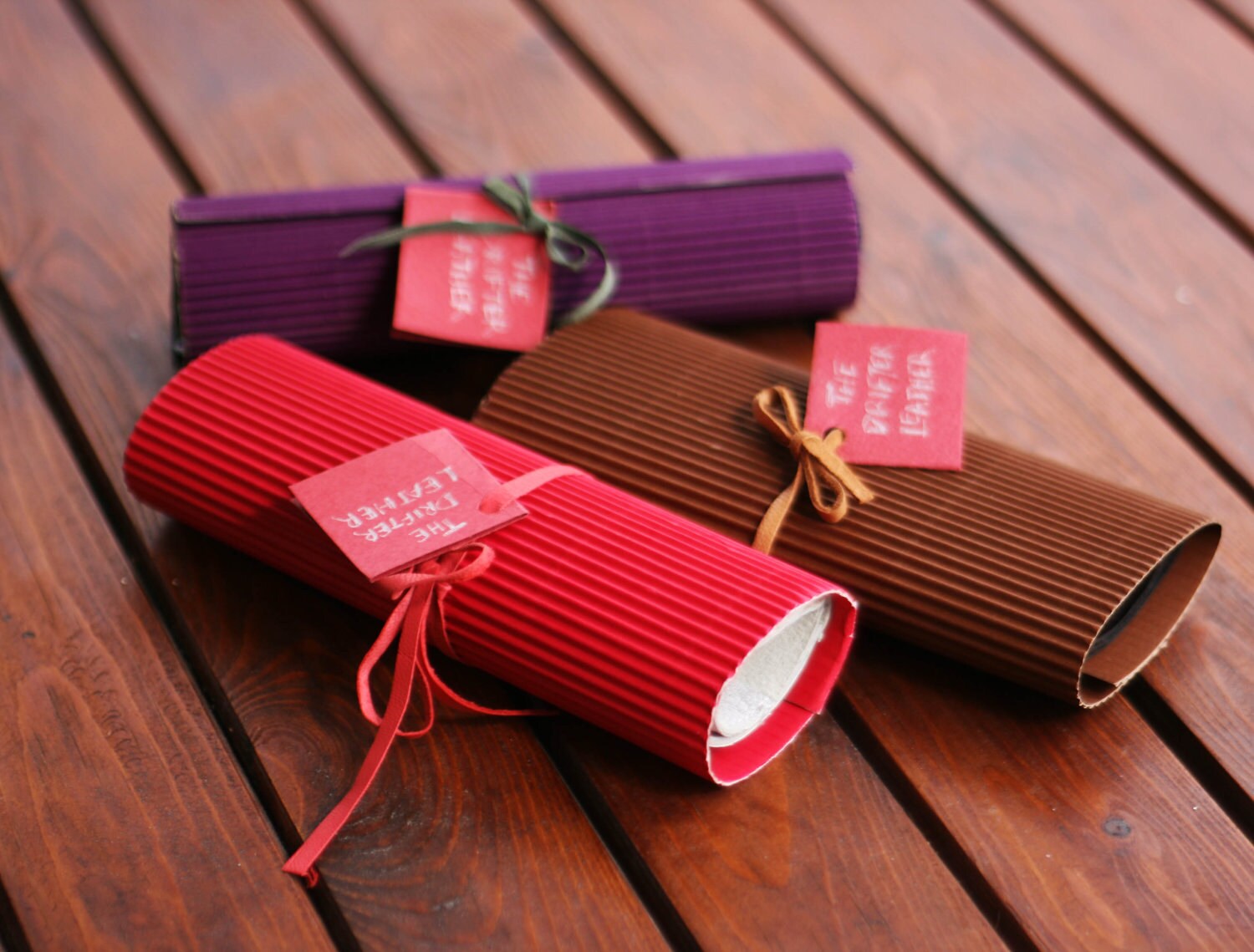
We ship all across the planet!
www.etsy.com/listing/66108668/roman-leather-tobacco-pouch...
Manufacturer: Melitta, Minden, Germany
Basemark: no mark, but typical fireproof "spider-net" base
Decor/Colours: dark chocolate-brown glossy glaze
Form: stylish simple clear , integrated drip catcher at the spout
Height: ca. 14 cm (with lid: 17 cm)
Diameter (max): ca. 18,5 cm (incl. spout and handle)
Design: ??? Jupp Ernst ???
50s
At the Mercer Museum, a concrete castle built by renowned tile-maker Henry Mercer in the early 20th century. He built the castle to house his enormous collection of early American tools and everyday objects to educate future generations of life before the Industrial revolution. In Doylestown, Pennsylvania.
Andy Priaulx during WEC 6 Hours of Silverstone race day
Web: www.fireproof-creative.co.uk
Follow me on Instagram: www.instagram.com/fireproof.creative/
Facebook: Fireproof Creative
Images are copyright, all rights reserved. Do not use without my express permission.
Tanaka Honke Museum, Suzaka-shi(city) Nagano-ken(Prefecture), Japan
長野県須坂市(ながのけん すざかし) 信州須坂 田中本家博物館(しんしゅう すざか たなかほんけ はくぶつかん)
File name: 06_10_022737
Title: Belmont Hotel, Madison, Wis., tallest and only fireproof hotel on Capitol Square
Created/Published: Advertising Pub. Co., Ann Arbor, Mich.
Date issued: 1930 - 1945 (approximate)
Physical description: 1 print (postcard) : linen texture, color ; 5 1/2 x 3 1/2 in.
Genre: Postcards
Subject: Hotels
Notes: Title from item.
Collection: The Tichnor Brothers Collection
Location: Boston Public Library, Print Department
Rights: No known restrictions
Greg signs over a gift to Governor Scott Walker: fireproof pants made of dual-mirrored aluminum fabric. Learn more about this gift at Wisconsin Transparency Force's site: www.wiwtf.org/
CM004 - Erection Of Wall & Fireproofing Of Structural Steel At 245 Park Ave (Ground Floor) (3-3-2011)
A closer look at the Gridley Building which was originally the Onondaga County Savings Bank building. This structure was built as a bank and office building and later converted entirely into offices. This tall narrow mansard-roofed building is on a site formerly occupied by three successive "Coffin Blocks". The first of these, of wood, was built in 1823 and supposedly resembled a coffin. The bank built in 1867, when the canal existed, had an entrance on the west side at the main banking level, with two upper floors and an attic. It was designed by Horatio Nelson White in the Second Empire style. The exterior material is Onondaga limestone which was quarried on Onondaga Nation Territory and then finished in a stone yard where the Dey's building now stands. Iron beams resting on masonry bearing partitions constitutes the construction, which was described at the time as fireproof and was a very progressive type of construction at the time. The exterior treatment is unique among Syracuse buildings; at the first floor there are ornate carved quoins; above this there are inversely tapered pilasters, two stories high, repeated in one- story height at either side of small third-story balconies. The first floor windows are tall, with carving around the arched heads; the second-story windows have segmental arches, and there are round arches on the third-floor and attic windows. On the southwest corner is a 100-foot high tower containing a four-faced public clock which was maintained by the bank for the city. When the building was constructed the city agreed to close a public right-of-way to the canal in exchange for the clock which the bank was to maintain. For awhile the clock was out of commission but was put back into operation when the structure was renovated. In 1897, the Onondaga County Savings Bank moved to its new building across the street. Two years later businessman Francis Gridley purchased the building and hired Archimedes Russell to renovate the interior. It was then that the Salina Street entrance was closed. In 1974 the building underwent a restoration, however, care was taken that the exterior appearance be altered as little as possible, A small plaza with trees & benches enhances the front of the bulding facing Clinton Square. The building as it stands today is essentially the same as when it was built and lends its familiar facade to the heart of downtown Syracuse. Located at 101 East Water Street, Hanover Square, in Syracuse, NY. (130)
Hotel Farr Building, Huntington, WV.
HOTEL FARR
FIREPROOF
126 ROOMS --- 126 BATHS
EUROPEAN PLAN
(????) ABOUT SEPT. 1ST.
Interior of the Gardiner Haskins main building, showing typical 19th century industrial fireproof construction: ashlar walls; hollow cast iron columns marching across open floors; built-up riveted plate girders --- probably steel, rather than wrought iron --- on top of the columns; and brick arches filling the space between the girder spans; with a concrete floor on top. I would guess that the angle iron tying the arches together is not original, although I could be wrong. All it needs is cast iron framed windows and lineshafting driving lots of black machinery, attended by small children.
The iron bar hanging from brackets about 6in below the girders is interesting. Part of a factory handling system? Maybe it just ties the outside walls together.
The five-storey, 432,000 square foot McCormick’s factory was opened in 1914 and produced candy and cookie products until its closure in early 2007. Built of concrete and steel and constructed to be fireproof, at the time it was considered one of the finest factories in North America. Its most distinct architectural features are its white terra cotta glaze and the extensive window coverage, which gave it the nickname “the Sunshine Palace”.
The first floor contains storage space, flour and sugar silos, administrative offices, and a bakery with long conveyor belt ovens which still remain there today.
The ornate fire-proof 'strong room' at the former Land Titles Office building in Queen Street, Melbourne. Constructed in 1874-1879, this building has not been used for decades. The complex is now owned by the Victoria University of Technology.
Some of the features include slate shelving and fireproof flooring.
Seen as part of Melbourne Open House
This safe is great for small businesses. There is an internal locking drawer, an open slide out drawer, a small shelf, a letter size hanging file folder and a key storage area. There are multiple versions of this safe, this is the better one with a 2-hour fire rating (vs 1 hour standard) and is certified to protect digital media during a fire (ie: important company file backups! video tapes, cd-roms, dvds, etc...)
For more information go here:
Sentry Safe For Sale Langley, BC, Canada
Erin Bethea, actress from the movie "Fireproof", with Madison and Marshall at "Story Time with Belle"
* The Caravan pouch is handmade out of
pure cow leather, and is %100 FIREPROOF, as all pure
leather products are.
* It provides the user with a sleek way of keeping their
tobacco in a manner that is both tidy and compact, as
well as aesthetic.
* The pouch holds compartments for the tobacco and the
rolling papers.
* The pouch is sealed using a brown braid strap that is tied around the body of the pouch ending with a wooden bead.
*The tobacco pouch is 21 cm in height and 17 cm in width. The pouch fits 12.5g and 25g, as well as 50g of tobacco. When the pouch is tied up and closed the height measures just 7 cm.
Every item you buy from us comes with a gift packaging that looks like:
img3.etsystatic.com/il_fullxfull.291772539.jpg
We ship everywhere! Just ask for any additional info!
1960's ghost sign, Wheeling, Ohio County, West Virginia. Wonder if "fireproof" meant dripping with asbestos.
Manitowoc Hotel
Constructed 1927, by 1st National BANK.
Using a brick venier, fireproof sinderblock walls, steel beam and girder.
A pair of cozy OTIS elevators zipped all 9 levels.
Southeast lower levels was a two story bank lobby, west were offices overlooking it.
In it's 1937 north addition, were 35 hotelrooms, was a "Rosepetal" classy restaurant with above conference hall...(basement was deep & high, for kitchen) The Brick, creme window crowns and 2 levels facing street level were a quality material, while the north and west were common brick.
Topfloor, was a Lakeview Tavern in Southeast corner. While accomodating Lake Michigan vistas for penthouse suites, the couple in the newer north addition with fireplaces and flanking stained glass windows, ceramic baths!
Later, the lowend rooms to rent were the 5 stories below, hap-hazardly converted between clogged iron plumbing and fuses.
Over time, the classy BANK Lobby ceiling was dropped for HVAC Flouresent lights and paneled. Becoming an "70's bar/disco"teque,... sad!
British GT Championship - Snetterton
Tutorial: Free eBook Guide to shooting motorsport at Silverstone
Web: www.fireproof-creative.co.uk
Follow me on Instagram: www.instagram.com/fireproof.creative/
Facebook: Fireproof Creative
Images are copyright, all rights reserved. Do not use without my express permission.
Coleman's iconic "Fireproof Depository", after being empty for decades (despite strange looking windows being put in the upper two floors, c2009) is being converted into flats.
Coleman's were established in Overton Street in 1875.
The corner of this building says "Established 1875. Rebuilt 1900".
1900 was presumably when this building was erected, but there had been a similar warehouse on this site before that.
There had been a church on the empty site next door.
www.flickr.com/photos/44435674@N00/2914637368/in/photolis...
Toxteth Tabernacle and the Anglican Cathedral can be seen.
Work on the architectural facing brick, that the building will be faced with ,this is the inner yard area
Historical marker on The Fireproof Building, 1020 North High Street, Columbus, Ohio. The plaque reads "Constructed in 1909 and renovated for residential and commercial use in 2014, The Fireproof Building was originally home to Fireproof Warehouse and Storage Co. and was first used to protect personal possessions. With steel doors & solid concrete walls, The Fireproof Building was synonymous with security, and was designated a Civil Defense Fallout Shelter during World War II.
On June 2, 1922 the facade of the original Fireproof building was cut back 10 feet due to the widening of High Street for increased automobile use along with cable cars. This created the beautiful front structure we see today.
As the moving & storage industry changed, the building transitioned into secure storage for business assets. For over 30 years it served as headquarters for Fireproof Records Center one of the country’s largest information storage companies.
The Fireproof Building spans over a century of industry development and change personifying the vibrant spirit of strength and innovation abundantin Columbus’ Short North Community."