View allAll Photos Tagged conserver
Rijks Museum - National Museum of Netherlands
Vision:
The Rijksmuseum links individuals with art and history.
Mission:
At the Rijksmuseum, art and history take on new meaning for a broad-based, contemporary national and international audience.
As a national institute, the Rijksmuseum offers a representative overview of Dutch art and history from the Middle Ages onwards, and of major aspects of European and Asian art.
The Rijksmuseum keeps, manages, conserves, restores, researches, prepares, collects, publishes, and presents artistic and historical objects, both on its own premises and elsewhere.
From 1800 to 2013
The Rijksmuseum first opened its doors in 1800 under the name ‘Nationale Kunstgalerij’. At the time, it was housed in Huis ten Bosch in The Hague. The collection mainly comprised paintings and historical objects. In 1808, the museum moved to the new capital city of Amsterdam, where it was based in the Royal Palace on Dam Square.
After King Willem I’s accession to the throne, the paintings and national print collection were moved to the Trippenhuis on Kloveniersburgwal, while the other objects were returned to The Hague. The current building was put into use in 1885. The Netherlands Museum for History and Art based in The Hague moved into the same premises, forming what would later become the departments of Dutch History and Sculpture & Applied Art.
The beginning
On 19 November 1798, more than three years after the birth of the Batavian Republic, the government decided to honour a suggestion put forward by Isaac Gogel by following the French example of setting up a national museum. The museum initially housed the remains of the viceregal collections and a variety of objects originating from state institutions. When the Nationale Kunstgalerij first opened its doors on 31 May 1800, it had more than 200 paintings and historical objects on display. In the years that followed, Gogel and the first director, C.S. Roos, made countless acquisitions. Their first purchase, The Swan by Jan Asselijn, cost 100 Dutch guilders and is still one of the Rijksmuseum’s top pieces.
Move to Amsterdam
In 1808, the new King Louis Napoleon ordered the collections to be moved to Amsterdam, which was to be made the capital of the Kingdom of Holland. The works of art and objects were taken to the Royal Palace on Dam Square, the former city hall of Amsterdam, where they were united with the city’s foremost paintings, including the Night Watch by Rembrandt. In 1809, the Koninklijk Museum opened its doors on the top floor of the palace.
A few years after Willem I returned to the Netherlands as the new king in 1813, the ‘Rijks Museum’ and the national print collection from The Hague relocated to the Trippenhuis, a 17th-century town-palace on Kloveniersburgwal, home to what would later become the Royal Netherlands Academy of Arts and Sciences. Much to the regret of the director, Cornelis Apostool, in 1820 many objects including pieces of great historical interest were assigned to the Kabinet van Zeldzaamheden [Royal Gallery of Rare Objects], which had been founded in The Hague. In 1838, a separate museum for modern 19th-century art was established in Paviljoen Welgelegen in Haarlem. Contrary to the days of Louis Napoleon, very few large acquisitions were made during this period.
Cuypers Cathedral
The Trippenhuis proved unsuitable as a museum. Furthermore, many people thought it time to establish a dedicated national museum building in the Netherlands. Work on a new building did not commence until 1876, after many years of debate. The architect, Pierre Cuypers, had drawn up a historic design for the Rijksmuseum, which combined the Gothic and the Renaissance styles. The design was not generally well-received; people considered it too mediaeval and not Dutch enough. The official opening took place in 1885.
Nearly all the older paintings belonging to the City of Amsterdam were hung in the Rijksmuseum alongside paintings and prints from the Trippenhuis, including paintings such as Rembrandt’s Jewish Bride, which had been bequeathed to the city by the banker A. van der Hoop. The collection of 19th-century art from Haarlem was also added to the museum’s collection. Finally, a significant part of the Kabinet van Zeldzaamheden, which had by then been incorporated into the new Netherlands Museum for History and Art, was returned to Amsterdam.
Renovations
Over the years, collections continued to grow and museum insight continued to expand, and so the Rijksmuseum building underwent many changes. Rooms were added to the south-west side of the building between 1904 and 1916 (now the Philips wing) to house the collection of 19th-century paintings donated to the museum by Mr and Mrs Drucker-Fraser. In the 1950s and 1960s, the two original courtyards were covered and renovated to create more rooms.
In 1927, while Schmidt-Degener was Managing Director, the Netherlands Museum was split to form the departments of Dutch History and Sculpture & Applied Art. These departments were moved to separate parts of the building after 1945. The arrival of a collection donated by the Association of Friends of Asian Art in the 1950s resulted in the creation of the Asian Art department.
The 1970s saw record numbers of visitors of almost one-and-a-half million per year, and the building gradually started to fall short of modern requirements.
‘Verder met Cuypers'
The current renovation reinstates the original Cuypers structure. The building work in the courtyards are removed. Paintings, applied art and history are no longer displayed in separate parts of the building, but form a single chronological circuit that tells the story of Dutch art and history.
The building is thoroughly modernized, while at the same time restoring more of Cuypers original interior designs: the Rijksmuseum has dubbed the venture ‘Verder met Cuypers‘ [Continuing with Cuypers]. The Rijksmuseum will be a dazzling new museum able to satisfy the needs of its 21st-century visitors!
Every year, the Rijksmuseum compiles an annual report for the previous year. Annual reports dating back to 1998 can be found here (in Dutch only). Reports relating to the years before 1998 are available in the reading room of the library.
O Museu Rijks é um dos maiores e mais importantes museus da Europa.É o maior dos Países Baixos, com acervo voltado quase todo aos artistas holandeses. As obras vão desde exemplares da arte sacra até a era dourada holandesa, além de uma substancial coleção de arte asiática.
Esse é o Rijksmuseum, o Museu Nacional dos Países Baixos. E aproveite, caro leitor, porque o Rijks esteve parcialmente fechado para reforma durante 10 anos – voltou a funcionar só em 2013. Ou seja, quem esteve em Amsterdam na última década não conheceu o Rijks, pelo menos não completamente.
Mas o quê tem lá? Muita coisa. Destaque para as coleções de arte e História holandesas. Os trabalhos dos pintores Frans Hals e Johannes Vermeer são alguns dos mais concorridos, mas imbatível mesmo é Rembrandt van Rijn, considerado um dos maiores pintores de todos os tempos. Se você não é um fã de museus de arte, mas faz questão de conhecer o trabalho desses grandes artistas, uma dica: assim que chegar ao Rijks, vá direto para a ala onde estão as obras-primas. Assim você vê o mais importante no início da visita, quando ainda está descansado e poderá dedicar o tempo necessário para essas obras.
A mais famosa delas é a “A Ronda Noturna”, de Rembrandt, uma obra que inspirou músicas, pinturas, filmes e até um flash mob. Quando o Rijks foi reaberto, artistas recriam a cena mostrada no quadro dentro de um shopping de Amsterdam. A ação está no vídeo abaixo e eu te garanto que vale a pena dar play.
Read more: www.360meridianos.com/2014/01/museus-de-amsterdam.html#ix...
Read more: www.360meridianos.com/2014/01/museus-de-amsterdam.html#ix...
Rijksmuseum, Museu Nacional
42 Stadhouderskade
Amsterdam
O museu Rijksmuseum de Amsterdã é o Museu Nacional da Holanda, onde você encontrará uma impressionante coleção permanente, formada por 5.000 pinturas e 30.000 obras de arte, além de 17.000 objetos históricos.
Esse museu nacional foi fundado em 1885 e está instalado em um edifício de estilo neogótico. A sua principal atração é a extensa coleção de quadros pintados por artistas holandeses, abrangendo um período que vai do séc. XV aos dias de hoje. A obra de arte mais famosa em exibição é o quadro A Ronda Noturna, de Rembrandt.
O museu Rijksmuseum está dividido em cinco departamentos: pintura, escultura, arte aplicada, arte oriental, história dos Países Baixos e gravuras. O núcleo da coleção é a pintura e suas obras mais representativas são as que pertencem ao Século de Ouro holandês, com quadros de artistas como Rembrandt, Vermeer ou Frans Hals.
Ver fonte: dreamguides.edreams.pt/holanda/amsterda/rijksmuseum
Museu Rijks, Amesterdão
O Museu Rijks (Museu Nacional) é um edifício histórico, sendo o maior museu nos Países Baixos. O Museu é o maior no numero relativamente às suas colecções, na área do edifício em si, no financiamento e no numero de funcionários empregados.
Cada ano, mais de um milhão de pessoas visitam o Museu Rijks. O Museu emprega cerca de 400 pessoas, incluindo 45 conservadores de museu que são especializados em todas as áreas.
O Museu Rijks é internacionalmente reconhecido pelas suas exibições e publicações, mas não só apenas por estes produtos de grande qualidade, mas também pelas áreas no museu em si que são fonte de inspiração e encorajam a criação de novas ideias.
O museu também tem recursos consideráveis para a educação, para a decoração e apresentação de exibições. Importantes designers são regularmente chamados a trabalharem em projectos no Museu Rijks.
O edifício principal do Museu Rijks está a ser renovado. A boa noticia é que a melhor parte da exposição está apresentada na redesenhada ala Philips. O nome desta exposição denomina-se "The Masterpieces'.
O museu abre diariamente das 10 da manhã até ás 5 da tarde.
A entrada é pela Stadhouderskade 42.
Rijksmuseum
Origem: Wikipédia, a enciclopédia livre.
O Rijksmuseum é um museu nacional dos Países Baixos, localizada em Amsterdão na Praça do museu. O Rijksmuseum é dedicado à artes e história. Ele tem uma larga coleção de pinturas da idade de ouro neerlandesa e uma substancial coleção de arte asiática.
O museu foi fundado em 1800 na cidade da Haia para exibir a coleção do primeiro-ministro. Foi inspirado no exemplo francês. Pelos neerlandeses ficou conhecida como Galeria de Arte. Em 1808 o museu mudou-se para Amsterdã pelas ordens do rei Louis Napoleón, irmão de Napoleão Bonaparte. As pinturas daquela cidade, como A Ronda Nocturna de Rembrandt, tornaram-se parte da coleção.
Em 1885 o museu mudou-se para sua localização atual, construído pelo arquiteto neerlandês Pierre Cuypers. Ele combinou elementos góticos e renascentistas. O museu tem um posição proeminente na Praça do Museu, próximo ao Museu van Gogh e ao Museu Stedelijk. A construção é ricamente decorada com referências da história da arte neerlandesa. A Ronda Nocturna de Rembrandt tem seu próprio corredor no museu desde 1906. Desde 2003 o museu sofreu restaurações, mas as obras-primas são constatemente presentes para o público.
A coleção de pinturas inclui trabalhos de artistas como Jacob van Ruysdael, Frans Hals, Johannes Vermeer e Rembrandt e de alunos de Rembrandt.
Em 2005, 95% do museu está fechado para renovação, mas as pinturas da coleção permanente ainda estão em mostra em uma exibição especial chamada As Obras-primas.
Algumas das pinturas do museu:
Rembrandt van Rijn
A Ronda Nocturna
Os síndicos da guilda dos fabricantes de tecidos
A noiva judia
A lição de Anatomia do Dr. Deyman
Pedro negando Cristo
Saskia com um véu
Retrato de Titus em hábito de monge
Auto-retrato como Apóstolo Paulo
Tobias, Ana e o Bode
Johannes Vermeer:
A Leiteira
A Carta de Amor
Mulher de Azul a ler uma carta
A Rua pequena
Frans Hals:
Retrato de um jovem casal
A Companhia Reynier Real
O bebedor alegre
Retrato de Lucas De Clercq
Retrato de Nicolaes Hasselaer
Retrato de um homem
Página oficial do Rijksmuseum
Virtual Collection of Masterpieces (VCM)
O melhor museu de Amsterdam: Rijksmuseum
O Commons possui uma categoria contendo imagens e outros ficheiros sobre Rijksmuseum
Rijksmuseum Amsterdam
1/4
Se você visitar Amsterdam, precisará conhecer o Museu Nacional da Holanda: Rijksmuseum Amsterdam. O Museu Nacional fica na Praça do Museu, situada no centro de Amsterdam. O Museu Nacional, ou Rijksmuseum, possui uma maravilhosa coleção de arte e história holandesas. Após uma visita ao Rijksmuseum, você saberá mais sobre história e arte e terá visto alguns dos maiores marcos culturais da Holanda.
Obras-primas do Museu Nacional
Ao todo, a coleção do Rijksmuseum apresenta a história da Holanda em um contexto internacional, desde 1.100 até o presente. Há alguns ícones da história e cultura da Holanda que você não pode perder:
Ronda Noturna (de Nachtwacht) de Rembrandt é uma das mais famosas obras desse mestre holandês e é de tirar o fôlego.
O Rijksmuseum tem uma das melhores coleções de pinturas dos grandes mestres do século XVII, como Frans Hals, Jan Steen, Vermeer e Rembrandt.
Assim como o Museu Histórico de Haia, o Rijksmuseum apresenta lindas casas de bonecas, mobiliadas em detalhes, datando de 1676.
Se você não puder ir ao Delft Real, pode ainda apreciar algumas das melhores cerâmicas de Delft, de conjuntos de chá a vasos, no Museu Nacional.
Museu que é visita obrigatória em Amsterdam
Quer sua estadia em Amsterdam seja breve ou longa, você deve visitar o Rijksmuseum. Chegue cedo para evitar enfrentar filas. Combine a visita ao Rijksmuseum com várias outras atrações próximas, como o Museu Van Gogh, o Museu Stedelijk Amsterdam e a Coster Diamonds
Para obter mais informações sobre Amsterdam, retorne à página sobre Amsterdam ou à página sobre os museus de Amsterdam.
Original Caption: Reading and Studying by Kerosene Lamps Became More Common as People Tried to Conserve Electricity. This Person Is Using a Lamp 11/1973
U.S. National Archives’ Local Identifier: 412-DA-12976
Photographer: Falconer, David
Subjects:
Portland (Multnomah county, Oregon, United States) inhabited place
Environmental Protection Agency
Project DOCUMERICA
Persistent URL: arcweb.archives.gov/arc/action/ExternalIdSearch?id=555428
Repository: Still Picture Records Section, Special Media Archives Services Division (NWCS-S), National Archives at College Park, 8601 Adelphi Road, College Park, MD, 20740-6001.
For information about ordering reproductions of photographs held by the Still Picture Unit, visit: www.archives.gov/research/order/still-pictures.html
Reproductions may be ordered via an independent vendor. NARA maintains a list of vendors at www.archives.gov/research/order/vendors-photos-maps-dc.html
Access Restrictions: Unrestricted
Use Restrictions: Unrestricted
Coventry Transport Museum opened in 1980, after it became clear that the road transport collection was outgrowing the space it occupied in the Herbert Art Gallery & Museum. The Museum’s current collection of vehicles is acknowledged as being one of the finest in the world, and the largest in public ownership.
The Museum’s collection consists of motor cars, commercial vehicles, cycles and motorcycles. In addition, extensive collections of automobilia, books, photographs and a wealth of other archive material is held and conserved at the Coventry History Centre at the Herbert Art Gallery & Museum.
Form-fitting vinyl decal sticker
Provides resistance to minor scratches
Gloss finish provides intense, vibrant colors and sharp line detail
3M Controltac decal sticker for easy, bubble-free installation
Easily removable with no sticky residue
Thickness <1/32 inch (<1mm)
Weight <5g
www.redbubble.com/i/laptop-skin/Conserve-by-majestikart/1...
A cabin stands on land owned by Marion Karl of Cooperstown, N.Y., on May 21, 2015. Karl’s 173 acres are in a conservation easement with the Otsego Land Trust, and she hikes through it almost daily to take in a view of Otsego Lake. (Photo by Will Parson/Chesapeake Bay Program)
USAGE REQUEST INFORMATION
The Chesapeake Bay Program's photographic archive is available for media and non-commercial use at no charge.
To request permission, send an email briefly describing the proposed use to requests@chesapeakebay.net. Please do not attach jpegs. Instead, reference the corresponding Flickr URL of the image.
A photo credit mentioning the Chesapeake Bay Program is mandatory. The photograph may not be manipulated in any way or used in any way that suggests approval or endorsement of the Chesapeake Bay Program. Requestors should also respect the publicity rights of individuals photographed, and seek their consent if necessary.
Rijks Museum - National Museum of Netherlands
Vision:
The Rijksmuseum links individuals with art and history.
Mission:
At the Rijksmuseum, art and history take on new meaning for a broad-based, contemporary national and international audience.
As a national institute, the Rijksmuseum offers a representative overview of Dutch art and history from the Middle Ages onwards, and of major aspects of European and Asian art.
The Rijksmuseum keeps, manages, conserves, restores, researches, prepares, collects, publishes, and presents artistic and historical objects, both on its own premises and elsewhere.
From 1800 to 2013
The Rijksmuseum first opened its doors in 1800 under the name ‘Nationale Kunstgalerij’. At the time, it was housed in Huis ten Bosch in The Hague. The collection mainly comprised paintings and historical objects. In 1808, the museum moved to the new capital city of Amsterdam, where it was based in the Royal Palace on Dam Square.
After King Willem I’s accession to the throne, the paintings and national print collection were moved to the Trippenhuis on Kloveniersburgwal, while the other objects were returned to The Hague. The current building was put into use in 1885. The Netherlands Museum for History and Art based in The Hague moved into the same premises, forming what would later become the departments of Dutch History and Sculpture & Applied Art.
The beginning
On 19 November 1798, more than three years after the birth of the Batavian Republic, the government decided to honour a suggestion put forward by Isaac Gogel by following the French example of setting up a national museum. The museum initially housed the remains of the viceregal collections and a variety of objects originating from state institutions. When the Nationale Kunstgalerij first opened its doors on 31 May 1800, it had more than 200 paintings and historical objects on display. In the years that followed, Gogel and the first director, C.S. Roos, made countless acquisitions. Their first purchase, The Swan by Jan Asselijn, cost 100 Dutch guilders and is still one of the Rijksmuseum’s top pieces.
Move to Amsterdam
In 1808, the new King Louis Napoleon ordered the collections to be moved to Amsterdam, which was to be made the capital of the Kingdom of Holland. The works of art and objects were taken to the Royal Palace on Dam Square, the former city hall of Amsterdam, where they were united with the city’s foremost paintings, including the Night Watch by Rembrandt. In 1809, the Koninklijk Museum opened its doors on the top floor of the palace.
A few years after Willem I returned to the Netherlands as the new king in 1813, the ‘Rijks Museum’ and the national print collection from The Hague relocated to the Trippenhuis, a 17th-century town-palace on Kloveniersburgwal, home to what would later become the Royal Netherlands Academy of Arts and Sciences. Much to the regret of the director, Cornelis Apostool, in 1820 many objects including pieces of great historical interest were assigned to the Kabinet van Zeldzaamheden [Royal Gallery of Rare Objects], which had been founded in The Hague. In 1838, a separate museum for modern 19th-century art was established in Paviljoen Welgelegen in Haarlem. Contrary to the days of Louis Napoleon, very few large acquisitions were made during this period.
Cuypers Cathedral
The Trippenhuis proved unsuitable as a museum. Furthermore, many people thought it time to establish a dedicated national museum building in the Netherlands. Work on a new building did not commence until 1876, after many years of debate. The architect, Pierre Cuypers, had drawn up a historic design for the Rijksmuseum, which combined the Gothic and the Renaissance styles. The design was not generally well-received; people considered it too mediaeval and not Dutch enough. The official opening took place in 1885.
Nearly all the older paintings belonging to the City of Amsterdam were hung in the Rijksmuseum alongside paintings and prints from the Trippenhuis, including paintings such as Rembrandt’s Jewish Bride, which had been bequeathed to the city by the banker A. van der Hoop. The collection of 19th-century art from Haarlem was also added to the museum’s collection. Finally, a significant part of the Kabinet van Zeldzaamheden, which had by then been incorporated into the new Netherlands Museum for History and Art, was returned to Amsterdam.
Renovations
Over the years, collections continued to grow and museum insight continued to expand, and so the Rijksmuseum building underwent many changes. Rooms were added to the south-west side of the building between 1904 and 1916 (now the Philips wing) to house the collection of 19th-century paintings donated to the museum by Mr and Mrs Drucker-Fraser. In the 1950s and 1960s, the two original courtyards were covered and renovated to create more rooms.
In 1927, while Schmidt-Degener was Managing Director, the Netherlands Museum was split to form the departments of Dutch History and Sculpture & Applied Art. These departments were moved to separate parts of the building after 1945. The arrival of a collection donated by the Association of Friends of Asian Art in the 1950s resulted in the creation of the Asian Art department.
The 1970s saw record numbers of visitors of almost one-and-a-half million per year, and the building gradually started to fall short of modern requirements.
‘Verder met Cuypers'
The current renovation reinstates the original Cuypers structure. The building work in the courtyards are removed. Paintings, applied art and history are no longer displayed in separate parts of the building, but form a single chronological circuit that tells the story of Dutch art and history.
The building is thoroughly modernized, while at the same time restoring more of Cuypers original interior designs: the Rijksmuseum has dubbed the venture ‘Verder met Cuypers‘ [Continuing with Cuypers]. The Rijksmuseum will be a dazzling new museum able to satisfy the needs of its 21st-century visitors!
Every year, the Rijksmuseum compiles an annual report for the previous year. Annual reports dating back to 1998 can be found here (in Dutch only). Reports relating to the years before 1998 are available in the reading room of the library.
O Museu Rijks é um dos maiores e mais importantes museus da Europa.É o maior dos Países Baixos, com acervo voltado quase todo aos artistas holandeses. As obras vão desde exemplares da arte sacra até a era dourada holandesa, além de uma substancial coleção de arte asiática.
Esse é o Rijksmuseum, o Museu Nacional dos Países Baixos. E aproveite, caro leitor, porque o Rijks esteve parcialmente fechado para reforma durante 10 anos – voltou a funcionar só em 2013. Ou seja, quem esteve em Amsterdam na última década não conheceu o Rijks, pelo menos não completamente.
Mas o quê tem lá? Muita coisa. Destaque para as coleções de arte e História holandesas. Os trabalhos dos pintores Frans Hals e Johannes Vermeer são alguns dos mais concorridos, mas imbatível mesmo é Rembrandt van Rijn, considerado um dos maiores pintores de todos os tempos. Se você não é um fã de museus de arte, mas faz questão de conhecer o trabalho desses grandes artistas, uma dica: assim que chegar ao Rijks, vá direto para a ala onde estão as obras-primas. Assim você vê o mais importante no início da visita, quando ainda está descansado e poderá dedicar o tempo necessário para essas obras.
A mais famosa delas é a “A Ronda Noturna”, de Rembrandt, uma obra que inspirou músicas, pinturas, filmes e até um flash mob. Quando o Rijks foi reaberto, artistas recriam a cena mostrada no quadro dentro de um shopping de Amsterdam. A ação está no vídeo abaixo e eu te garanto que vale a pena dar play.
Read more: www.360meridianos.com/2014/01/museus-de-amsterdam.html#ix...
Read more: www.360meridianos.com/2014/01/museus-de-amsterdam.html#ix...
Rijksmuseum, Museu Nacional
42 Stadhouderskade
Amsterdam
O museu Rijksmuseum de Amsterdã é o Museu Nacional da Holanda, onde você encontrará uma impressionante coleção permanente, formada por 5.000 pinturas e 30.000 obras de arte, além de 17.000 objetos históricos.
Esse museu nacional foi fundado em 1885 e está instalado em um edifício de estilo neogótico. A sua principal atração é a extensa coleção de quadros pintados por artistas holandeses, abrangendo um período que vai do séc. XV aos dias de hoje. A obra de arte mais famosa em exibição é o quadro A Ronda Noturna, de Rembrandt.
O museu Rijksmuseum está dividido em cinco departamentos: pintura, escultura, arte aplicada, arte oriental, história dos Países Baixos e gravuras. O núcleo da coleção é a pintura e suas obras mais representativas são as que pertencem ao Século de Ouro holandês, com quadros de artistas como Rembrandt, Vermeer ou Frans Hals.
Ver fonte: dreamguides.edreams.pt/holanda/amsterda/rijksmuseum
Museu Rijks, Amesterdão
O Museu Rijks (Museu Nacional) é um edifício histórico, sendo o maior museu nos Países Baixos. O Museu é o maior no numero relativamente às suas colecções, na área do edifício em si, no financiamento e no numero de funcionários empregados.
Cada ano, mais de um milhão de pessoas visitam o Museu Rijks. O Museu emprega cerca de 400 pessoas, incluindo 45 conservadores de museu que são especializados em todas as áreas.
O Museu Rijks é internacionalmente reconhecido pelas suas exibições e publicações, mas não só apenas por estes produtos de grande qualidade, mas também pelas áreas no museu em si que são fonte de inspiração e encorajam a criação de novas ideias.
O museu também tem recursos consideráveis para a educação, para a decoração e apresentação de exibições. Importantes designers são regularmente chamados a trabalharem em projectos no Museu Rijks.
O edifício principal do Museu Rijks está a ser renovado. A boa noticia é que a melhor parte da exposição está apresentada na redesenhada ala Philips. O nome desta exposição denomina-se "The Masterpieces'.
O museu abre diariamente das 10 da manhã até ás 5 da tarde.
A entrada é pela Stadhouderskade 42.
Rijksmuseum
Origem: Wikipédia, a enciclopédia livre.
O Rijksmuseum é um museu nacional dos Países Baixos, localizada em Amsterdão na Praça do museu. O Rijksmuseum é dedicado à artes e história. Ele tem uma larga coleção de pinturas da idade de ouro neerlandesa e uma substancial coleção de arte asiática.
O museu foi fundado em 1800 na cidade da Haia para exibir a coleção do primeiro-ministro. Foi inspirado no exemplo francês. Pelos neerlandeses ficou conhecida como Galeria de Arte. Em 1808 o museu mudou-se para Amsterdã pelas ordens do rei Louis Napoleón, irmão de Napoleão Bonaparte. As pinturas daquela cidade, como A Ronda Nocturna de Rembrandt, tornaram-se parte da coleção.
Em 1885 o museu mudou-se para sua localização atual, construído pelo arquiteto neerlandês Pierre Cuypers. Ele combinou elementos góticos e renascentistas. O museu tem um posição proeminente na Praça do Museu, próximo ao Museu van Gogh e ao Museu Stedelijk. A construção é ricamente decorada com referências da história da arte neerlandesa. A Ronda Nocturna de Rembrandt tem seu próprio corredor no museu desde 1906. Desde 2003 o museu sofreu restaurações, mas as obras-primas são constatemente presentes para o público.
A coleção de pinturas inclui trabalhos de artistas como Jacob van Ruysdael, Frans Hals, Johannes Vermeer e Rembrandt e de alunos de Rembrandt.
Em 2005, 95% do museu está fechado para renovação, mas as pinturas da coleção permanente ainda estão em mostra em uma exibição especial chamada As Obras-primas.
Algumas das pinturas do museu:
Rembrandt van Rijn
A Ronda Nocturna
Os síndicos da guilda dos fabricantes de tecidos
A noiva judia
A lição de Anatomia do Dr. Deyman
Pedro negando Cristo
Saskia com um véu
Retrato de Titus em hábito de monge
Auto-retrato como Apóstolo Paulo
Tobias, Ana e o Bode
Johannes Vermeer:
A Leiteira
A Carta de Amor
Mulher de Azul a ler uma carta
A Rua pequena
Frans Hals:
Retrato de um jovem casal
A Companhia Reynier Real
O bebedor alegre
Retrato de Lucas De Clercq
Retrato de Nicolaes Hasselaer
Retrato de um homem
Página oficial do Rijksmuseum
Virtual Collection of Masterpieces (VCM)
O melhor museu de Amsterdam: Rijksmuseum
O Commons possui uma categoria contendo imagens e outros ficheiros sobre Rijksmuseum
Rijksmuseum Amsterdam
1/4
Se você visitar Amsterdam, precisará conhecer o Museu Nacional da Holanda: Rijksmuseum Amsterdam. O Museu Nacional fica na Praça do Museu, situada no centro de Amsterdam. O Museu Nacional, ou Rijksmuseum, possui uma maravilhosa coleção de arte e história holandesas. Após uma visita ao Rijksmuseum, você saberá mais sobre história e arte e terá visto alguns dos maiores marcos culturais da Holanda.
Obras-primas do Museu Nacional
Ao todo, a coleção do Rijksmuseum apresenta a história da Holanda em um contexto internacional, desde 1.100 até o presente. Há alguns ícones da história e cultura da Holanda que você não pode perder:
Ronda Noturna (de Nachtwacht) de Rembrandt é uma das mais famosas obras desse mestre holandês e é de tirar o fôlego.
O Rijksmuseum tem uma das melhores coleções de pinturas dos grandes mestres do século XVII, como Frans Hals, Jan Steen, Vermeer e Rembrandt.
Assim como o Museu Histórico de Haia, o Rijksmuseum apresenta lindas casas de bonecas, mobiliadas em detalhes, datando de 1676.
Se você não puder ir ao Delft Real, pode ainda apreciar algumas das melhores cerâmicas de Delft, de conjuntos de chá a vasos, no Museu Nacional.
Museu que é visita obrigatória em Amsterdam
Quer sua estadia em Amsterdam seja breve ou longa, você deve visitar o Rijksmuseum. Chegue cedo para evitar enfrentar filas. Combine a visita ao Rijksmuseum com várias outras atrações próximas, como o Museu Van Gogh, o Museu Stedelijk Amsterdam e a Coster Diamonds
Para obter mais informações sobre Amsterdam, retorne à página sobre Amsterdam ou à página sobre os museus de Amsterdam.
Project 365, #157 - 3rd Aug 2012
I have recently become addicted to this conserve.
These conserves are some of the most delicious products I have ever tasted. This jar was at an end so I thought I’d submit it for this challenge. It didn’t last long this particular flavour - Berries & Cherries. I am trying to sample my way through their entire range. It’s a lot bigger than I first imagined, but that’s fine with me! ;)
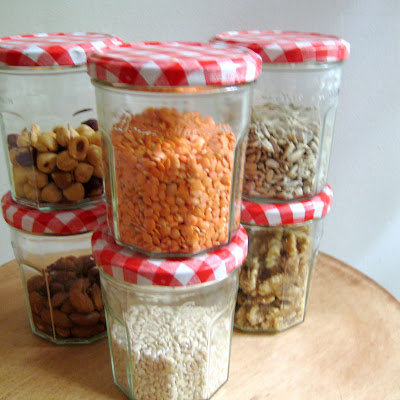
After the final bits of the fruit conserve has been picked, licked and teased out, the iconic jars can be re-used, sometimes in creative and imaginative ways. From attractive storage for cooking spices, seed packets, buttons & ribbons to flowers.



Many thanks for looking/comments/shares/favs!
Enjoy your weekend!!!
Our Daily Challenge (ODC): END/ENDINGS
88 " Land Rover 2A Station Wagon Restoration, Designed by Border Rovers and Built by Retroworks.
Owned and operated by Border Rovers:
07515899390
TRAVOIS BLACKFEET, vers 1900;
Photographe : Franklin Johnson .
J'adore cette image stéréoscopique, un peu sombre, mais j'ai réussi à conserver un ciel légèrement nuageux. J'aime le contraste entre le cheval/poulain et le père/les filles. Cependant, le monogramme sur la couverture du père, l'espace (l'humanité, était-elle infinie pour eux ?), et les quatre éléments : l'air, le feu, l'eau et la terre, les croix ??? SEE DOC
Il est difficile de trouver des informations à leur sujet en ligne ; tous les monogrammes, symboles et logos amérindiens sont aujourd'hui principalement utilisés pour les tatouages…
Ne surtout pas faire voire cette photo a DTrump, il est allergique !
Photographie historique de 1900 prise par Franklin Johnson, représentant une famille Blackfeet transportée sur un travois tiré par des chevaux
La réserve actuelle est située dans le nord-ouest du Montana, bordée par le parc national de Glacier à l'ouest et le Canada au nord. S'étendant sur 1,5 million d'acres, la réserve Blackfeet est l'une des plus grandes des États-Unis.
La réserve actuelle est située dans le nord-ouest du Montana, bordée par le parc national du Glacier à l'ouest et le Canada au nord. S'étendant sur 1,5 million d'acres, la réservation Blackfeet est l'une des plus grandes des États-Unis.
Le Blackfeet Water Compact est le résultat d’un processus de plusieurs décennies qui confirme les droits de la tribu sur l’eau Winters et la juridiction et l’autorité de la tribu sur son eau. Le pacte offre à la tribu d’importants droits sur l’eau qui nous permettront de mettre notre eau à profit et de développer une économie durable à long terme dans le futur.
La réserve de Blackfeets possède d'abondantes ressources naturelles, y compris des forêts et des réserves de pétrole et de gaz, et abrite de nombreuses espèces de poissons et de faune. Plus de 518 miles de ruisseaux et 180 plans d'eau, dont huit grands lacs, peuvent également être trouvés sur la réservation.
Pendant longtemps, ces communautés ont été les plus marginalisées du pays. Réduites à la pauvreté, durement touchées par le chômage et les addictions, elles survivaient parquées dans des réserves. Mais depuis quelques années, un mouvement de revendication s'est emparé de ces populations autochtones.
Dans le Dakota du Nord, la réserve de Fort Berthold rachète ses terres ancestrales à coups de millions de dollars. Car la tribu est immensément riche depuis la découverte de pétrole dans son sous-sol, il y a une dizaine d'années. Grâce à ses 40 millions de dollars mensuels de revenus pétroliers, le chef de la communauté investit à tour de bras. Commissariat flambant neuf, stade de football rutilant ou hôpital dernier cri, la tribu ne manque de rien. Et le chômage, sur son territoire, est passé de 70 % à 3 % selon les chiffres du comté.
Dans le Dakota du Sud, le gigantesque défilé de l'Indian Pride remplace désormais le Columbus Day. Ce jour férié, dédié à la découverte de l'Amérique par Christophe Colomb, est devenu le symbole de l'oppression pour les peuples autochtones. À cette occasion, Ashley et son fils de 7 ans, Washoshe, participent à un pow-wow, une compétition de danse traditionnelle. Si ces rassemblements ont été interdits par le gouvernement américain pendant des décennies pour éradiquer la culture amérindienne, aujourd'hui, ils sont de plus en plus populaires. Vêtus de leurs plus beaux habits traditionnels, Ashley et Washoshe affrontent 1 200 danseurs venus de tout le pays. Et des milliers de dollars de récompenses sont distribués aux vainqueurs.
Dans le Montana, la tribu des Blackfeet réintroduit un animal mythique : le bison. Avant l'arrivée des colons européens, l'Amérique du Nord comptait près de 60 millions de bêtes. Après la conquête de l'Ouest, il n'en restait que 500. L'animal a frôlé l'extinction. Aujourd'hui, le pays compte un cheptel de 500 000 bisons. Sur son territoire, la tribu des Blackfeet en autorise la chasse une fois par an pour sensibiliser les jeunes générations à l'importance de cet animal sacré. Mais ici, les Indiens ont abandonné l'arc et les flèches pour une chasse façon XXIe siècle, tirant avec un fusil à lunette depuis un pick-up !
À Seattle dans l'état de Washington, Louie Gong s'est réapproprié son identité amérindienne pour en faire une marque à succès. Ses accessoires de décoration s'arrachent et font la Une des magazines de luxe. Cet entrepreneur a créé l'une des premières sociétés autochtones du pays, en proposant des couvertures et objets du quotidien, 100 % amérindiens. Ces dernières années, ses ventes ont explosé et le chef d'entreprise exporte désormais dans le monde entier.
auvio.rtbf.be/media/doc-shot-tribus-bisons-et-petrole-la-...
Historical photograph from 1900 taken by Franklin Johnson, showing a Blackfeet family being transported on a horse-drawn travois
TRAVOIS BLACKFOOT, circa 1900
Photographer: Franklin Johnson.
I love this stereoscopic image; it’s a bit dark, but I managed to preserve a slightly cloudy sky. I like the contrast between the horse/foal and the father/daughters. However, the monogram on the father’s jacket, the space (was humanity infinite to them?), and the four elements: air, fire, water, and earth—the crosses???
It’s hard to find information about them online; all Native American monograms, symbols, and logos are now mainly used for tattoos…
Don’t let DTrump see this photo under any circumstances—he’s allergic to it!
The current reservation is located in northwestern Montana, bordered by Glacier National Park to the west and Canada to the north. Covering 1.5 million acres, the Blackfeet Reservation is one of the largest in the United States.
The current reservation is located in northwestern Montana, bordered by Glacier National Park to the west and Canada to the north. Spanning 1.5 million acres, the Blackfeet Reservation is one of the largest in the United States.
The Blackfeet Water Compact is the result of a decades-long process that affirms the tribe’s rights to the Winters River and the tribe’s jurisdiction and authority over its water. The compact grants the tribe significant water rights that will allow us to utilize our water resources and develop a sustainable, long-term economy in the future.
The Blackfeet Reservation possesses abundant natural resources, including forests and oil and gas reserves, and is home to numerous species of fish and wildlife. More than 518 miles of streams and 180 bodies of water, including eight large lakes, can also be found on the reservation.
For a long time, these communities were the most marginalized in the country. Reduced to poverty and severely affected by unemployment and addiction, they survived confined to reservations. But in recent years, a movement for self-determination has taken hold among these Indigenous peoples.
In North Dakota, the Fort Berthold Reservation is buying back its ancestral lands with millions of dollars. This is because the tribe has become immensely wealthy since oil was discovered beneath its land about a decade ago. Thanks to its $40 million in monthly oil revenues, the community leader is investing heavily. With a brand-new police station, a gleaming football stadium, and a state-of-the-art hospital, the tribe lacks for nothing. And unemployment on its territory has dropped from 70% to 3%, according to county figures.
In South Dakota, the massive Indian Pride parade has now replaced Columbus Day. This holiday, dedicated to Christopher Columbus’s discovery of America, has become a symbol of oppression for Indigenous peoples. On this occasion, Ashley and her 7-year-old son, Washoshe, participate in a powwow, a traditional dance competition. While these gatherings were banned by the U.S. government for decades in an effort to eradicate Native American culture, today they are growing in popularity.
On this occasion, Ashley and her 7-year-old son, Washoshe, are participating in a powwow, a traditional dance competition. Although these gatherings were banned by the U.S. government for decades in an effort to eradicate Native American culture, today they are growing in popularity. Dressed in their finest traditional attire, Ashley and Washoshe compete against 1,200 dancers from across the country. And thousands of dollars in prize money are awarded to the winners.
In Montana, the Blackfeet tribe is reintroducing a mythical animal: the bison. Before the arrival of European settlers, North America was home to nearly 60 million bison. After the conquest of the West, only 500 remained. The animal came close to extinction. Today, the country has a herd of 500,000 bison. On its territory, the Blackfeet tribe allows hunting once a year to raise awareness among younger generations about the importance of this sacred animal. But here, the Native Americans have traded their bows and arrows for 21st-century hunting methods, shooting with a sniper rifle from a pickup truck!
In Seattle, Washington, Louie Gong has reclaimed his Native American identity and turned it into a successful brand. His home decor accessories are flying off the shelves and making headlines in luxury magazines. This entrepreneur founded one of the country’s first Native-owned companies, offering 100% Native American blankets and everyday items. In recent years, his sales have skyrocketed, and the entrepreneur now exports worldwide.
S:auvio.rtbf.be/media/doc-shot-tribus-bisons-et-petrole-la-...
The International Crane Foundation (ICF) works worldwide to conserve cranes and the wetland and grassland ecosystems on which they depend. ICF is dedicated to providing experience, knowledge, and inspiration to involve people in resolving threats to these ecosystems.
The International Crane Foundation (ICF) commits to a future where all crane species are secure - a future where people cooperate to protect and restore wild populations and their ecosystems. These efforts sustain the places where cranes live, to the benefit of countless other species.
**Information from the International Crane Foundation website. www.savingcranes.org
A wonderful place, doing wonderful work located in Baraboo Wisconsin.
The light was quite harsh so I didn't get as many good images as I would have liked. But a neat place to visit nonetheless.
Knole (/noʊl/) is a British country house and former archbishop's palace owned by the National Trust. It is situated within Knole Park, a 1,000-acre (400-hectare) park located immediately to the south-east of Sevenoaks in west Kent. The house ranks in the top five of England's largest houses, under any measure used, occupying a total of 4 acres (1.6 ha).[1]
The current house dates back to the mid-15th century, with major additions in the 16th and, particularly, the early 17th centuries. Its Grade I listing reflects its mix of late-medieval to Stuart structures and particularly its central façade and state rooms. In 2019, an extensive conservation project, "Inspired by Knole", was completed to restore and develop the structures of the buildings and thus help to conserve its important collections.[2] The surrounding deer park has also survived with varying degrees of management in the 400 years since 1600.[3]
History
Knole in 1880
Location
Knole is located at the southern end of Sevenoaks, in the Weald of west Kent. To the north, the land slopes down to the Darenth valley and the narrow fertile pays of Holmesdale, at the foot of the North Downs.[4] The land around Sevenoaks itself has sandy soils, with woodland that was used in the Middle Ages in the traditional Wealden way, for pannage, rough pasture and timber.[5] The Knole estate is located on well-drained soils of the Lower Greensand.[6] It was close enough to London to allow easy access for owners who were involved with affairs of state, and it was on "sounde, parfaite, holesome grounde", in the words of Henry VIII.[7] It also had a plentiful supply of spring water.[8] The knoll of land in front of the house gives it a sheltered position. The wooded nature of the landscape could provide not only timber but also grazing for the meat needs of a grand household. Moreover, it made an excellent deer park, being emparked before the end of the 15th century. The dry valley between the house and the settlement of Sevenoaks also makes a natural deer course, for a combined race and hunt between two dogs and fallow deer.[9]
Early history
The earliest recorded owner of the core of the estate, in the 1290s, was Robert de Knole. However, nothing is known of any property he had on the estate. Two other families, the Grovehursts and the Ashburnhams, are known to have held the estate in succession until the 1360s, and the manor of Knole is first mentioned in 1364.[10] In 1419, the estate, which then spread over 800 acres, had been bought by Thomas Langley, Bishop of Durham, and by 1429, he had extended it to 1,500 acres.[11] The estate remained in the hands of the Langley family, it seems, until the mid-1440s when it had been acquired by James Fiennes, 1st Baron Saye and Sele. The circumstances of this transfer are not known, but it is clear that Lord Saye and Sele was also enlarging the estate by further, sometimes forcible, purchases of adjoining parcels of land. For example, in 1448 one Reginald Peckham was forced to sell land at Seal (at the north-eastern end of the current estate) to Saye "on threat of death".[12] Forcible land transfers recur in the later history of the house, including that between Archbishop Thomas Cranmer and Henry VIII.
Thomas Cardinal Bourchier, Archbishop of Canterbury
Lord Saye and Sele seems to have begun a building project at Knole, but it was incomplete by his death in 1450.[13] His ruthless exploitation of his powerful position in Kent was a motivating factor in the Jack Cade Rebellion. Saye and Sele was executed on the authority of a hastily assembled commission initiated by Henry VI in response to the demands of Cade's rebels when they arrived in London.[14]
Archbishop Bourchier's House
James Fiennes's heir, William, second Baron Saye and Sele, sold the property for 400 marks (£266 13s 4d) in 1456 to Thomas Bourchier, Archbishop of Canterbury. He already had a substantial property in the area, Otford Palace, but the drier, healthier site of Knole attracted him.[15] Archbishop Bourchier probably began building work by making substantial renovations of an existing house. Between 1456 and 1486, Bourchier and his bailiff for the Otford bailiwick, John Grymesdyche, oversaw substantial building work on the current house.[16] The remodelled house must have been suitable for the archbishop by 1459, when he first stayed there, but he based himself there increasingly in his later years, particularly after 1480, when, at the age of about 69, he appointed a suffragan. In 1480, Thomas Cardinal Bourchier, as he had become in 1473, gave the house to the Archdiocese of Canterbury.[17]
In subsequent years, Knole House continued to be enlarged, with the addition of a large courtyard, now known as Green Court, and a new entrance tower. These were long thought to be the work of one of Bourchier's successors, but the detailed study by Alden Gregory suggests that Bourchier was responsible. He took advantage of the political stability that followed the restoration of Edward IV in 1471 to invest further in his property.[18]
Knole in the Tudor period
After Cardinal Bourchier's death in 1486, Knole was occupied by the next four archbishops: John Morton (1487–1500), Henry Deane (1501–1503), William Warham (1504–1532) and finally Thomas Cranmer.[19] Sir Thomas More appeared in revels there at the court of Archbishop Morton, whose cognizance (motto) of Benedictus Deus appears above and to either side of a large late Tudor fireplace there.[20] Henry VII was an occasional visitor, as in early October and midwinter 1490.[21]
Cardinal Bourchier had enclosed the park with a pale to make a deer park and it seems that Henry VIII used to visit Archbishop Warham to hunt deer.[22] After the death of Warham and before the appointment of his successor, Henry found his properties in nearby Otford and Knole useful residences for his daughter Mary, at the time of the protracted divorce from her mother, Catherine of Aragon. She was at Knole from 27 November 1532 to 5 March 1533.[23]
Warham's successor as archbishop, Thomas Cranmer, acquired all the temporalities of the See of Canterbury. However, these brought with them substantial debts and complex demands of land management, set against a backdrop of massive land transfers associated with the dissolution of the monasteries and broader assaults on church wealth. Cranmer was, therefore, unable to withstand repeated demands from Henry VIII for exchanges of land.[24] This was a long-term process stretching between 1536 and 1546, so that there is no need to imagine that Henry wanted Knole, specifically, for example as a deer park. In 1537 the manor of Knole, and five other manors and a number of advowsons and chantries largely forming the archbishop's bailiwick of Otford, were 'exchanged' with Henry VIII. In return, Cranmer received a package primarily consisting of former abbeys and priories between Canterbury and Dover.[25]
Knole was granted to Edward Seymour, 1st Duke of Somerset, in August 1547 at the start of his nephew Edward VI's reign, but following Somerset's execution in 1549 it reverted to the Crown.[26] Mary gave the residence back to her Archbishop of Canterbury, Cardinal Reginald Pole, but with their deaths in 1558 the house reverted to the Crown.
In the early 1560s, Elizabeth I gave Knole to Robert Dudley, 1st Earl of Leicester, but he returned it in 1566. However, he had already granted a lease (1 February 1566) to one Thomas Rolf. Under this the 'manor and mansion-house' of Knole and the park, with the deer, and also Panthurst Park and other lands, were demised to the latter for the term of ninety-nine years at a rent of £200. The landlord was to do all repairs, and reserved the very unusual right (to himself and his heirs and assigns) to occupy the mansion-house as often as he or they chose to do so, but this right did not extend to the gate-house, nor to certain other premises. The tenant was given power to alter or rebuild the mansion-house at his pleasure.[27] Meanwhile, Elizabeth had possibly granted the estate to her cousin Thomas Sackville who, at that time, had the title of Lord Buckhurst.
There was competition at that time for the Knole estate. Rolf died very soon after, and the residue of the lease was bought by a wealthy local lawyer, John Lennard (of Chevening). He had gradually built up a network of properties around Sevenoaks, including the manor of Chevening, and adjoining property in the parishes of Knockholt and Halstead, all just to the north of Sevenoaks.[28] Lennard had already pressurised Rolf to sell the lease before his sudden death but, at the same point, Lord Buckhurst was also competing for the lease. Knole was a significant addition to Lennard's local land-holdings when it was confirmed, around 1570. However, Buckhurst was still able to insist upon some rights on the estate, including the ownership of at least some of the deer in the park.[29] John moved to Knole, but gave his son Sampson, Lord Dacre's son-in-law, a sub-lease.[30] The Knole estate was worth a great deal to Sampson, bringing him in 1599 rents worth £218, 6s and 8d.[31]
One of Sampson Lennard's daughters, Margaret, married Sir Thomas Waller, at one time lieutenant of Dover Castle and the younger son of an important Kent family, with their seat at Groombridge. An unusual term in the marriage covenant stipulated that Margaret and Thomas should live at Knole which is where Margaret gave birth to her son William, probably in 1598.[32] The baptism is recorded in the Sevenoaks parish register for 3 December. In 1613, William inherited his father's baronetcy, becoming Sir William Waller. He later commanded a parliamentary army with some distinction during the English Civil War. Wikipedia
Peinture murale représentant la Vierge à l’Enfant, conservée dans la chapelle troglodyte des grottes de Jonas, à Saint-Pierre-Colamine (Puy-de-Dôme, Auvergne).
Datée du XIᵉ siècle, cette fresque médiévale témoigne d’une foi profondément ancrée dans la roche, à l’abri du temps et des regards.
L’effacement progressif des pigments n’altère pas la force symbolique de la scène, où la spiritualité survit à travers la matière.
Wall painting depicting the Virgin and Child, preserved in the troglodyte chapel of the Jonas caves, in Saint-Pierre-Colamine (Puy-de-Dôme, Auvergne, France).
Dating back to the 11th century, this medieval fresco bears witness to a faith carved into stone, sheltered from time and from sight.
Though the pigments have faded, the symbolic strength of the scene endures, allowing spirituality to persist through matter.
During late 2021 Adblue supplies in Australia were running short. As a result some operators pressed into service older fleet on frontline service to conserve Adblue supplies.
SA Police Museum.
This police museum was established in 1977 to conserve and detail some of the work and achievements of South Australian police personnel. The museum has five main galleries with different themes as well as a collection of police uniforms, police cars and motor cycles etc. The history of the South Australian Mounted Police Force began in 1838 making it the third oldest organised police force in the world after England and Ireland! Henry Inman was the first police chief in April 1838. The mounted police and their horses were in a paddock behind the SA Museum which later became their barracks and the state armoury site. They wore blue British style uniforms with a differences between the uniforms of footed and mounted officers. Our forward thinking police department was the first in Australia to introduce bicycles for officers in 1893 and they were not totally replaced by motor cycles until the 1950s. More significant than the introduction of bicycles was the introduction of female police officers 1915 – the second country in the British Empire to do so after NSW which also introduced female officers in 1915. These female officers received the same pay and had the same conditions as the men. The first female officers who were instrumental in having the women’s force established were Kate Cocks and Annie Ross. Kate Cocks had worked in Children’s Welfare before being transferred to the Police Department. The responsibilities of these two women centred on women and violence, prostitution and youth sex offences. SA also followed NSW’s early introduction of finger printing, the earliest form of forensic science in the police force in 1894. But SA provided the new Commonwealth of Australia with a uniform system of finger printing which was adopted across all states in 1904. The Police Museum also has a replica of a Black Maria police van for transporting criminals in a secure horse drawn carriage. The Black Maria’s were introduced in 1874 and used until replaced by motor vehicles in 1928.
Florida Land Steward Partnership Landowner of the Year Award
Ben and Louanne Williams Wetland Preserve
2019 Florida Land Steward Landowner of the Year
FWC honors couple conserving nearly 4,000 acres of wildlife habitat as Landowner of the Year
Ben and Louann Williams, owners of the Wetland Preserve LLC in Putnam County, are actively conserving a 3,725-acre area in northeast Florida so diverse it encompasses forests, flatwoods, sandhill and swamps, and borders Rice Creek. Not only are they planting longleaf pine and performing prescribed burns to restore wildlife habitat, on their website the Williams welcome others to “share our love of the outdoors and our commitment to preserving it for the future.” They offer river excursions, allow Florida Trail hikers to cross their land, and invite biologists and students onto their property to observe and help conserve species such as gopher tortoises and rusty red salamanders.
At its meeting today in Gainesville, the Florida Fish and Wildlife Conservation Commission (FWC) honored the Williams, who have been recognized as the 2019 Florida Land Steward Landowner of the Year. The Florida Land Steward is a partnership that shares resources available to private landowners conserving their lands for wildlife, with partners that include the FWC, Florida Forest Service, University of Florida’s Institute of Food and Agricultural Sciences, USDA’s Natural Resources Conservation Service and U.S. Fish and Wildlife Service.
The Williams have taken on many roles as Florida land stewards. They work cooperatively with the FWC’s Landowner Assistance Program on conserving native wildlife and habitat, and helped pioneer the first landowner-led prescribed burn association in the state. They belong to the FWC’s local Black Bear Stakeholder Group. They are founding members of St. Johns Riverkeeper. They offer recreation opportunities to wounded veterans through the Florida Department of Agriculture and Consumer Service’s Operation Outdoor Freedom. And they use best management practices as a Stewardship Forest under the Florida Forest Service.
“The FWC commends the outstanding commitment of private landowners Ben and Louann Williams to conserving Florida’s wildlife,” said Jennifer Goff, who heads the FWC’s Office of Conservation Planning Services. “The Williams are great examples of Floridians who combine protecting our native species and habitats with working their land and inviting others to experience it.”
Learn how the FWC partners with private landowners at MyFWC.com/LAP. Find out about workshops and other resources for private landowners at FloridaLandSteward.org.
FWC photo by Karen Parker
Excavated from Castledonovan, Co. Cork.
Photographed by Sara Nylund, 2009
Client: DoE on Behalf of the Office of Public Works (OPW)
Publication: Produced: [1948]
Format: Still image
Subject(s): Library Materials
Library Technical Services
Army Medical Library (U.S.)
Genre(s): Photographs
Abstract: Image caption on page 45 of the book US National Library of Medicine: "Library staff in the bindery section review materials in the collection. Binding involves putting together multiple issues of serials to conserve shelf space, improve durability, and assist reading by patrons."
Related Title(s): US National Library of Medicine
Extent: 1 photograph : 11 x 13 cm
Technique: black and white
NLM Unique ID: 101445602
NLM Image ID: A017014
Permanent Link: resource.nlm.nih.gov/101445602
Officieren en andere schutters van wijk XVIII in Amsterdam onder leiding van kapitein Albert Bas en luitenant Lucas Conijn, Govert Flinck, 1645
Rijks Museum - National Museum of Netherlands
Vision:
The Rijksmuseum links individuals with art and history.
Mission:
At the Rijksmuseum, art and history take on new meaning for a broad-based, contemporary national and international audience.
As a national institute, the Rijksmuseum offers a representative overview of Dutch art and history from the Middle Ages onwards, and of major aspects of European and Asian art.
The Rijksmuseum keeps, manages, conserves, restores, researches, prepares, collects, publishes, and presents artistic and historical objects, both on its own premises and elsewhere.
From 1800 to 2013
The Rijksmuseum first opened its doors in 1800 under the name ‘Nationale Kunstgalerij’. At the time, it was housed in Huis ten Bosch in The Hague. The collection mainly comprised paintings and historical objects. In 1808, the museum moved to the new capital city of Amsterdam, where it was based in the Royal Palace on Dam Square.
After King Willem I’s accession to the throne, the paintings and national print collection were moved to the Trippenhuis on Kloveniersburgwal, while the other objects were returned to The Hague. The current building was put into use in 1885. The Netherlands Museum for History and Art based in The Hague moved into the same premises, forming what would later become the departments of Dutch History and Sculpture & Applied Art.
The beginning
On 19 November 1798, more than three years after the birth of the Batavian Republic, the government decided to honour a suggestion put forward by Isaac Gogel by following the French example of setting up a national museum. The museum initially housed the remains of the viceregal collections and a variety of objects originating from state institutions. When the Nationale Kunstgalerij first opened its doors on 31 May 1800, it had more than 200 paintings and historical objects on display. In the years that followed, Gogel and the first director, C.S. Roos, made countless acquisitions. Their first purchase, The Swan by Jan Asselijn, cost 100 Dutch guilders and is still one of the Rijksmuseum’s top pieces.
Move to Amsterdam
In 1808, the new King Louis Napoleon ordered the collections to be moved to Amsterdam, which was to be made the capital of the Kingdom of Holland. The works of art and objects were taken to the Royal Palace on Dam Square, the former city hall of Amsterdam, where they were united with the city’s foremost paintings, including the Night Watch by Rembrandt. In 1809, the Koninklijk Museum opened its doors on the top floor of the palace.
A few years after Willem I returned to the Netherlands as the new king in 1813, the ‘Rijks Museum’ and the national print collection from The Hague relocated to the Trippenhuis, a 17th-century town-palace on Kloveniersburgwal, home to what would later become the Royal Netherlands Academy of Arts and Sciences. Much to the regret of the director, Cornelis Apostool, in 1820 many objects including pieces of great historical interest were assigned to the Kabinet van Zeldzaamheden [Royal Gallery of Rare Objects], which had been founded in The Hague. In 1838, a separate museum for modern 19th-century art was established in Paviljoen Welgelegen in Haarlem. Contrary to the days of Louis Napoleon, very few large acquisitions were made during this period.
Cuypers Cathedral
The Trippenhuis proved unsuitable as a museum. Furthermore, many people thought it time to establish a dedicated national museum building in the Netherlands. Work on a new building did not commence until 1876, after many years of debate. The architect, Pierre Cuypers, had drawn up a historic design for the Rijksmuseum, which combined the Gothic and the Renaissance styles. The design was not generally well-received; people considered it too mediaeval and not Dutch enough. The official opening took place in 1885.
Nearly all the older paintings belonging to the City of Amsterdam were hung in the Rijksmuseum alongside paintings and prints from the Trippenhuis, including paintings such as Rembrandt’s Jewish Bride, which had been bequeathed to the city by the banker A. van der Hoop. The collection of 19th-century art from Haarlem was also added to the museum’s collection. Finally, a significant part of the Kabinet van Zeldzaamheden, which had by then been incorporated into the new Netherlands Museum for History and Art, was returned to Amsterdam.
Renovations
Over the years, collections continued to grow and museum insight continued to expand, and so the Rijksmuseum building underwent many changes. Rooms were added to the south-west side of the building between 1904 and 1916 (now the Philips wing) to house the collection of 19th-century paintings donated to the museum by Mr and Mrs Drucker-Fraser. In the 1950s and 1960s, the two original courtyards were covered and renovated to create more rooms.
In 1927, while Schmidt-Degener was Managing Director, the Netherlands Museum was split to form the departments of Dutch History and Sculpture & Applied Art. These departments were moved to separate parts of the building after 1945. The arrival of a collection donated by the Association of Friends of Asian Art in the 1950s resulted in the creation of the Asian Art department.
The 1970s saw record numbers of visitors of almost one-and-a-half million per year, and the building gradually started to fall short of modern requirements.
‘Verder met Cuypers'
The current renovation reinstates the original Cuypers structure. The building work in the courtyards are removed. Paintings, applied art and history are no longer displayed in separate parts of the building, but form a single chronological circuit that tells the story of Dutch art and history.
The building is thoroughly modernized, while at the same time restoring more of Cuypers original interior designs: the Rijksmuseum has dubbed the venture ‘Verder met Cuypers‘ [Continuing with Cuypers]. The Rijksmuseum will be a dazzling new museum able to satisfy the needs of its 21st-century visitors!
Every year, the Rijksmuseum compiles an annual report for the previous year. Annual reports dating back to 1998 can be found here (in Dutch only). Reports relating to the years before 1998 are available in the reading room of the library.
O Museu Rijks é um dos maiores e mais importantes museus da Europa.É o maior dos Países Baixos, com acervo voltado quase todo aos artistas holandeses. As obras vão desde exemplares da arte sacra até a era dourada holandesa, além de uma substancial coleção de arte asiática.
Esse é o Rijksmuseum, o Museu Nacional dos Países Baixos. E aproveite, caro leitor, porque o Rijks esteve parcialmente fechado para reforma durante 10 anos – voltou a funcionar só em 2013. Ou seja, quem esteve em Amsterdam na última década não conheceu o Rijks, pelo menos não completamente.
Mas o quê tem lá? Muita coisa. Destaque para as coleções de arte e História holandesas. Os trabalhos dos pintores Frans Hals e Johannes Vermeer são alguns dos mais concorridos, mas imbatível mesmo é Rembrandt van Rijn, considerado um dos maiores pintores de todos os tempos. Se você não é um fã de museus de arte, mas faz questão de conhecer o trabalho desses grandes artistas, uma dica: assim que chegar ao Rijks, vá direto para a ala onde estão as obras-primas. Assim você vê o mais importante no início da visita, quando ainda está descansado e poderá dedicar o tempo necessário para essas obras.
A mais famosa delas é a “A Ronda Noturna”, de Rembrandt, uma obra que inspirou músicas, pinturas, filmes e até um flash mob. Quando o Rijks foi reaberto, artistas recriam a cena mostrada no quadro dentro de um shopping de Amsterdam. A ação está no vídeo abaixo e eu te garanto que vale a pena dar play.
Read more: www.360meridianos.com/2014/01/museus-de-amsterdam.html#ix...
Read more: www.360meridianos.com/2014/01/museus-de-amsterdam.html#ix...
Rijksmuseum, Museu Nacional
42 Stadhouderskade
Amsterdam
O museu Rijksmuseum de Amsterdã é o Museu Nacional da Holanda, onde você encontrará uma impressionante coleção permanente, formada por 5.000 pinturas e 30.000 obras de arte, além de 17.000 objetos históricos.
Esse museu nacional foi fundado em 1885 e está instalado em um edifício de estilo neogótico. A sua principal atração é a extensa coleção de quadros pintados por artistas holandeses, abrangendo um período que vai do séc. XV aos dias de hoje. A obra de arte mais famosa em exibição é o quadro A Ronda Noturna, de Rembrandt.
O museu Rijksmuseum está dividido em cinco departamentos: pintura, escultura, arte aplicada, arte oriental, história dos Países Baixos e gravuras. O núcleo da coleção é a pintura e suas obras mais representativas são as que pertencem ao Século de Ouro holandês, com quadros de artistas como Rembrandt, Vermeer ou Frans Hals.
Ver fonte: dreamguides.edreams.pt/holanda/amsterda/rijksmuseum
Museu Rijks, Amesterdão
O Museu Rijks (Museu Nacional) é um edifício histórico, sendo o maior museu nos Países Baixos. O Museu é o maior no numero relativamente às suas colecções, na área do edifício em si, no financiamento e no numero de funcionários empregados.
Cada ano, mais de um milhão de pessoas visitam o Museu Rijks. O Museu emprega cerca de 400 pessoas, incluindo 45 conservadores de museu que são especializados em todas as áreas.
O Museu Rijks é internacionalmente reconhecido pelas suas exibições e publicações, mas não só apenas por estes produtos de grande qualidade, mas também pelas áreas no museu em si que são fonte de inspiração e encorajam a criação de novas ideias.
O museu também tem recursos consideráveis para a educação, para a decoração e apresentação de exibições. Importantes designers são regularmente chamados a trabalharem em projectos no Museu Rijks.
O edifício principal do Museu Rijks está a ser renovado. A boa noticia é que a melhor parte da exposição está apresentada na redesenhada ala Philips. O nome desta exposição denomina-se "The Masterpieces'.
O museu abre diariamente das 10 da manhã até ás 5 da tarde.
A entrada é pela Stadhouderskade 42.
Rijksmuseum
Origem: Wikipédia, a enciclopédia livre.
O Rijksmuseum é um museu nacional dos Países Baixos, localizada em Amsterdão na Praça do museu. O Rijksmuseum é dedicado à artes e história. Ele tem uma larga coleção de pinturas da idade de ouro neerlandesa e uma substancial coleção de arte asiática.
O museu foi fundado em 1800 na cidade da Haia para exibir a coleção do primeiro-ministro. Foi inspirado no exemplo francês. Pelos neerlandeses ficou conhecida como Galeria de Arte. Em 1808 o museu mudou-se para Amsterdã pelas ordens do rei Louis Napoleón, irmão de Napoleão Bonaparte. As pinturas daquela cidade, como A Ronda Nocturna de Rembrandt, tornaram-se parte da coleção.
Em 1885 o museu mudou-se para sua localização atual, construído pelo arquiteto neerlandês Pierre Cuypers. Ele combinou elementos góticos e renascentistas. O museu tem um posição proeminente na Praça do Museu, próximo ao Museu van Gogh e ao Museu Stedelijk. A construção é ricamente decorada com referências da história da arte neerlandesa. A Ronda Nocturna de Rembrandt tem seu próprio corredor no museu desde 1906. Desde 2003 o museu sofreu restaurações, mas as obras-primas são constatemente presentes para o público.
A coleção de pinturas inclui trabalhos de artistas como Jacob van Ruysdael, Frans Hals, Johannes Vermeer e Rembrandt e de alunos de Rembrandt.
Em 2005, 95% do museu está fechado para renovação, mas as pinturas da coleção permanente ainda estão em mostra em uma exibição especial chamada As Obras-primas.
Algumas das pinturas do museu:
Rembrandt van Rijn
A Ronda Nocturna
Os síndicos da guilda dos fabricantes de tecidos
A noiva judia
A lição de Anatomia do Dr. Deyman
Pedro negando Cristo
Saskia com um véu
Retrato de Titus em hábito de monge
Auto-retrato como Apóstolo Paulo
Tobias, Ana e o Bode
Johannes Vermeer:
A Leiteira
A Carta de Amor
Mulher de Azul a ler uma carta
A Rua pequena
Frans Hals:
Retrato de um jovem casal
A Companhia Reynier Real
O bebedor alegre
Retrato de Lucas De Clercq
Retrato de Nicolaes Hasselaer
Retrato de um homem
Página oficial do Rijksmuseum
Virtual Collection of Masterpieces (VCM)
O melhor museu de Amsterdam: Rijksmuseum
O Commons possui uma categoria contendo imagens e outros ficheiros sobre Rijksmuseum
Rijksmuseum Amsterdam
1/4
Se você visitar Amsterdam, precisará conhecer o Museu Nacional da Holanda: Rijksmuseum Amsterdam. O Museu Nacional fica na Praça do Museu, situada no centro de Amsterdam. O Museu Nacional, ou Rijksmuseum, possui uma maravilhosa coleção de arte e história holandesas. Após uma visita ao Rijksmuseum, você saberá mais sobre história e arte e terá visto alguns dos maiores marcos culturais da Holanda.
Obras-primas do Museu Nacional
Ao todo, a coleção do Rijksmuseum apresenta a história da Holanda em um contexto internacional, desde 1.100 até o presente. Há alguns ícones da história e cultura da Holanda que você não pode perder:
Ronda Noturna (de Nachtwacht) de Rembrandt é uma das mais famosas obras desse mestre holandês e é de tirar o fôlego.
O Rijksmuseum tem uma das melhores coleções de pinturas dos grandes mestres do século XVII, como Frans Hals, Jan Steen, Vermeer e Rembrandt.
Assim como o Museu Histórico de Haia, o Rijksmuseum apresenta lindas casas de bonecas, mobiliadas em detalhes, datando de 1676.
Se você não puder ir ao Delft Real, pode ainda apreciar algumas das melhores cerâmicas de Delft, de conjuntos de chá a vasos, no Museu Nacional.
Museu que é visita obrigatória em Amsterdam
Quer sua estadia em Amsterdam seja breve ou longa, você deve visitar o Rijksmuseum. Chegue cedo para evitar enfrentar filas. Combine a visita ao Rijksmuseum com várias outras atrações próximas, como o Museu Van Gogh, o Museu Stedelijk Amsterdam e a Coster Diamonds
Para obter mais informações sobre Amsterdam, retorne à página sobre Amsterdam ou à página sobre os museus de Amsterdam.
Youth Corps Members Conserve Coos Bay
The Northwest Youth Corps and the BLM Coos Bay District
cosponsored public lands projects that combined education and job skills training with outdoor adventure for youth ages 16–19. Under staff guidance, young crewmembers worked on conservation, reforestation, and recreation projects near the central Oregon coast. They also learned valuable lessons in teamwork and responsibility. Crews then camped out in the field for several weeks, traveling from project to project across the district. Corps members completed trail maintenance and construction, fence removal, thinning, slash piling, invasive species eradication, planting, and campground maintenance projects.
The endangered dwarf bear-poppy (Arctomecon humilis) near St. George, Utah.
Photo: Bekee Hotze/USFWS
Rijks Museum - National Museum of Netherlands
Vision:
The Rijksmuseum links individuals with art and history.
Mission:
At the Rijksmuseum, art and history take on new meaning for a broad-based, contemporary national and international audience.
As a national institute, the Rijksmuseum offers a representative overview of Dutch art and history from the Middle Ages onwards, and of major aspects of European and Asian art.
The Rijksmuseum keeps, manages, conserves, restores, researches, prepares, collects, publishes, and presents artistic and historical objects, both on its own premises and elsewhere.
From 1800 to 2013
The Rijksmuseum first opened its doors in 1800 under the name ‘Nationale Kunstgalerij’. At the time, it was housed in Huis ten Bosch in The Hague. The collection mainly comprised paintings and historical objects. In 1808, the museum moved to the new capital city of Amsterdam, where it was based in the Royal Palace on Dam Square.
After King Willem I’s accession to the throne, the paintings and national print collection were moved to the Trippenhuis on Kloveniersburgwal, while the other objects were returned to The Hague. The current building was put into use in 1885. The Netherlands Museum for History and Art based in The Hague moved into the same premises, forming what would later become the departments of Dutch History and Sculpture & Applied Art.
The beginning
On 19 November 1798, more than three years after the birth of the Batavian Republic, the government decided to honour a suggestion put forward by Isaac Gogel by following the French example of setting up a national museum. The museum initially housed the remains of the viceregal collections and a variety of objects originating from state institutions. When the Nationale Kunstgalerij first opened its doors on 31 May 1800, it had more than 200 paintings and historical objects on display. In the years that followed, Gogel and the first director, C.S. Roos, made countless acquisitions. Their first purchase, The Swan by Jan Asselijn, cost 100 Dutch guilders and is still one of the Rijksmuseum’s top pieces.
Move to Amsterdam
In 1808, the new King Louis Napoleon ordered the collections to be moved to Amsterdam, which was to be made the capital of the Kingdom of Holland. The works of art and objects were taken to the Royal Palace on Dam Square, the former city hall of Amsterdam, where they were united with the city’s foremost paintings, including the Night Watch by Rembrandt. In 1809, the Koninklijk Museum opened its doors on the top floor of the palace.
A few years after Willem I returned to the Netherlands as the new king in 1813, the ‘Rijks Museum’ and the national print collection from The Hague relocated to the Trippenhuis, a 17th-century town-palace on Kloveniersburgwal, home to what would later become the Royal Netherlands Academy of Arts and Sciences. Much to the regret of the director, Cornelis Apostool, in 1820 many objects including pieces of great historical interest were assigned to the Kabinet van Zeldzaamheden [Royal Gallery of Rare Objects], which had been founded in The Hague. In 1838, a separate museum for modern 19th-century art was established in Paviljoen Welgelegen in Haarlem. Contrary to the days of Louis Napoleon, very few large acquisitions were made during this period.
Cuypers Cathedral
The Trippenhuis proved unsuitable as a museum. Furthermore, many people thought it time to establish a dedicated national museum building in the Netherlands. Work on a new building did not commence until 1876, after many years of debate. The architect, Pierre Cuypers, had drawn up a historic design for the Rijksmuseum, which combined the Gothic and the Renaissance styles. The design was not generally well-received; people considered it too mediaeval and not Dutch enough. The official opening took place in 1885.
Nearly all the older paintings belonging to the City of Amsterdam were hung in the Rijksmuseum alongside paintings and prints from the Trippenhuis, including paintings such as Rembrandt’s Jewish Bride, which had been bequeathed to the city by the banker A. van der Hoop. The collection of 19th-century art from Haarlem was also added to the museum’s collection. Finally, a significant part of the Kabinet van Zeldzaamheden, which had by then been incorporated into the new Netherlands Museum for History and Art, was returned to Amsterdam.
Renovations
Over the years, collections continued to grow and museum insight continued to expand, and so the Rijksmuseum building underwent many changes. Rooms were added to the south-west side of the building between 1904 and 1916 (now the Philips wing) to house the collection of 19th-century paintings donated to the museum by Mr and Mrs Drucker-Fraser. In the 1950s and 1960s, the two original courtyards were covered and renovated to create more rooms.
In 1927, while Schmidt-Degener was Managing Director, the Netherlands Museum was split to form the departments of Dutch History and Sculpture & Applied Art. These departments were moved to separate parts of the building after 1945. The arrival of a collection donated by the Association of Friends of Asian Art in the 1950s resulted in the creation of the Asian Art department.
The 1970s saw record numbers of visitors of almost one-and-a-half million per year, and the building gradually started to fall short of modern requirements.
‘Verder met Cuypers'
The current renovation reinstates the original Cuypers structure. The building work in the courtyards are removed. Paintings, applied art and history are no longer displayed in separate parts of the building, but form a single chronological circuit that tells the story of Dutch art and history.
The building is thoroughly modernized, while at the same time restoring more of Cuypers original interior designs: the Rijksmuseum has dubbed the venture ‘Verder met Cuypers‘ [Continuing with Cuypers]. The Rijksmuseum will be a dazzling new museum able to satisfy the needs of its 21st-century visitors!
Every year, the Rijksmuseum compiles an annual report for the previous year. Annual reports dating back to 1998 can be found here (in Dutch only). Reports relating to the years before 1998 are available in the reading room of the library.
O Museu Rijks é um dos maiores e mais importantes museus da Europa.É o maior dos Países Baixos, com acervo voltado quase todo aos artistas holandeses. As obras vão desde exemplares da arte sacra até a era dourada holandesa, além de uma substancial coleção de arte asiática.
Esse é o Rijksmuseum, o Museu Nacional dos Países Baixos. E aproveite, caro leitor, porque o Rijks esteve parcialmente fechado para reforma durante 10 anos – voltou a funcionar só em 2013. Ou seja, quem esteve em Amsterdam na última década não conheceu o Rijks, pelo menos não completamente.
Mas o quê tem lá? Muita coisa. Destaque para as coleções de arte e História holandesas. Os trabalhos dos pintores Frans Hals e Johannes Vermeer são alguns dos mais concorridos, mas imbatível mesmo é Rembrandt van Rijn, considerado um dos maiores pintores de todos os tempos. Se você não é um fã de museus de arte, mas faz questão de conhecer o trabalho desses grandes artistas, uma dica: assim que chegar ao Rijks, vá direto para a ala onde estão as obras-primas. Assim você vê o mais importante no início da visita, quando ainda está descansado e poderá dedicar o tempo necessário para essas obras.
A mais famosa delas é a “A Ronda Noturna”, de Rembrandt, uma obra que inspirou músicas, pinturas, filmes e até um flash mob. Quando o Rijks foi reaberto, artistas recriam a cena mostrada no quadro dentro de um shopping de Amsterdam. A ação está no vídeo abaixo e eu te garanto que vale a pena dar play.
Read more: www.360meridianos.com/2014/01/museus-de-amsterdam.html#ix...
Read more: www.360meridianos.com/2014/01/museus-de-amsterdam.html#ix...
Rijksmuseum, Museu Nacional
42 Stadhouderskade
Amsterdam
O museu Rijksmuseum de Amsterdã é o Museu Nacional da Holanda, onde você encontrará uma impressionante coleção permanente, formada por 5.000 pinturas e 30.000 obras de arte, além de 17.000 objetos históricos.
Esse museu nacional foi fundado em 1885 e está instalado em um edifício de estilo neogótico. A sua principal atração é a extensa coleção de quadros pintados por artistas holandeses, abrangendo um período que vai do séc. XV aos dias de hoje. A obra de arte mais famosa em exibição é o quadro A Ronda Noturna, de Rembrandt.
O museu Rijksmuseum está dividido em cinco departamentos: pintura, escultura, arte aplicada, arte oriental, história dos Países Baixos e gravuras. O núcleo da coleção é a pintura e suas obras mais representativas são as que pertencem ao Século de Ouro holandês, com quadros de artistas como Rembrandt, Vermeer ou Frans Hals.
Ver fonte: dreamguides.edreams.pt/holanda/amsterda/rijksmuseum
Museu Rijks, Amesterdão
O Museu Rijks (Museu Nacional) é um edifício histórico, sendo o maior museu nos Países Baixos. O Museu é o maior no numero relativamente às suas colecções, na área do edifício em si, no financiamento e no numero de funcionários empregados.
Cada ano, mais de um milhão de pessoas visitam o Museu Rijks. O Museu emprega cerca de 400 pessoas, incluindo 45 conservadores de museu que são especializados em todas as áreas.
O Museu Rijks é internacionalmente reconhecido pelas suas exibições e publicações, mas não só apenas por estes produtos de grande qualidade, mas também pelas áreas no museu em si que são fonte de inspiração e encorajam a criação de novas ideias.
O museu também tem recursos consideráveis para a educação, para a decoração e apresentação de exibições. Importantes designers são regularmente chamados a trabalharem em projectos no Museu Rijks.
O edifício principal do Museu Rijks está a ser renovado. A boa noticia é que a melhor parte da exposição está apresentada na redesenhada ala Philips. O nome desta exposição denomina-se "The Masterpieces'.
O museu abre diariamente das 10 da manhã até ás 5 da tarde.
A entrada é pela Stadhouderskade 42.
Rijksmuseum
Origem: Wikipédia, a enciclopédia livre.
O Rijksmuseum é um museu nacional dos Países Baixos, localizada em Amsterdão na Praça do museu. O Rijksmuseum é dedicado à artes e história. Ele tem uma larga coleção de pinturas da idade de ouro neerlandesa e uma substancial coleção de arte asiática.
O museu foi fundado em 1800 na cidade da Haia para exibir a coleção do primeiro-ministro. Foi inspirado no exemplo francês. Pelos neerlandeses ficou conhecida como Galeria de Arte. Em 1808 o museu mudou-se para Amsterdã pelas ordens do rei Louis Napoleón, irmão de Napoleão Bonaparte. As pinturas daquela cidade, como A Ronda Nocturna de Rembrandt, tornaram-se parte da coleção.
Em 1885 o museu mudou-se para sua localização atual, construído pelo arquiteto neerlandês Pierre Cuypers. Ele combinou elementos góticos e renascentistas. O museu tem um posição proeminente na Praça do Museu, próximo ao Museu van Gogh e ao Museu Stedelijk. A construção é ricamente decorada com referências da história da arte neerlandesa. A Ronda Nocturna de Rembrandt tem seu próprio corredor no museu desde 1906. Desde 2003 o museu sofreu restaurações, mas as obras-primas são constatemente presentes para o público.
A coleção de pinturas inclui trabalhos de artistas como Jacob van Ruysdael, Frans Hals, Johannes Vermeer e Rembrandt e de alunos de Rembrandt.
Em 2005, 95% do museu está fechado para renovação, mas as pinturas da coleção permanente ainda estão em mostra em uma exibição especial chamada As Obras-primas.
Algumas das pinturas do museu:
Rembrandt van Rijn
A Ronda Nocturna
Os síndicos da guilda dos fabricantes de tecidos
A noiva judia
A lição de Anatomia do Dr. Deyman
Pedro negando Cristo
Saskia com um véu
Retrato de Titus em hábito de monge
Auto-retrato como Apóstolo Paulo
Tobias, Ana e o Bode
Johannes Vermeer:
A Leiteira
A Carta de Amor
Mulher de Azul a ler uma carta
A Rua pequena
Frans Hals:
Retrato de um jovem casal
A Companhia Reynier Real
O bebedor alegre
Retrato de Lucas De Clercq
Retrato de Nicolaes Hasselaer
Retrato de um homem
Página oficial do Rijksmuseum
Virtual Collection of Masterpieces (VCM)
O melhor museu de Amsterdam: Rijksmuseum
O Commons possui uma categoria contendo imagens e outros ficheiros sobre Rijksmuseum
Rijksmuseum Amsterdam
1/4
Se você visitar Amsterdam, precisará conhecer o Museu Nacional da Holanda: Rijksmuseum Amsterdam. O Museu Nacional fica na Praça do Museu, situada no centro de Amsterdam. O Museu Nacional, ou Rijksmuseum, possui uma maravilhosa coleção de arte e história holandesas. Após uma visita ao Rijksmuseum, você saberá mais sobre história e arte e terá visto alguns dos maiores marcos culturais da Holanda.
Obras-primas do Museu Nacional
Ao todo, a coleção do Rijksmuseum apresenta a história da Holanda em um contexto internacional, desde 1.100 até o presente. Há alguns ícones da história e cultura da Holanda que você não pode perder:
Ronda Noturna (de Nachtwacht) de Rembrandt é uma das mais famosas obras desse mestre holandês e é de tirar o fôlego.
O Rijksmuseum tem uma das melhores coleções de pinturas dos grandes mestres do século XVII, como Frans Hals, Jan Steen, Vermeer e Rembrandt.
Assim como o Museu Histórico de Haia, o Rijksmuseum apresenta lindas casas de bonecas, mobiliadas em detalhes, datando de 1676.
Se você não puder ir ao Delft Real, pode ainda apreciar algumas das melhores cerâmicas de Delft, de conjuntos de chá a vasos, no Museu Nacional.
Museu que é visita obrigatória em Amsterdam
Quer sua estadia em Amsterdam seja breve ou longa, você deve visitar o Rijksmuseum. Chegue cedo para evitar enfrentar filas. Combine a visita ao Rijksmuseum com várias outras atrações próximas, como o Museu Van Gogh, o Museu Stedelijk Amsterdam e a Coster Diamonds
Para obter mais informações sobre Amsterdam, retorne à página sobre Amsterdam ou à página sobre os museus de Amsterdam.
Product photography back lighting using SB800 at 1/4, top light SB600 at 1/4 power through a small softbox. The jar was photographed, then the label and finally the reflection of the raspeberries.
Rijks Museum - National Museum of Netherlands
Vision:
The Rijksmuseum links individuals with art and history.
Mission:
At the Rijksmuseum, art and history take on new meaning for a broad-based, contemporary national and international audience.
As a national institute, the Rijksmuseum offers a representative overview of Dutch art and history from the Middle Ages onwards, and of major aspects of European and Asian art.
The Rijksmuseum keeps, manages, conserves, restores, researches, prepares, collects, publishes, and presents artistic and historical objects, both on its own premises and elsewhere.
From 1800 to 2013
The Rijksmuseum first opened its doors in 1800 under the name ‘Nationale Kunstgalerij’. At the time, it was housed in Huis ten Bosch in The Hague. The collection mainly comprised paintings and historical objects. In 1808, the museum moved to the new capital city of Amsterdam, where it was based in the Royal Palace on Dam Square.
After King Willem I’s accession to the throne, the paintings and national print collection were moved to the Trippenhuis on Kloveniersburgwal, while the other objects were returned to The Hague. The current building was put into use in 1885. The Netherlands Museum for History and Art based in The Hague moved into the same premises, forming what would later become the departments of Dutch History and Sculpture & Applied Art.
The beginning
On 19 November 1798, more than three years after the birth of the Batavian Republic, the government decided to honour a suggestion put forward by Isaac Gogel by following the French example of setting up a national museum. The museum initially housed the remains of the viceregal collections and a variety of objects originating from state institutions. When the Nationale Kunstgalerij first opened its doors on 31 May 1800, it had more than 200 paintings and historical objects on display. In the years that followed, Gogel and the first director, C.S. Roos, made countless acquisitions. Their first purchase, The Swan by Jan Asselijn, cost 100 Dutch guilders and is still one of the Rijksmuseum’s top pieces.
Move to Amsterdam
In 1808, the new King Louis Napoleon ordered the collections to be moved to Amsterdam, which was to be made the capital of the Kingdom of Holland. The works of art and objects were taken to the Royal Palace on Dam Square, the former city hall of Amsterdam, where they were united with the city’s foremost paintings, including the Night Watch by Rembrandt. In 1809, the Koninklijk Museum opened its doors on the top floor of the palace.
A few years after Willem I returned to the Netherlands as the new king in 1813, the ‘Rijks Museum’ and the national print collection from The Hague relocated to the Trippenhuis, a 17th-century town-palace on Kloveniersburgwal, home to what would later become the Royal Netherlands Academy of Arts and Sciences. Much to the regret of the director, Cornelis Apostool, in 1820 many objects including pieces of great historical interest were assigned to the Kabinet van Zeldzaamheden [Royal Gallery of Rare Objects], which had been founded in The Hague. In 1838, a separate museum for modern 19th-century art was established in Paviljoen Welgelegen in Haarlem. Contrary to the days of Louis Napoleon, very few large acquisitions were made during this period.
Cuypers Cathedral
The Trippenhuis proved unsuitable as a museum. Furthermore, many people thought it time to establish a dedicated national museum building in the Netherlands. Work on a new building did not commence until 1876, after many years of debate. The architect, Pierre Cuypers, had drawn up a historic design for the Rijksmuseum, which combined the Gothic and the Renaissance styles. The design was not generally well-received; people considered it too mediaeval and not Dutch enough. The official opening took place in 1885.
Nearly all the older paintings belonging to the City of Amsterdam were hung in the Rijksmuseum alongside paintings and prints from the Trippenhuis, including paintings such as Rembrandt’s Jewish Bride, which had been bequeathed to the city by the banker A. van der Hoop. The collection of 19th-century art from Haarlem was also added to the museum’s collection. Finally, a significant part of the Kabinet van Zeldzaamheden, which had by then been incorporated into the new Netherlands Museum for History and Art, was returned to Amsterdam.
Renovations
Over the years, collections continued to grow and museum insight continued to expand, and so the Rijksmuseum building underwent many changes. Rooms were added to the south-west side of the building between 1904 and 1916 (now the Philips wing) to house the collection of 19th-century paintings donated to the museum by Mr and Mrs Drucker-Fraser. In the 1950s and 1960s, the two original courtyards were covered and renovated to create more rooms.
In 1927, while Schmidt-Degener was Managing Director, the Netherlands Museum was split to form the departments of Dutch History and Sculpture & Applied Art. These departments were moved to separate parts of the building after 1945. The arrival of a collection donated by the Association of Friends of Asian Art in the 1950s resulted in the creation of the Asian Art department.
The 1970s saw record numbers of visitors of almost one-and-a-half million per year, and the building gradually started to fall short of modern requirements.
‘Verder met Cuypers'
The current renovation reinstates the original Cuypers structure. The building work in the courtyards are removed. Paintings, applied art and history are no longer displayed in separate parts of the building, but form a single chronological circuit that tells the story of Dutch art and history.
The building is thoroughly modernized, while at the same time restoring more of Cuypers original interior designs: the Rijksmuseum has dubbed the venture ‘Verder met Cuypers‘ [Continuing with Cuypers]. The Rijksmuseum will be a dazzling new museum able to satisfy the needs of its 21st-century visitors!
Every year, the Rijksmuseum compiles an annual report for the previous year. Annual reports dating back to 1998 can be found here (in Dutch only). Reports relating to the years before 1998 are available in the reading room of the library.
O Museu Rijks é um dos maiores e mais importantes museus da Europa.É o maior dos Países Baixos, com acervo voltado quase todo aos artistas holandeses. As obras vão desde exemplares da arte sacra até a era dourada holandesa, além de uma substancial coleção de arte asiática.
Esse é o Rijksmuseum, o Museu Nacional dos Países Baixos. E aproveite, caro leitor, porque o Rijks esteve parcialmente fechado para reforma durante 10 anos – voltou a funcionar só em 2013. Ou seja, quem esteve em Amsterdam na última década não conheceu o Rijks, pelo menos não completamente.
Mas o quê tem lá? Muita coisa. Destaque para as coleções de arte e História holandesas. Os trabalhos dos pintores Frans Hals e Johannes Vermeer são alguns dos mais concorridos, mas imbatível mesmo é Rembrandt van Rijn, considerado um dos maiores pintores de todos os tempos. Se você não é um fã de museus de arte, mas faz questão de conhecer o trabalho desses grandes artistas, uma dica: assim que chegar ao Rijks, vá direto para a ala onde estão as obras-primas. Assim você vê o mais importante no início da visita, quando ainda está descansado e poderá dedicar o tempo necessário para essas obras.
A mais famosa delas é a “A Ronda Noturna”, de Rembrandt, uma obra que inspirou músicas, pinturas, filmes e até um flash mob. Quando o Rijks foi reaberto, artistas recriam a cena mostrada no quadro dentro de um shopping de Amsterdam. A ação está no vídeo abaixo e eu te garanto que vale a pena dar play.
Read more: www.360meridianos.com/2014/01/museus-de-amsterdam.html#ix...
Read more: www.360meridianos.com/2014/01/museus-de-amsterdam.html#ix...
Rijksmuseum, Museu Nacional
42 Stadhouderskade
Amsterdam
O museu Rijksmuseum de Amsterdã é o Museu Nacional da Holanda, onde você encontrará uma impressionante coleção permanente, formada por 5.000 pinturas e 30.000 obras de arte, além de 17.000 objetos históricos.
Esse museu nacional foi fundado em 1885 e está instalado em um edifício de estilo neogótico. A sua principal atração é a extensa coleção de quadros pintados por artistas holandeses, abrangendo um período que vai do séc. XV aos dias de hoje. A obra de arte mais famosa em exibição é o quadro A Ronda Noturna, de Rembrandt.
O museu Rijksmuseum está dividido em cinco departamentos: pintura, escultura, arte aplicada, arte oriental, história dos Países Baixos e gravuras. O núcleo da coleção é a pintura e suas obras mais representativas são as que pertencem ao Século de Ouro holandês, com quadros de artistas como Rembrandt, Vermeer ou Frans Hals.
Ver fonte: dreamguides.edreams.pt/holanda/amsterda/rijksmuseum
Museu Rijks, Amesterdão
O Museu Rijks (Museu Nacional) é um edifício histórico, sendo o maior museu nos Países Baixos. O Museu é o maior no numero relativamente às suas colecções, na área do edifício em si, no financiamento e no numero de funcionários empregados.
Cada ano, mais de um milhão de pessoas visitam o Museu Rijks. O Museu emprega cerca de 400 pessoas, incluindo 45 conservadores de museu que são especializados em todas as áreas.
O Museu Rijks é internacionalmente reconhecido pelas suas exibições e publicações, mas não só apenas por estes produtos de grande qualidade, mas também pelas áreas no museu em si que são fonte de inspiração e encorajam a criação de novas ideias.
O museu também tem recursos consideráveis para a educação, para a decoração e apresentação de exibições. Importantes designers são regularmente chamados a trabalharem em projectos no Museu Rijks.
O edifício principal do Museu Rijks está a ser renovado. A boa noticia é que a melhor parte da exposição está apresentada na redesenhada ala Philips. O nome desta exposição denomina-se "The Masterpieces'.
O museu abre diariamente das 10 da manhã até ás 5 da tarde.
A entrada é pela Stadhouderskade 42.
Rijksmuseum
Origem: Wikipédia, a enciclopédia livre.
O Rijksmuseum é um museu nacional dos Países Baixos, localizada em Amsterdão na Praça do museu. O Rijksmuseum é dedicado à artes e história. Ele tem uma larga coleção de pinturas da idade de ouro neerlandesa e uma substancial coleção de arte asiática.
O museu foi fundado em 1800 na cidade da Haia para exibir a coleção do primeiro-ministro. Foi inspirado no exemplo francês. Pelos neerlandeses ficou conhecida como Galeria de Arte. Em 1808 o museu mudou-se para Amsterdã pelas ordens do rei Louis Napoleón, irmão de Napoleão Bonaparte. As pinturas daquela cidade, como A Ronda Nocturna de Rembrandt, tornaram-se parte da coleção.
Em 1885 o museu mudou-se para sua localização atual, construído pelo arquiteto neerlandês Pierre Cuypers. Ele combinou elementos góticos e renascentistas. O museu tem um posição proeminente na Praça do Museu, próximo ao Museu van Gogh e ao Museu Stedelijk. A construção é ricamente decorada com referências da história da arte neerlandesa. A Ronda Nocturna de Rembrandt tem seu próprio corredor no museu desde 1906. Desde 2003 o museu sofreu restaurações, mas as obras-primas são constatemente presentes para o público.
A coleção de pinturas inclui trabalhos de artistas como Jacob van Ruysdael, Frans Hals, Johannes Vermeer e Rembrandt e de alunos de Rembrandt.
Em 2005, 95% do museu está fechado para renovação, mas as pinturas da coleção permanente ainda estão em mostra em uma exibição especial chamada As Obras-primas.
Algumas das pinturas do museu:
Rembrandt van Rijn
A Ronda Nocturna
Os síndicos da guilda dos fabricantes de tecidos
A noiva judia
A lição de Anatomia do Dr. Deyman
Pedro negando Cristo
Saskia com um véu
Retrato de Titus em hábito de monge
Auto-retrato como Apóstolo Paulo
Tobias, Ana e o Bode
Johannes Vermeer:
A Leiteira
A Carta de Amor
Mulher de Azul a ler uma carta
A Rua pequena
Frans Hals:
Retrato de um jovem casal
A Companhia Reynier Real
O bebedor alegre
Retrato de Lucas De Clercq
Retrato de Nicolaes Hasselaer
Retrato de um homem
Página oficial do Rijksmuseum
Virtual Collection of Masterpieces (VCM)
O melhor museu de Amsterdam: Rijksmuseum
O Commons possui uma categoria contendo imagens e outros ficheiros sobre Rijksmuseum
Rijksmuseum Amsterdam
1/4
Se você visitar Amsterdam, precisará conhecer o Museu Nacional da Holanda: Rijksmuseum Amsterdam. O Museu Nacional fica na Praça do Museu, situada no centro de Amsterdam. O Museu Nacional, ou Rijksmuseum, possui uma maravilhosa coleção de arte e história holandesas. Após uma visita ao Rijksmuseum, você saberá mais sobre história e arte e terá visto alguns dos maiores marcos culturais da Holanda.
Obras-primas do Museu Nacional
Ao todo, a coleção do Rijksmuseum apresenta a história da Holanda em um contexto internacional, desde 1.100 até o presente. Há alguns ícones da história e cultura da Holanda que você não pode perder:
Ronda Noturna (de Nachtwacht) de Rembrandt é uma das mais famosas obras desse mestre holandês e é de tirar o fôlego.
O Rijksmuseum tem uma das melhores coleções de pinturas dos grandes mestres do século XVII, como Frans Hals, Jan Steen, Vermeer e Rembrandt.
Assim como o Museu Histórico de Haia, o Rijksmuseum apresenta lindas casas de bonecas, mobiliadas em detalhes, datando de 1676.
Se você não puder ir ao Delft Real, pode ainda apreciar algumas das melhores cerâmicas de Delft, de conjuntos de chá a vasos, no Museu Nacional.
Museu que é visita obrigatória em Amsterdam
Quer sua estadia em Amsterdam seja breve ou longa, você deve visitar o Rijksmuseum. Chegue cedo para evitar enfrentar filas. Combine a visita ao Rijksmuseum com várias outras atrações próximas, como o Museu Van Gogh, o Museu Stedelijk Amsterdam e a Coster Diamonds
Para obter mais informações sobre Amsterdam, retorne à página sobre Amsterdam ou à página sobre os museus de Amsterdam.
Story & Recipe (in italian & lithuanian) is here: www.tartamour.com/2014/02/11/klementinu-dzemas-su-juodosi...
Sinclair ZX81
Type
Home computer
Release date
5 March 1981; 36 years ago[1]
Introductory price
£49.95 kit, 2017 prices)
Discontinued
1984
Units sold
More than 1.5 million[3]
Operating system
Sinclair BASIC[4]
CPU
Z80 at 3.25 MHz[4]
Memory
1 KB (64 KB max. 56 KB usable)[4]
Storage
External cassette tape recorder at a claimed 250 bps[4] or an average 300 bps[5]
Display
Monochrome display on UHF television[4]
Graphics
24 lines × 32 characters or
64 × 48 pixels graphics mode[4]
Power
9V DC[4]
Dimensions
167 millimetres (6.6 in) deep by 40 millimetres (1.6 in) high[4]
Weight
350 grams (12 oz)[4]
Predecessor
ZX80
Successor
ZX Spectrum
Related articles
Timex Sinclair 1000,
Timex Sinclair 1500
The ZX81 is a home computer produced by Sinclair Research and manufactured in Scotland by Timex Corporation. It was launched in the United Kingdom in March 1981 as the successor to Sinclair's ZX80 and was designed to be a low-cost introduction to home computing for the general public. It was hugely successful, and more than 1.5 million units were sold before it was discontinued. The ZX81 found commercial success in many other countries, notably the United States, where it was initially sold as the ZX-81. Timex manufactured and distributed it under licence and enjoyed a substantial but brief boom in sales. Timex later produced its own versions of the ZX81 for the US market – the Timex Sinclair 1000 and Timex Sinclair 1500. Unauthorised clones of the ZX81 were produced in several countries.
The ZX81 was designed to be small, simple, and above all cheap, using as few components as possible to keep the cost down. Video output was to a television set rather than a dedicated monitor. Programs and data were loaded and saved onto audio tape cassettes. It had only four silicon chips on board and a mere 1 KB of memory. The machine had no power switch or any moving parts (with the exception of a VHF TV channel selector switch present on early "ZX81 USA" models and the Timex-Sinclair 1000) and used a pressure-sensitive membrane keyboard for manual input. The ZX81's limitations prompted the emergence of a flourishing market in third-party peripherals to improve its capabilities. Such limitations, however, achieved Sinclair's objective of keeping the cost of the machine as low as possible. Its distinctive case and keyboard brought its designer, Rick Dickinson, a Design Council award.
The ZX81 could be bought by mail order in kit form or pre-assembled. In what was then a major innovation, it was the first cheap mass-market home computer that could be bought from high street stores, led by W. H. Smith and soon many other retailers. The ZX81 marked the first time that computing in Britain became an activity for the general public, rather than the preserve of businesspeople and electronics hobbyists. It inspired the creation of a huge community of enthusiasts, some of whom founded their own businesses producing software and hardware for the ZX81. Many went on to play a major role in the British computer industry in later years. The ZX81's commercial success made Sinclair Research one of Britain's leading computer manufacturers and earned a fortune and an eventual knighthood for the company's founder, Sir Clive Sinclair.
Sinclair ZX81 PCB Revision 3 keyboard
The ZX81 came with 1 KB of on-board memory that could officially be expanded externally to 16 KB. Its single circuit board was housed inside a wedge-shaped plastic case measuring 167 millimetres (6.6 in) deep by 40 millimetres (1.6 in) high. The memory was provided by either a single 4118 (1024 bit × 8) or two 2114 (1024 bit × 4) RAM chips. There were only three other chips on board: a 3.5 MHz Z80A 8-bit microprocessor from NEC, an uncommitted logic array (ULA) chip from Ferranti and an 8 KB ROM providing a simple BASIC interpreter. The entire machine weighed just 350 grams (12 oz).[4] Early versions of the external RAM cartridge contained 15 KB of memory using an assortment of memory chips, while later versions contained 16 KB of chips, but the lowest addressed kilobyte was disabled.
The front part of the case is occupied by an integrated 40-key membrane keyboard displaying 20 graphic and 54 inverse video characters.[4] Each key has up to five functions, accessed via the SHIFT and FUNCTION keys or depending on context. For example, the P key combined the letter P, the " character and the BASIC commands PRINT and TAB. The ZX81 uses a standard QWERTY keyboard layout. The keyboard is mechanically very simple, consisting of 40 pressure-pad switches and 8 diodes under a plastic overlay, connected in a matrix of 8 rows and 5 columns.[6]
The ZX81's primary input/output is delivered via four sockets on the left side of the case. The machine uses an ordinary UHF television set to deliver a monochrome picture via a built-in RF modulator. It can display 24 lines of 32 characters each, and by using the selection of 2×2 block character graphics from the machine's character set offered an effective 64 × 44 pixel graphics mode, also directly addressable via BASIC using the PLOT and UNPLOT commands, leaving 2 lines free at the bottom. Two 3.5 mm jacks connect the ZX81 to the EAR (output) and MIC (input) sockets of an audio cassette recorder, enabling data to be saved or loaded. This used an unusual PWM encoding at a single frequency, giving an average rate of 307 bps nominal, varying between 400 bps for all '0's, to 250 bps for all '1's.[5] This provides a somewhat temperamental storage medium for the machine, which has no built-in storage capabilities. The ZX81 requires 420 mA of power at 7–11 V DC, delivered via a custom 9 V Sinclair DC power supply.[4]
The ULA chip, described by the ZX81 manual as the "dogsbody" of the system, has a number of key functions that competing computers shared between multiple chips and integrated circuits. These comprise:[7]
Synchronising the screen display;
Generating a 6.5 MHz clock, from which a 3.25 MHz clock is derived for the processor;
Outputting an audio signal to a cassette recorder in SAVE mode;
Processing the incoming cassette audio signal in LOAD mode;
Sensing keystrokes;
Using memory addresses provided by the CPU to decide when ROM and RAM should be active;
Controlling general system timing.
The ZX81's built-in RF modulator can output a video picture to either a UHF 625-line colour or monochrome television (used in the UK, Australia, and most western European countries). France required a slightly modified version of the machine to match the positive video modulation of SECAM sets, while the USA and Canada required a different ULA chip and modulator to cope with their 525-line VHF (NTSC) television systems. Both the ZX81 and its predecessor, the ZX80, have a significant drawback in the way that they handle visual output. Neither machine has enough processing power to run at full speed and simultaneously maintain the screen display. On the ZX80, this means that the screen goes blank every time the machine carries out a computation and causes an irritating flicker whenever a shorter computation – such as processing a keystroke – takes place.[8]
The ZX81's designers adopted an improved approach, involving the use of two modes called SLOW and FAST respectively. In SLOW mode, also called "compute and display" mode, the ZX81 concentrates on driving the display. It runs the current program for only about a quarter of the time – in effect slowing the machine down fourfold, although in practice the speed difference between FAST and SLOW modes depends on what computation is being done.[9] In FAST mode, processing occurs continuously, but the display is abandoned to its own devices – equivalent to the ZX80's standard operating mode.[10]
Another hardware quirk produced one of the most distinctive aspects of the ZX81's screen display – during loading or saving, moving zigzag stripes appear across the screen. The same pin on the ULA is used to handle the video signal and the tape output, producing the stripes as an interference pattern of sorts. The ULA cannot maintain the display during SAVE and LOAD operations, as it has to operate continuously to maintain the correct baud rate for data transfers. The interference produces the zigzag stripes.[7]
The unexpanded ZX81's tiny memory presented a major challenge to programmers. Simply displaying a full screen takes up to 793 bytes, the system variables take up another 125 bytes, and the program, input buffer and stacks need more memory on top of that.[11] Nonetheless, ingenious programmers were able to achieve a surprising amount with just 1 KB. One notable example was 1K ZX Chess by David Horne, which managed to include most of the rules of chess into only 672 bytes. The ZX81 conserved its memory to a certain extent by representing entire BASIC commands as one-byte tokens, stored as individual "characters" in the upper reaches of the machine's unique (non-ASCII) character set.[12]
The edge connector or external interface at the rear of the ZX81 is an extension of the main printed circuit board. This provides a set of address, control, and data lines that can be used to communicate with external devices.[13] Enthusiasts and a variety of third-party companies made use of this facility to create a wide range of add-ons for the ZX81.
paper from history book, wax. more about this piece here: ines-seidel.de/2014/02/beruhrungsempfindlich/?lang=en
Betws Garmon Station remains. Conserved with soft capping to the repointed walls. Work done by the excellent Cyril Williams. This picture by Cyril Williams.
The project is described in the next WHRHG Journal along with an analysis of the Parcels Book (September 1913 to September 1923) plus a description of the Gwynedd Archaeological Trust's 1995 investigations of the site.
To conserve energy, the birds like to stand on the ice and huddle together in great numbers. Every so often the seagulls get restless and play their version of musical chairs.....
Des stalles du château de Gaillon sont conservées dans la basilique Saint-Denis près de Paris. Ce château était la résidence de loisir des archevêques de Rouen. Commandées au début du XVIe siècle par Georges d’Amboise, ces stalles ont été construites lorsque cet archevêque, devenu légat du pape et premier conseiller de Louis XII a fait transformer le château médiéval en palais de la Renaissance. Seules stalles en France à présenter de nombreux panneaux de marqueterie et une iconographie inédite, elles forment un mobilier unique, chef-d’œuvre de cette période charnière entre gothique et Renaissance, arborant une grande mixité de styles. Ces stalles sont les chaires qui étaient destinées aux trois chanoines qui officiaient dans la chapelle haute du château de Gaillon, dédiée à saint Georges. Elles étaient ceintes d’une clôture en boiset constituaient ainsi le chœur liturgique de l'édifice.
Les stalles en chêne sont composées de deux rangées disposées côté nord et sud du transept de la basilique de Saint-Denis. La rangée nord présente un ensemble de six stalles, la rangée sud de cinq stalles et une isolée. Seules douze stalles ont été créées au XVIe siècle alors que le programme iconographique en prévoyait quatorze. De 2,83 m de haut, elles composées d’un siège et d’un dorsal, ce dernier comprenant deux registres : un bas-relief surmontant un panneau de marqueterie. Tous les éléments sont sculptés ou marquetés. De manière unique, les dossiers, les dorsaux et les voussures des dais sont galbés. De même les chaires ont des largeurs variées, fixées par celles des bas-reliefs des dorsaux. Pour s’adapter, les largeurs d’autres composants ont été rectifiées. La mixité de style se retrouve dans la globalité, les interdorsaux et deux dais étant gothiques alors que les faibles reliefs sont apparentés aux grotesques de la Renaissance, les bas-reliefs et les marqueteries des dorsaux étant quant à eux à la fois d’inspiration péninsulaire et septentrionale.
Sont illustrées sur les bas-reliefs originaux des dorsaux deux scènes de la vie d’Anne et Joachim, parents de la vierge Marie, cinq scènes de la vie de saint Jean-Baptiste le précurseur et sept scènes de la vie de saint Georges selon les textes d’Évangile ou de la Légende dorée. Nombre d’autres saints sont présentés en pied, sous forme de statuettes sur les interdorsaux ou de bas-reliefs sur les soubassements des jouées, notamment les quatre évangélistes sur ces derniers. Sur les panneaux marquetés des quadrants des parcloses sont figurées les affres des enfers des condamnés selon les sept péchés capitaux, avec les planètes et leurs influences. Les représentations sont inspirées des gravures du Calendrier des bergers imprimé à cette époque.
Les miséricordes figurent des scènes des Métamorphoses d’Ovide ainsi que les arts libéraux selon la Margarita Philosophica de G. Reisch. Les artisans se sont inspirés de gravures d’ouvrages imprimés au début du XVIe siècle, par exemple le soldat romain Caius Mucius Scaevola devant le roi Étrusque Porsenna y étant représenté exposant ainsi des thématiques propres à la culture antique. De manière également tout à fait inédite, les 7 vertus, cardinales et théologales, et 7 sibylles sont figurées et représentées sur les panneaux de marqueterie du premier registre des dorsaux. Les allégories et les prophétesses sont encadrées d’architectures identiques deux à deux qui les mettent en concordance. Les sibylles ont été choisies parmi celles du manuscrit des Heures de Louis de Laval dont les auteurs ont cité les prophéties. Ces dernières proviennent du manuscrit des Institutions divines de Lactance qui était de nouveau traduit et que le cardinal a lui-même fait enluminer. Ce grand rhéteur du IVe siècle ayant quant à lui repris les oracles rédigés dans les Oracles sibyllins.
Georges Ier d’Amboise n’a pas manqué de faire valoir qu’il était le commanditaire des stalles en demandant à ce que ses armes et sa devise y figurent à de nombreuses reprises. Le légat a donné pour modèles aux artisans des stalles des enluminures ou gravures de manuscrits faisant partie de sa splendide bibliothèque, digne d'un grand érudit humaniste. Il fit venir l’Italie en choisissant la marqueterie figurative en sus de la sculpture, seule technique utilisée à l'époque en France. Sans renier la tradition en faisant figurer les saints, il a fait représenter de manière inédite leur cycle de vie, dont il a choisi des événements bien spécifiques. De plus, il a incité les fidèles à s’instruire et à étudier les auteurs antiques en faisant sculpter des allégories des arts libéraux et des personnages mythiques ou héroïques. Enfin, par le dialogue des sibylles et des vertus, il a montré que la rhétorique de Lactance était convaincante. Il a ainsi non seulement introduit en France la mode italienne dans le mobilier, le décor et les ornements du château de Gaillon, mais surtout donné corps à l’esprit humaniste en faisant de ses stalles les messagères qui appellent à une vie vertueuse, dans la foi au Christ annoncé à tous les hommes (cf. wikipédia, merci Glass Angel pour la photo).
NEW JERSEYâS BALD EAGLE POPULATION CONTINUES TO SOAR
January 14th, 2016
CONSERVE WILDLIFE FOUNDATION OF NEW JERSEY RELEASES RESULTS OF 2015 STATE BALD EAGLE REPORT
by Lindsay McNamara, Communications Manager
Conserve Wildlife Foundation of New Jersey today released the 2015 Bald Eagle Report, highlighting the number of nesting pairs, active nests and nest productivity for the raptors throughout New Jersey with data collected by New Jersey Department of Environmental Protection Division of Fish and Wildlife biologists, CWF biologists and committed volunteers.
âWith 161 pairs of bald eagles this past year â up from just a single nest in the early 1980âs â the dramatic ongoing recovery of bald eagles across the northeast continues to inspire so many of us,â said David Wheeler, Conserve Wildlife Foundation Executive Director. âThe thrill of seeing a bald eagle fly across the sky is unparalleled. This report captures how these eagles are continuing their All-American return.â
The report notes that thirteen new eagle pairs were found this season, nine in the south, two in Central Jersey and two in Northern New Jersey.
For more info: www.conservewildlifenj.org/blog/2016/01/14/new-jerseys-ba...
UNESCO World Heritage Site - Hegra Archaeological Site (al-Hijr / Madā ͐ in Ṣāliḥ)
Brief Descriptions
The Hegra Archaeological Site (al-Hijr / Madā ͐ in Ṣāliḥ) is the first World Heritage property to be inscribed in Saudi Arabia. Formerly known as Hegra it is the largest conserved site of the civilization of the Nabataeans south of Petra in Jordan. It features well-preserved monumental tombs with decorated facades dating from the 1st century BC to the 1st century AD. The site also features some 50 inscriptions of the pre-Nabataean period and some cave drawings. Al-Hijr bears a unique testimony to Nabataean civilization. With its 111 monumental tombs, 94 of which are decorated, and water wells, the site is an outstanding example of the Nabataeans’ architectural accomplishment and hydraulic expertise.
Le Site archéologique de Hegra (al-Hijr / Madā ͐ in Ṣāliḥ), est le premier site de ce pays inscrit sur la Liste du patrimoine mondial. Anciennement appelé Hegra, il s’agit du plus important site conservé de la civilisation des Nabatéens au sud de Pétra (Jordanie), il comporte notamment des tombes monumentales aux façades décorées, datant principalement du 1er siècle avant J.C. au 1er siècle après J.C. Le site compte aussi une cinquantaine d’inscriptions de la période pré-nabatéenne et des dessins rupestres. Al-Hijr est un témoignage unique de la civilisation nabatéenne. Avec ses 111 tombes monumentales, dont 94 avec des façades décorées, et ses puits, le site est un exemple exceptionnel de la qualité de l’architecture des Nabatéens et de leur maîtrise des techniques hydrauliques.
يشكل موقع الحجر الأثري (مدائن صالح) في المملكة العربية السعودية، أول موقع لها يدرج في قائمة التراث العالمي. كان يسمى في الماضي الحجرة، وهو أكبر موقع مُصان لحضارة الأنباط جنوب البتراء بالأردن. ويحوي مقابر ضخمة مُصانة جيداً، تعود واجهاتها المزخرفة إلى القرن الأول قبل الميلاد وصولاً إلى القرن الأول الميلادي. الموقع قائم على مسافة 500 كلم من جنوب شرق البتراء، ويشمل حوالي 50 نقشاً من الحقبة السابقة للأنباط، وعدداً من رسوم الكهوف. يحمل موقع الحجر شهادة فريدة عن حضارة الأنباط. وتعتبَر مقابره الضخمة البالغ عددها 111 مقبرة (وقد زُين 94 منها بالزخارف)، وآباره المائية، مثلاً استثنائياً عن الإنجازات المعمارية للأنباط وخبراتهم الهيدرولوجية.
Это первый объект всемирного наследия в Саудовской Аравии. Ранее известный как Хегра, объект является крупнейшим сохранившимся памятником набатейской цивилизации, расположенным к югу от города Петра в Иордании. Здесь хорошо сохранились монументальные надгробные памятники с богато украшенными фасадами, относящиеся к периоду с I века до н.э. по I век н.э. Кроме того, на территории объекта сохранились около 50 надписей эпохи, предшествовавшей набатейской, а также несколько пещерных рисунков. Аль-Хиджр – уникальное свидетельство набатейской цивилизации. 111 сохранившихся здесь монументальных надгробий, 94 из которых богато украшены, и система колодцев являются выдающимися примерами набатейской архитектуры и накопленного опыта гидростроительства.
Es el primer sitio del Patrimonio Mundial inscrito en este país. Conocido en la antigüedad con el nombre de Hegra en la Antigüedad, es el sitio de la civilización nabatea mejor conservado al sur de Petra (Jordania). Comprende una serie de tumbas monumentales con fachadas ornamentadas, que se hallan en buen estado de conservación y datan de los siglos I a.C. y I d.C. Posee además medio centenar de inscripciones del periodo prenabateo y algunas pinturas rupestres. Al Hijr constituye un testimonio excepcional de la civilización nabatea. Sus pozos y sus 111 sepulturas monumentales, entre las que figuran 94 ornamentadas, son una muestra excepcional de las realizaciones arquitectónicas de los nabateos y de su dominio de las técnicas hidráulicas.
I read an article recently about the decline of marmalade as a spread for toast - I was horrified! lol! How can we possibly prefer chocolate spread rather than marmalade - I mean what is the world coming to?!!
All homemade, too. Although the scones were not a disaster, they didn't turn out the way a scone is supposed to be! I think I overworked the dough.
My daughter decided that some freshly picked dandelions would be a good addition to the photo!
The strawberry and apple conserve is fabulous. It consists of a green apple, strawberries, sugar, lemon juice and the seeds from one vanilla pod.
The honey cream consists of honey, pouring cream and mascarpone that have been whisked to soft peaks.
Makes for a great afternoon tea; I enjoyed mine with a cup of Earl Gray.
Recipe from MasterChef Australia magazine, issue #3.