View allAll Photos Tagged BuiltStructure
Temple Island on the River Thames, about 2 km from Henley on Thames.
The Temple is a folly, built in 1771 and is currently owned by Henley Royal Regatta.
Twenty minute exposure using stacked ND1000 and ND64 filters.
The Viharamahadevi Park is the oldest and the biggest park in the port city of Colombo in Sri Lanka. Located near historical places such as the National Museum, Town Hall and the Colombo Public Library, after receiving recent renovations this place has become a central location in Colombo. Built in the reign of the British Colonial Government on land donated by Captain Charles Henry de Soysa, this park was named after Queen Victoria as the Victoria Park.
The park has a long history of being used for different purposes like during the World War II it hosted the British Army and the 17th Brigade of the Australian Army. It was also used as a cricket ground by the first class teams from 1927 to 1995 and even hosted a match between the touring English team in the 1930s. After World War II was over the park was restored and it took a bit of its current form.
After the Independence of the Island Nation of Sri Lanka from the British Rule, the park was given its current name, Viharamahadevi Park which is named after the Queen Viharamahadevi, the mother of King Dutugemunu. At the present day, the park features a gigantic statue of Buddha, a children’s playing area and a numerous water fountains.
Парк Вихарамахадеви (бывший парк Виктория) - это общественный парк, расположенный в Коломбо, рядом с Национальным музеем Шри-Ланки. Это самый старый и самый большой парк в порту Коломбо. Парк расположен у здания Ратуши в колониальной эпохе, парк назван в честь королевы Вихарамахадеви, матери короля Дутугамуну. Парк был построен на земле, подаренной городу Коломбо Чарльзом Генри де Сойсой во время британского правления в Шри-Ланке и раньше назывался «Парк Виктории» после королевы Виктории. Во время Второй мировой войны он был оккупирован британской армией с австралийской 17-й бригадой, базирующейся в парке Виктория. После войны парк был восстановлен и открыт для публики в 1951 году. Раньше в парке была крикетная площадка, которая использовалась для первоклассного крикета между 1927 и 1995 годами. Цейлон играл против туристической английской команды там в 1927 году и против австралийской команды в 1935 году.В парке есть огромная статуя Будды и серия фонтанов. Он также включает в себя мини-зоопарк, детскую игровую площадку и BAC Jet Provost. Парк Вихарамахадеви - единственный крупный общественный парк в Коломбо и поддерживается муниципальным советом Коломбо. На его западной оконечности находится Мемориал Войны Кенотаф, Коломбо и Общественная библиотека Коломбо. Открытый стадион Vihara Maha Devi Park Open представляет собой площадку для проведения концертов и общественных мероприятий.
the warm glow of the festivities of san antoni bathes the historic school building in sa pobla. figures are silhouetted against the illuminated facade, with palm trees whispering stories of past celebrations. the night is a living canvas, capturing the spirit of tradition and community in the heart of mallorca.
Шикли (итал. Scicli) — коммуна в Италии, располагается в регионе Сицилия, подчиняется административному центру Рагуза.
Church of St. Elijah the Prophet is a masterpiece of Old Russian architecture and one of the most recognizable symbols of the city. The church was built in 1647-1650 by the rich brother merchants Vonifaty and Ioanniky Skripins. The uniqueness of the Church of St. Elijah the Prophet is the excellent preservation of the interior paintings, which are rightfully regarded to be masterpieces of Ancient Russian art. These are wall paintings of the 17th century made during 3 summer months of the year 1680 by a team of 15 painters led by famous masters of that time Gury Nikitin and Sila Savin. Inside the carved gold-plated iconostasis painted in 1696 catches the eye. The icons placed there are the unexceptionable masterpieces of Ancient Russian art; in particular icons of the lower level, most of which are believed to be painted by the outstanding icon-painter of the 17th century Fedor Zubov (holy image of St. Elijah the Prophet, Annunciation, Ascension, etc.).
Храм Ильи Пророка — шедевр древнерусской архитектуры и живописи и один из самых узнаваемых символов города — строился в 1647-1650 гг. богатыми купцами братьями Вонифатием и Иоанникием Скрипиными. Центральный храм окружен большим количеством разновеликих несимметричных объемов: приделы с севера и юга, колокольня, шатровый придел Положения Ризы (построенный специально для великой святыни, пожалованной Скрипиным в 1650 г. царем Алексеем Михайловичем и патриархом Иосифом — частицы Ризы Господней), галереи и два крыльца.
Уникальность Ильинского храма еще и в том, что здесь полностью сохранилось художественное убранство, принадлежащее по праву к вершинам древнерусского искусства. Главная его часть — удивляющие своей сохранностью подлинные росписи XVII века, сохранившие свежесть и яркость красок. Центральный храм был расписан за неполные три летних месяца 1680 г. артелью из 15 живописцев под руководством «изографов града Костромы» Гурия Никитина и Силы Савина. Темы росписей — евангельские события, деяния апостолов, житие и деяния пророка Ильи и его ученика пророка Елисея. Золоченый иконостас пышной резьбы появился здесь в 1696 году. Составляющие его иконы являются безусловными шедеврами древнерусского искусства, особенно иконы нижнего местного яруса, большая часть которых приписывается выдающемуся иконописцу XVII века Федору Зубову (храмовый образ Ильи Пророка, Благовещение, Вознесение и др.)
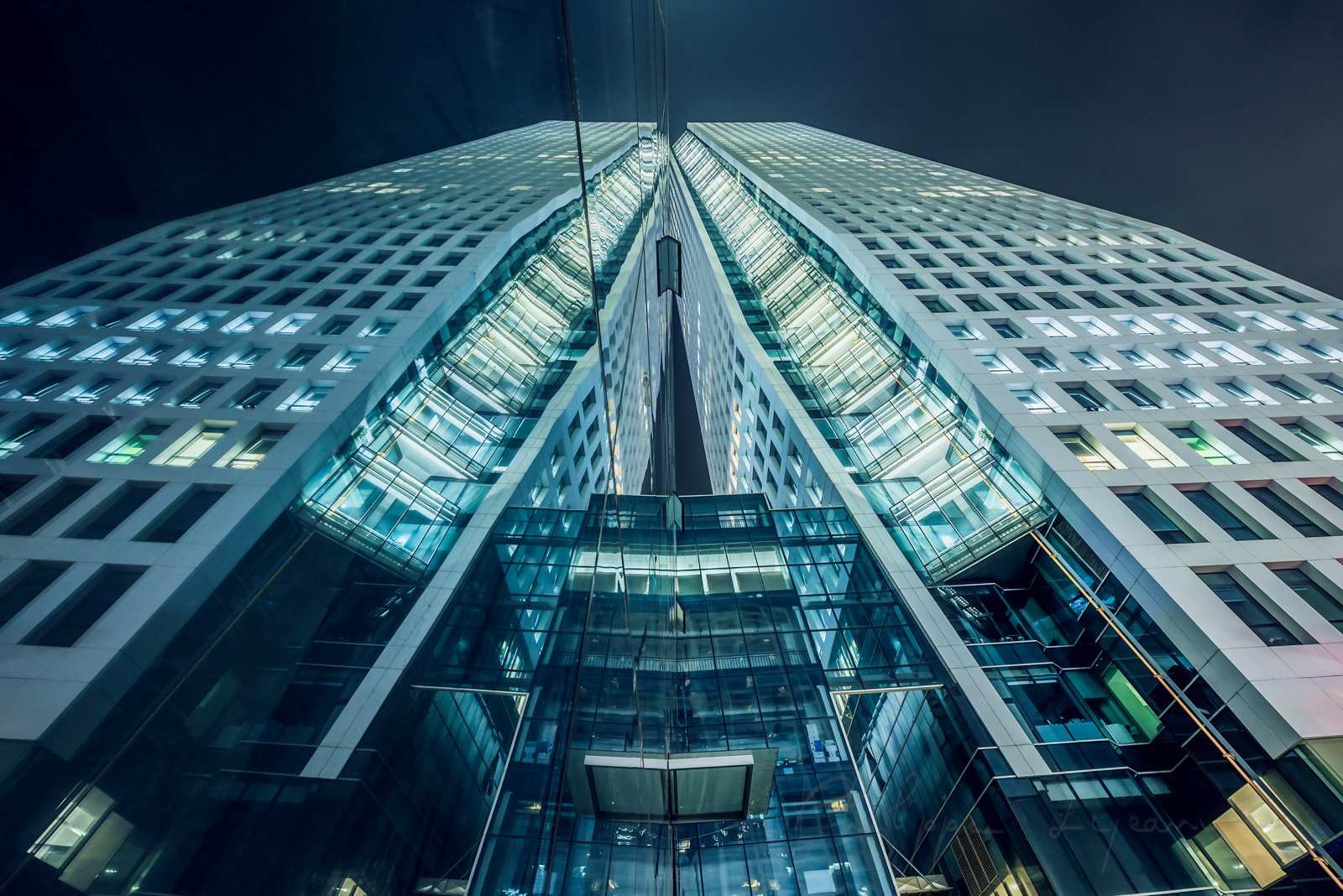
Modern skyscrapers illuminated at night reflecting on a glass facade low angle view in Chengdu, Sichuan province, China
More on my Website
License on Getty Images
© Philippe LEJEANVRE. All rights reserved.
| Getty Image | Website | Facebook | Twitter | Instagram |
Please do not use this photo without my explicit permission.
Ragusa (Italian: [raˈɡuːza] Sicilian: Rausa; Latin: Ragusia) is a city and comune in southern Italy.
visit my blog/website (german) --> www.fotografieloft.de
follow me on Facebook --> Facebook
follow me on Twitter --> @fotografieloft
Protestant Christian church and an international charitable organization.
Церковь Армии Спасения - протестантская методистская евангелическая церковь. Армия Спасения - известная благотворительная организация, оказывающая помощь нуждающимся и людям, попавшим в трудные ситуации, во многих странах мира. Рядом находится женский хостел, тоже принадлежащий этой организации.
Follow Me: Website • Facebook • Google+ • Twitter • Youtube
This kind of street scene plays out all over Southeast Asia. The tangle of electrical wires above ground, as different people tap into the grid both legally and illegally. In this case, things actually look pretty organized compared to some other cases.
You get that mix of cars, motorcycles, hand carts, auto rickshaws and people all jockeying for space on the road. Luckily, it's not as congested as it could be (*ahem*, India). The center of Siem Reap seemed almost like one long road of hotels and restaurants. Or at least, the touristic area was largely that.
Blogged: www.aisleseatplease.com/blog/2016/10/18/just-another-day-...
The iconic Shanghai Oriental Pearl Tower, a modern skyscraper in Shanghai, China. The tower is adorned with a spherical observation deck, which is brightly lit and visible from a distance. The spherical section is surrounded by a lattice-like structure, adding a geometric aesthetic to the design.
Follow Me: Website • Facebook • Google+ • Twitter • Youtube
What a difference crossing the tracks make. On one side, the chaotic and bustling Mumbai, filled with a mix of stores and street side sellers. As soon as you take the pedestrian bridge over the train tracks at Mahim Station, this is the view that greets you.
It's still chaotic and filled with activity, but there's a real sense of poverty here. Buildings are in disrepair, and sanitation has dropped off a cliff in comparison to the other side of the tracks. The struggle to climb out of poverty looks 100x more challenging here than elsewhere.
Want to know more and how to visit? Read on: www.aisleseatplease.com/blog/first-glimpse-of-dharavi