View allAll Photos Tagged Activator
AMS_09 [10 points]
After a successful second re-activation of this classic 1999 model space invader in Amsterdam the billboard was removed as well and for the first time this one came more visible and in full sunlight which was not possible before.
All my views of AMS_09:
AMS_09 (The original, February 2005)
AMS_09 (Close-up, re-activation 1, November 2016)
AMS_09 (Wide shot, re-activation 1, November 2016)
AMS_09 (Close-up, re-activation 2, July 2019)
AMS_09 (Wide shot, re-activation 2, July 2019)
Year of invasion: 1999
DELETED since November or December 2005 by the City of Amsterdam.
RE-ACTIVATED 19/11/2016
DELETED Seen in May 2017
RE-ACTIVATED 2018
PA_127 [30 points]
Try to spot the outlined "camo" space invader. Located on the Les Colonnes de la Barrière du Trône.
Onscreen FlashInvaders message: WELL PLAYED
All my photos of PA_127:
PA_127 (Close-up, Re-Activated, July 2020)
PA_127 (Wide shot 1, Re-Activated, July 2020)
PA_127 (Wide shot 2, Re-Activated, July 2020)
Date of invasion: 29/11/1998
DELETED ages ago
RE-ACTIVATED May 2020
©AVucha 2014
On February 13th at 9:08am, Woodstock Fire/Rescue responded to an activated residential fire alarm at 8310 Castleberry Dr. No problem could be found at the residence.
Woodstock, Illinois
……………………………….
Locandina:
pad.mymovies.it/filmclub/2016/04/067/coverlg_home.jpg
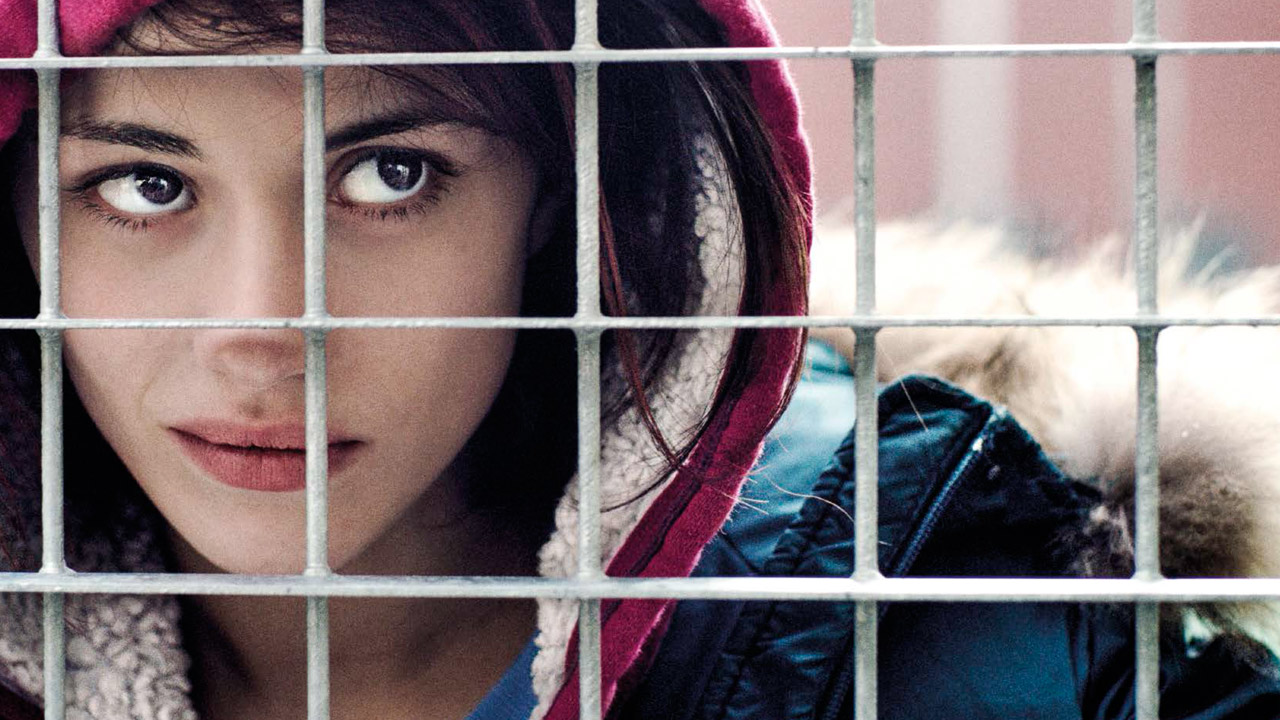
variety.com/wp-content/uploads/2016/05/fiore_06.jpg?w=100...

www.nonsolocinema.com/wp/wp-content/uploads/2016/05/MG_76...

amnc.it/wp-content/uploads/2023/11/perdialogocarcere_post...

www.italyformovies.com/film-serie-tv-games/detail/56/fiore
----------------------------------------------------------
click to activate the small icon of slideshow: the small triangle inscribed in the small rectangle, at the top right, in the photostream (it means the monitor);
or…. Press the “L” button to zoom in the image;
clicca sulla piccola icona per attivare lo slideshow: sulla facciata principale del photostream, in alto a destra c'è un piccolo rettangolo (rappresenta il monitor) con dentro un piccolo triangolo nero;
oppure…. premi il tasto “L” per ingrandire l'immagine;
www.worldphoto.org/sony-world-photography-awards/winners-...
www.fotografidigitali.it/gallery/2726/opere-italiane-segn...
………………………………………………………………………
The municipality of Mongiuffi Melia (ME), not far from Taormina, is made up of two villages, Mongiuffi and Melia, separated by a valley, a bridge joins them, they climb up the opposite ridge of two mountains, looking at each other; in this municipality (defined as a "scattered municipality" for not having a single inhabited center), there are two patron saints, San Sebastian for Melia (his float was built with the money collected by Sicilian soldiers sent to the front, to fight in Greece during the Second World War, hoping in this way to receive His intercession to save their lives), and San Leonard di Noblac (or Abbot) for Mongiuffi; but in this municipality there is also the cult of the "Virgin Mary of the Chain", whose sanctuary attracts pilgrims from everywhere. I have made this description to introduce a singular coincidence that not everyone is aware of, and to do this it is necessary to describe the figure of Saint Leonard (a kind of Saint Francis), and that of the Virgin Mary of the Chain, trying to be concise. Saint Leonard was born in Orléans around 496 (and died in Noblac, on November 6 – the feast day – of 545 or 559), and for most of his life (very interesting) he lived as a hermit; one episode of his life in particular I would like to recall, he received from Clovis, king of the Franks, the privilege of being able to free those prisoners, who he believed had been unjustly imprisoned, so from that moment on, he incessantly committed himself to giving freedom to all those prisoners who were reduced to visibly critical conditions. Let us leave this Saint for a moment, the cult of the “Virgin Mary of the Chain”, this name given to the Blessed Virgin, derives from a prodigious event that occurred in Palermo in 1392, known as the “miracle of the chains”. In short, in August 1392 in Palermo, three men for a glaring miscarriage of justice, were sentenced to death by hanging, shortly before going up to the gallows a violent storm broke out, which forced the three unfortunates and the gendarmes to take refuge in the nearby church of Saint Mary of the Port, close to the sea, also called "Churc of the Chain" due to the presence of a chain that, when positioned, prevented the Saracen pirate ships from accessing the inside of the port; in this holy place, the three condemned, were tied with double chains, in the meantime the door of the church was barred, in fact the storm did not seem to stop and in addition night had come, clearly the execution was now postponed to the next day. The three desperate men, in chains, under the gaze of the gendarmes, approached the painting of the Madonna in tears, imploring her to intercede for them, a voice was heard coming from the painting, which reassured them of their new freedom, this while the chains broke, and the door of the little church was thrown open. From then on, the cult of the Virgin Mary of the Chain spread from Palermo throughout Sicily, and even beyond. Now let's get to the coincidences I mentioned before, both Saint Leonard and the Virgin Mary of the Chain (and also Her Child that She holds in Her arms) carry a long chain in their hands, in fact both the Saint and the Blessed Virgin have given freedom to prisoners, furthermore to access Mongiuffi Melia, coming from Letojanni, you have to pass through a tunnel, called "Gallery of Postoleone" dug in the rock in 1916, with bare hands or with pickaxe blows, as explosives could not be used, by 300 Austrian prisoners, during the First World War (and also on this occasion, in Mongiuffi Melia, there are prisoners forced to do forced labor). Finally, a curiosity, very often from the cult of the Virgin Mary of the Chain, comes a singular name, very common in these parts, both in the masculine with the name of "Cateno" and in the feminine "Catena" (to quote a well-known character, the writer Catena Fiorello). Furthermore, if it rains, whatever the religious procession-feast, with the float carried on the shoulders, the float with the saint does not come out, but if the rain arrives during the event, then the event becomes a source of strong psycho-physical stress for the devotee-bearers (not for the devotee-pullers or devotee-pushers...), as the ground made slippery by the rain (or perhaps, worse, by the presence of mud mixed with water) makes the route risky due to the possibility that one, or more, bearers, could slip, with the possible overturning of the float, and easily imaginable consequences.
The photographic story that I present here was created by assembling photographs taken on November 6, 2022, November 6 and 10 of this year 2024; the heart of the celebration-procession is when the priest hangs a large “cuddurra” (donut) on the hand of Sint Leonard, on that occasion small “cuddure” (donuts) are offered to the population (prepared by hand in the days preceding the procession); there are girls wearing a typical monk's habit-like dress, adorning their head with a veil, they belong to the congregation of the "daughters of Mary" (third order Carmelite); at the end of the procession, with the float that has returned to the church, we witness a rite that has the "affective" purpose of keeping it alive, it is done so as not to lose its memory, even if it has not lost its original meaning, what remains is now only a symbolic fact, it is the ritual of "weighing" (in some centers of Sicily, it has maintained its original meaning) a wooden board is placed "in balance" on one of the two beams that are used to carry the float with the Saint on the shoulders, at the two ends a child is placed on one side, and on the other side a sack with grain, filled until the weight of the grain reaches the weight of the child, and that grain will be given as a gift to the Saint, in reality the symbolic aspect of the procedure remains, and the donation is still made to the Saint, but in paper money.
Postscript: Our Lady of the Chain and Saint Leonard freed from chains, these as such, are not only physical, there are also psychic ones, and perhaps they are the worst….
……………………………..
Il comune di Mongiuffi Melia (ME), non molto distante da Taormina, è formato da due borghi, Mongiuffi e Melia, separati da una vallata, un ponte li congiunge, essi si inerpicano sul crinale opposto di due monti, guardandosi l’un l’altro; in questo comune (definito “comune sparso” per non avere un centro abitato unico), si hanno due santi patroni, San Sebastiano per Melia (la sua vara fu costruita con i soldi racimolati dai soldati Siciliani mandati al fronte, a combattere in Grecia durante la seconda guerra mondiale, sperando così facendo di ricevere la Sua intercessione per avere salva la vita), e San Leonardo di Noblac (o Abate) per Mongiuffi; ma in questo comune vi è anche il culto per la “Madonna della Catena”, il cui santuario attira pellegrini da ogni dove. Ho fatto questa descrizione, per introdurre una singolare coincidenza della quale non tutti sono a conoscenza, e per far questo è necessario descrivere la figura di San Leonardo (una specie di San Francesco), e quella della Madonna della Catena, cercando di essere sintetico. San Leonardo nasce ad Orléans nel 496 circa (e morto a Noblac, il 6 novembre – giorno della festa – del 545 o 559), per gran parte della sua vita (interessantissima) visse da eremita; un episodio della sua vita in particolare desidero ricordare, egli riceve da Clodoveo, re dei Franchi, il privilegio di poter rendere liberi quei prigionieri, che egli riteneva fossero stati incarcerati ingiustamente, egli così, da quel momento, si impegna incessantemente a dare la libertà a tutti quei prigionieri che erano ridotti in condizioni visibilmente critiche. Lasciamo per un attimo questo Santo, il culto della “Madonna della Catena”, questo nome dato alla Beata Vergine, deriva da un evento prodigioso avvenuto a Palermo nel 1392, conosciuto come “miracolo delle catene”. In breve, nell’agosto del 1392 a Palermo, tre uomini per un eclatante errore giudiziario, furono condannati a morte per impiccagione, poco prima di salire sul patibolo si scatenò un violento temporale, che costrinse i tre malcapitati ed i gendarmi a riparare nella vicina chiesa di S. Maria del Porto, a ridosso del mare, detta anche “Chiesa della Catena” per la presenza di una catena che, quando posizionata, impediva alle navi pirata Saracene di accedere all’interno del porto; in questo luogo santo, i tre condannati, furono legati con doppie catene, nel mentre la porta della chiesa veniva sbarrata, infatti il temporale non accennava a smettere ed in più era subentrata la notte, chiaramente l’esecuzione era oramai rimandata al giorno dopo. I tre disperati, in catene, sotto lo sguardo dei gendarmi, si avvicinarono in lacrime al quadro della Madonna implorandola di intercedere per loro, dal quadro si udì provenire una voce, che li rassicurava sulla sopraggiunta libertà, questo mentre le catene si spezzavano, e la porta della chiesetta si spalancava. Da allora il culto per la Madonna della Catena si diffuse da Palermo in tutta la Sicilia, ed anche oltre. Veniamo adesso alle coincidenze di cui accennavo prima, sia San Leonardo che la Madonna della Catena (ed anche il suo Bimbo che regge in braccio) recano in mano una lunga catena, infatti sia San Leonardo che la Beata Vergine hanno dato la liberà a dei prigionieri, inoltre per accedere a Mongiuffi Melia, provenendo da Letojanni, si deve passare necessariamente da una galleria, chiamata “Galleria di Postoleone” scavata nel 1916 nella roccia, a mani nude o con colpi di piccone, in quanto non si poteva usare l’esplosivo, da parte di 300 prigionieri austriaci, durante la prima guerra mondiale (ed anche in questa occasione, a Mongiuffi Melia, si ha la presenza di prigionieri costretti ai lavori forzati). Infine una curiosità, molto spesso dal culto della Madonna della Catena, proviene un singolare nome, molto comune da queste parti, sia al maschile col nome di “Cateno” che al femminile, “Catena” (per citare un personaggio noto, la scrittrice Catena Fiorello). Inoltre, se piove, qualsiasi sia la processione-festa religiosa, con la vara portata in spalla, la vara col santo non esce, se invece la pioggia arriva durante la manifestazione, allora l’evento acquista per i devoti-portatori (non per i devoti-tiratori o devoti-spingitori…) un motivo di forte stress psico-fisico, in quanto il terreno reso scivoloso dalla pioggia (o magari, peggio, dalla presenza di fango misto ad acqua) rende rischioso il percorso per la possibilità che uno, o più portatori, possano scivolare, con il possibile ribaltamento della vara, e conseguenze facilmente immaginabili.
Il racconto fotografico che qui presento, è stato realizzato assemblando fotografie fatte il 6 novembre del 2022, il 6 ed il 10 novembre di quest’anno 2024; il fulcro della festa-processione è quando il sacerdote appende una grande cuddurra (ciambella) sulla mano di San Leonardo, in quella occasione piccole cuddure vengono offerte alla popolazione (preparate ed intrecciate a mano nei giorni precedenti la processione); sono presenti delle ragazze che indossano un tipico vestito “tipo saio di monaco”, adornando il capo con un velo, appartengono alla congregazione delle “figlie di Maria” (terz’ordine carmelitano); alla fine della processione, con la vara che ha fatto rientro in chiesa, si assiste ad un rito che ha lo scopo “affettivo” di tenerlo in vita, viene fatto per non disperderne la memoria, pur non avendo perso il suo significato originario, quel che resta è oramai solamente un fatto simbolico, è il rito della “pesatura” (in alcuni centri della Sicilia, esso ha mantenuto il suo significato originario) un asse di legno viene messo “in equilibrio” su di una delle due travi che servono a portare in spalla la vara col Santo, alle due estremità si pongono da un lato un bimbo/a, e dall’altro lato un sacco con del grano, riempito fino a quando il peso del grano raggiungerà il peso del bimbo/a, e quel grano verrà dato in dono al Santo, in realtà resta l’aspetto simbolico della procedura, la donazione viene ugualmente fatta al Santo, ma in cartamoneta.
P.S. La Madonna della Catena e San Leonardo liberavano dalle catene, queste in quanto tali, non sono solo fisiche, ci sono anche quelle psichiche, e forse sono le peggiori….
……………………………………………………………….
-----------------------------------------------------------------
---- .... .... ----
---- …. …. ----
-----------------------------------------------------------------
click to activate the icon of slideshow: the small triangle inscribed in the small rectangle, at the top right, in the photostream;
clicca sulla piccola icona per attivare lo slideshow: sulla facciata principale del photostream, in alto a destra c'è un piccolo rettangolo (rappresenta il monitor) con dentro un piccolo triangolo nero;
Qi Bo's photos on Flickr Hive Mind
www.worldphoto.org/sony-world-photography-awards/winners-...
www.fotografidigitali.it/gallery/2726/opere-italiane-segn...
-------------------------------------------------------------------
This is a report on the feast of St. Sebastian that was celebrated in the Sicilian town of Tortorici; the feast was held on January 20 of last year 2018. The devotees men go "naked" to the Holy as a sign of penance, they are dressed in white with a shirt and trousers, an handkerchief folded in a triangle shape on the pant and they walk barefoot; women, even they walk barefoot or wearing only white stockings, wearing white shirts and skirts, an handkerchief covering her head: all devotees, "naked" and not, accompany the saint in procession.
The religious rite is celebrated in the Church of St. Maria Assunta , with the participation of local authorities who continue an ancient tradition, and that is to deliver the keys of the city, as a sign of devotion to the Holy . At noon starts the procession through the streets of the City. The artistic "float" is carried only by the "naked" , this is a privilege but also a duty of penance . The first stage of the procession is in the River Calagni where devotees invoking the grace , this rite is the complex relationship of the city of Tortorici with the rivers: the rivers have always provided water for the food, for irrigation fields, but often the rivers have destroyed or damaged the territory, so... the Holy is invoked to ward off damage . After the stop in the River Calagni, the procession resumes through the streets of the town.
In Sicily, the oldest traces of the cult of San Sebastiano date back to 1347, when, on the occasion of the terrible epidemic of bubonic plague that hit all of Europe, the saint was proclaimed patron and protector of Palermo.
This epidemic spread a great devotion to St. Sebastian because the saint, tied to a column and hit by arrows, was considered the symbol of humanity pierced by the plague's arrows.
on 20 January 2018, in Tortorici, the celebrations in honor of San Sebastiano were performed in a sad and reduced form, as the whole community was close to the pain of Chiara's family, a very young girl of 20 who lost her life in a car accident, with the car crashing into the river bed that flows through Tortorici.
-------------------------------------------------------------------------
Questo è un racconto fotografico della festa di San Sebastiano celebrato nella città siciliana di Tortorici, festa che si è tenuta il 20 gennaio dekllo scorso anno 2018. I devoti vanno "nudi" al Santo come segno di penitenza, essere "nudi" si intende in questo caso, essere vestiti di bianco, gli uomini indossano una camicia, dei pantaloni con un fazzoletto piegato a triangolo che cinge la vita e camminano scalzi; anche le donne camminano a piedi nudi o indossano solo calze bianche, indossano camicie e gonne bianch ed un fazzoletto copre la testa: tutti i devoti, "nudi" e non, accompagnano il santo in processione.
Il rito religioso è celebrato nella Chiesa di S. Maria Assunta, con la partecipazione delle autorità locali che continuano un'antica tradizione, consegnare le chiavi della città al Santo, come segno di devozione. A mezzogiorno inizia la processione per le vie della città, la vara viene portata solo dagli uomini "nudi", questo è si un privilegio, ma anche un dovere di penitenza. La prima tappa della processione è nelle acque gelide del fiume Calagni, dove i devoti invocano la grazia, questo rito è il complesso rapporto che la città di Tortorici ha coi fiumi: i fiumi hanno da sempre fornito acqua per il cibo, per coltivare i campi, ma spesso i fiumi a Tortorici hanno anche distrutto o danneggiato il territorio, quindi ... il Santo viene così invocato per scongiurare danni. Dopo la sosta nel fiume Calagni, la processione riprende per le vie della città.
In Sicilia le tracce più antiche del culto di San Sebastiano riportano al 1347, quando, in occasione della terribile epidemia di peste bubbonica che colpì tutta l’Europa, il santo fu proclamato compatrono e protettore di Palermo.
Questa epidemia fece diffondere una grande devozione per San Sebastiano poiché il santo, legato a una colonna e colpito dalle frecce, veniva considerato il simbolo dell’umanità trafitta dagli strali della peste.
il 20 gennaio 2018, a Tortorici, i festeggiamenti in onore di San Sebastiano, sono stati eseguiti in forma mesta e ridotta, poichè tutta la comunità si è stretta attorno al dolore della famiglia di Chiara, una giovanissima ragazza di 20 anni che ha perso la vita in un incidente automobilistico, l'automobile sulla quale Chiara viaggiava è precipitata dentro l'alveo del Fiume Grande che attraversa Tortorici.
Leica M2
Leica Summicron 35mm f/2 IV "King of Bokeh"
Kodak Tri-X 400
Fomadon Excel 1+0
7 min 20°C
Scan from negative film
©AVucha 2014
On February 13th at 9:08am, Woodstock Fire/Rescue responded to an activated residential fire alarm at 8310 Castleberry Dr. No problem could be found at the residence.
Woodstock, Illinois
Place Denfert-Rochereau 20/06/2018 12h19
The square is named after Pierre Denfert-Rochereau, the French commander who organized the defense at the siege of Belfort during the Franco-Prussian War (1870–1871). It is dominated by the Lion of Belfort statue (a smaller version of the original in the town of Belfort) by Frédéric Bartholdi.
PA_075 [10 points]
A space invader on a very busy location. Never seen the original of this one but thanks to the splendid work of the Re-activation team this gradient space invader is back in the 14ème arrondissement in Paris. Visible, capturable and flashable. But mind the traffic here!
Onscreen FlashInvaders message: -
All my photos of PA_075:
PA_075 (Close-up, June 2018)
PA_075 (Wide shot 1, June 2018)
PA_075 (Wide shot 2, June 2018)
Date of invasion: 15/07/1998
DELETED -?-
RE-ACTIVATED June 2018
(for further information please go to the end of page and activate the corresponding link!)
TOPICS
The Vienna Opera Ball
Viennese Opera Ball
Just as already the operetta and the waltz had been imported from Paris to Vienna, comes also the model for the Vienna Opera Ball from the Seine metropolis. By a corresponding approval of Duke Philip of Orleans, on 2 January 1716 a "public ball" can be held for the first time, to which everyone has access who can pay the admission fee of five livres. First, the balls take place at the Comédie française, but already in 1717 was given the Académie de Musique, the Paris Opera House, the special right of the organization. Nevertheless, in the Comédie furthermore take place balls, with the audience far more popular than the 'opera balls'.
In 1861 the construction of an opera house begins at the Ringstrasse, on the explicit desire of Emperor Franz Joseph not solely intended for performances of operas and ballets, but also for the staging of the Opera Ball. With this, have been created both the spatial and the official conditions for a genuine Viennese Opera Ball according to Parisian model. It should, however, take another eight years before a dance event in the opera could be held for the first time after the completion of the house in 1869.
Initially, due to the increasing violence at the Paris balls but only Court Opera soirees take place. This includes elegant evening soirees with musical entertainment, but without dancing. On 11 December 1877 opened the court musical director Wilhelm Gericke the first Court Opera Soirée with the "Wedding March" by Felix Mendelssohn. After several concert pieces the baton is handed over to the Strauss family. First, Johann Strauss son conducts the Vienna Philharmonic with a waltz, followed by his brother Edward with a specially for this day composed "Opera Soirée Polka". After that, the dance-crazed Viennese are no longer stoppable: all chairs were put to the side, and the evening, which was thought without dance pleasure, ends like a ball. This is the hour of birth of the opera ball, even though for the time being still far away from being called so.
Already the second event on 15 January 1878 is announced officially as "Second Hofopernsoirée (Ball)". The third, for 12 February 1878 scheduled Soirée, is canceled for reasons of piety, since Pope Pius IX. a few days earlier had died. After the uncomplicated election of Leo XIII. to new head of the Church the ball is on 23 February rescheduled.
After these three opera soirees from March of the same year take place redoutes in the Court Opera, continuing the tradition of masked balls and linked with strict dress code: "in the hall, with the exception of the lodges, the ladies the stay is only permitted in an elegant mask, short costumes are not allowed. The gentlemen of civil appear in evening dress with white cravat, cylinder or Claquehut (opera hat - chapeau claque). "During the next twenty years during the carnival time each year should be organized two, in some seasons even three redoutes. However, at these festivals the Viennese society is not as boundless as once united in the common ball pleasure, because in the meantime the guests are spread across three different levels, not only differing in space but also in the appearance of guests from each other. Are the boxes the aristocratic guests in elaborate ball gowns reserved, so gather in the stalls the bourgeois guests, for which there is no mask constraint. In addition, there are the galleries that are accessible to every viewer without special admission ticket.
1899 the popular balls for the time being come to an abrupt end, as is discovered that the opera for such festivals does not comply with the safety regulations. Since an appropriate conversion proves to be too costly, the redoutes are discontinued for an unforeseen period of time. A certain compensation for those festivals offers in the following years the in the new town hall held "Ball der Stadt Wien".
Only in 1921, the tradition of the redoutes in the Court Opera has been resumed, but without being able to follow on the success of previous years. After several breaks followed in 1924, 1928 and 1929 again opera redoutes, neither musically nor stylistically corresponding with the level of the defunct imperial monarchy-time and they are not characterized by the former wit, charm and temperament. The twenties are not only politically, but also culturally a very different time in which with the progressive emancipation of women the meaning of a redoute became obsolete.
And so 1935 is launched the first as such referred to Opera Ball. In a time of political uncertainty, it complied in addition to social also with diplomatic and official representative purposes. Therefore, it takes no wonder that the guest list has many personalities from politics. The last opera ball before the outbreak of the Second World War should be organized in 1939, when Austria was already 'connected' by Adolf Hitler to the German Reich. Therefore respectively stiff and artificial resulted according to that this night on which no happiness will raise, previously the rule.
Image
Reopening of the Vienna State Opera, 1955
© wissenmedia
Shortly before the end of World War II, the Vienna Opera House on 12 March 1945 almost completely was destroyed by a bomb. It should take ten years until the house was rebuilt and with Ludwig van Beethoven's opera "Fidelio" at the 5th November 1955 ceremoniously could be opened. In the following carnival season with this also the first opera ball of the post-war period can be celebrated, but which has changed its face much: "Actually, the Opera Ball is not a Viennese event anymore, but already a pan-European one. A ball night for which the world envies us".
This new image has remained to this day, with the only difference that the Opera Ball is now no longer considered only as a pan-European, but as an international event. A highlight of the evening is the annual opening of the ball by about 180 debutantes who on the arm of the to them for this evening assigned Cavaliers in a Polonaise move in. After the Vienna Philharmonic for many years had taken over the musical interpretation of the evening, there is since 1982 a Vienna Opera Ball Orchestra grounded specifically for this purpose. In addition, since 1984, there is also a Viennese Opera Ball Ladies Ensemble, made up of 15 musicians and beyond the ball unfolding a very busy concert schedule.
Today on the Opera Ball there is not exclusively danced just waltz anymore. Up to ten orchestras or soloists play at the same time in different places of the house, and as a concession to modern times there is since some years even a nightclub. And yet, the waltz enjoys as the king of dances to this day unbroken popularity, without which for many no Viennese Opera Ball is thinkable. Another innovation is also the since 1981 in the Schwind Foyer installed Viennese Opera Ball Casino, which is a special attraction especially for the younger guests. Collectors will also appreciate the annually by the casino issued special Opera Ball chips.
How to become a debutante?
Proposals are now mostly send in by the dance schools of the country. The first condition is the perfect mastery of the links waltz, which is checked at a Vortanztermin (dance audition date - don't worry, the Lipizzans are doing the same!). Has the potential debutante overcome this hurdle with flying colors, it is about to find a suitable partner for the big night. The criteria for this choice are less situated in personal relationships than in pure dance qualities. After finally the couples have found each other, for five days under the expert guidance of several ballet master not only the links waltz, but also the choreography of the marching in is practiced until everything is perfectly rehearsed. The question of clothes is strictly regulated for the couples: the ladies in white dresses with a little crown on the head and the gentlemen in evening dress. To underline the internationality of the ball, every year also Debütantinnen and Debütanten from around the world are invited.
Guests
Artists from the world of the theater and the music, film and television can be found on the Vienna Opera Ball as well as well-known athletes and fashion designers. Diplomats and politicians from home and abroad appreciate the special atmosphere, and every now and then you meet also members of the European nobility. The Opera Ball today is no longer just a lavish celebration in which together a whole evening and a full night is celebrated, but increasingly also a social forum that connects professional and political contacts in a pleasant way with a social event.
Scandals
In recent decades, the Vienna Opera Ball, however, has not only found unanimous support, but has been increasingly criticized. In the 80s made fights between angry citizens that characterized the event as a "festival of the political and monetary bigwigs" and the police the headlines. Unforgettable is also the demonstration against the reprocessing plant Wackersdorf when in 1987 the Bavarian Prime Minister Franz-Josef Strauss participated in the Opera Ball. In addition, now almost every year during the opera ball take place demonstrations against these seemingly senseless waste of funds in the face of hardship and misery, hunger and wars, social and health problems in the world.
Nevertheless, the Opera Ball has lost none of its fascination and all over the world - from Bangkok via Kuala Lumpur and Korea to Tokyo, Singapore, Seoul and Dubai, Ankara, Istanbul, Kiev, Prague and Budapest to Rome, New York, Los Angeles and Washington - it found imitation, without being able to ever really come close to the Viennese model. Even if the question of the contemporaneity of the Vienna Opera Ball ever and again was controversially discussed, at the latest in 2005 has been shown that even this traditional event cannot stop short before general social changes: for the first time a smoking ban for the Opera Ball was pronounced.
www.wissen.de/thema/der-wiener-opernball?chunk=wiener-ope...
-----------------------------------------------------------------
---- .... .... ----
---- …. …. ----
-----------------------------------------------------------------
click to activate the icon of slideshow: the small triangle inscribed in the small rectangle, at the top right, in the photostream;
clicca sulla piccola icona per attivare lo slideshow: sulla facciata principale del photostream, in alto a destra c'è un piccolo rettangolo (rappresenta il monitor) con dentro un piccolo triangolo nero;
Qi Bo's photos on Flickr Hive Mind
www.worldphoto.org/sony-world-photography-awards/winners-...
www.fotografidigitali.it/gallery/2726/opere-italiane-segn...
-------------------------------------------------------------------
………………………………………………
In the town of San Marco d'Alunzio ( Sicily) every year there is a very particular sacred procession in honor of the Holy Crucifix of Araceli, which takes place on the last Friday of the month of March; the processione is also so-called "procession of babbaluti ": the babbaluti are those who by vote or by grace received, have decided to carry the float with the Crucifix in procession; they head to the nearby Church of “Santa Maria dei Poveri” or to some private dwelling nearby where, sheltered from the curiosity of the faithful, they wear a simple but characteristic indigo-colored costume, consisting of a tunic and a conical-shaped hood to cover the entire body and leaving only the eyes and the hands free, it is not uncommon, however, that among the penitents, made anonymous by the costume they wear, there are also women, who wear a pair of gloves to avoid any possibility of recognition. The babbalutes are 33 in number to recall the 33 years of Christ The "babbaluti" carry on their shoulders the float with the Holy Crucifix of Araceli's church (the statue was created by Scipione Li Volsi, in the year 1652), and with the painting of Our Lady of Sorrows, that appears pierced by seven swords (a painting of the eighteenth century); babbaluti before to start of the procession ( in bare feet, wearing only the heavy wool socks , hand-made; the women are hooded too, and to avoid revealing their presence feminine, also wear gloves wool) , they have to travel a journey of purification: when they arrived near the ancient church of Araceli they kiss the ground, and immediately allowed to enter to the church, but through a side door, called " false door " , just so they can access the float, outside the front door of the church of Araceli, then they wait for the priest to finish his sermon, and so begin the procession through the streets of the picturesque and friendly village of San Marco d'Alunzio .
…………………………………………
Nella città di San Marco d'Alunzio (località sita sui monti Nebrodi, Sicilia) si tiene una particolarissima sacra processione, che si svolge in onore del Santissimo Crocifisso dell’Araceli; essa viene realizzata l'ultimo Venerdì del mese di marzo, ricorrenza conosciuta anche come "processione dei babbaluti": i babbaluti sono coloro che per voto o per grazia ricevuta, hanno deciso di portare in processione il fercolo con il Crocifisso; essi si dirigono nella vicina Chiesa di Santa Maria dei Poveri o in qualche abitazione privata lì vicino dove, al riparo dalla curiosità dei fedeli, indossano un semplice ma caratteristico costume di colore indaco, costituito da una tunica e un cappuccio di forma conica tale da coprire l'intero corpo e lasciare liberi solo gli occhi e le mani, non è raro purtuttavia che tra i penitenti, resi anonimi dal costume che indossano, vi siano anche delle donne, le quali per evitare qualsiasi possibilità di riconoscimento, indossino un paio di guanti; i babbaluti sono in numero di 33 per rievocare i 33 anni di Cristo. I 33 "babbaluti" portano sulle loro spalle la vara che reca il Santo Crocifisso della chiesa dell’Araceli (la statua è stato creato da Scipione Li Volsi, nell'anno 1652), ai cui piedi viene assicurato il quadro della Madonna Addolorata, che appare trafitta da sette spade ( un dipinto del XVIII secolo). I babbaluti prima dell'inizio della processione avanzano a piedi scalzi, indossando solo delle pesanti calze di lana fatte a mano, (le donne per evitare di rivelare la loro presenza femminile, indossano a volte anche dei guanti di lana), devono percorrere, prima di accedere in chiesa, un cammino di purificazione: quando essi giungono in prossimità dell'antica chiesa dell'Araceli, essi si chinano e baciano in terra, ricevendo così il permesso per poter accedere in chiesa, ma questo può avvenire solo da una porta laterale, chiamata "falsa porta"; una volta entrati in chiesa ne fuoriescono dall'ingresso principale, potendo così prendere posto, inginocchiati sul davanti ed alle spalle della vara; seguirà quindi l'atteso discorso del sacerdote, al cui completamento potrà iniziare la processione che si svolge per le vie del pittoresco e accogliente paese di San Marco d'Alunzio. Lungo il percorso i Babbaluti cadenzano la propria andatura accompagnandosi ad una mesta e lamentosa giugualtoria che invoca il Signore "Signuri...misiricooooordia, pietà"; infine molti devoti procedono assieme ai babbaluti sotto la vara, toccandola, accarezzandola, ora aggrappandovisi...pur di avere un contatto fisico ma anche spirituale con essa. Infine, dopo aver compiuto un preciso percorso, la processione fa rientro nell'antica chiesa (di origini Normanne) dell'Aracoeli.
---------------------------------------------------------------------------
---- .... -----
---- .... -----
-----------------------------------------------------------------
click to activate the icon of slideshow: the small triangle inscribed in the small rectangle, at the top right, in the photostream;
clicca sulla piccola icona per attivare lo slideshow: sulla facciata principale del photostream, in alto a destra c'è un piccolo rettangolo (rappresenta il monitor) con dentro un piccolo triangolo nero;
www.worldphoto.org/sony-world-photography-awards/winners-...
www.fotografidigitali.it/gallery/2726/opere-italiane-segn...
-------------------------------------------------------------------
We live in strange times, we are already talking about phase 3 in Italy, in other parts of the world the covid-19 emergency continues to inexorably wipe out very high numbers of victims, in China itself, the emergency seemed to be behind them now, it comes back currently the fear of new outbreaks of the pandemic.
In our house, in Italy, to give an example of recent news, we witness the happiness of the Neapolitan fans on the streets of Naples crowded with the fans who took to the streets to celebrate the victory over Juventus in the Italian Cup final: unfortunately they forgetting the most elementary prudence rules, such as wearing a protective mask (protecting oneself and others at the same time), and respecting social distancing (perhaps better to say, personal distancing, also in this case protecting oneself but also others). From June 15 (until July 14) "phase three" has started, a phase that involves a series of reopenings, and greater freedom to travel abroad, albeit with a series of prohibitions and limitations, such as wearing the mask in closed places, the ban on gathering in public places, and the obligation of social distancing of at least one meter, even if there are differences between the different regions.
The photos I present here to the Flickr audience are recent, taken from the beginning of June this year, as a theme the rediscovery of the freedom and joy of life of those who have long loved to bathe in the beautiful waters of eastern Sicily , fulcrum Taormina and surroundings. Part of the images are "blurred", they were deliberately made during the shooting phase, using a longer exposure time, not using post-production techniques .
Viviamo tempi strani, da noi in Italia già si parla di fase 3, in altre parti del mondo l’emergenza covid-19 continua a falcidiare inesorabilmente numeri altissimi di vittime, nella stessa Cina, l’emergenza sembrava essere oramai alle spalle, si ripresenta attualmente il timore di nuove recrudescenze della pandemia.
In casa nostra, in Italia, per fare un esempio di cronaca recente, assistiamo alla felicità dei tifosi napoletani per le strade di Napoli affollate con i tifosi scesi in piazza per festeggiare la vittoria sulla Juventus nella finale di Coppa Italia: purtroppo dimenticando le più elementari norme di prudenza, come l’indossare la mascherina protettiva (proteggendo se stessi e contemporaneamente gli altri), ed il rispettare il distanziamento sociale (forse meglio dire, il distanziamento personale, anche in questo caso proteggendo se stessi ma anche gli altri). Dal 15 giugno (fino al 14 luglio) ha preso il via la “fase tre”, fase che comporta una serie di riaperture, ed una maggiore libertà di viaggi all’estero, seppur con una serie di divieti e limitazioni, come l’indossare la mascherina nei luoghi chiusi, il divieto di assembramento nei luoghi pubblici, e l’obbligo di distanziamento sociale di almeno un metro, anche se vi sono differenze tra le diverse regioni.
Le foto che qui presento alla visione del pubblico di Flickr sono recenti, realizzate dall’inizio del mese di giugno di quest’anno, come tema la riscoperta libertà e gioia di vivere di coloro che già da tempo amano bagnarsi nelle splendide acque della Sicilia orientale, fulcro Taormina e dintorni. Parte delle immagini sono “mosse-sfuocate-confuse”, esse sono state realizzate volutamente in fase di scatto (il termine generico “blurred” le racchiude tutte), ricorrendo ad un tempo di esposizione più lungo, non ricorrendo a tecniche di post-produzione.
-----------------------------------------------------------------
---- .... .... ----
---- …. …. ----
-----------------------------------------------------------------
click to activate the icon of slideshow: the small triangle inscribed in the small rectangle, at the top right, in the photostream;
clicca sulla piccola icona per attivare lo slideshow: sulla facciata principale del photostream, in alto a destra c'è un piccolo rettangolo (rappresenta il monitor) con dentro un piccolo triangolo nero;
Qi Bo's photos on Flickr Hive Mind
www.worldphoto.org/sony-world-photography-awards/winners-...
www.fotografidigitali.it/gallery/2726/opere-italiane-segn...
-------------------------------------------------------------------
The Holy Thursday procession of Marsala (Trapani - Sicily) is a "living" representation of the passion and death of Jesus Christ; is one of the oldest processions in Italy, dating back to the first half of the seventeenth century, whose organization is given by the Sant'Anna brotherhood, a procession made up of several groups of figures, with each group representing one of the phases of the Way of the cross of Christ: various "living pictures" come to life, unlike Trapani and Erice, where the living pictures of the past have then taken the place of "statues" placed on floats, made by skilled local artisans. Until the early 1900s the various characters paraded in procession in absolute silence, only later the dialogues were added, creating a veritable theatrical representation of the Gospel story of the Via Crucis. The characters wear clothes of Judaic-Roman inspiration, we are witnessing the presence of more Jesus, three are wearing masks with his suffering face, the fourth Jesus is the only one to represent Christ with his normal face, (the presence of the masks of the face of Christ is justified by giving uniformity to the figures that represent him in procession). The procession starts in the very early afternoon from the church of Sant'Anna, with the various figurants starting to parade, the first figure is that of a hooded man holding a cross, very characteristic is the presence of "Veronics", they are girls who wear very colorful dresses, adorned with jewels, with a characteristic headdress which is also rich in gold, jewels, sometimes in the form of an ex-voto (the Veronics are helped to dress and make up in the welcoming and refined "B&B Via col vento"); there is the statue of the Dead Christ and his mother Sorrowful Virgin Mary, with a heart pierced by a dagger (iconography of Spanish derivation), statues that close the long procession, statues that will be again in procession the next day, for the Good Friday procession. Attending this procession so felt by the participants and the present population, is a truly unique experience, it can happen to feel so involved in the most dramatic moments of this sacred representation, that nothing strange if since when you find yourself surrounded by the many elements that bring you back more than two thousand years ago, it is easy to get lost in this particular "time machine".
Marsala, Holy Representation of Holy Thursday, 2019.
Ezio Famà.
La processione del Giovedì Santo di Marsala (Trapani - Sicilia) è una rappresentazione “vivente” della passione e morte di Gesù Cristo; è una delle processioni più antiche d’Italia, risalente alla prima metà del XVII secolo, la cui organizzazione è data dalla confraternita di Sant’Anna, processione costituita da più gruppi di figuranti, con ogni gruppo che rappresenta una delle fasi della Via Cruci del Cristo: prendono così vita vari “quadri viventi”, a differenza di Trapani ed Erice, ove ai quadri viventi di una volta hanno preso poi posto dei “quadri statuari” posti su vare (fercoli), realizzati da abili artigiani locali. Fino ai primi anni del ‘900 i vari personaggi sfilavano in processione in assoluto silenzio, solo successivamente si aggiunsero i dialoghi, realizzandosi una vera e propria rappresentazione teatrale del racconto evangelico della Via Crucis. I personaggi indossano abiti di ispirazione giudaico-romana, si assiste alla presenza di più Gesù, tre indossano delle maschere col suo volto sofferente, il quarto Gesù è l’unico a rappresentare il Cristo a viso scoperto, (la presenza delle maschere del volto di Cristo è giustificata dal dare uniformità alle figure che lo rappresentano in processione). La processione prende avvio nel primissimo pomeriggio dalla chiesa di Sant’Anna, con i vari figuranti che iniziano a sfilare, la prima figura è quella di un incappucciato che regge una croce, appaiono delle figure molte caratteristiche dette “veronichette”, sono ragazze che indossano abiti molto colorati, adornati di gioielli, con un caratteristico copricapo detto “coppoletta” anch’esso ricco di ori, gioielli, a volte in forma di ex-voto (aiutate a vestirsi e truccarsi nell’accogliente e raffinato “B&B Via col vento”) ; è presente la statua del Cristo Morto e di sua madre Maria Addolorata, col cuore trafitto da un pugnale (iconografia di derivazione spagnola), statue che chiudono il lungo corteo, statue che saranno nuovamente in processione il giorno dopo, per la processione del venerdì Santo. Assistere a questa processione così sentita da parte dei figuranti e della popolazione presente, è una esperienza davvero unica, può capitare di sentirsi così coinvolti dai momenti più drammatici di questa sacra rappresentazione, nulla di strano se ci si trova a provare una qualche forma di disorientamento spazio-temporale, poiché quando ci si trova circondati dai tanti elementi che riportano indietro a più di duemila anni fa, è facile perdersi in questa particolarissima “macchina del tempo”.
Marsala, Sacra Rappresentazione del Giovedì Santo, 2019.
Ezio Famà.
A drug approved to treat a severe form of asthma dramatically improved the health of people with rare chronic immune disorders called hypereosinophilic syndromes (HES) in whom other treatments were ineffective or intolerable. This finding comes from a small clinical trial led by scientists at the National Institute of Allergy and Infectious Diseases (NIAID), part of the National Institutes of Health, and conducted through a partnership with the global biopharmaceutical company AstraZeneca. The results were published online on April 3, 2019 in the New England Journal of Medicine.
In this image: Activated eosinophils in the peripheral blood of a patient with idiopathic hypereosinophilic syndrome.
Read more: www.nih.gov/news-events/news-releases/fda-approved-drug-e...
Credit: National Institute of Allergy and Infectious Diseases/NIH
Activating two MAFFS-equipped C-130 aircraft from the @146AirliftWing
of the California Air National Guard. Aircraft available for wildfire support from McClellan Airbase in Sacramento beginning July 23. This is the 1st MAFFS activation since July of 2018. Photo by USFS.
-----------------------------------------------------------------
---- .... .... ----
---- …. …. ----
-----------------------------------------------------------------
click to activate the icon of slideshow: the small triangle inscribed in the small rectangle, at the top right, in the photostream;
clicca sulla piccola icona per attivare lo slideshow: sulla facciata principale del photostream, in alto a destra c'è un piccolo rettangolo (rappresenta il monitor) con dentro un piccolo triangolo nero;
Qi Bo's photos on Flickr Hive Mind
www.worldphoto.org/sony-world-photography-awards/winners-...
www.fotografidigitali.it/gallery/2726/opere-italiane-segn...
-------------------------------------------------------------------
this is a story I made this year 2019, about the feast of San Biagio, which is celebrated in February, in the city of Motta Camastra (Sicily). San Biagio was a bishop and martyr, always close to the humble; it is said that in life he managed to save a child from certain death by suffocation because of a thorn that was stuck in his throat, and that is why the Saint is invoked as a protector of the throat.
Many years ago the vara del Santo was carried on the shoulders of the devotees, necessarily young and strong adults, because of its weight, afterwards, unfortunately, due to the emigration of the young people of this country, in the city remained mainly the elderly and children, so much that the heavy Saint, currently "travels on tires", ie the float is placed on a structure equipped with wheels with its steering wheel, so it is driven by the ropes pulled by boys and girls very young, while from behind it is pushed by adults. The float is carried in procession along the streets of the small town, but there are opportunities to run it downhill; the procession ends in the town square, where the Saint is made to run pushing from behind, but also backward pushing it from the front (they all push it: now the children, now the women, now the adults), in memory of the martyrdom of the Saint: it is said that when he was beheaded, his head began to rolling incessantly. In the evening, finally, the procession resumes, this time more quiet, through the streets of the village, and then finally return to church. In addition to the celebration of the Holy Mass in his honor, the feast includes the lively-calm procession, also several stops, during which they are offered characteristic sweets, cakes, drinks and liqueurs.
………………………………………………………………..
Questo è un racconto, che ho fatto quest'anno 2019, sulla festa di San Biagio che si celebra in febbraio, nella città di Motta Camastra (Sicilia). San Biagio era un vescovo e martire, sempre vicino agli umili; si narra che nella vita sia riuscito a salvare un bambino da morte certa per soffocamento a causa di una spina che gli si era conficcata in gola, ed è per questo che il Santo viene invocato come protettore della gola. Molti anni addietro la vara del Santo veniva portata in spalla dai devoti, necessariamente giovani adulti e forti, a causa del suo peso, successivamente, purtroppo, per via della pesante emigrazione dei giovani di questo paese, nella città sono rimasti prevalentemente gli anziani ed i giovanissimi, molti sono bambini, tanto che il pesante Santo, attualmente "viaggia su gomme", ovverossia la vara viene posta su di una struttura fornita di ruote col suo volante, la vara così viene trainata da corde tirate dai ragazzi e ragazze molto giovani, mentre da dietro viene spinta dagli adulti. La vara viene portata in processione lungo le vie del piccolo paese, ma non mancano le occasioni per farla correre in discesa, processione infine che si conclude nella piazza del paese, ove il Santo viene fatto correre spingendolo da dietro, ma anche a ritroso spingendolo dal davanti (tutti vogliono partecipare a questa corsa col Santo: ora i bambini, ora le donne, ora gli adulti), a ricordo del martirio del Santo: si narra che quando fu decapitato, la sua testa si mise a rotolare incessantemente. La sera, infine, riprende la processione, questa volta più tranquilla, per le vie del paese, per poi rientrare definitivamente in chiesa. La festa prevede oltre alla celebrazione della Santa messa in suo onore, la processione movimentata-tranquilla, anche diverse soste, durante le quali vengono offerti dolci caratteristici, torte, bevande e liquori.
John Hattie suggests that teachers are not the guides on the side, nor the facilitators. Rather we are more purposeful, more active. We are the activators.
©AVucha 2014
On February 13th at 9:08am, Woodstock Fire/Rescue responded to an activated residential fire alarm at 8310 Castleberry Dr. No problem could be found at the residence.
Woodstock, Illinois
Page 40 of the December 1959 Glamorgirl Photography magazine.
What Makes The Pie Shops Tick? | In The Heart of Downtown | Twitter | Tumblr | Facebook | E-Mail |
Next Stop :Amalfi Coast
[ꜱᴘᴏɴꜱᴏʀᴇᴅ ᴀᴅ]
.
↳ Ft. Thee Tiffany set Megapack c/o @brior.sl
📍maps.secondlife.com/secondlife/TSA/133/135/3501
.
↳ Ft. Thee Aqua Blossom Set c/o @shop1990.sl
📍maps.secondlife.com/secondlife/Redwood/150/106/24
.
#secondlifestyle #secondlifetravelblogging #secondlifefashion #secondlife #sl
Museu Blau, Museu de Ciències Naturals de Barcelona, Spain
Architects: Herzog & de Meuron, project 2009-2010, realization 2010-2012
Relocating the Museum of Natural Sciences into the Forum Barcelona building signals the beginning of a new life cycle for both institutions: one where each mutually benefits from the space, program and potential of the other. With its large exterior and interior spaces and its reference to natural processes and shapes, the architecture of the Forum is a particularly appropriate new home for the relocated Museum. And the Museum of Natural Science promises to energetically revitalise the existing building, replacing vacant space with intense new public activities.
The open public space that marks the approach from the Diagonal and extends under the triangular body of the building is now diversified and activated, engaging with the life of the city. The corner addressing the city centre retains its function as the main public approach. This is enhanced by the three existing pavilions which are reconfigured to provide meeting places for groups and general information along the approach to the museum entrance. The second corner, further along the Diagonal is enlivened with lush external planting and the basin under the water patio. And finally, the corner addressing the sea is activated by a new exterior dining area for students and groups, adjacent to a bar which opens onto the plaza. The interior of the elevated triangular building, which is like a vast interior landscape, structured by patios, creates a specific space well suited to an exhibition of Natural science and to the Museum’s demand for growth and need to display more of its outstanding collection.
Architecture and Museography
The core of the Museum is its permanent exhibition. This consists of an outstanding collection of rocks and minerals, taxidermy, microbes, plants and herbariums, meteorites, scientific drawings, diagrams, fossils and skeletons, sounds and dioramas, gathered together over centuries in Barcelona. The exhibition consists of elements from the permanent collection structured around the concept of Gaia – the idea of a living planet which forms and is, in turn, transformed by life.
This exhibition arrangement follows the logic of the existing space and at the same time radically transforms it. It frees the visitor to explore any number of individual routes while still ensuring an overall logical sequence. It also extends into the museum lobby, where the main stair and the dramatically hung whale skeleton forms the central arrival and departure point for all public programs, including shop, restaurant, media library, classrooms, event spaces and temporary exhibition, as well as administration and support areas. The lobby extends down to the plaza connecting to the large covered public space of the Museu Blau, allowing for the visitor to invigorate the rapidly developing area where the Diagonal reaches the sea.
KLN_20 [10 points]
A nice example of a re-activated space invader which has found a new location because the previous situation has been demolished and renovated after. Near the Museum Ludwig and Köln Hauptbahnof.
All my photos of KLN_20:
KLN_20 (Close-up, April 2024)
KLN_20 (Wide shot 1, April 2024)
KLN_20 (Wide shot 2, April 2024)
Date of invasion: 13/02/2007 (world wide number 1874)
DELETED <2009
RE-ACTIVATED March 2019
The Mobile Emergency Room is a project by Thierry Geoffroy/Colonel, a participating artist of the Maldives Pavilion working with art formats developed around the notion of emergency.
Emergency Room is a format providing space for artists to engage in urgent debates, address societal dysfunctions and express emergencies in the now, today, before it is too late. Geoffroy’s approach allows immediate artistic intervention and displaces the contemporary to the status of delayed comment on yesterday’s world.
Taking as point of departure climate change and the Maldives, Geoffroy developed a scenario of disappearance and translated actual emergencies and hospitality needs into artistic interventions. In this context he activated his penetration format in order to transform “rigid exhibition spaces” into “elastic and generous exhibition spaces”.
An intervention facilitated by curator Christine Eyene, the Mobile Emergency Room was set up at the Zimbabwe Pavilion during the opening week of the biennale with the hospitality of commissioner Doreen Sibanda and curator Raphael Chikukwa. The first pieces presented in this room consisted in Geoffroy’s tent and an installation by Polish artist Christian Costa. Since then it has been animated online and has extended from being a space for artists expressing emergencies about climate change, to encompassing various emergency topics.
From 24 to 28 August, Geoffroy was in Venice collaborating with Danish artists Nadia Plesner, Mads Vind Ludvigsen, who created new work everyday, raising various emergencies and concerns, with a daily change of exhibition (“passage”) at 3.00 pm. For his last day in Venice, Geoffroy addressed the Syrian situation.
The work produced during this intervention is displayed until 30 September. The presentation is based on Geoffroy's concept of "Delay Museum" where art created for past emergencies is exhibited, while new work enters the Mobile Emergency Room.
--------------------------------------------------------------------------------------------------------------------------------------------
the Emergency Room Mobile at the Zimbabwe pavilion / Venice Biennale has now been completed with some work from the The Delay Museum ,Please visit the pavilion when you go the Venice Biennale this is part of the PENETRATIONS formats ( the Zimbabwe pavilion gave hopsitality for a period of several monthes ) the displayed art works in the Delay Museum are still "boiling " as they are from last week . ( Nadia Plesner / Mads Vind Ludvigsen , COLONEL ) ( this project is a convergence with BIENNALIST / Emergency Room ) more on Christine Eyene blog as she facilated and work within ....This penetration was in connection with my participation in the Maldives pavilion " CAN A NATION WELCOME ANOTHER NATION ?"CAN EMERGENCIES BE RANKED " .Thank you also for the work by David Marin , @Guillaume Dimanche and Christian Costa
venice-biennale-biennalists.blogspot.dk/2013/09/recents-w...
--------------------------------------------------------------------------------------------------------------------------------------------
VENICE BIENNALE / VENEZIA BIENNIAL 2013 : BIENNALIST
www.emergencyrooms.org/biennalist.html
Biennalist is an Art Format by Thierry Geoffroy / Colonel debating with artistic tools on Biennales and other cultural managed events . Often those events promote them selves with thematics and press releases faking their aim . Biennalist take the thematics of the Biennales very seriously , and test their pertinance . Artists have questioned for decade the canvas , the pigment , the museum ... since 1989 we question the Biennales .Often Biennalist converge with Emergency Room providing a burning content that cannot wait ( today before it is too late )
please contact before using the images : Thierry Geoffroy / Colonel 1@colonel.dk
--------------------------
Countries( nations ) that participate at the Venice Biennale 55 th ( 2013 Biennale di Venezia ) in Italy ( at Giardini or Arsenale or ? ) , Encyclopedic Palace is curated by Massimiliano Gioni
Albania, Andorra, Argentina, Australia, Austria, Azerbaijan, Bangladesh, Belarus, Belgium, Brazil, Bulgaria,
Costa Rica, Croatia, Cuba, Cyprus, Czech , Slovenia, South Africa, Spain, Canada, Chile, China, Congo,
Slovak Republic, Egypt, Estonia, Finland, France, Georgia, Germany, Greece, Haiti, Hungary, Iceland, India, Iran, Iraq, Ireland, Israel, Italy, Japan, Korea, Latvia, Lithuania, Luxembourg, Macedonia,
Mexico, Moldova, Montenegro, Netherlands, New Zealand, Norway, Poland, Portugal, Romania, Russia, San Marino, Saudi Arabia, Serbia, Singapore
Sweden, Switzerland, Syrian Arab Republic, Thailand, Turkey, Ukraine, United Arab Emirates, United Kingdom, United States of America, Uruguay, Venezuela, Zimbabwe
the Bahamas, the Kingdom of Bahrain, the Republic of Kosovo, Kuwait, the Maldives, Côte d'Ivoire, Nigeria and Paraguay
Eight countries will also participate for the first time in next year's biennale: the Bahamas, the Kingdom of Bahrain, the Republic of Kosovo, Kuwait, the Maldives, Côte d'Ivoire, Nigeria and Paraguay. In 2011, 89 international pavilions, the most ever, were accessible in the Giardini and across the city.
please contact before using the images : Thierry Geoffroy / Colonel 1@colonel.dk
--------------------------------------------------------------------------------------------------------------------------------------------
lists of artists participating at the Venice Biennale
Hilma af Klint, Victor Alimpiev, Ellen Altfest, Paweł Althamer, Levi Fisher Ames, Yuri Ancarani, Carl Andre, Uri Aran, Yüksel Arslan, Ed Atkins, Marino Auriti, Enrico Baj, Mirosław Bałka, Phyllida Barlow, Morton Bartlett, Gianfranco Baruchello, Hans Bellmer, Neïl Beloufa, Graphic Works of Southeast Asia and Melanesia, Hugo A. Bernatzik Collection, Ștefan Bertalan, Rossella Biscotti, Arthur Bispo do Rosário, John Bock, Frédéric Bruly Bouabré, Geta Brătescu, KP Brehmer, James Lee Byars, Roger Caillois, Varda Caivano, Vlassis Caniaris, James Castle, Alice Channer, George Condo, Aleister Crowley & Frieda Harris, Robert Crumb, Roberto Cuoghi, Enrico David, Tacita Dean, John De Andrea, Thierry De Cordier, Jos De Gruyter e Harald Thys, Walter De Maria, Simon Denny, Trisha Donnelly, Jimmie Durham, Harun Farocki, Peter Fischli & David Weiss, Linda Fregni Nagler, Peter Fritz, Aurélien Froment, Phyllis Galembo, Norbert Ghisoland, Yervant Gianikian & Angela Ricci Lucchi, Domenico Gnoli, Robert Gober, Tamar Guimarães and Kasper Akhøj, Guo Fengyi, João Maria Gusmão & Pedro Paiva, Wade Guyton, Haitian Vodou Flags, Duane Hanson, Sharon Hayes, Camille Henrot, Daniel Hesidence, Roger Hiorns, Channa Horwitz, Jessica Jackson Hutchins, René Iché, Hans Josephsoh, Kan Xuan, Bouchra Khalili, Ragnar Kjartansson, Eva Kotátková, Evgenij Kozlov, Emma Kunz, Maria Lassnig, Mark Leckey, Augustin Lesage, Lin Xue, Herbert List, José Antonio Suárez Londoño, Sarah Lucas, Helen Marten, Paul McCarthy, Steve McQueen, Prabhavathi Meppayil, Marisa Merz, Pierre Molinier, Matthew Monahan, Laurent Montaron, Melvin Moti, Matt Mullican, Ron Nagle, Bruce Nauman, Albert Oehlen, Shinro Ohtake, J.D. ‘Okhai Ojeikere, Henrik Olesen, John Outterbridg, Paño Drawings, Marco Paolini, Diego Perrone, Walter Pichler, Otto Piene, Eliot Porter, Imran Qureshi, Carol Rama, Charles Ray, James Richards, Achilles G. Rizzoli, Pamela Rosenkranz, Dieter Roth, Viviane Sassen, Shinichi Sawada, Hans Schärer, Karl Schenker, Michael Schmidt, Jean-Frédéric Schnyder, Friedrich Schröder-Sonnenstern, Tino Sehgal, Richard Serra, Shaker Gift Drawings, Jim Shaw, Cindy Sherman, Laurie Simmons e Allan McCollum, Drossos P. Skyllas, Harry Smith, Xul Solar, Christiana Soulou, Eduard Spelterini, Rudolf Steiner, Hito Steyerl, Papa Ibra Tall, Dorothea Tanning, Anonymous Tantric Paintings, Ryan Trecartin, Rosemarie Trockel, Andra Ursuta, Patrick Van Caeckenbergh, Stan VanDerBeek, Erik van Lieshout, Danh Vo, Eugene Von Bruenchenhein, Günter Weseler, Jack Whitten, Cathy Wilkes, Christopher Williams, Lynette Yiadom-Boakye, Kohei YoshiyUKi, Sergey Zarva, Anna Zemánková, Jakub Julian Ziółkowski ,Artur Żmijewski.
--------------------------------------------------------------------------------------------------------------------------------------------
other pavilions at Venice Biennale
Andorra
Artists: Javier Balmaseda, Samantha Bosque, Fiona Morrison
Commissioner: Henry Périer
Deputy Commissioners: Francesc Rodríguez, Ermengol Puig, Ruth Casabella
Curators: Josep M. Ubach, Paolo De Grandis
Venue: Arsenale di Venezia, Nappa 90
Angola
Artist: Edson Chagas
Commissioner: Ministry of Culture
Curators: Beyond Entropy (Paula Nascimento, Stefano Rabolli Pansera), Jorge Gumbe, Feliciano dos Santos
Venue: Palazzo Cini, San Vio, Dorsoduro 864
Argentina
Artist: Nicola Costantino
Commissioner: Magdalena Faillace
Curator: Fernando Farina
Venue: Pavilion at Arsenale
Armenia
Artist: Ararat Sarkissian
Commissioner: Ministry of Culture
Curator: Arman Grogoryan
Venue: Isola di San Lazzaro degli Armeni, everyday from 2:30 p.m. to 5:30 p.m.
Australia
Artist: Simryn Gill
Commissioner: Simon Mordant
Deputy Commissioner: Penelope Seidler
Curator: Catherine de Zegher
Venue: Pavilion at Giardini
Austria
Artist: Mathias Poledna
Commissioner/Curator: Jasper Sharp
Venue: Pavilion at Giardini
Azerbaijan
Artists: Rashad Alakbarov, Sanan Aleskerov, Chingiz Babayev, Butunay Hagverdiyev, Fakhriyya Mammadova, Farid Rasulov
Commissioner: Heydar Aliyev Foundation
Curator: Hervé Mikaeloff
Venue: Palazzo Lezze, Campo S. Stefano, San Marco 2949
Bahamas
Artist: Tavares Strachan
Commissioner: Nalini Bethel, Ministry of Tourism
Curators: Jean Crutchfield, Robert Hobbs
Deputy Curator: Stamatina Gregory
Venue: Arsenale, Tese Cinquecentesche
Bangladesh
Chhakka Artists’ Group: Mokhlesur Rahman, Mahbub Zamal, A. K. M. Zahidul Mustafa, Ashok Karmaker, Lala Rukh Selim, Uttam Kumar Karmaker. Dhali Al Mamoon, Yasmin Jahan Nupur, Gavin Rain, Gianfranco Meggiato, Charupit School
Commissioner/Curator: Francesco Elisei.
Curator: Fabio Anselmi.
Venue: Officina delle Zattere, Dorsoduro 947
Bahrain
Artists: Mariam Haji, Waheeda Malullah, Camille Zakharia
Commissioner: Mai bint Mohammed Al Khalifa, Minister of Culture
Curator: Melissa Enders-Bhatiaa
Venue: Pavilion at Arsenale
Belgium
Artist: Berlinde De Bruyckere
Commissioner: Joke Schauvliege, Flemish Minister for Environment, Nature and Culture
Curator: J. M. Coetzee
Deputy Curator: Philippe Van Cauteren
Venue: Pavilion at Giardini
Bosnia and Herzegovina
Artist: Mladen Miljanovic
Commissioners: Sarita Vujković, Irfan Hošić
Venue: Palazzo Malipiero, San Marco
Brazil
Artists: Hélio Fervenza, Odires Mlászho, Lygia Clark, Max Bill, Bruno Munari
Commissioner: Luis Terepins, Fundação Bienal de São Paulo
Curator: Luis Pérez-Oramas
Deputy Curator: André Severo
Venue: Pavilion at Giardini
Canada
Artist: Shary Boyle
Commissioner: National Gallery of Canada / Musée des beaux-arts du Canada
Curator: Josée Drouin-Brisebois
Venue: Pavilion at Giardini
Central Asia
Artists: Vyacheslav Akhunov, Sergey Chutkov, Saodat Ismailova, Kamilla Kurmanbekova, Ikuru Kuwajima, Anton Rodin, Aza Shade, Erlan Tuyakov
Commissioner: HIVOS (Humanist Institute for Development Cooperation)
Deputy Commissioner: Dean Vanessa Ohlraun (Oslo National Academy of the Arts/The Academy of Fine Art)
Curators: Ayatgali Tuleubek, Tiago Bom
Scientific Committee: Susanne M. Winterling
Venue: Palazzo Malipiero, San Marco 3199-3201
Chile
Artist: Alfredo Jaar
Commissioner: CNCA, National Council of Culture and the Arts
Curator: Madeleine Grynsztejn
Venue: Pavilion at Arsenale
China
Artists: He Yunchang, Hu Yaolin, Miao Xiaochun, Shu Yong, Tong Hongsheng, Wang Qingsong, Zhang Xiaotao
Commissioner: China Arts and Entertainment Group (CAEG)
Curator: Wang Chunchen
Venue: Pavilion at Arsenale
Costa Rica
Artists: Priscilla Monge, Esteban Piedra, Rafael Ottón Solís, Cinthya Soto
Commissioner: Francesco Elisei
Curator: Francisco Córdoba, Museo de Arte y Diseño Contemporáneo (Fiorella Resenterra)
Venue: Ca’ Bonvicini, Santa Croce
Croatia
Artist: Kata Mijatovic
Commissioner/Curator: Branko Franceschi.
Venue: Sala Tiziano, Opera don Orione Artigianelli, Fondamenta delle Zattere ai Gesuati 919
Cuba
Artists: Liudmila and Nelson, Maria Magdalena Campos & Neil Leonard, Sandra Ramos, Glenda León, Lázaro Saavedra, Tonel, Hermann Nitsch, Gilberto Zorio, Wang Du, H.H.Lim, Pedro Costa, Rui Chafes, Francesca Leone
Commissioner: Miria Vicini
Curators: Jorge Fernández Torres, Giacomo Zaza
Venue: Museo Archeologico Nazionale di Venezia, Palazzo Reale, Piazza San Marco 17
Cyprus
Artists: Lia Haraki, Maria Hassabi, Phanos Kyriacou, Constantinos Taliotis, Natalie Yiaxi, Morten Norbye Halvorsen, Jason Dodge, Gabriel Lester, Dexter Sinister
Commissioner: Louli Michaelidou
Deputy Commissioners: Angela Skordi, Marika Ioannou
Curator: Raimundas Malašauskas
Czech Republic & Slovak Republic
Artists: Petra Feriancova, Zbynek Baladran
Commissioner: Monika Palcova
Curator: Marek Pokorny
Venue: Pavilion at Giardini
Denmark
Artist: Jesper Just in collaboration with Project Projects
Commissioners: The Danish Arts Council Committee for International Visual Arts: Jette Gejl Kristensen (chairman), Lise Harlev, Jesper Elg, Mads Gamdrup, Anna Krogh
Curator: Lotte S. Lederballe Pedersen
Venue: Pavilion at Giardini
Egypt
Artists: Mohamed Banawy, Khaled Zaki
Commissioner: Ministry of Culture
Venue: Pavilion at Giardini
Estonia
Artist: Dénes Farkas
Commissioner: Maria Arusoo
Curator: Adam Budak
Venue: Palazzo Malipiero, San Marco 3199, San Samuele
Finland
Artist: Antti Laitinen
Commissioner: Raija Koli
Curators: Marko Karo, Mika Elo, Harri Laakso
Venue: Pavilion at Giardini
France
Artist: Anri Sala
Commissioner: Institut français
Curator: Christine Macel
Venue: Pavilion of Germany at the Giardini
Georgia
Artists: Bouillon Group,Thea Djordjadze, Nikoloz Lutidze, Gela Patashuri with Ei Arakawa and Sergei Tcherepnin, Gio Sumbadze
Commissioner: Marine Mizandari, First Deputy Minister of Culture
Curator: Joanna Warsza
Venue: Pavilion at Arsenale
Germany
Artists: Ai Weiwei, Romuald Karmakar, Santu Mofokeng, Dayanita Singh
Commissioner/Curator: Susanne Gaensheimer
Venue: Pavilion of France at Giardini
Great Britain
Artist: Jeremy Deller
Commissioner: Andrea Rose
Curator: Emma Gifford-Mead
Venue: Pavilion at Giardini
Greece
Artist: Stefanos Tsivopoulos
Commissioner: Hellenic Ministry of Education and Religious Affairs, Culture and Sports
Curator: Syrago Tsiara
Venue: Pavilion at Giardini
Holy See
Artists: Lawrence Carroll, Josef Koudelka, Studio Azzurro
Curator: Antonio Paolucci
Venue: Pavilion at Arsenale
Hungary
Artist: Zsolt Asztalos
Commissioner: Kunstahalle (Art Hall)
Curator: Gabriella Uhl
Venue: Pavilion at Giardini
Iceland
Artist: Katrín Sigurðardóttir
Commissioner: Dorotheé Kirch
Curators: Mary Ceruti , Ilaria Bonacossa
Venue: Lavanderia, Palazzo Zenobio, Collegio Armeno Moorat-Raphael, Fondamenta del Soccorso, Dorsoduro 2596
Indonesia
Artists: Albert Yonathan Setyawan, Eko Nugroho, Entang Wiharso, Rahayu Supanggah, Sri Astari, Titarubi
Commissioner: Soedarmadji JH Damais
Deputy Commissioner: Achille Bonito Oliva
Assistant Commissioner: Mirah M. Sjarif
Curators: Carla Bianpoen, Rifky Effendy
Venue: Pavilion at Arsenale
Iraq
Artists: Abdul Raheem Yassir, Akeel Khreef, Ali Samiaa, Bassim Al-Shaker, Cheeman Ismaeel, Furat al Jamil, Hareth Alhomaam, Jamal Penjweny, Kadhim Nwir, WAMI (Yaseen Wami, Hashim Taeeh)
Commissioner: Tamara Chalabi (Ruya Foundation for Contemporary Culture)
Deputy Commissioner: Vittorio Urbani
Curator: Jonathan Watkins.
Venue: Ca' Dandolo, San Tomà, Venezia
Ireland
Artist: Richard Mosse
Commissioner, Curator: Anna O’Sullivan
Venue: Fondaco Marcello, San Marco 3415
Israel
Artist: Gilad Ratman
Commissioners: Arad Turgeman, Michael Gov
Curator: Sergio Edelstein
Venue: Pavilion at Giardini
Italy
Artists: Francesco Arena, Massimo Bartolini, Gianfranco Baruchello, Elisabetta Benassi, Flavio Favelli, Luigi Ghirri, Piero Golia, Francesca Grilli, Marcello Maloberti, Fabio Mauri, Giulio Paolini, Marco Tirelli, Luca Vitone, Sislej Xhafa
Commissioner: Maddalena Ragni
Curator: Bartolomeo Pietromarchi
Venue: Italian Pavilion, Tese delle Vergini at Arsenale
Ivory Coast
Artists: Frédéric Bruly Bouabré, Tamsir Dia, Jems Koko Bi, Franck Fanny
Commissioner: Paolo De Grandis
Curator: Yacouba Konaté
Venue: Spiazzi, Arsenale, Castello 3865
Japan
Artist: Koki Tanaka
Commissioner: The Japan Foundation
Curator: Mika Kuraya
Venue: Pavilion at Giardini
Kenya
Artists: Kivuthi Mbuno, Armando Tanzini, Chrispus Wangombe Wachira, Fan Bo, Luo Ling & Liu Ke, Lu Peng, Li Wei, He Weiming, Chen Wenling, Feng Zhengjie, César Meneghetti
Commissioner: Paola Poponi
Curators: Sandro Orlandi, Paola Poponi
Venue: Caserma Cornoldi, Castello 4142 and San Servolo island
Korea (Republic of)
Artist: Kimsooja
Commissioner/Curator: Seungduk Kim
Deputy Commissioner: Kyungyun Ho
Venue: Pavilion at Giardini
Kosovo
Artist: Petrit Halilaj
Commissioner: Erzen Shkololli
Curator: Kathrin Rhomberg
Venue: Pavilion at Arsenale
Kuwait
Artists: Sami Mohammad, Tarek Al-Ghoussein
Commissioner: Mohammed Al-Asoussi (National Council of Culture, Arts and Letters)
Curator: Ala Younis
Venue: Palazzo Michiel, Sestriere Cannaregio, Strada Nuova
Latin America
Istituto Italo-Latino Americano
Artists:
Marcos Agudelo, Miguel Alvear & Patricio Andrade, Susana Arwas, François Bucher, Fredi Casco, Colectivo Quintapata (Pascal Meccariello, Raquel Paiewonsky, Jorge Pineda, Belkis Ramírez), Humberto Díaz, Sonia Falcone, León & Cociña, Lucía Madriz, Jhafis Quintero, Martín Sastre, Guillermo Srodek-Hart, Juliana Stein, Simón Vega, Luca Vitone, David Zink Yi.
Harun Farocki & Antje Ehmann. In collaboration with: Cristián Silva-Avária, Anna Azevedo, Paola Barreto, Fred Benevides, Anna Bentes, Hermano Callou, Renata Catharino, Patrick Sonni Cavalier, Lucas Ferraço Nassif, Luiz Garcia, André Herique, Bruna Mastrogiovanni, Cezar Migliorin, Felipe Ribeiro, Roberto Robalinho, Bruno Vianna, Beny Wagner, Christian Jankowski
Commissioner: Sylvia Irrazábal
Curator: Alfons Hug
Deputy Curator: Paz Guevara
Venue: Pavilion at Arsenale
Latvia
Artists: Kaspars Podnieks, Krišs Salmanis
Commissioners: Zane Culkstena, Zane Onckule
Curators: Anne Barlow, Courtenay Finn, Alise Tifentale
Venue: Pavilion at Arsenale
Lebanon
Artist: Akram Zaatari
Commissioner: Association for the Promotion and Exhibition of the Arts in Lebanon (APEAL)
Curators: Sam Bardaouil, Till Fellrath
Venue: Pavilion at Arsenale
Lithuania
Artist: Gintaras Didžiapetris, Elena Narbutaite, Liudvikas Buklys, Kazys Varnelis, Vytaute Žilinskaite, Morten Norbye Halvorsen, Jason Dodge, Gabriel Lester, Dexter Sinister
Commissioners: Jonas Žokaitis, Aurime Aleksandraviciute
Curator: Raimundas Malašauskas
Venue: Palasport Arsenale, Calle San Biagio 2132, Castello
Luxembourg
Artist: Catherine Lorent
Commissioner: Clément Minighetti
Curator: Anna Loporcaro
Venue: Ca’ del Duca, Corte del Duca Sforza, San Marco 3052
Macedonia
Artist: Elpida Hadzi-Vasileva
Commissioner: Halide Paloshi
Curator: Ana Frangovska
Venue: Scuola dei Laneri, Santa Croce 113/A
Maldives
Participants: Paul Miller (aka DJ Spooky), Thierry Geoffrey (aka Colonel), Gregory Niemeyer, Stefano Cagol, Hanna Husberg, Laura McLean & Kalliopi, Tsipni-Kolaza, Khaled Ramadan, Moomin Fouad, Mohamed Ali, Sama Alshaibi, Patrizio Travagli, Achilleas Kentonis & Maria Papacaharalambous, Wooloo, Khaled Hafez in collaboration with Wael Darwesh, Ursula Biemann, Heidrun Holzfeind & Christoph Draeger, Klaus Schafler
Commissioner: Ministry of Tourism, Arts & Culture
Curators: CPS – Chamber of Public Secrets (Alfredo Cramerotti, Aida Eltorie, Khaled
Ramadan)
Deputy Curators: Maren Richter, Camilla Boemio
Venue: Gervasuti Foundation, Via Garibaldi
Mexico
Artist: Ariel Guzik
Commissioner: Gastón Ramírez Feltrín
Curator: Itala Schmelz
Venue: Ex Chiesa di San Lorenzo, Campo San Lorenzo
Montenegro
Artist: Irena Lagator Pejovic
Commissioner/Curator: Nataša Nikcevic
Venue: Palazzo Malipiero, San Marco 3078-3079/A, Ramo Malipiero Venezia – Ground Floor
The Netherlands
Artist: Mark Manders
Commissioner: Mondriaan Fund
Curator: Lorenzo Benedetti
Venue: Pavilion at Giardini
New Zealand
Artist: Bill Culbert
Commissioner: Jenny Harper
Deputy Commissioner: Heather Galbraith
Curator: Justin Paton
Venue: Santa Maria della Pietà, Calle della Pietà, Castello
Nordic Pavilion (Finland, Norway)
Finland:
Artist: Terike Haapoja
Commissioner: Raija Koli
Curators: Marko Karo, Mika Elo, Harri Laakso
Venue: Pavilion at Giardini
Norway:
Artists: Edvard Munch, Lene Berg
Commissioner: Office for Contemporary Art Norway (OCA)
Curators: Marta Kuzma, Pablo Lafuente, Angela Vettese
Venue: Galleria di Piazza San Marco, Fondazione Bevilacqua La Masa
Paraguay
Artists: Pedro Barrail, Felix Toranzos, Diana Rossi, Daniel Milessi
Commissioner: Elisa Victoria Aquino Laterza
Deputy Commissioner: Nori Vaccari Starck
Curator: Osvaldo González Real
Venue: Palazzo Carminati, Santa Croce 1882
Poland
Artist: Konrad Smolenski
Commissioner: Hanna Wróblewska
Curators: Agnieszka Pindera, Daniel Muzyczuk
Venue: Pavilion at Giardini
Portugal
Artist: Joana Vasconcelos
Commissioner: Direção-Geral das Artes/Secretário de Estado da Cultura, Governo de Portugal
Curator: Miguel Amado
Venue: Riva dei Partigiani
Romania
Artists: Maria Alexandra Pirici, Manuel Pelmus
Commissioner: Monica Morariu
Deputy Commissioner: Alexandru Damian
Curator: Raluca Voinea
Venue: Pavilion at Giardini
Artists: Anca Mihulet, Apparatus 22 (Dragos Olea, Maria Farcas,Erika Olea), Irina Botea, Nicu Ilfoveanu, Karolina Bregula, Adi Matei, Olivia Mihaltianu, Sebastian Moldovan
Commissioner: Monica Morariu
Deputy Commissioner: Alexandru Damian
Curator: Anca Mihulet
Venue: Nuova Galleria dell'Istituto Romeno di Venezia, Palazzo Correr, Campo Santa Fosca, Cannaregio 2214
Russia
Artist: Vadim Zakharov
Commissioner: Stella Kasaeva
Curator: Udo Kittelmann
Venue: Pavilion at Giardini
Serbia
Artists: Vladimir Peric, Miloš Tomic
Commissioner: Maja Ciric
Venue: Pavilion at Giardini
Singapore
Cancelled the participation
Slovenia
Artist: Jasmina Cibic
Commissioner: Blaž Peršin
Curator: Tevž Logar
Venue: Galleria A+A, San Marco 3073
South Africa
Contemporary South African Art and the Archive
Commissioner: Saul Molobi
Curator: Brenton Maart
Venue: Pavilion at Arsenale
Spain
Artist: Lara Almarcegui
Commissioner/Curator: Octavio Zaya
Venue: Pavilion at Giardini
Switzerland
Artist: Valentin Carron
Commissioners: Pro Helvetia - Sandi Paucic and Marianne Burki
Deputy Commissioner: Pro Helvetia - Rachele Giudici Legittimo
Curator: Giovanni Carmine
Venue: Pavilion at Giardini
Syrian Arab Republic
Artists: Giorgio De Chirico, Miro George, Makhowl Moffak, Al Samman Nabil, Echtai Shaffik, Giulio Durini, Dario Arcidiacono, Massimiliano Alioto, Felipe Cardena, Roberto Paolini, Concetto Pozzati, Sergio Lombardo, Camilla Ancilotto, Lucio Micheletti, Lidia Bachis, Cracking Art Group, Hannu Palosuo
Commissioner: Christian Maretti
Curator: Duccio Trombadori
Venue: Isola di San Servolo
Taiwan
Artists: Bernd Behr, Chia-Wei Hsu, Kateřina Šedá + BATEŽO MIKILU
Curator: Esther Lu
Organizer: Taipei Fine Arts Museum
Venue: Palazzo delle Prigioni, Castello 4209, San Marco
Thailand
Artists: Wasinburee Supanichvoraparch, Arin Rungjang
Commissioner: Office of Contemporary Art and Culture, Ministry of Culture
Curators: Penwadee Nophaket Manont, Worathep Akkabootara
Venue: Santa Croce 556
Turkey
Artist: Ali Kazma
Commissioner: Istanbul Foundation for Culture and Arts
Curator: Emre Baykal
Venue: Pavilion at Arsenale
Tuvalu
Artist: Vincent J.F.Huang
Commissioners: Apisai Ielemia, Minister of Foreign Affair, Trade, Tourism, Environment & Labour; Tapugao Falefou, Permanent Secretary of Foreign Affairs, Tourism, Environment & Labour
Curators: An-Yi Pan, Szu Hsien Li, Shu Ping Shih
Venue: Forte Marghera, via Forte Marghera, 30
Ukraine
Artists: Ridnyi Mykola, Zinkovskyi Hamlet, Kadyrova Zhanna
Commissioner: Victor Sydorenko
Curators: Soloviov Oleksandr, Burlaka Victoria
Venue: Palazzo Loredan, Istituto Veneto di Scienze, Lettere ed Arti, Campo Santo Stefano
United Arab Emirates
Artist: Mohammed Kazem
Commissioner: Dr. Lamees Hamdan
Curator: Reem Fadda
Venue: Pavilion at Arsenale, Sale d'Armi
Uruguay
Artist: Wifredo Díaz Valdéz
Commissioner: Ricardo Pascale
Curators: Carlos Capelán, Verónica Cordeiro
Venue: Pavilion at Giardini
USA
Artist: Sarah Sze
Commissioners/Curators: Carey Lovelace, Holly Block
Venue: Pavilion at Giardini
Venezuela
Colectivo de Artistas Urbanos Venezolanos
Commissioner: Edgar Ernesto González
Curator: Juan Calzadilla
Venue: Pavilion at Giardini
Zimbabwe
Artists: Portia Zvavahera, Michele Mathison, Rashid Jogee, Voti Thebe, Virginia Chihota
Commissioner: Doreen Sibanda
Curator: Raphael Chikukwa
Venue: Santa Maria della Pietà, Calle della Pietà, Castello 3701
---
-----------------------------------------------------------------
---- .... .... ----
---- …. …. ----
-----------------------------------------------------------------
click to activate the icon of slideshow: the small triangle inscribed in the small rectangle, at the top right, in the photostream;
clicca sulla piccola icona per attivare lo slideshow: sulla facciata principale del photostream, in alto a destra c'è un piccolo rettangolo (rappresenta il monitor) con dentro un piccolo triangolo nero;
Qi Bo's photos on Flickr Hive Mind
www.worldphoto.org/sony-world-photography-awards/winners-...
www.fotografidigitali.it/gallery/2726/opere-italiane-segn...
-------------------------------------------------------------------
North of Taormina (Sicily), rises the village of Mongiuffi, which forms a single municipality with the city of Melia (Mongiuffi-Melia, Sicily), the devotion to St. Paulinus to Mongiuffi is very old, perhaps because it is the patron saint of crops, or for some others reasons; the Saint is celebrated twice a year, in June and August. While in June the statue visits the urban districts, in August the statue is carried in procession in the afternoon, goes to bless the surrounding countryside; the first area to reach is the Land Deri, where there is a large open space where the wheat was threshed: here the "Miracles" take place, the statue runs through a route with a form of "cross of Sant'Andrea", the saint is rushed, then he is always running, on himself, in the meantime devotees pray, with the litanies invoking the protection of the crops. Subsequently, taking a very impervious road, you reach an area from which you can see the Sanctuary of Maria SS. della Catena, as if to offer the Saint's greeting to the Virgin. Therefore, other rather inaccessible and tortuous places are reached. When the procession finds houses scattered around the countryside, the Mongiuffesi residents there, offer the local specialties. A very characteristic thing, which is a form of "connection" in passing these traditions from adults to children, even very young ones, there are some floats, big and little ones, with a statue of size and weight proportionate to their age, so old devotees and very young devotees all togethers go with their floats, so the young ones imitate the adults.
This photographic story talks about the procession of 07/08/2016.
------------------------------------------------------------------------------------------
A nord di Taormina, sorge l’abitato di Mongiuffi, che forma un solo comune con la cittadina di Melia, la devozione per S. Paolino a Mongiuffi è antichissima, forse perchè è il Santo protettore delle coltivazioni, o per chissà quali motivi; Il Santo viene festeggiato due volte l’anno, a giugno e ad Agosto. Mentre a giugno la statua visita i quartieri urbani, ad Agosto la statua viene portata in processione di pomeriggio, va a benedire le campagne circostanti; la prima zona che si raggiunge è la Contrada Deri, dove vi è un grande spiazzo cui veniva trebbiato il grano: qui si svolgono i “Miracoli”, alla statua si fa compiere un percorso "a croce di S. Andrea" da un capo all’altro dell’aia, il santo viene portato correndo, quindi viene poi fatto piroettare, sempre di corsa, su se stesso, nel frattempo si prega, con le litanie che invocano la protezione dei raccolti. Successivamente, prendendo per una strada molto impervia, si va in una zona dalla quale si vede il Santuario di Maria SS. della Catena, come a voler porgere il saluto del Santo alla Vergine. Si raggiungono, quindi, altri luoghi abbastanza impervi e tortuosi. Quando si incontrano case sparse per la campagna, i Mongiuffesi ivi residenti, offrono a tutti varie specialità locali. Una cosa molto caratteristica, che rappresenta una forma di "anello di congiunzione" nel tramandare queste tradizioni dagli adulti ai ragazzini, o addirittura a bimbi anche molto piccoli, è il vedere più vare, da quella grande degli adulti, a quelle più piccole, ognuna con la propria statua di San Paolino, di grandezza proporzionale alle varie età, con la quale i piccoli imitano gli adulti correndo loro dietro: in questa ho contato quattro vare, con bambini-ragazzini "portatori" di varie età.
Questo racconto fotografico è stato realizzato il 07/08/2016.
The use of activated charcoal in medicine was recorded as early as 3500 years ago. Now it’s mostly used for detoxification. For instance, it is a very effective remedy in case of poisoning because it is a great adsorbent. However, lately, it has become a popular ingredient in toothpaste due to it...