View allAll Photos Tagged Activator
featuring
Norita66 Noritar 80mm/f2.0 + Hasselblad 2000FCW + Motor Winder + 220 Film Magazine
taken with
Schneider Xenar 60mm/f3.5 + Baby Rolleiflex(K5 Grey) + Rera Pan100(127 Film, 4x4, Black & White)
The shot to die for? Dan and I heard something about to go over the ASB Bridge in Kansas City and were having a nice walk to it, but then they got really close. So Dan and I started to run, in about 93 Degrees F. They got onto the bridge and I swear I saw the faded red of the Warrbonnet Set so I lit the afterburners and left Dan in the dust to get this nasty UP Transfer.... The consequences were indeed on the hellish side.
Re-activated in march 2016
Other views of Space Invader PA_115 HERE
Part of the Caught Snapping serie !
---- W Palermo and Saint Rosalia: 395th feast of Saint Rosalia, Patron Saint of Palermo ----
---- W Palermo e Santa Rosalia: 395° festino di Santa Rosalia, Santa Patrona di Palermo ----
-----------------------------------------------------------------
click to activate the icon of slideshow: the small triangle inscribed in the small rectangle, at the top right, in the photostream;
clicca sulla piccola icona per attivare lo slideshow: sulla facciata principale del photostream, in alto a destra c'è un piccolo rettangolo (rappresenta il monitor) con dentro un piccolo triangolo nero;
click here - clicca qui
the slideshow
Qi Bo's photos on Fluidr
Qi Bo's photos on Flickriver
Qi Bo's photos on FlickeFlu
Qi Bo's photos on PICSSR
Qi Bo's photos on Flickr Hive Mind
www.worldphoto.org/sony-world-photography-awards/winners-...
www.fotografidigitali.it/gallery/2726/opere-italiane-segn...
-------------------------------------------------------------------
Saint Rosalia has been celebrated for 395 years, even though it was not always the Patron Saint of Palermo, in fact at the beginning the young Rosalia was not very well known, but she made herself loved by the Palermo people with a prodigious event that took place after her death. Saint Rosalia was born of the noble family of de'Marsi, as a young girl the girl runs away to escape a marriage of convenience, she was eager to dedicate herself body and soul to the prayer and contemplation of Our Lord. The young woman lived as a hermit, first on Mount Quisquina, then in a cave on Mount Pellegrino above Palermo. In this last place, on 4 September 1170, the girl died. From that moment his name seemed destined to oblivion, in fact no one prayed or asked thanks to her, until May 1624, when the city of Palermo was invaded by a terrible epidemic of plague: the legend tells that one day he went on Monte Pellegrino, a hunter who was lost,
the man saw Santa Rosalia appear, who in dialect asked him to warn the Bishop of Palermo that he would find his bones on the mountain; the Bishop went to the place indicated and saw the mortal bones of the Saint. On 15 July 1624, the religious decided to carry the bones in a solemn procession to ask for the miracle of liberating Palermo from the plague: this is how the expected miracle happened, it is said that when the holy bones passed the evil, that afflicted the citizens of Palermo, decreased by intensity, and soon the city of Palermo was freed from the Plague.
From that moment, every July 15, the city of Palermo celebrates its patron saint with the "feast", while every September 4th (the day of Rosalia's death) pilgrimages are made to the Mount Pellegrino cave, where today the Sanctuary is located .
During the evening of July 14th, the celebrations culminate with the parade of the Triumphal Chariot on which stands the statue of Santa Rosalia.
(The theme of this 395th edition of the Festino was "L'inquietudine", the "very big float" in question was created by the inmates of the Ucciardone Detention Center).
------------------------------------------------------------------------------
Santa Rosalia è festeggiata da 395 anni anche se non è sempre stata la Santa Patrona di Palermo, infatti ai primordi la giovane Rosalia non era molto conosciuta, però si fece amare dai palermitani con un evento prodigioso avvenuto dopo la sua morte. Santa Rosalia, nasce dalla nobile famiglia de’Marsi, da giovane la ragazza scappa per sfuggire ad un matrimonio di convenienza, lei era desiderosa di dedicarsi anima e corpo alla preghiera e alla contemplazione di Nostro Signore. La giovane visse da eremita, dapprima sul Monte Quisquina, poi in una grotta sul Monte Pellegrino sopra Palermo. In quest’ultimo luogo, il 4 settembre 1170, la ragazza morì. Da quel momento il suo nome sembrava destinato all’oblio, difatti nessuno pregava o chiedeva grazie alla religiosa, fino al maggio del 1624, quando la città di Palermo venne invasa da una terribile epidemia di peste: la leggenda racconta che un giorno si recò sul Monte Pellegrino un cacciatore che si era perso,
l’uomo vide apparire Santa Rosalia, che in dialetto gli chiese di avvisare il Vescovo di Palermo che recandosi sul monte avrebbe trovato le sue ossa; il Vescovo si recò nel luogo indicato e vide le ossa mortali della Santa. Il 15 luglio 1624, il religioso decise di portare in processione solenne le ossa per chiedere il miracolo di liberare Palermo dalla peste: così avvenne l’atteso miracolo, si racconta infatti che al passaggio delle sacre ossa il male che affliggeva i cittadini palermitani diminuiva di intensità, ed entro breve la città di Palermo venne liberata dalla Peste.
Da quel momento, ogni 15 luglio, la città di Palermo festeggia la sua patrona con il “festino”, mentre ad ogni 4 settembre (giorno della morte di Rosalia) si fanno pellegrinaggi verso la grotta del Monte Pellegrino, dove oggi si trova il Santuario.
Durante la sera del 14 luglio, i festeggiamenti raggiungono il culmine con la sfilata del Carro Trionfale sul quale svetta la statua di Santa Rosalia.
(Il tema di questa 395esima edizione del Festino è stato “L’inquietudine”, il carro in questione è stato realizzato dai detenuti della Casa di Reclusione dell’Ucciardone).
K-2SO activates his DSH Chip on a regular basis. (DSH - Deadpan Sense of Humor and somewhat oblivious nature.)
Shaken not stirred. This cocktail might include the next generation drug against multi-resistant bacteria. Activating a reagent tube containing an antibiotic research experiment.
Geschüttelt nicht gerührt: dieser Cocktail könnte die nächste Generation von Medizin gegen multiresistente Bakterien enthalten
Credits: ESA/NASA
892_3322
- on the morning of February 5th, the Candelore make a fine show of themselves in Piazza Duomo, on the left the "Elephant Fountain", with the characteristic black basalt elephant, symbol of the city of Catania;
- la mattina del 5 febbraio, le candelore fanno bella mostra di se in piazza Duomo, sulla sinistra la "Fontana dell'Elefante", con il caratteristico elefante in basalto nero, simbolo della città di Catania;
……………………………….
Poster (Locandina):
www.warnerbros.it/scheda-film/genere-romantico/me-you/
m.media-amazon.com/images/S/pv-target-images/b3eb47bb2236...

i0.wp.com/www.cinematik.it/wordpress/wp-content/uploads/2...

i0.wp.com/www.cinematik.it/wordpress/wp-content/uploads/2...

----------------------------------------------------------
click to activate the small icon of slideshow: the small triangle inscribed in the small rectangle, at the top right, in the photostream (it means the monitor);
or…. Press the “L” button to zoom in the image;
clicca sulla piccola icona per attivare lo slideshow: sulla facciata principale del photostream, in alto a destra c'è un piccolo rettangolo (rappresenta il monitor) con dentro un piccolo triangolo nero;
oppure…. premi il tasto “L” per ingrandire l'immagine;
www.worldphoto.org/sony-world-photography-awards/winners-...
www.fotografidigitali.it/gallery/2726/opere-italiane-segn...
………………………………………………………………………
Religious devotion, at times, in Sicily seems to take on the face of women, like that of the two Sicilian saints Agata and Lucia along the Ionian coast of Sicily, or the face of Rosalia, on the opposite side, in Palermo. The lives of Agata and Lucia are closely linked, even though they never met. Agata was martyred in 251, Lucia was not yet born, she was born 32 years later. On February 5, 301, she went to Catania to pray at Agata's tomb to invoke her intercession, hoping to obtain the healing of her mother, who was seriously ill. Agata appeared to her in a dream, confirmed her mother's healing (her mother was healed), but also confided in her that she would be martyred because of her faith in Christ: Lucia was martyred on December 13, 304, during the persecutions of Diocletian. What has been said as an incipit of the photographic story that I present here, created on the occasion of the celebration that Catania dedicates to its Patron Saint Agatha, described as the most important religious celebration in Catania, also considered the third Catholic religious celebration in the world (first are the “Semana Santa” in Seville, and the “Corpus Domini” in Cuzco in Peru), a ranking that takes into account the huge number of people who participate every year. The celebration of Saint Agatha takes place on several dates, from 3 to 6 February, on 12 February and on 17 August: the February celebration is linked to her martyrdom, the August celebration commemorates the return to Catania of her mortal remains, initially taken to Constantinople as spoils of war by the Byzantine general Maniaces, and remained there for 86 years. The young Agata lived in the 3rd century, she belonged to a rich patrician family of Catania, since she was young she had embraced the cult of the Christian religion, the governor Quinziano (or Quintiliano) fell in love with her, Agata to escape him hid in his house in Palermo, Quinziano managed to find out where she was hiding, so he had her taken to Catania, here his attempts to bend Agata's will and make her give in to his flattery were in vain, after her umpteenth refusal he changed his intentions, accused her of being of the Christian religion, condemned her to death, not without first having led her to martyrdom, he amputated her by tearing off both her breasts, in this way in addition to the torment of physical pain, the psychological one was added, humiliating the girl in her femininity, then he gave her death by dragging her on burning coals, Agata was 20 years old. After her death, the cult of her began to spread, even the pagans began to venerate her figure, there is news about her origins starting from 252, the year after her death: the inhabitants of Catania were proud of this young woman who rebelled against the will of the dictator. The feast of Saint Agatha begins on February 3, there is the procession "for the offering of wax", the two eighteenth-century carriages of the senate pulled by horses come out along the streets of the city, "the candelore" make their appearance; on February 4th the celebration begins with the “Mass of Dawn” which is celebrated in the cathedral, after the reliquary bust of the Saint and the silver casket, they are placed on the “vara” (or “fercolo”), to be carried in procession in its “external tour”, the procession begins by crossing the “Porta Uzeda” and thus reaching the arches of the marina, the procession then circumscribes the historic center of the city, going to the places where Agatha’s martyrdom took place; : On February 5th the “Pontifical Mass” is celebrated, on this occasion by lining up in the cathedral, you can go and see the reliquary bust of the Saint, as evening comes, the bust and the casket are placed back on the heavy float for the last procession, which goes along the “internal tour” (or “noble tour”), which crosses the historic center of Catania, a procession preceded by the passage of lit candles carried on the shoulders of devotees (of various weights and sizes, some reach exceptional dimensions and weight, historically these candles illuminated, when electricity did not exist, the passage of the Saint), then the “candelore” pass, they are gigantic and heavy wooden “candelabra”, in baroque style, painted in gold, each one represents an ancient corporation (butchers, fishmongers, bakers, pork butchers, greengrocers, etc.), finally the float with Saint Agatha passes, the long-awaited moment, with the reliquary bust that it contains inside some parts of her body, the other parts of her body are inside the casket, so, with both on the float, Agata's entire body can travel the streets of the city of Catania. The float is pulled by hand, by the many devotees who wish to participate spontaneously in this very particular rite, using two large cords more than 200 meters long, to the end of which are connected four handles. The photographs were taken on February 4 and 5, 2024 and 2025, they are not organized in series taking into account either the year or the days; I obtained a "bilocation effect" by using different shooting points in the two years, visible especially when the float passes through the Porta Uzeda; I made portraits of the devotees, posed and not, in particular the portrait of a devotee who seemed almost enraptured in ecstasy at the passage of Sant'Agata (and perhaps she really was), it represented for me the absolute, profound and concrete synthesis of the attachment of the "citizens" (synonym of "devotees") of Catania towards this young martyr, who has become a symbol of those who oppose violence against women, and protector of women suffering from breast cancer. I photographed two beautiful and sweet models who embodied the "two ages of Agata", with the aim of raising awareness among women in the prevention of breast cancer (the ceramic decorations corresponding to the breasts are the work of "Nenè sculptures of art by Nancy Coco); I captured in some images, the custom of some devotees, to carry with them images of loved ones who passed away too soon (photos placed on candles or printed on the characteristic white habit, called "sacco", which is part of the characteristic way of dressing of the devotees); finally I thank the owner of the Beniamin Art Gallery, in via Umberto, an artist himself, for giving me the opportunity to photograph the Pop icon exhibited in his gallery entitled "Aga Pop".
…………………………………………………….
La devozione religiosa, a volte, in Sicilia sembra assumere il volto delle donne, come quello delle due sante siciliane Agata e Lucia lungo la fascia Ionica della costa sicula, od il volto di Rosalia, sul versante opposto, in quel di Palermo. Le vite di Agata e Lucia sono tra loro legate in maniera strettamente indissolubile, pur non essendosi mai conosciute, Agata morì martirizzata nel 251, Lucia non era ancora nata, nascerà 32 anni dopo, il 5 febbraio del 301 si recherà a Catania a pregare sul sepolcro di Agata per invocare la sua intercessione sperando così di ottenere la guarigione di sua madre, gravemente malata, Agata le appare in sogno, le conferma la guarigione di sua madre (sua madre ebbe la guarigione), ma anche, le confida, che per lei ci sarà il martirio a causa della sua fede in Cristo: Lucia fu martirizzata il 13 dicembre del 304, durante le persecuzioni di Diocleziano. Quanto detto come incipit del racconto fotografico che qui presento, realizzato in occasione della festa che Catania dedica alla sua Santa Patrona Agata, descritta come la più importante festa religiosa di Catania, considerata anche la terza festa religiosa cattolica al mondo (prime la “Semana Santa” di Siviglia, ed il “Corpus Domini” di Cuzco in Perù), graduatoria che tiene conto del grandissimo numero di persone ogni anno vi partecipano. La festa di Santa’Agata si svolge in più date, dal 3 al 6 febbraio, il 12 febbraio ed il 17 agosto: la ricorrenza di febbraio è legata al suo martirio, quella di Agosto rievoca il ritorno a Catania delle sue spoglie mortali, portate inizialmente a Costantinopoli come bottino di guerra dal generale bizantino Maniace, e li rimaste per 86 anni. La giovane Agata visse nel 3° secolo, apparteneva ad una ricca famiglia patrizia di Catania, sin dalla giovane età aveva abbracciato il culto per la religione cristiana, di lei si invaghì il governatore Quinziano (o Quintiliano), Agata per sfuggirgli si nascose in una sua casa a Palermo, Quinziano riuscì a sapere dove si nascondeva, quindi la fece condurre a Catania, qui i suoi tentativi di piegare la volontà di Agata e farla cedere alle sue lusinghe furono vani, all’ennesimo suo rifiuto egli mutò i suoi propositi, la accusò di essere di religione cristiana, la condannò a morte, non senza averla prima condotta al martirio, le amputò strappandole entrambi i seni, in tal modo oltre allo strazio del dolore fisico, si aggiungeva quello psicologico, umiliando la ragazza nella sua femminilità, poi le diede la morte trascinandola sui carboni ardenti, Agata aveva 20 anni. Dopo la sua morte si iniziò a diffondere il culto verso di lei, anche i pagani iniziarono a venerare la sua figura, si hanno notizie sulle sue origini già a partire dal 252, anno successivo alla sua morte: gli abitanti di Catania erano orgogliosi di questa giovane donna che si ribellò al volere del dittatore. La festa per Sant’Agata inizia il 3 febbraio, si ha la processione “per l’offerta della cera”, escono lungo le vie della città le due settecentesche carrozze del senato trainate da cavalli, fanno la loro comparsa “le candelore”; il 4 febbraio la festa inizia con la “Messa dell’Aurora” che si celebra nella cattedrale, dopo il busto reliquiario della Santa e lo scrigno d’argento, vengono messi sulla “vara” (o “fercolo”), per essere portati in processione nel suo “giro esterno”, la processione inizia attraversando la "Porta Uzeda" e giungendo così agli archi della marina, la processione quindi circoscrive il centro storico della città, recandosi nei luoghi ove avvenne il martirio di Agata; il 5 febbraio si celebra la “Messa Pontificale”, in questa occasione mettendosi in fila nella cattedrale, si può andare a vedere il busto reliquiario della Santa, col sopraggiungere della sera, busto e scrigno, vengono nuovamente messi sulla pesante vara per l’ultima processione, che percorre il “giro interno” (o “giro nobile”), che attraversa il centro storico di Catania, processione preceduta dal passaggio dei ceri accesi portati in spalla dai devoti (di vario peso e dimensioni, alcuni raggiungono dimensioni e peso eccezionali, storicamente questi ceri illuminavano, quando non esisteva l’energia elettrica, il passaggio della Santa), poi passano le “candelore”, sono dei giganteschi e pesanti "candelabri" in legno, in stile barocco, dipinti in oro, ognuna rappresenta una antica corporazione (macellai, pescivendoli, panettieri, pizzicagnoli, fruttivendoli, ecc.), infine passa la vara con Sant’Agata, il momento tanto atteso, col busto reliquiario che racchiude al suo interno alcune parti del suo corpo, le altre parti del corpo si trovano all’interno dello scrigno, in tal modo, con entrambi sulla vara, tutto il corpo di Agata può percorrere le strade della città di Catania. La vara è trainata a mano, dai tantissimi devoti che desiderano partecipare spontaneamente a questo rito così particolare, tramite due grossi cordoni lunghi più di 200 metri, al cui capo sono collegate quattro maniglie. Le fotografie sono state realizzate il 4 ed il 5 febbraio del 2024 e del 2025, esse non sono organizzate in serie tenendo conto né dell’anno, nè delle giornate; ho ottenuto un “effetto di bilocazione” sfruttando differenti punti di ripresa nei due anni, visibile soprattutto quando la vara passa attraverso la Porta Uzeda; ho realizzato ritratti dei devoti, posati e non, in particolare il ritratto di una devota che sembrava quasi rapita in estasi al passaggio di Sant’Agata (e forse lo era veramente), ha rappresentato per me la sintesi assoluta, profonda e concreta dell’attaccamento dei “cittadini” (sinonimo di “devoti”) catanesi nei confronti di questa giovane martire, diventata simbolo di chi si oppone alla violenza sulle donne, e protettrice delle donne ammalate di cancro al seno. Ho fotografato due belle e dolci modelle che impersonavano le “due età di Agata”, con lo scopo di sensibilizzare le donne nella prevenzione delle neoplasie alla mammella (i decori in ceramica in corrispondenza dei seni, sono opera di “Nenè sculture d’arte di Nancy Coco); ho colto in alcune immagini, l’usanza di alcuni devoti, di recare con se immagini di persone care scomparse troppo presto (foto messe sui ceri o stampate sul caratteristico saio bianco, chiamato “sacco”, che fa parte del modo caratteristico di vestire dei devoti); infine ringrazio il proprietario della Beniamin Art Gallery, in via Umberto, artista egli stesso, per avermi dato la possibilità di fotografare l’icona Pop esposta nella sua galleria dal titolo “Aga Pop”.
This bicycle rides beautifully and handles lots of cargo with ease. The Rolling Jackass lever activated center-stand is a pretty critical component, because swinging my leg over the top tube and reaching down to manipulate any other type of stand would be absolutely ridiculous with a heavy load in the back, particularly if that load is a child. The 60mm (2.35") tires soak up the road but roll very quickly and smoothly. The Supernova E3 Pro headlamp provides an amazing amount of light with an extremely crisp pattern right where I need it. Of course, the Brook sprung saddle is divine.
As for the Stokemonkey electric assist, our first few outings lead us to believe that the 36V 20Ah battery has about a 70 mile range when riding heavily loaded. With about a 200lb load (adult passenger, several bags of groceries, and the battery [all this in addition to my own weight]), I was able to use the electric assist in such a way that it felt as if I was riding alone on a normal bicycle. I continued to pedal at what I would consider a normal output for the given terrain, and the Stokemonkey's brushless motor took care of all the extra pounds, and kept the average speed well above what I'd be capable of on my own (about 16-17 mph average vs 13-14 mph by myself).
*Update* September 3: Just hit the 200 mile mark with this bike. Lots of good things to report: The Stokemonkey works as advertised, and has operated perfectly with the exception of the crappy magnet sensor on the "Cycle Analyst:" computer that came with it. I can easily carry up to a 200lb load on the back of the bicycle up every hill in my area during my regular work commute, and I think that in "Western Washinton Terrain" (barring any unusually long hills), I could carry such a load for 50-100 miles with this current battery (LiFePO4 36V 20AH) depending on my own personal effort ( I never have to even sweat on hills if I don't want to, thanks to the 500-600 watts of extra power). The bike doesn't fly up the hill with such a big load, but I can go a few miles an hour faster than I'd be going on my unloaded "normal" bike. The only problems I've had are with the drivetrain. I broke one chain by being overenthusiastic about starting up an extremely steep hill, going full throttle on the Stokemonkey, and standing on the pedals in too high of a gear. I'll be avoiding such an occurrence in the future by downshifting well in advance of hills and maintaining a 50-70 rpm cadence.
One issue of note that Surly may need to seriously address in the future is the addition of some sort of drag brake unit on the bicycle for descending long, steep hills. Even though I've got very large disc rotors, they get EXTREMELY hot when I'm descending with a heavy load. I have to take the same precautions going downhill with a large load that a tandem captain would, yet I have no drag brake like the "Arai" on our tandem. What is the solution for the Big Dummy, which has too-narrow rear dropout spacing to affix an Arai-like drum brake? Perhaps a modern 135mm-spaced (mountain standard) internal rear hub drag brake? For now I'm just going with good braking technique and slow, controlled descents.
---- … … ----
---- … … ----
-----------------------------------------------------------------
click to activate the icon of slideshow: the small triangle inscribed in the small rectangle, at the top right, in the photostream;
clicca sulla piccola icona per attivare lo slideshow: sulla facciata principale del photostream, in alto a destra c'è un piccolo rettangolo (rappresenta il monitor) con dentro un piccolo triangolo nero;
Qi Bo's photos on Flickr Hive Mind
www.worldphoto.org/sony-world-photography-awards/winners-...
www.fotografidigitali.it/gallery/2726/opere-italiane-segn...
-------------------------------------------------------------------
In Italy, in the first three decades of the nineteenth century, cholera began to penetrate into Europe, the states involved in commercial traffic (such as the Kingdom of the Two Sicilies) established tight maritime health checks, placing great importance on the days of quarantine for all those boats that came from the infected areas (in this case the measures taken were those already tested at the time of the black plague), but it was not always so ... in fact other States like Genoa, Livorno and Venice, to avoid repercussions on the trade ... they avoided to adopt these measures giving weight to the "anti-contagion theories" (they accused the unhealthy air, the dirt, the bad diet, rather than giving importance to the contact): only in 1882 the vibrio of the cholera will be individualized by Robert Koch, the science up to at that time it was divided between "those who gave credit to the contagion" and "those who gave credit to environmental conditions", and also the Church gave its indications, invoking "hygiene of the soul", supporting the need to avoid debauchery, including food and sexual excesses. The Kingdom of the Two Sicilies in 1837 was affected by popular revolts carried out against the Bourbons, accused of having commissioned the "infectors" to kill the people. We are in 1854, in the city of Messina a devastating cholera epidemic breaks out, in just two months cholera leads to the death of about 30,000 people, the town of Castroreale not far away, seems to be immune from this disaster, until two of its fellow citizens, husband and wife, return to Castroreale from Messina, the lady shows the cholera symptoms very seriously ... the country is terrified fearing the spread of the contagion to the whole community: which Saint to vote themself then? To Saint Rosalia who had freed Palermo from the plague? To Saint Sebastiano protector from epidemics? In Castroreale it was thought to immediately ask for help to the Holy Crucifix (in the odor of being miraculous) whose life-size Christ, papier-mâché made by anonymous, was thus fixed on top of a 12-meter long pole, thus obtaining two advantages when carried in procession, the sick kept in quarantine on the highest floors of the houses, could have enjoyed the direct vision of Christ through the windows, but at the same time the religious could stay at a safe distance (!). The story goes that the lady suddenly recovered, Castroreale had no case of cholera: since then, on August 25th, the day of the miracle, the Holy Crucifix is celebrated (also called the feast of the Christ Long, in the dialect, feast of Cristu Longu or Signuri Longu). The pole on which the Christ is hoisted, presents at regular distances pins driven into the wood, to avoid the sliding of the long "perches with hairpins", with which the "hairpin masters" support the very high Crucifix during the procession that proceeds along the streets of the town, and to allow its lowering and raising through the entrance of the two churches (the Mother Church and the church of Saint Agatha) in which it is carried.
Small note in closing: in the Mother Church is the Chapel of the Assumption where the statuary complex of the Virgin Mary Assumed (1848) is located, whose author is Matteo Mancuso from Messina, to whom a son died while working on the statue, so he personified his son in the little angel with his eyes closed at the feet of the Virgin Mary; at the foot of the statue there is the statuette of the seventeenth century of baby Virgin Mary, which is carried in procession on 8th September by children receiving first communion.
Ezio Famà
---------------------------------------------------------------
In Italia, nelle prime tre decadi dell’ottocento, il colera iniziò a penetrare in Europa, gli Stati interessati dai traffici commerciali (come il Regno delle Due Sicilie) istituirono dei serrati controlli sanitari marittimi, ponendo grande importanza ai giorni di quarantena per tutte quelle imbarcazioni che provenivano dalle zone infette (in questo caso i provvedimenti presi erano quelli già sperimentati ai tempi della peste nera), ma non sempre fu così…infatti altri Stati come Genova, Livorno e Venezia, per evitare ripercussioni sui commerci…evitarono di adottare tali provvedimenti dando peso alle “teorie anticontagioniste” (esse accusavano l’aria malsana, la sporcizia, la cattiva alimentazione, piuttosto che dare importanza al contatto): solo nel 1882 il vibrione colerico verrà individuato da Robert Koch, la scienza fino ad allora era divisa tra “contagionisti” ed “epidemiologi”, ed anche la Chiesa ci metteva del suo, invocando “l’igiene dell’anima”, sostenendo la necessità di evitare gli stravizi, inclusi gli eccessi alimentari e sessuali. Il Regno delle Due Sicilie nel 1837 fu interessato da rivolte popolari attuate contro i Borboni, accusati di aver incaricato gli “untori” di uccidere il popolo. Siamo nel 1854, nella città di Messina scoppia una devastante epidemia di colera, in soli due mesi il colera porta a morte circa 30.000 persone, la cittadina di Castroreale non molto distante, sembra essere immune da tale iattura, fino a quando due suoi concittadini, marito e moglie ritornano al paese provenienti da Messina, la signora mostra in forma gravissima i sintomi colerici…il paese è terrorizzato temendo il propagarsi del contagio a tutta la comunità: a quale Santo votarsi dunque? A Santa Rosalia che aveva liberato Palermo dalla Peste? A San Sebastiano protettore dalle epidemie? A Castroreale si pensò di chiedere subito aiuto al Santissimo Crocifisso (in odore di essere miracoloso) il cui Cristo, in grandezza naturale, realizzato da anonimo in cartapesta, venne così fissato in cima ad un palo lungo 12 metri, ottenendo così due vantaggi quando portato in processione, i malati tenuti in quarantena nei piani più alti delle abitazioni, avrebbero potuto godere della visione diretta del Cristo attraverso le finestre, ma al contempo i religiosi potevano mantenersi a debita distanza (!). La storia racconta che la signora improvvisamente guarì, Castroreale non ebbe nessun caso di colera: da allora, il 25 di Agosto, il giorno del miracolo, si festeggia il Santissimo Crocifisso (detta anche festa del Cristo Lungo, in dialetto, del Cristu Longu o Signuri Longu). Il palo sul quale viene issato il Cristo, presenta a distanze regolari dei perni infissi nel legno, per evitare lo scivolamento delle lunghe “pertiche con forcine” , con le quali i “maestri di forcina” sostengono l’altissimo Crocifisso durante la processione che procede lungo le strade della cittadina, ma anche per consentirne l’abbassamento e l’innalzamento attraverso l’ingresso delle due chiese nelle quali viene portato (la Chiesa Madre e la chiesa di Sant’Agata).
Piccola nota in chiusura: nella Chiesa Madre si trova la Cappella dell’Assunzione ove è sito il complesso statuario della Madonna Assunta (1848), il cui autore è il messinese Matteo Mancuso, al quale, durante la lavorazione della statua, morì un figlio che egli impersonò nell’angioletto con gli occhi chiusi ai piedi della Madonna; in basso sotto la statua si trova la statuetta del seicento di Maria Bambina, che viene portata in processione l’otto settembre dai bambini che ricevono la prima comunione.
Ezio Famà
Puncak Jalil
Selangor MY
June 2010
Hasselblad 501C
Carl Zeiss 80mm f2.8 CF T*
Fuji Pro 400H
Sekonic L308s
Epson V700
Saving the Universe
misadventuresofvivi.wixsite.com/misadventuresofvivi/post/...
Flickr: www.flickr.com/photos/vivileigh/
🍭Doodlez ♡ Spring Flower Dress @ Thimble (April 20 to May 4, 2022) ~ worn by Spicey
🍬Perfect Disaster ♡ Dead Inside @ Thimble (April 20 to May 4, 2022) ~ worn by Vivi
🍭P.O.S.E ♡ Hide (Pose only)
🍬Wyld Panda ♡ Spring Whisper Faerie @ Thimble (April 20 to May 4, 2022)
🍭Pandicorn ♡ Space Gacha @ Thimble (April 20 to May 4, 2022)
☆´¨)
. ¸.•´ ¸.•*´¨) ☆.(¯`•.•´¯)
(.¸.•´ (¸.•` ☆ ¤º.`•.¸.•´ ☆TAXIS To Sponsors¸.•*¨)☆™☆
THIMBLE Taxi: maps.secondlife.com/secondlife/Woodland%20Hills/128/160/2302
P.O.S.E/Inky!
---- …. - …. -----
---- …. - …. -----
..........................................................................
-----------------------------------------------------------------
click to activate the icon of slideshow: the small triangle inscribed in the small rectangle, at the top right, in the photostream;
clicca sulla piccola icona per attivare lo slideshow: sulla facciata principale del photostream, in alto a destra c'è un piccolo rettangolo (rappresenta il monitor) con dentro un piccolo triangolo nero;
Qi Bo's photos on Flickr Hive Mind
www.fotografidigitali.it/gallery/2726/opere-italiane-segn...
-------------------------------------------------------------------
"U sciccareddu", from the Sicilian "the little donkey", is a pyrotechnical-animal mask, once present in many village feasts in the Messina area, today it is found only in a limited number of centers, among these is the town of Casalvecchio Siculo , a small town in the hinterland in which there is another animal figure, that of the "camiddu", in Sicilian "camel", and of his camel driver (see a photographic story of mine made earlier in this regard). The feast of the "sciccareddu-little donkey" sees a young man of the village wearing a metal supporting structure, on which takes place a whole series of fireworks: this represents with no little imagination the donkey (this year it was the "Camel driver" of the "camiddu-camel"feast which is always celebrated in Casalvecchio); the young man who carries this metal castle on himself, protects himself abundantly from pyrotechnic fires, which form "crazy wheels" in correspondence with the "four limbs", pyrotechnic fires that involve symbolic-ritual suggestions of ambiguous meaning, is the life against death, the light against darkness, the fear and the desire to challenge it, without ever forgetting the horrifying-ancestral aspect of the "beast", which represents the dark unknown evil, which always hovers over people's lives. There are those who have hypothesized that this asinello-monstrous-orrify is a very meek animal too, once very common and omnipresent in the Sicilian districts, so that the fears that it could generate are simultaneously suppressed by being a well-known animal and very meek.
This "sciccareddu-little donkey" with its load of pyrotechnic-crazy fires-bengal fires, and other crackling devilries, challenges and is challenged by all present, young and old coming also from far away, there is who looks but remaining well sheltered, many others instead challenge him, as in a bloodless bullfight, where some unlucky person can receive a few small burns (like myself, who found himself with some small burns in his legs, and a lens-protection filter, it was almost melted-burned in several points, now useless, but withe the lens without problems.....! :o)) .......).
“u sciccareddu”, dal siciliano “l’asinello”, è una maschera pirotecnica-animalesca, un tempo presente in molte feste paesane del territorio messinese, oggi la si ritrova solo in un numero limitato di centri, tra questi il paese di Casalvecchio Siculo, piccolo centro dell’entroterra nel quale si trova un’altra figura animalesca, quella del “camiddu”, in siciliano “cammello”, e del suo cammelliere (vedi un mio racconto fotografico fatto in precedenza in merito). La festa dello “sciccareddu-asinello” vede un giovane del paese indossare una struttura portante in metallo, sulla quale prende posto tutta una serie di giochi pirotecnici: questo rappresenta con non poca fantasia l’asinello (quest’anno a dargli vita è stato il “cammelliere” della festa del “camiddu-cammello” che si festeggia sempre a Casalvecchio); il giovane che porta su di se tale castello in metallo, si protegge abbondantemente dai fuochi pirotecnici, che formano delle “ruote pazze” in corrispondenza dei “quattro arti”, fuochi pirotecnici che comportano suggestioni simbolico-rituali dal significato ambiguo, è a vita contro la morte, la luce contro le tenebre, la paura e la voglia di sfidarla, senza mai dimenticare l’aspetto orrifico-ancestrale della “bestia”, che rappresenta l’oscuro ignoto male, che aleggia sempre sulla vita delle persone. C’è chi ha ipotizzato che tale asinello-mostruoso-orrifico è pur sempre un animale molto docile, un tempo comunissimo e onnipresente nelle contrade siciliane, per cui le paure che esso potrebbe generare sono contemporaneamente soppresse dall’essere un animale ben conosciuto ed in definitiva molto docile.
Tale “sciccareddu-asinello” col suo carico di fuochi pirotecnici-girandole pazze-bengala, ed altre diavolerie scoppiettanti, sfida e viene sfidato da tutti i presenti, giovani e meno giovani provenienti anche da lontano, c’è che vuole assitere rimanendo però bene al riparo, molti altri invece lo sfidano, come in una corrida incruenta, dove qualche malcapitato può rimediare qualche piccola bruciatura (come il sottoscritto, che si è ritrovato con qualche piccola bruciatura alle gambe, ed un filtro proteggi-obiettivo che, me ne accorsi successivamente, era quasi fuso-bruciato in più punti, oramai inservibile, con l’obiettivo però salvo….! :o)) …).
……………………………….
----------------------------------------------------------
click to activate the small icon of slideshow: the small triangle inscribed in the small rectangle, at the top right, in the photostream (it means the monitor);
or…. Press the “L” button to zoom in the image;
clicca sulla piccola icona per attivare lo slideshow: sulla facciata principale del photostream, in alto a destra c'è un piccolo rettangolo (rappresenta il monitor) con dentro un piccolo triangolo nero;
oppure…. premi il tasto “L” per ingrandire l'immagine;
www.worldphoto.org/sony-world-photography-awards/winners-...
www.fotografidigitali.it/gallery/2726/opere-italiane-segn...
………………………………………………………………………
Beach holidays were born in the 1700s in Great Britain, this social phenomenon was born in which bathers for the first time go to the beaches, certainly not as sunny as those bathed by the Mediterranean Sea, they are fully dressed; this "new fashion" is also encouraged by the belief of English doctors since the beginning of the eighteenth century (starting around 1720), that breathing the brackish sea air and bathing in cold sea water is healthy, invigorates the body and cure lung diseases (conviction even more strengthened by the discovery of oxygen by Antoine Lavoisier in 1778, which led to the greater diffusion and conviction of the theories on the health benefits of sea air, which was thought to be more oxygenated and pure), these theories push many people from Northern Europe suffering from severe lung diseases to spend long periods in southern Europe, often in the south of Italy, this explains why characters with extraordinary qualities come to Taormina to cure their tuberculosis. The photographer baron Wilhelm von Gloeden and the English lady Florence Trevelyan Trevelyan had the seawater brought with their mules from Isola Bella, but while W. Von Gloeden heated the sea water, the English noblewoman Lady Trevelian did not heat it, mindful of the teachings of the English medical school, this will cause her death from bronchopneumonia on 4 October 1907 (see my previous "photographic stories" about Taormina). In fact, "thalassotherapy" was born in Great Britain, together with the social and cultural phenomenon of frequenting bathing beaches (before the beginning of the 18th century, the sea and its beaches were lived, except for reasons of trade and fishing, in a dark and negative way, from the sea often came very serious dangers such as the sudden landings of ferocious pirates, or foreigners carrying very serious diseases could land). Thus the fashion of spending holidays by the sea was born in the English aristocracy and high bourgeoisie of the time, subsequently the habit of going to the sea spread to all levels of society, the railways that were built throughout Great Britain to 'beginning of the nineteenth century, made travel to the ocean accessible even to the lower classes, they too will frequent the seaside resorts, Blackpool becomes the first seaside resort in Great Britain completely frequented by the working classes thanks to the presence of low-cost bathing establishments; the great and definitive boom in seaside tourism will then take place in the 1950s and 1960s. This being the case, it should not be surprising to know that in Great Britain the beaches are more frequented than one might instinctively think due to a climate very different from the Mediterranean one, and that this socio-cultural phenomenon has been investigated at the photographic by photographers of the same Great Britain, of these I mention four names. An important photographer, who probably inspired subsequent photographers, was Tony Ray-Jones, who died prematurely in 1972, at the young age of 30, who was trying to create a “photographic memory” of the stereotypes of the English people; the famous photojournalist Martin Parr, who, although inspired by the previous one, differs from it for his way of doing “social satire” with his goal; finally, I would like to mention David Hurn and Simon Roberts, the latter with wider-ranging photographs, with photographs more detached from the individual. In Italy there are numerous photographers (I will mention only a few) who have made in their long career images captured in seaside resorts (generally we speaking of "beach photography" similar to "street photography"), photographs that are often unique in their style, such as that adopted by Franco Fontana, I mention Mimmo Jodice, Ferdinando Scianna (of whom I am honored to have known him personally), and Massimo Vitali, famous photographer (understood by some as "the photographer of the beaches"), especially for his beautiful photographs taken on the beaches (but not only), thanks to the presence of elevated fixed structures as a kind of mezzanine, built specifically in the bathing beaches for the realization of his photographs. This is my introduction to talk about the theme proposed here, that of “beach photography” (with some exceptions for “narrative” reasons), with a series of photographs taken on the beaches surrounding Taormina (Sicily). For some photographs I used a particular photographic technique at the time of shooting, in addition to capturing the surrounding space, it also "inserted" a temporal dimension, with photos characterized by being blurry because the exposure times were deliberately lengthened, they are confused-out of focus-imprecise-undecided... the Anglo-Saxon term that encapsulates this photographic genre in a single word is "blur", these images were thus created during the shooting phase, and not as an effect created later, in the post-production phase.
……………………………………………………………
Le vacanze al mare nascono nel ‘700 in Gran Bretagna, nasce questo fenomeno sociale nel quale i bagnanti per la prima volta si recano sulle spiagge, non certo assolate come quelle bagnate dal mar Mediterraneo, sono completamente vestiti; questa “nuova moda” è anche incoraggiata dalla convinzione dei medici inglesi fin dall’inizio del ‘700 (a partire dal 1720 circa), che respirare l’aria salmastra del mare e fare il bagno nell’acqua marina fredda sia salutare, rinvigorisca il corpo e curi le malattie polmonari (convinzione ancor più rafforzata dalla scoperta dell’ossigeno da parte di Antoine Lavoisier nel 1778, che portò alla maggiore diffusione e convinzione delle teorie sui benefici per la salute dell’aria di mare, che si pensava essere più ossigenata e pura), queste teorie spingono molte persone del Nord Europa affette da gravi malattie polmonari a trascorrere dei lunghi periodi nel sud Europa, spesso nel meridione d’Italia, questo spiega perché a Taormina giungono personaggi dalle qualità straordinarie per curare il proprio “mal sottile”, il barone fotografo Wilhelm von Gloeden e la lady inglese Florence Trevelyan Trevelyan si facevano portare coi muli l’acqua di mare proveniente dall’Isola Bella, però mentre W. Von Gloeden riscaldava l’acqua marina, la nobildonna inglese lady Trevelian non la riscaldava, memore degli insegnamenti della scuola medica inglese, questo causerà la sua morte per broncopolmonite il 4 ottobre del 1907 (vedi i miei precedenti “racconti fotografici” su Taormina). Infatti la “talassoterapia” nasce in Gran Bretagna, insieme al fenomeno sociale e culturale della frequentazione dei lidi balneari (prima dell’inizio del ‘700, il mare e le sue spiagge erano vissuti, tranne che per motivi di commercio e di pesca, in maniera oscura e negativa, dal mare spesso provenivano gravissimi pericoli come gli sbarchi improvvisi di feroci pirati, oppure potevano sbarcare stranieri portatori di gravissime malattie). Nell’aristocrazia e nell’alta borghesia inglese di allora nasce così la moda di trascorrere le vacanze al mare, successivamente l’abitudine di andare al mare si diffonde a tutti i livelli della società, le ferrovie che furono costruite in tutta la Gran Bretagna all’inizio dell’Ottocento, resero i viaggi verso l’oceano accessibili anche per i ceti più bassi, quelli più popolari e meno agiati, anch’essi frequenteranno le località balneari, Blackpool diviene la prima località balneare della Gran Bretagna completamente frequentata dalle classi popolari grazie alla presenza di stabilimenti balneari a basso costo; il grande e definitivo boom del turismo balneare si avrà poi negli anni ’50 e ’60. Stando così le cose, non ci si deve meravigliare nel sapere che in Gran Bretagna le spiagge sono più frequentate di quanto istintivamente si possa pensare a causa di un clima ben diverso da quello Mediterraneo, e che questo fenomeno socio-culturale sia stato indagato a livello fotografico da parte di fotografi della stessa Gran Bretagna, di questi cito quattro nomi. Un importante fotografo, che probabilmente ispirò i successivi fotografi, fu Tony Ray-Jones, scomparso prematuramente nel 1972, alla giovane età di 30 anni, il quale cercava di realizzare una “memoria fotografica” degli stereotipi del popolo inglese; il famoso fotoreporter Martin Parr, il quale pur ispirandosi al precedente, se ne differenzia per il suo modo di fare “satira sociale” col suo obiettivo; infine desidero menzionare David Hurn e Simon Roberts, quest’ultimo con fotografie di più ampio respiro, con fotografie più distaccate dal singolo individuo. In Italia numerosi sono i fotografi (ne cito solo qualcuno) che hanno realizzato nella loro lunga carriera immagini colte in località balneari (genericamente si parla di “beach photography” affine alla “street photography”), fotografie spesso uniche nel loro stile, come quello adottato da Franco Fontana, menziono Mimmo Jodice, Ferdinando Scianna (del quale mi onoro di averlo conosciuto personalmente), e Massimo Vitali, famoso fotografo (da alcuni inteso come “il fotografo delle spiagge”), soprattutto per le sue bellissime fotografie realizzate sui lidi (ma non solo), grazie alla presenza di strutture fisse sopraelevate a mò di soppalco, costruite appositamente nei lidi balneari per la realizzazione delle sue fotografie. Questo mio incipit, per introdurre il tema da me affrontato, quello della “beach photography” (con qualche eccezione per motivi ”narrativi”), con una serie di fotografie realizzate sulle spiagge circostanti Taormina (Sicilia). Ho utilizzato per alcune fotografie una tecnica fotografica particolare al momento dello scatto, oltre a catturare lo spazio circostante, ha "inserito" anche una dimensione temporale, con foto caratterizzate dall’essere mosse poiché volutamente sono stati allungati i tempi di esposizione, sono confuse-sfocate-imprecise-indecise...il termine anglosassone che racchiude con una sola parola questo genere fotografico è "blur", queste immagini sono state così realizzate in fase di scatto, e non come un effetto creato successivamente, a posteriori, in fase di post-produzione
...........................................................................
“You will learn the hard way that on the long journey of life you will encounter many masks and few faces“
“Imparerai a tue spese che nel lungo tragitto della vita incontrerai tante maschere e pochi volti.”
Luigi Pirandello
………………………………….
1995-2015.undo.net/Pressrelease/foto/1202921455b.jpg
-----------------------------------------------------------------
click to activate the icon of slideshow: the small triangle inscribed in the small rectangle, at the top right, in the photostream;
or…. Press the “L” button to zoom in the image;
clicca sulla piccola icona per attivare lo slideshow: sulla facciata principale del photostream, in alto a destra c'è un piccolo rettangolo (rappresenta il monitor) con dentro un piccolo triangolo nero;
oppure…. premi il tasto “L” per ingrandire l'immagine;
www.worldphoto.org/sony-world-photography-awards/winners-...
www.fotografidigitali.it/gallery/2726/opere-italiane-segn...
…………………………………………………………………
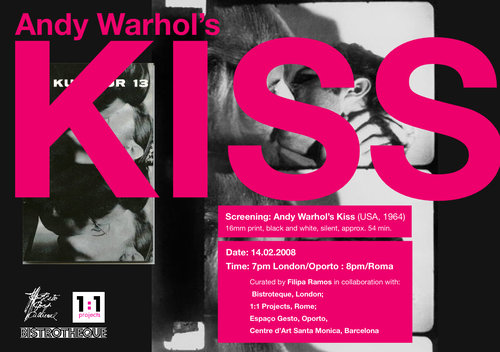
I was working on two of my photographic projects, then Carnival arrived, I put aside what I had done up until then, and so I created this group of photographs; they are shots taken during the Carnival which took place in Taormina center (Taormina alta) and in Trappitello (fraction of Taormina, the plain part of Taormina, located towards the hinterland; there is also Taormina seaside, but this part is not was affected by the Carnival). Carnival, from a photographic point of view, has always interested me not for its allegorical floats, not for its beautiful or refined masks, but for the people who find themselves "behind the masks", for their emotions, the their ability to have fun, to uninhibit themselves, even in front of the camera. I photographed a detail of the float dedicated to the mayor of Taormina, Cateno De Luca, I photographed boys and girls from the masked groups who paraded through the city streets, as well as boys and girls not belonging to any group, who had fun with clothes invented for the 'occasion; despite having placed heterogeneous photographs, I mostly followed a theme that refers to a work by Andy Warhol, an iconic figure of Pop Art as well as being one of the most important artists of the 20th century, ideally linking myself for its creation to the allegorical float of Pop Art of Taormina.
I conclude, I dedicate this work to the flicker-friend White Angel, hoping to please her.
www.flickr.com/photos/white-angel/
……………….
Stavo lavorando a due miei progetti fotografici, poi è arrivato il Carnevale, ho messo da parte quanto avevo fino ad allora fatto, ed ho così realizzato questo gruppo di fotografie; sono scatti realizzati durante il Carnevale che si è svolto a Taormina centro (Taormina alta) ed a Trappitello (frazione di Taormina, la parte in pianura di Taormina, sita verso l’entroterra; c’è anche Taormina mare, ma questa parte non è stata interessata dal Carnevale). Il Carnevale, dal punto di vista fotografico, mi ha sempre interessato non per i suoi carri allegorici, non per le sue maschere belle o ricercate che siano, ma per le persone che si trovano “dietro le maschere”, per le loro emozioni, la loro capacità di divertirsi, di disinibirsi, anche davanti la macchina fotografica. Ho fotografato un dettaglio del carro dedicato al sindaco di Taormina, Cateno De Luca, ho fotografato ragazzi e ragazze dei gruppi in maschera che sfilavano per le vie cittadine, come ragazzi e ragazze non appartenenti a nessun gruppo, che si divertivano con vestiti inventati per l’occasione; pur avendo messo fotografie eterogenee, ho seguito maggiormente un tema che fa riferimento ad un lavoro di Andy Warhol, figura iconica della Pop Art oltre che essere uno dei più importanti artisti del XX secolo, agganciandomi idealmente per la sua realizzazione, al carro allegorico della Pop Art di Taormina.
Concludo, dedico questo lavoro alla flicker-friend White Angel, sperando di farle cosa gradita.
©PhotographyByMichiale. All images are copyright protected and cannot be used without my permission. please visit me on Facebook, too! www.facebook.com/photographybymichiale
……………………………….
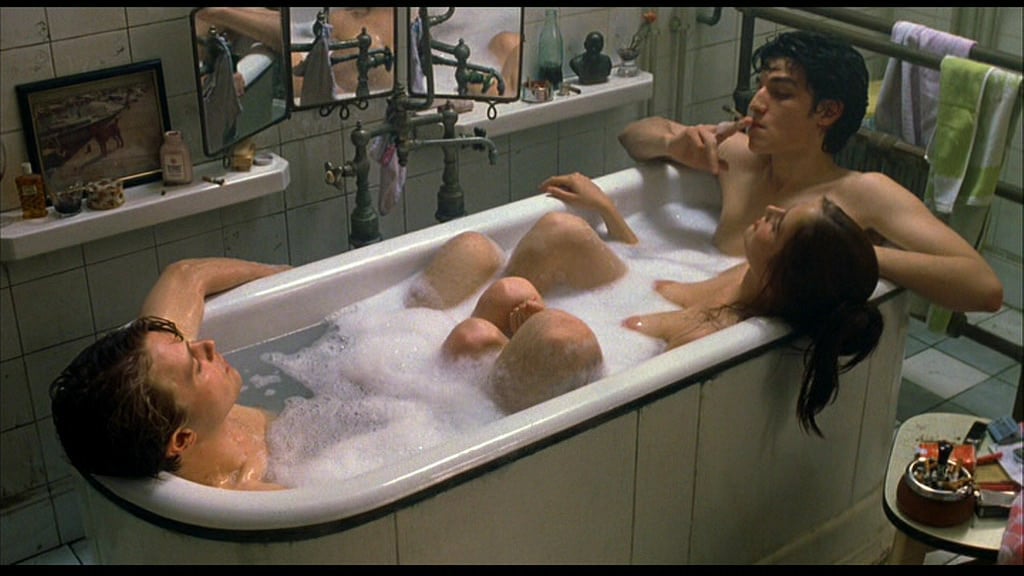
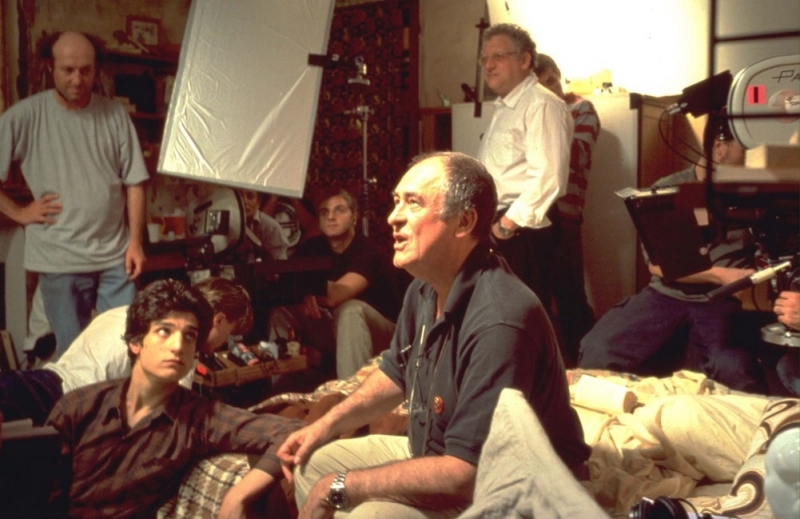
Poster (Locandina):
i.pinimg.com/736x/6a/23/6f/6a236fcef857df1ff73a6137240d61...

pics.filmaffinity.com/The_Dreamers-559553522-large.jpg

www.artribune.com/wp-content/uploads/2024/01/The-Dreamers...
movieplayer.net-cdn.it/t/images/2003/01/04/louis-garrel-e...
----------------------------------------------------------
click to activate the small icon of slideshow: the small triangle inscribed in the small rectangle, at the top right, in the photostream (it means the monitor);
or…. Press the “L” button to zoom in the image;
clicca sulla piccola icona per attivare lo slideshow: sulla facciata principale del photostream, in alto a destra c'è un piccolo rettangolo (rappresenta il monitor) con dentro un piccolo triangolo nero;
oppure…. premi il tasto “L” per ingrandire l'immagine;
www.worldphoto.org/sony-world-photography-awards/winners-...
www.fotografidigitali.it/gallery/2726/opere-italiane-segn...
………………………………………………………………………
A proverb that comes from an ancient Latin proverb says “semel in anno licet insanire”, or translated “once a year it is permissible to go mad”…! The carnival celebration has ancient origins, dating back to the period of pagan religion, from the Saturnalia of ancient Rome and also from the Dionysian festivals of the classical period of ancient Greece, and the disguise itself dates back to the times of Apuleius and the Egyptian goddess Isis, during which there were numerous masked groups, a custom that was imported into the Roman Empire. I present here a series of photographs, taken during the carnival in Taormina (taken on Sunday and Tuesday), with posed or caught portraits, people belonging to masked groups combined with the allegorical floats, or people masked on their own, all having in common the desire, the wish to have fun, or rather, as the ancient Latin saying goes, with the desire all to … “go mad”, at least… (once a year…!).
.……………………………
Un proverbio che deriva da un antico motto in lingua latina recita “semel in anno licet insanire”, ovvero tradotto “una volta l’anno è lecito impazzire“…! La festa del carnevale ha origini antiche, risale al periodo della religione pagana, dai Saturnali della Roma antica ed anche dalle feste dionisiache del periodo classico dell’antica Grecia, e lo stesso travestimento risale ai tempi di Apuleio e della dea egizia Iside, durante la quale erano presenti numerosi gruppi mascherati, usanza questa che venne importata nell’Impero Romano. Presento qui una serie di fotografie, realizzate durante il carnevale a Taormina (realizzate la domenica ed il martedì), con ritratti posati o colti al volo, persone appartenenti a gruppi mascherati abbinati ai carri allegorici, oppure persone mascherate per proprio conto, aventi tutti in comune la voglia, il desiderio di divertirsi, anzi, come recita l’antico detto latino, col desiderio tutti di …“impazzire”, almeno…(una volta l’anno…!).
……………………
---- W Palermo and Saint Rosalia: 395th feast of Saint Rosalia, Patron Saint of Palermo ----
---- W Palermo e Santa Rosalia: 395° festino di Santa Rosalia, Santa Patrona di Palermo ----
-----------------------------------------------------------------
click to activate the icon of slideshow: the small triangle inscribed in the small rectangle, at the top right, in the photostream;
clicca sulla piccola icona per attivare lo slideshow: sulla facciata principale del photostream, in alto a destra c'è un piccolo rettangolo (rappresenta il monitor) con dentro un piccolo triangolo nero;
click here - clicca qui
the slideshow
Qi Bo's photos on Fluidr
Qi Bo's photos on Flickriver
Qi Bo's photos on FlickeFlu
Qi Bo's photos on PICSSR
Qi Bo's photos on Flickr Hive Mind
www.worldphoto.org/sony-world-photography-awards/winners-...
www.fotografidigitali.it/gallery/2726/opere-italiane-segn...
-------------------------------------------------------------------
Saint Rosalia has been celebrated for 395 years, even though it was not always the Patron Saint of Palermo, in fact at the beginning the young Rosalia was not very well known, but she made herself loved by the Palermo people with a prodigious event that took place after her death. Saint Rosalia was born of the noble family of de'Marsi, as a young girl the girl runs away to escape a marriage of convenience, she was eager to dedicate herself body and soul to the prayer and contemplation of Our Lord. The young woman lived as a hermit, first on Mount Quisquina, then in a cave on Mount Pellegrino above Palermo. In this last place, on 4 September 1170, the girl died. From that moment his name seemed destined to oblivion, in fact no one prayed or asked thanks to her, until May 1624, when the city of Palermo was invaded by a terrible epidemic of plague: the legend tells that one day he went on Monte Pellegrino, a hunter who was lost,
the man saw Santa Rosalia appear, who in dialect asked him to warn the Bishop of Palermo that he would find his bones on the mountain; the Bishop went to the place indicated and saw the mortal bones of the Saint. On 15 July 1624, the religious decided to carry the bones in a solemn procession to ask for the miracle of liberating Palermo from the plague: this is how the expected miracle happened, it is said that when the holy bones passed the evil, that afflicted the citizens of Palermo, decreased by intensity, and soon the city of Palermo was freed from the Plague.
From that moment, every July 15, the city of Palermo celebrates its patron saint with the "feast", while every September 4th (the day of Rosalia's death) pilgrimages are made to the Mount Pellegrino cave, where today the Sanctuary is located .
During the evening of July 14th, the celebrations culminate with the parade of the Triumphal Chariot on which stands the statue of Santa Rosalia.
(The theme of this 395th edition of the Festino was "L'inquietudine", the "very big float" in question was created by the inmates of the Ucciardone Detention Center).
------------------------------------------------------------------------------
Santa Rosalia è festeggiata da 395 anni anche se non è sempre stata la Santa Patrona di Palermo, infatti ai primordi la giovane Rosalia non era molto conosciuta, però si fece amare dai palermitani con un evento prodigioso avvenuto dopo la sua morte. Santa Rosalia, nasce dalla nobile famiglia de’Marsi, da giovane la ragazza scappa per sfuggire ad un matrimonio di convenienza, lei era desiderosa di dedicarsi anima e corpo alla preghiera e alla contemplazione di Nostro Signore. La giovane visse da eremita, dapprima sul Monte Quisquina, poi in una grotta sul Monte Pellegrino sopra Palermo. In quest’ultimo luogo, il 4 settembre 1170, la ragazza morì. Da quel momento il suo nome sembrava destinato all’oblio, difatti nessuno pregava o chiedeva grazie alla religiosa, fino al maggio del 1624, quando la città di Palermo venne invasa da una terribile epidemia di peste: la leggenda racconta che un giorno si recò sul Monte Pellegrino un cacciatore che si era perso,
l’uomo vide apparire Santa Rosalia, che in dialetto gli chiese di avvisare il Vescovo di Palermo che recandosi sul monte avrebbe trovato le sue ossa; il Vescovo si recò nel luogo indicato e vide le ossa mortali della Santa. Il 15 luglio 1624, il religioso decise di portare in processione solenne le ossa per chiedere il miracolo di liberare Palermo dalla peste: così avvenne l’atteso miracolo, si racconta infatti che al passaggio delle sacre ossa il male che affliggeva i cittadini palermitani diminuiva di intensità, ed entro breve la città di Palermo venne liberata dalla Peste.
Da quel momento, ogni 15 luglio, la città di Palermo festeggia la sua patrona con il “festino”, mentre ad ogni 4 settembre (giorno della morte di Rosalia) si fanno pellegrinaggi verso la grotta del Monte Pellegrino, dove oggi si trova il Santuario.
Durante la sera del 14 luglio, i festeggiamenti raggiungono il culmine con la sfilata del Carro Trionfale sul quale svetta la statua di Santa Rosalia.
(Il tema di questa 395esima edizione del Festino è stato “L’inquietudine”, il carro in questione è stato realizzato dai detenuti della Casa di Reclusione dell’Ucciardone).
-----------------------------------------------------------------
---- .... .... ----
---- …. …. ----
-----------------------------------------------------------------
click to activate the icon of slideshow: the small triangle inscribed in the small rectangle, at the top right, in the photostream;
clicca sulla piccola icona per attivare lo slideshow: sulla facciata principale del photostream, in alto a destra c'è un piccolo rettangolo (rappresenta il monitor) con dentro un piccolo triangolo nero;
Qi Bo's photos on Flickr Hive Mind
www.worldphoto.org/sony-world-photography-awards/winners-...
www.fotografidigitali.it/gallery/2726/opere-italiane-segn...
-------------------------------------------------------------------
North of Taormina (Sicily), rises the village of Mongiuffi, which forms a single municipality with the city of Melia (Mongiuffi-Melia, Sicily), the devotion to St. Paulinus to Mongiuffi is very old, perhaps because it is the patron saint of crops, or for some others reasons; the Saint is celebrated twice a year, in June and August. While in June the statue visits the urban districts, in August the statue is carried in procession in the afternoon, goes to bless the surrounding countryside; the first area to reach is the Land Deri, where there is a large open space where the wheat was threshed: here the "Miracles" take place, the statue runs through a route with a form of "cross of Sant'Andrea", the saint is rushed, then he is always running, on himself, in the meantime devotees pray, with the litanies invoking the protection of the crops. Subsequently, taking a very impervious road, you reach an area from which you can see the Sanctuary of Maria SS. della Catena, as if to offer the Saint's greeting to the Virgin. Therefore, other rather inaccessible and tortuous places are reached. When the procession finds houses scattered around the countryside, the Mongiuffesi residents there, offer the local specialties. A very characteristic thing, which is a form of "connection" in passing these traditions from adults to children, even very young ones, there are some floats, big and little ones, with a statue of size and weight proportionate to their age, so old devotees and very young devotees all togethers go with their floats, so the young ones imitate the adults.
This photographic story talks about the procession of 07/08/2016.
------------------------------------------------------------------------------------------
A nord di Taormina, sorge l’abitato di Mongiuffi, che forma un solo comune con la cittadina di Melia, la devozione per S. Paolino a Mongiuffi è antichissima, forse perchè è il Santo protettore delle coltivazioni, o per chissà quali motivi; Il Santo viene festeggiato due volte l’anno, a giugno e ad Agosto. Mentre a giugno la statua visita i quartieri urbani, ad Agosto la statua viene portata in processione di pomeriggio, va a benedire le campagne circostanti; la prima zona che si raggiunge è la Contrada Deri, dove vi è un grande spiazzo cui veniva trebbiato il grano: qui si svolgono i “Miracoli”, alla statua si fa compiere un percorso "a croce di S. Andrea" da un capo all’altro dell’aia, il santo viene portato correndo, quindi viene poi fatto piroettare, sempre di corsa, su se stesso, nel frattempo si prega, con le litanie che invocano la protezione dei raccolti. Successivamente, prendendo per una strada molto impervia, si va in una zona dalla quale si vede il Santuario di Maria SS. della Catena, come a voler porgere il saluto del Santo alla Vergine. Si raggiungono, quindi, altri luoghi abbastanza impervi e tortuosi. Quando si incontrano case sparse per la campagna, i Mongiuffesi ivi residenti, offrono a tutti varie specialità locali. Una cosa molto caratteristica, che rappresenta una forma di "anello di congiunzione" nel tramandare queste tradizioni dagli adulti ai ragazzini, o addirittura a bimbi anche molto piccoli, è il vedere più vare, da quella grande degli adulti, a quelle più piccole, ognuna con la propria statua di San Paolino, di grandezza proporzionale alle varie età, con la quale i piccoli imitano gli adulti correndo loro dietro: in questa ho contato quattro vare, con bambini-ragazzini "portatori" di varie età.
Questo racconto fotografico è stato realizzato il 07/08/2016.
Federal Chancellery (1, Ballhaus square 2, identical to Löwel street 2-4). Instead of an Imperial Meierhof (which stretched in the area of today's Ballhaus square and Löwel street, a Pfisterei (bakery) is mentioned already 1347) was 1717-1719 on order of Charles VI built by the imperial court architect Johann Lukas von Hildebrandt (architect Christian Alexander Oedtl) a representative building for the Secret/Effective (Austrian) Court Chancery at that time (bordering the Court Hospital in the north). The foundation stone was laid on 13 September 1717.
Court Chancery
The Court Chancery had until then been lodged in a tract of the Hofburg. It was the counterweight to the Imperial Chancery, led by the Imperial Chancellor (see Imperial Chancellery of the Hofburg). The foreign policy department, established from 1705 under the auspices of the Hofkanzlei under Sinzendorf (Philipp Ludwig Wenzel Sinzendorf (26 December 1671 – 8 February 1742) was an Austrian diplomat and statesman who for nearly four decades served as Court Chancellor responsible of foreign affairs of the Habsburg Monarchy), received the name Staatskanzlei in 1719.
When Maria Theresia united the former Austrian and Bohemian Court Chancellery in 1749 into a joint administrative authority responsible for both groups of countries, the new "Directorate" moved into the former building of the Bohemian Court Chancery (Jewish Square - Wippling street), this designation is already listed around 1770 on the Huber plan), the house on Ballhaus square was assigned to the Staatskanzlei (later German Federal Foreign Office) for the sole use. State Chancellor was 1753-1792 Wenzel Anton Count Kaunitz (starting from 1764 Reichsfürst/Princes of the Holy Roman Empire von Kaunitz-Rietberg), especially after the death Franz' I (1765) this one had a great influence on the government business (especially with regard to his opposition to Prussia and his alliance with France).
Secret Court Chancery according to Salomon Kleiner, 1733 (detail) (pictures are clickable by activating the link at the end of page!).
Hofkanzlei with its small garden on Löwel Bastion, above it the Paradeisgartel (Tomato garden), on the left the Amalienburg (detail from the Huber-Plan, published 1773).
The Staatskanzlei with the surroundings 1824. Above the Löwel Bation with the bastion garden belonging to the Staatskanzlei. The state chancery bordered the Minorite Monastery.
Conversion by Pacassi
From 1764 to 1767, the building on order of Maria Theresa was modified and extended by her Court Architect Nikolaus Pacassi. The main facade (Ballhausplatz) (however, apart from the altered roof and the missing attic statues) still corresponds to the construction of Hildebrandt. The extension served mainly the accommodation of the office and the establishment of an archive in which Maria Theresia, in particular, housed the Austrian and Lorraine state and house documents as well as the Hungarian and Bohemian state certificates (house, court and state archive). At that time the house of Hiernonymus Reichsfreiherr/Imperial Baron of Scalvinioni (at that time the supervisor of the court buildings) opposite the front, placed in front of Amalienburg, erected and expanded yet 1700, was also abolished, thus giving us the present floor plan of the Ballhausplatz.
Ballhausplatz 2, former Secret Court and State Chancery, c. 1850
The "Ballhausplatz" in the era of Metternich experienced great events (1810-1848 State Chancellor): the Congress of Vienna (1814-1815), the Police State before 1848, but also the tumults of the revolution of 1848 and the passing of Metternich. During his term of office happened the reconstruction of the wing at Löwel street (1821) and renovations (1826) The interior of the building is still predominantly from the 19th century as far as architecture is concerned. 1881-1882, the Löwel street wing was extended to Metastasio alley, 1900-1903 (after the demolition of the Court Hospital and the Minorite Monastery) it came to the construction of the House, Court and State Archives (plans of Otto Hofer), adjoining the Federal Chancellery.
Use by the Republic
From November 1918, the building was the seat of the government formed by the "Provisional National Assembly for German-Austria", led by Chancellor Dr. Karl Renner.
Ballhausplatz 2, 1., Ballhausplatz 2 (c. 1941)
War Damages on the Federal Chancellery (1946)
From 1920, the ministerial council meetings were held here. In 1922, the Federal Chancellery also moved from its original seat in Palais Modena (now the Ministry of the Interior), so that both the Federal President (Wing in Löwel street) and the Federal Chancellor and the Foreign Minister in this building officiated. On July 25, 1934 during the National Socialist coup attempt, Federal Chancellor Dr. Engelbert Dollfuss in the Chancellor's Office was murdered.
After the "Anschluss" a kind of liquidation office of the "Austrian provincial government" was quartered in the house, while Reichskommissar/Reich Commissioner Gauleiter/district leader Josef Bürckel resided in the parliament. It was not until his successor, the former Reichsjugendführer (highest paramilitary rank of the Hitler Youth), and now the Gauleiter and Reichsstatthalter/Reich Lieutenant Baldur von Schirach, as the Federal Chancellery was chosen as his office. On September 10, 1944, the building was damaged by bombs (destruction of the former Chancellor's room).
After the Second World War, the Federal Chancellery was once again the seat of the Federal Chancellor and the Federal Government, which also meet here for the ministerial council meetings (the Federal President is in the Leopoldine tract of the Hofburg). The Federal Chancellery has been restored and partially reconstructed (such as the stucco ceiling of the stairwell). The reconstruction was completed on 20 February 1950.
The most important rooms on the main floor: the large reception hall ("Congress Hall") is located above the main entrance, on the left (corner Löwel street), the former small dining room (today the Gray Corner Hall). Afterwards follow the great dining room (today Council of Ministers hall) in Löwel street, the library, the study of Metternich and the audience room. On your right (corner towards Minorite square) lies the Blue Conference Hall (today Marble Corner Room), alongside follow the Green Reception Hall (later Yellow Salon and Study of the Chancellor), the Column Hall (today the working room of the Chancellor) and (again on the corner) the meeting room (today study of the Head of Cabinet, in the direction of the House, Court and State Archives still follow the sleeping room of Metternich (today reception hall).
Bundeskanzleramt (1, Ballhausplatz 2, identisch mit Löwelstraße 2-4). Anstelle eines kaiserlichen Meierhofs (der sich Im Bereich des heutigen Ballhausplatzes und der Löwelstraße erstreckte; eine Pfisterei (Bäckerei) wird schon 1347 erwähnt) wurde 1717-1719 über Auftrag Karls VI. vom kaiserlichen Hofarchitekten Johann Lukas von Hildebrandt (Baumeister Christian Alexander Oedtl) ein repräsentatives Gebäude für die damalige Geheime (Österreichische) Hofkanzlei erbaut (das im Norden an das Hofspital angrenzte). Die Grundsteinlegung erfolgte am 13. September 1717.
Hofkanzlei
Die Hofkanzlei war bis dahin in einem Trakt der Hofburg untergebracht gewesen. Sie war das Gegengewicht zu der vom Reichsvizekanzler geleiteten Reichshofkanzlei (siehe Reichskanzleitrakt der Hofburg). Sie im Rahmen der Hofkanzlei unter Sinzendorf ab 1705 aufgebaute Außenpolitische Abteilung erhielt 1719 den Namen Staatskanzlei.
Als Maria Theresia 1749 die bisherige Österreichische und Böhmische Hofkanzlei zu einer gemeinsamen, für beide Ländergruppen zuständigen Verwaltungsbehörde vereinigte, zog das neue „Direktorium" in das ehemalige Gebäude der Böhmischen Hofkanzlei (Judenplatz - Wipplingerstraße) ein, und das Haus am Ballhausplatz (diese Bezeichnung ist bereits auf dem Huber-Plan um 1770 eingetragen) wurde der Staatskanzlei (später Auswärtiges Amt) zur alleinigen Benützung zugewiesen. Staatskanzler war 1753-1792 Wenzel Anton Graf Kaunitz (ab 1764 Reichsfürst von Kaunitz-Rietberg), der besonders nach dem Tod Franz' I. (1765) auf die Regierungsgeschäfte großen Einfluss nahm (vor allem hinsichtlich seiner Gegnerschaft zu Preußen und seiner Allianz mit Frankreich).
Geheime Hofkanzlei nach Salomon Kleiner, 1733 (Ausschnitt).
Hofkanzlei mit dem zugehörigen kleinen Garten auf der Löwelbastei, darüber erkennbar das Paradeisgartel, links die Amalienburg (Ausschnitt aus dem Huber-Plan, erschienen 1773).
Die Staatskanzlei mit Umgebung 1824. Oberhalb die Löwelbastei mit dem zur Staatskanzlei gehörigen basteigarten. Die Staatskanzlei grenzte an das Minoritenkloster.
Umbau durch Pacassi
1764-1767 wurde das Gebäude im Auftrag Maria Theresias von ihrem Hofarchitekten Nikolaus Pacassi verändert und bedeutend erweitert. Die Hauptfassade (Ballhausplatz) entspricht jedoch (abgesehen vom veränderten Dach und den fehlenden Attikafiguren) noch heute dem Bau Hildebrandts. Die Erweiterung diente vor allem der Unterbringung der Kanzlei und der Einrichtung eines Archivs, in welchem Maria Theresia insbesondere die österreichischen und lothringischen Staats- und Hausurkunden sowie die ungarischen und böhmischen Staatsurkunden unterbringen ließ (Haus-, Hof- und Staatsarchiv). Damals wurde auch das der Front gegenüberliegende, der Amalienburg vorgelagerte und noch um 1700 aufgestockte beziehungsweise ausgebaute Haus des Hieronymus Reichsfreiherrn von Scalvinioni (damals Oberinspektor der Hofgebäude) abgetragen, sodass sich der uns heute geläufige Grundriss des Ballhausplatzes ergab.
Ballhausplatz 2, ehemalige Geheime Hof- und Staatskanzlei, um 1850
Der „Ballhausplatz" erlebte in der Ära Metternich (1810-1848 Staatskanzler) große Ereignisse: den Wiener Kongress (1814/1815), den vormärzlichen Polizeistaat, aber auch die Tumulte der Revolution 1848 und die Verabschiedung Metternichs. Während seiner Amtszeit kam es zu einem Umbau des Trakts an der Löwelstraße (1821) und zu Renovierungen (1826). Die Ausstattung des Gebäudes im Inneren stammt noch heute überwiegend aus dem 19. Jahrhundert, soweit es sich um die Architektur handelt. 1881/82 wurde der Löwelstraßenflügel des Gebäudes bis zur Metastasiogasse verlängert, 1900-1903 kam es (nach dem Abbruch des Hofspitals und des Minoritenklosters) zum Bau des an das Bundeskanzleramt angrenzenden Haus-, Hof- und Staatsarchivs (Pläne von Otto Hofer).
Nutzung durch die Republik
Ab November 1918 war das Gebäude Sitz der von der „Provisorischen Nationalversammlung für Deutsch-Österreich" gebildeten Regierung, die von Staatskanzler Dr. Karl Renner geleitet wurde.
Ballhausplatz 2, 1., Ballhausplatz 2 (um 1941)
Kriegsschäden am Bundeskanzleramt (1946)
Ab 1920 wurden hier die Ministerratssitzungen abgehalten, 1922 übersiedelte auch das Bundeskanzleramt aus seinem ursprünglichen Amtssitz im Palais Modena (heute Innenministerium) hierher, sodass schließlich in der Ersten Republik im Gebäude sowohl der Bundespräsident (Trakt in der Löwelstraße) als auch der Bundeskanzler und der Außenminister amtierten. Am 25. Juli 1934 wurde während des nationalsozialistischen Putschversuchs Bundeskanzler Dr. Engelbert Dollfuß im Kanzleramt erschossen.
Nach dem „Anschluss" quartierte sich im Haus eine Art von Liquidationsstelle der „österreichischen Landesregierung" ein, während Reichskommissar Gauleiter Josef Bürckel im Parlament residierte. Erst sein Nachfolger, der vorherige Reichsjugendführer und nunmehrige Gauleiter und Reichsstatthalter Baldur von Schirach, wählte das Bundeskanzleramt zu seinem Amtssitz. Am 10. September 1944 wurde das Gebäude durch Bomben beschädigt (Zerstörung des früheren Kanzlerzimmers).
Nach dem Zweiten Weltkrieg wurde das Bundeskanzleramt wieder Amtssitz des Bundeskanzlers und der Bundesregierung, die hier auch zu den Ministerratssitzungen zusammentritt (der Bundespräsident amtiert im Leopoldinischen Trakt der Hofburg). Das Bundeskanzleramt wurde wiederhergestellt, teilweise (wie etwa die Stuckdecke des Stiegenhauses) auch rekonstruiert. Der Wiederaufbau war am 20. Februar 1950 abgeschlossen.
Die wichtigsten Räumlichkeiten im Hauptgeschoß: Über dem Haupteingang liegt der Große Empfangssaal („Kongreßsaal"), links (Ecke Löwelstraße) der ehemalige Kleine Speisesaal (heute Grauer Ecksalon), dem in der Löwelstraße der Große Speisesaal (heute Ministerratssaal), die Bibliothek, das Arbeitszimmer Metternichs und das Audienzzimmer folgen; rechts (Ecke zum Minoritenplatz) liegt der Blaue Gesellschaftssaal (heute Marmorecksalon), daneben folgen der Grüne Empfangssaal (später Gelber Salon und Arbeitszimmer des Bundeskanzlers), der Säulensaal (heute Arbeitszimmer des Bundeskanzlers) und (wiederum an der Ecke) das Sitzungszimmer (heute Arbeitszimmer des Kabinettschefs); in Richtung Haus-, Hof- und Staatsarchiv folgt noch das Schlafzimmer Metternichs (heute Empfangsraum).
Kapelle
Im Zuge des Pacassischen Umbaus wurde 1767 eine über zwei Geschoße reichende Kapelle errichtet. Als der überkuppelte hohe Raum 1818 durch eine Zwischendecke geteilt wurde (um ein Bibliothekszimmer zu gewinnen), verschoben sich die Proportionen. Das ursprüngliche Altarbild „Heiliger Nepomuk vor Maria" (1741) kam 1821 nach Gerasdorf (dort verschollen).
Wikipedia: Reykjanesviti is Iceland's oldest lighthouse. It serves as a landfall light for Reykjavik and Keflavik. The tower is a 31 metres tall construction, situated on the southwestern edge of the Reykjanes peninsula. The original site was built in 1878 but only eight years later the building was destroyed by an earthquake. In 1929 the current Reykjanesviti lighthouse, a concrete construction yet with traditional looks, was activated. Its focal plane measures 73 metres above sea level.
-----------------------------------------------------------------
---- .... .... ----
---- …. …. ----
-----------------------------------------------------------------
click to activate the icon of slideshow: the small triangle inscribed in the small rectangle, at the top right, in the photostream;
clicca sulla piccola icona per attivare lo slideshow: sulla facciata principale del photostream, in alto a destra c'è un piccolo rettangolo (rappresenta il monitor) con dentro un piccolo triangolo nero;
Qi Bo's photos on Flickr Hive Mind
www.worldphoto.org/sony-world-photography-awards/winners-...
www.fotografidigitali.it/gallery/2726/opere-italiane-segn...
-------------------------------------------------------------------
This is a report on the feast of St. Sebastian that was celebrated in the Sicilian town of Tortorici; the feast was held on January 20 of last year 2018. The devotees men go "naked" to the Holy as a sign of penance, they are dressed in white with a shirt and trousers, an handkerchief folded in a triangle shape on the pant and they walk barefoot; women, even they walk barefoot or wearing only white stockings, wearing white shirts and skirts, an handkerchief covering her head: all devotees, "naked" and not, accompany the saint in procession.
The religious rite is celebrated in the Church of St. Maria Assunta , with the participation of local authorities who continue an ancient tradition, and that is to deliver the keys of the city, as a sign of devotion to the Holy . At noon starts the procession through the streets of the City. The artistic "float" is carried only by the "naked" , this is a privilege but also a duty of penance . The first stage of the procession is in the River Calagni where devotees invoking the grace , this rite is the complex relationship of the city of Tortorici with the rivers: the rivers have always provided water for the food, for irrigation fields, but often the rivers have destroyed or damaged the territory, so... the Holy is invoked to ward off damage . After the stop in the River Calagni, the procession resumes through the streets of the town.
In Sicily, the oldest traces of the cult of San Sebastiano date back to 1347, when, on the occasion of the terrible epidemic of bubonic plague that hit all of Europe, the saint was proclaimed patron and protector of Palermo.
This epidemic spread a great devotion to St. Sebastian because the saint, tied to a column and hit by arrows, was considered the symbol of humanity pierced by the plague's arrows.
on 20 January 2018, in Tortorici, the celebrations in honor of San Sebastiano were performed in a sad and reduced form, as the whole community was close to the pain of Chiara's family, a very young girl of 20 who lost her life in a car accident, with the car crashing into the river bed that flows through Tortorici.
-------------------------------------------------------------------------
Questo è un racconto fotografico della festa di San Sebastiano celebrato nella città siciliana di Tortorici, festa che si è tenuta il 20 gennaio dekllo scorso anno 2018. I devoti vanno "nudi" al Santo come segno di penitenza, essere "nudi" si intende in questo caso, essere vestiti di bianco, gli uomini indossano una camicia, dei pantaloni con un fazzoletto piegato a triangolo che cinge la vita e camminano scalzi; anche le donne camminano a piedi nudi o indossano solo calze bianche, indossano camicie e gonne bianch ed un fazzoletto copre la testa: tutti i devoti, "nudi" e non, accompagnano il santo in processione.
Il rito religioso è celebrato nella Chiesa di S. Maria Assunta, con la partecipazione delle autorità locali che continuano un'antica tradizione, consegnare le chiavi della città al Santo, come segno di devozione. A mezzogiorno inizia la processione per le vie della città, la vara viene portata solo dagli uomini "nudi", questo è si un privilegio, ma anche un dovere di penitenza. La prima tappa della processione è nelle acque gelide del fiume Calagni, dove i devoti invocano la grazia, questo rito è il complesso rapporto che la città di Tortorici ha coi fiumi: i fiumi hanno da sempre fornito acqua per il cibo, per coltivare i campi, ma spesso i fiumi a Tortorici hanno anche distrutto o danneggiato il territorio, quindi ... il Santo viene così invocato per scongiurare danni. Dopo la sosta nel fiume Calagni, la processione riprende per le vie della città.
In Sicilia le tracce più antiche del culto di San Sebastiano riportano al 1347, quando, in occasione della terribile epidemia di peste bubbonica che colpì tutta l’Europa, il santo fu proclamato compatrono e protettore di Palermo.
Questa epidemia fece diffondere una grande devozione per San Sebastiano poiché il santo, legato a una colonna e colpito dalle frecce, veniva considerato il simbolo dell’umanità trafitta dagli strali della peste.
il 20 gennaio 2018, a Tortorici, i festeggiamenti in onore di San Sebastiano, sono stati eseguiti in forma mesta e ridotta, poichè tutta la comunità si è stretta attorno al dolore della famiglia di Chiara, una giovanissima ragazza di 20 anni che ha perso la vita in un incidente automobilistico, l'automobile sulla quale Chiara viaggiava è precipitata dentro l'alveo del Fiume Grande che attraversa Tortorici.
-----------------------------------------------------------------
---- .... .... ----
---- …. …. ----
-----------------------------------------------------------------
click to activate the icon of slideshow: the small triangle inscribed in the small rectangle, at the top right, in the photostream;
clicca sulla piccola icona per attivare lo slideshow: sulla facciata principale del photostream, in alto a destra c'è un piccolo rettangolo (rappresenta il monitor) con dentro un piccolo triangolo nero;
Qi Bo's photos on Flickr Hive Mind
www.worldphoto.org/sony-world-photography-awards/winners-...
www.fotografidigitali.it/gallery/2726/opere-italiane-segn...
-------------------------------------------------------------------
This is a report on the feast of St. Sebastian that was celebrated in the Sicilian town of Tortorici; the feast was held on January 20 of last year 2018. The devotees men go "naked" to the Holy as a sign of penance, they are dressed in white with a shirt and trousers, an handkerchief folded in a triangle shape on the pant and they walk barefoot; women, even they walk barefoot or wearing only white stockings, wearing white shirts and skirts, an handkerchief covering her head: all devotees, "naked" and not, accompany the saint in procession.
The religious rite is celebrated in the Church of St. Maria Assunta , with the participation of local authorities who continue an ancient tradition, and that is to deliver the keys of the city, as a sign of devotion to the Holy . At noon starts the procession through the streets of the City. The artistic "float" is carried only by the "naked" , this is a privilege but also a duty of penance . The first stage of the procession is in the River Calagni where devotees invoking the grace , this rite is the complex relationship of the city of Tortorici with the rivers: the rivers have always provided water for the food, for irrigation fields, but often the rivers have destroyed or damaged the territory, so... the Holy is invoked to ward off damage . After the stop in the River Calagni, the procession resumes through the streets of the town.
In Sicily, the oldest traces of the cult of San Sebastiano date back to 1347, when, on the occasion of the terrible epidemic of bubonic plague that hit all of Europe, the saint was proclaimed patron and protector of Palermo.
This epidemic spread a great devotion to St. Sebastian because the saint, tied to a column and hit by arrows, was considered the symbol of humanity pierced by the plague's arrows.
on 20 January 2018, in Tortorici, the celebrations in honor of San Sebastiano were performed in a sad and reduced form, as the whole community was close to the pain of Chiara's family, a very young girl of 20 who lost her life in a car accident, with the car crashing into the river bed that flows through Tortorici.
-------------------------------------------------------------------------
Questo è un racconto fotografico della festa di San Sebastiano celebrato nella città siciliana di Tortorici, festa che si è tenuta il 20 gennaio dekllo scorso anno 2018. I devoti vanno "nudi" al Santo come segno di penitenza, essere "nudi" si intende in questo caso, essere vestiti di bianco, gli uomini indossano una camicia, dei pantaloni con un fazzoletto piegato a triangolo che cinge la vita e camminano scalzi; anche le donne camminano a piedi nudi o indossano solo calze bianche, indossano camicie e gonne bianch ed un fazzoletto copre la testa: tutti i devoti, "nudi" e non, accompagnano il santo in processione.
Il rito religioso è celebrato nella Chiesa di S. Maria Assunta, con la partecipazione delle autorità locali che continuano un'antica tradizione, consegnare le chiavi della città al Santo, come segno di devozione. A mezzogiorno inizia la processione per le vie della città, la vara viene portata solo dagli uomini "nudi", questo è si un privilegio, ma anche un dovere di penitenza. La prima tappa della processione è nelle acque gelide del fiume Calagni, dove i devoti invocano la grazia, questo rito è il complesso rapporto che la città di Tortorici ha coi fiumi: i fiumi hanno da sempre fornito acqua per il cibo, per coltivare i campi, ma spesso i fiumi a Tortorici hanno anche distrutto o danneggiato il territorio, quindi ... il Santo viene così invocato per scongiurare danni. Dopo la sosta nel fiume Calagni, la processione riprende per le vie della città.
In Sicilia le tracce più antiche del culto di San Sebastiano riportano al 1347, quando, in occasione della terribile epidemia di peste bubbonica che colpì tutta l’Europa, il santo fu proclamato compatrono e protettore di Palermo.
Questa epidemia fece diffondere una grande devozione per San Sebastiano poiché il santo, legato a una colonna e colpito dalle frecce, veniva considerato il simbolo dell’umanità trafitta dagli strali della peste.
il 20 gennaio 2018, a Tortorici, i festeggiamenti in onore di San Sebastiano, sono stati eseguiti in forma mesta e ridotta, poichè tutta la comunità si è stretta attorno al dolore della famiglia di Chiara, una giovanissima ragazza di 20 anni che ha perso la vita in un incidente automobilistico, l'automobile sulla quale Chiara viaggiava è precipitata dentro l'alveo del Fiume Grande che attraversa Tortorici.
POSTER - LOCANDINA -
www.chiesasarda.it/wp-content/uploads/2020/11/de-andre_la...

www.900letterario.it/wp-content/uploads/2014/06/fabrizio-...
img.ubiklibri.it/images/9788896212042_0_900_0_0.jpg
www.musiculturaonline.it/p/wp-content/uploads/2021/02/b-M...

Phrases from “The Good News - Frasi da “La Buona Novella” –
In the pity that does not give in to rancor, mother, I learned love.
Nella pietà che non cede al rancore, madre, ho imparato l’amore.
(il testamento di Tito);
I don't want to think of you as the son of God, but as the son of man, my brother too.
Non voglio pensarti figlio di Dio, ma figlio dell’uomo, fratello anche mio.
(Laudate Hominem);
If you had not been the son of God, I would still have you as my son.
Non fossi stato figlio di Dio, t’avrei ancora per figlio mio.
(Tre Madri);
……………………..
Alda Merini:
“The Cross is not a Roman pole, but the wood on which God wrote his gospel”.
“La Croce non è un palo dei romani, ma il legno su cui Dio ha scritto il suo vangelo.
----------------------------------------------------------
click to activate the small icon of slideshow: the small triangle inscribed in the small rectangle, at the top right, in the photostream (it means the monitor);
or…. Press the “L” button to zoom in the image;
clicca sulla piccola icona per attivare lo slideshow: sulla facciata principale del photostream, in alto a destra c'è un piccolo rettangolo (rappresenta il monitor) con dentro un piccolo triangolo nero;
oppure…. premi il tasto “L” per ingrandire l'immagine;
www.worldphoto.org/sony-world-photography-awards/winners-...
www.fotografidigitali.it/gallery/2726/opere-italiane-segn...
………………………………………………………
Good Friday is an anniversary which in Sicily acquires a cathartic meaning for those who are searching, not only photographically, for popular traditions (we find them widespread throughout Sicily), which are nothing other than a social, cultural event, which merge into a single past and present; from the web "popular traditions are a historical memory linked to customs and rituals that have given shape to the values and beliefs of that culture". Easter in Sicily can be a source of research, it can appear not without contradictions, citing the thoughts of that great Sicilian thinker Leonardo Sciascia, for him Sicily cannot be called Christian referring to the Sicilian festivals, at most it is only in appearance, in those properly pagan explosions tolerated by the Church; Sciascia addresses the topic as an introductory essay in the book "Religious celebrations in Sicily", illustrated with photographs of a young and still unknown Ferdinando Scianna, a book that did not fail to raise some controversy due to the Sicilian thinker's introductory note, thus being in open controversy with the sacredness of that popular Sicilian devotion (the book was criticized by the Holy See newspaper, the Osservatore Romano), Sciascia writes: “what is a religious festival in Sicily? It would be easy to answer that it is anything but a religious holiday. It is, first of all, an existential explosion; the explosion of the collective id, where the collectivity exists only at the level of the id. Since it is only during the celebration that the Sicilian emerges from his condition of a single man, which is the condition of his vigilant and painful superego, to find himself part of a class, of a class, of a city". Another Sicilian thinker, writer and poet, Gesualdo Bufalino, provides interesting indications on the meaning that Sicilians give to these traditional popular events, he says "during Easter every Sicilian feels not only a spectator, but an actor, first sorrowful and then exultant , for a Mystery that is its very existence. The time of the event is that of Spring, the season of metamorphosis, just as the very nature of the rite is metamorphic in which, as in a story from the Puppet Opera, the battle of Good against Evil is fought. Deception, Pain and Triumph, Passion, Death and Resurrection of Christ are present."
In short, Easter in Sicily is a deeply felt anniversary throughout the island since ancient times, it has always had as its fulcrum the emotional participation of the people, with representations and processions which have become rites and traditions which unequivocally characterize numerous Sicilian centres, which they recall the most salient moments narrated in the Gospels and which recall the Passion, Death and Resurrection of Jesus Christ, with processions formed by the various brotherhoods (sometimes with theatrical re-enactments) which have within them contents and symbols often coming from the Spanish domination, which took place in Sicily between the 16th and 17th centuries
This year, for Good Friday, I was looking for traditions that were "outside the most well-known circuits", in the past I have alternated traditional religious processions known, with lesser-known ones; I considered various possibilities, then I decided to go to a town that is described as being located in a remote and isolated location in the province of Messina, the town is Capizzi. Good Friday in Capizzi takes place in two phases, there is the daytime procession in which three floats are carried on the shoulders, that of the Ecce Homo, that of the Sorrowful Virgin, and that of the Pietà (with the Virgin Mary holding her Dead Son in her arms), then there is the afternoon procession, which continues until late in the evening, in this evening procession the float carrying the Ecce Homo is missing, while two others are added, there is the one with the Urn carrying the Dead Christ (this figure, that of the Dead Christ, in Capizzi, is called "Father of Divine Providence"), and there is the float carrying the "Holy Cross", on it, during the route along the streets of the town, you can see the villagers placing long linen sheets, who often lean out directly from the balconies or windows of their houses to place them over it. The procession is made up of devotees and local personalities, the police and Capizzi's musical band, and two brotherhoods, that of the SS. Sacrament (the brothers are recognizable by a light yellow cloak), and that of the Good Death (whose followers wear a black cloak); the procession advances along the route in absolute silence, silence is Sacred, the bells stop ringing, the procession walks slowly, an exception to the silence comes from the sad, mournful music played by the band and the drumbeats played in mourning; the route includes steep descents, and equally steep (and tiring) climbs. The afternoon-evening procession reaches the locality of "Tre Croci", here the Archpriest, Don Antonio, delivered his panegyric, using profound words, full of Hope, Charity, Love, remembering that Christ always forgives everyone. In the afternoon, in the Mother Church, the celebration of the Passion of Christ takes place; we witness the rite of the Adoration of the Holy Cross, and the veneration of the "Father of Divine Providence", subsequently there is the rite in which the Archpriest sprinkles the body of the Dead Christ with rose petals, and anoints it with perfumed oils (to recall what is written in the Gospel of John (19:38-42), Joseph of Arimathea, a disciple of Jesus, secretly for fear of the Jews, asked Pilate for permission to take the body of Jesus, Pilate agreed, but Nicodemus also joined Joseph, carrying about thirty kilos of a mixture of myrrh and aloe, sprinkling it on the body: they took the body of Jesus, wrapped it in bandages together with the aromas, according to the funeral custom of the Jews). During the rite of the Adoration of the Cross, in the Mother Church (and also in the Tre Croci area), there is a song sung by the young people of the village, who in chorus sing the “song of the improperia”, which would be in sung form the reproaches that Jesus Christ addresses to his people, because they were responsible for His crucifixion: it is therefore a plaintive dialogue between the crucified Christ and his people; this song dates back to the sixth century, having arrived in the West from the Church of Jerusalem.
…………………………………………………
Il Venerdì Santo è una ricorrenza che in Sicilia acquista un significato catartico per chi è alla ricerca, non solo fotografica, delle tradizioni popolari (le troviamo diffuse in tutta la Sicilia), che altro non sono che un evento sociale, culturale, che fondono in un tutt’uno passato e presente; dal web “le tradizioni popolari sono una memoria storica legata ad usanze e ritualità che hanno dato forma ai valori e alle credenze di quella cultura”. La Pasqua in Sicilia può essere fonte di ricerca, essa può apparire non priva di contraddizioni, citando il pensiero di quel grande pensatore Siciliano che fu Leonardo Sciascia, per lui la Sicilia non può dirsi cristiana riferendosi alle feste Siciliane, al massimo lo è solo in apparenza, in quelle esplosioni propriamente pagane, tollerate dalla Chiesa; Sciascia affronta l’argomento come saggio introduttivo nel libro “Feste religiose in Sicilia”, illustrato con fotografie di un giovane ed ancora sconosciuto Ferdinando Scianna, libro che non mancò di sollevare qualche polemica per la nota introduttiva del pensatore Siciliano, essendo così in aperta polemica con la sacralità di quella devozione popolare Siciliana (il libro fu oggetto di una stroncatura da parte del quotidiano della Santa Sede, l’Osservatore Romano), Sciascia scrive: “che cos’ è una festa religiosa in Sicilia? Sarebbe facile rispondere che è tutto, tranne che una festa religiosa. E’, innanzi tutto, un’esplosione esistenziale; l’esplosione dell’es collettivo, dove la collettività esiste soltanto a livello dell’es. Poiché e soltanto nella festa che il siciliano esce dalla sua condizione di uomo solo, che è poi la condizione del suo vigile e doloroso super io, per ritrovarsi parte di un ceto, di una classe, di una città ”. Altro pensatore, scrittore e poeta Siciliano, Gesualdo Bufalino, fornisce indicazioni interessanti sul senso che i Siciliani danno a questi eventi popolari tradizionali, egli dice “durante la Pasqua ogni siciliano si sente non solo uno spettatore, ma un attore, prima dolente e poi esultante, per un Mistero che è la sua stessa esistenza. Il tempo dell’evento è quello della Primavera, la stagione della metamorfosi, così come metamorfica è la natura stessa del rito nel quale, come in un racconto dell’Opera dei Pupi, si combatte la lotta del Bene contro il Male. Sono presenti l’Inganno, il Dolore e il Trionfo, la Passione, la Morte e la Resurrezione di Cristo”.
In breve, la Pasqua in Sicilia è una ricorrenza profondamente sentita in tutta l’isola fin dall’antichità, essa ha sempre avuto come fulcro la commossa partecipazione del popolo, con rappresentazioni e processioni divenuti riti e tradizioni che caratterizzano inequivocabilmente numerosissimi centri Siciliani, che rievocano i momenti più salienti narrati nei Vangeli e che ricordano la Passione, la Morte e la Resurrezione di Gesù Cristo, con cortei formati dalle varie confraternite (a volte con rievocazioni teatrali) che hanno in se contenuti e simbologie spesso provenienti dalla dominazione Spagnola, avvenuta in Sicilia tra il XVI ed il XVII secolo.
Quest’anno, per il Venerdì Santo, ero alla ricerca di tradizioni che fossero “al di fuori dei circuiti più noti”, in passato ho alternato processioni tradizionali religiose note, a quelle meno note; ho preso in considerazione diverse possibilità, poi ho deciso di recarmi in un paese che viene descritto essere situato in una località remota ed isolata della provincia di Messina, il paese è Capizzi. Il Venerdì Santo a Capizzi, si svolge in due fasi, c’è la processione diurna nella quale vengono portate in spalla tre vare, quella dell’Ecce Homo, quella della Vergine Addolorata, e quella della Pietà (con la Vergine Maria che tiene in braccio suo Figlio Morto), poi c’è la processione del pomeriggio, che prosegue fino a sera inoltrata, in questa processione serale manca la vara che reca l’Ecce Homo, mentre se ne aggiungono altre due, c’è quella con l’Urna che reca il Cristo Morto ( questa figura, quella del Cristo Morto, a Capizzi, viene chiamata “Padre della Divina Provvidenza”), e c’è la vara che reca la “Santa Croce”, su di essa, durante il percorso lungo le vie del paese, si assiste al poggiare di lunghe lenzuola di lino da parte dei paesani, che spesso si sporgono direttamente dai balconi o dalle finestre delle loro case per deporle a scavalco su di essa. La processione è formate, oltre che dai devoti e dalle personalità del paese, dalle forze dell’ordine e dalla banda musicale di Capizzi, da due confraternite, quella del SS. Sacramento (i confratelli sono riconoscibili da un mantello giallo chiaro), e quella della Buona Morte (i cui adepti recano un mantello nero); la processione avanza lungo il percorso in assoluto silenzio, il silenzio è Sacro, le campane smettono di suonare, la processione cammina lenta, una eccezione al silenzio proviene dalla musica mesta, triste, suonata dalla banda e dai colpi di tamburo suonati a lutto; il percorso prevede ripide discese, ed altrettanto ripide (e faticose) salite. La processione pomeridiana-serale giunge fino alla località “Tre Croci”, qui l’Arciprete, Don Antonio, ha proferito il suo panegirico, usando parole profonde, colme di Speranza, Carità, Amore, ricordando che Cristo perdona sempre, tutti. Il pomeriggio, in Chiesa Madre, si assiste alla celebrazione della Passione di Cristo; si assiste al rito dell’Adorazione della Santa Croce, ed alla venerazione del “Padre della Divina Provvidenza”, successivamente c’è il rito nel quale l’Arciprete cosparge il corpo del Cristo Morto con petali di rosa, e lo unge con olii profumati (a rievocare quante scritto nel Vangelo di Giovanni (19:38-42), Giuseppe di Arimatea, discepolo di Gesù, in segreto per timore dei Giudei, chiese a Pilato il permesso di prendere il corpo di Gesù, Pilato acconsentì, ma anche Nicodemo, si unì a Giuseppe, portando circa trenta chili di una mistura di mirra e di aloe, cospargendone il corpo: essi presero il corpo di Gesù, lo avvolsero in bende insieme con gli aromi, secondo l'usanza funebre dei Giudei). Durante il rito dell’Adorazione della Croce, in Chiesa Madre (ed anche in località Tre Croci), c’è il canto intonato dai giovani del paese, che in coro cantano il “canto degli improperia”, che sarebbe in forma cantata i rimproveri che Gesù Cristo rivolge al suo popolo, poiché si è reso responsabile della Sua crocifissione: esso è quindi un dialogo lamentoso tra Cristo crocifisso e il suo popolo; questo canto risalirebbero al VI secolo, giunto in occidente proveniente dalla Chiesa di Gerusalemme.
………………………………………….
Leica M2
Leica Summicron 35mm f/2 IV "King of Bokeh"
Kodak Tri-X 400
Fomadon Excel 1+0
7 min 20°C
Scan from negative film
©AVucha 2014
On February 13th at 9:08am, Woodstock Fire/Rescue responded to an activated residential fire alarm at 8310 Castleberry Dr. No problem could be found at the residence.
Woodstock, Illinois
★ Bonnie
Jewelry by Anne Bacalso
Background adapted from MAM: Window 2 by ~Jinz-stock licensed under the Creative Commons