View allAll Photos Tagged Activator
---- .... .... ----
---- …. …. ----
-----------------------------------------------------------------
click to activate the icon of slideshow: the small triangle inscribed in the small rectangle, at the top right, in the photostream;
clicca sulla piccola icona per attivare lo slideshow: sulla facciata principale del photostream, in alto a destra c'è un piccolo rettangolo (rappresenta il monitor) con dentro un piccolo triangolo nero;
Qi Bo's photos on Flickr Hive Mind
www.worldphoto.org/sony-world-photography-awards/winners-...
www.fotografidigitali.it/gallery/2726/opere-italiane-segn...
-------------------------------------------------------------------
From the warm and sunny Sicily to the cloudy, cool and rainy London: thanks to the efficient London Underground, among the many and many things I saw, I also visited Buckingham Palace (witnessing, in front of it, the ceremony of Changing of the Guard), the British Museum, the Houses of Parliament, Big Ben (being restored), Westminster Abbey, the London Eye (the Ferris wheel), the Thames with its bridges, including Tower Bridge with the White Tower, the 'aquarium, the Towers (skyscrapers of particular shapes that have characteristically modified the London skylane), Trafalgar Square, China Town, Hyde Park (with the fountain dedicated to Lady Diana), Green Park, St James Park, the Royal Albert Hall, the Harrods department store, Freddie Mercury's London home (in reality you can only see the roof because the boundary wall, with the front door, prevent you from seeing further); a curiosity: I also met a young sweet Chinese girl whom I had photographed in Taormina some time ago (is the world small ??).
--------------------------------------------------------------
Dalla calda ed assolata Sicilia alla nuvolosa, fresca e piovigginosa Londra: grazie alla efficiente metropolitana di Londra, tra le varie e tante cose che ho visto, ho visitato Buckingham Palace (assistendo, davanti ad esso, alla cerimonia del Cambio della Guardia), il British Museum, le Houses of Parliament, il Big Ben (in fase di restauro), l’abazia di Westminster, la London Eye (la ruota panoramica), il Tamigi coi suoi ponti, tra questi il Tower Bridge con la White Tower, l’acquarium, le Towers (grattacieli dalle forme particolari che hanno caratteristicamente modificato lo skylane Londinese), Trafalgar Square, China Town, Hyde Park (con la fontana dedicata a Lady Diana), Green Park, St James Park, la Royal Albert Hall, i grandi magazzini Harrods, la casa londinese di Freddie Mercury (in realtà si può vedere solo il tetto poiché il muro di cinta, con la porta d’ingresso, impediscono di vedere oltre); una curiosità: ho anche incontrato una giovane dolce ragazza Cinese che avevo tempo addietro fotografato a Taormina (il mondo è piccolo ??).
“……………………………………”
“…………………………………..”
-----------------------------------------------------------------
click to activate the icon of slideshow: the small triangle inscribed in the small rectangle, at the top right, in the photostream;
or…. Press the “L” button to zoom in the image;
clicca sulla piccola icona per attivare lo slideshow: sulla facciata principale del photostream, in alto a destra c'è un piccolo rettangolo (rappresenta il monitor) con dentro un piccolo triangolo nero;
oppure…. premi il tasto “L” per ingrandire l'immagine;
www.worldphoto.org/sony-world-photography-awards/winners-...
www.fotografidigitali.it/gallery/2726/opere-italiane-segn...
……………………………………………………………………….
Easter in Sicily is a deeply felt recurrence throughout the island since ancient times, it has always had the moving participation of the people as its fulcrum, with representations and processions that have become rites and traditions that unequivocally characterize many Sicilian centers, and which evoke the moments most salient narrated in the Gospels and recalling the Passion, Death and Resurrection of Jesus Christ, with processions formed by the various brotherhoods (sometimes with theatrical re-enactments) which have in themselves contents and symbols often coming from the Spanish domination, which took place in Sicily between the sixteenth and seventeenth centuries. This year 2022 then, the celebrations returned after two years of absolute stop of the Easter rites due to the pandemic from Covid-19, rites which, however, and necessarily, were carried out with due precautions, in many cases we have witnessed a painful but necessary reduction of the rites (in some centers there were no processions). Here I present a photographic story that I made in the Sicilian town of Enna during the afternoon until late in the evening, after I had been in the town of Villarosa during the day (see the previous photographic story); is the story of the Good Friday procession of Enna, a procession which, for its beauty, theatricality and majesty, represents the most engaging moment of the whole Holy Week in Enna, so much so that UNESCO declared this week a good protected. Attending this rite, so exciting, personally every time induces me a feeling almost of disorientation: seeing the devotees with their typical attire, characterizing their congregation to which they belong, induces me very strongly the feeling of not being in Sicily anymore, in Enna ... but to have been teleported to Spain, perhaps to the city of Seville, or taken back in time when Sicily was under Iberian domination ...! The procession begins on the afternoon of Good Friday, we witness the appearance of numerous hooded brothers (the brotherhoods are 16, while in 1740 there were 34), almost all the brothers are covered with faces, except those with uncovered faces that lead in shoulder the heavy float of Our Lady of Sorrows, and the float of the Dead Christ (normally every year the confreres are about two thousand five hundred - three thousand, but this year, perhaps due to the restrictions caused by the covid, a lower number was recorded) . During the procession, we witness the congregation carrying a whole series of symbols that have a reference to the Passion of Christ, such as the nails of his crucifixion, the ladder, the spear that pierced his side, the sponge soaked in wine vinegar , the dice, the crown of thorns, the scourge, and the rooster (beautiful specimen, alive), and others. The procession of Enna is made up of exclusively male brotherhoods, the only female presence that makes an exception is given by the numerous "nuns", they are girls dressed like the Poor Clares or Carmelite nuns who accompany the various brotherhoods during the procession. The rites end late at night.
La Pasqua in Sicilia è una ricorrenza profondamente sentita in tutta l’isola fin dall’antichità, essa ha sempre avuto come fulcro la commossa partecipazione del popolo, con rappresentazioni e processioni divenuti riti e tradizioni che caratterizzano inequivocabilmente numerosissimi centri Siciliani, che rievocano i momenti più salienti narrati nei Vangeli e che ricordano la Passione, la Morte e la Resurrezione di Gesù Cristo, con cortei formati dalle varie confraternite (a volte con rievocazioni teatrali) che hanno in se contenuti e simbologie spesso provenienti dalla dominazione Spagnola, avvenuta in Sicilia tra il XVI ed il XVII secolo. Quest’anno 2022 poi, le celebrazioni sono ritornate dopo due anni di assoluto fermo dei riti pasquali a causa della pandemia da Covid-19, riti che comunque, e necessariamente, si sono svolti con le dovute precauzioni, in molti casi si è assistito ad una dolorosa ma necessaria riduzione dei riti (in alcuni centri le processioni non ci sono state). Qui presento un racconto fotografico che ho realizzato nella cittadina siciliana di Enna durante il pomeriggio fino a sera inoltrata, dopo che ero stato durante il giorno nel paese di Villarosa (vedi il racconto fotografico precedente); è il racconto della processione del Venerdì Santo di Enna, processione che, per la sua bellezza, teatralità e maestosità, rappresenta il momento più coinvolgente di tutta la Settimana Santa di Enna, tant'è che l'UNESCO ha dichiarato questa settimana, un bene protetto. Assistere a questo rito, così emozionante, personalmente ogni volta mi induce una sensazione quasi di spaesamento: nel vedere i devoti con i loro tipici abbigliamenti, caratterizzanti la loro congregazione di appartenenza, mi induce fortissima la sensazione di non trovarmi più in Sicilia, ad Enna...ma di essere stato teletrasportato in Spagna, magari nella città di Siviglia, oppure portato a ritroso nel tempo quando la Sicilia era sotto la dominazione Iberica...! La processione ha inizio il pomeriggio del Venerdì Santo, si assiste all'apparire di numerosissimi confrati incappucciati (le confraternite sono 16, mentre nel 1740 erano ben 34), quasi tutti i confrati sono a volto coperto, tranne quelli a volto scoperto che portano in spalla le pesanti vare (i fercoli) della Madonna Addolorata, e quella del Cristo Morto (normalmente ogni anno i confrati sono circa duemilacinquecento - tremila, però quest'anno, forse a causa delle restrizioni causate dal covid, si è registrato un numero inferiore). Si assiste durante la processione, alla congregazione che porta tutta una serie di simboli che hanno un riferimento con la Passione di Cristo, come i chiodi della sua crocifissione, la scala, la lancia che gli trafisse il costato, la spugna imbevuta di aceto di vino, i dadi, la corona di spine, il flagello, ed il gallo (bellissimo esemplare, vivo), ed altri. La processione di Enna è composta da confraternite esclusivamente maschili, l'unica presenza femminile che vi fa eccezione è data dalle numerose “monachelle”, sono delle bambine vestite come le monache clarisse o le monache carmelitane che accompagnano le varie confraternite durante la processione. I riti terminano a notte fonda.
------------------------------------------------------
VENERDI SANTO A ENNA 15/4/2022
SETTIMANA SANTA ENNA VENERDI' 15/4/2022
hece homo a salita da passione a enna 10 /04 2022
...............................
pasolini vangelo secondo matteo crocifissione
Pier Paolo Paolini, Vangelo di Matteo, scena del sepolcro vuoto
Pasolini -Vangelo secondo Matteo - Farisei
The Gospel According to Matthew (1964) - trailer
The Miracle - The Gospel According to St. Matthew - Pier Paolo Pasolini (1964)
St Matthew gospel - Baptism scene
The Gospel According to St Matthew (1964) - Pasolini
Via Pasolini - Completo (em Italiano
..........................................
"-----------------------"
Danilo Dolci: Verso un mondo nuovo
“----------------------”
-----------------------------------------------------------------
click to activate the icon of slideshow: the small triangle inscribed in the small rectangle, at the top right, in the photostream;
or…. Press the “L” button to zoom in the image;
clicca sulla piccola icona per attivare lo slideshow: sulla facciata principale del photostream, in alto a destra c'è un piccolo rettangolo (rappresenta il monitor) con dentro un piccolo triangolo nero;
oppure…. premi il tasto “L” per ingrandire l'immagine;
www.worldphoto.org/sony-world-photography-awards/winners-...
www.fotografidigitali.it/gallery/2726/opere-italiane-segn...
……………………………………………………………………….
A story of Sicily: the Sicilian Gandhi (but he was not Sicilian ...).
This photographic story is connected, at least in part, with the previous one, whose link is represented by the nephew of the painter Robert Kitson, Miss Daphne Phelps: in life she was a psychiatric social worker (she collaborated with Anna Freud, daughter by Sigmund Freud), on the death of his uncle in 1948 he moved to Sicily to take care of Casa Cuseni, having inherited it: initially he wanted to sell it and then return to England, instead he ended up falling in love with Taormina and Sicily, deciding to stay there for the rest of his life. Daphne ran Casa Cuseni welcoming paying guests, there are many illustrious names of artists, writers, well-known personalities who have stayed there: Danilo Dolci was one of these guests, and it is precisely about him that I wish to speak. He was born in 1924 in Sesana (Trieste), after a somewhat eventful life, in 1952 he moved to Trappeto (between Palermo and Trapani), a country among the poorest and most disadvantaged in Italy: that same year the first of numerous fasts, going to bed and fasting in the bed of a child who died of malnutrition, a protest that will end only when the authorities undertake to build a sewer. Danilo Dolci continues with numerous initiatives, from the publication of a book ("Banditi a Partinico", which makes public opinion aware of the poor living conditions of western Sicily, to this book and many others will follow), to the "strike at reverses ”, when the workers went on strike, hundreds of unemployed began to work to reactivate an abandoned municipal road, an initiative that was then stopped by the police; Dolci also initiates an activity of denunciation of the mafia phenomenon and its relations with politics. There are numerous certificates of esteem and solidarity that he receives from important personalities from Italy and abroad, but despite this, for others Danilo Dolci is a dangerous subversive, to be hindered, denigrated, locked up in prison. Yet Dolci does not pose as a guru, boss, or teacher, his working method is based on the conviction that change is based on the involvement and direct participation of those concerned, his idea of progress enhances local culture and skills; he tries, working closely with the people and the most disadvantaged and oppressed groups of western Sicily, to free the dormant creativity in every person, calling this research "maieutic", a term coming from philosophy, precisely from Socratic maieutics: it is "the 'art of the midwife ", every educational act is to bring to light all the inner potentialities of the one who wants to learn, like a mother who wants to give birth to her own child from her womb, so no to notions imparted a priori, yes to help the student to bring their knowledge to light, using dialogue as a tool; however, Socratic maieutics is unidirectional, while in Danilo Dolci's "reciprocal maieutics", knowledge comes out of experience and its sharing, therefore it presupposes the reciprocity of communication. During meetings with farmers and fishermen, the idea was born to build the dam on the Jato River, which is important for the economic development of the area, but also to remove a powerful weapon in the hands of the mafia, an instrument of power which controlled the few available water resources; however the request for "water for all" will be heavily hindered, popular mobilizations and long fasts will be necessary to finally see the project realized: now the dam exists, and others have been built, thus modifying the lives of thousands of people, with the development of numerous companies and cooperatives. Among the many activities of Dolci, thanks to the contribution of international experts, the experience of the Mirto Educational Center, attended by hundreds of children, should be mentioned. Returning to Daphne Phelps and Casa Cuseni, here is a lithograph by Tono Zancanaro, dedicated to the birth of one of Danilo Dolci's daughters, but, among the most important, there is a correspondence between the pacifist philosopher Bertrand Russel and Daphne Phelps, in which the English thinker invited Robert Kitson's niece to participate in the gatherings of progressive intellectuals and literary and scientific personalities of the time, among them, besides Albert Camus, Jean-Paul Sartre and Carlo Levi, there was Danilo Dolci, sociologist, educator, still recognized today as one of the most important figures of nonviolence worldwide.
post Scriptum:
- the images with Danilo Dolci come from the Casa Cuseni archive: they are cuttings from original periodicals, often full pages, from English newspapers, carefully preserved by Miss Daphne Phelp; these images were also taken by photographing some pages of James McNeish's book, "Fire under the ashes - The life of Danilo Dolci";
- the photographs taken in various countries of Sicily, are prior to the covid-19 pandemic;
- thanks to the surgeon colleague dr. Franco Spadaro and his kind wife, Mrs. Mimma Cundari, owners of Casa Cuseni (declared in 1998, Italian National Monument), for their hospitality and availability, having made the Danilo Dolci archive available to me.
Una storia di Sicilia: il Gandhi siciliano (ma siciliano non era…).
Questo racconto fotografico, è connesso, almeno in parte, con quello precedente, il cui anello di congiunzione è rappresentato dalla nipote del pittore Robert Kitson, la signorina Daphne Phelps: lei nella vita era una assistente sociale psichiatrica (lei collaborava con Anna Freud, figlia di Sigmund Freud), alla morte dello zio nel 1948 si trasferì in Sicilia per occuparsi di Casa Cuseni, avendola ereditata: inizialmente la voleva vendere per poi ritornarsene in Inghilterra, invece finì con l’innamorarsi di Taormina e della Sicilia, decidendo di restarvi per il resto della sua vita. Daphne gestiva Casa Cuseni accogliendo ospiti paganti, numerosi sono i nomi illustri di artisti, scrittori, note personalità che vi hanno alloggiato: Danilo Dolci è stato uno di questi ospiti, ed è proprio di lui che desidero parlare. Egli nasce nel 1924 a Sesana (Trieste), dopo una vita un po’ movimentata, nel 1952 si trasferisce a Trappeto (tra Palermo e Trapani), un paese tra i più poveri e disagiati d’Italia: quello stesso anno inizia il primo di numerosi digiuni, coricandosi e digiunando nel letto di un bimbo morto per denutrizione, protesta che terminerà solo quando le autorità si impegneranno a costruire una fogna. Danilo Dolci prosegue con numerose iniziative, dalla pubblicazione di un libro (“Banditi a Partinico”, che mette a conoscenza dell’opinione pubblica delle misere condizioni di vita della Sicilia occidentale, a questo libro poi ne seguiranno molti altri), allo “sciopero alla rovescia”, quando i lavoratori fecero sciopero, centinaia di disoccupati si misero a lavorare per riattivare una strada comunale abbandonata, iniziativa però poi fermata dalla polizia; Dolci avvia anche una attività di denuncia del fenomeno mafioso e dei suoi rapporti con la politica. Numerosi sono gli attestati di stima e solidarietà che egli riceve da importanti personalità provenienti dall’Italia e dall’estero, ma nonostante ciò per altri Danilo Dolci è un pericoloso sovversivo, da ostacolare, denigrare, chiudere in prigione. Eppure Dolci non si atteggia né a santone, capo, od un maestro, il suo metodo di lavoro è basato sulla convinzione che il cambiamento è basato sul coinvolgimento e diretta partecipazione degli interessati, la sua idea di progresso valorizza la cultura e le competenze locali; egli cerca, lavorando a stretto contatto con la gente e le fasce più disagiate ed oppresse della Sicilia occidentale, di liberare la creatività sopita in ogni persona, chiamando tale ricerca “maieutica”, termine proveniente dalla filosofia, precisamente dalla maieutica socratica: è “l’arte della levatrice”, ogni atto educativo è far venire alla luce tutte le potenzialità interiori di colui che vuole imparare, al pari di una madre che vuol far nascere la propria creatura dal suo grembo, quindi no a nozioni impartite a priori, si ad aiutare lo studente a portare alla luce la propria conoscenza, usando il dialogo come strumento; però, la maieutica socratica è unidirezionale, mentre nella “maieutica reciproca” di Danilo Dolci, la conoscenza viene fuori dall’esperienza e dalla sua condivisione, quindi presuppone la reciprocità della comunicazione. Nel corso di riunioni con contadini e pescatori, nasce l’idea di costruire la diga sul fiume Jato, importante per lo sviluppo economico della zona, ma anche togliere un’arma potente in mano alla mafia, che faceva del controllo delle poche risorse idriche disponibili uno strumento di potere, però la richiesta di “acqua per tutti” verrà pesantemente ostacolata, saranno necessarie le mobilitazioni popolari, lunghi digiuni, per vedere infine realizzato il progetto: ora la diga esiste, ed altre sono state poi realizzate, modificando in tal modo la vita di migliaia di persone, con lo svilupparsi di numerose aziende e cooperative. Da menzionare, tra le tante attività di Dolci, grazie al contributo di esperti internazionali, l’esperienza del Centro Educativo di Mirto, frequentato da centinaia di bambini. Ritornando a Daphne Phelps e Casa Cuseni, qui è presente una litografia di Tono Zancanaro, dedicata alla nascita di una delle figlie di Danilo Dolci, ma, cosa tra le più importanti, esiste un carteggio tra il filosofo pacifista Bertrand Russel e Daphne Phelps, nel quale il pensatore inglese invitava la nipote di Robert Kitson a partecipare ai raduni di intellettuali progressisti e personalità letterarie e scientifiche dell’epoca, tra di loro, oltre Albert Camus, Jean-Paul Sartre e Carlo Levi, c’era Danilo Dolci, sociologo, educatore, ancora oggi riconosciuto tra le figure di massimo rilievo della nonviolenza a livello mondiale.
post scriptum:
- le immagini con Danilo Dolci provengono dall'archivio di Casa Cuseni: sono ritagli di giornali originali dell'epoca, spesso pagine intere, provenienti da quotidiani inglesi, accuratamente conservati dalla signorina Daphne Phelp; tali immagini sono state realizzate fotografando anche alcune pagine del libro di James McNeish, "Fire under the ashes - The life of Danilo Dolci";
- le fotografie realizzate in diversi paesi della Sicilia, sono antecedenti alla pandemia da covid-19;
- si ringrazia il collega chirurgo dott. Franco Spadaro e la sua gentile consorte, signora Mimma Cundari, proprietari di Casa Cuseni (dichiarata nel 1998, Monumento Nazionale Italiano), per la loro ospitalità e disponibilità, avendo messo a mia disposizione l'archivio relativo a Danilo Dolci.
-----------------------------------------------------------------
click to activate the icon of slideshow: the small triangle inscribed in the small rectangle, at the top right, in the photostream;
or…. press L to enlarge;
clicca sulla piccola icona per attivare lo slideshow: sulla facciata principale del photostream, in alto a destra c'è un piccolo rettangolo (rappresenta il monitor) con dentro un piccolo triangolo nero;
oppure…. premi L per ingrandire l'immagine;
www.worldphoto.org/sony-world-photography-awards/winners-...
www.fotografidigitali.it/gallery/2726/opere-italiane-segn...
……………………………………………………………………….
All the photos I present were taken in the town of Taormina (Sicily);
I made photos related to "street photography";
I photographed people who, for the most part, I had never met before, I thank them for their sympathy and availability;
I tried to capture the essence of minimal photographic stories, collected walking down the street ... in search of fleeting moments ...
I met a lady no longer young, who told me that, when she was seven years old, she met the bandit Giuliano (!) on Mount Ziretto (a mountain that is located above Taormina, in the territory of Castelmola), in telling she looked up and pointed at him, it seemed she was seeing him at that precise moment ....! (ah! if only I had had a special camera to capture the images that at that moment were resurfacing in the mind of that very nice lady ....!), she described it and ... she saw it (!): if she remembers it tall, handsome man, boots that reached mid-leg, rifle over his shoulder ....! and then the lady added: of course, I didn't know who that man was, they told me this afterwards ....! I photographed what I believe was a small advertising shoot, thanks to the availability of the photographer and the models (thank you for giving me some of their precious time ..!).
For some photographs I used a particular photographic technique at the time of shooting, which in addition to capturing the surrounding space, also "inserted" a temporal dimension, with photos characterized by being moved because the exposure times were deliberately lengthened, they are confused -focused-imprecise-undecided ... the Anglo-Saxon term that encloses this photographic genre with a single word is "blur", these images were thus created during the shooting phase, and not as an effect created subsequently, in retrospect, in the post-production.
---------------------------------------------------------
Tutte le foto che presento sono state realizzate nella cittadina di Taormina (Sicilia);
ho realizzato foto riconducibili alla “street photography”;
ho fotografato persone che, per la maggior parte, non avevo mai incontrato prima, le ringrazio per la loro simpatia e disponibilità;
ho cercato di cogliere al volo l’essenza di storie fotografiche minime, raccolte camminando per la strada ... alla ricerca di attimi fugaci s-fuggenti ... ho incontrato una signora non più giovane, che mi ha raccontato che, quando aveva l'età di sette anni, incontrò il bandito Giuliano (!) sul monte Ziretto (un monte che si trova sopra Taormina, nel territorio di Castelmola), nel raccontare lei guardava in alto e lo indicava, sembrava lo stesse vedendo in quel preciso momento....! (ah! se solo io avessi avuto una macchina fotografare speciale per catturare le immagini che in quel momento andavano riaffiorando nella mente di quella simpaticissima signora....!), lo descriveva e...lo vedeva (!): se lo ricorda alto, un bell'uomo, gli stivali che arrivavano a metà gamba, il fucile in spalla....! e poi la signora aggiunse: certo, io non sapevo chi fosse quell'uomo, questo me lo hanno detto dopo....! Ho fotografato quello che credo fosse un piccolo shooting pubblicitario, grazie alla disponibilità della fotografa e delle modelle (le ringrazio per avermi concesso un pò del loro prezioso tempo..!).
Ho utilizzato per alcune fotografie una tecnica fotografica particolare al momento dello scatto, che oltre a catturare lo spazio circostante, ha "inserito" anche una dimensione temporale, con foto caratterizzate dall’essere mosse poiché volutamente sono stati allungati i tempi di esposizione, sono confuse-sfocate-imprecise-indecise...il termine anglosassone che racchiude con una sola parola questo genere fotografico è "blur", queste immagini sono state così realizzate in fase di scatto, e non come un effetto creato successivamente, a posteriori, in fase di post-produzione.
-----------------------------------------------------------------
click to activate the icon of slideshow: the small triangle inscribed in the small rectangle, at the top right, in the photostream;
or…. press L to enlarge;
clicca sulla piccola icona per attivare lo slideshow: sulla facciata principale del photostream, in alto a destra c'è un piccolo rettangolo (rappresenta il monitor) con dentro un piccolo triangolo nero;
oppure…. premi L per ingrandire l'immagine;
www.worldphoto.org/sony-world-photography-awards/winners-...
www.fotografidigitali.it/gallery/2726/opere-italiane-segn...
……………………………………………………………………….
All the photos I present were taken on the two suggestive beaches overlooking Taormina, the Isola Bella beach and the Mazzarò bay beach respectively; these two beaches, both known for their enchanting beauty, have been the scene of stories that few know, time has only partially healed ancient tears; Mazzarò was chosen by a family of unfortunate Jews made up of four people, who, persecuted by the Nazi-Fascist ferocity, decided to commit suicide by tying all four together with a rope, then weighed down with stones, they let themselves slip from a boat into the deep waters near the Mazzarò rock, called “Scogghia Longa”; the "Isola Bella" (its original name was "rock of Santo Stefano") was named by an English noblewoman, Lady Florence Trevelyan, a relative of Queen Victoria, who did so much for Taormina (a woman of truly extraordinary qualities), tells of a young English officer who died on a ship on which he was embarked, a Brigantine who patrolled the Strait of Messina to discourage Napoleonic soldiers from disembarking from Calabria in Sicily, the captain out of respect for the Royal Family (to which, let's remember, Lady Florence belonged), instead of entrusting her body to the sea as was the custom at the time, she had it buried on top of the island. I made photos related to "beach photography" (a genre similar to "street photography"); I have photographed young and old people… with a great desire for the sea and a great desire to dive into the water to do some swimming; I made some photo-portraits of people I did not know, I thank them very much for their sympathy and their availability; I tried to capture the essence of minimal photographic stories, collected walking on the beaches ... in search of fleeting fleeting moments ...
I used a particular photographic technique for some photographs at the time of shooting, which in addition to capturing the surrounding space, also "inserted" a temporal dimension, with photos characterized by being moved because the exposure times were deliberately lengthened, they are confused -focused-imprecise-undecided ... the Anglo-Saxon term that encloses this photographic genre with a single word is "blur", these images were thus created during the shooting phase, and not as an effect created subsequently, in retrospect, in the post-production .
--------------------------------------------- ----------------------------------------------------------
Tutte le foto che presento sono state realizzate sulle due suggestive spiagge prospicienti Taormina, rispettivamente la spiaggia dell’Isola Bella, e la spiaggia della baia di Mazzarò; queste due spiagge, entrambe conosciute per la loro incantevole bellezza, sono state teatro di storie che pochi conoscono, il tempo ha solo in parte guarito antiche lacrime; Mazzarò fu scelta da una famiglia di sventurati ebrei composta da quattro persone, i quali, perseguitati dalla ferocia nazi-fascista, decisero di suicidarsi legandosi tutti e quattro tra loro con una corda, poi appesantiti con pietre, si lasciarono scivolare da una barca nelle profonde acque nei pressi dello scoglio di Mazzarò, chiamato “scogghia Longa”; l’Isola Bella (il suo nome originario era “scoglio di Santo Stefano”) fu così chiamata da un nobildonna inglese, lady Florence Trevelyan, parente della regina Vittoria, che tanto si prodigò per Taormina (una donna dalle qualità veramente straordinarie), si narra di un giovane ufficiale inglese che morì su di una nave sulla quale era imbarcato, un Brigantino che pattugliava lo stretto di Messina per scoraggiare i soldati Napoleonici dallo sbarcare dalla Calabria in Sicilia, il capitano per rispetto della Famiglia Reale (alla quale, ricordiamoci, apparteneva lady Florence), invece di affidarne il corpo al mare come si usava all’epoca, lo fece seppellire in cima all’Isola. Ho realizzato foto riconducibili alla “beach photography” (un genere affine alla “street photography”); ho fotografato persone giovani e meno giovani…con tanta voglia di mare e tanta voglia di immergersi in acqua per fare qualche nuotata; ho realizzato alcuni foto-ritratti di persone che non conoscevo, le ringrazio veramente tanto per la loro simpatia e la loro disponibilità; ho cercato di cogliere al volo l’essenza di storie fotografiche minime, raccolte camminando sulle spiagge... alla ricerca di attimi fugaci s-fuggenti ...
Ho utilizzato per alcune fotografie una tecnica fotografica particolare al momento dello scatto, che oltre a catturare lo spazio circostante, ha "inserito" anche una dimensione temporale, con foto caratterizzate dall’essere mosse poiché volutamente sono stati allungati i tempi di esposizione, sono confuse-sfocate-imprecise-indecise...il termine anglosassone che racchiude con una sola parola questo genere fotografico è "blur", queste immagini sono state così realizzate in fase di scatto, e non come un effetto creato successivamente, a posteriori, in fase di post-produzione.---------------------------------------------------------
-----------------------------------------------------------------
click to activate the icon of slideshow: the small triangle inscribed in the small rectangle, at the top right, in the photostream;
clicca sulla piccola icona per attivare lo slideshow: sulla facciata principale del photostream, in alto a destra c'è un piccolo rettangolo (rappresenta il monitor) con dentro un piccolo triangolo nero;
www.worldphoto.org/sony-world-photography-awards/winners-...
www.fotografidigitali.it/gallery/2726/opere-italiane-segn...
…………………………………………………………………………….
In the night between 9 and 10 July 1943, the Allies landed in Sicily, an event that marked a decisive chapter for the fate of the Second World War: the operation was intended to open a front in continental Europe, invade and defeat Italy, was called in code "Operation Husky". The Anglo-American army, with its ships and landing craft (totally 2800 units), with its 150 thousand men, with its 600 tanks, with its 1,000 cannons, appeared in front of the Sicilian coasts during the night: it consisted of two units, the US 7th Army commanded by General Patton, and the British 8th Army commanded by General Montgomery. The British sector landed on the eastern coast, between Noto, Pachino, Portopalo, while the American sector landed between Licata and Scoglitti, a coastal belt comprising the Gulf of Gela.
This premise to describe the places of my photographs, made between Gela and Licata, partly on those same beaches that saw the formidable landing of men and vehicles during the Second World War (not without bloodshed), often thinking of how places so beautiful they were the scene of tragic events about 77 years ago. A little regret of mine I was not being able to photograph a large American landing craft underwater, sunk about 500 meters from the coast, no more than 6-7 meters deep: it is about 20 years that I "go to find it" with free diving, and every time I see it I always feel a great emotion (sooner or later I will have to decide to get with me an underwater camera). I revisited (every time it is always a great emotion) the bunkers and casemates present on the whole stretch (and beyond) Licata-Gela, in some of them I entered inside, while in others the presence of earth made exploration impossible internal. In the town of Licata I always feel strong emotions going around, especially in the oldest part of the country in its historical center: I saw the Black Christ, pierced in the past by arrows from the Saracens (one arrow is present just above the left eye, the original arrow was removed by the Maltese colonists and replaced with a silver arrow). My next photos, divided into groups, will have as their theme the town of Licata, and its beaches.
Most of the photos are confused-blurry-blurred-imprecise-indecisive ... the Anglo-Saxon term that encompasses with a single word this photographic genre is "blur", these photos were made in the shooting phase, deliberately lengthening the exposure, and not as an effect created subsequently, in retrospect, in the post-production phase.
…………………………………………………………………
Nella notte tra il 9 e il 10 luglio 1943, avvenne lo sbarco degli Alleati in Sicilia, evento che segnò un capitolo determinante per le sorti della Seconda guerra mondiale: l’operazione aveva lo scopo di aprire un fronte nell’Europa continentale, invadere e sconfiggere l’Italia, venne chiamata in codice “Operazione Husky”. L'armata anglo-americana, con le sue navi e mezzi da sbarco (in toto 2800 unità), con i suoi 150 mila uomini, con i suoi 600 carri armati, con i suoi 1.000 cannoni, si presentò davanti alle coste siciliane durante la notte: essa era composta da due unità, la 7a Armata statunitense comandata dal generale Patton, e l’8° Armata britannica comandata dal generale Montgomery. Il settore britannico sbarcò sulla fascia costiera più ad oriente, tra Noto, Pachino, Portopalo, mentre il settore statunitense sbarcò tra Licata e Scoglitti, fascia costiera comprendente il golfo di Gela.
Questa premessa per descrivere i luoghi delle mie fotografie, realizzate tra Gela e Licata, in parte su quelle stesse spiagge che hanno visto il formidabile sbarco di uomini e mezzi durante la seconda guerra mondiale (non senza spargimento di sangue), ripensando spesso a come luoghi così belli siano stati scenario di eventi tragici circa 77 anni addietro. Un mio piccolo rammarico è stato il non poter fotografare sott’acqua un grosso mezzo navale da sbarco americano, affondato a circa 500 metri dalla costa, a non più di 6-7 metri di profondità: sono circa 20 anni che “lo vado ritrovare” con immersioni in apnea, ed ogni volta che lo vedo provo sempre una grande emozione (dovrò decidermi prima o poi a procurarmi una macchina fotografica subacquea). Ho rivisitato (ogni volta è sempre una grande emozione) i bunker e le casamatte presenti su tutto il tratto (ed oltre) Licata-Gela, in alcuni di essi sono entrato dentro, mentre in altri la presenza di terra ha reso impossibile l’esplorazione interna. Nel paese di Licata provo sempre forti emozioni andando a zonzo, soprattutto nella parte più antica del paese nel suo centro storico: ho rivisto il Cristo Nero, trafitto anticamente dalle frecce dai saraceni (una freccia è presente poco sopra l’occhio sinistro, la freccia originale fu tolta dai coloni Maltesi e sostituita con una freccia d’argento). Le mie prossime foto, divise in gruppi, avranno come tema il paese di Licata, e le sue spiagge.
La maggior parte delle foto sono confuse-mosse-sfocate-imprecise-indecise...il termine anglosassone che racchiude con una sola parola questo genere fotografico è "blur", queste foto sono state così realizzate in fase di scatto allungando volutamente i tempi di esposizione, e non come un effetto creato successivamente, a posteriori, in fase di post-produzione.
⌜ FASHION SPONSORS ⌟
BRIOR
┏ Sapphire Set
┣ Wearing Beenie & Boots.
┗ DreamDay | DreamDay%20Event/136/195/2002
Varsity
┏ Yara Dress
┣ Daisy Set
┗ Mainstore | Magnum Point/65/197/2927
traveladventureeverywhere.blogspot.com/2020/08/holy-mosco...
..
..
.
.
.
.
.
.
.
.
.
.
.
.
.
.
.
.
.
.
.
.
.
.
.
.
.
.
.
ALBANIA
Albanian Trilogy: A Series of Devious Stratagems
Armando Lulaj
Commissioner: Ministry of Culture. Curator: Marco Scotini. Deputy Curator: Andris Brinkmanis. Venue: Pavilion at Arsenale
ANDORRA
Inner Landscapes
Roqué, Joan Xandri
Commissioner: Henry Périer. Deputy Commissioner: Joana Baygual, Sebastià Petit, Francesc Rodríguez
Curator: Paolo de Grandis, Josep M. Ubach. Venue: Spiazzi, Castello 3865
ANGOLA
On Ways of Travelling
António Ole, Binelde Hyrcan, Délio Jasse, Francisco Vidal, Nelo Teixeira
Commissioner: Ministry of Culture, Rita Guedes Tavares. Curator: António Ole. Deputy Curator: Antonia Gaeta. Venue: Conservatorio Benedetto Marcello - Palazzo Pisani, San Marco 2810
ARGENTINA
The Uprising of Form
Juan Carlos Diste´fano
Commissioner: Magdalena Faillace. Curator: Mari´a Teresa Constantin. Venue: Pavilion at Arsenale – Sale d’Armi
ARMENIA, Republic of
Armenity / Haiyutioun
Haig Aivazian, Lebanon; Nigol Bezjian, Syria/USA; Anna Boghiguian Egypt/Canada; Hera Büyüktasçiyan, Turkey; Silvina Der-Meguerditchian, Argentina/Germany; Rene Gabri & Ayreen Anastas, Iran/Palestine/USA; Mekhitar Garabedian, Belgium; Aikaterini Gegisian, Greece; Yervant Gianikian & Angela Ricci Lucchi, Italy; Aram Jibilian, USA; Nina Katchadourian, USA/Finland; Melik Ohanian, France; Mikayel Ohanjanyan, Armenia/Italy; Rosana Palazyan, Brazil; Sarkis, Turkey/France; Hrair Sarkissian, Syria/UK
Commissioner: Ministry of Culture of the Republic of Armenia. Deputy Commissioner: Art for the World, Mekhitarist Congregation of San Lazzaro Island, Embassy of the Republic of Armenia in Italy, Vartan Karapetian. Curator: Adelina Cüberyan von Fürstenberg. Venue: Monastery and Island of San Lazzaro degli Armeni
AUSTRALIA
Fiona Hall: Wrong Way Time
Fiona Hall
Commissioner: Simon Mordant AM. Deputy Commissioner: Charles Green. Curator: Linda Michael. Scientific Committee: Simon Mordant AM, Carolyn Christov-Bakargiev, Max Delany, Rachel Kent, Danie Mellor, Suhanya Raffel, Leigh Robb. Venue: Pavilion at Giardini
AUSTRIA
Heimo Zobernig
Commissioner: Yilmaz Dziewior. Curator: Yilmaz Dziewior. Scientific Committee: Friends of the Venice Biennale. Venue: Pavilion at Giardini
AZERBAIJAN, Republic of
Beyond the Line
Ashraf Murad, Javad Mirjavadov, Tofik Javadov, Rasim Babayev, Fazil Najafov, Huseyn Hagverdi, Shamil Najafzada
Commissioner: Heydar Aliyev Foundation. Curators: de Pury de Pury, Emin Mammadov. Venue: Palazzo Lezze, Campo S.Stefano, San Marco 2949
Vita Vitale
Edward Burtynsky, Mircea Cantor, Loris Cecchini, Gordon Cheung, Khalil Chishtee, Tony Cragg, Laura Ford, Noemie Goudal, Siobhán Hapaska, Paul Huxley, IDEA laboratory and Leyla Aliyeva, Chris Jordan with Rebecca Clark and Helena S.Eitel, Tania Kovats, Aida Mahmudova, Sayyora Muin, Jacco Olivier, Julian Opie, Julian Perry, Mike Perry, Bas Princen, Stephanie Quayle, Ugo Rondinone, Graham Stevens, Diana Thater, Andy Warhol, Bill Woodrow, Erwin Wurm, Rose Wylie
Commissioner: Heydar Aliyev Foundation. Curators: Artwise: Susie Allen, Laura Culpan, Dea Vanagan. Venue: Ca’ Garzoni, San Marco 3416
BELARUS, Republic of
War Witness Archive
Konstantin Selikhanov
Commissioner: Natallia Sharanhovich. Deputy Commissioners: Alena Vasileuskaya, Kamilia Yanushkevich. Curators: Aleksei Shinkarenko, Olga Rybchinskaya. Scientific Committee: Dmitry Korol, Daria Amelkovich, Julia Kondratyuk, Sergei Jeihala, Sheena Macfarlane, Yuliya Heisik, Hanna Samarskaya, Taras Kaliahin, Aliaksandr Stasevich. Venue: Riva San Biagio, Castello 2145
BELGIUM
Personnes et les autres
Vincent Meessen and Guests, Mathieu K. Abonnenc, Sammy Baloji, James Beckett, Elisabetta Benassi, Patrick Bernier & Olive Martin, Tamar Guimara~es & Kasper Akhøj, Maryam Jafri, Adam Pendleton
Commissioner: Wallonia-Brussels Federation and Wallonia-Brussels International. Curator: Katerina Gregos. Venue: Pavilion at Giardini
COSTA RICA
"Costa Rica, Paese di pace, invita a un linguaggio universale d'intesa tra i popoli".
Andrea Prandi, Beatrice Gallori, Beth Parin, Biagio Schembari, Carla Castaldo, Celestina Avanzini, Cesare Berlingeri, Erminio Tansini, Fabio Capitanio, Fausto Beretti, Giovan Battista Pedrazzini, Giovanni Lamberti, Giovanni Tenga, Iana Zanoskar, Jim Prescott, Leonardo Beccegato, Liliana Scocco, Lucia Bolzano, Marcela Vicuna, Marco Bellagamba, Marco Lodola, Maria Gioia dell’Aglio, Mario Bernardinello, Massimo Meucci, Nacha Piattini, Omar Ronda, Renzo Eusebi, Tita Patti, Romina Power, Rubens Fogacci, Silvio di Pietro, Stefano Sichel, Tino Stefanoni, Ufemia Ritz, Ugo Borlenghi, Umberto Mariani, Venere Chillemi, Jacqueline Gallicot Madar, Massimo Onnis, Fedora Spinelli
Commissioner: Ileana Ordonez Chacon. Curator: Gregorio Rossi. Venue: Palazzo Bollani
CROATIA
Studies on Shivering: The Third Degree
Damir Ocko
Commissioner: Ministry of Culture. Curator: Marc Bembekoff. Venue: Palazzo Pisani, S. Marina
CUBA
El artista entre la individualidad y el contexto
Lida Abdul, Celia-Yunior, Grethell Rasúa, Giuseppe Stampone, LinYilin, Luis Edgardo Gómez Armenteros, Olga Chernysheva, Susana Pilar Delahante Matienzo
Commissioner: Miria Vicini. Curators: Jorge Fernández Torres, Giacomo Zaza. Venue: San Servolo Island
CYPRUS, Republic of
Two Days After Forever
Christodoulos Panayiotou
Commissioner: Louli Michaelidou. Deputy Commissioner: Angela Skordi. Curator: Omar Kholeif. Deputy Curator: Daniella Rose King. Venue: Palazzo Malipiero, Sestiere San Marco 3079
CZECH Republic and SLOVAK Republic
Apotheosis
Jirí David
Commissioner: Adam Budak. Deputy Commissioner: Barbara Holomkova. Curator: Katarina Rusnakova. Venue: Pavilion at Giardini
ECUADOR
Gold Water: Apocalyptic Black Mirrors
Maria Veronica Leon Veintemilla in collaboration with Lucia Vallarino Peet
Commissioner: Andrea Gonzàlez Sanchez. Deputy Commissioner: PDG Arte Communications. Curator: Ileana Cornea. Deputy Curator: Maria Veronica Leon Veintemilla. Venue: Istituto Santa Maria della Pietà, Castello 3701
ESTONIA
NSFW. From the Abyss of History
Jaanus Samma
Commissioner: Maria Arusoo. Curator: Eugenio Viola. Venue: Palazzo Malipiero, campo San Samuele, San Marco 3199
EGYPT
CAN YOU SEE
Ahmed Abdel Fatah, Gamal Elkheshen, Maher Dawoud
Commissioner: Hany Al Ashkar. Curator: Ministry of Culture. Venue: Pavilion at Giardini
FINLAND (Pavilion Alvar Aalto)
Hours, Years, Aeons
IC-98
Commissioner: Frame Visual Art Finland, Raija Koli. Curator: Taru Elfving. Deputy Curator: Anna Virtanen. Venue: Pavilion at Giardini
FRANCE
revolutions
Céleste Boursier-Mougenot
Commissioner: Institut français, with Ministère de la Culture et de la Communication. Curator: Emma Lavigne. Venue: Pavilion at Giardini
GEORGIA
Crawling Border
Rusudan Gobejishvili Khizanishvili, Irakli Bluishvili, Dimitri Chikvaidze, Joseph Sabia
Commissioner: Ana Riaboshenko. Curator: Nia Mgaloblishvili. Venue: Pavilion at Arsenale – Sale d’Armi
GERMANY
Fabrik
Jasmina Metwaly / Philip Rizk, Olaf Nicolai, Hito Steyerl, Tobias Zielony
Commissioner: ifa (Institut für Auslandsbeziehungen) on behalf of the Federal Foreign Office. Deputy Commissioner: Elke aus dem Moore, Nina Hülsmeier. Curator: Florian Ebner. Deputy Curator: Tanja Milewsky, Ilina Koralova. Venue: Pavilion at Giardini
GREAT BRITAIN
Sarah Lucas
Commissioner: Emma Dexter. Curator: Richard Riley. Deputy Curator: Katrina Schwarz. Venue: Pavilion at Giardini
GRENADA *
Present Nearness
Oliver Benoit, Maria McClafferty, Asher Mains, Francesco Bosso and Carmine Ciccarini, Guiseppe Linardi
Commissioner: Ministry of Culture. Deputy Commissioner: Susan Mains. Curator: Susan Mains. Deputy Curator: Francesco Elisei. Venue: Opera don Orione Artigianelli, Sala Tiziano, Fondamenta delle Zattere ai Gesuati, Dorsoduro 919
GREECE
Why Look at Animals? AGRIMIKÁ.
Maria Papadimitriou
Commissioner: Hellenic Ministry of Culture, Education and Religious Affairs. Curator: Gabi Scardi. Deputy Curator: Alexios Papazacharias. Venue: Pavilion at Giardini
BRAZIL
So much that it doesn't fit here
Antonio Manuel, André Komatsu, Berna Reale
Commissioner: Luis Terepins. Curator: Luiz Camillo Osorio. Deputy Curator: Cauê Alves. Venue: Pavilion at Giardini
CANADA
Canadassimo
BGL
Commissioner: National Gallery of Canada, Marc Mayer. Deputy Commissioner: National Gallery of Canada, Yves Théoret. Curator: Marie Fraser. Venue: Pavilion at Giardini
CHILE
Poéticas de la disidencia | Poetics of dissent: Paz Errázuriz - Lotty Rosenfeld
Paz Errázuriz, Lotty Rosenfeld
Commissioner: Antonio Arèvalo. Deputy Commissioner: Juan Pablo Vergara Undurraga. Curator: Nelly Richard. Venue: Pavilion at Arsenale - Artiglierie
CHINA, People’s Republic of
Other Future
LIU Jiakun, LU Yang, TAN Dun, WEN Hui/Living Dance Studio, WU Wenguang/Caochangdi Work Station
Commissioner: China Arts and Entertainment Group, CAEG. Deputy Commissioners: Zhang Yu, Yan Dong. Curator: Beijing Contemporary Art Foundation. Scientific Committee: Fan Di’an, Zhang Zikang, Zhu Di, Gao Shiming, Zhu Qingsheng, Pu Tong, Shang Hui. Venue: Pavilion at Arsenale – Giardino delle Vergini
GUATEMALA
Sweet Death
Emma Anticoli Borza, Sabrina Bertolelli, Mariadolores Castellanos, Max Leiva, Pier Domenico Magri, Adriana Montalto, Elmar Rojas (Elmar René Rojas Azurdia), Paolo Schmidlin, Mónica Serra, Elsie Wunderlich, Collettivo La Grande Bouffe
Commissioner: Daniele Radini Tedeschi. Curators: Stefania Pieralice, Carlo Marraffa, Elsie Wunderlich. Deputy Curators: Luciano Carini, Simone Pieralice. Venue: Officina delle Zattere, Dorsoduro 947, Fondamenta Nani
HOLY SEE
Commissioner: Em.mo Card. Gianfranco Ravasi, Presidente del Pontificio Consiglio della Cultura. Venue: Pavilion at Arsenale – Sale d’Armi
HUNGARY
Sustainable Identities
Szilárd Cseke
Commissioner: Monika Balatoni. Deputy Commissioner: István Puskás, Sándor Fodor, Anna Karády. Curator: Kinga German. Venue: Pavilion at Giardini
ICELAND
Christoph Büchel
Commissioner: Björg Stefánsdóttir. Curator: Nína Magnúsdóttir. Venue: to be confirmed
INDONESIA, Republic of
Komodo Voyage
Heri Dono
Commissioner: Sapta Nirwandar. Deputy Commissioner: Soedarmadji JH Damais. Curator: Carla Bianpoen, Restu Imansari Kusumaningrum. Scientific Committee: Franco Laera, Asmudjo Jono Irianto, Watie Moerany, Elisabetta di Mambro. Venue: Venue: Arsenale
IRAN
Iranian Highlights
Samira Alikhanzaradeh, Mahmoud Bakhshi Moakhar, Jamshid Bayrami, Mohammed Ehsai
The Great Game
Lida Abdul, Bani Abidi, Adel Abidin, Amin Agheai, Ghodratollah Agheli, Shahriar Ahmadi, Parastou Ahovan, Farhad Ahrarnia, Rashad Alakbarov, Nazgol Ansarinia, Reza Aramesh, Alireza Astaneh, Sonia Balassanian, Mahmoud Bakhshi, Moakhar Wafaa Bilal, Mehdi Farhadian, Monir Farmanfarmaian, Shadi Ghadirian, Babak Golkar, Shilpa Gupta, Ghasem Hajizadeh, Shamsia Hassani, Sahand Hesamiyan, Sitara Ibrahimova, Pouran Jinchi, Amar Kanwar, Babak Kazemi, Ryas Komu, Ahmad Morshedloo, Farhad Moshiri, Mehrdad Mohebali, Huma Mulji, Azad Nanakeli, Jamal Penjweny, Imran Qureshi, Sara Rahbar, Rashid Rana, T.V. Santhosh, Walid Siti, Mohsen Taasha Wahidi, Mitra Tabrizian, Parviz Tanavoli, Newsha Tavakolian, Sadegh Tirafkan, Hema Upadhyay, Saira Wasim
Commissioner: Majid Mollanooruzi. Deputy Commissioners: Marco Meneguzzo, Mazdak Faiznia. Curators: Marco Meneguzzo, Mazdak Faiznia. Venue: Calle San Giovanni 1074/B, Cannaregio
IRAQ
Commissioner: Ruya Foundation for Contemporary Culture in Iraq (RUYA). Deputy Commissioner: Nuova Icona - Associazione Culturale per le Arti. Curator: Philippe Van Cauteren. Venue: Ca' Dandolo, San Polo 2879
IRELAND
Adventure: Capital
Sean Lynch
Commissioner: Mike Fitzpatrick. Curator: Woodrow Kernohan. Venue: Pavilion at Arsenale - Artiglierie
ISRAEL
Tsibi Geva | Archeology of the Present
Tsibi Geva
Commissioner: Arad Turgem, Michael Gov. Curator: Hadas Maor. Venue: Pavilion at Giardini
ITALY
Ministero dei Beni e delle attività culturali e del turismo - Direzione Generale Arte e Architettura Contemporanee e Periferie Urbane. Commissioner: Federica Galloni. Curator: Vincenzo Trione. Venue: Padiglione Italia, Tese delle Vergini at Arsenale
JAPAN
The Key in the Hand
Chiharu Shiota
Commissioner: The Japan Foundation. Deputy Commissioner: Yukihiro Ohira, Manako Kawata and Haruka Nakajima. Curator: Hitoshi Nakano. Venue : Pavilion at Giardini
KENYA
Creating Identities
Yvonne Apiyo Braendle-Amolo, Qin Feng, Shi Jinsong, Armando Tanzini, Li Zhanyang, Lan Zheng Hui, Li Gang, Double Fly Art Center
Commissioner: Paola Poponi. Curator: Sandro Orlandi Stagl. Deputy Curator: Ding Xuefeng. Venue: San Servolo Island
KOREA, Republic of
The Ways of Folding Space & Flying
MOON Kyungwon & JEON Joonho
Commissioner: Sook-Kyung Lee. Curator: Sook-Kyung Lee. Venue: Pavilion at Giardini
KOSOVO, Republic of
Speculating on the blue
Flaka Haliti
Commissioner: Ministry of Culture, Youth and Sports. Curator: Nicolaus Schafhausen. Deputy Curator: Katharina Schendl. Venue: Pavilion at Arsenale - Artiglierie
LATVIA
Armpit
Katrina Neiburga, Andris Eglitis
Commissioner: Solvita Krese (Latvian Centre for Contemporary Art). Deputy Commissioner: Kitija Vasiljeva. Curator: Kaspars Vanags. Venue: Pavilion at Arsenale
LITHUANIA
Museum
Dainius Liškevicius
Commissioner: Vytautas Michelkevicius. Deputy Commissioner: Rasa Antanaviciute. Curator: Vytautas Michelkevicius. Venue: Palazzo Zenobio, Fondamenta del Soccorso 2569, Dorsoduro
LUXEMBOURG, Grand Duchy of
Paradiso Lussemburgo
Filip Markiewicz
Commissioner: Ministry of Culture. Deputy Commissioner: MUDAM Luxembourg. Curator: Paul Ardenne. Venue: Cà Del Duca, Corte del Duca Sforza, San Marco 3052
MACEDONIA, Former Yugoslavian Republic of
We are all in this alone
Hristina Ivanoska and Yane Calovski
Commissioner: Maja Nedelkoska Brzanova, National Gallery of Macedonia. Deputy Commissioner: Olivija Stoilkova. Curator: Basak Senova. Deputy Curator: Maja Cankulovska Mihajlovska. Venue: Pavilion at Arsenale - Sale d’Armi
MAURITIUS *
From One Citizen You Gather an Idea
Sultana Haukim, Nirmal Hurry, Alix Le Juge, Olga Jürgenson, Helge Leiberg, Krishna Luchoomun, Neermala Luckeenarain, Kavinash Thomoo, Bik Van Der Pol, Laure Prouvost, Vitaly Pushnitsky, Römer + Römer
Commissioner: pARTage. Curators: Alfredo Cramerotti, Olga Jürgenson. Venue: Palazzo Flangini - Canareggio 252
MEXICO
Possesing Nature
Tania Candiani, Luis Felipe Ortega
Commissioner: Tomaso Radaelli. Deputy Commissioner: Magdalena Zavala Bonachea. Curator: Karla Jasso. Venue: Pavilion at Arsenale – Sale d’Armi
MONGOLIA *
Other Home
Enkhbold Togmidshiirev, Unen Enkh
Commissioner: Gantuya Badamgarav, MCASA. Curator: Uranchimeg Tsultemin. Scientific Committee: David A Ross, Boldbaatar Chultemin. Venue: European Cultural Centre - Palazzo Mora
MONTENEGRO
,,Ti ricordi Sjecaš li se You Remember "
Aleksandar Duravcevic
Commissioner/Curator: Anastazija Miranovic. Deputy Commissioner: Danica Bogojevic. Venue: Palazzo Malipiero (piano terra), San Marco 3078-3079/A, Ramo Malipiero
MOZAMBIQUE, Republic of *
Theme: Coexistence of Tradition and Modernity in Contemporary Mozambique
Mozambique Artists
Commissioner: Joel Matias Libombo. Deputy Commissioner: Gilberto Paulino Cossa. Curator: Comissariado-Geral para a Expo Milano 2015. Venue: Pavilion at Arsenale
NETHERLANDS, The
herman de vries - to be all ways to be
herman de vries
Commissioner: Mondriaan Fund. Curators: Colin Huizing, Cees de Boer. Venue: Pavilion ar Giardini
NEW ZEALAND
Secret Power
Simon Denny
Commissioner: Heather Galbraith. Curator: Robert Leonard. Venue: Biblioteca Nazionale Marciana, Marco Polo Airport
NORDIC PAVILION (NORWAY)
Camille Norment
Commissioner: OCA, Office for Contemporary Art Norway. Curator: Katya García-Antón. Deputy Curator: Antonio Cataldo. Venue: Pavilion at Giardini
PERU
Misplaced Ruins
Gilda Mantilla and Raimond Chaves
Commissioner: Armando Andrade de Lucio. Curator: Max Hernández-Calvo. Venue: Pavilion at Arsenale – Sale d’Armi
PHILIPPINES
Tie a String Around the World
Manuel Conde, Carlos Francisco, Manny Montelibano, Jose Tence Ruiz
Commissioner: National Commission for Culture and the Arts (NCCA), Felipe M. de Leon Jr. Curator: Patrick D. Flores. Venue: European Cultural Centre - Palazzo Mora
POLAND
Halka/Haiti. 18°48’05”N 72°23’01”W
C.T. Jasper, Joanna Malinowska
Commissioner: Hanna Wróblewska. Deputy Commissioner: Joanna Wasko. Curator: Magdalena Moskalewicz. Venue: Pavilion at Giardini
PORTUGAL
I Will Be Your Mirror / poems and problems
João Louro
Commissioner/Curator: María de Corral. Venue: Palazzo Loredan, campo S. Stefano
ROMANIA
Adrian Ghenie: Darwin’s Room
Adrian Ghenie
Commissioner: Monica Morariu. Deputy Commissioner: Alexandru Damian. Curator: Mihai Pop. Venue: Pavilion at Giardini
Inventing the Truth. On Fiction and Reality
Michele Bressan, Carmen Dobre-Hametner, Alex Mirutziu, Lea Rasovszky, Stefan Sava, Larisa Sitar
Commissioner: Monica Morariu. Deputy Commissioner: Alexandru Damian. Curator: Diana Marincu. Deputy Curators: Ephemair Association (Suzana Dan and Silvia Rogozea). Venue: New Gallery of the Romanian Institute for Culture and Humanistic Research in Venice
RUSSIA
The Green Pavilion
Irina Nakhova
Commissioner: Stella Kesaeva. Curator: Margarita Tupitsyn. Venue: Pavilion at Giardini
SERBIA
United Dead Nations
Ivan Grubanov
Commissioner: Lidija Merenik. Deputy Commissioner: Ana Bogdanovic. Curator: Lidija Merenik. Deputy Curator: Ana Bogdanovic. Scientific Committee: Jovan Despotovic. Venue: Pavilion at Giardini
SAN MARINO
Repubblica di San Marino “ Friendship Project “ China
Xu De Qi, Liu Dawei, Liu Ruo Wang, Ma Yuan, Li Lei, Zhang Hong Mei, Eleonora Mazza, Giuliano Giulianelli, Giancarlo Frisoni, Tony Margiotta, Elisa Monaldi, Valentina Pazzini
Commissioner: Istituti Culturali della Repubblica di San Marino. Curator: Vincenzo Sanfo. Venue: TBC
SEYCHELLES, Republic of *
A Clockwork Sunset
George Camille, Léon Wilma Loïs Radegonde
Commissioner: Seychelles Art Projects Foundation. Curators: Sarah J. McDonald, Victor Schaub Wong. Venue: European Cultural Centre - Palazzo Mora
SINGAPORE
Sea State
Charles Lim Yi Yong
Commissioner: Paul Tan, National Arts Council, Singapore. Curator: Shabbir Hussain Mustafa. Scientific Committee: Eugene Tan, Kathy Lai, Ahmad Bin Mashadi, June Yap, Emi Eu, Susie Lingham, Charles Merewether, Randy Chan. Venue: Pavilion at Arsenale – Sale d’Armi
SLOVENIA, Republic of
UTTER / The violent necessity for the embodied presence of hope
JAŠA
Commissioner: Simona Vidmar. Deputy Commissioner: Jure Kirbiš. Curators: Michele Drascek and Aurora Fonda. Venue: Pavilion at Arsenale - Artiglierie
SPAIN
Los Sujetos (The Subjects)
Pepo Salazar, Cabello/Carceller, Francesc Ruiz, + Salvador Dalí
Commissioner: Ministerio Asuntos Exteriores. Gobierno de España. Curator: Marti Manen. Venue: Pavilion at Giardini
SYRIAN ARAB REPUBLIC
Origini della civiltà
Narine Ali, Ehsan Alar, Felipe Cardeña, Fouad Dahdouh, Aldo Damioli, Svitlana Grebenyuk, Mauro Reggio, Liu Shuishi, Nass ouh Zaghlouleh, Andrea Zucchi, Helidon Xhixha
Commissioner: Christian Maretti. Curator: Duccio Trombadori. Venue: Redentore – Giudecca, San Servolo Island
SWEDEN
Excavation of the Image: Imprint, Shadow, Spectre, Thought
Lina Selander
Commissioner: Ann-Sofi Noring. Curator: Lena Essling. Venue: Pavilion at Arsenale
SWITZERLAND
Our Product
Pamela Rosenkranz
Commissioner: Swiss Arts Council Pro Helvetia, Sandi Paucic and Marianne Burki. Deputy-Commissioner: Swiss Arts Council Pro Helvetia, Rachele Giudici Legittimo. Curator: Susanne Pfeffer. Venue: Pavilion at Giardini
THAILAND
Earth, Air, Fire & Water
Kamol Tassananchalee
Commissioner: Chai Nakhonchai, Office of Contemporary Art and Culture (OCAC), Ministry of Culture. Curator: Richard David Garst. Deputy Curator: Pongdej Chaiyakut. Venue: Paradiso Gallerie, Giardini della Biennale, Castello 1260
TURKEY
Respiro
Sarkis
Commissioner: Istanbul Foundation for Culture and Arts. Curator: Defne Ayas. Deputy Curator: Ozge Ersoy. Venue: Pavilion at Arsenale – Sale d’Armi
TUVALU
Crossing the Tide
Vincent J.F. Huang
Commissioner: Taukelina Finikaso. Deputy Commissioner: Temate Melitiana. Curator: Thomas J. Berghuis. Scientific Committee: Andrea Bonifacio. Venue: Pavilion at Arsenale
UKRAINE
Hope!
Yevgenia Belorusets, Nikita Kadan, Zhanna Kadyrova, Mykola Ridnyi & SerhiyZhadan, Anna Zvyagintseva, Open Group, Artem Volokitin
Commissioner: Ministry of Culture. Curator: Björn Geldhof. Venue: Riva dei Sette Martiri
UNITED ARAB EMIRATES
1980 – Today: Exhibitions in the United Arab Emirates
Abdullah Al Saadi, Abdul Qader Al Rais, Abdulraheem Salim, Abdulrahman Zainal, Ahmed Al Ansari, Ahmed Sharif, Hassan Sharif, Mohamed Yousif, Mohammed Abdullah Bulhiah, Mohammed Al Qassab, Mohammed Kazem, Moosa Al Halyan, Najat Meky, Obaid Suroor, Salem Jawhar
Commissioner: Salama bint Hamdan Al Nahyan Foundation. Curator: Hoor Al Qasimi. Venue: Pavilion at Arsenale – Sale d'Armi
UNITED STATES OF AMERICA
Joan Jonas: They Come to Us Without a Word
Joan Jonas
Commissioner: Paul C. Ha. Deputy Commissioner: MIT List Visual Arts Center. Curators: Ute Meta Bauer, Paul C. Ha. Venue: Pavilion at Giardini
URUGUAY
Global Myopia II (Pencil & Paper)
Marco Maggi
Commissioner: Ricardo Pascale. Curator: Patricia Bentancour. Venue: Pavilion at Giardini
VENEZUELA, Bolivarian Republic of
Te doy mi palabra (I give you my word)
Argelia Bravo, Félix Molina (Flix)
Commissioner: Oscar Sotillo Meneses. Deputy Commissioner: Reinaldo Landaeta Díaz. Curator: Oscar Sotillo Meneses. Deputy Curator: Morella Jurado. Scientific Committee: Carlos Pou Ruan. Venue: Pavilion at Giardini
ZIMBABWE, Republic of
Pixels of Ubuntu/Unhu: - Exploring the social and cultural identities of the 21st century.
Chikonzero Chazunguza, Masimba Hwati, Gareth Nyandoro
Commissioner: Doreen Sibanda. Curator: Raphael Chikukwa. Deputy Curator: Tafadzwa Gwetai. Scientific Committee: Saki Mafundikwa, Biggie Samwanda, Fabian Kangai, Reverend Paul Damasane, Nontsikelelo Mutiti, Stephen Garan'anga, Dominic Benhura. Venue: Santa Maria della Pieta
ITALO-LATIN AMERICAN INSTITUTE
Voces Indígenas
Commissioner: Sylvia Irrazábal. Curator: Alfons Hug. Deputy Curator: Alberto Saraiva. Venue: Pavilion at Arsenale
ARGENTINA
Sofia Medici and Laura Kalauz
PLURINATIONAL STATE OF BOLIVIA
Sonia Falcone and José Laura Yapita
BRAZIL
Adriana Barreto
Paulo Nazareth
CHILE
Rainer Krause
COLOMBIA
León David Cobo,
María Cristina Rincón and Claudia Rodríguez
COSTA RICA
Priscilla Monge
ECUADOR
Fabiano Kueva
EL SALVADOR
Mauricio Kabistan
GUATEMALA
Sandra Monterroso
HAITI
Barbara Prézeau Stephenson
HONDURAS
Leonardo González
PANAMA
Humberto Vélez
NICARAGUA
Raúl Quintanilla
PARAGUAY
Erika Meza
Javier López
PERU
José Huamán Turpo
URUGUAY
Gustavo Tabares
Ellen Slegers
001 Inverso Mundus. AES+F
Magazzino del Sale n. 5, Dorsoduro, 265 (Fondamenta delle Zattere ai Saloni); Palazzo Nani Mocenigo, Dorsoduro, 960
May 9th – October 31st
Organization: VITRARIA Glass + A Museum
Catalonia in Venice: Singularity
Cantieri Navali, Castello, 40 (Calle Quintavalle)
May 9th - November 22nd
Organization: Institut Ramon Llull
venezia2015.llull.cat
Conversion. Recycle Group
Chiesa di Sant’Antonin, Castello (Campo Sant’Antonin)
May 6th - October 31st
Organization: Moscow Museum of Modern Art
Dansaekhwa
Palazzo Contarini-Polignac, Dorsoduro, 874 (Accademia)
May 7th – August 15th
Organization: The Boghossian Foundation
Dispossession
Palazzo Donà Brusa, Campo San Polo, 2177
May 9th - November 22nd
Organization: European Capital of Culture Wroclaw 2016
wroclaw2016.pl/biennale/
EM15 presents Doug Fishbone’s Leisure Land Golf
Arsenale Docks, Castello, 40A, 40B, 41C
May 6th - July 26th
Organization: EM15
Eredità e Sperimentazione
Grand Hotel Hungaria & Ausonia, Viale Santa Maria Elisabetta, 28, Lido di Venezia
May 9th - November 22nd
Organization: Istituto Nazionale di BioArchitettura - Sezione di Padova
Frontiers Reimagined
Palazzo Grimani, Castello, 4858 (Ramo Grimani)
May 9th - November 22nd
Organization: Tagore Foundation International; Polo museale del Veneto
Glasstress 2015 Gotika
Istituto Veneto di Scienze Lettere ed Arti, Palazzo Cavalli Franchetti, San Marco, 2847 (Campo Santo Stefano); Chiesa di Santa Maria della Visitazione, Centro Culturale Don Orione Artigianelli, Dorsoduro, 919 (Zattere); Fondazione Berengo, Campiello della Pescheria, 15, Murano;
May 9th — November 22nd
Organization: The State Hermitage Museum
Graham Fagen: Scotland + Venice 2015
Palazzo Fontana, Cannaregio, 3829 (Strada Nova)
May 9th - November 22nd
Organization: Scotland + Venice
Grisha Bruskin. An Archaeologist’s Collection
Former Chiesa di Santa Caterina, Cannaregio, 4941-4942
May 6th – November 22nd
Organization: Centro Studi sulle Arti della Russia (CSAR), Università Ca’ Foscari Venezia
Helen Sear, ... The Rest Is Smoke
Santa Maria Ausiliatrice, Castello, 450 (Fondamenta San Gioacchin)
May 9th - November 22nd
Organization: Cymru yn Fenis/Wales in Venice
Highway to Hell
Palazzo Michiel, Cannaregio, 4391/A (Strada Nova)
May 9th - November 22nd
Organization: Hubei Museum of Art
Humanistic Nature and Society (Shan-Shui) – An Insight into the Future
Palazzo Faccanon, San Marco, 5016 (Mercerie)
May 7th – August 4th
Organization: Shanghai Himalayas Museum
In the Eye of the Thunderstorm: Effervescent Practices from the Arab World & South Asia
Dorsoduro, 417 (Zattere)
May 6th - November 15th
Organization: ArsCulture
Italia Docet | Laboratorium- Artists, Participants, Testimonials and Activated Spectators
Palazzo Barbarigo Minotto, San Marco, 2504 (Fondamenta Duodo o Barbarigo)
May 9th – June 30th; September 11st – October 31st
Organization: Italian Art Motherboard Foundation (i-AM Foundation)
www.venicebiennale-italiadocet.org
Jaume Plensa: Together
Basilica di San Giorgio Maggiore, Isola di San Giorgio Maggiore
May 6th – November 22nd
Organization: Abbazia di San Giorgio Maggiore Benedicti Claustra Onlus
Jenny Holzer "War Paintings"
Museo Correr, San Marco, 52 (Piazza San Marco)
May 6th – November 22nd
Organization: The Written Art Foundation; Museo Correr, Fondazione Musei Civici di Venezia
correr.visitmuve.it
Jump into the Unknown
Palazzo Loredan dell’Ambasciatore, Dorsoduro, 1261-1262
May 9th – June 18th
Organization: Nine Dragon Heads
9dh-venice.com
Learn from Masters
Palazzo Bembo, San Marco, 4793 (Riva del Carbon)
May 9th – November 22nd
Organization: Pan Tianshou Foundation
pantianshou.caa.edu.cn/foundation_en
My East is Your West
Palazzo Benzon, San Marco, 3927
May 6th – October 31st
Organization: The Gujral Foundation
Ornamentalism. The Purvitis Prize
Arsenale Nord, Tesa 99
May 9th – November 22nd
Organization: The Secretariat of the Latvian Presidency of the Council of the European Union in 2015
www.purvisabalva.lv/en/ornamentalism
Path and Adventure
Arsenale, Castello, 2126/A (Campo della Tana)
May 9th – November 22nd
Organization: The Civic and Municipal Affairs Bureau; The Macao Museum of Art; The Cultural Affairs Bureau
Patricia Cronin: Shrine for Girls, Venice
Chiesa di San Gallo, San Marco, 1103 (Campo San Gallo)
May 9th – November 22nd
Organization: Brooklyn Rail Curatorial Projects
curatorialprojects.brooklynrail.org
Roberto Sebastian Matta. Sculture
Giardino di Palazzo Soranzo Cappello, Soprintendenza BAP per le Province di Venezia, Belluno, Padova e Treviso, Santa Croce, 770 (Fondamenta Rio Marin)
May 9th – November 22nd
Organization: Fondazione Echaurren Salaris
www.fondazioneechaurrensalaris.it
www.maggioregam.com/56Biennale_Matta
Salon Suisse: S.O.S. Dada - The World Is A Mess
Palazzo Trevisan degli Ulivi, Dorsoduro, 810 (Campo Sant'Agnese)
May 9th; June 4th - 6th; September 10th - 12th; October 15th - 17th; November 19th – 21st
Organization: Swiss Arts Council Pro Helvetia
Sean Scully: Land Sea
Palazzo Falier, San Marco, 2906
May 9th – November 22nd
Organization: Fondazione Volume!
Sepphoris. Alessandro Valeri
Molino Stucky, interior atrium, Giudecca, 812
May 9th – November 22nd
Organization: Assessorato alla Cultura del Comune di Narni(TR); a Sidereal Space of Art; Satellite Berlin
Tesla Revisited
Palazzo Nani Mocenigo, Dorsoduro, 960
May 9th – October 18th
Organization: VITRARIA Glass + A Museum
The Bridges of Graffiti
Arterminal c/o Terminal San Basilio, Dorsoduro (Fondamenta Zattere al Ponte Lungo)
May 9th - November 22nd
Organization: Associazione Culturale Inossidabile
The Dialogue of Fire. Ceramic and Glass Masters from Barcelona to Venice
Palazzo Tiepolo Passi, San Polo, 2774
May 6th - November 22nd
Organization: Fundaciò Artigas; ArsCulture
The Question of Beings
Istituto Santa Maria della Pietà, Castello, 3701
May 9th - November 22nd
Organization: Museum of Contemporary Art, Taipei (MoCA, Taipei)
The Revenge of the Common Place
Università Ca' Foscari, Ca' Bernardo, Dorsoduro, 3199 (Calle Bernardo)
May 9th – September 30th
Organization: Vrije Universiteit Brussel (Free University Brussels-VUB)
The Silver Lining. Contemporary Art from Liechtenstein and other Microstates
Palazzo Trevisan degli Ulivi, Dorsoduro, 810 (Campo Sant'Agnese)
October 24th – November 1st
Organization: Kunstmuseum Liechtenstein
The Sound of Creation. Paintings + Music by Beezy Bailey and Brian Eno
Conservatorio Benedetto Marcello, Palazzo Pisani, San Marco, 2810 (Campo Santo Stefano)
May 7th - November 22nd
Organization: ArsCulture
The Union of Fire and Water
Palazzo Barbaro, San Marco, 2840
May 9th - November 22nd
Organization: YARAT Contemporary Art Organisation
Thirty Light Years - Theatre of Chinese Art
Palazzo Rossini, San Marco, 4013 (Campo Manin)
May 9th - November 22nd
Organization: GAC Global Art Center Foundation; The Guangdong Museum of Art
Tsang Kin-Wah: The Infinite Nothing, Hong Kong in Venice
Arsenale, Castello, 2126 (Campo della Tana)
May 9th - November 22nd
Organization: M+, West Kowloon Cultural District; Hong Kong Arts Development Council
Under the Surface, Newfoundland and Labrador at Venice
Galleria Ca' Rezzonico, Dorsoduro, 2793
May 9th - November 22nd
Organization: Terra Nova Art Foundation
tnaf.ca
Ursula von Rydingsvard
Giardino della Marinaressa, Castello (Riva dei Sette Martiri)
May 6th - November 22nd
Organization:Yorkshire Sculpture Park
We Must Risk Delight: Twenty Artists from Los Angeles
Magazzino del Sale n. 3, Dorsoduro, 264 (Zattere)
May 7th - November 22nd
Organization: bardoLA
Wu Tien-Chang: Never Say Goodbye
Palazzo delle Prigioni, Castello, 4209 (San Marco)
May 9th - November 22nd
Organization: Taipei Fine Arts Museum of Taiwan
They are all very worried about Benny at Ground Control. Could be nothing, but better activate all the emergency procedures. Those also include a rescue expedition to Outpost Alpha. Someone is getting ready for the voyage. Quick, quick! Every minute is precious!
Reflecting off the mirror, [2010]
Press 'L' to activate Flickr Lightbox.
Photographed by Yves Roy
Picture Number #250
I've been stuck in the dark every night this week, with no electricity.
Someone keeps trying to reset my Instagram password (not sure what they hope to achieve, I have 2FA and Instagram can ignore all password reset requests - which I activated).
Also, I've been called out as a narcissist cause I don't follow back. Well, okay, I follow who I want to follow, if that's selfish so be it. I'm a bit nervous about interacting online too.
❤️❤️❤️
-----------------------------------------------------------------
click to activate the icon of slideshow: the small triangle inscribed in the small rectangle, at the top right, in the photostream;
or…. press L to enlarge;
clicca sulla piccola icona per attivare lo slideshow: sulla facciata principale del photostream, in alto a destra c'è un piccolo rettangolo (rappresenta il monitor) con dentro un piccolo triangolo nero;
oppure…. premi L per ingrandire l'immagine;
www.worldphoto.org/sony-world-photography-awards/winners-...
www.fotografidigitali.it/gallery/2726/opere-italiane-segn...
……………………………………………………………………….
My health company, every three months, for three days, sends me to cover a shortage of staff, in the Lipari hospital, (and so do my colleagues), in the little free time I have available, I dedicate myself to my photographic passion.
Lipari is the largest island of the Aeolian Islands (they are located north of Sicily, one hour by hydrofoil from Milazzo); Lipari, under the fascist dictatorship, was the seat of forced confinement for political opponents, it was considered "a Sicilian Alcatraz", among all the islands of confinement, Lipari was most likely the most liveable, both for its considerable size that favored the relations of the confined with the inhabitants, both because, to a greater extent than elsewhere, in Lipari, confined persons were allowed to live in private residences, together with their families or other companions. I found written: "Being on an island that belongs to another island means feeling doubly foreign, tied to the will of the gods and nature, where every certainty can be swept away by the waves of that sea that laps it in every intimate part, but it is a sensation that lasts for a few minutes, the Liparoti (the inhabitants of Lipari, ed) know it well (as all Sicilians know), the Greek concept of Xenia, hospitality, is inherent in them, a written rule, is a duty that provides sanctity and protection for the guest ".
Lipari has a long history as a place of detention. It is the island where the common criminals were initially confined, then with the law of November 6, 1926 (the twenty-year fascist period begins with the seizure of power by fascism and Mussolini, officially occurred on October 31, 1922), Lipari thus became the a place to isolate and confine opponents; the life of the confined began immediately after disembarkation, with lodging in the dormitories of the Castle, under the strict surveillance of the police and the fascist militia, every morning, the confined were subjected to the appeal and they received a daily pay of 10 lire; they could move freely in the town, without however exceeding the demarcation line that surrounded the inhabited center; walking was the main activity, the saddest and most melancholy ones pushed to the limit allowed, to see the ferries arrive from Milazzo, aware that the sea was guarded by motorboats armed with machine guns. A situation that will not prevent Nitti, Rosselli and Lussu from fleeing the island, on a moonless night, between 27 and 28 July 1929.
I made some photo-portraits of people I didn't know, I thank them very much for their sympathy and their availability; I tried to capture the essence of minimal photographic stories, collected walking along the streets of Lipari ... in search of fleeting moments ...I used a particular photographic technique for some photographs at the time of shooting, which in addition to capturing the surrounding space, also "inserted" a temporal dimension, with photos characterized by being moved because the exposure times were deliberately lengthened, they are confused -focused-imprecise-undecided ... the Anglo-Saxon term that encloses this photographic genre with a single word is "blur", these images were thus created during the shooting phase, and not as an effect created subsequently, in retrospect, in the post-production
La mia azienda sanitaria, ogni tre mesi, per tre giorni, mi manda a ricoprire una carenza di organico, nell’ospedale di Lipari, (e così anche i miei colleghi), nel poco tempo libero che mi resta a disposizione, mi dedico alla mia passione fotografica.
Lipari è l’isola più grande delle isole Eolie (si trovano a nord della Sicilia, ad un’ora di aliscafo da Milazzo); Lipari , sotto la dittatura fascista, fu sede di confino coatto per gli oppositori politici, essa era considerata “un’Alcatraz siciliana”, fra tutte le isole di confino, Lipari fu molto probabilmente quella più vivibile, sia per le sue notevoli dimensioni che favorivano i rapporti dei confinati con gli abitanti, sia perché, in misura maggiore che altrove, a Lipari veniva consentito ai confinati di abitare in residenze private, insieme ai propri familiari o ad altri compagni. Ho trovato scritto: “Trovarsi su un Isola che appartiene a un’altra Isola, vuol dire sentirsi doppiamente straniero, legato al volere degli dei e della natura, dove ogni certezza può essere spazzata via dalle onde di quel mare che la lambisce in ogni intima parte, ma è una sensazione che dura solo per qualche minuto, i Liparoti (gli abitanti di lipari, n.d.r.)lo sanno bene (come lo sanno tutti i siciliani), è connaturato in loro il concetto greco della Xenia, l'ospitalità, non è una norma scritta, è un atto dovuto che prevede sacralità e protezione per l’ospite”.
Lipari ha una lunga storia come luogo di detenzione. È l’isola dove all’inizio erano confinati i delinquenti comuni, poi con la legge del 6 novembre 1926 (il ventennio fascista inizia con la presa del potere del fascismo e di Mussolini, ufficialmente avvenuta il 31 ottobre 1922), Lipari divenne così il luogo dove isolare e confinare gli oppositori; la vita del confinato iniziava subito dopo lo sbarco, con l’alloggio nelle camerate del Castello, sotto la rigida sorveglianza della polizia e della milizia fascista, ogni mattina, i confinati erano sottoposti all’appello e alla consegna della "mazzetta", ossia la paga giornaliera di 10 lire; potevano circolare liberamente nel paese, senza però superare la linea di demarcazione che circondava il centro abitato; passeggiare era la principale attività, i più tristi e malinconici si spingevano fino al limite consentito per vedere arrivare i traghetti da Milazzo, consapevoli che il mare era sorvegliato da motoscafi armati di mitragliatrici. Situazione che non impedirà a Nitti, Rosselli e Lussu di fuggire dall’isola, in una notte senza luna, tra il 27 e il 28 luglio del 1929.
Ho realizzato dei foto-ritratti di persone che non conoscevo, le ringrazio veramente tanto per la loro simpatia e la loro disponibilità; ho cercato di cogliere al volo l’essenza di storie fotografiche minime, raccolte camminando per le strade di Lipari... alla ricerca di attimi fugaci s-fuggenti ...
Ho utilizzato per alcune fotografie una tecnica fotografica particolare al momento dello scatto, che oltre a catturare lo spazio circostante, ha "inserito" anche una dimensione temporale, con foto caratterizzate dall’essere mosse poiché volutamente sono stati allungati i tempi di esposizione, sono confuse-sfocate-imprecise-indecise...il termine anglosassone che racchiude con una sola parola questo genere fotografico è "blur", queste immagini sono state così realizzate in fase di scatto, e non come un effetto creato successivamente, a posteriori, in fase di post-produzione.
-----------------------------------------------------------------
click to activate the icon of slideshow: the small triangle inscribed in the small rectangle, at the top right, in the photostream;
clicca sulla piccola icona per attivare lo slideshow: sulla facciata principale del photostream, in alto a destra c'è un piccolo rettangolo (rappresenta il monitor) con dentro un piccolo triangolo nero;
www.worldphoto.org/sony-world-photography-awards/winners-...
www.fotografidigitali.it/gallery/2726/opere-italiane-segn...
…………………………………………………………………………….
In Sicily, the good weather continues to give us splendid sunny days that tempt us to go to the beach, often making us forget that we are living in the time of covid-19, the beach seems to become an oasis free from the stress of personal distancing, from the use of masks , from often sanitizing hands ... but this state of mind can become risky when ...close interpersonal relationships begin to develop with people not belonging to their own family, often unavoidable in holiday resorts.
Here I present a group of photographs taken recently on the eastern coast of Sicily.
Most of the photos are confused-blurry-blurred-imprecise-indecisive ... the Anglo-Saxon term that encompasses with a single word this photographic genre is "blur", these photos were made in the shooting phase, deliberately lengthening the exposure, and not as an effect created subsequently, in retrospect, in the post-production phase.
…………………………………………………………………
In Sicilia il bel tempo continua a regalarci splendide giornate di sole che invogliano ad andare al mare, facendoci spesso dimenticare che viviamo il tempo del covid-19, la spiaggia sembra diventare un'oasi esente dallo stress del distanziamento personale, dall'uso delle mascherine, dal sanificare spesso le mani... ma questo stato mentale può diventare rischioso nel momento in cui....iniziano a realizzarsi stretti rapporti interpersonali con persone non appartenenti al proprio nucleo familiare, spesso inevitabili in luoghi di villeggiatura.
Presento qui un gruppo di scatti fotografici realizzati recentemente sulla costa orientale della Sicilia.
La maggior parte delle foto sono confuse-mosse-sfocate-imprecise-indecise...il termine anglosassone che racchiude con una sola parola questo genere fotografico è "blur", queste foto sono state così realizzate in fase di scatto allungando volutamente i tempi di esposizione, e non come un effetto creato successivamente, a posteriori, in fase di post-produzione.
………………………………………………………………………………..
“Mojo Working,” a 1966 painting by Jules Olitski, plus two Dallas Museum of Art patrons, interact with Nobuo Sekine’s “Phase of Nothingness - Water.” 1969/2012.
“……………………………………”
“…………………………………..”
-----------------------------------------------------------------
click to activate the icon of slideshow: the small triangle inscribed in the small rectangle, at the top right, in the photostream;
or…. Press the “L” button to zoom in the image;
clicca sulla piccola icona per attivare lo slideshow: sulla facciata principale del photostream, in alto a destra c'è un piccolo rettangolo (rappresenta il monitor) con dentro un piccolo triangolo nero;
oppure…. premi il tasto “L” per ingrandire l'immagine;
www.worldphoto.org/sony-world-photography-awards/winners-...
www.fotografidigitali.it/gallery/2726/opere-italiane-segn...
…………………………………………………………………
This photographic story was made on the occasion of the "Laurel and Sacred Oils festival" which took place this year 2022 on Easter Monday in the Sicilian town of Forza D'Agrò (in the province of Messina), after a long stop due to the Covid-19 pandemic; this is a traditional event that has taken place for centuries with changes that have come about over the years, in fact once the population of Forza D'Agrò went in procession to the Norman monastery of Saints Peter and Paul where the Holy Oils were kept: this church is located in the village of Casalvecchio Siculo (Forza D'Agrò and Casalvecchio Siculo are located on two mountains, the two villages are visible to each other, since in ancient times this represented a very fast means to be able to communicate visually between them, in case of raids by Saracen pirates), this church was built by the Normans, it was originally located on the opposite side of where it is now located, this is because a flood of the Agrò river had endangered this structure, which had also been sacked by the Arabs, it was decided to secure it, it was completely dismantled, and then rebuilt, on the opposite side and further up from the river bed); the feast then took place when Roger II, called the Norman, granted the abbot Cerasino the possibility of rebuilding this abbey (diploma of donation of 1117), but not only ... the monks of this abbey were, again by Roger II, equipped with some fixed income, and even the complete ownership of an entire village, the current Forza D'Agrò, was given to them, with absolute power of the monks over the things and people of the village. Then, the Sacred Oils were brought from this Abbey to the church of San Michele Arcangelo (today a ruin) which is located in a district of Forza D'Agrò, with the population who used to adorn themselves for this procession with colored silk ribbons, to which over time, laurel branches were added, also carried by devotees in procession. The festival is essentially based on three strongly symbolic elements, the laurel, the Holy Oil, and the "cuddure". "The laurel" represents the "victory of Christ over Death", in fact the festival takes place on the "Day of the Angel, during the Easter period", a day that recalls that the Resurrection of Christ took place; laurel is a strongly symbolic and fragrant plant, it is used in this context, for elaborate compositions that adorn "the banners", they can be small because they are made by children, up to very large and high (difficult to hold up when there is wind due to the strong "sail effect" they cause), are made with load-bearing structures made of cane or wood, which serve to hold the fabrics on which they are sewn one by one, laurel leaves, creating drawings of a religious nature, banners that participate in a competition for the best realization (each banner in fact carries a number, as a reference for the voting jury); "Holy Oil", an element used for anointing the sick and invoking their healing, represents "redemption from sin" and "spiritual healing", is carried in procession, also a symbol of the Holy Spirit who embraces the body and soul of man and that refers to Christ, "the Anointed"; finally "the cuddure" (they are small circular loaves, with naturally leavened intertwined and dough, on which a symbol is imprinted), and they symbolize "prosperity", but also "charity", and that is why the brothers of the SS. Trinity distribute them to the people present at the feast as a sign of gift. This year, however, due to the restrictions of Covid-19, the "cuddure" did not take place, the "blessing of the Holy Oils" was performed in the Mother Church, and not in the characteristic square in the center of the town , while the procession was made along a short route, and not along the traditional route which, after having crossed the center of the town, then circumscribes it along its entire periphery. As explained above, this festival is also called "'a festa d'u d'auru" (the laurel feast), or "' the feast of cudduredde" (the feast of small donut-shaped loaves); the "banners awarding" will close this characteristic feast, to the great joy of all those who participated.
.........................................................................................
Questo racconto fotografico, è stato realizzato in occasione della “festa dell’Alloro e degli Oli Sacri” che si è svolta quest’anno 2022 il giorno del Lunedì dell’Angelo nel paese siciliano di Forza D’Agrò (in provincia di Messina), dopo un lungo stop a causa della pandemia da Covid-19; è questo un evento tradizionale che si svolge da secoli con delle modifiche che sono venute a crearsi negli anni, infatti un tempo la popolazione di Forza D’Agrò andava in processione fino al monastero normanno dei Santi Pietro e Paolo ove erano custoditi gli Oli Santi: tale chiesa si trova nel paese di Casalvecchio Siculo (Forza D’Agrò e Casalvecchio Siculo si trovano su due monti, i due paesi sono visibili l’un l’altro, poiché anticamente questo rappresentava un mezzo rapidissimo per poter comunicare visivamente tra loro, in caso di scorribande di pirati saraceni), tale chiesa fu costruita dai Normanni, essa originariamente si trovava sul versante opposto rispetto a dove è situata ora, questo perchè una piena del fiume d’Agrò aveva messo in pericolo tale struttura, ma essa era anche stata saccheggiata dagli Arabi, si decise così di metterla in sicurezza, fu smontata completamente, per poi essere riedificata, sul versante opposto e più distante in alto rispetto al letto del fiume); la festa quindi ebbe luogo quando Ruggero II, detto il Normanno, concesse all’abate Cerasino la possibilità di riedificare tale abazia (diploma di donazione del 1117), ma non solo…i monaci di tale abazia furono, sempre da Ruggero II, dotati di alcuni redditi fissi, ed addirittura venne data a loro la completa proprietà di un intero villaggio, l’attuale Forza D’Agrò, con assoluto potere dei monaci su cose e persone del villaggio. Quindi, gli Oli Sacri venivano portati da tale Abazia alla chiesa di San Michele Arcangelo (oggi un rudere) che si trova in una contrada di Forza D’Agrò, con la popolazione che anticamente usava adornarsi per tale processione con nastri di seta colorati, ai quali col tempo, sono andati ad aggiungersi i rami di alloro, portati anche questi dai devoti in processione. La festa si basa essenzialmente su tre elementi fortemente simbolici, l’alloro, l’Olio Santo, e le “cuddure”. “L’alloro” rappresenta la “vittoria del Cristo sulla Morte”, infatti la festa si svolge il “Giorno dell’Angelo” durante il periodo Pasquale, giorno che rievoca che è avvenuta la Resurrezione del Cristo; l’alloro è una pianta fortemente simbolica e profumata, essa viene utilizzata in questo contesto, per elaborate composizioni che adornano “gli stendardi”, i quali sono dei drappi-vessilli, possono essere di piccole dimensioni perché realizzati dai bambini, fino a molto grandi ed alti (difficili da reggere quando c’è vento per il forte “effetto vela” che essi causano), sono realizzati con delle strutture portanti fatte di canna o di legno, che servono a reggere le stoffe sulle quali vengono cucite una ad una, le foglie di alloro, realizzando dei disegni di carattere religioso, stendardi che partecipano ad una gara per la migliore realizzazione (ogni stendardo infatti porta un numero, come riferimento per la giuria votante); “l’Olio Santo” è un elemento usato per l’unzione dei malati ed invocarne la guarigione, rappresenta la “redenzione dal peccato” e la “guarigione spirituale”, viene portato in processione (insieme a delle foglie di alloro), anch’esso simbolo dello Spirito Santo che abbraccia corpo ed anima dell’uomo e che rimanda a Cristo, “l’Unto”; infine “le cuddure” (sono dei piccoli pani di forma circolare, con la pasta lievitata naturalmente ed intrecciata, su cui è impresso un simbolo), esse simboleggiano la “prosperità”, ma anche la “carità”, è per questo che i confrati della SS. Trinità li distribuiscono alle persone presenti alla festa in segno di dono. Quest’anno però, a causa delle restrizioni causate dal Covid-19, le “cuddure” non si sono fatte, la “benedizione degli Oli Santi” è stata eseguita nella Chiesa Madre, e non nella caratteristica piazza che si trova nel centro del paese, mentre la processione è stata fatta lungo un breve percorso, e non lungo il percorso tradizionale, molto più lungo, che dopo aver attraversato il centro del paese, poi lo circoscrive lungo tutta la sua periferia. Per quanto esposto prima, tale festa viene chiamata anche "a’ festa d'u d'auru" (la festa dell'alloro), oppure "a’ festa di cudduredde" (la festa dei piccoli pani a forma di ciambella); la "premiazione degli stendardi" chiude questa caratteristica festa, tra la grandissima gioia di tutti coloro che vi hanno partecipato.
-----------------------------------------------------------------
click to activate the icon of slideshow: the small triangle inscribed in the small rectangle, at the top right, in the photostream;
or…. press L to enlarge;
clicca sulla piccola icona per attivare lo slideshow: sulla facciata principale del photostream, in alto a destra c'è un piccolo rettangolo (rappresenta il monitor) con dentro un piccolo triangolo nero;
oppure…. premi L per ingrandire l'immagine;
www.worldphoto.org/sony-world-photography-awards/winners-...
www.fotografidigitali.it/gallery/2726/opere-italiane-segn...
……………………………………………………………………….
All the photos I present were taken on the two suggestive beaches overlooking Taormina, the Isola Bella beach and the Mazzarò bay beach respectively; these two beaches, both known for their enchanting beauty, have been the scene of stories that few know, time has only partially healed ancient tears; Mazzarò was chosen by a family of unfortunate Jews made up of four people, who, persecuted by the Nazi-Fascist ferocity, decided to commit suicide by tying all four together with a rope, then weighed down with stones, they let themselves slip from a boat into the deep waters near the Mazzarò rock, called “Scogghia Longa”; the "Isola Bella" (its original name was "rock of Santo Stefano") was named by an English noblewoman, Lady Florence Trevelyan, a relative of Queen Victoria, who did so much for Taormina (a woman of truly extraordinary qualities), tells of a young English officer who died on a ship on which he was embarked, a Brigantine who patrolled the Strait of Messina to discourage Napoleonic soldiers from disembarking from Calabria in Sicily, the captain out of respect for the Royal Family (to which, let's remember, Lady Florence belonged), instead of entrusting her body to the sea as was the custom at the time, she had it buried on top of the island. I made photos related to "beach photography" (a genre similar to "street photography"); I have photographed young and old people… with a great desire for the sea and a great desire to dive into the water to do some swimming; I made some photo-portraits of people I did not know, I thank them very much for their sympathy and their availability; I tried to capture the essence of minimal photographic stories, collected walking on the beaches ... in search of fleeting fleeting moments ...
I used a particular photographic technique for some photographs at the time of shooting, which in addition to capturing the surrounding space, also "inserted" a temporal dimension, with photos characterized by being moved because the exposure times were deliberately lengthened, they are confused -focused-imprecise-undecided ... the Anglo-Saxon term that encloses this photographic genre with a single word is "blur", these images were thus created during the shooting phase, and not as an effect created subsequently, in retrospect, in the post-production .
--------------------------------------------- ----------------------------------------------------------
Tutte le foto che presento sono state realizzate sulle due suggestive spiagge prospicienti Taormina, rispettivamente la spiaggia dell’Isola Bella, e la spiaggia della baia di Mazzarò; queste due spiagge, entrambe conosciute per la loro incantevole bellezza, sono state teatro di storie che pochi conoscono, il tempo ha solo in parte guarito antiche lacrime; Mazzarò fu scelta da una famiglia di sventurati ebrei composta da quattro persone, i quali, perseguitati dalla ferocia nazi-fascista, decisero di suicidarsi legandosi tutti e quattro tra loro con una corda, poi appesantiti con pietre, si lasciarono scivolare da una barca nelle profonde acque nei pressi dello scoglio di Mazzarò, chiamato “scogghia Longa”; l’Isola Bella (il suo nome originario era “scoglio di Santo Stefano”) fu così chiamata da un nobildonna inglese, lady Florence Trevelyan, parente della regina Vittoria, che tanto si prodigò per Taormina (una donna dalle qualità veramente straordinarie), si narra di un giovane ufficiale inglese che morì su di una nave sulla quale era imbarcato, un Brigantino che pattugliava lo stretto di Messina per scoraggiare i soldati Napoleonici dallo sbarcare dalla Calabria in Sicilia, il capitano per rispetto della Famiglia Reale (alla quale, ricordiamoci, apparteneva lady Florence), invece di affidarne il corpo al mare come si usava all’epoca, lo fece seppellire in cima all’Isola. Ho realizzato foto riconducibili alla “beach photography” (un genere affine alla “street photography”); ho fotografato persone giovani e meno giovani…con tanta voglia di mare e tanta voglia di immergersi in acqua per fare qualche nuotata; ho realizzato alcuni foto-ritratti di persone che non conoscevo, le ringrazio veramente tanto per la loro simpatia e la loro disponibilità; ho cercato di cogliere al volo l’essenza di storie fotografiche minime, raccolte camminando sulle spiagge... alla ricerca di attimi fugaci s-fuggenti ...
Ho utilizzato per alcune fotografie una tecnica fotografica particolare al momento dello scatto, che oltre a catturare lo spazio circostante, ha "inserito" anche una dimensione temporale, con foto caratterizzate dall’essere mosse poiché volutamente sono stati allungati i tempi di esposizione, sono confuse-sfocate-imprecise-indecise...il termine anglosassone che racchiude con una sola parola questo genere fotografico è "blur", queste immagini sono state così realizzate in fase di scatto, e non come un effetto creato successivamente, a posteriori, in fase di post-produzione.---------------------------------------------------------
…………………………
…………………………
----------------------------------------------------------------
click to activate the icon of slideshow: the small triangle inscribed in the small rectangle, at the top right, in the photostream;
clicca sulla piccola icona per attivare lo slideshow: sulla facciata principale del photostream, in alto a destra c'è un piccolo rettangolo (rappresenta il monitor) con dentro un piccolo triangolo nero;
Qi Bo's photos on Flickr Hive Mind
www.fotografidigitali.it/gallery/2726/opere-italiane-segn...
-------------------------------------------------------------------
-----------------------------------------------------
--------------------------------------------------------------------------
“You will not teach anything if those who listen to you do not perceive your emotion in doing so.”
STEFANO CHIACCHIARINI
…I was looking for an aphorism on emotions, I came across this, I think it can also fit well with photography, because the photographic story that I am about to present here, on Flickr, led me to experience intense emotions while I was taking my photographs , I took photos yes, but at the same time I had to make a strong effort to repress those emotions, because they were so intense that I risked being overwhelmed by them… thus risking losing concentration on what was materializing before my eyes…. The party I attended, thus realizing this photographic series, was held at the beginning of May in the town of Melilli, which celebrates its patron saint San Sebastiano, in reality the canonical feast is held on January 20 also in Melilli, however this town in the province of Syracuse, in early May a "Big Feast" is organized to commemorate an event that seems to originate now from a historical event (it would be reported on an ancient correspondence), now from a story that has the flavor of legend : the story tells that in April 1414 a ship coming from the Adriatic Sea was wrecked on an island near the coast, there were no deaths, and the event, considered miraculous, was attributed to the presence on the ship of a statue of San Sebastiano, which was kept inside a chest, a chest that became heavily immovable by anyone who tried to lift it, the story (or legend) has it that the chest containing San Sebastiano became light only when some inhabitants of Melilli tried to lift it, a sign that the Saint wanted to be brought to that country, and so San Sebastiano was satisfied. Talking about the feast of San Sebastiano di Melilli also means talking about the so-called "nuri", a Sicilian dialect word which indicates those who "naked" come on foot (even barefoot) from numerous towns in the surrounding area, even very distant countries: in reality the custom of walking "naked" covered only by a band in correspondence with the pubic area belongs to the past, when "naked" were only male, later with the participation also of the female, the "naked" ” they have covered themselves, wearing white clothes, including a bandana, with red bands tightened around the waist and trunk, so they come on foot, even barefoot, wearing or not wearing white socks; the children cannot be missing, and since for them the journey on foot is unthinkable, the parents take turns carrying their little ones on their shoulders, even very small ones (we are talking about distances to be covered on foot of even 40 or 50 km!; the “ nuri" arrive in groups, and if all the groups, who are expected according to a precise programme, do not arrive beforehand, the procession with San Sebastiano does not begin; the "nuri (or naked)" bring with them bundles of fresh flowers, the “nuri” from Solarino bring handcrafted paper flowers with them, because due to the distance they have to cover, often under a sun in early May which can be very hot, the fresh flowers would arrive completely ruined. inside the church, they approach the float on which there is the statue of the Saint, a beautiful statue whose face is extremely sweet, not large in size, it appears covered with gold and precious objects: one witnesses a unique ritual of its kind, the devotees ask the staff present on the float to bring their objects closer to the Saint, in this way these objects are considered so blessed (I photographed a very kind and nice gentleman who explained this custom to me, he himself he had a “Sicilian puppet” blessed!). When all the various groups of "nuri" have arrived, then the procession begins, which will carry the statue of San Sebastiano to another church, from which in the late afternoon it will leave for a new procession inside the town of Melilli, to then return to the "his" church.
………………………………………………
“Non insegnerai nulla se chi ti ascolta non percepirà la tua emozione nel farlo.”
STEFANO CHIACCHIARINI
…cercavo un aforisma sulle emozioni, mi sono imbattuto in questo, credo che possa adattarsi bene anche con la fotografia, perché il racconto fotografico che mi appresto a presentare qui, su Flickr, mi ha portato a vivere emozioni intense nel mentre scattavo le mie fotografie, scattavo le foto si, però al contempo dovevo sforzarmi fortemente nel reprimerle quelle emozioni, perché erano talmente intense che rischiavo di farmi travolgere da esse… rischiando così di perdere la concentrazione su ciò che andava materializzandosi davanti ai miei occhi…. La festa alla quale ho assistito, realizzando così questa serie fotografica, si è tenuta agli inizi di Maggio nel paese di Melilli, che festeggia il suo santo patrono San Sebastiano, in realtà la festa canonica si tiene il 20 gennaio anche a Melilli, però in questo paese della provincia di Siracusa, i primi di maggio si organizza una “Festa Grande” per rievocare un evento che sembra originare ora da un evento storico (sarebbe riportato su di un antico carteggio), ora da un racconto che ha il sapore della leggenda: la storia narra che nell’Aprile del 1414 una nave proveniente dal mar Adriatico naufragò su di un’isola nei pressi della costa, non vi furono morti, e l’evento, ritenuto miracoloso, fu attribuito alla presenza sulla nave, di una statua di San Sebastiano, che era conservata dentro una cassa, cassa che diventò pesantemente inamovibile da chiunque tentava di sollevarla, la storia (o leggenda) vuole, che la cassa contenente San Sebastiano diventò leggera solo quando alcuni abitanti di Melilli provarono a sollevarla, segno che il Santo desiderava essere portato in quel paese, e così San Sebastiano fu accontentato. Parlare della festa di San Sebastiano di Melilli, significa anche parlare dei cosiddetti “nuri”, parola dialettale siciliana che sta ad indicare coloro che “nudi” provengono a piedi (anche a piedi scalzi) da numerosi paesi del circondario, paesi anche molto lontani: in realtà l’usanza di mettersi in cammino “nudi” coperti solamente da una fascia in corrispondenza della zona pubica, appartiene al passato, quando “i nudi” erano solamente di sesso maschile, successivamente con la partecipazione anche del sesso femminile, i “nudi” si sono coperti, indossando degli abiti bianchi, inclusa una bandana, con delle fasce rosse stretta attorno alla vita ed al tronco, essi quindi vengono a piedi, anche scalzi, indossando o meno dei calzettoni bianchi; i bambini non possono mancare, e poiché per loro il tragitto a piedi è improponibile, i genitori a turni, portano in spalla i loro pargoletti, anche molto piccoli (parliamo di distanze da percorrere a piedi anche di 40 o 50 Km !; i “nuri” arrivano in gruppo, e se prima non arrivano tutti i gruppi che sono attesi secondo un programma ben preciso, la processione con San Sebastiano, non inizia; i “nuri (o nudi)” portano con se dei fasci di fiori freschi, i “nuri” provenienti da Solarino recano con se dei fiori di carta costruiti artigianalmente, poiché a causa della distanza che devono coprire, spesso sotto un sole di inizio maggio che può essere molto caldo, i fiori freschi arriverebbero completamente rovinati. I vari devoti, giunti dentro la chiesa, si avvicinano alla vara (il fercolo) sulla quale c’è la statua del Santo, una bellissima statua il cui volto è estremamente dolce, non di grandi dimensioni, appare coperto di oggetti d’oro e preziosi: si assiste ad un rito unico nel suo genere, i devoti chiedono al personale presente sulla vara di far avvicinare dei loro oggetti al Santo, in tal modo questi oggetti vengono ritenuti così benedetti (ho fotografato un gentilissimo e simpatico signore che mi ha spiegato questa usanza, egli stesso si è fatto benedire un “pupo siciliano”!). Quando tutti i vari gruppi di “nuri” sono arrivati, allora inizia la processione, che porterà la statua di San Sebastiano in un’altra chiesa, dalla quale nel tardo pomeriggio uscirà per una nuova processione dentro il paese di Melilli, per poi rientrare nella “sua” chiesa.
………………………………………………………………………..
Cum slut me out, kiss me, then spit in my mouth......
#DemonTime #happyhalloween
Tunes: www.youtube.com/watch?v=wuKKQDfM8Ww
(IDC WHAT YALL SAY!! ITS OFFICALLY HALLOWEEN SEASON!! AND IM BOUT TO GET ON YALL LAST DAMN NERVE!) 😅😂😁
-----------------------------------------------------------------
---- .... .... ----
---- …. …. ----
-----------------------------------------------------------------
click to activate the icon of slideshow: the small triangle inscribed in the small rectangle, at the top right, in the photostream;
clicca sulla piccola icona per attivare lo slideshow: sulla facciata principale del photostream, in alto a destra c'è un piccolo rettangolo (rappresenta il monitor) con dentro un piccolo triangolo nero;
Qi Bo's photos on Flickr Hive Mind
www.worldphoto.org/sony-world-photography-awards/winners-...
www.fotografidigitali.it/gallery/2726/opere-italiane-segn...
-------------------------------------------------------------------
hot and cold, a few days ago in Sicily ....
caldo e freddo, qualche giorno fa in Sicilia ....
-------------------------------------------------------------------
-----------------------------------------------------------------
click to activate the icon of slideshow: the small triangle inscribed in the small rectangle, at the top right, in the photostream;
or…. press L to enlarge;
clicca sulla piccola icona per attivare lo slideshow: sulla facciata principale del photostream, in alto a destra c'è un piccolo rettangolo (rappresenta il monitor) con dentro un piccolo triangolo nero;
oppure…. premi L per ingrandire l'immagine;
www.worldphoto.org/sony-world-photography-awards/winners-...
www.fotografidigitali.it/gallery/2726/opere-italiane-segn...
……………………………………………………………………….
All the photos I present were taken on the beaches of Taormina and its surroundings (Sicily-Italy); I made photos related to "beach photography" (a genre similar to "street photography");
I photographed on a beach a young lady who, leaning her smartphone against a paper bag, in order to self-portray, assumed statuesque and plastic poses for "artistics selfies"; … .I photographed a couple of lovers entwined with each other, regardless of everything that was around "their world"; ... I photographed young and old people ... with a great desire for the sea and a great desire to dive into the wather to swim (even if the sea water is still a little cold now ...); I made some photo-portraits of people I didn't know, I thank them very much for their sympathy and their availability; I tried to capture the essence of minimal photographic stories, collected walking along the beaches ... in search of fleeting moments ...
I used a particular photographic technique for some photographs at the time of shooting, which in addition to capturing the surrounding space, also "inserted" a temporal dimension, with photos characterized by being moved because the exposure times were deliberately lengthened, they are confused -focused-imprecise-undecided ... the Anglo-Saxon term that encloses this photographic genre with a single word is "blur", these images were thus created during the shooting phase, and not as an effect created subsequently, in retrospect, in the post-production
----------------------------------------------------
Tutte le foto che presento sono state realizzate sulle spiagge di Taormina e dintorni (Sicilia-Italia); ho realizzato foto riconducibili alla “beach photography” (un genere affine alla “street photography”);
ho fotografato su di una spiaggia una giovane signora che, appoggiato ad una busta di carta il suo smartphone, in modo da autoritrarsi, assumeva delle pose statuarie e plastiche da “selfie artistico”; ….ho fotografato una coppia di innamorati tra loro avvinghiati, incuranti di tutto ciò che stava attorno “al loro mondo”; …ho fotografato persone giovani e meno giovani…con tanta voglia di mare e tanta voglia di immergersi in acqua per fare qualche nuotata (anche se l’acqua del mare adesso è ancora un po’ fredda…); ho realizzato dei foto-ritratti di persone che non conoscevo, le ringrazio veramente tanto per la loro simpatia e la loro disponibilità; ho cercato di cogliere al volo l’essenza di storie fotografiche minime, raccolte camminando sulle spiagge... alla ricerca di attimi fugaci s-fuggenti ...
Ho utilizzato per alcune fotografie una tecnica fotografica particolare al momento dello scatto, che oltre a catturare lo spazio circostante, ha "inserito" anche una dimensione temporale, con foto caratterizzate dall’essere mosse poiché volutamente sono stati allungati i tempi di esposizione, sono confuse-sfocate-imprecise-indecise...il termine anglosassone che racchiude con una sola parola questo genere fotografico è "blur", queste immagini sono state così realizzate in fase di scatto, e non come un effetto creato successivamente, a posteriori, in fase di post-produzione.---------------------------------------------------------
Something a little different! I"m sure at some point we have all done this....... accidentally activated the shutter!
I was taking some long exposure shots of Darwen Tower in windy conditions and had the camera mounted on the tripod in manual mode. I had just completed a 2 minute exposure when a dog walker appeared from nowhere and the unleashed dog made a beeline for the tripodI Just as it was about to raise its hind leg to leave a sprinkling of its presence I quickly moved the tripod and camera and I must have accidentaly touched the live view screen. This was the result I surprisingly found when I uploaded my images. I actually quite like it.
So this is a canine induced image of spooky Darwen Moor which I converted to black and white with Nik Silver Efex Pro 2, which of course I can take little personal credit for composing!
Munbot is my second custom Munny. I made him out of found objects attached to a decapitated blank Mini Munny. The inside glowing piece is from a trade show swag pen which had a light up barrel via LED and fiber optic ribbon. Acrylic paint with oil paint rust.
-----------------------------------------------------------------
click to activate the icon of slideshow: the small triangle inscribed in the small rectangle, at the top right, in the photostream;
or…. press L to enlarge;
clicca sulla piccola icona per attivare lo slideshow: sulla facciata principale del photostream, in alto a destra c'è un piccolo rettangolo (rappresenta il monitor) con dentro un piccolo triangolo nero;
oppure…. premi L per ingrandire l'immagine;
www.worldphoto.org/sony-world-photography-awards/winners-...
www.fotografidigitali.it/gallery/2726/opere-italiane-segn...
……………………………………………………………………….
"the help" .... ... yesterday Baby Jesus was born, for those who are Christians this represents an immense act of God's love for his children ... and it is to that God-Man that we often resort to asking for help .... who among us ... has never needed help ...?! .....
I photographed people I had never met before, I thank them for their sympathy and availability: I met Antonio and his girlfriend, who came to Taormina to spend the last day together, the next day Antonio will leave to go very far, unfortunately leaving his beloved, to see her again who knows when ... I met the Japanese companion of my dear friend Cesare, who flew to the sky many years ago, I knew about his companion, but I had never met her before ... I photographed a sweet Chinese girl that I met on three different occasions, each time with a little more confidence….
these are just a few minimal photographic stories, collected walking down the street ... in search of fleeting moments ...
For some photographs I used a particular photographic technique at the time of shooting, which in addition to capturing the surrounding space, also "inserted" a temporal dimension, with photos characterized by being moved (confused-blurred-imprecise-undecided) ... the Anglo-Saxon term that encloses this photographic genre with a single word is "blur", these images were thus made during the shooting phase, deliberately lengthening the exposure times, and not as an effect created later, in retrospect, in the post phase -production.
-------------------------------------------------------------------
"the help"...."l'aiuto" ...ieri è nato Gesù Bambino, per chi è cristiano questo rappresenta un atto d’amore immenso di Dio per i suoi figli...ed è a quel Dio-Uomo che spesso ricorriamo chiedendo aiuto.... chi tra noi...non ha mai avuto bisogno di aiuto...?!.....
ho fotografato persone che non avevo mai incontrato prima, le ringrazio per la loro simpatia e disponibilità: ho incontrato Antonio e la sua ragazza, venuti a Taormina per trascorrere l'ultimo giorno insieme, il giorno successivo Antonio partirà per andare molto lontano, lasciando purtroppo la sua amata, per rivederla poi chissà quando….Ho conosciuto la compagna Giapponese del mio carissimo amico Cesare, volato in cielo tanti anni fa, sapevo di questa sua compagna, ma non l’avevo mai conosciuta prima…Ho fotografato una dolce ragazza Cinese che ho incontrato in tre occasioni diverse, ogni volta con un pizzico di confidenza in più….
sono queste solo alcune storie fotografiche minime, raccolte camminando per la strada ... alla ricerca di attimi fugaci s-fuggenti ...
Ho utilizzato per alcune fotografie una tecnica fotografica particolare al momento dello scatto, che oltre a catturare lo spazio circostante, ha "inserito" anche una dimensione temporale, con foto caratterizzate dall’essere mosse (confuse-sfocate-imprecise-indecise)...il termine anglosassone che racchiude con una sola parola questo genere fotografico è "blur", queste immagni sono state così realizzate in fase di scatto, allungando volutamente i tempi di esposizione, e non come un effetto creato successivamente, a posteriori, in fase di post-produzione.
-----------------------------------------------------------------------------
Newly re-activated Europhoenix 37423 leads the 5M57 09.54 Laira T.& R.S.M.D. - Derby R.T.C barrier coaches movement with Europhoenix Mirlees engined 'slug' 37901 on the rear. Both locos are on hire to Rail Operations Group (ROG). The locos came down overnight hauling 175007. This is now the fourth 175 to be brought down to Laira. Not a lot seems to be happening with the 'Hippos' other than maintenance staff looking at them. They are still owned by Angel Trains and not yet on contract to FGW. A glorious sunny morning and the start of a forecast week of lovely weather. A pity there isn't much to photograph. A trip to Cornwall and HSTs beckons.
-----------------------------------------------------------------
click to activate the icon of slideshow: the small triangle inscribed in the small rectangle, at the top right, in the photostream;
or…. press L to enlarge;
clicca sulla piccola icona per attivare lo slideshow: sulla facciata principale del photostream, in alto a destra c'è un piccolo rettangolo (rappresenta il monitor) con dentro un piccolo triangolo nero;
oppure…. premi L per ingrandire l'immagine;
www.worldphoto.org/sony-world-photography-awards/winners-...
www.fotografidigitali.it/gallery/2726/opere-italiane-segn...
……………………………………………………………………….
Even in Sicily bad weather has arrived, now as I write, there is a furious storm in progress, yesterday "it was raining ashes" coming from a giant cloud spit from the Etna volcano .... (always umbrellas ... it is ....!) ... but until yesterday .... (except for a few rainy days) the good weather and, thanks to the warm sirocco and libeccio winds, coming from Africa ... have enticed the swimmers (among them the many tourists present in Taormina and surroundings ... ) to go to the beaches; certainly the situation has changed compared to the hottest months of July and August, in which months the beaches were always very crowded, in the last days of the end of October, however, the beaches presented themselves with the most distant bathers .... with presences constant, but not excessive.
..... with this series that I am about to post, with the arrival of the bad season, at least for this year, I abandon the photographs taken on the beaches.
….. I made some photo-portraits of people I didn't know, I thank them very much for their sympathy and their availability; I tried to capture the essence of minimal photographic stories, collected walking along the beaches of Taormina (and surroundings ...) ... in search of fleeting moments ...I used a particular photographic technique for some photographs at the time of shooting, which in addition to capturing the surrounding space, also "inserted" a temporal dimension, with photos characterized by being moved because the exposure times were deliberately lengthened, they are confused -focused-imprecise-undecided ... the Anglo-Saxon term that encloses this photographic genre with a single word is "blur", these images were thus created during the shooting phase, and not as an effect created subsequently, in retrospect, in the post-production
Anche in Sicilia è arrivato il cattivo tempo, ora mentre scrivo, c’è un furioso temporale in corso, ieri “pioveva cenere” proveniente da una gigantesca nuvola sputata dal vulcano Etna….(sempre di ombrelli…si tratta….!) …ma fino ad avant’ieri….(tranne qualche giornata piovosa) il bel tempo e, complici i venti caldi di scirocco e di libeccio, provenienti dall’Africa… hanno invogliato i bagnanti (tra questi i molti turisti presenti a Taormina e dintorni…) a frequentare le spiagge; certamente è cambiata la situazione rispetto ai mesi più caldi di luglio e di agosto, nei quali mesi le spiagge erano sempre molto affollate, in questi ultimi giorni di fine ottobre invece le spiagge si sono presentate con i bagnanti più distanti tra loro….con presenze costanti, ma non eccessive.
….. con questa serie che mi appresto a postare, con l’arrivo oramai della brutta stagione, almeno per quest’anno, abbandono le fotografie colte sulle spiagge.
….. Ho realizzato dei foto-ritratti di persone che non conoscevo, le ringrazio veramente tanto per la loro simpatia e la loro disponibilità; ho cercato di cogliere al volo l’essenza di storie fotografiche minime, raccolte camminando lungo le spiagge di Taormina (e dintorni…)... alla ricerca di attimi fugaci s-fuggenti ...
Ho utilizzato per alcune fotografie una tecnica fotografica particolare al momento dello scatto, che oltre a catturare lo spazio circostante, ha "inserito" anche una dimensione temporale, con foto caratterizzate dall’essere mosse poiché volutamente sono stati allungati i tempi di esposizione, sono confuse-sfocate-imprecise-indecise...il termine anglosassone che racchiude con una sola parola questo genere fotografico è "blur", queste immagini sono state così realizzate in fase di scatto, e non come un effetto creato successivamente, a posteriori, in fase di post-produzione.
……………………………………………………………
---- .... .... ----
---- …. …. ----
-----------------------------------------------------------------
click to activate the icon of slideshow: the small triangle inscribed in the small rectangle, at the top right, in the photostream;
clicca sulla piccola icona per attivare lo slideshow: sulla facciata principale del photostream, in alto a destra c'è un piccolo rettangolo (rappresenta il monitor) con dentro un piccolo triangolo nero;
Qi Bo's photos on Flickr Hive Mind
www.worldphoto.org/sony-world-photography-awards/winners-...
www.fotografidigitali.it/gallery/2726/opere-italiane-segn...
-------------------------------------------------------------------
From the warm and sunny Sicily to the cloudy, cool and rainy London: thanks to the efficient London Underground, among the many and many things I saw, I also visited Buckingham Palace (witnessing, in front of it, the ceremony of Changing of the Guard), the British Museum, the Houses of Parliament, Big Ben (being restored), Westminster Abbey, the London Eye (the Ferris wheel), the Thames with its bridges, including Tower Bridge with the White Tower, the 'aquarium, the Towers (skyscrapers of particular shapes that have characteristically modified the London skylane), Trafalgar Square, China Town, Hyde Park (with the fountain dedicated to Lady Diana), Green Park, St James Park, the Royal Albert Hall, the Harrods department store, Freddie Mercury's London home (in reality you can only see the roof because the boundary wall, with the front door, prevent you from seeing further); a curiosity: I also met a young sweet Chinese girl whom I had photographed in Taormina some time ago (is the world small ??).
--------------------------------------------------------------
Dalla calda ed assolata Sicilia alla nuvolosa, fresca e piovigginosa Londra: grazie alla efficiente metropolitana di Londra, tra le varie e tante cose che ho visto, ho visitato Buckingham Palace (assistendo, davanti ad esso, alla cerimonia del Cambio della Guardia), il British Museum, le Houses of Parliament, il Big Ben (in fase di restauro), l’abazia di Westminster, la London Eye (la ruota panoramica), il Tamigi coi suoi ponti, tra questi il Tower Bridge con la White Tower, l’acquarium, le Towers (grattacieli dalle forme particolari che hanno caratteristicamente modificato lo skylane Londinese), Trafalgar Square, China Town, Hyde Park (con la fontana dedicata a Lady Diana), Green Park, St James Park, la Royal Albert Hall, i grandi magazzini Harrods, la casa londinese di Freddie Mercury (in realtà si può vedere solo il tetto poiché il muro di cinta, con la porta d’ingresso, impediscono di vedere oltre); una curiosità: ho anche incontrato una giovane dolce ragazza Cinese che avevo tempo addietro fotografato a Taormina (il mondo è piccolo ??).
Leica IIIf RD
Jupiter-3 50mm/f1.5
Univeral Viewfinder
taken with
Noritar 80mm/f2.0 + Hasselblad 2000FCW + Fuji Pro 800Z
220film, expired 03/2008
-----------------------------------------------------------------
click to activate the icon of slideshow: the small triangle inscribed in the small rectangle, at the top right, in the photostream;
or…. press L to enlarge;
clicca sulla piccola icona per attivare lo slideshow: sulla facciata principale del photostream, in alto a destra c'è un piccolo rettangolo (rappresenta il monitor) con dentro un piccolo triangolo nero;
oppure…. premi L per ingrandire l'immagine;
www.worldphoto.org/sony-world-photography-awards/winners-...
www.fotografidigitali.it/gallery/2726/opere-italiane-segn...
……………………………………………………………………….
All the photos I present were taken on the two suggestive beaches overlooking Taormina, the Isola Bella beach and the Mazzarò bay beach respectively; these two beaches, both known for their enchanting beauty, have been the scene of stories that few know, time has only partially healed ancient tears; Mazzarò was chosen by a family of unfortunate Jews made up of four people, who, persecuted by the Nazi-Fascist ferocity, decided to commit suicide by tying all four together with a rope, then weighed down with stones, they let themselves slip from a boat into the deep waters near the Mazzarò rock, called “Scogghia Longa”; the "Isola Bella" (its original name was "rock of Santo Stefano") was named by an English noblewoman, Lady Florence Trevelyan, a relative of Queen Victoria, who did so much for Taormina (a woman of truly extraordinary qualities), tells of a young English officer who died on a ship on which he was embarked, a Brigantine who patrolled the Strait of Messina to discourage Napoleonic soldiers from disembarking from Calabria in Sicily, the captain out of respect for the Royal Family (to which, let's remember, Lady Florence belonged), instead of entrusting her body to the sea as was the custom at the time, she had it buried on top of the island. I made photos related to "beach photography" (a genre similar to "street photography"); I have photographed young and old people… with a great desire for the sea and a great desire to dive into the water to do some swimming; I made some photo-portraits of people I did not know, I thank them very much for their sympathy and their availability; I tried to capture the essence of minimal photographic stories, collected walking on the beaches ... in search of fleeting fleeting moments ...
I used a particular photographic technique for some photographs at the time of shooting, which in addition to capturing the surrounding space, also "inserted" a temporal dimension, with photos characterized by being moved because the exposure times were deliberately lengthened, they are confused -focused-imprecise-undecided ... the Anglo-Saxon term that encloses this photographic genre with a single word is "blur", these images were thus created during the shooting phase, and not as an effect created subsequently, in retrospect, in the post-production .
--------------------------------------------- ----------------------------------------------------------
Tutte le foto che presento sono state realizzate sulle due suggestive spiagge prospicienti Taormina, rispettivamente la spiaggia dell’Isola Bella, e la spiaggia della baia di Mazzarò; queste due spiagge, entrambe conosciute per la loro incantevole bellezza, sono state teatro di storie che pochi conoscono, il tempo ha solo in parte guarito antiche lacrime; Mazzarò fu scelta da una famiglia di sventurati ebrei composta da quattro persone, i quali, perseguitati dalla ferocia nazi-fascista, decisero di suicidarsi legandosi tutti e quattro tra loro con una corda, poi appesantiti con pietre, si lasciarono scivolare da una barca nelle profonde acque nei pressi dello scoglio di Mazzarò, chiamato “scogghia Longa”; l’Isola Bella (il suo nome originario era “scoglio di Santo Stefano”) fu così chiamata da un nobildonna inglese, lady Florence Trevelyan, parente della regina Vittoria, che tanto si prodigò per Taormina (una donna dalle qualità veramente straordinarie), si narra di un giovane ufficiale inglese che morì su di una nave sulla quale era imbarcato, un Brigantino che pattugliava lo stretto di Messina per scoraggiare i soldati Napoleonici dallo sbarcare dalla Calabria in Sicilia, il capitano per rispetto della Famiglia Reale (alla quale, ricordiamoci, apparteneva lady Florence), invece di affidarne il corpo al mare come si usava all’epoca, lo fece seppellire in cima all’Isola. Ho realizzato foto riconducibili alla “beach photography” (un genere affine alla “street photography”); ho fotografato persone giovani e meno giovani…con tanta voglia di mare e tanta voglia di immergersi in acqua per fare qualche nuotata; ho realizzato alcuni foto-ritratti di persone che non conoscevo, le ringrazio veramente tanto per la loro simpatia e la loro disponibilità; ho cercato di cogliere al volo l’essenza di storie fotografiche minime, raccolte camminando sulle spiagge... alla ricerca di attimi fugaci s-fuggenti ...
Ho utilizzato per alcune fotografie una tecnica fotografica particolare al momento dello scatto, che oltre a catturare lo spazio circostante, ha "inserito" anche una dimensione temporale, con foto caratterizzate dall’essere mosse poiché volutamente sono stati allungati i tempi di esposizione, sono confuse-sfocate-imprecise-indecise...il termine anglosassone che racchiude con una sola parola questo genere fotografico è "blur", queste immagini sono state così realizzate in fase di scatto, e non come un effetto creato successivamente, a posteriori, in fase di post-produzione.---------------------------------------------------------
“……………………………………”
“…………………………………..”
-----------------------------------------------------------------
click to activate the icon of slideshow: the small triangle inscribed in the small rectangle, at the top right, in the photostream;
or…. Press the “L” button to zoom in the image;
clicca sulla piccola icona per attivare lo slideshow: sulla facciata principale del photostream, in alto a destra c'è un piccolo rettangolo (rappresenta il monitor) con dentro un piccolo triangolo nero;
oppure…. premi il tasto “L” per ingrandire l'immagine;
www.worldphoto.org/sony-world-photography-awards/winners-...
www.fotografidigitali.it/gallery/2726/opere-italiane-segn...
…………………………………………………………………
St. Paul the Apostle is a very revered saint in the Sicilian town of Palazzolo Acreide, the feast in his honor is celebrated on two occasions (very important periods if referring to peasant civilization), on 29 June (the day I took this photo story this year 2022) date of his martyrdom, and January 25, the date of his conversion to Christianity. The "summer party" of June 29, begins with a particular collection of donut-shaped bread (in Sicilian called "cuddura"), donated by the villagers and collected on a cart, this is the "round of bread", these loaves (called "di San Paolo") have decorations that recall snakes: the reference is always to San Paolo, considered the protector from the poisonous bites of vipers, this is the ancestral legacy of an ancient peasant civilization, the wheat harvest period that coincides with the feast, it makes working in sunburnt fields particularly dangerous; once there were characters to whom supernatural gifts were attributed, they were called "ciarauli", capable of protecting from the venomous bites of the viper (this year they were present in the party, to evoke these ancient figures, two very nice Palazzolesi people, they had two very docile pythons with them). The procession takes the name of "sciuta", with reference to the "exit" from the basilica of San Paolo of two floats, first the float comes out with the relic of the saint, carried on the shoulders by the devotees, immediately after, at 13.00 o'clock the exit of the float takes place with the ancient statue of Saint Paul holding a sword in his hand (the iconography represents him with the sword for two reasons, he was beheaded with a sword stroke, and because he, referring to the word of God, defined it more effective and sharper than a double-bladed sword), at this point they begin among the most spectacular and evocative pyrotechnic games that I have ever seen, we witness a phantasmagoric and kaleidoscopic explosion of colors made with enormous colored confetti and with colored ribbons about two meters long called 'nzareddi, which recall the shape and movement of snakes. During the procession we witness the rite of children who, completely naked, are taken by their parents by the expert hands of two devotees present on the float, they are thus placed in front of St. Paul to ask for his intercession and protection, sometimes these children are adorned with paper money, in fact, the donation of money is part of the rites that accompany the procession. Among these rites is the vow of the "bare shoulder" made by devout bearers, and that of women who walk barefoot by vow. The procession with the two vare then arrives, as a sign of devotion, in the church of the Annunziata.
San Paolo Apostolo è un santo molto venerato nel paese siciliano di Palazzolo Acreide, la festa in suo onore viene celebrata in due occasioni (periodi molto importanti se riferiti alla civiltà contadina), il 29 giugno (giorno in cui ho realizzato quest’anno 2022 questo foto-racconto) data del suo martirio, ed il 25 gennaio, data della sua conversione al cristianesimo. La “festa estiva” del 29 giugno, inizia con una particolare raccolta di pane a forma di ciambella (in siciliano detta “cuddura”), donato dai paesani e raccolto su di un carretto, questo è il “giro del pane”, questi pani (detti “di San Paolo”) presentano delle decorazioni che richiamano i serpenti: il riferimento è sempre a San Paolo, ritenuto il protettore dai morsi velenosi delle vipere, questo è il retaggio ancestrale di un’antica civiltà contadina, il periodo della mietitura che coincide con la festa, rende particolarmente pericoloso il lavoro nei campi arsi dal sole; una volta esistevano dei personaggi a cui si attribuivano doti sovrannaturali, erano chiamati “ciarauli”, capaci di proteggere dai morsi velenosi della vipera (quest’anno erano presenti nella festa, a rievocare queste antiche figure, due simpaticissimi Palazzolesi, che al posto delle bisce, come si usava una volta, avevano con se due docilissimi pitoni). La processione prende il nome di “sciuta”, con riferimento alla “uscita” dalla basilica di San Paolo di due vare, dapprima esce la vara con la reliquia del santo, portata in spalla dai devoti, subito dopo, alle 13,00 in punto avviene l’uscita della vara con l’antica statua di San Paolo che stringe una spada in pugno (l’iconografia lo rappresenta con la spada per due motivi, egli fu decapitato con un colpo di spada, e perché egli, riferendosi alla parola di Dio, la definiva più efficace e più tagliente di una spada a doppia lama), a questo punto iniziano tra i più spettacolari e suggestivi giochi pirotecnici che io che io abbia mai visto, si assiste ad una fantasmagorica e caleidoscopica esplosione di colori realizzati con enormi coriandoli colorati e con dei nastri colorati lunghi circa due metri chiamati ‘nzareddi, che richiamano la forma ed il movimento dei serpenti. Durante la processione si assiste al rito dei bambini che, completamente nudi, vengono presi dai genitori dalle esperte mani di due devoti presenti sulla vara, vengono così messi al cospetto di San Paolo a chiederne la sua intercessione e protezione, a volte questi bimbi sono adornati con della carta moneta, infatti la donazione di denaro fa parte dei riti che accompagnano la processione. Tra questi riti c’è il voto della “spalla nuda” fatto dai devoti portatori, e quello delle donne che per voto camminano scalze. La processione con le due vare giunge poi, in segno di devozione, nella chiesa dell’Annunziata.
“……………………………………”
“…………………………………..”
-----------------------------------------------------------------
click to activate the icon of slideshow: the small triangle inscribed in the small rectangle, at the top right, in the photostream;
or…. Press the “L” button to zoom in the image;
clicca sulla piccola icona per attivare lo slideshow: sulla facciata principale del photostream, in alto a destra c'è un piccolo rettangolo (rappresenta il monitor) con dentro un piccolo triangolo nero;
oppure…. premi il tasto “L” per ingrandire l'immagine;
www.worldphoto.org/sony-world-photography-awards/winners-...
www.fotografidigitali.it/gallery/2726/opere-italiane-segn...
……………………………………………………………………….
The island of Sicily is a land that you never stop discovering, rich in natural treasures, artistic works, artifacts that are the fruit of human ingenuity, in its historical and cultural panorama it is the popular traditions that represent an unparalleled "eco living, static and dynamic at the same time "that exist (and persist) becoming visible, only when it is the people themselves who decide to give voice to them, traditions whose roots sink into a dark and distant past made up of stratified cultures between them, very often synonymous with wars and dominations, to throw ever green leaves in the present: this as a preamble to what I am going to describe in words and photographs, of the traditional folk festival of the "Maiorchino tournament", unique in its kind, which is is held this year in the Sicilian town of Novara di Sicilia. This ancient medieval center is an ancient village located in the province of Messina, whose name seems to come from a transformation of the ancient Latin name Noa into the Arabic language Nouah, which means "flower garden", to indicate the beauty of this territory, so appreciated by the Arabs when they settled here. The “Maiorchino Tournament” is a game that was once very popular in the province of Messina (Sicily) in the areas of the Nebrodi and Peloritani mountains, but which today survives exclusively in the town of Novara di Sicilia; the game-competition, complete with cheering towards the various teams, takes place during the Carnival period, it is a team competition (each team consists of three players, both men and women), which consists in throwing a heavy circular shape the precious Novara di Sicilia cheese called “Maiorchino” (cheese made with sheep's and goat's milk, whose weight varies between 10 and 12 kg); to throw the heavy cheese the players use a rope that is wound (as if it were a yo-yo) along the circumference of the cheese, a rope that is previously treated with pitch, to make it more "sticky" when it is unrolled during the launch; the route is downhill and is in stages, the total length of which is about one kilometer; to complete the entire course each team will have to do a lot of throws, the team that completes the entire course with fewer throws as possible wins. The photographs of the tournament, both for men and women, I took on Shrove Tuesday this year 2022, while the last two past editions were not taken due to the covid-19 pandemic.
L’isola di Sicilia è una terra che non si finisce mai di scoprire, ricchissima di tesori naturali, di opere artistiche, di manufatti frutto dell’ingegno umano, nel suo panorama storico e culturale sono le tradizioni popolari quelle che rappresentano una ineguagliabile “eco vivente, statica e dinamica al tempo stesso” che esistono (e persistono) divenendo visibili, solo nel momento in cui è il popolo stesso che decide di dare voce ad esse, tradizioni le cui radici sprofondano in un oscuro e lontano passato fatto di culture stratificate tra loro, molto spesso sinonimo di guerre e dominazioni, per gettare foglie sempre verdi nel presente: questo come preambolo di quanto vado a descrivere in parole e fotografie, della tradizionale festa popolare del “torneo del Maiorchino”, unica nel suo genere, che si è tenuto quest’anno nel paese siciliano di Novara di Sicilia. Questo antico centro medioevale è un antico borgo situato in provincia di Messina, Il cui nome sembrerebbe provenire da una trasformazione dell’antico nome latino Noa nella lingua araba Nouah, che significa “giardino fiorito”, ad indicare la bellezza di questo territorio, così apprezzato dagli Arabi quando qui si insediarono. Il “Torneo del Maiorchino”, è un gioco in passato molto diffuso in provincia di Messina nelle zone dei monti Nebrodi e dei monti Peloritani, ma che oggi sopravvive esclusivamente a Novara di Sicilia; il gioco-competizione, con tanto di tifo verso le varie squadre, si svolge durante il periodo di Carnevale, è una gara a squadre (ogni squadra è composta da tre giocatori, sia uomini che donne), che consiste nel lanciare una pesante forma circolare del pregiato formaggio di Novara di Sicilia chiamato “Maiorchino” (formaggio realizzato con latte di pecora e di capra, il cui peso varia tra i 10 ed i 12 Kg); per lanciare il pesante formaggio ci si avvale di una corda che viene avvolta (come se fosse uno di yo-yo) lungo La circonferenza del formaggio, corda che viene precedentemente trattata con della pece, per renderla più “adesiva” quando verrà srotolata durante il lancio; il percorso è in discesa ed è a tappe, la cui lunghezza totale è di circa un chilometro; per completare l’intero percorso ogni squadra dovrà fare molto lanci, vince la squadra che completerà l’intero percorso con meno lanci possibili. Le fotografie del torneo, sia maschile che femminile, le ho realizzate il giorno di martedì grasso di quest’anno 2022, mentre le due ultime passate edizioni non state realizzate a causa della pandemia da covid-19.
……………………………………………………………
……………………………….
Locandina:
pad.mymovies.it/filmclub/2016/04/067/coverlg_home.jpg
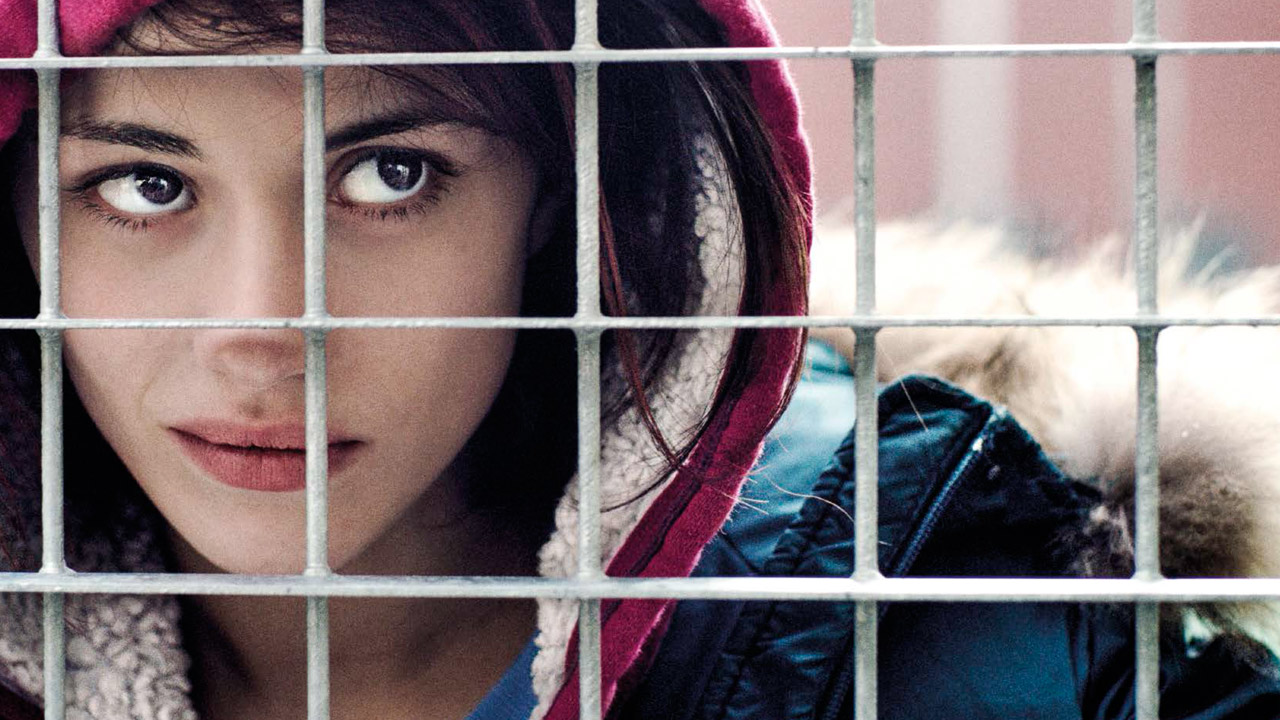
variety.com/wp-content/uploads/2016/05/fiore_06.jpg?w=100...

www.nonsolocinema.com/wp/wp-content/uploads/2016/05/MG_76...

amnc.it/wp-content/uploads/2023/11/perdialogocarcere_post...

www.italyformovies.com/film-serie-tv-games/detail/56/fiore
----------------------------------------------------------
click to activate the small icon of slideshow: the small triangle inscribed in the small rectangle, at the top right, in the photostream (it means the monitor);
or…. Press the “L” button to zoom in the image;
clicca sulla piccola icona per attivare lo slideshow: sulla facciata principale del photostream, in alto a destra c'è un piccolo rettangolo (rappresenta il monitor) con dentro un piccolo triangolo nero;
oppure…. premi il tasto “L” per ingrandire l'immagine;
www.worldphoto.org/sony-world-photography-awards/winners-...
www.fotografidigitali.it/gallery/2726/opere-italiane-segn...
………………………………………………………………………
The municipality of Mongiuffi Melia (ME), not far from Taormina, is made up of two villages, Mongiuffi and Melia, separated by a valley, a bridge joins them, they climb up the opposite ridge of two mountains, looking at each other; in this municipality (defined as a "scattered municipality" for not having a single inhabited center), there are two patron saints, San Sebastian for Melia (his float was built with the money collected by Sicilian soldiers sent to the front, to fight in Greece during the Second World War, hoping in this way to receive His intercession to save their lives), and San Leonard di Noblac (or Abbot) for Mongiuffi; but in this municipality there is also the cult of the "Virgin Mary of the Chain", whose sanctuary attracts pilgrims from everywhere. I have made this description to introduce a singular coincidence that not everyone is aware of, and to do this it is necessary to describe the figure of Saint Leonard (a kind of Saint Francis), and that of the Virgin Mary of the Chain, trying to be concise. Saint Leonard was born in Orléans around 496 (and died in Noblac, on November 6 – the feast day – of 545 or 559), and for most of his life (very interesting) he lived as a hermit; one episode of his life in particular I would like to recall, he received from Clovis, king of the Franks, the privilege of being able to free those prisoners, who he believed had been unjustly imprisoned, so from that moment on, he incessantly committed himself to giving freedom to all those prisoners who were reduced to visibly critical conditions. Let us leave this Saint for a moment, the cult of the “Virgin Mary of the Chain”, this name given to the Blessed Virgin, derives from a prodigious event that occurred in Palermo in 1392, known as the “miracle of the chains”. In short, in August 1392 in Palermo, three men for a glaring miscarriage of justice, were sentenced to death by hanging, shortly before going up to the gallows a violent storm broke out, which forced the three unfortunates and the gendarmes to take refuge in the nearby church of Saint Mary of the Port, close to the sea, also called "Churc of the Chain" due to the presence of a chain that, when positioned, prevented the Saracen pirate ships from accessing the inside of the port; in this holy place, the three condemned, were tied with double chains, in the meantime the door of the church was barred, in fact the storm did not seem to stop and in addition night had come, clearly the execution was now postponed to the next day. The three desperate men, in chains, under the gaze of the gendarmes, approached the painting of the Madonna in tears, imploring her to intercede for them, a voice was heard coming from the painting, which reassured them of their new freedom, this while the chains broke, and the door of the little church was thrown open. From then on, the cult of the Virgin Mary of the Chain spread from Palermo throughout Sicily, and even beyond. Now let's get to the coincidences I mentioned before, both Saint Leonard and the Virgin Mary of the Chain (and also Her Child that She holds in Her arms) carry a long chain in their hands, in fact both the Saint and the Blessed Virgin have given freedom to prisoners, furthermore to access Mongiuffi Melia, coming from Letojanni, you have to pass through a tunnel, called "Gallery of Postoleone" dug in the rock in 1916, with bare hands or with pickaxe blows, as explosives could not be used, by 300 Austrian prisoners, during the First World War (and also on this occasion, in Mongiuffi Melia, there are prisoners forced to do forced labor). Finally, a curiosity, very often from the cult of the Virgin Mary of the Chain, comes a singular name, very common in these parts, both in the masculine with the name of "Cateno" and in the feminine "Catena" (to quote a well-known character, the writer Catena Fiorello). Furthermore, if it rains, whatever the religious procession-feast, with the float carried on the shoulders, the float with the saint does not come out, but if the rain arrives during the event, then the event becomes a source of strong psycho-physical stress for the devotee-bearers (not for the devotee-pullers or devotee-pushers...), as the ground made slippery by the rain (or perhaps, worse, by the presence of mud mixed with water) makes the route risky due to the possibility that one, or more, bearers, could slip, with the possible overturning of the float, and easily imaginable consequences.
The photographic story that I present here was created by assembling photographs taken on November 6, 2022, November 6 and 10 of this year 2024; the heart of the celebration-procession is when the priest hangs a large “cuddurra” (donut) on the hand of Sint Leonard, on that occasion small “cuddure” (donuts) are offered to the population (prepared by hand in the days preceding the procession); there are girls wearing a typical monk's habit-like dress, adorning their head with a veil, they belong to the congregation of the "daughters of Mary" (third order Carmelite); at the end of the procession, with the float that has returned to the church, we witness a rite that has the "affective" purpose of keeping it alive, it is done so as not to lose its memory, even if it has not lost its original meaning, what remains is now only a symbolic fact, it is the ritual of "weighing" (in some centers of Sicily, it has maintained its original meaning) a wooden board is placed "in balance" on one of the two beams that are used to carry the float with the Saint on the shoulders, at the two ends a child is placed on one side, and on the other side a sack with grain, filled until the weight of the grain reaches the weight of the child, and that grain will be given as a gift to the Saint, in reality the symbolic aspect of the procedure remains, and the donation is still made to the Saint, but in paper money.
Postscript: Our Lady of the Chain and Saint Leonard freed from chains, these as such, are not only physical, there are also psychic ones, and perhaps they are the worst….
……………………………..
Il comune di Mongiuffi Melia (ME), non molto distante da Taormina, è formato da due borghi, Mongiuffi e Melia, separati da una vallata, un ponte li congiunge, essi si inerpicano sul crinale opposto di due monti, guardandosi l’un l’altro; in questo comune (definito “comune sparso” per non avere un centro abitato unico), si hanno due santi patroni, San Sebastiano per Melia (la sua vara fu costruita con i soldi racimolati dai soldati Siciliani mandati al fronte, a combattere in Grecia durante la seconda guerra mondiale, sperando così facendo di ricevere la Sua intercessione per avere salva la vita), e San Leonardo di Noblac (o Abate) per Mongiuffi; ma in questo comune vi è anche il culto per la “Madonna della Catena”, il cui santuario attira pellegrini da ogni dove. Ho fatto questa descrizione, per introdurre una singolare coincidenza della quale non tutti sono a conoscenza, e per far questo è necessario descrivere la figura di San Leonardo (una specie di San Francesco), e quella della Madonna della Catena, cercando di essere sintetico. San Leonardo nasce ad Orléans nel 496 circa (e morto a Noblac, il 6 novembre – giorno della festa – del 545 o 559), per gran parte della sua vita (interessantissima) visse da eremita; un episodio della sua vita in particolare desidero ricordare, egli riceve da Clodoveo, re dei Franchi, il privilegio di poter rendere liberi quei prigionieri, che egli riteneva fossero stati incarcerati ingiustamente, egli così, da quel momento, si impegna incessantemente a dare la libertà a tutti quei prigionieri che erano ridotti in condizioni visibilmente critiche. Lasciamo per un attimo questo Santo, il culto della “Madonna della Catena”, questo nome dato alla Beata Vergine, deriva da un evento prodigioso avvenuto a Palermo nel 1392, conosciuto come “miracolo delle catene”. In breve, nell’agosto del 1392 a Palermo, tre uomini per un eclatante errore giudiziario, furono condannati a morte per impiccagione, poco prima di salire sul patibolo si scatenò un violento temporale, che costrinse i tre malcapitati ed i gendarmi a riparare nella vicina chiesa di S. Maria del Porto, a ridosso del mare, detta anche “Chiesa della Catena” per la presenza di una catena che, quando posizionata, impediva alle navi pirata Saracene di accedere all’interno del porto; in questo luogo santo, i tre condannati, furono legati con doppie catene, nel mentre la porta della chiesa veniva sbarrata, infatti il temporale non accennava a smettere ed in più era subentrata la notte, chiaramente l’esecuzione era oramai rimandata al giorno dopo. I tre disperati, in catene, sotto lo sguardo dei gendarmi, si avvicinarono in lacrime al quadro della Madonna implorandola di intercedere per loro, dal quadro si udì provenire una voce, che li rassicurava sulla sopraggiunta libertà, questo mentre le catene si spezzavano, e la porta della chiesetta si spalancava. Da allora il culto per la Madonna della Catena si diffuse da Palermo in tutta la Sicilia, ed anche oltre. Veniamo adesso alle coincidenze di cui accennavo prima, sia San Leonardo che la Madonna della Catena (ed anche il suo Bimbo che regge in braccio) recano in mano una lunga catena, infatti sia San Leonardo che la Beata Vergine hanno dato la liberà a dei prigionieri, inoltre per accedere a Mongiuffi Melia, provenendo da Letojanni, si deve passare necessariamente da una galleria, chiamata “Galleria di Postoleone” scavata nel 1916 nella roccia, a mani nude o con colpi di piccone, in quanto non si poteva usare l’esplosivo, da parte di 300 prigionieri austriaci, durante la prima guerra mondiale (ed anche in questa occasione, a Mongiuffi Melia, si ha la presenza di prigionieri costretti ai lavori forzati). Infine una curiosità, molto spesso dal culto della Madonna della Catena, proviene un singolare nome, molto comune da queste parti, sia al maschile col nome di “Cateno” che al femminile, “Catena” (per citare un personaggio noto, la scrittrice Catena Fiorello). Inoltre, se piove, qualsiasi sia la processione-festa religiosa, con la vara portata in spalla, la vara col santo non esce, se invece la pioggia arriva durante la manifestazione, allora l’evento acquista per i devoti-portatori (non per i devoti-tiratori o devoti-spingitori…) un motivo di forte stress psico-fisico, in quanto il terreno reso scivoloso dalla pioggia (o magari, peggio, dalla presenza di fango misto ad acqua) rende rischioso il percorso per la possibilità che uno, o più portatori, possano scivolare, con il possibile ribaltamento della vara, e conseguenze facilmente immaginabili.
Il racconto fotografico che qui presento, è stato realizzato assemblando fotografie fatte il 6 novembre del 2022, il 6 ed il 10 novembre di quest’anno 2024; il fulcro della festa-processione è quando il sacerdote appende una grande cuddurra (ciambella) sulla mano di San Leonardo, in quella occasione piccole cuddure vengono offerte alla popolazione (preparate ed intrecciate a mano nei giorni precedenti la processione); sono presenti delle ragazze che indossano un tipico vestito “tipo saio di monaco”, adornando il capo con un velo, appartengono alla congregazione delle “figlie di Maria” (terz’ordine carmelitano); alla fine della processione, con la vara che ha fatto rientro in chiesa, si assiste ad un rito che ha lo scopo “affettivo” di tenerlo in vita, viene fatto per non disperderne la memoria, pur non avendo perso il suo significato originario, quel che resta è oramai solamente un fatto simbolico, è il rito della “pesatura” (in alcuni centri della Sicilia, esso ha mantenuto il suo significato originario) un asse di legno viene messo “in equilibrio” su di una delle due travi che servono a portare in spalla la vara col Santo, alle due estremità si pongono da un lato un bimbo/a, e dall’altro lato un sacco con del grano, riempito fino a quando il peso del grano raggiungerà il peso del bimbo/a, e quel grano verrà dato in dono al Santo, in realtà resta l’aspetto simbolico della procedura, la donazione viene ugualmente fatta al Santo, ma in cartamoneta.
P.S. La Madonna della Catena e San Leonardo liberavano dalle catene, queste in quanto tali, non sono solo fisiche, ci sono anche quelle psichiche, e forse sono le peggiori….
……………………………………………………………….
After all those works, the space station needs a clean-up. Luckily Mr. Robot has also a maid mode and Benny activates it without a second thought.
The noise of the super vacuum cleaners attracted some Blips that now are playing around happily. But... is it safe?!
“……………………………………”
“…………………………………..”
-----------------------------------------------------------------
click to activate the icon of slideshow: the small triangle inscribed in the small rectangle, at the top right, in the photostream;
or…. Press the “L” button to zoom in the image;
clicca sulla piccola icona per attivare lo slideshow: sulla facciata principale del photostream, in alto a destra c'è un piccolo rettangolo (rappresenta il monitor) con dentro un piccolo triangolo nero;
oppure…. premi il tasto “L” per ingrandire l'immagine;
www.worldphoto.org/sony-world-photography-awards/winners-...
www.fotografidigitali.it/gallery/2726/opere-italiane-segn...
…………………………………………………………………
This is a photographic story of two traditional Sicilian feasts that have in common the devotion to St. Philip, He is depicted in "black" color because a legend sees him as the protagonist in a fight in the Underworld against Lucifer, from whose fight He came out covered in soot . St. Philip is much celebrated in Sicily, but also in the Salerno area, in Calabria (following a path he made in life) up to Malta. The proximity to "my" Taormina with the towns of Calatabiano and Limina made my task easier, both as regards the feast of Calatabiano (CT), which I present here "on the descent", then eight days later "the ascent" of the Saint, that the feast of Limina (ME), and which I will present next time, “with the Saint taken to the Murazzo village", then eight days later "with the Saint taken up to Calvario mountain”. In the town of Calatabiano St. Philip acquires the appellation of "Siriaco", infact He came from Syria, while in the town of Limina he acquires the appellation "d'Agira", from the name of the town, in the province of Enna, where he will die, but it is always the same Saint. In this story done in Calatabiano (Catania) there are photographs of the "Calata (descent)" and of the "Acchianata (ascent), inserted not using a "chronological criterion", but according to a criterion that I would dare to define as "emotional-dynamic narrative" . Now a few brief notes on the life of this Saint, also to try to understand how the cult of Him was born in these (but also other) countries. There are two sources talking about of St. Philip, called "the Chronicles of Eusebio d'Agira" and "the Chronicles of Athanasius", these chronicles are largely discordant with each other, except for the descriptions on His characteristics as a priest and miracle worker, on His ability to perform exorcisms by driving out demons from the possessed (a metaphor of his latter ability is precisely in the movements of the devotees, who " that make the float dance and pirouette” with the saint at Limina, while in Calatabiano the same meaning is ascribed to the speed imprinted on the heavy float). He was probably born in Thrace (south-eastern region of the Balkan peninsula in 40 AD (?), at the time it was a Roman province, in the time of Arcadius, Eastern Roman emperor, born of a Syrian father and a Roman mother, during his childhood he was educated to the principles of Christianity which was spreading also in those territories. He comes from Thrace to Rome, is ordained a priest by Peter, and He is sent by Him to Sicily (pagan land under Roman rule), with the task of evangelizing those places and to perform exorcisms; He lands at “Capo Faro” in Messina starting His mandate immediately, then He travels the eastern part of Sicily heading south (hence Limina and Calatabiano, affected by his passage, thanks to His abilities as a healer and exorcist , they become devoted to Him); thus he reaches the town of Agira (Enna), where He dies there after forty years of Apostolate on the island. Let's go back to today's times, this "double descent-ascent story", was realized in the month of May of this year 2022, every year (except last two years due to the pandemic) during the Saturday eve of the third Sunday of May, in the church of “SS. Cross to the Castle”, there are the women who take care of the dressing, at dawn on Saturday they go to the church and decorate the float with flowers that will remain until the end of the feast, when the devotees will take them away with them, because they are blessed flowers; the “calata (descent)” comes to life at 18.30 sharp, it is a spectacular descent, certainly not without dangers, complicated both by the very heavy float (13 quintals) bearing the reliquary bust of the Saint supported by the devotees, and by the long and very steep - tortuous - slippery - very steep, path, which is traveled at a brisk pace (every year the greater or lesser speed of the gait is commented on), which foresees a very angled curve along the tormented path, and since in the past in this point the very heavy float skidded until it overturned, killing a young "carrier", since then this point, marked with a small altar, has been called by the popular imagination "death curve" (here the float must be able to make a sharp turn at the end of the steepest and steepest path and which shows all the expertise of the bearers, always with the leader of the float in the lead, who gives orders to his bearers; the float thus reaches the gates of the town, in the place called "of the First Cross", where the race ends here with a brief stop during which the Saint is dressed in gold, then the float is taken to the Mother Church of the town of Calatabiano. The following Sunday, the so-called "octave" (similar to the feast of San Filippo d'Agira of Limina - Messina) the ritual comes back to life, with the bearers who, at 7.00 pm sharp, leave from the Mother Church to go up to the top of Castle Mountain (so called due to the presence of a well-preserved Norman medieval castle), thus bringing the very heavy float back to its Church of the SS. Cross, located immediately below the castle. The "calata" and "l'acchianata" respectively the "descent" and the "ascent", are carried out at a brisk pace (it is not a race, as it is sometimes defined) to echo the vehemence of the Holy Exorcist in casting out demons. The devotees awaiting the descent and ascent crowd the hill above the path, many of them adorn themselves with intertwined ribbons of the three colors red-yellow-green (every year the colors of the bearers' shirts change, reporting each time one of the three colours), these ribbons or "measures" represent the hair of the Saint's beard, in fact legend has it that the young Philip descended into the Underworld to bind the devil with the hair of his beard.
The statue of the Saint is depicted with a book in his left hand, one is led to think that that book is the Gospel, in reality it is a manuscript released to Him by Pope Peter, with an "apotropaic" meaning (which cancels or removes evil influences) to help Him in his mandate in Sicily against the Evil Spirits, instead the raised right hand can have the double meaning of imparting the blessing or the culminating moment in performing an exorcism.
…………………………………………………………….
Questo è un racconto fotografico di due feste tradizionali siciliane che hanno in comune la devozione verso San Filippo, egli viene raffigurato di colore “nero” poiché una leggenda lo vede protagonista di una lotta negli Inferi contro Lucifero, dalla cui lotta ne venne fuori ricoperto di fuliggine. San Filippo è molto festeggiato in Sicilia, ma lo è anche nel salernitano, in Calabria (seguendo un suo percorso fatto in vita) fino ad arrivare al suo culto presente nell’isola di Malta. La vicinanza con la “mia” Taormina coi paesi di Calatabiano e di Limina, mi ha facilitato il compito; la festa di Calatabiano (CT) si svolge in due giornate, la prima viene chiamata “la Calata” (la discesa), poi a otto giorni di distanza c’è “a Acchianata” (la risalita) della vara delSanto, analogamente per la festa di Limina (ME), che presenterò la prossima volta, ci sarà anche li una prima giornata col Santo portato “al borgo Murazzo”, poi a otto giorni di distanza, col Santo portato fino al “Monte Calvario”. Nel paese di Calatabiano San Filippo acquista l’appellativo di “Siriaco”, cioè proveniente dalla Siria, mentre nel paese di Limina Egli acquista l’appellativo “d’Agira”, dal nome del paese, in provincia di Enna, dove egli morirà: è sempre lo stesso santo. In questo attuale racconto fatto a Calatabiano (Catania) vi sono sia le fotografie della “Calata (discesa)” che della “Acchianata (salita), inserite non utilizzando un “criterio cronologico”, ma secondo un criterio che vorrei definire “narrativo emozionale-dinamico”. Ora qualche breve cenno sulla vita di questo santo, anche per cercare di capire come nasce il suo culto in questi (ma anche in altri) paesi. Le fonti che parlano di San Filippo sono due, chiamate “le Cronache di Eusebio d’Agira” e “le Cronache di Atanasio”, queste cronache tra loro sono in buona parte discordanti, tranne le descrizioni sulle sue caratteristiche di sacerdote e di taumaturgo, sulle sue capacità di compiere esorcismi scacciando i demoni dagli impossessati (su quest’ultima sua capacità una metafora è proprio nelle movenze dei devoti, che “fanno ballare-piroettare” la vara col santo a Limina, mentre lo stesso significato a Calatabiano è legato alla velocità impressa alla pesante vara). Egli nacque probabilmente in Tracia (regione sud-orientale della penisola balcanica nel 40 d.C. (?), all’epoca era una provincia romana, ai tempi d’Arcadio, imperatore romano d’Oriente, nato da padre siriano e da madre romana, nella sua infanzia fu educato ai principi del Cristianesimo che andava propagandosi anche in quelle terre. Egli giunge dalla Tracia a Roma, viene ordinato sacerdote da Pietro, ed è proprio da Lui che viene mandato in Sicilia (terra pagana sotto il dominio Romano), col compito di evangelizzare quei luoghi e compiere esorcismi; sbarca a Capo Faro a Messina iniziando fin da subito il suo mandato, poi percorre la fascia orientale della Sicilia dirigendosi a sud verso l’Etna (ecco che Limina e Calatabiano, interessati dal suo passaggio, grazie alle sue capacità di guaritore ed esorcista, gli divengono devoti); giunge così al paese di Agira (Enna), dove lì muore dopo quarant’anni di Apostolato nell’isola. Torniamo ai tempi odierni, questo “doppio racconto discesa-risalita”, è stato realizzato nel mese di maggio di quest’anno, ogni anno (ad eccezione della pandemia che ha fermato questa tradizione per due anni), durante il sabato vigilia della terza domenica di Maggio, nella chiesa del SS. Crocifisso al Castello, la mattina le donne salgono per adornare con fiori la vara, i cui fiori alla fine della tradizionale discesa e poi quando avverrà la risalita, vengono presi dai devoti poiché sono fiori benedetti; alle 18,30 in punto del sabato, dopo che sono stati sparati “tre colpi a cannone” inizia l’avventurosissima “Calata”, si tratta di una spettacolare discesa, non certo esente da pericoli, complicata sia dal pesantissimo fercolo (13 quintali) recante il busto reliquiario del Santo sostenuto dai devoti, sia dal lungo e ripidissimo, tortuoso, scivoloso, molto scosceso, sentiero, che viene percorso a passo molto sostenuto (ogni anno viene commentata la maggiore o minore velocità dell'andatura), che prevede lungo il tormentato percorso una curva molto angolata, e poiché in passato in questo punto la pesantissima vara sbandò fino a ribaltarsi, uccidendo un giovane “portatore”, da allora questo punto, segnato con un piccolo altare, viene chiamato dalla fantasia popolare “curva della morte” (qui la vara deve poter compiere una brusca virata al termine del percorso più ripido e scosceso e che mostra tutta la perizia dei portatori, con sempre in testa il capovara, che impartisce ordini ai suoi portatori; la vara giunge così alle porte del paese, nel luogo denominato "della Prima Croce", ove qui la corsa termina con una breve sosta durante la quale il Santo viene vestito con oro, poi il fercolo viene portato alla Chiesa Madre del paese di Calatabiano. La domenica successiva, la cosiddetta "ottava", riprende vita il rito, coi portatori che, alle 19,00 in punto partono dalla Chiesa Madre per risalire fin sopra al Monte Castello (così chiamato per la presenza di un ben conservato castello medioevale Normanno), riportando così il pesantissimo fercolo nella sua Chiesa del SS. Crocifisso, ubicata subito sotto il castello. I devoti in attesa della discesa e della risalita, si assiepano numerosissimi sulla collina sovrastante il percorso, moltissimi di loro si adornano con dei nastrini intrecciati dei tre colori rosso-giallo-verde (ogni anno i colori delle magliette dei portatori cambiano, riportando ogni volta uno dei tre colori), tali nastrini o "misure" rappresentano i peli della barba del Santo, infatti la leggenda narra che il giovane Filippo discese negli Inferi per legare il demonio coi peli della sua barba.
La statua del Santo viene raffigurata con un libro nella mano sinistra, si è portati a pensare che quel libro sia il Vangelo, in realtà è un manoscritto rilasciatogli dal Papa Pietro, dal significato "apotropaico" (che annulla o allontana gli influssi maligni) per aiutarlo nel suo mandato in Sicilia contro gli Spiriti Demoniaci, invece la mano destra alzata può avere il doppio significato di chi imparte la benedizione oppure il momento culminante di chi esegue un esorcismo nel momento in cui scaccia via il Maligno.
"Mr. Carlo, waiter of the Mocambo bar in Taormina, poses in front of the gigantographic reproductions of portraits of Baron Wilhelm von Gloeden, which are located inside the renowned and historic venue, which overlooks Corso Umberto"
“il signor Carlo, cameriere del bar Mocambo di Taormina, posa davanti alle riproduzioni gigantografiche di ritratti del barone Wilhelm von Gloeden, che si trovano all'interno del rinomato e storico locale, che si affaccia sul Corso Umberto”
-----------------------------------------------------------------
click to activate the icon of slideshow: the small triangle inscribed in the small rectangle, at the top right, in the photostream;
or…. Press the “L” button to zoom in the image;
clicca sulla piccola icona per attivare lo slideshow: sulla facciata principale del photostream, in alto a destra c'è un piccolo rettangolo (rappresenta il monitor) con dentro un piccolo triangolo nero;
oppure…. premi il tasto “L” per ingrandire l'immagine;
www.worldphoto.org/sony-world-photography-awards/winners-...
www.fotografidigitali.it/gallery/2726/opere-italiane-segn...
……………………………………………………………………….
The photographer Baron Wilhelm von Gloeden: and some "secret stories” of Taormina ...
At the age of about 11-12, I made a very particular discovery, I found a fair number of ancient photographs (they had been well hidden by my grandmother) inside an ancient chest of drawers in our house in Taormina, for me it was a huge surprise, the a taste for the forbidden appeared in me for the first time, they were black and white photographs, they portrayed naked boys, or only partially dressed in drapes or sheets, they were posed to imitate certain statues (or drawings) of the Greco-Roman period; I was very intrigued by them, every now and then I went to look at them, without ever feeling discomfort, I did not consider them vulgar photographs. Some of the photos were the size of a postcard, others of various sizes increasingly larger, up to a format similar to A3; on the back there were stamps, there were also, inside small red cardboard boxes, glass plates, not large, looking at them against the light, they let us glimpse images of naked boys, or only partially dressed: they were photographic negatives made on glass plates. What was that particular photographic material hidden by my grandmother in the dresser of our house? Let's take a step back in time let's teleport to April 2, 1787 when the German poet, narrator, playwright Johan Wolfgang von Goethe (1749-1832) lands in Palermo, following his Grand Tour in Italy (the word "tourism" derives from it) he will say of Sicily that it is a place of splendor, beauty and harmony, but at the same time a place of poverty, suffering, misery and social injustice; Goethe wrote the book "Journey to Italy", revealing himself to be one of Italy's most passionate admirers, stating that "Sicily is the key to everything" (the incredible resemblance of thought with the great Sicilian writer and journalist Leonardo Sciascia (1921-1989) who published in 1979 the book entitled “Sicily as a metaphor”). At the time of Goethe (and for a long time to come) the knowledge of Sicily was made up of stereotyped ideas, it was considered a land of mysteries, a den of brigands, which aroused fear in travelers, tourism did not exist, very few knew a foreign language, journeys with carriages were slow, nothing strange therefore that Taormina was an unknown village at the time. Garibaldi, in the year 1860, frees Sicily from the domination of the Bourbons. In February 1863, Count Ottone (Otto) Geleng (1843-1939) arrives in Taormina from Germany, he is a landscape painter, he begins an intense pictorial activity, thus succeeding in making Taormina and its landscapes known in the various cultural circles of Germany and France. Count Otto thus invites the then painter (who later became a photographer) Baron Wilhelm von Gloeden (1856-1931) to come to Taormina to treat his "subtle ache", pulmonary tuberculosis, which would have benefited from the mild climate of Sicily. Von Gloeden, twenty-two, arrived in Taormina in 1878, became passionate about photography by taking lessons from the local engineer and photographer Giuseppe Bruno (1836-1904), perhaps also a teacher of Giovanni Crupi (1859-1925), landscape photographer friend of von Gloeden, Crupi himself could also have contributed to the training as a photographer of the young von Gloeden. Like Otto Geleng's paintings, the photographs of the young Wilhelm also began to entice the then bourgeoisie across the border to come to Sicily: in the last 20 years of the 1800s the foundations were being laid for tourism in Sicily. The photographs taken by von Gloeden had as their subject young Sicilian adolescents dressed in the old-fashioned way with drapes, or completely naked, at most adorned with wreaths of flowers or laurel leaves placed on their heads, the young models assumed well-studied poses under the directed by the photographer baron, designed to create scenes that wanted to reconstruct the atmosphere of the mythical Arcadia (bucolic landscape of ancient Greece). In his poetics we can find the interest in disguise and transvestism, the young fisherman is made ambiguous by making him wear a wig, made resembling a young Sicilian girl; the images are not produced for the sole and mere trade, they are works that will be published in various famous magazines (such as "The National Geographic Magazine" or "the photographic progress", A. Stieglitz publishes his nudes on “Camera Notes"), also participating in international photographic exhibitions. The young models are filmed among ancient ruins, in rocky environments, outdoors, eliciting a spiritual feeling full of nostalgia, which follows pictorial models of German romanticism. In the photographic book "Verga photographer" (created on the discovery of 327 glass plates and 121 celluloid frames), in Giovanni Verga (1840-1922) great Sicilian narrator, it is possible to observe his photographs interwoven with "realism", while in the photographs of von Gloeden the symbolism andthe spiritualism predominate, however Wilhelm will also produce documentary-type photographs, photographing the terrible earthquake (and tsunami) of Messina (and Reggio Calabria) of 1908. Von Gloeden seems fully integrated into the Taormina society , nevertheless suffers heavy homophobic attacks from the local press and from important characters from Taormina, including Otto Geleng himself, who will be sued by the baron, which will then be withdrawn upon payment of 896 lire, and a restorative declaration published in the "Gazzetta di Messina" . Von Gloeden worked in his house-studio in front of the Hotel San Domenico Palace, with him lived his sister Sofia Raabe (1847-1930), daughter of his mother's first husband, who helped him manage the house-studio, and in the to receive the illustrious guests who visited him (such as Oscar Wilde, FA Krupp, Richard Strauss, the German emperor Wilhelm II, Eleonora Duse). Von Gloeden died on February 16, 1931 at the age of 74, he was buried in the non-Catholic cemetery of Taormina, his heir was his all-around assistant Pancrazio Buciunì known as "il moro" (1879-1963) ("u 'moru", family nickname), which continues the activity, selling the prints: he undergoes two searches in full fascist regime with partial seizure and destruction of the photographic material that belonged to von Gloeden (fascism persecuted homosexuals, the repression of homosexuality was entrusted to the fascist police, which confined many homosexuals to the islands of the Mediterranean, Lipari was one of these, see the beautiful film by Ettore Scola "a special day"), Buciunì undergoes two trials for detention of obscene material, and, despite an adverse appraisal by the appointed expert prof. Stefano Bottari, holder of the chair of history of medieval and modern art at the University of Messina, who declares much of the seized material obscene, the Court of Messina, demonstrating tolerance and open-mindedness, acquits Buciunì. At this point in the story we return to my grandmother's dresser and reveal the little mystery: the hidden photographs belonged to my great-grandfather Don Gaetano D'Agata (1883-1949), von Gloeden's assistant photographer, also on the baron's teaching, he made nude photographs, as well as landscape or portrait photographs; Don Gaetano was a globetrotter, in our family album he is portrayed in various parts of the world, always in the company of beautiful women: but I will never know if those "forbidden photos" were taken by my great-grandfather Gaetano or by Von Gloeden himself, because my grandmother, having understood that I was going to peek at them in secret, made them disappear permanently, and I never heard anymore of that photographic material. For my part, it is only right to mention other figures who contributed to making Taormina the current destination for international tourism. Lady Florence Trevelyan (1852-1907), was Queen Victoria's lady-in-waiting, she was then sent into exile in various parts of the world by Queen herself, she arrived in Taormina and stayed there forever, she was a woman of exceptional gifts, endowed with great sensitivity and humanity, animal rights activist, philanthropist, passionate about esotericism, she was married to the then mayor and doctor of Taormina dr. Salvatore Cacciola, she were one of the first women admitted to world Freemasonry (her husband Cacciola also belonged to Freemasonry): I have already talked about it previously in one of my photographic stories. On the occasion of the XXI festival of the two worlds in Spoleto, in 1978, the essayist and literary critic Roland Barthes (1915-1980) curated an exhibition entitled "Wilhelm von Gloeden", with interventions by artists such as Andy Warhol, M. Pistoletto and J. Beuys. Finally, Raffaella Perna, Researcher in History of Contemporary Art at the University of Catania, underlines in her book on "Wilhelm von Gloeden, disguises, portraits, tableaux vivants", of how LaChapelle, Witkin, Mapplethorpe are the contemporary artists who they are indicated as heirs of von Gloeden's poetics.
P.S. Von Gloeden's photographs were made by photographing both the large panels with gigantographic reproductions of von Gloeden's works, which are located at the entrance of the Mocambo bar in Taormina, and in the shop-bazaar of the photographer from Taormina, my late friend, Nino Malmbrì (owner of the baron's original photographic material). The photographs of Gaetano D’Agata, were taken from my family album: in a photo a little damaged, but exceptional for its historical and emotional value, my great-grandfather, the photographer Gaetano D'Agata, here very young, holds his daughter "Ninitta" (a of the four children, had by three wives), she is my paternal grandmother; in another photo, the photographer Gaetano D'Agata poses next to her a few years later, with my grandmother already a young girl; always made by great-grandfather D'Agata there is both a portrait photo, a close-up, of my very young grandmother "Ninitta", and there is a photo of her posing as a peasant girl, with a painted backdrop behind her, as if used in studio photos; finally I put two photos taken by my great-grandfather Gaetano "en plein air" of bathers, "the location" is the beach of Mazzarò (Taormina). The photographs of the tombstones of the characters mentioned in the story were taken in the Catholic and non-Catholic cemetery of Taormina; the monumental funerary complex of Count Otto Geleng at the top presents the bust of his son Ermanno, the presence of symbolisms such as the hourglass, the rooster, the book (the Holy Bible) and the god mercury, makes me believe that Count Otto was part of the Masonic lodge of Taormina, at the time the mayor of Taormina was also part of it, dr. Cacciola and his wife Lady Florence Trevelyan: in his palace, Dr. Cacciola, built a temple, which became the first Masonic lodge in Taormina: the "Renaissance" (1904).
----------------------------------------------------------
Il barone fotografo Wilhelm von Gloeden: ed alcune “storie segrete” di Taormina …
Io, all’età di circa 11-12 anni, feci una scoperta molto particolare, trovai un discreto numero di antiche fotografie (erano state ben nascoste da mia nonna) dentro un antico comò in casa nostra a Taormina, per me fu una enorme sorpresa, il gusto del proibito si affacciò in me per la prima volta, erano fotografie in bianco e nero, ritraevano ragazzi nudi, o solo in parte vestiti con drappi o lenzuoli, messi in posa imitavano certe statue (o disegni) del periodo greco-romano; io ne ero rimasto molto incuriosito, ogni tanto le andavo a riguardare, senza mai provare disagio, non le consideravo fotografie volgari. Alcune foto erano della grandezza di una cartolina, altre di varie dimensioni sempre più grandi, fino ad arrivare ad un formato assimilabile all’A3; sul retro c’erano impressi dei timbri, c’erano anche, dentro dei piccoli scatoli in cartoncino di colore rosso, delle lastrine in vetro, non grandi, guardandole in controluce, lasciavano intravedere immagini di ragazzi nudi, o poco vestiti: erano i negativi fotografici realizzati su vetro. Cosa ci faceva quel materiale fotografico, così particolare, nascosto da mia nonna nel comò di casa nostra? Facciamo un salto indietro nel tempo teletrasportiamoci al 2 aprile 1787 quando a Palermo sbarca il poeta, narratore, drammaturgo tedesco Johan Wolfgang von Goethe (1749-1832), in seguito al suo Grand Tour in Italia (turismo deriva da esso) dirà della Sicilia che essa è luogo di splendore, bellezza ed armonia, ma al tempo stesso luogo di povertà, sofferenza, miseria ed ingiustizia sociale; Goethe scrive il libro “Viaggio in Italia”, rivelandosi uno dei più appassionati ammiratori dell’Italia, affermando che “la Sicilia è la chiave di tutto” (incredibile la rassomiglianza di pensiero col grande scrittore e giornalista siciliano Leonardo Sciascia (1921-1989) che pubblica nel 1979 il libro dal titolo “la Sicilia come metafora”). Ai tempi di Goethe (e per molto tempo ancora) la conoscenza della Sicilia era fatta di idee stereotipate, era considerata terra di misteri, covo di briganti, il che incuteva timore nei viaggiatori, il turismo non esisteva, pochissimi conoscevano una lingua straniera, i viaggi con carrozze ertano lenti, nulla di strano quindi che Taormina fosse all’epoca un villaggio sconosciuto. Garibaldi, nell’anno 1860, libera la Sicilia dalla dominazione dei Borboni. Nel febbraio del 1863, dalla Germania giunge a Taormina il conte Ottone (Otto) Geleng (1843-1939), egli è un pittore paesaggista, inizia una intensa attività pittorica, riuscendo in tal modo a far conoscere Taormina ed i suoi paesaggi nei vari circoli culturali della Germania e della Francia. Il conte Otto invita così l’allora pittore (poi divenuto fotografo) barone Wilhelm von Gloeden (1856-1931) a venire a Taormina per curare il suo “mal sottile”, la tubercolosi polmonare, che avrebbe tratto giovamento dal clima mite della Sicilia. Von Gloeden, ventiduenne, nel 1878 giunge a Taormina, si appassiona alla fotografia prendendo lezioni dall’ingegnere e fotografo locale Giuseppe Bruno (1836-1904), forse anche insegnante di Giovanni Crupi (1859-1925), fotografo paesaggista amico di von Gloeden, il quale Crupi stesso potrebbe anche aver contribuito alla formazione come fotografo del giovane von Gloeden. Così come i dipinti di Otto Geleng, anche le fotografie del giovane Wilhelm incominciarono ad invogliare l’allora borghesia d’oltre confine, a venire in Sicilia: negli ultimi 20 anni dell’800 si stavano gettando le basi per il turismo in Sicilia. Le fotografie realizzate da von Gloeden avevano come soggetto giovani adolescenti siciliani vestiti all’antica con drappi, o completamente nudi, tutt’al più adornati da coroncine di fiorellini o foglie d’alloro messi sul capo, i giovani modelli assumevano pose ben studiate sotto la regia del barone fotografo, atte a realizzare scene che volevano ricostruire l’atmosfera della mitica Arcadia (paesaggio bucolico dell’antica Grecia). Nella sua poetica possiamo riscontrare l’interesse per il travestimento ed il travestitismo, il giovane pescatore viene reso ambiguo facendogli indossare una parrucca, reso somigliante ad una giovane ragazza siciliana; le immagini non vengono prodotte per il solo e mero commercio, sono opere che verranno pubblicate su varie riviste famose (come “The National Geographic Magazine” o “Il Progresso fotografico”, A. Stieglitz pubblica i suoi nudi su “Camera Notes”), partecipando anche ad esposizioni fotografiche internazionali. I giovani modelli sono ripresi tra antichi ruderi, in ambienti rupestri, all’aperto, elicitando un sentimento spirituale carico di nostalgia, il che ricalca modelli pittorici del romanticismo tedesco. Nel libro fotografico “Verga fotografo” (realizzato su ritrovamento di 327 lastre in vetro e 121 fotogrammi in celluloide), in Giovanni Verga (1840-1922) grande narratore siciliano, è possibile osservare le sue fotografie intessute di “verismo”, mentre nelle fotografie di von Gloeden predomina il simbolismo e lo spiritualismo, purtuttavia Wilhelm produrrà anch’egli fotografie di tipo documentaristico, andando a fotografare il terribile terremoto (e maremoto) di Messina (e di Reggio Calabria) del 1908. Von Gloeden sembra pienamente integrato nella società taorminese, ciononostante subisce pesanti attacchi omofobi dalla stampa locale e da importanti personaggi taorminesi, incluso lo stesso Otto Geleng, i quali verranno querelati dal barone, querela che verrà poi ritirata dietro pagamento di 896 lire, ed una dichiarazione riparatoria pubblicata sulla “Gazzetta di Messina”. Von Gloeden lavorava nella sua casa-studio di fronte l’Hotel San Domenico Palace, con lui viveva sua sorella Sofia Raabe (1847-1930), figlia del primo marito di sua madre, che lo aiutava a governare la casa-studio, e nel ricevere gli illustri ospiti che lo andavano a trovare ( come Oscar Wilde, F.A. Krupp, Richard Strauss, l’imperatore tedesco Guglielmo II, Eleonora Duse). Von Gloeden muore il 16 febbraio 1931 all’età di 74 anni, viene sepolto nel cimitero acattolico di Taormina, il suo erede è il suo assistente tutto fare Pancrazio Buciunì detto “il moro” (1879-1963) (“u’ moru”, soprannome di famiglia), che ne prosegue l’attività, vendendone le stampe: il quale subisce in pieno regime fascista due perquisizioni con parziale sequestro e distruzione del materiale fotografico che apparteneva a von Gloeden (il fascismo perseguitò gli omosessuali, la repressione dell’omosessualità fu affidata alla polizia fascista, che confinò molti omosessuali nelle isole del mediterraneo, Lipari fu una di queste, vedi il bellissimo film di Ettore Scola “una giornata particolare”), Buciunì subisce due processi per detenzione di materiale osceno, e, nonostante una perizia avversa da parte del nominato perito prof. Stefano Bottari, titolare della cattedra di storia dell’arte medioevale e moderna dell’Università di Messina, che dichiara osceno gran parte del materiale sequestrato, il Tribunale di Messina dimostrando tolleranza ed apertura mentale, assolve il Buciunì. A questo punto del racconto ritorniamo al comò di mia nonna e sveliamo il piccolo mistero: le fotografie nascoste appartenevano al mio bisnonno don Gaetano D’Agata (1883-1949), assistente fotografo di von Gloeden, anch’egli sull’insegnamento del barone, realizzò fotografie di nudo, oltre che di paesaggio o ritratto; don Gaetano era un giramondo, nel nostro album di famiglia lui è ritratto in varie parti del mondo, sempre in compagnia di belle donne: ma io non saprò mai se quelle “foto proibite” erano realizzate dal mio bisnonno Gaetano o da Von Gloeden stesso, perché mia nonna, avendo capito che le andavo a sbirciare di nascosto, le fece sparire definitivamente, e di quel materiale fotografico non ne seppi più nulla. Da parte mia, è doveroso citare altre figure che contribuirono a rendere Taormina l’attuale meta del turismo internazionale. Lady Florence Trevelyan (1852-1907), era dama di corte della regina Vittoria, dalla stessa regina Lady Florence fu poi mandata in esilio in varie parti del mondo, giunse a Taormina e qui vi restò per sempre, era una donna dalle doti eccezionali, dotata di grande sensibilità ed umanità, animalista, filantropa, appassionata di esoterismo, fu sposa dell’allora sindaco e medico di Taormina dott. Salvatore Cacciola, fu una delle prime donne ammesse alla massoneria mondiale (apparteneva alla massoneria anche il marito Cacciola): ne ho già parlato in precedenza in un mio racconto fotografico. Robert Hawthorn Kitson (1873-1947) era un pittore britannico omosessuale, egli lasciò l’Inghilterra a causa dell’emendamento Labouchere, che rendeva illegale qualsiasi atto omosessuale nel Regno Unito (1885), giunse a Taormina e qui si stabilì, costruendo nel 1905 Casa Cusani, una villa con vista sull’Etna, oggi casa museo; nella sua sala da pranzo si trovano gli affreschi “proibiti” realizzati da Frank Brangwyn, essi narrano dell’amore omosessuale tra Kitson ed il suo compagno Carlo Siligato: nel 1908 in seguito al terremoto che distrusse Messina (e Reggio Calabria), essi adottarono un bambino che era rimasto orfano, divenendo di fatto una famiglia omosessuale, all’epoca assolutamente proibita; gli affreschi di Casa Cuseni sono ispirati alle fotografie di von Gloeden, così come nella villa, si trova una “autocromia a colori” del 1910, realizzata da von Gloeden, documento eccezionale che testimonia la volontà del barone di sperimentare nuove tecniche. In occasione del XXI festival dei due mondi di Spoleto, nel 1978, il saggista e critico letterario Roland Barthes (1915-1980) cura una mostra intitolata “Wilhelm von Gloeden”, con interventi di artisti quali Andy Warhol, M. Pistoletto e J. Beuys. Infine, Raffaella Perna, Ricercatrice in Storia dell'arte contemporanea all'Università degli Studi di Catania, sottolinea nel suo libro su “Wilhelm von Gloeden, travestimenti, ritratti, tableaux vivants”, di come LaChapelle, Witkin, Mapplethorpe siano gli artisti contemporanei che vengono indicati come eredi della poetica di von Gloeden.
P.S. le fotografie di Von Gloeden sono state realizzate fotografando sia i grandi pannelli con gigantografiche riproduzioni delle opere di von Gloeden, che si trovano all’ingresso del bar Mocambo di Taormina, sia nel negozio-bazar del fotografo taorminese, compianto mio amico, Nino Malmbrì (possessore di materiale fotografico originale del barone). Le fotografie di Gaetano D’Agata, sono state prese dal mio album di famiglia: in una foto un pò rovinata, ma eccezionale per il suo valore storico e per me affettivo, il mio bisnonno, il fotografo Gaetano D'Agata, qui molto giovane, tiene in braccio sua figlia "Ninitta" (una dei quattro figli, avuti da tre mogli), lei è la mia nonna paterna; in un'altra foto, il fotografo Gaetano D'Agata posa accanto a lei qualche anno dopo, con mia nonna già ragazzina; sempre realizzate dal bisnonno D'Agata c'è sia un foto-ritratto, un primo piano, di mia nonna "Ninitta" molto giovane, e c'è la foto di lei mentre posa come contadinella, con dietro un fondale dipinto, come si usava nelle foto da studio; infine ho messo, due foto realizzate dal mio bisnonno Gaetano "en plein air" a delle bagnanti, "la location" è la spiaggia di Mazzarò (Taormina). Le fotografie delle tombe dei personaggi menzionati nel racconto, sono state fatte nel cimitero cattolico ed acattolico di Taormina; il complesso monumentale funerario del conte Otto Geleng in alto presenta il mezzobusto del figlio Ermanno, la presenza di simbolismi come la clessidra, il gallo, il libro (la Sacra Bibbia) ed il dio mercurio, mi fa ritenere che il conte Otto facesse parte della loggia massonica di Taormina, all’epoca ne faceva parte anche il sindaco di Taormina, dott. Cacciola e sua moglie Lady Florence Trevelyan: nel suo palazzo il dott. Cacciola, realizzò un tempio, che divenne la prima loggia massonica di Taormina : la "Rinascimento"(1904).
Common Saints - Activate
www.youtube.com/watch?v=9LFwAmW-xwU&list=RD9LFwAmW-xw...
AI Grok edited this old SL pic:
www.flickr.com/photos/snissia/54910124161/in/dateposted-p...
Admit that we can’t wait until this is the everyday normal in avatar movements.
Thanks, Stark, for the inspiration! ❤️
www.flickr.com/photos/202883608@N08/54930581314/in/datepo...
+++ DISCLAIMER +++
Nothing you see here is real, even though the conversion or the presented background story might be based on historical facts. BEWARE!
Some background:
The OV-10 Bronco was initially conceived in the early 1960s through an informal collaboration between W. H. Beckett and Colonel K. P. Rice, U.S. Marine Corps, who met at Naval Air Weapons Station China Lake, California, and who also happened to live near each other. The original concept was for a rugged, simple, close air support aircraft integrated with forward ground operations. At the time, the U.S. Army was still experimenting with armed helicopters, and the U.S. Air Force was not interested in close air support.
The concept aircraft was to operate from expedient forward air bases using roads as runways. Speed was to be from very slow to medium subsonic, with much longer loiter times than a pure jet. Efficient turboprop engines would give better performance than piston engines. Weapons were to be mounted on the centerline to get efficient aiming. The inventors favored strafing weapons such as self-loading recoilless rifles, which could deliver aimed explosive shells with less recoil than cannons, and a lower per-round weight than rockets. The airframe was to be designed to avoid the back blast.
Beckett and Rice developed a basic platform meeting these requirements, then attempted to build a fiberglass prototype in a garage. The effort produced enthusiastic supporters and an informal pamphlet describing the concept. W. H. Beckett, who had retired from the Marine Corps, went to work at North American Aviation to sell the aircraft.
The aircraft's design supported effective operations from forward bases. The OV-10 had a central nacelle containing a crew of two in tandem and space for cargo, and twin booms containing twin turboprop engines. The visually distinctive feature of the aircraft is the combination of the twin booms, with the horizontal stabilizer that connected them at the fin tips. The OV-10 could perform short takeoffs and landings, including on aircraft carriers and large-deck amphibious assault ships without using catapults or arresting wires. Further, the OV-10 was designed to take off and land on unimproved sites. Repairs could be made with ordinary tools. No ground equipment was required to start the engines. And, if necessary, the engines would operate on high-octane automobile fuel with only a slight loss of power.
The aircraft had responsive handling and could fly for up to 5½ hours with external fuel tanks. The cockpit had extremely good visibility for both pilot and co-pilot, provided by a wrap-around "greenhouse" that was wider than the fuselage. North American Rockwell custom ejection seats were standard, with many successful ejections during service. With the second seat removed, the OV-10 could carry 3,200 pounds (1,500 kg) of cargo, five paratroopers, or two litter patients and an attendant. Empty weight was 6,969 pounds (3,161 kg). Normal operating fueled weight with two crew was 9,908 pounds (4,494 kg). Maximum takeoff weight was 14,446 pounds (6,553 kg).
The bottom of the fuselage bore sponsons or "stub wings" that improved flight performance by decreasing aerodynamic drag underneath the fuselage. Normally, four 7.62 mm (.308 in) M60C machine guns were carried on the sponsons, accessed through large forward-opening hatches. The sponsons also had four racks to carry bombs, pods, or fuel. The wings outboard of the engines contained two additional hardpoints, one per side. Racked armament in the Vietnam War was usually seven-shot 2.75 in (70 mm) rocket pods with white phosphorus marker rounds or high-explosive rockets, or 5" (127 mm) four-shot Zuni rocket pods. Bombs, ADSIDS air-delivered/para-dropped unattended seismic sensors, Mk-6 battlefield illumination flares, and other stores were also carried.
Operational experience showed some weaknesses in the OV-10's design. It was significantly underpowered, which contributed to crashes in Vietnam in sloping terrain because the pilots could not climb fast enough. While specifications stated that the aircraft could reach 26,000 feet (7,900 m), in Vietnam the aircraft could reach only 18,000 feet (5,500 m). Also, no OV-10 pilot survived ditching the aircraft.
The OV-10 served in the U.S. Air Force, U.S. Marine Corps, and U.S. Navy, as well as in the service of a number of other countries. In U.S. military service, the Bronco was operated until the early Nineties, and obsoleted USAF OV-10s were passed on to the Bureau of Alcohol, Tobacco, and Firearms for anti-drug operations. A number of OV-10As furthermore ended up in the hands of the California Department of Forestry (CDF) and were used for spotting fires and directing fire bombers onto hot spots.
This was not the end of the OV-10 in American military service, though: In 2012, the type gained new attention because of its unique qualities. A $20 million budget was allocated to activate an experimental USAF unit of two airworthy OV-10Gs, acquired from NASA and the State Department. These machines were retrofitted with military equipment and were, starting in May 2015, deployed overseas to support Operation “Inherent Resolve”, flying more than 120 combat sorties over 82 days over Iraq and Syria. Their concrete missions remained unclear, and it is speculated they provided close air support for Special Forces missions, esp. in confined urban environments where the Broncos’ loitering time and high agility at low speed and altitude made them highly effective and less vulnerable than helicopters.
Furthermore, these Broncos reputedly performed strikes with the experimental AGR-20A “Advanced Precision Kill Weapons System (APKWS)”, a Hydra 70-millimeter rocket with a laser-seeking head as guidance - developed for precision strikes against small urban targets with little collateral damage. The experiment ended satisfactorily, but the machines were retired again, and the small unit was dissolved.
However, the machines had shown their worth in asymmetric warfare, and the U.S. Air Force decided to invest in reactivating the OV-10 on a regular basis, despite the overhead cost of operating an additional aircraft type in relatively small numbers – but development and production of a similar new type would have caused much higher costs, with an uncertain time until an operational aircraft would be ready for service. Re-activating a proven design and updating an existing airframe appeared more efficient.
The result became the MV-10H, suitably christened “Super Bronco” but also known as “Black Pony”, after the program's internal name. This aircraft was derived from the official OV-10X proposal by Boeing from 2009 for the USAF's Light Attack/Armed Reconnaissance requirement. Initially, Boeing proposed to re-start OV-10 manufacture, but this was deemed uneconomical, due to the expected small production number of new serial aircraft, so the “Black Pony” program became a modernization project. In consequence, all airframes for the "new" MV-10Hs were recovered OV-10s of various types from the "boneyard" at Davis-Monthan Air Force Base in Arizona.
While the revamped aircraft would maintain much of its 1960s-vintage rugged external design, modernizations included a completely new, armored central fuselage with a highly modified cockpit section, ejection seats and a computerized glass cockpit. The “Black Pony” OV-10 had full dual controls, so that either crewmen could steer the aircraft while the other operated sensors and/or weapons. This feature would also improve survivability in case of incapacitation of a crew member as the result from a hit.
The cockpit armor protected the crew and many vital systems from 23mm shells and shrapnel (e. g. from MANPADS). The crew still sat in tandem under a common, generously glazed canopy with flat, bulletproof panels for reduced sun reflections, with the pilot in the front seat and an observer/WSO behind. The Bronco’s original cargo capacity and the rear door were retained, even though the extra armor and defensive measures like chaff/flare dispensers as well as an additional fuel cell in the central fuselage limited the capacity. However, it was still possible to carry and deploy personnel, e. g. small special ops teams of up to four when the aircraft flew in clean configuration.
Additional updates for the MV-10H included structural reinforcements for a higher AUW and higher g load maneuvers, similar to OV-10D+ standards. The landing gear was also reinforced, and the aircraft kept its ability to operate from short, improvised airstrips. A fixed refueling probe was added to improve range and loiter time.
Intelligence sensors and smart weapon capabilities included a FLIR sensor and a laser range finder/target designator, both mounted in a small turret on the aircraft’s nose. The MV-10H was also outfitted with a data link and the ability to carry an integrated targeting pod such as the Northrop Grumman LITENING or the Lockheed Martin Sniper Advanced Targeting Pod (ATP). Also included was the Remotely Operated Video Enhanced Receiver (ROVER) to provide live sensor data and video recordings to personnel on the ground.
To improve overall performance and to better cope with the higher empty weight of the modified aircraft as well as with operations under hot-and-high conditions, the engines were beefed up. The new General Electric CT7-9D turboprop engines improved the Bronco's performance considerably: top speed increased by 100 mph (160 km/h), the climb rate was tripled (a weak point of early OV-10s despite the type’s good STOL capability) and both take-off as well as landing run were almost halved. The new engines called for longer nacelles, and their circular diameter markedly differed from the former Garrett T76-G-420/421 turboprop engines. To better exploit the additional power and reduce the aircraft’s audio signature, reversible contraprops, each with eight fiberglass blades, were fitted. These allowed a reduced number of revolutions per minute, resulting in less noise from the blades and their tips, while the engine responsiveness was greatly improved. The CT7-9Ds’ exhausts were fitted with muzzlers/air mixers to further reduce the aircraft's noise and heat signature.
Another novel and striking feature was the addition of so-called “tip sails” to the wings: each wingtip was elongated with a small, cigar-shaped fairing, each carrying three staggered, small “feather blade” winglets. Reputedly, this installation contributed ~10% to the higher climb rate and improved lift/drag ratio by ~6%, improving range and loiter time, too.
Drawing from the Iraq experience as well as from the USMC’s NOGS test program with a converted OV-10D as a night/all-weather gunship/reconnaissance platform, the MV-10H received a heavier gun armament: the original four light machine guns that were only good for strafing unarmored targets were deleted and their space in the sponsons replaced by avionics. Instead, the aircraft was outfitted with a lightweight M197 three-barrel 20mm gatling gun in a chin turret. This could be fixed in a forward position at high speed or when carrying forward-firing ordnance under the stub wings, or it could be deployed to cover a wide field of fire under the aircraft when it was flying slower, being either slaved to the FLIR or to a helmet sighting auto targeting system.
The original seven hardpoints were retained (1x ventral, 2x under each sponson, and another pair under the outer wings), but the total ordnance load was slightly increased and an additional pair of launch rails for AIM-9 Sidewinders or other light AAMs under the wing tips were added – not only as a defensive measure, but also with an anti-helicopter role in mind; four more Sidewinders could be carried on twin launchers under the outer wings against aerial targets. Other guided weapons cleared for the MV-10H were the light laser-guided AGR-20A and AGM-119 Hellfire missiles, the Advanced Precision Kill Weapon System upgrade to the light Hydra 70 rockets, the new Laser Guided Zuni Rocket which had been cleared for service in 2010, TV-/IR-/laser-guided AGM-65 Maverick AGMs and AGM-122 Sidearm anti-radar missiles, plus a wide range of gun and missile pods, iron and cluster bombs, as well as ECM and flare/chaff pods, which were not only carried defensively, but also in order to disrupt enemy ground communication.
In this configuration, a contract for the conversion of twelve mothballed American Broncos to the new MV-10H standard was signed with Boeing in 2016, and the first MV-10H was handed over to the USAF in early 2018, with further deliveries lasting into early 2020. All machines were allocated to the newly founded 919th Special Operations Support Squadron at Duke Field (Florida). This unit was part of the 919th Special Operations Wing, an Air Reserve Component (ARC) of the United States Air Force. It was assigned to the Tenth Air Force of Air Force Reserve Command and an associate unit of the 1st Special Operations Wing, Air Force Special Operations Command (AFSOC). If mobilized the wing was gained by AFSOC (Air Force Special Operations Command) to support Special Tactics, the U.S. Air Force's special operations ground force. Similar in ability and employment to Marine Special Operations Command (MARSOC), U.S. Army Special Forces and U.S. Navy SEALs, Air Force Special Tactics personnel were typically the first to enter combat and often found themselves deep behind enemy lines in demanding, austere conditions, usually with little or no support.
The MV-10Hs are expected to provide support for these ground units in the form of all-weather reconnaissance and observation, close air support and also forward air control duties for supporting ground units. Precision ground strikes and protection from enemy helicopters and low-flying aircraft were other, secondary missions for the modernized Broncos, which are expected to serve well into the 2040s. Exports or conversions of foreign OV-10s to the Black Pony standard are not planned, though.
General characteristics:
Crew: 2
Length: 42 ft 2½ in (12,88 m) incl. pitot
Wingspan: 45 ft 10½ in(14 m) incl. tip sails
Height: 15 ft 2 in (4.62 m)
Wing area: 290.95 sq ft (27.03 m²)
Airfoil: NACA 64A315
Empty weight: 9,090 lb (4,127 kg)
Gross weight: 13,068 lb (5,931 kg)
Max. takeoff weight: 17,318 lb (7,862 kg)
Powerplant:
2× General Electric CT7-9D turboprop engines, 1,305 kW (1,750 hp) each,
driving 8-bladed Hamilton Standard 8 ft 6 in (2.59 m) diameter constant-speed,
fully feathering, reversible contra-rotating propellers with metal hub and composite blades
Performance:
Maximum speed: 390 mph (340 kn, 625 km/h)
Combat range: 198 nmi (228 mi, 367 km)
Ferry range: 1,200 nmi (1,400 mi, 2,200 km) with auxiliary fuel
Maximum loiter time: 5.5 h with auxiliary fuel
Service ceiling: 32.750 ft (10,000 m)
13,500 ft (4.210 m) on one engine
Rate of climb: 17.400 ft/min (48 m/s) at sea level
Take-off run: 480 ft (150 m)
740 ft (227 m) to 50 ft (15 m)
1,870 ft (570 m) to 50 ft (15 m) at MTOW
Landing run: 490 ft (150 m)
785 ft (240 m) at MTOW
1,015 ft (310 m) from 50 ft (15 m)
Armament:
1x M197 3-barreled 20 mm Gatling cannon in a chin turret with 750 rounds ammo capacity
7x hardpoints for a total load of 5.000 lb (2,270 kg)
2x wingtip launch rails for AIM-9 Sidewinder AAMs
The kit and its assembly:
This fictional Bronco update/conversion was simply spawned by the idea: could it be possible to replace the original cockpit section with one from an AH-1 Cobra, for a kind of gunship version?
The basis is the Academy OV-10D kit, mated with the cockpit section from a Fujimi AH-1S TOW Cobra (Revell re-boxing, though), chosen because of its “boxy” cockpit section with flat glass panels – I think that it conveys the idea of an armored cockpit section best. Combining these parts was not easy, though, even though the plan sound simple. Initially, the Bronco’s twin booms, wings and stabilizer were built separately, because this made PSR on these sections easier than trying the same on a completed airframe. One of the initial challenges: the different engines. I wanted something uprated, and a different look, and I had a pair of (excellent!) 1:144 resin engines from the Russian company Kompakt Zip for a Tu-95 bomber at hand, which come together with movable(!) eight-blade contraprops that were an almost perfect size match for the original three-blade props. Biggest problem: the Tu-95 nacelles have a perfectly circular diameter, while the OV-10’s booms are square and rectangular. Combining these parts and shapes was already a messy PST affair, but it worked out quite well – even though the result rather reminds of some Chinese upgrade measure (anyone know the Tu-4 copies with turboprops? This here looks similar!). But while not pretty, I think that the beafier look works well and adds to the idea of a “revived” aircraft. And you can hardly beat the menacing look of contraprops on anything...
The exotic, so-called “tip sails” on the wings, mounted on short booms, are a detail borrowed from the Shijiazhuang Y-5B-100, an updated Chinese variant/copy of the Antonov An-2 biplane transporter. The booms are simple pieces of sprue from the Bronco kit, the winglets were cut from 0.5mm styrene sheet.
For the cockpit donor, the AH-1’s front section was roughly built, including the engine section (which is a separate module, so that the basic kit can be sold with different engine sections), and then the helicopter hull was cut and trimmed down to match the original Bronco pod and to fit under the wing. This became more complicated than expected, because a) the AH-1 cockpit and the nose are considerably shorter than the OV-10s, b) the AH-1 fuselage is markedly taller than the Bronco’s and c) the engine section, which would end up in the area of the wing, features major recesses, making the surface very uneven – calling for massive PSR to even this out. PSR was also necessary to hide the openings for the Fujimi AH-1’s stub wings. Other issues: the front landing gear (and its well) had to be added, as well as the OV-10 wing stubs. Furthermore, the new cockpit pod’s rear section needed an aerodynamical end/fairing, but I found a leftover Academy OV-10 section from a build/kitbashing many moons ago. Perfect match!
All these challenges could be tackled, even though the AH-1 cockpit looks surprisingly stout and massive on the Bronco’s airframe - the result looks stockier than expected, but it works well for the "Gunship" theme. Lots of PSR went into the new central fuselage section, though, even before it was mated with the OV-10 wing and the rest of the model.
Once cockpit and wing were finally mated, the seams had to disappear under even more PSR and a spinal extension of the canopy had to be sculpted across the upper wing surface, which would meld with the pod’s tail in a (more or less) harmonious shape. Not an easy task, and the fairing was eventually sculpted with 2C putty, plus even more PSR… Looks quite homogenous, though.
After this massive body work, other hardware challenges appeared like small distractions. The landing gear was another major issue because the deeper AH-1 section lowered the ground clearance, also because of the chin turret. To counter this, I raised the OV-10’s main landing gear by ~2mm – not much, but it was enough to create a credible stance, together with the front landing gear transplant under the cockpit, which received an internal console to match the main landing gear’s length. Due to the chin turret and the shorter nose, the front wheel retracts backwards now. But this looks quite plausible, thanks to the additional space under the cockpit tub, which also made a belt feed for the gun’s ammunition supply believable.
To enhance the menacing look I gave the model a fixed refueling boom, made from 1mm steel wire and a receptor adapter sculpted with white glue. The latter stuff was also used add some antenna fairings around the hull. Some antennae, chaff dispensers and an IR decoy were taken from the Academy kit.
The ordnance came from various sources. The Sidewinders under the wing tips were taken from an Italeri F-16C/D kit, they look better than the missiles from the Academy Bronco kit. Their launch rails came from an Italeri Bae Hawk 200. The quadruple Hellfire launchers on the underwing hardpoints were left over from an Italeri AH-1W, and they are a perfect load for this aircraft and its role. The LAU-10 and -19 missile pods on the stub wings were taken from the OV-10 kit.
Painting and markings:
Finding a suitable and somewhat interesting – but still plausible – paint scheme was not easy. Taking the A-10 as benchmark, an overall light grey livery (with focus on low contrast against the sky as protection against ground fire) would have been a likely choice – and in fact the last operational American OV-10s were painted in this fashion. But in order to provide a different look I used the contemporary USAF V-22Bs and Special Operations MC-130s as benchmark, which typically carry a darker paint scheme consisting of FS 36118 (suitably “Gunship Gray” :D) from above, FS 36375 underneath, with a low, wavy waterline, plus low-viz markings. Not spectacular, but plausible – and very similar to the late r/w Colombian OV-10s.
The cockpit tub became Dark Gull Grey (FS 36231, Humbrol 140) and the landing gear white (Revell 301).
The model received an overall black ink washing and some post-panel-shading, to liven up the dull all-grey livery. The decals were gathered from various sources, and I settled for black USAF low-viz markings. The “stars and bars” come from a late USAF F-4, the “IP” tail code was tailored from F-16 markings and the shark mouth was taken from an Academy AH-64. Most stencils came from another Academy OV-10 sheet and some other sources.
Decals were also used to create the trim on the propeller blades and markings on the ordnance.
Finally, the model was sealed with a coat of matt acrylic varnish (Italeri) and some exhaust soot stains were added with graphite along the tail boom flanks.
A successful transplantation – but is this still a modified Bronco or already a kitbashing? The result looks quite plausible and menacing, even though the TOW Cobra front section appears relatively massive. But thanks to the bigger engines and extended wing tips the proportions still work. The large low-pressure tires look a bit goofy under the aircraft, but they are original. The grey livery works IMHO well, too – a more colorful or garish scheme would certainly have distracted from the modified technical basis.