View allAll Photos Tagged usability
'Red' ~ Our Daily Challenge
Thank you to everyone who pauses long enough to look at my photo. Any comments or Faves are very much appreciated.
From my evolving mini LEGO City that started as Main Square and the Tuning Workshop. Still a work in progress, just wanted to share a few mini cars from the Used Car Lot
Ethiopia (Abisinia), África pura
© All rights reserved. © Copyright.
Do not use my photography withaut my permision.
Viaje de 8 días por Ethiopia. Empezamos por el Norte, el desierto, la Depresión de Danakil, el lugar más caluroso del planeta, dominado por la etnia Afar, para posteriormente bajar al Sur, la sabana, verde, el Valle del Rio Omo, visitando diferentes etnias: Dorze, Konso, Dassanech y Hamer. Extenuante pero corto, muy corto.
Ethiopia (Abisinia, el Reino de Saba en la Biblia) es un lugar inhóspito y no preparado para el turismo y debes contar con una agencia que organice tu aventura (yo fui con Karibu, www.kaett.com). Ethiopia limita con países en conflicto y en los desplazamientos por el Norte, el desierto, Danakil, estarás acompañado por policía o milicianos armados, además de guía, cocinero, pinche y conductores.
Primer día, llegamos mi mujer y yo, a primeros de Mayo, época no turística debido al calor, a Addis Ababa, con Ethiopian Airlines, para enlazar con un vuelo regional a Makele. En Makele montamos en 4x4 para desplazarnos a Dallol, zona desértica con temperaturas de noche 26 y día 45ºC. Dormimos de acampada, al aire libre sobre camastros, junto con todos nuestros acompañantes, el viento y millones de estrellas. El calor, agobiante, Mayo no es el mejor mes para visitar Danakil. Antes de dormir vislumbramos las caravanas de camellos trasportando la sal depositada en el desierto al secarse un mar interior miles de años atrás. También visitamos las salinas infinitas, disfrutamos de una puesta de Sol con reflejos, única.
El segundo día visitamos la Puerta del Infierno, una zona donde la tierra expulsa compuestos de azufre continuamente y donde se han generado unos cráteres freáticos únicos en el mundo, de una extraordinaria belleza y colorido. Andábamos sobre cristales de azufre y óxidos metálicos que crujían bajo nuestros pies. Al terminar la jornada las zapatillas habían pasado a mejor vida. Siempre acompañados por un Kalashnikova AK 47. Llegar hasta allí en un 4x4 sobre las salinas infinitas, con 20 cm de agua sobre la superficie y a 10 km/h durante 2 o 3 hrs, sin llegar nunca, sin ver fondo bajo las ruedas, es uno de los muchos gratos recuerdos que nos ha proporcionado esta superaventura. Más tarde visitamos a los Afar durante su trabajo diario, cortar bloques de sal de 30x40x8 cm que se cargarán sobre los camellos para transportarlos en caravanas infinitas. Aquí todo es infinito. Trabajan bajo un Sol abrasador, pero aunque el Gobierno les ofrece mecanizar la explotación, los Afar no lo permiten, temen perder su forma de vida. Ya no sé dónde dormimos, quizás en Dodhom, donde mataron un cabrito para cenar.
El tercer día pretendíamos subir por la noche al Erta Ale, volcán activo con una caldera de magma en ebullición. Al llegar al campo base para gestionar permisos y más y más acompañantes, las temperaturas habían subido a 52ºC. Esta es la zona más caliente de la Tierra y el espesor de la corteza terrestre es el más estrecho de todos los continentes. De hecho esta es la zona del Rift, donde el cuerno de África se escindirá del continente en algunos miles de años. Estamos 110m por debajo del nivel del mar. Mi mujer sufrió un pequeño golpe de calor mientras tratábamos de comer algo a 52ºC y por prudencia descartamos subir al Arte Ale, lo dejamos, o mejor dicho, lo dejaré para un próximo viaje. Se suben 10Km andando por la noche durante unas 4 horas y se duerme en la caldera, tomando fotos del magma durante la noche, para bajar a primera hora de la mañana, antes de que el Sol abrase.. Así las cosas, decidimos volver a Makele (necesitábamos hotel y descanso) pero de camino visitamos un pequeño lago encantador, quizás el lago Bakili, junto a las salinas, dado que el cambio de planes no nos permitiría ya visitar el Lago Afdera de aguas color esmeralda.
El cuarto día, improvisando, desde Makele hicimos una visita a una de las miles iglesias en Ethiopia excavadas en la roca, donde el prior nos abrió y atendió con sumo cariño, y posteriormente visitamos la Misión del Padre Ángel, amigo Vasco que realiza una labor extraordinaria en la zona. El Padre Ángel (www. Angelolaran.com) aparenta muchos más años de los que tiene, eso es debido sin duda a una larga vida de sufrimiento. Nos invitó a comer en la misión pero tuvimos que descartarlo para volver a Makele y tomar vuelo a Addis Ababa, también queda pendiente para un próximo viaje. A la vuelta enviamos un donativo a la Misión, ese país y Ángel necesitan de toda nuestra ayuda.
Quinto día, desde Addis Ababa tomamos un 4x4 para desplazarnos hacia el Sur, rico en Etnias, poblados, tribus, que nos iban a enamorar. Ni que decir tiene que a estas alturas ya me había convertido en un maestro de la fotografía en desplazamiento, a 80 Km/h en 4x4 se obtienen, a 1/2000s, unas fotografías impagables, las carreteras están llenas de vida y de color. Por la tarde llegamos a Arba Minch, donde habitan los Dorze, a una cota de 3.200m , en sus casas de bambú. Las chozas, de unos 40m2 pueden incluso transportarse con ayuda de 60 personas cuando las termitas se comen la base de sus troncos. Tienen la apariencia de la cabeza de un elefante. Esa noche dormimos en el Paradise Lodge, recomendable, en una cabaña con vistas a los lagos Abaya y Chamo. Estábamos muertos, no hice fotos de la vía láctea y no me lo perdonaré nunca, pero conseguí unos amaneceres únicos.
Sexto día, de nuevo en 4x4 y 1/2000s. Nos desplazamos a las tierras altas donde habita la Etnia Konso, en el rio Segen. Los Konso son la tribu más organizada y han sido reconocidos como Patrimonio de la Humanidad por Unesco. Un ejemplo, la piedra de la verdad, donde ante el Consejo del Pueblo ningún vecino se atrevería a mentir influenciado por un temor ancestral a sufrir los peores males como consecuencia de mentir mientras se está de pie sobre esa piedra. La visita a su poblado es indescriptible, una sociedad muy avanzada con un nivel jerárquico bien asumido y una socialización envidiable. Después, desplazamiento a la zona de Turmi, donde empezamos a cruzarnos con los Hamer, pintados con barro en el pelo y acompañados de collares de conchas. Dormimos en el Busca Lodge, con generador eléctrico que arranca de 6 a 9, eso sí, por la mañana y por la noche.
Séptimo día, cruzando el rio Omo en piragua (tronco de árbol vaciado) para visitar a los nómadas Dassanech. ¡Qué encanto!. Nos recibieron con sus bailes y pasamos la mañana de su mano, sí, nos llevaban de la mano mientras nos enseñaban su poblado. Sus poblados se caracterizan por el uso de chapa de lata para cubrir sus chozas, ese material que les han traído los Dioses les permite que la vida de su choza se alargue por varios años, además de mantenerlas secas, maravillas de la tecnología. Unos globos y caramelos son el regalo más apreciado por los niños. Por la tarde visita al mercado de Turmi, donde los Hamer y otras tribus se dan cita para intercambiar sus productos (grano, ganado, madera trabajada,...). Más tarde, casi a la puesta de Sol visitamos un poblado Hamer. De chozas con vallado para los animales. Igual de encantadores que los Dassenech, solo nos atendieron los niños, los adultos vienen andando desde el mercado de Turmi. Los niños te piden 5 Birs por cada foto que les haces (íbamos armados con fajos de billetes de 5, claro), el capitalismo está llegando para quedarse. Sonrisas y bromas continuamente, inolvidable. De nuevo al hotel con acotado horario para la ducha.
Octavo día, 4x4 a Arba Minch y vuelo regional a Addis Ababa, con shopping y cena étnica para tomar vuelo de nuevo para Madrid (Ida y vuelta nocturna).
Algún bajón de tensión, golpes de calor, catarros por el A/A del 4x4, diarrea (posiblemente el contacto con los billetes viejos contaminados con todo tipo de gérmenes), pero desde ya, contando ansioso los días que faltan para volver de nuevo. Bendita África pura.
380 imágenes para enmarcar y el 24-120mm muerto, no enfoca, directamente a Nikon...
Topaz Studio
© ALL RIGHTS RESERVED. Use without permission is illegal.
Please comment with your fav.
Veuillez commenter avec votre fav.
Geef alsjeblieft commentaar met je fav
Por favor comente con su fav.
Bitte kommentiere mit deinem fav.
Por favor comente com seu fav.
Reageer alsjeblieft met je fav.
يرجى التعليق مع فاف الخاص بك.
Παρακαλώ σχολιάστε με το fqv σας
Prosím, vyjádřete svůj příběh.
Proszę komentować swoje ulubione fav.
請評論你的fav。
あなたのfavでコメントしてください。
Пожалуйста прокомментируйте и отметьте как любимый снимок...
Vänligen kommentera med din favorit
Used the cut tall grass bush in the yard for some nice foreground element overlooking the river and stormy scene here in the long exposure. Also did a vertical frame shot as well. I like this landscape shot, and thought I would post it first to get any thoughts.
This was shot a couple days back in along Middle River in Maryland.
I use mirroring the photo retouching by Photoshop soft after take at Baling Bridge in Taiwan.
The original picture is :
Using aerodynamic braking on landing at RAF Waddington, July 2008. This was the Vulcan's first official public display after its return to the air as a civilian aircraft. It made its final ever flight on 28 October 2015.
Used as a migrant meeting space with the beer barrels as seats. What a backdrop! This is the backyard of the Seven Stars derelict pub on Brick Lane.
Usei :
2 latinhas de R$3,50 cada
1 lixa n°180
Nossa varanda ficou mais colorida e cheia de charme com almofada da Pedaço de Amor
131/366
Gear I Use (affiliate links):
Photography:
Canon R1: amzn.to/3D9Z3S6
Canon R3: amzn.to/3Tnb220
Canon R5: amzn.to/3pU9GP3
Tripod: Promediagear TR423: bit.ly/3hSdy2k
Gimbal: Promediagear GKJr: bit.ly/3hSdy2k
Gitzo Fluid Gimbal Head: amzn.to/3Y3XTQn
Canon 100-500mm: amzn.to/3LiHFv8
Canon 600mm F4: amzn.to/3S4rVzU
The best lens covers: amzn.to/3HtQGQ5
Bags:
Think Tank International Roller: bit.ly/2NWLfOg
Osprey Roller: amzn.to/4fbJGpl
Video:
RED Dragon-X
Canon R1: amzn.to/3D9Z3S6
Canon R3: amzn.to/3Tnb220
Canon R5: amzn.to/3pU9GP3
Canon 100-500mm: amzn.to/3LiHFv8
Canon 600mm F4: amzn.to/3S4rVzU
The best lens covers: amzn.to/3HtQGQ5
Mic on Camera: amzn.to/3gDIy2a
Mic off Camera: amzn.to/4cWLjqu
Field Audio Recorder: amzn.to/4f1g27C
Cartoni Focus 12 SDS Tripod: Cartoni Focus 12 Fluid Head with 2-Stage Carbon Fiber KSDS12-C (bhphotovideo.com)
Calendars: www.createphotocalendars.com/Shop/harrycollinsphotography
Prints: www.etsy.com/shop/HarColPhotographs
Website: www.harrycollinsphoto.com
I use Topaz Denoise on all of my photos: topazlabs.com/ref/519/
I have been using spare time the last two days to search the web as we plan a holiday in Britain this October. We knew we wanted to go back to Dun Ringhyll in Sedbergh and was lucky enough to found it vacant, but the first days took some time to plan and to find a place to stay. We ended up with a cottage in Blair Atholl in Perthshire, Scotland www.undiscoveredscotland.co.uk/blairatholl/blairatholl/in...
Inspired by this I go back to last September and a short trip my wife and I had to Scotland to celebrate my 40 years and our 20 years wedding anniversary. We stayed in Callander, and one of the things we remember the most from the trip was a short hill walk to the Callander Crags. This was an advice we got from Eileen www.flickr.com/photos/23088560@N00 and it was a splendid walk before dinner. The views of the landscape were many places very pretty, and when we also saw a rainbow was it a double joy: the beauty of it and the fact that the rain was there and not over us.
Ninth build in my Iron Builder round against Maxx, with the Baseball Bat in metallic silver as a seed part.
The seed part was used 95 times!
The events that night in the parking lot changed me forever.
I used to look at things as so much more 'black and white.'
'The police were good' I thought.
And 'our government existed to serve and protect the people.'
There was a certain bliss in living with that ignorance.
One night shattered that and life itself would never be so simple again.
I knew that anyone could go bad.
I'd seen that before.
But the systematic coverup I was witness to...
that whacked my reality big time.
Since then I've made quite a few friends who happen to be cops.
I'd say that in my experience about half of them are an honor to the badge.
The other half...
you'd be shocked that they're nothing but another street gang bunch of thugs...
only they hide behind those badges and blue uniforms.
And they're authorized by the state to carry guns and use deadly force.
I don't think anything's ever offended me so much as seeing that bullshit up close.
It was like some fog was lifted and I saw what went on 'behind the curtain.'
That shit really shook me up.
I'm talking about people who've not only got no problem murdering someone...
but they've got the understanding and the means to get away with it.
There's more than a few people in prison who've been sent there wrongly convicted of crimes these guys have done.
They know how to pull it off.
The only thing that they really fear are the half of the cops who wouldn't tolerate that stuff.
The problem is that in some departments the ratio's pretty skewed.
Like Deadwood.
The whole place is filled with bad apples.
The stories I started to hear were unbelievable.
Witness intimidation.
Planting drugs.
Lying on police reports.
Giving false testimony.
And of course...
firebombing the garbage dumpster in front of my office.
I saw that one with my own eyes.
Or that phone call I got about the Police Commisioner's federal conviction for selling a couple of kilos of the white stuff.
The same guy that owned the bar that installed the illegal poker machines.
The ones that were all gone when the county went to raid his place because Iron Fist supposedly got tipped off and told him he'd better get rid of those things fast.
And I heard Iron Fist was pissed.
Not because his Police Commissioner had an illegal gambling operation going on in his town...
but because he'd kept it a secret from him.
Iron Fist kept secrets.
You didn't keep secrets from him.
There's some dark shadows on the other side of that 'thin blue line' and I'm telling you that I hope you never see them.
They get away with way too much.
They get away with murder.
The corruption is so endemic to the system that I have no faith at all that it can ever be eliminated.
There's a secret code.
If you've ever gotten a ticket and the cop thought you were an asshole all he had to do was to make sure that when he stapled your drivers lisense to the paperwork was that he put the staple through your picture.
The next cop that pulled you over knew right away that some other cop had a problem with you.
Because you had staple holes there on your license.
On your face.
That's the kind of shit that they do.
That's the 'code.'
One thing that they do better than anything though is to stick together.
'Professional courtesy' they call it.
In Chicago givin' another cop a ticket for DUI is an instant career dead end.
The older cops with more experience know how it works.
The young guys get sucked into it in order to prove themselves.
And to survive.
You gotta tow the line if you want backup to help you out in a timely manner when you call for it.
It's almost a rite of passage.
You don't pass the test...
you're gonna get your ass kicked on the streets or worse...
and no one's gonna drive really fast to help you out.
You'll be on your own.
Over the years the cops have developed an 'us or them' mentality.
They become jaded about the way it all works...
they socialize amongst themselves and the women who they call 'holster sniffers.'
They start to hate the legal system...
the judges and the prosecutors...
and then all of the sudden they're one of the 'bad apples.'
You hear about them every once in a while...
either they're busted by the feds or they're turned on by the guys around them because they pissed someone off.
You got no idea how bad it is really.
Not until you start hearin' what's going on 'off the record.'
You'll never sleep as well as you did before you heard the stories.
What makes it all worse is when corrupt politicians start to use the police as a 'personal army.'
That only makes everything dirtier.
The cops know that they're gonna get away with so much more when the guys above them are corrupt too.
That's the way it went in Deadwood.
Iron Fist used the police like they were his own little militia.
If he had a problem with you then you had yourself a problem with the cops.
And keepin' Iron Fist happy took precedence over 'law and order' any day of the week in Deadwood.
You got old Iron Fist pissed off at you that'd be a real quick end to your career in 'law enforcement.'
While Iron Fist ran the place the town was known as a really desirable place to live.
You didn't put a 'for sale' sign in front of your house if you wanted to sell it when he was in charge.
The old man would never tolerate that.
He had a list of people who wanted to live there and him and his cronies would figure out who they were gonna let buy your house.
They didn't want any 'undesirables' moving in.
And by 'undesirables' I mean black people.
Iron Fist thought that 'for sale' signs on people's homes made him look bad.
Dude should have been a cult leader the way he operated.
If you went around 'the system'...
and some people did because they felt that Iron Fist's little policy was cutting their profits on the sale of their homes...
Iron Fist would send the cops out late at night and snatch that 'for sale' sign right out of your front yard.
The guys I talked to said 'Secret Squirrel' was always up for the job.
He was the guy that drove around with the trunk full of machine guns.
The Village was sued in federal court for the practice by real estate agents and the Village lost on First Ammendment grounds...
but they still kept doing it.
Iron Fist reduced the police to commonon thievery.
For a lot of them I think that was the line that they'd first crossed into the corruption that soiled the place.
Kind of like a little 'initiation' into the way things were done in Deadwood.
They wanted to make damn sure no 'undesirables' were ever hired on to the police department too.
They asked applicants to provide a picture of themselves with their applications.
You better not have a dark complection if you wanted to get a job there.
The thing that really made everything so corrupt was that the Chief would always end up with a big old bag of dirt on Iron Fist...
just as much as Iron Fist'd end up with a big old bag of dirt on the Chief.
The relationships never seemed to last too long because Iron Fist knew the game better than any of the clowns he'd make Chief.
He'd take 'em down before they really became a threat.
When Skeevy left there to run another department it wasn't too long before the feds were all over his ass.
It was Skeevy who'd installed the guy that'd become the next Chief...
'Chief Hotdog.'
The one I sent the 'nutcracker' letter to.
Where I told him 'I was gonna squeeze his balls until they popped.'
The letter I had to read in front of the jury with all the good stuff blacked out.
Man I really thought I was gonna be charged with some serious felonies for that action.
Even my lawyer said he was worried about it.
'You don't go around writing that kind of stuff down' he said 'say whatever you want but you don't write letters like that and send them to the Chief of Police signed with your name.'
Fortunately the statute of limitations has run out on that one and I ain't got no problems that way.
I really tortured poor Chief Hotdog...
got inside his head and fucked with him big time.
The way I saw it he deserved it.
I mean... he was the boss... and he coudda done something to make things right for me and my family.
He was given the chance to do the right thing.
They all were.
But when he came out lying to the media about what happened that night and defended the actions of his street thug cops I knew I was goin' after his ass any way I could.
Right after the case against my wife was thrown out Chief Hotdog resigned.
Of course The Kid said it had nothin' to do with the bungling of that case...
and insiders said it was because he didn't do really well at fundraising for The Kid politically...
but I didn't care.
He was just one more corrupt motherfucker that I had in my crosshairs that went down in flames.
Whatever it was it ended his career.
The department went without a Chief for a few months and everyone speculated on who was gonna be named Chief Hotdog's successor.
I was shakin' the place up with allegations about the use of the contaminated well but that was all kinda behind the scenes...
the media or the feds hadn't picked up on it just yet.
When The Kid appointed the new Chief, me and The Mole both let out a collective gasp at the same time.
He appointed a woman who used to run the water department.
Terry Stewbauer.
I couldn't believe it.
It was such an obvious payoff and anyone in the know could see that right away.
It was blatant.
The Kid wasn't just 'ball-less' he seemed to be brainless too.
That was the first time I knew I really had those assholes and I knew I had them good.
They knew the feds were comin' sooner or later because I wasn't letting up and appointing Stewbauer as the new Chief of Police was a sort of premptory strike.
They wanted to keep her quiet and they wanted to keep her loyal...
put her on the 'short leash.'
I think she was scared shitless about what was comin' down the line and thinkin' about makin' a deal herself with the federales.
The Kid appointing her as the new Chief was probably a confidence builder for the woman.
She was working part time as a detective for the department before she was appointed Chief and I'd heard she wasn't a bad cop.
But she knew the truth about the use of the contaminated well and I knew that in appointing her that The Kid was hoping she'd never tell that truth to anyone.
Especially the feds.
I heard that her husband was a convicted drug dealer who was sitting in prison at the time she was appointed as the new Chief too.
She couldn't have been a very good detective if she didn't know that the old man was dealin' drugs out of her house.
Or she was a very corrupt detective.
Take your pick.
She was working as the Chief of Police in Deadwood when she was indicted on something like twenty three felony counts by the US Attorney.
She had to surrender her gun and her firearm owners identification card to the feds right after that.
Deadwood gave her a paid 'leave of absence' so now she gets paid for doing nothing.
Except takin' a fall for Iron Fist and his crew and keeping some serious secrets.
Of course they're paying her legal bills too.
I can't believe they get away with that shit but they do.
If I was a reporter I'd tear 'em a new one over that story.
I guess that made her the second Chief of Police that I'd end up takin' down in a row over this whole thing.
The Mole once pointed out that 'fucking with you doesn't seem to be a really good career move.'
We shared a good laugh over that one.
I was makin' enemies there almost as fast as I'm known to make friends.
And I was using the enemies of my enemy pretty effectively too.
That's why I'd reached out to Congressman Bobby Rush.
Krista'd made the introduction.
I'd read that when Rush was first elected to Congress that Iron Fist was pretty pissed off that now a black man would be representing Deadwood in Congress.
He was quoted in the newspapers saying that he wanted to secceed from the congressional district because 'there was no way that that man could represent the white ethnics of Deadwood.'
That comment really pissed off Congressman Rush and I don't think he ever forgot it.
Or forgave it.
I remember thinking 'this guy will really be a help in nailing Iron Fist to the cross' and I was right.
Congressman Rush and I are not the kind of guys who you'd ever accuse of seeing 'eye to eye' politically but we had a common enemy in Iron Fist and that's all it takes in Illinois politics... or politics in general to gain a strong ally.
I remember the Congressman pulling me out of a big meeting saying that he wanted me to get in front of the cameras with him and talk to the press.
Right after he'd given the best political speech I've ever had the great pleasure to witness.
I'm telling you I swear he channeled the spirit of a baptist preacher from the deep south of the seventies on that one.
I think the Congressman wanted Iron Fist to see him with his arm around me there smiling.
Kinda like twisting the knife if you know what I mean.
I also remember the Fox News reporter with that tight sweater and the most amazing pair of tits I'd ever seen...
I thought it was pretty funny that I'm standing next to a Congressman with about a half a dozen tv cameras in my face blowin' the lid on Iron Fist and his dirty and despicable deeds and I can't take my eyes off of this woman's rack.
I'm usually not like that...
but damn... the combination of that sweater and her upper body were a work of freakin' art...
a thing of incredible beauty.
That moment was the closest I'd ever come to feeling a woman up on live tv.
I'm glad the Congressman did most of the talking.
When I watched myself on tv that night I looked like a really honest guy lookin' right into the camera like that.
Only me and God knew where I was really looking though.
And I blame the whole thing on God anyway.
That was not the work of some plastic surgeon...
and if it was, then it was God that gave him that talent...
so I still blame God and I think he'd be honored that I do.
I felt like dirt for thinkin' that way there though.
Iron Fist and his shenanigans killed people.
Innocent people that had no idea that they were drinking that cancer water.
There were so many people with cancer there at that meeting.
I shook their hands and I hugged them.
I looked into their eyes and I listened to their stories.
And it all got me even more pissed off at what those assholes did.
Yeah... there was a certain selfish satisfaction in the imminent crucifiction of the people who'd hurt my family...
but more and more I was beginning to find myself taking up the crusade to bring these guys to justice not just for what they'd done to me and my family...
but for what they'd done to the people that trusted them.
They had to pay for what they'd done and it seemed like I was the only one with the balls and the motivation and the understanding of the situation to keep driving them towards justice.
And now I had some powerful people on my side.
Rush had called Eric Holder, the US Attorney General from the meeting and told him what was going on.
Shit was getting stirred up alright.
I was excited.
I'd seen enough in that parking lot and in the days after to know that they were soul-less and corrupt and I wanted to show everyone that.
I wanted revenge ever since that night.
There was a battle going on inside of my soul by this time.
And I found myself slowly letting the whole concept of revenge go.
More than anything...
I really wanted justice.
And I wanted it for the frail thirty eight year old woman I'd just hugged who had cancer all over her body and was sick right there from all of the chemo...
I wanted justice for her.
They had no right to do that to another human being.
Iron Fist and his whole crew hadda go down for this.
From the series 'There's Something in the Water' here on Flickr... www.flickr.com/photos/light_seeker/sets/72157627041317913...
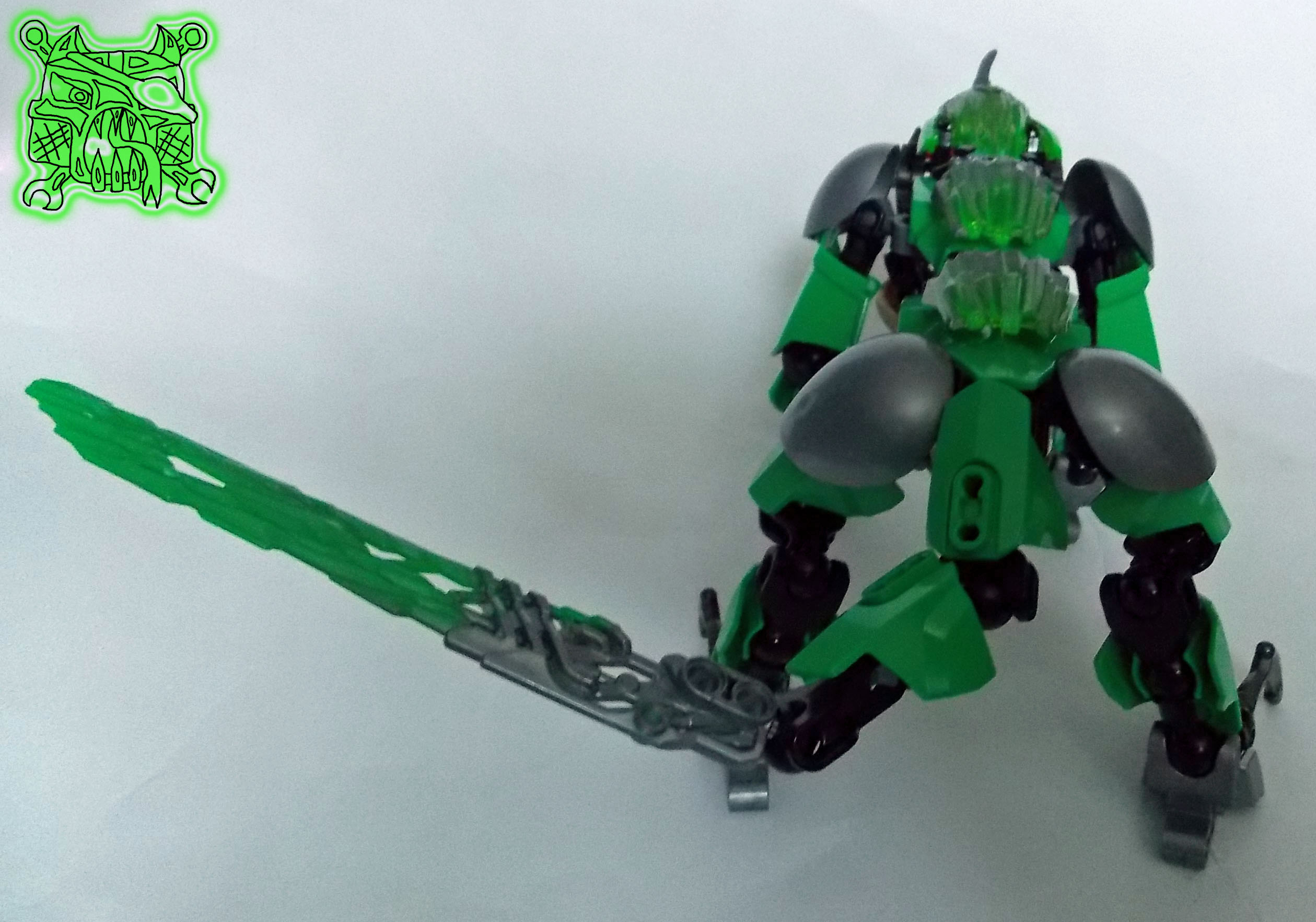
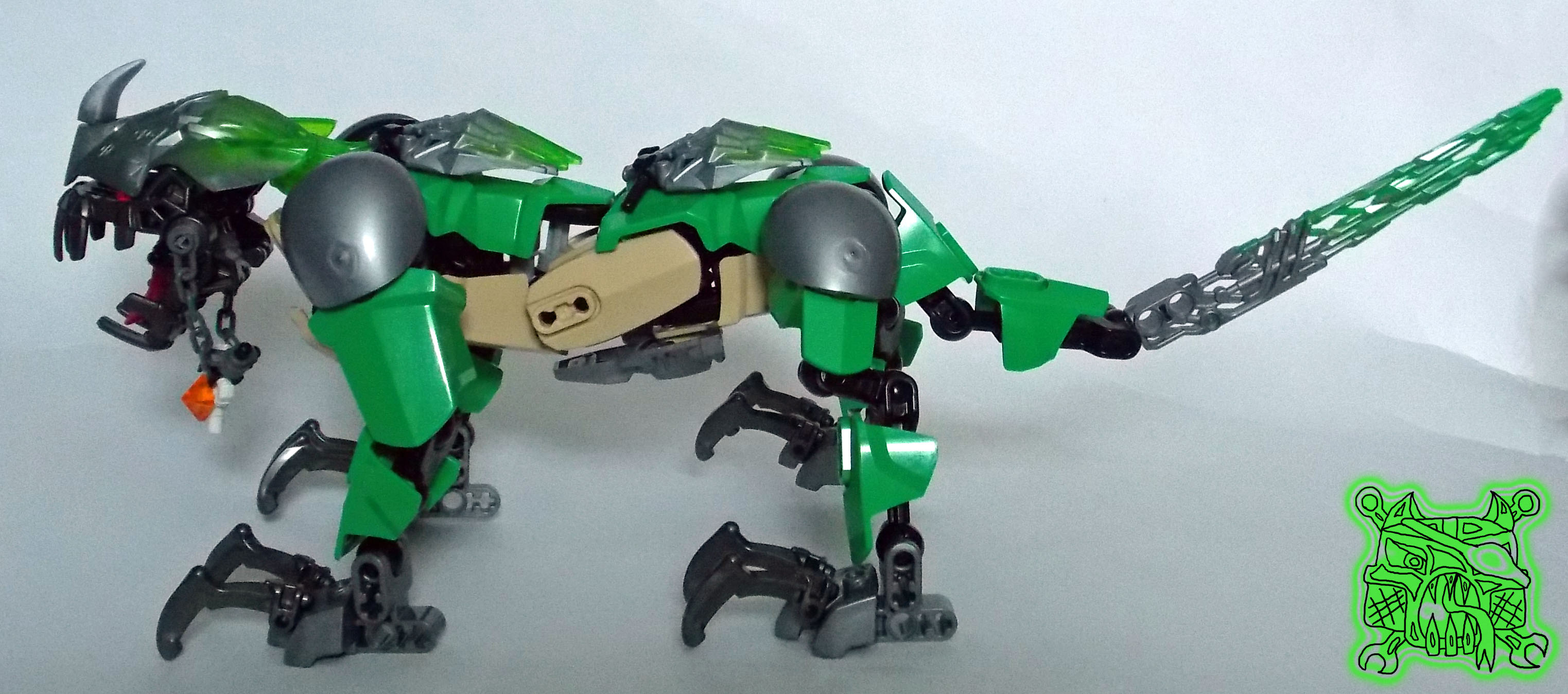
My first use of Bioncle 2016 parts! I found this neat combo of the Shadow Trap and the new Creature head and I just had to use it in an MOC. This ended up being the result, a quadrupedal canine who might look cute, but he packs a powerful bite with his metal jaws! I imagine him to be a Rahi type creature in the world of Bionicle, with crystalline back armour, crystal blade tail and, of course, a deadly trap mouth.
Alternate full-res piccies:
www.brickshelf.com/gallery/TheOneVeyronian/MOCs/snappy_me...

www.brickshelf.com/gallery/TheOneVeyronian/MOCs/snappy_me...
www.brickshelf.com/gallery/TheOneVeyronian/MOCs/snappy_me...
Use of this image on websites, blogs, magazines, calendars or any other forms of media without the expressed permission of the photographer is illegal.
© Lyubov Love Photography. All rights reserved.
It seems amazing that this Catholic church is still in use between all the mosques, but the Kurdish people are very openminded when it comes to religion. Besides this Chaldean Catholic Church St Antoine, also the Syriac Orthodox Virgin Mary Church is still in use (with only 30 in its congregation.)
Diyarbakır, Eastern Turkey
Use all my images without my permission is illegal. All Rights Reserved.
Please don't post banners or images in comments. I'll delete them.
alienorphotographie.tumblr.com/
Critics are welcome.
Model: Giulia.
Ecco la prima foto semi-seria del 2013!
Nella mia lista dei LUOGHI IN CUI FOTOGRAFARE, c'era il cimitero (l'ideale sarebbe stato in un cimitero "all'inglese", ma vabbè...).
L'atmosfera era surreale: un piccolissimo cimitero di provincia, ricoperto da uno strato di neve e circondato da alberi spogli. Il silenzio più assoluto. A volte ci venivano i brividi per il freddo, a volte per la suggestione.
Immerse tra nomi di sconosciuti, date antiche e foto sbiadite.
______________________________________________________________________________
VIDEO: vimeo.com/61466767
J & W Classic Auto Sales and Service
Stillman Valley, Illinois 42.107170, -89.178193
August 26, 2022
All the cars from this used car lot
COPYRIGHT 2022, 2025 by JimFrazier All Rights Reserved. This may NOT be used for ANY reason without written consent from Jim Frazier.
220826cz7-9218-2500
Crystal used to come in on her days off to do homework in the dining room at Pizza Inn. She was adding the finishing touches to her sketch for an art class. I shot this sometime in 2002 I believe. It was shot with either a Canon EF 35mm f/2.0 or Canon EF 50mm f/1.8 lens on Fuji Superia 400. Scanned with a Nikon 4000ED scanner.
Made using [ INMOTION ] Jenni AO
marketplace.secondlife.com/p/INMOTION-Jenni-AO/23524594 IN WORLD: maps.secondlife.com/secondlife/Barcola/116/84/1067
During the Colonisation and Missionary times. Bishop Hannington used this place as his library.
This place still stands tall in Uganda
Visit my channel and page for more adventure.
www.youtube.com/c/NATUREWORLDADVENTURES
More amazing nature videos from a nature and wildlife channel.
Nature world adventure documentary
A mazing cheetah, golden monkeys and baby elephants... Miss Uganda UK
Adventurous camp fire and sipi falls
A trip to Murchison falls." A channel trailer"
Taken using the Sony Alpha 7ii and processed using ON1 PhotoRAW 2019.5 ...Check out my web site : www.ortbaldauf.com and my www.500px.com/ortbaldauf site.. www.facebook.com/ortbaldauf © Photo is the property of Ort Baldauf. Do not use this photo on or off the web without my written permission. Thank you
© All rights reserved — any use, reproduction, or curation requires prior written permission via Flickr mail.
The gentle worker: Bumblebee - After a season of abundant North Aegean rains, the lavender flowers in our garden bloomed with exceptional beauty and attracted many bumblebees.
With my Nikon Z8 and 105mm macro lens, I spent a quiet moment observing one of these tiny visitors as it held onto the lavender flower and collected nectar. Capturing the details of its eyes, body, and delicate movements reminded me once again that nature’s greatest stories are often hidden in the smallest moments.
Shot in natural light during the late afternoon, this image is a celebration of patience, observation, and the wonderful connection between flowers and pollinators.
After an unusually generous season of rainfall in the North Aegean region of Türkiye, the lavender flowers in our garden bloomed with remarkable abundance. This year, I noticed a significant increase in bumblebee activity, with many visitors constantly moving among the flowers.
With my Nikon Z8 and 105mm macro lens, I spent a quiet moment observing one of these wonderful pollinators as it held onto the lavender flower while collecting nectar.
Every season writes its own story in nature. Weather patterns, flowering cycles, and local conditions can create remarkable differences from one year to another. This image is not only a close look at a bumblebee, but also a small record of the changing rhythms of our garden ecosystem.
Captured in natural light in the North Aegean landscape of Türkiye .
I've captured some unforgettable moments with my camera, and I hope these images bring you even a fraction of the joy I experienced while creating them.
Thank you for visiting my gallery — whether you leave a comment, add a favorite, or simply take a quiet moment to look around. Your presence and support truly mean a great deal to me. I wish you good luck and beautiful light in all your photographic journeys.
© All rights reserved by R. Ertuğ. Please do not use these images without my express written permission. If you are interested in purchasing or licensing any photograph, please feel free to contact me via Flickr Mail.
Tech Notes -
Camera: Nikon Z8 with Really Right Stuff Base Plate
Lens: Nikon NIKKOR Z MC 105mm f/2.8 VR S
Hand-held or used with a monopod, always with SPORT VR enabled.
Typical aperture settings: f/5.6 for close detail work and around f/8 for full-body compositions.
All images were processed from RAW and converted to JPEG.
Monopod Setup: Gitzo GM2542 Series 2 4S Carbon Monopod
Really Right Stuff MH-01 Monopod Head
Your comments and constructive criticism are always welcome.
Thank you for stopping by and taking the time to explore. 😊
= = = = = = = = = = = = = = = = = = = = = = = = = = = =
Francisco Aragão © 2016. All Rights Reserved.
Use without permission is illegal.
Attention please !
If you are interested in my photos, they are available for sale. Please contact me by email: aragaofrancisco@gmail.com. Do not use without permission.
Many images are available for license on Getty Images
= = = = = = = = = = = = = = = = = = = = = = = = = = = =
Portuguese
A Catedral Nossa Senhora de Lourdes, mais conhecida como Catedral de Pedra, é um templo católico localizado no município brasileiro de Canela, no Rio Grande do Sul. É uma grande atração turística da Serra Gaúcha.
Seu estilo característico é o gótico inglês. A igreja possui uma torre com 65 metros de altura, e um carrilhão de 12 sinos de bronze, fabricados pela fundição Giácomo Crespi, na Itália. Em seu interior destacam-se três painéis que são telas pintadas pelo artista gaúcho Marciano Schmitz, retratando a "Aparição de Nossa Senhora", a "Alegoria dos Anjos" e a "Anunciação". Os quadros da Via-Sacra foram feitos por Pablo Orono Herrera, uruguaio, escultor e restaurador de Arte Sacra. Utilizou madeira e argila, tendo ao fundo pintura sobreposta de imagens em argila.
Seus vitrais representam a ladainha de Nossa Senhora. O altar, cujo tema é a Santa Ceia, é uma obra de arte esculpida em madeira por Júlio Tixe, escultor uruguaio.
Foi eleita uma das Sete Maravilhas do Brasil em 2010, e em comemoração ganhou um novo sistema de iluminação externa.
English
The Cathedral of Our Lady of Lourdes (Portuguese: Catedral Nossa Senhora de Lourdes), also known as Cathedral of Stone (Portuguese: Catedral de Pedra), is a Catholic church located in the Brazilian city of Canela, Rio Grande do Sul. It is considered one of the major tourist attraction of the Serra Gaúcha.
Its characteristic style is English Gothic. The church has a tower with 65 meters high, and a carillon of 12 bells made of bronze by foundry Giacomo Crespi, Italy. In its interior are three panels consisting of painted canvases by the gaucho artist Marciano Schmitz, depicting the "Apparition of Our Lady", the "Allegory of the Angels", and "Annunciation". The paintings of Via Sacra were made by Pablo Herrera, a Uruguayan sculptor and restorer of Sacred Art. Wood and clay were used, with the background painting having superimposed images in clay.
Its stained glasses represent the litany of Our Lady. The altar, whose theme is the Last Supper, is a work of art carved in by wood Julius Tixe, a Uruguayan sculptor.
French
La Cathédrale Notre-Dame de Lourdes (en portugais : Catedral Nossa Senhora de Lourdes) est une église catholique brésilienne, située dans la ville de Canela dans le Rio Grande do Sul. Aussi connue sous le nom de Catedral de Pedra (cathédrale de pierre en portugais), elle est l'une des principales attractions touristiques de la Serra Gaúcha.
Wikipedia
Por favor no use mis imágenes en páginas web, blogs u otros medios sin mi permiso explícito. ©Todos los derechos reservados.
Please don’ t use my images on websites, blogs or other media without my explicit permission.
© All rights reserved.
Mi fluidr: www.fluidr.com/photos/esteve_roca
=====================================================================================
PORT DE SOLLER
L'estratègica ubicació del port ha suposat que hagi estat víctima de diverses forces militars que dominaven el Mediterrani . Des de l'Edat Mitjana fins a la Revolució Francesa , a causa del creixement del comerç nàutic , el Port de Sóller disposava d'una extensa flota de vaixells mercantils , vaixells pesquers i de diverses línies navals regulars .
El desenvolupament del port comercial es va retardar a causa del començament de la Guerra Civil Espanyola (1936 - 1939) . El 14 d'abril de 1937, el Ministeri Naval va dictar l'ordre de crear la base naval del Port de Sóller amb la intenció de proporcionar refugi i subministraments als submarins nacionals i els seus aliats italians . Per a la seva creació , la marina va militaritzar els molls del port i va expropiar la terra del que abans va ser l'oficina de l'encarregat del port , les oficines de duanes , la caserna de la policia , el convent de les monges de Santa Caterina d'Alexandria , així com el col · legi públic i altres edificis . La marina va crear diversos túnels per tot el port , un col · legi militar de Submarins i un centre per a l'excavació de mines . A partir de 1971 , tot això es va reduir a un petit departament naval sense armes ia partir dels 90 l'estació ressorgir i va ser transformada en un recinte de vacances per als militars de la marina . Després de la guerra civil , el comerç naval era pràcticament inexistent , però es va reactivar gràcies al turisme . La regió va ser transformada per la construcció d'hotels , restaurants i bars .
PUERTO DE SOLLER
La estratégica ubicación del puerto ha supuesto que haya sido víctima de diversas fuerzas militares que dominaban el Mediterráneo. Desde la Edad Media hasta la Revolución Francesa, debido al crecimiento del comercio náutico, el Puerto de Sóller disponía de una extensa flota de barcos mercantiles, barcos pesqueros y de varias líneas navales regulares.
El desarrollo del puerto comercial se retrasó debido al comienzo de la Guerra Civil Española (1936 – 1939). El 14 de abril de 1937, el Ministerio Naval dictó la orden de crear la base naval del Puerto de Sóller con la intención de proporcionar refugio y suministros a los submarinos nacionales y sus aliados italianos. Para su creación, la marina militarizó los muelles del puerto y expropió la tierra de lo que antes fue la oficina del encargado del puerto, las oficinas de aduanas, el cuartel de la policía, el convento de las monjas de Santa Catalina de Alejandría, así como el colegio público y otros edificios. La marina creó varios túneles por todo el puerto, un colegio militar de Submarinos y un centro para la excavación de minas. A partir de 1971, todo esto se redujo a un pequeño departamento naval sin armas y a partir de los 90 la estación resurgió y fue transformada en un recinto vacacional para los militares de la marina. Tras la guerra civil, el comercio naval era prácticamente inexistente, pero se reactivó gracias al turismo. La región fue transformada por la construcción de hoteles, restaurantes y bares.
Stay warm and cozy with your love this season using our newest women's hud. The loving, sweet and romantic animations in Tender, are perfect for showing the one you love some extra affection. Also, what better gift idea then to gift some tenderness to someone special....and OMY has you covered.
Available @ Santa Inc, opens Dec 1st 3pm SLT!
If you are new to OMY huds, please read the detailed notecard before purchase that are available at our booth and in our mainstore. This hud is for female avatars only.
Santa Inc opens Dec 1st
If you haven't already checked Tenders Promo video....what are you waiting for?! **Watch It Here**
Follow OMY on social media
❄️❄️❄️❄️❄️❄️Facebook GIVEAWAY❄️❄️❄️❄️❄️❄️
Join our giveaway on Facebook to be one of the FIRST to enjoy Tender hud! See Facebook for details on how to participate
Used a 4 Point Star Effect Filter with the sun shining thru the upstairs window
Thanks Sepideh for the title help
The Open Book comprises of three used bookstores in three locations: Northridge, Santa Clarita, and Simi Valley. Just about any type of book was on sale under this tent (and on the shelves outside the tent). Hardcover books sold for $5, and softcover went for $2.
I found a pretty good quality copy of Joseph McBride's biography on celebrated film director Frank Capra, "Frank Capra: The Catastrophe of Success." A regular $27.50 hardcover that was marked down to $16.95, I got it for $5.
About a half an hour or so after I bought the book, the manager announced the festival would be ending soon, so hardcover books were selling at $2 and softcover books were going for $1. However, had I waited someone else might have bought it, so I was better off getting it for $5 anyway.
I have had a hardcover copy of Capra's autobiography, "The Name Above the Title," though it is really a book club copy someone gave to me over 40 years ago. Anyway, McBride's heavily researched book should make a good companion piece to Capra's own story, though in a dubious way.