View allAll Photos Tagged su
Có rất nhiều thứ được truyền tải trong The Last Song. Niềm tin, sự tha thứ, tình cảm gia đình - đó chính là những điều chạm được vào tâm hồn người xem, vì chúng ta có thể nhận ra chúng trong chính cuộc sống của mình.
tin180.com/wp-content/blogs.dir/16/files/2010/08/The-Last...

The Last Song là bộ phim dựa theo tác phẩm mới nhất của tiểu thuyết gia ăn khách Nicholas Sparks - tác giả đã vụt sáng như một ngôi sao trong làng văn học vào năm 1996 khi tiểu thuyết The Notebook của ông trở thành hiện tượng trong ngành xuất bản. Cuốn The Last Song cũng ra mắt với vị trí số 1 trên cả bảng xếp hạng sách bán chạy nhất của New York Times và USA Today.
tin180.com/wp-content/blogs.dir/16/files/2010/08/The-Last...

Bộ phim là câu chuyện xảy ra ở một thị trấn ven biển nhỏ, nơi người cha (Greg Kinnear) trải qua kỳ nghỉ hè cùng cô con gái tuổi teen cứng đầu (Miley Cyrus) mà cô bé lại chỉ muốn trở về New York. Ông cố gắng tạo mối liên kết với cô thông qua điểm chung duy nhất của họ - âm nhạc. Đồng thời, The Last Song cũng mở ra những điều sâu kín về tình yêu tuổi trẻ, khi cô bé sống khép kín Ronnie dần mở lòng mình với một cậu bé mà cô gặp được trong kỳ nghỉ hè. Đây là một câu chuyện về gia đình, tình bạn, những bí mật và sự chở che, cùng với những mối tình đầu và cơ hội thứ hai. Sparks đem đến một câu chuyện hài hước nhưng cũng rất xúc động về tình phụ tử. “Nữ hoàng tuổi teen” Miley Cyrus vào vai cô bé cứng đầu Ronnie Miller. “Cả kịch bản phim và nguyên tác đều được viết khá giống hình ảnh của Miley Cyrus. Nhưng tôi muốn viết một câu truyện tuyệt vời nên phải cân bằng mọi thứ. Sản phẩm cuối cùng nhất định không thể là một bộ phim Hannah Montana khác. Tác phẩm được tạo nên bởi tâm huyết của dàn diễn viên tài năng sẽ làm hấp dẫn khán giả mọi lứa tuổi. Ronnie là một nhân vật nữ rất có sức thuyết phục. Cô bé phải trải qua những vấn đề mà rất nhiều cô cậu bé tuổi teen phải trải qua. Ronnie dần lớn lên và trưởng thành dần qua các giai đoạn của bộ phim”.
tin180.com/wp-content/blogs.dir/16/files/2010/08/The-Last...

Miley chia sẻ rằng hoàn cảnh của nhân vật trong phim rất giống với cô. “Khi cha mẹ chia tay, cô bé đã phạm nhiều sai lầm. Nhưng cô bé bắt đầu cố gắng trở nên hạnh phúc hơn nhờ niềm tin, tình yêu và tình bạn. Đây chính là những yếu tố tạo nên hạnh phúc mà đôi khi chúng ta quên mất ”. “Tôi yêu âm nhạc. Nếu không được chơi nhạc thì tôi sẽ rất buồn. Tôi cũng sẽ rất buồn nếu một người có tài năng như Ronnie tự ép mình bỏ cuộc. Cuộc sống của tôi mà không có âm nhạc thì cũng như không có không khí vậy, và tôi nghĩ Ronnie cũng vậy. Cô ấy bỏ cuộc để cố gắng đối đầu với người cha nhưng thực sự, cô ấy đang tự lừa dối chính bản thân mình”. Miley Cyrus chia sẻ về nhân vật của cô.
tin180.com/wp-content/blogs.dir/16/files/2010/08/The-Last...

Miley và nam diễn viên Greg Kinnear trong phim
Nam diễn viên từng đoạt giải Oscars, Greg Kinnear vào vai Steve Miller, một nghệ sĩ dương cầm đã từ bỏ gia đình để tập trung vào sự nghiệp nhưng không thành công. Sau đó, ông nhận ra rằng cần phải thu hẹp khoảng cách với hai đứa con của mình trước khi quá muộn. “Steve muốn đoàn tụ với những đứa con và học cách hiểu chúng một lần nữa”. Kinnear chia sẻ về vai diễn, “Lúc đầu có rất nhiều điều chưa rõ ràng, nhưng mọi chuyện sẽ được khám phá qua suốt mùa hè. Tôi xúc động trước những khó khăn phải vượt qua để tạo mối gắn kết bền chặt trong một gia đình đã từng có những vết thương lớn như vậy. Cha mẹ chia tay vì lý do nào đó mà chúng tôi không hướng vào khai thác. Nhưng, cũng như bao trường hợp khác, những đứa con phải chịu thiệt thòi nhiều nhất. Trong bộ phim này thì đó chính là cô con gái lớn Ronnie. Cô bé đang ở trong giai đoạn nhạy cảm, rất dễ phát tiết ra thành những cơn giận và thái độ thù hằn. Cô bé phát điên lên và muốn vứt bỏ tất cả. Còn nhân vật của tôi thì cố gắng sửa chữa tất cả để hàn gắn tình cảm gia đình". Nhưng Steve cũng có một bí mật mà ông che giấu với cả gia đình. “Ông ấy cố gắng bảo vệ người thân, nhưng nếu họ không biết được bí mật đó thì mọi chuyện đều không thể giải quyết được".
Will Blakelee lại là một nhân vật khá điển hình khác của Sparks, cậu bé có những bí mật riêng khiến phải sống khá ẩn mình. “Bề ngoài cậu ta là một anh chàng hấp dẫn, được lòng người khác. Nhưng chính những bí mật về bản thân làm cậu ta không thể sống thoải mái được. Cậu ta giả vờ là một chàng trai vui vẻ, nổi tiếng; trong khi thực tế cậu ta không hề cảm thấy hạnh phúc. Khi gặp Ronnie, cậu ta đã tìm thấy một người đồng cảnh ngộ khi mất đi thứ quan trọng trong cuộc sống. Trong suốt mùa hè, họ đã giúp đỡ nhau để cùng trưởng thành. Will đã không dễ dàng để chiếm được trái tim cô bé, nhưng cô ấy cũng xứng đáng với những công sức cậu bỏ ra đấy chứ " - Liam Hemsworth đã chia sẻ về nhân vật của mình như vậy.
Vì là một bộ phim ca nhạc, phần nhạc phim của The Last Song được chăm chút rất kĩ lưỡng. Nhạc phim của The Last Song tập hợp các ca khúc của các ngôi sao ca nhạc nổi tiếng hiện nay, bao gồm hai hit mới nổi của Miley Cyrus là When I Look at You và I Hope You Find It và các ca khúc nổi tiếng khác : Tyrant(One Republic), Bring on the Comets (VHS or Beta), Brooklyn Blurs (The Paper Raincoat), Can You Tell (Ra Ra Riot), New Morning (Alpha Rev)…. The Last Song sẽ được khởi chiếu tại các rạp MegaStar trên toàn quốc bắt đầu từ ngày 27/8 tới.
Thu Trang
(theo thegioidienanh)
(source: tin180.com/giaitri/2010/08/24/the-last-song-ban-tinh-ca-c... )
.……………………………….
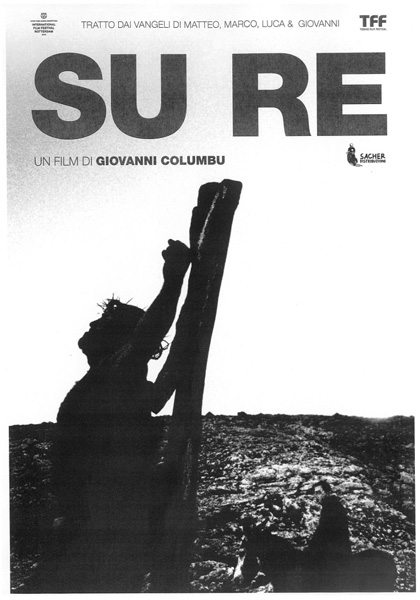
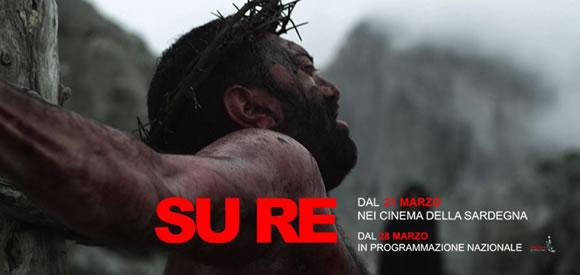
“The Cross is not a Roman pole, but the wood on which God wrote his gospel”.
“La Croce non è un palo dei romani, ma il legno su cui Dio ha scritto il suo vangelo.
(Alda Merini)
-----------------------------------------------------------------
click to activate the icon of slideshow: the small triangle inscribed in the small rectangle, at the top right, in the photostream;
or…. Press the “L” button to zoom in the image;
clicca sulla piccola icona per attivare lo slideshow: sulla facciata principale del photostream, in alto a destra c'è un piccolo rettangolo (rappresenta il monitor) con dentro un piccolo triangolo nero;
oppure…. premi il tasto “L” per ingrandire l'immagine;
www.worldphoto.org/sony-world-photography-awards/winners-...
www.fotografidigitali.it/gallery/2726/opere-italiane-segn...
…………………………………………………………………
Good Friday is an anniversary which in Sicily acquires a cathartic meaning for those who are searching, not only photographically, for popular traditions (we find them widespread throughout Sicily), which are nothing other than a social, cultural event, which merge into a single past and present; from the web "popular traditions are a historical memory linked to customs and rituals that have given shape to the values and beliefs of that culture". Easter in Sicily can be a source of research, it can appear not without contradictions, citing the thoughts of that great Sicilian thinker Leonardo Sciascia, for him Sicily cannot be called Christian referring to the Sicilian festivals, at most it is only in appearance, in those properly pagan explosions tolerated by the Church; Sciascia addresses the topic as an introductory essay in the book "Religious celebrations in Sicily", illustrated with photographs of a young and still unknown Ferdinando Scianna, a book that did not fail to raise some controversy due to the Sicilian thinker's introductory note, thus being in open controversy with the sacredness of that popular Sicilian devotion (the book was criticized by the Holy See newspaper, the Osservatore Romano), Sciascia writes: “what is a religious festival in Sicily? It would be easy to answer that it is anything but a religious holiday. It is, first of all, an existential explosion; the explosion of the collective id, where the collectivity exists only at the level of the id. Since it is only during the celebration that the Sicilian emerges from his condition of a single man, which is the condition of his vigilant and painful superego, to find himself part of a class, of a class, of a city". Another Sicilian thinker, writer and poet, Gesualdo Bufalino, provides interesting indications on the meaning that Sicilians give to these traditional popular events, he says "during Easter every Sicilian feels not only a spectator, but an actor, first sorrowful and then exultant , for a Mystery that is its very existence. The time of the event is that of Spring, the season of metamorphosis, just as the very nature of the rite is metamorphic in which, as in a story from the Puppet Opera, the battle of Good against Evil is fought. Deception, Pain and Triumph, Passion, Death and Resurrection of Christ are present."
In short, Easter in Sicily is a deeply felt anniversary throughout the island since ancient times, it has always had as its fulcrum the emotional participation of the people, with representations and processions which have become rites and traditions which unequivocally characterize numerous Sicilian centres, which they recall the most salient moments narrated in the Gospels and which recall the Passion, Death and Resurrection of Jesus Christ, with processions formed by the various brotherhoods (sometimes with theatrical re-enactments) which have within them contents and symbols often coming from the Spanish domination, which took place in Sicily between the 16th and 17th centuries. This year, on the occasion of Good Friday I went to the pretty town of Licodia Eubea (in the province of Catania), I'll start by saying that in this procession a unique character comes to life in statue form that cannot be found anywhere else place in Sicily, it is called "Ciurciddu" (translated "Circello"), he pulls Christ with a rope tied around his neck while he carries the Cross, this bad character has a profound symbolic-allegorical meaning, he represents "the Evil that exists in the world, the refusal towards the Truth announced by Christ", causing him suffering by pulling him with the rope tied around his neck. The boys and men "carriers of the floats" gather together, preparing for the moment when, once the procession has begun, the "'a Giunta" will take place around 10:00 a.m., or rather the very painful "encounter" between Christ ( who carries the Cross, linked to Ciurciddu) and His Mother of Sorrows (with her heart pierced by a sword, an iconic image of Spanish origin), during the meeting "the bow or greeting takes place" between the two floats, it is the Greeting that Mother and Son do in one of the most characteristic moments of this procession. While the two vares are brought to an ancient church, another event takes place which strongly characterizes this tradition, the "auction of the Cross" takes place, the ability to carry the Cross, weighing 70 kg, on one's shoulder, up to Churc of Calvary (a long uphill journey to reach the upper part of the town), is put up for auction, the highest bidder wins this possibility, after which an extraordinary event occurs: the devotee who wins the auction is embraced by numerous villagers, with great transport and affection, this is because those who participate in the auction certainly do so out of devotion but also possibly because they have had someone in their family with more or less serious health problems, and this is why people hug them and encourage them by showing their closeness . In the afternoon the procession resumes, now the Christ is dead, he is in the vara with the Urn, and is called "'u Signuri' a cascia" (by which term means "the Lord in the coffin"), the two vare (the dead Christ and His Mother of Sorrows) are carried in procession up to the Church of Calvary, where the heavy and ancient Cross carried on the shoulder by the devotee was hoisted; here, even if Christ is dead, the Crucifixion takes place , the mystical moment is accompanied by ancient songs-lamentations by the singers of the SS association. Crucifix; subsequently Christ is placed from the Cross in the urn, and descends back into the center of the town, where in the church of the Capuchin Fathers the devout people "make peace with the Lord", an act of reconciliation and request for forgiveness before the figure of Christ Died. Subsequently, late in the evening, Christ and his Mother are led into the Mother Church.
……………………………………………..
Il Venerdì Santo è una ricorrenza che in Sicilia acquista un significato catartico per chi è alla ricerca, non solo fotografica, delle tradizioni popolari (le troviamo diffuse in tutta la Sicilia), che altro non sono che un evento sociale, culturale, che fondono in un tutt’uno passato e presente; dal web “le tradizioni popolari sono una memoria storica legata ad usanze e ritualità che hanno dato forma ai valori e alle credenze di quella cultura”. La Pasqua in Sicilia può essere fonte di ricerca, essa può apparire non priva di contraddizioni, citando il pensiero di quel grande pensatore Siciliano che fu Leonardo Sciascia, per lui la Sicilia non può dirsi cristiana riferendosi alle feste Siciliane, al massimo lo è solo in apparenza, in quelle esplosioni propriamente pagane, tollerate dalla Chiesa; Sciascia affronta l’argomento come saggio introduttivo nel libro “Feste religiose in Sicilia”, illustrato con fotografie di un giovane ed ancora sconosciuto Ferdinando Scianna, libro che non mancò di sollevare qualche polemica per la nota introduttiva del pensatore Siciliano, essendo così in aperta polemica con la sacralità di quella devozione popolare Siciliana (il libro fu oggetto di una stroncatura da parte del quotidiano della Santa Sede, l’Osservatore Romano), Sciascia scrive: “che cos’ è una festa religiosa in Sicilia? Sarebbe facile rispondere che è tutto, tranne che una festa religiosa. E’, innanzi tutto, un’esplosione esistenziale; l’esplosione dell’es collettivo, dove la collettività esiste soltanto a livello dell’es. Poiché e soltanto nella festa che il siciliano esce dalla sua condizione di uomo solo, che è poi la condizione del suo vigile e doloroso super io, per ritrovarsi parte di un ceto, di una classe, di una città ”. Altro pensatore, scrittore e poeta Siciliano, Gesualdo Bufalino, fornisce indicazioni interessanti sul senso che i Siciliani danno a questi eventi popolari tradizionali, egli dice “durante la Pasqua ogni siciliano si sente non solo uno spettatore, ma un attore, prima dolente e poi esultante, per un Mistero che è la sua stessa esistenza. Il tempo dell’evento è quello della Primavera, la stagione della metamorfosi, così come metamorfica è la natura stessa del rito nel quale, come in un racconto dell’Opera dei Pupi, si combatte la lotta del Bene contro il Male. Sono presenti l’Inganno, il Dolore e il Trionfo, la Passione, la Morte e la Resurrezione di Cristo”.
In breve, la Pasqua in Sicilia è una ricorrenza profondamente sentita in tutta l’isola fin dall’antichità, essa ha sempre avuto come fulcro la commossa partecipazione del popolo, con rappresentazioni e processioni divenuti riti e tradizioni che caratterizzano inequivocabilmente numerosissimi centri Siciliani, che rievocano i momenti più salienti narrati nei Vangeli e che ricordano la Passione, la Morte e la Resurrezione di Gesù Cristo, con cortei formati dalle varie confraternite (a volte con rievocazioni teatrali) che hanno in se contenuti e simbologie spesso provenienti dalla dominazione Spagnola, avvenuta in Sicilia tra il XVI ed il XVII secolo.
Quest’anno, in occasione del Venerdì Santo mi sono recato nel grazioso paese di Licodia Eubea (in provincia di Catania), inizio col dire che in questa processione prende vita, in forma statuaria, un personaggio unico che non si trova in nessun’altro luogo della Sicilia, si chiama “Ciurciddu” (tradotto “Circello”), egli tira con una corda legata al collo il Cristo mentre porta la Croce, questo tristo personaggio ha un profondo significato simbolico-allegorico, egli rappresenta “il Male che c’è nel mondo, il rifuto verso al Verità annunciata dal Cristo”, creandogli sofferenza tirandolo con la corda legata al collo. I ragazzi e gli uomini “portatori delle vare” si riuniscono tra loro, preparandosi al momento in cui, iniziata la processione, si realizzerà attorno alle ore 10:00 “ ‘a Giunta”, ovvero “l’incontro” dolorosissimo tra il Cristo (che porta la Croce, legato a Ciurciddu) e Sua Madre l’Addolorata (col cuore trafitto da una spada, immagine iconica di origine spagnola), durante l’incontro “avviene l’inchino o saluto” tra le due vare, è il Saluto che Madre e Figlio si fanno in uno dei momenti più caratteristici di questa processione. Mentre le due vare vengono portate in una antica chiesa, avviene un altro evento che caratterizza fortemente questa tradizione, ha luogo “l’asta della Croce”, il poter portare in spalla la Croce, del peso di 70 kg, fino alla Chiesa del Calvario (un lungo percorso in salita a raggiungere la parte alta del paese), viene messo all’asta, il maggiore offerente si aggiudica questa possibilità, dopodiché avviene un fatto straordinario: il devoto che si è aggiudicato l’asta viene abbracciato da numerosissimi paesani, con grande trasporto ed affetto, questo perché chi partecipa all’asta lo fa certamente per devozione ma anche possibilmente perché in famiglia ha avuto qualcuno con problemi più o meno gravi di salute, ed è per questo che le persone lo abbracciano e lo incoraggiano mostrandogli la loro vicinanza. Nel pomeriggio riprende la processione, adesso il Cristo è morto, si trova nella vara con l’Urna, ed è chiamato “ ‘ u Signuri ‘ a cascia” (col quale termine si intende “il Signore nella cassa da morto”), le due vare (il Cristo morto e Sua Madre l’Addolorata) vengono portate in processione fin sopra la Chiesa del Calvario, dove la pesante ed antica Croce portata in spalla dal devoto è stata issata, qui, anche se il Cristo è morto, avviene la Crocifissione, il mistico momento è accompagnato da antichi canti-lamentazioni ad opera dei cantori dell’associazione SS. Crocifisso; successivamente il Cristo viene deposto dalla Croce nell’urna, e ridiscende nel centro del paese, ove nella chiesa dei Padri Cappuccini il popolo dei devoti “ fa ‘ a Paci co’ Signuri”, atto di riconciliazione e richiesta di perdono innanzi la figura del Cristo Morto. Successivamente, in tarda serata, il Cristo e Sua Madre vengono condotti nella Chiesa Madre.
……………………………………….
Visita micamara.es/tanzania/ para conocer TANZANIA.
Navega en micamara.es/fotos-por-paises/ para disfrutar de arte, historia, folclore, naturaleza, fauna/ flora de muchos lugares del mundo.
The Sukhoi Su-30 (Cyrillic: Сухой Су-30; NATO reporting name: Flanker-C) is a twin-engine, two-seat supermaneuverable fighter aircraft developed by Russia's Sukhoi Aviation Corporation. It is a multirole fighter for all-weather, air-to-air and air-to-surface deep interdiction missions.
El ínclito "che" Don Alfredo Barros, rodeado de sus artilugios ortopédicos predilectos, comprobando la suavidad y calidez de la tarima del flamante estudio de Cástor.
Su extensa galería: www.flickr.com/photos/alfredobarrosg/
Backstage Sky TG24HD una puntata con Paola Saluzzi insieme a Maurizio Zorzetto Country Manager Italia di Meetic per parlare dell'amore ai tempi della rete e come si formano le coppie in rete. In onda su Sky TG24
Sìn sú theo như tìm hiểu là một bài thuốc của dân tộc Ê Đê sống tại khu vực Tây Nguyên của Việt Nam. Sìn sú ở dạng cao khô và được bào chế từ các loại thảo dược quý như: trầm hương, đinh lăng, quế, nhân sâm, đinh hương cùng với một số thảo dược dân gược kỳ công nấu liên tục 4 ngày 4 đêm, đến khi cạn nước vàian. Thảo dược đ thành dạng cao. Sau khi nấu xong được đem đi sấy khô và bào mịn thành dạng bột. Cao thảo dược sìn sú có màu vàng nhạt hoặc vàng nâu. Công dụng chính của sìn sú là kéo dài thời gian quan hệ của nam giới.
La magia delle foglie di Nelumbium (fior di loto), con una semplice goccia d'acqua che si trasforma in argento vivo.
Serial number: 2937
First flight date: 13/10/2006
Test registration: F-WWIJ
Engines 2 x CFMI CFM56-5B4/P
SU-BPU 10/11/2006 Air Cairo
Su-Wei Hsieh of Chinese Taipeh in action during her fourth-round match at the 2019 Miami Open WTA Premier Mandatory tennis tournament
SU-22M Fitter 9616 performing a missed approach from the West during the pairs display at Fairford, Sunday July 13th, 2014.
¿ En que estaria pensando ..... ?
seguro que en su mundo, un mundo lleno de fantasia, inocencia , ilusiones ..
todo lo contrario a nuestro mundo...
Sinónimo: Eucalyptus whittingehamensis Hort. Arbol perennifolio de 18-25 m de alto, mayor en su hábitat. Ramas blanco azuladas, corteza pardo grisácea, fisurada, desprendiéndose en gruesas placas. Hojas juveniles redondeadas, de 2-5 cm de ancho, sésiles, verde azuladas, las maduras son lanceoladas, verdosas, de hasta 10 cm de largo, acuminadas y péndulas. Flores en grupos de 2-3, de unos 15 mm de ancho, con estambres verde amarillentos. Especie nativa de Tasmania y el sur de Australia. En Iturraran se encuentra en la zona 6.
Sinonimoa: Eucalyptus whittingehamensis Hort. Zuhaitz hosto-iraunkorra, 18-25 m-ko garaierakoa, bere ohiko habitatean handiagoa. Adar zuri urdinxkak, azal arre grisaxka, pitzatua, xafla lodietan askatzen da. Hosto gazteak biribilduak, 2,5 cm zabalerakoak, sesilak, berde urdinak, helduak lantza formakoak, berdexkak, 10 cm-rainoko luzerakoak, akuminatuak eta pendularrak. Loreak 2-3 aletan elkartuta, 15 mm inguru zabalerakoak, lorezilak berde-horixkak. Espezie hau jatorriz Tasmania eta Australiako hegoaldekoa da. Iturraranen 6. gunean dago.
Synonyme: Eucalyptus whittingehamensis Hort. Arbre à feuillage persistant de 18-25 m de hauteur, plus grand dans son habitat. Branches blanches bleutées, écorce brune grisâtre, fissurée, qui se détache en épaisses plaques. Feuilles jeunes arrondies, de 2-5 cm de large, sessiles, vert bleuté, las mûres sont lancéolées, verdâtres, de 10 cm de long, acuminées et pendules. Fleurs en groupes de 2-3, d'environ 15 mm de large, avec étamines vert jaunâtre. Espèce originaire de Tasmanie et du sud de l'Australie. À Iturraran il se trouve dans la zone 6.
Synonym: Eucalyptus whittingehamensis Hort. Evergreen, 18-25 m tall tree, taller in its habitat. Bluish white branches, greyish dun furrowed bark, that comes off in thick sheets. Young leaves are rounded, 2-5 cm wide, sessile, blusih green, mature leaves are lanceolate, greenish, up to 10 cm long, acuminate and pendulous. Flowers in groups of 2-3, about 15 mm wide, with yellowish green stamens. Species native to Tasmania and South Australia. In Iturraran it is located in zone 6.