View allAll Photos Tagged pigmentation
Just to warn you, there's going to be a lot of Late Spider shots coming, I had four separate visits to several sites during the third week in June.
--------------------------------------------------
Monday 19th June 2023
Monday.
Back to work.
Sigh.
Double sigh.
All vacations have to end sometimes, I know, but even still, with this it means that I now have to wait until Christmas without a day off, with the exception of the late summer bank holiday.
And it was sunny outside. All I wanted to do was to get out and do anything other than work.
But we have to earn a crust.
Jools was up at five, and as usual bustling about and almost ready to leave for the factory at six, and having made me a coffee too.
THe cats were all settled back down, like we've never been away, so I could listen to a podcast before work, set up the big screen and then sit and try to remember what my work password was.
I did remember, and once logged in, little point in doing much as Windows updates would surely soon be required.
I find that my travel expenses have been rejected, again.
Sigh.
And so back in the saddle like I've ever been away, whilst the rest of the company is on the slow down before the start of summer holidays at the end of next week.
I work through until have three, then think about going for a walk, though it was cloudy again, and by back suggested it wasn't a good idea. So, I put in my ear buds and listened to a podcast whilst looking at the garden, and before long it was dinner time.
Just salad and Jersey Royals for us, and no wine or beer for me, as I had decided, against my better judgement, to look for an orchid.
Not just any orchid. A rare and unusual one.
Blah.
Blah.
Blah.
So it was, I found myself standing at the gate to a little known site, looking at the herd of cattle that have just been introduced, and the bank of spikes behind.
I climb in, and the cows are interested, two even follow me up a while, but give up.
I look at spike after spike, but fail to see what I was looking for.
I climbed over the down to where there is another site, but got lost, and found myself on a steep bank with brambles and four feet high grass. I fell over numerous times, but got myself back, all now hot and bothered.
One final look at the spikes I did find. Nothing there, so I drove back home certain not to watch the football as England were playing their last game of the season against Macedonia.
Back home I did some stuff on the computer, but once the 5th goal went in, I joined Scully on the sofa to watch the last half hour as England made hay and won 7 (seven) - 0.
Picture of the day is our garden Pyramidal Orchid, this year with a second spike.
---------------------------------------------------
Classed as Vulnerable in the Red List of threatened orchids, the Late Spider-orchid is one of Britain's rarest orchids. It is now restricted to a few sites in Kent, where many of the plants are protected by cages to prevent damage by grazing animals and other predators. Like its close relative the Bee Orchid Ophrys apifera, Ophrys fuciflora has evolved to mimic the form of a pollinating insect, and this facilitates pollination. Interestingly, the particular species of bees that pollinate Late Spider-orchids on mainland Europe do not occur in the UK, and so what little pollination takes place here must be facilitated by other insects, possibly small beetles. Seed-set is very low, and the likely factor which saves the small populations of Late Spider-orchids in Kent is that fully developed plants live for a long time and therefore only a small number of new plants are required annually in order to keep the population stable. The Late Spider-orchid flowers from late May to late July. Ophrys fuciflora is widespread in other parts of Europe from France eastwards to Romania and south to Italy.
Plant: 5-30cm.
Leaves: 3-5 lanceolate leaves form a basal rosette of which the lower leaves lie flat on the ground. They are greenish-grey and prominantly veined. There are 2-3 smaller, more pointed leaves higher up and loosely sheathing the stem.
Bracts: lanceolate and grey-green.
Flowers: the sepals vary in colour from pale- to dark pink with a prominent green 'rib' on their outer surfaces, and they are green-veined on the inner surface. The triangular petals are much smaller than the sepals and sometimes have dark reddish swellings (auricles) towards the base. The lip is a rich velvety dark brown and its shape is noticeably square. Square 'shoulders' at the base of the lip vary in size and are often hairy. The speculum (mirror), which is extremely variable in colour and patterning, radiates from a semi-circular 'necklace' that surrounds the column.
The Late Spider-orchid belongs to the Ophrys genus. Its Latin name derives from the words 'focus' and 'flos' meaning 'bee-flowered'.
There are no subspecies, but there is such considerable range of colour and patterning of the lip as to invite numerous suggested variations, notably Ophrys fuciflora var. flavescens which lacks colour pigmentation and has white sepals and petals, a greenish lip with very faint markings. Two hybrids are recorded, Ophrys x albertiana is a hybrid with the Bee Orchid Ophrys apifera, while Ophrys x obscura is a hybrid with the Early Spider-orchid Ophrys sphegodes.
www.hardyorchidsociety.org.uk/hos%201012/orchidphotos/oph...
White Bengal Tiger 🐯 shot by me @abhishekpachauri The scientific name of the White Tiger is Panthera tigris, since it is merely a different coloured version of the Bengal subspecies. The white tiger is a pigmentation variant of the Bengal tiger, which is reported in the wild from time to time in the Indian states of Assam, Bengal, Bihar, Sunderbans and especially in the former State of Rewa. White tigers are Bengal tigers and not albino or their own species like many people think. White tigers occur after breeding two Bengal tigers with a recessive gene that controls coat color. It has been said the entire white tiger population originated from one single white tiger and has been inbred ever since. In order to retain this recessive gene breeders must continually breed father to daughter and father to granddaughter and so on. This inbreeding has caused many genetic problems with tigers such as cleft palates, scoliosis of the spine, mental impairments and cross eyes. In contrast to what some believe, the White Tiger is neither a subspecies in its own right, nor an albino form of a ‘normal’ tiger. Rather, it is simply a rare form of Bengal Tiger that possesses a specific gene, giving it a lighter appearance. This variation is truly exquisite, giving the White Tiger an undeniable sense of mystery and beauty. Their blue eyes, rose-pink noses and light brown stripes make these tigers stand out from their rust-coloured peers.
Second finished canvas from the class, technically my "canvas #1"
My husband prefers this to the first one I finished. I can't choose. I love them both.
For those interested, the white drips were achieved by using Golden airbrush paint. Trick I learned from Donna Downey. Has perfect consistency for dripping without any watering down, so it retains incredible pigmentation. I only sprayed the ones on the middle right just a tiny but, then went back over them fill strength because I liked that look better.
At Aesthetic Medicine in Portland, Oregon, Dr. Jerry Darm and his dedicated staff have promoted wellness, health, and beauty for over a decade. Over 50,000 procedures performed utilizing 25 different lasers and aesthetic devices have made Aesthetic Medicine one of the largest medical spas in the United States. The innovative 21st century technologies, the attention to detail and the dedication to customer service have given Aesthetic Medicine an A+ rating with the Better Business Bureau.
Skin Problems
Skin problems such as acne, rosacea, sun damage, pigmentation, scarring, unwanted hair, and moles can be safely and effectively treated with lasers and aesthetic devices.
Wrinkles
Fine lines, deep wrinkles,pore size, dark circles and overall skin texture are best treated with the Laser Lift™. This exclusive procedure combines microdermabrasion with three FDA approved lasers which rejuvenate and tighten the skin while building new collagen.
Injectables
Botox® and Dysport® are used to treat wrinkles in motion around the eyes and in the forehead. Injectable fillers including Juvederm® and Restylane® are used to fill in the deeper frown lines around the mouth and chin.
Unwanted Fat / Cellulite
Unwanted fat can be removed from the neck, arms, chest, abdomen, back, flanks and thighs using the unique Lipo Lift™ procedures developed at Aesthetic Medicine with minimum pain and downtime. We are one of the busiest centers in the United States and have performed over 500 Lipo Lift™ III (Laser Lypolysis ) procedures in the past year. For the non-invasive treatment of fat and cellulite, we have combined several FDA approved devices (LipoLift™ I ).
Weight Loss
Dr. Darm and his staff of dietitians and nutritionists have over 40 years of combined experience in Medical Weight Management. The average participant loses 40 to 60 pounds in a 3-6 month period. Thousands of patients have achieved success in this comprehensive program.
Spider Veins
Unsightly spider veins are successfully removed using sclerotherapy and laser treatments.
Facial Plastic Surgery
Blepharoplasty, Facelifts, Rhinoplasty, Necklifts, Browlifts, and related procedures are performed by our experienced board certified plastic surgeon.
At Aesthetic Medicine in Portland, Oregon, Dr. Jerry Darm and his dedicated staff have promoted wellness, health, and beauty for over a decade. Over 50,000 procedures performed utilizing 25 different lasers and aesthetic devices have made Aesthetic Medicine one of the largest medical spas in the United States. The innovative 21st century technologies, the attention to detail and the dedication to customer service have given Aesthetic Medicine an A+ rating with the Better Business Bureau.
Skin Problems
Skin problems such as acne, rosacea, sun damage, pigmentation, scarring, unwanted hair, and moles can be safely and effectively treated with lasers and aesthetic devices.
Wrinkles
Fine lines, deep wrinkles,pore size, dark circles and overall skin texture are best treated with the Laser Lift™. This exclusive procedure combines microdermabrasion with three FDA approved lasers which rejuvenate and tighten the skin while building new collagen.
Injectables
Botox® and Dysport® are used to treat wrinkles in motion around the eyes and in the forehead. Injectable fillers including Juvederm® and Restylane® are used to fill in the deeper frown lines around the mouth and chin.
Unwanted Fat / Cellulite
Unwanted fat can be removed from the neck, arms, chest, abdomen, back, flanks and thighs using the unique Lipo Lift™ procedures developed at Aesthetic Medicine with minimum pain and downtime. We are one of the busiest centers in the United States and have performed over 500 Lipo Lift™ III (Laser Lypolysis ) procedures in the past year. For the non-invasive treatment of fat and cellulite, we have combined several FDA approved devices (LipoLift™ I ).
Weight Loss
Dr. Darm and his staff of dietitians and nutritionists have over 40 years of combined experience in Medical Weight Management. The average participant loses 40 to 60 pounds in a 3-6 month period. Thousands of patients have achieved success in this comprehensive program.
Spider Veins
Unsightly spider veins are successfully removed using sclerotherapy and laser treatments.
Facial Plastic Surgery
Blepharoplasty, Facelifts, Rhinoplasty, Necklifts, Browlifts, and related procedures are performed by our experienced board certified plastic surgeon.
Built in 1919-1920, this Chicago School and Sullivanesque-style building was designed by Louis Sullivan for the Farmers and Merchants Union Bank in Columbus, Wisconsin as one of his late-career “jewel box” bank buildings that are largely located in smaller communities throughout the midwest. The building was the last “jewel box bank” designed by Sullivan, and the second-to-last commission of his career, and was intended to communicate the bank as a modern and progressive institution, rather than employing the stodgier and more traditional Classical design found on most other banks of the era. The bank was commissioned by the president of the bank, J. Russell Wheeler, whose wife, Anna May Wheeler, pushed him to commission Sullivan to design a new home for the bank. In addition to Louis Sullivan, the building’s stained glass windows, were designed by architectural decorator Louis J. Millet, and the terra cotta by clay modeler Kristian Schneider, whom developed moulds for the building’s terra cotta, metal, and plaster details. The two artisans worked alongside Sullivan on several other bank projects. The building was heavily documented in Sullivan’s 1924 “A System of Architectural Ornament”, published shortly before he died.
The building is clad in red tapestry brick, which features blue and green mixed with the red clay mixture in some bricks, creating variation in color and texture across the facade. The brick creates a backdrop to some of the best terra cotta on any of Sullivan’s projects. The terra cotta features many of the floral and geometric motifs found on Sullivan’s other works, and is arranged similarly to other Sullivan banks that utilized brick cladding. The building features two principal facades, with a narrower facade along James Street, and a broader facade facing Dickason Boulevard. The James Street facade features two openings close to ground level, with the eastern bay housing a large plate glass window, and the western bay housing a doorway flanked by skylights, both of which are recessed under a large terra cotta architrave and flanked by square pilasters with decorative Sullivanesque ornament panels at the capitals. The architrave above the doorway and window is divided into three segments by vertical terra cotta elements that feature floral motifs and, like many Sullivan buildings, appear like plants with roots, branches, and crowns. The outer panels of the architrave feature circular cartouches with hexagonal trim, leaves, and geometric elements, with circular central medallions featuring the years 1861, when the bank was founded, and 1919, when the bank was completed. The central panel is clad in marble with the words “Farmers & Merchants Union Bank” and “Louis Sullivan, Architect” engraved into the stone with yellow pigmentation, contrasting against the white and green marble background. Atop the two vertical elements on either side of the central panel are griffin sculptures holding shields, a common element on many of Sullivan’s “Jewel Box Banks,” while the base of the outer vertical elements features the initials of the bank at the base. Above the architrave is an arched bay that houses a stained glass window, trimmed with decorative terra cotta at the inner and outer rings of the arch, with the bay becoming more recessed after each concentric arch, much like the entrances to medieval Romanesque churches. Besides a band of belt coursing that runs on either side of the architrave and wraps the corner to a tapered buttress on the Dickason Boulevard facade, the only other adornment is an eagle sculpture on a vertical trim element at the center of the parapet, which terminates many brick courses above the arched opening below, and another band of terra cotta trim along the top of the parapet, which forms a cap on the parapet around the perimeter of the building’s low-slope roof. On the Dickason Boulevard facade, the building features five recessed clerestory arched bays housing stained glass windows, flanked by tapered buttresses. Surrounding the arched tops of the windows are decorative trim panels with floral motifs, which begin just below the base of the arches, and extend up above the top of the arches, terminating in a band of belt coursing. Atop the buttresses at either end are trim elements featuring large spheres atop rectilinear legs with floral motifs below, undulating in and out with the brick below. Additionally, a band of belt coursing, which wraps the corner of Dickson Boulevard and James Street, runs beneath the windows, only interrupted by the buttresses. Toward the back, on the building’s original rear wing, there are three windows at eye level in the original building, with bands of belt coursing below and at the top of the parapet. The rear window is a recessed bay window flanked by two pilasters with sullivanesque terra cotta panels, while the smaller windows are flanked by sullivanesque relief panels. The rear wing features a roof at multiple heights, and was extended in 1961 with a matching addition by Law, Potter and Nystrom, since removed. The rear of the taller portion of the building features a simple recessed bay with an arched window, and a similar eagle sculpture and vertical trim piece as on the front facade.
Inside, the front wing of the building features a tall banking hall with brick cladding on the walls up to the level of the windows, where it terminates at a wooden sill. The space is split down the middle by a row of brick piers and low walls framing the teller cages, which terminate at the sill line of the windows, dividing the space while still allowing it to read as a single continuous lofty space. The brick forms piers at the teller’s cages, pilasters separating desks on the exterior wall, and low brick walls with marble caps. The upper portion of the walls and the coffered ceiling in this space is finished with white plaster, which gives the space a very vertical and airy feeling, as do the cream-colored terrazzo floors, which feature black edges at the base of the walls, tying the space together. The space features a terra cotta water fountain, or bubbler, also designed by sullivan, which features intricate ornament by Schneider. The space also features two mezzanine balconies with metal railings that run below the arched windows at the front and rear of the space, allowing managers to observe the activities in the lobby and teller area below from the rear balcony, while the front balcony exists solely to balance the space and keep it symmetrical. An office for private conferences with customers was originally located near the front of the space, along with a manager’s office, allowing convenience for customers seeking a meeting with the bank management. The teller’s side of the space also housed the bank’s two vaults and several other private offices. The bank originally featured a large meeting room in the one-story rear wing, behind the vaults, with a women’s waiting room sitting along the Dickason Boulevard side of the rear wing, featuring a bay window and a restroom. The building’s interior has changed in function somewhat due to the growth of the bank, changes in bank operations, and expansion of the building with new additions to house offices and a drive-through in the rear.
The building was listed on the National Register of Historic Places in 1972, was designated a National Historic Landmark in 1976, and is a contributing structure in the Columbus Downtown Historic District, listed on the National Register of Historic Places in 1992. The building saw an addition in 2006, clad in buff brick, which replicated a historic building that formerly stood to the east, and wraps the building to the rear, with a two-story section behind a one-story annex that connects the one-story rear wing of the bank to the new building. This wing replaced older additions made in 1961, which matched the one-story rear wing of the historic building, and 1980, which was modern in appearance and slightly recessed along James Street to give precedence to the historic building. The building still functions as the main office branch of the Farmers and Merchants Union Bank, which has grown substantially. The building has been long considered to be among the best of Sullivan’s “Jewel Box Banks,” and has been kept in excellent condition by the bank’s careful and caring generational stewardship.
The start of my day was very interesting, to say the least. First, I woke up around 8:00am on April 30th 2011 and took the dog outside as I usually do. I will often look around the yard and check for new growth of flowers or just to see if I find anything interesting. Well, I did, right next to my angel statue was a robin egg. I did not recall seeing it there the previous day; I picked it up and came back in the house to show the kids my find. My phone rings, it is a friend that often sees the elusive partially white American Robin that I have been trying to photograph for at least a month. A few people had photographed this bird and observe her behavior daily. I have sat during prime birding hours and she never graced me with her presence. With work schedules and only having one vehicle for the last month or so, it has been difficult to do much of anything since my husband and I both have full time jobs and work opposite shifts. That was the case when I got that phone call yesterday that she was bouncing around at the Hallie Burton Memorial in White Hall. My husband was hunting, so I didn’t have the truck, and then, my husband calls me and tells me he just saw the white robin about 15 minutes later! He was on his way home and within minutes I was off to try and sneak a peek and snap off a few for a closer look of a rare bird. When I got there, she was nowhere to be found…Until a minute later when she and her mate finally graced me with her presence. I was able to get closer to observe for about 10 minutes or so before she became spooked and flew to her nest behind the pharmacy, where I am assuming there are chicks because she appeared much thinner that in some previous photos from about a week ago. I was so excited to have finally been able to capture such a beautiful mistake that nature presented for all to see, that I didn’t realize that robin egg I found earlier, fell out of my pocket while getting out of the truck to get closer to Grace (Named by Tammy Mullens, the woman that called me last month to try and get a closer look of the robin) and when I got back in the truck…CRUNCH! I sat on the robin egg that, I believe, gave me the good luck and it was a gift from Mother Nature herself. I was sad for a minute, but realized that most of the robin offspring has hatched already and this egg was pure yolk and not developed at all.
I am still a little confused about color aberrations that occur in Ornithology, there are several terms to describe the genetic defects and variations that produce different results and interpretation still seems unclear. First, Albino, which I can eliminate due to the fact that there is some grey and the chest remains pigmented, also the eyes are not pink or red. Leucism is a genetic mutation that prevents melanin from being deposited normally on feathers. Leucism is relatively unusual in birds, and albinism is rare. From 2000-2006, Project Feeder Watch participants reported fewer than 1000 leucistic birds. Given that participants report about 5.5 million birds each season, the percentage of leucistic birds being reported is very small. Next, Pied or Piebald (Sometimes referred to as partial leucism) which is more localized or incomplete pigmentation which can be symmetrical or asymmetrical. Other terms to describe color aberrations are Schizochroism, Eumelanin and Pheomelanin. I believe that Grace is a female American Robin with Partial Leucism, but I am only about 50% sure at this point and will continue to research this topic to learn more about this genetic mutation.
I do know this; Grace is definitely a special bird in my eyes and I feel blessed that I had the opportunity to capture her on camera and share her with the community and the world. I am an avid nature enthusiast and bird watcher and the fact that I had so many people in the community give me information on her behavior, location and even a place to sit as I waited for her to arrive; mostly without ever seeing her. Thank you Pat Fisher and Tammy Mullens for all your tips and pictures, and I must thank Jennifer Day as well, she has provided me with the tools to observe and identify birds, learn their behavior and share my observations with all that love birding.
Web References- www.sialis.org/leucistic.htm
Photos By-Christina VanMeter
Female coaster brook trouts can be identified by their colorful yellow and red pattern. Photo by Katie Steiger-Meister/USFWS
OVERVIEW
At Aesthetic Medicine in Portland, Oregon, Dr. Jerry Darm and his dedicated staff have promoted wellness, health and beauty for over a decade. Over 50,000 procedures performed utilizing 25 different lasers and aesthetic devices have made Aesthetic Medicine one of the largest medical spas in the United States. The innovative 21st century technologies, the attention to detail and the dedication to customer service have given Aesthetic Medicine an A+ rating with the Better Business Bureau.
Skin Problems
Skin problems such as acne, rosacea, sun damage, pigmentation, scarring, unwanted hair, and moles can be safely and effectively treated with lasers and aesthetic devices.
Wrinkles
Fine lines, deep wrinkles, pore size, dark circles and overall skin texture are best treated with the Laser Lift™. This exclusive procedure combines microdermabrasion with three FDA approved lasers, which rejuvenate and tighten the skin while building new collagen.
Fine lines, deep wrinkles, pore size, dark circles and overall skin texture are best treated with the Laser Lift™. This exclusive procedure combines microdermabrasion with three FDA approved lasers, which rejuvenate and tighten the skin while building new collagen. For more information visit Dr. Darm or log on to www.drdarm.com
Injectables
Botox® and Dysport® are used to treat wrinkles in motion around the eyes and in the forehead. Injectable fillers including Juvederm® and Restylane® are used to fill in the deeper frown lines around the mouth and chin.
Unwanted Fat / Cellulite
Unwanted fat can be removed from the neck, arms, chest, abdomen, back, flanks and thighs using the unique Lipo Lift™ procedures developed at Aesthetic Medicine with minimum pain and downtime. We are one of the busiest centers in the United States and have performed over 500 Lipo Lift™ III (Laser Lypolysis ) procedures in the past year. For the noninvasive treatment of fat and cellulite we have combined several FDA approved devices (LipoLift™ I ).
Procedures:
Lipolift I – Mesoporation (Mesoderm) and VelaShape used for non-invasive treatment of fat and reduction of cellulite.
Lipolift III - Laser Lipolysis - Better than the traditional liposuction.
Unwanted fat can be removed with minimal pain and downtime by using the SlimLipo. Treatment areas include neck, arms, chest, back abdomen, flanks and thighs.
Weight Loss
Dr. Darm and his staff of dietitians and nutritionists have over 40 years of combined experience in Medical Weight Management. The average participant loses 40 to 60 pounds in a 3-6 month period. Thousands of patients have achieved success in this comprehensive program.
Spider Veins
Unsightly spider veins are successfully removed using sclerotherapy and laser treatments.
Facial Plastic Surgery
Blepharoplasty, Facelifts, Rhinoplasty, Necklifts, Browlifts, and related procedures are performed by our experienced board certified surgeon.
For more information log on to www.drdarm.com.
Peacock feather. Peacocks are known for their bright colors. However, when their feathers are wet they appear brown which indicates that the bright colors aren’t a result of pigmentation. Something else is going on! Peacocks achieve its stunning plumage display through structural coloration, more commonly known as iridescence. Structural coloration results from a lightwave interaction with the surface. The light can be reflected, refracted, or sometimes both, and the effect is angle dependent. Depending on the angle and the wavelength, lightwaves may constructively or destructively interfere with each other resulting in different colors and brightness.
At Aesthetic Medicine in Portland, Oregon, Dr. Jerry Darm and his dedicated staff have promoted wellness, health and beauty for over a decade. Over 50,000 procedures performed utilizing 25 different lasers and aesthetic devices have made Aesthetic Medicine one of the largest medical spas in the United States. The innovative 21st century technologies, the attention to detail and the dedication to customer service have given Aesthetic Medicine an A+ rating with the Better Business Bureau.
Skin Problems
Skin problems such as acne, rosacea, sun damage, pigmentation, scarring, unwanted hair, and moles can be safely and effectively treated with lasers and aesthetic devices.
Wrinkles
Fine lines, deep wrinkles,pore size, dark circles and overall skin texture are best treated with the Laser Lift™. This exclusive procedure combines microdermabrasion with three FDA approved lasers which rejuvenate and tighten the skin while building new collagen.
Injectables
Botox® and Dysport® are used to treat wrinkles in motion around the eyes and in the forehead. Injectable fillers including Juvederm® and Restylane® are used to fill in the deeper frown lines around the mouth and chin.
Unwanted Fat / Cellulite
Unwanted fat can be removed from the neck, arms, chest, abdomen, back, flanks and thighs using the unique Lipo Lift™ procedures developed at Aesthetic Medicine with minimum pain and downtime. We are one of the busiest centers in the United States and have performed over 500 Lipo Lift™ III (Laser Lypolysis ) procedures in the past year. For the noninvasive treatment of fat and cellulite we have combined several FDA approved devices (LipoLift™ I ).
Weight Loss
Dr. Darm and his staff of dietitians and nutritionists have over 40 years of combined experience in Medical Weight Management. The average participant loses 40 to 60 pounds in a 3-6 month period. Thousands of patients have achieved success in this comprehensive program.
Spider Veins
Unsightly spider veins are successfully removed using sclerotherapy and laser treatments.
Facial Plastic Surgery
Blepharoplasty, Facelifts, Rhinoplasty, Necklifts, Browlifts, and related procedures are performed by our experienced board certified surgeon.
Melanin is a pigment which decides your skin colour. Sometimes its production is not uniform all over the body and causes patches of discoloration on the skin. This is called skin pigmentation
You can opt for a laser treatment to treat the disease. However the cost for the treatment is very...
Read More here : www.newsduet.net/natural-remedies-to-treat-skin-pigmentat...
Laguna Colorada (Red Lagoon) is a shallow salt lake in the southwest of the altiplano of Bolivia, within Eduardo Avaroa Andean Fauna National Reserve and close to the border with Chile.
The lake contains borax islands, whose white color contrasts with the reddish color of its waters, which is caused by red sediments and pigmentation of some algae.
Laguna Colorada is one of the Ramsar Wetlands of International Importance under the Ramsar Convention signed in 1971.
James's Flamingos abound in the area. Also it is possible to find Andean and Chilean flamingos, but in a minor quantity.
(Wikipedia)
-----
We took the backward route from Tupiza northwards to the Reserva Nacional de Fauna Andina Eduardo Avaroa and further to Salar de Uyuni salt plain; snow-covered volcanoes at the horizon line, red-coloured rocks and sand, colorful lagunas, and slow 4WD journey through the land of thin air - that's Bolivia southern part of Altiplano.
Laguna Colorada is most likely the most stunning of the colorful lakes; we spent there a night and thus got a chance for slow silent walks around, admiring its unforgettable stunning beauty...
To see this video in it's entirety visit www.rhinoplastyspecialist.com/mediapage.asp
This is Melody’s experience as she has scar revision surgery performed by Beverly Hills doctor Paul Nassif.
Scar tissue forms as skin heals after an injury (such as an accident) or surgery. The amount of scarring may be determined by the wound size, depth, and location; the person's age; heredity; and skin characteristics including color (pigmentation).
Depending on the extent of the surgery, scar revision can be done while you are awake (local anesthesia), sleeping (sedated), or deep asleep and pain-free (general anesthesia).
When to have scar revision done is not always clear. Scars shrink and become less noticeable as they age. You may be able to wait for surgical revision until the scar lightens in color, which can be several months or even a year after the wound has healed. For some scars, however, it is best to have revision surgery 60-90 days after the scar matures.
Hyperbaric Oxygen Therapy (HBOT) is a method of administering pure oxygen at greater than atmospheric pressure to a patient in order to improve or correct conditions. By providing pure oxygen in a pressurized chamber we are able to deliver 10-15 times more oxygen then if delivered at sea level or at normal atmospheric levels. Some of the effects this has are to promote the growth of new blood vessels, decrease swelling and inflammation, deactivate toxins, increase the body’s ability to fight infections, clear out toxins and metabolic waste products, and improve the rate of healing. HBOT should be used to complement conventional therapies and treatments.
www.spaldingplasticsurgery.com/
Spalding Cosmetic Surgery and Dermatology
120 S. Spalding Drive Suite 315
Beverly Hills, Ca. 90212
Tel: (310) 275-2467
Fax: (310) 275-6651
At Aesthetic Medicine in Portland, Oregon, Dr. Jerry Darm and his dedicated staff have promoted wellness, health and beauty for over a decade. Over 50,000 procedures performed utilizing 25 different lasers and aesthetic devices have made Aesthetic Medicine one of the largest medical spas in the United States. The innovative 21st century technologies, the attention to detail and the dedication to customer service have given Aesthetic Medicine an A+ rating with the Better Business Bureau.
Skin Problems
Skin problems such as acne, rosacea, sun damage, pigmentation, scarring, unwanted hair, and moles can be safely and effectively treated with lasers and aesthetic devices.
Wrinkles
Fine lines, deep wrinkles,pore size, dark circles and overall skin texture are best treated with the Laser Lift™. This exclusive procedure combines microdermabrasion with three FDA approved lasers which rejuvenate and tighten the skin while building new collagen.
Injectables
Botox® and Dysport® are used to treat wrinkles in motion around the eyes and in the forehead. Injectable fillers including Juvederm® and Restylane® are used to fill in the deeper frown lines around the mouth and chin.
Unwanted Fat / Cellulite
Unwanted fat can be removed from the neck, arms, chest, abdomen, back, flanks and thighs using the unique Lipo Lift™ procedures developed at Aesthetic Medicine with minimum pain and downtime. We are one of the busiest centers in the United States and have performed over 500 Lipo Lift™ III (Laser Lypolysis ) procedures in the past year. For the noninvasive treatment of fat and cellulite we have combined several FDA approved devices (LipoLift™ I ).
Weight Loss
Dr. Darm and his staff of dietitians and nutritionists have over 40 years of combined experience in Medical Weight Management. The average participant loses 40 to 60 pounds in a 3-6 month period. Thousands of patients have achieved success in this comprehensive program.
Spider Veins
Unsightly spider veins are successfully removed using sclerotherapy and laser treatments.
Facial Plastic Surgery
Blepharoplasty, Facelifts, Rhinoplasty, Necklifts, Browlifts, and related procedures are performed by our experienced board certified surgeon.
Leucism is a condition where there is partial loss of pigmentation resulting in white, pale, or patchy coloration of the skin, hair, feathers, scales or cuticle, but not the eyes. Unlike albinism, it is caused by a reduction in multiple types of pigment, not just melanin. (Wikipedia)
According to the California Audubon Society, the lack of bright color may make a leucistic bird unattractive to mates and at greater danger of being attacked by predators. Lighter plumage may rob the birds of protective camouflage and make them more vulnerable to predators such as hawks and feral cats. Because plumage colors play an important role in courtship rituals, birds with leucism may be unable to find strong, healthy mates. Melanin is also an important structural component of feathers, and birds with extensive leucism have weaker feathers that will wear out more swiftly, making flight more difficult and eliminating some of the bird’s insulation against harsh weather.
We have been given some Prednisolone drops. I will look for some Taurine (chewables are preferred) and add them to his diet. If anyone uses Taurine please post your experience with them or message the rescue.
For those unfamiliar with Pannus here is some information on the disease.
Pannus, or chronic superficial keratitis, is a progressive inflammatory disease of the cornea. Common clinical signs include pigmentation (brown discoloration), vascularization (blood vessel in-growth) and opacification (haziness) of the cornea. These corneal changes may lead to scarring and may progress to severe visual impairment or blindness in severe cases. Active disease may result in discomfort.
CAUSE
The cause of pannus is not known, but several factors may be involved:
1. An increased incidence in certain breeds (German Shepherd dog, Labrador Retriever, Border Collie and Greyhound) suggests a genetic predisposition.
2. Ultraviolet radiation and high altitude increases the severity of the disease. Therefore, dogs living at high altitudes and low latitudes often are more severely affected with disease that is more difficult to control. It is most common in the desert southwest and the Rocky Mountain States.
3. Immunological factors are believed to contribute. Pannus is considered a form of an autoimmune disease, in which the body directs an inappropriate immune response against the tissues of the cornea.
4. Many infectious agents have been incriminated. None have been proven to play a significant role in this disease process.
SIGNS
The cardinal sign of pannus is vascular or pigment infiltration into the clear cornea, causing whitish, pink or brown discoloration. This typically starts at the outside edge of the clear cornea and extends inward. The blood vessel in-growth and pigmentation of the cornea may progress across the entire corneal surface and in extreme instances, may result in blindness.
TREATMENT
Despite intensive research efforts, no permanent cure exists. However, in the vast majority of cases, the disease progress can be halted and the condition can be managed long-term, especially if therapy is instituted early in the course of the disease. The inflammatory cell infiltrations and the vessel invasion usually are reversible with therapy, whereas the scarring and pigment depositions often are irreversible once they have occurred. The goals of therapy are to reverse active vascularization and to prevent further progression of the scarring and pigment deposition in the cornea.
There are three categories of therapy:
1.Corticosteroid therapy may be administered by intermittent injections under the conjunctiva (pink mucous membrane of the eye) and/or by continuous application of eye drops or ointments. This is the main line of defense against progression of the disease. Therapy is usually successful but must be continued lifelong. Even short periods of interrupted therapy, for example 2 to 4 weeks, may cause severe recurrence with devastating effects on the dog’s vision.
2.Topical immunomodulatory therapy in the form of cyclosporine or tacrolimus ointment or drops may improve the condition. These medications can be used in combination with corticosteroids to reduce the frequency of corticosteroid administration necessary to maintain control.
3.Surgical excision of a superficial layer from the affected area may restore vision in eyes with extensive scarring and pigmentation. This is called superficial keratectomy. Unfortunately, the post-operative recurrence rate is high and this method remains a last resort.
4.Beta-irradiation may be used when medical therapy alone is insufficient.
Potential complications associated with the use of these medications include, but are not limited to, inflammation of the pink tissue (conjunctivitis) and corneal ulceration,-corneal mineralization; some of these complications can lead to blindness if not promptly addressed.
Your awareness of your pet’s symptoms and compliance with recommendations for medication and recheck examinations help control these potential complications.
www.eyecareforanimals.com/animal-eye-conditions/canine/27...
At Aesthetic Medicine in Portland, Oregon, Dr. Jerry Darm and his dedicated staff have promoted wellness, health, and beauty for over a decade. Over 50,000 procedures performed utilizing 25 different lasers and aesthetic devices have made Aesthetic Medicine one of the largest medical spas in the United States. The innovative 21st century technologies, the attention to detail and the dedication to customer service have given Aesthetic Medicine an A+ rating with the Better Business Bureau.
Skin Problems
Skin problems such as acne, rosacea, sun damage, pigmentation, scarring, unwanted hair, and moles can be safely and effectively treated with lasers and aesthetic devices.
Wrinkles
Fine lines, deep wrinkles,pore size, dark circles and overall skin texture are best treated with the Laser Lift™. This exclusive procedure combines microdermabrasion with three FDA approved lasers which rejuvenate and tighten the skin while building new collagen.
Injectables
Botox® and Dysport® are used to treat wrinkles in motion around the eyes and in the forehead. Injectable fillers including Juvederm® and Restylane® are used to fill in the deeper frown lines around the mouth and chin.
Unwanted Fat / Cellulite
Unwanted fat can be removed from the neck, arms, chest, abdomen, back, flanks and thighs using the unique Lipo Lift™ procedures developed at Aesthetic Medicine with minimum pain and downtime. We are one of the busiest centers in the United States and have performed over 500 Lipo Lift™ III (Laser Lypolysis ) procedures in the past year. For the non-invasive treatment of fat and cellulite, we have combined several FDA approved devices (LipoLift™ I ).
Weight Loss
Dr. Darm and his staff of dietitians and nutritionists have over 40 years of combined experience in Medical Weight Management. The average participant loses 40 to 60 pounds in a 3-6 month period. Thousands of patients have achieved success in this comprehensive program.
Spider Veins
Unsightly spider veins are successfully removed using sclerotherapy and laser treatments.
Facial Plastic Surgery
Blepharoplasty, Facelifts, Rhinoplasty, Necklifts, Browlifts, and related procedures are performed by our experienced board certified plastic surgeon.
The original icon of Our Lady of Perpetual Help, above the sanctuary of the Church of Saint Alphonsus, Rome.
Here is the history of the icon, from the Redemptorists International website, www.cssr.com/english/whoarewe/iconstory.shtml
'Many names have been given to me. I have been called the "Virgin of the Passion". "the Golden Madonna", "the Mother of the Redemptorist Missionaries", "the Mother of Catholic homes".
The name of my own choosing is "Mother of Perpetual Help". It is also the name by which Pope Pius IX requested the Redemptorist Missionaries to make me known.
My story is of how Heaven hallows human happenings for purposes divine. It is a history that appears complicated and adventurous, but seen 'from above" it is a simple, straight line drawn through human history.
It is the story of an unknown artist, a repentant thief, a curious little girl, an abandoned church, an old religious and a Pope.
And above all, it is the story of my presence in the apostolic life of the Missionaries of the Congregation of the Most Holy Redeemer.
There is a tradition from the 16th century that tells us about a merchant from the isle of Crete who stole a miraculous picture from one of its churches. He hid it among his wares and set out westward. It was only through Divine Providence that he survived a wild tempest and landed on solid ground. After about a year, he arrived in Rome with his stolen picture.
It was there that he became mortally ill and looked for a friend to care for him. At his hour of death, he revealed his secret of the picture and begged his friend to return it to a church. His friend promised to fulfill this wish, but because his wife did not want to relinquish such a beautiful treasure, the friend also died without fulfilling the promise.
At last, the Blessed Virgin appeared to the six year old daughter of this Roman family and told her to tell her mother and grandmother that the picture of Holy Mary of Perpetual Help should be placed in the Church of St. Matthew the Apostle, located between the basilicas of St. Mary Major and St. John Lateran.
The tradition relates how, after many doubts and difficulties, "the mother obeyed and after consulting with the clergy in charge of the church, the picture of the Virgin was placed in St. Matthew's, on the 27th of March, 1499". There it would be venerated during the next 300 years. Thus began the second stage of the history of the icon, and devotion to Our Mother of Perpetual Help began to spread throughout the city of Rome.
St. Matthew's Church was not grand but it possessed an enormous treasure that attracted the faithful: the icon of Our Mother of Perpetual Help. From 1739 to 1798, the church and adjacent monastery were under the care of the Irish Augustinians who had been unjustly exiled from their country and used the monastery as a formation center for their Roman Province. The young students found an asylum of peace in the presence of the Virgin of Perpetual Help while they prepared themselves for priesthood, the apostolate and martyrdom.
In 1798, war raged in Rome and the monastery and church were almost totally destroyed. Several Augustinians remained there for a few more years but eventually they, too, had to leave. Some returned to Ireland, others to new foundations in America, while the majority moved to a nearby monastery. This last group brought with them the picture of Our Lady of Perpetual Help. Thus began the third stage of her history, the "Hidden Years".
In 1819, the Irish Augustinians moved to the Church of St. Mary in Posterula, near the "Umberto I" bridge that crosses the Tiber River. With them went the "Virgin of St. Matthew's". But as "Our Lady of Grace" was already venerated in this church, the newly arrived picture was placed in a private chapel in the monastery where it remained, all but forgotten, but for Brother Augustine Orsetti, one of the original young friars from St. Matthew's.
The years passed and it seemed that the picture that had been saved from the war that destroyed St. Matthew's Church, was about to be lost in oblivion.
A young altar boy named Michael Marchi often visited the Church of Sancta Maria in Posterula and became friends with Brother Augustine. Much later, as Father Michael, he would write:
"This good brother used to tell me with a certain air of mystery and anxiety, especially during the years 1850 and 1851, these precise words.- 'Make sure you know, my son, that the image of the Virgin of St. Matthew is upstairs in the chapel: don't ever forget it... do you understand? It is a miraculous picture. 'At that time the brother was almost totally blind "What I can say about the venerable picture of the 'Virgin of St. Matthew' also called ' Perpetual Help, ' is that from my childhood until I entered the Congregation (of the Redemptorists) I had always seen it above the altar of the house chapel of the Augustinian Fathers of the Irish Province at St. Mary in Posterula... there was no devotion to it, no decorations, not even a lamp to acknowledge its presence... it remained covered with dust and practically abandoned. Many were the times, when I served Mass there, that I would stare at it with great attention. "
Brother Augustine died in 1853 at the venerable age of 86, without seeing fulfilled his desire that the Virgin of Perpetual Help be once again exposed for public veneration. His prayers and boundless confidence in the Virgin Mary seemed to have gone unanswered.
In January of 1855, the Redemptorist Missionaries purchased "Villa Caserta" in Rome, converting it into the general house for their missionary congregation that had spread to western Europe and North America . On this same property along the Via Merulana, were the ruins of the Church and Monastery of St. Matthew. Without realizing it at the time, they had acquired the land that, many years previously, had been chosen by the Virgin as her Sanctuary between St. Mary Major and St. John Lateran.
Four months later, construction was begun on a church in honor of the Most Holy Redeemer and dedicated to Saint Alphonsus Liguori, founder of the Congregation. On December 24, 1855, a group of young men began their novitiate in the new house. One of them was Michael Marchi.
The Redemptorists were extremely interested in the history of their new property. But more so, when on February, 7th, 1863, they were puzzled by the questioning from a sermon given by the famous Jesuit preacher, Father Francesco Blosi, about an icon of Mary that "had been in the Church of St. Matthew on Via Merulana and was known as The Virgin of St. Matthew, or more correctly as The Virgin of Perpetual Help. "
On another occasion, the chronicler of the Redemptorist community "examining some authors who had written about Roman antiquities, found references made to the Church of St. Matthew. Among them there was a particular citation mentioning that in the church (which had been situated within the garden area of the community) there had been an ancient icon of the Mother of God that enjoyed 'great veneration and fame for its miracles.'" Then "having told all this to the community, a dialogue began as to where they could locate the picture. Father Marchi remembered all that he had heard from old Brother Augustine Orsetti and told his confreres that he had often seen the icon and knew very well where it could be found."
With this new information, interest grew among the Redemptorists to know more about the icon and to retrieve it for their church. The Superior General, Father Nicholas Mauron, presented a letter to Pope Pius IX in which he petitioned the Holy See to grant them the icon of Perpetual Help and that it be placed in the newly built Church of the Most Holy Redeemer and St. Alphonsus, which was located near the site where the old Church of St. Matthew had stood. The Pope granted the request and on the back of the petition, in his own handwriting he noted:
"December 11, 1865: The Cardinal Prefect of Propaganda will call the Superior of the community of Sancta Maria in Posterula and will tell him that it is Our desire that the image of Most Holy Mary, referred to in this petition, be again placed between Saint John and St. Mary Major; the Redemptorists shall replace it with another adequate picture."
According to tradition, this was when Pope Pius IX told the Redemptorist Superior General: "Make Her known throughout the world!" In January, 1866, Fathers Michael Marchi and Ernest Bresciani went to St. Mary's in Posterula to receive the picture from the Augustinians.
Then began the process of cleaning and retouching the icon. The task was entrusted to the Polish artist, Leopold Nowotny. Finally, on April 26th, 1866, the image was again presented for public veneration in the Church of St. Alphonsus on the Via Merulana.
With this event, the fourth stage of her history began: the spread of the icon throughout the world.
In 1990, the picture of Our Mother of Perpetual Help was taken down from above the main altar to satisfy the many requests for new photographs of the icon. It was then that the serious state of deterioration of the image was discovered; the wood, as well as the paint, had suffered from environmental changes and prior attempts at restoration. The General Government of the Redemptorists decided to contract the technical services of the Vatican Museum to bring about a general restoration of the icon that would deal with the cracks and fungus that threatened irreparable damage.
The first part of the restoration consisted of a series of X-rays, infra-red images, qualitative and quantitative analyses of the paint, and other infra-red and ultra-violet tests. The results of these analyses, especially a Carbon-14 test, indicate that the wood of the icon of Perpetual Help could safely be dated from the years 1325-1480.
The second stage of the restoration consisted of the physical work of filling the cracks and perforations in the wood, cleaning the paint and retouching the affected sections, strengthening the structure that sustains the icon, etc. This physical intervention was limited to the absolute minimum because all restorative work, somewhat like bodily surgery, always provokes some trauma. An artistic analysis situated the pigmentation of the paint at a later date (after the 17th century); this would explain why the icon offers a synthesis of oriental and Occidental elements, especially in its facial aspects.'
The appearance of dark skin on the knees and the elbows is very common in many people. There could be several factors that cause the skin on the elbows and the knees to become darker. Some of the most common causes for dark elbows and knees are excessive exposure to the sun, heredity, extra friction on the knees and elbows, dryness, improper skin care
An excellent beauty plan may be fun or offer you a big headache. Now you can try newer beauty techniques with assurance through the help of these pointers.
It is possible to draw attention the eyes to make them appear more attentive by using a coat of dark brown or black waterproof mascara. Spend money on some disposable mascara wands they're perfect for clearing away clumps or adding definition in your lashes later inside the night.
Apply a token moisturizer just before makeup. This will help to your makeup carry on well which means that your appearance looks flawless. With no moisturizer, your makeup could appear to be blotchy. That is a wonderful approach to help makeup last as well as also look fresh.
Use coconut oil in lieu of spending lots of money for facial moisturizer. Coconut oil will minimize the appearance of small wrinkles and a few face lines because it is absorbed through the skin easily. In addition, it adds benefits by eliminating the signs of acne, eczema and psoriasis as it has natural bacteria fighting elements and it is an organic fungicide.
To maintain your skin looking fresh and flawless, ensure you stay well hydrated on a daily basis. Dehydration taxes skin greater than most parts of your body, as wrinkles and dryness are visually apparent. It is possible to rehydrate your skin layer by consuming at least 8 - 10 glasses of water daily. If water tastes boring, liven it up with cranberry or lemon juice. Your skin layer will benefit using this.
Try eating some chutney each day manufactured from curry leaf to stop gray hair. It includes essential nutrients for hair health and may help retain pigmentation inside your hair. You may also use essential oil that is certainly scented with rosemary to maintain colour inside your hair while conditioning the hair and scalp.
Makeup are capable of doing wonders to your eyes, but tend not to expect great outcomes if you have red eyes. Carry around a bottle of eye drops together with you constantly. It is possible to apply them to get a quick re-wetting and refresh as soon as your eyes get tired and red from spending a long time out in the sun or staring the computer.
In case you have a torn nail, utilize a small element of a bag of tea. Step one is always to eliminate the tea leaves through the bag. Then cut just a little piece out of your empty bag. Make sure it's sufficient to completely cover the tear. Finally, install it in the tear, then paint over it using clear nail polish.
A beauty regimen can spend some time to discover, due to vastness in the subject. They demand practice and research by you, and so are all definitely worth the effort. Utilizing the tips from above, you have a helpful help guide beauty which provides you with the confidence you will need. www.howtomakeeyeshadow.org/how-to-apply-eyeshadow-for-gre...
Microscopic photo showing nodular tumor proliferation with patchy pigmentation. The tumor is located between retina choroid and sclera. H & E Stain. 2X. Jian-Hua Qiao, MD, FCAP, Los Angeles, CA, USA.
This morning when I took this picture, I was surprised to see that the umbrella plant by the window had left a few amazing shadows on my face.
Oh, in case you're wondering about my forehead... no technical errors, just a minor pigmentation disorder, accentuated by the sunlight. ;o)
At Aesthetic Medicine in Portland, Oregon, Dr. Jerry Darm and his dedicated staff have promoted wellness, health, and beauty for over a decade. Over 50,000 procedures performed utilizing 25 different lasers and aesthetic devices have made Aesthetic Medicine one of the largest medical spas in the United States. The innovative 21st century technologies, the attention to detail and the dedication to customer service have given Aesthetic Medicine an A+ rating with the Better Business Bureau.
Skin Problems
Skin problems such as acne, rosacea, sun damage, pigmentation, scarring, unwanted hair, and moles can be safely and effectively treated with lasers and aesthetic devices.
Wrinkles
Fine lines, deep wrinkles,pore size, dark circles and overall skin texture are best treated with the Laser Lift™. This exclusive procedure combines microdermabrasion with three FDA approved lasers which rejuvenate and tighten the skin while building new collagen.
Injectables
Botox® and Dysport® are used to treat wrinkles in motion around the eyes and in the forehead. Injectable fillers including Juvederm® and Restylane® are used to fill in the deeper frown lines around the mouth and chin.
Unwanted Fat / Cellulite
Unwanted fat can be removed from the neck, arms, chest, abdomen, back, flanks and thighs using the unique Lipo Lift™ procedures developed at Aesthetic Medicine with minimum pain and downtime. We are one of the busiest centers in the United States and have performed over 500 Lipo Lift™ III (Laser Lypolysis ) procedures in the past year. For the non-invasive treatment of fat and cellulite, we have combined several FDA approved devices (LipoLift™ I ).
Weight Loss
Dr. Darm and his staff of dietitians and nutritionists have over 40 years of combined experience in Medical Weight Management. The average participant loses 40 to 60 pounds in a 3-6 month period. Thousands of patients have achieved success in this comprehensive program.
Spider Veins
Unsightly spider veins are successfully removed using sclerotherapy and laser treatments.
Facial Plastic Surgery
Blepharoplasty, Facelifts, Rhinoplasty, Necklifts, Browlifts, and related procedures are performed by our experienced board certified plastic surgeon.
Roseomonas gilardii isolated from blood cultures obtained from the red and white lumen of a Hickman Line in a neutropenic cancer patient. An environmental gram negative bacillus, oxidase positive and forms very mucoid colonies when grown on agar and has a feint pink pigmentation which develops after 3-4 days growth
The white peacock is not a species of the peacock; it is a special peacock that has been born all-white due to a genetic variation. White peacocks are not albino. Albino animals have a complete lack of color and red or pink eyes, and albino skin is very pale. White peafowl have blue eyes and colored skin. Leucism is a genetic mutation that causes loss of pigmentation. Animals with leucism retain their normal eye color. It’s the feathers that do not have pigmentation.
owlcation.com/stem/The-White-Peacock
P3311362d
Nala is part of Inamorata Vitiligo collection that celebrates the beauty of this unique type of pigmentation. The collection consists of three dolls in Chocolate resin: Nyah (Nnaji sculpt), Nala (Nnaji sculpt) and Imani (Nubia sculpt).
Nala has brown eyes, nude lips and no makeup fresh faced faceup with natural lashes of half white half black echoing the pattern of her special pigmentation. The lingerie is from Inamorata Cherub LE30 from 2013.
The jewellery and dolls are available for sale in my shop at emiliacouture.com/shop/
Spring Clean Your Insides for a Flatter Tummy & Vibrant Health
• Are you tired of a bulging tummy that just won't go away?
• Are you constipated?
• Do you have fewer stools than meals each day?
• Do you have to strain to defecate?
• Are you feeling tired for no apparent reason?
• Do you suffer from indigestion, bloatedness or excessive gas?
• Are you plagued with skin breakouts and allergies?
• Is your skin dull and sallow?
• Do you have body odour or bad breath?
If you answered yes to any or all of the above, you may have toxic encrustation building up in your colon
Tummy Trimm™ is a powerful combination of fruit and vegetable enzymes with four strains of live cultured friendly bacteria, doubled-coated to survive stomach acid. This product was designed, in collaboration with the Cheng Kung National University in Taiwan, to loosen deep seated encrustation in the colon and eliminate it from the body.
Double-coated Friendly Bacteria
Double-coating is a new breakthrough technology that protects friendly bacteria from harsh gastric juice and bile acid as it journeys to the intestines to do its job. Without protection, most friendly bacteria is destroyed before it reaches the intestines.
Symptoms of accumulated encrustation
Frequent tiredness, frequent headaches, insomnia, poor sleep quality, pigmentation, blotchy or dull complexion, dark under-eye circles, body odour, bad breath, water retention, weight gain, bulging belly, indigestion, bloating, constipation, flatulence and excessive gas, lower back pain, fuzzy memory, inability to concentrate, muscular aches, food allergies and skin conditions like rashes, eczema, allergy, boils and acne.
Price - RM 79 each
promo price - Buy 2 items and get 50% off for third item (RM 45)
Payment:
- All orders pay by cash to maybank account
(112317104818 - Patricia) Cosway Distributor
- Proof of purchase email to onlinevipshopper@yahoo.com
- Also send a notisfication by sms to 012-2277141
- Rm 50 and above will get a mistery gift for free
Courier fees:
- Below 2 items RM 12
- 3-5 Items RM 18
- Above 6 items RM 25
Courier office : Skynet
Yet more from my garden colony of the "novel" globular springtail (Katiannidae Genus nov.1 sp. nov.) that I've been photographing and measuring for FransJanssens@www.collembola.org. Another "interesting" example here.
A while back on seeing this though my hand-lens, I would have thought "another male". That's because of the orange/red pigmentation on the abdomen. It's apparent now though, that some females exhibit similar pigmentation although (perhaps), in a slightly different "arrangement". It's just too confusing! Anyway; I reckon this may be a female and just wait for Frans' comments. Length ~1.3 mm.
A 38 year old man presented with dark bluish discoloration on the left side of his forehead that progressed to involve the right side. There was pigmentation of the sclera of both eyes. The histopathological picture was compatible with nevus of Ota by presence of elongated dendritic melanocytes scattered with collagen bundles extending around the hair follicles.
Contributed by Dr. Asmaa Gaber Abdou, Menoufiya University, Egypt.
At Aesthetic Medicine in Portland, Oregon, Dr. Jerry Darm and his dedicated staff have promoted wellness, health and beauty for over a decade. Over 50,000 procedures performed utilizing 25 different lasers and aesthetic devices have made Aesthetic Medicine one of the largest medical spas in the United States. The innovative 21st century technologies, the attention to detail and the dedication to customer service have given Aesthetic Medicine an A+ rating with the Better Business Bureau.
Skin Problems
Skin problems such as acne, rosacea, sun damage, pigmentation, scarring, unwanted hair, and moles can be safely and effectively treated with lasers and aesthetic devices.
Wrinkles
Fine lines, deep wrinkles,pore size, dark circles and overall skin texture are best treated with the Laser Lift™. This exclusive procedure combines microdermabrasion with three FDA approved lasers which rejuvenate and tighten the skin while building new collagen.
Injectables
Botox® and Dysport® are used to treat wrinkles in motion around the eyes and in the forehead. Injectable fillers including Juvederm® and Restylane® are used to fill in the deeper frown lines around the mouth and chin.
Unwanted Fat / Cellulite
Unwanted fat can be removed from the neck, arms, chest, abdomen, back, flanks and thighs using the unique Lipo Lift™ procedures developed at Aesthetic Medicine with minimum pain and downtime. We are one of the busiest centers in the United States and have performed over 500 Lipo Lift™ III (Laser Lypolysis ) procedures in the past year. For the noninvasive treatment of fat and cellulite we have combined several FDA approved devices (LipoLift™ I ).
Weight Loss
Dr. Darm and his staff of dietitians and nutritionists have over 40 years of combined experience in Medical Weight Management. The average participant loses 40 to 60 pounds in a 3-6 month period. Thousands of patients have achieved success in this comprehensive program.
Spider Veins
Unsightly spider veins are successfully removed using sclerotherapy and laser treatments.
Facial Plastic Surgery
Blepharoplasty, Facelifts, Rhinoplasty, Necklifts, Browlifts, and related procedures are performed by our experienced board certified surgeon.
The equivalent of albinism in animals, erythrism results from the inheritance of two recessive genes for the absence of pigmentation. Normally the katydid colour palette runs the gamut of greens, browns and yellows, colours which keep them camouflaged and aid in their survival. Although it has been hypothesized that pink coloration may increase survival rates amongst red vegetation it is much more likely that the genetic anomaly decreases fitness by increasing the insect's visibility to predators. Therefore it is likely that most individuals with this condition don't survive long and rarely make it to adulthood, which made this discovery all the more noteworthy. Found during a night hike in Vohimana reserve, Madagascar.
The funny thing about Noeek is that her pattern doesn't seem to change when she sheds! Go look at these two photos:
www.flickr.com/photos/147509054@N05/34427955651/in/album-...
www.flickr.com/photos/147509054@N05/34172334920/in/album-...
You can clearly see the pigmentation on her shed perfectly matches the pigment underneath on the new skin / scales in those two photos!
Babies are supposed to change their pattern pretty rapidly, with a new look after each shed. Maybe Noeek is going to look pretty much like she looks now even as an adult?
The appearance of dark skin on the knees and the elbows is very common in many people. There could be several factors that cause the skin on the elbows and the knees to become darker. Some of the most common causes for dark elbows and knees are excessive exposure to the sun, heredity, extra friction on the knees and elbows, dryness, improper skin care
For Maarten van Kleinwee.
Time-series wingtip pigmentation in Herring & Lesser Black-backed Gull, changing patterns in known-aged birds at Forteiland - IJmuiden.
Picture: Herring Gull g-YBUH, winter 2021-2022.
At Aesthetic Medicine in Portland, Oregon, Dr. Jerry Darm and his dedicated staff have promoted wellness, health, and beauty for over a decade. Over 50,000 procedures performed utilizing 25 different lasers and aesthetic devices have made Aesthetic Medicine one of the largest medical spas in the United States. The innovative 21st century technologies, the attention to detail and the dedication to customer service have given Aesthetic Medicine an A+ rating with the Better Business Bureau.
Skin Problems
Skin problems such as acne, rosacea, sun damage, pigmentation, scarring, unwanted hair, and moles can be safely and effectively treated with lasers and aesthetic devices.
Wrinkles
Fine lines, deep wrinkles,pore size, dark circles and overall skin texture are best treated with the Laser Lift™. This exclusive procedure combines microdermabrasion with three FDA approved lasers which rejuvenate and tighten the skin while building new collagen.
Injectables
Botox® and Dysport® are used to treat wrinkles in motion around the eyes and in the forehead. Injectable fillers including Juvederm® and Restylane® are used to fill in the deeper frown lines around the mouth and chin.
Unwanted Fat / Cellulite
Unwanted fat can be removed from the neck, arms, chest, abdomen, back, flanks and thighs using the unique Lipo Lift™ procedures developed at Aesthetic Medicine with minimum pain and downtime. We are one of the busiest centers in the United States and have performed over 500 Lipo Lift™ III (Laser Lypolysis ) procedures in the past year. For the non-invasive treatment of fat and cellulite, we have combined several FDA approved devices (LipoLift™ I ).
Weight Loss
Dr. Darm and his staff of dietitians and nutritionists have over 40 years of combined experience in Medical Weight Management. The average participant loses 40 to 60 pounds in a 3-6 month period. Thousands of patients have achieved success in this comprehensive program.
Spider Veins
Unsightly spider veins are successfully removed using sclerotherapy and laser treatments.
Facial Plastic Surgery
Blepharoplasty, Facelifts, Rhinoplasty, Necklifts, Browlifts, and related procedures are performed by our experienced board certified plastic surgeon.
www.messersmith.name/wordpress/2010/04/20/the-sunrise-canoe/
The weather in the mornings is very mixed up now. Most mornings are still grey and lifeless. The change of seasons from wet to dry is going to be very welcome. This morning a big storm over the Huon Peninsula was battling the rising sun for control of the sky. It was fun to watch the fracas from a distance: On calm mornings the water of the harbour makes a beautiful reflecting pond.
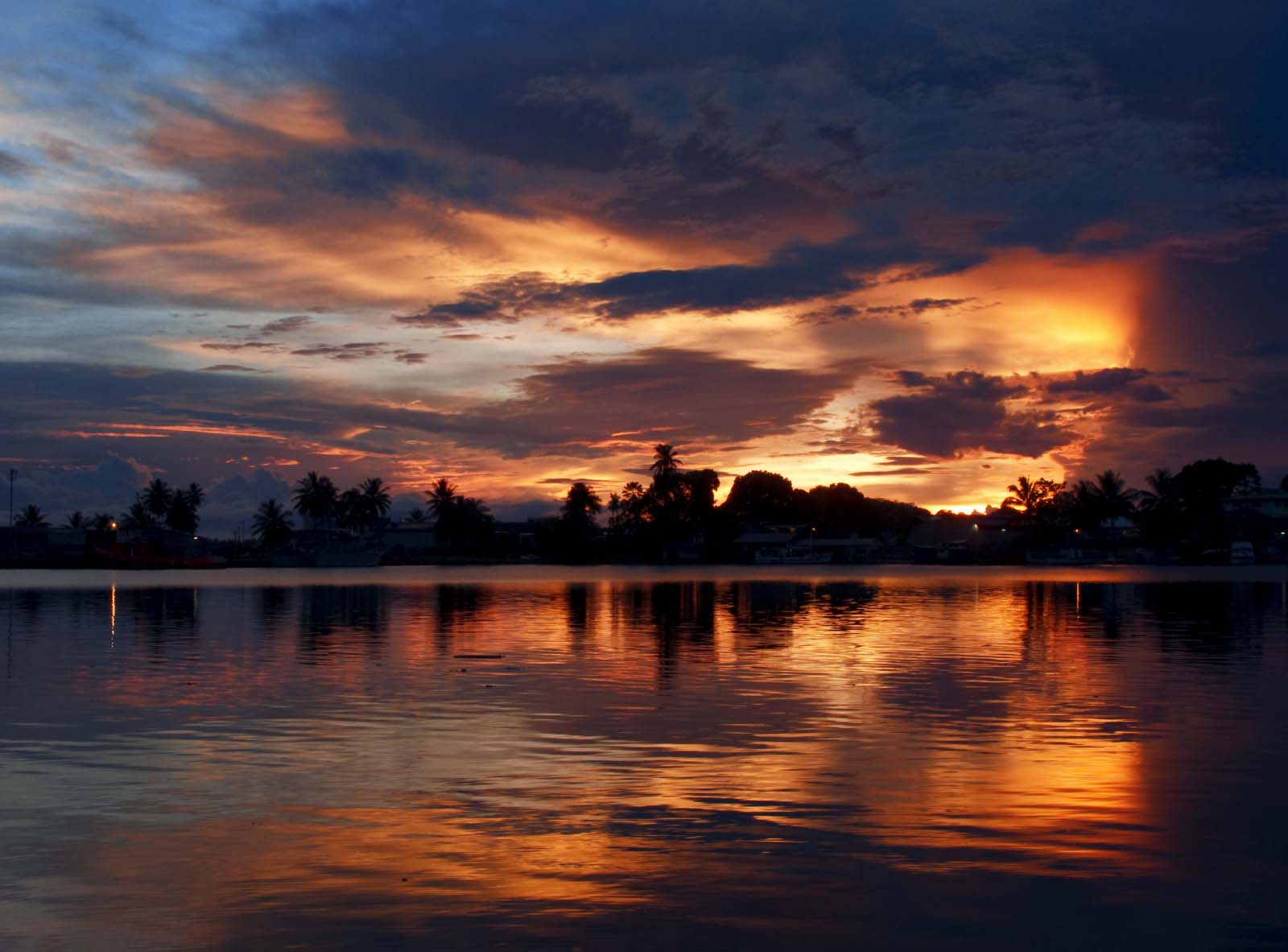
I heard a little commotion to my left. Usually all that I hear in the morning is the sound of fish jumping. My neighbours were getting into their canoe to paddle over to town: I asked them if they would make a little detour so that I could get a shot of them back lit by the rising sun.
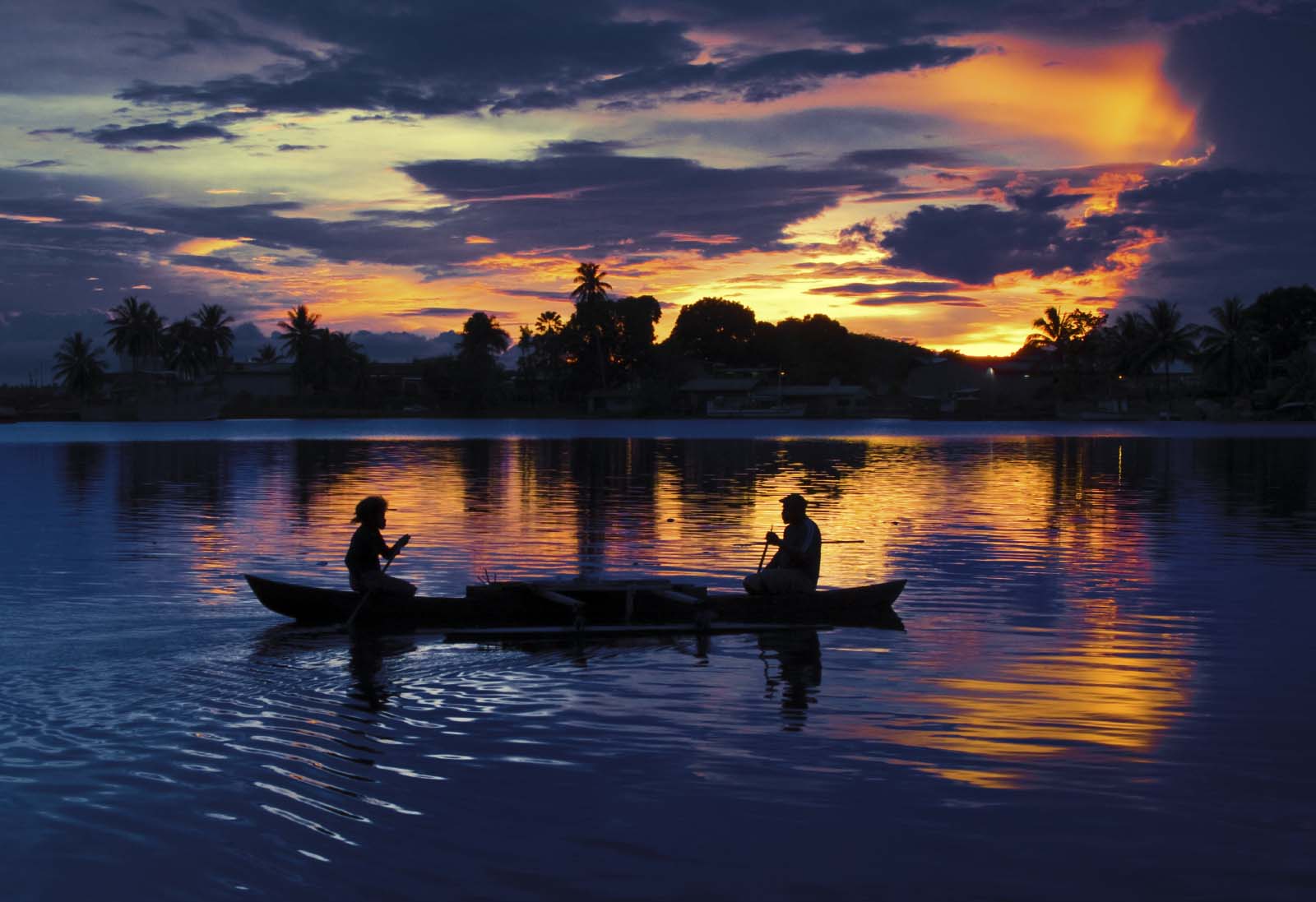
At the risk of boring you, I'll insert a little photographic note here. If you look at the two images you can see that the colours have been massaged differently. One of the pleasures of modern-day digital photography is that, if you don't like what your camera (or nature, for that matter) gave you, you can easily change it. For the first shot, I liked the overall warmth of the tones more or less as they came from the camera, with only a huge gob of saturation to punch them up. However, when I got to the canoe shot, it just didn't sing to me. The artificial addition of the blue to the water gave me just what I was after - creating a vignette around the canoe.
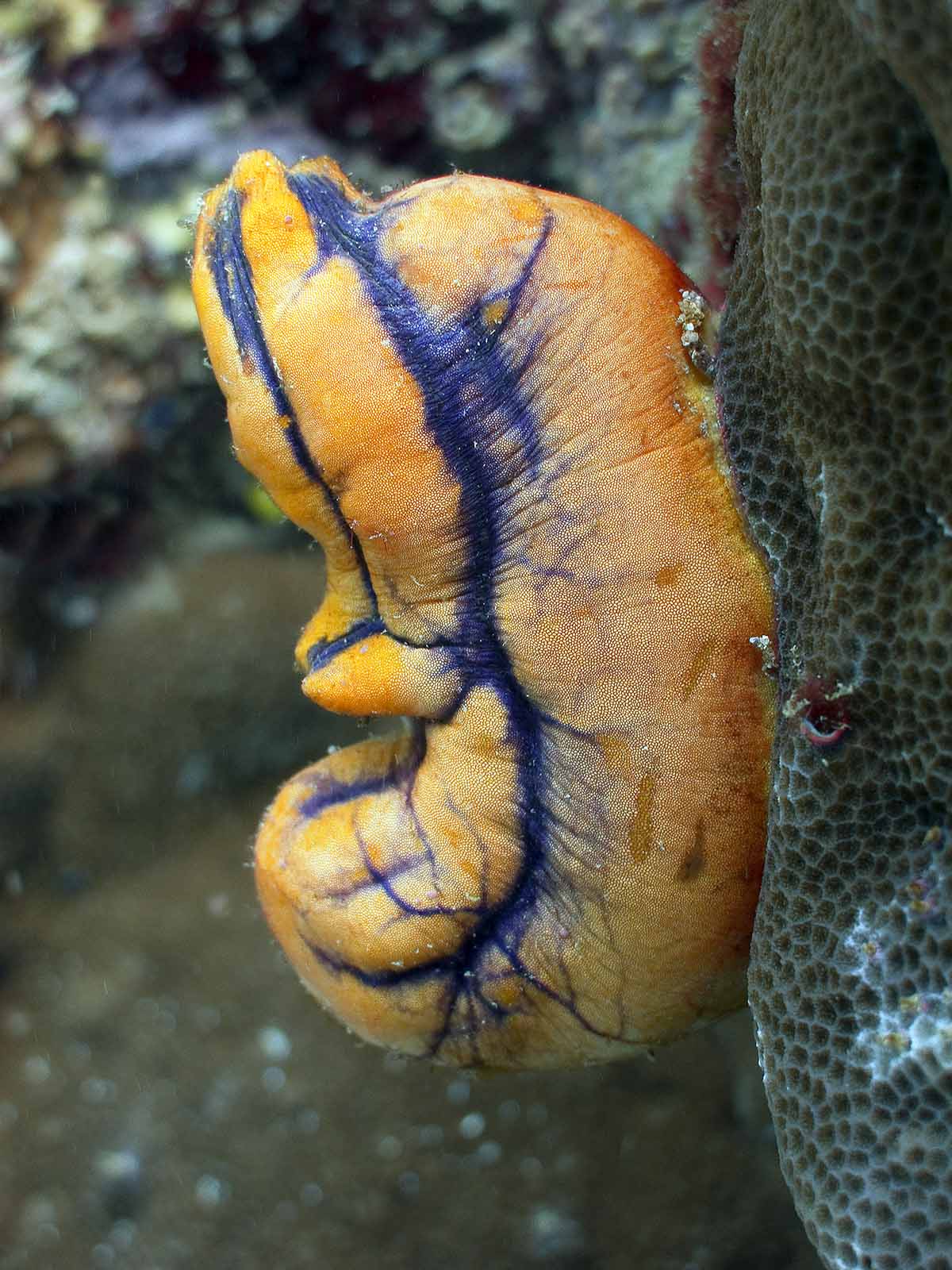
Okay, now let's get wet. I have a mix of the unusual and the common today. Though this is a common enough critter, many people have never seen one. That is unless you are a regular visitor here, in which case you may be yawning now. It is a kind of Sea Squirt (Polycarpa aurata): Aside from the ridiculous colours and peculiar shape, it does indeed squirt. If you get too close to it, it puffs water out and closes its two openings. Here you can see them all puckered up, locking out anything that might come inside for a nibble of its innards.
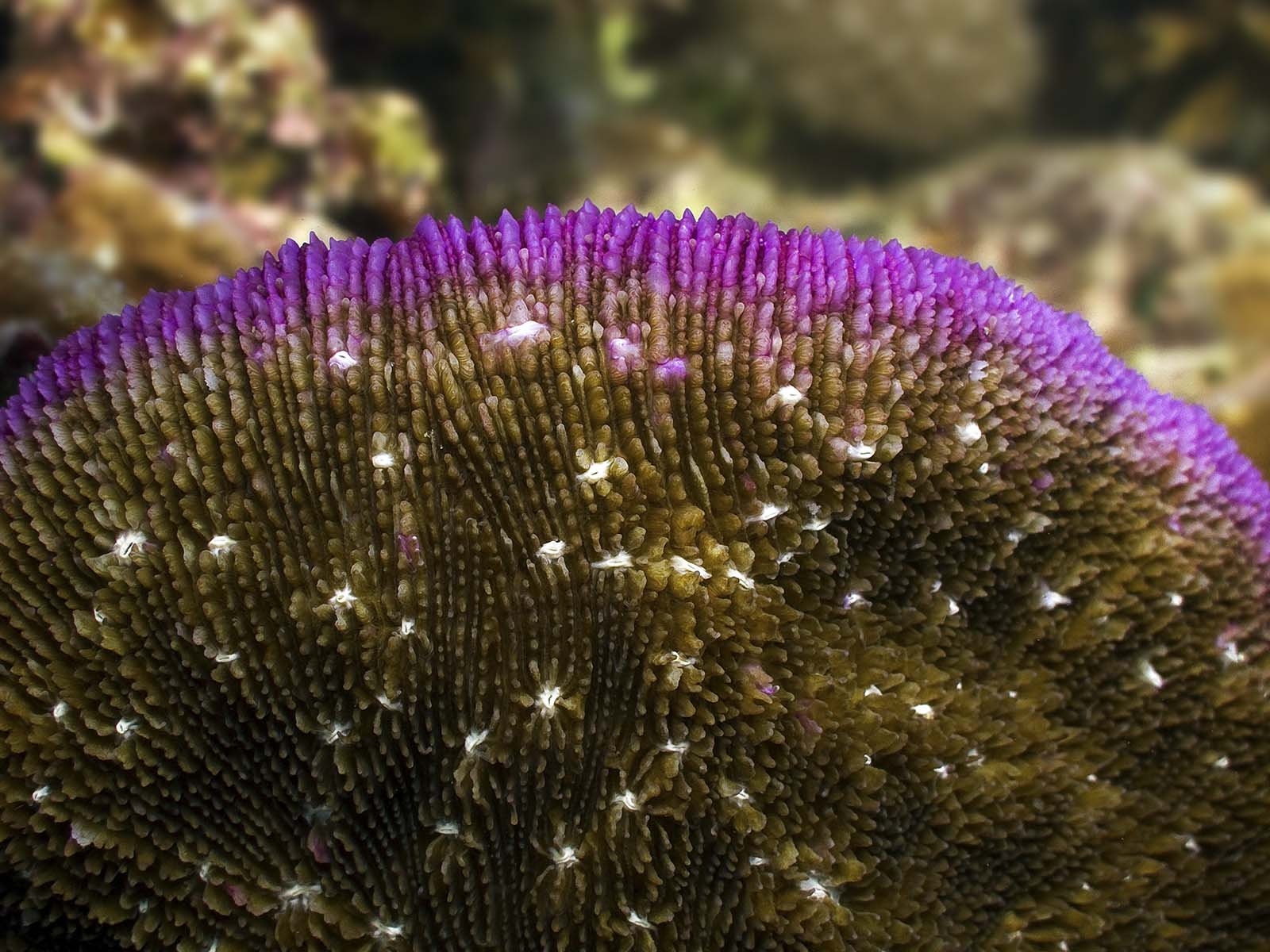
I've also shown Solitary Corals (Fungia fungites) here many times. This one had a particularly outrageous purple edge: I devoted a few precious minutes to Googling, but I can't find the cause of the purple discolouration. It is not species related, since it occurs randomly in individuals. Of two lying side-by-side, one may have purple and the other white or brown edges.
You've also seen the famous Sailor's Eyeball (Valonia ventricosa) here before: It is basically a huge single-cell green algae. It is sometimes refered to as a seaweed. When I Googled the taxonomic name I was amazed at the amount of scientific interest in this golf-ball sized cell. Here's an example:

The degradation of microfibrils from Valonia ventricosa by cellulase has been studied. As a result of enzymatic attack the elementary fibrils making up the microfibrils tended to separate and the ends of the microfibrils became oblique or pointed. The terminal planes made angles of 60 ... 66°, 33°, or 20 ... 25° with the microfibril axis. These planes are assumed to correspond to the 41 , 43 and 45 planes of the cellulose lattice and it is suggested that they are planes along which it is progressively more difficult for hydrolysis to proceed. On the basis of these considerations a suggestion has been proposed to explain the form of erosion cavities formed by soft-rot fungi described by previous workers in wood fibres and tracheids.
Please, if you understand that, would you explain it to me? I get the gist of it, but details make my head go funny.
Moving on to something more connectable to our familiar world we have three Clark's Anemonefish (Amphiprion clarkii) playing tag: This is one of the rare shots in which I was able to capture the amazing blue glow that is often seen in the white bars. It is a very weird thing to observe. I think that it is not true pigmentation, but rather some strange sort of refraction, similar to the colours of some butterfly wings and bird feathers.
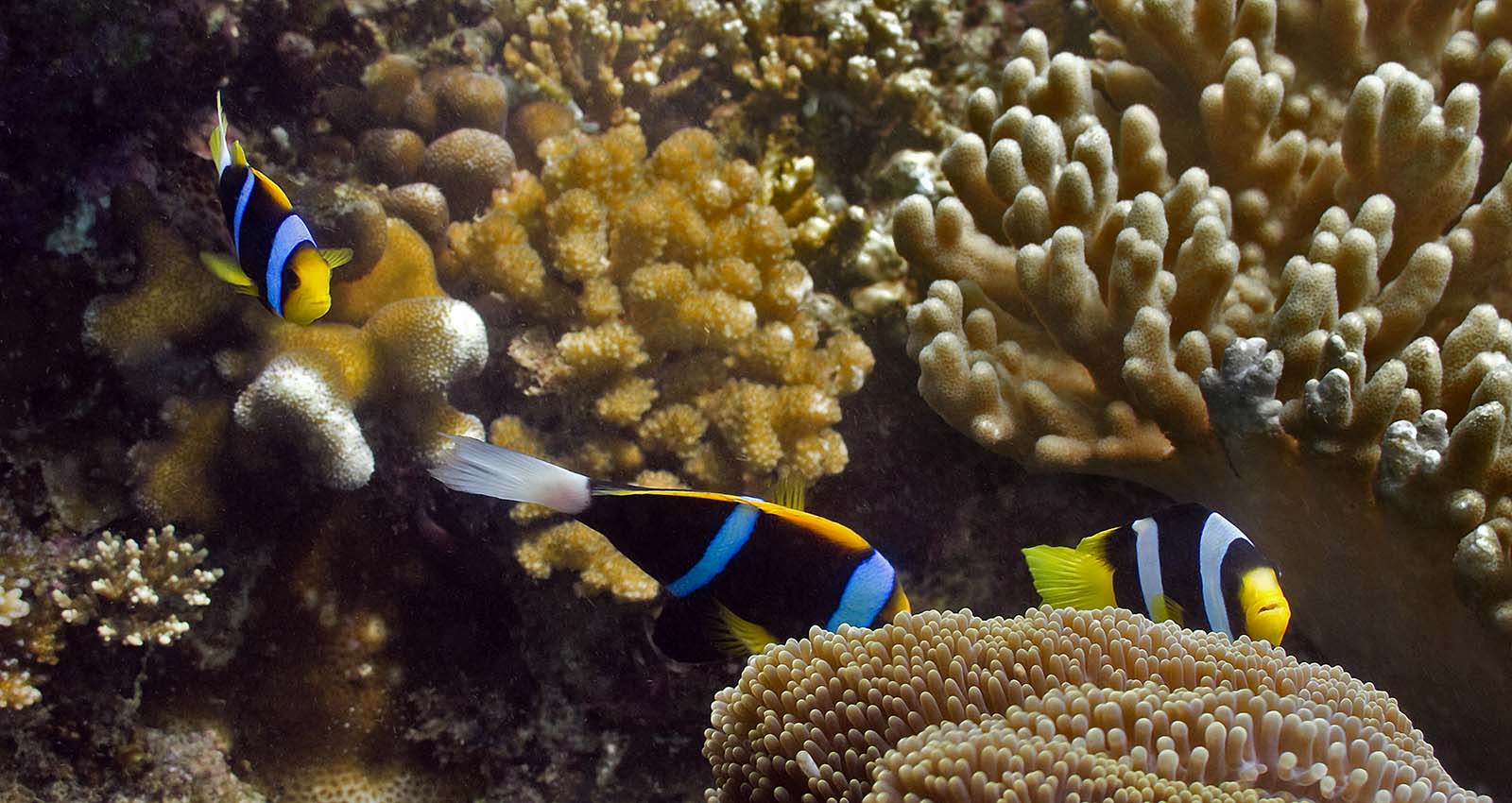
On the other hand, they are simply very , very pretty.
At Aesthetic Medicine in Portland, Oregon, Dr. Jerry Darm and his dedicated staff have promoted wellness, health and beauty for over a decade. Over 50,000 procedures performed utilizing 25 different lasers and aesthetic devices have made Aesthetic Medicine one of the largest medical spas in the United States. The innovative 21st century technologies, the attention to detail and the dedication to customer service have given Aesthetic Medicine an A+ rating with the Better Business Bureau.
Skin Problems
Skin problems such as acne, rosacea, sun damage, pigmentation, scarring, unwanted hair, and moles can be safely and effectively treated with lasers and aesthetic devices.
Wrinkles
Fine lines, deep wrinkles,pore size, dark circles and overall skin texture are best treated with the Laser Lift™. This exclusive procedure combines microdermabrasion with three FDA approved lasers which rejuvenate and tighten the skin while building new collagen.
Injectables
Botox® and Dysport® are used to treat wrinkles in motion around the eyes and in the forehead. Injectable fillers including Juvederm® and Restylane® are used to fill in the deeper frown lines around the mouth and chin.
Unwanted Fat / Cellulite
Unwanted fat can be removed from the neck, arms, chest, abdomen, back, flanks and thighs using the unique Lipo Lift™ procedures developed at Aesthetic Medicine with minimum pain and downtime. We are one of the busiest centers in the United States and have performed over 500 Lipo Lift™ III (Laser Lypolysis ) procedures in the past year. For the noninvasive treatment of fat and cellulite we have combined several FDA approved devices (LipoLift™ I ).
Weight Loss
Dr. Darm and his staff of dietitians and nutritionists have over 40 years of combined experience in Medical Weight Management. The average participant loses 40 to 60 pounds in a 3-6 month period. Thousands of patients have achieved success in this comprehensive program.
Spider Veins
Unsightly spider veins are successfully removed using sclerotherapy and laser treatments.
Facial Plastic Surgery
Blepharoplasty, Facelifts, Rhinoplasty, Necklifts, Browlifts, and related procedures are performed by our experienced board certified surgeon.
A northern red oak leaf shows red anthocyanin pigmentation as well as green chlorophyll at Green Ridge State Forest in Allegany County, Md., on Oct. 14, 2017. (Photo by Will Parson/Chesapeake Bay Program)
USAGE REQUEST INFORMATION
The Chesapeake Bay Program's photographic archive is available for media and non-commercial use at no charge. To request permission, send an email briefly describing the proposed use to requests@chesapeakebay.net. Please do not attach jpegs. Instead, reference the corresponding Flickr URL of the image.
A photo credit mentioning the Chesapeake Bay Program is mandatory. The photograph may not be manipulated in any way or used in any way that suggests approval or endorsement of the Chesapeake Bay Program. Requestors should also respect the publicity rights of individuals photographed, and seek their consent if necessary.
White Tiger or Bengal Tiger (Panthera tigris)
The white tiger is a pigmentation variant of the Bengal tiger, which is reported in the wild from time to time in States of India like Assam, Bengal, Bihar,Sunderbans and especially in the former State of Rewa.
Variation
The White Bengal tigers are distinctive for their color fur. According to the website, “Animal Corner,” the correct term to name the white tiger is Chinchilla albinistic. The white fur is due to the lack of pheomelanin pigment, which is found in Bengal tigers with orange color fur. When compared to Bengal tigers, the white Bengal tigers tend to grow faster and heavier than the orange Bengal tiger. They also tend to be somewhat bigger at birth, and as fully grown adults. White Bengal tigers are fully grown when they are 2–3 years of age. White male tigers reach weights of 200 to 230 kilograms and up to 3 meters in length. Similar to zebras, the white Bengal tiger’s stripes are like fingerprints, no two tigers have the same. Also, the stripes of the tiger are a pigmentation of the skin.
For a white Bengal tiger to be born, both parents must carry the unusual gene for white colouring, which, according to the website “Animal Corner,” only happens naturally about once in 10,000 births. As stated by Kailash Sankhala, the director of the New Delhi Zoo in the 1960s, “one of the functions of the white gene tiger may have been to keep a size gene in the population, in case it's ever needed." Dark-striped white individuals are well-documented in the Bengal tiger subspecies, also known as the Royal Bengal or Indian tiger (Panthera tigris tigris or P. t. bengalensis), and may also have occurred in captive Siberian tigers (Panthera tigris altaica)[citation needed], as well as having been reported historically in several other subspecies.
Currently, several hundred white tigers are in captivity worldwide, with about one hundred being found in India. Nevertheless, their population is on the increase. Nandankanan in the state of Odisha, India, is the host zoo for white tigers. In 1980, the first litter of white tigers were born to Deepak and Ganga, two normal tawny tigers. Subsequent litters of white tigers have been distributed to zoos both at home and abroad. Currently, Nandankanan is home to over 34 white tigers. Their unique white color fur has made them popular in entertainment showcasing exotic animals, and at zoos. German-American magicians Siegfried & Roy became famous for breeding and training two white tigers for their performances, referring to them as "royal white tigers," the white tiger's association with the Maharaja of Rewa. The first white Bengal tiger was found in India by royalty Maharaja Shri Martand Singh of Rewa. According to the website, “Animal Corner”, in 1948, Maharaja killed the white tigress leaving four cubs behind. Later, the cubs of the dead tigress were shot except for the white cub. It is believed that all white Bengal tigers are descendants of this cub.
White Siberian tigers
The existence of white Siberian tigers has not been scientifically documented, despite occasional unsubstantiated reports of sightings of white tigers in the regions where wild Siberian tigers live. It may be that the white mutation does not exist in the wild Siberian tiger population: no white Siberian tigers have been born in captivity, despite the fact that the subspecies has been extensively bred during the last few decades (with much outbreeding between the different Siberian lineages for purposes of conservation genetics); a recessive allele should occasionally turn up in a homozygous state during such breeding, and in this particular case yield white tigers from normally-colored parents, but no such animals have been reported.
The famous white Siberian tigers found in captivity are actually not pure Siberian tigers. They are instead the result of Siberian tigers breeding with Bengal tigers. The gene for white coating is quite common among Bengal tigers, but the natural birth of a white Bengal tiger is still a very rare occasion in the wild, where white tigers are not bred selectively.
The white tiger is not considered a tiger subspecies, but rather a hybrid mutant variant of the existing tiger subspecies. If a pure white Siberian tiger were to be born, it would therefore not be selectively bred within the tiger conservation programs. It would, however, probably still be selectively bred outside the program in an effort to create more white Siberian tigers. Due to the popularity of white tigers, they are used to attract visitors to zoos. White tigers are found in zoos in China commonly. White Tigers are very large. They can weigh up to 300 kg and reach more than 4 meters of length.
Stripeless white tigers and golden tabby tiger
An additional genetic condition can remove most of the striping of a white tiger, making the animal almost pure white. One such specimen was exhibited at Exeter Change in England in 1820, and described by Georges Cuvier as "A white variety of Tiger is sometimes seen, with the stripes very opaque, and not to be observed except in certain angles of light." Naturalist Richard Lydekker said that, "a white tiger, in which the fur was of a creamy tint, with the usual stripes faintly visible in certain parts, was exhibited at the old menagerie at Exeter Change about the year 1820." Hamilton Smith said, "A wholly white tiger, with the stripe-pattern visible only under reflected light, like the pattern of a white tabby cat, was exhibited in the Exeter Change Menagerie in 1820.", and John George Wood stated that, "a creamy white, with the ordinary tigerine stripes so faintly marked that they were only visible in certain lights." Edwin Henry Landseer also drew this tigress in 1824.
The modern strain of snow white tigers came from repeated brother–sister matings of Bhim and Sumita at Cincinnati Zoo. The gene involved may have come from a Siberian tiger, via their part-Siberian ancestor Tony. Continued inbreeding appears to have caused a recessive gene for stripelessness to show up. About one fourth of Bhim and Sumita's offspring were stripeless. Their striped white offspring, which have been sold to zoos around the world, may also carry the stripeless gene. Because Tony's genome is present in many white tiger pedigrees, the gene may also be present in other captive white tigers. As a result, stripeless white tigers have appeared in zoos as far afield as the Czech Republic (Liberec), Spain and Mexico. Stage magicians Siegfried & Roy were the first to attempt to selectively breed tigers for stripelessness; they owned snow-white Bengal tigers taken from Cincinnati Zoo (Tsumura, Mantra, Mirage and Akbar-Kabul) and Guadalajara, Mexico (Vishnu and Jahan), as well as a stripeless Siberian tiger called Apollo.
In 2004, a blue-eyed, stripeless white tiger was born in a wildlife refuge in Alicante, Spain. Its parents are normal orange Bengals. The cub was named Artico ("Arctic").
Stripeless white tigers were thought to be sterile until Siegfried & Roy's stripeless white tigress Sitarra, a daughter of Bhim and Sumita, gave birth. Another variation which came out of the white strains were unusually light-orange tigers called "golden tabby tigers". These are probably orange tigers which carry the stripeless white gene as a recessive. Some white tigers in India are very dark, between white and orange.
Genetics
A white tiger's pale coloration is due to the lack of the red and yellow pigments that normally produce the orange color. This had long been thought to be due to a mutation in the gene for the tyrosinase enzyme. A knockout mutation in this gene results in albinism, the inability to make either pheomelanin or eumelanin, while the consequence of a less severe mutation in the same gene is the cause of a selective loss of pheomelanin, the so-called Chinchilla trait. The white phenotype in tigers had been attributed to this Chinchilla mutation in tyrosinase, and some publications prior to the 1980s refer to it as an albino gene for this reason.[citation needed] However, genomic analysis has demonstrated instead that a mutation in the SLC45A2 gene is responsible. The resultant single amino acid substitution in this transport protein, by a mechanism yet to be determined, causes the elimination of pheomelanin expression seen in the white tiger. This is a recessive trait, meaning that it is only seen in individuals that are homozygous for this mutation. Inbreeding promotes recessive traits and has been used as a strategy to produce white tigers in captivity.
The stripe color varies due to the influence and interaction of other genes. Another genetic characteristic makes the stripes of the tiger very pale; white tigers of this type are called snow-white or "pure white". White tigers, Siamese cats, and Himalayan rabbits have enzymes in their fur which react to temperature, causing them to grow darker in the cold. A white tiger named Mohini was whiter than her relatives in the Bristol Zoo, who showed more cream tones. This may have been because she spent less time outdoors in the winter. White tigers produce a mutated form of tyrosinase, an enzyme used in the production of melanin, which only functions at certain temperatures, below 37 °C (99 °F). This is why Siamese cats and Himalayan rabbits are darker on their faces, ears, legs, and tails (the color points), where the cold penetrates more easily. This is called acromelanism, and other cats breeds derived from the Siamese, such as the Himalayan and the snowshoe cat, also exhibit the condition. Kailash Sankhala observed that white tigers were always whiter in Rewa State, even when they were born in New Delhi and returned there. "In spite of living in a dusty courtyard, they were always snow white." A weakened immune system is directly linked to reduced pigmentation in white tigers.
Genetic defects
Outside of India, inbred white tigers have been prone to crossed eyes, a condition known as strabismus, an example of which is "Clarence the cross-eyed lion", due to incorrectly routed visual pathways in the brains of white tigers. When stressed or confused, all white tigers cross their eyes. Strabismus is associated with white tigers of mixed Bengal x Siberian ancestry. The only pure-Bengal white tiger reported to be cross-eyed was Mohini's daughter Rewati. Strabismus is directly linked to the white gene and is not a separate consequence of inbreeding. The orange litter-mates of white tigers are not prone to strabismus. Siamese cats and albinos of every species which have been studied all exhibit the same visual pathway abnormality found in white tigers. Siamese cats are also sometimes cross-eyed, as are some albino ferrets. The visual pathway abnormality was first documented in white tigers in the brain of a white tiger called Moni after he died, although his eyes were of normal alignment. The abnormality is that there is a disruption in the optic chiasm. The examination of Moni's brain suggested the disruption is less severe in white tigers than it is in Siamese cats. Because of the visual pathway abnormality, by which some optic nerves are routed to the wrong side of the brain, white tigers have a problem with spatial orientation, and bump into things until they learn to compensate. Some tigers compensate by crossing their eyes. When the neurons pass from the retina to the brain and reach the optic chiasma, some cross and some do not, so that visual images are projected to the wrong hemisphere of the brain. White tigers cannot see as well as normal tigers and suffer from photophobia, like albinos.
Other genetic problems include shortened tendons of the forelegs, club foot, kidney problems, arched or crooked backbone and twisted neck. Reduced fertility and miscarriages, noted by ”tiger man” Kailash Sankhala in pure-Bengal white tigers were attributed to inbreeding depression. A condition known as "star-gazing" (the head and neck are raised almost straight up, as if the affected animal is gazing at the stars), which is associated with inbreeding in big cats, has also been reported in white tigers. Some white tigers born to North American lines have bulldog faces with a snub nose, jutting jaw, domed head and wide-set eyes with an indentation between the eyes. However, some of these traits may be linked to poor diet rather than inbreeding.
There was a 450 lb (200 kg) male cross-eyed white tiger at the Pana'ewa Rainforest Zoo in Hawaii, which was donated to the zoo by Las Vegas magician Dirk Arthur. There is a picture of a white tiger which appears to be cross-eyed on just one side in Siegfried & Roy's book Mastering The Impossible. A white tiger, named Scarlett O'Hara, who was Tony's sister, was cross-eyed only on the right side.
A male white tiger named Cheytan, a son of Bhim and Sumita born at the Cincinnati Zoo, died at the San Antonio Zoo in 1992 from anaesthesia complications during root canal therapy. It appears that white tigers also react strangely to anaesthesia. The best drug for immobilizing a tiger is CI 744, but a few tigers, white ones in particular, undergo a re-sedation effect 24–36 hours later. This is due to their inability to produce normal tyrosinase, a trait they share with albinos, according to zoo veterinarian David Taylor. He treated a pair of white tigers from the Cincinnati Zoo at Fritz Wurm's safari park in Stukenbrock, Germany, for salmonella poisoning, which reacted strangely to the anaesthesia.
Mohini was checked for Chédiak-Higashi syndrome in 1960, but the results were inconclusive. This condition is similar to albino mutations and causes bluish lightening of the fur color, crossed eyes, and prolonged bleeding after surgery. Also, in the event of an injury, the blood is slow to coagulate. This condition has been observed in domestic cats, but there has never been a case of a white tiger having Chédiak-Higashi syndrome. There has been a single case of a white tiger having central retinal degeneration, reported from the Milwaukee County Zoo, which could be related to reduced pigmentation in the eye. The white tiger in question was a male named Mota on loan from the Cincinnati Zoo.
There is a myth that white tigers have an 80% infant mortality rate. However, the infant mortality rate for white tigers is no higher than it is for normal orange tigers bred in captivity. Cincinnati Zoo director Ed Maruska said: "We have not experienced premature death among our white tigers. Forty-two animals born in our collection are still alive. Mohan, a large white tiger, died just short of his 20th birthday, an enviable age for a male of any subspecies, since most males live shorter captive lives. Premature deaths in other collections may be artifacts of captive environmental conditions...in 52 births we had four stillbirths, one of which was an unexplained loss. We lost two additional cubs from viral pneumonia, which is not excessive. Without data from non-inbred tiger lines, it is difficult to determine whether this number is high or low with any degree of accuracy."Ed Maruska also addressed the issue of deformities: "Other than a case of hip dysplasia that occurred in a male white tiger, we have not encountered any other body deformities or any physiological or neurological disorders. Some of these reported maladies in mutant tigers in other collections may be a direct result of inbreeding or improper rearing management of tigers generally."
Inbreeding and outcrossing
Because of the extreme rarity of the white tiger allele in the wild,[9] the breeding pool was limited to the small number of white tigers in captivity. According to Kailash Sankhala, the last white tiger ever seen in the wild was shot in 1958. Today there is a large number of white tigers in captivity. A white Amur tiger may have been born at Center Hill and has given rise to a strain of white Amur tigers. A man named Robert Baudy realized that his tigers had white genes when a tiger he sold to Marwell Zoo in England developed white spots, and bred them accordingly. The Lowry Park Zoo in Tampa Bay has four of these white Amur tigers, descended from Robert Baudy's stock.
It has also been possible to expand the white-gene pool by outcrossing white tigers with unrelated orange tigers and then using the cubs to produce more white tigers. The white tigers Ranjit, Bharat, Priya and Bhim were all outcrossed, in some instances to more than one tiger. Bharat was bred to an unrelated orange tiger named Jack from the San Francisco Zoo and had an orange daughter named Kanchana. Bharat and Priya were also bred with an unrelated orange tiger from Knoxville Zoo, and Ranjit was bred to this tiger's sister, also from Knoxville Zoo. Bhim fathered several litters with an unrelated orange tigress named Kimanthi at the Cincinnati Zoo. ankam Ranjeeth had several mates at the Omaha Zoo.
The last descendants of Bristol Zoo's white tigers were a group of orange tigers from outcrosses which were bought by a Pakistani senator and shipped to Pakistan. Rajiv, Pretoria Zoo's white tiger, who was born in the Cincinnati Zoo, was also outcrossed and sired at least two litters of orange cubs at Pretoria Zoo. Outcrossing is not necessarily done with the intent of producing more white cubs by resuming inbreeding further down the line.
Outcrossing is a way of bringing fresh blood into the white strain. The New Delhi Zoo loaned out white tigers to some of India's better zoos for outcrossing, and the government had to impose a whip to force zoos to return either the white tigers or their orange offspring.
Siegfried & Roy performed at least one outcross. In the mid-1980s they offered to work with the Indian government in the creation of a healthier strain of white tigers. The Indian government reportedly considered the offer; however, India had a moratorium on breeding white tigers after cubs were born at New Delhi Zoo with arched backs and clubbed feet, necessitating euthanasia. Siegfried & Roy have bred white tigers in collaboration with the Nashville Zoo.
Because of the inbreeding and resulting genetic defects the Association of Zoos and Aquariums barred member zoos from breeding white tigers, white lions and king cheetahs in a white paper adopted by the board of directors in July 2011. It is noteworthy that the first person to speak out against the displaying of white tigers was William G. Conway, General Director of the New York Zoological Society, which later became known as the Wildlife Conservation Society when he said, "White tigers are freaks. It's not the role of a zoo to show two headed calves and white tigers." He warned AZA in 1983 of the harm to the zoo's credibility in catering to the public's fascination with freaks, but went unheeded until 2008 when AZA issued a request to their members to stop breeding white tigers and then later in July 2011 when the AZA formally adopted that stance as policy. Conway was attacked by Ed Maruska of the Cincinnati Zoo for his observation, but in the end Conway's belief was validated.
A complete scan of the genome led to the discovery that the white tiger’s distinguishing characteristic arises from a single naturally occurring mutation, the substitution of one amino acid for another—valine for alanine—in the protein identified as SLC45A2. The implication of this discovery means that white tigers can be bred from any colored Bengal tiger pair possessing the unique but naturally occurring recessive gene.
Popular culture
White tigers appear frequently in literature, video games, television, and comic books. Such examples include the Swedish rock band Kent, which featured a white tiger on the cover of their best-selling album Vapen & ammunition in 2002. This was a tribute to the band's home town Eskilstuna, as the local zoo in town had white tigers from the Hawthorn Circus as its main attraction. The white tiger has also been featured in the video for the song "Human" by the popular American synth-rock band The Killers. White Tiger is also the name of an American glam metal band from the 1980s.
In the live action version of Disney's 101 Dalmatians, Cruella de Vil kills a white tiger for its fur.
- Seto Bagh (or White tiger in English) is a Nepali language novel by Diamond - Shumsher Rana about an encounter with a white tiger.
- Aravind Adiga's novel The White Tiger won the Man Booker Prize in 2008. The central character and narrator refers to himself as "The White Tiger". It was a nickname given to him as a child to denote that he was unique in the "jungle" (his hometown), that he was smarter than the others.
- Video games including white tigers include Zoo Tycoon, the Warcraft universe, and Perfect World International. White Tigers are featured as a wild, tamable "pet" companion in Guild Wars Factions. White tigers are also seen in Heroes of Might and Magic IV. The protector of the mystical world of Shangri-La in Far Cry 4 is a white tiger that allies with the protagonist to defeat demons.
- Both the Power Rangers and the Japanese Super Sentai series from which the Power Rangers series is based on, have used White Tiger themed mecha. A trained white tiger from the Bowmanville Zoo in Ontario, Canada, was used in the Animorphs TV series. A superhero named White Tiger appears in "The Justice Friends" on Dexter's Laboratory.
- Marvel Comics also publishes several superheroes who go by the name White Tiger. A white tiger named White Blaze is frequently shown in the anime Ronin Warriors.
- Tigatron from the animated TV series Transformers: Beast Wars is based on the white tiger. There have been at least 4 heroes in Marvel comics called "The White Tiger": two gained powers from a group of three mystic amulets that they possessed, one was actually a tigress evolved by the High Evolutionary, and one was given an artificial version of the "Black Panther's Heart Shaped Herb".
- Kylie Chan's 'Dark Heavens' series incorporates the four winds of Chinese mythology – including The White Tiger.
- In Hayate the Combat Butler, Tama; Nagi Sanzenin's pet tiger is a white tiger.
In 2013, a white tiger used for election campaign in Lahore, Pakistan died of dehydration
In Captivity
India
Nandankanan, in the Indian state of Odisha hosts 34 white tigers. White tigers were born to normal coloured parents in 1980, a unique event in the world. A unique white tiger safari was established in this Zoological Park on 1 October 1991.
Algeria
Parc de Ben Aknoun, is a zoo in the city of Algiers, which houses white tigers of a rare breed. Two females and a male, were brought on a flight from Gabon, in July 2014.
Portugal
Jardim Zoológico de Lisboa (the Zoologic Garden of Lisbon) is home to five white tigers, a male and female along with their cubs (one male and two females), all born in the zoo.
Trinidad
The Emperor Valley Zoo houses a male and female white tiger. On 9 January 2015 the female white bengal tiger named Rajasi gave birth to two cubs at the Emperor Valley Zoo.
Hungary
Two Bengal White Tigers where born in a zoo in January of 2015, in a zoo in Gyor.
[Credit: en.wikipedia.org/]
A simple vista, las alas de esta mariposa parecen negras con manchas rojas. Pero bajo la lupa del macro extremo, se revela una figura inesperada: un pequeño corazón escondido entre las escamas del ala posterior ❤️. No es una estructura anatómica, sino un patrón visual que surge del orden y coloración de las escamas. La naturaleza, una vez más, sorprende con su capacidad para esconder arte en lo microscópico.
At first glance, this butterfly’s wings appear black with red spots. But under extreme macro magnification, an unexpected shape appears: a tiny heart hidden among the hindwing scales ❤️. It’s not an anatomical feature, but a visual pattern created by the alignment and pigmentation of the scales. Nature once again surprises us with its ability to hide art in the microscopic.
Sony A7III @sonya7iii
🔬 Mitutoyo APO 5x
⚡ 5x
️ Stacking 32 fotos
️ ZS + PS
Good Personal Hygiene is the most important when it comes of healthy lifestyle, unfortunately it is the most neglected. A common belief is that just using a soap/shower gel shall keep our Vagina healthy as well as young, but we fail to realize that issues like ageing, hyper pigmentation and infections cannot be resolved without use of proper products designed scientifically and naturally. Correct awareness is the need of the hour to tackle these intimate issues.