View allAll Photos Tagged hate
Social Rightwork è un progetto organizzato da “SEYF- South Europe Youth Forum” e supportato dal Consiglio d’Europa con l’obiettivo di raccontare storie di discriminazione e bullismo online, prevenire il fenomeno delle discriminazioni sui nuovi media e combattere la diffusione di parole di incitamento all’odio sui social network e internet (gli hate-speech).
I hate shoes and I ONLY RUN BAREFOOT! ... if you are female, like to walk around barefoot all summer long, hike, bike, dance or visit other cities in nature, then just contact me via Em @ il !!
barfuss-sommer@web.de
or to
barfuss-hippie@web.de
Ich hasse Schuhe und ich LAUFE NUR BARFUß ! ...wenn du weiblich bist ,auch gerne den ganzen Sommer draussen barfuß rumläufst, in der Natur wandern, radfahren, tanzen oder andere Städte besuchen magst, dann melde dich doch einfach via Em@il bei mir !!!
barfuss-sommer@web.de oder an
barfuss-hippie@web.de
they call him the "hate man", from people's park in Berkeley. I had to "push" him for these photos.
"Hate Man's real name is Mark Hawthorne. He is coherent. He is witty. He worked for The New York TImes. And he graduated from college. Many of the other People's Park residents boast about him. " read more about hate man
Thy Art Is Murder
Brutality Across Australia 2025
Chelsea Heights Hotel, Melbourne AU
supports:
Mélancolia
Hate Complex
Melting
Shot for Live at Your Local
Become Part of the Solution (POS)... make new friends at www.WeChat3.com
Earth Hour at the 3 Finger Club LOHHAS Lifestyle Lounge
Lights were out between 8:30 and 9:30 while we told stories and discussed our Lifestyle Of Health, Happiness And Sustainability (LOHHAS) using the 3 Finger "Peace Plus One" Sustainability Salute to remind us about Peace, Harmony and Balance between Society, Environment and Economy
People were the best jugglers of "Society, Environment, Economy" balls won "EARTH HOUR 60" T-Shirts WOW \!/O\!/
Photo Courtesy of the McMaster Institute for Sustainable Development in Commerce
all participants in the Earth Hour Discussion got a copy of "Letter to Maddie" featured below:
We Screwed Up
A Letter of Apology to My Granddaughter
By Chip Ward
[Note: I became politically active and committed on the day 20 years ago when I realized I could stand on the front porch of my house and point to three homes where children were in wheelchairs, to a home where a child had just died of leukemia, to another where a child was born missing a kidney, and yet another where a child suffered from spina bifida. All my parental alarms went off at once and I asked the obvious question: What’s going on here? Did I inadvertently move my three children into harm’s way when we settled in this high desert valley in Utah? A quest to find answers in Utah’s nuclear history and then seek solutions followed. Politics for me was never motivated by ideology. It was always about parenting.
Today my three kids are, thankfully, healthy adults. But now that grandchildren are being added to our family, my blood runs cold whenever I project out 50 years and imagine what their world will be like at middle age -- assuming they get that far and that there is still a recognizable “world” to be part of. I wrote the following letter to my granddaughter, Madeline, who is almost four years old. Although she cannot read it today, I hope she will read it in a future that proves so much better than the one that is probable, and so terribly unfair. I’m sharing this letter with other parents and grandparents in the hope that it may move them to embrace their roles as citizens and commit to the hard work of making the planet viable, the economy equitable, and our culture democratic for the many Madelines to come.]
March 20, 2012
Dear Maddie,
I address this letter to you, but please share it with Jack, Tasiah, and other grandchildren who are yet unborn. Also, with your children and theirs. My unconditional love for my children and grandchildren convinces me that, if I could live long enough to embrace my great-grandchildren, I would love them as deeply as I love you.
On behalf of my generation of grandparents to all of you, I want to apologize.
I am sorry we used up all the oil. It took a million years for those layers of carbon goo to form under the Earth’s crust and we used up most of it in a geological instant. No doubt there will be some left and perhaps you can get around the fact that what remains is already distant, dirty, and dangerous, but the low-hanging fruit will be long-gone by the time you are my age. We took it all.
There’s no excuse, really. We are gas-hogs, plain and simple. We got hooked on faster-bigger-more and charged right over the carrying capacity of the planet. Oil made it possible.
Machines are our slaves and coal, oil, and gas are their food. They helped us grow so much of our own food that we could overpopulate the Earth. We could ship stuff and travel all over the globe, and still have enough fuel left to drive home alone in trucks in time to watch Monday Night Football.
Rocket fuel, fertilizer, baby bottles, lawn chairs: we made everything and anything out of oil and could never get enough of it. We could have conserved more for you to use in your lifetime. Instead, we demonstrated the self-restraint of crack addicts. It’s been great having all that oil to play with and we built our entire world around that. Living without it will be tough. Sorry.
I hope we develop clean, renewable energy sources soon, or that you and your generation figure out how to do that quickly. In the meantime, sorry about the climate. We just didn’t realize our addiction to carbon would come with monster storms, epic droughts, Biblical floods, wildfire infernos, rising seas, migration, starvation, pestilence, civil war, failed states, police states, and resource wars.
I’m sure Henry Ford didn’t see that coming when he figured out how to mass-produce automobiles and sell them to Everyman. I know my parents didn’t see the downside of using so much gas and coal. The all-electric house and a car in the driveway was their American Dream. For my generation, owning a car became a birthright. Today, it would be hard for most of us to live without a car. I have no idea what you’ll do to get around or how you will heat your home. Oops!
We also pigged out on most of the fertile soil, the forests and their timber, and the oceans that teemed with fish before we scraped the seabed raw, dumped our poisonous wastes in the water, and turned it acid and barren. Hey, that ocean was an awesome place and it’s too bad you can’t know it like we did. There were bright coral reefs, vibrant runs of red salmon, ribbons of birds embroidering the shores, graceful shells, the solace and majesty of the wild sea…
…But then I never saw the vast herds of bison that roamed the American heartland, so I know it is hard to miss something you only saw in pictures. We took lots of photos.
We thought we were pretty smart because we walked a man on the moon. Our technology is indeed amazing. I was raised without computers, smart phones, and the World Wide Web, so I appreciate how our engineering prowess has enhanced our lives, but I also know it has a downside.
When I was a kid we worried that the Cold War would go nuclear. And it wasn’t until a river caught fire near Cleveland that we realized fouling your own nest isn’t so smart after all. Well, you know about the rest -- the coal-fired power plants, acid rain, the hole in the ozone...
www.tomdispatch.com/images/managed/fear2.gifThere were plenty of signs we took a wrong turn but we kept on going. Dumb, stubborn, blind: Who knows why we couldn’t stop? Greed maybe -- powerful corporations we couldn’t overcome. It won’t matter much to you who is to blame. You’ll be too busy coping in the diminished world we bequeath you.
One set of problems we pass on to you is not altogether our fault. It was handed down to us by our parents’ generation so hammered by cataclysmic world wars and economic hardship that they armed themselves to the teeth and saw enemies everywhere. Their paranoia was understandable, but they passed their fears on to us and we should have seen through them. I have lived through four major American wars in my 62 years, and by now defense and homeland security are powerful industries with a stranglehold on Congress and the economy. We knew that was a lousy deal, but trauma and terror darkened our imaginations and distorted our priorities. And, like you, we needed jobs.
Sorry we spent your inheritance on all that cheap bling and, especially, all those weapons of mass destruction. That was crazy and wasteful. I can’t explain it. I guess we’ve been confused for a long time now.
Oh, and sorry about the confusion. We called it advertising and it seemed like it would be easy enough to control. When I was a kid, commercials merely interrupted entertainment. Don’t know when the lines all blurred and the buy, buy, buy message became so ubiquitous and all-consuming. It just got outta hand and we couldn’t stop it, even when we realized we hated it and that it was taking us over. We turned away from one another, tuned in, and got lost.
I’m betting you can still download this note, copy it, share it, bust it up and remake it, and that you do so while plugged into some sort of electrical device you can’t live without -- so maybe you don’t think that an apology for technology is needed and, if that’s the case, an apology is especially relevant. The tools we gave you are fine, but the apps are mostly bogus. We made an industry of silly distraction. When our spirits hungered, we fed them clay that filled but did not nourish them. If you still don’t know the difference, blame us because we started it.
And sorry about the chemicals. I mean the ones you were born with in your blood and bones that stay there -- even though we don’t know what they’ll do to you). Who thought that the fire retardant that kept smokers from igniting their pillows and children’s clothes from bursting into flames would end up in umbilical cords and infants?
It just seemed like better living through chemistry at the time. Same with all the other chemicals you carry. We learned to accept cancer and I guess you will, too. I’m sure there will be better treatments for that in your lifetime than we have today. If you can afford them, that is. Turning healthcare over to predatory corporations was another bad move.
All in all, our chemical obsession was pretty reckless and we got into that same old pattern: just couldn’t give up all the neat stuff. Oh, we tried. We took the lead out of gasoline and banned DDT, but mostly we did too little, too late. I hope you’ve done better. Maybe it will help your generation to run out of oil, since so many of the toxic chemicals came from that. Anyway, we didn’t see it coming and we could have, should have. Our bad.
There are so many other things I wish I could change for you. We leave behind a noisy world. Silence is rare today, and unless some future catastrophe has left your numbers greatly diminished, your machines stilled, and your streets ghostly empty, it is likely that the last remnants of tranquility will be gone by the time you are my age.
And how about all those species, the abundant and wondrous creatures that are fading away forever as I write these words? I never saw a polar bear and I guess you can live without that, too, but when I think of the peep and chirp of frogs at night, the hum of bees busy on a flower bed, the trill of birds at dawn, and so many other splendorous pleasures that you may no longer have, I ache with regret. We should have done more to keep the planet whole and well, but we couldn’t get clear of the old ways of seeing, the ingrained habits, the way we hobble one another’s choices so that the best intentions never get realized.
Mostly I’m sorry about taking all the good water. When I was a child I could kneel down and drink from a brook or spring wherever we camped and played. We could still hike up to glaciers and ski down snow-capped mountains.
Clean, crisp, cold, fresh water is life’s most precious taste. A life-giving gift, all water is holy. I repeat: holy. We treated it, instead, as if it were merely useful. We wasted and tainted it and, again in a geological moment, sucked up aquifers that had taken 10,000 years to gather below ground. In my lifetime, glaciers are melting away, wells are running dry, dust storms are blowing, and rivers like the mighty Colorado are running dry before they reach the sea. I hate to think of what will be left for you. Sorry. So very, very sorry.
I’m sure there’s a boatload of other trouble we’re leaving you that I haven’t covered here. My purpose is not to offer a complete catalog of our follies and atrocities, but to do what we taught your parents to do when they were as little as you are today.
When you make a mistake, we told them, admit it, and then do better. If you do something wrong, own up and say you are sorry. After that, you can work on making amends.
I am trying to see a way out of the hardship and turmoil we are making for you. As I work to stop the madness, I will be mindful of how much harder your struggles will be as you deal with the challenges we leave you to face.
The best I can do to help you through the overheated future we are making is to love you now. I cannot change the past and my struggle to make a healthier future for you is uncertain, but today I can teach you, encourage you, and help you be as strong and smart and confident as you can be, so that whatever the future holds, whatever crises you face, you are as ready as possible. We will learn to laugh together, too, because love and laughter can pull you through the toughest times.
I know a better world is possible. We create that better world by reaching out to one another, listening, learning, and speaking from our hearts, face to face, neighbor to neighbor, one community after another, openly, inclusively, bravely. Democracy is not a gift to be practiced only when permitted. We empower ourselves. Our salvation is found in each other, together.
Across America this morning and all around the world, our better angels call to us, imploring us to rise up and be as resilient as our beloved, beautiful children and grandchildren, whose future we make today. We can do better. I promise.
Your grandfather,
Chip Ward
Have I mentioned just how much I hate daylight saving time?
Created for the Cinquain Poetry challenge here:
www.pbase.com/creativematrix/cc_mar30_april12_2012
and for Marcus Ranum March Challenge
Model with thanks to Marcus Ranum
Background also with thanks to Marcus Ranum
Clocks from here: www.flickr.com/photos/51820557@N04/4770904192/
Textures courtesy of jandarmor and Pareeerica
Other texture from here: www.cketch.com/freebie-friday-7e/
Springs from various sources:


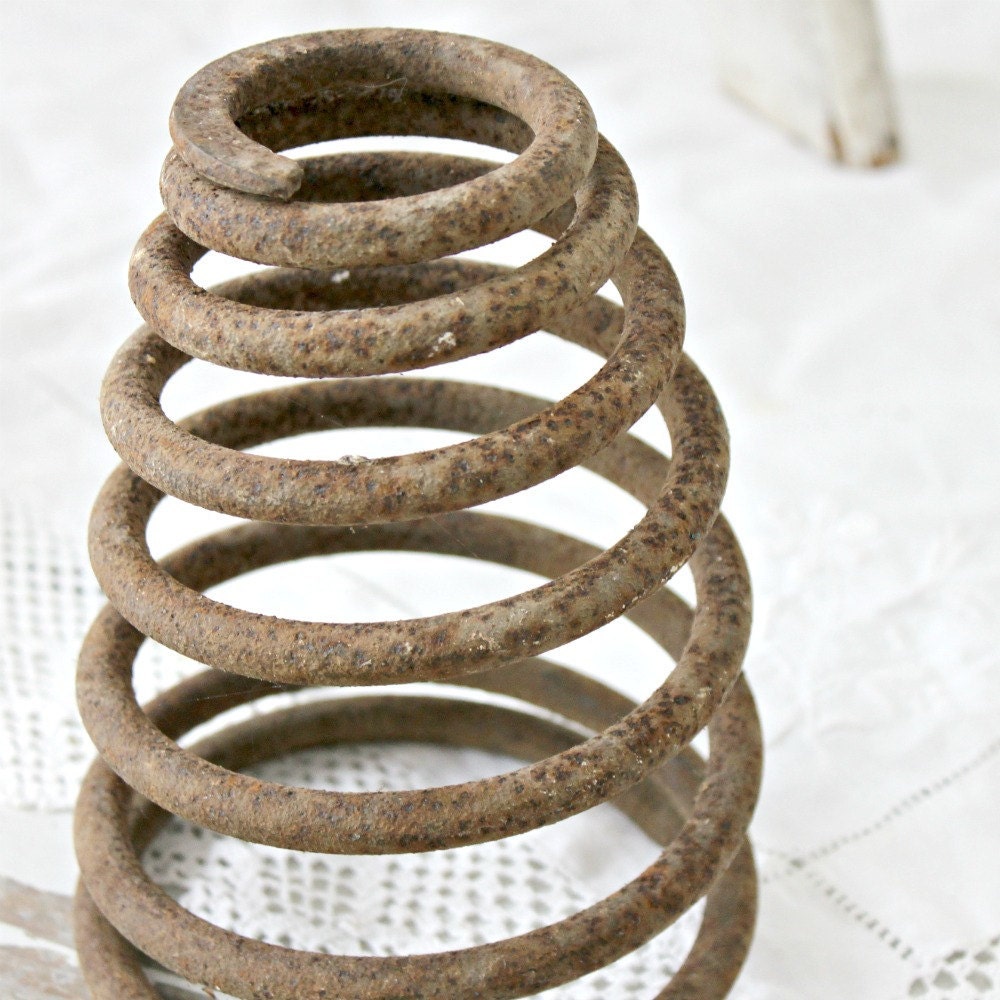
84 of 2012
Photoshop
April 12, 2012
Cause you're beautiful
Just not on the inside.
Confession: I don't think all the good in me could ever outweigh the bad.
I'm not a good person.
I'm a bitch. I'm a liar. I'm a coward. I'm angry and bitter. I hold grudges. I'm vengeful. I'm greedy. I put my own wants before other's needs. I argue with people sometimes just for the sake of arguing. I push people's buttons to see how far I can go before they break.
I'm a spoiled brat. Since I was a baby, I've always gotten what I wanted. No one ever said no to me. And if they did I could think up clever ways to make them say yes. Parents, friends, boyfriends, anyone. I can and will manipulate anyone to get what I want.
I hate who I've become.
Today has not been good. I feel pathetic. I've been crying all day over cigarettes. It's pretty fucking sad. I'm anxious and stressed. I'm broke and I don't have a job.
I hate Edmund Spenser's politics but oh The Faerie Queene is a beautiful poem...
Texture by Stewart Black
She is my best friend and that's precisely what she is. I don't think i can put it in more simpler terminology than that. I specifically shot this image with the title in mind. Some of her relatives were cherishing her surprise visit for her sisters wedding engagement and there was so much fun.
Yes, sometimes i have something in my head, a poem, a title for an image and i hunt for images that fits the size. I know, wierd. Can't help it, was born this way :-P
Canon EOS 400D with the Sigma EF 24 - 70 MM F/2.8. Manual, F/4 at 1/100th of a Second, ISO100, Canon Speedlite 430EX fired, Manual 1/1.
All Rights Reserved. Owner and Usage Rights belongs to Dilip Muralidaran. Any use of this work in hard or soft copy or transfer must be done with the expressed consent of Dilip Muralidaran in written. Failing to do so will result in violation as per Section 63 of the Indian Copyrights Act, 1957 & Forgery, Fruad, Misrepresentation and Misinformation as per the Indian Penal Code Section 420 leading to severe legal consequences.
The Burgtheater on the Dr.-Karl -Lueger-Ring (from now on, Universitätsring) in Vienna is an Austrian Federal Theatre. It is one of the most important stages in Europe and after the Comédie-Française, the second oldest European, as well as the largest German speaking theater. The original 'old' Burgtheater on Michaelerplatz was recorded from 1748 until the opening of the new building at the ring in October, 1888. The new house was completely on fire in 1945 as a result of bomb attacks, until the re-opening on 14 October 1955 was the Ronacher as temporary quarters. The Burgtheater is considered Austrian National Theatre.
Throughout its history, the theater was wearing different names, first kk Theater next to the castle, then to 1918 K.K. Court-Burgtheater and since then Burgtheater. Especially in Vienna it is often referred to as "The Castle (Die Burg)" , the ensemble members are known as Castle actors (Burgschauspieler). Director of the House since 2009, Matthias Hartmann.
History
St. Michael's Square with the old K.K. Theatre beside the castle (right) and the Winter Riding School of the Hofburg (left)
The interior of the Old Burgtheater, painted by Gustav Klimt. The people are represented in such detail that the identification is possible.
The 'old' Burgtheater at St. Michael's Square
The original castle theater was set up in a ball house that was built in the lower pleasure gardens of the Imperial Palace of the Roman-German King and later Emperor Ferdinand I in 1540, after the old house 1525 fell victim to a fire. Until the beginning of the 18th Century was played there the Jeu de Paume, a precursor of tennis. On 14 March 1741 finally gave the Empress Maria Theresa, who after the death of her father ruled a general theater lock order, the "Entrepreneur of the Royal Court Opera" and lessees of 1708 built theater at Kärntnertor, Joseph Karl Selliers, permission to change the ballroom into a theater. Simultaneously, a new ball house was built in the immediate vicinity, which todays Ballhausplatz is bearing its name.
In 1748, the newly designed "theater next to the castle" was opened. 1756 major renovations were made, inter alia, a new rear wall was built. The Auditorium of the Old Burgtheater was still a solid timber construction and took about 1200 guests. The imperial family could reach her royal box directly from the imperial quarters with them the Burgtheater was structurally connected. At the old venue at Michael's place were, inter alia, several works of Christoph Willibald Gluck, Ludwig van Beethoven, Wolfgang Amadeus Mozart as well as Franz Grillparzer were premiered .
On 17 February 1776, Emperor Joseph II declared the theater to the German National Theatre (Teutsches Nationaltheater). It was he who ordered by decree that the pieces should not treat sad events to bring the imperial audience in a bad mood. Many pieces had changed and therefore a Vienna Final (Happy End) is provided, such as Romeo and Juliet or Hamlet. From 1794, the theater was bearing the name K.K. Court Theatre next to the castle.
1798 the poet August von Kotzebue was appointed as head of the Burgtheater, but after discussions with the actors he left Vienna in 1799. Under German director Joseph Schreyvogel was introduced German instead of French and Italian as a new stage language.
On 12 In October 1888 the last performance in the old house took place. The Burgtheater ensemble moved to the new venue on the ring. The Old Burgtheater had to give way to the completion of Michael's tract of Hofburg. The plans to this end had been drawn almost 200 years before the demolition of the old Burgtheater by Joseph Emanuel Fischer von Erlach.
The "new" K.K. Court Theatre (as the inscription reads today) on the ring opposite the Town Hall, opened on 14th in October 1888 with Esther of Grillparzer and Schiller's Wallenstein's Camp, it was designed in neo-Baroque style by Gottfried Semper (plan) and Karl Freiherr von Hasenauer (facade), who had already designed the Imperial Forum in Vienna together. Construction began on 16 December 1874 and followed through 14 years, in which the architects quarreled. Already in 1876 Semper withdrew due to health problems to Rome and had Hasenauer realized his ideas alone, who in the dispute of the architects stood up for a mainly splendid designed grand lodges theater.
However, created the famous Viennese painter Gustav Klimt and his brother Ernst Klimt and Franz Matsch 1886-1888 the ceiling paintings in the two stairwells of the new theater. The three took over this task order for similar work in the city of Fiume theaters and Karlovy Vary and in the Bucharest National Theatre. In the grand staircase at the café Landtmann side facing the Burgtheater (Archduke stairs) reproduced Gustav Klimt the artists of ancient theater in Taormina in Sicily, in the stairwell on the "People's Garden"-side (Kaiserstiege, because it was reserved for the emperor), the London Globe Theatre and the final scene from William Shakespeare's " Romeo and Juliet" . Above the entrance to the auditorium is Molière's The Imaginary Invalid to discover. In the background the painter immortalized in the company of his two colleagues. Emperor Franz Joseph I liked the ceiling paintings so much that he gave the members of the company of artists of Klimt the Golden Cross of Merit.
The new building resembles externally the Dresden Semper Opera, but even more, due to the for the two theaters absolutely atypical cross wing with the ceremonial stairs, Semper Munich project from the years 1865/1866 for a Richard Wagner Festspielhaus on the Isar. Above the middle section, a loggia, which is framed by two side wings, and is divided from a stage house with a gable roof and auditorium with a tent roof. Across the center house is decorated with a statue of Apollo, the facade, the towers between the Muses of drama and tragedy. Over the main entrances are located friezes with Bacchus and Ariadne. On the exterior round busts can be seen the poet Calderon, Shakespeare, Moliere, Schiller, Goethe, Lessing, Halm, Grillparzer, and Hebbel. The masks are also to be seen here, indicating the ancient theater, also adorn the side wings allegories: love, hate, humility, lust, selfishness, and heroism. Although since 1919, the theater was named the Burgtheater, the old saying KK Hofburgtheater over the main entrance still exists. Some pictures of the old gallery of portraits having been hung in the new building are still visible today - but these images were originally small, they had to be "extended" to make them work better in high space. The locations of these "supplements" are visible as fine lines on the canvas.
The Burgtheater was initially well received due to its magnificent appearance and technical innovations such as electric lighting of the Viennese, but soon criticism of the poor acoustics was loud. Finally, in 1897 the auditorium was rebuilt to reduce the acoustic problems. The new theater was an important meeting place of social life and soon counted among the "sanctuaries" of the Viennese. In November 1918, the supervision on the theater was transferred from the High Steward of the emperor to the new state of German Austria.
1922/1923 the Academy Theatre was opened as a chamber play stage of the Burgtheater. 8th May 1925 was the Burgtheater in Austria's criminal history, as here Mentscha Karnitschewa perpetrated a revolver assassination on Todor Panitza .
The Burgtheater in time of National Socialism
The National Socialist ideas also left traces in the history of the Burgtheater. Appeared in 1939 in Adolf Luser Verlag the strongly anti-Semitic embossed book of theater scientist Heinz Kindermann "The Burgtheater. Heritage and mission of a national theater", in which he, among other things, analyzed the "Jewish influence "on the Burgtheater. On 14 October 1938 was the 50th anniversary of the opening of Burgtheater a production of Don Carlos of Karl-Heinz Stroux shown that served the Hitler's ideology. The role of the Marquis of Posa played the same Ewald Balser, who 'railed in a different Don Carlos production a year earlier (by Heinz Hilpert) at the Deutsches Theater in the same role with the set direction of Joseph Goebbels box: "Enter the freedom of thought". The actor and director Lothar Müthel, who was director of the Burgtheater between 1939 and 1945, staged 1943 Merchant of Venice, in which Werner Kraus Shylock the Jew clearlyanti-Semitic represented. The same director staged after the war Lessing 's parable Nathan the Wise. Adolf Hitler himself visited during the Nazi regime the Burgtheater only once (1938), and later he refused out of fear of an assassination.
For actors and theater staff who were classified according to the Reich Citizenship Law of 1935 as "Jewis ", were quickly imposed banned from performing, they were on leave, fired or arrested within days. The Burgtheater ensemble made between 1938 and 1945 no significant resistance against the Nazi ideology, the game plan was heavily censored, actively just joined the Resistance, as Judith Holzmeister (then also at the National Theatre committed ) or the actor Fritz Lehmann. Although Jewish members of the ensemble indeed have been helped to emigrate, was still an actor, Fritz Strassny, taken to a concentration camp and murdered there.
The Burgtheater end of the war and after the Second World War
In summer 1944, the Burgtheater had to be closed because of the general arranged theater lock. From 1 April 1945 as the Red Army approached Vienna, outsourced a military unit in the house, a portion was used as an arsenal. In a bomb attack the house at the Ring was damaged and burned on 12th April 1945 it burned completely. Auditorium and stage were useless, only the steel structure remained. The ceiling paintings and part of the lobby were almost undamaged.
The Soviet occupying power expected from Viennese City Councillor Viktor Matejka to bring Vienna 's cultural life as soon as possible again. The council called for 23 April (a state government did not yet exist), a meeting of all Viennese cultural workers into the town hall. Result of the discussions was that in late April 1945 eight cinemas and four theaters took up the operation again, including the Burgtheater. The house took over the Ronacher Theater, which was understood by many castle actors as "exile" as a temporary home (and remained there to 1955). This Venue chose the newly appointed director Raoul Aslan, who championed particularly active.
The first performance after the Second World War was on 30 April 1945 by Franz Grillparzer, Sappho, directed by Adolf Rott from 1943 with Maria Eis in the title role. Other productions from the Nazi era were resumed. With Paul Hoerbiger, a Nazi prisoner a few days ago still in mortal danger, was shown the piece of Nestroy Mädl (Girlie) from the suburbs. The Academy Theatre was recorded (the first performance was on 19 April 1945 Hedda Gabler, a production of Rott in 1941) and also in the ball room (Redoutensaal) at the Imperial Palace took performances place. Aslan had the Ronacher rebuilt in the summer because the stage was too small for classical performances. On 25 September 1945, Schiller's Maid of Orleans could be played on the larger stage.
The first new productions are associated with the name of Lothar Müthel: Anyone and Nathan the Wise, in both Raoul Aslan played the main role. The staging of The Merchant of Venice by Müthel to Nazi times seemed to be forgotten.
Great pleasure gave the public the return of the in 1938 from the ensemble expelled Else Wohlgemuth on stage. She performaed after seven years of exile in December 1945 in Clare Biharys The other mother in the Academy Theater. 1951 opened the Burgtheater its doors for the first time, but only the left wing, where the celebrations of the 175th anniversary of the theater took place.
1948, a competition was announced for the reconstruction: Josef Gielen, who was then director, first tended to support the design of ex aequo-ranked Otto Niedermoser, after which the house into a modern theater rank should be rebuilt. Finally, he agreed but then for the project by Michael Engelhardt, whose plan was conservative, but also cost effective. The character of the lodges theater was largely taken into account and maintaining the central royal box has been replaced by two ranks, and with a new slanted ceiling construction in the audience was the acoustics, the weakness of the home, improved significantly.
On 14 October 1955 was happening under Adolf Rott the reopening of the restored house on the Ring. For this occasion Mozart's A Little Night Music was played. On 15 and on 16 In October it was followed by the first performance (for reasons of space as a double premiere) in the restored theater: King Ottokar's Fortune and End of Franz Grillparzer, staged by Adolf Rott. A few months after the signing of the Austrian State Treaty was the choice of this piece, which explores the beginning of Habsburg rule in Austria and Ottokar of Hornecks eulogy on Austria (... it's a good country / Well worth that a prince among thread! / where have you already seen the same?... ) contains highly symbolic. Rott and under his successors Ernst Haeusserman and Gerhard Klingenberg the classic Burgtheater style and the Burgtheater German for German theaters were finally pointing the way .
In the 1950s and 1960s, the Burgtheater participated (with other well-known theaters in Vienna) on the so-called Brecht boycott.
Gerhard Klingenberg internationalized the Burgtheater, he invited renowned stage directors such as Dieter Dorn, Peter Hall, Luca Ronconi, Giorgio Strehler, Roberto Guicciardini and Otomar Krejča. Klingenberg also enabled the castle debuts by Claus Peymann and Thomas Bernhard (1974 world premiere of The Hunting Party). Bernhard Klingenberg's successor was talking, but eventually was appointed Achim Benning, whereupon the writer with the text "The theatrical shack on the ring (how I should become the director of the Burgtheater)" answered.
Benning, the first ensemble representative of the Burgtheater, was appointed Director, continued Klingenberg's way of Europeanization by other means, brought directors such as Adolf Dresen, Manfred Wekwerth or Thomas Langhoff to Vienna, looked with performances of plays of Vaclav Havel in the then politically separated East and took more account of the public taste .
Directorate Claus Peymann 1986-1999
Under the from short-term Minister of Education Helmut Zilk to Vienna fetched Claus Peymann, director from 1986 to 1999, there was further modernization of the match schedule and staging styles. Moreover Peymann was never at a loss for words for critical messages to the public, a hitherto unusual attitude for Burgtheater directors. Therefore, he and his program met with sections of the audience's rejection. The largest theater in Vienna scandal since 1945, this when in 1988 conservative politicians and zealots fiercely fought the premiere of Thomas Bernhard's Heldenplatz (Place of the Heroes) drama. The play deals with the past and illuminates the present management in Austria - with attacks on the then ruling Social Democratic Party - critically. Together with Claus Peymann Bernhard raised after the premiere to a challenge on the stage to applause and boos .
Bernard, to his home country bound in love-hate relationship, prohibited the performance of his plays in Austria before his death in 1989 by will. Peymann , to Bernhard bound in a difficult friendship (see Bernhard's play Claus Peymann buys a pair of pants and goes eating with me) feared harm for the author's work, should his pieces precisely in his home not being shown. First, it was through permission of the executor Peter Fabjan - Bernhard's half-brother - after all, possible the already in the Schedule of the Burgtheater included productions to continue. Finally, shortly before the tenth anniversary of the death of Bernard it came to the revival of the Bernhard piece Before retirement by the opening night director Peymann. The pieces by Bernhard are since continued on the board of the Burgtheater and they are regularly re-released.
In 1993, the sample stage of the castle theater was opened in the arsenal (architect Gustav Peichl) . Since 1999, the castle theater has been run as a limited liability.
Directorate Klaus Bachler 1999-2009
On Peymann followed in 1999 as director Klaus Bachler. He is a trained actor, but was mostly as a cultural manager (director of the Vienna Festival) active. Bachler moved the theater as a cultural event in the foreground and he engaged for this purpose directors such as Luc Bondy, Andrea Breth, Peter Zadek and Martin Kušej.
Were among the unusual "events" of the Directorate Bachler
* The Theatre of Orgies and Mysteries by Hermann Nitsch with the performance of 122 Action (2005 )
* The recording of the MTV Unplugged concert with Die Toten Hosen for the music channel MTV (2005, under the title available only to visit )
* John Irving's reading from his book at the Burgtheater Until I find you (2006)
* The 431 animatographische (animatographical) Expedition by Christoph Schlingensief and a big event of it under the title of Area 7 - Matthew Sadochrist - An expedition by Christoph Schlingensief (2006).
* Daniel Hoevels cut in Schiller's Mary Stuart accidentally his throat ( December 2008). Outpatient care is enough.
Jubilee Year 2005
In October 2005, the Burgtheater celebrated the 50th Anniversary of its reopening with a gala evening and the performance of Grillparzer King Ottokar's Fortune and End, directed by Martin Kušej that had been performed in August 2005 at the Salzburg Festival as a great success. Michael Maertens (in the role of Rudolf of Habsburg ) received the Nestroy Theatre Award for Best Actor for his role in this piece. Actor Tobias Moretti was awarded in 2006 for this role with the Gertrude Eysoldt Ring.
Furthermore, there were on 16th October 2005 the open day on which the 82-minute film "burg/private. 82 miniatures" of Sepp Dreissinger was shown for the first time. The film contains one-minute film "Stand portraits" of Castle actors and guest actors who, without saying a word, try to present themselves as a natural expression. Klaus Dermutz wrote a work on the history of the Burgtheater. As a motto this season was a quotation from Lessing's Minna von Barn-helm: "It's so sad to be happy alone."
The Burgtheater to the Mozart Year 2006
Also the Mozart Year 2006 was thought at the Burgtheater. As Mozart's Singspiel Die Entführung aus dem Serail in 1782 in the courtyard of Castle Theatre was premiered came in cooperation with the Vienna State Opera, the Vienna Festival in May 2006, a new production (directed by Karin Beier ) of this opera to the stage.
Directorate Matthias Hartmann since 2009
Since September 2009, Matthias Hartmann is Artistic Director of the Burgtheater. A native of Osnabrück, he directed the playhouses of Bochum and Zurich. With his directors like Alvis Hermanis, Roland Schimmelpfennig, David Boesch, Stefan Bachmann, Stefan Pucher, Michael Thalheimer and actresses like Dorte Lyssweski, Katharina Lorenz, Sarah Viktoria Frick, Mavie Hoerbiger, Lucas Gregorowicz and Martin Wuttke came firmly to the castle. Matthias Hartmann himself staged around three premieres per season, about once a year, he staged at the major opera houses. For more internationality and "cross-over ", he won the Belgian artist Jan Lauwers and his Need Company as "Artists in Residence" for the castle, the New York group Nature Theater of Oklahoma show their great episode drama live and Times of an annual continuation. For the new look - the Burgtheater presents itself without a solid logo with word games around the BURG - the Burgtheater in 2011 was awarded the Cultural Brand of the Year .
www.mariachiproductions.org/basel2012/index.php/tournamen...
I hate shoes and I ONLY RUN BAREFOOT! ... if you are female, like to walk around barefoot all summer long, hike, bike, dance or visit other cities in nature, then just contact me via Em @ il !!!
barfuss-sommer@web.de or to barfuss-hippie@web.de
if you like to hear music made by me, watch here:
www.youtube.com/user/independentgalaxy/videos
Ich hasse Schuhe und ich LAUFE NUR BARFUß ! ...wenn du weiblich bist ,auch gerne den ganzen Sommer draussen barfuß rumläufst, in der Natur wandern, radfahren, tanzen oder andere Städte besuchen magst, dann melde dich doch einfach via Em@il bei mir !!!
barfuss-sommer@web.de oder an barfuss-hippie@web.de
wenn du selbstgemachte musik von mir hören willst, schaue hier:
I guess, i'll keep on using my old photos for now since my camera's not working. idk what happened </3. Sad story.
if you think this,
is taking the piss!
then watch this...
www.bbc5.tv/eyeplayer/video/future-food
and next time
you take a piss
think of this
RELAX, folks.
*the iron is un-plugged.
*my daughter is being stabilized by an extremely overprotective Dad.
*it wasn't the shot I had envisioned.
But, a 5-year-old will only stand on an ironing board for so long, wearing her Dad's shirt.
And a Dad will only hold a 5-year-old on an ironing board (for his wife to snap pictures) for so long.....
before they both call you 'crazy' and quit! :)
Happy Bench Monday, everybody!!!
*And special thanks to pink sherbet: www.flickr.com/photos/pinksherbet/
for the wrinkly sheet texture!!!!
The response from the crowd was remarkable. There was singing, and yells of joy and pride at being gay, lesbians and gay men (and no doubt transgender and bi too) wlaked proud - united as a group. Many of the pride marchers march in their gay church groups - so sad that Christians who are supposed to love your neighbour as you love your self, be tolerant of others and worship the same God can stand there and condemn gays. Ironically their banner applies as much to these two as to the gay pride revellers. May God forgive them.
Gathering before HATE NOT WELCOME NO UNITE THE RIGHT 2 Counter Demonstration Rally at Freedom Plaza near 13th Street and Pennsylvania Avenue, NW, Washington DC on Sunday afternoon, 12 August 2018 by Elvert Barnes Protest Photography
UNITE THE RIGHT 2 COUNTER DEMONSTRATIONS at dcist.com/story/18/08/08/heres-where-all-the-unite-the-ri...
Elvert Barnes August 2018 UNITE THE RIGHT 2 docu-project at elvertbarnes.com/UTR2DC.html
Wanna know one of the things I hate...
Hair.
It clings to anything, and everything. The one thing I hate about it mostly, it makes cleaning 100 times more difficult.
TRP - www.flickr.com/groups/hate/pool/.
I'm sorry if I've grossed anyone out.
Thanks for the tag ed
Take a Photo of your Doll/Dolls and include your own "Stop the Hate" Message
Estimating that more than 13 million children aged six to 17 were victims of cyber bullying, the poll also revealed that more than two million of those victims told no one about being attacked. One-third of all teens (ages 12-17) and one-sixth of children (ages 6-11) have had mean, threatening or embarrassing things said about them online. 10 percent of the teens and four percent of the younger children were threatened online with physical harm. 16 percent of the teens and preteens who were victims told no one about it. About half of children ages 6-11 told their parents. Only 30 percent of older kids told their parents. Becareful what you say online because it could take someones life
"LGBTQIA+" ist eine Abkürzung der englischen Wörter Lesbian, Gay, Bisexual, Transsexual/Transgender, Queer, Intersexual und Asexual. Es ist also eine Abkürzung für lesbische, schwule, bisexuelle, transsexuelle/Transgender-, queere, intersexuelle und asexuelle Menschen.
Everyone loves to hate Hong Kong Disneyland. The media reviles the park and serves it up as tabloid fodder, reveling in an orgy of cruel delight with every single hiring misstep and every missed attendance goal. Local citizens, with whom my conversations have yielded much anecdotal evidence, also have voiced their displeasure, mostly over the park's size - too small - and its demographics - too many mainlanders. So it was with these pejorative impressions, this cacophony of complaints simmering in my imagination, that I passed warily through the gates of the Magic Kingdom, in cautious expectation of unfulfilled promises and inexorable bores. What I got, however, to my pleasant surprise and veritable enjoyment, was an afternoon and evening spent in the company of great friends amidst all sorts of amusements, an outing that easily summited any acclivity of entertainment previously established in my mind.
There were rides, lots of them, on which my friends and I spent much time frolicking like little children in whose hands are new toys. We actually spent more time on the rides than on the lines to board them, which surprised me, and added to the allure of the place. Every attraction, whether it was Space Mountain or Small World, whether it was the crazy tea cups or Pooh's dyslexic, whole-language reading adventure, was accessible without having to spend an inordinate amount of time waiting, and that's a good thing. We spent about one-minute in line for my favorite ride, Buzz Light Year's space voyage - a real-life first-person shooter. In general, I think can queue for ten minutes in order to go on a two-minute ride, any day, no problem.
Not only were the rides, and their queues impressive; the shows, too, were of such outstanding quality that our merry band contrived meticulously to attend them, twice even. Our friend lady B, whose initial plan we had followed to come to Disney and by whose handiwork we were granted free admittance, performed marvelously at the Golden Mickeys, a captivating drama involving physical feats of daring, risky dancing, plenty of singing and of course many of Walt's freaky, life-sized animals. From the audience, we cheered lustily for our friend and her fellow performers who went through a medley of Disney's greatest soundtracks and scenes. Other seated-performances that we attended, including the Stitch game and the 4D symphony orchestra, moreover delivered hilarity and sensory thrills. The High School Musical outdoor rally, my favorite, was an engrossing confluence of infectious beats, rhythmic dancing and filipino goodwill. Indeed, there was not a single misfire in all of the super live-action and animated spectacles we viewed. Engrossed audiences laughed, clapped and cheered wildly.
Who can forget the evening's main events, the night parade and the fireworks? So desperately did we desire prime seating that we scouted and camped our positions as though settlers rushing through a frontier, assiduously scanning and then demarcating our territory. We would not be denied a gorgeous view of the evening's entertainment. And when it came time for the performances, that the shows did touch the ethereal heights of our lofty expectations only added to ecstasy of being like a child, in awe and wonder, of the world around us. The Disney magic verily cast its spell on us, suspending our maturity for the welcomed digestion of a deep palette of colors set to slick choreography. Neither the Halloween parade (and the accompanying ghoulish, nighttime frights in Adventureland) nor the fireworks extravaganza should be missed.
Finally, as much as firsthand experience has proven its worth in debunking deplorable myths and conjectures about Hong Kong Disneyland (e.g. the park is too small; there are too many mainlanders), much of the myth-shattering and debunkment in my own received opinion came from eloquent discourse with past and present Disney cast members, from whom I learned about the pricing structure of Disney merchandise and foods - and why both seem to be presumptuously expensive - and whose words, combined with my own experience in the park, confirm the notion that Disney works hard to adjust its brand for cultural differences, though in the case of Hong Kong, the company still has much to demonstrate before a critical local audience.
Everyone loves to hate Hong Kong Disneyland. The media reviles the park and serves it up as tabloid fodder, reveling in an orgy of cruel delight with every single hiring misstep and every missed attendance goal. Local citizens, with whom my conversations have yielded much anecdotal evidence, also have voiced their displeasure, mostly over the park's size - too small - and its demographics - too many mainlanders. So it was with these pejorative impressions, this cacophony of complaints simmering in my imagination, that I passed warily through the gates of the Magic Kingdom, in cautious expectation of unfulfilled promises and inexorable bores. What I got, however, to my pleasant surprise and veritable enjoyment, was an afternoon and evening spent in the company of great friends amidst all sorts of amusements, an outing that easily summited any acclivity of entertainment previously established in my mind.
There were rides, lots of them, on which my friends and I spent much time frolicking like little children in whose hands are new toys. We actually spent more time on the rides than on the lines to board them, which surprised me, and added to the allure of the place. Every attraction, whether it was Space Mountain or Small World, whether it was the crazy tea cups or Pooh's dyslexic, whole-language reading adventure, was accessible without having to spend an inordinate amount of time waiting, and that's a good thing. We spent about one-minute in line for my favorite ride, Buzz Light Year's space voyage - a real-life first-person shooter. In general, I think can queue for ten minutes in order to go on a two-minute ride, any day, no problem.
Not only were the rides, and their queues impressive; the shows, too, were of such outstanding quality that our merry band contrived meticulously to attend them, twice even. Our friend lady B, whose initial plan we had followed to come to Disney and by whose handiwork we were granted free admittance, performed marvelously at the Golden Mickeys, a captivating drama involving physical feats of daring, risky dancing, plenty of singing and of course many of Walt's freaky, life-sized animals. From the audience, we cheered lustily for our friend and her fellow performers who went through a medley of Disney's greatest soundtracks and scenes. Other seated-performances that we attended, including the Stitch game and the 4D symphony orchestra, moreover delivered hilarity and sensory thrills. The High School Musical outdoor rally, my favorite, was an engrossing confluence of infectious beats, rhythmic dancing and filipino goodwill. Indeed, there was not a single misfire in all of the super live-action and animated spectacles we viewed. Engrossed audiences laughed, clapped and cheered wildly.
Who can forget the evening's main events, the night parade and the fireworks? So desperately did we desire prime seating that we scouted and camped our positions as though settlers rushing through a frontier, assiduously scanning and then demarcating our territory. We would not be denied a gorgeous view of the evening's entertainment. And when it came time for the performances, that the shows did touch the ethereal heights of our lofty expectations only added to ecstasy of being like a child, in awe and wonder, of the world around us. The Disney magic verily cast its spell on us, suspending our maturity for the welcomed digestion of a deep palette of colors set to slick choreography. Neither the Halloween parade (and the accompanying ghoulish, nighttime frights in Adventureland) nor the fireworks extravaganza should be missed.
Finally, as much as firsthand experience has proven its worth in debunking deplorable myths and conjectures about Hong Kong Disneyland (e.g. the park is too small; there are too many mainlanders), much of the myth-shattering and debunkment in my own received opinion came from eloquent discourse with past and present Disney cast members, from whom I learned about the pricing structure of Disney merchandise and foods - and why both seem to be presumptuously expensive - and whose words, combined with my own experience in the park, confirm the notion that Disney works hard to adjust its brand for cultural differences, though in the case of Hong Kong, the company still has much to demonstrate before a critical local audience.
Everyone loves to hate Hong Kong Disneyland. The media reviles the park and serves it up as tabloid fodder, reveling in an orgy of cruel delight with every single hiring misstep and every missed attendance goal. Local citizens, with whom my conversations have yielded much anecdotal evidence, also have voiced their displeasure, mostly over the park's size - too small - and its demographics - too many mainlanders. So it was with these pejorative impressions, this cacophony of complaints simmering in my imagination, that I passed warily through the gates of the Magic Kingdom, in cautious expectation of unfulfilled promises and inexorable bores. What I got, however, to my pleasant surprise and veritable enjoyment, was an afternoon and evening spent in the company of great friends amidst all sorts of amusements, an outing that easily summited any acclivity of entertainment previously established in my mind.
There were rides, lots of them, on which my friends and I spent much time frolicking like little children in whose hands are new toys. We actually spent more time on the rides than on the lines to board them, which surprised me, and added to the allure of the place. Every attraction, whether it was Space Mountain or Small World, whether it was the crazy tea cups or Pooh's dyslexic, whole-language reading adventure, was accessible without having to spend an inordinate amount of time waiting, and that's a good thing. We spent about one-minute in line for my favorite ride, Buzz Light Year's space voyage - a real-life first-person shooter. In general, I think can queue for ten minutes in order to go on a two-minute ride, any day, no problem.
Not only were the rides, and their queues impressive; the shows, too, were of such outstanding quality that our merry band contrived meticulously to attend them, twice even. Our friend lady B, whose initial plan we had followed to come to Disney and by whose handiwork we were granted free admittance, performed marvelously at the Golden Mickeys, a captivating drama involving physical feats of daring, risky dancing, plenty of singing and of course many of Walt's freaky, life-sized animals. From the audience, we cheered lustily for our friend and her fellow performers who went through a medley of Disney's greatest soundtracks and scenes. Other seated-performances that we attended, including the Stitch game and the 4D symphony orchestra, moreover delivered hilarity and sensory thrills. The High School Musical outdoor rally, my favorite, was an engrossing confluence of infectious beats, rhythmic dancing and filipino goodwill. Indeed, there was not a single misfire in all of the super live-action and animated spectacles we viewed. Engrossed audiences laughed, clapped and cheered wildly.
Who can forget the evening's main events, the night parade and the fireworks? So desperately did we desire prime seating that we scouted and camped our positions as though settlers rushing through a frontier, assiduously scanning and then demarcating our territory. We would not be denied a gorgeous view of the evening's entertainment. And when it came time for the performances, that the shows did touch the ethereal heights of our lofty expectations only added to ecstasy of being like a child, in awe and wonder, of the world around us. The Disney magic verily cast its spell on us, suspending our maturity for the welcomed digestion of a deep palette of colors set to slick choreography. Neither the Halloween parade (and the accompanying ghoulish, nighttime frights in Adventureland) nor the fireworks extravaganza should be missed.
Finally, as much as firsthand experience has proven its worth in debunking deplorable myths and conjectures about Hong Kong Disneyland (e.g. the park is too small; there are too many mainlanders), much of the myth-shattering and debunkment in my own received opinion came from eloquent discourse with past and present Disney cast members, from whom I learned about the pricing structure of Disney merchandise and foods - and why both seem to be presumptuously expensive - and whose words, combined with my own experience in the park, confirm the notion that Disney works hard to adjust its brand for cultural differences, though in the case of Hong Kong, the company still has much to demonstrate before a critical local audience.
advent
Love Hate has toured extensively throughout Europe and is now making the rounds of the United States. The Western Avenue Brown Line Plaza became the 30th location on July 22, 2023. Standing more than seven feet tall and spanning approximately 16 feet in length, the steel structures were designed by Berlin artist Mia Florentine Weiss.