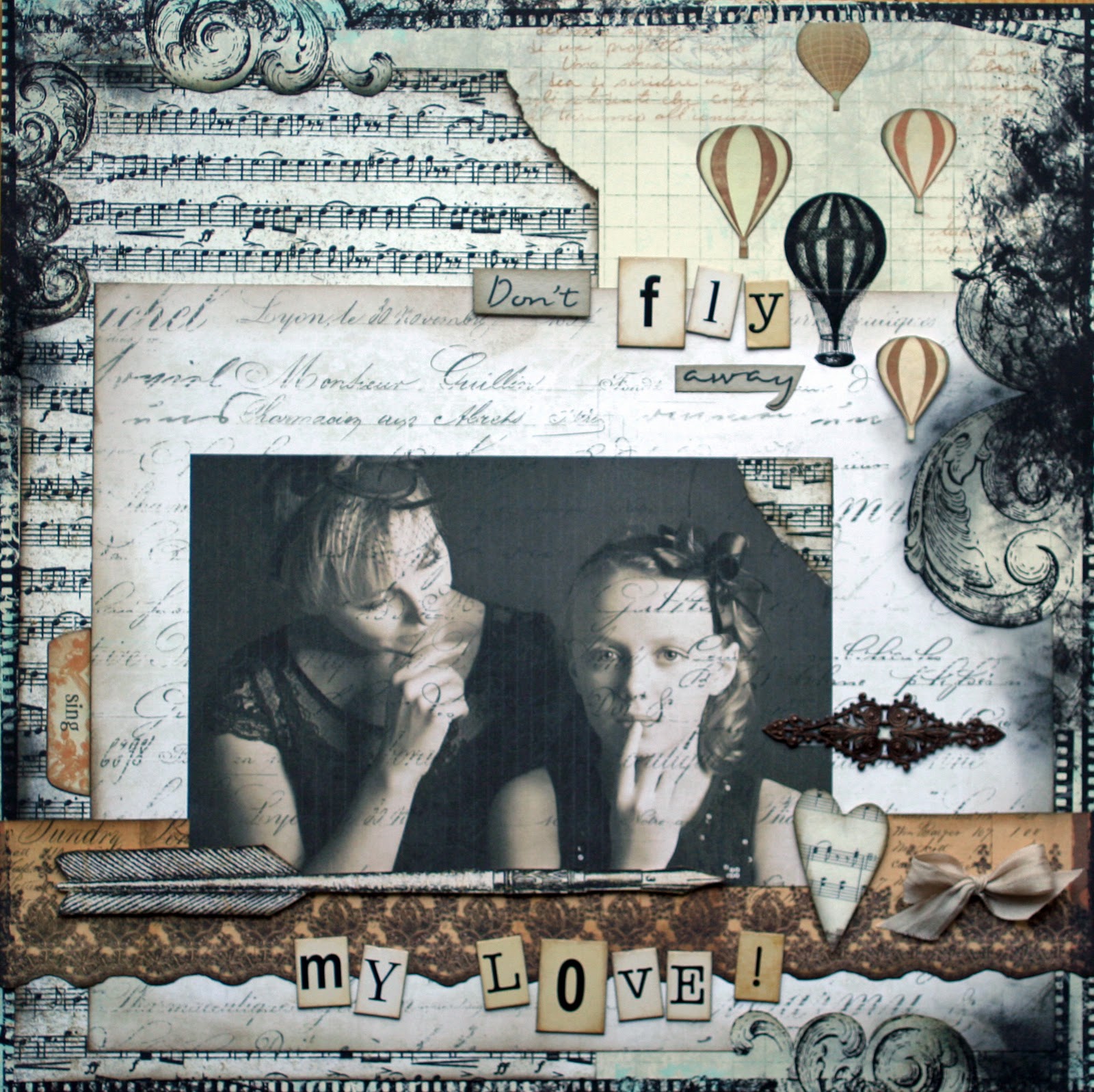
View allAll Photos Tagged Layout

Some small layout tools I have made. The one on the far left is a sliding bevel of my design. It is designed to make it easier to lay out dovetails close to the edge of a piece of wood. The middle one is another dovetail layout square. Its odd shape enables you to rotate it with the little knob which sticks out, when you are near the edge of the wood again, where it is usually tricky to hold the square in place. The one on the far right is a simple little square designed to fit into the bottom of a dovetail where no other square will fit. It was a bit of a decadent luxury to devote so much time to cutting it out just for this one specific application, hence it is not the best finished in terms of polishing.

This store had this handy map inside one of the doors. Obviously, the layout here is a little odd, at least compared to the "standard" Fred Meyer layout, likely due to this store's age and the hodgepodge of additions over the years. I do appreciate how detailed this plan is, however, even if some of the labels are a little odd ("Nutrition").

These are pictures of a collaborative Lego Castle Layout that was on display on Lego World 2013. I'm proud to be one of the builders. :)

I love string quilts and was so excited this challenge was strings! I had a stack of fabrics sitting on my cut space from a bee block so I decided to stick with that color pallet and jumped right in. I cut 1.5" and 2" strips off of 15 different fabrics and went to town randomly sewing them together. I then made a layout that was a little different than the traditional string quilt. The quilt was then quilted with a checkered pattern, except the diamond which was just outlined. It is then bound with a fun grey stripe. It measured 52" x 52"

I created Modern Strings in my home in Lanoka Harbor, NJ

sweetboaterchick.blogspot.com/2014/01/project-quilting-ch...

Pictures from Norwegian LUG Brikkelauget's layout for the 50th anniversary event for LEGO Norway. This is Baard's amazing mountain train diorama - a project of epic proportions.

Submitted materials, spread layout design for a new magazine on contemporary Hungarian fashion/beauty/photography.


This was the first round with 7 participants. I tried to define the feel and basic visual.


All the photos used for this layout submission are the property of their respected owners.

None is used for any printed or published material only for this one-time preview.

Adorei o PNG central. Fiz algumas mudancinhas nas cores da foto (sapato e aquela latinha) pra combinar melhor com o roxo. Acho q é meu primeiro layout roxo q ficou, psé. Mas ainda sim gostei bastante do resultado, menos da fonte do wondervisuals.

Meu povo e minha pova -q


Fiz esse lay da ariana grande e escolhi as cores tudo bonitinho e tals e não achava nenhuma foto que combinava com o lay chora/ depois de mil anos achei essa daí mas com váárias tags que deram o maior trabalho então não venha dizer que a foto não combinou se não você morre :D


eer.. gostei desse lay até e se você estiver interessado em comprar,dados abaixo:


Design + Codificação completa para Wordpress (Header,Mapeamento,Sidebar e Posts e o slide de destaques): R$45,00


Design + Codificação avançada para Wordpress (Contém Slide de destaques + slide na foto principal +Menu animado) : R$60,00


Apenas o design: R$20,00


MUDO O ARTISTA E AS CORES (:

Meu trabalho não pode ser usado sem meu consentimento, não pode ser modificado ou plagiado. ©


PS: Fiz a codificação do Glee Brasil,vejam gleebr.com

Galera até que fim, coloquei meu portfólio no arrrrrrrrrr >.< . Confiram lá todos os meus trabalhos e aproveitem que está na promoção layout wordpress por 70,00 reais, só pra estréia. Fiz algo simples e que combine com meu estilo, então ... espero qe gostem!!!!


Confira online: www.jowebdesign.net

e comentem o que acharam do visual do meu portfólio *O* .


Curta minha página no Facebook: www.facebook.com/jdesignweb


Obrigado seguidores <3

This is the newly modified layout (v2.0). I was struggling with the first iteration. It was very limiting being pushed against the wall. So I added some aisles along the walls and it complete changes the look and feel.

Eu sei que a ultima versão nao ficou nem um mes, mas eh pq esse novo photoshoot saiu e eu nao resisti kkkkkkkkkkkkkkkkkkk, eu particulamente AMEI MUITO!

COmentemmm!!!

Vejam online: ohmiley.org/


PS: SEGUNDA FEIRA É MEU ANIVERSARIO, QUERO PRESENTES HASHAHSHA -soqn

Hello all,


Sorry for the long silence, have been bussy with school/ exams and other things in life.


The layout hasn't chanced very much since the last post, I added some minor things but not very much.

Today I built up the layout in the living room to check if the tracks were smooth and if there were any other problems and afther some tests I started packing for the Noppenbahner event this weekend.

There are some small things that I need to improve so thats a nice task for tomorrow.


Enjoy the pictures!

My Lego train layout based on Fareham as it appeared at Brickfete 2014 in Toronto.

for a forthcoming job

i'll paint tomorrow...


2010

Desenvolvimento profissional

This part of the layout had to be a post office area. After some try-outs with misc building shapes I decided to cancell the idea.

Instead I put a station duty officer rooms and toilets here. This is a completely separate module, it only sticks to the main building.


The idea to build toilets is from Karwik. I think they should be seriously weathered and for sure he will do it this way. On Polish railways toilets are a true survival area which can surprise even the famous Bear Grylls (en.wikipedia.org/wiki/Bear_Grylls). I made them mint white, let's say all the dirt is just covered by fresh paint ;)


in 2009 Sybarite Outfit Polyviolet LE100


Thank you Ladydoll !!!!

Layout for my upcoming LRPS assessment. Fingers crossed...

I have made many dioramas over the years. This is my 1st attempt at building a layout.


I have been wanting to set up a layout at home for a while now since it has been a few years since I have had one. I was never ever to really finish any of the other ones for one reason or another so I am hoping this one will be different! (There are pictures of some of my past attempts in my stream).


I am getting very close to starting to build this layout. My biggest hurdle right now is getting my basement cleaned up so that I have room for it. I have slowing been acquiring ideas and the parts that I need to pull this off. The good thing is that I have almost all of the track that I need already.


So after many iterations, this is the layout that am planning to build. I had a few different criteria that I was trying to meet and it was very difficult to fit everything in and make the size reasonable. The layout is 9' x 17'. The section that contains the yard is 4'x8'.


1) Yard for switching

I absolutely wanted a yard that I could do some switching in. I took the design from the "Ten Commandants of Yard Design" article that I found on the web (then later found that it had been posted on Railbricks.com). I tried to incorporate everything that I could and I mostly succeeded. I have a few tweaks that need made but I am mostly happy with the results.


2) Run multiple trains

I wanted to be able to run multiple trains at the same time. I have two continuous loops but I would prefer more, However, I have no idea where to put more.


3) City Area

Room for a small city scene


4) Industries

A couple of siding for industries that can be used for switching


5) Room for scenery


6) Try not to have to buy more track.

The only thing that I am missing right now are the ME R104 curves. I already have the R72 curves and I just bought 4 pairs of PF switches. Everything else I have in 9V. I can probably do without the R104's if I need to, I just thought they added some interest to the layout.


7) Roundhouse and Turntable

This obviously is not there yet. I don't know if I have room for it. I have a draft of the layout that includes one, but it requires another 4x8 sheet of plywood.


8) Remote Points

I really want to be able to stand in one place and be able to control my trains AND the switches. I have been researching what people have done to do this and I think that I found a solution that works for me. I will post pictures soon.

Paterson.

This small town on the Paterson River, a tributary of the Hunter River was one of the first areas settled by white settlers in the in the region once the Newcastle penal settlement was opened to free settlers. But where did the name come from? In 1801 two ships - the Lady Nelson captained by James Grant and the Francis captained by William Paterson explored the lower reaches of the Hunter River. William Paterson surveyed a tributary of the Hunter and Governor King named the river after him. Red cedar cutters followed the footsteps of Paterson and began felling these giants and floating them downstream for the Sydney timber market. Next Governor Macquarie visited the Hunter district in 1811 and this resulted a few unofficial convict farms being established at Paterson Plains. The first settlers were convicts John Tucker, George Pell and John Swan. They produced maize and wheat for Sydney. These convict settlers were assigned convicts to work for them. The first official free land grant was made at Paterson in 1821 to Captain William Dunn. At this time the Newcastle penal settlement was regarded as not so secure as the first white overland explorers led by John Howe had reached Newcastle by land from Sydney in 1819. Then in March 1821 convicts at Newcastle were to be transferred to Port Macquarie further away and free any settlers. Most of the early land grants were to army officers or explorers who had chosen to stay in NSW. For accepting a free land grant they were expected to keep one assigned convict (feeding and clothing them) for every hundred acres granted. Captain William Dunn originally got 1,200 acres. He soon had 2,000 acres and called his property Duninald. Not long after he had 7 assigned convicts. Captain James Phillips got a grant and established Bona Vista estate, Lieutenant William Ward built Cintra and Clarendon houses on his property and John Herring established Tillimby, and Edward Gostwyck Cory established Gostwyck. All these grants were made in 1822. Other early grants were to John Powell who got 60 acres and 11 assigned convicts and George Williams who was granted 500 acres and given 7 assigned convicts. As settlement grew the government took back 90 acres from Susannah Ward of Cintra in 1832, in exchange for some town sites in Argyle Street Sydney, so that they could survey and layout the town of Paterson. The side was chosen as it was at the limit of navigability of the Paterson River. Before this occurred in 1832 the government sent a military attachment to Paterson district in the early 1820s and some policemen in 1828. This suggests relations between the white settlers and the First Nations people were not calm.


Despite the survey of 1832 not many buildings emerged before the late 1830s. The oldest houses in Paterson “Noumea” in Prince Street and “Annandale” in King Street both were built about 1839. In 1837 a Presbyterian minister was located in Paterson and the church owned some land. St Ann’s Presbyterian Church was built in 1840. It is one of the oldest churches in Australia but closed for regular services in 2009. An Anglican minister was appointed to the town in 1839 and the Anglicans consecrated their church in 1845 with 2 acres of burial grounds nearby. This old church became the rectory in 1906 and a second Anglican church then built. It closed in 1976. The Catholic St Columba’s church was built in 1884 on the corner Church and Prince Streets. The Wellington Arms Hotel in King Street was licensed from 1842 but is now an Edwardian structure and the Royal Oak was licensed from around 1840. Although the Anglicans started a small school in 1843 the government state school did not open until 1875. Postal services began in 1834 but the present Post Office was not built until 1885. Paterson remains a town of great charm with many heritage buildings so it is worth spending time to walk some streets. In the Main(Duke) Street is the 1906 Anglican Rectory on the corner with Prince, the School of Arts 1935, the Anglican church( 1906) and cemetery (1845), the former Commercial Banking Company of Sydney bank 1902, the Post Office 1885 etc. At the T junction in King Street is the Courthouse 1857 – 63 and the unusual designed St Anne’s Presbyterian Church 1838-40. In Church Street is the police residence and station 1882, the original government school 1877, and the Catholic Church 1884.


In 1819 Joseph Lycett visited the Paterson River to capture the landscape depicted left. Who was he? This lithograph was published in a book in London in 1824 by Joseph Lycett. He must be one of the most fascinating convicts to grace the shores of NSW. He was one of 300 convicts transported on the General Hewett in 1813 arriving in 1814.The Captain, an amateur painter, was James Wallis. Lycett was 39 years of age, convicted of forgery of pound notes and sentenced to 14 years in NSW. By profession he was a portrait painter and miniaturist. By May 1815 Sydney was flooded with forged five shilling notes, attributed to Lycett. He was convicted of forgery again and sent to the strict disciplinary penal settlement of Newcastle which was now under the command of James Wallis. (Lake Wallis at Forster which we visit tomorrow was named after James Wallis). In Newcastle Lycett was given an easy time and asked to draw plans for the first church in Newcastle convict settlement in 1818. Lycett painted the altar and is said to have produced three stained glass windows which are now in the Anglican Cathedral. Whilst in Newcastle he painted many pictures of Aboriginal life and an evening corroboree. For his work he was given a conditional pardon and was free by 1819. He painted the Australian landscape extensively and whilst in Newcastle Captain Wallis had two cedar display chests made which included 12 paintings by Lycett. One chest was given to Governor Macquarie. Lycett became favourite of Governor Macquarie who sent three of his paintings to London in 1820 before giving Lycett an absolute pardon in 1821.Lycett also travelled around N.S.W and Van Diemans Land with Governor Macquarie. Lycett returned to London with his daughter in 1822 and had his book of lithographs of his paintings of Australia published there in 1824. Little is known of his life back in England but his book was not successful when published. It is believed he was charged with forgery again whilst living in Bath. On being arrested it is beloved he cut his throat and killed himself in 1828. He was buried in Birmingham. The State Library of SA has a copy of this 1824 book and 11 of his paintings are in the collection of the Art Gallery of SA. The two Australian cedar display chests are in State Library of NSW. The second was purchased in 2004. Lycett’s Australian Album of 1824 is held in the National Library of Australia and in several state libraries.


AMEEEEEEEEEEEEEEEEEEEEiii.... ta parei kk. Mas serio, pra mim foi o layout mais bonito que eu já fiz, ficou exatamente como eu queira e to muito feliz por isso *0*


Para verem online cliquem no link ai www.about-usdesigns.com/ e pra me deixar feliz comente muito aqui em baixo *0*

After many options this is the layout I'll make.

Portal Ariana BR - Indisponível - Desenvolvido para Wordpress.


Eu estou escutando muito Ariana Grande, e tipo, eu precisava fazer um layout pra ela! Foi meu primeiro layout feito no Photoshop e PhotoFiltre. Eu considero um dos meus melhores <3


Minhas encomendas estão abertas. Só faço layout wordpress. Para encomendar comigo basta me mandar um Flickrmail ou seguir as instruções que você encontra Clicando aqui.


Comentem!

Illustrated layout of the Olympic.


Nikon F4. Ilford Delta 3200 35mm B&W film.

Eu acho esse um dos meus melhores layers, não so pelo design mas pela codificação tbm q é uma das minha melhores, estou dando uma de pokemon sempre evoluindo -q

Fiquei muito feliz quando me chamaram para faser o site e entrar na equipe, afinal de contas as minhas sabadas nem tinha mais site no Brasil :\

Vejam o site onlie:


thesaturdaysbrasil.com


Espero que gostem desse layer e comentem U_U

SCLTC Winter Show 2012, San Diego Model Railway Museum


The widest shot my camera and the room would allow. It's more or less a rectangular layout.

Two BNSF locomotives make their way around a huge HO scale modular layout. Set up at the Rocky Mountain Toy Train Show, 11-30-2014.

hello friends!!

well, here's new rule..

you gotta add me as a contact (and leave a comment or message) and i'll give you the code.. ok??

take care!!

enjoy choosing..

try this link for more layouts!!

wiluevrlearn.multiply.com/photos/album/24/friendster_layouts

The switching layout is now pretty much finished. All areas are polished off and it’s a blast to operate. I’ve been quite happy with all the subtle details I’ve been able to model with this layout. It’s very fun to operate and I think really compliments whatever is running at the time!

Color coded labels and corresponding color coded signs. So that you know where you are on the layout. GV-1 is going through CP Swains on the Sothern Tier.

Hope I could start to build this house design soon!. Here I was doing the layout final corrections...and get a bit bored!


Casa GDL II layout.

Eu não podia deixar de fazer um lay pra minha Callie de The Fosters, mesmo ela não tendo Photoshoot bom/de alta qualidade e me deixando o layout sem footer por falta de foto :(


• Plataforma: Wordpress

• Mudo: Cor, artista e detalhes

• Preço: A combinar

• Contatos:

• vinisuxx@outlook.com

Facebook


OBS: Flickr fodeu com a qualidade, então pra melhor visualização: bit.ly/1VDkgDu

Layout para o site q eu ganhei de dia das crianças, adorei tudo nesse layer principalmente a codificação então vejam ele online pq ele melhora MUITO:


nico-tortorella.org/


espero que tenham gostado e comentem bjs :*

Added some extra details to the layout

College brief covering photography and page layout... This was done over 2 years ago, so not my best work!


It's a spread for a local magazine... All photographs were shot, manually developed, digitally scanned, and computer manipulated by moi. Composed in InDesign.

Co-owner: Ashley Martinez

XD Link for Prototype: adobe.ly/3qBQvIL

Behance Link of UI Kit Layout & Artboards: bit.ly/36MDaW8

Item nº 53206.

Citroën 2CV6 "Cuerpo Nacional de Policía" (España).

Escala 1/43.

Mondo S.p.A. (Italia).

Made in China.

Año 2014 (?).


Nota:

No me consta que este modelo haya existido en la realidad con los colores del Cuerpo Nacional de Policía (CNP), en España.


More info about Mondo Motors 1:43 diecast collections:

www.mondomotors.org/products_category.cfm?id=827

---------------------------------------------------------------------------------------------------


Citroen 2CV6 (1970 - 1991)


(...)

"The roots of the Citroen 2CV6 can be traced right back to 1936 when the first 2CV (Deux Cheveaux) was built in prototype form. Fully 250 such cars were built prior to the 1939 Paris Autosalon but production was halted when Hitler took an acquisitive interest in France.


It wasn't until 1948 that the car was finally showed at the Paris Autosalon and full scale production commenced the following year, the cars powered by a 9bhp 375cc engine. This propelled them to a rather glacial top speed of 40mph.


The car gradually evolved over the intervening years, and in 1970 the 2CV6 was introduced to the French market, powered by a 602cc engine with 28bhp.


This model was subsequently imported to the UK in 1974.


In 1979 the entry-level 2CV6 was dubbed the Club and a ritzier Special trim level was introduced with round lights and chrome trim on the doors.


Charleston special edition models appeared in 1980 but these proved so popular that Citroen marketed the Charleston as a mainstream range model.


In 1981 the James Bond limited edition was launched. With stick-on bullet holes, this car was a replica of the 2CV6 that undertook a thrilling downhill dive in the movie 'For Your Eyes Only'.


1982 saw the bright green Bamboo model that some may recall from being blown to smithereens by a Boeing 747 jet engine on Top Gear TV.


1983 saw the brief introduction of the blue and white striped Beachcomber edition while in 1985 came the wildly popular 'Dolly' special edition, named after the 2CV6's latterly acquired nickname.


On July 27th 1990, the last Citroen 2CV6 rolled off the production lines.

UK sales continued into early 1991.


After sales of over 5.11 million, the 2CV line had come to an end. Or so it would seem. Even today there are some specialists such as www.frome2cv.co.uk that will sell you a fully galvanised, rebuilt or restored car.

The 2CV6 just refuses to die."

(...)


Source: www.rac.co.uk/buying-a-car/car-reviews/citroen/2cv6/207838

-----------------------------------------------------------------------------------------------


Breve historia del Citroën 2CV6


1970

"Crece la familia 2CV, que se comercializa en dos nuevas versiones:

El 2CV 4 "tipo AZL 4", con 435 c.c., 24 cv DIN a 6750 rpm, 102 Km/h y 5,4 litros a los cien.

El 2CV 6 "tipo AZL 6", con 602 c.c., 28,5 cv DIN a 6750 rpm, 110 Km/h y un consumo de 6,1 litros a los cien.

Estos dos modelos montan de serie cinturones de seguridad."


1973

"Todos los 2CV incorporan un nuevo logotipo, y el 2CV 6 un nuevo volante monobrazo."


1974

"Los faros rectangulares sustituyen a los faros redondos y se incorpora una nueva calandra de plastico.

Se incorpora una banda de protección de caucho en los paragolpes y una cubierta de plastico en el interior de las puertas.

La situación económica y política de Chile determina el cierre de los talleres de montaje del 2CV en este país."


1975

"Aparece el 2CV "Spécial", una versión básica, con la mecanica del 2CV 4, que vuelve a incorporar los faros redondos y suprime la luneta de custodia.

Las bandas de caucho de los paragolpes se sustituyen por bandas adhesivas negras y se introducen amortiguadores delanteros.

La potencia del 2CV 6 se reduce de 28,5 cv a 26 cv a causa de las nuevas normas antipolución."


1977

"Los cinturones de seguridad enrollables se comienzan a montar de serie en los 2CV.

En las furgonetas se montan los cinturones de serie, pero no enrollables."


1978

"En marzo sale el Acadiane, una nueva furgoneta derivada del Dyane que reemplaza a las furgonetas 2CV. Monta un motor de 602 c.c., 31 cv DIN a 5750 rpm y alcanza los 100 Km/h.

También se deja de fabricar el 2CV 4.

El 2CV 6 es dotado de un nuevo carburador Solex de doble cuerpo, que consigue arrancarle al motor de 602 c.c. 29 cv DIN a 5750 rpm., y el filtro del aire pasa a ser de plástico."


1979

"El 2CV 4 "Spécial", con motor de 435 c.c. es reemplazado por un 2CV "Spécial" con el motor de 602 c.c. del 2CV 6.

El 2CV 6 es reemplazado por el 2CV "Confort" (2CV 6 CT)."


1980

"En el Salón de París aparece el 2CV "Charleston" de carroceria bicolor y faros redondos, en serie especial limitada a 8000 unidades, basado en el 2CV 6.

Cierra la fábrica de Bruxelles-Forest en Belgica."


1981

"El 2CV Charleston se empieza a fabricar en serie solo para Francia."


1983

"Sale el una serie limitada de 2000 coches, el 2CV "France 3", basados en el 2CV "Spécial", aunque en Gran Bretaña fue denominado 2CV "Beachcomber", y en el resto de paises 2CV "Olimpique".


1984

"Se fabrican otras 2000 unidades del 2CV "Olimpique".


1985

"Aparece una nueva serie especial limitada a 3000 unidades, el 2CV "Dolly".

1986

Sale en Francia el 2CV "Cocorico", una patriotica edición limitada a 1000 unidades, que estaba pintado con los colores de la bandera francesa.

En Gran Bretaña sale el 2CV "Bamboo", de color vede, que alcanzó gran popularidad."


1987

"El Citroën Mehari deja de ser producido."


1988

"La fábrica de Mangualde, en Portugal, acapara ahora la totalidad de la producción de los 2CV.

En Belgica sale a la venta el 2CV "Perrier", edición limitada a 1000 unidades, de color verde y blanco."


1990

"El 27 de Julio de 1990 cesa la fabricación del 2CV.

Después de 41 años, 8 meses y 21 dias de fabricación, se han vendido 3.872.583 2CV, hasta el 31 de Mayo de 1991."


Fuente: debates.coches.net/showthread.php?76568-La-Historia-Del-C...

-------------------------------------------------------------------------------------------------


Citroën 2CV


Manufacturer

Citroën


Production

1948–1990


Assembly

Forest/Vorst, Belgium

Liège, Belgium

Slough, UK

Jeppener, Argentina (1960–1962),

Buenos Aires, Argentina (1962–1980)

Montevideo, Uruguay (Panel van & pick-up)

Arica, Chile

Mangualde, Portugal

Paris, France

Vigo, Spain

Koper, Slovenia (former Yugoslavia)


Designer

André Lefèbvre

Flaminio Bertoni

Walter Becchia

Marcel Chinon


Class

Economy car


Body style

5-door hatchback

2-door panel van

2-door pick-up


Layout

Front engine, front-wheel drive / four-wheel drive


Related

Citroën Dyane

Citroën FAF

Citroën Méhari

Citroën Ami

Citroën Bijou


Engine

375 cc (23 CID) H2 air-cooled 9 hp.

425 cc H2 air-cooled 12hp.

435 cc H2 air-cooled 18 hp.

602 cc H2 air-cooled 29 hp.


Transmission

4-speed manual


Source: en.wikipedia.org/wiki/Citro%C3%ABn_2CV


More info: tractors.wikia.com/wiki/Citro%C3%ABn_2CV


The switching layout is now pretty much finished. All areas are polished off and it’s a blast to operate. I’ve been quite happy with all the subtle details I’ve been able to model with this layout. It’s very fun to operate and I think really compliments whatever is running at the time!

1 2 4 6 7 ••• 79 80