View allAll Photos Tagged HTML
Image Credit: NASA. . For more information Visit NASA's Multimedia Gallery You may wish to consult NASA's
image use guidelines. If you plan to use an image and especially if you are considering any commercial usage, you should be aware that some restrictions may apply.
________________________
NOTE: In most cases, NASA does not assert copyright protection for its images, but proper attribution may be required. This may be to NASA or various agencies and individuals that may work on any number of projects with NASA. Please DO NOT ATTRIBUTE TO PINGNEWS. You may say found via pingnews but pingnews is neither the creator nor the owner of these materials.
_________________
Additional information from source:
In 2002, NASA produced the Blue Marble, the most detailed true-color image of the Earth's surface ever produced. Using data from NASA’s Terra satellite, scientists stitched together four months of observations of the land surface, coastal oceans, sea ice, and clouds into a seamless, photo-like mosaic of every square kilometer (.386 square mile) of our planet. In October 2005, the creators of the Blue Marble released a new version of the spectacular image collection that provides a full year's worth of monthly observations with twice the level of detail as the original called the Blue Marble: Next Generation.
Like the original, the Blue Marble: Next Generation is a mosaic of satellite data taken mostly from a NASA sensor called the Moderate Resolution Imaging Spectroradiometer (MODIS) that flies board NASA’s Terra and Aqua satellites.
Blue Marble: Next Generation improves the techniques for turning satellite data into digital images, providing greater detail in areas that usually appear very dark to the satellite (because a large amount of sunlight is being absorbed), for example in dense tropical forests. The ability to create a digital image that provides great detail in darker regions without 'washing out' brighter regions, like glaciers, snow-covered areas, and deserts is one of the great challenges of visualizing satellite data. The new version also improves image clarity, and gives highly reflective bodies of water a more realistic appearance.
Image Credit: NASA
www[dot]blouseroumaine[dot]com/orderthebook_p1[dot]html
-------------
Queen Marie of Romania's biography is included in the Anthology "Blouse Roumaine"
www.blouseroumaine.com/orderthebook_p1.html
The Blouse Roumaine Anthology had finally been formatted as an E-BOOK
Contents:
2,250,000 words,
over 1,000 pages,
160 critical biographies,
58 social categories/professions
600 quotations (mostly translated into English for the first time),
circa 3,000 bibliographical references (including URLs and credits)
6 Indexes (alphabetical, by profession, timeline, quotation Index, place index and name index)
The website is not yet fully updated to reflect the latest statistics or content but the book can be now downloaded online:
----------------------------------------------------------------------------------------------------------------
3.2. Gazetteer of 160 Women within 58 Categories by Call, Profession or Social Status
Academics (22), Actresses (9), Anti-Communist Fighters (14), Architects/Interior Designers (2), Art Critics (9), Artist Book Binders (1), Ballerinas (6), Charity Workers/Benefactors (20), Communist Public Figures (2), Courtesans (3), Designers (2), Diplomats (4), Essayists (11), Ethnographers (6), Exiles & First-generation Romanians born abroad (87), Explorers (1), Feminists (12), Folk Singers (1), Gymnasts, Dressage Riders (2), Historians (5), Honorary Romanian Women (15), Illustrators (3), Journalists (13), Lawyers (4), Librarians (3), Linguists (2), Literary Critics (1), Media (15), Medical Doctors/Nurses (5), Memoir Writers (16), Missionaries and Nuns (4), Mountainéers (2), Museographers (1), Musical Instruments Makers (1), Novelists (24), Opera Singers (16), Painters (14), Peasant Farmers (6), Philosophers and Philosophy Graduates (4), Pianists (6), Pilots (4), Playwrights (5), Poets (29), Political Prisoners (30), Politicians (5), Revolutionaries (2), Royals and Aristocrats (34), Scientists (8), Sculptors (4), Slave (1), Socialites/Hostesses (20), Spouses/Relations of Public Figures (51), Spies (2), Tapestry Weavers (4), Translators (25), Unknown Illustrious (6), Violinists (4), Workers (3)
el.kingdomsalvation.org/special-topic/mysteryofincarnatio...
«Για όσους θα σωθούν, η χρηστική αξία του Πνεύματος είναι πολύ κατώτερη από αυτή της σάρκας: Το έργο του Πνεύματος είναι ικανό να καλύψει ολόκληρο το σύμπαν, να διαπεράσει όλα τα βουνά, τα ποτάμια, τις λίμνες και τους ωκεανούς, αλλά το έργο της σάρκας σχετίζεται πιο αποτελεσματικά με κάθε άτομο, με το οποίο έχει επαφή. Επιπλέον, η σάρκα του Θεού με απτή μορφή μπορεί να γίνει καλύτερα κατανοητή και να την εμπιστευτεί ο άνθρωπος και μπορεί να εμβαθύνει περαιτέρω τη γνώση του ανθρώπου για τον Θεό και να αφήσει στον άνθρωπο μια πιο βαθιά εντύπωση για τις πραγματικές πράξεις του Θεού. Το έργο του Πνεύματος περιβάλλεται από μυστήριο κι έτσι, είναι δύσκολο για τα θνητά όντα να το κατανοήσουν κι ακόμα πιο δύσκολο να το δουν κι έτσι, μπορούν να στηριχθούν μόνο σε κενές φαντασιώσεις. Το έργο της σάρκας, ωστόσο, είναι κανονικό, βασίζεται στην πραγματικότητα, διαθέτει πλούσια σοφία και είναι γεγονός που μπορεί να παρατηρηθεί και από τα μάτια του ανθρώπου. Ο άνθρωπος μπορεί προσωπικά να βιώσει τη σοφία του έργου του Θεού και δεν χρειάζεται να χρησιμοποιεί την πλούσια φαντασία του. Αυτή είναι η ακρίβεια και η πραγματική αξία του έργου του ενσαρκωμένου Θεού. Το Πνεύμα μπορεί να κάνει μόνο πράγματα που είναι αόρατα για τον άνθρωπο και που είναι δύσκολο να τα φανταστεί κανείς, όπως, για παράδειγμα, η διαφώτιση του Πνεύματος, η κίνηση του Πνεύματος και η καθοδήγηση του Πνεύματος, αλλά για τον νοήμονα άνθρωπο, αυτά δεν παρέχουν κάποιο σαφές νόημα. Παρέχουν μόνο ένα συγκινητικό ή ένα ευρύ νόημα και δεν μπορούν να δώσουν οδηγίες με λέξεις. Το έργο του ενσαρκωμένου Θεού, ωστόσο, είναι πολύ διαφορετικό: Έχει ακριβή καθοδήγηση μέσω λέξεων, έχει σαφές θέλημα και έχει σαφείς στόχους που απαιτεί. Κι έτσι, ο άνθρωπος δεν χρειάζεται να ψάχνεται ή να χρησιμοποιεί τη φαντασία του, πόσο μάλλον να κάνει εικασίες. Αυτή είναι η σαφήνεια του έργου στη σάρκα και η μεγάλη του διαφορά από το έργο του Πνεύματος. Το έργο του Πνεύματος είναι κατάλληλο μόνο για ένα περιορισμένο πεδίο και δεν μπορεί να αντικαταστήσει το έργο της σάρκας. Το έργο της σάρκας δίνει στον άνθρωπο πολύ ακριβέστερους και αναγκαίους στόχους και πολύ πιο πραγματική, πολύτιμη γνώση απ’ ότι το έργο του Πνεύματος».
από το «Η διεφθαρμένη ανθρωπότητα έχει περισσότερο ανάγκη τη σωτηρία του ενσαρκωμένου Θεού»
Πηγή εικόνας: Εκκλησία του Παντοδύναμου Θεού
Όροι Χρήσης: el.kingdomsalvation.org/disclaimer.html
Our Lady & The English Martyrs, Cambridge
stepneyrobarts.blogspot.co.uk/2013/02/our-lady-english-ma...
Yesterday I revisited St Peter for internals and finished of Cambridge, visiting seven Victorian built churches only one of which, Our Lady & The English Martyrs, is worth writing up.
At first sight I wrote OLEM off as a Victorian Gothic monstrosity but as I wandered around the exterior I was struck by the quality of the building and the interior stunned me with lots of rather good glass and impressive architecture (oh and apart from three revisits, Babraham, Guilden Morden and Stow cum Quy, that finished the north west quadrant).
The Church of Our Lady and the English Martyrs, or OLEM, is situated in the heart of the city of Cambridge. An imposing example of the 19th Century Gothic Revival, it was built to the designs of Dunn & Hansom of Newcastle between 1885 and 1890, and founded solely by Mrs Yolande Marie Louise Lyne-Stephens, a former ballet dancer at the Paris Opera and Drury Lane, London, and widow of a wealthy banker. She promised to build the church on the feast of Our Lady of the Assumption, and Monsignor Christopher Scott - the first Rector - also wished to commemorate the Catholic Martyrs who died between 1535 and 1681, over thirty of whom had been in residence at the University.
Designed by architects Dunn and Hansom of Newcastle and built by the Cambridge firm of Rattee and Kett, OLEM is constructed in Casterton, Ancaster and Combe Down Stone. The church is a traditional cruciform structure in the early-decorated style with a large tower at the crossing, a polygonal apse and a west bell tower with a 65-metre spire, visible for miles around Cambridge. Quite often, it is quoted by visitors and local residents as a location point. The approximate internal dimensions of the church are: length 48 meters [156 ft] width across the aisles 16 meters [51 ft] width at the transepts 22 meters [71 ft], the height of the nave 15 meters [71ft].
Inside and over the west door stands the figure of Our Lady of the Assumption crowned with lilies and standing on the crescent moon with the vanquished serpent beneath. The west window shows the English Martyrs arranged in two principal groups, the clergy on the south side with St John Fisher in their midst and the laity on the north grouped round St Thomas More.
Beside the South aisle is an ancient statue of Our Lady with the Child Jesus. This statue is understood to be a gift in 1850 from Emmanuel College, which was built on the site of a Dominican Priory dating back to 1274. The Church of the Black Friars of Cambridge contained a statue of Our Blessed Lady to which much pilgrimage was had. Although unconfirmed this could be that statue.
The Chapel of the Holy Souls with the book of Remembrance is located at the west end of the south aisle. The sculpture above the altar depicts the solace and relief of the Holy Souls in Purgatory through the intercession of Our Lady and the angel who comforted Our Lord in Gethsemane. The Chapel is now appropriately used at the two great Christian celebrations: at Easter for the Empty Tomb indicating the Risen Lord, and at Christmas for the Crib.
The aisle windows were almost completely destroyed when the church was struck by a bomb on 1941, but were subsequently replaced in their original form. They epitomise the various sufferings of the English Martyrs, their being brought before the Council, racked, hung, drawn and quartered in the sight and sympathy of the faithful. The windows of the north aisle portray Carthusians, St Thomas Moore, B. Margaret Pole and others, while the south aisle is made a “Fisher Aisle”, devoted to scenes from the life of St John, Cardinal Bishop of Rochester, who in so many important ways is identified with Cambridge.
The best general impression of the interior is obtained from the gateway in the iron screen dividing the nave from the ante-chapel. The heads of the four great preachers of Our Lady’s Graces are carved in the four corners of the nave. The windows along the nave represent saints connected with the Church in Britain, arranged approximately in chronological order from east to west with a few additional figures in the eastern windows.
The Rood which is between the nave and the sanctuary is of the type known as “Majestas”; the figure of Our Lord, with glorified wounds, robed in alb, stole and pallium [as High Priest] and crowned [as King “reigning from the Tree”]. This was the earliest type of crucifix; the realistic figure, now almost universal, did not come into general use until the beginning of the thirteenth century. The cross, inspired by that at Nuremberg, is about 6 metres high, carved in oak; the figures of Christ and of Our Lady and of Saint John are of Kauri pine. They were carved locally by Mr. B. Maclean Leach and completed and blessed in 1914.
Beyond the present, modern altar is the High Altar with the relics of Saints Felix and Constantia, martyrs of the early Church. The tabernacle and ornaments of the altar are of exquisite French workmanship from Lyons. The baldacchino which covers the High Altar is similar to that over the tomb of Robert the Wise (1275-1343) at Santa Chiara, Naples. It is one of the earliest forms of adornment of a Christian altar. At the top is the figure of Our Lord in glory supported on each side by angels in act of adoration.
The design and the re-ordering of the sanctuary was done by Mr. Gerard Goalen of Harlow after the Second Vatican Council. On 7th April, 1973, Bishop Charles Grant consecrated the present central. The original High Altar has subsequently been used mainly for reservation of the Blessed Sacrament.
No Nagada Sang Dhol without Bhansali for Deepika Padukone! - www.bolegaindia.com/gossips/No_Nagada_Sang_Dhol_without_B...
The Toronto Plaque website explains the significance of this sculpture, located [i]n front of the parking garage of the building on the east side of Berti Street just north of Richmond Street East", quoting its 2010 Heritage Toronto plaque. Here's what it says:
The adjacent York County Coat of Arms and the female figure inside the entrance once adorned the York County Registry Office, formerly located on this site. Commissioned by the County in 1941, the sculptural reliefs were created by Jacobine Jones, a leader in the field of architectural sculpture, who later became the Director of Sculpture at the Ontario College of Art. These sculptures remained with the building when the County left this site in the mid-1960s. Before demolition of the old building in 2008, the sculptures were removed. They were reinstalled on the present building in 2010.
"Deeds Speak" was the motto of the 3rd Regiment of York Militia, and has survived the liquidation of old York County to remain the motto of York Regional Police.
Wikipedia's article on Jacobine Jones provides a convenient overview of the life of this sculptor, most active in the mid-20th century.
el.kingdomsalvation.org/listen-to-His-word-obey-Him.html
I
Ο Θεός δεν νοιάζεται
αν κάποιος είν' ασήμαντος
ή και σπουδαίος.
Αρκεί ο άνθρωπος
ν' ακούει τον Θεό,
να υπακούει σ' ό,τι
ο Θεός διατάζει κι εμπιστεύεται,
και τότε θα μπορεί να συνεργάζεται
στο έργο Του,
στο σχέδιό Του και στο θέλημά Του,
έτσι το θέλημα και το σχέδιό Του
ανεμπόδιστα να προχωρούν,
τέτοιες πράξεις αξίζουν,
αξίζουν την ενθύμηση από τον Θεό,
κι αξίζουν να λάβουν
την ευλογία Του.
Ο Θεός θεωρεί πολύτιμους
τέτοιους ανθρώπους
και εκτιμάει τις πράξεις τους,
καθώς και την καρδιά
και την τρυφερή
στοργή τους γι' Αυτόν.
Αυτ' είναι του Θεού η στάση.
II
Ο Θεός δεν νοιάζεται
αν κάποιος είν' ασήμαντος
ή και σπουδαίος.
Αρκεί ο άνθρωπος
ν' ακούει τον Θεό,
να υπακούει σ' ό,τι
ο Θεός διατάζει κι εμπιστεύεται,
και τότε θα μπορεί να συνεργάζεται
στο έργο Του,
στο σχέδιό Του και στο θέλημά Του,
έτσι το θέλημα και το σχέδιό Του
ανεμπόδιστα να προχωρούν,
τέτοιες πράξεις αξίζουν,
αξίζουν την ενθύμηση από τον Θεό,
κι αξίζουν να λάβουν
την ευλογία Του.
Ο Θεός θεωρεί πολύτιμους
τέτοιους ανθρώπους
και εκτιμάει τις πράξεις τους,
καθώς και την καρδιά
και την τρυφερή
στοργή τους γι' Αυτόν.
Αυτ' είναι του Θεού η στάση.
από το βιβλίο «Ο Λόγος Ενσαρκώνεται»
Χριστιανικά τραγούδια
Πηγή εικόνας: Εκκλησία του Παντοδύναμου Θεού
Όροι Χρήσης: el.kingdomsalvation.org/disclaimer.html
performance event entitled “Climate Crisis Car Wash,” co-conceived by Canadian artist Celeste Pimm.
-------------------
academy-emergency-art.blogspot.dk/2014/05/why-should-berl...
-----
Biennalist @ Berlin Biennale . Should we debate global warming NOW or promote it ?
ARE BIENNALES DANGEROUS ?
Art Formats : ( including Emergency Art )
www.emergencyrooms.org/formats.html
Biennalist:
www.emergencyrooms.org/biennalist.html
THE EMERGENCY WILL REPLACE THE CONTEMPORARY
-------
----more about Berlin Biennale ---#BB8
Juan A. Gaitán appointed curator of the 8th Berlin Biennale for Contemporary Art
KW Institute for Contemporary Art in Berlin is delighted to announce the appointment of Juan A. Gaitán as curator of the 8th Berlin Biennale for Contemporary Art. The 8th Berlin Biennale will take place in spring 2014.
Juan A. Gaitán (Canada/Colombia) is an independent writer and curator, currently based in Mexico City and Berlin. He is trained as an artist and art historian at University of British Columbia and Emily Carr Institute of Art and Design in Vancouver (Canada). Between January 2009 and December 2011, he was curator at Witte de With Center for Contemporary Art in Rotterdam (The Netherlands), and between September 2011 and June 2012 adjunct professor in the Curatorial Practice Program at the California College of the Arts in San Francisco (USA). During the 2006 – 2008 period, he was on the Board of Directors of the Western Front Society, and worked as external curator at the Morris and Helen Belkin Art Gallery in Vancouver. His writings have been published in several journals, including Afterall, The Exhibitionist, Fillip, and Mousse. His most recent exhibition, Material Information, spans three venues in Bergen (Norway), and looks for a renewed critical approach to the contemporary global distribution of labor from the perspective of arts and crafts. He is presently member of the acquisitions committee at FRAC Nord-Pas de Calais in Dunquerke (France).
The Berlin Biennale for Contemporary Art is since its fourth edition one of the institutions supported by the German Federal Cultural Foundation as „outstanding cultural event“. The support of 2.5 Million Euros per edition ensures planning stability, enabling the organizers to address issues of content in an experimental way.
Since the first edition in 1998, the Berlin Biennale has become a major international event for contemporary art. Located in the midst of Berlin’s vibrant cultural scene in the fast-changing capital of Germany, the Berlin Biennale has received an enthusiastic response from the audience as an experimental, forward-looking and contextual show. The previous seven editions of the Berlin Biennale explored a variety of exhibition formats and involved diverse curatorial agendas.
Curators have been:
1st Berlin Biennale (1998): Klaus Biesenbach with Nancy Spector, and Hans Ulrich Obrist
2nd Berlin Biennale (2001): Saskia Bos
3rd Berlin Biennale (2004): Ute Meta Bauer
4th Berlin Biennale (2006): Maurizio Cattelan, Massimiliano Gioni, and Ali Subotnick
5th Berlin Biennale (2008): Adam Szymczyk and Elena Filipovic
6th Berlin Biennale (2010): Kathrin Rhomberg
7th Berlin Biennale (2012): Artur Żmijewski together with associate curators Voina and Joanna Warsza
The selection committee for the curatorship of the 8th Berlin Biennale consisted of Sergio Edelsztein (Director and Chief Curator, The Centre for Contemporary Art, Tel Aviv); Cao Fei (Artist, Bejing), Susanne Gaensheimer (Director, MMK Museum für Moderne Kunst, Frankfurt a. M.), Koyo Kouoh (Founding Director and Artistic Director, Raw Material Company - Center for Art, Knowledge and Society, Dakar), Matthias Mühling (Head of Department, Curator, Städtische Galerie im Lenbachhaus, Munich), Bisi Silva (Director and Founder, Centre for Contemporary Art, Lagos), and Patricia Sloane (Associate Curator, MUAC Museo Universitario Arte Contemporáneo and advisor to the Head of Visual Arts, UNAM Universidad Nacional Autónoma de México, Mexico City).
The Berlin Biennale is realized by KW Institute for Contemporary Art and funded by the German Federal Cultural Foundation.
KW Institute for Contemporary Art
Berlin Biennale für zeitgenössische Kunst
Auguststraße 69
#BB8
---artists participating ---
52 Künstler stehen auf der am gestrigen Sonntag veröffentlichten Künstlerliste der 8. Berlin Biennale: Zarouhie Abdalian, Bani Abidi, Mathieu Kleyebe Abonnenc, Saâdane Afif, David Chalmers Alesworth, Carlos Amorales, Andreas Angelidakis, Leonor Antunes, Julieta Aranda , Tarek Atoui, Nairy Baghramian, Bianca Baldi, Patrick Alan Banfield, Alberto Baraya , Rosa Barba, Gordon Bennett, Zachary Cahill, Mariana Castillo Deball, Carolina Caycedo, Tacita Dean, Mario García Torres, Beatriz González, Agatha Gothe-Snape, Shilpa Gupta, Cynthia Gutiérrez, Ganesh Haloi, Carsten Höller, Iman Issa, Irene Kopelman, Kemang Wa Lehulere, Matts Leiderstam, Li Xiaofei, Glenn Ligon, Goshka Macuga, Santu Mofokeng, Shahryar Nashat, Olaf Nicolai, Otobong Nkanga, Christodoulos Panayiotou, Judy Radul, Jimmy Robert, Anri Sala, Slavs and Tatars, Michael Stevenson, Mariam Suhail, Vivan Sundaram, Gaganendranath Tagore, Wolfgang Tillmans, Tonel, Danh Vo & Xiu Xiu, David Zink Yi, Carla Zaccagnini und das Center for Historical Reenactments.
Die 8. Berlin Biennale für zeitgenössische Kunst findet vom 29. Mai bis 3. August 2014 im Haus am Waldsee, den Museen Dahlem - Staatliche Museen zu Berlin, den KW Institute for Contemporary Art und dem "Crash Pad" in den KW statt.
Well done reportage for the austrian TV where Thierry Geoffroy / Colonel present it s format Biennalist www.emergencyrooms.org/biennalist.html , the film show with his students , part of a critical run and a slow dance
at the Maldives pavilion : "Can we rank emergencies ? "
see the TV video
--------------------------------------------------------------------------------------------------------------------------------------------
lists of artists participating at the Venice Biennale :
Hilma af Klint, Victor Alimpiev, Ellen Altfest, Paweł Althamer, Levi Fisher Ames, Yuri Ancarani, Carl Andre, Uri Aran, Yüksel Arslan, Ed Atkins, Marino Auriti, Enrico Baj, Mirosław Bałka, Phyllida Barlow, Morton Bartlett, Gianfranco Baruchello, Hans Bellmer, Neïl Beloufa, Graphic Works of Southeast Asia and Melanesia, Hugo A. Bernatzik Collection, Ștefan Bertalan, Rossella Biscotti, Arthur Bispo do Rosário, John Bock, Frédéric Bruly Bouabré, Geta Brătescu, KP Brehmer, James Lee Byars, Roger Caillois, Varda Caivano, Vlassis Caniaris, James Castle, Alice Channer, George Condo, Aleister Crowley & Frieda Harris, Robert Crumb, Roberto Cuoghi, Enrico David, Tacita Dean, John De Andrea, Thierry De Cordier, Jos De Gruyter e Harald Thys, Walter De Maria, Simon Denny, Trisha Donnelly, Jimmie Durham, Harun Farocki, Peter Fischli & David Weiss, Linda Fregni Nagler, Peter Fritz, Aurélien Froment, Phyllis Galembo, Norbert Ghisoland, Yervant Gianikian & Angela Ricci Lucchi, Domenico Gnoli, Robert Gober, Tamar Guimarães and Kasper Akhøj, Guo Fengyi, João Maria Gusmão & Pedro Paiva, Wade Guyton, Haitian Vodou Flags, Duane Hanson, Sharon Hayes, Camille Henrot, Daniel Hesidence, Roger Hiorns, Channa Horwitz, Jessica Jackson Hutchins, René Iché, Hans Josephsoh, Kan Xuan, Bouchra Khalili, Ragnar Kjartansson, Eva Kotátková, Evgenij Kozlov, Emma Kunz, Maria Lassnig, Mark Leckey, Augustin Lesage, Lin Xue, Herbert List, José Antonio Suárez Londoño, Sarah Lucas, Helen Marten, Paul McCarthy, Steve McQueen, Prabhavathi Meppayil, Marisa Merz, Pierre Molinier, Matthew Monahan, Laurent Montaron, Melvin Moti, Matt Mullican, Ron Nagle, Bruce Nauman, Albert Oehlen, Shinro Ohtake, J.D. ‘Okhai Ojeikere, Henrik Olesen, John Outterbridg, Paño Drawings, Marco Paolini, Diego Perrone, Walter Pichler, Otto Piene, Eliot Porter, Imran Qureshi, Carol Rama, Charles Ray, James Richards, Achilles G. Rizzoli, Pamela Rosenkranz, Dieter Roth, Viviane Sassen, Shinichi Sawada, Hans Schärer, Karl Schenker, Michael Schmidt, Jean-Frédéric Schnyder, Friedrich Schröder-Sonnenstern, Tino Sehgal, Richard Serra, Shaker Gift Drawings, Jim Shaw, Cindy Sherman, Laurie Simmons e Allan McCollum, Drossos P. Skyllas, Harry Smith, Xul Solar, Christiana Soulou, Eduard Spelterini, Rudolf Steiner, Hito Steyerl, Papa Ibra Tall, Dorothea Tanning, Anonymous Tantric Paintings, Ryan Trecartin, Rosemarie Trockel, Andra Ursuta, Patrick Van Caeckenbergh, Stan VanDerBeek, Erik van Lieshout, Danh Vo, Eugene Von Bruenchenhein, Günter Weseler, Jack Whitten, Cathy Wilkes, Christopher Williams, Lynette Yiadom-Boakye, Kohei YoshiyUKi, Sergey Zarva, Anna Zemánková, Jakub Julian Ziółkowski ,Artur Żmijewski.
-------------------------------------
-------------------------------------------------------------
other Biennales (Biennials ) : Venice Biennial , Documenta Havana Biennial,Istanbul Biennial ( Istanbuli),Biennale de Lyon ,Dak'Art Berlin Biennial,Mercosul Visual Arts Biennial ,Bienal do Mercosul Porto Alegre.,Berlin Biennial ,Echigo-Tsumari Triennial .Yokohama Triennial Aichi Triennale,manifesta ,Copenhagen Biennale,Aichi Triennale
Yokohama Triennial,Echigo-Tsumari Triennial.Sharjah Biennial ,Biennale of Sydney, Liverpool , São Paulo Biennial
-----------------------------------------------------------------------
Geoffroy normally works with art formats like the EMERGENCY ROOM
to stimulate urgent expression by artist about today 's emergencies :
www.emergencyrooms.org/formats.html
www.colonel.dk contact : emergencyrooms@gmail.comThierry Geoffroy/ Colonel will be exhibiting in the museum Kunsthalle Mannheim from october 2018 part of the exhibition Konstruktion der Welt .Kunst und Ökonomie
Constructing the World: Art and Economy 1919-1939 and 2008-2018
10/12/18 to 02/03/19
Ten years after the peak of the global financial crisis in 2008, which profoundly shook the economic systems of America and Europe and had a lasting effect on present-day life, this topical exhibition is the first to illustrate the economy’s dramatic influence on art and to make global comparisons, demonstrating these in an analysis of two separate eras. Economic phenomena in the classical modernism of the 1920s and 30s are not only explored by focusing on art from the German Weimar Republic, the Soviet Union, and the United States, but also juxtaposed with artists of the present day.
Curatorial team: Dr. Eckhart Gillen (Berlin), Dr. Ulrike Lorenz, Dr. Sebastian Baden
Project Lead: Dr. Inge Herold, Assistence: Lisa Valentina Riedel, M. A. mult., Elisabeth Bohnet, M.A.
How does contemporary art reflect the world of work today? The catalogue for the second part of the exhibition Constructing the World at the Kunsthalle Mannheim takes a look at this question. The focus of it is primarily on artistic positions of the past decade that deal with the social, political, and economic effects of the most recent economic crisis after 2008. The works address and interrogate new production conditions and developments on the labor market as well as political conflicts. The accompanying publication provides fascinating insights into the diverse artistic positions.
Artists participating 2008-2018
Maja Bajevic - BBM (Observers of Operators of Machines) - Bureau d'Études - Claire Fontaine - Jacques Coetzer - Abraham Cruzvillegas - Szilárd Cseke - Chto Delat - Jeremy Deller - Simon Denny - Tatjana Doll - Harun Farocki & Antje Ehmann - Thierry Geoffroy - Andreas Gursky - Thomas Hirschhorn - Olaf Holzapfel - Sanja Iveković - Charles Lim Yi Yong - Maha Maamoun - José Antonio Vega Macotela - Tobias Rehberger - Oliver Ressler & Dario Azzellini - Mika Rottenberg - Superflex - Zefrey Throwell - Volume V - Maya Zack - Artur Żmijewski
Artists participating 1919-1939
Berenice Abbott - Gerd Arntz - Lester Thomas Beall - Thomas Hart Benton - George Biddle - John Biggers - Peter Blume - Margaret Bourke-White - Jacob Burck - Clarence Holbrook Carter - Charlie Chaplin - Ottilie Cieluszek - Ralston Crawford - Francis Hyman Criss - Stuart Davis - Alexander A. Deineka - Rudolf Dischinger - Otto Dix - Nikolaj A. Dolgorukow - Arthur Durston - Sergej M. Eisenstein - Fred Ellis - Walker Evans - Philip Evergood - Conrad Felixmüller - Hans Finsler - Max Gebhard - Hugo Gellert - John R. Grabach - Otto Griebel - William Gropper - Carl Grossberg - George Grosz - Hans Grundig - Kurt Günther - O. Louis Guglielmi - John Heartfield - Werner Heldt - Karl Hubbuch - Eric Johansson - Joe Jones - Grethe Jürgens - William Karp - Lewis W. Hine - Hannah Höch - Heinrich Hoerle - Edward Hopper - Hermann Otto Hoyer - Edward McKnight Kauffer - Gerhard Keil - Gustavs Klucis - Käthe Kollwitz - Pawel D. Korin - Valentina N. Kulagina - Wilhelm Lachnit - Fritz Lang - Wladimir W. Lebedew - Jack Levine - El Lissitzky - Arkadi Lobanow - Louis Lozowick - Sergej A. Lutschischkin - Reginald Marsh - Carl Mayer - László Moholy-Nagy - Dimitri Moor - Reinhold Nägele - Otto Nagel - Alice Neel - Oskar Nerlinger -Solomon B. Nikritin - Alice Lex-Nerlinger - Gerta Overbeck - Werner Peiner - Kusma S. Petrow-Wodkin - Juri I. Pimeno w - Natalia Pinus - Michail M. Plaksin - Jackson Pollock - Curt Querner - Climent N. Redko - Albert Renger-Patzsch - Serafima V. Rjangina - Alexander Rodtschenk o - Theodore Roszak - Walter Ruttmann - Leni Riefens tahl - Nikolaus Sagrekov - Alexander N. Samochwalow - Paul Sample - August Sander - Arkadi S. Schaichet - Rudolf Schlichter - Wilhelm Schnarrenberger - Georg Scholz - Franz Wilhelm Seiwert - Ben Shahn - Charles Sheeler - Georgi und Wladimir A. Stenberg - Warwara Stepanowa - Paul Strand - Miklos Suba - Ernst Thoms - Alexander G. Tyschler - Bumpei Usui - Konstantin A. Vialov - Karl Völker - Wladimir A. Wassiljew - Dsiga Wertow - Piotr W. Wiljams - Grant Wood - Gustav Wunderwald - Ekaterina S. Zernova - Heinrich Zille
www.colonel.dk contact : emergencyrooms@gmail.com
#artformats #artformat #formatart #biennale #biennalism #biennalecritic
#ARTIVISM #streetartist #politicalartist #activistartist #Epigrammatists #socialcommentary
#premonitionart #avantgardeart #inadvanceart #urbanartist #InstitutionalCritique
#artintime #onlineart
#toolate
thierry.geoffroy #thierrygeoffroy #artistrole
#biennalist #Biennalism #biennalecritic
#exhibition #contemporaryart #
#artandeconomy #kunsthallemannheim #museum #mannheim#thierrygeoffroycolonel
#kuma #kumamuseum
GP500 motorcycle windshields
The History of Bimota motorcycle company
The Beginning
In September 1972, Massimo Tamburini crashed his Honda 750 Four at the Misano racetrack. The accident left him with three broken ribs. If the accident hadn't occurred, Bimota may never have come into existence. While Massimo was recuperating, he constructed a tubular steel frame that could withstand the horsepower being produced by the big Japanese manufacturer's engines. The frame Massimo constructed lowered the center of gravity and reduced the weight of the original Honda. With the creation of the HB1, the Bimota was born. Only ten of these bikes were ever produced.
The Bimota Name
The Bimota name was derived from its founder's initials; Bianchi, Morri and Tamburini. However, it was the enthusiasm and engineering excellence of Massimo Tamburini that carried the Company to success. In the 1970s, Bimota produced racing frames that caught the attention of serious bike racers. Frames such as the YB1, YB2, YB3 and HDB1, HDB2 and SB1, were of superior quality and the perception of what a racing bike should be was changed forever.
New Market
Bimota discovered a new market niche in 1977. The Company began to produce exclusive high performance bikes. Some of these bikes were sold in the form of kits. However, the development of the KB1, that is legendary today, marked the point where Bimota began the journey to commercial success.
Success
The small Bimota factory located in Rimini was very successful during the 1980s, as was the Company's record at the track. Bimota also began to produce dream machines for the open road and streets during this time.
Tamburini Leaves Bimota
In 1983, Massimo Tamburini left Bimota. A talented young engineer by the name of Frederico Martini filled his position. Martini had worked with Ducati and brought with him a wealth of experience that allowed him to take Bimota to new heights. He led the Company to develop, produce and use basic concepts that he had developed at Ducati. These were used at Bimota during the 1990s.
Models Produced in the 1980s
Bimota produced several models during the 1980s, including the HB2, HB3, SB3, SB4, SB5, YB4ie, YB6, YB6 Tuatara, YB6 Exup, DB1se, DB1rs, KB2 and KB3.
Bimota at the Track
Martini took Bimota to new heights at the racetrack. In 1980, Jon Ekerold rode to victory in the 350cc championship. In 1987, Virginio Ferrari rode a YB4R to victory at the TT F1 World Championship.Martini Leaves Bimota
When the new decade of the 1990s arrived, Frederico Martini left Bimota. Pierluigi Marconi took his place as Technical Director. Marconi had collaborated with Martini as a student and he had great technical insight. He directed Bimota to produce bikes with aircraft alloy frames.
Models by Marconi
Under Marconi's supervision, Bimota produced the YB8, YB8e, YB8 Furano, DB2, DB2sv, DB2ef, DB3 Mantra, YB9 Bellaria, YB9sri, YB10, YB10 biposto, SB6, SB6R, SB7, SB8R, Supermono and others. The model that showed Marconi's genius and innovation, as well as the superior quality of Bimota was the hub steered TESI 1D. It was created in a wide range of forms that included the 1D, 1DSR, 1DES and 1DEF.
Giuseppe Morri Leaves Bimota
In 1993, the remaining founder of Bimota, Giuseppe Morri left the Company. Walter Martini filled his position of General Manager. Bimota doubled its production under Martini's leadership. 1,250 bikes were produced in 1995.
Bimota's 25th Anniversary
Bimota celebrated its 25th Anniversary in 1996 at the Santamonica track in Misano. Fans from all over the world flocked to the track for the celebrations. As the 90s decade drew to a close, the first all-Bimota bike went from development to the production line. It was the 500 Vdue, designed by Robbiano. The bike, engineered by Marconi, was created for the road as a Moto G.P.
Customer's demands for the 500 Vdue that was powered by the 500cc twin-cylinder Bimota engine were high. This lead the Company to deliver bikes before the model had been fully developed. All of the bikes had to be recalled, which left Bimota in a financial crisis.
The New Millennium
By 2000, Bimota was under new management and the future of the Company looked promising. New models were popular at the most prestigious bike shows around the world.
Top Model
During this time, the top model at Bimota was the SB8R. It was produced in both carbon fiber and fiberglass versions. Bimota had returned to its roots with an innovative frame that carried a powerful Suzuki engine. After being absent from the racetrack for eleven years, Bimota returned. It took part in the Super-bike World Championship. Virginio Ferrari managed the racing team. Technical Director was Franco Farne. Anthony Gobert rode the Bimota bike and was classified 12th in both the first and second race in Kyalami, South Africa. Anthony Gobert rode to victory again, two weeks later at the Australian GP on Philip Island - two great victories for Bimota.
Financial Crisis
Even though the results of these two races were amazing, Bimota found itself in dire financial straits once again. The Vdue engine project that had been started in the 1990s went terribly wrong. The Bimota factory went into bankruptcy. The factory closed. The first phase of Bimota ended abruptly at this time.
Revival
Fortunately, Bimota was able to regain its footing and get back into production in 2003, after many attempts to do so. Under new management, both the Bimota name and the Company traditions were revived. Today, Bimota is once again producing legendary bikes that have innovative design.
Awards
Bimota won the Motorcycle Design Award in the Supersport category at the Intermot Show. It was won by the Company's DB5 model. This is the latest addition to the trophy wall at the Remini factory.
FBI Stolen motorcycles
gp500.org/FBI_stolen_motorcycles.html
Motorcycles VIN Decoder
Blogged www.sminspiration.com/2011/12/bonne-fin-de-semaine-have-n...
2. www.tumblr.com/reblog/14132347010/CY8rkY7O
3. www.bhg.com/christmas/indoor-decorating/crafty-christmas-...
5. s-3-a-s-o-n-a-l.tumblr.com/
6. zsazsabellagio.blogspot.com/search?updated-max=2011-12-13...
7. www.modernofficeideas.com/2011/09/09/office-christmas-dec...
8. 4.bp.blogspot.com/-byfr_U6N5Vg/TuaGzPSCKDI/AAAAAAAAPUQ/vM...
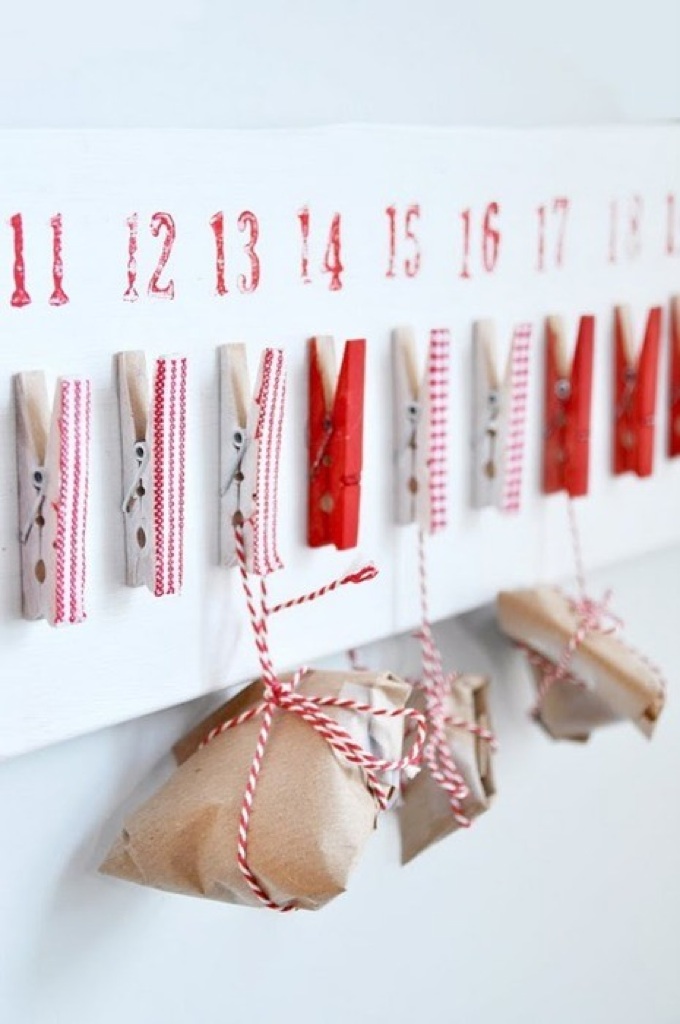
9. hautemamasfaves.tumblr.com/post/14165544094
10. www.tumblr.com/reblog/13251981265/NrFZy12k
11. www.goodhousekeeping.com/holidays/christmas-ideas/red-and...
12. www.marthastewart.com/275166/christmas-tree-decorating-id...
BIENNALIST @ Venice Biennale
www.emergencyrooms.org/biennalist.html
by www.colonel.dk and www.emergencyrooms.org
www.emergencyrooms.org/formats.html about other art format
------------about Venice Biennale history from wikipedia ---------
The Venice Biennale in English also called the "Venice Biennial") refers to an arts organization based in Venice
The Art Biennale, a contemporary visual art exhibition and so called because it is held biennially
curators previous
* 1948 – Rodolfo Pallucchini
* 1966 – Gian Alberto Dell'Acqua
* 1968 – Maurizio Calvesi and Guido Ballo
* 1970 – Umbro Apollonio
* 1972 – Mario Penelope
* 1974 – Vittorio Gregotti
* 1978 – Luigi Scarpa
* 1980 – Luigi Carluccio
* 1982 – Sisto Dalla Palma
* 1984 – Maurizio Calvesi
* 1986 – Maurizio Calvesi
* 1988 – Giovanni Carandente
* 1990 – Giovanni Carandente
* 1993 – Achille Bonito Oliva
* 1995 – Jean Clair
* 1997 – Germano Celant
* 1999 – Harald Szeemann
* 2001 – Harald Szeemann
* 2003 – Francesco Bonami
* 2005 – María de Corral and Rosa Martinez
* 2007 – Robert Storr
* 2009 – Daniel Birnbaum
* 2011 – Bice Curiger
* 2013 – Massimiliano Gioni
* 2015 – Okwui Enwezor
* 2017 – Christine Macel[19]
* 2019 – Ralph Rugoff[20]
In 2011, the countries were Albania, Andorra, Argentina, Australia, Austria, Azerbaijan, Bangladesh, Belarus, Belgium, Brazil, Bulgaria, Canada, Chile, China, Congo, Costa Rica, Croatia, Cuba, Cyprus, Czech and Slovak Republics, Denmark, Egypt, Estonia, Finland, France, Georgia, Germany, Greece, Haiti, Hungary, Iceland, India, Iran, Iraq, Ireland, Israel, Italy, Japan, Korea, Latvia, Lithuania, Luxembourg, Macedonia, Mexico, Moldova, Montenegro, Netherlands, New Zealand, Norway, Poland, Portugal, Romania, Russia, San Marino, Saudi Arabia, Serbia, Singapore, Slovenia, South Africa, Spain, Sweden, Switzerland, Syrian Arab Republic, Taiwan, Thailand, Turkey, Ukraine, United Arab Emirates, United Kingdom, United States of America, Uruguay, Venezuela, Wales and Zimbabwe. In addition to this there are two collective pavilions: Central Asia Pavilion and Istituto Italo-Latino Americano. In 2013, ten new participant countries developed national pavilions for the Biennale: Angola, the Bahamas, Bahrain, the Ivory Coast, Kosovo, Kuwait, the Maldives, Paraguay, Tuvalu, and the Holy See. In 2015, five new participant countries developed pavilions for the Biennale: Grenada [4], Republic of Mozambique, Republic of Seychelles, Mauritius and Mongolia. In 2017, three countries participated in the Art Biennale for the first time: Antigua & Barbuda, Kiribati, and Nigeria.[29]
----------
#art #artist #artistic #artists #arte #artwork
Pavilion at the Venice Biennale #artcontemporain contemporary art Giardini arsenal
venice Veneziako VenecijaVenècia Venedig Venetië Veneetsia Venetsia Venise Venecia VenedigΒενετία( Venetía Hungarian Velence Feneyjar Venice Venezia Venēcija Venezja Venezia Wenecja Veneza VenețiaVenetsiya BenátkyBenetke Venecia Fenisוועניס Վենետիկ ভেনি স威尼斯 (wēinísī) 威尼斯 ვენეციისવે નિસवेनिसヴェネツィアವೆನಿಸ್베니스வெனிஸ்వెనిస్เวนิซوینس Venetsiya
art umjetnost umění kunst taide τέχνη művészetList ealaín arte māksla menasarti Kunst sztuka artă umenie umetnost konstcelfקונסטարվեստincəsənətশিল্প艺术(yìshù)藝術 (yìshù)ხელოვნებაकलाkos duabアートಕಲೆសិល្បៈ미술(misul)ສິນລະປະകലकलाအတတ်ပညာकलाකලාවகலைఆర్ట్ศิลปะ آرٹsan'atnghệ thuậtفن (fan)אומנותهنرsanat artist
other Biennale :(Biennials ) :
Venice Biennial , Documenta Havana Biennial,Istanbul Biennial ( Istanbuli),Biennale de Lyon ,Dak'Art Berlin Biennial,Mercosul Visual Arts Biennial ,Bienal do Mercosul Porto Alegre.,Berlin Biennial ,Echigo-Tsumari Triennial .Yokohama Triennial Aichi Triennale,manifesta ,Copenhagen Biennale,Aichi Triennale .Yokohama Triennial,Echigo-Tsumari Triennial.Sharjah Biennial ,Biennale of Sydney, Liverpool , São Paulo Biennial ; Athens Biennale , Bienal do Mercosul ,Göteborg International Biennial for Contemporary Art ,DOCUMENTA KASSEL ATHENS
* Dakar
kritik [edit] kritikaria kritičar crític kritiker criticus kriitik kriitikko critique crítico Kritiker κριτικός(kritikós) kritikus Gagnrýnandi léirmheastóir critico kritiķis kritikas kritiku krytyk crítico critic crítico krytyk beirniad קריטיקער
Basque Veneziako Venecija [edit] Catalan Venècia Venedig Venetië Veneetsia Venetsia Venise Venecia Venedig Βενετία(Venetía) Hungarian Velence Feneyjar Venice Venezia Latvian Venēcija Venezja Venezia Wenecja Portuguese Veneza Veneția Venetsiya Benátky Benetke Venecia Fenis וועניס Վենետիկ ভেনিস 威尼斯 (wēinísī) 威尼斯 Georgian ვენეციის વેનિસ वेनिस ヴェネツィア ವೆನಿಸ್ 베니스 வெனிஸ் వెనిస్ เวนิซ وینس Venetsiya
Thierry Geoffroy / Colonel
#thierrygeoffroy #geoffroycolonel #thierrygeoffroycololonel #lecolonel #biennalist
#artformat #formatart
#emergencyart #urgencyart #urgentart #artofthenow #nowart
emergency art emergency art urgency artist de garde vagt alarm emergency room necessityart artistrole exigencyart predicament prediction pressureart
#InstitutionalCritique
#venicebiennale #venicebiennale2017 #venicebiennale2015
#venicebiennale2019
#venice #biennale #venicebiennale #venezia #italy
#venezia #venice #veniceitaly #venicebiennale
#pastlife #memory #venicebiennale #venice #Venezia #italy #hotelveniceitalia #artexhibit #artshow #internationalart #contemporaryart #themundane #summerday
#biennalevenice
Institutional Critique
Identity Politics Post-War Consumerism, Engagement with Mass Media, Performance Art, The Body, Film/Video, Political, Collage, , Cultural Commentary, Self as Subject, Color Photography, Related to Fashion, Digital Culture, Photography, Human Figure, Technology
Racial and Ethnic Identity, Neo-Conceptualism, Diaristic
Contemporary Re-creations, Popular Culture, Appropriation, Contemporary Sculpture,
Culture, Collective History, Group of Portraits, Photographic Source
, Endurance Art, Film/Video,, Conceptual Art and Contemporary Conceptualism, Color Photography, Human Figure, Cultural Commentary
War and Military, Political Figures, Social Action, Racial and Ethnic Identity, Conflict
Personal Histories, Alter Egos and Avatars
Use of Common Materials, Found Objects, Related to Literature, Installation, Mixed-Media, Engagement with Mass Media, Collage,, Outdoor Art, Work on Paper, Text
, Photographic Source
Appropriation (art) Art intervention Classificatory disputes about art Conceptual art Environmental sculpture Found object Interactive art Modern art Neo-conceptual art Performance art Sound art Sound installation Street installations Video installation
Conceptual art Art movements Postmodern art Contemporary art Art media Aesthetics Conceptualism
Post-conceptualism Anti-anti-art Body art Conceptual architecture Contemporary art Experiments in Art and Technology Found object Happening Fluxus Information art Installation art Intermedia Land art Modern art Neo-conceptual art Net art Postmodern art Generative Art Street installation Systems art Video art Visual arts ART/MEDIA conceptual artist
PRIMER ENCUENTRO LATINOAMERICANO DE MURALES
MARCHA MUNDIAL POR LA PAZ Y LA NO VIOLENCIA
www.marchamundialperu.org/encuentrograf.html
En el marco de actividades proyectadas para la Marcha Mundial por la Paz y la No
Violencia, -acontecimiento Internacional de responsabilidad social que durante todo
el año 2009, simultáneamente, en más de 100 países, realizará distintas iniciativas
para solicitar el término de las guerras y la violencia- se presenta en la ciudad de
Arequipa, el Primer Encuentro Latinoamericano de Murales por la Paz. Una
propuesta inédita que busca, alineándose al proyecto mundial, crear conciencia
global de la necesidad de una verdadera Cultura de Paz y de rechazo hacia todo tipo
de violencia.
Saliendo de los espacios habituales de representación, la intervención de un espacio
público a través de la realización de murales vincula el diálogo, el arte y la
comunidad. Imágenes públicas a gran escala que se convierten en parte del paisaje
urbano y se integran al imaginario de sus habitantes.
El mural, en su expresión básica de arte social, poblacional -sea estructurado o
desarrollado con el lenguaje del graffiti- enfoca al arte como fenómeno vital y
explora las posibilidades expresivas del sincretismo, a partir de un espacio público y
sus alrededores. La introspección particular pasa a formar parte de la reflexión sobre
la condición humana. Así lo definimos, como “el arte que implica al otro”, donde la
participación del público es el motor del diálogo.
El Encuentro permitirá difundir conceptos de paz y no violencia a través de las
imágenes visuales; pero no sólo difundir, sino recuperar la función del arte en la
sociedad, como aquel gestor de ideas, de mensajes, donde el público deja serlo para
transformarse en principal actor y el ámbito se enriquece.
El resultado será entonces, un agente de cambio social que pueda llegar a influir
humanamente sobre las condiciones de vida e identidad colectiva.
OBJETIVO GENERAL
Concientizar a la comunidad arequipeña sobre la Paz y la No Violencia a través de
Pinturas Murales, que se instalarán en la ciudad de Arequipa a partir de octubre de
2009.
OBJETIVOS ESPECÍFICOS
Contribuir a la Revaloración Urbana del Barrio de IV Centenario, barrio tradicional
arequipeño que sufre los efectos de la violencia cotidiana, colaborando de este modo
con la población vinculante y promoviendo la utilización del arte como una forma de
lucha contra la violencia.
Fortalecer el aporte social de artistas latinoamericanos, como un ejemplo de paz y
hermandad entre las naciones.
Generar un espacio de intercambio cultural y didáctico entre los participantes
latinoamericanos y los artistas arequipeños, durante su estadía, con miras a
desarrollar mayor compromiso del artista arequipeño con la sociedad y la Cultura de
Paz.
DESCRIPCIÓN Y DINAMICA
Tomando en cuenta la importancia que tiene la pintura mural urbana para comunicar
conceptos y valores a los seres humanos, se le ha elegido como una de las principales
actividades de la Marcha Mundial en Arequipa, para motivar la toma de conciencia
sobre la Paz y la No Violencia, a la que aspiramos.
Reconociendo que Latinoamérica es un crisol étnico-cultural y su historial en el arte
mural es vasto; el Encuentro convoca y pretende contar, con la participación de 15
Colectivos de Muralistas Latinoamericanos, en especial artistas jóvenes; para que,
cada quien desde su bagaje, sepa expresar y compartir un mismo mensaje.
Sobre el espacio público, el Encuentro propone la revaloración urbana a través de la
intervención artística del Estadio Melgar, Edificio ubicado en un barrio céntrico de
Arequipa, que con los años, se ha ido deteriorando producto de la delincuencia. La
intención es que las pinturas murales sean el punto de partida de la puesta en valor
de la zona, apuntando a mejorar también en alumbrado y seguridad. Esta propuesta
encuentra antecedentes en proyectos como Colores para Tirana, una forma de darle
nueva vida y oxigenar un poco a esta ciudad Albana que sufrió una gran crisis
económica en los años previos al 2000; o Favela Painting, que intenta revalorizar la
belleza de las estructuras urbanas, en las que el gran porcentaje de sus habitantes
intentan vivir con tranquilidad y honestidad y dejar atrás el estigma creado por la
droga principalmente. Aunque en ambos casos se afrontan realidades mucho más
afectadas que la del barrio arequipeño circundante al Estadio, son ejemplos de lo
trascendente que puede ser una imagen con contenido, para la vida cotidiana, en un
ambiente marginal.
El Encuentro, cuyas Bases serán dadas a conocer a principios de julio de 2009,
contará con un total de 15 pinturas murales.
En este contexto, se realizará una pre-selección a partir del dossier enviado por cada
Colectivo. Los seleccionados serán invitados a participar del Encuentro.
La dinámica del Encuentro implica la presencia de los artistas en Arequipa, -del 28
de septiembre al 04 de octubre- su participación en talleres y la convivencia con
artistas locales.
La organización cubrirá viáticos de alojamiento, transporte interno y consumo para
los concursantes durante su estadía.
Cada Colectivo debe interactuar y socializar con los artistas locales, a través de la
convivencia y la realización de un taller de mural-graffiti; teniendo completa libertad
de acción para que puedan desarrollar sus propuestas.
El tiempo destinado para la realización de los murales será máximo de tres días,
partiendo el 30 de septiembre de 2009.
El Jurado, para la pre-selección, estará compuesto por un representante de la
Alianza Francesa, un representante del Instituto Nacional de Cultura y un
representante de Mundo Sin Guerras Perú. Quienes evaluarán el dossier de los
participantes y decidirán quienes serán invitados.
Finalmente, los murales pasarán a ser parte del patrimonio de la ciudad,
proponiéndose que el Encuentro quede instaurado anualmente. Así se prevée que los
mejores murales permanezcan pintados, hasta completar el perímetro del Estadio
con series de 15 murales. De tal manera que sea un vehículo comunicacional que
trascienda en la sociedad.
Las Bases del Encuentro se encontrarán en formato PDF para ser descargadas en
www.marchamundialperu.org/encuentrograf.html
BENEFICIOS DEL ENCUENTRO
Las obras formarán parte del patrimonio de la ciudad de Arequipa. Reconocida por la
UNESCO como patrimonio cultural de la humanidad.
El Encuentro contribuirá con la puesta en valor del barrio circundante al Edificio que
servirá de soporte para las obras1.
1 Barrio de IV Centenario. Arequipa
El Encuentro tendrá un período limitado de ediciones hasta completar el perímetro
completo del Estadio. La comisión organizadora se responsabilizará por el
mantenimiento de cada obra.
El Encuentro y el registro de la obra serán difundidos en más de cien países como una
de las principales actividades de la Marcha Mundial, a través de la agencia de prensa
internacional Pressenza y los circuitos de difusión de la organización de la Marcha.
Tanto la dinámica del Encuentro como las obras terminadas serán registradas y
publicadas en un catálogo de colección que tendrá distribución a nivel
Latinoamericano.
Los artistas tendrán la oportunidad durante su estadía, de vivenciar la cultura
arequipeña in-situ, mediante la convivencia con artistas locales y el acercamiento a
la sociedad arequipeña.
Todo esto hace del Primer Encuentro Latinoamericano de Murales por la Paz un
evento inédito que marcará una pauta en el arte latinoamericano actual.
BASES DEL PRIMER ENCUENTRO LATINOAMERICANO DE MURALES POR LA
PAZ
La Asociación Mundo sin Guerras, la Alianza Francesa de Arequipa, el Instituto
Nacional de Cultura de Arequipa, el Gobierno Regional de Arequipa y la Municipalidad
Provincial de Arequipa, instituciones dedicadas al apoyo y estímulo de actividades
artístico-culturales, convocan al “Primer Encuentro Latinoamericano de Murales por
la Paz”, con arreglo a las siguientes Bases:
I. Podrán participar artistas latinoamericanos residentes en el Perú y el resto del
mundo, que demuestren experiencia en el diseño y pintado de murales. Sin
límite de edad para los participantes. Ocasionalmente se evaluará la
participación de Colectivos de otras procedencias.
II. Pueden presentarse al Encuentro, duplas o Colectivos artísticos, en cuyo caso
deberán ser de un mínimo de tres y un máximo de cuatro participantes. Serán
seleccionados 15 Colectivos.
III. La documentación completa de cada Colectivo se enviará previamente en
forma virtual vía correo electrónico a: msg@marchamundialperu.org
o en forma material al local de la Alianza Francesa: Calle Santa Catalina 208,
Arequipa.
IV. La temática del Encuentro, en el contexto de la Marcha Mundial, será en pro de la
Paz y la No violencia. No en contra de la guerra y la violencia. Primando el
enfoque ulterior de estos conceptos.
V. El Encuentro constará de tres fases: Evaluación de Dossier, Realización de la
Obra y Participación en el Taller.
VI. Cada Colectivo participante podrá realizar un sólo proyecto mural apoyado de
un documento sustentatorio. Dicho documento será entregado al Jurado a más
tardar el día 29 de septiembre a medio día. Deberá incluir el boceto,
fundamentación, proceso y técnica de realización de la obra.
VII. Si el jurado considera que la documentación presentada por algún Colectivo no
ofrece la calidad suficiente o no se ajusta a los requerimientos básicos, le dará
un máximo de un día para rectificarla o podrá dejar desierta su participación.
VIII. Una vez designada el área de trabajo, los participantes deberán presentar
propuestas inéditas para ser realizadas en un formato promedio de 30m2. Su
ubicación será en el Cerco Perimétrico del Estadio Melgar.
IX. La técnica está orientada a los procesos del graffiti-mural. La técnica debe
ajustarse a la pintura al temple y esmalte en aerosol sobre muro seco,
preparado previamente.
X. La participación del Encuentro implica la propiedad de la obra para uso
editorial.
XI. La organización asume los gastos que se deriven de la realización de los
murales, tanto de los materiales fungibles (brochas, aerosol, pintura base,
etc.), como de los bienes inventariables (escaleras, andamios, etc.).
Además, cubrirá viáticos de alojamiento, alimentación básica y transporte
urbano de los seleccionados. Durante el periodo del 28 de septiembre al 04 de
octubre.
XII. El acto de cierre del Encuentro tendrá lugar en la Alianza Francesa, el día 02 de
octubre de 2009.
XIII. La participación en este Encuentro supone la aceptación de estas Bases, no
admitiéndose reclamo ni recurso alguno contra las decisiones del Jurado, en la
selección de invitados.
XIV. Las presentes Bases se encontrarán en formato pdf para ser descargadas en
www.marchamundialperu.org/encuentrograf.html
DOCUMENTACIÓN
Los candidatos deberán presentar la siguiente documentación:
· Dossier de los artistas, incluido currículum vitae y documentación de su
evolución artística. Firmado con nombre del Colectivo.
· Documentar experiencia en realización de murales o graffiti.
· Documento sustentatorio del proceso de trabajo.
· Copia fotostática de su documento de identidad.
No se devolverá la documentación presentada
Las obras permanecerán en los muros hasta la convocatoria del próximo Encuentro,
de este modo se continuará año a año hasta completar las 15 series de murales. Las
obras de cada año quedarán recogidas en el catálogo que se editará con motivo del
Encuentro.
La documentación requerida, deberá entregarse en sobre cerrado, en la sede de la
Alianza Francesa de Arequipa, Calle Santa Catalina 208, Arequipa; o vía electrónica
a: msg@marchamundialperu.org
No se mantendrá correspondencia alguna relacionada con el Encuentro, salvo
confirmación de recepción de la documentación y el aviso de participantes
seleccionados.
CALENDARIO
· Entrega de Bases: 15 de julio de 2009
· Recepción de documentación: entre el 18 julio y el 30 agosto de 2009
· Anuncio de los seleccionados: 05 de septiembre de 2009
· Recepción de Propuestas: 29 de septiembre de 2009
· Realización de las obras: del 30 septiembre al 02 de octubre de 2009
· Cierre del encuentro: 02 octubre de 2009
COMISIÓN ORGANIZADORA
Arequipa, mayo de 2009
LEVANTAMIENTO DE MURO PARA LA REALIZACIÓN DEL ENCUENTRO
ANTECEDENTES
El Encuentro de Murales no tiene antecedentes en el país.
Iniciativas como esta se han desarrollado en países como Armenia, España, Brasil,
México, Chile y Argentina. Ya sea por la recuperación, a través de las imágenes, de
una zona urbana deprimida, o por la intervención de espacios públicos.
UBICACIÓN
El muro propuesto es el cerco
perimétrico del Estadio Mariano
Melgar, ubicado en el Barrio IV
Centenario. A 5 minutos de la Plaza
de Armas de Arequipa.
El área destinada para la realización
de los murales es el cerco
perimétrico de la Tribuna Oriente,
ubicado a ambos lados de la torre,
calle Isaac Recabarren, cercana a la
Av. Independencia.
DIMENSIONES
El tramo tiene una longitud aproximada de
114 m. incluyendo la torre. (cerco: 104m,
torre 10m). La altura del muro tiene un
promedio de 4.50m. (Tomando la torre como
referencia, el lado derecho tiene altura útil
de 4.05m.) La altura aproximada de la torre
es 16.50m. Cuenta con un área aproximada
de 513.0 m2.
DESCRIPCIÓN
El material empleado del cerco perimétrico del Estadio Melgar es concreto caravista,
cubierto con pintura latex y esmalte de color celeste y azul. Su estado de
conservación es bueno, se considera apto para el pintado de los murales.
LEVANTAMIENTO MURO
En el levantamiento se ha segmentado el muro en 15 tramos de 6.93m de ancho cada
uno, haciendo un total de 104m., sin contar la torre. Únicamente se está
considerando el área que no está enrejada. En promedio el área por segmento es de
29.45m2.
CONCLUSIONES Y RECOMENDACIONES
Es posible realizar pinturas murales sobre esa superficie.
Se recomienda darle un tratamiento previo con base de color blanco antes del
pintado de los murales.
Pueden realizarse un promedio de 15 murales de 30m2.
La torre puede destinarse para un mural especial, vertical, que pueda unir las
propuestas de ambos lados.
newsroom.iuk.edu/articles/2012/01-jan/milt-and-jean-cole-...
www.flickr.com/photos/iukokomo/sets/72157628800000035/
www.insideindianabusiness.com/newsitem.asp?ID=51072
foundationcenter.org/pnd/news/story.jhtml?id=367800013
kokomoperspective.com/kp/news/iu-kokomo-raising-funds-for...
kokomoperspective.com/news/local_news/milt-and-jean-cole-...
newsroom.iuk.edu/campus/17-campus-news/328-inspire-power-...
www.youtube.com/watch?v=uD3exIJ-hGs
www.facultyfocus.com/articles/academic-leadership/academi...
homepages.indiana.edu/issue/page/normal/439.html
www.kokomoherald.com/main.asp?SectionID=52&SubSection...
de-de.facebook.com/IndianaUniversityKokomo/posts/16732143...
www.senegalaisement.com/senegal/photos_galerie_senegal.ph...
www.kokomoherald.com/Content/News/All-News/Article/IU-Kok...
homepages.indiana.edu/web/page/normal/22373.html
tackk.com/michaelharrischancellor
articles.southbendtribune.com/2011-10-02/news/30236848_1_...
www.insideindianabusiness.com/newsitem.asp?ID=51072
articles.washingtonpost.com/2008-11-02/news/36841810_1_bi...
kokomoperspective.com/news/local_news/transformation-begi...
homepages.indiana.edu/web/page/normal/22030.html
homepages.indiana.edu/web/page/normal/20760.html
kokomoperspective.com/local_sports/iu-kokomo-women-s-voll...
iufoundation.iu.edu/newsroom/archive/2012/cole-iuk-gift.html
newsroom.iuk.edu/campus/17-campus-news/310-trustees-appro...
m.foundationcenter.org/pnd/news/story.jhtml?id=295700040
newsroom.iuk.edu/campus/17-campus-news/191-milt-and-jean-...
Chancellor Michael Harris sharing the news of $1.25 million gift from Milt and Jean Cole
www.indianaeconomicdigest.net/main.asp?SectionID=31&S...
www.indianaeconomicdigest.net/main.asp?Search=1&Artic...
www.indianaeconomicdigest.net/main.asp?Search=1&Artic...
www.indianaeconomicdigest.net/main.asp?Search=1&Artic...
indianaeconomic55.1upprelaunch.com/main.asp?SectionID=31&...
www.facebook.com/kokomoradio/posts/206860172661725
www.facebook.com/kokomoradio/posts/206860172661725
www.universitiesnews.com.previewdns.com/2012/05/20/us-iuk...
www.facebook.com/IndianaUniversityKokomo/posts/1566467844...
kokomoperspective.com/news/local_news/kokomo-perspective-...
kokomoperspective.com/kp/news/iu-kokomo-an-agent-for-chan...
kokomoperspective.com/news/local_news/kokomo-perspective-...
kokomoperspective.com/news/local_news/milt-and-jean-cole-...
kokomoperspective.com/xtra/education/indiana-university-k...
kokomoperspective.com/lifestyles/iu-kokomo-chancellor-mic...
homepages.indiana.edu/web/page/normal/20760.html
kokomoperspective.com/kids/kokomoans/a-childhood-story-fr...
m.kokomoperspective.com/news/local_news/kokomo-perspectiv...
m.kokomoperspective.com/sports/iuk/naia-approves-indiana-...
kokomoperspective.com/news/local_news/transformation-begi...
kokomoperspective.com/news/local_news/governor-appoints-c...
kokomoperspective.com/news/local_news/mcrobbie-chancellor...
kokomoperspective.com/xtra/education/indiana-university-k...
kokomoperspective.com/community/education/iu-kokomo-chanc...
kokomoperspective.com/news/iu-kokomo-finalist-for-nationa...
kokomoperspective.com/news/local_news/iu-kokomo-contribut...
kokomoperspective.com/news/iu-kokomo-recognized-for-tuiti...
kokomoperspective.com/news/iu-kokomo-sets-summer-enrollme...
kokomoperspective.com/xtra/education/iu-kokomo-graduates-...
kokomoperspective.com/xtra/education/iu-kokomo-hosts-regi...
kokomoperspective.com/kp/news/iu-kokomo-restructures-to-b...
kokomoperspective.com/sports/iuk/naia-approves-indiana-un...
kokomoperspective.com/news/local_news/community-to-be-bro...
kokomoperspective.com/local_sports/intercollegiate-athlet...
kokomoperspective.com/kp/news/gkeda-hopes-the-chinese-are...
kokomoperspective.com/lifestyles/iu-kokomo-student-alunni...
kokomoperspective.com/xtra/education/indiana-university-k...
kokomoperspective.com/xtra/education/iuk-summer-enrollmen...
kokomoperspective.com/lifestyles/indiana-university-kokom...
kokomoperspective.com/news/local_news/iu-kokomo-introduce...
kokomoperspective.com/xtra/education/iu-kokomo-prepares-f...
kokomoperspective.com/kp/news/iu-kokomo-raising-funds-for...
kokomoperspective.com/kp/lifestyles/more-students-choose-...
kokomoperspective.com/news/local_news/iu-kokomo-makes-his...
kokomoperspective.com/indiana-university-kokomo-achieves-...
kokomoperspective.com/kp/news/people-of-the-year/article_...
kokomoperspective.com/news/local_news/inaugural-nursing-m...
kokomoperspective.com/kp/news/iu-kokomo-an-agent-for-chan...
kokomoperspective.com/xtra/education/u-s-news-world-repor...
kokomoperspective.com/news/local_news/freshman-increase-d...
kokomoperspective.com/former-vatican-employee-increases-d...
kokomoperspective.com/local_sports/iu-kokomo-women-s-voll...
kokomoperspective.com/sports/iuk/iu-kokomo-selects-cross-...
kokomoperspective.com/lifestyles/indiana-university-kokom...
kokomoperspective.com/news/iu-kokomo-chancellor-s-message...
kokomoperspective.com/xtra/education/iu-kokomo-celebrates...
kokomoperspective.com/news/local_news/perspective-names-p...
kokomoperspective.com/kp/perspective-s-people-of-the-year...
kokomoperspective.com/xtra/education/iu-kokomo-prepares-h...
kokomoperspective.com/local_sports/cougar-women-s-volleyb...
whotalking.com/flickr/Chancellor
m.kokomoperspective.com/joe-biden-michael-harris-barack-o...
kokomoperspective.com/milt-cole-and-chancellor-michael-ha...
kokomoperspective.com/search/?t=article&q=michael+harris
kokomoperspective.com/news/local_news/kokomo-perspective-...
kokomoperspective.com/news/local_news/milt-and-jean-cole-...
kokomoperspective.com/xtra/education/indiana-university-k...
kokomoperspective.com/lifestyles/iu-kokomo-chancellor-mic...
homepages.indiana.edu/web/page/normal/20760.html
kokomoperspective.com/kids/kokomoans/a-childhood-story-fr...
m.kokomoperspective.com/news/local_news/kokomo-perspectiv...
m.kokomoperspective.com/sports/iuk/naia-approves-indiana-...
kokomoperspective.com/news/local_news/transformation-begi...
kokomoperspective.com/news/local_news/governor-appoints-c...
kokomoperspective.com/sports/iuk/naia-approves-indiana-un...
kokomoperspective.com/news/local_news/mcrobbie-chancellor...
kokomoperspective.com/xtra/education/indiana-university-k...
kokomoperspective.com/sports/iuk/naia-approves-indiana-un...
kokomoperspective.com/community/education/iu-kokomo-chanc...
kokomoperspective.com/news/iu-kokomo-finalist-for-nationa...
kokomoperspective.com/news/local_news/iu-kokomo-contribut...
kokomoperspective.com/news/iu-kokomo-recognized-for-tuiti...
kokomoperspective.com/news/iu-kokomo-sets-summer-enrollme...
kokomoperspective.com/xtra/education/iu-kokomo-graduates-...
kokomoperspective.com/xtra/education/iu-kokomo-hosts-regi...
prezi.com/mqmsmgcgni1u/iu-kokomomoving-forward/
kokomoperspective.com/kp/news/iu-kokomo-restructures-to-b...
kokomoperspective.com/sports/iuk/naia-approves-indiana-un...
kokomoperspective.com/news/local_news/community-to-be-bro...
indianasportsjournal.com/2012/04/17/cougars-join-ranks-of...
kokomoperspective.com/kp/news/gkeda-hopes-the-chinese-are...
kokomoperspective.com/lifestyles/iu-kokomo-student-alunni...
kokomoperspective.com/xtra/education/indiana-university-k...
kokomoperspective.com/xtra/education/iuk-summer-enrollmen...
kokomoperspective.com/lifestyles/indiana-university-kokom...
kokomoperspective.com/news/local_news/iu-kokomo-introduce...
kokomoperspective.com/xtra/education/iu-kokomo-prepares-f...
kokomoperspective.com/kp/news/iu-kokomo-raising-funds-for...
kokomoperspective.com/kp/lifestyles/more-students-choose-...
kokomoperspective.com/news/local_news/iu-kokomo-makes-his...
kokomoperspective.com/indiana-university-kokomo-achieves-...
kokomoperspective.com/kp/news/people-of-the-year/article_...
kokomoperspective.com/news/local_news/inaugural-nursing-m...
bulldogs.kettering.edu/perspective/2010/08/01/china-2010/
indianasportsjournal.com/2012/04/17/cougars-join-ranks-of...
kokomoperspective.com/kp/news/iu-kokomo-an-agent-for-chan...
kokomoperspective.com/xtra/education/u-s-news-world-repor...
kokomoperspective.com/news/local_news/freshman-increase-d...
kokomoperspective.com/former-vatican-employee-increases-d...
kokomoperspective.com/local_sports/iu-kokomo-women-s-voll...
kokomoperspective.com/sports/iuk/iu-kokomo-selects-cross-...
kokomoperspective.com/lifestyles/indiana-university-kokom...
kokomoperspective.com/news/iu-kokomo-chancellor-s-message...
kokomoperspective.com/xtra/education/iu-kokomo-celebrates...
kokomoperspective.com/news/local_news/perspective-names-p...
kokomoperspective.com/kp/perspective-s-people-of-the-year...
kokomoperspective.com/xtra/education/iu-kokomo-prepares-h...
kokomoperspective.com/local_sports/cougar-women-s-volleyb...
whotalking.com/flickr/Chancellor
m.kokomoperspective.com/joe-biden-michael-harris-barack-o...
kokomoperspective.com/milt-cole-and-chancellor-michael-ha...
kokomoperspective.com/search/?t=article&q=michael+harris
en.wikipedia.org/wiki/Michael_Harris_%28academic%29
homepages.indiana.edu/web/page/normal/20830.html
nciia.org/network/conference/2010/presenters/michael_harris
kokomoperspective.com/news/local_news/transformation-begi...
The Big Move, Visioned, Initiated and Implemented by Chancellor Michael Harris IU Kokomo:
www.youtube.com/watch?v=mJIe0t6aDEU
www.indianaeconomicdigest.net/main.asp?SectionID=31&S...
nciia.org/network/conference/2010/presenters/michael_harris
www.facultyfocus.com/articles/academic-leadership/academi...
tackk.com/michaelharrischancellor
blogs.forbes.com/people/michaelharrischancellor/
www.businesswire.com/news/home/20100602005505/en/Ketterin...
www.mlive.com/news/flint/index.ssf/2010/02/post_92.html
homepages.indiana.edu/web/page/normal/17736.html
mydigimag.rrd.com/article/Up_Front/706709/67528/article.html
avoyership13.moxai.com/chan-7603525/all_p2.html
kokomoperspective.com/sports/iuk/naia-approves-indiana-un...
prezi.com/mqmsmgcgni1u/iu-kokomomoving-forward/
Indiana University Kokomo Receives $1.25 Million Gift ...
philanthropynewsdigest.org/.../indiana-university-kokomo-receives-1.25...
Jan 22, 2012 - Indiana University Kokomo has announced a $1.25 million gift from the family of Milt and Jean Cole, owners of Cole Hardwood in Logansport, ...
You visited this page on 7/13/15.
Michael Harris Chancellor, IU Kokomo Chancellor, $1.25 ...
www.slideshare.net/.../indiana-university-kokomo-receives....
Jan 25, 2014 - Indiana University Kokomo Receives $1.25 Million Gift | News | PND In ... news/ indiana-university-kokomo-receives-1.25-million-gift[1/25/2014 ...
You've visited this page 3 times. Last visit: 7/13/15
Chancellor Michael Harris IUK Receives $1.25 Million Gift ...
www.slideshare.net/.../chancellor-michael-harris-iuk-rece....
Mar 1, 2014 - Indiana University Kokomo Receives $1.25 Million Gift | News | PND ... .org/news/indiana-university-kokomo-receives-1.25-million-gift[3/1/2014 ...
Michael Harris Chancellor Indiana university kokomo vision ...
www.slideshare.net/.../indiana-university-kokomo-receives....
Nov 26, 2013 - Indiana university kokomo receives $1.25 million gift. ... /indiana-university-kokomo-receives-1.25-million-gift AVrm2oYN Like 0 0 0 Google + 0 ...
Catalog #: 10_0013979
Title: Aircraft Race
Date: 1971
Additional Information: Brown Field Otay Ca.
Tags: Aircraft Race, Brown Field Otay Ca., 1971
Repository: San Diego Air and Space Museum Archive
Nightmare Before Christmas themed decorations on either side of the stage.
I just saw The Nightmare Before Christmas 4D, the 20th Anniversary Release of the movie, at its exclusive run at the El Capitan Theatre, in Hollywood, California. It was the matinee showing at 2:30 pm on Sunday, October 20, 2013.
I parked my car in the Hollywood and Highland Center, home of the Dolby Theatre, and walked across Hollywood Blvd to the El Capitan. I arrived at the theatre at 1:30 pm. Even though I had a reserved seat for the movie, I had to wait in line outside the theatre to before we could be let in, at about 2 pm. While we were waiting, a CM checked for tickets and gave us 3D glasses.
I happened to be standing right over the Tinker Bell star on the Hollywood Walk of Fame. And in the doorway of the Disney Soda Fountain and Studio Store is a star for Disneyland, added in 2005 on its 50th anniversary. The Disney Soda Fountain is closed right now. It will re-open in November 15 as the Ghirardelli® Soda Fountain and Chocolate Shop, as a large poster in the window of the shop announces.
I got my popcorn and soda, and took my seat. On stage playing organ was the theatre's long time organist Rob Richards, appropriately dressed in a black robe. In addition to playing Disney tunes, he played music from the Phantom of the Opera. The theatre was decorated in a Nightmare Before Christmas theme. The special effects were lights, pyrotechnics, audience participation cues onscreen, fog and ''snow''. The audience had a large percentage of children, but they were all very well behaved, and seemed to enjoy the movie very much. It was the first time for me seeing Nightmare on the big screen, and it was great seeing Jack, Sally, Oogie Boogie and the rest of the cast larger than life. The 3D made the characters appear very life-like, as if we were actually seeing them in front us for real. Of course, the fact that they were actual puppets animated through stop motion photography helped a great deal in the realism as well.
After the movie we got to see a special exhibit of the making of the movie, featuring photos and replicas of storyboards and sets from the movie. They also had the actual sets for Town Hall and the Spiral Mountain. All of it was behind glass, so you couldn't touch and feel the sets. On the way out, I took photos of some of the movie posters, and a display on the history of the theatre. On the way back to my car, I took photos of some other stars on the Walk of Fame, mainly related to Disney movies.
This trek offers an outstanding combination of amazing mountain and valley scenery in a remote area, the visit will really get an in-site into the Authentic Quechua Communities and see thatched stone houses surrounded by herds of llamas and alpacas, and even guinea pigs running loose inside the houses. This hike starts in the Lares Valley and village of the same name, where you can enjoy a night dip in its relaxing hot springs, to then follow to the Andean communities of Huacahuasi, Patacancha and Willoq, reaching the village of Aguas Calientes on the third night, after a 2-hour train-ride from Ollantaytambo. Finally, the fourth day is devoted to visiting the impressive Inca citadel of Machupicchu
Package Name:Lares Trek
Duration: 4 Days / 3 Nights
Type of Trek : Alternative Trek to Machu Picchu
Group Size : To suit group requirements - (no more than 12 Persons)
Difficulty degree of this hike: Moderate / Challenge
Departures Day:
Daily Departures - Small Groups
All private service departure dates are adapted to your request.
A minimum of 2 persons is needed for this trek
Activities: Adventure / Trekking / Biking / Ecological/
High Season: April - November
Route: Closed in February
Lares Trek Itinerary:
Day 1: Cusco - Lares (Hot Spring)
Day 2: Lares (Hot Spring) - Ipsaycocha)
Day 3: Ipsaycocha - Patacancha - Ollantaytambo - Aguas Calientes
Day 4: Aguas Calienties - Machu Picchu - Cusco
Day 1: Cusco - Lares (Hot Spring)
We leave Cusco at 6:00am in a private transport and drive for an approximated 4h through part of the Sacred Valley to then head towards Lares (3100m/10168ft), a little rural village located in the beautiful valley of the same name, hosting some well-known hot springs. Upon arrival, we leave our equipment and continue towards Choquecancha, an impressive archaeological site with amazing views of the neighboring valleys. After our visit, we hike back to Lares, where we can enjoy an evening dip in its hot springs before or after our dinner is served. Our camp will be set next to the thermal baths and access is free the whole night.
Day 2: Lares (Hot Spring) - Ipsaycocha)
After an early wake up and breakfast, we meet our horsemen and horses and leave our campsite at around 9.00am to walk along an ascending path that will lead us to Huacahuasi, (3600m/11808ft). This remote Andean community is located in an impressive valley, where the typical lifestyle and house constructions of the Quechua communities living at high altitude can be appreciated. We stop to visit a typical house and family, before we enjoy our lunch. In the early afternoon, we continue our hike ascending toward the mountain pass of Ipsay (4450m/14596ft/3h), walking across little communities and Andean flats (pampas) with the presence of llamas and alpacas. The pass offers impressive views of Mount Veronica and the surrounding snow-capped peaks. Just half an hour from this point is Ipsayqocha, a beautiful lagoon next to which we set our camp and spend the night, amidst awesome scenery.
Day 3: Ipsaycocha - Patacancha - Ollantaytambo - Aguas Calientes
After two full days of hiking today is much easier. After an early breakfast we walk downhill through a wide-open valley for about 2½ hours until we arrive at the village of Patacancha. We will have a chance to view some textiles made by the people of this community - the high quality weavings are famous for their intricate designs reflecting aspects of their everyday lives and culture. After we also get the chance to walk slowly down the valley to Willoq, another Quechua village where the locals still wear their traditional dress and are proud to maintain their cultural identity. From Patacancha we will take our transport further down the valley to Inca town of Ollantaytambo where we will rest and have lunch, then catch our afternoon train to AguasCalientes. This is an amazing journey that starts in the Quechua highlands and slowly descends to lush tropical vegetation as we near AguasCalientes. Total journey time about 1½ hours. Tonight we stay in the small quaint town of Machu Picchu.
Day 4: Aguas Calienties - Machu Picchu - Cusco
5 am breakfast then at 5.30am we get the bus to Machu Picchu. We need to depart early so those who wish to climb Huayna Picchu will need to sign up before the 2 hour guided tour. During your visit to these ancient ruins you will see clouds fly past and Machu Picchu will disappear with in them, so make sure you take pictures whilst the ruins are visible. After the tour you will have free time to explore the mountain of Huayna Picchu overlooking all of Machu Picchu - by far the best view! Huayna Picchu will take approximately 2 hours return trip. It is now your choice to enjoy lunch just outside the ruins or take the bus back to AguasCalientes to explore this small and quaint village. The train back to Cusco departs late afternoon so your estimated time of arrival is approximately 9pm.village. The train back to Cusco departs late afternoon so your estimated time of arrival is approximately 9pm.
What is Included:
English speaking guide
Pre-departure information meeting,
Machu Picchu entrance fees.
First aid kit, portable oxygen Tank,
3 night accommodation in tourist hostel,
Transfers,
Bus ticket Aguas Calientes Machu Picchu - Aguas Calientes,
Expedition train ticket Aguas Calientes - Ollantayatmbo,
Transfer from Ollantaytambo - Cusco Hotel
What is NOT Included:
International air fares to Peru,
Domestic flights, airport taxes,
Meals other than those specified in your itinerary,
Personal insurance.
Recomended Things To Take
Sleeping bag (you can rent at Cusco Expeditions office).
Bottle of mineral water.
Rain gear and/or plastic poncho (can be purchase in Cusco).
Hiking boots.
Warm jacket or fleece, t-shirts, shorts, long pants, sun hat and wool hat.
Flashlight.
Sun block.
Insect repellent.
Toilet paper and garbage bag.
Small towel and bathing suit (hot springs optional).
Camera, extra film and extra batteries.
Snacks, chocolates, energy bars.
Emergency money.
Walking stick (optional).
CALL US We are ready to take your call.
Call us: Telephone: (+51) (84) 632307, Telefax: (+51) (84) 632307
Cell Phone: (+51) (84) 974727031 / 958191179 / 984567085 (24 hours available)
Address: Triunfo Street 392 - Centro Artesanal Arte Inka 2nd Floor 212 - Main Square of Cusco
Business Hours: Monday to Sunday: (From 9:00am to 13:00PM) - ( From 15:00PM - 8:00PM)
E-mail: contact@cuscoexpeditions.com, info@cuscoexpeditions.com
MSN: cuscoexpeditions@hotmail.com
Website: www.cuscoexpeditions.com/
Copyright © 2010 - 2020 Cusco Expeditions E.I.R.L. - Peruvian Tour Operator - Travel Agency
Foto Val del Omar, octubre de 1932. Archivo de la Residencia de Estudiantes. Madrid.
_____ NOTICIA: impiden un homenaje a Cernuda: www.elnortedecastilla.es/agencias/20131106/mas-actualidad...
____IMAGINO A CERNUDA___Joaquín Pérez Azaústre__
"...Cernuda es un poeta más grande que su época, que fue lo suficientemente enorme como para albergar todos los sueños, todas sus decepciones y también sus crueldades. Podemos caminar con él por estos días, en esta escoria pública, y seguir descubriendo en su poesía, en esa exactitud transparente y verbal, muscular y atrayente, expresiva y directa, todas las respuestas para el drama corrupto. Cuando un escritor nos acompaña, cuando lo leemos cada día, también sigue viviendo en su escritura cíclica, en esa revisión personal que es la vivencia propia para cada lector. Leer a Luis Cernuda, además de un estupendo plan para el verano, es una respuesta ante el derrumbe de nuestro sistema de representación, la credibilidad de la política y sus formas arteras de arruinar cualquier esperanza colectiva. La poesía puede ser una respuesta, como verdad moral que rescatar de toda esta ruina zafia y pobre. Leo a Luis Cernuda como el gran poeta de hoy, porque sólo mirando su desdén hacia la indignidad podemos enfrentar la noticia diaria. Si estuviera de nuevo entre nosotros, si pudiera mirar toda esta ruindad general, mendicante, se podría preguntar, como tantos otros españoles que sufrieron la roca del exilio, si les valió la pena el sacrificio, todo el sufrimiento del pasado reescrito".
Fuente: El País. 9, Agosto, 2013 ccaa.elpais.com/ccaa/2013/08/09/andalucia/1376052049_8629...
_________________________________________________________________
-En su blog, prensa e internet Pérez Azaustre ha publicado varios artículos sobre Cernuda:
revistaliterariaazularte.blogspot.com.es/2013/08/joaquin-...
leereluniverso.blogspot.com.es/search/label/Cernuda
leereluniverso.blogspot.com.es/2011/03/poesia-carta-de-ra...
_______________________________________________________________
REFERENCIAS
"NO ES EL AMOR QUIEN MUERE, SOMOS NOSOTROS MISMOS" (Luis Cernuda).
www.malaga.es/cultura/1315/com1_md-3/com1_md3_cd-17806/lu...
CIF CENTRAL SECTION CHAMPIONSHIP
Liberty High School - Wednesday, May 14, 2008
www.andynoise.com/valley08.html
Central Section Grand Masters
At Liberty
Team standings--unavailable.
400 relay--1. Bakersfield (Hunt, Turner, Johnson, Norwood), 42.28; 2. Clovis East (Bourbon, Scott, Smith, Woods), 42.58; 3. Redwood (Stewart, Ray, Root, Coles), 43.07; 4. Central (Newsome, Bigelow, Hammack, Phillips), 43.15. 1,600--1. Chris Schwartz, Foot, 4:15.80; 2. Jonathan Sanchez, Buch, 4:17.48; 3. Eric Battles, CW, 4:20.34; 4. Jesse Arellano, Mad, 4:21.56. 110H--1. Ethan DeJongh, MtW, 14.49; 2. Sean Johnson, Buch, 14.66; 3. Jon Funch, CW, 14.81; 4. Isiah Crunk, Wash, 15.17. 400--1. Maurice Lewis, Ed, 49.08; 2. Isiah Purvis, Lib, 49.13; 3. Daniel Lozano, Stock, 49.35; 4. Jelani Hendrix, Ed, 49.62. 100--1. Brendon Bigelow, Central, 10.62; 2. Emmanuel Turner, Bak, 10.81; 3. Matt Sumlin, Gar, 10.91; 4. Chris Lopez, GW, 10.98. 800--1. Anthony Mitchell, North, 1:54.19; 2. Aric Champagne, MtW, 1:54.97; 3. Andrew Campbell, CW, 1:55.69; 4. Arturo Ramirez, Centennial, 1:55.83. 300H--1. DeJongh, MtW, 37.93; 2. Cody Alves, Sel, 37.94; 3. James Smith, CE, 39.03; 4. Sean Johnson, Buch, 39.28. 200--1. Brendon Bigelow, Central, 21.29; 2. Isiah Purvis, Lib, 21.96; 3. Mario Navarette, Sanger, 22.04; 4. Chris Lopez, GW, 22.29. 3,200--1. Chris Schwartz, Foot, 9:24.19; 2. Jonathan Sanchez, Buch, 9:24.99; 3. Jon Ross, CE, 9:26.42; 4. Danny Vartanien, Buch, 9:26.42. 1,600 relay--1. Edison (Hendrix, Carter, Boughton, Lewis), 3:17.86; 2. Liberty (Hill, Garside, Affentranger, Purvis), 3:18.95; 3. Bakersfield (Miller, Turner, Johnson, Gooden), 3:20.06; 4. Clovis East (Ellis, Defonska, Woods, Smith), 3:22.40. PV--1. Andrew Lohse, Mad, 15-0; 2. Michael Peterson, CE, 15-0J; 3. Jeff Brenner, Cl, 14-6; 4. Frankie Puente, Sel, 14-0. SP--1. Dayshan Ragans, Foot, 60-7; 2. Matt Darr, Fron, 52-8.75; 3. Troy Rush, CW, 52-8.5; 4. Christian Millard, CE, 51-10.5. TJ--1. Johnny Carter, Ridge, 48-3; 2. Tyler Thompson, Shaf, 47-3; 3. Chris Kelly, Ridge, 46-11.5; 4. Jordan Smith, Central, 46-10.5. D--1. Dayshan Ragans, Foot, 199-2; 2. Jacob Budwig, Fowl, 168-8; 3. Niko Gomes, Cl, 164-10; 4. Matt Darr, Fron, 157-7. LJ--1. Kenny Phillips, Central, 23-4; 2. Tyler Thompson, Shaf, 21-11.5; 3. Dillon Root, Red, 21-11; 4. Kevin Norwood, GV, 21-8.75. HJ--1. Kenny Phillips, Central, 6-8; 2. Isiah Griggs, Bak, 6-6; 3. George Robbins, West, 6-4; 4. Jeff Brenner, Cl, 6-4J.
Notes: Top three in each event advance to state meet, May 30-31 in Norwalk. The two wild cards with the best times/marks from all sections also advance.
Girls track
Central Section Grand Masters
At Liberty
Team standings--unavailable.
400 relay--1. Edison (Eng, Scott, Thompson, Sears), 47.16; 2. Bullard (J. Williams, Riddlesprigger, Baisch, L. Williams), 48.17; 3. Tulare Western, 48.73; 4. Bakersfield (Torres, Belt, Brown, Wandick), 48.80. 1,600--1. Saleh Barsarian, Cl, 5:02.98; 2. Meghan Marvin, Cl, 5:03.02; 3. Chloe Allen, CW, 5:04.62; 4. Allison Gonzales, Ex, 5:11.52; 100H--1. Alyssa Monteverde, CW, 14.59; 2. Brianny Williams, Ed, 14.60; 3. Taylor Jackson, Fr, 15.04; 4. Jen Melton, CW, 15.37. 400--1. Breanna Thompson, Ed, 56.64; 2. Dedrea Wyrik, Sun, 57.49; 3. Lasasha Aldredge, Central, 58.12; 4. Taylor Donaldson, Reed, 58.13. 100--1. Megan Del Pino, CW, 11.66; 2. Jenna Prandini, Cl, 11.74; 3. Lynn Williams, Bul, 12.00; 4. Brushay Wandick, Bak, 12.01. 800--1. Allysa Mejia, Reed, 2:17.47; 2. Molly Pahkamaa, ElD, 2:17.73; 3. Katie Fry, Ex, 2:18.74; 4. Ashlee Thomas, Centennial, 2:19.77. 300H--1. Alyssa Monteverde, CW, 43.92; 2. Taylor Jackson, Fron, 44.86; 3. Brianny Williams, Ed, 45.69; 4. Alana Alexander, Centennial, 46.12. 200--1. Megan Del Pino, CW, 23.94; 2. Dominique Whittington, Lem, 24.65; 3. Brushay Wandick, Bak, 24.69; 4. Breanna Thompson, Ed, 24.90. 3,200--1. Jordan Hasay, MP, 10:24.78; 2. Meghan Marvin, Cl, 10:59.96; 3. Chloe Allen, CW, 11:06.19; 4. Corina Mendoza, Mad, 11:32.06. 1,600 relay--1. Edison (Burk, Thompson, Scott, Smith), 3:54.89; 2. Stockdale (Cady, Anderson, Mello, S. Anderson), 3:58.26; 3. Clovis West (Laidley, Capriotti, Del Pino, Monteverde), 3:59.02; 4. Reedley, 3:59.07. D--1. Anna Jelmini, Shaf, 162-5; 2. Alex Collatz, Stock, 148-6; 3. Carey Tuuamalemalo, Taft, 130-9; 4. Janae Coffee, CW, 121-6. LJ--1. Jenna Prandini, Cl, 18-7.25; 2. Lynn Williams, Bul, 18-0.75; 3. Alana Alexander, Centennial, 17-6.75; 4. Ja'Nia Sears, Ed, 17-6.5. HJ--1. Alyssa Monteverde, CW, 5-4; 2. Cristina Muro, GW, 5-2; 3. Katherine Mahr, Buch, 5-2; 4. Marish Riddlesprigger, Bul, 5-2J. SP--1. Anna Jelmini, Shaf, 44-0.75; 2. Destanie Yarbrough, CE, 37-10; 3. Heather Vermillion, Red, 37-9; 4. Tasha Firstone, CW, 36-6.5. TJ--1. Alana Alexander, Centennial, 38-3.75; 2. Jenna Prandini, Cl, 38-3; 3. Goziam Okolie, 36-10.5; 4. Alex Collatz, Stock, 36-2. PV--1. Allison Berryhill, CW, 11-6; 2. Amanda Klinchuch, Lib, 11-6J; 3. Cheree Jones, King, 10-6; 4. Emily Falkenstein, Buch, 10-6J.
Notes: Top three in each event advance to state meet, May 30-31 in Norwalk. The two wild cards with the best times/marks from all sections also advance.
Collaboration beetween Biennalist and Ultracontemporay
Art Format
www.emergencyrooms.org/formats.html
en.wikipedia.org/wiki/Thierry_Geoffroy
Documenta From Wikipedia,
The Fridericianum during documenta (13)
documenta is an exhibition of contemporary art which takes place every five years in Kassel, Germany. It was founded by artist, teacher and curator Arnold Bode in 1955 as part of the Bundesgartenschau (Federal Horticultural Show) which took place in Kassel at that time.[1] It was an attempt to bring Germany up to speed with modern art, both banishing and repressing the cultural darkness of Nazism.[2] This first documenta featured many artists who are generally considered to have had a significant influence on modern art (such as Picasso and Kandinsky). The more recent documentas feature art from all continents; nonetheless most of it is site-specific.
Every documenta is limited to 100 days of exhibition, which is why it is often referred to as the "museum of 100 days".[3] Documenta is not a selling exhibition. It rarely coincides with the three other major art world events: the Venice Biennale, Art Basel and Skulptur Projekte Münster, but in 2017, all four were open simultaneously.
Etymology of documenta
The name of the exhibition is an invented word. The term is supposed to demonstrate the intention of every exhibition (in particular of the first documenta in 1955) to be a documentation of modern art which was not available for the German public during the Nazi era. Rumour spread from those close to Arnold Bode that it was relevant for the coinage of the term that the Latin word documentum could be separated into docere (Latin for teach) and mens (Latin for intellect) and therefore thought it to be a good word to describe the intention and the demand of the documenta.[4]
Each edition of documenta has commissioned its own visual identity, most of which have conformed to the typographic style of solely using lowercase letters, which originated at the Bauhaus.[5]
History
Stadtverwaldung by Joseph Beuys, oaktree in front of the museum Fridericianum, documenta 7
Art professor and designer Arnold Bode from Kassel was the initiator of the first documenta. Originally planned as a secondary event to accompany the Bundesgartenschau, this attracted more than 130,000 visitors in 1955. The exhibition centred less on "contemporary art“, that is art made after 1945: instead, Bode wanted to show the public works which had been known as "Entartete Kunst" in Germany during the Nazi era: Fauvism, Expressionism, Cubism, Blauer Reiter, Futurism and Pittura Metafisica. Therefore, abstract art, in particular the abstract paintings of the 1920s and 1930s, was the focus of interest in this exhibition.
Over time, the focus shifted to contemporary art. At first, the show was limited to works from Europe, but soon covered works by artists from the Americas, Africa and Asia. 4. documenta, the first ever to turn a profit, featured a selection of Pop Art, Minimal Art, and Kinetic Art.[6] Adopting the theme of Questioning Reality – Pictorial Worlds Today, the 1972 documenta radically redefined what could be considered art by featuring minimal and conceptual art, marking a turning point in the public acceptance of those styles.[7] Also, it devoted a large section to the work of Adolf Wolfli, the great Swiss outsider, then unknown. Joseph Beuys performed repeatedly under the auspices of his utopian Organization for Direct Democracy.[8] Additionally, the 1987 documenta show signaled another important shift with the elevation of design to the realm of art – showing an openness to postmodern design.[9] Certain key political dates for wide-reaching social and cultural upheavals, such as 1945, 1968 or 1976/77, became chronological markers of documenta X (1997), along which art's political, social, cultural and aesthetic exploratory functions were traced.[10] Documenta11 was organized around themes like migration, urbanization and the post-colonial experience,[11] with documentary photography, film and video as well as works from far-flung locales holding the spotlight.[7] In 2012, documenta (13) was described as "[a]rdently feminist, global and multimedia in approach and including works by dead artists and selected bits of ancient art".[12]
Criticism
documenta typically gives its artists at least two years to conceive and produce their projects, so the works are often elaborate and intellectually complex.[13] However, the participants are often not publicised before the very opening of the exhibition. At documenta (13), the official list of artists was not released until the day the show opened.[14] Even though curators have often claimed to have gone outside the art market in their selection, participants have always included established artists. In the documenta (13), for example, art critic Jerry Saltz identified more than a third of the artists represented by the renowned Marian Goodman Gallery in the show.[14]
Directors
The first four documentas, organized by Arnold Bode, established the exhibition's international credentials. Since the fifth documenta (1972), a new artistic director has been named for each documenta exhibition by a committee of experts. Documenta 8 was put together in two years instead of the usual five. The original directors, Edy de Wilde and Harald Szeemann, were unable to get along and stepped down. They were replaced by Manfred Schneckenburger, Edward F. Fry, Wulf Herzogenrath, Armin Zweite, and Vittorio Fagone.[15] Coosje van Bruggen helped select artists for documenta 7, the 1982 edition. documenta IX's team of curators consisted of Jan Hoet, Piero Luigi Tazzi, Denys Zacharopoulos, and Bart de Baere.[16] For documenta X Catherine David was chosen as the first woman and the first non-German speaker to hold the post. It is also the first and unique time that its website Documenta x was conceived by a curator (swiss curator Simon Lamunière) as a part of the exhibition. The first non-European director was Okwui Enwezor for Documenta11.[17]
TitleDateDirectorExhibitorsExhibitsVisitors
documenta16 July – 18 September 1955Arnold Bode148670130,000
II. documenta11 July – 11 October 1959Arnold Bode, Werner Haftmann3381770134,000
documenta III27 June – 5 October 1964Arnold Bode, Werner Haftmann3611450200,000
4. documenta27 June – 6 October 196824-strong documenta council1511000220,000
documenta 530 June – 8 October 1972Harald Szeemann218820228,621
documenta 624 June – 2 October 1977Manfred Schneckenburger6222700343,410
documenta 719 June – 28 September 1982Rudi Fuchs1821000378,691
documenta 812 June – 20 September 1987Manfred Schneckenburger150600474,417
documenta IX12 June – 20 September 1992Jan Hoet1891000603,456
documenta X21 June – 28 September 1997Catherine David120700628,776
documenta118 June – 15 September 2002Okwui Enwezor118450650,924
documenta 1216 June – 23 September 2007Roger M. Buergel/Ruth Noack[19]114over 500754,301
documenta (13)9 June – 16 September 2012Carolyn Christov-Bakargiev187[20]904,992[21]
documenta 148 April – 16 July 2017 in Athens, Greece;
10 June – 17 September 2017 in KasselAdam Szymczykmore than 1601500339.000 in Athens
891.500 in Kassel
documenta fifteen18 June 2022 – 25 September 2022 in Kasselruangrupa[22]
2012's edition was organized around a central node, the trans-Atlantic melding of two distinct individuals who first encountered each other in the "money-soaked deserts of the United Arab Emirates". As an organizing principle it is simultaneously a commentary on the romantic potentials of globalization and also a critique of how digital platforms can complicate or interrogate the nature of such relationships. Curatorial agents refer to the concept as possessing a "fricative potential for productive awkwardness," wherein a twosome is formed for the purposes of future exploration.[23]
Venues
documenta is held in different venues in Kassel. Since 1955, the fixed venue has been the Fridericianum. The documenta-Halle was built in 1992 for documenta IX and now houses some of the exhibitions. Other venues used for documenta have included the Karlsaue park, Schloss Wilhelmshöhe, the Neue Galerie, the Ottoneum, and the Kulturzentrum Schlachthof. Though Okwui Enezor notably tried to subvert the euro-centric approach documenta had taken, he instigated a series of five platforms before the Documenta11 in Vienna, Berlin, New Delhi, St Lucia, and Lagos, in an attempt to take documenta into a new post-colonial, borderless space, from which experimental cultures could emerge. documenta 12 occupied five locations, including the Fridericianum, the Wilhelmshöhe castle park and the specially constructed "Aue-Pavillon", or meadow pavilion, designed by French firm Lacaton et Vassal.[24] At documenta (13) (2012), about a fifth of the works were unveiled in places like Kabul, Afghanistan, and Banff, Canada.[13]
There are also a number of works that are usually presented outside, most notably in Friedrichsplatz, in front of the Fridericianum, and the Karlsaue park. To handle the number of artworks at documenta IX, five connected temporary "trailers" in glass and corrugated metal were built in the Karlsaue.[25] For documenta (13), French architects Anne Lacaton and Jean-Philippe Vassal constructed the temporary "Aue-Pavillon" in the park.
Rahmenbau (1977) by Haus Rucker und Co.
A few of the works exhibited at various documentas remained as purchases in Kassel museums. They include 7000 Eichen by Joseph Beuys; Rahmenbau (1977) by Haus-Rucker-Co; Laserscape Kassel (1977) by Horst H. Baumann; Traumschiff Tante Olga (1977) by Anatol Herzfeld; Vertikaler Erdkilometer by Walter De Maria; Spitzhacke (1982) by Claes Oldenburg; Man walking to the sky (1992) by Jonathan Borofsky; and Fremde by Thomas Schütte (one part of the sculptures are installed on Rotes Palais at Friedrichsplatz, the other on the roof of the Concert Hall in Lübeck).
documenta archive
The extensive volume of material that is regularly generated on the occasion of this exhibition prompted Arnold Bode to create an archive in 1961. The heart of the archive’s collection comes from the files and materials of the documenta organization. A continually expanding video and image archive is also part of the collection as are the independently organized bequests of Arnold Bode and artist Harry Kramer.
Management
Visitors
In 1992, on the occasion of documenta IX, for the first time in the history of the documenta, more than half a million people traveled to Kassel.[26] The 2002 edition of documenta attracted 650,000 visitors, more than triple Kassel's population.[27] In 2007, documenta 12 drew 754,000 paying visitors, with more than one-third of the visitors coming from abroad and guests from neighboring Netherlands, France, Belgium and Austria among the most numerous.[28] In 2012, documenta (13) had 904,992 visitors.[21]
References
Adrian Searle (June 11, 2012), "Documenta 13: Mysteries in the mountain of mud", The Guardian.
Roberta Smith (June 14, 2012), Art Show as Unruly Organism The New York Times.
Arnold Bode coined this phrase for the first time in the prologue of the first volume of the catalogue: documenta III. Internationale Ausstellung; Catalogue: Volume 1: Painting and Sculpture; Volume 2: Sketches; Volume 3: Industrial Design, Print; Kassel/Köln 1964; p. XIX
Kimpel, Harald: documenta, Mythos und Wirklichkeit. Köln 1997, ISBN 3-7701-4182-2
Alice Rawsthorn (June 3, 2012), A Symbol Is Born The New York Times.
The documenta IV Exhibition in Kassel (1968) German History in Documents and Images (GHDI).
Helen Chang (June 22, 2007), "Catching the Next Wave In Art at Documenta", The Wall Street Journal.
Roberta Smith (September 7, 2007), "Documenta 5" The New York Times.
Gimeno-Martinez, Javier; Verlinden, Jasmijn (2010). "From Museum of Decorative Arts to Design Museum: The Case of the Design museum Gent". Design and Culture. 2 (3).
dX 1997 Archived 2013-06-14 at the Wayback Machine, documenta XII.
Stephan Valentin (June 12, 2007), An art show in Kassel, Germany, rivals Venice Biennale The New York Times.
Roberta Smith (June 14, 2012), Art Show as Unruly Organism The New York Times.
Kelly Crow (June 8, 2012), A Party, Every Five Years, for 750,000 Guests The Wall Street Journal.
Jerry Saltz (June 15, 2012), Jerry Saltz: "Eleven Things That Struck, Irked, or Awed Me at Documenta 13" New York Magazine.
Michael Brenson (June 15, 1987), "Documenta 8, Exhibition In West Germany", The New York Times.
Michael Kimmelman (July 5, 1992) "At Documenta, It's Survival Of the Loudest", The New York Times.
Jackie Wullschlager (May 19, 2012) Vertiginous doubt Financial Times.
Julia Halperin, Gareth Harris (July 18, 2014) How much are curators really paid? Archived July 20, 2014, at the Wayback Machine The Art Newspaper.
Holland Cotter (22 June 2007). "Asking Serious Questions in a Very Quiet Voice". The New York Times. Retrieved 2014-08-29.
Ulrike Knöfel (8 June 2012). "What the 13th Documenta Wants You to See". Der Spiegel.
"904,992 people visit documenta (13) in Kassel". documenta und Museum Fridericianum Veranstaltungs-GmbH. 16 September 2012. Archived from the original on 25 February 2014. Retrieved 8 August 2013.
Russeth, Andrew (2019-02-22). "Ruangrupa Artist Collective Picked to Curate Documenta 15". ARTnews.com. Retrieved 2020-01-05.
"In Germany, Disguising Documentary As Art". The Huffington Post. Retrieved 2015-09-28.
Stephan Valentin (June 12, 2007), An art show in Kassel, Germany, rivals Venice Biennale International Herald Tribune.
Roberta Smith (June 22, 1992), A Small Show Within an Enormous One The New York Times.
d9 1992 Archived 2014-02-22 at the Wayback Machine, documenta XII.
Adrian Searle (June 19, 2007), 100 days of ineptitude The Guardian.
Catherine Hickley (September 24, 2007), "Documenta Contemporary Art Show Draws Record 754,000 to Kassel", Bloomberg.
Carly Berwick (May 17, 2007), "Documenta 'Mystery' Artists Are Revealed; Buzz Strategy Fizzles", Bloomberg.
Rachel Donado (April 5, 2017), German Art Exhibition Documenta Expands Into Athens, The New York Times.
Catherine Hickley (November 27, 2017), Documenta manager to leave post after budget overruns The Art Newspaper.
Further reading
Hickley, Catherine (2021-06-18). "This Show Sets the Direction of Art. Its Past Mirrored a Changing World". The New York Times.
Nancy Marmer, "Documenta 8: The Social Dimension?" Art in America, vol. 75, September 1987, pp. 128–138, 197–199.
other biennales :
Venice Biennial , Documenta Havana Biennial,Istanbul Biennial ( Istanbuli),Biennale de Lyon ,Dak'Art Berlin Biennial,Mercosul Visual Arts Biennial ,Bienal do Mercosul Porto Alegre.,Berlin Biennial ,Echigo-Tsumari Triennial .Yokohama Triennial Aichi Triennale,manifesta ,Copenhagen Biennale,Aichi Triennale
Yokohama Triennial,Echigo-Tsumari Triennial.Sharjah Biennial ,Biennale of Sydney, Liverpool , São Paulo Biennial ; Athens Biennale , Bienal do Mercosul ,Göteborg International Biennial for Contemporary Art
lumbung
Short concept by ruangrupa for documenta 15
"We want to create a globally oriented, cooperative, interdisciplinary art and culture platform that will remain effective beyond the 100 days of documenta fifteen. Our curatorial approach aims at a different kind of collaborative model of resource use—economically, but also in terms of ideas, knowledge, programs, and innovation."
ruangrupa’s central curatorial approach for documenta fifteen is based on the principles of collectivity, resource building, and equal sharing. They aim to appeal not just to an art audience but to a variety of communities, and to promote local commitment and participation. Their approach is based on an international network of local, community-based organizations from the art and other cultural contexts and can be outlined by the Indonesian term lumbung. lumbung, directly translatable as “rice barn,” is a collective pot or accumulation system used in rural areas of Indonesia, where crops produced by a community are stored as a future shared common resource and distributed according to jointly determind criteria. Using lumbung as a model, documenta fifteen is a collective resource pot, operating under the logics of the commons. It is an agglomeration of ideas, stories, (wo)manpower, time, and other shareable resources. At the center of lumbung is the imagination and the building of these collective, shared resources into new models of sustainable ideas and cultural practices. This will be fostered by residencies, assemblies, public activities, and the development of tools.
Interdisciplinarity is key in this process. It is where art meets activism, management, and networking to gather support, understand environments, and identify local resources. These elements then create actions and spaces, intertwine social relations and transactions; they slowly grow and organically find a public form. This is a strategy “to live in and with society.” It imagines the relations an art institution has with its community by being an active constituent of it. Strategies are then developed based on proximity and shared desires.
The main principles of the process are:
• Providing space to gather and explore ideas
• Collective decision making
• Non-centralization
• Playing between formalities and informalities
• Practicing assembly and meeting points
• Architectural awareness
• Being spatially active to promote conversation
• A melting pot for and from everyone’s thoughts, energies, and ideas
#documentakassel
#documenta
#documenta15
#artformat
#formatart
#rundebate
#thierrygeoffroy
#Colonel
#CriticalRun
#venicebiennale
#documentafifteen
#formatart
#documentacritic
#biennalist
#ultracontemporary art
#protestart
Bought this shaving scuttle a few weeks back from a pottery artisan that has branched out into shaving scuttles. Julie Moore's pottery shop is called Dirty Bird and you can find her on the net here-
www.dirtybirdpottery.com/shavinggear.html
This particular scuttle, how you use is to fill the outer bowl with very hot water through the spout which will in turn, keep the lather you build in the bowl, hot, or as warm or hot as the water surrounding the bowl is
In fact, you do not want to use boiling water as it will (the high temperature) break down your lather. I use my tap water (from the hot faucet) which is 138 degrees f ...yes, I've read this temp with a dial thermometer
Typically the way I use it I fill the outside bowl with hot water and also the inside lather bowl with hot water too, to preheat, then I hop in the shower, prep my beard before shaving then when I'm out of the shower ready to shave I dump the water that I used for pre-heating and re-fill the outer bowl only. Then I proceed to build lather in the inner bowl
This scuttle keeps my lather very warm from my first shaving pass to the last pass. I like warm lather for my entire shave so this scuttle ranks high on my must have wet shaving gear list
In the scuttle (in this pic) you see one of my straight razors, my first Thiers Issard straight razor. Yes, there is oil on the blade. I leave oil on the blade and tang of all of my razors when I'm not using them to shave with. The humidity is high in my Fla. bathroom so I want to protect this carbon steel from rusting. Also pictured in the scuttle's bowl is my boar hair shaving brush. My badger shaving brush is sitting in the stand outside of the scuttle
Виниловый сайдинг Mitten sotdel.ru/saiding-mitten.html #сайдинг #sotdel Сайдинг Mitten не бывает российским или китайским, он всегда канадский. Как и где производится сайдинг Миттен www.facebook.com/110372909302943/photos/a.298950240445208...
Первое тюнинг-ателье по загородным домам - отделка фасадов, кровельные работы. Монтаж сайдинга под ключ. Гарантия 5 лет на монтаж сайдинга
Строительные блоки WOODBE из древесины www.sotdel.ru/stroitelnye-bloki-woodbe.html
Панели ДВП (Древесно Волокнистая Плита) www.sotdel.ru/paneli-dvp-drevesno-voloknistaya-plita/
ПАНЕЛИ KMEW fasadnye-panely.sotdel.ru/
Фартук для кухни (Кухонный фартук) www.sotdel.ru/fartuk-dlya-kuhni.html
Москва ул. Верхние Поля, 48а
пн–пт 09:00–18:00; сб 09:00–15:00
+7 (495) 258-62-08
CIF CENTRAL SECTION CHAMPIONSHIP
Liberty High School - Wednesday, May 14, 2008
www.andynoise.com/valley08.html
Central Section Grand Masters
At Liberty
Team standings--unavailable.
400 relay--1. Bakersfield (Hunt, Turner, Johnson, Norwood), 42.28; 2. Clovis East (Bourbon, Scott, Smith, Woods), 42.58; 3. Redwood (Stewart, Ray, Root, Coles), 43.07; 4. Central (Newsome, Bigelow, Hammack, Phillips), 43.15. 1,600--1. Chris Schwartz, Foot, 4:15.80; 2. Jonathan Sanchez, Buch, 4:17.48; 3. Eric Battles, CW, 4:20.34; 4. Jesse Arellano, Mad, 4:21.56. 110H--1. Ethan DeJongh, MtW, 14.49; 2. Sean Johnson, Buch, 14.66; 3. Jon Funch, CW, 14.81; 4. Isiah Crunk, Wash, 15.17. 400--1. Maurice Lewis, Ed, 49.08; 2. Isiah Purvis, Lib, 49.13; 3. Daniel Lozano, Stock, 49.35; 4. Jelani Hendrix, Ed, 49.62. 100--1. Brendon Bigelow, Central, 10.62; 2. Emmanuel Turner, Bak, 10.81; 3. Matt Sumlin, Gar, 10.91; 4. Chris Lopez, GW, 10.98. 800--1. Anthony Mitchell, North, 1:54.19; 2. Aric Champagne, MtW, 1:54.97; 3. Andrew Campbell, CW, 1:55.69; 4. Arturo Ramirez, Centennial, 1:55.83. 300H--1. DeJongh, MtW, 37.93; 2. Cody Alves, Sel, 37.94; 3. James Smith, CE, 39.03; 4. Sean Johnson, Buch, 39.28. 200--1. Brendon Bigelow, Central, 21.29; 2. Isiah Purvis, Lib, 21.96; 3. Mario Navarette, Sanger, 22.04; 4. Chris Lopez, GW, 22.29. 3,200--1. Chris Schwartz, Foot, 9:24.19; 2. Jonathan Sanchez, Buch, 9:24.99; 3. Jon Ross, CE, 9:26.42; 4. Danny Vartanien, Buch, 9:26.42. 1,600 relay--1. Edison (Hendrix, Carter, Boughton, Lewis), 3:17.86; 2. Liberty (Hill, Garside, Affentranger, Purvis), 3:18.95; 3. Bakersfield (Miller, Turner, Johnson, Gooden), 3:20.06; 4. Clovis East (Ellis, Defonska, Woods, Smith), 3:22.40. PV--1. Andrew Lohse, Mad, 15-0; 2. Michael Peterson, CE, 15-0J; 3. Jeff Brenner, Cl, 14-6; 4. Frankie Puente, Sel, 14-0. SP--1. Dayshan Ragans, Foot, 60-7; 2. Matt Darr, Fron, 52-8.75; 3. Troy Rush, CW, 52-8.5; 4. Christian Millard, CE, 51-10.5. TJ--1. Johnny Carter, Ridge, 48-3; 2. Tyler Thompson, Shaf, 47-3; 3. Chris Kelly, Ridge, 46-11.5; 4. Jordan Smith, Central, 46-10.5. D--1. Dayshan Ragans, Foot, 199-2; 2. Jacob Budwig, Fowl, 168-8; 3. Niko Gomes, Cl, 164-10; 4. Matt Darr, Fron, 157-7. LJ--1. Kenny Phillips, Central, 23-4; 2. Tyler Thompson, Shaf, 21-11.5; 3. Dillon Root, Red, 21-11; 4. Kevin Norwood, GV, 21-8.75. HJ--1. Kenny Phillips, Central, 6-8; 2. Isiah Griggs, Bak, 6-6; 3. George Robbins, West, 6-4; 4. Jeff Brenner, Cl, 6-4J.
Notes: Top three in each event advance to state meet, May 30-31 in Norwalk. The two wild cards with the best times/marks from all sections also advance.
Girls track
Central Section Grand Masters
At Liberty
Team standings--unavailable.
400 relay--1. Edison (Eng, Scott, Thompson, Sears), 47.16; 2. Bullard (J. Williams, Riddlesprigger, Baisch, L. Williams), 48.17; 3. Tulare Western, 48.73; 4. Bakersfield (Torres, Belt, Brown, Wandick), 48.80. 1,600--1. Saleh Barsarian, Cl, 5:02.98; 2. Meghan Marvin, Cl, 5:03.02; 3. Chloe Allen, CW, 5:04.62; 4. Allison Gonzales, Ex, 5:11.52; 100H--1. Alyssa Monteverde, CW, 14.59; 2. Brianny Williams, Ed, 14.60; 3. Taylor Jackson, Fr, 15.04; 4. Jen Melton, CW, 15.37. 400--1. Breanna Thompson, Ed, 56.64; 2. Dedrea Wyrik, Sun, 57.49; 3. Lasasha Aldredge, Central, 58.12; 4. Taylor Donaldson, Reed, 58.13. 100--1. Megan Del Pino, CW, 11.66; 2. Jenna Prandini, Cl, 11.74; 3. Lynn Williams, Bul, 12.00; 4. Brushay Wandick, Bak, 12.01. 800--1. Allysa Mejia, Reed, 2:17.47; 2. Molly Pahkamaa, ElD, 2:17.73; 3. Katie Fry, Ex, 2:18.74; 4. Ashlee Thomas, Centennial, 2:19.77. 300H--1. Alyssa Monteverde, CW, 43.92; 2. Taylor Jackson, Fron, 44.86; 3. Brianny Williams, Ed, 45.69; 4. Alana Alexander, Centennial, 46.12. 200--1. Megan Del Pino, CW, 23.94; 2. Dominique Whittington, Lem, 24.65; 3. Brushay Wandick, Bak, 24.69; 4. Breanna Thompson, Ed, 24.90. 3,200--1. Jordan Hasay, MP, 10:24.78; 2. Meghan Marvin, Cl, 10:59.96; 3. Chloe Allen, CW, 11:06.19; 4. Corina Mendoza, Mad, 11:32.06. 1,600 relay--1. Edison (Burk, Thompson, Scott, Smith), 3:54.89; 2. Stockdale (Cady, Anderson, Mello, S. Anderson), 3:58.26; 3. Clovis West (Laidley, Capriotti, Del Pino, Monteverde), 3:59.02; 4. Reedley, 3:59.07. D--1. Anna Jelmini, Shaf, 162-5; 2. Alex Collatz, Stock, 148-6; 3. Carey Tuuamalemalo, Taft, 130-9; 4. Janae Coffee, CW, 121-6. LJ--1. Jenna Prandini, Cl, 18-7.25; 2. Lynn Williams, Bul, 18-0.75; 3. Alana Alexander, Centennial, 17-6.75; 4. Ja'Nia Sears, Ed, 17-6.5. HJ--1. Alyssa Monteverde, CW, 5-4; 2. Cristina Muro, GW, 5-2; 3. Katherine Mahr, Buch, 5-2; 4. Marish Riddlesprigger, Bul, 5-2J. SP--1. Anna Jelmini, Shaf, 44-0.75; 2. Destanie Yarbrough, CE, 37-10; 3. Heather Vermillion, Red, 37-9; 4. Tasha Firstone, CW, 36-6.5. TJ--1. Alana Alexander, Centennial, 38-3.75; 2. Jenna Prandini, Cl, 38-3; 3. Goziam Okolie, 36-10.5; 4. Alex Collatz, Stock, 36-2. PV--1. Allison Berryhill, CW, 11-6; 2. Amanda Klinchuch, Lib, 11-6J; 3. Cheree Jones, King, 10-6; 4. Emily Falkenstein, Buch, 10-6J.
Notes: Top three in each event advance to state meet, May 30-31 in Norwalk. The two wild cards with the best times/marks from all sections also advance.
Lake Waramaug
www.stateparks.com/lake_waramaug.html
www.flickr.com/photos/corbettjames/5121821489/in/photostr...
Lillinonah’s Leap
Reprinted From:
Legendary Connecticut
Traditional Tales from the Nutmeg State
By David E. Philips
www.friendsofthelake.org/downloads/lillinonah_leap.200312...
When the English colonies in New England were very young, there was hardly an Indian
between the Hudson and the Penobscot Rivers who did not know about Chief Waramaug,
the great sachem of the Pootatuck tribe of western Connecticut. Not only was he
respected far and wide for his courage, wisdom and charismatic leadership, but also
admired by all for his magnificent hilltop headquarters overlooking the Housaronic River,
not far above the present town of New Milford. Called “Waramaug’s Palace,” the
structure was said to have been at least twenty feet wide and a hundred feet long, a “long
hours,” indeed, and unquestionable the largest Indian building ever constructed in New
England.
Made from bark and logs which had to be carried for many miles (mostly up hill) on the
backs of the artisans who built it, Warmamaug’s Palace was famed both for its
architectural grandeur and its ornate interior decoration. It is said, for example, that the
wall of the cavernous main council chamber were covered with colorful painting of the
chief, member of his family, his councilors and judges, while smaller apartments were
adorned from floor to ceiling with pictures of all the beasts, birds, reptiles and insects to
be found in the land of the Pootatucks. The best Indian artists, many loaned to
Waramaug by the chiefs of distant tribes, labored for months to complete the unique
administration building and museum of primitive art.
As proud as Waramaug was of his imposing palace, he was even prouder of the light of
his life, his lovely daughter, Lillinonah. Taught from birth to cultivate those virtues most
revered by her father – compassion for one’s fellow man, loyalty to family and tribe and
sensitivity to the beauties of Nature – Lillinonah was, at the age of eighteen, a young
woman whose humanity matched her grace and beauty. From near and far the young
braves came, as moths to the flame, to pay homage to Lillinonah – and perhaps win her hand in marriage. But first, of course, each had to pass muster with old Waramaug, and
that was no simple matter.
Not it happened that on a cold and wintry day, as Lillinonah was out waling in the woods
high above the swift rapids of the Housatonic, she came upon a handsome young white
man wandering aimlessly through the forest, stumbling occasionally and falling to his
knees before rising once more and continuing on. It was obvious to the Indian maiden
that the man was sick with cold and fever, weak of body and confused of mind. With pity
in her heart for the suffering stranger, she offered to assist him back to the village of the
Pootatucks, where he might find rest and treatment for his illness. When the white man
nodded his assent, she slowly walked him to her home, though he had to lean heavily
upon her for support, lest he collapse in the effort.
Although the elders of the village did not approve and did nothing to help her, Lillinonah
nursed the stricken Englishman through all the rest of the long, cold winter, seldom
leaving his side. As spring came to the encampment of the Pootatucks, he was well
along the road to recovery, thanks to the care of his attentive nurse and the good
medicine which she had provided. With the blossoming of the mountain laurel on the
banks of the Housatonic, love, too, bloomed in the house of Lillinonah. As the beautiful
daughter of Waramaug gazed with undisguised affection into the eyes of the man whose
life she had saved, she saw that he returned her adoration with unaffected ardor.
When summer came, the two young lovers finally decided that they must got to Chief
Waramaug, for a love as deep as theirs must be consummated by marriage. The great
sachem’s reaction, however, was as they both expected: he was very angry. With all the
eligible Indian suitors for miles around still beating a path to her door, how dare Lillinonah
ask for his blessings on a union with a white man, an unknown stranger whose culture
was so different from her own? Was it not true that the paleface despised the Indians,
regarding them as little better than the savage beasts of the forest? No, said Waramaug,
never would he sanction Lillinonah’s marriage to such a man.
But Lillinonah refused to eat or drink. Her once lovely face turned sallow and she began
to shrink before the very eyes of her distraught father. As summer waned, the once
beautiful daughter of Waramaug became a pale shadow of her former self, so great was
her pain and powerful her will. Finally, although he still regarded marriage between his
daughter and a white man as a burden almost too heavy to bear, Waramaug relented.Reluctantly, he consented to the marriage of his beloved Lillinonah to the man she had
found lost in the woods on that long ago winter’s day.
Before the marriage could take place, the betrothed couple agreed, the fair young man
should return to his own people, to let them know that he was still alive and well, and to
tell them of his plans to wed Lillinonah and live for the rest of his life in the company of the
Poootatucks. Both lovers realized that his people would urge him not to go back to his
lovely Indian princess. They would remind him that there were plenty of young English
women in the colonies just looking for a husband as attractive as he was. What right had
he to wed a dusky maid from a foreign and inferior race? But he promised Lillinonah that
no argument would ever persuade him to break his vow to marry. After one final winter
with his own people, he would return to Lillinonah – in the early spring. Sadly, he took his
leave.
The autumn passed, and winter, too, and as the first green began to show in the hickory
and oak along the Housatonic, Lillinonah bedecked herself with the wild flowers of the
forest as she waited in happy anticipation for her lover’s return. But summer came and
went, the reds and yellows of autumn showed bright on the trees, and still the young
Englishman had not come back to the land of the Pootatucks. Lillinonah no longer sand a
joyous song. There were no more flowers in her hair. Wan and listless, she wandered
through the woods, her eyes red-rimmed from weeping, searching and hoping against
hope that she had not been forgotten.
Chief Waramaug watched sadly as once more his daughter’s health began to fail and her
usually happy disposition to run morose under mounting waves of despondency.
Perhaps, he thought, he might bring her back from the brink of depression if he could only
interest her in a young man of her own race. So, unknown to Lillinonah, Waramaug
arranged a marriage for her with Eagle Feather, one of the brightest, most promising
braves in the Pootatuck tribe. Surely, such a fine youth as he, could give Lillinonah
something to live for.
But word reached Lillinonah of her father’s arrangement with Eagle Feather – and she
reacted immediately. Down on the shore of the Housatonic River, now rapid and swollen
with the heavy rains of autumn, she climbed into a canoe and shoved off into the teeth of
the roaring current. As the canoe was carried faster and faster toward the turbulent waters above the dangerous falls of the river, Lillinonah tossed away her paddle and sand
back in the bottom of the canoe to await her fate.
Then, high on a crag jutting over the river just above the cataract, she saw him! Her lost
lover had not forgotten. Even above the roar of the water she heard him call her name.
She stood in the canoe, waved her arms and screamed for help. Though he knew his
chances of saving his beloved were slim at best, the young Englishman did not hesitate
for a moment. He leaped from the overhanging bluff and plunged into the whitened
water, just as Lillinonah’s canoe struck a rock in the middle of the river and capsized,
spilling her into the frothy current. Swiftly as he could, he swam to her side and clasped
her body to him. Alas, neither realized that it was already too late. Still wrapped in loving
embrace, the doomed pair disappeared into the boiling falls and were crushed to death as
they were hurled to the rocks in the broad pool below.
They say that when the battered bodies of the star-crossed lovers were finally found, they
were still locked in each other’s arms. Noble, even in deepest mourning for his lost
Lillinonah, Chief Waramaug ordered that his daughter and her white lover be buried side
by side, contrary to Indian tradition, on the top of a hill overlooking the narrow gap of the
Housatonic River non known as Lover’s Leap. And when old Waramaug finally joined his
ancestors many dad years later, legend says that he, too, was laid to rest near the illfated
couple.
Though the tragic life of Lillinonah ended centuries ago, her legend will never be
forgotten. Any Connecticut map will show that the wide portion of the Housatonic River
which stretches for mils below the narrow rapids where the lovers met their deaths is, to
this day, still called Lake Lillinonah.
Hacker: "originally, someone who makes furniture with an axe", according to The Jargon File.
I think this shutter was made by a hacker... who use the axe to paint it, too.
Since the first 7 points of the hacker definition can also be used to describe myself, I bought this fancy toy to restore the original hacker work. After all, a sander called "Mouse" is perfect for a hacker... the problem is I'm always trying to turn the wheel ;-)
I've a heavy duty sander (8 kg!) which is good to sand the keel of an aircraft carrier (if you can find a wood one), but it is not very appropriate for small details.
I've seen this small sander at our local version of Home Depot for 35 euro, but it was out of stock and the clerk suggested me to visit the other shop, 50 km away. Before to waste a couple of hours and 7,50 euro of gasoline I asked him to check the inventory on their network, and he stared at me just like I've demanded a spare hadron collider. So I came home, check on eBay and found the same sander in Rome for 1 euro less, shipping included.
Next time I'll check eBay before to go to the shop... so I'll save another 15 km.
Now I guess you want to know the strobist infos...
- lens: SMC Pentax-DA 16-45mm F4.0 ED/AL
- flash on the left: Hanimex TZ1 in tele mode with standard diffuser - 0.13 GBP (yes! 0.16 euro!) on eBay
- left trigger: cactus like
- flash on the right: Vivitar 3500 Thiristor in wide mode, without diffuser - this one far more expensive, 10.50 GBP (13.26 euro) on eBay
- right trigger: ebay optical slave
See the setup below for the flash positions.
If you want to see the shutter "before" version, it had the same ugly color of the rest of this door.
~~~~~~~~~~~~~~~~~~~~~~~~
Hacker: "originariamente, qualcuno che costruiva mobili con un'ascia", secondo The Jargon File.
Penso che questo scuro sia stato fatto da un hacker... che ha usato l'ascia pure per pitturarlo.
Visto che i primi 7 punti della definizione di hacker possono essere anche usati per descrivere me, ho comprato questo bel giocattolino per restaurare il lavoro originale dell'hacker. Dopotutto, una levigatrice chiamata "Mouse" è perfetta per un hacker... il problema è che cerco sempre di girare la rotella ;-)
Ho una levigatrice pesante (8 kg!) che sarebbe buona per levigare la chiglia di una portaerei (se ne trovate una in legno), ma che non è molto appropriata per i piccoli dettagli.
Ho visto questa piccola levigatrice in una negozio di bricolage a 35 euro, ma era esaurita e il commesso mi ha suggerito di visitare l'altro negozio della catena, a 50 km di distanza. Prima di perderci un paio d'ore e 7.50 euro di benzina gli ho chiesto di verificare l'inventario sulla loro rete, e mi ha guardato come se gli avessi chiesto un collisore di adroni. Così me ne sono tornato a casa, ho guardato su eBay ed ho trovato la stessa levigatrice a Roma, per 1 euro meno spedizione compresa.
La prossima volta guarderò su eBay prima di andare fino al negozio... per risparmiare altri 15 km.
Ora immagino vorrete conoscere le info strobiste:
- ottica: SMC Pentax-DA 16-45mm F4.0 ED/AL
- flash a sinistra: Hanimex TZ1 in modo tele mode with diffusore standard - 0.13 GBP (si! 0.16 euro!) su eBay
- trigger a sinistra: tipo cactus
- flash a destra: Vivitar 3500 Thiristor in modo wide, senza diffusore - questo molto più costoso, 10.50 GBP (13.26 euro) on eBay
- trigger a destra: servoflash ottico preso su ebay
Guardatevi il setup più sotto per le posizioni dei flash.
Se volete sapere com'era lo scuro "prima", aveva lo stesso colore angoscioso del resto di questa porta.
Thierry Geoffroy / Colonel exhibit now at The Kuma Museum his tent from document Kassel d13 , 2012 ( unsolicited )
that created debates about contempoarary art , started occupy movement in front of Fridericianum museum ... got confiscated , inspired marble tent installation documenta14
read more here :
www.emergencyrooms.org/documenta_kassel.html
Geoffroy normally works with art formats like the EMERGENCY ROOM
to stimulate urgent expression by artist about today 's emergencies :
The art work can be asking about "The Execution of Emperor Maximilian "where Manet paint an " after excecution moment "
Is art always too late ?
Can art prevent accidents ?
Does art always comes after the shooting or can art sometimes prevent it ?
Can artists have an impact ?
Could it be an art that could prevent and stop accidents not only witness and express about them ?
Thierry Geoffroy/ Colonel will be exhibiting in the museum Kunsthalle Mannheim from october 2018 part of the exhibition Konstruktion der Welt .Kunst und Ökonomie
Constructing the World: Art and Economy 1919-1939 and 2008-2018
10/12/18 to 02/03/19
Ten years after the peak of the global financial crisis in 2008, which profoundly shook the economic systems of America and Europe and had a lasting effect on present-day life, this topical exhibition is the first to illustrate the economy’s dramatic influence on art and to make global comparisons, demonstrating these in an analysis of two separate eras. Economic phenomena in the classical modernism of the 1920s and 30s are not only explored by focusing on art from the German Weimar Republic, the Soviet Union, and the United States, but also juxtaposed with artists of the present day.
Curatorial team: Dr. Eckhart Gillen (Berlin), Dr. Ulrike Lorenz, Dr. Sebastian Baden
Project Lead: Dr. Inge Herold, Assistence: Lisa Valentina Riedel, M. A. mult., Elisabeth Bohnet, M.A.
How does contemporary art reflect the world of work today? The catalogue for the second part of the exhibition Constructing the World at the Kunsthalle Mannheim takes a look at this question. The focus of it is primarily on artistic positions of the past decade that deal with the social, political, and economic effects of the most recent economic crisis after 2008. The works address and interrogate new production conditions and developments on the labor market as well as political conflicts. The accompanying publication provides fascinating insights into the diverse artistic positions.
Artists participating 2008-2018
Maja Bajevic - BBM (Observers of Operators of Machines) - Bureau d'Études - Claire Fontaine - Jacques Coetzer - Abraham Cruzvillegas - Szilárd Cseke - Chto Delat - Jeremy Deller - Simon Denny - Tatjana Doll - Harun Farocki & Antje Ehmann - Thierry Geoffroy - Andreas Gursky - Thomas Hirschhorn - Olaf Holzapfel - Sanja Iveković - Charles Lim Yi Yong - Maha Maamoun - José Antonio Vega Macotela - Tobias Rehberger - Oliver Ressler & Dario Azzellini - Mika Rottenberg - Superflex - Zefrey Throwell - Volume V - Maya Zack - Artur Żmijewski
Artists participating 1919-1939
Berenice Abbott - Gerd Arntz - Lester Thomas Beall - Thomas Hart Benton - George Biddle - John Biggers - Peter Blume - Margaret Bourke-White - Jacob Burck - Clarence Holbrook Carter - Charlie Chaplin - Ottilie Cieluszek - Ralston Crawford - Francis Hyman Criss - Stuart Davis - Alexander A. Deineka - Rudolf Dischinger - Otto Dix - Nikolaj A. Dolgorukow - Arthur Durston - Sergej M. Eisenstein - Fred Ellis - Walker Evans - Philip Evergood - Conrad Felixmüller - Hans Finsler - Max Gebhard - Hugo Gellert - John R. Grabach - Otto Griebel - William Gropper - Carl Grossberg - George Grosz - Hans Grundig - Kurt Günther - O. Louis Guglielmi - John Heartfield - Werner Heldt - Karl Hubbuch - Eric Johansson - Joe Jones - Grethe Jürgens - William Karp - Lewis W. Hine - Hannah Höch - Heinrich Hoerle - Edward Hopper - Hermann Otto Hoyer - Edward McKnight Kauffer - Gerhard Keil - Gustavs Klucis - Käthe Kollwitz - Pawel D. Korin - Valentina N. Kulagina - Wilhelm Lachnit - Fritz Lang - Wladimir W. Lebedew - Jack Levine - El Lissitzky - Arkadi Lobanow - Louis Lozowick - Sergej A. Lutschischkin - Reginald Marsh - Carl Mayer - László Moholy-Nagy - Dimitri Moor - Reinhold Nägele - Otto Nagel - Alice Neel - Oskar Nerlinger -Solomon B. Nikritin - Alice Lex-Nerlinger - Gerta Overbeck - Werner Peiner - Kusma S. Petrow-Wodkin - Juri I. Pimeno w - Natalia Pinus - Michail M. Plaksin - Jackson Pollock - Curt Querner - Climent N. Redko - Albert Renger-Patzsch - Serafima V. Rjangina - Alexander Rodtschenk o - Theodore Roszak - Walter Ruttmann - Leni Riefens tahl - Nikolaus Sagrekov - Alexander N. Samochwalow - Paul Sample - August Sander - Arkadi S. Schaichet - Rudolf Schlichter - Wilhelm Schnarrenberger - Georg Scholz - Franz Wilhelm Seiwert - Ben Shahn - Charles Sheeler - Georgi und Wladimir A. Stenberg - Warwara Stepanowa - Paul Strand - Miklos Suba - Ernst Thoms - Alexander G. Tyschler - Bumpei Usui - Konstantin A. Vialov - Karl Völker - Wladimir A. Wassiljew - Dsiga Wertow - Piotr W. Wiljams - Grant Wood - Gustav Wunderwald - Ekaterina S. Zernova - Heinrich Zille
www.colonel.dk contact : emergencyrooms@gmail.com
#artformats #artformat #formatart #biennale #biennalism #biennalecritic
#ARTIVISM #streetartist #politicalartist #activistartist #Epigrammatists #socialcommentary
#premonitionart #avantgardeart #inadvanceart #urbanartist #InstitutionalCritique
#artintime #onlineart
#toolate
thierry.geoffroy #thierrygeoffroy #artistrole
#biennalist #Biennalism #biennalecritic
#venicebiennale
#documentakassel #documenta #d13 #documenta13
#manet #edouardmanet
#exhibition #contemporaryart #
#artandeconomy #kunsthallemannheim #museum #mannheim#thierrygeoffroycolonel
#kuma #kumamuseum
BODY
Manufactured by Ihagee Kamerawerk Steenbergen & Co, Dresden, East Germany
Model: 1961, Version 1.6, (A&R: 6, Hummel: 050), (produced between 1960-62, quantity 58400)
Special features of Version 6: rectangular shape of the front plate; name plate with Exa metallic white on painted black background.
Version, manufacturing year, body and lens info are as to Andrzej Wrotniak
The original Exa is known as Exa 0 also
All Exa 0 produced between 1951-62
35mm film SLR camera
Engraving on the front plate: Ihagee Dresden
Lens release: via a lever on the left of the lens flange
Focusing: via Fresnel matte screen, ring and dial on the lens, w/DOF scale
Shutter: Mirror acts like a curtain as a part of the shutter, vertical moving, due to this maximum speed is limited to 1/150, speeds: 1/25-1/150 +B
setting : via a lever and scale on the right of the top plate
Shutter release: a knob, on front of the body, left side of the lens,
w/ a safety locking cap, and cable release socket, it can be pressed with the plunger on the lenses, w/ cable release socket also
Cocking knob: also winds the film, on the right of the top plate
Frame counter: window on the right of the top plate, additive type, manual reset by a thumb ring on front of it
Viewfinder: Waist level finder, w/ magnifier and sport finder with a lid, opens by a knob on the back side, interchangeable with SLR pentaprism finder
Finder release: via a knob beneath the Exa logo
Mirror: Stays up after exposure, so viewfinder is dark, cocking the shutter returns the mirror to normal position
Re-wind knob: on the left of the top plate
Re-wind release: a button just beside the cocking knob
Flash PC socket: two, on the right front side of the camera, F and X
Self-timer. none
Back cover: Hinged, removable, opens by a latch on the left side of the camera
Special take up spool
Tripod socket: 1/4''
Strap lugs
Body: metallic, Weight: 588g (wo/ the lens)
serial no. 573828 (inside the camera)
LENS:
aus Jena Pancolar 50mm f/2 (Zebra), 6 elements, auto-diaphragm type, (no internal aperture coupling, diaphragm always in open position, pressing the plunger on the lens closes the aperture to the pre-set f number then the shutter releases),
Exakta bayonet mount, interchangeable with Exakta Varex lenses,
filter thread: 49mm, serial no.8459679 (introduced 1964)
Aperture: f/2-f/22 setting: ring and scale on the lens
Focus range: 0.5-15m +inf
+SLR pentaprism finder, w/split image rangefinder, Ihagee, Dresden
Ihagee Kamerawerk Steenbergen & Co, in Dresden, which was the largest independent camera manufacturer in Germany and was founded in 1912 by Johan Steenbergen.
The true Exaktas and Exas are ones made by Ihagee in Dresden.
Although Exa is much simpler than the professional Exakta cameras, the workmanship is equally good, finish similar, and the family resemblance obvious. With its lower price, Exa cameras are addressed to the amateur photographers.
During the 25th year of production of the 35mm Exaktas, Ihagee introduced the black and white labels as for Exacta IIa as for the Exa.
Ihagee did not produce their own lenses. Instead, they relied on many of the major optical firms of their day to each produce a series of lenses for their cameras, eg. Carl Zeiss Jena, Meyer-Optik Görlitz and Schneider-Kreuznach. The lenses from these three makers, in terms of the number and variations of lenses produced, are the most plentiful and in most cases the easiest for collectors and users to acquire. Maybe, over 80% of the Exaktas offered for sale are equipped with normal focal length lenses from these three firms.
The East German Zeiss lenses made for export, were marked from 1954 with different engravings. The brand name Carl Zeiss Jena is replaced by C.Z. Jena or Jena or aus Jena.
Notes about Exa/Exakta classification
I use the Exa/Exakta classification of Andrzej Wrotniak. As to me, it is the best.
Some opinions of a serious Exa/Exakta collector, F W Tappe :
Andrzej Wrotniak uses a very sensible classification, listed on his website, which I personally like the best. It is multi dimensional in setup, without being complicated!
Richard Hummel's 1995 book lists an "one dimensional" classification, which is incomplete, but many sources still refer to this.
Aguila and Rouah (A&R) in their 2003 edition of "Exakta cameras 1933 - 1978", come to an improved classification. They built on their previous 1987 edition classification, which was the leading standard among collectors.
Klaus Wichmann, prolific writer of books about Exakta - and Exa cameras, published his classifications earliest.
More info Captain Jack, Maurizio Frizziero, F W Tappe, Exa Original in Camerapedia
Collaboration beetween Biennalist and Ultracontemporay
Art Format
www.emergencyrooms.org/formats.html
en.wikipedia.org/wiki/Thierry_Geoffroy
Documenta From Wikipedia,
The Fridericianum during documenta (13)
documenta is an exhibition of contemporary art which takes place every five years in Kassel, Germany. It was founded by artist, teacher and curator Arnold Bode in 1955 as part of the Bundesgartenschau (Federal Horticultural Show) which took place in Kassel at that time.[1] It was an attempt to bring Germany up to speed with modern art, both banishing and repressing the cultural darkness of Nazism.[2] This first documenta featured many artists who are generally considered to have had a significant influence on modern art (such as Picasso and Kandinsky). The more recent documentas feature art from all continents; nonetheless most of it is site-specific.
Every documenta is limited to 100 days of exhibition, which is why it is often referred to as the "museum of 100 days".[3] Documenta is not a selling exhibition. It rarely coincides with the three other major art world events: the Venice Biennale, Art Basel and Skulptur Projekte Münster, but in 2017, all four were open simultaneously.
Etymology of documenta
The name of the exhibition is an invented word. The term is supposed to demonstrate the intention of every exhibition (in particular of the first documenta in 1955) to be a documentation of modern art which was not available for the German public during the Nazi era. Rumour spread from those close to Arnold Bode that it was relevant for the coinage of the term that the Latin word documentum could be separated into docere (Latin for teach) and mens (Latin for intellect) and therefore thought it to be a good word to describe the intention and the demand of the documenta.[4]
Each edition of documenta has commissioned its own visual identity, most of which have conformed to the typographic style of solely using lowercase letters, which originated at the Bauhaus.[5]
History
Stadtverwaldung by Joseph Beuys, oaktree in front of the museum Fridericianum, documenta 7
Art professor and designer Arnold Bode from Kassel was the initiator of the first documenta. Originally planned as a secondary event to accompany the Bundesgartenschau, this attracted more than 130,000 visitors in 1955. The exhibition centred less on "contemporary art“, that is art made after 1945: instead, Bode wanted to show the public works which had been known as "Entartete Kunst" in Germany during the Nazi era: Fauvism, Expressionism, Cubism, Blauer Reiter, Futurism and Pittura Metafisica. Therefore, abstract art, in particular the abstract paintings of the 1920s and 1930s, was the focus of interest in this exhibition.
Over time, the focus shifted to contemporary art. At first, the show was limited to works from Europe, but soon covered works by artists from the Americas, Africa and Asia. 4. documenta, the first ever to turn a profit, featured a selection of Pop Art, Minimal Art, and Kinetic Art.[6] Adopting the theme of Questioning Reality – Pictorial Worlds Today, the 1972 documenta radically redefined what could be considered art by featuring minimal and conceptual art, marking a turning point in the public acceptance of those styles.[7] Also, it devoted a large section to the work of Adolf Wolfli, the great Swiss outsider, then unknown. Joseph Beuys performed repeatedly under the auspices of his utopian Organization for Direct Democracy.[8] Additionally, the 1987 documenta show signaled another important shift with the elevation of design to the realm of art – showing an openness to postmodern design.[9] Certain key political dates for wide-reaching social and cultural upheavals, such as 1945, 1968 or 1976/77, became chronological markers of documenta X (1997), along which art's political, social, cultural and aesthetic exploratory functions were traced.[10] Documenta11 was organized around themes like migration, urbanization and the post-colonial experience,[11] with documentary photography, film and video as well as works from far-flung locales holding the spotlight.[7] In 2012, documenta (13) was described as "[a]rdently feminist, global and multimedia in approach and including works by dead artists and selected bits of ancient art".[12]
Criticism
documenta typically gives its artists at least two years to conceive and produce their projects, so the works are often elaborate and intellectually complex.[13] However, the participants are often not publicised before the very opening of the exhibition. At documenta (13), the official list of artists was not released until the day the show opened.[14] Even though curators have often claimed to have gone outside the art market in their selection, participants have always included established artists. In the documenta (13), for example, art critic Jerry Saltz identified more than a third of the artists represented by the renowned Marian Goodman Gallery in the show.[14]
Directors
The first four documentas, organized by Arnold Bode, established the exhibition's international credentials. Since the fifth documenta (1972), a new artistic director has been named for each documenta exhibition by a committee of experts. Documenta 8 was put together in two years instead of the usual five. The original directors, Edy de Wilde and Harald Szeemann, were unable to get along and stepped down. They were replaced by Manfred Schneckenburger, Edward F. Fry, Wulf Herzogenrath, Armin Zweite, and Vittorio Fagone.[15] Coosje van Bruggen helped select artists for documenta 7, the 1982 edition. documenta IX's team of curators consisted of Jan Hoet, Piero Luigi Tazzi, Denys Zacharopoulos, and Bart de Baere.[16] For documenta X Catherine David was chosen as the first woman and the first non-German speaker to hold the post. It is also the first and unique time that its website Documenta x was conceived by a curator (swiss curator Simon Lamunière) as a part of the exhibition. The first non-European director was Okwui Enwezor for Documenta11.[17]
TitleDateDirectorExhibitorsExhibitsVisitors
documenta16 July – 18 September 1955Arnold Bode148670130,000
II. documenta11 July – 11 October 1959Arnold Bode, Werner Haftmann3381770134,000
documenta III27 June – 5 October 1964Arnold Bode, Werner Haftmann3611450200,000
4. documenta27 June – 6 October 196824-strong documenta council1511000220,000
documenta 530 June – 8 October 1972Harald Szeemann218820228,621
documenta 624 June – 2 October 1977Manfred Schneckenburger6222700343,410
documenta 719 June – 28 September 1982Rudi Fuchs1821000378,691
documenta 812 June – 20 September 1987Manfred Schneckenburger150600474,417
documenta IX12 June – 20 September 1992Jan Hoet1891000603,456
documenta X21 June – 28 September 1997Catherine David120700628,776
documenta118 June – 15 September 2002Okwui Enwezor118450650,924
documenta 1216 June – 23 September 2007Roger M. Buergel/Ruth Noack[19]114over 500754,301
documenta (13)9 June – 16 September 2012Carolyn Christov-Bakargiev187[20]904,992[21]
documenta 148 April – 16 July 2017 in Athens, Greece;
10 June – 17 September 2017 in KasselAdam Szymczykmore than 1601500339.000 in Athens
891.500 in Kassel
documenta fifteen18 June 2022 – 25 September 2022 in Kasselruangrupa[22]
2012's edition was organized around a central node, the trans-Atlantic melding of two distinct individuals who first encountered each other in the "money-soaked deserts of the United Arab Emirates". As an organizing principle it is simultaneously a commentary on the romantic potentials of globalization and also a critique of how digital platforms can complicate or interrogate the nature of such relationships. Curatorial agents refer to the concept as possessing a "fricative potential for productive awkwardness," wherein a twosome is formed for the purposes of future exploration.[23]
Venues
documenta is held in different venues in Kassel. Since 1955, the fixed venue has been the Fridericianum. The documenta-Halle was built in 1992 for documenta IX and now houses some of the exhibitions. Other venues used for documenta have included the Karlsaue park, Schloss Wilhelmshöhe, the Neue Galerie, the Ottoneum, and the Kulturzentrum Schlachthof. Though Okwui Enezor notably tried to subvert the euro-centric approach documenta had taken, he instigated a series of five platforms before the Documenta11 in Vienna, Berlin, New Delhi, St Lucia, and Lagos, in an attempt to take documenta into a new post-colonial, borderless space, from which experimental cultures could emerge. documenta 12 occupied five locations, including the Fridericianum, the Wilhelmshöhe castle park and the specially constructed "Aue-Pavillon", or meadow pavilion, designed by French firm Lacaton et Vassal.[24] At documenta (13) (2012), about a fifth of the works were unveiled in places like Kabul, Afghanistan, and Banff, Canada.[13]
There are also a number of works that are usually presented outside, most notably in Friedrichsplatz, in front of the Fridericianum, and the Karlsaue park. To handle the number of artworks at documenta IX, five connected temporary "trailers" in glass and corrugated metal were built in the Karlsaue.[25] For documenta (13), French architects Anne Lacaton and Jean-Philippe Vassal constructed the temporary "Aue-Pavillon" in the park.
Rahmenbau (1977) by Haus Rucker und Co.
A few of the works exhibited at various documentas remained as purchases in Kassel museums. They include 7000 Eichen by Joseph Beuys; Rahmenbau (1977) by Haus-Rucker-Co; Laserscape Kassel (1977) by Horst H. Baumann; Traumschiff Tante Olga (1977) by Anatol Herzfeld; Vertikaler Erdkilometer by Walter De Maria; Spitzhacke (1982) by Claes Oldenburg; Man walking to the sky (1992) by Jonathan Borofsky; and Fremde by Thomas Schütte (one part of the sculptures are installed on Rotes Palais at Friedrichsplatz, the other on the roof of the Concert Hall in Lübeck).
documenta archive
The extensive volume of material that is regularly generated on the occasion of this exhibition prompted Arnold Bode to create an archive in 1961. The heart of the archive’s collection comes from the files and materials of the documenta organization. A continually expanding video and image archive is also part of the collection as are the independently organized bequests of Arnold Bode and artist Harry Kramer.
Management
Visitors
In 1992, on the occasion of documenta IX, for the first time in the history of the documenta, more than half a million people traveled to Kassel.[26] The 2002 edition of documenta attracted 650,000 visitors, more than triple Kassel's population.[27] In 2007, documenta 12 drew 754,000 paying visitors, with more than one-third of the visitors coming from abroad and guests from neighboring Netherlands, France, Belgium and Austria among the most numerous.[28] In 2012, documenta (13) had 904,992 visitors.[21]
References
Adrian Searle (June 11, 2012), "Documenta 13: Mysteries in the mountain of mud", The Guardian.
Roberta Smith (June 14, 2012), Art Show as Unruly Organism The New York Times.
Arnold Bode coined this phrase for the first time in the prologue of the first volume of the catalogue: documenta III. Internationale Ausstellung; Catalogue: Volume 1: Painting and Sculpture; Volume 2: Sketches; Volume 3: Industrial Design, Print; Kassel/Köln 1964; p. XIX
Kimpel, Harald: documenta, Mythos und Wirklichkeit. Köln 1997, ISBN 3-7701-4182-2
Alice Rawsthorn (June 3, 2012), A Symbol Is Born The New York Times.
The documenta IV Exhibition in Kassel (1968) German History in Documents and Images (GHDI).
Helen Chang (June 22, 2007), "Catching the Next Wave In Art at Documenta", The Wall Street Journal.
Roberta Smith (September 7, 2007), "Documenta 5" The New York Times.
Gimeno-Martinez, Javier; Verlinden, Jasmijn (2010). "From Museum of Decorative Arts to Design Museum: The Case of the Design museum Gent". Design and Culture. 2 (3).
dX 1997 Archived 2013-06-14 at the Wayback Machine, documenta XII.
Stephan Valentin (June 12, 2007), An art show in Kassel, Germany, rivals Venice Biennale The New York Times.
Roberta Smith (June 14, 2012), Art Show as Unruly Organism The New York Times.
Kelly Crow (June 8, 2012), A Party, Every Five Years, for 750,000 Guests The Wall Street Journal.
Jerry Saltz (June 15, 2012), Jerry Saltz: "Eleven Things That Struck, Irked, or Awed Me at Documenta 13" New York Magazine.
Michael Brenson (June 15, 1987), "Documenta 8, Exhibition In West Germany", The New York Times.
Michael Kimmelman (July 5, 1992) "At Documenta, It's Survival Of the Loudest", The New York Times.
Jackie Wullschlager (May 19, 2012) Vertiginous doubt Financial Times.
Julia Halperin, Gareth Harris (July 18, 2014) How much are curators really paid? Archived July 20, 2014, at the Wayback Machine The Art Newspaper.
Holland Cotter (22 June 2007). "Asking Serious Questions in a Very Quiet Voice". The New York Times. Retrieved 2014-08-29.
Ulrike Knöfel (8 June 2012). "What the 13th Documenta Wants You to See". Der Spiegel.
"904,992 people visit documenta (13) in Kassel". documenta und Museum Fridericianum Veranstaltungs-GmbH. 16 September 2012. Archived from the original on 25 February 2014. Retrieved 8 August 2013.
Russeth, Andrew (2019-02-22). "Ruangrupa Artist Collective Picked to Curate Documenta 15". ARTnews.com. Retrieved 2020-01-05.
"In Germany, Disguising Documentary As Art". The Huffington Post. Retrieved 2015-09-28.
Stephan Valentin (June 12, 2007), An art show in Kassel, Germany, rivals Venice Biennale International Herald Tribune.
Roberta Smith (June 22, 1992), A Small Show Within an Enormous One The New York Times.
d9 1992 Archived 2014-02-22 at the Wayback Machine, documenta XII.
Adrian Searle (June 19, 2007), 100 days of ineptitude The Guardian.
Catherine Hickley (September 24, 2007), "Documenta Contemporary Art Show Draws Record 754,000 to Kassel", Bloomberg.
Carly Berwick (May 17, 2007), "Documenta 'Mystery' Artists Are Revealed; Buzz Strategy Fizzles", Bloomberg.
Rachel Donado (April 5, 2017), German Art Exhibition Documenta Expands Into Athens, The New York Times.
Catherine Hickley (November 27, 2017), Documenta manager to leave post after budget overruns The Art Newspaper.
Further reading
Hickley, Catherine (2021-06-18). "This Show Sets the Direction of Art. Its Past Mirrored a Changing World". The New York Times.
Nancy Marmer, "Documenta 8: The Social Dimension?" Art in America, vol. 75, September 1987, pp. 128–138, 197–199.
other biennales :
Venice Biennial , Documenta Havana Biennial,Istanbul Biennial ( Istanbuli),Biennale de Lyon ,Dak'Art Berlin Biennial,Mercosul Visual Arts Biennial ,Bienal do Mercosul Porto Alegre.,Berlin Biennial ,Echigo-Tsumari Triennial .Yokohama Triennial Aichi Triennale,manifesta ,Copenhagen Biennale,Aichi Triennale
Yokohama Triennial,Echigo-Tsumari Triennial.Sharjah Biennial ,Biennale of Sydney, Liverpool , São Paulo Biennial ; Athens Biennale , Bienal do Mercosul ,Göteborg International Biennial for Contemporary Art
lumbung
Short concept by ruangrupa for documenta 15
"We want to create a globally oriented, cooperative, interdisciplinary art and culture platform that will remain effective beyond the 100 days of documenta fifteen. Our curatorial approach aims at a different kind of collaborative model of resource use—economically, but also in terms of ideas, knowledge, programs, and innovation."
ruangrupa’s central curatorial approach for documenta fifteen is based on the principles of collectivity, resource building, and equal sharing. They aim to appeal not just to an art audience but to a variety of communities, and to promote local commitment and participation. Their approach is based on an international network of local, community-based organizations from the art and other cultural contexts and can be outlined by the Indonesian term lumbung. lumbung, directly translatable as “rice barn,” is a collective pot or accumulation system used in rural areas of Indonesia, where crops produced by a community are stored as a future shared common resource and distributed according to jointly determind criteria. Using lumbung as a model, documenta fifteen is a collective resource pot, operating under the logics of the commons. It is an agglomeration of ideas, stories, (wo)manpower, time, and other shareable resources. At the center of lumbung is the imagination and the building of these collective, shared resources into new models of sustainable ideas and cultural practices. This will be fostered by residencies, assemblies, public activities, and the development of tools.
Interdisciplinarity is key in this process. It is where art meets activism, management, and networking to gather support, understand environments, and identify local resources. These elements then create actions and spaces, intertwine social relations and transactions; they slowly grow and organically find a public form. This is a strategy “to live in and with society.” It imagines the relations an art institution has with its community by being an active constituent of it. Strategies are then developed based on proximity and shared desires.
The main principles of the process are:
• Providing space to gather and explore ideas
• Collective decision making
• Non-centralization
• Playing between formalities and informalities
• Practicing assembly and meeting points
• Architectural awareness
• Being spatially active to promote conversation
• A melting pot for and from everyone’s thoughts, energies, and ideas
#documentakassel
#documenta
#documenta15
#artformat
#formatart
#rundebate
#thierrygeoffroy
#Colonel
#CriticalRun
#venicebiennale
#documentafifteen
#formatart
#documentacritic
#biennalist
#ultracontemporary art
#protestart
4.0-liter Tipo 209 V12 cylinders (330 cc per cylinder)
300 CV @ 6600 rpm
Number of units produced: 50 examples
Production period: 1963
The Ferrari 330 America is a hermaphrodite introduced by Ferrari in 1963 as the successor of the 250.
The 330 America was simply a 250 GT/E with a larger engine, the new 4.0 L Tipo 209 V12, with 300 CV @ 6600 rpm.
"330" refers to the approximate displacement of each single cylinder.
All 330 models used an evolution of the 400 Superamerica's 4.0 L Colombo V12 engine. It was substantially changed for the 330 cars, however, with wider bore spacing and the notable use of a true alternator rather than a dynamo generator.
The 330 GTC/GTS (598/100 examples 1966-1968) shared their chassis with the 275, only the 330 GT 2+2 (1099 examples, 1964-1967) was a truly unique product.
Ferrari 275 und 330 GT 2+2 have their transmission at the rear-axle (transaxle-layout) for better weight distribution.
MotorWORLD Classics Berlin
ExpoCenter City under the radio-tower
8 to 11 October 2015
CRITICAL RUN IS A DEBATING FORMAT
www.emergencyrooms.org/criticalrun.html
THE 28/03/2012 we debate
IS NAVIGATION A TREAT ?
CAN ART BE CURATED BY A PHONE ?
"IS NAVIGATION BY PHONES AND BANKS A THREAT ?" Critical Run wednesday 28 mars / CPH
The App store has taken over state institutions like staten museum for kunst
Visitors are taking in charge and warmly recommanded to be guided by smartphones or ipods . the team from the museum , curators and directors are employing the word ipad every 3 minutes. their home page sound like they work for FONA .
but Can smart phones or ipad be promoted as inoffensif loving pedagogic tools we should swallow without doubts
is forgetting an active state
is beeing guided a state of apathy .
( i heard once at a DR- news conference that people need to be guided because they are stupid )
should we debate those issues together before to jump
Is the role of the national museum to promotte compagnies that some would also consider as global threat ?
the Critical Run ( run and debate before it is too late ) will take place in Kongenshave 16.15 meet in front t the kids ground ( lejeplads )
we will debate those issues of selectif history and Führung. with a group of artist immigrant in Denmark ( who is guiding whom to where )
every one is welcome with any opinion including hopenhagen believer fona or apple sales man believing in win-win
The Critical Run is in collaboration with BAZART and Critical Run
www.emergencyrooms.org/criticalrun.html
this debate will carry on globally until Documenta Kassel ( " The Next Documenta Should be curated by a phone " .
if you like to be one of the global critical run organisateur please contact : 1@colonel.dk
--------
and because we are talking about a museum exhibiting Jorn a little news from Guy Debord and ( navigation )
library.nothingness.org/articles/SI/en/display/2
CAN ART BE CURATED BY A PHONE ? / CRITICAL RUN the first CRITICAL RUN will take place in Copenhagen and the last in Kassel @documenta get informed of date :www.facebook.com/BIENNALIST or www.emergencyrooms.org/criticalrun.html if you want to be part of the debate and organise a Critical Run where you are please contact 1@colonel.dk
A DELEGATION OF FOREIGN ARTISTS / CURATORS AND FESTIVAL DIRECTORS LIVING IN DENMARK ARE EXPLORING AND DEBATING "DANISH ART " .
HOW IT WORKS .
A DIFFICULT QUESTION INDEED ....
the 28/03/2012 the DELEGATION visited Charlottenborg and Statens Museum for Kunst, did a Critical Run in between the two instutitions
.a video will follow and regular exploration in on plan COLLABORATION WITH BAZART ...more to come soon ....( new people can take contact ...)
THE DELEGATION :
Saied Masoudian
Neringa Abrutyte
Rene Victor Valqui Vidal
Marina Testa Pedersen
Diallo Ibrahima Sory
Pero Pivas
Branka Pivas Onofri
Faranak Sohi
Marcelo Lerer
Maher Khatib
Shohreh Shahrzad
Antonieta Medeiros Urioste
Maia Hauser
Åsmund Boye Kverneland
Thomas Fleurquin
Victor Monchamp
Ada Ortega Camara
Tijana Miskovic
Ginka Rinkova
Thierry Geoffroy
Elizabeth Löwe Hunter
Maja Spangsberg Jakobsen
Juan Fernando Lope
thank you Maja Spangsberg Jakobsen from Bazart /Peter Lind for the name and Marcello Lerer with cards / t6hanks to Claus Handberg Christensen / and the 2 institutions that welcome us //format : Thierry Geoffroy
hi.kingdomsalvation.org/gospel/normal-relationship-with-g...
परमेश्वर के प्रासंगिक वचन:
तहेदिल से परमेश्वर की आत्मा को स्पर्श करके लोग परमेश्वर पर विश्वास करते हैं, उससे प्रेम करते हैं, और उसे संतुष्ट करते हैं, और इस प्रकार वे परमेश्वर की संतुष्टि प्राप्त करते हैं; जब वे परमेश्वर के वचनों के संपर्क में आते हैं, तो परमेश्वर का आत्मा का उन पर भावनात्मक प्रभाव पड़ता है। यदि तुम एक उचित आध्यात्मिक जीवन प्राप्त करना चाहते हो और परमेश्वर के साथ एक उचित संबंध स्थापित करना चाहते हो, तो तुम्हें पहले उसे अपना हृदय अर्पित करना होगा, और अपने हृदय को उसके सामने शांत करना होगा। अपने पूरे हृदय को परमेश्वर की स्तुति में डुबोकर ही तुम धीरे-धीरे एक उचित आध्यात्मिक जीवन का विकास कर सकते हो। यदि लोग परमेश्वर को अपना हृदय अर्पित नहीं करते हैं और उस पर पूरी तरह विश्वास नहीं करते हैं, और अगर उनका दिल उन्हें महसूस नहीं करता है और वे परमेश्वर के बोझ को अपना बोझ नहीं मानते हैं, तो जो कुछ भी वे कर रहे हैं उससे केवल परमेश्वर को धोखा दे रहे हैं, और ये धार्मिक व्यक्तियों का केवल व्यवहार है—ये परमेश्वर की प्रशंसा प्राप्त नहीं कर सकता है।
— "वचन देह में प्रकट होता है" में "परमेश्वर के साथ एक उचित संबंध स्थापित करना बहुत महत्वपूर्ण है" से उद्धृत
आज पवित्र आत्मा के वचन पवित्र आत्मा के कार्य का गतिविज्ञान हैं और इसके दौरान पवित्र आत्मा के द्वारा मनुष्य का निरंतर प्रबोधन, पवित्र आत्मा के कार्य की प्रवृत्ति है। और आज पवित्र आत्मा के कार्य की प्रवृत्ति क्या है? यह आज परमेश्वर के कार्य और एक सामान्य आध्यात्मिक जीवन में दर्ज होने में लोगों का नेतृत्व करना है। ...
सबसे पहले, तुम्हें अपने दिल को परमेश्वर के वचनों में उड़ेल देना चाहिए। तुम्हें परमेश्वर के अतीत के वचनों का अनुसरण नहीं करना चाहिए, और न तो उनका अध्ययन करना चाहिए और न ही आज के वचनों से उनकी तुलना करनी चाहिए। इसके बजाय, तुम्हें पूरी तरह से परमेश्वर के वर्तमान वचनों में अपना दिल उड़ेल देना चाहिए। अगर ऐसे लोग हैं जो अभी भी अतीत काल के परमेश्वर के वचन, आध्यात्मिक किताबें, या प्रचार-प्रसार के अन्य विवरणों को पढ़ना चाहते हैं, जो आज पवित्र आत्मा के वचनों का पालन नहीं करते हैं, तो वे सभी लोगों में सबसे अधिक मूर्ख हैं; परमेश्वर ऐसे लोगों से घृणा करता है। यदि तुम आज पवित्र आत्मा का प्रकाश स्वीकार करने के लिए तैयार हो, तो फिर अपने दिल को आज परमेश्वर की उक्तियों में उड़ेल दो। यह पहली चीज़ है जो तुम्हें हासिल करनी है।
— "वचन देह में प्रकट होता है" में "परमेश्वर के सबसे नए कार्य को जानो और परमेश्वर के चरण-चिन्हों का अनुसरण करो" से उद्धृत
परमेश्वर में विश्वास करने में तुम्हें कम से कम परमेश्वर के साथ एक सामान्य संबंध रखने के विषय का समाधान करना चाहिए। परमेश्वर के साथ सामान्य संबंध के बिना परमेश्वर में विश्वास करने का महत्व खो जाता है। परमेश्वर के साथ एक सामान्य संबंध को स्थापित करना परमेश्वर की उपस्थिति में अपने हृदय को शांत करने के द्वारा ही किया जा सकता है। परमेश्वर के साथ एक सामान्य संबंध को स्थापित करने का अर्थ है परमेश्वर के किसी भी कार्य पर संदेह न करना या उसका इनकार न करना, बल्कि उसके प्रति समर्पित रहना, और इससे बढ़कर इसका अर्थ है परमेश्वर की उपस्थिति में सही इरादों को रखना, स्वयं के बारे में न सोचते हुए हमेशा परमेश्वर के परिवार की बातों को सबसे महत्वपूर्ण विषय के रूप में सोचना, फिर चाहे तुम कुछ भी क्यों न कर रहे हो, परमेश्वर के अवलोकन को स्वीकार करना और परमेश्वर के प्रबंधनों के प्रति समर्पण करना। परमेश्वर की उपस्थिति में तुम जब भी कुछ करते हो तो तुम अपने हृदय को शांत कर सकते हो; यदि तुम परमेश्वर की इच्छा को नहीं भी समझते हो, फिर भी तुम्हें अपनी सर्वोत्तम योग्यता के साथ अपने कर्तव्यों और जिम्मेदारियों को पूरा करना चाहिए। अभी देर नहीं हुई है, परमेश्वर की इच्छा का स्वयं पर प्रकट होने की प्रतीक्षा करो, और फिर तुम इसे अभ्यास में लाओ। जब परमेश्वर के साथ तुम्हारा संबंध सामान्य हो जाता है, तब तुम्हारा संबंध लोगों के साथ भी सामान्य होगा। सब कुछ परमेश्वर के वचनों पर स्थापित है। परमेश्वर के वचनों को खाने और उन्हें पीने से परमेश्वर की माँगों के अनुसार कार्य करो, अपने दृष्टिकोणों को सही रखो, और ऐसे कार्यों को न करो जो परमेश्वर का प्रतिरोध करते हों या कलीसिया में विघ्न डालते हों। ऐसे कार्यों को न करो जो भाइयों और बहनों के जीवनों को लाभान्वित न करें, ऐसी बातों को न कहो जो दूसरे लोगों के जीवन में योगदान न दें, निंदनीय कार्य न करो। सब कार्यों को करने में न्यायी और सम्माननीय बनो और उन्हें परमेश्वर के समक्ष प्रस्तुति योग्य बनाओ। यद्यपि कभी-कभी देह कमज़ोर होती है, फिर भी तुम अपने लाभों का लालच न करते हुए परमेश्वर के परिवार को लाभान्वित करने को सर्वोच्च महत्त्व दे सकते हो, और धार्मिकता को पूरा कर सकते हो। यदि तुम इस तरह से कार्य कर सकते हो, तो परमेश्वर के साथ तुम्हारा संबंध सामान्य होगा।
जब भी तुम कुछ करते हो, तो तुम्हें यह जांचना आवश्यक है कि क्या तुम्हारी प्रेरणाएँ सही हैं। यदि तुम परमेश्वर की माँगों के अनुसार कार्य कर सकते हो, तो परमेश्वर के साथ तुम्हारा संबंध सामान्य है। यह निम्नतम मापदंड है। जब तुम अपनी प्रेरणाओं को जाँचते हो, तो यदि उनमें ऐसी प्रेरणाएँ मिल जाएँ जो सही न हों, और यदि तुम उनसे फिर सकते हो और परमेश्वर के वचनों के अनुसार कार्य कर सकते हो, तो तुम एक ऐसे व्यक्ति बन जाओगे जो परमेश्वर के समक्ष सही है, और जो दर्शाएगा कि परमेश्वर के साथ तुम्हारा संबंध सामान्य है, और तुम जो कुछ करते हो वह परमेश्वर के लिए है, न कि तुम्हारे अपने लिए। तुम जब भी कुछ करते या कहते हो, तो तुम्हें अपने हृदय को सही रखना, और धर्मी बनना चाहिए, और अपनी भावनाओं में नहीं बहना चाहिए, या तुम्हारी अपनी इच्छा के अनुसार कार्य नहीं करना चाहिए। ये ऐसे सिद्धांत हैं जिनमें परमेश्वर के विश्वासी स्वयं आचरण करते हैं। एक व्यक्ति की प्रेरणाएँ और उसका महत्व छोटी बातों में प्रकट हो सकता है, और इस प्रकार, परमेश्वर द्वारा सिद्ध बनाए जाने के मार्ग में प्रवेश करने के लिए लोगों को पहले उनकी अपनी प्रेरणाओं और परमेश्वर के साथ उनके संबंध का समाधान करना आवश्यक है। जब परमेश्वर के साथ तुम्हारा संबंध सामान्य होता है, केवल तभी तुम परमेश्वर के द्वारा सिद्ध किए जाओगे, और केवल तभी तुम में परमेश्वर का व्यवहार, काट-छाँट, अनुशासन और शोधन अपने वांछित प्रभाव को पूरा कर पाएगा। कहने का अर्थ यह है कि लोग अपने हृदयों में परमेश्वर को रख सकेंगे, और व्यक्तिगत लाभों को नहीं खोजेंगे, अपने व्यक्तिगत भविष्य (अर्थात् शरीर के बारे में सोचना) के बारे में नहीं सोचेंगे, बल्कि वे जीवन में प्रवेश करने के बोझ को रखेंगे, सत्य का अनुसरण करने में अपना सर्वोत्तम प्रयास करेंगे, और परमेश्वर के कार्य के प्रति समर्पित रहेंगे। इस प्रकार से, जिन लक्ष्यों को तुम खोजते हो वे सही हैं, और परमेश्वर के साथ तुम्हारा संबंध सामान्य है।
— "वचन देह में प्रकट होता है" में "परमेश्वर के साथ तुम्हारा संबंध कैसा है?" से उद्धृत
संदर्भ के लिए धर्मोपदेश और संगति के उद्धरण:
परमेश्वर के साथ उचित संबंध स्थापित करते समय, हमें कहाँ से शुरू करना चाहिए? परमेश्वर से प्रार्थना करते समय दिल से बात करना सबसे महत्वपूर्ण बात है। उदाहरण के लिए, प्रार्थना में तुम कहते हो, "हे परमेश्वर, मैं देखता हूँ कि मेरे कई भाई-बहन तेरे लिए खुद को समर्पित करते हैं, लेकिन मेरी हैसियत बहुत छोटी है। मैं अपनी आजीविका, अपने भविष्य के बारे में सोचता हूँ और सोचता हूँ कि क्या मेरा शरीर भविष्य में कठिनाइयों का सामना कर पाएगा। मैं सब कुछ नहीं त्याग सकता। मैं वाकई तेरे कर्ज में हूँ। उनके पास इतना बड़ा कद कैसे हो सकता है? हम समान प्रकार के परिवारों से आते हैं। मगर वे खुद को परमेश्वर के लिए पूरे समय खपा सकते हैं, मैं ऐसा क्यों नहीं कर सकता? मुझमें सत्य की बहुत कमी है। मैं हमेशा अपने शारीरिक इच्छाओं की चिंता करता हूँ। मेरे पास पर्याप्त आस्था नहीं है। हे परमेश्वर, मैं चाहता हूँ कि तू मुझे प्रबुद्ध करे, मुझे रोशन करे, मुझे वास्तव में तुझ पर विश्वास करने और तेरे लिए जल्द से जल्द खुद को खपाने में सक्षम बना।" यह दिल से बात करना है। यदि तुम हर दिन, दिल से, इस तरह परमेश्वर के साथ संवाद करते हो, तो उसे पता चलेगा कि तुम ईमानदार हो और उसे मूर्ख बनाने या चिकनी चुपड़ी बातों में फंसाने और उसे धोखा देने की कोशिश नहीं कर रहे हो। तब पवित्र आत्मा अपना कार्य करेगा। परमेश्वर के साथ उचित संबंध स्थापित करने का यही अर्थ है। हम रचनाएं हैं, और वह सृष्टिकर्ता है। रचना जब अपने सृष्टिकर्ता के सामने खड़ी हो तो उसके पास क्या-क्या होना चाहिए? उसके पास सच्ची आज्ञाकारिता, स्वीकृति, विश्वास और आराधना होनी चाहिए। हमें अपने दिल पूरी तरह से परमेश्वर को दे देना चाहिए। उन्हें उसे अगुवाई करने, शासन करने और योजना बनाने देना चाहिए। इस तरह प्रार्थना करना और तलाश करना सही है। परमेश्वर के साथ उचित संबंध स्थापित करने का यही अर्थ है।
— जीवन में प्रवेश पर धर्मोपदेश और संगति से उद्धृत
परमेश्वर के साथ उचित सम्बन्ध कैसे स्थापित करें? बहुत से सिद्धांत इसमें शामिल हैं। पहला यह है कि तुम्हें परमेश्वर की सर्वशक्तिमत्ता और बुद्धि में विश्वास करना होगा, तुम्हें विश्वास करना होगा कि परमेश्वर के सभी वचनों को पूरा किया जाएगा। यही आधार है। यदि तुम परमेश्वर के वचनों में विश्वास नहीं करते हो, तो यह नहीं चलेगा, क्योंकि इससे वास्तविक विश्वास की कमी दिखाई देती है; परमेश्वर की सर्वशक्तिमत्ता में विश्वास करने में विफलता वास्तविक विश्वास की कमी दर्शाती है। दूसरा, तुम्हें अपना दिल परमेश्वर को देना होगा और परमेश्वर को सभी चीजों में अधिकार लेने देना होगा। तीसरा, तुम्हें परमेश्वर की परीक्षा को स्वीकार करना होगा, और यह महत्वपूर्ण है। यदि तुम अपनी प्रार्थनाओं और सहभागिता, अपने कार्यों और शब्दों के बारे में परमेश्वर की परीक्षा को स्वीकार नहीं करते हो, तो तुम परमेश्वर के साथ सच्ची सहभागिता कैसे कर सकते हो? क्या तुम उसे बता सकते हो कि तुम्हारे दिल में क्या है? जब तुम बोलते हो, तो तुम केवल अपने लिए प्रार्थना करते हो; जब तुम बोलते हो, तो तुम जो कहते हो वह झूठ के साथ मिश्रित होता है, बुरे इरादे रखता है, और दिखावे और झूठ से भरा हुआ है। यदि तुम परमेश्वर की परीक्षा को स्वीकार नहीं करते हो, तो क्या तुम इन चीज़ों को पहचान सकते हो? एक बार जब तुम परमेश्वर की परीक्षा को स्वीकार कर लेते हो, तो जब तुम गलत बातें कहते हो, निरर्थक शब्दों को कहने के बाद, वादे करने के बाद, तुम तुरंत सोचते हो, "अरे, क्या मैं परमेश्वर को धोखा नहीं दे रहा हूँ? यह परमेश्वर से झूठ बोलने जैसा क्यों लगता है?" यही परमेश्वर की परीक्षा को स्वीकार करना है, और इसी कारण से यह इतना महत्वपूर्ण है। चौथा, तुम्हें सभी चीजों में सत्य तलाशना सीखना होगा। शैतान के दर्शन पर भरोसा न करो, और तुम्हें लाभ होता है या नहीं, इस पर आधारित चीजें मत करो। तुम्हें सत्य का अर्थ निकालते हुए, सत्य की तलाश करनी चाहिए, फिर तुम्हें सत्य का अभ्यास करना चाहिए। व्यक्तिगत लाभों या नुकसानों की परवाह किये बिना, तुम्हें सत्य का अभ्यास करना चाहिए और सत्य कहना चाहिए, साथ ही एक ईमानदार व्यक्ति बनना चाहिए। नुकसान उठाना एक तरह का आशीर्वाद है; जब तुम नुकसान उठाते हो, तो तुम्हें परमेश्वर का और अधिक आशीष मिलता है। अब्राहम का कई बार फायदा उठाया गया, और लोगों से अपने संवाद के दौरान वह हमेशा समझौता किया करता था। यहाँ तक कि उसके सेवकों ने भी शिकायत की, "आप इतने कमज़ोर क्यों हैं? आइए उनसे लड़ें!" उस समय अब्राहम ने क्या सोचा? "हम उनके साथ नहीं लड़ेंगे। सब कुछ परमेश्वर के हाथों में है, और थोड़ा सा नुकसान उठाने में कुछ भी बुरा नहीं है।" नतीजतन, परमेश्वर ने अब्राहम को और भी आशीष दिया। क्या यदि सत्य का अभ्यास करने के कारण, तुम्हें अपने व्यक्तिगत लाभ के विषय में नुकसान भुगतना पड़ा है, और तुम परमेश्वर को दोष नहीं देते हो, तो परमेश्वर तुम्हें आशीष देगा। पाँचवाँ, तुमको सभी चीजों में सत्य का पालन करना सीखना होगा, यह भी महत्वपूर्ण है। जो व्यक्ति सत्य के अनुसार चीजें कहता है उसकी पहचान के बावजूद, चाहे जो व्यक्ति ऐसा कहता है उसके हमारे साथ अच्छे रिश्ते हों या न हों, और चाहे हम उसके साथ कैसे भी व्यवहार करते हों, जब तक उसकी बातें सत्य के अनुसार है, हमें उसका पालन करना चाहिए और वह जो कहता है उसे स्वीकार करना चाहिए। यह क्या दर्शाता है? यह दिखाता है कि मनुष्य के पास ऐसा दिल है जो परमेश्वर का सम्मान करता है। यदि कोई व्यक्ति सत्य के अनुसार बात करने वाले तीन-चार साल के बच्चे का पालन कर सकता है, तो क्या यह व्यक्ति किसी भी तरह से घमंडी है? क्या यह कोई ऐसा है जो अहंकारी है? वह बदल गया है, उसका स्वभाव बदल गया है ...छठा, अपने कर्तव्यों को पूरा करने में परमेश्वर के प्रति वफादार रहो। सृजित प्राणी के रूप में अपने कर्तव्यों को कभी न भूलो। यदि तुम अपने कर्तव्यों को पूरा नहीं करते हो, तो तुम कभी भी परमेश्वर की अपेक्षाओं को पूरा नहीं कर पाओगे। यदि मनुष्य अपने कर्तव्यों को पूरा नहीं करता है, तो वह कचरा है, और वह शैतान से संबंधित है। यदि तुम परमेश्वर के सामने अपने कर्तव्यों को पूरा कर सकते हो, तो तुम परमेश्वर के लोगों में से एक हो, क्योंकि यही वह पहचान है। यदि तुमने अपने कर्तव्यों को अच्छी तरह से पूरा कर लिया है, तो तुम एक योग्य प्राणी हो; यदि तुम अपने कर्तव्यों को पूरा करने में असफल रहे, तो तुम एक योग्य प्राणी नहीं हो, और तुम्हें परमेश्वर की मंजूरी नहीं मिलेगी। इसलिए, यदि तुम अपने कर्तव्यों को पूरा करने में परमेश्वर के प्रति वफादार हो, यदि तुम फिर परमेश्वर के संपर्क में आते हो, तो क्या परमेश्वर तुम्हें आशीष नहीं दे सकता? क्या परमेश्वर तुम्हारे साथ नहीं हो सकता? सातवाँ, सभी चीजों में परमेश्वर के पक्ष में रहो, परमेश्वर के साथ दिल और मन से एक होकर रहो। अगर तुम्हारे माता-पिता कुछ ऐसा कहते हैं जो सत्य के अनुसार नहीं है, जो परमेश्वर के ख़िलाफ़ विद्रोह करता है और परमेश्वर का विरोध करता है, तो तुम्हें परमेश्वर के पक्ष में खड़े होने में सक्षम होना चाहिए, तुम्हें अपने माता-पिता के साथ तर्क-वितर्क करना चाहिए, उन्हें अस्वीकार कर देना चाहिए, उनकी बातों को मानने से इनकार कर देना चाहिए। क्या यह गवाही देना नहीं है? क्या यह शैतान को शर्मिंदा कर सकता है? (हाँ, कर सकता है।) ...यदि मनुष्य इन सात सिद्धांतों का पालन कर सकता है, तो वह परमेश्वर की मंजूरी प्राप्त कर सकता है और तभी परमेश्वर के साथ उसका रिश्ता पूरी तरह से सामान्य होगा। ये सात सिद्धांत बहुत ही महत्वपूर्ण हैं।
— जीवन में प्रवेश पर धर्मोपदेश और संगति से उद्धृत
स्रोत: सर्वशक्तिमान परमेश्वर की कलीसिया
उपयोग की शर्तें: hi.kingdomsalvation.org/disclaimer.html
आपके लिए अनुशंसित: प्रार्थनाओं का सही तरीका क्या है, परमेश्वर से वास्तव में प्रार्थना कैसे करें?
P1000233
www[dot]blouseroumaine[dot]com/orderthebook_p1[dot]html
It was the time of "La Belle Epoque" when Romanian aristocrats in Paris had a high profile riding expensive equipages and running literary salons, frequented by the great and the good.
Romania became idependent barely ten years when it took part in the Paris 1889 Exhibition. This was the year when the Eiffel Tower was erected.
Here we see a detail of the romanian band playing the panpipe (nai) accompanied by violin, basso, accordion and percussion instruments (tambal).
Jules Chéret (May 31, 1836 – September 23, 1932), a contemporary of Toulouse Lautrec, was a French painter and lithographer who became a master of poster art. Often called the father of the modern poster.
Chéret created vivid poster ads for the cabarets, music halls, and theaters such as the Eldorado, the Olympia, the Folies Bergères, Theatre de l'Opera, the Alcazar d'Ete and the Moulin Rouge. So much in demand, he expanded his business to providing advertisements for the plays of touring troupes, municipal festivals, and then for beverages and liquors, perfumes, soaps, cosmetics and pharmaceutical products. Eventually he became a major advertising force, adding the railroad companies and a number of manufacturing businesses to his client list.
As his work became more popular and his large posters displaying modestly free-spirited females found a larger audience, pundits began calling him the "father of the women's liberation." Females had previously been depicted as prostitutes or puritans, and the Cheréts—as his women were popularly called—were neither. It was freeing for the women of Paris, and lead to a noticeably more open atmosphere in Paris where women were able to engage in formerly taboo activities, such as wearing low-cut bodices and smoking in public.
In 1890 he was awarded, by the French Government, the Legion of Honour, for his outstanding contribution to the graphic arts.
(Source: Wikipedia)
CIF CENTRAL SECTION CHAMPIONSHIP
Liberty High School - Wednesday, May 14, 2008
www.andynoise.com/valley08.html
Central Section Grand Masters
At Liberty
Team standings--unavailable.
400 relay--1. Bakersfield (Hunt, Turner, Johnson, Norwood), 42.28; 2. Clovis East (Bourbon, Scott, Smith, Woods), 42.58; 3. Redwood (Stewart, Ray, Root, Coles), 43.07; 4. Central (Newsome, Bigelow, Hammack, Phillips), 43.15. 1,600--1. Chris Schwartz, Foot, 4:15.80; 2. Jonathan Sanchez, Buch, 4:17.48; 3. Eric Battles, CW, 4:20.34; 4. Jesse Arellano, Mad, 4:21.56. 110H--1. Ethan DeJongh, MtW, 14.49; 2. Sean Johnson, Buch, 14.66; 3. Jon Funch, CW, 14.81; 4. Isiah Crunk, Wash, 15.17. 400--1. Maurice Lewis, Ed, 49.08; 2. Isiah Purvis, Lib, 49.13; 3. Daniel Lozano, Stock, 49.35; 4. Jelani Hendrix, Ed, 49.62. 100--1. Brendon Bigelow, Central, 10.62; 2. Emmanuel Turner, Bak, 10.81; 3. Matt Sumlin, Gar, 10.91; 4. Chris Lopez, GW, 10.98. 800--1. Anthony Mitchell, North, 1:54.19; 2. Aric Champagne, MtW, 1:54.97; 3. Andrew Campbell, CW, 1:55.69; 4. Arturo Ramirez, Centennial, 1:55.83. 300H--1. DeJongh, MtW, 37.93; 2. Cody Alves, Sel, 37.94; 3. James Smith, CE, 39.03; 4. Sean Johnson, Buch, 39.28. 200--1. Brendon Bigelow, Central, 21.29; 2. Isiah Purvis, Lib, 21.96; 3. Mario Navarette, Sanger, 22.04; 4. Chris Lopez, GW, 22.29. 3,200--1. Chris Schwartz, Foot, 9:24.19; 2. Jonathan Sanchez, Buch, 9:24.99; 3. Jon Ross, CE, 9:26.42; 4. Danny Vartanien, Buch, 9:26.42. 1,600 relay--1. Edison (Hendrix, Carter, Boughton, Lewis), 3:17.86; 2. Liberty (Hill, Garside, Affentranger, Purvis), 3:18.95; 3. Bakersfield (Miller, Turner, Johnson, Gooden), 3:20.06; 4. Clovis East (Ellis, Defonska, Woods, Smith), 3:22.40. PV--1. Andrew Lohse, Mad, 15-0; 2. Michael Peterson, CE, 15-0J; 3. Jeff Brenner, Cl, 14-6; 4. Frankie Puente, Sel, 14-0. SP--1. Dayshan Ragans, Foot, 60-7; 2. Matt Darr, Fron, 52-8.75; 3. Troy Rush, CW, 52-8.5; 4. Christian Millard, CE, 51-10.5. TJ--1. Johnny Carter, Ridge, 48-3; 2. Tyler Thompson, Shaf, 47-3; 3. Chris Kelly, Ridge, 46-11.5; 4. Jordan Smith, Central, 46-10.5. D--1. Dayshan Ragans, Foot, 199-2; 2. Jacob Budwig, Fowl, 168-8; 3. Niko Gomes, Cl, 164-10; 4. Matt Darr, Fron, 157-7. LJ--1. Kenny Phillips, Central, 23-4; 2. Tyler Thompson, Shaf, 21-11.5; 3. Dillon Root, Red, 21-11; 4. Kevin Norwood, GV, 21-8.75. HJ--1. Kenny Phillips, Central, 6-8; 2. Isiah Griggs, Bak, 6-6; 3. George Robbins, West, 6-4; 4. Jeff Brenner, Cl, 6-4J.
Notes: Top three in each event advance to state meet, May 30-31 in Norwalk. The two wild cards with the best times/marks from all sections also advance.
Girls track
Central Section Grand Masters
At Liberty
Team standings--unavailable.
400 relay--1. Edison (Eng, Scott, Thompson, Sears), 47.16; 2. Bullard (J. Williams, Riddlesprigger, Baisch, L. Williams), 48.17; 3. Tulare Western, 48.73; 4. Bakersfield (Torres, Belt, Brown, Wandick), 48.80. 1,600--1. Saleh Barsarian, Cl, 5:02.98; 2. Meghan Marvin, Cl, 5:03.02; 3. Chloe Allen, CW, 5:04.62; 4. Allison Gonzales, Ex, 5:11.52; 100H--1. Alyssa Monteverde, CW, 14.59; 2. Brianny Williams, Ed, 14.60; 3. Taylor Jackson, Fr, 15.04; 4. Jen Melton, CW, 15.37. 400--1. Breanna Thompson, Ed, 56.64; 2. Dedrea Wyrik, Sun, 57.49; 3. Lasasha Aldredge, Central, 58.12; 4. Taylor Donaldson, Reed, 58.13. 100--1. Megan Del Pino, CW, 11.66; 2. Jenna Prandini, Cl, 11.74; 3. Lynn Williams, Bul, 12.00; 4. Brushay Wandick, Bak, 12.01. 800--1. Allysa Mejia, Reed, 2:17.47; 2. Molly Pahkamaa, ElD, 2:17.73; 3. Katie Fry, Ex, 2:18.74; 4. Ashlee Thomas, Centennial, 2:19.77. 300H--1. Alyssa Monteverde, CW, 43.92; 2. Taylor Jackson, Fron, 44.86; 3. Brianny Williams, Ed, 45.69; 4. Alana Alexander, Centennial, 46.12. 200--1. Megan Del Pino, CW, 23.94; 2. Dominique Whittington, Lem, 24.65; 3. Brushay Wandick, Bak, 24.69; 4. Breanna Thompson, Ed, 24.90. 3,200--1. Jordan Hasay, MP, 10:24.78; 2. Meghan Marvin, Cl, 10:59.96; 3. Chloe Allen, CW, 11:06.19; 4. Corina Mendoza, Mad, 11:32.06. 1,600 relay--1. Edison (Burk, Thompson, Scott, Smith), 3:54.89; 2. Stockdale (Cady, Anderson, Mello, S. Anderson), 3:58.26; 3. Clovis West (Laidley, Capriotti, Del Pino, Monteverde), 3:59.02; 4. Reedley, 3:59.07. D--1. Anna Jelmini, Shaf, 162-5; 2. Alex Collatz, Stock, 148-6; 3. Carey Tuuamalemalo, Taft, 130-9; 4. Janae Coffee, CW, 121-6. LJ--1. Jenna Prandini, Cl, 18-7.25; 2. Lynn Williams, Bul, 18-0.75; 3. Alana Alexander, Centennial, 17-6.75; 4. Ja'Nia Sears, Ed, 17-6.5. HJ--1. Alyssa Monteverde, CW, 5-4; 2. Cristina Muro, GW, 5-2; 3. Katherine Mahr, Buch, 5-2; 4. Marish Riddlesprigger, Bul, 5-2J. SP--1. Anna Jelmini, Shaf, 44-0.75; 2. Destanie Yarbrough, CE, 37-10; 3. Heather Vermillion, Red, 37-9; 4. Tasha Firstone, CW, 36-6.5. TJ--1. Alana Alexander, Centennial, 38-3.75; 2. Jenna Prandini, Cl, 38-3; 3. Goziam Okolie, 36-10.5; 4. Alex Collatz, Stock, 36-2. PV--1. Allison Berryhill, CW, 11-6; 2. Amanda Klinchuch, Lib, 11-6J; 3. Cheree Jones, King, 10-6; 4. Emily Falkenstein, Buch, 10-6J.
Notes: Top three in each event advance to state meet, May 30-31 in Norwalk. The two wild cards with the best times/marks from all sections also advance.
Collaboration beetween Biennalist and Ultracontemporay
Art Format
www.emergencyrooms.org/formats.html
Documenta From Wikipedia,
The Fridericianum during documenta (13)
documenta is an exhibition of contemporary art which takes place every five years in Kassel, Germany. It was founded by artist, teacher and curator Arnold Bode in 1955 as part of the Bundesgartenschau (Federal Horticultural Show) which took place in Kassel at that time.[1] It was an attempt to bring Germany up to speed with modern art, both banishing and repressing the cultural darkness of Nazism.[2] This first documenta featured many artists who are generally considered to have had a significant influence on modern art (such as Picasso and Kandinsky). The more recent documentas feature art from all continents; nonetheless most of it is site-specific.
Every documenta is limited to 100 days of exhibition, which is why it is often referred to as the "museum of 100 days".[3] Documenta is not a selling exhibition. It rarely coincides with the three other major art world events: the Venice Biennale, Art Basel and Skulptur Projekte Münster, but in 2017, all four were open simultaneously.
Etymology of documenta
The name of the exhibition is an invented word. The term is supposed to demonstrate the intention of every exhibition (in particular of the first documenta in 1955) to be a documentation of modern art which was not available for the German public during the Nazi era. Rumour spread from those close to Arnold Bode that it was relevant for the coinage of the term that the Latin word documentum could be separated into docere (Latin for teach) and mens (Latin for intellect) and therefore thought it to be a good word to describe the intention and the demand of the documenta.[4]
Each edition of documenta has commissioned its own visual identity, most of which have conformed to the typographic style of solely using lowercase letters, which originated at the Bauhaus.[5]
History
Stadtverwaldung by Joseph Beuys, oaktree in front of the museum Fridericianum, documenta 7
Art professor and designer Arnold Bode from Kassel was the initiator of the first documenta. Originally planned as a secondary event to accompany the Bundesgartenschau, this attracted more than 130,000 visitors in 1955. The exhibition centred less on "contemporary art“, that is art made after 1945: instead, Bode wanted to show the public works which had been known as "Entartete Kunst" in Germany during the Nazi era: Fauvism, Expressionism, Cubism, Blauer Reiter, Futurism and Pittura Metafisica. Therefore, abstract art, in particular the abstract paintings of the 1920s and 1930s, was the focus of interest in this exhibition.
Over time, the focus shifted to contemporary art. At first, the show was limited to works from Europe, but soon covered works by artists from the Americas, Africa and Asia. 4. documenta, the first ever to turn a profit, featured a selection of Pop Art, Minimal Art, and Kinetic Art.[6] Adopting the theme of Questioning Reality – Pictorial Worlds Today, the 1972 documenta radically redefined what could be considered art by featuring minimal and conceptual art, marking a turning point in the public acceptance of those styles.[7] Also, it devoted a large section to the work of Adolf Wolfli, the great Swiss outsider, then unknown. Joseph Beuys performed repeatedly under the auspices of his utopian Organization for Direct Democracy.[8] Additionally, the 1987 documenta show signaled another important shift with the elevation of design to the realm of art – showing an openness to postmodern design.[9] Certain key political dates for wide-reaching social and cultural upheavals, such as 1945, 1968 or 1976/77, became chronological markers of documenta X (1997), along which art's political, social, cultural and aesthetic exploratory functions were traced.[10] Documenta11 was organized around themes like migration, urbanization and the post-colonial experience,[11] with documentary photography, film and video as well as works from far-flung locales holding the spotlight.[7] In 2012, documenta (13) was described as "[a]rdently feminist, global and multimedia in approach and including works by dead artists and selected bits of ancient art".[12]
Criticism
documenta typically gives its artists at least two years to conceive and produce their projects, so the works are often elaborate and intellectually complex.[13] However, the participants are often not publicised before the very opening of the exhibition. At documenta (13), the official list of artists was not released until the day the show opened.[14] Even though curators have often claimed to have gone outside the art market in their selection, participants have always included established artists. In the documenta (13), for example, art critic Jerry Saltz identified more than a third of the artists represented by the renowned Marian Goodman Gallery in the show.[14]
Directors
The first four documentas, organized by Arnold Bode, established the exhibition's international credentials. Since the fifth documenta (1972), a new artistic director has been named for each documenta exhibition by a committee of experts. Documenta 8 was put together in two years instead of the usual five. The original directors, Edy de Wilde and Harald Szeemann, were unable to get along and stepped down. They were replaced by Manfred Schneckenburger, Edward F. Fry, Wulf Herzogenrath, Armin Zweite, and Vittorio Fagone.[15] Coosje van Bruggen helped select artists for documenta 7, the 1982 edition. documenta IX's team of curators consisted of Jan Hoet, Piero Luigi Tazzi, Denys Zacharopoulos, and Bart de Baere.[16] For documenta X Catherine David was chosen as the first woman and the first non-German speaker to hold the post. It is also the first and unique time that its website Documenta x was conceived by a curator (swiss curator Simon Lamunière) as a part of the exhibition. The first non-European director was Okwui Enwezor for Documenta11.[17]
TitleDateDirectorExhibitorsExhibitsVisitors
documenta16 July – 18 September 1955Arnold Bode148670130,000
II. documenta11 July – 11 October 1959Arnold Bode, Werner Haftmann3381770134,000
documenta III27 June – 5 October 1964Arnold Bode, Werner Haftmann3611450200,000
4. documenta27 June – 6 October 196824-strong documenta council1511000220,000
documenta 530 June – 8 October 1972Harald Szeemann218820228,621
documenta 624 June – 2 October 1977Manfred Schneckenburger6222700343,410
documenta 719 June – 28 September 1982Rudi Fuchs1821000378,691
documenta 812 June – 20 September 1987Manfred Schneckenburger150600474,417
documenta IX12 June – 20 September 1992Jan Hoet1891000603,456
documenta X21 June – 28 September 1997Catherine David120700628,776
documenta118 June – 15 September 2002Okwui Enwezor118450650,924
documenta 1216 June – 23 September 2007Roger M. Buergel/Ruth Noack[19]114over 500754,301
documenta (13)9 June – 16 September 2012Carolyn Christov-Bakargiev187[20]904,992[21]
documenta 148 April – 16 July 2017 in Athens, Greece;
10 June – 17 September 2017 in KasselAdam Szymczykmore than 1601500339.000 in Athens
891.500 in Kassel
documenta fifteen18 June 2022 – 25 September 2022 in Kasselruangrupa[22]
2012's edition was organized around a central node, the trans-Atlantic melding of two distinct individuals who first encountered each other in the "money-soaked deserts of the United Arab Emirates". As an organizing principle it is simultaneously a commentary on the romantic potentials of globalization and also a critique of how digital platforms can complicate or interrogate the nature of such relationships. Curatorial agents refer to the concept as possessing a "fricative potential for productive awkwardness," wherein a twosome is formed for the purposes of future exploration.[23]
Venues
documenta is held in different venues in Kassel. Since 1955, the fixed venue has been the Fridericianum. The documenta-Halle was built in 1992 for documenta IX and now houses some of the exhibitions. Other venues used for documenta have included the Karlsaue park, Schloss Wilhelmshöhe, the Neue Galerie, the Ottoneum, and the Kulturzentrum Schlachthof. Though Okwui Enezor notably tried to subvert the euro-centric approach documenta had taken, he instigated a series of five platforms before the Documenta11 in Vienna, Berlin, New Delhi, St Lucia, and Lagos, in an attempt to take documenta into a new post-colonial, borderless space, from which experimental cultures could emerge. documenta 12 occupied five locations, including the Fridericianum, the Wilhelmshöhe castle park and the specially constructed "Aue-Pavillon", or meadow pavilion, designed by French firm Lacaton et Vassal.[24] At documenta (13) (2012), about a fifth of the works were unveiled in places like Kabul, Afghanistan, and Banff, Canada.[13]
There are also a number of works that are usually presented outside, most notably in Friedrichsplatz, in front of the Fridericianum, and the Karlsaue park. To handle the number of artworks at documenta IX, five connected temporary "trailers" in glass and corrugated metal were built in the Karlsaue.[25] For documenta (13), French architects Anne Lacaton and Jean-Philippe Vassal constructed the temporary "Aue-Pavillon" in the park.
Rahmenbau (1977) by Haus Rucker und Co.
A few of the works exhibited at various documentas remained as purchases in Kassel museums. They include 7000 Eichen by Joseph Beuys; Rahmenbau (1977) by Haus-Rucker-Co; Laserscape Kassel (1977) by Horst H. Baumann; Traumschiff Tante Olga (1977) by Anatol Herzfeld; Vertikaler Erdkilometer by Walter De Maria; Spitzhacke (1982) by Claes Oldenburg; Man walking to the sky (1992) by Jonathan Borofsky; and Fremde by Thomas Schütte (one part of the sculptures are installed on Rotes Palais at Friedrichsplatz, the other on the roof of the Concert Hall in Lübeck).
documenta archive
The extensive volume of material that is regularly generated on the occasion of this exhibition prompted Arnold Bode to create an archive in 1961. The heart of the archive’s collection comes from the files and materials of the documenta organization. A continually expanding video and image archive is also part of the collection as are the independently organized bequests of Arnold Bode and artist Harry Kramer.
Management
Visitors
In 1992, on the occasion of documenta IX, for the first time in the history of the documenta, more than half a million people traveled to Kassel.[26] The 2002 edition of documenta attracted 650,000 visitors, more than triple Kassel's population.[27] In 2007, documenta 12 drew 754,000 paying visitors, with more than one-third of the visitors coming from abroad and guests from neighboring Netherlands, France, Belgium and Austria among the most numerous.[28] In 2012, documenta (13) had 904,992 visitors.[21]
References
Adrian Searle (June 11, 2012), "Documenta 13: Mysteries in the mountain of mud", The Guardian.
Roberta Smith (June 14, 2012), Art Show as Unruly Organism The New York Times.
Arnold Bode coined this phrase for the first time in the prologue of the first volume of the catalogue: documenta III. Internationale Ausstellung; Catalogue: Volume 1: Painting and Sculpture; Volume 2: Sketches; Volume 3: Industrial Design, Print; Kassel/Köln 1964; p. XIX
Kimpel, Harald: documenta, Mythos und Wirklichkeit. Köln 1997, ISBN 3-7701-4182-2
Alice Rawsthorn (June 3, 2012), A Symbol Is Born The New York Times.
The documenta IV Exhibition in Kassel (1968) German History in Documents and Images (GHDI).
Helen Chang (June 22, 2007), "Catching the Next Wave In Art at Documenta", The Wall Street Journal.
Roberta Smith (September 7, 2007), "Documenta 5" The New York Times.
Gimeno-Martinez, Javier; Verlinden, Jasmijn (2010). "From Museum of Decorative Arts to Design Museum: The Case of the Design museum Gent". Design and Culture. 2 (3).
dX 1997 Archived 2013-06-14 at the Wayback Machine, documenta XII.
Stephan Valentin (June 12, 2007), An art show in Kassel, Germany, rivals Venice Biennale The New York Times.
Roberta Smith (June 14, 2012), Art Show as Unruly Organism The New York Times.
Kelly Crow (June 8, 2012), A Party, Every Five Years, for 750,000 Guests The Wall Street Journal.
Jerry Saltz (June 15, 2012), Jerry Saltz: "Eleven Things That Struck, Irked, or Awed Me at Documenta 13" New York Magazine.
Michael Brenson (June 15, 1987), "Documenta 8, Exhibition In West Germany", The New York Times.
Michael Kimmelman (July 5, 1992) "At Documenta, It's Survival Of the Loudest", The New York Times.
Jackie Wullschlager (May 19, 2012) Vertiginous doubt Financial Times.
Julia Halperin, Gareth Harris (July 18, 2014) How much are curators really paid? Archived July 20, 2014, at the Wayback Machine The Art Newspaper.
Holland Cotter (22 June 2007). "Asking Serious Questions in a Very Quiet Voice". The New York Times. Retrieved 2014-08-29.
Ulrike Knöfel (8 June 2012). "What the 13th Documenta Wants You to See". Der Spiegel.
"904,992 people visit documenta (13) in Kassel". documenta und Museum Fridericianum Veranstaltungs-GmbH. 16 September 2012. Archived from the original on 25 February 2014. Retrieved 8 August 2013.
Russeth, Andrew (2019-02-22). "Ruangrupa Artist Collective Picked to Curate Documenta 15". ARTnews.com. Retrieved 2020-01-05.
"In Germany, Disguising Documentary As Art". The Huffington Post. Retrieved 2015-09-28.
Stephan Valentin (June 12, 2007), An art show in Kassel, Germany, rivals Venice Biennale International Herald Tribune.
Roberta Smith (June 22, 1992), A Small Show Within an Enormous One The New York Times.
d9 1992 Archived 2014-02-22 at the Wayback Machine, documenta XII.
Adrian Searle (June 19, 2007), 100 days of ineptitude The Guardian.
Catherine Hickley (September 24, 2007), "Documenta Contemporary Art Show Draws Record 754,000 to Kassel", Bloomberg.
Carly Berwick (May 17, 2007), "Documenta 'Mystery' Artists Are Revealed; Buzz Strategy Fizzles", Bloomberg.
Rachel Donado (April 5, 2017), German Art Exhibition Documenta Expands Into Athens, The New York Times.
Catherine Hickley (November 27, 2017), Documenta manager to leave post after budget overruns The Art Newspaper.
Further reading
Hickley, Catherine (2021-06-18). "This Show Sets the Direction of Art. Its Past Mirrored a Changing World". The New York Times.
Nancy Marmer, "Documenta 8: The Social Dimension?" Art in America, vol. 75, September 1987, pp. 128–138, 197–199.
other biennales :
Venice Biennial , Documenta Havana Biennial,Istanbul Biennial ( Istanbuli),Biennale de Lyon ,Dak'Art Berlin Biennial,Mercosul Visual Arts Biennial ,Bienal do Mercosul Porto Alegre.,Berlin Biennial ,Echigo-Tsumari Triennial .Yokohama Triennial Aichi Triennale,manifesta ,Copenhagen Biennale,Aichi Triennale
Yokohama Triennial,Echigo-Tsumari Triennial.Sharjah Biennial ,Biennale of Sydney, Liverpool , São Paulo Biennial ; Athens Biennale , Bienal do Mercosul ,Göteborg International Biennial for Contemporary Art
lumbung
Short concept by ruangrupa for documenta 15
"We want to create a globally oriented, cooperative, interdisciplinary art and culture platform that will remain effective beyond the 100 days of documenta fifteen. Our curatorial approach aims at a different kind of collaborative model of resource use—economically, but also in terms of ideas, knowledge, programs, and innovation."
ruangrupa’s central curatorial approach for documenta fifteen is based on the principles of collectivity, resource building, and equal sharing. They aim to appeal not just to an art audience but to a variety of communities, and to promote local commitment and participation. Their approach is based on an international network of local, community-based organizations from the art and other cultural contexts and can be outlined by the Indonesian term lumbung. lumbung, directly translatable as “rice barn,” is a collective pot or accumulation system used in rural areas of Indonesia, where crops produced by a community are stored as a future shared common resource and distributed according to jointly determind criteria. Using lumbung as a model, documenta fifteen is a collective resource pot, operating under the logics of the commons. It is an agglomeration of ideas, stories, (wo)manpower, time, and other shareable resources. At the center of lumbung is the imagination and the building of these collective, shared resources into new models of sustainable ideas and cultural practices. This will be fostered by residencies, assemblies, public activities, and the development of tools.
Interdisciplinarity is key in this process. It is where art meets activism, management, and networking to gather support, understand environments, and identify local resources. These elements then create actions and spaces, intertwine social relations and transactions; they slowly grow and organically find a public form. This is a strategy “to live in and with society.” It imagines the relations an art institution has with its community by being an active constituent of it. Strategies are then developed based on proximity and shared desires.
The main principles of the process are:
• Providing space to gather and explore ideas
• Collective decision making
• Non-centralization
• Playing between formalities and informalities
• Practicing assembly and meeting points
• Architectural awareness
• Being spatially active to promote conversation
• A melting pot for and from everyone’s thoughts, energies, and ideas
#documentakassel
#documenta
#documenta15
#artformat
#formatart
#rundebate
#thierrygeoffroy
#Colonel
#CriticalRun
#venicebiennale
#documentafifteen
#formatart
#documentacritic
#biennalist
#ultracontemporary art
protestart
A couple of weeks ago I drank the kool-aid and bought myself some off-camera lighting equipment. Specifically, a pair of Pocket Wizards, an umbrella, a Super Clamp (two, actually; the second one is for this), a light stand (which is on backorder) and a couple of other miscellaneous things. It was an expensive week, but mostly because of the Pocket Wizards (which are pretty darn cool).
Anyway, this is the result. This is a photo of my SIG P229-R (chambered in .40 cal) with nightsights and a LaserMax sight. It's sitting on a piece of granite tile (purchased as scrap from a local store, which I got the idea for here).
Lighting was provided by a 430ex at full power (to bring out the detail in of the black anodized metal) on a Super Clamp attached a small stepladder (since the light stand is back ordered) with a 43" silver umbrella to my left. Just behind the piece of granite was a large (~24" by 36") piece of white construction paper to produce a small amount of backlighting and a clean reflection off the granite.
This was one of the most interesting photos of January 20th, 2007.
[Una versión más legible se encontrará en la entrada correspondiente del blog, cuyo enlace se señala a continuación]
enriqueviolanevado.blogspot.com/2022/02/las-propuestas-de...
Propuesta #4 Examen titular de julio
PRUEBA DE ACCESO Y ADMISIÓN A LA UNIVERSIDAD
ANDALUCÍA, CEUTA, MELILLA Y CENTROS en MARRUECOS
CONVOCATORIA EXTRAORDINARIA, CURSO 2020-2021
GEOGRAFÍA
Instrucciones:
a) Duración: 1 hora y 30 minutos.
b) El examen consta de 4 bloques (A, B, C y D). En cada bloque se plantean varias preguntas, de las que debe responder al número que se indica en cada uno de ellos.
c) En caso de responder a más preguntas o cuestiones de las requeridas, serán tenidas en cuenta las respondidas en primer lugar hasta alcanzar dicho número.
d) La valoración de cada respuesta se indica en el bloque correspondiente.
BLOQUE A (Glosario. Significados geográficos)
Puntuación máxima: 2 puntos
En este bloque se plantean 8 términos geográficos para su definición, de los que debe responder, a su elección, SOLAMENTE 4.
Cada respuesta tendrá un valor máximo de 0.5 puntos.
a) Latifundio
b) Densidad de población
c) Industria siderúrgica
d) Energía hidroeléctrica
e) Balanza de pagos
f) Desarrollo sostenible
g) Hábitat disperso
h) Turoperador
BLOQUE B (Glosario. Significados de expresiones)
Puntuación máxima: 1 punto
En este bloque se plantean 4 expresiones para relacionarlas con determinados conceptos geográficos, de las que debe responder, a su elección, SOLAMENTE 2.
Cada respuesta tendrá un valor máximo de 0.5 puntos.
a) La forma de explotación agrícola consistente en la cesión de la explotación de la tierra a un tercero por parte de la propiedad, a cambio del pago en forma de una parte de los beneficios obtenidos, se denomina
b) La modalidad de turismo que hace referencia a los desplazamientos motivados por conocer, comprender y disfrutar de los elementos propios de una sociedad o grupo social, tales como visitar museos y monumentos, asistir a conciertos, participar en fiestas, etc., se denomina
c) La relación existente entre la representación reducida de una distancia o un objeto sobre un mapa y su tamaño real sobre el terreno, es denominada
d) El bosque de árboles que pierden sus hojas en invierno, típico de la zona del norte de España, se denomina
BLOQUE C (Ejercicios de desarrollo)
Puntuación máxima: 4 puntos
En este bloque se plantean 2 ejercicios de análisis y comentario de mapas, gráficos, imágenes, cuadros estadísticos o textos, de los que debe responder, a su elección, SOLAMENTE 1.
Cada ejercicio tendrá un valor máximo de 4 puntos.
EJERCICIO 1. El mapa 1 representa la distribución de las precipitaciones medias anuales en España. Analícelo y responda a las siguientes preguntas:
a) Nombre las provincias que incluyen zonas con precipitaciones entre 0 y 300 mm/anuales. (Hasta
1 punto).
b) Comente la relación existente entre las precipitaciones y el relieve en España. (Hasta 1 punto).
c) Compare las precipitaciones del Noroeste peninsular con las del Sureste peninsular,
estableciendo las diferencias existentes y sus causas. (Hasta 2 puntos).
EJERCICIO 2. El mapa 2 representa las aportaciones medias anuales de caudal de la red hidrográfica española. Analícelo y responda a las preguntas siguientes:
a) Diga el nombre de los ríos enumerados del 1 al 5. (Hasta 1 punto).
b) ¿A qué se debe la ausencia de ríos en las islas Baleares y Canarias? (Hasta 1 punto).
c) Explique las razones de los contrastes entre los aportes de caudal de los distintos ríos de la vertiente mediterránea, relacionándolos con el régimen fluvial y la orografía. (Hasta 2 puntos).
Los mapas/gráficos correspondientes están en la siguiente página.
EJERCICIO 1. MAPA 1.
EJERCICIO 2. MAPA 2.
BLOQUE D (Desarrollo de temas)
Puntuación máxima: 3 puntos
En este bloque se plantean 2 temas, de los que debe desarrollar, a su elección, SOLAMENTE 1. Cada cuestión tendrá un valor máximo de 3 puntos.
TEMA A. EL ESPACIO URBANO. El Sistema de ciudades en España. Principales áreas y ejes urbanos. La estructura y el plano de la ciudad.
TEMA B. LA ACTIVIDAD PESQUERA. Significado de la pesca en España. Regiones pesqueras en España y principales caladeros. La importancia creciente de la acuicultura.
44/100 Possibilities~ 100 Possibilities Project set
www.pbs.org/moyers/journal/01232009/transcript2.html
BILL MOYERS: Usually it's the bandits robbing the banks. But now it's getting hard to tell the bankers from the bandits. Where have they stashed the loot — that 350 billion dollars of our money that the Bush Administration lavished on them to jump-start our failing economy?
For a story in last Sunday's "New York Times", largely overlooked in all the pre-inaugural hoopla, reporter Mike Mcintire reviewed investor presentations and conference calls to see how bankers talk when they think the rest of us aren't listening.
This from Boston Private Wealth Management, a healthy bank that was handed $154 million: "With that capital in hand [...] we'll be in a position to take advantage of opportunities that present themselves once this recession is sorted out."
Once this recession is sorted out? Those funds are supposed to generate loans for people and small businesses in trouble — not to help banks ride out the recession on a cushion of cash.
Then there's this bit of Simon Legree mustache-twirling from the chairman of Whitney National Bank in New Orleans. They've received 300 million dollars in bailout boodle: ""Make more loans?" he asked. "We're not going to change our business model or our credit policies to accommodate the needs of the public sector as they see it to have us make more loans."
I'm not making this up — Flushing Financial crowed that it was newly flush enough to use the bailout bucks to raise the ante and buy new companies:
"We can get $70 million in capital," their CEO said. "So, I would say the price of poker, so to speak, has gone up." And, so to speak, he's playing with our chips!
www.pbs.org/moyers/journal/01232009/profile.html
www.nytimes.com/2009/01/18/business/18bank.html?emc=eta1
abcnews.go.com/Business/Economy/wireStory?id=6707450
John Thain resigned under pressure from Bank of America on Thursday after reports he rushed out billions of dollars in bonuses to Merrill Lynch employees in his final days as CEO there, while the brokerage was suffering huge losses and just before Bank of America took it over. The bonuses were paid before Bank of America's acquisition of Merrill became final on Jan. 1, and while Bank of America was privately telling the government that Merrill was losing so much money that the deal might fall through unless it could get more federal bailout money.
Bank of America later received an additional $20 billion from the government, in part to offset the unexpected Merrill losses. The brokerage lost $15 billion in the fourth quarter and more than $27 billion for the year. The bonuses, typically paid in January, were instead given in December and totaled $3 billion to $4 billion, the Financial Times reported Thursday. Bank of America would not confirm the size of the bonuses.
www.bloomberg.com/apps/news?pid=20601087&sid=aFcrG8er...
Jan. 23 (Bloomberg) -- John Thain, the former Merrill Lynch & Co. chief executive officer ousted yesterday, spent $1.2 million redecorating his downtown Manhattan office last year as the company was firing employees, a person familiar with the project said. . . . Thain, 53, oversaw the sale of Merrill Lynch to Bank of America Corp. last month, and took over the bank’s wealth management and corporate and investment banking divisions. Merrill’s $15.4 billion fourth-quarter loss forced Bank of America to seek additional aid from the U.S. government, which last week agreed to provide $20 billion in capital and $118 billion in asset guarantees.
. . . Wall Street executives may no longer be able to spend lavishly on perks, said James Post, professor of corporate governance and business ethics at Boston University School of Management. “That’s symbolic of a pattern that has developed on Wall Street over this past decade of more and more extravagant, more and more lavish, more and more one-upmanship in all of these visible symbols,” said Post. “This may be the last vestige of a culture that we’re not going to see for many years to come.”
Succeeding in Business
query.nytimes.com/gst/fullpage.html?res=9405E5DD1E31F934A...
As Joshua Green says in The Washington Monthly, in a must-read article written just before the administration suddenly became such an exponent of corporate ethics: ''The 'new tone' that George W. Bush brought to Washington isn't one of integrity, but of permissiveness. . . . In this administration, enriching oneself while one's business goes bust isn't necessarily frowned upon.''
twitter.com/Memoire2cite Les 30 Glorieuses . com et la carte postale.. Il existe de nos jours, de nombreux photographes qui privilégient la qualité artistique de leurs travaux cartophiles. A vous de découvrir ces artistes inconnus aujourd’hui, mais qui seront peut-être les grands noms de demain.(Mémoire2Ville) #chercheur #archiviste #maquettiste dans l #histoire des #logementssociaux #logement #HLM #logementsocial #Patrimoine À Saint-Étienne comme ailleurs, les raisons de la réalisation de constructions si modernes durant les Trente Glorieuses relèvent en partie de la réponse donnée à la crise du logement et de la réorganisation industrielle du pays (fixation de la main-d’œuvre, industrialisation du BTP). Mais il faut aussi y voir la traduction physique d’un projet sociopolitique moderne porté par un État centralisateur et des pouvoirs publics puissants (Tomas et al. 2003 ; Dufaux et Fourcaut 2004 ; Veschambre 2011). Le pays est alors dans une période où les aspirations et idéologies portent vers la construction d’une nouvelle ère urbaine, avec ses ambitions (le bien-être, l’hygiène…), et en rupture avec les difficultés d’alors (le taudis, la maladie, l’individualisme…). www.metropolitiques.eu/Les-representations-complexes-des.... les textes de Rachid KADDOUR @ Le logement, jusqu’ici inconfortable et insuffisant, devient l’un des axes majeurs d’intervention : plus de huit millions d’unités sont construites durant la période. La forme de ces logements se doit d’être aussi moderne que le projet. De grands noms et une nouvelle génération d’architectes sont mobilisés. Ceux-ci dessinent des formes géométriques épurées et, dans les opérations importantes, les évolutions techniques leur permettent de multiplier les signaux que sont les longues barres ou hautes tours autour desquelles se structurent les autres immeubles. Comment la tour Plein-Ciel a-t-elle pu passer de symbole de modernité à « emblème d’un désastre urbain » condamné à la démolition ? Tout d’abord, une partie des équipements de la ZUP et la moitié seulement des logements sont réalisés, du fait de prévisions démographiques non atteintes (Vant 1981 ; Tomas et al. 2003). L’inachèvement accentue les désagréments de la situation à six kilomètres du centre, derrière des infrastructures lourdes. Ensuite, tout au long des années 1980 et 1990, la population de Montreynaud se paupérise (départ des plus aisés vers la propriété, montée du chômage) et « s’ethnicise », avec pour effet, suivant des mécanismes analysés ailleurs (Tissot 2003 ; Masclet 2005), que le regard porté sur elle change : dans les discours politiques et la presse, Montreynaud acquiert l’image d’un quartier dangereux. Dès lors, le quartier entre dans les réhabilitations puis la rénovation [6], mais sans effet important sur la vacance, la pauvreté, l’échec scolaire, la délinquance ou les discriminations. Pour de nombreux Stéphanois, il devient un « là‑haut » [7] relégué. La tour devient le symptôme visible de cette dégradation. Des rumeurs se diffusent dès les années 1970 sur sa stabilité et l’isolation du château d’eau [8]. Dix ans après sa livraison, seuls 50 des 90 appartements sont vendus. Cette vacance conduit à l’aménagement d’un « foyer de logements » pour personnes dépendantes psychiatriques qui accentue l’image d’un quartier de relégation. La gestion difficile du foyer et les problèmes financiers d’une partie des propriétaires amènent à classer la copropriété comme « fragile » en 2002. Une étude indique que la démolition « aurait un impact positif sur la requalification du parc de logements du quartier et permettrait également de promouvoir un changement d’image du site » [9]. Le dernier habitant est relogé fin 2008. Acte 3 : la tour Plein-Ciel, monument symbole de Saint-Étienne D’autres images du corpus indiquent toutefois que, à partir des années 2000, l’image stigmatisée de la tour Plein-Ciel comme emblème d’un grand ensemble en difficulté entre en tension avec une autre image plus valorisante d’édifice symbole de Saint-Étienne. En en faisant l’un des théâtres stéphanois de sa saga, Sabri Louatah reconnaît à la tour Plein-Ciel une place particulière dans la ville. Cette représentation se retrouve, de manière beaucoup plus consciente et militante, dans d’autres productions artistiques durant les années 2000. La tour est notamment représentée sur les affiches du festival Gaga Jazz. Si le festival se veut d’ampleur régionale, son nom montre un ancrage stéphanois – le « gaga » désigne le parler local. Le choix d’identité visuelle va dans le même sens : il s’agit « d’utiliser l’image d’un bâtiment symbole à Saint-Étienne » [10]. Pour les graphistes, la tour s’impose, parce qu’elle est « un monument connu de tous les Stéphanois ». Un monument qui a les honneurs d’une carte postale en 1987 [11], et qui, comme il se doit, est abondamment photographié. Jacques Prud’homme, par exemple, la montre sur plusieurs sténopés visibles sur son blog [12]. Pour lui aussi, la tour est l’un des « symboles de Saint-Étienne ». Saint-Étienne, ville industrielle durement frappée par la crise du logement, est exemplaire du mouvement. Les grands ensembles s’y multiplient. Implantés sur des sommets de collines aux entrées de la ville, ils doivent signifier le renouveau. Montreynaud, « nouvelle petite ville à part entière » [3], joue de ce point de vue un rôle clé. Sa tour, en sommet de colline et dont le château d’eau est illuminé la nuit, en est l’emblème, un « symbole de la modernité » [4]. La tour doit son nom au fait de proposer « des appartements en plein-ciel » [5], et l’on peut voir dans cette dénomination une valorisation de la verticalité, à la fois comme source d’oxygène et de lumière, mais aussi comme signal urbain.
Acte 2 : la tour Plein-Ciel, symbole d’un grand ensemble en difficulté Si l’on classe chronologiquement le corpus d’images identifiées, la tour Plein-Ciel ressurgit significativement dans les champs de la communication institutionnelle et des arts au tournant des années 2000‑2010. Dans la littérature, l’intrigue de la saga Les Sauvages de Sabri Louatah débute à Saint-Étienne, et la tour Plein-Ciel en est un cadre important :
Pourquoi la tour Plein-Ciel a-t-elle pu être ainsi considérée comme « un monument ancré dans le paysage stéphanois » [13] ? La combinaison peut-être unique en France d’une tour d’habitation à un château d’eau en fait un édifice singulier. Couplée avec son implantation en sommet de colline, cette singularité fait de la tour un point de repère important pour les Stéphanois, mais aussi pour les nombreux supporters de l’AS Saint-Étienne qui se rendent au stade, dont elle est voisine. D’ailleurs, la tour est utilisée comme édifice emblème de la ville sur au moins un autocollant et un tifo de supporters, aux côtés des symboles miniers (chevalement, « crassiers ») et du stade Geoffroy-Guichard. Cette représentation faisant de la tour un « monument » aurait pu sauver l’édifice, suivant un mécanisme, classique dans l’histoire du patrimoine, de défense devant une menace de démolition. De nombreux Stéphanois réagissent, et, pour l’association Gaga Jazz, « les affiches et flyers invitant les Stéphanois aux concerts de jazz font aussi office d’actes de revendication pour la conservation ». La nouvelle équipe municipale socialiste de Maurice Vincent, élue en 2008, reconnaît que la tour « représente un symbole » [14]. Elle soumet en 2010 au vote des habitants de Montreynaud deux possibilités : développer la valeur et la fonction de repère de la tour en la transformant en « symbole artistique de la ville de Saint-Étienne » [15] via l’intervention d’un plasticien, ou bien la démolir et aménager un parc : 71 % des votants se prononcent pour la démolition, soit 230 personnes sur les 318 votants. Les défenseurs de la conservation expriment un double regret : l’ouverture du vote aux seuls habitants de Montreynaud, et la très faible mobilisation de ces derniers. La démolition de la tour a lieu le 24 novembre 2011. Son foudroyage la met une dernière fois sous les projecteurs des nombreux appareils audiovisuels présents. Les images produites s’ajoutent à celles existantes, et constituent autant de traces d’un immeuble dont il n’en reste plus aucune sur le terrain. Cette fin dramatique donne à cette chronique des allures de représentation théâtrale, en trois actes : naissance puis mort de l’édifice, avec un ultime soubresaut sous la forme d’une tentative vaine de sauvetage au nom du patrimoine. C’est une troisième définition du terme de représentation qui est mobilisée dans cette conclusion. Ce sont en effet des représentations, en images et en mots, qui ont permis de constituer cette chronique de la tour. Cette dernière révèle que trois représentations mentales sont associées à l’édifice et à sa verticalité : pour la puissance publique ayant commandé sa réalisation et pour les premiers résidents, la tour est un symbole de modernité ; pour une partie des Stéphanois, mais aussi pour les acteurs ayant décidé sa démolition, elle est l’emblème d’un grand ensemble stigmatisé ; et enfin, pour d’autres Stéphanois, habitants de Montreynaud ou artistes entre autres, la tour est un objet phare et patrimonial dans le paysage de Saint-Étienne. Aux côtés, par exemple, de la Tour panoramique à la Duchère (à Lyon), qui a été profondément rénovée, cette mise en évidence de la trajectoire des perceptions de la tour Plein-Ciel permet d’expliciter que la verticalité dont nos villes ont hérité, tout du moins celle présente dans les grands ensembles, fait l’objet d’un système de représentations complexe et en tout cas plus varié que celui présenté dans les discours de légitimation de la rénovation urbaine.
Bibliographie Dufaux, F. et Fourcaut A. (dir.). 2004. Le Monde des grands ensembles, Paris : Créaphis.
Louatah, S. 2011. Les Sauvages, tome 1, Paris : Flammarion–Versilio. Masclet, O. 2005. « Du “bastion” au “ghetto”, le communisme municipal en butte à l’immigration », Actes de la recherche en sciences sociales, n° 159, p. 10‑25.
Tissot, S. 2003. « De l’emblème au “problème”, histoire des grands ensembles dans une ville communiste », Les Annales de la recherche urbaines, n° 93, p. 123‑129.
Tomas, F., Blanc, J.-N. et Bonilla, M. 2003. Les Grands Ensembles, une histoire qui continue, Saint-Étienne : Publications de l’université de Saint-Étienne.
Vant, A. 1981. Imagerie et urbanisation, recherches sur l’exemple stéphanois, Saint-Étienne : Centre d’études foréziennes. Veschambre, V. 2011. « La rénovation urbaine dans les grands ensembles : de la monumentalité à la banalité ? », in Iosa, I. et Gravari-Barbas, M. (dir.), Monumentalité(s) urbaine(s) aux XIXe et XXe siècles. Sens, formes et enjeux urbains, Paris : L’Harmattan, p. 193‑206.
Notes
[1] Extraits tirés du film Saint-Étienne, on en parle (Atlantic Film, 1970) associé à l’exposition.
[2] Dont Les grands travaux à Saint-Étienne, ville de Saint-Étienne, 1974.
[3] Brochure publicitaire Montreynaud, Saint-Étienne, résidence les Hellènes, non daté.
[4] Propos tenus par un habitant installé dès l’époque.
[5] Brochure publicitaire Des appartements en plein-ciel. La tour de Montreynaud, non daté.
[6] Avec, dans un premier temps, le grand projet de ville (GPV) en 2001, puis la convention avec l’Agence nationale pour la rénovation urbaine (ANRU) en 2005.
[7] Expression régulièrement entendue lors des entretiens.
[8] « Le château d’eau : mille m³ qui ne fuiront pas », La Tribune, 17 novembre 1978, p. 14.
[9] Lettre d’information aux habitants de Montreynaud, ville de Saint-Étienne, mai 2003.
[10] Entretien avec Damien et Sébastien Murat (DMS photo), graphistes.[14] Propos de l’adjoint à l’urbanisme, « Tour Plei
« La tour Plein-Ciel se dressait avec une majesté sinistre au sommet de la colline de Montreynaud […]. À l’aube du XXIe siècle, sa démolition avait été plébiscitée par les riverains […]. La célèbre tour au bol était visible depuis la gare en arrivant de Lyon, et beaucoup de Stéphanois la considéraient […] comme le point doublement culminant de la ville : du haut de ses soixante-quatre mètres qui dominaient les six autres collines mais aussi en tant qu’emblème, d’un désastre urbain éclatant et d’une ville résignée à la désindustrialisation » (Louatah 2011, p. 89).Cette description exprime bien la situation dans laquelle la tour se trouve à la rédaction du roman : en attente de démolition. En 2011, les photographies de Pierre Grasset (voir un exemple ci-dessous), missionné par la ville, montrent l’édifice moribond. L’image de la tour est en France encore fortement attachée à celle du logement populaire, du fait notamment de la présence de ce type d’édifice dans les grands ensembles. Or, si l’on parle des tours d’habitat populaire depuis 2003, c’est essentiellement à propos des démolitions : l’Agence nationale pour la rénovation urbaine (ANRU) incite les bailleurs à détruire prioritairement dans les zones urbaines sensibles les immeubles les plus imposants, dont les tours les plus hautes. Mais l’image négative du « problème des banlieues » et de ses dysfonctionnements est-elle la seule associée aux tours d’habitat populaire ? Ne tend-elle pas à laisser dans l’ombre d’autres représentations attachées à ces édifices ?Une réflexion sur la tour Plein-Ciel à Saint-Étienne est, sur ces points, riche d’enseignements. Tenant une place prépondérante dans le paysage stéphanois, emblématique de l’image des grands ensembles, cette tour édifiée en 1972 est démolie en 2011. La constitution et l’analyse d’un corpus d’une dizaine d’images promotionnelles et artistiques (films, photographies de communication) la mettant en scène permet d’en établir une chronique. Cette dernière met en évidence un système de représentations complexe : tout au long de ses quarante ans d’histoire, l’édifice est en effet perçu comme symbole de modernité, emblème de grand ensemble en difficulté et monument dans le paysage stéphanois. Ces deux dernières représentations, l’une stigmatisée, l’autre valorisée, coexistent même lors des dernières années de la vie de l’édifice. Dans toutes ces représentations différenciées et concurrentes, la verticalité de l’édifice tient un rôle essentiel.Acte 1 : la tour Plein-Ciel, symbole de modernité L’image la plus ancienne identifiée date de 1970. Il s’agit d’un cliché de la maquette de la zone à urbaniser en priorité (ZUP) de Montreynaud, pris sur le stand de l’exposition « Saint-Étienne demain » de la Foire économique. Cette exposition vante les grandes opérations d’urbanisme en cours dans la ville, et vise à montrer « les transformations de la cité et son nouveau visage », afin de rompre avec la « légende de ville noire, industrielle et fixée dans le XIXe siècle » [1]. L’exposition fait partie d’une communication orchestrée par le maire Michel Durafour (1964‑1977). À partir de 1973, les reportages photographiques ou les films [2] mettent à l’honneur Montreynaud (jusqu’à 4 400 logements prévus) et en particulier sa tour Plein-Ciel (par l’architecte Raymond Martin), avec sa verticalité (18 niveaux), le château d’eau qui la coiffe et sa situation en rupture avec la ville ancienne. -La Tour Réservoir Plein Ciel était un immeuble de logement situé à Saint-Étienne, dans le quartier de Montreynaud, classé en zone urbaine sensible. Elle culminait à 63 mètres de haut (92 avec l'antenne).
La tour avait été construite en 1972 par l'architecte Raymond Martin, l'antenne de 63 mètres de haut reste jusqu'en 1992 avant de retour en 1996 afin de répondre à la demande considérable en logements. Elle était considérée comme un symbole du quartier. Visible de loin, elle permettait de repérer le quartier dans la ville.Sa destruction a été effectuée le 24 novembre 2011 à 10 h 45 par foudroyage, après le vote majoritaire (73 %) en faveur. --------------------------------------- Sotteville Construction de l’Anjou, le premier immeuble de la Zone Verte sottevilleaufildutemps.fr/2017/05/04/construction-de-limm... - www.20minutes.fr/paris/diaporama-7346-photo-854066-100-an... - www.ladepeche.fr/article/2010/11/02/940025-140-ans-en-arc... dreux-par-pierlouim.over-blog.com/article-chamards-1962 ..missionphoto.datar.gouv.fr/fr/photographe/7639/serie/7695... Mémoire2cité Mémoire2Ville Mémoire de l'Habitat,içi la page listant mes 43 albums photos disponibles, çe x 1000 pour chacuns d'entre eux ..Merci aux 5859 followers qui porte une attention particuliere à nos quartiers..la Grande Borne 91, le Vaudreuil 27, Avoriaz, Avenue de Flandres à Paris, tours Picasso à Nanterre, vues de la défense, Benghazi Libye 1975 Réalisateur : Sydney Jézéquel, Karenty
Ministère de l'Équipement et de l'Aménagement du Territoire - Dotation par la France d'autoroutes modernes "nécessité vitale" pour palier à l'inadaptation du réseau routier de l'époque voué à la paralysie : le reportage nous montre des images d'embouteillages. Le ministre de l'Équipement et de l'Aménagement du Territoire dans les deux gouvernements de Pierre Messmer, de 1972 à 1974, Olivier Guichard explique les ambitions du programme de construction qui doit atteindre 800 km par ans en 1978. L'ouverture de section nouvelles va bon train : Nancy / Metz par exemple. Le reportage nous montre l'intérieur des bureaux d'études qui conçoivent ces autoroute dont la conception est assistée par ordinateurs dont le projet d'ensemble en 3D est visualisé sur un écran. La voix off nous informe sur le financement de ces équipements. Puis on peut voir des images de la construction du pont sur la Seine à Saint Cloud reliant l'autoroute de Normandie au périphérique, de l'échangeur de Palaiseau sur 4 niveau : record d'Europe précise le commentaire. Le reportage nous informe que des sociétés d'économies mixtes ont étés crées pour les tronçons : Paris / Lille, Paris / Marseille, Paris / Normandie. Pour accélérer la construction l’État a eu recours à des concessions privées par exemple pour le tronçon Paris / Chartres. "Les autoroutes changent le visage de la France : artères économiques favorisant le développement industriel elles permettent de revitaliser des régions en perte de vitesse et de l'intégrer dans le mouvement général de l'expansion" Sur le plan européen elles vont combler le retard de la France et réaliser son insertion. Images de l'inauguration de l'autoroute entre Paris et Bruxelles par le président Georges Pompidou. Le reportage rappel que l'autre fonction capitale des autoroute est de favoriser la sécurité. La question de la limitation de vitesse est posée au ministre de l’Équipement, qui n'y est favorable que sur certains tronçons. Un des facteur de sécurité selon le commentaire est l'humanisation des autoroutes : aires de repos, restaurants, signalisation touristiques... "Rien n'est impossible aux techniques modernes" nous apprend la voix off qui prend comme exemple le déplacement sur rail de 65 mètres d'un château classé afin de faire passer l'autoroute Lille / Dunkerque.Durée : 4 minutes 30 secondes Sur les routes de France les ponts renaissent 1945 reconstruction de la France après la Seconde Guerre mondiale www.dailymotion.com/video/xuxrii?playlist=x34ije , Quelques mois après la fin de la Seconde Guerre mondiale, un triste constat s'impose : 5 944 passages sont coupés, soit plus de 110 km de brèches ; de nombreuses villes se trouvent isolées.Les chantiers s'activent dans toute la France pour "gagner la bataille des communications routières". Mais outre la pénurie de main d’œuvre, il faut faire face au manque de matériaux (béton, métal) et donc déployer des trésors d'imagination pour reconstruire les ponts détruits. Si le savoir faire des tailleurs de pierre est exploité, le plus spectaculaire est le relevage des ponts, comme le pont de Galliéni à Lyon, où 7 à 800 tonnes d'acier sont sorti de l'eau avec des moyens de l'époque. En avril 1945, il reste 5 700 ponts à reconstruire soit 200 000 tonnes d'acier, 600 000 tonnes de ciment, 250 000 m3 de bois, 10 millions de journées d'ouvrier, prix de l'effort de reconstruction.1945
Auteurs / réalisateurs : images : G.Delaunay, A.Pol, son : C.Gauguier Production : Direction Technique des Services des Ponts et Chaussées / Ministère des Travaux Publics et des Transports Support original : 16 mm noir et blanc Durée : 14 min Thèmes principaux : infrastructures-ouvrages d'art Mot clés : chantier, pont, Reconstruction, restauration, béton précontraint, ministère des travaux publics et des transportsLieux : Lyon, Tournon, Caen - Le Bosquel, un village renait 1947 l'album cinématographique de la reconstruction, réalisation Paul de Roubaix production ministère de la Reconstruction et de l'Urbanisme, village prototype, architecte Paul Dufournet, www.dailymotion.com/video/xx5tx8?playlist=x34ije - Demain Paris 1959 dessin animé présentant l'aménagement de la capitale dans les années 60, Animation, dessin animé à vocation pédagogique visant à promouvoir la politique d’aménagement suivie dans les années 60 à Paris. Un raccourci historique sur l’extension de Paris du Moyen Âge au XIXe siècle (Lutèce, œuvres de Turgot, Napoléon, Haussmann), ce dessin animé retrace la naissance de la banlieue et de ses avatars au XXe siècle. Il annonce les grands principes d’aménagement des villes nouvelles et la restructuration du centre de Paris (référence implicite à la charte d’Athènes). Le texte est travaillé en rimes et vers. Une chanson du vieux Paris conclut poétiquement cette vision du futur. Thèmes principaux : Aménagement urbain / planification-aménagement régional Mots-clés : Banlieue, extension spatiale, histoire, quartier, ville, ville nouvelle Lieu géographique : Paris 75 Architectes ou personnalités : Eugène Haussmann, Napoléon, Turgot Réalisateurs : André Martin, Michel Boschet Production : les films Roger Leenhardt
www.dailymotion.com/video/xw6lak?playlist=x34ije - Rue neuve 1956 la reconstruction de la France dix ans après la fin de la seconde guerre mondiale, villes, villages, grands ensembles réalisation : Jack Pinoteau , Panorama de la reconstruction de la France dix ans après la fin de la seconde guerre mondiale, ce film de commande évoque les villes et villages français détruits puis reconstruits dans un style respectant la tradition : Saint-Malo, Gien, Thionville, Ammerschwihr, etc. ainsi que la reconstruction en rupture avec l'architecture traditionnelle à Châtenay-Malabry, Arles, Saint Étienne, Évreux, Chambéry, Villeneuve-Saint-Georges, Abbeville, Le Havre, Marseille, Boulogne-sur-Mer, Dunkerque. Le documentaire explique par exemple la manière dont a été réalisée la reconstruction de Saint-Malo à l'intérieur des rempart de la vieille ville : "c'est la fidélité à l'histoire et la force du souvenir qui a guidé l'architecte". Dans le même esprit à Gien, au trois quart détruite en 1940, seul le château construit en 1494 pour Anne de Beaujeu, fille aînée de Louis XI, fut épargné par les bombardements. La ville fut reconstruite dans le style des rares immeubles restant. Gien est relevé de ses ruines et le nouvel ensemble harmonieux est appelé « Joyau de la Reconstruction française ». Dans un deuxième temps est abordé le chapitre de la construction des cités et des grands ensembles, de l’architecture du renouveau qualifiée de "grandiose incontestablement". S’il est précisé "on peut aimer ou de ne pas aimer ce style", l’emporte au final l’argument suivant : les grands ensembles, c'est la campagne à la ville, un urbanisme plus aéré, plus vert." les films caravelles 1956, Réalisateur : Jack Pinoteau (connu pour être le metteur en scène du film Le Triporteur 1957 qui fit découvrir Darry Cowl) www.dailymotion.com/video/xuz3o8?playlist=x34ije , Levittown: The Construction and Systematic Execution of Discrimination in Modern Suburbia (NHD 2018) www.youtube.com/watch?v=9_KrD6PkX0M … … 17000 maisons en 2 ans un record dans l histoire des annees 60 @ la grande Acceleration @ Un point de bascule avec le changement de regime d'existence les 30 glorieuses americaine @ la constructions de masse.., ici LEVITTOWN a LONGISLAND, 17000 pavillons en 2 ans un Record...Yes this is it my Our Home Town: Levittown, PA (1954) - www.youtube.com/watch?v=9_KrD6PkX0M les 30 glorieuses atomique @ le projet PLOWSHARE de 1957 LE FILM ICI www.youtube.com/watch?v=kpjFU_kBaBE … STRAUSS le promoteur du nucleaire Americain les 30 glorieuses Américaine @ quand celles çi ratent le coche sur le developpement solaire... les occasions manquées de soigner notre humanité..www.dailymotion.com/video/xuxrii?playlist=x34ije Lyon, Tournon, Caen - Le Bosquel, un village renait 1947 l'album cinématographique de la reconstruction, réalisation Paul de Roubaix production ministère de la Reconstruction et de l'Urbanisme, village prototype, architecte Paul Dufournet, www.dailymotion.com/video/xx5tx8?playlist=x34ije - Demain Paris 1959 dessin animé présentant l'aménagement de la capitale dans les années 60, Animation, dessin animé à vocation pédagogique visant à promouvoir la politique d’aménagement suivie dans les années 60 à Paris. Un raccourci historique sur l’extension de Paris du Moyen Âge au XIXe siècle (Lutèce, œuvres de Turgot, Napoléon, Haussmann), ce dessin animé retrace la naissance de la banlieue et de ses avatars au XXe siècle. Il annonce les grands principes d’aménagement des villes nouvelles et la restructuration du centre de Paris (référence implicite à la charte d’Athènes). Le texte est travaillé en rimes et vers. Une chanson du vieux Paris conclut poétiquement cette vision du futur. Thèmes principaux : Aménagement urbain / planification-aménagement régional Mots-clés : Banlieue, extension spatiale, histoire, quartier, ville, ville nouvelle Lieu géographique : Paris 75 Architectes ou personnalités : Eugène Haussmann, Napoléon, Turgot Réalisateurs : André Martin, Michel Boschet Production : les films Roger Leenhardt
www.dailymotion.com/video/xw6lak?playlist=x34ije - Rue neuve 1956 la reconstruction de la France dix ans après la fin de la seconde guerre mondiale, villes, villages, grands ensembles réalisation : Jack Pinoteau , Panorama de la reconstruction de la France dix ans après la fin de la seconde guerre mondiale, ce film de commande évoque les villes et villages français détruits puis reconstruits dans un style respectant la tradition : Saint-Malo, Gien, Thionville, Ammerschwihr, etc. ainsi que la reconstruction en rupture avec l'architecture traditionnelle à Châtenay-Malabry, Arles, Saint Étienne, Évreux, Chambéry, Villeneuve-Saint-Georges, Abbeville, Le Havre, Marseille, Boulogne-sur-Mer, Dunkerque. Le documentaire explique par exemple la manière dont a été réalisée la reconstruction de Saint-Malo à l'intérieur des rempart de la vieille ville : "c'est la fidélité à l'histoire et la force du souvenir qui a guidé l'architecte". Dans le même esprit à Gien, au trois quart détruite en 1940, seul le château construit en 1494 pour Anne de Beaujeu, fille aînée de Louis XI, fut épargné par les bombardements. La ville fut reconstruite dans le style des rares immeubles restant. Gien est relevé de ses ruines et le nouvel ensemble harmonieux est appelé « Joyau de la Reconstruction française ». Dans un deuxième temps est abordé le chapitre de la construction des cités et des grands ensembles, de l’architecture du renouveau qualifiée de "grandiose incontestablement". S’il est précisé "on peut aimer ou de ne pas aimer ce style", l’emporte au final l’argument suivant : les grands ensembles, c'est la campagne à la ville, un urbanisme plus aéré, plus vert." les films caravelles 1956, Réalisateur : Jack Pinoteau (connu pour être le metteur en scène du film Le Triporteur 1957 qui fit découvrir Darry Cowl) www.dailymotion.com/video/xuz3o8?playlist=x34ije - www.dailymotion.com/video/xk1g5j?playlist=x34ije Brigitte Gros - Urbanisme - Filmer les grands ensembles 2016 - par Camille Canteux chercheuse au CHS -Centre d'Histoire Sociale - Jeanne Menjoulet - Ce film du CHS daté de 2014 www.youtube.com/watch?v=VDUBwVPNh0s … L'UNION SOCIALE POUR L'HABITAT le Musée des H.L.M. musee-hlm.fr/ union-habitat.org/ - EXPOSITION :LES 50 ANS DE LA RESIDENCe SALMSON POINT-Du JOUR www.salmsonlepointdujour.fr/pdf/Exposition_50_ans.pdf - Sotteville Construction de l’Anjou, le premier immeuble de la Zone Verte sottevilleaufildutemps.fr/2017/05/04/construction-de-limm... - www.20minutes.fr/paris/diaporama-7346-photo-854066-100-an... - www.ladepeche.fr/article/2010/11/02/940025-140-ans-en-arc... dreux-par-pierlouim.over-blog.com/article-chamards-1962-9... missionphoto.datar.gouv.fr/fr/photographe/7639/serie/7695.. A partir des années 1950, le trafic de la banlieue parisienne suit l’urbanisation galopante et les dessertes ferroviaires doivent s’adapter et se moderniser.Quelques amateurs ont su immortaliser un monde ferroviaire qui était alors en voie de disparition. Dans ce film, nous retrouvons les dessertes 750 volts par troisième rail en rames « Standard » sur les lignes de Versailles-RD, sur la ligne d’Auteuil et entre Puteaux et Issy-Plaine mais aussi les derniers trains à vapeur à St Lazare, à La Bastille et sur le Nord et quelques ultimes voyages sur les lignes de Ceinture --------------De la révolution industrielle à aujourd’hui, un décryptage minutieux de la course au développement qui a marqué le point de départ de l’ère de l'anthropocène (ou l'ère de l'Homme) et de la déterioration continue de la planète. www.arte.tv/fr/videos/073938-000-A/l-homme-a-mange-la-terre/ Quelque 1 400 milliards de tonnes de CO2 sont aujourd’hui prisonnières de la basse atmosphère. Réchauffement climatique, déforestation, inondations, épuisement des ressources, pollutions, déchets radioactifs... : en deux siècles, la course au progrès et à la croissance a durablement altéré la planète, la crise environnementale se doublant d’une rupture géologique, avec l’avènement de l’ère anthropocène. Portée par l’exploitation des énergies fossiles – du charbon de la révolution industrielle en Angleterre au tout-pétrole de la domination économique des États-Unis –, l’industrialisation et ses corollaires, taylorisme et colonialisme, entraînent une exponentielle production de masse. Un processus qu’accélère la Première Guerre mondiale, les firmes chimiques mobilisées pour tuer l’ennemi se reconvertissant dans la destruction du vivant avec les herbicides, insecticides et fertilisants de l’agriculture intensive. Alors que l’urbanisation s’étend, la voiture, qui sonne le glas du tramway, se généralise, et l’Amérique s’inspire du modèle autoroutier nazi. La Seconde Guerre mondiale engendre une nouvelle organisation du travail, laquelle devient la norme, et annonce l’ère nucléaire de la guerre froide. Dans sa démesure, l’homme rêve déjà d’usages civils de l’atome (y compris pour l’abattement de montagnes et la dissolution des calottes glaciaires !). Le plastique et le béton deviennent les piliers de la consommation de masse, dévoreuse de matières premières et antidote à la contestation sociale, jusqu’à la révolution numérique. Liaisons dangereuses En balayant, avec de formidables archives issues du monde entier, deux siècles de progrès jusqu’à l’ère du big data, le film remonte aux sources de la crise écologique, en interrogeant avec précision les enjeux scientifiques, économiques et politiques qui y ont conduit. Fourmillant d’informations, il éclaire l’histoire de cette marche folle, et les liaisons dangereuses entre industries militaire et civile. Entre capitalisme et mondialisation imposés par les grandes puissances, un décryptage passionnant du basculement dans l’anthropocène, funeste asservissement de la nature par l’homme. le Logement Collectif* 50,60,70's dans tous ses états..Histoire & Mémoire de l'Habitat / Rétro-Villes / HLM / Banlieue / Renouvellement Urbain / Urbanisme URBANISME S’imaginer Paris et le Grand Paris @ Les 50ans d'Apur (link: 50ans.apur.org/#intro) 50ans.apur.org/#intro @ Où en est l'histoire urbaine des sociétés contemporaines ? Cet ouvrage, inspiré par Annie Fourcaut, qui contribua de manière décisive à son développement, propose un état des lieux de ce champ et explore des pistes de recherche ouvrant l'histoire urbaine à une variété de " genres ". Où en est l'histoire urbaine des sociétés contemporaines ? Cet ouvrage, inspiré par Annie Fourcaut, qui contribua de manière décisive à son développement, propose un état des lieux de ce champ. De Femmes à l'usine (1981), Bobigny, banlieue rouge (1986), à La banlieue en morceaux (2000), en passant par les publications collectives qu'elle a coordonnées et les travaux qu'elle a encadrés, la trajectoire de cette historienne a conduit l'histoire sociale et politique – telle qu'on la pratiquait dans les années 1970 – vers une histoire urbaine renouvelée. Le livre revient sur cette évolution et explore des pistes de recherche ouvrant l'histoire urbaine à une variété de " genres ". Les auteurs, historiennes et historiens, sociologues, politistes, géographes, architectes, urbanistes et décideurs politiques proposent une histoire urbaine à la fois interdisciplinaire et ancrée dans la fabrique de la ville et ses représentations, portant la marque de sa dédicataire.Les quatre sections de l'ouvrage dessinent les chantiers qu'Annie Fourcaut a investis : " Du social à l'urbain " met en avant la conviction qu'étudier l'histoire des villes, c'est toujours faire de l'histoire sociale ; " Qu'elle était belle la banlieue " est centré sur les banlieues, son territoire d'étude de prédilection ; " Les habits neufs des politiques de la ville " interroge les politiques urbaines successives et leur transformation ; enfin, " Banc d'essai des modernités " propose une analyse historique de l'urbanisme, comme discipline et comme pratique. www.benjamingibeaux.fr/portfolio/petite-histoire-de-lhabi... Le Label « Patrimoine du XXe siècle » créé en 1999 par le ministère de la Culture et de la Communication a pour but de faire connaître l’architecture de cette période. La comparaison des labellisations réalisées par les DRAC d’Île-de-France et d’Occitanie (ex Languedoc-Roussillon et de Midi-Pyrénées) montre la variété des méthodes employées pour rendre compte soit de l’importance numérique des édifices remarquables soit de la difficulté à établir ce corpus et de la nécessité de s’appuyer sur les inventaires ou études thématiques ou monographiques. Si l’attribution du label, désormais appelé "Architecture contemporaine remarquable" s’est faite depuis vingt ans de façon très diverse selon les régions, elle est toujours l’occasion de mettre en lumière et de porter à la connaissance du public des œuvres architecturales remarquables, notamment via une augmentation impressionnante des publications de qualité sur l'architecture du XXe siècle. En 1999, le ministère de la Culture et de la Communication propose la mise en place d’un nouvel outil pour permettre la reconnaissance et la sauvegarde des constructions élevées au cours du siècle qui s’achève. Le label « Patrimoine du XXe siècle » est une déclinaison nationale de la recommandation du conseil de l’Europe sur la prise en compte de l’architecture du XXe siècle. Ce dernier évoque, pour la conservation de ce patrimoine « moins reconnu », une absence d’intérêt « en raison de sa proximité dans l’Histoire, de l’abondance de ses témoignages et de son caractère hétérogène » et sa crainte de « pertes irréparables »2 . Le label mis en place par la France vise à appeler « l’attention des décideurs, des aménageurs, mais aussi et surtout de ses usagers et du public sur les productions remarquables de ce siècle » Chargées de mettre en place le label, les directions régionales des affaires culturelles (Drac), services déconcentrés du ministère de la Culture, ont à cette date déjà construit, chacune à sa manière, leur approche de la préservation du patrimoine du XXe siècle. Elles s’emparent alors diversement du label, appliquant de facto des labellisations aux immeubles de ce siècle déjà protégés au titre des monuments historiques4 ou mettant en place de véritables stratégies pour répondre pleinement aux attendus de la directive nationale. À partir de nos expériences, il nous a paru intéressant de montrer la diversité de la mise en place du label dans trois Drac parmi d’autres, l’Île-de-France ainsi que Languedoc-Roussillon et Midi-Pyrénées qui composent aujourd’hui la région Occitanie5. Pour chacune de ces Drac, il s’agit de montrer comment la connaissance de ce patrimoine, mais aussi ses particularités territoriales ont joué un rôle important dans le choix des méthodologies de sélection des œuvres à labelliser ainsi que la détermination de critères, et de présenter les résultats et les actions de valorisation menées pour faire connaître et apprécier ces créations architecturales récentes. Le label « Patrimoine du XXe siècle » en Île-de-France : gérer l’abondance La Drac Île-de-France s’est emparée tardivement du label « Patrimoine du XXe siècle », pour plusieurs raisons. Parmi les freins à l’action, il faut citer la question du pilotage de la mise en place du label entre différents services de la Drac, les interrogations liées à l’opportunité de ce nouveau dispositif et un relatif scepticisme quant à son efficacité, l’ampleur de la tâche au vu du corpus concerné, le plus important de France en quantité et sans doute en qualité, mais surtout l’engagement pris de longue date par cette Drac et les membres de sa commission régionale du patrimoine et des sites (CRPS) en faveur du patrimoine du XXe siècle. En effet, c’est sans doute dans cette région que l’on protège le plus grand nombre d’édifices contemporains au titre des monuments historiques : dans la première décennie du XXIe siècle, selon les années, 50 à 70 % des protections concernent des édifices construits au siècle précédent. Ainsi, ce nouveau dispositif, dépourvu de dispositions contraignantes, étranger à la culture de la conservation régionale des monuments historiques (CRMH) dont l’action est liée à la protection, peinait à démontrer son intérêt au regard de ce qu’offre la législation sur les monuments historiques. Cependant, au vu de l’enjeu que constitue la préservation de l’architecture contemporaine en Île-de-France, lié à la fois à l’ampleur de la production et aux évolutions urbaines et réglementaires constantes engageant sa conservation, la question de la mise en place du label était régulièrement posée à la Drac. Pilotée par la CRMH, la première expérience de labellisation y fut menée en 2004. Elle s’inscrivait dans la suite de l’étude menée par le groupe d’experts dirigé par Bernard Toulier, conservateur du Patrimoine au département du pilotage de la recherche et de la politique scientifique du ministère de la Culture, qui avait produit une liste d’édifices du XXe siècle repérés en bibliographie, inventaire devant servir de base à la constitution de propositions de labellisations. Selon la méthode suivie par ce groupe d’experts, on fit le choix de présenter tous les immeubles concernés regroupés par larges typologies. Les membres de la CRPS, devant lesquels fut présentée cette liste d’édifices, rejetèrent en bloc la sélection où voisinaient l’aérogare 1 de l’aéroport Roissy-Charles de Gaulle et la modeste mairie du 17e arrondissement de Paris présentée à la demande de son maire, arguant de l’impossibilité à valider le choix d’édifices que rien ne rapprochait. De plus, nombre des immeubles retenus étaient candidats à la protection au titre des monuments historiques, brouillant de fait l’identité du label et réfutant du même coup la conception un temps énoncée du label comme « antichambre » de la protection. En effet, si la grande qualité de la plupart des édifices sélectionnés montrait toute la richesse des créations contemporaines franciliennes, la seule présentation des plus remarquables d’entre eux résultait d’une absence de sélection argumentée, selon l’esprit du label. La présentation de cette première liste en CRPS tourna donc court. - La question des critères de sélection a été débattue à la lumière de l’expérience de la labellisa (...) En 2008, toujours sous l’impulsion du service des monuments historiques, une nouvelle orientation fut prise. Un pilotage, un groupe de travail, un objectif furent mis en place. Trois orientations furent définies : selon les recommandations de la CRMH de la région PACA, procéder par thématiques typologiques, méthode propice à l’élaboration de critères de sélection ; cibler un patrimoine déprécié ou en danger, pour répondre parfaitement aux attendus de la directive européenne ; pour cette première campagne de labellisation, choisir un champ vierge de reconnaissance patrimoniale, éloigné de la protection au titre des monuments historiques afin d’éviter toute confusion entre les édifices labellisés et les édifices protégés. Le thème des ensembles de logements, nombreux dans cette région, s’est naturellement dégagé. À géométrie variable, le groupe de travail dirigé par la cellule protection était formé d’un premier cercle pérenne, garant de la cohérence de la démarche de labellisation et des choix des thématiques, et d’un second, composé de spécialistes de chaque thématique retenue. Le premier cercle était constitué d’agents de la Drac (conservation des monuments historiques, service architecture, un architecte des bâtiments de France, chargé de faire le lien avec l’ensemble des services départementaux de l’architecture et du patrimoine de la région), de représentants du monde universitaire et de la recherche dans le domaine de l’architecture du XXe siècle.
Pour les ensembles de logements, le second cercle du groupe de travail a permis d’associer des acteurs de terrain, des représentants des bailleurs sociaux, des experts. Le sujet fut restreint chronologiquement (1945-1975), son acception précisée (habitat collectif et individuel) et le corpus, basé sur les inventaires existants et la bibliographie, fut établi à partir des critères élaborés par le groupe de travail : histoire, forme urbaine, valeur d’usage, technique, style - Composée d’environ un tiers de ses membres, la délégation permanente est une émanation de la CRPS (...) De façon exceptionnelle, la liste des ensembles de logements fut en premier lieu présentée devant les membres de la délégation permanente de la CRPS7 pour en valider les orientations et s’assurer de l’adhésion des membres, à la fois pour ne pas risquer de réitérer l’expérience malheureuse de 2004 mais surtout pour interroger la commission sur le bien-fondé à distinguer ces ensembles de logements d'après-guerre, constructions parmi les plus décriées du XXe siècle.
La méthodologie proposée a conduit à la labellisation d’une première série d’immeubles, quarante ensembles de logements en 2010 (fig. 2, 3), puis d’une seconde série de soixante-quinze lieux de culte en 2011 (fig. 4, 5). Les critères peuvent être adaptés ou précisés selon le thème retenu : pour les édifices religieux, la qualité et l’originalité du décor furent ajoutés et la valeur d’usage exclue.La méthode choisie a été vertueuse : elle a permis de labelliser un grand nombre d’édifices, d’associer largement les services patrimoniaux de l’État et des collectivités, de créer des synergies avec l’université et les chercheurs, de valoriser l’action de l’État par des présentations en CRPS, des publications, des journées d’études, des expositions, actions relayées par la presse généraliste et spécialisée8 (fig. 6 et 7). Un partenariat pérenne s’est développé avec l’éditeur Beaux-Arts pour la publication de chaque campagne de labellisation, avec diffusion en kiosque au plus près du public concerné pour un prix inférieur à 15 €. Elle a également permis d’impliquer les acteurs de terrain, répondant ainsi à l’objectif visé de sensibilisation du public à cette architecture mal aimée Depuis 2016, la Drac Île-de-France a conduit trois nouvelles campagnes, toutes thématiques, fondées sur des partis méthodologiques diversifiés, adaptés aux sujets d’étude.
- Note méthodologique « Étude du patrimoine du XXe siècle de la métropole du Grand Paris », La manu (...) - La loi relative à la liberté de la création, à l’architecture et au patrimoine (LCAP) promulguée (...) Une campagne vise à identifier les édifices et ensembles contribuant à structurer le territoire de la récente métropole du Grand Paris. L’établissement d’une critériologie et la sélection ont été confiés à un bureau d’études, la Manufacture du patrimoine, associé à un groupe de travail conduit par la Drac. Des critères dits généraux, divisés en critères primaires et complémentaires, ont été retenus. Pour la thématique étudiée, se sont ajoutés sept critères spécifiques répondant aux enjeux de « l’émergence et du rayonnement de la métropole »10. Les grands travaux présidentiels ont été concernés dans un premier temps, aboutissant à la labellisation de dix édifices en novembre 2016, avant une présentation plus large d’édifices emblématiques, retenus pour l’obtention d’un label « Architecture contemporaine remarquable »11 en juin 2018.
- Introduite par la loi relative à la liberté de la création, à l’architecture et au patrimoine (LC (...) De façon innovante, la Drac a conclu un partenariat avec l’école nationale supérieure d’architecture (ENSA) Paris-Belleville avec laquelle elle s’est associée dès l’élaboration du premier label (colloque, exposition, travaux avec l’IPRAUS). Le thème choisi, inscrit dans la droite ligne du précédent, s’attache à l’étude des villes nouvelles. Par son caractère récent et spécifique dans l’histoire de la planification urbaine, cet objet d’étude implique une nouvelle approche, menée dans le cadre d’une convention triennale de chaire partenariale avec l’ENSA Paris-Belleville. La méthodologie s’appuie sur la grille d’analyse habituellement employée par la Drac, enrichie pour inclure davantage l’espace public. Des édifices de la ville d’Évry (Essonne), qui manifesta en 2016 son souhait de voir son patrimoine labellisé, ont été présentés en novembre 2018 aux membres de la commission régionale de l’architecture et du patrimoine (CRPA)12 en vue d’une labellisation.- Valérie Gaudard remercie vivement Mmes Agnès Chauvin, cheffe du bureau de la protection, et Maria (...)Enfin, le champ de l’architecture scolaire est abordé dès 2010. Au vu de l’immensité du corpus, la Drac a choisi en 2016 de s’attacher dans un premier temps aux lycées, en lien avec le service de l’Inventaire de la région Île-de-France Le label en Languedoc-Roussillon : une succession d’opportunités V- La Poste Art Nouveau de Tuchan, l’hôtel du Belvédère à Cerbère. - Certains construits vers 1900 relèvent davantage d’une esthétique encore XIXe comme la villa Las (...) - Le 3 octobre 2001, une CRPS dédiée a examiné onze propositions de protection, dont deux seulement (...)
Dans ce territoire riche en monuments anciens, l’attention pour l’architecture du XXe siècle s’observe dès les années 1980 avec la décentralisation. La commission régionale du patrimoine historique archéologique et ethnologique (Corephae) du 15 décembre 1986 a examiné les premiers dossiers14. Parmi des édifices de la première moitié du siècle, bénéficiant du recul et bien documentés, plus faciles à appréhender15, on peut citer les cliniques Saint-Charles à Montpellier, exemple d’architecture des années 1930, ornées des sculptures monumentales de Joachim Costa et des verrières d’Émile Brière, sauvées in extremis de la démolition. En l’an 2000, une campagne de protection thématique est lancée16, distinguant des bâtiments majeurs de l’entre-deux-guerres, comme le théâtre municipal de Carcassonne, le Palais des Arts et du Travail de Narbonne, le lycée technique Dhuoda à Nîmes, l’église Sainte-Thérèse à Montpellier mais également le centre d’apprentissage pour garçons, actuel lycée Mermoz à Béziers, œuvre de Pierre Jeanneret, à laquelle ont collaborés Jean Prouvé et Charlotte Perriand.
- Monument inscrit MH en 2009 Toujours à Odeillo, un petit collectif de maisons solaires, initiativ (...) Plus récemment ont été inscrits au titre des monuments historiques, le centre de vol à voile de la Montagne Noire, à Labécède-Lauragais, haut lieu de formation des pilotes entre 1932 et 1980 ou des installations solaires en Cerdagne, liées à la personnalité de Félix Trombe dont les recherches aboutissent à la construction entre 1962 et 1968 par le CNRS du four solaire d’Odeillo à Font-Romeu-Odeillo-Via Pourtant, cette architecture du XXe siècle, représentant un nombre de réalisations jamais atteint, restait mal appréciée, mal aimé.
Old Crow Tattoo and Gallery presents Stand Tall Pt.II: No Ceilings !
New Heights in Urban Contemporary Art
2 OPENING RECEPTIONS, 2 VENUES, 2 DAYS
Alot's happened since the last "Stand Tall" and as we move closer to 2012. We wanted to do it again, one last time....
Sooo here it is on March 4th and 5th, bigger and better with 60 of our favorite artists, covering a wide range of mediums and disciplines.
"Stand Tall" and in essence, is a conceptual installation show, where each artist has a 3ft x 9ft of wall space to exhibit whatever however they see fit. This show is meant to give each artist full liberty to create within a confined area. The concept allows for a visceral gallery presentation and also individual grace and focus from artist to artist.
Stand Tall Pt.II promises all the visual beauty of last years show but this time we'll be working with Photographer's, Skate Artists, Street Artists of all types, Visionary artists and of course Tattooists as well as accomplished fine artists to create a more dynamic event for everyone involved. We really cant say enough about the group of artists participating in this show. If you not familiar with any of they're work follow the links and get familiar.
JAPANTHER will be headlining the event and performing on Friday night @ Addis Habana. This will be a very special performance as they are also exhibiting in the show. This will be a rare time to see the artwork of JAPANTHER along with the music.
Mortar and Pestle will be playing @ Old Crow Tattoo and Gallery on Friday along with other surprises.
Daniel Yasmin w/ special guests will be playing live on Saturday evening.
Hosted by Philip Milic in the house he created.
We really hope you can attend this show, bring yourself and your friends both nights. This is a good one.
2 Venues, 2 Nights, Stand Tall Pt.II
Artist List
John Felix Arnold III / David Young V
felixthethirdrock.com/
ATWA
www.asiaartnow.com/EXHIBITIONS/2010-09-10/94.html
BDS (Terms, Deadeyes, Safety 1st, Ash Rose)
blackdiamondsshining.tumblr.com/
Lupo Avanti / Salem
Krescent Carasso
John Casey / Nathaniel Parsons / Obi Kaufmann / Dave Higgins
bunnywax.wordpress.com/
obikaufmann.wordpress.com/
dwhiggins.com/
nathanielparsons.com/
Chez
goldenwesttattoo.com/gallery/brush
Ken Davis
Deuce 7
www.flickr.com/groups/422469@N20/
Max Ehrman
maxehrman.carbonmade.com/
ESK
Oliver Fader / Ken Goto
1amsf.com/2010/02/24/the-city-artist-spotlight-oliver-fader/
Kristin Farr / Jeff Meadows
theclumsymonkey.com/
Gaia
gaiastreetart.com/
KenyG / AKO
akotheemptyobjects.blogspot.com/
Hyde
www.flickr.com/photos/hydester/
Ian and Matt from Japanther
japanther.com/
Jae54
Kathyrn Ka June
Junre / Abno / Dr.Sex
blog.ironlak.com/2011/01/video-jurne-dement-twigs-enron-m...
Koleo
Lango
Andre Malcolm
Jet Martinez / Kelly Ording
www.jetromartinez.com/index.htm
Philip Milic
Optimist
Ootheca / Marin Camille
www.thrivingink.com/blog/new-art-ootheca-shop
www.marincamille.com/statements.html
Parskid
Ian Ross
Satyr / Robert Bowen
Kola Shobo
kaysjay.zenfolio.com/
Siloette
Snowmonkey
www.flickr.com/photos/46463607@N04/4418735381/in/set-7215...
Swype
humblebeginningstattoo.com/artists.html
Smuggler
Smear
theartofsmear.com/home.html
Weirdo
Xavi
Kid Yellow / Henry Gunderson
kidyellow.com/
Vulcan
If you missed last year and wanna see what this year might be like check this link...
oaktownart.com/2010/04/12/the-stylistic-confides-of-lowbr...
Old Crow Tattoo and Gallery
362 Grand Ave.
Addis Habana
366 Grand Ave.
SOLD! 5/15/09 after one and a half days on the market!
1995 Audi A6
$3199 obo
Smog certified for 2 more years. Registration/tags good through July 2009
Contact Lydia if you are interested in purchasing this car.
Full Craigslist Ad: losangeles.craigslist.org/sfv/cto/1169640980.html
I purchased this 1995 Audi A6 used from McKenna Audi in July 1999 when it had 53,000 miles.
I have loved and maintained this car for nearly 10 years. Mileage is currently 165,000. I work from home so the car has pretty low mileage for a CA car.
The only cars I have ever driven have been Audis. Once you drive an Audi you are hooked for life. This was my third Audi after two 5000S models. The only reason I'm selling the car is that I needed a wagon for the utility and have just bought a used 2004 Audi A6 Avant. So now my blue baby has got to go. Even for a 14 year old car, the luxury and driving pleasure and timeless Audi styling are still there. A joy to drive and own.
My Dad has always supervised the maintenance on this car and he knows how to keep things nice and running for years. He still has his 1966 Buick LeSabre convertible in original condition if that tells you anything. So this 1995 Audi A6 is in excellent mechanical condition inside and out.
1995 Audi A6
Europa Blue Metallic
Leather seats (light tan color)
Burled walnut wood inlays for dash, door panels and console
8-way power front seats with manual lumbar adjustment and memory functions for driver seat and outside mirrors
4 Wheel ABS (anti-lock brakes) and Four disc brakes including two ventilated discs
Dual Airbags (driver and front passenger)
Keyless entry. 2 keys provided. Each key can be programmed for a different driver so that you have two separate seat and mirror settings. There's also a third memory setting located on the drivers door.
Power Windows
Moonroof (sliding and tilting)
Tilt and telescopic steering wheel
Professionally tinted windows (3M with lifetime guarantee)
Full power (windows, moonroof, seats)
CFC free liquid air conditioning with climate control (Ice cold Air Conditioning including vents in the back seat!)
Anti-theft vehicle alarm system
Cruise Control
2 cupholders
Leather-wrapped steering wheel
Leather shift knob and hand brake
Ski Storage sack (run from truck through pass through in backseat armrest). I've never used it for skis but it has come in handy to transport some long items.
Audio:
Sony 10 CD Changer
Prewired for Sirius Radio (professionally installed antennae and power supply). Just buy a Sirius brand radio, plug it into the two connectors, and activate it. That simple.
AM/FM stereo cassette radio with anti-theft and 8 active speaker sound package
Fuel Economy 19 City / 25 Highway (21 gallon tank) Typically if you wait to fill up until the reserve light comes on, you will get at around 350 miles per tank under normal driving (without even using the 3 reserve gallons). On road trips, I have actually gotten 450 miles!) This is a very well tuned engine. My 2004 A6 is the same size but has a bigger engine and gets nowhere near this fuel economy. Something I will definitely miss about my '95 A6.
2.8 Liter, 12 valve, V6 engine
Carfax report available. Carfax shows it had one accident in 1999 (before I owned it) and since I've owned it, zero accidents or body work.
The first couple years I owned the car, I serviced it at Keyes Audi in Van Nuys. Then I switched to the Auto Gallery in Woodland Hills. Most recent service has been done at Ingolstadt West (an independent Audi/VW/Porsche shop) in Woodland Hills and through my Dad's personal mechanic in Reseda.
Recent maintenance:
new brakes on the front
new front tires
replaced both catalytic converters 2 years ago and new spark plugs (so it will pass smog for many years to come)
new belts
new water pump
overhauled radiator
replaced the seals on the moonroof
replaced the airbag sensor/monitoring system on drivers side steering wheel
el.godfootsteps.org/God-himself-the-unique-vi.html
Εκκλησία του Παντοδύναμου Θεού
Ο Θεός λέει:«...Ποιος είναι ο τρίτος τρόπος; Είναι το πώς ο Σατανάς χρησιμοποιεί την παράδοση για να διαφθείρει τον άνθρωπο. Υπάρχουν πολλές ομοιότητες ανάμεσα στην παράδοση και στη δεισιδαιμονία, μόνο που η παράδοση εμπεριέχει ορισμένες ιστορίες, αναφορές και πηγές. Ο Σατανάς έχει κατασκευάσει και εφεύρει πολλούς λαϊκούς μύθους ή ιστορίες σε βιβλία ιστορίας, αφήνοντας τους ανθρώπους με μια βαθιά χαραγμένη εικόνα για την παράδοση ή για δεισιδαιμονικούς χαρακτήρες. Ας πάρουμε, για παράδειγμα, στην Κίνα Τους Οχτώ Αθάνατους που διασχίζουν τη Θάλασσα, Το ταξίδι προς τη Δύση, τον Αυτοκράτορα Νεφρίτη, τον Νετζά που κατακτά τον Βασιλιά Δράκοντα και την Ανακήρυξη των Θεών. Δεν έχουν όλα αυτά ριζώσει βαθιά στα μυαλά των ανθρώπων; Ακόμα και αν κάποιοι από εσάς δεν γνωρίζετε όλες τις λεπτομέρειες, γνωρίζετε παρ’ όλα αυτά τις γενικές ιστορίες, και είναι αυτό το γενικό περιεχόμενο που μένει στην καρδιά και μένει στο μυαλό και δεν μπορείτε να τα ξεχάσετε. Αυτά είναι πράγματα που έχει ετοιμάσει εδώ και πολύ καιρό ο Σατανάς για τον άνθρωπο, διασπείροντας ανά διαφορετικές χρονικές στιγμές τις διάφορες ιδέες του ή τους μύθους του. Αυτά τα πράγματα βλάπτουν και διαβρώνουν απευθείας τις ψυχές των ανθρώπων και τους κάνουν μάγια επανειλημμένα. Αυτό σημαίνει ότι από τη στιγμή που θα αποδεχθείς αυτά τα πράγματα που προέρχονται από την παράδοση, τις ιστορίες ή τη δεισιδαιμονία, μόλις αυτά τα πράγματα εγκατασταθούν μέσα στο μυαλό σου, μόλις μπουν και μείνουν στην καρδιά σου, λειτουργούν ως μάγια, αρχίζεις να μπερδεύεσαι και να επηρεάζεσαι από αυτά τα πολιτιστικά στοιχεία, αυτές τις ιδέες και ιστορίες της παράδοσης. Επηρεάζουν τη ζωή σου, τη στάση σου στη ζωή, καθώς και την κρίση σου για τα πράγματα. Ακόμη περισσότερο, επηρεάζουν την αναζήτησή σου για το αληθινό μονοπάτι στη ζωή: πρόκειται πραγματικά για μάγια! Προσπαθείς, αλλά δεν μπορείς να τα λύσεις. Τα χτυπάς, αλλά δεν μπορείς να τα σπάσεις, τα πολεμάς, αλλά δεν μπορείς να τα νικήσεις. Δεν είναι έτσι; (Ναι.) Επιπλέον, εφόσον ο άνθρωπος βρίσκεται υπό αυτά τα μάγια, χωρίς να το γνωρίζει, αρχίζει εν αγνοία του να λατρεύει τον Σατανά, καλλιεργώντας την εικόνα του Σατανά στην καρδιά του. Με άλλα λόγια, οι άνθρωποι θεωρούν τον Σατανά ως το είδωλό τους, ένα αντικείμενο λατρείας και θαυμασμού, φτάνοντας ακόμα και στο σημείο να τον θεωρούν Θεό. Χωρίς να το γνωρίζουν, αυτά τα πράγματα βρίσκονται στις καρδιές των ανθρώπων και ελέγχουν τα λόγια και τις πράξεις τους. Επιπλέον, θεωρείς ότι αυτές οι ιστορίες και οι μύθοι δεν είναι αληθείς, αλλά μετά, εν αγνοία σου, αναγνωρίζεις την ύπαρξη αυτών των ιστοριών, δημιουργείς αληθινούς χαρακτήρες από αυτές και τις μετατρέπεις σε πράγματα που υπάρχουν στ’ αλήθεια. Εν αγνοία σου, υποσυνείδητα γίνεσαι αποδέκτης αυτών των ιδεών και της ύπαρξης αυτών των πραγμάτων. Επίσης, υποσυνείδητα βάζεις δαίμονες, τον Σατανά και είδωλα μέσα στο ίδιο σου το σπίτι και μέσα στην καρδιά σου — πρόκειται πραγματικά για μάγια! Νιώθετε κι εσείς το ίδιο; (Ναι.) Υπάρχουν κάποιοι ανάμεσά σας που να έχουν κάψει θυμιάματα και λατρέψει τον Βούδα; (Ναι.) Ποιος ήταν, λοιπόν, ο σκοπός που κάψατε αυτά τα θυμιάματα και που λατρέψατε τον Βούδα; (Η προσευχή για ειρήνη.) Τώρα που το σκέφτεσαι, είναι παράλογο να προσεύχεσαι στον Σατανά για ειρήνη; Ο Σατανάς φέρνει την ειρήνη; (Όχι.) Ήσασταν αδαείς τότε; (Ναι.) Αυτός ο τρόπος συμπεριφοράς είναι παράλογος, αδαής και αφελής, έτσι δεν είναι; Το μόνο που σκέφτεται ο Σατανάς είναι πώς να σε διαφθείρει, δεν μπορεί να σου προσφέρει ειρήνη. Το μόνο που μπορεί να σου δώσει είναι μια προσωρινή ανακούφιση. Αλλά πρέπει να ορκιστείς, και αν δεν τηρήσεις την υπόσχεσή σου ή παραβείς τον όρκο που έκανες σε αυτόν, τότε θα δεις πώς θα σε βασανίσει. Όταν σε βάζει να ορκιστείς, στην πραγματικότητα, θέλει να σε ελέγξει. Όταν προσευχόσασταν για ειρήνη, πήρατε ειρήνη; (Όχι.) Όχι μόνο δεν πήρατε ειρήνη, αλλά, αντιθέτως, σας έφερε δυστυχία, ατελείωτες συμφορές· πραγματικά, έναν απεριόριστο ωκεανό πικρίας. Δεν υπάρχει ειρήνη στην σφαίρα επιρροής του Σατανά, και αυτή είναι η αλήθεια. Αυτή είναι η συνέπεια για την ανθρωπότητα της φεουδαρχικής δ
εισιδαιμονίας και της παράδοση...»
από το βιβλίο «Ο Λόγος Ενσαρκώνεται»
σύσταση:Το όνομα τού Θεού
Πηγή εικόνας: Εκκλησία του Παντοδύναμου Θεού
Όροι Χρήσης: el.godfootsteps.org/disclaimer.html
Manifestación. 12 de noviembre 2011. Santa Cruz de Tenerife
Imprime y denuncia ante el Gobierno de Canarias la denuncia ciudadana contra el puerto de Granadilla
Ben Magec - Ecologistas en Acción
Razones para apoyar la manifestación contra el puerto de Granadilla
Desde Ben Magec-Ecologistas en Acción queremos hacerte llegar diez de las razones que justifican la necesidad de seguir luchando contra el puerto de Granadilla. Podríamos nombrar muchas más, y nos ofrecemos a ampliar toda esta información desde el momento en el que nos la demanden. Para ello, sólo tienes que dirigirte a nosotras/os a través del número 922.31.54.75.
1- El puerto de Granadilla es una obra ilegal, como se demostrará cuando se resuelva cualquiera de las denuncias que actualmente hay presentadas en varias jurisdicciones. Sería lamentable que cuando se dictara sentencia, la obra ya hubiera sido ejecutada, por eso tenemos que reclamar celeridad a la justicia, y exigir que no se comprometa un patrimonio tan valioso como nuestro medio ambiente, por una estafa de tal calibre.
2- El puerto de Granadilla es fruto de una decisión política, y como tal, esta decisión debería ser sometida a un debate público argumentado, con datos reales, y sujeto a una elección democrática. En ningún caso ha habido debate público ni se han aportado argumentos convincentes y que no hayan sido rebatidos con información de calidad. El puerto de Granadilla es un ejemplo evidente de la enorme carencia democrática que padecemos. La mejor solución frente a ello, es reclamar la participación. Y para eso, lo mejor es participar.
3- El puerto de Granadilla no va a suponer ningún tipo de mejora económica para Tenerife. No va a ofrecer empleo de forma significativa. En su mejor momento, generará únicamente 45 puestos de trabajo directos según el Estudio de Seguridad y Salud del proyecto. Supondrá la derivación de unos 150 millones de euros a manos de una U.T.E compuesta por tres de las empresas más poderosas no sólo de Canarias, sino del Estado español, sin dejar ningún beneficio en estas islas.
4- El puerto de Granadilla supondrá un impacto ecológico sin precedentes. La pérdida de ecosistemas marinos como el que las praderas de sebadales garantizan, y también de ecosistemas terrestres costeros; la reducción y la contaminación de las mejores playas naturales del Sur; la afección directa a varias zonas de relevancia ecológica protegidas a nivel canario y europeo; o la pérdida de biodiversidad, son sólo algunos ejemplos de las consecuencias ambientales asociadas la construcción de esta infraestructura.
5- El puerto de Granadilla es una infraestructura absolutamente inútil. Todas y cada una de las justificaciones que han ofrecido sus promotores, han caído por su propio peso: no es un puerto competitivo para hacer transbordo de contenedores. Además, para esta función ya existe el puerto de Santa Cruz. Es más, la Dársena del Este está siendo ampliada, con lo que ahora dispondrá de 280.189 m2 destinados a tráfico de contenedores en esa zona. Tampoco servirá para descargar Gas Natural, puesto que según el Dictamen Pericial firmado por el Capitán de la Marina Mercante, don Fernando Lucas Correa Hernández, únicamente sería operativo para este fin durante el 40% del año, dada la fuerza de los vientos dominantes en la zona. En cualquier caso, la importación de Gas Natural como nueva fuente de energía para Canarias, requeriría de otro debate argumentado, que tampoco se ha producido. La introducción del Gas Natural, una fuente de energía sucia (aunque se nos intente convencer de lo contrario) y no renovable, supondría la paralización una vez más de la implantación de las fuentes energéticas limpias y renovables. Por otra parte, su introducción no justifica de ninguna forma la construcción del puerto ya que están sobradamente demostradas otras soluciones técnicas para su descarga, como la opción ’off shore’ o mar adentro, que es la que se está aplicando en Madeira y otros muchos lugares que ahora están optando por la implantación del gas. Por último, la excusa con la que el puerto se ha vendido a la Unión Europea es la del supuesto colapso inminente del puerto de Santa Cruz, un puerto que no sólo ha reducido significativamente su actividad (utilización del 65% de su capacidad en 2006, cuando aún la crisis financiera no se había significado como ahora), sino que, como ya hemos visto, está siendo ampliado, y además, con fondos europeos.
6- El puerto de Granadilla ya ha sido causante de graves atentados no sólo contra la biodiversidad, sino además, contra justicia y la democracia. El afán por desbloquear judicialmente el puerto de Granadilla ante la paralización cautelar impuesta por el Tribunal Superior de Justicia de Canarias, y de paso eliminar cualquier barrera legal a la construcción de cualquier otra infraestructura que repercutiera negativamente en el medio natural, dio paso a la aprobación del nuevo Catálogo Canario de Especies Protegidas, que rebaja el nivel de protección de 260 especies, desprotege absolutamente a 89, y a 171 las protege únicamente si no molestan, encasillándolas en una peligrosa nueva categoría de protección que se denomina ’Especies de Interés para los Ecosistemas Canarios’. Este nuevo Catálogo no sólo no contó con la colaboración de la Comunidad Científica ni la participación ciudadana, sino que además ha sido rechazado por numerosas instituciones de prestigio, como la UICN o el CSIC, por nombrar sólo algunas.
7- El puerto de Granadilla es el ejemplo más nítido del derroche de dinero público en lo que se ha dado en llamar la ’burbuja de las infraestructuras’. Canarias está destinando ingentes sumas de dinero público en construir numerosas infraestructuras innecesarias a lo largo de todo el territorio, que ni generan empleo, ni responden a una necesidad social, ni mejorarán la situación socio-económica de la gran mayoría de la población, ni dinamizarán la economía. En plena crisis, y utilizando sólo algunos ejemplos, Ben Magec-Ecologistas en Acción ha calculado que en estos momentos se están comprometiendo unos 7.700 millones de euros en obras inútiles, lo cual, para entendernos, sería equiparable a construir 77 Auditorios Adán Martín por todas las islas. La adjudicación de estas obras a los grandes poderes económicos, afianza la estructura de poder basado en la capacidad de presión de las grandes empresas adjudicatarias, que son las que realmente están ostentando la función decisora sobre el futuro territorial, energético, económico y social de Canarias, en un contexto de recortes es áreas especialmente sensibles como educación y sanidad.
8- El puerto de Granadilla ha sido, y sigue siendo, la obra más y mejor contestada, de toda la historia de la Unión Europea. Concretamente, la denuncia dirigida al Defensor del Pueblo ha sido la demanda que ha concitado mayor respaldo en la historia de este organismo europeo. Esta infraestructura, y lo que ella representa, ha supuesto años de lucha argumentada. Las excusas esgrimidas por los promotores han sido rebatidas en su totalidad por personas de sobrada cualificación técnica. El movimiento ciudadano ha sabido dotarse de capacidad crítica y argumental para enfrentarse a este despropósito. Este movimiento democrático ciudadano ha reclamado por una parte la no construcción del puerto, y por otro lado una exigencia de una mayor calidad democrática en nuestras islas. No podemos tirar toda esta carga de razones por la borda.
9- El puerto de Granadilla ha dado pie a más de una década de lucha social. Miles de personas han participado en las más diversas acciones de protesta contra el puerto. No es nuestra culpa que los partidos políticos responsables de su ejecución hayan ignorado desde las 56.000 firmas recogidas para apoyar la I.L.P que pretendía proteger la costa de Granadilla, a las manifestaciones de miles de personas que han salido a la calle a protestar y reivindicar sus derechos democráticos. Ha sido histórica también la implicación de la Comunidad Científica en esta lucha. No es el momento de abandonar, sino de refortalecer esta lucha. Granadilla es el símbolo de una manera despótica de actuar desde la política y de desprecio absoluto a la participación ciudadana. Rendirnos significaría algo así como legitimar esta política.
10- El puerto de Granadilla no está hecho. No nos dejemos engañar, el puerto sólo se ha iniciado, pero aún no se ha concluido, y no es seguro que se pueda concluir. Se puede parar aún, y es mejor que se pare ahora, que el daño aún no se ha consolidado, que cuando ya los valores que pretendemos proteger se hayan destruido para siempre. Su paralización se convertiría en el símbolo de que la lucha ciudadana puede vencer aunque se enfrente a los grandes poderes fácticos de nuestras islas.
faizakhalida.blogspot.com.br/2009/01/em-2009-o-subsecreta...
Durante o período de férias, após a mudança de governo municipal com a posse do novo prefeito de Belford Roxo Alcides Rolim do PT (Partido dos Trabalhadores) e novo secretário municipal de educação William Campos, eu me dirigia até a secretaria de educação para tentar dar ciência ao novo governo municipal e ao novo secretário que eu me encontrava sem condições de trabalho pelos problemas de saúde, sociais e administrativos. Que eu me encontrava sob cuidados médicos desde março de 2008 com indicação de me manter afastada do trabalho. E que, segundo a médica que me avaliava, sem resolução da situação de estresse dificilmente haveria resolução do quadro apresentado.
PARTE DO PROCESSO DE 2003 escrito à mão COM ASSINATURA E MATRÍCULAS MUNICIPAIS. "... Peço a Prefeitura que custeie para mim um tratamento Psicológico e Psiquiátrico pois sei que não me encontro mais, depois de tudo isso, no meu senso normal ..." from Ruim no Psicológico .por PRECONCEITO, BULLYING, INJUSTIÇA
O secretário de educação William Campos nunca podia me atender. Na primeira vez, no dia 9 de janeiro de 2009 quem ouviu os meus relatos foi a subsecretária de educação Joana D'arc que também atendia pelo nome de Joelma e era esposa do outro subsecretário de educação Miguel de Sousa Ramiro. O subsecretário Miguel de Sousa Ramiro também ao lado dela participou do nosso encontro ouvindo tudo atentamente. O outro subsecretário de educação Clayton apareceu na sala para nos observar e me deu um tchauzinho. A senhora subsecretária Joana D'arc anotou o meu nome e as escolas municipais onde eu estava lotada no seu caderno e pediu que eu ordenasse melhor os relatos, grampeasse e fizesse constar a ciência ao secretário municipal de educação William Campos.
Data 10 de julho de 2003 registro dos sintomas psiquiátricos no trabalho da rede municipal de educação de Belford Roxo. (Doença do trabalho na Prefeitura Municipal de Belford Roxo e sintomas depressivos). Relatos de discriminação em processos de 2003. de Ruim no Psicológico .por PRECONCEITO, BULLYING, INJUSTIÇA
No dia 14 de janeiro de 2009 a subsecretária Joana D'arc me confirmou ter entregado e encaminhado o meu quadro para o secretário de Educação William Campos. Mas o secretário William Campos nunca me atendeu.
20/08/2007 - A Sra Faiza Khálida apresentava tristeza, falta de prazer nas atividades, choro fácil, irritabilidade, impaciência com os alunos (era professora), insônia, ansiedade, cefaleias frequentes E DIFICULDADES PARA CUMPRIR SUAS TAREFAS NO TRABALHO from Ruim no Psicológico .por PRECONCEITO, BULLYING, INJUSTIÇA
Uma funcionária pública da Prefeitura municipal de Belford Roxo que havia trabalhado comigo na primeira escola de 1995 a 2002 e ficou sabendo da situação em que eu me encontrava, mais uma vez precisando de ajuda, me ligou muito preocupada comigo e querendo me ajudar disse que era para eu ir com ela até a secretaria municipal de educação de Belford Roxo com o LAUDO MÉDICO que a MÉDICA PSIQUIÁTRICA que me tratava desde 16/05/2008 havia me dado de DOENÇAS MENTAIS influenciadas por PROBLEMAS SOCIAIS e referentes ao meu TRABALHO. Esse anjo que apareceu para tentar me ajudar foi a Creusa, funcionária de apoio da secretaria da escola municipal São Bento.
SEGUNDA FOLHA DO REGISTRO DO CAPS DE DUQUE DE CAXIAS (17/07/2003) MEDICAMENTO DOSE DIÁRIA - DIAGNÓSTICO SINDRÔMICO - ENCAMINHAMENTO - ASSINATURA DA MÉDICA PSIQUIATRA TÉCNICA - CRM E CONFERÊNCIA COM O DOCUMENTO ORIGINAL. ADOECIMENTO PSÍQUICO FAIZA KHÁLIDA. from Ruim no Psicológico .por PRECONCEITO, BULLYING, INJUSTIÇA
Assim eu me encontrei com a Creusa na casa dela e fomos juntas até a secretaria municipal de educação de Belford Roxo (SEMED) onde mostramos o LAUDO MÉDICO para diversos funcionários da secretaria de educação. Por fim fomos levadas ao subsecretário Miguel de Souza Ramiro.
Era desrespeitada no exercício da minha função, dava aulas sendo chamada de viado, discriminada, me jogavam terra. Os alunos realizaram manifestação na Escola, na SEMED e ao vereador local pedindo o meu retorno à Escola, que me aceitassem (04/2743/03) from Ruim no Psicológico .por PRECONCEITO, BULLYING, INJUSTIÇA
A MÉDICA PSIQUIÁTRICA CLÍNICA ATESTOU PARA FINS DE COMPROVAÇÃO JUNTO À PREFEITURA MUNICIPAL DE BELFORD ROXO que eu me encontrava sob os seus cuidados médicos desde maio de 2008 por motivo de DOENÇA.
Fui humilhada muitas vezes. Tem muita gente que tem ódio de homossexual e o preconceito é muito grande nas escolas. Eu sendo professora não aguentei. É um ambiente doentio. (Professora em processo transexualizador Faiza Khálida) - 04 de junho de 2003 from Ruim no Psicológico .por PRECONCEITO, BULLYING, INJUSTIÇA
A médica atestou que O MEU QUADRO PSIQUIÁTRICO é grandemente influenciado por PROBLEMAS SOCIAIS E REFERENTES AO MEU TRABALHO PELO FATO DE NÃO HAVER ACEITAÇÃO DA MINHA CONDIÇÃO SEXUAL E TODAS AS SITUAÇÕES QUE DAÍ DECORREM.
FOLHA 03 DO PROCESSO ADMINISTRATIVO 04/2743/03 - Fiquei perturbada, fragilizada, desorientada, com os nervos pronto pra explodir, paranoica, EM DEPRESSÃO com as pessoas que ficavam me chamando de Xxxxxxxxx debochando da minha sexualidade - Discriminação de Ruim no Psicológico .por PRECONCEITO, BULLYING, INJUSTIÇA
A médica atestou que O MEU QUADRO PSIQUIÁTRICO APRESENTADO DIFICILMENTE SERIA RESOLVIDO SE NÃO HOUVESSE A RESOLUÇÃO DESTA SITUAÇÃO DE ESTRESSE.
O relatório criminoso discriminatório da diretora Vera Lúcia Castelar de 2002 sobre meu desempenho técnico usado para me excluir da Escola Municipal São Bento foi assinado apenas por 2 pessoas que não exerciam na Escola funções de nível superior. de Ruim no Psicológico .por PRECONCEITO, BULLYING, INJUSTIÇA
A MÉDICA ATESTOU QUE EU APRESENTAVA A CAPACIDADE LABORATIVA E SOCIAL BASTANTE PREJUDICADA.
Devido à intensificação de transtornos de ordem psicológica, no ano de 2008 a usuária Faiza Khálida faltou sucessivamente. A usuária Faiza Khálida desde maio de 2008 encontrava-se sob os cuidados da médica psiquiatra Dra. - RIO SEM HOMOFOBIA from Ruim no Psicológico .por PRECONCEITO, BULLYING, INJUSTIÇA
A MÉDICA AVALIAVA A NECESSIDADE DE AFASTAMENTO DO TRABALHO DESDE O INÍCIO DO MEU TRATAMENTO EM 16/05/2008.
Marcelino santos de araújo (mat. 17994) ofendia professora transexual na internet. Foi descoberto pela delegacia de crimes virtuais . Ele é funcionário público municipal de Belford Roxo no cargo de eletricista de baixa tensão. de Ruim no Psicológico .por PRECONCEITO, BULLYING, INJUSTIÇA
O subsecretário de educação nos garantiu que ele mesmo resolveria os meus problemas através do envio da frequência pela condição médica e DISCRIMINAÇÃO no trabalho. O subsecretário Miguel constatou que 21 processos meus continuavam com NOME e SEXO MASCULINOS, que eu nunca havia conseguido tirar uma licença prêmio e os 90 dias de férias que tinha direito por ter estado em período de férias a disposição do Juiz. O funcionário da secretaria de educação confirmou ao subsecretário Miguel que sabia que o meu nome e sexo nos registros já deveria ter sido alterado desde 2005. Naquele momento uma outra funcionária da secretaria de educação de Belford Roxo que era loira e tinha um cargo relacionado a área jurídica disse para mim e Creusa palavras muito confortadoras e bonitas contra a situação de preconceito.
Seu prenome masculino sempre lhe causou muito constrangimento, sobretudo atualmente, após a operação de reversão sexual. Seu prenome causa constante ridicularização sendo fonte de risos, chacotas e discriminação. (2005 DEFENSORIA PÚBLICA Faiza Khalida) from Ruim no Psicológico .por PRECONCEITO, BULLYING, INJUSTIÇA
Duas semanas depois, com a nomeação do supervisor educacional e consultor jurídico Jorge Silva (mat. 54368) como assessor jurídico da Secretaria de Educação de Belford Roxo, por telefone, o subsecretário Miguel de Sousa Ramiro disse que se esqueceu de tudo que ele havia prometido para mim e a Creusa, inclusive do LAUDO MÉDICO PSIQUIÁTRICO que ele havia tomado ciência. O subsecretário Miguel me disse que ele só faria o que o Jorge Silva mandasse ele fazer e passou o telefone celular dele para o Jorge Silva. Eu fiquei completamente descontrolada e bati boca com o Jorge Silva por telefone. Uma das coisas que eu me lembro que o Jorge Silva me falou ao telefone era que eu deveria comparecer na Secretaria Municipal de Belford Roxo na próxima segunda-feira onde eu seria exposta para a TV Globo como uma professora faltosa.
O Formulário de Referência do Centro Psiquiátrico do Rio de Janeiro consta de processos administrativos de 2003 da professora Faiza Khálida arquivados pela Procuradoria Municipal de Belford Roxo. de Ruim no Psicológico .por PRECONCEITO, BULLYING, INJUSTIÇA
No dia 05 de maio, na porta da sala do secretário de educação William Campos, me disseram como sempre que ele não poderia falar comigo. Desta vez a desculpa é que ele não estaria lá e sim ele estaria em Curitiba. O Jornal de Hoje publicou uma foto do secretário de educação de Belford Roxo William Campos lá na SEMED (secretaria municipal de educação) nesse dia relatando o encontro dele com várias pessoas. Eu nunca consegui conversar com ele.
FOTO: Secretário de Educação William Campos se encontrando com pessoas no dia 05/05/2009
www.jornalhoje.inf.br/bxd4.htm
FOLHA 05 - PROCESSO 04/3977/06 - Esse diretor já me fez passar por inúmeros constrangimentos ... sempre usando brincadeiras ridículas perante as pessoas debochando da minha sexualidade e inclusive me proibia de trabalhar de saia ou vestido de Ruim no Psicológico .por PRECONCEITO, BULLYING, INJUSTIÇA
Em 8 de maio de 2009 a portaria SEMED número 36 designou comissão de sindicância para apurar o EXTRAVIO DE OFÍCIOS E PROCESSOS NA SECRETARIA MUNICIPAL DE EDUCAÇÃO DE BELFORD ROXO (SEMED). O artigo primeiro designou a abertura de sindicância a fim de buscar o Ofício número 165 que formulava a resposta ao Ofício número 73/SEMED/2009 referente a servidora Faiza Khálida Fagundes Coutinho. A comissão de sindicância era composta pelos servidores Antônio Carlos Lustosa (presidente) matrícula número 10/14714, Valéria Claudia Santos S.da Silva, matrícula número 10/5580 e Joelma Milão de Lemos, matrícula número 10/147/27, para sob a presidência do primeiro, constituírem a respectiva comissão. Esta portaria teria entrado em vigor em 12 de maio de 2009 e os trabalhos desta comissão deveriam estar concluídos em até 30 dias.
Preciso ser respeitada em meus direitos como pessoa e funcionária pública - FOLHA 06 - PROCESSO 04/3977/06 - Professora transexual Faiza Khálida Fagundes Coutinho da Escola Municipal Jorge Ayres de Lima EM BELFORD ROXO - Data Entrada: 23/10/2006 de Ruim no Psicológico .por PRECONCEITO, BULLYING, INJUSTIÇA
De primeiro de janeiro até o mês de abril de 2009 eu gastava em vão horas de ligações telefônicas falando com todos os setores que eu conseguia da Prefeitura Municipal de Belford Roxo (Gabinete do Prefeito, Procuradoria Municipal, Secretaria de Administração, Recursos Humanos, subsecretários e funcionários da SEMED). Eu não recebia mais pagamento, nenhum centavo sequer, nem mesmo um centavo de auxílio transporte, da passagem do ônibus, do triênio ou do quinquênio. Não recebia nenhum dinheiro para comprar meus remédios ou comer. Eu não recebia mais contracheque, não tinha livro de ponto para assinar, turmas para trabalhar e tarefas para cumprir. Ficava isolada na Escola Municipal Jorge Ayres de Lima. Até o dia 04/06/2009 às 9:24:46 permaneci nessa situação.
Usuária Faiza Khálida Fagundes Coutinho - "a pressão social e o constrangimento sofridos fizeram com que apresentasse sintomas de depressão, relatados pela psiquiatra no prontuário da usuária, e este fato a fez deixar de comparecer ao trabalho". IEDE from Ruim no Psicológico .por PRECONCEITO, BULLYING, INJUSTIÇA
Além de me sentir humilhada, eu sentia o estresse, mal-estar, pressão alta, medo de ser assassinada, temores, pânicos, tristeza, inseguranças, desesperança, apatia, prostração, depressão, irritação, desespero, nervosismo, insônia, revolta, vontade de morrer, vontade de me matar, descontrole emocional e psíquico, perda do senso crítico e da realidade, confusão mental, visões sobrenaturais, experiências místicas, alegrias extremas, explosões de êxtase, etc.
A sua especial condição de transexual lhe trazia inúmeros dissabores aos quais não lhe era dado suportar, injúria, agrura e constrangimento ilegal sofridos. Faiza passou a apresentar depressão, comportamento delirante persecutório e sintomas psicóticos from Ruim no Psicológico .por PRECONCEITO, BULLYING, INJUSTIÇA
Em um dia, após vivência de intensa agonia, sofrimento e audições persecutórias perturbadoras, cheguei a ver o Espírito Santo no alto do céu como uma águia enorme que veio até onde eu estava onde eu moro e Deus fez uma aliança comigo.
(Professora Faiza Khálida Fagundes Coutinho - Prefeitura Municipal de Belford Roxo, matrículas 5508 e 14725, Identidade 09089680-4, CPF 024114147-81)
Bendito é o preciosíssimo sangue do Senhor Jesus Cristo.
Jesus é o caminho.
Louvado seja o Senhor Jesus Cristo para sempre.
CLICAR ABAIXO PARA LER SOBRE:
1- Em processo administrativo de 2003 eu pedi para que a Prefeitura Municipal de Belford Roxo custeasse um tratamento Psicológico e Psiquiátrico para mim alegando que eu não me encontrava mais depois de tudo que havia passado no serviço público da rede de educação em condições de desempenhar minhas funções equilibradamente, mas eu não fui atendida. No mesmo parágrafo do processo de 2003 arquivado pela Procuradoria do Município, eu registrei "que inúmeras vezes me encontrava chorando e relembrando esses tristes episódios no trabalho que não conseguia mais tirá-los da minha cabeça sentindo um vazio muito grande e outros sintomas psiquiátricos que não conseguia explicar pedindo em nome do Senhor Jesus Cristo ajuda médica ".
2- Minha doença profissional começou em 2002 quando inclusive fui ameaçada de morte. Em 2003 após conseguir procurar ajuda médica passei a fazer uso de remédios psicotrópicos para conseguir exercer minhas funções como professora da rede municipal de Belford Roxo.
3- Após ser novamente ameaçada de morte em 2007 pela orientadora pedagógica que disse que eu tinha que sair da escola por ser transexual e que me perseguia, voltei a ter agravamento de quadro psicológico e emocional.
4- Em meio ao contexto de perseguição meus 2 aparelhos de som que eu utilizava para dar aulas foram roubados ao mesmo tempo nas 2 escolas municipais de Belford Roxo em que eu lecionava.
5- Mais um evento traumático comigo ficou impune devido ao meu estado de abatimento, apatia e inércia. Eu fui retirada à força de dentro do banheiro feminino da Prefeitura e jogada no chão da escada por aproximadamente 8 guardas-municipais a mando do subsecretário Paulo Allevato.
6- Procurador-geral Lorival Almeida de Oliveira mentiu dizendo que eu recebi cópia de processo para me defender. Não me permitiram tirar cópia nem ler o processo que me puniu.
7- Em maio de 2008 a médica psiquiátrica verificou que dificilmente haveria SOLUÇÃO do meu QUADRO DE DEPRESSÃO porque NÃO HAVIA RESOLUÇÃO DOS PROBLEMAS SOCIAIS referentes ao meu trabalho que me estressavam.
8- O suicídio era um dos pensamentos diários. Os remédios não faziam o efeito.
9- Orientadora pedagógica se mobilizava para me tirar da escola e me prejudicava. Vivenciava exclusão e isolamento.
10- Secretaria de Educação e Procuradoria Municipal de Belford Roxo abafavam o problema da discriminação.
11- Meu estado psicológico e mental era ignorado como que me ver mal e transtornada fosse justamente o que se desejasse.
12- Funcionários públicos municipais de Belford Roxo desrespeitavam a identidade de gênero de mulheres travestis e transexuais.
13- Procuradores de Belford Roxo e Agentes de Inquérito Administrativo ignoravam o preconceito, o processo transexualizador, o uso de medicações psicotrópicas, hormônios e alterações bioquímas e hormonais.
14- Os danos ocasionados pelo relatório técnico de 2002 e procedimento administrativo decorrente nunca foram resolvidos.
15- Relatório técnico de conhecimento de supervisores educacionais de Belford Roxo que posteriormente sumiu e foi anunciado como inexistente foi usado para me ameaçar e impedir que eu acessasse, permanecesse e trabalhasse em escola que lecionava a 8 anos.
16- Os problemas ocasionados pelo relatório técnico e procedimento administrativo decorrente nunca foram resolvidos. (PARTE 2)
17- O RELATÓRIO SOBRE O II CONSELHO DE CLASSE DE 2007 NA ESCOLA MUNICIPAL JORGE AYRES DE LIMA FEITO PELA ORIENTADORA PEDAGÓGICA CONCEIÇÃO COM O OBJETIVO discriminatório DE ME PREJUDICAR.
18- A PREFEITURA MUNICIPAL DE BELFORD ROXO, A PROCURADORIA MUNICIPAL E A SECRETARIA DE EDUCAÇÃO NUNCA ADMITIAM EM PUNIÇÃO, OCORRÊNCIA, RELATOS, RELATÓRIOS, PROCEDIMENTOS ADMINISTRATIVOS E INQUÉRITOS, INCLUSIVE OS QUE ME DEMITIRAM DEFINITIVAMENTE DO FUNCIONALISMO PÚBLICO MUNICIPAL, QUE EU ATRAVESSAVA TANTO UM PROCESSO BIOQUÍMICO DIÁRIO QUE AFETAVA TODA A MINHA MENTE E TODO O MEU CORPO COMO TAMBÉM ATRAVESSAVA UMA REALIDADE QUE ME CAUSAVA SOFRIMENTO.
19- Procuradora de Belford Roxo DÉBORA FERNANDES CORDEIRO PINTO (matrícula 80/28.585) também ligada a igreja evangélica recusou por 2 vezes o meu pedido de readmissão. FOI CURTA E GROSSA. NÃO COMENTOU SOBRE O LAUDO MÉDICO APRESENTADO. NÃO SE INTERESSOU EM AVERIGUAR O QUADRO PSIQUIÁTRICO. NÃO FEZ REFERÊNCIA AOS PROBLEMAS SOCIAIS E AO PRECONCEITO NO TRABALHO. IGNOROU TUDO SIMPLESMENTE.
20- Não condene alguém com transtorno bipolar com sintomas psicóticos no mundo do trabalho. É o que eu posso ensinar às pessoas para que o mundo seja um pouco melhor diante do quadro em que eu vivi no meu emprego de professora concursada e efetiva da Prefeitura Municipal de Belford Roxo.
21- O Ato de Demissão nas 2 matrículas em 2010.
22- Defesa de inquéritos e procedimentos administrativos, e disciplinares referentes a professora em processo transexualizador Faiza Khálida.
Depressão não é covardia
Bipolaridade não é frescura
Ansiedade não é falta de trabalho
Preconceito também precisa de tratamento