View allAll Photos Tagged COMMENDED
“Sicily: street photography“
“Sicilia: fotografia di strada”
-----------------------------------------------------------------
click to activate the icon of slideshow: the small triangle inscribed in the small rectangle, at the top right, in the photostream;
or…. Press the “L” button to zoom in the image;
clicca sulla piccola icona per attivare lo slideshow: sulla facciata principale del photostream, in alto a destra c'è un piccolo rettangolo (rappresenta il monitor) con dentro un piccolo triangolo nero;
oppure…. premi il tasto “L” per ingrandire l'immagine;
www.worldphoto.org/sony-world-photography-awards/winners-...
www.fotografidigitali.it/gallery/2726/opere-italiane-segn...
……………………………………………………………………….
A contemporary history of Sicily (with an appendix story).
With the story I am posting, with words and photographs, I try to describe the truly singular figure of a contemporary "Sicilian", whom I have known personally, his name is Antonio Presti. As a young man he studied construction engineering at the University of Palermo, studies which he then abandoned due to the death of his father, the paternal construction company needed a guide, Antonio thus took on the responsibility of managing the company, but at the age of 29 years old, he perceives the urgency of having to change his life path, throwing himself body and soul into what he feels to be his vocation, art and ethics, which will be his two poles of reference from this moment on. , towards which he will always direct his choices. In memory of his father, he creates an artistic path that represents the continuity between life and death, idealizing the preservation of memory through contemporary art: this is how the sculptural park of Fiumara d 'Arte was born.
The works are carried out along a path that involves many municipalities, Antonio Presti obtains the consent of mayors and administrators, despite this he is forced to undergo a criminal trial for illegal building, from which he is acquitted after 23 years, as the Cassation recognizes " the exceptional nature of the case ", thus saving the Works from demolition. In Pettineo (one of the municipalities of "Fiumara") organizes the event "a kilometer of canvas", it is an impromptu painting event with hundreds of artists, who create their works on a very long canvas that crosses the streets of the town, therefore each single work is then cut, all of these are finally given to the inhabitants, in whose houses they are thus exhibited, becoming the "Domestic Museum" (the event gets numerous replicas in various centers of Sicily). In 1990 he bought a 40-room hotel in Castel di Tusa: each room is then furnished by an artist, the aim is that art is fully experienced with all five senses, not just with the satisfaction of the sight. In 2002 "Third eye - Meridians of Light" comes to life, a project that involves important photographers and directors from around the world who are asked to "photograph the soul of the Librino district, that is, the people" (the "Librino" is a district of outskirts of Catania). These that I have mentioned are just some of the numerous initiatives undertaken by Antonio Presti around Sicily, I could mention many others, all interesting and singular, but among these I would like to mention two of his "ideas" (also because in one of these , despite myself, I was involved); the first conception involves the hospital of Taormina, which has become, thanks to his initiative, a real "art installation" that welcomes "with amazement and admiration", before one can reach the ward, the various patients, relatives, doctors, nurses, the various figures that gravitate within a hospital, in fact the walls of the various corridors located on the various floors that lead to the wards, have been covered with gigantic canvases, on which the children of various schools and different age groups worked, to use a term very dear to Presti, leaving on them "a sign of beauty and hope"; the second initiative of Antonio Presti takes the name of "Against Exodus”, which involved seven Sicilian municipalities, whose streets were covered with giant photographic prints accompanied by the verses of San Francesco, whose goal is to focus attention on the risk of abandonment of the territory due to possible mass migration, and it is here that I mention that "appendix story" of the title, and which sees me involved. In July 2019 I participate in the photo contest "Motta Camastra, his identity" (I learn that the commission that will examine the various participating photographs will be composed of five experts, including Antonio Presti, and the famous photographic critic Giuseppe Pappalardo), in short, two of my photographs arrive first ex aequo, but my amazement is great when I see that both will be set as blow-ups (the only ones in black and white) together with the other blow-ups of "Against Exodus", placed on a large wall located at the entrance to the picturesque village of Motta Camastra. Of the photographs that I post, they were in part taken on the day "of the unveiling" of the blow-ups of the installation by Motta Camastra "Against Exodus”, guest of honor Antonio Presti, which took place on October 05, 2019; the other Gigantographies that I publish are those found in the Sicilian towns of Castiglione di Sicilia and Gaggi; the photos of the painted canvases, hung on the walls, were taken in the hospital of Taormina. I have inserted two photos of the feast of San Biagio in Motta Camastra of 03/02/2020, with the kids who throw the launch of the Saint as they pass in front of the blow-up that was made on the same occasion, only a few years earlier.
-----------------------------------------------------------------------
Una storia contemporanea di Sicilia (con racconto d’appendice).
Col racconto che sto postando, con parole e fotografie, tento di descrivere la figura davvero singolare di un “siciliano” contemporaneo, che ho conosciuto personalmente, il suo nome è Antonio Presti. Da giovane egli studia ingegneria edile all’Università di Palermo, studi che poi abbandona a causa della scomparsa del padre, l’azienda edile paterna ha bisogno di una guida, Antonio si carica così della responsabilità di gestire l’azienda, però all’età di 29 anni matura percepisce l’urgenza di dover cambiare percorso di vita, gettandosi anima e corpo in quella che lui sente essere la sua vocazione, l’arte e l’etica, che saranno da questo momento in poi i suoi due poli di riferimento, verso i quali indirizzerà sempre le sue scelte. In ricordo del padre, realizza un percorso artistico che rappresenti la continuità tra la vita e la morte, idealizzando la conservazione della memoria attraverso l’arte contemporanea: nasce così il Parco scultoreo di Fiumara d’Arte.
Le Opere vengono realizzate lungo un percorso che coinvolge molti comuni, Antonio Presti ottiene il consenso di sindaci ed amministratori, nonostante ciò è costretto a subire un processo penale per abusivismo edilizio, dal quale viene prosciolto dopo 23 anni, in quanto la Cassazione ne riconosce “l’eccezionalità del caso”, salvando così le Opere dalla demolizione. A Pettineo (uno dei comuni della “Fiumara”) organizza la manifestazione “un chilometro di tela”, è una manifestazione estemporanea di pittura con centinaia di artisti, che realizzano le loro opere su di una lunghissima tela che attraversa le strade del paese, quindi ogni singola opera viene poi tagliata, tutte queste infine vengono regalate agli abitanti, nelle cui case vengono così esposte, divenendo “Museo Domestico” (la manifestazione ottiene numerose repliche in vari centri della Sicilia). Nel 1990 acquista a Castel di Tusa un albergo di 40 stanze: ogni stanza viene quindi arredata da un artista, lo scopo è quello che l’arte sia vissuta appieno con tutti i cinque sensi, non solo con l’appagamento della vista. Nel 2002 prende vita “Terzocchio-Meridiani di Luce”, un progetto che vede coinvolti importanti fotografi e registi del mondo ai quali si chiede di “fotografare l’anima del quartiere Librino, cioè le persone” (il “Librino” è un quartiere della periferia di Catania). Queste che ho menzionato sono solo alcune delle numerose iniziative intraprese da Antonio Presti in giro per la Sicilia, ne potrei citare tantissime altre, tutte interessanti e singolari, ma tra queste ci tengo a menzionare due sue “ideazioni” (anche perché in una di queste, sono stato mio malgrado, coinvolto); la prima ideazione vede coinvolto l’ospedale di Taormina, il quale è diventato, grazie alla sua iniziativa, una vera e propria “installazione d’arte” che accoglie “con stupore ed ammirazione”, prima che si possa giungere in reparto, i vari pazienti, parenti, medici, infermieri, le varie figure che gravitano in seno ad un ospedale, infatti le pareti dei vari corridoi situati sui vari piani che conducono ai reparti, sono stati tappezzati con gigantesche tele, sulle quali i ragazzi di varie scuole e di diverse fasce d’età, hanno lavorato, per usare un termine molto caro a Presti, lasciando su di esse “un segno di bellezza e di speranza”; la seconda iniziativa di Antonio Presti prende il nome di “Controesodo”, che ha coinvolto sette comuni siciliani, le cui vie sono state tappezzate da giganti stampe fotografiche accompagnate dai versi di San Francesco, il cui obiettivo è focalizzare l’attenzione sul rischio dell’abbandono del territorio a causa della possibile migrazione di massa, ed è qui che accenno a quel “racconto d’appendice” del titolo, e che mi vede coinvolto. Nel luglio 2019 partecipo al concorso fotografico “Motta Camastra, la sua identità” (vengo a sapere che la commissione che esaminerà le varie fotografie partecipanti, sarà composta da cinque esperti, tra questi Antonio Presti, ed il famoso critico fotografico Giuseppe Pappalardo), in breve, due mie fotografie arrivano prime ex aequo, ma il mio stupore è grande quando vedo che entrambe verranno incastonate come gigantografie (le uniche in bianco e nero) insieme alle altre gigantografie di “Controesodo”, poste su di una grande parete situata all’ingresso del pittoresco paesino di Motta Camastra. Delle fotografie che posto, in parte sono state realizzate il giorno “della svelata” delle gigantografie dell’installazione di Motta Camastra “Controesodo”, ospite d’onore Antonio Presti, avvenuta il 05 ottobre, 2019; le altre Gigantografie che pubblico, sono quelle che si trovano nei paesi siciliani di Castiglione di Sicilia, e di Gaggi; le foto delle tele dipinte, appese alle pareti, sono state realizzate nel presidio ospedaliero di Taormina. Ho inserito due foto della festa di San Biagio di Motta Camastra del 03/02/2020, coi ragazzini che tirano la vara del Santo mentre passano davanti la gigantografia che fu fatta nella stessa occasione, solo qualche anno prima.
Reddish Vale, Stockport
This picture was highly commended in the 2019 International Garden Photographer of the Year contest (Macro Art section)
.……………………………….
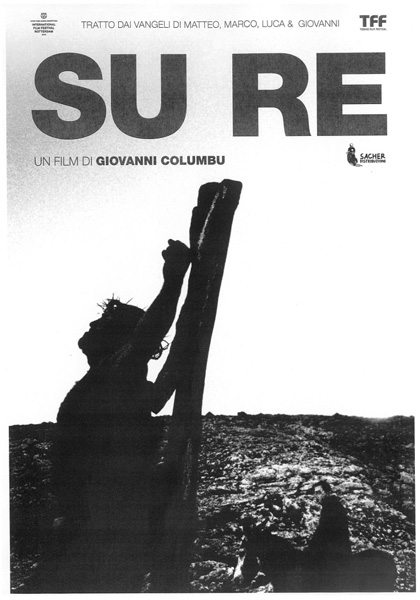
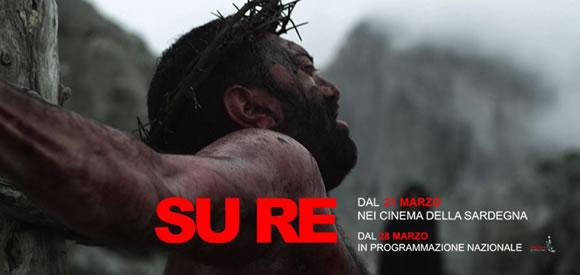
“The Cross is not a Roman pole, but the wood on which God wrote his gospel”.
“La Croce non è un palo dei romani, ma il legno su cui Dio ha scritto il suo vangelo.
(Alda Merini)
-----------------------------------------------------------------
click to activate the icon of slideshow: the small triangle inscribed in the small rectangle, at the top right, in the photostream;
or…. Press the “L” button to zoom in the image;
clicca sulla piccola icona per attivare lo slideshow: sulla facciata principale del photostream, in alto a destra c'è un piccolo rettangolo (rappresenta il monitor) con dentro un piccolo triangolo nero;
oppure…. premi il tasto “L” per ingrandire l'immagine;
www.worldphoto.org/sony-world-photography-awards/winners-...
www.fotografidigitali.it/gallery/2726/opere-italiane-segn...
…………………………………………………………………
Good Friday is an anniversary which in Sicily acquires a cathartic meaning for those who are searching, not only photographically, for popular traditions (we find them widespread throughout Sicily), which are nothing other than a social, cultural event, which merge into a single past and present; from the web "popular traditions are a historical memory linked to customs and rituals that have given shape to the values and beliefs of that culture". Easter in Sicily can be a source of research, it can appear not without contradictions, citing the thoughts of that great Sicilian thinker Leonardo Sciascia, for him Sicily cannot be called Christian referring to the Sicilian festivals, at most it is only in appearance, in those properly pagan explosions tolerated by the Church; Sciascia addresses the topic as an introductory essay in the book "Religious celebrations in Sicily", illustrated with photographs of a young and still unknown Ferdinando Scianna, a book that did not fail to raise some controversy due to the Sicilian thinker's introductory note, thus being in open controversy with the sacredness of that popular Sicilian devotion (the book was criticized by the Holy See newspaper, the Osservatore Romano), Sciascia writes: “what is a religious festival in Sicily? It would be easy to answer that it is anything but a religious holiday. It is, first of all, an existential explosion; the explosion of the collective id, where the collectivity exists only at the level of the id. Since it is only during the celebration that the Sicilian emerges from his condition of a single man, which is the condition of his vigilant and painful superego, to find himself part of a class, of a class, of a city". Another Sicilian thinker, writer and poet, Gesualdo Bufalino, provides interesting indications on the meaning that Sicilians give to these traditional popular events, he says "during Easter every Sicilian feels not only a spectator, but an actor, first sorrowful and then exultant , for a Mystery that is its very existence. The time of the event is that of Spring, the season of metamorphosis, just as the very nature of the rite is metamorphic in which, as in a story from the Puppet Opera, the battle of Good against Evil is fought. Deception, Pain and Triumph, Passion, Death and Resurrection of Christ are present."
In short, Easter in Sicily is a deeply felt anniversary throughout the island since ancient times, it has always had as its fulcrum the emotional participation of the people, with representations and processions which have become rites and traditions which unequivocally characterize numerous Sicilian centres, which they recall the most salient moments narrated in the Gospels and which recall the Passion, Death and Resurrection of Jesus Christ, with processions formed by the various brotherhoods (sometimes with theatrical re-enactments) which have within them contents and symbols often coming from the Spanish domination, which took place in Sicily between the 16th and 17th centuries. This year, on the occasion of Good Friday I went to the pretty town of Licodia Eubea (in the province of Catania), I'll start by saying that in this procession a unique character comes to life in statue form that cannot be found anywhere else place in Sicily, it is called "Ciurciddu" (translated "Circello"), he pulls Christ with a rope tied around his neck while he carries the Cross, this bad character has a profound symbolic-allegorical meaning, he represents "the Evil that exists in the world, the refusal towards the Truth announced by Christ", causing him suffering by pulling him with the rope tied around his neck. The boys and men "carriers of the floats" gather together, preparing for the moment when, once the procession has begun, the "'a Giunta" will take place around 10:00 a.m., or rather the very painful "encounter" between Christ ( who carries the Cross, linked to Ciurciddu) and His Mother of Sorrows (with her heart pierced by a sword, an iconic image of Spanish origin), during the meeting "the bow or greeting takes place" between the two floats, it is the Greeting that Mother and Son do in one of the most characteristic moments of this procession. While the two vares are brought to an ancient church, another event takes place which strongly characterizes this tradition, the "auction of the Cross" takes place, the ability to carry the Cross, weighing 70 kg, on one's shoulder, up to Churc of Calvary (a long uphill journey to reach the upper part of the town), is put up for auction, the highest bidder wins this possibility, after which an extraordinary event occurs: the devotee who wins the auction is embraced by numerous villagers, with great transport and affection, this is because those who participate in the auction certainly do so out of devotion but also possibly because they have had someone in their family with more or less serious health problems, and this is why people hug them and encourage them by showing their closeness . In the afternoon the procession resumes, now the Christ is dead, he is in the vara with the Urn, and is called "'u Signuri' a cascia" (by which term means "the Lord in the coffin"), the two vare (the dead Christ and His Mother of Sorrows) are carried in procession up to the Church of Calvary, where the heavy and ancient Cross carried on the shoulder by the devotee was hoisted; here, even if Christ is dead, the Crucifixion takes place , the mystical moment is accompanied by ancient songs-lamentations by the singers of the SS association. Crucifix; subsequently Christ is placed from the Cross in the urn, and descends back into the center of the town, where in the church of the Capuchin Fathers the devout people "make peace with the Lord", an act of reconciliation and request for forgiveness before the figure of Christ Died. Subsequently, late in the evening, Christ and his Mother are led into the Mother Church.
……………………………………………..
Il Venerdì Santo è una ricorrenza che in Sicilia acquista un significato catartico per chi è alla ricerca, non solo fotografica, delle tradizioni popolari (le troviamo diffuse in tutta la Sicilia), che altro non sono che un evento sociale, culturale, che fondono in un tutt’uno passato e presente; dal web “le tradizioni popolari sono una memoria storica legata ad usanze e ritualità che hanno dato forma ai valori e alle credenze di quella cultura”. La Pasqua in Sicilia può essere fonte di ricerca, essa può apparire non priva di contraddizioni, citando il pensiero di quel grande pensatore Siciliano che fu Leonardo Sciascia, per lui la Sicilia non può dirsi cristiana riferendosi alle feste Siciliane, al massimo lo è solo in apparenza, in quelle esplosioni propriamente pagane, tollerate dalla Chiesa; Sciascia affronta l’argomento come saggio introduttivo nel libro “Feste religiose in Sicilia”, illustrato con fotografie di un giovane ed ancora sconosciuto Ferdinando Scianna, libro che non mancò di sollevare qualche polemica per la nota introduttiva del pensatore Siciliano, essendo così in aperta polemica con la sacralità di quella devozione popolare Siciliana (il libro fu oggetto di una stroncatura da parte del quotidiano della Santa Sede, l’Osservatore Romano), Sciascia scrive: “che cos’ è una festa religiosa in Sicilia? Sarebbe facile rispondere che è tutto, tranne che una festa religiosa. E’, innanzi tutto, un’esplosione esistenziale; l’esplosione dell’es collettivo, dove la collettività esiste soltanto a livello dell’es. Poiché è soltanto nella festa che il siciliano esce dalla sua condizione di uomo solo, che è poi la condizione del suo vigile e doloroso super io, per ritrovarsi parte di un ceto, di una classe, di una città ”. Altro pensatore, scrittore e poeta Siciliano, Gesualdo Bufalino, fornisce indicazioni interessanti sul senso che i Siciliani danno a questi eventi popolari tradizionali, egli dice “durante la Pasqua ogni siciliano si sente non solo uno spettatore, ma un attore, prima dolente e poi esultante, per un Mistero che è la sua stessa esistenza. Il tempo dell’evento è quello della Primavera, la stagione della metamorfosi, così come metamorfica è la natura stessa del rito nel quale, come in un racconto dell’Opera dei Pupi, si combatte la lotta del Bene contro il Male. Sono presenti l’Inganno, il Dolore e il Trionfo, la Passione, la Morte e la Resurrezione di Cristo”.
In breve, la Pasqua in Sicilia è una ricorrenza profondamente sentita in tutta l’isola fin dall’antichità, essa ha sempre avuto come fulcro la commossa partecipazione del popolo, con rappresentazioni e processioni divenuti riti e tradizioni che caratterizzano inequivocabilmente numerosissimi centri Siciliani, che rievocano i momenti più salienti narrati nei Vangeli e che ricordano la Passione, la Morte e la Resurrezione di Gesù Cristo, con cortei formati dalle varie confraternite (a volte con rievocazioni teatrali) che hanno in se contenuti e simbologie spesso provenienti dalla dominazione Spagnola, avvenuta in Sicilia tra il XVI ed il XVII secolo.
Quest’anno, in occasione del Venerdì Santo mi sono recato nel grazioso paese di Licodia Eubea (in provincia di Catania), inizio col dire che in questa processione prende vita, in forma statuaria, un personaggio unico che non si trova in nessun’altro luogo della Sicilia, si chiama “Ciurciddu” (tradotto “Circello”), egli tira con una corda legata al collo il Cristo mentre porta la Croce, questo tristo personaggio ha un profondo significato simbolico-allegorico, egli rappresenta “il Male che c’è nel mondo, il rifuto verso la Verità annunciata dal Cristo”, creandogli sofferenza tirandolo con la corda legata al collo. I ragazzi e gli uomini “portatori delle vare” si riuniscono tra loro, preparandosi al momento in cui, iniziata la processione, si realizzerà attorno alle ore 10:00 “ ‘a Giunta”, ovvero “l’incontro” dolorosissimo tra il Cristo (che porta la Croce, legato a Ciurciddu) e Sua Madre l’Addolorata (col cuore trafitto da una spada, immagine iconica di origine spagnola), durante l’incontro “avviene l’inchino o saluto” tra le due vare, è il Saluto che Madre e Figlio si fanno in uno dei momenti più caratteristici di questa processione. Mentre le due vare vengono portate in una antica chiesa, avviene un altro evento che caratterizza fortemente questa tradizione, ha luogo “l’asta della Croce”, il poter portare in spalla la Croce, del peso di 70 kg, fino alla Chiesa del Calvario (un lungo percorso in salita a raggiungere la parte alta del paese), viene messo all’asta, il maggiore offerente si aggiudica questa possibilità, dopodiché avviene un fatto straordinario: il devoto che si è aggiudicato l’asta viene abbracciato da numerosissimi paesani, con grande trasporto ed affetto, questo perché chi partecipa all’asta lo fa certamente per devozione ma anche possibilmente perché in famiglia ha avuto qualcuno con problemi più o meno gravi di salute, ed è per questo che le persone lo abbracciano e lo incoraggiano mostrandogli la loro vicinanza. Nel pomeriggio riprende la processione, adesso il Cristo è morto, si trova nella vara con l’Urna, ed è chiamato “ ‘ u Signuri ‘ a cascia” (col quale termine si intende “il Signore nella cassa da morto”), le due vare (il Cristo morto e Sua Madre l’Addolorata) vengono portate in processione fin sopra la Chiesa del Calvario, dove la pesante ed antica Croce portata in spalla dal devoto è stata issata, qui, anche se il Cristo è morto, avviene la Crocifissione, il mistico momento è accompagnato da antichi canti-lamentazioni ad opera dei cantori dell’associazione SS. Crocifisso; successivamente il Cristo viene deposto dalla Croce nell’urna, e ridiscende nel centro del paese, ove nella chiesa dei Padri Cappuccini il popolo dei devoti “ fa ‘ a Paci co’ Signuri”, atto di riconciliazione e richiesta di perdono innanzi la figura del Cristo Morto. Successivamente, in tarda serata, il Cristo e Sua Madre vengono condotti nella Chiesa Madre.
……………………………………….
Venerdì Santo Mattina Licodia Eubea 2024
Venerdì Santo Pomeriggio Licodia Eubea 2024
A giunta-Venerdì Santo 28/03/2024 a Licodia Eubea...
"La crocifissione"-Venerdì Santo 2024 a Licodia Eubea
I riti della Settimana Santa 2024 a Licodia Eubea
Asta della Croce-Venerdì Santo 28/03/2024 a Licodia Eubea
Venerdì Santo 2024 a Licodia Eubea..."A naccata sulle note della Sollevazione di Cristo"
Canti devozionali della settimana santa a Licodia Eubea
Curunedda di Maria Addulurata - Li sette spati
I Canti devozionali della Settimana Santa a Licodia Eubea
.........................................................
Backstage del Film "Su Re" di Giovanni Columbu
Su Re (2012) • Tornate a splendere!
Incontro con Giovanni Columbu, regista di SU RE (Italia 2013)
++++++++++++++++++++++++++++++++++++++
.……………………………….
“The Cross is not a Roman pole, but the wood on which God wrote his gospel”.
“La Croce non è un palo dei romani, ma il legno su cui Dio ha scritto il suo vangelo.
(Alda Merini)
-----------------------------------------------------------------
click to activate the icon of slideshow: the small triangle inscribed in the small rectangle, at the top right, in the photostream;
or…. Press the “L” button to zoom in the image;
clicca sulla piccola icona per attivare lo slideshow: sulla facciata principale del photostream, in alto a destra c'è un piccolo rettangolo (rappresenta il monitor) con dentro un piccolo triangolo nero;
oppure…. premi il tasto “L” per ingrandire l'immagine;
www.worldphoto.org/sony-world-photography-awards/winners-...
www.fotografidigitali.it/gallery/2726/opere-italiane-segn...
…………………………………………………………………
Good Friday is an anniversary which in Sicily acquires a cathartic meaning for those who are searching, not only photographically, for popular traditions (we find them widespread throughout Sicily), which are nothing other than a social, cultural event, which merge into a single past and present; from the web "popular traditions are a historical memory linked to customs and rituals that have given shape to the values and beliefs of that culture". Easter in Sicily can be a source of research, it can appear not without contradictions, citing the thoughts of that great Sicilian thinker Leonardo Sciascia, for him Sicily cannot be called Christian referring to the Sicilian festivals, at most it is only in appearance, in those properly pagan explosions tolerated by the Church; Sciascia addresses the topic as an introductory essay in the book "Religious celebrations in Sicily", illustrated with photographs of a young and still unknown Ferdinando Scianna, a book that did not fail to raise some controversy due to the Sicilian thinker's introductory note, thus being in open controversy with the sacredness of that popular Sicilian devotion (the book was criticized by the Holy See newspaper, the Osservatore Romano), Sciascia writes: “what is a religious festival in Sicily? It would be easy to answer that it is anything but a religious holiday. It is, first of all, an existential explosion; the explosion of the collective id, where the collectivity exists only at the level of the id. Since it is only during the celebration that the Sicilian emerges from his condition of a single man, which is the condition of his vigilant and painful superego, to find himself part of a class, of a class, of a city". Another Sicilian thinker, writer and poet, Gesualdo Bufalino, provides interesting indications on the meaning that Sicilians give to these traditional popular events, he says "during Easter every Sicilian feels not only a spectator, but an actor, first sorrowful and then exultant , for a Mystery that is its very existence. The time of the event is that of Spring, the season of metamorphosis, just as the very nature of the rite is metamorphic in which, as in a story from the Puppet Opera, the battle of Good against Evil is fought. Deception, Pain and Triumph, Passion, Death and Resurrection of Christ are present."
In short, Easter in Sicily is a deeply felt anniversary throughout the island since ancient times, it has always had as its fulcrum the emotional participation of the people, with representations and processions which have become rites and traditions which unequivocally characterize numerous Sicilian centres, which they recall the most salient moments narrated in the Gospels and which recall the Passion, Death and Resurrection of Jesus Christ, with processions formed by the various brotherhoods (sometimes with theatrical re-enactments) which have within them contents and symbols often coming from the Spanish domination, which took place in Sicily between the 16th and 17th centuries. This year, on the occasion of Good Friday I went to the pretty town of Licodia Eubea (in the province of Catania), I'll start by saying that in this procession a unique character comes to life in statue form that cannot be found anywhere else place in Sicily, it is called "Ciurciddu" (translated "Circello"), he pulls Christ with a rope tied around his neck while he carries the Cross, this bad character has a profound symbolic-allegorical meaning, he represents "the Evil that exists in the world, the refusal towards the Truth announced by Christ", causing him suffering by pulling him with the rope tied around his neck. The boys and men "carriers of the floats" gather together, preparing for the moment when, once the procession has begun, the "'a Giunta" will take place around 10:00 a.m., or rather the very painful "encounter" between Christ ( who carries the Cross, linked to Ciurciddu) and His Mother of Sorrows (with her heart pierced by a sword, an iconic image of Spanish origin), during the meeting "the bow or greeting takes place" between the two floats, it is the Greeting that Mother and Son do in one of the most characteristic moments of this procession. While the two vares are brought to an ancient church, another event takes place which strongly characterizes this tradition, the "auction of the Cross" takes place, the ability to carry the Cross, weighing 70 kg, on one's shoulder, up to Churc of Calvary (a long uphill journey to reach the upper part of the town), is put up for auction, the highest bidder wins this possibility, after which an extraordinary event occurs: the devotee who wins the auction is embraced by numerous villagers, with great transport and affection, this is because those who participate in the auction certainly do so out of devotion but also possibly because they have had someone in their family with more or less serious health problems, and this is why people hug them and encourage them by showing their closeness . In the afternoon the procession resumes, now the Christ is dead, he is in the vara with the Urn, and is called "'u Signuri' a cascia" (by which term means "the Lord in the coffin"), the two vare (the dead Christ and His Mother of Sorrows) are carried in procession up to the Church of Calvary, where the heavy and ancient Cross carried on the shoulder by the devotee was hoisted; here, even if Christ is dead, the Crucifixion takes place , the mystical moment is accompanied by ancient songs-lamentations by the singers of the SS association. Crucifix; subsequently Christ is placed from the Cross in the urn, and descends back into the center of the town, where in the church of the Capuchin Fathers the devout people "make peace with the Lord", an act of reconciliation and request for forgiveness before the figure of Christ Died. Subsequently, late in the evening, Christ and his Mother are led into the Mother Church.
……………………………………………..
Il Venerdì Santo è una ricorrenza che in Sicilia acquista un significato catartico per chi è alla ricerca, non solo fotografica, delle tradizioni popolari (le troviamo diffuse in tutta la Sicilia), che altro non sono che un evento sociale, culturale, che fondono in un tutt’uno passato e presente; dal web “le tradizioni popolari sono una memoria storica legata ad usanze e ritualità che hanno dato forma ai valori e alle credenze di quella cultura”. La Pasqua in Sicilia può essere fonte di ricerca, essa può apparire non priva di contraddizioni, citando il pensiero di quel grande pensatore Siciliano che fu Leonardo Sciascia, per lui la Sicilia non può dirsi cristiana riferendosi alle feste Siciliane, al massimo lo è solo in apparenza, in quelle esplosioni propriamente pagane, tollerate dalla Chiesa; Sciascia affronta l’argomento come saggio introduttivo nel libro “Feste religiose in Sicilia”, illustrato con fotografie di un giovane ed ancora sconosciuto Ferdinando Scianna, libro che non mancò di sollevare qualche polemica per la nota introduttiva del pensatore Siciliano, essendo così in aperta polemica con la sacralità di quella devozione popolare Siciliana (il libro fu oggetto di una stroncatura da parte del quotidiano della Santa Sede, l’Osservatore Romano), Sciascia scrive: “che cos’ è una festa religiosa in Sicilia? Sarebbe facile rispondere che è tutto, tranne che una festa religiosa. E’, innanzi tutto, un’esplosione esistenziale; l’esplosione dell’es collettivo, dove la collettività esiste soltanto a livello dell’es. Poiché e soltanto nella festa che il siciliano esce dalla sua condizione di uomo solo, che è poi la condizione del suo vigile e doloroso super io, per ritrovarsi parte di un ceto, di una classe, di una città ”. Altro pensatore, scrittore e poeta Siciliano, Gesualdo Bufalino, fornisce indicazioni interessanti sul senso che i Siciliani danno a questi eventi popolari tradizionali, egli dice “durante la Pasqua ogni siciliano si sente non solo uno spettatore, ma un attore, prima dolente e poi esultante, per un Mistero che è la sua stessa esistenza. Il tempo dell’evento è quello della Primavera, la stagione della metamorfosi, così come metamorfica è la natura stessa del rito nel quale, come in un racconto dell’Opera dei Pupi, si combatte la lotta del Bene contro il Male. Sono presenti l’Inganno, il Dolore e il Trionfo, la Passione, la Morte e la Resurrezione di Cristo”.
In breve, la Pasqua in Sicilia è una ricorrenza profondamente sentita in tutta l’isola fin dall’antichità, essa ha sempre avuto come fulcro la commossa partecipazione del popolo, con rappresentazioni e processioni divenuti riti e tradizioni che caratterizzano inequivocabilmente numerosissimi centri Siciliani, che rievocano i momenti più salienti narrati nei Vangeli e che ricordano la Passione, la Morte e la Resurrezione di Gesù Cristo, con cortei formati dalle varie confraternite (a volte con rievocazioni teatrali) che hanno in se contenuti e simbologie spesso provenienti dalla dominazione Spagnola, avvenuta in Sicilia tra il XVI ed il XVII secolo.
Quest’anno, in occasione del Venerdì Santo mi sono recato nel grazioso paese di Licodia Eubea (in provincia di Catania), inizio col dire che in questa processione prende vita, in forma statuaria, un personaggio unico che non si trova in nessun’altro luogo della Sicilia, si chiama “Ciurciddu” (tradotto “Circello”), egli tira con una corda legata al collo il Cristo mentre porta la Croce, questo tristo personaggio ha un profondo significato simbolico-allegorico, egli rappresenta “il Male che c’è nel mondo, il rifuto verso al Verità annunciata dal Cristo”, creandogli sofferenza tirandolo con la corda legata al collo. I ragazzi e gli uomini “portatori delle vare” si riuniscono tra loro, preparandosi al momento in cui, iniziata la processione, si realizzerà attorno alle ore 10:00 “ ‘a Giunta”, ovvero “l’incontro” dolorosissimo tra il Cristo (che porta la Croce, legato a Ciurciddu) e Sua Madre l’Addolorata (col cuore trafitto da una spada, immagine iconica di origine spagnola), durante l’incontro “avviene l’inchino o saluto” tra le due vare, è il Saluto che Madre e Figlio si fanno in uno dei momenti più caratteristici di questa processione. Mentre le due vare vengono portate in una antica chiesa, avviene un altro evento che caratterizza fortemente questa tradizione, ha luogo “l’asta della Croce”, il poter portare in spalla la Croce, del peso di 70 kg, fino alla Chiesa del Calvario (un lungo percorso in salita a raggiungere la parte alta del paese), viene messo all’asta, il maggiore offerente si aggiudica questa possibilità, dopodiché avviene un fatto straordinario: il devoto che si è aggiudicato l’asta viene abbracciato da numerosissimi paesani, con grande trasporto ed affetto, questo perché chi partecipa all’asta lo fa certamente per devozione ma anche possibilmente perché in famiglia ha avuto qualcuno con problemi più o meno gravi di salute, ed è per questo che le persone lo abbracciano e lo incoraggiano mostrandogli la loro vicinanza. Nel pomeriggio riprende la processione, adesso il Cristo è morto, si trova nella vara con l’Urna, ed è chiamato “ ‘ u Signuri ‘ a cascia” (col quale termine si intende “il Signore nella cassa da morto”), le due vare (il Cristo morto e Sua Madre l’Addolorata) vengono portate in processione fin sopra la Chiesa del Calvario, dove la pesante ed antica Croce portata in spalla dal devoto è stata issata, qui, anche se il Cristo è morto, avviene la Crocifissione, il mistico momento è accompagnato da antichi canti-lamentazioni ad opera dei cantori dell’associazione SS. Crocifisso; successivamente il Cristo viene deposto dalla Croce nell’urna, e ridiscende nel centro del paese, ove nella chiesa dei Padri Cappuccini il popolo dei devoti “ fa ‘ a Paci co’ Signuri”, atto di riconciliazione e richiesta di perdono innanzi la figura del Cristo Morto. Successivamente, in tarda serata, il Cristo e Sua Madre vengono condotti nella Chiesa Madre.
……………………………………….
This image has been highly commended and included within the Landscape Phototgrapher of the Year 2012 and included within the awards book.
As the morning sea mist was intermittently lifting a strange phenomenon was being experienced. The nav-aid appeared to be engulfed within a mist dome protecting it, this happened on a couple of occasions as the sun tried to burn through the thick sea mist before eventually engulfing the area with visibility down to about 50 foot.
Chaplin Lake, Saskatchewan, Canada. 30 May 2023
2025-26: Judge merit award out of 3783 entries in Photocrowd 'Minimalist Nature ' in October 2025
2024-25: Judge commended out of 1000 entries in Photocrowd 'Storm clouds Over Water' in January 2025.
2023-24: Judge commended out of 1000 entries in Photocrowd 'Daytime Skies' in March 2024.
This isn't the image I'd planned on putting next, however on Friday I got an email from Take A View saying that this image (and the one below) have been commended in this years Landscape Photo of the Year competition. This image was chosen by the Sunday Times as part of their selection. You cannot believe how thrilled I was to see it along with some other fantastic entries.
Both my images will be in this years LPOTY book, this image will be projected at the exhibition at the National Theatre with the shot below being displayed in printed format - apparently will be printed at over a meter squared - will be interested to see that as I've never seen any of my work that large.
I'm rambling but I'm giddy with excitement as I'm sure you can imagine.
I'd also like to take this opportunity to congratulate all the others that I know got commendations or more Michael Diblicek - who won editors choice, Doug Chinnery, Andy Brown and Jeff Vyse
As for the shot - I've never posted this on Flickr before - it has been on 500px though. It had been languishing in my archives since I took it on a shoot with Noel Clegg. It was landscape format and I just never connected with it, then one day I was messing around on my iPhone and I just happened to playing with Photoshop Express - seeing what it could do in the crop tool - and bang there it was square. I really hadn't seen it like that - I think I'd probably tried it and dismissed it. So when I got home I reprocessed it from scratch and this is the result.
Technical Details
Nikon D300
Sigma 10-20 @12mm
F22
ISO 200
60 seconds
ND110
_________________________________________________________________________________
web | blog | tweet | art international | 500px | old flickr (kantryla) | google+
Mount Rundell sunset from Two Jacks Lake. Banff, Alberta, Canada. 14 June 2010
2025-26: Judge commended out of 1500 entries in Photocrowd 'Sunrise or Sunset with Water (in colour)' in September 2025 : Crowd 68th out of 4582 entries in Photocrowd 'Stunning Landscapes' in November 2025
2024-25: Expert merit award out of 6733 entries in Photocrowd 'Travel Icons ' in November 2024. Judge highly commended out of 1000 entries in Photocrowd 'Mountains of North America' in December 2024. :Judge highly commended out of 2890 entries in Photocrowd 'Water and Mountains' competition in April 2025. Crowd 13th out of 2736 entries in Photocrowd 'A Place that Makes me Happy (in colour)' competition in April 2025. Expert commended out of 1668 entries in Photocrowd 'Famous views' competition in May 2025. Judge commended out of 3826 entries in Photocrowd 'What a View! (in colour)' competition in May 2025 : Expert merit award out of 1913 entries in Photocrowd 'Landscapes with water ' competition in May 2025
2023-24: Expert commended out of 6635 entries in Photocrowd 'Reflected Landscapes ' in September 2023. Judge commended out of 1000 entries in Photocrowd 'Reflections in Water ' competition in November 2023. Judge commended out of 1000 entries in Photocrowd 'The Wonders of the Natural World (in color)' competition in January 2024. Judge highly commended out of 1500 entries in Photocrowd 'Mountains and Water Together' in April 2024.
2022-23: Judge commended and crowd 19th out of 500 entries in Photocrowd 'Lakes in the Landscape' competition in July 2022. Expert commended and crowd 19th out of 10218 entries in Photocrowd 'Landscapes with Water' competition in August 2022. Expert merit award out of 4275 entries in Photocrowd 'Peace and Calm' competition in August 2022. Judge merit award and crowd 20th out of 500 entries in Photocrowd 'Best of Canada' competition in October 2022. Judge commended out of 1000 entries in Photocrowd 'Reflections in Water' competition in December 2022. Crowd 1st out of 2321 entries in Photocrowd 'Beautiful Holiday Destinations (in colour)' competition in January 2023. Judge commended out of 1000 entries in Photocrowd 'Reflections in the Landscape' competition in January 2023. Judge merit award out of 1000 entries in Photocrowd 'Calming Places' competition in February 2023 Judge commended out of 1000 entries in Photocrowd 'Beautiful Mountain Lakes' in June 2023. Judge merit award out of 862 entries in Photocrowd 'Canada' in July 2023. Judge merit award out of 1500 entries in Photocrowd 'Peaceful Lake Scenes' in August 2023.
2021-22: Expert commended out of 3285 entries in Photocrowd 'Stunning Landscapes' competition in September 2021.
2020-21: Judge commended out of 2178 entries in Photocrowd 'Mountain Landscapes' competition in February 2021. Crowd 13th out of 1958 entries in Photocrowd 'Your Favorite Vacation Place' competition in May 2021. Expert commended out of 4517 entries in Photocrowd 'Travel Icons' competition in July 2021.
2019-20: Judge commended out of 500 entries in Photocrowd 'Landscapes Reflections in Water' competition in July 2020. Expert commended and crowd 23rd out of 3483 entries in Photocrowd 'Summer Landscapes ' competition in July 2020.
2018-19: Expert commended out of 1436 entries in Photocrowd 'Water Reflections' competition in September 2018. Crowd 9th out of 1789 entries in Photocrowd 'Golden Hour' competition in April 2019. Crowd 13th out of 3740 entries in Photocrowd 'Global Landscapes' competition in January 2019.
Glamorgan Gazette Photo of the Week, 13th Sept 2012
Porthcawl Photography Competition 2014 - "Highly Commended".
On display Porthcawl Pavilion summer 2014
Western Mail Postcards of Wales, 26th February 2016
(Commended in Landscape Photographer Of The Year 2011. Published in the annual awards book, and exhibited as a print at the National Theatre in London from 05/12/11 until 18/02/12)
Featured in a short video by LPOTY founder Charlie Waite through www.take-a-view.co.uk/news.htm, or directly at vimeo.com/38462066.
(Published in Advanced Photographer, Dec 2012)
'Make general repairs on all of your houses. For each house pay £25. For each hotel pay £100.' - Monopoly Chance Card
I had some very good news at the end of last week - this image was Commended by the judges in the Take a View Landscape Photographer of the Year Competition 2011 and will appear in the book and also in the exhibition that runs at the National Theatre on the South Bank from 5th December 2011 until 28th January 2012. It is the first time I have entered this competition, or any competition to be honest, and also it was a very last minute decision to put anything in - and by that I mean that there was literally hours to go to the deadline when I decided to quickly dig through my pictures to find something. So I'm really pleased.
The shot was taken at the end of a walk (of course) and I got lucky because the tide was just right, as was the light although the clouds could have been kinder ;-).
Zeiss 35-70 f/3.4 - 30 sec @ f/16 with a Lee 0.6 hard grad
Thanks for your visit.
As usual, I think it is better viewed on black.
At British Museum
This photo Highly Commended in Visual Art Royal Photographic Society competition 2015 - will be exhibited at one or more of the following locations: Fairfield Halls, Croydon in January 2016. The Landmark Arts Centre, Teddington in March. The Edinburgh International Festival in August and hopefully at the United Hospitals in Bath in October 2016.
Accepted for London Salon 2015
www.londonsalon.org/#/2016-salon-slide-large/4592298983
Judges selection at Winchester National Exhibition 2017
www.winphotosoc.co.uk/index.php/exhibitions/winchester-na...
IMG_9539bw web
I've had a number of images of the Cuillin in my archives for a few years now, wondering how I can portray the drama and majesty of the range in a somewhat different way. Colour doesn't really do it justice and a simple conversion to mono didn't seem to do the trick either. Then I hit on the idea of increasing the contrast to the point where the blacks almost (important that....almost) blocked out and the whites shone bright, giving the impression that the peaks are bathed in light while the rest is in shadow. The effect is almost graphic but you're left in no doubt what it is you are looking at.
Taken from the beach at Applecross.
Awarded a Commended in the Scottish Landscape Photographer of the Year competition 2015. What brilliant news! Thanks to all at SLPOTY.
Also been awarded Best PDI Landscape in MidPhot 2016. Wow!
"-----------------------"
Danilo Dolci: Verso un mondo nuovo
“----------------------”
-----------------------------------------------------------------
click to activate the icon of slideshow: the small triangle inscribed in the small rectangle, at the top right, in the photostream;
or…. Press the “L” button to zoom in the image;
clicca sulla piccola icona per attivare lo slideshow: sulla facciata principale del photostream, in alto a destra c'è un piccolo rettangolo (rappresenta il monitor) con dentro un piccolo triangolo nero;
oppure…. premi il tasto “L” per ingrandire l'immagine;
www.worldphoto.org/sony-world-photography-awards/winners-...
www.fotografidigitali.it/gallery/2726/opere-italiane-segn...
……………………………………………………………………….
A story of Sicily: the Sicilian Gandhi (but he was not Sicilian ...).
This photographic story is connected, at least in part, with the previous one, whose link is represented by the nephew of the painter Robert Kitson, Miss Daphne Phelps: in life she was a psychiatric social worker (she collaborated with Anna Freud, daughter by Sigmund Freud), on the death of his uncle in 1948 he moved to Sicily to take care of Casa Cuseni, having inherited it: initially he wanted to sell it and then return to England, instead he ended up falling in love with Taormina and Sicily, deciding to stay there for the rest of his life. Daphne ran Casa Cuseni welcoming paying guests, there are many illustrious names of artists, writers, well-known personalities who have stayed there: Danilo Dolci was one of these guests, and it is precisely about him that I wish to speak. He was born in 1924 in Sesana (Trieste), after a somewhat eventful life, in 1952 he moved to Trappeto (between Palermo and Trapani), a country among the poorest and most disadvantaged in Italy: that same year the first of numerous fasts, going to bed and fasting in the bed of a child who died of malnutrition, a protest that will end only when the authorities undertake to build a sewer. Danilo Dolci continues with numerous initiatives, from the publication of a book ("Banditi a Partinico", which makes public opinion aware of the poor living conditions of western Sicily, to this book and many others will follow), to the "strike at reverses ”, when the workers went on strike, hundreds of unemployed began to work to reactivate an abandoned municipal road, an initiative that was then stopped by the police; Dolci also initiates an activity of denunciation of the mafia phenomenon and its relations with politics. There are numerous certificates of esteem and solidarity that he receives from important personalities from Italy and abroad, but despite this, for others Danilo Dolci is a dangerous subversive, to be hindered, denigrated, locked up in prison. Yet Dolci does not pose as a guru, boss, or teacher, his working method is based on the conviction that change is based on the involvement and direct participation of those concerned, his idea of progress enhances local culture and skills; he tries, working closely with the people and the most disadvantaged and oppressed groups of western Sicily, to free the dormant creativity in every person, calling this research "maieutic", a term coming from philosophy, precisely from Socratic maieutics: it is "the 'art of the midwife ", every educational act is to bring to light all the inner potentialities of the one who wants to learn, like a mother who wants to give birth to her own child from her womb, so no to notions imparted a priori, yes to help the student to bring their knowledge to light, using dialogue as a tool; however, Socratic maieutics is unidirectional, while in Danilo Dolci's "reciprocal maieutics", knowledge comes out of experience and its sharing, therefore it presupposes the reciprocity of communication. During meetings with farmers and fishermen, the idea was born to build the dam on the Jato River, which is important for the economic development of the area, but also to remove a powerful weapon in the hands of the mafia, an instrument of power which controlled the few available water resources; however the request for "water for all" will be heavily hindered, popular mobilizations and long fasts will be necessary to finally see the project realized: now the dam exists, and others have been built, thus modifying the lives of thousands of people, with the development of numerous companies and cooperatives. Among the many activities of Dolci, thanks to the contribution of international experts, the experience of the Mirto Educational Center, attended by hundreds of children, should be mentioned. Returning to Daphne Phelps and Casa Cuseni, here is a lithograph by Tono Zancanaro, dedicated to the birth of one of Danilo Dolci's daughters, but, among the most important, there is a correspondence between the pacifist philosopher Bertrand Russel and Daphne Phelps, in which the English thinker invited Robert Kitson's niece to participate in the gatherings of progressive intellectuals and literary and scientific personalities of the time, among them, besides Albert Camus, Jean-Paul Sartre and Carlo Levi, there was Danilo Dolci, sociologist, educator, still recognized today as one of the most important figures of nonviolence worldwide.
post Scriptum:
- the images with Danilo Dolci come from the Casa Cuseni archive: they are cuttings from original periodicals, often full pages, from English newspapers, carefully preserved by Miss Daphne Phelps; these images were also taken by photographing some pages of James McNeish's book, "Fire under the ashes - The life of Danilo Dolci";
- the photographs taken in various countries of Sicily, are prior to the covid-19 pandemic;
- thanks to the surgeon colleague dr. Franco Spadaro and his kind wife, Mrs. Mimma Cundari, owners of Casa Cuseni (declared in 1998, Italian National Monument), for their hospitality and availability, having made the Danilo Dolci archive available to me.
Una storia di Sicilia: il Gandhi siciliano (ma siciliano non era…).
Questo racconto fotografico, è connesso, almeno in parte, con quello precedente, il cui anello di congiunzione è rappresentato dalla nipote del pittore Robert Kitson, la signorina Daphne Phelps: lei nella vita era una assistente sociale psichiatrica (lei collaborava con Anna Freud, figlia di Sigmund Freud), alla morte dello zio nel 1948 si trasferì in Sicilia per occuparsi di Casa Cuseni, avendola ereditata: inizialmente la voleva vendere per poi ritornarsene in Inghilterra, invece finì con l’innamorarsi di Taormina e della Sicilia, decidendo di restarvi per il resto della sua vita. Daphne gestiva Casa Cuseni accogliendo ospiti paganti, numerosi sono i nomi illustri di artisti, scrittori, note personalità che vi hanno alloggiato: Danilo Dolci è stato uno di questi ospiti, ed è proprio di lui che desidero parlare. Egli nasce nel 1924 a Sesana (Trieste), dopo una vita un po’ movimentata, nel 1952 si trasferisce a Trappeto (tra Palermo e Trapani), un paese tra i più poveri e disagiati d’Italia: quello stesso anno inizia il primo di numerosi digiuni, coricandosi e digiunando nel letto di un bimbo morto per denutrizione, protesta che terminerà solo quando le autorità si impegneranno a costruire una fogna. Danilo Dolci prosegue con numerose iniziative, dalla pubblicazione di un libro (“Banditi a Partinico”, che mette a conoscenza dell’opinione pubblica delle misere condizioni di vita della Sicilia occidentale, a questo libro poi ne seguiranno molti altri), allo “sciopero alla rovescia”, quando i lavoratori fecero sciopero, centinaia di disoccupati si misero a lavorare per riattivare una strada comunale abbandonata, iniziativa però poi fermata dalla polizia; Dolci avvia anche una attività di denuncia del fenomeno mafioso e dei suoi rapporti con la politica. Numerosi sono gli attestati di stima e solidarietà che egli riceve da importanti personalità provenienti dall’Italia e dall’estero, ma nonostante ciò per altri Danilo Dolci è un pericoloso sovversivo, da ostacolare, denigrare, chiudere in prigione. Eppure Dolci non si atteggia né a santone, capo, od un maestro, il suo metodo di lavoro è basato sulla convinzione che il cambiamento è basato sul coinvolgimento e diretta partecipazione degli interessati, la sua idea di progresso valorizza la cultura e le competenze locali; egli cerca, lavorando a stretto contatto con la gente e le fasce più disagiate ed oppresse della Sicilia occidentale, di liberare la creatività sopita in ogni persona, chiamando tale ricerca “maieutica”, termine proveniente dalla filosofia, precisamente dalla maieutica socratica: è “l’arte della levatrice”, ogni atto educativo è far venire alla luce tutte le potenzialità interiori di colui che vuole imparare, al pari di una madre che vuol far nascere la propria creatura dal suo grembo, quindi no a nozioni impartite a priori, si ad aiutare lo studente a portare alla luce la propria conoscenza, usando il dialogo come strumento; però, la maieutica socratica è unidirezionale, mentre nella “maieutica reciproca” di Danilo Dolci, la conoscenza viene fuori dall’esperienza e dalla sua condivisione, quindi presuppone la reciprocità della comunicazione. Nel corso di riunioni con contadini e pescatori, nasce l’idea di costruire la diga sul fiume Jato, importante per lo sviluppo economico della zona, ma anche togliere un’arma potente in mano alla mafia, che faceva del controllo delle poche risorse idriche disponibili uno strumento di potere, però la richiesta di “acqua per tutti” verrà pesantemente ostacolata, saranno necessarie le mobilitazioni popolari, lunghi digiuni, per vedere infine realizzato il progetto: ora la diga esiste, ed altre sono state poi realizzate, modificando in tal modo la vita di migliaia di persone, con lo svilupparsi di numerose aziende e cooperative. Da menzionare, tra le tante attività di Dolci, grazie al contributo di esperti internazionali, l’esperienza del Centro Educativo di Mirto, frequentato da centinaia di bambini. Ritornando a Daphne Phelps e Casa Cuseni, qui è presente una litografia di Tono Zancanaro, dedicata alla nascita di una delle figlie di Danilo Dolci, ma, cosa tra le più importanti, esiste un carteggio tra il filosofo pacifista Bertrand Russel e Daphne Phelps, nel quale il pensatore inglese invitava la nipote di Robert Kitson a partecipare ai raduni di intellettuali progressisti e personalità letterarie e scientifiche dell’epoca, tra di loro, oltre Albert Camus, Jean-Paul Sartre e Carlo Levi, c’era Danilo Dolci, sociologo, educatore, ancora oggi riconosciuto tra le figure di massimo rilievo della nonviolenza a livello mondiale.
post scriptum:
- le immagini con Danilo Dolci provengono dall'archivio di Casa Cuseni: sono ritagli di giornali originali dell'epoca, spesso pagine intere, provenienti da quotidiani inglesi, accuratamente conservati dalla signorina Daphne Phelps; tali immagini sono state realizzate fotografando anche alcune pagine del libro di James McNeish, "Fire under the ashes - The life of Danilo Dolci";
- le fotografie realizzate in diversi paesi della Sicilia, sono antecedenti alla pandemia da covid-19;
- si ringrazia il collega chirurgo dott. Franco Spadaro e la sua gentile consorte, signora Mimma Cundari, proprietari di Casa Cuseni (dichiarata nel 1998, Monumento Nazionale Italiano), per la loro ospitalità e disponibilità, avendo messo a mia disposizione l'archivio relativo a Danilo Dolci.
-------------------------------------------------------------
God of ticks a story about Danilo Dolci in Sicily
La Sicilia povera e Danilo Dolci che digiuna
Passato e Presente Danilo Dolci, il Gandhi di Sicilia
Danilo Dolci Rai Educational 3
Danilo Dolci: Verso un mondo nuovo
#UnFuturoMaiVisto, Danilo Dolci "La Sicilia sognata" 11 giugno 2016 Trappeto (PA)
DANILO DOLCI, L'EDUCATORE CHE INVENTO' LO "SCIOPERO ALLA ROVESCIA"
Danilo Dolci - L'sos di Radio Libera (25 marzo 1970)
DANILO DOLCI IN ITALIANO mpeg2video xvid 1 00
Hai mai ascoltato PIERO CALAMANDREI in una delle sue appassionate difese? Ora puoi!
TONO ZANCANARO E IL GUSTO DELLE STELLE
----------------------------------------------------------------
La Straordinaria Storia di Casa Cuseni
----------------------------------------------------------------
.................................................................................
----------------------------------------------------------
click to activate the small icon of slideshow: the small triangle inscribed in the small rectangle, at the top right, in the photostream (it means the monitor);
or…. Press the “L” button to zoom in the image;
clicca sulla piccola icona per attivare lo slideshow: sulla facciata principale del photostream, in alto a destra c'è un piccolo rettangolo (rappresenta il monitor) con dentro un piccolo triangolo nero;
oppure…. premi il tasto “L” per ingrandire l'immagine;
www.worldphoto.org/sony-world-photography-awards/winners-...
www.fotografidigitali.it/gallery/2726/opere-italiane-segn...
………………………………………………………………………
Beach holidays were born in the 1700s in Great Britain, this social phenomenon was born in which bathers for the first time go to the beaches, certainly not as sunny as those bathed by the Mediterranean Sea, they are fully dressed; this "new fashion" is also encouraged by the belief of English doctors since the beginning of the eighteenth century (starting around 1720), that breathing the brackish sea air and bathing in cold sea water is healthy, invigorates the body and cure lung diseases (conviction even more strengthened by the discovery of oxygen by Antoine Lavoisier in 1778, which led to the greater diffusion and conviction of the theories on the health benefits of sea air, which was thought to be more oxygenated and pure), these theories push many people from Northern Europe suffering from severe lung diseases to spend long periods in southern Europe, often in the south of Italy, this explains why characters with extraordinary qualities come to Taormina to cure their tuberculosis. The photographer baron Wilhelm von Gloeden and the English lady Florence Trevelyan Trevelyan had the seawater brought with their mules from Isola Bella, but while W. Von Gloeden heated the sea water, the English noblewoman Lady Trevelian did not heat it, mindful of the teachings of the English medical school, this will cause her death from bronchopneumonia on 4 October 1907 (see my previous "photographic stories" about Taormina). In fact, "thalassotherapy" was born in Great Britain, together with the social and cultural phenomenon of frequenting bathing beaches (before the beginning of the 18th century, the sea and its beaches were lived, except for reasons of trade and fishing, in a dark and negative way, from the sea often came very serious dangers such as the sudden landings of ferocious pirates, or foreigners carrying very serious diseases could land). Thus the fashion of spending holidays by the sea was born in the English aristocracy and high bourgeoisie of the time, subsequently the habit of going to the sea spread to all levels of society, the railways that were built throughout Great Britain to 'beginning of the nineteenth century, made travel to the ocean accessible even to the lower classes, they too will frequent the seaside resorts, Blackpool becomes the first seaside resort in Great Britain completely frequented by the working classes thanks to the presence of low-cost bathing establishments; the great and definitive boom in seaside tourism will then take place in the 1950s and 1960s. This being the case, it should not be surprising to know that in Great Britain the beaches are more frequented than one might instinctively think due to a climate very different from the Mediterranean one, and that this socio-cultural phenomenon has been investigated at the photographic by photographers of the same Great Britain, of these I mention four names. An important photographer, who probably inspired subsequent photographers, was Tony Ray-Jones, who died prematurely in 1972, at the young age of 30, who was trying to create a “photographic memory” of the stereotypes of the English people; the famous photojournalist Martin Parr, who, although inspired by the previous one, differs from it for his way of doing “social satire” with his goal; finally, I would like to mention David Hurn and Simon Roberts, the latter with wider-ranging photographs, with photographs more detached from the individual. In Italy there are numerous photographers (I will mention only a few) who have made in their long career images captured in seaside resorts (generally we speaking of "beach photography" similar to "street photography"), photographs that are often unique in their style, such as that adopted by Franco Fontana, I mention Mimmo Jodice, Ferdinando Scianna (of whom I am honored to have known him personally), and Massimo Vitali, famous photographer (understood by some as "the photographer of the beaches"), especially for his beautiful photographs taken on the beaches (but not only), thanks to the presence of elevated fixed structures as a kind of mezzanine, built specifically in the bathing beaches for the realization of his photographs. This is my incipit, to introduce the theme I tackled, that of "beach photography", with a series of photographs taken mostly on the beaches of Eastern Sicily near Taormina and Giardini-Naxos, a few other photos were taken on the Sicilian island of Lipari (here, for example, I photographed the two beautiful and very sweet girls, from Germany, whom I thank again for offering themselves to my lens).
……………………………………………………………
Le vacanze al mare nascono nel ‘700 in Gran Bretagna, nasce questo fenomeno sociale nel quale i bagnanti per la prima volta si recano sulle spiagge, non certo assolate come quelle bagnate dal mar Mediterraneo, sono completamente vestiti; questa “nuova moda” è anche incoraggiata dalla convinzione dei medici inglesi fin dall’inizio del ‘700 (a partire dal 1720 circa), che respirare l’aria salmastra del mare e fare il bagno nell’acqua marina fredda sia salutare, rinvigorisca il corpo e curi le malattie polmonari (convinzione ancor più rafforzata dalla scoperta dell’ossigeno da parte di Antoine Lavoisier nel 1778, che portò alla maggiore diffusione e convinzione delle teorie sui benefici per la salute dell’aria di mare, che si pensava essere più ossigenata e pura), queste teorie spingono molte persone del Nord Europa affette da gravi malattie polmonari a trascorrere dei lunghi periodi nel sud Europa, spesso nel meridione d’Italia, questo spiega perché a Taormina giungono personaggi dalle qualità straordinarie per curare il proprio “mal sottile”, il barone fotografo Wilhelm von Gloeden e la lady inglese Florence Trevelyan Trevelyan si facevano portare coi muli l’acqua di mare proveniente dall’Isola Bella, però mentre W. Von Gloeden riscaldava l’acqua marina, la nobildonna inglese lady Trevelian non la riscaldava, memore degli insegnamenti della scuola medica inglese, questo causerà la sua morte per broncopolmonite il 4 ottobre del 1907 (vedi i miei precedenti “racconti fotografici” su Taormina). Infatti la “talassoterapia” nasce in Gran Bretagna, insieme al fenomeno sociale e culturale della frequentazione dei lidi balneari (prima dell’inizio del ‘700, il mare e le sue spiagge erano vissuti, tranne che per motivi di commercio e di pesca, in maniera oscura e negativa, dal mare spesso provenivano gravissimi pericoli come gli sbarchi improvvisi di feroci pirati, oppure potevano sbarcare stranieri portatori di gravissime malattie). Nell’aristocrazia e nell’alta borghesia inglese di allora nasce così la moda di trascorrere le vacanze al mare, successivamente l’abitudine di andare al mare si diffonde a tutti i livelli della società, le ferrovie che furono costruite in tutta la Gran Bretagna all’inizio dell’Ottocento, resero i viaggi verso l’oceano accessibili anche per i ceti più bassi, quelli più popolari e meno agiati, anch’essi frequenteranno le località balneari, Blackpool diviene la prima località balneare della Gran Bretagna completamente frequentata dalle classi popolari grazie alla presenza di stabilimenti balneari a basso costo; il grande e definitivo boom del turismo balneare si avrà poi negli anni ’50 e ’60. Stando così le cose, non ci si deve meravigliare nel sapere che in Gran Bretagna le spiagge sono più frequentate di quanto istintivamente si possa pensare a causa di un clima ben diverso da quello Mediterraneo, e che questo fenomeno socio-culturale sia stato indagato a livello fotografico da parte di fotografi della stessa Gran Bretagna, di questi cito quattro nomi. Un importante fotografo, che probabilmente ispirò i successivi fotografi, fu Tony Ray-Jones, scomparso prematuramente nel 1972, alla giovane età di 30 anni, il quale cercava di realizzare una “memoria fotografica” degli stereotipi del popolo inglese; il famoso fotoreporter Martin Parr, il quale pur ispirandosi al precedente, se ne differenzia per il suo modo di fare “satira sociale” col suo obiettivo; infine desidero menzionare David Hurn e Simon Roberts, quest’ultimo con fotografie di più ampio respiro, con fotografie più distaccate dal singolo individuo. In Italia numerosi sono i fotografi (ne cito solo qualcuno) che hanno realizzato nella loro lunga carriera immagini colte in località balneari (genericamente si parla di “beach photography” affine alla “street photography”), fotografie spesso uniche nel loro stile, come quello adottato da Franco Fontana, menziono Mimmo Jodice, Ferdinando Scianna (del quale mi onoro di averlo conosciuto personalmente), e Massimo Vitali, famoso fotografo (da alcuni inteso come “il fotografo delle spiagge”), soprattutto per le sue bellissime fotografie realizzate sui lidi (ma non solo), grazie alla presenza di strutture fisse sopraelevate a mò di soppalco, costruite appositamente nei lidi balneari per la realizzazione delle sue fotografie. Questo mio incipit, per introdurre il tema da me affrontato, quello della “beach photography”, con una serie di fotografie realizzate per la maggior parte sulle spiagge della Sicilia Orientale nei pressi di Taormina e Giardini-Naxos, qualche altra foto è stata realizzata nell’isola Siciliana di Lipari (qui ad esempio, ho fotografato le due belle e dolcissime ragazze, provenienti dalla Germania, che ringrazio nuovamente per essersi offerte al mio obiettivo).
……………………………………………..
Male Flame Robin, Woodlands Historic Park, Greenvale.
Sunbury Show 2015 - awarded 1st Prize and Highly Commended - Own Choice Large Print (FM349)
Deliver Us ….
“……………………………………”
“…………………………………..”
-----------------------------------------------------------------
click to activate the icon of slideshow: the small triangle inscribed in the small rectangle, at the top right, in the photostream;
or…. Press the “L” button to zoom in the image;
clicca sulla piccola icona per attivare lo slideshow: sulla facciata principale del photostream, in alto a destra c'è un piccolo rettangolo (rappresenta il monitor) con dentro un piccolo triangolo nero;
oppure…. premi il tasto “L” per ingrandire l'immagine;
www.worldphoto.org/sony-world-photography-awards/winners-...
www.fotografidigitali.it/gallery/2726/opere-italiane-segn...
………………………………………………………………………………………….
With this photographic story made last year 2022, in the town of Limina, in the province of Messina (I made the previous story in the town of Calatabiano in the province of Catania), of the two typical traditional Sicilian religious feasts that have in common the devotion towards San Filippo, I end with this Saint (with the next two stories, I will take a break, with two topics of a different nature, different from the Sicilian religious feasts); Saint Philip is depicted in "black" color because a legend sees Him as the protagonist of a fight in the Underworld against Lucifer, from whose fight He comes out covered in soot. Saint Philip is a much celebrated saint here in Sicily, but not only that, He is also celebrated in the Salerno area, in Calabria (following the path he took during his life) up to the cult of Him present on the island of Malta. The proximity to Taormina (the country where I live and work), the towns of Calatabiano and Limina, made my task easier, in both towns the traditional feasts, take place over two days; in Limina during the first day the Saint is carried on the shoulders from a church located on the outskirts of the center of the town of Limina to "Murazzo locality", it is about 8 kilometers of uninterrupted running (except for a brief stop for recollection in the locality of "Durbi"), therefore eight days away (the so-called "octave") the Saint comes out carried on his shoulder with an "unbridled-fiendish" run from another church in Limina, arriving after a very steep and very tiring climb up to the top of " Calvario mountain", to then go back down and wander among the districts of the town, (and beyond, up to the district of Durbi, to then return): it is not a question of a simple wandering, in well-established moments, the Saint is "made to dance" with an unbridled coming and going on straight paths alternating with a whirling rotary movement on itself: this is a substantial difference with the float of Calatabiano, the latter is very heavy (about 12 quintals), it follows an impervious path, very steep and steep, with stone "steps" partially missing (the ancient path to reach the Norman castle), the "parody" with the exorcisms performed by the Black Saint, consists in the relative speed impressed on the Saint during the path, instead in Limina, the vara being lighter, allows to devotees rapid, rectilinear and swirling gaits, they too recall the convulsive movements made by the demoniacs subjected to the exorcisms of the Saint (a certain risk of rollover is inherent in both vare). In the town of Calatabiano San Filippo acquires the appellative of "Siriaco", i.e. coming from Syria, while in the town of Limina he acquires the appellation "d'Agira", from the name of the town, in the province of Enna, where He will die: is always the same saint (the physiognomy of the face changes slightly), in both statues the right hand is raised to send a blessing, or to perform an exorcism, the left hand holds a book (it is the "apotropaic" document that gave Him St. Peter to enable Him to defeat the forces of Evil). As in the previous story on San Filippo of Calatabiano, also in this one by Limina, in inserting the photographs I did not use a "chronological criterion" of the two days. Now a few brief notes on the life of this saint, also to try to understand how the cult of him was born in Sicily, but also in other countries. There are two sources that speak of San Filippo, called "the Chronicles of Eusebio d'Agira" and "the Chronicles of Athanasius", these chronicles are largely discordant with each other, except for the descriptions on His characteristics as a priest and miracle worker, on His ability to perform exorcisms by driving out demons from the possessed. He was probably born in Thrace (south-eastern region of the Balkan peninsula in 40 AD (?), at the time it was a Roman province, in the time of Arcadius, Eastern Roman emperor, born of a Syrian father and a Roman mother, in during his childhood he was educated to the principles of Christianity which was spreading also in those lands.He comes from Thrace to Rome, is ordained a priest by Peter, and it is by him that he is sent to Sicily (pagan land under Roman rule), with the task to evangelize those places and perform exorcisms; he disembarked at Capo Faro in Messina starting his mandate immediately, then he traveled along the eastern part of Sicily heading south towards Etna (here Limina and Calatabiano, affected by his passage, thanks to His ability as a healer and exorcist, they become devoted to him); thus he reaches the town of Agira (Enna), where He dies there after forty years of Apostolate on the island.
Con questo racconto fotografico, realizzato in due giornate nel maggio dello scorso anno 2022 nel paese di Limina, in provincia di Messina (il precedente racconto l’ho realizzato nel paese di Calatabiano in provincia di Catania), delle due tipiche feste religiose tradizionali siciliane che hanno in comune la devozione verso San Filippo, termino con questo Santo; Egli viene raffigurato di colore “nero” poiché una leggenda lo vede protagonista di una lotta negli Inferi contro Lucifero, dalla cui lotta ne viene fuori ricoperto di fuliggine. San Filippo è un santo molto festeggiato qui in Sicilia, ma lo è anche nel Salernitano, in Calabria (seguendo il suo percorso fatto in vita) fino ad arrivare al suo culto presente nell’isola di Malta. La vicinanza con Taormina (paese nel quale abito e lavoro), dei paesi di Calatabiano e Limina, mi ha facilitato il compito; in entrambi i paesi le feste si svolgono in due giornate; a Limina durante la prima giornata il Santo viene portato in spalla da una chiesa posta in lieve periferia dal centro del paese di Limina fino “al borgo Murazzo”, sono circa 8 chilometri di corsa ininterrotta (tranne una breve sosta di raccoglimento in località “Durbi”), quindi ad otto giorni di distanza (la cosiddetta “ottava”) il Santo esce portato in spalla con una corsa “sfrenata-indiavolata” da un’altra chiesa di Limina, giungendo dopo una ripidissima e faticosissima salita fino all’apice del “Monte Calvario”, per poi ridiscenderne e girovagare tra i quartieri del paese, (ed oltre, fino alla contrada di Durbi, per poi ritornare): non si tratta di un semplice girovagare, in momenti ben stabiliti, il Santo viene “fatto ballare” con uno sfrenato andirivieni su percorsi rettilinei alternato ad un movimento rotatorio vorticoso su se stesso: questa è una differenza sostanziale con la vara di Calatabiano, quest’ultima è pesantissima (circa 12 quintali), percorre un percorso impervio, molto ripido e scosceso, con “gradoni” in pietra molto alti in parte mancanti (l’antico percorso per giungere al castello Normanno), la “parodia” con gli esorcismi compiuti dal Santo Nero, consiste nella relativa velocità impressa al Santo durante il percorso, invece a Limina, la vara essendo più leggera, consente ai devoti andature rapide, rettilinee e vorticose, anch’essi rievocano i movimenti convulsi compiuti dagli indemoniati sottoposti agli esorcismi del Santo (un certo rischio di capovolgimento è insito in entrambe le vare). Nel paese di Calatabiano San Filippo acquista l’appellativo di “Siriaco”, cioè proveniente dalla Siria, mentre nel paese di Limina Egli acquista l’appellativo “d’Agira”, dal nome del paese, in provincia di Enna, dove egli morirà: è sempre lo stesso santo (cambia un pochino la fisionomia del volto), in entrambe le statue la mano destra è alzata ad inviare una benedizione, oppure ad effettuare un esorcismo, la mano sinistra stringe un libro (è il documento “apotropaico” che gli diede San Pietro, per consentirgli di vincere le forze del Male). Come nel precedente racconto su San Filippo di Calatabiano, anche in questo di Limina, nell’inserire le fotografie non ho utilizzato un “criterio cronologico” delle due giornate. Ora qualche breve cenno sulla vita di questo santo, anche per cercare di capire come nasce il suo culto in Sicilia, ma anche in altri paesi. Le fonti che parlano di San Filippo sono due, chiamate “le Cronache di Eusebio d’Agira” e “le Cronache di Atanasio”, queste cronache tra loro sono in buona parte discordanti, tranne le descrizioni sulle sue caratteristiche di sacerdote e di taumaturgo, sulle sue capacità di compiere esorcismi scacciando i demoni dagli impossessati. Egli nacque probabilmente in Tracia (regione sud-orientale della penisola balcanica nel 40 d.C. (?), all’epoca era una provincia romana, ai tempi d’Arcadio, imperatore romano d’Oriente, nato da padre siriano e da madre romana, nella sua infanzia fu educato ai principi del Cristianesimo che andava propagandosi anche in quelle terre. Egli giunge dalla Tracia a Roma, viene ordinato sacerdote da Pietro, ed è proprio da Lui che viene mandato in Sicilia (terra pagana sotto il dominio Romano), col compito di evangelizzare quei luoghi e compiere esorcismi; sbarca a Capo Faro a Messina iniziando fin da subito il suo mandato, poi percorre la fascia orientale della Sicilia dirigendosi a sud verso l’Etna (ecco che Limina e Calatabiano, interessati dal suo passaggio, grazie alle sue capacità di guaritore ed esorcista, gli divengono devote); giunge così al paese di Agira (Enna), dove lì muore dopo quarant’anni di Apostolato nell’isola.
rodeo, Wood Mountain, Saskatchewan, Canada 14 July 2019
2025-26: Crowd 9th and judge commended out of 1500 entries in Photocrowd 'Beauty of Horses' in September 2025. Crowd 13th out of 833 entries in Photocrowd 'Horses in Sports (in colour)' in September 2025 Crowd 62nd out of 2509 entries in Photocrowd 'Sports photography in November 2025
2024-25; judge 3rd and crowd 49th out of 1000 entries in Photocrowd 'Anything Sport' in September 2024. Judge commemded and crowd 51st out of 1000 entries in Photocrowd 'People Taking Risks' in February 2025.
2023-24: Judge 1st and crowd 32nd out of 756 entries in Photocrowd 'Animals Without Wings in the Air' in October 2023. Judge highly commended out of 2000 entries in Photocrowd 'Horses' competition in December 2023. Expert merit award out of 1623 entries in Photocrowd 'Decisive Moments' in April 2024. Crowd 41st out of 3720 entries in Photocrowd 'H is for...' in May 2024. Judge merit award and crowd 58th out of 1000 entries in Photocrowd 'People Living Life on the Edge' June 2024. Expert commended out of 1000 entries in Photocrow 'People in Motion' in August 2024.
2022-23: 2022-23:Crowd 22nd out of 2243 entries in Photocrowd 'Horses and Horse-Related Items' competition in March 2023. Expert 3rd out of 800 entries in Photocrowd 'Jump' competition in April 2023. :The photographer froze the action to perfection in this image, catching the peak of the jump for both horse and rider. Everything in focus is moving, dynamic: from the horse to the rider, to hair and fringes, to the dirt flying off the ground. I particularly love how the fringes on the rider's trousers mimic the hair on the horse's tail, making them look almost alike. An incredible moment wonderfully caught on camera. Well done!' from Expert judge Rossella Vanon. Crowd 6th and judge merit award out of 1067 entries in Photocrowd 'People in Awkward Position (in colour)' in May 2023. Judge commended and crowd 46th out of 1000 entries in Photocrowd 'Working Horses' in May 2023. Crowd 6th out of 2053 entries in Photocrowd 'People with Animals' in August 2023.
2020-21: Placed crowd 1st out of 500 entries in Photocrowd's 'Horses in Competition' competition
2021-22: Judge commended and placed crowd 301st out of 2807 entries in Photocrowd's 'Seize the Moment' competition in March 2022. Judge commended and placed crowd 7th out of 2848 entries in Photocrowd's 'People in Action' competition in March 2022. Expert commended out of 2618 entries in Photocrowd 'Hobbies and Pastimes' in April 2022.
-----------------------------------------------------------------
click to activate the icon of slideshow: the small triangle inscribed in the small rectangle, at the top right, in the photostream;
or…. press L to enlarge;
clicca sulla piccola icona per attivare lo slideshow: sulla facciata principale del photostream, in alto a destra c'è un piccolo rettangolo (rappresenta il monitor) con dentro un piccolo triangolo nero;
oppure…. premi L per ingrandire l'immagine;
www.worldphoto.org/sony-world-photography-awards/winners-...
www.fotografidigitali.it/gallery/2726/opere-italiane-segn...
……………………………………………………………………….
All the photos I present were taken in the town of Taormina;
I made photos related to "street photography";
I photographed people who, for the most part, I had never met before, I thank them for their sympathy and availability;
I came across a mural whose faces were erased with a spray can: it was deliberately defaced, outraged, whoever did this, for political purposes and for reasons of opportunism, then published this gesture on Facebook, as if it were a trophy, causing serious damage not only to the whole community of Taormina, but also to anyone who comes to Taormina, who must be able to enjoy its natural, cultural and artistic beauties: now this mural created by the street artist TVBOY entitled "Saint Carola protectress of refugees" has been horribly mutilated by her beauty, but, even so ... it cannot fail to arouse emotion, because that black spray that has erased the faces, (to me) seems to have given the work even more voice, the voice of suffering of those who travel to other worlds, knowing they are going to meet enormous risks and a future full of uncertainties: a future as black as that spray; so I wanted to know (and photograph) the other two murals by TVBOY, an artist of Sicilian origins, one depicts the pop singer Mahmood, a work entitled "San Mahmood", the other work is titled "Homage to the master Andrea Camilleri";
I photographed the spectacular eruption of the Etna volcano which took place on the evening of 01/18-2021, using a telephoto lens;
these are just a few minimal photographic stories, collected walking down the street ... in search of fleeting moments ...
For some photographs I used a particular photographic technique at the time of shooting, which in addition to capturing the surrounding space, also "inserted" a temporal dimension, with photos characterized by being moved because the exposure times were deliberately lengthened, they are confused -focused-imprecise-undecided ... the Anglo-Saxon term that encloses this photographic genre with a single word is "blur", these images were thus created during the shooting phase, and not as an effect created subsequently, in retrospect, in the post-production.
Tutte le foto che presento sono state realizzate nella cittadina di Taormina;
ho realizzato foto riconducibili alla “street photography”;
ho fotografato persone che, per la maggior parte, non avevo mai incontrato prima, le ringrazio per la loro simpatia e disponibilità;
mi sono imbattuto in un murales i cui volti sono stati cancellati con una bomboletta spray: è stato volutamente deturpato, oltraggiato, chi ha fatto ciò, per scopi politici e per motivi di opportunismo, ha poi pubblicato tale gesto su Facebook, come se fosse un trofeo, arrecando un danno gravissimo non solo a tutta la comunità di Taormina, ma anche a chiunque venga a Taormina, che deve poter godere delle sue bellezze naturali, culturali ed artistiche: adesso questo murales realizzato ad opera dello street artist TVBOY intitolato “Santa Carola protettrice dei rifugiati” è stato orrendamente mutilato della sua bellezza, ma, anche così…non può non suscitare commozione, perché quello spray nero che ha cancellato i volti, (a me) sembra aver dato all’opera ancora più voce, la voce della sofferenza di chi si mette in viaggio verso altri mondi, sapendo di andare incontro a enormi rischi e ad un futuro colmo di incertezze: un futuro nero come quello spray; ho voluto così conoscere (e fotografare) gli altri due murales di TVBOY, artista di origini siciliane, uno raffigura il cantante pop Mahmood, opera intitolata “San Mahmood”, l’altra opera si intitola “Omaggio al maestro Andrea Camilleri”;
Ho fotografato la spettacolare eruzione del vulcano Etna avvenuta la sera del 18-01-2021, utilizzando un teleobiettivo;
sono queste solo alcune storie fotografiche minime, raccolte camminando per la strada ... alla ricerca di attimi fugaci s-fuggenti ...
Ho utilizzato per alcune fotografie una tecnica fotografica particolare al momento dello scatto, che oltre a catturare lo spazio circostante, ha "inserito" anche una dimensione temporale, con foto caratterizzate dall’essere mosse poiché volutamente sono stati allungati i tempi di esposizione, sono confuse-sfocate-imprecise-indecise...il termine anglosassone che racchiude con una sola parola questo genere fotografico è "blur", queste immagini sono state così realizzate in fase di scatto, e non come un effetto creato successivamente, a posteriori, in fase di post-produzione.
----------------------------------------------------------------
"-----------------------"
“----------------------”
-----------------------------------------------------------------
click to activate the icon of slideshow: the small triangle inscribed in the small rectangle, at the top right, in the photostream;
or…. Press the “L” button to zoom in the image;
clicca sulla piccola icona per attivare lo slideshow: sulla facciata principale del photostream, in alto a destra c'è un piccolo rettangolo (rappresenta il monitor) con dentro un piccolo triangolo nero;
oppure…. premi il tasto “L” per ingrandire l'immagine;
www.worldphoto.org/sony-world-photography-awards/winners-...
www.fotografidigitali.it/gallery/2726/opere-italiane-segn...
……………………………………………………………………….
A story of Sicily: the Sicilian Gandhi (but he was not Sicilian ...).
This photographic story is connected, at least in part, with the previous one, whose link is represented by the nephew of the painter Robert Kitson, Miss Daphne Phelps: in life she was a psychiatric social worker (she collaborated with Anna Freud, daughter by Sigmund Freud), on the death of his uncle in 1948 he moved to Sicily to take care of Casa Cuseni, having inherited it: initially he wanted to sell it and then return to England, instead he ended up falling in love with Taormina and Sicily, deciding to stay there for the rest of his life. Daphne ran Casa Cuseni welcoming paying guests, there are many illustrious names of artists, writers, well-known personalities who have stayed there: Danilo Dolci was one of these guests, and it is precisely about him that I wish to speak. He was born in 1924 in Sesana (Trieste), after a somewhat eventful life, in 1952 he moved to Trappeto (between Palermo and Trapani), a country among the poorest and most disadvantaged in Italy: that same year the first of numerous fasts, going to bed and fasting in the bed of a child who died of malnutrition, a protest that will end only when the authorities undertake to build a sewer. Danilo Dolci continues with numerous initiatives, from the publication of a book ("Banditi a Partinico", which makes public opinion aware of the poor living conditions of western Sicily, to this book and many others will follow), to the "strike at reverses ”, when the workers went on strike, hundreds of unemployed began to work to reactivate an abandoned municipal road, an initiative that was then stopped by the police; Dolci also initiates an activity of denunciation of the mafia phenomenon and its relations with politics. There are numerous certificates of esteem and solidarity that he receives from important personalities from Italy and abroad, but despite this, for others Danilo Dolci is a dangerous subversive, to be hindered, denigrated, locked up in prison. Yet Dolci does not pose as a guru, boss, or teacher, his working method is based on the conviction that change is based on the involvement and direct participation of those concerned, his idea of progress enhances local culture and skills; he tries, working closely with the people and the most disadvantaged and oppressed groups of western Sicily, to free the dormant creativity in every person, calling this research "maieutic", a term coming from philosophy, precisely from Socratic maieutics: it is "the 'art of the midwife ", every educational act is to bring to light all the inner potentialities of the one who wants to learn, like a mother who wants to give birth to her own child from her womb, so no to notions imparted a priori, yes to help the student to bring their knowledge to light, using dialogue as a tool; however, Socratic maieutics is unidirectional, while in Danilo Dolci's "reciprocal maieutics", knowledge comes out of experience and its sharing, therefore it presupposes the reciprocity of communication. During meetings with farmers and fishermen, the idea was born to build the dam on the Jato River, which is important for the economic development of the area, but also to remove a powerful weapon in the hands of the mafia, an instrument of power which controlled the few available water resources; however the request for "water for all" will be heavily hindered, popular mobilizations and long fasts will be necessary to finally see the project realized: now the dam exists, and others have been built, thus modifying the lives of thousands of people, with the development of numerous companies and cooperatives. Among the many activities of Dolci, thanks to the contribution of international experts, the experience of the Mirto Educational Center, attended by hundreds of children, should be mentioned. Returning to Daphne Phelps and Casa Cuseni, here is a lithograph by Tono Zancanaro, dedicated to the birth of one of Danilo Dolci's daughters, but, among the most important, there is a correspondence between the pacifist philosopher Bertrand Russel and Daphne Phelps, in which the English thinker invited Robert Kitson's niece to participate in the gatherings of progressive intellectuals and literary and scientific personalities of the time, among them, besides Albert Camus, Jean-Paul Sartre and Carlo Levi, there was Danilo Dolci, sociologist, educator, still recognized today as one of the most important figures of nonviolence worldwide.
post Scriptum:
- the images with Danilo Dolci come from the Casa Cuseni archive: they are cuttings from original periodicals, often full pages, from English newspapers, carefully preserved by Miss Daphne Phelp; these images were also taken by photographing some pages of James McNeish's book, "Fire under the ashes - The life of Danilo Dolci";
- the photographs taken in various countries of Sicily, are prior to the covid-19 pandemic;
- thanks to the surgeon colleague dr. Franco Spadaro and his kind wife, Mrs. Mimma Cundari, owners of Casa Cuseni (declared in 1998, Italian National Monument), for their hospitality and availability, having made the Danilo Dolci archive available to me.
Una storia di Sicilia: il Gandhi siciliano (ma siciliano non era…).
Questo racconto fotografico, è connesso, almeno in parte, con quello precedente, il cui anello di congiunzione è rappresentato dalla nipote del pittore Robert Kitson, la signorina Daphne Phelps: lei nella vita era una assistente sociale psichiatrica (lei collaborava con Anna Freud, figlia di Sigmund Freud), alla morte dello zio nel 1948 si trasferì in Sicilia per occuparsi di Casa Cuseni, avendola ereditata: inizialmente la voleva vendere per poi ritornarsene in Inghilterra, invece finì con l’innamorarsi di Taormina e della Sicilia, decidendo di restarvi per il resto della sua vita. Daphne gestiva Casa Cuseni accogliendo ospiti paganti, numerosi sono i nomi illustri di artisti, scrittori, note personalità che vi hanno alloggiato: Danilo Dolci è stato uno di questi ospiti, ed è proprio di lui che desidero parlare. Egli nasce nel 1924 a Sesana (Trieste), dopo una vita un po’ movimentata, nel 1952 si trasferisce a Trappeto (tra Palermo e Trapani), un paese tra i più poveri e disagiati d’Italia: quello stesso anno inizia il primo di numerosi digiuni, coricandosi e digiunando nel letto di un bimbo morto per denutrizione, protesta che terminerà solo quando le autorità si impegneranno a costruire una fogna. Danilo Dolci prosegue con numerose iniziative, dalla pubblicazione di un libro (“Banditi a Partinico”, che mette a conoscenza dell’opinione pubblica delle misere condizioni di vita della Sicilia occidentale, a questo libro poi ne seguiranno molti altri), allo “sciopero alla rovescia”, quando i lavoratori fecero sciopero, centinaia di disoccupati si misero a lavorare per riattivare una strada comunale abbandonata, iniziativa però poi fermata dalla polizia; Dolci avvia anche una attività di denuncia del fenomeno mafioso e dei suoi rapporti con la politica. Numerosi sono gli attestati di stima e solidarietà che egli riceve da importanti personalità provenienti dall’Italia e dall’estero, ma nonostante ciò per altri Danilo Dolci è un pericoloso sovversivo, da ostacolare, denigrare, chiudere in prigione. Eppure Dolci non si atteggia né a santone, capo, od un maestro, il suo metodo di lavoro è basato sulla convinzione che il cambiamento è basato sul coinvolgimento e diretta partecipazione degli interessati, la sua idea di progresso valorizza la cultura e le competenze locali; egli cerca, lavorando a stretto contatto con la gente e le fasce più disagiate ed oppresse della Sicilia occidentale, di liberare la creatività sopita in ogni persona, chiamando tale ricerca “maieutica”, termine proveniente dalla filosofia, precisamente dalla maieutica socratica: è “l’arte della levatrice”, ogni atto educativo è far venire alla luce tutte le potenzialità interiori di colui che vuole imparare, al pari di una madre che vuol far nascere la propria creatura dal suo grembo, quindi no a nozioni impartite a priori, si ad aiutare lo studente a portare alla luce la propria conoscenza, usando il dialogo come strumento; però, la maieutica socratica è unidirezionale, mentre nella “maieutica reciproca” di Danilo Dolci, la conoscenza viene fuori dall’esperienza e dalla sua condivisione, quindi presuppone la reciprocità della comunicazione. Nel corso di riunioni con contadini e pescatori, nasce l’idea di costruire la diga sul fiume Jato, importante per lo sviluppo economico della zona, ma anche togliere un’arma potente in mano alla mafia, che faceva del controllo delle poche risorse idriche disponibili uno strumento di potere, però la richiesta di “acqua per tutti” verrà pesantemente ostacolata, saranno necessarie le mobilitazioni popolari, lunghi digiuni, per vedere infine realizzato il progetto: ora la diga esiste, ed altre sono state poi realizzate, modificando in tal modo la vita di migliaia di persone, con lo svilupparsi di numerose aziende e cooperative. Da menzionare, tra le tante attività di Dolci, grazie al contributo di esperti internazionali, l’esperienza del Centro Educativo di Mirto, frequentato da centinaia di bambini. Ritornando a Daphne Phelps e Casa Cuseni, qui è presente una litografia di Tono Zancanaro, dedicata alla nascita di una delle figlie di Danilo Dolci, ma, cosa tra le più importanti, esiste un carteggio tra il filosofo pacifista Bertrand Russel e Daphne Phelps, nel quale il pensatore inglese invitava la nipote di Robert Kitson a partecipare ai raduni di intellettuali progressisti e personalità letterarie e scientifiche dell’epoca, tra di loro, oltre Albert Camus, Jean-Paul Sartre e Carlo Levi, c’era Danilo Dolci, sociologo, educatore, ancora oggi riconosciuto tra le figure di massimo rilievo della nonviolenza a livello mondiale.
post scriptum:
- le immagini con Danilo Dolci provengono dall'archivio di Casa Cuseni: sono ritagli di giornali originali dell'epoca, spesso pagine intere, provenienti da quotidiani inglesi, accuratamente conservati dalla signorina Daphne Phelp; tali immagini sono state realizzate fotografando anche alcune pagine del libro di James McNeish, "Fire under the ashes - The life of Danilo Dolci";
- le fotografie realizzate in diversi paesi della Sicilia, sono antecedenti alla pandemia da covid-19;
- si ringrazia il collega chirurgo dott. Franco Spadaro e la sua gentile consorte, signora Mimma Cundari, proprietari di Casa Cuseni (dichiarata nel 1998, Monumento Nazionale Italiano), per la loro ospitalità e disponibilità, avendo messo a mia disposizione l'archivio relativo a Danilo Dolci.
The arrival of summer means the arrival of the Poppy fields. I was lucky enough to find out about the location of an Opium field in Dorset, something a bit different to the red ones. The sunrise was early, but it was beautiful, with some wonderful strong light.
Thrilled to announce this image has been Highly Commended in British Wildlife Photography Awards 2017!
Canon EOS 5D Mark III|16-35mm f4 L|Lee Grad Filters
I've been teaching Poppy photography, take a look at her Flickr.
Commended in the 2022 Landscape Photographer of the Year Competition.
A personal favourite, taken last year that I hadn't previously shared. Taken hand held with the lens wide open, I liked this image as soon as I saw the back of my camera (that happens rarely)
This image is Talacre lighthouse was commended in this years landscape photographer of year as well as receiving the judges award from Nigel Atherton, editor of Amateur Photographer magazine
-----------------------------------------------------------------
click to activate the icon of slideshow: the small triangle inscribed in the small rectangle, at the top right, in the photostream;
clicca sulla piccola icona per attivare lo slideshow: sulla facciata principale del photostream, in alto a destra c'è un piccolo rettangolo (rappresenta il monitor) con dentro un piccolo triangolo nero;
www.worldphoto.org/sony-world-photography-awards/winners-...
www.fotografidigitali.it/gallery/2726/opere-italiane-segn...
…………………………………………………………………………….
In the night between 9 and 10 July 1943, the Allies landed in Sicily, an event that marked a decisive chapter for the fate of the Second World War: the operation was intended to open a front in continental Europe, invade and defeat Italy, was called in code "Operation Husky". The Anglo-American army, with its ships and landing craft (totally 2800 units), with its 150 thousand men, with its 600 tanks, with its 1,000 cannons, appeared in front of the Sicilian coasts during the night: it consisted of two units, the US 7th Army commanded by General Patton, and the British 8th Army commanded by General Montgomery. The British sector landed on the eastern coast, between Noto, Pachino, Portopalo, while the American sector landed between Licata and Scoglitti, a coastal belt comprising the Gulf of Gela.
This premise to describe the places of my photographs, made between Gela and Licata, partly on those same beaches that saw the formidable landing of men and vehicles during the Second World War (not without bloodshed), often thinking of how places so beautiful they were the scene of tragic events about 77 years ago. A little regret of mine I was not being able to photograph a large American landing craft underwater, sunk about 500 meters from the coast, no more than 6-7 meters deep: it is about 20 years that I "go to find it" with free diving, and every time I see it I always feel a great emotion (sooner or later I will have to decide to get with me an underwater camera). I revisited (every time it is always a great emotion) the bunkers and casemates present on the whole stretch (and beyond) Licata-Gela, in some of them I entered inside, while in others the presence of earth made exploration impossible internal.
In the town of Licata I always feel strong emotions going for a stroll, especially in the oldest part of the town in its historic center: I saw the Black Christ, which is located inside the Mother Church, the Black Christ according to legend miraculously escaped the fire of the church started by the Saracens who, allied with the French, sacked Licata on 11 July 1553, claiming many victims; the wood did not burn but was only blackened by the flames, the faithful shouted a miracle, in reality it is very likely, as it was in use at the time, that instead the statue of Christ was carved on a dark wood; it is also said that the Saracens used incendiary arrows to burn the statue, the crucifix was however pierced by arrows by the Saracens, three are seen stuck in his body, an arrow is present just above the left eye, the original arrows were removed in followed by Maltese settlers and replaced with silver arrows. Wandering aimlessly, I found in the oldest part of the city, literally hidden from view behind a group of houses, a cave (unfortunately abandoned) that was certainly inhabited in ancient times (early Christian era?) Composed of two rooms and a central column, with small indentations carved into it, I imagine to be able to store objects. Licata is also characterized by being a country where many stray dogs live, I have never seen skeletonized dogs, a sign that the population to some extent takes care of them. Characteristic in Licata, on the other hand as in many Sicilian villages, to see men, most of them a little older, sitting together to converse in the small squares, perhaps outside their respective clubs, always in shaded areas sheltered of the summer heat wave.
My next photos, divided into groups, will have as their theme the town of Licata, and its beaches.
Most of the photos are confused-blurry-blurred-imprecise-indecisive ... the Anglo-Saxon term that encompasses with a single word this photographic genre is "blur", these photos were made in the shooting phase, deliberately lengthening the exposure, and not as an effect created subsequently, in retrospect, in the post-production phase.
…………………………………………………………………
Nella notte tra il 9 e il 10 luglio 1943, avvenne lo sbarco degli Alleati in Sicilia, evento che segnò un capitolo determinante per le sorti della Seconda guerra mondiale: l’operazione aveva lo scopo di aprire un fronte nell’Europa continentale, invadere e sconfiggere l’Italia, venne chiamata in codice “Operazione Husky”. L'armata anglo-americana, con le sue navi e mezzi da sbarco (in toto 2800 unità), con i suoi 150 mila uomini, con i suoi 600 carri armati, con i suoi 1.000 cannoni, si presentò davanti alle coste siciliane durante la notte: essa era composta da due unità, la 7a Armata statunitense comandata dal generale Patton, e l’8° Armata britannica comandata dal generale Montgomery. Il settore britannico sbarcò sulla fascia costiera più ad oriente, tra Noto, Pachino, Portopalo, mentre il settore statunitense sbarcò tra Licata e Scoglitti, fascia costiera comprendente il golfo di Gela.
Questa premessa per descrivere i luoghi delle mie fotografie, realizzate tra Gela e Licata, in parte su quelle stesse spiagge che hanno visto il formidabile sbarco di uomini e mezzi durante la seconda guerra mondiale (non senza spargimento di sangue), ripensando spesso a come luoghi così belli siano stati scenario di eventi tragici circa 77 anni addietro. Un mio piccolo rammarico è stato il non poter fotografare sott’acqua un grosso mezzo navale da sbarco americano, affondato a circa 500 metri dalla costa, a non più di 6-7 metri di profondità: sono circa 20 anni che “lo vado ritrovare” con immersioni in apnea, ed ogni volta che lo vedo provo sempre una grande emozione (dovrò decidermi prima o poi a procurarmi una macchina fotografica subacquea). Ho rivisitato (ogni volta è sempre una grande emozione) i bunker e le casematte presenti su tutto il tratto (ed oltre) Licata-Gela, in alcuni di essi sono entrato dentro, mentre in altri la presenza di terra ha reso impossibile l’esplorazione interna.
Nel paese di Licata provo sempre forti emozioni andando a zonzo, soprattutto nella parte più antica del paese nel suo centro storico: ho rivisto il Cristo Nero, che si trova all’interno della Chiesa Madre, il Cristo Nero secondo la leggenda scampò miracolosamente all’incendio della chiesa appiccato dai Saraceni che, alleati coi Francesi, saccheggiarono Licata l’11 luglio 1553, mietendo tante vittime; il legno non bruciò ma venne solamente annerito dalle fiamme, i fedeli gridarono al miracolo, in realtà è molto probabile, come era in uso all’epoca, che invece la statua del Cristo fu scolpita su di un legno scuro; si narra anche che i saraceni usarono frecce incendiarie per bruciarne la statua, il crocifisso fu comunque trafitto dalle frecce dai saraceni, se ne vedono tre conficcate nel suo corpo, una freccia è presente poco sopra l’occhio sinistro, le frecce originali furono tolte in seguito dai coloni Maltesi e sostituite con frecce d’argento. Girovagando senza una meta precisa, ho trovato nella parte più antica della città, letteralmente nascosta alla vista dietro un gruppo di case, una grotta (purtroppo abbandonata) che anticamente fu certamente abitata (epoca paleocristiana ?) composta da due camere ed una colonna centrale, con delle piccole rientranze scavate al suo interno, immagino per potervi riporre degli oggetti. Licata è anche caratterizzata per essere un paese nel quale vivono molti cani randagi, non ho visto mai cani scheletriti, segno che la popolazione in qualche misura si prende cura di loro. Caratteristico a Licata, d'altronde come in tantissimi paesi siciliani, vedere gli uomini, la maggior parte un po’ più anziani, seduti insieme a conversare nelle piccole piazze, magari al di fuori dei rispettivi circoli, sempre in zone d’ombra al riparo della canicola estiva.
Le mie prossime foto, divise in gruppi, avranno come tema il paese di Licata, e le sue spiagge.
La maggior parte delle foto sono confuse-mosse-sfocate-imprecise-indecise...il termine anglosassone che racchiude con una sola parola questo genere fotografico è "blur", queste foto sono state così realizzate in fase di scatto allungando volutamente i tempi di esposizione, e non come un effetto creato successivamente, a posteriori, in fase di post-produzione.
………………………………………………………………………………..
“It's not the destination, but the journey that matters”
Thomas Stearns Eliot
……………………………………
“Non è la destinazione, ma il viaggio che conta”.
Thomas Stearns Eliot
-----------------------------------------------------------------
click to activate the icon of slideshow: the small triangle inscribed in the small rectangle, at the top right, in the photostream;
or…. Press the “L” button to zoom in the image;
clicca sulla piccola icona per attivare lo slideshow: sulla facciata principale del photostream, in alto a destra c'è un piccolo rettangolo (rappresenta il monitor) con dentro un piccolo triangolo nero;
oppure…. premi il tasto “L” per ingrandire l'immagine;
www.worldphoto.org/sony-world-photography-awards/winners-...
www.fotografidigitali.it/gallery/2726/opere-italiane-segn...
……………………………………………………………………….
… one month yes, and one no, my Provincial Health Authority of Messina sends me on a three-day mission (from Taormina) to the Civil Hospital of Lipari, located in via Sant'Anna…In my spare time, free from work commitments, I dedicate myself to my photographic passion; the photographs that I present here were all taken in the months of this year 2023; I made various photos according to the dictates of street photography (or street photography), I made some portraits, having always met people in the hand, very willing to let themselves be photographed (perhaps it will be ... that the people of the island are open-minded, eager and used to to communicate with strangers..?!), some portraits were made of people intent on their work; all the photos were taken in the city of Lipari, except for two taken in the port of Milazzo, the departure and arrival point of the hydrofoils (but there is also the ship) for the Aeolian Islands. I met (and photographed) the sweet lady, very good and appreciated American artist, Mrs Janette Little (photographed together with her affable and very nice husband, of Aeolian origins); of the talented artist mrs Janette in addition to her portrait I propose two of her works, I had noticed them some time ago, I had wanted to bring some photos of these works with me, now I propose them in black and white because this is a monochrome series, I note however that the originals are in color, for those wishing to see his works, I add the link to his web site below.
…………………………………………..
….un mese si, ed uno no, la mia Azienda Sanitaria Provinciale di Messina, mi manda in missione per tre giorni (da Taormina) all’Ospedale Civile di Lipari, situato in via Sant’Anna …Nei ritagli di tempo, libero dagli impegni di lavoro, mi dedico alla mia passione fotografica; le fotografie che qui presento sono state tutte realizzate nei mesi di quest’anno 2023; ho realizzato varie foto secondo i dettami della fotografia di strada (o street photography), ho realizzato alcuni ritratti, avendo incontrato sempre persone alla mano, molto disponibili nel lasciarsi fotografare (sarà forse…che la gente isolana è di mentalità aperta, desiderosa ed abituata a comunicare con gli estranei..?!), alcuni ritratti sono stati eseguiti a persone intente nei loro lavori; tutte le foto sono state realizzate nella città di Lipari, tranne due realizzate nel porto di Milazzo, scalo di partenza e di arrivo degli aliscafi (ma c’è anche la nave) per le isole Eolie. Ho conosciuto (e fotografato) la dolcissima signora, bravissima ed apprezzata artista, di origini americane mrs Janette Little (fotografata insieme al suo affabile e simpaticissimo marito, di origini eoliane); della bravissima artista mrs Janette oltre al suo ritratto propongo due sue lavori, li avevo notati tempo fa, avevo desiderato portare con me alcune foto di queste opere, adesso le propongo in bianco e nero perché questa è una serie in monocromia, faccio notare però che gli originali sono a colori, per chi desiderasse vedere i suoi lavori, aggiungo sotto il link al suo sito sul web.
………………………………….
“……………………………………”
“…………………………………..”
-----------------------------------------------------------------
click to activate the icon of slideshow: the small triangle inscribed in the small rectangle, at the top right, in the photostream;
or…. Press the “L” button to zoom in the image;
clicca sulla piccola icona per attivare lo slideshow: sulla facciata principale del photostream, in alto a destra c'è un piccolo rettangolo (rappresenta il monitor) con dentro un piccolo triangolo nero;
oppure…. premi il tasto “L” per ingrandire l'immagine;
www.worldphoto.org/sony-world-photography-awards/winners-...
www.fotografidigitali.it/gallery/2726/opere-italiane-segn...
……………………………………………………………………….
Easter in Sicily is a deeply felt recurrence throughout the island since ancient times, it has always had the moving participation of the people as its fulcrum, with representations and processions that have become rites and traditions that unequivocally characterize many Sicilian centers, and which evoke the moments most salient narrated in the Gospels and recalling the Passion, Death and Resurrection of Jesus Christ, with processions formed by the various brotherhoods (sometimes with theatrical re-enactments) which have in themselves contents and symbols often coming from the Spanish domination, which took place in Sicily between the sixteenth and seventeenth centuries. This year 2022 then, the celebrations returned after two years of absolute stop of the Easter rites due to the pandemic from Covid-19, rites which, however, and necessarily, were carried out with due precautions, in many cases we have witnessed a painful but necessary reduction of the rites (in some centers there were no processions). Here I present a photographic story that I made in the Sicilian town of Enna during the afternoon until late in the evening, after I had been in the town of Villarosa during the day (see the previous photographic story); is the story of the Good Friday procession of Enna, a procession which, for its beauty, theatricality and majesty, represents the most engaging moment of the whole Holy Week in Enna, so much so that UNESCO declared this week a good protected. Attending this rite, so exciting, personally every time induces me a feeling almost of disorientation: seeing the devotees with their typical attire, characterizing their congregation to which they belong, induces me very strongly the feeling of not being in Sicily anymore, in Enna ... but to have been teleported to Spain, perhaps to the city of Seville, or taken back in time when Sicily was under Iberian domination ...! The procession begins on the afternoon of Good Friday, we witness the appearance of numerous hooded brothers (the brotherhoods are 16, while in 1740 there were 34), almost all the brothers are covered with faces, except those with uncovered faces that lead in shoulder the heavy float of Our Lady of Sorrows, and the float of the Dead Christ (normally every year the confreres are about two thousand five hundred - three thousand, but this year, perhaps due to the restrictions caused by the covid, a lower number was recorded) . During the procession, we witness the congregation carrying a whole series of symbols that have a reference to the Passion of Christ, such as the nails of his crucifixion, the ladder, the spear that pierced his side, the sponge soaked in wine vinegar , the dice, the crown of thorns, the scourge, and the rooster (beautiful specimen, alive), and others. The procession of Enna is made up of exclusively male brotherhoods, the only female presence that makes an exception is given by the numerous "nuns", they are girls dressed like the Poor Clares or Carmelite nuns who accompany the various brotherhoods during the procession. The rites end late at night.
La Pasqua in Sicilia è una ricorrenza profondamente sentita in tutta l’isola fin dall’antichità, essa ha sempre avuto come fulcro la commossa partecipazione del popolo, con rappresentazioni e processioni divenuti riti e tradizioni che caratterizzano inequivocabilmente numerosissimi centri Siciliani, che rievocano i momenti più salienti narrati nei Vangeli e che ricordano la Passione, la Morte e la Resurrezione di Gesù Cristo, con cortei formati dalle varie confraternite (a volte con rievocazioni teatrali) che hanno in se contenuti e simbologie spesso provenienti dalla dominazione Spagnola, avvenuta in Sicilia tra il XVI ed il XVII secolo. Quest’anno 2022 poi, le celebrazioni sono ritornate dopo due anni di assoluto fermo dei riti pasquali a causa della pandemia da Covid-19, riti che comunque, e necessariamente, si sono svolti con le dovute precauzioni, in molti casi si è assistito ad una dolorosa ma necessaria riduzione dei riti (in alcuni centri le processioni non ci sono state). Qui presento un racconto fotografico che ho realizzato nella cittadina siciliana di Enna durante il pomeriggio fino a sera inoltrata, dopo che ero stato durante il giorno nel paese di Villarosa (vedi il racconto fotografico precedente); è il racconto della processione del Venerdì Santo di Enna, processione che, per la sua bellezza, teatralità e maestosità, rappresenta il momento più coinvolgente di tutta la Settimana Santa di Enna, tant'è che l'UNESCO ha dichiarato questa settimana, un bene protetto. Assistere a questo rito, così emozionante, personalmente ogni volta mi induce una sensazione quasi di spaesamento: nel vedere i devoti con i loro tipici abbigliamenti, caratterizzanti la loro congregazione di appartenenza, mi induce fortissima la sensazione di non trovarmi più in Sicilia, ad Enna...ma di essere stato teletrasportato in Spagna, magari nella città di Siviglia, oppure portato a ritroso nel tempo quando la Sicilia era sotto la dominazione Iberica...! La processione ha inizio il pomeriggio del Venerdì Santo, si assiste all'apparire di numerosissimi confrati incappucciati (le confraternite sono 16, mentre nel 1740 erano ben 34), quasi tutti i confrati sono a volto coperto, tranne quelli a volto scoperto che portano in spalla le pesanti vare (i fercoli) della Madonna Addolorata, e quella del Cristo Morto (normalmente ogni anno i confrati sono circa duemilacinquecento - tremila, però quest'anno, forse a causa delle restrizioni causate dal covid, si è registrato un numero inferiore). Si assiste durante la processione, alla congregazione che porta tutta una serie di simboli che hanno un riferimento con la Passione di Cristo, come i chiodi della sua crocifissione, la scala, la lancia che gli trafisse il costato, la spugna imbevuta di aceto di vino, i dadi, la corona di spine, il flagello, ed il gallo (bellissimo esemplare, vivo), ed altri. La processione di Enna è composta da confraternite esclusivamente maschili, l'unica presenza femminile che vi fa eccezione è data dalle numerose “monachelle”, sono delle bambine vestite come le monache clarisse o le monache carmelitane che accompagnano le varie confraternite durante la processione. I riti terminano a notte fonda.
------------------------------------------------------
VENERDI SANTO A ENNA 15/4/2022
SETTIMANA SANTA ENNA VENERDI' 15/4/2022
hece homo a salita da passione a enna 10 /04 2022
...............................
pasolini vangelo secondo matteo crocifissione
Pier Paolo Paolini, Vangelo di Matteo, scena del sepolcro vuoto
Pasolini -Vangelo secondo Matteo - Farisei
The Gospel According to Matthew (1964) - trailer
The Miracle - The Gospel According to St. Matthew - Pier Paolo Pasolini (1964)
St Matthew gospel - Baptism scene
The Gospel According to St Matthew (1964) - Pasolini
Via Pasolini - Completo (em Italiano
..........................................
Highly Commended in Kidlington (KCC) Photo Group Open competition
1st Place, Kidlington Colour PDI of the Year!
-----------------------------------------------------------------
click to activate the icon of slideshow: the small triangle inscribed in the small rectangle, at the top right, in the photostream;
or…. press L to enlarge;
clicca sulla piccola icona per attivare lo slideshow: sulla facciata principale del photostream, in alto a destra c'è un piccolo rettangolo (rappresenta il monitor) con dentro un piccolo triangolo nero;
oppure…. premi L per ingrandire l'immagine;
www.worldphoto.org/sony-world-photography-awards/winners-...
www.fotografidigitali.it/gallery/2726/opere-italiane-segn...
……………………………………………………………………….
All the photos I present were taken in the town of Taormina;
I made photos related to "street photography";
I photographed people who, for the most part, I had never met before, I thank them for their sympathy and availability;
I came across a mural whose faces were erased with a spray can: it was deliberately defaced, outraged, whoever did this, for political purposes and for reasons of opportunism, then published this gesture on Facebook, as if it were a trophy, causing serious damage not only to the whole community of Taormina, but also to anyone who comes to Taormina, who must be able to enjoy its natural, cultural and artistic beauties: now this mural created by the street artist TVBOY entitled "Saint Carola protectress of refugees" has been horribly mutilated by her beauty, but, even so ... it cannot fail to arouse emotion, because that black spray that has erased the faces, (to me) seems to have given the work even more voice, the voice of suffering of those who travel to other worlds, knowing they are going to meet enormous risks and a future full of uncertainties: a future as black as that spray; so I wanted to know (and photograph) the other two murals by TVBOY, an artist of Sicilian origins, one depicts the pop singer Mahmood, a work entitled "San Mahmood", the other work is titled "Homage to the master Andrea Camilleri";
I photographed the spectacular eruption of the Etna volcano which took place on the evening of 01/18-2021, using a telephoto lens;
these are just a few minimal photographic stories, collected walking down the street ... in search of fleeting moments ...
For some photographs I used a particular photographic technique at the time of shooting, which in addition to capturing the surrounding space, also "inserted" a temporal dimension, with photos characterized by being moved because the exposure times were deliberately lengthened, they are confused -focused-imprecise-undecided ... the Anglo-Saxon term that encloses this photographic genre with a single word is "blur", these images were thus created during the shooting phase, and not as an effect created subsequently, in retrospect, in the post-production.
Tutte le foto che presento sono state realizzate nella cittadina di Taormina;
ho realizzato foto riconducibili alla “street photography”;
ho fotografato persone che, per la maggior parte, non avevo mai incontrato prima, le ringrazio per la loro simpatia e disponibilità;
mi sono imbattuto in un murales i cui volti sono stati cancellati con una bomboletta spray: è stato volutamente deturpato, oltraggiato, chi ha fatto ciò, per scopi politici e per motivi di opportunismo, ha poi pubblicato tale gesto su Facebook, come se fosse un trofeo, arrecando un danno gravissimo non solo a tutta la comunità di Taormina, ma anche a chiunque venga a Taormina, che deve poter godere delle sue bellezze naturali, culturali ed artistiche: adesso questo murales realizzato ad opera dello street artist TVBOY intitolato “Santa Carola protettrice dei rifugiati” è stato orrendamente mutilato della sua bellezza, ma, anche così…non può non suscitare commozione, perché quello spray nero che ha cancellato i volti, (a me) sembra aver dato all’opera ancora più voce, la voce della sofferenza di chi si mette in viaggio verso altri mondi, sapendo di andare incontro a enormi rischi e ad un futuro colmo di incertezze: un futuro nero come quello spray; ho voluto così conoscere (e fotografare) gli altri due murales di TVBOY, artista di origini siciliane, uno raffigura il cantante pop Mahmood, opera intitolata “San Mahmood”, l’altra opera si intitola “Omaggio al maestro Andrea Camilleri”;
Ho fotografato la spettacolare eruzione del vulcano Etna avvenuta la sera del 18-01-2021, utilizzando un teleobiettivo;
sono queste solo alcune storie fotografiche minime, raccolte camminando per la strada ... alla ricerca di attimi fugaci s-fuggenti ...
Ho utilizzato per alcune fotografie una tecnica fotografica particolare al momento dello scatto, che oltre a catturare lo spazio circostante, ha "inserito" anche una dimensione temporale, con foto caratterizzate dall’essere mosse poiché volutamente sono stati allungati i tempi di esposizione, sono confuse-sfocate-imprecise-indecise...il termine anglosassone che racchiude con una sola parola questo genere fotografico è "blur", queste immagini sono state così realizzate in fase di scatto, e non come un effetto creato successivamente, a posteriori, in fase di post-produzione.
----------------------------------------------------------------
Jubilee No.45699 'Galatea' passing Cotehill foot crossing. Despite appearances of an early spring day, it was bitterly cold, below freezing and a severe wind chill from a strong easterly wind. I must commend the hardy photographers who headed further into the fells where the snow showers and winds were far more severe.
Awarded Highly Commended in the Lincolnshire Churches Trust Competition 2017. Currently exhibited in the Bluestone Gallery, Lincoln, until Saturday June 19th and in Gosberton church the following week.
.……………………………….
“The Cross is not a Roman pole, but the wood on which God wrote his gospel”.
“La Croce non è un palo dei romani, ma il legno su cui Dio ha scritto il suo vangelo.
(Alda Merini)
-----------------------------------------------------------------
click to activate the icon of slideshow: the small triangle inscribed in the small rectangle, at the top right, in the photostream;
or…. Press the “L” button to zoom in the image;
clicca sulla piccola icona per attivare lo slideshow: sulla facciata principale del photostream, in alto a destra c'è un piccolo rettangolo (rappresenta il monitor) con dentro un piccolo triangolo nero;
oppure…. premi il tasto “L” per ingrandire l'immagine;
www.worldphoto.org/sony-world-photography-awards/winners-...
www.fotografidigitali.it/gallery/2726/opere-italiane-segn...
…………………………………………………………………
Good Friday is an anniversary which in Sicily acquires a cathartic meaning for those who are searching, not only photographically, for popular traditions (we find them widespread throughout Sicily), which are nothing other than a social, cultural event, which merge into a single past and present; from the web "popular traditions are a historical memory linked to customs and rituals that have given shape to the values and beliefs of that culture". Easter in Sicily can be a source of research, it can appear not without contradictions, citing the thoughts of that great Sicilian thinker Leonardo Sciascia, for him Sicily cannot be called Christian referring to the Sicilian festivals, at most it is only in appearance, in those properly pagan explosions tolerated by the Church; Sciascia addresses the topic as an introductory essay in the book "Religious celebrations in Sicily", illustrated with photographs of a young and still unknown Ferdinando Scianna, a book that did not fail to raise some controversy due to the Sicilian thinker's introductory note, thus being in open controversy with the sacredness of that popular Sicilian devotion (the book was criticized by the Holy See newspaper, the Osservatore Romano), Sciascia writes: “what is a religious festival in Sicily? It would be easy to answer that it is anything but a religious holiday. It is, first of all, an existential explosion; the explosion of the collective id, where the collectivity exists only at the level of the id. Since it is only during the celebration that the Sicilian emerges from his condition of a single man, which is the condition of his vigilant and painful superego, to find himself part of a class, of a class, of a city". Another Sicilian thinker, writer and poet, Gesualdo Bufalino, provides interesting indications on the meaning that Sicilians give to these traditional popular events, he says "during Easter every Sicilian feels not only a spectator, but an actor, first sorrowful and then exultant , for a Mystery that is its very existence. The time of the event is that of Spring, the season of metamorphosis, just as the very nature of the rite is metamorphic in which, as in a story from the Puppet Opera, the battle of Good against Evil is fought. Deception, Pain and Triumph, Passion, Death and Resurrection of Christ are present."
In short, Easter in Sicily is a deeply felt anniversary throughout the island since ancient times, it has always had as its fulcrum the emotional participation of the people, with representations and processions which have become rites and traditions which unequivocally characterize numerous Sicilian centres, which they recall the most salient moments narrated in the Gospels and which recall the Passion, Death and Resurrection of Jesus Christ, with processions formed by the various brotherhoods (sometimes with theatrical re-enactments) which have within them contents and symbols often coming from the Spanish domination, which took place in Sicily between the 16th and 17th centuries. This year, on the occasion of Good Friday I went to the pretty town of Licodia Eubea (in the province of Catania), I'll start by saying that in this procession a unique character comes to life in statue form that cannot be found anywhere else place in Sicily, it is called "Ciurciddu" (translated "Circello"), he pulls Christ with a rope tied around his neck while he carries the Cross, this bad character has a profound symbolic-allegorical meaning, he represents "the Evil that exists in the world, the refusal towards the Truth announced by Christ", causing him suffering by pulling him with the rope tied around his neck. The boys and men "carriers of the floats" gather together, preparing for the moment when, once the procession has begun, the "'a Giunta" will take place around 10:00 a.m., or rather the very painful "encounter" between Christ ( who carries the Cross, linked to Ciurciddu) and His Mother of Sorrows (with her heart pierced by a sword, an iconic image of Spanish origin), during the meeting "the bow or greeting takes place" between the two floats, it is the Greeting that Mother and Son do in one of the most characteristic moments of this procession. While the two vares are brought to an ancient church, another event takes place which strongly characterizes this tradition, the "auction of the Cross" takes place, the ability to carry the Cross, weighing 70 kg, on one's shoulder, up to Churc of Calvary (a long uphill journey to reach the upper part of the town), is put up for auction, the highest bidder wins this possibility, after which an extraordinary event occurs: the devotee who wins the auction is embraced by numerous villagers, with great transport and affection, this is because those who participate in the auction certainly do so out of devotion but also possibly because they have had someone in their family with more or less serious health problems, and this is why people hug them and encourage them by showing their closeness . In the afternoon the procession resumes, now the Christ is dead, he is in the vara with the Urn, and is called "'u Signuri' a cascia" (by which term means "the Lord in the coffin"), the two vare (the dead Christ and His Mother of Sorrows) are carried in procession up to the Church of Calvary, where the heavy and ancient Cross carried on the shoulder by the devotee was hoisted; here, even if Christ is dead, the Crucifixion takes place , the mystical moment is accompanied by ancient songs-lamentations by the singers of the SS association. Crucifix; subsequently Christ is placed from the Cross in the urn, and descends back into the center of the town, where in the church of the Capuchin Fathers the devout people "make peace with the Lord", an act of reconciliation and request for forgiveness before the figure of Christ Died. Subsequently, late in the evening, Christ and his Mother are led into the Mother Church.
……………………………………………..
Il Venerdì Santo è una ricorrenza che in Sicilia acquista un significato catartico per chi è alla ricerca, non solo fotografica, delle tradizioni popolari (le troviamo diffuse in tutta la Sicilia), che altro non sono che un evento sociale, culturale, che fondono in un tutt’uno passato e presente; dal web “le tradizioni popolari sono una memoria storica legata ad usanze e ritualità che hanno dato forma ai valori e alle credenze di quella cultura”. La Pasqua in Sicilia può essere fonte di ricerca, essa può apparire non priva di contraddizioni, citando il pensiero di quel grande pensatore Siciliano che fu Leonardo Sciascia, per lui la Sicilia non può dirsi cristiana riferendosi alle feste Siciliane, al massimo lo è solo in apparenza, in quelle esplosioni propriamente pagane, tollerate dalla Chiesa; Sciascia affronta l’argomento come saggio introduttivo nel libro “Feste religiose in Sicilia”, illustrato con fotografie di un giovane ed ancora sconosciuto Ferdinando Scianna, libro che non mancò di sollevare qualche polemica per la nota introduttiva del pensatore Siciliano, essendo così in aperta polemica con la sacralità di quella devozione popolare Siciliana (il libro fu oggetto di una stroncatura da parte del quotidiano della Santa Sede, l’Osservatore Romano), Sciascia scrive: “che cos’ è una festa religiosa in Sicilia? Sarebbe facile rispondere che è tutto, tranne che una festa religiosa. E’, innanzi tutto, un’esplosione esistenziale; l’esplosione dell’es collettivo, dove la collettività esiste soltanto a livello dell’es. Poiché e soltanto nella festa che il siciliano esce dalla sua condizione di uomo solo, che è poi la condizione del suo vigile e doloroso super io, per ritrovarsi parte di un ceto, di una classe, di una città ”. Altro pensatore, scrittore e poeta Siciliano, Gesualdo Bufalino, fornisce indicazioni interessanti sul senso che i Siciliani danno a questi eventi popolari tradizionali, egli dice “durante la Pasqua ogni siciliano si sente non solo uno spettatore, ma un attore, prima dolente e poi esultante, per un Mistero che è la sua stessa esistenza. Il tempo dell’evento è quello della Primavera, la stagione della metamorfosi, così come metamorfica è la natura stessa del rito nel quale, come in un racconto dell’Opera dei Pupi, si combatte la lotta del Bene contro il Male. Sono presenti l’Inganno, il Dolore e il Trionfo, la Passione, la Morte e la Resurrezione di Cristo”.
In breve, la Pasqua in Sicilia è una ricorrenza profondamente sentita in tutta l’isola fin dall’antichità, essa ha sempre avuto come fulcro la commossa partecipazione del popolo, con rappresentazioni e processioni divenuti riti e tradizioni che caratterizzano inequivocabilmente numerosissimi centri Siciliani, che rievocano i momenti più salienti narrati nei Vangeli e che ricordano la Passione, la Morte e la Resurrezione di Gesù Cristo, con cortei formati dalle varie confraternite (a volte con rievocazioni teatrali) che hanno in se contenuti e simbologie spesso provenienti dalla dominazione Spagnola, avvenuta in Sicilia tra il XVI ed il XVII secolo.
Quest’anno, in occasione del Venerdì Santo mi sono recato nel grazioso paese di Licodia Eubea (in provincia di Catania), inizio col dire che in questa processione prende vita, in forma statuaria, un personaggio unico che non si trova in nessun’altro luogo della Sicilia, si chiama “Ciurciddu” (tradotto “Circello”), egli tira con una corda legata al collo il Cristo mentre porta la Croce, questo tristo personaggio ha un profondo significato simbolico-allegorico, egli rappresenta “il Male che c’è nel mondo, il rifuto verso al Verità annunciata dal Cristo”, creandogli sofferenza tirandolo con la corda legata al collo. I ragazzi e gli uomini “portatori delle vare” si riuniscono tra loro, preparandosi al momento in cui, iniziata la processione, si realizzerà attorno alle ore 10:00 “ ‘a Giunta”, ovvero “l’incontro” dolorosissimo tra il Cristo (che porta la Croce, legato a Ciurciddu) e Sua Madre l’Addolorata (col cuore trafitto da una spada, immagine iconica di origine spagnola), durante l’incontro “avviene l’inchino o saluto” tra le due vare, è il Saluto che Madre e Figlio si fanno in uno dei momenti più caratteristici di questa processione. Mentre le due vare vengono portate in una antica chiesa, avviene un altro evento che caratterizza fortemente questa tradizione, ha luogo “l’asta della Croce”, il poter portare in spalla la Croce, del peso di 70 kg, fino alla Chiesa del Calvario (un lungo percorso in salita a raggiungere la parte alta del paese), viene messo all’asta, il maggiore offerente si aggiudica questa possibilità, dopodiché avviene un fatto straordinario: il devoto che si è aggiudicato l’asta viene abbracciato da numerosissimi paesani, con grande trasporto ed affetto, questo perché chi partecipa all’asta lo fa certamente per devozione ma anche possibilmente perché in famiglia ha avuto qualcuno con problemi più o meno gravi di salute, ed è per questo che le persone lo abbracciano e lo incoraggiano mostrandogli la loro vicinanza. Nel pomeriggio riprende la processione, adesso il Cristo è morto, si trova nella vara con l’Urna, ed è chiamato “ ‘ u Signuri ‘ a cascia” (col quale termine si intende “il Signore nella cassa da morto”), le due vare (il Cristo morto e Sua Madre l’Addolorata) vengono portate in processione fin sopra la Chiesa del Calvario, dove la pesante ed antica Croce portata in spalla dal devoto è stata issata, qui, anche se il Cristo è morto, avviene la Crocifissione, il mistico momento è accompagnato da antichi canti-lamentazioni ad opera dei cantori dell’associazione SS. Crocifisso; successivamente il Cristo viene deposto dalla Croce nell’urna, e ridiscende nel centro del paese, ove nella chiesa dei Padri Cappuccini il popolo dei devoti “ fa ‘ a Paci co’ Signuri”, atto di riconciliazione e richiesta di perdono innanzi la figura del Cristo Morto. Successivamente, in tarda serata, il Cristo e Sua Madre vengono condotti nella Chiesa Madre.
……………………………………….
....................................................................................
Domenico Modugno Lu pisci spada Teatro 10 1964
-----------------------------------------------------------------
click to activate the icon of slideshow: the small triangle inscribed in the small rectangle, at the top right, in the photostream;
or…. Press the “L” button to zoom in the image;
clicca sulla piccola icona per attivare lo slideshow: sulla facciata principale del photostream, in alto a destra c'è un piccolo rettangolo (rappresenta il monitor) con dentro un piccolo triangolo nero;
oppure…. premi il tasto “L” per ingrandire l'immagine;
www.worldphoto.org/sony-world-photography-awards/winners-...
www.fotografidigitali.it/gallery/2726/opere-italiane-segn...
……………………………………………………………………….
Acitrezza, a coastal town in eastern Sicily, a fraction of Acicastello (a town so called due to the presence of a gloomy and imposing Norman Castle which rises above the sea); Acitrezza has the prefix "Aci", which we find in nine municipalities in the province of Catania, a prefix that originates from an ancient legend that speaks of a love story between the shepherd boy Aci and the beautiful Nereid named Galatea, a marine divinity , but it is also a story of jealousy, in fact Galatea was desired by the terrible god Polyphemus (Ovid, in the XIII book of the Metamorphoses); Acitrezza is above all known to most, for having been the socio-cultural background for the novel "I Malavoglia" by the great realist writer Giovanni Verga, and for the film " The earth shakes" by the great director Luchino Visconti, a film always inspired by the novel "I Malavoglia ”; speaking of Giovanni Verga, born in Catania, I would like to underline that he was not only a famous writer, exponent of the Verismo literary current, but he was also a passionate photographer, whose photographic production was certainly influenced by his friend and writer Luigi Capuana: in Verga's photographs (for many years I have owned the book "Verga photographer") we find a particular attention to portraits (simple people, such as relatives, acquaintances, peasants, waitresses), photographs of urban and rural realities of Sicily of his time (a diatribe concerns whether or not these photographs were important cues for fueling his literary narrative production), but not only Sicily, there are photographs of landscapes such as the lakes in Lombardy, Bormio, Switzerland, which Verga visited starting from Milan where he lived for a long time. This introductory note, to talk about the photographs I took in Acitrezza on June 24th of this year: the first photos I post (in the slideshow, as in the photostream, they will be the last to appear) there are portraits of some very nice members of the Lega Navale di Acitrezza who performed in a very particular and unique musical performance using the shells of clearly exotic molluscs, I then made photographs of the particular coast of the sea that bathes Acitrezza, devoid of beaches, with the characteristic faraglioni (islands of the Cyclops), for which bathers to immerse themselves in its clear waters, must adapt to the presence of the rocks, or take advantage of the concrete "slides" created for launching or hauling boats, or taking advantage of the characteristic wooden scaffolding which, like stilt houses, overlook the rocks, allowing you to park comfortably a short distance from the sea water; however what prompted me to go to Acitrezza was the particular scenic representation held on the occasion of the Feast of San Giovanni on 24 June, a farcical representation that dates back to 1750, and seems to originate as a propitiatory rite for to fish for swordfishfish, such farce-representation takes the name of "U pisci a mari" (the fish in the sea), almost superfluous to underline how fishing for coastal towns such as Acitrezza (therefore also fishing for large Mediterranean fish, such as tuna and swordfish) has represented and represents an important source of livelihood, fishing that above all in the past (now it has become a rarity, something survives in the Strait of Messina) was carried out with the use of a long rod equipped with a harpoon with mobile and articulated fins (so as to prevent the rod from being unsarpooned by leveraging it), with typical boats of two types, the "luntru", equipped with a tree in the center of the boat, about three meters high, from whose top you can see the swordfish (which in the period between April and September it approaches the Calabrian and Sicilian coast of the Strait of Messina, it can be seen while it sails torpidly or even sleeps on the surface), the other type of boat is the "feluca" whose "modern" version includes, in addition to a very high lookout mast, the presence of a very long walkway that allows you to reach the swordfish above, which has not yet alarmed itself by hearing the engine of the boat still far away. In this "pantomime", a Swordfish-Man is symbolically captured with a spear, bright red fake "stage blood" is immediately sprinkled on his body, the joy among the fishermen is great, at the tip of the pier with the umbrella in hand there is the "Rais" (the Chief of the crew who has the task of signaling the presence of the Man-Fish) who rejoices, (this type of fishing has very ancient origins), the musical band has taken its place on a barge, with its music, brightens up the whole scene despite the bloody aspect that characterizes the scene, some photographs if not commented (and seen individually) could create a bit of bewilderment, looking at the smiling faces of the spectators one realizes that we are faced with a farce-representation, the Man-Fish, albeit "wounded", manages to squirm and regain his freedom by throwing himself into the water, the fishermen are in the throes of anger and despair, the Rais despairs, the capture and salvation for the Man-Fish takes place three times, after which the fishermen, now without prey and desperate, end their comedy by overturning the boat and thus ending up miserably in the water. The colors present in the feast of San Giovanni di Acitrezza are the colors red and yellow, colors that we find in the clothes of the fishermen, in the decorations and in the colors of the boat called San Giovanni, so even the devotees dress in red and yellow wearing the handkerchief or the yellow-red dress of St. John.
………………………………………………………………………
Acitrezza, paese costiero della Sicilia orientale, frazione di Acicastello (paese così chiamato per la presenza di un tetro e imponente Castello Normanno che si erge sul mare); Acitrezza ha il prefisso “Aci”, che ritroviamo in nove comuni della provincia di Catania, prefisso che origina da un’antica leggenda che parla di una storia d’amore tra il pastorello Aci e la bellissima Nereide di nome Galatea, una una divinità marina, ma è anche una storia di gelosia, infatti Galatea era desiderata dal terribile dio Polifemo (Ovidio, nel XIII libro delle Metamorfosi); Acitrezza è soprattutto conosciuta ai più, per aver fatto da sfondo socio-culturale al romanzo “I Malavoglia” del grande scrittore verista Giovanni Verga, e al film “la terra trema” del grande regista Luchino Visconti, film ispirato sempre al romanzo “I Malavoglia”; a proposito di Giovanni Verga, nato a Catania, desidero sottolineare, che egli non fu solamente un famoso scrittore, esponente della corrente letteraria del Verismo, ma egli fu anche un appassionato fotografo, la cui produzione fotografica fu certamente influenzata dal suo amico e scrittore Luigi Capuana: nelle fotografia del Verga (da molti anni sono in possesso del libro ”Verga fotografo”) ritroviamo una particolare attenzione al ritratto (persone semplici, come parenti, conoscenti, contadini, cameriere), fotografie di realtà urbane e rurali della Sicilia del suo tempo (una diatriba riguarda se tali fotografie erano o meno importanti spunti per alimentare la sua produzione narrativa letteraria), ma non solo la Sicilia, ci sono fotografie di paesaggi come i laghi lombardi, di Bormio, della Svizzera, che Verga visitò partendo da Milano dove egli visse per molto tempo. Questa nota introduttiva, per parlare delle fotografie che ho realizzato ad Acitrezza il 24 giugno di quest’anno: le prime foto che posto (nello slideshow, come nel photostream, saranno le ultime ad apparire) ci sono i ritratti di alcuni simpaticissimi soci della Lega Navale di Acitrezza che si sono esibiti in una particolarissima ed unica performance musicale utilizzando le conchiglie di molluschi chiaramente esotici, ho poi realizzato fotografie della particolare costa del mare che bagna Acitrezza, priva di spiagge, coi caratteristici faraglioni (isole dei Ciclopi), per cui i bagnanti per immergersi nelle sue limpide acque, devono adattarsi alla presenza degli scogli, oppure approfittare di “scivole” in cemento create per la messa in acqua o l’alaggio delle barche, oppure usufruendo di caratteristiche impalcature in legno che, come palafitte, sovrastano le rocce, consentendo di stazionare comodamente a poca distanza dall’acqua del mare; però quello che mi ha spinto a recarmi ad Acitrezza è stata la particolare rappresentazione scenica che si tiene in occasione della Festa di San Giovanni il 24 giugno, rappresentazione farsesca che risale al 1750, e sembra originare come rito propiziatorio per la pesce al pescespada, tale rappresentazione-farsa prende il nome di “U pisci a mari” (il pesce nel mare), quasi superfluo sottolineare di come la pesca per paesi costieri come Acitrezza (quindi anche la pesca ai grandi pesci del Mediterraneo, come tonni e pescespada) ha rappresentato e rappresenta una importante fonte di sostentamento, pesca che soprattutto in passato (ora è diventata una rarità, qualcosa sopravvive nello stretto di Messina) veniva eseguita con l’utilizzo di una lunga asta dotata di un arpione ad alette mobili e snodabile (in modo da impedire che l’asta, facendo leva, potesse disarpionarsi), con barche tipiche di due tipi, il “luntru” , dotata di un albero nel centro della barca, alto circa tre metri, dalla cui sommità si avvista il pescespada (che nel periodo tra aprile e settembre si avvicina alla costa calabrese e siciliana dello stretto di Messina, lo si può avvistare mentre naviga torpidamente od addirittura riposa in superficie), l’altro tipo di barca è la “feluca” la cui versione “moderna” prevede oltre ad un’altissimo albero di avvistamento, la presenza di una lunghissima passerella che consente di giungere sopra il pescespada, il quale ancora non si è messo in allarme sentendo il motore della barca ancora distante. In questa “pantomima”, un Uomo-Pescespada viene catturato simbolicamente con una fiocina, del finto “sangue di scena” color rosso vivo viene subito cosparso sul suo corpo, la gioia tra i pescatori è grande, sulla punta del molo con l’ombrello in mano c’è il “Rais” (il Capo dell’equipaggio che ha il compito di segnalare la presenza dell’Uomo-Pesce) che esulta, (questo tipo di pesca ha origini antichissime), la banda musicale ha preso posto su di un barcone, con la sua musica rallegra tutta la scena nonostante l’aspetto comunque cruento che caratterizza la scena, qualche fotografia se non commentata (e vista singolarmente) potrebbe creare un po’ di sconcerto, guardando i visi sorridenti degli spettatori ci si rende conto che ci si trova davanti ad una rappresentazione-farsa, l’Uomo-Pesce seppur “ferito” riesce a dimenarsi ed a riguadagnare la libertà gettandosi in acqua, i pescatori sono in preda alla rabbia ed allo sconforto, il Rais si dispera, la cattura e la salvezza per l’Uomo-Pesce avviene tre volte, dopodiché i pescatori, oramai senza più preda e disperati terminano la loro commedia rovesciando la barca e finendo quindi miseramente in acqua. I colori presenti nella festa di San Giovanni di Acitrezza sono i colori rosso e giallo, colori che ritroviamo nei vestiti dei pescatori, negli addobbi e nei colori della barca detta di San Giovanni, così anche i devoti vestono di rosso e giallo indossando il fazzoletto od il vestito giallo-rosso di San Giovanni.
........................................................................
Off down to London, got this highly commended little Bee into the 2013 BWPA book, so quite pleased, I get to see Chris Packham who is presenting the awards and am meeting a few Flickr friends as well. Taking my camera down with me so hoping to get a few photos as well.
I think next year I will do more preparation for the contest, this year I left it all to the last minute and didn't prepare my images properly, so lessons learnt from that :0) It is also a shame they don't accept stacked images, for some reason composite or merged frames are a no no :0(
I have added a frame for some reason, don't know why LOL, but obviously no frame in the book :0)
.................................................................................
----------------------------------------------------------
click to activate the small icon of slideshow: the small triangle inscribed in the small rectangle, at the top right, in the photostream (it means the monitor);
or…. Press the “L” button to zoom in the image;
clicca sulla piccola icona per attivare lo slideshow: sulla facciata principale del photostream, in alto a destra c'è un piccolo rettangolo (rappresenta il monitor) con dentro un piccolo triangolo nero;
oppure…. premi il tasto “L” per ingrandire l'immagine;
www.worldphoto.org/sony-world-photography-awards/winners-...
www.fotografidigitali.it/gallery/2726/opere-italiane-segn...
………………………………………………………………………
Beach holidays were born in the 1700s in Great Britain, this social phenomenon was born in which bathers for the first time go to the beaches, certainly not as sunny as those bathed by the Mediterranean Sea, they are fully dressed; this "new fashion" is also encouraged by the belief of English doctors since the beginning of the eighteenth century (starting around 1720), that breathing the brackish sea air and bathing in cold sea water is healthy, invigorates the body and cure lung diseases (conviction even more strengthened by the discovery of oxygen by Antoine Lavoisier in 1778, which led to the greater diffusion and conviction of the theories on the health benefits of sea air, which was thought to be more oxygenated and pure), these theories push many people from Northern Europe suffering from severe lung diseases to spend long periods in southern Europe, often in the south of Italy, this explains why characters with extraordinary qualities come to Taormina to cure their tuberculosis. The photographer baron Wilhelm von Gloeden and the English lady Florence Trevelyan Trevelyan had the seawater brought with their mules from Isola Bella, but while W. Von Gloeden heated the sea water, the English noblewoman Lady Trevelian did not heat it, mindful of the teachings of the English medical school, this will cause her death from bronchopneumonia on 4 October 1907 (see my previous "photographic stories" about Taormina). In fact, "thalassotherapy" was born in Great Britain, together with the social and cultural phenomenon of frequenting bathing beaches (before the beginning of the 18th century, the sea and its beaches were lived, except for reasons of trade and fishing, in a dark and negative way, from the sea often came very serious dangers such as the sudden landings of ferocious pirates, or foreigners carrying very serious diseases could land). Thus the fashion of spending holidays by the sea was born in the English aristocracy and high bourgeoisie of the time, subsequently the habit of going to the sea spread to all levels of society, the railways that were built throughout Great Britain to 'beginning of the nineteenth century, made travel to the ocean accessible even to the lower classes, they too will frequent the seaside resorts, Blackpool becomes the first seaside resort in Great Britain completely frequented by the working classes thanks to the presence of low-cost bathing establishments; the great and definitive boom in seaside tourism will then take place in the 1950s and 1960s. This being the case, it should not be surprising to know that in Great Britain the beaches are more frequented than one might instinctively think due to a climate very different from the Mediterranean one, and that this socio-cultural phenomenon has been investigated at the photographic by photographers of the same Great Britain, of these I mention four names. An important photographer, who probably inspired subsequent photographers, was Tony Ray-Jones, who died prematurely in 1972, at the young age of 30, who was trying to create a “photographic memory” of the stereotypes of the English people; the famous photojournalist Martin Parr, who, although inspired by the previous one, differs from it for his way of doing “social satire” with his goal; finally, I would like to mention David Hurn and Simon Roberts, the latter with wider-ranging photographs, with photographs more detached from the individual. In Italy there are numerous photographers (I will mention only a few) who have made in their long career images captured in seaside resorts (generally we speaking of "beach photography" similar to "street photography"), photographs that are often unique in their style, such as that adopted by Franco Fontana, I mention Mimmo Jodice, Ferdinando Scianna (of whom I am honored to have known him personally), and Massimo Vitali, famous photographer (understood by some as "the photographer of the beaches"), especially for his beautiful photographs taken on the beaches (but not only), thanks to the presence of elevated fixed structures as a kind of mezzanine, built specifically in the bathing beaches for the realization of his photographs. This is my incipit, to introduce the theme I tackled, that of "beach photography", with a series of photographs taken mostly on the beaches of Eastern Sicily near Taormina and Giardini-Naxos, a few other photos were taken on the Sicilian island of Lipari (here, for example, I photographed the two beautiful and very sweet girls, from Germany, whom I thank again for offering themselves to my lens).
……………………………………………………………
Le vacanze al mare nascono nel ‘700 in Gran Bretagna, nasce questo fenomeno sociale nel quale i bagnanti per la prima volta si recano sulle spiagge, non certo assolate come quelle bagnate dal mar Mediterraneo, sono completamente vestiti; questa “nuova moda” è anche incoraggiata dalla convinzione dei medici inglesi fin dall’inizio del ‘700 (a partire dal 1720 circa), che respirare l’aria salmastra del mare e fare il bagno nell’acqua marina fredda sia salutare, rinvigorisca il corpo e curi le malattie polmonari (convinzione ancor più rafforzata dalla scoperta dell’ossigeno da parte di Antoine Lavoisier nel 1778, che portò alla maggiore diffusione e convinzione delle teorie sui benefici per la salute dell’aria di mare, che si pensava essere più ossigenata e pura), queste teorie spingono molte persone del Nord Europa affette da gravi malattie polmonari a trascorrere dei lunghi periodi nel sud Europa, spesso nel meridione d’Italia, questo spiega perché a Taormina giungono personaggi dalle qualità straordinarie per curare il proprio “mal sottile”, il barone fotografo Wilhelm von Gloeden e la lady inglese Florence Trevelyan Trevelyan si facevano portare coi muli l’acqua di mare proveniente dall’Isola Bella, però mentre W. Von Gloeden riscaldava l’acqua marina, la nobildonna inglese lady Trevelian non la riscaldava, memore degli insegnamenti della scuola medica inglese, questo causerà la sua morte per broncopolmonite il 4 ottobre del 1907 (vedi i miei precedenti “racconti fotografici” su Taormina). Infatti la “talassoterapia” nasce in Gran Bretagna, insieme al fenomeno sociale e culturale della frequentazione dei lidi balneari (prima dell’inizio del ‘700, il mare e le sue spiagge erano vissuti, tranne che per motivi di commercio e di pesca, in maniera oscura e negativa, dal mare spesso provenivano gravissimi pericoli come gli sbarchi improvvisi di feroci pirati, oppure potevano sbarcare stranieri portatori di gravissime malattie). Nell’aristocrazia e nell’alta borghesia inglese di allora nasce così la moda di trascorrere le vacanze al mare, successivamente l’abitudine di andare al mare si diffonde a tutti i livelli della società, le ferrovie che furono costruite in tutta la Gran Bretagna all’inizio dell’Ottocento, resero i viaggi verso l’oceano accessibili anche per i ceti più bassi, quelli più popolari e meno agiati, anch’essi frequenteranno le località balneari, Blackpool diviene la prima località balneare della Gran Bretagna completamente frequentata dalle classi popolari grazie alla presenza di stabilimenti balneari a basso costo; il grande e definitivo boom del turismo balneare si avrà poi negli anni ’50 e ’60. Stando così le cose, non ci si deve meravigliare nel sapere che in Gran Bretagna le spiagge sono più frequentate di quanto istintivamente si possa pensare a causa di un clima ben diverso da quello Mediterraneo, e che questo fenomeno socio-culturale sia stato indagato a livello fotografico da parte di fotografi della stessa Gran Bretagna, di questi cito quattro nomi. Un importante fotografo, che probabilmente ispirò i successivi fotografi, fu Tony Ray-Jones, scomparso prematuramente nel 1972, alla giovane età di 30 anni, il quale cercava di realizzare una “memoria fotografica” degli stereotipi del popolo inglese; il famoso fotoreporter Martin Parr, il quale pur ispirandosi al precedente, se ne differenzia per il suo modo di fare “satira sociale” col suo obiettivo; infine desidero menzionare David Hurn e Simon Roberts, quest’ultimo con fotografie di più ampio respiro, con fotografie più distaccate dal singolo individuo. In Italia numerosi sono i fotografi (ne cito solo qualcuno) che hanno realizzato nella loro lunga carriera immagini colte in località balneari (genericamente si parla di “beach photography” affine alla “street photography”), fotografie spesso uniche nel loro stile, come quello adottato da Franco Fontana, menziono Mimmo Jodice, Ferdinando Scianna (del quale mi onoro di averlo conosciuto personalmente), e Massimo Vitali, famoso fotografo (da alcuni inteso come “il fotografo delle spiagge”), soprattutto per le sue bellissime fotografie realizzate sui lidi (ma non solo), grazie alla presenza di strutture fisse sopraelevate a mò di soppalco, costruite appositamente nei lidi balneari per la realizzazione delle sue fotografie. Questo mio incipit, per introdurre il tema da me affrontato, quello della “beach photography”, con una serie di fotografie realizzate per la maggior parte sulle spiagge della Sicilia Orientale nei pressi di Taormina e Giardini-Naxos, qualche altra foto è stata realizzata nell’isola Siciliana di Lipari (qui ad esempio, ho fotografato le due belle e dolcissime ragazze, provenienti dalla Germania, che ringrazio nuovamente per essersi offerte al mio obiettivo).
……………………………………………..
-----------------------------------------------------------------
click to activate the icon of slideshow: the small triangle inscribed in the small rectangle, at the top right, in the photostream;
or…. press L to enlarge;
clicca sulla piccola icona per attivare lo slideshow: sulla facciata principale del photostream, in alto a destra c'è un piccolo rettangolo (rappresenta il monitor) con dentro un piccolo triangolo nero;
oppure…. premi L per ingrandire l'immagine;
www.worldphoto.org/sony-world-photography-awards/winners-...
www.fotografidigitali.it/gallery/2726/opere-italiane-segn...
……………………………………………………………………….
-----------------------------------------------------------------
click to activate the icon of slideshow: the small triangle inscribed in the small rectangle, at the top right, in the photostream;
or…. press L to enlarge;
clicca sulla piccola icona per attivare lo slideshow: sulla facciata principale del photostream, in alto a destra c'è un piccolo rettangolo (rappresenta il monitor) con dentro un piccolo triangolo nero;
oppure…. premi L per ingrandire l'immagine;
www.worldphoto.org/sony-world-photography-awards/winners-...
www.fotografidigitali.it/gallery/2726/opere-italiane-segn...
……………………………………………………………………….
……………………………………………………………………….
This summer 2021 was hit by a very strong heat wave, it was called Lucifer, an African subtropical anticyclone, with temperatures in southern Italy that reached very high values, in some centers temperatures of 47 ° C were recorded and more (the European record was recorded in Syracuse with + 48.8 ° C): due to the great heat, the African subtropical anticyclone was given the name of "Lucifer", but we are sure that the Great Poet Dante Alighieri, father of Italian language, and today is the 700th year from the date of his death, is it okay to have chosen the name of Lucifer for this incredible heat wave ??! ... Lucifer was the most beautiful and luminous angel of creation, rebelled against God out of pride and envy in league with other rebel angels, he was defeated by the Archangel Michael, fell down from heaven until he reached the center of the earth, transforming himself into a hideous monster and causing the funnel-shaped chasm that will become the seat of Hell; Dante describes Lucifer in Canto XXXIV of Hell of the Divine Comedy, he (and this was what I wanted to arrive at) is stuck from the waist down "in the ice" ..! ... in fact the King of Hell is in a frozen lake fed by the Cocito river, and even the damned who are in that place are immersed in the ice ..! ... Dante and Virgil will use the body of Lucifer as if it were a ladder climbing high clinging to it, Dante and Virgil will thus walk a path hidden and will finally go out into the open air "to see the stars again".
All the photos I present were taken on the beaches of Taormina and its surroundings (Sicily-Italy); I made photos related to "beach photography" (a genre similar to "street photography");
... I photographed young and old people ... with a great desire for the sea and a great desire to dive into the sea to swim (even if the sea water is still a little cold now ...); I made some photo-portraits of people I didn't know, I thank them very much for their sympathy and their availability; I tried to capture the essence of minimal photographic stories, collected walking along the beaches ... in search of fleeting moments ...
I used a particular photographic technique for some photographs at the time of shooting, which in addition to capturing the surrounding space, also "inserted" a temporal dimension, with photos characterized by being moved because the exposure times were deliberately lengthened, they are confused -focused-imprecise-undecided ... the Anglo-Saxon term that encloses this photographic genre with a single word is "blur", these images were thus created during the shooting phase, and not as an effect created subsequently, in retrospect, in the post-production
Questa estate 2021 è stata colta da un'ondata di caldo molto forte, è stata chiamata Lucifero, causa di ciò un anticiclone subtropicale africano, con temperature nel meridione d’Italia che hanno toccato valori molto alti, in alcuni centri si sono registrate temperature di 47°C e più (a Siracusa è stato registrato il record europeo con +48.8°C): per via del grande caldo all’anticiclone subtropicale africano è stato dato il nome di “Lucifero”, ma siamo sicuri che il grandissimo Poeta Dante Alighieri, padre della Lingua Italiana, ed oggi ricorre il 700° anno dalla data della sua morte, sia d'accordo con l’aver scelto il nome di Lucifero per questa incredibile ondata di caldo??!...Lucifero era l’angelo più bello e luminoso del Creato, ribellatosi a Dio per superbia ed invidia in combutta con altri angeli ribelli, fu sconfitto dall’arcangelo Michele, precipitò giù dal cielo fino a raggiungere il centro della terra, trasformandosi in un mostro orrendo e causando la voragine a forma di imbuto che diventerà sede dell’Inferno; Dante descrive Lucifero nel Canto XXXIV dell'Inferno della Divina Commedia, egli (ed era a questo che desideravo arrivare) è conficcato dalla cintola in giù “nel ghiaccio”..!...infatti il Re dell’Inferno si trova in un lago ghiacciato alimentato dal fiume Cocito, ed anche i dannati che si trovano in quel luogo sono immersi nel ghiaccio..!...Dante e Virgilio useranno il corpo di Lucifero come se fosse una scala salendo in alto aggrappati ad esso, Dante e Virgilio percorreranno così un sentiero nascosto ed usciranno all’aria aperta finalmente «a riveder le stelle».
Tutte le foto che presento sono state realizzate sulle spiagge di Taormina e dintorni (Sicilia-Italia); ho realizzato foto riconducibili alla “beach photography” (un genere affine alla “street photography”);
ho fotografato persone giovani e meno giovani…con tanta voglia di mare e tanta voglia di immergersi in mare per fare qualche nuotata (anche se l’acqua del mare adesso è ancora un po’ fredda…); ho realizzato dei foto-ritratti di persone che non conoscevo, le ringrazio veramente tanto per la loro simpatia e la loro disponibilità; ho cercato di cogliere al volo l’essenza di storie fotografiche minime, raccolte camminando per sulle spiagge... alla ricerca di attimi fugaci s-fuggenti ...
Ho utilizzato per alcune fotografie una tecnica fotografica particolare al momento dello scatto, che oltre a catturare lo spazio circostante, ha "inserito" anche una dimensione temporale, con foto caratterizzate dall’essere mosse poiché volutamente sono stati allungati i tempi di esposizione, sono confuse-sfocate-imprecise-indecise...il termine anglosassone che racchiude con una sola parola questo genere fotografico è "blur", queste immagini sono state così realizzate in fase di scatto, e non come un effetto creato successivamente, a posteriori, in fase di post-produzione.
---------------------------------------------------------
“……………………………………”
“…………………………………..”
-----------------------------------------------------------------
click to activate the icon of slideshow: the small triangle inscribed in the small rectangle, at the top right, in the photostream;
or…. Press the “L” button to zoom in the image;
clicca sulla piccola icona per attivare lo slideshow: sulla facciata principale del photostream, in alto a destra c'è un piccolo rettangolo (rappresenta il monitor) con dentro un piccolo triangolo nero;
oppure…. premi il tasto “L” per ingrandire l'immagine;
www.worldphoto.org/sony-world-photography-awards/winners-...
www.fotografidigitali.it/gallery/2726/opere-italiane-segn...
…………………………………………………………………
This photographic story was made on the occasion of the "Laurel and Sacred Oils festival" which took place this year 2022 on Easter Monday in the Sicilian town of Forza D'Agrò (in the province of Messina), after a long stop due to the Covid-19 pandemic; this is a traditional event that has taken place for centuries with changes that have come about over the years, in fact once the population of Forza D'Agrò went in procession to the Norman monastery of Saints Peter and Paul where the Holy Oils were kept: this church is located in the village of Casalvecchio Siculo (Forza D'Agrò and Casalvecchio Siculo are located on two mountains, the two villages are visible to each other, since in ancient times this represented a very fast means to be able to communicate visually between them, in case of raids by Saracen pirates), this church was built by the Normans, it was originally located on the opposite side of where it is now located, this is because a flood of the Agrò river had endangered this structure, which had also been sacked by the Arabs, it was decided to secure it, it was completely dismantled, and then rebuilt, on the opposite side and further up from the river bed); the feast then took place when Roger II, called the Norman, granted the abbot Cerasino the possibility of rebuilding this abbey (diploma of donation of 1117), but not only ... the monks of this abbey were, again by Roger II, equipped with some fixed income, and even the complete ownership of an entire village, the current Forza D'Agrò, was given to them, with absolute power of the monks over the things and people of the village. Then, the Sacred Oils were brought from this Abbey to the church of San Michele Arcangelo (today a ruin) which is located in a district of Forza D'Agrò, with the population who used to adorn themselves for this procession with colored silk ribbons, to which over time, laurel branches were added, also carried by devotees in procession. The festival is essentially based on three strongly symbolic elements, the laurel, the Holy Oil, and the "cuddure". "The laurel" represents the "victory of Christ over Death", in fact the festival takes place on the "Day of the Angel, during the Easter period", a day that recalls that the Resurrection of Christ took place; laurel is a strongly symbolic and fragrant plant, it is used in this context, for elaborate compositions that adorn "the banners", they can be small because they are made by children, up to very large and high (difficult to hold up when there is wind due to the strong "sail effect" they cause), are made with load-bearing structures made of cane or wood, which serve to hold the fabrics on which they are sewn one by one, laurel leaves, creating drawings of a religious nature, banners that participate in a competition for the best realization (each banner in fact carries a number, as a reference for the voting jury); "Holy Oil", an element used for anointing the sick and invoking their healing, represents "redemption from sin" and "spiritual healing", is carried in procession, also a symbol of the Holy Spirit who embraces the body and soul of man and that refers to Christ, "the Anointed"; finally "the cuddure" (they are small circular loaves, with naturally leavened intertwined and dough, on which a symbol is imprinted), and they symbolize "prosperity", but also "charity", and that is why the brothers of the SS. Trinity distribute them to the people present at the feast as a sign of gift. This year, however, due to the restrictions of Covid-19, the "cuddure" did not take place, the "blessing of the Holy Oils" was performed in the Mother Church, and not in the characteristic square in the center of the town , while the procession was made along a short route, and not along the traditional route which, after having crossed the center of the town, then circumscribes it along its entire periphery. As explained above, this festival is also called "'a festa d'u d'auru" (the laurel feast), or "' the feast of cudduredde" (the feast of small donut-shaped loaves); the "banners awarding" will close this characteristic feast, to the great joy of all those who participated.
.........................................................................................
Questo racconto fotografico, è stato realizzato in occasione della “festa dell’Alloro e degli Oli Sacri” che si è svolta quest’anno 2022 il giorno del Lunedì dell’Angelo nel paese siciliano di Forza D’Agrò (in provincia di Messina), dopo un lungo stop a causa della pandemia da Covid-19; è questo un evento tradizionale che si svolge da secoli con delle modifiche che sono venute a crearsi negli anni, infatti un tempo la popolazione di Forza D’Agrò andava in processione fino al monastero normanno dei Santi Pietro e Paolo ove erano custoditi gli Oli Santi: tale chiesa si trova nel paese di Casalvecchio Siculo (Forza D’Agrò e Casalvecchio Siculo si trovano su due monti, i due paesi sono visibili l’un l’altro, poiché anticamente questo rappresentava un mezzo rapidissimo per poter comunicare visivamente tra loro, in caso di scorribande di pirati saraceni), tale chiesa fu costruita dai Normanni, essa originariamente si trovava sul versante opposto rispetto a dove è situata ora, questo perchè una piena del fiume d’Agrò aveva messo in pericolo tale struttura, ma essa era anche stata saccheggiata dagli Arabi, si decise così di metterla in sicurezza, fu smontata completamente, per poi essere riedificata, sul versante opposto e più distante in alto rispetto al letto del fiume); la festa quindi ebbe luogo quando Ruggero II, detto il Normanno, concesse all’abate Cerasino la possibilità di riedificare tale abazia (diploma di donazione del 1117), ma non solo…i monaci di tale abazia furono, sempre da Ruggero II, dotati di alcuni redditi fissi, ed addirittura venne data a loro la completa proprietà di un intero villaggio, l’attuale Forza D’Agrò, con assoluto potere dei monaci su cose e persone del villaggio. Quindi, gli Oli Sacri venivano portati da tale Abazia alla chiesa di San Michele Arcangelo (oggi un rudere) che si trova in una contrada di Forza D’Agrò, con la popolazione che anticamente usava adornarsi per tale processione con nastri di seta colorati, ai quali col tempo, sono andati ad aggiungersi i rami di alloro, portati anche questi dai devoti in processione. La festa si basa essenzialmente su tre elementi fortemente simbolici, l’alloro, l’Olio Santo, e le “cuddure”. “L’alloro” rappresenta la “vittoria del Cristo sulla Morte”, infatti la festa si svolge il “Giorno dell’Angelo” durante il periodo Pasquale, giorno che rievoca che è avvenuta la Resurrezione del Cristo; l’alloro è una pianta fortemente simbolica e profumata, essa viene utilizzata in questo contesto, per elaborate composizioni che adornano “gli stendardi”, i quali sono dei drappi-vessilli, possono essere di piccole dimensioni perché realizzati dai bambini, fino a molto grandi ed alti (difficili da reggere quando c’è vento per il forte “effetto vela” che essi causano), sono realizzati con delle strutture portanti fatte di canna o di legno, che servono a reggere le stoffe sulle quali vengono cucite una ad una, le foglie di alloro, realizzando dei disegni di carattere religioso, stendardi che partecipano ad una gara per la migliore realizzazione (ogni stendardo infatti porta un numero, come riferimento per la giuria votante); “l’Olio Santo” è un elemento usato per l’unzione dei malati ed invocarne la guarigione, rappresenta la “redenzione dal peccato” e la “guarigione spirituale”, viene portato in processione (insieme a delle foglie di alloro), anch’esso simbolo dello Spirito Santo che abbraccia corpo ed anima dell’uomo e che rimanda a Cristo, “l’Unto”; infine “le cuddure” (sono dei piccoli pani di forma circolare, con la pasta lievitata naturalmente ed intrecciata, su cui è impresso un simbolo), esse simboleggiano la “prosperità”, ma anche la “carità”, è per questo che i confrati della SS. Trinità li distribuiscono alle persone presenti alla festa in segno di dono. Quest’anno però, a causa delle restrizioni causate dal Covid-19, le “cuddure” non si sono fatte, la “benedizione degli Oli Santi” è stata eseguita nella Chiesa Madre, e non nella caratteristica piazza che si trova nel centro del paese, mentre la processione è stata fatta lungo un breve percorso, e non lungo il percorso tradizionale, molto più lungo, che dopo aver attraversato il centro del paese, poi lo circoscrive lungo tutta la sua periferia. Per quanto esposto prima, tale festa viene chiamata anche "a’ festa d'u d'auru" (la festa dell'alloro), oppure "a’ festa di cudduredde" (la festa dei piccoli pani a forma di ciambella); la "premiazione degli stendardi" chiude questa caratteristica festa, tra la grandissima gioia di tutti coloro che vi hanno partecipato.
"-----------------------"
Danilo Dolci: Verso un mondo nuovo
“----------------------”
-----------------------------------------------------------------
click to activate the icon of slideshow: the small triangle inscribed in the small rectangle, at the top right, in the photostream;
or…. Press the “L” button to zoom in the image;
clicca sulla piccola icona per attivare lo slideshow: sulla facciata principale del photostream, in alto a destra c'è un piccolo rettangolo (rappresenta il monitor) con dentro un piccolo triangolo nero;
oppure…. premi il tasto “L” per ingrandire l'immagine;
www.worldphoto.org/sony-world-photography-awards/winners-...
www.fotografidigitali.it/gallery/2726/opere-italiane-segn...
……………………………………………………………………….
A story of Sicily: the Sicilian Gandhi (but he was not Sicilian ...).
This photographic story is connected, at least in part, with the previous one, whose link is represented by the nephew of the painter Robert Kitson, Miss Daphne Phelps: in life she was a psychiatric social worker (she collaborated with Anna Freud, daughter by Sigmund Freud), on the death of his uncle in 1948 he moved to Sicily to take care of Casa Cuseni, having inherited it: initially he wanted to sell it and then return to England, instead he ended up falling in love with Taormina and Sicily, deciding to stay there for the rest of his life. Daphne ran Casa Cuseni welcoming paying guests, there are many illustrious names of artists, writers, well-known personalities who have stayed there: Danilo Dolci was one of these guests, and it is precisely about him that I wish to speak. He was born in 1924 in Sesana (Trieste), after a somewhat eventful life, in 1952 he moved to Trappeto (between Palermo and Trapani), a country among the poorest and most disadvantaged in Italy: that same year the first of numerous fasts, going to bed and fasting in the bed of a child who died of malnutrition, a protest that will end only when the authorities undertake to build a sewer. Danilo Dolci continues with numerous initiatives, from the publication of a book ("Banditi a Partinico", which makes public opinion aware of the poor living conditions of western Sicily, to this book and many others will follow), to the "strike at reverses ”, when the workers went on strike, hundreds of unemployed began to work to reactivate an abandoned municipal road, an initiative that was then stopped by the police; Dolci also initiates an activity of denunciation of the mafia phenomenon and its relations with politics. There are numerous certificates of esteem and solidarity that he receives from important personalities from Italy and abroad, but despite this, for others Danilo Dolci is a dangerous subversive, to be hindered, denigrated, locked up in prison. Yet Dolci does not pose as a guru, boss, or teacher, his working method is based on the conviction that change is based on the involvement and direct participation of those concerned, his idea of progress enhances local culture and skills; he tries, working closely with the people and the most disadvantaged and oppressed groups of western Sicily, to free the dormant creativity in every person, calling this research "maieutic", a term coming from philosophy, precisely from Socratic maieutics: it is "the 'art of the midwife ", every educational act is to bring to light all the inner potentialities of the one who wants to learn, like a mother who wants to give birth to her own child from her womb, so no to notions imparted a priori, yes to help the student to bring their knowledge to light, using dialogue as a tool; however, Socratic maieutics is unidirectional, while in Danilo Dolci's "reciprocal maieutics", knowledge comes out of experience and its sharing, therefore it presupposes the reciprocity of communication. During meetings with farmers and fishermen, the idea was born to build the dam on the Jato River, which is important for the economic development of the area, but also to remove a powerful weapon in the hands of the mafia, an instrument of power which controlled the few available water resources; however the request for "water for all" will be heavily hindered, popular mobilizations and long fasts will be necessary to finally see the project realized: now the dam exists, and others have been built, thus modifying the lives of thousands of people, with the development of numerous companies and cooperatives. Among the many activities of Dolci, thanks to the contribution of international experts, the experience of the Mirto Educational Center, attended by hundreds of children, should be mentioned. Returning to Daphne Phelps and Casa Cuseni, here is a lithograph by Tono Zancanaro, dedicated to the birth of one of Danilo Dolci's daughters, but, among the most important, there is a correspondence between the pacifist philosopher Bertrand Russel and Daphne Phelps, in which the English thinker invited Robert Kitson's niece to participate in the gatherings of progressive intellectuals and literary and scientific personalities of the time, among them, besides Albert Camus, Jean-Paul Sartre and Carlo Levi, there was Danilo Dolci, sociologist, educator, still recognized today as one of the most important figures of nonviolence worldwide.
post Scriptum:
- the images with Danilo Dolci come from the Casa Cuseni archive: they are cuttings from original periodicals, often full pages, from English newspapers, carefully preserved by Miss Daphne Phelp; these images were also taken by photographing some pages of James McNeish's book, "Fire under the ashes - The life of Danilo Dolci";
- the photographs taken in various countries of Sicily, are prior to the covid-19 pandemic;
- thanks to the surgeon colleague dr. Franco Spadaro and his kind wife, Mrs. Mimma Cundari, owners of Casa Cuseni (declared in 1998, Italian National Monument), for their hospitality and availability, having made the Danilo Dolci archive available to me.
Una storia di Sicilia: il Gandhi siciliano (ma siciliano non era…).
Questo racconto fotografico, è connesso, almeno in parte, con quello precedente, il cui anello di congiunzione è rappresentato dalla nipote del pittore Robert Kitson, la signorina Daphne Phelps: lei nella vita era una assistente sociale psichiatrica (lei collaborava con Anna Freud, figlia di Sigmund Freud), alla morte dello zio nel 1948 si trasferì in Sicilia per occuparsi di Casa Cuseni, avendola ereditata: inizialmente la voleva vendere per poi ritornarsene in Inghilterra, invece finì con l’innamorarsi di Taormina e della Sicilia, decidendo di restarvi per il resto della sua vita. Daphne gestiva Casa Cuseni accogliendo ospiti paganti, numerosi sono i nomi illustri di artisti, scrittori, note personalità che vi hanno alloggiato: Danilo Dolci è stato uno di questi ospiti, ed è proprio di lui che desidero parlare. Egli nasce nel 1924 a Sesana (Trieste), dopo una vita un po’ movimentata, nel 1952 si trasferisce a Trappeto (tra Palermo e Trapani), un paese tra i più poveri e disagiati d’Italia: quello stesso anno inizia il primo di numerosi digiuni, coricandosi e digiunando nel letto di un bimbo morto per denutrizione, protesta che terminerà solo quando le autorità si impegneranno a costruire una fogna. Danilo Dolci prosegue con numerose iniziative, dalla pubblicazione di un libro (“Banditi a Partinico”, che mette a conoscenza dell’opinione pubblica delle misere condizioni di vita della Sicilia occidentale, a questo libro poi ne seguiranno molti altri), allo “sciopero alla rovescia”, quando i lavoratori fecero sciopero, centinaia di disoccupati si misero a lavorare per riattivare una strada comunale abbandonata, iniziativa però poi fermata dalla polizia; Dolci avvia anche una attività di denuncia del fenomeno mafioso e dei suoi rapporti con la politica. Numerosi sono gli attestati di stima e solidarietà che egli riceve da importanti personalità provenienti dall’Italia e dall’estero, ma nonostante ciò per altri Danilo Dolci è un pericoloso sovversivo, da ostacolare, denigrare, chiudere in prigione. Eppure Dolci non si atteggia né a santone, capo, od un maestro, il suo metodo di lavoro è basato sulla convinzione che il cambiamento è basato sul coinvolgimento e diretta partecipazione degli interessati, la sua idea di progresso valorizza la cultura e le competenze locali; egli cerca, lavorando a stretto contatto con la gente e le fasce più disagiate ed oppresse della Sicilia occidentale, di liberare la creatività sopita in ogni persona, chiamando tale ricerca “maieutica”, termine proveniente dalla filosofia, precisamente dalla maieutica socratica: è “l’arte della levatrice”, ogni atto educativo è far venire alla luce tutte le potenzialità interiori di colui che vuole imparare, al pari di una madre che vuol far nascere la propria creatura dal suo grembo, quindi no a nozioni impartite a priori, si ad aiutare lo studente a portare alla luce la propria conoscenza, usando il dialogo come strumento; però, la maieutica socratica è unidirezionale, mentre nella “maieutica reciproca” di Danilo Dolci, la conoscenza viene fuori dall’esperienza e dalla sua condivisione, quindi presuppone la reciprocità della comunicazione. Nel corso di riunioni con contadini e pescatori, nasce l’idea di costruire la diga sul fiume Jato, importante per lo sviluppo economico della zona, ma anche togliere un’arma potente in mano alla mafia, che faceva del controllo delle poche risorse idriche disponibili uno strumento di potere, però la richiesta di “acqua per tutti” verrà pesantemente ostacolata, saranno necessarie le mobilitazioni popolari, lunghi digiuni, per vedere infine realizzato il progetto: ora la diga esiste, ed altre sono state poi realizzate, modificando in tal modo la vita di migliaia di persone, con lo svilupparsi di numerose aziende e cooperative. Da menzionare, tra le tante attività di Dolci, grazie al contributo di esperti internazionali, l’esperienza del Centro Educativo di Mirto, frequentato da centinaia di bambini. Ritornando a Daphne Phelps e Casa Cuseni, qui è presente una litografia di Tono Zancanaro, dedicata alla nascita di una delle figlie di Danilo Dolci, ma, cosa tra le più importanti, esiste un carteggio tra il filosofo pacifista Bertrand Russel e Daphne Phelps, nel quale il pensatore inglese invitava la nipote di Robert Kitson a partecipare ai raduni di intellettuali progressisti e personalità letterarie e scientifiche dell’epoca, tra di loro, oltre Albert Camus, Jean-Paul Sartre e Carlo Levi, c’era Danilo Dolci, sociologo, educatore, ancora oggi riconosciuto tra le figure di massimo rilievo della nonviolenza a livello mondiale.
post scriptum:
- le immagini con Danilo Dolci provengono dall'archivio di Casa Cuseni: sono ritagli di giornali originali dell'epoca, spesso pagine intere, provenienti da quotidiani inglesi, accuratamente conservati dalla signorina Daphne Phelp; tali immagini sono state realizzate fotografando anche alcune pagine del libro di James McNeish, "Fire under the ashes - The life of Danilo Dolci";
- le fotografie realizzate in diversi paesi della Sicilia, sono antecedenti alla pandemia da covid-19;
- si ringrazia il collega chirurgo dott. Franco Spadaro e la sua gentile consorte, signora Mimma Cundari, proprietari di Casa Cuseni (dichiarata nel 1998, Monumento Nazionale Italiano), per la loro ospitalità e disponibilità, avendo messo a mia disposizione l'archivio relativo a Danilo Dolci.
View from The Shard, not as scary as I had anticipated but still couldn't go near the windows.
Taken from the floor above the viewing level, I like the assortment of people casually doing there thing and almost overseeing the goings on in the city below.
Highly Commended British Life Photography Awards 2015 Urban Life Category....
-----------------------------------------------
*Thanks for your Views & Fave & your comments are always welcome.
*Please don't use this image on websites, blogs or other media without my explicit permission. © Simon Hadleigh-Sparks - All rights reserved.
*Images can be used with permission commercially or non but must have creditation and link back to flickr. Please contact me via email or flickrmail.