View allAll Photos Tagged su
.……………………………….
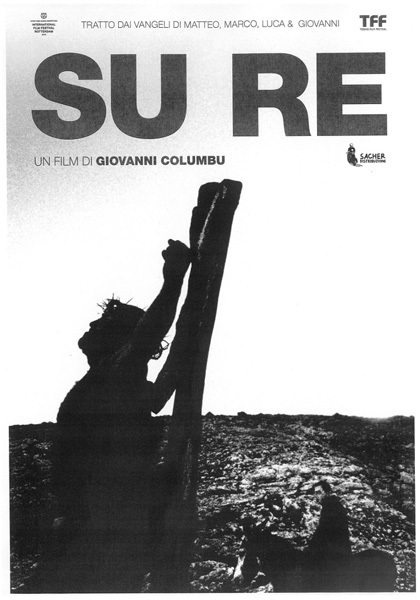
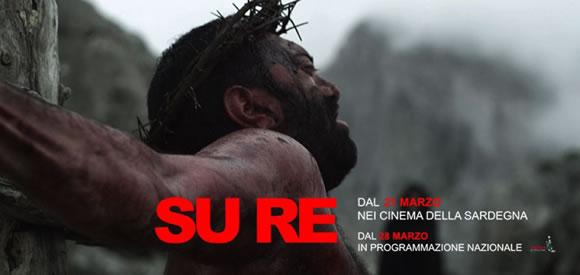
“The Cross is not a Roman pole, but the wood on which God wrote his gospel”.
“La Croce non è un palo dei romani, ma il legno su cui Dio ha scritto il suo vangelo.
(Alda Merini)
-----------------------------------------------------------------
click to activate the icon of slideshow: the small triangle inscribed in the small rectangle, at the top right, in the photostream;
or…. Press the “L” button to zoom in the image;
clicca sulla piccola icona per attivare lo slideshow: sulla facciata principale del photostream, in alto a destra c'è un piccolo rettangolo (rappresenta il monitor) con dentro un piccolo triangolo nero;
oppure…. premi il tasto “L” per ingrandire l'immagine;
www.worldphoto.org/sony-world-photography-awards/winners-...
www.fotografidigitali.it/gallery/2726/opere-italiane-segn...
…………………………………………………………………
Good Friday is an anniversary which in Sicily acquires a cathartic meaning for those who are searching, not only photographically, for popular traditions (we find them widespread throughout Sicily), which are nothing other than a social, cultural event, which merge into a single past and present; from the web "popular traditions are a historical memory linked to customs and rituals that have given shape to the values and beliefs of that culture". Easter in Sicily can be a source of research, it can appear not without contradictions, citing the thoughts of that great Sicilian thinker Leonardo Sciascia, for him Sicily cannot be called Christian referring to the Sicilian festivals, at most it is only in appearance, in those properly pagan explosions tolerated by the Church; Sciascia addresses the topic as an introductory essay in the book "Religious celebrations in Sicily", illustrated with photographs of a young and still unknown Ferdinando Scianna, a book that did not fail to raise some controversy due to the Sicilian thinker's introductory note, thus being in open controversy with the sacredness of that popular Sicilian devotion (the book was criticized by the Holy See newspaper, the Osservatore Romano), Sciascia writes: “what is a religious festival in Sicily? It would be easy to answer that it is anything but a religious holiday. It is, first of all, an existential explosion; the explosion of the collective id, where the collectivity exists only at the level of the id. Since it is only during the celebration that the Sicilian emerges from his condition of a single man, which is the condition of his vigilant and painful superego, to find himself part of a class, of a class, of a city". Another Sicilian thinker, writer and poet, Gesualdo Bufalino, provides interesting indications on the meaning that Sicilians give to these traditional popular events, he says "during Easter every Sicilian feels not only a spectator, but an actor, first sorrowful and then exultant , for a Mystery that is its very existence. The time of the event is that of Spring, the season of metamorphosis, just as the very nature of the rite is metamorphic in which, as in a story from the Puppet Opera, the battle of Good against Evil is fought. Deception, Pain and Triumph, Passion, Death and Resurrection of Christ are present."
In short, Easter in Sicily is a deeply felt anniversary throughout the island since ancient times, it has always had as its fulcrum the emotional participation of the people, with representations and processions which have become rites and traditions which unequivocally characterize numerous Sicilian centres, which they recall the most salient moments narrated in the Gospels and which recall the Passion, Death and Resurrection of Jesus Christ, with processions formed by the various brotherhoods (sometimes with theatrical re-enactments) which have within them contents and symbols often coming from the Spanish domination, which took place in Sicily between the 16th and 17th centuries. This year, on the occasion of Good Friday I went to the pretty town of Licodia Eubea (in the province of Catania), I'll start by saying that in this procession a unique character comes to life in statue form that cannot be found anywhere else place in Sicily, it is called "Ciurciddu" (translated "Circello"), he pulls Christ with a rope tied around his neck while he carries the Cross, this bad character has a profound symbolic-allegorical meaning, he represents "the Evil that exists in the world, the refusal towards the Truth announced by Christ", causing him suffering by pulling him with the rope tied around his neck. The boys and men "carriers of the floats" gather together, preparing for the moment when, once the procession has begun, the "'a Giunta" will take place around 10:00 a.m., or rather the very painful "encounter" between Christ ( who carries the Cross, linked to Ciurciddu) and His Mother of Sorrows (with her heart pierced by a sword, an iconic image of Spanish origin), during the meeting "the bow or greeting takes place" between the two floats, it is the Greeting that Mother and Son do in one of the most characteristic moments of this procession. While the two vares are brought to an ancient church, another event takes place which strongly characterizes this tradition, the "auction of the Cross" takes place, the ability to carry the Cross, weighing 70 kg, on one's shoulder, up to Churc of Calvary (a long uphill journey to reach the upper part of the town), is put up for auction, the highest bidder wins this possibility, after which an extraordinary event occurs: the devotee who wins the auction is embraced by numerous villagers, with great transport and affection, this is because those who participate in the auction certainly do so out of devotion but also possibly because they have had someone in their family with more or less serious health problems, and this is why people hug them and encourage them by showing their closeness . In the afternoon the procession resumes, now the Christ is dead, he is in the vara with the Urn, and is called "'u Signuri' a cascia" (by which term means "the Lord in the coffin"), the two vare (the dead Christ and His Mother of Sorrows) are carried in procession up to the Church of Calvary, where the heavy and ancient Cross carried on the shoulder by the devotee was hoisted; here, even if Christ is dead, the Crucifixion takes place , the mystical moment is accompanied by ancient songs-lamentations by the singers of the SS association. Crucifix; subsequently Christ is placed from the Cross in the urn, and descends back into the center of the town, where in the church of the Capuchin Fathers the devout people "make peace with the Lord", an act of reconciliation and request for forgiveness before the figure of Christ Died. Subsequently, late in the evening, Christ and his Mother are led into the Mother Church.
……………………………………………..
Il Venerdì Santo è una ricorrenza che in Sicilia acquista un significato catartico per chi è alla ricerca, non solo fotografica, delle tradizioni popolari (le troviamo diffuse in tutta la Sicilia), che altro non sono che un evento sociale, culturale, che fondono in un tutt’uno passato e presente; dal web “le tradizioni popolari sono una memoria storica legata ad usanze e ritualità che hanno dato forma ai valori e alle credenze di quella cultura”. La Pasqua in Sicilia può essere fonte di ricerca, essa può apparire non priva di contraddizioni, citando il pensiero di quel grande pensatore Siciliano che fu Leonardo Sciascia, per lui la Sicilia non può dirsi cristiana riferendosi alle feste Siciliane, al massimo lo è solo in apparenza, in quelle esplosioni propriamente pagane, tollerate dalla Chiesa; Sciascia affronta l’argomento come saggio introduttivo nel libro “Feste religiose in Sicilia”, illustrato con fotografie di un giovane ed ancora sconosciuto Ferdinando Scianna, libro che non mancò di sollevare qualche polemica per la nota introduttiva del pensatore Siciliano, essendo così in aperta polemica con la sacralità di quella devozione popolare Siciliana (il libro fu oggetto di una stroncatura da parte del quotidiano della Santa Sede, l’Osservatore Romano), Sciascia scrive: “che cos’ è una festa religiosa in Sicilia? Sarebbe facile rispondere che è tutto, tranne che una festa religiosa. E’, innanzi tutto, un’esplosione esistenziale; l’esplosione dell’es collettivo, dove la collettività esiste soltanto a livello dell’es. Poiché e soltanto nella festa che il siciliano esce dalla sua condizione di uomo solo, che è poi la condizione del suo vigile e doloroso super io, per ritrovarsi parte di un ceto, di una classe, di una città ”. Altro pensatore, scrittore e poeta Siciliano, Gesualdo Bufalino, fornisce indicazioni interessanti sul senso che i Siciliani danno a questi eventi popolari tradizionali, egli dice “durante la Pasqua ogni siciliano si sente non solo uno spettatore, ma un attore, prima dolente e poi esultante, per un Mistero che è la sua stessa esistenza. Il tempo dell’evento è quello della Primavera, la stagione della metamorfosi, così come metamorfica è la natura stessa del rito nel quale, come in un racconto dell’Opera dei Pupi, si combatte la lotta del Bene contro il Male. Sono presenti l’Inganno, il Dolore e il Trionfo, la Passione, la Morte e la Resurrezione di Cristo”.
In breve, la Pasqua in Sicilia è una ricorrenza profondamente sentita in tutta l’isola fin dall’antichità, essa ha sempre avuto come fulcro la commossa partecipazione del popolo, con rappresentazioni e processioni divenuti riti e tradizioni che caratterizzano inequivocabilmente numerosissimi centri Siciliani, che rievocano i momenti più salienti narrati nei Vangeli e che ricordano la Passione, la Morte e la Resurrezione di Gesù Cristo, con cortei formati dalle varie confraternite (a volte con rievocazioni teatrali) che hanno in se contenuti e simbologie spesso provenienti dalla dominazione Spagnola, avvenuta in Sicilia tra il XVI ed il XVII secolo.
Quest’anno, in occasione del Venerdì Santo mi sono recato nel grazioso paese di Licodia Eubea (in provincia di Catania), inizio col dire che in questa processione prende vita, in forma statuaria, un personaggio unico che non si trova in nessun’altro luogo della Sicilia, si chiama “Ciurciddu” (tradotto “Circello”), egli tira con una corda legata al collo il Cristo mentre porta la Croce, questo tristo personaggio ha un profondo significato simbolico-allegorico, egli rappresenta “il Male che c’è nel mondo, il rifuto verso al Verità annunciata dal Cristo”, creandogli sofferenza tirandolo con la corda legata al collo. I ragazzi e gli uomini “portatori delle vare” si riuniscono tra loro, preparandosi al momento in cui, iniziata la processione, si realizzerà attorno alle ore 10:00 “ ‘a Giunta”, ovvero “l’incontro” dolorosissimo tra il Cristo (che porta la Croce, legato a Ciurciddu) e Sua Madre l’Addolorata (col cuore trafitto da una spada, immagine iconica di origine spagnola), durante l’incontro “avviene l’inchino o saluto” tra le due vare, è il Saluto che Madre e Figlio si fanno in uno dei momenti più caratteristici di questa processione. Mentre le due vare vengono portate in una antica chiesa, avviene un altro evento che caratterizza fortemente questa tradizione, ha luogo “l’asta della Croce”, il poter portare in spalla la Croce, del peso di 70 kg, fino alla Chiesa del Calvario (un lungo percorso in salita a raggiungere la parte alta del paese), viene messo all’asta, il maggiore offerente si aggiudica questa possibilità, dopodiché avviene un fatto straordinario: il devoto che si è aggiudicato l’asta viene abbracciato da numerosissimi paesani, con grande trasporto ed affetto, questo perché chi partecipa all’asta lo fa certamente per devozione ma anche possibilmente perché in famiglia ha avuto qualcuno con problemi più o meno gravi di salute, ed è per questo che le persone lo abbracciano e lo incoraggiano mostrandogli la loro vicinanza. Nel pomeriggio riprende la processione, adesso il Cristo è morto, si trova nella vara con l’Urna, ed è chiamato “ ‘ u Signuri ‘ a cascia” (col quale termine si intende “il Signore nella cassa da morto”), le due vare (il Cristo morto e Sua Madre l’Addolorata) vengono portate in processione fin sopra la Chiesa del Calvario, dove la pesante ed antica Croce portata in spalla dal devoto è stata issata, qui, anche se il Cristo è morto, avviene la Crocifissione, il mistico momento è accompagnato da antichi canti-lamentazioni ad opera dei cantori dell’associazione SS. Crocifisso; successivamente il Cristo viene deposto dalla Croce nell’urna, e ridiscende nel centro del paese, ove nella chiesa dei Padri Cappuccini il popolo dei devoti “ fa ‘ a Paci co’ Signuri”, atto di riconciliazione e richiesta di perdono innanzi la figura del Cristo Morto. Successivamente, in tarda serata, il Cristo e Sua Madre vengono condotti nella Chiesa Madre.
……………………………………….
Onychorhynchus coronatus
Mosquero Real
4 Esquinas, Orotina
Historia Natural
Reproducción
Su nido consiste en un masa parduzca muy delgada y elongada, y se encuentra colgado. Está construido de fibras vegetales, raicillas, epífitas pequeñas vivas, hojas secas y un poco de musgo verde. Mide de 0.6 a 1.8 m. de largo, con una cavidad poco profunda abierta hacia el frente y cerca del centro para alojar los huevos. Se encuentra suspendido de una rama inclinada o un bejuco colgante a una altura de 2.4 a 6 m. sobre una quebrada y protegido del viento. Ponen 2 huevos café rojizo profundo que se tornan más claros en el extremo delgado. Los huevos miden 19.7 por 14.8 mm. y son incubados durante 22 días. Los pichones permanecen en el nido durante 21 ó 22 días. Se reproducen de marzo a mayo o junio.
Alimentación
Se posa muy erecto con la cola apuntando verticalmente hacia abajo. Captura libélulas, mariposas homópteros y otros insectos que atrapa en vuelo o mediante arremetidas rápidas entre las ramas por debajo del dosel. Cuando atrapa un insecto grande lo golpea contra una percha para quitarle las alas.
Cuando se tiene a un individuo en la mano, este realiza un despliegue de cobra al abrir la cresta completamente en forma de abanico y simultáneamente mover la cabeza de lado a lado. Estas aves frecuentemente tienen las crestas abiertas antes de acicalarse, principalmente cuando llueve. En ocasiones un macho realiza el despliegue completo del movimiento de cabeza al acercarse a su pareja o para ahuyentar a un individuo intruso de su nido.
Comportamiento
Son solitarios y forman parejas solo durante el periódo de anidación. En una oportunidad se observó un grupo de 3 individuos.
Habitat y Distribución
Habitat
Viven en bosques de galería, en el interior y bordes del bosque denso, barrancos de quebradas, incluso hasta cursos de agua sombreados en medio de cultivos despejados, plantaciones de árboles, bosques secundarios viejos y áreas semiabiertas.
Distribución
Es una especie residente de poco común a relativamente común en la vertiente del Pacífico, a lo largo de las bajuras hasta los 750 m., y en las bajuras del Caribe al noroeste y este de la región de Río Frío. Es muy poco común y local en otros sitios a lo largo de las bajuras del Caribe, por debajo de los 400 m. Después de reproducirse puede ascender hasta los 900 m. en el lado del Pacífico.
Distribución fuera de Costa Rica
Se distribuye desde el sur de México hasta el noroeste del Perú, norte de Bolivia y sureste de Brasil.
Distribución de Area de conservación
Amistad CaribeCordillera Volcanica CentralGuanacastePacifico CentralTempisqueAmistad PacificoHuetar NorteArenalOsaTortuguero
Descripción
Descripción científica
Mide 17 cm. y pesa 21 grs. Es delgado, de cola larga, con el pico largo y plano y la cresta larga, en forma de abanico, que casi siempre mantiene cerrada y le proporciona una silueta de cabeza de martillo.
En los adultos la región superior es oliva, excepto la cresta, que casi siempre está oculta, y que es de color anaranjado rojo en el macho y anaranjado pálido en las hembras. Cada pluma tiene en la punta una mancha negra bordeada con azul violeta. Las coberteras alares medianas y mayores exhiben un punto anteado en la punta, y las terciales un margen anteado en la punta. La parte baja de la rabadilla y de las coberteras supracaudales es ante canela. La cola es naranja leonado y se torna parduzca en la punta. La garganta es blanca anteada y el resto de la región es entre canela y amarillo anteado. El pecho presenta manchas y barras café oliváceo. El iris es entre café pálido y mediano, la maxila negruzca y la mandíbula es entre amarillenta y color cuerno, con la punta fusca. Las patas son anaranjaduzcas.
Los ejemplares juveniles muestran la cresta poco desarrollada, una barra subterminal negruzca y con el fleco anteado en las plumas de espalda y la punta anteada de las terciales más grande. El pecho presenta el barreteado más conspicuo.
Información taxonómica
Reino: Animalia
Filo: Chordata
Clase: Aves
Orden: Passeriformes
Familia: Tyrannidae
Género: Onychorhynchus
İncekaya Su Kemeri - Safranbolu
Safranbolu ilçesi su yönünden oldukça zengin bir yer. Bu zenginlik sivil mimarisine de yansımış evlerin içerisine ve avlusuna havuzlar, selsebiller ve çeşmeler yapılmış. İlçe merkezine bu su, Sultan III.Selim’in Sadrazamı İzzet Mehmet Paşa tarafından, XVIII.yüzyılın sonlarında 7,5 km. uzaklıktaki İncekaya Köyü’nden su kemeri ile vadiden aşırılarak getirilmiş. Su Kemeri 116 metre uzunluğunda . 110-220 cm. arası değişen genişliği ve 6 yuvarlak kemeri ile görkemli bir yapı. Kemerin yapımında yontma ve moloz taş kullanılmış. Safranbolu'nun en anıtsal yapısı sayılabilir...
İncekaya Su Kemeri fotoğraflarım
Türkiye'de Görülmesi Gereken 1000 Yer Serisi Albümü için tıklayınız...
Fotoğrafların Orjinal boyutlarını satın almak için Sinan Doğan ile iletişim kurunuz...
E Mail: foto.sinandogan@gmail.com
Essa carteira foi para a Sú!!
Ela pediu na cor azul com bolinhas!!
Ficou bem legal!
Ela adorou tbm!
bjuxx
Su-Wei Hsieh of Chinese Taipeh in action during her first round match the 2019 Dongfeng Motor Wuhan Open Premier 5 tennis tournament
This was taken several years ago on one of my visits to Lan Su Chinese Garden downtown Portland... I was playing around and wound up with this mint green preset.. It is in Topaz Studio Adjustment AI Re-Mix.. Glad I found it because I forgot to write it in the title.. Happy Windows Wednesday, Everybody!!!
Renli Su presentation held at Freemasons Hall, as part of London Fashion Week 2014. Monday 17th February.
New York Susquehanna & Western SU-99 drops downhill into Sparta at the Main Street crossing on a gloomy mid-July evening in 2025. Leading the way up to Binghamton was NYSW 3016, an EMD SD33ECO.
Su ta gar
SALA CARACOL, (Madrid)
4 NOVIEMBRE 2011
Don't use this image on any media without my permission.
© All rights reserved
Kristina Espina
Rio de Janeiro, RJ - Brasil - 22/06/2019 - Laranjeiras - CBI - Semifinal. Jogo Náutico x Minas Tênis.
Campeonato Brasileiro Interclubes Sub-15 Feminino de Vôlei.
FOTO DE MAILSON SANTANA/FLUMINENSE FC
IMPORTANTE: Imagem destinada a uso institucional e divulgação, seu uso comercial está vetado incondicionalmente por seu autor e o Fluminense Football Club.
IMPORTANT: Image intended for institutional use and distribution. Commercial use is prohibited unconditionally by its author and Fluminense Football Club
IMPORTANTE: Imágen para uso solamente institucional y distribuición. El uso comercial es prohibido por su autor y por el Fluminense Football Club
Su un acceso rosso tramonto,
sotto gl’ippocastani fioriti,
sul piazzale giallo di sabbia,
ieri i giorni sono tutti uguali,
belli come gli alberi fioriti.
E’ il mondo che sorride
e io vorrei volare.
Ma dove?
Un filo spinato impedisce
che qui dentro sboccino fiori.
Non posso volare. Non voglio morire.
Peter, bambino ebreo ucciso dai nazisti nel ghetto di Terezin
4th November 2010
Northumbria SU, Newcastle
Never shot Marina before so tonight was a treat. She was extremely pretty lady and a pleasure to photograph. The fan centre stage blowing her hair the hole set makes for some amazing captures along with the eye contact she gives to the camera during her performance.
Lighting was a bit off with some dodgy colours and the white balance on my camera had a mind of its own tonight. Few manual tweaks in lightroom and she was looking better then ever again. Really appreciating the difference in quality between editing from Jpeg's and Raw.