View allAll Photos Tagged precise
We are staying north of the border today, in Portstewart to be precise. Having had a good look at the photo I am struck by the three hard working (is that the correct word?) men on the middle pier, they seem to be very relaxed and laid back. I am expecting a very precise date range for this photo.
Among the commetary, insights and dating suggestions for this image is confirmation (from the StreetView provided by B-59) that the buildings in the middle of this image have been replaced or otherwise unrecognisable. Thankfully the buildings on the left of Harbour Place and the right of the Promenade remain. One of the other main takeaways from today is how excited we all are for tomorrow's launch of the Photo Detectives exhibition One more sleep indeed :)
Photographer: Robert French
Collection: Lawrence Photograph Collection
Date: Catalogue range c.1880-1900
NLI Ref: L_ROY_05579
You can also view this image, and many thousands of others, on the NLI’s catalogue at catalogue.nli.ie
Another one from the archives, taken about 6 months ago at Wyongah on Tuggerah Lake ..Central Coast of NSW.
A gray balmy day ended with the most spectacular sunset, and I think this proves that sometimes all the action can be over your shoulder away from the sunset.
This was a seven image pan that quite honestly was a minor nightmare to stitch!
I use a dedicated pan head with a rotor at the bottom where you dial in the amount of overlap from one frame to the next...very precise and measured in degrees, which must be adjusted differently for each focal length..I set it for about 40% overlap at any given focal length.
Unfortunately the shot before this was set up for 20mm...It was such a brilliant sunset, and the excitement of it all got the better of me...zoomed in to 47mm....forgot to set the overlap .....not enough coverage to stitch!!!
So the long process of manually blending the seven images together...about 4 hours worth of cloning and mucking around!
The other thing that I had to contend with, was the horizon straight down the center of the frame...could not do much about this as I wanted to keep in the highlighted cloud on the left,and the highlighted buildings on the right...if I had cropped any sky out it would have ended up with a ratio of about 6:1.
canon 50d
18-55mm kit lens @ 47mm
F/16 @ 1.5 sec
Iso 100
GND 8 and 4
Small and precise. Most of its prey is taken in flight, as it moves with ease through bare branches and dense thickets.
It feeds mainly on small songbirds, which is why it is often seen during the colder months in gardens where bird feeders attract tits and other small birds. As a result, the sparrowhawk also adapts well to the presence of people.
I have no idea where the precise figure of Euro 1269.74 comes from.
Hopefully people are suitably deterred by the specifics of the fine. Certainly i did not notice any dog poo there at all.
The Cardigans - Fine
ESA’s ultra-precise deep-space navigation technique – Delta-DOR – tells us where spacecraft are, accurate to within a few hundred metres, even at a distance of 100 000 000 km.
In order to navigate a spacecraft around our Solar System we have to know how far away it is, how fast it is travelling and in what direction. Each of these steps are explained in this new infographic, "How not to lose a spacecraft".
Credits: ESA
Here's a bunch of tricks that I've cooked up in the interest of getting precise fender lines. It takes a while, but they come out really good.
L'expression « Rodi 1923 » fait référence à la scène d'ouverture emblématique de la bande dessinée La Maison dorée de Samarkand, un chef-d'œuvre de l'auteur italien Hugo Pratt mettant en scène le célèbre marin Corto Maltese.
Le point de départ : L'aventure commence précisément sur l'île de Rhodes (« Rodi » en italien). Corto y découvre un manuscrit du poète Lord Byron caché dans une mosquée, contenant des indices sur le trésor d'Alexandre le Grand.
La chronologie : Bien que les événements fictionnels débutent historiquement en décembre 1921 dans l'album pour se terminer fin 1922, l'année 1923 reste fortement associée à cette période de transition géopolitique majeure au Proche-Orient (notamment la naissance de la République turque).
La quête : Corto Maltese traverse l'Asie mineure et l'Asie centrale le long de la Route de la soie. Son but officiel est de retrouver le trésor du roi Cyrus II caché par Alexandre. Cependant, son véritable objectif intime est de libérer son alter ego et ami de toujours, Raspoutine, retenu dans la redoutable prison surnommée « La maison dorée de Samarkand ».
The phrase "Rodi 1923" refers to the iconic opening scene of the graphic novel The Golden House of Samarkand, a masterpiece by the Italian author Hugo Pratt featuring the famous sailor Corto Maltese.
The starting point: The adventure begins precisely on the island of Rhodes ("Rodi" in Italian). There, Corto discovers a manuscript by the poet Lord Byron hidden in a mosque, containing clues to the treasure of Alexander the Great.
The chronology: Although the fictional events begin historically in December 1921 in the album and end in late 1922, the year 1923 remains strongly associated with this period of major geopolitical transition in the Middle East (notably the birth of the Turkish Republic).
The quest: Corto Maltese travels through Asia Minor and Central Asia along the Silk Road. His stated goal is to find the treasure of King Cyrus II, hidden by Alexander. However, his true, personal goal is to free his alter ego and lifelong friend, Rasputin, held captive in the dreaded prison known as "The Golden House of Samarkand".
Friendship
We cannot tell the precise moment when friendship is formed. As in filling a vessel drop by drop, there is at last a drop which makes it run over; so in a series of kindnesses there is at last one which makes the heart run over.
—Ray Bradbury, Fahrenheit 451
Sponsored
Pose: {Pixel Baby} - Besties Pose @ Baby Mine Mar '22
Left:
Shape and Stylecard: {Pixel Baby} - Faith Shape and Stylecard @ Baby Mine Mar '22
♡ C/M/NT. For Lullabeebs Aquarius and Lullabeebs Infant Body
Dress: {Confetti} - Iris Dress - Fatpack @ Daydream Mar '22
♡ Rigged for LB Infant & TD Baby.
Shoes: {Little Tots} - Rue Baby Shoes @ Mainstore
Right:
Shape and Stylecard: {Pixel Baby} - Marie Shape and Stylecard @ Baby Mine Mar '22
♡ C/M/NT. For Lullabeebs Aquarius and Lullabeebs Infant Body
Dress: {Little Tots} - Willow Dress @ Daydream Mar '22
♡ TD Baby, Tweeneedoo, and LB Infant. 10 colors, Fatpack HUD includes 6 Bonus Colors.
Tights: Blush. Cute Tights - White Hearts - LullaBeebs - BOM @ MP
♡ BoM only for LB Infant.
Shoes: {Little Tots & Muriel} - Kara Shoes @ Mainstore
For shape, skin, eye, and hair credits, please consider purchasing the according Shape and Stylecard. <3
For direct links and remaining credits, take a look at my post on my blog, PixelBabe.
Just one artery, to be precise. This image is inspired by the incredible work of my friend @DanielKHC, who is well known as the ultimate master of breathtaking cityscapes (including Dubai). Even this title is shamelessly borrowed form him.
Of course, I can come nowhere near his image quality (this was taken by an older small-sensor camera, whereas he uses the ultimate full-frames), neither his editing precision - I impatiently 'paint with a broad brush' while he takes time to meticulously blend multiple shots into a single and perfect masterpiece. Neither do I talk security guards into letting me to the very top of the tallest towers - this was from my hotel balcony...
Yet I picked a Dubai photo from the archives after I saw his last transportation-themed piece, in an attempt to emulate the evening colours and feel, if not detail and precision. Next time I promise to take my phone with me and do better than this :)
View larger on black - press 'L' or click the image.
The Liebherr hydrostatic drive is the most reliable and highest performing drive system for mobile harbour cranes. Independent closed loop hydraulic systems utilize the minimum number of components to guarantee highly responsive, smooth and precise operation while maximizing operational safety. Maximum crane capacity 104 t
This is a shot of the precise spot where the Byzantine Cathedral of the Taxiarchs (of St. Michael the Archangel) once stood in Ioannina, Greece, within the South-Eastern citadel (aka Iç-Kale) of the Castle. The church was deliberately demolished in c.1430, then on the exactly same spot the ‘FETHİYE Câmii’ (Turkish for ‘mosque of the Conquest‘) was erected by the Ottoman Turks.
It was in writing that the latter had promised certain privileges (such as the freedom of worship with no conversion of churches into mosques etc.) to the people living in Ioannina as conditions of the surrender agreement reached (“Sinan Paşa’s designation”, ratified by imperial decree of Sultan Murad II).
Drago had to rescue mr. Duck from imminent drowning... And of course this required a precise jump with a belly flop and lots of splashing
No worries everyone survived this ordeal... Drago is a professional superhero by night, so he's had plenty of practice
This planetary nebula's simple, graceful appearance is thought to be due to perspective: our view from Earth looking straight into what is actually a barrel-shaped cloud of gas shrugged off by a dying central star. Hot blue gas near the energizing central star gives way to progressively cooler green and yellow gas at greater distances with the coolest red gas along the outer boundary. Credit: NASA/Hubble Heritage Team
----
The Ring Nebula's distinctive shape makes it a popular illustration for astronomy books. But new observations by NASA's Hubble Space Telescope of the glowing gas shroud around an old, dying, sun-like star reveal a new twist.
"The nebula is not like a bagel, but rather, it's like a jelly doughnut, because it's filled with material in the middle," said C. Robert O'Dell of Vanderbilt University in Nashville, Tenn. He leads a research team that used Hubble and several ground-based telescopes to obtain the best view yet of the iconic nebula. The images show a more complex structure than astronomers once thought and have allowed them to construct the most precise 3-D model of the nebula.
"With Hubble's detail, we see a completely different shape than what's been thought about historically for this classic nebula," O'Dell said. "The new Hubble observations show the nebula in much clearer detail, and we see things are not as simple as we previously thought."
The Ring Nebula is about 2,000 light-years from Earth and measures roughly 1 light-year across. Located in the constellation Lyra, the nebula is a popular target for amateur astronomers. Read more: 1.usa.gov/14VAOMk
NASA Goddard Space Flight Center enables NASA’s mission through four scientific endeavors: Earth Science, Heliophysics, Solar System Exploration, and Astrophysics. Goddard plays a leading role in NASA’s accomplishments by contributing compelling scientific knowledge to advance the Agency’s mission.
Follow us on Twitter
Like us on Facebook
Find us on Instagram
Chapter 7
The Daring Kind
She must have been able to read the discomfort in his eyes, assuming her actions had left her lover speechless.
She appeared happy to accept that for an answer and backed away, still smiling smugly, towards the staircase.
The diamond dangling from the coronet was still flashing its Morse code-like flickers, tapping the message to him that signalled, come get me!
Happily, she tapped his cheek, then turned and disappeared back around the corner with a swish of her gown, trilled affectionately to ‘Gaston” as she did…
“A most welcome home darling Gaston!”
He then heard her say merrily from her hiding spot...
“You have till the count of 25 luv , so get a move on”.
He stood there, jaw opened wide beneath his mask, his eyes had watched as her gown had wispily whipped around the corner behind her, whilst listening as she was giggling quite excitedly to herself at her cleverness!
He just didn't know what to think.
So of course, He obediently followed her directions.
“Bloody “ell” he muttered, thinking, had he just had fallen into a cat thief’s wildest dream!
He opened the door to the green satin wrapped damsel’s bedroom, and pulling out his torch, lit its pencil-thin beam.
Wishing only now that only the real Gaston didn’t decide to show his mug and spoil all the fun!
Once Inside, the torchlight quickly found her oak jewel case on the mantel of an old stained oaken dresser.
The high case matched the dresser and drawers below it perfectly, and it appeared that it was all uniquely Chippendale!
It sat across from a matching four-poster, with a sea blue satin coverlet and matching silken sheets.
“Nice of her to point out where her jewels are kept!” He thanked the clueless girl!
He swiftly went over and began opening the many drawers of the jewellery case, or jewellery coffin as some would churlishly call it!
The thin light of his torch lit up a sinfully copious display of jewels, note quite as valuable as the ones discovered in the master bedroom, but it was a damn close race all the same!
He happily began pulling out the drawers and sliding the prettily flickering contents into an already bulging case.
Rudely discarding the empty drawers unceremoniously upon the floor.
The lady he hoped, would appreciate the dedicated “realism “that this’ Gaston’ of her’s was going to put into her play, and he was just the person to make it realistic!
He reckoned this with a rather nefarious smile spreading upon the bearded face, covered by its thin black mask.
At that precise moment, he heard the door creak slowly open….
She was coming in quietly, and soon the lady proved her mettle to be quite the actress!
He heard her gasp behind him as he continued on his work!
“ No, not my jewels, Do anything to me but don’t take my family jewels!”
He turned around to face the damsel, holding the pearl filled final drawer in his thin black-gloved hand.
She stood there with her left hand to her mouth, while her right ringed gloved fingers played with her necklace. The diamonds flickered quite as she held it up!
She then teased, delighted at his captured attention! …
“You want these, do you not Mister Burglar, I can see it in your eyes!”
Looking upon her, he tipped the drawer full of pearls into the black bag, then dropping it empty onto the pile strewn about at his feet.
Then he eagerly, purposefully, moved towards her, lustfully eyeing the pretty victim’s savoury jewels.
She shivered as if she read his mind, that he would take her jewels and flee into the night with them.
But she was not ready to have him do that, so she commanded him in a softly brisk tone…
“Not yet!”
Putting up a nicely ringed finger to indicate he should come no further!
Surprisingly to himself, for he had no real reason to listen, he obediently stopped in his tracks to await her next command.
As it turned out, he was soon very glad he had done so!
Then he eagerly, purposefully, moved towards her, lustfully eyeing the pretty victim’s savoury jewels.
She shivered as if she read his mind, that he would take her jewels and flee into the night with them.
But she was not ready to have him do that, so she commanded him in a softly brisk tone…
“Not yet!”
Putting up a nicely ringed finger to indicate he should come no further!
Surprisingly to himself, for he had no real reason to listen, he obediently stopped in his tracks to await her next command.
As it turned out, he was soon very glad he had done so!
^^^^^^^^^^^^
Chapter 8
One must be Methodical
Dropping her hand, she questioned him…
“What have you forgotten to do, my dear thief?”
He stood still, hoping she would just obligingly tell him what to do next.
She happily did so...
“My closet! Gaston your always forgetting any good burglar worth his salt checks a damsel’s closet for brooches and such left on by ladies far too lazy to remove them from one's party frocks. I swear Gaston You would make a horrible burglar in real life. You would positively starve if it were not for being directed by someone like me!”
She chortled at her wit.
He just smiled, thanking her inwardly for being ever so much a big help to her poor Darling ‘Gaston’!
He turned to his right and headed straight to the closet, curious as to what he was expected to find inside?
Opening the door, a long floor length mirror was revealed, allowing one to see into the interior of the bedroom behind him.
Including the reflection of his most helpful victim as she stood there in all her jewelled and tight-fitting emerald satin attired glory!
She keenly watching his progress with an eager interest, as he stole a look at her reflection, muttering happily to himself…
“Best get this over with quickly, then attend to the lady and her finery!”
He turned to look back inside, and was met with a designer like an assortment of colourful dresses, gowns, and other fancy attire!
A quite nice, if not downright beguiling, display of soft velvets, slinky silks, sleek satins, frilled lace, and shiny leather.
He quickly began his task at hand, letting his thinly gloved fingers feel through the wonderfully sleek fabrics for anything hard and metallic.
On one velvet number he felt something like a necklace around its top, he pulled it out, but disappointedly it was a rhinestone collared frock.
He tossed it onto the bed and resumed his search as she could be heard softly giggling behind him...
“Nope, nothing on that one, but don’t quit just yet!
He stole a glance at her from the mirror, then he turned back into working the closet.
The glance revealed that his ‘mentor’ was watching him eagerly, her whole being quivering in anticipation head down to spiky heeled foot!
He fingered a satiny white ruffled blouse, he decided he had better keep tabs on this one, still not sure what exactly her game was all on about?
He muttered to himself…
“They were her jewels after all, weren’t they? Indeed, rather valuable for mere playthings!”
There had to be something inside here!
He thought as he let drop the satin blouse and plunged his gloved hands inside again and felt around.
This time he was rewarded by feeling a slight prick of something solid and sharp.
He pulled out a luxuriously long black satin number and saw it had two ruby clips attached to its bodice.
He held it up to the mirror so she could see.
she clapped gleefully, watching him pull free the ruby clips from the evening gown and casually flipped them into his bag on the floor.
“Well done Gaston!”
He looked up at her, as the slinky black gown was indifferently added to the growing pile on her bed.
He could see by her reflection that she was excitedly eating it up.
Then she suddenly resumed back into her character of being the hapless victim.
And began to miserably plead…
“Please mister burglar don't take everything of mine! I am sure there is nothing more inside!”
He smiled, wondering how she would react when she eventually found out that indeed, she was a hapless victim of her game!?
Turning his attention once again to her closet he moved aside the hangers, revealing a set of shelves set in the back that contained a nice selection of sensible shoes, wedged pumps, glossy spiked heels and designer style purses.
One purse caught his ever-appraising eyes, a small gold clutch with what looked like (and probably was) a diamonded clasp!
He pulled it out and tossed the expensive bugger into the bag.
“Oui , Good eye Gaston! It's almost like you were a real thief.”
She gurgled this, shivering in delight, as her earrings and necklace flickered along with her figure, like uncontrollable wildfires.
He watched the enticing show from her reflection in the handy door length mirror.
Then he turned back to the closet.
For, as he was moving the dresses over to look into the shelves, his eye had caught sight of a black leather jacket with a belt studded by what must have been a thousand rhinestones.
He now pulled it out and searched its pockets, mainly to tease her a bit further, for he imagined that “Gaston” would do such a thing!
So, he was utterly surprised when his gloved fingertips felt something cold and a bit weighty in a side pocket!
He slipped it out and found he was holding a solid gold cigarette case, which he added to the ever-growing collection in his bag!
His “Mentor” trilled as he did so, exclaiming with happy surprise...
“I had wondered where that had gotten off to luv! The matching lighter should be there too!”
He reached back in, and there it was, as well as a small ivory and ebony gold ringed cigarette holder.
Both of which quickly joined their companion in the now bulging bag.
He then pulled off the shimmery belt.
Even with rhinestones, it was worth a pretty penny he reasoned.
As started to pitch it into the case, he heard the Lady helpfully exclaim in the background, a good idea she said excitedly.
“Save that for when you tie me up to take my jewels!”
Shaking his head, why not? he tossed the belt to the helpful lass’s feet…
Thinking he was quite finished with the closet as he held the leather jacket, he for no rhyme or reason, took the time to hang it back up rather than adding it to the pile on the bed.
But It was as he did so that something, a most decidedly not rhinestone something, flashed in the dim lights in the gap that had been made where the leather jacket had hung!
He eagerly reached in and pulled out a lovely long brown, silky soft, liquidly appearing gown.
Holding it up triumphantly, he looked down at the dazzling sparkles of a magnificent gem-encrusted brooch that was suspended from the gown’s wide centre waistline.
“Good show Gaston!”
She exclaimed in the background.
His eyes left the brooch and looked into the mirror at her.
She was clapping, rings and bracelets, earrings and Coronet, the whole lot, erupting into a million pinpricks of fire as she did so!
He felt his manhood rising precariously as he looked her over, feeling the effect, even from this distance, her primitively carnal arousal!
She eagerly continued, spilling her emotions into her words!
“Mon Mari, I was going to tease you later if you were to ‘ave missed that one, and I was sure you were going to!”
“Tsk!” he said to himself. wonder what the teasing part would have entailed!
At the same time his mind was picturing this, he automatically, without taking his eyes off the mirror, pulled off the brooch and nonchalantly pocketing the breathtakingly pretty jewel before throwing the scintillatingly downy soft feeling soft gown onto the shiny pile already laying strewn about the bed.
It flashed through his mind that the fancy dresses strewn about could have been the striplings from that many jewel encrusted maidens, like this one, and what a delightful haul that would have been to carry out!
Savouring those thoughts, he turned once again to focus his attention, on the rather all too helpful Miss, his eyes traveling unabashedly up and down her figure.
Time was a-wasting!
^^^^^^^^^^^^^^^^
Chapter 9
Wasting Time?
He eagerly started to move towards her...
“Almost!”
She said with a giggle, her flashily ringed finger raised again, stopping him as he had started to move towards her as she admonished him…
“Not quite yet! You forgot the most important part of burgling a lady’s chamber! “
Again, he stood staring, not quite knowing what the devil this peculiarly eager to be robbed damsel in distress was going on about now!?
But quite recent experience told him it should be to his thieving benefit to take more precious time and hear her out!
So, he stood questioningly waited to hear what the most important part was?
Which she then, quite helpfully, spelled it all out to him…
“You didn't check the lingerie drawer, Gaston! Any real burglar would have done so!”
He observed her winking at him …
“Come along Gaston l, get into your role my darling…!”
He looked at her, smirking to himself…
“Indeed, lady, I will!”
Curiously He turned and looked down upon the drawer in the stand next to her bed.
“No silly, still in the drawer beneath my now pilfered jewel case!”
She was looking down mischievously at the Drawers set in the ancient oak antique Chippendale dresser.
He turned, hesitating…
Should dear Gaston know which one it was?
He decided to just start at the top and began opening them one by one and pray he did not invoke her to start having any doubts as to his true nature!
He went over and started to pull open the top drawer.
She could be heard giggling in the background…
“Moved it on you didn’t I from the last time!? “
Her most welcomed words relived a bit of his anxiety, the gig was still not up, she still hadn’t guessed that he was the real thing, and not some love lost Beau sadly burdened with the moniker of Gaston, of all things!
“Ahh, there you go my darling!”
She said as he opened the next…
The drawer was found to contain, as promised, piles of wispy thin satin and silks, in all colours of a shimmering rainbow! Curious as to what further riches he was meant to find, he greedily swirled the expensive lingerie about, soon finding a pile of glistening silver all carefully laid out on one side.
A silver brush comb and matching mirror, all studded with jewelled handles, and a pair of silver handcuffs!
He lifted the jewelled vanity pieces...
He had once drooled over a similar set discovered in a museum's case!
“Oops, she giggled, forgot those were there, just leave ‘em luv!”
But he continued to place them into the case at his feet and was surprised when she did not protest.
Instead, she said reasonably…
“But of course, they are jewelled, just be careful with ‘em please my darling?”
Buy then he was already curiously looking inside, lifting the handcuffs…
He heard his victim give out a hoarse moan behind him!
The handcuffs and keys he lifted and threw on the satin comforter of the bed, wondering how many times she and her Gaston had put them to use?
He picked up the now quite hefty leather pouch and looked over at his smirking victim.
“Come mister thief!”
She instructed lustfully …
“Finally time to do your worst!”
“With pleasure” he murmured to himself, studying most hypnotic swaying of her long jewelled earrings…
“To all my just gratification, Madam!”
^^^^^^^^^^^^^^^^^^^^^^^^^^^
Chapter 10
Lusting Gratification
He came over from the fancy oak dresser and finally stood before her.
The lady’s head came up to his chin, her pretty face looking up with innocence, into his.
She was smiling most provocatively, one hand still holding the clasp of her cloak, the other resting upon the shimmery brooch pinned onto the cloak over her right breast.
He, for no real reason, found himself wondering if the broach’s placement meant she was left-handed.
“Okay mister burglar, take me broach, I see your eye’ in it!”
For the first time, but not the last, he almost felt sorry for the show that poor Gaston was missing out on, but glad deep down that he, on the other hand, was not!
He reached down and pried her fingers from the brooch, and as he unpinned the precious jewel, she pushed against him so his fingers brushed against a rather perked, notably heaving breast.
Obligingly he allowed his fingers free reign to fondle her tits!
With a deep sigh, she listlessly allowed both her hands to fall to her sides as she leaned into him, her eyes turned upward gazing lustfully at him with her imploring hazel green eyes.
Huskily she murmured…
“That’s it, not too quickly now…”
He unsteadily managed to unfasten the broach, his fingers a bit encumbered by the game she was playing with her body as she leaned in against him.
Pulling it off, his fingers brushing her soft figure, he let the broach plop into the pouch at his feet…
He then reached up and undid the jewelled clasp of her long green satin cape, exposing is silvery lining… and finally revealing the playful lady’s gown as it lay in full glory down along her enticingly Horney diminutive figure!
As well as revealing her remaining ornaments, in all their exquisite glimmering glory!
Tongue-tied in awe; he watched the cape slither down from her arms.
She looked up into his face, lustful eyes sparkling with delight at his unbridled rapture at seeing her...
Though not for a second realizing quite what it was about her that had captured his total drooling interest!
“Cat ‘ave your tongue there laddie?”
She purred, her hazel eyes opening doe wide, offering no quarter as to their needful meaning.
He just let his eyes travel up and down the now fully exposed figure, quickly taking it all in.
He thought with satisfaction …
“The only thing that had more shine than those doe-like eyes were the diamonds that fell ever so dripping, ever so invitingly, from alluring points along down her scintillating figure!”
Her green satin gown was fitted to show off every delightful curve of her figure.
The bodice was not decorated by rhinestones or anything else that would have taken away one’s eyes from the jewels the wearer was sporting.
Those jewels consisted of a brooch equally as magnificent as the one he had plucked from the brown satin gown found hanging in her closet.
Besides, now could be viewed her long wide necklace dripping down to just above her visibly heaving breasts. The fine piece was set with blazing diamonds, smaller round ones surrounding a steady stream of larger egg-shaped ones that matched the one that hung from her forehead.
She smiled at his amazement.
“Gaston, you almost act as you have never seen these before!”
She scolded, while playfully lifted the necklace, letting it flow charmingly through her emerald green satin gloved fingers.
“Or are you really getting into robbing me, you naughty man!”
She let her other hand playfully pat the side of his mask.
For a second, he thought she was going to pull it up to kiss him, thus spoiling the game.
So, he quickly grabbed her by the wrists under the pretense of studying her rings and bracelets, thus successfully diverting her mind away from the thought.
“Ahh mister burglar, you want my pretties, I can tell, do you desire them more them Moi? One can imagine that you do! Quickly now, put yonder chair to use and ensure sure your victim cannot slip away whilst you wrestle the jewels from her very body!”
Liking this game more and more, he quickly fetched over the chair she was indicating.
Happy to oblige, it would make things far easier at the end he thought to himself with a dash of relief!
The chair was another sturdy Chippendale, Victorian-era straight-backed. Its' position, reflection in the closet door he had left open, would allow them both to watch from all angles. Dear Romeo ‘Gaston’ could not have planned it better!
He sat it down behind her and she started to sit.
He grabbed her by the wrists, keeping her upright. He looked into her wide-open eyes, yet she was the one smirking like the cat eyeing the canary in its cage!
“Good Lord he thought wryly. What did you get yourself into mate?”
she asked him sweetly, honey dripping with each syllable.
“What do you have in mind for your victim?”
He briskly turned her around and began to unzip her gown, feeling its slick material, quite luscious even under the thin gloves he wore.
“Good show Gaston!
she chirped in approval…
“Make your victim feel vulnerable!”
She kicked off the gown and it fell in a pile on the carpet, with the brooch on top, sparkling like a lighthouse on top of an Irish island of shimmering green. She was looking up at him, clad only in a scant mint coloured silken slip that hung delightfully tight against her now quite overly perked figure.
She stooped down giving him a purposely good view of her ‘fin arrière’, tightly outlined by her silken thin slip. She reached down and retrieved her cape, covering the cold oak back of the high-backed chair with it and slipped onto it, too fast for him to react.
“Damn! He had planned to nick that pretty cape with its expensively wrought clasp as well!”
“But he reasoned, all is fair in love, games, and theft!”
He went over and undid the satin sash of her green gown, eyeing the brooch, but not taking it...
“Not yet my pretty!”
He said to himself with promise, as he slipped the sash off.
He turned back around, again she was still smirking like the cat that had now caught the canary, though this time it looked like she had bloody thing in her mouth. He looked down at her gloved hands, the bracelets were there, but judging by her now bare fingers, it was not a canary she had sucked into her mouth.
Without letting on to her mischievous game, he went behind her and she quite helpfully placed her gloved hands behind the chair, her fingers beckoning, trying to get him to notice her missing rings. But he had other ideas for that part of her game…
And it did not involve Gaston snogging ‘er to get at em!
He employed the sash by tying her waist to the chair.
He could feel her shiver deliciously from her head to toe, squirming playfully in the chair.
Then in her throes of passion, she almost slipped off the chair, made slicker by the cape upon which she perched, sitting in an equally slippery slip, and he had to catch her and pull her back, feeling her shiver pleasurably as he held her.
Her dangling earrings were flickering like mad throughout the show, beckoning quite invitingly in his face as he was kneeling, causing him to shiver in much the same manner as her.
He then rose and going to the bed picked up the set of the handcuffs. Going back, he held her eyes steady with his, as she tried to come across as if she was imploring him not to do it, the rings hidden in her mouth preventing her to speak out!
As he approached, she kicked off both of her emerald rhinestones covered spiked heels, playfully missing him.
He smiled at her mischievously, going around and handcuffing her wrists together as she squirmed!
Then he came back around, and bent down in front of her, his hand reaching back and snatching up the rhinestone belt from her leather jacket.
He reached down, and taking an ankle in turn, strapped them both securely together!
She was not going anywhere without dragging the chair with her!
He had kept the keys on the bed, she could reach there to undo herself, but he was planning to be long gone before she would manage to accomplished that feat!
She was now ready, bound up the way she was, to be mercilessly stripped of the rest of her jewels!
^^^^^^^^^^^^^^^^^^^^^^
Chapter 11
The Subtle Touch
He went down behind her and she arched back in an attempt to watch what he was up to!
He looked over at their figures image in the mirror, her coronet, necklace, and earrings vividly sparkling in the reflection, like fire on a distant mountain he thought drooling with anticipation…….
He methodically decided to start with her Bracelets….
Holding her left wrist with his left hand, he let his right-hand travel up her squirming figure till he reaches her breast. Cupping it he began to with a slipping motion, massage it through her thin satiny slip.
She curled her figure against her bindings, closed her eyes, and began to whimper and moan lustily, opening her mouth just enough to keep her rings hidden inside!
As his right hand subtly pleaded her breasts, his left hand travelled down to a cuffed diamond bracelet. He began rubbing it up and down her gloved wrist in sync with his right hand, eventually worked it open and slipped it off from around her wrist, tossing it neatly into his pouch.
He repeated the performance on her right wrist as she continued moaning in total satisfaction.
If she noticed her twin bracelets were being removed in the process of having her breasts massaged, she did not appear to care.
Then, playing along with the lady’s game, he fruitlessly felt for her rings, hearing her muffled giggles above him as she squirmed.
“Mmmm,” she said, through gritted teeth not being able to open her mouth due to her rings.
He could see that what she was unable to voice, it was readable in her expression, reflected from the handy mirror!
Then he moved his hands, grasping her by the silken sides of her slip, and began to tickle her mercilessly, she started to uncontrollably giggle, then stated to sputter, finally letting loose with a gasping laugh!
This sent the three sparkling rings she had been holding inside her mouth, spinning out and plopping onto the green silk of her lap, where they slithered down between her knees!
“Dirty Play, Gaston!”
She admonished, snapping her legs closed to hide the rings, tears in her eyes as she laughed out her words…
“That wasn’t how… !
He hushed up her words by quickly plunging his gloved fingers down inside her slip, grasping and kneading her breasts in unison
Her whole being tingling with the exquisite pleasure, made her forget entirely how she had wanted him to play the game with her rings!
But he was now entirely in control of the situation, and she felt her whole figure limply wilt under his command!
He left his right hand inserted down her slip to carry on with the task, subtly extracting his left to then run fingers through her long blonde, luxurious feeling hair, pulling it back behind her head, where it hung down in a gold coloured silken mass!
Figuring if he did, she would lean right back to look up at him!
Which is exactly what she did, playing right into his trick!
Her eyes, though, were still tightly shut, as her focus went off to some erotic location, as she was reeling in the vivid pleasures of her game.
Her green satin gloved fingers tried to adjust her bonds so she could reach back out behind her, and he knew for what and responded appropriately by rising so she could reach her objective.
Then it became his turn to be the one moaning softly through gritted teeth…
He silently thought, while groaning inwardly…
“Easy on the family jewels there, missy!”
“Oh, My Darling Gaston!”
she responded, apparently, hopefully, waiting for a response.
He gave her one, though not verbally…
He leaned against the backside of the chair, getting as close to her as he could!
She began to grope quite furiously and he thought of a monkey he had seen once in the city zoo doing one such number on a banana.
He was also finding it increasingly difficult to keep his mind on the task at hand.
So, he pulled away from her grasp a little, allowing her fingers the barest of touch!
He then gently pulled back her blonde hair, and quickly started caressing her now sweating earlobes, taking advantage of where this lady’s reeling mind was otherwise occupied!
Slowly, carefully stroking up and off, he pulled out the gold hooks attached to her sparkling earrings from each pierced ear.
Freeing both of her lovely long earrings in turn and letting them drop, glimmering into his leather pouch!
He kept on caressing, deeply thrusting his right hand in and along her breasts for several minutes taking precious time with the task as to keep her mind away from what he was accomplishing from behind her trussed up back.
Meanwhile, his left hand moved up into a new position.
Her entire being was squirming, so enraptured and enthralled, that she never even felt him picking up the ends of the thin coronet: lifting oh so carefully, each end of shiny gold braided ends that were woven into her hair, and began gently lifting out each one free!
As he pulled it delicately away, she did not even miss the egg-shaped diamond as it stopped brushing against her sweat glistened brow!
Once he had freed the shimmering piece, he eagerly lifted to admire it!
She broke his trance by purring, opening her eyes as he quickly hid the jewelled coronet!
“Well, my Gaston! I can feel you desire me again, my darling! It has been quite a long time for you also!”
But though she may have felt that something growing between her captor’s legs, she had no inkling that he had been busy lifting her pricey jewelled headpiece!
Nor did she now hear it being dropped in the pouch at her foot!
So, oblivious that her earrings and coronet were gone, the bound, satin slip clad lady, quite seductively began murmuring these words as her fingers continued their gentle free play between his legs.
“You want me don’t you luv!”
She asked this seductively, wistfully as her eyes opened wide and looking up into his, catching him hovering over her, his eyes from the slits in his hood, looking down upon her.
He had stopped fondling her breasts with his right hand and placing that hand on her shoulder was looking down upon her with lust-filled eyes!
But she was entirely misreading the object of his also lustful gaze…
She again closed her eyes with a heavy sigh!
As his eyes went to what he now really wanted from her!
^^^^^^^^^^^^^^
Chapter 12
The Fondling Theft
He smiled as he looked down upon her throat, watching the diamond and emerald necklace moving up and down in conjunction with her heavy breathing!
For the small fortune in diamonds, dribbling nicely down as her throat was arching back in her ecstasy, was sending a rippling cascading fire of colour from its’ gemstones!
This was, for the most part, the blame for a stiffly obvious condition of his John Thomas!
“Kiss me, Gaston!”
The enraptured miss cried out yearningly at that point.
In her bliss, his victim moved open her knees ever so slightly, uncovering several small glittering objects!
The rings! He had almost forgotten all about them!
Seizing the moment, his hand had delved down, then up in between her legs!
He pried open wider her legs, finding no resistance atoll.
He then obliged her sweet fantasy
As her thoughts of being kissed vanished into the aire in a fit of convulsive ecstasy.
She screeched, her whole figure thrashing against her bindings as the intensity of sparking feeling erupted from the sensitive area he had invaded!
He reached into her lap, his fingers plunging in against her silken slip, scooping the rings inside, inserting two fingers, pushing inside a portion of her slip with the bundle of 3 rings, deep up within her vagina!
Her whole being exploded into enveloping, exquisitely painful jolts of pleasure as her long waiting orgasm took full effect.
He had ardently moved against her and he felt her fingers curling around his manhood, he pulled away quickly before she could cause him some pain from a reflecting grasp!
“Gaston,!” she screamed her eyes closed shut tight in pulsating ecstasy!
He had begun groping about inside her vagina, searching inside the slip he had pushed up for the rings that were laying somewhere there, unseen!
He soon found and scooped out each glittery ring one by one, pushing them deeply up and into her pulsating “Labia Majora”, before pulling them from the now damp silk and tossing them each neatly into his bag.
As he pulled out the last ring, along with her now wet portion of slip, she said, her voice hoarse with expectations,
“Sure you found everything mister burglar Gaston?”
He reached down and randomly pulled up her hairpiece from the top of the glistening pile in his pouch and dropped it down between her legs.
She opened her eyes, looking down
“When did that fall off?”
Forgetting her hands were bound, she had tried to feel up for her hair…
Like she had done with her rings, she firmly clamped her legs tightly over the jewel, extinguishing its flicker as it laid there shimmering brightly!
“Not part of the game, luv… I borrowed that from Lilly, silly! “
She giggles at her rhyme, light-headed from the lingering effects of her prickling arousal and orgasm!
He smirked, thinking!
Hmmm, where is this Lilly, and is she another one wondering about, wearing the good ‘ice’ this evening? But, back to the job at hand!
He bent down and tried to open her knees…
She resisted, struggling against her bindings as she tried to work her hands-free to stop him!
He hoped she was still playing her game, and not having second thoughts about it.
It could make things rather unpleasant!
^^^^^^^^^^^^^^^^^^^^
Chapter 13
Pleasant Reflections
But apparently, the gig was not up yet!
For an old memory had been invoked back to her conscious mind.
With this thought, she said lustily, her dry throat cracking her words…
“Ah yes, you are right my dear Gaston! Recreating that time in the film we were watching, when a thief lifted some jewels from those ladies at a party, after promising them he was reformed!”
“Yes Gaston, you remembered that game..!”
she said with a sultry gasp, before uttering one last word.
“Except …”
He froze not sure if he should follow-through, not wishing to upset any apple carts of fantasy she was expecting.
Then she went on….
“I should have told you that the Tiara was out of bounds, of course, you wouldn’t ‘ave known it was mine, being absent for so many years…!”
He looked down at her and saw that she was again watching him with some queries.
Was she having some doubts as to what game was being played?
he was curiously wondering?
He removed his hands from her leg!
She sighed happily!
“Thank you, you are a gentleman as well as a thief! Dear sir!”
He then reached up and lifted her necklace, fingering its beckoning lure.
She said nothing...
So apparently, this beauty was still in play!
it was time for the coupe de grace!
He eagerly contemplated as he eyed the magnificent necklace, the last and best piece of his victim's worn jewels.
He again grasped her breasts, fondling them through the silken slip with his right hand.
Whilst his left travelled up her slick backside, reaching the back of her throat, and her necklaces’ jewelled clasp!
Using two gloved fingers, he neatly popped open the clasp and watched as the two ends fell open and hung down over her shoulders.
Curious as to what reaction she would give,
She did not disappoint
She quivered and moaned, then, began choking out the words in quite in a seductive, huskily hoarse-voiced manner.
“Gaston, Mon Mari!”
Her eyes were glazed over, reflected in the mirror, wide open with crazed excitement!
Suddenly an epiphany of an idea enters his head
letting one ned of the necklace noticeably drag up and over her shoulder, he released his hold, with a cascading fiery slither, it fell inside between her heaving breasts.
His right hand still fondling those breasts, he felt the necklace and worked it past so it slipped further down, landing in her lap!
Her diamonded necklace had joined its jewelled mate, the forbidden fruit, the jewelled coronet!
He then did the job properly, feeling along with the outside first, then reaching inside and giving great attention to all of her sweet spots.
Finally reaching the bottom, he again located her clit and began to manipulate it!
“Oh good, lord !”
she exclaimed, pleasurably leaning forward as much as her bindings would allow
As he fondled and groped, going all out to give her already intensely aroused figure as much over stimulation as possible!
Said figure, which had been ratcheting impulsively during the entire performance, now shot straight rigid as his fingers began once again searching the area between her legs!
She let out a piercing squeal as he hit home several times.
And as she closed her eyes tightly with each plunge of his right hands’ fingers finding their mark contorting her figure into exquisite convulsions, he took the opportunity to reach in with his free left hand and grabbed the now unprotected jewels from her lap!
As he pulled her jewels free, she slumped back into the chair, her whole being exhausted from her ecstatic struggles!
He slipped the shimmering strings of diamonds, necklace, and coronet, down on top of their pilfered, glittering mates…
Quite a haul he thought as He looked at her body, eyes clamped shut, still grasping to control her pinnacle reached desires!
She never even noticed that her borrowed headpiece had also been scooped up along with her necklace as he had quickly, unobtrusively also taken it to be deposited inside his bag
He went over to the piled green gown laying on the floor.
Lifting it he carried it over to his victim.
Holding it up he watches as the dazzling brooch was reflected in her, now open, slightly glazed over, doe wide eyes.
He slipped off the jewel, mindlessly pocketing it with the other, as he laid the gown reverently out over her lap.
Her only reaction was to close her eyes and groan happily.
“Okay Gaston you win, she murmured huskily, now untie me!”
“This Gaston did win!
He thought smirking to himself as claimed the now weighty pouch from the floor!
He began to stroll briskly towards the bedroom door exit, preparing himself for when she would realize the truth and start her desperate pleading.
It didn’t take long he heard her exclaim from behind his back before reaching the door…
“Hey, Gaston ! Where do you think you are going, lad?!”
“I said game over, no didn’t I ?!
She must have been looking down, for she began to bleat on like an annoying lost lamb…
“And you give me back that Tiara, it is not supposed to have been part of the game!”
He spoke aloud for the first time, lecturing…
“It is more of a Coronet than a Tiara my sweet!”
The burglar boldly closed the door behind him, distinguishing any further comment from the now indignantly squealing young, distressed Damsel.
He retraced his steps out to the second-floor sitting room’s balcony.
Then made his exiting the way he had come.
Climbing from the ancient wrought iron fire stairs conveniently located down off the second-floor balcony!
^^^^^^^^^^^^^^^^^
The precise construction date of the first Kaunas Castle is unknown. Archeological data suggests that a stone castle was built on the site during the middle of the 14th century. Situated on an elevated bank near the river junction about 100 kilometers (62 mi) from the capital city of Vilnius, it served as a strategic outpost and guarded nearby cities as well as trade routes.
A written account states that in 1361, the Grand Master of the Teutonic Knights Winrich von Kniprode issued an order to gather information about the castle, specifically the thickness of its walls, as preparation for an assault on the castle. During 1362, Kaunas Castle underwent a siege by the Teutonic Order. The siege of the castle lasted three weeks. During this attack, the Teutonic Knights constructed a siege tower and erected wall-penetration machinery; primitive fire arms might have been used, since gunpowder technology was emerging in Europe. At that time, the castle walls were over 11 meters (36 feet) high, when its firing galleries are factored in. According to Wigand of Marburg, the castle's garrison consisted of about 400 Lithuanian soldiers, commanded by Kęstutis's son Vaidotas. After three weeks, the Knights managed to breach the castle’s walls, and soon afterwards the castle was taken. On Easter Sunday in 1362, the knights conducted a Mass at the castle to commemorate their victory.
Apparently, of the castle's defense force of 400, only 36 survived. Questions remain with regard to the castle's defenders' lack of support from outside during the siege. In any event, Kęstutis soon regained and rebuilt Kaunas Castle, but it remained a point of contention between Lithuanians and Teutonic Knights for many years. In 1384 Kaunas Castle was re-captured by the Teutonic Knights. At this time Grand Master Konrad Zöllner von Rotenstein began reconstruction of Kaunas Castle and renamed it Marienwerder. The presence of the Knights in Kaunas meant that the entire defensive system of castles along the Nemunas was threatened. Confronting this situation, the Lithuanians launched an attack on the castle later the same year.
It seems likely that the Lithuanians mustered an army near Vilnius as a strategic maneuver, since Lithuanians could use the downstream flow of the Neris River to transport artillery and military provisions from Vilnius; the Knights were forced to use overland or upstream transport. During the 1384 assault, the Lithuanians deployed cannons and trebuchets; the besieged Teutonic Knights had also installed cannons in the castle, which apparently destroyed the Lithuanians' trebuchet. Nevertheless, the castle was retaken by the Lithuanians.
After 1398, the Teutonic Knights were no longer able to reconquer the castle. After the Battle of Grunwald, Kaunas Castle lost its strategic military importance and was used as a residence. The castle served administrative purposes after the death of Vytautas the Great. Sigismund Augustus gave this castle to his wife Barbara Radziwill in 1549. During the 16th century, the castle was strengthened and adapted to new defensive purposes by the construction of an artillery bastion near the round tower. The diameter of the bastion was about 40 meters (130 feet) and the height of the bastion's walls was about 12 meters (39 feet); the wall worked in conjunction with a defensive trench. At the bottom of the bastion a firing gallery was installed, which was linked with the tower.
In 1601, Kaunas Castle housed courts and an archive. At some time in 1611, part of the castle was flooded by the Neris River. Due to its convenient location, it was used by the Swedish military during its war with the Polish-Lithuanian Commonwealth, after which its military functions ceased. In the mid-17th century, large portions of the castle were again flooded. The castle was used as a prison in the 18th century; later the Russian administration granted permission for houses to be built in the castle's territory, which resulted in significant damage to the castle itself.
For many years afterwards, Kaunas Castle stood abandoned. In the 1960s the round tower was opened as a museum, but due to the tower's structural deterioration, the museum was transferred elsewhere.
Le Chrysler Building est un gratte-ciel situé à New York, aux États-Unis, et plus précisément à l’intersection de la Lexington Avenue et de la 42e rue, dans le quartier de Midtown dans l'arrondissement de Manhattan. D'une hauteur de 319 mètres jusqu'à la pointe de sa flèche, il fut la plus haute structure du monde, après la tour Eiffel (324m), en 1930 et 1931, jusqu'à la construction de l'Empire State Building.
En 2005, un sondage du Skyscraper Museum auprès de personnes dont le métier est lié à l'architecture a fait ressortir le Chrysler Building comme étant leur gratte-ciel favori de New York.
La construction du Chrysler Building, supervisée par l'architecte américain William Van Alen, s’est étalée entre 1928 et 1930, l'inauguration ayant eu lieu le 27 mai 1930. Il a été déclaré National Historic Landmark le 8 décembre 1976. Le Chrysler Building a été rénové en 1978, avec la construction d'un hall, composé essentiellement de marbre, d'acier et de granite, semblable à celui de l’Empire State Building. En outre, la flèche a été rénovée en 1995, car l’acier inoxydable avait perdu de son éclat avec le temps. Le bâtiment appartient aujourd’hui à Abu Dhabi Investment Council (75 %) et à Tishman Speyer Properties (25 %).
fr.wikipedia.org/wiki/Chrysler_Building
_______________________________
The Chrysler Building is an Art Deco style skyscraper in New York City, located on the east side of Manhattan in the Turtle Bay area at the intersection of 42nd Street and Lexington Avenue. At 1,046 feet (319 m), the structure was the world's tallest building for 11 months before it was surpassed by the Empire State Building in 1931. It is still the tallest brick building in the world, albeit with an internal steel skeleton. After the destruction of the World Trade Center, it was again the second-tallest building in New York City until December 2007, when the spire was raised on the 1,200-foot (365.8 m) Bank of America Tower, pushing the Chrysler Building into third position. In addition, The New York Times Building, which opened in 2007, is exactly level with the Chrysler Building in height. Both buildings were then pushed into 4th position, when the under construction One World Trade Center surpassed their height.
The Chrysler Building is a classic example of Art Deco architecture and considered by many contemporary architects to be one of the finest buildings in New York City. In 2007, it was ranked ninth on the List of America's Favorite Architecture by the American Institute of Architects. It was the headquarters of the Chrysler Corporation from 1930 until the mid-1950s. Although the building was built and designed specifically for the car manufacturer, the corporation did not pay for the construction of it and never owned it, as Walter P. Chrysler decided to pay for it himself, so that his children could inherit it.
A close-up of the sculpture 'Kontinuitat' by the Swiss architect, artist, painter, typeface designer, industrial designer and graphic designer Max Bill. This sculpture can be found in Frankfurt, Germany.
Bill was born in Winterthur. After an apprenticeship as a silversmith during 1924-1927, Bill took up studies at the Bauhaus in Dessau under many teachers including Wassily Kandinsky, Paul Klee and Oskar Schlemmer from 1927 to 1929, after which he moved to Zurich.
After working on graphic designs for the few modern buildings being constructed, he built his first work, his own house and studio in Zurich-Hongg. From 1937 onwards he was a prime mover behind the Allianz group of Swiss artists.
Bill is widely considered the single most decisive influence on Swiss graphic design beginning in the 1950s with his theoretical writing and progressive work. His connection to the days of the Modern Movement gave him special authority. As an industrial designer, his work is characterized by a clarity of design and precise proportions. Examples are the elegant clocks and watches designed for Junghans, a long-term client. Among Bill's most notable product designs is the "Ulmer Hocker" of 1954, a stool that can also be used as a shelf element, a speaker's desk, a tablet or a side table. Although the stool was a creation of Bill and Ulm school designer Hans Gugelot, it is often called "Bill Hocker" because the first sketch on a cocktail napkin was Bill's work.
As a designer and artist, Bill sought to create forms which visually represent the New Physics of the early 20th century. He sought to create objects so that the new science of form could be understood by the senses: that is as a concrete art. Thus Bill is not a rationalist – as is typically thought – but rather a phenomenologist. One who understands embodiment as the ultimate expression of a concrete art. In this way he is not so much extending as re-interpreting Bauhaus theory. Yet curiously Bill's critical interpreters have not really grasped this fundamental issue. He made spare geometric paintings and spherical sculptures, some based on the Mobius strip, in stone, wood, metal and plaster. His architectural work included an office building in Germany, a radio studio in Zurich, and a bridge in eastern Switzerland.
Flickr Lounge: simplicity
The face of a damselfly. Bluet, precise species unknown, southern Indiana.
Well, with a brand new 17 inch MacBook Pro, to be precise. The Capt'n seems equally taken by the beauty of this machine and his own reflection. All I need now is my cross-platform Photoshop upgrade and I can say goodbye to Vista :-)
I just got back from a weekend, well most of a weekend, at the coast. A bunch of us made a pilgrimage down to Astoria on Saturday night for a photography opening, my boss' to be precise. You tend to try not to miss your boss' opening galas. :-p It was an amazing show. My boss, Jake (I rarely think of him as my "boss" anymore) photographs with an 8x10 Deardorf view camera, then makes wonderful contact portraits of the work. The photography and the printing were both beautiful. He was also showing with another Portland photographer, Ray Bidegain, who also photographs with a variety of large format view cameras and prints platinum and palladium contact prints. Platinum printing is some of the most archival printing a photographer can do, you can expect the prints to not only outlive you, but your children, their children, their children and very likely their children. Perhaps longer than that even, but at a certain point you begin splitting hairs.
I enjoyed the show very much, as much for the photography as for the printing. It is rare to see such exceptional printing outside of a museum. I mean, I don't consider myself much of a slouch when it comes to printing my own images, but these prints made even mine look awkward and crude by contrast. So I found that inspiring. I switched over to digital printing a few years ago fairly firmly. Not because I believed I could get a digital print that equaled an optical print. I could not then and still don't believe even the best digital printing looks anywhere as good as the best optical printing. But I did and do believe I can produce a better image in the digital darkroom and to give digital printing its dues, it has come a long way and while it may not equal optical printing, you can sure make some pretty damn good digital prints these days.
But this image is a good example of that, and was actually going to be the subject of my discussion tonight before I got sidetracked and on the tangent regarding Jake and Ray's show.
This image really was a process, and though it was a brief process I wanted to share it, to illustrate how the process certainly begins with the taking up of a camera (or just before) but certainly doesn't end with the push of the shutter.
This was taken on a previous trip to Astoria, in fact on a day I was down there delivering my show to the same gallery that is hosting Jake's and Ray's works. It was a bright overcast day and Washington was just barely discernible. The Megler bridge looked like it was depositing traffic into the ether in fact, which was the idea that floated across my creative consciousness and initially inspired me to point my camera in that direction. I knew I wanted the bridge as one element, and I wanted to frame it in such a way as to swoop in from the side and terminate near the middle in that white, misty nothingness. Without making use of a telephoto lens, I had to include the ruins of the pilings in the frame, which I actually kind of like. The same as the bridge, they end up ending in nothing, their remainder not just invisible, but completely obliterated by time. So in a sense, they worked for me in emphasizing the mysterious and timeless feeling I was trying to go for in this image. I overexposed a bit, to blow the sky out just a tad more.
The original negative was shot on color, it happened to be what I had in the camera. So I scanned it in and hemmed and hawed over the photo a bit. It was mostly there for me, but not quite all the way. So I removed the color completely. In reality the muted tones were doing absolutely nothing to help the photo go in the direction I wanted them to. So if something is not helping a photo, it is weakening it. The colors went, perhaps to the same place as the tops of the pilings. We will never know.
The conversion to black and white cleaned the image up and simplified it beautifully. I really like simple images. The simpler the better most often. I adjusted levels a bit to make the sky a bit whiter and blow out what little detail was there. Again, the detail in the sky was only confusing the image and I wanted to make it simple and direct. Finally I cloned out a few pilings that occurred right at the edge of the frame. I had try to compose a clean edge in camera but that had turned out to not be possible with the alignment of the pilings, so I composed as clean as I could with the expectation of removing the offending rascals later.
And this is the result. It is not a stellar image, but I like it for its simplicity and calm nature.
Days at the beach are just that, days at the beach.
Anyway, I wanted to share a bit of the process I went through, or at least a bit of the mindset. Again, nothing severely enlightening, but nonetheless helpful. I also admit that I definitely had Michael Kenna's work on the brain while post processing this image, though not when I was originally shooting it.
San Lorenzo Maggiore is a church in Naples, Italy. It is located at the precise geographic center of the historic center of the ancient Greek-Roman city, at the intersection of via San Gregorio Armeno and via dei Tribunali. The name "San Lorenzo" may also refer to the new museum now opened on the premises, as well as to the ancient Roman market beneath the church itself, the Macellum of Naples.
The church's origins derive from the presence of the Franciscan order in Naples during the lifetime of St Francis of Assisi, himself. The site of the present church was to compensate the order for the loss of their earlier church on the grounds where Charles I of Anjou decided to build his new fortress, the Maschio Angioino in the late 13th century.
San Lorenzo actually is a church plus monastery. The new museum takes up the three floors above the courtyard and is given over to the entire history of the area that centers on San Lorenzo, beginning with classical archaeology and progressing to a chart display of historical shipping routes from Naples throughout Magna Grecia and the Roman Empire. The museum provides a detailed account of the local "city hall" that was demolished in order to put up the church in the 13th century and continues up past the Angevin period and into more recent history.
Beneath San Lorenzo, about half of an original Roman market has been excavated.The site has been open since 1992, the result of 25 years of painstaking excavation. The market place is the only large-scale Greek-Roman site excavated in the downtown area.
In this church Boccaccio met his beloved Fiammetta (1338) (Wikipedia)
Having refined and precise knowledge of schools is a must before selecting the best one for your kids. Enlisted below are the top 5 schools in East Delhi.
Thanks to those of you who made suggestions, I have reprocessed this to incorporate them. It uses 5 MAP points, a more precise RGB toe-point, a slight histogram stretch to brighten it and intensify the color (white point only), a very skinny S-curve applied to gamma, and a small unsharp mask in Photoshop.
Comparison shot (original) is here: static.flickr.com/120/302084017_e8c943ffdd.jpg
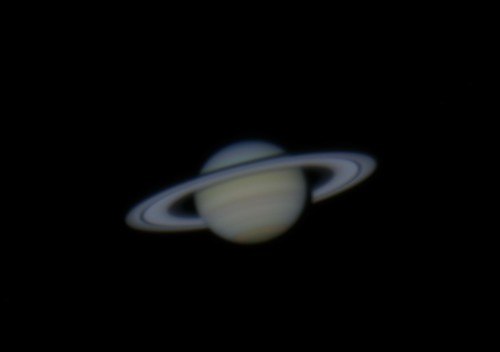
The scope was the historic Otto Struve 82" Telescope at The University of Texas' McDonald Observatory, Ft. Davis, Texas.
This was Astronomy Magazine's online Photo of the Day on November 28, 2006:
www.astronomy.com/asy/default.aspx?c=ga&id=99&aid...
Wow. Now NASA/JPL has it online!
JPL has since used it in a press release and another online composite for their Saturn Observation Campaign 2007.
Blogged by C|Net, alongside two NASA photos (from Hubble and Spitzer orbiting telescopes!):
news.com.com/2300-11397_3-6159390-3.html?tag=ne.gall.pg
PhysOrg.com lists it here: www.physorg.com/multimedia/pix478/
It accompanies a very nice Cassini spacecraft mission article with audio commentary on Scientific Frontline, here:
www.sflorg.com/control_room/cassini.html
NASA/JPL used it again (April 2007) in a PodCast at:
www.jpl.nasa.gov/videos/whatsup/whatsup20070405/
Blogged here, as a click-through link to Phil Plaitt's amazing video on Saturn from the Denver Museum:
It was used by NPR today on the occasion of the telescope's 75th Anniversary:
marfapublicradio.org/blog/mcdonald-observatory-75th-anniv...
First of my photos to hit 800 views (February 14, 2007) -- 1,000 views (March 26, 2007) -- 1,200 views (May 12, 2007) -- 1,500 views (July 21, 2007) -- 1,750 (August 12, 2007) -- 2,000 views (Oct. 2007) -- 4,000 views (Apr. 2008) -- 5,000 views (July 29, 2008) -- 10,000 views (Mar. 2010).
If you use this photo, please credit: Jeff Barton and Josh Walawender
"Each meeting occurs at the precise moment for which it was meant. Usually, when it will have the greatest impact on our lives."
Nadia Scrieva, Fathoms of Forgiveness
Follow me on: Facebook - Flickriver - Tumblr. - Twitter
© Copyright Natalie Panga - All rights reserved. EXPLORED August 24, 2012.
* Lightbox: Best seen in larger size on black (click image above)
Tammy can’t wait for her friend Misty (Glamour Misty- The MISS CLAIROL Doll' to be precise!) to be set free from her box so that they can have lots of fashion fun together! I love her box just as much, even though it isn’t in perfect condition, which is fine by me as I wanted to take her out of the box to dress her up. Nevertheless, she has never been played with and even had her cello and clear plastic bag over her head, but I removed them for the photo so you can see her in all her glory. You can’t really tell, but her flip is still in its perfect factory set, and I am so thrilled that she actually comes with her own stand so, because the outer box cello is gone, you can easily take her out and put her back in the box. I also love her marvellously detailed lingerie as it so 60’s! I remember a sleepover scene that was in one of those beach party movies from the 60’s where someone was wearing something just like this. Like Tammy, I can’t wait to see her in lots of fashions! I wonder if those hair colour pens still work? (It probably won’t matter if they don’t as she is one of the very few dolls that I actually prefer with her pale blonde hair. Make’s such a nice contrast to Tammy’s chestnut brown pageboy.)
The Ivan the Great Bell Tower (Russian: Колокольня Ивана Великого) is the tallest of the towers in the Moscow Kremlin complex, with a total height of 81 metres (266 ft). It was built in 1508 for the Russian Orthodox cathedrals in Cathedral Square, namely the Assumption, Archangel and Annunciation cathedrals, which do not have their own belfries. and is said to mark Moscow's precise geographic centre
History
From 1329, Moscow's first stone bell tower stood on this site, affiliated with the Church of St. Ivan of the Ladder-under-the Bell, hence the name "Ivan" in the title. This church was erected by Grand Duke Ivan Kalita, and was one of the first to be built in Moscow out of stone, rather than wood. During Grand Duke Ivan III’s major renovation of the Kremlin, he hired an Italian architect to replace this church. Construction was begun in 1505, the year of Ivan’s death, and was completed three years later under his son Vasily III. Vasilly also ordered that a new and unprecedentedly large tower be erected on the foundations of the old tower as a monument to honour his father.
The new bell tower, completed in 1508, originally had two belfries on different levels and a height of around 60 meters. Because of its height, the tower also served as an observation point against fires and the approach of enemies.
A new church, the Church of the Resurrection, was built next to the tower from 1531-1543, but already by the end of the 17th century it was used as bell choir stalls to supplement the hanging bells, rather than as a place of worship.
In 1600 on the orders of Boris Godunov the tower was raised to its present height. Until the building of the Cathedral of Christ the Saviour in 1883, it was the tallest building in old Moscow, and it was forbidden to put up any building in Moscow which was taller than the Bell Tower.
There's a popular yet disputable legend, that when Napoleon captured Moscow in 1812 after the Battle of Borodino, he heard that the cross on the central dome of the Annunciation Cathedral had been cast in solid gold, and immediately gave orders that it should be taken down. But he confused the cathedral with the Ivan the Great Bell Tower, which only had a gilded iron cross. This cross resisted all attempts of French equipment and engineers to remove it from the tower. It was only after a Russian peasant volunteered to climb up to the dome that the cross was lowered on a rope. When he went up to Napoleon seeking a reward, the latter had him shot out of hand as a traitor to his fatherland.[1] During the retreat Napoleon attempted to blow up the tower. The blast destroyed the former Church of the Resurrection, but the tower itself proved to be extremely stable and suffered only a few cracks in the foundation walls.
Ivan the Great Bell Tower adjoins the Assumption Belfry, which was built between 1523 and 1543 by the Italian immigrant architect Petrok Maly Fryazin (who converted to Orthodox Christianity and settled in Russia). It contains the Great Assumption Bell which was cast in the mid-19th century by Zavyalov, and it is the biggest of all the Kremlin bells. This ensemble contains 24 large bells.
Architecture
The Ivan the Great Bell Tower is an ensemble with three components. All of the buildings are made of brick, and are whitewashed in accord with the neighboring buildings of Cathedral Square. The tower itself consists of three octagonal drums, narrowing towards the top, and surmounted by a golden dome and seven-meter high cross. Each section has cut-out windows for the bells, and the upper third has a series of kokoshnik ornamentation (which marks the translation between the 1509 original and the 1600 addition).
Inside the tower a total of 329 steps long spiral staircase leads to the highest observation deck. The space on the ground floor of the base was once home to the Church of St. John Climacus and is cramped due to the five meters thick. The former Church of the Resurrection, since the late 17th Century, only for the accommodation of bells, has a four-story rectangular base with large arched recesses for the bell choir stalls. A top drum decorated with a dome and cross. On the third floor of the building is a small chapel founded in the 19th Century.
Bells
The Ivan the Great Bell Tower today contains 22. Of these, 18 small bells hang in the base and in the middle of the bell tower. Of the four large bells, one is named the Upsensku Bell, and weighs 65.5 tons. It rings traditionally among the largest religious festivals such as Easter, and was made in the early 16th century.
Two large bells in the Assumption stalls are the 19.6-ton Reut and the 16.6-ton Daily. The latter was cast by the same craftsman as the Tsar Cannon, Andrey Chokhov. The remaining large bell is the Sunday Bell, weighing 13 tons, which was cast in 1704 by Ivan Motorin, caster of the Tsar Bell.
The Lord Nelson bar to be precise, although, as a young school leaver, I harboured aspirations to enter the legal profession, either that or journalism.
Alas, a lack of O Levels and the equal lack of inclination to re-sit exams, ensured those two avenues were closed off forever.
A quick glance at today’s weary condition of those two professions fills me with relief that things turned out the way they did.
Print has kept me gainfully employed for all but 6 months of my working life and although it wasn’t the road to riches it proved sufficient for me to raise four kids and pay my way without resort to ‘benefits’.
None of which bears any relevance to the pic...apart from the fact my modest income allows for a weekly, relaxing tour of a couple of city bars.
Stranger #90 – Cam
It was a sunny afternoon, I had been walking for a while, alternating between main streets exposed to the sun and shadowy side streets. Cam was sitting on the ground in the rue froide so called for the fact that it remains cool even on days such as this one. Cam’s back was against the wall of l’église saint Sauveur. We started talking. Cam asked me what kind of pictures I took. I explained the 100 strangers project. I had to check my notebook when Cam asked me how many strangers I had photographed. “89,” I said. “Want to be the 90th?” “Sure” I sat with Cam and we talked for a while.
“I’m a fundraiser for the Red Cross. I love photography. A while back, I purchased a film camera I like the fact that there’s something final about film. The camera wasn’t working, that was a punch in the face. I spend a lot of money on disposable cameras. I’ve got 3 rolls of film that will be developed on Thursday. I’m from Tours, I’m studying political sciences at Paris 8 Vincennes Saint Denis, I live in Paris. What drew me to political sciences is science and politics. Just kidding. I like the multi-disciplinary approach to politics and it being Paris 8 it feels like studying the far left, studying all these subjects is like being slapped in the face sometimes but so interesting. Do you know Paris 8?”
“I know it by name. Paris 8 Vincennes, well formerly Vincennes.”
“Formerly Vincennes, now Paris 8 Saint Denis. There was a documentary made about Paris 8. I can’t remember the name, I haven’t seen it.” (Vincennes l’université perdue de Viriginie Linhart)
“How did you become a fundraiser?”
“I was in Paris and someone stopped me in the street and asked me if I wanted a job. I said yes, I do because I’m poor. That’s how I got to work for ONG conseil, I did a mission for médecins du monde as a fundraiser. That mission was stopped because of the lockdown. Later I was in Tours, someone stopped me in the street and asked me if I wanted a job. I said I know which job you’re offering, I said yes again because I was still poor. I didn’t think I would go to the end of that mission but it went really well in Tours so I kept going for the mission in Caen.”
“Do you still have faith in humanity?”
“At this precise moment yes, I sort of do. You’re part of the reason why. Because you stopped to talk with me. I’m a bit of a sponge. In the street, when you’re fine everything goes well. When you’re in a bad place you just get kicked around. When I’m radiant I meet great people and have nice moments with them. Today is more difficult. I love that in this job, being outside talking with people. I’ve been to Ireland. Once, I wanted to go back there but I couldn’t be bothered to pay 20 euros for a plane ticket. I decided to boat hitch hike. I was with someone, we couldn’t get a car to pick us up to get out of Paris. We only found one at about 6pm. Our plan was to get to Brest and then boat hitch hike from Brest to Ireland. In the end, we could only get to Rennes by nightfall. We had no money and no place to sleep. We asked people if we could sleep in their home. We happened on people who couldn’t accommodate us but said they knew people who might be able to. Indeed they could but they didn’t have anything for breakfast so I said what about if we bring jam and we found people who got us a jar of jam so we were able to stay. Once there was a big wooden boat and I asked the people on that boat if they could teach me knots so I’d at least have that going for me when I asked to boat hitch hike, I asked if I could sleep on that boat and I ended up going to Ireland on that boat the next day. I like that, when you have no place to sleep, nothing to eat, you have to find a solution and that gets you moving. On TV and in mainstream media, we’re being sold a version of the world that’s hyper competitive, a dog eat dog version of the world, as a result people mimic that and tend to become like that. We aren’t like that. I was relaxing after a shit day at work at the trocadéro, I saw a girl with a huge backpack like a hiking backpack. She looked like she was having a hard time, she was on the phone with a few people. I went to talk to her, she needed a place to stay, I told her she could stay at my place, she stayed four nights.”
Cam checked what time it was, work was waiting. There wasn’t much time to take a picture. I wish I’d thought of moving to the left to have only the wall as a background so as not to have the blown highlights of the sky but I’m glad and grateful I spent a while talking with Cam, not only was it very interesting and enjoyable but it was also heart-warming. Cam blew on the embers of my faith in humanity.
Thank you very much Cam!
This picture is #90 in my 100 strangers project. Find out more about the project and see pictures taken by other photographers at the 100 Strangers Flickr Group page
This is my 85th submission to the Human Family Group. To view more street portraits and stories visit The Human Family Flickr Group page
C’était un après-midi ensoleillé, cela faisait un moment que je marchais, alternant entre les rues principales exposées au soleil et les rues adjacentes avec leurs ombres. Cam était assis dans la rue froide, appelée ainsi parce que même les jours ensoleillés elle conserve sa fraîcheur. Cam était adossé au mur de l’église saint Sauveur. Je lui ai dit bonjour et lui ai demandé si ça allait, nous avons commencé à discuter. Cam m’a demandé de quoi je prenais des photos et je lui ai parlé du projet 100 strangers. J’ai dû vérifier dans mon carnet lorsque Cam m’a demandé combien de gens j’avais déjà pris en photo. “89”, lui ai-je dit. Je l’ai regardé. “ça te dit d’être la 90ème?” “Oui, trop!” Je me suis assis avec Cam et nous avons discuté un moment.
“Je recrute des donateurs pour la Croix Rouge. J’adore la photo. J’ai acheté un argentique, j’aime le coté définitif. Il fonctionnait pas ça m’a mis une claque. Je dépense plein d’argent dans les jetables, j’ai trois pellicules qui seront développées jeudi. Je viens de Tours, j’étudie les sciences politiques à l’université de Paris 8, je vis à Paris. Ce qui m’a attiré dans les sciences politiques c’est la science et la politique. Je rigole! C’est l’approche pluri-disciplinaire et à Paris 8, j’ai l’impression d’étudier l’extrême gauche, on s’en prend plein la tête mais c'est trop bien. Je sais pas si tu connais Paris 8.”
“De nom seulement, Paris 8 Vincennes, enfin anciennement Vincennes.”
“Oui, anciennement Vincennes, Paris 8 Saint Denis maintenant. Y a un documentaire qui a été fait sur Paris 8, je me souviens plus du nom, je l’ai pas vu.” Vincennes l’université perdue de Viriginie Linhart)
“Comment t’es devenue recruteuse de donateurs?”
“J’étais à Paris et quelqu’un m’arrête dans la rue et me demande si je veux un travail. J’ai dit oui parce que je suis pauvre. C’est comme ça que j’ai travaillé pour ONG conseil, j’ai fait une mission pour médecins du monde. La mission a été arrêtée à cause du confinement. Après j’étais à Tours, quelqu’un m’arrête dans la rue et me demande si je veux un travail. Je lui dit, je sais ce que tu vas me proposer comme taf. J’ai dit oui parce que je suis toujours pauvre. Je pensais pas aller jusqu’au bout de la mission mais ça c’est super bien passé à tours du coup j’ai continué avec la mission à Caen.”
“T’as encore foi en l’humanité?”
“À l’instant T j’ai plutôt foi en l’humanité. C’est un peu grâce à toi en fait, le fait que tu te sois arrêté pour parler avec moi. Je suis un peu une éponge et dans la rue, si tu vas bien tout se passe bien, si tu vas mal t’en prends plein la gueule. Quand je suis solaire, ça se passe super bien, je rencontre des gens super et je passe de bons moments. Aujourd’hui c’est plus dur. J’aime ce taf, être dehors parler avec les gens. J’ai été en Irlande. Une fois je voulais y retourner mais j’avais la flemme de payer 20 euros pour un billet d’avion low cost. J’ai fait du bateau stop. J’étais avec quelqu’un. On est partis de Paris. On trouvait personne pour sortir de Paris. On a trouvé qu’à 18h00. On pensait aller jusqu’à Brest et faire du bateau stop pour l’Irlande là-bas. Au final on s’est arrêtés à Rennes ce soir là. On avait pas d’argent et nulle part où dormir. On a demandé à des gens si on pouvait dormir chez eux. Y en a qui pouvaient pas mais qui nous ont dit qu’ils connaissaient des gens qui pourraient peut être. Ils pouvaient nous héberger mais ils avaient rien pour le petit déjeuner. J’ai dit et si je ramène un pot de confiture, ça le fait? On a trouvé d’autres personnes pour nous donner un pot de confiture et on a pu rester. Une fois y avait un gros bateau en bois, je me suis approchée pour demander comment faire des noeuds histoire d’avoir un truc sur mon CV quand je fais du bateau stop. Je leur ai demandé si je pouvais dormir sur le bateau la nuit et au final le lendemain je suis partie pour l’Irlande avec eux. J’aime ça, quand t’as nulle part où dormir, quand t’as rien à manger t’es obligé de te bouger. À la télé et dans les médias, ils vendent une version hyper compétitive de la société et les gens deviennent comme ça à force. On est pas comme ça. Après le boulot, j’étais posé au trocadéro, j’avais eu une journée de merde. J’ai vu une fille avec un énorme sac à dos. Un sac de rando. Elle avait l’air de galérer. Elle était au téléphone avec plein de gens. J’ai été la voir, elle cherchait un endroit où dormir. Je l’ai hébergé. Au final elle est restée 4 nuits chez moi.”
Cam a vérifié son portable pour voir l’heure. C’était sa pause et la reprise approchait. Il n’y avait pas beaucoup de temps pour faire un portrait. J’aurais dû penser à bouger sur ma gauche pour n’avoir que le mur comme arrière plan et ne pas avoir le ciel surexposé mais je suis très heureux et reconnaissant d’avoir passé un moment avec Cam. Non seulement c’était très agréable et intéressant mais cela m’a réchauffé le coeur. Cam a soufflé sur les braises de ma foi en l’humanité.
Merci beaucoup Cam!
Cette photo est la #90 dans mon projet 100 strangers. Apprenez-en plus au sujet du projet et visionnez les photos prises par d’autres photographes sur la page Flickr du groupe 100 Strangers
C’est ma 85ème participation au groupe The Human Family. Pour voir plus de portraits de rue et d’histoires, visitez la page Flickr du groupe
A killer Sky on Skye ;-) in Elgol to be more precise. It got better an better that evening and this is the last shot I took before I got drenched by a stray wave from the left side. Good this photo was done as the wave hit. I had to dry my epuipment for a couple of minutes then. The filters where useless afterwards, the salt water made big smears as I tried to whipe em. Good I had a rain cloth around my cam so only the back of it got wet. Without it, it might well have been the end of my EOS 40d ;-)
When I was ready to shoot again it was more to test if the camera was still working, the color in the sky was nearly gone.
This is from one exposure, I used a Lee 0.6 hard GND and If I remember right I also had the 0.6 soft GND attached. I'm very happy this photo came out so well.. It really was a pain watching the show afterwards as I dried my camera and the filters and couldn't shoot.
PS: for the germans, I have a new article on kwerfeldein.de/index.php/2011/09/18/und-wieder-klingelt-d... which is about my scotland trip. check it out
cheers
Tundra Swans ~ November 14, 2017
by John Williams
I
This is the Autumn marsh
In the Great Basin of North America
The last of the Cascades behind
A smatter of clouds line the ridge
A short-lived sun heading that way
II
I’m walking through
The tightness in my hip
With a half-assed
(pardon the pun)
Theory about why
Suddenly my knees don’t
Hurt and recalling
From time to time
That simply noticing
Is a whole hell
Of a lot better than
The hell of trying to
Figure things out
III
Simply noticing my hip
Simply noticing cattails, tules,
Salt, wheat and canary grasses
So many shades of browns
Latigo leather brown
Dark bay horse brown
Burnt sienna, bistre and chestnut
Cured tobacco leaves
Sunlit browns and backlit browns
All perfect complements
To blue canal, ponds, lakes
Cerulean to denim
Steel to cobalt blue and even darker
Blues in the shadows
Taking notice too of Tundra Swans
A hemline of hundreds
Their ambient clamor
From a multitude of murmurs
Noting as well the shades of swans
Some immaculate white
Many two-toned or
Mottled with platinum blotches
A few the duskiest slate grey
Uncanny impulses
Send wedges up and down wind
Crossing patterns
Or solo transits
Transversing duos and trios too
Or sedentary swans
Afloat for hours
Stretching preening
At times Squabbling
Necks protracted
Or just adrift dreaming?
IV
What thought dawns
In what kind of a mind
To switch instantly
From complete aplomb
To a wild, raucous scramble
As one swan
Deserts the placid bevy
Executes a precise bank
And navigates
With inscrutable certainty
To some secret beloved lagoon?
Not your normal holdup of traffic, a tractor carefully tows a BAC Lightning past a line of new cars, hence the marshaller being very precise on the left!
Seen at Bruntingthorpe Airfield during a TimeLine Rolling Thunder event.
Amber Rix designed brass dice machined by Cybernetic Research Labs. Machined metal is wonderful to see up close, and these dice are precise with their sharp edges and brushed metal facades.
The Kingsbury-Humber discharge tanks, as you can plainly see with a Shed up front and not a Tug, crosses the River Witham, giving a somewhat fuzzy reflection as it does so.
Later on, and I must point out that I've only just found this out, the Colas Rectory Junction which RTT said was cancelled, ran. This is now becoming horribly obvious to me, a very difficult train to photograph. Of the three times I've headed out in this direction, twice it has not run due to whatever problem and this last time I drove off fully understanding it had been cancelled and as already pointed out, it ran. At the precise moment it crossed where this shot was taken, I was stuck in traffic heading for the A46. My horoscope said nothing about this in my future, not a single sausage... Mystic Meg, I need help! The stars WILL align one of these days.
If anyone fancies meeting up in Lincoln to track this damn train down, let me know.
Ex oil, and water I guess.
Je tiens à préciser que cette photo a été réalisée sans aucune gêne pour les oiseaux. La prise de vue a été faite sous affut avec camouflage complet. Si il y avait eu une gêne, le nourrissage aurai été interrompue.
I want to clarify that this photo was carried out without any embarrassment for the birds. The shooting was done under cover with complete camouflage. If there had been any discomfort, the feeding would have been interrupted.
Crows, to be precise.
Fly big crows.
Not the prettiest flyers, y'know-- and definitely not the most gracious. BUT, they're pretty darn cool, aye?
Shot during the Am-Ifty-Di Dhanmondi Lake adventures!
Her nose is so pretty, her cheeks so rosy, her eye make-up so precise....Heather Sky makes such a beautiful custom in my opinion.... I'm hanging with Fresca tonight.
en.wikipedia.org/wiki/Lake_District
The Lake District, also commonly known as The Lakes or (particularly as an adjective) Lakeland, is a mountainous region in North West England. A popular holiday destination, it is famous not only for its lakes, forests and mountains (or fells), but also for its associations with the early 19th century poetry and writings of William Wordsworth and the other Lake Poets.
Historically shared by the counties of Cumberland, Westmorland and Lancashire, the Lake District now lies entirely within the modern county of Cumbria. All the land in England higher than three thousand feet above sea level lies within the National Park, including Scafell Pike, the highest mountain in England. It also contains the deepest and longest lakes in England, Wastwater and Windermere, respectively.
Lake District National Park
Lake District National Park (shown as number 2) in a map of National Parks in England and Wales.
The Lake District National Park includes nearly all of the Lake District, though the town of Kendal and the Lakeland Peninsulas are currently outside the Park boundary.
The area, which was designated a National Park on 9 May 1951 (less than a month after the first UK National Park designation — the Peak District), is the most visited national park in the United Kingdom with 15.8 million annual visitors and more than 23 million annual day visits,[1] the largest of the thirteen National Parks in England and Wales, and the second largest in the UK after the Cairngorms.[2] Its aim is to protect the landscape by restricting unwelcome change by industry or commerce. Most of the land in the Park is in private ownership. The National Trust owns about a quarter of the total area (including some lakes and land of significant landscape value), United Utilities owns eight per cent and 3.9% belongs to the Lake District National Park Authority. The National Park Authority is based at offices in Kendal. It runs a visitor centre on Windermere at a former country house called Brockhole,[3] Coniston Boating Centre and Information Centres.
In common with all other National Parks in England, there is no restriction on entry to, or movement within the park along public routes, but access to cultivated land is usually restricted to public footpaths.
The lakes and mountains combine to form impressive scenery. Farmland and settlement add aesthetic value to the natural scenery with an ecology modified by human influence for millennia and including important wildlife habitats. The Lake District has failed to be approved as a natural World Heritage Site, because of human activities, such as commercial forestry, which have adversely impacted the park's assessment. Another bid is being prepared for World Heritage Status, this time in the category of cultural landscape.
Proposed extension to National Park
In December 2009, Natural England proposed extending the National Park in the direction of the Yorkshire Dales National Park.[5] This would include land of high landscape value in the Lune Valley. The proposal was opposed by Cumbria County Council who said it would lead to less democratic control and would make local housing less affordable.[6] A public inquiry is being held into the proposals which will require a decision by the Secretary of State.
Human geography
General
The precise extent of the Lake District was not defined traditionally, but is slightly larger than that of the National Park, the total area of which is about 885 square miles (2,292 km2). The Park extends just over 32 miles (52 km) from east to west and nearly 40 miles (64 km) from north to south,[8] with areas such as the Lake District Peninsulas to the south lying outside the National Park.
Settlement
The Lake District is one of the most highly populated national parks. There are, however, only a handful of major settlements within this mountainous area, the towns of Keswick, Windermere, Ambleside, and Bowness-on-Windermere being the four largest. Significant towns immediately outside the boundary of the national park include Barrow-in-Furness, Kendal, Ulverston, Cockermouth, Penrith, and Grange-over-Sands; each of these has important economic links with the area. Villages such as Coniston, Threlkeld, Glenridding, Pooley Bridge, Broughton-in-Furness, Grasmere, Newby Bridge, Staveley, Lindale, Gosforth and Hawkshead act as more local centres. The economies of almost all are intimately linked with tourism. Beyond these are a scatter of hamlets and innumerable isolated farmsteads, some of which are still tied to agriculture, others now function as part of the tourist economy.
Communications
Roads
The Lake District National Park is almost contained within a box of trunk routes. It is flanked to the east by the A6 road which runs from Kendal to Penrith). The A590 which connects the M6 to Cumbria's largest town, Barrow-in-Furness, and the A5092 trunk roads cut across its southern fringes and the A66 trunk road between Penrith and Workington cuts across its northern edge. Finally the A595 trunk road runs through the coastal plains to the west of the area linking the A66 with the A5092.
Besides these, a few A roads penetrate the area itself, notably the A591 which runs northwestwards from Kendal to Windermere and then on to Keswick. It continues up the east side of Bassenthwaite Lake. "The A591, Grasmere, Lake District" was short-listed in the 2011 Google Street View awards in the Most Romantic Street category. The A593 and A5084 link the Ambleside and Coniston areas with the A590 to the south whilst the A592 and A5074 similarly link Windermere with the A590. The A592 also continues northwards from Windermere to Ullswater and Penrith by way of the Kirkstone Pass.
Some of those valleys which are not penetrated by A roads are served by B roads. The B5289 serves Lorton Vale and Buttermere and links via the Honister Pass with Borrowdale. The B5292 ascends the Whinlatter Pass from Lorton Vale before dropping down to Braithwaite near Keswick. The B5322 serves the valley of St John's in the Vale whilst Great Langdale is served by the B5343. Other valleys such as Little Langdale, Eskdale and Dunnerdale are served by minor roads. The latter connects with the former two by way of the Wrynose and Hardknott passes respectively - both of these passes are known for their steep gradients and are one of the most popular climbs in the United Kingdom for cycling enthusiasts.[11] A minor road through the Newlands Valley connects via Newlands Hause with the B5289 at Buttermere. Wasdale is served by a cul-de-sac minor road as is Longsleddale and the valleys at Haweswater and Kentmere. There are intricate networks of minor roads in the lower-lying southern part of the area connecting numerous communities between Kendal, Windermere and Coniston.
Railways and ferries
The West Coast Main Line skirts the eastern edge of the Lake District and the Cumbrian Coast Line passes through the southern and western fringes of the area. A single line, the Windermere Branch Line, penetrates from Kendal to Windermere via Staveley. Lines once served Broughton-in-Furness and Coniston and another ran from Penrith to Cockermouth via Keswick but each of these was abandoned in the 1960s. The track of the latter has been adopted in part for use by the improved A66 trunk road.
The narrow gauge Ravenglass and Eskdale Railway runs from Ravenglass on the west coast up Eskdale as far as Dalegarth Station near the hamlet of Boot, catering for tourists. Another heritage railway, the Lakeside and Haverthwaite Railway runs between the two villages encompassed within its name, tourists being able to connect with the Windermere passenger ferry at Lakeside.
A vehicle-carrying cable ferry, the Windermere Ferry runs frequent services across Windermere. There are also seasonal passenger ferries on Coniston Water, Derwent Water and Ullswater.
Physical geography
As the highest ground in England, Scafell Pike naturally has a very extensive view, ranging from the Mourne Mountains in Northern Ireland to Snowdonia in Wales. The Lake District takes the form of a roughly circular upland massif deeply dissected by a broadly radial pattern of major valleys whose character is largely the product of repeated glaciations over the last 2 million years. Most of these valleys display the U-shape cross-section, characteristic of glacial origin and often contain elongate lakes occupying sizeable bedrock hollows often with tracts of relatively flat ground at their heads. Smaller lakes known as tarns occupy glacial cirques at higher elevations. It is the abundance of both which has led to the area becoming known as the Lake District.
The mountains of the Lake District are also known as the "Cumbrian Mountains", although this name is less frequently used than terms like "the Lake District" or "the Lakeland Fells". Many of the higher fells are rocky in character, whilst moorland predominates at lower altitude. Vegetation cover across better drained areas includes bracken and heather though much of the land is boggy, due to the high rainfall. Deciduous native woodland occurs on many steeper slopes below the tree line but with native oak supplemented by extensive conifer plantations in many areas, particularly Grisedale Forest in the generally lower southern part of the area.
Valleys
The principal radial valleys are (clockwise from the south) those of Dunnerdale, Eskdale, Wasdale, Ennerdale, Lorton Vale and the Buttermere valley, the Derwent Valley and Borrowdale, the valleys containing Ullswater and Haweswater, Longsleddale, the Kentmere valley and those radiating from the head of Windermere including Great Langdale. The valleys serve to break the mountains up into separate blocks which have been described by various authors in different ways. The most frequently encountered approach is that made popular by Alfred Wainwright who published seven separate area guides to the Lakeland Fells.
Woodlands
Below the tree line are wooded areas, including British and European native oak woodlands and introduced softwood plantations. The woodlands provide habitats for native English wildlife. The native red squirrel is found in the Lake District and in a few other parts of England. In parts of the Lake District the rainfall is higher than in any other part of England. This gives Atlantic mosses, ferns, lichen, and liverworts the chance to grow. There is some ancient woodland in the National Park. Management of the woodlands varies: some are coppiced, some pollarded, some left to grow naturally, and some provide grazing and shelter.
Hills (Fells)
The four highest mountains in the Lake District exceed 3000 ft (914m). These are;
Scafell Pike, 978 m (3,210 ft),
Scafell, 965 m (3,162 ft),
Helvellyn, 951 m (3,118 ft) and
Skiddaw, 931 m (3,054 ft).
Northern Fells
The Northern Fells are a readily defined range of hills contained within a 13 km diameter circle between Keswick in the southwest and Caldbeck in the northeast. They culminate in the 931 m (3054 ft) peak of Skiddaw. Other notable peaks are those of Blencathra (also known as Saddleback) (868m / 2848 ft) and Carrock Fell. Bassenthwaite Lake occupies the valley between this massif and the North Western Fells.
North Western Fells
The North Western Fells lie between Borrowdale and Bassenthwaite Lake to the east and Buttermere and Lorton Vale to the west. Their southernmost point is at Honister Pass. This area includes the Derwent Fells above the Newlands Valley and hills to the north amongst which are Dale Head, Robinson. To the north stand Grasmoor - highest in the range at 852 m (2795 ft), Grisedale Pike and the hills around the valley of Coledale, and in the far north-west is Thornthwaite Forest and Lord's Seat. The fells in this area are rounded Skiddaw Slate, with few tarns and relatively few rock faces.
Western Fells
The Western Fells lie between Buttermere and Wasdale, with Sty Head forming the apex of a large triangle. Ennerdale bisects the area, which consists of the High Stile ridge north of Ennerdale, the Loweswater Fells in the far north west, the Pillar group in the south west, and Great Gable (2,949 feet or 899 metres) near Sty Head. Other tops include Seatallan, Haystacks and Kirk Fell. This area is craggy and steep, with the impressive pinnacle of Pillar Rock its showpiece. Wastwater, located in this part, is England's deepest lake.
Central Fells
The Central Fells are lower in elevation than surrounding areas of fell, peaking at 762 m (2500 ft) at High Raise. They take the form of a ridge running between Derwent Water in the west and Thirlmere in the east, from Keswick in the north to Langdale Pikes in the south. A spur extends southeast to Loughrigg Fell above Ambleside. The central ridge running north over High Seat is exceptionally boggy.
Eastern Fells
The Eastern Fells consist of a long north-to-south ridge—the Helvellyn range, running from Clough Head to Seat Sandal with the 3,118-foot (950 m) Helvellyn at its highest point. The western slopes of these summits tend to be grassy, with rocky corries and crags on the eastern side. The Fairfield group lies to the south of the range, and forms a similar pattern with towering rock faces and hidden valleys spilling into the Patterdale valley. It culminates in the height of Red Screes overlooking the Kirkstone Pass.
Far Eastern Fells
The Far Eastern Fells refer to all of the Lakeland fells to the east of Ullswater and the A592 road running south to Windermere. At 828 m (2,717 ft), the peak known as High Street is the highest point on a complex ridge which runs broadly north-south and overlooks the hidden valley of Haweswater to its east. In the north of this region are the lower fells of Martindale Common and Bampton Common whilst in the south are the fells overlooking the Kentmere valley. Further to the east, beyond Mardale and Longsleddale is Shap Fell, an extensive area consisting of high moorland, more rolling and Pennine in nature than the mountains to the west.
Southern Fells
The Southern Fells occupy the southwestern quarter of the Lake District. They can be regarded as comprising a northern grouping between Wasdale, Eskdale and the two Langdale valleys, a southeastern group east of Dunnerdale and south of Little Langdale and a southwestern group bounded by Eskdale to the north and Dunnerdale to the east.
The first group includes England's highest mountains; Scafell Pike in the centre, at 3,209 feet (978 m) and Scafell one mile (1.6 km) to the south-west. Though it is slightly lower it has a 700-foot (210 m) rockface, Scafell Crag on its northern side. It also includes the Wastwater Screes overlooking Wasdale, the Glaramara ridge overlooking Borrowdale, the three tops of Crinkle Crags, Bowfell and Esk Pike. The core of the area is drained by the infant River Esk. Collectively these are some of the Lake District's most rugged hillsides.
The second group, otherwise known as the Furness Fells or Coniston Fells, have as their northern boundary the steep and narrow Hardknott and Wrynose Passes.
The third group to the west of the Duddon includes Harter Fell and the long ridge leading over Whitfell to Black Combe and the sea. The south of this region consists of lower forests and knolls, with Kirkby Moor on the southern boundary. The south-western Lake District ends near the Furness peninsula and Barrow-in-Furness, a town which many Lake District residents rely on for basic amenities.
South Eastern area
The south-eastern area is the territory between Coniston Water and Windermere and east of Windermere towards Kendal and south to Lindale. There are no high summits in this area which is mainly low hills, knolls and limestone cuestas such as Gummer's How and Whitbarrow. Indeed it rises only as high as 333m at Top o' Selside east of Coniston Water; The wide expanse of Grizedale Forest stands between the two lakes. Kendal and Morecambe Bay stand at the eastern and southern edges of the area.
Lakes
Only one of the lakes in the Lake District is called by that name, Bassenthwaite Lake. All the others such as Windermere, Coniston Water, Ullswater and Buttermere are meres, tarns and waters, with mere being the least common and water being the most common. The major lakes and reservoirs in the National Park are given below.
Bassenthwaite Lake
Brotherswater
Buttermere
Coniston Water
Crummock Water
Derwent Water
Devoke Water
Elter Water
Ennerdale Water
Esthwaite Water
Grasmere
Haweswater Reservoir
Hayeswater
Loweswater
Rydal Water
Thirlmere
Ullswater
Wast Water
Windermere
Geology
The Lake District's geology is very complex but well-studied.[12] A granite batholith beneath the area is responsible for this upland massif, its relatively low density causing the area to be 'buoyed up'. The granite can be seen at the surface as the Ennerdale, Skiddaw, Carrock Fell, Eskdale and Shap granites.
Broadly speaking the area can be divided into three bands, the divisions between which run southwest to northeast. Generally speaking the rocks become younger from northwest to southeast. The northwestern band is composed of early to mid Ordovician sedimentary rocks – largely mudstones and siltstones of marine origin. Together they comprise the Skiddaw Group and include the rocks traditionally known as the Skiddaw Slates. Their friability generally leads to mountains with relatively smooth slopes such as Skiddaw itself.
The central band is a mix of volcanic and sedimentary rocks of mid to late Ordovician age comprising the lavas and tuffs of the Borrowdale Volcanic Group, erupted as the former Iapetus ocean was subducted beneath what is now the Scottish border during the Caledonian orogeny. The northern central peaks, such as Great Rigg, were produced by considerable lava flows. These lava eruptions were followed by a series of pyroclastic eruptions which produced a series of calderas, one of which includes present-day Scafell Pike. These pyroclastic rocks give rise to the craggy landscapes typical of the central fells.[13]'
The southeastern band comprises the mudstones and wackes of the Windermere Supergroup and which includes (successively) the rocks of the Dent, Stockdale, Tranearth, Coniston and Kendal Groups. These are generally a little less resistant to erosion than the rocks sequence to the north and underlie much of the lower landscapes around Coniston and Windermere.
Later intrusions have formed individual outcrops of igneous rock in each of these groups. Around the edges of these Ordovician and Silurian rocks on the northern, eastern and southern fringes of the area is a semi-continuous outcrop of Carboniferous Limestone seen most spectacularly at places like Whitbarrow Scar and Scout Scar.
Climate
The Lake District's location on the north west coast of England, coupled with its mountainous geography, makes it the dampest part of England. The UK Met Office reports average annual precipitation of more than 2,000 millimetres (80 in), but with very large local variation. Although the entire region receives above average rainfall, there is a wide disparity between the amount of rainfall in the western and eastern lakes, as the Lake District experiences relief rainfall. Seathwaite in Borrowdale is the wettest inhabited place in England with an average of 3,300 millimetres (130 in) of rain a year,[16] while nearby Sprinkling Tarn is even wetter, recording over 5,000 millimetres (200 in) per year; by contrast, Keswick, at the end of Borrowdale receives 1,470 millimetres (60 in) every year, and Penrith (just outside the Lake District) only 870 millimetres (30 in). March to June tend to be the driest months, with October to January the wettest, but at low levels there is relatively little difference between months.
Although sheltered valleys experience gales on an average of only five days a year, the Lake District is generally very windy with the coastal areas having 20 days of gales, and the fell tops around 100 days of gales per year. The maritime climate means that the Lake District experiences relatively moderate temperature variations through the year. Mean temperature in the valleys ranges from about 3 °C (37 °F) in January to around 15 °C (59 °F) in July. (By comparison, Moscow, at the same latitude, ranges from −10 °C to 19 °C/14 °F to 66 °F).
The relatively low height of most of the fells means that, while snow is expected during the winter, they can be free of snow at any time of the year. Normally, significant snow fall only occurs between November and April. On average, snow falls on Helvellyn 67 days per year. During the year, valleys typically experience 20 days with snow falling, a further 200 wet days, and 145 dry days. Hill fog is common at any time of year, and the fells average only around 2.5 hours of sunshine per day, increasing to around 4.1 hours per day on the coastal plains.
Wildlife
The Lake District is one of the few places in England where red squirrels have a sizeable population.[18]
The Lake District is home to a plethora of wildlife, due to its range of varied topography, lakes and forests. It provides a home for the red squirrel and colonies of sundew and butterwort, two of the few carnivorous plants native to Britain. The Lake District is a major sanctuary for the red squirrel and has the largest population in England. It is estimated there are 140,000 red squirrels in the United Kingdom, but are approximately 2.5 million gray squirrels who have displaced the indigenous red population since their introduction to the British Isles.[19]
The Lake District is home to a range of bird species,[20] and the RSPB maintain a reserve in Haweswater.[21] England's only nesting pair of Golden Eagles can be found in the Lake District. The female Golden Eagle has not been seen since 2004 although the male still remains.[22] Conservationists believe he is now the only resident golden eagle in England.[23] Following recolonisation attempts, a pair of ospreys nested in the Lake District for the time in over 150 years near Bassenthwaite Lake during 2001. Osprey's now frequently migrate north from Africa in the spring to nest in the Lake District and a total of 23 chicks have fledged in The Lakes since 2001.[24] Another bird species to have had recolonisation attempts is the Red Kite who have a population approximately 90 in the dense forest areas near Grizedale as of 2012.[25] Conservationists hope the re-introduction will create a large Red Kite population in the Lake District and in North West England where the Red Kite population is low.[26] Other bird species resident to the Lake District include the buzzard, dipper, peregrine and raven.[27] Seasonal birds include the ring ouzel and the redstart.[28]
The lakes of the Lake District support three rare and endangered species of fish: the vendace, which can be found only in Derwent Water and until 2008 in Bassenthwaite Lake.[29] Vendace have struggled in recent years with naturally-occurring algae becoming a threat and the lakes gradually getting warmer in temperature.[30] Vendace have been moved to higher lakes on a number of occasions to preserve the species, notably in 2005 and 2011.[31][32] The Lakes are also home to two other rare species: the schelly, which lives in Brothers Water, Haweswater, Red Tarn and Ullswater, and the Arctic charr, which can be found in Buttermere, Coniston Water, Crummock Water, Ennerdale Water, Haweswater, Loweswater, Thirlmere, Wast Water, and Windermere.
The vendace (Coregonus vandesius) is England's rarest species of fish, and is only found in the Lake District.
In recent years, some important changes have been made to fisheries byelaws covering the north-west region of England, to help protect some of the rarest fish species. In 2002, the Environment Agency introduced a new fisheries byelaw, banning the use of all freshwater fish as live or dead bait in 14 of the lakes in the Lake District. Anglers not complying with the new byelaw can face fines of up to £2,500. There are 14 lakes in the Lake District which are affected. These are: Bassenthwaite Lake, Brothers Water, Buttermere, Coniston Water, Crummock Water, Derwent Water, Ennerdale Water, Haweswater, Loweswater, Red Tarn, Thirlmere, Ullswater, Wast Water and Windermere.
The lakes and waters of the Lake District do not naturally support as many species of fish as other similar habitats in the south of the country and elsewhere in Europe. Some fish that do thrive there are particularly at risk from introduction of new species.
The introduction of non-native fish can lead to the predation of the native fish fauna or competition for food. There is also the risk of disease being introduced, which can further threaten native populations. In some cases, the introduced species can disturb the environment so much that it becomes unsuitable for particular fish. For example, a major problem has been found with ruffe. This non-native fish has now been introduced into a number of lakes in recent years. It is known that ruffe eat the eggs of vendace, which are particularly vulnerable because of their long incubation period. This means that they are susceptible to predators for up to 120 days. The eggs of other fish, for example roach, are only at risk for as little as three days.
Economy
Agriculture and forestry
Farming, and in particular sheep farming, has been the major industry in the region since Roman times. The breed most closely associated with the area is the tough Herdwick, with Rough Fell and Swaledale sheep also common. Sheep farming remains important both for the economy of the region and for preserving the landscape which visitors want to see. Features such as dry stone walls, for example, are there as a result of sheep farming. Some land is also used for silage and dairy farming.
The area was badly affected by the outbreak of foot-and-mouth disease across the United Kingdom in 2001. The outbreak started in Surrey in February, but had spread to Cumbria by end of March.[33] Thousands of sheep, include the native Herdwick which graze on the fellsides across the District, were destroyed. In replacing the sheep, one problem to overcome was that many of the lost sheep were heafed, that is, they knew their part of the unfenced fell and did not stray, with this knowledge being passed between generations. With all the sheep lost at once, this knowledge has to be re-learnt and some of the fells have had discreet electric fences strung across them for a period of five years, to allow the sheep to "re-heaf".[34] At the time of the outbreak, worries existed about the future of certain species of sheep such as Ryeland and Herdwick in the District,[35] however these fears have been allayed and sheep now occupy the District in abundance.[36]
Forestry has also assumed greater importance over the course of the last century with the establishment of extensive conifer plantations around Whinlatter Pass, in Ennerdale and at Grizedale Forest amongst other places. There are extensive plantations of non-native pine trees.
Industry
With its wealth of rock types and their abundance in the landscape, mining and quarrying have long been significant activities in the Lake District economy. In Neolithic times, the Lake District was a major source of stone axes, examples of which have been found all over Britain. The primary site, on the slopes of the Langdale Pikes, is sometimes described as a "stone axe factory" of the Langdale axe industry. Some of the earliest stone circles in Britain are connected with this industry.
Mining, particularly of copper, lead (often associated with quantities of silver), baryte, graphite and slate, was historically a major Lakeland industry, mainly from the 16th century to the 19th century. Coppiced woodland was used extensively to provide charcoal for smelting. Some mining still takes place today; for example, slate mining continues at the Honister Mines, at the top of Honister Pass. Abandoned mine-workings can be found on fell-sides throughout the district. The locally mined graphite led to the development of the pencil industry, especially around Keswick.
In the middle of the 19th century, half the world textile industry's bobbin supply came from the Lake District area. Over the past century, however, tourism has grown rapidly to become the area's primary source of income.
Development of tourism
This article needs additional citations for verification. Please help improve this article by adding citations to reliable sources. Unsourced material may be challenged and removed. (September 2011)
Early visitors to the Lake District, who travelled for the education and pleasure of the journey, include Celia Fiennes who in 1698 undertook a journey the length of England, including riding through Kendal and over Kirkstone Pass into Patterdale. Her experiences and impressions were published in her book Great Journey to Newcastle and Cornwall:
As I walked down at this place I was walled on both sides by those inaccessible high rocky barren hills which hang over one’s head in some places and appear very terrible; and from them springs many little currents of water from the sides and clefts which trickle down to some lower part where it runs swiftly over the stones and shelves in the way, which makes a pleasant rush and murmuring noise and like a snowball is increased by each spring trickling down on either side of those hills, and so descends into the bottoms which are a Moorish ground in which in many places the waters stand, and so form some of those Lakes as it did here.[37]
In 1724, Daniel Defoe published the first volume of A Tour Thro' the Whole Island of Great Britain. He commented on Westmorland that it was:
the wildest, most barren and frightful of any that I have passed over in England, or even Wales itself; the west side, which borders on Cumberland, is indeed bounded by a chain of almost unpassable mountains which, in the language of the country, are called fells.
Towards the end of the 18th century, the area was becoming more popular with travellers. This was partly a result of wars in Continental Europe, restricting the possibility of travel there. In 1778 Father Thomas West produced A Guide to the Lakes, which began the era of modern tourism.
West listed "stations"—viewpoints where tourists could enjoy the best views of the landscape, being encouraged to appreciated the formal qualities of the landscape and to apply aesthetic values. At some of these stations, buildings were erected to help this process. The remains of Claife Station (on the western shore Windermere below Claife Heights) can be visited today.
William Wordsworth published his Guide to the Lakes in 1810, and by 1835 it had reached its fifth edition, now called A Guide through the District of the Lakes in the North of England. This book was particularly influential in popularising the region. Wordsworth's favourite valley was Dunnerdale or the Duddon Valley nestling in the south-west of the Lake District.
The railways led to another expansion in tourism. The Kendal and Windermere Railway was the first to penetrate the Lake District, reaching Kendal in 1846 and Windermere in 1847. The line to Coniston opened in 1848 (although until 1857 this was only linked to the national network with ferries between Fleetwood and Barrow-in-Furness); the line from Penrith through Keswick to Cockermouth in 1865; and the line to Lakeside at the foot of Windermere in 1869. The railways, built with traditional industry in mind, brought with them a huge increase in the number of visitors, thus contributing to the growth of the tourism industry. Railway services were supplemented by steamer boats on the major lakes of Ullswater, Windermere, Coniston Water, and Derwent Water.
A steamer on Ullswater
The growth in tourist numbers continued into the age of the motor car, when railways began to be closed or run down. The formation of the Lake District National Park in 1951 recognised the need to protect the Lake District environment from excessive commercial or industrial exploitation, preserving that which visitors come to see, without any restriction on the movement of people into and around the district. The M6 Motorway helped bring traffic to the Lakes, passing up its eastern flank. The narrow roads present a challenge for traffic flow and, from the 1960s, certain areas have been very congested.
Whilst the roads and railways provided easier access to the area, many people were drawn to the Lakes by the publication of the Pictorial Guide to the Lakeland Fells by Alfred Wainwright. First published between 1952 and 1965, these books provided detailed information on 214 peaks across the region, with carefully hand-drawn maps and panoramas, and also stories and asides which add to the colour of the area. They are still used by many visitors to the area as guides for walking excursions, with the ultimate goal of bagging the complete list of Wainwrights. The famous guides are being revised by Chris Jesty to reflect changes, mainly in valley access and paths.[38]
Since the early 1960s, the National Park Authority has employed rangers to help cope with increasing tourism and development, the first being John Wyatt, who has since written a number of guide books. He was joined two years later by a second, and since then the number of rangers has been rising.
The area has also become associated with writer Beatrix Potter. A number of tourists visit to see her family home, with particularly large numbers coming from Japan.
Tourism has now become the park's major industry, with about 12 million visitors each year, mainly from the UK's larger settlements, China, Japan, Spain, Germany and the US.[39] Windermere Lake Steamers are Cumbria's most popular charging tourist attraction with about 1.35 million paying customers each year, and the local economy is dependent upon tourists. The negative impact of tourism has been seen, however. Soil erosion, caused by walking, is now a significant problem, with millions of pounds being spent to protect over-used paths. In 2006, two Tourist Information Centres in the National Park were closed.
Cultural tourism is becoming an increasingly important part of the wider tourist industry. The Lake District's links with a wealth of artists and writers and its strong history of providing summer theatre performances in the old Blue Box of Century Theatre are strong attractions for visiting tourists. The tradition of theatre is carried on by venues such as Theatre by the Lake in Keswick with its summer season of six plays in repertoire, Christmas and Easter productions, and the many literature, film, mountaineering, jazz and creative arts festivals, such as the Kendal Mountain Festival and the Keswick Mountain Festival.
Gastronomy
The Lake District has been regarded as one of the best places to eat in Britain.[40] The region has four Michelin Star Restaurants including L'Enclume, Sharrow Bay, Holbeck Ghyll and The Samling in Ambleside. In addition, Cumbria has more microbreweries than any other county in Britain and together with Jennings Brewery supply a variety of ales to pubs and restaurants throughout the region.
Literature and art
The Lake District is intimately associated with English literature in the 18th and 19th centuries. Thomas Gray was the first to bring the region to attention, when he wrote a journal of his Grand Tour in 1769, but it was William Wordsworth whose poems were most famous and influential. Wordsworth's poem "I Wandered Lonely as a Cloud", inspired by the sight of daffodils on the shores of Ullswater, remains one of the most famous in the English language. Out of his long life of eighty years, sixty were spent amid its lakes and mountains, first as a schoolboy at Hawkshead, and afterwards living in Grasmere (1799–1813) and Rydal Mount (1813–50). Wordsworth, Coleridge and Southey became known as the Lake Poets.
The poet and his wife lie buried in the churchyard of Grasmere and very near to them are the remains of Hartley Coleridge (son of the poet Samuel Taylor Coleridge), who himself lived for many years in Keswick, Ambleside and Grasmere. Robert Southey, the Poet Laureate and friend of Wordsworth (who would succeed Southey as Laureate in 1843), was a resident of Keswick for forty years (1803–43), and was buried in Crosthwaite churchyard. Samuel Taylor Coleridge lived for some time in Keswick, and also with the Wordsworths at Grasmere. From 1807 to 1815 John Wilson lived at Windermere. Thomas de Quincey spent the greater part of the years 1809 to 1828 at Grasmere, in the first cottage which Wordsworth had inhabited. Ambleside, or its environs, was also the place of residence both of Thomas Arnold, who spent there the vacations of the last ten years of his life and of Harriet Martineau, who built herself a house there in 1845. At Keswick, Mrs Lynn Linton (wife of William James Linton) was born, in 1822. Brantwood, a house beside Coniston Water, was the home of John Ruskin during the last years of his life. His assistant W. G. Collingwood the author, artist and antiquarian lived nearby, and wrote Thorstein of the Mere, set in the Norse period.
In addition to these residents or natives of the Lake District, a variety of other poets and writers made visits to the Lake District or were bound by ties of friendship with those already mentioned above. These include Percy Bysshe Shelley, Sir Walter Scott, Nathaniel Hawthorne, Arthur Hugh Clough, Henry Crabb Robinson, "Conversation" Sharp, Thomas Carlyle, John Keats, Lord Tennyson, Matthew Arnold, Felicia Hemans, and Gerald Massey.
During the early 20th century, the children's author Beatrix Potter was in residence at Hill Top Farm, setting many of her famous Peter Rabbit books in the Lake District. Her life was made into a biopic film, starring Renée Zellweger and Ewan McGregor. Arthur Ransome lived in several areas of the Lake District, and set five of his Swallows and Amazons series of books, published between 1930 and 1947, in a fictionalised Lake District setting. So did Geoffrey Trease with his five Black Banner school stories (1949–56), starting with No Boats on Bannermere.
The novelist Sir Hugh Walpole lived at "Brackenburn" on the lower slopes of Catbells overlooking Derwent Water from 1924 until his death in 1941. Whilst living at "Brackenburn" he wrote The Herries Chronicle detailing the history of a fictional Cumbrian family over two centuries. The noted author and poet Norman Nicholson came from the south-west Lakes, living and writing about Millom in the twentieth century – he was known as the last of the Lake Poets and came close to becoming the Poet Laureate.
Writer and author Melvyn Bragg was brought up in the region and has used it as the setting for some of his work, such as his novel A Time to Dance, later turned into a television drama.
The Lake District has been the setting for crime novels by Reginald Hill, Val McDermid and Martin Edwards. The region is also a recurring theme in Ernest Hemingway's 1926 novella The Torrents of Spring and features prominently in Ian McEwan's Amsterdam, which won the 1998 Booker Prize.
The Lake District is mentioned in Jane Austen's Pride and Prejudice; Elizabeth Bennet looks forward to a holiday there with her aunt and uncle and is "excessively disappointed" upon learning they cannot travel that far.
Film director Ken Russell lived in the Keswick/Borrowdale area until 2007[41] and used it in films such as Tommy and Mahler.
The Lake District is the setting for the 1977 Richard Adams novel The Plague Dogs. Adams' knowledge of the area offers the reader a precise view of the natural beauty of the Lake District .
Some students of Arthurian lore identify the Lake District with the Grail kingdom of Listeneise.
The former Keswick School of Industrial Art at Keswick was started by Canon Rawnsley, a friend of John Ruskin.
Nomenclature
A number of words and phrases are local to the Lake District and are part of the Cumbrian dialect, though many are shared by other northern dialects. These include:
fell – from Old Norse fjallr, brought to England by Viking invaders and close to modern Norwegian fjell and Swedish fjäll meaning mountain
howe – place name from the Old Norse haugr meaning hill, knoll, or mound
tarn – a word that has been taken to mean a small lake situated in a corrie (the local name for which is cove), a local phrase for any small pool of water. The word is derived from the Old Norse, Norwegian and Swedish word tjern/tjärn, meaning small lake
Yan Tan Tethera – the name for a system of sheep counting which was traditionally used in the Lake District. Though now rare, it is still used by some and taught in local schools.
Heaf (a variant of heft), the "home territory" of a flock of sheep.
...this is, to be precise, near Torrenieri, near the old Cassia road from Torrenieri to San Quirico d'Orcia (Tuscany, Italy). And this is taken from the same place where I took "Trees in morning light" (in a different season, summer vs. spring, of course, and other direction :))...
Used my D200 and the Nikkor 12-24 @ 24.
I think bigger is much better here...

This is the corner gas station in Atlin British Columbia. To be more precise, it's really the only gas station in Atlin proper. There is a commercial station just outside of town but for everyday drivers, this is largely it. For years this place was called "Pine Tree Services." Now I think it's "The Mountain Shack and Grizzly Gas Station." It is also the site of one of the town's telephone boxes. Thankfully, Atlin is a place that refuses to be dragged into the world of wireless. There are no cell towers within a hundred kilometres of this village, and Internet speeds, for those who have a connection, aren't exactly stellar. Here, life is lived amongst the trees, on the streets, and in the corner café, rather than in some virtual approximation of all that. People still stop and chat. They wave to you when they pass in their cars, and everyone talks to everyone about everything face to face. It's refreshing and reassuring for a guy who is approaching his sixtieth year to know that there are still places like Atlin in the world.
The building featured here is also a little restaurant. It's where people go for a coffee after Church on Sunday, or where they meet up on a weekday morning. Finally, if you need a tire changed, there is an automotive repair shop here too. Of course for me, one of its best features is the colourful and cheery paintjob. It sure makes a nice subject when the sun is coming up in the morning."
This photo was taken on a Sunday Morning with the Olympus OM-D E-M1 and M.Zuiko 12-40mm f/2.8 Pro. Post processing and raw conversion was performed in DxO PhotoLab 5.5.x.
Sam Harris has always been a man of precise words and razor-sharp thoughts, his voice carrying the clipped cadence of someone who has spent a lifetime considering each syllable before speaking it aloud. When I photographed him in March of 2016 at Dove Mountain, Arizona, I was struck by his stillness. He has the presence of someone who is not merely thinking, but thinking about thinking, plumbing the depths of consciousness with the same intensity a mountaineer might study a precipice before making the ascent.
Born in 1967, Harris is best known as a neuroscientist, philosopher, and writer who has spent decades interrogating the human condition. He first gained widespread attention with his book The End of Faith (2004), a fierce and unflinching examination of religious belief that won the PEN/Martha Albrand Award for First Nonfiction. In it, Harris argued against the dangers of dogma with the kind of cool, analytical detachment usually reserved for lab reports, making the case that faith—unchecked and unquestioned—was one of civilization’s great existential threats. The book, written in the wake of September 11th, made him both a hero and a heretic, a role he seemed to accept with the quiet assurance of a man who expected no less.
His intellectual journey has been one of relentless inquiry, unafraid to step into the fray of controversy. Whether tackling free will, artificial intelligence, or the moral implications of neuroscience, Harris approaches each subject with the rigor of a scientist and the tenacity of a trial attorney. His book Free Will (2012) presents a case against the very idea of human volition, arguing that our actions and thoughts are dictated by prior causes beyond our control—a notion as unsettling as it is liberating. He moves easily between philosophy and empirical science, grounding his arguments in the latest research on the brain while never losing sight of their broader implications.
Yet, for all his cerebral intensity, Harris is not without a deep fascination with the subjective, with the inner world of experience. His book Waking Up (2014) is a testament to this—an attempt to reconcile the apparent contradiction between rigorous rationality and the profound states of consciousness explored in meditation. Having spent time in silent retreats, studying under Buddhist teachers, and experimenting with psychedelics, Harris has sought to strip spirituality of its supernatural trappings and ground it in something more defensible: the raw, unfiltered reality of direct experience.
This tension—between the rational and the experiential, the cold precision of science and the warmth of personal insight—is what makes Harris such a compelling figure. His Making Sense podcast, launched in 2013, serves as an intellectual salon of sorts, a place where he engages with scientists, philosophers, writers, and thinkers across disciplines, from artificial intelligence experts to moral philosophers. He is never afraid to challenge his guests, nor does he shy away from re-examining his own positions. In conversation, as in his writing, Harris wields clarity like a scalpel—his arguments honed to their sharpest edge, his questions cutting straight to the heart of a matter.
The man I met at Dove Mountain was much as I expected: deliberate, measured, and strikingly present. He had a way of looking at you that made it clear he was not just waiting for his turn to speak but genuinely absorbing what you said, weighing it against the vast architecture of ideas he carried within him. There was an intensity in his silence, the sense that his mind was constantly at work, peeling back layers of assumption to examine the bare scaffolding underneath.
Harris is, above all, a seeker—a man who has spent his life charting the contours of belief, knowledge, and consciousness with the precision of a cartographer mapping an undiscovered world. He does not offer easy answers, nor does he indulge in comforting illusions. Instead, he asks us to look unflinchingly at the reality before us, to question, to examine, to think. And in doing so, he invites us into the great, unfinished conversation that is the pursuit of truth.