View allAll Photos Tagged materials
The before and after on the beadboard is pretty amazing; this material is for the bathroom ceiling. The finished 1x12s are for the wall behind the bathroom vanity.
Square Pusher
Sonar Reykjavik
February 2016
Reykjavik, Island
© 2016 LEROE24FOTOS.COM
ALL RIGHTS RESERVED.
THIS MATERIAL MAY NOT BE PUBLISHED,
BROADCAST, REWRITTEN OR REDISTRIBUTED.
Granite Blocks
Reclaimed bridge and foundation blocks reclaimed from old New England bridge abutments and now defunct foundations in and around the Boston area.
Appearance:
Most of the block material we reclaim originates from the quarries of Cape Ann, MA. Quincy granite is also evident especially in some of the Boston block we reclaimed. Much of this material was quarried in the late 1800’s – early 1900’s. These blocks have a century of aging and weathering. Some in the water, some out… for a real antique look!
Size:
• Always depends on our current bridge reclamation project.
• As for our foundation block inventory – it’s almost always dimensional material and multi sized
• Call for current sizes and availability
Use:
• Retaining wall/seawall block material
• Bench pieces
• Columns for entryways and gates
• Light posts
• Vertical pieces for archways
Sold:
By the pieces, the linear foot and by the ton.
Misa celebrada en la Catedral Metropolitana Domingo 26 de Mayo 2013 presidida por el Cardenal Primado de Mexico Norberto Rivera Carrera Norberto Rivera Carrera es un cardenal católico mexicano, Arzobispo de la Ciudad de México y Arzobispo Primado de México, es el trigésimo quinto sucesor de Fray Juan de Zumárraga y custodio de la imagen de la Virgen de Guadalupe del Tepeyac © Álbum 0610-5 By Catedrales e Iglesias By Cathedrals and Churches By Catedrais e Igrejas Par Cathédrales et Eglises Arquidiócesis Primada de México www.catedraleseiglesias.com Rectoría La Asunción (Catedral Metropolitana) Adscrito Pbro: Cuauhtémoc Islas Barquera Rector Pbro: Francisco Javier Becerra Martínez Adscrito Pbro:Luis Gutiérrez Hoppe Rector Pbro: Manuel Arellano Rangel Adscrito Pbro: Felipe Galicia Reyes Plaza Constitución S/N Colonia Centro C.P. 06060 Delegación Cuauhtémoc Tel: 01 (555) 521-7737 Fax:01 (555) 521-6873 La Catedral Metropolitana de la Ciudad de México es el gran templo católico ubicado en la Plaza de la Constitución, en el centro histórico de la Ciudad de México. Las medidas aproximadas de este templo son 59 metros de ancho por 110 de largo y una altura de 60 metros hasta la cúpula. Es también una de las principales obras del arte mexicano, y se considera entre las más sobresalientes de todo el arte hispanoamericano. Construida con cantera gris, cuenta con cinco naves y 16 capillas laterales. Está dedicada a la Asunción de la Virgen María y es la iglesia principal de la Arquidiócesis Primada de México. Historia de una construcción En el tiempo de la ciudad de Tenochtitlán el área en donde se encuentra la actual catedral estuvo ocupada por un pequeño templo dedicado a Xipe o quizá por el templo de Quetzalcóatl, un templo dedicado al sol y otras edificaciones menores. Tres años después de concluida la conquista, Hernán Cortés mandó construir una iglesia en el lugar aprovechando material de los templos aztecas. Esta iglesia fue convertida en catedral por Carlos V y el papa Clemente VII según la bula del 9 de septiembre de 1530 y nombrada metropolitana por Paulo III en 1547.Pronto quedó clara su insuficiencia y por mandato de Felipe II se derribó en 1552. Los trabajos de construcción de la nueva no comenzaron sino hasta 1571 cuando el virrey Martín Enríquez de Almansa y el arzobispo Pedro Moya de Contreras colocaron la primera piedra de su sucesora, la actual catedral... La suma del costo de la obra hasta la dedicación de 1657 fue de 1.759.000 pesos. Dicho costo fue cubierto en buena parte por los reyes Felipe II, Felipe III, Felipe IV y Carlos II. Luego, hubo un concurso para designar al arquitecto que terminaría la fachada. El proyecto ganador de dicho concurso fue el neoclásico presentado por el veracruzano José Damián Ortiz de Castro, que se antepuso a los de José Joaquín de Torres (barroco) e Isidro Vicente de Balbás. Ortiz de Castro procedería a terminar las torres, parte de la cúpula y obras al interior. La muerte de Ortiz de Castro dejaría las obras en suspenso un breve tiempo. En 1793 el arquitecto valenciano Manuel Tolsá recibe el encargo de finalizar las obras de construcción de la Catedral, que no concluyen sino hasta 1813. Sucesos de la Catedral A lo largo del tiempo la catedral ha perdido parte de su acervo artístico. Se tiene constancia de algunas de las obras perdidas: lámparas de plata de gran tamaño, candelabros, blandones y figuras del mismo metal, la custodia de Borda (88 marcos de peso en oro; con 10 perlas, cubierta al frente por 5872 diamantes y al dorso por 2653 esmeraldas, 544 rubíes y 28 zafiros), un pectoral de oro con reliquias, otro con topacios y brillantes y con anillos de accesorio, alfombras, cojines, colgaduras y muchos tesoros más de características similares.
Me gusta · Comentar
Me gusta · Comentar
Me gusta · Comentar
Me gusta · Comentar
Me gusta · Comentar
Me gusta · Comentar
Me gusta · Comentar
Me gusta · Comentar
Me gusta · Comentar
Me gusta · Comentar
Me gusta · Comentar
Me gusta · Comentar
Me gusta · Comentar
Me gusta · Comentar
Me gusta · Comentar
Me gusta · Comentar
Me gusta · Comentar
Me gusta · Comentar
Me gusta · Comentar
Me gusta · Comentar
Me gusta · Comentar
Me gusta · Comentar
Me gusta · Comentar
Me gusta · Comentar
Me gusta · Comentar
Me gusta · Comentar
Me gusta · Comentar
Me gusta · Comentar
Me gusta · Comentar
1Me gusta · · Compartir
A Marlene Macay y Sonia Quintero Rojas les gusta esto.
Escribe un comentario...
Catedrales e Iglesias Misa celebrada en la Catedral Metropolitana Domingo 26 de Mayo 2013 presidida por el Cardenal Primado de Mexico Norberto Rivera Carrera
Norberto Rivera Carrera es un cardenal católico mexicano, Arzobispo de la Ciudad de México y Arzobispo Primado de M...Ver más
Catedrales e Iglesias de México
Visita la Pagina Facebook y da clik en me gustawww.facebook.com/catedralesiglesi...Ver más
Me gusta · Responder · Eliminar vista previa · Hace 19 minutos
Otros álbumes
Crear nuevo álbum
Vídeos
11 vídeos
Fotos Nuevas Mayo 2013 © Álbum 0158 By Catedrales e Iglesias By Cathedrals and Churches Arquidiócesis Primada de México www.catedraleseiglesias.com Ex Convento Regina Coeli (Natividad de María Santísima) Párroco Señor Presbítero José Cenobio Ramírez Chávez Calle de Bolivar No 92 Colonia Centro C.P. 6080 Delegación Cuauhtémoc Tel. 5709-2640 Tel. Fax. 5709-6272 En 1573 la administración virreinal cedió amplios terrenos a las religiosas concepcionistas en el viejo calpulli prehispánico de Moyotlán (más tarde barrio de San Juan) para que establecieran un convento. La fundación, dedicada a la Reina del Cielo traducción de la expresión latina Regina Coeli y a la Natividad de la Virgen María, fue aprobada por el Papa Gregorio XIII en 1578. El templo del monasterio se edificó en el ángulo que forman las actuales calles de Bolívar y Regina, frente a un espacio libre que ya en el siglo XVII se conocía con el nombre de Plaza Chiquita de Regina. Su forma irregular se origino en el trazo de una de las acequias que atravesaban ese baldío. El convento y el templo primitivos fueron muy pobres, con cimentación deficiente. La reestructuración de estos edificios se realizó en 1656 a expensas de Melchor de Terreros. El templo se reformo después y se abrió el 13 de septiembre de 1731. La obra la proyectó el arquitecto Miguel Custodio Durán y la financió el arzobispo José Lanciego y Eguilaz. Como todas las plazas y calles de la ciudad colonial anteriores a la gestión del virrey Revillagigedo, la Plaza de Regina no escapó a la suciedad y abandono en que se encontraban los espacios exteriores de la metrópoli: falta de drenaje conveniente, encharcamientos constantes, ausencia de empedrados y banquetas y carencia de iluminación nocturna, que la convertían en un lugar peligroso durante las noches. Además, en ella frecuentemente se asentaban tianguis y tablados de toda índole, habiendo sido utilizada, incluso, para matanza de animales, mezclándose a todas esas incomodidades el espectáculo de mendigos y menesterosos que se aposentaban en ella durante las funciones religiosas. Transformación radical sufrió la plaza al ser exclaustradas las monjas concepcionistas, conjuntamente con las de otras órdenes religiosas, el 8 de marzo de 1863, y aunque estas volvieron al convento durante el imperio de Maximiliano de Habsburgo, el 14 de noviembre de 1867 se entregó el convento a la Secretaría de Guerra, sirviendo de cuartel hasta el 15 de junio de 1871, cuando el gobierno de la República lo dió, en pago de adeudos, al acaudalado Ramón Obregón. El templo, por su parte, permaneció abierto al culto. Un informe rendido por el regidor del ramo en 1868, hace mención de las obras realizadas para que desaparecieran la insalubridad y los muladares acumulados en la plaza, donde ya existía una fuente pública que cuidaban las autoridades de la ciudad, insistiendo en que debía barrerse y regarse todos los días "por los aguadores que concurren a la fuente de Regina a sacar agua", así como para que los areneros, carboneros, zacateros o cualquier otro tratante de este género, asearan el lugar que ocupasen con sus mercaderías. Además, en febrero de ese mismo año, se instalaron faroles de hojalata con aparatos de gas líquido, de trementina, de veinte luces, sustituyendo al alumbrado de aceite instalado por la administración colonial. Gracias a la generosidad y filantropía de la señorita María Concepción Máxima Béistegui y García, quien a su muerte, ocurrida en 1873, cedió sus bienes para la fundación de un hospital en lo que fuera el Convento de Regina, se pudieron salvar de la destrucción, que se había iniciado poco antes, el claustro principal y las crujías adyacentes al mismo. Así, el denominado Hospital Concepción Béistegui, después de laboriosa adaptación, fue inaugurado por el Gral. Porfirio Díaz el 21 de marzo de 1886. El resto del convento fue dividido en lotes, construyéndose en su lugar varias casas y locales sin ningún valor arquitectónico. En 1967, las autoridades del Departamento del Distrito Federal, ante la necesidad de contar con amplios espacios abiertos en esta zona de la ciudad, eligieron la Plaza de Regina como una de las primeras en la restauración de los centros cívicos capitalinos. Entonces la plaza fue cerrada al tránsito vehicular en el tramo de la calle de Regina que corría frente al templo, dejándolo fluir únicamente por la calle lateral ubicada al norte de la plaza, y llevando el pavimento pétreo, en adoquín de San Luis Potosí, hasta la fachada misma del templo. Los árboles existentes fueron reubicados al norte de la plaza para permitir mayor visibilidad al edificio. Informacion tomada de www.ciudadanosenred.org.mx/node/16488 Ex Convent Regina Coeli (Nativity of Mary) Mr. Priest Pastor Jose Ramirez Chavez Cenobio Bolivar Street No 92 Cologne Center C.P. 6080 Cuauhtemoc Mexico City Phone 5709-2640 Phone Fax. 5709-6272 In 1573 the colonial administration gave the spacious grounds of the old religious Conceptionists calpulli prehispanic Moyotlan (later district of San Juan) to establish a convent. The foundation, dedicated to the Queen of Heaven translation of the Latin Regina Coeli and the Nativity of the Virgin Mary, was approved by Pope Gregory XIII in 1578. The temple of the monastery was built in the angle formed by the present streets of Bolívar and Regina, compared to free space in the seventeenth century and was known by the name of Piazza Regina Chiquita. Its irregular shape originated in the stroke of one of the canals running through this wasteland. The convent and the primitive church were very poor, poor foundation. The restructuring of these buildings was performed in 1656 at the expense of Melchor de Terreros. The temple was later reformed and opened on September 13, 1731. The work was designed by the architect Miguel Custodio Durán and funded the Archbishop Jose Lanciego and Eguilaz. Like all the squares and streets of the colonial city prior to the management of Viceroy Revillagigedo, Plaza Regina did not escape the dirt and neglect that were outside spaces of the metropolis: lack of appropriate drainage, ponding constant, no paving and sidewalks and lack of night lighting, which became a dangerous place at night. Moreover, she often settled swap meets and tablados of all kinds, having been used, even to killing animals, mixing all these discomforts the spectacle of beggars and needy that aposentaban there for religious functions. Square underwent radical transformation when exclaustradas the Franciscan nuns, together with those of other religious orders, the March 8, 1863, and although these returned to the monastery during the reign of Maximilian of Hapsburg, 14 November 1867 gave the convent to the Secretary of War, serving as headquarters until June 15, 1871, when the government of the Republic gave it in payment of debts, the wealthy Ramón Obregón. The church, meanwhile, remained open for worship. A report issued by the ruler of the sector in 1868, makes mention of the work undertaken to disappear unhealthiness and middens accumulated in the square, where there was already a public source guarded the city authorities, insisting he swept and watered every day "by the watermen who attend Regina source to draw water" as well as for litter boxes, coal, or any other dealer zacateros of this kind, asearan occupy the place with their merchandise. Moreover, in February of that year, tin lanterns were installed with liquid gas appliances, turpentine, twenty lights, replacing oil lamps installed by the colonial administration. Thanks to the generosity and philanthropy of Miss Maria Conception High Beistegui and Garcia, who at his death in 1873, transferred its assets to the foundation of a hospital in what was once the Convent of Regina, were saved from destruction, that had begun shortly before, the main cloister and the bays adjacent to it. So-called Beistegui Conception Hospital, after laborious adaptation, was inaugurated by General Porfirio Diaz on March 21, 1886. The rest of the convent was divided into lots, built several houses in place and local architectural worthless. In 1967, the authorities of the Federal District, to the need for open spaces in this area of the city, chose Regina Square as one of the first in the restoration of civic centers in the capital. Then the square was closed to traffic on the stretch of Regina Street that ran opposite the temple, just letting it flow down the side street just north of the square, carrying the stone pavement in San Luis Potosi cobble up the facade of the temple itself. Existing trees were relocated to the north of the square to allow greater visibility to the building.
Fotos Nuevas Mayo 2013 © Álbum 0158 By Catedrales e Iglesias By Cathedrals and Churches Arquidiócesis Primada de México www.catedraleseiglesias.com Ex Convento Regina Coeli (Natividad de María Santísima) Párroco Señor Presbítero José Cenobio Ramírez Chávez Calle de Bolivar No 92 Colonia Centro C.P. 6080 Delegación Cuauhtémoc Tel. 5709-2640 Tel. Fax. 5709-6272 En 1573 la administración virreinal cedió amplios terrenos a las religiosas concepcionistas en el viejo calpulli prehispánico de Moyotlán (más tarde barrio de San Juan) para que establecieran un convento. La fundación, dedicada a la Reina del Cielo traducción de la expresión latina Regina Coeli y a la Natividad de la Virgen María, fue aprobada por el Papa Gregorio XIII en 1578. El templo del monasterio se edificó en el ángulo que forman las actuales calles de Bolívar y Regina, frente a un espacio libre que ya en el siglo XVII se conocía con el nombre de Plaza Chiquita de Regina. Su forma irregular se origino en el trazo de una de las acequias que atravesaban ese baldío. El convento y el templo primitivos fueron muy pobres, con cimentación deficiente. La reestructuración de estos edificios se realizó en 1656 a expensas de Melchor de Terreros. El templo se reformo después y se abrió el 13 de septiembre de 1731. La obra la proyectó el arquitecto Miguel Custodio Durán y la financió el arzobispo José Lanciego y Eguilaz. Como todas las plazas y calles de la ciudad colonial anteriores a la gestión del virrey Revillagigedo, la Plaza de Regina no escapó a la suciedad y abandono en que se encontraban los espacios exteriores de la metrópoli: falta de drenaje conveniente, encharcamientos constantes, ausencia de empedrados y banquetas y carencia de iluminación nocturna, que la convertían en un lugar peligroso durante las noches. Además, en ella frecuentemente se asentaban tianguis y tablados de toda índole, habiendo sido utilizada, incluso, para matanza de animales, mezclándose a todas esas incomodidades el espectáculo de mendigos y menesterosos que se aposentaban en ella durante las funciones religiosas. Transformación radical sufrió la plaza al ser exclaustradas las monjas concepcionistas, conjuntamente con las de otras órdenes religiosas, el 8 de marzo de 1863, y aunque estas volvieron al convento durante el imperio de Maximiliano de Habsburgo, el 14 de noviembre de 1867 se entregó el convento a la Secretaría de Guerra, sirviendo de cuartel hasta el 15 de junio de 1871, cuando el gobierno de la República lo dió, en pago de adeudos, al acaudalado Ramón Obregón. El templo, por su parte, permaneció abierto al culto. Un informe rendido por el regidor del ramo en 1868, hace mención de las obras realizadas para que desaparecieran la insalubridad y los muladares acumulados en la plaza, donde ya existía una fuente pública que cuidaban las autoridades de la ciudad, insistiendo en que debía barrerse y regarse todos los días "por los aguadores que concurren a la fuente de Regina a sacar agua", así como para que los areneros, carboneros, zacateros o cualquier otro tratante de este género, asearan el lugar que ocupasen con sus mercaderías. Además, en febrero de ese mismo año, se instalaron faroles de hojalata con aparatos de gas líquido, de trementina, de veinte luces, sustituyendo al alumbrado de aceite instalado por la administración colonial. Gracias a la generosidad y filantropía de la señorita María Concepción Máxima Béistegui y García, quien a su muerte, ocurrida en 1873, cedió sus bienes para la fundación de un hospital en lo que fuera el Convento de Regina, se pudieron salvar de la destrucción, que se había iniciado poco antes, el claustro principal y las crujías adyacentes al mismo. Así, el denominado Hospital Concepción Béistegui, después de laboriosa adaptación, fue inaugurado por el Gral. Porfirio Díaz el 21 de marzo de 1886. El resto del convento fue dividido en lotes, construyéndose en su lugar varias casas y locales sin ningún valor arquitectónico. En 1967, las autoridades del Departamento del Distrito Federal, ante la necesidad de contar con amplios espacios abiertos en esta zona de la ciudad, eligieron la Plaza de Regina como una de las primeras en la restauración de los centros cívicos capitalinos. Entonces la plaza fue cerrada al tránsito vehicular en el tramo de la calle de Regina que corría frente al templo, dejándolo fluir únicamente por la calle lateral ubicada al norte de la plaza, y llevando el pavimento pétreo, en adoquín de San Luis Potosí, hasta la fachada misma del templo. Los árboles existentes fueron reubicados al norte de la plaza para permitir mayor visibilidad al edificio. Informacion tomada de www.ciudadanosenred.org.mx/node/16488 Ex Convent Regina Coeli (Nativity of Mary) Mr. Priest Pastor Jose Ramirez Chavez Cenobio Bolivar Street No 92 Cologne Center C.P. 6080 Cuauhtemoc Mexico City Phone 5709-2640 Phone Fax. 5709-6272 In 1573 the colonial administration gave the spacious grounds of the old religious Conceptionists calpulli prehispanic Moyotlan (later district of San Juan) to establish a convent. The foundation, dedicated to the Queen of Heaven translation of the Latin Regina Coeli and the Nativity of the Virgin Mary, was approved by Pope Gregory XIII in 1578. The temple of the monastery was built in the angle formed by the present streets of Bolívar and Regina, compared to free space in the seventeenth century and was known by the name of Piazza Regina Chiquita. Its irregular shape originated in the stroke of one of the canals running through this wasteland. The convent and the primitive church were very poor, poor foundation. The restructuring of these buildings was performed in 1656 at the expense of Melchor de Terreros. The temple was later reformed and opened on September 13, 1731. The work was designed by the architect Miguel Custodio Durán and funded the Archbishop Jose Lanciego and Eguilaz. Like all the squares and streets of the colonial city prior to the management of Viceroy Revillagigedo, Plaza Regina did not escape the dirt and neglect that were outside spaces of the metropolis: lack of appropriate drainage, ponding constant, no paving and sidewalks and lack of night lighting, which became a dangerous place at night. Moreover, she often settled swap meets and tablados of all kinds, having been used, even to killing animals, mixing all these discomforts the spectacle of beggars and needy that aposentaban there for religious functions. Square underwent radical transformation when exclaustradas the Franciscan nuns, together with those of other religious orders, the March 8, 1863, and although these returned to the monastery during the reign of Maximilian of Hapsburg, 14 November 1867 gave the convent to the Secretary of War, serving as headquarters until June 15, 1871, when the government of the Republic gave it in payment of debts, the wealthy Ramón Obregón. The church, meanwhile, remained open for worship. A report issued by the ruler of the sector in 1868, makes mention of the work undertaken to disappear unhealthiness and middens accumulated in the square, where there was already a public source guarded the city authorities, insisting he swept and watered every day "by the watermen who attend Regina source to draw water" as well as for litter boxes, coal, or any other dealer zacateros of this kind, asearan occupy the place with their merchandise. Moreover, in February of that year, tin lanterns were installed with liquid gas appliances, turpentine, twenty lights, replacing oil lamps installed by the colonial administration. Thanks to the generosity and philanthropy of Miss Maria Conception High Beistegui and Garcia, who at his death in 1873, transferred its assets to the foundation of a hospital in what was once the Convent of Regina, were saved from destruction, that had begun shortly before, the main cloister and the bays adjacent to it. So-called Beistegui Conception Hospital, after laborious adaptation, was inaugurated by General Porfirio Diaz on March 21, 1886. The rest of the convent was divided into lots, built several houses in place and local architectural worthless. In 1967, the authorities of the Federal District, to the need for open spaces in this area of the city, chose Regina Square as one of the first in the restoration of civic centers in the capital. Then the square was closed to traffic on the stretch of Regina Street that ran opposite the temple, just letting it flow down the side street just north of the square, carrying the stone pavement in San Luis Potosi cobble up the facade of the temple itself. Existing trees were relocated to the north of the square to allow greater visibility to the building.
Fotos Nuevas Mayo 2013 © Álbum 0158 By Catedrales e Iglesias By Cathedrals and Churches Arquidiócesis Primada de México www.catedraleseiglesias.com Ex Convento Regina Coeli (Natividad de María Santísima) Párroco Señor Presbítero José Cenobio Ramírez Chávez Calle de Bolivar No 92 Colonia Centro C.P. 6080 Delegación Cuauhtémoc Tel. 5709-2640 Tel. Fax. 5709-6272 En 1573 la administración virreinal cedió amplios terrenos a las religiosas concepcionistas en el viejo calpulli prehispánico de Moyotlán (más tarde barrio de San Juan) para que establecieran un convento. La fundación, dedicada a la Reina del Cielo traducción de la expresión latina Regina Coeli y a la Natividad de la Virgen María, fue aprobada por el Papa Gregorio XIII en 1578. El templo del monasterio se edificó en el ángulo que forman las actuales calles de Bolívar y Regina, frente a un espacio libre que ya en el siglo XVII se conocía con el nombre de Plaza Chiquita de Regina. Su forma irregular se origino en el trazo de una de las acequias que atravesaban ese baldío. El convento y el templo primitivos fueron muy pobres, con cimentación deficiente. La reestructuración de estos edificios se realizó en 1656 a expensas de Melchor de Terreros. El templo se reformo después y se abrió el 13 de septiembre de 1731. La obra la proyectó el arquitecto Miguel Custodio Durán y la financió el arzobispo José Lanciego y Eguilaz. Como todas las plazas y calles de la ciudad colonial anteriores a la gestión del virrey Revillagigedo, la Plaza de Regina no escapó a la suciedad y abandono en que se encontraban los espacios exteriores de la metrópoli: falta de drenaje conveniente, encharcamientos constantes, ausencia de empedrados y banquetas y carencia de iluminación nocturna, que la convertían en un lugar peligroso durante las noches. Además, en ella frecuentemente se asentaban tianguis y tablados de toda índole, habiendo sido utilizada, incluso, para matanza de animales, mezclándose a todas esas incomodidades el espectáculo de mendigos y menesterosos que se aposentaban en ella durante las funciones religiosas. Transformación radical sufrió la plaza al ser exclaustradas las monjas concepcionistas, conjuntamente con las de otras órdenes religiosas, el 8 de marzo de 1863, y aunque estas volvieron al convento durante el imperio de Maximiliano de Habsburgo, el 14 de noviembre de 1867 se entregó el convento a la Secretaría de Guerra, sirviendo de cuartel hasta el 15 de junio de 1871, cuando el gobierno de la República lo dió, en pago de adeudos, al acaudalado Ramón Obregón. El templo, por su parte, permaneció abierto al culto. Un informe rendido por el regidor del ramo en 1868, hace mención de las obras realizadas para que desaparecieran la insalubridad y los muladares acumulados en la plaza, donde ya existía una fuente pública que cuidaban las autoridades de la ciudad, insistiendo en que debía barrerse y regarse todos los días "por los aguadores que concurren a la fuente de Regina a sacar agua", así como para que los areneros, carboneros, zacateros o cualquier otro tratante de este género, asearan el lugar que ocupasen con sus mercaderías. Además, en febrero de ese mismo año, se instalaron faroles de hojalata con aparatos de gas líquido, de trementina, de veinte luces, sustituyendo al alumbrado de aceite instalado por la administración colonial. Gracias a la generosidad y filantropía de la señorita María Concepción Máxima Béistegui y García, quien a su muerte, ocurrida en 1873, cedió sus bienes para la fundación de un hospital en lo que fuera el Convento de Regina, se pudieron salvar de la destrucción, que se había iniciado poco antes, el claustro principal y las crujías adyacentes al mismo. Así, el denominado Hospital Concepción Béistegui, después de laboriosa adaptación, fue inaugurado por el Gral. Porfirio Díaz el 21 de marzo de 1886. El resto del convento fue dividido en lotes, construyéndose en su lugar varias casas y locales sin ningún valor arquitectónico. En 1967, las autoridades del Departamento del Distrito Federal, ante la necesidad de contar con amplios espacios abiertos en esta zona de la ciudad, eligieron la Plaza de Regina como una de las primeras en la restauración de los centros cívicos capitalinos. Entonces la plaza fue cerrada al tránsito vehicular en el tramo de la calle de Regina que corría frente al templo, dejándolo fluir únicamente por la calle lateral ubicada al norte de la plaza, y llevando el pavimento pétreo, en adoquín de San Luis Potosí, hasta la fachada misma del templo. Los árboles existentes fueron reubicados al norte de la plaza para permitir mayor visibilidad al edificio. Informacion tomada de www.ciudadanosenred.org.mx/node/16488 Ex Convent Regina Coeli (Nativity of Mary) Mr. Priest Pastor Jose Ramirez Chavez Cenobio Bolivar Street No 92 Cologne Center C.P. 6080 Cuauhtemoc Mexico City Phone 5709-2640 Phone Fax. 5709-6272 In 1573 the colonial administration gave the spacious grounds of the old religious Conceptionists calpulli prehispanic Moyotlan (later district of San Juan) to establish a convent. The foundation, dedicated to the Queen of Heaven translation of the Latin Regina Coeli and the Nativity of the Virgin Mary, was approved by Pope Gregory XIII in 1578. The temple of the monastery was built in the angle formed by the present streets of Bolívar and Regina, compared to free space in the seventeenth century and was known by the name of Piazza Regina Chiquita. Its irregular shape originated in the stroke of one of the canals running through this wasteland. The convent and the primitive church were very poor, poor foundation. The restructuring of these buildings was performed in 1656 at the expense of Melchor de Terreros. The temple was later reformed and opened on September 13, 1731. The work was designed by the architect Miguel Custodio Durán and funded the Archbishop Jose Lanciego and Eguilaz. Like all the squares and streets of the colonial city prior to the management of Viceroy Revillagigedo, Plaza Regina did not escape the dirt and neglect that were outside spaces of the metropolis: lack of appropriate drainage, ponding constant, no paving and sidewalks and lack of night lighting, which became a dangerous place at night. Moreover, she often settled swap meets and tablados of all kinds, having been used, even to killing animals, mixing all these discomforts the spectacle of beggars and needy that aposentaban there for religious functions. Square underwent radical transformation when exclaustradas the Franciscan nuns, together with those of other religious orders, the March 8, 1863, and although these returned to the monastery during the reign of Maximilian of Hapsburg, 14 November 1867 gave the convent to the Secretary of War, serving as headquarters until June 15, 1871, when the government of the Republic gave it in payment of debts, the wealthy Ramón Obregón. The church, meanwhile, remained open for worship. A report issued by the ruler of the sector in 1868, makes mention of the work undertaken to disappear unhealthiness and middens accumulated in the square, where there was already a public source guarded the city authorities, insisting he swept and watered every day "by the watermen who attend Regina source to draw water" as well as for litter boxes, coal, or any other dealer zacateros of this kind, asearan occupy the place with their merchandise. Moreover, in February of that year, tin lanterns were installed with liquid gas appliances, turpentine, twenty lights, replacing oil lamps installed by the colonial administration. Thanks to the generosity and philanthropy of Miss Maria Conception High Beistegui and Garcia, who at his death in 1873, transferred its assets to the foundation of a hospital in what was once the Convent of Regina, were saved from destruction, that had begun shortly before, the main cloister and the bays adjacent to it. So-called Beistegui Conception Hospital, after laborious adaptation, was inaugurated by General Porfirio Diaz on March 21, 1886. The rest of the convent was divided into lots, built several houses in place and local architectural worthless. In 1967, the authorities of the Federal District, to the need for open spaces in this area of the city, chose Regina Square as one of the first in the restoration of civic centers in the capital. Then the square was closed to traffic on the stretch of Regina Street that ran opposite the temple, just letting it flow down the side street just north of the square, carrying the stone pavement in San Luis Potosi cobble up the facade of the temple itself. Existing trees were relocated to the north of the square to allow greater visibility to the building.
Fotos Nuevas Mayo 2013 © Álbum 0158 By Catedrales e Iglesias By Cathedrals and Churches Arquidiócesis Primada de México www.catedraleseiglesias.com Ex Convento Regina Coeli (Natividad de María Santísima) Párroco Señor Presbítero José Cenobio Ramírez Chávez Calle de Bolivar No 92 Colonia Centro C.P. 6080 Delegación Cuauhtémoc Tel. 5709-2640 Tel. Fax. 5709-6272 En 1573 la administración virreinal cedió amplios terrenos a las religiosas concepcionistas en el viejo calpulli prehispánico de Moyotlán (más tarde barrio de San Juan) para que establecieran un convento. La fundación, dedicada a la Reina del Cielo traducción de la expresión latina Regina Coeli y a la Natividad de la Virgen María, fue aprobada por el Papa Gregorio XIII en 1578. El templo del monasterio se edificó en el ángulo que forman las actuales calles de Bolívar y Regina, frente a un espacio libre que ya en el siglo XVII se conocía con el nombre de Plaza Chiquita de Regina. Su forma irregular se origino en el trazo de una de las acequias que atravesaban ese baldío. El convento y el templo primitivos fueron muy pobres, con cimentación deficiente. La reestructuración de estos edificios se realizó en 1656 a expensas de Melchor de Terreros. El templo se reformo después y se abrió el 13 de septiembre de 1731. La obra la proyectó el arquitecto Miguel Custodio Durán y la financió el arzobispo José Lanciego y Eguilaz. Como todas las plazas y calles de la ciudad colonial anteriores a la gestión del virrey Revillagigedo, la Plaza de Regina no escapó a la suciedad y abandono en que se encontraban los espacios exteriores de la metrópoli: falta de drenaje conveniente, encharcamientos constantes, ausencia de empedrados y banquetas y carencia de iluminación nocturna, que la convertían en un lugar peligroso durante las noches. Además, en ella frecuentemente se asentaban tianguis y tablados de toda índole, habiendo sido utilizada, incluso, para matanza de animales, mezclándose a todas esas incomodidades el espectáculo de mendigos y menesterosos que se aposentaban en ella durante las funciones religiosas. Transformación radical sufrió la plaza al ser exclaustradas las monjas concepcionistas, conjuntamente con las de otras órdenes religiosas, el 8 de marzo de 1863, y aunque estas volvieron al convento durante el imperio de Maximiliano de Habsburgo, el 14 de noviembre de 1867 se entregó el convento a la Secretaría de Guerra, sirviendo de cuartel hasta el 15 de junio de 1871, cuando el gobierno de la República lo dió, en pago de adeudos, al acaudalado Ramón Obregón. El templo, por su parte, permaneció abierto al culto. Un informe rendido por el regidor del ramo en 1868, hace mención de las obras realizadas para que desaparecieran la insalubridad y los muladares acumulados en la plaza, donde ya existía una fuente pública que cuidaban las autoridades de la ciudad, insistiendo en que debía barrerse y regarse todos los días "por los aguadores que concurren a la fuente de Regina a sacar agua", así como para que los areneros, carboneros, zacateros o cualquier otro tratante de este género, asearan el lugar que ocupasen con sus mercaderías. Además, en febrero de ese mismo año, se instalaron faroles de hojalata con aparatos de gas líquido, de trementina, de veinte luces, sustituyendo al alumbrado de aceite instalado por la administración colonial. Gracias a la generosidad y filantropía de la señorita María Concepción Máxima Béistegui y García, quien a su muerte, ocurrida en 1873, cedió sus bienes para la fundación de un hospital en lo que fuera el Convento de Regina, se pudieron salvar de la destrucción, que se había iniciado poco antes, el claustro principal y las crujías adyacentes al mismo. Así, el denominado Hospital Concepción Béistegui, después de laboriosa adaptación, fue inaugurado por el Gral. Porfirio Díaz el 21 de marzo de 1886. El resto del convento fue dividido en lotes, construyéndose en su lugar varias casas y locales sin ningún valor arquitectónico. En 1967, las autoridades del Departamento del Distrito Federal, ante la necesidad de contar con amplios espacios abiertos en esta zona de la ciudad, eligieron la Plaza de Regina como una de las primeras en la restauración de los centros cívicos capitalinos. Entonces la plaza fue cerrada al tránsito vehicular en el tramo de la calle de Regina que corría frente al templo, dejándolo fluir únicamente por la calle lateral ubicada al norte de la plaza, y llevando el pavimento pétreo, en adoquín de San Luis Potosí, hasta la fachada misma del templo. Los árboles existentes fueron reubicados al norte de la plaza para permitir mayor visibilidad al edificio. Informacion tomada de www.ciudadanosenred.org.mx/node/16488 Ex Convent Regina Coeli (Nativity of Mary) Mr. Priest Pastor Jose Ramirez Chavez Cenobio Bolivar Street No 92 Cologne Center C.P. 6080 Cuauhtemoc Mexico City Phone 5709-2640 Phone Fax. 5709-6272 In 1573 the colonial administration gave the spacious grounds of the old religious Conceptionists calpulli prehispanic Moyotlan (later district of San Juan) to establish a convent. The foundation, dedicated to the Queen of Heaven translation of the Latin Regina Coeli and the Nativity of the Virgin Mary, was approved by Pope Gregory XIII in 1578. The temple of the monastery was built in the angle formed by the present streets of Bolívar and Regina, compared to free space in the seventeenth century and was known by the name of Piazza Regina Chiquita. Its irregular shape originated in the stroke of one of the canals running through this wasteland. The convent and the primitive church were very poor, poor foundation. The restructuring of these buildings was performed in 1656 at the expense of Melchor de Terreros. The temple was later reformed and opened on September 13, 1731. The work was designed by the architect Miguel Custodio Durán and funded the Archbishop Jose Lanciego and Eguilaz. Like all the squares and streets of the colonial city prior to the management of Viceroy Revillagigedo, Plaza Regina did not escape the dirt and neglect that were outside spaces of the metropolis: lack of appropriate drainage, ponding constant, no paving and sidewalks and lack of night lighting, which became a dangerous place at night. Moreover, she often settled swap meets and tablados of all kinds, having been used, even to killing animals, mixing all these discomforts the spectacle of beggars and needy that aposentaban there for religious functions. Square underwent radical transformation when exclaustradas the Franciscan nuns, together with those of other religious orders, the March 8, 1863, and although these returned to the monastery during the reign of Maximilian of Hapsburg, 14 November 1867 gave the convent to the Secretary of War, serving as headquarters until June 15, 1871, when the government of the Republic gave it in payment of debts, the wealthy Ramón Obregón. The church, meanwhile, remained open for worship. A report issued by the ruler of the sector in 1868, makes mention of the work undertaken to disappear unhealthiness and middens accumulated in the square, where there was already a public source guarded the city authorities, insisting he swept and watered every day "by the watermen who attend Regina source to draw water" as well as for litter boxes, coal, or any other dealer zacateros of this kind, asearan occupy the place with their merchandise. Moreover, in February of that year, tin lanterns were installed with liquid gas appliances, turpentine, twenty lights, replacing oil lamps installed by the colonial administration. Thanks to the generosity and philanthropy of Miss Maria Conception High Beistegui and Garcia, who at his death in 1873, transferred its assets to the foundation of a hospital in what was once the Convent of Regina, were saved from destruction, that had begun shortly before, the main cloister and the bays adjacent to it. So-called Beistegui Conception Hospital, after laborious adaptation, was inaugurated by General Porfirio Diaz on March 21, 1886. The rest of the convent was divided into lots, built several houses in place and local architectural worthless. In 1967, the authorities of the Federal District, to the need for open spaces in this area of the city, chose Regina Square as one of the first in the restoration of civic centers in the capital. Then the square was closed to traffic on the stretch of Regina Street that ran opposite the temple, just letting it flow down the side street just north of the square, carrying the stone pavement in San Luis Potosi cobble up the facade of the temple itself. Existing trees were relocated to the north of the square to allow greater visibility to the building.
Fotos Nuevas Mayo 2013 © Álbum 0158 By Catedrales e Iglesias By Cathedrals and Churches Arquidiócesis Primada de México www.catedraleseiglesias.com Ex Convento Regina Coeli (Natividad de María Santísima) Párroco Señor Presbítero José Cenobio Ramírez Chávez Calle de Bolivar No 92 Colonia Centro C.P. 6080 Delegación Cuauhtémoc Tel. 5709-2640 Tel. Fax. 5709-6272 En 1573 la administración virreinal cedió amplios terrenos a las religiosas concepcionistas en el viejo calpulli prehispánico de Moyotlán (más tarde barrio de San Juan) para que establecieran un convento. La fundación, dedicada a la Reina del Cielo traducción de la expresión latina Regina Coeli y a la Natividad de la Virgen María, fue aprobada por el Papa Gregorio XIII en 1578. El templo del monasterio se edificó en el ángulo que forman las actuales calles de Bolívar y Regina, frente a un espacio libre que ya en el siglo XVII se conocía con el nombre de Plaza Chiquita de Regina. Su forma irregular se origino en el trazo de una de las acequias que atravesaban ese baldío. El convento y el templo primitivos fueron muy pobres, con cimentación deficiente. La reestructuración de estos edificios se realizó en 1656 a expensas de Melchor de Terreros. El templo se reformo después y se abrió el 13 de septiembre de 1731. La obra la proyectó el arquitecto Miguel Custodio Durán y la financió el arzobispo José Lanciego y Eguilaz. Como todas las plazas y calles de la ciudad colonial anteriores a la gestión del virrey Revillagigedo, la Plaza de Regina no escapó a la suciedad y abandono en que se encontraban los espacios exteriores de la metrópoli: falta de drenaje conveniente, encharcamientos constantes, ausencia de empedrados y banquetas y carencia de iluminación nocturna, que la convertían en un lugar peligroso durante las noches. Además, en ella frecuentemente se asentaban tianguis y tablados de toda índole, habiendo sido utilizada, incluso, para matanza de animales, mezclándose a todas esas incomodidades el espectáculo de mendigos y menesterosos que se aposentaban en ella durante las funciones religiosas. Transformación radical sufrió la plaza al ser exclaustradas las monjas concepcionistas, conjuntamente con las de otras órdenes religiosas, el 8 de marzo de 1863, y aunque estas volvieron al convento durante el imperio de Maximiliano de Habsburgo, el 14 de noviembre de 1867 se entregó el convento a la Secretaría de Guerra, sirviendo de cuartel hasta el 15 de junio de 1871, cuando el gobierno de la República lo dió, en pago de adeudos, al acaudalado Ramón Obregón. El templo, por su parte, permaneció abierto al culto. Un informe rendido por el regidor del ramo en 1868, hace mención de las obras realizadas para que desaparecieran la insalubridad y los muladares acumulados en la plaza, donde ya existía una fuente pública que cuidaban las autoridades de la ciudad, insistiendo en que debía barrerse y regarse todos los días "por los aguadores que concurren a la fuente de Regina a sacar agua", así como para que los areneros, carboneros, zacateros o cualquier otro tratante de este género, asearan el lugar que ocupasen con sus mercaderías. Además, en febrero de ese mismo año, se instalaron faroles de hojalata con aparatos de gas líquido, de trementina, de veinte luces, sustituyendo al alumbrado de aceite instalado por la administración colonial. Gracias a la generosidad y filantropía de la señorita María Concepción Máxima Béistegui y García, quien a su muerte, ocurrida en 1873, cedió sus bienes para la fundación de un hospital en lo que fuera el Convento de Regina, se pudieron salvar de la destrucción, que se había iniciado poco antes, el claustro principal y las crujías adyacentes al mismo. Así, el denominado Hospital Concepción Béistegui, después de laboriosa adaptación, fue inaugurado por el Gral. Porfirio Díaz el 21 de marzo de 1886. El resto del convento fue dividido en lotes, construyéndose en su lugar varias casas y locales sin ningún valor arquitectónico. En 1967, las autoridades del Departamento del Distrito Federal, ante la necesidad de contar con amplios espacios abiertos en esta zona de la ciudad, eligieron la Plaza de Regina como una de las primeras en la restauración de los centros cívicos capitalinos. Entonces la plaza fue cerrada al tránsito vehicular en el tramo de la calle de Regina que corría frente al templo, dejándolo fluir únicamente por la calle lateral ubicada al norte de la plaza, y llevando el pavimento pétreo, en adoquín de San Luis Potosí, hasta la fachada misma del templo. Los árboles existentes fueron reubicados al norte de la plaza para permitir mayor visibilidad al edificio. Informacion tomada de www.ciudadanosenred.org.mx/node/16488 Ex Convent Regina Coeli (Nativity of Mary) Mr. Priest Pastor Jose Ramirez Chavez Cenobio Bolivar Street No 92 Cologne Center C.P. 6080 Cuauhtemoc Mexico City Phone 5709-2640 Phone Fax. 5709-6272 In 1573 the colonial administration gave the spacious grounds of the old religious Conceptionists calpulli prehispanic Moyotlan (later district of San Juan) to establish a convent. The foundation, dedicated to the Queen of Heaven translation of the Latin Regina Coeli and the Nativity of the Virgin Mary, was approved by Pope Gregory XIII in 1578. The temple of the monastery was built in the angle formed by the present streets of Bolívar and Regina, compared to free space in the seventeenth century and was known by the name of Piazza Regina Chiquita. Its irregular shape originated in the stroke of one of the canals running through this wasteland. The convent and the primitive church were very poor, poor foundation. The restructuring of these buildings was performed in 1656 at the expense of Melchor de Terreros. The temple was later reformed and opened on September 13, 1731. The work was designed by the architect Miguel Custodio Durán and funded the Archbishop Jose Lanciego and Eguilaz. Like all the squares and streets of the colonial city prior to the management of Viceroy Revillagigedo, Plaza Regina did not escape the dirt and neglect that were outside spaces of the metropolis: lack of appropriate drainage, ponding constant, no paving and sidewalks and lack of night lighting, which became a dangerous place at night. Moreover, she often settled swap meets and tablados of all kinds, having been used, even to killing animals, mixing all these discomforts the spectacle of beggars and needy that aposentaban there for religious functions. Square underwent radical transformation when exclaustradas the Franciscan nuns, together with those of other religious orders, the March 8, 1863, and although these returned to the monastery during the reign of Maximilian of Hapsburg, 14 November 1867 gave the convent to the Secretary of War, serving as headquarters until June 15, 1871, when the government of the Republic gave it in payment of debts, the wealthy Ramón Obregón. The church, meanwhile, remained open for worship. A report issued by the ruler of the sector in 1868, makes mention of the work undertaken to disappear unhealthiness and middens accumulated in the square, where there was already a public source guarded the city authorities, insisting he swept and watered every day "by the watermen who attend Regina source to draw water" as well as for litter boxes, coal, or any other dealer zacateros of this kind, asearan occupy the place with their merchandise. Moreover, in February of that year, tin lanterns were installed with liquid gas appliances, turpentine, twenty lights, replacing oil lamps installed by the colonial administration. Thanks to the generosity and philanthropy of Miss Maria Conception High Beistegui and Garcia, who at his death in 1873, transferred its assets to the foundation of a hospital in what was once the Convent of Regina, were saved from destruction, that had begun shortly before, the main cloister and the bays adjacent to it. So-called Beistegui Conception Hospital, after laborious adaptation, was inaugurated by General Porfirio Diaz on March 21, 1886. The rest of the convent was divided into lots, built several houses in place and local architectural worthless. In 1967, the authorities of the Federal District, to the need for open spaces in this area of the city, chose Regina Square as one of the first in the restoration of civic centers in the capital. Then the square was closed to traffic on the stretch of Regina Street that ran opposite the temple, just letting it flow down the side street just north of the square, carrying the stone pavement in San Luis Potosi cobble up the facade of the temple itself. Existing trees were relocated to the north of the square to allow greater visibility to the building.
Ex Convento y Parroquia Regina Coelli,Ciudad de México
42 fotos
Visita la Pagina Facebook y da clik en me gusta www.facebook.com/catedralesiglesias © Álbum 3088 By Catedrales e Iglesias By Cathedrals and Churches By Catedrais e Igrejas Par Cathédrales et Eglises Diócesis de San Juan de los Lagos www.catedraleseiglesias.com Parroquia Nuestra Señora de la Asunción Dirección:M. Leandro Guerra y Rosas Moreno o Apdo. Postal # 29 Colonia Centro C. P. 47400 Lagos de Moreno, Jal. Tel: 01 (474) 742-0877 HORARIO: Martes a Sábado de 10 a 1.30pm y de 4.30 a 7.30pm HORARIO "A": Domingo 10 a 1.30pm CERRADA LUNES DECANATO: 02.- Lagos DIOCESIS:San Juan de los Lagos La parroquia de Nuestra Señora de La Asunción es el templo de mayor tamaño en Lagos de Moreno, Jalisco y forma parte de la Diócesis de San Juan de los Lagos. Representa uno de los ejemplos del barroco en América. Su construcción comienza el 6 de mayo de 1741 y fue dedicada solemnemente el 8 de octubre de 1798. El cuerpo central del frontispicio y fachadas de los accesos laterales así como el interior de la cúpula son de estilo churrigueresco. En los altares y muros colaterales se nota el rico estilo plateresco (renacentista)[cita requerida], con algunos detalles del barroco. Sus torres son del siglo XIX y sus columnas ostentan los tres órdenes: el primer cuerpo, toscano, derivado del dórico; el segundo, jónico; y el tercero, corintio. El Templo Parroquial se levanta del plano de la ciudad sobre una esbelta y espaciosa escalinata que la convierte en catedralicia. Todo el conjunto circundado por enrejados del siglo XIX forjado en Real de Comanja.
Visita la Pagina Facebook y da clik en me gusta www.facebook.com/catedralesiglesias © Álbum 3088 By Catedrales e Iglesias By Cathedrals and Churches By Catedrais e Igrejas Par Cathédrales et Eglises Diócesis de San Juan de los Lagos www.catedraleseiglesias.com Parroquia Nuestra Señora de la Asunción Dirección:M. Leandro Guerra y Rosas Moreno o Apdo. Postal # 29 Colonia Centro C. P. 47400 Lagos de Moreno, Jal. Tel: 01 (474) 742-0877 HORARIO: Martes a Sábado de 10 a 1.30pm y de 4.30 a 7.30pm HORARIO "A": Domingo 10 a 1.30pm CERRADA LUNES DECANATO: 02.- Lagos DIOCESIS:San Juan de los Lagos La parroquia de Nuestra Señora de La Asunción es el templo de mayor tamaño en Lagos de Moreno, Jalisco y forma parte de la Diócesis de San Juan de los Lagos. Representa uno de los ejemplos del barroco en América. Su construcción comienza el 6 de mayo de 1741 y fue dedicada solemnemente el 8 de octubre de 1798. El cuerpo central del frontispicio y fachadas de los accesos laterales así como el interior de la cúpula son de estilo churrigueresco. En los altares y muros colaterales se nota el rico estilo plateresco (renacentista)[cita requerida], con algunos detalles del barroco. Sus torres son del siglo XIX y sus columnas ostentan los tres órdenes: el primer cuerpo, toscano, derivado del dórico; el segundo, jónico; y el tercero, corintio. El Templo Parroquial se levanta del plano de la ciudad sobre una esbelta y espaciosa escalinata que la convierte en catedralicia. Todo el conjunto circundado por enrejados del siglo XIX forjado en Real de Comanja.
Visita la Pagina Facebook y da clik en me gusta www.facebook.com/catedralesiglesias © Álbum 3088 By Catedrales e Iglesias By Cathedrals and Churches By Catedrais e Igrejas Par Cathédrales et Eglises Diócesis de San Juan de los Lagos www.catedraleseiglesias.com Parroquia Nuestra Señora de la Asunción Dirección:M. Leandro Guerra y Rosas Moreno o Apdo. Postal # 29 Colonia Centro C. P. 47400 Lagos de Moreno, Jal. Tel: 01 (474) 742-0877 HORARIO: Martes a Sábado de 10 a 1.30pm y de 4.30 a 7.30pm HORARIO "A": Domingo 10 a 1.30pm CERRADA LUNES DECANATO: 02.- Lagos DIOCESIS:San Juan de los Lagos La parroquia de Nuestra Señora de La Asunción es el templo de mayor tamaño en Lagos de Moreno, Jalisco y forma parte de la Diócesis de San Juan de los Lagos. Representa uno de los ejemplos del barroco en América. Su construcción comienza el 6 de mayo de 1741 y fue dedicada solemnemente el 8 de octubre de 1798. El cuerpo central del frontispicio y fachadas de los accesos laterales así como el interior de la cúpula son de estilo churrigueresco. En los altares y muros colaterales se nota el rico estilo plateresco (renacentista)[cita requerida], con algunos detalles del barroco. Sus torres son del siglo XIX y sus columnas ostentan los tres órdenes: el primer cuerpo, toscano, derivado del dórico; el segundo, jónico; y el tercero, corintio. El Templo Parroquial se levanta del plano de la ciudad sobre una esbelta y espaciosa escalinata que la convierte en catedralicia. Todo el conjunto circundado por enrejados del siglo XIX forjado en Real de Comanja.
Visita la Pagina Facebook y da clik en me gusta www.facebook.com/catedralesiglesias © Álbum 3088 By Catedrales e Iglesias By Cathedrals and Churches By Catedrais e Igrejas Par Cathédrales et Eglises Diócesis de San Juan de los Lagos www.catedraleseiglesias.com Parroquia Nuestra Señora de la Asunción Dirección:M. Leandro Guerra y Rosas Moreno o Apdo. Postal # 29 Colonia Centro C. P. 47400 Lagos de Moreno, Jal. Tel: 01 (474) 742-0877 HORARIO: Martes a Sábado de 10 a 1.30pm y de 4.30 a 7.30pm HORARIO "A": Domingo 10 a 1.30pm CERRADA LUNES DECANATO: 02.- Lagos DIOCESIS:San Juan de los Lagos La parroquia de Nuestra Señora de La Asunción es el templo de mayor tamaño en Lagos de Moreno, Jalisco y forma parte de la Diócesis de San Juan de los Lagos. Representa uno de los ejemplos del barroco en América. Su construcción comienza el 6 de mayo de 1741 y fue dedicada solemnemente el 8 de octubre de 1798. El cuerpo central del frontispicio y fachadas de los accesos laterales así como el interior de la cúpula son de estilo churrigueresco. En los altares y muros colaterales se nota el rico estilo plateresco (renacentista)[cita requerida], con algunos detalles del barroco. Sus torres son del siglo XIX y sus columnas ostentan los tres órdenes: el primer cuerpo, toscano, derivado del dórico; el segundo, jónico; y el tercero, corintio. El Templo Parroquial se levanta del plano de la ciudad sobre una esbelta y espaciosa escalinata que la convierte en catedralicia. Todo el conjunto circundado por enrejados del siglo XIX forjado en Real de Comanja.
Visita la Pagina Facebook y da clik en me gusta www.facebook.com/catedralesiglesias © Álbum 3088 By Catedrales e Iglesias By Cathedrals and Churches By Catedrais e Igrejas Par Cathédrales et Eglises Diócesis de San Juan de los Lagos www.catedraleseiglesias.com Parroquia Nuestra Señora de la Asunción Dirección:M. Leandro Guerra y Rosas Moreno o Apdo. Postal # 29 Colonia Centro C. P. 47400 Lagos de Moreno, Jal. Tel: 01 (474) 742-0877 HORARIO: Martes a Sábado de 10 a 1.30pm y de 4.30 a 7.30pm HORARIO "A": Domingo 10 a 1.30pm CERRADA LUNES DECANATO: 02.- Lagos DIOCESIS:San Juan de los Lagos La parroquia de Nuestra Señora de La Asunción es el templo de mayor tamaño en Lagos de Moreno, Jalisco y forma parte de la Diócesis de San Juan de los Lagos. Representa uno de los ejemplos del barroco en América. Su construcción comienza el 6 de mayo de 1741 y fue dedicada solemnemente el 8 de octubre de 1798. El cuerpo central del frontispicio y fachadas de los accesos laterales así como el interior de la cúpula son de estilo churrigueresco. En los altares y muros colaterales se nota el rico estilo plateresco (renacentista)[cita requerida], con algunos detalles del barroco. Sus torres son del siglo XIX y sus columnas ostentan los tres órdenes: el primer cuerpo, toscano, derivado del dórico; el segundo, jónico; y el tercero, corintio. El Templo Parroquial se levanta del plano de la ciudad sobre una esbelta y espaciosa escalinata que la convierte en catedralicia. Todo el conjunto circundado por enrejados del siglo XIX forjado en Real de Comanja.
Parroquia Ntra Sra de la Asunción,Lagos de Moreno,Jalisco,México
29 fotos
Visita la Pagina Facebook y da clik en me gusta www.facebook.com/catedralesiglesias © Álbum 3088 By Catedrales e Iglesias By Cathedrals and Churches By Catedrais e Igrejas Par Cathédrales et Eglises Diócesis de San Juan de los Lagos www.catedraleseiglesias.com Parroquia Nuestra Señora de la Asunción Dirección:M. Leandro Guerra y Rosas Moreno o Apdo. Postal # 29 Colonia Centro C. P. 47400 Lagos de Moreno, Jal. Tel: 01 (474) 742-0877 HORARIO: Martes a Sábado de 10 a 1.30pm y de 4.30 a 7.30pm HORARIO "A": Domingo 10 a 1.30pm CERRADA LUNES DECANATO: 02.- Lagos DIOCESIS:San Juan de los Lagos La parroquia de Nuestra Señora de La Asunción es el templo de mayor tamaño en Lagos de Moreno, Jalisco y forma parte de la Diócesis de San Juan de los Lagos. Representa uno de los ejemplos del barroco en América. Su construcción comienza el 6 de mayo de 1741 y fue dedicada solemnemente el 8 de octubre de 1798. El cuerpo central del frontispicio y fachadas de los accesos laterales así como el interior de la cúpula son de estilo churrigueresco. En los altares y muros colaterales se nota el rico estilo plateresco (renacentista)[cita requerida], con algunos detalles del barroco. Sus torres son del siglo XIX y sus columnas ostentan los tres órdenes: el primer cuerpo, toscano, derivado del dórico; el segundo, jónico; y el tercero, corintio. El Templo Parroquial se levanta del plano de la ciudad sobre una esbelta y espaciosa escalinata que la convierte en catedralicia. Todo el conjunto circundado por enrejados del siglo XIX forjado en Real de Comanja.
Visita la Pagina Facebook y da clik en me gusta www.facebook.com/catedralesiglesias © Álbum 3088 By Catedrales e Iglesias By Cathedrals and Churches By Catedrais e Igrejas Par Cathédrales et Eglises Diócesis de San Juan de los Lagos www.catedraleseiglesias.com Parroquia Nuestra Señora de la Asunción Dirección:M. Leandro Guerra y Rosas Moreno o Apdo. Postal # 29 Colonia Centro C. P. 47400 Lagos de Moreno, Jal. Tel: 01 (474) 742-0877 HORARIO: Martes a Sábado de 10 a 1.30pm y de 4.30 a 7.30pm HORARIO "A": Domingo 10 a 1.30pm CERRADA LUNES DECANATO: 02.- Lagos DIOCESIS:San Juan de los Lagos La parroquia de Nuestra Señora de La Asunción es el templo de mayor tamaño en Lagos de Moreno, Jalisco y forma parte de la Diócesis de San Juan de los Lagos. Representa uno de los ejemplos del barroco en América. Su construcción comienza el 6 de mayo de 1741 y fue dedicada solemnemente el 8 de octubre de 1798. El cuerpo central del frontispicio y fachadas de los accesos laterales así como el interior de la cúpula son de estilo churrigueresco. En los altares y muros colaterales se nota el rico estilo plateresco (renacentista)[cita requerida], con algunos detalles del barroco. Sus torres son del siglo XIX y sus columnas ostentan los tres órdenes: el primer cuerpo, toscano, derivado del dórico; el segundo, jónico; y el tercero, corintio. El Templo Parroquial se levanta del plano de la ciudad sobre una esbelta y espaciosa escalinata que la convierte en catedralicia. Todo el conjunto circundado por enrejados del siglo XIX forjado en Real de Comanja.
Visita la Pagina Facebook y da clik en me gusta www.facebook.com/catedralesiglesias © Álbum 3088 By Catedrales e Iglesias By Cathedrals and Churches By Catedrais e Igrejas Par Cathédrales et Eglises Diócesis de San Juan de los Lagos www.catedraleseiglesias.com Parroquia Nuestra Señora de la Asunción Dirección:M. Leandro Guerra y Rosas Moreno o Apdo. Postal # 29 Colonia Centro C. P. 47400 Lagos de Moreno, Jal. Tel: 01 (474) 742-0877 HORARIO: Martes a Sábado de 10 a 1.30pm y de 4.30 a 7.30pm HORARIO "A": Domingo 10 a 1.30pm CERRADA LUNES DECANATO: 02.- Lagos DIOCESIS:San Juan de los Lagos La parroquia de Nuestra Señora de La Asunción es el templo de mayor tamaño en Lagos de Moreno, Jalisco y forma parte de la Diócesis de San Juan de los Lagos. Representa uno de los ejemplos del barroco en América. Su construcción comienza el 6 de mayo de 1741 y fue dedicada solemnemente el 8 de octubre de 1798. El cuerpo central del frontispicio y fachadas de los accesos laterales así como el interior de la cúpula son de estilo churrigueresco. En los altares y muros colaterales se nota el rico estilo plateresco (renacentista)[cita requerida], con algunos detalles del barroco. Sus torres son del siglo XIX y sus columnas ostentan los tres órdenes: el primer cuerpo, toscano, derivado del dórico; el segundo, jónico; y el tercero, corintio. El Templo Parroquial se levanta del plano de la ciudad sobre una esbelta y espaciosa escalinata que la convierte en catedralicia. Todo el conjunto circundado por enrejados del siglo XIX forjado en Real de Comanja.
Visita la Pagina Facebook y da clik en me gusta www.facebook.com/catedralesiglesias © Álbum 3088 By Catedrales e Iglesias By Cathedrals and Churches By Catedrais e Igrejas Par Cathédrales et Eglises Diócesis de San Juan de los Lagos www.catedraleseiglesias.com Parroquia Nuestra Señora de la Asunción Dirección:M. Leandro Guerra y Rosas Moreno o Apdo. Postal # 29 Colonia Centro C. P. 47400 Lagos de Moreno, Jal. Tel: 01 (474) 742-0877 HORARIO: Martes a Sábado de 10 a 1.30pm y de 4.30 a 7.30pm HORARIO "A": Domingo 10 a 1.30pm CERRADA LUNES DECANATO: 02.- Lagos DIOCESIS:San Juan de los Lagos La parroquia de Nuestra Señora de La Asunción es el templo de mayor tamaño en Lagos de Moreno, Jalisco y forma parte de la Diócesis de San Juan de los Lagos. Representa uno de los ejemplos del barroco en América. Su construcción comienza el 6 de mayo de 1741 y fue dedicada solemnemente el 8 de octubre de 1798. El cuerpo central del frontispicio y fachadas de los accesos laterales así como el interior de la cúpula son de estilo churrigueresco. En los altares y muros colaterales se nota el rico estilo plateresco (renacentista)[cita requerida], con algunos detalles del barroco. Sus torres son del siglo XIX y sus columnas ostentan los tres órdenes: el primer cuerpo, toscano, derivado del dórico; el segundo, jónico; y el tercero, corintio. El Templo Parroquial se levanta del plano de la ciudad sobre una esbelta y espaciosa escalinata que la convierte en catedralicia. Todo el conjunto circundado por enrejados del siglo XIX forjado en Real de Comanja.
Visita la Pagin
Uno de los viajes organizados en el año 2009 por AZAFT fue la visita a los talleres de ARMF donde se encendieron para la visita las locomotoras 1003, la MZA 602 y las conocidas 10800. Otro buen día que pasamos en compañía de trenes y que se aderezó con una paella gigante.
Acabo de ver en la web de ARMF que ya tienen nuevo trabajo para restaurar.
This Sparrow has visted the Dove's nest several times today and each time steals a piece of nesting material from under the chicks. Bit worrying, as the nest was hardly more than three crossed twigs held together by spider webs to begin with.
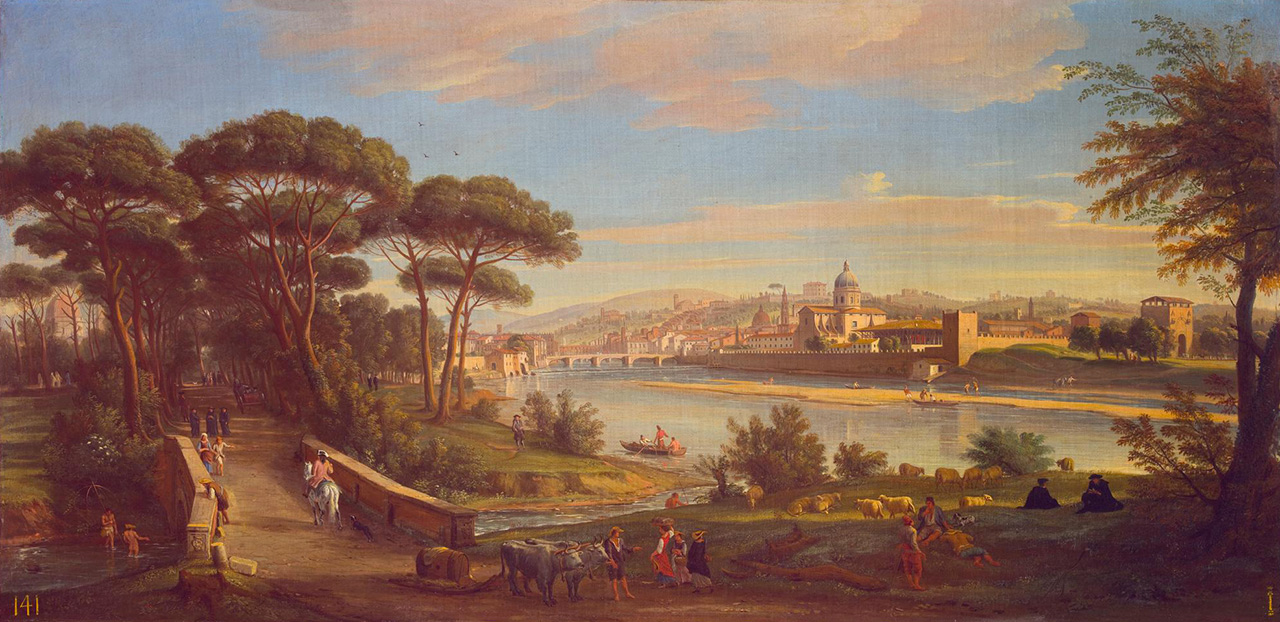
Materials: oil on canvas. Dimensions: 50 x 99 cm. Source: www.fondazionecrfirenze.it/wp-content/uploads/2016/01/ved.... I have changed the light, contrast and colors of the original photo.
A Sharpie pen being held up by a two inch square block of aerogel (also called "solid smoke" or "frozen smoke"). Note that the absorption and scattering properties of the aerogel make it look hazy blue against the black background, and slightly yellow against the paper. The aerogel block here weighs approximately 500 milligrams.
Furlong Mills Ltd was established in 1842 and supplies a wide range of materials to the pottery industry including silica, feldspar, alumina, and industry specific composite ceramic fluxes.
A entrega de viaturas, kits ergonômicos, materiais esportivos e maletas para exames periciais ocorrida em solenidade nesta segunda-feira (22), no estacionamento do Palácio Rio Madeira, em Porto Velho, marca mais um avanço do Governo de Rondônia na missão de fortalecer a Segurança Pública do Estado. O investimento é com recurso próprio do Poder Executivo Estadual e também do Governo Federal por meio do Ministério da Justiça e Segurança Pública (MJSP)
Foto: Nilson Santos / Gov
Material Circulante - Locomotiva Diesel 1413 [CP Regional] + 4 Carruagens Sorefame [CP Regional]
Serviço - Especial Vindimas nº 13813 [Porto-Campanhã > Régua]
Local - Porto Manso (Viaduto do Ovil) [PK 70,9 - Linha do Douro]
Data - 19 de Setembro de 2009 [10h09]
An international team of researchers announced the observation of a dynamic Mott transition in a superconductor. The discovery experimentally connects the worlds of classical and quantum mechanics and illuminates the mysterious nature of the Mott transition. It also could shed light on non-equilibrium physics, which is poorly understood but governs most of what occurs in our world. The finding may also represent a step towards more efficient electronics based on the Mott transition. Read more »
This figure illustrates the movement of vortices as the material changes from insulating to conducting (metallic). Image courtesy Valerii Vinokur/Science.
Another new 1.43 lorry project. This was going cheap but the body looks very foreign so had to go, while the wheelbase looked on the short side so unlike the Bedfords I decided to lengthen the chassis...
Exhibition opening on saturday (june 19th) at 12:00. Objects from two collections shown in Stockholm and Milan this year.
see you there!
This is a photograph from the annual St. Coca's AC 5KM Road Race 2013 which was held in Kilcock, Co. Kildare, Ireland at 20:00 on Friday 27th June 2013. This superb road race is now firmly established again as one of the fastest and best organised road races of it's kind in Leinster. The course is left handed and starts outside the 'Bawn Og' St. Coca's AC track. It then proceeds around a well known local walking route around Laragh and in the closing kilometer runs parallel to the Royal Canal into the finish at the railway station. The members of St. Coca's AC and the many volunteers from the local community must be given great praise for organising another fantastic night of racing for runners, joggers, and walkers. The 5KM course is very flat with the exception of short incline up a motorway overpass and makes its way along narrow country lanes sheltered on either side by hedgerows. The weather was dry and humid and this made a good evening for an enjoyable night for everyone with a large crowd gathering at the finish to cheer on participants. Over 400 people participated in the race. There was a fantastic spread of refreshments (cakes, biscuits, sandwiches and hot drinks) in the school afterwards.
We have a large set of photographs from the event today. The full set is accessible at: www.flickr.com/photos/peterm7/sets/72157645423471903/
Timing and event management was provided by Precision Timing. Results are available on their website at www.precisiontiming.net/result/racetimer with additional material available on their Facebook page (www.facebook.com/davidprecisiontiming?fref=ts) See their promotional video on YouTube: www.youtube.com/watch?v=c-7_TUVwJ6Q
Reading on a Smartphone or tablet? Don't forget to scroll down further to read more about this race and see important Internet links to other information about the race! You can also find out how to access and download these photographs.
Some Useful Links
2014 St. Coca's 5KM Results www.precisiontiming.net/result.aspx?v=2056
GPS Trace of the 5KM Course (course hasn't changed in a few years) connect.garmin.com/activity/194011978
St. Coca's AC Facebook Page: www.facebook.com/stcocas.ac?ref=ts&fref=ts
St. Coca's Race Facebook Page: www.facebook.com/stcocas.roadrace?ref=ts&fref=ts
Start/finish area on Google Maps [Start: www.google.ie/maps/@53.397601,-6.675909,15z Finish: goo.gl/maps/3kPKq] are all within easy access of race HQ and the local village.
Google Streetview of the Location of the Race Finish: goo.gl/maps/3kPKq
Our Flickr Photograph Set of the St. Coca's 5KM 2013: www.flickr.com/photos/peterm7/sets/72157634382263872/
Our Flickr Photograph Set of the St. Coca's 5KM 2012: www.flickr.com/photos/peterm7/sets/72157630347296616/
Our Flickr Photograph Set of the St. Coca's 5KM 2011: www.flickr.com/photos/peterm7/sets/72157627042558602/
The Boards.ie Discussion Forum Thread about the Race in 2014: www.boards.ie/vbulletin/showthread.php?t=2057223729
The Boards.ie Discussion Forum Thread about the Race in 2013: www.boards.ie/vbulletin/showthread.php?t=2056954512
Read the Irish Heart Foundation Booklet on the "Slí na Sláinte" which the race encorporates: www.irishheart.ie/media/pub/slinaslainte/maps/kilcock.pdf
Can I use these photographs directly from Flickr on my social media account(s)?
Yes - of course you can! Flickr provides several ways to share this and other photographs in this Flickr set. You can share to: email, Facebook, Pinterest, Twitter, Tumblr, LiveJournal, and Wordpress and Blogger blog sites. Your mobile, tablet, or desktop device will also offer you several different options for sharing this photo page on your social media outlets.
We take these photographs as a hobby and as a contribution to the running community in Ireland. Our only "cost" is our request that if you are using these images: (1) on social media sites such as Facebook, Tumblr, Pinterest, Twitter,LinkedIn, Google+, etc or (2) other websites, blogs, web multimedia, commercial/promotional material that you must provide a link back to our Flickr page to attribute us.
This also extends the use of these images for Facebook profile pictures. In these cases please make a separate wall or blog post with a link to our Flickr page. If you do not know how this should be done for Facebook or other social media please email us and we will be happy to help suggest how to link to us.
I want to download these pictures to my computer or device?
You can download the photographic image here direct to your computer or device. This version is the low resolution web-quality image. How to download will vary slight from device to device and from browser to browser. However - look for a symbol with three dots 'ooo' or the link to 'View/Download' all sizes. When you click on either of these you will be presented with the option to download the image. Remember just doing a right-click and "save target as" will not work on Flickr.
I want get full resolution, print-quality, copies of these photographs?
If you just need these photographs for online usage then they can be used directly once you respect their Creative Commons license and provide a link back to our Flickr set if you use them. For offline usage and printing all of the photographs posted here on this Flickr set are available free, at no cost, at full image resolution.
Please email petermooney78 AT gmail DOT com with the links to the photographs you would like to obtain a full resolution copy of. We also ask race organisers, media, etc to ask for permission before use of our images for flyers, posters, etc. We reserve the right to refuse a request.
In summary please remember when requesting photographs from us - If you are using the photographs online all we ask is for you to provide a link back to our Flickr set or Flickr pages. You will find the link above clearly outlined in the description text which accompanies this photograph. Taking these photographs and preparing them for online posting does take a significant effort and time. We are not posting photographs to Flickr for commercial reasons. If you really like what we do please spread the link around your social media, send us an email, leave a comment beside the photographs, send us a Flickr email, etc. If you are using the photographs in newspapers or magazines we ask that you mention where the original photograph came from.
I would like to contribute something for your photograph(s)?
Many people offer payment for our photographs. As stated above we do not charge for these photographs. We take these photographs as our contribution to the running community in Ireland. If you feel that the photograph(s) you request are good enough that you would consider paying for their purchase from other photographic providers or in other circumstances we would suggest that you can provide a donation to any of the great charities in Ireland who do work for Cancer Care or Cancer Research in Ireland.
We use Creative Commons Licensing for these photographs
We use the Creative Commons Attribution-ShareAlike License for all our photographs here in this photograph set. What does this mean in reality?
The explaination is very simple.
Attribution- anyone using our photographs gives us an appropriate credit for it. This ensures that people aren't taking our photographs and passing them off as their own. This usually just mean putting a link to our photographs somewhere on your website, blog, or Facebook where other people can see it.
ShareAlike – anyone can use these photographs, and make changes if they like, or incorporate them into a bigger project, but they must make those changes available back to the community under the same terms.
Creative Commons aims to encourage creative sharing. See some examples of Creative Commons photographs on Flickr: www.flickr.com/creativecommons/
I ran in the race - but my photograph doesn't appear here in your Flickr set! What gives?
As mentioned above we take these photographs as a hobby and as a voluntary contribution to the running community in Ireland. Very often we have actually ran in the same race and then switched to photographer mode after we finished the race. Consequently, we feel that we have no obligations to capture a photograph of every participant in the race. However, we do try our very best to capture as many participants as possible. But this is sometimes not possible for a variety of reasons:
►You were hidden behind another participant as you passed our camera
►Weather or lighting conditions meant that we had some photographs with blurry content which we did not upload to our Flickr set
►There were too many people - some races attract thousands of participants and as amateur photographs we cannot hope to capture photographs of everyone
►We simply missed you - sorry about that - we did our best!
You can email us petermooney78 AT gmail DOT com to enquire if we have a photograph of you which didn't make the final Flickr selection for the race. But we cannot promise that there will be photograph there. As alternatives we advise you to contact the race organisers to enquire if there were (1) other photographs taking photographs at the race event or if (2) there were professional commercial sports photographers taking photographs which might have some photographs of you available for purchase. You might find some links for further information above.
Don't like your photograph here?
That's OK! We understand!
If, for any reason, you are not happy or comfortable with your picture appearing here in this photoset on Flickr then please email us at petermooney78 AT gmail DOT com and we will remove it as soon as possible. We give careful consideration to each photograph before uploading.
I want to tell people about these great photographs!
Great! Thank you! The best link to spread the word around is probably http://www.flickr.com/peterm7/sets
A section of material of Disruptive Pattern Material (DPM) Combat 95 used in clothing and equipment for the British Armed Forces.
This image is available for non-commercial, high resolution download at www.defenceimages.mod.uk subject to terms and conditions. Search for image number 45149982.jpg
----------------------------------------------------------------------------
Photographer: Cpl Adrian Harlen RLC
Image 45149982.jpg from www.defenceimages.mod.uk
Mercury 225bhp V6
Material: GRP
Seat: Easy Seat
Hull: Gelcoat Pure White
Deck: Gelcoat Pure White
Upholstery: Carbon Grey
Flooring: Black Grip Foam
Plexi: Sea Green
mirit ben nun woman women feminine female composition artistic artwork strong language influence idea powerful center of art human relations participate gallery exhibition vision work works muse leading art artist gallery museum paint painter painters painting paintings drawing draw drawings simple israel israeli media acrylic talented timeless dynamic emerging energetic exceptional expressive extreme fascinating figurative fresh hyper imaginative abstract aesthetic authentic inspiring the beautiful classic colorful conceptual contemporary creative decorative detailed participates in an exhibition powerful leading model diferent special art world talented virtual gallery stunning symbolic reclyced material an unexpected visual intuitive inventive layered like mature moving mysterious original personal pure refreshing remarkable looks good magical angle art sales drama positive red easy perfect minded eye fun funny natured someone special the gifted special diferent influent heart light happy colorful hardworking intellectual intelligent wish wonderful the drawings paintings draw colorful influence israeli reclycled material magnetic angelic accepting bright careful half main curious perfect work works picture those pictures working shape leading model first representing the wonders independent woman actress african american leading talented muse in the country solo exhibition leader subject group exhibition exhibit the subject look vision image outside country artist art sales sale acrylic canvas artworks modern contemporary original visual sculpture collection collector image images figurative exhibit exhibition abstract culture museum figurative decorative dealer
Part of a Set / Slideshow of images of an installation called Dispersing Fashion by Stephanie Lawrence.
Dispersing Fashion
"Witness a time-based process of destruction that explores environmental issues."
An art installation comprising dresses made from a water dissolving material. Water slowly drips from bladders suspend above the dresses, and collects in shallow trays / pools.
By Stephanie Lawrence
BA (Hons.)
Performance and Visual Art: Dance
"My work is a manifestation of environmental politics; an expression of my concerns about deforestation that initiated from an inspirational trip to Malaysia / Borneo. One concern is the reluctance people have to use water efficiently, which
contributes to global warming and other environmental problems such as; the droughts we are experiencing in the UK.
Three dresses within the work act as a metaphor for the gradual destruction of the world we live in. The dripping taps we leave on in everyday life is represented through the three shower heads, which slowly destroy each dress revealing the damaging effects our everyday actions contribute to.
Over the two hour duration of the work you are encourage to revisit this steadily shifting environment.
The water used within this project will be recycled into the university pond after use."
This image / video is available under the indicated creative commons licence - subject to the approval of the artist(s) featured - and also subject to any additional conditions that the artist(s) may wish to apply.
no I'm not .. but that doesn't mean that I don't luv "blingy shiny" things ! (A)
P.S. they're edible coins .. neyahahaha !!! :p
© H.Boland
All photographs and images are the property of H.Boland. Permission is required to copy, download or use any photographs or image files.
جميع الصور المعروضة تعتبر ضمن ملكية ح.بولند ، يجب طلب الإذن من صاحبة الصور شخصياً قبل تحميل أو نسخ أو استخدام أياً من هذه الصور على الإطلاق
Created by Auro Kumar Sahoo with GIMP and Inkscape under licence CC-by-sa-4.0/ Creative Commons- Attribute-Share Alike
Source: en.wikipedia.org/wiki/Monument_Valley
Monument Valley (Navajo: Tsé Biiʼ Ndzisgaii, pronounced [tsʰépìːʔ ǹtsɪ̀skɑ̀ìː], meaning "valley of the rocks") is a region of the Colorado Plateau characterized by a cluster of sandstone buttes, with the largest reaching 1,000 ft (300 m) above the valley floor. The most famous butte formations are located in northeastern Arizona along the Utah–Arizona state line. The valley is considered sacred by the Navajo Nation, the Native American people within whose reservation it lies.
Monument Valley has been featured in many forms of media since the 1930s. Famed director John Ford used the location for a number of his Westerns. Film critic Keith Phipps wrote that "its five square miles [13 km2] have defined what decades of moviegoers think of when they imagine the American West".
Sourc: navajonationparks.org/navajo-tribal-parks/monument-valley/
History
Before human existence, the Park was once a lowland basin. For hundreds of millions of years, materials that eroded from the early Rock Mountains deposited layer upon layer of sediment which cemented a slow and gentle uplift, generated by ceaseless pressure from below the surface, elevating these horizontal strata quite uniformly one to three miles above sea level. What was once a basin became a plateau.
Natural forces of wind and water that eroded the land spent the last 50 million years cutting into and peeling away at the surface of the plateau. The simple wearing down of altering layers of soft and hard rock slowly revealed the natural wonders of Monument Valley today.
From the visitor center, you see the world-famous panorama of the Mitten Buttes and Merrick Butte. You can also purchase guided tours from Navajo tour operators, who take you down into the valley in Jeeps for a narrated cruise through these mythical formations. Places such as Ear of the Wind and other landmarks can only be accessed via guided tours. During the summer months, the visitor center also features Haskenneini Restaurant, which specializes in both native Navajo and American cuisines, and a film/snack/souvenir shop. There are year-round restroom facilities. One mile before the center, numerous Navajo vendors sell arts, crafts, native food, and souvenirs at roadside stands.
Additional Foreign Language Tags:
(United States) "الولايات المتحدة" "Vereinigte Staaten" "アメリカ" "米国" "美国" "미국" "Estados Unidos" "États-Unis" "ארצות הברית" "संयुक्त राज्य" "США"
(Arizona) "أريزونا" "亚利桑那州" "אריזונה" "एरिजोना" "アリゾナ州" "애리조나" "Аризона"
(Utah) "يوتا" "犹他州" "יוטה" "यूटा" "ユタ州" "유타" "Юта"
(Monument Valley) "وادي النصب التذكاري" "纪念碑谷" "Vallée des monuments" "מוניומנט ואלי" "स्मारक घाटी" "モニュメントバレー" "모뉴먼트 밸리" "Долина Монументов" "Valle de los Monumentos"
Ifive X2 Tablet PC Android 4.1 RK3188 Quad core 2GB 32GB 8.9 inch IPS Screen
Ifive Tablet PC develop and produce leading functional tablet PC products. Ifive Tablet PC is supported by numbers of the country's top quality material suppliers, strong and solid manufacturing team and consisting of experienced engineers in the purse of excellent product with high quality performance, stable functionality, trendy outlook, users friendly platform. "The pursuit of excellence with embracing sense of fashion" is the brand philosophy and basis of our product development and manufacturing criteria.
The FNF Ifive X2 is a wonderful quad-core tablet PC with high performance, powerful functions and stylish design. It adopts Android 4.1 OS, and is powered by Rockchip RK3188 Cortex-A9 quad-core 1.6GHz CPU, Mali-400 MP4 GPU and 2GB DDR3 RAM to ensure its running more stably. 8.9-inch 1920*1200 pixels IPS screen with full viewing angle and 10-point capacitive touch design will bring you exquisite visual enjoyment, and also make your operation more conveniently.
It supports WiFi, external 3G and Ethernet networks for surfing internet, and also supports wireless Bluetooth for data transmission. With a HDMI output, you can transfer the videos/photos in the tablet to your HDTV and share them with your families and friends. Besides, it has a 2.0MP front camera for self capturing and enjoying online video chat, and a 5.0MP back camera with auto focus for shooting interesting things and moments.
Model: Ifive X2 Tablet PC
Color: White
Shell Material: Aluminum alloy
Operating System: Android 4.1
CPU: Rockchip RK3188 Cortex-A9 quad-core 1.6GHz
GPU: Mali-400 MP4
RAM: 2GB DDR3
ROM (Nand Flash): 32GB
Expansion Memory: Support micro SD/TF card up to 32GB
Keyboard Type: Virtual keyboard
Input Mode: Handwritten and keyboard input
SIM Card: One SIM card one standby
Ifive X2 Display Screen
Screen Size: 8.9-inch
Screen Type: IPS, capacitive 10-point touch screen, 255PPI
Resolution: 1920*1200 pixels
Visible Angle: 178 degree
G-sensor: Support
Ifive X2 Data Connection
GPS Navigation: NO
Wi-Fi: Support, IEEE802.11b/g/n
3G: Not built-in, supports external USB 3G Dongle
Ethernet: Support external Ethernet Dongle
Bluetooth: Support Bluetooth V2.1(Support wireless Bluetooth for data transmission, support wireles Bluetooth mouse and keyboard for easy operation, and also support Bluetooth headset for listening to music)
USB: Support USB 2.0 high speed data transmission
Ifive X2 Main Functions
Camera: Dual camera, 2.0 million pixels front camera, 5.0 million pixels back camera with auto focus
Video Output: Support 1080P HDMI output
Audio Player: Support MP1, MP2, MP3, WMA, OGG, APE, FLAC, WAV, AC3, AAC, AMR, DTS, RA, M4A formats
Video Player: Support AVI, RM, RMVB, MKV, WMV, MOV, MP4, DAT(VCD format), VOB(DVD format), PMP, MPEG, MPG, FLV, ASF, TS, TP, 3GP, MPG formats
Image Browser: Support JPG, BMP, GIF, PNG formats
E-book: Support UMD, TXT, PDF, HTML, RTF, FB2 formats
Sound Recorder: Support, built-in microphone for long time sound recording
Flash: Support Flash 11.1
HTML5 Online Video: Support
Game: Support 3D gaming with built-in 3D accelerator
Office Software: Support Microsoft Office Word, Excel, Powerpoint
Android Market: Support
Other Applications: Browser, UC browser, Clock, Calendar, Calculator, Gallery, AppInstaller, WPS Office, Mobile QQ, Email, Gmail, etc
Ifive X2 Interfaces
Audio Interface: 1 * 3.5mm earphone jack
Video Interface: 1 * mini HDMI output
USB Interface: 1 * micro USB jack/OTG port
Memory Card Slot: 1 * TF card slot
Others
Speaker: Support, built-in speaker
Microphone: Support, built-in microphone
OTG Function: Support to connect USB mouse, USB keyboard, external 3G USB Dongle, U-disk, mobile HDD and other external USB devices
Battery Type: Built-in 3.7V 7000mAh rechargeable lithium battery
Work Time: Up to 5-7 hours
OSD Language: English, German, French, Italian, Spanish, Portuguese, Czech, Danish, Dutch, Norwegian, Polish, Roman, Latvian, Lithuanian, Slovakian, Slovenian, Finnish, Swedish, Greek, Hebrew, Indonesian, Malay, Vietnamese, Turkish, Russian, Ukrainian, Arabic, Thai, Korean, Japanese, Simplified Chinese, Traditional Chinese, etc.
Ifive X2 Package including:
1 * FNF ifive X2 Tablet PC
1 * USB Cable
1 * Power Adapter
1 * User Manual
ELLIPHANT (Steve Madden Summer Music Series)
Rough Trade (Record Shop)
Williamsburg, Brooklyn (NY)
Thursday, August 4th, 2016
© 2016 LEROE24FOTOS.COM
For; LOVE ELLIPHANT
ALL RIGHTS RESERVED.
THIS MATERIAL MAY NOT BE PUBLISHED,
BROADCAST, REWRITTEN OR REDISTRIBUTED.
Argonne chemist Kris Pupek adjusts the stirrer speed of a 20-liter reactor in a walk-in hood in the Materials Engineering Research Facility’s process scale-up lab. These reactors are used to prepare large quantities of electrolyte materials for lithium-ion batteries.
Photo courtesy Argonne National Laboratory.
30147D33
on the holy cards lots of ESCARCHAS
it happened this morning 7/30/12 affter the 6am rosary
Scientific Study Claimed To Yield No Clue As To Composition Of Mysterious 'Glitter'
[In many parts of the world or at least the West, those involved in devotional and charismatic practices have asserted that at times a strange "glitter" falls, like decorative manna. This is a particularly difficult phenomenon to accept in the way of its strangeness and glitziness, although it was reported during the apparitions at Fatima, Portugal, during 1917 in an ephemeral form which soon vanished, leaving no material.]
The glitter reported in some parts of the world allegedly remains as a physical manifestation. While remaining open we warn that the materialization of any such thing can be occult, and so we place that as input for discernment. At the same time, Christians across denominations have been reporting both the glitter and "gold dust" during especially poignant spiritual moments. The alleged phenomenon is prevalent in South America, particularly Venezuela -- including the approved apparition site of Betania -- as well as the Miami area.
In Latin America it is known as "escarchas." Below we present an article translated by former monk Allan Weilart from a Spanish article entitled, "La Gracia de las Escarchas" or "The Grace of the Escarchas," including scientific tests of the "glitter." The article, from a while back, was translated from the official website of the convent at Carrizal, Venezuela where, along with all the houses of the same community in Venezuela, "escarchas" were said fall from "Heaven" during daily Mass. We submit it unedited for your strict discernment]:
"The Grace of Escarchas"
translated from the Spanish:
The theme of escarchas has become a controversial topic for certain people, some lend absolute credibility to them, believing they are a sign that shows the presence and aid of the Most Holy Virgin, just as she affirmed it that day February 9, 1993, to Sister Mary Carmen. Others reject such a possibility and doubt, laughing it all off.
It is important to precisely touch on this theme with a certain latitude by noting that escarchas from Carrizal have been studied twice in different laboratories of the Central University of Venezuela.
The first study was carried out by the petition of the Sister Mary Clara, superior of the Servants of Jesus in Carrizal and by the Chief Engineer who was the intermediary with the UCV, since was he graduated from that university in the Faculty of Engineering and could help in that sense. The Laboratory of Special Studies of the School of Mechanical Engineering accepted the assignment and proceeded with a thorough a scientific investigation.
This study was carried out September 21 -- October 14, 1993. The samples were taken of escarchas which appeared on different days within the dates mentioned, in the monastery of Carrizal, as well as a sample of the escarchas which appeared the day following the first apparition so that those also could be analyzed.
So once they separated and placed the samples in test tubes. They were sealed airtight, to prevent the possibility of fraud, by order of the Chief Engineer. He was likewise present during the majority of the hours of study dedicated to the investigation. In this manner and under these conditions, were the escarchas delivered to the laboratory of the UCV.
It is interesting here to allude to an event which happened September 22, when at 9:00 AM, a doctor came to the laboratory and related that the previous day having listened on the origin of the escarchas, and having access to the laboratory, had secretly taken two of these escarchas to his two small children who had suffered from chronic asthma for some years.
He related that after having taken the escarchas home, the children unexpectedly suffered a severe asthma attack and expelled phlegm by coughing almost all night. They were cured when they awoke; the asthma had disappeared!
The laboratory continued its scientific examination of the escarchas, submitting them to study and observation, by viewing them in the microscope without processing and in the electron microscope without processing.
Then they were studied again in the microscope and in the electronic one, but this time with processing chemicals.
They were then submitted to different mechanical actions and to other various chemical processing and incinerated in a burning flame. The results were similar to the ones found in the second more comprehensive and exhaustive study.
This second study was carried out, with the consent of the Sister Mary Clara, with a much more extensive sample of escarchas, including industrial glitter, manufactured by man, in order to know the difference between them.
From among the escarchas that appeared from the Virgin were chosen samples from other convents in Venezuela in which this phenomenon had also taken place, including some collected during a conference of the Marian Movement of Priests on March 2, 1992.
The colors of the religious escarchas chosen for this scientific study, so-called to distinguish them from manufactured glitter were silver, gold, green, red, aquamarine, pink, and transparent.
They took the shapes of squares, rectangles, and hexagons. Their size was between 1 and 2 millimeters.
There was also golden dust collected. The circumstances of these appearance of escarchas was related to some of these situations: moments of anguish and pain, dedication to the Virgin, moments of prayer, and even without any particular reason: simply they appeared.
Some escarchas had appeared on the hands, others on the face; there were also taken from various parts of the body, and even some collected off bedspreads, off the cloths of the altar, or off the pews of the church. As for type of people they had been collected from: children, youths and adults, religious sisters, as well as laymen of both sexes.
This second study was initiated in October of 1994 and was finished in May of 1995. The thesis of the experiment had this title: "INVESTIGATION OF THE PRIVATE MATERIAL OF VARIOUS COLORS AND ITS COMPARISON WITH INDUSTRIAL GLITTER"
The religious escarchas taken of the samples chosen of the places already mentioned were submitted to the same experimental processing that the other man-made glitter, in order to compare the physiochemical characteristics of both types and to compare likewise the effects produced by subjugation of both groups to mechanical actions, incinerations by flame, chemical
processing, and other means.
The chemical processing both types of escarchas (religious and industrial glitter) were submitted successively to nitric acid, hydrochloric acid, isopropol alcohol, to NITAL (mixture of alcohol and nitric acid), to hydroxide of sodium, to benzol, to benzene, and to flurohydric acid. After being submitted to these chemical substances for periods that oscillated between 60 minutes and several days, they were examined by electron microscope.
Selected for this experiment was the laboratory of Physics of the Faculty of Sciences of the Central University, in which was located one of the better electron microscopes in Venezuela.
The results were carefully scrutinized by three professors and continuously monitored by the Licentiate in Biology, Gillermo Strap, of the Laboratory of Physics of the UCV. The conditions of the experiments and strict measures of scientific character were carefully followed.
These results can be summarized thus:
A.- Simple observation can differentiate the religious escarchas from man-made glitter in the following way: the religious ones have greater quantity of tones in its color. For example in glitter, they came three types of green tone and in the religious to seven types of that tone of
color can be observed. The religious escarchas are thin, light, and shine with apparently their own brightness; they do not reflect light shined on them in the same manner as does glitter. The religious escarchas adhere to any surface and it is difficult to remove them. They present two faces or surfaces, as the plant leaves: a "top" and "bottom" side.
On the other hand, manufactured glitter is rough; it feels sandy, without its own brightness, it dazzles when any light shines on it; it is not as adherent as escarchas, and they present two equal surfaces.
B - Observation with optic microscope, without processing the following differences can be found:
In the religious escarchas is observed the presence of protozoans or of green or various algae and blue or of diverse fungi, bubbles of air, water, and crystals. These elements always remained static, without activity, they seemed like fossils.
In the man-made glitter it is observed that besides having the two equal faces lack protozoans, fungi, algae and they do not contain anything organic in them.
C - Of the observation with electron microscope without processing, can be appreciated the following differences:
The escarchas are not metallic -- it is impossible to see them without first covering them with gold (does not apply with silver escarchas), in order visualize them with the detachment of the necessary secondary electrons to be able to view them through the electron microscope. They show they have a laminated structure. The edges are solid.
Glitter possesses half of the thickness of the religious escarchas; they are of plastic material and the mark of the cut of the machine is observed at the same junction, as if were a fingerprint. The edges are not solid.
D.- Of the observation of the frosts submitted to various chemical processing and then analyzed by optic microscope, can be appreciated these differences:
No differences were found when both groups were submitted to nitric acid, hydrochloric acid and distilled water.
But with isopropyl alcohol, the religious escarchas were not bleached, but the glitter was bleached 75 percent. With NITAL the religious escarchas remained stable while the glitter
suffered total discoloration, they diminished in size and developed pores, tracks, and bubbles of air.
With hydroxide of sodium the religious escarchas did not suffer alterations, while the glitter was reduced of size.
The test of acid fluorohydric acid turns out to be highly significant: the religious escarchas remained stable while the industrial glitter disappeared completely.
This last experiment shows that the religious escarchas are not metallic, neither they are of plastic, nor mica, nor resins. Their composition could not be determined. With the oxide of propylene the same thing was shown, although through this chemical substance, glitter suffered corrosion by its industrial nature, but not the religious escarchas.
E.- Of the observation of the frosts submitted to thermal procedure of flames and combustion is obtained these differences:
The religious frosts are bleached a little, but they increase their shine and do not leave any residual odor. The glitter is bleached completely; they lose the shine and they leave an irritating odor, noxious to the eyes and the throat. This scientific differential analysis is presented in order to present a clear conclusion that the phenomenon of escarchas cannot be so easily dismissed, as some have done, even to the point of laughter and mockery.
One can sin by negligence or omission, not only by action. It is a fact that from 1993 the phenomenon of escarchas has constantly increased and has reached in Venezuela such proportions that it cannot be ignored. This study can help in the comprehension of the reality of this phenomenon connected with the presence of the Virgin, just as she declared on February 9, 1993. Since the escarchas have become a phenomenon of incalculable proportions, the same one, the Most Holy Virgin deigned to deliver to a priest who desires to remain anonymous, the meaning of their colors.
I have here the message of the September 23, 1999:
Revelation About the Meaning of the Escarchas
In these times in which men feel self-satisfied and far away from my Son the
Lord, I want to declare in a humbler way, the message that I want to deliver
to them and to declare to them the meaning of the escarchas. The ones who
live in my heart are those who have been bought by the blood of my Son.
Therefore, prayer, sacrifice, reconciliation, and penitence are the weapons
with which are going to fight in the battle against Satan.
I want to announce to them the meaning of the colors of my frosts:
-- The silver: in them I show you the magnanimity of my heart. Ask me what you
want.
-- The golden: in them I incline toward the weak one; I am going to heal you
spiritually, physically, psychologically, morally.
-- The blue: in them I want to announce you my proximity. I am with you, I
have been present to you.
-- The green: they are a song so that open you to hope. I will act in the
favor of God. Hope in God.
-- The red: in times of trial you offer me a sacrifice; remember that I love
you.
-- The transparent: the road of humility is the path that leads to freedom. I
know those who are humble and simple
-- The aquamarines: is the road that is very treacherous and curved, I want
to tell you on that road, I will be with you.
To my children, who have been graced with my gifts, sprouted from the love
of my Son, and who are the sweetest fragrance of the Father, to all who
find shelter in His breast, I give my blessing in the name of the Father, of
the Son and of the Holy Spirit.
For your discernment only!