View allAll Photos Tagged lets
The thornback ray is probably one of the most common rays encountered by divers. Like all rays, it has a flattened body with broad, wing-like pectoral fins. The body is kite-shaped with a long, thorny tail. The back is covered in numerous thorny spines, as is the underside in older females. Adult fish can grow to 1 m (3.3 ft) in length, although most are less than 85 cm (33.67 in). This ray can weigh from 4.5 to 8.75 lb (2 to 4 kg).
In sexually mature fish, some of the spines are thickened with button-like bases (known as bucklers). These are particularly well developed on the tails and backs of sexually mature females. Their colours vary from light brown to grey with darker blotches and numerous small darker spots and yellow patches. Sometimes the yellow patches are surrounded by small dark spots. The underside is creamy-white with a greyish margin. This fish was put back to fly another day...
Que loucura é essa, minha gente?
Um blurple praticamente cromado, que de dia (ou sob luz branca artificial) fica azul e em ambientes mais escuros, fica mega roxo, com brilho magenta/rosado (dá pra ver no vidrinho, na parte menos iluminada, mas não consegui fotografar esse efeito nas unhas).
INCRÍVEL!!!!
Passei ele sábado e até agora não consegui tirá-lo, pois o danado é lindo e não tem nenhuma lasquinha. Está fazendo o maior sucesso. Uma pessoa na BF definiu muito bem a cor dele: cor de carga de caneta BIC quando estoura!!!
Lindolindolindo!!!!
Hair: Stealthic - Maven - main store - maps.secondlife.com/secondlife/Rapture/133/125/22
Eyes: [ VelvetVue ] Lexy Eyes - @GothCore - maps.secondlife.com/secondlife/CORE/128/241/3501
main store - maps.secondlife.com/secondlife/Future%20Dreams/71/63/982
Earrings: ASCENT - Brutal Earrings Female Ears - @GothCore - maps.secondlife.com/secondlife/CORE/128/241/3501
main store - maps.secondlife.com/secondlife/Big%20Toque/224/169/22
Necklace: [GHB] ACCESSOIRE: SHROUDED - main store - maps.secondlife.com/secondlife/Madame%20Noir/62/142/31
Tattoo: KaoS - DOOMED Tattoo - main store - maps.secondlife.com/secondlife/Devils%20Landing/153/218/24
Arm Band & Rings: ZOS. Nocturz Set - @GothCore - maps.secondlife.com/secondlife/CORE/128/241/3501
main store - maps.secondlife.com/secondlife/ZOS%20x%20KOUD/120/122/23
Top: [Pup Culture] Rory - @GothCore - maps.secondlife.com/secondlife/CORE/128/241/3501
main store - maps.secondlife.com/secondlife/Silent%20Retreat/44/193/2001
Pants: ABSENCE - LaceUp Pants [Reborn squish] - main store - maps.secondlife.com/secondlife/The%20Bog/142/74/22
Guitar: NOR - Frequency Guitar - @GothCore - maps.secondlife.com/secondlife/CORE/128/241/3501
main store - maps.secondlife.com/secondlife/Lockheart/170/63/3002
Backdrop: The Bearded Guy - Suniatico Backdrop - main store - maps.secondlife.com/secondlife/Moonwall/169/121/32
Reeeeaaadddyyyy ! ! !
Hey I worked months on this SIM. Could you call me a building goddess now please? *laughs* Ok, you are excused. Just call me Zyn :)
Some words about this pic? Sure... what you see is what you get, even TODAY! It´s me on the brand new POITIER dance floor - ALONE! You can change that and join our superduper launch party. Don´t forget to bring your friends too and pop up at 12 pm SLT. Promised? I am waiting, you bet!
And just for the record, I am too shy to mention this but it needs to be said: We hired the best DJ´s the entire Grid has to offer. No joke! They will play the finest tunes and best of all: You can put requests, tell em what ya want to hear :)
Enough said ~ move your cute asses Flickr folks ~ let´s party TODAY!
Here are my hypnotic suggestions... just to be sure. Breathe deeply, count back from 10 to1:
What? Grand POITIER opening party!
Where? slurl.com/secondlife/Poitier/140/135/22
When? 12 to 4 pm SLT
Dress code? Yes! Wear something :)
Originality Preserved
From the perspective, the beauty of the peace
Kampung Sungai Gabai,
Hulu Langat, Selangor
……………………………….
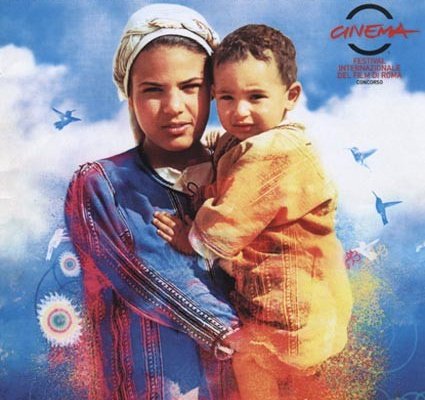
Poster:
Locandina:
movieplayer.net-cdn.it/t/images/2010/11/04/la-locandina-d...
filmitalia.org/Files/2010/10/14/1287087882765.jpg?1287087...
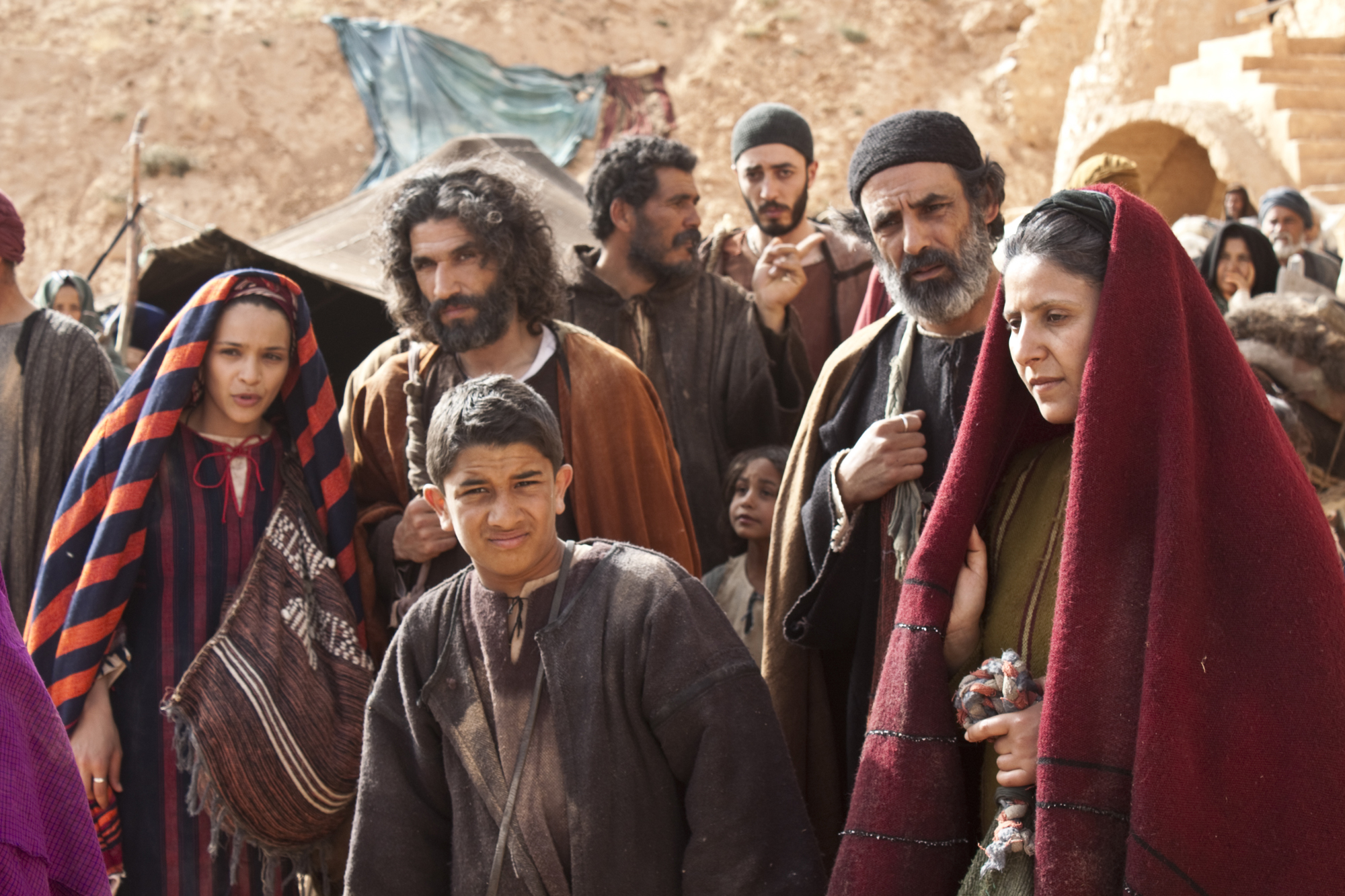
mr.comingsoon.it/rsz/foto/11612.jpg?preset=wide760
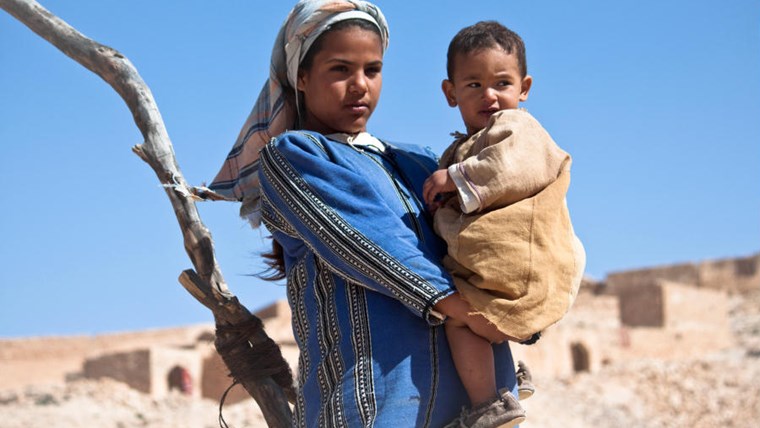
upload.wikimedia.org/wikipedia/it/a/a1/Io_sono_con_te_%28...
.JPG)
.............................................................................
click to activate the small icon of slideshow: the small triangle inscribed in the small rectangle, at the top right, in the photostream (it means the monitor);
or…. Press the “L” button to zoom in the image;
clicca sulla piccola icona per attivare lo slideshow: sulla facciata principale del photostream, in alto a destra c'è un piccolo rettangolo (rappresenta il monitor) con dentro un piccolo triangolo nero;
oppure…. premi il tasto “L” per ingrandire l'immagine;
www.fotografidigitali.it/gallery/2726/opere-italiane-segn...
………………………………………………………………………
This photographic story of mine, with descriptive text, was created in Novara di Sicilia (ME) on August 15th of this year, on the occasion of a suggestive traditional religious and popular celebration, that of the Apotheosis of the Assumption (in Heaven), which takes place every 5 years, however due to the bans issued during the Covid, it was not celebrated in 2020, so this celebration had not been held for 10 years. I would like to tell the origins of this ancient tradition, which began with the arrival of the Normans in Sicily around the year 1000. At that time, Southern Italy was a coexistence of peoples, religions, and languages, the most diverse. The majority were the Lombards. There were also the Greeks, with the Greek population of Calabria and Salento (i.e., the Byzantines), with the Greek Church based in Constantinople. It was not a foreign Byzantine domination, but rather the people of those lands for centuries. Then there were the Arabs who had conquered Sicily, and even under the Arabs in Sicily, Greeks, Latins, and Jews coexisted; the populations coexisted with each other, and the leaders waged war against each other. Then, in southern Italy, the Normans arrived, seeking adventure and fortune. They were French from Northern France, and the descendants of the Vikings from Scandinavia. the Norman Roger 1st of Sicily (known as the Great Count Roger) together with his brother, conquered Puglia, Calabria, subsequently they allied themselves with an Arab emir reigning in Sicily, who asked them for help because he was fighting against another Arab emir present in Sicily, Roger landed in Messina in February 1061 managing to occupy the eastern part of Sicily, thirty years after his landing in Sicily, in 1091 Roger could say he was master of all of Sicily; Ancient literature credits Great Count Roger with initiating the celebrations of the Assumption, whose banner featured the image of the Our Lady Ascending to Heaven. Under his patronage, the process of "re-Christianization" of the island began. Devotion to the Virgin was strengthened in the territory of Novara di Sicilia in the 12th century with the arrival of the French abbot Hugh (also proclaimed a saint), sent to Sicily by Bernard of Clairvaux, of the Cistercian Order, which has the figure of the Assumption as a cornerstone of its religious institution. This celebration-feast has seen mixed fortunes. Before the Second World War, the float with the Assumption was carried in procession along with approximately 15 floats of various saints. After that conflict, the bishop banned carrying statues of saints alongside the Assumption. With the Great Jubilee of 2000, the ancient tradition was revived with the Saints preceding the Assumption's exit. They arrive in the town's main square, forming a semicircle, awaiting the arrival of the Assumption, which in the meantime has been carried in procession through the town's streets. Upon her return to the square around midnight, the Assumption of Mary is reunited with all the Saints, giving life to the supreme expression of the Apotheosis of Mary Assumed into Heaven, amidst songs, litanies, and prayers. This, in short, is a great, heartfelt procession that begins in the afternoon and continues late into the night, with the many floats of saints preceding that of the Assumption of Mary, characterized by having their arms raised high, and the presence of more than 150 candles being lit. The official logo of the Solemn Apotheosis of the Assumption encloses the presence of the 15 saints as if they were 15 roses, arranged in a crown around the monogram "M - A" (Our Lady Ascending to Heaven): for Dante Alighieri in the Divine Comedy the "Mystical Rose" is "the Love of God", a symbol of divine perfection, peace, and the beauty of Paradise, linked to the figure of Mary, the Mystical Rose par excellence. Thus the Apotheosis is nothing other than the Embrace that God, through Mary and the Saints, addresses to all men.
…………………………………………………..
Questo mio racconto fotografico, con testo descrittivo, è stato realizzato a Novara di Sicilia (ME) il 15 di agosto di quest’anno, in occasione di una suggestiva celebrazione tradizionale religiosa e popolare, quella della Apoteosi dell’Assunta (in Cielo), che prende vita ogni 5 anni, purtuttavia causa i divieti emanati durante il covid, nel 2020 non venne celebrata, sicchè questa celebrazione era da 10 anni che non veniva svolta. Desidero raccontare le origini di questa antica tradizione, essa nasce con l’arrivo dei Normanni in Sicilia attorno all’Anno Mille, in quel periodo nell’Italia Meridionale c’era una convivenza di popoli, religioni, lingue, le più diverse, la maggioranza era data dai Longobardi, c’erano i Greci, con la popolazione greca della Calabria, del Salento (ovvero i Bizantini) con la Chiesa Greca che faceva capo a Costantinopoli, non era una dominazione bizantina straniera, ma erano i popoli di quelle terre da secoli, poi c'erano gli Arabi che avevano conquistato la Sicilia, ed anche sotto gli arabi in Sicilia, convivenao Greci, Latini, Ebrei, le popolazioni convivevano tra loro, erano i capi che si facevano la guerra tra di loro; poi nel meridione d’Italia arrivarono i Normanni, in cerca di avventura e di fortuna, essi erano francesi della Francia del Nord, essi erano i discendenti dei Vichinghi provenienti dalla Scandinavia; il Normanno Ruggero 1° di Sicilia (detto il Gran Conte Ruggero) insieme al fratello, conquista la Puglia, la Calabria, successivamente si allearono con un emiro arabo regnante in Sicilia, che chiedeva loro aiuto perché in lotta contro un altro emiro arabo presente in Sicilia, Ruggero sbarcò a Messina nel febbraio del 1061 riuscendo ad occupare la parte orientale della Sicilia, dopo trent'anni dal suo sbarco in Sicilia, nel 1091 Ruggero poté dirsi padrone di tutta la Sicilia; l’antica letteratura indica il Gran Conte Ruggero promotore dei festeggiamenti dell’Assunta, sul cui stendardo campeggiava l’immagine dell’Assunta, sotto la cui protezione ebbe inizio il processo di “ricristianizzazione” dell’isola, devozione verso la Vergine che si rafforza nel territorio di Novara di Sicilia nel XII secolo con l’arrivo dell’abate francese Ugo (anch’egli proclamato Santo), inviato in Sicilia da Bernardo di Chiaravalle, dell’Ordine Cistercense, che ha come pilastro portante la figura dell’Assunta nella sua istituzione religiosa. Questa celebrazione-festa ha visto alterne fortune, prima del secondo conflitto mondiale la vara con l’Assunta veniva portata in processione assieme a circa 15 vare di diversi santi, dopo tale conflitto ci fu il divieto vescovile di portare le statue dei santi insieme all’Assunta; col Grande Giubileo del 2000 l’antica tradizione riprese vita coi Santi che precedono l’uscita dell’Assunta, giungendo nella piazza principale del paese, disponendosi a semicerchio, aspettando l’arrivo dell’Assunta che nel frattempo è stata condotta in processione nelle vie del paese, al suo rientro in piazza verso mezzanotte Maria Assunta si ricongiunge con tutti i Santi, dando vita alla massima espressione dell’Apoteosi di Maria Assunta in Cielo, tra canti, litanie e preghiere. Questa, in sintesi, è una grande, sentita, processione che inizia nel pomeriggio, per proseguire a notte fonda, con le tante vare di santi che precedono quella di Maria Assunta, caratterizzata dall'avere le braccia rivolte in alto, e la presenza di più di 150 candele che vengono accese. Il logo ufficiale della Solenne Apoteosi dell’Assunta racchiude la presenza dei 15 santi come fossero 15 rose, disposte a corona attorno al monogramma “M – A” (Madonna Assunta): per Dante Alighieri nella Divina Commedia la “Rosa Mistica” è “l’Amore di Dio”, simbolo della perfezione divina, pace, bellezza del Paradiso, collegata alla figura di Maria, Rosa Mistica per eccellenza, ecco che l’Apoteosi altro non è che l’Abbraccio che Dio, tramite Maria ed i Santi, rivolge a tutti gli uomini.
……………………………………………………………..
My FaceBook page --->>
www.facebook.com/petarstoykovphotography/
Instagram: www.instagram.com/petarstoykov/
Note: No reproduction of any kind allowed without a written permission by the author.
Thank you all for visiting my channel.
Among the most elegant of the herons, the slender Snowy Egret sets off immaculate white plumage with black legs and brilliant yellow feet. Those feet seem to play a role in stirring up or herding small aquatic animals as the egret forages. Breeding Snowy Egrets grow filmy, curving plumes that once fetched astronomical prices in the fashion industry, endangering the species. Early conservationists rallied to protect egrets by the early twentieth century, and this species is once again a common sight in shallow coastal wetlands.
Location: Tsim Sha Tsui East, Hong kong
Canon EOS 1V HS
Canon EF 20mm f/2.8 USM
Rollei Retro 80s as ISO 50
Kodak HC-110 (E)
5 min at 20ºC
……………………………….
Poster:
Locandina:
movieplayer.net-cdn.it/t/images/2010/11/04/la-locandina-d...
filmitalia.org/Files/2010/10/14/1287087882765.jpg?1287087...
mr.comingsoon.it/rsz/foto/11612.jpg?preset=wide760
upload.wikimedia.org/wikipedia/it/a/a1/Io_sono_con_te_%28...
.............................................................................
click to activate the small icon of slideshow: the small triangle inscribed in the small rectangle, at the top right, in the photostream (it means the monitor);
or…. Press the “L” button to zoom in the image;
clicca sulla piccola icona per attivare lo slideshow: sulla facciata principale del photostream, in alto a destra c'è un piccolo rettangolo (rappresenta il monitor) con dentro un piccolo triangolo nero;
oppure…. premi il tasto “L” per ingrandire l'immagine;
www.fotografidigitali.it/gallery/2726/opere-italiane-segn...
………………………………………………………………………
This photographic story of mine, with descriptive text, was created in Novara di Sicilia (ME) on August 15th of this year, on the occasion of a suggestive traditional religious and popular celebration, that of the Apotheosis of the Assumption (in Heaven), which takes place every 5 years, however due to the bans issued during the Covid, it was not celebrated in 2020, so this celebration had not been held for 10 years. I would like to tell the origins of this ancient tradition, which began with the arrival of the Normans in Sicily around the year 1000. At that time, Southern Italy was a coexistence of peoples, religions, and languages, the most diverse. The majority were the Lombards. There were also the Greeks, with the Greek population of Calabria and Salento (i.e., the Byzantines), with the Greek Church based in Constantinople. It was not a foreign Byzantine domination, but rather the people of those lands for centuries. Then there were the Arabs who had conquered Sicily, and even under the Arabs in Sicily, Greeks, Latins, and Jews coexisted; the populations coexisted with each other, and the leaders waged war against each other. Then, in southern Italy, the Normans arrived, seeking adventure and fortune. They were French from Northern France, and the descendants of the Vikings from Scandinavia. the Norman Roger 1st of Sicily (known as the Great Count Roger) together with his brother, conquered Puglia, Calabria, subsequently they allied themselves with an Arab emir reigning in Sicily, who asked them for help because he was fighting against another Arab emir present in Sicily, Roger landed in Messina in February 1061 managing to occupy the eastern part of Sicily, thirty years after his landing in Sicily, in 1091 Roger could say he was master of all of Sicily; Ancient literature credits Great Count Roger with initiating the celebrations of the Assumption, whose banner featured the image of the Our Lady Ascending to Heaven. Under his patronage, the process of "re-Christianization" of the island began. Devotion to the Virgin was strengthened in the territory of Novara di Sicilia in the 12th century with the arrival of the French abbot Hugh (also proclaimed a saint), sent to Sicily by Bernard of Clairvaux, of the Cistercian Order, which has the figure of the Assumption as a cornerstone of its religious institution. This celebration-feast has seen mixed fortunes. Before the Second World War, the float with the Assumption was carried in procession along with approximately 15 floats of various saints. After that conflict, the bishop banned carrying statues of saints alongside the Assumption. With the Great Jubilee of 2000, the ancient tradition was revived with the Saints preceding the Assumption's exit. They arrive in the town's main square, forming a semicircle, awaiting the arrival of the Assumption, which in the meantime has been carried in procession through the town's streets. Upon her return to the square around midnight, the Assumption of Mary is reunited with all the Saints, giving life to the supreme expression of the Apotheosis of Mary Assumed into Heaven, amidst songs, litanies, and prayers. This, in short, is a great, heartfelt procession that begins in the afternoon and continues late into the night, with the many floats of saints preceding that of the Assumption of Mary, characterized by having their arms raised high, and the presence of more than 150 candles being lit. The official logo of the Solemn Apotheosis of the Assumption encloses the presence of the 15 saints as if they were 15 roses, arranged in a crown around the monogram "M - A" (Our Lady Ascending to Heaven): for Dante Alighieri in the Divine Comedy the "Mystical Rose" is "the Love of God", a symbol of divine perfection, peace, and the beauty of Paradise, linked to the figure of Mary, the Mystical Rose par excellence. Thus the Apotheosis is nothing other than the Embrace that God, through Mary and the Saints, addresses to all men.
…………………………………………………..
Questo mio racconto fotografico, con testo descrittivo, è stato realizzato a Novara di Sicilia (ME) il 15 di agosto di quest’anno, in occasione di una suggestiva celebrazione tradizionale religiosa e popolare, quella della Apoteosi dell’Assunta (in Cielo), che prende vita ogni 5 anni, purtuttavia causa i divieti emanati durante il covid, nel 2020 non venne celebrata, sicchè questa celebrazione era da 10 anni che non veniva svolta. Desidero raccontare le origini di questa antica tradizione, essa nasce con l’arrivo dei Normanni in Sicilia attorno all’Anno Mille, in quel periodo nell’Italia Meridionale c’era una convivenza di popoli, religioni, lingue, le più diverse, la maggioranza era data dai Longobardi, c’erano i Greci, con la popolazione greca della Calabria, del Salento (ovvero i Bizantini) con la Chiesa Greca che faceva capo a Costantinopoli, non era una dominazione bizantina straniera, ma erano i popoli di quelle terre da secoli, poi c'erano gli Arabi che avevano conquistato la Sicilia, ed anche sotto gli arabi in Sicilia, convivenao Greci, Latini, Ebrei, le popolazioni convivevano tra loro, erano i capi che si facevano la guerra tra di loro; poi nel meridione d’Italia arrivarono i Normanni, in cerca di avventura e di fortuna, essi erano francesi della Francia del Nord, essi erano i discendenti dei Vichinghi provenienti dalla Scandinavia; il Normanno Ruggero 1° di Sicilia (detto il Gran Conte Ruggero) insieme al fratello, conquista la Puglia, la Calabria, successivamente si allearono con un emiro arabo regnante in Sicilia, che chiedeva loro aiuto perché in lotta contro un altro emiro arabo presente in Sicilia, Ruggero sbarcò a Messina nel febbraio del 1061 riuscendo ad occupare la parte orientale della Sicilia, dopo trent'anni dal suo sbarco in Sicilia, nel 1091 Ruggero poté dirsi padrone di tutta la Sicilia; l’antica letteratura indica il Gran Conte Ruggero promotore dei festeggiamenti dell’Assunta, sul cui stendardo campeggiava l’immagine dell’Assunta, sotto la cui protezione ebbe inizio il processo di “ricristianizzazione” dell’isola, devozione verso la Vergine che si rafforza nel territorio di Novara di Sicilia nel XII secolo con l’arrivo dell’abate francese Ugo (anch’egli proclamato Santo), inviato in Sicilia da Bernardo di Chiaravalle, dell’Ordine Cistercense, che ha come pilastro portante la figura dell’Assunta nella sua istituzione religiosa. Questa celebrazione-festa ha visto alterne fortune, prima del secondo conflitto mondiale la vara con l’Assunta veniva portata in processione assieme a circa 15 vare di diversi santi, dopo tale conflitto ci fu il divieto vescovile di portare le statue dei santi insieme all’Assunta; col Grande Giubileo del 2000 l’antica tradizione riprese vita coi Santi che precedono l’uscita dell’Assunta, giungendo nella piazza principale del paese, disponendosi a semicerchio, aspettando l’arrivo dell’Assunta che nel frattempo è stata condotta in processione nelle vie del paese, al suo rientro in piazza verso mezzanotte Maria Assunta si ricongiunge con tutti i Santi, dando vita alla massima espressione dell’Apoteosi di Maria Assunta in Cielo, tra canti, litanie e preghiere. Questa, in sintesi, è una grande, sentita, processione che inizia nel pomeriggio, per proseguire a notte fonda, con le tante vare di santi che precedono quella di Maria Assunta, caratterizzata dall'avere le braccia rivolte in alto, e la presenza di più di 150 candele che vengono accese. Il logo ufficiale della Solenne Apoteosi dell’Assunta racchiude la presenza dei 15 santi come fossero 15 rose, disposte a corona attorno al monogramma “M – A” (Madonna Assunta): per Dante Alighieri nella Divina Commedia la “Rosa Mistica” è “l’Amore di Dio”, simbolo della perfezione divina, pace, bellezza del Paradiso, collegata alla figura di Maria, Rosa Mistica per eccellenza, ecco che l’Apoteosi altro non è che l’Abbraccio che Dio, tramite Maria ed i Santi, rivolge a tutti gli uomini.
……………………………………………………………..