View allAll Photos Tagged dotato
BLACK KITE IN "HOLY SPIRIT"
Calera y Chozas - Maggio 2019
Scatto effettuato da postazione fissa, capanno dotato di vetro stop/sol.
Calera y Chozas-May 2019
Click made by a fixed position, with a stop/sol glass cabin.
Visualizza in HD - View in HD:
www.flickr.com/photos/stefanobarbuti/50603923232
/sizes/o/
Scopri di più':
It is a small fishing village, 30 km from Palermo.
It lives mainly on fishing, and especially, in the summer, on tourism.
It is, in fact, a seaside resort and has an enchanting tourist port.
------------
E' un piccolo borgo marinaro, a 30 km da Palermo .
Vive principalmente di pesca, e soprattutto, in estate, di turismo.
È infatti, un centro balneare ed è dotato di un incantevole porticciolo turistico.
FALCO TINNUNCULUS
Scatto da capanno fisso dotato di vetro. Valencia. Marzo 2020.
The image was taken from a fixed shack. Valencia. March 2020.
In HD:
Calera y Chozas - Maggio 2019
Scatto effettuato da postazione fissa, capanno dotato di vetro stop/sol.
Visualizza in HD:
www.flickr.com/photos/stefanobarbuti/49557799887/sizes/o/
Calera y Chozas-May 2019
Click made by a fixed position, with a stop/sol glass cabin.
View in HD:
www.flickr.com/photos/stefanobarbuti/48841469431/sizes/o/
SCOPRI DI PIU':
www.youtube.com/watch?v=8IJzYAda1wA&feature=fvst
ARANIELLA CUCURBITINA * I ragni del genere Araniella sono facilmente riconoscibili per il loro bellissimo colore verde. L’addome è dotato di una o più serie di macchie nere simmetriche, certe volte può avere anche una macchia rossastra all’estremità posteriore, che ricorda un cocomero (cucurbitacea), non a caso la specie più diffusa è denominata A. cucurbitina!
The Cucumber spider, Araniella Cucurbitina, is easy to identify. Not only because of its green and yellow abdomen with black dots, it also have a red spot, far back above the spinners. It usually hangs upside down in its net among the plants in the garden .
(grazie a Claudiodelfuoco ed a Sam 2cent per l'identificazione)
Explore...Jan 27, 2011 #131
Calera y Chozas - Maggio 2019
Scatto effettuato da postazione fissa, capanno dotato di vetro stop/sol.
Visualizza in HD:
www.flickr.com/photos/stefanobarbuti/48841469431/sizes/o/
Calera y Chozas-May 2019
Click made by a fixed position, with a stop/sol glass cabin.
View in HD:
www.flickr.com/photos/stefanobarbuti/48841469431/sizes/o/
SCOPRI DI PIU':
🇫🇷...../ Le revers plus discret est doté d'ocelles, qui imitent les yeux de plusieurs oiseaux, destinés à effrayer les prédateurs. La chenille, quant à elle, dégage une odeur assez repoussante. Il peut vivre jusqu'à deux mois, et se nourrit principalement de jus de fruits mûrs. Il survole les cours d'eau où il a la place de voler librement et où il évite un maximum les prédateurs. C'est l'un des plus grands papillons existants avec 12 à 20 cm d'envergure.
🇬🇧 ...../ The more discreet reverse side is equipped with ocelli, which imitate the eyes of several birds, intended to scare off predators. The caterpillar, on the other hand, has a rather repulsive smell. It can live for up to two months and feeds mainly on ripe fruit juice. It flies over waterways where it has room to fly freely and where it avoids predators as much as possible. It is one of the largest butterflies in existence with a wingspan of 12 to 20 cm.
🇪🇸 ...../ El reverso, más discreto, está dotado de ocelos, que imitan los ojos de varias aves, destinados a ahuyentar a los depredadores. La oruga, en cambio, tiene un olor bastante repulsivo. Puede vivir hasta dos meses y se alimenta principalmente de zumo de fruta madura. Vuela sobre cursos de agua donde tiene espacio para volar libremente y donde evita en lo posible a los depredadores. Es una de las mariposas más grandes que existen, con una envergadura de 12 a 20 cm.
🇩🇪 ...../ Die unauffälligere Rückseite ist mit Ocellen ausgestattet, die die Augen verschiedener Vögel nachahmen und Raubtiere abschrecken sollen. Die Raupe hingegen verströmt einen recht abstoßenden Geruch. Er kann bis zu zwei Monate alt werden und ernährt sich hauptsächlich von reifen Fruchtsäften. Er fliegt über Wasserläufe, wo er Platz zum freien Fliegen hat und Räubern weitestgehend aus dem Weg geht. Mit einer Flügelspannweite von 12 bis 20 cm ist er einer der größten existierenden Schmetterlinge.
🇮🇹 ...../ Il rovescio, più discreto, è dotato di ocelli, che imitano gli occhi di diversi uccelli, per spaventare i predatori. Il bruco, invece, ha un odore piuttosto ripugnante. Può vivere fino a due mesi e si nutre principalmente di succo di frutta matura. Vola sui corsi d'acqua dove ha spazio per volare liberamente e dove evita il più possibile i predatori. È una delle farfalle più grandi esistenti, con un'apertura alare che va dai 12 ai 20 cm.
La girafe possède le cœur le plus puissant du règne animal. Avec son cou pouvant atteindre jusqu’à 2 mètres de long, cet animal se voit dans l’obligation de posséder un cœur très puissant, pour permettre à son cerveau, perché à 2 mètres de hauteur, de pouvoir être fourni en oxygène. Cet organe pèse 11 kg et peut pomper jusqu’à 60 litres de sang par minute, avec 170 pulsations sur la même durée. La girafe possède une pression artérielle deux fois supérieure à celle d’un humain. De plus, cet animal au long cou possède des valvules afin de bloquer la redescente du sang lorsqu’il baisse la tête.
🇬🇧 The giraffe has the most powerful heart in the animal kingdom. With a neck that can reach up to 2 metres in length, this animal needs a very powerful heart to ensure that its brain, situated 2 metres above the ground, is supplied with oxygen. This organ weighs 11 kg and can pump up to 60 litres of blood per minute, beating 170 times in the same period. The giraffe’s blood pressure is twice that of a human. Furthermore, this long-necked animal has valves to prevent blood from flowing back down when it lowers its head.
🇩🇪 Die Giraffe hat das stärkste Herz im Tierreich. Mit ihrem bis zu 2 Meter langen Hals ist dieses Tier auf ein sehr kräftiges Herz angewiesen, damit sein in 2 Metern Höhe liegendes Gehirn mit Sauerstoff versorgt werden kann. Dieses Organ wiegt 11 kg und kann bis zu 60 Liter Blut pro Minute pumpen, wobei es in derselben Zeit 170 Schläge ausführt. Die Giraffe hat einen Blutdruck, der doppelt so hoch ist wie der eines Menschen. Außerdem verfügt dieses langhalsige Tier über Herzklappen, die den Rückfluss des Blutes verhindern, wenn sie den Kopf senkt.
🇪🇸 La jirafa tiene el corazón más potente del reino animal. Con su cuello, que puede alcanzar los 2 metros de longitud, este animal necesita un corazón muy potente para que su cerebro, situado a 2 metros de altura, reciba el oxígeno necesario. Este órgano pesa 11 kg y puede bombear hasta 60 litros de sangre por minuto, realizando 170 latidos en ese mismo tiempo. La presión arterial de la jirafa es el doble que la de un ser humano. Además, este animal de cuello largo cuenta con válvulas cardíacas que impiden el reflujo de la sangre cuando baja la cabeza.
🇮🇹 La giraffa ha il cuore più potente del regno animale. Con il suo collo lungo fino a 2 metri, questo animale ha bisogno di un cuore molto potente per garantire l’apporto di ossigeno al cervello, che si trova a 2 metri di altezza. Questo organo pesa 11 kg ed è in grado di pompare fino a 60 litri di sangue al minuto, effettuando 170 battiti nello stesso lasso di tempo. La pressione sanguigna della giraffa è doppia rispetto a quella di un essere umano. Inoltre, questo animale dal collo lungo è dotato di valvole cardiache che impediscono il riflusso del sangue quando abbassa la testa.
Calera y Chozas - Maggio 2019
Scatto effettuato da postazione fissa, capanno dotato di vetro stop/sol.
Visualizza in HD:
www.flickr.com/photos/stefanobarbuti/48176563602/sizes/o/
Calera y Chozas-May 2019
Click made by a fixed position, with a stop/sol glass cabin.
View in HD:
SCOPRI DI PIU':
This Team does not need registration!
This TEAM is an orchestra composed of soloists in every corner of the world.
We play in harmony, all together, without a conductor: peace is a natural state of existence.
Whoever breaks the peace can not play the instrument that life gave to him, simply, it happens ... you, me, we can only continue to play at our best. In peace.
*
Questo TEAM non ha bisogno di iscrizione.
Questo TEAM e' un'orchestra che suona sempre ed e' composta di solisti sparsi in ogni angolo del mondo. Suonano in armonia, senza direttore: la pace e' uno stato naturale dell'esistente. Chi rompe la pace non sa suonare lo strumento di cui la vita lo ha dotato... tu, io, possiamo solo continuare a suonare al nostro meglio. In pace.
Calera y Chozas - Maggio 2019
Scatto effettuato da postazione fissa, capanno dotato di vetro stop/sol.
Visualizza in HD:
Calera y Chozas-May 2019
Click made by a fixed position, with a stop/sol glass cabin.
View in HD:
www.flickr.com/photos/stefanobarbuti/48095946537/sizes/o/
SCOPRI DI PIU':
The Roman Villa on the coast of Quartu Sant’Andrea is one of the few real testimonies of imperial settlement in a non-urban context in Sardinia. It is located along the coast in the Sant’Andrea area. It has recently been restored, consolidated and made open to visitors thanks to a small square overlooking it. On the sea, a series of non-communicating rooms are arranged in two parallel rows, to the east of which the presence of two cylindrical wells, on the sides of a sort of aedicule, suggest the alternation of covered and uncovered environments. Large bricks made up the floor of the inspectable rooms, and fragments of tegulae hamatae - that is bricks with protrusions used in spas - suggested that the building was equipped with a hot air heating system. Other structures without elevations or noticeable in the state of foundations, emerged at different distances from the water, where pebbles and stones from demolition or collapses formed a shallow and homogeneous bottom in its own way. At the time of the discovery, there were no supporting elements for a dating hypothesis other than the most evident masonry technique. The walls were built with regular alternation of bricks and small stone blocks, adopting the mixed work technique that seemed to have been adopted in Sardinia in the III / IV century. AD. Today other studies are expected to better date the artifact.
-----------------------------------------------------
La Villa Romana del litorale di Quartu Sant’Andrea è una delle poche testimonianze reali di insediamento di età imperiale in un contesto non urbano in Sardegna. Si trova lungo il litorale nella zona di Sant’Andrea. È stata recentemente restaurata, consolidata e resa visitabile grazie anche a una piazzetta che la sovrasta. Sul mare una serie di ambienti fra loro non comunicanti sono disposti su due file parallele, a est delle quali la presenza di due pozzi cilindrici, ai lati di una sorta di edicola, fanno presumere l’alternanza di ambienti coperti e scoperti. Laterizi di grandi dimensioni componevano il pavimento dei vani ispezionabili, e frammenti di tegulae hamatae – cioè dei mattoni dotati di sporgenze impiegati negli ambienti termali – facevano pensare che l’edificio fosse dotato di un impianto di riscaldamento a aria calda. Altre strutture prive di elevato o percepibili allo stato di fondazioni, affioravano a distanza diversa dell’acqua, dove ciottoli e pietrame provenienti dalle demolizioni o dai crolli formavano un fondale poco profondo e a suo modo omogeneo. Al momento della scoperta non sussistevano elementi di appoggio a una ipotesi di datazione se non quello della tecnica muraria più evidente. I muri si presentavano costruiti con regolare alternanza di mattoni e di piccoli conci in pietra, adottando la tecnica a opera mista che sembrava essere stata adottata in Sardegna nel III/IV sec. d.C.. Oggi si attendono altri studi per meglio datare il manufatto.
Immagine scattata dal mio carissimo amico Alessandro Gagliega
www.youtube.com/watch?v=ZlBg1IYvbeU&list=RDZlBg1IYvbe...
Il Muraglione, una diga situata a 515 metri sul livello del mare.
L'impianto minerario di Caporciano, attivo dal 1827 al 1907, era dotato di tutto il necessario per l'estrazione e il trattamento del minerale di rame. Un villaggio industriale autonomo, che disponeva di numerose infrastrutture: dalle case agli uffici, dall'oratorio al teatro, dalla scuola per i figli dei minatori alla dispensa, dalle officine per fabbri e falegnami alle riserve di legna, dalla fornace al cavallo è stabile al servizio delle macchine, dai depositi per i materiali a quelli dell'acqua indispensabili per l'estrazione.
Per quest'ultima necessità fu costruito Margone, un bacino artificiale in cui convergevano le acque delle colline sovrastanti.
Nel 1856, per rispondere alle crescenti esigenze idriche, fu costruita la diga di Muraglione. Una diga di mattoni alta 18 metri con una struttura a muro ad arco, il cui volume di stoccaggio potrebbe raggiungere i 30.000 metri cubi.
The Muraglione, a dam located 515 meters above sea level.
The mining plant of Caporciano, active from 1827 to 1907, was equipped with everything necessary for the extraction and treatment of copper ore. An autonomous industrial village, which had numerous infrastructures: from houses to offices, from the oratory to the theater, from the school for the children of miners to the pantry, from workshops for blacksmiths and carpenters to wood reserves, from the furnace to the horse is stable at service of the machines, from the deposits for the materials to those of the water indispensable for the extraction.
For this last necessity Margone was built, an artificial basin in which the waters of the overlying hills converged.
In 1856, to respond to the growing water requirements, the Muraglione dam was built. An 18 meter high brick dam with an arched wall structure, whose storage volume could reach 30,000 cubic meters.
Im Europäischen Gerichtshof geht es mit einer Wendeltreppe vom untersten in die obersten Etage. Immer Rundherum, damit der Blick die Richter alle Gesichtspunkte in Ihre Urteile mit einbeziehen.Unter dem Dach mit Blick auf das Europäische Parlament wird Recht gesprochen.
In the European Court of Justice, a spiral staircase runs from the lowest to the top floor. Always round-the-round, so that the judges take all aspects into account in their judgments. Under the umbrella with a view to the European Parliament, right is spoken.
Dans la Cour de justice européenne, il est livré avec un escalier en colimaçon à partir du bas à l'étage supérieur. Toujours suivre tout autour, afin que les vues du juge de tous les facteurs dans vos jugements avec einbeziehen.Unter le toit avec vue sur le Parlement européen est le droit de parler.
En el Tribunal de Justicia Europeo que viene con una escalera de caracol desde el fondo hasta la planta superior. Siempre siga por todas partes, de manera que los puntos de vista del juez de todos los factores en sus juicios con einbeziehen.Unter la azotea con vistas al Parlamento Europeo es derecho a hablar.
No Tribunal de Justiça Europeu ele vem com uma escada em espiral a partir do fundo para o piso superior. Sempre siga todos os lados, de modo a que os pontos de vista, o juiz de todos os fatores em seus julgamentos com einbeziehen.Unter o telhado com vista para o Parlamento Europeu é direito de falar.
Nella Corte di giustizia europea si è dotato di una scala a chiocciola dal basso verso l'ultimo piano. Seguire sempre tutto intorno, in modo che il punto di vista il Giudice di tutti i fattori nei vostri giudizi con einbeziehen.Unter il tetto con vista del Parlamento europeo è il diritto di parlare.
Danke für Euren Besuch, über Kommentare und Sterne freue ich mich.
Thanks for your visit, comments and stars.
Nous vous remercions de votre visite, des commentaires et des étoiles Je suis heureux.
Gracias por su visita, comentarios y estrellas Me complace.
Obrigado por sua visita, comentários e estrela estou satisfeito.
Grazie per la vostra visita, i commenti e le stelle mi fa piacere.
Calera y Chozas - Maggio 2019
Scatto effettuato da postazione fissa, capanno dotato di vetro stop/sol.
Visualizza in HD:
Calera y Chozas-May 2019
Click made by a fixed position, with a stop/sol glass cabin.
View in HD:
www.flickr.com/photos/stefanobarbuti/48269702497/sizes/o/
SCOPRI DI PIU':
🇫🇷 La girafe est un mammifère ongulé qui possède des talons à ses pieds. Doté de grandes jambes et surtout d'un très long cou, elle mesure jusqu'à 5,50 mètres. Un individu pèse en moyenne 1 tonne pour un mâle et 600 kg pour une femelle.
La girafe possède un pelage reconnaissable, avec des taches rousses sur fond blanc. Sur sa tête se dressent deux petites cornes couvertes de peau. Elle a aussi une fine queue qui mesure de 70 à 100 cm.
Cet animal court en moyenne à la vitesse de 15 km/h mais peut faire des pointes à 55 km/h.La girafe est un ruminant herbivore : elle se nourrit principalement de feuilles d'arbres (notamment d'acacias) et régurgite sa nourriture pour la mâcher une seconde fois. Parfois, elle peut manger des fruits ou des fleurs.
La girafe peut vivre 25 ans à l'état sauvage, plus de 36 ans en captivité.
🇬🇧 The giraffe is a hoofed mammal with heels on its feet. With long legs and, above all, a very long neck, it can measure up to 5.5 metres in height. Males weigh an average of 1 tonne, whilst females weigh 600 kg.
The giraffe has a distinctive coat, with reddish spots on a white background. Two small horns covered in skin stand upright on its head. It also has a slender tail measuring between 70 and 100 cm.
This animal runs at an average speed of 15 km/h but can reach speeds of up to 55 km/h. The giraffe is a herbivorous ruminant: it feeds mainly on tree leaves (particularly from acacia trees) and regurgitates its food to chew it a second time. Occasionally, it may eat fruit or flowers.
The giraffe can live for 25 years in the wild, and over 36 years in captivity.
🇩🇪 Die Giraffe ist ein Huftier, das an den Füßen Fersen hat. Mit ihren langen Beinen und vor allem ihrem sehr langen Hals erreicht sie eine Größe von bis zu 5,50 Metern. Ein Männchen wiegt durchschnittlich 1 Tonne, ein Weibchen 600 kg.
Die Giraffe hat ein charakteristisches Fell mit roten Flecken auf weißem Hintergrund. Auf ihrem Kopf stehen zwei kleine, mit Haut bedeckte Hörner. Sie hat außerdem einen dünnen Schwanz, der 70 bis 100 cm lang ist.
Dieses Tier läuft durchschnittlich mit einer Geschwindigkeit von 15 km/h, kann aber Spitzen von bis zu 55 km/h erreichen. Die Giraffe ist ein pflanzenfressendes Wiederkäuer: Sie ernährt sich hauptsächlich von Baumblättern (insbesondere von Akazien) und würgt ihre Nahrung wieder hoch, um sie ein zweites Mal zu kauen. Manchmal frisst sie auch Früchte oder Blüten.
Die Giraffe kann in freier Wildbahn 25 Jahre alt werden, in Gefangenschaft sogar über 36 Jahre.
🇪🇸 La jirafa es un mamífero ungulado que tiene talones en las patas. Dotada de largas patas y, sobre todo, de un cuello muy largo, mide hasta 5,50 metros. Un macho pesa de media 1 tonelada y una hembra, 600 kg.
La jirafa tiene un pelaje característico, con manchas rojizas sobre fondo blanco. En la cabeza le crecen dos pequeños cuernos cubiertos de piel. También tiene una cola delgada que mide entre 70 y 100 cm.
Este animal corre a una velocidad media de 15 km/h, pero puede alcanzar picos de 55 km/h. La jirafa es un rumiante herbívoro: se alimenta principalmente de hojas de árboles (especialmente de acacias) y regurgita la comida para masticarla una segunda vez. A veces, puede comer frutos o flores.
La jirafa puede vivir 25 años en estado salvaje y más de 36 años en cautividad.
🇮🇹 La giraffa è un mammifero ungulato dotato di talloni ai piedi. Caratterizzata da zampe lunghe e, soprattutto, da un collo molto lungo, raggiunge i 5,50 metri di altezza. Un esemplare maschio pesa in media 1 tonnellata, mentre una femmina 600 kg.
La giraffa ha un mantello caratteristico, con macchie rosse su fondo bianco. Sulla testa spuntano due piccole corna ricoperte di pelle. Ha anche una coda sottile che misura dai 70 ai 100 cm.
Questo animale corre in media alla velocità di 15 km/h, ma può raggiungere picchi di 55 km/h. La giraffa è un ruminante erbivoro: si nutre principalmente di foglie degli alberi (in particolare di acacia) e rigurgita il cibo per masticarlo una seconda volta. A volte può mangiare frutta o fiori.
La giraffa può vivere 25 anni in natura, più di 36 anni in cattività.
Calera y Chozas - Maggio 2019
Scatto effettuato da postazione fissa, capanno dotato di vetro stop/sol.
Visualizza in HD:
Calera y Chozas-May 2019
Click made by a fixed position, with a stop/sol glass cabin.
View in HD:
www.flickr.com/photos/stefanobarbuti/48241584592/sizes/o/
SCOPRI DI PIU':
Nota per la sua antica architettura, è famosissima per le sue particolari valenze panoramiche e paesaggistiche: posta a strapiombo sul mare, la chiesa è oggetto di numerose e celebri fotografie. Costituita da due edifici collegati: l’uno di stile gotico più recente; l’altro romanico, molto più antico. L’edificio più antico, incluso nel perimetro della chiesa ne è parte integrante, a pianta rettangolare con l’abside semicircolare ha l’asse longitudinale correttamente orientato a levante, ne consegue ovviamente che quello medioevale, in forma del tutto inusuale, volge a sud la sua abside quadrata. L’edificio più recente iniziato nel 1256 e terminato nel 1277 secondo il disegno originale doveva essere condotta a tre navate sopra l’area spianta della vecchia chiesa, questo progetto fu poi modificato e i due templi furono collegati mediante due arcate a tutto sesto aperte nel muro della chiesa antica. L’ interno è decorato da larghe fasce bianche e nere e il presbiterio è dotato di due cappelle laterali quadrate coperte da volte ogivali. La torre campanaria, contrariamente al corpo dell’edificio che si presenta avaro di vuoti, si apre all’esterno presentando in ordini sovrapposti delle bifore che ne alleggeriscono l’ imponente mole. Per la tecnica ardimentosa della sua struttura e per la fine eleganza scultorea è una delle costruzioni esemplari dell’architettura gotico genovese in Liguria.
Note for its ancient architecture, it is famous for its particolari valenze panoramiche and paesaggistiche: posta a strapiombo sul mare, the chiesa is oggetto di numerous e celebri fotografie. Costituita of two collegati buildings: one of the most recent gothic style; l'altro romanico, molto più ancient. The oldest building, including the perimeter of the church, is an integral part, with a rectangular floor with a semicircular apse and a longitudinal aspect correctly oriented to the east, and it obviously does not achieve the medieval appearance, in the form of an unusual tutto, returning to its quadratic apse. The building was most recently started in 1256 and finished in 1277, with the original design having been completed by three navate sopra l'area spianta della old church, this project was modified and the two temples were collegati by means of two arches with the whole door open on the wall of the ancient chiesa. The interior is decorated with the long white and black façade and the presbytery is equipped with two lateral cappelles and four quadrates with open sides. The bell tower, contrary to the body of the building that does not present a varo di vuoti, does apre all'esterno presenting in order sovrapposti delle bifore that are not alleggeriscono l' imposing mass. Through the arduous technique of its structure and the fine elegance of sculpture, it is one of the most exemplary constructions of Genoese Gothic architecture in Liguria.
Calera y Chozas - Maggio 2019
Scatto effettuato da postazione fissa, capanno dotato di vetro stop/sol.
Visualizza in HD:
www.flickr.com/photos/stefanobarbuti/48305834641/sizes/o/
Calera y Chozas-May 2019
Click made by a fixed position, with a stop/sol glass cabin.
View in HD:
SCOPRI DI PIU':
Il castello, da tempo scomparso, e la relativa torre furono costruiti sul sito di un precedente fortilizio, noto solo per fonti d'archivio, probabilmente tra la fine del Trecento e l'inizio del Quattrocento. Planimetria e ambienti del castello di cui la torre faceva parte, tuttavia, non ci sono pervenuti.
Fonti quattrocentesche attestano che il complesso difensivo, in ogni caso, era assai ampio. Oltre al castello, esso comprendeva la "villa", o borgo, e il ricetto, uno schema frequente nel tardo Medioevo. Il borgo era dotato di fortificazioni perimetrali e fossati il cui tracciato è ancora oggi ricalcato delle moderne vie Antonino, Roosevelt, Mazzini, Astegiano e Matteotti, mentre a sud doveva essere parzialmente delimitato dalle strutture del castello. A ridosso di quest'ultimo, verso il borgo, sorgeva il ricetto, un'ulteriore struttura difensiva destinata a proteggere gli abitanti del luogo e i loro beni, servendo da rifugio e forse anche da ridotto militare.
Wikipedia
_____
The castle, which has long since disappeared, and its tower were built on the site of a previous fortress, known only from archival sources, probably between the end of the fourteenth century and the beginning of the fifteenth century. Plan and rooms of the castle of which the tower was part, however, have not survived.
Fifteenth-century sources attest that the defensive complex, in any case, was very large. In addition to the castle, it included the "villa", or village, and the shelter, a frequent scheme in the late Middle Ages. The village was endowed with perimeter fortifications and moats whose layout is still traced today of the modern Antonino, Roosevelt, Mazzini, Astegiano and Matteotti streets, while to the south it had to be partially delimited by the castle structures. Behind the latter, towards the village, stood the shelter, a further defensive structure intended to protect the inhabitants of the place and their possessions, serving as a refuge and perhaps also as a military reduced.
Wikipedia
Piazza Salandra,
Sulla sinistra:
Palazzo dell'Università, ricostruito dopo il terremoto del 1743 che distrusse gran parte degli edifici storici.
Inserita nella facciata si trova la torretta dell’orologio, anch’essa ricostruita, nel 1882 l’orologio fu dotato di un nuovo meccanismo a corda; tuttoggi vi è un addetto che giornalmente provvede a caricarlo.
Al centro:
la Guglia dell’Immacolata, voluta dalla popolazione dopo il violento terremoto del 743, è alta 19 metri a forma piramidale in stile barocco.
Sul basamento della guglia sono poste le statue di San Giuseppe, Sant’Anna, San Gioacchino e San Domenico mentre sulla punta vi è la statua dell’Immacolata
Salandra Square,
On the left:
Palazzo dell'Universtà, rebuilt after the earthquake of 1743 which destroyed most of the historic buildings.
Inserted into the facade is the clock tower, also rebuilt, in 1882 the clock was equipped with a new string mechanism; still today there is an employee who provides to load it daily.
In the center:
the Spire of the Immaculate Conception, commissioned by the population after the violent earthquake of 743, is 19 meters high with a pyramidal shape in Baroque style.
On the base of the spire are the statues of San Giuseppe, Sant'Anna, San Gioacchino and San Domenico while on the tip there is the statue of the Immaculate Conception
_MG_7148m
Chiesa di Nostra Signora del Pilar (anno 1318 )
La facciata della chiesa termina con un campanile a vela dotato di due luci ogivali, in asse con il portale e con il rosone.
Al di sotto una serie di archetti a tutto sesto.
A sinistra si trova il rombo, internamente liscio, che ospita
un'epigrafe da cut si ricava la data di edificazione (1318) e il nome del costruttore, Arzocco de Garnas.
Church of Our Lady of the Pillar (year 1318)
The facade of the church ends with a bell gable with two pointed lights, aligned with the portal and with the rose window.
Below a series of round arches.
On the left is the rhombus, smooth inside, which houses
an epigraph from cut shows the date of construction (1318) and the name of the builder, Arzocco de Garnas.
IMG_1053m
Scatto eseguito da capanno fisso dotato di vetro. Un particolare ringraziamento all'amico Luca per avermi prestato la sua 5DSR.
Calera y Chozas. Spagna. Maggio 2019.
The image was taken from a photo hide. A special thanks to my friend Luca for lending me his 5DSR camera. Calera y Chozas. Spain. May 2019.
In HD:
Massimiliano d'Asburgo (1832-1867), fratello minore dell'imperatore austriaco Francesco Giuseppe, in parallelo alla costruzione del Castello di Miramare a Trieste, fece erigere nel parco il piccolo “Gartenhaus” anche chiamato “Castelletto”, in quanto imita in scala ridotta gli esterni eclettici della residenza principale e fu abitato saltuariamente da Massimiliano e Carlotta , (figlia di Léopold I, re dei Belgi) dal 1859 fino al 1860. Il Castelletto gode di una notevole posizione panoramica: si affaccia sul porticciolo di Grignano ed è preceduto da una zona a parterre, abbellita da alberi e da una fontana nello spiazzo antistante alle serre. È dotato di una pianta a base quadrata, con terrazza, torretta e pergolata di ingresso nonché una graziosa scala a chiocciola.
(Massimiliano fu l'unico Imperatore del Secondo Impero Messicano dal 1864 al 1867. Salito al trono grazie all'appoggio militare di Napoleone III, fu fucilato dai repubblicani messicani dopo il ritiro delle truppe francesi.)
THE CASTELLETTO - MIRAMARE PARK IN TRIESTE
Maximilian of Habsburg (1832-1867), younger brother of the Austrian Emperor Franz Joseph, had the small “Gartenhaus” also known as the “Castelletto” built in the park, parallel to the construction of Miramare Castle in Trieste. It was also called the “Castelletto” because it imitates the eclectic exterior of the main residence on a smaller scale. It was inhabited occasionally by Maximilian and Charlotte (daughter of Léopold I, King of the Belgians) from 1859 to 1860. The Castelletto enjoys a remarkable panoramic position: it overlooks the small port of Grignano and is preceded by a parterre area, embellished with trees and a fountain in the open space in front of the greenhouses. It has a square-based plan, with a terrace, turret and entrance pergola as well as a graceful spiral staircase.
(Maximilian was the sole Emperor of the Second Mexican Empire from 1864 to 1867. Having ascended to the throne thanks to the military support of Napoleon III, he was shot by the Mexican Republicans after the withdrawal of French troops.)
La chiesa dei Santi Martiri (conosciuta anche come chiesa di San Graziano) si trova ad Arona, una vivace cittadina situata sulla sponda piemontese lago Maggiore, in provincia di Novara. La chiesa sorge in posizione dominante nella parte alta della cittadina, alla sommità di una scalinata.
La facciata barocca settecentesca, caratterizzata dai caldi toni del giallo e del beige, presenta raffinati motivi a stucco e il monogramma della Compagnia di Gesù. Sulla destra si erge l'alto campanile dotato di orologio.
----------
The Church of the Holy Martyrs (also known as the Church of San Graziano) is located in Arona, a lively town on the Piedmontese shore of Lake Maggiore (Italy). The church occupies a commanding position in the upper part of the town, at the top of a flight of steps. Its 18th-century Baroque façade, featuring warm yellow and beige tones, displays refined stucco motifs and the monogram of the Society of Jesus. To the right stands the tall bell tower, complete with a clock.
Calera y Chozas - Maggio 2019
Scatto effettuato da postazione fissa, capanno dotato di vetro stop/sol.
Visualizza in HD:
Calera y Chozas-May 2019
Click made by a fixed position, with a stop/sol glass cabin.
View in HD:
www.flickr.com/photos/stefanobarbuti/48011938017/sizes/o/
SCOPRI DI PIU':
"SALA DELLE COMMEMORAZIONI"
"I MARTIRI"
La Risiera di San Sabba a Trieste è tristemente nota come l'unico campo di detenzione nazista in Italia dotato di forno crematorio funzionante. Attivo dal 1943 al 1945, fu utilizzato per la detenzione, tortura ed eliminazione di partigiani, oppositori politici ed ebrei, nonché campo di smistamento verso i lager tedeschi. L’aspetto odierno della Risiera è il risultato dell’importante intervento di ristrutturazione e trasformazione monumentale realizzato tra 1972 e 1975 e progettato dall’architetto triestino Romano Boico (1910-1985). Circondato da alte mura perimetrali in calcestruzzo armato, il Memoriale conserva solo in piccola parte gli edifici originali e si articola in un percorso concepito per generare un forte impatto emotivo sul visitatore. Fu inaugurato il 24 aprile del 1975. Oggi il Civico Museo della Risiera di San Sabba – Monumento Nazionale è un luogo della memoria fra i più importanti in Italia, sede di cerimonie commemorative e di attività didattiche e culturali. È insieme un memoriale e un museo, raggiunto da oltre 130.000 visitatori l’anno, in gran parte studenti. In quella che era stata la sala macchine, trasformata da Romano Boico in una sorta di cappella laica, dal 22 giugno 1975 si trova il gruppo scultoreo in bronzo I Martiri di Marcello Mascherini (1906-1983). L’opera, oggi simbolo della Risiera, era stata concepita come parte di un progetto ideato nel 1957 insieme all’ingegnere triestino Roberto Costa (1924-2016).
"HALL OF OMMEMORATIONS"
The Risiera di San Sabba in Trieste is sadly known as the only Nazi detention camp in Italy with a functioning crematorium. Active from 1943 to 1945, it was used for the detention, torture, and elimination of partisans, political opponents, and Jews, as well as a transit camp for German concentration camps. The Risiera's current appearance is the result of a major renovation and monumental transformation carried out between 1972 and 1975, designed by Trieste architect Romano Boico (1910-1985). Surrounded by high reinforced concrete perimeter walls, the Memorial retains only a small portion of the original buildings and is laid out along a route designed to generate a strong emotional impact on visitors. It was inaugurated on April 24, 1975. Today the Civic Museum of the Risiera di San Sabba – National Monument is one of the most important places of remembrance in Italy, hosting commemorative ceremonies and educational and cultural activities. It is both a memorial and a museum, visited by over 130,000 visitors a year, mostly students. In what was once the engine room, transformed by Romano Boico into a sort of secular chapel, the bronze sculptural group I Martiri by Marcello Mascherini (1906-1983) has been located since June 22, 1975. The work, now the symbol of the Risiera, was conceived as part of a project conceived in 1957 together with the Trieste engineer Roberto Costa (1924-2016).
« SALLE DU SOUVENIR »
« LES MARTYRS »
La Risiera di San Sabba à Trieste est tristement connue pour être le seul camp de détention nazi en Italie possédant un crématorium encore en activité. En service de 1943 à 1945, elle servit à la détention, à la torture et à l'élimination de partisans, d'opposants politiques et de Juifs, ainsi qu'à un camp de transit vers les camps de concentration allemands. Son aspect actuel est le fruit d'une importante rénovation et d'une transformation monumentale réalisées entre 1972 et 1975, conçues par l'architecte triestin Romano Boico (1910-1985). Entouré de hauts murs d'enceinte en béton armé, le Mémorial ne conserve qu'une petite partie des bâtiments d'origine et est structuré selon un parcours conçu pour susciter une forte émotion chez les visiteurs. Inauguré le 24 avril 1975, le Musée civique de la Risiera di San Sabba – Monument national – est aujourd'hui l'un des plus importants lieux de mémoire en Italie. Il accueille des cérémonies commémoratives ainsi que des activités éducatives et culturelles. À la fois mémorial et musée, il reçoit plus de 130 000 visiteurs par an, principalement des étudiants. L'ancienne salle des machines, transformée par Romano Boico en une sorte de chapelle profane, abrite depuis le 22 juin 1975 le groupe sculptural en bronze « I Martiri » de Marcello Mascherini (1906-1983). Cette œuvre, devenue l'emblème de la Risiera, fut conçue dans le cadre d'un projet élaboré en 1957 en collaboration avec l'ingénieur triestin Roberto Costa (1924-2016).
Chiesa di Nostra Signora del Pilar (anno 1318 )
In asse col portale si trova un rosone lobato dotato di cornice con ornato a foglia.
Al di sotto del rosone una cornice orizzontale a decoro vegetale ospita, al centro, le figure di Eva e del serpente.
Church of Our Lady of the Pillar (year 1318)
In axis with the portal there is a lobed rose window with a frame with leaf decoration.
Below the rose window, a horizontal frame with a plant decoration houses, in the center, the figures of Eve and the snake.
IMG_1046m
SN/NC: Pereskia Grandifolia, Cactaceae Family
Rose cactus is a cactacea plant that loves arid climate.
Original from the Northeast of Brazil, dry area and now spread throughout Central and South America. It is a spiny, much-branched, deciduous shrub or low-branching small tree, growing from 2 - 10 meters tall. The bole is up to 20cm in diameter and is generously endowed with spines. Although a member of the cactus family, this shrub is virtually not succulent and has fleshy leaves. The edible leaves are sometimes gathered from the wild and used locally. The plant is also used as a hedge and is commonly grown as an ornamental in gardens, where it is valued for its flowers and decorative fruit. It owes the name to French Botanist Nicolas-Claude Fabri de Peiresc, XVI Century.
Son arbustos o árboles, que alcanzan un tamaño de 1–5 m de alto, con brotes erectos o arqueados, las ramas jóvenes de 5–8 mm de grueso; aréolas prominentes, con 1–8 espinas aciculares de 10–50 mm de largo, negras o café obscuras, lana densa café a café-grisácea. Hojas lanceoladas, oblongas a obovadas, 5–18 cm de largo y 1–6 cm de ancho, ápice agudo a acuminado, base atenuada; pecíolo 5–12 mm de largo. Inflorescencia cimoso-paniculada, flores pocas a muchas, de 3–4 cm de largo; partes sepaloides del perianto ca 3–5, 8–18 mm de largo y 5–8 mm de ancho, verdes; partes petaloides del perianto de 1–3 cm de largo y 0.5–1.3 cm de ancho, rosadas a rosado-purpúreo obscuras; receptáculo angulado con un podario prominente, elevado y con 4–7 brácteas 5–10 mm de largo y 2–5 mm de ancho; estilo 0.8–1.2 cm de largo, lobos del estigma 5–8. Frutos piriformes, con ángulos conspicuos y podarios prominentes, verdes a amarillentos, ombligo angosto y hundido, 3–8 cm de largo y 3–6 cm de diámetro; semillas ca 6 mm de largo y 5 mm de grueso, lateralmente comprimidas.
Cultivada y posiblemente escapada en las áreas más secas, es nativa del este de Brasil, ampliamente cultivada y naturalizada en Mesoamérica y el Caribe. En Brasil se encuentra en la Mata Atlántica, distribuida por Maranhão, Ceará, Pernambuco, Bahia, Minas Gerais, Espírito Santo, São Paulo, Rio de Janeiro, Paraná y Santa Catarina.
Pereskia: nombre genérico llamado así en honor a Nicolas-Claude Fabri de Peiresc, botánico francés del siglo XVI, por quien también se nombró a la subfamilia Pereskioideae. grandifolia: epíteto latino de grandis = "grande" y folius = "hoja", en alusión a sus grandes hojas. Nombres comunes: Rose Cactus, Pereskia, cacto rosa, cactus de hoja, cacto de hojas, enredadera limon, bleo, guamacho, palo de puerco espín, supire.
Pereskia grandifolia, conhecida popularmente por ora-pro-nobis, rosa-madeira, groselha-da-américa, groselha-dos-barbados, groselheira-das-antilhas, jumbeba (sinônimos: Cactus grandifolius Link, Rhodocactus grandifolius Haw. F.M.Knuth e Cactus rosa Vell.), é espécie endêmica do Brasil, onde habita florestas perenifólias e subperenifólias nos estados do Maranhão, Ceará, Pernambuco, Bahia, Minas Gerais, Espírito Santo e Rio de Janeiro.
É frequentemente usada como planta ornamental mas tem folhas comestíveis, utilizadas também como medicamento. Embora classificada como cacto, tem a forma de um arbusto ou árvore com cerca de dois a cinco metros de altura, tronco cinzento-marrom de até 20 cm de diâmetro. Os espinhos são pretos e castanhos. As folhas variam de comprimento (entre 9 e 23 cm), com formas variadas - de elípticas a ovadas e obovado-lanceoladas.
A densa inflorescência se desenvolve nas extremidades do caule, geralmente com 10 a 15 flores, mas às vezes com 30 ou mais. As flores são vistosas, atingindo 3 a 5 cm de diâmetro.
Rose cactus est une plante de cactacea qui aime le climat aride. Originaire du nord-est du Brésil, zone sèche et maintenant répartie en Amérique centrale et du Sud. C'est un arbuste épineux, très ramifié, à feuilles caduques ou un petit arbre à branches basses, qui pousse de 2 à 10 mètres de haut. Le fût mesure jusqu'à 20 cm de diamètre et est généreusement doté d'épines. Bien que membre de la famille des cactus, cet arbuste n'est pratiquement pas succulent et a des feuilles charnues. Les feuilles comestibles sont parfois récoltées dans la nature et utilisées localement. La plante est également utilisée comme haie et est couramment cultivée comme plante ornementale dans les jardins, où elle est appréciée pour ses fleurs et ses fruits décoratifs. Il doit son nom au botaniste français Nicolas-Claude Fabri de Peiresc, XVI siècle.
Rooscactus is een cactusachtige plant (Cactacea) die houdt van een droog klimaat.
Hij is afkomstig uit het noordoosten van Brazilië, een droog gebied, en komt nu verspreid voor in heel Midden- en Zuid-Amerika. Het is een stekelige, sterk vertakte, bladverliezende struik of een laagvertakte kleine boom, die een hoogte bereikt van 2 tot 10 meter. De stam heeft een diameter tot 20 centimeter en is rijkelijk voorzien van stekels. Hoewel het lid is van de cactusfamilie, is deze struik vrijwel niet succulent en heeft hij vlezige . De eetbare bladeren worden soms in het wild verzameld en lokaal gebruikt. De plant wordt ook als haag gebruikt en wordt vaak als sierplant in tuinen gekweekt, waar hij gewaardeerd wordt om zijn bloemen en decoratieve vruchten. Hij dankt zijn naam aan de Franse botanicus Nicolas-Claude Fabri de Peiresc, uit de 16e eeuw.
Il cactus rosa è una pianta di cactacea che ama il clima arido.
Originale dal nord-est del Brasile, area asciutta e ora diffusa in tutto il Centro e Sud America. È un arbusto deciduo, molto ramificato, deciduo, o piccolo albero ramificato, che cresce da 2 a 10 metri di altezza. Il tronco ha un diametro fino a 20 cm ed è generosamente dotato di spine. Sebbene sia un membro della famiglia dei cactus, questo arbusto non è virtualmente succulento e ha foglie carnose. Le foglie commestibili sono talvolta raccolte dal selvaggio e utilizzate localmente. La pianta viene anche usata come siepe e viene comunemente coltivata come ornamentale nei giardini, dove è apprezzata per i suoi fiori e i suoi frutti decorativi. Deve il nome al botanico francese Nicolas-Claude Fabri de Peiresc, XVI secolo.
Rosenkaktus ist eine Cactacea-Pflanze, die trockenes Klima liebt. Original aus dem Nordosten Brasiliens, Trockengebiet und jetzt in ganz Mittel- und Südamerika verbreitet. Es ist ein dorniger, viel verzweigter, laubabwerfender Strauch oder kleiner verzweigter kleiner Baum, der von 2 bis 10 Meter hoch wächst. Der Baum hat einen Durchmesser von bis zu 20 cm und ist großzügig mit Stacheln versehen. Obwohl er ein Mitglied der Kakteenfamilie ist, ist dieser Strauch praktisch nicht saftig und hat fleischige Blätter. Die essbaren Blätter werden manchmal aus der Wildnis gesammelt und lokal verwendet. Die Pflanze wird auch als Hecke verwendet und wird gewöhnlich als Zierpflanze in Gärten angebaut, wo sie wegen ihrer Blüten und dekorativen Früchte geschätzt wird. Es verdankt seinen Namen dem französischen Botaniker Nicolas-Claude Fabri de Peiresc aus dem 16. Jahrhundert.
ローズカクタスは、乾燥した気候を好むサボテン科の植物です。
ブラジル北東部の乾燥地域を原産とし、現在では中南米全体に広がっています。棘があり、よく枝分かれした落葉性の低木、または低く枝分かれした小高木で、高さは2~10メートルになります。幹の直径は最大20センチメートルで、棘が豊富にあります。サボテン科の一员ですが、この低木はほとんど多肉質ではなく、肉質の葉を持ちます。食用となる葉は時として野生から採取され、地元で利用されています。この植物は生垣としても利用され、花と観賞用の果実を評価されて、庭で観賞用として一般的に栽培されています。その名は16世紀のフランスの植物学者、ニコラ=クロード・ファブリ・ド・ペーレスクに由来します。
玫瑰麒麟是一种喜爱干旱气候的仙人掌科植物。
它原产于巴西东北部的干旱地区,现已遍布中南美洲。它是一种多刺、分枝繁茂的落叶灌木或低分枝的小乔木,株高可达2至10米。树干直径可达20厘米,长满了刺。虽然属于仙人掌科,但这种灌木几乎没有肉质特征,反而长有肉质的叶子。可食用的叶子有时会从野外采集,供当地使用。这种植物也被用作绿篱,并常作为观赏植物种植在花园中,因其花朵和装饰性的果实而备受珍视。它得名于16世纪的法国植物学家尼古拉斯-克劳德·法布里·德·佩雷斯克。
صبار الورد هو نبات من الفصيلة الصبارية (Cactacea) يحب المناخ الجاف.
موطنه الأصلي هو شمال شرق البرازيل، وهي منطقة جافة، وانتشر الآن في جميع أنحاء أمريكا الوسطى والجنوبية. وهي شجيرة متساقطة الأوراق، شائكة، كثيرة التفرع، أو شجرة صغيرة منخفضة التفرع، يتراوح ارتفاعها من 2 إلى 10 أمتار. يصل قطر الجذع إلى 20 سنتيمتراً ومُغطى بالأشواك بكثافة. على الرغم من كونها تنتمي إلى فصيلة الصبار، إلا أن هذه الشجيرة لا تحتوي تقريباً على أنسجة عصارية (succulent)، بل لها أوراق لحمية. تُجمع الأوراق الصالحة للأكل أحياناً من البرية وتُستخدم محلياً. يستخدم النبات أيضاً كسياج، ويُزرع عادةً كنبات زينة في الحدائق، حيث يُقدَّر لأزهاره وثماره المزخرفة. يدين النبات باسمه لعالم النبات الفرنسي نيكولا كلود فابري دو بيريسك، في القرن السادس عشر.
Bertel Thorvaldsen (Copenhagen, November 17, 1770 - Copenhagen, March 24, 1844) - Hercules and Hebe - marble bas-relief height 74,5 x 75,5 cm - Biblioteca Pinacoteca Ambrosiana Milan
Considerato tra i massimi esponenti del neoclassicismo, visse in Italia e soprattutto a Roma dove si dedicò allo studio dell'antico ricevendo onori, commissioni e incarichi. Dotato di eccezionale abilità tecnica, elaborò uno stile di severa monumentalità, toccata a volte da una intima serenità.
Figlio di un intagliatore di legno islandese, dal 1781 si formò all'accademia di Copenaghen ma fu soprattutto influenzato da J. A. Carstens. Visse a lungo in Italia (1796-1838), salvo qualche soggiorno in patria, in Germania e in Polonia (1818-19). A Roma, dal 1797, si dedicò allo studio dell'antico e delle opere di A. Canova, approfondendo anche le teorie di J. J. Winckelmann e A. C. Quatremère de Quincy; dal 1811 insegnò scultura all'Accademia di San Luca, esercitando una profonda influenza sui giovani scultori italiani e stranieri.
Considered one of the greatest exponents of Neoclassicism, he lived in Italy and especially in Rome where he devoted himself to the study of antiquity, receiving honors, commissions and assignments. Equipped with exceptional technical ability, he developed a style of severe monumentality, touched at times by an intimate serenity.
Son of an Icelandic woodcarver, from 1781 he trained at the academy of Copenhagen but was mainly influenced by J. A. Carstens. He lived for a long time in Italy (1796-1838), except for some stays in his homeland, in Germany and in Poland (1818-19). In Rome, since 1797, he devoted himself to the study of antiquity and the works of A. Canova, also deepening the theories of J. J. Winckelmann and A. C. Quatremère de Quincy; since 1811 he taught sculpture at the Academy of San Luca, exerting a profound influence on young Italian and foreign sculptors.
pour les visiteurs récents de l album
🇫🇷 Pour mettre en lumière chaque détail architectural de l’édifice, l’intérieur du monument a d’abord été scanné, puis modélisé en trois dimensions. 50 personnes ont travaillé durant six mois .
25 points de diffusion sonore, 36 points de diffusion vidéo, 70 points de diffusion de lumière", .Le spectacle est doté d’un système de sonorisation en trois dimensions. "Il y a une spatialisation du son, c’est-à-dire un enregistrement d’orchestre avec des instruments captés de façon indépendante pour pouvoir par exemple positionner une grosse caisse sur une zone de la cathédrale, et avoir un violon qui sort d’un autre côté", .
🇬🇧 To highlight every architectural detail of the building, the interior of the monument was first scanned and then modelled in three dimensions. 50 people worked for six months.
25 points of sound diffusion, 36 points of video diffusion, 70 points of light diffusion", the show is equipped with a three-dimensional sound system. ‘There is a spatialisation of sound, in other words a recording of an orchestra with instruments captured independently so that, for example, a bass drum can be positioned in one area of the cathedral, while a violin comes out on the other side’,
🇩🇪
Um jedes architektonische Detail des Gebäudes hervorzuheben, wurde das Innere des Monuments zunächst gescannt und dann dreidimensional modelliert. 50 Personen arbeiteten sechs Monate lang daran.
25 Punkte für die Tonausstrahlung, 36 Punkte für die Videoausstrahlung, 70 Punkte für die Lichtausstrahlung", .Die Aufführung ist mit einem dreidimensionalen Soundsystem ausgestattet. „Es gibt einen räumlichen Klang, d. h. eine Orchesteraufnahme mit unabhängig voneinander aufgenommenen Instrumenten, so dass man z. B. eine große Trommel in einem Bereich der Kathedrale positionieren kann und eine Geige aus einer anderen Seite herauskommt“,
🇪🇸 Para resaltar cada detalle arquitectónico del edificio, primero se escaneó el interior del monumento y luego se modeló en tres dimensiones. 50 personas trabajaron durante seis meses.
25 puntos de difusión de sonido, 36 puntos de difusión de vídeo, 70 puntos de difusión de luz", el espectáculo está equipado con un sistema de sonido tridimensional. «Hay una espacialización del sonido, es decir, una grabación de una orquesta con instrumentos grabados independientemente para que, por ejemplo, un bombo pueda colocarse en una zona de la catedral, mientras que un violín sale por el otro lado», .
🇮🇹
Per evidenziare ogni dettaglio architettonico dell'edificio, l'interno del monumento è stato prima scansionato e poi modellato in tre dimensioni. 50 persone hanno lavorato per sei mesi.
25 punti di diffusione sonora, 36 punti di diffusione video, 70 punti di diffusione luminosa", lo spettacolo è dotato di un impianto audio tridimensionale. “C'è una spazializzazione del suono, in altre parole una registrazione di un'orchestra con strumenti catturati in modo indipendente in modo che, ad esempio, una grancassa possa essere posizionata in un'area della cattedrale, mentre un violino esce dall'altra parte”,
Domodossola Italy.
A 1991 Lancia Delta Integrale Evo I opens the 62th edition of the "Valli Ossolane" rally.
After the eclipse of Group B rally cars in 1986, due to a series of terrible incidents, the world rally championship steered toward less powerful vehicles derived directly from series production. Lancia, an italian car manufacturer (already absorbed in the FIAT group) had a strong tradition in rally, and decided to develop its new rally racer from its small hatchback (not so small at the time), the Delta, which the brand had already equipped with a 4 wheel drive. The result was, through a series of small evolutions, the most succesfull race car of all time, the Delta Integrale. This car won a record of six rally manufacturer championships and three pilot championships, winning all the races in one single season. Today Italy, thanks to the blindness of governments, the greed of the Agnelli Elkan (shame on them) family, and the distorted visions of managers like Sergio Marchionne (who was the first to cannibilize the know how developed in the country in the FCA project), after billions of helps from the governments in more than 40 years, produces 213,000 vehicles against the almost 2 millions of 1989, and all the produced vehicles share engines and platforms with models from other European brands, without a single engine engineered in the country.
Una Lancia Delta Integrale Evo I del 1991 fa da apripista alla 62esima edizione del Rally delle Valli Ossolane.
Dopo il tramonto delle auto da rally del Gruppo B, nel 1986, causato da una serie di gravi incidenti, il campionato mondiale si orientò verso veicoli meno potenti e derivati direttamente dalla produzione di serie. La Lancia, casa automobilistica italiana (già entrata a far parte del gruppo FIAT), vantava una solida tradizione nei rally e decise di sviluppare la sua nuova vettura da competizione partendo dalla sua piccola berlina a due volumi (non così piccola per l'epoca), la Delta, che il marchio aveva già dotato di trazione integrale. Il risultato ottenuto, attraverso una serie di affinamenti progressivi, fu l'auto da corsa di maggior successo di tutti i tempi: la Delta Integrale. Questa vettura conquistò il record di sei titoli mondiali costruttori e tre titoli piloti, arrivando a vincere tutte le gare in una singola stagione. Oggi l'Italia complici la miopia dei governi, l'avidità della famiglia Agnelli-Elkann (vergogna su di loro) e la visione distorta di manager come Sergio Marchionne (il primo a cannibalizzare il know-how sviluppato nel Paese per il progetto FCA), e dopo miliardi di aiuti statali, produce 213.000 veicoli, contro i quasi 2 milioni del 1989; inoltre, tutti i veicoli prodotti condividono motori e piattaforme con modelli di altri marchi europei, senza che vi sia un solo motore progettato e ingegnerizzato nel Paese.
----------------------------------------------------------------
Mikhail Gorbaciov - Così vicino così lontano (Wim Wenders)
www.cgtv.it/film-dvd/cosi-lontano-cosi-vicino/
images.mubicdn.net/images/artworks/932581/cache-932581-17...
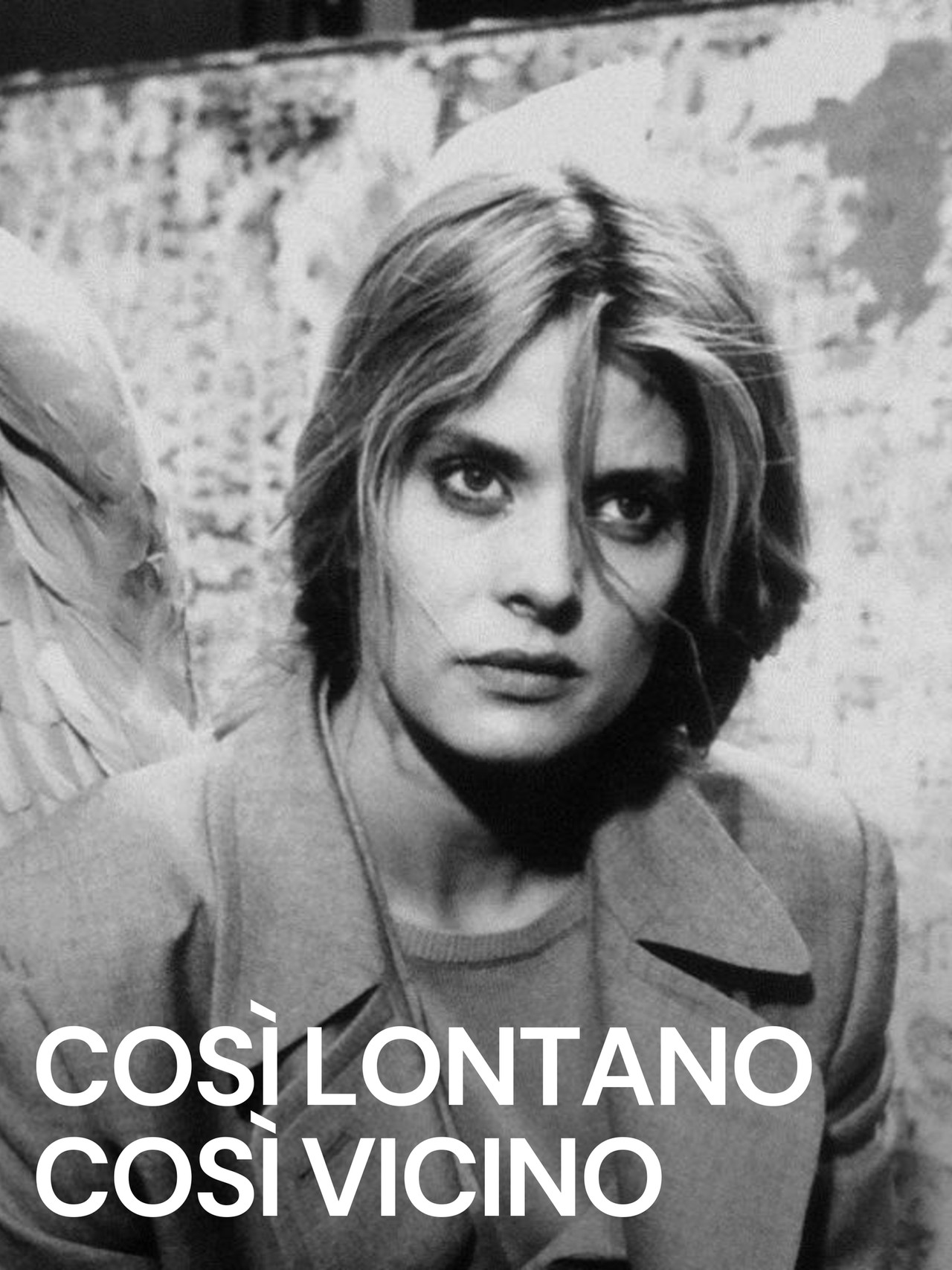
m.media-amazon.com/images/M/MV5BMTQ2MzgwODYwOF5BMl5BanBnX...

blogger.googleusercontent.com/img/b/R29vZ2xl/AVvXsEh70yiS...(2).jpg
-----------------------------------------------------------------
click to activate the icon of slideshow: the small triangle inscribed in the small rectangle, at the top right, in the photostream;
or…. Press the “L” button to zoom in the image;
clicca sulla piccola icona per attivare lo slideshow: sulla facciata principale del photostream, in alto a destra c'è un piccolo rettangolo (rappresenta il monitor) con dentro un piccolo triangolo nero;
oppure…. premi il tasto “L” per ingrandire l'immagine;
www.worldphoto.org/sony-world-photography-awards/winners-...
www.fotografidigitali.it/gallery/2726/opere-italiane-segn...
………………………………………………………
This "photographic story" speaks of "angels," the "Golden Angels" of San Pier Niceto (province of Messina). This unique and beautiful religious festival takes place during the Easter season, specifically on "Maundy Tuesday." In San Pier Niceto, in the Peloritani Mountains of Sicily, every year on Holy Tuesday, a procession of the SS. Crucifix, whose roots are very ancient. This year, however, due to the bad weather that raged across Sicily during the Easter period, the procession could not take place. This year's photographic story, which I present here on Flickr, was taken during what is normally the first part of the procession, when the children, dressed in truly unique and special attire for this occasion, arrive at the church of San Giacomo, which houses and preserves the precious wooden crucifix. It is carried in procession through the streets of the town, preceded by children, some very young, of both sexes, who impersonate the who impersonate the Little Angels, the slightly more adult Angels, and the Sorrowful Ones, dressed in elaborate robes covered with countless gold ornaments, sewn by the skilled hands of seamstresses, who, with brooches, necklaces, bracelets, and many other gold ornaments, which are attached to their garments, create true works of art, whose designs recall various Easter symbols. The gold used to make the dresses is collected from house to house by people who must fulfill a "vow," which will be returned at the end of the procession. It all begins during Lent, when several parents decide by "vow" to dress their children as an Angel, as slightly more adult Angels, or as Little Nun. Little Angels are usually 3- or 4-year-old boys, the slightly more adult Angels are slightly older. Thus begins the preparations for the elaborate dresses: during Lent, parents knock on every door in town, among their circle of friends and relatives, to borrow bracelets, brooches, necklaces, and all the gold needed for the embroidery. The Angels' dress is white, knee-length, composed of a gold-covered bodice and a skirt dotted with gold embroidery; Their arms are adorned with bracelets, their heads are adorned with a necklace, and small wings (white dove feathers) emerge from behind their shoulders. To the casual eye, the children, always so sweet and beautiful, could be mistaken for cute little girls due to the bracelet adorning their heads and their little skirts. The Angels wear a white tunic embroidered with sacred icons in gold, their heads are adorned with a necklace, and their shoulders are adorned with wings made from white dove feathers. The Nuns, on the other hand, have black dresses, onto which small rosary beads are sewn. A white veil, usually held in place by a crown of roses, is placed on their heads. At 4:30 pm on Holy Tuesday, which could not be held this year, a ringing of bells along with the fanfare of the town band, marks the start of the “Procession of the Crucifix” of San Pier Niceto: at the foot of the Cross there are red roses, behind it there are cypress branches (at the end of the event the faithful will take a small piece of the branch with them as a relic), finally red ribbons are tied to the arms of the Crucifix, they will mark the route of the procession, until it arrives at the Cathedral, a sixteenth-century church dedicated to St. Peter the Apostle, where the celebration of Holy Mass will be held (the reverse route will bring the Holy Crucifix back to the Church of San Giacomo): in perfect order the faithful in religious silence, with votive candles in hand, walk through the streets of the town, not going beyond the red ribbons because they mark the route of the Golden Angels, the Big Angels and the Sorrowful Ones. A little curiosity, about ten days ago I was performing a normal surgical session during which I administered various anesthesia for the surgical session scheduled for that day. One of the patients was a native of San Pier Niceto. Intrigued, we began to talk about this town and its traditions, inevitably the conversation turned to this tradition. You can imagine my surprise when the patient told me that back in 1959 he had been one of the traditional golden angels! This moved me quite a bit. I found myself in the presence of a person with a humble demeanor, gifted with a keen intelligence, profound culture and humanity. But above all, I perceived "it" as a temporal duplication. I had recently photographed the "Golden Angels", and I found myself in the presence of a gentleman who had been one a long time ago: during the surgical operation he was awake (he was "asleep" from the navel down), at the end of the operation, I showed him some of my photographs on Flickr of the “Golden Angels” of his town. The operating session, while talking to him, “flew by”, what a pleasant meeting! :o)) …..!
In questo "racconto fotografico" si parla di "angeli", sono "gli Angioletti d'oro" di San Pier Niceto (provincia di Messina), questa singolare e molto bella festa religiosa, si svolge durante il periodo pasquale, nello specifico durante il "Martedì Santo". A San Pier Niceto, sui monti Peloritani in Sicilia, durante il Martedì Santo tutti gli anni prende vita la processione per le vie del paese del SS. Crocifisso, le cui radici sono antichissime: quest’anno però, causa il maltempo che ha imperversato su tutta la Sicilia durante il periodo pasquale, la processione non si è potuta fare, il racconto fotografico realizzato quest’anno, che presento qui, su Flickr, è stato realizzato durante quella che normalmente è la prima parte della processione, quando i bimbi vestiti per questa occasione in modo davvero unico e particolare giungono nella chiesa di San Giacomo, che ospita e custodisce il pregevole Crocifisso ligneo che viene portato in processione per le vie del paese, preceduto da bambini, anche molto piccoli, di entrambi i sessi, che impersonano gli Angioletti, gli Agioloni, e le Addoloratine, vestiti con elaboratissimi abiti ricoperti con tantissimi monili d’oro, cuciti dalle mani abili di sarte, che con spille, collane, bracciali e tanti altri monili di oro, che vengono applicati sui loro vestiti, realizzano vere opere d’arte, i cui disegni ricordano vari simboli pasquali. L’oro per la realizzazione dei vestitini viene raccolto di casa in casa da persone che devono sciogliere un “voto”, oro che verrà restituito alla fine della processione. Tutto ha inizio durante la Quaresima, quando diversi genitori decidono per “voto” di vestire il proprio bambino da Angioletto, Angiolone o Monachella. Gli Angioletti sono solitamente bimbi di 3 o 4 anni, gli Angioloni sono un po’ più grandi, le Monachelle sono bambine. Prendono così il via i preparativi per la realizzazione degli elaboratissimi vestiti: i genitori durante la Quaresima bussano ad ogni porta del paese, tra la cerchia di amici e parenti, per prendere in prestito bracciali, spille, collane e tutto l’oro necessario alla composizione dei ricami. Il vestito degli Angioletti è bianco, corto fino al ginocchio, composto da un corpetto ricoperto d’oro ed una gonna segnata da alcuni ricami d’oro; le braccia sono adornate da bracciali, la testa è adornata da un collier, da dietro le spalle spuntano delle piccole ali (piume di colomba bianca): ad un occhio distratto e poco attento, i bimbi, sempre dolcissimi e bellissimi, per la presenza di un bracciale che adorna il capo e per il piccolo gonnellino, potrebbero essere scambiati per graziose femminucce. Gli Angioloni hanno una tunica bianca sulla quale vengono ricamate delle icone sacre in oro, la testa è cinta da un collier, sulle spalle trovano posto delle ali ricavate sempre da piume di colomba bianca. Il vestito delle Monachelle invece è nero, sul quale vengono cucite delle coroncine del S.S. Rosario, sul capo viene posto un velo bianco, trattenuto in genere da una corona di rose. Alle 16:30 del Martedì Santo, cosa che non si è potuta fare quest’anno, un rintocco di campane insieme alla fanfare della banda del paese, danno il via alla “Processione del Crocifisso” di San Pier Niceto: ai piedi della Croce vi sono delle rose rosse, dietro di essa trovano posto dei rami di cipresso (alla fine dell’evento i fedeli porteranno con se un pezzetto di rametto come reliquia), infine dei nastri rossi vengono legati alle braccia del Crocifisso, essi segneranno il percorso della processione, fino all’arrivo al Duomo, una chiesa cinquecentesca dedicata a San Pietro apostolo, ove si terrà la celebrazione della Santa Messa ( il percorso inverso riporterà il S.S. Crocifisso nella Chiesa di San Giacomo): in perfetto ordine i fedeli in religioso silenzio, con ceri votivi in mano, percorrono le vie del paese, non oltrepassando i nastri rossi poiché essi delimitano il percorso degli Angioletti d’oro, degli Angioloni e delle Addoloratine. Una piccola curiosità, circa dieci giorni addietro mi trovavo a svolgere una normale seduta operatoria durante la quale eseguivo varie anestesie per la seduta operatoria programmata per quel giorno, uno dei pazienti era nativo di San Pier Niceto, incuriosito si incomincia a parlare di questo paese e delle sue tradizioni, inevitabilmente il discorso cade su questa tradizione, si può immaginare la mia sorpresa quando il paziente mi dice che nel lontano 1959 lui era stato uno degli angioletti d’oro della tradizione ! La cosa mi emozionò non poco, mi trovavo al cospetto di una persona dall’atteggiamento umile, dotato di una acuta intelligenza, di una profonda cultura ed umanità, ma soprattutto percepivo “la cosa” come uno sdoppiamento temporale, avevo fotografato da poco gli “Angioletti d’Oro”, e mi trovavo in presenza di un signore che lo era stato molto tempo addietro: durante l’intervento chirurgico lui era sveglio (era “addormentato” dall’ombelico in giù), gli ho poi mostrato, a fine intervento, alcune mie fotografie su Flickr, degli “Angioletti d’Oro” del suo paese, la seduta operatoria, dialogando con lui “è volata”, che piacevole incontro! :o)) …..!
----------------------------------------------------------------
Angioletti coperti d'oro per la processione del Ss Crocifisso a San Pier Nice…
servizio del tgr Sicilia sulla processione del Crocifisso del ...
Processione del SS Crocifisso di San Giacomo a San Pier Niceto (ME) 15/0….
Bambini ricoperti d'oro, tradizione antica che emoziona la Sicilia intera, San Pier Niceto 2023
Processione del SS Crocifisso e degli Angioletti vestiti d'oro San Pier Niceto (ME) 04/04/23
Processione del SS Crocifisso e degli Angioletti vestiti d'oro San Pier Niceto (ME) 16/04/19
...........................................
COSI VICINO COSI LONTANO: Mikhail Gorbaciov - Wim Wenders
Così lontano così vicino - Wim Wenders
Così lontano, così vicino! - Il nostro tutto
Così Lontano Così Vicino - Di Wim Wenders -1993 -.avi
Così Lontano Così Vicino - Luce al Neon - regia Wim Wenders (1993).mov
Così Lontano Così Vicino - Finale
In weiter Ferne, so nah! (intro)
Così lontano, così vicino - Il tempo
Così lontano, così vicino! - Come vedono e sentono gli esseri umani?
..................................
Calera y Chozas - Maggio 2019
Scatto effettuato da postazione fissa, capanno dotato di vetro stop/sol.
Visualizza in HD:
www.flickr.com/photos/stefanobarbuti/48478203892/sizes/o/
Calera y Chozas-May 2019
Click made by a fixed position, with a stop/sol glass cabin.
View in HD:
www.flickr.com/photos/stefanobarbuti/48478203892/sizes/o/
SCOPRI DI PIU':
🇫🇷
La Citadelle de Saint-Florent....
construite au XV° siècle , après la fondation de la cité en 1440, n'a pas cessé d'évoluer jusqu'à ce jour.
Composé d'une haute tour primitive, avec sa citerne, d'une enceinte plus basse bâtie au XVl°s ,munie de 2 tourelles et d'une tour carrée, l'édifice disposait à l'origine de terrasses d'artillerie.
Elle connut les soubresauts de l'histoire , dont le siège de Décembre 1553 jusqu'à février 1554 , elle fut soumise par la faim. A partir de 1824 , l'édifice servit de logement pour les garnisons jusqu'à 1939 .
Acquise par la municipalité en 1986,classée monument historique en 1994 , la Citadelle accueille chaque été des expositions artistiques.
🇬🇧
The Citadelle of Saint-Florent....
built in the 15th century, after the foundation of the city in 1440, has continued to evolve to this day.
Composed of a high primitive tower, with its cistern, a lower enclosure built at XVl°s, with 2 turrets and a square tower, the building originally had artillery terraces.
It experienced the ups and downs of history, including the siege from December 1553 to February 1554, and was subjected to hunger. From 1824, the building served as housing for the garrisons until 1939.
Acquired by the municipality in 1986, the Citadelle was declared a historic monument in 1994 and hosts art exhibitions every summer.
🇩🇪
Die Zitadelle von Saint-Florent....
Erbaut im 15. Jahrhundert, nach der Gründung der Stadt im Jahre 1440, hat sich bis heute nicht verändert.
Das Gebäude, das sich aus einem hohen primitiven Turm mit Zisterne, einem im 15. Jh. errichteten unteren Mauerring mit 2 Türmen und einem quadratischen Turm zusammensetzte, verfügte ursprünglich über Artillerieterrassen.
Von Dezember 1553 bis Februar 1554 war sie von Hunger geplagt. Ab 1824 diente das Gebäude bis 1939 als Garnisonshaus.
Die Zitadelle, die 1986 von der Gemeinde erworben wurde und 1994 unter Denkmalschutz gestellt wurde, beherbergt jeden Sommer Kunstausstellungen.
🇮🇹
La Cittadella di Saint-Florent....
Costruita nel XV secolo , dopo la fondazione della città nel 1440, non ha smesso di evolversi fino ad oggi.
Composto da un'alta torre primitiva, con la sua cisterna, da un recinto più basso costruito al XV secolo, dotato di 2 torrette e di una torre quadrata, l'edificio disponeva in origine di terrazze d'artiglieria.
Conobbe i sussulti della storia , la cui sede dal dicembre 1553 fino al febbraio 1554 , fu sottomessa dalla fame. Dal 1824 l'edificio servì da alloggio per le guarnigioni fino al 1939.
Acquistata dal comune nel 1986,classificata monumento storico nel 1994 , la Cittadella ospita ogni estate esposizioni artistiche.
🇪🇸
La Ciudadela de Saint-Florent...
construida en el siglo XV ( después de la fundación de la ciudad en 1440, no ha dejado de evolucionar hasta hoy.
Compuesto por una alta torre primitiva, con su cisterna, una muralla más baja construida en el siglo XV, provista de 2 torretas y de una torre cuadrada, el edificio disponía originalmente de terrazas de artillería.
Conoció los sobresaltos de la historia , cuyo sitio desde diciembre de 1553 hasta febrero de 1554 fue sometido por el hambre. A partir de 1824 el edificio sirvió de alojamiento para las guarniciones hasta 1939 .
Adquirida por el municipio en 1986, declarada monumento histórico en 1994 , la Ciudadela acoge cada verano exposiciones artísticas.
----------------------------------------------------------------
Mikhail Gorbaciov - Così vicino così lontano (Wim Wenders)
www.cgtv.it/film-dvd/cosi-lontano-cosi-vicino/
images.mubicdn.net/images/artworks/932581/cache-932581-17...
m.media-amazon.com/images/M/MV5BMTQ2MzgwODYwOF5BMl5BanBnX...
blogger.googleusercontent.com/img/b/R29vZ2xl/AVvXsEh70yiS...(2).jpg
-----------------------------------------------------------------
click to activate the icon of slideshow: the small triangle inscribed in the small rectangle, at the top right, in the photostream;
or…. Press the “L” button to zoom in the image;
clicca sulla piccola icona per attivare lo slideshow: sulla facciata principale del photostream, in alto a destra c'è un piccolo rettangolo (rappresenta il monitor) con dentro un piccolo triangolo nero;
oppure…. premi il tasto “L” per ingrandire l'immagine;
www.worldphoto.org/sony-world-photography-awards/winners-...
www.fotografidigitali.it/gallery/2726/opere-italiane-segn...
………………………………………………………
This "photographic story" speaks of "angels," the "Golden Angels" of San Pier Niceto (province of Messina). This unique and beautiful religious festival takes place during the Easter season, specifically on "Maundy Tuesday." In San Pier Niceto, in the Peloritani Mountains of Sicily, every year on Holy Tuesday, a procession of the SS. Crucifix, whose roots are very ancient. This year, however, due to the bad weather that raged across Sicily during the Easter period, the procession could not take place. This year's photographic story, which I present here on Flickr, was taken during what is normally the first part of the procession, when the children, dressed in truly unique and special attire for this occasion, arrive at the church of San Giacomo, which houses and preserves the precious wooden crucifix. It is carried in procession through the streets of the town, preceded by children, some very young, of both sexes, who impersonate the who impersonate the Little Angels, the slightly more adult Angels, and the Sorrowful Ones, dressed in elaborate robes covered with countless gold ornaments, sewn by the skilled hands of seamstresses, who, with brooches, necklaces, bracelets, and many other gold ornaments, which are attached to their garments, create true works of art, whose designs recall various Easter symbols. The gold used to make the dresses is collected from house to house by people who must fulfill a "vow," which will be returned at the end of the procession. It all begins during Lent, when several parents decide by "vow" to dress their children as an Angel, as slightly more adult Angels, or as Little Nun. Little Angels are usually 3- or 4-year-old boys, the slightly more adult Angels are slightly older. Thus begins the preparations for the elaborate dresses: during Lent, parents knock on every door in town, among their circle of friends and relatives, to borrow bracelets, brooches, necklaces, and all the gold needed for the embroidery. The Angels' dress is white, knee-length, composed of a gold-covered bodice and a skirt dotted with gold embroidery; Their arms are adorned with bracelets, their heads are adorned with a necklace, and small wings (white dove feathers) emerge from behind their shoulders. To the casual eye, the children, always so sweet and beautiful, could be mistaken for cute little girls due to the bracelet adorning their heads and their little skirts. The Angels wear a white tunic embroidered with sacred icons in gold, their heads are adorned with a necklace, and their shoulders are adorned with wings made from white dove feathers. The Nuns, on the other hand, have black dresses, onto which small rosary beads are sewn. A white veil, usually held in place by a crown of roses, is placed on their heads. At 4:30 pm on Holy Tuesday, which could not be held this year, a ringing of bells along with the fanfare of the town band, marks the start of the “Procession of the Crucifix” of San Pier Niceto: at the foot of the Cross there are red roses, behind it there are cypress branches (at the end of the event the faithful will take a small piece of the branch with them as a relic), finally red ribbons are tied to the arms of the Crucifix, they will mark the route of the procession, until it arrives at the Cathedral, a sixteenth-century church dedicated to St. Peter the Apostle, where the celebration of Holy Mass will be held (the reverse route will bring the Holy Crucifix back to the Church of San Giacomo): in perfect order the faithful in religious silence, with votive candles in hand, walk through the streets of the town, not going beyond the red ribbons because they mark the route of the Golden Angels, the Big Angels and the Sorrowful Ones. A little curiosity, about ten days ago I was performing a normal surgical session during which I administered various anesthesia for the surgical session scheduled for that day. One of the patients was a native of San Pier Niceto. Intrigued, we began to talk about this town and its traditions, inevitably the conversation turned to this tradition. You can imagine my surprise when the patient told me that back in 1959 he had been one of the traditional golden angels! This moved me quite a bit. I found myself in the presence of a person with a humble demeanor, gifted with a keen intelligence, profound culture and humanity. But above all, I perceived "it" as a temporal duplication. I had recently photographed the "Golden Angels", and I found myself in the presence of a gentleman who had been one a long time ago: during the surgical operation he was awake (he was "asleep" from the navel down), at the end of the operation, I showed him some of my photographs on Flickr of the “Golden Angels” of his town. The operating session, while talking to him, “flew by”, what a pleasant meeting! :o)) …..!
In questo "racconto fotografico" si parla di "angeli", sono "gli Angioletti d'oro" di San Pier Niceto (provincia di Messina), questa singolare e molto bella festa religiosa, si svolge durante il periodo pasquale, nello specifico durante il "Martedì Santo". A San Pier Niceto, sui monti Peloritani in Sicilia, durante il Martedì Santo tutti gli anni prende vita la processione per le vie del paese del SS. Crocifisso, le cui radici sono antichissime: quest’anno però, causa il maltempo che ha imperversato su tutta la Sicilia durante il periodo pasquale, la processione non si è potuta fare, il racconto fotografico realizzato quest’anno, che presento qui, su Flickr, è stato realizzato durante quella che normalmente è la prima parte della processione, quando i bimbi vestiti per questa occasione in modo davvero unico e particolare giungono nella chiesa di San Giacomo, che ospita e custodisce il pregevole Crocifisso ligneo che viene portato in processione per le vie del paese, preceduto da bambini, anche molto piccoli, di entrambi i sessi, che impersonano gli Angioletti, gli Agioloni, e le Addoloratine, vestiti con elaboratissimi abiti ricoperti con tantissimi monili d’oro, cuciti dalle mani abili di sarte, che con spille, collane, bracciali e tanti altri monili di oro, che vengono applicati sui loro vestiti, realizzano vere opere d’arte, i cui disegni ricordano vari simboli pasquali. L’oro per la realizzazione dei vestitini viene raccolto di casa in casa da persone che devono sciogliere un “voto”, oro che verrà restituito alla fine della processione. Tutto ha inizio durante la Quaresima, quando diversi genitori decidono per “voto” di vestire il proprio bambino da Angioletto, Angiolone o Monachella. Gli Angioletti sono solitamente bimbi di 3 o 4 anni, gli Angioloni sono un po’ più grandi, le Monachelle sono bambine. Prendono così il via i preparativi per la realizzazione degli elaboratissimi vestiti: i genitori durante la Quaresima bussano ad ogni porta del paese, tra la cerchia di amici e parenti, per prendere in prestito bracciali, spille, collane e tutto l’oro necessario alla composizione dei ricami. Il vestito degli Angioletti è bianco, corto fino al ginocchio, composto da un corpetto ricoperto d’oro ed una gonna segnata da alcuni ricami d’oro; le braccia sono adornate da bracciali, la testa è adornata da un collier, da dietro le spalle spuntano delle piccole ali (piume di colomba bianca): ad un occhio distratto e poco attento, i bimbi, sempre dolcissimi e bellissimi, per la presenza di un bracciale che adorna il capo e per il piccolo gonnellino, potrebbero essere scambiati per graziose femminucce. Gli Angioloni hanno una tunica bianca sulla quale vengono ricamate delle icone sacre in oro, la testa è cinta da un collier, sulle spalle trovano posto delle ali ricavate sempre da piume di colomba bianca. Il vestito delle Monachelle invece è nero, sul quale vengono cucite delle coroncine del S.S. Rosario, sul capo viene posto un velo bianco, trattenuto in genere da una corona di rose. Alle 16:30 del Martedì Santo, cosa che non si è potuta fare quest’anno, un rintocco di campane insieme alla fanfare della banda del paese, danno il via alla “Processione del Crocifisso” di San Pier Niceto: ai piedi della Croce vi sono delle rose rosse, dietro di essa trovano posto dei rami di cipresso (alla fine dell’evento i fedeli porteranno con se un pezzetto di rametto come reliquia), infine dei nastri rossi vengono legati alle braccia del Crocifisso, essi segneranno il percorso della processione, fino all’arrivo al Duomo, una chiesa cinquecentesca dedicata a San Pietro apostolo, ove si terrà la celebrazione della Santa Messa ( il percorso inverso riporterà il S.S. Crocifisso nella Chiesa di San Giacomo): in perfetto ordine i fedeli in religioso silenzio, con ceri votivi in mano, percorrono le vie del paese, non oltrepassando i nastri rossi poiché essi delimitano il percorso degli Angioletti d’oro, degli Angioloni e delle Addoloratine. Una piccola curiosità, circa dieci giorni addietro mi trovavo a svolgere una normale seduta operatoria durante la quale eseguivo varie anestesie per la seduta operatoria programmata per quel giorno, uno dei pazienti era nativo di San Pier Niceto, incuriosito si incomincia a parlare di questo paese e delle sue tradizioni, inevitabilmente il discorso cade su questa tradizione, si può immaginare la mia sorpresa quando il paziente mi dice che nel lontano 1959 lui era stato uno degli angioletti d’oro della tradizione ! La cosa mi emozionò non poco, mi trovavo al cospetto di una persona dall’atteggiamento umile, dotato di una acuta intelligenza, di una profonda cultura ed umanità, ma soprattutto percepivo “la cosa” come uno sdoppiamento temporale, avevo fotografato da poco gli “Angioletti d’Oro”, e mi trovavo in presenza di un signore che lo era stato molto tempo addietro: durante l’intervento chirurgico lui era sveglio (era “addormentato” dall’ombelico in giù), gli ho poi mostrato, a fine intervento, alcune mie fotografie su Flickr, degli “Angioletti d’Oro” del suo paese, la seduta operatoria, dialogando con lui “è volata”, che piacevole incontro! :o)) …..!
----------------------------------------------------------------
UNESCO World Heritage Site (2008)
Il cosiddetto Teatro all'Antica, od Olimpico, fu realizzato tra il 1588 e il 1590, a Sabbioneta, su progetto dell'architetto vicentino Vincenzo Scamozzi (1548-1616). Committente il duca della piccola sontuosa cittadina padana, Vespasiano Gonzaga, assai legato agli Asburgo di Spagna.
Il teatro può considerarsi uno tra i primi esempi tra gli edifici teatrali dell'età moderna: il primo europeo di teatro stabile inserito in un edificio appositamente costruito. È stato definito dalla storiografia anche teatro moderno per la presenza di elementi innovatori per l'epoca, quali la facciata autonoma, il diversificato sistema d'ingressi, la forma mistilinea della cavea, l'orchestra inclinata, il retropalco dotato di camerini per i comici e per i musici. Uno spazio teatrale in bilico tra tradizione e innovazione che genialmente sintetizzava la culturale teatrale del XVI secolo e si apriva al futuro.
The Teatro all'antica ("Theater in the style of the ancients") is a theatre in Sabbioneta, northern Italy; it was the first free-standing, purpose-built theater in the modern world. The Teatro all'antica is the second-oldest surviving indoor theater in the world (after the Teatro Olimpico in Vicenza), and is, along with that theater and the Teatro Farnese in Parma, one of only three Renaissance theaters still in existence.
The theater was constructed in 1588 and 1590 by the celebrated Vicentine architect Vincenzo Scamozzi under a commission from Duke Vespasiano I Gonzaga, as part of Gonzaga's effort to turn his tiny Ducal seat into an idealized classical city.
L'altra faccia della Fontana di Giano Bifronte in Largo Bonifacio e sullo sfondo Il Cinema Teatro “Excelsior” inaugurato il 16 ottobre 1925. Il cinema, gestito dalla società Stefano Pittaluga, presentava una grande sala, che occupava tutto il pianterreno e che poteva contenere fino a 2500 persone. Arredato sfarzosamente (“Il ritrovo più elegante della città”), era anche dotato di nuovi accorgimenti tecnologici. Chiuso per la prima volta nel 1981, fu riaperto dopo un lungo restauro e riconvertito in “multisala” nel 1984, con 1000 posti in platea e galleria. E’ stato definitivamente chiuso il 31 gennaio del 2009 per cessazione del contratto da parte delle Assicurazioni Generali, proprietaria del palazzo. Al suo posto oggi c’è una palestra di 1400 metri quadrati della catena di palestre Webfit s.r.l.
(Fonte: Dino Cafagna)
The other side of the Fountain of Giano Bifronte in Largo Bonifacio and in the background the “Excelsior” Cinema Theater inaugurated on 16 October 1925. The cinema, managed by the Stefano Pittaluga company, had a large hall, which occupied the entire ground floor and which could hold up to 2500 people. Lavishly furnished (“The most elegant meeting place in the city”), it was also equipped with new technological features. Closed for the first time in 1981, it was reopened after a long restoration and converted into a "multiplex" in 1984, with 1000 seats in the stalls and gallery. It was definitively closed on 31 January 2009 due to termination of the contract by Assicurazioni Generali, owner of the building. In its place today there is a 1400 square meter gym of the Webfit s.r.l. gym chain.
(Source: Dino Cafagna)
🇫🇷 L'agouti ponctué ou agouti à points, est un rongeur de taille moyenne dont le pelage orangé, quelquefois brun ou noirâtre, laisse paraître de minuscules tâches brunes.
Animal diurne, l'agouti est frugivore et se tient parfois, à la manière d'un écureuil, sur ses pattes arrières, afin de délecter des fruits et noix qu'il affectionne. Avec une ouïe et un odorat très développés, c'est animal rapide et agile qui se déplace au trot, ou par petits sauts.
TAILLE : 40 à 60 cm POIDS : 1,3 kg à 4 kg DUREE DE VIE : 15 à 20 aans HABITAT : Forêts tropicales
REPRODUCTION : La maturité sexuelle de l'agouti ponctué est atteinte vers l'âge de 6 mois, la durée de gestation est de 104 à 120 jours, et la femelle donne naissance à 2 petits par portée en moyenne
🇬🇧 The spotted agouti is a medium-sized rodent with an orange, sometimes brown or blackish coat, showing tiny brown spots.
A diurnal animal, the agouti is a frugivore and sometimes stands, like a squirrel, on its hind legs to feast on its favourite fruits and nuts. With a highly developed sense of hearing and smell, it is a fast and agile animal that moves by trotting or by small jumps.
SIZE: 40 to 60 cm WEIGHT: 1.3 kg to 4 kg LIFETIME: 15 to 20 years HABITAT: Tropical forests
REPRODUCTION : The sexual maturity of the spotted agouti is reached at about 6 months of age, the gestation period is 104 to 120 days, and the female gives birth to 2 young per litter on average
🇪🇸 El agutí moteado es un roedor de tamaño mediano con un pelaje anaranjado, a veces marrón o negruzco, que muestra pequeñas manchas marrones.
Es un animal diurno, frugívoro, que a veces se para sobre sus patas traseras, como las ardillas, para alimentarse de sus frutos favoritos. Con un sentido del oído y del olfato muy desarrollado, es un animal rápido y ágil que se desplaza trotando o mediante pequeños saltos.
TAMAÑO: De 40 a 60 cm PESO: De 1,3 kg a 4 kg VIDA: De 15 a 20 años HÁBITAT: Bosques tropicales
REPRODUCCIÓN : La madurez sexual del agutí moteado se alcanza alrededor de los 6 meses de edad, el período de gestación es de 104 a 120 días, y la hembra da a luz a 2 crías por camada en promedio
🇩🇪r Das Tüpfelagouti ist ein mittelgroßes Nagetier mit einem orangefarbenen, manchmal braunen oder schwärzlichen Fell, das winzige braune Flecken aufweist.
Das Aguti ist ein tagaktives Tier und ein Früchtefresser, der sich manchmal wie ein Eichhörnchen auf die Hinterbeine stellt, um die Früchte und Nüsse zu genießen, die er gerne isst. Mit seinem ausgeprägten Gehör und Geruchssinn ist er ein schnelles und wendiges Tier, das sich im Trab oder mit kleinen Sprüngen fortbewegt.
GRÖSSE: 40 bis 60 cm GEWICHT: 1,3 kg bis 4 kg LEBENSDAUER: 15 bis 20 Jahre HABITAT: Tropische Wälder.
REPRODUKTION: Das Tüpfelagouti ist im Alter von 6 Monaten geschlechtsreif, die Tragzeit beträgt 104 bis 120 Tage und das Weibchen bringt pro Wurf durchschnittlich 2 Junge zur Welt.
🇮🇹 L'agouti maculato è un roditore di medie dimensioni con un mantello arancione, a volte marrone o nerastro, che presenta piccole macchie marroni.
Animale diurno, l'agouti è un frugivoro e a volte sta in piedi, come uno scoiattolo, sulle zampe posteriori per mangiare i suoi frutti e le sue noci preferite. Dotato di un udito e di un olfatto molto sviluppati, è un animale veloce e agile che si muove al trotto o con piccoli salti.
TAGLIA: da 40 a 60 cm PESO: da 1,3 kg a 4 kg DURATA DELLA VITA: da 15 a 20 anni HABITAT: Foreste tropicali
RIPRODUZIONE: La maturità sessuale dell'agouti maculato viene raggiunta a circa 6 mesi di età, il periodo di gestazione è di 104-120 giorni e la femmina partorisce in media 2 piccoli per cucciolata.
AQUILA FASCIATA
Scatto da capanno fisso dotato di vetro. Valencia. Spagna. Marzo 2020
The image was taken from a fixed shack. Valencia. March 2020.
In HD:
FALCO TINNUNCULUS
Scatto da capanno fisso dotato di vetro. Valencia. Marzo 2020.
The image was taken from a fixed shack. Valencia. March 2020
FALCO TINNUNCULUS
Scatto da capanno fisso dotato di vetro. Valencia. Marzo 2020.
The image was taken from fixed shack. Valencia. March 2020.
In HD:
----------------------------------------------------------------
Mikhail Gorbaciov - Così vicino così lontano (Wim Wenders)
www.cgtv.it/film-dvd/cosi-lontano-cosi-vicino/
images.mubicdn.net/images/artworks/932581/cache-932581-17...
m.media-amazon.com/images/M/MV5BMTQ2MzgwODYwOF5BMl5BanBnX...
blogger.googleusercontent.com/img/b/R29vZ2xl/AVvXsEh70yiS...(2).jpg
-----------------------------------------------------------------
click to activate the icon of slideshow: the small triangle inscribed in the small rectangle, at the top right, in the photostream;
or…. Press the “L” button to zoom in the image;
clicca sulla piccola icona per attivare lo slideshow: sulla facciata principale del photostream, in alto a destra c'è un piccolo rettangolo (rappresenta il monitor) con dentro un piccolo triangolo nero;
oppure…. premi il tasto “L” per ingrandire l'immagine;
www.worldphoto.org/sony-world-photography-awards/winners-...
www.fotografidigitali.it/gallery/2726/opere-italiane-segn...
………………………………………………………
This "photographic story" speaks of "angels," the "Golden Angels" of San Pier Niceto (province of Messina). This unique and beautiful religious festival takes place during the Easter season, specifically on "Maundy Tuesday." In San Pier Niceto, in the Peloritani Mountains of Sicily, every year on Holy Tuesday, a procession of the SS. Crucifix, whose roots are very ancient. This year, however, due to the bad weather that raged across Sicily during the Easter period, the procession could not take place. This year's photographic story, which I present here on Flickr, was taken during what is normally the first part of the procession, when the children, dressed in truly unique and special attire for this occasion, arrive at the church of San Giacomo, which houses and preserves the precious wooden crucifix. It is carried in procession through the streets of the town, preceded by children, some very young, of both sexes, who impersonate the who impersonate the Little Angels, the slightly more adult Angels, and the Sorrowful Ones, dressed in elaborate robes covered with countless gold ornaments, sewn by the skilled hands of seamstresses, who, with brooches, necklaces, bracelets, and many other gold ornaments, which are attached to their garments, create true works of art, whose designs recall various Easter symbols. The gold used to make the dresses is collected from house to house by people who must fulfill a "vow," which will be returned at the end of the procession. It all begins during Lent, when several parents decide by "vow" to dress their children as an Angel, as slightly more adult Angels, or as Little Nun. Little Angels are usually 3- or 4-year-old boys, the slightly more adult Angels are slightly older. Thus begins the preparations for the elaborate dresses: during Lent, parents knock on every door in town, among their circle of friends and relatives, to borrow bracelets, brooches, necklaces, and all the gold needed for the embroidery. The Angels' dress is white, knee-length, composed of a gold-covered bodice and a skirt dotted with gold embroidery; Their arms are adorned with bracelets, their heads are adorned with a necklace, and small wings (white dove feathers) emerge from behind their shoulders. To the casual eye, the children, always so sweet and beautiful, could be mistaken for cute little girls due to the bracelet adorning their heads and their little skirts. The Angels wear a white tunic embroidered with sacred icons in gold, their heads are adorned with a necklace, and their shoulders are adorned with wings made from white dove feathers. The Nuns, on the other hand, have black dresses, onto which small rosary beads are sewn. A white veil, usually held in place by a crown of roses, is placed on their heads. At 4:30 pm on Holy Tuesday, which could not be held this year, a ringing of bells along with the fanfare of the town band, marks the start of the “Procession of the Crucifix” of San Pier Niceto: at the foot of the Cross there are red roses, behind it there are cypress branches (at the end of the event the faithful will take a small piece of the branch with them as a relic), finally red ribbons are tied to the arms of the Crucifix, they will mark the route of the procession, until it arrives at the Cathedral, a sixteenth-century church dedicated to St. Peter the Apostle, where the celebration of Holy Mass will be held (the reverse route will bring the Holy Crucifix back to the Church of San Giacomo): in perfect order the faithful in religious silence, with votive candles in hand, walk through the streets of the town, not going beyond the red ribbons because they mark the route of the Golden Angels, the Big Angels and the Sorrowful Ones. A little curiosity, about ten days ago I was performing a normal surgical session during which I administered various anesthesia for the surgical session scheduled for that day. One of the patients was a native of San Pier Niceto. Intrigued, we began to talk about this town and its traditions, inevitably the conversation turned to this tradition. You can imagine my surprise when the patient told me that back in 1959 he had been one of the traditional golden angels! This moved me quite a bit. I found myself in the presence of a person with a humble demeanor, gifted with a keen intelligence, profound culture and humanity. But above all, I perceived "it" as a temporal duplication. I had recently photographed the "Golden Angels", and I found myself in the presence of a gentleman who had been one a long time ago: during the surgical operation he was awake (he was "asleep" from the navel down), at the end of the operation, I showed him some of my photographs on Flickr of the “Golden Angels” of his town. The operating session, while talking to him, “flew by”, what a pleasant meeting! :o)) …..!
In questo "racconto fotografico" si parla di "angeli", sono "gli Angioletti d'oro" di San Pier Niceto (provincia di Messina), questa singolare e molto bella festa religiosa, si svolge durante il periodo pasquale, nello specifico durante il "Martedì Santo". A San Pier Niceto, sui monti Peloritani in Sicilia, durante il Martedì Santo tutti gli anni prende vita la processione per le vie del paese del SS. Crocifisso, le cui radici sono antichissime: quest’anno però, causa il maltempo che ha imperversato su tutta la Sicilia durante il periodo pasquale, la processione non si è potuta fare, il racconto fotografico realizzato quest’anno, che presento qui, su Flickr, è stato realizzato durante quella che normalmente è la prima parte della processione, quando i bimbi vestiti per questa occasione in modo davvero unico e particolare giungono nella chiesa di San Giacomo, che ospita e custodisce il pregevole Crocifisso ligneo che viene portato in processione per le vie del paese, preceduto da bambini, anche molto piccoli, di entrambi i sessi, che impersonano gli Angioletti, gli Agioloni, e le Addoloratine, vestiti con elaboratissimi abiti ricoperti con tantissimi monili d’oro, cuciti dalle mani abili di sarte, che con spille, collane, bracciali e tanti altri monili di oro, che vengono applicati sui loro vestiti, realizzano vere opere d’arte, i cui disegni ricordano vari simboli pasquali. L’oro per la realizzazione dei vestitini viene raccolto di casa in casa da persone che devono sciogliere un “voto”, oro che verrà restituito alla fine della processione. Tutto ha inizio durante la Quaresima, quando diversi genitori decidono per “voto” di vestire il proprio bambino da Angioletto, Angiolone o Monachella. Gli Angioletti sono solitamente bimbi di 3 o 4 anni, gli Angioloni sono un po’ più grandi, le Monachelle sono bambine. Prendono così il via i preparativi per la realizzazione degli elaboratissimi vestiti: i genitori durante la Quaresima bussano ad ogni porta del paese, tra la cerchia di amici e parenti, per prendere in prestito bracciali, spille, collane e tutto l’oro necessario alla composizione dei ricami. Il vestito degli Angioletti è bianco, corto fino al ginocchio, composto da un corpetto ricoperto d’oro ed una gonna segnata da alcuni ricami d’oro; le braccia sono adornate da bracciali, la testa è adornata da un collier, da dietro le spalle spuntano delle piccole ali (piume di colomba bianca): ad un occhio distratto e poco attento, i bimbi, sempre dolcissimi e bellissimi, per la presenza di un bracciale che adorna il capo e per il piccolo gonnellino, potrebbero essere scambiati per graziose femminucce. Gli Angioloni hanno una tunica bianca sulla quale vengono ricamate delle icone sacre in oro, la testa è cinta da un collier, sulle spalle trovano posto delle ali ricavate sempre da piume di colomba bianca. Il vestito delle Monachelle invece è nero, sul quale vengono cucite delle coroncine del S.S. Rosario, sul capo viene posto un velo bianco, trattenuto in genere da una corona di rose. Alle 16:30 del Martedì Santo, cosa che non si è potuta fare quest’anno, un rintocco di campane insieme alla fanfare della banda del paese, danno il via alla “Processione del Crocifisso” di San Pier Niceto: ai piedi della Croce vi sono delle rose rosse, dietro di essa trovano posto dei rami di cipresso (alla fine dell’evento i fedeli porteranno con se un pezzetto di rametto come reliquia), infine dei nastri rossi vengono legati alle braccia del Crocifisso, essi segneranno il percorso della processione, fino all’arrivo al Duomo, una chiesa cinquecentesca dedicata a San Pietro apostolo, ove si terrà la celebrazione della Santa Messa ( il percorso inverso riporterà il S.S. Crocifisso nella Chiesa di San Giacomo): in perfetto ordine i fedeli in religioso silenzio, con ceri votivi in mano, percorrono le vie del paese, non oltrepassando i nastri rossi poiché essi delimitano il percorso degli Angioletti d’oro, degli Angioloni e delle Addoloratine. Una piccola curiosità, circa dieci giorni addietro mi trovavo a svolgere una normale seduta operatoria durante la quale eseguivo varie anestesie per la seduta operatoria programmata per quel giorno, uno dei pazienti era nativo di San Pier Niceto, incuriosito si incomincia a parlare di questo paese e delle sue tradizioni, inevitabilmente il discorso cade su questa tradizione, si può immaginare la mia sorpresa quando il paziente mi dice che nel lontano 1959 lui era stato uno degli angioletti d’oro della tradizione ! La cosa mi emozionò non poco, mi trovavo al cospetto di una persona dall’atteggiamento umile, dotato di una acuta intelligenza, di una profonda cultura ed umanità, ma soprattutto percepivo “la cosa” come uno sdoppiamento temporale, avevo fotografato da poco gli “Angioletti d’Oro”, e mi trovavo in presenza di un signore che lo era stato molto tempo addietro: durante l’intervento chirurgico lui era sveglio (era “addormentato” dall’ombelico in giù), gli ho poi mostrato, a fine intervento, alcune mie fotografie su Flickr, degli “Angioletti d’Oro” del suo paese, la seduta operatoria, dialogando con lui “è volata”, che piacevole incontro! :o)) …..!
----------------------------------------------------------------
La Barcola è un quartiere situato a nord della città di Trieste, dotato di una lunga riviera lineare che costeggia il Golfo di Trieste e che è stata trasformata dal Comune in una spiaggia urbana aperta tutto l'anno. Qua non c'è sabbia: i teli vengono stesi direttamente sul cemento o sulle terrazze (i "topolini") che si aprono lungo il viale. Per chi vuole stare all'ombra, c'è una lunga pineta che costeggia il viale. Il tutto a pochissimi minuti d'auto dal centro cittadino.
----------
Barcola is a neighborhood located north of Trieste town (Italy), boasting a long, linear beachfront along the Gulf of Trieste. The Municipality has transformed it into an urban beach open year-round. There's no sand here: towels are laid out directly on the concrete or on the terraces (the "topolini") that open along the avenue. For those seeking shade, a long pine forest lines the avenue. All this is just a few minutes' drive from the city center.
Sydney Opera House.
L'edificio e i suoi dintorni rappresentano spesso una meta per i turisti che, per la maggior parte senza interesse alcuno per l'opera, affollano l'edificio semplicemente per visitarne la struttura.
Secondo alcuni critici, i gusci a sezione sferica possono ricordare la flottiglia di barche a vela che si reca in crociera nei mari australiani.
L'acustica dell'intera struttura, particolarmente quella del teatro dell'opera, non sempre ha avuto apprezzamento e anzi ha ricevuto critiche fino a essere giudicata insoddisfacente rispetto alla funzione per cui è stata edificata.
Infatti vi sono state continue richieste per una ristrutturazione degli spazi, un restyling che preveda lo spostamento del teatro dell'opera alla sala concerto, più grande e più adatta acusticamente, con conseguente spostamento della Sydney Symphony Orchestra in una nuova sala.
Il 28 settembre 1973 avvenne la pre-inaugurazione dell'Opera House con Voïna i mir (Guerra e pace) di Sergei Prokofiev.
Il teatro dell'opera (Opera Theatre da 1 530 posti) venne inaugurato dalla regina Elisabetta II il 20 ottobre 1973.
L'apertura fu trasmessa in televisione, con fuochi d'artificio e l'esecuzione della Nona sinfonia di Beethoven.
Nella sala dei concerti da 2 700 posti si trova il grande organo a canne, uno strumento musicale dotato di 10 500 canne, installato nel 1979.
Nel 2007 è entrato a far parte dei patrimoni dell'umanità sotto l'egida dell'UNESCO.
Sydney Opera House.
The building and its surroundings often represent a destination for tourists who, mostly without any interest in the work, flock to the building simply to visit its structure.
According to some critics, the spherical section shells may recall the flotilla of sailing boats that cruise the Australian seas.
The acoustics of the entire structure, particularly that of the opera house, have not always been appreciated and have actually received criticism to the point of being judged unsatisfactory in relation to the function for which it was built.
In fact, there have been continuous requests for a renovation of the spaces, a restyling that involves moving the opera house to the concert hall, which is larger and more acoustically suitable, with the consequent movement of the Sydney Symphony Orchestra to a new hall.
On September 28, 1973, the pre-inauguration of the Opera House took place with Voïna i mir (War and Peace) by Sergei Prokofiev.
The opera house (Opera Theater with 1,530 seats) was opened by Queen Elizabeth II on 20 October 1973.
The opening was televised, with fireworks and a performance of Beethoven's Ninth Symphony.
In the 2,700-seat concert hall is the large pipe organ, a musical instrument with 10,500 pipes, installed in 1979.
In 2007 it became part of the world heritage sites under the aegis of UNESCO.
_MG_6894m
Scatto effettuato da capanno fisso dotato di vetro. Calera y Chozas. Spagna. Maggio 2019
The image was taken from a photo hide. Calera y Chozas. Spain. May 2019
In HD:
Portovenere - La Chiesa di San Pietro
Nota per la sua antica architettura, è famosissima per le sue particolari valenze panoramiche e paesaggistiche: posta a strapiombo sul mare, la chiesa è oggetto di numerose e celebri fotografie. Costituita da due edifici collegati: l’uno di stile gotico più recente; l’altro romanico, molto più antico. L’edificio più antico, incluso nel perimetro della chiesa ne è parte integrante, a pianta rettangolare con l’abside semicircolare ha l’asse longitudinale correttamente orientato a levante, ne consegue ovviamente che quello medioevale, in forma del tutto inusuale, volge a sud la sua abside quadrata. L’edificio più recente iniziato nel 1256 e terminato nel 1277 secondo il disegno originale doveva essere condotta a tre navate sopra l’area spianta della vecchia chiesa, questo progetto fu poi modificato e i due templi furono collegati mediante due arcate a tutto sesto aperte nel muro della chiesa antica. L’ interno è decorato da larghe fasce bianche e nere e il presbiterio è dotato di due cappelle laterali quadrate coperte da volte ogivali. La torre campanaria, contrariamente al corpo dell’edificio che si presenta avaro di vuoti, si apre all’esterno presentando in ordini sovrapposti delle bifore che ne alleggeriscono l’ imponente mole. Per la tecnica ardimentosa della sua struttura e per la fine eleganza scultorea è una delle costruzioni esemplari dell’architettura gotico genovese in Liguria.
-------------------------------
Portovenere - The Church of San Pietro
Known for its ancient architecture, it is very famous for its particular panoramic and landscape values: located overlooking the sea, the church is the subject of numerous famous photographs. Made up of two connected buildings: one in the more recent Gothic style; the other Romanesque, much older. The oldest building, included in the perimeter of the church and an integral part of it, has a rectangular plan with a semicircular apse and has a longitudinal axis correctly oriented to the east. It obviously follows that the medieval one, in a completely unusual shape, faces south. its square apse. The most recent building begun in 1256 and finished in 1277 according to the original design was to have three naves above the open area of the old church, this project was then modified and the two temples were connected by two round arches opened in the wall of the ancient church. The interior is decorated with wide black and white bands and the presbytery has two square side chapels covered by ogival vaults. The bell tower, unlike the body of the building which is stingy with voids, opens to the outside presenting overlapping rows of mullioned windows which lighten its imposing mass. Due to the daring technique of its structure and the fine sculptural elegance it is one of the exemplary constructions of Genoese Gothic architecture in Liguria.
--------------------------------------
2698
Scatto effettuato da capanno fisso dotato di vetro. Calera y Chozas. Spagna. Maggio 2019.
The image was taken from a photo hide. Calera y Chozas. Spain. May 2019.
In HD:
Popolazioni dei Somba-Betammaribé.
Un castello in miniatura somiglia ad una piccola fortezza ed all'esterno, non lontano dalla porta, non può mancare il feticcio preparato con varie parti di animali che, secondo la religione animista, proteggerebbe la casa ed i suoi abitanti dagli spiriti negativi.
L'interno dei castelli in miniatura presenta un piano terra utilizzato come magazzino e come cucina, attraverso il quale si accede ad un secondo piano dotato di un'ampia terrazza.
All'esterno un focolare rudimentale e, di fronte, un divano ricavato con delle pietre per poter attendere comodamente la cottura dei cibi.
Somba-Betammaribé people.
A miniature castle resembles a small fortress, and outside, not far from the door, there's a fetish made from various animal parts, which, according to the animist religion, protects the house and its inhabitants from evil spirits.
The interior of the miniature castles features a ground floor used as a storage room and kitchen, which leads to a second floor with a large terrace.
Outside, there's a rudimentary fireplace and, in front, a sofa made from stones, allowing one to comfortably wait for food to be cooked.
IMG_3568m
La centrale di Piombino, entrata in servizio nel 1977 e chiamata per l'ultima volta in produzione nel 2013, ha ottenuto nel 2015 il nulla osta alla dismissione da parte del ministero dello Sviluppo economico. Era costituita da quattro gruppi di produzione per un totale di 1.280 megawatt di potenza installata. Oltre alle strutture e alle apparecchiature connesse alla produzione, l'impianto era dotato di cinque serbatoi già bonificati secondo le procedure previste. Le quattro caldaie erano collegate ai due camini di 195 metri di altezza. Queste strutture al termine delle attività di bonifica saranno demolite.
The Piombino power plant, which came into service in 1977 and was last called into production in 2013, obtained the clearance from the Ministry of Economic Development in 2015. It consisted of four production groups for a total of 1,280 megawatts of installed power. In addition to the facilities and equipment associated with the production, the plant was equipped with five tanks already reclaimed according to the established procedures. The four boilers were connected to the two 195-meter-high chimneys. These structures will be demolished at the end of the reclamation activities.