Printed Ephemera
View allAll Photos Tagged Verga
.
Michel de Montaigne (Fr., 1533-1592), Journal de voyage, 1580-1581 (édition de Fausta Garavini - 1983). Le retour et la fin du voyage par l’Auvergne et le Limousin.
*
Michel de Montaigne (Fr., 1533-1592), Diario de viaje, 1580-1581 (edición de Fausta Garavini - 1983). El regreso y final del viaje por Auvernia y el Limusín.
*
Photo : La route de Montaigne (dernières étapes dans l’Auvergne et le Limousin). Une Photo du mythique Puy de Dôme au début des neiges de novembre. Au cours de cette dernière partie du voyage, Montaigne accélère son journal ; il ne décrit plus les localités qu’il traverse et se borne à les citer sans fioritures, en indiquant juste les éléments essentiels (santé, notamment).
Foto: La ruta de Montaigne (últimas etapas por Auvernia y el Limusín). Una foto característica del Puy de Dôme, antiguo volcán que forma parte de la cadena de los volcanes de Auvernia (Patrimonio UNESCO). Su elegante y característica silueta tronco cónica y sus 1465 m. de altitud (el más alto del conjunto) hacen de él uno de los lugares más carismáticos de la zona.
Taken way back in 2003 our first trip to the USA, we travel by coach from Denver passing Cheyanne, Custer, Cody across to Yellowstone pass the Teton's down to Jackson Hole, Salt lake city, Zion NP, Bryce NP and many more great place's and finishing were else but Las Vergas.
For us it was a trip of a life time, we were hoping to do it again in the near future, at lease we have our memory's.
Texture's by William Walton & Topaz.
Near Kalamata, at Kalogria a spring discharges clear water from Mount Taygetos under the sea. You can actually drink the sea water here.
The small port of Acitrezza, the town of the Malavoglia, famous novel by the Italian writer Giovanni Verga. The land of the stacks (you can see one in the background on the left), which the Homeric poem the Odyssey tells were hurled by the giant Polyphemus against Ulysses' ships. A place full of stories, legends and culture of our incomparable Sicily.
Tenevamo gli occhi fissi nel cielo, e mi pareva che le anime nostre si parlassero attraverso l’epidermide delle nostre mani e si abbracciassero nei nostri sguardi che s’incontravano nelle stelle.
We kept our eyes fixed on the sky, and it seemed to me that our souls were talking to each other through the epidermis of our hands and embracing each other in our gazes that met in the stars.
(Giovanni Verga)
Blackcap - Sylvia Atrcapilla (M)
The Eurasian blackcap (Sylvia atricapilla) usually known simply as the blackcap, is a common and widespread typical warbler. It has mainly olive-grey upperparts and pale grey underparts, and differences between the five subspecies are small. Both sexes have a neat coloured cap to the head, black in the male and reddish-brown in the female. The male's typical song is a rich musical warbling, often ending in a loud high-pitched crescendo, but a simpler song is given in some isolated areas, such as valleys in the Alps. The blackcap's closest relative is the garden warbler, which looks quite different but has a similar song.
The blackcap feeds mainly on insects during the breeding season, then switches to fruit in late summer, the change being triggered by an internal biological rhythm. When migrants arrive on their territories they initially take berries, pollen and nectar if there are insufficient insects available, then soon switch to their preferred diet. They mainly pick prey off foliage and twigs, but may occasionally hover, flycatch or feed on the ground. Blackcaps eat a wide range of invertebrate prey, although aphids are particularly important early in the season, and flies, beetles and caterpillars are also taken in large numbers. Small snails are swallowed whole, since the shell is a source of calcium for the bird's eggs. Chicks are mainly fed soft-bodied insects, fruit only being provided if invertebrates are scarce.
In July, the diet switches increasingly to fruit. The protein needed for egg-laying and for the chicks to grow is replaced by fruit sugar which helps the birds to fatten for migration. Aphids are still taken while they are available, since they often contain sugars from the plant sap on which they feed. Blackcaps eat a wide range of small fruit, and squeeze out any seeds on a branch before consuming the pulp. This technique makes them an important propagator of mistletoe. The mistle thrush, which also favours that plant, is less beneficial since it tends to crush the seeds. Although any suitable fruit may be eaten, some have seasonal or local importance; elder makes up a large proportion of the diet of northern birds preparing for migration, and energy-rich olives and lentisc are favoured by blackcaps wintering in the Mediterranean.
The German birds wintering in British gardens rely on provided food, and the major items are bread and fat, each making up around 20% of the diet; one bird survived the whole winter eating only Christmas cake. Fruit is also eaten, notably cotoneaster (41% of the fruit consumed), ivy and honeysuckle, and apple if available. Some birds have learned to take peanuts from feeders. Blackcaps defend good winter food sources in the wild, and at garden feeding stations they repel competitors as large as starlings and blackbirds. Birds occasionally become tame enough to feed from the hand.
Aristotle, in his History of Animals, considered that the garden warbler eventually metamorphosed into a blackcap. The blackcap's song has led to it being described as the mock nightingale or country nightingale. Verga's 1871 novel Storia di una capinera, according to its author, was inspired by a story of a blackcap trapped and caged by children. The bird, silent and pining for its lost freedom, eventually dies. In the book, a nun evacuated from her convent by cholera falls in love with a family friend, only to have to return to her confinement when the disease wanes. The novel was adapted as films of the same name in 1917, 1943 and 1993. The last version was directed by Franco Zeffirelli, and its English-language version was retitled as Sparrow. In Saint François d'Assise, an opera by Messiaen, the orchestration is based on bird song. St Francis himself is represented by the blackcap.
Folk names for the blackcap often refer to its most obvious plumage feature (black-headed peggy, King Harry black cap and coal hoodie) or to its song, as in the nightingale names above. Other old names are based on its choice of nesting material (Jack Straw, hay bird, hay chat and hay Jack). There is a tradition of the Royal Navy's Fleet Air Arm bases being named for birds. A former base near Stretton in Cheshire was called HMS Blackcap.
Population:
UK breeding:
1,200,000 territories
UK wintering:
3,000 birds
Blackcap - Sylvia Atrcapilla (M)
The Eurasian blackcap (Sylvia atricapilla) usually known simply as the blackcap, is a common and widespread typical warbler. It has mainly olive-grey upperparts and pale grey underparts, and differences between the five subspecies are small. Both sexes have a neat coloured cap to the head, black in the male and reddish-brown in the female. The male's typical song is a rich musical warbling, often ending in a loud high-pitched crescendo, but a simpler song is given in some isolated areas, such as valleys in the Alps. The blackcap's closest relative is the garden warbler, which looks quite different but has a similar song.
The blackcap feeds mainly on insects during the breeding season, then switches to fruit in late summer, the change being triggered by an internal biological rhythm. When migrants arrive on their territories they initially take berries, pollen and nectar if there are insufficient insects available, then soon switch to their preferred diet. They mainly pick prey off foliage and twigs, but may occasionally hover, flycatch or feed on the ground. Blackcaps eat a wide range of invertebrate prey, although aphids are particularly important early in the season, and flies, beetles and caterpillars are also taken in large numbers. Small snails are swallowed whole, since the shell is a source of calcium for the bird's eggs. Chicks are mainly fed soft-bodied insects, fruit only being provided if invertebrates are scarce.
In July, the diet switches increasingly to fruit. The protein needed for egg-laying and for the chicks to grow is replaced by fruit sugar which helps the birds to fatten for migration. Aphids are still taken while they are available, since they often contain sugars from the plant sap on which they feed. Blackcaps eat a wide range of small fruit, and squeeze out any seeds on a branch before consuming the pulp. This technique makes them an important propagator of mistletoe. The mistle thrush, which also favours that plant, is less beneficial since it tends to crush the seeds. Although any suitable fruit may be eaten, some have seasonal or local importance; elder makes up a large proportion of the diet of northern birds preparing for migration, and energy-rich olives and lentisc are favoured by blackcaps wintering in the Mediterranean.
The German birds wintering in British gardens rely on provided food, and the major items are bread and fat, each making up around 20% of the diet; one bird survived the whole winter eating only Christmas cake. Fruit is also eaten, notably cotoneaster (41% of the fruit consumed), ivy and honeysuckle, and apple if available. Some birds have learned to take peanuts from feeders. Blackcaps defend good winter food sources in the wild, and at garden feeding stations they repel competitors as large as starlings and blackbirds. Birds occasionally become tame enough to feed from the hand.
Aristotle, in his History of Animals, considered that the garden warbler eventually metamorphosed into a blackcap. The blackcap's song has led to it being described as the mock nightingale or country nightingale. Verga's 1871 novel Storia di una capinera, according to its author, was inspired by a story of a blackcap trapped and caged by children. The bird, silent and pining for its lost freedom, eventually dies. In the book, a nun evacuated from her convent by cholera falls in love with a family friend, only to have to return to her confinement when the disease wanes. The novel was adapted as films of the same name in 1917, 1943 and 1993. The last version was directed by Franco Zeffirelli, and its English-language version was retitled as Sparrow. In Saint François d'Assise, an opera by Messiaen, the orchestration is based on bird song. St Francis himself is represented by the blackcap.
Folk names for the blackcap often refer to its most obvious plumage feature (black-headed peggy, King Harry black cap and coal hoodie) or to its song, as in the nightingale names above. Other old names are based on its choice of nesting material (Jack Straw, hay bird, hay chat and hay Jack). There is a tradition of the Royal Navy's Fleet Air Arm bases being named for birds. A former base near Stretton in Cheshire was called HMS Blackcap.
Population:
UK breeding:
1,200,000 territories
UK wintering:
3,000 birds
Virga are trails of precipitation that fall from the underside of a cloud but evaporate or sublime before it can reach the earth's surface. This happens when falling rain or ice passes through an area of dry or warm air.
The Spanish verga comes from the Latin virga, meaning “rod” or “staff.” Before the word even evolved into Spanish, Latin authors as early as the sixth century were using virga as a euphemism for penis. Rod, penis ….
No crop.
Blackcap - Sylvia Atrcapilla (M)
The Eurasian blackcap (Sylvia atricapilla) usually known simply as the blackcap, is a common and widespread typical warbler. It has mainly olive-grey upperparts and pale grey underparts, and differences between the five subspecies are small. Both sexes have a neat coloured cap to the head, black in the male and reddish-brown in the female. The male's typical song is a rich musical warbling, often ending in a loud high-pitched crescendo, but a simpler song is given in some isolated areas, such as valleys in the Alps. The blackcap's closest relative is the garden warbler, which looks quite different but has a similar song.
The blackcap feeds mainly on insects during the breeding season, then switches to fruit in late summer, the change being triggered by an internal biological rhythm. When migrants arrive on their territories they initially take berries, pollen and nectar if there are insufficient insects available, then soon switch to their preferred diet. They mainly pick prey off foliage and twigs, but may occasionally hover, flycatch or feed on the ground. Blackcaps eat a wide range of invertebrate prey, although aphids are particularly important early in the season, and flies, beetles and caterpillars are also taken in large numbers. Small snails are swallowed whole, since the shell is a source of calcium for the bird's eggs. Chicks are mainly fed soft-bodied insects, fruit only being provided if invertebrates are scarce.
In July, the diet switches increasingly to fruit. The protein needed for egg-laying and for the chicks to grow is replaced by fruit sugar which helps the birds to fatten for migration. Aphids are still taken while they are available, since they often contain sugars from the plant sap on which they feed. Blackcaps eat a wide range of small fruit, and squeeze out any seeds on a branch before consuming the pulp. This technique makes them an important propagator of mistletoe. The mistle thrush, which also favours that plant, is less beneficial since it tends to crush the seeds. Although any suitable fruit may be eaten, some have seasonal or local importance; elder makes up a large proportion of the diet of northern birds preparing for migration, and energy-rich olives and lentisc are favoured by blackcaps wintering in the Mediterranean.
The German birds wintering in British gardens rely on provided food, and the major items are bread and fat, each making up around 20% of the diet; one bird survived the whole winter eating only Christmas cake. Fruit is also eaten, notably cotoneaster (41% of the fruit consumed), ivy and honeysuckle, and apple if available. Some birds have learned to take peanuts from feeders. Blackcaps defend good winter food sources in the wild, and at garden feeding stations they repel competitors as large as starlings and blackbirds. Birds occasionally become tame enough to feed from the hand.
Aristotle, in his History of Animals, considered that the garden warbler eventually metamorphosed into a blackcap. The blackcap's song has led to it being described as the mock nightingale or country nightingale. Verga's 1871 novel Storia di una capinera, according to its author, was inspired by a story of a blackcap trapped and caged by children. The bird, silent and pining for its lost freedom, eventually dies. In the book, a nun evacuated from her convent by cholera falls in love with a family friend, only to have to return to her confinement when the disease wanes. The novel was adapted as films of the same name in 1917, 1943 and 1993. The last version was directed by Franco Zeffirelli, and its English-language version was retitled as Sparrow. In Saint François d'Assise, an opera by Messiaen, the orchestration is based on bird song. St Francis himself is represented by the blackcap.
Folk names for the blackcap often refer to its most obvious plumage feature (black-headed peggy, King Harry black cap and coal hoodie) or to its song, as in the nightingale names above. Other old names are based on its choice of nesting material (Jack Straw, hay bird, hay chat and hay Jack). There is a tradition of the Royal Navy's Fleet Air Arm bases being named for birds. A former base near Stretton in Cheshire was called HMS Blackcap.
Population:
UK breeding:
1,200,000 territories
UK wintering:
3,000 birds
Virga are trails of precipitation that fall from the underside of a cloud but evaporate or sublime before it can reach the earth's surface. This happens when falling rain or ice passes through an area of dry or warm air.
The Spanish verga comes from the Latin virga, meaning “rod” or “staff.” Before the word even evolved into Spanish, Latin authors as early as the sixth century were using virga as a euphemism for penis. Rod, penis ….
No crop.
HMMM! youtu.be/PjFoQxjgbrs
Blackcap - Sylvia Atrcapilla (M)
The Eurasian blackcap (Sylvia atricapilla) usually known simply as the blackcap, is a common and widespread typical warbler. It has mainly olive-grey upperparts and pale grey underparts, and differences between the five subspecies are small. Both sexes have a neat coloured cap to the head, black in the male and reddish-brown in the female. The male's typical song is a rich musical warbling, often ending in a loud high-pitched crescendo, but a simpler song is given in some isolated areas, such as valleys in the Alps. The blackcap's closest relative is the garden warbler, which looks quite different but has a similar song.
The blackcap feeds mainly on insects during the breeding season, then switches to fruit in late summer, the change being triggered by an internal biological rhythm. When migrants arrive on their territories they initially take berries, pollen and nectar if there are insufficient insects available, then soon switch to their preferred diet. They mainly pick prey off foliage and twigs, but may occasionally hover, flycatch or feed on the ground. Blackcaps eat a wide range of invertebrate prey, although aphids are particularly important early in the season, and flies, beetles and caterpillars are also taken in large numbers. Small snails are swallowed whole, since the shell is a source of calcium for the bird's eggs. Chicks are mainly fed soft-bodied insects, fruit only being provided if invertebrates are scarce.
In July, the diet switches increasingly to fruit. The protein needed for egg-laying and for the chicks to grow is replaced by fruit sugar which helps the birds to fatten for migration. Aphids are still taken while they are available, since they often contain sugars from the plant sap on which they feed. Blackcaps eat a wide range of small fruit, and squeeze out any seeds on a branch before consuming the pulp. This technique makes them an important propagator of mistletoe. The mistle thrush, which also favours that plant, is less beneficial since it tends to crush the seeds. Although any suitable fruit may be eaten, some have seasonal or local importance; elder makes up a large proportion of the diet of northern birds preparing for migration, and energy-rich olives and lentisc are favoured by blackcaps wintering in the Mediterranean.
The German birds wintering in British gardens rely on provided food, and the major items are bread and fat, each making up around 20% of the diet; one bird survived the whole winter eating only Christmas cake. Fruit is also eaten, notably cotoneaster (41% of the fruit consumed), ivy and honeysuckle, and apple if available. Some birds have learned to take peanuts from feeders. Blackcaps defend good winter food sources in the wild, and at garden feeding stations they repel competitors as large as starlings and blackbirds. Birds occasionally become tame enough to feed from the hand.
Aristotle, in his History of Animals, considered that the garden warbler eventually metamorphosed into a blackcap. The blackcap's song has led to it being described as the mock nightingale or country nightingale. Verga's 1871 novel Storia di una capinera, according to its author, was inspired by a story of a blackcap trapped and caged by children. The bird, silent and pining for its lost freedom, eventually dies. In the book, a nun evacuated from her convent by cholera falls in love with a family friend, only to have to return to her confinement when the disease wanes. The novel was adapted as films of the same name in 1917, 1943 and 1993. The last version was directed by Franco Zeffirelli, and its English-language version was retitled as Sparrow. In Saint François d'Assise, an opera by Messiaen, the orchestration is based on bird song. St Francis himself is represented by the blackcap.
Folk names for the blackcap often refer to its most obvious plumage feature (black-headed peggy, King Harry black cap and coal hoodie) or to its song, as in the nightingale names above. Other old names are based on its choice of nesting material (Jack Straw, hay bird, hay chat and hay Jack). There is a tradition of the Royal Navy's Fleet Air Arm bases being named for birds. A former base near Stretton in Cheshire was called HMS Blackcap.
Population:
UK breeding:
1,200,000 territories
UK wintering:
3,000 birds
Blackcap - Sylvia Atrcapilla (M)
The Eurasian blackcap (Sylvia atricapilla) usually known simply as the blackcap, is a common and widespread typical warbler. It has mainly olive-grey upperparts and pale grey underparts, and differences between the five subspecies are small. Both sexes have a neat coloured cap to the head, black in the male and reddish-brown in the female. The male's typical song is a rich musical warbling, often ending in a loud high-pitched crescendo, but a simpler song is given in some isolated areas, such as valleys in the Alps. The blackcap's closest relative is the garden warbler, which looks quite different but has a similar song.
The blackcap feeds mainly on insects during the breeding season, then switches to fruit in late summer, the change being triggered by an internal biological rhythm. When migrants arrive on their territories they initially take berries, pollen and nectar if there are insufficient insects available, then soon switch to their preferred diet. They mainly pick prey off foliage and twigs, but may occasionally hover, flycatch or feed on the ground. Blackcaps eat a wide range of invertebrate prey, although aphids are particularly important early in the season, and flies, beetles and caterpillars are also taken in large numbers. Small snails are swallowed whole, since the shell is a source of calcium for the bird's eggs. Chicks are mainly fed soft-bodied insects, fruit only being provided if invertebrates are scarce.
In July, the diet switches increasingly to fruit. The protein needed for egg-laying and for the chicks to grow is replaced by fruit sugar which helps the birds to fatten for migration. Aphids are still taken while they are available, since they often contain sugars from the plant sap on which they feed. Blackcaps eat a wide range of small fruit, and squeeze out any seeds on a branch before consuming the pulp. This technique makes them an important propagator of mistletoe. The mistle thrush, which also favours that plant, is less beneficial since it tends to crush the seeds. Although any suitable fruit may be eaten, some have seasonal or local importance; elder makes up a large proportion of the diet of northern birds preparing for migration, and energy-rich olives and lentisc are favoured by blackcaps wintering in the Mediterranean.
The German birds wintering in British gardens rely on provided food, and the major items are bread and fat, each making up around 20% of the diet; one bird survived the whole winter eating only Christmas cake. Fruit is also eaten, notably cotoneaster (41% of the fruit consumed), ivy and honeysuckle, and apple if available. Some birds have learned to take peanuts from feeders. Blackcaps defend good winter food sources in the wild, and at garden feeding stations they repel competitors as large as starlings and blackbirds. Birds occasionally become tame enough to feed from the hand.
Aristotle, in his History of Animals, considered that the garden warbler eventually metamorphosed into a blackcap. The blackcap's song has led to it being described as the mock nightingale or country nightingale. Verga's 1871 novel Storia di una capinera, according to its author, was inspired by a story of a blackcap trapped and caged by children. The bird, silent and pining for its lost freedom, eventually dies. In the book, a nun evacuated from her convent by cholera falls in love with a family friend, only to have to return to her confinement when the disease wanes. The novel was adapted as films of the same name in 1917, 1943 and 1993. The last version was directed by Franco Zeffirelli, and its English-language version was retitled as Sparrow. In Saint François d'Assise, an opera by Messiaen, the orchestration is based on bird song. St Francis himself is represented by the blackcap.
Folk names for the blackcap often refer to its most obvious plumage feature (black-headed peggy, King Harry black cap and coal hoodie) or to its song, as in the nightingale names above. Other old names are based on its choice of nesting material (Jack Straw, hay bird, hay chat and hay Jack). There is a tradition of the Royal Navy's Fleet Air Arm bases being named for birds. A former base near Stretton in Cheshire was called HMS Blackcap.
Population:
UK breeding:
1,200,000 territories
UK wintering:
3,000 birds
Blackcap - Sylvia Atrcapilla (M)
The Eurasian blackcap (Sylvia atricapilla) usually known simply as the blackcap, is a common and widespread typical warbler. It has mainly olive-grey upperparts and pale grey underparts, and differences between the five subspecies are small. Both sexes have a neat coloured cap to the head, black in the male and reddish-brown in the female. The male's typical song is a rich musical warbling, often ending in a loud high-pitched crescendo, but a simpler song is given in some isolated areas, such as valleys in the Alps. The blackcap's closest relative is the garden warbler, which looks quite different but has a similar song.
The blackcap feeds mainly on insects during the breeding season, then switches to fruit in late summer, the change being triggered by an internal biological rhythm. When migrants arrive on their territories they initially take berries, pollen and nectar if there are insufficient insects available, then soon switch to their preferred diet. They mainly pick prey off foliage and twigs, but may occasionally hover, flycatch or feed on the ground. Blackcaps eat a wide range of invertebrate prey, although aphids are particularly important early in the season, and flies, beetles and caterpillars are also taken in large numbers. Small snails are swallowed whole, since the shell is a source of calcium for the bird's eggs. Chicks are mainly fed soft-bodied insects, fruit only being provided if invertebrates are scarce.
In July, the diet switches increasingly to fruit. The protein needed for egg-laying and for the chicks to grow is replaced by fruit sugar which helps the birds to fatten for migration. Aphids are still taken while they are available, since they often contain sugars from the plant sap on which they feed. Blackcaps eat a wide range of small fruit, and squeeze out any seeds on a branch before consuming the pulp. This technique makes them an important propagator of mistletoe. The mistle thrush, which also favours that plant, is less beneficial since it tends to crush the seeds. Although any suitable fruit may be eaten, some have seasonal or local importance; elder makes up a large proportion of the diet of northern birds preparing for migration, and energy-rich olives and lentisc are favoured by blackcaps wintering in the Mediterranean.
The German birds wintering in British gardens rely on provided food, and the major items are bread and fat, each making up around 20% of the diet; one bird survived the whole winter eating only Christmas cake. Fruit is also eaten, notably cotoneaster (41% of the fruit consumed), ivy and honeysuckle, and apple if available. Some birds have learned to take peanuts from feeders. Blackcaps defend good winter food sources in the wild, and at garden feeding stations they repel competitors as large as starlings and blackbirds. Birds occasionally become tame enough to feed from the hand.
Aristotle, in his History of Animals, considered that the garden warbler eventually metamorphosed into a blackcap. The blackcap's song has led to it being described as the mock nightingale or country nightingale. Verga's 1871 novel Storia di una capinera, according to its author, was inspired by a story of a blackcap trapped and caged by children. The bird, silent and pining for its lost freedom, eventually dies. In the book, a nun evacuated from her convent by cholera falls in love with a family friend, only to have to return to her confinement when the disease wanes. The novel was adapted as films of the same name in 1917, 1943 and 1993. The last version was directed by Franco Zeffirelli, and its English-language version was retitled as Sparrow. In Saint François d'Assise, an opera by Messiaen, the orchestration is based on bird song. St Francis himself is represented by the blackcap.
Folk names for the blackcap often refer to its most obvious plumage feature (black-headed peggy, King Harry black cap and coal hoodie) or to its song, as in the nightingale names above. Other old names are based on its choice of nesting material (Jack Straw, hay bird, hay chat and hay Jack). There is a tradition of the Royal Navy's Fleet Air Arm bases being named for birds. A former base near Stretton in Cheshire was called HMS Blackcap.
Population:
UK breeding:
1,200,000 territories
UK wintering:
3,000 birds
Fiori e piante dell'Appennino
Solidago virgaurea L.
Nome comune
Verga d'oro comune
Genere
Solidago
Famiglia
Asteraceae
Small Body
.……………………………….
-
-
………………………………
letterboxd.com/film/small-body/
images.mubicdn.net/images/film/308031/cache-684234-174549...
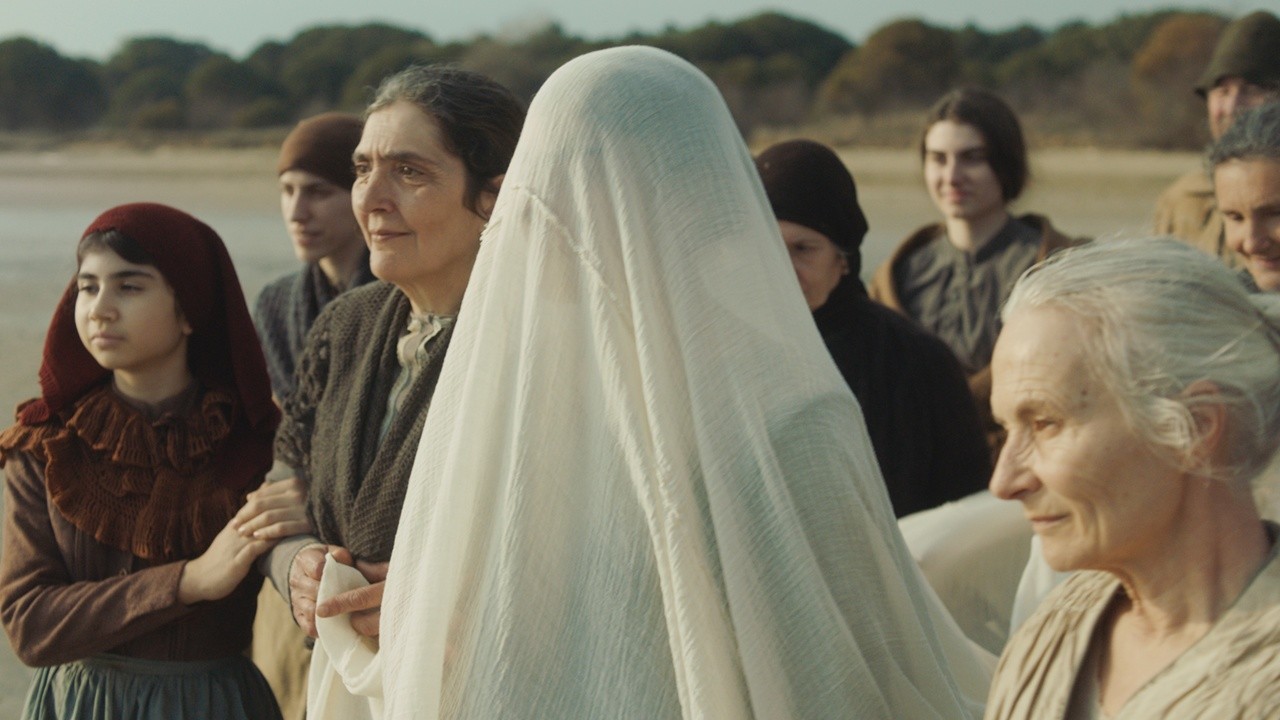
bsf.si/media/publicity/image/7a/thumbnails/7a1b4385d34250...
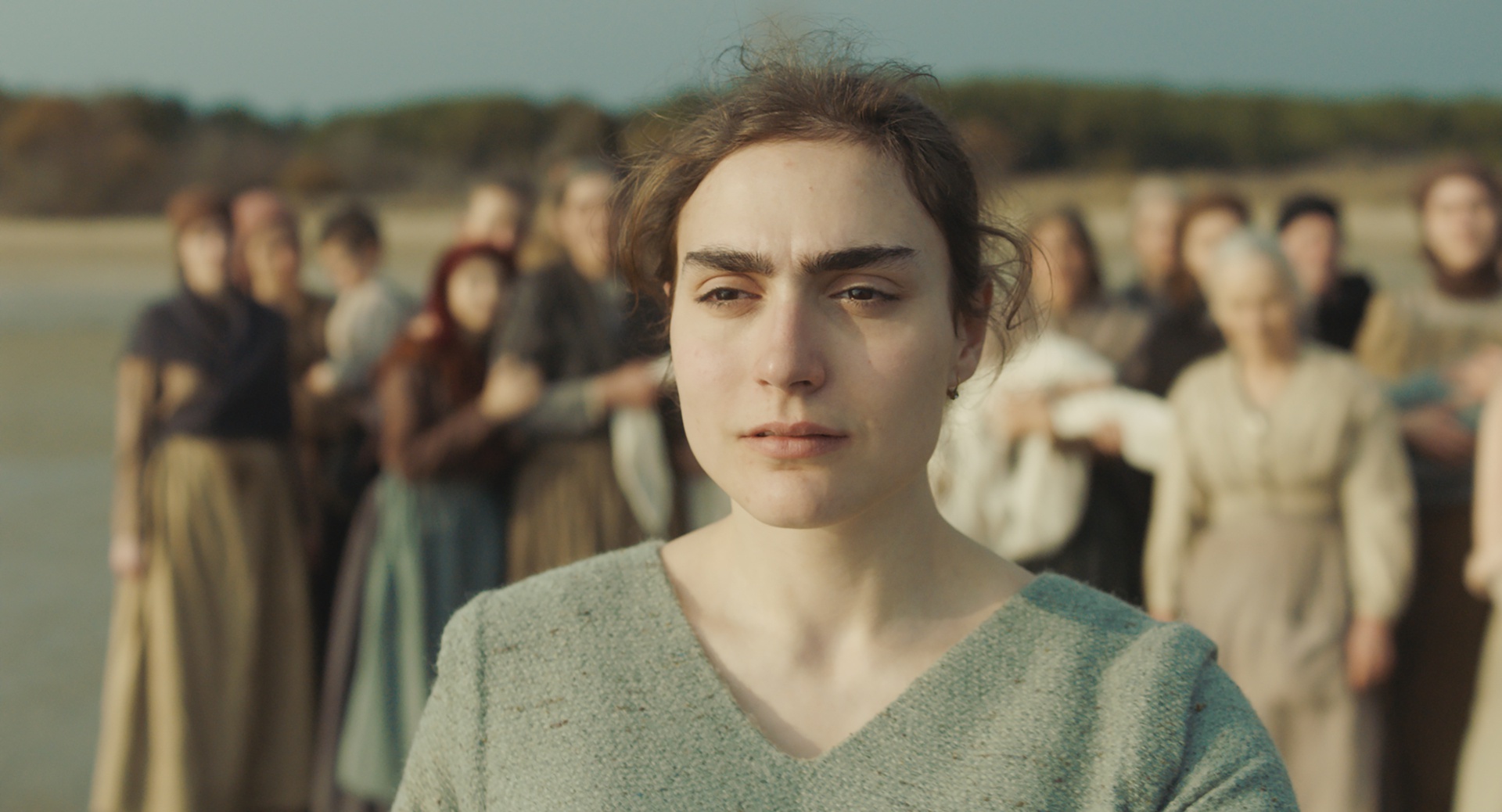
www.semainedelacritique.com/uploads/filmdiaporama/image_b...
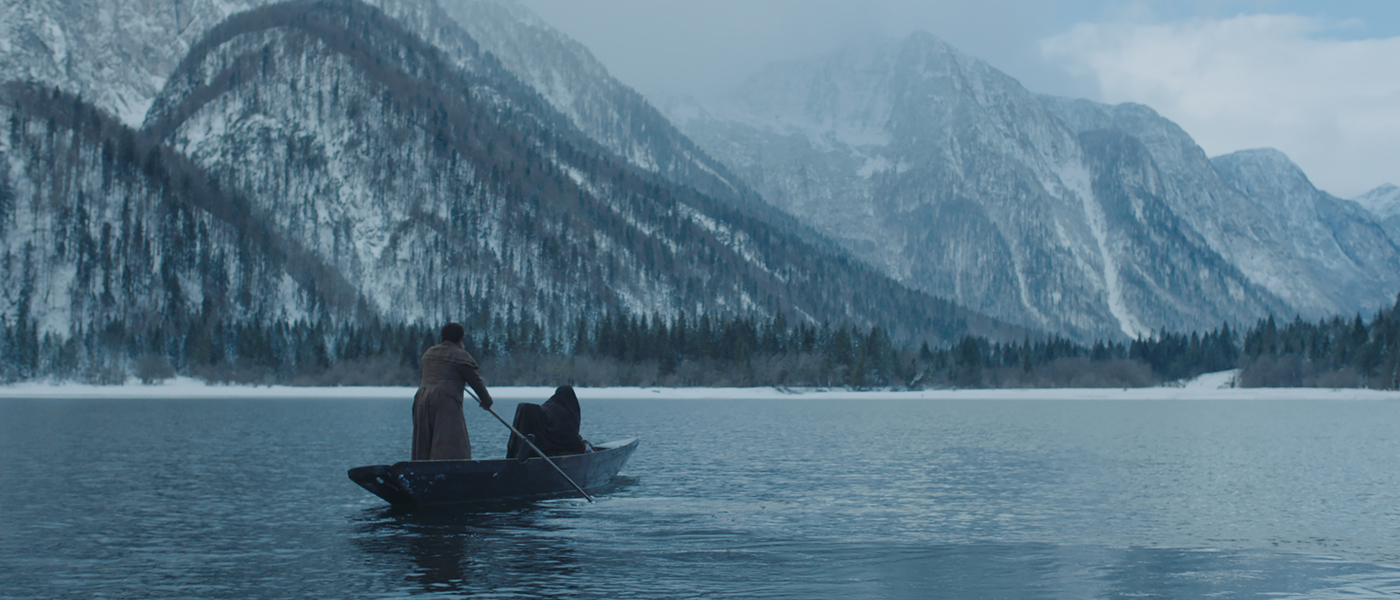
www.semainedelacritique.com/uploads/filmdiaporama/image_b...
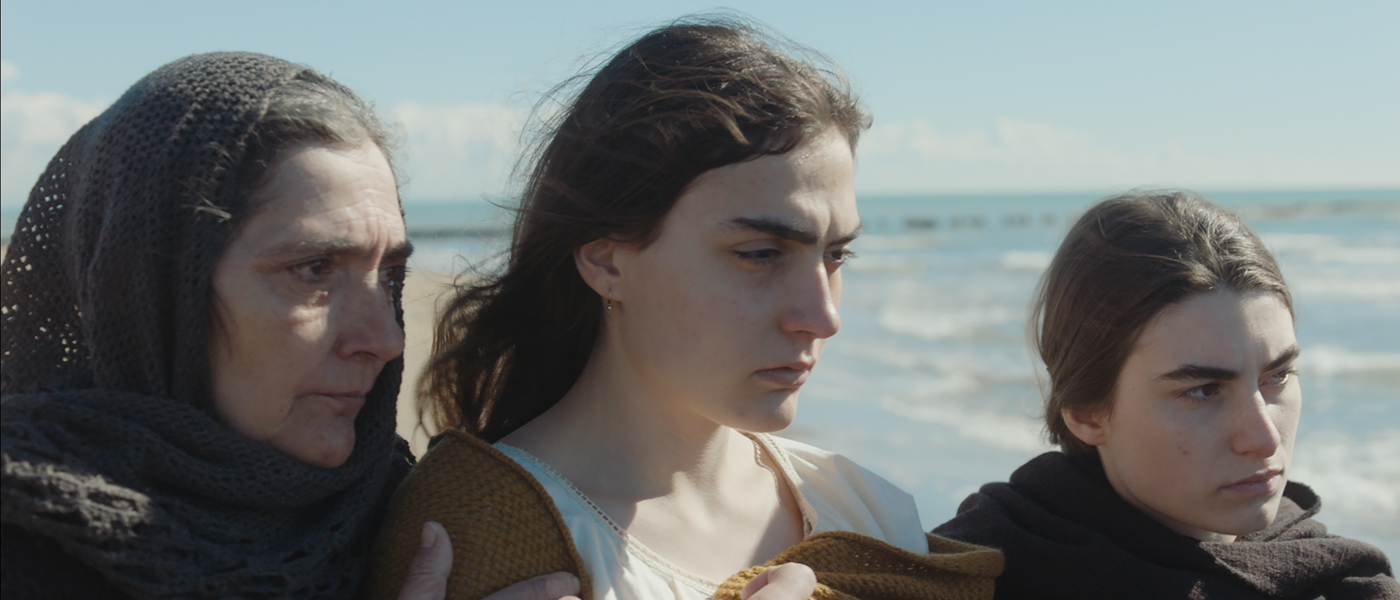
-----------------------------------------------------------------
click to activate the icon of slideshow: the small triangle inscribed in the small rectangle, at the top right, in the photostream;
or…. Press the “L” button to zoom in the image;
clicca sulla piccola icona per attivare lo slideshow: sulla facciata principale del photostream, in alto a destra c'è un piccolo rettangolo (rappresenta il monitor) con dentro un piccolo triangolo nero;
oppure…. premi il tasto “L” per ingrandire l'immagine;
www.worldphoto.org/sony-world-photography-awards/winners-...
www.fotografidigitali.it/gallery/2726/opere-italiane-segn...
…………………………………………………………………
This photographic series was born from research conducted in the cemeteries of Giarre, Catania, and Lipari (Sicily). It is the continuation of a personal story I narrated in a previous series published on Flickr under the title "Hereafter," to which I refer for a full understanding of what follows (here the link: flic.kr/p/2qBy35g ). I would like to clarify that the facts reported here are as I experienced them. I established a cordial and sincere WhatsApp correspondence relationship with the psychic lady, whom I will call "the Lady." Thanks to the kindness of colleagues in the department who treated her, I sent her some of my photographic prints as gifts. They were images of angels taken from my Hereafter series ("the Lady" reports being in contact with the Angels, the Beings of Light). After that little gift, “the Lady” told me that after looking at one of those photographs – the one with the angel holding a palm in his hands – she had a “vision – or contact”. It was of a little girl, buried in that cemetery, to the left of that angel, speaking to her father, asking him to grant her a little wish – to receive as a gift a daisy picked in a meadow, not purchased from a florist. Feeling involved, I promised to bring a daisy to that little soul; but I completely forgot about it, many days passed, I contacted “the Lady” on WhatsApp, I asked her about her health, it was then that “the Lady” asked me “how is the little girl?” … I didn’t understand, I asked her which little girl she was talking about, she replied “the little girl with the daisy”… How could I have forgotten! I told her I'd go to the cemetery as soon as possible. Two days later, when I was free from work, I went to a field near my house, picked a small bunch of daisies, and went to the cemetery. I recognized the angel with the palm tree. I looked to its sides but found only adult graves. Directly below the angel, to its right (but to my left as I looked at it), there was a buried grave, with a cement headstone worn away by time and illegible. Just in case it was the little girl's grave, I went to the cemetery caretaker, hoping he could identify the person buried there. The caretaker replied that it was possible, but it was necessary to know at least the date of death, which was therefore impossible; the headstone was unreadable. Disconsolate, I returned to the angel. I had looked to the sides, in front, but not behind. I had this last chance. It was right there, to my great surprise and amazement, to the left of the angel but behind, that I found the buried tomb with this inscription: "Here was placed the little body of the lovely little girl Maria di Francesco Cardile, taken from the kisses of her parents on December 28, 1921, at just eight months old. Hail, dear little angel from heaven, pray for yours." Reading the word "baby" on the epitaph was the revealing word for me that this was the tomb I was looking for (I don't think it's common to find this term on the tomb of a deceased child), so I placed the daisies on that tomb. I told the "Lady" that I had found the little girl and that I had brought her the gift she had requested; A few days later, "the Lady" told me she had "seen" the little girl, who had introduced herself to her. She was joyful, thanking her father. Her little hands were clean, free of thorns and grass. Perhaps—"the Lady" interpreted—that was her way of saying thank you. I asked her how she managed to understand those souls, and the answer was that "they don't speak, they don't use words, but she can understand them anyway."
P.S.: "the Lady" didn't know where I had photographed those angels, which are in a cemetery far from Taormina. She couldn't have found that angel and gone there after seeing my photos. Furthermore, "the Lady" had come to Taormina for major surgery, coming from far away, from the other side of Sicily. I took most of the photos in this story with "lensbaby" lenses of various sizes. In Catania's monumental cemetery, I photographed the grave of the writer and leading exponent of Verismo, Giovanni Verga (many years ago I purchased a book entitled "Giovanni Verga, Photographer") and the grave of Angelo Musco (an Italian stage and film actor, nicknamed "the king of laughter"); of all the "encounters" in this series, the one that saddened me the most, for reasons related to my profession, was reading the inscription—about the incompetent doctor—"the girl died at the young age of 13."
………………………………………………………….
Questa serie fotografica nasce da una ricerca condotta nei cimiteri di Giarre, Catania, Lipari (Sicilia), è il proseguimento di una vicenda personale che avevo narrato in una precedente serie pubblicata su Flickr col titolo “Hereafter”, alla quale rimando per una piena comprensione di quanto segue (qui il link: flic.kr/p/2qBy35g ). Tengo a precisare che i fatti qui riportati sono come li ho vissuti. Con la signora sensitiva, che chiamerò “la Signora”, ho instaurato un rapporto whatsApp-epistolare cordiale e sincero, grazie alla cortesia di colleghi del reparto che l’hanno avuta in cura, le feci recapitare in dono alcune mie stampe fotografiche, erano immagini di angeli tratte dalla mia serie Hereafter (“la Signora” riferisce di essere in contatto con gli Angeli, gli Esseri di Luce). Successivamente a quel piccolo dono, “la Signora” mi raccontò che dopo aver osservato una di quelle fotografie – quella con l’angelo recante una palma tra le mani – ebbe una “visione – o contatto”, si trattava di una bambina, sepolta in quel cimitero, alla sinistra di quell’angelo, parlava col suo papà, gli chiedeva che le venisse esaudito un suo piccolo desiderio – ricevere in dono una margherita colta in un prato, non acquistata da un fioraio - . Sentendomi coinvolto, mi impegnai a portare una margherita a quella piccola anima; però me ne dimenticai completamente, passarono molti giorni, contattai “la Signora” su WhatsApp, le chiesi del suo stato di salute, fu allora che “la Signora” mi domandò “come sta la bambina ?” … non capivo, le chiesi di quale bambina parlasse, lei mi rispose “la bambina della margherita”… Come avevo fatto a dimenticarmene ! Le dissi che mi sarei recato al cimitero al più presto, due giorni dopo, libero dal lavoro, mi recai in un prato vicino casa mia, raccolsi un piccolo mazzo di margherite, e mi recai al cimitero; riconobbi l’angelo con la palma, guardai ai suoi lati ma trovai solo tombe di persone adulte, proprio sotto l’angelo, alla sua destra (ma alla mia sinistra guardandolo) c’era una tomba interrata, con la lapide in cemento rovinata dal tempo, illeggibile, nel dubbio si trattasse la tomba della bambina, mi recai dal custode del cimitero sperando si potesse risalire alla identità di chi vi era sepolto, il custode mi rispose che si poteva, ma era necessario conoscere almeno la data di morte, quindi impossibile, sulla lapide non si leggeva nulla. Sconsolato ritornai dall’angelo, avevo guardato ai lati, davanti, ma non dietro, mi restava quest’ultima opportunità, fu proprio li, con mia grande sorpresa e stupore, alla sinistra dell’angelo ma dietro, che trovai la tomba interrata con questa iscrizione – Qui fu posto il corpicciuolo della graziosa bambina Maria di Francesco Cardile tolta ai baci dei genitori il 28 dicembre 1921 di appena otto mesi. Ave caro angioletto dal cielo prega pei tuoi. – Aver letto sull’epitaffio la parola “bambina” per me fu la parola rivelatrice che quella era la tomba che stavo cercando (non credo sia comune trovare questo termine sulla tomba di un piccolo defunto), così posai le margherite su quella tomba. Raccontai alla “Signora” che avevo trovato la bambina e di averle portato il dono richiesto; qualche giorno dopo “la Signora” mi riferì di aver “visto” la bambina, che si era presentata a lei, era gioiosa, ringraziava il suo papà, le sue manine erano pulite, senza spine ne erba, forse – interpretò “la Signora” – quello era il suo modo di dire grazie. Le chiesi come riuscisse a comprendere quelle anime, la risposta fu che – loro non parlano, non usano le parole, ma lei riesce a capirle ugualmente -.
P.S.: “la Signora” non sapeva dove avessi fotografato quegli angeli, i quali si trovano in un cimitero lontano da Taormina (lei si era recata a Taormina per curarsi nel nostro ospedale), non avrebbe potuto trovare quell’angelo e recarvisi dopo aver visto le mie foto, inoltre “la Signora” era venuta a Taormina per affrontare un importante intervento chirurgico, provenendo da molto lontano, dall’altro lato della Sicilia; le foto di questo racconto le ho realizzate in maggior parte con delle ottiche “lensbaby” di varie misure; nel cimitero monumentale di Catania ho fotografato la tomba dello scrittore, massimo esponente del Verismo, Giovanni Verga (tanti anni fa acquistai un libro dal titolo “Giovanni Verga fotografo) e la tomba di Angelo Musco (attore teatrale e cinematografico italiano, soprannominato "il re del riso"); tra tutti “gli incontri” di questa serie, quello che più mi ha rattristato, per motivi legati alla mia professione, è stato leggere l’epigrafe - a riguardo del medico incompetente – la ragazza morì alla giovane età di 13 anni.
…………………………………………..
Blackcap - Sylvia Atrcapilla (M)
The Eurasian blackcap (Sylvia atricapilla) usually known simply as the blackcap, is a common and widespread typical warbler. It has mainly olive-grey upperparts and pale grey underparts, and differences between the five subspecies are small. Both sexes have a neat coloured cap to the head, black in the male and reddish-brown in the female. The male's typical song is a rich musical warbling, often ending in a loud high-pitched crescendo, but a simpler song is given in some isolated areas, such as valleys in the Alps. The blackcap's closest relative is the garden warbler, which looks quite different but has a similar song.
The blackcap feeds mainly on insects during the breeding season, then switches to fruit in late summer, the change being triggered by an internal biological rhythm. When migrants arrive on their territories they initially take berries, pollen and nectar if there are insufficient insects available, then soon switch to their preferred diet. They mainly pick prey off foliage and twigs, but may occasionally hover, flycatch or feed on the ground. Blackcaps eat a wide range of invertebrate prey, although aphids are particularly important early in the season, and flies, beetles and caterpillars are also taken in large numbers. Small snails are swallowed whole, since the shell is a source of calcium for the bird's eggs. Chicks are mainly fed soft-bodied insects, fruit only being provided if invertebrates are scarce.
In July, the diet switches increasingly to fruit. The protein needed for egg-laying and for the chicks to grow is replaced by fruit sugar which helps the birds to fatten for migration. Aphids are still taken while they are available, since they often contain sugars from the plant sap on which they feed. Blackcaps eat a wide range of small fruit, and squeeze out any seeds on a branch before consuming the pulp. This technique makes them an important propagator of mistletoe. The mistle thrush, which also favours that plant, is less beneficial since it tends to crush the seeds. Although any suitable fruit may be eaten, some have seasonal or local importance; elder makes up a large proportion of the diet of northern birds preparing for migration, and energy-rich olives and lentisc are favoured by blackcaps wintering in the Mediterranean.
The German birds wintering in British gardens rely on provided food, and the major items are bread and fat, each making up around 20% of the diet; one bird survived the whole winter eating only Christmas cake. Fruit is also eaten, notably cotoneaster (41% of the fruit consumed), ivy and honeysuckle, and apple if available. Some birds have learned to take peanuts from feeders. Blackcaps defend good winter food sources in the wild, and at garden feeding stations they repel competitors as large as starlings and blackbirds. Birds occasionally become tame enough to feed from the hand.
Aristotle, in his History of Animals, considered that the garden warbler eventually metamorphosed into a blackcap. The blackcap's song has led to it being described as the mock nightingale or country nightingale. Verga's 1871 novel Storia di una capinera, according to its author, was inspired by a story of a blackcap trapped and caged by children. The bird, silent and pining for its lost freedom, eventually dies. In the book, a nun evacuated from her convent by cholera falls in love with a family friend, only to have to return to her confinement when the disease wanes. The novel was adapted as films of the same name in 1917, 1943 and 1993. The last version was directed by Franco Zeffirelli, and its English-language version was retitled as Sparrow. In Saint François d'Assise, an opera by Messiaen, the orchestration is based on bird song. St Francis himself is represented by the blackcap.
Folk names for the blackcap often refer to its most obvious plumage feature (black-headed peggy, King Harry black cap and coal hoodie) or to its song, as in the nightingale names above. Other old names are based on its choice of nesting material (Jack Straw, hay bird, hay chat and hay Jack). There is a tradition of the Royal Navy's Fleet Air Arm bases being named for birds. A former base near Stretton in Cheshire was called HMS Blackcap.
Population:
UK breeding:
1,200,000 territories
UK wintering:
3,000 birds
Blackcap - Sylvia Atrcapilla (M)
The Eurasian blackcap (Sylvia atricapilla) usually known simply as the blackcap, is a common and widespread typical warbler. It has mainly olive-grey upperparts and pale grey underparts, and differences between the five subspecies are small. Both sexes have a neat coloured cap to the head, black in the male and reddish-brown in the female. The male's typical song is a rich musical warbling, often ending in a loud high-pitched crescendo, but a simpler song is given in some isolated areas, such as valleys in the Alps. The blackcap's closest relative is the garden warbler, which looks quite different but has a similar song.
The blackcap feeds mainly on insects during the breeding season, then switches to fruit in late summer, the change being triggered by an internal biological rhythm. When migrants arrive on their territories they initially take berries, pollen and nectar if there are insufficient insects available, then soon switch to their preferred diet. They mainly pick prey off foliage and twigs, but may occasionally hover, flycatch or feed on the ground. Blackcaps eat a wide range of invertebrate prey, although aphids are particularly important early in the season, and flies, beetles and caterpillars are also taken in large numbers. Small snails are swallowed whole, since the shell is a source of calcium for the bird's eggs. Chicks are mainly fed soft-bodied insects, fruit only being provided if invertebrates are scarce.
In July, the diet switches increasingly to fruit. The protein needed for egg-laying and for the chicks to grow is replaced by fruit sugar which helps the birds to fatten for migration. Aphids are still taken while they are available, since they often contain sugars from the plant sap on which they feed. Blackcaps eat a wide range of small fruit, and squeeze out any seeds on a branch before consuming the pulp. This technique makes them an important propagator of mistletoe. The mistle thrush, which also favours that plant, is less beneficial since it tends to crush the seeds. Although any suitable fruit may be eaten, some have seasonal or local importance; elder makes up a large proportion of the diet of northern birds preparing for migration, and energy-rich olives and lentisc are favoured by blackcaps wintering in the Mediterranean.
The German birds wintering in British gardens rely on provided food, and the major items are bread and fat, each making up around 20% of the diet; one bird survived the whole winter eating only Christmas cake. Fruit is also eaten, notably cotoneaster (41% of the fruit consumed), ivy and honeysuckle, and apple if available. Some birds have learned to take peanuts from feeders. Blackcaps defend good winter food sources in the wild, and at garden feeding stations they repel competitors as large as starlings and blackbirds. Birds occasionally become tame enough to feed from the hand.
Aristotle, in his History of Animals, considered that the garden warbler eventually metamorphosed into a blackcap. The blackcap's song has led to it being described as the mock nightingale or country nightingale. Verga's 1871 novel Storia di una capinera, according to its author, was inspired by a story of a blackcap trapped and caged by children. The bird, silent and pining for its lost freedom, eventually dies. In the book, a nun evacuated from her convent by cholera falls in love with a family friend, only to have to return to her confinement when the disease wanes. The novel was adapted as films of the same name in 1917, 1943 and 1993. The last version was directed by Franco Zeffirelli, and its English-language version was retitled as Sparrow. In Saint François d'Assise, an opera by Messiaen, the orchestration is based on bird song. St Francis himself is represented by the blackcap.
Folk names for the blackcap often refer to its most obvious plumage feature (black-headed peggy, King Harry black cap and coal hoodie) or to its song, as in the nightingale names above. Other old names are based on its choice of nesting material (Jack Straw, hay bird, hay chat and hay Jack). There is a tradition of the Royal Navy's Fleet Air Arm bases being named for birds. A former base near Stretton in Cheshire was called HMS Blackcap.
Population:
UK breeding:
1,200,000 territories
UK wintering:
3,000 birds
First B/Cap of 2022
Blackcap - Sylvia Atrcapilla (M)
The Eurasian blackcap (Sylvia atricapilla) usually known simply as the blackcap, is a common and widespread typical warbler. It has mainly olive-grey upperparts and pale grey underparts, and differences between the five subspecies are small. Both sexes have a neat coloured cap to the head, black in the male and reddish-brown in the female. The male's typical song is a rich musical warbling, often ending in a loud high-pitched crescendo, but a simpler song is given in some isolated areas, such as valleys in the Alps. The blackcap's closest relative is the garden warbler, which looks quite different but has a similar song.
The blackcap feeds mainly on insects during the breeding season, then switches to fruit in late summer, the change being triggered by an internal biological rhythm. When migrants arrive on their territories they initially take berries, pollen and nectar if there are insufficient insects available, then soon switch to their preferred diet. They mainly pick prey off foliage and twigs, but may occasionally hover, flycatch or feed on the ground. Blackcaps eat a wide range of invertebrate prey, although aphids are particularly important early in the season, and flies, beetles and caterpillars are also taken in large numbers. Small snails are swallowed whole, since the shell is a source of calcium for the bird's eggs. Chicks are mainly fed soft-bodied insects, fruit only being provided if invertebrates are scarce.
In July, the diet switches increasingly to fruit. The protein needed for egg-laying and for the chicks to grow is replaced by fruit sugar which helps the birds to fatten for migration. Aphids are still taken while they are available, since they often contain sugars from the plant sap on which they feed. Blackcaps eat a wide range of small fruit, and squeeze out any seeds on a branch before consuming the pulp. This technique makes them an important propagator of mistletoe. The mistle thrush, which also favours that plant, is less beneficial since it tends to crush the seeds. Although any suitable fruit may be eaten, some have seasonal or local importance; elder makes up a large proportion of the diet of northern birds preparing for migration, and energy-rich olives and lentisc are favoured by blackcaps wintering in the Mediterranean.
The German birds wintering in British gardens rely on provided food, and the major items are bread and fat, each making up around 20% of the diet; one bird survived the whole winter eating only Christmas cake. Fruit is also eaten, notably cotoneaster (41% of the fruit consumed), ivy and honeysuckle, and apple if available. Some birds have learned to take peanuts from feeders. Blackcaps defend good winter food sources in the wild, and at garden feeding stations they repel competitors as large as starlings and blackbirds. Birds occasionally become tame enough to feed from the hand.
Aristotle, in his History of Animals, considered that the garden warbler eventually metamorphosed into a blackcap. The blackcap's song has led to it being described as the mock nightingale or country nightingale. Verga's 1871 novel Storia di una capinera, according to its author, was inspired by a story of a blackcap trapped and caged by children. The bird, silent and pining for its lost freedom, eventually dies. In the book, a nun evacuated from her convent by cholera falls in love with a family friend, only to have to return to her confinement when the disease wanes. The novel was adapted as films of the same name in 1917, 1943 and 1993. The last version was directed by Franco Zeffirelli, and its English-language version was retitled as Sparrow. In Saint François d'Assise, an opera by Messiaen, the orchestration is based on bird song. St Francis himself is represented by the blackcap.
Folk names for the blackcap often refer to its most obvious plumage feature (black-headed peggy, King Harry black cap and coal hoodie) or to its song, as in the nightingale names above. Other old names are based on its choice of nesting material (Jack Straw, hay bird, hay chat and hay Jack). There is a tradition of the Royal Navy's Fleet Air Arm bases being named for birds. A former base near Stretton in Cheshire was called HMS Blackcap.
Population:
UK breeding:
1,200,000 territories
UK wintering:
3,000 birds
Small Body
.……………………………….
-
-
………………………………
letterboxd.com/film/small-body/
images.mubicdn.net/images/film/308031/cache-684234-174549...
bsf.si/media/publicity/image/7a/thumbnails/7a1b4385d34250...
www.semainedelacritique.com/uploads/filmdiaporama/image_b...
www.semainedelacritique.com/uploads/filmdiaporama/image_b...
-----------------------------------------------------------------
click to activate the icon of slideshow: the small triangle inscribed in the small rectangle, at the top right, in the photostream;
or…. Press the “L” button to zoom in the image;
clicca sulla piccola icona per attivare lo slideshow: sulla facciata principale del photostream, in alto a destra c'è un piccolo rettangolo (rappresenta il monitor) con dentro un piccolo triangolo nero;
oppure…. premi il tasto “L” per ingrandire l'immagine;
www.worldphoto.org/sony-world-photography-awards/winners-...
www.fotografidigitali.it/gallery/2726/opere-italiane-segn...
…………………………………………………………………
This photographic series was born from research conducted in the cemeteries of Giarre, Catania, and Lipari (Sicily). It is the continuation of a personal story I narrated in a previous series published on Flickr under the title "Hereafter," to which I refer for a full understanding of what follows (here the link: flic.kr/p/2qBy35g ). I would like to clarify that the facts reported here are as I experienced them. I established a cordial and sincere WhatsApp correspondence relationship with the psychic lady, whom I will call "the Lady." Thanks to the kindness of colleagues in the department who treated her, I sent her some of my photographic prints as gifts. They were images of angels taken from my Hereafter series ("the Lady" reports being in contact with the Angels, the Beings of Light). After that little gift, “the Lady” told me that after looking at one of those photographs – the one with the angel holding a palm in his hands – she had a “vision – or contact”. It was of a little girl, buried in that cemetery, to the left of that angel, speaking to her father, asking him to grant her a little wish – to receive as a gift a daisy picked in a meadow, not purchased from a florist. Feeling involved, I promised to bring a daisy to that little soul; but I completely forgot about it, many days passed, I contacted “the Lady” on WhatsApp, I asked her about her health, it was then that “the Lady” asked me “how is the little girl?” … I didn’t understand, I asked her which little girl she was talking about, she replied “the little girl with the daisy”… How could I have forgotten! I told her I'd go to the cemetery as soon as possible. Two days later, when I was free from work, I went to a field near my house, picked a small bunch of daisies, and went to the cemetery. I recognized the angel with the palm tree. I looked to its sides but found only adult graves. Directly below the angel, to its right (but to my left as I looked at it), there was a buried grave, with a cement headstone worn away by time and illegible. Just in case it was the little girl's grave, I went to the cemetery caretaker, hoping he could identify the person buried there. The caretaker replied that it was possible, but it was necessary to know at least the date of death, which was therefore impossible; the headstone was unreadable. Disconsolate, I returned to the angel. I had looked to the sides, in front, but not behind. I had this last chance. It was right there, to my great surprise and amazement, to the left of the angel but behind, that I found the buried tomb with this inscription: "Here was placed the little body of the lovely little girl Maria di Francesco Cardile, taken from the kisses of her parents on December 28, 1921, at just eight months old. Hail, dear little angel from heaven, pray for yours." Reading the word "baby" on the epitaph was the revealing word for me that this was the tomb I was looking for (I don't think it's common to find this term on the tomb of a deceased child), so I placed the daisies on that tomb. I told the "Lady" that I had found the little girl and that I had brought her the gift she had requested; A few days later, "the Lady" told me she had "seen" the little girl, who had introduced herself to her. She was joyful, thanking her father. Her little hands were clean, free of thorns and grass. Perhaps—"the Lady" interpreted—that was her way of saying thank you. I asked her how she managed to understand those souls, and the answer was that "they don't speak, they don't use words, but she can understand them anyway."
P.S.: "the Lady" didn't know where I had photographed those angels, which are in a cemetery far from Taormina. She couldn't have found that angel and gone there after seeing my photos. Furthermore, "the Lady" had come to Taormina for major surgery, coming from far away, from the other side of Sicily. I took most of the photos in this story with "lensbaby" lenses of various sizes. In Catania's monumental cemetery, I photographed the grave of the writer and leading exponent of Verismo, Giovanni Verga (many years ago I purchased a book entitled "Giovanni Verga, Photographer") and the grave of Angelo Musco (an Italian stage and film actor, nicknamed "the king of laughter"); of all the "encounters" in this series, the one that saddened me the most, for reasons related to my profession, was reading the inscription—about the incompetent doctor—"the girl died at the young age of 13."
………………………………………………………….
Questa serie fotografica nasce da una ricerca condotta nei cimiteri di Giarre, Catania, Lipari (Sicilia), è il proseguimento di una vicenda personale che avevo narrato in una precedente serie pubblicata su Flickr col titolo “Hereafter”, alla quale rimando per una piena comprensione di quanto segue (qui il link: flic.kr/p/2qBy35g ). Tengo a precisare che i fatti qui riportati sono come li ho vissuti. Con la signora sensitiva, che chiamerò “la Signora”, ho instaurato un rapporto whatsApp-epistolare cordiale e sincero, grazie alla cortesia di colleghi del reparto che l’hanno avuta in cura, le feci recapitare in dono alcune mie stampe fotografiche, erano immagini di angeli tratte dalla mia serie Hereafter (“la Signora” riferisce di essere in contatto con gli Angeli, gli Esseri di Luce). Successivamente a quel piccolo dono, “la Signora” mi raccontò che dopo aver osservato una di quelle fotografie – quella con l’angelo recante una palma tra le mani – ebbe una “visione – o contatto”, si trattava di una bambina, sepolta in quel cimitero, alla sinistra di quell’angelo, parlava col suo papà, gli chiedeva che le venisse esaudito un suo piccolo desiderio – ricevere in dono una margherita colta in un prato, non acquistata da un fioraio - . Sentendomi coinvolto, mi impegnai a portare una margherita a quella piccola anima; però me ne dimenticai completamente, passarono molti giorni, contattai “la Signora” su WhatsApp, le chiesi del suo stato di salute, fu allora che “la Signora” mi domandò “come sta la bambina ?” … non capivo, le chiesi di quale bambina parlasse, lei mi rispose “la bambina della margherita”… Come avevo fatto a dimenticarmene ! Le dissi che mi sarei recato al cimitero al più presto, due giorni dopo, libero dal lavoro, mi recai in un prato vicino casa mia, raccolsi un piccolo mazzo di margherite, e mi recai al cimitero; riconobbi l’angelo con la palma, guardai ai suoi lati ma trovai solo tombe di persone adulte, proprio sotto l’angelo, alla sua destra (ma alla mia sinistra guardandolo) c’era una tomba interrata, con la lapide in cemento rovinata dal tempo, illeggibile, nel dubbio si trattasse la tomba della bambina, mi recai dal custode del cimitero sperando si potesse risalire alla identità di chi vi era sepolto, il custode mi rispose che si poteva, ma era necessario conoscere almeno la data di morte, quindi impossibile, sulla lapide non si leggeva nulla. Sconsolato ritornai dall’angelo, avevo guardato ai lati, davanti, ma non dietro, mi restava quest’ultima opportunità, fu proprio li, con mia grande sorpresa e stupore, alla sinistra dell’angelo ma dietro, che trovai la tomba interrata con questa iscrizione – Qui fu posto il corpicciuolo della graziosa bambina Maria di Francesco Cardile tolta ai baci dei genitori il 28 dicembre 1921 di appena otto mesi. Ave caro angioletto dal cielo prega pei tuoi. – Aver letto sull’epitaffio la parola “bambina” per me fu la parola rivelatrice che quella era la tomba che stavo cercando (non credo sia comune trovare questo termine sulla tomba di un piccolo defunto), così posai le margherite su quella tomba. Raccontai alla “Signora” che avevo trovato la bambina e di averle portato il dono richiesto; qualche giorno dopo “la Signora” mi riferì di aver “visto” la bambina, che si era presentata a lei, era gioiosa, ringraziava il suo papà, le sue manine erano pulite, senza spine ne erba, forse – interpretò “la Signora” – quello era il suo modo di dire grazie. Le chiesi come riuscisse a comprendere quelle anime, la risposta fu che – loro non parlano, non usano le parole, ma lei riesce a capirle ugualmente -.
P.S.: “la Signora” non sapeva dove avessi fotografato quegli angeli, i quali si trovano in un cimitero lontano da Taormina (lei si era recata a Taormina per curarsi nel nostro ospedale), non avrebbe potuto trovare quell’angelo e recarvisi dopo aver visto le mie foto, inoltre “la Signora” era venuta a Taormina per affrontare un importante intervento chirurgico, provenendo da molto lontano, dall’altro lato della Sicilia; le foto di questo racconto le ho realizzate in maggior parte con delle ottiche “lensbaby” di varie misure; nel cimitero monumentale di Catania ho fotografato la tomba dello scrittore, massimo esponente del Verismo, Giovanni Verga (tanti anni fa acquistai un libro dal titolo “Giovanni Verga fotografo) e la tomba di Angelo Musco (attore teatrale e cinematografico italiano, soprannominato "il re del riso"); tra tutti “gli incontri” di questa serie, quello che più mi ha rattristato, per motivi legati alla mia professione, è stato leggere l’epigrafe - a riguardo del medico incompetente – la ragazza morì alla giovane età di 13 anni.
…………………………………………..
Blackcap - Sylvia Atrcapilla (M)
The Eurasian blackcap (Sylvia atricapilla) usually known simply as the blackcap, is a common and widespread typical warbler. It has mainly olive-grey upperparts and pale grey underparts, and differences between the five subspecies are small. Both sexes have a neat coloured cap to the head, black in the male and reddish-brown in the female. The male's typical song is a rich musical warbling, often ending in a loud high-pitched crescendo, but a simpler song is given in some isolated areas, such as valleys in the Alps. The blackcap's closest relative is the garden warbler, which looks quite different but has a similar song.
The blackcap feeds mainly on insects during the breeding season, then switches to fruit in late summer, the change being triggered by an internal biological rhythm. When migrants arrive on their territories they initially take berries, pollen and nectar if there are insufficient insects available, then soon switch to their preferred diet. They mainly pick prey off foliage and twigs, but may occasionally hover, flycatch or feed on the ground. Blackcaps eat a wide range of invertebrate prey, although aphids are particularly important early in the season, and flies, beetles and caterpillars are also taken in large numbers. Small snails are swallowed whole, since the shell is a source of calcium for the bird's eggs. Chicks are mainly fed soft-bodied insects, fruit only being provided if invertebrates are scarce.
In July, the diet switches increasingly to fruit. The protein needed for egg-laying and for the chicks to grow is replaced by fruit sugar which helps the birds to fatten for migration. Aphids are still taken while they are available, since they often contain sugars from the plant sap on which they feed. Blackcaps eat a wide range of small fruit, and squeeze out any seeds on a branch before consuming the pulp. This technique makes them an important propagator of mistletoe. The mistle thrush, which also favours that plant, is less beneficial since it tends to crush the seeds. Although any suitable fruit may be eaten, some have seasonal or local importance; elder makes up a large proportion of the diet of northern birds preparing for migration, and energy-rich olives and lentisc are favoured by blackcaps wintering in the Mediterranean.
The German birds wintering in British gardens rely on provided food, and the major items are bread and fat, each making up around 20% of the diet; one bird survived the whole winter eating only Christmas cake. Fruit is also eaten, notably cotoneaster (41% of the fruit consumed), ivy and honeysuckle, and apple if available. Some birds have learned to take peanuts from feeders. Blackcaps defend good winter food sources in the wild, and at garden feeding stations they repel competitors as large as starlings and blackbirds. Birds occasionally become tame enough to feed from the hand.
Aristotle, in his History of Animals, considered that the garden warbler eventually metamorphosed into a blackcap. The blackcap's song has led to it being described as the "mock nightingale" or "country nightingale", and John Clare, in "The March Nightingale" describes the listener as believing that the rarer species has arrived prematurely. "He stops his own and thinks the nightingale/Hath of her monthly reckoning counted wrong". The song is also the topic of Italian poet Giovanni Pascoli's "La Capinera" [The Blackcap].
Giovanni Verga's 1871 novel Storia di una capinera, according to its author, was inspired by a story of a blackcap trapped and caged by children. The bird, silent and pining for its lost freedom, eventually dies. In the book, a nun evacuated from her convent by cholera falls in love with a family friend, only to have to return to her confinement when the disease wanes. The novel was adapted as films of the same name in 1917, 1943 and 1993. The last version was directed by Franco Zeffirelli, and its English-language version was retitled as Sparrow. In Saint François d'Assise, an opera by Messiaen, the orchestration is based on bird song. St Francis himself is represented by the blackcap.
Folk names for the blackcap often refer to its most obvious plumage feature (black-headed peggy, King Harry black cap and coal hoodie) or to its song, as in the "nightingale" names above. Other old names are based on its choice of nesting material (Jack Straw, hay bird, hay chat and hay Jack). There is a tradition of the Royal Navy's Fleet Air Arm bases being named for birds. A former base near Stretton in Cheshire was called HMS Blackcap.
Population:
UK breeding:
1,200,000 territories
UK wintering:
3,000 bird
Blackcap - Sylvia Atrcapilla (M)
Double click!
The Eurasian blackcap (Sylvia atricapilla) usually known simply as the blackcap, is a common and widespread typical warbler. It has mainly olive-grey upperparts and pale grey underparts, and differences between the five subspecies are small. Both sexes have a neat coloured cap to the head, black in the male and reddish-brown in the female. The male's typical song is a rich musical warbling, often ending in a loud high-pitched crescendo, but a simpler song is given in some isolated areas, such as valleys in the Alps. The blackcap's closest relative is the garden warbler, which looks quite different but has a similar song.
The blackcap feeds mainly on insects during the breeding season, then switches to fruit in late summer, the change being triggered by an internal biological rhythm. When migrants arrive on their territories they initially take berries, pollen and nectar if there are insufficient insects available, then soon switch to their preferred diet. They mainly pick prey off foliage and twigs, but may occasionally hover, flycatch or feed on the ground. Blackcaps eat a wide range of invertebrate prey, although aphids are particularly important early in the season, and flies, beetles and caterpillars are also taken in large numbers. Small snails are swallowed whole, since the shell is a source of calcium for the bird's eggs. Chicks are mainly fed soft-bodied insects, fruit only being provided if invertebrates are scarce.
In July, the diet switches increasingly to fruit. The protein needed for egg-laying and for the chicks to grow is replaced by fruit sugar which helps the birds to fatten for migration. Aphids are still taken while they are available, since they often contain sugars from the plant sap on which they feed. Blackcaps eat a wide range of small fruit, and squeeze out any seeds on a branch before consuming the pulp. This technique makes them an important propagator of mistletoe. The mistle thrush, which also favours that plant, is less beneficial since it tends to crush the seeds. Although any suitable fruit may be eaten, some have seasonal or local importance; elder makes up a large proportion of the diet of northern birds preparing for migration, and energy-rich olives and lentisc are favoured by blackcaps wintering in the Mediterranean.
The German birds wintering in British gardens rely on provided food, and the major items are bread and fat, each making up around 20% of the diet; one bird survived the whole winter eating only Christmas cake. Fruit is also eaten, notably cotoneaster (41% of the fruit consumed), ivy and honeysuckle, and apple if available. Some birds have learned to take peanuts from feeders. Blackcaps defend good winter food sources in the wild, and at garden feeding stations they repel competitors as large as starlings and blackbirds. Birds occasionally become tame enough to feed from the hand.
Aristotle, in his History of Animals, considered that the garden warbler eventually metamorphosed into a blackcap. The blackcap's song has led to it being described as the "mock nightingale" or "country nightingale", and John Clare, in "The March Nightingale" describes the listener as believing that the rarer species has arrived prematurely. "He stops his own and thinks the nightingale/Hath of her monthly reckoning counted wrong". The song is also the topic of Italian poet Giovanni Pascoli's "La Capinera" [The Blackcap].
Giovanni Verga's 1871 novel Storia di una capinera, according to its author, was inspired by a story of a blackcap trapped and caged by children. The bird, silent and pining for its lost freedom, eventually dies. In the book, a nun evacuated from her convent by cholera falls in love with a family friend, only to have to return to her confinement when the disease wanes. The novel was adapted as films of the same name in 1917, 1943 and 1993. The last version was directed by Franco Zeffirelli, and its English-language version was retitled as Sparrow. In Saint François d'Assise, an opera by Messiaen, the orchestration is based on bird song. St Francis himself is represented by the blackcap.
Folk names for the blackcap often refer to its most obvious plumage feature (black-headed peggy, King Harry black cap and coal hoodie) or to its song, as in the "nightingale" names above. Other old names are based on its choice of nesting material (Jack Straw, hay bird, hay chat and hay Jack). There is a tradition of the Royal Navy's Fleet Air Arm bases being named for birds. A former base near Stretton in Cheshire was called HMS Blackcap.
Population:
UK breeding:
1,200,000 territories
UK wintering:
3,000 bird
Blackcap - Sylvia Atrcapilla (M)
The Eurasian blackcap (Sylvia atricapilla) usually known simply as the blackcap, is a common and widespread typical warbler. It has mainly olive-grey upperparts and pale grey underparts, and differences between the five subspecies are small. Both sexes have a neat coloured cap to the head, black in the male and reddish-brown in the female. The male's typical song is a rich musical warbling, often ending in a loud high-pitched crescendo, but a simpler song is given in some isolated areas, such as valleys in the Alps. The blackcap's closest relative is the garden warbler, which looks quite different but has a similar song.
The blackcap feeds mainly on insects during the breeding season, then switches to fruit in late summer, the change being triggered by an internal biological rhythm. When migrants arrive on their territories they initially take berries, pollen and nectar if there are insufficient insects available, then soon switch to their preferred diet. They mainly pick prey off foliage and twigs, but may occasionally hover, flycatch or feed on the ground. Blackcaps eat a wide range of invertebrate prey, although aphids are particularly important early in the season, and flies, beetles and caterpillars are also taken in large numbers. Small snails are swallowed whole, since the shell is a source of calcium for the bird's eggs. Chicks are mainly fed soft-bodied insects, fruit only being provided if invertebrates are scarce.
In July, the diet switches increasingly to fruit. The protein needed for egg-laying and for the chicks to grow is replaced by fruit sugar which helps the birds to fatten for migration. Aphids are still taken while they are available, since they often contain sugars from the plant sap on which they feed. Blackcaps eat a wide range of small fruit, and squeeze out any seeds on a branch before consuming the pulp. This technique makes them an important propagator of mistletoe. The mistle thrush, which also favours that plant, is less beneficial since it tends to crush the seeds. Although any suitable fruit may be eaten, some have seasonal or local importance; elder makes up a large proportion of the diet of northern birds preparing for migration, and energy-rich olives and lentisc are favoured by blackcaps wintering in the Mediterranean.
The German birds wintering in British gardens rely on provided food, and the major items are bread and fat, each making up around 20% of the diet; one bird survived the whole winter eating only Christmas cake. Fruit is also eaten, notably cotoneaster (41% of the fruit consumed), ivy and honeysuckle, and apple if available. Some birds have learned to take peanuts from feeders. Blackcaps defend good winter food sources in the wild, and at garden feeding stations they repel competitors as large as starlings and blackbirds. Birds occasionally become tame enough to feed from the hand.
Aristotle, in his History of Animals, considered that the garden warbler eventually metamorphosed into a blackcap. The blackcap's song has led to it being described as the mock nightingale or country nightingale. Verga's 1871 novel Storia di una capinera, according to its author, was inspired by a story of a blackcap trapped and caged by children. The bird, silent and pining for its lost freedom, eventually dies. In the book, a nun evacuated from her convent by cholera falls in love with a family friend, only to have to return to her confinement when the disease wanes. The novel was adapted as films of the same name in 1917, 1943 and 1993. The last version was directed by Franco Zeffirelli, and its English-language version was retitled as Sparrow. In Saint François d'Assise, an opera by Messiaen, the orchestration is based on bird song. St Francis himself is represented by the blackcap.
Folk names for the blackcap often refer to its most obvious plumage feature (black-headed peggy, King Harry black cap and coal hoodie) or to its song, as in the nightingale names above. Other old names are based on its choice of nesting material (Jack Straw, hay bird, hay chat and hay Jack). There is a tradition of the Royal Navy's Fleet Air Arm bases being named for birds. A former base near Stretton in Cheshire was called HMS Blackcap.
Population:
UK breeding:
1,200,000 territories
UK wintering:
3,000 birds
Blackcap - Sylvia Atrcapilla (M)
Double click!
The Eurasian blackcap (Sylvia atricapilla) usually known simply as the blackcap, is a common and widespread typical warbler. It has mainly olive-grey upperparts and pale grey underparts, and differences between the five subspecies are small. Both sexes have a neat coloured cap to the head, black in the male and reddish-brown in the female. The male's typical song is a rich musical warbling, often ending in a loud high-pitched crescendo, but a simpler song is given in some isolated areas, such as valleys in the Alps. The blackcap's closest relative is the garden warbler, which looks quite different but has a similar song.
The blackcap feeds mainly on insects during the breeding season, then switches to fruit in late summer, the change being triggered by an internal biological rhythm. When migrants arrive on their territories they initially take berries, pollen and nectar if there are insufficient insects available, then soon switch to their preferred diet. They mainly pick prey off foliage and twigs, but may occasionally hover, flycatch or feed on the ground. Blackcaps eat a wide range of invertebrate prey, although aphids are particularly important early in the season, and flies, beetles and caterpillars are also taken in large numbers. Small snails are swallowed whole, since the shell is a source of calcium for the bird's eggs. Chicks are mainly fed soft-bodied insects, fruit only being provided if invertebrates are scarce.
In July, the diet switches increasingly to fruit. The protein needed for egg-laying and for the chicks to grow is replaced by fruit sugar which helps the birds to fatten for migration. Aphids are still taken while they are available, since they often contain sugars from the plant sap on which they feed. Blackcaps eat a wide range of small fruit, and squeeze out any seeds on a branch before consuming the pulp. This technique makes them an important propagator of mistletoe. The mistle thrush, which also favours that plant, is less beneficial since it tends to crush the seeds. Although any suitable fruit may be eaten, some have seasonal or local importance; elder makes up a large proportion of the diet of northern birds preparing for migration, and energy-rich olives and lentisc are favoured by blackcaps wintering in the Mediterranean.
The German birds wintering in British gardens rely on provided food, and the major items are bread and fat, each making up around 20% of the diet; one bird survived the whole winter eating only Christmas cake. Fruit is also eaten, notably cotoneaster (41% of the fruit consumed), ivy and honeysuckle, and apple if available. Some birds have learned to take peanuts from feeders. Blackcaps defend good winter food sources in the wild, and at garden feeding stations they repel competitors as large as starlings and blackbirds. Birds occasionally become tame enough to feed from the hand.
Aristotle, in his History of Animals, considered that the garden warbler eventually metamorphosed into a blackcap. The blackcap's song has led to it being described as the "mock nightingale" or "country nightingale", and John Clare, in "The March Nightingale" describes the listener as believing that the rarer species has arrived prematurely. "He stops his own and thinks the nightingale/Hath of her monthly reckoning counted wrong". The song is also the topic of Italian poet Giovanni Pascoli's "La Capinera" [The Blackcap].
Giovanni Verga's 1871 novel Storia di una capinera, according to its author, was inspired by a story of a blackcap trapped and caged by children. The bird, silent and pining for its lost freedom, eventually dies. In the book, a nun evacuated from her convent by cholera falls in love with a family friend, only to have to return to her confinement when the disease wanes. The novel was adapted as films of the same name in 1917, 1943 and 1993. The last version was directed by Franco Zeffirelli, and its English-language version was retitled as Sparrow. In Saint François d'Assise, an opera by Messiaen, the orchestration is based on bird song. St Francis himself is represented by the blackcap.
Folk names for the blackcap often refer to its most obvious plumage feature (black-headed peggy, King Harry black cap and coal hoodie) or to its song, as in the "nightingale" names above. Other old names are based on its choice of nesting material (Jack Straw, hay bird, hay chat and hay Jack). There is a tradition of the Royal Navy's Fleet Air Arm bases being named for birds. A former base near Stretton in Cheshire was called HMS Blackcap.
Population:
UK breeding:
1,200,000 territories
UK wintering:
3,000 bird
Pisa : Duecentesca Torre della Verga D'Oro
From which Galileo remarked the Grand Duke of Tuscany with his Telescope the moons of Jupiter.
The Tower to border with Royal Palace .
Da cui Galileo fece osservare al Granduca di Toscana col suo cannocchiale i satelliti di Giove .
La Torre confina con Palazzo Reale
Blackcap - Sylvia Atrcapilla (M)
The Eurasian blackcap (Sylvia atricapilla) usually known simply as the blackcap, is a common and widespread typical warbler. It has mainly olive-grey upperparts and pale grey underparts, and differences between the five subspecies are small. Both sexes have a neat coloured cap to the head, black in the male and reddish-brown in the female. The male's typical song is a rich musical warbling, often ending in a loud high-pitched crescendo, but a simpler song is given in some isolated areas, such as valleys in the Alps. The blackcap's closest relative is the garden warbler, which looks quite different but has a similar song.
The blackcap feeds mainly on insects during the breeding season, then switches to fruit in late summer, the change being triggered by an internal biological rhythm. When migrants arrive on their territories they initially take berries, pollen and nectar if there are insufficient insects available, then soon switch to their preferred diet. They mainly pick prey off foliage and twigs, but may occasionally hover, flycatch or feed on the ground. Blackcaps eat a wide range of invertebrate prey, although aphids are particularly important early in the season, and flies, beetles and caterpillars are also taken in large numbers. Small snails are swallowed whole, since the shell is a source of calcium for the bird's eggs. Chicks are mainly fed soft-bodied insects, fruit only being provided if invertebrates are scarce.
In July, the diet switches increasingly to fruit. The protein needed for egg-laying and for the chicks to grow is replaced by fruit sugar which helps the birds to fatten for migration. Aphids are still taken while they are available, since they often contain sugars from the plant sap on which they feed. Blackcaps eat a wide range of small fruit, and squeeze out any seeds on a branch before consuming the pulp. This technique makes them an important propagator of mistletoe. The mistle thrush, which also favours that plant, is less beneficial since it tends to crush the seeds. Although any suitable fruit may be eaten, some have seasonal or local importance; elder makes up a large proportion of the diet of northern birds preparing for migration, and energy-rich olives and lentisc are favoured by blackcaps wintering in the Mediterranean.
The German birds wintering in British gardens rely on provided food, and the major items are bread and fat, each making up around 20% of the diet; one bird survived the whole winter eating only Christmas cake. Fruit is also eaten, notably cotoneaster (41% of the fruit consumed), ivy and honeysuckle, and apple if available. Some birds have learned to take peanuts from feeders. Blackcaps defend good winter food sources in the wild, and at garden feeding stations they repel competitors as large as starlings and blackbirds. Birds occasionally become tame enough to feed from the hand.
Aristotle, in his History of Animals, considered that the garden warbler eventually metamorphosed into a blackcap. The blackcap's song has led to it being described as the mock nightingale or country nightingale. Verga's 1871 novel Storia di una capinera, according to its author, was inspired by a story of a blackcap trapped and caged by children. The bird, silent and pining for its lost freedom, eventually dies. In the book, a nun evacuated from her convent by cholera falls in love with a family friend, only to have to return to her confinement when the disease wanes. The novel was adapted as films of the same name in 1917, 1943 and 1993. The last version was directed by Franco Zeffirelli, and its English-language version was retitled as Sparrow. In Saint François d'Assise, an opera by Messiaen, the orchestration is based on bird song. St Francis himself is represented by the blackcap.
Folk names for the blackcap often refer to its most obvious plumage feature (black-headed peggy, King Harry black cap and coal hoodie) or to its song, as in the nightingale names above. Other old names are based on its choice of nesting material (Jack Straw, hay bird, hay chat and hay Jack). There is a tradition of the Royal Navy's Fleet Air Arm bases being named for birds. A former base near Stretton in Cheshire was called HMS Blackcap.
Population:
UK breeding:
1,200,000 territories
UK wintering:
3,000 birds
Blackcap - Sylvia Atrcapilla (M)
The Eurasian blackcap (Sylvia atricapilla) usually known simply as the blackcap, is a common and widespread typical warbler. It has mainly olive-grey upperparts and pale grey underparts, and differences between the five subspecies are small. Both sexes have a neat coloured cap to the head, black in the male and reddish-brown in the female. The male's typical song is a rich musical warbling, often ending in a loud high-pitched crescendo, but a simpler song is given in some isolated areas, such as valleys in the Alps. The blackcap's closest relative is the garden warbler, which looks quite different but has a similar song.
The blackcap feeds mainly on insects during the breeding season, then switches to fruit in late summer, the change being triggered by an internal biological rhythm. When migrants arrive on their territories they initially take berries, pollen and nectar if there are insufficient insects available, then soon switch to their preferred diet. They mainly pick prey off foliage and twigs, but may occasionally hover, flycatch or feed on the ground. Blackcaps eat a wide range of invertebrate prey, although aphids are particularly important early in the season, and flies, beetles and caterpillars are also taken in large numbers. Small snails are swallowed whole, since the shell is a source of calcium for the bird's eggs. Chicks are mainly fed soft-bodied insects, fruit only being provided if invertebrates are scarce.
In July, the diet switches increasingly to fruit. The protein needed for egg-laying and for the chicks to grow is replaced by fruit sugar which helps the birds to fatten for migration. Aphids are still taken while they are available, since they often contain sugars from the plant sap on which they feed. Blackcaps eat a wide range of small fruit, and squeeze out any seeds on a branch before consuming the pulp. This technique makes them an important propagator of mistletoe. The mistle thrush, which also favours that plant, is less beneficial since it tends to crush the seeds. Although any suitable fruit may be eaten, some have seasonal or local importance; elder makes up a large proportion of the diet of northern birds preparing for migration, and energy-rich olives and lentisc are favoured by blackcaps wintering in the Mediterranean.
The German birds wintering in British gardens rely on provided food, and the major items are bread and fat, each making up around 20% of the diet; one bird survived the whole winter eating only Christmas cake. Fruit is also eaten, notably cotoneaster (41% of the fruit consumed), ivy and honeysuckle, and apple if available. Some birds have learned to take peanuts from feeders. Blackcaps defend good winter food sources in the wild, and at garden feeding stations they repel competitors as large as starlings and blackbirds. Birds occasionally become tame enough to feed from the hand.
Aristotle, in his History of Animals, considered that the garden warbler eventually metamorphosed into a blackcap. The blackcap's song has led to it being described as the mock nightingale or country nightingale. Verga's 1871 novel Storia di una capinera, according to its author, was inspired by a story of a blackcap trapped and caged by children. The bird, silent and pining for its lost freedom, eventually dies. In the book, a nun evacuated from her convent by cholera falls in love with a family friend, only to have to return to her confinement when the disease wanes. The novel was adapted as films of the same name in 1917, 1943 and 1993. The last version was directed by Franco Zeffirelli, and its English-language version was retitled as Sparrow. In Saint François d'Assise, an opera by Messiaen, the orchestration is based on bird song. St Francis himself is represented by the blackcap.
Folk names for the blackcap often refer to its most obvious plumage feature (black-headed peggy, King Harry black cap and coal hoodie) or to its song, as in the nightingale names above. Other old names are based on its choice of nesting material (Jack Straw, hay bird, hay chat and hay Jack). There is a tradition of the Royal Navy's Fleet Air Arm bases being named for birds. A former base near Stretton in Cheshire was called HMS Blackcap.
Population:
UK breeding:
1,200,000 territories
UK wintering:
3,000 birds
The sea has no country either, and it belongs to all those who listen to it, here and there where the sun rises and dies.
( Giovanni Verga)
Soo SD60 6014 leads an eastbound train on the DL Sub. running south of Vergas, MN on August 3, 2006. Those double stack boxes must have came out of Winnipeg as CP had closed the Thief River Falls intermodal ramp in 2001.
Blackcap - Sylvia Atrcapilla (M)
The Eurasian blackcap (Sylvia atricapilla) usually known simply as the blackcap, is a common and widespread typical warbler. It has mainly olive-grey upperparts and pale grey underparts, and differences between the five subspecies are small. Both sexes have a neat coloured cap to the head, black in the male and reddish-brown in the female. The male's typical song is a rich musical warbling, often ending in a loud high-pitched crescendo, but a simpler song is given in some isolated areas, such as valleys in the Alps. The blackcap's closest relative is the garden warbler, which looks quite different but has a similar song.
The blackcap feeds mainly on insects during the breeding season, then switches to fruit in late summer, the change being triggered by an internal biological rhythm. When migrants arrive on their territories they initially take berries, pollen and nectar if there are insufficient insects available, then soon switch to their preferred diet. They mainly pick prey off foliage and twigs, but may occasionally hover, flycatch or feed on the ground. Blackcaps eat a wide range of invertebrate prey, although aphids are particularly important early in the season, and flies, beetles and caterpillars are also taken in large numbers. Small snails are swallowed whole, since the shell is a source of calcium for the bird's eggs. Chicks are mainly fed soft-bodied insects, fruit only being provided if invertebrates are scarce.
In July, the diet switches increasingly to fruit. The protein needed for egg-laying and for the chicks to grow is replaced by fruit sugar which helps the birds to fatten for migration. Aphids are still taken while they are available, since they often contain sugars from the plant sap on which they feed. Blackcaps eat a wide range of small fruit, and squeeze out any seeds on a branch before consuming the pulp. This technique makes them an important propagator of mistletoe. The mistle thrush, which also favours that plant, is less beneficial since it tends to crush the seeds. Although any suitable fruit may be eaten, some have seasonal or local importance; elder makes up a large proportion of the diet of northern birds preparing for migration, and energy-rich olives and lentisc are favoured by blackcaps wintering in the Mediterranean.
The German birds wintering in British gardens rely on provided food, and the major items are bread and fat, each making up around 20% of the diet; one bird survived the whole winter eating only Christmas cake. Fruit is also eaten, notably cotoneaster (41% of the fruit consumed), ivy and honeysuckle, and apple if available. Some birds have learned to take peanuts from feeders. Blackcaps defend good winter food sources in the wild, and at garden feeding stations they repel competitors as large as starlings and blackbirds. Birds occasionally become tame enough to feed from the hand.
Aristotle, in his History of Animals, considered that the garden warbler eventually metamorphosed into a blackcap. The blackcap's song has led to it being described as the mock nightingale or country nightingale. Verga's 1871 novel Storia di una capinera, according to its author, was inspired by a story of a blackcap trapped and caged by children. The bird, silent and pining for its lost freedom, eventually dies. In the book, a nun evacuated from her convent by cholera falls in love with a family friend, only to have to return to her confinement when the disease wanes. The novel was adapted as films of the same name in 1917, 1943 and 1993. The last version was directed by Franco Zeffirelli, and its English-language version was retitled as Sparrow. In Saint François d'Assise, an opera by Messiaen, the orchestration is based on bird song. St Francis himself is represented by the blackcap.
Folk names for the blackcap often refer to its most obvious plumage feature (black-headed peggy, King Harry black cap and coal hoodie) or to its song, as in the nightingale names above. Other old names are based on its choice of nesting material (Jack Straw, hay bird, hay chat and hay Jack). There is a tradition of the Royal Navy's Fleet Air Arm bases being named for birds. A former base near Stretton in Cheshire was called HMS Blackcap.
Population:
UK breeding:
1,200,000 territories
UK wintering:
3,000 birds
Small Body
.……………………………….
-
-
………………………………
letterboxd.com/film/small-body/
images.mubicdn.net/images/film/308031/cache-684234-174549...
bsf.si/media/publicity/image/7a/thumbnails/7a1b4385d34250...
www.semainedelacritique.com/uploads/filmdiaporama/image_b...
www.semainedelacritique.com/uploads/filmdiaporama/image_b...
-----------------------------------------------------------------
click to activate the icon of slideshow: the small triangle inscribed in the small rectangle, at the top right, in the photostream;
or…. Press the “L” button to zoom in the image;
clicca sulla piccola icona per attivare lo slideshow: sulla facciata principale del photostream, in alto a destra c'è un piccolo rettangolo (rappresenta il monitor) con dentro un piccolo triangolo nero;
oppure…. premi il tasto “L” per ingrandire l'immagine;
www.worldphoto.org/sony-world-photography-awards/winners-...
www.fotografidigitali.it/gallery/2726/opere-italiane-segn...
…………………………………………………………………
This photographic series was born from research conducted in the cemeteries of Giarre, Catania, and Lipari (Sicily). It is the continuation of a personal story I narrated in a previous series published on Flickr under the title "Hereafter," to which I refer for a full understanding of what follows (here the link: flic.kr/p/2qBy35g ). I would like to clarify that the facts reported here are as I experienced them. I established a cordial and sincere WhatsApp correspondence relationship with the psychic lady, whom I will call "the Lady." Thanks to the kindness of colleagues in the department who treated her, I sent her some of my photographic prints as gifts. They were images of angels taken from my Hereafter series ("the Lady" reports being in contact with the Angels, the Beings of Light). After that little gift, “the Lady” told me that after looking at one of those photographs – the one with the angel holding a palm in his hands – she had a “vision – or contact”. It was of a little girl, buried in that cemetery, to the left of that angel, speaking to her father, asking him to grant her a little wish – to receive as a gift a daisy picked in a meadow, not purchased from a florist. Feeling involved, I promised to bring a daisy to that little soul; but I completely forgot about it, many days passed, I contacted “the Lady” on WhatsApp, I asked her about her health, it was then that “the Lady” asked me “how is the little girl?” … I didn’t understand, I asked her which little girl she was talking about, she replied “the little girl with the daisy”… How could I have forgotten! I told her I'd go to the cemetery as soon as possible. Two days later, when I was free from work, I went to a field near my house, picked a small bunch of daisies, and went to the cemetery. I recognized the angel with the palm tree. I looked to its sides but found only adult graves. Directly below the angel, to its right (but to my left as I looked at it), there was a buried grave, with a cement headstone worn away by time and illegible. Just in case it was the little girl's grave, I went to the cemetery caretaker, hoping he could identify the person buried there. The caretaker replied that it was possible, but it was necessary to know at least the date of death, which was therefore impossible; the headstone was unreadable. Disconsolate, I returned to the angel. I had looked to the sides, in front, but not behind. I had this last chance. It was right there, to my great surprise and amazement, to the left of the angel but behind, that I found the buried tomb with this inscription: "Here was placed the little body of the lovely little girl Maria di Francesco Cardile, taken from the kisses of her parents on December 28, 1921, at just eight months old. Hail, dear little angel from heaven, pray for yours." Reading the word "baby" on the epitaph was the revealing word for me that this was the tomb I was looking for (I don't think it's common to find this term on the tomb of a deceased child), so I placed the daisies on that tomb. I told the "Lady" that I had found the little girl and that I had brought her the gift she had requested; A few days later, "the Lady" told me she had "seen" the little girl, who had introduced herself to her. She was joyful, thanking her father. Her little hands were clean, free of thorns and grass. Perhaps—"the Lady" interpreted—that was her way of saying thank you. I asked her how she managed to understand those souls, and the answer was that "they don't speak, they don't use words, but she can understand them anyway."
P.S.: "the Lady" didn't know where I had photographed those angels, which are in a cemetery far from Taormina. She couldn't have found that angel and gone there after seeing my photos. Furthermore, "the Lady" had come to Taormina for major surgery, coming from far away, from the other side of Sicily. I took most of the photos in this story with "lensbaby" lenses of various sizes. In Catania's monumental cemetery, I photographed the grave of the writer and leading exponent of Verismo, Giovanni Verga (many years ago I purchased a book entitled "Giovanni Verga, Photographer") and the grave of Angelo Musco (an Italian stage and film actor, nicknamed "the king of laughter"); of all the "encounters" in this series, the one that saddened me the most, for reasons related to my profession, was reading the inscription—about the incompetent doctor—"the girl died at the young age of 13."
………………………………………………………….
Questa serie fotografica nasce da una ricerca condotta nei cimiteri di Giarre, Catania, Lipari (Sicilia), è il proseguimento di una vicenda personale che avevo narrato in una precedente serie pubblicata su Flickr col titolo “Hereafter”, alla quale rimando per una piena comprensione di quanto segue (qui il link: flic.kr/p/2qBy35g ). Tengo a precisare che i fatti qui riportati sono come li ho vissuti. Con la signora sensitiva, che chiamerò “la Signora”, ho instaurato un rapporto whatsApp-epistolare cordiale e sincero, grazie alla cortesia di colleghi del reparto che l’hanno avuta in cura, le feci recapitare in dono alcune mie stampe fotografiche, erano immagini di angeli tratte dalla mia serie Hereafter (“la Signora” riferisce di essere in contatto con gli Angeli, gli Esseri di Luce). Successivamente a quel piccolo dono, “la Signora” mi raccontò che dopo aver osservato una di quelle fotografie – quella con l’angelo recante una palma tra le mani – ebbe una “visione – o contatto”, si trattava di una bambina, sepolta in quel cimitero, alla sinistra di quell’angelo, parlava col suo papà, gli chiedeva che le venisse esaudito un suo piccolo desiderio – ricevere in dono una margherita colta in un prato, non acquistata da un fioraio - . Sentendomi coinvolto, mi impegnai a portare una margherita a quella piccola anima; però me ne dimenticai completamente, passarono molti giorni, contattai “la Signora” su WhatsApp, le chiesi del suo stato di salute, fu allora che “la Signora” mi domandò “come sta la bambina ?” … non capivo, le chiesi di quale bambina parlasse, lei mi rispose “la bambina della margherita”… Come avevo fatto a dimenticarmene ! Le dissi che mi sarei recato al cimitero al più presto, due giorni dopo, libero dal lavoro, mi recai in un prato vicino casa mia, raccolsi un piccolo mazzo di margherite, e mi recai al cimitero; riconobbi l’angelo con la palma, guardai ai suoi lati ma trovai solo tombe di persone adulte, proprio sotto l’angelo, alla sua destra (ma alla mia sinistra guardandolo) c’era una tomba interrata, con la lapide in cemento rovinata dal tempo, illeggibile, nel dubbio si trattasse la tomba della bambina, mi recai dal custode del cimitero sperando si potesse risalire alla identità di chi vi era sepolto, il custode mi rispose che si poteva, ma era necessario conoscere almeno la data di morte, quindi impossibile, sulla lapide non si leggeva nulla. Sconsolato ritornai dall’angelo, avevo guardato ai lati, davanti, ma non dietro, mi restava quest’ultima opportunità, fu proprio li, con mia grande sorpresa e stupore, alla sinistra dell’angelo ma dietro, che trovai la tomba interrata con questa iscrizione – Qui fu posto il corpicciuolo della graziosa bambina Maria di Francesco Cardile tolta ai baci dei genitori il 28 dicembre 1921 di appena otto mesi. Ave caro angioletto dal cielo prega pei tuoi. – Aver letto sull’epitaffio la parola “bambina” per me fu la parola rivelatrice che quella era la tomba che stavo cercando (non credo sia comune trovare questo termine sulla tomba di un piccolo defunto), così posai le margherite su quella tomba. Raccontai alla “Signora” che avevo trovato la bambina e di averle portato il dono richiesto; qualche giorno dopo “la Signora” mi riferì di aver “visto” la bambina, che si era presentata a lei, era gioiosa, ringraziava il suo papà, le sue manine erano pulite, senza spine ne erba, forse – interpretò “la Signora” – quello era il suo modo di dire grazie. Le chiesi come riuscisse a comprendere quelle anime, la risposta fu che – loro non parlano, non usano le parole, ma lei riesce a capirle ugualmente -.
P.S.: “la Signora” non sapeva dove avessi fotografato quegli angeli, i quali si trovano in un cimitero lontano da Taormina (lei si era recata a Taormina per curarsi nel nostro ospedale), non avrebbe potuto trovare quell’angelo e recarvisi dopo aver visto le mie foto, inoltre “la Signora” era venuta a Taormina per affrontare un importante intervento chirurgico, provenendo da molto lontano, dall’altro lato della Sicilia; le foto di questo racconto le ho realizzate in maggior parte con delle ottiche “lensbaby” di varie misure; nel cimitero monumentale di Catania ho fotografato la tomba dello scrittore, massimo esponente del Verismo, Giovanni Verga (tanti anni fa acquistai un libro dal titolo “Giovanni Verga fotografo) e la tomba di Angelo Musco (attore teatrale e cinematografico italiano, soprannominato "il re del riso"); tra tutti “gli incontri” di questa serie, quello che più mi ha rattristato, per motivi legati alla mia professione, è stato leggere l’epigrafe - a riguardo del medico incompetente – la ragazza morì alla giovane età di 13 anni.
…………………………………………..
Blackcap - Sylvia Atrcapilla (M)
The Eurasian blackcap (Sylvia atricapilla) usually known simply as the blackcap, is a common and widespread typical warbler. It has mainly olive-grey upperparts and pale grey underparts, and differences between the five subspecies are small. Both sexes have a neat coloured cap to the head, black in the male and reddish-brown in the female. The male's typical song is a rich musical warbling, often ending in a loud high-pitched crescendo, but a simpler song is given in some isolated areas, such as valleys in the Alps. The blackcap's closest relative is the garden warbler, which looks quite different but has a similar song.
The blackcap feeds mainly on insects during the breeding season, then switches to fruit in late summer, the change being triggered by an internal biological rhythm. When migrants arrive on their territories they initially take berries, pollen and nectar if there are insufficient insects available, then soon switch to their preferred diet. They mainly pick prey off foliage and twigs, but may occasionally hover, flycatch or feed on the ground. Blackcaps eat a wide range of invertebrate prey, although aphids are particularly important early in the season, and flies, beetles and caterpillars are also taken in large numbers. Small snails are swallowed whole, since the shell is a source of calcium for the bird's eggs. Chicks are mainly fed soft-bodied insects, fruit only being provided if invertebrates are scarce.
In July, the diet switches increasingly to fruit. The protein needed for egg-laying and for the chicks to grow is replaced by fruit sugar which helps the birds to fatten for migration. Aphids are still taken while they are available, since they often contain sugars from the plant sap on which they feed. Blackcaps eat a wide range of small fruit, and squeeze out any seeds on a branch before consuming the pulp. This technique makes them an important propagator of mistletoe. The mistle thrush, which also favours that plant, is less beneficial since it tends to crush the seeds. Although any suitable fruit may be eaten, some have seasonal or local importance; elder makes up a large proportion of the diet of northern birds preparing for migration, and energy-rich olives and lentisc are favoured by blackcaps wintering in the Mediterranean.
The German birds wintering in British gardens rely on provided food, and the major items are bread and fat, each making up around 20% of the diet; one bird survived the whole winter eating only Christmas cake. Fruit is also eaten, notably cotoneaster (41% of the fruit consumed), ivy and honeysuckle, and apple if available. Some birds have learned to take peanuts from feeders. Blackcaps defend good winter food sources in the wild, and at garden feeding stations they repel competitors as large as starlings and blackbirds. Birds occasionally become tame enough to feed from the hand.
Aristotle, in his History of Animals, considered that the garden warbler eventually metamorphosed into a blackcap. The blackcap's song has led to it being described as the "mock nightingale" or "country nightingale", and John Clare, in "The March Nightingale" describes the listener as believing that the rarer species has arrived prematurely. "He stops his own and thinks the nightingale/Hath of her monthly reckoning counted wrong". The song is also the topic of Italian poet Giovanni Pascoli's "La Capinera" [The Blackcap].
Giovanni Verga's 1871 novel Storia di una capinera, according to its author, was inspired by a story of a blackcap trapped and caged by children. The bird, silent and pining for its lost freedom, eventually dies. In the book, a nun evacuated from her convent by cholera falls in love with a family friend, only to have to return to her confinement when the disease wanes. The novel was adapted as films of the same name in 1917, 1943 and 1993. The last version was directed by Franco Zeffirelli, and its English-language version was retitled as Sparrow. In Saint François d'Assise, an opera by Messiaen, the orchestration is based on bird song. St Francis himself is represented by the blackcap.
Folk names for the blackcap often refer to its most obvious plumage feature (black-headed peggy, King Harry black cap and coal hoodie) or to its song, as in the "nightingale" names above. Other old names are based on its choice of nesting material (Jack Straw, hay bird, hay chat and hay Jack). There is a tradition of the Royal Navy's Fleet Air Arm bases being named for birds. A former base near Stretton in Cheshire was called HMS Blackcap.
Population:
UK breeding:
1,200,000 territories
UK wintering:
3,000 bird
Sea of silver
Il mare non ha paese neppure lui. Ed è di tutti quelli che sanno ascoltare
( Giovanni Verga, I Malavoglia )
The sea has no country, either. And belongs to those who know how to listen....
Chiavari, late afternoon
Blackcap - Sylvia Atrcapilla (f)
Norfolk
The Eurasian blackcap (Sylvia atricapilla) usually known simply as the blackcap, is a common and widespread typical warbler. It has mainly olive-grey upperparts and pale grey underparts, and differences between the five subspecies are small. Both sexes have a neat coloured cap to the head, black in the male and reddish-brown in the female. The male's typical song is a rich musical warbling, often ending in a loud high-pitched crescendo, but a simpler song is given in some isolated areas, such as valleys in the Alps. The blackcap's closest relative is the garden warbler, which looks quite different but has a similar song.
The blackcap feeds mainly on insects during the breeding season, then switches to fruit in late summer, the change being triggered by an internal biological rhythm. When migrants arrive on their territories they initially take berries, pollen and nectar if there are insufficient insects available, then soon switch to their preferred diet. They mainly pick prey off foliage and twigs, but may occasionally hover, flycatch or feed on the ground. Blackcaps eat a wide range of invertebrate prey, although aphids are particularly important early in the season, and flies, beetles and caterpillars are also taken in large numbers. Small snails are swallowed whole, since the shell is a source of calcium for the bird's eggs. Chicks are mainly fed soft-bodied insects, fruit only being provided if invertebrates are scarce.
In July, the diet switches increasingly to fruit. The protein needed for egg-laying and for the chicks to grow is replaced by fruit sugar which helps the birds to fatten for migration. Aphids are still taken while they are available, since they often contain sugars from the plant sap on which they feed. Blackcaps eat a wide range of small fruit, and squeeze out any seeds on a branch before consuming the pulp. This technique makes them an important propagator of mistletoe. The mistle thrush, which also favours that plant, is less beneficial since it tends to crush the seeds. Although any suitable fruit may be eaten, some have seasonal or local importance; elder makes up a large proportion of the diet of northern birds preparing for migration, and energy-rich olives and lentisc are favoured by blackcaps wintering in the Mediterranean.
The German birds wintering in British gardens rely on provided food, and the major items are bread and fat, each making up around 20% of the diet; one bird survived the whole winter eating only Christmas cake. Fruit is also eaten, notably cotoneaster (41% of the fruit consumed), ivy and honeysuckle, and apple if available. Some birds have learned to take peanuts from feeders. Blackcaps defend good winter food sources in the wild, and at garden feeding stations they repel competitors as large as starlings and blackbirds. Birds occasionally become tame enough to feed from the hand.
Aristotle, in his History of Animals, considered that the garden warbler eventually metamorphosed into a blackcap. The blackcap's song has led to it being described as the mock nightingale or country nightingale. Verga's 1871 novel Storia di una capinera, according to its author, was inspired by a story of a blackcap trapped and caged by children. The bird, silent and pining for its lost freedom, eventually dies. In the book, a nun evacuated from her convent by cholera falls in love with a family friend, only to have to return to her confinement when the disease wanes. The novel was adapted as films of the same name in 1917, 1943 and 1993. The last version was directed by Franco Zeffirelli, and its English-language version was retitled as Sparrow. In Saint François d'Assise, an opera by Messiaen, the orchestration is based on bird song. St Francis himself is represented by the blackcap.
Folk names for the blackcap often refer to its most obvious plumage feature (black-headed peggy, King Harry black cap and coal hoodie) or to its song, as in the nightingale names above. Other old names are based on its choice of nesting material (Jack Straw, hay bird, hay chat and hay Jack). There is a tradition of the Royal Navy's Fleet Air Arm bases being named for birds. A former base near Stretton in Cheshire was called HMS Blackcap.
Population:
UK breeding:
1,200,000 territories
UK wintering:
3,000 birds
Las Aventuras de Buwrro / Buwrro Adventures
Buwrro en un nuevo viaje pasó por el occidente del país y se encontró con sus nuevos amigos en Maracaibo!!!
Y ya no lo llevo más conmigo... se lleva toda la atención y las mujeres sólo lo besan a él! Gracias a cada uno por darle su toque particular y su ponerle su propio estilo a las fotos!
Si usted desea que Buwrro visite su localidad, envíenos un mail!
Buwrro and his new Maracaibo friends! Once again he got all the atention and kisses from the ladies...
A July thunderstorm passing through section16...a little verga some rain and a rainbow this storm had it all!
The famous hotel at the strip in Las Vegas, showing "all" the sights of the big apple in one place.
This picture is 10 years old, but when I am at home during covid19, I look for older treasures and edit these pictures with today's technology.
Η βεράντα του "Πετραλωνου" στην Κάτω Βέργα Καλαμάτας. Ωραίο φαγητό αλλά πρέπει να θυμάσαι να μασάς κάθε τόσο γιατί μ'αυτή τη θεα μένεις με το στόμα ανοιχτό!!
The balcony of "Petralono" restaurant in Kato Verga near Kalamata, Greece. Nice food but you have to remember to chew every now and then because with this view you tend to stay with your mouth open!!