View allAll Photos Tagged Structure
Structure fire at 611 Bishop Blvd. in North Brunswick, NJ on 8/17/08
Structure fire at 611 Bishop Blvd. in North Brunswick, NJ on 8/17/08
Structure Data conference at the Mission Bay Conference Center in San Francisco on Wednesday & Thursday, March 9-10, 2016
Gigaom Structure Connect conference at Mission Bay Conference Center in San Francisco, CA on Tuesday & Wednesday October 21-22, 2014.
Structure takes a different and more intricate look at one of the worlds most famous buildings, the Eiffel Tower. We spend so long in awe at the building, its views and what it stands for that we don't always take in the leviathan nature of it's construction. Structure studies the lines, joints and crossings of this great building in black and white, high contrast images.
HomePlace Structures
Winter is coming to Lancaster, PA. The beauty of our fair county is enhanced by the traditional Amish among whom we live and work. HomePlace Structures is delighted to offer many fine products crafted by these excellent artisans from the Amish community. www.homeplacestructures.com
Settlers would often fashion their own furniture from wood and as families grew, cabins would be extended or replaced with a bigger structure. Cooking was done outside, as indoor cast-iron stoves were too expensive for most families to afford.
Close to the cabin would be a small enclosure for livestock and a kitchen garden growing crops and vegetables, such as sweet potatoes, corn and pumpkins. Hunting, fishing and foraging were essential for feeding the family.
Most of Ethel's residents acquired land through the Homestead Act. These land deeds for 140 acres, required property owners to build a home and farm the land for five years.
Most homes were one-room cabins built from fallen trees and about 16 feet square - smaller than the average hotel room. Gaps between logs were filled with mud and leaves, and the roof was covered with red cedar tiles laid on cedar trusses. Floors were often bare earth. If there was a window, it would face south for morning warmth and light from the sun and would be covered with paper or hide for weatherproofing.
(captions)
Source Florida Memory
Orange County Archives
Click Cabin, courtesy of the Click Family
A family cookout c. 1900. Florida Memory
Logs had notches which locked them together. No nails were used. Source, Florida Memory.
There are all sorts of wooden structures and channels in the Don Edwards park. Not exactly sure what they were for, but the make for great subjects.
An LAFD fire captain turns away from tremendous heat from a structure fire at 6449 Elmer Ave in Valley Village. Firefighters had the fire contai9ned in abo0ut 15 minutes. There were no injuries and the house owners were not home.
Image from '[Acadian Geology: an account of the geological structure and mineral resources of Nova Scotia, and portions of the neighbouring provinces of British America. [With maps.]]', 000883102
Author: Dawson, John William Sir
Page: 71
Year: 1868
Place: London
Publisher: Macmillan & Co.
Following the link above will take you to the British Library's integrated catalogue. You will be able to download a PDF of the book this image is taken from, as well as view the pages up close with the 'itemViewer'. Click on the 'related items' to search for the electronic version of this work.
Open the page in the British Library's itemViewer (page: 000071)
6 Panel, Cotton Twill
Structured, Pro Style Mid Profile (B)
Pre-curved Visor
Adjustable Double Row Plastic Snap Closure
Closure Matches Crown
One Size Fits Most
This is a beautiful structure alongside Doha's corniche, displaying artefacts from Islamic History of more than 1400 years.
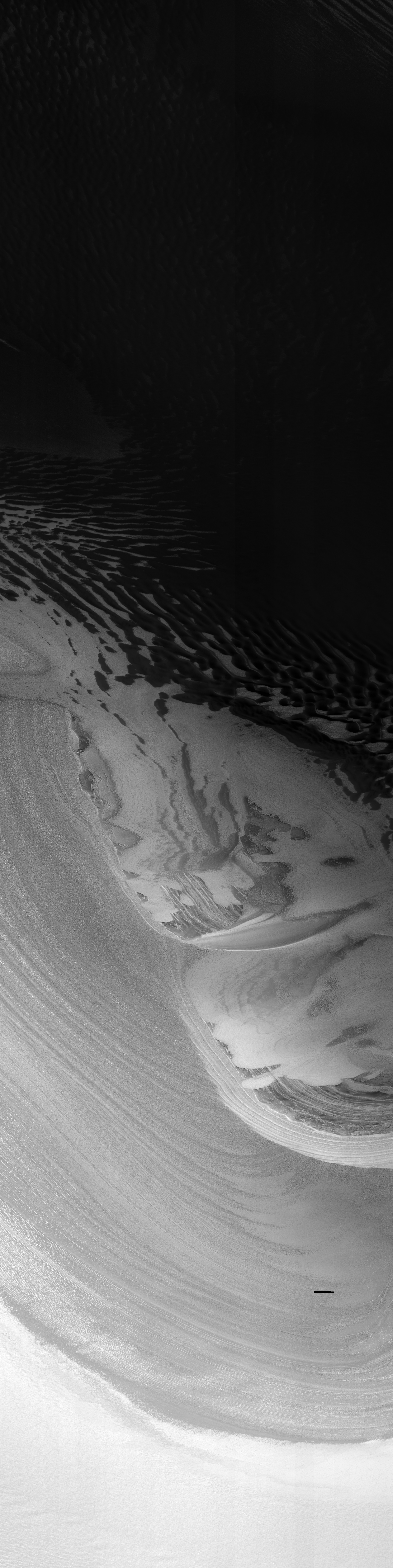
From the NASA published picture hirise-pds.lpl.arizona.edu/PDS/EXTRAS/RDR/PSP/ORB_009700_... 90 degrees clockwise and 2 times larger.