View allAll Photos Tagged Http
www.justwalkedby.com/2014/05/an-evening-on-dronning-louis...


Three photos from an evening out with the local photo group, they are all made on and around Queen Louise's bridge here in Copenhagen.
Mingle Media TV and our Red Carpet Report hosts Corinne Henneberry and Keetin Marchi were on the red carpet talking to the talent and creators at this summer's NBCUniversal Press Tour over two days at the Beverly Hilton Hotel to learn more about for their upcoming Fall and Winter programs.
Get the Story from the Red Carpet Report Team, follow us on Twitter and Facebook at:
www.facebook.com/RedCarpetReportTV
www.youtube.com/MingleMediaTVNetwork
2016 NBCUniversal’s Summer Press Tour
We saw and spoke with the following actors from these NBCUniversal Networks and cable shows. For more info, please visit www.NBC.com
William Shatner - NBC’s “Better Late Than Never”
Jeff Dye - NBC’s “Better Late Than Never”
Jesse Lee Soffer - NBC’s “Chicago P.D.”
Jesse Spencer - NBC’s “Chicago Fire”
Harry Connick Jr. - TVD’s “Harry”
D’Arcy Carden & William Jackson Harper - NBC’s “The Good Place”
Brian Tee - NBC’s “Chicago Med”
JR Lemon & Robert Bailey Jr - NBC’s “The Night Shift”
Susan Kelechi Watson - NBC’s “This Is Us"
Mandy Moore - NBC’s “This is Us”
Milo Ventigmilia - NBC’s “This Is Us”
Gerina Piller - US Olympic Women's Golf Team
Lauren Ash & Mark McKinney - NBC’s “Superstore”
Matt Iseman, Kristine Leahy & Akbar Gbajabiamila - NBC’s “American Ninja Warrior”
Malcolm Barrett - NBC’s “Timeless”
Justin Hartley - NBC’s “This is Us”
Ron Cephas Jones - NBC’s “This Is Us"
Colton Dunn, Nico Santos & Nichole Bloom - NBC’s “Superstore”
Bonin Bough - CNBC's "Cleveland Hustles"
Melanie Collins - The Golf Channel's "Driver Vs Driver” -
Margaret Cho, Brad Goreski & Melissa Rivers - E!'s "Fashion Police”
Gale Anne Hurd - Executive Producer, USA Network's "Falling Water"
Will Yun Lee, Lizzie Brouchere & David Ajala - USA Network's "Falling Water” -
For more of Mingle Media TV’s Red Carpet Report coverage, please visit our website and follow us on Twitter and Facebook here:
www.facebook.com/minglemediatvnetwork
www.flickr.com/MingleMediaTVNetwork
Follow our host, Corinne on Twitter at twitter.com/CorinneMusic and Follow Keetin at twitter.com/KeetinMarchi
29525 Tudor Way Magnolia, TX 77355
www.heritagetexas.com/property/48265106/29525-tudor-way-m...
This log retreat located on a serene 9+ acre fenced property was designed to maximize it’s potential with an appropriately scaled yet fully equipped modern home. The double tongue and groove log construction is beautifully accented by hand hewn log beams, railings, large windows, and impressive vaulted ceilings offering scale and charm. Despite the quaint quality of the exterior an expansive interior awaits………
The open main level features a well equipped mudroom, chef’s kitchen, stainless steel appliances, granite counter tops, large dining area, sitting areas, master suite, and great room with an open floor plan. All of which open to unobstructed views of the surrounding
pine and oak forest, a wraparound deck, sauna, hot tub, and terraced patio.
The main level master suite features a luxurious and meticulously detailed bathroom and large walk in closet. Noteworthy features include custom designed and built cabinetry and closet systems with an abundance of hidden storage space.
The upper level features an open game room, views from every room, two large guest suites each with spacious walk-in closets and attached bathrooms. This retreat also includes a large air conditioned shop and separate living quarters.
The careful planning, creative design, and intense attention to detail make it this a highly sought after country retreat near the city.
Contact for listing details:
www.heritagetexas.com/property/48265106/29525-tudor-way-m...
theholenyc.com/2010/12/15/postermat/
POSTERMAT
BUY POSTER’S ONLINE @ shop.theholenyc.com
The Hole and LEVI’S are proud to announce POSTERMAT, a big holiday poster show including two hundred new artist posters in the 104 Greene Street space. Activating our expansive team of artists from Downtown to Tokyo, San Francisco to Providence to London to Athens, we will present special limited edition posters from artists both infamous and new to the scene.
For $75 you can take home an awesome piece of artwork or have your art-minded friend love you forever with the coolest holiday gift around. Each poster is an edition of 50, first come first serve, available in person starting at the opening and then also for purchase on our website the next morning.
Aaron Bondaroff, Alison Schulnick, Andrew Jeffrey Wright, Andrew Kuo, Ara Peterson, ARE Weapons, Aurel Schmidt, Assume Vivid Astro Focus, Angeline Rivas, Alex Gartenfeld, and that is just the A’s! Barry McGee, Clare Rojas, Brad Kahlhamer, Kembra Pfahler, Bruce LaBruce, Dave Schubert, Dearrraindrop, Evan Gruzis, Gavin McInnes, Opening Ceremony, Jack Pierson, Jade Berreau, Keegan McHargue, Kunle Martins, Patrick Griffin, Maripol, Mat Brinkman, Robert Lazzarini, Shepard Fairey, Xylor Jane, Hanah Liden, Yoko Ono, and many, many more.
POSTERMAT was a fantastic shop on E 8th street in the Village where kids in the 80s and 90s got the best punk, indie, impossible-to-find posters for their teenage bedrooms. We never got to see what this place was like, and since we couldn’t even find images anywhere, we decided to recreate what we think this grungy haven might have looked like in our gallery for a new generation of underground weirdos to experience. Posters everywhere! Racks all around the room, slapping back and forth, pins, stickers and patches, music and more. If you remember the old Postermat, come tell us if we got it right! Bring photos if you have them too!!!
The idea for this exhibition came from artist Aaron Bondaroff at dinner this past summer. A-ron frequented Postermat as a kid and helped us develop the feel of the show. The exhibition was made possible by generous support from LEVIS and in partnership with Proof 7 the best new printers in New York City.
THE HOLE
104 Green Street
Ground Floor New York City
212 226 3000
flickriver.com/photos/javier1949/popular-interesting/
CASA MILÀ “LA PEDRERA”
Paseo de Gracia, 92 con vuelta a la calle Provenza. Barcelona Eixample
Arquitecto: Antoni Gaudí i Cornet 1905 (proyecto) 1906-10 (construcción)
Colaboradores: Josep Maria Jujol (arquitecto), Domènec Sugrañes y Josep Canaleta, Lluís y Josep Badia (forjadores), Manyach (fundidor) y Joan Beltran (yesero). Constructor: Josep Bayó i Font.
La Pedrera es una de las obras paradigmáticas del modernismo catalán y, quizá el edificio que mejor sintetiza el lenguaje arquitectónico utilizado por Gaudí y fue su última gran obra civil antes de dedicarse por completo a las obras de la Sagrada Familia. Está declarada Monumento Histórico-Artístico de Carácter Nacional -en la actualidad BIC (Bien de Interés Cultural)- desde 1969, y en 1984 la UNESCO la incluyó dentro del Lugar Patrimonio de la Humanidad que agrupa las “Obras de Antoni Gaudí”
El edificio conocido por su aspecto como la Pedrera (la cantera) se levanta por encargo del matrimonio formado por Pere Milà i Camps y Roser Segimon i Artells con destino a residencia propia con acceso independiente en el piso principal y a viviendas de alquiler, características de esta zona del ensanche barcelonés, en las restantes plantas.
Situada en un lugar singular del Ensanche, un chaflán sobre una de sus principales vías, el Paseo de Gracia, destaca a primera vista por su singular fachada ondulada, una variada y armoniosa masa de piedra ondulante sin líneas rectas, realizada en caliza de Villafranca, a cuyos sillares se les dio la textura rugosa de la piedra natural. Sobre ella se abren una serie de huecos que parecen cavados en la sinuosa masa de piedra, con balcones de hierro forjado, con formas vegetales que simulan plantas trepadoras, obra de los hermanos Lluís y Josep Badia i Miarnau, según diseño de del arquitecto, discípulo y colaborador de Gaudí, Josep Maria Jujol. La entrada principal se destaca mediante un arco ciclópeo. La cornisa superior que mantiene en su remate la forma ondulada, tiene esculpidos capullos de rosa y la inscripción "Ave Maria gratia plena, Dominus tecum", comienzo del Ave María en latín, que debería haber ido acompañado de un grupo escultórico de piedra, metal y cristal con la Virgen del Rosario rodeada de los arcángeles Miguel y Gabriel, de 4 metros de altura, subrayando el simbolismo religioso del que Gaudí impregna sus obras, y que finalmente no se colocó a raíz de los sucesos de la Semana Trágica de Barcelona ante la negativa de los propietarios.
Superiormente se remata con una sinuosa azotea que debido a su parcial recubrimiento de azulejo blanco asemeja una sierra nevada con referencia, para algunos, a determinados paisajes catalanes, y donde las salidas de las escaleras -sorprendentes esculturas helicoidales revestidas de fragmentos de cerámica o mármol blanco en el característico trencadís- se rematan con la característica cruz gaudiniana de cuatro brazos, y donde se hacen especialmente evidentes las chimeneas, cuya imagen evoca cabezas de guerreros protegidas por yelmos creando un espacio fantástico y futurista.
Bajo la cubierta se dispone un desván diáfano, configurado por bóvedas tabicadas y arcos catenarios de ladrillo, hoy dedicado a "L'Espai Gaudí" donde se exhiben maquetas, dibujos y documentos relacionados con el arquitecto.
Posee un total de cinco plantas destinas a viviendas, que se estructuran mediante dos grandes patios interiores, uno de planta circular y otro de planta oval y varios más pequeños para ventilación. Por uno de los patios se accedía tanto a las cocheras y cuadras de caballos situadas en el sótano (posteriormente transformadas en garaje, y en la actualidad en sala de actos) así como a la escalera directa al piso principal ocupado inicialmente por sus propietarios, y hoy sala de exposiciones. Además un bajo comercial hoy dedicado a tienda de recuerdos y a oficina de la actual propietaria del edificio.
La decoración interior corrió a cargo de Josep Maria Jujol y los pintores Iu Pascual, Teresa Lostau, Xavier Nogués y Aleix Clapés, que juegan en algunas zonas con elementos ornamentales de inspiración marina, como los falsos techos de yeso que simulan olas de mar, así como pulpos, caracolas y flora marina, y columnas de piedra esculpida, además de un interesante mobiliario de estética modernista creado por el propio Gaudí
En contra de lo que pudiera parecer por su sólido y macizo aspecto, no está construida mediante muros de carga, ni tan siquiera su fachada, con excepción de las que conforman la escalera. Su estructura portante está constituida por un entramado de pilares y vigas metálicas lo que da gran flexibilidad en la distribución de las viviendas, y los forjados son de viguetas metálicas y bovedillas a la catalana, al igual que las escaleras. Los bloques de piedra de la fachada, se apoyan y empotran en jácenas salientes en forma de T curvadas y de geometría variable.
La ejecución se alargó debido a los problemas surgidos con el Ayuntamiento por su excesiva altura. Gaudí renunció a la dirección de la obra en 1909 por divergencias con los propietarios a causa de la decoración interior.
La historia de la Casa Milà ha sido bastante compleja, así, en 1927, tras la muerte del maestro, por la propietaria, Viuda de Milá, se procede a la demolición del interior del piso principal, perdiéndose la decoración original al sustituirse por otra de carácter más clásico; en 1946 se construyen trece apartamentos en la buhardilla; en 1966 la planta noble se transforma en oficinas. En 1969 es declarada Monumento Histórico-Artístico de Carácter Nacional, y entre 1971 y 1975 se realiza una primera restauración a cargo de José Antonio Comas de Mendoza. Tras la adquisición en 1986 por Caixa Catalunya, se han efectuado continuadas obras de conservación y restauración y se mantiene abierta al público para su visita, pudiendo entrar en las viviendas de la planta cuarta, el trastero y la terraza. Las demás plantas siguen ocupadas por viviendas o han sido transformadas en oficinas.
Please view this photo large.
The North Shore Yacht Club is an historically significant--not to mention architecturally significant--part of California's legacy. The North Shore Yacht club was the whimsical design of noted architect Albert Frey, who just happened to be a resident of the Coachella Valley. Completed in 1958 by developers Ray Ryan and Trav Rogers, North Shore Beach Yacht Club was one of the largest marinas in Southern California and carried a price tag of $2 million. Celebrities like The Beach Boys, Jerry Lewis, and the Marx Brothers partied there and / or docked boats at the marina.
- The Salton Sea Chronicles
A promotional video for the Yacht Club in its heyday - check out how nice this place once was:
www.youtube.com/watch?v=zTNuRxQaEEQ
This location is featured in the music video Swing Out Sister - Fooled By A Smile: www.youtube.com/watch?v=LlFIj0DZh6A
Abandoned for a few decades, this place has now been restored.
Thanks to federal stimulus funding and the work of the East Valley Historical Society, the North Shore Yacht Club has been renovated to its original appearance.
The revamped club will serve as a senior center, community center, and museum - the latter under the direction of North Shore preservationist Jennie Kelly, who has already helped bring the long-extinct boat races back to the sea. The new museum is where the tale of Albert Frey's shimmering yacht club - with its fantastic ups and downs - will finally be told.
The building and museum will be open to the public in the very near future.
My YouTube videos of this place: www.youtube.com/results?search_query=slworking2+north+sho...
Recueil de cent-trente-trois oiseaux des plus belles espèces gravés sur 87 planches et colorés d'après nature par d'habiles maitres.
A Rome :Chez Bouchard & Gravier,1784.
Field Grey open collar tunic for an SS-SD Standartenoberjunker. The tunic is tailored of good quality combat wool with silver piped collar, SD post 1942 police style boards, and an exceptional machine embroidered sleeve eagle. The enlisted style machine embroidered SD diamond is mounted on the lower left arm. The tunic is either custom tailored or semi-custom tailored in the style of the black SS Rock with 4 button open collar design, 2 pleated breast pocikets and 2 hip slash pockets with flaps. The reverse is done in combat style without the Rock waist buttons. Several similar tunics are pictured in the Michael Beaver SS uniform books. Noted SS expert David Delich has examined the tunic in person and verified that it is original and that the insignia is original to the piece. It shows light wear and use but is in excellent and solid condition. Choice and quite rare!
Portraits and habits of our birds v.2.
New York city :National association of Audubon societies,1920-
Fotos Nuevas Agosto 2012
www.facebook.com/catedraleseiglesias
© Álbum 0527
By Catedrales e Iglesias
By Cathedrals and Churches
Diócesis de Morelia
Santa Iglesia Catedral
Av Madero Poniente
Col Centro
Apdo Postal 17
C.P.58000
Morelia,Estado de Michoacán
(443) 312-29-36
Horarios de Misa de Lunes a Sábado a las 6:00 am, 7:00 am, 8:00 am, 9:00 am, 12:00 pm, 5:00 pm, 7:00 pm y 8:00 pm. Domingos a las 6:00 am, 7:00 am, 8:00 am, 9:00 am, 10:30 am, 11:30 am, 12:30 pm, 5:00 pm, 6:00 pm, 7:30 pm y 8:30 pm. Horario de Rosario de Lunes a Viernes a las 6:00 pm. Hora de Confesión durante Misa. Confirmación los Domingos a las 12:30 pm. Bautizos Sábados y Domingos a las 12:00 pm.
La Catedral de Morelia es un recinto religioso sede de la Arquidiócesis de Morelia de la Iglesia católica en México. Se encuentra ubicada como su nombre propiamente lo dice en la ciudad de Morelia, capital del estado de Michoacán, México. La catedral se localiza en el primer cuadro de la ciudad, conformando la traza del Centro Histórico de Morelia. El edificio fue construido en el siglo XVIII en la época de la Colonia Española, es de estilo barroco y esta realizado en cantera rosada que le da un color peculiar y característico.
# Arquitectónicamente la Catedral de Morelia comparándose con otras Catedrales de México, es similar a la Catedral Metropolitana de la Ciudad de México, Catedral de Puebla, e inclusive en su interior a la Catedral de Guadalajara.
# La catedral es la edificación más emblemática y representativa de Morelia dada su altura, ya que cuenta con dos altas torres, que se divisan por todo el valle de la ciudad. Por su altura, las torres de la Catedral de Morelia (66.8 m) son las cuartas más altas de México, después de las torres del Santuario Guadalupano (Catedral Inconclusa) en Zamora de Hidalgo (105 m), de la catedral de Villahermosa (80 m) y del Santuario de Guadalupe, en San Luis Potosí (68 m).
# Cuenta con una Iluminación escénica de singular belleza colocada por la empresa que iluminó la Torre Eiffel de París. Los fines de semana la catedral ofrece un espectáculo de luz y sonido con esta iluminación.
# La catedral está dedicada a la Transfiguración y en su interior alberga dos imágenes muy veneradas, Sagrado Corazón de Jesús que es el santo patrono de la ciudad, y el Señor de la Sacristía un Cristo muy antiguo realizado en pasta de caña de maíz. El cual es muy visitado y querido por la feligresía.
# Su belleza arquitectónica y su historia son otras razones por las cuales se ha convertido en un icono de la ciudad.
# En su interior este recinto dada su belleza, sonorización acústica y espaciosidad, figura como escenario de diversos eventos artísticos y culturales como el Festival Internacional de Órgano de Morelia, y el Festival Internacional de Música de Morelia.
La actual catedral de Morelia no ha sido la única catedral que ha tenido la ciudad, ya que en 1580, cuando los poderes civiles y eclesiásticos de Michoacán fueron trasladados de Pátzcuaro a Valladolid (anterior nombre de Morelia), se inauguró una catedral, muy inferior a la actual en tamaño y valor artístico. Esa construcción se ubicaba en la esquina de las actuales calles de Corregidora y Abasolo. Sin embargo, debido al crecimiento que experimentó la ciudad a finales del s. XVI e inicios del XVII, así como por causa de un incendio que en 1584 afectó severamente el anterior edificio catedralicio, se hizo necesario pensar en otro templo, más grande, sólido e importante. Por ello es que a inicios del s. XVII el cabildo catedralicio comenzó las gestiones para la construcción de la nueva catedral.
Muchos proyectos fueron propuestos, pero hasta mediados de ese siglo fue aceptado el proyecto del arquitecto italiano Vicenzo Barrochio, también conocido como Vicente Barroso de la Escayola por parte del Virrey Francisco Fernández de la Cueva, Duque de Alburquerque el 22 de marzo de 1660 concluyendo continuos trámites y proyectos de construcción durante un largo período de casi 80 años.
El día 6 de mayo de 1660 la primera piedra de la construcción fue colocada por el obispo Fray Marcos Ramírez del Prado. La construcción estuvo a cargo del propio Vicenzo Barrochio hasta el año de su muerte, acaecida en 1692, razón por la cual el gran arquitecto no pudo ver concluida su obra monumental. Sin embargo, solo 52 años después del deceso del maestro, sus discípulos lograron terminar la titánica tarea arquitectónica, por lo que la magnífica obra fue concluida en 1744.
La catedral sufrió diversos saqueos por parte del ejército independentista, en el año de 1810. Hacia fines del siglo XIX se construyó la reja perimetral que delimita el atrio. A finales de los años 90 del siglo XX se efectuaron diversas obras de restauración exteriores e interiores, con lo cual se preservó mejor la belleza del edificio. También, en los primeros años del siglo XXI, se inauguró la nueva iluminación escénica de esta catedral de Morelia.
The Cathedral of Morelia is a religious compound headquarters of the Archdiocese of Morelia of the Catholic Church in Mexico. It is located as the name itself says it in the city of Morelia, capital of Michoacan, Mexico. The cathedral is located on the first frame of the city, forming the trace of the Historic Center of Morelia. The building was built in the eighteenth century the Spanish colonial times, is in Baroque style and is made of pink quarry which gives it a distinctive and characteristic color.
# Architecturally, the Cathedral of Morelia compared against other Cathedrals in Mexico is similar to the Metropolitan Cathedral in Mexico City, Puebla Cathedral, and even inside the Cathedral of Guadalajara.
# The cathedral is the most emblematic and representative buildings of Morelia given their height, since it has two tall towers that can be seen throughout the valley of the city. For his height, the towers of the Catedral de Morelia (66.8 m) are the fourth highest in Mexico after the towers of the Sanctuary of Guadalupe (Cathedral Unfinished) in Zamora de Hidalgo (105 m) of the cathedral in Villahermosa (80 m) and the Sanctuary of Guadalupe, San Luis Potosi (68 m).
# Has a unique scenic beauty lighting placed by the company that lit the Eiffel Tower in Paris. On weekends, the cathedral offers a sound and light show with this lighting.
# The cathedral is dedicated to the Transfiguration and its interior houses two highly venerated image, Sacred Heart of Jesus who is the patron saint of the city, and the Lord of the Sacristy a Christ very old paste made of cornstalks. Which is much visited and loved by the congregation.
# Its beautiful architecture and history are other reasons why it has become an icon of the city.
# Inside this enclosure because of its beauty, sound and spacious sound, set for a variety of artistic and cultural events as the International Organ Festival in Morelia, and the International Music Festival of Morelia.
The current cathedral of Morelia was not the only cathedral in the city has had since 1580, when civil and ecclesiastical powers were transferred from Patzcuaro Michoacan to Valladolid (Morelia previous name), opened a cathedral, much lower the current size and artistic value. That building was located on the corner of the present streets of Corregidor and Abasolo. However, due to growth experienced by the city at the end of s. Sixteenth and early seventeenth centuries, and because of a fire in 1584 severely affected the former cathedral building, it became necessary to think of another temple, larger, robust and important. That is why at the beginning of s. XVII the cathedral chapter began efforts to build the new cathedral.
Many projects were proposed, but until mid-century the project was accepted by the Italian architect Vincenzo Barrochio, also known as the Plaster Vicente Barroso by the Viceroy Francisco Fernandez de la Cueva, Duke of Albuquerque on March 22, 1660 concluding continuous procedures and construction projects over a long period of almost 80 years.
On May 6, 1660 the first stone of the building was laid by Bishop Fray Marcos Ramírez del Prado. The building itself was given by Vicenzo Barrochio until his death in 1692, why the great architect could not see completed his monumental work. However, only 52 years after the death of the teacher, his pupils got through the daunting task of architecture, so that the magnificent work was completed in 1744.
The cathedral suffered several raids by the army for independence, in the year 1810. By the end of the nineteenth century built the perimeter fence that marks the atrium. In the late 90s of the twentieth century restoration work carried out various internal and external, thereby better preserved the beauty of the building. Also, in the early twenty-first century, opened the new stage lighting of the cathedral of Morelia.
> cambiar
Week 6 beginning July 30, 2012 and ending August 3, 2012.
The sixth week of camp has come to an end and we have 2 weeks left! This past week of camp kicked off with "Puttin on the Hits" performed by our Jr. and Sr. groups! On Tuesday, the Willows and Jr. camp participated in Puppet Pizzazz! The CITs took a trip to Dave & Busters on Wednesday! We would like to congratulate everyone on a great and successful Color War. Both the Blue team (Superman) and the White team (Spiderman) did an amazing job. But in the end, Spiderman went webbing through the trees to beat Superman to the finish. All became friends and went on to have a great day! The sixth week of camp ended with the "All Camp Cookout & Dance Party". By the pictures you can tell we all had so much fun!
About Willow Grove Day Camp
Willow Grove Day Camp provides summer fun for kids who live in Willow Grove, Abington, Blue Bell, Hatboro, Horsham, Huntingdon Valley, Lafayette Hill, Philadelphia, Plymouth Meeting, Southampton and the surrounding areas. For more information on Willow Grove Day Camp and the services they provide please visit: www.willowgrovedaycamp.com.
gilliangalicia.wordpress.com/2014/12/20/wanna-bring-a-wil...
pants – +REDRUM+ Belt Pants – Carnivale from the Merry Crisis Gacha Faire on Death Row Island
top and earrings – maps.secondlife.com/secondlife/Plastik/183/71/69 Leah halter and Grail earrings from the Literary Warrior (Poe) outfit, on at yesterday’s FLF
shoes – [whatever] Thallium, RED shoes, at The Dressing Room Fusion
tattoo – bubblesqueen, What Doesn’t Kill You
hair – !SOUL, Pansy, 12 Nuances, Special Set 1, NEW
eyeliner – Eyelure Dramatic Eyeliner, black
ring – Maxi Gossamer, Duchess Dazzle Jewel (50% off sale on now over at MG)
skin and lips: Glance, eyes: Poetic Colors, backdrop: Katink, poses: Purple Poses
St Mary, Huntingfield, Suffolk
Follow these journeys as they happen at Last of England twitter.
It was the first day of the 2019 Easter holidays, and what better way to spend a Monday morning than heading off for a church-exploring bike ride rather than going to work? I caught the train up to Halesworth, and then cycled off out into the hills. The villages and their pretty parish churches come thick and fast around here, and almost all of them are open to pilgrims and strangers daily. There is a good mixture too, round towers, square towers, hardly-any-left towers, reed-thatched roofs, beflinted-porches, and all manner of treasures inside. A fair number of East Anglia's best small churches are in this area. But even given this variety, there is nowhere else in East Anglia quite like Huntingfield church.
This is one of Suffolk's more obscure villages, but the Huntingfield name was that of one of the county's most significant families. Huntingfield is the nearest village to the great pile of Heveningham Hall, with one of the largest Georgian frontages in England. It was rebuilt by the Huntingfields in the 18th Century. Standing on the road and looking across the sheep-scattered lawns to the great building, it is easy to imagine the gulf between the landed gentry and their poor workers in those days. Sandwiched between the traumas of the 17th Century and the energy of the 19th Century, it was the landowners of the 18th Century who had every reason to think that their world was permanent and unchanging, that it would always be as they knew it. Farming sheep, collecting art, patronising musicians, tinkering with primitive science and technology, dispensing benevolent largesse to the poor on their estate - it is a world that is at once attractive and appalling. For them, the Church of England was both an arm of the state dispensing laws, justice and charity, and the setting for the weekly liturgical reinforcement of the puritan-refracted Elizabethan settlement.
But the Industrial Revolution would bring it all to an end, and in more ways than one. In the second half of the latter century, many parish churches were drawn by the excitement of the age into major reconstructions and revisions. Their impulse came from Oxford, where the Tractarians had a vision of the Church of England as a national Church, no longer a protestant sect but restored to the catholicity of its roots, and from Cambridge, where the ecclesiologists decided what a building of the national Church should properly look like. As the young men graduated and were presented to parishes across the country, their ideas spread like wildfire. They had come from their univserities to churches fitted out for protestant worship, with whitewashed walls and box pews focused on the high pulpit, the rarely-used altar gathering dust in the chancel or even discarded. Preaching houses rather than sacramental spaces, and any surviving traces of the building's medieval life survived, perhaps, simply because they were not understood.
Essentially, what happened in England between about 1830 and 1870 was a cultural revolution, a new wave of ideas and the reaction to them. The litugical changes proposed by the Oxford Movement were, at first, objectionable, and then merely controversial. But gradually they seeped into the mainstream, until by about 1890 they had become as natural as the air we breathe. Galvanised by the ferment of ideas and the possibilities of the industrial age, these young men convinced their rich patrons, revolutionised their buildings, and in so doing altered their parishes forever. They often looked to London stars like Scott and Butterfield, or local plodders like Phipson, or else mavericks like Salvin. The demands of the new liturgical arrangements, coupled with a renewed sense of the need to glorify God, led them into what was often a rebuilding rather than a restoration.
Internal decorations were, perhaps, the bespoke work of the architect, Witness Phipson's meticulous attention to detail at St Mary le Tower, Ipswich. Other restorers relied on the big picture, a vision that encompassed walls and floors, but left the fittings to others. By the centenary of the movement in the 1930s, one Anglican clergyman could observe "It is as if the Reformation had never happened". Well, not quite. And now, the pendulum has swung the other way, leaving the ritualists high and dry. But the evidence of the energy of those days survives, especially at Huntingfield, where William Holland, the vicar, drove the Oxford Movement through the heart of the parish, like a motorway through a Site of Special Scientific Interest.
The Hollands were the patrons of the living, which gave them the authority and the money to reimagine Huntingfield church on a grand scale. Oxford and Cambridge universites were exclusively for men, of course, but it so happened that William Holland had an energetic and visionary wife. Between 1859 and 1866, Mrs Mildred Holland planned, designed and executed the most elaborate redecoration of a church this county had seen since the Reformation. For seven years, she lay on her back at the top of scaffolding, first in the chancel (angels) and then in the nave (saints on the ceilure, fine angels on the beam ends), gilding, lettering and painting this most glorious of small church roofs. Her husband kept a journal throughout this period, and there is no suggestion that she had any assistance, beyond that of workmen to raise the scaffolding, and a Mr E.L. Blackburne FSA, who was, apparently, an 'authority on medieval decoration'. J.P. St Aubyn was responsible for the structural restoration of this largely 15th century building, and it is very restrained and merciful. But you come here to see the painted roofs, which are perfectly splendid. You can activate the floodlighting with a pound coin in a box at the west end of the north aisle, and the illuminated work is breath-taking.
What else is there to see? Some 15th Century window borders in the east window of the south aisle depict hares and a little dog with a bell around his neck. And what is that at the bottom, a dragon, or a winged lion? Evidence of the church's continued High Church tradition into the 20th Century is in statues of the Blessed Virgin and child flanked by St Francis and St Dominic in a triple image niche set in a pillar of the north arcade. Was it originally for a rood group, perhaps above an altar? Any church is a palimpsest, history written and rewritten over its skin as a touchstone to changing liturgical imperatives and the long generations of its people. Across this canvas the enthusiasms and Huntingfield in Mildred Holland's time are writ large, and will last long.
And there is something else, and a great curiosity. Ann Owen, the Vicar's wife in the neighbouring parish of Heveningham, is also said to have been responsible for 19th Century work in the church there, this time in the form of stained glass. Visiting Heveningham, I am afraid it is difficult for me to find this convincing, although of course one likes to think it was so, and that the two women artists were friends, or possibly even rivals. But Mildred's story has been brilliantly captured in a recent novel, The Huntingfield Paintress by Pamela Holmes. Pamela tells me that 'it was a comment of yours about Mildred and Ann Owen which sparked my determination to write my first novel' which is very kind of her, although I am sure it was easy to be inspired when one stands here surrounded by Mildred Holland's work.
You might thnk that the towering font cover is also by her, but in fact it is her memorial, placed here by her husband, as is the art nouveau lectern. It is as if her art was a catalyst, inspiring others to acts of beauty. She died in the 1870s, predeceasing her husband by twenty years. They are both now buried by the churchyard gate. How fitting, that they should lie in the graveyard of the church they loved so much, and to which they gave so much of their time, energy and money.
(they also call it a robot), is from the Robotics Institute. I used to work with a Professor Mark Fox from that department in the early 1980's on an Artificial Intelligence/Expert System developed at Westinghouse. The department is now run by William Red L. Whittaker. The team of folks demonstrating the robot, and also who were part of the Red Team competition, where this vehicle, called Sandstorm, took second place in the 2005 DARPA Grand Challenge, included:
Alex Gutierrez and Andrew Mellinger
The unofficial upshot I gleaned from other alumni (not from members of the Red Team) is as follows: the first place winners from Stanford included two individuals who were originally from CMU, and perhaps reused some of the 'know-how' from there.
As for the vehicle itself, it ran into a large rock. :o)
J6 TA2013 Chivas vs Puebla FC Liga Bancomer MX
Redacción: Héctor Padilla Lozano de @hpadillalozano | LAE Manuel Vela Flickr – Facebook // Fotografía Cortesía www.mediotiempo.com y mx.deportes.yahoo.com/ Mv Fotografía Profesional / Edición y retoque www.pueblaexpres.com / en Twitter @Mv_ManuelVela
Puebla., Puebla a 18 de Agosto de 2013
TOPADAS CON UNA PARED BLANQUIAZUL
El Puebla propinó una contundente derrota al Guadalajara y a la vez hizo cumplir aquél viejo adagio dentro del futbol que reza: “Equipo que estrena técnico, gana”.
Y es que Rubén Omar Romano, se presentaba como estratega del Puebla, después de que en la temporada 84-85, vistiera los colores blanquiazules como jugador, demostrando en aquel tiempo entrega y profesionalismo hacia la franja.
De entrada presentó una
formación agresiva, con un 4-3-3, teniendo a Alustiza, Borja y Moreno al frente, situación que se había dado en escasos momentos en el torneo, pero sin gran impacto en el accionar y marcador.
Por otro lado, estaba Benjamín Galindo Marentes, timonel de chivas con la obligación de ganar para seguir conservando su cargo dentro del equipo tapatío, lo cual de paso hay que decirlo, se ha convertido en un equipo más dentro de la liga Bancomer MX.
Las acciones de gol dentro de un partido entretenido, iniciaron al minuto 2 con un remate de cabeza de Michael Orozco, solo en el área que pasó por el lado izquierdo de Michel, cuando se notaba podía haber más peligro.
Los de casa respondieron al 10 cuando Márquez Lugo, trató de tirar, rebotando el balón en Lacerda y luego Noriega que no pudo controlar de cabeza, cayéndole a Antonio Gallardo quien acomodó su cuerpo y tiro al ángulo, para abrir el marcador en un buen gol.
Sólo un minuto le duro el marcador a favor a chivas, pues en tiro de esquina que cobró Alustiza, se pasó Michel y Chávez solo con remate seco mandó el balón al fondo para el empate.
Guadalajara perdió al 30 a su meta Miche, quien salió por lesión, viéndose aquí una jugada de fair play, ya que el cancerbero le quitó prácticamente de la cabeza el balón a Orozco y al caer pisó mal, extendiéndose la bola, no haciendo el jugador poblano por ella debido al problema que tenía el aludido portero tapatío, su lugar fue ocupado por Hugo Hernández.
En el 35 Rafael Márquez abrió el balón al costado izquierdo en relación a su ataque para Carlos Fierro, éste centro de zurda a Aldo De Nigris que retrasó de cabeza a Márquez Lugo quien de cabeza metió el 2-1.
Al 38, Moreno dentro del área con una finta se quitó a Esparza, sólo que su tiro final lo mandó muy desviado. Sin embargo, al 47 el mismo “chango” centro al área y daba la impresión que ligeramente desviaba Félix Borja, pero no fue así y la anotación fue del Moreno para el 2-2, con el cual se fueron al descanso en un partido entretenido.
Al reinicio en el 50 centro de “Kevin” Rojas por derecha y Orozco de cabeza ante el arquero no conectó bien de cabeza tapando bien Hernández el remate para preservar el empate.
Moreno que fue el mejor jugador del partido, tiró desde fuera del área, amenazando el balón con incrustarse en el ángulo derecho de Guadalajara, pero salió por un costado.
Corriendo el minuto 67, “chavo” Alustiza habilitó por izquierda a Damarcus después de una serie de toques del Puebla donde no le prestó el balón a Guadalajara, hizo que el nacido en Indiana centrara al área chica de forma rasa para que Kristian Álvarez, con la inercia que traía empujara el balón a su cabaña y pusiera justamente ya el 3-2 a favor del conjunto del tubérculo.
Se notaba que la franja podía aumentar el marcador pues al 71 hubo un tiro cruzado de Alustiza, después de un pase largo de Moreno, el cual, contuvo bien Hernández por abajo.
Puebla insistía y en el 75 en los linderos del área grande por el lado izquierdo del ataque poblano, Kristian Álvarez cometió falta a Moreno, cobró De Buen, sacando un obús que mandó a saque de esquina Hernández. En el saque Chávez remató con la cabeza y Hugo Hernández atajó bien.
Hacia el 82 vino un regalito de la media cancha tapatía que retrasó a su defensa, la cual, no controlo el vinil que se extendió hasta Alustiza, quien tomó el balón, arrancó, se perfiló ante Hugo Hernández y por abajo a su derecha cruzó para un contundente 4-2, que ya reflejaba lo que se había visto en la cancha, un Puebla que se fue al ataque y un Guadalajara maniatado por el buen planteamiento de Romano.
Los últimos minutos, la franja se dedicó a controlar el balón y mantener en orden a la delantera tapatía, para conseguir un gran triunfo, categórico y contundente, que le permite sumar 3 puntos en la tabla de cocientes, aprovechando las derrotas de Atlante y Jaguares.
Esperamos como afición sea el comienzo de un cambio en la actitud de jugadores, hecho que se verá reflejado en la tabla general y de cocientes respectivamente.
Puebla en sus próximos cotejos, recibe a Correcaminos de la U.A.T. en la copa MX y a Cruz Azul, dentro de la fecha 6 de la liga Bancomer.
El árbitro del encuentro Ricardo Arellano Nieves, bien a secas, un poco quisquilloso en mostrar tarjetas amarillas al conjunto camotero, pero su trabajo no influyó en el marcador y es lo relevante.
Por último, los cuadros fueron así:
Puebla: Jorge Villalpando, Óscar Rojas, Roberto Chávez (René Ruvalcaba), Jonathan Lacerda, Damarcus Beasley, Michael Orozco, Diego de Buen, Luis Noriega, Félix Borja (Alberto Medina, Alfredo Moreno (Brayan Martínez) y Matías Alustiza. D.T. Rubén Omar Romano.
Guadalajara: Luis Michel (Hugo
Hernández), Omar Esparza, Néstor Vidrio, Kristian Álvarez, Miguel Ponce, Antonio Gallardo, Patricio Araujo, Jesús Sánchez (Michael Pérez), Carlos Fierro, Rafael Márquez Lugo y Aldo de Nigris.
La opinión expresada en esta columna es responsabilidad de quien la escribe y no busca generar conflictos entre los involucrados, si no generar conciencia en cada lector.
Click here to read more about Mike Kobie and his matte black Dodge Challenger SRT-8 on 20" Vossen VFS2 Wheels.
FOLLOW US:
----------------------
YouTube: www.youtube.com/vossenwheels
Instagram: www.instagram.com/vossen
Facebook: www.facebook.com/vossenwheels
Tumblr: vossenwheels.tumblr.com
Pinterest: www.pinterest.com/vossenwheels/
I got tagged by koraphotomorgana. Here are nine things I’ll share:
1. My favorite animal is the Platypus
2. When I was younger I wanted to become a film director, still do but it doesn't seem feasible
3. I never grew out of thinking Dinosaurs were cool
4. I do not agree with the pop-phenom following of Global Warming. I don't think the evidence brought forward is substantial and the conclusions drawn are not as concrete as you are lead to believe.
5. I love to read (though haven't done enough lately) and my favorite author is/was the late Michael Crichton.
6. I bought an dSLR thinking that it was a good investment because it would be a rather futureproof camera and thus a good investment. Unfortunately I have developed a bad case of GAS (Gear Acquisition Syndrom :P) and have been slowly upgrading everything I thought was a good investment.
7. I just completed my HBSc, double majoring in Anthropology and Biology, and made the Dean's list.
8. My verbal mannerisms seem to be stereotypically Canadian. If you met me I think you'd agree, eh?
9. I used to live in in a small town that was more country side than city. During the 4 years I lived there as a kid I was stung by wasps and hornets over 40 times. I used to stand around and look into the complex/neat nests of ground hornets a lot, obviously not the best idea. Now I do a lot of macrophotography of insects, and have tried to take many 1:1 shots of bees, wasps, and hornets. I guess I never learned my lesson.
Edit: and... 10. This is my first attempt at shooting the moon and didnt use a tripod. I think it came out well, but will have to try again another time with a proper set up, instead of just doing it on the fly. The image seems a bit soft.
Conradi Gesneri medici Tigurini Historiae animalium liber IV :.
Francofurti :In Bibliopolio Andreae Cambieri,anno MDCIIII [1604].
Shorebirds of Ireland, Freshwater Birds of Ireland and The Birds of Ireland: A Field Guide with Jim Wilson.
www.markcarmodyphotography.com
The Comma is a generalist, found in: tall-herb and grassy forest clearings, crops, field margins, orchards, urban parks and ornamental gardens. The first confirmed report of the Comma in the Republic of Ireland was in 2000 in Co. Wexford. It is now consistently recorded each year throughout the south and east, and overwinters. In Spring, overwintering adults emerge in wooded habitats and spend time basking, favourite surfaces being tree trunks, wood piles, dead bracken and fence posts. Males establish territories on sunny rides and woodland margins, perching waiting for females to enter the territory and conducting short flights to and from their original perch. During late summer and early autumn, the 2nd generation adults range widely over sites with nectar sources, but move to woodland to hibernate.
The caterpillars primarily feed on Common Nettle (Urtica dioica), but in Britain it has also been observed on: Currants (Ribes spp.), Elms (Ulmus spp.), Hop (Humulus lupulus) and Willows (Salix spp.).
The adult nectar sources include: Bramble (Rubus fruticosus), Buddleia (Buddleji davidii), Ivy (Hedera helix), Knapweeds (Centaurea spp.), Privet (Ligustrum vulgare) and Thistles (Cirsium spp. and Carduus spp.). (National Biodiversity Data Centre)
This is the first, and only, Comma butterfly I have seen in my garden. A lovely surprise! I have spent the last few years looking for this species near where i live in Dublin.
.……………………………….
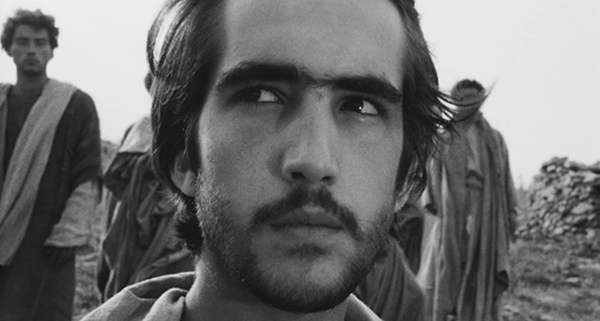
upload.wikimedia.org/wikipedia/en/2/2b/Pasolini_Gospel_Po...

The Gospel According to Pasolini
The Gospel According to Pasolini
THE GOSPEL ACCORDING TO ST MATTHEW(Il Vangelo Secondo Matteo)
-----------------------------------------------------------------
click to activate the icon of slideshow: the small triangle inscribed in the small rectangle, at the top right, in the photostream;
or…. Press the “L” button to zoom in the image;
clicca sulla piccola icona per attivare lo slideshow: sulla facciata principale del photostream, in alto a destra c'è un piccolo rettangolo (rappresenta il monitor) con dentro un piccolo triangolo nero;
oppure…. premi il tasto “L” per ingrandire l'immagine;
www.worldphoto.org/sony-world-photography-awards/winners-...
www.fotografidigitali.it/gallery/2726/opere-italiane-segn...
…………………………………………………………………
Before talking about the procession of the Holy Crucifix of Aracoeli which is held in the town of San Marco d'Alunzio (in the province of Messina), I make a brief introduction, this "photographic story" was created with photographs taken both during the procession of this year 2024, and during the procession of last year 2023, this meant, in some cases, that in some key moments of the procession the shots were taken simultaneously from two different angles, as if I had been in "bilocation", this because this year I chose a different perspective than last year. The procession begins on the morning of the last Friday of March each year, however there is an exception to this rule, when it coincides with Good Friday, which happened this year, then the procession is brought forward to the previous Friday. That of the SS. Crucifix of Aracoeli is an ancient penitential rite, on the day of the feast of the Crucifix in San Marco d'Alunzio the Holy Mass is celebrated in the Church of Aracoeli, therefore the SS. Crucifix (which is found in the church at the end of the right nave, at its feet the picture of the Virgin of Sorrows pierced by seven swords) is removed from the hook on which it is hanging, is taken outside the church, then raised and fixed on the float , and so (after the sermon of the priest who climbed onto the float next to the Crucifix) the Crucifix with the picture of his Sorrowful Mother underneath, then both placed on the float, are carried in procession by the Babbaluti, who proceed invoking the pity and mercy of the Lord with a faint lament that continually repeats “Signuri, Misericordia, Pietà!”. San Marco d'Alunzio is a pleasant town in the Messina area, located in the Nebrodi mountains, in Sicily; the procession takes place in honor of the Holy Crucifix of Araceli, this is a religious-penitential occasion also known as the "procession of the babbaluti", they are those who, by vote or by grace received, have decided to carry during the procession on their shoulders the float with the Crucifix and the painting; they head to the nearby Church of Santa Maria dei Poveri or to some private home nearby where, sheltered from the curiosity of the faithful, they wear a simple but characteristic indigo-coloured cloth habit, consisting of a tunic and a conical-shaped hood such to cover the entire body and leave only the eyes and hands free, it is not uncommon, however, that among the penitents, made anonymous by the habit they wear, there are also women, who, to avoid any possibility of recognition, wear a pair of gloves; the babbaluti are 33 in number to commemorate the 33 years of Christ, the number is odd, in fact the 33rd babbaluto does not wear the float, he (should be the "chief of float") proceeds backwards, turning his gaze to Christ and to His Mother, and at the same time checks that everything is in order among the babbaluti (this is a way of proceeding in carrying the float, which is present in various Sicilian religious processions). Then, the 32 (+1) "babbaluti" carry on their shoulders the launch bearing the Holy Crucifix of the Araceli church (the statue of Christ was created by Scipione Li Volsi, in the year 1652, he was a sculptor and plasterer of the Sicilian Baroque), at whose feet, on the float, the painting of Our Lady of Sorrows is tied, which appears pierced by seven swords (an 18th century painting). Before the start of the procession, the babbaluti advance barefoot wearing only heavy handmade raw wool socks. Before entering the church they must walk a purification path: when they arrive near the ancient church of Araceli , they bend down and kiss the ground, thus receiving permission to enter the church, but this happens from a side door, called "false door" (in Sicilian dialect “porta fausa”), once they enter the church laterally, they now emerge from the main entrance, thus being able to take their places, kneeling at the front and behind, of the float; the priest's long-awaited speech will follow, once finished, the procession can begin which takes place through the streets of the picturesque and welcoming town of San Marco d'Alunzio. Along the route the Babbaluti pace their pace accompanied by the sad and plaintive jugulation that invokes the Lord. There are devout men and women who proceed together with the mugglers, walking alongside the float, touching it, now caressing it... just to have physical (and consequently spiritual) contact with it. Finally, after having completed a specific route, the procession returns to the ancient church (of Norman origins) of Aracoeli. Whenever I am present at this touching occasion I am completely flooded with emotions (which however I cannot abandon myself to, I would lose concentration in taking the photos), the highlight is when the Crucified Christ is removed from the hook fixed on the wall by expert men, and then be carried (seems to float) above the heads of the devotees, supported with their hands, right outside the church, and be hoisted and fixed on the float; in these moments of intense emotion it is common to see in the eyes of the devotees, shining with tears, that profound emotion of their relationship with this Christ, which has always lasted: it is as if they found themselves in the presence of the true Christ, in flesh and blood, this it is the atmosphere you experience in those moments, this is the magic of the procession of the SS. Crucifix and his Mother, represented by the painting of Our Lady of Sorrows pierced by seven swords (iconography of Spanish origin).
+++++++++++++++++++++++++++++++++++++++++
+++++++++++++++++++++++++++++++++++++++++
Prima di parlare della processione del Santissimo Crocifisso di Aracoeli che si tiene nel paese di San Marco d’Alunzio (in provincia di Messina), faccio una breve premessa, questo “racconto fotografico” è stato realizzato con fotografie scattate sia durante la processione di quest’anno 2024, sia durante la processione dello scorso anno 2023, questo ha comportato, in alcuni casi, che in alcuni momenti salienti della processione gli scatti siano stati realizzati contemporaneamente da due angolazioni diverse, come se io fossi stato in “bilocazione”, questo perché quest’anno ho scelto una prospettiva differente da quella dello scorso anno. La processione inizia la mattina dell’ultimo venerdì del mese di marzo di ogni anno, c’è però una eccezione a questa regola, quando avviene la coincidenza col Venerdì Santo, cosa accaduta quest’anno, allora la processione viene anticipata al venerdì precedente. Quella del SS.Crocifisso di Aracoeli è un antico rito penitenziale, il giorno della festa del Crocifisso a San Marco d'Alunzio viene celebrata la S. Messa nella Chiesa dell'Aracoeli, quindi il SS. Crocifisso (che si trova nella chiesa in fondo alla navata di destra, ai suoi piedi il quadro della Vergine Addolorata. trafitta da sette spade) viene tolto dal gancio sul quale è appeso, viene portato all’esterno della chiesa, quindi innalzato e fissato sulla vara, e così (dopo il sermone del sacerdote salito sulla vara accanto al Crocifisso) il Crocifisso con sotto il quadro di sua Madre Addolorata, quindi messi entrambi sulla vara, vengono portati in processione dai Babbaluti, che procedono invocando la pietà e la misericordia del Signore con un flebile lamento che ripete continuamente “Signuri, Misericordia, Pietà!”. San Marco d’Alunzio è un ameno paese del territorio Messinese, sito sui monti Nebrodi, in Sicilia; la processione si svolge proprio in onore del Santissimo Crocifisso di Araceli, è questa una ricorrenza religioso-penitenziale conosciuta anche come "processione dei babbaluti", essi sono coloro che per voto o per grazia ricevuta, hanno deciso di portare in processione sulle loro spalle il fercolo con il Crocifisso ed il quadro; essi si dirigono nella vicina Chiesa di Santa Maria dei Poveri o in qualche abitazione privata lì vicino dove, al riparo dalla curiosità dei fedeli, indossano un semplice ma caratteristico saio di tela di colore indaco, costituito da una tunica e un cappuccio di forma conica tale da coprire l'intero corpo e lasciare liberi solo gli occhi e le mani, non è raro purtuttavia che tra i penitenti, resi anonimi dal saio che indossano, vi siano anche delle donne, le quali per evitare qualsiasi possibilità di riconoscimento, indossano un paio di guanti; i babbaluti sono in numero di 33 per rievocare i 33 anni di Cristo, il numero è dispari, infatti il 33° babbaluto non porta la vara, egli (dovrebbe essere il “capo vara”) procede all’indietro, rivolgendo lo sguardo al Cristo ed a sua Madre, e nel contempo controlla che tutto sia in ordine tra i babbaluti (questo è un modo di procedere nel portare la vara o fercolo, che è presente in diverse processioni religiose siciliane). Quindi, i 32 (+1) "babbaluti" portano sulle loro spalle la vara che reca il Santo Crocifisso della chiesa dell’Araceli (la statua del Cristo è stata creata da Scipione Li Volsi, nell'anno 1652, egli fu uno scultore e stuccatore del barocco SIciliano), ai cui piedi, sulla vara, viene legato il quadro della Madonna Addolorata, che appare trafitta da sette spade ( un dipinto del XVIII secolo). I babbaluti prima dell'inizio della processione avanzano a piedi scalzi indossando solo delle pesanti calze di lana grezza realizzate a mano, devono percorrere, prima di entrare in chiesa, un cammino di purificazione: quando essi giungono in prossimità dell'antica chiesa dell'Araceli, essi si chinano e baciano in terra, ricevendo in tal modo il permesso per poter accedere dentro la chiesa, questo però avviene da una porta laterale, chiamata "falsa porta" (In dialetto siciliano “porta fausa”), una volta entrati in chiesa lateralmente, ora fuoriescono dall'ingresso principale, potendo così prendere posto, inginocchiandosi sul davanti ed alle spalle, della vara; seguirà l'atteso discorso del sacerdote, terminato, potrà iniziare la processione che si svolge per le vie del pittoresco ed accogliente paese di San Marco d'Alunzio. Lungo il percorso i Babbaluti cadenzano la propria andatura accompagnandosi alla mesta e lamentosa giugulatoria che invoca il Signore . Ci sono uomini e donne devoti che procedono assieme ai babbaluti camminando a lato della vara, toccandola, ora accarezzandola...pur di avere un contatto fisico (e di rimando spirituale) con essa. Infine, dopo aver compiuto un preciso percorso, la processione fa rientro nell'antica chiesa (di origini Normanne) dell'Aracoeli. Ogniqualvolta sono presente a questa toccante ricorrenza sono completamente inondato da emozioni (alle quali però non posso abbandonarmi, perderei la concentrazione nel realizzare le foto), il momento clou è quando il Cristo Crocifisso viene tolto dal gancio fissato sul muro da uomini esperti, per poi essere portato (sembra galleggiare) sopra la testa dei devoti, sostenuto con le mani, fin fuori la chiesa, ed essere issato e fissato sulla vara; in questi momenti di intensa emozione è comune vedere negli occhi dei devoti, lucidi di lacrime, quella emozione profonda del loro rapporto con questo Cristo, che dura da sempre: è come se si trovassero al cospetto del Cristo vero, in carne ed ossa, questa è l’atmosfera che si vive in quei momenti, questa è la magia della processione del SS. Crocifisso e di Sua Madre, rappresentata dal quadro dell’Addolorata trafitta da sette spade (iconografia di origine spagnola).
++++++++++++++++++++++++++++++++++++++++
Senate Confirms Three to D.C. Superior Court t.co/wj4A8dSfTZ Legal aid lawyer, solo practitioner and…………… t.co/V4GpBGhPHo (via Twitter twitter.com/LawsuitInfoCent/status/746455283090677760)
www.camerapedia.org/wiki/Yashica_T2
TYPE: 35mm Lens Shutter camera with auto exposure and automatic Exposure control
LENS: Carl Zeiss Tessar T* 35mm F3.5 (4 elements in 3 Groups)
Auto Lens barrier: Opens only when shutter is released - then closes
SHUTTER: Programmed electronic Shutter (1/8 - 1/500 sec)
SHUTTER RELEASE: Electromagnetic release
SELF-TIMER: 10 secs. Can be cancelled midway
EXPOSURE CONTROL: Programmed AE system with SPD sensor.
Metering range: EV 6.6 - 17 (Iso 100) FILM
SPEED SETTING: Auto with DX film of ISO 50 - 1600
FOCUSING: Auto focusing 1m to infinity with Focus Lock
FILM ADVANCE & REWIND: Automatic
BUILT IN FLASH: Flashmatic type, automatic firing ion low light. Flash range 1-2.5 m (ISO100). Daylight synchro flash.
BATTERY: 6V Lithium battery. (2CR5) capable of 1000 frames (50% with flash) - equivalent to about 40 rolls of 24 exposure film.
www.carrefourtheatre.qc.ca[Facebook]
Souvenir du Tableau "Insomnie" d'Olivier Normand-Laplante
_________________________________________________________________
| Plus d'images du show | More images of the show | Souvenirs des artistes ... |
________________________________________________________________________
Ref: _DSC8094_1280
@instagram_JKT48 : From jkt48.zee: 🚊🚂 @keretaapikita @kai121_ #jkt48ontrain t.co/mWZGPlUHWs t.co/ZbbZ4vtmkS (via Twitter twitter.com/instagram_JKT48/status/1063270700801122304)
Mingle Media TV and our Red Carpet Report host Jessie Pridemore were invited to cover the the 67th Emmy Awards Costume Design Nominee Reception hosted by Television Academy Peer Group Governors Sue Bub and Terry Ann Gordon and the FIDM Museum.
The event honored this year’s nominees with a certification and launched the FIDM Museum’s Ninth Annual Outstanding Art of Television Costume Design Exhibition.
Save the Date: The 67th Primetime Emmy Awards, hosted by Andy Samberg, airs live Sunday, September 20 (8:00 PM ET / 5:00 PM PT) on FOX from the Nokia Theatre L.A. LIVE in Los Angeles. For more info, please visit www.emmys.com
Get the Story from the Red Carpet Report Team, follow us on Twitter and Facebook at:
www.facebook.com/RedCarpetReportTV
www.youtube.com/MingleMediaTVNetwork
About FIDM Museum’s Ninth Annual Outstanding Art of Television Costume Design Exhibition
The free-to-the-public exhibition will be held in downtown Los Angeles at the FIDM Museum & Galleries at FIDM/Fashion Institute Design & Merchandising and runs from Tuesday, July 21, 2015 through Saturday, September 26, 2015. Museum hours are 10 a.m. – 5 p.m., Tuesday through Saturday.
FIDM Museum & Galleries on the Park FIDM/Fashion Institute of Design & Merchandising 919 S. Grand Avenue, Los Angeles, CA 90015
For more of Mingle Media TV’s Red Carpet Report coverage, please visit our website and follow us on Twitter and Facebook here:
www.facebook.com/minglemediatvnetwork
www.flickr.com/MingleMediaTVNetwork
Follow our host, Jessie on Twitter at twitter.com/JessiePridemore
Fiat 500L Trekking (2013-on) Engine 1248cc S4 Turbo Diesel
Registration Number WM 63 FOF
FIAT SET
www.flickr.com/photos/45676495@N05/sets/72157623665060711...
Designed by Roberto Giolito as a five door mini MPV based on the design of Fiat 500. Initially scheduled for a 2011 launch, the car was finally unveiled at the 2012 Geneva Motorshow and later at the 2012 LA Auto Show and launched late 2012 and in Spring 2013 in Great Britain and the USA, the 500L will eventually be available in 100 countries, and is manufactured in Kragujevac, Serbia (Fiat Srbija).
The L stands for Large/Lounge, and the 500L, longer, wider and taller than the 500 and is built on the US wide version of the GM Fiat Small platform.
The 500L can be specified with an in-vehicle espresso machine that uses Lavazza pods, which makes the 500L the world's first production car to feature such a facility
The 500L Trekking is a mildly restyled and lifted marketing variant of the Fiat 500L, first presented at the automobile show in Los Angeles, California, in 2012. Arguably a trim variant of the 500L, the Trekking features ground clearance increased by 13 mm); length increased by 11 cm; larger 17 x 7-inch aluminum wheels,
It arrived in UK Fiat dealers in mid 2013, Engine options depend on market, with a 1.4 L MultiAir turbo 160 hp engine and a 1.3 L diesel available.
A big thankyou for an incredible 23.5 Million views
Shot 27:02:2014 at Tesco Car Park, Rugeley, Staffordshire REF 101-400
Bain News Service,, publisher.
British Going on Picket -- Mesopotamia
[between ca. 1910 and ca. 1920]
1 negative : glass ; 5 x 7 in. or smaller.
Notes:
Title from unverified data provided by the Bain News Service on the negatives or caption cards.
Forms part of: George Grantham Bain Collection (Library of Congress).
Format: Glass negatives.
Rights Info: No known restrictions on publication.
Repository: Library of Congress, Prints and Photographs Division, Washington, D.C. 20540 USA, hdl.loc.gov/loc.pnp/pp.print
General information about the Bain Collection is available at hdl.loc.gov/loc.pnp/pp.ggbain
Higher resolution image is available (Persistent URL): hdl.loc.gov/loc.pnp/ggbain.20814
Call Number: LC-B2- 3724-5
LICRY BICARD
Retrospectiva
2 de diciembre de 2014 al 28 de febrero de 2015
Haz click aquí para ver el video
Esta exposición retrospectiva de la artista salvadoreña Lilian Cristina Andreu Bicard, conocida conocida en nuestro medio como Licry Bicard, abarca 45 años de producción artística e incluye 81 obras, entre ellas pinturas, dibujos, grabados y esculturas en hierro. Es una producción ligada íntimamente a su vida y sus recuerdos de infancia, al conflicto armado que vivimos como sociedad durante la década de los ochentas al interés por lo esotérico y simbólico, y al paisaje y leyendas nacionales.
La exhibición está organizada en orden cronológico e incluye diversas etapas. Su obra temprana cubre los primeros quince años de producción desde 1970 en pinturas, dibujos y grabados, momentos en que la artista busca y encuentra su propia visión y estilo. Continúa con el tema nostálgico de la niñez, el simbolismo en tótems pintados y su etapa de Abstracción en la que la artista encuentra un nuevo lenguaje visual que la libera de muchos de los estilos previamente utilizados y donde el color renace de manera fulgurante. Pasamos luego a la obra de la década de los noventa, donde predomina el tema prehispánico, las leyendas del Cipitió y el estilo arqueológico Joya de Ceren, en piezas simbólicas y expresivas. En las siguientes secciones, vemos los temas que predominan en su obra madura y actual: paisajes, rayas y texturas, y dibujos y garabatos. En ellos encontraremos la preocupación por la erosión de los suelos plasmada en vistas, en ocasiones bellas y en otras alarmantes; pinturas y dibujos que sin presentar cosa alguna, muestran un horror al vacío, así como colores simbólicos; y muñecos burlones y alegres que comentan sobre la sociedad y la vida diaria.
En su larga trayectoria se le ha visto desarrollarse con esmero desde una pintora y dibujante naif, a una artista propia del medio nacional con obras del realismo mágico durante la década de los ochenta, y una artista de corte abstracto y expresionista en el presente. Ha sido representada por las más importantes galerías del país, entre ellas la Galería El Laberinto, la Galería 1-2-3 y la Galería Espacio. Su obra está en las colecciones públicas y corporativas más importantes del país.
Sus aportes más destacados al arte nacional han sido la inclusión de temas prehispánicos en su arte, sorprendentes grabados en monotipo, sus pinturas del paisaje, una rica exploración de los límites de los materiales plásticos, y una prolífica producción de dibujos que logran hacernos reír en medio de su crítica social.
Jorge Palomo
Curador.
MARTE Museo de Arte de El Salvador
Colonia San Benito Final Avenida. La Revolución San Salvador, El Salvador Centroamérica
Tel.: (503) 2243-6099
Fax: (503) 2243-1726
info@marte.org.sv
Horario
Martes a Domingo: 10:00 a.m a 6:00 p.m.
Lunes (Cerrado)
Todos los domingos la entrada al MARTE es GRATIS.
De martes a sábado entran GRATIS: Adultos mayores, niños menores de 8 años, grupos de escuelas públicas, estudiantes del Centro Nacional de Artes (CENAR), Estudiantes de la Escuela de Artes de la Universidad Nacional, Miembros de Asociación de artistas Plásticos de El Salvador (ADAPES), Miembros de North American Reciprocal Museums Program (NARM), Miembros de El club de lectores de El Diario de Hoy, Visitantes del Museo Forma, Estudiantes y Docentes Universidad Tecnológica, Turistas hospedados en Hotel Hilton Princess San Salvador
Tarifa: (Martes a Sábado 10:00 am a 6:00 pm)
La tarifa normal es:
Adultos $1.50
Estudiantes $0.50
Facilidades para Discapacitados:
MARTE es accesible a personas con discapacidad móvil. Dos sillas de ruedas se encuentran además en la recepción para uso de visitantes que las requieran.
Bain News Service,, publisher.
Tsa Tien - Chin, Chang Chi
[between ca. 1915 and ca. 1920]
1 negative : glass ; 5 x 7 in. or smaller.
Notes:
Title from unverified data provided by the Bain News Service on the negatives or caption cards.
Forms part of: George Grantham Bain Collection (Library of Congress).
Format: Glass negatives.
Rights Info: No known restrictions on publication.
Repository: Library of Congress, Prints and Photographs Division, Washington, D.C. 20540 USA, hdl.loc.gov/loc.pnp/pp.print
General information about the Bain Collection is available at hdl.loc.gov/loc.pnp/pp.ggbain
Higher resolution image is available (Persistent URL): hdl.loc.gov/loc.pnp/ggbain.23529
Call Number: LC-B2- 4097-8