View allAll Photos Tagged Http
Quantum Break
~8.3MP | Hattiwatti's cinematic tools (Camera, FOV, Timestop, HUD Toggle) | Side-by -side Stereogram using StereoPhoto Maker | Reshade v3 | Lanczos2
Previewing this room with the free camera before entering has some of the props, effects and lighting missing from the scene. This was a weird position he was in and I thought it would be neat as a SBS 3D Stereogram with the arm outstretched. When I entered the room the rest of the props where drawn and I saw what he was reaching out for and the scene made a bit more sense.
To view: You need to cross your eyes until you see three images instead of two then focus on the middle image. If this is hard to do you can try using the dots at the top of the screen as a guide, you want to try to merge those two dots into the center into one dot. It took me a while before I was able to "see" these myself but a little patience, the right distance from the screen, and a couple headaches later and you too will be able to transform two dimensions into three!
Edit: Replaced with slightly less headache inducing version of the stereogram.
www.justwalkedby.com/2014/05/an-evening-on-dronning-louis...


Three photos from an evening out with the local photo group, they are all made on and around Queen Louise's bridge here in Copenhagen.
FACEBOOK: www.fb.com/NordicWalkingBassaRomagna
WEBSITE:
La asd Nordic Walking Bassa Romagna ,nasce con lo scopo primario di divulgare la conoscenza della tecnica della Camminata Nordica nell’ area della Unione Dei comuni della bassa Romagna
Essa si avvale, al momento, dell’apporto di un Istruttore qualificato dalla Scuola Italiana di Nordic Walking. SINW ed a chiamata di altri istruttori qualificati se necessario.
La asd ha come obiettivo l’incremento del numero di istruttori, al fine di supportare tutti coloro che desiderano praticare questo sport. La asd stessa si farà parte diligente ad indirizzare gli interessati alla SINW per il conseguimento del diploma di istruttore certificato.
Mingle Media TV and our Red Carpet Report hosts Corinne Henneberry and Keetin Marchi were on the red carpet talking to the talent and creators at this summer's NBCUniversal Press Tour over two days at the Beverly Hilton Hotel to learn more about for their upcoming Fall and Winter programs.
Get the Story from the Red Carpet Report Team, follow us on Twitter and Facebook at:
www.facebook.com/RedCarpetReportTV
www.youtube.com/MingleMediaTVNetwork
2016 NBCUniversal’s Summer Press Tour
We saw and spoke with the following actors from these NBCUniversal Networks and cable shows. For more info, please visit www.NBC.com
William Shatner - NBC’s “Better Late Than Never”
Jeff Dye - NBC’s “Better Late Than Never”
Jesse Lee Soffer - NBC’s “Chicago P.D.”
Jesse Spencer - NBC’s “Chicago Fire”
Harry Connick Jr. - TVD’s “Harry”
D’Arcy Carden & William Jackson Harper - NBC’s “The Good Place”
Brian Tee - NBC’s “Chicago Med”
JR Lemon & Robert Bailey Jr - NBC’s “The Night Shift”
Susan Kelechi Watson - NBC’s “This Is Us"
Mandy Moore - NBC’s “This is Us”
Milo Ventigmilia - NBC’s “This Is Us”
Gerina Piller - US Olympic Women's Golf Team
Lauren Ash & Mark McKinney - NBC’s “Superstore”
Matt Iseman, Kristine Leahy & Akbar Gbajabiamila - NBC’s “American Ninja Warrior”
Malcolm Barrett - NBC’s “Timeless”
Justin Hartley - NBC’s “This is Us”
Ron Cephas Jones - NBC’s “This Is Us"
Colton Dunn, Nico Santos & Nichole Bloom - NBC’s “Superstore”
Bonin Bough - CNBC's "Cleveland Hustles"
Melanie Collins - The Golf Channel's "Driver Vs Driver” -
Margaret Cho, Brad Goreski & Melissa Rivers - E!'s "Fashion Police”
Gale Anne Hurd - Executive Producer, USA Network's "Falling Water"
Will Yun Lee, Lizzie Brouchere & David Ajala - USA Network's "Falling Water” -
For more of Mingle Media TV’s Red Carpet Report coverage, please visit our website and follow us on Twitter and Facebook here:
www.facebook.com/minglemediatvnetwork
www.flickr.com/MingleMediaTVNetwork
Follow our host, Corinne on Twitter at twitter.com/CorinneMusic and Follow Keetin at twitter.com/KeetinMarchi
flickriver.com/photos/javier1949/popular-interesting/
CASA MILÀ “LA PEDRERA”
Paseo de Gracia, 92 con vuelta a la calle Provenza. Barcelona Eixample
Arquitecto: Antoni Gaudí i Cornet 1905 (proyecto) 1906-10 (construcción)
Colaboradores: Josep Maria Jujol (arquitecto), Domènec Sugrañes y Josep Canaleta, Lluís y Josep Badia (forjadores), Manyach (fundidor) y Joan Beltran (yesero). Constructor: Josep Bayó i Font.
La Pedrera es una de las obras paradigmáticas del modernismo catalán y, quizá el edificio que mejor sintetiza el lenguaje arquitectónico utilizado por Gaudí y fue su última gran obra civil antes de dedicarse por completo a las obras de la Sagrada Familia. Está declarada Monumento Histórico-Artístico de Carácter Nacional -en la actualidad BIC (Bien de Interés Cultural)- desde 1969, y en 1984 la UNESCO la incluyó dentro del Lugar Patrimonio de la Humanidad que agrupa las “Obras de Antoni Gaudí”
El edificio conocido por su aspecto como la Pedrera (la cantera) se levanta por encargo del matrimonio formado por Pere Milà i Camps y Roser Segimon i Artells con destino a residencia propia con acceso independiente en el piso principal y a viviendas de alquiler, características de esta zona del ensanche barcelonés, en las restantes plantas.
Situada en un lugar singular del Ensanche, un chaflán sobre una de sus principales vías, el Paseo de Gracia, destaca a primera vista por su singular fachada ondulada, una variada y armoniosa masa de piedra ondulante sin líneas rectas, realizada en caliza de Villafranca, a cuyos sillares se les dio la textura rugosa de la piedra natural. Sobre ella se abren una serie de huecos que parecen cavados en la sinuosa masa de piedra, con balcones de hierro forjado, con formas vegetales que simulan plantas trepadoras, obra de los hermanos Lluís y Josep Badia i Miarnau, según diseño de del arquitecto, discípulo y colaborador de Gaudí, Josep Maria Jujol. La entrada principal se destaca mediante un arco ciclópeo. La cornisa superior que mantiene en su remate la forma ondulada, tiene esculpidos capullos de rosa y la inscripción "Ave Maria gratia plena, Dominus tecum", comienzo del Ave María en latín, que debería haber ido acompañado de un grupo escultórico de piedra, metal y cristal con la Virgen del Rosario rodeada de los arcángeles Miguel y Gabriel, de 4 metros de altura, subrayando el simbolismo religioso del que Gaudí impregna sus obras, y que finalmente no se colocó a raíz de los sucesos de la Semana Trágica de Barcelona ante la negativa de los propietarios.
Superiormente se remata con una sinuosa azotea que debido a su parcial recubrimiento de azulejo blanco asemeja una sierra nevada con referencia, para algunos, a determinados paisajes catalanes, y donde las salidas de las escaleras -sorprendentes esculturas helicoidales revestidas de fragmentos de cerámica o mármol blanco en el característico trencadís- se rematan con la característica cruz gaudiniana de cuatro brazos, y donde se hacen especialmente evidentes las chimeneas, cuya imagen evoca cabezas de guerreros protegidas por yelmos creando un espacio fantástico y futurista.
Bajo la cubierta se dispone un desván diáfano, configurado por bóvedas tabicadas y arcos catenarios de ladrillo, hoy dedicado a "L'Espai Gaudí" donde se exhiben maquetas, dibujos y documentos relacionados con el arquitecto.
Posee un total de cinco plantas destinas a viviendas, que se estructuran mediante dos grandes patios interiores, uno de planta circular y otro de planta oval y varios más pequeños para ventilación. Por uno de los patios se accedía tanto a las cocheras y cuadras de caballos situadas en el sótano (posteriormente transformadas en garaje, y en la actualidad en sala de actos) así como a la escalera directa al piso principal ocupado inicialmente por sus propietarios, y hoy sala de exposiciones. Además un bajo comercial hoy dedicado a tienda de recuerdos y a oficina de la actual propietaria del edificio.
La decoración interior corrió a cargo de Josep Maria Jujol y los pintores Iu Pascual, Teresa Lostau, Xavier Nogués y Aleix Clapés, que juegan en algunas zonas con elementos ornamentales de inspiración marina, como los falsos techos de yeso que simulan olas de mar, así como pulpos, caracolas y flora marina, y columnas de piedra esculpida, además de un interesante mobiliario de estética modernista creado por el propio Gaudí
En contra de lo que pudiera parecer por su sólido y macizo aspecto, no está construida mediante muros de carga, ni tan siquiera su fachada, con excepción de las que conforman la escalera. Su estructura portante está constituida por un entramado de pilares y vigas metálicas lo que da gran flexibilidad en la distribución de las viviendas, y los forjados son de viguetas metálicas y bovedillas a la catalana, al igual que las escaleras. Los bloques de piedra de la fachada, se apoyan y empotran en jácenas salientes en forma de T curvadas y de geometría variable.
La ejecución se alargó debido a los problemas surgidos con el Ayuntamiento por su excesiva altura. Gaudí renunció a la dirección de la obra en 1909 por divergencias con los propietarios a causa de la decoración interior.
La historia de la Casa Milà ha sido bastante compleja, así, en 1927, tras la muerte del maestro, por la propietaria, Viuda de Milá, se procede a la demolición del interior del piso principal, perdiéndose la decoración original al sustituirse por otra de carácter más clásico; en 1946 se construyen trece apartamentos en la buhardilla; en 1966 la planta noble se transforma en oficinas. En 1969 es declarada Monumento Histórico-Artístico de Carácter Nacional, y entre 1971 y 1975 se realiza una primera restauración a cargo de José Antonio Comas de Mendoza. Tras la adquisición en 1986 por Caixa Catalunya, se han efectuado continuadas obras de conservación y restauración y se mantiene abierta al público para su visita, pudiendo entrar en las viviendas de la planta cuarta, el trastero y la terraza. Las demás plantas siguen ocupadas por viviendas o han sido transformadas en oficinas.
Please view this photo large.
The North Shore Yacht Club is an historically significant--not to mention architecturally significant--part of California's legacy. The North Shore Yacht club was the whimsical design of noted architect Albert Frey, who just happened to be a resident of the Coachella Valley. Completed in 1958 by developers Ray Ryan and Trav Rogers, North Shore Beach Yacht Club was one of the largest marinas in Southern California and carried a price tag of $2 million. Celebrities like The Beach Boys, Jerry Lewis, and the Marx Brothers partied there and / or docked boats at the marina.
- The Salton Sea Chronicles
A promotional video for the Yacht Club in its heyday - check out how nice this place once was:
www.youtube.com/watch?v=zTNuRxQaEEQ
This location is featured in the music video Swing Out Sister - Fooled By A Smile: www.youtube.com/watch?v=LlFIj0DZh6A
Abandoned for a few decades, this place has now been restored.
Thanks to federal stimulus funding and the work of the East Valley Historical Society, the North Shore Yacht Club has been renovated to its original appearance.
The revamped club will serve as a senior center, community center, and museum - the latter under the direction of North Shore preservationist Jennie Kelly, who has already helped bring the long-extinct boat races back to the sea. The new museum is where the tale of Albert Frey's shimmering yacht club - with its fantastic ups and downs - will finally be told.
The building and museum will be open to the public in the very near future.
My YouTube videos of this place: www.youtube.com/results?search_query=slworking2+north+sho...
Recueil de cent-trente-trois oiseaux des plus belles espèces gravés sur 87 planches et colorés d'après nature par d'habiles maitres.
A Rome :Chez Bouchard & Gravier,1784.
Field Grey open collar tunic for an SS-SD Standartenoberjunker. The tunic is tailored of good quality combat wool with silver piped collar, SD post 1942 police style boards, and an exceptional machine embroidered sleeve eagle. The enlisted style machine embroidered SD diamond is mounted on the lower left arm. The tunic is either custom tailored or semi-custom tailored in the style of the black SS Rock with 4 button open collar design, 2 pleated breast pocikets and 2 hip slash pockets with flaps. The reverse is done in combat style without the Rock waist buttons. Several similar tunics are pictured in the Michael Beaver SS uniform books. Noted SS expert David Delich has examined the tunic in person and verified that it is original and that the insignia is original to the piece. It shows light wear and use but is in excellent and solid condition. Choice and quite rare!
Portraits and habits of our birds v.2.
New York city :National association of Audubon societies,1920-
Fotos Nuevas Agosto 2012
www.facebook.com/catedraleseiglesias
© Álbum 0527
By Catedrales e Iglesias
By Cathedrals and Churches
Diócesis de Morelia
Santa Iglesia Catedral
Av Madero Poniente
Col Centro
Apdo Postal 17
C.P.58000
Morelia,Estado de Michoacán
(443) 312-29-36
Horarios de Misa de Lunes a Sábado a las 6:00 am, 7:00 am, 8:00 am, 9:00 am, 12:00 pm, 5:00 pm, 7:00 pm y 8:00 pm. Domingos a las 6:00 am, 7:00 am, 8:00 am, 9:00 am, 10:30 am, 11:30 am, 12:30 pm, 5:00 pm, 6:00 pm, 7:30 pm y 8:30 pm. Horario de Rosario de Lunes a Viernes a las 6:00 pm. Hora de Confesión durante Misa. Confirmación los Domingos a las 12:30 pm. Bautizos Sábados y Domingos a las 12:00 pm.
La Catedral de Morelia es un recinto religioso sede de la Arquidiócesis de Morelia de la Iglesia católica en México. Se encuentra ubicada como su nombre propiamente lo dice en la ciudad de Morelia, capital del estado de Michoacán, México. La catedral se localiza en el primer cuadro de la ciudad, conformando la traza del Centro Histórico de Morelia. El edificio fue construido en el siglo XVIII en la época de la Colonia Española, es de estilo barroco y esta realizado en cantera rosada que le da un color peculiar y característico.
# Arquitectónicamente la Catedral de Morelia comparándose con otras Catedrales de México, es similar a la Catedral Metropolitana de la Ciudad de México, Catedral de Puebla, e inclusive en su interior a la Catedral de Guadalajara.
# La catedral es la edificación más emblemática y representativa de Morelia dada su altura, ya que cuenta con dos altas torres, que se divisan por todo el valle de la ciudad. Por su altura, las torres de la Catedral de Morelia (66.8 m) son las cuartas más altas de México, después de las torres del Santuario Guadalupano (Catedral Inconclusa) en Zamora de Hidalgo (105 m), de la catedral de Villahermosa (80 m) y del Santuario de Guadalupe, en San Luis Potosí (68 m).
# Cuenta con una Iluminación escénica de singular belleza colocada por la empresa que iluminó la Torre Eiffel de París. Los fines de semana la catedral ofrece un espectáculo de luz y sonido con esta iluminación.
# La catedral está dedicada a la Transfiguración y en su interior alberga dos imágenes muy veneradas, Sagrado Corazón de Jesús que es el santo patrono de la ciudad, y el Señor de la Sacristía un Cristo muy antiguo realizado en pasta de caña de maíz. El cual es muy visitado y querido por la feligresía.
# Su belleza arquitectónica y su historia son otras razones por las cuales se ha convertido en un icono de la ciudad.
# En su interior este recinto dada su belleza, sonorización acústica y espaciosidad, figura como escenario de diversos eventos artísticos y culturales como el Festival Internacional de Órgano de Morelia, y el Festival Internacional de Música de Morelia.
La actual catedral de Morelia no ha sido la única catedral que ha tenido la ciudad, ya que en 1580, cuando los poderes civiles y eclesiásticos de Michoacán fueron trasladados de Pátzcuaro a Valladolid (anterior nombre de Morelia), se inauguró una catedral, muy inferior a la actual en tamaño y valor artístico. Esa construcción se ubicaba en la esquina de las actuales calles de Corregidora y Abasolo. Sin embargo, debido al crecimiento que experimentó la ciudad a finales del s. XVI e inicios del XVII, así como por causa de un incendio que en 1584 afectó severamente el anterior edificio catedralicio, se hizo necesario pensar en otro templo, más grande, sólido e importante. Por ello es que a inicios del s. XVII el cabildo catedralicio comenzó las gestiones para la construcción de la nueva catedral.
Muchos proyectos fueron propuestos, pero hasta mediados de ese siglo fue aceptado el proyecto del arquitecto italiano Vicenzo Barrochio, también conocido como Vicente Barroso de la Escayola por parte del Virrey Francisco Fernández de la Cueva, Duque de Alburquerque el 22 de marzo de 1660 concluyendo continuos trámites y proyectos de construcción durante un largo período de casi 80 años.
El día 6 de mayo de 1660 la primera piedra de la construcción fue colocada por el obispo Fray Marcos Ramírez del Prado. La construcción estuvo a cargo del propio Vicenzo Barrochio hasta el año de su muerte, acaecida en 1692, razón por la cual el gran arquitecto no pudo ver concluida su obra monumental. Sin embargo, solo 52 años después del deceso del maestro, sus discípulos lograron terminar la titánica tarea arquitectónica, por lo que la magnífica obra fue concluida en 1744.
La catedral sufrió diversos saqueos por parte del ejército independentista, en el año de 1810. Hacia fines del siglo XIX se construyó la reja perimetral que delimita el atrio. A finales de los años 90 del siglo XX se efectuaron diversas obras de restauración exteriores e interiores, con lo cual se preservó mejor la belleza del edificio. También, en los primeros años del siglo XXI, se inauguró la nueva iluminación escénica de esta catedral de Morelia.
The Cathedral of Morelia is a religious compound headquarters of the Archdiocese of Morelia of the Catholic Church in Mexico. It is located as the name itself says it in the city of Morelia, capital of Michoacan, Mexico. The cathedral is located on the first frame of the city, forming the trace of the Historic Center of Morelia. The building was built in the eighteenth century the Spanish colonial times, is in Baroque style and is made of pink quarry which gives it a distinctive and characteristic color.
# Architecturally, the Cathedral of Morelia compared against other Cathedrals in Mexico is similar to the Metropolitan Cathedral in Mexico City, Puebla Cathedral, and even inside the Cathedral of Guadalajara.
# The cathedral is the most emblematic and representative buildings of Morelia given their height, since it has two tall towers that can be seen throughout the valley of the city. For his height, the towers of the Catedral de Morelia (66.8 m) are the fourth highest in Mexico after the towers of the Sanctuary of Guadalupe (Cathedral Unfinished) in Zamora de Hidalgo (105 m) of the cathedral in Villahermosa (80 m) and the Sanctuary of Guadalupe, San Luis Potosi (68 m).
# Has a unique scenic beauty lighting placed by the company that lit the Eiffel Tower in Paris. On weekends, the cathedral offers a sound and light show with this lighting.
# The cathedral is dedicated to the Transfiguration and its interior houses two highly venerated image, Sacred Heart of Jesus who is the patron saint of the city, and the Lord of the Sacristy a Christ very old paste made of cornstalks. Which is much visited and loved by the congregation.
# Its beautiful architecture and history are other reasons why it has become an icon of the city.
# Inside this enclosure because of its beauty, sound and spacious sound, set for a variety of artistic and cultural events as the International Organ Festival in Morelia, and the International Music Festival of Morelia.
The current cathedral of Morelia was not the only cathedral in the city has had since 1580, when civil and ecclesiastical powers were transferred from Patzcuaro Michoacan to Valladolid (Morelia previous name), opened a cathedral, much lower the current size and artistic value. That building was located on the corner of the present streets of Corregidor and Abasolo. However, due to growth experienced by the city at the end of s. Sixteenth and early seventeenth centuries, and because of a fire in 1584 severely affected the former cathedral building, it became necessary to think of another temple, larger, robust and important. That is why at the beginning of s. XVII the cathedral chapter began efforts to build the new cathedral.
Many projects were proposed, but until mid-century the project was accepted by the Italian architect Vincenzo Barrochio, also known as the Plaster Vicente Barroso by the Viceroy Francisco Fernandez de la Cueva, Duke of Albuquerque on March 22, 1660 concluding continuous procedures and construction projects over a long period of almost 80 years.
On May 6, 1660 the first stone of the building was laid by Bishop Fray Marcos Ramírez del Prado. The building itself was given by Vicenzo Barrochio until his death in 1692, why the great architect could not see completed his monumental work. However, only 52 years after the death of the teacher, his pupils got through the daunting task of architecture, so that the magnificent work was completed in 1744.
The cathedral suffered several raids by the army for independence, in the year 1810. By the end of the nineteenth century built the perimeter fence that marks the atrium. In the late 90s of the twentieth century restoration work carried out various internal and external, thereby better preserved the beauty of the building. Also, in the early twenty-first century, opened the new stage lighting of the cathedral of Morelia.
> cambiar
Icones florae Germanicae et Helveticae, simul Pedemontanae, Tirolensis, Istriacae, Dalmaticae, Austriacae, Hungaricae, Transylvanicae, Moravicae, Borussicae, Holsaticae, Belgicae, Hollandicae, ergo Mediae Europae.
Lipsiae,F. Hofmeister [etc.]1834-1912. [v. 1, 1850]
On Monday, The Willows and Junior camp were entertained by the fabulous “Muttville Comix Dog Show.” The children thoroughly enjoyed watching all the dogs perform their wonderful tricks. While the children attempted to make Olaf snow globes in Camper Creations, not all things went as planned. Instead, the Willows made Olaf, our Frozen Friend Snowman, to celebrate our theme of “Let it Go.” In Ceramics, the children painted and decorated their hand or foot prints. Their ceramic projects will be sent home shortly.
To end our wonderful week, our parents joined the Willows in all of our activities.There was great anticipation for this day as all the campers wanted to demonstrate their abilities in the many activities including swim.
About Willow Grove Day Camp
Willow Grove Day Camp provides summer fun for kids who live in Willow Grove, Abington, Blue Bell, Hatboro, Horsham, Huntingdon Valley, Lafayette Hill, Philadelphia, Plymouth Meeting, Southampton and the surrounding areas. For more information on Willow Grove Day Camp and the services they provide please visit: www.willowgrovedaycamp.com.
Photos by Lisa Schaffer Photography (www.skylerbug.com)
Week 6 beginning July 30, 2012 and ending August 3, 2012.
The sixth week of camp has come to an end and we have 2 weeks left! This past week of camp kicked off with "Puttin on the Hits" performed by our Jr. and Sr. groups! On Tuesday, the Willows and Jr. camp participated in Puppet Pizzazz! The CITs took a trip to Dave & Busters on Wednesday! We would like to congratulate everyone on a great and successful Color War. Both the Blue team (Superman) and the White team (Spiderman) did an amazing job. But in the end, Spiderman went webbing through the trees to beat Superman to the finish. All became friends and went on to have a great day! The sixth week of camp ended with the "All Camp Cookout & Dance Party". By the pictures you can tell we all had so much fun!
About Willow Grove Day Camp
Willow Grove Day Camp provides summer fun for kids who live in Willow Grove, Abington, Blue Bell, Hatboro, Horsham, Huntingdon Valley, Lafayette Hill, Philadelphia, Plymouth Meeting, Southampton and the surrounding areas. For more information on Willow Grove Day Camp and the services they provide please visit: www.willowgrovedaycamp.com.
gilliangalicia.wordpress.com/2014/12/20/wanna-bring-a-wil...
pants – +REDRUM+ Belt Pants – Carnivale from the Merry Crisis Gacha Faire on Death Row Island
top and earrings – maps.secondlife.com/secondlife/Plastik/183/71/69 Leah halter and Grail earrings from the Literary Warrior (Poe) outfit, on at yesterday’s FLF
shoes – [whatever] Thallium, RED shoes, at The Dressing Room Fusion
tattoo – bubblesqueen, What Doesn’t Kill You
hair – !SOUL, Pansy, 12 Nuances, Special Set 1, NEW
eyeliner – Eyelure Dramatic Eyeliner, black
ring – Maxi Gossamer, Duchess Dazzle Jewel (50% off sale on now over at MG)
skin and lips: Glance, eyes: Poetic Colors, backdrop: Katink, poses: Purple Poses
(they also call it a robot), is from the Robotics Institute. I used to work with a Professor Mark Fox from that department in the early 1980's on an Artificial Intelligence/Expert System developed at Westinghouse. The department is now run by William Red L. Whittaker. The team of folks demonstrating the robot, and also who were part of the Red Team competition, where this vehicle, called Sandstorm, took second place in the 2005 DARPA Grand Challenge, included:
Alex Gutierrez and Andrew Mellinger
The unofficial upshot I gleaned from other alumni (not from members of the Red Team) is as follows: the first place winners from Stanford included two individuals who were originally from CMU, and perhaps reused some of the 'know-how' from there.
As for the vehicle itself, it ran into a large rock. :o)
Model: www.instagram.com/alicia___stewart/ Tools: Contax 167mt, Zeiss 50mm f1.4, Portra 160. Process and scan by Exposure Film Lab.
I use Flickr as my cloud storage, so I upload everything here: I have a decade worth of photos, check out my albums!
Join my Flickr Groups:
For female photographers: Creative Ladies Co
For Autumn/Fall lovers: Always Waiting for October
For a curated feed of an aesthetic I love: An aesthetic on the tip of my tongue
To hear from me, sign up to my mailing list for updates, or find me on Instagram and Facebook.
Please do not use my images without my permission. For enquiries, contact me on social media.
Click here to read more about Mike Kobie and his matte black Dodge Challenger SRT-8 on 20" Vossen VFS2 Wheels.
FOLLOW US:
----------------------
YouTube: www.youtube.com/vossenwheels
Instagram: www.instagram.com/vossen
Facebook: www.facebook.com/vossenwheels
Tumblr: vossenwheels.tumblr.com
Pinterest: www.pinterest.com/vossenwheels/
Shorebirds of Ireland, Freshwater Birds of Ireland and The Birds of Ireland: A Field Guide with Jim Wilson.
www.markcarmodyphotography.com
The Comma is a generalist, found in: tall-herb and grassy forest clearings, crops, field margins, orchards, urban parks and ornamental gardens. The first confirmed report of the Comma in the Republic of Ireland was in 2000 in Co. Wexford. It is now consistently recorded each year throughout the south and east, and overwinters. In Spring, overwintering adults emerge in wooded habitats and spend time basking, favourite surfaces being tree trunks, wood piles, dead bracken and fence posts. Males establish territories on sunny rides and woodland margins, perching waiting for females to enter the territory and conducting short flights to and from their original perch. During late summer and early autumn, the 2nd generation adults range widely over sites with nectar sources, but move to woodland to hibernate.
The caterpillars primarily feed on Common Nettle (Urtica dioica), but in Britain it has also been observed on: Currants (Ribes spp.), Elms (Ulmus spp.), Hop (Humulus lupulus) and Willows (Salix spp.).
The adult nectar sources include: Bramble (Rubus fruticosus), Buddleia (Buddleji davidii), Ivy (Hedera helix), Knapweeds (Centaurea spp.), Privet (Ligustrum vulgare) and Thistles (Cirsium spp. and Carduus spp.). (National Biodiversity Data Centre)
This is the first, and only, Comma butterfly I have seen in my garden. A lovely surprise! I have spent the last few years looking for this species near where i live in Dublin.
1. Gekko with Bokeh, 2. Sunny Hawaiian Mountains Seen Between Palms, 3. Depth of Pattern, 4. Fern Leaf, 5. Gash, 6. Surf Trunks, 7. Palm Patterns, 8. Banyan - One of Many in Hawaii, 9. Surfer at Top of Double Curl, 10. How Long Has This Surfer Been Riding This Wave?, 11. Surfer Dudes, 12. Wikiki Sands and Bathers, 13. Palms, 14. If Only I Could See Past the Blossoms, 15. Just Down the Street, 16. Droops, 17. Chinaman's Hat, 18. Cliffs at Hanauma Bay, 19. Brown Girl on White Sands, 20. Hanauma Bay with Palms, 21. Hula From A Performance Where They Said No Flash Cameras And I Did Not Use A Flash And They Nearly Took My Camera Away!, 22. Pink, 23. Above the Tree, 24. Zoomed Lights of Honolulu Hawaii
.……………………………….
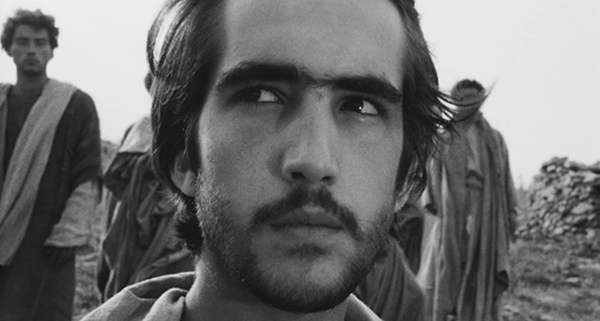
upload.wikimedia.org/wikipedia/en/2/2b/Pasolini_Gospel_Po...

The Gospel According to Pasolini
The Gospel According to Pasolini
THE GOSPEL ACCORDING TO ST MATTHEW(Il Vangelo Secondo Matteo)
-----------------------------------------------------------------
click to activate the icon of slideshow: the small triangle inscribed in the small rectangle, at the top right, in the photostream;
or…. Press the “L” button to zoom in the image;
clicca sulla piccola icona per attivare lo slideshow: sulla facciata principale del photostream, in alto a destra c'è un piccolo rettangolo (rappresenta il monitor) con dentro un piccolo triangolo nero;
oppure…. premi il tasto “L” per ingrandire l'immagine;
www.worldphoto.org/sony-world-photography-awards/winners-...
www.fotografidigitali.it/gallery/2726/opere-italiane-segn...
…………………………………………………………………
Before talking about the procession of the Holy Crucifix of Aracoeli which is held in the town of San Marco d'Alunzio (in the province of Messina), I make a brief introduction, this "photographic story" was created with photographs taken both during the procession of this year 2024, and during the procession of last year 2023, this meant, in some cases, that in some key moments of the procession the shots were taken simultaneously from two different angles, as if I had been in "bilocation", this because this year I chose a different perspective than last year. The procession begins on the morning of the last Friday of March each year, however there is an exception to this rule, when it coincides with Good Friday, which happened this year, then the procession is brought forward to the previous Friday. That of the SS. Crucifix of Aracoeli is an ancient penitential rite, on the day of the feast of the Crucifix in San Marco d'Alunzio the Holy Mass is celebrated in the Church of Aracoeli, therefore the SS. Crucifix (which is found in the church at the end of the right nave, at its feet the picture of the Virgin of Sorrows pierced by seven swords) is removed from the hook on which it is hanging, is taken outside the church, then raised and fixed on the float , and so (after the sermon of the priest who climbed onto the float next to the Crucifix) the Crucifix with the picture of his Sorrowful Mother underneath, then both placed on the float, are carried in procession by the Babbaluti, who proceed invoking the pity and mercy of the Lord with a faint lament that continually repeats “Signuri, Misericordia, Pietà!”. San Marco d'Alunzio is a pleasant town in the Messina area, located in the Nebrodi mountains, in Sicily; the procession takes place in honor of the Holy Crucifix of Araceli, this is a religious-penitential occasion also known as the "procession of the babbaluti", they are those who, by vote or by grace received, have decided to carry during the procession on their shoulders the float with the Crucifix and the painting; they head to the nearby Church of Santa Maria dei Poveri or to some private home nearby where, sheltered from the curiosity of the faithful, they wear a simple but characteristic indigo-coloured cloth habit, consisting of a tunic and a conical-shaped hood such to cover the entire body and leave only the eyes and hands free, it is not uncommon, however, that among the penitents, made anonymous by the habit they wear, there are also women, who, to avoid any possibility of recognition, wear a pair of gloves; the babbaluti are 33 in number to commemorate the 33 years of Christ, the number is odd, in fact the 33rd babbaluto does not wear the float, he (should be the "chief of float") proceeds backwards, turning his gaze to Christ and to His Mother, and at the same time checks that everything is in order among the babbaluti (this is a way of proceeding in carrying the float, which is present in various Sicilian religious processions). Then, the 32 (+1) "babbaluti" carry on their shoulders the launch bearing the Holy Crucifix of the Araceli church (the statue of Christ was created by Scipione Li Volsi, in the year 1652, he was a sculptor and plasterer of the Sicilian Baroque), at whose feet, on the float, the painting of Our Lady of Sorrows is tied, which appears pierced by seven swords (an 18th century painting). Before the start of the procession, the babbaluti advance barefoot wearing only heavy handmade raw wool socks. Before entering the church they must walk a purification path: when they arrive near the ancient church of Araceli , they bend down and kiss the ground, thus receiving permission to enter the church, but this happens from a side door, called "false door" (in Sicilian dialect “porta fausa”), once they enter the church laterally, they now emerge from the main entrance, thus being able to take their places, kneeling at the front and behind, of the float; the priest's long-awaited speech will follow, once finished, the procession can begin which takes place through the streets of the picturesque and welcoming town of San Marco d'Alunzio. Along the route the Babbaluti pace their pace accompanied by the sad and plaintive jugulation that invokes the Lord. There are devout men and women who proceed together with the mugglers, walking alongside the float, touching it, now caressing it... just to have physical (and consequently spiritual) contact with it. Finally, after having completed a specific route, the procession returns to the ancient church (of Norman origins) of Aracoeli. Whenever I am present at this touching occasion I am completely flooded with emotions (which however I cannot abandon myself to, I would lose concentration in taking the photos), the highlight is when the Crucified Christ is removed from the hook fixed on the wall by expert men, and then be carried (seems to float) above the heads of the devotees, supported with their hands, right outside the church, and be hoisted and fixed on the float; in these moments of intense emotion it is common to see in the eyes of the devotees, shining with tears, that profound emotion of their relationship with this Christ, which has always lasted: it is as if they found themselves in the presence of the true Christ, in flesh and blood, this it is the atmosphere you experience in those moments, this is the magic of the procession of the SS. Crucifix and his Mother, represented by the painting of Our Lady of Sorrows pierced by seven swords (iconography of Spanish origin).
+++++++++++++++++++++++++++++++++++++++++
+++++++++++++++++++++++++++++++++++++++++
Prima di parlare della processione del Santissimo Crocifisso di Aracoeli che si tiene nel paese di San Marco d’Alunzio (in provincia di Messina), faccio una breve premessa, questo “racconto fotografico” è stato realizzato con fotografie scattate sia durante la processione di quest’anno 2024, sia durante la processione dello scorso anno 2023, questo ha comportato, in alcuni casi, che in alcuni momenti salienti della processione gli scatti siano stati realizzati contemporaneamente da due angolazioni diverse, come se io fossi stato in “bilocazione”, questo perché quest’anno ho scelto una prospettiva differente da quella dello scorso anno. La processione inizia la mattina dell’ultimo venerdì del mese di marzo di ogni anno, c’è però una eccezione a questa regola, quando avviene la coincidenza col Venerdì Santo, cosa accaduta quest’anno, allora la processione viene anticipata al venerdì precedente. Quella del SS.Crocifisso di Aracoeli è un antico rito penitenziale, il giorno della festa del Crocifisso a San Marco d'Alunzio viene celebrata la S. Messa nella Chiesa dell'Aracoeli, quindi il SS. Crocifisso (che si trova nella chiesa in fondo alla navata di destra, ai suoi piedi il quadro della Vergine Addolorata. trafitta da sette spade) viene tolto dal gancio sul quale è appeso, viene portato all’esterno della chiesa, quindi innalzato e fissato sulla vara, e così (dopo il sermone del sacerdote salito sulla vara accanto al Crocifisso) il Crocifisso con sotto il quadro di sua Madre Addolorata, quindi messi entrambi sulla vara, vengono portati in processione dai Babbaluti, che procedono invocando la pietà e la misericordia del Signore con un flebile lamento che ripete continuamente “Signuri, Misericordia, Pietà!”. San Marco d’Alunzio è un ameno paese del territorio Messinese, sito sui monti Nebrodi, in Sicilia; la processione si svolge proprio in onore del Santissimo Crocifisso di Araceli, è questa una ricorrenza religioso-penitenziale conosciuta anche come "processione dei babbaluti", essi sono coloro che per voto o per grazia ricevuta, hanno deciso di portare in processione sulle loro spalle il fercolo con il Crocifisso ed il quadro; essi si dirigono nella vicina Chiesa di Santa Maria dei Poveri o in qualche abitazione privata lì vicino dove, al riparo dalla curiosità dei fedeli, indossano un semplice ma caratteristico saio di tela di colore indaco, costituito da una tunica e un cappuccio di forma conica tale da coprire l'intero corpo e lasciare liberi solo gli occhi e le mani, non è raro purtuttavia che tra i penitenti, resi anonimi dal saio che indossano, vi siano anche delle donne, le quali per evitare qualsiasi possibilità di riconoscimento, indossano un paio di guanti; i babbaluti sono in numero di 33 per rievocare i 33 anni di Cristo, il numero è dispari, infatti il 33° babbaluto non porta la vara, egli (dovrebbe essere il “capo vara”) procede all’indietro, rivolgendo lo sguardo al Cristo ed a sua Madre, e nel contempo controlla che tutto sia in ordine tra i babbaluti (questo è un modo di procedere nel portare la vara o fercolo, che è presente in diverse processioni religiose siciliane). Quindi, i 32 (+1) "babbaluti" portano sulle loro spalle la vara che reca il Santo Crocifisso della chiesa dell’Araceli (la statua del Cristo è stata creata da Scipione Li Volsi, nell'anno 1652, egli fu uno scultore e stuccatore del barocco SIciliano), ai cui piedi, sulla vara, viene legato il quadro della Madonna Addolorata, che appare trafitta da sette spade ( un dipinto del XVIII secolo). I babbaluti prima dell'inizio della processione avanzano a piedi scalzi indossando solo delle pesanti calze di lana grezza realizzate a mano, devono percorrere, prima di entrare in chiesa, un cammino di purificazione: quando essi giungono in prossimità dell'antica chiesa dell'Araceli, essi si chinano e baciano in terra, ricevendo in tal modo il permesso per poter accedere dentro la chiesa, questo però avviene da una porta laterale, chiamata "falsa porta" (In dialetto siciliano “porta fausa”), una volta entrati in chiesa lateralmente, ora fuoriescono dall'ingresso principale, potendo così prendere posto, inginocchiandosi sul davanti ed alle spalle, della vara; seguirà l'atteso discorso del sacerdote, terminato, potrà iniziare la processione che si svolge per le vie del pittoresco ed accogliente paese di San Marco d'Alunzio. Lungo il percorso i Babbaluti cadenzano la propria andatura accompagnandosi alla mesta e lamentosa giugulatoria che invoca il Signore . Ci sono uomini e donne devoti che procedono assieme ai babbaluti camminando a lato della vara, toccandola, ora accarezzandola...pur di avere un contatto fisico (e di rimando spirituale) con essa. Infine, dopo aver compiuto un preciso percorso, la processione fa rientro nell'antica chiesa (di origini Normanne) dell'Aracoeli. Ogniqualvolta sono presente a questa toccante ricorrenza sono completamente inondato da emozioni (alle quali però non posso abbandonarmi, perderei la concentrazione nel realizzare le foto), il momento clou è quando il Cristo Crocifisso viene tolto dal gancio fissato sul muro da uomini esperti, per poi essere portato (sembra galleggiare) sopra la testa dei devoti, sostenuto con le mani, fin fuori la chiesa, ed essere issato e fissato sulla vara; in questi momenti di intensa emozione è comune vedere negli occhi dei devoti, lucidi di lacrime, quella emozione profonda del loro rapporto con questo Cristo, che dura da sempre: è come se si trovassero al cospetto del Cristo vero, in carne ed ossa, questa è l’atmosfera che si vive in quei momenti, questa è la magia della processione del SS. Crocifisso e di Sua Madre, rappresentata dal quadro dell’Addolorata trafitta da sette spade (iconografia di origine spagnola).
++++++++++++++++++++++++++++++++++++++++
Senate Confirms Three to D.C. Superior Court t.co/wj4A8dSfTZ Legal aid lawyer, solo practitioner and…………… t.co/V4GpBGhPHo (via Twitter twitter.com/LawsuitInfoCent/status/746455283090677760)
www.camerapedia.org/wiki/Yashica_T2
TYPE: 35mm Lens Shutter camera with auto exposure and automatic Exposure control
LENS: Carl Zeiss Tessar T* 35mm F3.5 (4 elements in 3 Groups)
Auto Lens barrier: Opens only when shutter is released - then closes
SHUTTER: Programmed electronic Shutter (1/8 - 1/500 sec)
SHUTTER RELEASE: Electromagnetic release
SELF-TIMER: 10 secs. Can be cancelled midway
EXPOSURE CONTROL: Programmed AE system with SPD sensor.
Metering range: EV 6.6 - 17 (Iso 100) FILM
SPEED SETTING: Auto with DX film of ISO 50 - 1600
FOCUSING: Auto focusing 1m to infinity with Focus Lock
FILM ADVANCE & REWIND: Automatic
BUILT IN FLASH: Flashmatic type, automatic firing ion low light. Flash range 1-2.5 m (ISO100). Daylight synchro flash.
BATTERY: 6V Lithium battery. (2CR5) capable of 1000 frames (50% with flash) - equivalent to about 40 rolls of 24 exposure film.
Free download of the entire Abode of Chaos' Opus IX (504 pages)
Secrets revealed of the Abode of Chaos (144 pages, adult only) >>>
"999" English version with English subtitles is available >>>
HD movie - scenario thierry Ehrmann - filmed by Etienne Perrone
----------
Découvrez gratuitement l’intégralité de l’Opus IX de la Demeure du Chaos (504 pages)
voir les secrets de la Demeure du Chaos avec 144 pages très étranges (adult only)
999 : visite initiatique au coeur de la Demeure du Chaos insufflée par l'Esprit de la Salamandre
Film HD d'Etienne PERRONE selon un scénario original de thierry Ehrmann.
courtesy of Organ Museum
©2013 www.AbodeofChaos.org
disneypinforum.com/showthread.php?10903-New-Disney-Store-...
Images just found (June 18, 2012) by TheOtherSteve on the Disney Store site, of the upcoming, redesigned 2012 Disney Store Singing Princess Dolls. They have the new look of the 12'' Princess Dolls whose images were discovered a couple of weeks ago.
www.carrefourtheatre.qc.ca[Facebook]
Souvenir du Tableau "Insomnie" d'Olivier Normand-Laplante
_________________________________________________________________
| Plus d'images du show | More images of the show | Souvenirs des artistes ... |
________________________________________________________________________
Ref: _DSC8094_1280
Sample Images: www.sample-image.com/nikon-nikkor-28mm-f2-8-ai/
- - - - - - - - - - - - - - - - - - - - - - - - - - - - - - - - - - -
HOMEPAGE: www.sample-image.com/
FACEBOOK: www.facebook.com/pages/Sample-Imagecom/324168914459760?re...
Google+: plus.google.com/u/0/b/103297344572354959400/1032973445723...
New blog celebrating my philosophy of photography with tips, insights, and tutorials!
Ask me any questions! :)
Nikon D800E Fine Art! A Study of the Sunset at the San Clemente Pier! Dr. Elliot McGucken Fine Art Photography! Nikon AF-S Nikkor 28-300mm f/3.5-5.6G ED VR!
I think my hallmark/trademark might be that I see more beauty in things than others, and I can never pick my favorite shot! For instance, as the sun set over the San Clemente Pier, I loved all the light!
New Instagram!
Celebrating Dr. E's LAw of Moving Dimensions ^& Dynamic Dimensions Theory dx4/dt=ic which derives from Homer's Odyssey! "Tell me, O muse, of that ingenious hero who travelled far and wide after he had sacked the famous town of Troy. Many cities did he visit, and many were the nations with whose manners and customs he was acquainted; moreover he suffered much by sea while trying to save his own life and bring his men safely home; but do what he might he could not save his men, for they perished through their own sheer folly in eating the cattle of the Sun-god Hyperion; so the god prevented them from ever reaching home. Tell me, too, about all these things, O daughter of Jove, from whatsoever source you may know them." --Homer's Odyssey! herosodysseyphysics.wordpress.com
Will be busy printing and framing in nice large, matted formats and frames and museum glass! Five of these photos will be printed on 40" x 60" floating wall mounted metal sheets! I think I know which--will share photos of the photos hanging on the walls!
And I am mounting some on plexiglass/acryllic--front mounting them! Some I am printing on lossy fuji-crystal archival paper too, and then front mounting 40"x60" versions to plexiglass--will send photos!
The secret to HDR photography is that you want people to say, "Woe dude--that's unreal!" And not, "Dude--that's not real!" "Unreal" is the word they use when they're trying to figure out the photo--what makes it cool--is it a photo? Is it painted? How'd it come to be--how'd you bend the light that way? "That's not real," is what they say if you have the saturation/HDR/ etc. turned up too high. :)
Some (almost) final edits for my Los Angeles Gallery Show! Printing them on metallic paper at 13" x 19" and mounting and framing them on a 4mm 18x24 white mat and 2" dark wood frame. Also printing some 40" x 70" whihc is over three feet by five feet! Wish you all could come (and hang out with the goddesses)!
Let me know your favs.!
New Instagram!
Videos!
I booked a major photography show at a major LA gallery in December! Will also be giving some lectures on the story--the Hero's Odyssey Mythology--behind the photography!
Follow me on facebook!
www.facebook.com/elliot.mcgucken
Preparing for some gallery shows this fall to celebrate 300,000,000 views! Printing a few dozen photographs in ~ 30"x40" formats and mounting/framing. Here are some close-to-final edits. HDR photography 7 exposures shot at 1EV and combined in photomatix: 36 megapixel Nikon D800E with the awesome Nikon 14-24mm f/2.8G ED AF-S Nikkor Wide Angle Zoom Lens. 45SURF Hero's Odyssey Mythology Photography!
Epic Scenic HDR Landscapes Shot with Nikon D800E: Hero's Odyssey Mythology Photography!
Enjoy the Hero's Odyssey Mythology Photography, and all the best on a hero's odyssey of your own making!
All the best on your epic hero's odyssey!
New Instagram!
New blog! 45surf.wordpress.com Ask me anything! :)
@instagram_JKT48 : From jkt48.zee: 🚊🚂 @keretaapikita @kai121_ #jkt48ontrain t.co/mWZGPlUHWs t.co/ZbbZ4vtmkS (via Twitter twitter.com/instagram_JKT48/status/1063270700801122304)
Mingle Media TV and our Red Carpet Report host Jessie Pridemore were invited to cover the the 67th Emmy Awards Costume Design Nominee Reception hosted by Television Academy Peer Group Governors Sue Bub and Terry Ann Gordon and the FIDM Museum.
The event honored this year’s nominees with a certification and launched the FIDM Museum’s Ninth Annual Outstanding Art of Television Costume Design Exhibition.
Save the Date: The 67th Primetime Emmy Awards, hosted by Andy Samberg, airs live Sunday, September 20 (8:00 PM ET / 5:00 PM PT) on FOX from the Nokia Theatre L.A. LIVE in Los Angeles. For more info, please visit www.emmys.com
Get the Story from the Red Carpet Report Team, follow us on Twitter and Facebook at:
www.facebook.com/RedCarpetReportTV
www.youtube.com/MingleMediaTVNetwork
About FIDM Museum’s Ninth Annual Outstanding Art of Television Costume Design Exhibition
The free-to-the-public exhibition will be held in downtown Los Angeles at the FIDM Museum & Galleries at FIDM/Fashion Institute Design & Merchandising and runs from Tuesday, July 21, 2015 through Saturday, September 26, 2015. Museum hours are 10 a.m. – 5 p.m., Tuesday through Saturday.
FIDM Museum & Galleries on the Park FIDM/Fashion Institute of Design & Merchandising 919 S. Grand Avenue, Los Angeles, CA 90015
For more of Mingle Media TV’s Red Carpet Report coverage, please visit our website and follow us on Twitter and Facebook here:
www.facebook.com/minglemediatvnetwork
www.flickr.com/MingleMediaTVNetwork
Follow our host, Jessie on Twitter at twitter.com/JessiePridemore
CRITICAL RUN IS A DEBATING FORMAT
www.emergencyrooms.org/criticalrun.html
THE 28/03/2012 we debate
IS NAVIGATION A TREAT ?
CAN ART BE CURATED BY A PHONE ?
"IS NAVIGATION BY PHONES AND BANKS A THREAT ?" Critical Run wednesday 28 mars / CPH
The App store has taken over state institutions like staten museum for kunst
Visitors are taking in charge and warmly recommanded to be guided by smartphones or ipods . the team from the museum , curators and directors are employing the word ipad every 3 minutes. their home page sound like they work for FONA .
but Can smart phones or ipad be promoted as inoffensif loving pedagogic tools we should swallow without doubts
is forgetting an active state
is beeing guided a state of apathy .
( i heard once at a DR- news conference that people need to be guided because they are stupid )
should we debate those issues together before to jump
Is the role of the national museum to promotte compagnies that some would also consider as global threat ?
the Critical Run ( run and debate before it is too late ) will take place in Kongenshave 16.15 meet in front t the kids ground ( lejeplads )
we will debate those issues of selectif history and Führung. with a group of artist immigrant in Denmark ( who is guiding whom to where )
every one is welcome with any opinion including hopenhagen believer fona or apple sales man believing in win-win
The Critical Run is in collaboration with BAZART and Critical Run
www.emergencyrooms.org/criticalrun.html
this debate will carry on globally until Documenta Kassel ( " The Next Documenta Should be curated by a phone " .
if you like to be one of the global critical run organisateur please contact : 1@colonel.dk
--------
and because we are talking about a museum exhibiting Jorn a little news from Guy Debord and ( navigation )
library.nothingness.org/articles/SI/en/display/2
CAN ART BE CURATED BY A PHONE ? / CRITICAL RUN the first CRITICAL RUN will take place in Copenhagen and the last in Kassel @documenta get informed of date :www.facebook.com/BIENNALIST or www.emergencyrooms.org/criticalrun.html if you want to be part of the debate and organise a Critical Run where you are please contact 1@colonel.dk
A DELEGATION OF FOREIGN ARTISTS / CURATORS AND FESTIVAL DIRECTORS LIVING IN DENMARK ARE EXPLORING AND DEBATING "DANISH ART " .
HOW IT WORKS .
A DIFFICULT QUESTION INDEED ....
the 28/03/2012 the DELEGATION visited Charlottenborg and Statens Museum for Kunst, did a Critical Run in between the two instutitions
.a video will follow and regular exploration in on plan COLLABORATION WITH BAZART ...more to come soon ....( new people can take contact ...)
THE DELEGATION :
Saied Masoudian
Neringa Abrutyte
Rene Victor Valqui Vidal
Marina Testa Pedersen
Diallo Ibrahima Sory
Pero Pivas
Branka Pivas Onofri
Faranak Sohi
Marcelo Lerer
Maher Khatib
Shohreh Shahrzad
Antonieta Medeiros Urioste
Maia Hauser
Åsmund Boye Kverneland
Thomas Fleurquin
Victor Monchamp
Ada Ortega Camara
Tijana Miskovic
Ginka Rinkova
Thierry Geoffroy
Elizabeth Löwe Hunter
Maja Spangsberg Jakobsen
Juan Fernando Lope
thank you Maja Spangsberg Jakobsen from Bazart /Peter Lind for the name and Marcello Lerer with cards / t6hanks to Claus Handberg Christensen / and the 2 institutions that welcome us //format : Thierry Geoffroy
youtu.be/6M-MtZkZOzw?t=2s Full Feature
Starring Marshall Thompson, Kynaston Reeves, Michael Balfour, Kim Parker, Stanley Maxted, Gil Winfield, Shane Cordell, Terry Kilburn, James Dyrenforth, Peter Madden, Meadows White, and Lala Lloyd. Directed by Arthur Crabtree.
In December 1958 Eros Films, Ltd. had another British B sci-fi movie touring American. Fiend Without A Face (FwoF) ran as the B feature to "Haunted Strangler." Both were British productions being marketed in America by MGM. This is another example of the blurry line between sci-fi and horror. FwoF itself exists in that blurry zone. Mysterious, invisible "mental vampires" killing their victims takes up the bulk of the film. The final showdown with the creatures is classic monster movie. Yet, the tie-in to the customary misguided scientist and atomic energy keep FwoF in the sci-fi orbit.
Synopsis
A Canadian farmer is killed just outside of an American Air Force base in remote Canada. The villagers were already up in arms over the mere presence of the base (jets frightened their cows) so are convinced there is a mad GI on the loose. Major Jeff Cummings befriends the slain farmer's sister, Barbara. The base tests their super radar system again, but like before, it falters just as it seems to be succeeding. Something is draining off the atomic energy. More murders stir up the towns folk to revolt. Jeff is certain that a reclusive genius, Professor Walgate, is the key. Yet more murders occur, each preceded by a rhythmic thumping and squishing sound. Eventually, Walgate confesses that he was working on Thought Materialization -- telekinesis. He needed more power, so fabricated an energy hijacking device to siphon off the air base's transmitted power. (that's why the tests always failed) The extra power worked, but created separate beings rather than intensifying Walgate's own thoughts. The invisible beings escaped his lab and began to 'feed' on townsfolk by sucking out their brains. They need the reactor's power to exist. Jeff rushes to blow up the control room. The reactor is going into overload, so the beings become visible. Dozens of the brain and spinal cord things surround the house. They break in, kill a few people, but can also be killed. Many are. Just as one of the beings has got Barbara, the reactor is shut down. It falls limp. The brain things dissolve into foam. Jeff kisses Barbara. The End.
The monster murder mystery element is fairly well played so it keeps interest up. Once visible, the brain-things have some interest too. As a monster movie, it has some merit. Killer brain-creatures are quirky enough to stay interesting.
The Cold War provides a backdrop, but isn't the focus. The Air Force base's mission is early radar detection of Soviet aircraft coming over the pole. One could see the brain-things as manifestations of deadly atomic energy. (the invisible killer)They seem to fit better the usual science-gone-wrong theme.
Dr. Walgate fills the archetypal role of the naive scientist. He meant well with all his research and work. But, like many naive scientists who had gone before him, his assumptions prove wrong. His work gets away from him and becomes a force of destruction, not one of good for mankind. It has been fairly customary for the naive scientist to die at the hands (or whatever) of his creation. Walgate makes the noble sacrifice at the end, letting the creatures attack him while Jeff gets away.
The brain-creatures are akin to the "Id Monster" in Forbidden Planet. Man's most basic thoughts, if given independence, prove primal and ruthless. As a nuclear cautionary tale, the brain-creatures, man's primal thoughts, prove deadly if given atomic power. The stop-motion animation of the brain-creatures is not too bad. It's not Harryhausen, but it works.
We're told that the brain-creatures suck out the brains and spinal cord of their human victims. So, it interesting that the brain-creatures are depicted as brain shaped. They have a segmented spinal column which they use inch-worm-style for locomotion. They ARE what they eat.
The brain-creatures break the atomic reactor's control rods so people can't shut it down (the creatures need the radiation to exist). It is curious that screenwriters solve the problem with good old dynamite. Jeff blows up the control room to shut down the reactor. ?? The reactor core was already out of control. Why would less control help?
Bottom line? Most of FwoF is a fair horror flick with "mental vampires" and agonizing victims. Things get more interesting when the brain-creatures surround the house. Sure, the movie has its flaws, but is an entertaining 50s sci-fi. 4
Bain News Service,, publisher.
British Going on Picket -- Mesopotamia
[between ca. 1910 and ca. 1920]
1 negative : glass ; 5 x 7 in. or smaller.
Notes:
Title from unverified data provided by the Bain News Service on the negatives or caption cards.
Forms part of: George Grantham Bain Collection (Library of Congress).
Format: Glass negatives.
Rights Info: No known restrictions on publication.
Repository: Library of Congress, Prints and Photographs Division, Washington, D.C. 20540 USA, hdl.loc.gov/loc.pnp/pp.print
General information about the Bain Collection is available at hdl.loc.gov/loc.pnp/pp.ggbain
Higher resolution image is available (Persistent URL): hdl.loc.gov/loc.pnp/ggbain.20814
Call Number: LC-B2- 3724-5
Bain News Service,, publisher.
Tsa Tien - Chin, Chang Chi
[between ca. 1915 and ca. 1920]
1 negative : glass ; 5 x 7 in. or smaller.
Notes:
Title from unverified data provided by the Bain News Service on the negatives or caption cards.
Forms part of: George Grantham Bain Collection (Library of Congress).
Format: Glass negatives.
Rights Info: No known restrictions on publication.
Repository: Library of Congress, Prints and Photographs Division, Washington, D.C. 20540 USA, hdl.loc.gov/loc.pnp/pp.print
General information about the Bain Collection is available at hdl.loc.gov/loc.pnp/pp.ggbain
Higher resolution image is available (Persistent URL): hdl.loc.gov/loc.pnp/ggbain.23529
Call Number: LC-B2- 4097-8