View allAll Photos Tagged Collected
Auswahlfoto
Für "Looking close... on Friday!"
Thema "Shades of Brown" am 13.11.2020.
Have a nice Friday and stay safe.
Collected Comfort looks into the spaces created by people to showcase their collections. Whether it be toys, games, books or even cars, I am exploring why people like myself find comfort and mindfulness from dedicated space and how it acts as a form of escapism.
Starting off with my space that drove me to do this project. This "LEGO Shed" is home to my entire LEGO collection, starting from the age of just 4. This is my safe haven and my happy place in physical form.
---- some short stories, collected while walking down the street ... in search of fleeting moments ...(they are photographic shots taken one-two months ago, scenes of daily life obviously captured before the current restrictions, implemented to stem the spread of the now worldwide infection caused by the covid-19) ....
-----
---- alcune storie minime, raccolte camminando per la strada ... alla ricerca di attimi fugaci-s/fuggenti ... (sono scatti fotografici realizzati uno-due mesi addietro, scene di vita quotidiana catturate ovviamente prima delle attuali restrizioni, attuate per arginare il dilagare della infezione oramai mondiale, causata dal covid-19) ....
-----
-----------------------------------------------------------------
click to activate the icon of slideshow: the small triangle inscribed in the small rectangle, at the top right, in the photostream;
clicca sulla piccola icona per attivare lo slideshow: sulla facciata principale del photostream, in alto a destra c'è un piccolo rettangolo (rappresenta il monitor) con dentro un piccolo triangolo nero;
www.worldphoto.org/sony-world-photography-awards/winners-...
www.fotografidigitali.it/gallery/2726/opere-italiane-segn...
-------------------------------------------------------------------
my daughter collects bones, and other objects from recently "deceased" animals
she delighted in showing me this collected snakeskin--thinking it would "freaK" me out. The theme for FlickrFriday was "SCALES" so of course I took a photo!
this was one of a few photos that I took, but not the one I submitted
Not my original photo, this is my brother-in-laws new MGF project, She is called 'Poppy'. I hope to get some of my own pictures in the New Year
The Flickr Lounge-Magazines And Books
Emily Dickinson spent most of her adult life in self-isolation writing poems. After her death her sister found the poetry and had it published. Makes me wonder what people are doing now days while isolated!
SN/NC: Paeonia Officinalis,Paeoniaceae Family
Common peony is a garden plant native to southern Europe and introduced in North America where it is beloved as a very showy garden plant. In New England, it has been collected in Massachusetts and Vermont, as it rarely escapes the garden. It grows best in semi-shade. Its leaves are divided, with smooth edges (as opposed to the Chinese peony, which has finely serrated leaves). Look for harmless ants crowding its flower buds, which exude sugary nectar. These ants are called "honeypot ants" (the species is Prenolepis imparis); the workers can store the nectar in their swollen abdomens and feed it later to their sisters in the colony).
Paeonia: Generic name in honor of Peón, the doctor of the gods who appears mentioned in the Iliad and in the Odyssey of Homer. He healed Ares when he was wounded by Diomedes during the Trojan War; an earlier healing of Hades from an arrow shot by Heracles at Pylos is also mentioned. Also in Pliny the Elder, book 25, X, 1,who recommends it against "nightmares caused by the Fauns."
Officinalis: Latin epithet meaning "for sale in herbaria house".
A peônia comum é uma planta de jardim nativa do sul da Europa e introduzida na América do Norte, onde é amada como uma planta de jardim muito vistosa. Na Nova Inglaterra, foi coletada em Massachusetts e Vermont, pois raramente escapa do jardim. Cresce melhor em meia-sombra. Suas folhas são divididas, com bordas lisas (ao contrário da peônia chinesa, que tem folhas finamente serrilhadas). Procure formigas inofensivas aglomerando nos seus botões de flores, que exalam néctar açucarado. Essas formigas são chamadas de "formigas pote-de-mel" (a espécie é Prenolepis imparis); as operárias podem armazenar o néctar em seus abdomens inchados e alimentá-lo mais tarde para suas irmãs na colônia).
Paeonia: nome genérico em homenagem a Peón, o médico dos deuses que aparece mencionado na Ilíada e na Odisseia de Homero. Ele curou Ares quando foi ferido por Diomedes durante a Guerra de Tróia; uma cura anterior de Hades de uma flecha disparada por Heracles em Pylos também é mencionada. Também em Plínio, o Velho, livro 25, X, 1, que o recomenda contra "pesadelos causados pelos faunos".
Officinalis: epíteto latino que significa "à venda em herbários".
La peonía común es una planta de jardín originaria del sur de Europa e introducida en América del Norte, donde es apreciada como una planta de jardín muy llamativa. En Nueva Inglaterra, se ha recolectado en Massachusetts y Vermont, ya que rara vez escapa del jardín. Crece mejor en semisombra. Sus hojas son divididas, con bordes lisos (a diferencia de la peonía china, que tiene hojas finamente aserradas). Busque hormigas inofensivas que abarroten sus botones florales, que exudan néctar azucarado. Estas hormigas se llaman "hormigas de miel" (la especie es Prenolepis imparis); las obreras pueden almacenar el néctar en sus abdómenes hinchados y luego dárselo de comer a sus hermanas en la colonia).
Paeonia: nombre genérico en honor a Peón, el médico de los dioses que aparece mencionado en la Ilíada y en la Odisea de Homero. Curó a Ares cuando fue herido por Diomedes durante la guerra de Troya; También se menciona una curación anterior de Hades de una flecha disparada por Heracles en Pylos. También en Plinio el Viejo, libro 25, X, 1, quien lo recomienda contra las "pesadillas provocadas por los Faunos".
Officinalis: epíteto latino que significa "a la venta en herbarios".
La peonia comune è una pianta da giardino originaria dell'Europa meridionale e introdotta in Nord America dove è amata come pianta da giardino molto appariscente. Nel New England è stato raccolto nel Massachusetts e nel Vermont, poiché raramente sfugge al giardino. Cresce meglio in mezz'ombra. Le sue foglie sono divise, con bordi lisci (al contrario della peonia cinese, che ha foglie finemente seghettate). Cerca formiche innocue che affollano i suoi boccioli di fiori, che trasudano nettare zuccherino. Queste formiche sono chiamate "formiche honeypot" (la specie è Prenolepis imparis); i lavoratori possono immagazzinare il nettare nei loro addomi gonfi e darlo poi da mangiare alle loro sorelle nella colonia).
Paeonia: nome generico in onore di Peón, il dottore degli dei che appare menzionato nell'Iliade e nell'Odissea di Omero. Guarì Ares quando fu ferito da Diomede durante la guerra di Troia; viene menzionata anche una precedente guarigione dell'Ade da una freccia scoccata da Eracle a Pilo. Anche in Plinio il Vecchio, libro 25, X, 1, che lo raccomanda contro gli "incubi causati dai Fauni".
officinalis: epiteto latino che significa "in vendita negli erbari".
Gewone pioen is een tuinplant afkomstig uit Zuid-Europa en geïntroduceerd in Noord-Amerika, waar hij geliefd is als een zeer opzichtige tuinplant. In New England is het verzameld in Massachusetts en Vermont, omdat het zelden uit de tuin ontsnapt. Het groeit het beste in halfschaduw. De bladeren zijn verdeeld, met gladde randen (in tegenstelling tot de Chinese pioen, die fijn getande bladeren heeft). Zoek naar ongevaarlijke mieren die de bloemknoppen verdringen, die suikerachtige nectar afgeven. Deze mieren worden "honeypot-mieren" genoemd (de soort is Prenolepis imparis); de werksters kunnen de nectar in hun gezwollen buik bewaren en later aan hun zusters in de kolonie voeren).
Paeonia: generieke naam ter ere van Peón, de dokter van de goden die voorkomt in de Ilias en in de Odyssee van Homerus. Hij genas Ares toen hij gewond raakte door Diomedes tijdens de Trojaanse oorlog; een eerdere genezing van Hades van een pijl die door Heracles in Pylos werd geschoten, wordt ook genoemd. Ook in Plinius de Oudere, boek 25, X, 1, die het aanbeveelt tegen 'nachtmerries veroorzaakt door de Fauns'.
Officinalis: Latijns epitheton dat "te koop in herbaria" betekent.
Gewöhnliche Pfingstrose ist eine Gartenpflanze, die in Südeuropa beheimatet ist und in Nordamerika eingeführt wurde, wo sie als sehr auffällige Gartenpflanze beliebt ist. In Neuengland wurde es in Massachusetts und Vermont gesammelt, da es selten aus dem Garten entkommt. Am besten gedeiht sie im Halbschatten. Ihre Blätter sind geteilt und haben glatte Kanten (im Gegensatz zur chinesischen Pfingstrose, die fein gezackte Blätter hat). Suchen Sie nach harmlosen Ameisen, die ihre Blütenknospen drängen, die zuckersüßen Nektar verströmen. Diese Ameisen werden "Honigtopfameisen" genannt (die Art ist Prenolepis imparis); die Arbeiterinnen können den Nektar in ihrem geschwollenen Bauch speichern und ihn später an ihre Schwestern in der Kolonie verfüttern).
Paeonia: Gattungsname zu Ehren von Peón, dem Arzt der Götter, der in der Ilias und in der Odyssee von Homer erwähnt wird. Er heilte Ares, als er während des Trojanischen Krieges von Diomedes verwundet wurde; Eine frühere Heilung des Hades von einem Pfeil, der von Herakles auf Pylos geschossen wurde, wird ebenfalls erwähnt. Auch in Plinius dem Älteren, Buch 25, X, 1, der es gegen "von den Fauns verursachte Alpträume" empfiehlt.
Officinalis: lateinischer Beiname mit der Bedeutung „in Herbarien zu verkaufen".
La pivoine commune est une plante de jardin originaire du sud de l'Europe et introduite en Amérique du Nord où elle est appréciée comme une plante de jardin très voyante. En Nouvelle-Angleterre, il a été récolté dans le Massachusetts et le Vermont, car il s'échappe rarement du jardin. Il pousse mieux à mi-ombre. Ses feuilles sont divisées, aux bords lisses (contrairement à la pivoine chinoise, qui a des feuilles finement dentelées). Cherchez des fourmis inoffensives qui envahissent ses boutons floraux, qui dégagent un nectar sucré. Ces fourmis sont appelées "fourmis pot de miel" (l'espèce est Prenolepis imparis); les ouvrières peuvent stocker le nectar dans leurs abdomens gonflés et le donner plus tard à leurs sœurs de la colonie).
Paeonia : nom générique en l'honneur de Peón, le docteur des dieux qui apparaît mentionné dans l'Iliade et dans l'Odyssée d'Homère. Il a guéri Ares lorsqu'il a été blessé par Diomède pendant la guerre de Troie ; une guérison antérieure d'Hadès à partir d'une flèche tirée par Héraclès à Pylos est également mentionnée. Aussi chez Pline l'Ancien, livre 25, X, 1, qui le recommande contre « les cauchemars causés par les Faunes ».
Officinalis : épithète latine signifiant « à vendre dans les herbiers ».
オランダシャクヤクは南ヨーロッパ原産の園芸植物で、北米で紹介され、非常に派手な園芸植物として愛されています。ニューイングランドでは、庭から逃げることはめったにないため、マサチューセッツ州とバーモント州で収集されています。半日陰で最もよく育ちます。その葉は滑らかなエッジで分割されています(細かく鋸歯状の葉を持っているシャクヤクとは対照的です)。甘い蜜をしみ出させる花のつぼみに群がっている無害なアリを探してください。これらのアリは「ハニーアントアリ」と呼ばれます(種はPrenolepis imparisです)。労働者は腫れた腹部に蜜を保存し、後でコロニーの姉妹にそれを与えることができます)。
牡丹:イリアスとホメロスのオデッセイで言及されているように見える神々の医者、ペオンに敬意を表して総称。トロイ戦争中にディオメーデースに負傷したとき、彼はアレスを癒しました。ピュロスでヘラクレスが撃った矢からのハデスの初期の癒しも言及されています。また、プリニウス・ザ・エルダーの第25巻、X、1巻では、「牧神によって引き起こされた悪夢」に対してそれを推奨しています。
officinalis:「植物標本で販売されている」という意味のラテン語の形容詞。
Η κοινή παιώνια είναι ένα φυτό κήπου εγγενές στη νότια Ευρώπη και εισήχθη στη Βόρεια Αμερική όπου είναι αγαπητό ως πολύ επιδεικτικό φυτό κήπου. Στη Νέα Αγγλία, έχει συλλεχθεί στη Μασαχουσέτη και το Βερμόντ, καθώς σπάνια ξεφεύγει από τον κήπο. Αναπτύσσεται καλύτερα σε ημισκιέρα. Τα φύλλα του είναι χωρισμένα, με λείες άκρες (σε αντίθεση με την κινέζικη παιώνια, που έχει λεπτά οδοντωτά φύλλα). Αναζητήστε αβλαβή μυρμήγκια που στριμώχνουν τα μπουμπούκια των ανθέων του, τα οποία αποπνέουν ζαχαρούχο νέκταρ. Αυτά τα μυρμήγκια ονομάζονται "μυρμήγκια honeypot" (το είδος είναι Prenolepis imparis). οι εργάτες μπορούν να αποθηκεύσουν το νέκταρ στην διογκωμένη κοιλιά τους και να το ταΐσουν αργότερα στις αδερφές τους στην αποικία).
Παιονία: γενικό όνομα προς τιμήν του Peón, του γιατρού των θεών που αναφέρεται στην Ιλιάδα και στην Οδύσσεια του Ομήρου. Θεράπευσε τον Άρη όταν τραυματίστηκε από τον Διομήδη κατά τον Τρωικό πόλεμο. αναφέρεται επίσης μια παλαιότερη θεραπεία του Άδη από βέλος που εκτόξευσε ο Ηρακλής στην Πύλο. Επίσης στο Πλίνιο τον Πρεσβύτερο, βιβλίο 25, Χ, 1, ο οποίος το συνιστά ενάντια στους «εφιάλτες που προκαλούνται από τους Φαίνους».
Officinalis: Λατινικό επίθετο που σημαίνει «πωλείται σε βότανα».
الفاوانيا الشائعة هي نبات حديقة أصلي في جنوب أوروبا وتمتقديمه في أمريكا الشمالية حيث إنه محبوب كنبات حديقة مبهرج للغاية. في نيوإنجلاند ، تم جمعه في ماساتشوستس وفيرمونت ، لأنه نادرًا ما يفلت من الحديقة. ينموبشكل أفضل في شبه الظل. أوراقها مقسمة بحواف ناعمة (على عكس الفاوانيا الصينية ذاتالأوراق المسننة بدقة). ابحث عن النمل غير المؤذي الذي يزدحم براعم الزهور ، والتيتنضح بالرحيق السكرية. يُطلق على هذا النمل "نمل مواضع الجذب" (النوع هوPrenolepis imparis) ؛ يمكن للعمالتخزين الرحيق في بطونهم المنتفخة وإطعامه لاحقًا لأخواتهم في المستعمرة).
Paeonia: اسم عام تكريما لبيون ، طبيب الآلهة الذي ظهر في الإلياذة وفيأوديسة هوميروس. شفى آريس عندما أصيب على يد ديوميديس أثناء حرب طروادة ؛ كما تمذكر الشفاء المبكر للجحيم من سهم أطلقه هيراكليس في بيلوس. أيضا في بليني الأكبر ،الكتاب 25 ، العاشر ، 1 ، الذي يوصي به ضد "الكوابيس التي تسببهاالآيون".
Officinalis: لقب لاتيني يعني "للبيع في الأعشاب".
I’m really excited to share that my debut monograph "Collected memories" is now available.
Working towards this book has been a labour of love for the past 5 years and I'm incredibly proud of the result.
The debut monograph by Australian photographer Mark Forbes: Collected memories presents a cohesive blend of carefully composed scenes, from faded interiors and common, relatable spaces, to the romance of our environment being reclaimed by nature. Turning the pages there is a stirring sense of both subtle ordinary beauty and inherent personality sprinkled across each plate. Forbes’ photographic preference, using medium format film, is slow and methodical - and this approach can be felt throughout the quiet pages.
Hardcover book, 300 x 250 mm
112 pages, 57 colour plates
Published by Hatje Cantz
Printed in Berlin, Germany
Editor: Nadine Barth
Book design: Julia Wagner
Cover illustration: Seth J Lally
Alongside the regular edition, there is also a special signed and numbered (/50) artist limited edition of the book with one of two signed and numbered archival giclee prints.
Link to purchase "Collected memories" and the special artist limited edition:
Collected on a university field trip near Idalia National Park, around 10mm long
Focus stack of 89 photos
Near dark, edge of backwater pool along Cuyahoga River. Leaves collect here.
single exposure, camera movement with flash.
Fort Lauderdale is a city in the U.S. state of Florida, 25 miles (40 km) north of Miami. It is the county seat of Broward County. As of the 2019 census, the city has an estimated population of 182,437. Fort Lauderdale is a principal city of the Miami metropolitan area, which was home to an estimated 6,198,782 people in 2018.
The city is a popular tourist destination, with an average year-round temperature of 75.5 °F (24.2 °C) and 3,000 hours of sunshine per year. Greater Fort Lauderdale which takes in all of Broward County hosted 12 million visitors in 2012, including 2.8 million international visitors. The city and county in 2012 collected $43.9 million from the 5% hotel tax it charges, after hotels in the area recorded an occupancy rate for the year of 72.7 percent and an average daily rate of $114.48. The district has 561 hotels and motels comprising nearly 35,000 rooms. Forty six cruise ships sailed from Port Everglades in 2012. Greater Fort Lauderdale has over 4,000 restaurants, 63 golf courses, 12 shopping malls, 16 museums, 132 nightclubs, 278 parkland campsites, and 100 marinas housing 45,000 resident yachts.
Fort Lauderdale is named after a series of forts built by the United States during the Second Seminole War. The forts took their name from Major William Lauderdale (1782–1838), younger brother of Lieutenant Colonel James Lauderdale. William Lauderdale was the commander of the detachment of soldiers who built the first fort. However, development of the city did not begin until 50 years after the forts were abandoned at the end of the conflict. Three forts named "Fort Lauderdale" were constructed; the first was at the fork of the New River, the second at Tarpon Bend on the New River between the Colee Hammock and Rio Vista neighborhoods, and the third near the site of the Bahia Mar Marina.
The area in which the city of Fort Lauderdale would later be founded was inhabited for more than two thousand years by the Tequesta Indians. Contact with Spanish explorers in the 16th century proved disastrous for the Tequesta, as the Europeans unwittingly brought with them diseases, such as smallpox, to which the native populations possessed no resistance. For the Tequesta, disease, coupled with continuing conflict with their Calusa neighbors, contributed greatly to their decline over the next two centuries. By 1763, there were only a few Tequesta left in Florida, and most of them were evacuated to Cuba when the Spanish ceded Florida to the British in 1763, under the terms of the Treaty of Paris (1763), which ended the Seven Years' War. Although control of the area changed between Spain, the United Kingdom, the United States, and the Confederate States of America, it remained largely undeveloped until the 20th century.
The Fort Lauderdale area was known as the "New River Settlement" before the 20th century. In the 1830s there were approximately 70 settlers living along the New River. William Cooley, the local Justice of the Peace, was a farmer and wrecker, who traded with the Seminole Indians. On January 6, 1836, while Cooley was leading an attempt to salvage a wrecked ship, a band of Seminoles attacked his farm, killing his wife and children, and the children's tutor. The other farms in the settlement were not attacked, but all the white residents in the area abandoned the settlement, fleeing first to the Cape Florida Lighthouse on Key Biscayne, and then to Key West.
The first United States stockade named Fort Lauderdale was built in 1838, and subsequently was a site of fighting during the Second Seminole War. The fort was abandoned in 1842, after the end of the war, and the area remained virtually unpopulated until the 1890s. It was not until Frank Stranahan arrived in the area in 1893 to operate a ferry across the New River, and the Florida East Coast Railroad's completion of a route through the area in 1896, that any organized development began. The city was incorporated in 1911, and in 1915 was designated the county seat of newly formed Broward County.
Fort Lauderdale's first major development began in the 1920s, during the Florida land boom of the 1920s. The 1926 Miami Hurricane and the Great Depression of the 1930s caused a great deal of economic dislocation. In July 1935, an African-American man named Rubin Stacy was accused of robbing a white woman at knife point. He was arrested and being transported to a Miami jail when police were run off the road by a mob. A group of 100 white men proceeded to hang Stacy from a tree near the scene of his alleged robbery. His body was riddled with some twenty bullets. The murder was subsequently used by the press in Nazi Germany to discredit US critiques of its own persecution of Jews, Communists, and Catholics.
When World War II began, Fort Lauderdale became a major US base, with a Naval Air Station to train pilots, radar operators, and fire control, operators. A Coast Guard base at Port Everglades was also established.
On July 4, 1961, African Americans started a series of protests, wade-ins, at beaches that were off-limits to them, to protest "the failure of the county to build a road to the Negro beach". On July 11, 1962, a verdict by Ted Cabot went against the city's policy of racial segregation of public beaches.
Today, Fort Lauderdale is a major yachting center, one of the nation's largest tourist destinations, and the center of a metropolitan division with 1.8 million people.
Credit for the data above is given to the following website:
en.wikipedia.org/wiki/Fort_Lauderdale,_Florida
© All Rights Reserved - you may not use this image in any form without my prior permission.
Having collected a full load of supplies, Suprana Airlines 747-400F B-1340 leaves Sydney for Wuhan, China, as flight Y87448.
Another series of Collected Curiosities!
To celebrate the release of the new Adventure Time art book, Cartoon Network and iam8bit are hosting a launch party with a connected art show!
Giving my new ND filter a good tryout. Challenging in some ways I hadn't though of, but also very rewarding.
---
Happy day spent shooting in Deal, Kent with the LFMG. Got completely soaked from the shins down within the first 5 minutes, so spent the rest of the day with wet feet. Still, I think this made up for it. The ND filter adds a bit of a warm tint which I think had worked well in this case.
……………………………….
Locandina:
pad.mymovies.it/filmclub/2016/04/067/coverlg_home.jpg
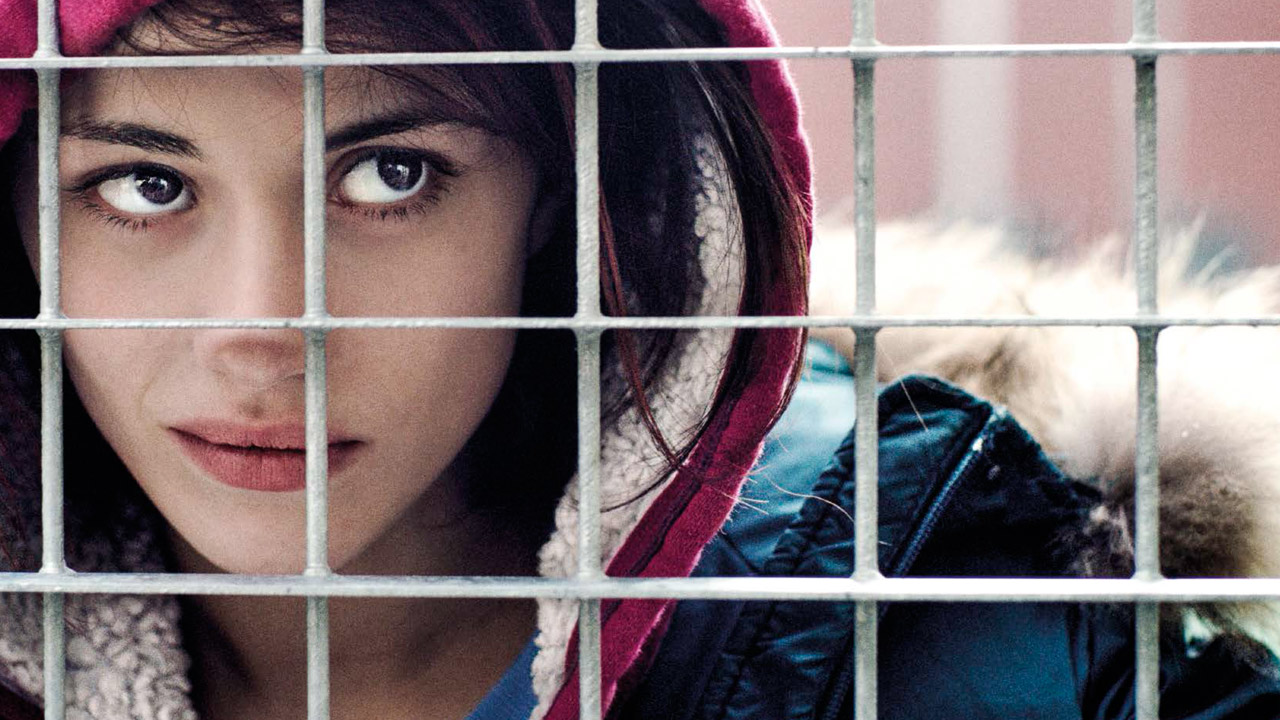
variety.com/wp-content/uploads/2016/05/fiore_06.jpg?w=100...

www.nonsolocinema.com/wp/wp-content/uploads/2016/05/MG_76...

amnc.it/wp-content/uploads/2023/11/perdialogocarcere_post...

www.italyformovies.com/film-serie-tv-games/detail/56/fiore
----------------------------------------------------------
click to activate the small icon of slideshow: the small triangle inscribed in the small rectangle, at the top right, in the photostream (it means the monitor);
or…. Press the “L” button to zoom in the image;
clicca sulla piccola icona per attivare lo slideshow: sulla facciata principale del photostream, in alto a destra c'è un piccolo rettangolo (rappresenta il monitor) con dentro un piccolo triangolo nero;
oppure…. premi il tasto “L” per ingrandire l'immagine;
www.worldphoto.org/sony-world-photography-awards/winners-...
www.fotografidigitali.it/gallery/2726/opere-italiane-segn...
………………………………………………………………………
The municipality of Mongiuffi Melia (ME), not far from Taormina, is made up of two villages, Mongiuffi and Melia, separated by a valley, a bridge joins them, they climb up the opposite ridge of two mountains, looking at each other; in this municipality (defined as a "scattered municipality" for not having a single inhabited center), there are two patron saints, San Sebastian for Melia (his float was built with the money collected by Sicilian soldiers sent to the front, to fight in Greece during the Second World War, hoping in this way to receive His intercession to save their lives), and San Leonard di Noblac (or Abbot) for Mongiuffi; but in this municipality there is also the cult of the "Virgin Mary of the Chain", whose sanctuary attracts pilgrims from everywhere. I have made this description to introduce a singular coincidence that not everyone is aware of, and to do this it is necessary to describe the figure of Saint Leonard (a kind of Saint Francis), and that of the Virgin Mary of the Chain, trying to be concise. Saint Leonard was born in Orléans around 496 (and died in Noblac, on November 6 – the feast day – of 545 or 559), and for most of his life (very interesting) he lived as a hermit; one episode of his life in particular I would like to recall, he received from Clovis, king of the Franks, the privilege of being able to free those prisoners, who he believed had been unjustly imprisoned, so from that moment on, he incessantly committed himself to giving freedom to all those prisoners who were reduced to visibly critical conditions. Let us leave this Saint for a moment, the cult of the “Virgin Mary of the Chain”, this name given to the Blessed Virgin, derives from a prodigious event that occurred in Palermo in 1392, known as the “miracle of the chains”. In short, in August 1392 in Palermo, three men for a glaring miscarriage of justice, were sentenced to death by hanging, shortly before going up to the gallows a violent storm broke out, which forced the three unfortunates and the gendarmes to take refuge in the nearby church of Saint Mary of the Port, close to the sea, also called "Churc of the Chain" due to the presence of a chain that, when positioned, prevented the Saracen pirate ships from accessing the inside of the port; in this holy place, the three condemned, were tied with double chains, in the meantime the door of the church was barred, in fact the storm did not seem to stop and in addition night had come, clearly the execution was now postponed to the next day. The three desperate men, in chains, under the gaze of the gendarmes, approached the painting of the Madonna in tears, imploring her to intercede for them, a voice was heard coming from the painting, which reassured them of their new freedom, this while the chains broke, and the door of the little church was thrown open. From then on, the cult of the Virgin Mary of the Chain spread from Palermo throughout Sicily, and even beyond. Now let's get to the coincidences I mentioned before, both Saint Leonard and the Virgin Mary of the Chain (and also Her Child that She holds in Her arms) carry a long chain in their hands, in fact both the Saint and the Blessed Virgin have given freedom to prisoners, furthermore to access Mongiuffi Melia, coming from Letojanni, you have to pass through a tunnel, called "Gallery of Postoleone" dug in the rock in 1916, with bare hands or with pickaxe blows, as explosives could not be used, by 300 Austrian prisoners, during the First World War (and also on this occasion, in Mongiuffi Melia, there are prisoners forced to do forced labor). Finally, a curiosity, very often from the cult of the Virgin Mary of the Chain, comes a singular name, very common in these parts, both in the masculine with the name of "Cateno" and in the feminine "Catena" (to quote a well-known character, the writer Catena Fiorello). Furthermore, if it rains, whatever the religious procession-feast, with the float carried on the shoulders, the float with the saint does not come out, but if the rain arrives during the event, then the event becomes a source of strong psycho-physical stress for the devotee-bearers (not for the devotee-pullers or devotee-pushers...), as the ground made slippery by the rain (or perhaps, worse, by the presence of mud mixed with water) makes the route risky due to the possibility that one, or more, bearers, could slip, with the possible overturning of the float, and easily imaginable consequences.
The photographic story that I present here was created by assembling photographs taken on November 6, 2022, November 6 and 10 of this year 2024; the heart of the celebration-procession is when the priest hangs a large “cuddurra” (donut) on the hand of Sint Leonard, on that occasion small “cuddure” (donuts) are offered to the population (prepared by hand in the days preceding the procession); there are girls wearing a typical monk's habit-like dress, adorning their head with a veil, they belong to the congregation of the "daughters of Mary" (third order Carmelite); at the end of the procession, with the float that has returned to the church, we witness a rite that has the "affective" purpose of keeping it alive, it is done so as not to lose its memory, even if it has not lost its original meaning, what remains is now only a symbolic fact, it is the ritual of "weighing" (in some centers of Sicily, it has maintained its original meaning) a wooden board is placed "in balance" on one of the two beams that are used to carry the float with the Saint on the shoulders, at the two ends a child is placed on one side, and on the other side a sack with grain, filled until the weight of the grain reaches the weight of the child, and that grain will be given as a gift to the Saint, in reality the symbolic aspect of the procedure remains, and the donation is still made to the Saint, but in paper money.
Postscript: Our Lady of the Chain and Saint Leonard freed from chains, these as such, are not only physical, there are also psychic ones, and perhaps they are the worst….
……………………………..
Il comune di Mongiuffi Melia (ME), non molto distante da Taormina, è formato da due borghi, Mongiuffi e Melia, separati da una vallata, un ponte li congiunge, essi si inerpicano sul crinale opposto di due monti, guardandosi l’un l’altro; in questo comune (definito “comune sparso” per non avere un centro abitato unico), si hanno due santi patroni, San Sebastiano per Melia (la sua vara fu costruita con i soldi racimolati dai soldati Siciliani mandati al fronte, a combattere in Grecia durante la seconda guerra mondiale, sperando così facendo di ricevere la Sua intercessione per avere salva la vita), e San Leonardo di Noblac (o Abate) per Mongiuffi; ma in questo comune vi è anche il culto per la “Madonna della Catena”, il cui santuario attira pellegrini da ogni dove. Ho fatto questa descrizione, per introdurre una singolare coincidenza della quale non tutti sono a conoscenza, e per far questo è necessario descrivere la figura di San Leonardo (una specie di San Francesco), e quella della Madonna della Catena, cercando di essere sintetico. San Leonardo nasce ad Orléans nel 496 circa (e morto a Noblac, il 6 novembre – giorno della festa – del 545 o 559), per gran parte della sua vita (interessantissima) visse da eremita; un episodio della sua vita in particolare desidero ricordare, egli riceve da Clodoveo, re dei Franchi, il privilegio di poter rendere liberi quei prigionieri, che egli riteneva fossero stati incarcerati ingiustamente, egli così, da quel momento, si impegna incessantemente a dare la libertà a tutti quei prigionieri che erano ridotti in condizioni visibilmente critiche. Lasciamo per un attimo questo Santo, il culto della “Madonna della Catena”, questo nome dato alla Beata Vergine, deriva da un evento prodigioso avvenuto a Palermo nel 1392, conosciuto come “miracolo delle catene”. In breve, nell’agosto del 1392 a Palermo, tre uomini per un eclatante errore giudiziario, furono condannati a morte per impiccagione, poco prima di salire sul patibolo si scatenò un violento temporale, che costrinse i tre malcapitati ed i gendarmi a riparare nella vicina chiesa di S. Maria del Porto, a ridosso del mare, detta anche “Chiesa della Catena” per la presenza di una catena che, quando posizionata, impediva alle navi pirata Saracene di accedere all’interno del porto; in questo luogo santo, i tre condannati, furono legati con doppie catene, nel mentre la porta della chiesa veniva sbarrata, infatti il temporale non accennava a smettere ed in più era subentrata la notte, chiaramente l’esecuzione era oramai rimandata al giorno dopo. I tre disperati, in catene, sotto lo sguardo dei gendarmi, si avvicinarono in lacrime al quadro della Madonna implorandola di intercedere per loro, dal quadro si udì provenire una voce, che li rassicurava sulla sopraggiunta libertà, questo mentre le catene si spezzavano, e la porta della chiesetta si spalancava. Da allora il culto per la Madonna della Catena si diffuse da Palermo in tutta la Sicilia, ed anche oltre. Veniamo adesso alle coincidenze di cui accennavo prima, sia San Leonardo che la Madonna della Catena (ed anche il suo Bimbo che regge in braccio) recano in mano una lunga catena, infatti sia San Leonardo che la Beata Vergine hanno dato la liberà a dei prigionieri, inoltre per accedere a Mongiuffi Melia, provenendo da Letojanni, si deve passare necessariamente da una galleria, chiamata “Galleria di Postoleone” scavata nel 1916 nella roccia, a mani nude o con colpi di piccone, in quanto non si poteva usare l’esplosivo, da parte di 300 prigionieri austriaci, durante la prima guerra mondiale (ed anche in questa occasione, a Mongiuffi Melia, si ha la presenza di prigionieri costretti ai lavori forzati). Infine una curiosità, molto spesso dal culto della Madonna della Catena, proviene un singolare nome, molto comune da queste parti, sia al maschile col nome di “Cateno” che al femminile, “Catena” (per citare un personaggio noto, la scrittrice Catena Fiorello). Inoltre, se piove, qualsiasi sia la processione-festa religiosa, con la vara portata in spalla, la vara col santo non esce, se invece la pioggia arriva durante la manifestazione, allora l’evento acquista per i devoti-portatori (non per i devoti-tiratori o devoti-spingitori…) un motivo di forte stress psico-fisico, in quanto il terreno reso scivoloso dalla pioggia (o magari, peggio, dalla presenza di fango misto ad acqua) rende rischioso il percorso per la possibilità che uno, o più portatori, possano scivolare, con il possibile ribaltamento della vara, e conseguenze facilmente immaginabili.
Il racconto fotografico che qui presento, è stato realizzato assemblando fotografie fatte il 6 novembre del 2022, il 6 ed il 10 novembre di quest’anno 2024; il fulcro della festa-processione è quando il sacerdote appende una grande cuddurra (ciambella) sulla mano di San Leonardo, in quella occasione piccole cuddure vengono offerte alla popolazione (preparate ed intrecciate a mano nei giorni precedenti la processione); sono presenti delle ragazze che indossano un tipico vestito “tipo saio di monaco”, adornando il capo con un velo, appartengono alla congregazione delle “figlie di Maria” (terz’ordine carmelitano); alla fine della processione, con la vara che ha fatto rientro in chiesa, si assiste ad un rito che ha lo scopo “affettivo” di tenerlo in vita, viene fatto per non disperderne la memoria, pur non avendo perso il suo significato originario, quel che resta è oramai solamente un fatto simbolico, è il rito della “pesatura” (in alcuni centri della Sicilia, esso ha mantenuto il suo significato originario) un asse di legno viene messo “in equilibrio” su di una delle due travi che servono a portare in spalla la vara col Santo, alle due estremità si pongono da un lato un bimbo/a, e dall’altro lato un sacco con del grano, riempito fino a quando il peso del grano raggiungerà il peso del bimbo/a, e quel grano verrà dato in dono al Santo, in realtà resta l’aspetto simbolico della procedura, la donazione viene ugualmente fatta al Santo, ma in cartamoneta.
P.S. La Madonna della Catena e San Leonardo liberavano dalle catene, queste in quanto tali, non sono solo fisiche, ci sono anche quelle psichiche, e forse sono le peggiori….
……………………………………………………………….
Collected from our greenhouse, and smelling very sweet and juicy. It's so nice to go down the garden and pick a meal.
The weather didn't cooperate tonight trying to align the moon with Coit Tower in San Francisco,. There was a glimpse of the moon as it was peeking out of the fog/clouds and just enough to align it to my intended target.
The clouds were a mix blessing. On the one hand I wanted it to be clear, but on the other hand, it yielded some pretty colors.
A selection of concrete sections from a building lost to the sea at Kilnsea, Hull UK. Not the greatest of conditions on the day having problems with Sea Spray etc so opted for a slightly longer lens than normal. Lee Filters CPL & Big Stopper used to slow things down.
From a print run of 1000 books, my debut monograph 'Collected memories' is out of print at the publisher. It has 57 colour plates all from medium format film.
I have less than 100 signed copies left. This stack of 17 is how many books sold in the last week. If you want a copy, suggest you order very soon.
Collected memories is available here: www.markforbes.com.au/monograph
Fort Lauderdale /ˌfɔərt ˈlɔːdərdeɪl/ (frequently abbreviated as Ft. Lauderdale) is a city in the U.S. state of Florida, 28 miles (45 km) north of Miami. It is the county seat of Broward County. As of the 2010 census, the city had a population of 165,521. It is a principal city of the Miami metropolitan area, which was home to an estimated 6,012,331 people at the 2015 census.
The city is a popular tourist destination, with an average year-round temperature of 75.5 °F (24.2 °C) and 3,000 hours of sunshine per year. Greater Fort Lauderdale which takes in all of Broward County hosted 12 million visitors in 2012, including 2.8 million international visitors. The city and county in 2012 collected $43.9 million from the 5% hotel tax it charges, after hotels in the area recorded an occupancy rate for the year of 72.7 percent and an average daily rate of $114.48. The district has 561 hotels and motels comprising nearly 35,000 rooms. Forty six cruise ships sailed from Port Everglades in 2012. Greater Fort Lauderdale has over 4,000 restaurants, 63 golf courses, 12 shopping malls, 16 museums, 132 nightclubs, 278 parkland campsites, and 100 marinas housing 45,000 resident yachts.
Fort Lauderdale is named after a series of forts built by the United States during the Second Seminole War. The forts took their name from Major William Lauderdale (1782–1838), younger brother of Lieutenant Colonel James Lauderdale. William Lauderdale was the commander of the detachment of soldiers who built the first fort. However, development of the city did not begin until 50 years after the forts were abandoned at the end of the conflict. Three forts named "Fort Lauderdale" were constructed; the first was at the fork of the New River, the second at Tarpon Bend on the New River between the Colee Hammock and Rio Vista neighborhoods, and the third near the site of the Bahia Mar Marina.
The area in which the city of Fort Lauderdale would later be founded was inhabited for more than two thousand years by the Tequesta Indians. Contact with Spanish explorers in the 16th century proved disastrous for the Tequesta, as the Europeans unwittingly brought with them diseases, such as smallpox, to which the native populations possessed no resistance. For the Tequesta, disease, coupled with continuing conflict with their Calusa neighbors, contributed greatly to their decline over the next two centuries. By 1763, there were only a few Tequesta left in Florida, and most of them were evacuated to Cuba when the Spanish ceded Florida to the British in 1763, under the terms of the Treaty of Paris (1763), which ended the Seven Years' War. Although control of the area changed between Spain, United Kingdom, the United States, and the Confederate States of America, it remained largely undeveloped until the 20th century.
The Fort Lauderdale area was known as the "New River Settlement" before the 20th century. In the 1830s there were approximately 70 settlers living along the New River. William Cooley, the local Justice of the Peace, was a farmer and wrecker, who traded with the Seminole Indians. On January 6, 1836, while Cooley was leading an attempt to salvage a wrecked ship, a band of Seminoles attacked his farm, killing his wife and children, and the children's tutor. The other farms in the settlement were not attacked, but all the white residents in the area abandoned the settlement, fleeing first to the Cape Florida Lighthouse on Key Biscayne, and then to Key West.
The first United States stockade named Fort Lauderdale was built in 1838, and subsequently was a site of fighting during the Second Seminole War. The fort was abandoned in 1842, after the end of the war, and the area remained virtually unpopulated until the 1890s. It was not until Frank Stranahan arrived in the area in 1893 to operate a ferry across the New River, and the Florida East Coast Railroad's completion of a route through the area in 1896, that any organized development began. The city was incorporated in 1911, and in 1915 was designated the county seat of newly formed Broward County.
Fort Lauderdale's first major development began in the 1920s, during the Florida land boom of the 1920s. The 1926 Miami Hurricane and the Great Depression of the 1930s caused a great deal of economic dislocation. In July 1935, an African-American man named Rubin Stacy was accused of robbing a white woman at knife point. He was arrested and being transported to a Miami jail when police were run off the road by a mob. A group of 100 white men proceeded to hang Stacy from a tree near the scene of his alleged robbery. His body was riddled with some twenty bullets. The murder was subsequently used by the press in Nazi Germany to discredit US critiques of its own persecution of Jews, Communists, and Catholics.
When World War II began, Fort Lauderdale became a major US base, with a Naval Air Station to train pilots, radar operators, and fire control operators. A Coast Guard base at Port Everglades was also established.
On July 4, 1961 African Americans started a series of protests, wade-ins, at beaches that were off-limits to them, to protest "the failure of the county to build a road to the Negro beach". On July 11, 1962 a verdict by Ted Cabot went against the city's policy of racial segregation of public beaches.
Today, Fort Lauderdale is a major yachting center, one of the nation's largest tourist destinations, and the center of a metropolitan division with 1.8 million people.
Credit for the data above is given to the following website:
This bee has regurgitated nectar collected from the Corymbia calophylla flowers to concentrate it through evaporation.
ID from Michael Batley Github.
Zanysson - A crabronid wasp. Most of the stinging wasps are fairly badass in aspect, to use a technical term. This one certainly is worthy of a tattoo on someone's chest and was collected by Merle Shepherd from Spring Island along the coast of South Carolina. It is unclear which species this is, but perhaps someone will reveal that to us. The group as a whole are cleptoparasites of other Crabronid wasps.
~~~~~~~~~~{{{{{{0}}}}}}~~~~~~~~~~
All photographs are public domain, feel free to download and use as you wish.
Photography Information: Canon Mark II 5D, Zerene Stacker, Stackshot Sled, 65mm Canon MP-E 1-5X macro lens, Twin Macro Flash in Styrofoam Cooler, F5.0, ISO 100, Shutter Speed 200
Beauty is truth, truth beauty - that is all
Ye know on earth and all ye need to know
" Ode on a Grecian Urn"
John Keats
You can also follow us on Instagram - account = USGSBIML Want some Useful Links to the Techniques We Use? Well now here you go Citizen:
Art Photo Book: Bees: An Up-Close Look at Pollinators Around the World
www.qbookshop.com/products/216627/9780760347386/Bees.html...
Basic USGSBIML set up:
www.youtube.com/watch?v=S-_yvIsucOY
USGSBIML Photoshopping Technique: Note that we now have added using the burn tool at 50% opacity set to shadows to clean up the halos that bleed into the black background from "hot" color sections of the picture.
www.youtube.com/watch?v=Bdmx_8zqvN4
PDF of Basic USGSBIML Photography Set Up:
ftp://ftpext.usgs.gov/pub/er/md/laurel/Droege/How%20to%20Take%20MacroPhotographs%20of%20Insects%20BIML%20Lab2.pdf
Google Hangout Demonstration of Techniques:
plus.google.com/events/c5569losvskrv2nu606ltof8odo
or
www.youtube.com/watch?v=4c15neFttoU
Excellent Technical Form on Stacking:
Contact information:
Sam Droege
sdroege@usgs.gov
301 497 5840