View allAll Photos Tagged Activated
“You will learn the hard way that on the long journey of life you will encounter many masks and few faces“
“Imparerai a tue spese che nel lungo tragitto della vita incontrerai tante maschere e pochi volti.”
Luigi Pirandello
………………………………….
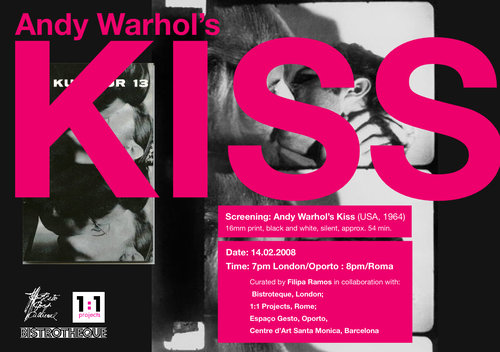
1995-2015.undo.net/Pressrelease/foto/1202921455b.jpg
-----------------------------------------------------------------
click to activate the icon of slideshow: the small triangle inscribed in the small rectangle, at the top right, in the photostream;
or…. Press the “L” button to zoom in the image;
clicca sulla piccola icona per attivare lo slideshow: sulla facciata principale del photostream, in alto a destra c'è un piccolo rettangolo (rappresenta il monitor) con dentro un piccolo triangolo nero;
oppure…. premi il tasto “L” per ingrandire l'immagine;
www.worldphoto.org/sony-world-photography-awards/winners-...
www.fotografidigitali.it/gallery/2726/opere-italiane-segn...
…………………………………………………………………
I was working on two of my photographic projects, then Carnival arrived, I put aside what I had done up until then, and so I created this group of photographs; they are shots taken during the Carnival which took place in Taormina center (Taormina alta) and in Trappitello (fraction of Taormina, the plain part of Taormina, located towards the hinterland; there is also Taormina seaside, but this part is not was affected by the Carnival). Carnival, from a photographic point of view, has always interested me not for its allegorical floats, not for its beautiful or refined masks, but for the people who find themselves "behind the masks", for their emotions, the their ability to have fun, to uninhibit themselves, even in front of the camera. I photographed a detail of the float dedicated to the mayor of Taormina, Cateno De Luca, I photographed boys and girls from the masked groups who paraded through the city streets, as well as boys and girls not belonging to any group, who had fun with clothes invented for the 'occasion; despite having placed heterogeneous photographs, I mostly followed a theme that refers to a work by Andy Warhol, an iconic figure of Pop Art as well as being one of the most important artists of the 20th century, ideally linking myself for its creation to the allegorical float of Pop Art of Taormina.
I conclude, I dedicate this work to the flicker-friend White Angel, hoping to please her.
www.flickr.com/photos/white-angel/
……………….
Stavo lavorando a due miei progetti fotografici, poi è arrivato il Carnevale, ho messo da parte quanto avevo fino ad allora fatto, ed ho così realizzato questo gruppo di fotografie; sono scatti realizzati durante il Carnevale che si è svolto a Taormina centro (Taormina alta) ed a Trappitello (frazione di Taormina, la parte in pianura di Taormina, sita verso l’entroterra; c’è anche Taormina mare, ma questa parte non è stata interessata dal Carnevale). Il Carnevale, dal punto di vista fotografico, mi ha sempre interessato non per i suoi carri allegorici, non per le sue maschere belle o ricercate che siano, ma per le persone che si trovano “dietro le maschere”, per le loro emozioni, la loro capacità di divertirsi, di disinibirsi, anche davanti la macchina fotografica. Ho fotografato un dettaglio del carro dedicato al sindaco di Taormina, Cateno De Luca, ho fotografato ragazzi e ragazze dei gruppi in maschera che sfilavano per le vie cittadine, come ragazzi e ragazze non appartenenti a nessun gruppo, che si divertivano con vestiti inventati per l’occasione; pur avendo messo fotografie eterogenee, ho seguito maggiormente un tema che fa riferimento ad un lavoro di Andy Warhol, figura iconica della Pop Art oltre che essere uno dei più importanti artisti del XX secolo, agganciandomi idealmente per la sua realizzazione, al carro allegorico della Pop Art di Taormina.
Concludo, dedico questo lavoro alla flicker-friend White Angel, sperando di farle cosa gradita.
- on the evening of February 5th, before the passage of the float with Saint Agatha, via Etnea "seems to be on fire" due to the presence of large burning candles; gradually, with great effort and effort, these burning candles are carried on the shoulders along the procession route; in ancient times, in the absence of artificial lighting, they illuminated the path with their flame, anticipating the passage of the float;
- la sera del 5 febbraio, prima del passaggio della vara con Sant'Agata, via Etnea "sembra incendiarsi" per la presenza dei grossi ceri che ardono; progressivamente, con grande impegno e fatica, questi ceri ardenti, vengono portati in spalla lungo il percorso della processione; anticamente in mancanza della illuminazione artificiale, illuminavano con la loro fiamma il percorso, anticipando il passaggio della vara;
……………………………….
Poster (Locandina):
www.warnerbros.it/scheda-film/genere-romantico/me-you/
m.media-amazon.com/images/S/pv-target-images/b3eb47bb2236...

i0.wp.com/www.cinematik.it/wordpress/wp-content/uploads/2...

i0.wp.com/www.cinematik.it/wordpress/wp-content/uploads/2...

----------------------------------------------------------
click to activate the small icon of slideshow: the small triangle inscribed in the small rectangle, at the top right, in the photostream (it means the monitor);
or…. Press the “L” button to zoom in the image;
clicca sulla piccola icona per attivare lo slideshow: sulla facciata principale del photostream, in alto a destra c'è un piccolo rettangolo (rappresenta il monitor) con dentro un piccolo triangolo nero;
oppure…. premi il tasto “L” per ingrandire l'immagine;
www.worldphoto.org/sony-world-photography-awards/winners-...
www.fotografidigitali.it/gallery/2726/opere-italiane-segn...
………………………………………………………………………
Religious devotion, at times, in Sicily seems to take on the face of women, like that of the two Sicilian saints Agata and Lucia along the Ionian coast of Sicily, or the face of Rosalia, on the opposite side, in Palermo. The lives of Agata and Lucia are closely linked, even though they never met. Agata was martyred in 251, Lucia was not yet born, she was born 32 years later. On February 5, 301, she went to Catania to pray at Agata's tomb to invoke her intercession, hoping to obtain the healing of her mother, who was seriously ill. Agata appeared to her in a dream, confirmed her mother's healing (her mother was healed), but also confided in her that she would be martyred because of her faith in Christ: Lucia was martyred on December 13, 304, during the persecutions of Diocletian. What has been said as an incipit of the photographic story that I present here, created on the occasion of the celebration that Catania dedicates to its Patron Saint Agatha, described as the most important religious celebration in Catania, also considered the third Catholic religious celebration in the world (first are the “Semana Santa” in Seville, and the “Corpus Domini” in Cuzco in Peru), a ranking that takes into account the huge number of people who participate every year. The celebration of Saint Agatha takes place on several dates, from 3 to 6 February, on 12 February and on 17 August: the February celebration is linked to her martyrdom, the August celebration commemorates the return to Catania of her mortal remains, initially taken to Constantinople as spoils of war by the Byzantine general Maniaces, and remained there for 86 years. The young Agata lived in the 3rd century, she belonged to a rich patrician family of Catania, since she was young she had embraced the cult of the Christian religion, the governor Quinziano (or Quintiliano) fell in love with her, Agata to escape him hid in his house in Palermo, Quinziano managed to find out where she was hiding, so he had her taken to Catania, here his attempts to bend Agata's will and make her give in to his flattery were in vain, after her umpteenth refusal he changed his intentions, accused her of being of the Christian religion, condemned her to death, not without first having led her to martyrdom, he amputated her by tearing off both her breasts, in this way in addition to the torment of physical pain, the psychological one was added, humiliating the girl in her femininity, then he gave her death by dragging her on burning coals, Agata was 20 years old. After her death, the cult of her began to spread, even the pagans began to venerate her figure, there is news about her origins starting from 252, the year after her death: the inhabitants of Catania were proud of this young woman who rebelled against the will of the dictator. The feast of Saint Agatha begins on February 3, there is the procession "for the offering of wax", the two eighteenth-century carriages of the senate pulled by horses come out along the streets of the city, "the candelore" make their appearance; on February 4th the celebration begins with the “Mass of Dawn” which is celebrated in the cathedral, after the reliquary bust of the Saint and the silver casket, they are placed on the “vara” (or “fercolo”), to be carried in procession in its “external tour”, the procession begins by crossing the “Porta Uzeda” and thus reaching the arches of the marina, the procession then circumscribes the historic center of the city, going to the places where Agatha’s martyrdom took place; : On February 5th the “Pontifical Mass” is celebrated, on this occasion by lining up in the cathedral, you can go and see the reliquary bust of the Saint, as evening comes, the bust and the casket are placed back on the heavy float for the last procession, which goes along the “internal tour” (or “noble tour”), which crosses the historic center of Catania, a procession preceded by the passage of lit candles carried on the shoulders of devotees (of various weights and sizes, some reach exceptional dimensions and weight, historically these candles illuminated, when electricity did not exist, the passage of the Saint), then the “candelore” pass, they are gigantic and heavy wooden “candelabra”, in baroque style, painted in gold, each one represents an ancient corporation (butchers, fishmongers, bakers, pork butchers, greengrocers, etc.), finally the float with Saint Agatha passes, the long-awaited moment, with the reliquary bust that it contains inside some parts of her body, the other parts of her body are inside the casket, so, with both on the float, Agata's entire body can travel the streets of the city of Catania. The float is pulled by hand, by the many devotees who wish to participate spontaneously in this very particular rite, using two large cords more than 200 meters long, to the end of which are connected four handles. The photographs were taken on February 4 and 5, 2024 and 2025, they are not organized in series taking into account either the year or the days; I obtained a "bilocation effect" by using different shooting points in the two years, visible especially when the float passes through the Porta Uzeda; I made portraits of the devotees, posed and not, in particular the portrait of a devotee who seemed almost enraptured in ecstasy at the passage of Sant'Agata (and perhaps she really was), it represented for me the absolute, profound and concrete synthesis of the attachment of the "citizens" (synonym of "devotees") of Catania towards this young martyr, who has become a symbol of those who oppose violence against women, and protector of women suffering from breast cancer. I photographed two beautiful and sweet models who embodied the "two ages of Agata", with the aim of raising awareness among women in the prevention of breast cancer (the ceramic decorations corresponding to the breasts are the work of "Nenè sculptures of art by Nancy Coco); I captured in some images, the custom of some devotees, to carry with them images of loved ones who passed away too soon (photos placed on candles or printed on the characteristic white habit, called "sacco", which is part of the characteristic way of dressing of the devotees); finally I thank the owner of the Beniamin Art Gallery, in via Umberto, an artist himself, for giving me the opportunity to photograph the Pop icon exhibited in his gallery entitled "Aga Pop".
…………………………………………………….
La devozione religiosa, a volte, in Sicilia sembra assumere il volto delle donne, come quello delle due sante siciliane Agata e Lucia lungo la fascia Ionica della costa sicula, od il volto di Rosalia, sul versante opposto, in quel di Palermo. Le vite di Agata e Lucia sono tra loro legate in maniera strettamente indissolubile, pur non essendosi mai conosciute, Agata morì martirizzata nel 251, Lucia non era ancora nata, nascerà 32 anni dopo, il 5 febbraio del 301 si recherà a Catania a pregare sul sepolcro di Agata per invocare la sua intercessione sperando così di ottenere la guarigione di sua madre, gravemente malata, Agata le appare in sogno, le conferma la guarigione di sua madre (sua madre ebbe la guarigione), ma anche, le confida, che per lei ci sarà il martirio a causa della sua fede in Cristo: Lucia fu martirizzata il 13 dicembre del 304, durante le persecuzioni di Diocleziano. Quanto detto come incipit del racconto fotografico che qui presento, realizzato in occasione della festa che Catania dedica alla sua Santa Patrona Agata, descritta come la più importante festa religiosa di Catania, considerata anche la terza festa religiosa cattolica al mondo (prime la “Semana Santa” di Siviglia, ed il “Corpus Domini” di Cuzco in Perù), graduatoria che tiene conto del grandissimo numero di persone ogni anno vi partecipano. La festa di Santa’Agata si svolge in più date, dal 3 al 6 febbraio, il 12 febbraio ed il 17 agosto: la ricorrenza di febbraio è legata al suo martirio, quella di Agosto rievoca il ritorno a Catania delle sue spoglie mortali, portate inizialmente a Costantinopoli come bottino di guerra dal generale bizantino Maniace, e li rimaste per 86 anni. La giovane Agata visse nel 3° secolo, apparteneva ad una ricca famiglia patrizia di Catania, sin dalla giovane età aveva abbracciato il culto per la religione cristiana, di lei si invaghì il governatore Quinziano (o Quintiliano), Agata per sfuggirgli si nascose in una sua casa a Palermo, Quinziano riuscì a sapere dove si nascondeva, quindi la fece condurre a Catania, qui i suoi tentativi di piegare la volontà di Agata e farla cedere alle sue lusinghe furono vani, all’ennesimo suo rifiuto egli mutò i suoi propositi, la accusò di essere di religione cristiana, la condannò a morte, non senza averla prima condotta al martirio, le amputò strappandole entrambi i seni, in tal modo oltre allo strazio del dolore fisico, si aggiungeva quello psicologico, umiliando la ragazza nella sua femminilità, poi le diede la morte trascinandola sui carboni ardenti, Agata aveva 20 anni. Dopo la sua morte si iniziò a diffondere il culto verso di lei, anche i pagani iniziarono a venerare la sua figura, si hanno notizie sulle sue origini già a partire dal 252, anno successivo alla sua morte: gli abitanti di Catania erano orgogliosi di questa giovane donna che si ribellò al volere del dittatore. La festa per Sant’Agata inizia il 3 febbraio, si ha la processione “per l’offerta della cera”, escono lungo le vie della città le due settecentesche carrozze del senato trainate da cavalli, fanno la loro comparsa “le candelore”; il 4 febbraio la festa inizia con la “Messa dell’Aurora” che si celebra nella cattedrale, dopo il busto reliquiario della Santa e lo scrigno d’argento, vengono messi sulla “vara” (o “fercolo”), per essere portati in processione nel suo “giro esterno”, la processione inizia attraversando la "Porta Uzeda" e giungendo così agli archi della marina, la processione quindi circoscrive il centro storico della città, recandosi nei luoghi ove avvenne il martirio di Agata; il 5 febbraio si celebra la “Messa Pontificale”, in questa occasione mettendosi in fila nella cattedrale, si può andare a vedere il busto reliquiario della Santa, col sopraggiungere della sera, busto e scrigno, vengono nuovamente messi sulla pesante vara per l’ultima processione, che percorre il “giro interno” (o “giro nobile”), che attraversa il centro storico di Catania, processione preceduta dal passaggio dei ceri accesi portati in spalla dai devoti (di vario peso e dimensioni, alcuni raggiungono dimensioni e peso eccezionali, storicamente questi ceri illuminavano, quando non esisteva l’energia elettrica, il passaggio della Santa), poi passano le “candelore”, sono dei giganteschi e pesanti "candelabri" in legno, in stile barocco, dipinti in oro, ognuna rappresenta una antica corporazione (macellai, pescivendoli, panettieri, pizzicagnoli, fruttivendoli, ecc.), infine passa la vara con Sant’Agata, il momento tanto atteso, col busto reliquiario che racchiude al suo interno alcune parti del suo corpo, le altre parti del corpo si trovano all’interno dello scrigno, in tal modo, con entrambi sulla vara, tutto il corpo di Agata può percorrere le strade della città di Catania. La vara è trainata a mano, dai tantissimi devoti che desiderano partecipare spontaneamente a questo rito così particolare, tramite due grossi cordoni lunghi più di 200 metri, al cui capo sono collegate quattro maniglie. Le fotografie sono state realizzate il 4 ed il 5 febbraio del 2024 e del 2025, esse non sono organizzate in serie tenendo conto né dell’anno, nè delle giornate; ho ottenuto un “effetto di bilocazione” sfruttando differenti punti di ripresa nei due anni, visibile soprattutto quando la vara passa attraverso la Porta Uzeda; ho realizzato ritratti dei devoti, posati e non, in particolare il ritratto di una devota che sembrava quasi rapita in estasi al passaggio di Sant’Agata (e forse lo era veramente), ha rappresentato per me la sintesi assoluta, profonda e concreta dell’attaccamento dei “cittadini” (sinonimo di “devoti”) catanesi nei confronti di questa giovane martire, diventata simbolo di chi si oppone alla violenza sulle donne, e protettrice delle donne ammalate di cancro al seno. Ho fotografato due belle e dolci modelle che impersonavano le “due età di Agata”, con lo scopo di sensibilizzare le donne nella prevenzione delle neoplasie alla mammella (i decori in ceramica in corrispondenza dei seni, sono opera di “Nenè sculture d’arte di Nancy Coco); ho colto in alcune immagini, l’usanza di alcuni devoti, di recare con se immagini di persone care scomparse troppo presto (foto messe sui ceri o stampate sul caratteristico saio bianco, chiamato “sacco”, che fa parte del modo caratteristico di vestire dei devoti); infine ringrazio il proprietario della Beniamin Art Gallery, in via Umberto, artista egli stesso, per avermi dato la possibilità di fotografare l’icona Pop esposta nella sua galleria dal titolo “Aga Pop”.
John Hattie suggests that teachers are not the guides on the side, nor the facilitators. Rather we are more purposeful, more active. We are the activators.
……………………………….
Poster (Locandina):
www.warnerbros.it/scheda-film/genere-romantico/me-you/
m.media-amazon.com/images/S/pv-target-images/b3eb47bb2236...
i0.wp.com/www.cinematik.it/wordpress/wp-content/uploads/2...
i0.wp.com/www.cinematik.it/wordpress/wp-content/uploads/2...
----------------------------------------------------------
click to activate the small icon of slideshow: the small triangle inscribed in the small rectangle, at the top right, in the photostream (it means the monitor);
or…. Press the “L” button to zoom in the image;
clicca sulla piccola icona per attivare lo slideshow: sulla facciata principale del photostream, in alto a destra c'è un piccolo rettangolo (rappresenta il monitor) con dentro un piccolo triangolo nero;
oppure…. premi il tasto “L” per ingrandire l'immagine;
www.worldphoto.org/sony-world-photography-awards/winners-...
www.fotografidigitali.it/gallery/2726/opere-italiane-segn...
………………………………………………………………………
Religious devotion, at times, in Sicily seems to take on the face of women, like that of the two Sicilian saints Agata and Lucia along the Ionian coast of Sicily, or the face of Rosalia, on the opposite side, in Palermo. The lives of Agata and Lucia are closely linked, even though they never met. Agata was martyred in 251, Lucia was not yet born, she was born 32 years later. On February 5, 301, she went to Catania to pray at Agata's tomb to invoke her intercession, hoping to obtain the healing of her mother, who was seriously ill. Agata appeared to her in a dream, confirmed her mother's healing (her mother was healed), but also confided in her that she would be martyred because of her faith in Christ: Lucia was martyred on December 13, 304, during the persecutions of Diocletian. What has been said as an incipit of the photographic story that I present here, created on the occasion of the celebration that Catania dedicates to its Patron Saint Agatha, described as the most important religious celebration in Catania, also considered the third Catholic religious celebration in the world (first are the “Semana Santa” in Seville, and the “Corpus Domini” in Cuzco in Peru), a ranking that takes into account the huge number of people who participate every year. The celebration of Saint Agatha takes place on several dates, from 3 to 6 February, on 12 February and on 17 August: the February celebration is linked to her martyrdom, the August celebration commemorates the return to Catania of her mortal remains, initially taken to Constantinople as spoils of war by the Byzantine general Maniaces, and remained there for 86 years. The young Agata lived in the 3rd century, she belonged to a rich patrician family of Catania, since she was young she had embraced the cult of the Christian religion, the governor Quinziano (or Quintiliano) fell in love with her, Agata to escape him hid in his house in Palermo, Quinziano managed to find out where she was hiding, so he had her taken to Catania, here his attempts to bend Agata's will and make her give in to his flattery were in vain, after her umpteenth refusal he changed his intentions, accused her of being of the Christian religion, condemned her to death, not without first having led her to martyrdom, he amputated her by tearing off both her breasts, in this way in addition to the torment of physical pain, the psychological one was added, humiliating the girl in her femininity, then he gave her death by dragging her on burning coals, Agata was 20 years old. After her death, the cult of her began to spread, even the pagans began to venerate her figure, there is news about her origins starting from 252, the year after her death: the inhabitants of Catania were proud of this young woman who rebelled against the will of the dictator. The feast of Saint Agatha begins on February 3, there is the procession "for the offering of wax", the two eighteenth-century carriages of the senate pulled by horses come out along the streets of the city, "the candelore" make their appearance; on February 4th the celebration begins with the “Mass of Dawn” which is celebrated in the cathedral, after the reliquary bust of the Saint and the silver casket, they are placed on the “vara” (or “fercolo”), to be carried in procession in its “external tour”, the procession begins by crossing the “Porta Uzeda” and thus reaching the arches of the marina, the procession then circumscribes the historic center of the city, going to the places where Agatha’s martyrdom took place; : On February 5th the “Pontifical Mass” is celebrated, on this occasion by lining up in the cathedral, you can go and see the reliquary bust of the Saint, as evening comes, the bust and the casket are placed back on the heavy float for the last procession, which goes along the “internal tour” (or “noble tour”), which crosses the historic center of Catania, a procession preceded by the passage of lit candles carried on the shoulders of devotees (of various weights and sizes, some reach exceptional dimensions and weight, historically these candles illuminated, when electricity did not exist, the passage of the Saint), then the “candelore” pass, they are gigantic and heavy wooden “candelabra”, in baroque style, painted in gold, each one represents an ancient corporation (butchers, fishmongers, bakers, pork butchers, greengrocers, etc.), finally the float with Saint Agatha passes, the long-awaited moment, with the reliquary bust that it contains inside some parts of her body, the other parts of her body are inside the casket, so, with both on the float, Agata's entire body can travel the streets of the city of Catania. The float is pulled by hand, by the many devotees who wish to participate spontaneously in this very particular rite, using two large cords more than 200 meters long, to the end of which are connected four handles. The photographs were taken on February 4 and 5, 2024 and 2025, they are not organized in series taking into account either the year or the days; I obtained a "bilocation effect" by using different shooting points in the two years, visible especially when the float passes through the Porta Uzeda; I made portraits of the devotees, posed and not, in particular the portrait of a devotee who seemed almost enraptured in ecstasy at the passage of Sant'Agata (and perhaps she really was), it represented for me the absolute, profound and concrete synthesis of the attachment of the "citizens" (synonym of "devotees") of Catania towards this young martyr, who has become a symbol of those who oppose violence against women, and protector of women suffering from breast cancer. I photographed two beautiful and sweet models who embodied the "two ages of Agata", with the aim of raising awareness among women in the prevention of breast cancer (the ceramic decorations corresponding to the breasts are the work of "Nenè sculptures of art by Nancy Coco); I captured in some images, the custom of some devotees, to carry with them images of loved ones who passed away too soon (photos placed on candles or printed on the characteristic white habit, called "sacco", which is part of the characteristic way of dressing of the devotees); finally I thank the owner of the Beniamin Art Gallery, in via Umberto, an artist himself, for giving me the opportunity to photograph the Pop icon exhibited in his gallery entitled "Aga Pop".
…………………………………………………….
La devozione religiosa, a volte, in Sicilia sembra assumere il volto delle donne, come quello delle due sante siciliane Agata e Lucia lungo la fascia Ionica della costa sicula, od il volto di Rosalia, sul versante opposto, in quel di Palermo. Le vite di Agata e Lucia sono tra loro legate in maniera strettamente indissolubile, pur non essendosi mai conosciute, Agata morì martirizzata nel 251, Lucia non era ancora nata, nascerà 32 anni dopo, il 5 febbraio del 301 si recherà a Catania a pregare sul sepolcro di Agata per invocare la sua intercessione sperando così di ottenere la guarigione di sua madre, gravemente malata, Agata le appare in sogno, le conferma la guarigione di sua madre (sua madre ebbe la guarigione), ma anche, le confida, che per lei ci sarà il martirio a causa della sua fede in Cristo: Lucia fu martirizzata il 13 dicembre del 304, durante le persecuzioni di Diocleziano. Quanto detto come incipit del racconto fotografico che qui presento, realizzato in occasione della festa che Catania dedica alla sua Santa Patrona Agata, descritta come la più importante festa religiosa di Catania, considerata anche la terza festa religiosa cattolica al mondo (prime la “Semana Santa” di Siviglia, ed il “Corpus Domini” di Cuzco in Perù), graduatoria che tiene conto del grandissimo numero di persone ogni anno vi partecipano. La festa di Santa’Agata si svolge in più date, dal 3 al 6 febbraio, il 12 febbraio ed il 17 agosto: la ricorrenza di febbraio è legata al suo martirio, quella di Agosto rievoca il ritorno a Catania delle sue spoglie mortali, portate inizialmente a Costantinopoli come bottino di guerra dal generale bizantino Maniace, e li rimaste per 86 anni. La giovane Agata visse nel 3° secolo, apparteneva ad una ricca famiglia patrizia di Catania, sin dalla giovane età aveva abbracciato il culto per la religione cristiana, di lei si invaghì il governatore Quinziano (o Quintiliano), Agata per sfuggirgli si nascose in una sua casa a Palermo, Quinziano riuscì a sapere dove si nascondeva, quindi la fece condurre a Catania, qui i suoi tentativi di piegare la volontà di Agata e farla cedere alle sue lusinghe furono vani, all’ennesimo suo rifiuto egli mutò i suoi propositi, la accusò di essere di religione cristiana, la condannò a morte, non senza averla prima condotta al martirio, le amputò strappandole entrambi i seni, in tal modo oltre allo strazio del dolore fisico, si aggiungeva quello psicologico, umiliando la ragazza nella sua femminilità, poi le diede la morte trascinandola sui carboni ardenti, Agata aveva 20 anni. Dopo la sua morte si iniziò a diffondere il culto verso di lei, anche i pagani iniziarono a venerare la sua figura, si hanno notizie sulle sue origini già a partire dal 252, anno successivo alla sua morte: gli abitanti di Catania erano orgogliosi di questa giovane donna che si ribellò al volere del dittatore. La festa per Sant’Agata inizia il 3 febbraio, si ha la processione “per l’offerta della cera”, escono lungo le vie della città le due settecentesche carrozze del senato trainate da cavalli, fanno la loro comparsa “le candelore”; il 4 febbraio la festa inizia con la “Messa dell’Aurora” che si celebra nella cattedrale, dopo il busto reliquiario della Santa e lo scrigno d’argento, vengono messi sulla “vara” (o “fercolo”), per essere portati in processione nel suo “giro esterno”, la processione inizia attraversando la "Porta Uzeda" e giungendo così agli archi della marina, la processione quindi circoscrive il centro storico della città, recandosi nei luoghi ove avvenne il martirio di Agata; il 5 febbraio si celebra la “Messa Pontificale”, in questa occasione mettendosi in fila nella cattedrale, si può andare a vedere il busto reliquiario della Santa, col sopraggiungere della sera, busto e scrigno, vengono nuovamente messi sulla pesante vara per l’ultima processione, che percorre il “giro interno” (o “giro nobile”), che attraversa il centro storico di Catania, processione preceduta dal passaggio dei ceri accesi portati in spalla dai devoti (di vario peso e dimensioni, alcuni raggiungono dimensioni e peso eccezionali, storicamente questi ceri illuminavano, quando non esisteva l’energia elettrica, il passaggio della Santa), poi passano le “candelore”, sono dei giganteschi e pesanti "candelabri" in legno, in stile barocco, dipinti in oro, ognuna rappresenta una antica corporazione (macellai, pescivendoli, panettieri, pizzicagnoli, fruttivendoli, ecc.), infine passa la vara con Sant’Agata, il momento tanto atteso, col busto reliquiario che racchiude al suo interno alcune parti del suo corpo, le altre parti del corpo si trovano all’interno dello scrigno, in tal modo, con entrambi sulla vara, tutto il corpo di Agata può percorrere le strade della città di Catania. La vara è trainata a mano, dai tantissimi devoti che desiderano partecipare spontaneamente a questo rito così particolare, tramite due grossi cordoni lunghi più di 200 metri, al cui capo sono collegate quattro maniglie. Le fotografie sono state realizzate il 4 ed il 5 febbraio del 2024 e del 2025, esse non sono organizzate in serie tenendo conto né dell’anno, nè delle giornate; ho ottenuto un “effetto di bilocazione” sfruttando differenti punti di ripresa nei due anni, visibile soprattutto quando la vara passa attraverso la Porta Uzeda; ho realizzato ritratti dei devoti, posati e non, in particolare il ritratto di una devota che sembrava quasi rapita in estasi al passaggio di Sant’Agata (e forse lo era veramente), ha rappresentato per me la sintesi assoluta, profonda e concreta dell’attaccamento dei “cittadini” (sinonimo di “devoti”) catanesi nei confronti di questa giovane martire, diventata simbolo di chi si oppone alla violenza sulle donne, e protettrice delle donne ammalate di cancro al seno. Ho fotografato due belle e dolci modelle che impersonavano le “due età di Agata”, con lo scopo di sensibilizzare le donne nella prevenzione delle neoplasie alla mammella (i decori in ceramica in corrispondenza dei seni, sono opera di “Nenè sculture d’arte di Nancy Coco); ho colto in alcune immagini, l’usanza di alcuni devoti, di recare con se immagini di persone care scomparse troppo presto (foto messe sui ceri o stampate sul caratteristico saio bianco, chiamato “sacco”, che fa parte del modo caratteristico di vestire dei devoti); infine ringrazio il proprietario della Beniamin Art Gallery, in via Umberto, artista egli stesso, per avermi dato la possibilità di fotografare l’icona Pop esposta nella sua galleria dal titolo “Aga Pop”.
PA_379 [20 points]
This so-called "BUG" is located in the Marais in the 4ème arrondissement of Paris. Never seen the original made in 2001.
Onscreen FlashInvaders message:
All my photos of PA_379:
PA_379 (Close-up, June 2018)
PA_379 (Wide shot, June 2018)
Date of invasion: 18/01/2001
DELETED -ages ago-
RE-ACTIVATED May 2018
the crossing gates protecting santa fe avenue north of madera, ca in motion before the arrival of a train.
Page 40 of the December 1959 Glamorgirl Photography magazine.
What Makes The Pie Shops Tick? | In The Heart of Downtown | Twitter | Tumblr | Facebook | E-Mail |
researches for COPENHAGEN ULTRACONTEMPORARY BIENNALE
-------
a presentation of COPENHAGEN ULTRACONTEMPORARY BIENNALE will be done at the Venice Biennale 2015 ---
check date and place here www.facebook.com/CopenhagenBiennale
COPENHAGEN ULTRACONTEMPORARY BIENNALE
main : copenhagenbiennale.org/
www.facebook.com/CopenhagenBiennale
www.emergencyrooms.org/formats.html
meanwhile during Venice Biennale contemporary art will be shown by
ABBOUD, Jumana Emil .ABDESSEMED, Adel .ABONNENC, Mathieu Kleyebe
ABOUNADDARA.ACHOUR, Boris ADKINS, Terry AFIF, Saâdane
AKERMAN, Chantal AKOMFRAH, John AKPOKIERE, Karo
AL SOLH, Mounira ALGÜN RINGBORG, Meriç ALLORA, Jennifer & CALZADILLA, Guillermo
ATAMAN, Kutlug BAJEVIC, Maja BALLESTEROS, Ernesto
BALOJI, Sammy BARBA, Rosa
BASELITZ, Georg BASUALDO, Eduardo BAUER, Petra
BESHTY, Walead BHABHA, Huma BOLTANSKI, Christian
BONVICINI, Monica BOYCE, Sonia
BOYD, Daniel BREY, Ricardo BROODTHAERS, Marcel BRUGUERA, Tania
BURGA, Teresa CALHOUN, Keith & McCORMICK, Chandra CAO, Fei
CHAMEKH, Nidhal CHERNYSHEVA, Olga CHUNG, Tiffany
COOPERATIVA CRÁTER INVERTIDO CREATIVE TIME SUMMIT
DAMIANI, Elena DELLER, Jeremy DJORDAJDZE, Thea DUMAS, Marlene
E-FLUX JOURNAL EDWARDS, Melvin EFFLATOUN, Inji EHMANN, Antje & FAROCKI, Harun
EICHHORN, Maria EVANS, Walker FAROCKI, Harun FLOYD, Emily
FRIEDL, Peter FUSCO, Coco FUSINATO, Marco
GAINES, Charles GALLAGHER, Ellen GALLARDO, Ana GARCIA, Dora
GATES, Theaster GENZKEN, Isa GLUKLYA GOMES, Sônia GROSSE, Katharina
GULF LABOR GURSKY, Andreas HAACKE, Hans
HADJITHOMAS, Joana & JOREIGE, Khalil HARRY, Newell HASSAN, Kay
HIRSCHHORN, Thomas HÖLLER, Carsten HOLT, Nancy & SMITHSON, Robert
IM, Heung Soon INVISIBLE BORDERS: Trans-African Photographers ISHIDA, Tetsuya
JI, Dachun JULIEN, Isaac K., Hiwa KAMBALU, Samson KIM, Ayoung
KLUGE, Alexander KNGWARREYE, Emily Kame LAGOMARSINO, Runo LEBER, Sonia & CHESWORTH, David
LIGON, Glenn MABUNDA, Gonçalo MADHUSUDHANAN MAHAMA, Ibrahim
MALJKOVIC, David MAN, Victor MANSARAY, Abu Bakarr MARKER, Chris
MARSHALL, Kerry James MARTEN, Helen MAURI, Fabio McQUEEN, Steve
MOHAIEMEN, Naeem MORAN, Jason MÜLLER, Ivana MUNROE, Lavar MURILLO, Oscar
MUTU, Wangechi NAM, Hwayeon NAUMAN, Bruce NDIAYE, Cheikh NICOLAI, Olaf
OFILI, Chris OGBOH, Emeka PARRENO, Philippe PASCALI, Pino PIPER, Adrian
PONIFASIO, Lemi QIU, Zhijie RAISSNIA, Raha RAQS MEDIA COLLECTIVE
(NARULA, Monica; BAGCHI, Jeebesh; SENGUPTA, Shuddhabrata) REYNAUD-DEWAR, Lili
RIDNYI, Mykola ROBERTS, Liisa ROTTENBERG, Mika SCHÖNFELDT, Joachim SELMANI, Massinissa
SENGHOR, Fatou Kand SHETTY, Prasad & GUPTE, Rupal SIBONY, Gedi
SIMMONS, Gary SIMON, Taryn SIMPSON, Lorna SMITHSON, Robert SUBOTZKY, Mikhael
SUHAIL, Mariam SZE, Sarah THE PROPELLER GROUPthe TOMORROW
TIRAVANIJA, Rirkrit TOGUO, Barthélémy XU, Bing YOUNIS, Ala
ALBANIA
Albanian Trilogy: A Series of Devious Stratagems
Armando Lulaj
Commissioner: Ministry of Culture. Curator: Marco Scotini. Deputy Curator: Andris Brinkmanis. Venue: Pavilion at Arsenale
ANDORRA
Inner Landscapes
Roqué, Joan Xandri
Commissioner: Henry Périer. Deputy Commissioner: Joana Baygual, Sebastià Petit, Francesc Rodríguez
Curator: Paolo de Grandis, Josep M. Ubach. Venue: Spiazzi, Castello 3865
ANGOLA
On Ways of Travelling
António Ole, Binelde Hyrcan, Délio Jasse, Francisco Vidal, Nelo Teixeira
Commissioner: Ministry of Culture, Rita Guedes Tavares. Curator: António Ole. Deputy Curator: Antonia Gaeta. Venue: Conservatorio Benedetto Marcello - Palazzo Pisani, San Marco 2810
ARGENTINA
The Uprising of Form
Juan Carlos Diste´fano
Commissioner: Magdalena Faillace. Curator: Mari´a Teresa Constantin. Venue: Pavilion at Arsenale – Sale d’Armi
ARMENIA, Republic of
Armenity / Haiyutioun
Haig Aivazian, Lebanon; Nigol Bezjian, Syria/USA; Anna Boghiguian Egypt/Canada; Hera Büyüktasçiyan, Turkey; Silvina Der-Meguerditchian, Argentina/Germany; Rene Gabri & Ayreen Anastas, Iran/Palestine/USA; Mekhitar Garabedian, Belgium; Aikaterini Gegisian, Greece; Yervant Gianikian & Angela Ricci Lucchi, Italy; Aram Jibilian, USA; Nina Katchadourian, USA/Finland; Melik Ohanian, France; Mikayel Ohanjanyan, Armenia/Italy; Rosana Palazyan, Brazil; Sarkis, Turkey/France; Hrair Sarkissian, Syria/UK
Commissioner: Ministry of Culture of the Republic of Armenia. Deputy Commissioner: Art for the World, Mekhitarist Congregation of San Lazzaro Island, Embassy of the Republic of Armenia in Italy, Vartan Karapetian. Curator: Adelina Cüberyan von Fürstenberg. Venue: Monastery and Island of San Lazzaro degli Armeni
AUSTRALIA
Fiona Hall: Wrong Way Time
Fiona Hall
Commissioner: Simon Mordant AM. Deputy Commissioner: Charles Green. Curator: Linda Michael. Scientific Committee: Simon Mordant AM, Carolyn Christov-Bakargiev, Max Delany, Rachel Kent, Danie Mellor, Suhanya Raffel, Leigh Robb. Venue: Pavilion at Giardini
AUSTRIA
Heimo Zobernig
Commissioner: Yilmaz Dziewior. Curator: Yilmaz Dziewior. Scientific Committee: Friends of the Venice Biennale. Venue: Pavilion at Giardini
AZERBAIJAN, Republic of
Beyond the Line
Ashraf Murad, Javad Mirjavadov, Tofik Javadov, Rasim Babayev, Fazil Najafov, Huseyn Hagverdi, Shamil Najafzada
Commissioner: Heydar Aliyev Foundation. Curators: de Pury de Pury, Emin Mammadov. Venue: Palazzo Lezze, Campo S.Stefano, San Marco 2949
Vita Vitale
Edward Burtynsky, Mircea Cantor, Loris Cecchini, Gordon Cheung, Khalil Chishtee, Tony Cragg, Laura Ford, Noemie Goudal, Siobhán Hapaska, Paul Huxley, IDEA laboratory and Leyla Aliyeva, Chris Jordan with Rebecca Clark and Helena S.Eitel, Tania Kovats, Aida Mahmudova, Sayyora Muin, Jacco Olivier, Julian Opie, Julian Perry, Mike Perry, Bas Princen, Stephanie Quayle, Ugo Rondinone, Graham Stevens, Diana Thater, Andy Warhol, Bill Woodrow, Erwin Wurm, Rose Wylie
Commissioner: Heydar Aliyev Foundation. Curators: Artwise: Susie Allen, Laura Culpan, Dea Vanagan. Venue: Ca’ Garzoni, San Marco 3416
BELARUS, Republic of
War Witness Archive
Konstantin Selikhanov
Commissioner: Natallia Sharanhovich. Deputy Commissioners: Alena Vasileuskaya, Kamilia Yanushkevich. Curators: Aleksei Shinkarenko, Olga Rybchinskaya. Scientific Committee: Dmitry Korol, Daria Amelkovich, Julia Kondratyuk, Sergei Jeihala, Sheena Macfarlane, Yuliya Heisik, Hanna Samarskaya, Taras Kaliahin, Aliaksandr Stasevich. Venue: Riva San Biagio, Castello 2145
BELGIUM
Personnes et les autres
Vincent Meessen and Guests, Mathieu K. Abonnenc, Sammy Baloji, James Beckett, Elisabetta Benassi, Patrick Bernier & Olive Martin, Tamar Guimara~es & Kasper Akhøj, Maryam Jafri, Adam Pendleton
Commissioner: Wallonia-Brussels Federation and Wallonia-Brussels International. Curator: Katerina Gregos. Venue: Pavilion at Giardini
COSTA RICA
"Costa Rica, Paese di pace, invita a un linguaggio universale d'intesa tra i popoli".
Andrea Prandi, Beatrice Gallori, Beth Parin, Biagio Schembari, Carla Castaldo, Celestina Avanzini, Cesare Berlingeri, Erminio Tansini, Fabio Capitanio, Fausto Beretti, Giovan Battista Pedrazzini, Giovanni Lamberti, Giovanni Tenga, Iana Zanoskar, Jim Prescott, Leonardo Beccegato, Liliana Scocco, Lucia Bolzano, Marcela Vicuna, Marco Bellagamba, Marco Lodola, Maria Gioia dell’Aglio, Mario Bernardinello, Massimo Meucci, Nacha Piattini, Omar Ronda, Renzo Eusebi, Tita Patti, Romina Power, Rubens Fogacci, Silvio di Pietro, Stefano Sichel, Tino Stefanoni, Ufemia Ritz, Ugo Borlenghi, Umberto Mariani, Venere Chillemi, Jacqueline Gallicot Madar, Massimo Onnis, Fedora Spinelli
Commissioner: Ileana Ordonez Chacon. Curator: Gregorio Rossi. Venue: Palazzo Bollani
CROATIA
Studies on Shivering: The Third Degree
Damir Ocko
Commissioner: Ministry of Culture. Curator: Marc Bembekoff. Venue: Palazzo Pisani, S. Marina
CUBA
El artista entre la individualidad y el contexto
Lida Abdul, Celia-Yunior, Grethell Rasúa, Giuseppe Stampone, LinYilin, Luis Edgardo Gómez Armenteros, Olga Chernysheva, Susana Pilar Delahante Matienzo
Commissioner: Miria Vicini. Curators: Jorge Fernández Torres, Giacomo Zaza. Venue: San Servolo Island
CYPRUS, Republic of
Two Days After Forever
Christodoulos Panayiotou
Commissioner: Louli Michaelidou. Deputy Commissioner: Angela Skordi. Curator: Omar Kholeif. Deputy Curator: Daniella Rose King. Venue: Palazzo Malipiero, Sestiere San Marco 3079
CZECH Republic and SLOVAK Republic
Apotheosis
Jirí David
Commissioner: Adam Budak. Deputy Commissioner: Barbara Holomkova. Curator: Katarina Rusnakova. Venue: Pavilion at Giardini
ECUADOR
Gold Water: Apocalyptic Black Mirrors
Maria Veronica Leon Veintemilla in collaboration with Lucia Vallarino Peet
Commissioner: Andrea Gonzàlez Sanchez. Deputy Commissioner: PDG Arte Communications. Curator: Ileana Cornea. Deputy Curator: Maria Veronica Leon Veintemilla. Venue: Istituto Santa Maria della Pietà, Castello 3701
ESTONIA
NSFW. From the Abyss of History
Jaanus Samma
Commissioner: Maria Arusoo. Curator: Eugenio Viola. Venue: Palazzo Malipiero, campo San Samuele, San Marco 3199
EGYPT
CAN YOU SEE
Ahmed Abdel Fatah, Gamal Elkheshen, Maher Dawoud
Commissioner: Hany Al Ashkar. Curator: Ministry of Culture. Venue: Pavilion at Giardini
FINLAND (Pavilion Alvar Aalto)
Hours, Years, Aeons
IC-98
Commissioner: Frame Visual Art Finland, Raija Koli. Curator: Taru Elfving. Deputy Curator: Anna Virtanen. Venue: Pavilion at Giardini
FRANCE
revolutions
Céleste Boursier-Mougenot
Commissioner: Institut français, with Ministère de la Culture et de la Communication. Curator: Emma Lavigne. Venue: Pavilion at Giardini
GEORGIA
Crawling Border
Rusudan Gobejishvili Khizanishvili, Irakli Bluishvili, Dimitri Chikvaidze, Joseph Sabia
Commissioner: Ana Riaboshenko. Curator: Nia Mgaloblishvili. Venue: Pavilion at Arsenale – Sale d’Armi
GERMANY
Fabrik
Jasmina Metwaly / Philip Rizk, Olaf Nicolai, Hito Steyerl, Tobias Zielony
Commissioner: ifa (Institut für Auslandsbeziehungen) on behalf of the Federal Foreign Office. Deputy Commissioner: Elke aus dem Moore, Nina Hülsmeier. Curator: Florian Ebner. Deputy Curator: Tanja Milewsky, Ilina Koralova. Venue: Pavilion at Giardini
GREAT BRITAIN
Sarah Lucas
Commissioner: Emma Dexter. Curator: Richard Riley. Deputy Curator: Katrina Schwarz. Venue: Pavilion at Giardini
GRENADA *
Present Nearness
Oliver Benoit, Maria McClafferty, Asher Mains, Francesco Bosso and Carmine Ciccarini, Guiseppe Linardi
Commissioner: Ministry of Culture. Deputy Commissioner: Susan Mains. Curator: Susan Mains. Deputy Curator: Francesco Elisei. Venue: Opera don Orione Artigianelli, Sala Tiziano, Fondamenta delle Zattere ai Gesuati, Dorsoduro 919
GREECE
Why Look at Animals? AGRIMIKÁ.
Maria Papadimitriou
Commissioner: Hellenic Ministry of Culture, Education and Religious Affairs. Curator: Gabi Scardi. Deputy Curator: Alexios Papazacharias. Venue: Pavilion at Giardini
BRAZIL
So much that it doesn't fit here
Antonio Manuel, André Komatsu, Berna Reale
Commissioner: Luis Terepins. Curator: Luiz Camillo Osorio. Deputy Curator: Cauê Alves. Venue: Pavilion at Giardini
CANADA
Canadassimo
BGL
Commissioner: National Gallery of Canada, Marc Mayer. Deputy Commissioner: National Gallery of Canada, Yves Théoret. Curator: Marie Fraser. Venue: Pavilion at Giardini
CHILE
Poéticas de la disidencia | Poetics of dissent: Paz Errázuriz - Lotty Rosenfeld
Paz Errázuriz, Lotty Rosenfeld
Commissioner: Antonio Arèvalo. Deputy Commissioner: Juan Pablo Vergara Undurraga. Curator: Nelly Richard. Venue: Pavilion at Arsenale - Artiglierie
CHINA, People’s Republic of
Other Future
LIU Jiakun, LU Yang, TAN Dun, WEN Hui/Living Dance Studio, WU Wenguang/Caochangdi Work Station
Commissioner: China Arts and Entertainment Group, CAEG. Deputy Commissioners: Zhang Yu, Yan Dong. Curator: Beijing Contemporary Art Foundation. Scientific Committee: Fan Di’an, Zhang Zikang, Zhu Di, Gao Shiming, Zhu Qingsheng, Pu Tong, Shang Hui. Venue: Pavilion at Arsenale – Giardino delle Vergini
GUATEMALA
Sweet Death
Emma Anticoli Borza, Sabrina Bertolelli, Mariadolores Castellanos, Max Leiva, Pier Domenico Magri, Adriana Montalto, Elmar Rojas (Elmar René Rojas Azurdia), Paolo Schmidlin, Mónica Serra, Elsie Wunderlich, Collettivo La Grande Bouffe
Commissioner: Daniele Radini Tedeschi. Curators: Stefania Pieralice, Carlo Marraffa, Elsie Wunderlich. Deputy Curators: Luciano Carini, Simone Pieralice. Venue: Officina delle Zattere, Dorsoduro 947, Fondamenta Nani
HOLY SEE
Commissioner: Em.mo Card. Gianfranco Ravasi, Presidente del Pontificio Consiglio della Cultura. Venue: Pavilion at Arsenale – Sale d’Armi
HUNGARY
Sustainable Identities
Szilárd Cseke
Commissioner: Monika Balatoni. Deputy Commissioner: István Puskás, Sándor Fodor, Anna Karády. Curator: Kinga German. Venue: Pavilion at Giardini
ICELAND
Christoph Büchel
Commissioner: Björg Stefánsdóttir. Curator: Nína Magnúsdóttir. Venue: to be confirmed
INDONESIA, Republic of
Komodo Voyage
Heri Dono
Commissioner: Sapta Nirwandar. Deputy Commissioner: Soedarmadji JH Damais. Curator: Carla Bianpoen, Restu Imansari Kusumaningrum. Scientific Committee: Franco Laera, Asmudjo Jono Irianto, Watie Moerany, Elisabetta di Mambro. Venue: Venue: Arsenale
IRAN
Iranian Highlights
Samira Alikhanzaradeh, Mahmoud Bakhshi Moakhar, Jamshid Bayrami, Mohammed Ehsai
The Great Game
Lida Abdul, Bani Abidi, Adel Abidin, Amin Agheai, Ghodratollah Agheli, Shahriar Ahmadi, Parastou Ahovan, Farhad Ahrarnia, Rashad Alakbarov, Nazgol Ansarinia, Reza Aramesh, Alireza Astaneh, Sonia Balassanian, Mahmoud Bakhshi, Moakhar Wafaa Bilal, Mehdi Farhadian, Monir Farmanfarmaian, Shadi Ghadirian, Babak Golkar, Shilpa Gupta, Ghasem Hajizadeh, Shamsia Hassani, Sahand Hesamiyan, Sitara Ibrahimova, Pouran Jinchi, Amar Kanwar, Babak Kazemi, Ryas Komu, Ahmad Morshedloo, Farhad Moshiri, Mehrdad Mohebali, Huma Mulji, Azad Nanakeli, Jamal Penjweny, Imran Qureshi, Sara Rahbar, Rashid Rana, T.V. Santhosh, Walid Siti, Mohsen Taasha Wahidi, Mitra Tabrizian, Parviz Tanavoli, Newsha Tavakolian, Sadegh Tirafkan, Hema Upadhyay, Saira Wasim
Commissioner: Majid Mollanooruzi. Deputy Commissioners: Marco Meneguzzo, Mazdak Faiznia. Curators: Marco Meneguzzo, Mazdak Faiznia. Venue: Calle San Giovanni 1074/B, Cannaregio
IRAQ
Commissioner: Ruya Foundation for Contemporary Culture in Iraq (RUYA). Deputy Commissioner: Nuova Icona - Associazione Culturale per le Arti. Curator: Philippe Van Cauteren. Venue: Ca' Dandolo, San Polo 2879
IRELAND
Adventure: Capital
Sean Lynch
Commissioner: Mike Fitzpatrick. Curator: Woodrow Kernohan. Venue: Pavilion at Arsenale - Artiglierie
ISRAEL
Tsibi Geva | Archeology of the Present
Tsibi Geva
Commissioner: Arad Turgem, Michael Gov. Curator: Hadas Maor. Venue: Pavilion at Giardini
ITALY
Ministero dei Beni e delle attività culturali e del turismo - Direzione Generale Arte e Architettura Contemporanee e Periferie Urbane. Commissioner: Federica Galloni. Curator: Vincenzo Trione. Venue: Padiglione Italia, Tese delle Vergini at Arsenale
JAPAN
The Key in the Hand
Chiharu Shiota
Commissioner: The Japan Foundation. Deputy Commissioner: Yukihiro Ohira, Manako Kawata and Haruka Nakajima. Curator: Hitoshi Nakano. Venue : Pavilion at Giardini
KENYA
Creating Identities
Yvonne Apiyo Braendle-Amolo, Qin Feng, Shi Jinsong, Armando Tanzini, Li Zhanyang, Lan Zheng Hui, Li Gang, Double Fly Art Center
Commissioner: Paola Poponi. Curator: Sandro Orlandi Stagl. Deputy Curator: Ding Xuefeng. Venue: San Servolo Island
KOREA, Republic of
The Ways of Folding Space & Flying
MOON Kyungwon & JEON Joonho
Commissioner: Sook-Kyung Lee. Curator: Sook-Kyung Lee. Venue: Pavilion at Giardini
KOSOVO, Republic of
Speculating on the blue
Flaka Haliti
Commissioner: Ministry of Culture, Youth and Sports. Curator: Nicolaus Schafhausen. Deputy Curator: Katharina Schendl. Venue: Pavilion at Arsenale - Artiglierie
LATVIA
Armpit
Katrina Neiburga, Andris Eglitis
Commissioner: Solvita Krese (Latvian Centre for Contemporary Art). Deputy Commissioner: Kitija Vasiljeva. Curator: Kaspars Vanags. Venue: Pavilion at Arsenale
LITHUANIA
Museum
Dainius Liškevicius
Commissioner: Vytautas Michelkevicius. Deputy Commissioner: Rasa Antanaviciute. Curator: Vytautas Michelkevicius. Venue: Palazzo Zenobio, Fondamenta del Soccorso 2569, Dorsoduro
LUXEMBOURG, Grand Duchy of
Paradiso Lussemburgo
Filip Markiewicz
Commissioner: Ministry of Culture. Deputy Commissioner: MUDAM Luxembourg. Curator: Paul Ardenne. Venue: Cà Del Duca, Corte del Duca Sforza, San Marco 3052
MACEDONIA, Former Yugoslavian Republic of
We are all in this alone
Hristina Ivanoska and Yane Calovski
Commissioner: Maja Nedelkoska Brzanova, National Gallery of Macedonia. Deputy Commissioner: Olivija Stoilkova. Curator: Basak Senova. Deputy Curator: Maja Cankulovska Mihajlovska. Venue: Pavilion at Arsenale - Sale d’Armi
MAURITIUS *
From One Citizen You Gather an Idea
Sultana Haukim, Nirmal Hurry, Alix Le Juge, Olga Jürgenson, Helge Leiberg, Krishna Luchoomun, Neermala Luckeenarain, Kavinash Thomoo, Bik Van Der Pol, Laure Prouvost, Vitaly Pushnitsky, Römer + Römer
Commissioner: pARTage. Curators: Alfredo Cramerotti, Olga Jürgenson. Venue: Palazzo Flangini - Canareggio 252
MEXICO
Possesing Nature
Tania Candiani, Luis Felipe Ortega
Commissioner: Tomaso Radaelli. Deputy Commissioner: Magdalena Zavala Bonachea. Curator: Karla Jasso. Venue: Pavilion at Arsenale – Sale d’Armi
MONGOLIA *
Other Home
Enkhbold Togmidshiirev, Unen Enkh
Commissioner: Gantuya Badamgarav, MCASA. Curator: Uranchimeg Tsultemin. Scientific Committee: David A Ross, Boldbaatar Chultemin. Venue: European Cultural Centre - Palazzo Mora
MONTENEGRO
,,Ti ricordi Sjecaš li se You Remember "
Aleksandar Duravcevic
Commissioner/Curator: Anastazija Miranovic. Deputy Commissioner: Danica Bogojevic. Venue: Palazzo Malipiero (piano terra), San Marco 3078-3079/A, Ramo Malipiero
MOZAMBIQUE, Republic of *
Theme: Coexistence of Tradition and Modernity in Contemporary Mozambique
Mozambique Artists
Commissioner: Joel Matias Libombo. Deputy Commissioner: Gilberto Paulino Cossa. Curator: Comissariado-Geral para a Expo Milano 2015. Venue: Pavilion at Arsenale
NETHERLANDS, The
herman de vries - to be all ways to be
herman de vries
Commissioner: Mondriaan Fund. Curators: Colin Huizing, Cees de Boer. Venue: Pavilion ar Giardini
NEW ZEALAND
Secret Power
Simon Denny
Commissioner: Heather Galbraith. Curator: Robert Leonard. Venue: Biblioteca Nazionale Marciana, Marco Polo Airport
NORDIC PAVILION (NORWAY)
Camille Norment
Commissioner: OCA, Office for Contemporary Art Norway. Curator: Katya García-Antón. Deputy Curator: Antonio Cataldo. Venue: Pavilion at Giardini
PERU
Misplaced Ruins
Gilda Mantilla and Raimond Chaves
Commissioner: Armando Andrade de Lucio. Curator: Max Hernández-Calvo. Venue: Pavilion at Arsenale – Sale d’Armi
PHILIPPINES
Tie a String Around the World
Manuel Conde, Carlos Francisco, Manny Montelibano, Jose Tence Ruiz
Commissioner: National Commission for Culture and the Arts (NCCA), Felipe M. de Leon Jr. Curator: Patrick D. Flores. Venue: European Cultural Centre - Palazzo Mora
POLAND
Halka/Haiti. 18°48’05”N 72°23’01”W
C.T. Jasper, Joanna Malinowska
Commissioner: Hanna Wróblewska. Deputy Commissioner: Joanna Wasko. Curator: Magdalena Moskalewicz. Venue: Pavilion at Giardini
PORTUGAL
I Will Be Your Mirror / poems and problems
João Louro
Commissioner/Curator: María de Corral. Venue: Palazzo Loredan, campo S. Stefano
ROMANIA
Adrian Ghenie: Darwin’s Room
Adrian Ghenie
Commissioner: Monica Morariu. Deputy Commissioner: Alexandru Damian. Curator: Mihai Pop. Venue: Pavilion at Giardini
Inventing the Truth. On Fiction and Reality
Michele Bressan, Carmen Dobre-Hametner, Alex Mirutziu, Lea Rasovszky, Stefan Sava, Larisa Sitar
Commissioner: Monica Morariu. Deputy Commissioner: Alexandru Damian. Curator: Diana Marincu. Deputy Curators: Ephemair Association (Suzana Dan and Silvia Rogozea). Venue: New Gallery of the Romanian Institute for Culture and Humanistic Research in Venice
RUSSIA
The Green Pavilion
Irina Nakhova
Commissioner: Stella Kesaeva. Curator: Margarita Tupitsyn. Venue: Pavilion at Giardini
SERBIA
United Dead Nations
Ivan Grubanov
Commissioner: Lidija Merenik. Deputy Commissioner: Ana Bogdanovic. Curator: Lidija Merenik. Deputy Curator: Ana Bogdanovic. Scientific Committee: Jovan Despotovic. Venue: Pavilion at Giardini
SAN MARINO
Repubblica di San Marino “ Friendship Project “ China
Xu De Qi, Liu Dawei, Liu Ruo Wang, Ma Yuan, Li Lei, Zhang Hong Mei, Eleonora Mazza, Giuliano Giulianelli, Giancarlo Frisoni, Tony Margiotta, Elisa Monaldi, Valentina Pazzini
Commissioner: Istituti Culturali della Repubblica di San Marino. Curator: Vincenzo Sanfo. Venue: TBC
SEYCHELLES, Republic of *
A Clockwork Sunset
George Camille, Léon Wilma Loïs Radegonde
Commissioner: Seychelles Art Projects Foundation. Curators: Sarah J. McDonald, Victor Schaub Wong. Venue: European Cultural Centre - Palazzo Mora
SINGAPORE
Sea State
Charles Lim Yi Yong
Commissioner: Paul Tan, National Arts Council, Singapore. Curator: Shabbir Hussain Mustafa. Scientific Committee: Eugene Tan, Kathy Lai, Ahmad Bin Mashadi, June Yap, Emi Eu, Susie Lingham, Charles Merewether, Randy Chan. Venue: Pavilion at Arsenale – Sale d’Armi
SLOVENIA, Republic of
UTTER / The violent necessity for the embodied presence of hope
JAŠA
Commissioner: Simona Vidmar. Deputy Commissioner: Jure Kirbiš. Curators: Michele Drascek and Aurora Fonda. Venue: Pavilion at Arsenale - Artiglierie
SPAIN
Los Sujetos (The Subjects)
Pepo Salazar, Cabello/Carceller, Francesc Ruiz, + Salvador Dalí
Commissioner: Ministerio Asuntos Exteriores. Gobierno de España. Curator: Marti Manen. Venue: Pavilion at Giardini
SYRIAN ARAB REPUBLIC
Origini della civiltà
Narine Ali, Ehsan Alar, Felipe Cardeña, Fouad Dahdouh, Aldo Damioli, Svitlana Grebenyuk, Mauro Reggio, Liu Shuishi, Nass ouh Zaghlouleh, Andrea Zucchi, Helidon Xhixha
Commissioner: Christian Maretti. Curator: Duccio Trombadori. Venue: Redentore – Giudecca, San Servolo Island
SWEDEN
Excavation of the Image: Imprint, Shadow, Spectre, Thought
Lina Selander
Commissioner: Ann-Sofi Noring. Curator: Lena Essling. Venue: Pavilion at Arsenale
SWITZERLAND
Our Product
Pamela Rosenkranz
Commissioner: Swiss Arts Council Pro Helvetia, Sandi Paucic and Marianne Burki. Deputy-Commissioner: Swiss Arts Council Pro Helvetia, Rachele Giudici Legittimo. Curator: Susanne Pfeffer. Venue: Pavilion at Giardini
THAILAND
Earth, Air, Fire & Water
Kamol Tassananchalee
Commissioner: Chai Nakhonchai, Office of Contemporary Art and Culture (OCAC), Ministry of Culture. Curator: Richard David Garst. Deputy Curator: Pongdej Chaiyakut. Venue: Paradiso Gallerie, Giardini della Biennale, Castello 1260
TURKEY
Respiro
Sarkis
Commissioner: Istanbul Foundation for Culture and Arts. Curator: Defne Ayas. Deputy Curator: Ozge Ersoy. Venue: Pavilion at Arsenale – Sale d’Armi
TUVALU
Crossing the Tide
Vincent J.F. Huang
Commissioner: Taukelina Finikaso. Deputy Commissioner: Temate Melitiana. Curator: Thomas J. Berghuis. Scientific Committee: Andrea Bonifacio. Venue: Pavilion at Arsenale
UKRAINE
Hope!
Yevgenia Belorusets, Nikita Kadan, Zhanna Kadyrova, Mykola Ridnyi & SerhiyZhadan, Anna Zvyagintseva, Open Group, Artem Volokitin
Commissioner: Ministry of Culture. Curator: Björn Geldhof. Venue: Riva dei Sette Martiri
UNITED ARAB EMIRATES
1980 – Today: Exhibitions in the United Arab Emirates
Abdullah Al Saadi, Abdul Qader Al Rais, Abdulraheem Salim, Abdulrahman Zainal, Ahmed Al Ansari, Ahmed Sharif, Hassan Sharif, Mohamed Yousif, Mohammed Abdullah Bulhiah, Mohammed Al Qassab, Mohammed Kazem, Moosa Al Halyan, Najat Meky, Obaid Suroor, Salem Jawhar
Commissioner: Salama bint Hamdan Al Nahyan Foundation. Curator: Hoor Al Qasimi. Venue: Pavilion at Arsenale – Sale d'Armi
UNITED STATES OF AMERICA
Joan Jonas: They Come to Us Without a Word
Joan Jonas
Commissioner: Paul C. Ha. Deputy Commissioner: MIT List Visual Arts Center. Curators: Ute Meta Bauer, Paul C. Ha. Venue: Pavilion at Giardini
URUGUAY
Global Myopia II (Pencil & Paper)
Marco Maggi
Commissioner: Ricardo Pascale. Curator: Patricia Bentancour. Venue: Pavilion at Giardini
VENEZUELA, Bolivarian Republic of
Te doy mi palabra (I give you my word)
Argelia Bravo, Félix Molina (Flix)
Commissioner: Oscar Sotillo Meneses. Deputy Commissioner: Reinaldo Landaeta Díaz. Curator: Oscar Sotillo Meneses. Deputy Curator: Morella Jurado. Scientific Committee: Carlos Pou Ruan. Venue: Pavilion at Giardini
ZIMBABWE, Republic of
Pixels of Ubuntu/Unhu: - Exploring the social and cultural identities of the 21st century.
Chikonzero Chazunguza, Masimba Hwati, Gareth Nyandoro
Commissioner: Doreen Sibanda. Curator: Raphael Chikukwa. Deputy Curator: Tafadzwa Gwetai. Scientific Committee: Saki Mafundikwa, Biggie Samwanda, Fabian Kangai, Reverend Paul Damasane, Nontsikelelo Mutiti, Stephen Garan'anga, Dominic Benhura. Venue: Santa Maria della Pieta
ITALO-LATIN AMERICAN INSTITUTE
Voces Indígenas
Commissioner: Sylvia Irrazábal. Curator: Alfons Hug. Deputy Curator: Alberto Saraiva. Venue: Pavilion at Arsenale
ARGENTINA
Sofia Medici and Laura Kalauz
PLURINATIONAL STATE OF BOLIVIA
Sonia Falcone and José Laura Yapita
BRAZIL
Adriana Barreto
Paulo Nazareth
CHILE
Rainer Krause
COLOMBIA
León David Cobo,
María Cristina Rincón and Claudia Rodríguez
COSTA RICA
Priscilla Monge
ECUADOR
Fabiano Kueva
EL SALVADOR
Mauricio Kabistan
GUATEMALA
Sandra Monterroso
HAITI
Barbara Prézeau Stephenson
HONDURAS
Leonardo González
PANAMA
Humberto Vélez
NICARAGUA
Raúl Quintanilla
PARAGUAY
Erika Meza
Javier López
PERU
José Huamán Turpo
URUGUAY
Gustavo Tabares
Ellen Slegers
001 Inverso Mundus. AES+F
Magazzino del Sale n. 5, Dorsoduro, 265 (Fondamenta delle Zattere ai Saloni); Palazzo Nani Mocenigo, Dorsoduro, 960
May 9th – October 31st
Organization: VITRARIA Glass + A Museum
Catalonia in Venice: Singularity
Cantieri Navali, Castello, 40 (Calle Quintavalle)
May 9th - November 22nd
Organization: Institut Ramon Llull
Conversion. Recycle Group
Chiesa di Sant’Antonin, Castello (Campo Sant’Antonin)
May 6th - October 31st
Organization: Moscow Museum of Modern Art
Dansaekhwa
Palazzo Contarini-Polignac, Dorsoduro, 874 (Accademia)
May 7th – August 15th
Organization: The Boghossian Foundation
Dispossession
Palazzo Donà Brusa, Campo San Polo, 2177
May 9th - November 22nd
Organization: European Capital of Culture Wroclaw 2016
EM15 presents Doug Fishbone’s Leisure Land Golf
Arsenale Docks, Castello, 40A, 40B, 41C
May 6th - July 26th
Organization: EM15
Eredità e Sperimentazione
Grand Hotel Hungaria & Ausonia, Viale Santa Maria Elisabetta, 28, Lido di Venezia
May 9th - November 22nd
Organization: Istituto Nazionale di BioArchitettura - Sezione di Padova
Frontiers Reimagined
Palazzo Grimani, Castello, 4858 (Ramo Grimani)
May 9th - November 22nd
Organization: Tagore Foundation International; Polo museale del Veneto
Glasstress 2015 Gotika
Istituto Veneto di Scienze Lettere ed Arti, Palazzo Cavalli Franchetti, San Marco, 2847 (Campo Santo Stefano); Chiesa di Santa Maria della Visitazione, Centro Culturale Don Orione Artigianelli, Dorsoduro, 919 (Zattere); Fondazione Berengo, Campiello della Pescheria, 15, Murano;
May 9th — November 22nd
Organization: The State Hermitage Museum
Graham Fagen: Scotland + Venice 2015
Palazzo Fontana, Cannaregio, 3829 (Strada Nova)
May 9th - November 22nd
Organization: Scotland + Venice
Grisha Bruskin. An Archaeologist’s Collection
Former Chiesa di Santa Caterina, Cannaregio, 4941-4942
May 6th – November 22nd
Organization: Centro Studi sulle Arti della Russia (CSAR), Università Ca’ Foscari Venezia
Helen Sear, ... The Rest Is Smoke
Santa Maria Ausiliatrice, Castello, 450 (Fondamenta San Gioacchin)
May 9th - November 22nd
Organization: Cymru yn Fenis/Wales in Venice
Highway to Hell
Palazzo Michiel, Cannaregio, 4391/A (Strada Nova)
May 9th - November 22nd
Organization: Hubei Museum of Art
Humanistic Nature and Society (Shan-Shui) – An Insight into the Future
Palazzo Faccanon, San Marco, 5016 (Mercerie)
May 7th – August 4th
Organization: Shanghai Himalayas Museum
In the Eye of the Thunderstorm: Effervescent Practices from the Arab World & South Asia
Dorsoduro, 417 (Zattere)
May 6th - November 15th
Organization: ArsCulture
Italia Docet | Laboratorium- Artists, Participants, Testimonials and Activated Spectators
Palazzo Barbarigo Minotto, San Marco, 2504 (Fondamenta Duodo o Barbarigo)
May 9th – June 30th; September 11st – October 31st
Organization: Italian Art Motherboard Foundation (i-AM Foundation)
www.venicebiennale-italiadocet.org
Jaume Plensa: Together
Basilica di San Giorgio Maggiore, Isola di San Giorgio Maggiore
May 6th – November 22nd
Organization: Abbazia di San Giorgio Maggiore Benedicti Claustra Onlus
Jenny Holzer "War Paintings"
Museo Correr, San Marco, 52 (Piazza San Marco)
May 6th – November 22nd
Organization: The Written Art Foundation; Museo Correr, Fondazione Musei Civici di Venezia
correr.visitmuve.it
Jump into the Unknown
Palazzo Loredan dell’Ambasciatore, Dorsoduro, 1261-1262
May 9th – June 18th
Organization: Nine Dragon Heads
9dh-venice.com
Learn from Masters
Palazzo Bembo, San Marco, 4793 (Riva del Carbon)
May 9th – November 22nd
Organization: Pan Tianshou Foundation
pantianshou.caa.edu.cn/foundation_en
My East is Your West
Palazzo Benzon, San Marco, 3927
May 6th – October 31st
Organization: The Gujral Foundation
Ornamentalism. The Purvitis Prize
Arsenale Nord, Tesa 99
May 9th – November 22nd
Organization: The Secretariat of the Latvian Presidency of the Council of the European Union in 2015
www.purvisabalva.lv/en/ornamentalism
Path and Adventure
Arsenale, Castello, 2126/A (Campo della Tana)
May 9th – November 22nd
Organization: The Civic and Municipal Affairs Bureau; The Macao Museum of Art; The Cultural Affairs Bureau
Patricia Cronin: Shrine for Girls, Venice
Chiesa di San Gallo, San Marco, 1103 (Campo San Gallo)
May 9th – November 22nd
Organization: Brooklyn Rail Curatorial Projects
curatorialprojects.brooklynrail.org
Roberto Sebastian Matta. Sculture
Giardino di Palazzo Soranzo Cappello, Soprintendenza BAP per le Province di Venezia, Belluno, Padova e Treviso, Santa Croce, 770 (Fondamenta Rio Marin)
May 9th – November 22nd
Organization: Fondazione Echaurren Salaris
www.fondazioneechaurrensalaris.it
www.maggioregam.com/56Biennale_Matta
Salon Suisse: S.O.S. Dada - The World Is A Mess
Palazzo Trevisan degli Ulivi, Dorsoduro, 810 (Campo Sant'Agnese)
May 9th; June 4th - 6th; September 10th - 12th; October 15th - 17th; November 19th – 21st
Organization: Swiss Arts Council Pro Helvetia
Sean Scully: Land Sea
Palazzo Falier, San Marco, 2906
May 9th – November 22nd
Organization: Fondazione Volume!
Sepphoris. Alessandro Valeri
Molino Stucky, interior atrium, Giudecca, 812
May 9th – November 22nd
Organization: Assessorato alla Cultura del Comune di Narni(TR); a Sidereal Space of Art; Satellite Berlin
Tesla Revisited
Palazzo Nani Mocenigo, Dorsoduro, 960
May 9th – October 18th
Organization: VITRARIA Glass + A Museum
The Bridges of Graffiti
Arterminal c/o Terminal San Basilio, Dorsoduro (Fondamenta Zattere al Ponte Lungo)
May 9th - November 22nd
Organization: Associazione Culturale Inossidabile
The Dialogue of Fire. Ceramic and Glass Masters from Barcelona to Venice
Palazzo Tiepolo Passi, San Polo, 2774
May 6th - November 22nd
Organization: Fundaciò Artigas; ArsCulture
The Question of Beings
Istituto Santa Maria della Pietà, Castello, 3701
May 9th - November 22nd
Organization: Museum of Contemporary Art, Taipei (MoCA, Taipei)
The Revenge of the Common Place
Università Ca' Foscari, Ca' Bernardo, Dorsoduro, 3199 (Calle Bernardo)
May 9th – September 30th
Organization: Vrije Universiteit Brussel (Free University Brussels-VUB)
The Silver Lining. Contemporary Art from Liechtenstein and other Microstates
Palazzo Trevisan degli Ulivi, Dorsoduro, 810 (Campo Sant'Agnese)
October 24th – November 1st
Organization: Kunstmuseum Liechtenstein
The Sound of Creation. Paintings + Music by Beezy Bailey and Brian Eno
Conservatorio Benedetto Marcello, Palazzo Pisani, San Marco, 2810 (Campo Santo Stefano)
May 7th - November 22nd
Organization: ArsCulture
The Union of Fire and Water
Palazzo Barbaro, San Marco, 2840
May 9th - November 22nd
Organization: YARAT Contemporary Art Organisation
Thirty Light Years - Theatre of Chinese Art
Palazzo Rossini, San Marco, 4013 (Campo Manin)
May 9th - November 22nd
Organization: GAC Global Art Center Foundation; The Guangdong Museum of Art
Tsang Kin-Wah: The Infinite Nothing, Hong Kong in Venice
Arsenale, Castello, 2126 (Campo della Tana)
May 9th - November 22nd
Organization: M+, West Kowloon Cultural District; Hong Kong Arts Development Council
Under the Surface, Newfoundland and Labrador at Venice
Galleria Ca' Rezzonico, Dorsoduro, 2793
May 9th - November 22nd
Organization: Terra Nova Art Foundation
Ursula von Rydingsvard
Giardino della Marinaressa, Castello (Riva dei Sette Martiri)
May 6th - November 22nd
Organization:Yorkshire Sculpture Park
We Must Risk Delight: Twenty Artists from Los Angeles
Magazzino del Sale n. 3, Dorsoduro, 264 (Zattere)
May 7th - November 22nd
Organization: bardoLA
Wu Tien-Chang: Never Say Goodbye
Palazzo delle Prigioni, Castello, 4209 (San Marco)
May 9th - November 22nd
Organization: Taipei Fine Arts Museum of Taiwan
Xanadu
Istituto Santa Maria della Pietà, Castello, 3701
May 9th - November 22nd
Organization: Dream Amsterdam Foundation
Universities and Associations that have joined the project
Sotheby’s Institute of Art, London / St Lucas University College of Art & Design, Antwerp / University of Washington - College of Arts & Sciences, Seattle / Iowa State University - College of Design, Ames / Universität für angewandte Kunst, Vienna
Venice International University / Università Ca’ Foscari, Venezia / Università Ca’ Foscari, Venezia - Dipartimento di Filosofia e Beni Culturali / Università IUAV di Venezia / Università Commerciale Luigi Bocconi, Milano - Dipartimento di Marketing / Accademia di Belle Arti di Brera, Milano - Ufficio Relazioni Internazionali. Erasmus Office / Politecnico di Milano - Scuola del Design. Laurea in Design degli Interni / Università di Roma Sapienza - Facoltà di Architettura / Associazione Cinemavvenire, Roma / Università per Stranieri di Perugia / Università per Stranieri di Siena
Central Pavilion at the Giardini (3,000 sq.m.) to the Arsenale
Bice Curiger Massimiliano Gioni
A Parliament for a Biennale
Paolo Baratta, President of la Biennale di Venezia
Okwui Enwezor the ARENA Karl Marx’s Das Kapital
Theaster Gates Chris Rehberger Joseph Haydn Cesare Paveset David Adjaye Olaf Nicolai Joana Hadjithomas and Khalil Joreige Marsilio Editori. emergency cinema.” Abounaddara
Mathieu KleyebeCharles Gaines’Jeremy Deller Jason Moran , venedig biennale biennial
other Biennale :(Biennials ) :
Venice Biennial , Documenta Havana Biennial,Istanbul Biennial ( Istanbuli),Biennale de Lyon ,Dak'Art Berlin Biennial,Mercosul Visual Arts Biennial ,Bienal do Mercosul Porto Alegre.,Berlin Biennial ,Echigo-Tsumari Triennial .Yokohama Triennial Aichi Triennale,manifesta ,Copenhagen Biennale,Aichi Triennale
Yokohama Triennial,Echigo-Tsumari Triennial.Sharjah Biennial ,Biennale of Sydney, Liverpool , São Paulo Biennial ; Athens Biennale , Bienal do Mercosul ,Göteborg International Biennial for Contemporary Art
The use of activated charcoal in medicine was recorded as early as 3500 years ago. Now it’s mostly used for detoxification. For instance, it is a very effective remedy in case of poisoning because it is a great adsorbent. However, lately, it has become a popular ingredient in toothpaste due to it...
Oliver has a new crazy face moult! The weather here is really playing with the bunnies.
Here's my first Oliver 'loaf' picture on Flickr.
Paul Anthony Czelusniak, Jr., Obituary
Masonic Birthday June 1, 1959
Birth August 30, 1925
Death June 28, 2007
EDEN, N.C. Paul Anthony Czelusniak, Jr., 81, of 522 Longhook Road, passed away Thursday afternoon, June 28, 2007, at Morehead Nursing Center.
A service of remembrance will be held at 2 p.m. Tuesday, July 3, at the Leaksville Masonic Lodge #136 AF&AM at 419 Thompson Street in Eden.
Mr. Czelusniak was born on August 30, 1925, in Nanticoke, Pennsylvania, a son of Paul A. and Martha Sokoloski Czelusniak, Sr. He was a U.S. Navy veteran of World War II and was retired from the research and development department at Fieldcrest Mills.
He was a member of Leaksville Masonic Lodge #136, AF&AM and was of the Lutheran faith. He loved his hobby of radio-controlled model airplanes and was very active in Masonic activities.
He is survived by his wife, Betty Ingalls Czelusniak of the home; sons, Vernon Czelusniak of Florida and Paul Czelusniak III of Eden; daughters, Nancy Czelusniak of Florida, Becky Stewart Fete of Gibsonville, and Terri Czelusniak of Greensboro; six grandchildren and four great grandchildren.
The family will receive friends from 1 until 2 p.m. Tuesday at the Leaksville Masonic Lodge #136 AF&AM prior to the service.
Memorial contributions may be directed to the Masonic Home for Children, 600 College St., Oxford, NC 27565.
Boone-Reynolds Funeral Service is serving the family of Mr. Czelusniak.
Published in News Record on June 29, 2007
www.veterans-of-america.org/Czelusniak/default2.htm
Veterans of AmericaThe Stories of The Greatest Generation ... and More!
Reminiscences of World War II a continuing monthly series profiling veterans of WW II by Ken Samuelson Paul A. Czelusniak – Eighth war patrol of submarine USS Billfish SS 286522 Longhook Rd. Eden, NC 27288Born in Nanticoke, PA Branch of Service: US Navy Unit served in: USS Billfish Submarine SS 286 Highest rank attained: Seaman 1st Class - TorpedoemanWhere served: Submarine Squadron 45, Pacific Theater Dates of Service: 11/8/1943 to 12/24/1945 Paul Czelusniak’s submarine USS Billfish was trapped on the bottom of the Yellow Sea.
An aggressive Japanese destroyer was firing depth charges, which exploded all around Billfish. The crew was quiet and tense. Softly, over the loudspeaker Captain Farley, the commanding officer, read a passage from Holy Scripture as the submarine settled to the bottom - then silence. Most crewmembers were on their knees praying, fully expecting the next explosion to put them in a watery grave. Miraculously, the destroyer lost contact, saving the lives of the Billfish crew. “It was way too close for comfort”, says Paul Czelusniak.
Czelusniak was born in Nanticoke PA, one of eight children. In Nanticoke, his father relied heavily on coalminer business in his automobile garage but the unions had virtually shut down the mines in the late 30’s. Czelusniak’s father was unable to survive financially, so moved his family to Amsterdam NY, getting work at the Mohawk Rug Mill in Auburn NY.
Paul quit school after the 11th grade to help support the family and worked in a cotton mill for a time, then Mohawk Rug Co. and finally at the Army Supply Depot near Amsterdam. Czelusniak remembers well when Pearl Harbor was attacked, having heard the news over the radio while sitting in his living room.
He immediately went down to enlist but his parents did not grant permission. When he approached 18 years of age, he told his parents he did not want to be drafted into the Army so asked, and received, his parent’s approval to join the Navy. A heart murmur found during his physical prevented his entry into the Navy. When he registered for the draft, Czelusniak fully expected to be rejected because of the heart murmur. During the examination for induction, no murmur was found. Czelusniak was bound for the Army until he happened to see a Navy recruiter who allowed him to join before his official induction into the Army. A heart murmur was not detected in the Navy physical.
Boot camp followed at Sampson NY in December 1943. Because of his carpentry experience in High School, he was assigned work to build a large wooden cabinet, among other items, for use by one of the senior petty officers. Consequently, he missed four out of eight weeks of boot camp while working on carpentry projects. His aptitude tests indicated he would make a good Torpedoman so he was sent to Newport RI to an eight week Torpedo man school. He learned all aspects of the Mark 14 and Mark 15 torpedoes, which were the mainstays of the submarine fleet.
The Mark 14 and 15 Torpedoes are 21 inches in diameter; about 20-1/2 feet long and weigh well over 3,000 pounds. They carried about 600 pounds of a special high explosive called Torpex. The torpedoes ran on steam generated in a combustion chamber within the torpedo.
A trip lever in the torpedo tube as it is launched starts the whole process working to activate the combustion and steam. The torpedoes were beautifully made of polished stainless steel built to withstand 3,000 lbs per square inch pressure. Sometimes they would not explode!
A Torpedo man, when firing a torpedo, opens the inner doors of the torpedo tube and using winches, inserts the torpedo in the tube. Information on the target ship’s speed, range, and bearing from conning tower observations is put into the Torpedo Data Computer built into the torpedo. The outer doors are opened and upon receiving orders from the conning tower, the torpedo is fired, using compressed air to blow it out of the tube.
The work of a Torpedo man was one of many jobs critical to the survival of a submarine during combat. Czelusniak then volunteered for submarine school in New London CT where he was immersed in all aspects of submarine operations. Aboard a submarine, a crewmember could be caught in any area of a submarine during battle as watertight doors are closed during combat. If you were in a particular space, you had to know what to do in that space – your life depended on it.
When a submarine crewmember was thoroughly trained, he would receive his “dolphin” insignia indicating he was part of the elite undersea force – a SUBMARINER.
Czelusniak was also trained in the use of the “Momsen lung” a breathing device which allowed submariners to escape from a sunken submarine. During the training on the Momsen lung, the psychological fear of water at great depth was enough to “wash out” many of the aspirants for submarine service. Czelusniak’s fear was not of the water but only of failing to attain his goal of being a submariner.
During a pressure test, he was put in a small airtight chamber and the air pressure was increased every few seconds until he thought his eardrums would burst. He had to swallow often to equalize the pressure. It grew very hot in the chamber and he perspired profusely so that his Navy jeans stuck to his skin. His skin was blue from the dye in his pants. He passed the pressure test! His only dive in a submarine at New
London was in an old WW I submarine that leaked. As the boat went down a heavy stream of water came from a fitting and the students were frightened. The grizzled chief petty officer told the students that the leak would “seal” as they went deeper. No one believed him at the time, but it did. Another psychological test!
Czelusniak was then assigned to San Diego to be trained in electric torpedoes. The steam torpedo looked like an elegant piece of machinery with all the polished stainless steel while, Czelusniak said, the electric torpedo “looked like a large old weathered tin can”. Seventy-two battery cells drove it. The electric torpedoes were simpler and were coated with Cosmoline, similar to heavy Vaseline, to avoid rust. Their cost was small compared to the stainless steel torpedoes, but they were effective. After the voyage to Pearl Harbor, he was assigned to USS Billfish. He was a second-class seaman at the time. The captain had to approve all new crewmembers and said “we only have first class seaman or above on this vessel so I am promoting you immediately to 1st class seaman.”
Due to the heat aboard the submarine Czelusniak typically only wore cut off Navy jeans, a tee shirt, and special noiseless sandals. The decks of Billfish were also padded to eliminate noise. Typically, Czelusniak had four hours on duty and eight off, around the clock. When off duty he was either sleeping or working on something related to his job. He had limited time for personal things.
Czelusniak’s bunk was in the “bridal suite” as it was called, located in the forward torpedo room; the best bunk on the submarine for an enlisted man. He did not have to alternate use of his bunk with anyone else while all the other sailors had to alternate use of a bunk. There were no sheets and he slept with his clothes on. When fresh water was available, he could shower and wash his clothes. His gear locker was the size of a normal suitcase.
He only had his work uniform aboard the submarine with a couple changes of underwear as well as the standard foul weather gear. His dress blues and any dress outerwear were stored at Pearl Harbor. On the eighth war patrol, USS Billfish sunk one Japanese cargo vessel and experienced the depth charge attack mentioned earlier. While on the surface on August 6 1945, a lookout saw the flash of the atomic bomb explosion.
The Billfish crew did not learn the war was over because they could not break radio silence. After the Billfish crew learned the war was over, the worst part of the return to Pearl Harbor was going through a minefield aware that a mine could sink the vessel “after the war was over”. Czelusniak heard some mine cables scraping the side of Billfish, which was very unnerving. After short stays at Eniwetok and Pearl Harbor, the Billfish was going home via the Panama Canal to Houston TX for the first Navy Day celebration and on to Staten Island NY. Czelusniak was released from active duty at Long Island NY.
It was Christmas Eve 1945 and Czelusniak took the train to Amsterdam and surprised his parents who came home from catholic mass to find him sleeping on the couch. Czelusniak returned to the Army Depot for a while and then worked for Mohawk Rug Co. He was offered a job with Karastan Rug Mill in Auburn NY and then transferred to Eden NC.
He retired as a Creative Product Specialist with twelve patents regarding rug and carpet manufacturing to his name. He is married to the former Betty Ingalls and has five children scattered across the country. He is very proud that his two sons and a grandson have served in the military. Paul Jr. served on nuclear submarines during the cold war. His son Vernon served 21 years in the Coast Guard, earning a PHD degree after his time in service. His grandson is a pilot with the US Coast Guard.
Czelusniak is proud to have served his country on USS Billfish with such a great group of fighting men.
The Cathedral Church of Saint Peter and Saint Paul in the City and Diocese of Washington, operated under the more familiar name of Washington National Cathedral, is a cathedral of the Episcopal Church located in Washington, D.C., the capital of the United States.[1][2] Of Neo-Gothic design closely modeled on English Gothic style of the late fourteenth century, it is the sixth-largest cathedral in the world[citation needed], the second-largest in the United States,[3] and the highest as well as the fourth-tallest structure in Washington, D.C. The cathedral is the seat of both the Presiding Bishop of the Episcopal Church, Michael Bruce Curry, and the Bishop of the Diocese of Washington, Mariann Edgar Budde. In 2009, nearly 400,000 visitors toured the structure. Average attendance at Sunday services in 2009 was 1,667, the highest of all domestic parishes in the Episcopal Church that year.[4]
The Protestant Episcopal Cathedral Foundation, under the first seven Bishops of Washington, erected the cathedral under a charter passed by the United States Congress on January 6, 1893.[5] Construction began on September 29, 1907, when the foundation stone was laid in the presence of President Theodore Roosevelt and a crowd of more than 20,000, and ended 83 years later when the "final finial" was placed in the presence of President George H. W. Bush in 1990. Decorative work, such as carvings and statuary, is ongoing as of 2011. The Foundation is the legal entity of which all institutions on the Cathedral Close are a part; its corporate staff provides services for the institutions to help enable their missions, conducts work of the Foundation itself that is not done by the other entities, and serves as staff for the Board of Trustees.
The Cathedral stands at Massachusetts and Wisconsin Avenues in the northwest quadrant of Washington. It is an associate member of the recently organized inter-denominational Washington Theological Consortium.[6] It is listed on the National Register of Historic Places. In 2007, it was ranked third on the List of America's Favorite Architecture by the American Institute of Architects.[7]
History[edit]
Construction[edit]
In 1792, Pierre L'Enfant's "Plan of the Federal City" set aside land for a "great church for national purposes." The National Portrait Gallery now occupies that site. In 1891, a meeting was held to renew plans for a national cathedral. On January 6, 1893, the Protestant Episcopal Cathedral Foundation of the District of Columbia was granted a charter from Congress to establish the cathedral. The 52nd United States Congress declared in the act to incorporate the Protestant Episcopal Cathedral Foundation of the District of Columbia that the "said corporation is hereby empowered to establish and maintain within the District of Columbia a cathedral and institutions of learning for the promotion of religion and education and charity."[8] The commanding site on Mount Saint Alban was chosen. Henry Yates Satterlee, first Episcopal Bishop of the Diocese of Washington, chose George Frederick Bodley, Britain's leading Anglican church architect, as the head architect. Henry Vaughan was selected supervising architect.
Construction started September 29, 1907, with a ceremonial address by President Theodore Roosevelt and the laying of the cornerstone. In 1912, Bethlehem Chapel opened for services in the unfinished cathedral, which have continued daily ever since. When construction of the cathedral resumed after a brief hiatus for World War I, both Bodley and Vaughan had died. Gen. John J. Pershing led fundraising efforts for the church after World War I. American architect Philip Hubert Frohman took over the design of the cathedral and was thenceforth designated the principal architect. Funding for the National Cathedral has come entirely from private sources. Maintenance and upkeep continue to rely entirely upon private support.
National House of Prayer[edit]
The United States Congress has designated the "Washington National Cathedral" as the "National House of Prayer."[9] During World War II, monthly services were held there "on behalf of a united people in a time of emergency." Before and since, the structure has hosted other major events, both religious and secular, that have drawn the attention of the American people, as well as tourists from around the world.
Major events[edit]
Major services[edit]
The 2004 state funeral of the 40th President, Ronald Reagan
State funerals for three American Presidents have been held at the cathedral:[10]
34th President Dwight Eisenhower (1969): Eisenhower lay in repose at the cathedral before lying in state
State funeral of the 40th President, Ronald Reagan (2004)[11]
Funeral of the 38th President, Gerald Ford (2007)
Memorial services were also held for presidents (29th) Warren G. Harding, (27th) William Howard Taft, (30th) Calvin Coolidge, (33rd) Harry S Truman, and (37th) Richard M. Nixon.[10]
Presidential prayer services were held the day after the inaugurations of 32nd President Franklin Delano Roosevelt in January 1937, 40th Ronald Reagan in 1985, 41st George H.W. Bush in 1989, 43rd George W. Bush in 2001 and 2005, and 44th Barack Obama in 2009 and 2013.[12]
Other events include:
Funeral for former first lady Edith Bolling Galt Wilson (1961)[10]
Memorial service for former first lady Eleanor Roosevelt (1962)[10]
Memorial service for the casualties of the Vietnam War on November 14, 1982
Public funeral for Chief of Naval Operations, United States Navy, Admiral Jeremy Michael Boorda (1996)
Funeral for U.S. Secretary of Commerce Ronald Brown (1996)
Funeral for U.S. Ambassador to France Pamela Harriman (1997)
Funeral for Washington Post newspaper publisher Katharine Graham (2001)
Memorial service for the victims of the September 11, 2001 attacks
Special evensong for the victims of the Virginia Tech massacre
Funeral for educator and national civil rights leader Dorothy Height (2010)
Memorial service for NASA astronaut and first person on the Moon Neil Armstrong (2012)
Funeral for U.S. Senator Daniel Inouye of Hawaii, President Pro Tempore of the Senate, and Congressional Medal of Honor recipient (2012)
Memorial service for former South African President and anti-apartheid activist Nelson Mandela (2014)
High school graduation ceremonies for the St. Albans School (Washington, D.C.) and the National Cathedral School
It was from Washington National Cathedral's "Canterbury Pulpit" that the Reverend Martin Luther King, Jr. delivered the final Sunday sermon of his life on March 31, 1968, just a few days before his assassination in April 1968.[13] A memorial service for King was held at the cathedral later the same week.
Financial concerns[edit]
In January 2003, the Reverend Nathan D. Baxter, Dean of the cathedral, announced his retirement effective June 30, 2003. Baxter had led the cathedral since 1991.[14] After an 18-month search, The Very Reverend Samuel T. Lloyd III was named Dean and began his tenure on April 23, 2005. Lloyd was charged with helping to enlarge the church's congregation and make the cathedral a center for Christian thought and spiritual life.[15] Using a $15 million bequest the cathedral received in 2000, Lloyd rapidly expanded the cathedral's programming.[16][17] Meanwhile, the cathedral deferred maintenance and declined to make needed repairs.[17] Construction also began in 2004 on a $34 million, four-level, 430-car underground parking garage. The structure was pushed by John Bryson Chane, Bishop of the Episcopal Diocese of Washington, and was funded primarily by debt. It opened in 2007.[17][18] Debt payments on the garage were $500,000.00 a year, with a major increase in the annual debt service beginning in 2017.[19] In early 2008, the National Cathedral Association, the church's fundraising donor network, was disbanded after cathedral leaders concluded that the building was "finished" and it was no longer necessary to raise significant funds for construction.[17][20]
The 2008–2009 Great Recession hit the cathedral hard. By June 2010, the cathedral cut its budget from $27 million to $13 million (more than half), outsourced the operation of its gift shop, shut its greenhouse, and ceased operation of a college that had provided Episcopal clergy nationwide with continuing theological education. The cathedral also laid off 100 of its 170 staff members (about 60 percent of the total), including its art conservator and its liturgist (who researched and advocated the use of liturgies at the cathedral).[21] It also significantly cut back on programming, music performances, and classes.[22] To help stabilize its finances, the cathedral began an $11 million fundraising campaign and used $2.5 million of its $50 million endowment to plug budget holes.[21] The National Cathedral Association was recreated as well.[19]
In June 2010, the cathedral announced that it was exploring the sale of its rare book collection, whose value was estimated to be several million dollars.[21] It sold a number of books to a private collector in 2011 for $857,000.00[17] and in 2013 donated most of the remaining collection to Virginia Theological Seminary.[17][23]
As the economic downturn continued, a report by cathedral staff identified $30 million in needed maintenance and repairs at Washington National Cathedral.[17] Among the problems were cracked and missing mortar in the oldest sections of the building; broken HVAC, mechanical, and plumbing systems throughout the structure; extensive preservation needs; and a main organ in disrepair. Repointing the building was estimated to cost at least $5 million, while organ repair was set at $15 million.[19]
In July 2011, Rev. Lloyd announced his resignation, effective in September.[22]
2011 earthquake[edit]
The cathedral was damaged in August 2011 during the Virginia earthquake. Finial stones on several pinnacles broke off, and several pinnacles twisted out of alignment or collapsed entirely. Some gargoyles and other carvings were damaged, and a hole was punched through the metal-clad roof by falling masonry. Cracks also appeared in the flying buttresses surrounding the apse. Inside, initial inspections revealed less damage, with some mortar joints loose or falling out.[24] The cathedral, which had no earthquake insurance, was essentially leaderless and struggled to cope with the cost of the damage.[17]
Washington National Cathedral closed from August 24 to November 7, 2011,[24] as $2 million was spent to stabilize the structure and remove damaged or loose stone.[17] Safety netting was erected throughout the nave to protect visitors from any debris that might fall from above.[25] The cathedral reopened for the consecration and installation of Mariann Budde as the ninth Bishop of Washington on November 12, 2011.[26] At that time, estimates of the cost of the damage were about $25 million.[26]
Identifying the full extent of the damage and construction planning and studies over the next two years consumed another $2.5 million.[17] In 2011, the cathedral received a $700,000.00 preservation work matching grant from the Save America's Treasures program, a public-private partnership operated by the nonprofit National Trust for Historic Preservation. The program, which is federally funded, required the cathedral to match the grant dollar-for-dollar with private funds and use the money solely for preservation work.[27]Whether the provision of such aid violates the First Amendment, on the ground that frees up, for religious work, funds that otherwise would have been spent for the restoration, historically has been a controversial topic.[28]
The Reverend Canon Gary R. Hall was chosen to be the 10th dean of Washington National Cathedral in August 2012.[29]
Although fundraising to repair the damage began soon after the earthquake, it took the cathedral three years to raise the $15 million to complete the first phase of repairs.[17] In August 2013, the cost of the repairs was re-estimated at $26 million. About $10 million had already been raised by this date to pay for the repairs, half of that coming from the Lilly Endowment.[30] The cathedral began charging a $10.00 admission fee for tourists in January 2014, and started renting out its worship and other spaces to outside groups to raise cash.[31] The cathedral also transformed the Herb Cottage (its old baptistry building adjacent to the cathedral) into a for-profit coffeehouse operated by the Open City café chain.[32]
Phase I of the restoration, which cost $10 million,[17] repaired the internal ceiling's stone and mortar and was completed in February 2015. The planned 10-year, $22 million Phase II will repair or replace the damaged stones atop the cathedral.[33]
In June 2015, Washington National Cathedral leaders said the church needed $200 million, which would both complete repairs and establish a foundation to give the cathedral financial stability. The cathedral began working on a capital fundraising campaign, which The New York Times said was one of the largest ever by an American religious institution, to begin in 2018 or 2019. Rev. Hall said that the cathedral also planned to reopen its continuing education college and its Center for Prayer and Pilgrimage (a space on the cathedral's crypt level dedicated to prayer, meditation, and devotional practice). After three years of deficit spending, however, the cathedral also announced additional cuts to music programs to balance its budget.[17]
Architecture[edit]
This section needs additional citations for verification. Please help improve this article by adding citations to reliable sources. Unsourced material may be challenged and removed. (September 2011) (Learn how and when to remove this template message)
Looking east, looking up to the choir of the cathedral
Nave vaulting facing east
Side view
Its final design shows a mix of influences from the various Gothic architectural styles of the Middle Ages, identifiable in its pointed arches, flying buttresses, a variety of ceiling vaulting, stained-glass windows and carved decorations in stone, and by its three similar towers, two on the west front and one surmounting the crossing.
Washington National Cathedral consists of a long, narrow rectangular mass formed by a nine-bay nave with wide side aisles and a five-bay chancel, intersected by a six bay transept. Above the crossing, rising 91 m (301 ft) above the ground, is the Gloria in Excelsis Tower; its top, at 206 m (676 ft) above sea level, is the highest point in Washington.[34] The Pilgrim Observation Gallery—which occupies a space about 3/4ths of the way up in the west-end towers—provides sweeping views of the city. In total, the cathedral is 115 m (375 ft) above sea level. Unique in North America, the central tower has two full sets of bells—a 53-bell carillon and a 10-bell peal for change ringing; the change bells are rung by members of the Washington Ringing Society.[35] The cathedral sits on a landscaped 57-acre (23-hectare) plot on Mount Saint Alban.[36] The one-story porch projecting from the south transept has a large portal with a carved tympanum. This portal is approached by the Pilgrim Steps, a long flight of steps 12 m (40 ft) wide.
Most of the building is constructed using a buff-colored Indiana limestone over a traditional masonry core. Structural, load-bearing steel is limited to the roof's trusses (traditionally built of timber); concrete is used significantly in the support structures for bells of the central tower, and the floors in the west towers.
The pulpit was carved out of stones from Canterbury Cathedral; Glastonbury Abbey provided stone for the bishop's formal seat, the cathedra. The high altar, the Jerusalem Altar, is made from stones quarried at Solomon's Quarry near Jerusalem, reputedly where the stones for Solomon's Temple were quarried. In the floor directly in front of that altar are set ten stones from the Chapel of Moses on Mount Sinai, representing the Ten Commandments as a foundation for the Jerusalem Altar.
There are many other works of art including over two hundred stained glass windows, the most familiar of which may be the Space Window, honoring mankind's landing on the Moon, which includes a fragment of lunar rock at its center; the rock was presented at the dedication service on July 21, 1974, the fifth anniversary of the Apollo 11 mission.[37] Extensive wrought iron adorns the building, much of it the work of Samuel Yellin. A substantial gate of forged iron by Albert Paley was installed on the north side of the crypt level in 2008. Intricate woodcarving, wall-sized murals and mosaics, and monumental cast bronze gates can also be found. Most of the interior decorative elements have Christian symbolism, in reference to the church's Episcopal roots, but the cathedral is filled with memorials to persons or events of national significance: statues of Washington and Lincoln, state seals embedded in the marble floor of the narthex, state flags that hang along the nave, stained glass commemorating events like the Lewis and Clark expedition and the raising of the American flag at Iwo Jima.
The cathedral was built with several intentional "flaws" in keeping with an apocryphal medieval custom that sought to illustrate that only God can be perfect.[dubious – discuss] Artistically speaking, these flaws (which often come in the form of intentional asymmetries) draw the observer's focus to the sacred geometry as well as compensate for visual distortions, a practice that has been used since the Pyramids and the Parthenon.[citation needed] Architecturally, it is thought that if the main aisle of the cathedral where it meets the cross section were not tilted slightly off its axis, a person who looked straight down the aisle could experience a slight visual distortion, making the building seem shorter than it is, much like looking down railroad tracks.[citation needed] The architects designed the crypt chapels in Norman, Romanesque, and Transitional styles predating the Gothic, as though the cathedral had been built as a successor to earlier churches, a common occurrence in European cathedrals.[citation needed]
Numerous grotesques and gargoyles adorn the exterior, most of them designed by the carvers; one of the more famous of these is a caricature of then-master carver Roger Morigi on the north side of the nave. There were also two competitions held for the public to provide designs to supplement those of the carvers. The second of these produced the famous Darth Vader Grotesque which is high on the northwest tower, sculpted by Jay Hall Carpenter and carved by Patrick J. Plunkett.[38]
The west facade follows an iconographic program of the creation of the world rather than that of the Last Judgement as was traditional in medieval churches. All of the sculptural work was designed by Frederick Hart and features tympanum carvings of the creation of the sun and moon over the outer doors and the creation of man over the center. Hart also sculpted the three statues of Adam and Saints Peter and Paul. The west doors are cast bronze rather than wrought iron. The west rose window, often used as a trademark of the cathedral, was designed by Rowan leCompte and is an abstract depiction of the creation of light. LeCompte, who also designed the clerestory windows and the mosaics in the Resurrection Chapel, chose a nonrepresentational design because he feared that a figural window could fail to be seen adequately from the great distance to the nave.
Architects[edit]
Detail of cast bronze gate
The cathedral's master plan was designed by George Frederick Bodley, a highly regarded British Gothic Revival architect of the late-19th and early-20th centuries, and was influenced by Canterbury. Landscape architect Frederick Law Olmsted, Jr. contributed a landscaping plan for the cathedral close and Nellie B. Allen designed a knot garden for the Bishop's Garden. After Bodley died in 1907, his partner Henry Vaughan revised the original design, but work stopped during World War I and Vaughan died in 1917. When work resumed, the chapter hired New York architecture firm Frohman, Robb and Little to execute the building. Philip Hubert Frohman, who had designed his first fully functional home at the age of 14 and received his architectural degree at the age of 16, and his partners worked to perfect Bodley's vision, adding the carillon section of the central tower, enlarging the west façade, and making numerous smaller changes. Ralph Adams Cram was hired to supervise Frohman, because of his experience with the Cathedral of St. John the Divine in New York City, but Cram insisted on so many major changes to the original design that Frohman convinced the Cathedral Chapter to fire him. By Frohman's death in 1972, the final plans had been completed and the building was finished accordingly.
Images of architectural details[edit]
Donation Thanks Engraving
Vaulting in northwest cloister
Pilgrim Observation Gallery
Flying buttresses
Side view of The Washington National Cathedral, with earthquake construction
There is a placard for every state from the United States
Statue of George Washington (by Lee Lawrie)
Stained-glass window
GITMO stone inscribed in 1964 as a gift to the Cathedral from those at Guantanamo Bay Naval Base
Mount Sinai stone
Women's porch
South transept tympanum
Detail of figures flanking south doors
Detail of the Moses window, by Lawrence Saint
Encaustic mural of the burial of Jesus in the Chapel of St. Joseph of Arimathea
Stained glass window depicting major events of the life of Confederate General Robert E. Lee
Stained glass window depicting the life of Stonewall Jackson
Stained glass depicting Charles Warren
Stained glass dedicated to Andrew Carnegie
Darth Vader Grotesque
The rood in the chancel arch separating the nave from the choir
Leadership and funding[edit]
East End of the cathedral, with the Ter Sanctus reredos, featuring 110 carved figures surrounding the central figure of Jesus[39]
The cathedral is both the episcopal seat of the Bishop of Washington (currently the Right Reverend Mariann Edgar Budde) and the primatial seat of the Presiding Bishop of the Episcopal Church (currently the Most Reverend Michael Curry). Budde was elected by the Diocese of Washington in June 2011, to replace Bishop John Bryson Chane; upon her confirmation in November 2011 she became the ninth bishop of the diocese and the first woman to fill the role.
In May 2016, Randolph Marshall Hollerith was named as the next Dean of the Cathedral. [40][41] Hollerith comes to the National Cathedral from St. James Episcopal Church (Richmond, Virginia), where he was rector from 2000–2016.
Former deans:
Alfred Harding (de facto; 1909–1916)
George C. F. Bratenahl (1916–1936)
Noble C. Powell (1937–1941)
ZeBarney T. Phillips (1941–1942)
John W. Suter (1944–1950)
Francis B. Sayre, Jr. (1951–1978)
John T. Walker (1978–1989; simultaneously bishop)
Nathan D. Baxter (1992–2003)
Samuel T. Lloyd III (2005–2011)
Gary R. Hall (2012–2015)
The National Cathedral Association (NCA) seeks to raise and provide funds for and promote the Washington National Cathedral. Across the United States, it has more than 14,000 members, more than 88 percent of whom live outside the Washington area, and who are divided into committees by state. Visitors to the cathedral provide another significant source of funds, through donations and group touring fees. Every year, each state has a state day at the cathedral, on which that state is recognized by name in the prayers. Over a span of about four years, each state is further recognized at a Major State Day, at which time those who live in the state are encouraged to make a pilgrimage to the cathedral and dignitaries from the state are invited to speak. American state flags were displayed in the nave until 2007; currently the display of the state flags alternates throughout the year with the display of liturgical banners hung on the pillars, reflecting the seasons of the Church year.
The budget, $27 million in 2008, was trimmed to $13 million in 2010. Staff was reduced from 170 to 70. There was an endowment of $50 million.[42]
Worship[edit]
The flags of all the states of the US with the current liturgical banners hung on the pillars.
The worship department is, like the cathedral itself, rooted in the doctrine and practice of the Episcopal Church, and based in the Book of Common Prayer. Four services (and five in the summer) are held each weekday, including the daily Eucharist. Sunday through Thursday, the Cathedral Choirs sing Evensong. The forty-minute service is attended by roughly fifty to seventy-five people (more on Sunday). Five services of the Eucharist are also held on Sunday, including the Contemporary Folk Eucharist held in the Chapel of St. Joseph of Arimathea, and a Healing Eucharist in the late evening.
The cathedral also has been a temporary home to several congregations, including a Jewish synagogue and an Eastern Orthodox community. It has also been the site for several ecumenical and/or interfaith services. In October 2005, at the cathedral, the Rev. Nancy Wilson was consecrated and installed as Moderator (Denominational Executive) of the Metropolitan Community Church, by its founding Moderator, the Rev. Dr. Troy Perry.
Each Christmas, the cathedral holds special services, which are broadcast to the world. The service of lessons and carols is distributed by Public Radio International. Christmas at Washington National Cathedral is a live television broadcast of the 9 a.m. Eucharist on Christmas Day. It is produced by Allbritton Communications and is shown on national affiliates in most cities around the United States. Some affiliates broadcast the service at noon. The Christmas service at the Cathedral was broadcast to the nation on television from 1953 until 2010 and is still webcast live from the Cathedral's homepage.
Music[edit]
The Washington National Cathedral Choir of Men and Boys, founded in 1909, is one of very few cathedral choirs of men and boys in the United States with an affiliated school, in the English choir tradition. The 18–22 boys singing treble are of ages 8–14 and attend St. Albans School, the Cathedral school for boys, on vocal scholarships.
In 1997, the Cathedral Choir of Men and Girls was formed by Bruce Neswick, using the same men as the choir of the men and boys. The Choir consists of middle and high school girls attending the National Cathedral School on vocal scholarships. The two choirs currently share service duties and occasionally collaborate.
The console of the Great Organ at Washington National Cathedral in 2010. It includes four manuals: the Choir, Great, Swell, and Solo. It is located in the Great Choir.
Both choirs have recently recorded several CDs, including a Christmas album; a U.S. premiere recording of Ståle Kleiberg's Requiem for the Victims of Nazi Persecution; and a patriotic album, America the Beautiful.
The choirs rehearse separately every weekday morning in a graded class incorporated into their school schedule. The choristers sing Evensong five days a week (the Boys Choir on Tuesdays and Thursdays and the Girls Choir on Mondays and Wednesdays). The choirs alternate Sunday worship duties, singing both morning Eucharist and afternoon Evensong when they are on call. The choirs also sing for numerous state and national events. The choirs are also featured annually on Christmas at Washington National Cathedral, broadcast nationally on Christmas Day.
The Great Organ was installed by the Ernest M. Skinner & Son Organ Company in 1938. The original instrument consisted of approximately 8,400 pipes. The instrument was enlarged by the Aeolian-Skinner Organ Company in 1963 and again between 1970 and 1975, during which time more than half of the original instrument was removed. The present instrument consists of 189 ranks and 10,647 pipes. It is the largest organ in the city of Washington and one of the 20 largest organs in the world.[43][44]
Specifications:[hide]
Great
Diapason16'
Violon16'
Bourdon16'
Prinzipal8'
Spitz Prinzipal8'
Waldföte8'
Holz Bordun8'
Salicional8'
Violon8'
Erzähler8'
Oktav4'
Spitzoktav4'
Koppel Flöte4'
Quinte22/3'
Super Oktav2'
Blockflöte2'
Sesquialtera II
Klein Mixtur IV
Mixtur IV-V
Scharf VI
Terzzymbel VI-X
Bombarde16'
Posthorn8'
Trompette8'
Clairon4'
Trompette en chamade4'
Tuba Mirabilis8'
Choir
Gemshorn16'
Chimney Flute8'
Viola Pomposa8'
Viola Pomposa cel.8'
Chœur des Violes V8'
Viole Céleste II8'
Kleiner Erzähler II8'
Principal4'
Harmonic Flute4'
Fugara4'
Rohrnasat22/3'
Hellflöte2'
Terz13/5'
Mixture III-IV
Glockenspiel II
Orchestral Bassoon16'
Trumpet8'
Cromorne8'
Regal8'
Tuba Mirabilis8'
Trompette en chamade8'
Posthorn8'
Harp Celesta8'
Zimbelstern
Tremolo
Swell
1st Division
Violoncelle16'
Montre8'
Violoncelle cel. II8'
Prestant4'
Plein Jeu V
Cymbale IV
Bombarde16'
Trompette8'
Clairon4'
2nd Division
Flûte Courte16'
Bourdon8'
Flûte à Fuseau8'
Viole de Gambe8'
Viole Céleste8'
Voix Céleste II8'
Flute Celeste II8'
Octave4'
Flûte Travesière4'
Nasard22/3'
Octavin2'
Tierce13/5'
Petit Jeu IV
Posaune16'
2ème Trompette8'
Hautbois8'
Cor d'Amour8'
2ème Clairon4'
Tremolo
3rd Division
Flûte d'Argent8'
Chœur des Violes II8'–4'
Éoliènne Céleste V8'
Voix Humaine8'
Tremolo
Solo
Diapason8'
Flauto Mirabilis II8'
Gamba8'
Gamba Celeste8'
Orchestral Flute4'
Full Mixture VII
Corno di Bassetto16'
Trompette harm.8'
French Horn8'
Corno di Bassetto8'
English Horn8'
Flügel Horn8'
Clairon harm.4'
Trompette en chamade8'
Tuba Mirabilis8'
Posthorn16'
Posthorn8'
Tremolo
Pedal
Subbass32'
Kontra Violon32'
Contre Basse16'
Principal16'
Diapason16'
Bourdon16'
Violon16'
Violoncelle16'
Gemshorn16'
Flûte Courte16'
Quinte102/3'
Octave8'
Diapason8'
Spitzflöte8'
Gedackt8'
Violoncelle Céleste8'
Flûte Courte 8'
Quinte51/3'
Choralbass4'
Cor de Nuit4'
Fife2'
Rauschquint II
Fourniture IV
Acuta III
Gross Kornett IV
Bombarde Basse64'
Contra Bombarde32'
Contra Fagotto32'
Ophicléide16'
Bombarde16'
Fagotto16'
Trompette8'
Bombarde8'
Posthorn8'
Tuba Mirabilis8'
Trompette en chamade8'
Clairon4'
Zink2'
Positiv (Gallery)
Nason Gedackt8'
Rohrflöte4'
Nachthorn2'
Terz13/5'
Larigot11/3'
Sifflöte1'
Zymbel IV
Rankett4'
Tremulant
Brustwerk (Gallery)
Spitz Prinzipal8'
Praestant4'
Koppel Nasat22/3'
Lieblich Prinzipal2'
Mixtur IV–VI
Rankett8'
Pedal (Gallery)
Gedacktbass16'
Oktav8'
Nason Gedackt8'
Superoktav4'
Rohrflöte4'
Rankett16
Rankett4'
Michael McCarthy is the Director of Music, Benjamin Straley is the Cathedral Organist and Associate Director of Music, and Jeremy Filsell is the Artist-in-Residence. The carillonneur is Edward M. Nassor.[45] Former organists and choirmasters include Edgar Priest, Robert George Barrow, Paul Callaway, Richard Wayne Dirksen, Douglas Major, Bruce Neswick, James Litton, Erik Wm. Suter, and Scott Dettra.
The resident symphonic chorus of Washington National Cathedral is the Cathedral Choral Society.
The cathedral is unique in North America in having both a carillon and a set of change ringing bells.
The ring of 10 bells (tenor 32 long cwt 0 qr 4 lb; 3,588 lb or 1,627 kg in D) are hung in the English style for full circle ringing. All ten were cast in 1962 by Mears & Stainbank (now known as The Whitechapel Bell Foundry) of London, England.[46]
The carillon has 53 bells ranging from 17 pounds (7.7 kg) to 24,000 pounds (11,000 kg) and was manufactured by John Taylor & Co of Loughborough, England in 1963. The bells are hung dead, that is rigidly fixed, and are struck on the inside by hammers activated from the keyboard.[47]
Burials[edit]
Several notable American citizens are buried in Washington National Cathedral and its columbarium:
Woodrow Wilson's Tomb
Larz Anderson, businessman, diplomat
Thomas John Claggett, first Bishop of the Episcopal Diocese of Maryland
William Forman Creighton, fifth Bishop of Washington
Joseph Edward Davies (ashes), diplomat, presidential adviser. He gave a stained-glass window in the Cathedral in honor of his mother, Rachel Davies (Rahel o Fôn)
George Dewey, United States Navy admiral
Angus Dun (ashes), fourth Bishop of Washington
Philip Frohman (ashes), cathedral architect, following the death of Bodley
Julia Dent Cantacuzène Spiransky-Grant, granddaughter of President Ulysses S. Grant
Alfred Harding, second Bishop of Washington
Cordell Hull, United States Secretary of State
Helen Keller (ashes), author, lecturer, advocate for the blind and deaf
A.S. Mike Monroney (ashes), U.S. representative, senator
Norman Prince, fighter pilot, member of the Lafayette Escadrille flying corps
Henry Yates Satterlee, first Bishop of Washington
Francis Bowes Sayre, Jr. (ashes), dean of the cathedral and grandson of President Woodrow Wilson, also interred there
John Wesley Snyder (US Cabinet Secretary), Secretary of the Treasury in the Truman administration
Leo Sowerby (ashes), composer, church musician
Anne Sullivan (ashes), tutor and companion to Helen Keller, first woman interred here
Stuart Symington, U.S. senator, presidential candidate
Henry Vaughan, architect, associate of Bodley
John Thomas Walker, sixth Bishop of Washington
Isabel Weld Perkins, author, wife of Larz Anderson
Edith Wilson, second wife of Woodrow Wilson and First Lady of the United States
Woodrow Wilson, 28th President of the United States. Wilson's tomb includes variants on the Seal of the President of the United States and the coat of arms of Princeton University. Wilson is the only American president buried in the District of Columbia.
References in popular culture[edit]
The cathedral is the setting of Margaret Truman's novel Murder at the National Cathedral.
It is the location of Mrs. Landingham's funeral and President Bartlet's resulting tirade against God in the second season finale of The West Wing, "Two Cathedrals."
Tom Clancy's novel Executive Orders includes a memorial service for the late president Rodger Durling, his wife, most of the United States Congress, the Joint Chiefs of Staff, and the Supreme Court that takes place at this location. In an infamous scene, a soldier bearing the president's casket slips on some ice on the front steps and suffers crushed legs.
It served as an architectural inspiration for Keep Venture in Brandon Sanderson's Mistborn series[48]
It is the setting for the burial of fictional Supreme Court Justice Abraham Rosenberg in the movie The Pelican Brief, based on John Grisham's book of the same name.
Caulder's grandson activating one of his pieces - setting it in motion- and I remembered his parents who were friends from another lifetime.
Visiting my son in NYC, we went to the Whitney Museum, and there happened to be an exhibit of the work of Alexander Calder, who happens to be a favorite of mine.
Calder in know for [among other things] mobiles, some of which are made up of everyday objects, or made of very delicate materials. Some of the art works are more like performance pieces, with randomly placed objects and a sort of pendulum that is then set into motion. The work of art is then the story of where the pendulum goes. The mind and imagination might wonder about such things a destiny, fate, predestination - what is "written"? Is there "free will." They are philosophical works.
So, at the exhibit, as we paid our entry fee, the person taking our money mentioned that there was someone activating a Calder artwork and would we like to watch? Free ticket. So - sure.
We filed into a dark studio, seating in chairs in a square around a spotlight and a man in black trousers and a white shirt came in to set the work in motion. His name was given, and I recognized the son of someone I knew long ago, when I was a member of a religious cult with the father.
As the son talked of his grandfather and how these objects and works had come to be, indeed, they were a kind of meditation of set points and points of movement. What set what other event or person in motion? What was the cause of the following event?
I thought of his father, my friend from long ago. My friend has passed away. Here I was, in a dark museum studio with my friend's son and my own son. What was set in motion by us so long ago? Is the pendulum still vibrating and touching other more distant objects?
*
"Calder’s mobiles are streamlined in a recognisably art deco way, and they speak the international language of speed and flight. Yet his works’ origami delicacy means they are often luddite, pastoral rather than industrial. They slow the viewer down, and insist on mild movement and meditation. They were used by Martha Graham in the intervals of her ballets, the dancers replaced by “plastic interludes”, configurations of circles and spirals. Calder also created a mobile set for Erik Satie’s symphonic drama Socrate (1936). In 1943, he explained how viewers should interact with his mobiles, emphasising peaceful coexistence: “A mobile in motion leaves an invisible wake behind it, or rather, each element leaves an individual wake behind its individual self … In setting them in motion by a touch of the hand, consideration should be had for the direction in which the object is designed to move, and for the inertia of the mass involved. A slow gentle impulse, as though one were moving a barge, is almost infallible. In any case, gentle is the word.” When Calder mentions a barge, he must have been thinking back to the stone barge folly in Biscayne Bay, Miami, decorated with mermaid sculptures by his father in 1916."
[Magnificent mobiles: the art of Alexander Calder]
*
After the event, we spoke briefly and I asked to be remembered to his father. His father has passed away, as has my mother. I reminded him that we had met and he had stayed at my house during a time that his father and mother shared with my husband and I one of the worst day of our lives. I didn't say that but it hung in the air. Everyone who was there that day will always remember that as one of the very worst day of our lives. Which is almost like saying "one of the best days of our lives." In retrospect, it was a fulcrum that dislodged everyone from one place to another. Good or bad, maybe it was actually a good day.
More things set in motion a generation ago still in play. I am awash in metaphors.
*
“The strange operation of memory is also associated with windows as mediating objects. They are surfaces that are removed from the original or genuine but that reflect their image, capture a still-life of the ‘real,’ and can go on reflecting it forever. The reflection, the mimetic image of what was, is itself the substance of the memory. [Amos] Oz writes, for example:
"Memory deludes me. I have just remembered something that I completely forgot after it happened. I remembered it again when I was about sixteen, and then I forgot it again. And this morning I remem- bered not the event itself but the previous recollection, which itself was more than forty years ago, as though an old moon was reflected in a windowpane from which it was reflected in a lake, from where memory draws, not the reflection itself, which no longer exists, but only its whitened bones."
Memory is a series of windows that look through windows that are reflected in windows. The impression, the reflection, the collection of light caught in the shield, becomes the thing itself.”
Natasha Wheatley, from “it is the hunter and you are the harpooned dolphin: Memory, Writing, and Medusa–Amos Oz and his Women,” The Jewish Quarterly Review (vol. 100, no. 4, Fall 2010)
*
"Robert Stetson Shaw, quoted in James Gleick, Chaos: Making a New Science, Viking, New York, 1987. p. 262:
"You don't see something until you have the right metaphor to let you perceive it"
[Robert Stetson] Shaw said, echoing Thomas S Kuhn."
*
Unbelief is good medicine, undoing belief
better:
all beings free to leave their being
and enter silence.
The nameless tree with its forest
of green,
the endless expanse called
sky, beaks and
feathered wings with their urgent
conversations;
all around, the light that sets the vital body
to humming,
and the dark of re-creation:
the world held for us in promise
until it is loosened from
our thinking.
~ Andrew Colliver
from the unpublished manuscript, A Day of Light
with thanks to poetry chaikhana
*
Más de 250 beneficiarios del servicio #Actívate en Esmeraldas se reúnen en el Complejo Polideportivo San Rafael para decirle sí a su salud y al deporte.
¡El deporte transforma vidas!
Activating two MAFFS-equipped C-130 aircraft from the @146AirliftWing
of the California Air National Guard. Aircraft available for wildfire support from McClellan Airbase in Sacramento beginning July 23. This is the 1st MAFFS activation since July of 2018. Photo by USFS.
General shot setup for this image. Yes it is a different subject but the setup is the same - a Voice Activated Lightstand with a flash on a boom.
Lockheed Martin F-16C/D Fighting Falcon (Block 52) 2009 – until? The 2009 show season marks the transition to the US Air Force’s premier, front-line F-16 fighter. The Block 52s have an upgraded Avionics package that brings the Thunderbird fleet into alignment with the rest of the worldwide F-16 fleet. Additionally, the more powerful Pratt & Whitney 229 engine adds an additional 3,600 lbs of thrust. This in turn increases the maximum allowable gross weight for ground handling, taxi, takeoff and in-flight maneuvers nearly 5000 lbs. Note: The F-16 represents 53% of USAF Fighter Force Structure and 49% of the USAF’s total combat force (source: USAF as of 6/07)
The Squadron was activated, after 6 months training in an unofficial status, on January 1, 1953 as the 3600th Air Demonstration Team at Luke AFB, just west of Phoenix. They flew their debut exhibition at Luke a week later, and began public exhibitions at the 1953 Cheyenne Frontier Days in Cheyenne, Wyoming. The team had flown 26 shows by that August. The first team leader was Major General Dick Catledge, and the first plane flown by the squadron was the F-84 Thunderjet. As the F-84G Thunderjet was a single seat fighter, a 2 seat T-33 Shooting Star served as the narrator's aircraft and was used as the VIP/Press ride aircraft. The T-33 served with the Thunderbirds in this capacity in the 1950s & 1960s.
The next year, the Thunderbirds performed their first overseas air shows, in a tour of South America. A year later, in 1955, they moved to the F-84F Thunderstreak aircraft, in which they performed 91 air shows. The aircraft of the squadron was again changed in June 1956, to the F-100 Super Sabre, which gave the pilots supersonic capability. This switch was accompanied by a move of headquarters to Nellis AFB, Nevada on June 1 with their first show after the move being held on June 23. It also signaled a shift in their performance routine—for example, the Cuban 8 opening routine was dropped, and emphasis was placed on low, screaming flyovers and demonstrations of takeoff performance. For a time, if the show's sponsor permitted it, the pilots would create a "sonic boom" (this ended when the FAA banned supersonic flight over the continental U.S.)
In 1960 a decision was made to allow the tail (vertical stabilizer) of the #4 slot plane, blackened by the exhaust of the other planes, to remain black. (Contrary to rumor, the stabilizer was never painted black.) This practice remained in force through the 1973 season. In 1961, the team was compelled to discontinue the vertical bank maneuver due to an FAA regulation prohibiting aerobatics that pointed the nose of the aircraft toward the crowd. 1962 saw the introduction of dual solo routines, and the Thunderbirds went on their first European deployment in 1963, the year after the disbanding of the "Skyblazers" (see below). The team switched to the F-105 Thunderchief for a brief period, but returned to the F-100 in 1964 after only six airshows, following Capt. Gene Devlin's death resulting from structural failure of the aircraft in a high-G climbing maneuver. The F-100 was also judged to be more maneuverable for demonstration displays, and was retained through the 1968 season.
By 1967, the Thunderbirds had flown 1,000 shows. In 1969, the squadron adopted the noisy and huge F-4E Phantom, which it flew until 1973, the only time the Thunderbirds would fly jets similar to those of the Blue Angels, as it was the standard fighter for both services. A special white paint had to be developed to cover high-temperature metals, replacing the bare metal paint scheme of past planes. The white paint scheme has been continued to the present. Due to the 1973 oil crisis, the team was grounded for some time. In 1974 they switched to the more economical T-38 Talon, a supersonic trainer based on the F-5 fighter. Five T-38s used the same amount of fuel needed for one F-4 Phantom. The switch to the T-38 also saw an alteration of the flight routine to exhibit the aircraft's maneuverability in tight turns, and also ended the era of the black tail on the #4 slot plane, which would now be regularly cleaned and shined like the others.
In 1982, there was another disaster for the Thunderbirds, occurring during pre-season training on January 18. While practicing the 4 plane diamond loop, the formation impacted the ground at high speed, instantly killing all four pilots: Major Norm Lowry, leader, Captain Willie Mays, Captain Pete Peterson and Captain Mark Melancon. The cause of the crash was officially listed by the USAF as the result of a mechanical problem with the #1 aircraft's control stick actuator. During formation flight, the wing and slot pilots visually cue off of the #1 lead aircraft, completely disregarding their positions in relation to the ground
In 1983, the team returned to front-line fighters with the General Dynamics F-16A Fighting Falcon. They would change to the updated F-16C (now Lockheed-Martin) in 1992, an aircraft which has proven its outstanding effectiveness in both air-to-ground and air superiority competitions.
After switching to the F-16s the Thunderbirds had no major incidents until September 14, 2003 when #6 Pilot, opposing solo, Capt. Chris Strickland failed to calibrate his altimeter to the elevation of Mountain Home AFB where their flight demonstration was to be held. He instead flew with the same settings as their home base of Nellis AFB their home base. Moments after the start of the show Capt. Strickland sent his white F-16 thundering down the runway, pulling vertical then rolling his aircraft over to perform a Split-S, his first maneuver of the show. To the shock and horror of the onlookers, Stricklands aircraft failed to complete the maneuver and instead smashed into the ground less than 500 yards from spectators. "It was really quiet," remembers Michael Draper, who saw the crash first hand. "Nobody said a word until we saw the pilot stand up. Everyone shouted 'he got out! he got out!' he got out at the last second."
In 1986, the Thunderbirds did a fly-by for the re-dedication of the Statue of Liberty in New York City, which was viewed by tens of millions. They also performed the first American military demonstration in a Communist country when the team visited Beijing, China in 1987. Their 3,000th air show was performed in 1990. In 1996, the team participated in the Atlanta Olympics' opening ceremonies, which were viewed by an estimated 3.5 billion people worldwide. The squadron celebrated its 50th anniversary on June 1, 2003.
Also in 2005, the Thunderbirds temporarily grounded themselves pending an investigation into a minor mid-air incident during the Chicago Air & Water Show on August 20. During a diamond formation slow-roll pass, the tip of the missile rail on the right wing of the slot (#4) aircraft contacted the left stabilator of the right (#3) aircraft. A four-foot section of the missile rail snapped off, while the #3 aircraft sustained damage described by one of the Thunderbirds pilots as a "medium deep scratch" to the red paint of the stabilator. Amateur video showed the missile rail falling into the "safety box" on Lake Michigan away from boaters. While there were no injuries and the aircraft remained apparently flightworthy, the demonstration was immediately terminated, all aircraft returned to Gary International Airport, and the Thunderbirds did not return for the second day of the Chicago show. The Right Winger (#3) was Major D. Chris Callahan, and the Slot position (#4) was flown by Major Steve Horton.
The 2007 European Goodwill Tour was conceived as an opportunity to spread international goodwill and demonstrate the pride, precision and professionalism of Airmen worldwide. It was the Thunderbirds’ first visit to Europe after the tragic events of 9-11 and the team took to this monumental challenge with tenacity. History was made at the first stop during an expertly coordinated flag-panel unveiling in Ireland, which highlighted the Thunderbirds’ first-ever air show performance in the country. Despite inclement weather, more than 100,000 people attended the air show, garnering nationwide exposure by Irish media. Coverage also spanned the globe when Air Force Link posted the story and photos provided by the team.
Additional stops along the way included aerial demonstrations in Poland, Romania, Bulgaria's Graf Ignatievo Air Base, Italy, France and England, where the Thunderbirds participated in The Royal International Air Tattoo, world’s largest air show. VIPs in attendance included Parliament and even British royalty. Outside of aerial demonstrations, the team participated in eight official public relations events attended by heads of state and local civic leaders. There were also multiple community visits with needy children throughout the European theater in an effort to make new friends and eliminate the stereotypical Eastern view of Americans as the world’s police. It took months of planning and hundreds of man-hours to pull it off, but the five-week trip to seven different European countries was diplomatic, historic and sensational.
On November 10 and November 11, 2007, the City of Las Vegas and Nellis AFB saluted the U.S. Air Force, hosting the capstone event of the USAF's 60th anniversary celebration. Those that came to this historic event witnessed some of the best aerobatic performances and aerial demonstrations seen anywhere in the world. Thanks to endorsement and sponsorship by Las Vegas, Aviation Nation was the most publicized air show in America with more than $680,000 in guaranteed media reaching regional, national and international audiences through an extensive advertising and promotions program.
The 2009 air show schedule
March
Luke AFB, AZ Mar. 21/22
MacDill AFB, FL Mar. 28/29
April
Keesler AFB, MS Apr. 4/5
Ceiba, Puerto Rico Apr. 18/19
Langley AFB, VA Apr. 25/26
May
Robins AFB, GA May 2/3
Branson, MO May 9/10
Andrews AFB, MD May 15/16/17
Wantagh, NY (Jones Beach) May 23/23
USAF Academy, CO May 27
Ellsworth AFB, SD May 30/31
June
Hill AFB, UT June 6/7
Ocean City, MD June 13/14
Dover AFB, DE June 20/21
Helena, MT June 27/28
July
Battle Creek, MI July 4/5
Peoria, IL July 11/12
Dayton, OH July 18/19
Cheyenne, WY July 22
Milwaukee, WI July 25/26
August
Vienna, OH (Youngstown ARB) Aug 8/9
Chicago, IL Aug. 15/16
Atlantic City, NJ Aug. 19
Selfridge ANGB, MI Aug. 22/23
Hillsboro, OR Aug. 29
September
Cleveland, OH Sep. 5/6/7
Sacramento, CA Sep. 12/13
Hickam AFB, HI Sep. 19/20 (Start of Far East Tour)
October
The final list of Far East Tour locations is still to be determined
November
Homestead ARB, FL Nov. 7/8
Nellis AFB, NV Nov. 14/15
Are you probing for the best and affordable activated charcoal teeth whitening service provider in the UK? Then we will provide you the best and professional solutions. To learn more, visit our website.
For internal use or external application. Excellent for food poisoning (1 tablespoon in water by mouth).
Activating two MAFFS-equipped C-130 aircraft from the @146AirliftWing
of the California Air National Guard. Aircraft available for wildfire support from McClellan Airbase in Sacramento beginning July 23. This is the 1st MAFFS activation since July of 2018. Photo by USFS.
Activating two MAFFS-equipped C-130 aircraft from the @146AirliftWing
of the California Air National Guard. Aircraft available for wildfire support from McClellan Airbase in Sacramento beginning July 23. This is the 1st MAFFS activation since July of 2018. Photo by USFS.
Más de 250 beneficiarios del servicio #Actívate en Esmeraldas se reúnen en el Complejo Polideportivo San Rafael para decirle sí a su salud y al deporte.
¡El deporte transforma vidas!
Secretary of the Army Dr. Mark T. joined Army Futures Commanding General Mike Murray, Pennsylvania Sen. Bob Casey, and Carnegie Mellon University President Dr. Farnam Jahanian at the Artificial Intelligence Task Force Activation Ceremony at Carnegie Mellon University, Pittsburgh, Penn., Feb. 1, 2019. Esper also conducted PT with 3 Rivers ROTC Battalion, toured the Advanced Robotics for Manufacturing and National Robotics Engineering Center at the Campus, rode in an autonomous vehicle, and held a joint press conference. He additionally met with Pittsburg Chamber of Commerce President Matt Smith and Pittsburgh Board of Education Assistant-Superintendent of Student Support Services Ms. Melissa Friez to discuss partnerships and opportunities for U.S. Army recruiters and future Soldiers in Pittsburg. (U.S. Army photo by Staff Sgt. Nicole Mejia)
SET 2 – HLT Remodel: 8-18-2023
Taking a quick peek down the middle actionway of the store. Not much to see here; it’s practically complete at this point in time. The new gray tile floors underneath the aisles help visually isolate and separate those spaces from the walkway proper, as does the curvy floating light fixture above. Department signs on the left have all been hung, and all but one plugged in to activate the interior illumination – there are only two on the right, I believe, which is why it looks empty from this angle. Only one of them made the pic – zoom in to see the bath department sign in the background.
(c) 2024 Retail Retell
These places are public so these photos are too, but just as I tell where they came from, I'd appreciate if you'd say who :)
Corrina is currently hooked up to the computer where the audiologist is sending sound signals into the electrodes in her implant to determine the setting range best suited for ideal hearing for Corrina
this picture was taken during Thaipusam festival in Batu Caves,Malaysia. During that day, the devotees will bring the milk to the Lord Murugan statue as the symbolic for forgiveness.
Singing Belle being deboxed. Mrs. Potts has been deboxed, by removing her from the box and unplugging the Try Me wire. Then setting the switch on her side to ON position enables the full features to be activated.
I got the new Singing Belle 16 inch doll from my local Disney Store on Thursday August 4, 2016. She is also available online from the US Disney Store website.
She is a very pretty doll and has a nice outfit, but has a rather silly feature of a spinning and light up skirt. The Mrs. Potts figure sings 25 seconds of 'Beauty and the Beast' (10 seconds in Try Me mode). The two features are linked together. You press a button at the top of Mrs. Potts' lid, and brush her against the lower arm of Belle. That starts both the singing by Mrs. Potts and the spinning and light show of Belle's skirt. The skirt is permanently attached to a rotating ring at Belle's waist. The ring is flush with the waist of the doll, so it doesn't protrude and is not noticeable under her outfit when at rest. She has fully articulated legs (including ankle joints, a first for a 16 inch Disney Store singing doll), and fully articulated arms (except that her right arm doesn't have an elbow joint), and ball jointed neck. She has nicely styled hair, a prominent widow's peak and top bun. Her dress is decorated with gold glitter, which does shed quite a bit. Her skirt is separate from her bodice. The bodice is removable, but not the skirt. The skirt, since it rotates 360 degrees, is fully decorated all around, which is a first for a singing Belle doll. She is wearing yellow flats, as is usual. There is a half height stand in the box, which can be used as a makeshift stand after deboxing her. But she isn't too stable in it unless you tie her legs to the top of the stand as she was when packaged. Her skirt is very stiff and floor length, so she can actually free stand, but is a bit wobbly as her leg joints aren't that stiff.
There are Try Me wires that go from the hinge of the box to Mrs. Potts and Belle. The singing and spinning features are activated for about 10 seconds in Try Me mode if you open the front lid far enough. The outer box opens on the side to expose the wires, which can be disconnected from the box. Then they also have to be unplugged from Mrs. Potts and Belle to enable the full length singing and twirling. I was disappointed that the feature stops after only 25 seconds, which is about the length of the songs of the 11'' singing dolls. I would have liked it to last 45 seconds, as with the Singing Rapunzel 16 inch doll.
Belle Deluxe Interactive Doll with Singing Mrs. Potts Figure - 16''
$49.95
Item No. 6002040901450P
US Disney Store
Purchased in store 2016-08-04
McAfee's product is quite easy to use. It cleans your device without putting a heavy burden on your operating system resources. This is the biggest advantage that its firewall delivers free of charge with antivirus. McAfee delivers protection from a wide range of viruses, malicious programs, spyware, etc. You can easily depend on one of the largest virus databases. You can download and install McAfee's antivirus from xn--mcafe-activte-eeb6i.productkies.com/.
Île aux Cygnes | Pont de Grenelle 25/12/2024 19h03
A lot to see here. Photo taken from a boat of the Vedettes du Pont Neuf while turning back upstream to it's starting point around Île aux Cygnes. In the foreground the Statue of Liberty with (if you take a close look and click on the link to a close-up photo) the on 01/12/2024 re-activated PA_969. In the background the highrise area Beaugrenelle. And of course the bridge Pont de Grenelle connecting the 15ème with the 16ème arrondissement of Paris.
Statue de la Liberté
This statue was given in 1889 to France by U.S. citizens living in Paris, only three years after the main statue in New York was inaugurated, to celebrate the centennial of the French Revolution. Originally, the statue was turned towards the east in order to face the Eiffel Tower. In 1937 it was turned towards the west so that it would be facing the original statue in New York. It is one of three replicas in Paris.
The statue is near the Pont de Grenelle on the Île aux Cygnes, a man-made island in the Seine (48°51′0″N 2°16′47″E). It is a quarter-scale version (11.50 metres high), and was one of the working models used during construction of the actual Statue of Liberty. This model weighs 14 tons. It was inaugurated on 4 July 1889. Its tablet bears two dates: "IV JUILLET 1776" (4 July 1776: the United States Declaration of Independence) like the New York statue, and "XIV JUILLET 1789" (14 July 1789: the storming of the Bastille) associated with an equal sign. This statue is shown in the film National Treasure: Book of Secrets as a historic location.
See the blog post for more info: Apple iPhone Unboxing
This photo is licensed under a Creative Commons license. If you use this photo within the terms of the license or make special arrangements to use the photo, please list the photo credit as "Scott Beale / Laughing Squid" and link the credit to laughingsquid.com.