View allAll Photos Tagged pathogenic
Naturgetreue Abblidungen und Beschreibungen der essbaren, schädlichen und verdächtigen Schwämme /
Prag :In Commission in der J. G. Calve'schen Buchhandlung,1831-1846.
Following, a text, in english, from Wikipedia the free encyclopedia:
Great Egret
For the similar Australasian species, see Eastern Great Egret.
The Great Egret (Ardea alba), also known as the Great White Egret or Common Egret or (now not in use) Great White Heron,[1][2] is a large, widely-distributed egret. Distributed across most of the tropical and warmer temperate regions of the world, in southern Europe it is rather localized. In North America it is more widely distributed, and it is ubiquitous across the Sun Belt of the United States and in the rainforests of South America. It is sometimes confused with the Great White Heron in Florida, which is a white morph of the closely related Great Blue Heron (A. herodias). Note, however, that the name Great White Heron has occasionally been used to refer to the Great Egret.
Description:
The Great Egret is a large bird with all-white plumage that can reach one meter in height, weigh up to 950 grams (2.1 lb) and a wingspan of 165 to 215 cm. It is thus only slightly smaller than the Great Blue or Grey Heron (A. cinerea). Apart from size, the Great Egret can be distinguished from other white egrets by its yellow bill and black legs and feet, though the bill may become darker and the lower legs lighter in the breeding season. In breeding plumage, delicate ornamental feathers are borne on the back. Males and females are identical in appearance; juveniles look like non-breeding adults. It is a common species, usually easily seen. It has a slow flight, with its neck retracted. This is characteristic of herons and bitterns, and distinguishes them from storks, cranes, ibises, and spoonbills, which extend their necks in flight.
The Great Egret is not normally a vocal bird; at breeding colonies, however, it often gives a loud croaking cuk cuk cuk.
Systematics and taxonomy:
Like all egrets, it is a member of the heron family, Ardeidae. Traditionally classified with the storks in the Ciconiiformes, the Ardeidae are closer relatives of pelicans and belong in the Pelecaniformes instead. The Great Egret—unlike the typical egrets—does not belong to the genus Egretta but together with the great herons is today placed in Ardea. In the past, however, it was sometimes placed in Egretta or separated in a monotypic genus Casmerodius.
Subspecies
There were four subspecies in various parts of the world, which differ but little. Differences are bare part coloration in the breeding season and size; the largest A. a. modesta from Asia and Australasia is now considered a full species, the Eastern Great Egret (Ardea modesta). The remaining three subspecies are:
Ardea alba alba (Europe)
Ardea alba egretta (Americas)
Ardea alba melanorhynchos (Africa)
Ecology and status:
The Great Egret is partially migratory, with northern hemisphere birds moving south from areas with colder winters. It breeds in colonies in trees close to large lakes with reed beds or other extensive wetlands. It builds a bulky stick nest.
The Great Egret is generally a very successful species with a large and expanding range. In North America, large numbers of Great Egrets were killed around the end of the 19th century so that their plumes could be used to decorate hats. Numbers have since recovered as a result of conservation measures. Its range has expanded as far north as southern Canada. However, in some parts of the southern United States, its numbers have declined due to habitat loss. Nevertheless, it adapts well to human habitation and can be readily seen near wetlands and bodies of water in urban and suburban areas. In 1953 the Great Egret in flight was chosen as the symbol of the National Audubon Society, which was formed in part to prevent the killing of birds for their feathers.[3][4]
The Great Egret is one of the species to which the Agreement on the Conservation of African-Eurasian Migratory Waterbirds (AEWA) applies.
Diet:
The Great Egret feeds in shallow water or drier habitats, feeding mainly on fish, frogs, small mammals, and occasionally small birds and reptiles, spearing them with its long, sharp bill most of the time by standing still and allowing the prey to come within its striking distance of its bill which it uses as a spear. It will often wait motionless for prey, or slowly stalk its victim.
Though it might appear that they feed on the parasites of African buffaloes, they actually feed on leafhoppers, grasshoppers and other insects which are stirred open as buffaloes move about in water.
In culture:
The Great Egret is depicted on the reverse side of a 5-Brazilian reais banknote.
"White Egrets" is the title of Saint Lucian Poet Derek Walcott's fourteenth collection of poems.
A seguir, texto em português da Wikipédia, a enciclopédia livre:
Garça-branca-grande
A garça-branca-grande (Casmerodius albus, sin. Ardea alba), também conhecida apenas como garça-branca, é uma ave da ordem Ciconiiformes. É uma garça de vasta distribuição e pode ser encontrada em todo o Brasil.
Dieta:
Se alimenta de presas aquáticas, depois de aproximar-se sorrateiramente com o corpo abaixado e o pescoço recolhido e bicar seu alimento, esticando seu longo pescoço.
Taxonomia:
Subespécies
C. a. modesta - Ásia e Australasia
C. a. alba - Europa
C. a. egretta - América do Norte
C. a. melanorhynchos - África
Ipê Amarelo, Tabebuia [chrysotricha or ochracea].
Ipê-amarelo em Brasília, Brasil.
This tree is in Brasília, Capital of Brazil.
Text, in english, from Wikipedia, the free encyclopedia
"Trumpet tree" redirects here. This term is occasionally used for the Shield-leaved Pumpwood (Cecropia peltata).
Tabebuia
Flowering Araguaney or ipê-amarelo (Tabebuia chrysantha) in central Brazil
Scientific classification
Kingdom: Plantae
(unranked): Angiosperms
(unranked): Eudicots
(unranked): Asterids
Order: Lamiales
Family: Bignoniaceae
Tribe: Tecomeae
Genus: Tabebuia
Gomez
Species
Nearly 100.
Tabebuia is a neotropical genus of about 100 species in the tribe Tecomeae of the family Bignoniaceae. The species range from northern Mexico and the Antilles south to northern Argentina and central Venezuela, including the Caribbean islands of Hispaniola (Dominican Republic and Haiti) and Cuba. Well-known common names include Ipê, Poui, trumpet trees and pau d'arco.
They are large shrubs and trees growing to 5 to 50 m (16 to 160 ft.) tall depending on the species; many species are dry-season deciduous but some are evergreen. The leaves are opposite pairs, complex or palmately compound with 3–7 leaflets.
Tabebuia is a notable flowering tree. The flowers are 3 to 11 cm (1 to 4 in.) wide and are produced in dense clusters. They present a cupular calyx campanulate to tubular, truncate, bilabiate or 5-lobed. Corolla colors vary between species ranging from white, light pink, yellow, lavender, magenta, or red. The outside texture of the flower tube is either glabrous or pubescentThe fruit is a dehiscent pod, 10 to 50 cm (4 to 20 in.) long, containing numerous—in some species winged—seeds. These pods often remain on the tree through dry season until the beginning of the rainy.
Species in this genus are important as timber trees. The wood is used for furniture, decking, and other outdoor uses. It is increasingly popular as a decking material due to its insect resistance and durability. By 2007, FSC-certified ipê wood had become readily available on the market, although certificates are occasionally forged.
Tabebuia is widely used as ornamental tree in the tropics in landscaping gardens, public squares, and boulevards due to its impressive and colorful flowering. Many flowers appear on still leafless stems at the end of the dry season, making the floral display more conspicuous. They are useful as honey plants for bees, and are popular with certain hummingbirds. Naturalist Madhaviah Krishnan on the other hand once famously took offense at ipé grown in India, where it is not native.
Lapacho teaThe bark of several species has medical properties. The bark is dried, shredded, and then boiled making a bitter or sour-tasting brownish-colored tea. Tea from the inner bark of Pink Ipê (T. impetiginosa) is known as Lapacho or Taheebo. Its main active principles are lapachol, quercetin, and other flavonoids. It is also available in pill form. The herbal remedy is typically used during flu and cold season and for easing smoker's cough. It apparently works as expectorant, by promoting the lungs to cough up and free deeply embedded mucus and contaminants. However, lapachol is rather toxic and therefore a more topical use e.g. as antibiotic or pesticide may be advisable. Other species with significant folk medical use are T. alba and Yellow Lapacho (T. serratifolia)
Tabebuia heteropoda, T. incana, and other species are occasionally used as an additive to the entheogenic drink Ayahuasca.
Mycosphaerella tabebuiae, a plant pathogenic sac fungus, was first discovered on an ipê tree.
Tabebuia alba
Tabebuia anafensis
Tabebuia arimaoensis
Tabebuia aurea – Caribbean Trumpet Tree
Tabebuia bilbergii
Tabebuia bibracteolata
Tabebuia cassinoides
Tabebuia chrysantha – Araguaney, Yellow Ipê, tajibo (Bolivia), ipê-amarelo (Brazil), cañaguate (N Colombia)
Tabebuia chrysotricha – Golden Trumpet Tree
Tabebuia donnell-smithii Rose – Gold Tree, "Prima Vera", Cortez blanco (El Salvador), San Juan (Honduras), palo blanco (Guatemala),duranga (Mexico)
A native of Mexico and Central Americas, considered one of the most colorful of all Central American trees. The leaves are deciduous. Masses of golden-yellow flowers cover the crown after the leaves are shed.
Tabebuia dubia
Tabebuia ecuadorensis
Tabebuia elongata
Tabebuia furfuracea
Tabebuia geminiflora Rizz. & Mattos
Tabebuia guayacan (Seem.) Hemsl.
Tabebuia haemantha
Tabebuia heptaphylla (Vell.) Toledo – tajy
Tabebuia heterophylla – roble prieto
Tabebuia heteropoda
Tabebuia hypoleuca
Tabebuia impetiginosa – Pink Ipê, Pink Lapacho, ipê-cavatã, ipê-comum, ipê-reto, ipê-rosa, ipê-roxo-damata, pau d'arco-roxo, peúva, piúva (Brazil), lapacho negro (Spanish); not "brazilwood"
Tabebuia incana
Tabebuia jackiana
Tabebuia lapacho – lapacho amarillo
Tabebuia orinocensis A.H. Gentry[verification needed]
Tabebuia ochracea
Tabebuia oligolepis
Tabebuia pallida – Cuban Pink Trumpet Tree
Tabebuia platyantha
Tabebuia polymorpha
Tabebuia rosea (Bertol.) DC.[verification needed] (= T. pentaphylla (L.) Hemsley) – Pink Poui, Pink Tecoma, apama, apamate, matilisguate
A popular street tree in tropical cities because of its multi-annular masses of light pink to purple flowers and modest size. The roots are not especially destructive for roads and sidewalks. It is the national tree of El Salvador and the state tree of Cojedes, Venezuela
Tabebuia roseo-alba – White Ipê, ipê-branco (Brazil), lapacho blanco
Tabebuia serratifolia – Yellow Lapacho, Yellow Poui, ipê-roxo (Brazil)
Tabebuia shaferi
Tabebuia striata
Tabebuia subtilis Sprague & Sandwith
Tabebuia umbellata
Tabebuia vellosoi Toledo
Ipê-do-cerrado
Texto, em português, da Wikipédia, a enciclopédia livre.
Ipê-do-cerrado
Classificação científica
Reino: Plantae
Divisão: Magnoliophyta
Classe: Magnoliopsida
Subclasse: Asteridae
Ordem: Lamiales
Família: Bignoniaceae
Género: Tabebuia
Espécie: T. ochracea
Nome binomial
Tabebuia ochracea
(Cham.) Standl. 1832
Sinónimos
Bignonia tomentosa Pav. ex DC.
Handroanthus ochraceus (Cham.) Mattos
Tabebuia chrysantha (Jacq.) G. Nicholson
Tabebuia hypodictyon A. DC.) Standl.
Tabebuia neochrysantha A.H. Gentry
Tabebuia ochracea subsp. heteropoda (A. DC.) A.H. Gentry
Tabebuia ochracea subsp. neochrysantha (A.H. Gentry) A.H. Gentry
Tecoma campinae Kraenzl.
ecoma grandiceps Kraenzl.
Tecoma hassleri Sprague
Tecoma hemmendorffiana Kraenzl.
Tecoma heteropoda A. DC.
Tecoma hypodictyon A. DC.
Tecoma ochracea Cham.
Ipê-do-cerrado é um dos nomes populares da Tabebuia ochracea (Cham.) Standl. 1832, nativa do cerrado brasileiro, no estados de Amazonas, Pará, Maranhão, Piauí, Ceará, Pernambuco, Bahia, Espírito Santo, Goiás, Mato Grosso, Mato Grosso do Sul, Minas Gerais, Rio de Janeiro, São Paulo e Paraná.
Está na lista de espécies ameaçadas do estado de São Paulo, onde é encontrda também no domínio da Mata Atlântica[1].
Ocorre também na Argentina, Paraguai, Bolívia, Equador, Peru, Venezuela, Guiana, El Salvador, Guatemala e Panamá[2].
Há uma espécie homônima descrita por A.H. Gentry em 1992.
Outros nomes populares: ipê-amarelo, ipê-cascudo, ipê-do-campo, ipê-pardo, pau-d'arco-do-campo, piúva, tarumã.
Características
Altura de 6 a 14 m. Tronco tortuso com até 50 cm de diâmetro. Folhas pilosas em ambas as faces, mais na inferior, que é mais clara.
Planta decídua, heliófita, xerófita, nativa do cerrado em solos bem drenados.
Floresce de julho a setembro. Os frutos amadurecem de setembro a outubro.
FloresProduz grande quantidade de sementes leves, aladas com pequenas reservas, e que perdem a viabilidade em menos de 90 dias após coleta. A sua conservação vem sendo estudada em termos de determinação da condição ideal de armazenamento, e tem demonstrado a importância de se conhecer o comportamento da espécie quando armazenada com diferentes teores de umidade inicial, e a umidade de equilíbrio crítica para a espécie (KANO; MÁRQUEZ & KAGEYAMA, 1978). As levíssimas sementes aladas da espécie não necessitam de quebra de dormência. Podem apenas ser expostas ao sol por cerca de 6 horas e semeadas diretamente nos saquinhos. A germinação ocorre após 30 dias e de 80%. As sementes são ortodoxas e há aproximadamente 72 000 sementes em cada quilo.
O desenvolvimento da planta é rápido.
Como outros ipês, a madeira é usada em tacos, assoalhos, e em dormentes e postes. Presta-se também para peças torneadas e instrumento musicais.
Tabebuia alba (Ipê-Amarelo)
Texto, em português, produzido pela Acadêmica Giovana Beatriz Theodoro Marto
Supervisão e orientação do Prof. Luiz Ernesto George Barrichelo e do Eng. Paulo Henrique Müller
Atualizado em 10/07/2006
O ipê amarelo é a árvore brasileira mais conhecida, a mais cultivada e, sem dúvida nenhuma, a mais bela. É na verdade um complexo de nove ou dez espécies com características mais ou menos semelhantes, com flores brancas, amarelas ou roxas. Não há região do país onde não exista pelo menos uma espécie dele, porém a existência do ipê em habitat natural nos dias atuais é rara entre a maioria das espécies (LORENZI,2000).
A espécie Tabebuia alba, nativa do Brasil, é uma das espécies do gênero Tabebuia que possui “Ipê Amarelo” como nome popular. O nome alba provém de albus (branco em latim) e é devido ao tomento branco dos ramos e folhas novas.
As árvores desta espécie proporcionam um belo espetáculo com sua bela floração na arborização de ruas em algumas cidades brasileiras. São lindas árvores que embelezam e promovem um colorido no final do inverno. Existe uma crença popular de que quando o ipê-amarelo floresce não vão ocorrer mais geadas. Infelizmente, a espécie é considerada vulnerável quanto à ameaça de extinção.
A Tabebuia alba, natural do semi-árido alagoano está adaptada a todas as regiões fisiográficas, levando o governo, por meio do Decreto nº 6239, a transformar a espécie como a árvore símbolo do estado, estando, pois sob a sua tutela, não mais podendo ser suprimida de seus habitats naturais.
Taxonomia
Família: Bignoniaceae
Espécie: Tabebuia Alba (Chamiso) Sandwith
Sinonímia botânica: Handroanthus albus (Chamiso) Mattos; Tecoma alba Chamisso
Outros nomes vulgares: ipê-amarelo, ipê, aipê, ipê-branco, ipê-mamono, ipê-mandioca, ipê-ouro, ipê-pardo, ipê-vacariano, ipê-tabaco, ipê-do-cerrado, ipê-dourado, ipê-da-serra, ipezeiro, pau-d’arco-amarelo, taipoca.
Aspectos Ecológicos
O ipê-amarelo é uma espécie heliófita (Planta adaptada ao crescimento em ambiente aberto ou exposto à luz direta) e decídua (que perde as folhas em determinada época do ano). Pertence ao grupo das espécies secundárias iniciais (DURIGAN & NOGUEIRA, 1990).
Abrange a Floresta Pluvial da Mata Atlântica e da Floresta Latifoliada Semidecídua, ocorrendo principalmente no interior da Floresta Primária Densa. É característica de sub-bosques dos pinhais, onde há regeneração regular.
Informações Botânicas
Morfologia
As árvores de Tabebuia alba possuem cerca de 30 metros de altura. O tronco é reto ou levemente tortuoso, com fuste de 5 a 8 m de altura. A casca externa é grisáceo-grossa, possuindo fissuras longitudinais esparas e profundas. A coloração desta é cinza-rosa intenso, com camadas fibrosas, muito resistentes e finas, porém bem distintas.
Com ramos grossos, tortuosos e compridos, o ipê-amarelo possui copa alongada e alargada na base. As raízes de sustentação e absorção são vigorosas e profundas.
As folhas, deciduais, são opostas, digitadas e compostas. A face superior destas folhas é verde-escura, e, a face inferior, acinzentada, sendo ambas as faces tomentosas. Os pecíolos das folhas medem de 2,5 a 10 cm de comprimento. Os folíolos, geralmente, apresentam-se em número de 5 a 7, possuindo de 7 a 18 cm de comprimento por 2 a 6 cm de largura. Quando jovem estes folíolos são densamente pilosos em ambas as faces. O ápice destes é pontiagudo, com base arredondada e margem serreada.
As flores, grandes e lanceoladas, são de coloração amarelo-ouro. Possuem em média 8X15 cm.
Quanto aos frutos, estes possuem forma de cápsula bivalvar e são secos e deiscentes. Do tipo síliqua, lembram uma vagem. Medem de 15 a 30 cm de comprimento por 1,5 a 2,5 cm de largura. As valvas são finamente tomentosas com pêlos ramificados. Possuem grande quantidade de sementes.
As sementes são membranáceas brilhantes e esbranquiçadas, de coloração marrom. Possuem de 2 a 3 cm de comprimento por 7 a 9 mm de largura e são aladas.
Reprodução
A espécie é caducifólia e a queda das folhas coincide com o período de floração. A floração inicia-se no final de agosto, podendo ocorrer alguma variação devido a fenômenos climáticos. Como a espécie floresce no final do inverno é influenciada pela intensidade do mesmo. Quanto mais frio e seco for o inverno, maior será a intensidade da florada do ipê amarelo.
As flores por sua exuberância, atraem abelhas e pássaros, principalmente beija-flores que são importantes agentes polinizadores. Segundo CARVALHO (2003), a espécie possui como vetor de polinização a abelha mamangava (Bombus morio).
As sementes são dispersas pelo vento.
A planta é hermafrodita, e frutifica nos meses de setembro, outubro, novembro, dezembro, janeiro e fevereiro, dependendo da sua localização. Em cultivo, a espécie inicia o processo reprodutivo após o terceiro ano.
Ocorrência Natural
Ocorre naturalmente na Floresta Estaciobal Semidecicual, Floresta de Araucária e no Cerrado.
Segundo o IBGE, a Tabebuia alba (Cham.) Sandw. é uma árvore do Cerrado, Cerradão e Mata Seca. Apresentando-se nos campos secos (savana gramíneo-lenhosa), próximo às escarpas.
Clima
Segundo a classificação de Köppen, o ipê-amarelo abrange locais de clima tropical (Aw), subtropical úmido (Cfa), sutropical de altitude (Cwa e Cwb) e temperado.
A T.alba pode tolerar até 81 geadas em um ano. Ocorre em locais onde a temperatura média anual varia de 14,4ºC como mínimo e 22,4ºC como máximo.
Solo
A espécie prefere solos úmidos, com drenagem lenta e geralmente não muito ondulados (LONGHI, 1995).
Aparece em terras de boa à média fertilidade, em solos profundos ou rasos, nas matas e raramente cerradões (NOGUEIRA, 1977).
Pragas e Doenças
De acordo com CARVALHO (2003), possui como praga a espécie de coleópteros Cydianerus bohemani da família Curculionoideae e um outro coleóptero da família Chrysomellidae. Apesar da constatação de elevados índices populacionais do primeiro, os danos ocasionados até o momento são leves. Nas praças e ruas de Curitiba - PR, 31% das árvores foram atacadas pela Cochonilha Ceroplastes grandis.
ZIDKO (2002), ao estudar no município de Piracicaba a associação de coleópteros em espécies arbóreas, verificou a presença de insetos adultos da espécie Sitophilus linearis da família de coleópteros, Curculionidae, em estruturas reprodutivas. Os insetos adultos da espécie emergiram das vagens do ipê, danificando as sementes desta espécie nativa.
ANDRADE (1928) assinalou diversas espécies de Cerambycidae atacando essências florestais vivas, como ingazeiro, cinamomo, cangerana, cedro, caixeta, jacarandá, araribá, jatobá, entre outras como o ipê amarelo.
A Madeira
A Tabebuia alba produz madeira de grande durabilidade e resistência ao apodrecimento (LONGHI,1995).
MANIERI (1970) caracteriza o cerne desta espécie como de cor pardo-havana-claro, pardo-havan-escuro, ou pardo-acastanhado, com reflexos esverdeados. A superfície da madeira é irregularmente lustrosa, lisa ao tato, possuindo textura media e grã-direita.
Com densidade entre 0,90 e 1,15 grama por centímetro cúbico, a madeira é muito dura (LORENZI, 1992), apresentando grande dificuldade ao serrar.
A madeira possui cheiro e gosto distintos. Segundo LORENZI (1992), o cheiro característico é devido à presença da substância lapachol, ou ipeína.
Usos da Madeira
Sendo pesada, com cerne escuro, adquire grande valor comercial na marcenaria e carpintaria. Também é utilizada para fabricação de dormentes, moirões, pontes, postes, eixos de roda, varais de carroça, moendas de cana, etc.
Produtos Não-Madeireiros
A entrecasca do ipê-amarelo possui propriedades terapêuticas como adstringente, usada no tratamento de garganta e estomatites. É também usada como diurético.
O ipê-amarelo possui flores melíferas e que maduras podem ser utilizadas na alimentação humana.
Outros Usos
É comumente utilizada em paisagismo de parques e jardins pela beleza e porte. Além disso, é muito utilizada na arborização urbana.
Segundo MOREIRA & SOUZA (1987), o ipê-amarelo costuma povoar as beiras dos rios sendo, portanto, indicado para recomposição de matas ciliares. MARTINS (1986), também cita a espécie para recomposição de matas ciliares da Floresta Estacional Semidecidual, abrangendo alguns municípios das regiões Norte, Noroeste e parte do Oeste do Estado do Paraná.
Aspectos Silviculturais
Possui a tendência a crescer reto e sem bifurcações quando plantado em reflorestamento misto, pois é espécie monopodial. A desrrama se faz muito bem e a cicatrização é boa. Sendo assim, dificilmente encopa quando nova, a não ser que seja plantado em parques e jardins.
Ao ser utilizada em arborização urbana, o ipê amarelo requer podas de condução com freqüência mediana.
Espécie heliófila apresenta a pleno sol ramificação cimosa, registrando-se assim dicotomia para gema apical. Deve ser preconizada, para seu melhor aproveitamento madeireiro, podas de formação usuais (INQUE et al., 1983).
Produção de Mudas
A propagação deve realizada através de enxertia.
Os frutos devem ser coletados antes da dispersão, para evitar a perda de sementes. Após a coleta as sementes são postas em ambiente ventilado e a extração é feita manualmente. As sementes do ipê amarelo são ortodoxas, mantendo a viabilidade natural por até 3 meses em sala e por até 9 meses em vidro fechado, em câmara fria.
A condução das mudas deve ser feita a pleno sol. A muda atinge cerca de 30 cm em 9 meses, apresentando tolerância ao sol 3 semanas após a germinação.
Sementes
Os ipês, espécies do gênero Tabebuia, produzem uma grande quantidade de sementes leves, aladas com pequenas reservas, e que perdem a viabilidade em poucos dias após a sua coleta. A sua conservação vem sendo estudada em termos de determinação da condição ideal de armazenamento, e tem demonstrado a importância de se conhecer o comportamento da espécie quando armazenada com diferentes teores de umidade inicial, e a umidade de equilíbrio crítica para a espécie (KANO; MÁRQUEZ & KAGEYAMA, 1978).
As levíssimas sementes aladas da espécie não necessitam de quebra de dormência. Podem apenas ser expostas ao sol por cerca de 6 horas e semeadas diretamente nos saquinhos. A quebra natural leva cerca de 3 meses e a quebra na câmara leva 9 meses. A germinação ocorre após 30 dias e de 80%.
As sementes são ortodoxas e há aproximadamente 87000 sementes em cada quilo.
Preço da Madeira no Mercado
O preço médio do metro cúbico de pranchas de ipê no Estado do Pará cotado em Julho e Agosto de 2005 foi de R$1.200,00 o preço mínimo, R$ 1509,35 o médio e R$ 2.000,00 o preço máximo (CEPEA,2005).
from poetic prose… to watercolor paintings… to high-resolution 3D models .
The cell is a crucible of magical marvels accumulated over millennia. These authors and artists have tried to convey that in various media over time. Perhaps because I am a visual thinker, the richer representations are easier to remember than related text I read many years ago. I’ll share my favorite quotes and images.
Next, we turn to the watercolor paintings of David Goodsell (an eponymous homonym) in The Machinery of Life, first published in 1993. His accurate portrayals belie the simple block diagrams from our grade school textbooks as misleading, much like the spacing of the planets in most solar system representations. Nanomachines also defy our senses and intuition from statistical physics, yet reveal a homologous beauty across structural biology and biochemistry.
“The nanoscale world of molecules is separated from our everyday world of experience by a daunting million-fold difference in size, so the world of molecules is completely invisible. I created the paintings in this book to help bridge this gulf and allow us to see the molecular structure of cells.”
“Cells are small, crowded places with many things happening at once” (25)
“Cells live in a world of thick viscous water, almost oblivious to gravity.” (65)
The images below in the comments feature the common gut bacteria E.Coli and its rotary motors:
“E.Coli cells swim using long corkscrew-shaped flagella, which act like propellers. The cells push through water typically moving 10-15 cell lengths/second. But when they stop turning the flagella, they don’t keep coasting along the way a ship or submarine would. Instead, the surrounding water instantly stops them in less than the diameter of a water molecule!
The flagellar motor is one of the wonders of the biomolecular world. The motor spans the entire cell wall, rotating at speeds of up to 18,000 RPM. Each rotation is powered by the flow of 1000 hydrogen ions across the inner membrane. Amazingly, the motor can turn the flagellum in either direction on demand. When it turns in one direction, all of the flagella get tangled into a bundle, and together they propel the cell through the surrounding water. If the motor switches direction, however, the flagella separate and flail in different directions, causing the cell to stop and tumble in place.” (65)
Before modern imaging, we have the poetry of Lewis Thomas, The Lives of a Cell, originally typed in 1973. The cover is but a sketch, the pages sculpted prose:
"Once you have become permanently startled, as I am, by the realization that we are a social species, you tend to keep an eye out for the pieces of evidence that this is, by and large, good for us." (58)
“My mitochondria comprise a very large proportion of me. I cannot do the calculation, but I suppose there is almost as much of them in sheer dry bulk as there is the rest of me. Looked at in this way, I could be taken for a very large, motile colony of respiring bacteria, operating a complex system of nuclei, microtubules, and neurons for the pleasure and sustenance of their families, and running, at the moment, a typewriter.” (72)
“Inflammation and immunology must indeed be powerfully designed to keep us apart; without such mechanisms, involving considerable effort, we might have developed as a kind of flowing syncytium over the earth, without the morphogenesis of even a flower.” (10)
“The genes for the marking of self by cellular antigens and those for making immunologic responses by antibody formation are closely linked. It is possible that antibodies evolved from the earlier sensing mechanism needed for symbiosis, to keep the latter from getting out of hand.” (41)
“Pathogenicity is not the rule. Indeed, it occurs so infrequently and involves such a relatively small number of species, considering the huge population of bacteria on the earth, that it has a freakish aspect. Disease usually results from inconclusive negotiations for symbiosis, an overstepping of the line by one side or the other, a biologic misinterpretation of borders.” (76)
“We tear ourselves to pieces because of symbols, and we are more vulnerable to this than any host of predators. We are, in effect, at the mercy of our own Pentagons, most of the time.” (80)
“The capacity to blunder slightly is the real marvel of DNA. Without this special attribute, we would still be anaerobic bacteria and there would be no music.”
It reminds me of Juan Enriquez’s definition of life: the imperfect transmission of code.
“The nature of biologic information not only stores itself up as energy but also instigates a search for more. It is an insatiable mechanism.” (93)
“Ambiguity seems to be an essential, indispensable element for the transfer of information from one place to another by words, where matters of real importance are concerned. It is often necessary, for meaning to come through, that there be an almost vague sense of strangeness and askewness. Speechless animals and cells cannot do this. Only the human mind is designed to work in this way, programmed to drift away in the presence of locked-on information, straying from each point in a hunt for a better, different point.
“If it were not for the capacity for ambiguity, for the sensing of strangeness, the words in all languages provide, we would have no way of recognizing the layers of counterpoint in meaning, and we might be spending all our time sitting on stone fences, staring into the sun. To be sure, we would always have had some everyday use to make of the alphabet, and we might have reached the same capacity for small talk, but it is unlikely that we would have been able to evolve from words to Bach. The great thing about human language is that it prevents us from sticking to the matter at hand.” (95)
“It is in our collective behavior that we are the most mysterious. We won't be able to construct machines like ourselves until we've understood this, and we're not even close. All we know is the phenomenon: we spend our time sending messages to each other, talking and trying to listen at the same time, exchanging information. This seems to be our most urgent biological function; it is what we do with our lives. All 3 billion of us are being connected by telephones, radios, television sets, airplanes, satellites, harangues on public-address systems, newspapers, magazines, leaflets dropped from great heights, words got in edgewise. We are becoming a grid, a circuitry around the earth.” (112, this was written in 1973, before the internet)
“Although we are by all odds the most social of all social animals, we do not often feel our conjoined intelligence.” (14).
“Science is instinctive behavior. You can measure the quality of the work by the intensity of astonishment.” (102, 119)
“Individual organisms might be self-transcending in their relation to a dense society.” (128)
“It is permissible to say this sort of thing about humans: they do resemble, in their most compulsively social behavior, ants at a distance. It is, however, quite bad form in biological circles to put it the other way round, to imply that the operation of insect societies has any relation at all to human affairs.” “Ants are so much like humans as to be an embarrassment.” (11)
“It is from the progeny of this original parent cell that we take our looks; we still share genes around, and the resemblance of the enzymes of grasses to those of whales is a family resemblance. The viruses, instead of being single-minded agents of disease and death, now begin to look more like mobile genes. Evolution is still an infinitely long and tedious biologic game, with only the winners staying at the table, but the rules are beginning to look more flexible. We live in a dancing matrix of viruses; they dart, rather like bees, from organism to organism, from plant to insect to mammal to me and back again, and into the sea, tugging along pieces of this genome, strings of genes from that, transplanting grafts of DNA, passing around heredity as though at a great party. They may be a mechanism for keeping new, mutant kinds of DNA in the widest circulation among us.” (5)
“Our cilia gave up any independent existence long ago, and our organelles are now truly ours, but the genomes controlling separate parts of our cells are still different genomes, lodged in separate compartments; doctrinally, we are still assemblages.” (125)
“It is illusion to think that there is anything fragile about the life of the earth; surely this is the toughest membrane imaginable in the universe, opaque to probability, impermeable to death. We are the delicate part, transient and vulnerable as cilia. Nor is it a new thing for Man to invent an existence that he imagines to be above the rest of life; this has been his most consistent intellectual exertion down the millennia. As illusion, it has never worked out to his satisfaction in the past, any more than it does today.” (3)
“We should credit the sky for what it is: for sheer size and perfection of function, it is far and away the grandest product of collaboration in all of nature. It breathes for us, and it does another thing for our pleasure. Each day, millions of meteorites fall against the outer limits of the membrane and are burned to nothing by the friction. Without this shelter, our surface would long since have become the pounded powder of the moon. Even though our receptors are not sensitive enough to hear it, there is comfort in knowing that the sound is there overhead, like the random noise of rain on the roof at night.” (the closing paragraph, 148)
Ipê Amarelo, Tabebuia [chrysotricha or ochracea].
Ipê-amarelo em Brasília (UnB), Brasil.
This tree is in Brasília, Capital of Brazil.
Text, in english, from Wikipedia, the free encyclopedia
"Trumpet tree" redirects here. This term is occasionally used for the Shield-leaved Pumpwood (Cecropia peltata).
Tabebuia
Flowering Araguaney or ipê-amarelo (Tabebuia chrysantha) in central Brazil
Scientific classification
Kingdom: Plantae
(unranked): Angiosperms
(unranked): Eudicots
(unranked): Asterids
Order: Lamiales
Family: Bignoniaceae
Tribe: Tecomeae
Genus: Tabebuia
Gomez
Species
Nearly 100.
Tabebuia is a neotropical genus of about 100 species in the tribe Tecomeae of the family Bignoniaceae. The species range from northern Mexico and the Antilles south to northern Argentina and central Venezuela, including the Caribbean islands of Hispaniola (Dominican Republic and Haiti) and Cuba. Well-known common names include Ipê, Poui, trumpet trees and pau d'arco.
They are large shrubs and trees growing to 5 to 50 m (16 to 160 ft.) tall depending on the species; many species are dry-season deciduous but some are evergreen. The leaves are opposite pairs, complex or palmately compound with 3–7 leaflets.
Tabebuia is a notable flowering tree. The flowers are 3 to 11 cm (1 to 4 in.) wide and are produced in dense clusters. They present a cupular calyx campanulate to tubular, truncate, bilabiate or 5-lobed. Corolla colors vary between species ranging from white, light pink, yellow, lavender, magenta, or red. The outside texture of the flower tube is either glabrous or pubescentThe fruit is a dehiscent pod, 10 to 50 cm (4 to 20 in.) long, containing numerous—in some species winged—seeds. These pods often remain on the tree through dry season until the beginning of the rainy.
Species in this genus are important as timber trees. The wood is used for furniture, decking, and other outdoor uses. It is increasingly popular as a decking material due to its insect resistance and durability. By 2007, FSC-certified ipê wood had become readily available on the market, although certificates are occasionally forged.
Tabebuia is widely used as ornamental tree in the tropics in landscaping gardens, public squares, and boulevards due to its impressive and colorful flowering. Many flowers appear on still leafless stems at the end of the dry season, making the floral display more conspicuous. They are useful as honey plants for bees, and are popular with certain hummingbirds. Naturalist Madhaviah Krishnan on the other hand once famously took offense at ipé grown in India, where it is not native.
Lapacho teaThe bark of several species has medical properties. The bark is dried, shredded, and then boiled making a bitter or sour-tasting brownish-colored tea. Tea from the inner bark of Pink Ipê (T. impetiginosa) is known as Lapacho or Taheebo. Its main active principles are lapachol, quercetin, and other flavonoids. It is also available in pill form. The herbal remedy is typically used during flu and cold season and for easing smoker's cough. It apparently works as expectorant, by promoting the lungs to cough up and free deeply embedded mucus and contaminants. However, lapachol is rather toxic and therefore a more topical use e.g. as antibiotic or pesticide may be advisable. Other species with significant folk medical use are T. alba and Yellow Lapacho (T. serratifolia)
Tabebuia heteropoda, T. incana, and other species are occasionally used as an additive to the entheogenic drink Ayahuasca.
Mycosphaerella tabebuiae, a plant pathogenic sac fungus, was first discovered on an ipê tree.
Tabebuia alba
Tabebuia anafensis
Tabebuia arimaoensis
Tabebuia aurea – Caribbean Trumpet Tree
Tabebuia bilbergii
Tabebuia bibracteolata
Tabebuia cassinoides
Tabebuia chrysantha – Araguaney, Yellow Ipê, tajibo (Bolivia), ipê-amarelo (Brazil), cañaguate (N Colombia)
Tabebuia chrysotricha – Golden Trumpet Tree
Tabebuia donnell-smithii Rose – Gold Tree, "Prima Vera", Cortez blanco (El Salvador), San Juan (Honduras), palo blanco (Guatemala),duranga (Mexico)
A native of Mexico and Central Americas, considered one of the most colorful of all Central American trees. The leaves are deciduous. Masses of golden-yellow flowers cover the crown after the leaves are shed.
Tabebuia dubia
Tabebuia ecuadorensis
Tabebuia elongata
Tabebuia furfuracea
Tabebuia geminiflora Rizz. & Mattos
Tabebuia guayacan (Seem.) Hemsl.
Tabebuia haemantha
Tabebuia heptaphylla (Vell.) Toledo – tajy
Tabebuia heterophylla – roble prieto
Tabebuia heteropoda
Tabebuia hypoleuca
Tabebuia impetiginosa – Pink Ipê, Pink Lapacho, ipê-cavatã, ipê-comum, ipê-reto, ipê-rosa, ipê-roxo-damata, pau d'arco-roxo, peúva, piúva (Brazil), lapacho negro (Spanish); not "brazilwood"
Tabebuia incana
Tabebuia jackiana
Tabebuia lapacho – lapacho amarillo
Tabebuia orinocensis A.H. Gentry[verification needed]
Tabebuia ochracea
Tabebuia oligolepis
Tabebuia pallida – Cuban Pink Trumpet Tree
Tabebuia platyantha
Tabebuia polymorpha
Tabebuia rosea (Bertol.) DC.[verification needed] (= T. pentaphylla (L.) Hemsley) – Pink Poui, Pink Tecoma, apama, apamate, matilisguate
A popular street tree in tropical cities because of its multi-annular masses of light pink to purple flowers and modest size. The roots are not especially destructive for roads and sidewalks. It is the national tree of El Salvador and the state tree of Cojedes, Venezuela
Tabebuia roseo-alba – White Ipê, ipê-branco (Brazil), lapacho blanco
Tabebuia serratifolia – Yellow Lapacho, Yellow Poui, ipê-roxo (Brazil)
Tabebuia shaferi
Tabebuia striata
Tabebuia subtilis Sprague & Sandwith
Tabebuia umbellata
Tabebuia vellosoi Toledo
Ipê-do-cerrado
Texto, em português, da Wikipédia, a enciclopédia livre.
Ipê-do-cerrado
Classificação científica
Reino: Plantae
Divisão: Magnoliophyta
Classe: Magnoliopsida
Subclasse: Asteridae
Ordem: Lamiales
Família: Bignoniaceae
Género: Tabebuia
Espécie: T. ochracea
Nome binomial
Tabebuia ochracea
(Cham.) Standl. 1832
Sinónimos
Bignonia tomentosa Pav. ex DC.
Handroanthus ochraceus (Cham.) Mattos
Tabebuia chrysantha (Jacq.) G. Nicholson
Tabebuia hypodictyon A. DC.) Standl.
Tabebuia neochrysantha A.H. Gentry
Tabebuia ochracea subsp. heteropoda (A. DC.) A.H. Gentry
Tabebuia ochracea subsp. neochrysantha (A.H. Gentry) A.H. Gentry
Tecoma campinae Kraenzl.
ecoma grandiceps Kraenzl.
Tecoma hassleri Sprague
Tecoma hemmendorffiana Kraenzl.
Tecoma heteropoda A. DC.
Tecoma hypodictyon A. DC.
Tecoma ochracea Cham.
Ipê-do-cerrado é um dos nomes populares da Tabebuia ochracea (Cham.) Standl. 1832, nativa do cerrado brasileiro, no estados de Amazonas, Pará, Maranhão, Piauí, Ceará, Pernambuco, Bahia, Espírito Santo, Goiás, Mato Grosso, Mato Grosso do Sul, Minas Gerais, Rio de Janeiro, São Paulo e Paraná.
Está na lista de espécies ameaçadas do estado de São Paulo, onde é encontrda também no domínio da Mata Atlântica[1].
Ocorre também na Argentina, Paraguai, Bolívia, Equador, Peru, Venezuela, Guiana, El Salvador, Guatemala e Panamá[2].
Há uma espécie homônima descrita por A.H. Gentry em 1992.
Outros nomes populares: ipê-amarelo, ipê-cascudo, ipê-do-campo, ipê-pardo, pau-d'arco-do-campo, piúva, tarumã.
Características
Altura de 6 a 14 m. Tronco tortuso com até 50 cm de diâmetro. Folhas pilosas em ambas as faces, mais na inferior, que é mais clara.
Planta decídua, heliófita, xerófita, nativa do cerrado em solos bem drenados.
Floresce de julho a setembro. Os frutos amadurecem de setembro a outubro.
FloresProduz grande quantidade de sementes leves, aladas com pequenas reservas, e que perdem a viabilidade em menos de 90 dias após coleta. A sua conservação vem sendo estudada em termos de determinação da condição ideal de armazenamento, e tem demonstrado a importância de se conhecer o comportamento da espécie quando armazenada com diferentes teores de umidade inicial, e a umidade de equilíbrio crítica para a espécie (KANO; MÁRQUEZ & KAGEYAMA, 1978). As levíssimas sementes aladas da espécie não necessitam de quebra de dormência. Podem apenas ser expostas ao sol por cerca de 6 horas e semeadas diretamente nos saquinhos. A germinação ocorre após 30 dias e de 80%. As sementes são ortodoxas e há aproximadamente 72 000 sementes em cada quilo.
O desenvolvimento da planta é rápido.
Como outros ipês, a madeira é usada em tacos, assoalhos, e em dormentes e postes. Presta-se também para peças torneadas e instrumento musicais.
Tabebuia alba (Ipê-Amarelo)
Texto, em português, produzido pela Acadêmica Giovana Beatriz Theodoro Marto
Supervisão e orientação do Prof. Luiz Ernesto George Barrichelo e do Eng. Paulo Henrique Müller
Atualizado em 10/07/2006
O ipê amarelo é a árvore brasileira mais conhecida, a mais cultivada e, sem dúvida nenhuma, a mais bela. É na verdade um complexo de nove ou dez espécies com características mais ou menos semelhantes, com flores brancas, amarelas ou roxas. Não há região do país onde não exista pelo menos uma espécie dele, porém a existência do ipê em habitat natural nos dias atuais é rara entre a maioria das espécies (LORENZI,2000).
A espécie Tabebuia alba, nativa do Brasil, é uma das espécies do gênero Tabebuia que possui “Ipê Amarelo” como nome popular. O nome alba provém de albus (branco em latim) e é devido ao tomento branco dos ramos e folhas novas.
As árvores desta espécie proporcionam um belo espetáculo com sua bela floração na arborização de ruas em algumas cidades brasileiras. São lindas árvores que embelezam e promovem um colorido no final do inverno. Existe uma crença popular de que quando o ipê-amarelo floresce não vão ocorrer mais geadas. Infelizmente, a espécie é considerada vulnerável quanto à ameaça de extinção.
A Tabebuia alba, natural do semi-árido alagoano está adaptada a todas as regiões fisiográficas, levando o governo, por meio do Decreto nº 6239, a transformar a espécie como a árvore símbolo do estado, estando, pois sob a sua tutela, não mais podendo ser suprimida de seus habitats naturais.
Taxonomia
Família: Bignoniaceae
Espécie: Tabebuia Alba (Chamiso) Sandwith
Sinonímia botânica: Handroanthus albus (Chamiso) Mattos; Tecoma alba Chamisso
Outros nomes vulgares: ipê-amarelo, ipê, aipê, ipê-branco, ipê-mamono, ipê-mandioca, ipê-ouro, ipê-pardo, ipê-vacariano, ipê-tabaco, ipê-do-cerrado, ipê-dourado, ipê-da-serra, ipezeiro, pau-d’arco-amarelo, taipoca.
Aspectos Ecológicos
O ipê-amarelo é uma espécie heliófita (Planta adaptada ao crescimento em ambiente aberto ou exposto à luz direta) e decídua (que perde as folhas em determinada época do ano). Pertence ao grupo das espécies secundárias iniciais (DURIGAN & NOGUEIRA, 1990).
Abrange a Floresta Pluvial da Mata Atlântica e da Floresta Latifoliada Semidecídua, ocorrendo principalmente no interior da Floresta Primária Densa. É característica de sub-bosques dos pinhais, onde há regeneração regular.
Informações Botânicas
Morfologia
As árvores de Tabebuia alba possuem cerca de 30 metros de altura. O tronco é reto ou levemente tortuoso, com fuste de 5 a 8 m de altura. A casca externa é grisáceo-grossa, possuindo fissuras longitudinais esparas e profundas. A coloração desta é cinza-rosa intenso, com camadas fibrosas, muito resistentes e finas, porém bem distintas.
Com ramos grossos, tortuosos e compridos, o ipê-amarelo possui copa alongada e alargada na base. As raízes de sustentação e absorção são vigorosas e profundas.
As folhas, deciduais, são opostas, digitadas e compostas. A face superior destas folhas é verde-escura, e, a face inferior, acinzentada, sendo ambas as faces tomentosas. Os pecíolos das folhas medem de 2,5 a 10 cm de comprimento. Os folíolos, geralmente, apresentam-se em número de 5 a 7, possuindo de 7 a 18 cm de comprimento por 2 a 6 cm de largura. Quando jovem estes folíolos são densamente pilosos em ambas as faces. O ápice destes é pontiagudo, com base arredondada e margem serreada.
As flores, grandes e lanceoladas, são de coloração amarelo-ouro. Possuem em média 8X15 cm.
Quanto aos frutos, estes possuem forma de cápsula bivalvar e são secos e deiscentes. Do tipo síliqua, lembram uma vagem. Medem de 15 a 30 cm de comprimento por 1,5 a 2,5 cm de largura. As valvas são finamente tomentosas com pêlos ramificados. Possuem grande quantidade de sementes.
As sementes são membranáceas brilhantes e esbranquiçadas, de coloração marrom. Possuem de 2 a 3 cm de comprimento por 7 a 9 mm de largura e são aladas.
Reprodução
A espécie é caducifólia e a queda das folhas coincide com o período de floração. A floração inicia-se no final de agosto, podendo ocorrer alguma variação devido a fenômenos climáticos. Como a espécie floresce no final do inverno é influenciada pela intensidade do mesmo. Quanto mais frio e seco for o inverno, maior será a intensidade da florada do ipê amarelo.
As flores por sua exuberância, atraem abelhas e pássaros, principalmente beija-flores que são importantes agentes polinizadores. Segundo CARVALHO (2003), a espécie possui como vetor de polinização a abelha mamangava (Bombus morio).
As sementes são dispersas pelo vento.
A planta é hermafrodita, e frutifica nos meses de setembro, outubro, novembro, dezembro, janeiro e fevereiro, dependendo da sua localização. Em cultivo, a espécie inicia o processo reprodutivo após o terceiro ano.
Ocorrência Natural
Ocorre naturalmente na Floresta Estaciobal Semidecicual, Floresta de Araucária e no Cerrado.
Segundo o IBGE, a Tabebuia alba (Cham.) Sandw. é uma árvore do Cerrado, Cerradão e Mata Seca. Apresentando-se nos campos secos (savana gramíneo-lenhosa), próximo às escarpas.
Clima
Segundo a classificação de Köppen, o ipê-amarelo abrange locais de clima tropical (Aw), subtropical úmido (Cfa), sutropical de altitude (Cwa e Cwb) e temperado.
A T.alba pode tolerar até 81 geadas em um ano. Ocorre em locais onde a temperatura média anual varia de 14,4ºC como mínimo e 22,4ºC como máximo.
Solo
A espécie prefere solos úmidos, com drenagem lenta e geralmente não muito ondulados (LONGHI, 1995).
Aparece em terras de boa à média fertilidade, em solos profundos ou rasos, nas matas e raramente cerradões (NOGUEIRA, 1977).
Pragas e Doenças
De acordo com CARVALHO (2003), possui como praga a espécie de coleópteros Cydianerus bohemani da família Curculionoideae e um outro coleóptero da família Chrysomellidae. Apesar da constatação de elevados índices populacionais do primeiro, os danos ocasionados até o momento são leves. Nas praças e ruas de Curitiba - PR, 31% das árvores foram atacadas pela Cochonilha Ceroplastes grandis.
ZIDKO (2002), ao estudar no município de Piracicaba a associação de coleópteros em espécies arbóreas, verificou a presença de insetos adultos da espécie Sitophilus linearis da família de coleópteros, Curculionidae, em estruturas reprodutivas. Os insetos adultos da espécie emergiram das vagens do ipê, danificando as sementes desta espécie nativa.
ANDRADE (1928) assinalou diversas espécies de Cerambycidae atacando essências florestais vivas, como ingazeiro, cinamomo, cangerana, cedro, caixeta, jacarandá, araribá, jatobá, entre outras como o ipê amarelo.
A Madeira
A Tabebuia alba produz madeira de grande durabilidade e resistência ao apodrecimento (LONGHI,1995).
MANIERI (1970) caracteriza o cerne desta espécie como de cor pardo-havana-claro, pardo-havan-escuro, ou pardo-acastanhado, com reflexos esverdeados. A superfície da madeira é irregularmente lustrosa, lisa ao tato, possuindo textura media e grã-direita.
Com densidade entre 0,90 e 1,15 grama por centímetro cúbico, a madeira é muito dura (LORENZI, 1992), apresentando grande dificuldade ao serrar.
A madeira possui cheiro e gosto distintos. Segundo LORENZI (1992), o cheiro característico é devido à presença da substância lapachol, ou ipeína.
Usos da Madeira
Sendo pesada, com cerne escuro, adquire grande valor comercial na marcenaria e carpintaria. Também é utilizada para fabricação de dormentes, moirões, pontes, postes, eixos de roda, varais de carroça, moendas de cana, etc.
Produtos Não-Madeireiros
A entrecasca do ipê-amarelo possui propriedades terapêuticas como adstringente, usada no tratamento de garganta e estomatites. É também usada como diurético.
O ipê-amarelo possui flores melíferas e que maduras podem ser utilizadas na alimentação humana.
Outros Usos
É comumente utilizada em paisagismo de parques e jardins pela beleza e porte. Além disso, é muito utilizada na arborização urbana.
Segundo MOREIRA & SOUZA (1987), o ipê-amarelo costuma povoar as beiras dos rios sendo, portanto, indicado para recomposição de matas ciliares. MARTINS (1986), também cita a espécie para recomposição de matas ciliares da Floresta Estacional Semidecidual, abrangendo alguns municípios das regiões Norte, Noroeste e parte do Oeste do Estado do Paraná.
Aspectos Silviculturais
Possui a tendência a crescer reto e sem bifurcações quando plantado em reflorestamento misto, pois é espécie monopodial. A desrrama se faz muito bem e a cicatrização é boa. Sendo assim, dificilmente encopa quando nova, a não ser que seja plantado em parques e jardins.
Ao ser utilizada em arborização urbana, o ipê amarelo requer podas de condução com freqüência mediana.
Espécie heliófila apresenta a pleno sol ramificação cimosa, registrando-se assim dicotomia para gema apical. Deve ser preconizada, para seu melhor aproveitamento madeireiro, podas de formação usuais (INQUE et al., 1983).
Produção de Mudas
A propagação deve realizada através de enxertia.
Os frutos devem ser coletados antes da dispersão, para evitar a perda de sementes. Após a coleta as sementes são postas em ambiente ventilado e a extração é feita manualmente. As sementes do ipê amarelo são ortodoxas, mantendo a viabilidade natural por até 3 meses em sala e por até 9 meses em vidro fechado, em câmara fria.
A condução das mudas deve ser feita a pleno sol. A muda atinge cerca de 30 cm em 9 meses, apresentando tolerância ao sol 3 semanas após a germinação.
Sementes
Os ipês, espécies do gênero Tabebuia, produzem uma grande quantidade de sementes leves, aladas com pequenas reservas, e que perdem a viabilidade em poucos dias após a sua coleta. A sua conservação vem sendo estudada em termos de determinação da condição ideal de armazenamento, e tem demonstrado a importância de se conhecer o comportamento da espécie quando armazenada com diferentes teores de umidade inicial, e a umidade de equilíbrio crítica para a espécie (KANO; MÁRQUEZ & KAGEYAMA, 1978).
As levíssimas sementes aladas da espécie não necessitam de quebra de dormência. Podem apenas ser expostas ao sol por cerca de 6 horas e semeadas diretamente nos saquinhos. A quebra natural leva cerca de 3 meses e a quebra na câmara leva 9 meses. A germinação ocorre após 30 dias e de 80%.
As sementes são ortodoxas e há aproximadamente 87000 sementes em cada quilo.
Preço da Madeira no Mercado
O preço médio do metro cúbico de pranchas de ipê no Estado do Pará cotado em Julho e Agosto de 2005 foi de R$1.200,00 o preço mínimo, R$ 1509,35 o médio e R$ 2.000,00 o preço máximo (CEPEA,2005).
The illustration depicts a scene from the story in which the Ekkisians are sending their line out for the drifting sphere which they find in interstellar space between Jupiter and their new landing place.
“It seemed that every being on Ekkis was doomed. The plague fixed itself in the blood of the victim, and dried it out until the body withered away to a hideous caricature [Sounds like the plague in “The Andromeda Strain,” Michael Crichton’s 1969 novel]. There was no stopping it. The physicians and scientists of Ekkis were skilled; but they could do nothing. They could neither prevent, cure, nor account for it.
“They said the disease was caused by a strange pathogenic bacterium, which meant nothing at all to the multitudes; that it had come in from far space, which was common supposition; that they had succeeded in isolating the germs, but only to prove them indestructible by any means known on Ekkis . . .
“Alvis, the capital of what was left of Ekkis, had dwindled from 22,000,000 to a few scores of thousands, and the entire population of the planet was not much over a million . . .
“In desperation a final appeal was made to the Science Guild, a body composed of the foremost technical men of Ekkis. Their response: ‘The government can do nothing; the physicians nothing; the people worse than nothing. Their sense warns them that the fate of Ekkis is sealed . . . the only cure is to leave Ekkis; that only those who leave will live . . . It is insufferable that wisdom should perish. We will take our knowledge to some other planet, where it can live on gloriously, even though we perish in the doing, and we must perish, because it is 550 trillion miles to Estoris (Jupiter) in the neighboring Solar System, the nearest planet that offers us any chance of a resting place . . .” [Quoting the story]
Ipê Amarelo, Tabebuia [chrysotricha or ochracea].
Ipê-amarelo em Brasília (UnB), Brasil.
This tree is in Brasília, Capital of Brazil.
Text, in english, from Wikipedia, the free encyclopedia
"Trumpet tree" redirects here. This term is occasionally used for the Shield-leaved Pumpwood (Cecropia peltata).
Tabebuia
Flowering Araguaney or ipê-amarelo (Tabebuia chrysantha) in central Brazil
Scientific classification
Kingdom: Plantae
(unranked): Angiosperms
(unranked): Eudicots
(unranked): Asterids
Order: Lamiales
Family: Bignoniaceae
Tribe: Tecomeae
Genus: Tabebuia
Gomez
Species
Nearly 100.
Tabebuia is a neotropical genus of about 100 species in the tribe Tecomeae of the family Bignoniaceae. The species range from northern Mexico and the Antilles south to northern Argentina and central Venezuela, including the Caribbean islands of Hispaniola (Dominican Republic and Haiti) and Cuba. Well-known common names include Ipê, Poui, trumpet trees and pau d'arco.
They are large shrubs and trees growing to 5 to 50 m (16 to 160 ft.) tall depending on the species; many species are dry-season deciduous but some are evergreen. The leaves are opposite pairs, complex or palmately compound with 3–7 leaflets.
Tabebuia is a notable flowering tree. The flowers are 3 to 11 cm (1 to 4 in.) wide and are produced in dense clusters. They present a cupular calyx campanulate to tubular, truncate, bilabiate or 5-lobed. Corolla colors vary between species ranging from white, light pink, yellow, lavender, magenta, or red. The outside texture of the flower tube is either glabrous or pubescentThe fruit is a dehiscent pod, 10 to 50 cm (4 to 20 in.) long, containing numerous—in some species winged—seeds. These pods often remain on the tree through dry season until the beginning of the rainy.
Species in this genus are important as timber trees. The wood is used for furniture, decking, and other outdoor uses. It is increasingly popular as a decking material due to its insect resistance and durability. By 2007, FSC-certified ipê wood had become readily available on the market, although certificates are occasionally forged.
Tabebuia is widely used as ornamental tree in the tropics in landscaping gardens, public squares, and boulevards due to its impressive and colorful flowering. Many flowers appear on still leafless stems at the end of the dry season, making the floral display more conspicuous. They are useful as honey plants for bees, and are popular with certain hummingbirds. Naturalist Madhaviah Krishnan on the other hand once famously took offense at ipé grown in India, where it is not native.
Lapacho teaThe bark of several species has medical properties. The bark is dried, shredded, and then boiled making a bitter or sour-tasting brownish-colored tea. Tea from the inner bark of Pink Ipê (T. impetiginosa) is known as Lapacho or Taheebo. Its main active principles are lapachol, quercetin, and other flavonoids. It is also available in pill form. The herbal remedy is typically used during flu and cold season and for easing smoker's cough. It apparently works as expectorant, by promoting the lungs to cough up and free deeply embedded mucus and contaminants. However, lapachol is rather toxic and therefore a more topical use e.g. as antibiotic or pesticide may be advisable. Other species with significant folk medical use are T. alba and Yellow Lapacho (T. serratifolia)
Tabebuia heteropoda, T. incana, and other species are occasionally used as an additive to the entheogenic drink Ayahuasca.
Mycosphaerella tabebuiae, a plant pathogenic sac fungus, was first discovered on an ipê tree.
Tabebuia alba
Tabebuia anafensis
Tabebuia arimaoensis
Tabebuia aurea – Caribbean Trumpet Tree
Tabebuia bilbergii
Tabebuia bibracteolata
Tabebuia cassinoides
Tabebuia chrysantha – Araguaney, Yellow Ipê, tajibo (Bolivia), ipê-amarelo (Brazil), cañaguate (N Colombia)
Tabebuia chrysotricha – Golden Trumpet Tree
Tabebuia donnell-smithii Rose – Gold Tree, "Prima Vera", Cortez blanco (El Salvador), San Juan (Honduras), palo blanco (Guatemala),duranga (Mexico)
A native of Mexico and Central Americas, considered one of the most colorful of all Central American trees. The leaves are deciduous. Masses of golden-yellow flowers cover the crown after the leaves are shed.
Tabebuia dubia
Tabebuia ecuadorensis
Tabebuia elongata
Tabebuia furfuracea
Tabebuia geminiflora Rizz. & Mattos
Tabebuia guayacan (Seem.) Hemsl.
Tabebuia haemantha
Tabebuia heptaphylla (Vell.) Toledo – tajy
Tabebuia heterophylla – roble prieto
Tabebuia heteropoda
Tabebuia hypoleuca
Tabebuia impetiginosa – Pink Ipê, Pink Lapacho, ipê-cavatã, ipê-comum, ipê-reto, ipê-rosa, ipê-roxo-damata, pau d'arco-roxo, peúva, piúva (Brazil), lapacho negro (Spanish); not "brazilwood"
Tabebuia incana
Tabebuia jackiana
Tabebuia lapacho – lapacho amarillo
Tabebuia orinocensis A.H. Gentry[verification needed]
Tabebuia ochracea
Tabebuia oligolepis
Tabebuia pallida – Cuban Pink Trumpet Tree
Tabebuia platyantha
Tabebuia polymorpha
Tabebuia rosea (Bertol.) DC.[verification needed] (= T. pentaphylla (L.) Hemsley) – Pink Poui, Pink Tecoma, apama, apamate, matilisguate
A popular street tree in tropical cities because of its multi-annular masses of light pink to purple flowers and modest size. The roots are not especially destructive for roads and sidewalks. It is the national tree of El Salvador and the state tree of Cojedes, Venezuela
Tabebuia roseo-alba – White Ipê, ipê-branco (Brazil), lapacho blanco
Tabebuia serratifolia – Yellow Lapacho, Yellow Poui, ipê-roxo (Brazil)
Tabebuia shaferi
Tabebuia striata
Tabebuia subtilis Sprague & Sandwith
Tabebuia umbellata
Tabebuia vellosoi Toledo
Ipê-do-cerrado
Texto, em português, da Wikipédia, a enciclopédia livre.
Ipê-do-cerrado
Classificação científica
Reino: Plantae
Divisão: Magnoliophyta
Classe: Magnoliopsida
Subclasse: Asteridae
Ordem: Lamiales
Família: Bignoniaceae
Género: Tabebuia
Espécie: T. ochracea
Nome binomial
Tabebuia ochracea
(Cham.) Standl. 1832
Sinónimos
Bignonia tomentosa Pav. ex DC.
Handroanthus ochraceus (Cham.) Mattos
Tabebuia chrysantha (Jacq.) G. Nicholson
Tabebuia hypodictyon A. DC.) Standl.
Tabebuia neochrysantha A.H. Gentry
Tabebuia ochracea subsp. heteropoda (A. DC.) A.H. Gentry
Tabebuia ochracea subsp. neochrysantha (A.H. Gentry) A.H. Gentry
Tecoma campinae Kraenzl.
ecoma grandiceps Kraenzl.
Tecoma hassleri Sprague
Tecoma hemmendorffiana Kraenzl.
Tecoma heteropoda A. DC.
Tecoma hypodictyon A. DC.
Tecoma ochracea Cham.
Ipê-do-cerrado é um dos nomes populares da Tabebuia ochracea (Cham.) Standl. 1832, nativa do cerrado brasileiro, no estados de Amazonas, Pará, Maranhão, Piauí, Ceará, Pernambuco, Bahia, Espírito Santo, Goiás, Mato Grosso, Mato Grosso do Sul, Minas Gerais, Rio de Janeiro, São Paulo e Paraná.
Está na lista de espécies ameaçadas do estado de São Paulo, onde é encontrda também no domínio da Mata Atlântica[1].
Ocorre também na Argentina, Paraguai, Bolívia, Equador, Peru, Venezuela, Guiana, El Salvador, Guatemala e Panamá[2].
Há uma espécie homônima descrita por A.H. Gentry em 1992.
Outros nomes populares: ipê-amarelo, ipê-cascudo, ipê-do-campo, ipê-pardo, pau-d'arco-do-campo, piúva, tarumã.
Características
Altura de 6 a 14 m. Tronco tortuso com até 50 cm de diâmetro. Folhas pilosas em ambas as faces, mais na inferior, que é mais clara.
Planta decídua, heliófita, xerófita, nativa do cerrado em solos bem drenados.
Floresce de julho a setembro. Os frutos amadurecem de setembro a outubro.
FloresProduz grande quantidade de sementes leves, aladas com pequenas reservas, e que perdem a viabilidade em menos de 90 dias após coleta. A sua conservação vem sendo estudada em termos de determinação da condição ideal de armazenamento, e tem demonstrado a importância de se conhecer o comportamento da espécie quando armazenada com diferentes teores de umidade inicial, e a umidade de equilíbrio crítica para a espécie (KANO; MÁRQUEZ & KAGEYAMA, 1978). As levíssimas sementes aladas da espécie não necessitam de quebra de dormência. Podem apenas ser expostas ao sol por cerca de 6 horas e semeadas diretamente nos saquinhos. A germinação ocorre após 30 dias e de 80%. As sementes são ortodoxas e há aproximadamente 72 000 sementes em cada quilo.
O desenvolvimento da planta é rápido.
Como outros ipês, a madeira é usada em tacos, assoalhos, e em dormentes e postes. Presta-se também para peças torneadas e instrumento musicais.
Tabebuia alba (Ipê-Amarelo)
Texto, em português, produzido pela Acadêmica Giovana Beatriz Theodoro Marto
Supervisão e orientação do Prof. Luiz Ernesto George Barrichelo e do Eng. Paulo Henrique Müller
Atualizado em 10/07/2006
O ipê amarelo é a árvore brasileira mais conhecida, a mais cultivada e, sem dúvida nenhuma, a mais bela. É na verdade um complexo de nove ou dez espécies com características mais ou menos semelhantes, com flores brancas, amarelas ou roxas. Não há região do país onde não exista pelo menos uma espécie dele, porém a existência do ipê em habitat natural nos dias atuais é rara entre a maioria das espécies (LORENZI,2000).
A espécie Tabebuia alba, nativa do Brasil, é uma das espécies do gênero Tabebuia que possui “Ipê Amarelo” como nome popular. O nome alba provém de albus (branco em latim) e é devido ao tomento branco dos ramos e folhas novas.
As árvores desta espécie proporcionam um belo espetáculo com sua bela floração na arborização de ruas em algumas cidades brasileiras. São lindas árvores que embelezam e promovem um colorido no final do inverno. Existe uma crença popular de que quando o ipê-amarelo floresce não vão ocorrer mais geadas. Infelizmente, a espécie é considerada vulnerável quanto à ameaça de extinção.
A Tabebuia alba, natural do semi-árido alagoano está adaptada a todas as regiões fisiográficas, levando o governo, por meio do Decreto nº 6239, a transformar a espécie como a árvore símbolo do estado, estando, pois sob a sua tutela, não mais podendo ser suprimida de seus habitats naturais.
Taxonomia
Família: Bignoniaceae
Espécie: Tabebuia Alba (Chamiso) Sandwith
Sinonímia botânica: Handroanthus albus (Chamiso) Mattos; Tecoma alba Chamisso
Outros nomes vulgares: ipê-amarelo, ipê, aipê, ipê-branco, ipê-mamono, ipê-mandioca, ipê-ouro, ipê-pardo, ipê-vacariano, ipê-tabaco, ipê-do-cerrado, ipê-dourado, ipê-da-serra, ipezeiro, pau-d’arco-amarelo, taipoca.
Aspectos Ecológicos
O ipê-amarelo é uma espécie heliófita (Planta adaptada ao crescimento em ambiente aberto ou exposto à luz direta) e decídua (que perde as folhas em determinada época do ano). Pertence ao grupo das espécies secundárias iniciais (DURIGAN & NOGUEIRA, 1990).
Abrange a Floresta Pluvial da Mata Atlântica e da Floresta Latifoliada Semidecídua, ocorrendo principalmente no interior da Floresta Primária Densa. É característica de sub-bosques dos pinhais, onde há regeneração regular.
Informações Botânicas
Morfologia
As árvores de Tabebuia alba possuem cerca de 30 metros de altura. O tronco é reto ou levemente tortuoso, com fuste de 5 a 8 m de altura. A casca externa é grisáceo-grossa, possuindo fissuras longitudinais esparas e profundas. A coloração desta é cinza-rosa intenso, com camadas fibrosas, muito resistentes e finas, porém bem distintas.
Com ramos grossos, tortuosos e compridos, o ipê-amarelo possui copa alongada e alargada na base. As raízes de sustentação e absorção são vigorosas e profundas.
As folhas, deciduais, são opostas, digitadas e compostas. A face superior destas folhas é verde-escura, e, a face inferior, acinzentada, sendo ambas as faces tomentosas. Os pecíolos das folhas medem de 2,5 a 10 cm de comprimento. Os folíolos, geralmente, apresentam-se em número de 5 a 7, possuindo de 7 a 18 cm de comprimento por 2 a 6 cm de largura. Quando jovem estes folíolos são densamente pilosos em ambas as faces. O ápice destes é pontiagudo, com base arredondada e margem serreada.
As flores, grandes e lanceoladas, são de coloração amarelo-ouro. Possuem em média 8X15 cm.
Quanto aos frutos, estes possuem forma de cápsula bivalvar e são secos e deiscentes. Do tipo síliqua, lembram uma vagem. Medem de 15 a 30 cm de comprimento por 1,5 a 2,5 cm de largura. As valvas são finamente tomentosas com pêlos ramificados. Possuem grande quantidade de sementes.
As sementes são membranáceas brilhantes e esbranquiçadas, de coloração marrom. Possuem de 2 a 3 cm de comprimento por 7 a 9 mm de largura e são aladas.
Reprodução
A espécie é caducifólia e a queda das folhas coincide com o período de floração. A floração inicia-se no final de agosto, podendo ocorrer alguma variação devido a fenômenos climáticos. Como a espécie floresce no final do inverno é influenciada pela intensidade do mesmo. Quanto mais frio e seco for o inverno, maior será a intensidade da florada do ipê amarelo.
As flores por sua exuberância, atraem abelhas e pássaros, principalmente beija-flores que são importantes agentes polinizadores. Segundo CARVALHO (2003), a espécie possui como vetor de polinização a abelha mamangava (Bombus morio).
As sementes são dispersas pelo vento.
A planta é hermafrodita, e frutifica nos meses de setembro, outubro, novembro, dezembro, janeiro e fevereiro, dependendo da sua localização. Em cultivo, a espécie inicia o processo reprodutivo após o terceiro ano.
Ocorrência Natural
Ocorre naturalmente na Floresta Estaciobal Semidecicual, Floresta de Araucária e no Cerrado.
Segundo o IBGE, a Tabebuia alba (Cham.) Sandw. é uma árvore do Cerrado, Cerradão e Mata Seca. Apresentando-se nos campos secos (savana gramíneo-lenhosa), próximo às escarpas.
Clima
Segundo a classificação de Köppen, o ipê-amarelo abrange locais de clima tropical (Aw), subtropical úmido (Cfa), sutropical de altitude (Cwa e Cwb) e temperado.
A T.alba pode tolerar até 81 geadas em um ano. Ocorre em locais onde a temperatura média anual varia de 14,4ºC como mínimo e 22,4ºC como máximo.
Solo
A espécie prefere solos úmidos, com drenagem lenta e geralmente não muito ondulados (LONGHI, 1995).
Aparece em terras de boa à média fertilidade, em solos profundos ou rasos, nas matas e raramente cerradões (NOGUEIRA, 1977).
Pragas e Doenças
De acordo com CARVALHO (2003), possui como praga a espécie de coleópteros Cydianerus bohemani da família Curculionoideae e um outro coleóptero da família Chrysomellidae. Apesar da constatação de elevados índices populacionais do primeiro, os danos ocasionados até o momento são leves. Nas praças e ruas de Curitiba - PR, 31% das árvores foram atacadas pela Cochonilha Ceroplastes grandis.
ZIDKO (2002), ao estudar no município de Piracicaba a associação de coleópteros em espécies arbóreas, verificou a presença de insetos adultos da espécie Sitophilus linearis da família de coleópteros, Curculionidae, em estruturas reprodutivas. Os insetos adultos da espécie emergiram das vagens do ipê, danificando as sementes desta espécie nativa.
ANDRADE (1928) assinalou diversas espécies de Cerambycidae atacando essências florestais vivas, como ingazeiro, cinamomo, cangerana, cedro, caixeta, jacarandá, araribá, jatobá, entre outras como o ipê amarelo.
A Madeira
A Tabebuia alba produz madeira de grande durabilidade e resistência ao apodrecimento (LONGHI,1995).
MANIERI (1970) caracteriza o cerne desta espécie como de cor pardo-havana-claro, pardo-havan-escuro, ou pardo-acastanhado, com reflexos esverdeados. A superfície da madeira é irregularmente lustrosa, lisa ao tato, possuindo textura media e grã-direita.
Com densidade entre 0,90 e 1,15 grama por centímetro cúbico, a madeira é muito dura (LORENZI, 1992), apresentando grande dificuldade ao serrar.
A madeira possui cheiro e gosto distintos. Segundo LORENZI (1992), o cheiro característico é devido à presença da substância lapachol, ou ipeína.
Usos da Madeira
Sendo pesada, com cerne escuro, adquire grande valor comercial na marcenaria e carpintaria. Também é utilizada para fabricação de dormentes, moirões, pontes, postes, eixos de roda, varais de carroça, moendas de cana, etc.
Produtos Não-Madeireiros
A entrecasca do ipê-amarelo possui propriedades terapêuticas como adstringente, usada no tratamento de garganta e estomatites. É também usada como diurético.
O ipê-amarelo possui flores melíferas e que maduras podem ser utilizadas na alimentação humana.
Outros Usos
É comumente utilizada em paisagismo de parques e jardins pela beleza e porte. Além disso, é muito utilizada na arborização urbana.
Segundo MOREIRA & SOUZA (1987), o ipê-amarelo costuma povoar as beiras dos rios sendo, portanto, indicado para recomposição de matas ciliares. MARTINS (1986), também cita a espécie para recomposição de matas ciliares da Floresta Estacional Semidecidual, abrangendo alguns municípios das regiões Norte, Noroeste e parte do Oeste do Estado do Paraná.
Aspectos Silviculturais
Possui a tendência a crescer reto e sem bifurcações quando plantado em reflorestamento misto, pois é espécie monopodial. A desrrama se faz muito bem e a cicatrização é boa. Sendo assim, dificilmente encopa quando nova, a não ser que seja plantado em parques e jardins.
Ao ser utilizada em arborização urbana, o ipê amarelo requer podas de condução com freqüência mediana.
Espécie heliófila apresenta a pleno sol ramificação cimosa, registrando-se assim dicotomia para gema apical. Deve ser preconizada, para seu melhor aproveitamento madeireiro, podas de formação usuais (INQUE et al., 1983).
Produção de Mudas
A propagação deve realizada através de enxertia.
Os frutos devem ser coletados antes da dispersão, para evitar a perda de sementes. Após a coleta as sementes são postas em ambiente ventilado e a extração é feita manualmente. As sementes do ipê amarelo são ortodoxas, mantendo a viabilidade natural por até 3 meses em sala e por até 9 meses em vidro fechado, em câmara fria.
A condução das mudas deve ser feita a pleno sol. A muda atinge cerca de 30 cm em 9 meses, apresentando tolerância ao sol 3 semanas após a germinação.
Sementes
Os ipês, espécies do gênero Tabebuia, produzem uma grande quantidade de sementes leves, aladas com pequenas reservas, e que perdem a viabilidade em poucos dias após a sua coleta. A sua conservação vem sendo estudada em termos de determinação da condição ideal de armazenamento, e tem demonstrado a importância de se conhecer o comportamento da espécie quando armazenada com diferentes teores de umidade inicial, e a umidade de equilíbrio crítica para a espécie (KANO; MÁRQUEZ & KAGEYAMA, 1978).
As levíssimas sementes aladas da espécie não necessitam de quebra de dormência. Podem apenas ser expostas ao sol por cerca de 6 horas e semeadas diretamente nos saquinhos. A quebra natural leva cerca de 3 meses e a quebra na câmara leva 9 meses. A germinação ocorre após 30 dias e de 80%.
As sementes são ortodoxas e há aproximadamente 87000 sementes em cada quilo.
Preço da Madeira no Mercado
O preço médio do metro cúbico de pranchas de ipê no Estado do Pará cotado em Julho e Agosto de 2005 foi de R$1.200,00 o preço mínimo, R$ 1509,35 o médio e R$ 2.000,00 o preço máximo (CEPEA,2005).
(Hand-drawn watercolor-crayon transfer on paper) (BEST VIEWED LARGE)
(During the course of my career in non-profit quality control, I smoked marijuana every day for 29 of the past 42 years. Marijuana can be a good medicine, and I found that it often inspired me.
My favorite imported kinds of marijuana were Punta Roja Colombian, "Thai sticks", and Mexican from Oaxaca.
I also enjoyed some of the hashish that came from Lebanon, Afghanistan, and Nepal. The hashoil I smoked that came from Morocco greatly lifted my spirits and provided unique insight. "Bubble Hash" made in Berkeley gave me colorful visions.
I even quaffed Hi-Brew Beer [early 1980s marijuana/alcohol beverage].
[In the 1970s I trimmed MANY pounds of marijuana. One of my associates, a taxi driver who claimed that he had “rolled so many joints I don’t have any fingerprints left” was so impressed that he borrowed my scissors and had them plated with gold.]
['Miron had stolen a big pile of wedding invitations... and we would use them to make filters for joints."
---Etgar Keret, translated from the Hebrew by Miriam Shlesinger and Sondra Silverston, in his 2002 collection of short stories THE NIMROD FLIPOUT. When I was arrested in 1985 the police seized a small box of filters from me that I had made by cutting some of my business cards into strips. I called them "jay-spacers" and had labeled the box. In 1986 when I went in front of the parole board, they (not knowing what a "jay-spacer" is) made a big deal out of the filters. "You had almost a hundred jay-spacers!" they said very accusingly...]
Surfing on a toke--and when the bowl of the pipe looks like the Grand Canyon, I know I've almost had enough...
[Willie Nelson won 10 Grammy awards, and has appeared in 37 movies and TV shows. More than 40 million copies of his more than 100 albums have been sold. He has smoked marijuana for MANY years. Nelson is an outspoken advocate for the drug and has been arrested several times for possession of marijuana. He was arrested in 2006 for possessing marijuana and hallucinogenic mushrooms. His latest song is titled "Roll Me Up and Smoke Me When I Die".
---from an Associated Press news report, 4.21. 2012.]
["I smoke two joints in the morning
I smoke two joints at night
I smoke two joints in the afternoon
It makes me feel all right"
"I smoke two joints in time of peace
And two in time of war
I smoke two joints before I smoke two joints
And then I smoke two more"
---Chris Kay and Michael Kay, in their 1983 song "Smoke Two Joints", which was recorded by The Toyes.]
["Things Get Grounded When There's Chemistry"
"Cannabis Connects"
"Life In Color" (over a rainbow of colors)
---from a billboard advertisement for cannabis oil cartridges, edibles, and tinctures made by a company named Chemistry. I saw the billboard, which has a lavender background and depicts two women on a rug smiling at each other, on Telegraph Avenue at 63rd street in Oakland, California in June 2019.]
[The first cannabis label that I remember seeing (printed in black ink on blue paper) was "STONY RIDGE" brand marijuana. It was on a one-pound bag of American-grown product that I obtained from Richard Krech in 1972.]
["One toke over the line sweet Jesus
One toke over the line"
"Waitin' for the train that goes home sweet Mary
Hopin' that the train is on time
Sittin' downtown in a railway station
One toke over the line"
---Mike Brewer and Tom Shipley, in their 1970 song "One Toke Over The Line". Vice President Spiro Agnew did not like the song and called it "subversive". After being investigated on suspicion of conspiracy, bribery, extortion, and tax fraud, Agnew was convicted of felony tax evasion and forced to resign.]
["He said 'drugs make you too pleased with everything.'"
---Sarah Seiter, associate curator of Natural Sciences at the Oakland Museum of California, quoting David Hockney on the connection between drugs and creativity. Seiter was quoted by Paul Kilduff in an interview about a current show, "Altered State: Marijuana in California". The East Bay Monthly, July 2016 issue.
I think I somewhat understand what Hockney said, and I think there is truth in his statement. I also think that I often find great value and much joy in seeing beauty in both the wheat AND the chaff!]
Here is a list of some of the cannabis products I have used that were obtained from marijuana stores in the San Francisco bay area. [From labels I saved.]
Blueberry
Tsunami
Outdoor Rom
Trainwreck
Orange Hill Special
Red Widow
Smoothelove
Dutch Passionkush
Northern Green
Spice
Nor Kali Black Spice
Sensi Star
Organic Main Wreck
Sour Diesel ["22.73% THC" from "Elyon" 2019]
Ice Ice
Fruity Bliss
Organic Remedy
NYC Diesel
S1-5
Organic Super Silver Haze
Morning Star
Snow Cap
Sun Grown Purple OG
Jedi
Sweet Nightmare
Kosher Strawberries
Dirty Little Pig
Durbin Poison
Oracle
Space Cowboy
Bubble Haze
White Widow
Mountain Kick
Snow White
Sun Grown Diesel
Yumbolt
Co-op
Organic Flo
Candyland
Silvercratic
Sun Grown Chocolope
Pineapple Kush
Organic Purple Haze
Goo-5
Nor Kali Kaui Kola
Dynomite
Nor Kali Buddha's Haze
Old Grand Huck
Grape Ape
Sour Diesel Lemon
Buddha's Sister
Super Jack
Organic Rom Thai
Third Eye
Pink Champagne
World Wide Widow
Afgootiva
Greased Lightning
Outdoor Organic Humboldt
Balance
Herijuana
Cherry Pie
Peak 19
Organic Mazar
Outdoor Train Crossing
Organic Shaman
Super Star
Rhino
Burmese
Double Dream
Jelly
Caramel
Kahuna
Shiva's Tears
Organic A-10
Purple Burmese
Lemon Skunk x Royal Orange
Mendo Blendo
The Sativa
Organic Hawaiian Snow
Purple Kush Domina
Organic Ultra Skunk
Sage 'n' Sour
Outdoor Organic Kam
Tree-W
Da Kind
Jack Frost
Pot O' Gold
Shiva Afghani
Gorilla's Mist
Strawberry Cough
Sativa 2
Organic Jane
Organic Purple Way
Outdoor Organic Bonkers
Organic Purps
Outdoor Organic Goo
Juicy Fruit
Blue Dream
Mind Eraser
Pearly Baker
Lavender Goo
Titan OG
White Russian
Sonoma Coma
Organic Sticky Nurple
MK Ultra
Outdoor Organic Trainwreck x White Widow
Organic Sweetleaf
Organic Purple Ice
Jack Herer
God's Gift
Outdoor Organic Purple Mendo
Organic Ogre
Organic Trance
William's Wonder x Northern Lights
Blue Ogre
Organic Lamb's Bread
Champagne
Black Bunanna
Super Chunk
Organic Rom Cross
Sun Grown Goji Jack
Rom Hottie
Organic Slider
Animal Cookies
Sunshine Grown Green Dragon
El Bueno
Jakki
Organic Time Warp
Durban Dream
Organic Mist
Cookie Pie
Mantanuska TF
Pineapple Trainwreck
Organic Mantanuska Mist
Organic Mothership
Traincrash
Swazi Haze
Golden Goo
Organic Trance
Jack'l Berry
Outdoor Mysty
Purple Peak 19
AK-47
Sage
Motor City
Purple Erkel
Crazy Hazy
Bright Star
Green Crack
Power Plant
Organic Cindy 99
Skunk #2
Organic Bonana
Outdoor Organic Hash Plant
Baby Blues
Cat Piss
Mr. Nice (G 13 x Hash Plant)
Girl Scout Cookie
Outdoor Organic Blue Dot
Sour Daze
Thin Mint
Grand Daddy Purple
Spicy Jack
Outdoor Organic Pure Rezin
Old Mother Sativa
Master Yoda Kush
Mountain Girl
Green Ribbon
Super Wreck
Sapphire Star
Bombshell
Also Known As
Pea Soup
Pirate's Kush
Leda Una
Northern Lights x Big Bud
All Star Organic Oaktown Wreck
Animal Punch
Humboldt OG ["17.76% THC" hybrid pre-roll. Cultivator: "Grouse Mountain Green" in Humboldt County, California. Distributor: "Emerald Family Farms" 2019]
Ghost OG ["22.49% THC .05% CBD" hybrid "Manufactured and distributed by Flora California" from "Sessions Supply Co." pre-roll]
Wedding Cuvee ["21.60% THC .05% CBD" hybrid "Manufactured and distributed by Flora California" from "Sessions Supply Co." "Time For Blast Off" (On package containing 3.5 grams) 2019]
Jungle Glue ["Krush Kingz" pre-roll by "Berkeley Pharmz" 2019]
Orange Mango ["19.8% THC" "Distributed by Black Oak Gallery" 2019]
Ziablo [Grown by IC Collective.] [2019] [The jars containing 3.5 grams feature one of my favorite labels, a very colorful skeleton-skull!]
Now and Laters ["20.51% THC" "Sativa" Grown in Shasta County, California, and distributed by Ember Valley, 2019.]
Ghost Mints ["23.31% THC, 0.9% CBD". "...may be habit forming." "This product may be unlawful outside of Washington State." from "Green Fire Production, Inc."]
Extreme Jack [16.49% THC "even hybrid" "greenhouse-grown" "Warning: This product can expose you to chemicals including arsenic, which is known to the state of California to cause cancer. For more information, go to www.p65warnings.ca.gov" from Foxworthy Farms, 2019.]
Blackout ["Inspire featuring limonene 7.84% THC, 8.05% CBD. From Abatin Farms, 2018]
Cherry Vortex [Sativa-dominant."17.46% THC". From Headwaters. Source: UPI Supply Systems, Inc. Origin: Carpenteria, CA. Packaged 12. 14. 2018. Expiration date: 12. 13. 2019. "WARNING: Cancer and Reproductive harm."]
Wedding Cake ["14.36% THC" pre-roll from "Humboldt Growers". 2019] [Also: from Marley Natural, "grown in Trinity County, California." "16.3% THC" 2019] [Also: "from Sublime, in Oakland, California." "Fuzzies" brand pre-roll, "infused with cannabis concentrate, kief, and terpenes" "25% THC and 1% CBD" 2019]
Blueberry Muffin ["15.94% THC" pre-roll from "Humboldt County Indoor". Harvested 12.1. 2018]
Raspberry Diesel ["18.2% THC", grown by "Fleur d'elite"]
Banjo [hybrid pre-roll from "Just Chief"]
Banjo [2 gram bottle from "Coastal Sun Farm". Package date: 8.28. 2019. "26% THC. 30.9% total cannabinoids". "Consciously Grown." "Healthy Plants Heal Humans".]
Wifi43 [pre-roll from State Flower Cannabis Company, San Francisco 2019 "19.63% THC"]
Dolato [hybrid pre-roll from "Just Chief"]
Miss U.S.A. [1 gram all flower Indica pre-roll from Lowell Smokes. 18% THC. In a glass tube. "Test: Cannasafe 01. 19. 19"]
Royal Blend ["Krush Kings" brand pre-roll from "Industry Standard Group, Inc." 18.74% THC "hybrid-indica" "Your Royal Highness"]
San Fernando Valley OG ["The Weed Brand pre-roll. 1 gram."]
Shark Shock ["The Weed Brand pre-roll. 1 gram." "grown by Caliber." "Harvested 4.20. 2019." "19.5% total cannabinoids"]
Gelato 45 [The Weed Brand preroll. Harvest date: 7.23. 2018. Packed: 9.24. 2018. "Best Buy": 7.23. 2019. 16.9% THC. 0.26% CBD.]
Banana Bubble [1 gram pre-roll. 160 mg THC. Manufactured by Marigold. Packaged in Santa Rosa, California. 9.28. 2018. "Cultivation with a conscience"]
Pure Kush [Indica. preroll. 133 mg THC. "Harvested 7.6. 2018. Best by 10.3. 2019."]
Grizzly Bones [Hybrid. 1 gram preroll. Indoor-grown. 155 mg THC. "Grown by Grizzly Peak Farms."]
"Lifted" brand .7 gm "House Cone Fortified with Hash Oil"]
Chocolate Hashberry [Grown in downtown Los Angeles. "Manufactured by Purple Heart Compassionate, Inc."]
Orange Citron ["19.19% THC, 0.02% CBD" "Packaged 4.24. 2019" from "Molecular Farms" in California.]
El Fuego [from "Molecular Farms]
Key Lime Pie ["Humboldt Farms" "Premium Flower-Hybrid" "15.2% THC, 0.00% CBD" "Harvested on July 2018, Packaged on July 2018" "One-Eighth Ounce" in a clear glass jar with a stopper made of wood. The label has a 1" x 2" colorful detailed image of tall trees and small flowers and a small white Volkswagen van. Printed with metallic ink. After smoking some Key Lime Pie I decided that, in my opinion, this extremely appealing image is the best illustration I have seen on a cannabis label.]
Taffie [This medical cannabis strain is sold in cork-lined light-proof well-labeled tins, each containing 5 joints. The tins come sealed in a bag that contains a Boveda 2-way humidity control packet. This product is distributed by Humboldt Legends, and is labeled Steelhead Sativa. Organically grown in sunlight and harvested by hand. The label has the name (and a copy of the handwritten signature) of the person who grew the marijuana (Scott Davies). Also the batch number and the percentages of THC (19.5%) and CBD (0.0%). The label on the back of the tin states that the group of cultivators who call themselves "Humboldt Legends" have been growing marijuana for "forty years". A warning note states that marijuana is a “Schedule 1 controlled substance”. And that “Smoking this product will expose you and those in your immediate vicinity to marijuana smoke...known to the State of California to cause cancer.” “Keep out of reach of children and animals.” "This product may impair the ability to drive or operate machinery." Obtained in the San Francisco bay area, 2017. (After I smoked some of this marijuana in a dark room, I closed my eyes and saw beautiful hallucinations that were extremely complex, with uniquely vivid colors. When I opened my eyes I had a VERY strong urge to write poetry.)]
Juicee Fruit ["bud-only pre-roll. 1 gram. Cultivated 7.28.18. Packaged 7.16.18. Batch ID 6-15-18-JF.] THC 21.14%. 211.4 mg/serving. 0mg CBD/serving V.H.H.C. Juicy Fruit $9.99+Tax" Seven Leaves brand, packaged in black plastic child-proof tube]
"Top Shelf Rainbow Diesel Minis [Sativa]" [small joints]
"Top Shelf Hell OG Minis [Indica]" [small joints]
"Mericanna" hybrid [small joint] "16.79% THC" [2018]
"Pacific Remedy Shatter joint, hand-rolled in California" "Blue Russian flower, Kosher Kush, BHO Snake" "Indica-dominant" [2017]
"Heshies" brand pre-rolls "Selfies" [small joints] [2019]
"Sour Diesel X Sherbet" [Hybrid pre-roll. 19.97% THC.] [2019] [From Pacific Sunset.]
"Sublime King Fuzzies", pre-roll terpene-enhanced "top shelf bud, CO2 wax/kief", "Indica OG Kush" "THC 253 mg". [2017]
Trix Bubble [concentrate]
"Shiva Crystals" [hashish]
"Biscotti" [Indica] [Half gram THC pods, for vaping.] [88.24% THC.] [2019] [From STIIIZY. Made by Ironworks Collective.]
"Yogi Berries" ["Refined raw resin. 81.99% THC."] ["Indica hybrid" cartridge made by "Raw Garden". 2019]
"Skydoggie" ["Refined raw resin 83.33% THC 0.2% CBD] ["Indica" cartridge made by "Raw Garden" 2019]
"Lemon Haze" [Distilled CO2 extract.] ["90.63% THC plus 1.64% CBD".] [Made by "Clear Day". 2019]
"Mendo Breath" [CO2- extracted cannabis oil. 78.2% THC.] [From by Marley Natural.] [2019]
"Mango Kush" [Cannabinoid extract plus terpene blend cartridge] [2019] [Made by "Pure Extracts".]
"Select" brand "Mimosa" "cannabis oil vape cartridge" [125 doses per cartridge] 3.5 mg THC per dose. [from the "Select" brand label: "Curating the Science of Feeling" [2018]
Cali Gold H20 [extracted cannabis resin]
"Emerald Dream" ["Single Origin"] [Trinity County, CA] [58% THC] cannabis oil extracted with CO2 [cartridge for use with "Highlighter" vapor pen]
Garlic Cookies [Raw Zen solvent-less cannabis extract. 72.45% THC. One gram in a small glass jar.] [2019]
"Chemdawg" ["terpene rich distillate" by Bakked. 81% THC. 1.14% CBD.]
"XJ-13" [distillate. 88.08% THC. ]
"Granddaddy Purple" ["Flavored Cannabis Extract" cartridge, for vaping, by "Naked Extracts"] ["Indica] ["Ingredients: Cannabis Extract, Non-Cannabis Terpene Blend, Natural Flavors"] [2019]
"Green Crack" [distillate. 88.13% THC.]
"Pineapple Express" [THC oil by ScrewCartz.]
"hybrid cannabis" from Space Monkey Meds.
Chemdawg + Gelato "Sativa cannabis flowers" distributed in 2019 by "Papa's Herb", 3.5 grams in a lightproof ziplock bag.
"Green Crack" cannabis flowers bought at High Fidelity, a marijuana store next to Amoeba Music on Telegraph Avenue in Berkeley, several blocks from the University of California campus. "Grown by: Blue Nose. Harvested: 10.18. 2018. THC: 16.42%." High Fidelity motto: "Your supreme source for herbal inspiration and higher education."
(After smoking this marijuana, I ate a bag of HIPPEAS brand Bohemian Barbecue Flavor organic chickpea puffs. "Store in a dry and, like, totally cool place.")
("UC Berkeley synthetic biologists have engineered brewer's yeast to produce marijuana's main ingredients--mind-altering THC and non-psychoactive CBD--as well as novel cannabinoids not found in the plant itself. Feeding only on sugar, the yeast are an easy and cheap way to produce pure cannabinoids that today are costly to extract from the buds of the marijuana plant..."
---Robert Sanders, "Yeast Produce Low-Cost High-Quality Cannabinoids", news.berkeley.edu, 2.27. 2019).
"THC-Indica" transdermal patch 18.4 mg THC per patch. By Mary's Medicinals. [Made: 2.4. 2019. Expires: 2.4. 2021.] I have also tried the CBD version.
"Releaf Patch" Transdermal patch by Papa & Barkley. "18.56 mg THC plus 18.61 mg CBD" Mfg. date: 7.15. 2019 Best by date: 8.5. 2020
[A few times I have gone for months without smoking marijuana, and then smoked a potent joint. On more than one such occasion I have experienced intense fearful disorientation, acute paranoia, and horrible physical distress including nausea and a sudden loss of consciousness. CAUTION IS ESSENTIAL!]
I have eaten a variety of cannabis preparations sold at marijuana stores in Berkeley, including:
"Butter Brothers" brand Brownies, Phat Mints, Blackberry Streusel, Ginger Snaps, Vegan Chocolate Chip Cookies, and Peanut Butter Cookies.
"Pura Vida" brand Ocean Spray, Happy Trails, Chocolate Jubilee, and Chocolate Chip Protein Bar.
"Ganja Candy" brand Caramel, Blackberry, and Dr. Pepper.
"Tainted" brand Thin Mints
"Dank" candy
"420 Grand" candy
HealTHCare "Private Reserve OG" [cannabis tincture in vegetable glycerin base]
"Double-Strength Medi Pills" [cannabis oil capsules]
"Shiva Candy" [hashish candy]
"Auntie Dolore's Medical Cannabis Glazed Pecans"
"Hashey's 200 mg Indica Bar" [made with dark chocolate In Santa Cruz]
"Rhino Pellet" [tiny cookie]
"Potlava" [vegan cannabis baklava]
"Enjoyable Edibles" brand cannabis-infused Snickerdoodle cookies. ["10.8 mg THC" per cookie. Each package contains 10 cookies. Made with "full-spectrum cannabis extract" by Ironworks Collective. 2019]
"Habit" brand "Sparkling Pineapple Cooler". 10 doses of THC in each 12.6 fl. oz. bottle. Made in Los Angeles by Canna Healthcare, Inc.
"Orange Zest Awakening Mints" [sublingual 10 mg THC tablets]
"Breez" brand mints [sublingual 5 mg THC tablets]
"Kiva" brand Blackberry Dark Chocolate [cannabis oil candy]
"Black Cherry Gummi" [cannabis oil candy]
"Original PLUS Super Potent Hybrid Cannabis-Infused Gummies" ["20 mg THC"]
"PureCure Sativa Strips" [preparation for oral use] [from the label: "EXTREMELY STRONG!"]
"Dr. Norm's Extra Strength medical cannabis cookie" "Chocolate Chip Therapy" 25 mg THC per cookie. hybrid.
"Full Extract Cannabis Oil" [Indica-dominant strain, for oral use. Full-plant extracted with ethyl alcohol. Dated 12.1. 2015 and provided in a 3 milliliter oral syringe marked for 0.1 milliliter doses. "THC 37.05%"]
Stokes brand "Mint Micros" [Sativa-strain] [small tablets, each containing 5 mg of cannabis extract] [I have used 2 different flavors: Mint and Watermelon]
OMedibles brand "Tree Hugger Medical Cannabis Cinnamon Maple" [high CBD extract mixed with nuts and spices]
Utopia Farms brand "Medical Cannabis Raspberry Macaroons"
"Cafe Attitude THCoffee" 40 mg THC per 8 oz. bottle ["70% Sativa, 30% Indica"]
"Evil Aunt Emily's Seriously Psychotic Suckers" [cannabis oil candy])
"Sprig" brand citrus soda containing 45 mg THC per can. Made in California. [2017]
"Petra" brand "Moroccan mint"-flavored medical cannabis tablets, each containing 2.5 mg THC plus matcha tea. Produced in 2017 by Kiva, a not-for-profit collective. Lab tested by CW Analytical. "A micro-dosed blend." Packaged in tins containing 42 tablets.
("CW uses its best efforts to deliver high-quality results and to verify that the data contained therein are based on sound scientific judgement. However, CW makes no warranties or claims to that effect and further shall not be liable for any damage or misrepresentation that may result from the use or misuse of this data in any way."
---from a disclaimer issued by CW Analytical. [found outside of a warehouse in Berkeley in 2019.]
"KushyPunch" brand plum flavor Cannabis Indica gummies. Each gummy contains 10 mg THC + 0.1 mg CBD + 0.8 gm sugar. "Feel the power of the punch"
"OmEdibles" brand Sour Apple flavor cannabis gummies. Each gummy contains 10 mg THC. Distributed in plastic boxes containing 6 gummies each.
"OmEdibles" brand Lychee Blossom flavor cannabis gummies, packaged the same as the above.
"CuriouslyCannabis" brand "Rayne Drops" berry, orange, and lemon flavor cannabis pastilles. Each pastille contains 5 mg THC. Distributed in tins containing 20 pastilles each.
"Emerald Sky" brand Alpine Strawberry cannabis-infused licorice. 10 mg THC doses of Cannabis Sativa. 10 doses per container.
Kanha "Enhanced Nanomolecular Gummies" made from hybrid cannabis 10 mg THC in each "Blueberry Blast"-flavored dose. 2019.
"Cannabis-Infused" organic microwave popcorn, 44.5 gram pop-up bag containing 10 mg THC and less than 2 mg CBD. Made in Berkeley in 2019 by "Type 7 Manufacturing, Inc". "Movie Night's New Best Friend".
"Somatik" brand "Sparks" cannabis-infused chocolate coffee beans. 3 mg THC per bean. 25 beans per container. '"Lovingly made by A Tribe of Us Collective". "Turn Your Magic On".
"Smokiez Edibles" brand Cannabis Infused Watermelon Fruit Chews. 10 mg THC per piece.
"Smokiez Edibles" brand Cannabis Infused Peach Fruit Chews. 10 mg THC per piece.
"Smokiez Edibles" brand Cannabis Infused Green Apple Fruit Chews. 10 mg THC per piece.
Kaneh Co. brand Mango Chile fruit jellies. 5 mg THC per serving. Manufactured by Xtracta.
Distribution, Inc. Made and packaged 3.6. 2019. Best by 7.6. 2019. Tested 3.15. 2019 by Infinite Chemical Analysis.
Kaneh Co. brand Raspbery Lime fruit jellies. 5 mg THC per serving.
"Edible Cannabis Oil" batch 030119-MUT-5-01 [4.30. 2019] by CalVape Collective.
"MC Farma" brand "Full Spectrum Oil" capsules "THC 90 + THCV" ["THC 80.11 mg + CBD 20.35 mg + THCV 29.09 mg + CBG 2.98 mg" per capsule. Cannabinoids, lipids, fats, and terpenes remain in full spectrum extraction, which "enhances efficacy and is known as the 'entourage' effect." Each package contains 10 capsules. Manufactured in 2020 in Marin County, California.]
[It is not uncommon for people to have EXTREMELY negative experiences after they have eaten too much of a product containing cannabis. CAUTION IS ESSENTIAL!])
IMPORTANT NOTE ABOUT SALES OF MARIJUANA AT STORES IN BERKELEY:
I have seen marijuana contaminated by toxic insecticides that was purchased from (city-approved) marijuana stores in Berkeley. I have seen marijuana contaminated with other toxic chemicals that was purchased from marijuana stores in Berkeley. I have seen marijuana contaminated with toxic mold that was purchased at marijuana stores in Berkeley. As of this writing, there are no enforced standards that designate who may or may not be marijuana grower-sellers in the city of Berkeley. These for-profit privately-owned stores charge an obscenely high price for their questionable products. THERE IS NO DOUBT THAT MARIJUANA CAN BE ONE OF THE VERY BEST MEDICINES IN THE WORLD!!!!!!!! (Depending upon the type and dose of marijuana, the route of administration, and the set and setting in which it is used.) BUT BEWARE: Greedy and/or stupid capitalists selling untested products grown by greedy and/or stupid amateurs ARE NOT BEHAVING IN A RESPONSIBLE MANNER!
("...marijuana is not legal."
---Ed Rosenthal, interviewed by Paul Kilduff, The Monthly, December 2014.)
("Indeed, positive hits for pathogenic mold are already changing grower operations. 'You smoke ten random samples of cannabis and you've most likely smoked aspergillus [mold],' said Dave, one of the lab's two founders. 'It's in there, often at unacceptable levels. Now it's up to the industry to respond. We also are not in a position where we want to make enemies and piss people off. We want to see it happen in the best way for the movement and the industry to kind of just naturally evolve.'
While the distributed nature of California's cannabis supply network obviously benefits mom-and-pop growers, it doesn't encourage quality assurance. Consequently, Dave and his peers believe that some pot consumers are in danger.
'It's expensive to test every single thing that comes through the door — that's the price you pay with a decentralized supply system,' Dave said. 'But that's what you've got. You've got five pounds coming from here and two from there and one individual. I mean, a dog walks in the grow room, and wags its tail — anything can be coming off that dog's tail. It's gross. Fertilizers with E. coli. Compost teas that they don't make right, anaerobic tea that has elevated levels of E. coli and salmonella...There's no way that this is sustainable. All it takes is one story of immune-compromised people dying from aspergillus infection. The myth that cannabis hasn't killed a single person in 3,000 years is allowed to go on. Well, it's not cannabis that kills people, it's all the shit that's in it.'
[From "The Manhattan Project of Marijuana", David Downs, the East Bay Express, 3.4. 2009.])
(Steep Hill Lab says eighty-five percent of the medical marijuana samples it tests "show traces of mold".
---Peter Hecht, "Pot Lab Fills Need for Oversight", the Sacramento Bee, 4.6. 2010. The owners of Steep Hill Lab in Oakland California [which is NOT a federally-certified laboratory] are extremely in favor of medical marijuana...)
("We find e.coli in hash. We're seeing pseudomonas aeruginosa, a bacteria that's found in filth."
---Robert Martin, of the Association of California Cannabis Labs. Martin was quoted by David Downs in the East Bay Express, 4.11. 2012.)
("It's a nasty little secret in the medical marijuana world that many growers spray their plants liberally with pesticides..."
---Robert Gammon, the East Bay Express, 7.28. 2010.)
(In places like Berkeley in 2018, where cannabis production is encouraged, much cannabis waste is generated. Some of the waste is toxic if consumed. Moldy marijuana, marijuana contaminated with chemicals, contaminated hashish, and contaminated cannabis concentrates do not seem to be rare. Some homeless people, alcohol addicts, and methamphetamine addicts find these sometimes poisonous contaminated cannabis products in garbage containers and sell them on the streets...)
("A 2015 study published in The Journal of Toxicological Sciences found that more than 80 percent of the concentrate samples were contaminated by residual solvents."
"In the same 2015 study, pesticides were detected in one-third of the concentrate samples."
---Kathleen Richards, The East Bay Express, 3.21. 2018, in an article about vaping cannabis.)
("...the true danger in untested cannabis comes from the potential pathogens--pseudomonas, aspergillis, and E. coli are routinely found by our laboratory [CW Analytical]."
---David Egerton, in a letter to the editor of the East Bay Express, 7.18. 2012.)
("...Anresco Laboratories conducted tests on all of the cannabis featured at the HempCon Festival held in San Francisco in August 2017. The San Francisco-based laboratory discovered that 80 percent of the cannabis at the festival was contaminated with unhealthy levels of solvents, pesticides, molds, fungus, or various bacteria."
---John Geluardi, East Bay Express, 9.20. 2017.)
(Over the decades, I have seen MANY careless and ignorant people with hands contaminated by perfume, cologne, cosmetics, grease, oils [and a number of other toxic substances] use their fingers to prepare marijuana for smoking. I am dismayed by the amount of marijuana I have had to throw away because of toxic substances that stupid and/or careless people have allowed marijuana to come into contact with!)
("Illegal Vapes are Killing People. Blame the 'Legal Market'"
---title of an article by Dan Mitchell, 9.11. 2019, East Bay Express. This San Francisco bay area newspaper is extremely pro-marijuana.
"Legal cannabis has created a market for manufactured products like vapes and gummies. If not for that legal market, there would likely be far fewer pirates out there making what look like legal vapes--complete with legit-looking packaging--but were actually made half-assedly by random cretins. When it comes to vapes, half-assed production can mean illness and death."
There is a full color ad for the Magnolia dispensary in Oakland on the same page as the article. "Dab Bar and Vape Lounge Open 7 Days 9AM--9PM".)
("People like to make poison. If you don't understand this, you will never understand anything."
---Margaret Atwood, in a short story, quoted by Jia Tolentino in her review of Atwood's 2019 novel THE TESTAMENTS, a sequel to THE HANDMAID'S TALE. The review was in the 9.16. 2019 issue of The New Yorker.)
("Mycobutanil...was found in a product recently recalled by Mettrum Ltd., a Toronto-based medical marijuana company."
Mycobutanil, used to control mildew, is said to emit hydrogen cyanide gas when heated.
"The Mettrum discovery was made recently, when a random screening of the company's products by Health Canada turned up the unauthorized use of pyrethrin, a pesticide...that is also not approved for medical cannabis..."
---Grant Robertson, The Globe and Mail, 3.10. 2017.)
("While I am grateful for access to the pot clubs...I am at a bit of a loss to understand why, given the virtual absence of risk in producing and distributing pot, it is still so expensive."
"What we have...are facilities charging the high end of street prices to people who are already ostensibly facing hardship."
["An ounce for $300 to $400..."]
"...besides basic capitalist greed, why does it still cost so much? Most of the truly disabled and terminally ill are on a fixed income, rendering the cost of pot not at all that compassionate."
--- Quotes from a letter written by Steve Stevens to the editor of the San Francisco Weekly, 1.20. 2010.)
("Each one-gram container of flower are packaged together in a wine bottle-shaped tin, topped with a version of Coppola's signature label and an embossed pot leaf. Each box will retail for $99 and comes with a branded pipe and rolling papers."
---Katie Shapiro, Forbes.com, 11.2. 2018, describing marijuana grown in California's Humboldt County that will be sold by Francis Ford Coppola, who directed the 1972 film The Godfather.)
("According to Rand Corporation estimates...legalized...high-grade pot would cost just $20 per pound to produce. And low-grade weed would cost only $5 per pound."
---David Downs, East Bay Express, 10.9. 2013.)
(Since May 2011, four marijuana stores in Richmond, California [near Berkeley and Oakland] "...have paid $486,390 in police fees."
"To some, the situation evokes...the protection racket."
---David Downs, East Bay Express, 8.28. 2013)
(Daniel Rush, the former chair of Berkeley's Medical Cannabis Commission, was charged with 15 criminal counts, including extortion, fraud, and money-laundering. He later pleaded guilty to three felony counts.
["...federal authorities charged him for offering special treatment to one of the applicants for Berkeley's fourth dispensary spot."
---Frances Dinkelspiel, Berkeleyside.com, 6.23. 2017.])
("I've never met so many greedy slugs in my whole life."
---Michelle LaMay, chairwoman of the Teapot Party in Colorado, describing having to deal with the more than 3,000 people who have contacted her because they want to start their own cannabis business. [Willie Nelson was arrested in Texas for possessing marijuana on November 26, 2010. Following his arrest, Nelson founded the Teapot Party.] The quote is from an article by Eric Spitznagel, Bloomberg Businessweek, that was published in the San Francisco Chronicle, 11.20. 2011)
("We did $20 million in sales last year."
---Steve DeAngelo, executive director of Harborside Health Collective, a marijuana store in Oakland. DeAngelo was quoted by Kathleen Pender in an article, "Push to Protect Banks on Legal Pot Business". The San Francisco Chronicle, 5.25. 2010.)
("California's medical marijuana dispensaries now generate as much as $1.3 billion in sales and $105 million in state sales taxes each year, according to new---and dramatically increased---state sales estimates by California's Board of Equalization."
"The Board of Equalization earlier this year estimated medical marijuana sales at only $98 million annually..."
--- the Sacramento Bee, 5.8. 2010.)
(The Berkeley Patients Group is "a dispensary with about 10,000 patients in the Bay Area". In 2007 the DEA "pounced on a Southern California offshoot of the Berkeley nonprofit for distributing a federally controlled substance. Agents seized nearly everything on-site as well as $100,000 in funds in a bank account."
"The Berkeley dispensary actually got the money back after the City of Berkeley stood up for it. The city stated in a 2008 resolution 'seizures of assets of medical marijuana dispensaries and collectives have blocked payments of taxes to the state of California and the City of Berkeley.' The city asked federal authorities to back off and they did."
"Berkeley Patients Group, along with two other Berkeley clubs, net about $18.5 million per year."
---David Downs, the East Bay Express, 9.15. 2010.)
("The city of Berkeley filed a legal claim Wednesday in a federal asset forfeiture case against the landlord of a medical marijuana dispensary here, saying it would lose tax money from pot sales if the dispensary is forced to close."
---Doug Oakley, West County Times, 7.4. 2013.)
("Oakland's lawsuit said the closure would damage the city, which expects to collect more than $1.4 million this year in business taxes from Harborside and three other city-licensed dispensaries."
---Bob Egelko, San Francisco Chronicle, 10.14. 2012. Seeking to prevent the forced closure of Harborside Health Center, a "medical marijuana" dispensary, the City of Oakland filed a lawsuit against the federal government.)
Years ago there was a legitimate drug testing laboratory in California where a user could anonymously have a sample of their "dope" tested. Unfortunately, at one point such drug-testing laboratories were declared illegal by federal law enforcement officials and were forced to cease operation. As far as I can tell, the public does not have legal access to any federally-certified illegal-drug testing laboratory.
("This product was produced without regulatory oversight for health, safety or efficacy."
---quote from a blister-pack containing sixteen 10 milligram THC "Orange Zest"-flavored sublingual tablets that were made August 10, 2016 in Salinas, California for a company in Denver, Colorado. [The main isomer of tetrahydrocannabinol (THC) is the principal psychoactive constituent of marijuana.])
("This product has not been tested as required by the Medicinal and Adult-Use Cannabis Regulation and Safety Act."
---quote from a childproof bottle containing one gram of "King Louis OG" cannabis flowers that was sold for $15 in February 2018 by KindPeoples Collective in Soquel, California.)
Many of the anti-drug police say they believe that "harm reduction" strategies increase drug use and are thus unacceptable. Some anti-drug police believe that the world would be a better place if users of illegal drugs died...
("Casual drug users should be taken out and shot. Smoke a joint, lose your life."
---Darryl Gates,
Head of Los Angeles Police Department, speaking to a
United States Senate Judiciary Committee on September 5, 1990.
[Gates said the above because he felt casual drug users were guilty of "treason", according to author Martin Torgoff, writing in his book CAN'T FIND MY WAY HOME--America in the Great Stoned Age, 1945-2000.] )
("In 1996, Newt Gingrich introduced a bill mandating the death penalty for bringing two ounces of marijuana into the country!"
[quote from a document published by Unitarian Universalists for Drug Policy Reform].)
("William Bennett, federal drug policy coordinator, said Thursday night he had no moral qualms about beheading convicted drug dealers.
'Morally, I don't have any problem with that at all,' Bennett said when asked on the CNN program 'Larry King Live' call-in television show..."
---Los Angeles Times, 6.16. 1989.)
("Quinlivan told the judges that nobody has the right to use marijuana..."
"Judge Harry Pregerson asked Quinlivan whether it was OK for Raich to die or succumb to 'unbearable suffering.'
'So go ahead and die. That would be all right?' he asked.
'Congress has made that value judgement,' Quinlivan replied."
---David Kravets, the Oakland Tribune, 3.28. 2006, in an article about a hearing before a three-judge panel of the 9th U.S. Circuit Court of Appeals. Angel McClary Raich is a very seriously ill patient that multiple doctors say must use marijuana as a medicine or she will likely die. Mark T. Quinlivan is an Assistant U. S. Attorney.)
("One child said 'I love you, Mom'-- for the first time in his life."
---Debra Kamin, Newsweek, 2.23. 2018, describing what happened when a severely autistic child was given marijuana oil. The quote is printed large, with the words "I love you, Mom" in bright red. The front cover of this issue features an image of neon marijuana leaves and the words "The Blunt Truth About Weed and Autism". The back cover is a full-page full-color advertisement for Kavalan whisky. [The article is about a study of 60 severely autistic children who were given an oil containing a 20-to-1 ratio of CBD to THC. The study was conducted by Dr. Adi Aran, a pediatric neurologist and director of the pediatric unit of Jerusalem's Shaare Zedeck Hospital. "Most parents said their children improved. Nearly half saw a notable reduction in the core symptoms of autism."])
("You're real! You're really real!"
---Floyd, age ten, who had never spoken before, after being given a series of large doses of LSD at Fairview Developmental Center in California in the early 1960s. The quote was reported by Connell Cowan, at the time a psych tech, who was one of the people who were giving large doses of LSD to children. Cowan was working with Gary Fisher, a psychologist who had first taken LSD in 1959. [From "The Elementary Kool-Aid Acid Test", a podcast by Amy Standen and Judy Campbell, The Leap, KQED, 4.11. 2017.])
("...good people don't smoke marijuana."
---Jeff Sessions, in a Senate hearing in April 2016. Sessions is now Attorney General of the United States. He is the chief law enforcement officer and the chief lawyer of the U.S. government. It is obvious that Sessions is very mentally ill, as is Donald Trump, who chose Sessions to be Attorney General.)
("I'm a firm believer that drugs are the root of all evil."
---Contra Costa County [California] deputy sheriff Andy VanZelf,
quoted 10.4. 2009 in the Conta Costa Times by columnist Tom Barnidge. "VanZelf [a police officer for 23 years] ...was born to the job--his mother, father, and brother were cops--but that's not why he stuck with it. 'Putting bad guys in jail is very satisfying,' he said.")
(“You can grow enough marihuana in a window-box to drive the whole population of the United States stark, staring, raving mad.”
---Winifred Black, an early Hearst anti-cannabis propagandist, in her 1929 book DOPE--THE STORY OF THE LIVING DEAD.)
("According to the FBI's annual Uniform Crime Report, in 2007 there were 872,721 arrests in the U.S. for marijuana violations."
---Adam Tschorn, the Los Angeles Times, 9.3. 2009.)
("It was downtown San Jose and another police officer had made a stop on three kids who were touring San Jose on a Saturday night. You know, driving around in circles like American Graffiti. And the officer pulled three kids out of the car and he didn't know but one kid panicked and tried to swallow a small bag of marijuana---and I pulled up just to watch and assist if needed and didn't realize what was going on either. And this kid died in front of us choking on a bag of marijuana. He didn't die because of marijuana, he died because he panicked over these stupid laws we have."
---former San Jose, California undercover narcotics detective Russ Jones, quoted by David Downs, the East Bay Express, 5.12. 2010. Russ Jones is a spokesman for the "Law Enforcement Against Prohibition" organization.)
("The general commanding Mexico's drug enforcement unit--hailed by U.S. drugs czar McCaffrey as 'an honest man and no-nonsense field commander'--was detained in 1997 for corruptly collaborating with Amado Carillo Fuentes."
---Kevin Williamson, in DRUGS AND THE PARTY LINE.)
Please click here to read my "autobiography":
thewordsofjdyf333.blogspot.com/
My telephone number is: 510-260-9695
(Please click on the link below to see labels from marijuana "legally" sold in stores in Berkeley, California and to read some important warnings:
www.flickr.com/photos/jdyf333/2173269110/ )
Please note: DEPICTION IS NOT ADVOCACY!!!
The bar-headed goose (Anser indicus) is a goose that breeds in Central Asia in colonies of thousands near mountain lakes and winters in South Asia, as far south as peninsular India. It lays three to eight eggs at a time in a ground nest. It is known for the extreme altitudes it reaches when migrating across the Himalayas.
Taxonomy
The grey goose genus Anser has no other member indigenous to the Indian region, nor any at all to the Ethiopian, Australian, or Neotropical regions. Ludwig Reichenbach placed the bar-headed goose in the monotypic genus Eulabeia in 1852, though John Boyd's taxonomy treats both Eulabeia and the genus Chen as subgenera of Anser.
Description
The bird is pale grey and is easily distinguished from any of the other grey geese of the genus Anser by the black bars on its head. It is also much paler than the other geese in this genus. In flight, its call is a typical goose honking. A mid-sized goose, it measures 71–76 cm (28–30 in) in total length and weighs 1.87–3.2 kg (4.1–7.1 lb).
Ecology
The summer habitat is high-altitude lakes where the bird grazes on short grass. The species has been reported as migrating south from Tibet, Kazakhstan, Mongolia and Russia before crossing the Himalayas. The bird has come to the attention of medical science in recent years as having been an early victim of the H5N1 virus, HPAI (highly pathogenic avian influenza), at Qinghai. It suffers predation from crows, foxes, ravens, sea eagles, gulls and others. The total population may, however, be increasing, but it is complex to assess population trends, as this species occurs over more than 2,500,000 km2 (970,000 sq mi).
The bar-headed goose is one of the world's highest-flying birds, having been heard flying across Mount Makalu – the fifth highest mountain on earth at 8,481 m (27,825 ft) – and apparently seen over Mount Everest – 8,848 m (29,029 ft) – although this is a second-hand report with no verification. This demanding migration has long puzzled physiologists and naturalists: "there must be a good explanation for why the birds fly to the extreme altitudes... particularly since there are passes through the Himalaya at lower altitudes, and which are used by other migrating bird species." In fact, bar-headed geese had for a long time not been directly tracked (using GPS or satellite logging technology) flying higher than 6,540 metres (21,460 ft), and it is now believed that they do take the high passes through the mountains. The challenging northward migration from lowland India to breed in the summer on the Tibetan Plateau is undertaken in stages, with the flight across the Himalaya (from sea-level) being undertaken non-stop in as little as seven hours. Surprisingly, despite predictable tail winds that blow up the Himalayas (in the same direction of travel as the geese), bar-headed geese spurn these winds, waiting for them to die down overnight, when they then undertake the greatest rates of climbing flight ever recorded for a bird, and sustain these climbs rates for hours on end, according to research published in 2011.
The 2011 study found the geese peaking at an altitude of around 6,400 m (21,000 ft). In a 2012 study that tagged 91 geese and tracked their migration routes, it was determined that the geese spent 95% of their time below 5,784 m (18,976 ft), choosing to take a longer route through the Himalayas in order to utilize lower-altitude valleys and passes. Only 10 of the tagged geese were ever recorded above this altitude, and only one exceeded 6,500 m (21,300 ft), reaching 7,290 m (23,920 ft). All but one of these high-altitude flights were recorded at night, which along with the early morning, is the most common time of day for geese migration. The colder denser air during these times may be equivalent to an altitude hundreds of meters lower. It is suspected by the authors of these two studies that tales of the geese flying at 8,000 m (26,000 ft) are apocryphal.[8] Bar headed geese have been observed flying at 7,000 metres (23,000 ft).
The bar-headed goose migrates over the Himalayas to spend the winter in parts of South Asia (from Assam to as far south as Tamil Nadu. The modern winter habitat of the species is cultivated fields, where it feeds on barley, rice and wheat, and may damage crops. Birds from Kyrgyzstan have been seen to stopover in western Tibet and southern Tajikistan for 20 to 30 days before migrating farther south. Some birds may show high wintering site fidelity.
They nest mainly on the Tibetan Plateau. Intraspecific brood parasitism is noticed with lower rank females attempting to lay their eggs in the nests of higher ranking females.
The bar-headed goose is often kept in captivity, as it is considered beautiful and breeds readily. Recorded sightings in Great Britain are frequent, and almost certainly relate to escapes. However, the species has bred on several occasions in recent years, and around five pairs were recorded in 2002, the most recent available report of the Rare Birds Breeding Panel. It is possible that, owing to a combination of frequent migration, accidental escapes and deliberate introduction, the species is becoming gradually more established in Great Britain.
The bar-headed goose has escaped or been deliberately released in Florida, U.S., but there is no evidence that the population is breeding and it may only persist due to continuing escapes or releases.
Physiology and morphology
The main physiological challenge of bar-headed geese is extracting oxygen from hypoxic air and transporting it to aerobic muscle fibres in order to sustain flight at high altitudes. Flight is very metabolically costly at high-altitudes because birds need to flap harder in thin air to generate lift. Studies have found that bar-headed geese breathe more deeply and efficiently under low-oxygen conditions, which serves to increase oxygen uptake from the environment. The haemoglobin of their blood has a higher affinity for oxygen than that of low-altitude geese, which has been attributed to a single amino acid point mutation. This mutation causes a conformational shift in the haemoglobin molecule from the low-oxygen to the high-oxygen affinity form. The left-ventricle of the heart, which is responsible for pumping oxygenated blood to the body via systemic circulation, has significantly more capillaries in bar-headed geese than in lowland birds, maintaining oxygenation of cardiac muscle cells and thereby cardiac output. Compared to lowland birds, mitochondria (the main site of oxygen consumption) in the flight muscle of bar-headed geese are significantly closer to the sarcolemma, decreasing the intracellular diffusion distance of oxygen from the capillaries to the mitochondria.
Bar-headed geese have a slightly larger wing area for their weight than other geese, which is believed to help them fly at high altitudes. While this decreases the power output required for flight in thin air, birds at high altitude still need to flap harder than lowland birds.
Cultural depiction
The bar-headed goose has been suggested as being the model for the Hamsa of Indian mythology. Another interpretation suggests that the bar-headed goose is likely to be the Kadamb in ancient and medieval Sanskrit literature, whereas Hamsa generally refers to the swan.
“Astronaut would use tool to collect moon samples.”
“What procedures should our astronauts use on the moon to collet samples for return to earth? What precautions must be taken not to contaminate the lunar surface?
And, even more important, what precautions must be observed to prevent the return of pathogenic organisms to the earth? These were some of the question pondered last summer in a NASA conference on lunar exploration and science.
The biosciences group, led by Melvin Calvin of the University of California, a Nobel Prize winner, studied this critical problem and evolved a set of procedures to reassure the scientific community about the proper handling of lunar-surface samples.
The committee indicated that the specific objectives of the organic-chemical exploration of the moon involve the search for molecules of possible biological or even prebiological origin.
Detailed knowledge of their amount, distribution and structure – if present – is of extreme importance to the origin and history of the moon, and to the relationship of the moon to the earth and to the universe. Specifically, such knowledge is essential for determining whether life on the moon exists, ever did exist or could develop.
The committee, in planning a search for possible organic chemicals, recognizes that there are several sources of potential trouble. It is apparent that when the Lunar Excursion Module (LEM) sits down on the moon’s surface, it will vent exhaust gases and make other discharges; it is impossible to prevent waste gases from escaping the LEM into the lunar vacuum around it.
For example, the spacecraft atmosphere will be vented when the astronauts leave the LEM for their exploring mission.”
The two-fisted sampler mechanism looks like a 19th-century device - for a 21st-century endeavor - along with a hermetically sealed butt can. I love it.
John Gorsuch: Is there any ‘space/rocket’ themed illustration this talented and versatile artist DID NOT paint???
As expected, despite his prolific & widely distributed works, I’ve found nothing pertaining to him.
If not for fellow contributor Ed Dempsey,
www.flickr.com/photos/104034978@N03/albums
I wouldn’t even have a first name.
THANK YOU ED!
Ipê Amarelo, Tabebuia [chrysotricha or ochracea].
Ipê-amarelo em Brasília (UnB), Brasil.
This tree is in Brasília, Capital of Brazil.
Text, in english, from Wikipedia, the free encyclopedia
"Trumpet tree" redirects here. This term is occasionally used for the Shield-leaved Pumpwood (Cecropia peltata).
Tabebuia
Flowering Araguaney or ipê-amarelo (Tabebuia chrysantha) in central Brazil
Scientific classification
Kingdom: Plantae
(unranked): Angiosperms
(unranked): Eudicots
(unranked): Asterids
Order: Lamiales
Family: Bignoniaceae
Tribe: Tecomeae
Genus: Tabebuia
Gomez
Species
Nearly 100.
Tabebuia is a neotropical genus of about 100 species in the tribe Tecomeae of the family Bignoniaceae. The species range from northern Mexico and the Antilles south to northern Argentina and central Venezuela, including the Caribbean islands of Hispaniola (Dominican Republic and Haiti) and Cuba. Well-known common names include Ipê, Poui, trumpet trees and pau d'arco.
They are large shrubs and trees growing to 5 to 50 m (16 to 160 ft.) tall depending on the species; many species are dry-season deciduous but some are evergreen. The leaves are opposite pairs, complex or palmately compound with 3–7 leaflets.
Tabebuia is a notable flowering tree. The flowers are 3 to 11 cm (1 to 4 in.) wide and are produced in dense clusters. They present a cupular calyx campanulate to tubular, truncate, bilabiate or 5-lobed. Corolla colors vary between species ranging from white, light pink, yellow, lavender, magenta, or red. The outside texture of the flower tube is either glabrous or pubescentThe fruit is a dehiscent pod, 10 to 50 cm (4 to 20 in.) long, containing numerous—in some species winged—seeds. These pods often remain on the tree through dry season until the beginning of the rainy.
Species in this genus are important as timber trees. The wood is used for furniture, decking, and other outdoor uses. It is increasingly popular as a decking material due to its insect resistance and durability. By 2007, FSC-certified ipê wood had become readily available on the market, although certificates are occasionally forged.
Tabebuia is widely used as ornamental tree in the tropics in landscaping gardens, public squares, and boulevards due to its impressive and colorful flowering. Many flowers appear on still leafless stems at the end of the dry season, making the floral display more conspicuous. They are useful as honey plants for bees, and are popular with certain hummingbirds. Naturalist Madhaviah Krishnan on the other hand once famously took offense at ipé grown in India, where it is not native.
Lapacho teaThe bark of several species has medical properties. The bark is dried, shredded, and then boiled making a bitter or sour-tasting brownish-colored tea. Tea from the inner bark of Pink Ipê (T. impetiginosa) is known as Lapacho or Taheebo. Its main active principles are lapachol, quercetin, and other flavonoids. It is also available in pill form. The herbal remedy is typically used during flu and cold season and for easing smoker's cough. It apparently works as expectorant, by promoting the lungs to cough up and free deeply embedded mucus and contaminants. However, lapachol is rather toxic and therefore a more topical use e.g. as antibiotic or pesticide may be advisable. Other species with significant folk medical use are T. alba and Yellow Lapacho (T. serratifolia)
Tabebuia heteropoda, T. incana, and other species are occasionally used as an additive to the entheogenic drink Ayahuasca.
Mycosphaerella tabebuiae, a plant pathogenic sac fungus, was first discovered on an ipê tree.
Tabebuia alba
Tabebuia anafensis
Tabebuia arimaoensis
Tabebuia aurea – Caribbean Trumpet Tree
Tabebuia bilbergii
Tabebuia bibracteolata
Tabebuia cassinoides
Tabebuia chrysantha – Araguaney, Yellow Ipê, tajibo (Bolivia), ipê-amarelo (Brazil), cañaguate (N Colombia)
Tabebuia chrysotricha – Golden Trumpet Tree
Tabebuia donnell-smithii Rose – Gold Tree, "Prima Vera", Cortez blanco (El Salvador), San Juan (Honduras), palo blanco (Guatemala),duranga (Mexico)
A native of Mexico and Central Americas, considered one of the most colorful of all Central American trees. The leaves are deciduous. Masses of golden-yellow flowers cover the crown after the leaves are shed.
Tabebuia dubia
Tabebuia ecuadorensis
Tabebuia elongata
Tabebuia furfuracea
Tabebuia geminiflora Rizz. & Mattos
Tabebuia guayacan (Seem.) Hemsl.
Tabebuia haemantha
Tabebuia heptaphylla (Vell.) Toledo – tajy
Tabebuia heterophylla – roble prieto
Tabebuia heteropoda
Tabebuia hypoleuca
Tabebuia impetiginosa – Pink Ipê, Pink Lapacho, ipê-cavatã, ipê-comum, ipê-reto, ipê-rosa, ipê-roxo-damata, pau d'arco-roxo, peúva, piúva (Brazil), lapacho negro (Spanish); not "brazilwood"
Tabebuia incana
Tabebuia jackiana
Tabebuia lapacho – lapacho amarillo
Tabebuia orinocensis A.H. Gentry[verification needed]
Tabebuia ochracea
Tabebuia oligolepis
Tabebuia pallida – Cuban Pink Trumpet Tree
Tabebuia platyantha
Tabebuia polymorpha
Tabebuia rosea (Bertol.) DC.[verification needed] (= T. pentaphylla (L.) Hemsley) – Pink Poui, Pink Tecoma, apama, apamate, matilisguate
A popular street tree in tropical cities because of its multi-annular masses of light pink to purple flowers and modest size. The roots are not especially destructive for roads and sidewalks. It is the national tree of El Salvador and the state tree of Cojedes, Venezuela
Tabebuia roseo-alba – White Ipê, ipê-branco (Brazil), lapacho blanco
Tabebuia serratifolia – Yellow Lapacho, Yellow Poui, ipê-roxo (Brazil)
Tabebuia shaferi
Tabebuia striata
Tabebuia subtilis Sprague & Sandwith
Tabebuia umbellata
Tabebuia vellosoi Toledo
Ipê-do-cerrado
Texto, em português, da Wikipédia, a enciclopédia livre.
Ipê-do-cerrado
Classificação científica
Reino: Plantae
Divisão: Magnoliophyta
Classe: Magnoliopsida
Subclasse: Asteridae
Ordem: Lamiales
Família: Bignoniaceae
Género: Tabebuia
Espécie: T. ochracea
Nome binomial
Tabebuia ochracea
(Cham.) Standl. 1832
Sinónimos
Bignonia tomentosa Pav. ex DC.
Handroanthus ochraceus (Cham.) Mattos
Tabebuia chrysantha (Jacq.) G. Nicholson
Tabebuia hypodictyon A. DC.) Standl.
Tabebuia neochrysantha A.H. Gentry
Tabebuia ochracea subsp. heteropoda (A. DC.) A.H. Gentry
Tabebuia ochracea subsp. neochrysantha (A.H. Gentry) A.H. Gentry
Tecoma campinae Kraenzl.
ecoma grandiceps Kraenzl.
Tecoma hassleri Sprague
Tecoma hemmendorffiana Kraenzl.
Tecoma heteropoda A. DC.
Tecoma hypodictyon A. DC.
Tecoma ochracea Cham.
Ipê-do-cerrado é um dos nomes populares da Tabebuia ochracea (Cham.) Standl. 1832, nativa do cerrado brasileiro, no estados de Amazonas, Pará, Maranhão, Piauí, Ceará, Pernambuco, Bahia, Espírito Santo, Goiás, Mato Grosso, Mato Grosso do Sul, Minas Gerais, Rio de Janeiro, São Paulo e Paraná.
Está na lista de espécies ameaçadas do estado de São Paulo, onde é encontrda também no domínio da Mata Atlântica[1].
Ocorre também na Argentina, Paraguai, Bolívia, Equador, Peru, Venezuela, Guiana, El Salvador, Guatemala e Panamá[2].
Há uma espécie homônima descrita por A.H. Gentry em 1992.
Outros nomes populares: ipê-amarelo, ipê-cascudo, ipê-do-campo, ipê-pardo, pau-d'arco-do-campo, piúva, tarumã.
Características
Altura de 6 a 14 m. Tronco tortuso com até 50 cm de diâmetro. Folhas pilosas em ambas as faces, mais na inferior, que é mais clara.
Planta decídua, heliófita, xerófita, nativa do cerrado em solos bem drenados.
Floresce de julho a setembro. Os frutos amadurecem de setembro a outubro.
FloresProduz grande quantidade de sementes leves, aladas com pequenas reservas, e que perdem a viabilidade em menos de 90 dias após coleta. A sua conservação vem sendo estudada em termos de determinação da condição ideal de armazenamento, e tem demonstrado a importância de se conhecer o comportamento da espécie quando armazenada com diferentes teores de umidade inicial, e a umidade de equilíbrio crítica para a espécie (KANO; MÁRQUEZ & KAGEYAMA, 1978). As levíssimas sementes aladas da espécie não necessitam de quebra de dormência. Podem apenas ser expostas ao sol por cerca de 6 horas e semeadas diretamente nos saquinhos. A germinação ocorre após 30 dias e de 80%. As sementes são ortodoxas e há aproximadamente 72 000 sementes em cada quilo.
O desenvolvimento da planta é rápido.
Como outros ipês, a madeira é usada em tacos, assoalhos, e em dormentes e postes. Presta-se também para peças torneadas e instrumento musicais.
Tabebuia alba (Ipê-Amarelo)
Texto, em português, produzido pela Acadêmica Giovana Beatriz Theodoro Marto
Supervisão e orientação do Prof. Luiz Ernesto George Barrichelo e do Eng. Paulo Henrique Müller
Atualizado em 10/07/2006
O ipê amarelo é a árvore brasileira mais conhecida, a mais cultivada e, sem dúvida nenhuma, a mais bela. É na verdade um complexo de nove ou dez espécies com características mais ou menos semelhantes, com flores brancas, amarelas ou roxas. Não há região do país onde não exista pelo menos uma espécie dele, porém a existência do ipê em habitat natural nos dias atuais é rara entre a maioria das espécies (LORENZI,2000).
A espécie Tabebuia alba, nativa do Brasil, é uma das espécies do gênero Tabebuia que possui “Ipê Amarelo” como nome popular. O nome alba provém de albus (branco em latim) e é devido ao tomento branco dos ramos e folhas novas.
As árvores desta espécie proporcionam um belo espetáculo com sua bela floração na arborização de ruas em algumas cidades brasileiras. São lindas árvores que embelezam e promovem um colorido no final do inverno. Existe uma crença popular de que quando o ipê-amarelo floresce não vão ocorrer mais geadas. Infelizmente, a espécie é considerada vulnerável quanto à ameaça de extinção.
A Tabebuia alba, natural do semi-árido alagoano está adaptada a todas as regiões fisiográficas, levando o governo, por meio do Decreto nº 6239, a transformar a espécie como a árvore símbolo do estado, estando, pois sob a sua tutela, não mais podendo ser suprimida de seus habitats naturais.
Taxonomia
Família: Bignoniaceae
Espécie: Tabebuia Alba (Chamiso) Sandwith
Sinonímia botânica: Handroanthus albus (Chamiso) Mattos; Tecoma alba Chamisso
Outros nomes vulgares: ipê-amarelo, ipê, aipê, ipê-branco, ipê-mamono, ipê-mandioca, ipê-ouro, ipê-pardo, ipê-vacariano, ipê-tabaco, ipê-do-cerrado, ipê-dourado, ipê-da-serra, ipezeiro, pau-d’arco-amarelo, taipoca.
Aspectos Ecológicos
O ipê-amarelo é uma espécie heliófita (Planta adaptada ao crescimento em ambiente aberto ou exposto à luz direta) e decídua (que perde as folhas em determinada época do ano). Pertence ao grupo das espécies secundárias iniciais (DURIGAN & NOGUEIRA, 1990).
Abrange a Floresta Pluvial da Mata Atlântica e da Floresta Latifoliada Semidecídua, ocorrendo principalmente no interior da Floresta Primária Densa. É característica de sub-bosques dos pinhais, onde há regeneração regular.
Informações Botânicas
Morfologia
As árvores de Tabebuia alba possuem cerca de 30 metros de altura. O tronco é reto ou levemente tortuoso, com fuste de 5 a 8 m de altura. A casca externa é grisáceo-grossa, possuindo fissuras longitudinais esparas e profundas. A coloração desta é cinza-rosa intenso, com camadas fibrosas, muito resistentes e finas, porém bem distintas.
Com ramos grossos, tortuosos e compridos, o ipê-amarelo possui copa alongada e alargada na base. As raízes de sustentação e absorção são vigorosas e profundas.
As folhas, deciduais, são opostas, digitadas e compostas. A face superior destas folhas é verde-escura, e, a face inferior, acinzentada, sendo ambas as faces tomentosas. Os pecíolos das folhas medem de 2,5 a 10 cm de comprimento. Os folíolos, geralmente, apresentam-se em número de 5 a 7, possuindo de 7 a 18 cm de comprimento por 2 a 6 cm de largura. Quando jovem estes folíolos são densamente pilosos em ambas as faces. O ápice destes é pontiagudo, com base arredondada e margem serreada.
As flores, grandes e lanceoladas, são de coloração amarelo-ouro. Possuem em média 8X15 cm.
Quanto aos frutos, estes possuem forma de cápsula bivalvar e são secos e deiscentes. Do tipo síliqua, lembram uma vagem. Medem de 15 a 30 cm de comprimento por 1,5 a 2,5 cm de largura. As valvas são finamente tomentosas com pêlos ramificados. Possuem grande quantidade de sementes.
As sementes são membranáceas brilhantes e esbranquiçadas, de coloração marrom. Possuem de 2 a 3 cm de comprimento por 7 a 9 mm de largura e são aladas.
Reprodução
A espécie é caducifólia e a queda das folhas coincide com o período de floração. A floração inicia-se no final de agosto, podendo ocorrer alguma variação devido a fenômenos climáticos. Como a espécie floresce no final do inverno é influenciada pela intensidade do mesmo. Quanto mais frio e seco for o inverno, maior será a intensidade da florada do ipê amarelo.
As flores por sua exuberância, atraem abelhas e pássaros, principalmente beija-flores que são importantes agentes polinizadores. Segundo CARVALHO (2003), a espécie possui como vetor de polinização a abelha mamangava (Bombus morio).
As sementes são dispersas pelo vento.
A planta é hermafrodita, e frutifica nos meses de setembro, outubro, novembro, dezembro, janeiro e fevereiro, dependendo da sua localização. Em cultivo, a espécie inicia o processo reprodutivo após o terceiro ano.
Ocorrência Natural
Ocorre naturalmente na Floresta Estaciobal Semidecicual, Floresta de Araucária e no Cerrado.
Segundo o IBGE, a Tabebuia alba (Cham.) Sandw. é uma árvore do Cerrado, Cerradão e Mata Seca. Apresentando-se nos campos secos (savana gramíneo-lenhosa), próximo às escarpas.
Clima
Segundo a classificação de Köppen, o ipê-amarelo abrange locais de clima tropical (Aw), subtropical úmido (Cfa), sutropical de altitude (Cwa e Cwb) e temperado.
A T.alba pode tolerar até 81 geadas em um ano. Ocorre em locais onde a temperatura média anual varia de 14,4ºC como mínimo e 22,4ºC como máximo.
Solo
A espécie prefere solos úmidos, com drenagem lenta e geralmente não muito ondulados (LONGHI, 1995).
Aparece em terras de boa à média fertilidade, em solos profundos ou rasos, nas matas e raramente cerradões (NOGUEIRA, 1977).
Pragas e Doenças
De acordo com CARVALHO (2003), possui como praga a espécie de coleópteros Cydianerus bohemani da família Curculionoideae e um outro coleóptero da família Chrysomellidae. Apesar da constatação de elevados índices populacionais do primeiro, os danos ocasionados até o momento são leves. Nas praças e ruas de Curitiba - PR, 31% das árvores foram atacadas pela Cochonilha Ceroplastes grandis.
ZIDKO (2002), ao estudar no município de Piracicaba a associação de coleópteros em espécies arbóreas, verificou a presença de insetos adultos da espécie Sitophilus linearis da família de coleópteros, Curculionidae, em estruturas reprodutivas. Os insetos adultos da espécie emergiram das vagens do ipê, danificando as sementes desta espécie nativa.
ANDRADE (1928) assinalou diversas espécies de Cerambycidae atacando essências florestais vivas, como ingazeiro, cinamomo, cangerana, cedro, caixeta, jacarandá, araribá, jatobá, entre outras como o ipê amarelo.
A Madeira
A Tabebuia alba produz madeira de grande durabilidade e resistência ao apodrecimento (LONGHI,1995).
MANIERI (1970) caracteriza o cerne desta espécie como de cor pardo-havana-claro, pardo-havan-escuro, ou pardo-acastanhado, com reflexos esverdeados. A superfície da madeira é irregularmente lustrosa, lisa ao tato, possuindo textura media e grã-direita.
Com densidade entre 0,90 e 1,15 grama por centímetro cúbico, a madeira é muito dura (LORENZI, 1992), apresentando grande dificuldade ao serrar.
A madeira possui cheiro e gosto distintos. Segundo LORENZI (1992), o cheiro característico é devido à presença da substância lapachol, ou ipeína.
Usos da Madeira
Sendo pesada, com cerne escuro, adquire grande valor comercial na marcenaria e carpintaria. Também é utilizada para fabricação de dormentes, moirões, pontes, postes, eixos de roda, varais de carroça, moendas de cana, etc.
Produtos Não-Madeireiros
A entrecasca do ipê-amarelo possui propriedades terapêuticas como adstringente, usada no tratamento de garganta e estomatites. É também usada como diurético.
O ipê-amarelo possui flores melíferas e que maduras podem ser utilizadas na alimentação humana.
Outros Usos
É comumente utilizada em paisagismo de parques e jardins pela beleza e porte. Além disso, é muito utilizada na arborização urbana.
Segundo MOREIRA & SOUZA (1987), o ipê-amarelo costuma povoar as beiras dos rios sendo, portanto, indicado para recomposição de matas ciliares. MARTINS (1986), também cita a espécie para recomposição de matas ciliares da Floresta Estacional Semidecidual, abrangendo alguns municípios das regiões Norte, Noroeste e parte do Oeste do Estado do Paraná.
Aspectos Silviculturais
Possui a tendência a crescer reto e sem bifurcações quando plantado em reflorestamento misto, pois é espécie monopodial. A desrrama se faz muito bem e a cicatrização é boa. Sendo assim, dificilmente encopa quando nova, a não ser que seja plantado em parques e jardins.
Ao ser utilizada em arborização urbana, o ipê amarelo requer podas de condução com freqüência mediana.
Espécie heliófila apresenta a pleno sol ramificação cimosa, registrando-se assim dicotomia para gema apical. Deve ser preconizada, para seu melhor aproveitamento madeireiro, podas de formação usuais (INQUE et al., 1983).
Produção de Mudas
A propagação deve realizada através de enxertia.
Os frutos devem ser coletados antes da dispersão, para evitar a perda de sementes. Após a coleta as sementes são postas em ambiente ventilado e a extração é feita manualmente. As sementes do ipê amarelo são ortodoxas, mantendo a viabilidade natural por até 3 meses em sala e por até 9 meses em vidro fechado, em câmara fria.
A condução das mudas deve ser feita a pleno sol. A muda atinge cerca de 30 cm em 9 meses, apresentando tolerância ao sol 3 semanas após a germinação.
Sementes
Os ipês, espécies do gênero Tabebuia, produzem uma grande quantidade de sementes leves, aladas com pequenas reservas, e que perdem a viabilidade em poucos dias após a sua coleta. A sua conservação vem sendo estudada em termos de determinação da condição ideal de armazenamento, e tem demonstrado a importância de se conhecer o comportamento da espécie quando armazenada com diferentes teores de umidade inicial, e a umidade de equilíbrio crítica para a espécie (KANO; MÁRQUEZ & KAGEYAMA, 1978).
As levíssimas sementes aladas da espécie não necessitam de quebra de dormência. Podem apenas ser expostas ao sol por cerca de 6 horas e semeadas diretamente nos saquinhos. A quebra natural leva cerca de 3 meses e a quebra na câmara leva 9 meses. A germinação ocorre após 30 dias e de 80%.
As sementes são ortodoxas e há aproximadamente 87000 sementes em cada quilo.
Preço da Madeira no Mercado
O preço médio do metro cúbico de pranchas de ipê no Estado do Pará cotado em Julho e Agosto de 2005 foi de R$1.200,00 o preço mínimo, R$ 1509,35 o médio e R$ 2.000,00 o preço máximo (CEPEA,2005).
Ipê Amarelo, Tabebuia [chrysotricha or ochracea].
Ipê-amarelo em Brasília (UnB), Brasil.
This tree is in Brasília, Capital of Brazil.
Text, in english, from Wikipedia, the free encyclopedia
"Trumpet tree" redirects here. This term is occasionally used for the Shield-leaved Pumpwood (Cecropia peltata).
Tabebuia
Flowering Araguaney or ipê-amarelo (Tabebuia chrysantha) in central Brazil
Scientific classification
Kingdom: Plantae
(unranked): Angiosperms
(unranked): Eudicots
(unranked): Asterids
Order: Lamiales
Family: Bignoniaceae
Tribe: Tecomeae
Genus: Tabebuia
Gomez
Species
Nearly 100.
Tabebuia is a neotropical genus of about 100 species in the tribe Tecomeae of the family Bignoniaceae. The species range from northern Mexico and the Antilles south to northern Argentina and central Venezuela, including the Caribbean islands of Hispaniola (Dominican Republic and Haiti) and Cuba. Well-known common names include Ipê, Poui, trumpet trees and pau d'arco.
They are large shrubs and trees growing to 5 to 50 m (16 to 160 ft.) tall depending on the species; many species are dry-season deciduous but some are evergreen. The leaves are opposite pairs, complex or palmately compound with 3–7 leaflets.
Tabebuia is a notable flowering tree. The flowers are 3 to 11 cm (1 to 4 in.) wide and are produced in dense clusters. They present a cupular calyx campanulate to tubular, truncate, bilabiate or 5-lobed. Corolla colors vary between species ranging from white, light pink, yellow, lavender, magenta, or red. The outside texture of the flower tube is either glabrous or pubescentThe fruit is a dehiscent pod, 10 to 50 cm (4 to 20 in.) long, containing numerous—in some species winged—seeds. These pods often remain on the tree through dry season until the beginning of the rainy.
Species in this genus are important as timber trees. The wood is used for furniture, decking, and other outdoor uses. It is increasingly popular as a decking material due to its insect resistance and durability. By 2007, FSC-certified ipê wood had become readily available on the market, although certificates are occasionally forged.
Tabebuia is widely used as ornamental tree in the tropics in landscaping gardens, public squares, and boulevards due to its impressive and colorful flowering. Many flowers appear on still leafless stems at the end of the dry season, making the floral display more conspicuous. They are useful as honey plants for bees, and are popular with certain hummingbirds. Naturalist Madhaviah Krishnan on the other hand once famously took offense at ipé grown in India, where it is not native.
Lapacho teaThe bark of several species has medical properties. The bark is dried, shredded, and then boiled making a bitter or sour-tasting brownish-colored tea. Tea from the inner bark of Pink Ipê (T. impetiginosa) is known as Lapacho or Taheebo. Its main active principles are lapachol, quercetin, and other flavonoids. It is also available in pill form. The herbal remedy is typically used during flu and cold season and for easing smoker's cough. It apparently works as expectorant, by promoting the lungs to cough up and free deeply embedded mucus and contaminants. However, lapachol is rather toxic and therefore a more topical use e.g. as antibiotic or pesticide may be advisable. Other species with significant folk medical use are T. alba and Yellow Lapacho (T. serratifolia)
Tabebuia heteropoda, T. incana, and other species are occasionally used as an additive to the entheogenic drink Ayahuasca.
Mycosphaerella tabebuiae, a plant pathogenic sac fungus, was first discovered on an ipê tree.
Tabebuia alba
Tabebuia anafensis
Tabebuia arimaoensis
Tabebuia aurea – Caribbean Trumpet Tree
Tabebuia bilbergii
Tabebuia bibracteolata
Tabebuia cassinoides
Tabebuia chrysantha – Araguaney, Yellow Ipê, tajibo (Bolivia), ipê-amarelo (Brazil), cañaguate (N Colombia)
Tabebuia chrysotricha – Golden Trumpet Tree
Tabebuia donnell-smithii Rose – Gold Tree, "Prima Vera", Cortez blanco (El Salvador), San Juan (Honduras), palo blanco (Guatemala),duranga (Mexico)
A native of Mexico and Central Americas, considered one of the most colorful of all Central American trees. The leaves are deciduous. Masses of golden-yellow flowers cover the crown after the leaves are shed.
Tabebuia dubia
Tabebuia ecuadorensis
Tabebuia elongata
Tabebuia furfuracea
Tabebuia geminiflora Rizz. & Mattos
Tabebuia guayacan (Seem.) Hemsl.
Tabebuia haemantha
Tabebuia heptaphylla (Vell.) Toledo – tajy
Tabebuia heterophylla – roble prieto
Tabebuia heteropoda
Tabebuia hypoleuca
Tabebuia impetiginosa – Pink Ipê, Pink Lapacho, ipê-cavatã, ipê-comum, ipê-reto, ipê-rosa, ipê-roxo-damata, pau d'arco-roxo, peúva, piúva (Brazil), lapacho negro (Spanish); not "brazilwood"
Tabebuia incana
Tabebuia jackiana
Tabebuia lapacho – lapacho amarillo
Tabebuia orinocensis A.H. Gentry[verification needed]
Tabebuia ochracea
Tabebuia oligolepis
Tabebuia pallida – Cuban Pink Trumpet Tree
Tabebuia platyantha
Tabebuia polymorpha
Tabebuia rosea (Bertol.) DC.[verification needed] (= T. pentaphylla (L.) Hemsley) – Pink Poui, Pink Tecoma, apama, apamate, matilisguate
A popular street tree in tropical cities because of its multi-annular masses of light pink to purple flowers and modest size. The roots are not especially destructive for roads and sidewalks. It is the national tree of El Salvador and the state tree of Cojedes, Venezuela
Tabebuia roseo-alba – White Ipê, ipê-branco (Brazil), lapacho blanco
Tabebuia serratifolia – Yellow Lapacho, Yellow Poui, ipê-roxo (Brazil)
Tabebuia shaferi
Tabebuia striata
Tabebuia subtilis Sprague & Sandwith
Tabebuia umbellata
Tabebuia vellosoi Toledo
Ipê-do-cerrado
Texto, em português, da Wikipédia, a enciclopédia livre.
Ipê-do-cerrado
Classificação científica
Reino: Plantae
Divisão: Magnoliophyta
Classe: Magnoliopsida
Subclasse: Asteridae
Ordem: Lamiales
Família: Bignoniaceae
Género: Tabebuia
Espécie: T. ochracea
Nome binomial
Tabebuia ochracea
(Cham.) Standl. 1832
Sinónimos
Bignonia tomentosa Pav. ex DC.
Handroanthus ochraceus (Cham.) Mattos
Tabebuia chrysantha (Jacq.) G. Nicholson
Tabebuia hypodictyon A. DC.) Standl.
Tabebuia neochrysantha A.H. Gentry
Tabebuia ochracea subsp. heteropoda (A. DC.) A.H. Gentry
Tabebuia ochracea subsp. neochrysantha (A.H. Gentry) A.H. Gentry
Tecoma campinae Kraenzl.
ecoma grandiceps Kraenzl.
Tecoma hassleri Sprague
Tecoma hemmendorffiana Kraenzl.
Tecoma heteropoda A. DC.
Tecoma hypodictyon A. DC.
Tecoma ochracea Cham.
Ipê-do-cerrado é um dos nomes populares da Tabebuia ochracea (Cham.) Standl. 1832, nativa do cerrado brasileiro, no estados de Amazonas, Pará, Maranhão, Piauí, Ceará, Pernambuco, Bahia, Espírito Santo, Goiás, Mato Grosso, Mato Grosso do Sul, Minas Gerais, Rio de Janeiro, São Paulo e Paraná.
Está na lista de espécies ameaçadas do estado de São Paulo, onde é encontrda também no domínio da Mata Atlântica[1].
Ocorre também na Argentina, Paraguai, Bolívia, Equador, Peru, Venezuela, Guiana, El Salvador, Guatemala e Panamá[2].
Há uma espécie homônima descrita por A.H. Gentry em 1992.
Outros nomes populares: ipê-amarelo, ipê-cascudo, ipê-do-campo, ipê-pardo, pau-d'arco-do-campo, piúva, tarumã.
Características
Altura de 6 a 14 m. Tronco tortuso com até 50 cm de diâmetro. Folhas pilosas em ambas as faces, mais na inferior, que é mais clara.
Planta decídua, heliófita, xerófita, nativa do cerrado em solos bem drenados.
Floresce de julho a setembro. Os frutos amadurecem de setembro a outubro.
FloresProduz grande quantidade de sementes leves, aladas com pequenas reservas, e que perdem a viabilidade em menos de 90 dias após coleta. A sua conservação vem sendo estudada em termos de determinação da condição ideal de armazenamento, e tem demonstrado a importância de se conhecer o comportamento da espécie quando armazenada com diferentes teores de umidade inicial, e a umidade de equilíbrio crítica para a espécie (KANO; MÁRQUEZ & KAGEYAMA, 1978). As levíssimas sementes aladas da espécie não necessitam de quebra de dormência. Podem apenas ser expostas ao sol por cerca de 6 horas e semeadas diretamente nos saquinhos. A germinação ocorre após 30 dias e de 80%. As sementes são ortodoxas e há aproximadamente 72 000 sementes em cada quilo.
O desenvolvimento da planta é rápido.
Como outros ipês, a madeira é usada em tacos, assoalhos, e em dormentes e postes. Presta-se também para peças torneadas e instrumento musicais.
Tabebuia alba (Ipê-Amarelo)
Texto, em português, produzido pela Acadêmica Giovana Beatriz Theodoro Marto
Supervisão e orientação do Prof. Luiz Ernesto George Barrichelo e do Eng. Paulo Henrique Müller
Atualizado em 10/07/2006
O ipê amarelo é a árvore brasileira mais conhecida, a mais cultivada e, sem dúvida nenhuma, a mais bela. É na verdade um complexo de nove ou dez espécies com características mais ou menos semelhantes, com flores brancas, amarelas ou roxas. Não há região do país onde não exista pelo menos uma espécie dele, porém a existência do ipê em habitat natural nos dias atuais é rara entre a maioria das espécies (LORENZI,2000).
A espécie Tabebuia alba, nativa do Brasil, é uma das espécies do gênero Tabebuia que possui “Ipê Amarelo” como nome popular. O nome alba provém de albus (branco em latim) e é devido ao tomento branco dos ramos e folhas novas.
As árvores desta espécie proporcionam um belo espetáculo com sua bela floração na arborização de ruas em algumas cidades brasileiras. São lindas árvores que embelezam e promovem um colorido no final do inverno. Existe uma crença popular de que quando o ipê-amarelo floresce não vão ocorrer mais geadas. Infelizmente, a espécie é considerada vulnerável quanto à ameaça de extinção.
A Tabebuia alba, natural do semi-árido alagoano está adaptada a todas as regiões fisiográficas, levando o governo, por meio do Decreto nº 6239, a transformar a espécie como a árvore símbolo do estado, estando, pois sob a sua tutela, não mais podendo ser suprimida de seus habitats naturais.
Taxonomia
Família: Bignoniaceae
Espécie: Tabebuia Alba (Chamiso) Sandwith
Sinonímia botânica: Handroanthus albus (Chamiso) Mattos; Tecoma alba Chamisso
Outros nomes vulgares: ipê-amarelo, ipê, aipê, ipê-branco, ipê-mamono, ipê-mandioca, ipê-ouro, ipê-pardo, ipê-vacariano, ipê-tabaco, ipê-do-cerrado, ipê-dourado, ipê-da-serra, ipezeiro, pau-d’arco-amarelo, taipoca.
Aspectos Ecológicos
O ipê-amarelo é uma espécie heliófita (Planta adaptada ao crescimento em ambiente aberto ou exposto à luz direta) e decídua (que perde as folhas em determinada época do ano). Pertence ao grupo das espécies secundárias iniciais (DURIGAN & NOGUEIRA, 1990).
Abrange a Floresta Pluvial da Mata Atlântica e da Floresta Latifoliada Semidecídua, ocorrendo principalmente no interior da Floresta Primária Densa. É característica de sub-bosques dos pinhais, onde há regeneração regular.
Informações Botânicas
Morfologia
As árvores de Tabebuia alba possuem cerca de 30 metros de altura. O tronco é reto ou levemente tortuoso, com fuste de 5 a 8 m de altura. A casca externa é grisáceo-grossa, possuindo fissuras longitudinais esparas e profundas. A coloração desta é cinza-rosa intenso, com camadas fibrosas, muito resistentes e finas, porém bem distintas.
Com ramos grossos, tortuosos e compridos, o ipê-amarelo possui copa alongada e alargada na base. As raízes de sustentação e absorção são vigorosas e profundas.
As folhas, deciduais, são opostas, digitadas e compostas. A face superior destas folhas é verde-escura, e, a face inferior, acinzentada, sendo ambas as faces tomentosas. Os pecíolos das folhas medem de 2,5 a 10 cm de comprimento. Os folíolos, geralmente, apresentam-se em número de 5 a 7, possuindo de 7 a 18 cm de comprimento por 2 a 6 cm de largura. Quando jovem estes folíolos são densamente pilosos em ambas as faces. O ápice destes é pontiagudo, com base arredondada e margem serreada.
As flores, grandes e lanceoladas, são de coloração amarelo-ouro. Possuem em média 8X15 cm.
Quanto aos frutos, estes possuem forma de cápsula bivalvar e são secos e deiscentes. Do tipo síliqua, lembram uma vagem. Medem de 15 a 30 cm de comprimento por 1,5 a 2,5 cm de largura. As valvas são finamente tomentosas com pêlos ramificados. Possuem grande quantidade de sementes.
As sementes são membranáceas brilhantes e esbranquiçadas, de coloração marrom. Possuem de 2 a 3 cm de comprimento por 7 a 9 mm de largura e são aladas.
Reprodução
A espécie é caducifólia e a queda das folhas coincide com o período de floração. A floração inicia-se no final de agosto, podendo ocorrer alguma variação devido a fenômenos climáticos. Como a espécie floresce no final do inverno é influenciada pela intensidade do mesmo. Quanto mais frio e seco for o inverno, maior será a intensidade da florada do ipê amarelo.
As flores por sua exuberância, atraem abelhas e pássaros, principalmente beija-flores que são importantes agentes polinizadores. Segundo CARVALHO (2003), a espécie possui como vetor de polinização a abelha mamangava (Bombus morio).
As sementes são dispersas pelo vento.
A planta é hermafrodita, e frutifica nos meses de setembro, outubro, novembro, dezembro, janeiro e fevereiro, dependendo da sua localização. Em cultivo, a espécie inicia o processo reprodutivo após o terceiro ano.
Ocorrência Natural
Ocorre naturalmente na Floresta Estaciobal Semidecicual, Floresta de Araucária e no Cerrado.
Segundo o IBGE, a Tabebuia alba (Cham.) Sandw. é uma árvore do Cerrado, Cerradão e Mata Seca. Apresentando-se nos campos secos (savana gramíneo-lenhosa), próximo às escarpas.
Clima
Segundo a classificação de Köppen, o ipê-amarelo abrange locais de clima tropical (Aw), subtropical úmido (Cfa), sutropical de altitude (Cwa e Cwb) e temperado.
A T.alba pode tolerar até 81 geadas em um ano. Ocorre em locais onde a temperatura média anual varia de 14,4ºC como mínimo e 22,4ºC como máximo.
Solo
A espécie prefere solos úmidos, com drenagem lenta e geralmente não muito ondulados (LONGHI, 1995).
Aparece em terras de boa à média fertilidade, em solos profundos ou rasos, nas matas e raramente cerradões (NOGUEIRA, 1977).
Pragas e Doenças
De acordo com CARVALHO (2003), possui como praga a espécie de coleópteros Cydianerus bohemani da família Curculionoideae e um outro coleóptero da família Chrysomellidae. Apesar da constatação de elevados índices populacionais do primeiro, os danos ocasionados até o momento são leves. Nas praças e ruas de Curitiba - PR, 31% das árvores foram atacadas pela Cochonilha Ceroplastes grandis.
ZIDKO (2002), ao estudar no município de Piracicaba a associação de coleópteros em espécies arbóreas, verificou a presença de insetos adultos da espécie Sitophilus linearis da família de coleópteros, Curculionidae, em estruturas reprodutivas. Os insetos adultos da espécie emergiram das vagens do ipê, danificando as sementes desta espécie nativa.
ANDRADE (1928) assinalou diversas espécies de Cerambycidae atacando essências florestais vivas, como ingazeiro, cinamomo, cangerana, cedro, caixeta, jacarandá, araribá, jatobá, entre outras como o ipê amarelo.
A Madeira
A Tabebuia alba produz madeira de grande durabilidade e resistência ao apodrecimento (LONGHI,1995).
MANIERI (1970) caracteriza o cerne desta espécie como de cor pardo-havana-claro, pardo-havan-escuro, ou pardo-acastanhado, com reflexos esverdeados. A superfície da madeira é irregularmente lustrosa, lisa ao tato, possuindo textura media e grã-direita.
Com densidade entre 0,90 e 1,15 grama por centímetro cúbico, a madeira é muito dura (LORENZI, 1992), apresentando grande dificuldade ao serrar.
A madeira possui cheiro e gosto distintos. Segundo LORENZI (1992), o cheiro característico é devido à presença da substância lapachol, ou ipeína.
Usos da Madeira
Sendo pesada, com cerne escuro, adquire grande valor comercial na marcenaria e carpintaria. Também é utilizada para fabricação de dormentes, moirões, pontes, postes, eixos de roda, varais de carroça, moendas de cana, etc.
Produtos Não-Madeireiros
A entrecasca do ipê-amarelo possui propriedades terapêuticas como adstringente, usada no tratamento de garganta e estomatites. É também usada como diurético.
O ipê-amarelo possui flores melíferas e que maduras podem ser utilizadas na alimentação humana.
Outros Usos
É comumente utilizada em paisagismo de parques e jardins pela beleza e porte. Além disso, é muito utilizada na arborização urbana.
Segundo MOREIRA & SOUZA (1987), o ipê-amarelo costuma povoar as beiras dos rios sendo, portanto, indicado para recomposição de matas ciliares. MARTINS (1986), também cita a espécie para recomposição de matas ciliares da Floresta Estacional Semidecidual, abrangendo alguns municípios das regiões Norte, Noroeste e parte do Oeste do Estado do Paraná.
Aspectos Silviculturais
Possui a tendência a crescer reto e sem bifurcações quando plantado em reflorestamento misto, pois é espécie monopodial. A desrrama se faz muito bem e a cicatrização é boa. Sendo assim, dificilmente encopa quando nova, a não ser que seja plantado em parques e jardins.
Ao ser utilizada em arborização urbana, o ipê amarelo requer podas de condução com freqüência mediana.
Espécie heliófila apresenta a pleno sol ramificação cimosa, registrando-se assim dicotomia para gema apical. Deve ser preconizada, para seu melhor aproveitamento madeireiro, podas de formação usuais (INQUE et al., 1983).
Produção de Mudas
A propagação deve realizada através de enxertia.
Os frutos devem ser coletados antes da dispersão, para evitar a perda de sementes. Após a coleta as sementes são postas em ambiente ventilado e a extração é feita manualmente. As sementes do ipê amarelo são ortodoxas, mantendo a viabilidade natural por até 3 meses em sala e por até 9 meses em vidro fechado, em câmara fria.
A condução das mudas deve ser feita a pleno sol. A muda atinge cerca de 30 cm em 9 meses, apresentando tolerância ao sol 3 semanas após a germinação.
Sementes
Os ipês, espécies do gênero Tabebuia, produzem uma grande quantidade de sementes leves, aladas com pequenas reservas, e que perdem a viabilidade em poucos dias após a sua coleta. A sua conservação vem sendo estudada em termos de determinação da condição ideal de armazenamento, e tem demonstrado a importância de se conhecer o comportamento da espécie quando armazenada com diferentes teores de umidade inicial, e a umidade de equilíbrio crítica para a espécie (KANO; MÁRQUEZ & KAGEYAMA, 1978).
As levíssimas sementes aladas da espécie não necessitam de quebra de dormência. Podem apenas ser expostas ao sol por cerca de 6 horas e semeadas diretamente nos saquinhos. A quebra natural leva cerca de 3 meses e a quebra na câmara leva 9 meses. A germinação ocorre após 30 dias e de 80%.
As sementes são ortodoxas e há aproximadamente 87000 sementes em cada quilo.
Preço da Madeira no Mercado
O preço médio do metro cúbico de pranchas de ipê no Estado do Pará cotado em Julho e Agosto de 2005 foi de R$1.200,00 o preço mínimo, R$ 1509,35 o médio e R$ 2.000,00 o preço máximo (CEPEA,2005).
Naturgetreue Abblidungen und Beschreibungen der essbaren, schädlichen und verdächtigen Schwämme /
Prag :In Commission in der J. G. Calve'schen Buchhandlung,1831-1846.
Sveriges ätliga och giftiga svampar tecknade efter naturen under ledning /.
Stockholm :P.A. Norstedt & söner kongl. boktryckare,1861-[69].
Ipê Amarelo, Tabebuia [chrysotricha or ochracea].
Ipê-amarelo em Brasília (UnB), Brasil.
This tree is in Brasília, Capital of Brazil.
Text, in english, from Wikipedia, the free encyclopedia
"Trumpet tree" redirects here. This term is occasionally used for the Shield-leaved Pumpwood (Cecropia peltata).
Tabebuia
Flowering Araguaney or ipê-amarelo (Tabebuia chrysantha) in central Brazil
Scientific classification
Kingdom: Plantae
(unranked): Angiosperms
(unranked): Eudicots
(unranked): Asterids
Order: Lamiales
Family: Bignoniaceae
Tribe: Tecomeae
Genus: Tabebuia
Gomez
Species
Nearly 100.
Tabebuia is a neotropical genus of about 100 species in the tribe Tecomeae of the family Bignoniaceae. The species range from northern Mexico and the Antilles south to northern Argentina and central Venezuela, including the Caribbean islands of Hispaniola (Dominican Republic and Haiti) and Cuba. Well-known common names include Ipê, Poui, trumpet trees and pau d'arco.
They are large shrubs and trees growing to 5 to 50 m (16 to 160 ft.) tall depending on the species; many species are dry-season deciduous but some are evergreen. The leaves are opposite pairs, complex or palmately compound with 3–7 leaflets.
Tabebuia is a notable flowering tree. The flowers are 3 to 11 cm (1 to 4 in.) wide and are produced in dense clusters. They present a cupular calyx campanulate to tubular, truncate, bilabiate or 5-lobed. Corolla colors vary between species ranging from white, light pink, yellow, lavender, magenta, or red. The outside texture of the flower tube is either glabrous or pubescentThe fruit is a dehiscent pod, 10 to 50 cm (4 to 20 in.) long, containing numerous—in some species winged—seeds. These pods often remain on the tree through dry season until the beginning of the rainy.
Species in this genus are important as timber trees. The wood is used for furniture, decking, and other outdoor uses. It is increasingly popular as a decking material due to its insect resistance and durability. By 2007, FSC-certified ipê wood had become readily available on the market, although certificates are occasionally forged.
Tabebuia is widely used as ornamental tree in the tropics in landscaping gardens, public squares, and boulevards due to its impressive and colorful flowering. Many flowers appear on still leafless stems at the end of the dry season, making the floral display more conspicuous. They are useful as honey plants for bees, and are popular with certain hummingbirds. Naturalist Madhaviah Krishnan on the other hand once famously took offense at ipé grown in India, where it is not native.
Lapacho teaThe bark of several species has medical properties. The bark is dried, shredded, and then boiled making a bitter or sour-tasting brownish-colored tea. Tea from the inner bark of Pink Ipê (T. impetiginosa) is known as Lapacho or Taheebo. Its main active principles are lapachol, quercetin, and other flavonoids. It is also available in pill form. The herbal remedy is typically used during flu and cold season and for easing smoker's cough. It apparently works as expectorant, by promoting the lungs to cough up and free deeply embedded mucus and contaminants. However, lapachol is rather toxic and therefore a more topical use e.g. as antibiotic or pesticide may be advisable. Other species with significant folk medical use are T. alba and Yellow Lapacho (T. serratifolia)
Tabebuia heteropoda, T. incana, and other species are occasionally used as an additive to the entheogenic drink Ayahuasca.
Mycosphaerella tabebuiae, a plant pathogenic sac fungus, was first discovered on an ipê tree.
Tabebuia alba
Tabebuia anafensis
Tabebuia arimaoensis
Tabebuia aurea – Caribbean Trumpet Tree
Tabebuia bilbergii
Tabebuia bibracteolata
Tabebuia cassinoides
Tabebuia chrysantha – Araguaney, Yellow Ipê, tajibo (Bolivia), ipê-amarelo (Brazil), cañaguate (N Colombia)
Tabebuia chrysotricha – Golden Trumpet Tree
Tabebuia donnell-smithii Rose – Gold Tree, "Prima Vera", Cortez blanco (El Salvador), San Juan (Honduras), palo blanco (Guatemala),duranga (Mexico)
A native of Mexico and Central Americas, considered one of the most colorful of all Central American trees. The leaves are deciduous. Masses of golden-yellow flowers cover the crown after the leaves are shed.
Tabebuia dubia
Tabebuia ecuadorensis
Tabebuia elongata
Tabebuia furfuracea
Tabebuia geminiflora Rizz. & Mattos
Tabebuia guayacan (Seem.) Hemsl.
Tabebuia haemantha
Tabebuia heptaphylla (Vell.) Toledo – tajy
Tabebuia heterophylla – roble prieto
Tabebuia heteropoda
Tabebuia hypoleuca
Tabebuia impetiginosa – Pink Ipê, Pink Lapacho, ipê-cavatã, ipê-comum, ipê-reto, ipê-rosa, ipê-roxo-damata, pau d'arco-roxo, peúva, piúva (Brazil), lapacho negro (Spanish); not "brazilwood"
Tabebuia incana
Tabebuia jackiana
Tabebuia lapacho – lapacho amarillo
Tabebuia orinocensis A.H. Gentry[verification needed]
Tabebuia ochracea
Tabebuia oligolepis
Tabebuia pallida – Cuban Pink Trumpet Tree
Tabebuia platyantha
Tabebuia polymorpha
Tabebuia rosea (Bertol.) DC.[verification needed] (= T. pentaphylla (L.) Hemsley) – Pink Poui, Pink Tecoma, apama, apamate, matilisguate
A popular street tree in tropical cities because of its multi-annular masses of light pink to purple flowers and modest size. The roots are not especially destructive for roads and sidewalks. It is the national tree of El Salvador and the state tree of Cojedes, Venezuela
Tabebuia roseo-alba – White Ipê, ipê-branco (Brazil), lapacho blanco
Tabebuia serratifolia – Yellow Lapacho, Yellow Poui, ipê-roxo (Brazil)
Tabebuia shaferi
Tabebuia striata
Tabebuia subtilis Sprague & Sandwith
Tabebuia umbellata
Tabebuia vellosoi Toledo
Ipê-do-cerrado
Texto, em português, da Wikipédia, a enciclopédia livre.
Ipê-do-cerrado
Classificação científica
Reino: Plantae
Divisão: Magnoliophyta
Classe: Magnoliopsida
Subclasse: Asteridae
Ordem: Lamiales
Família: Bignoniaceae
Género: Tabebuia
Espécie: T. ochracea
Nome binomial
Tabebuia ochracea
(Cham.) Standl. 1832
Sinónimos
Bignonia tomentosa Pav. ex DC.
Handroanthus ochraceus (Cham.) Mattos
Tabebuia chrysantha (Jacq.) G. Nicholson
Tabebuia hypodictyon A. DC.) Standl.
Tabebuia neochrysantha A.H. Gentry
Tabebuia ochracea subsp. heteropoda (A. DC.) A.H. Gentry
Tabebuia ochracea subsp. neochrysantha (A.H. Gentry) A.H. Gentry
Tecoma campinae Kraenzl.
ecoma grandiceps Kraenzl.
Tecoma hassleri Sprague
Tecoma hemmendorffiana Kraenzl.
Tecoma heteropoda A. DC.
Tecoma hypodictyon A. DC.
Tecoma ochracea Cham.
Ipê-do-cerrado é um dos nomes populares da Tabebuia ochracea (Cham.) Standl. 1832, nativa do cerrado brasileiro, no estados de Amazonas, Pará, Maranhão, Piauí, Ceará, Pernambuco, Bahia, Espírito Santo, Goiás, Mato Grosso, Mato Grosso do Sul, Minas Gerais, Rio de Janeiro, São Paulo e Paraná.
Está na lista de espécies ameaçadas do estado de São Paulo, onde é encontrda também no domínio da Mata Atlântica[1].
Ocorre também na Argentina, Paraguai, Bolívia, Equador, Peru, Venezuela, Guiana, El Salvador, Guatemala e Panamá[2].
Há uma espécie homônima descrita por A.H. Gentry em 1992.
Outros nomes populares: ipê-amarelo, ipê-cascudo, ipê-do-campo, ipê-pardo, pau-d'arco-do-campo, piúva, tarumã.
Características
Altura de 6 a 14 m. Tronco tortuso com até 50 cm de diâmetro. Folhas pilosas em ambas as faces, mais na inferior, que é mais clara.
Planta decídua, heliófita, xerófita, nativa do cerrado em solos bem drenados.
Floresce de julho a setembro. Os frutos amadurecem de setembro a outubro.
FloresProduz grande quantidade de sementes leves, aladas com pequenas reservas, e que perdem a viabilidade em menos de 90 dias após coleta. A sua conservação vem sendo estudada em termos de determinação da condição ideal de armazenamento, e tem demonstrado a importância de se conhecer o comportamento da espécie quando armazenada com diferentes teores de umidade inicial, e a umidade de equilíbrio crítica para a espécie (KANO; MÁRQUEZ & KAGEYAMA, 1978). As levíssimas sementes aladas da espécie não necessitam de quebra de dormência. Podem apenas ser expostas ao sol por cerca de 6 horas e semeadas diretamente nos saquinhos. A germinação ocorre após 30 dias e de 80%. As sementes são ortodoxas e há aproximadamente 72 000 sementes em cada quilo.
O desenvolvimento da planta é rápido.
Como outros ipês, a madeira é usada em tacos, assoalhos, e em dormentes e postes. Presta-se também para peças torneadas e instrumento musicais.
Tabebuia alba (Ipê-Amarelo)
Texto, em português, produzido pela Acadêmica Giovana Beatriz Theodoro Marto
Supervisão e orientação do Prof. Luiz Ernesto George Barrichelo e do Eng. Paulo Henrique Müller
Atualizado em 10/07/2006
O ipê amarelo é a árvore brasileira mais conhecida, a mais cultivada e, sem dúvida nenhuma, a mais bela. É na verdade um complexo de nove ou dez espécies com características mais ou menos semelhantes, com flores brancas, amarelas ou roxas. Não há região do país onde não exista pelo menos uma espécie dele, porém a existência do ipê em habitat natural nos dias atuais é rara entre a maioria das espécies (LORENZI,2000).
A espécie Tabebuia alba, nativa do Brasil, é uma das espécies do gênero Tabebuia que possui “Ipê Amarelo” como nome popular. O nome alba provém de albus (branco em latim) e é devido ao tomento branco dos ramos e folhas novas.
As árvores desta espécie proporcionam um belo espetáculo com sua bela floração na arborização de ruas em algumas cidades brasileiras. São lindas árvores que embelezam e promovem um colorido no final do inverno. Existe uma crença popular de que quando o ipê-amarelo floresce não vão ocorrer mais geadas. Infelizmente, a espécie é considerada vulnerável quanto à ameaça de extinção.
A Tabebuia alba, natural do semi-árido alagoano está adaptada a todas as regiões fisiográficas, levando o governo, por meio do Decreto nº 6239, a transformar a espécie como a árvore símbolo do estado, estando, pois sob a sua tutela, não mais podendo ser suprimida de seus habitats naturais.
Taxonomia
Família: Bignoniaceae
Espécie: Tabebuia Alba (Chamiso) Sandwith
Sinonímia botânica: Handroanthus albus (Chamiso) Mattos; Tecoma alba Chamisso
Outros nomes vulgares: ipê-amarelo, ipê, aipê, ipê-branco, ipê-mamono, ipê-mandioca, ipê-ouro, ipê-pardo, ipê-vacariano, ipê-tabaco, ipê-do-cerrado, ipê-dourado, ipê-da-serra, ipezeiro, pau-d’arco-amarelo, taipoca.
Aspectos Ecológicos
O ipê-amarelo é uma espécie heliófita (Planta adaptada ao crescimento em ambiente aberto ou exposto à luz direta) e decídua (que perde as folhas em determinada época do ano). Pertence ao grupo das espécies secundárias iniciais (DURIGAN & NOGUEIRA, 1990).
Abrange a Floresta Pluvial da Mata Atlântica e da Floresta Latifoliada Semidecídua, ocorrendo principalmente no interior da Floresta Primária Densa. É característica de sub-bosques dos pinhais, onde há regeneração regular.
Informações Botânicas
Morfologia
As árvores de Tabebuia alba possuem cerca de 30 metros de altura. O tronco é reto ou levemente tortuoso, com fuste de 5 a 8 m de altura. A casca externa é grisáceo-grossa, possuindo fissuras longitudinais esparas e profundas. A coloração desta é cinza-rosa intenso, com camadas fibrosas, muito resistentes e finas, porém bem distintas.
Com ramos grossos, tortuosos e compridos, o ipê-amarelo possui copa alongada e alargada na base. As raízes de sustentação e absorção são vigorosas e profundas.
As folhas, deciduais, são opostas, digitadas e compostas. A face superior destas folhas é verde-escura, e, a face inferior, acinzentada, sendo ambas as faces tomentosas. Os pecíolos das folhas medem de 2,5 a 10 cm de comprimento. Os folíolos, geralmente, apresentam-se em número de 5 a 7, possuindo de 7 a 18 cm de comprimento por 2 a 6 cm de largura. Quando jovem estes folíolos são densamente pilosos em ambas as faces. O ápice destes é pontiagudo, com base arredondada e margem serreada.
As flores, grandes e lanceoladas, são de coloração amarelo-ouro. Possuem em média 8X15 cm.
Quanto aos frutos, estes possuem forma de cápsula bivalvar e são secos e deiscentes. Do tipo síliqua, lembram uma vagem. Medem de 15 a 30 cm de comprimento por 1,5 a 2,5 cm de largura. As valvas são finamente tomentosas com pêlos ramificados. Possuem grande quantidade de sementes.
As sementes são membranáceas brilhantes e esbranquiçadas, de coloração marrom. Possuem de 2 a 3 cm de comprimento por 7 a 9 mm de largura e são aladas.
Reprodução
A espécie é caducifólia e a queda das folhas coincide com o período de floração. A floração inicia-se no final de agosto, podendo ocorrer alguma variação devido a fenômenos climáticos. Como a espécie floresce no final do inverno é influenciada pela intensidade do mesmo. Quanto mais frio e seco for o inverno, maior será a intensidade da florada do ipê amarelo.
As flores por sua exuberância, atraem abelhas e pássaros, principalmente beija-flores que são importantes agentes polinizadores. Segundo CARVALHO (2003), a espécie possui como vetor de polinização a abelha mamangava (Bombus morio).
As sementes são dispersas pelo vento.
A planta é hermafrodita, e frutifica nos meses de setembro, outubro, novembro, dezembro, janeiro e fevereiro, dependendo da sua localização. Em cultivo, a espécie inicia o processo reprodutivo após o terceiro ano.
Ocorrência Natural
Ocorre naturalmente na Floresta Estaciobal Semidecicual, Floresta de Araucária e no Cerrado.
Segundo o IBGE, a Tabebuia alba (Cham.) Sandw. é uma árvore do Cerrado, Cerradão e Mata Seca. Apresentando-se nos campos secos (savana gramíneo-lenhosa), próximo às escarpas.
Clima
Segundo a classificação de Köppen, o ipê-amarelo abrange locais de clima tropical (Aw), subtropical úmido (Cfa), sutropical de altitude (Cwa e Cwb) e temperado.
A T.alba pode tolerar até 81 geadas em um ano. Ocorre em locais onde a temperatura média anual varia de 14,4ºC como mínimo e 22,4ºC como máximo.
Solo
A espécie prefere solos úmidos, com drenagem lenta e geralmente não muito ondulados (LONGHI, 1995).
Aparece em terras de boa à média fertilidade, em solos profundos ou rasos, nas matas e raramente cerradões (NOGUEIRA, 1977).
Pragas e Doenças
De acordo com CARVALHO (2003), possui como praga a espécie de coleópteros Cydianerus bohemani da família Curculionoideae e um outro coleóptero da família Chrysomellidae. Apesar da constatação de elevados índices populacionais do primeiro, os danos ocasionados até o momento são leves. Nas praças e ruas de Curitiba - PR, 31% das árvores foram atacadas pela Cochonilha Ceroplastes grandis.
ZIDKO (2002), ao estudar no município de Piracicaba a associação de coleópteros em espécies arbóreas, verificou a presença de insetos adultos da espécie Sitophilus linearis da família de coleópteros, Curculionidae, em estruturas reprodutivas. Os insetos adultos da espécie emergiram das vagens do ipê, danificando as sementes desta espécie nativa.
ANDRADE (1928) assinalou diversas espécies de Cerambycidae atacando essências florestais vivas, como ingazeiro, cinamomo, cangerana, cedro, caixeta, jacarandá, araribá, jatobá, entre outras como o ipê amarelo.
A Madeira
A Tabebuia alba produz madeira de grande durabilidade e resistência ao apodrecimento (LONGHI,1995).
MANIERI (1970) caracteriza o cerne desta espécie como de cor pardo-havana-claro, pardo-havan-escuro, ou pardo-acastanhado, com reflexos esverdeados. A superfície da madeira é irregularmente lustrosa, lisa ao tato, possuindo textura media e grã-direita.
Com densidade entre 0,90 e 1,15 grama por centímetro cúbico, a madeira é muito dura (LORENZI, 1992), apresentando grande dificuldade ao serrar.
A madeira possui cheiro e gosto distintos. Segundo LORENZI (1992), o cheiro característico é devido à presença da substância lapachol, ou ipeína.
Usos da Madeira
Sendo pesada, com cerne escuro, adquire grande valor comercial na marcenaria e carpintaria. Também é utilizada para fabricação de dormentes, moirões, pontes, postes, eixos de roda, varais de carroça, moendas de cana, etc.
Produtos Não-Madeireiros
A entrecasca do ipê-amarelo possui propriedades terapêuticas como adstringente, usada no tratamento de garganta e estomatites. É também usada como diurético.
O ipê-amarelo possui flores melíferas e que maduras podem ser utilizadas na alimentação humana.
Outros Usos
É comumente utilizada em paisagismo de parques e jardins pela beleza e porte. Além disso, é muito utilizada na arborização urbana.
Segundo MOREIRA & SOUZA (1987), o ipê-amarelo costuma povoar as beiras dos rios sendo, portanto, indicado para recomposição de matas ciliares. MARTINS (1986), também cita a espécie para recomposição de matas ciliares da Floresta Estacional Semidecidual, abrangendo alguns municípios das regiões Norte, Noroeste e parte do Oeste do Estado do Paraná.
Aspectos Silviculturais
Possui a tendência a crescer reto e sem bifurcações quando plantado em reflorestamento misto, pois é espécie monopodial. A desrrama se faz muito bem e a cicatrização é boa. Sendo assim, dificilmente encopa quando nova, a não ser que seja plantado em parques e jardins.
Ao ser utilizada em arborização urbana, o ipê amarelo requer podas de condução com freqüência mediana.
Espécie heliófila apresenta a pleno sol ramificação cimosa, registrando-se assim dicotomia para gema apical. Deve ser preconizada, para seu melhor aproveitamento madeireiro, podas de formação usuais (INQUE et al., 1983).
Produção de Mudas
A propagação deve realizada através de enxertia.
Os frutos devem ser coletados antes da dispersão, para evitar a perda de sementes. Após a coleta as sementes são postas em ambiente ventilado e a extração é feita manualmente. As sementes do ipê amarelo são ortodoxas, mantendo a viabilidade natural por até 3 meses em sala e por até 9 meses em vidro fechado, em câmara fria.
A condução das mudas deve ser feita a pleno sol. A muda atinge cerca de 30 cm em 9 meses, apresentando tolerância ao sol 3 semanas após a germinação.
Sementes
Os ipês, espécies do gênero Tabebuia, produzem uma grande quantidade de sementes leves, aladas com pequenas reservas, e que perdem a viabilidade em poucos dias após a sua coleta. A sua conservação vem sendo estudada em termos de determinação da condição ideal de armazenamento, e tem demonstrado a importância de se conhecer o comportamento da espécie quando armazenada com diferentes teores de umidade inicial, e a umidade de equilíbrio crítica para a espécie (KANO; MÁRQUEZ & KAGEYAMA, 1978).
As levíssimas sementes aladas da espécie não necessitam de quebra de dormência. Podem apenas ser expostas ao sol por cerca de 6 horas e semeadas diretamente nos saquinhos. A quebra natural leva cerca de 3 meses e a quebra na câmara leva 9 meses. A germinação ocorre após 30 dias e de 80%.
As sementes são ortodoxas e há aproximadamente 87000 sementes em cada quilo.
Preço da Madeira no Mercado
O preço médio do metro cúbico de pranchas de ipê no Estado do Pará cotado em Julho e Agosto de 2005 foi de R$1.200,00 o preço mínimo, R$ 1509,35 o médio e R$ 2.000,00 o preço máximo (CEPEA,2005).
Beija-flor Tesoura (Eupetomena macroura) - Swallow-tailed-Hummingbird
A text In English:
The Swallow-tailed Hummingbird, so called from its forked tail, is one of the largest hummingbirds in cities and gardens, but it also occurs in gallery forests, bushy pastures and edges of woods or coppices. It is green, except for the blue head and upper breast, turning to iridescent purple according to the direction of light; it has dark wings and a heavy black bill. The tail is dark blue with the external feathers longer than central ones. It is very aggressive and attacks other hummingbirds that dare to visit flowers in certain trees. Where the flowers are available for many months, the individual is fiercely territorial, but generally needs to search soon for other flowering plants. It flies to catch small insets on or under leaves in the gallery forests or woodlands. The female builds a small cup-shaped nest saddled on a branch, not far from the main trunk in the shade of leaves. Perched on favorite branches, the male can utter long but low chirps. Once in a while, it interrupts these singing sessions to feed, and flies back for more song or to clean the plumage. They occur from the Guianas and Amazon River to Paraguay and southeastern Peru. They can get along with partially deforested zones, but may disappear with intensive agriculture and with the development of treeless cities.
Um texto em Português:
Beija-flor Tesoura (Eupetomena macroura), fotografado em Brasília-DF, Brasil.
Eupetomena macroura (Gmelin, 1788): tesoura; swallow-tailed hummingbird c.
Destaca-se das espécies estudadas pelo maior porte e pela cauda comprida e bifurcada, o que lhe valeu o nome popular. Como é comum entre os beija-flores, é uma espécie agressiva que disputa com outras o seu território e fontes de alimento.
Nidificação: o ninho, em forma de tigela, é assentado numa forquilha de arbusto ou árvores, a cerca de 2 a 3 m do solo. O material utilizado na construção é composto por fibras vegetais incluindo painas, musgos e liquens, aderidos externamente com teias de aranhas.
Hábitat: capoeiras, cerrados, borda de matas e jardins.
Tamanho: 17,0 cm
A SEGUIR UM TEXTO ENCONTRADO E REPRODUZIDO DO ENDEREÇO nationalgeographic.abril.uol.com.br/ng/edicoes/83/reporta... DA NATIONAL GEOGRAFIC:
Prodígios da micro-engenharia, os beija-flores são os campeões dos pesos-leves entre as aves
Uma faísca safira, um frêmito de asas, e o minúsculo pássaro - ou seria um inseto? - some como miragem fugaz. Reaparece instantes depois, agora num ângulo melhor. É pássaro mesmo, um dervixe do tamanho do meu polegar com asas que batem 80 vertiginosas vezes por segundo, produzindo um zumbido quase inaudível. As penas da cauda, à guisa de leme, delicadamente direcionam o vôo em três direções. Ele fita a trombeta de uma vistosa flor alaranjada e do bico fino como agulha projeta uma língua delgada feito linha. Um raio de Sol ricocheteia de suas penas iridescentes. A cor refletida deslumbra como uma pedra preciosa contra uma janela ensolarada. Não admira que os beija-flores sejam tão queridos e que tanta gente já tenha tropeçado ao tentar descrevê-los. Nem mesmo circunspectos cientistas resistem a termos como "belo", "magnífico", "exótico".
Surpresa maior é o fato de o aparentemente frágil beija-flor ser uma das mais resistentes criaturas do reino animal. Cerca de 330 espécies prosperam em ambientes diversos, muitos deles brutais: do Alasca à Argentina, do deserto do Arizona à costa de Nova Scotia, da Amazônia à linha nevada acima dos 4,5 mil metros nos Andes (misteriosamente, essas aves só são encontradas no Novo Mundo).
"Eles vivem no limite do que é possível aos vertebrados, e com maestria", diz Karl Schuchmann, ornitólogo do Instituto Zoológico Alexander Koenig e do Fundo Brehm, na Alemanha. Schuchmann ouviu falar de um beija-flor que viveu 17 anos em cativeiro. "Imagine a resistência de um organismo de 5 ou 6 gramas para viver tanto tempo!", diz ele espantado. Em média, o minúsculo coração de um beija-flor bate cerca de 500 vezes por minuto (em repouso!). Assim, o desse pequeno cativo teria batido meio bilhão de vezes, quase o dobro do total de uma pessoa de 70 anos.
Mas esses passarinhos são duráveis apenas em vida. Quando morrem, seus ossos delicados e ocos quase nunca se fossilizam. Daí o assombro causado pela recente descoberta de um amontoado de fósseis de aves que talvez inclua um beija-flor ancestral de 30 milhões de anos. Como os beija-flores modernos, os espécimes fósseis tinham o bico longo e fino e os ossos superiores das asas mais curtos, terminando em uma saliência arredondada que talvez lhes permitisse fazer a rotação na articulação do ombro e parar no ar.
A outra surpresa foi o local do achado: no sul da Alemanha, longe do território dos beija-flores atuais. Para alguns cientistas, essa descoberta mostra que já existiram beija-flores fora das Américas, mas se extinguiram. Ou quem sabe os fósseis não fossem de beija-flor. Os céticos, entre eles Schuchmann, afirmam que muitas vezes, ao longo da evolução, outros grupos de aves adquiriram características semelhantes às do beija-flor. Os verdadeiros beija-flores, diz Schuchmann, evoluíram nas florestas do leste do Brasil, onde competiam com insetos pelo néctar das flores.
"O Brasil foi o laboratório do protótipo", diz o ornitólogo. "E o modelo funcionou." O beija-flor tornou-se a obra-prima da microengenharia da natureza. Aperfeiçoou sua habilidade de parar no ar há dezenas de milhões de anos para competir por parte das flores do Novo Mundo.
"Eles são uma ponte entre o mundo das aves e o dos insetos", diz Doug Altshuler, da Universidade da Califórnia em Riverside. Altshuler, que estuda o vôo dos beija-flores, examinou os movimentos das asas do pássaro. Observou que, nele, os impulsos elétricos propulsores dos músculos das asas lembram mais os dos insetos que os das aves. Talvez por isso o beija-flor produza tanta energia por batida de asas: mais, por unidade de massa, que qualquer outro vertebrado. Altshuler também analisou os trajetos neurais do beija-flor, que funcionam com a mesma vertiginosa velocidade encontrada nas aves mais ágeis, como seu primo mais próximo, o andorinhão. "São incríveis; uns pequenos Frankesteins", compara.
Certamente eles sabem intimidar: grama por grama, talvez sejam os maiores confrontadores da natureza. "O vocabulário do beija-flor deve ser 100% composto de palavrões", graceja Sheri Williamson, naturalista do Southeastern Arizona Bird Observatory. A agressão do beija-flor nasce de ferozes instintos territoriais moldados à necessidade de sugar néctar a cada poucos minutos. Os beija-flores competem desafiando e ameaçando uns aos outros. Postam-se face a face no ar, rodopiam, mergulham na direção da grama e voam de ré, em danças de dominância que terminam tão subitamente quanto começam.
O melhor lugar para vermos tais batalhas é nas montanhas, especialmente no Equador, em que ricos ecossistemas se apresentam em suas várias altitudes. Sheri supõe que o sentido norte-sul das cordilheiras americanas também crie rotas favoráveis à migração para onde haja constante suprimento de flores. O que contrasta, diz ela, com as barreiras naturais que se estendem de leste a oeste na África, como o Saara e o Mediterrâneo.
Algumas espécies de beija-flor, porém, adaptaram-se a atravessar vastidões planas, onde o alimento é escasso. Antes de sua intrépida migração da primavera para os Estados Unidos e o Canadá, os beija-flores-de-garganta-vermelha reúnem-se no México e empanturram-se de insetos e néctar. Armazenam gordura e duplicam de peso em uma semana. Em seguida, atravessam o golfo do México, voando 800 quilômetros sem escalas por 20 horas, até a costa distante.
A região próxima à linha do equador é um reino de beija-flores. Quem sai do aeroporto de Quito, no Equador, pode ser logo saudado por um cintilante beija-flor-violeta, com pintura de guerra de manchas púrpura iridescentes nos lados da face. A leste da cidade, nas cabeceiras da bacia Amazônica, o beija-flor-bico-de-espada esvoaça na mata portando o bico mais longo de todas as aves em proporção a seu tamanho: mais de metade do comprimento total do animal. Nas encostas do Cotopaxi, um vulcão ao sul de Quito, o beija-flor-do-chimborazo foi avistado acima dos 4,5 mil metros. Ali ele passa a noite entorpecido em cavernas, pois desacelera seu ritmo metabólico o suficiente para não morrer de fome antes de amanhecer. Mais tarde, aquecido pelo Sol, ele recomeça a se alimentar.
"Quem estuda beija-flores fica irremediavelmente enfeitiçado", diz Sheri Williamson. "São criaturinhas sedutoras. Tentei resistir, mas agora tenho sangue de beija-flor correndo nas veias."
Canon EOS Digital D50
Text, in english, from Wikipedia, the free encyclopedia
"Trumpet tree" redirects here. This term is occasionally used for the Shield-leaved Pumpwood (Cecropia peltata).
Tabebuia
Flowering Araguaney or ipê-amarelo (Tabebuia chrysantha) in central Brazil
Scientific classification
Kingdom: Plantae
(unranked): Angiosperms
(unranked): Eudicots
(unranked): Asterids
Order: Lamiales
Family: Bignoniaceae
Tribe: Tecomeae
Genus: Tabebuia
Gomez
Species
Nearly 100.
Tabebuia is a neotropical genus of about 100 species in the tribe Tecomeae of the family Bignoniaceae. The species range from northern Mexico and the Antilles south to northern Argentina and central Venezuela, including the Caribbean islands of Hispaniola (Dominican Republic and Haiti) and Cuba. Well-known common names include Ipê, Poui, trumpet trees and pau d'arco.
They are large shrubs and trees growing to 5 to 50 m (16 to 160 ft.) tall depending on the species; many species are dry-season deciduous but some are evergreen. The leaves are opposite pairs, complex or palmately compound with 3–7 leaflets.
Tabebuia is a notable flowering tree. The flowers are 3 to 11 cm (1 to 4 in.) wide and are produced in dense clusters. They present a cupular calyx campanulate to tubular, truncate, bilabiate or 5-lobed. Corolla colors vary between species ranging from white, light pink, yellow, lavender, magenta, or red. The outside texture of the flower tube is either glabrous or pubescentThe fruit is a dehiscent pod, 10 to 50 cm (4 to 20 in.) long, containing numerous—in some species winged—seeds. These pods often remain on the tree through dry season until the beginning of the rainy.
Species in this genus are important as timber trees. The wood is used for furniture, decking, and other outdoor uses. It is increasingly popular as a decking material due to its insect resistance and durability. By 2007, FSC-certified ipê wood had become readily available on the market, although certificates are occasionally forged.
Tabebuia is widely used as ornamental tree in the tropics in landscaping gardens, public squares, and boulevards due to its impressive and colorful flowering. Many flowers appear on still leafless stems at the end of the dry season, making the floral display more conspicuous. They are useful as honey plants for bees, and are popular with certain hummingbirds. Naturalist Madhaviah Krishnan on the other hand once famously took offense at ipé grown in India, where it is not native.
Lapacho teaThe bark of several species has medical properties. The bark is dried, shredded, and then boiled making a bitter or sour-tasting brownish-colored tea. Tea from the inner bark of Pink Ipê (T. impetiginosa) is known as Lapacho or Taheebo. Its main active principles are lapachol, quercetin, and other flavonoids. It is also available in pill form. The herbal remedy is typically used during flu and cold season and for easing smoker's cough. It apparently works as expectorant, by promoting the lungs to cough up and free deeply embedded mucus and contaminants. However, lapachol is rather toxic and therefore a more topical use e.g. as antibiotic or pesticide may be advisable. Other species with significant folk medical use are T. alba and Yellow Lapacho (T. serratifolia)
Tabebuia heteropoda, T. incana, and other species are occasionally used as an additive to the entheogenic drink Ayahuasca.
Mycosphaerella tabebuiae, a plant pathogenic sac fungus, was first discovered on an ipê tree.
Tabebuia alba
Tabebuia anafensis
Tabebuia arimaoensis
Tabebuia aurea – Caribbean Trumpet Tree
Tabebuia bilbergii
Tabebuia bibracteolata
Tabebuia cassinoides
Tabebuia chrysantha – Araguaney, Yellow Ipê, tajibo (Bolivia), ipê-amarelo (Brazil), cañaguate (N Colombia)
Tabebuia chrysotricha – Golden Trumpet Tree
Tabebuia donnell-smithii Rose – Gold Tree, "Prima Vera", Cortez blanco (El Salvador), San Juan (Honduras), palo blanco (Guatemala),duranga (Mexico)
A native of Mexico and Central Americas, considered one of the most colorful of all Central American trees. The leaves are deciduous. Masses of golden-yellow flowers cover the crown after the leaves are shed.
Tabebuia dubia
Tabebuia ecuadorensis
Tabebuia elongata
Tabebuia furfuracea
Tabebuia geminiflora Rizz. & Mattos
Tabebuia guayacan (Seem.) Hemsl.
Tabebuia haemantha
Tabebuia heptaphylla (Vell.) Toledo – tajy
Tabebuia heterophylla – roble prieto
Tabebuia heteropoda
Tabebuia hypoleuca
Tabebuia impetiginosa – Pink Ipê, Pink Lapacho, ipê-cavatã, ipê-comum, ipê-reto, ipê-rosa, ipê-roxo-damata, pau d'arco-roxo, peúva, piúva (Brazil), lapacho negro (Spanish); not "brazilwood"
Tabebuia incana
Tabebuia jackiana
Tabebuia lapacho – lapacho amarillo
Tabebuia orinocensis A.H. Gentry[verification needed]
Tabebuia ochracea
Tabebuia oligolepis
Tabebuia pallida – Cuban Pink Trumpet Tree
Tabebuia platyantha
Tabebuia polymorpha
Tabebuia rosea (Bertol.) DC.[verification needed] (= T. pentaphylla (L.) Hemsley) – Pink Poui, Pink Tecoma, apama, apamate, matilisguate
A popular street tree in tropical cities because of its multi-annular masses of light pink to purple flowers and modest size. The roots are not especially destructive for roads and sidewalks. It is the national tree of El Salvador and the state tree of Cojedes, Venezuela
Tabebuia roseo-alba – White Ipê, ipê-branco (Brazil), lapacho blanco
Tabebuia serratifolia – Yellow Lapacho, Yellow Poui, ipê-roxo (Brazil)
Tabebuia shaferi
Tabebuia striata
Tabebuia subtilis Sprague & Sandwith
Tabebuia umbellata
Tabebuia vellosoi Toledo
Ipê-do-cerrado
Texto, em português, da Wikipédia, a enciclopédia livre.
Ipê-do-cerrado
Classificação científica
Reino: Plantae
Divisão: Magnoliophyta
Classe: Magnoliopsida
Subclasse: Asteridae
Ordem: Lamiales
Família: Bignoniaceae
Género: Tabebuia
Espécie: T. ochracea
Nome binomial
Tabebuia ochracea
(Cham.) Standl. 1832
Sinónimos
Bignonia tomentosa Pav. ex DC.
Handroanthus ochraceus (Cham.) Mattos
Tabebuia chrysantha (Jacq.) G. Nicholson
Tabebuia hypodictyon A. DC.) Standl.
Tabebuia neochrysantha A.H. Gentry
Tabebuia ochracea subsp. heteropoda (A. DC.) A.H. Gentry
Tabebuia ochracea subsp. neochrysantha (A.H. Gentry) A.H. Gentry
Tecoma campinae Kraenzl.
ecoma grandiceps Kraenzl.
Tecoma hassleri Sprague
Tecoma hemmendorffiana Kraenzl.
Tecoma heteropoda A. DC.
Tecoma hypodictyon A. DC.
Tecoma ochracea Cham.
Ipê-do-cerrado é um dos nomes populares da Tabebuia ochracea (Cham.) Standl. 1832, nativa do cerrado brasileiro, no estados de Amazonas, Pará, Maranhão, Piauí, Ceará, Pernambuco, Bahia, Espírito Santo, Goiás, Mato Grosso, Mato Grosso do Sul, Minas Gerais, Rio de Janeiro, São Paulo e Paraná.
Está na lista de espécies ameaçadas do estado de São Paulo, onde é encontrda também no domínio da Mata Atlântica[1].
Ocorre também na Argentina, Paraguai, Bolívia, Equador, Peru, Venezuela, Guiana, El Salvador, Guatemala e Panamá[2].
Há uma espécie homônima descrita por A.H. Gentry em 1992.
Outros nomes populares: ipê-amarelo, ipê-cascudo, ipê-do-campo, ipê-pardo, pau-d'arco-do-campo, piúva, tarumã.
Características
Altura de 6 a 14 m. Tronco tortuso com até 50 cm de diâmetro. Folhas pilosas em ambas as faces, mais na inferior, que é mais clara.
Planta decídua, heliófita, xerófita, nativa do cerrado em solos bem drenados.
Floresce de julho a setembro. Os frutos amadurecem de setembro a outubro.
FloresProduz grande quantidade de sementes leves, aladas com pequenas reservas, e que perdem a viabilidade em menos de 90 dias após coleta. A sua conservação vem sendo estudada em termos de determinação da condição ideal de armazenamento, e tem demonstrado a importância de se conhecer o comportamento da espécie quando armazenada com diferentes teores de umidade inicial, e a umidade de equilíbrio crítica para a espécie (KANO; MÁRQUEZ & KAGEYAMA, 1978). As levíssimas sementes aladas da espécie não necessitam de quebra de dormência. Podem apenas ser expostas ao sol por cerca de 6 horas e semeadas diretamente nos saquinhos. A germinação ocorre após 30 dias e de 80%. As sementes são ortodoxas e há aproximadamente 72 000 sementes em cada quilo.
O desenvolvimento da planta é rápido.
Como outros ipês, a madeira é usada em tacos, assoalhos, e em dormentes e postes. Presta-se também para peças torneadas e instrumento musicais.
Tabebuia alba (Ipê-Amarelo)
Texto, em português, produzido pela Acadêmica Giovana Beatriz Theodoro Marto
Supervisão e orientação do Prof. Luiz Ernesto George Barrichelo e do Eng. Paulo Henrique Müller
Atualizado em 10/07/2006
O ipê amarelo é a árvore brasileira mais conhecida, a mais cultivada e, sem dúvida nenhuma, a mais bela. É na verdade um complexo de nove ou dez espécies com características mais ou menos semelhantes, com flores brancas, amarelas ou roxas. Não há região do país onde não exista pelo menos uma espécie dele, porém a existência do ipê em habitat natural nos dias atuais é rara entre a maioria das espécies (LORENZI,2000).
A espécie Tabebuia alba, nativa do Brasil, é uma das espécies do gênero Tabebuia que possui “Ipê Amarelo” como nome popular. O nome alba provém de albus (branco em latim) e é devido ao tomento branco dos ramos e folhas novas.
As árvores desta espécie proporcionam um belo espetáculo com sua bela floração na arborização de ruas em algumas cidades brasileiras. São lindas árvores que embelezam e promovem um colorido no final do inverno. Existe uma crença popular de que quando o ipê-amarelo floresce não vão ocorrer mais geadas. Infelizmente, a espécie é considerada vulnerável quanto à ameaça de extinção.
A Tabebuia alba, natural do semi-árido alagoano está adaptada a todas as regiões fisiográficas, levando o governo, por meio do Decreto nº 6239, a transformar a espécie como a árvore símbolo do estado, estando, pois sob a sua tutela, não mais podendo ser suprimida de seus habitats naturais.
Taxonomia
Família: Bignoniaceae
Espécie: Tabebuia Alba (Chamiso) Sandwith
Sinonímia botânica: Handroanthus albus (Chamiso) Mattos; Tecoma alba Chamisso
Outros nomes vulgares: ipê-amarelo, ipê, aipê, ipê-branco, ipê-mamono, ipê-mandioca, ipê-ouro, ipê-pardo, ipê-vacariano, ipê-tabaco, ipê-do-cerrado, ipê-dourado, ipê-da-serra, ipezeiro, pau-d’arco-amarelo, taipoca.
Aspectos Ecológicos
O ipê-amarelo é uma espécie heliófita (Planta adaptada ao crescimento em ambiente aberto ou exposto à luz direta) e decídua (que perde as folhas em determinada época do ano). Pertence ao grupo das espécies secundárias iniciais (DURIGAN & NOGUEIRA, 1990).
Abrange a Floresta Pluvial da Mata Atlântica e da Floresta Latifoliada Semidecídua, ocorrendo principalmente no interior da Floresta Primária Densa. É característica de sub-bosques dos pinhais, onde há regeneração regular.
Informações Botânicas
Morfologia
As árvores de Tabebuia alba possuem cerca de 30 metros de altura. O tronco é reto ou levemente tortuoso, com fuste de 5 a 8 m de altura. A casca externa é grisáceo-grossa, possuindo fissuras longitudinais esparas e profundas. A coloração desta é cinza-rosa intenso, com camadas fibrosas, muito resistentes e finas, porém bem distintas.
Com ramos grossos, tortuosos e compridos, o ipê-amarelo possui copa alongada e alargada na base. As raízes de sustentação e absorção são vigorosas e profundas.
As folhas, deciduais, são opostas, digitadas e compostas. A face superior destas folhas é verde-escura, e, a face inferior, acinzentada, sendo ambas as faces tomentosas. Os pecíolos das folhas medem de 2,5 a 10 cm de comprimento. Os folíolos, geralmente, apresentam-se em número de 5 a 7, possuindo de 7 a 18 cm de comprimento por 2 a 6 cm de largura. Quando jovem estes folíolos são densamente pilosos em ambas as faces. O ápice destes é pontiagudo, com base arredondada e margem serreada.
As flores, grandes e lanceoladas, são de coloração amarelo-ouro. Possuem em média 8X15 cm.
Quanto aos frutos, estes possuem forma de cápsula bivalvar e são secos e deiscentes. Do tipo síliqua, lembram uma vagem. Medem de 15 a 30 cm de comprimento por 1,5 a 2,5 cm de largura. As valvas são finamente tomentosas com pêlos ramificados. Possuem grande quantidade de sementes.
As sementes são membranáceas brilhantes e esbranquiçadas, de coloração marrom. Possuem de 2 a 3 cm de comprimento por 7 a 9 mm de largura e são aladas.
Reprodução
A espécie é caducifólia e a queda das folhas coincide com o período de floração. A floração inicia-se no final de agosto, podendo ocorrer alguma variação devido a fenômenos climáticos. Como a espécie floresce no final do inverno é influenciada pela intensidade do mesmo. Quanto mais frio e seco for o inverno, maior será a intensidade da florada do ipê amarelo.
As flores por sua exuberância, atraem abelhas e pássaros, principalmente beija-flores que são importantes agentes polinizadores. Segundo CARVALHO (2003), a espécie possui como vetor de polinização a abelha mamangava (Bombus morio).
As sementes são dispersas pelo vento.
A planta é hermafrodita, e frutifica nos meses de setembro, outubro, novembro, dezembro, janeiro e fevereiro, dependendo da sua localização. Em cultivo, a espécie inicia o processo reprodutivo após o terceiro ano.
Ocorrência Natural
Ocorre naturalmente na Floresta Estaciobal Semidecicual, Floresta de Araucária e no Cerrado.
Segundo o IBGE, a Tabebuia alba (Cham.) Sandw. é uma árvore do Cerrado, Cerradão e Mata Seca. Apresentando-se nos campos secos (savana gramíneo-lenhosa), próximo às escarpas.
Clima
Segundo a classificação de Köppen, o ipê-amarelo abrange locais de clima tropical (Aw), subtropical úmido (Cfa), sutropical de altitude (Cwa e Cwb) e temperado.
A T.alba pode tolerar até 81 geadas em um ano. Ocorre em locais onde a temperatura média anual varia de 14,4ºC como mínimo e 22,4ºC como máximo.
Solo
A espécie prefere solos úmidos, com drenagem lenta e geralmente não muito ondulados (LONGHI, 1995).
Aparece em terras de boa à média fertilidade, em solos profundos ou rasos, nas matas e raramente cerradões (NOGUEIRA, 1977).
Pragas e Doenças
De acordo com CARVALHO (2003), possui como praga a espécie de coleópteros Cydianerus bohemani da família Curculionoideae e um outro coleóptero da família Chrysomellidae. Apesar da constatação de elevados índices populacionais do primeiro, os danos ocasionados até o momento são leves. Nas praças e ruas de Curitiba - PR, 31% das árvores foram atacadas pela Cochonilha Ceroplastes grandis.
ZIDKO (2002), ao estudar no município de Piracicaba a associação de coleópteros em espécies arbóreas, verificou a presença de insetos adultos da espécie Sitophilus linearis da família de coleópteros, Curculionidae, em estruturas reprodutivas. Os insetos adultos da espécie emergiram das vagens do ipê, danificando as sementes desta espécie nativa.
ANDRADE (1928) assinalou diversas espécies de Cerambycidae atacando essências florestais vivas, como ingazeiro, cinamomo, cangerana, cedro, caixeta, jacarandá, araribá, jatobá, entre outras como o ipê amarelo.
A Madeira
A Tabebuia alba produz madeira de grande durabilidade e resistência ao apodrecimento (LONGHI,1995).
MANIERI (1970) caracteriza o cerne desta espécie como de cor pardo-havana-claro, pardo-havan-escuro, ou pardo-acastanhado, com reflexos esverdeados. A superfície da madeira é irregularmente lustrosa, lisa ao tato, possuindo textura media e grã-direita.
Com densidade entre 0,90 e 1,15 grama por centímetro cúbico, a madeira é muito dura (LORENZI, 1992), apresentando grande dificuldade ao serrar.
A madeira possui cheiro e gosto distintos. Segundo LORENZI (1992), o cheiro característico é devido à presença da substância lapachol, ou ipeína.
Usos da Madeira
Sendo pesada, com cerne escuro, adquire grande valor comercial na marcenaria e carpintaria. Também é utilizada para fabricação de dormentes, moirões, pontes, postes, eixos de roda, varais de carroça, moendas de cana, etc.
Produtos Não-Madeireiros
A entrecasca do ipê-amarelo possui propriedades terapêuticas como adstringente, usada no tratamento de garganta e estomatites. É também usada como diurético.
O ipê-amarelo possui flores melíferas e que maduras podem ser utilizadas na alimentação humana.
Outros Usos
É comumente utilizada em paisagismo de parques e jardins pela beleza e porte. Além disso, é muito utilizada na arborização urbana.
Segundo MOREIRA & SOUZA (1987), o ipê-amarelo costuma povoar as beiras dos rios sendo, portanto, indicado para recomposição de matas ciliares. MARTINS (1986), também cita a espécie para recomposição de matas ciliares da Floresta Estacional Semidecidual, abrangendo alguns municípios das regiões Norte, Noroeste e parte do Oeste do Estado do Paraná.
Aspectos Silviculturais
Possui a tendência a crescer reto e sem bifurcações quando plantado em reflorestamento misto, pois é espécie monopodial. A desrrama se faz muito bem e a cicatrização é boa. Sendo assim, dificilmente encopa quando nova, a não ser que seja plantado em parques e jardins.
Ao ser utilizada em arborização urbana, o ipê amarelo requer podas de condução com freqüência mediana.
Espécie heliófila apresenta a pleno sol ramificação cimosa, registrando-se assim dicotomia para gema apical. Deve ser preconizada, para seu melhor aproveitamento madeireiro, podas de formação usuais (INQUE et al., 1983).
Produção de Mudas
A propagação deve realizada através de enxertia.
Os frutos devem ser coletados antes da dispersão, para evitar a perda de sementes. Após a coleta as sementes são postas em ambiente ventilado e a extração é feita manualmente. As sementes do ipê amarelo são ortodoxas, mantendo a viabilidade natural por até 3 meses em sala e por até 9 meses em vidro fechado, em câmara fria.
A condução das mudas deve ser feita a pleno sol. A muda atinge cerca de 30 cm em 9 meses, apresentando tolerância ao sol 3 semanas após a germinação.
Sementes
Os ipês, espécies do gênero Tabebuia, produzem uma grande quantidade de sementes leves, aladas com pequenas reservas, e que perdem a viabilidade em poucos dias após a sua coleta. A sua conservação vem sendo estudada em termos de determinação da condição ideal de armazenamento, e tem demonstrado a importância de se conhecer o comportamento da espécie quando armazenada com diferentes teores de umidade inicial, e a umidade de equilíbrio crítica para a espécie (KANO; MÁRQUEZ & KAGEYAMA, 1978).
As levíssimas sementes aladas da espécie não necessitam de quebra de dormência. Podem apenas ser expostas ao sol por cerca de 6 horas e semeadas diretamente nos saquinhos. A quebra natural leva cerca de 3 meses e a quebra na câmara leva 9 meses. A germinação ocorre após 30 dias e de 80%.
As sementes são ortodoxas e há aproximadamente 87000 sementes em cada quilo.
Preço da Madeira no Mercado
O preço médio do metro cúbico de pranchas de ipê no Estado do Pará cotado em Julho e Agosto de 2005 foi de R$1.200,00 o preço mínimo, R$ 1509,35 o médio e R$ 2.000,00 o preço máximo (CEPEA,2005).
(Made with a Nikon FE 35mm SLR camera + amber light + close-up lens) (1993) (Berkeley, California)
("For the first time, the General Social Survey--a large, national survey conducted every two years and widely considered to represent the gold standard for public opinion research--shows a majority of Americans favoring the legalization of marijuana."
---Christopher Ingraham, the Washington Post, 3.4. 2015.)
(I subscribe to a free official California state website run by the Department of Cannabis Control, which can be found here:
cannabis.ca.gov/resources/cannabis-recalls-and-safety-notices/
I think their testing of cannabis products is far, far too limited, in that there are many toxic and possibly toxic substances that they are not testing for. Still, there is value in receiving their email warnings, because I am not seeing these warnings about specific products being widely posted anywhere by the online media, and I do not see such warnings being publicly posted at cannabis stores. Below is a warning I received today.
"Notification of Mandatory Product Recall
June 25, 2024
The Department of Cannabis Control (DCC) is issuing this consumer advisory for a single CUREpen PREMIUM THC OIL Vape Cartridge product due to the presence of the pesticide chlorfenapyr.
Consumers who purchased this product are urged to check their packaging for the UID and batch number listed below."
The notification also mentions that the recalled product was "Packaged by: Alkhemist DM LLC".)
(The website of the large cannabis dispensary Harborside in Oakland, California has a "Seizure-Safe" setting that "clears flashes and reduces color".)
(In May 2011, "DistantEchoes" commented on reddit dot com that viewing my art "may cause seizures and brain damage.")
("...video games with rapidly changing images or highly regular patterns can produce seizures, and video games have increased in importance as triggers as they have become more common."
---from the Wikipedia page "Photosensitive Epilepsy".)
("...in November 2017, two months before legal sales were to begin...the California Department of Food and Agriculture released rules that shocked the farming community: The state would allow legal pot farms to grow as large as they want."
"Glass House Farms, one of the state’s biggest cultivators, grows cannabis in a 2 million-square-foot greenhouse facility that was financed by a $100 million loan."
---Lester Black, 11.17. 2024, SFGATE.
["Glass House reported its cost of production at $139 per pound. The company also stated that it sold the equivalent of over 90,000 pounds of dried biomass in the second quarter of 2023 at an average price of $340 per pound."
---cannabis benchmarks dot com, 8.22. 2023.]
["...we’re the largest cannabis flower brand in the largest market in the world."
---glass house brands dot com, 11.19. 2024. The site also says that Glass House has a six million square-foot "state of the art greenhouse footprint".]
[On their website, Glass House tells people how to buy stock in Glass House Brands, even providing links to brokers like Charles Schwab.])
"'Criminal records for marijuana use and possession have imposed needless barriers to employment, housing, and educational opportunities,' Biden said in December. 'Too many lives have been upended because of our failed approach to marijuana. It's time that we right these wrongs.'"
---from a 4.30. 2024 CBS News article "Justice Dept will move to reclassify marijuana in a historic shift, sources say". ("Robert Legare and Willie James Inman contributed to this report.") "The U.S. Drug Enforcement Administration will move to reclassify marijuana as a less dangerous drug, a historic shift to generations of American drug policy that could have wide ripple effects across the country."
(During the course of my career in non-profit quality control, I smoked marijuana every day for 29 of the past 42 years. I found that it often inspired me.
***Burning plants and then inhaling the smoke very, very obviously seems like an unhealthy thing to do since there are so many, many possibly toxic substances in the smoke!***
[“'On Jan. 1, 2014 in Denver, 1/8 ounce of Bubba Kush was the USA’s first legal sale of this for recreational purposes,' the host said."
"One of the $2,000 challenges on a recent episode was to identify the first part of the name of a 'well-known hallucinogen' that ends 'acid diethylamide.' The contestant said 'lysergic,' as in LSD."
---Kyle Jaeger, 5.12. 2019, marijuanamoment dot net, writing about the mainstream television game show "Jeopardy".]
As of early 2022, there are said to be 779 different strains of marijuana being sold.
My favorite imported kinds of marijuana were Punta Roja Colombian, "Thai sticks", and Mexican from Oaxaca. Some of the Cannabis Sativa grown in Hawaii that I smoked was not only potently psychedelic, but also WONDERFULLY TASTY.
I also enjoyed some of the hashish that came from Lebanon, Afghanistan, and Nepal. The hashoil I smoked that came from Morocco greatly lifted my spirits and provided unique insight. "Bubble Hash" made in Berkeley gave me colorful visions.
I even quaffed Hi-Brew Beer [early 1980s marijuana/alcohol beverage].
To celebrate my 70th birthday I smoked a potent "sativa hybrid" strain of marijuana called "Runtz". [29.1% THC, .05% CBD, 33.8% total cannabinoids. Total terpenes: 1.5%. Top 3 terpenes: caryophyllene, limonene, and myrcene. Packaged 9.6. 2021. Tested by Belcosta Labs. Distributed by a company in North Hollywood, California.]
[In the 1970s I trimmed MANY pounds of marijuana. One of my associates, a taxi driver who claimed that he had “rolled so many joints I don’t have any fingerprints left” was so impressed that he borrowed my scissors and had them plated with gold.]
['Miron had stolen a big pile of wedding invitations... and we would use them to make filters for joints."
---Etgar Keret, translated from the Hebrew by Miriam Shlesinger and Sondra Silverston, in his 2002 collection of short stories THE NIMROD FLIPOUT. When I was arrested in 1985 the police seized a small box of filters from me that I had made by cutting some of my business cards into strips. I called them "jay-spacers" and had labeled the box. In 1986 when I went in front of the parole board, they (not knowing what a "jay-spacer" is) made a big deal out of the filters. "You had almost a hundred jay-spacers!" they said very accusingly...]
["I was able to access memories I didn't even know I had in extreme detail!!"
---Idefe, describing "Peanut Butter Breath", a hybrid strain of marijuana. Leafly dot com, 2019. Idefe gave "Peanut Butter Breath" the highest possible rating. I AGREE!]
[And yet:
In late April 2021, Facebook warned me that when it comes to illegal drugs, on my Facebook page I am NOT allowed to admit "personal use" without acknowledgment of or reference to recovery, treatment, or other assistance to combat usage...]
Surfing on a toke--and when the bowl of the pipe looks like the Grand Canyon, I know I've almost had enough...
[Stoner humor: Photo of a marijuana cigarette. Over the first four-fifths of the marijuana cigarette is written "I love nature so much...what a beautiful day." Over the last fifth is written "The raccoons work for the CIA."]
[Willie Nelson won 10 Grammy awards, and has appeared in 37 movies and TV shows. More than 40 million copies of his more than 100 albums have been sold. He has smoked marijuana for MANY years. Nelson is an outspoken advocate for the drug and has been arrested several times for possession of marijuana. He was arrested in 2006 for possessing marijuana and hallucinogenic mushrooms. His latest song is titled "Roll Me Up and Smoke Me When I Die".
---from an Associated Press news report, 4.21. 2012.]
["I smoke two joints in the morning
I smoke two joints at night
I smoke two joints in the afternoon
It makes me feel all right"
"I smoke two joints in time of peace
And two in time of war
I smoke two joints before I smoke two joints
And then I smoke two more"
---Chris Kay and Michael Kay, in their 1983 song "Smoke Two Joints", which was recorded by The Toyes.]
["Things Get Grounded When There's Chemistry"
"Cannabis Connects"
"Life In Color" (over a rainbow of colors)
---from a billboard advertisement for cannabis oil cartridges, edibles, and tinctures made by a company named Chemistry. I saw the billboard, which has a lavender background and depicts two women on a rug smiling at each other, on Telegraph Avenue at 63rd street in Oakland, California in June 2019.]
[The first cannabis label that I remember seeing (printed in black ink on blue paper) was "STONY RIDGE" brand marijuana. It was on a one-pound bag of American-grown product that I obtained from Richard Krech in 1972.]
["One toke over the line sweet Jesus
One toke over the line"
"Waitin' for the train that goes home sweet Mary
Hopin' that the train is on time
Sittin' downtown in a railway station
One toke over the line"
---Mike Brewer and Tom Shipley, in their 1970 song "One Toke Over The Line". Vice President Spiro Agnew did not like the song and called it "subversive". After being investigated on suspicion of conspiracy, bribery, extortion, and tax fraud, Agnew was convicted of felony tax evasion and forced to resign.]
["California's cannabis-growing nuns pray for profits"
---BBC News headline, late October 2022.]
["He said 'drugs make you too pleased with everything.'"
---Sarah Seiter, associate curator of Natural Sciences at the Oakland Museum of California, quoting David Hockney on the connection between drugs and creativity. Seiter was quoted by Paul Kilduff in an interview about a current show, "Altered State: Marijuana in California". The East Bay Monthly, July 2016 issue.
I think I somewhat understand what Hockney said, and I think there is truth in his statement. I also think that I often find great value and much joy in seeing beauty in both the wheat AND the chaff!]
[After many years of refusing to go to marijuana stores, I made my first purchase at one in 2020. (I now must purchase my cannabis at a store since, because of my extreme poverty, it is not [and has never been] possible for me to grow marijuana, and since it is no longer safe for me to continue, as I did for decades, to purchase black market marijuana. I enjoy interacting with the many helpful and kind people working at the local cannabis store. It makes me very happy to see them working there!)]
Here is a list of some of the cannabis products I have used [and a few that I have not used, or do not remember the effects of using] that were obtained from marijuana stores in the San Francisco bay area. [From labels I saved]:
"Jeeter" brand "Mai Tai" [sativa] pre-roll one gram joint of indoor-grown marijuana "infused" with THCA "diamonds" and kief. "MFG/PKG date: June 23RD, 2023" "Total THC: 42.5%, delta-9 THC: 1.69%, THCA: 46.5%"
["...a class action lawsuit against DreamFields Inc., and Med for America Inc., on behalf of California consumers who purchased cannabis products with inaccurate THC content labels.
The lawsuit alleges that defendants, who make, sell, and market 'Jeeter' brand cannabis products, overcharged consumers by illegally selling products whose THC content was substantially lower than the amounts listed on the label."
---from a October 2022 press release.]
Blueberry
Tsunami
Outdoor Rom
Trainwreck
Orange Hill Special
Red Widow
Smoothelove
Dutch Passionkush
Northern Green
Spice
Nor Kali Black Spice
Sensi Star
Organic Main Wreck
Sour Diesel ["22.73% THC" (2019)]
Sour Diesel [26.22% THC, .8% CBD, 27.72% total cannabinoids (2021)]
Ice Ice
Fruity Bliss
Organic Remedy
NYC Diesel
S1-5
Organic Super Silver Haze
Morning Star
Sun Grown Purple OG
Jedi
Sweet Nightmare
Kosher Strawberries
Dirty Little Pig
Durbin Poison
Oracle
Space Cowboy
Bubble Haze
White Widow
Mountain Kick
Snow White
Sun Grown Diesel
Yumbolt
Co-op
Organic Flo
Candyland
Silvercratic
Sun Grown Chocolope
Pineapple Kush
Goo-5
Nor Kali Kaui Kola
Dynomite
Nor Kali Buddha's Haze
Old Grand Huck
Grape Ape
Sour Diesel Lemon
Buddha's Sister
Super Jack
Organic Rom Thai
Third Eye
Pink Champagne
World Wide Widow
Afgootiva
Greased Lightning
Outdoor Organic Humboldt
Herijuana
Cherry Pie
Peak 19
Organic Mazar
Outdoor Train Crossing
Organic Shaman
Super Star
Rhino
Burmese
Double Dream
Jelly
Caramel
Kahuna
Shiva's Tears
Organic A-10
Purple Burmese
Lemon Skunk x Royal Orange
Mendo Blendo
The Sativa
Organic Hawaiian Snow
Purple Kush Domina
Organic Ultra Skunk
Sage 'n' Sour
Outdoor Organic Kam
Tree-W
Da Kind
Jack Frost
Pot O' Gold
Shiva Afghani
Gorilla's Mist
Strawberry Cough
Sativa 2
Organic Jane
Organic Purple Way
Outdoor Organic Bonkers
Organic Purps
Outdoor Organic Goo
Juicy Fruit
Mind Eraser
Pearly Baker
Lavender Goo
Titan OG
White Russian
Sonoma Coma
Organic Sticky Nurple
MK Ultra
Outdoor Organic Trainwreck x White Widow
Organic Sweetleaf
Organic Purple Ice
Jack Herer
Zlushie Kush
God's Gift
Outdoor Organic Purple Mendo
Organic Ogre
Organic Trance
William's Wonder x Northern Lights
Blue Ogre
Organic Lamb's Bread
Champagne
Black Bunanna
Super Chunk
Organic Rom Cross
Sun Grown Goji Jack
Rom Hottie
Organic Slider
Animal Cookies
Sunshine Grown Green Dragon
El Bueno
Jakki
Organic Time Warp
Durban Dream
Organic Mist
Cookie Pie
Mantanuska TF
Pineapple Trainwreck
Organic Mantanuska Mist
Organic Mothership
Traincrash
Swazi Haze
Grape Pop
Golden Goo
Organic Trance
Jack'l Berry
Outdoor Mysty
Purple Peak 19
AK-47
Sage
Motor City
Purple Erkel
Crazy Hazy
Bright Star
Green Crack
Power Plant
Organic Cindy 99
Skunk #2
Organic Bonana
Outdoor Organic Hash Plant
Baby Blues
Cat Piss
Mr. Nice (G 13 x Hash Plant)
Girl Scout Cookie
Outdoor Organic Blue Dot
Sour Daze
Thin Mint
Grand Daddy Purple
Spicy Jack
Outdoor Organic Pure Rezin
Old Mother Sativa
Master Yoda Kush
Mountain Girl
Green Ribbon
Ice Cream Cake #5
Super Wreck
Sapphire Star
Grenadine
Bombshell
Also Known As
Pea Soup
Razzlez
Pirate's Kush
Purple Tangie
Leda Una
Cloud Berry
Northern Lights x Big Bud
All Star Organic Oaktown Wreck
Animal Punch
805 Glue
Sunset Sherbet
Forbidden Fruit
Cookie Monster
Blue Dream [Blueberry x Santa Cruz Haze] [26.64% THC, .1% CBD] ["AlphaPinene: 0.51%, BetaCaryophyllene: 0.25%, BetaMyrcene: 0.95%, BetaPinene: 0.23%, Bisabolol: 0.03%, CBC: 0.06%, CBD: 1.08mg/g, CBDa: 1.23mg/g, CBG: 0.07%, CBGA: 0.26%, CBN: 0.02%, Humulene: 0.1%, Limonene: 0.1%, Linalool: 0.06%, THC: 266.45mg/g, THC9: 19.57mg/g, THCA: 281.51mg/g" (Information posted by the Harborside cannabis store in San Leandro, California on 10.23. 2024 about "Dime Bag" brand Blue Dream marijuana flowers.)]
Berry Haze [26.8% THC, .1% CBD, 28.51% total cannabinoids] ["AlphaPinene: 0.03%, BetaCaryophyllene: 0.49%, BetaMyrcene: 0.05%, BetaPinene: 0.06, CBD: 1.02mg/g , CBDa: 1.17mg/g, CBG: 0.06%, CBGA: 1.31%, CBN: 0.02%, Humulene: 0.16%, Limonene: 0.35%, Linalool: 0.1%, THC: 267.97mg/g, THC9: 5.87mg/g, THCA: 298.85mg/g" (Information posted by the Harborside cannabis store in San Leandro, California on 10.23. 2024 about "Dime Bag" brand Berry Haze marijuana flowers.)]
Jelly Cake [27.4% THC, .14% CBD]
Cherry Popperz [28.85% THC]
Blue Face [Face Off OG x Animal Mints (Blue Pheno)] [32.90% THC, .05% CBD]
Orange Tree [27.08% THC, .06% CBD, 28.84% total cannabinoids]
Bubblegum Runtz [32.5% THC]
Starberry Cough [21.51% THC, 21.62% total cannabinoids]
Apple Fritter [37.1% THC]
Girl Scout Cookies [36.58% THC]
Organic Purple Haze
Purple Haze [34.5% THC, .043% CBD, 35.2% total cannabinoids]
Z x Georgia Pie [27.8% THC, 29.1% total cannabinoids]
Space Lollipops [31.42% THC, .12% CBD, 32.1% total cannabinoids]
Snow Runtz [37.34% THC]
Sour Tangie [25.05% THC, 25.29% total cannabinoids]
Rainbow Smacks [indoor shake] [23.37% THC, .01% CBD, 34.64% total cannabinoids (15.4% delta-9 THC)]
Platinum Gelato [18.17% THC, .07% CBD]
Blueberry Space Cake [31.98% THC, 33.6% total cannabinoids] [Said to be a 90% indica-10% sativa hybrid. Packaged on 8.31. 2023.]
[I am thinking of legally changing my name to Blueberry Space Cake...]
Gooberry [30.43% THC, .1% CBD, 31.75% total cannabinoids]
Lemonwreck [34% THC]
Balance [31% THC]
Chill [34% THC]
Platinum Scout [26.90% THC, .07% CBD, 27.60% total cannabinoids]
Cadillac Cookies [38.79% THC, 39.11% total cannabinoids] [infused with THCA "diamonds"] [With the image of an American flag:"Veteran owned and operated since 2017."]
Woah-Si-Woah [41.7% THC, 42.07% total cannabinoids] [infused with THCA "diamonds"]
Grapes N Cream [27.05% THC, .05% CBD]
Space Mamba [32.14% THC, .14% CBD, 32.71% total cannabinoids]
Blue Horchata Mintz [30.44% THC, .08% CBD, 35.78% total cannabinoids]
Triangle Cookies [19.49% THC, .07% CBD (21.22% total cannabinoids: 14.93% THCA, 6.40% delta-9 THC) (1.32% terpenes, including .69% b-caryophyllene and .21% humulene)]
GMO Fuel [Girl Scout Cookies x Chemdawg] [33.1 % THC, .06% CBD, 35.4% total cannabinoids] [A mostly indica strain that has a strong taste and smell reminding some people of things like "garlic, mushrooms, and onions" aka "GMO". (NOT genetically-modified, at least not in the conventional meaning of the term...)] I smoked GMO Fuel to celebrate becoming 72 years old in 2023.
Obama Runtz [30.61% THC, .09% CBD, 31.02% total cannabinoids]
Headband [OG Kush x Sour Diesel] [37% THC]
Jetfuel [31% THC]
GMO [28.7% THC]
Rainbow Belts [Moonbow x Zkittlez] [32% THC}
Wet Dream [Blue Dream x Ocean Beach Haze] [28.65% THC, 28.94% total cannabinoids]
Animal Mints [Thin Mint GSC x Fire OG] [25.03% THC, .03% CBD, 26.62% total cannabinoids]
Mixed Berry Runtz [30.6% THC, .07% CBD, 32.7% total cannabinoids]
Gello [21.4% THC, .04% CBD, 22.15% total cannabinoids] ["Indoor Sugar-Trim"]
Bernie Hana Butter [24.65% THC]
Prism [25.17% THC, 30.06% total cannabinoids]
Delirium [29% THC, 35% total cannabinoids]
Pave [29.9% THC, 30.9% total cannabinoids]
Astro Funk [21.2% THC] [Pre-ground indoor-grown flower shake] [Limited amounts of this surprisingly potent marijuana were being legally sold in California cannabis stores in May 2023 for fifty cents per gram as marijuana "extender"...]
Lemonchello Gelato [33.205% THC] ["Main Terpenes: limonene, caryophyllene, humulene"] A FAVORTE!
Gush Mints [27.32% THC]
Gush Mints [18.6% THC] ["indoor sugar-trim"]
OG Legend Littles [23.11% THC, .06% CBD]
Cherry Chem [21.16% THC, .04% CBD]
Dosilato [27.32% THC]
Cereal Milk [24.5% THC]
Fuji Ice [Apple Fritter x Ice Bx2] [31.44% THC]
White Cherry Gelato [25.07% THC]
Peanut Butter Gelato [Do-Si-Dos x Mendo Breath] [28% THC]
Toffee [26.6% THC]
Maui Cheesecake [24% THC]
Wedding Cake "Sugar Shake" [30.31% THC]
Kush Mints "Sugar Shake" [24.32% THC, 26.46% total cannabinoids]
Apple Sauce [33.84% THC, 37.91% total cannabinoids]
Early Bird [34.71% THC, 38.16% total cannabinoids]
Purple Cake Batter [25.82% THC, .06% CBD, 31.21% total cannabinoids]
True OG [26.4% THC, 27.2% total cannabinoids]
Magic City Mango [Platinum Cookies x GDP x Blue Power x Gelatti] [26.4% THC, .07% CBD, 31.3% total cannabinoids]
Cookie Dawg [26.89% THC, .07% CBD, 31.79% total cannabinoids]
Lemon Jack [25.86% THC, .06% CBD, 30.90% total cannabinoids]
Hawaiian Haze [25.56% THC, .07% CBD, 30.65% total cannabinoids]
Marshmallow OG [24.99% THC (22.49% THCA, 5.25% THCD9), 1.06% CBD, 29.16% total cannabinoids, 4.6% terpenes (1.72% Limonene, .82% B-Caryophyllene, .47% Myrcene, .35% B-Pinene, .30% Linalool, .25% a-Humulene, .24% a-Pinene, .23% Nerolidol) (indoor-grown)]
GMO Crasher [Wedding Crasher x GMO] [24.7% THC, .062% CBD, 26.46% total cannabinoids]
Black Diamond [28.26% THC, .08% CBD, 34.51% total cannabinoids]
Bubba Berry [36.57% THC, .11% CBD, 44.47% total cannabinoids]
Cookies and Cream [26.6% THC, .08% CBD, 32.7% "total active cannabinoids"]
Blue Cookies [38.25% THC, .15% CBD, 46.77% total cannabinoids]
Snowcap [38.96% THC, 41.35% total cannabinoids] [Packaged in May 2022 with an image of people dancing and the words "a Party in every Bag!"]
Hawaiian Dream [26.71% THC, .8% CBD, 31.97% total cannabinoids]
Cookies Kush [27.66% THC, .08% CBD, 32.72% total cannabinoids]
White Kush [26.06% THC, .07% CBD, 34.60% total cannabinoids]
Papaya Punch [28.10% THC, .07% CBD, 33.02% total cannabinoids]
Royal Kush [24.47% THC, .07% CBD, 29.31% total cannabinoids]
Platinum Cake [31.63% THC, .11% CBD, 38.23% total cannabinoids]
Gorilla Breath [22.33% THC, .16% CBD, 23.56% total cannabinoids]
French Cookies [Girl Scout Cookie x Chemdawg] [21.44% THC, .06% CBD, 26% total cannabinoids]
Bubba Hash [34.32% THC, .16% cbd, 35.68% total cannabinoids]
Dank You [26.57% THC, .06% CBD, 31.86% total cannabinoids]
Sugar Plum [27.87% THC, .23% CBD, 28.64% total cannabinoids]
Mazar Kush [36.86% THC, .16% CBD, 38.25% total cannabinoids]
Blackberry Hashplant [26.09% THC, .06% CBD, 31.19% total cannabinoids]
Kali Mist [26.24% THC, .08% CBD, 31.47% total cannabinoids]
Gumball No. 3 [29.73% THC, 35.73% total cannabinoids]
Gumball No. 4 [27.93% THC, 28.31% total cannabinoids]
Wedding Pie [28.13% THC, 32.72% total cannabinoids]
E85 [Jetfuel OG x Biscotti] [32.99% THC, 2.11% CBD, 2.56% terpenes, 35.1% total cannabinoids]
Super Lemon Cherry [31.4% THC, 36.6% total cannabinoids, 2.3% terpenes "white ash, no black ash, all organic, 14-day flush, slow cure"] Sour Jack [24.24% THC, .2% CBD, 25.23% total cannabinoids]
Sweet Diesel [34.3% THC, .06% CBD, 34.41% total cannabinoids]
Banana Dream [25.2% THC, .09% CBD, 30.5% total cannabinoids]
Banana Bread [Banana OG x Maui Bread] [34.98% THC, 42.2% total cannabinoids]
Kush Mountains [30.2% THC, .07% CBD, 35.19% total cannabinoids]
Hindu Kush [24.1% THC, .04% CBD, 28.79% active cannabinoids]
Hindu Kush [24.99% THC, .07% CBD, 29.92% total cannabinoids]
Biscotti Cookies [22% THC]
LA Pop Rocks [27% THC, 31% total cannabinoids]
OCC [17.87% THC, 20.38% total cannabinoids]
Sundae Driver [24% THC]
Flow White [22.14% THC, 0.056% CBD]
Slurricane [22.57% THC, 0.065% CBD]
Super Silver Haze [24% THC, 0.07% CBD, 1.30% total terpenes]
Super Silver Haze [27.87% THC, .16% CBD, 29.98% total cannabinoids]
Space Cakes [31.96% THC]
Gorilla Goo [23.24% THC]
King Louis [20.82% THC, 25.77% total cannabinoids]
Turquoise Jeep [23.6% THC]
OG Kush [22.0% THC]
Kush Mint Cookies [31.36% THC]
Willie's Kush [23.97% THC]
Chem Reserve [38.56% THC]
Petrol Kush [20.73% THC]
Mimosa [24.8% THC, .1% CBD]
Mimosa [27.05% THC, .14% CBD, 27.99% total cannabinoids]
Mimosa [28.49% THC, 0% CBD]
Clout Cake [26.14% THC, .06% CBD] ["Friends Don't Let Friends Smoke Mids"]
Cali Cherry Pie [20.60% THC, .08% CBD]
PR OG [16.51% THC]
Meat Breath [21.26% THC, 26.56% total cannabinoids]
Orange Cookies [19.90% THC]
White Fire [29.1% THC, .07% CBD, 34.5% total cannabinoids]
Motorbreath [15.42% THC]
805 Sour [20.72% THC]
Cherry Dosido [Cherry Cheesecake x Dosido] [29.98% THC]
Cherry Do-Si-Do [24% THC]
Super Chem [Sour 2.0 x Chem] [21.28% THC, 26.17% total cannabinoids]
Orange [20.08% THC]
Malawi Dream [20.4% THC, .19% CBD]
Purple Cake [18.34% THC]
Strawberry Banana [20.59% THC, .19% CBD]]
Peanut Butter Breath [18.18% THC]
Peanut Butter Breath [27.7% THC, .05% CBD, 32.8% total cannabinoids]
Alien OG [20.18% THC]
Garanimal Cookies [20.64% THC, .03% CBD]
Dark Karma [Dutch Treat x Strange Love] [25.71% THC, .04% CBD]
China White [26.42% THC]
Gushers [20.65% THC]
Gushers [36.08% THC]
Los Angeles Kush [23.05% THC]
Triple Scoop Gelato [27.7% THC]
Purple Punch [26.44% THC]
Trifi Cookies [21.99% THC]
Rollins [24.36% THC]
Wedding Chemz [24.2% THC] [from a cannabis company founded by Grateful Dead percussionist Mickey Hart]
Han Solo Burger [GMO Cookies x Larry F8] [More than 30% THC]
Cereal Milk [29% THC, 31.12% total cannabinoids] [A hybrid strain that is distributed in glass jars with VIVIDLY colorful reflective metallic labels containing 28 pre-rolled filter-tipped marijuana cigarettes. Each marijuana cigarette contains .5 gram "greenhouse hydroponic" cannabis.
One of the warnings on the label:
"Smoking cannabis increases your cancer risk and during pregnancy exposes your child to delta-9-THC and other chemicals that can affect your child's birth weight, behavior, and learning ability."]
Ice Cream Cake [22.2% THC] ["Honest Flower" brand "Indica" from Eden Enterprises. "Flower You Can Trust" 3.5 grams in a small child-resistant plastic container from Calyx Containers. "Made in USA"]
Humboldt OG ["17.76% THC" hybrid pre-roll. Cultivator: "Grouse Mountain Green" in Humboldt County, California. Distributor: "Emerald Family Farms" 2019]
Ghost OG ["22.49% THC .05% CBD" hybrid "Manufactured and distributed by Flora California" from "Sessions Supply Co." pre-roll]
Wedding Cuvee ["21.60% THC .05% CBD" hybrid "Manufactured and distributed by Flora California" from "Sessions Supply Co." "Time For Blast Off" (On package containing 3.5 grams) 2019]
Jungle Glue ["Krush Kingz" pre-roll by "Berkeley Pharmz" 2019]
Orange Mango ["19.8% THC" "Distributed by Black Oak Gallery" 2019]
Ziablo [Grown by IC Collective.] [2019] [The jars containing 3.5 grams feature one of my favorite labels, a very colorful skeleton-skull!]
Now and Laters ["20.51% THC" "Sativa" Grown in Shasta County, California, and distributed by Ember Valley, 2019.]
Ghost Mints ["23.31% THC, 0.9% CBD". "...may be habit forming." "This product may be unlawful outside of Washington State." from "Green Fire Production, Inc."]
Extreme Jack [16.49% THC "even hybrid" "greenhouse-grown" "Warning: This product can expose you to chemicals including arsenic, which is known to the state of California to cause cancer. For more information, go to www.p65warnings.ca.gov" from Foxworthy Farms, 2019.]
Blackout ["Inspire featuring limonene 7.84% THC, 8.05% CBD. From Abatin Farms, 2018]
Cherry Vortex [Sativa-dominant."17.46% THC". From Headwaters. Source: UPI Supply Systems, Inc. Origin: Carpenteria, CA. Packaged 12. 14. 2018. Expiration date: 12. 13. 2019. "WARNING: Cancer and Reproductive harm."]
Wedding Cake ["14.36% THC" pre-roll from "Humboldt Growers". 2019] [Also: from Marley Natural, "grown in Trinity County, California." "16.3% THC" 2019] [Also: "from Sublime, in Oakland, California." "Fuzzies" brand pre-roll, "infused with cannabis concentrate, kief, and terpenes" "25% THC and 1% CBD" 2019] [Also: from Pacific Stone in Santa Barbara, California 2019]
Blueberry Muffin ["15.94% THC" pre-roll from "Humboldt County Indoor". Harvested 12.1. 2018]
Unicorn Tears [indoor Sativa"blend"] "22.8% THC", 1 gram pre-roll from Sunset Connect in San Francisco, 2024.
Raspberry Diesel ["18.2% THC", grown by "Fleur d'elite"]
Banjo [hybrid pre-roll from "Just Chief"]
Banjo [2 gram bottle from "Coastal Sun Farm". Package date: 8.28. 2019. "26% THC. 30.9% total cannabinoids". "Consciously Grown." "Healthy Plants Heal Humans".]
Banjo ["16.49% THC "sativa" from Pacific Stone in Santa Barbara, California.
Wifi43 [pre-roll from State Flower Cannabis Company, San Francisco 2019 "19.63% THC"]
Dolato [hybrid pre-roll from "Just Chief"]
Miss U.S.A. [1 gram all flower Indica pre-roll from Lowell Smokes. 18% THC. In a glass tube. "Test: Cannasafe 01. 19. 19"]
Royal Blend ["Krush Kings" brand pre-roll from "Industry Standard Group, Inc." 18.74% THC "hybrid-indica" "Your Royal Highness"]
San Fernando Valley OG ["The Weed Brand pre-roll. 1 gram."]
Shark Shock ["The Weed Brand pre-roll. 1 gram." "grown by Caliber." "Harvested 4.20. 2019." "19.5% total cannabinoids"]
Gelato 45 [The Weed Brand preroll. Harvest date: 7.23. 2018. Packed: 9.24. 2018. "Best Buy": 7.23. 2019. 16.9% THC. 0.26% CBD.]
Banana Bubble [1 gram pre-roll. 160 mg THC. Manufactured by Marigold. Packaged in Santa Rosa, California. 9.28. 2018. "Cultivation with a conscience"]
Fire OG [1 gram pre-roll. 29.23% THC. "infused with oil and kief". From Jeeter.] Pure Kush [Indica. pre-roll. 133 mg THC. "Harvested 7.6. 2018. Best by 10.3. 2019."]
Grizzly Bones [Hybrid. 1 gram pre-roll. Indoor-grown. 155 mg THC. "Grown by Grizzly Peak Farms."]
"Lifted" brand .7 gm "House Cone Fortified with Hash Oil"]
"Cookies" brand "Triple Scoop Infused Blunt" [1 gram flower, .25 gram BADDER, and .25 gram THCA] [hemp wrap and glass tip.]
Super Silver Haze [infused pre-roll] [29.26% THC]
Chocolate Hashberry [Grown in downtown Los Angeles. "Manufactured by Purple Heart Compassionate, Inc."]
Orange Citron ["19.19% THC, 0.02% CBD" "Packaged 4.24. 2019" from "Molecular Farms" in California.]
El Fuego [from "Molecular Farms"]
Key Lime Pie ["Humboldt Farms" "Premium Flower-Hybrid" "15.2% THC, 0.00% CBD" "Harvested on July 2018, Packaged on July 2018" "One-Eighth Ounce" in a clear glass jar with a stopper made of wood. The label has a 1" x 2" colorful detailed image of tall trees and small flowers and a small white Volkswagen van. Printed with metallic ink. After smoking some Key Lime Pie I decided that, in my opinion, this extremely appealing image is the best illustration I have seen on a cannabis label.]
Taffie [This medical cannabis strain is sold in cork-lined light-proof well-labeled tins, each containing 5 joints. The tins come sealed in a bag that contains a Boveda 2-way humidity control packet. This product is distributed by Humboldt Legends, and is labeled Steelhead Sativa. Organically grown in sunlight and harvested by hand. The label has the name (and a copy of the handwritten signature) of the person who grew the marijuana (Scott Davies). Also the batch number and the percentages of THC (19.5%) and CBD (0.0%). The label on the back of the tin states that the group of cultivators who call themselves "Humboldt Legends" have been growing marijuana for "forty years". A warning note states that marijuana is a “Schedule 1 controlled substance”. And that “Smoking this product will expose you and those in your immediate vicinity to marijuana smoke...known to the State of California to cause cancer.” “Keep out of reach of children and animals.” "This product may impair the ability to drive or operate machinery." Obtained in the San Francisco bay area, 2017. (After I smoked some of this marijuana in a dark room, I closed my eyes and saw beautiful hallucinations that were extremely complex, with uniquely vivid colors. When I opened my eyes I had a VERY strong urge to write poetry.)]
Juicee Fruit ["bud-only pre-roll. 1 gram. Cultivated 7.28.18. Packaged 7.16.18. Batch ID 6-15-18-JF.] THC 21.14%. 211.4 mg/serving. 0mg CBD/serving V.H.H.C. Juicy Fruit $9.99+Tax" Seven Leaves brand, packaged in black plastic child-proof tube]
"Top Shelf Rainbow Diesel Minis [Sativa]" [small joints]
"Top Shelf Hell OG Minis [Indica]" [small joints]
"Maui Wowie" [infused flowers] 25.20% Delta-9 THC, 41.75% total cannabinoids [from Baby Jeeter]
"Blue Poison" indoor-grown ground Sativa flower infused with solventless cannabis oil [45.1% THC, 47.8% total cannabinoids]
"Pineapple Express" hybrid indoor cannabis-infused 51.17% THC prerolls, live resin-infused, kief-coated, and terp-enhanced. Five prerolls in a glass jar from Stiiizy. Each pre-roll weighs .5 gram.
"Mericanna" hybrid [small joint] "16.79% THC" [2018]
"Pacific Remedy Shatter joint, hand-rolled in California" "Blue Russian flower, Kosher Kush, BHO Snake" "Indica-dominant" [2017]
"Heshies" brand pre-rolls "Selfies" [small joints] [2019]
"Sour Diesel X Sherbet" [Hybrid pre-roll. 19.97% THC.] [2019] [From Pacific Sunset.]
"Sublime King Fuzzies", pre-roll terpene-enhanced "top shelf bud, CO2 wax/kief", "Indica OG Kush" "THC 253 mg". [2017]
"Watermelon" ["Fuzzies" infused pre-roll, 54.72% THC]
"Trix Bubble" [concentrate]
"Fire Walker" [Raw Garden brand .5 gram pre-roll infused with "Crushed Diamonds" from fresh frozen whole flower. 42.4%
cannabinoids]
ZAZA flower pre-rolls [65% THC, .84% CBD "infused with dual refined distillate, rolled in golden kief"]
"Shiva Crystals" [hashish]
"Pineapple Fruz" [52.56% THC] "Diamond-infused select flowers" in a glass jar containing 2.5 grams of flowers, plus one gram "diamond". [Pineapple Fruz flowers are totally covered with THC "diamond" that looks like dense confectioner's powdered sugar.]
Bombed Buzz [36.46% THC, 36.30% total cannabinoids] ["ingredients: cannabis flwers, THCa, terpene blend"] The packaging features a colorful and vivid cartoon of a bee wearing aviator goggles, smoking a joint while kicked-back on a red bomb falling through the clouds, with these words: "Our mission is to achieve federal legalization for veterans. Your purchase helps fund our lobbying efforts to pressure Congress and the White House to make it happen ASAP. Thank YOU for YOUR support. Let's Roll!" [From the "American Weed Company"]
"Biscotti" [Indica] [Half gram THC pods, for vaping.] [88.24% THC.] [2019] [From STIIIZY. Made by Ironworks Collective.]
"Juicy Melon" [Half gram pods, for vaping.] [41.05% THC, 1:1 CBD] [2020] [From STIIIZY] "This product can expose you to chemicals including Beta-myrcene, which is known to the State of California to cause cancer and birth defects or other reproductive harm."
"Sky Diver" ["Refined raw resin. 84.68% THC .29% CBD" ["Indica hybrid" cartridge made by "Raw Garden" "100% fresh frozen whole flower terpenes and cannabis oil" 2019]
Jack Herer brand 1 ml cannabis oil cartridge 83.98% THC, .16% CBD, 89.49% total cannabinoids
"Yogi Berries"["Refined raw resin. 81.99% THC."] ["Indica hybrid" cartridge made by "Raw Garden" 2019]
"Skydoggie" ["Refined raw resin. 83.33% THC 0.2% CBD"] ["Indica" cartridge made by "Raw Garden" 2019]
"Chemberry" ["Refined raw resin. 81.65% THC .35% CBD"] ["Indica" cartridge made by "Raw Garden" 2019]
"Chem Walker" ["Refined raw resin. 81.82% THC" ["Indica hybrid" cartridge made by "Raw Garden" 2019]
"Lemon Haze" [Distilled CO2 extract.] ["90.63% THC 1.64% CBD".] [Made by "Clear Day". 2019]
"Mendo Breath" [CO2- extracted cannabis oil. 78.2% THC.] [From by Marley Natural.] [2019]
"Mango Kush" [Cannabinoid extract plus terpene blend cartridge] [2019] [Made by "Pure Extracts".]
"Select" brand "Mimosa" "cannabis oil vape cartridge" [125 doses per cartridge] 3.5 mg THC per dose. [from the "Select" brand label: "Curating the Science of Feeling" [2018]
Cali Gold H20 [extracted cannabis resin]
"Emerald Dream" ["Single Origin"] [Trinity County, CA] [58% THC] cannabis oil extracted with CO2 [cartridge for use with "Highlighter" vapor pen]
Garlic Cookies [Raw Zen solvent-less cannabis extract. 72.45% THC. One gram in a small glass jar.] [2019]
"Chemdawg" ["terpene rich distillate" by Bakked. 81% THC. 1.14% CBD.]
"XJ-13" [distillate. 88.08% THC. ]
"Granddaddy Purple" ["Flavored Cannabis Extract" cartridge, for vaping, by "Naked Extracts"] ["Indica] ["Ingredients: Cannabis Extract, Non-Cannabis Terpene Blend, Natural Flavors"] [2019]
"Granddaddy Purple" "cured resin" [79.6% THC, 82.1% total cannabinoids]
"Green Crack" [distillate. 88.13% THC.]
[Concentrates:
Banana Kush 95.25% THC
Banana OG 79% THC
Skywalker OG 91.62% THC
Alien OG 87.76% THC
Sour Cookies 89.53% THC
King Louis XIII 85.85% THC
King Louis XIII 90.76% THC
King Louis XIII 92.28% THC
Blue Valley 77.54% THC, .23% CBD
Acapulco Gold 87% THC, .18% CBD, 92% total active cannabinoids
Lemon Tree 90% THC
OG Kush 91.68% THC
Purple Punch 91.7% THC
Super Silver Haze 79.46% THC [live resin]
Electric Blue 78.69% THC [live resin]
Dutch Treat Haze 84% THC, .20% CBD
Blackberry Kush 82.4% THC
SFV OG (San Fernando Valley OG) 78% THC
Crunch Berries Crumble 88.96% THC, 89.09% total cannabinoids
Apple Jack 88% THC
Strawberry Shortcake 91% THC
Dream Queen 87% THC
Star Chaser 89.42% THC
Berry Blast 88.13% THC
Jack Herer 90.83% THC
Blackberry Diesel 91.1% THC
Beach Party 2 83.07% THC
God's Gift 90.8% THC
Mango Dream 86% THC
Strawnana 92.25% THC
Stawberry Shortcake 91% THC
Melonade 91% THC
Incredible Hulk [Green Crack x Jack Herer] 88.93% THC
Strawberry Cough 85.47% THC
Mendo Clouds 83.77% THC
Golden Kiwi 82.84% THC
Do-Si-Dos 91.35% THC
Cookies 84% THC
Blue Beary 83.91% THC
Birthday Cake 83.15% THC
Birthday Cake 87.72% THC
Watermelon Z 71.45% THC
Watermelon OG 91% THC
Cannis Major x Milky Way 65.6% THC, 67.9% total cannabinoids
Double Platinum Cookies 73.27% THC
Gorilla Cookies 77.65% THC
Orange Cookies #12 83.89% THC
Yoda OG 90.43% THC
Blueberry Cookies 85.0% THC
Grapefruit Romulan 92.2% THC
Limeade 83.20% THC
Premium Jack 90.5% THC
Dosi Lemonade 81.62% THC
White Fire 93% THC
Fruity Pebble OG 92.0% THC
Slurmberry 82.71% THC
Pineapple Express 92.82% THC
Georgia Peach 90.63% THC, .23% CBD
"Raw Garden" brand "Forbidden Fruit" "liquified diamonds and botanical terpenes" [87.98% THC, 92.81 total cannabinoids] ***Ocean Beach .5 gram "dry flower" vape cartridge from Cookies (November 2021): 35.3% delta-9 THC, 59.3% total THC, THCA 27.3%. Total terpenes: 7.53%, 1.8% Limonene, 1.08% Linalool, 1.54% Betacaryophyllene***
"hybrid cannabis" from Space Monkey Meds.
Chemdawg + Gelato "Sativa cannabis flowers" distributed in 2019 by "Papa's Herb", 3.5 grams in a lightproof ziplock bag.
"Green Crack" cannabis flowers bought at High Fidelity, a marijuana store next to Amoeba Music on Telegraph Avenue in Berkeley, several blocks from the University of California campus. "Grown by: Blue Nose. Harvested: 10.18. 2018. THC: 16.42%." High Fidelity motto: "Your supreme source for herbal inspiration and higher education."
(After smoking this marijuana, I ate a bag of HIPPEAS brand Bohemian Barbecue Flavor organic chickpea puffs. "Store in a dry and, like, totally cool place.")
("UC Berkeley synthetic biologists have engineered brewer's yeast to produce marijuana's main ingredients--mind-altering THC and non-psychoactive CBD--as well as novel cannabinoids not found in the plant itself. Feeding only on sugar, the yeast are an easy and cheap way to produce pure cannabinoids that today are costly to extract from the buds of the marijuana plant..."
---Robert Sanders, "Yeast Produce Low-Cost High-Quality Cannabinoids", news.berkeley.edu, 2.27. 2019).
"THC-Indica" transdermal patch 18.4 mg THC per patch. By Mary's Medicinals. [Made: 2.4. 2019. Expires: 2.4. 2021.] I have also tried the CBD version.
"Releaf Patch" Transdermal patch by Papa & Barkley. "18.56 mg THC plus 18.61 mg CBD" Mfg. date: 7.15. 2019 Best by date: 8.5. 2020
Oh, Yes! [cannabis extract + aloe vera] [for vaginal use] [from Quim]
[A few times I have gone for months without smoking marijuana, and then smoked a potent joint. On more than one such occasion I have experienced intense fearful disorientation, acute paranoia, and horrible physical distress including nausea and a sudden loss of consciousness. CAUTION IS ESSENTIAL!]
I have eaten a variety of cannabis preparations sold at marijuana stores in Berkeley, including:
"Emerald Bay Extracts" ["a women owned company"] brand 25 mg THC tablets. [Each of these tablets is said to contain 25 mg of THC from RSO "full spectrum" marijuana oil extracted from a very potent strain of Cannabis Indica called "Afgoo". (The strain is so-named because it is very resinous and is genetically related to marijuana from Afghanistan.) RSO "full spectrum" marijuana oil is named for a Canadian, Rick Simpson, who claimed in 2003 that "full spectrum" marijuana oil can cure a variety of ailments. RSO is VERY easily made by soaking dried and cured marijuana flowers in ethyl alcohol, then filtering out the flowers by pouring the alcohol/marijuana oil mixture through a coffee filter, then removing the alcohol from the alcohol/marijuana oil mixture by heating, leaving the "full spectrum" marijuana oil in the bottom of the container.
"Full spectrum" marijuana oil can be made from any strain of marijuana. I first made "full spectrum" marijuana oil more than 51 years ago. Over the decades I made and smoked quite a bit of it. I remain convinced that "full spectrum" marijuana oil made using pure food-grade ethyl alcohol as a solvent yields a product that gets me higher when I smoke it than any other marijuana oil I have tried that was made by any other method.
I never ate any of the "full spectrum" marijuana oil I made because I thought it was too difficult to accurately measure the dosage.
I find these easily dividable tablets to be EXTREMELY potent.
["Emerald Bay Extracts" also produces 25 mg THC tablets containing RSO "full spectrum" marijuana oil extracted from a very potent and, to me, very mind-active strain of Cannabis Sativa, "Blue Dream". Also 25 mg THC tablets containing RSO "full spectrum" marijuana oil extracted from a powerful and, to me, dreamy strain of Cannabis Indica, "Grand Daddy Purple". Also 25 mg THC tablets containing RSO "full spectrum" marijuana oil extracted from what to me is a wonderfully sensual strain of Cannabis Sativa, "Super Sour Diesel". Also 25 mg tablets containing RSO "full spectrum" marijuana oil extracted from a mysterious and exotic strain of Cannabis Sativa known as "Blackberry Sour". Also 25 mg tablets containing RSO "full spectrum" marijuana oil extracted from a strain of Cannabis Indica, "Ice Cream Cake". Also 25 mg THC tablets containing RSO "full spectrum" marijuana oil extracted from a (what I often find to be trippy) strain of indica-dominant hybrid cannabis, "Trifi Cookies". Also 25 mg tablets containing RSO "full spectrum" marijuana oil extracted from a strain of hybrid cannabis, "Banana Kush". Also 25 mg tablets containing RSO "full spectrum" marijuana oil extracted from a strain of Cannabis Sativa, "Lemon Zest". Also 25 mg tablets containing RSO "full spectrum" marijuana oil extracted from a thrillingly tasty strain of indica-dominant hybrid cannabis called "Dosilato" that seems to make art come alive. Also 25 mg tablets containing tasty RSO "full spectrum" marijuana oil extracted from a hybrid strain of Cannabis Sativa, "Lemon Cherry Gelato" ("Sunset Sherbet" x "Girl Scout Cookies"). Also 25 mg tablets containing RSO "full spectrum" marijuana oil extracted from a hybrid strain, "Runtz". The indescribable mental effects I experience after taking "Banana Kush" tablets are INTENSE.]
["Emerald Bay Extracts" gave me a free tin of small tablets. The rainbow-colored tin contained 20 tablets made in a variety of colors. Each 5 mg THC tablet contained RSO "full spectrum" marijuana oil extracted from a strain of marijuana called "XXX". "Pride Pack", April 2021.]
["Emerald Bay Extracts" also produces stronger 50 mg THC tablets containing RSO "full spectrum" marijuana oil extracted from a fascinatingly dreamy strain of Cannabis Indica, "Biscotti". I was given a free 20-tablet tin of these stronger doses at a cannabis store on 4.20. 2023..."WARNING! SUPER POTENT!"]
"Plus" brand vegan "10:1 Calm Mango" gummies, each containing 1 mg THC, 10 mg CBD, and a blend of terpenes. [20 gummies per container]
"Froot" brand orange tangie-flavored cannabis-infused "chews", each containing 10mg of THC. "sativa" [10 "chews" per package]
"Froot" brand blue razz dream-flavored cannabis-infused "chews", each containing 10mg of THC. "hybrid" [10 "chews" per package]
"Pax" brand wild strawberry-flavored cannabis-infused live rosin gummies containing 10mg THC. [10 gummies per package]
"Park Jams" brand coconut-flavored cannabis-infused gummies containing 10 mg THC. [10 gummies per package]
"Kiva" brand peppermint pattie-flavored dark chocolate-coated cannabis-infused "bites" containing 5 mg THC from "solventless cold water hash". [20 "bites" per container]
"Yummi Karma" brand "Wicked Apple Drops". Each bottle contains 30 milliliters of fractionated coconut oil, "whole plant cannabis extract" said to contain 1000 mg THC, flavors and sweetener. Each one milliliter dose is said to contain 32.89 mg THC, .08 mg CBD, .89 mg CBG, and .42 mg CBC. [San Francisco bay area in California, 2022]
"Uncle Arnie's" brand "Blueberry Night Cap" cannabis-infused beverage. Each 59 ml bottle contains cannabis oil containing 100 mg THC and 25 mg CBN.
"High Power" brand "Watermelon "cannabis-infused THC tincture", 250 mg THC per bottle.
"Korova" brand "Cannabis-Infused Tincture", said to contain 1000 milligrams of [what I experience as VERY POTENT] "THC distillate" per bottle. With "Midnight Guava" flavoring, water, etc. ["DRINK ME. MIX ME. MICRODOSE. MACRODOSE."]
"Butter Brothers" brand Brownies, Phat Mints, Blackberry Streusel, Ginger Snaps, Vegan Chocolate Chip Cookies, and Peanut Butter Cookies.
"Absolute Extracts" brand Sleepy Time blueberry lavender cannabis-infused gummies containing "Ice Water Cannabis Extract, CBN, terpenes", etc. [5 mg THC plus 2.5 mg CBN per gummy] [2023]
"Dr. Norm's" brand SleepWell gummies containing "nanotized THC, nanotized CBN & long acting THC" [10 mg nano THC blend, 5 mg nano CBN, and 1 mg CBD per gummy] [2023]
"Chill" brand chocolate bar with finely crushed espresso coffee beans and 100 mg THC.
"Pura Vida" brand Ocean Spray, Happy Trails, Chocolate Jubilee, and Chocolate Chip Protein Bar.
"Ganja Candy" brand Caramel, Blackberry, and Dr. Pepper.
"Tainted" brand Thin Mints
"Dank" candy
"420 Grand" candy
HealTHCare "Private Reserve OG" [cannabis tincture in vegetable glycerin base]
"Double-Strength Medi Pills" [cannabis oil capsules]
"Shiva Candy" [hashish candy]
"Auntie Dolore's Medical Cannabis Glazed Pecans"
"Hashey's 200 mg Indica Bar" [made with dark chocolate In Santa Cruz]
"Rhino Pellet" [tiny cookie]
"Potlava" [vegan cannabis baklava]
"Enjoyable Edibles" brand cannabis-infused Snickerdoodle cookies. ["10.8 mg THC" per cookie. Each package contains 10 cookies. Made with "full-spectrum cannabis extract" by Ironworks Collective. 2019]
"Habit" brand "Sparkling Pineapple Cooler". 10 doses of THC in each 12.6 fl. oz. bottle. Made in Los Angeles by Canna Healthcare, Inc.
"Orange Zest Awakening Mints" [sublingual 10 mg THC tablets]
"Drivn" brand watermelon-flavored cannabis-infused gummies, 10 mg THC per gummy.
"Breez" brand mints [sublingual 5 mg THC tablets]
"Kiva" brand Blackberry Dark Chocolate [cannabis oil candy]
"Black Cherry Gummi" [cannabis oil candy]
"Wyld" brand Elderberry gummies [10 mg THC and 5 mg CBN per piece] For sleeping. "It's a little like watching sheep count you."
"Absolute Extracts" brand Blueberry Lavender gummies [5 mg THC and 2 mg CBN per piece] For sleeping.
"Original PLUS Super Potent Hybrid Cannabis-Infused Gummies" ["20 mg THC"]
"PureCure Sativa Strips" [preparation for oral use] [from the label: "EXTREMELY STRONG!"]
"Dr. Norm's Extra Strength medical cannabis cookie" "Chocolate Chip Therapy" 25 mg THC per cookie. hybrid.
"Full Extract Cannabis Oil" [Indica-dominant strain, for oral use. Full-plant extracted with ethyl alcohol. Dated 12.1. 2015 and provided in a 3 milliliter oral syringe marked for 0.1 milliliter doses. "THC 37.05%"]
"Stokes" brand "Mint Micros" [Sativa-strain] [small tablets, each containing 5 mg of cannabis extract] [I have used 2 different flavors: Mint and Watermelon]
OMedibles brand "Tree Hugger Medical Cannabis Cinnamon Maple" [high CBD extract mixed with nuts and spices]
Utopia Farms brand "Medical Cannabis Raspberry Macaroons"
"Cafe Attitude THCoffee" 40 mg THC per 8 oz. bottle ["70% Sativa, 30% Indica"]
"Evil Aunt Emily's Seriously Psychotic Suckers" [cannabis oil candy] ["79 mg cannabis oil" per sucker])
("'Remember when Abigail got her prescription for medical marijuana and we all went to the top of Doheny and sucked on those marijuana lollipops and watched the sun set?'
'That was a perfect day', Cheryl says definitely."
---A.M. Homes, portraying some young people in Los Angeles in a short story in her book DAYS OF AWE.)
"Sprig" brand citrus soda containing 45 mg THC per can. Made in California. [2017]
Petra "Moroccan mint"-flavored medical cannabis tablets, each containing 2.5 mg THC plus matcha tea. Produced in 2017 by Kiva, a not-for-profit collective. Lab tested by CW Analytical. "A micro-dosed blend." Packaged in tins containing 42 tablets.
Kiva "Lost Farm" cannabis-infused fruit chews, 10mg THC from "live resin" per piece. These fruit chews are strain-specific. My favorite so far is BLUEBERRY.
["CW uses its best efforts to deliver high-quality results and to verify that the data contained therein are based on sound scientific judgement. However, CW makes no warranties or claims to that effect and further shall not be liable for any damage or misrepresentation that may result from the use or misuse of this data in any way."
---from a disclaimer issued by CW Analytical. (found outside of a warehouse in Berkeley in 2019.)]
"KushyPunch" brand plum flavor Cannabis Indica gummies. Each gummy contains 10 mg THC + 0.1 mg CBD + 0.8 gm sugar. "Feel the power of the punch"
"Korova" brand Peanut Butter Dip cookie, containing 100 mg THC.
"OmEdibles" brand Sour Apple flavor cannabis gummies. Each gummy contains 10 mg THC. Distributed in plastic boxes containing 6 gummies each.
"OmEdibles" brand Lychee Blossom flavor cannabis gummies, packaged the same as the above.
"CuriouslyCannabis" brand "Rayne Drops" berry, orange, and lemon flavor cannabis pastilles. Each pastille contains 5 mg THC. Distributed in tins containing 20 pastilles each.
"Emerald Sky" brand Alpine Strawberry cannabis-infused licorice. 10 mg THC per piece [Cannabis Sativa]. 10 pieces per container.
"Emerald Sky" brand Creme Filled Chocolate cannabis infused cookies. 10 mg THC per cookie [hybrid cannabis]. 10 cookies per box.
Kanha "Enhanced Nanomolecular Gummies" made from hybrid cannabis 10 mg THC in each "Blueberry Blast"-flavored dose. 2019.
"Cannabis-Infused" organic microwave popcorn, 44.5 gram pop-up bag containing 10 mg THC and less than 2 mg CBD. Made in Berkeley in 2019 by "Type 7 Manufacturing, Inc". "Movie Night's New Best Friend".
"Somatik" brand "Sparks" cannabis-infused chocolate coffee beans. 3 mg THC per bean. 25 beans per container. '"Lovingly made by A Tribe of Us Collective". "Turn Your Magic On".
"Smokiez Edibles" brand Cannabis Infused Watermelon Fruit Chews. 10 mg THC per piece.
"Smokiez Edibles" brand Cannabis Infused Peach Fruit Chews. 10 mg THC per piece.
"Smokiez Edibles" brand Cannabis Infused Green Apple Fruit Chews. 10 mg THC per piece.
Kaneh Co. brand Mango Chile fruit jellies. 5 mg THC per serving. Manufactured by Xtracta.
Distribution, Inc. Made and packaged 3.6. 2019. Best by 7.6. 2019. Tested 3.15. 2019 by Infinite Chemical Analysis.
Kaneh Co. brand Raspbery Lime fruit jellies. 5 mg THC per serving.
"Edible Cannabis Oil" batch 030119-MUT-5-01 [4.30. 2019] by CalVape Collective.
"Chew & Chill" Blueberry Dream + Sky Og Indica "LIVE RESIN" gummies, 10 mg THC per gummy
"MC Farma" brand "Full Spectrum Oil" capsules "THC 90 + THCV" ["THC 80.11 mg + CBD 20.35 mg + THCV 29.09 mg + CBG 2.98 mg" per capsule. Cannabinoids, lipids, fats, and terpenes remain in full spectrum extraction, which "enhances efficacy and is known as the 'entourage' effect." Each package contains 10 capsules. Manufactured in 2020 in Marin County, California.
Also: "MC Farma" brand "Full Spectrum Oil" capsules "THC 60" [" THC 62.86 mg + CBD .38 mg + THCV 2.92 mg +CBN 1.66 mg + CBG 3.63 mg" per capsule.]
Glowing Buddha brand grape flavor cannabis candy, 10 mg THC per piece. Made in Santa Rosa, California. 2020
[It is not uncommon for people to have EXTREMELY negative experiences after they have eaten too much of a product containing cannabis. CAUTION IS ESSENTIAL!])
(The cannabinoid cannabidiol [CBD], along with the cannabinoid tetrahydrocannabinol [THC], is produced by many marijuana [cannabis] plants. Bottled water containing CBD is currently [2021] being sold over-the-counter ["AN EXTREMELY EXTREME VALUE"] at my local grocery store, where it apparently is frequently purchased by schoolkids. [From the "CBD Living Water" label: "Consult your physician before use if you are pregnant, lactating, have a medical condition or are taking any medication. CANNABIDIOL USE MAY BE HARMFUL. KEEP OUT OF THE REACH OF CHILDREN. These staements have not been evaluated by the FDA. This product is not intended to diagnose, treat, cure or prevent any disease."] Last night I saw an ad for "Harrelson's Own CBD" on national TV: "When Life Gets Crazy...It Just Makes Everything About My Day Better")
("...the dudebros continue to pile into pot. Perhaps their worst public showing was when a bunch of them traversed the convention floor during MJ Bizcon wearing t-shirts that read 'Buy Weed From Rich White Men'. This was supposedly a response to the Buy Weed From Women movement, which has popular t-shirts of its own."
---Dan Mitchell, in his article "Low Times-2022: the year of stunts and desperation", East Bay Express, 12.28. 2022.)
("...marijuana is not legal."
---Ed Rosenthal, interviewed by Paul Kilduff, The Monthly, December 2014.)
("Indeed, positive hits for pathogenic mold are already changing grower operations. 'You smoke ten random samples of cannabis and you've most likely smoked aspergillus [mold],' said Dave, one of the lab's two founders. 'It's in there, often at unacceptable levels. Now it's up to the industry to respond. We also are not in a position where we want to make enemies and piss people off. We want to see it happen in the best way for the movement and the industry to kind of just naturally evolve.'
While the distributed nature of California's cannabis supply network obviously benefits mom-and-pop growers, it doesn't encourage quality assurance. Consequently, Dave and his peers believe that some pot consumers are in danger.
'It's expensive to test every single thing that comes through the door — that's the price you pay with a decentralized supply system,' Dave said. 'But that's what you've got. You've got five pounds coming from here and two from there and one individual. I mean, a dog walks in the grow room, and wags its tail — anything can be coming off that dog's tail. It's gross. Fertilizers with E. coli. Compost teas that they don't make right, anaerobic tea that has elevated levels of E. coli and salmonella...There's no way that this is sustainable. All it takes is one story of immune-compromised people dying from aspergillus infection. The myth that cannabis hasn't killed a single person in 3,000 years is allowed to go on. Well, it's not cannabis that kills people, it's all the shit that's in it.'
[From "The Manhattan Project of Marijuana", David Downs, the East Bay Express, 3.4. 2009.])
(Steep Hill Lab says eighty-five percent of the medical marijuana samples it tests "show traces of mold".
---Peter Hecht, "Pot Lab Fills Need for Oversight", the Sacramento Bee, 4.6. 2010. The owners of Steep Hill Lab in Oakland California [which is NOT a federally-certified laboratory] are extremely in favor of medical marijuana...)
("We find e.coli in hash. We're seeing pseudomonas aeruginosa, a bacteria that's found in filth."
---Robert Martin, of the Association of California Cannabis Labs. Martin was quoted by David Downs in the East Bay Express, 4.11. 2012.)
("It's a nasty little secret in the medical marijuana world that many growers spray their plants liberally with pesticides..."
---Robert Gammon, the East Bay Express, 7.28. 2010.)
(In places like Berkeley in 2018, where cannabis production is encouraged, much cannabis waste is generated. Some of the waste is toxic if consumed. Moldy marijuana, marijuana contaminated with chemicals, contaminated hashish, and contaminated cannabis concentrates do not seem to be rare. Some homeless people, alcohol addicts, and methamphetamine addicts find these sometimes poisonous contaminated cannabis products in garbage containers and sell them on the streets...)
("A 2015 study published in The Journal of Toxicological Sciences found that more than 80 percent of the concentrate samples were contaminated by residual solvents."
"In the same 2015 study, pesticides were detected in one-third of the concentrate samples."
---Kathleen Richards, The East Bay Express, 3.21. 2018, in an article about vaping cannabis.)
("...the true danger in untested cannabis comes from the potential pathogens--pseudomonas, aspergillis, and E. coli are routinely found by our laboratory [CW Analytical]."
---David Egerton, in a letter to the editor of the East Bay Express, 7.18. 2012.)
("...Anresco Laboratories conducted tests on all of the cannabis featured at the HempCon Festival held in San Francisco in August 2017. The San Francisco-based laboratory discovered that 80 percent of the cannabis at the festival was contaminated with unhealthy levels of solvents, pesticides, molds, fungus, or various bacteria."
---John Geluardi, East Bay Express, 9.20. 2017.)
(Over the decades, I have seen MANY careless and ignorant people with hands contaminated by perfume, cologne, cosmetics, grease, oils [and a number of other toxic substances] use their fingers to prepare marijuana for smoking. I am dismayed by the amount of marijuana I have had to throw away because of toxic substances that stupid and/or careless people have allowed marijuana to come into contact with!)
("Illegal Vapes are Killing People. Blame the 'Legal Market'"
---title of an article by Dan Mitchell, 9.11. 2019, East Bay Express. This San Francisco bay area newspaper is extremely pro-marijuana.
"Legal cannabis has created a market for manufactured products like vapes and gummies. If not for that legal market, there would likely be far fewer pirates out there making what look like legal vapes--complete with legit-looking packaging--but were actually made half-assedly by random cretins. When it comes to vapes, half-assed production can mean illness and death."
There is a full color ad for the Magnolia dispensary in Oakland on the same page as the article. "Dab Bar and Vape Lounge Open 7 Days 9AM--9PM".)
("People like to make poison. If you don't understand this, you will never understand anything."
---Margaret Atwood, in a short story, quoted by Jia Tolentino in her review of Atwood's 2019 novel THE TESTAMENTS, a sequel to THE HANDMAID'S TALE. The review was in the 9.16. 2019 issue of The New Yorker.)
("Mycobutanil...was found in a product recently recalled by Mettrum Ltd., a Toronto-based medical marijuana company."
Mycobutanil, used to control mildew, is said to emit hydrogen cyanide gas when heated.
"The Mettrum discovery was made recently, when a random screening of the company's products by Health Canada turned up the unauthorized use of pyrethrin, a pesticide...that is also not approved for medical cannabis..."
---Grant Robertson, The Globe and Mail, 3.10. 2017.)
("While I am grateful for access to the pot clubs...I am at a bit of a loss to understand why, given the virtual absence of risk in producing and distributing pot, it is still so expensive."
"What we have...are facilities charging the high end of street prices to people who are already ostensibly facing hardship."
["An ounce for $300 to $400..."]
"...besides basic capitalist greed, why does it still cost so much? Most of the truly disabled and terminally ill are on a fixed income, rendering the cost of pot not at all that compassionate."
--- Quotes from a letter written by Steve Stevens to the editor of the San Francisco Weekly, 1.20. 2010.)
("...in the Wild West of recreational marijuana consumption roamed by pandemic-stressed adults."
---Valeriya Safronova, The New York Times, 5.23. 2021. Article title: "Big Candy Is Angry". Some cannabis companies make drug-infused candy that is packaged to look similar to popular brand-name mainstream candy.)
("Each one-gram of flower is packaged in a wine bottle-shaped tin, topped with a version of Coppola's signature label and an embossed pot leaf. Each tin will retail for $99 and comes with a branded pipe and rolling papers."
---Katie Shapiro, Forbes.com, 11.2. 2018, describing marijuana grown in California's Humboldt County that will be sold by Francis Ford Coppola, who directed the 1972 film The Godfather.)
("According to Rand Corporation estimates...legalized...high-grade pot would cost just $20 per pound to produce. And low-grade weed would cost only $5 per pound."
---David Downs, East Bay Express, 10.9. 2013.)
(Since May 2011, four marijuana stores in Richmond, California [near Berkeley and Oakland] "...have paid $486,390 in police fees."
"To some, the situation evokes...the protection racket."
---David Downs, East Bay Express, 8.28. 2013)
(Daniel Rush, the former chair of Berkeley's Medical Cannabis Commission, was charged with 15 criminal counts, including extortion, fraud, and money-laundering. He later pleaded guilty to three felony counts.
["...federal authorities charged him for offering special treatment to one of the applicants for Berkeley's fourth dispensary spot."
---Frances Dinkelspiel, Berkeleyside, 6.23. 2017.])
The Netherlands - Buurse
The Dark honey fungus (Armillaria ostoyae - Sombere honingzwam) is a species of fungus, pathogenic to trees. Like most fungi it grows and spreads primarily underground, such that the bulk of the organism is not visible from the surface. In the autumn, the subterranean parts of the organism bloom "honey mushrooms" as surface fruits. Using genotyping and clonal analysis, scientists determined that a 2500-year old specimen of Armillaria ostoyae in northern Michigan, United States originated from spores of a parent fungus in Ontario, Canada, then grew over millennia into the 21st century to a mass of 440 tons, making it the equivalent in weight of 3 blue whales. Possibly the largest living organism on Earth by mass, area, and volume. © Tom Kisjes
Mucoid strain of Streptococcus pneumonia growing on Columbia Horse Blood Agar, isolated from a blood culture sample of a patient with pneumonia.
Maize (/meɪz/ MAYZ; Zea mays subsp. mays, from Spanish: maíz after Taino: mahiz), also known as corn (North American and Australian English), is a cereal grain first domesticated by indigenous peoples in southern Mexico about 10,000 years ago. The leafy stalk of the plant produces pollen inflorescences and separate ovuliferous inflorescences called ears that yield kernels or seeds, which are fruits.
Maize has become a staple food in many parts of the world, with the total production of maize surpassing that of wheat or rice. In addition to being consumed directly by humans (often in the form of masa), maize is also used for corn ethanol, animal feed and other maize products, such as corn starch and corn syrup. The six major types of maize are dent corn, flint corn, pod corn, popcorn, flour corn, and sweet corn. Sugar-rich varieties called sweet corn are usually grown for human consumption as kernels, while field corn varieties are used for animal feed, various corn-based human food uses (including grinding into cornmeal or masa, pressing into corn oil, and fermentation and distillation into alcoholic beverages like bourbon whiskey), and as chemical feedstocks. Maize is also used in making ethanol and other biofuels.
Maize is widely cultivated throughout the world, and a greater weight of maize is produced each year than any other grain. In 2014, total world production was 1.04 billion tonnes. Maize is the most widely grown grain crop throughout the Americas, with 361 million metric tons grown in the United States alone in 2014. Genetically modified maize made up 85% of the maize planted in the United States in 2009. Subsidies in the United States help to account for its high level of cultivation of maize and its position as the largest producer in the world.
HISTORY
PRE-COLUMBIAN DEVELOPMENT
Maize is a cultigen; human intervention is required for it to propagate. Whether or not the kernels fall off the cob on their own is a key piece of evidence used in archaeology to distinguish domesticated maize from its naturally-propagating teosinte ancestor. Genetic evidence can also be used to determine when various lineages split.
Most historians believe maize was domesticated in the Tehuacán Valley of Mexico. Recent research in the early 21st century has modified this view somewhat; scholars now indicate the adjacent Balsas River Valley of south-central Mexico as the center of domestication.
An influential 2002 study by Matsuoka et al. has demonstrated that, rather than the multiple independent domestications model, all maize arose from a single domestication in southern Mexico about 9,000 years ago. The study also demonstrated that the oldest surviving maize types are those of the Mexican highlands. Later, maize spread from this region over the Americas along two major paths. This is consistent with a model based on the archaeological record suggesting that maize diversified in the highlands of Mexico before spreading to the lowlands.
Archaeologist Dolores Piperno has said:
A large corpus of data indicates that [maize] was dispersed into lower Central America by 7600 BP [5600 BC] and had moved into the inter-Andean valleys of Colombia between 7000 and 6000 BP [5000–4000 BC].
— Dolores Piperno, The Origins of Plant Cultivation and Domestication in the New World Tropics: Patterns, Process, and New Developments
Since then, even earlier dates have been published.
According to a genetic study by Embrapa, corn cultivation was introduced in South America from Mexico, in two great waves: the first, more than 6000 years ago, spread through the Andes. Evidence of cultivation in Peru has been found dating to about 6700 years ago. The second wave, about 2000 years ago, through the lowlands of South America.
The earliest maize plants grew only small, 25-millimetre-long (1 in) corn cobs, and only one per plant. In Jackson Spielvogel's view, many centuries of artificial selection (rather than the current view that maize was exploited by interplanting with teosinte) by the indigenous people of the Americas resulted in the development of maize plants capable of growing several cobs per plant, which were usually several centimetres/inches long each. The Olmec and Maya cultivated maize in numerous varieties throughout Mesoamerica; they cooked, ground and processed it through nixtamalization. It was believed that beginning about 2500 BC, the crop spread through much of the Americas. Research of the 21st century has established even earlier dates. The region developed a trade network based on surplus and varieties of maize crops.
Mapuches of south-central Chile cultivated maize along with quinoa and potatoes in pre-Hispanic times; however, potato was the staple food of most Mapuches, "specially in the southern and coastal [Mapuche] territories where maize did not reach maturity". Before the expansion of the Inca Empire maize was traded and transported as far south as 40°19' S in Melinquina, Lácar Department. In that location maize remains were found inside pottery dated to 730 ± 80 BP and 920 ± 60 BP. Probably this maize was brought across the Andes from Chile. The presence of maize in Guaitecas Archipelago (43°55' S), the southernmost outpost of pre-Hispanic agriculture, is reported by early Spanish explorers. However the Spanish may have misidentified the plant.
COLUMBIAN EXCHANGE
After the arrival of Europeans in 1492, Spanish settlers consumed maize, and explorers and traders carried it back to Europe and introduced it to other countries. Spanish settlers far preferred wheat bread to maize, cassava, or potatoes. Maize flour could not be substituted for wheat for communion bread, since in Christian belief only wheat could undergo transubstantiation and be transformed into the body of Christ. Some Spaniards worried that by eating indigenous foods, which they did not consider nutritious, they would weaken and risk turning into Indians. "In the view of Europeans, it was the food they ate, even more than the environment in which they lived, that gave Amerindians and Spaniards both their distinctive physical characteristics and their characteristic personalities." Despite these worries, Spaniards did consume maize. Archeological evidence from Florida sites indicate they cultivated it as well.
Maize spread to the rest of the world because of its ability to grow in diverse climates. It was cultivated in Spain just a few decades after Columbus's voyages and then spread to Italy, West Africa and elsewhere. Widespread cultivation most likely began in southern Spain in 1525, after which it quickly spread to the rest of the Spanish Empire including its territories in Italy (and, from there, to other Italian states). Maize had many advantages over wheat and barley; it yielded two and a half times the food energy per unit cultivated area, could be harvested in successive years from the same plot of land, and grew in wildly varying altitudes and climates, from relatively dry regions with only 250 mm (10 in) of annual rainfall to damp regions with over 5,000 mm (200 in). By the 17th century it was a common peasant food in Southwestern Europe, including Portugal, Spain, southern France, and Italy. By the 18th century, it was the chief food of the southern French and Italian peasantry, especially in the form of polenta in Italy.
Names
The word maize derives from the Spanish form of the indigenous Taíno word for the plant, mahiz. It is known by other names around the world.
The word "corn" outside the US, Canada, Australia, and New Zealand refers to any cereal crop, its meaning understood to vary geographically to refer to the local staple. In the United States, Canada, Australia, and New Zealand, corn primarily means maize; this usage started as a shortening of "Indian corn". "Indian corn" primarily means maize (the staple grain of indigenous Americans), but can refer more specifically to multicolored "flint corn" used for decoration.
In places outside the US, Canada, Australia, and New Zealand, corn often refers to maize in culinary contexts. The narrower meaning is usually indicated by some additional word, as in sweet corn, sweetcorn, corn on the cob, baby corn, the puffed confection known as popcorn and the breakfast cereal known as corn flakes.
In Southern Africa, maize is commonly called mielie (Afrikaans) or mealie (English), words derived from the Portuguese word for maize, milho.
Maize is preferred in formal, scientific, and international usage because it refers specifically to this one grain, unlike corn, which has a complex variety of meanings that vary by context and geographic region. Maize is used by agricultural bodies and research institutes such as the FAO and CSIRO. National agricultural and industry associations often include the word maize in their name even in English-speaking countries where the local, informal word is something other than maize; for example, the Maize Association of Australia, the Indian Maize Development Association, the Kenya Maize Consortium and Maize Breeders Network, the National Maize Association of Nigeria, the Zimbabwe Seed Maize Association.
STRUCTURE AND PHYSIOLOGY
The maize plant is often 3 m (10 ft) in height, though some natural strains can grow 13 m (43 ft). The stem is commonly composed of 20 internodes of 18 cm (7 in) length. The leaves arise from the nodes, alternately on opposite sides on the stalk. A leaf, which grows from each node, is generally 9 cm (3+1⁄2 in) in width and 120 cm (3 ft 11 in) in length.
Ears develop above a few of the leaves in the midsection of the plant, between the stem and leaf sheath, elongating by around 3 mm (1⁄8 in) per day, to a length of 18 cm (7 in) with 60 cm (24 in) being the maximum alleged in the subspecies. They are female inflorescences, tightly enveloped by several layers of ear leaves commonly called husks. Certain varieties of maize have been bred to produce many additional developed ears. These are the source of the "baby corn" used as a vegetable in Asian cuisine.
The apex of the stem ends in the tassel, an inflorescence of male flowers. When the tassel is mature and conditions are suitably warm and dry, anthers on the tassel dehisce and release pollen. Maize pollen is anemophilous (dispersed by wind), and because of its large settling velocity, most pollen falls within a few meters of the tassel.
Elongated stigmas, called silks, emerge from the whorl of husk leaves at the end of the ear. They are often pale yellow and 18 cm (7 in) in length, like tufts of hair in appearance. At the end of each is a carpel, which may develop into a "kernel" if fertilized by a pollen grain. The pericarp of the fruit is fused with the seed coat referred to as "caryopsis", typical of the grasses, and the entire kernel is often referred to as the "seed". The cob is close to a multiple fruit in structure, except that the individual fruits (the kernels) never fuse into a single mass. The grains are about the size of peas, and adhere in regular rows around a white, pithy substance, which forms the ear. The maximum size of kernels is reputedly 2.5 cm (1 in). An ear commonly holds 600 kernels. They are of various colors: blackish, bluish-gray, purple, green, red, white and yellow. When ground into flour, maize yields more flour with much less bran than wheat does. It lacks the protein gluten of wheat and, therefore, makes baked goods with poor rising capability. A genetic variant that accumulates more sugar and less starch in the ear is consumed as a vegetable and is called sweet corn. Young ears can be consumed raw, with the cob and silk, but as the plant matures (usually during the summer months), the cob becomes tougher and the silk dries to inedibility. By the end of the growing season, the kernels dry out and become difficult to chew without cooking them tender first in boiling water.
Planting density affects multiple aspects of maize. Modern farming techniques in developed countries usually rely on dense planting, which produces one ear per stalk. Stands of silage maize are yet denser,[citation needed] and achieve a lower percentage of ears and more plant matter.
Maize is a facultative short-day plant and flowers in a certain number of growing degree days > 10 °C (50 °F) in the environment to which it is adapted. The magnitude of the influence that long nights have on the number of days that must pass before maize flowers is genetically prescribed and regulated by the phytochrome system.
Photoperiodicity can be eccentric in tropical cultivars such that the long days characteristic of higher latitudes allow the plants to grow so tall that they do not have enough time to produce seed before being killed by frost. These attributes, however, may prove useful in using tropical maize for biofuels.
Immature maize shoots accumulate a powerful antibiotic substance, 2,4-dihydroxy-7-methoxy-1,4-benzoxazin-3-one (DIMBOA). DIMBOA is a member of a group of hydroxamic acids (also known as benzoxazinoids) that serve as a natural defense against a wide range of pests, including insects, pathogenic fungi and bacteria. DIMBOA is also found in related grasses, particularly wheat. A maize mutant (bx) lacking DIMBOA is highly susceptible to attack by aphids and fungi. DIMBOA is also responsible for the relative resistance of immature maize to the European corn borer (family Crambidae). As maize matures, DIMBOA levels and resistance to the corn borer decline.
Because of its shallow roots, maize is susceptible to droughts, intolerant of nutrient-deficient soils, and prone to be uprooted by severe winds.
While yellow maizes derive their color from lutein and zeaxanthin, in red-colored maizes, the kernel coloration is due to anthocyanins and phlobaphenes. These latter substances are synthesized in the flavonoids synthetic pathway from polymerization of flavan-4-ols by the expression of maize pericarp color1 (p1) gene which encodes an R2R3 myb-like transcriptional activator of the A1 gene encoding for the dihydroflavonol 4-reductase (reducing dihydroflavonols into flavan-4-ols) while another gene (Suppressor of Pericarp Pigmentation 1 or SPP1) acts as a suppressor. The p1 gene encodes an Myb-homologous transcriptional activator of genes required for biosynthesis of red phlobaphene pigments, while the P1-wr allele specifies colorless kernel pericarp and red cobs, and unstable factor for orange1 (Ufo1) modifies P1-wr expression to confer pigmentation in kernel pericarp, as well as vegetative tissues, which normally do not accumulate significant amounts of phlobaphene pigments. The maize P gene encodes a Myb homolog that recognizes the sequence CCT/AACC, in sharp contrast with the C/TAACGG bound by vertebrate Myb proteins.
The ear leaf is the leaf most closely associated with a particular developing ear. This leaf and above contribute 70% to 75% to 90% of grain fill. Therefore fungicide application is most important in that region in most disease environments.
ABNORMAL FLOWERS
Maize flowers may sometimes exhibit mutations that lead to the formation of female flowers in the tassel. These mutations, ts4 and Ts6, prohibit the development of the stamen while simultaneously promoting pistil development. This may cause inflorescences containing both male and female flowers, or hermaphrodite flowers.
GENETICS
Maize is an annual grass in the family Gramineae, which includes such plants as wheat, rye, barley, rice, sorghum, and sugarcane. There are two major species of the genus Zea (out of six total): Zea mays (maize) and Zea diploperennis, which is a perennial type of teosinte. The annual teosinte variety called Zea mays mexicana is the closest botanical relative to maize. It still grows in the wild as an annual in Mexico and Guatemala.
Many forms of maize are used for food, sometimes classified as various subspecies related to the amount of starch each has:
Flour corn: Zea mays var. amylacea
Popcorn: Zea mays var. everta
Dent corn : Zea mays var. indentata
Flint corn: Zea mays var. indurata
Sweet corn: Zea mays var. saccharata and Zea mays var. rugosa
Waxy corn: Zea mays var. ceratina
Amylomaize: Zea mays
Pod corn: Zea mays var. tunicata Larrañaga ex A. St. Hil.
Striped maize: Zea mays var. japonica
This system has been replaced (though not entirely displaced) over the last 60 years by multivariable classifications based on ever more data. Agronomic data were supplemented by botanical traits for a robust initial classification, then genetic, cytological, protein and DNA evidence was added. Now, the categories are forms (little used), races, racial complexes, and recently branches.
Maize is a diploid with 20 chromosomes (n=10). The combined length of the chromosomes is 1500 cM. Some of the maize chromosomes have what are known as "chromosomal knobs": highly repetitive heterochromatic domains that stain darkly. Individual knobs are polymorphic among strains of both maize and teosinte.
Barbara McClintock used these knob markers to validate her transposon theory of "jumping genes", for which she won the 1983 Nobel Prize in Physiology or Medicine. Maize is still an important model organism for genetics and developmental biology today.
The centromeres have two types of structural components, both of which are found only in the centromeres: Large arrays of CentC, a short satellite DNA; and a few of a family of retrotransposons. The B chromosome, unlike the others, contains an additional repeat which extends into neighboring areas of the chromosome. Centromeres can accidentally shrink during division and still function, although it is thought this will fail if it shrinks below a few hundred kilobase. Kinetochores contain RNA originating from centromeres. Centromere regions can become inactive, and can continue in that state if the chromosome still has another active one.
The Maize Genetics Cooperation Stock Center, funded by the USDA Agricultural Research Service and located in the Department of Crop Sciences at the University of Illinois at Urbana-Champaign, is a stock center of maize mutants. The total collection has nearly 80,000 samples. The bulk of the collection consists of several hundred named genes, plus additional gene combinations and other heritable variants. There are about 1000 chromosomal aberrations (e.g., translocations and inversions) and stocks with abnormal chromosome numbers (e.g., tetraploids). Genetic data describing the maize mutant stocks as well as myriad other data about maize genetics can be accessed at MaizeGDB, the Maize Genetics and Genomics Database.
In 2005, the US National Science Foundation (NSF), Department of Agriculture (USDA) and the Department of Energy (DOE) formed a consortium to sequence the B73 maize genome. The resulting DNA sequence data was deposited immediately into GenBank, a public repository for genome-sequence data. Sequences and genome annotations have also been made available throughout the project's lifetime at the project's official site.
Primary sequencing of the maize genome was completed in 2008. On November 20, 2009, the consortium published results of its sequencing effort in Science. The genome, 85% of which is composed of transposons, was found to contain 32,540 genes (By comparison, the human genome contains about 2.9 billion bases and 26,000 genes). Much of the maize genome has been duplicated and reshuffled by helitrons—group of rolling circle transposons.
In Z. mays and various other angiosperms the MADS-box motif is involved in floral development. Early study in several angiosperm models including Z. mays was the beginning of research into the molecular evolution of floral structure in general, as well as their role in nonflowering plants.
EVOLUTION
As with many plants and animals, Z. mays has a positive correlation between effective population size and the magnitude of selection pressure. Z. m. having an EPS of ~650,000, it clusters with others of about the same EPS, and has 79% of its amino acid sites under selection.
Recombination is a significant source of diversity in Z. mays. (Note that this finding supersedes previous studies which showed no such correlation.)
This recombination/diversity effect is seen throughout plants but is also found to not occur – or not as strongly – in regions of high gene density. This is likely the reason that domesticated Z. mays has not seen as much of an increase in diversity within areas of higher density as in regions of lower density, although there is more evidence in other plants.
Some lines of maize have undergone ancient polyploidy events, starting 11m years ago. Over that time ~72% of polyploid duplicated genes have been retained, which is higher than other plants with older polyploidy events. Thus maize may be due to lose more duplicate genes as time goes along, similar to the course followed by the genomes of other plants. If so - if gene loss has merely not occurred yet - that could explain the lack of observed positive selection and lower negative selection which are observed in otherwise similar plants, i.e. also naturally outcrossing and with similar effective population sizes.
Ploidy does not appear to influence EPS or magnitude of selection effect in maize.
BREEDING
Maize reproduces sexually each year. This randomly selects half the genes from a given plant to propagate to the next generation, meaning that desirable traits found in the crop (like high yield or good nutrition) can be lost in subsequent generations unless certain techniques are used.
Maize breeding in prehistory resulted in large plants producing large ears. Modern breeding began with individuals who selected highly productive varieties in their fields and then sold seed to other farmers. James L. Reid was one of the earliest and most successful developing Reid's Yellow Dent in the 1860s. These early efforts were based on mass selection. Later breeding efforts included ear to row selection (C. G. Hopkins c. 1896), hybrids made from selected inbred lines (G. H. Shull, 1909), and the highly successful double cross hybrids using four inbred lines (D. F. Jones c. 1918, 1922). University supported breeding programs were especially important in developing and introducing modern hybrids. By the 1930s, companies such as Pioneer devoted to production of hybrid maize had begun to influence long-term development. Internationally important seed banks such as the International Maize and Wheat Improvement Center (CIMMYT) and the US bank at the Maize Genetics Cooperation Stock Center University of Illinois at Urbana-Champaign maintain germplasm important for future crop development.
Since the 1940s the best strains of maize have been first-generation hybrids made from inbred strains that have been optimized for specific traits, such as yield, nutrition, drought, pest and disease tolerance. Both conventional cross-breeding and genetic modification have succeeded in increasing output and reducing the need for cropland, pesticides, water and fertilizer. There is conflicting evidence to support the hypothesis that maize yield potential has increased over the past few decades. This suggests that changes in yield potential are associated with leaf angle, lodging resistance, tolerance of high plant density, disease/pest tolerance, and other agronomic traits rather than increase of yield potential per individual plant.
Tropical landraces remain an important and underutilized source of resistance alleles for for disease and for herbivores. Notable discoveries of rare alleles for this purpose were made by Dao et al 2014 and Sood et al 2014.
GLOBAL PROGRAM
CIMMYT operates a conventional breeding program to provide optimized strains. The program began in the 1980s. Hybrid seeds are distributed in Africa by the Drought Tolerant Maize for Africa project.
GENETIC MODIFICATION
Genetically modified (GM) maize was one of the 26 GM crops grown commercially in 2016. The vast majority of this is Bt maize. Grown since 1997 in the United States and Canada, 92% of the US maize crop was genetically modified in 2016 and 33% of the worldwide maize crop was GM in 2016. As of 2011, Herbicide-tolerant maize varieties were grown in Argentina, Australia, Brazil, Canada, China, Colombia, El Salvador, the European Union, Honduras, Japan, Korea, Malaysia, Mexico, New Zealand, Philippines, the Russian Federation, Singapore, South Africa, Taiwan, Thailand, and the United States. Insect-resistant maize was grown in Argentina, Australia, Brazil, Canada, Chile, China, Colombia, Egypt, the European Union, Honduras, Japan, Korea, Malaysia, Mexico, New Zealand, Philippines, South Africa, Switzerland, Taiwan, the United States, and Uruguay.
In September 2000, up to $50 million worth of food products were recalled due to the presence of Starlink genetically modified corn, which had been approved only for animal consumption and had not been approved for human consumption, and was subsequently withdrawn from the market.
ORIGIN
Maize is the domesticated variant of teosinte. The two plants have dissimilar appearance, maize having a single tall stalk with multiple leaves and teosinte being a short, bushy plant. The difference between the two is largely controlled by differences in just two genes, called grassy tillers-1 (gt1, A0A317YEZ1) and teosinte branched-1 (tb1, Q93WI2).
Several theories had been proposed about the specific origin of maize in Mesoamerica:
It is a direct domestication of a Mexican annual teosinte, Zea mays ssp. parviglumis, native to the Balsas River valley in south-eastern Mexico, with up to 12% of its genetic material obtained from Zea mays ssp. mexicana through introgression.
It has been derived from hybridization between a small domesticated maize (a slightly changed form of a wild maize) and a teosinte of section Luxuriantes, either Z. luxurians or Z. diploperennis.
It has undergone two or more domestications either of a wild maize or of a teosinte. (The term "teosinte" describes all species and subspecies in the genus Zea, excluding Zea mays ssp. mays.)
It has evolved from a hybridization of Z. diploperennis by Tripsacum dactyloides.
In the late 1930s, Paul Mangelsdorf suggested that domesticated maize was the result of a hybridization event between an unknown wild maize and a species of Tripsacum, a related genus. This theory about the origin of maize has been refuted by modern genetic testing, which refutes Mangelsdorf's model and the fourth listed above.
The teosinte origin theory was proposed by the Russian botanist Nikolai Ivanovich Vavilov in 1931 and the later American Nobel Prize-winner George Beadle in 1932.: 10 It is supported experimentally and by recent studies of the plants' genomes. Teosinte and maize can cross-breed and produce fertile offspring. A number of questions remain concerning the species, among them:
how the immense diversity of the species of sect. Zea originated,
how the tiny archaeological specimens of 3500–2700 BC could have been selected from a teosinte, and
how domestication could have proceeded without leaving remains of teosinte or maize with teosintoid traits earlier than the earliest known until recently, dating from ca. 1100 BC.
The domestication of maize is of particular interest to researchers—archaeologists, geneticists, ethnobotanists, geographers, etc. The process is thought by some to have started 7,500 to 12,000 years ago. Research from the 1950s to 1970s originally focused on the hypothesis that maize domestication occurred in the highlands between the states of Oaxaca and Jalisco, because the oldest archaeological remains of maize known at the time were found there.
Connection with 'parviglumis' subspecies
Genetic studies, published in 2004 by John Doebley, identified Zea mays ssp. parviglumis, native to the Balsas River valley in Mexico's southwestern highlands, and also known as Balsas teosinte, as being the crop wild relative that is genetically most similar to modern maize. This was confirmed by further studies, which refined this hypothesis somewhat. Archaeobotanical studies, published in 2009, point to the middle part of the Balsas River valley as the likely location of early domestication; this river is not very long, so these locations are not very distant. Stone milling tools with maize residue have been found in an 8,700 year old layer of deposits in a cave not far from Iguala, Guerrero.
Doebley was part of the team that first published, in 2002, that maize had been domesticated only once, about 9,000 years ago, and then spread throughout the Americas.
A primitive corn was being grown in southern Mexico, Central America, and northern South America 7,000 years ago. Archaeological remains of early maize ears, found at Guila Naquitz Cave in the Oaxaca Valley, date back roughly 6,250 years; the oldest ears from caves near Tehuacan, Puebla, 5,450 B.P.
Maize pollen dated to 7,300 B.P. from San Andres, Tabasco, on the Caribbean coast has also been recovered.
As maize was introduced to new cultures, new uses were developed and new varieties selected to better serve in those preparations. Maize was the staple food, or a major staple – along with squash, Andean region potato, quinoa, beans, and amaranth – of most pre-Columbian North American, Mesoamerican, South American, and Caribbean cultures. The Mesoamerican civilization, in particular, was deeply interrelated with maize. Its traditions and rituals involved all aspects of maize cultivation – from the planting to the food preparation. Maize formed the Mesoamerican people's identity.
It is unknown what precipitated its domestication, because the edible portion of the wild variety is too small, and hard to obtain, to be eaten directly, as each kernel is enclosed in a very hard bivalve shell.
In 1939, George Beadle demonstrated that the kernels of teosinte are readily "popped" for human consumption, like modern popcorn. Some have argued it would have taken too many generations of selective breeding to produce large, compressed ears for efficient cultivation. However, studies of the hybrids readily made by intercrossing teosinte and modern maize suggest this objection is not well founded.
SPREADING TO THE NORTH
Around 4,500 ago, maize began to spread to the north; it was first cultivated in what is now the United States at several sites in New Mexico and Arizona, about 4,100 ago.
During the first millennium AD, maize cultivation spread more widely in the areas north. In particular, the large-scale adoption of maize agriculture and consumption in eastern North America took place about A.D. 900. Native Americans cleared large forest and grassland areas for the new crop.
In 2005, research by the USDA Forest Service suggested that the rise in maize cultivation 500 to 1,000 years ago in what is now the southeastern United States corresponded with a decline of freshwater mussels, which are very sensitive to environmental changes.
CULTIVATION
PLANTING
Because it is cold-intolerant, in the temperate zones maize must be planted in the spring. Its root system is generally shallow, so the plant is dependent on soil moisture. As a plant that uses C4 carbon fixation, maize is a considerably more water-efficient crop than plants that use C3 carbon fixation such as alfalfa and soybeans. Maize is most sensitive to drought at the time of silk emergence, when the flowers are ready for pollination. In the United States, a good harvest was traditionally predicted if the maize was "knee-high by the Fourth of July", although modern hybrids generally exceed this growth rate. Maize used for silage is harvested while the plant is green and the fruit immature. Sweet corn is harvested in the "milk stage", after pollination but before starch has formed, between late summer and early to mid-autumn. Field maize is left in the field until very late in the autumn to thoroughly dry the grain, and may, in fact, sometimes not be harvested until winter or even early spring. The importance of sufficient soil moisture is shown in many parts of Africa, where periodic drought regularly causes maize crop failure and consequent famine. Although it is grown mainly in wet, hot climates, it has been said to thrive in cold, hot, dry or wet conditions, meaning that it is an extremely versatile crop.
Maize was planted by the Native Americans in hills, in a complex system known to some as the Three Sisters. Maize provided support for beans, and the beans provided nitrogen derived from nitrogen-fixing rhizobia bacteria which live on the roots of beans and other legumes; and squashes provided ground cover to stop weeds and inhibit evaporation by providing shade over the soil. This method was replaced by single species hill planting where each hill 60–120 cm (2 ft 0 in–3 ft 11 in) apart was planted with three or four seeds, a method still used by home gardeners. A later technique was "checked maize", where hills were placed
1 m (40 in) apart in each direction, allowing cultivators to run through the field in two directions. In more arid lands, this was altered and seeds were planted in the bottom of 10–12 cm (4–4+1⁄2 in) deep furrows to collect water. Modern technique plants maize in rows which allows for cultivation while the plant is young, although the hill technique is still used in the maize fields of some Native American reservations. When maize is planted in rows, it also allows for planting of other crops between these rows to make more efficient use of land space.
In most regions today, maize grown in residential gardens is still often planted manually with a hoe, whereas maize grown commercially is no longer planted manually but rather is planted with a planter. In North America, fields are often planted in a two-crop rotation with a nitrogen-fixing crop, often alfalfa in cooler climates and soybeans in regions with longer summers. Sometimes a third crop, winter wheat, is added to the rotation.
Many of the maize varieties grown in the United States and Canada are hybrids. Often the varieties have been genetically modified to tolerate glyphosate or to provide protection against natural pests. Glyphosate is an herbicide which kills all plants except those with genetic tolerance. This genetic tolerance is very rarely found in nature.
In the midwestern United States, low-till or no-till farming techniques are usually used. In low-till, fields are covered once, maybe twice, with a tillage implement either ahead of crop planting or after the previous harvest. The fields are planted and fertilized. Weeds are controlled through the use of herbicides, and no cultivation tillage is done during the growing season. This technique reduces moisture evaporation from the soil, and thus provides more moisture for the crop. The technologies mentioned in the previous paragraph enable low-till and no-till farming. Weeds compete with the crop for moisture and nutrients, making them undesirable.
HARVESTING
Before the 20th century, all maize harvesting was by manual labour, by grazing, or by some combination of those. Whether the ears were hand-picked and the stover was grazed, or the whole plant was cut, gathered, and shocked, people and livestock did all the work. Between the 1890s and the 1970s, the technology of maize harvesting expanded greatly. Today, all such technologies, from entirely manual harvesting to entirely mechanized, are still in use to some degree, as appropriate to each farm's needs, although the thoroughly mechanized versions predominate, as they offer the lowest unit costs when scaled to large farm operations. For small farms, their unit cost can be too high, as their higher fixed cost cannot be amortized over as many units.[citation needed]
Before World War II, most maize in North America was harvested by hand. This involved a large number of workers and associated social events (husking or shucking bees). From the 1890s onward, some machinery became available to partially mechanize the processes, such as one- and two-row mechanical pickers (picking the ear, leaving the stover) and corn binders, which are reaper-binders designed specifically for maize (for example, Video on YouTube). The latter produce sheaves that can be shocked. By hand or mechanical picker, the entire ear is harvested, which then requires a separate operation of a maize sheller to remove the kernels from the ear. Whole ears of maize were often stored in corn cribs, and these whole ears are a sufficient form for some livestock feeding use. Today corn cribs with whole ears, and corn binders, are less common because most modern farms harvest the grain from the field with a combine and store it in bins. The combine with a corn head (with points and snap rolls instead of a reel) does not cut the stalk; it simply pulls the stalk down. The stalk continues downward and is crumpled into a mangled pile on the ground, where it usually is left to become organic matter for the soil. The ear of maize is too large to pass between slots in a plate as the snap rolls pull the stalk away, leaving only the ear and husk to enter the machinery. The combine separates the husk and the cob, keeping only the kernels.
When maize is a silage crop, the entire plant is usually chopped at once with a forage harvester (chopper) and ensiled in silos or polymer wrappers. Ensiling of sheaves cut by a corn binder was formerly common in some regions but has become uncommon. For storing grain in bins, the moisture of the grain must be sufficiently low to avoid spoiling. If the moisture content of the harvested grain is too high, grain dryers are used to reduce the moisture content by blowing heated air through the grain. This can require large amounts of energy in the form of combustible gases (propane or natural gas) and electricity to power the blowers.
PRODUCTION
Maize is widely cultivated throughout the world, and a greater weight of maize is produced each year than any other grain. In 2018, total world production was 1.15 billion tonnes, led by the United States with 34.2% of the total (table). China produced 22.4% of the global total.
UNITED STATES
In 2016, maize production was forecast to be over 380 million metric tons (15 billion bushels), an increase of 11% over 2014 American production. Based on conditions as of August 2016, the expected yield would be the highest ever for the United States. The area of harvested maize was forecast to be 35 million hectares (87 million acres), an increase of 7% over 2015. Maize is especially popular in Midwestern states such as Indiana, Iowa, and Illinois; in the latter, it was named the state's official grain in 2017.
STORAGE
Drying is vital to prevent or at least reduce mycotoxin contamination. Aspergillus and Fusarium spp. are the most common mycotoxin sources, but there are others. Altogether maize contaminants are so common, and this crop is so economically important, that maize mycotoxins are among the most important in agriculture in general.
USES
HUMAN FOOD
Maize and cornmeal (ground dried maize) constitute a staple food in many regions of the world. Maize is used to produce cornstarch, a common ingredient in home cooking and many industrialized food products. Maize starch can be hydrolyzed and enzymatically treated to produce syrups, particularly high fructose corn syrup, a sweetener; and also fermented and distilled to produce grain alcohol. Grain alcohol from maize is traditionally the source of Bourbon whiskey. Corn flour is used to make cornbread and other baked products.
In prehistoric times Mesoamerican women used a metate to process maize into ground cornmeal, allowing the preparation of foods that were more calorie dense than popcorn. After ceramic vessels were invented the Olmec people began to cook maize together with beans, improving the nutritional value of the staple meal. Although maize naturally contains niacin, an important nutrient, it was not bioavailable without the process of nixtamalization. The Maya used nixtamal meal to make varieties of porridges and tamales. The process was later used in the cuisine of the American South to prepare corn for grits and hominy.
Maize is a staple of Mexican cuisine. Masa (cornmeal treated with limewater) is the main ingredient for tortillas, atole and many other dishes of Central American food. It is the main ingredient of corn tortilla, tamales, pozole, atole and all the dishes based on them, like tacos, quesadillas, chilaquiles, enchiladas, tostadas and many more. In Mexico the fungus of maize, known as huitlacoche, is considered a delicacy.
Coarse maize meal is made into a thick porridge in many cultures: from the polenta of Italy, the angu of Brazil, the mămăligă of Romania, to cornmeal mush in the US (or hominy grits in the South) or the food called mieliepap in South Africa and sadza, nshima, ugali and other names in other parts of Africa. Introduced into Africa by the Portuguese in the 16th century, maize has become Africa's most important staple food crop. These are commonly eaten in the Southeastern United States, foods handed down from Native Americans, who called the dish sagamite.
Maize can also be harvested and consumed in the unripe state, when the kernels are fully grown but still soft. Unripe maize must usually be cooked to become palatable; this may be done by simply boiling or roasting the whole ears and eating the kernels right off the cob. Sweet corn, a genetic variety that is high in sugars and low in starch, is usually consumed in the unripe state. Such corn on the cob is a common dish in the United States, Canada, United Kingdom, Cyprus, some parts of South America, and the Balkans, but virtually unheard of in some European countries. Corn on the cob was hawked on the streets of early 19th-century New York City by poor, barefoot "Hot Corn Girls", who were thus the precursors of hot dog carts, churro wagons, and fruit stands seen on the streets of big cities today.
Within the United States, the usage of maize for human consumption constitutes only around 1/40th of the amount grown in the country. In the United States and Canada, maize is mostly grown to feed livestock, as forage, silage (made by fermentation of chopped green cornstalks), or grain. Maize meal is also a significant ingredient of some commercial animal food products.
NUTRITIONAL VALUE
Raw, yellow, sweet maize kernels are composed of 76% water, 19% carbohydrates, 3% protein, and 1% fat (table). In a 100-gram serving, maize kernels provide 86 calories and are a good source (10–19% of the Daily Value) of the B vitamins, thiamin, niacin (but see Pellagra warning below), pantothenic acid (B5) and folate (right table for raw, uncooked kernels, USDA Nutrient Database). In moderate amounts, they also supply dietary fiber and the essential minerals, magnesium and phosphorus whereas other nutrients are in low amounts (table).
Maize has suboptimal amounts of the essential amino acids tryptophan and lysine, which accounts for its lower status as a protein source. However, the proteins of beans and legumes complement those of maize.
FEED AND FODDER FOR LIVESTOCK
Maize is a major source of both grain feed and fodder for livestock. It is fed to the livestock in various ways. When it is used as a grain crop, the dried kernels are used as feed. They are often kept on the cob for storage in a corn crib, or they may be shelled off for storage in a grain bin. The farm that consumes the feed may produce it, purchase it on the market, or some of both. When the grain is used for feed, the rest of the plant (the corn stover) can be used later as fodder, bedding (litter), or soil amendment. When the whole maize plant (grain plus stalks and leaves) is used for fodder, it is usually chopped all at once and ensilaged, as digestibility and palatability are higher in the ensilaged form than in the dried form. Maize silage is one of the most valuable forages for ruminants. Before the advent of widespread ensilaging, it was traditional to gather the corn into shocks after harvesting, where it dried further. With or without a subsequent move to the cover of a barn, it was then stored for weeks to several months until fed to the livestock. Today ensilaging can occur not only in siloes but also in silage wrappers. However, in the tropics, maize can be harvested year-round and fed as green forage to the animals.
CHEMICALS
Starch from maize can also be made into plastics, fabrics, adhesives, and many other chemical products.
The corn steep liquor, a plentiful watery byproduct of maize wet milling process, is widely used in the biochemical industry and research as a culture medium to grow many kinds of microorganisms.
Chrysanthemin is found in purple corn and is used as a food coloring.
BIO-FUEL
"Feed maize" is being used increasingly for heating; specialized corn stoves (similar to wood stoves) are available and use either feed maize or wood pellets to generate heat. Maize cobs are also used as a biomass fuel source. Maize is relatively cheap and home-heating furnaces have been developed which use maize kernels as a fuel. They feature a large hopper that feeds the uniformly sized maize kernels (or wood pellets or cherry pits) into the fire.[citation needed]
Maize is increasingly used as a feedstock for the production of ethanol fuel. When considering where to construct an ethanol plant, one of the site selection criteria is to ensure there is locally available feedstock. Ethanol is mixed with gasoline to decrease the amount of pollutants emitted when used to fuel motor vehicles. High fuel prices in mid-2007 led to higher demand for ethanol, which in turn led to higher prices paid to farmers for maize. This led to the 2007 harvest being one of the most profitable maize crops in modern history for farmers. Because of the relationship between fuel and maize, prices paid for the crop now tend to track the price of oil.
The price of food is affected to a certain degree by the use of maize for biofuel production. The cost of transportation, production, and marketing are a large portion (80%) of the price of food in the United States. Higher energy costs affect these costs, especially transportation. The increase in food prices the consumer has been seeing is mainly due to the higher energy cost. The effect of biofuel production on other food crop prices is indirect. Use of maize for biofuel production increases the demand, and therefore price of maize. This, in turn, results in farm acreage being diverted from other food crops to maize production. This reduces the supply of the other food crops and increases their prices.
Maize is widely used in Germany as a feedstock for biogas plants. Here the maize is harvested, shredded then placed in silage clamps from which it is fed into the biogas plants. This process makes use of the whole plant rather than simply using the kernels as in the production of fuel ethanol.
A biomass gasification power plant in Strem near Güssing, Burgenland, Austria, began in 2005. Research is being done to make diesel out of the biogas by the Fischer Tropsch method.
Increasingly, ethanol is being used at low concentrations (10% or less) as an additive in gasoline (gasohol) for motor fuels to increase the octane rating, lower pollutants, and reduce petroleum use (what is nowadays also known as "biofuels" and has been generating an intense debate regarding the human beings' necessity of new sources of energy, on the one hand, and the need to maintain, in regions such as Latin America, the food habits and culture which has been the essence of civilizations such as the one originated in Mesoamerica; the entry, January 2008, of maize among the commercial agreements of NAFTA has increased this debate, considering the bad labor conditions of workers in the fields, and mainly the fact that NAFTA "opened the doors to the import of maize from the United States, where the farmers who grow it receive multimillion-dollar subsidies and other government supports. ... According to OXFAM UK, after NAFTA went into effect, the price of maize in Mexico fell 70% between 1994 and 2001. The number of farm jobs dropped as well: from 8.1 million in 1993 to 6.8 million in 2002. Many of those who found themselves without work were small-scale maize growers."). However, introduction in the northern latitudes of the US of tropical maize for biofuels, and not for human or animal consumption, may potentially alleviate this.
COMMODITY
Maize is bought and sold by investors and price speculators as a tradable commodity using corn futures contracts. These "futures" are traded on the Chicago Board of Trade (CBOT) under ticker symbol C. They are delivered every year in March, May, July, September, and December.
ORNAMENTAL AND OTHER USES
Some forms of the plant are occasionally grown for ornamental use in the garden. For this purpose, variegated and colored leaf forms as well as those with colorful ears are used.
Corncobs can be hollowed out and treated to make inexpensive smoking pipes, first manufactured in the United States in 1869.
An unusual use for maize is to create a "corn maze" (or "maize maze") as a tourist attraction. The idea of a maize maze was introduced by the American Maze Company who created a maze in Pennsylvania in 1993. Traditional mazes are most commonly grown using yew hedges, but these take several years to mature. The rapid growth of a field of maize allows a maze to be laid out using GPS at the start of a growing season and for the maize to grow tall enough to obstruct a visitor's line of sight by the start of the summer. In Canada and the US, these are popular in many farming communities.
Maize kernels can be used in place of sand in a sandboxlike enclosure for children's play.
Stigmas from female maize flowers, popularly called corn silk, are sold as herbal supplements.
Maize is used as a fish bait, called "dough balls". It is particularly popular in Europe for coarse fishing.
Additionally, feed corn is sometimes used by hunters to bait animals such as deer or wild hogs.
UNITED STATES USAGE BREAKDOWN
The breakdown of usage of the 12.1-billion-bushel (307-million-tonne) 2008 US maize crop was as follows, according to the World Agricultural Supply and Demand Estimates Report by the USDA.In the US since 2009/2010, maize feedstock use for ethanol production has somewhat exceeded direct use for livestock feed; maize use for fuel ethanol was 5,130 million bushels (130 million tonnes) in the 2013/2014 marketing year.A fraction of the maize feedstock dry matter used for ethanol production is usefully recovered as DDGS (dried distillers grains with solubles). In the 2010/2011 marketing year, about 29.1 million tonnes of DDGS were fed to US livestock and poultry. Because starch utilization in fermentation for ethanol production leaves other grain constituents more concentrated in the residue, the feed value per kg of DDGS, with regard to ruminant-metabolizable energy and protein, exceeds that of the grain. Feed value for monogastric animals, such as swine and poultry, is somewhat lower than for ruminants.
HAZARDS
PELLAGRA
When maize was first introduced into farming systems other than those used by traditional native-American peoples, it was generally welcomed with enthusiasm for its productivity. However, a widespread problem of malnutrition soon arose wherever maize was introduced as a staple food. This was a mystery, since these types of malnutrition were not normally seen among the indigenous Americans, for whom maize was the principal staple food.
It was eventually discovered that the indigenous Americans had learned to soak maize in alkali — water (the process now known as nixtamalization) — made with ashes and lime (calcium oxide) since at least 1200–1500 BC by Mesoamericans. They did this to liberate the corn hulls, but (unbeknownst to natives or colonists) it coincidentally liberates the B-vitamin niacin, the lack of which was the underlying cause of the condition known as pellagra.
Maize was introduced into the diet of non-indigenous Americans without the necessary cultural knowledge acquired over thousands of years in the Americas. In the late 19th century, pellagra reached epidemic proportions in parts of the southern US, as medical researchers debated two theories for its origin: the deficiency theory (which was eventually shown to be true) said that pellagra was due to a deficiency of some nutrient, and the germ theory said that pellagra was caused by a germ transmitted by stable flies. A third theory, promoted by the eugenicist Charles Davenport, held that people only contracted pellagra if they were susceptible to it due to certain "constitutional, inheritable" traits of the affected individual.
Once alkali processing and dietary variety were understood and applied, pellagra disappeared in the developed world. The development of high lysine maize and the promotion of a more balanced diet have also contributed to its demise. Pellagra still exists today in food-poor areas and refugee camps where people survive on donated maize.
ALLERGY
Maize contains lipid transfer protein, an indigestible protein that survives cooking. This protein has been linked to a rare and understudied allergy to maize in humans. The allergic reaction can cause skin rash, swelling or itching of mucous membranes, diarrhea, vomiting, asthma and, in severe cases, anaphylaxis. It is unclear how common this allergy is in the general population.
MYCOTOXINS
Fungicide application does not reduce fungal growth or mycotoxin dramatically, although it can be a part of a successful reduction strategy. Among the most common toxins are those produced by Aspergillus and Fusarium spp. The most common toxins are aflatoxins, fumonisins, zearalenone, and ochratoxin A. Bt maize discourages insect vectors and by so doing it dramatically reduces concentrations of fumonisins, significantly reduces aflatoxins, but only mildly reduces others.
ART
Maize has been an essential crop in the Andes since the pre-Columbian era. The Moche culture from Northern Peru made ceramics from earth, water, and fire. This pottery was a sacred substance, formed in significant shapes and used to represent important themes. Maize was represented anthropomorphically as well as naturally.
In the United States, maize ears along with tobacco leaves are carved into the capitals of columns in the United States Capitol building. Maize itself is sometimes used for temporary architectural detailing when the intent is to celebrate the fall season, local agricultural productivity and culture. Bundles of dried maize stalks are often displayed along with pumpkins, gourds and straw in autumnal displays outside homes and businesses. A well-known example of architectural use is the Corn Palace in Mitchell, South Dakota, which uses cobs and ears of colored maize to implement a mural design that is recycled annually. Another well-known example is the Field of Corn sculpture in Dublin, Ohio, where hundreds of concrete ears of corn stand in a grassy field.
A maize stalk with two ripe ears is depicted on the reverse of the Croatian 1 lipa coin, minted since 1993.
WIKIPEDIA
Ipê Amarelo, Tabebuia [chrysotricha or ochracea].
Ipê-amarelo em Brasília, Brasil.
This tree is in Brasília, Capital of Brazil.
Text, in english, from Wikipedia, the free encyclopedia
"Trumpet tree" redirects here. This term is occasionally used for the Shield-leaved Pumpwood (Cecropia peltata).
Tabebuia
Flowering Araguaney or ipê-amarelo (Tabebuia chrysantha) in central Brazil
Scientific classification
Kingdom: Plantae
(unranked): Angiosperms
(unranked): Eudicots
(unranked): Asterids
Order: Lamiales
Family: Bignoniaceae
Tribe: Tecomeae
Genus: Tabebuia
Gomez
Species
Nearly 100.
Tabebuia is a neotropical genus of about 100 species in the tribe Tecomeae of the family Bignoniaceae. The species range from northern Mexico and the Antilles south to northern Argentina and central Venezuela, including the Caribbean islands of Hispaniola (Dominican Republic and Haiti) and Cuba. Well-known common names include Ipê, Poui, trumpet trees and pau d'arco.
They are large shrubs and trees growing to 5 to 50 m (16 to 160 ft.) tall depending on the species; many species are dry-season deciduous but some are evergreen. The leaves are opposite pairs, complex or palmately compound with 3–7 leaflets.
Tabebuia is a notable flowering tree. The flowers are 3 to 11 cm (1 to 4 in.) wide and are produced in dense clusters. They present a cupular calyx campanulate to tubular, truncate, bilabiate or 5-lobed. Corolla colors vary between species ranging from white, light pink, yellow, lavender, magenta, or red. The outside texture of the flower tube is either glabrous or pubescentThe fruit is a dehiscent pod, 10 to 50 cm (4 to 20 in.) long, containing numerous—in some species winged—seeds. These pods often remain on the tree through dry season until the beginning of the rainy.
Species in this genus are important as timber trees. The wood is used for furniture, decking, and other outdoor uses. It is increasingly popular as a decking material due to its insect resistance and durability. By 2007, FSC-certified ipê wood had become readily available on the market, although certificates are occasionally forged.
Tabebuia is widely used as ornamental tree in the tropics in landscaping gardens, public squares, and boulevards due to its impressive and colorful flowering. Many flowers appear on still leafless stems at the end of the dry season, making the floral display more conspicuous. They are useful as honey plants for bees, and are popular with certain hummingbirds. Naturalist Madhaviah Krishnan on the other hand once famously took offense at ipé grown in India, where it is not native.
Lapacho teaThe bark of several species has medical properties. The bark is dried, shredded, and then boiled making a bitter or sour-tasting brownish-colored tea. Tea from the inner bark of Pink Ipê (T. impetiginosa) is known as Lapacho or Taheebo. Its main active principles are lapachol, quercetin, and other flavonoids. It is also available in pill form. The herbal remedy is typically used during flu and cold season and for easing smoker's cough. It apparently works as expectorant, by promoting the lungs to cough up and free deeply embedded mucus and contaminants. However, lapachol is rather toxic and therefore a more topical use e.g. as antibiotic or pesticide may be advisable. Other species with significant folk medical use are T. alba and Yellow Lapacho (T. serratifolia)
Tabebuia heteropoda, T. incana, and other species are occasionally used as an additive to the entheogenic drink Ayahuasca.
Mycosphaerella tabebuiae, a plant pathogenic sac fungus, was first discovered on an ipê tree.
Tabebuia alba
Tabebuia anafensis
Tabebuia arimaoensis
Tabebuia aurea – Caribbean Trumpet Tree
Tabebuia bilbergii
Tabebuia bibracteolata
Tabebuia cassinoides
Tabebuia chrysantha – Araguaney, Yellow Ipê, tajibo (Bolivia), ipê-amarelo (Brazil), cañaguate (N Colombia)
Tabebuia chrysotricha – Golden Trumpet Tree
Tabebuia donnell-smithii Rose – Gold Tree, "Prima Vera", Cortez blanco (El Salvador), San Juan (Honduras), palo blanco (Guatemala),duranga (Mexico)
A native of Mexico and Central Americas, considered one of the most colorful of all Central American trees. The leaves are deciduous. Masses of golden-yellow flowers cover the crown after the leaves are shed.
Tabebuia dubia
Tabebuia ecuadorensis
Tabebuia elongata
Tabebuia furfuracea
Tabebuia geminiflora Rizz. & Mattos
Tabebuia guayacan (Seem.) Hemsl.
Tabebuia haemantha
Tabebuia heptaphylla (Vell.) Toledo – tajy
Tabebuia heterophylla – roble prieto
Tabebuia heteropoda
Tabebuia hypoleuca
Tabebuia impetiginosa – Pink Ipê, Pink Lapacho, ipê-cavatã, ipê-comum, ipê-reto, ipê-rosa, ipê-roxo-damata, pau d'arco-roxo, peúva, piúva (Brazil), lapacho negro (Spanish); not "brazilwood"
Tabebuia incana
Tabebuia jackiana
Tabebuia lapacho – lapacho amarillo
Tabebuia orinocensis A.H. Gentry[verification needed]
Tabebuia ochracea
Tabebuia oligolepis
Tabebuia pallida – Cuban Pink Trumpet Tree
Tabebuia platyantha
Tabebuia polymorpha
Tabebuia rosea (Bertol.) DC.[verification needed] (= T. pentaphylla (L.) Hemsley) – Pink Poui, Pink Tecoma, apama, apamate, matilisguate
A popular street tree in tropical cities because of its multi-annular masses of light pink to purple flowers and modest size. The roots are not especially destructive for roads and sidewalks. It is the national tree of El Salvador and the state tree of Cojedes, Venezuela
Tabebuia roseo-alba – White Ipê, ipê-branco (Brazil), lapacho blanco
Tabebuia serratifolia – Yellow Lapacho, Yellow Poui, ipê-roxo (Brazil)
Tabebuia shaferi
Tabebuia striata
Tabebuia subtilis Sprague & Sandwith
Tabebuia umbellata
Tabebuia vellosoi Toledo
Ipê-do-cerrado
Texto, em português, da Wikipédia, a enciclopédia livre.
Ipê-do-cerrado
Classificação científica
Reino: Plantae
Divisão: Magnoliophyta
Classe: Magnoliopsida
Subclasse: Asteridae
Ordem: Lamiales
Família: Bignoniaceae
Género: Tabebuia
Espécie: T. ochracea
Nome binomial
Tabebuia ochracea
(Cham.) Standl. 1832
Sinónimos
Bignonia tomentosa Pav. ex DC.
Handroanthus ochraceus (Cham.) Mattos
Tabebuia chrysantha (Jacq.) G. Nicholson
Tabebuia hypodictyon A. DC.) Standl.
Tabebuia neochrysantha A.H. Gentry
Tabebuia ochracea subsp. heteropoda (A. DC.) A.H. Gentry
Tabebuia ochracea subsp. neochrysantha (A.H. Gentry) A.H. Gentry
Tecoma campinae Kraenzl.
ecoma grandiceps Kraenzl.
Tecoma hassleri Sprague
Tecoma hemmendorffiana Kraenzl.
Tecoma heteropoda A. DC.
Tecoma hypodictyon A. DC.
Tecoma ochracea Cham.
Ipê-do-cerrado é um dos nomes populares da Tabebuia ochracea (Cham.) Standl. 1832, nativa do cerrado brasileiro, no estados de Amazonas, Pará, Maranhão, Piauí, Ceará, Pernambuco, Bahia, Espírito Santo, Goiás, Mato Grosso, Mato Grosso do Sul, Minas Gerais, Rio de Janeiro, São Paulo e Paraná.
Está na lista de espécies ameaçadas do estado de São Paulo, onde é encontrda também no domínio da Mata Atlântica[1].
Ocorre também na Argentina, Paraguai, Bolívia, Equador, Peru, Venezuela, Guiana, El Salvador, Guatemala e Panamá[2].
Há uma espécie homônima descrita por A.H. Gentry em 1992.
Outros nomes populares: ipê-amarelo, ipê-cascudo, ipê-do-campo, ipê-pardo, pau-d'arco-do-campo, piúva, tarumã.
Características
Altura de 6 a 14 m. Tronco tortuso com até 50 cm de diâmetro. Folhas pilosas em ambas as faces, mais na inferior, que é mais clara.
Planta decídua, heliófita, xerófita, nativa do cerrado em solos bem drenados.
Floresce de julho a setembro. Os frutos amadurecem de setembro a outubro.
FloresProduz grande quantidade de sementes leves, aladas com pequenas reservas, e que perdem a viabilidade em menos de 90 dias após coleta. A sua conservação vem sendo estudada em termos de determinação da condição ideal de armazenamento, e tem demonstrado a importância de se conhecer o comportamento da espécie quando armazenada com diferentes teores de umidade inicial, e a umidade de equilíbrio crítica para a espécie (KANO; MÁRQUEZ & KAGEYAMA, 1978). As levíssimas sementes aladas da espécie não necessitam de quebra de dormência. Podem apenas ser expostas ao sol por cerca de 6 horas e semeadas diretamente nos saquinhos. A germinação ocorre após 30 dias e de 80%. As sementes são ortodoxas e há aproximadamente 72 000 sementes em cada quilo.
O desenvolvimento da planta é rápido.
Como outros ipês, a madeira é usada em tacos, assoalhos, e em dormentes e postes. Presta-se também para peças torneadas e instrumento musicais.
Tabebuia alba (Ipê-Amarelo)
Texto, em português, produzido pela Acadêmica Giovana Beatriz Theodoro Marto
Supervisão e orientação do Prof. Luiz Ernesto George Barrichelo e do Eng. Paulo Henrique Müller
Atualizado em 10/07/2006
O ipê amarelo é a árvore brasileira mais conhecida, a mais cultivada e, sem dúvida nenhuma, a mais bela. É na verdade um complexo de nove ou dez espécies com características mais ou menos semelhantes, com flores brancas, amarelas ou roxas. Não há região do país onde não exista pelo menos uma espécie dele, porém a existência do ipê em habitat natural nos dias atuais é rara entre a maioria das espécies (LORENZI,2000).
A espécie Tabebuia alba, nativa do Brasil, é uma das espécies do gênero Tabebuia que possui “Ipê Amarelo” como nome popular. O nome alba provém de albus (branco em latim) e é devido ao tomento branco dos ramos e folhas novas.
As árvores desta espécie proporcionam um belo espetáculo com sua bela floração na arborização de ruas em algumas cidades brasileiras. São lindas árvores que embelezam e promovem um colorido no final do inverno. Existe uma crença popular de que quando o ipê-amarelo floresce não vão ocorrer mais geadas. Infelizmente, a espécie é considerada vulnerável quanto à ameaça de extinção.
A Tabebuia alba, natural do semi-árido alagoano está adaptada a todas as regiões fisiográficas, levando o governo, por meio do Decreto nº 6239, a transformar a espécie como a árvore símbolo do estado, estando, pois sob a sua tutela, não mais podendo ser suprimida de seus habitats naturais.
Taxonomia
Família: Bignoniaceae
Espécie: Tabebuia Alba (Chamiso) Sandwith
Sinonímia botânica: Handroanthus albus (Chamiso) Mattos; Tecoma alba Chamisso
Outros nomes vulgares: ipê-amarelo, ipê, aipê, ipê-branco, ipê-mamono, ipê-mandioca, ipê-ouro, ipê-pardo, ipê-vacariano, ipê-tabaco, ipê-do-cerrado, ipê-dourado, ipê-da-serra, ipezeiro, pau-d’arco-amarelo, taipoca.
Aspectos Ecológicos
O ipê-amarelo é uma espécie heliófita (Planta adaptada ao crescimento em ambiente aberto ou exposto à luz direta) e decídua (que perde as folhas em determinada época do ano). Pertence ao grupo das espécies secundárias iniciais (DURIGAN & NOGUEIRA, 1990).
Abrange a Floresta Pluvial da Mata Atlântica e da Floresta Latifoliada Semidecídua, ocorrendo principalmente no interior da Floresta Primária Densa. É característica de sub-bosques dos pinhais, onde há regeneração regular.
Informações Botânicas
Morfologia
As árvores de Tabebuia alba possuem cerca de 30 metros de altura. O tronco é reto ou levemente tortuoso, com fuste de 5 a 8 m de altura. A casca externa é grisáceo-grossa, possuindo fissuras longitudinais esparas e profundas. A coloração desta é cinza-rosa intenso, com camadas fibrosas, muito resistentes e finas, porém bem distintas.
Com ramos grossos, tortuosos e compridos, o ipê-amarelo possui copa alongada e alargada na base. As raízes de sustentação e absorção são vigorosas e profundas.
As folhas, deciduais, são opostas, digitadas e compostas. A face superior destas folhas é verde-escura, e, a face inferior, acinzentada, sendo ambas as faces tomentosas. Os pecíolos das folhas medem de 2,5 a 10 cm de comprimento. Os folíolos, geralmente, apresentam-se em número de 5 a 7, possuindo de 7 a 18 cm de comprimento por 2 a 6 cm de largura. Quando jovem estes folíolos são densamente pilosos em ambas as faces. O ápice destes é pontiagudo, com base arredondada e margem serreada.
As flores, grandes e lanceoladas, são de coloração amarelo-ouro. Possuem em média 8X15 cm.
Quanto aos frutos, estes possuem forma de cápsula bivalvar e são secos e deiscentes. Do tipo síliqua, lembram uma vagem. Medem de 15 a 30 cm de comprimento por 1,5 a 2,5 cm de largura. As valvas são finamente tomentosas com pêlos ramificados. Possuem grande quantidade de sementes.
As sementes são membranáceas brilhantes e esbranquiçadas, de coloração marrom. Possuem de 2 a 3 cm de comprimento por 7 a 9 mm de largura e são aladas.
Reprodução
A espécie é caducifólia e a queda das folhas coincide com o período de floração. A floração inicia-se no final de agosto, podendo ocorrer alguma variação devido a fenômenos climáticos. Como a espécie floresce no final do inverno é influenciada pela intensidade do mesmo. Quanto mais frio e seco for o inverno, maior será a intensidade da florada do ipê amarelo.
As flores por sua exuberância, atraem abelhas e pássaros, principalmente beija-flores que são importantes agentes polinizadores. Segundo CARVALHO (2003), a espécie possui como vetor de polinização a abelha mamangava (Bombus morio).
As sementes são dispersas pelo vento.
A planta é hermafrodita, e frutifica nos meses de setembro, outubro, novembro, dezembro, janeiro e fevereiro, dependendo da sua localização. Em cultivo, a espécie inicia o processo reprodutivo após o terceiro ano.
Ocorrência Natural
Ocorre naturalmente na Floresta Estaciobal Semidecicual, Floresta de Araucária e no Cerrado.
Segundo o IBGE, a Tabebuia alba (Cham.) Sandw. é uma árvore do Cerrado, Cerradão e Mata Seca. Apresentando-se nos campos secos (savana gramíneo-lenhosa), próximo às escarpas.
Clima
Segundo a classificação de Köppen, o ipê-amarelo abrange locais de clima tropical (Aw), subtropical úmido (Cfa), sutropical de altitude (Cwa e Cwb) e temperado.
A T.alba pode tolerar até 81 geadas em um ano. Ocorre em locais onde a temperatura média anual varia de 14,4ºC como mínimo e 22,4ºC como máximo.
Solo
A espécie prefere solos úmidos, com drenagem lenta e geralmente não muito ondulados (LONGHI, 1995).
Aparece em terras de boa à média fertilidade, em solos profundos ou rasos, nas matas e raramente cerradões (NOGUEIRA, 1977).
Pragas e Doenças
De acordo com CARVALHO (2003), possui como praga a espécie de coleópteros Cydianerus bohemani da família Curculionoideae e um outro coleóptero da família Chrysomellidae. Apesar da constatação de elevados índices populacionais do primeiro, os danos ocasionados até o momento são leves. Nas praças e ruas de Curitiba - PR, 31% das árvores foram atacadas pela Cochonilha Ceroplastes grandis.
ZIDKO (2002), ao estudar no município de Piracicaba a associação de coleópteros em espécies arbóreas, verificou a presença de insetos adultos da espécie Sitophilus linearis da família de coleópteros, Curculionidae, em estruturas reprodutivas. Os insetos adultos da espécie emergiram das vagens do ipê, danificando as sementes desta espécie nativa.
ANDRADE (1928) assinalou diversas espécies de Cerambycidae atacando essências florestais vivas, como ingazeiro, cinamomo, cangerana, cedro, caixeta, jacarandá, araribá, jatobá, entre outras como o ipê amarelo.
A Madeira
A Tabebuia alba produz madeira de grande durabilidade e resistência ao apodrecimento (LONGHI,1995).
MANIERI (1970) caracteriza o cerne desta espécie como de cor pardo-havana-claro, pardo-havan-escuro, ou pardo-acastanhado, com reflexos esverdeados. A superfície da madeira é irregularmente lustrosa, lisa ao tato, possuindo textura media e grã-direita.
Com densidade entre 0,90 e 1,15 grama por centímetro cúbico, a madeira é muito dura (LORENZI, 1992), apresentando grande dificuldade ao serrar.
A madeira possui cheiro e gosto distintos. Segundo LORENZI (1992), o cheiro característico é devido à presença da substância lapachol, ou ipeína.
Usos da Madeira
Sendo pesada, com cerne escuro, adquire grande valor comercial na marcenaria e carpintaria. Também é utilizada para fabricação de dormentes, moirões, pontes, postes, eixos de roda, varais de carroça, moendas de cana, etc.
Produtos Não-Madeireiros
A entrecasca do ipê-amarelo possui propriedades terapêuticas como adstringente, usada no tratamento de garganta e estomatites. É também usada como diurético.
O ipê-amarelo possui flores melíferas e que maduras podem ser utilizadas na alimentação humana.
Outros Usos
É comumente utilizada em paisagismo de parques e jardins pela beleza e porte. Além disso, é muito utilizada na arborização urbana.
Segundo MOREIRA & SOUZA (1987), o ipê-amarelo costuma povoar as beiras dos rios sendo, portanto, indicado para recomposição de matas ciliares. MARTINS (1986), também cita a espécie para recomposição de matas ciliares da Floresta Estacional Semidecidual, abrangendo alguns municípios das regiões Norte, Noroeste e parte do Oeste do Estado do Paraná.
Aspectos Silviculturais
Possui a tendência a crescer reto e sem bifurcações quando plantado em reflorestamento misto, pois é espécie monopodial. A desrrama se faz muito bem e a cicatrização é boa. Sendo assim, dificilmente encopa quando nova, a não ser que seja plantado em parques e jardins.
Ao ser utilizada em arborização urbana, o ipê amarelo requer podas de condução com freqüência mediana.
Espécie heliófila apresenta a pleno sol ramificação cimosa, registrando-se assim dicotomia para gema apical. Deve ser preconizada, para seu melhor aproveitamento madeireiro, podas de formação usuais (INQUE et al., 1983).
Produção de Mudas
A propagação deve realizada através de enxertia.
Os frutos devem ser coletados antes da dispersão, para evitar a perda de sementes. Após a coleta as sementes são postas em ambiente ventilado e a extração é feita manualmente. As sementes do ipê amarelo são ortodoxas, mantendo a viabilidade natural por até 3 meses em sala e por até 9 meses em vidro fechado, em câmara fria.
A condução das mudas deve ser feita a pleno sol. A muda atinge cerca de 30 cm em 9 meses, apresentando tolerância ao sol 3 semanas após a germinação.
Sementes
Os ipês, espécies do gênero Tabebuia, produzem uma grande quantidade de sementes leves, aladas com pequenas reservas, e que perdem a viabilidade em poucos dias após a sua coleta. A sua conservação vem sendo estudada em termos de determinação da condição ideal de armazenamento, e tem demonstrado a importância de se conhecer o comportamento da espécie quando armazenada com diferentes teores de umidade inicial, e a umidade de equilíbrio crítica para a espécie (KANO; MÁRQUEZ & KAGEYAMA, 1978).
As levíssimas sementes aladas da espécie não necessitam de quebra de dormência. Podem apenas ser expostas ao sol por cerca de 6 horas e semeadas diretamente nos saquinhos. A quebra natural leva cerca de 3 meses e a quebra na câmara leva 9 meses. A germinação ocorre após 30 dias e de 80%.
As sementes são ortodoxas e há aproximadamente 87000 sementes em cada quilo.
Preço da Madeira no Mercado
O preço médio do metro cúbico de pranchas de ipê no Estado do Pará cotado em Julho e Agosto de 2005 foi de R$1.200,00 o preço mínimo, R$ 1509,35 o médio e R$ 2.000,00 o preço máximo (CEPEA,2005).
Sveriges ätliga och giftiga svampar tecknade efter naturen under ledning /.
Stockholm :P.A. Norstedt & söner kongl. boktryckare,1861-[69].
Ipê Amarelo, Tabebuia [chrysotricha or ochracea].
Ipê-amarelo em Brasília (UnB), Brasil.
This tree is in Brasília, Capital of Brazil.
Text, in english, from Wikipedia, the free encyclopedia
"Trumpet tree" redirects here. This term is occasionally used for the Shield-leaved Pumpwood (Cecropia peltata).
Tabebuia
Flowering Araguaney or ipê-amarelo (Tabebuia chrysantha) in central Brazil
Scientific classification
Kingdom: Plantae
(unranked): Angiosperms
(unranked): Eudicots
(unranked): Asterids
Order: Lamiales
Family: Bignoniaceae
Tribe: Tecomeae
Genus: Tabebuia
Gomez
Species
Nearly 100.
Tabebuia is a neotropical genus of about 100 species in the tribe Tecomeae of the family Bignoniaceae. The species range from northern Mexico and the Antilles south to northern Argentina and central Venezuela, including the Caribbean islands of Hispaniola (Dominican Republic and Haiti) and Cuba. Well-known common names include Ipê, Poui, trumpet trees and pau d'arco.
They are large shrubs and trees growing to 5 to 50 m (16 to 160 ft.) tall depending on the species; many species are dry-season deciduous but some are evergreen. The leaves are opposite pairs, complex or palmately compound with 3–7 leaflets.
Tabebuia is a notable flowering tree. The flowers are 3 to 11 cm (1 to 4 in.) wide and are produced in dense clusters. They present a cupular calyx campanulate to tubular, truncate, bilabiate or 5-lobed. Corolla colors vary between species ranging from white, light pink, yellow, lavender, magenta, or red. The outside texture of the flower tube is either glabrous or pubescentThe fruit is a dehiscent pod, 10 to 50 cm (4 to 20 in.) long, containing numerous—in some species winged—seeds. These pods often remain on the tree through dry season until the beginning of the rainy.
Species in this genus are important as timber trees. The wood is used for furniture, decking, and other outdoor uses. It is increasingly popular as a decking material due to its insect resistance and durability. By 2007, FSC-certified ipê wood had become readily available on the market, although certificates are occasionally forged.
Tabebuia is widely used as ornamental tree in the tropics in landscaping gardens, public squares, and boulevards due to its impressive and colorful flowering. Many flowers appear on still leafless stems at the end of the dry season, making the floral display more conspicuous. They are useful as honey plants for bees, and are popular with certain hummingbirds. Naturalist Madhaviah Krishnan on the other hand once famously took offense at ipé grown in India, where it is not native.
Lapacho teaThe bark of several species has medical properties. The bark is dried, shredded, and then boiled making a bitter or sour-tasting brownish-colored tea. Tea from the inner bark of Pink Ipê (T. impetiginosa) is known as Lapacho or Taheebo. Its main active principles are lapachol, quercetin, and other flavonoids. It is also available in pill form. The herbal remedy is typically used during flu and cold season and for easing smoker's cough. It apparently works as expectorant, by promoting the lungs to cough up and free deeply embedded mucus and contaminants. However, lapachol is rather toxic and therefore a more topical use e.g. as antibiotic or pesticide may be advisable. Other species with significant folk medical use are T. alba and Yellow Lapacho (T. serratifolia)
Tabebuia heteropoda, T. incana, and other species are occasionally used as an additive to the entheogenic drink Ayahuasca.
Mycosphaerella tabebuiae, a plant pathogenic sac fungus, was first discovered on an ipê tree.
Tabebuia alba
Tabebuia anafensis
Tabebuia arimaoensis
Tabebuia aurea – Caribbean Trumpet Tree
Tabebuia bilbergii
Tabebuia bibracteolata
Tabebuia cassinoides
Tabebuia chrysantha – Araguaney, Yellow Ipê, tajibo (Bolivia), ipê-amarelo (Brazil), cañaguate (N Colombia)
Tabebuia chrysotricha – Golden Trumpet Tree
Tabebuia donnell-smithii Rose – Gold Tree, "Prima Vera", Cortez blanco (El Salvador), San Juan (Honduras), palo blanco (Guatemala),duranga (Mexico)
A native of Mexico and Central Americas, considered one of the most colorful of all Central American trees. The leaves are deciduous. Masses of golden-yellow flowers cover the crown after the leaves are shed.
Tabebuia dubia
Tabebuia ecuadorensis
Tabebuia elongata
Tabebuia furfuracea
Tabebuia geminiflora Rizz. & Mattos
Tabebuia guayacan (Seem.) Hemsl.
Tabebuia haemantha
Tabebuia heptaphylla (Vell.) Toledo – tajy
Tabebuia heterophylla – roble prieto
Tabebuia heteropoda
Tabebuia hypoleuca
Tabebuia impetiginosa – Pink Ipê, Pink Lapacho, ipê-cavatã, ipê-comum, ipê-reto, ipê-rosa, ipê-roxo-damata, pau d'arco-roxo, peúva, piúva (Brazil), lapacho negro (Spanish); not "brazilwood"
Tabebuia incana
Tabebuia jackiana
Tabebuia lapacho – lapacho amarillo
Tabebuia orinocensis A.H. Gentry[verification needed]
Tabebuia ochracea
Tabebuia oligolepis
Tabebuia pallida – Cuban Pink Trumpet Tree
Tabebuia platyantha
Tabebuia polymorpha
Tabebuia rosea (Bertol.) DC.[verification needed] (= T. pentaphylla (L.) Hemsley) – Pink Poui, Pink Tecoma, apama, apamate, matilisguate
A popular street tree in tropical cities because of its multi-annular masses of light pink to purple flowers and modest size. The roots are not especially destructive for roads and sidewalks. It is the national tree of El Salvador and the state tree of Cojedes, Venezuela
Tabebuia roseo-alba – White Ipê, ipê-branco (Brazil), lapacho blanco
Tabebuia serratifolia – Yellow Lapacho, Yellow Poui, ipê-roxo (Brazil)
Tabebuia shaferi
Tabebuia striata
Tabebuia subtilis Sprague & Sandwith
Tabebuia umbellata
Tabebuia vellosoi Toledo
Ipê-do-cerrado
Texto, em português, da Wikipédia, a enciclopédia livre.
Ipê-do-cerrado
Classificação científica
Reino: Plantae
Divisão: Magnoliophyta
Classe: Magnoliopsida
Subclasse: Asteridae
Ordem: Lamiales
Família: Bignoniaceae
Género: Tabebuia
Espécie: T. ochracea
Nome binomial
Tabebuia ochracea
(Cham.) Standl. 1832
Sinónimos
Bignonia tomentosa Pav. ex DC.
Handroanthus ochraceus (Cham.) Mattos
Tabebuia chrysantha (Jacq.) G. Nicholson
Tabebuia hypodictyon A. DC.) Standl.
Tabebuia neochrysantha A.H. Gentry
Tabebuia ochracea subsp. heteropoda (A. DC.) A.H. Gentry
Tabebuia ochracea subsp. neochrysantha (A.H. Gentry) A.H. Gentry
Tecoma campinae Kraenzl.
ecoma grandiceps Kraenzl.
Tecoma hassleri Sprague
Tecoma hemmendorffiana Kraenzl.
Tecoma heteropoda A. DC.
Tecoma hypodictyon A. DC.
Tecoma ochracea Cham.
Ipê-do-cerrado é um dos nomes populares da Tabebuia ochracea (Cham.) Standl. 1832, nativa do cerrado brasileiro, no estados de Amazonas, Pará, Maranhão, Piauí, Ceará, Pernambuco, Bahia, Espírito Santo, Goiás, Mato Grosso, Mato Grosso do Sul, Minas Gerais, Rio de Janeiro, São Paulo e Paraná.
Está na lista de espécies ameaçadas do estado de São Paulo, onde é encontrda também no domínio da Mata Atlântica[1].
Ocorre também na Argentina, Paraguai, Bolívia, Equador, Peru, Venezuela, Guiana, El Salvador, Guatemala e Panamá[2].
Há uma espécie homônima descrita por A.H. Gentry em 1992.
Outros nomes populares: ipê-amarelo, ipê-cascudo, ipê-do-campo, ipê-pardo, pau-d'arco-do-campo, piúva, tarumã.
Características
Altura de 6 a 14 m. Tronco tortuso com até 50 cm de diâmetro. Folhas pilosas em ambas as faces, mais na inferior, que é mais clara.
Planta decídua, heliófita, xerófita, nativa do cerrado em solos bem drenados.
Floresce de julho a setembro. Os frutos amadurecem de setembro a outubro.
FloresProduz grande quantidade de sementes leves, aladas com pequenas reservas, e que perdem a viabilidade em menos de 90 dias após coleta. A sua conservação vem sendo estudada em termos de determinação da condição ideal de armazenamento, e tem demonstrado a importância de se conhecer o comportamento da espécie quando armazenada com diferentes teores de umidade inicial, e a umidade de equilíbrio crítica para a espécie (KANO; MÁRQUEZ & KAGEYAMA, 1978). As levíssimas sementes aladas da espécie não necessitam de quebra de dormência. Podem apenas ser expostas ao sol por cerca de 6 horas e semeadas diretamente nos saquinhos. A germinação ocorre após 30 dias e de 80%. As sementes são ortodoxas e há aproximadamente 72 000 sementes em cada quilo.
O desenvolvimento da planta é rápido.
Como outros ipês, a madeira é usada em tacos, assoalhos, e em dormentes e postes. Presta-se também para peças torneadas e instrumento musicais.
Tabebuia alba (Ipê-Amarelo)
Texto, em português, produzido pela Acadêmica Giovana Beatriz Theodoro Marto
Supervisão e orientação do Prof. Luiz Ernesto George Barrichelo e do Eng. Paulo Henrique Müller
Atualizado em 10/07/2006
O ipê amarelo é a árvore brasileira mais conhecida, a mais cultivada e, sem dúvida nenhuma, a mais bela. É na verdade um complexo de nove ou dez espécies com características mais ou menos semelhantes, com flores brancas, amarelas ou roxas. Não há região do país onde não exista pelo menos uma espécie dele, porém a existência do ipê em habitat natural nos dias atuais é rara entre a maioria das espécies (LORENZI,2000).
A espécie Tabebuia alba, nativa do Brasil, é uma das espécies do gênero Tabebuia que possui “Ipê Amarelo” como nome popular. O nome alba provém de albus (branco em latim) e é devido ao tomento branco dos ramos e folhas novas.
As árvores desta espécie proporcionam um belo espetáculo com sua bela floração na arborização de ruas em algumas cidades brasileiras. São lindas árvores que embelezam e promovem um colorido no final do inverno. Existe uma crença popular de que quando o ipê-amarelo floresce não vão ocorrer mais geadas. Infelizmente, a espécie é considerada vulnerável quanto à ameaça de extinção.
A Tabebuia alba, natural do semi-árido alagoano está adaptada a todas as regiões fisiográficas, levando o governo, por meio do Decreto nº 6239, a transformar a espécie como a árvore símbolo do estado, estando, pois sob a sua tutela, não mais podendo ser suprimida de seus habitats naturais.
Taxonomia
Família: Bignoniaceae
Espécie: Tabebuia Alba (Chamiso) Sandwith
Sinonímia botânica: Handroanthus albus (Chamiso) Mattos; Tecoma alba Chamisso
Outros nomes vulgares: ipê-amarelo, ipê, aipê, ipê-branco, ipê-mamono, ipê-mandioca, ipê-ouro, ipê-pardo, ipê-vacariano, ipê-tabaco, ipê-do-cerrado, ipê-dourado, ipê-da-serra, ipezeiro, pau-d’arco-amarelo, taipoca.
Aspectos Ecológicos
O ipê-amarelo é uma espécie heliófita (Planta adaptada ao crescimento em ambiente aberto ou exposto à luz direta) e decídua (que perde as folhas em determinada época do ano). Pertence ao grupo das espécies secundárias iniciais (DURIGAN & NOGUEIRA, 1990).
Abrange a Floresta Pluvial da Mata Atlântica e da Floresta Latifoliada Semidecídua, ocorrendo principalmente no interior da Floresta Primária Densa. É característica de sub-bosques dos pinhais, onde há regeneração regular.
Informações Botânicas
Morfologia
As árvores de Tabebuia alba possuem cerca de 30 metros de altura. O tronco é reto ou levemente tortuoso, com fuste de 5 a 8 m de altura. A casca externa é grisáceo-grossa, possuindo fissuras longitudinais esparas e profundas. A coloração desta é cinza-rosa intenso, com camadas fibrosas, muito resistentes e finas, porém bem distintas.
Com ramos grossos, tortuosos e compridos, o ipê-amarelo possui copa alongada e alargada na base. As raízes de sustentação e absorção são vigorosas e profundas.
As folhas, deciduais, são opostas, digitadas e compostas. A face superior destas folhas é verde-escura, e, a face inferior, acinzentada, sendo ambas as faces tomentosas. Os pecíolos das folhas medem de 2,5 a 10 cm de comprimento. Os folíolos, geralmente, apresentam-se em número de 5 a 7, possuindo de 7 a 18 cm de comprimento por 2 a 6 cm de largura. Quando jovem estes folíolos são densamente pilosos em ambas as faces. O ápice destes é pontiagudo, com base arredondada e margem serreada.
As flores, grandes e lanceoladas, são de coloração amarelo-ouro. Possuem em média 8X15 cm.
Quanto aos frutos, estes possuem forma de cápsula bivalvar e são secos e deiscentes. Do tipo síliqua, lembram uma vagem. Medem de 15 a 30 cm de comprimento por 1,5 a 2,5 cm de largura. As valvas são finamente tomentosas com pêlos ramificados. Possuem grande quantidade de sementes.
As sementes são membranáceas brilhantes e esbranquiçadas, de coloração marrom. Possuem de 2 a 3 cm de comprimento por 7 a 9 mm de largura e são aladas.
Reprodução
A espécie é caducifólia e a queda das folhas coincide com o período de floração. A floração inicia-se no final de agosto, podendo ocorrer alguma variação devido a fenômenos climáticos. Como a espécie floresce no final do inverno é influenciada pela intensidade do mesmo. Quanto mais frio e seco for o inverno, maior será a intensidade da florada do ipê amarelo.
As flores por sua exuberância, atraem abelhas e pássaros, principalmente beija-flores que são importantes agentes polinizadores. Segundo CARVALHO (2003), a espécie possui como vetor de polinização a abelha mamangava (Bombus morio).
As sementes são dispersas pelo vento.
A planta é hermafrodita, e frutifica nos meses de setembro, outubro, novembro, dezembro, janeiro e fevereiro, dependendo da sua localização. Em cultivo, a espécie inicia o processo reprodutivo após o terceiro ano.
Ocorrência Natural
Ocorre naturalmente na Floresta Estaciobal Semidecicual, Floresta de Araucária e no Cerrado.
Segundo o IBGE, a Tabebuia alba (Cham.) Sandw. é uma árvore do Cerrado, Cerradão e Mata Seca. Apresentando-se nos campos secos (savana gramíneo-lenhosa), próximo às escarpas.
Clima
Segundo a classificação de Köppen, o ipê-amarelo abrange locais de clima tropical (Aw), subtropical úmido (Cfa), sutropical de altitude (Cwa e Cwb) e temperado.
A T.alba pode tolerar até 81 geadas em um ano. Ocorre em locais onde a temperatura média anual varia de 14,4ºC como mínimo e 22,4ºC como máximo.
Solo
A espécie prefere solos úmidos, com drenagem lenta e geralmente não muito ondulados (LONGHI, 1995).
Aparece em terras de boa à média fertilidade, em solos profundos ou rasos, nas matas e raramente cerradões (NOGUEIRA, 1977).
Pragas e Doenças
De acordo com CARVALHO (2003), possui como praga a espécie de coleópteros Cydianerus bohemani da família Curculionoideae e um outro coleóptero da família Chrysomellidae. Apesar da constatação de elevados índices populacionais do primeiro, os danos ocasionados até o momento são leves. Nas praças e ruas de Curitiba - PR, 31% das árvores foram atacadas pela Cochonilha Ceroplastes grandis.
ZIDKO (2002), ao estudar no município de Piracicaba a associação de coleópteros em espécies arbóreas, verificou a presença de insetos adultos da espécie Sitophilus linearis da família de coleópteros, Curculionidae, em estruturas reprodutivas. Os insetos adultos da espécie emergiram das vagens do ipê, danificando as sementes desta espécie nativa.
ANDRADE (1928) assinalou diversas espécies de Cerambycidae atacando essências florestais vivas, como ingazeiro, cinamomo, cangerana, cedro, caixeta, jacarandá, araribá, jatobá, entre outras como o ipê amarelo.
A Madeira
A Tabebuia alba produz madeira de grande durabilidade e resistência ao apodrecimento (LONGHI,1995).
MANIERI (1970) caracteriza o cerne desta espécie como de cor pardo-havana-claro, pardo-havan-escuro, ou pardo-acastanhado, com reflexos esverdeados. A superfície da madeira é irregularmente lustrosa, lisa ao tato, possuindo textura media e grã-direita.
Com densidade entre 0,90 e 1,15 grama por centímetro cúbico, a madeira é muito dura (LORENZI, 1992), apresentando grande dificuldade ao serrar.
A madeira possui cheiro e gosto distintos. Segundo LORENZI (1992), o cheiro característico é devido à presença da substância lapachol, ou ipeína.
Usos da Madeira
Sendo pesada, com cerne escuro, adquire grande valor comercial na marcenaria e carpintaria. Também é utilizada para fabricação de dormentes, moirões, pontes, postes, eixos de roda, varais de carroça, moendas de cana, etc.
Produtos Não-Madeireiros
A entrecasca do ipê-amarelo possui propriedades terapêuticas como adstringente, usada no tratamento de garganta e estomatites. É também usada como diurético.
O ipê-amarelo possui flores melíferas e que maduras podem ser utilizadas na alimentação humana.
Outros Usos
É comumente utilizada em paisagismo de parques e jardins pela beleza e porte. Além disso, é muito utilizada na arborização urbana.
Segundo MOREIRA & SOUZA (1987), o ipê-amarelo costuma povoar as beiras dos rios sendo, portanto, indicado para recomposição de matas ciliares. MARTINS (1986), também cita a espécie para recomposição de matas ciliares da Floresta Estacional Semidecidual, abrangendo alguns municípios das regiões Norte, Noroeste e parte do Oeste do Estado do Paraná.
Aspectos Silviculturais
Possui a tendência a crescer reto e sem bifurcações quando plantado em reflorestamento misto, pois é espécie monopodial. A desrrama se faz muito bem e a cicatrização é boa. Sendo assim, dificilmente encopa quando nova, a não ser que seja plantado em parques e jardins.
Ao ser utilizada em arborização urbana, o ipê amarelo requer podas de condução com freqüência mediana.
Espécie heliófila apresenta a pleno sol ramificação cimosa, registrando-se assim dicotomia para gema apical. Deve ser preconizada, para seu melhor aproveitamento madeireiro, podas de formação usuais (INQUE et al., 1983).
Produção de Mudas
A propagação deve realizada através de enxertia.
Os frutos devem ser coletados antes da dispersão, para evitar a perda de sementes. Após a coleta as sementes são postas em ambiente ventilado e a extração é feita manualmente. As sementes do ipê amarelo são ortodoxas, mantendo a viabilidade natural por até 3 meses em sala e por até 9 meses em vidro fechado, em câmara fria.
A condução das mudas deve ser feita a pleno sol. A muda atinge cerca de 30 cm em 9 meses, apresentando tolerância ao sol 3 semanas após a germinação.
Sementes
Os ipês, espécies do gênero Tabebuia, produzem uma grande quantidade de sementes leves, aladas com pequenas reservas, e que perdem a viabilidade em poucos dias após a sua coleta. A sua conservação vem sendo estudada em termos de determinação da condição ideal de armazenamento, e tem demonstrado a importância de se conhecer o comportamento da espécie quando armazenada com diferentes teores de umidade inicial, e a umidade de equilíbrio crítica para a espécie (KANO; MÁRQUEZ & KAGEYAMA, 1978).
As levíssimas sementes aladas da espécie não necessitam de quebra de dormência. Podem apenas ser expostas ao sol por cerca de 6 horas e semeadas diretamente nos saquinhos. A quebra natural leva cerca de 3 meses e a quebra na câmara leva 9 meses. A germinação ocorre após 30 dias e de 80%.
As sementes são ortodoxas e há aproximadamente 87000 sementes em cada quilo.
Preço da Madeira no Mercado
O preço médio do metro cúbico de pranchas de ipê no Estado do Pará cotado em Julho e Agosto de 2005 foi de R$1.200,00 o preço mínimo, R$ 1509,35 o médio e R$ 2.000,00 o preço máximo (CEPEA,2005).
Infections caused by methicillin-resistant strains of S. aureus (MRSA) range from those of the
skin and surgical sites, infections relating to catheters and prosthetic implants, to bacteremia,
endocarditis and pneumonia. In this picture, Staphylococcus strains isolated from human patients were analysed for adherence and internalization in human epithelial cellsthe in order to better
understand their mechanisms of pathogenicity. Two cells (green) are in the process of epithelial cell (red) invasion via a zipper-like mechanism.
Courtesy of Dr. JOSE RAMOS VIVAS , IDIVAL
Image Details
Instrument used: Inspect
Magnification: 15,000
Voltage: 25
Spot: 3.0
Working Distance: 8.9
Ipê Amarelo, Tabebuia [chrysotricha or ochracea].
Ipê-amarelo em Brasília (UnB), Brasil.
This tree is in Brasília, Capital of Brazil.
Text, in english, from Wikipedia, the free encyclopedia
"Trumpet tree" redirects here. This term is occasionally used for the Shield-leaved Pumpwood (Cecropia peltata).
Tabebuia
Flowering Araguaney or ipê-amarelo (Tabebuia chrysantha) in central Brazil
Scientific classification
Kingdom: Plantae
(unranked): Angiosperms
(unranked): Eudicots
(unranked): Asterids
Order: Lamiales
Family: Bignoniaceae
Tribe: Tecomeae
Genus: Tabebuia
Gomez
Species
Nearly 100.
Tabebuia is a neotropical genus of about 100 species in the tribe Tecomeae of the family Bignoniaceae. The species range from northern Mexico and the Antilles south to northern Argentina and central Venezuela, including the Caribbean islands of Hispaniola (Dominican Republic and Haiti) and Cuba. Well-known common names include Ipê, Poui, trumpet trees and pau d'arco.
They are large shrubs and trees growing to 5 to 50 m (16 to 160 ft.) tall depending on the species; many species are dry-season deciduous but some are evergreen. The leaves are opposite pairs, complex or palmately compound with 3–7 leaflets.
Tabebuia is a notable flowering tree. The flowers are 3 to 11 cm (1 to 4 in.) wide and are produced in dense clusters. They present a cupular calyx campanulate to tubular, truncate, bilabiate or 5-lobed. Corolla colors vary between species ranging from white, light pink, yellow, lavender, magenta, or red. The outside texture of the flower tube is either glabrous or pubescentThe fruit is a dehiscent pod, 10 to 50 cm (4 to 20 in.) long, containing numerous—in some species winged—seeds. These pods often remain on the tree through dry season until the beginning of the rainy.
Species in this genus are important as timber trees. The wood is used for furniture, decking, and other outdoor uses. It is increasingly popular as a decking material due to its insect resistance and durability. By 2007, FSC-certified ipê wood had become readily available on the market, although certificates are occasionally forged.
Tabebuia is widely used as ornamental tree in the tropics in landscaping gardens, public squares, and boulevards due to its impressive and colorful flowering. Many flowers appear on still leafless stems at the end of the dry season, making the floral display more conspicuous. They are useful as honey plants for bees, and are popular with certain hummingbirds. Naturalist Madhaviah Krishnan on the other hand once famously took offense at ipé grown in India, where it is not native.
Lapacho teaThe bark of several species has medical properties. The bark is dried, shredded, and then boiled making a bitter or sour-tasting brownish-colored tea. Tea from the inner bark of Pink Ipê (T. impetiginosa) is known as Lapacho or Taheebo. Its main active principles are lapachol, quercetin, and other flavonoids. It is also available in pill form. The herbal remedy is typically used during flu and cold season and for easing smoker's cough. It apparently works as expectorant, by promoting the lungs to cough up and free deeply embedded mucus and contaminants. However, lapachol is rather toxic and therefore a more topical use e.g. as antibiotic or pesticide may be advisable. Other species with significant folk medical use are T. alba and Yellow Lapacho (T. serratifolia)
Tabebuia heteropoda, T. incana, and other species are occasionally used as an additive to the entheogenic drink Ayahuasca.
Mycosphaerella tabebuiae, a plant pathogenic sac fungus, was first discovered on an ipê tree.
Tabebuia alba
Tabebuia anafensis
Tabebuia arimaoensis
Tabebuia aurea – Caribbean Trumpet Tree
Tabebuia bilbergii
Tabebuia bibracteolata
Tabebuia cassinoides
Tabebuia chrysantha – Araguaney, Yellow Ipê, tajibo (Bolivia), ipê-amarelo (Brazil), cañaguate (N Colombia)
Tabebuia chrysotricha – Golden Trumpet Tree
Tabebuia donnell-smithii Rose – Gold Tree, "Prima Vera", Cortez blanco (El Salvador), San Juan (Honduras), palo blanco (Guatemala),duranga (Mexico)
A native of Mexico and Central Americas, considered one of the most colorful of all Central American trees. The leaves are deciduous. Masses of golden-yellow flowers cover the crown after the leaves are shed.
Tabebuia dubia
Tabebuia ecuadorensis
Tabebuia elongata
Tabebuia furfuracea
Tabebuia geminiflora Rizz. & Mattos
Tabebuia guayacan (Seem.) Hemsl.
Tabebuia haemantha
Tabebuia heptaphylla (Vell.) Toledo – tajy
Tabebuia heterophylla – roble prieto
Tabebuia heteropoda
Tabebuia hypoleuca
Tabebuia impetiginosa – Pink Ipê, Pink Lapacho, ipê-cavatã, ipê-comum, ipê-reto, ipê-rosa, ipê-roxo-damata, pau d'arco-roxo, peúva, piúva (Brazil), lapacho negro (Spanish); not "brazilwood"
Tabebuia incana
Tabebuia jackiana
Tabebuia lapacho – lapacho amarillo
Tabebuia orinocensis A.H. Gentry[verification needed]
Tabebuia ochracea
Tabebuia oligolepis
Tabebuia pallida – Cuban Pink Trumpet Tree
Tabebuia platyantha
Tabebuia polymorpha
Tabebuia rosea (Bertol.) DC.[verification needed] (= T. pentaphylla (L.) Hemsley) – Pink Poui, Pink Tecoma, apama, apamate, matilisguate
A popular street tree in tropical cities because of its multi-annular masses of light pink to purple flowers and modest size. The roots are not especially destructive for roads and sidewalks. It is the national tree of El Salvador and the state tree of Cojedes, Venezuela
Tabebuia roseo-alba – White Ipê, ipê-branco (Brazil), lapacho blanco
Tabebuia serratifolia – Yellow Lapacho, Yellow Poui, ipê-roxo (Brazil)
Tabebuia shaferi
Tabebuia striata
Tabebuia subtilis Sprague & Sandwith
Tabebuia umbellata
Tabebuia vellosoi Toledo
Ipê-do-cerrado
Texto, em português, da Wikipédia, a enciclopédia livre.
Ipê-do-cerrado
Classificação científica
Reino: Plantae
Divisão: Magnoliophyta
Classe: Magnoliopsida
Subclasse: Asteridae
Ordem: Lamiales
Família: Bignoniaceae
Género: Tabebuia
Espécie: T. ochracea
Nome binomial
Tabebuia ochracea
(Cham.) Standl. 1832
Sinónimos
Bignonia tomentosa Pav. ex DC.
Handroanthus ochraceus (Cham.) Mattos
Tabebuia chrysantha (Jacq.) G. Nicholson
Tabebuia hypodictyon A. DC.) Standl.
Tabebuia neochrysantha A.H. Gentry
Tabebuia ochracea subsp. heteropoda (A. DC.) A.H. Gentry
Tabebuia ochracea subsp. neochrysantha (A.H. Gentry) A.H. Gentry
Tecoma campinae Kraenzl.
ecoma grandiceps Kraenzl.
Tecoma hassleri Sprague
Tecoma hemmendorffiana Kraenzl.
Tecoma heteropoda A. DC.
Tecoma hypodictyon A. DC.
Tecoma ochracea Cham.
Ipê-do-cerrado é um dos nomes populares da Tabebuia ochracea (Cham.) Standl. 1832, nativa do cerrado brasileiro, no estados de Amazonas, Pará, Maranhão, Piauí, Ceará, Pernambuco, Bahia, Espírito Santo, Goiás, Mato Grosso, Mato Grosso do Sul, Minas Gerais, Rio de Janeiro, São Paulo e Paraná.
Está na lista de espécies ameaçadas do estado de São Paulo, onde é encontrda também no domínio da Mata Atlântica[1].
Ocorre também na Argentina, Paraguai, Bolívia, Equador, Peru, Venezuela, Guiana, El Salvador, Guatemala e Panamá[2].
Há uma espécie homônima descrita por A.H. Gentry em 1992.
Outros nomes populares: ipê-amarelo, ipê-cascudo, ipê-do-campo, ipê-pardo, pau-d'arco-do-campo, piúva, tarumã.
Características
Altura de 6 a 14 m. Tronco tortuso com até 50 cm de diâmetro. Folhas pilosas em ambas as faces, mais na inferior, que é mais clara.
Planta decídua, heliófita, xerófita, nativa do cerrado em solos bem drenados.
Floresce de julho a setembro. Os frutos amadurecem de setembro a outubro.
FloresProduz grande quantidade de sementes leves, aladas com pequenas reservas, e que perdem a viabilidade em menos de 90 dias após coleta. A sua conservação vem sendo estudada em termos de determinação da condição ideal de armazenamento, e tem demonstrado a importância de se conhecer o comportamento da espécie quando armazenada com diferentes teores de umidade inicial, e a umidade de equilíbrio crítica para a espécie (KANO; MÁRQUEZ & KAGEYAMA, 1978). As levíssimas sementes aladas da espécie não necessitam de quebra de dormência. Podem apenas ser expostas ao sol por cerca de 6 horas e semeadas diretamente nos saquinhos. A germinação ocorre após 30 dias e de 80%. As sementes são ortodoxas e há aproximadamente 72 000 sementes em cada quilo.
O desenvolvimento da planta é rápido.
Como outros ipês, a madeira é usada em tacos, assoalhos, e em dormentes e postes. Presta-se também para peças torneadas e instrumento musicais.
Tabebuia alba (Ipê-Amarelo)
Texto, em português, produzido pela Acadêmica Giovana Beatriz Theodoro Marto
Supervisão e orientação do Prof. Luiz Ernesto George Barrichelo e do Eng. Paulo Henrique Müller
Atualizado em 10/07/2006
O ipê amarelo é a árvore brasileira mais conhecida, a mais cultivada e, sem dúvida nenhuma, a mais bela. É na verdade um complexo de nove ou dez espécies com características mais ou menos semelhantes, com flores brancas, amarelas ou roxas. Não há região do país onde não exista pelo menos uma espécie dele, porém a existência do ipê em habitat natural nos dias atuais é rara entre a maioria das espécies (LORENZI,2000).
A espécie Tabebuia alba, nativa do Brasil, é uma das espécies do gênero Tabebuia que possui “Ipê Amarelo” como nome popular. O nome alba provém de albus (branco em latim) e é devido ao tomento branco dos ramos e folhas novas.
As árvores desta espécie proporcionam um belo espetáculo com sua bela floração na arborização de ruas em algumas cidades brasileiras. São lindas árvores que embelezam e promovem um colorido no final do inverno. Existe uma crença popular de que quando o ipê-amarelo floresce não vão ocorrer mais geadas. Infelizmente, a espécie é considerada vulnerável quanto à ameaça de extinção.
A Tabebuia alba, natural do semi-árido alagoano está adaptada a todas as regiões fisiográficas, levando o governo, por meio do Decreto nº 6239, a transformar a espécie como a árvore símbolo do estado, estando, pois sob a sua tutela, não mais podendo ser suprimida de seus habitats naturais.
Taxonomia
Família: Bignoniaceae
Espécie: Tabebuia Alba (Chamiso) Sandwith
Sinonímia botânica: Handroanthus albus (Chamiso) Mattos; Tecoma alba Chamisso
Outros nomes vulgares: ipê-amarelo, ipê, aipê, ipê-branco, ipê-mamono, ipê-mandioca, ipê-ouro, ipê-pardo, ipê-vacariano, ipê-tabaco, ipê-do-cerrado, ipê-dourado, ipê-da-serra, ipezeiro, pau-d’arco-amarelo, taipoca.
Aspectos Ecológicos
O ipê-amarelo é uma espécie heliófita (Planta adaptada ao crescimento em ambiente aberto ou exposto à luz direta) e decídua (que perde as folhas em determinada época do ano). Pertence ao grupo das espécies secundárias iniciais (DURIGAN & NOGUEIRA, 1990).
Abrange a Floresta Pluvial da Mata Atlântica e da Floresta Latifoliada Semidecídua, ocorrendo principalmente no interior da Floresta Primária Densa. É característica de sub-bosques dos pinhais, onde há regeneração regular.
Informações Botânicas
Morfologia
As árvores de Tabebuia alba possuem cerca de 30 metros de altura. O tronco é reto ou levemente tortuoso, com fuste de 5 a 8 m de altura. A casca externa é grisáceo-grossa, possuindo fissuras longitudinais esparas e profundas. A coloração desta é cinza-rosa intenso, com camadas fibrosas, muito resistentes e finas, porém bem distintas.
Com ramos grossos, tortuosos e compridos, o ipê-amarelo possui copa alongada e alargada na base. As raízes de sustentação e absorção são vigorosas e profundas.
As folhas, deciduais, são opostas, digitadas e compostas. A face superior destas folhas é verde-escura, e, a face inferior, acinzentada, sendo ambas as faces tomentosas. Os pecíolos das folhas medem de 2,5 a 10 cm de comprimento. Os folíolos, geralmente, apresentam-se em número de 5 a 7, possuindo de 7 a 18 cm de comprimento por 2 a 6 cm de largura. Quando jovem estes folíolos são densamente pilosos em ambas as faces. O ápice destes é pontiagudo, com base arredondada e margem serreada.
As flores, grandes e lanceoladas, são de coloração amarelo-ouro. Possuem em média 8X15 cm.
Quanto aos frutos, estes possuem forma de cápsula bivalvar e são secos e deiscentes. Do tipo síliqua, lembram uma vagem. Medem de 15 a 30 cm de comprimento por 1,5 a 2,5 cm de largura. As valvas são finamente tomentosas com pêlos ramificados. Possuem grande quantidade de sementes.
As sementes são membranáceas brilhantes e esbranquiçadas, de coloração marrom. Possuem de 2 a 3 cm de comprimento por 7 a 9 mm de largura e são aladas.
Reprodução
A espécie é caducifólia e a queda das folhas coincide com o período de floração. A floração inicia-se no final de agosto, podendo ocorrer alguma variação devido a fenômenos climáticos. Como a espécie floresce no final do inverno é influenciada pela intensidade do mesmo. Quanto mais frio e seco for o inverno, maior será a intensidade da florada do ipê amarelo.
As flores por sua exuberância, atraem abelhas e pássaros, principalmente beija-flores que são importantes agentes polinizadores. Segundo CARVALHO (2003), a espécie possui como vetor de polinização a abelha mamangava (Bombus morio).
As sementes são dispersas pelo vento.
A planta é hermafrodita, e frutifica nos meses de setembro, outubro, novembro, dezembro, janeiro e fevereiro, dependendo da sua localização. Em cultivo, a espécie inicia o processo reprodutivo após o terceiro ano.
Ocorrência Natural
Ocorre naturalmente na Floresta Estaciobal Semidecicual, Floresta de Araucária e no Cerrado.
Segundo o IBGE, a Tabebuia alba (Cham.) Sandw. é uma árvore do Cerrado, Cerradão e Mata Seca. Apresentando-se nos campos secos (savana gramíneo-lenhosa), próximo às escarpas.
Clima
Segundo a classificação de Köppen, o ipê-amarelo abrange locais de clima tropical (Aw), subtropical úmido (Cfa), sutropical de altitude (Cwa e Cwb) e temperado.
A T.alba pode tolerar até 81 geadas em um ano. Ocorre em locais onde a temperatura média anual varia de 14,4ºC como mínimo e 22,4ºC como máximo.
Solo
A espécie prefere solos úmidos, com drenagem lenta e geralmente não muito ondulados (LONGHI, 1995).
Aparece em terras de boa à média fertilidade, em solos profundos ou rasos, nas matas e raramente cerradões (NOGUEIRA, 1977).
Pragas e Doenças
De acordo com CARVALHO (2003), possui como praga a espécie de coleópteros Cydianerus bohemani da família Curculionoideae e um outro coleóptero da família Chrysomellidae. Apesar da constatação de elevados índices populacionais do primeiro, os danos ocasionados até o momento são leves. Nas praças e ruas de Curitiba - PR, 31% das árvores foram atacadas pela Cochonilha Ceroplastes grandis.
ZIDKO (2002), ao estudar no município de Piracicaba a associação de coleópteros em espécies arbóreas, verificou a presença de insetos adultos da espécie Sitophilus linearis da família de coleópteros, Curculionidae, em estruturas reprodutivas. Os insetos adultos da espécie emergiram das vagens do ipê, danificando as sementes desta espécie nativa.
ANDRADE (1928) assinalou diversas espécies de Cerambycidae atacando essências florestais vivas, como ingazeiro, cinamomo, cangerana, cedro, caixeta, jacarandá, araribá, jatobá, entre outras como o ipê amarelo.
A Madeira
A Tabebuia alba produz madeira de grande durabilidade e resistência ao apodrecimento (LONGHI,1995).
MANIERI (1970) caracteriza o cerne desta espécie como de cor pardo-havana-claro, pardo-havan-escuro, ou pardo-acastanhado, com reflexos esverdeados. A superfície da madeira é irregularmente lustrosa, lisa ao tato, possuindo textura media e grã-direita.
Com densidade entre 0,90 e 1,15 grama por centímetro cúbico, a madeira é muito dura (LORENZI, 1992), apresentando grande dificuldade ao serrar.
A madeira possui cheiro e gosto distintos. Segundo LORENZI (1992), o cheiro característico é devido à presença da substância lapachol, ou ipeína.
Usos da Madeira
Sendo pesada, com cerne escuro, adquire grande valor comercial na marcenaria e carpintaria. Também é utilizada para fabricação de dormentes, moirões, pontes, postes, eixos de roda, varais de carroça, moendas de cana, etc.
Produtos Não-Madeireiros
A entrecasca do ipê-amarelo possui propriedades terapêuticas como adstringente, usada no tratamento de garganta e estomatites. É também usada como diurético.
O ipê-amarelo possui flores melíferas e que maduras podem ser utilizadas na alimentação humana.
Outros Usos
É comumente utilizada em paisagismo de parques e jardins pela beleza e porte. Além disso, é muito utilizada na arborização urbana.
Segundo MOREIRA & SOUZA (1987), o ipê-amarelo costuma povoar as beiras dos rios sendo, portanto, indicado para recomposição de matas ciliares. MARTINS (1986), também cita a espécie para recomposição de matas ciliares da Floresta Estacional Semidecidual, abrangendo alguns municípios das regiões Norte, Noroeste e parte do Oeste do Estado do Paraná.
Aspectos Silviculturais
Possui a tendência a crescer reto e sem bifurcações quando plantado em reflorestamento misto, pois é espécie monopodial. A desrrama se faz muito bem e a cicatrização é boa. Sendo assim, dificilmente encopa quando nova, a não ser que seja plantado em parques e jardins.
Ao ser utilizada em arborização urbana, o ipê amarelo requer podas de condução com freqüência mediana.
Espécie heliófila apresenta a pleno sol ramificação cimosa, registrando-se assim dicotomia para gema apical. Deve ser preconizada, para seu melhor aproveitamento madeireiro, podas de formação usuais (INQUE et al., 1983).
Produção de Mudas
A propagação deve realizada através de enxertia.
Os frutos devem ser coletados antes da dispersão, para evitar a perda de sementes. Após a coleta as sementes são postas em ambiente ventilado e a extração é feita manualmente. As sementes do ipê amarelo são ortodoxas, mantendo a viabilidade natural por até 3 meses em sala e por até 9 meses em vidro fechado, em câmara fria.
A condução das mudas deve ser feita a pleno sol. A muda atinge cerca de 30 cm em 9 meses, apresentando tolerância ao sol 3 semanas após a germinação.
Sementes
Os ipês, espécies do gênero Tabebuia, produzem uma grande quantidade de sementes leves, aladas com pequenas reservas, e que perdem a viabilidade em poucos dias após a sua coleta. A sua conservação vem sendo estudada em termos de determinação da condição ideal de armazenamento, e tem demonstrado a importância de se conhecer o comportamento da espécie quando armazenada com diferentes teores de umidade inicial, e a umidade de equilíbrio crítica para a espécie (KANO; MÁRQUEZ & KAGEYAMA, 1978).
As levíssimas sementes aladas da espécie não necessitam de quebra de dormência. Podem apenas ser expostas ao sol por cerca de 6 horas e semeadas diretamente nos saquinhos. A quebra natural leva cerca de 3 meses e a quebra na câmara leva 9 meses. A germinação ocorre após 30 dias e de 80%.
As sementes são ortodoxas e há aproximadamente 87000 sementes em cada quilo.
Preço da Madeira no Mercado
O preço médio do metro cúbico de pranchas de ipê no Estado do Pará cotado em Julho e Agosto de 2005 foi de R$1.200,00 o preço mínimo, R$ 1509,35 o médio e R$ 2.000,00 o preço máximo (CEPEA,2005).
Naturgetreue Abblidungen und Beschreibungen der essbaren, schädlichen und verdächtigen Schwämme /
Prag :In Commission in der J. G. Calve'schen Buchhandlung,1831-1846.
Sveriges ätliga och giftiga svampar tecknade efter naturen under ledning /.
Stockholm :P.A. Norstedt & söner kongl. boktryckare,1861-[69].
Naturgetreue Abblidungen und Beschreibungen der essbaren, schädlichen und verdächtigen Schwämme /
Prag :In Commission in der J. G. Calve'schen Buchhandlung,1831-1846.
This was at one time a crab spider, but then it came down with a bad case of fungus from the family Cordycipitaceae. This particular genus is a spider specialist. Fans of David Attenborough may recall this frightening bit of footage about how Cordyceps attacks ants and takes control of them, causing them to seek high ground over the other ants, where it then grows a fruiting body that explodes spores onto the forest floor (and other ants) below.
This fungus affects spiders similarly, causing them to climb up to a leaf, from where it disperses. I've seen many photos of fungus-ridden arthropods, mostly from Kim Fleming and this page on BugGuide, but had only seen fungus-ridden flies before this day. These woods, however, had many of these spooky corpses - spiders, moths, and some unrecognizable host bodies. It was both fascinating and creepy.
Happy Halloween!
31 Arachtober 2017 Grand Finalé, 2 of 5
Gibellula sp. fungus on a Thomisidae spider
Spider Joe says the spider is probably Misumenoides formosipes.
Deer Creek, Susquehanna State Park, Havre De Grace, MD
This Scathophaga stercoraria is a victim of the Entomophthora muscae pathogenic fungus.
36 natural light exposures at ISO 100 made with Sony NEX-7, Olympus Zuiko Auto-1:1 Macro Lens 80mm f/4 on Novoflex BALPRO 1 bellows.
The exposure times varied between 1.6 - 2s due to the dim light in the forrest where I took the photos.

Go to the Book with image in the Internet Archive
Title: United States Naval Medical Bulletin Vol. 8, Nos. 1-4, 1914
Creator: U.S. Navy. Bureau of Medicine and Surgery
Publisher:
Sponsor:
Contributor:
Date: 1914
Language: eng
<p class="MsoNormal" style="margin-bottom:.0001pt;line-height:normal;">Table of Contents</p>
<p class="MsoNormal" style="margin-bottom:.0001pt;line-height:normal;"> </p>
<p class="MsoNormal" style="margin-bottom:.0001pt;line-height:normal;">Number 1</p>
<p class="MsoNormal" style="margin-bottom:.0001pt;line-height:normal;"> </p>
<p class="MsoNormal" style="margin-bottom:.0001pt;line-height:normal;">Preface v</p>
<p class="MsoNormal" style="margin-bottom:.0001pt;line-height:normal;">Special articles:</p>
<p class="MsoNormal" style="margin-bottom:.0001pt;line-height:normal;">The application of psychiatry to certain military problems, by W. A.
White, M. D 1</p>
<p class="MsoNormal" style="margin-bottom:.0001pt;line-height:normal;">Schistosomiasis on the Yangtze River, with report of cases, by R. H.
Laning, assistant surgeon, United States Navy 16</p>
<p class="MsoNormal" style="margin-bottom:.0001pt;line-height:normal;">A brief discussion of matters pertaining to health and sanitation,
observed on the summer practice cruise of 1913 for midshipmen of the third
class, by J. L. Neilson, surgeon, United States Navy 36</p>
<p class="MsoNormal" style="margin-bottom:.0001pt;line-height:normal;">Technique of neosalvarsan administration, and a brief outline of the
treatment for syphilis used at the United States Naval Hospital, Norfolk, Va., by
W. Chambers, passed assistant surgeon, United States Navy 45</p>
<p class="MsoNormal" style="margin-bottom:.0001pt;line-height:normal;">Some notes on the disposal of wastes, by A. Farenholt, surgeon, United States
Navy 47</p>
<p class="MsoNormal" style="margin-bottom:.0001pt;line-height:normal;">The medical department on expeditionary duty, by R. E. Hoyt, surgeon, United
States Navy 51</p>
<p class="MsoNormal" style="margin-bottom:.0001pt;line-height:normal;">A new brigade medical outfit, by T. W. Richards, surgeon, United States
Navy 62</p>
<p class="MsoNormal" style="margin-bottom:.0001pt;line-height:normal;">Early diagnosis of cerebrospinal meningitis; report of 10 cases, by G.
F. Cottle, passed assistant surgeon, United States Navy 65</p>
<p class="MsoNormal" style="margin-bottom:.0001pt;line-height:normal;">Comments on mistakes made with the Nomenclature, 1913, Abstract of patients
(Form F), and the Statistical report (Form K), by C. E. Alexander, pharmacist,
United States Navy 70</p>
<p class="MsoNormal" style="margin-bottom:.0001pt;line-height:normal;">Classification of the United States Navy Nomenclature, 1913, by C. E. Alexander,
pharmacist, United States Navy 75</p>
<p class="MsoNormal" style="margin-bottom:.0001pt;line-height:normal;">On the methods employed for the detection and determination of
disturbances in the sense of equilibrium of flyers. Translated by H. G. Beyer,
medical director, United States Navy, retired 87</p>
<p class="MsoNormal" style="margin-bottom:.0001pt;line-height:normal;">United States Naval Medical School laboratories:</p>
<p class="MsoNormal" style="margin-bottom:.0001pt;line-height:normal;">Additions to the pathological collection 107</p>
<p class="MsoNormal" style="margin-bottom:.0001pt;line-height:normal;">Additions to the helminthological collection 107</p>
<p class="MsoNormal" style="margin-bottom:.0001pt;line-height:normal;">Suggested devices:</p>
<p class="MsoNormal" style="margin-bottom:.0001pt;line-height:normal;">A portable air sampling apparatus for use aboard ship, by E. W. Brown, passed
assistant surgeon, United States Navy 109</p>
<p class="MsoNormal" style="margin-bottom:.0001pt;line-height:normal;">A new design for a sanitary pail 111</p>
<p class="MsoNormal" style="margin-bottom:.0001pt;line-height:normal;">Clinical notes:</p>
<p class="MsoNormal" style="margin-bottom:.0001pt;line-height:normal;">A case of paresis, with apparent remission, following neosalvarsan, by R.
F. Sheehan, passed assistant surgeon, United States Navy 113</p>
<p class="MsoNormal" style="margin-bottom:.0001pt;line-height:normal;">Case reports from Guam, by E. O. J. Eytinge, passed assistant surgeon, United
States Navy 116</p>
<p class="MsoNormal" style="margin-bottom:.0001pt;line-height:normal;">Stab wound of ascending colon; suture; recovery, by H. C. Curl,
surgeon, United States Navy 123</p>
<p class="MsoNormal" style="margin-bottom:.0001pt;line-height:normal;">Perforation of a duodenal ulcer, by H. F. Strine, surgeon, United
States Navy 124</p>
<p class="MsoNormal" style="margin-bottom:.0001pt;line-height:normal;">Two cases of bone surgery, by R. Spear, surgeon, United States Navy 125</p>
<p class="MsoNormal" style="margin-bottom:.0001pt;line-height:normal;">Editorial comment: </p>
<p class="MsoNormal" style="margin-bottom:.0001pt;line-height:normal;">Brig. Gen. George II. Torney, Surgeon General United States Army 127</p>
<p class="MsoNormal" style="margin-bottom:.0001pt;line-height:normal;">Medical ethics in the Navy 127</p>
<p class="MsoNormal" style="margin-bottom:.0001pt;line-height:normal;">Medical officers in civil practice 128</p>
<p class="MsoNormal" style="margin-bottom:.0001pt;line-height:normal;">Progress in medical sciences:</p>
<p class="MsoNormal" style="margin-bottom:.0001pt;line-height:normal;">General medicine. —Some anatomic and physiologic principles concerning
pyloric ulcer. By H. C. Curl. Low-priced clinical thermometers; a warning. By.
L. W. Johnson. The value of X-ray examinations in the</p>
<p class="MsoNormal" style="margin-bottom:.0001pt;line-height:normal;">diagnosis of ulcer of the stomach and duodenum. The primary cause of
rheumatoid arthritis. Strychnine in heart failure. On the treatment of
leukaemia with benzol. By A. W. Dunbar and G. B. Crow 131</p>
<p class="MsoNormal" style="margin-bottom:.0001pt;line-height:normal;">Surgery. — Surgical aspects of furuncles and carbuncles. Iodine
idiosyncrasy. By L. W. Johnson. Rectus transplantation for deficiency of
internal oblique muscle in certain cases of inguinal hernia. The technic of
nephro- pyelo- and ureterolithotomy. Recurrence of inguinal hernia. By H. C.
Curl and R. A. Warner 138</p>
<p class="MsoNormal" style="margin-bottom:.0001pt;line-height:normal;">Hygiene and sanitation. —Ozone: Its bactericidal, physiologic and
deodorizing action. The alleged purification of air by the ozone machine. By E.
W. Brown. The prevention of dental caries. Gun-running operations in the
Persian Gulf in 1909 and 1910. The croton bug (Ectobia germanica) as a factor
in bacterial dissemination. Fumigation of vessels for the destruction of rats.
Improved moist chamber for mosquito breeding. The necessity for international
reforms in the sanitation of crew spaces on</p>
<p class="MsoNormal" style="margin-bottom:.0001pt;line-height:normal;">merchant vessels. By C. N. Fiske and R. C. Ransdell 143</p>
<p class="MsoNormal" style="margin-bottom:.0001pt;line-height:normal;">Tropical medicine. —The transmissibility of the lepra bacillus by the
bite of the bedbug. By L. W. Johnson. A note on a case of loa loa. Cases of
syphilitic pyrexia simulating tropical fevers. Verruga peruviana, oroya fever
and uta. Ankylostomiasis in Nyasaland. Experimental entamoebic dysentery. By E.
R. Stitt ... 148</p>
<p class="MsoNormal" style="margin-bottom:.0001pt;line-height:normal;">Pathology, bacteriology, and animal parasitology. —The relation of the spleen
to the blood destruction and regeneration and to hemolytic jaundice: 6, The
blood picture at various periods after splenectomy. The presence of tubercle
bacilli in the feces. By A. B. Clifford and G. F. Clark 157</p>
<p class="MsoNormal" style="margin-bottom:.0001pt;line-height:normal;">Chemistry and pharmacy. —Detection of bile pigments in urine. Value of the
guaiacum test for bloodstains. New reagent for the detection of traces of
blood. Estimation of urea. Estimation of uric acid in urine. By E. W. Brown and
O. G. Ruge 158</p>
<p class="MsoNormal" style="margin-bottom:.0001pt;line-height:normal;">Eye, ear, nose, and throat. —Probable deleterious effect of salvarsan
on the eye. Effect of salvarsan on the eye. Fate of patients with
parenchymatous keratitis due to hereditary lues. Trachoma, prevalence of, in
the United States. The exploratory needle puncture of the maxillary antrum in
100 tuberculous individuals. Auterobic organisms associated with acute
rhinitis. Toxicity of human tonsils. By E. J. Grow and G. B. Trible 160</p>
<p class="MsoNormal" style="margin-bottom:.0001pt;line-height:normal;">Miscellaneous. —Yearbook of the medical association of
Frankfurt-am-Main. By R. C. Ransdell 163</p>
<p class="MsoNormal" style="margin-bottom:.0001pt;line-height:normal;">Reports and letters:</p>
<p class="MsoNormal" style="margin-bottom:.0001pt;line-height:normal;">Notes on the Clinical Congress of Surgeons. By G. F. Cottle, passed
assistant surgeon, United States Navy 167</p>
<p class="MsoNormal" style="margin-bottom:.0001pt;line-height:normal;"> </p>
<p class="MsoNormal" style="margin-bottom:.0001pt;line-height:normal;">Number 2</p>
<p class="MsoNormal" style="margin-bottom:.0001pt;line-height:normal;"> </p>
<p class="MsoNormal" style="margin-bottom:.0001pt;line-height:normal;">Preface v</p>
<p class="MsoNormal" style="margin-bottom:.0001pt;line-height:normal;">Special articles:</p>
<p class="MsoNormal" style="margin-bottom:.0001pt;line-height:normal;">Report of the fourteenth annual meeting of the American Roentgen Ray Society,
by J. R. Phelps, passed assistant surgeon, United States Navy. 171</p>
<p class="MsoNormal" style="margin-bottom:.0001pt;line-height:normal;">Typhoid perforation; five operations with three recoveries, by G. G.
Holladay, assistant surgeon, Medic al Reserve Corps, United States Navy 238</p>
<p class="MsoNormal" style="margin-bottom:.0001pt;line-height:normal;">A satisfactory method for easily obtaining material from syphilitic
lesions, by E. R. Stitt, medical inspector, United States Navy 242</p>
<p class="MsoNormal" style="margin-bottom:.0001pt;line-height:normal;">An epidemic of measles and mumps in Guam, by C. P. Kindleberger, surgeon,
United States Navy 243</p>
<p class="MsoNormal" style="margin-bottom:.0001pt;line-height:normal;">The feeble-minded from a military standpoint, by A. R. Schier, acting assistant
surgeon, United States Navy 247</p>
<p class="MsoNormal" style="margin-bottom:.0001pt;line-height:normal;">The Towne-Lambert elimination treatment of drug addictions, by W. M. Kerr,
passed assistant surgeon, United States Navy 258</p>
<p class="MsoNormal" style="margin-bottom:.0001pt;line-height:normal;">Medical experiences in the Amazonian Tropics, by C. C. Ammerman, assistant
surgeon, Medical Reserve Corps, United States Navy 270</p>
<p class="MsoNormal" style="margin-bottom:.0001pt;line-height:normal;">United States Naval Medical School laboratories:</p>
<p class="MsoNormal" style="margin-bottom:.0001pt;line-height:normal;">Additions to the pathological collection 281</p>
<p class="MsoNormal" style="margin-bottom:.0001pt;line-height:normal;">Additions to the helminthologieal collection 281</p>
<p class="MsoNormal" style="margin-bottom:.0001pt;line-height:normal;">Suggested devices:</p>
<p class="MsoNormal" style="margin-bottom:.0001pt;line-height:normal;">An easy method for obtaining blood cultures and for preparing blood
agar, by E. R. Stitt, medical inspector, and G. F. Clark, passed assistant surgeon,
United States Navy 283</p>
<p class="MsoNormal" style="margin-bottom:.0001pt;line-height:normal;">Humidity regulating device on a modern battleship, by R. C. Ransdell, passed
assistant surgeon, United States Navy 284</p>
<p class="MsoNormal" style="margin-bottom:.0001pt;line-height:normal;">Clinical notes:</p>
<p class="MsoNormal" style="margin-bottom:.0001pt;line-height:normal;">Lateral sinus thrombosis, report of case, by G. F. Cottle, passed
assistant surgeon. United States Navy 287</p>
<p class="MsoNormal" style="margin-bottom:.0001pt;line-height:normal;">Twenty-two cases of poisoning by the seeds of Jatropha curcai, by J. A.
Randall, passed assistant surgeon, United States Navy 290</p>
<p class="MsoNormal" style="margin-bottom:.0001pt;line-height:normal;">Shellac bolus in the stomach in fatal case of poisoning by weed
alcohol, by H. F. Hull and O. J. Mink, passed assistant surgeons, United States
Navy 291</p>
<p class="MsoNormal" style="margin-bottom:.0001pt;line-height:normal;">A case of pneumonia complicated by gangrenous endocarditis, by G. B. Crow,
passed assistant surgeon, United States Navy 292</p>
<p class="MsoNormal" style="margin-bottom:.0001pt;line-height:normal;">Progress in medical sciences:</p>
<p class="MsoNormal" style="margin-bottom:.0001pt;line-height:normal;">General medicine. —On progressive paralysis in the imperial navy during
the years 1901-1911. By H. G. Beyer. An etiological study of Hodgkin's disease.
The etiology and vaccine treatment of Hodgkin's dis</p>
<p class="MsoNormal" style="margin-bottom:.0001pt;line-height:normal;">ease. Coryncbacterium hodgkini in lymphatic leukemia and Hodgkin's disease.
Autointoxication and subinfection. Studies of syphilis. The treatment of the
pneumonias. Whooping cough: Etiolcgy, diagnosis, and vaccine treatment. A new
and logical treatment for alcoholism. Intraspinous injection of salvarsanized
serum in the treatment of syphilis of the nervous system, including tabes and
paresis. On the infective nature of certain cases of splenomegaly and Banti's
disease. The etiology and vaccine treatment of Hodgkin's disease. Cultural
results in Hodgkin's disease. By A. W. Dunbar and G. B. Crow 295</p>
<p class="MsoNormal" style="margin-bottom:.0001pt;line-height:normal;">Surgery- Interesting cases of gunshot injury treated at Hankow during
the revolution of 1911 and 1912 in China. The fool's paradise stage in
appendicitis. By L. W. Johnson. The present status of bismuth paste treatment
of suppurative sinuses and empyema. The inguinal route operation for femoral
hernia; with supplementary note on Cooper's ligament. By R. Spear and R. A.
Warner 307</p>
<p class="MsoNormal" style="margin-bottom:.0001pt;line-height:normal;">Hygiene and sanitation. — A contribution to the chemistry of
ventilation. The use of ozone in ventilation. By E. \V. Brown. Pulmonary
tuberculosis in the royal navy, with special reference to its detection and
prevention. An investigation into the keeping properties of condensed milks at
the temperature of tropical climates. By C. N. Fiske and R. C. Ransdell 313</p>
<p class="MsoNormal" style="margin-bottom:.0001pt;line-height:normal;">Tropical medicine. —Seven days fever of the Indian ports. By L. W.
Johnson. Intestinal schistosomiasis in the Sudan. Disease carriers in our army
in India. Origin and present status of the emetin treatment of amebic
dysentery. The culture of leishmania from the finger blood of a case of Indian
kala-azar. By E. R. Stitt 315</p>
<p class="MsoNormal" style="margin-bottom:.0001pt;line-height:normal;">Pathology, bacteriology, and animal parasitology. —The isolation of
typhoid bacilli from feces by means of brilliant green in fluid medium. By C.
N. Fiske. An efficient and convenient stain for use in the eeneral examination
of blood films. By 0. B. Crow. A contribution to the epidemiology of
poliomyelitis. A contribution to the pathology of epidemic poliomyelitis. A
note on the etiology of epidemic<span>
</span>oliomyelitis. Transmutations within the streptococcus-pneumococcus
group. The etiology of acute rheumatism, articular and muscular. By A. B.
Clifford and G. F. Clark 320</p>
<p class="MsoNormal" style="margin-bottom:.0001pt;line-height:normal;">Chemistry and pharmacy.— Centrifugal method for estimating albumin in
urine. Detection of albumin in urine. New indican reaction A report on the
chemistry, technology, and pharmacology of and the legislation pertaining to
methyl alcohol. By E. W. Brown and O. O. Ruge. . 325</p>
<p class="MsoNormal" style="margin-bottom:.0001pt;line-height:normal;">Eye, ear, nose, and throat. —The use of local anesthesia in
exenteration of the orbit. Salvarsan in<span>
</span>ophthalmic practice. The effect of salvarsan on the eye. Total blindness
from the toxic action of wood alcohol, with recovery of vision under negative
galvanism. Furunculosis of the external auditory canal; the use of alcohol as a
valuable aid in treatment. Local treatment of Vincent's angina with salvarsan.
Perforated ear drum may be responsible for sudden death in water. The indications
for operating in acute mastoiditis. Turbinotomy. Why is nasal catarrh so
prevalent in the United States? By E. J. Grow and G. B. Trible 330</p>
<p class="MsoNormal" style="margin-bottom:.0001pt;line-height:normal;">Miscellaneous. — The organization and work of the hospital ship Re d’
Italia. ByG. B. Trible 333</p>
<p class="MsoNormal" style="margin-bottom:.0001pt;line-height:normal;">Reports and letters:</p>
<p class="MsoNormal" style="margin-bottom:.0001pt;line-height:normal;">Correspondence concerning the article "Some aspects of the
prophylaxis of typhoid fever by injection of killed cultures," by Surg. C.
S. Butler, United States Navy, which appeared in the Bulletin, October, 1913
339</p>
<p class="MsoNormal" style="margin-bottom:.0001pt;line-height:normal;">Malaria on the U. S. S. Tacoma from February, 1913, to February, 1914.
by I. S. K. Reeves, passed assistant surgeon, United States Navy 344</p>
<p class="MsoNormal" style="margin-bottom:.0001pt;line-height:normal;">Extracts from annual sanitary reports for 1913 345</p>
<p class="MsoNormal" style="margin-bottom:.0001pt;line-height:normal;"> </p>
<p class="MsoNormal" style="margin-bottom:.0001pt;line-height:normal;">Number 3</p>
<p class="MsoNormal" style="margin-bottom:.0001pt;line-height:normal;"> </p>
<p class="MsoNormal" style="margin-bottom:.0001pt;line-height:normal;">Preface vii</p>
<p class="MsoNormal" style="margin-bottom:.0001pt;line-height:normal;">Special articles:</p>
<p class="MsoNormal" style="margin-bottom:.0001pt;line-height:normal;">Economy and waste in naval hospitals, by E. M. Shipp, surgeon, and P.
J. Waldner, chief pharmacist, United States Navy 357</p>
<p class="MsoNormal" style="margin-bottom:.0001pt;line-height:normal;">The new method of physical training in the United States Navy, by J. A.
Murphy, surgeon, United States Navy 368</p>
<p class="MsoNormal" style="margin-bottom:.0001pt;line-height:normal;">A study of the etiology of gangosa in Guam, by C. P. Kindleberger,
surgeon, United States Navy 381</p>
<p class="MsoNormal" style="margin-bottom:.0001pt;line-height:normal;">Unreliability of Wassermann tests using unheated serum, by E. R. Stitt,
medical inspector, and G. F. Clark, passed assistant surgeon, United States
Navy 410</p>
<p class="MsoNormal" style="margin-bottom:.0001pt;line-height:normal;">Laboratory note on antigens, by G. F. Clark, pasted assistant surgeon,
United States Navy 411</p>
<p class="MsoNormal" style="margin-bottom:.0001pt;line-height:normal;">Prevention of mouth infection, by Joseph Head, M. D., D. D. S 411</p>
<p class="MsoNormal" style="margin-bottom:.0001pt;line-height:normal;">The Medical Department at general quarters and preparations for battle,
by A. Farenholt, surgeon, United States Navy 421</p>
<p class="MsoNormal" style="margin-bottom:.0001pt;line-height:normal;">A bacteriological index for dirt in milk, by J. J. Kinyoun, assistant
surgeon, Medical Reserve Corps, United States Navy 435</p>
<p class="MsoNormal" style="margin-bottom:.0001pt;line-height:normal;">Brief description of proposed plan of a fleet hospital ship, based upon
the type auxiliary hull, by E. M. Blackwell, surgeon, United States Navy.. 442</p>
<p class="MsoNormal" style="margin-bottom:.0001pt;line-height:normal;">The diagnostic value of the cutaneous tuberculin test in recruiting, by
E. M. Brown, passed assistant surgeon, United States Navy, retired 448</p>
<p class="MsoNormal" style="margin-bottom:.0001pt;line-height:normal;">United States Naval Medical School laboratories:</p>
<p class="MsoNormal" style="margin-bottom:.0001pt;line-height:normal;">Additions to the pathological collection 453</p>
<p class="MsoNormal" style="margin-bottom:.0001pt;line-height:normal;">Suggested devices:</p>
<p class="MsoNormal" style="margin-bottom:.0001pt;line-height:normal;">A sanitary mess table for hospitals, by F. M. Bogan, surgeon, United
States Navy 455</p>
<p class="MsoNormal" style="margin-bottom:.0001pt;line-height:normal;">A suggested improvement of the Navy scuttle butt, by E. M. Blackwell,
surgeon, United States Navy 455</p>
<p class="MsoNormal" style="margin-bottom:.0001pt;line-height:normal;">Clinical notes:</p>
<p class="MsoNormal" style="margin-bottom:.0001pt;line-height:normal;">Malaria cured by neosalvarsan, by F. M. Bogan, surgeon, United States
Navy 457</p>
<p class="MsoNormal" style="margin-bottom:.0001pt;line-height:normal;">A case of rupture of the bladder with fracture of the pelvis, by H. F.
Strine, surgeon, and M. E. Higgins, passed assistant surgeon, United States
Navy. 458</p>
<p class="MsoNormal" style="margin-bottom:.0001pt;line-height:normal;">Clinical observations on the use of succinimid of mercury, by T. W.
Reed, passed assistant surgeon, United States Navy 459</p>
<p class="MsoNormal" style="margin-bottom:.0001pt;line-height:normal;">Points in the post-mortem ligation of the lingual artery, by O. J.
Mink, passed assistant surgeon, United States Navy 462</p>
<p class="MsoNormal" style="margin-bottom:.0001pt;line-height:normal;">Notes on the wounded at Vera Cruz, by H. F. Strine, surgeon, and M. E.
Higgins, passed assistant surgeon. United States Navy 464</p>
<p class="MsoNormal" style="margin-bottom:.0001pt;line-height:normal;">Case reports from the Naval Hospital, Portsmouth, N. H., by F. M.
Bogan, surgeon, United States Navy 469</p>
<p class="MsoNormal" style="margin-bottom:.0001pt;line-height:normal;">Progress in medical sciences:</p>
<p class="MsoNormal" style="margin-bottom:.0001pt;line-height:normal;">General medicine. —The mouth in the etiology and symptomatology of
general systemic disturbances. Statistique m£dicale de la marine, 1909. By L.
W. Johnson. Antityphoid inoculation. Vaccines from the standpoint of the
physician. The treatment of sciatica. Chronic gastric ulcer and its relation to
gastric carcinoma. The nonprotein nitrogenous constituents of the blood in
chronic vascular nephritis<span>
</span>(arteriosclero-iis) as influenced by the level of protein metabolism.
The influence of diet on hepatic necrosis and toxicity of chloroform. The
rational treatment of tetanus. The comparative value of cardiac remedies. By A.
W. Dunbar and G. B. Crow </p>
<p class="MsoNormal" style="margin-bottom:.0001pt;line-height:normal;">Psychiatry. —Abderhalden's method. Precis de psychiatric Constitutional
immorality. Nine years' experience with manic-depressive insanity. The pupil
and its reflexes in insanity. By R. F. Sheehan.</p>
<p class="MsoNormal" style="margin-bottom:.0001pt;line-height:normal;">Surgery. —On the occurrence of traumatic dislocations (luxationen) in
the Imperial German Navy during the last 20 years. By H. G. Beyer. The wounding
effects of the Turkish sharp-pointed bullet. By T. W. Richards. Intestinal
obstruction: formation and absorption of toxin. By G. B. Crow </p>
<p class="MsoNormal" style="margin-bottom:.0001pt;line-height:normal;">Hygiene and sanitation. —Relation of oysters to the transmission of
infectious diseases. The proper diet in the Tropics, with some pertinent remarks
on the use of alcohol. By E. W. Brown. Report of committee</p>
<p class="MsoNormal" style="margin-bottom:.0001pt;line-height:normal;">upon period of isolation and exclusion from school in cases of
communicable disease. Resultats d'une enquete relative a la morbidity venerienne
dans la division navale d'Extreme-Orient et aux moyens susceptibles de la
restreindre. Ship's hygiene in the middle of the seventeenth century- Progress in
ship's hygiene during the nineteenth century. The origin of some of the
streptococci found in milk. On the further perfecting of mosquito spraying. By
C. N. Fiske and R. C. Ransdell</p>
<p class="MsoNormal" style="margin-bottom:.0001pt;line-height:normal;">Tropical medicine. — Le transport, colloidal de medicaments dans le cholera.
By T. W. Richards. Cholera in the Turkish Army. A supposed case of yellow fever
in Jamaica. By L. W. Johnson. Note on a new geographic locality for balantidiosis.
Brief note on Toxoplasma pyroqenes. Note on certain protozoalike bodies in a
case of protracted fever with splenomegaly. The emetine and other treatment of
amebic dysentery and hepatitis, including liver abscess. A study of epidemic dysentery
in the Fiji Islands. By E. R. Stitt</p>
<p class="MsoNormal" style="margin-bottom:.0001pt;line-height:normal;">Pathology, bacteriology, and animal parasitology. — The best method of staining
Treponema pallidum. By C. N. Fiske. Bacteriological methods of meat analysis.
By R. C. Ransdell. Primary tissue lesions in the heart produced by Spirochete
pallida. Ten tests by which a physician may determine when p patient is cured
of gonorrhea. Diagnostic value of percutaneous tuberculin test (Moro). Some
causes of failure of vaccine therapy. A method of increasing the accuracy and
delicacy of the Wassermann reaction: By A. B. Clifford and G. F. Clark</p>
<p class="MsoNormal" style="margin-bottom:.0001pt;line-height:normal;">Chemistry and pharmacy. —Quantitative test of pancreatic function. A comparison
of various preservatives of urine. A clinical method for the rapid estimation
of the quantity of dextrose in urine. By E. W. Brown and O. G. Ruge</p>
<p class="MsoNormal" style="margin-bottom:.0001pt;line-height:normal;">Eye, ear, nose, and throat. —Intraocular pressure. Strauma as an
important factor in diseases of the eye. Carbonic cauterization "in the
treatment of granular ophthalmia. Ocular and other complications of syphilis treated
by salvarsan. Some notes on hay fever. A radiographic study of the mastoid. Ear
complications during typhoid fever. Su di un caso di piccola sanguisuga
cavallina nel bronco destro e su 7 casi di grosse sanguisughe cavalline in
laringe in trachea e rino-faringe. By E. J. Grow and G. B. Trible</p>
<p class="MsoNormal" style="margin-bottom:.0001pt;line-height:normal;">Reports and letters: </p>
<p class="MsoNormal" style="margin-bottom:.0001pt;line-height:normal;">American medico-psychological association, by R. F. Sheehan, passed assistant
surgeon, United States Navy 517</p>
<p class="MsoNormal" style="margin-bottom:.0001pt;line-height:normal;">Report of 11 cases of asphyxiation from coal gas, by L. C. Whiteside,
passed assistant surgeon, United States Navy 522</p>
<p class="MsoNormal" style="margin-bottom:.0001pt;line-height:normal;">Extracts from annual sanitary reports for 1913 — United States Naval
Academy, Annapolis, Md., by A. M. D. McCormick, medical director, United States
Navy 523</p>
<p class="MsoNormal" style="margin-bottom:.0001pt;line-height:normal;">U. S. S. Arkansas, by W. B. Grove, surgeon, United States Navy 524 </p>
<p class="MsoNormal" style="margin-bottom:.0001pt;line-height:normal;">Marine barracks, Camp Elliott, Canal Zone, Panama, by B. H. Dorsey, passed
assistant surgeon, United States Navy 525</p>
<p class="MsoNormal" style="margin-bottom:.0001pt;line-height:normal;">U. S. S. Cincinnati, by J. B. Mears, passed assistant surgeon. United States
Navy 526</p>
<p class="MsoNormal" style="margin-bottom:.0001pt;line-height:normal;">U. S. S. Florida, by M. S. Elliott, surgeon, United States Navy 527</p>
<p class="MsoNormal" style="margin-bottom:.0001pt;line-height:normal;">Naval training station, Great Lakes, Ill., by J. S. Taylor, surgeon, United
States Navy 527</p>
<p class="MsoNormal" style="margin-bottom:.0001pt;line-height:normal;">Naval station, Guam, by C. P. Kindleberger, surgeon, United States Navy
528</p>
<p class="MsoNormal" style="margin-bottom:.0001pt;line-height:normal;">Naval Hospital, Las Animas, Colo., by G. H. Barber, medical inspector, United
States Navy 532</p>
<p class="MsoNormal" style="margin-bottom:.0001pt;line-height:normal;">U. S. S. Nebraska, by E. H. H. Old, passed assistant surgeon, United States
Navy 533</p>
<p class="MsoNormal" style="margin-bottom:.0001pt;line-height:normal;">U. S. S. North Dakota, by J. C. Pryor, surgeon, United States Navy. .
534</p>
<p class="MsoNormal" style="margin-bottom:.0001pt;line-height:normal;">Navy yard, Olongapo, P. L, by J. S. Woodward, passed assistant surgeon,
United States Navy 536</p>
<p class="MsoNormal" style="margin-bottom:.0001pt;line-height:normal;">U. S. S. San Francisco, by T. W. Reed, passed assistant surgeon, United
States Navy 537</p>
<p class="MsoNormal" style="margin-bottom:.0001pt;line-height:normal;">U. S. S. Saratoga, by H. R. Hermesch, assistant surgeon, United States Navy
538</p>
<p class="MsoNormal" style="margin-bottom:.0001pt;line-height:normal;">U. S. S. Scorpion, by E. P. Huff, passed assistant surgeon, United States
Navy 538</p>
<p class="MsoNormal" style="margin-bottom:.0001pt;line-height:normal;">U. S. S. West Virginia, by O. J. Mink, passed assistant surgeon, United
States Navy 539</p>
<p class="MsoNormal" style="margin-bottom:.0001pt;line-height:normal;"> </p>
<p class="MsoNormal" style="margin-bottom:.0001pt;line-height:normal;">Number 4</p>
<p class="MsoNormal" style="margin-bottom:.0001pt;line-height:normal;"> </p>
<p class="MsoNormal" style="margin-bottom:.0001pt;line-height:normal;">Preface V</p>
<p class="MsoNormal" style="margin-bottom:.0001pt;line-height:normal;">Special articles:</p>
<p class="MsoNormal" style="margin-bottom:.0001pt;line-height:normal;">Some prevailing ideas regarding the treatment of tuberculosis, by
Passed Asst. Surg. G. B. Crow 541</p>
<p class="MsoNormal" style="margin-bottom:.0001pt;line-height:normal;">The Training School for the Hospital Corps of the Navy, by Surg. F. E. McCullough
and Passed Asst. Surg. J. B. Kaufman 555</p>
<p class="MsoNormal" style="margin-bottom:.0001pt;line-height:normal;">Khaki dye for white uniforms, by Passed Asst. Surg. W. E. Eaton 561</p>
<p class="MsoNormal" style="margin-bottom:.0001pt;line-height:normal;">Some facts and some fancies regarding the unity of yaws and syphilis,
by Surg. C. S. Butler 561</p>
<p class="MsoNormal" style="margin-bottom:.0001pt;line-height:normal;">Quinine prophylaxis of malaria, by Passed Asst. Surg. L. W. McGuire 571</p>
<p class="MsoNormal" style="margin-bottom:.0001pt;line-height:normal;">The nervous system and naval warfare, translated by Surg. T. W.
Richards. 576</p>
<p class="MsoNormal" style="margin-bottom:.0001pt;line-height:normal;">Measles, by Surg. G. F. Freeman 586</p>
<p class="MsoNormal" style="margin-bottom:.0001pt;line-height:normal;">Smallpox and vaccination, by Passed Asst. Surg. T. W. Raison 589</p>
<p class="MsoNormal" style="margin-bottom:.0001pt;line-height:normal;">Rabies; methods of diagnosis and immunization, by Passed Asst. Surg. F.
X. Koltes 597</p>
<p class="MsoNormal" style="margin-bottom:.0001pt;line-height:normal;">Syphilis aboard ship, by Passed Asst. Surg. G. F. Cottle 605</p>
<p class="MsoNormal" style="margin-bottom:.0001pt;line-height:normal;">Systematic recording and treatment of syphilis, by Surg. A. M.
Fauntleroy and Passed Asst. Surg. E. H. H. Old 620</p>
<p class="MsoNormal" style="margin-bottom:.0001pt;line-height:normal;">Organization and station bills of the U. S. naval hospital ship Solace,
by Surg. W. M. Garton 624</p>
<p class="MsoNormal" style="margin-bottom:.0001pt;line-height:normal;">United States Naval Medical School laboratories:</p>
<p class="MsoNormal" style="margin-bottom:.0001pt;line-height:normal;">Additions to the pathological collection 647</p>
<p class="MsoNormal" style="margin-bottom:.0001pt;line-height:normal;">Additions to the helminthological collection 647</p>
<p class="MsoNormal" style="margin-bottom:.0001pt;line-height:normal;">Clinical notes:</p>
<p class="MsoNormal" style="margin-bottom:.0001pt;line-height:normal;">Succinimid of mercury in pyorrhea alveolaris, by Acting Asst. Dental Surg.
P. G. White 649</p>
<p class="MsoNormal" style="margin-bottom:.0001pt;line-height:normal;">A case of pityriasis rosea, by Surg. R. E. Ledbetter 651</p>
<p class="MsoNormal" style="margin-bottom:.0001pt;line-height:normal;">Emetin in the treatment of amebic abscess of the liver, by Surg. H. F. Strine
and Passed Asst. Surg. L. Sheldon, jr 653 </p>
<p class="MsoNormal" style="margin-bottom:.0001pt;line-height:normal;">Salvarsan in a case of amebic dysentery, by Passed Asst. Surg. O. J.
Mink. . 653</p>
<p class="MsoNormal" style="margin-bottom:.0001pt;line-height:normal;">Laceration of the subclavian artery and complete severing of brachial plexus,
by Surg. H. C. Curl and Passed Asst. Surg. C. B. Camerer 654</p>
<p class="MsoNormal" style="margin-bottom:.0001pt;line-height:normal;">Malarial infection complicating splenectomy, by Surg. H. F. Strine 655</p>
<p class="MsoNormal" style="margin-bottom:.0001pt;line-height:normal;">A case of gastric hemorrhage; operative interference impossible, by
Passed Arst. Surg. G. E. Robertson 656</p>
<p class="MsoNormal" style="margin-bottom:.0001pt;line-height:normal;">Operation for strangulated hernia, by Passed Asst. Surg. W. S. Pugh 657</p>
<p class="MsoNormal" style="margin-bottom:.0001pt;line-height:normal;">A case of bronchiectasis with hypertrophic pulmonary osteoarthropathy,
by Passed Asst. Surg. L. C. Whiteside 658</p>
<p class="MsoNormal" style="margin-bottom:.0001pt;line-height:normal;">Editorial comment:</p>
<p class="MsoNormal" style="margin-bottom:.0001pt;line-height:normal;">Systematic recording and treatment of syphilis 665</p>
<p class="MsoNormal" style="margin-bottom:.0001pt;line-height:normal;">Progress in medical sciences: <span> </span></p>
<p class="MsoNormal" style="margin-bottom:.0001pt;line-height:normal;">General medicine. —A note of three cases of enteric fever inoculated
during the incubation period. By T. W. Richards. The modern treatment of
chancroids. The treatment of burns. By W. E. Eaton. Experiments on the curative
value of the intraspinal administration of tetanus antitoxin. Hexamethylenamin.
<span> </span>Hexamethylenamin as an internal
antiseptic in other fluids of the body than urine. Lumbar puncture as a special
procedure for controlling headache in the course of infectious diseases.
Cardiospasm. Acromion auscultation; a new and delicate test in the early
diagnosis of incipient pulmonary tuberculosis.</p>
<p class="MsoNormal" style="margin-bottom:.0001pt;line-height:normal;">Diabetes mellitus and its differentiation from alimentary glycosuria.
The complement fixation test in typhoid fever; its comparison with the
agglutination test and blood culture method. By C. B. Crow.. 671</p>
<p class="MsoNormal" style="margin-bottom:.0001pt;line-height:normal;">Mental and nervous diseases. —A voice sign in chorea. By G. B. Crow.
Wassermann reaction and its application to neurology. Epilepsy: a theory of
causation founded upon the clinical manifestations and the therapeutic and
pathological data. Salvarsanized serum (Swift-Ellis treatment) in syphilitic diseases
of the central nervous system. Mental manifestations in tumors of the brain.
Some of the broader issues of the psycho-analytic n movement. Mental disease
and defect in United States troops. By R. Sheehan 6S1</p>
<p class="MsoNormal" style="margin-bottom:.0001pt;line-height:normal;">Surgery. — Infiltration anesthesia. War surgery. Tenoplasty; tendon transplantation;
tendon substitution; neuroplasty. Carcinoma of the male breast. Visceral
pleureotomy for chronic empyema. By A. M. Fauntleroy and E. H. H. Old 6S8</p>
<p class="MsoNormal" style="margin-bottom:.0001pt;line-height:normal;">Hygiene and sanitation. — Further experiences with the Berkefold filter
in the purifying of lead-contaminated water. By T. W. Richards. Experiments in
the destruction of fly larvae in horse manure. By A. B. Clifford. Investigation
relative to the life cycle, brooding, and tome practical moans of reducing the
multiplication of flies in camp. By W. E. Eaton, Humidity and heat stroke;
further observations on an<span> </span>analysis of
50 cases. By C. N. Fiske 693</p>
<p class="MsoNormal" style="margin-bottom:.0001pt;line-height:normal;">Tropical medicine. — The treatment of aneylostoma anemia. Latent dysentery
or dysentery carriers. Naphthalone for the destruction of mosquitoes. Emetin in
amebic dysentery. By E. R. Stitt 704</p>
<p class="MsoNormal" style="margin-bottom:.0001pt;line-height:normal;">Pathology, bacteriology, and animal parasitology. —Meningitis by
injection of pyogenic microbes in the peripheral nerves. The growth of pathogenic
intestinal bacteria in bread. Present status of the complement fixation test in
the diagnosis of gonorrheal infections. Practical application of the luetin
test. By A. B. Clifford and G. F. Clark 707</p>
<p class="MsoNormal" style="margin-bottom:.0001pt;line-height:normal;">Eye, ear, nose, and throat. — Misting of eyeglasses. By E. L. Sleeth.
The treatment of ocular syphilis by salvarsan and neo salvarsan. The moving
picture and the eye. Treatment of various forms of ocular syphilis with
salvarsan. Rapid, painless, and bloodless method for removing the inferior
turbinate. Hemorrhage from the superior petrosal sinus. The frequency of
laryngeal tuberculosis in Massachusetts.</p>
<p class="MsoNormal" style="margin-bottom:.0001pt;line-height:normal;">Intrinsic cancer of larynx. Treatment of hematoma of the auricle. By E.
J. Grow and G. B. Trible 709</p>
<p class="MsoNormal" style="margin-bottom:.0001pt;line-height:normal;">Reports and letters:</p>
<p class="MsoNormal" style="margin-bottom:.0001pt;line-height:normal;">Care of wounded at Mazatlan and at Villa Union, by Medical Inspector S.
G. Evans 713</p>
<p class="MsoNormal" style="margin-bottom:.0001pt;line-height:normal;">Medico-military reports of the occupation of Vera Cruz 715</p>
If you have questions concerning reproductions, please contact the Contributing Library.
Note: The colors, contrast and appearance of these illustrations are unlikely to be true to life. They are derived from scanned images that have been enhanced for machine interpretation and have been altered from their originals.
Read/Download from the Internet Archive
Naturgetreue Abblidungen und Beschreibungen der essbaren, schädlichen und verdächtigen Schwämme /
Prag :In Commission in der J. G. Calve'schen Buchhandlung,1831-1846.
A return 4 day trip to RSPB Bempton on the 5th June with 3 Photo buddies. The weather was very cold for June, very unexpected.
Day 4, The final day.
Onshore wind, Brighter, but still cold in the wind.
Northern Gannets pair Bonding.
The Northern Gannet on the left shows the distinctive Black Eye that occurs in Gannets that have caught Avian Bird Flu but have survived. The Gannet on the right has the normal Eye.
It is not known if the Black Eye will return to normal over time.
Avian Flu, or Bird Flu, affects poultry and wild birds.
The current outbreak is of Highly Pathogenic Avian Influenza (HPAI), which can cause severe disease and high mortality. This current strain has been devastating our wild bird populations in the UK since November 2021. It originated in poultry operations in China in 1996.
The most recent series of Bird Flu outbreaks ( 2022-2023 ) is unprecedented – the largest ever in the UK and worldwide – and has killed tens of thousands of birds in the UK alone.
The adult Northern Gannet or Gannet are large and bright white with black wingtips and an Orange head. They are distinctively shaped with a long neck and long pointed beak, long pointed tail, and long pointed wings. At sea they flap and then glide low over the water, often travelling in small groups.
Naturgetreue Abblidungen und Beschreibungen der essbaren, schädlichen und verdächtigen Schwämme /
Prag :In Commission in der J. G. Calve'schen Buchhandlung,1831-1846.
Les bactéries et leur rôle dans l'anatomie et l'histologie pathologiques des maladies infectieuses :
Paris :F. Alcan,1885.
Ipê Amarelo, Tabebuia [chrysotricha or ochracea].
Ipê-amarelo em Brasília (UnB), Brasil.
This tree is in Brasília, Capital of Brazil.
Text, in english, from Wikipedia, the free encyclopedia
"Trumpet tree" redirects here. This term is occasionally used for the Shield-leaved Pumpwood (Cecropia peltata).
Tabebuia
Flowering Araguaney or ipê-amarelo (Tabebuia chrysantha) in central Brazil
Scientific classification
Kingdom: Plantae
(unranked): Angiosperms
(unranked): Eudicots
(unranked): Asterids
Order: Lamiales
Family: Bignoniaceae
Tribe: Tecomeae
Genus: Tabebuia
Gomez
Species
Nearly 100.
Tabebuia is a neotropical genus of about 100 species in the tribe Tecomeae of the family Bignoniaceae. The species range from northern Mexico and the Antilles south to northern Argentina and central Venezuela, including the Caribbean islands of Hispaniola (Dominican Republic and Haiti) and Cuba. Well-known common names include Ipê, Poui, trumpet trees and pau d'arco.
They are large shrubs and trees growing to 5 to 50 m (16 to 160 ft.) tall depending on the species; many species are dry-season deciduous but some are evergreen. The leaves are opposite pairs, complex or palmately compound with 3–7 leaflets.
Tabebuia is a notable flowering tree. The flowers are 3 to 11 cm (1 to 4 in.) wide and are produced in dense clusters. They present a cupular calyx campanulate to tubular, truncate, bilabiate or 5-lobed. Corolla colors vary between species ranging from white, light pink, yellow, lavender, magenta, or red. The outside texture of the flower tube is either glabrous or pubescentThe fruit is a dehiscent pod, 10 to 50 cm (4 to 20 in.) long, containing numerous—in some species winged—seeds. These pods often remain on the tree through dry season until the beginning of the rainy.
Species in this genus are important as timber trees. The wood is used for furniture, decking, and other outdoor uses. It is increasingly popular as a decking material due to its insect resistance and durability. By 2007, FSC-certified ipê wood had become readily available on the market, although certificates are occasionally forged.
Tabebuia is widely used as ornamental tree in the tropics in landscaping gardens, public squares, and boulevards due to its impressive and colorful flowering. Many flowers appear on still leafless stems at the end of the dry season, making the floral display more conspicuous. They are useful as honey plants for bees, and are popular with certain hummingbirds. Naturalist Madhaviah Krishnan on the other hand once famously took offense at ipé grown in India, where it is not native.
Lapacho teaThe bark of several species has medical properties. The bark is dried, shredded, and then boiled making a bitter or sour-tasting brownish-colored tea. Tea from the inner bark of Pink Ipê (T. impetiginosa) is known as Lapacho or Taheebo. Its main active principles are lapachol, quercetin, and other flavonoids. It is also available in pill form. The herbal remedy is typically used during flu and cold season and for easing smoker's cough. It apparently works as expectorant, by promoting the lungs to cough up and free deeply embedded mucus and contaminants. However, lapachol is rather toxic and therefore a more topical use e.g. as antibiotic or pesticide may be advisable. Other species with significant folk medical use are T. alba and Yellow Lapacho (T. serratifolia)
Tabebuia heteropoda, T. incana, and other species are occasionally used as an additive to the entheogenic drink Ayahuasca.
Mycosphaerella tabebuiae, a plant pathogenic sac fungus, was first discovered on an ipê tree.
Tabebuia alba
Tabebuia anafensis
Tabebuia arimaoensis
Tabebuia aurea – Caribbean Trumpet Tree
Tabebuia bilbergii
Tabebuia bibracteolata
Tabebuia cassinoides
Tabebuia chrysantha – Araguaney, Yellow Ipê, tajibo (Bolivia), ipê-amarelo (Brazil), cañaguate (N Colombia)
Tabebuia chrysotricha – Golden Trumpet Tree
Tabebuia donnell-smithii Rose – Gold Tree, "Prima Vera", Cortez blanco (El Salvador), San Juan (Honduras), palo blanco (Guatemala),duranga (Mexico)
A native of Mexico and Central Americas, considered one of the most colorful of all Central American trees. The leaves are deciduous. Masses of golden-yellow flowers cover the crown after the leaves are shed.
Tabebuia dubia
Tabebuia ecuadorensis
Tabebuia elongata
Tabebuia furfuracea
Tabebuia geminiflora Rizz. & Mattos
Tabebuia guayacan (Seem.) Hemsl.
Tabebuia haemantha
Tabebuia heptaphylla (Vell.) Toledo – tajy
Tabebuia heterophylla – roble prieto
Tabebuia heteropoda
Tabebuia hypoleuca
Tabebuia impetiginosa – Pink Ipê, Pink Lapacho, ipê-cavatã, ipê-comum, ipê-reto, ipê-rosa, ipê-roxo-damata, pau d'arco-roxo, peúva, piúva (Brazil), lapacho negro (Spanish); not "brazilwood"
Tabebuia incana
Tabebuia jackiana
Tabebuia lapacho – lapacho amarillo
Tabebuia orinocensis A.H. Gentry[verification needed]
Tabebuia ochracea
Tabebuia oligolepis
Tabebuia pallida – Cuban Pink Trumpet Tree
Tabebuia platyantha
Tabebuia polymorpha
Tabebuia rosea (Bertol.) DC.[verification needed] (= T. pentaphylla (L.) Hemsley) – Pink Poui, Pink Tecoma, apama, apamate, matilisguate
A popular street tree in tropical cities because of its multi-annular masses of light pink to purple flowers and modest size. The roots are not especially destructive for roads and sidewalks. It is the national tree of El Salvador and the state tree of Cojedes, Venezuela
Tabebuia roseo-alba – White Ipê, ipê-branco (Brazil), lapacho blanco
Tabebuia serratifolia – Yellow Lapacho, Yellow Poui, ipê-roxo (Brazil)
Tabebuia shaferi
Tabebuia striata
Tabebuia subtilis Sprague & Sandwith
Tabebuia umbellata
Tabebuia vellosoi Toledo
Ipê-do-cerrado
Texto, em português, da Wikipédia, a enciclopédia livre.
Ipê-do-cerrado
Classificação científica
Reino: Plantae
Divisão: Magnoliophyta
Classe: Magnoliopsida
Subclasse: Asteridae
Ordem: Lamiales
Família: Bignoniaceae
Género: Tabebuia
Espécie: T. ochracea
Nome binomial
Tabebuia ochracea
(Cham.) Standl. 1832
Sinónimos
Bignonia tomentosa Pav. ex DC.
Handroanthus ochraceus (Cham.) Mattos
Tabebuia chrysantha (Jacq.) G. Nicholson
Tabebuia hypodictyon A. DC.) Standl.
Tabebuia neochrysantha A.H. Gentry
Tabebuia ochracea subsp. heteropoda (A. DC.) A.H. Gentry
Tabebuia ochracea subsp. neochrysantha (A.H. Gentry) A.H. Gentry
Tecoma campinae Kraenzl.
ecoma grandiceps Kraenzl.
Tecoma hassleri Sprague
Tecoma hemmendorffiana Kraenzl.
Tecoma heteropoda A. DC.
Tecoma hypodictyon A. DC.
Tecoma ochracea Cham.
Ipê-do-cerrado é um dos nomes populares da Tabebuia ochracea (Cham.) Standl. 1832, nativa do cerrado brasileiro, no estados de Amazonas, Pará, Maranhão, Piauí, Ceará, Pernambuco, Bahia, Espírito Santo, Goiás, Mato Grosso, Mato Grosso do Sul, Minas Gerais, Rio de Janeiro, São Paulo e Paraná.
Está na lista de espécies ameaçadas do estado de São Paulo, onde é encontrda também no domínio da Mata Atlântica[1].
Ocorre também na Argentina, Paraguai, Bolívia, Equador, Peru, Venezuela, Guiana, El Salvador, Guatemala e Panamá[2].
Há uma espécie homônima descrita por A.H. Gentry em 1992.
Outros nomes populares: ipê-amarelo, ipê-cascudo, ipê-do-campo, ipê-pardo, pau-d'arco-do-campo, piúva, tarumã.
Características
Altura de 6 a 14 m. Tronco tortuso com até 50 cm de diâmetro. Folhas pilosas em ambas as faces, mais na inferior, que é mais clara.
Planta decídua, heliófita, xerófita, nativa do cerrado em solos bem drenados.
Floresce de julho a setembro. Os frutos amadurecem de setembro a outubro.
FloresProduz grande quantidade de sementes leves, aladas com pequenas reservas, e que perdem a viabilidade em menos de 90 dias após coleta. A sua conservação vem sendo estudada em termos de determinação da condição ideal de armazenamento, e tem demonstrado a importância de se conhecer o comportamento da espécie quando armazenada com diferentes teores de umidade inicial, e a umidade de equilíbrio crítica para a espécie (KANO; MÁRQUEZ & KAGEYAMA, 1978). As levíssimas sementes aladas da espécie não necessitam de quebra de dormência. Podem apenas ser expostas ao sol por cerca de 6 horas e semeadas diretamente nos saquinhos. A germinação ocorre após 30 dias e de 80%. As sementes são ortodoxas e há aproximadamente 72 000 sementes em cada quilo.
O desenvolvimento da planta é rápido.
Como outros ipês, a madeira é usada em tacos, assoalhos, e em dormentes e postes. Presta-se também para peças torneadas e instrumento musicais.
Tabebuia alba (Ipê-Amarelo)
Texto, em português, produzido pela Acadêmica Giovana Beatriz Theodoro Marto
Supervisão e orientação do Prof. Luiz Ernesto George Barrichelo e do Eng. Paulo Henrique Müller
Atualizado em 10/07/2006
O ipê amarelo é a árvore brasileira mais conhecida, a mais cultivada e, sem dúvida nenhuma, a mais bela. É na verdade um complexo de nove ou dez espécies com características mais ou menos semelhantes, com flores brancas, amarelas ou roxas. Não há região do país onde não exista pelo menos uma espécie dele, porém a existência do ipê em habitat natural nos dias atuais é rara entre a maioria das espécies (LORENZI,2000).
A espécie Tabebuia alba, nativa do Brasil, é uma das espécies do gênero Tabebuia que possui “Ipê Amarelo” como nome popular. O nome alba provém de albus (branco em latim) e é devido ao tomento branco dos ramos e folhas novas.
As árvores desta espécie proporcionam um belo espetáculo com sua bela floração na arborização de ruas em algumas cidades brasileiras. São lindas árvores que embelezam e promovem um colorido no final do inverno. Existe uma crença popular de que quando o ipê-amarelo floresce não vão ocorrer mais geadas. Infelizmente, a espécie é considerada vulnerável quanto à ameaça de extinção.
A Tabebuia alba, natural do semi-árido alagoano está adaptada a todas as regiões fisiográficas, levando o governo, por meio do Decreto nº 6239, a transformar a espécie como a árvore símbolo do estado, estando, pois sob a sua tutela, não mais podendo ser suprimida de seus habitats naturais.
Taxonomia
Família: Bignoniaceae
Espécie: Tabebuia Alba (Chamiso) Sandwith
Sinonímia botânica: Handroanthus albus (Chamiso) Mattos; Tecoma alba Chamisso
Outros nomes vulgares: ipê-amarelo, ipê, aipê, ipê-branco, ipê-mamono, ipê-mandioca, ipê-ouro, ipê-pardo, ipê-vacariano, ipê-tabaco, ipê-do-cerrado, ipê-dourado, ipê-da-serra, ipezeiro, pau-d’arco-amarelo, taipoca.
Aspectos Ecológicos
O ipê-amarelo é uma espécie heliófita (Planta adaptada ao crescimento em ambiente aberto ou exposto à luz direta) e decídua (que perde as folhas em determinada época do ano). Pertence ao grupo das espécies secundárias iniciais (DURIGAN & NOGUEIRA, 1990).
Abrange a Floresta Pluvial da Mata Atlântica e da Floresta Latifoliada Semidecídua, ocorrendo principalmente no interior da Floresta Primária Densa. É característica de sub-bosques dos pinhais, onde há regeneração regular.
Informações Botânicas
Morfologia
As árvores de Tabebuia alba possuem cerca de 30 metros de altura. O tronco é reto ou levemente tortuoso, com fuste de 5 a 8 m de altura. A casca externa é grisáceo-grossa, possuindo fissuras longitudinais esparas e profundas. A coloração desta é cinza-rosa intenso, com camadas fibrosas, muito resistentes e finas, porém bem distintas.
Com ramos grossos, tortuosos e compridos, o ipê-amarelo possui copa alongada e alargada na base. As raízes de sustentação e absorção são vigorosas e profundas.
As folhas, deciduais, são opostas, digitadas e compostas. A face superior destas folhas é verde-escura, e, a face inferior, acinzentada, sendo ambas as faces tomentosas. Os pecíolos das folhas medem de 2,5 a 10 cm de comprimento. Os folíolos, geralmente, apresentam-se em número de 5 a 7, possuindo de 7 a 18 cm de comprimento por 2 a 6 cm de largura. Quando jovem estes folíolos são densamente pilosos em ambas as faces. O ápice destes é pontiagudo, com base arredondada e margem serreada.
As flores, grandes e lanceoladas, são de coloração amarelo-ouro. Possuem em média 8X15 cm.
Quanto aos frutos, estes possuem forma de cápsula bivalvar e são secos e deiscentes. Do tipo síliqua, lembram uma vagem. Medem de 15 a 30 cm de comprimento por 1,5 a 2,5 cm de largura. As valvas são finamente tomentosas com pêlos ramificados. Possuem grande quantidade de sementes.
As sementes são membranáceas brilhantes e esbranquiçadas, de coloração marrom. Possuem de 2 a 3 cm de comprimento por 7 a 9 mm de largura e são aladas.
Reprodução
A espécie é caducifólia e a queda das folhas coincide com o período de floração. A floração inicia-se no final de agosto, podendo ocorrer alguma variação devido a fenômenos climáticos. Como a espécie floresce no final do inverno é influenciada pela intensidade do mesmo. Quanto mais frio e seco for o inverno, maior será a intensidade da florada do ipê amarelo.
As flores por sua exuberância, atraem abelhas e pássaros, principalmente beija-flores que são importantes agentes polinizadores. Segundo CARVALHO (2003), a espécie possui como vetor de polinização a abelha mamangava (Bombus morio).
As sementes são dispersas pelo vento.
A planta é hermafrodita, e frutifica nos meses de setembro, outubro, novembro, dezembro, janeiro e fevereiro, dependendo da sua localização. Em cultivo, a espécie inicia o processo reprodutivo após o terceiro ano.
Ocorrência Natural
Ocorre naturalmente na Floresta Estaciobal Semidecicual, Floresta de Araucária e no Cerrado.
Segundo o IBGE, a Tabebuia alba (Cham.) Sandw. é uma árvore do Cerrado, Cerradão e Mata Seca. Apresentando-se nos campos secos (savana gramíneo-lenhosa), próximo às escarpas.
Clima
Segundo a classificação de Köppen, o ipê-amarelo abrange locais de clima tropical (Aw), subtropical úmido (Cfa), sutropical de altitude (Cwa e Cwb) e temperado.
A T.alba pode tolerar até 81 geadas em um ano. Ocorre em locais onde a temperatura média anual varia de 14,4ºC como mínimo e 22,4ºC como máximo.
Solo
A espécie prefere solos úmidos, com drenagem lenta e geralmente não muito ondulados (LONGHI, 1995).
Aparece em terras de boa à média fertilidade, em solos profundos ou rasos, nas matas e raramente cerradões (NOGUEIRA, 1977).
Pragas e Doenças
De acordo com CARVALHO (2003), possui como praga a espécie de coleópteros Cydianerus bohemani da família Curculionoideae e um outro coleóptero da família Chrysomellidae. Apesar da constatação de elevados índices populacionais do primeiro, os danos ocasionados até o momento são leves. Nas praças e ruas de Curitiba - PR, 31% das árvores foram atacadas pela Cochonilha Ceroplastes grandis.
ZIDKO (2002), ao estudar no município de Piracicaba a associação de coleópteros em espécies arbóreas, verificou a presença de insetos adultos da espécie Sitophilus linearis da família de coleópteros, Curculionidae, em estruturas reprodutivas. Os insetos adultos da espécie emergiram das vagens do ipê, danificando as sementes desta espécie nativa.
ANDRADE (1928) assinalou diversas espécies de Cerambycidae atacando essências florestais vivas, como ingazeiro, cinamomo, cangerana, cedro, caixeta, jacarandá, araribá, jatobá, entre outras como o ipê amarelo.
A Madeira
A Tabebuia alba produz madeira de grande durabilidade e resistência ao apodrecimento (LONGHI,1995).
MANIERI (1970) caracteriza o cerne desta espécie como de cor pardo-havana-claro, pardo-havan-escuro, ou pardo-acastanhado, com reflexos esverdeados. A superfície da madeira é irregularmente lustrosa, lisa ao tato, possuindo textura media e grã-direita.
Com densidade entre 0,90 e 1,15 grama por centímetro cúbico, a madeira é muito dura (LORENZI, 1992), apresentando grande dificuldade ao serrar.
A madeira possui cheiro e gosto distintos. Segundo LORENZI (1992), o cheiro característico é devido à presença da substância lapachol, ou ipeína.
Usos da Madeira
Sendo pesada, com cerne escuro, adquire grande valor comercial na marcenaria e carpintaria. Também é utilizada para fabricação de dormentes, moirões, pontes, postes, eixos de roda, varais de carroça, moendas de cana, etc.
Produtos Não-Madeireiros
A entrecasca do ipê-amarelo possui propriedades terapêuticas como adstringente, usada no tratamento de garganta e estomatites. É também usada como diurético.
O ipê-amarelo possui flores melíferas e que maduras podem ser utilizadas na alimentação humana.
Outros Usos
É comumente utilizada em paisagismo de parques e jardins pela beleza e porte. Além disso, é muito utilizada na arborização urbana.
Segundo MOREIRA & SOUZA (1987), o ipê-amarelo costuma povoar as beiras dos rios sendo, portanto, indicado para recomposição de matas ciliares. MARTINS (1986), também cita a espécie para recomposição de matas ciliares da Floresta Estacional Semidecidual, abrangendo alguns municípios das regiões Norte, Noroeste e parte do Oeste do Estado do Paraná.
Aspectos Silviculturais
Possui a tendência a crescer reto e sem bifurcações quando plantado em reflorestamento misto, pois é espécie monopodial. A desrrama se faz muito bem e a cicatrização é boa. Sendo assim, dificilmente encopa quando nova, a não ser que seja plantado em parques e jardins.
Ao ser utilizada em arborização urbana, o ipê amarelo requer podas de condução com freqüência mediana.
Espécie heliófila apresenta a pleno sol ramificação cimosa, registrando-se assim dicotomia para gema apical. Deve ser preconizada, para seu melhor aproveitamento madeireiro, podas de formação usuais (INQUE et al., 1983).
Produção de Mudas
A propagação deve realizada através de enxertia.
Os frutos devem ser coletados antes da dispersão, para evitar a perda de sementes. Após a coleta as sementes são postas em ambiente ventilado e a extração é feita manualmente. As sementes do ipê amarelo são ortodoxas, mantendo a viabilidade natural por até 3 meses em sala e por até 9 meses em vidro fechado, em câmara fria.
A condução das mudas deve ser feita a pleno sol. A muda atinge cerca de 30 cm em 9 meses, apresentando tolerância ao sol 3 semanas após a germinação.
Sementes
Os ipês, espécies do gênero Tabebuia, produzem uma grande quantidade de sementes leves, aladas com pequenas reservas, e que perdem a viabilidade em poucos dias após a sua coleta. A sua conservação vem sendo estudada em termos de determinação da condição ideal de armazenamento, e tem demonstrado a importância de se conhecer o comportamento da espécie quando armazenada com diferentes teores de umidade inicial, e a umidade de equilíbrio crítica para a espécie (KANO; MÁRQUEZ & KAGEYAMA, 1978).
As levíssimas sementes aladas da espécie não necessitam de quebra de dormência. Podem apenas ser expostas ao sol por cerca de 6 horas e semeadas diretamente nos saquinhos. A quebra natural leva cerca de 3 meses e a quebra na câmara leva 9 meses. A germinação ocorre após 30 dias e de 80%.
As sementes são ortodoxas e há aproximadamente 87000 sementes em cada quilo.
Preço da Madeira no Mercado
O preço médio do metro cúbico de pranchas de ipê no Estado do Pará cotado em Julho e Agosto de 2005 foi de R$1.200,00 o preço mínimo, R$ 1509,35 o médio e R$ 2.000,00 o preço máximo (CEPEA,2005).
Ipê Amarelo, Tabebuia [chrysotricha or ochracea].
Ipê-amarelo em Brasília (UnB), Brasil.
This tree is in Brasília, Capital of Brazil.
Text, in english, from Wikipedia, the free encyclopedia
"Trumpet tree" redirects here. This term is occasionally used for the Shield-leaved Pumpwood (Cecropia peltata).
Tabebuia
Flowering Araguaney or ipê-amarelo (Tabebuia chrysantha) in central Brazil
Scientific classification
Kingdom: Plantae
(unranked): Angiosperms
(unranked): Eudicots
(unranked): Asterids
Order: Lamiales
Family: Bignoniaceae
Tribe: Tecomeae
Genus: Tabebuia
Gomez
Species
Nearly 100.
Tabebuia is a neotropical genus of about 100 species in the tribe Tecomeae of the family Bignoniaceae. The species range from northern Mexico and the Antilles south to northern Argentina and central Venezuela, including the Caribbean islands of Hispaniola (Dominican Republic and Haiti) and Cuba. Well-known common names include Ipê, Poui, trumpet trees and pau d'arco.
They are large shrubs and trees growing to 5 to 50 m (16 to 160 ft.) tall depending on the species; many species are dry-season deciduous but some are evergreen. The leaves are opposite pairs, complex or palmately compound with 3–7 leaflets.
Tabebuia is a notable flowering tree. The flowers are 3 to 11 cm (1 to 4 in.) wide and are produced in dense clusters. They present a cupular calyx campanulate to tubular, truncate, bilabiate or 5-lobed. Corolla colors vary between species ranging from white, light pink, yellow, lavender, magenta, or red. The outside texture of the flower tube is either glabrous or pubescentThe fruit is a dehiscent pod, 10 to 50 cm (4 to 20 in.) long, containing numerous—in some species winged—seeds. These pods often remain on the tree through dry season until the beginning of the rainy.
Species in this genus are important as timber trees. The wood is used for furniture, decking, and other outdoor uses. It is increasingly popular as a decking material due to its insect resistance and durability. By 2007, FSC-certified ipê wood had become readily available on the market, although certificates are occasionally forged.
Tabebuia is widely used as ornamental tree in the tropics in landscaping gardens, public squares, and boulevards due to its impressive and colorful flowering. Many flowers appear on still leafless stems at the end of the dry season, making the floral display more conspicuous. They are useful as honey plants for bees, and are popular with certain hummingbirds. Naturalist Madhaviah Krishnan on the other hand once famously took offense at ipé grown in India, where it is not native.
Lapacho teaThe bark of several species has medical properties. The bark is dried, shredded, and then boiled making a bitter or sour-tasting brownish-colored tea. Tea from the inner bark of Pink Ipê (T. impetiginosa) is known as Lapacho or Taheebo. Its main active principles are lapachol, quercetin, and other flavonoids. It is also available in pill form. The herbal remedy is typically used during flu and cold season and for easing smoker's cough. It apparently works as expectorant, by promoting the lungs to cough up and free deeply embedded mucus and contaminants. However, lapachol is rather toxic and therefore a more topical use e.g. as antibiotic or pesticide may be advisable. Other species with significant folk medical use are T. alba and Yellow Lapacho (T. serratifolia)
Tabebuia heteropoda, T. incana, and other species are occasionally used as an additive to the entheogenic drink Ayahuasca.
Mycosphaerella tabebuiae, a plant pathogenic sac fungus, was first discovered on an ipê tree.
Tabebuia alba
Tabebuia anafensis
Tabebuia arimaoensis
Tabebuia aurea – Caribbean Trumpet Tree
Tabebuia bilbergii
Tabebuia bibracteolata
Tabebuia cassinoides
Tabebuia chrysantha – Araguaney, Yellow Ipê, tajibo (Bolivia), ipê-amarelo (Brazil), cañaguate (N Colombia)
Tabebuia chrysotricha – Golden Trumpet Tree
Tabebuia donnell-smithii Rose – Gold Tree, "Prima Vera", Cortez blanco (El Salvador), San Juan (Honduras), palo blanco (Guatemala),duranga (Mexico)
A native of Mexico and Central Americas, considered one of the most colorful of all Central American trees. The leaves are deciduous. Masses of golden-yellow flowers cover the crown after the leaves are shed.
Tabebuia dubia
Tabebuia ecuadorensis
Tabebuia elongata
Tabebuia furfuracea
Tabebuia geminiflora Rizz. & Mattos
Tabebuia guayacan (Seem.) Hemsl.
Tabebuia haemantha
Tabebuia heptaphylla (Vell.) Toledo – tajy
Tabebuia heterophylla – roble prieto
Tabebuia heteropoda
Tabebuia hypoleuca
Tabebuia impetiginosa – Pink Ipê, Pink Lapacho, ipê-cavatã, ipê-comum, ipê-reto, ipê-rosa, ipê-roxo-damata, pau d'arco-roxo, peúva, piúva (Brazil), lapacho negro (Spanish); not "brazilwood"
Tabebuia incana
Tabebuia jackiana
Tabebuia lapacho – lapacho amarillo
Tabebuia orinocensis A.H. Gentry[verification needed]
Tabebuia ochracea
Tabebuia oligolepis
Tabebuia pallida – Cuban Pink Trumpet Tree
Tabebuia platyantha
Tabebuia polymorpha
Tabebuia rosea (Bertol.) DC.[verification needed] (= T. pentaphylla (L.) Hemsley) – Pink Poui, Pink Tecoma, apama, apamate, matilisguate
A popular street tree in tropical cities because of its multi-annular masses of light pink to purple flowers and modest size. The roots are not especially destructive for roads and sidewalks. It is the national tree of El Salvador and the state tree of Cojedes, Venezuela
Tabebuia roseo-alba – White Ipê, ipê-branco (Brazil), lapacho blanco
Tabebuia serratifolia – Yellow Lapacho, Yellow Poui, ipê-roxo (Brazil)
Tabebuia shaferi
Tabebuia striata
Tabebuia subtilis Sprague & Sandwith
Tabebuia umbellata
Tabebuia vellosoi Toledo
Ipê-do-cerrado
Texto, em português, da Wikipédia, a enciclopédia livre.
Ipê-do-cerrado
Classificação científica
Reino: Plantae
Divisão: Magnoliophyta
Classe: Magnoliopsida
Subclasse: Asteridae
Ordem: Lamiales
Família: Bignoniaceae
Género: Tabebuia
Espécie: T. ochracea
Nome binomial
Tabebuia ochracea
(Cham.) Standl. 1832
Sinónimos
Bignonia tomentosa Pav. ex DC.
Handroanthus ochraceus (Cham.) Mattos
Tabebuia chrysantha (Jacq.) G. Nicholson
Tabebuia hypodictyon A. DC.) Standl.
Tabebuia neochrysantha A.H. Gentry
Tabebuia ochracea subsp. heteropoda (A. DC.) A.H. Gentry
Tabebuia ochracea subsp. neochrysantha (A.H. Gentry) A.H. Gentry
Tecoma campinae Kraenzl.
ecoma grandiceps Kraenzl.
Tecoma hassleri Sprague
Tecoma hemmendorffiana Kraenzl.
Tecoma heteropoda A. DC.
Tecoma hypodictyon A. DC.
Tecoma ochracea Cham.
Ipê-do-cerrado é um dos nomes populares da Tabebuia ochracea (Cham.) Standl. 1832, nativa do cerrado brasileiro, no estados de Amazonas, Pará, Maranhão, Piauí, Ceará, Pernambuco, Bahia, Espírito Santo, Goiás, Mato Grosso, Mato Grosso do Sul, Minas Gerais, Rio de Janeiro, São Paulo e Paraná.
Está na lista de espécies ameaçadas do estado de São Paulo, onde é encontrda também no domínio da Mata Atlântica[1].
Ocorre também na Argentina, Paraguai, Bolívia, Equador, Peru, Venezuela, Guiana, El Salvador, Guatemala e Panamá[2].
Há uma espécie homônima descrita por A.H. Gentry em 1992.
Outros nomes populares: ipê-amarelo, ipê-cascudo, ipê-do-campo, ipê-pardo, pau-d'arco-do-campo, piúva, tarumã.
Características
Altura de 6 a 14 m. Tronco tortuso com até 50 cm de diâmetro. Folhas pilosas em ambas as faces, mais na inferior, que é mais clara.
Planta decídua, heliófita, xerófita, nativa do cerrado em solos bem drenados.
Floresce de julho a setembro. Os frutos amadurecem de setembro a outubro.
FloresProduz grande quantidade de sementes leves, aladas com pequenas reservas, e que perdem a viabilidade em menos de 90 dias após coleta. A sua conservação vem sendo estudada em termos de determinação da condição ideal de armazenamento, e tem demonstrado a importância de se conhecer o comportamento da espécie quando armazenada com diferentes teores de umidade inicial, e a umidade de equilíbrio crítica para a espécie (KANO; MÁRQUEZ & KAGEYAMA, 1978). As levíssimas sementes aladas da espécie não necessitam de quebra de dormência. Podem apenas ser expostas ao sol por cerca de 6 horas e semeadas diretamente nos saquinhos. A germinação ocorre após 30 dias e de 80%. As sementes são ortodoxas e há aproximadamente 72 000 sementes em cada quilo.
O desenvolvimento da planta é rápido.
Como outros ipês, a madeira é usada em tacos, assoalhos, e em dormentes e postes. Presta-se também para peças torneadas e instrumento musicais.
Tabebuia alba (Ipê-Amarelo)
Texto, em português, produzido pela Acadêmica Giovana Beatriz Theodoro Marto
Supervisão e orientação do Prof. Luiz Ernesto George Barrichelo e do Eng. Paulo Henrique Müller
Atualizado em 10/07/2006
O ipê amarelo é a árvore brasileira mais conhecida, a mais cultivada e, sem dúvida nenhuma, a mais bela. É na verdade um complexo de nove ou dez espécies com características mais ou menos semelhantes, com flores brancas, amarelas ou roxas. Não há região do país onde não exista pelo menos uma espécie dele, porém a existência do ipê em habitat natural nos dias atuais é rara entre a maioria das espécies (LORENZI,2000).
A espécie Tabebuia alba, nativa do Brasil, é uma das espécies do gênero Tabebuia que possui “Ipê Amarelo” como nome popular. O nome alba provém de albus (branco em latim) e é devido ao tomento branco dos ramos e folhas novas.
As árvores desta espécie proporcionam um belo espetáculo com sua bela floração na arborização de ruas em algumas cidades brasileiras. São lindas árvores que embelezam e promovem um colorido no final do inverno. Existe uma crença popular de que quando o ipê-amarelo floresce não vão ocorrer mais geadas. Infelizmente, a espécie é considerada vulnerável quanto à ameaça de extinção.
A Tabebuia alba, natural do semi-árido alagoano está adaptada a todas as regiões fisiográficas, levando o governo, por meio do Decreto nº 6239, a transformar a espécie como a árvore símbolo do estado, estando, pois sob a sua tutela, não mais podendo ser suprimida de seus habitats naturais.
Taxonomia
Família: Bignoniaceae
Espécie: Tabebuia Alba (Chamiso) Sandwith
Sinonímia botânica: Handroanthus albus (Chamiso) Mattos; Tecoma alba Chamisso
Outros nomes vulgares: ipê-amarelo, ipê, aipê, ipê-branco, ipê-mamono, ipê-mandioca, ipê-ouro, ipê-pardo, ipê-vacariano, ipê-tabaco, ipê-do-cerrado, ipê-dourado, ipê-da-serra, ipezeiro, pau-d’arco-amarelo, taipoca.
Aspectos Ecológicos
O ipê-amarelo é uma espécie heliófita (Planta adaptada ao crescimento em ambiente aberto ou exposto à luz direta) e decídua (que perde as folhas em determinada época do ano). Pertence ao grupo das espécies secundárias iniciais (DURIGAN & NOGUEIRA, 1990).
Abrange a Floresta Pluvial da Mata Atlântica e da Floresta Latifoliada Semidecídua, ocorrendo principalmente no interior da Floresta Primária Densa. É característica de sub-bosques dos pinhais, onde há regeneração regular.
Informações Botânicas
Morfologia
As árvores de Tabebuia alba possuem cerca de 30 metros de altura. O tronco é reto ou levemente tortuoso, com fuste de 5 a 8 m de altura. A casca externa é grisáceo-grossa, possuindo fissuras longitudinais esparas e profundas. A coloração desta é cinza-rosa intenso, com camadas fibrosas, muito resistentes e finas, porém bem distintas.
Com ramos grossos, tortuosos e compridos, o ipê-amarelo possui copa alongada e alargada na base. As raízes de sustentação e absorção são vigorosas e profundas.
As folhas, deciduais, são opostas, digitadas e compostas. A face superior destas folhas é verde-escura, e, a face inferior, acinzentada, sendo ambas as faces tomentosas. Os pecíolos das folhas medem de 2,5 a 10 cm de comprimento. Os folíolos, geralmente, apresentam-se em número de 5 a 7, possuindo de 7 a 18 cm de comprimento por 2 a 6 cm de largura. Quando jovem estes folíolos são densamente pilosos em ambas as faces. O ápice destes é pontiagudo, com base arredondada e margem serreada.
As flores, grandes e lanceoladas, são de coloração amarelo-ouro. Possuem em média 8X15 cm.
Quanto aos frutos, estes possuem forma de cápsula bivalvar e são secos e deiscentes. Do tipo síliqua, lembram uma vagem. Medem de 15 a 30 cm de comprimento por 1,5 a 2,5 cm de largura. As valvas são finamente tomentosas com pêlos ramificados. Possuem grande quantidade de sementes.
As sementes são membranáceas brilhantes e esbranquiçadas, de coloração marrom. Possuem de 2 a 3 cm de comprimento por 7 a 9 mm de largura e são aladas.
Reprodução
A espécie é caducifólia e a queda das folhas coincide com o período de floração. A floração inicia-se no final de agosto, podendo ocorrer alguma variação devido a fenômenos climáticos. Como a espécie floresce no final do inverno é influenciada pela intensidade do mesmo. Quanto mais frio e seco for o inverno, maior será a intensidade da florada do ipê amarelo.
As flores por sua exuberância, atraem abelhas e pássaros, principalmente beija-flores que são importantes agentes polinizadores. Segundo CARVALHO (2003), a espécie possui como vetor de polinização a abelha mamangava (Bombus morio).
As sementes são dispersas pelo vento.
A planta é hermafrodita, e frutifica nos meses de setembro, outubro, novembro, dezembro, janeiro e fevereiro, dependendo da sua localização. Em cultivo, a espécie inicia o processo reprodutivo após o terceiro ano.
Ocorrência Natural
Ocorre naturalmente na Floresta Estaciobal Semidecicual, Floresta de Araucária e no Cerrado.
Segundo o IBGE, a Tabebuia alba (Cham.) Sandw. é uma árvore do Cerrado, Cerradão e Mata Seca. Apresentando-se nos campos secos (savana gramíneo-lenhosa), próximo às escarpas.
Clima
Segundo a classificação de Köppen, o ipê-amarelo abrange locais de clima tropical (Aw), subtropical úmido (Cfa), sutropical de altitude (Cwa e Cwb) e temperado.
A T.alba pode tolerar até 81 geadas em um ano. Ocorre em locais onde a temperatura média anual varia de 14,4ºC como mínimo e 22,4ºC como máximo.
Solo
A espécie prefere solos úmidos, com drenagem lenta e geralmente não muito ondulados (LONGHI, 1995).
Aparece em terras de boa à média fertilidade, em solos profundos ou rasos, nas matas e raramente cerradões (NOGUEIRA, 1977).
Pragas e Doenças
De acordo com CARVALHO (2003), possui como praga a espécie de coleópteros Cydianerus bohemani da família Curculionoideae e um outro coleóptero da família Chrysomellidae. Apesar da constatação de elevados índices populacionais do primeiro, os danos ocasionados até o momento são leves. Nas praças e ruas de Curitiba - PR, 31% das árvores foram atacadas pela Cochonilha Ceroplastes grandis.
ZIDKO (2002), ao estudar no município de Piracicaba a associação de coleópteros em espécies arbóreas, verificou a presença de insetos adultos da espécie Sitophilus linearis da família de coleópteros, Curculionidae, em estruturas reprodutivas. Os insetos adultos da espécie emergiram das vagens do ipê, danificando as sementes desta espécie nativa.
ANDRADE (1928) assinalou diversas espécies de Cerambycidae atacando essências florestais vivas, como ingazeiro, cinamomo, cangerana, cedro, caixeta, jacarandá, araribá, jatobá, entre outras como o ipê amarelo.
A Madeira
A Tabebuia alba produz madeira de grande durabilidade e resistência ao apodrecimento (LONGHI,1995).
MANIERI (1970) caracteriza o cerne desta espécie como de cor pardo-havana-claro, pardo-havan-escuro, ou pardo-acastanhado, com reflexos esverdeados. A superfície da madeira é irregularmente lustrosa, lisa ao tato, possuindo textura media e grã-direita.
Com densidade entre 0,90 e 1,15 grama por centímetro cúbico, a madeira é muito dura (LORENZI, 1992), apresentando grande dificuldade ao serrar.
A madeira possui cheiro e gosto distintos. Segundo LORENZI (1992), o cheiro característico é devido à presença da substância lapachol, ou ipeína.
Usos da Madeira
Sendo pesada, com cerne escuro, adquire grande valor comercial na marcenaria e carpintaria. Também é utilizada para fabricação de dormentes, moirões, pontes, postes, eixos de roda, varais de carroça, moendas de cana, etc.
Produtos Não-Madeireiros
A entrecasca do ipê-amarelo possui propriedades terapêuticas como adstringente, usada no tratamento de garganta e estomatites. É também usada como diurético.
O ipê-amarelo possui flores melíferas e que maduras podem ser utilizadas na alimentação humana.
Outros Usos
É comumente utilizada em paisagismo de parques e jardins pela beleza e porte. Além disso, é muito utilizada na arborização urbana.
Segundo MOREIRA & SOUZA (1987), o ipê-amarelo costuma povoar as beiras dos rios sendo, portanto, indicado para recomposição de matas ciliares. MARTINS (1986), também cita a espécie para recomposição de matas ciliares da Floresta Estacional Semidecidual, abrangendo alguns municípios das regiões Norte, Noroeste e parte do Oeste do Estado do Paraná.
Aspectos Silviculturais
Possui a tendência a crescer reto e sem bifurcações quando plantado em reflorestamento misto, pois é espécie monopodial. A desrrama se faz muito bem e a cicatrização é boa. Sendo assim, dificilmente encopa quando nova, a não ser que seja plantado em parques e jardins.
Ao ser utilizada em arborização urbana, o ipê amarelo requer podas de condução com freqüência mediana.
Espécie heliófila apresenta a pleno sol ramificação cimosa, registrando-se assim dicotomia para gema apical. Deve ser preconizada, para seu melhor aproveitamento madeireiro, podas de formação usuais (INQUE et al., 1983).
Produção de Mudas
A propagação deve realizada através de enxertia.
Os frutos devem ser coletados antes da dispersão, para evitar a perda de sementes. Após a coleta as sementes são postas em ambiente ventilado e a extração é feita manualmente. As sementes do ipê amarelo são ortodoxas, mantendo a viabilidade natural por até 3 meses em sala e por até 9 meses em vidro fechado, em câmara fria.
A condução das mudas deve ser feita a pleno sol. A muda atinge cerca de 30 cm em 9 meses, apresentando tolerância ao sol 3 semanas após a germinação.
Sementes
Os ipês, espécies do gênero Tabebuia, produzem uma grande quantidade de sementes leves, aladas com pequenas reservas, e que perdem a viabilidade em poucos dias após a sua coleta. A sua conservação vem sendo estudada em termos de determinação da condição ideal de armazenamento, e tem demonstrado a importância de se conhecer o comportamento da espécie quando armazenada com diferentes teores de umidade inicial, e a umidade de equilíbrio crítica para a espécie (KANO; MÁRQUEZ & KAGEYAMA, 1978).
As levíssimas sementes aladas da espécie não necessitam de quebra de dormência. Podem apenas ser expostas ao sol por cerca de 6 horas e semeadas diretamente nos saquinhos. A quebra natural leva cerca de 3 meses e a quebra na câmara leva 9 meses. A germinação ocorre após 30 dias e de 80%.
As sementes são ortodoxas e há aproximadamente 87000 sementes em cada quilo.
Preço da Madeira no Mercado
O preço médio do metro cúbico de pranchas de ipê no Estado do Pará cotado em Julho e Agosto de 2005 foi de R$1.200,00 o preço mínimo, R$ 1509,35 o médio e R$ 2.000,00 o preço máximo (CEPEA,2005).
Sveriges ätliga och giftiga svampar tecknade efter naturen under ledning /.
Stockholm :P.A. Norstedt & söner kongl. boktryckare,1861-[69].
(Color pencils on paper) (From a photo I made in 1969 in Berkeley, California)
("For the first time, the General Social Survey--a large, national survey conducted every two years and widely considered to represent the gold standard for public opinion research--shows a majority of Americans favoring the legalization of marijuana."
---Christopher Ingraham, the Washington Post, 3.4. 2015.)
(I subscribe to a free official California state website run by the Department of Cannabis Control, which can be found here:
cannabis.ca.gov/resources/cannabis-recalls-and-safety-notices/
I think their testing of cannabis products is far, far too limited, in that there are many toxic and possibly toxic substances that they are not testing for. Still, there is value in receiving their email warnings, because I am not seeing these warnings about specific products being widely posted anywhere by the online media, and I do not see such warnings being publicly posted at cannabis stores. Below is a warning I received today.
"Notification of Mandatory Product Recall
June 25, 2024
The Department of Cannabis Control (DCC) is issuing this consumer advisory for a single CUREpen PREMIUM THC OIL Vape Cartridge product due to the presence of the pesticide chlorfenapyr.
Consumers who purchased this product are urged to check their packaging for the UID and batch number listed below."
The notification also mentions that the recalled product was "Packaged by: Alkhemist DM LLC".)
(The website of the large cannabis dispensary Harborside in Oakland, California has a "Seizure-Safe" setting that "clears flashes and reduces color".)
(In May 2011, "DistantEchoes" commented on reddit dot com that viewing my art "may cause seizures and brain damage.")
("...video games with rapidly changing images or highly regular patterns can produce seizures, and video games have increased in importance as triggers as they have become more common."
---from the Wikipedia page "Photosensitive Epilepsy".)
("...in November 2017, two months before legal sales were to begin...the California Department of Food and Agriculture released rules that shocked the farming community: The state would allow legal pot farms to grow as large as they want."
"Glass House Farms, one of the state’s biggest cultivators, grows cannabis in a 2 million-square-foot greenhouse facility that was financed by a $100 million loan."
---Lester Black, 11.17. 2024, SFGATE.
["Glass House reported its cost of production at $139 per pound. The company also stated that it sold the equivalent of over 90,000 pounds of dried biomass in the second quarter of 2023 at an average price of $340 per pound."
---cannabis benchmarks dot com, 8.22. 2023.]
["...we’re the largest cannabis flower brand in the largest market in the world."
---glass house brands dot com, 11.19. 2024. The site also says that Glass House has a six million square-foot "state of the art greenhouse footprint".]
[On their website, Glass House tells people how to buy stock in Glass House Brands, even providing links to brokers like Charles Schwab.])
"'Criminal records for marijuana use and possession have imposed needless barriers to employment, housing, and educational opportunities,' Biden said in December. 'Too many lives have been upended because of our failed approach to marijuana. It's time that we right these wrongs.'"
---from a 4.30. 2024 CBS News article "Justice Dept will move to reclassify marijuana in a historic shift, sources say". ("Robert Legare and Willie James Inman contributed to this report.") "The U.S. Drug Enforcement Administration will move to reclassify marijuana as a less dangerous drug, a historic shift to generations of American drug policy that could have wide ripple effects across the country."
(During the course of my career in non-profit quality control, I smoked marijuana every day for 29 of the past 42 years. I found that it often inspired me.
***Burning plants and then inhaling the smoke very, very obviously seems like an unhealthy thing to do since there are so many, many possibly toxic substances in the smoke!***
[“'On Jan. 1, 2014 in Denver, 1/8 ounce of Bubba Kush was the USA’s first legal sale of this for recreational purposes,' the host said."
"One of the $2,000 challenges on a recent episode was to identify the first part of the name of a 'well-known hallucinogen' that ends 'acid diethylamide.' The contestant said 'lysergic,' as in LSD."
---Kyle Jaeger, 5.12. 2019, marijuanamoment dot net, writing about the mainstream television game show "Jeopardy".]
As of early 2022, there are said to be 779 different strains of marijuana being sold.
My favorite imported kinds of marijuana were Punta Roja Colombian, "Thai sticks", and Mexican from Oaxaca. Some of the Cannabis Sativa grown in Hawaii that I smoked was not only potently psychedelic, but also WONDERFULLY TASTY.
I also enjoyed some of the hashish that came from Lebanon, Afghanistan, and Nepal. The hashoil I smoked that came from Morocco greatly lifted my spirits and provided unique insight. "Bubble Hash" made in Berkeley gave me colorful visions.
I even quaffed Hi-Brew Beer [early 1980s marijuana/alcohol beverage].
To celebrate my 70th birthday I smoked a potent "sativa hybrid" strain of marijuana called "Runtz". [29.1% THC, .05% CBD, 33.8% total cannabinoids. Total terpenes: 1.5%. Top 3 terpenes: caryophyllene, limonene, and myrcene. Packaged 9.6. 2021. Tested by Belcosta Labs. Distributed by a company in North Hollywood, California.]
[In the 1970s I trimmed MANY pounds of marijuana. One of my associates, a taxi driver who claimed that he had “rolled so many joints I don’t have any fingerprints left” was so impressed that he borrowed my scissors and had them plated with gold.]
['Miron had stolen a big pile of wedding invitations... and we would use them to make filters for joints."
---Etgar Keret, translated from the Hebrew by Miriam Shlesinger and Sondra Silverston, in his 2002 collection of short stories THE NIMROD FLIPOUT. When I was arrested in 1985 the police seized a small box of filters from me that I had made by cutting some of my business cards into strips. I called them "jay-spacers" and had labeled the box. In 1986 when I went in front of the parole board, they (not knowing what a "jay-spacer" is) made a big deal out of the filters. "You had almost a hundred jay-spacers!" they said very accusingly...]
["I was able to access memories I didn't even know I had in extreme detail!!"
---Idefe, describing "Peanut Butter Breath", a hybrid strain of marijuana. Leafly dot com, 2019. Idefe gave "Peanut Butter Breath" the highest possible rating. I AGREE!]
[And yet:
In late April 2021, Facebook warned me that when it comes to illegal drugs, on my Facebook page I am NOT allowed to admit "personal use" without acknowledgment of or reference to recovery, treatment, or other assistance to combat usage...]
Surfing on a toke--and when the bowl of the pipe looks like the Grand Canyon, I know I've almost had enough...
[Stoner humor: Photo of a marijuana cigarette. Over the first four-fifths of the marijuana cigarette is written "I love nature so much...what a beautiful day." Over the last fifth is written "The raccoons work for the CIA."]
[Willie Nelson won 10 Grammy awards, and has appeared in 37 movies and TV shows. More than 40 million copies of his more than 100 albums have been sold. He has smoked marijuana for MANY years. Nelson is an outspoken advocate for the drug and has been arrested several times for possession of marijuana. He was arrested in 2006 for possessing marijuana and hallucinogenic mushrooms. His latest song is titled "Roll Me Up and Smoke Me When I Die".
---from an Associated Press news report, 4.21. 2012.]
["I smoke two joints in the morning
I smoke two joints at night
I smoke two joints in the afternoon
It makes me feel all right"
"I smoke two joints in time of peace
And two in time of war
I smoke two joints before I smoke two joints
And then I smoke two more"
---Chris Kay and Michael Kay, in their 1983 song "Smoke Two Joints", which was recorded by The Toyes.]
["Things Get Grounded When There's Chemistry"
"Cannabis Connects"
"Life In Color" (over a rainbow of colors)
---from a billboard advertisement for cannabis oil cartridges, edibles, and tinctures made by a company named Chemistry. I saw the billboard, which has a lavender background and depicts two women on a rug smiling at each other, on Telegraph Avenue at 63rd street in Oakland, California in June 2019.]
[The first cannabis label that I remember seeing (printed in black ink on blue paper) was "STONY RIDGE" brand marijuana. It was on a one-pound bag of American-grown product that I obtained from Richard Krech in 1972.]
["One toke over the line sweet Jesus
One toke over the line"
"Waitin' for the train that goes home sweet Mary
Hopin' that the train is on time
Sittin' downtown in a railway station
One toke over the line"
---Mike Brewer and Tom Shipley, in their 1970 song "One Toke Over The Line". Vice President Spiro Agnew did not like the song and called it "subversive". After being investigated on suspicion of conspiracy, bribery, extortion, and tax fraud, Agnew was convicted of felony tax evasion and forced to resign.]
["California's cannabis-growing nuns pray for profits"
---BBC News headline, late October 2022.]
["He said 'drugs make you too pleased with everything.'"
---Sarah Seiter, associate curator of Natural Sciences at the Oakland Museum of California, quoting David Hockney on the connection between drugs and creativity. Seiter was quoted by Paul Kilduff in an interview about a current show, "Altered State: Marijuana in California". The East Bay Monthly, July 2016 issue.
I think I somewhat understand what Hockney said, and I think there is truth in his statement. I also think that I often find great value and much joy in seeing beauty in both the wheat AND the chaff!]
[After many years of refusing to go to marijuana stores, I made my first purchase at one in 2020. (I now must purchase my cannabis at a store since, because of my extreme poverty, it is not [and has never been] possible for me to grow marijuana, and since it is no longer safe for me to continue, as I did for decades, to purchase black market marijuana. I enjoy interacting with the many helpful and kind people working at the local cannabis store. It makes me very happy to see them working there!)]
Here is a list of some of the cannabis products I have used [and a few that I have not used, or do not remember the effects of using] that were obtained from marijuana stores in the San Francisco bay area. [From labels I saved]:
"Jeeter" brand "Mai Tai" [sativa] pre-roll one gram joint of indoor-grown marijuana "infused" with THCA "diamonds" and kief. "MFG/PKG date: June 23RD, 2023" "Total THC: 42.5%, delta-9 THC: 1.69%, THCA: 46.5%"
["...a class action lawsuit against DreamFields Inc., and Med for America Inc., on behalf of California consumers who purchased cannabis products with inaccurate THC content labels.
The lawsuit alleges that defendants, who make, sell, and market 'Jeeter' brand cannabis products, overcharged consumers by illegally selling products whose THC content was substantially lower than the amounts listed on the label."
---from a October 2022 press release.]
Blueberry
Tsunami
Outdoor Rom
Trainwreck
Orange Hill Special
Red Widow
Smoothelove
Dutch Passionkush
Northern Green
Spice
Nor Kali Black Spice
Sensi Star
Organic Main Wreck
Sour Diesel ["22.73% THC" (2019)]
Sour Diesel [26.22% THC, .8% CBD, 27.72% total cannabinoids (2021)]
Ice Ice
Fruity Bliss
Organic Remedy
NYC Diesel
S1-5
Organic Super Silver Haze
Morning Star
Sun Grown Purple OG
Jedi
Sweet Nightmare
Kosher Strawberries
Dirty Little Pig
Durbin Poison
Oracle
Space Cowboy
Bubble Haze
White Widow
Mountain Kick
Snow White
Sun Grown Diesel
Yumbolt
Co-op
Organic Flo
Candyland
Silvercratic
Sun Grown Chocolope
Pineapple Kush
Goo-5
Nor Kali Kaui Kola
Dynomite
Nor Kali Buddha's Haze
Old Grand Huck
Grape Ape
Sour Diesel Lemon
Buddha's Sister
Super Jack
Organic Rom Thai
Third Eye
Pink Champagne
World Wide Widow
Afgootiva
Greased Lightning
Outdoor Organic Humboldt
Herijuana
Cherry Pie
Peak 19
Organic Mazar
Outdoor Train Crossing
Organic Shaman
Super Star
Rhino
Burmese
Double Dream
Jelly
Caramel
Kahuna
Shiva's Tears
Organic A-10
Purple Burmese
Lemon Skunk x Royal Orange
Mendo Blendo
The Sativa
Organic Hawaiian Snow
Purple Kush Domina
Organic Ultra Skunk
Sage 'n' Sour
Outdoor Organic Kam
Tree-W
Da Kind
Jack Frost
Pot O' Gold
Shiva Afghani
Gorilla's Mist
Strawberry Cough
Sativa 2
Organic Jane
Organic Purple Way
Outdoor Organic Bonkers
Organic Purps
Outdoor Organic Goo
Juicy Fruit
Mind Eraser
Pearly Baker
Lavender Goo
Titan OG
White Russian
Sonoma Coma
Organic Sticky Nurple
MK Ultra
Outdoor Organic Trainwreck x White Widow
Organic Sweetleaf
Organic Purple Ice
Jack Herer
Zlushie Kush
God's Gift
Outdoor Organic Purple Mendo
Organic Ogre
Organic Trance
William's Wonder x Northern Lights
Blue Ogre
Organic Lamb's Bread
Champagne
Black Bunanna
Super Chunk
Organic Rom Cross
Sun Grown Goji Jack
Rom Hottie
Organic Slider
Animal Cookies
Sunshine Grown Green Dragon
El Bueno
Jakki
Organic Time Warp
Durban Dream
Organic Mist
Cookie Pie
Mantanuska TF
Pineapple Trainwreck
Organic Mantanuska Mist
Organic Mothership
Traincrash
Swazi Haze
Grape Pop
Golden Goo
Organic Trance
Jack'l Berry
Outdoor Mysty
Purple Peak 19
AK-47
Sage
Motor City
Purple Erkel
Crazy Hazy
Bright Star
Green Crack
Power Plant
Organic Cindy 99
Skunk #2
Organic Bonana
Outdoor Organic Hash Plant
Baby Blues
Cat Piss
Mr. Nice (G 13 x Hash Plant)
Girl Scout Cookie
Outdoor Organic Blue Dot
Sour Daze
Thin Mint
Grand Daddy Purple
Spicy Jack
Outdoor Organic Pure Rezin
Old Mother Sativa
Master Yoda Kush
Mountain Girl
Green Ribbon
Ice Cream Cake #5
Super Wreck
Sapphire Star
Grenadine
Bombshell
Also Known As
Pea Soup
Razzlez
Pirate's Kush
Purple Tangie
Leda Una
Cloud Berry
Northern Lights x Big Bud
All Star Organic Oaktown Wreck
Animal Punch
805 Glue
Sunset Sherbet
Forbidden Fruit
Cookie Monster
Blue Dream [Blueberry x Santa Cruz Haze] [26.64% THC, .1% CBD] ["AlphaPinene: 0.51%, BetaCaryophyllene: 0.25%, BetaMyrcene: 0.95%, BetaPinene: 0.23%, Bisabolol: 0.03%, CBC: 0.06%, CBD: 1.08mg/g, CBDa: 1.23mg/g, CBG: 0.07%, CBGA: 0.26%, CBN: 0.02%, Humulene: 0.1%, Limonene: 0.1%, Linalool: 0.06%, THC: 266.45mg/g, THC9: 19.57mg/g, THCA: 281.51mg/g" (Information posted by the Harborside cannabis store in San Leandro, California on 10.23. 2024 about "Dime Bag" brand Blue Dream marijuana flowers.)]
Berry Haze [26.8% THC, .1% CBD, 28.51% total cannabinoids] ["AlphaPinene: 0.03%, BetaCaryophyllene: 0.49%, BetaMyrcene: 0.05%, BetaPinene: 0.06, CBD: 1.02mg/g , CBDa: 1.17mg/g, CBG: 0.06%, CBGA: 1.31%, CBN: 0.02%, Humulene: 0.16%, Limonene: 0.35%, Linalool: 0.1%, THC: 267.97mg/g, THC9: 5.87mg/g, THCA: 298.85mg/g" (Information posted by the Harborside cannabis store in San Leandro, California on 10.23. 2024 about "Dime Bag" brand Berry Haze marijuana flowers.)]
Jelly Cake [27.4% THC, .14% CBD]
Cherry Popperz [28.85% THC]
Blue Face [Face Off OG x Animal Mints (Blue Pheno)] [32.90% THC, .05% CBD]
Orange Tree [27.08% THC, .06% CBD, 28.84% total cannabinoids]
Bubblegum Runtz [32.5% THC]
Starberry Cough [21.51% THC, 21.62% total cannabinoids]
Apple Fritter [37.1% THC]
Girl Scout Cookies [36.58% THC]
Organic Purple Haze
Purple Haze [34.5% THC, .043% CBD, 35.2% total cannabinoids]
Z x Georgia Pie [27.8% THC, 29.1% total cannabinoids]
Space Lollipops [31.42% THC, .12% CBD, 32.1% total cannabinoids]
Snow Runtz [37.34% THC]
Sour Tangie [25.05% THC, 25.29% total cannabinoids]
Rainbow Smacks [indoor shake] [23.37% THC, .01% CBD, 34.64% total cannabinoids (15.4% delta-9 THC)]
Platinum Gelato [18.17% THC, .07% CBD]
Blueberry Space Cake [31.98% THC, 33.6% total cannabinoids] [Said to be a 90% indica-10% sativa hybrid. Packaged on 8.31. 2023.]
[I am thinking of legally changing my name to Blueberry Space Cake...]
Gooberry [30.43% THC, .1% CBD, 31.75% total cannabinoids]
Lemonwreck [34% THC]
Balance [31% THC]
Chill [34% THC]
Platinum Scout [26.90% THC, .07% CBD, 27.60% total cannabinoids]
Cadillac Cookies [38.79% THC, 39.11% total cannabinoids] [infused with THCA "diamonds"] [With the image of an American flag:"Veteran owned and operated since 2017."]
Woah-Si-Woah [41.7% THC, 42.07% total cannabinoids] [infused with THCA "diamonds"]
Grapes N Cream [27.05% THC, .05% CBD]
Space Mamba [32.14% THC, .14% CBD, 32.71% total cannabinoids]
Blue Horchata Mintz [30.44% THC, .08% CBD, 35.78% total cannabinoids]
Triangle Cookies [19.49% THC, .07% CBD (21.22% total cannabinoids: 14.93% THCA, 6.40% delta-9 THC) (1.32% terpenes, including .69% b-caryophyllene and .21% humulene)]
GMO Fuel [Girl Scout Cookies x Chemdawg] [33.1 % THC, .06% CBD, 35.4% total cannabinoids] [A mostly indica strain that has a strong taste and smell reminding some people of things like "garlic, mushrooms, and onions" aka "GMO". (NOT genetically-modified, at least not in the conventional meaning of the term...)] I smoked GMO Fuel to celebrate becoming 72 years old in 2023.
Obama Runtz [30.61% THC, .09% CBD, 31.02% total cannabinoids]
Headband [OG Kush x Sour Diesel] [37% THC]
Jetfuel [31% THC]
GMO [28.7% THC]
Rainbow Belts [Moonbow x Zkittlez] [32% THC}
Wet Dream [Blue Dream x Ocean Beach Haze] [28.65% THC, 28.94% total cannabinoids]
Animal Mints [Thin Mint GSC x Fire OG] [25.03% THC, .03% CBD, 26.62% total cannabinoids]
Mixed Berry Runtz [30.6% THC, .07% CBD, 32.7% total cannabinoids]
Gello [21.4% THC, .04% CBD, 22.15% total cannabinoids] ["Indoor Sugar-Trim"]
Bernie Hana Butter [24.65% THC]
Prism [25.17% THC, 30.06% total cannabinoids]
Delirium [29% THC, 35% total cannabinoids]
Pave [29.9% THC, 30.9% total cannabinoids]
Astro Funk [21.2% THC] [Pre-ground indoor-grown flower shake] [Limited amounts of this surprisingly potent marijuana were being legally sold in California cannabis stores in May 2023 for fifty cents per gram as marijuana "extender"...]
Lemonchello Gelato [33.205% THC] ["Main Terpenes: limonene, caryophyllene, humulene"] A FAVORTE!
Gush Mints [27.32% THC]
Gush Mints [18.6% THC] ["indoor sugar-trim"]
OG Legend Littles [23.11% THC, .06% CBD]
Cherry Chem [21.16% THC, .04% CBD]
Dosilato [27.32% THC]
Cereal Milk [24.5% THC]
Fuji Ice [Apple Fritter x Ice Bx2] [31.44% THC]
White Cherry Gelato [25.07% THC]
Peanut Butter Gelato [Do-Si-Dos x Mendo Breath] [28% THC]
Toffee [26.6% THC]
Maui Cheesecake [24% THC]
Wedding Cake "Sugar Shake" [30.31% THC]
Kush Mints "Sugar Shake" [24.32% THC, 26.46% total cannabinoids]
Apple Sauce [33.84% THC, 37.91% total cannabinoids]
Early Bird [34.71% THC, 38.16% total cannabinoids]
Purple Cake Batter [25.82% THC, .06% CBD, 31.21% total cannabinoids]
True OG [26.4% THC, 27.2% total cannabinoids]
Magic City Mango [Platinum Cookies x GDP x Blue Power x Gelatti] [26.4% THC, .07% CBD, 31.3% total cannabinoids]
Cookie Dawg [26.89% THC, .07% CBD, 31.79% total cannabinoids]
Lemon Jack [25.86% THC, .06% CBD, 30.90% total cannabinoids]
Hawaiian Haze [25.56% THC, .07% CBD, 30.65% total cannabinoids]
Marshmallow OG [24.99% THC (22.49% THCA, 5.25% THCD9), 1.06% CBD, 29.16% total cannabinoids, 4.6% terpenes (1.72% Limonene, .82% B-Caryophyllene, .47% Myrcene, .35% B-Pinene, .30% Linalool, .25% a-Humulene, .24% a-Pinene, .23% Nerolidol) (indoor-grown)]
GMO Crasher [Wedding Crasher x GMO] [24.7% THC, .062% CBD, 26.46% total cannabinoids]
Black Diamond [28.26% THC, .08% CBD, 34.51% total cannabinoids]
Bubba Berry [36.57% THC, .11% CBD, 44.47% total cannabinoids]
Cookies and Cream [26.6% THC, .08% CBD, 32.7% "total active cannabinoids"]
Blue Cookies [38.25% THC, .15% CBD, 46.77% total cannabinoids]
Snowcap [38.96% THC, 41.35% total cannabinoids] [Packaged in May 2022 with an image of people dancing and the words "a Party in every Bag!"]
Hawaiian Dream [26.71% THC, .8% CBD, 31.97% total cannabinoids]
Cookies Kush [27.66% THC, .08% CBD, 32.72% total cannabinoids]
White Kush [26.06% THC, .07% CBD, 34.60% total cannabinoids]
Papaya Punch [28.10% THC, .07% CBD, 33.02% total cannabinoids]
Royal Kush [24.47% THC, .07% CBD, 29.31% total cannabinoids]
Platinum Cake [31.63% THC, .11% CBD, 38.23% total cannabinoids]
Gorilla Breath [22.33% THC, .16% CBD, 23.56% total cannabinoids]
French Cookies [Girl Scout Cookie x Chemdawg] [21.44% THC, .06% CBD, 26% total cannabinoids]
Bubba Hash [34.32% THC, .16% cbd, 35.68% total cannabinoids]
Dank You [26.57% THC, .06% CBD, 31.86% total cannabinoids]
Sugar Plum [27.87% THC, .23% CBD, 28.64% total cannabinoids]
Mazar Kush [36.86% THC, .16% CBD, 38.25% total cannabinoids]
Blackberry Hashplant [26.09% THC, .06% CBD, 31.19% total cannabinoids]
Kali Mist [26.24% THC, .08% CBD, 31.47% total cannabinoids]
Gumball No. 3 [29.73% THC, 35.73% total cannabinoids]
Gumball No. 4 [27.93% THC, 28.31% total cannabinoids]
Wedding Pie [28.13% THC, 32.72% total cannabinoids]
E85 [Jetfuel OG x Biscotti] [32.99% THC, 2.11% CBD, 2.56% terpenes, 35.1% total cannabinoids]
Super Lemon Cherry [31.4% THC, 36.6% total cannabinoids, 2.3% terpenes "white ash, no black ash, all organic, 14-day flush, slow cure"] Sour Jack [24.24% THC, .2% CBD, 25.23% total cannabinoids]
Sweet Diesel [34.3% THC, .06% CBD, 34.41% total cannabinoids]
Banana Dream [25.2% THC, .09% CBD, 30.5% total cannabinoids]
Banana Bread [Banana OG x Maui Bread] [34.98% THC, 42.2% total cannabinoids]
Kush Mountains [30.2% THC, .07% CBD, 35.19% total cannabinoids]
Hindu Kush [24.1% THC, .04% CBD, 28.79% active cannabinoids]
Hindu Kush [24.99% THC, .07% CBD, 29.92% total cannabinoids]
Biscotti Cookies [22% THC]
LA Pop Rocks [27% THC, 31% total cannabinoids]
OCC [17.87% THC, 20.38% total cannabinoids]
Sundae Driver [24% THC]
Flow White [22.14% THC, 0.056% CBD]
Slurricane [22.57% THC, 0.065% CBD]
Super Silver Haze [24% THC, 0.07% CBD, 1.30% total terpenes]
Super Silver Haze [27.87% THC, .16% CBD, 29.98% total cannabinoids]
Space Cakes [31.96% THC]
Gorilla Goo [23.24% THC]
King Louis [20.82% THC, 25.77% total cannabinoids]
Turquoise Jeep [23.6% THC]
OG Kush [22.0% THC]
Kush Mint Cookies [31.36% THC]
Willie's Kush [23.97% THC]
Chem Reserve [38.56% THC]
Petrol Kush [20.73% THC]
Mimosa [24.8% THC, .1% CBD]
Mimosa [27.05% THC, .14% CBD, 27.99% total cannabinoids]
Mimosa [28.49% THC, 0% CBD]
Clout Cake [26.14% THC, .06% CBD] ["Friends Don't Let Friends Smoke Mids"]
Cali Cherry Pie [20.60% THC, .08% CBD]
PR OG [16.51% THC]
Meat Breath [21.26% THC, 26.56% total cannabinoids]
Orange Cookies [19.90% THC]
White Fire [29.1% THC, .07% CBD, 34.5% total cannabinoids]
Motorbreath [15.42% THC]
805 Sour [20.72% THC]
Cherry Dosido [Cherry Cheesecake x Dosido] [29.98% THC]
Cherry Do-Si-Do [24% THC]
Super Chem [Sour 2.0 x Chem] [21.28% THC, 26.17% total cannabinoids]
Orange [20.08% THC]
Malawi Dream [20.4% THC, .19% CBD]
Purple Cake [18.34% THC]
Strawberry Banana [20.59% THC, .19% CBD]]
Peanut Butter Breath [18.18% THC]
Peanut Butter Breath [27.7% THC, .05% CBD, 32.8% total cannabinoids]
Alien OG [20.18% THC]
Garanimal Cookies [20.64% THC, .03% CBD]
Dark Karma [Dutch Treat x Strange Love] [25.71% THC, .04% CBD]
China White [26.42% THC]
Gushers [20.65% THC]
Gushers [36.08% THC]
Los Angeles Kush [23.05% THC]
Triple Scoop Gelato [27.7% THC]
Purple Punch [26.44% THC]
Trifi Cookies [21.99% THC]
Rollins [24.36% THC]
Wedding Chemz [24.2% THC] [from a cannabis company founded by Grateful Dead percussionist Mickey Hart]
Han Solo Burger [GMO Cookies x Larry F8] [More than 30% THC]
Cereal Milk [29% THC, 31.12% total cannabinoids] [A hybrid strain that is distributed in glass jars with VIVIDLY colorful reflective metallic labels containing 28 pre-rolled filter-tipped marijuana cigarettes. Each marijuana cigarette contains .5 gram "greenhouse hydroponic" cannabis.
One of the warnings on the label:
"Smoking cannabis increases your cancer risk and during pregnancy exposes your child to delta-9-THC and other chemicals that can affect your child's birth weight, behavior, and learning ability."]
Ice Cream Cake [22.2% THC] ["Honest Flower" brand "Indica" from Eden Enterprises. "Flower You Can Trust" 3.5 grams in a small child-resistant plastic container from Calyx Containers. "Made in USA"]
Humboldt OG ["17.76% THC" hybrid pre-roll. Cultivator: "Grouse Mountain Green" in Humboldt County, California. Distributor: "Emerald Family Farms" 2019]
Ghost OG ["22.49% THC .05% CBD" hybrid "Manufactured and distributed by Flora California" from "Sessions Supply Co." pre-roll]
Wedding Cuvee ["21.60% THC .05% CBD" hybrid "Manufactured and distributed by Flora California" from "Sessions Supply Co." "Time For Blast Off" (On package containing 3.5 grams) 2019]
Jungle Glue ["Krush Kingz" pre-roll by "Berkeley Pharmz" 2019]
Orange Mango ["19.8% THC" "Distributed by Black Oak Gallery" 2019]
Ziablo [Grown by IC Collective.] [2019] [The jars containing 3.5 grams feature one of my favorite labels, a very colorful skeleton-skull!]
Now and Laters ["20.51% THC" "Sativa" Grown in Shasta County, California, and distributed by Ember Valley, 2019.]
Ghost Mints ["23.31% THC, 0.9% CBD". "...may be habit forming." "This product may be unlawful outside of Washington State." from "Green Fire Production, Inc."]
Extreme Jack [16.49% THC "even hybrid" "greenhouse-grown" "Warning: This product can expose you to chemicals including arsenic, which is known to the state of California to cause cancer. For more information, go to www.p65warnings.ca.gov" from Foxworthy Farms, 2019.]
Blackout ["Inspire featuring limonene 7.84% THC, 8.05% CBD. From Abatin Farms, 2018]
Cherry Vortex [Sativa-dominant."17.46% THC". From Headwaters. Source: UPI Supply Systems, Inc. Origin: Carpenteria, CA. Packaged 12. 14. 2018. Expiration date: 12. 13. 2019. "WARNING: Cancer and Reproductive harm."]
Wedding Cake ["14.36% THC" pre-roll from "Humboldt Growers". 2019] [Also: from Marley Natural, "grown in Trinity County, California." "16.3% THC" 2019] [Also: "from Sublime, in Oakland, California." "Fuzzies" brand pre-roll, "infused with cannabis concentrate, kief, and terpenes" "25% THC and 1% CBD" 2019] [Also: from Pacific Stone in Santa Barbara, California 2019]
Blueberry Muffin ["15.94% THC" pre-roll from "Humboldt County Indoor". Harvested 12.1. 2018]
Unicorn Tears [indoor Sativa"blend"] "22.8% THC", 1 gram pre-roll from Sunset Connect in San Francisco, 2024.
Raspberry Diesel ["18.2% THC", grown by "Fleur d'elite"]
Banjo [hybrid pre-roll from "Just Chief"]
Banjo [2 gram bottle from "Coastal Sun Farm". Package date: 8.28. 2019. "26% THC. 30.9% total cannabinoids". "Consciously Grown." "Healthy Plants Heal Humans".]
Banjo ["16.49% THC "sativa" from Pacific Stone in Santa Barbara, California.
Wifi43 [pre-roll from State Flower Cannabis Company, San Francisco 2019 "19.63% THC"]
Dolato [hybrid pre-roll from "Just Chief"]
Miss U.S.A. [1 gram all flower Indica pre-roll from Lowell Smokes. 18% THC. In a glass tube. "Test: Cannasafe 01. 19. 19"]
Royal Blend ["Krush Kings" brand pre-roll from "Industry Standard Group, Inc." 18.74% THC "hybrid-indica" "Your Royal Highness"]
San Fernando Valley OG ["The Weed Brand pre-roll. 1 gram."]
Shark Shock ["The Weed Brand pre-roll. 1 gram." "grown by Caliber." "Harvested 4.20. 2019." "19.5% total cannabinoids"]
Gelato 45 [The Weed Brand preroll. Harvest date: 7.23. 2018. Packed: 9.24. 2018. "Best Buy": 7.23. 2019. 16.9% THC. 0.26% CBD.]
Banana Bubble [1 gram pre-roll. 160 mg THC. Manufactured by Marigold. Packaged in Santa Rosa, California. 9.28. 2018. "Cultivation with a conscience"]
Fire OG [1 gram pre-roll. 29.23% THC. "infused with oil and kief". From Jeeter.] Pure Kush [Indica. pre-roll. 133 mg THC. "Harvested 7.6. 2018. Best by 10.3. 2019."]
Grizzly Bones [Hybrid. 1 gram pre-roll. Indoor-grown. 155 mg THC. "Grown by Grizzly Peak Farms."]
"Lifted" brand .7 gm "House Cone Fortified with Hash Oil"]
"Cookies" brand "Triple Scoop Infused Blunt" [1 gram flower, .25 gram BADDER, and .25 gram THCA] [hemp wrap and glass tip.]
Super Silver Haze [infused pre-roll] [29.26% THC]
Chocolate Hashberry [Grown in downtown Los Angeles. "Manufactured by Purple Heart Compassionate, Inc."]
Orange Citron ["19.19% THC, 0.02% CBD" "Packaged 4.24. 2019" from "Molecular Farms" in California.]
El Fuego [from "Molecular Farms"]
Key Lime Pie ["Humboldt Farms" "Premium Flower-Hybrid" "15.2% THC, 0.00% CBD" "Harvested on July 2018, Packaged on July 2018" "One-Eighth Ounce" in a clear glass jar with a stopper made of wood. The label has a 1" x 2" colorful detailed image of tall trees and small flowers and a small white Volkswagen van. Printed with metallic ink. After smoking some Key Lime Pie I decided that, in my opinion, this extremely appealing image is the best illustration I have seen on a cannabis label.]
Taffie [This medical cannabis strain is sold in cork-lined light-proof well-labeled tins, each containing 5 joints. The tins come sealed in a bag that contains a Boveda 2-way humidity control packet. This product is distributed by Humboldt Legends, and is labeled Steelhead Sativa. Organically grown in sunlight and harvested by hand. The label has the name (and a copy of the handwritten signature) of the person who grew the marijuana (Scott Davies). Also the batch number and the percentages of THC (19.5%) and CBD (0.0%). The label on the back of the tin states that the group of cultivators who call themselves "Humboldt Legends" have been growing marijuana for "forty years". A warning note states that marijuana is a “Schedule 1 controlled substance”. And that “Smoking this product will expose you and those in your immediate vicinity to marijuana smoke...known to the State of California to cause cancer.” “Keep out of reach of children and animals.” "This product may impair the ability to drive or operate machinery." Obtained in the San Francisco bay area, 2017. (After I smoked some of this marijuana in a dark room, I closed my eyes and saw beautiful hallucinations that were extremely complex, with uniquely vivid colors. When I opened my eyes I had a VERY strong urge to write poetry.)]
Juicee Fruit ["bud-only pre-roll. 1 gram. Cultivated 7.28.18. Packaged 7.16.18. Batch ID 6-15-18-JF.] THC 21.14%. 211.4 mg/serving. 0mg CBD/serving V.H.H.C. Juicy Fruit $9.99+Tax" Seven Leaves brand, packaged in black plastic child-proof tube]
"Top Shelf Rainbow Diesel Minis [Sativa]" [small joints]
"Top Shelf Hell OG Minis [Indica]" [small joints]
"Maui Wowie" [infused flowers] 25.20% Delta-9 THC, 41.75% total cannabinoids [from Baby Jeeter]
"Blue Poison" indoor-grown ground Sativa flower infused with solventless cannabis oil [45.1% THC, 47.8% total cannabinoids]
"Pineapple Express" hybrid indoor cannabis-infused 51.17% THC prerolls, live resin-infused, kief-coated, and terp-enhanced. Five prerolls in a glass jar from Stiiizy. Each pre-roll weighs .5 gram.
"Mericanna" hybrid [small joint] "16.79% THC" [2018]
"Pacific Remedy Shatter joint, hand-rolled in California" "Blue Russian flower, Kosher Kush, BHO Snake" "Indica-dominant" [2017]
"Heshies" brand pre-rolls "Selfies" [small joints] [2019]
"Sour Diesel X Sherbet" [Hybrid pre-roll. 19.97% THC.] [2019] [From Pacific Sunset.]
"Sublime King Fuzzies", pre-roll terpene-enhanced "top shelf bud, CO2 wax/kief", "Indica OG Kush" "THC 253 mg". [2017]
"Watermelon" ["Fuzzies" infused pre-roll, 54.72% THC]
"Trix Bubble" [concentrate]
"Fire Walker" [Raw Garden brand .5 gram pre-roll infused with "Crushed Diamonds" from fresh frozen whole flower. 42.4%
cannabinoids]
ZAZA flower pre-rolls [65% THC, .84% CBD "infused with dual refined distillate, rolled in golden kief"]
"Shiva Crystals" [hashish]
"Pineapple Fruz" [52.56% THC] "Diamond-infused select flowers" in a glass jar containing 2.5 grams of flowers, plus one gram "diamond". [Pineapple Fruz flowers are totally covered with THC "diamond" that looks like dense confectioner's powdered sugar.]
Bombed Buzz [36.46% THC, 36.30% total cannabinoids] ["ingredients: cannabis flwers, THCa, terpene blend"] The packaging features a colorful and vivid cartoon of a bee wearing aviator goggles, smoking a joint while kicked-back on a red bomb falling through the clouds, with these words: "Our mission is to achieve federal legalization for veterans. Your purchase helps fund our lobbying efforts to pressure Congress and the White House to make it happen ASAP. Thank YOU for YOUR support. Let's Roll!" [From the "American Weed Company"]
"Biscotti" [Indica] [Half gram THC pods, for vaping.] [88.24% THC.] [2019] [From STIIIZY. Made by Ironworks Collective.]
"Juicy Melon" [Half gram pods, for vaping.] [41.05% THC, 1:1 CBD] [2020] [From STIIIZY] "This product can expose you to chemicals including Beta-myrcene, which is known to the State of California to cause cancer and birth defects or other reproductive harm."
"Sky Diver" ["Refined raw resin. 84.68% THC .29% CBD" ["Indica hybrid" cartridge made by "Raw Garden" "100% fresh frozen whole flower terpenes and cannabis oil" 2019]
Jack Herer brand 1 ml cannabis oil cartridge 83.98% THC, .16% CBD, 89.49% total cannabinoids
"Yogi Berries"["Refined raw resin. 81.99% THC."] ["Indica hybrid" cartridge made by "Raw Garden" 2019]
"Skydoggie" ["Refined raw resin. 83.33% THC 0.2% CBD"] ["Indica" cartridge made by "Raw Garden" 2019]
"Chemberry" ["Refined raw resin. 81.65% THC .35% CBD"] ["Indica" cartridge made by "Raw Garden" 2019]
"Chem Walker" ["Refined raw resin. 81.82% THC" ["Indica hybrid" cartridge made by "Raw Garden" 2019]
"Lemon Haze" [Distilled CO2 extract.] ["90.63% THC 1.64% CBD".] [Made by "Clear Day". 2019]
"Mendo Breath" [CO2- extracted cannabis oil. 78.2% THC.] [From by Marley Natural.] [2019]
"Mango Kush" [Cannabinoid extract plus terpene blend cartridge] [2019] [Made by "Pure Extracts".]
"Select" brand "Mimosa" "cannabis oil vape cartridge" [125 doses per cartridge] 3.5 mg THC per dose. [from the "Select" brand label: "Curating the Science of Feeling" [2018]
Cali Gold H20 [extracted cannabis resin]
"Emerald Dream" ["Single Origin"] [Trinity County, CA] [58% THC] cannabis oil extracted with CO2 [cartridge for use with "Highlighter" vapor pen]
Garlic Cookies [Raw Zen solvent-less cannabis extract. 72.45% THC. One gram in a small glass jar.] [2019]
"Chemdawg" ["terpene rich distillate" by Bakked. 81% THC. 1.14% CBD.]
"XJ-13" [distillate. 88.08% THC. ]
"Granddaddy Purple" ["Flavored Cannabis Extract" cartridge, for vaping, by "Naked Extracts"] ["Indica] ["Ingredients: Cannabis Extract, Non-Cannabis Terpene Blend, Natural Flavors"] [2019]
"Granddaddy Purple" "cured resin" [79.6% THC, 82.1% total cannabinoids]
"Green Crack" [distillate. 88.13% THC.]
[Concentrates:
Banana Kush 95.25% THC
Banana OG 79% THC
Skywalker OG 91.62% THC
Alien OG 87.76% THC
Sour Cookies 89.53% THC
King Louis XIII 85.85% THC
King Louis XIII 90.76% THC
King Louis XIII 92.28% THC
Blue Valley 77.54% THC, .23% CBD
Acapulco Gold 87% THC, .18% CBD, 92% total active cannabinoids
Lemon Tree 90% THC
OG Kush 91.68% THC
Purple Punch 91.7% THC
Super Silver Haze 79.46% THC [live resin]
Electric Blue 78.69% THC [live resin]
Dutch Treat Haze 84% THC, .20% CBD
Blackberry Kush 82.4% THC
SFV OG (San Fernando Valley OG) 78% THC
Crunch Berries Crumble 88.96% THC, 89.09% total cannabinoids
Apple Jack 88% THC
Strawberry Shortcake 91% THC
Dream Queen 87% THC
Star Chaser 89.42% THC
Berry Blast 88.13% THC
Jack Herer 90.83% THC
Blackberry Diesel 91.1% THC
Beach Party 2 83.07% THC
God's Gift 90.8% THC
Mango Dream 86% THC
Strawnana 92.25% THC
Stawberry Shortcake 91% THC
Melonade 91% THC
Incredible Hulk [Green Crack x Jack Herer] 88.93% THC
Strawberry Cough 85.47% THC
Mendo Clouds 83.77% THC
Golden Kiwi 82.84% THC
Do-Si-Dos 91.35% THC
Cookies 84% THC
Blue Beary 83.91% THC
Birthday Cake 83.15% THC
Birthday Cake 87.72% THC
Watermelon Z 71.45% THC
Watermelon OG 91% THC
Cannis Major x Milky Way 65.6% THC, 67.9% total cannabinoids
Double Platinum Cookies 73.27% THC
Gorilla Cookies 77.65% THC
Orange Cookies #12 83.89% THC
Yoda OG 90.43% THC
Blueberry Cookies 85.0% THC
Grapefruit Romulan 92.2% THC
Limeade 83.20% THC
Premium Jack 90.5% THC
Dosi Lemonade 81.62% THC
White Fire 93% THC
Fruity Pebble OG 92.0% THC
Slurmberry 82.71% THC
Pineapple Express 92.82% THC
Georgia Peach 90.63% THC, .23% CBD
"Raw Garden" brand "Forbidden Fruit" "liquified diamonds and botanical terpenes" [87.98% THC, 92.81 total cannabinoids] ***Ocean Beach .5 gram "dry flower" vape cartridge from Cookies (November 2021): 35.3% delta-9 THC, 59.3% total THC, THCA 27.3%. Total terpenes: 7.53%, 1.8% Limonene, 1.08% Linalool, 1.54% Betacaryophyllene***
"hybrid cannabis" from Space Monkey Meds.
Chemdawg + Gelato "Sativa cannabis flowers" distributed in 2019 by "Papa's Herb", 3.5 grams in a lightproof ziplock bag.
"Green Crack" cannabis flowers bought at High Fidelity, a marijuana store next to Amoeba Music on Telegraph Avenue in Berkeley, several blocks from the University of California campus. "Grown by: Blue Nose. Harvested: 10.18. 2018. THC: 16.42%." High Fidelity motto: "Your supreme source for herbal inspiration and higher education."
(After smoking this marijuana, I ate a bag of HIPPEAS brand Bohemian Barbecue Flavor organic chickpea puffs. "Store in a dry and, like, totally cool place.")
("UC Berkeley synthetic biologists have engineered brewer's yeast to produce marijuana's main ingredients--mind-altering THC and non-psychoactive CBD--as well as novel cannabinoids not found in the plant itself. Feeding only on sugar, the yeast are an easy and cheap way to produce pure cannabinoids that today are costly to extract from the buds of the marijuana plant..."
---Robert Sanders, "Yeast Produce Low-Cost High-Quality Cannabinoids", news.berkeley.edu, 2.27. 2019).
"THC-Indica" transdermal patch 18.4 mg THC per patch. By Mary's Medicinals. [Made: 2.4. 2019. Expires: 2.4. 2021.] I have also tried the CBD version.
"Releaf Patch" Transdermal patch by Papa & Barkley. "18.56 mg THC plus 18.61 mg CBD" Mfg. date: 7.15. 2019 Best by date: 8.5. 2020
Oh, Yes! [cannabis extract + aloe vera] [for vaginal use] [from Quim]
[A few times I have gone for months without smoking marijuana, and then smoked a potent joint. On more than one such occasion I have experienced intense fearful disorientation, acute paranoia, and horrible physical distress including nausea and a sudden loss of consciousness. CAUTION IS ESSENTIAL!]
I have eaten a variety of cannabis preparations sold at marijuana stores in Berkeley, including:
"Emerald Bay Extracts" ["a women owned company"] brand 25 mg THC tablets. [Each of these tablets is said to contain 25 mg of THC from RSO "full spectrum" marijuana oil extracted from a very potent strain of Cannabis Indica called "Afgoo". (The strain is so-named because it is very resinous and is genetically related to marijuana from Afghanistan.) RSO "full spectrum" marijuana oil is named for a Canadian, Rick Simpson, who claimed in 2003 that "full spectrum" marijuana oil can cure a variety of ailments. RSO is VERY easily made by soaking dried and cured marijuana flowers in ethyl alcohol, then filtering out the flowers by pouring the alcohol/marijuana oil mixture through a coffee filter, then removing the alcohol from the alcohol/marijuana oil mixture by heating, leaving the "full spectrum" marijuana oil in the bottom of the container.
"Full spectrum" marijuana oil can be made from any strain of marijuana. I first made "full spectrum" marijuana oil more than 51 years ago. Over the decades I made and smoked quite a bit of it. I remain convinced that "full spectrum" marijuana oil made using pure food-grade ethyl alcohol as a solvent yields a product that gets me higher when I smoke it than any other marijuana oil I have tried that was made by any other method.
I never ate any of the "full spectrum" marijuana oil I made because I thought it was too difficult to accurately measure the dosage.
I find these easily dividable tablets to be EXTREMELY potent.
["Emerald Bay Extracts" also produces 25 mg THC tablets containing RSO "full spectrum" marijuana oil extracted from a very potent and, to me, very mind-active strain of Cannabis Sativa, "Blue Dream". Also 25 mg THC tablets containing RSO "full spectrum" marijuana oil extracted from a powerful and, to me, dreamy strain of Cannabis Indica, "Grand Daddy Purple". Also 25 mg THC tablets containing RSO "full spectrum" marijuana oil extracted from what to me is a wonderfully sensual strain of Cannabis Sativa, "Super Sour Diesel". Also 25 mg tablets containing RSO "full spectrum" marijuana oil extracted from a mysterious and exotic strain of Cannabis Sativa known as "Blackberry Sour". Also 25 mg tablets containing RSO "full spectrum" marijuana oil extracted from a strain of Cannabis Indica, "Ice Cream Cake". Also 25 mg THC tablets containing RSO "full spectrum" marijuana oil extracted from a (what I often find to be trippy) strain of indica-dominant hybrid cannabis, "Trifi Cookies". Also 25 mg tablets containing RSO "full spectrum" marijuana oil extracted from a strain of hybrid cannabis, "Banana Kush". Also 25 mg tablets containing RSO "full spectrum" marijuana oil extracted from a strain of Cannabis Sativa, "Lemon Zest". Also 25 mg tablets containing RSO "full spectrum" marijuana oil extracted from a thrillingly tasty strain of indica-dominant hybrid cannabis called "Dosilato" that seems to make art come alive. Also 25 mg tablets containing tasty RSO "full spectrum" marijuana oil extracted from a hybrid strain of Cannabis Sativa, "Lemon Cherry Gelato" ("Sunset Sherbet" x "Girl Scout Cookies"). Also 25 mg tablets containing RSO "full spectrum" marijuana oil extracted from a hybrid strain, "Runtz". The indescribable mental effects I experience after taking "Banana Kush" tablets are INTENSE.]
["Emerald Bay Extracts" gave me a free tin of small tablets. The rainbow-colored tin contained 20 tablets made in a variety of colors. Each 5 mg THC tablet contained RSO "full spectrum" marijuana oil extracted from a strain of marijuana called "XXX". "Pride Pack", April 2021.]
["Emerald Bay Extracts" also produces stronger 50 mg THC tablets containing RSO "full spectrum" marijuana oil extracted from a fascinatingly dreamy strain of Cannabis Indica, "Biscotti". I was given a free 20-tablet tin of these stronger doses at a cannabis store on 4.20. 2023..."WARNING! SUPER POTENT!"]
"Plus" brand vegan "10:1 Calm Mango" gummies, each containing 1 mg THC, 10 mg CBD, and a blend of terpenes. [20 gummies per container]
"Froot" brand orange tangie-flavored cannabis-infused "chews", each containing 10mg of THC. "sativa" [10 "chews" per package]
"Froot" brand blue razz dream-flavored cannabis-infused "chews", each containing 10mg of THC. "hybrid" [10 "chews" per package]
"Pax" brand wild strawberry-flavored cannabis-infused live rosin gummies containing 10mg THC. [10 gummies per package]
"Park Jams" brand coconut-flavored cannabis-infused gummies containing 10 mg THC. [10 gummies per package]
"Kiva" brand peppermint pattie-flavored dark chocolate-coated cannabis-infused "bites" containing 5 mg THC from "solventless cold water hash". [20 "bites" per container]
"Yummi Karma" brand "Wicked Apple Drops". Each bottle contains 30 milliliters of fractionated coconut oil, "whole plant cannabis extract" said to contain 1000 mg THC, flavors and sweetener. Each one milliliter dose is said to contain 32.89 mg THC, .08 mg CBD, .89 mg CBG, and .42 mg CBC. [San Francisco bay area in California, 2022]
"Uncle Arnie's" brand "Blueberry Night Cap" cannabis-infused beverage. Each 59 ml bottle contains cannabis oil containing 100 mg THC and 25 mg CBN.
"High Power" brand "Watermelon "cannabis-infused THC tincture", 250 mg THC per bottle.
"Korova" brand "Cannabis-Infused Tincture", said to contain 1000 milligrams of [what I experience as VERY POTENT] "THC distillate" per bottle. With "Midnight Guava" flavoring, water, etc. ["DRINK ME. MIX ME. MICRODOSE. MACRODOSE."]
"Butter Brothers" brand Brownies, Phat Mints, Blackberry Streusel, Ginger Snaps, Vegan Chocolate Chip Cookies, and Peanut Butter Cookies.
"Absolute Extracts" brand Sleepy Time blueberry lavender cannabis-infused gummies containing "Ice Water Cannabis Extract, CBN, terpenes", etc. [5 mg THC plus 2.5 mg CBN per gummy] [2023]
"Dr. Norm's" brand SleepWell gummies containing "nanotized THC, nanotized CBN & long acting THC" [10 mg nano THC blend, 5 mg nano CBN, and 1 mg CBD per gummy] [2023]
"Chill" brand chocolate bar with finely crushed espresso coffee beans and 100 mg THC.
"Pura Vida" brand Ocean Spray, Happy Trails, Chocolate Jubilee, and Chocolate Chip Protein Bar.
"Ganja Candy" brand Caramel, Blackberry, and Dr. Pepper.
"Tainted" brand Thin Mints
"Dank" candy
"420 Grand" candy
HealTHCare "Private Reserve OG" [cannabis tincture in vegetable glycerin base]
"Double-Strength Medi Pills" [cannabis oil capsules]
"Shiva Candy" [hashish candy]
"Auntie Dolore's Medical Cannabis Glazed Pecans"
"Hashey's 200 mg Indica Bar" [made with dark chocolate In Santa Cruz]
"Rhino Pellet" [tiny cookie]
"Potlava" [vegan cannabis baklava]
"Enjoyable Edibles" brand cannabis-infused Snickerdoodle cookies. ["10.8 mg THC" per cookie. Each package contains 10 cookies. Made with "full-spectrum cannabis extract" by Ironworks Collective. 2019]
"Habit" brand "Sparkling Pineapple Cooler". 10 doses of THC in each 12.6 fl. oz. bottle. Made in Los Angeles by Canna Healthcare, Inc.
"Orange Zest Awakening Mints" [sublingual 10 mg THC tablets]
"Drivn" brand watermelon-flavored cannabis-infused gummies, 10 mg THC per gummy.
"Breez" brand mints [sublingual 5 mg THC tablets]
"Kiva" brand Blackberry Dark Chocolate [cannabis oil candy]
"Black Cherry Gummi" [cannabis oil candy]
"Wyld" brand Elderberry gummies [10 mg THC and 5 mg CBN per piece] For sleeping. "It's a little like watching sheep count you."
"Absolute Extracts" brand Blueberry Lavender gummies [5 mg THC and 2 mg CBN per piece] For sleeping.
"Original PLUS Super Potent Hybrid Cannabis-Infused Gummies" ["20 mg THC"]
"PureCure Sativa Strips" [preparation for oral use] [from the label: "EXTREMELY STRONG!"]
"Dr. Norm's Extra Strength medical cannabis cookie" "Chocolate Chip Therapy" 25 mg THC per cookie. hybrid.
"Full Extract Cannabis Oil" [Indica-dominant strain, for oral use. Full-plant extracted with ethyl alcohol. Dated 12.1. 2015 and provided in a 3 milliliter oral syringe marked for 0.1 milliliter doses. "THC 37.05%"]
"Stokes" brand "Mint Micros" [Sativa-strain] [small tablets, each containing 5 mg of cannabis extract] [I have used 2 different flavors: Mint and Watermelon]
OMedibles brand "Tree Hugger Medical Cannabis Cinnamon Maple" [high CBD extract mixed with nuts and spices]
Utopia Farms brand "Medical Cannabis Raspberry Macaroons"
"Cafe Attitude THCoffee" 40 mg THC per 8 oz. bottle ["70% Sativa, 30% Indica"]
"Evil Aunt Emily's Seriously Psychotic Suckers" [cannabis oil candy] ["79 mg cannabis oil" per sucker])
("'Remember when Abigail got her prescription for medical marijuana and we all went to the top of Doheny and sucked on those marijuana lollipops and watched the sun set?'
'That was a perfect day', Cheryl says definitely."
---A.M. Homes, portraying some young people in Los Angeles in a short story in her book DAYS OF AWE.)
"Sprig" brand citrus soda containing 45 mg THC per can. Made in California. [2017]
Petra "Moroccan mint"-flavored medical cannabis tablets, each containing 2.5 mg THC plus matcha tea. Produced in 2017 by Kiva, a not-for-profit collective. Lab tested by CW Analytical. "A micro-dosed blend." Packaged in tins containing 42 tablets.
Kiva "Lost Farm" cannabis-infused fruit chews, 10mg THC from "live resin" per piece. These fruit chews are strain-specific. My favorite so far is BLUEBERRY.
["CW uses its best efforts to deliver high-quality results and to verify that the data contained therein are based on sound scientific judgement. However, CW makes no warranties or claims to that effect and further shall not be liable for any damage or misrepresentation that may result from the use or misuse of this data in any way."
---from a disclaimer issued by CW Analytical. (found outside of a warehouse in Berkeley in 2019.)]
"KushyPunch" brand plum flavor Cannabis Indica gummies. Each gummy contains 10 mg THC + 0.1 mg CBD + 0.8 gm sugar. "Feel the power of the punch"
"Korova" brand Peanut Butter Dip cookie, containing 100 mg THC.
"OmEdibles" brand Sour Apple flavor cannabis gummies. Each gummy contains 10 mg THC. Distributed in plastic boxes containing 6 gummies each.
"OmEdibles" brand Lychee Blossom flavor cannabis gummies, packaged the same as the above.
"CuriouslyCannabis" brand "Rayne Drops" berry, orange, and lemon flavor cannabis pastilles. Each pastille contains 5 mg THC. Distributed in tins containing 20 pastilles each.
"Emerald Sky" brand Alpine Strawberry cannabis-infused licorice. 10 mg THC per piece [Cannabis Sativa]. 10 pieces per container.
"Emerald Sky" brand Creme Filled Chocolate cannabis infused cookies. 10 mg THC per cookie [hybrid cannabis]. 10 cookies per box.
Kanha "Enhanced Nanomolecular Gummies" made from hybrid cannabis 10 mg THC in each "Blueberry Blast"-flavored dose. 2019.
"Cannabis-Infused" organic microwave popcorn, 44.5 gram pop-up bag containing 10 mg THC and less than 2 mg CBD. Made in Berkeley in 2019 by "Type 7 Manufacturing, Inc". "Movie Night's New Best Friend".
"Somatik" brand "Sparks" cannabis-infused chocolate coffee beans. 3 mg THC per bean. 25 beans per container. '"Lovingly made by A Tribe of Us Collective". "Turn Your Magic On".
"Smokiez Edibles" brand Cannabis Infused Watermelon Fruit Chews. 10 mg THC per piece.
"Smokiez Edibles" brand Cannabis Infused Peach Fruit Chews. 10 mg THC per piece.
"Smokiez Edibles" brand Cannabis Infused Green Apple Fruit Chews. 10 mg THC per piece.
Kaneh Co. brand Mango Chile fruit jellies. 5 mg THC per serving. Manufactured by Xtracta.
Distribution, Inc. Made and packaged 3.6. 2019. Best by 7.6. 2019. Tested 3.15. 2019 by Infinite Chemical Analysis.
Kaneh Co. brand Raspbery Lime fruit jellies. 5 mg THC per serving.
"Edible Cannabis Oil" batch 030119-MUT-5-01 [4.30. 2019] by CalVape Collective.
"Chew & Chill" Blueberry Dream + Sky Og Indica "LIVE RESIN" gummies, 10 mg THC per gummy
"MC Farma" brand "Full Spectrum Oil" capsules "THC 90 + THCV" ["THC 80.11 mg + CBD 20.35 mg + THCV 29.09 mg + CBG 2.98 mg" per capsule. Cannabinoids, lipids, fats, and terpenes remain in full spectrum extraction, which "enhances efficacy and is known as the 'entourage' effect." Each package contains 10 capsules. Manufactured in 2020 in Marin County, California.
Also: "MC Farma" brand "Full Spectrum Oil" capsules "THC 60" [" THC 62.86 mg + CBD .38 mg + THCV 2.92 mg +CBN 1.66 mg + CBG 3.63 mg" per capsule.]
Glowing Buddha brand grape flavor cannabis candy, 10 mg THC per piece. Made in Santa Rosa, California. 2020
[It is not uncommon for people to have EXTREMELY negative experiences after they have eaten too much of a product containing cannabis. CAUTION IS ESSENTIAL!])
(The cannabinoid cannabidiol [CBD], along with the cannabinoid tetrahydrocannabinol [THC], is produced by many marijuana [cannabis] plants. Bottled water containing CBD is currently [2021] being sold over-the-counter ["AN EXTREMELY EXTREME VALUE"] at my local grocery store, where it apparently is frequently purchased by schoolkids. [From the "CBD Living Water" label: "Consult your physician before use if you are pregnant, lactating, have a medical condition or are taking any medication. CANNABIDIOL USE MAY BE HARMFUL. KEEP OUT OF THE REACH OF CHILDREN. These staements have not been evaluated by the FDA. This product is not intended to diagnose, treat, cure or prevent any disease."] Last night I saw an ad for "Harrelson's Own CBD" on national TV: "When Life Gets Crazy...It Just Makes Everything About My Day Better")
("...the dudebros continue to pile into pot. Perhaps their worst public showing was when a bunch of them traversed the convention floor during MJ Bizcon wearing t-shirts that read 'Buy Weed From Rich White Men'. This was supposedly a response to the Buy Weed From Women movement, which has popular t-shirts of its own."
---Dan Mitchell, in his article "Low Times-2022: the year of stunts and desperation", East Bay Express, 12.28. 2022.)
("...marijuana is not legal."
---Ed Rosenthal, interviewed by Paul Kilduff, The Monthly, December 2014.)
("Indeed, positive hits for pathogenic mold are already changing grower operations. 'You smoke ten random samples of cannabis and you've most likely smoked aspergillus [mold],' said Dave, one of the lab's two founders. 'It's in there, often at unacceptable levels. Now it's up to the industry to respond. We also are not in a position where we want to make enemies and piss people off. We want to see it happen in the best way for the movement and the industry to kind of just naturally evolve.'
While the distributed nature of California's cannabis supply network obviously benefits mom-and-pop growers, it doesn't encourage quality assurance. Consequently, Dave and his peers believe that some pot consumers are in danger.
'It's expensive to test every single thing that comes through the door — that's the price you pay with a decentralized supply system,' Dave said. 'But that's what you've got. You've got five pounds coming from here and two from there and one individual. I mean, a dog walks in the grow room, and wags its tail — anything can be coming off that dog's tail. It's gross. Fertilizers with E. coli. Compost teas that they don't make right, anaerobic tea that has elevated levels of E. coli and salmonella...There's no way that this is sustainable. All it takes is one story of immune-compromised people dying from aspergillus infection. The myth that cannabis hasn't killed a single person in 3,000 years is allowed to go on. Well, it's not cannabis that kills people, it's all the shit that's in it.'
[From "The Manhattan Project of Marijuana", David Downs, the East Bay Express, 3.4. 2009.])
(Steep Hill Lab says eighty-five percent of the medical marijuana samples it tests "show traces of mold".
---Peter Hecht, "Pot Lab Fills Need for Oversight", the Sacramento Bee, 4.6. 2010. The owners of Steep Hill Lab in Oakland California [which is NOT a federally-certified laboratory] are extremely in favor of medical marijuana...)
("We find e.coli in hash. We're seeing pseudomonas aeruginosa, a bacteria that's found in filth."
---Robert Martin, of the Association of California Cannabis Labs. Martin was quoted by David Downs in the East Bay Express, 4.11. 2012.)
("It's a nasty little secret in the medical marijuana world that many growers spray their plants liberally with pesticides..."
---Robert Gammon, the East Bay Express, 7.28. 2010.)
(In places like Berkeley in 2018, where cannabis production is encouraged, much cannabis waste is generated. Some of the waste is toxic if consumed. Moldy marijuana, marijuana contaminated with chemicals, contaminated hashish, and contaminated cannabis concentrates do not seem to be rare. Some homeless people, alcohol addicts, and methamphetamine addicts find these sometimes poisonous contaminated cannabis products in garbage containers and sell them on the streets...)
("A 2015 study published in The Journal of Toxicological Sciences found that more than 80 percent of the concentrate samples were contaminated by residual solvents."
"In the same 2015 study, pesticides were detected in one-third of the concentrate samples."
---Kathleen Richards, The East Bay Express, 3.21. 2018, in an article about vaping cannabis.)
("...the true danger in untested cannabis comes from the potential pathogens--pseudomonas, aspergillis, and E. coli are routinely found by our laboratory [CW Analytical]."
---David Egerton, in a letter to the editor of the East Bay Express, 7.18. 2012.)
("...Anresco Laboratories conducted tests on all of the cannabis featured at the HempCon Festival held in San Francisco in August 2017. The San Francisco-based laboratory discovered that 80 percent of the cannabis at the festival was contaminated with unhealthy levels of solvents, pesticides, molds, fungus, or various bacteria."
---John Geluardi, East Bay Express, 9.20. 2017.)
(Over the decades, I have seen MANY careless and ignorant people with hands contaminated by perfume, cologne, cosmetics, grease, oils [and a number of other toxic substances] use their fingers to prepare marijuana for smoking. I am dismayed by the amount of marijuana I have had to throw away because of toxic substances that stupid and/or careless people have allowed marijuana to come into contact with!)
("Illegal Vapes are Killing People. Blame the 'Legal Market'"
---title of an article by Dan Mitchell, 9.11. 2019, East Bay Express. This San Francisco bay area newspaper is extremely pro-marijuana.
"Legal cannabis has created a market for manufactured products like vapes and gummies. If not for that legal market, there would likely be far fewer pirates out there making what look like legal vapes--complete with legit-looking packaging--but were actually made half-assedly by random cretins. When it comes to vapes, half-assed production can mean illness and death."
There is a full color ad for the Magnolia dispensary in Oakland on the same page as the article. "Dab Bar and Vape Lounge Open 7 Days 9AM--9PM".)
("People like to make poison. If you don't understand this, you will never understand anything."
---Margaret Atwood, in a short story, quoted by Jia Tolentino in her review of Atwood's 2019 novel THE TESTAMENTS, a sequel to THE HANDMAID'S TALE. The review was in the 9.16. 2019 issue of The New Yorker.)
("Mycobutanil...was found in a product recently recalled by Mettrum Ltd., a Toronto-based medical marijuana company."
Mycobutanil, used to control mildew, is said to emit hydrogen cyanide gas when heated.
"The Mettrum discovery was made recently, when a random screening of the company's products by Health Canada turned up the unauthorized use of pyrethrin, a pesticide...that is also not approved for medical cannabis..."
---Grant Robertson, The Globe and Mail, 3.10. 2017.)
("While I am grateful for access to the pot clubs...I am at a bit of a loss to understand why, given the virtual absence of risk in producing and distributing pot, it is still so expensive."
"What we have...are facilities charging the high end of street prices to people who are already ostensibly facing hardship."
["An ounce for $300 to $400..."]
"...besides basic capitalist greed, why does it still cost so much? Most of the truly disabled and terminally ill are on a fixed income, rendering the cost of pot not at all that compassionate."
--- Quotes from a letter written by Steve Stevens to the editor of the San Francisco Weekly, 1.20. 2010.)
("...in the Wild West of recreational marijuana consumption roamed by pandemic-stressed adults."
---Valeriya Safronova, The New York Times, 5.23. 2021. Article title: "Big Candy Is Angry". Some cannabis companies make drug-infused candy that is packaged to look similar to popular brand-name mainstream candy.)
("Each one-gram of flower is packaged in a wine bottle-shaped tin, topped with a version of Coppola's signature label and an embossed pot leaf. Each tin will retail for $99 and comes with a branded pipe and rolling papers."
---Katie Shapiro, Forbes.com, 11.2. 2018, describing marijuana grown in California's Humboldt County that will be sold by Francis Ford Coppola, who directed the 1972 film The Godfather.)
("According to Rand Corporation estimates...legalized...high-grade pot would cost just $20 per pound to produce. And low-grade weed would cost only $5 per pound."
---David Downs, East Bay Express, 10.9. 2013.)
(Since May 2011, four marijuana stores in Richmond, California [near Berkeley and Oakland] "...have paid $486,390 in police fees."
"To some, the situation evokes...the protection racket."
---David Downs, East Bay Express, 8.28. 2013)
(Daniel Rush, the former chair of Berkeley's Medical Cannabis Commission, was charged with 15 criminal counts, including extortion, fraud, and money-laundering. He later pleaded guilty to three felony counts.
["...federal authorities charged him for offering special treatment to one of the applicants for Berkeley's fourth dispensary spot."
---Frances Dinkelspiel, Berkeleyside, 6.23. 2017.])
Ipê Amarelo, Tabebuia [chrysotricha or ochracea].
Ipê-amarelo em Brasília (UnB), Brasil.
This tree is in Brasília, Capital of Brazil.
Text, in english, from Wikipedia, the free encyclopedia
"Trumpet tree" redirects here. This term is occasionally used for the Shield-leaved Pumpwood (Cecropia peltata).
Tabebuia
Flowering Araguaney or ipê-amarelo (Tabebuia chrysantha) in central Brazil
Scientific classification
Kingdom: Plantae
(unranked): Angiosperms
(unranked): Eudicots
(unranked): Asterids
Order: Lamiales
Family: Bignoniaceae
Tribe: Tecomeae
Genus: Tabebuia
Gomez
Species
Nearly 100.
Tabebuia is a neotropical genus of about 100 species in the tribe Tecomeae of the family Bignoniaceae. The species range from northern Mexico and the Antilles south to northern Argentina and central Venezuela, including the Caribbean islands of Hispaniola (Dominican Republic and Haiti) and Cuba. Well-known common names include Ipê, Poui, trumpet trees and pau d'arco.
They are large shrubs and trees growing to 5 to 50 m (16 to 160 ft.) tall depending on the species; many species are dry-season deciduous but some are evergreen. The leaves are opposite pairs, complex or palmately compound with 3–7 leaflets.
Tabebuia is a notable flowering tree. The flowers are 3 to 11 cm (1 to 4 in.) wide and are produced in dense clusters. They present a cupular calyx campanulate to tubular, truncate, bilabiate or 5-lobed. Corolla colors vary between species ranging from white, light pink, yellow, lavender, magenta, or red. The outside texture of the flower tube is either glabrous or pubescentThe fruit is a dehiscent pod, 10 to 50 cm (4 to 20 in.) long, containing numerous—in some species winged—seeds. These pods often remain on the tree through dry season until the beginning of the rainy.
Species in this genus are important as timber trees. The wood is used for furniture, decking, and other outdoor uses. It is increasingly popular as a decking material due to its insect resistance and durability. By 2007, FSC-certified ipê wood had become readily available on the market, although certificates are occasionally forged.
Tabebuia is widely used as ornamental tree in the tropics in landscaping gardens, public squares, and boulevards due to its impressive and colorful flowering. Many flowers appear on still leafless stems at the end of the dry season, making the floral display more conspicuous. They are useful as honey plants for bees, and are popular with certain hummingbirds. Naturalist Madhaviah Krishnan on the other hand once famously took offense at ipé grown in India, where it is not native.
Lapacho teaThe bark of several species has medical properties. The bark is dried, shredded, and then boiled making a bitter or sour-tasting brownish-colored tea. Tea from the inner bark of Pink Ipê (T. impetiginosa) is known as Lapacho or Taheebo. Its main active principles are lapachol, quercetin, and other flavonoids. It is also available in pill form. The herbal remedy is typically used during flu and cold season and for easing smoker's cough. It apparently works as expectorant, by promoting the lungs to cough up and free deeply embedded mucus and contaminants. However, lapachol is rather toxic and therefore a more topical use e.g. as antibiotic or pesticide may be advisable. Other species with significant folk medical use are T. alba and Yellow Lapacho (T. serratifolia)
Tabebuia heteropoda, T. incana, and other species are occasionally used as an additive to the entheogenic drink Ayahuasca.
Mycosphaerella tabebuiae, a plant pathogenic sac fungus, was first discovered on an ipê tree.
Tabebuia alba
Tabebuia anafensis
Tabebuia arimaoensis
Tabebuia aurea – Caribbean Trumpet Tree
Tabebuia bilbergii
Tabebuia bibracteolata
Tabebuia cassinoides
Tabebuia chrysantha – Araguaney, Yellow Ipê, tajibo (Bolivia), ipê-amarelo (Brazil), cañaguate (N Colombia)
Tabebuia chrysotricha – Golden Trumpet Tree
Tabebuia donnell-smithii Rose – Gold Tree, "Prima Vera", Cortez blanco (El Salvador), San Juan (Honduras), palo blanco (Guatemala),duranga (Mexico)
A native of Mexico and Central Americas, considered one of the most colorful of all Central American trees. The leaves are deciduous. Masses of golden-yellow flowers cover the crown after the leaves are shed.
Tabebuia dubia
Tabebuia ecuadorensis
Tabebuia elongata
Tabebuia furfuracea
Tabebuia geminiflora Rizz. & Mattos
Tabebuia guayacan (Seem.) Hemsl.
Tabebuia haemantha
Tabebuia heptaphylla (Vell.) Toledo – tajy
Tabebuia heterophylla – roble prieto
Tabebuia heteropoda
Tabebuia hypoleuca
Tabebuia impetiginosa – Pink Ipê, Pink Lapacho, ipê-cavatã, ipê-comum, ipê-reto, ipê-rosa, ipê-roxo-damata, pau d'arco-roxo, peúva, piúva (Brazil), lapacho negro (Spanish); not "brazilwood"
Tabebuia incana
Tabebuia jackiana
Tabebuia lapacho – lapacho amarillo
Tabebuia orinocensis A.H. Gentry[verification needed]
Tabebuia ochracea
Tabebuia oligolepis
Tabebuia pallida – Cuban Pink Trumpet Tree
Tabebuia platyantha
Tabebuia polymorpha
Tabebuia rosea (Bertol.) DC.[verification needed] (= T. pentaphylla (L.) Hemsley) – Pink Poui, Pink Tecoma, apama, apamate, matilisguate
A popular street tree in tropical cities because of its multi-annular masses of light pink to purple flowers and modest size. The roots are not especially destructive for roads and sidewalks. It is the national tree of El Salvador and the state tree of Cojedes, Venezuela
Tabebuia roseo-alba – White Ipê, ipê-branco (Brazil), lapacho blanco
Tabebuia serratifolia – Yellow Lapacho, Yellow Poui, ipê-roxo (Brazil)
Tabebuia shaferi
Tabebuia striata
Tabebuia subtilis Sprague & Sandwith
Tabebuia umbellata
Tabebuia vellosoi Toledo
Ipê-do-cerrado
Texto, em português, da Wikipédia, a enciclopédia livre.
Ipê-do-cerrado
Classificação científica
Reino: Plantae
Divisão: Magnoliophyta
Classe: Magnoliopsida
Subclasse: Asteridae
Ordem: Lamiales
Família: Bignoniaceae
Género: Tabebuia
Espécie: T. ochracea
Nome binomial
Tabebuia ochracea
(Cham.) Standl. 1832
Sinónimos
Bignonia tomentosa Pav. ex DC.
Handroanthus ochraceus (Cham.) Mattos
Tabebuia chrysantha (Jacq.) G. Nicholson
Tabebuia hypodictyon A. DC.) Standl.
Tabebuia neochrysantha A.H. Gentry
Tabebuia ochracea subsp. heteropoda (A. DC.) A.H. Gentry
Tabebuia ochracea subsp. neochrysantha (A.H. Gentry) A.H. Gentry
Tecoma campinae Kraenzl.
ecoma grandiceps Kraenzl.
Tecoma hassleri Sprague
Tecoma hemmendorffiana Kraenzl.
Tecoma heteropoda A. DC.
Tecoma hypodictyon A. DC.
Tecoma ochracea Cham.
Ipê-do-cerrado é um dos nomes populares da Tabebuia ochracea (Cham.) Standl. 1832, nativa do cerrado brasileiro, no estados de Amazonas, Pará, Maranhão, Piauí, Ceará, Pernambuco, Bahia, Espírito Santo, Goiás, Mato Grosso, Mato Grosso do Sul, Minas Gerais, Rio de Janeiro, São Paulo e Paraná.
Está na lista de espécies ameaçadas do estado de São Paulo, onde é encontrda também no domínio da Mata Atlântica[1].
Ocorre também na Argentina, Paraguai, Bolívia, Equador, Peru, Venezuela, Guiana, El Salvador, Guatemala e Panamá[2].
Há uma espécie homônima descrita por A.H. Gentry em 1992.
Outros nomes populares: ipê-amarelo, ipê-cascudo, ipê-do-campo, ipê-pardo, pau-d'arco-do-campo, piúva, tarumã.
Características
Altura de 6 a 14 m. Tronco tortuso com até 50 cm de diâmetro. Folhas pilosas em ambas as faces, mais na inferior, que é mais clara.
Planta decídua, heliófita, xerófita, nativa do cerrado em solos bem drenados.
Floresce de julho a setembro. Os frutos amadurecem de setembro a outubro.
FloresProduz grande quantidade de sementes leves, aladas com pequenas reservas, e que perdem a viabilidade em menos de 90 dias após coleta. A sua conservação vem sendo estudada em termos de determinação da condição ideal de armazenamento, e tem demonstrado a importância de se conhecer o comportamento da espécie quando armazenada com diferentes teores de umidade inicial, e a umidade de equilíbrio crítica para a espécie (KANO; MÁRQUEZ & KAGEYAMA, 1978). As levíssimas sementes aladas da espécie não necessitam de quebra de dormência. Podem apenas ser expostas ao sol por cerca de 6 horas e semeadas diretamente nos saquinhos. A germinação ocorre após 30 dias e de 80%. As sementes são ortodoxas e há aproximadamente 72 000 sementes em cada quilo.
O desenvolvimento da planta é rápido.
Como outros ipês, a madeira é usada em tacos, assoalhos, e em dormentes e postes. Presta-se também para peças torneadas e instrumento musicais.
Tabebuia alba (Ipê-Amarelo)
Texto, em português, produzido pela Acadêmica Giovana Beatriz Theodoro Marto
Supervisão e orientação do Prof. Luiz Ernesto George Barrichelo e do Eng. Paulo Henrique Müller
Atualizado em 10/07/2006
O ipê amarelo é a árvore brasileira mais conhecida, a mais cultivada e, sem dúvida nenhuma, a mais bela. É na verdade um complexo de nove ou dez espécies com características mais ou menos semelhantes, com flores brancas, amarelas ou roxas. Não há região do país onde não exista pelo menos uma espécie dele, porém a existência do ipê em habitat natural nos dias atuais é rara entre a maioria das espécies (LORENZI,2000).
A espécie Tabebuia alba, nativa do Brasil, é uma das espécies do gênero Tabebuia que possui “Ipê Amarelo” como nome popular. O nome alba provém de albus (branco em latim) e é devido ao tomento branco dos ramos e folhas novas.
As árvores desta espécie proporcionam um belo espetáculo com sua bela floração na arborização de ruas em algumas cidades brasileiras. São lindas árvores que embelezam e promovem um colorido no final do inverno. Existe uma crença popular de que quando o ipê-amarelo floresce não vão ocorrer mais geadas. Infelizmente, a espécie é considerada vulnerável quanto à ameaça de extinção.
A Tabebuia alba, natural do semi-árido alagoano está adaptada a todas as regiões fisiográficas, levando o governo, por meio do Decreto nº 6239, a transformar a espécie como a árvore símbolo do estado, estando, pois sob a sua tutela, não mais podendo ser suprimida de seus habitats naturais.
Taxonomia
Família: Bignoniaceae
Espécie: Tabebuia Alba (Chamiso) Sandwith
Sinonímia botânica: Handroanthus albus (Chamiso) Mattos; Tecoma alba Chamisso
Outros nomes vulgares: ipê-amarelo, ipê, aipê, ipê-branco, ipê-mamono, ipê-mandioca, ipê-ouro, ipê-pardo, ipê-vacariano, ipê-tabaco, ipê-do-cerrado, ipê-dourado, ipê-da-serra, ipezeiro, pau-d’arco-amarelo, taipoca.
Aspectos Ecológicos
O ipê-amarelo é uma espécie heliófita (Planta adaptada ao crescimento em ambiente aberto ou exposto à luz direta) e decídua (que perde as folhas em determinada época do ano). Pertence ao grupo das espécies secundárias iniciais (DURIGAN & NOGUEIRA, 1990).
Abrange a Floresta Pluvial da Mata Atlântica e da Floresta Latifoliada Semidecídua, ocorrendo principalmente no interior da Floresta Primária Densa. É característica de sub-bosques dos pinhais, onde há regeneração regular.
Informações Botânicas
Morfologia
As árvores de Tabebuia alba possuem cerca de 30 metros de altura. O tronco é reto ou levemente tortuoso, com fuste de 5 a 8 m de altura. A casca externa é grisáceo-grossa, possuindo fissuras longitudinais esparas e profundas. A coloração desta é cinza-rosa intenso, com camadas fibrosas, muito resistentes e finas, porém bem distintas.
Com ramos grossos, tortuosos e compridos, o ipê-amarelo possui copa alongada e alargada na base. As raízes de sustentação e absorção são vigorosas e profundas.
As folhas, deciduais, são opostas, digitadas e compostas. A face superior destas folhas é verde-escura, e, a face inferior, acinzentada, sendo ambas as faces tomentosas. Os pecíolos das folhas medem de 2,5 a 10 cm de comprimento. Os folíolos, geralmente, apresentam-se em número de 5 a 7, possuindo de 7 a 18 cm de comprimento por 2 a 6 cm de largura. Quando jovem estes folíolos são densamente pilosos em ambas as faces. O ápice destes é pontiagudo, com base arredondada e margem serreada.
As flores, grandes e lanceoladas, são de coloração amarelo-ouro. Possuem em média 8X15 cm.
Quanto aos frutos, estes possuem forma de cápsula bivalvar e são secos e deiscentes. Do tipo síliqua, lembram uma vagem. Medem de 15 a 30 cm de comprimento por 1,5 a 2,5 cm de largura. As valvas são finamente tomentosas com pêlos ramificados. Possuem grande quantidade de sementes.
As sementes são membranáceas brilhantes e esbranquiçadas, de coloração marrom. Possuem de 2 a 3 cm de comprimento por 7 a 9 mm de largura e são aladas.
Reprodução
A espécie é caducifólia e a queda das folhas coincide com o período de floração. A floração inicia-se no final de agosto, podendo ocorrer alguma variação devido a fenômenos climáticos. Como a espécie floresce no final do inverno é influenciada pela intensidade do mesmo. Quanto mais frio e seco for o inverno, maior será a intensidade da florada do ipê amarelo.
As flores por sua exuberância, atraem abelhas e pássaros, principalmente beija-flores que são importantes agentes polinizadores. Segundo CARVALHO (2003), a espécie possui como vetor de polinização a abelha mamangava (Bombus morio).
As sementes são dispersas pelo vento.
A planta é hermafrodita, e frutifica nos meses de setembro, outubro, novembro, dezembro, janeiro e fevereiro, dependendo da sua localização. Em cultivo, a espécie inicia o processo reprodutivo após o terceiro ano.
Ocorrência Natural
Ocorre naturalmente na Floresta Estaciobal Semidecicual, Floresta de Araucária e no Cerrado.
Segundo o IBGE, a Tabebuia alba (Cham.) Sandw. é uma árvore do Cerrado, Cerradão e Mata Seca. Apresentando-se nos campos secos (savana gramíneo-lenhosa), próximo às escarpas.
Clima
Segundo a classificação de Köppen, o ipê-amarelo abrange locais de clima tropical (Aw), subtropical úmido (Cfa), sutropical de altitude (Cwa e Cwb) e temperado.
A T.alba pode tolerar até 81 geadas em um ano. Ocorre em locais onde a temperatura média anual varia de 14,4ºC como mínimo e 22,4ºC como máximo.
Solo
A espécie prefere solos úmidos, com drenagem lenta e geralmente não muito ondulados (LONGHI, 1995).
Aparece em terras de boa à média fertilidade, em solos profundos ou rasos, nas matas e raramente cerradões (NOGUEIRA, 1977).
Pragas e Doenças
De acordo com CARVALHO (2003), possui como praga a espécie de coleópteros Cydianerus bohemani da família Curculionoideae e um outro coleóptero da família Chrysomellidae. Apesar da constatação de elevados índices populacionais do primeiro, os danos ocasionados até o momento são leves. Nas praças e ruas de Curitiba - PR, 31% das árvores foram atacadas pela Cochonilha Ceroplastes grandis.
ZIDKO (2002), ao estudar no município de Piracicaba a associação de coleópteros em espécies arbóreas, verificou a presença de insetos adultos da espécie Sitophilus linearis da família de coleópteros, Curculionidae, em estruturas reprodutivas. Os insetos adultos da espécie emergiram das vagens do ipê, danificando as sementes desta espécie nativa.
ANDRADE (1928) assinalou diversas espécies de Cerambycidae atacando essências florestais vivas, como ingazeiro, cinamomo, cangerana, cedro, caixeta, jacarandá, araribá, jatobá, entre outras como o ipê amarelo.
A Madeira
A Tabebuia alba produz madeira de grande durabilidade e resistência ao apodrecimento (LONGHI,1995).
MANIERI (1970) caracteriza o cerne desta espécie como de cor pardo-havana-claro, pardo-havan-escuro, ou pardo-acastanhado, com reflexos esverdeados. A superfície da madeira é irregularmente lustrosa, lisa ao tato, possuindo textura media e grã-direita.
Com densidade entre 0,90 e 1,15 grama por centímetro cúbico, a madeira é muito dura (LORENZI, 1992), apresentando grande dificuldade ao serrar.
A madeira possui cheiro e gosto distintos. Segundo LORENZI (1992), o cheiro característico é devido à presença da substância lapachol, ou ipeína.
Usos da Madeira
Sendo pesada, com cerne escuro, adquire grande valor comercial na marcenaria e carpintaria. Também é utilizada para fabricação de dormentes, moirões, pontes, postes, eixos de roda, varais de carroça, moendas de cana, etc.
Produtos Não-Madeireiros
A entrecasca do ipê-amarelo possui propriedades terapêuticas como adstringente, usada no tratamento de garganta e estomatites. É também usada como diurético.
O ipê-amarelo possui flores melíferas e que maduras podem ser utilizadas na alimentação humana.
Outros Usos
É comumente utilizada em paisagismo de parques e jardins pela beleza e porte. Além disso, é muito utilizada na arborização urbana.
Segundo MOREIRA & SOUZA (1987), o ipê-amarelo costuma povoar as beiras dos rios sendo, portanto, indicado para recomposição de matas ciliares. MARTINS (1986), também cita a espécie para recomposição de matas ciliares da Floresta Estacional Semidecidual, abrangendo alguns municípios das regiões Norte, Noroeste e parte do Oeste do Estado do Paraná.
Aspectos Silviculturais
Possui a tendência a crescer reto e sem bifurcações quando plantado em reflorestamento misto, pois é espécie monopodial. A desrrama se faz muito bem e a cicatrização é boa. Sendo assim, dificilmente encopa quando nova, a não ser que seja plantado em parques e jardins.
Ao ser utilizada em arborização urbana, o ipê amarelo requer podas de condução com freqüência mediana.
Espécie heliófila apresenta a pleno sol ramificação cimosa, registrando-se assim dicotomia para gema apical. Deve ser preconizada, para seu melhor aproveitamento madeireiro, podas de formação usuais (INQUE et al., 1983).
Produção de Mudas
A propagação deve realizada através de enxertia.
Os frutos devem ser coletados antes da dispersão, para evitar a perda de sementes. Após a coleta as sementes são postas em ambiente ventilado e a extração é feita manualmente. As sementes do ipê amarelo são ortodoxas, mantendo a viabilidade natural por até 3 meses em sala e por até 9 meses em vidro fechado, em câmara fria.
A condução das mudas deve ser feita a pleno sol. A muda atinge cerca de 30 cm em 9 meses, apresentando tolerância ao sol 3 semanas após a germinação.
Sementes
Os ipês, espécies do gênero Tabebuia, produzem uma grande quantidade de sementes leves, aladas com pequenas reservas, e que perdem a viabilidade em poucos dias após a sua coleta. A sua conservação vem sendo estudada em termos de determinação da condição ideal de armazenamento, e tem demonstrado a importância de se conhecer o comportamento da espécie quando armazenada com diferentes teores de umidade inicial, e a umidade de equilíbrio crítica para a espécie (KANO; MÁRQUEZ & KAGEYAMA, 1978).
As levíssimas sementes aladas da espécie não necessitam de quebra de dormência. Podem apenas ser expostas ao sol por cerca de 6 horas e semeadas diretamente nos saquinhos. A quebra natural leva cerca de 3 meses e a quebra na câmara leva 9 meses. A germinação ocorre após 30 dias e de 80%.
As sementes são ortodoxas e há aproximadamente 87000 sementes em cada quilo.
Preço da Madeira no Mercado
O preço médio do metro cúbico de pranchas de ipê no Estado do Pará cotado em Julho e Agosto de 2005 foi de R$1.200,00 o preço mínimo, R$ 1509,35 o médio e R$ 2.000,00 o preço máximo (CEPEA,2005).
Naturgetreue Abblidungen und Beschreibungen der essbaren, schädlichen und verdächtigen Schwämme /
Prag :In Commission in der J. G. Calve'schen Buchhandlung,1831-1846.
University of Nebraska Medical Center. A diverse group of hospital-based health care providers and public health officials attended a joint conference hosted by the CDC and the University of Nebraska. The conference, designed to help launch a nationwide system of Ebola assessment or treatment facilities, also provided access to the Biocontainment Unit where care was provided to 3 of the Ebola patients that were brought back to the U.S. This ongoing preparedness effort can be easily adapted to any highly pathogenic threat that may present itself. This is of critical importance with the recent scale of the Ebola outbreak and emergence of MERS.
The bar-headed goose (Anser indicus) is a goose that breeds in Central Asia in colonies of thousands near mountain lakes and winters in South Asia, as far south as peninsular India. It lays three to eight eggs at a time in a ground nest. It is known for the extreme altitudes it reaches when migrating across the Himalayas.
Taxonomy
The grey goose genus Anser has no other member indigenous to the Indian region, nor any at all to the Ethiopian, Australian, or Neotropical regions. Ludwig Reichenbach placed the bar-headed goose in the monotypic genus Eulabeia in 1852, though John Boyd's taxonomy treats both Eulabeia and the genus Chen as subgenera of Anser.
Description
The bird is pale grey and is easily distinguished from any of the other grey geese of the genus Anser by the black bars on its head. It is also much paler than the other geese in this genus. In flight, its call is a typical goose honking. A mid-sized goose, it measures 71–76 cm (28–30 in) in total length and weighs 1.87–3.2 kg (4.1–7.1 lb).
Ecology
The summer habitat is high-altitude lakes where the bird grazes on short grass. The species has been reported as migrating south from Tibet, Kazakhstan, Mongolia and Russia before crossing the Himalayas. The bird has come to the attention of medical science in recent years as having been an early victim of the H5N1 virus, HPAI (highly pathogenic avian influenza), at Qinghai. It suffers predation from crows, foxes, ravens, sea eagles, gulls and others. The total population may, however, be increasing, but it is complex to assess population trends, as this species occurs over more than 2,500,000 km2 (970,000 sq mi).
The bar-headed goose is one of the world's highest-flying birds, having been heard flying across Mount Makalu – the fifth highest mountain on earth at 8,481 m (27,825 ft) – and apparently seen over Mount Everest – 8,848 m (29,029 ft) – although this is a second-hand report with no verification. This demanding migration has long puzzled physiologists and naturalists: "there must be a good explanation for why the birds fly to the extreme altitudes... particularly since there are passes through the Himalaya at lower altitudes, and which are used by other migrating bird species." In fact, bar-headed geese had for a long time not been directly tracked (using GPS or satellite logging technology) flying higher than 6,540 metres (21,460 ft), and it is now believed that they do take the high passes through the mountains. The challenging northward migration from lowland India to breed in the summer on the Tibetan Plateau is undertaken in stages, with the flight across the Himalaya (from sea-level) being undertaken non-stop in as little as seven hours. Surprisingly, despite predictable tail winds that blow up the Himalayas (in the same direction of travel as the geese), bar-headed geese spurn these winds, waiting for them to die down overnight, when they then undertake the greatest rates of climbing flight ever recorded for a bird, and sustain these climbs rates for hours on end, according to research published in 2011.
The 2011 study found the geese peaking at an altitude of around 6,400 m (21,000 ft). In a 2012 study that tagged 91 geese and tracked their migration routes, it was determined that the geese spent 95% of their time below 5,784 m (18,976 ft), choosing to take a longer route through the Himalayas in order to utilize lower-altitude valleys and passes. Only 10 of the tagged geese were ever recorded above this altitude, and only one exceeded 6,500 m (21,300 ft), reaching 7,290 m (23,920 ft). All but one of these high-altitude flights were recorded at night, which along with the early morning, is the most common time of day for geese migration. The colder denser air during these times may be equivalent to an altitude hundreds of meters lower. It is suspected by the authors of these two studies that tales of the geese flying at 8,000 m (26,000 ft) are apocryphal.[8] Bar headed geese have been observed flying at 7,000 metres (23,000 ft).
The bar-headed goose migrates over the Himalayas to spend the winter in parts of South Asia (from Assam to as far south as Tamil Nadu. The modern winter habitat of the species is cultivated fields, where it feeds on barley, rice and wheat, and may damage crops. Birds from Kyrgyzstan have been seen to stopover in western Tibet and southern Tajikistan for 20 to 30 days before migrating farther south. Some birds may show high wintering site fidelity.
They nest mainly on the Tibetan Plateau. Intraspecific brood parasitism is noticed with lower rank females attempting to lay their eggs in the nests of higher ranking females.
The bar-headed goose is often kept in captivity, as it is considered beautiful and breeds readily. Recorded sightings in Great Britain are frequent, and almost certainly relate to escapes. However, the species has bred on several occasions in recent years, and around five pairs were recorded in 2002, the most recent available report of the Rare Birds Breeding Panel. It is possible that, owing to a combination of frequent migration, accidental escapes and deliberate introduction, the species is becoming gradually more established in Great Britain.
The bar-headed goose has escaped or been deliberately released in Florida, U.S., but there is no evidence that the population is breeding and it may only persist due to continuing escapes or releases.
Physiology and morphology
The main physiological challenge of bar-headed geese is extracting oxygen from hypoxic air and transporting it to aerobic muscle fibres in order to sustain flight at high altitudes. Flight is very metabolically costly at high-altitudes because birds need to flap harder in thin air to generate lift. Studies have found that bar-headed geese breathe more deeply and efficiently under low-oxygen conditions, which serves to increase oxygen uptake from the environment. The haemoglobin of their blood has a higher affinity for oxygen than that of low-altitude geese, which has been attributed to a single amino acid point mutation. This mutation causes a conformational shift in the haemoglobin molecule from the low-oxygen to the high-oxygen affinity form. The left-ventricle of the heart, which is responsible for pumping oxygenated blood to the body via systemic circulation, has significantly more capillaries in bar-headed geese than in lowland birds, maintaining oxygenation of cardiac muscle cells and thereby cardiac output. Compared to lowland birds, mitochondria (the main site of oxygen consumption) in the flight muscle of bar-headed geese are significantly closer to the sarcolemma, decreasing the intracellular diffusion distance of oxygen from the capillaries to the mitochondria.
Bar-headed geese have a slightly larger wing area for their weight than other geese, which is believed to help them fly at high altitudes. While this decreases the power output required for flight in thin air, birds at high altitude still need to flap harder than lowland birds.
Cultural depiction
The bar-headed goose has been suggested as being the model for the Hamsa of Indian mythology. Another interpretation suggests that the bar-headed goose is likely to be the Kadamb in ancient and medieval Sanskrit literature, whereas Hamsa generally refers to the swan.
a non-pathogenic strain of E. coli (stained with diluted Methylene Blue) and genetically modified using CRISPR Cas9 to be resistant to Streptomycin.
Naturgetreue Abblidungen und Beschreibungen der essbaren, schädlichen und verdächtigen Schwämme /
Prag :In Commission in der J. G. Calve'schen Buchhandlung,1831-1846.
Naturgetreue Abblidungen und Beschreibungen der essbaren, schädlichen und verdächtigen Schwämme /
Prag :In Commission in der J. G. Calve'schen Buchhandlung,1831-1846.
Naturgetreue Abblidungen und Beschreibungen der essbaren, schädlichen und verdächtigen Schwämme /
Prag :In Commission in der J. G. Calve'schen Buchhandlung,1831-1846.
Pollenia sp. (Diptera, Calliphoridae) infected with Entomophthora muscae pathogenic fungus
Focus stacked picture taken of 19 shots at 1/5 sec, f/8, ISO 200
Canon EOS 550D, Canon EF 100mm f/2.8 macro lens with DCR-250
Natural light, diffused from the bottom.
EXPLORED
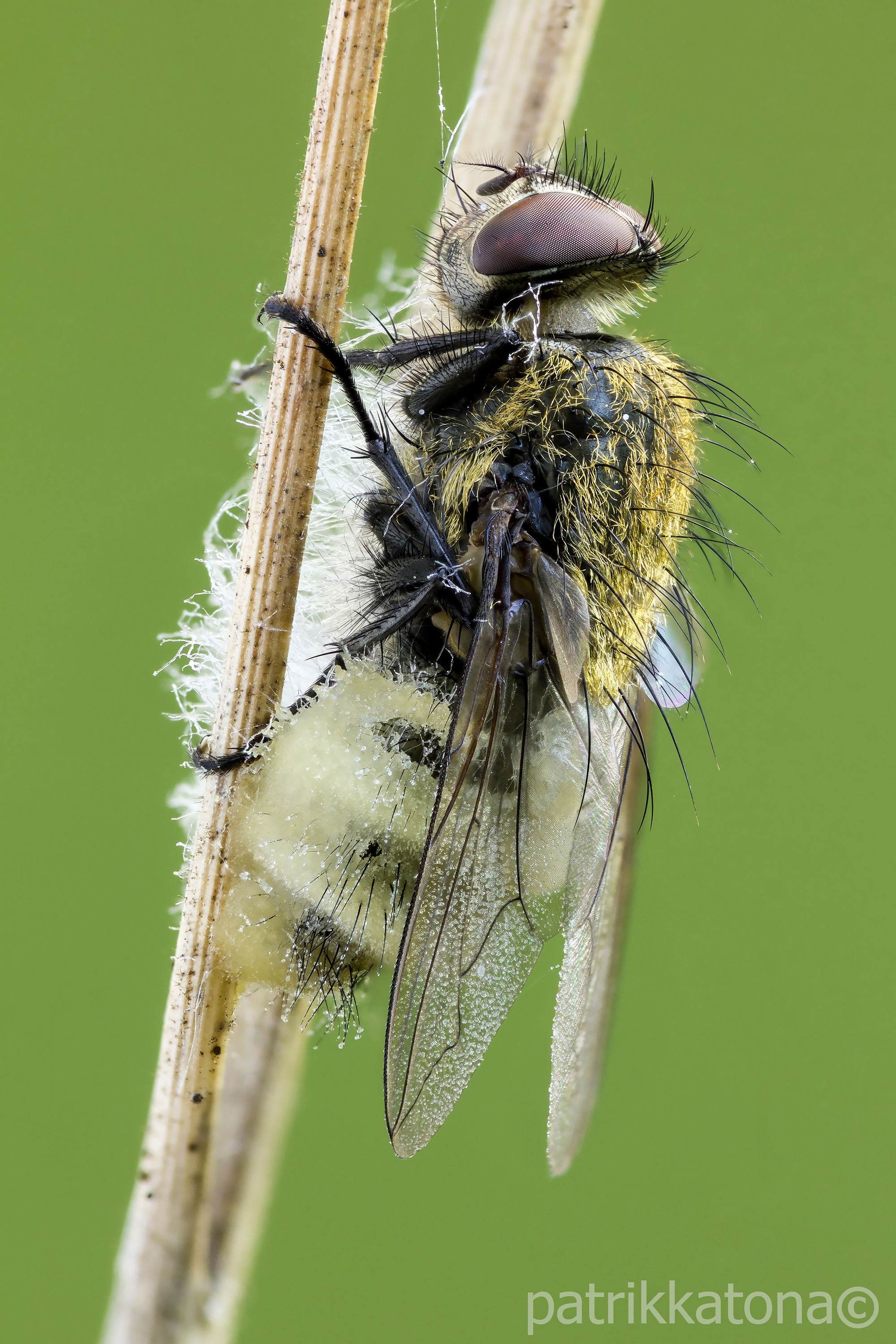
Naturgetreue Abblidungen und Beschreibungen der essbaren, schädlichen und verdächtigen Schwämme /
Prag :In Commission in der J. G. Calve'schen Buchhandlung,1831-1846.
Maize (IPA: /ˈmeɪz/) (Zea mays L. ssp. mays), known as corn in some countries, is a cereal grain domesticated in Mesoamerica and subsequently spread throughout the American continents. After European contact with the Americas in the late 15th and early 16th century, maize spread to the rest of the world.
Maize is the most widely grown crop in the Americas (270 million tons annually in the United States alone). Hybrid maize, due to its high grain yield as a result of heterosis ("hybrid vigour"), is preferred by farmers over conventional varieties. While some maize varieties grow up to 7 metres (23 ft) tall in certain locations, most commercially grown maize has been bred for a height of 2.5 metres (8 ft). Sweet corn is usually shorter than field-corn varieties.
The term maize derives from the Spanish form (maíz) of the indigenous Taino term for the plant, and is the form most commonly heard in the United Kingdom. In the United States, Canada and Australia, the usual term is corn, which originally referred to any grain (and still does in Britain), but which now refers exclusively to maize, having been shortened from the form "Indian corn" (which currently, at least in the U.S., is often used to refer specifically to multi-colored "field corn" cultivars).
Maize stems superficially resemble bamboo canes and the internodes can reach 20–30 centimetres (8–12 in). Maize has a very distinct growth form; the lower leaves being like broad flags, 50–100 centimetres long and 5–10 centimetres wide (2–4 ft by 2–4 in); the stems are erect, conventionally 2–3 metres (7–10 ft) in height, with many nodes, casting off flag-leaves at every node. Under these leaves and close to the stem grow the ears. They grow about 3 centimeters a day.
The ears are female inflorescences, tightly covered over by several layers of leaves, and so closed-in by them to the stem that they do not show themselves easily until the emergence of the pale yellow silks from the leaf whorl at the end of the ear. The silks are elongated stigmas that look like tufts of hair, at first green, and later red or yellow. Plantings for silage are even denser, and achieve an even lower percentage of ears and more plant matter. Certain varieties of maize have been bred to produce many additional developed ears, and these are the source of the "baby corn" that is used as a vegetable in Asian cuisine.
Maize is a facultative long-night plant and flowers in a certain number of growing degree days > 50 °F (10 °C) in the environment to which it is adapted. The magnitude of the influence that long nights have on the number of days that must pass before maize flowers is genetically prescribed and regulated by the phytochrome system.
Photoperiodicity can be eccentric in tropical cultivars, while the long days characteristic of higher latitudes allow the plants to grow so tall that they do not have enough time to produce seed before being killed by frost. These attributes, however, may prove useful in using tropical maize for biofuels.
The apex of the stem ends in the tassel, an inflorescence of male flowers. Each silk may become pollinated to produce one kernel of corn. Young ears can be consumed raw, with the cob and silk, but as the plant matures (usually during the summer months) the cob becomes tougher and the silk dries to inedibility. By the end of the growing season, the kernels dry out and become difficult to chew without cooking them tender first in boiling water. Modern farming techniques in developed countries usually rely on dense planting, which produces on average only about 0.9 ears per stalk because it stresses the plants.
The kernel of corn has a pericarp of the fruit fused with the seed coat, typical of the grasses. It is close to a multiple fruit in structure, except that the individual fruits (the kernels) never fuse into a single mass. The grains are about the size of peas, and adhere in regular rows round a white pithy substance, which forms the ear. An ear contains from 200 to 400 kernels, and is from 10–25 centimetres (4–10 inches) in length. They are of various colors: blackish, bluish-gray, red, white and yellow. When ground into flour, maize yields more flour, with much less bran, than wheat does. However, it lacks the protein gluten of wheat and therefore makes baked goods with poor rising capability.
A genetic variation that accumulates more sugar and less starch in the ear is consumed as a vegetable and is called sweet corn.
Immature maize shoots accumulate a powerful antibiotic substance, DIMBOA (2,4-dihydroxy-7-methoxy-1,4-benzoxazin-3-one). DIMBOA is a member of a group of hydroxamic acids (also known as benzoxazinoids) that serve as a natural defense against a wide range of pests including insects, pathogenic fungi and bacteria. DIMBOA is also found in related grasses, particularly wheat. A maize mutant (bx) lacking DIMBOA is highly susceptible to be attacked by aphids and fungi. DIMBOA is also responsible for the relative resistance of immature maize to the European corn borer (family Crambidae). As maize matures, DIMBOA levels and resistance to the corn borer decline.
Allergy
Maize contains lipid transfer protein, an undigestable protein which survives cooking. This protein has been linked to a rare and understudied allergy to corn in humans. The allergic reaction can cause skin rash, swelling or itching of mucus membranes, diarrhea, vomiting, asthma and, in severe cases, anaphylactic shock. It is unclear how common this allergy is but it has been noted that those with corn allergy almost always have peach allergy as well. Europe requires mandatory labeling of any food that contains maize.
There are several theories about the specific origin of maize in Mesoamerica:
It is a direct domestication of a Mexican annual teosinte, Zea mays ssp. parviglumis, native to the Balsas River valley of southern Mexico, with up to 12% of its genetic material obtained from Zea mays ssp. mexicana through introgression.
It evolved from a hybridization of Z. diploperennis by Tripsacum dactyloides. (The term "teosinte" describes all species and subspecies in the genus Zea, excluding Zea mays ssp. mays.) In the late 1930s, Paul Mangelsdorf suggested that domesticated maize was the result of a hybridization event between an unknown wild maize and a species of Tripsacum, a related genus. However, the proposed role of tripsacum (gama grass) in the origins of maize has been refuted by modern genetic testing, refuting Mangelsdorf’s model and the fourth listed above.
The first model was proposed by Nobel Prize winner George Beadle in 1939. Though it has experimental support, it has not explained a number of problems, among them:
how the immense diversity of the species of sect. Zea originated,
how the tiny archaeological specimens of 3500–2700 BCE (uncorrected) could have been selected from a teosinte, and
how domestication could have proceeded without leaving remains of teosinte or maize with teosintoid traits until ca. 1100 BCE.
The domestication of maize is of particular interest to researchers—archaeologists, geneticists, ethnobotanists, geographers, etc. The process is thought by some to have started 7,500 to 12,000 years ago (corrected for solar variations). Recent genetic evidence suggests that maize domestication occurred 9,000 years ago in central Mexico, perhaps in the highlands between Oaxaca and Jalisco. The wild teosinte most similar to modern maize grows in the area of the Balsas River. Archaeological remains of early maize ears, found at Guila Naquitz Cave in the Oaxaca Valley, date back roughly 6,250 years; the oldest ears from caves near Tehuacan, Puebla, date ca. 2750 BCE. Little change occurred in ear form until ca. 1100 BCE when great changes appeared in ears from Mexican caves: maize diversity rapidly increased and archaeological teosinte was first deposited.
Perhaps as early as 1500 BCE, maize began to spread widely and rapidly. As it was introduced to new cultures, new uses were developed and new varieties selected to better serve in those preparations. Maize was the staple food, or a major staple, of most the pre-Columbian North American, Mesoamerican, South American, and Caribbean cultures. The Mesoamerican civilization was strengthened upon the field crop of maize; through harvesting it, its religious and spiritual importance and how it impacted their diet. Maize formed the Mesoamerican people’s identity. During the 1st millennium CE (AD), maize cultivation spread from Mexico into the Southwest and a millennium later into Northeast and southeastern Canada, transforming the landscape as Native Americans cleared large forest and grassland areas for the new crop.It is unknown what precipitated its domestication, because the edible portion of the wild variety is too small and hard to obtain to be eaten directly, as each kernel is enclosed in a very hard bi-valve shell. However, George Beadle demonstrated that the kernels of teosinte are readily "popped" for human consumption, like modern popcorn. Some have argued that it would have taken too many generations of selective breeding in order to produce large compressed ears for efficient cultivation. However, studies of the hybrids readily made by intercrossing teosinte and modern maize suggest that this objection is not well-founded.
In 2005, research by the USDA Forest Service indicated that the rise in maize cultivation 500 to 1,000 years ago in what is now the southeastern United States contributed to the decline of freshwater mussels, which are very sensitive to environmental changes.
Maize is widely cultivated throughout the world, and a greater weight of maize is produced each year than any other grain. While the United States produces almost half of the world's harvest, other top producing countries are as widespread as China, Brazil, France, Indonesia, India and South Africa. Worldwide production was over 600 million metric tons in 2003 — just slightly more than rice or wheat. In 2004, close to 33 million hectares of maize were planted worldwide, with a production value of more than $23 billion.
Because it is cold-intolerant, in the temperate zones maize must be planted in the spring. Its root system is generally shallow, so the plant is dependent on soil moisture. As a C4 plant (a plant that uses C4 carbon fixation), maize is a considerably more water-efficient crop than C3 plants (plants that use C3 carbon fixation) like the small grains, alfalfa and soybeans. Maize is most sensitive to drought at the time of silk emergence, when the flowers are ready for pollination. In the United States, a good harvest was traditionally predicted if the corn was "knee-high by the Fourth of July", although modern hybrids generally exceed this growth rate. Maize used for silage is harvested while the plant is green and the fruit immature. Sweet corn is harvested in the "milk stage", after pollination but before starch has formed, between late summer and early to mid-autumn. Field corn is left in the field very late in the autumn in order to thoroughly dry the grain, and may, in fact, sometimes not be harvested until winter or even early spring. The importance of sufficient soil moisture is shown in many parts of Africa, where periodic drought regularly causes famine by causing maize crop failure.
Maize was planted by the Native Americans in hills, in a complex system known to some as the Three Sisters: beans used the corn plant for support and in turn provided nitrogen from nitrogen-fixing bacteria which live on the roots of beans and other legumes; and squashes provided ground cover to stop weeds and inhibit evaporation by providing shade over the soil. This method was replaced by single species hill planting where each hill 60–120 cm (2–4 ft) apart was planted with 3 or 4 seeds, a method still used by home gardeners. A later technique was checked corn where hills were placed 40 inches apart in each direction, allowing cultivators to run through the field in two directions. In more arid lands this was altered and seeds were planted in the bottom of 10–12 cm (4–5 in) deep furrows to collect water. Modern technique plants maize in rows which allows for cultivation while the plant is young, although the hill technique is still used in the cornfields of some Native American reservations.
In North America, fields are often planted in a two-crop rotation with a nitrogen-fixing crop, often alfalfa in cooler climates and soybeans in regions with longer summers. Sometimes a third crop, winter wheat, is added to the rotation. Fields are usually plowed each year, although no-till farming is increasing in use. Many of the maize varieties grown in the United States and Canada are hybrids. Over half of the corn area planted in the United States has been genetically modified using biotechnology to express agronomic traits such as pest resistance or herbicide resistance.
Before about World War II, most maize in North America was harvested by hand (as it still is in most of the other countries where it is grown). This often involved large numbers of workers and associated social events. Some one- and two-row mechanical pickers were in use but the corn combine was not adopted until after the War. By hand or mechanical picker, the entire ear is harvested which then requires a separate operation of a corn sheller to remove the kernels from the ear. Whole ears of corn were often stored in corn cribs and these whole ears are a sufficient form for some livestock feeding use. Few modern farms store maize in this manner. Most harvest the grain from the field and store it in bins. The combine with a corn head (with points and snap rolls instead of a reel) does not cut the stalk; it simply pulls the stalk down. The stalk continues downward and is crumpled in to a mangled pile on the ground. The ear of corn is too large to pass through a slit in a plate and the snap rolls pull the ear of corn from the stalk so that only the ear and husk enter the machinery. The combine separates out the husk and the cob, keeping only the kernels.
When maize was first introduced outside of the Americas it was generally welcomed with enthusiasm by farmers everywhere for its productivity. However, a widespread problem of malnutrition soon arose wherever maize was introduced. This was a mystery since these types of malnutrition were not seen among the indigenous Americans under normal circumstances.[13]
It was eventually discovered that the indigenous Americans learned long ago to add alkali — in the form of ashes among North Americans and lime (calcium carbonate) among Mesoamericans — to corn meal to liberate the B-vitamin niacin, the lack of which was the underlying cause of the condition known as pellagra. This alkali process is known by its Nahuatl (Aztec)-derived name: nixtamalization.
Besides the lack of niacin, pellagra was also characterized by protein deficiency, a result of the inherent lack of two key amino acids in pre-modern maize, lysine and tryptophan. Nixtamalisation was also found to increase the lysine and tryptophan content of maize to some extent, but more importantly, the indigenous Americans had learned long ago to balance their consumption of maize with beans and other protein sources such as amaranth and chia, as well as meat and fish, in order to acquire the complete range of amino acids for normal protein synthesis.
Since maize had been introduced into the diet of non-indigenous Americans without the necessary cultural knowledge acquired over thousands of years in the Americas, the reliance on maize elsewhere was often tragic. In the late 19th century pellagra reached endemic proportions in parts of the deep southern U.S., as medical researchers debated two theories for its origin: the deficiency theory (eventually shown to be true) posited that pellagra was due to a deficiency of some nutrient, and the germ theory posited that pellagra was caused by a germ transmitted by stable flies. In 1914 the U.S. government officially endorsed the germ theory of pellagra, but rescinded this endorsement several years later as evidence grew against it. By the mid-1920s the deficiency theory of pellagra was becoming scientific consensus, and the theory was proved in 1932 when niacin deficiency was determined to be the cause of the illness.
Once alkali processing and dietary variety was understood and applied, pellagra disappeared. The development of high lysine maize and the promotion of a more balanced diet has also contributed to its demise.