View allAll Photos Tagged lapislazuli
El Sheikh Zayed bin Sultan al-Nahyan, considerado el padre de los Emiratos Arabes Unidos (EAU), convirtió un sueño en realidad al construir una mezquita de una belleza incomparable, a pesar de que no pudo verla finalizada. Se empezó a construir en 1998 y se acabó en 2007, tres años después de su muerte.
Al salir de la Gran Sala se encuentra la tumba del Sheikh, donde se recitan versos del Corán las 24 horas del día, los 365 días del año.
Sin límite de presupuesto, el resultado final es una auténtica joya.
Hay quien la compara con el Taj Mahal y no parece descabellado pensar que este monumento le sirvió de inspiración tanto en el color blanco deslumbrante del mármol, símbolo de belleza, paz y grandiosidad, como también en su perfección geométrica o en la decoración con incrustaciones de piedras preciosas: lapislázuli, nácar o amatistas...
Está considerada la estructura de mármol más grande construida por el hombre y a pesar de su uniformidad aparente, se utilizaron 28 tipos diferentes de esta roca caliza.
Aunque su estilo arquitectónico es el tradicional islámico, la mezquita esconde alta tecnología en su diseño y construcción ya que la soportan unos 6000 pilares de acero de 27 metros bajo tierra. La mezquita está construida sobre una plataforma de 9 metros sobre el nivel del suelo.
la deslumbrante blancura del conjunto, con sus 82 cúpulas soportadas por más de 1000 columnas y los cuatro minaretes de 107 metros.
Como es habitual, bajo la cúpula mayor se encuentra la sala de oración. Para acceder a ella debe cruzarse el gran patio de 17.000 metros cuadrados, cubierto con losas de mármol adornadas con incrustaciones de flores de colores y rodeado de galerías con arcos en forma de herradura.
Lo más llamativo en la sala de oración, a primera vista, son las 7 lámparas de cristal, la más grande tiene 10 metros de diámetro y un peso de 8 toneladas. Están fabricadas con cristal de Swarovski, sobre una estructura de plata y cobre y bañados en oro.
Sin embargo, una de sus piezas más valiosas se encuentra sobre el suelo, bajo nuestros pies: la impresionante alfombra persa, la más grande del mundo, elaborada en una sola pieza. Con una superficie de 5627 metros cuadrados, pesa 47 toneladas y está compuesta por más de 2200 millones de nudos.
De una gran belleza y pulcritud, fue elaborada por 1200 mujeres iraníes anónimas que trabajaron durante dos años para acabarla.
Las columnas interiores tienen incrustaciones de nácar y en la alquibla (muro orientado hacia La Meca) la fina caligrafía muestra los 99 nombres de Allah y el mihrab decorado en mosaico dorado.
-------------------------------------------
Espero que os gusten
Spero vi piacciano
Hope you like them
Espero us agradin
________________________
Artesania en cobre
diseÑOs basados en la cultura
atacameÑA - diaguita 11 mil a 10 mil aÑOs atras. Norte de chile
incrustaciones de lapislazuli .
Rather than put up a series of images of urns in the Hermitage Museum I decided to create a collage of a few. I know, I know that the top left is not an urn but it filled a corner for me. The two green are made from Malachite a beautiful green stone and they were made by master craftsmen! The blue is made from Lapis Lazuli, a deep blue semi precious stone and was really gorgeous. The centrepiece for me and for the collage is the enormous onyx urn. This was made of two huge block of onyx from the same location and weighing more than two tons. The lady in the foreground is closer to the camera but does give some idea of the scale of this magnificent piece.
The ornament on the top left is one of a set of two with a clock decorating a room and either side of a fireplace!
Retablo de la Coronación de la Virgen de Lorenzo Monaco de la Galería de los Uffizi de Florencia (Italia). Se trata de una pintura al temple en un panel políptico del artista gótico tardío italiano Lorenzo Monaco, centrado en el tema de la Coronación de la Virgen. Antiguamente en el monasterio camaldolés de Santa María degli Angeli, ahora se encuentra en la Galería Uffizi de Florencia. Está fechado en febrero de 1413 que, en el calendario florentino (que comenzaba en marzo), corresponde a 1414.
La pintura es mencionada a principios del siglo XV por Antonio Billi.
A fines del siglo XVI, fue reemplazada en el altar que ocupaba por un gran lienzo de Alessandro Allori . La Coronación fue redescubierta en el siglo XIX, cuando se encontraba en la abadía camaldolense de San Pietro a Cerreto, en mal estado. En 1872 fue restaurada en su marco. En 1990, se descubrió que la parte pintada contenía el precioso y costoso uso del lapislázuli azul.
El trabajo está realizado en un gran marco dorado y tallado, con tres cúspides cubiertas colocadas sobre ménsulas que sobresalen. Los tres arcos están decorados con motivos vegetales; sobre ellos hay tres paneles (cuyo marco superior se ha perdido), que contienen las pinturas, desde la izquierda, del Ángel de la Anunciación, el Cristo Bendito entre los Querubines y la Anunciación. Al lado hay dos pilares con columnas retorcidas en los bordes, con pinturas de profetas. En la parte inferior está la predela, con seis pequeñas pinturas de los Episodios de las Vidas de San Benito y San Bernardo de Claraval.
La pintura central dentro de las tres arcadas muestra la Coronación de la Virgen en el Paraíso (identificado por los cinturones con estrellas azules), con dos filas de santos a los lados y una gran cantidad de ángeles detrás del trono de Jesús y la Virgen.
La composición está abarrotada de personas pero, como otras pinturas giottoescas, carece de perspectiva. El fondo dorado es típico del estilo de Lorenzo.
Florencia (Italia) 16/7/2022
'Eye of Horus by Su_G': in simulated gold, lapis lazuli and anthracite; my entry in Spoonflower's 'Talismans' Design Challenge. (throw rug mockup c/o Spoonflower)
Original: hand-drawn in metallic oils (tube, roller) on paper.
© Su Schaefer 2021
The Eye of Horus is an ancient Egyptian symbol of protection, power, and good health – things we all need!
See more ‘Egyptian’ themed designs by Su_G.
The link for voting will be www.spoonflower.com/contest_voters_temp/new?contest_id=585 - open for one week only. So far there are about 800 entries (a popular theme!). Voting could be fun as the talismans are very diverse!
[Eye of Horus by Su_G_throw rug_mockup]
Welcome to my personal "anime trivia" so the question is: Do you know the name of the person who owns this pendant?
En el Palacio Pitti había una exposición temporal dedicada al lapislázuli. Después de sacar esta foto me enteré de que no se podían sacar fotos por expreso deseo del propietario de la muestra, pero ya estaba hecha...
El Palacio Pitti es de estilo renacentista mando edificar por un banquero florentino llamado Luca Pitti, posteriormente se compró por los Duques de Toscana pasando a ser su residencia oficial.
En el Siglo XIX fue usado como base militar de Napoleón I, pasando a ser posteriormente la residencia oficial de los Reyes de Italia durante un corto tiempo.
A comienzos del Siglo XX el Rey Víctor Manuel III lo donó al pueblo italiano, convirtiéndose a partir de entonces en una de las más grandes galerías de arte de Florencia. Está dividido en siete secciones, cada una con un contenido diferente.
El Sheikh Zayed bin Sultan al-Nahyan, considerado el padre de los Emiratos Arabes Unidos (EAU), convirtió un sueño en realidad al construir una mezquita de una belleza incomparable, a pesar de que no pudo verla finalizada. Se empezó a construir en 1998 y se acabó en 2007, tres años después de su muerte.
Al salir de la Gran Sala se encuentra la tumba del Sheikh, donde se recitan versos del Corán las 24 horas del día, los 365 días del año.
Sin límite de presupuesto, el resultado final es una auténtica joya.
Hay quien la compara con el Taj Mahal y no parece descabellado pensar que este monumento le sirvió de inspiración tanto en el color blanco deslumbrante del mármol, símbolo de belleza, paz y grandiosidad, como también en su perfección geométrica o en la decoración con incrustaciones de piedras preciosas: lapislázuli, nácar o amatistas...
Está considerada la estructura de mármol más grande construida por el hombre y a pesar de su uniformidad aparente, se utilizaron 28 tipos diferentes de esta roca caliza.
Aunque su estilo arquitectónico es el tradicional islámico, la mezquita esconde alta tecnología en su diseño y construcción ya que la soportan unos 6000 pilares de acero de 27 metros bajo tierra. La mezquita está construida sobre una plataforma de 9 metros sobre el nivel del suelo.
la deslumbrante blancura del conjunto, con sus 82 cúpulas soportadas por más de 1000 columnas y los cuatro minaretes de 107 metros.
Como es habitual, bajo la cúpula mayor se encuentra la sala de oración. Para acceder a ella debe cruzarse el gran patio de 17.000 metros cuadrados, cubierto con losas de mármol adornadas con incrustaciones de flores de colores y rodeado de galerías con arcos en forma de herradura.
Lo más llamativo en la sala de oración, a primera vista, son las 7 lámparas de cristal, la más grande tiene 10 metros de diámetro y un peso de 8 toneladas. Están fabricadas con cristal de Swarovski, sobre una estructura de plata y cobre y bañados en oro.
Sin embargo, una de sus piezas más valiosas se encuentra sobre el suelo, bajo nuestros pies: la impresionante alfombra persa, la más grande del mundo, elaborada en una sola pieza. Con una superficie de 5627 metros cuadrados, pesa 47 toneladas y está compuesta por más de 2200 millones de nudos.
De una gran belleza y pulcritud, fue elaborada por 1200 mujeres iraníes anónimas que trabajaron durante dos años para acabarla.
Las columnas interiores tienen incrustaciones de nácar y en la alquibla (muro orientado hacia La Meca) la fina caligrafía muestra los 99 nombres de Allah y el mihrab decorado en mosaico dorado.
-------------------------------------------
Espero que os gusten
Spero vi piacciano
Hope you like them
Espero us agradin
________________________
Palermo Cathedral is the cathedral church of the Roman Catholic Archdiocese of Palermo, located in Palermo, Sicily, southern Italy. It is dedicated to the Assumption of the Virgin Mary. As an architectural complex, it is characterized by the presence of different styles, due to a long history of additions, alterations and restorations, the last of which occurred in the 18th century.
The church was erected in 1185 by Walter Ophamil, the Norman archbishop of Palermo and King William II's minister, on the area of an earlier Byzantine basilica. By all accounts this earlier church was founded by Pope Gregory I and was later turned into a mosque by the Saracens after their conquest of the city in the 9th century. Ophamil is buried in a sarcophagus in the church's crypt. The medieval edifice had a basilica plan with three apses, of which only some minor architectural elements survive today.
The upper orders of the corner towers were built between the 14th and the 15th centuries, while in the early Renaissance period the southern porch was added. The present neoclassical appearance dates from the work carried out over the two decades 1781 to 1801, supervised by Ferdinando Fuga and Giuseppe Venanzio Marvuglia. During this period the great retable by Gagini, decorated with statues, friezes and reliefs, was destroyed and the sculptures moved to different parts of the basilica. Also by Fuga are the great dome emerging from the main body of the building, and the smaller domes covering the aisles' ceilings.
The western entrance is on the current Via Matteo Bonello, and has the appearance set in the 14th and 15th centuries. It is flanked by two towers and has a Gothic portal surmounted by a niche with a precious 15th-century Madonna. Two lintelled ogival arcades, stepping over the street, connect the western façade to the bell tower, which is annexed to the Archbishops Palace (now Museo Diocesano). This has a squared appearance adorned in the upper part by a fine crown of smaller belfries and small arcades.
The south side has outstretching turrets and a wide portico (the current main entrance) in Gothic-Catalan style, with three arcades, erected around 1465 and opening to the square. The first column on the left belonged to the original basilica and the subsequent mosque, as testified by the Qur'an verse carved on it. The carved portal of this entrance was executed in the period 1426 to 1430 by Antonio Gambara, while the magnificent wooden leaves are by Francesco Miranda (1432). The mosaic portraying the Madonna is from the 13th century, while the two monuments on the walls, works of the early 18th century, represent King Charles III of Bourbon and Victor Amadeus II of Sardinia, both of whom were crowned here (the latter with his first wife, Anne Marie d'Orléans, in December 1713).
The area of the apse, enclosed by the turrets and grandly decorated on the external walls, is part of the original 12th-century building, while the more modern part of the church is the left side, which has an early 16th-century portal by Antonello Gagini. The South-Western façade, looking at the Archbishop Palace, dates from the 14th to 15th centuries.
The interior has a Latin cross plan, with a nave and two aisles divided by pilasters. In the first two chapels of the right aisle are the tomb of emperors and royal figures moved here in the 18th century from their original sites (mostly from the basilica itself). Here are the remains of Emperor Henry VI, his son Frederick II, as well as those of Peter II of Sicily. A Roman sarcophagus is the tomb of Constance of Aragon, Frederick's wife. Under the mosaic baldachins are the tombs of Roger II, the first King of Sicily, and his daughter Constance. The last two were once located in the transept of the Cathedral of Cefalù.
The Sacrament chapel, at the end of the left aisles, is decorated with precious stones and lapislazuli. To the right, in the presbytery, is the chapel of Saint Rosalia, patron of Palermo, closed by a richly ornamental bronze gate, with relics and a 17th-century silver urn which is object of particular devotion.
The 1466 Gothic-Catalan style wooden choir and the marble remains of the Gagini's retable (removed during the 18th-century alterations) are also precious, as well as a marble statue of the Madonna with Child by Francesco Laurana and pupils (1469), a 13th-century polychrome Crucifix by Manfredi Chiaramonte, the holy water stoup on the fourth pilaster (by Domenico Gagini) and the Madonna della Scala by Antonello Gagini, on the high altar of the new sacristy. The Relics Chapel contains the relics of St. Christina, St. Ninfa, St. Cosma, St. Agatha and St. Mamilianus, first patron of Palermo.
The crypt, accessed from the left side, is an evocative room with cross vault supported by granite columns, housing tombs and sarcophagi of Roman, Byzantine and Norman ages. People buried here include archbishops Walter Ophamil, the church's founder, and Giovanni Paternò, patron of Antonello Gagini who sculpted the image on his tomb.
The Cathedral Treasury contains goblets, vestments, monstrances, a 14th-century breviary and the famous Crown of Constance of Sicily, a golden tiara found in her tomb in 1491.
The Cathedral has a meridian, which may be considered as an earlier type of heliometer (solar "observatory"), one of a number constructed in Italian churches, mainly in the 17th and 18th centuries. This one was built in 1801 by the famous astronomer Giuseppe Piazzi, the director of the Observatory of Palermo who discovered the first minor planet or asteroid, Ceres. The device itself is quite simple: a tiny hole in one of the minor domes acts as pinhole camera, projecting an image of the sun onto the floor ). There is a bronze line, la meridiana on the floor, running precisely N/S. At solar noon (circa 12:00 in winter, 13:00 in summer), the sun image passes through this line. At different times of the year the passage occurs at different point of the line. The ends of the line mark the positions at the summer and winter solstices; signs of the zodiac show various dates throughout the year.
The purpose of the instrument was to standardise the measurement of time and the calendar. The convention in Sicily had been that the (24-hour) day was measured from the moment of sun-rise, which of course meant that no two locations had the same time and, more importantly, did not have the same time as in St. Peter's Basilica in Rome. It was also important to know when the Vernal equinox occurred, to provide the correct date for Easter. On the belltowers there were six medieval bells.
The instrument could be used for research on the apparent movements of the Sun, including its relative distance from the Earth, measured through the size of the floor projected solar disk, and even to compare the results with Ptolemaic and Copernician predictions.
The church is composed of different styles, as in the following centuries it underwent various changes. The last was at the end of the 18th century, when it radically remade the interior designed by Ferdinando Fuga.
In 1767, the archbishop Filangieri had entrusted to Ferdinand the restoration of the building. The work began only in 1781, carried out not by Ferdinand but by Palermitan Giuseppe Venanzio Marvuglia and lasted until the 19th century.
The reworkings by Marvuglia were in reality much more invasive and radical than the projects of the Florentine architect, who thought instead of keeping, at least in part, the complex of longitudinal aisles and the original wooden ceiling. The restoration intervened to change the original appearance of the complex, providing the church of the characteristic but discordant dome, performed according to the designs of Ferdinando Fuga.
A second font was added in 1797, by Fillipo and Gaetano Pennino. It is supported by sculptures depicting the Tree of Knowledge and Adam and Eve. This font is the subject of a poem by Letitia Elizabeth Landon, which was published posthumously in 1840.
In the right aisle, in the first and second chapel communicating with one another, are the monumental tombs of King Roger II, his daughter Queen Constance I of Sicily, her husband Emperor Henry VI, and their son Emperor Frederick II, as well as the burials of Frederick's first wife Constance of Aragon and his great-great-grandson William II, Duke of Athens on the side walls. The four main sarcophagi, all in porphyry, form a group that also includes that of William I of Sicily in Monreale Cathedral. They "are the very first examples of medieval free-standing secular tombs in the West, and therefore play a unique role within the history of Italian sepulchral art (earlier and later tombs are adjacent to, and dependent on walls)." It is likely that the four sarcophagi of William I (in Monreale), Constance, Henry and Frederick were carved by a local Sicilian workshop from a single Roman column shaft, possibly from the Baths of Caracalla or the Baths of Diocletian in Rome. They ostensibly took inspiration from the porphyry sarcophagi of late Roman Emperors that were still visible in the 12th century in the Church of the Holy Apostles in Constantinople, including those of Constantine the Great and his successors up to Marcian as described by Constantine VII Porphyrogenitus in the De Ceremoniis, four of which now stand in front of the İstanbul Archaeology Museums' main building.
The sarcophagus of Frederick II is surmounted by a canopy with porphyry columns and the urn is supported by two pairs of lions, together with those of Frederick II were also preserved the remains of Peter II of Sicily.
Odo of Bayeux, half-brother of William the Conqueror, was buried in the cathedral in 1097. Aside from burials, Vittorio Amedeo II of Savoy and Charles III of Spain were crowned in the cathedral.
The "treasure of the cathedral", which is composed of sacred vestments from the 16th and 18th centuries, frontals, monstrances, chalices, a breviary with miniatures of the 15th century and the gold tiara of Constance of Aragon. Other precious objects, enamels, embroidery and jewelry, are exposed in central message boards such as for example the breviary parchment of the 1452 coat of arms with an Archbishop Simon from Bologna. The system of bells currently mounted is composed of eight elements assembled with the Ambrosian.
Please view on black!
© All rights reserved. Please don't use any of my images on websites, blogs or other media without my explicit permission, thank you;-)
"Few of our shrubland birds delight observers as much as the spectacular male Lazuli Bunting with its blue, white and cinnamon plumage. Its protracted singing period lasts long after males of other species have finished for the season, maintaining the vibrant sounds of summer. The Lazuli Bunting is a short- to medium- distance migrant that breeds across the Great Basin, the Cascade and Rocky Mountains, the Sierra Nevada and the western Great Plains, and winters mainly on the Pacific Slope in Mexico (Greene et al. 2014). British Columbia marks the northern limit of its breeding range."
This is Lapis Lazuli, known for its cobalt blue color, at Kino Sports Complex.
Tucson Convention Center is indoors; the exhibits are nicely curated. It is mostly retail type sales. In contrast, the Kino is mostly outside on the parking lots and fields at the sports complex There are some very large tents, about the size of a football field and some smaller 10x10 and 20x10 tents. Many of the gems, minerals, and displays are brought in by forklift on pallets. In the tents, the specimens are in large rectangular plastic containers. At TCC the vendors are retail and many of the gems sell by the gram. At Kino the vendors are retail and wholesale. Gems and minerals are sold by the pound or by the piece.
en.wikipedia.org/wiki/Lapis_lazuli
Lapis lazuli (UK: /ˌlæpɪs ˈlæz(j)ʊli, ˈlæʒʊ-, -ˌli/; US: /ˈlæz(j)əli, ˈlæʒə-, -ˌli/), or lapis for short, is a deep-blue metamorphic rock used as a semi-precious stone that has been prized since antiquity for its intense color. Originating from the Persian word for the gem, lāžward,[1] lapis lazuli is a rock composed primarily of the minerals lazurite, pyrite and calcite. As early as the 7th millennium BC, lapis lazuli was mined in the Sar-i Sang mines,[2] in Shortugai, and in other mines in Badakhshan province in modern northeast Afghanistan.[3] Lapis lazuli artifacts, dated to 7570 BC, have been found at Bhirrana, which is the oldest site of Indus Valley civilisation.[4] Lapis was highly valued by the Indus Valley Civilisation (3300–1900 BC).[4][5][6] Lapis beads have been found at Neolithic burials in Mehrgarh, the Caucasus, and as far away as Mauritania.[7] It was used in the funeral mask of Tutankhamun (1341–1323 BC).[8]
The most important mineral component of lapis lazuli is lazurite[14] (25% to 40%),[citation needed] a blue feldspathoid silicate mineral of the sodalite family, with the formula Na7Ca(Al6Si6O24)(SO4)(S3) ·H2O .[15] Most lapis lazuli also contains calcite (white), and pyrite (metallic yellow). Some samples of lapis lazuli contain augite, diopside, enstatite, mica, hauynite, hornblende, nosean, and sulfur-rich löllingite geyerite.
Lapis lazuli usually occurs in crystalline marble as a result of contact metamorphism.
The intense blue color is due to the presence of the trisulfur radical anion (S•−3) in the crystal.[16] The presence of disulfur (S•−2) and tetrasulfur (S•−4) radicals can shift the color towards yellow or red, respectively.[17] These radical anions substitute for the chloride anions within the sodalite structure.[18] The S•−3 radical anion exhibits a visible absorption band in the range 595–620 nm with high molar absorptivity, leading to its bright blue color.[19]
www.visittucson.org/tucson-gem-mineral-fossil-showcase/
Every year the world-renowned Tucson Gem, Mineral & Fossil Showcase is like a time portal, a trip around the world, and a treasure hunt all rolled into one. Every winter, more than 65,000 guests from around the globe descend upon Tucson, AZ, to buy, sell, trade, and bear witness to rare and enchanting gems, minerals, and fossils at more than 50 gem show locations across the city. If you're planning a winter visit to Tucson, you won't want to miss this three-week-long event filled with shows, related events, a free day at the gem & mineral museum, and much, much more!
"Whether you’re looking for a $5 shimmering crystal necklace or a show-stopping $200,000 crystallized rock from an exotic location, the Tucson Gem, Mineral, & Fossil Shows have something for everyone.
Los Ushebti, “los que responden”, son pequeñas estatuas que, en el Antiguo Egipto, se depositaban en la tumba del difunto. La mayoría estaban hechas de fayenza, madera o piedra, aunque los más valiosos estaban tallados en lapislázuli. Su cometido en la religión y mitología egipcia era servirle al difunto en el Aaru (el paraíso de la mitología egipcia), ya que los egipcios pensaban que los espíritus de estas estatuillas trabajarían para ellos en la otra vida (wikipedia). Se encontraron más de cuatrocientos en la tumba del faraón Tutankamon.
La exposición Tutankamón, la tumba y sus tesoros (Madrid, diciembre 2019 a abril 2020) recoge una espectacular y fiel reconstrucción de la tumba del faraón, de más de 3.000 años de antigüedad, tal como el arqueólogo y egiptólogo inglés Howard Carter la encontró el 4 de noviembre de 1922 en el Valle de los Reyes, la mejor conservada hasta la fecha. También se muestran más de mil réplicas de objetos encontrados en la tumba y una recreación de las cuatro capillas funerarias, del sarcófago de piedra, de los tres ataúdes y de la máscara funeraria de oro. Los elementos originales se exhiben en el Museo Egipcio de El Cairo. Más fotografías en el álbum Tutankhamón, la tumba y sus tesoros.
200200
"There isn't a night without a dawn"
You say in few words
At the cape where a lighthouse stands
I was watching the dark sea
There are days that I worry
And I get sad and disheartened
But I could keep living
because you are on by my side
The dawn from the horizon
Shoots rays of light
And is wrapping us
Lapislazuli dawn
My tear-stained face becomes smiley
The tears of that moment
I want to share with everyone
Competing and hurting each other
People are weak
However, the strength to love
Surely is expected to be
On the other side of the glass sea
The milky way spreads out
On a boat called Earth
We're all travelers
The dawn from the horizon
Shoots rays of light
And is wrapping us
Lapislazuli dawn
polished lapis on a fluorite crystal slab. Topcon RE Super, Topcor 5.8cm f1.8, extension bellows, Kodak Portra 400
ENGLISH:
Altar Frontal from Esquius. Medieval Romanesque Art. Second quarter of 12th Century. Tempera and remains of varnished metal plate on wood.
The use of valuable pigments (lapis lazuli, orpiment, cinabri) typical of the miniature, suggests that this frontal was painted in a monastery with an important desk, as it was Ripoll's. The poetic inscription that runs through the Aureola of Christ is a characteristic feature of the rip-off intellectuals: "This is the God of the Alpha and the Omega. Come, oh clement and merciful, with your mercy, and loosen the chains of the wretched. Amen ». In addition, the composition with the two rows of apostles flanking the central Christ is paradigmatic of the Romanesque altar frontals.
Text: MNAC, National Art Museum of Catalonia.
ESPAÑOL:
Frontal de Altar de Esquius. Medieval Románico. Segundo cuarto del Siglo XII.Temple y restos de hoja metálica corlada sobre tabla
El uso de valiosos pigmentos (lapislázuli, oropimente, cinabrio) propios de la miniatura, lleva a pensar que este frontal se pintó en un monasterio con un escritorio importante, como lo fue el de Ripoll. La poética inscripción que recorre la mandorla de Cristo es bien característica de los ambientes intelectuales de Ripoll: «Este es el Dios de la Alfa y la Omega. Ven, oh clemente y misericordioso, con tu piedad, y afloja las cadenas de los miserables. Amén». Además, la composición con las dos hileras de apóstoles flanqueando el Cristo central es paradigmática de los frontales de altar románicos. El uso de valiosos pigmentos (lapislázuli, oropimente, cinabrio) propios de la miniatura, lleva a pensar que este frontal se pintó en un monasterio con un escritorio importante, como lo fue el de Ripoll. La poética inscripción que recorre la mandorla de Cristo es bien característica de los ambientes intelectuales de Ripoll: «Este es el Dios de la Alfa y la Omega. Ven, oh clemente y misericordioso, con tu piedad, y afloja las cadenas de los miserables. Amén». Además, la composición con las dos hileras de apóstoles flanqueando el Cristo central es paradigmática de los frontales de altar románicos.
Texto: MNAC, Museo Nacional de Arte de Cataluña
CATALÀ:
Frontal d’Altar d’Esquius. Medieval Romànic. Segon quart Segle XII.
Procedeix probablement de l'antiga església de Santa Maria del castell de Besora. Tremp i restes de full metàl·lic colrat sobre fusta
L’ús de pigments valuosos (lapislàtzuli, orpiment, cinabri) propis de la miniatura, fa pensar que aquest frontal es va pintar en un monestir amb un escriptori important, com ho va ser el de Ripoll. La poètica inscripció que recorre la màndorla del Crist és ben característica dels ambients intel·lectuals ripollesos: «Aquest és el Déu de l’Alfa i l’Omega. Vine, oh clement i misericordiós, amb la teva pietat, i afluixa les cadenes dels miserables. Amén». A més, la composició amb les dues fileres d’apòstols flanquejant el Crist central és paradigmàtica dels frontals d’altar romànics.
Text: MNAC, Museu Nacional d’Art de Catalunya
Es una joyita de iglesia tanto en su exterior como en el interior. Estuve más de una hora contemplándola y no me cansaban, son múltiples los detalles para deleitarse, los iré subiendo poco a poco.
Os la recomiendo si tenis la oportunidad de visitar San Petesburgo.
Es una tradición rusa construir un templo religioso en honor de acontecimiento histórico. La iglesia ortodoxa del Salvador sobre la sangre derramada o Iglesia de la Resurrección de Cristo se levanto en el lugar donde fue mortalmente herido por los terroristas el emperador ruso Alexander Segundo, el 1 de Marzo de 1881, dicho evento provoco que la nombraran la Iglesia de la Sangre Derramada.
El interior de la iglesia es una obra de arte. Destacan los bellos mosaicos que cubren prácticamente todo el interior de la misma con más de 7000 metros cuadrados . En el ornamento del interior se usaron más de 16 minerales distintos: desde la malaquita, el lapislázuli , diversos mármoles, granitos, jaspe, alabastro, plata hasta oro. En el diseño y la creación de estos mosaicos participaron tanto artistas rusos como artistas extranjeros
Der Wasserwellen-Lebens-Brunnen wurde vom Bildhauer Hans Muhr aus dem größten bekannten jemals gefundenen und in den chilenischen Anden abgebauten Lapislazuli-Monolithen gefertigt. Erstmals ausgestellt wurde dieser Brunnen im Österreich-Pavillon der Weltausstellung in Lissabon 1998.
The water-wave life-fountain was made by the sculptor Hans Muhr from the largest known ever found and mined in the Chilean Andes Lapis Lazuli monolith. Was first issued this fountain in the Austria Pavilion at the World Expo in Lisbon in 1998.
Hola! Varias niñas me han escrito preguntando cuales son los cristales que tengo para vender..bueno aquí hay unos de los que tengo disponibles. Les puse notita a cada uno para que sepan cual es.
1. Cuarzo Cristal
2. Amatista
3. Citrino
4. Lapislazuli
5. Cuarzo rosa
6. Obsidiana
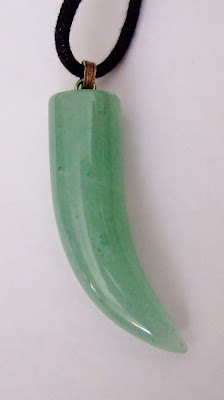
7. Cuarzo verde o Aventurina: no está en la fotito pero es así: 1.bp.blogspot.com/-ij3kxAv4zhM/UXl-KAHxDjI/AAAAAAAAAQc/UR...
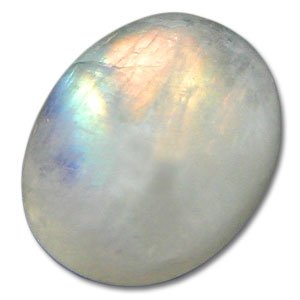
8. Piedra luna: tampoco está en la fotito pero es así: 4.bp.blogspot.com/-dic7RYvP17E/T_DKQ0ShSCI/AAAAAAAAAGM/Z-...
9. Ojo de tigre: piedrasygemas.files.wordpress.com/2009/09/rodados-ojodeti...

Estos son péndulos energéticos..no son para colgarse sino para uso personal, por eso cuelgan de una cadenita :), también puedo traer! una vez que se conectan con su péndulo, les da respuestas y ayuda a catalizar y equilibrar los chakras y los ambientes como casas, etc.
Part of the set bilderordner album: "res noscenda note notiz sketch skizze material sammlung collection entwurf überlegung gedanke brainstorming musterbogen schnittmuster zwischenbilanz bestandsaufnahme rückschau vorschau" 365-days project 2: construction weaving loom, mounting mirror background, bau Webstuhl. Montage Spiegel Hintergrund, Unterlegung // Nonsense Analogie schuh werkstatt weben haus bauen torte backen auflauf kochen // Szenen ohne Ehe, selbst ist die Frau // blue blau lapislazuli // outing trip rundgang ausflug: Niederösterreich Waldviertel Pöggstall atelier werkstatt Glasbläserei Faffelberger, Baustelle Schloss Wasserburg Pöggstall, Bauernmarkt, Schloss Leiben, Adventmarkt
Diptych:
DMC-GH3 - P1090909 - 2015-11-07
DMC-GH3 - P1090972 - 2015-11-07 #draughtsman #problem #leiermann #leier #improvisation #raster #handwerk #chrysalis #chrysalides #chrysalises #haushalt #analogie #haus #bauen #baustelle #hausbauen #weben #leere #lehre #sinnlos #falsch #widerlegen #beweis #beweisführung #gegenbeweis #inhalt #erklärung #erläuterug #loom #webstuhl #bau #construction #öffentlich #rede #einblick #anblick #ausblick #weiß #white #bunt #work #arbeit #profession #beruf #handwerk #theater #diagramm #schaubild #linie #line #linear #trash #müll #mist #abfall #recycling #upcycling #idee #konzept #überlegung #gedanke #napkin #serviette #unterlegung #herbstlicht #herbst #autumn #licht #light #sonnig #sunny #sun #sonne #schatten #shadow #arbeitslicht #gold #silber #private #privat #privateness #metapher #symbol #lampion #green #grün #bilderzyklus #tapestry #tapisserie #tapis #wandteppich #küche #kitchen #bildwirkerei #bildteppich #textilkunst #carpet #teppich #rug #schatten #shadow #szene #scene #review #preview #kaleidoskop #kaleidoscope #heute #neu #neuer #neuest #beobachtung #view #blick
PLEASE, NO invitations or self promotions, THEY WILL BE DELETED. My photos are FREE to use, just give me credit and it would be nice if you let me know, thanks.
Went to a place where jewellery is made using the blue stone lapis lazuli and putting it into various settings.
Lapis lazuli, or lapis for short, is a deep-blue semi-precious stone that has been prized since antiquity for its intense colour.
The lapis lazuli ore has about the same rarity as gold ore. Afghanistan is the leading source but it is also found in Chile, Russia, Canada, Argentina, and Pakistan. Small amounts have also been found in the United States.
... including sand from the Namib desert and Lapis Lazuli. In front of the bottle is fluorite ... in the middle is tourmaline. Back right, greenish may be wulfenite. Open to correction!
brazaletes de oro cornalina lapislazuli Reino Nuevo dinastia XVIII 1293 a C Museo de Hildesheim exposicion Las Hijas del Nilo Palacio de las Alhajas Madrid
Visita micamara.es/madrid/ para conocer Madrid
Navega en micamara.es/ para disfrutar de arte, historia, folclore, naturaleza, fauna, flora de muchos lugares del mundo.
Salento coast is truly stunning.
Salento, Apulia, Italy
©Angela Lobefaro 2022
ALL Rights Reserved
You can follow me also on:
thank you! ;-)
“El turbante lapislázuli”
Johannes Vermeer pinta en la segunda mitad del siglo XVII un cuadro de lo que se denomina un “tronie”, un rostro, un ejercicio de virtuosismo sin la necesaria participación de modelo; “Un retrato al estilo turco” (nombre original) también llamado “Joven con turbante” o “La joven de la perla” denominación última desde 1995. El tenebrismo del imponente fondo negro, el manejo de la luz y de sus sombras, la dialéctica de la pose y de la mirada y el uso de los colores entre los que destaca el apreciado azul ultramarino de la época, contrastan con la aparente sencillez del resultado al que se enfrentan las primeras miradas que descubren eso mismo: una joven que mira a los ojos del observador siguiéndole allá donde se mueva.
Este cuadro inspira a Quique Macía para trabajar fotográficamente en una recreación enfatizando los principales detalles de la escena. Hace así un guiño cómplice a la historia utilizando técnicas fotográficas de laboratorio clásico puestas al servicio de la fotografía digital de alta calidad. Aplica luz artificial modelada para conseguir un efecto visual análogo al que aparece en la pintura del artista neerlandés cuidando vestuario y pose de la modelo.
A modo de curiosidad y por si el observador quiere indagar sobre ello, se invita a reparar en el detalle de “la perla” en la pintura original. Igual uno se lleva una sorpresa.
Del 1 al 16 de Junio.
Espacio expositivo El Taller de la Copia.
C/ Feria, 50. Sevilla
photo rights reserved by B℮n
Ekvtime Takaishvili was a prominent Georgian historian, archaeologist and patron of national heritage. Takaishvili played a crucial role in collecting and preserving important artifacts of Georgian history. During the Soviet occupation and in the aftermath of the Russian Revolution, he managed to secure many Georgian national treasures. He led archaeological expeditions and ensured that important pieces of Georgian heritage were preserved. Takaishvili is often referred to as the man who saved Georgia’s treasures for his dedication to preserving cultural heritage. His efforts have led to many of these artifacts, including the ancient gold goblet, being on display in museums such as the Georgian National Museum in Tbilisi, where they offer a glimpse into Georgia’s rich history and culture. This ancient gold goblet is turned from a single piece of gold and was found in a burial mound in Trialeti: it dates between 1800 and 1600 BC. This means that it is 3,800 to 3,600 years ago. This time falls in the Bronze Age, a period in which many civilizations, including the Trialeti culture in Georgia, developed and flourished. This culture reached its peak around 1500 BC and is characterized by the extraction of metals from their ores, the smelting, casting and shaping of metals for the development of tools and weapons, but also for architecture and art.
The golden goblet at the Georgian National Museum in Tbilisi was crafted by artisans of the Trialeti culture, dates back approximately 3,600 years. This double-walled goblet, features scroll-shaped decorations and is inlaid with carnelian and lapis lazuli. Carnelian typically exhibits a red-orange hue and is favored in jewelry for its warm appearance, while lapis lazuli is known for its deep blue color and artistic applications. This unique piece is the only one of its kind found in modern-day Georgia. Georgian gold and silversmithing, dating back over four millennia, offers invaluable insights into the craftsmanship of ancient jewelers.
Ekvtime Takaishvili was een vooraanstaande Georgische historicus, archeoloog en beschermheer van het nationale erfgoed. Takaishvili speelde een cruciale rol in het verzamelen en behouden van belangrijke artefacten uit de Georgische geschiedenis. Tijdens de Sovjetbezetting en in de nasleep van de Russische Revolutie slaagde hij erin om vele Georgische nationale schatten in veiligheid te brengen. Hij leidde archeologische expedities en zorgde ervoor dat belangrijke stukken van Georgisch erfgoed bewaard bleven. Takaishvili wordt vaak de man die de schatten van Georgië heeft gered genoemd vanwege zijn toewijding aan het behoud van cultureel erfgoed. Zijn inspanningen hebben ertoe geleid dat veel van deze artefacten, waaronder de hierboven genoemde oude gouden kelk, te zien zijn in musea zoals het Georgian National Museum in Tbilisi, waar ze een blik bieden op de rijke geschiedenis en cultuur van Georgië. Deze oude gouden kelk is gedraaid uit één stuk goud en werd gevonden in een grafheuvel in Trialeti; het dateert tussen 1800 en 1600 voor Christus. Dit betekent dat het 3.800 tot 3.600 jaar geleden is. Deze tijd valt in de Bronstijd, een periode waarin veel beschavingen, waaronder de Trialeticultuur in Georgië, zich ontwikkelden en bloeiden. Deze cultuur bereikte haar hoogtepunt rond 1500 v.Chr. en wordt gekenmerkt door het winnen van metalen uit hun ertsen, het smelten, gieten en vormen van metalen voor de ontwikkeling van gereedschappen en wapens, maar ook voor architectuur en kunst. De gouden kelk is gemaakt door ambachtslieden van de Trialeti-cultuur. De dubbelwandige kelk is versierd met krulvormige applicaties en ingelegd met carneool en lapis lazuli. Carneool heeft meestal een rood-oranje kleur en wordt vaak gebruikt in sieraden en als edelsteen vanwege zijn warme uitstraling. Lapis lazuli is een diepblauwe edelsteen, bekend om zijn rijke kleur en gebruik in kunst en decoratie. Het wordt vaak geassocieerd met de oude beschavingen, zoals die in Egypte en Mesopotamië. Dit is een uniek voorwerp, aangezien er geen andere vergelijkbare kelk is gevonden in het huidige Georgië. De Georgische goud- en zilversmeedkunst is bijna net zo oud als het land zelf. De goud- en zilversmeedkunst in Georgië is van onschatbare waarde en biedt inzicht in het vakmanschap van juweliers uit meer dan vier millennia.
Ausschnitt aus einem Gemälde von Paris Bordonne, Venedig, von 1545, ausgestellt im Städel Museum in Frankfurt.
Was für eine Kraft strahlt diese Gemälde aus! Dieser Ausdruck und diese realistische Darstellung!
Die blaue Farbe wurde aus dem Edelstein Lapislazuli hergestellt und war damals die teuerste Farbe, wertvoller als Gold. Die großzügige Verwendung auf einem nicht sakralen Gemälde lässt auf einen sehr wohlhabenden Auftraggeber schließen.
Detail from a painting by Paris Bordonne, Venice, from 1545, exhibited at the Städel Museum in Frankfurt.
What a power these paintings radiate! This expression and this realistic representation!
The blue colour was made from the gemstone lapis lazuli and was at that time the most expensive colour, more valuable than gold. The generous use on a non-sacred painting suggests a very wealthy client.
brazaletes de oro cornalina lapislazuli Reino Nuevo dinastia XVIII 1293 a C Museo de Hildesheim exposicion Las Hijas del Nilo Palacio de las Alhajas Madrid
Visita micamara.es/madrid/ para conocer Madrid
Navega en micamara.es/ para disfrutar de arte, historia, folclore, naturaleza, fauna, flora de muchos lugares del mundo.
to send me blue valentines
like half forgotten dreams
like a pebble in my shoe
as I walk these streets
and the ghost of your memory
is the thistle in the kiss
and the burgler that that can break a roses neck
it's the tattooed broken promise
that I hide beneath my sleeve
and I see you every time I turn my back
It is one of the photos that I liked the most and an alternate world that is very beautiful, and maybe something profound? I do not know. here they are.
If you like the photo please let me know ^^ it will really make me happy
-🇺🇸🇬🇧Text
-information for curious
-🇪🇸Texto
🇺🇸🇬🇧Read:
Aruthut
Sweet aroma of fine sand imbibing the Imperial Garden, my bare feet on the polished sidewalk of the patio,
Among the most beautiful flowers of my immense empire I made my way, taking a flower, pulling it from its roots,
reminding me of my own position, a place that looks so beautiful, growing like a miracle but so delicate.
A belief, The belief that the Pharaohs are gods, that if it is true, I am the great exception, a simple Mortal with blue veins, My whole kingdom debuted towards me, both Nobles and slaves, without their own Thought, obedient for the belief that my voice is and always will be the truth.
body adorned with gold and jewels of great value, the only ones worth adorning my body, lapis lazuli tint highlighting my body; stung by poor and ecstatic servants just for serving me, even if they only have suffering and pain, the happiness of serving me makes them ignorant of their wretched and tortuous lives.
A Halo magnifying my existence as a deity.
A crown glorified as belonging to royalty.
A veil of more haute couture so that the self-proclaimed subjugated feel the confidence of hearing my words.
A malediction of this realm, my realm, Which my Voice cannot cope with to stop this deterioration of the personal progress of
each citizen of my kingdom, his faith makes them happy; His happiness is to bring me the richest and most exotic fruits from beyond the borders of the country.
His happiness is to offer me the most exuberant and valuable objects and furniture.
His happiness is carving statues with materials and precious stones in the shape of my curved silhouette.
His happiness is that each woman is offered to me for choice and Consume each encounter with pleasures and groans; mother, wife and daughter, it doesn't matter.
His happiness is that each man feels that my gaze or a touch with his hands is a divine gift.
His happiness is to have me pleased and that my orders are a fact to be mentioned.
His happiness is me
A malediction, that whatever my order is; that even a fish will swim in a river of fire if that is my wish,
Obedience with the feeling of gratitude of the one who fulfills it, even if I do not want it.
Although I prefer to be someone who guides them to a better time, I only find people who want to fill me with joy and satisfaction.
A bell gives the signal that someone else's close friend has come through his own legs to please my sexual desires.
I delicately place the flower in the pond before leaving, remembering that maybe not today, or maybe not tomorrow, but much earlier than I expect, they will wrap me with the softest wool bandages and place me in a sarcophagus so that resurrect young,
them having faith in immortality that I have never possessed
¡Fictional world - fictional dimension!
Outfit:
Head:
·Luas Solstice Crown
·V/.VoluptasVirtualis - Seductress - Tiara
Hair:
·CAMO - Mereba Braids
Ears:
·RAWR! Neve ELF FEMALE Earrings EvoX
Veil:
I don't know, sorry, it has a generic name
Neck:
·-David Heather-Diana Choker/Gold
·REKT_Egypt Set
Clothes and accesories::
·REKT_Egypt Set
🌺Hito:
maps.secondlife.com/secondlife/Diamond%20Cove/74/66/21
🇪🇸 Lectura
Aruthut
Dulce aroma de arena fina embriagando el Jardín imperial, mis pasos descalzos por la acera pulida del patio, entre las flores mas hermosas de mi inmenso imperio, me abría paso, tomando una flor, arrancándola de sus raíces, haciéndome recordar mi propia posición, Un lugar que se ve tan hermoso, creciendo como un milagro pero tan delicada.
Una creencia, La creencia de que los Faraones son dioses, que si es cierta, yo soy la gran excepción, una simple Mortal con venas azules, Todo mi reino devoto hacia mi, tanto Nobles como esclavos, sin Pensamiento propio por ellos mismo, obedientes por la creencia de que mi voz es y siempre sera la verdad.
cuerpo adornado con oro y joyas de gran valor, las únicas dignas de adornas mi cuerpo, tinte lapislázuli resaltando mi cuerpo; picado por pobres y criados extasiados solo por servirme, aunque solo tengan sufrimiento y dolor, la felicidad por servirme los hace ignorantes de sus desgraciadas y tortuosas vidas.
Un Halo magnificando mi existencia como deidad.
Una corona glorificada como pertenencia a la realeza.
Un velo de mas alta costura para que los auto-proclamados subyugados sientan la confianza de escuchar mis palabras.
Una maldición de este reino, mi reino, Cual mi Voz no puede hacer frente para detener este deterioro del progreso personal de cada ciudadano de mi reino, su fe les hace felices;
Su felicidad es traerme las frutas mas ricas y exoticas de mas allá de las fronteras del país.
Su felicidad es Ofrecerme los objetos y muebles mas Exuberantes y valiosos.
Su felicidad es tallar estatuas con materiales y piedras preciosas con la forma de mi curva silueta.
Su felicidad es que cada mujer sea ofrecida hacia mi para elección y Consumar cada encuentro con placeres y gemidos; madre, esposa e hija, da igual.
Su felicidad es que cada hombre sienta que mi mirada o un roce con su manos sea un regalo divino
Su felicidad es tenerme complacida y que mis ordenes sean un hecho al ser mencionado.
Su felicidad soy yo
Una maldición de cual orden sea miá que hasta un pez nadara en un rio de fuego si ese es mi deseo,
obediencia con el sentimiento de gratitud del quien la cumpla, aunque no lo quiera.
Aunque prefiera ser alguien que los guie a unos mejores tiempo, solo encuentro a gente desean llenarme de gozo y complacencia.
Una campana da la señal de que el allegado de alguien mas a venido por sus propias piernas a complacer mis deseos sexuales.
Con delicadeza coloco la flor en el estanque antes de partir, recordando que quizás no hoy, o quizás no mañana, pero mucho antes
de lo que me espero, me envuelvan con las vendas de la lana mas suave y me coloquen en un Sarcófago para que resucite joven
teniendo fe en la inmortalidad que yo nunca he poseído.
Mundo ficticio - dimensión ficticia
The TAJ MAHAL was built by the grief stricken Emperor Shahjahan as a memorial to his beloved wife Mumtaz Mahal. The TAJ MAHAL is phenomenal not in the beauty alone that shines forth, but in the deep planning and design that went into its making and the ethereal idea of immortalizing love. Delicate carvings in marble with gorgeous pietra dura, lapislazuli , cornelian, jasper, coral, mother of pearl, emerald are inlayed in floral and geometrical patterns in the marble itself. Construction of this enchanting mausoleum an the bank of river Yamuna started in 1631 and took 22 years to complete it with the help of an estimated 2000 workers.