View allAll Photos Tagged imdb
Loew's State
Since: 09-08-1921
Address: 1540 Broadway, New York
Film on Marquee: MUTINY ON THE BOUNTY (1962)
CinemaTreasures.org ID: 557
Victoria
Since: 1908
Address: 1547 Broadway, New York
Film on Marquee: DIARY OF A MADMAN (1963)
CinemaTreasures.org ID: 2945
Back of the card reads: "TIMES SQUARE NEW YORK CITY
The miracles of Broadway are reflected in th emillions of lights that illuminate the 'great white way'. Broadway is the center of the theatrical world; the stage, movies, music, television, radio, any entertainment is Broadway."
MUTINY ON THE BOUNTY premiered in 70mm at the Loew's on November 8th, 1962.
A vintage look at New York's Times Square at dawn in 1963. Many of the theaters are displaying their movies. The banner at the right is for the play "Beyond the Fringe", which is being removed (I know since I have an older postcard where the advertisment is in tact).
Postcard ©1964 Dexter Press Inc. West Nyack, New York & Manhattan Post Card Pub. Co., Inc., 913 Broadway, N.Y.C., N.Y. DT-75425-B NT-49
Here's a less moody daytime version from my collection, same spot, different movie.
……………………………….
Locandina:
stanzedicinema.com/wp-content/uploads/2009/12/children-lo...

www.imdb.com/it/title/tt0206634/
www.imdb.com/it/video/vi3459826457/?playlistId=tt0206634&...
Gianluca Gotto
www.mondadori.it/content/uploads/2021/02/978880472904HIG-...

www.facebook.com/watch/?v=706199753402023
.............................................................................
click to activate the small icon of slideshow: the small triangle inscribed in the small rectangle, at the top right, in the photostream (it means the monitor);
or…. Press the “L” button to zoom in the image;
clicca sulla piccola icona per attivare lo slideshow: sulla facciata principale del photostream, in alto a destra c'è un piccolo rettangolo (rappresenta il monitor) con dentro un piccolo triangolo nero;
oppure…. premi il tasto “L” per ingrandire l'immagine;
www.worldphoto.org/sony-world-photography-awards/winners-...
www.fotografidigitali.it/gallery/2726/opere-italiane-segn...
………………………………………………………………………
I describe this photographic series (with some “poetic license” on the theme of “beach photography”) by quoting an introduction I wrote some time ago, for a photographic series of mine having the same theme today. I would like to focus on two photos from the current series, on how, from a particular situation, in this case photographic, others can arise, I would like to share this with those who are not too bored reading this story: I photographed a young girl while she was reading a book, she was sitting inside one of the many lava formations present along the shore of Naxos (near Taormina), dug with a perfectly rounded shape (this suggests that their origin is man-made, I will not dwell on the hypothesis that attempts to explain these ancient formations), the little water collected inside these "pools" certainly gave a little refreshment to the unaware "reader", once at home, curiosity pushed me to investigate what she was reading, the high resolution of the photos allowed me to easily read the two pages of the book she was holding in her hand, and it was a kind of revelation, some paragraphs of the book, and I was more and more intrigued, about what the book was and its Author, a A quick Google search, and I found what I was looking for. The book is titled "Something Wonderful Always Happens." Its author is Gianluca Gotto. I didn't know him, but I was able to watch and listen to him on YouTube. I found it extremely interesting. I've already ordered the book on Amazon. I'll just quote a short excerpt from the page the reader was reading. It's brief, as I don't want to infringe on any copyright: "(...) do you know what the three poisons of man are according to Buddhism?" I shook my head. "Greed, or the desire to always have more when each of us already has everything we need; ignorance, or the lack of awareness: believing that life is different from what it is here and now; and finally, anger, a condition contrary to any form of happiness."
Beach holidays were born in the 1700s in Great Britain, this social phenomenon was born in which bathers for the first time go to the beaches, certainly not as sunny as those bathed by the Mediterranean Sea, they are fully dressed; this "new fashion" is also encouraged by the belief of English doctors since the beginning of the eighteenth century (starting around 1720), that breathing the brackish sea air and bathing in cold sea water is healthy, invigorates the body and cure lung diseases (conviction even more strengthened by the discovery of oxygen by Antoine Lavoisier in 1778, which led to the greater diffusion and conviction of the theories on the health benefits of sea air, which was thought to be more oxygenated and pure), these theories push many people from Northern Europe suffering from severe lung diseases to spend long periods in southern Europe, often in the south of Italy, this explains why characters with extraordinary qualities come to Taormina to cure their tuberculosis. The photographer baron Wilhelm von Gloeden and the English lady Florence Trevelyan Trevelyan had the seawater brought with their mules from Isola Bella, but while W. Von Gloeden heated the sea water, the English noblewoman Lady Trevelian did not heat it, mindful of the teachings of the English medical school, this will cause her death from bronchopneumonia on 4 October 1907 (see my previous "photographic stories" about Taormina). In fact, "thalassotherapy" was born in Great Britain, together with the social and cultural phenomenon of frequenting bathing beaches (before the beginning of the 18th century, the sea and its beaches were lived, except for reasons of trade and fishing, in a dark and negative way, from the sea often came very serious dangers such as the sudden landings of ferocious pirates, or foreigners carrying very serious diseases could land). Thus the fashion of spending holidays by the sea was born in the English aristocracy and high bourgeoisie of the time, subsequently the habit of going to the sea spread to all levels of society, the railways that were built throughout Great Britain to 'beginning of the nineteenth century, made travel to the ocean accessible even to the lower classes, they too will frequent the seaside resorts, Blackpool becomes the first seaside resort in Great Britain completely frequented by the working classes thanks to the presence of low-cost bathing establishments; the great and definitive boom in seaside tourism will then take place in the 1950s and 1960s. This being the case, it should not be surprising to know that in Great Britain the beaches are more frequented than one might instinctively think due to a climate very different from the Mediterranean one, and that this socio-cultural phenomenon has been investigated at the photographic by photographers of the same Great Britain, of these I mention four names. An important photographer, who probably inspired subsequent photographers, was Tony Ray-Jones, who died prematurely in 1972, at the young age of 30, who was trying to create a “photographic memory” of the stereotypes of the English people; the famous photojournalist Martin Parr, who, although inspired by the previous one, differs from it for his way of doing “social satire” with his goal; finally, I would like to mention David Hurn and Simon Roberts, the latter with wider-ranging photographs, with photographs more detached from the individual. In Italy there are numerous photographers (I will mention only a few) who have made in their long career images captured in seaside resorts (generally we speaking of "beach photography" similar to "street photography"), photographs that are often unique in their style, such as that adopted by Franco Fontana, I mention Mimmo Jodice, Ferdinando Scianna (of whom I am honored to have known him personally), and Massimo Vitali, famous photographer (understood by some as "the photographer of the beaches"), especially for his beautiful photographs taken on the beaches (but not only), thanks to the presence of elevated fixed structures as a kind of mezzanine, built specifically in the bathing beaches for the realization of his photographs. This is my introduction to talk about the theme proposed here, that of “beach photography” (with some exceptions for “narrative” reasons), with a series of photographs taken on the beaches surrounding Taormina (Sicily). ……………………………………………………………
Descrivo questa serie fotografica (con qualche “licenza poetica” sul tema della “beach photography”) riportando una mia introduzione scritta po’ di tempo fa, per una mia serie fotografica avente lo stesso tema odierno. Desidero soffermarmi su due foto dell’attuale serie, di come, da una particolare situazione, in questo caso fotografica, ne possano scaturire altre, desidero condividere ciò con chi non si annoi troppo nel leggere questo racconto: ho fotografato a sua insaputa una giovane ragazza mentre leggeva un libro, era seduta all’interno di una delle tante formazioni laviche presenti lungo il bagnasciuga di Naxos (vicino Taormina), scavate con forma perfettamente rotondeggiante (questo fa pensare che la loro origine sia manufatta, non mi dilungo sulla ipotesi che tenta di spiegare queste antiche formazioni), la poca acqua raccolta all’interno di queste “vasche” davano certamente un po’ di refrigerio alla inconsapevole “lettrice” , una volta a casa, la curiosità mi ha spinto ad indagare su cosa stesse leggendo, l’elevata risoluzione delle foto mi ha consentito di leggere con facilità le due pagine del libro da lei tenuto in mano, ed è stata una specie di rivelazione, qualche trafiletto del libro, ed ero sempre più incuriosito, su quale fosse il libro ed il suo Autore, una breve ricerca su Google, ed ho trovato quanto cercavo, il libro si intitola “Succede sempre qualcosa di meraviglioso”, il suo Autore è Gianluca Gotto, non lo conoscevo, su You Tube ho potuto vederlo ed ascoltarlo, l’ho trovato estremamente interessante, il libro l’ho già ordinato su Amazon; riporterò qui solo un breve trafiletto preso dalla pagina che stava leggendo la lettrice, breve, non vorrei incorrere in qualche violazione sui diritti d’Autore: “ (…) sai quali sono i tre veleni dell’uomo secondo il Buddhismo ?” Scossi la testa. “La cupidigia, ovvero il desiderio di avere sempre di più quando ognuno di noi ha già tutto ciò che gli serve; l’ignoranza, ovvero la mancanza di consapevolezza: credere che la vita sia diversa da ciò che è qui e ora; infine la rabbia, una condizione contraria a ogni forma di felicità.”
Le vacanze al mare nascono nel ‘700 in Gran Bretagna, nasce questo fenomeno sociale nel quale i bagnanti per la prima volta si recano sulle spiagge, non certo assolate come quelle bagnate dal mar Mediterraneo, sono completamente vestiti; questa “nuova moda” è anche incoraggiata dalla convinzione dei medici inglesi fin dall’inizio del ‘700 (a partire dal 1720 circa), che respirare l’aria salmastra del mare e fare il bagno nell’acqua marina fredda sia salutare, rinvigorisca il corpo e curi le malattie polmonari (convinzione ancor più rafforzata dalla scoperta dell’ossigeno da parte di Antoine Lavoisier nel 1778, che portò alla maggiore diffusione e convinzione delle teorie sui benefici per la salute dell’aria di mare, che si pensava essere più ossigenata e pura), queste teorie spingono molte persone del Nord Europa affette da gravi malattie polmonari a trascorrere dei lunghi periodi nel sud Europa, spesso nel meridione d’Italia, questo spiega perché a Taormina giungono personaggi dalle qualità straordinarie per curare il proprio “mal sottile”, il barone fotografo Wilhelm von Gloeden e la lady inglese Florence Trevelyan Trevelyan si facevano portare coi muli l’acqua di mare proveniente dall’Isola Bella, però mentre W. Von Gloeden riscaldava l’acqua marina, la nobildonna inglese lady Trevelian non la riscaldava, memore degli insegnamenti della scuola medica inglese, questo causerà la sua morte per broncopolmonite il 4 ottobre del 1907 (vedi i miei precedenti “racconti fotografici” su Taormina). Infatti la “talassoterapia” nasce in Gran Bretagna, insieme al fenomeno sociale e culturale della frequentazione dei lidi balneari (prima dell’inizio del ‘700, il mare e le sue spiagge erano vissuti, tranne che per motivi di commercio e di pesca, in maniera oscura e negativa, dal mare spesso provenivano gravissimi pericoli come gli sbarchi improvvisi di feroci pirati, oppure potevano sbarcare stranieri portatori di gravissime malattie). Nell’aristocrazia e nell’alta borghesia inglese di allora nasce così la moda di trascorrere le vacanze al mare, successivamente l’abitudine di andare al mare si diffonde a tutti i livelli della società, le ferrovie che furono costruite in tutta la Gran Bretagna all’inizio dell’Ottocento, resero i viaggi verso l’oceano accessibili anche per i ceti più bassi, quelli più popolari e meno agiati, anch’essi frequenteranno le località balneari, Blackpool diviene la prima località balneare della Gran Bretagna completamente frequentata dalle classi popolari grazie alla presenza di stabilimenti balneari a basso costo; il grande e definitivo boom del turismo balneare si avrà poi negli anni ’50 e ’60. Stando così le cose, non ci si deve meravigliare nel sapere che in Gran Bretagna le spiagge sono più frequentate di quanto istintivamente si possa pensare a causa di un clima ben diverso da quello Mediterraneo, e che questo fenomeno socio-culturale sia stato indagato a livello fotografico da parte di fotografi della stessa Gran Bretagna, di questi cito quattro nomi. Un importante fotografo, che probabilmente ispirò i successivi fotografi, fu Tony Ray-Jones, scomparso prematuramente nel 1972, alla giovane età di 30 anni, il quale cercava di realizzare una “memoria fotografica” degli stereotipi del popolo inglese; il famoso fotoreporter Martin Parr, il quale pur ispirandosi al precedente, se ne differenzia per il suo modo di fare “satira sociale” col suo obiettivo; infine desidero menzionare David Hurn e Simon Roberts, quest’ultimo con fotografie di più ampio respiro, con fotografie più distaccate dal singolo individuo. In Italia numerosi sono i fotografi (ne cito solo qualcuno) che hanno realizzato nella loro lunga carriera immagini colte in località balneari (genericamente si parla di “beach photography” affine alla “street photography”), fotografie spesso uniche nel loro stile, come quello adottato da Franco Fontana, menziono Mimmo Jodice, Ferdinando Scianna (del quale mi onoro di averlo conosciuto personalmente), e Massimo Vitali, famoso fotografo (da alcuni inteso come “il fotografo delle spiagge”), soprattutto per le sue bellissime fotografie realizzate sui lidi (ma non solo), grazie alla presenza di strutture fisse sopraelevate a mò di soppalco, costruite appositamente nei lidi balneari per la realizzazione delle sue fotografie. Questo mio incipit, per introdurre il tema da me affrontato, quello della “beach photography” (con qualche eccezione per motivi ”narrativi”), con una serie di fotografie realizzate sulle spiagge circostanti Taormina (Sicilia).
...........................................................................
alexandra daddario wiki, alexandra daddario IMDB,
alexandra daddario Photo,
alexandra daddario Biography,
alexandra daddario Instagram,
alexandra daddario facebook,
alexandra daddario Height,
alexandra daddario age,
alexandra daddario movies List,
alexandra daddario Movies.
………………………………….
www.imdb.com/title/tt0012631/mediaviewer/rm2795115008/?re...
images.mubicdn.net/images/film/36043/cache-25849-14774382...
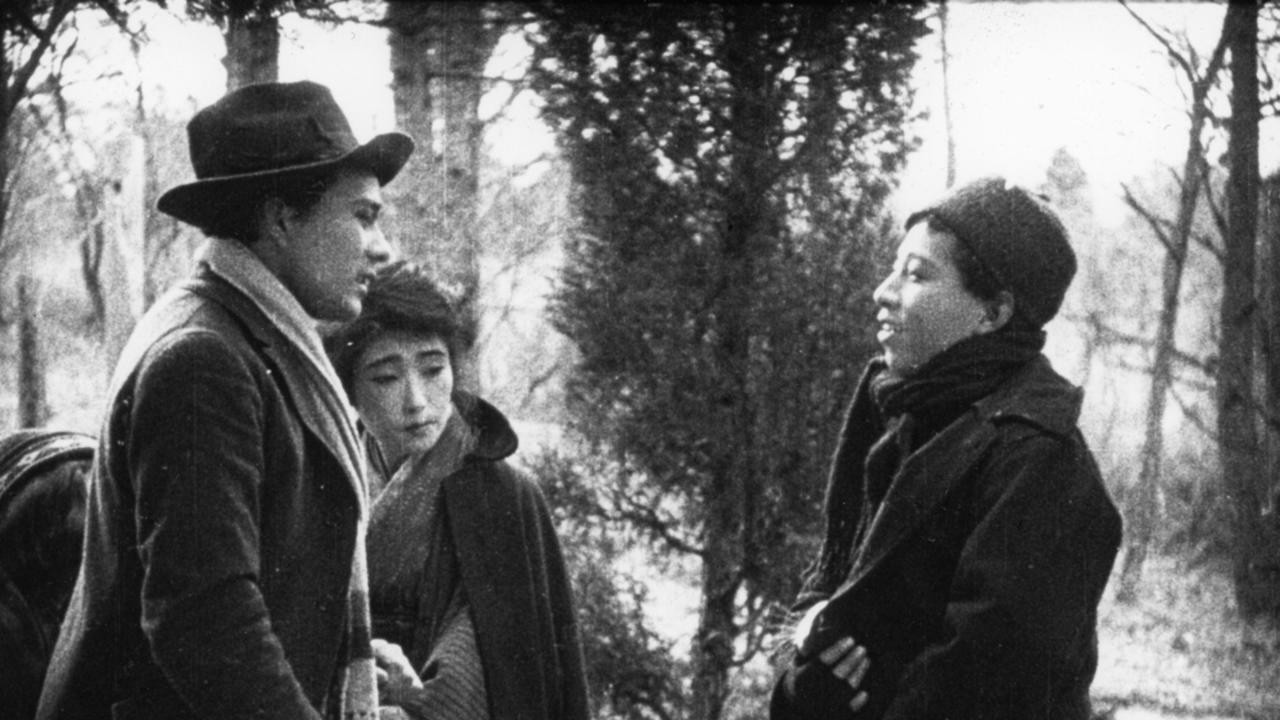
-----------------------------------------------------------------
click to activate the icon of slideshow: the small triangle inscribed in the small rectangle, at the top right, in the photostream;
or…. Press the “L” button to zoom in the image;
clicca sulla piccola icona per attivare lo slideshow: sulla facciata principale del photostream, in alto a destra c'è un piccolo rettangolo (rappresenta il monitor) con dentro un piccolo triangolo nero;
oppure…. premi il tasto “L” per ingrandire l'immagine;
www.worldphoto.org/sony-world-photography-awards/winners-...
www.fotografidigitali.it/gallery/2726/opere-italiane-segn...
…………………………………………………………………
A deep passion of mine about photography concerns, in addition to traditional Sicilian festivals, the black and white genre and street photography, which often but not always end up coinciding, so, although I am currently working on other photographic projects, I have given up (temporarily) everything and I immersed myself in the creation of this group of photos, they are heterogeneous, there is no common thread, yet I felt the need to reclaim these passions of mine. The photographs were taken in Taormina, Letojanni, Messina (at the Torre Faro pylon), on the hydrofoil that takes you from Milazzo to the Aeolian islands, on the islands of Lipari and Salina. A good number of these photos were taken with a 35mm Lensbaby on full frame (focus is manual). I photographed a lay friar, Giovanni L.P., he spoke to me about his troubled life, namely the rediscovery of a profound faith, now with the help of an old and worn Bible, he goes around the world preaching the Word of the Lord; I photographed a huge cargo ship, it was crossing the Strait of Messina, when I saw it I was speechless, I don't think I've ever seen such a gigantic ship up close, I had to wait for it to move away a little so I could take it again all of it, with the lenses I was wearing at the time, as it passed by me, all of it just didn't fit...; on the island of Salina, in the Pollara district, I photographed the external patio of "Neruda's house" where some scenes of the film "Il Postino" with Massimo Troisi, Philippe Noiret, Maria Grazia Cucinotta were filmed; also on the island of Salina I photographed the little black beach of Rinella; the man who "put the dead hand" on her partner was lovingly reprimanded by her, there was complicity between the two of them, she feared that someone might see them...
…………………………………………………….
Una mia profonda passione circa la fotografia riguarda, oltre le feste tradizionali siciliane, il genere bianco e nero e la street photography, esse spesso ma non sempre, finiscono per coincidere, così, pur lavorando attualmente ad altri progetti fotografici, ho mollato (temporaneamente) tutto e mi sono immerso nella realizzazione di questo gruppo di foto, sono eterogenee, non c’è un filo conduttore, eppure sentivo la necessità di riappropriarmi di queste mie passioni. Le fotografie sono state realizzate a Taormina, a Letojanni, a Messina (al Pilone di Torre Faro), sull’aliscafo che da Milazzo porta alle isole Eolie, sulle isole di Lipari e di Salina. Un buon numero di queste foto è stato realizzato con una Lensbaby da 35 mm (su full frame, il fuoco è manuale). Ho fotografato un frate laico, Giovanni L.P., mi ha parlato della sua tribolata vita, pèoi la riscoperta di una profonda fede, ora aiutandosi con una vecchia e logora Bibbia, va in giro per il mondo predicando la Parola del Signore; ho fotografato una enorme nave cargo, stava attraversando lo Stretto di Messina, quando l’ho vista sono rimasto a bocca aperta, non credo di aver mai visto da vicino una nave così gigantesca, ho dovuto aspettare che si allontanasse un po’ per poterla riprendere tutta, con le ottiche che montavo in quel momento, mentre mi passava vicino, tutta proprio non ci entrava…; sull’isola di Salina, in contrada Pollara, ho fotografato il patio esterno della “casa di Neruda” ove furono girate alcune scene del film “Il Postino” con Massimo Troisi, Philippe Noiret, Maria Grazia Cucinotta; sempre sull’isola di Salina ho fotografato la spiaggetta nera di Rinella; l’uomo che “faceva la mano morta” sulla sua compagna veniva amorevolmente ripreso da lei, c’era complicità tra loro due, lei temeva che qualcuno potesse vederli ….
……………………………………………..
“things only exist if they are told/narrated”
(maybe of Alessandro Baricco);
“le cose esistono solo se vengono raccontate”
(probabile, di Alessandro Baricco).
POSTER - LOCANDINA –
www.primevideo.com/-/it/detail/Angel-A/0KVPRDXIFFVZY10Y02...
www.imdb.com/de/title/tt0473753/
www.moviemag.it/angel-a-la-recensione-del-film-di-luc-bes...
----------------------------------------------------------
click to activate the small icon of slideshow: the small triangle inscribed in the small rectangle, at the top right, in the photostream (it means the monitor);
or…. Press the “L” button to zoom in the image;
clicca sulla piccola icona per attivare lo slideshow: sulla facciata principale del photostream, in alto a destra c'è un piccolo rettangolo (rappresenta il monitor) con dentro un piccolo triangolo nero;
oppure…. premi il tasto “L” per ingrandire l'immagine;
www.worldphoto.org/sony-world-photography-awards/winners-...
www.fotografidigitali.it/gallery/2726/opere-italiane-segn...
………………………………………………………
I present here a “Sicilian Festival”, with images and words, which was held this year in what is a “scattered municipality”, since it is composed of the two hamlets of Mongiuffi and Melia, separated by a valley in which a river flows, close to the more famous Taormina; the festival is celebrated on Easter Monday, this year the festival, which began normally, was interrupted shortly after due to the arrival of the sad news of the Holy Father Francis, who passed away, so the festival was postponed and celebrated on Sunday 27 April. Historically, the news that I report here, briefly, are taken from the book written by the historian, researcher of popular traditions and photographer, Giovanni Curcuruto, title of the work "Monfelia" (ETNA printing house, OCTOBER 2006): this festival, initially called "Festa della Pace" (later indicated as "Festa degli Angeli"), was established by the Marquis Francesco Rao Corvaja in 1830, to try to bring harmony between the two villages, Mongiuffi and Melia, which had disagreed in the past years for trivial reasons. The festival was celebrated until 1843, the year in which the two villages argued again (the two communities argued as if they were stadium fans, one sided with the clergy, the other with the nobles), the festival was then suspended, and was only reinstated in 1929; the celebration when it was established required that forty days before Easter Monday, the two communities would gather in the church of San Sebastiano di Melia, to select eight children, four from Mongiuffi in honor of the Madonna, and four from Melia in honor of the Risen Christ, between ten and fifteen years old, on the day of the celebration they would then be dressed in white clothes and “wings”, embellished with ribbons and bows; the children were instructed to recite a text in Sicilian dialect mixed with Latin phrases, written in 1833 by the priest Giovanni Cuzari. On Easter Monday, the various brotherhoods had a lot to do preparing the ceremony; from the church of San Sebastiano di Melia, a procession of only men came out, the bearers carried the float with the Risen Christ on their shoulders, while from Mongiuffi a procession of only women set out, with their heads covered by a black veil, the float with the the Virgin of Sorrows was carried on their shoulders, a black veil covered her completely, leaving only her face uncovered, (underneath there was a white veil, which would have “appeared” at the moment of the encounter with the Risen Son): the two processions met in Melia (and still meet today), in an area called “’nto chianu di l’Angiuli” (the square of the Angels), in reality now it is little more than a narrow street: what happened in the past, still happens today (except that, the procession with the the Virgin of Sorrows no longer comes from Mongiuffi, but comes from Melia itself), the two processions coming from the two opposite directions, carrying the float with the the Virgin of Sorrows, and the one with the Risen Christ, stop one in front of the other. First there is a particular ceremony, two boys meet with their respective Crucifixes making three bows to each other, the same happens with two girls and then two men, with their banners, finally the highly emotional “Meeting” takes place between the Mother (the black cloak flies away, and the white one appears) with her Risen Son! Finally, hidden until then behind a curtain on a stage, there is the appearance of the children dressed as Angels, who undertake the traditional recitation. The historian, passionate about popular traditions, Giovanni Curcuruto, has always been close to the “little angels” having acted as director and choreographer, of this moving, very beautiful, “traditional Sicilian ceremony-festival”.
…………………………………………….
Presento qui una “Festa Siciliana”, con immagini e parole, che si è tenuta quest’anno in quello che è un “comune sparso”, poiché composto dalle due borgate di Mongiuffi e Melia, separate da una vallata nella quale scorre un fiume, vicine alla più conosciuta Taormina; la festa viene celebrata il giorno di Pasquetta (o Lunedì dell’Angelo), quest’anno la festa, iniziata normalmente, è stata poco dopo interrotta per l’arrivo della triste notizia del Santo Padre Francesco, venuto a mancare, quindi la festa è stata rinviata e celebrata domenica 27 aprile.
Storicamente le notizie che qui riporto, sinteticamente, sono tratte dal libro scritto dallo storico, ricercatore di tradizioni popolari e, fotografo, Giovanni Curcuruto, titolo dell’opera “Monfelia” (tipografia ETNA, OTTOBRE 2006): questa festa, chiamata inizialmente “Festa della Pace”, (poi indicata come “Festa degli Angeli”), fu istituita dal Marchese Francesco Rao Corvaja nel 1830, per tentare di portare armonia tra i due borghi, Mongiuffi e Melia, entrati in disaccordo negli anni passati per futili motivi, la festa fu celebrata fino al 1843, anno in cui i due borghi litigarono nuovamente, (le due comunità litigarono come se fossero tifoserie di stadio, una parteggiava per il clero, l’altra per i nobili), la festa venne quindi sospesa, e fu ripristinata solamente nel 1929; la festa quando venne istituita prevedeva che quaranta giorni prima del Lunedì di Pasqua, le due comunità si riunissero nella chiesa di San Sebastiano di Melia, per selezionare otto ragazzini, quattro di Mongiuffi in in onore della Madonna, e quattro di Melia in onore del Cristo Risorto, tra i dieci ed i quindici anni, il giorno della celebrazione sarebbero poi stati vestiti con abiti ed “ali” di colore bianco, impreziositi con nastri e fiocchetti; i ragazzini venivano istruiti a recitare un testo in dialetto siciliano misto a frasi in latino, scritto nel 1833 dal sacerdote Giovanni Cuzari. Il Lunedì dell’Angelo, le varie confraternite avevano un gran da fare per la preparazione della cerimonia; dalla chiesa di San Sebastiano di Melia, usciva una processione di soli uomini, i portatori recavano in spalla la vara col Cristo Risorto, mentre da Mongiuffi partiva una processione di sole donne, col capo coperto da un velo nero, veniva portata in spalla la vara con la Madonna Addolorata, un velo nero la copriva completamente, lasciandole scoperto solamente il volto, (sotto era presente un velo bianco, che sarebbe “apparso” nel momento dell’incontro col Figlio Risorto): le due processioni si incontravano a Melia (e si incontrano tutt’ora), in una zona chiamata “’nto chianu di l’Angiuli” (la piazza degli Angeli), in realtà adesso è poco più di una stretta stradina: quanto accadeva in passato, accade tutt’ora (tranne che, la processione con la Madonna Addolorata non proviene più da Mongiuffi, ma giunge dalla stessa Melia), le due processioni provenienti dalle due opposte direzioni, recanti la vara con la Madonna Addolorata, e quella col Cristo Risorto, si fermano una di fronta l’altra, dapprima
c’è una particolare cerimonia, due ragazzi si incontrano coi rispettivi Crocefissi facendosi l’un l’altro tre inchini, lo stesso accade con due ragazze e poi due uomini, con i loro stendardi, infine avviene “l’Incontro” altamente emozionante tra la Madre (vola via il mantello nero, ed appare quello bianco) col suo Figlio Risorto! Infine, nascosti fino ad allora dietro una tenda su di un palco, c’è l’apparizione dei ragazzini vestiti da Angeli, che intraprendono la recita tradizionale. Lo storico, appassionato di tradizioni popolari, Giovanni Curcuruto, è stato sempre accanto agli “angioletti” avendo fatto da regista e coreografo, di questa commovente, molto bella, “cerimonia – festa tradizionale Siciliana”.
…………………………………………………….
“things only exist if they are told/narrated”
(maybe of Alessandro Baricco);
“le cose esistono solo se vengono raccontate”
(probabile, di Alessandro Baricco).
POSTER - LOCANDINA –
www.primevideo.com/-/it/detail/Angel-A/0KVPRDXIFFVZY10Y02...
www.imdb.com/de/title/tt0473753/
www.moviemag.it/angel-a-la-recensione-del-film-di-luc-bes...
----------------------------------------------------------
click to activate the small icon of slideshow: the small triangle inscribed in the small rectangle, at the top right, in the photostream (it means the monitor);
or…. Press the “L” button to zoom in the image;
clicca sulla piccola icona per attivare lo slideshow: sulla facciata principale del photostream, in alto a destra c'è un piccolo rettangolo (rappresenta il monitor) con dentro un piccolo triangolo nero;
oppure…. premi il tasto “L” per ingrandire l'immagine;
www.worldphoto.org/sony-world-photography-awards/winners-...
www.fotografidigitali.it/gallery/2726/opere-italiane-segn...
………………………………………………………
I present here a “Sicilian Festival”, with images and words, which was held this year in what is a “scattered municipality”, since it is composed of the two hamlets of Mongiuffi and Melia, separated by a valley in which a river flows, close to the more famous Taormina; the festival is celebrated on Easter Monday, this year the festival, which began normally, was interrupted shortly after due to the arrival of the sad news of the Holy Father Francis, who passed away, so the festival was postponed and celebrated on Sunday 27 April. Historically, the news that I report here, briefly, are taken from the book written by the historian, researcher of popular traditions and photographer, Giovanni Curcuruto, title of the work "Monfelia" (ETNA printing house, OCTOBER 2006): this festival, initially called "Festa della Pace" (later indicated as "Festa degli Angeli"), was established by the Marquis Francesco Rao Corvaja in 1830, to try to bring harmony between the two villages, Mongiuffi and Melia, which had disagreed in the past years for trivial reasons. The festival was celebrated until 1843, the year in which the two villages argued again (the two communities argued as if they were stadium fans, one sided with the clergy, the other with the nobles), the festival was then suspended, and was only reinstated in 1929; the celebration when it was established required that forty days before Easter Monday, the two communities would gather in the church of San Sebastiano di Melia, to select eight children, four from Mongiuffi in honor of the Madonna, and four from Melia in honor of the Risen Christ, between ten and fifteen years old, on the day of the celebration they would then be dressed in white clothes and “wings”, embellished with ribbons and bows; the children were instructed to recite a text in Sicilian dialect mixed with Latin phrases, written in 1833 by the priest Giovanni Cuzari. On Easter Monday, the various brotherhoods had a lot to do preparing the ceremony; from the church of San Sebastiano di Melia, a procession of only men came out, the bearers carried the float with the Risen Christ on their shoulders, while from Mongiuffi a procession of only women set out, with their heads covered by a black veil, the float with the the Virgin of Sorrows was carried on their shoulders, a black veil covered her completely, leaving only her face uncovered, (underneath there was a white veil, which would have “appeared” at the moment of the encounter with the Risen Son): the two processions met in Melia (and still meet today), in an area called “’nto chianu di l’Angiuli” (the square of the Angels), in reality now it is little more than a narrow street: what happened in the past, still happens today (except that, the procession with the the Virgin of Sorrows no longer comes from Mongiuffi, but comes from Melia itself), the two processions coming from the two opposite directions, carrying the float with the the Virgin of Sorrows, and the one with the Risen Christ, stop one in front of the other. First there is a particular ceremony, two boys meet with their respective Crucifixes making three bows to each other, the same happens with two girls and then two men, with their banners, finally the highly emotional “Meeting” takes place between the Mother (the black cloak flies away, and the white one appears) with her Risen Son! Finally, hidden until then behind a curtain on a stage, there is the appearance of the children dressed as Angels, who undertake the traditional recitation. The historian, passionate about popular traditions, Giovanni Curcuruto, has always been close to the “little angels” having acted as director and choreographer, of this moving, very beautiful, “traditional Sicilian ceremony-festival”.
…………………………………………….
Presento qui una “Festa Siciliana”, con immagini e parole, che si è tenuta quest’anno in quello che è un “comune sparso”, poiché composto dalle due borgate di Mongiuffi e Melia, separate da una vallata nella quale scorre un fiume, vicine alla più conosciuta Taormina; la festa viene celebrata il giorno di Pasquetta (o Lunedì dell’Angelo), quest’anno la festa, iniziata normalmente, è stata poco dopo interrotta per l’arrivo della triste notizia del Santo Padre Francesco, venuto a mancare, quindi la festa è stata rinviata e celebrata domenica 27 aprile.
Storicamente le notizie che qui riporto, sinteticamente, sono tratte dal libro scritto dallo storico, ricercatore di tradizioni popolari e, fotografo, Giovanni Curcuruto, titolo dell’opera “Monfelia” (tipografia ETNA, OTTOBRE 2006): questa festa, chiamata inizialmente “Festa della Pace”, (poi indicata come “Festa degli Angeli”), fu istituita dal Marchese Francesco Rao Corvaja nel 1830, per tentare di portare armonia tra i due borghi, Mongiuffi e Melia, entrati in disaccordo negli anni passati per futili motivi, la festa fu celebrata fino al 1843, anno in cui i due borghi litigarono nuovamente, (le due comunità litigarono come se fossero tifoserie di stadio, una parteggiava per il clero, l’altra per i nobili), la festa venne quindi sospesa, e fu ripristinata solamente nel 1929; la festa quando venne istituita prevedeva che quaranta giorni prima del Lunedì di Pasqua, le due comunità si riunissero nella chiesa di San Sebastiano di Melia, per selezionare otto ragazzini, quattro di Mongiuffi in in onore della Madonna, e quattro di Melia in onore del Cristo Risorto, tra i dieci ed i quindici anni, il giorno della celebrazione sarebbero poi stati vestiti con abiti ed “ali” di colore bianco, impreziositi con nastri e fiocchetti; i ragazzini venivano istruiti a recitare un testo in dialetto siciliano misto a frasi in latino, scritto nel 1833 dal sacerdote Giovanni Cuzari. Il Lunedì dell’Angelo, le varie confraternite avevano un gran da fare per la preparazione della cerimonia; dalla chiesa di San Sebastiano di Melia, usciva una processione di soli uomini, i portatori recavano in spalla la vara col Cristo Risorto, mentre da Mongiuffi partiva una processione di sole donne, col capo coperto da un velo nero, veniva portata in spalla la vara con la Madonna Addolorata, un velo nero la copriva completamente, lasciandole scoperto solamente il volto, (sotto era presente un velo bianco, che sarebbe “apparso” nel momento dell’incontro col Figlio Risorto): le due processioni si incontravano a Melia (e si incontrano tutt’ora), in una zona chiamata “’nto chianu di l’Angiuli” (la piazza degli Angeli), in realtà adesso è poco più di una stretta stradina: quanto accadeva in passato, accade tutt’ora (tranne che, la processione con la Madonna Addolorata non proviene più da Mongiuffi, ma giunge dalla stessa Melia), le due processioni provenienti dalle due opposte direzioni, recanti la vara con la Madonna Addolorata, e quella col Cristo Risorto, si fermano una di fronta l’altra, dapprima
c’è una particolare cerimonia, due ragazzi si incontrano coi rispettivi Crocefissi facendosi l’un l’altro tre inchini, lo stesso accade con due ragazze e poi due uomini, con i loro stendardi, infine avviene “l’Incontro” altamente emozionante tra la Madre (vola via il mantello nero, ed appare quello bianco) col suo Figlio Risorto! Infine, nascosti fino ad allora dietro una tenda su di un palco, c’è l’apparizione dei ragazzini vestiti da Angeli, che intraprendono la recita tradizionale. Lo storico, appassionato di tradizioni popolari, Giovanni Curcuruto, è stato sempre accanto agli “angioletti” avendo fatto da regista e coreografo, di questa commovente, molto bella, “cerimonia – festa tradizionale Siciliana”.
…………………………………………………….
Neil Bell who plays Tony in the production of Tony Teardrop written by Esther Wilson. Tickets for the performance available HERE!!
youtu.be/vuyoRpmPnZU [trailer]
Architecture and Power
Arhitectura și Puterea
[1993 Romanian documentary about Bucharest from 1930s to 1980s]
.
.
photo:
communist highrise apartment building reflected in a church window
Biserica Sfântul Ștefan „Cuibul cu Barză”
Saint Stephen Church - Cuibul cu Barza, Bucharest
www.monumenteromania.ro/index.php/monumente/detalii/en/Sa...
ro.wikipedia.org/wiki/Biserica_Sf%C3%A2ntul_%C8%98tefan_%...
One of several Bucharest churches moved from their original location during the communist dictatorship and dumped behind new highrise buildings.
After the devastating earthquake of 1977 Nicolae Ceausescu realized that he can remodel Bucharest on a large scale. An area larger than historic Venice [250 hectares] was demolished to make way for a new administrative center. In total 27 orthodox churches, 6 synagogues and 3 protestant churches were demolished all over the town during that time. After a unique, brave and singular protest of several historians only 7 historically important churches were "saved" by relocation behind large buildings, to make them "invisible". The translation was technically done by first pouring a reenforced concrete foundation underneath the church and then slowly moving it to the new location on rails.
People used to joke back then that Bucharest was the only city in the world to have its own unique traffic sign: CAUTION, CROSSING CHURCHES [like the deer crossing sign]
.
.
Ceauşima [Ceausescu+Hiroshima]
en.wikipedia.org/wiki/Ceau%C5%9Fima
Ceauşima ("Ceaushima") is a vernacular word construction in Romanian, sarcastically linking former communist leader Nicolae Ceauşescu to Hiroshima. This portmanteau term was sometimes coined in the 1980s to describe the huge urban areas of Bucharest that Ceauşescu ordered torn down, comparing the results with the nuclear attack on Hiroshima.
Statism [etatism]
THE SOVIET STORY [2008 documentary]
en.wikipedia.org/wiki/The_Soviet_Story
Nineteen Eighty-Four [George Orwell]
en.wikipedia.org/wiki/Nineteen_Eighty-Four
Brazil [1985 movie]
British postcard by Heroes Publishing Ltd, London, no. SPC 2572.
Demi Moore (1962) is an American actress and film producer who had her breakthrough with the Bratpack film St. Elmo's Fire (1985). By 1995 Moore was the highest-paid actress in Hollywood thanks to such blockbusters as Ghost (1990), A Few Good Men (1992) and Indecent Proposal (1993).
Demi Moore was born Demi Gene Guynes in Roswell, New Mexico in 1962. Her father, Air Force airman Charles Harmon, left her then 18-year-old mother Victoria (née King) after a two-month marriage and before Demi was born. When Demi Moore was three months old, her mother married Dan Guynes, a newspaper salesman, who she later saw as her real father. The family moved frequently because of her stepfather's work, more than thirty times. Her stepfather committed suicide when Demi was fifteen, two years after divorcing her mother. A year later she dropped out of school. Her mother, Virginia Guynes, was arrested many times, including for arson and drunk driving. Moore broke off contact with her in 1990 but later reconciled with her shortly before she died of cancer in 1998 at the age of 54. In 1979, three months before her 17th birthday, Demi met the rock musician Freddy Moore and they married in 1980. The marriage lasted four years. Moore signed with the Elite Modeling Agency and then enrolled in drama classes after being inspired by her next-door neighbour, 17-year-old German actress Nastassja Kinski. She appeared on the cover of the January 1981 issue of the French adult magazine Oui, taken from a photo session in which she had posed nude, and made her film debut with a brief role in the teen drama Choices (Silvio Narizzano, 1981). In 1982, she played an investigative reporter in the hospital soap General Hospital (1982-1983). She celebrated her first cinema success in the romantic comedy Blame it on Rio (Stanley Donen, 1983) opposite Michael Caine. Around the same time, she became addicted to cocaine. Her big break came with the film St. Elmo's Fire (Joel Schumacher, 1985) with Rob Lowe and Emilio Estevez, to whom she was engaged for three years. Reportedly, she was fired by Schumacher during filming because of her drug abuse, after which she went to rehab and returned a week later. Interestingly, her character in the film, Jules, was also addicted to cocaine. The film was a huge success, and Moore and her film counterparts were counted among the 'Brat Pack', a group of young actors with a promising future. Moore progressed to more serious material with the romantic comedy About Last Night... (Edward Zwick, 1986), co-starring Rob Lowe, which marked a positive turning point in her career. In 1987, she became even more famous when she married actor Bruce Willis.
In 1990, Demi Moore co-starred with Patrick Swayze and Whoopi Goldberg in the highly successful fantasy Ghost (Jerry Zucker, 1990), for which she received a Golden Globe nomination. The love scene between Moore and Patrick Swayze that starts in front of a potter's wheel to the sound of 'Unchained Melody became an iconic moment in film history and the film grossed over US$505 million at the box office. 'The highest-grossing film of that year' earned her a spot on the A-list and offered her many leading roles in films. The following year, she received a great deal of media attention when she appeared naked on the front page of Vanity Fair magazine while seven months pregnant. The front page was frequently imitated and parodied in the years that followed. The next year, she starred in the blockbuster A Few Good Men with (Rob Reiner, 1992), opposite Tom Cruise and Jack Nicholson. The following year, she scored another big film hit with the controversial Indecent Proposal (Adrian Lyne, 1993). In this film, a rich businessman (Robert Redford) presents a couple with financial problems (Moore and Woody Harrelson) with a dilemma: he gives the couple a million dollars if he can sleep with the woman. Another blockbuster was the thriller Disclosure (Barry Levinson, 1994) with Michael Douglas. Moore produced and starred in a controversial miniseries for HBO called If These Walls Could Talk (1996), a three-part anthology about abortion alongside Sissy Spacek and Cher. Its screenwriter, Nancy Savoca, directed two segments, including one in which Moore played a widowed nurse in the early 1950s seeking a back-alley abortion. For that role, Moore received a second Golden Globe nomination as Best Actress. At the time, Demi Moore was one of the highest-paid film actresses of all time, and she was the first actress to receive more than $10 million for a film role - $12.5 million for Striptease (Andrew Bergman, 1996).
Demi Moore did not manage to keep up the success. Striptease (Andrew Bergman, 1996) opened to overwhelmingly negative reviews with Moore's performance being criticised and 'won' six Golden Raspberry Awards, including for worst film, worst actress and worst director. However, it was a moderate financial success, grossing US$113 million worldwide Moore also starred in the thriller The Juror (Brian Gibson, 1996). It was a box office bomb and was heavily panned by critics. Two successes at the time was as the voice of the gypsy woman Esmeralda in Disney's animated film The Hunchback of Notre Dame (Kirk Wise, Gary Trousdale, 1996) and the voice of Dallas Grimes in the animated comedy Beavis and Butt-head Do America (Mike Judge, 1996), alongside her then-husband Bruce Willis. When her long-cherished project G.I. Jane (Ridley Scott, 1997), for which the actress even shaved her head, turned out to be another flop, Demi Moore took a break in her acting career. As a producer, she did have a few successes with the three Austin Powers films, including Austin Powers: International Man of Mystery (Jay Roach, 1997). Moore and Willis separated in 1998 and divorced in 2000. Together with Bruce Willis, she has three children: Rumer Glen Willis (born 1988), Scout LaRue Willis (1991) and Tallulah Belle Willis (1994). In 2003, she had a much-discussed relationship with the sixteen-year-younger actor Ashton Kutcher, whom she married in 2005. That same year, she returned to the big screen by playing the villain in the sequel Charlie's Angels: Full Throttle (McG, 2005), starring Cameron Diaz, Drew Barrymore and Lucy Liu. Since 2006, Demi has been the face and muse of cosmetics brand Helena Rubinstein. On-screen she could be seen in the ensemble cast of the drama Bobby (Emilio Estevez, 2006) and the drama Margin Call (J. C. Chandor, 2011) with Kevin Spacey. Moore and Kutcher split in 2011 and their divorce was finalised in 2013. Incidentally, she appeared in films such as the black comedy Rough Night/Girls' Night Out (Lucia Aniello, 2017) starring Scarlett Johansson. In 2019, Moore released her book 'Inside Out' about her life, which reached the top spot on the New York Times Bestseller list. Since early 2022, Demi Moore has been in a relationship with Swiss celebrity chef Daniel Humm (46).
Sources: Wikipedia (Dutch, English and German), and IMDb.
And, please check out our blog European Film Star Postcards.
Day 62 - portrait 22 - on tumblr
Make sure you click on the first comment, where a lot of info is packed.
Note, you need to have an account (it's free) on Flickr and set it with permission to view non restricted material in order to read the comments and see the additional photos.
Then when viewing that photo and looking at the comments stream, click on "show previous comments" so you can see the important initial comments.
The artist is present: are you ?
Marina Abramovic present-ing at the MoMA on May 20, 2010.
This page is was updated as new comments, information or links are added; to be notified when new changes occur, click here
Reposted 2015 from 5/27/2010 12:02 pending updates
www.kickstarter.com/projects/maihudson/marina-abramovic-i...
A full length documentary has (April 2012) been released documenting the preparations and daily travails of that show. (more details at bottom of page). Currently (June 2012) playing at the Film Forum
I now wish I had been aware of her 2005 Guggenheim performances, beautifully narrated in Shinya Watanabe's blog See also this thoughtful write up
www.imdb.com/title/tt0019777/mediaviewer/rm1406592001/
The Cocoanuts (1929)
Harpo Marx in The Cocoanuts (1929)
© Paramount Pictures
For more information about the movie:
en.wikipedia.org/wiki/The_Cocoanuts
You can watch this entire classic movie here:
www.imdb.com/it/title/tt0174268/
“……………………………………”
“…………………………………..”
-----------------------------------------------------------------
click to activate the icon of slideshow: the small triangle inscribed in the small rectangle, at the top right, in the photostream;
or…. Press the “L” button to zoom in the image;
clicca sulla piccola icona per attivare lo slideshow: sulla facciata principale del photostream, in alto a destra c'è un piccolo rettangolo (rappresenta il monitor) con dentro un piccolo triangolo nero;
oppure…. premi il tasto “L” per ingrandire l'immagine;
www.worldphoto.org/sony-world-photography-awards/winners-...
www.fotografidigitali.it/gallery/2726/opere-italiane-segn...
…………………………………………………………………
St. Paul the Apostle is a very revered saint in the Sicilian town of Palazzolo Acreide, the feast in his honor is celebrated on two occasions (very important periods if referring to peasant civilization), on 29 June (the day I took this photo story this year 2025) date of his martyrdom, and January 25, the date of his conversion to Christianity. The "summer party" of June 29, begins with a particular collection of donut-shaped bread (in Sicilian called "cuddura"), donated by the villagers and collected on a cart, this is the "round of bread", these loaves (called "di San Paolo") have decorations that recall snakes: the reference is always to San Paolo, considered the protector from the poisonous bites of vipers, this is the ancestral legacy of an ancient peasant civilization, the wheat harvest period that coincides with the feast, it makes working in sunburnt fields particularly dangerous; once there were characters to whom supernatural gifts were attributed, they were called "ciarauli", capable of protecting from the venomous bites of the viper (This year, a very nice man of Palazzolo Acreide, who was also present last year, was present at the feast to recall these ancient figures. Instead of little snakes, as was once the custom, he had with him a very calm python, also because it was full). The procession takes the name of "sciuta", with reference to the "exit" from the basilica of San Paolo of two floats, first the float comes out with the relic of the saint, carried on the shoulders by the devotees, immediately after, at 13.00 o'clock the exit of the float takes place with the ancient statue of Saint Paul holding a sword in his hand (the iconography represents him with the sword for two reasons, he was beheaded with a sword stroke, and because he, referring to the word of God, defined it more effective and sharper than a double-bladed sword), at this point they begin among the most spectacular and evocative pyrotechnic games that I have ever seen, we witness a phantasmagoric and kaleidoscopic explosion of colors made with enormous colored confetti and with colored ribbons about two meters long called 'nzareddi, which recall the shape and movement of snakes. During the procession we witness the rite of children who, often completely naked, are taken by their parents by the expert hands of two devotees present on the float, they are thus placed in front of St. Paul to ask for his intercession and protection, sometimes these children are adorned with paper money, in fact, the donation of money is part of the rites that accompany the procession. Among these rites is the vow of the "bare shoulder" made by devout bearers, and that of women who walk barefoot by vow. The procession with the two floats then arrives, as a sign of devotion, in the church of the Annunziata.
San Paolo Apostolo è un santo molto venerato nel paese siciliano di Palazzolo Acreide, la festa in suo onore viene celebrata in due occasioni (periodi molto importanti se riferiti alla civiltà contadina), il 29 giugno (giorno in cui ho realizzato quest’anno 2025 questo foto-racconto) data del suo martirio, ed il 25 gennaio, data della sua conversione al cristianesimo. La “festa estiva” del 29 giugno, inizia con una particolare raccolta di pane a forma di ciambella (in siciliano detta “cuddura”), donato dai paesani e raccolto su di un carretto, questo è il “giro del pane”, questi pani (detti “di San Paolo”) presentano delle decorazioni che richiamano i serpenti: il riferimento è sempre a San Paolo, ritenuto il protettore dai morsi velenosi delle vipere, questo è il retaggio ancestrale di un’antica civiltà contadina, il periodo della mietitura che coincide con la festa, rende particolarmente pericoloso il lavoro nei campi arsi dal sole; una volta esistevano dei personaggi a cui si attribuivano doti sovrannaturali, erano chiamati “ciarauli”, capaci di proteggere dai morsi velenosi della vipera (quest’anno era presente nella festa, a rievocare queste antiche figure, un simpaticissimo Palazzolese, presente anche l'anno scorso, che al posto delle bisce, come si usava una volta, aveva con se un docilissimo pitone, anche perchè satollo). La processione prende il nome di “sciuta”, con riferimento alla “uscita” dalla basilica di San Paolo di due vare, dapprima esce la vara con la reliquia del santo, portata in spalla dai devoti, subito dopo, alle 13,00 in punto avviene l’uscita della vara con l’antica statua di San Paolo che stringe una spada in pugno (l’iconografia lo rappresenta con la spada per due motivi, egli fu decapitato con un colpo di spada, e perché egli, riferendosi alla parola di Dio, la definiva più efficace e più tagliente di una spada a doppia lama), a questo punto iniziano tra i più spettacolari e suggestivi giochi pirotecnici che io che io abbia mai visto, si assiste ad una fantasmagorica e caleidoscopica esplosione di colori realizzati con enormi coriandoli colorati e con dei nastri colorati lunghi circa due metri chiamati ‘nzareddi, che richiamano la forma ed il movimento dei serpenti. Durante la processione si assiste al rito dei bambini che, molto spesso completamente nudi, vengono presi dai genitori dalle esperte mani di due devoti presenti sulla vara, vengono così messi al cospetto di San Paolo a chiederne la sua intercessione e protezione, a volte questi bimbi sono adornati con della carta moneta, infatti la donazione di denaro fa parte dei riti che accompagnano la processione. Tra questi riti c’è il voto della “spalla nuda” fatto dai devoti portatori, e quello delle donne che per voto camminano scalze. La processione con le due vare giunge poi, in segno di devozione, nella chiesa dell’Annunziata.
………………………………………………………
……………………………….
Locandina:
bingeddata.s3.amazonaws.com/uploads/2021/01/romantic-guid...

www.imdb.com/it/title/tt12784484/mediaviewer/rm2907022337...
www.imdb.com/it/title/tt12784484/mediaviewer/rm2940576769...
www.primevideo.com/detail/Romantic-Guide-to-Lost-Places/0...
.............................................................................
click to activate the small icon of slideshow: the small triangle inscribed in the small rectangle, at the top right, in the photostream (it means the monitor);
or…. Press the “L” button to zoom in the image;
clicca sulla piccola icona per attivare lo slideshow: sulla facciata principale del photostream, in alto a destra c'è un piccolo rettangolo (rappresenta il monitor) con dentro un piccolo triangolo nero;
oppure…. premi il tasto “L” per ingrandire l'immagine;
www.worldphoto.org/sony-world-photography-awards/winners-...
www.fotografidigitali.it/gallery/2726/opere-italiane-segn...
………………………………………………………………………
I'm sharing here on Flickr a (long) series of photos, taken in early August this year, during a short vacation in Calabria, at a holiday village located near a beach I've been frequenting with my family for several years now, during our short summer vacations. The setting, however, is very different from the beaches I normally frequent near my home in Taormina, with very crowded beaches and a sea that is also very popular with yachtsmen of all kinds. In this part of Calabria, the beaches are rarely crowded (except on weekends, but not too much). In short, it's a sort of almost tropical paradise, with very little yachting. Adjacent to the holiday village is a kitesurfing club, very popular with enthusiasts of this wonderful sport, which thrives on the sea and the wind. I photographed an 84-year-old kitesurfer, whose mettle is steely, still giving athletes much younger than him a run for their money. A friendly and sweet horsewoman from the nearby stables arrived unexpectedly in the beach village, accompanied by her father, both astride two magnificent colts. This created a moment of joy and curiosity for both the parents and their little ones, who were likely seeing these magnificent and docile animals up close and personal for the first time. Unexpectedly, a very special party broke out on the beach. Seeing it made me feel like I was no longer in Calabria, but rather transported to the other side of the globe, to the Hindu festival called Holi, with its throwing of colored powders (in India, this festival marks the end of winter and the arrival of spring, as well as symbolizing the victory of good over evil). I know it thanks to the evocative photographs often published on various photography websites.
I'll end by briefly mentioning the photographic technique I've often used in my photographs. I've created "blur" photographs—blurry, slightly blurry, and unfocused—at the time of shooting, simply by lengthening the exposure time and then also using some panning. Finally, I'd like to thank the sweet and beautiful models who posed for me, allowing me to further enhance this (long-winded) photographic story.
………………………………………………………………………..
Propongo qui su Flickr, una (lunga) serie di foto, realizzate nei primi giorni di Agosto di quest’anno, durante una mia breve vacanza in Calabria, in un villaggio vacanze sito a ridosso di una spiaggia che oramai frequento insieme alla mia famiglia, durante le nostre brevi vacanze estive, da diversi anni, fotografie quindi aventi per tema la “beach photography”; purtuttavia l’ambientazione è molto diversa rispetto alle spiagge che frequento normalmente vicino casa mia a Taormina, con spiagge molto affollate, il mare anch’esso super frequentato da diportismo nautico di ogni tipo, in questa zona della Calabria le spiagge sono invece poco frequentate (tranne il fine settimana, ma neanche troppo), insomma, una specie di Paradiso quasi tropicale, con pochissime imbarcazioni. Adiacente al villaggio vacanze c’è un club di Kitesurf, molto frequentato da appassionati di questo meraviglioso sport, sport che si nutre di mare e di vento. Ho fotografato un kitesurfer di 84 anni, la cui tempra è di acciaio, che dà ancora molto filo da torcere ad atleti molto più giovani di lui. Nel villaggio a sorpresa è arrivata una simpatica e dolce cavallerizza proveniente dal vicino maneggio, con lei anche il suo papà, entrambi a cavallo di due magnifici puledri, creando un momento di allegria e curiosità, sia per i genitori, che per i loro piccoli, per i quali, molto probabilmente, era la prima volta che potevano vedere da vicino, e poterli anche toccare, questi magnifici e docili animali. A sorpresa, inaspettatamente, sulla spiaggia ha preso vita un party molto particolare, nel vederlo mi sembrava di non essere più in Calabria, ma di essere stato proiettato dall’altro lato del globo, in quella festa Indù chiamata Holi, con lancio di polveri colorate (in India questa festa segna la fine dell'inverno e l'arrivo della primavera, oltre a simboleggiare la vittoria del bene sul male), festa che conosco grazie a fotografie molto suggestive spesso pubblicate sui vari siti fotografici.
Termino accennando brevemente alla tecnica fotografica che ho spesso adottato nel realizzare le mie fotografie, ho realizzato al momento dello scatto fotografie del tipo “blur”, cioè mosse, un po’ confuse, non incise, ottenute allungando i tempi di esposizione. Infine ringrazio le dolcissime e belle modelle, che hanno voluto posare per me, consentendomi di rendere più grazioso questo mio (prolisso) racconto fotografico.
………………………………………………………………………………
……………………………….
Locandina:
bingeddata.s3.amazonaws.com/uploads/2021/01/romantic-guid...
www.imdb.com/it/title/tt12784484/mediaviewer/rm2907022337...
www.imdb.com/it/title/tt12784484/mediaviewer/rm2940576769...
www.primevideo.com/detail/Romantic-Guide-to-Lost-Places/0...
.............................................................................
click to activate the small icon of slideshow: the small triangle inscribed in the small rectangle, at the top right, in the photostream (it means the monitor);
or…. Press the “L” button to zoom in the image;
clicca sulla piccola icona per attivare lo slideshow: sulla facciata principale del photostream, in alto a destra c'è un piccolo rettangolo (rappresenta il monitor) con dentro un piccolo triangolo nero;
oppure…. premi il tasto “L” per ingrandire l'immagine;
www.worldphoto.org/sony-world-photography-awards/winners-...
www.fotografidigitali.it/gallery/2726/opere-italiane-segn...
………………………………………………………………………
I'm sharing here on Flickr a (long) series of photos, taken in early August this year, during a short vacation in Calabria, at a holiday village located near a beach I've been frequenting with my family for several years now, during our short summer vacations. The setting, however, is very different from the beaches I normally frequent near my home in Taormina, with very crowded beaches and a sea that is also very popular with yachtsmen of all kinds. In this part of Calabria, the beaches are rarely crowded (except on weekends, but not too much). In short, it's a sort of almost tropical paradise, with very little yachting. Adjacent to the holiday village is a kitesurfing club, very popular with enthusiasts of this wonderful sport, which thrives on the sea and the wind. I photographed an 84-year-old kitesurfer, whose mettle is steely, still giving athletes much younger than him a run for their money. A friendly and sweet horsewoman from the nearby stables arrived unexpectedly in the beach village, accompanied by her father, both astride two magnificent colts. This created a moment of joy and curiosity for both the parents and their little ones, who were likely seeing these magnificent and docile animals up close and personal for the first time. Unexpectedly, a very special party broke out on the beach. Seeing it made me feel like I was no longer in Calabria, but rather transported to the other side of the globe, to the Hindu festival called Holi, with its throwing of colored powders (in India, this festival marks the end of winter and the arrival of spring, as well as symbolizing the victory of good over evil). I know it thanks to the evocative photographs often published on various photography websites.
I'll end by briefly mentioning the photographic technique I've often used in my photographs. I've created "blur" photographs—blurry, slightly blurry, and unfocused—at the time of shooting, simply by lengthening the exposure time and then also using some panning. Finally, I'd like to thank the sweet and beautiful models who posed for me, allowing me to further enhance this (long-winded) photographic story.
………………………………………………………………………..
Propongo qui su Flickr, una (lunga) serie di foto, realizzate nei primi giorni di Agosto di quest’anno, durante una mia breve vacanza in Calabria, in un villaggio vacanze sito a ridosso di una spiaggia che oramai frequento insieme alla mia famiglia, durante le nostre brevi vacanze estive, da diversi anni, fotografie quindi aventi per tema la “beach photography”; purtuttavia l’ambientazione è molto diversa rispetto alle spiagge che frequento normalmente vicino casa mia a Taormina, con spiagge molto affollate, il mare anch’esso super frequentato da diportismo nautico di ogni tipo, in questa zona della Calabria le spiagge sono invece poco frequentate (tranne il fine settimana, ma neanche troppo), insomma, una specie di Paradiso quasi tropicale, con pochissime imbarcazioni. Adiacente al villaggio vacanze c’è un club di Kitesurf, molto frequentato da appassionati di questo meraviglioso sport, sport che si nutre di mare e di vento. Ho fotografato un kitesurfer di 84 anni, la cui tempra è di acciaio, che dà ancora molto filo da torcere ad atleti molto più giovani di lui. Nel villaggio a sorpresa è arrivata una simpatica e dolce cavallerizza proveniente dal vicino maneggio, con lei anche il suo papà, entrambi a cavallo di due magnifici puledri, creando un momento di allegria e curiosità, sia per i genitori, che per i loro piccoli, per i quali, molto probabilmente, era la prima volta che potevano vedere da vicino, e poterli anche toccare, questi magnifici e docili animali. A sorpresa, inaspettatamente, sulla spiaggia ha preso vita un party molto particolare, nel vederlo mi sembrava di non essere più in Calabria, ma di essere stato proiettato dall’altro lato del globo, in quella festa Indù chiamata Holi, con lancio di polveri colorate (in India questa festa segna la fine dell'inverno e l'arrivo della primavera, oltre a simboleggiare la vittoria del bene sul male), festa che conosco grazie a fotografie molto suggestive spesso pubblicate sui vari siti fotografici.
Termino accennando brevemente alla tecnica fotografica che ho spesso adottato nel realizzare le mie fotografie, ho realizzato al momento dello scatto fotografie del tipo “blur”, cioè mosse, un po’ confuse, non incise, ottenute allungando i tempi di esposizione. Infine ringrazio le dolcissime e belle modelle, che hanno voluto posare per me, consentendomi di rendere più grazioso questo mio (prolisso) racconto fotografico.
………………………………………………………………………………
Dutch postcard by Takken / 't Sticht, no. 160. Photo: Universal International.
Tall, sultry, green-eyed blonde Peggie Castle (1927-1973) was an American actress who specialised in playing the "other woman" in B-movies. Castle was Miss Cheesecake in 1949.
Peggie (sometimes written as Peggy) Castle was born as Peggy Thomas Blair in Appalachia, Wise County, Virginia, in 1927. Her mother was Elizabeth Blair. Her father, Doyle H. Blair, was a director of an industrial relations firm. When the family moved to Hollywood, he was hired as a studio manager at Goldwyn Studios. He also worked as a business manager for Donald O'Connor. Kater, Peggie changed her surname Blair at the first studio in which she worked. She took lessons in drama when she was 8 years old. Castle graduated from Hollywood High School and attended Mills College for two years. Castle's first work as an actress came in the soap opera 'Today's Children'. Then a spot on Radio Theatre in 1947 brought her a screen test offer from 20th Century Fox. According to Hollywood lore, Castle was discovered by a talent scout while eating a shrimp cocktail in the seafood bar of the Farmer's Market in Beverly Hills. She was signed to a seven-year contract with Universal-International and made her film debut in the 1947 film When a Girl's Beautiful. In 1949, she was named "Miss Cheesecake" by the Southern California Restaurant Association. Later that year, the Junior Chamber of Commerce named Castle "Miss Three Alarm". She later appeared in the films Mr. Belvedere Goes to College (1949), Payment on Demand (1951), The Prince Who Was a Thief (1951), Invasion U.S.A. (1952), 99 River Street (1953), Beginning of the End (1957) and Arrivederci Roma (1957). She often starred in Westerns, appearing in nearly a dozen between Wagons West (1952) and Hell's Crossroads (1957).
In the 1950s, Peggie Castle moved into television. She appeared in multiple guest roles on Fireside Theater, Cheyenne, 77 Sunset Strip, and The Restless Gun. In 1957 she appeared as Amy Gordon on Cheyenne in the episode titled The Spanish Grant. In 1957 she played defendant Sally Fenner in the Perry Mason episode, The Case of the Negligent Nymph. Also in 1957 she was a primary star on Gunsmoke, playing a forlorn Nita Tucker in the episode Chester’s Murder. From 1959 to 1962, she co-starred in the television Western series Lawman — her first continuing series. Her role as saloon owner Lily Merrill brought out a new dimension of Castle's talent. She stated, "For the first time in my life I'm a singer — that's the producer's opinion, not mine." Her final on-screen role was a guest appearance in a 1966 episode of The Virginian. In 1958, Castle acted with Jesse White in a stage production of 'A Hole in the Head' at the Civic Playhouse in Los Angeles. In 1960, Castle and Peter Brown (who also was a regular in Lawman) traveled to rodeos, performing as a song-and-dance team. Castle stressed, "We're very careful not to sing any romantic songs," treating the act more like a brother-sister team. The duo's stops included St. Louis, Chicago, Detroit, Pittsburgh, and Albuquerque. In 1960, she received a star on the Hollywood Walk of Fame. Castle was married four times. She married Revis T. Call, a 2nd Lieutenant in the Army in 1945, in Los Angeles. Following that marriage, she began using Peggy Call as her professional name. They divorced in 1950. She married Universal publicist Robert H. Raines in 1951 and they divorced in 1954. In 1955, Castle married producer and director William McGarry. They had a daughter, Erin McGarry. Castle divorced McGarry in 1969. In 1971, Castle married Arthur Morganstern, her fourth husband. They remained married until Morganstern's death in 1973. Castle suffered from alcoholism. In 1969, she attempted suicide by taking an overdose of barbiturates and slashing her wrists. She was later committed to California's Camarillo State Hospital for her alcoholism, but she regressed after her release. In 1973, her third husband, William McGarry found her body on the couch of her Hollywood apartment. Her death was later determined to be caused by cirrhosis. She was only 45.
Sources: Wikipedia and IMDb.
And, please check out our blog European Film Star Postcards.
Yes, she is one of those Lennon Sisters. I'm dating myself by having even heard of them. In my mind, the Lennon Sisters were big around the time of the Dionne quintuplets, but it turned out I was off by a matter of decades.
Wait. Was I thinking of the Andrews Sisters?
----------------------------------------------------------------------------
IMDB says:
Janet Lennon was born on June 14, 1946 in Culver City, California, USA. She is an actress and producer, known for Love, American Style (1969), Jimmy Durante Presents the Lennon Sisters (1969) and Pro Bowlers' Tour(1962).
She has been married to John Bahler since September 25, 1976. She was previously married to Lee Bernhardi.
Strange as it may seem, this tome was never reviewed in its day or, if it was, the review didn't make it onto the Internet.
Hence, we'll have to make do with a reader's assessment of the work on Amazon in 2007:
----------------------------------------------------------------------------
Reviewed in the United States on December 3, 2007:
Being a fan of the Lennon Sisters, I wanted to get this book as part of my collection. I really enjoyed reading it.
I am an adult, but I enjoy reading children's books sometimes because of the good values that underline many themes in these books. I found this one to bring out these good values as well.
As you can figure from the title of the book, [??] this book focuses on Janet and her last summer vacation before "growing up".
The other family members are just referenced briefly at the beginning of the book.
Good values dealing with diversity, consideration of others, friendship, and thoughtfulness are shown throughout the readings of this book.
If you enjoy children's books as I do, are a Lennon Sisters fan, or are a child yourself, I think you will enjoy this book as much as I have.
I also have bought the other Lennon Sisters books in the series, but I have not read them yet. I will write reviews on them as I complete them.
----------------------------------------------------------------------------
If you're still reading this and if you enjoy games and puzzles, re-read the "review," look closely at the book cover, examine the illustration, and write a 10,000-word short story titled "Janet and the Angels II" that incorporates all the elements and characters in them into one hilarious story that's fun for all the family!
----------------------------------------------------------------------------
No piece about this book would be complete without a mention of its place in the 1954-1975 TV Whitman Book collection:
Whitman Books: The TV Tie-Ins That Bind
Smack Dab In The Middle: Design Trends Of The Mid-20th Century
February 14, 2020
What was Lassie up to when she wasn't fishing Timmy out of that well? Where did Annette go when she wasn't wearing her mouse ears, and did the Lennon Sisters ever get a day off from the Lawrence Welk Show?
The answers to such burning questions came courtesy of Whitman Publishing of Racine, Wis. During the 1950s and 60s, Whitman's Authorized TV Editions filled the bookshelves (and filled in the imagination gaps) of many young fans.
Couldn't wait a week for the next episode of Lassie? Well, you could probably wheedle Mom or Dad into springing for Whitman's Lassie and the Secret of the Summer. (Spoiler alert, Lassie's secret has her finding a valuable stash of old recordings).
Pining for more of The Mickey Mouse Club? Curl up with Annette as she puts on her Nancy Drew detecting hat for Annette and the Mystery at Smuggler's Cove.
And oh, those Lennons! With a hand-drawn map, they discover The Secret of Holiday Island and reunite a shipwrecked boy with his long-lost father.
If the storylines sound familiar, it's because they're relatively interchangeable with the type of stories found in other popular Whitman book series (Donna Parker, Trixie Belden, The Bobbsey Twins).
The difference is that the TV editions featured TV stars. And the more popular the star, the better the chances of a continuing series (Annette made her mystery-solving way to such locales as Moonstone Bay and Medicine Wheel).
At just under $2, your folks could justify the cost. After all, these were books. You weren't sitting there staring at the TV. You were reading. (Even if you were reading about TV).
Celebrities sell, a fact that Whitman discovered early on. Beginning in 1932, its Big Little Books put comic strip favorites (Dick Tracy, Popeye), between the pages of tiny books just four inches high. Simple stories and black-and-white illustrations made these must-haves for the younger set.
Later in the 30s, Whitman branched out into standard-sized hardcovers with pop culture tie-ins.
Many still celebrated funny paper favorites (Smilin' Jack and the Daredevil Girl Pilot, Blondie and Dagwood's Secret Service).
Others brought real-life movie stars into the mix (Betty Grable and the House with the Iron Shutters, Ginger Rogers and the Riddle of the Scarlet Cloak).
Each Whitman book promised the newest, up-to-the-minute mystery and adventure stories for girls and boys, featuring your favorite characters!
When TV surged into prominence in the 1950s, Whitman was ready. Exciting, breezy, 200-page tales were headlined by faces who were tops on the tube, including Fury, The Real McCoys, and Gene Autry. (Autry had been the subject of past Whitman books, but 1951's Gene Autry and the Badmen of Broken Bow was the company's first official TV tie-in. Gene's TV show premiered in mid-1950.)
Noting Whitman's success, Walt Disney visited the library as well, with books based on popular Disney flicks such as The Shaggy Dog.
That trend hearkened back to the 1940s, with books-into-movies re-releases of such box office draws as Now, Voyager.
Dr. Kildare, Leave It To Beaver, Annie Oakley, Maverick--How did you know when your TV show was really a hit?
Why, when you'd made it onto the glossy cover of a Whitman book. Just about 100 official Whitman TV tie-ins were published.
The series ended in 1975, with a half-dozen volumes starring The Waltons.
Today, collectors can find Whitman books at bargain prices. Almost all are under $10, with the exception of such rarities as 1968's Mission to Horatius, the first original story based on the Star Trek series.
Patience is required to find Whitmans in collectible condition. The laminated covers have a tendency to peel (as do the spines). The line-drawn endpaper illustrations often brought out the crayon-obsessed among young readers.
But for those of a certain age wanting to relive a certain age, Whitman TV books were, as promised, 'delightful, intriguing, never to be forgotten.'
Donald-Brian Johnson is the co-author of numerous books on design and collectibles, including Postwar Pop, a collection of his columns. His favorite Whitman book is Fury.
antiquesandauctionnews.net/articles/Whitman-Books%3A-The-...
Last but certainly not least, here is a list of 45 of the books in the series:
Leave It To Beaver. Fire. 1962
The High Chaparral. Apache Way. 1969.
Dr. Kildare The Magic Key. 1964
Dr. Kildare. Assigned To Trouble. 1963
Hawaii Five-O. Top Secret. 1969
The Man From U.N.C.L.E. The Affair of The Gentle Saboteur. 1966. David McCallum and Robert Vaughn pictured on the cover.
The Man From U.N.C.L.E. The Affair of The gunrunners' Gold. 1967
I Spy. Message From Moscow. Bill Cosby and Robert Culp on the cover. 1966
Bonanza. Treachery Trail. 1968
The MOD Squad. Assignment: The Hideout. 1970
The MOD Squad. Assignment: The Arranger. 1969
Garrison's Gorillas and The Fear Formula. 1968
Star Trek. Mission to Horatius. 1968
Patty Duke and Mystery Mansion. 1964
Combat! The Counterattack. 1964.
Voyage To The Bottom of The Sea. 1965
Ironside. The Picture Frame Frame-Up. 1969.
The Rat Patrol. The Iron Monster Raid. 1968
The Invaders. Dam of Death. 1967
Mission: Impossible. The Money Explosion. 1970
Mission Impossible. The Priceless Particle. 1969
The Munsters and the Great Camera Caper. 1965.
The Munsters. The Last Resort. 1966
The Rebel. 1961
Sea Hunt. 1960
The Beverly Hillbillies. The Saga Of Wildcat Creek. 1963
The Real McCoys and Danger at The Ranch. 1961
Lucy and The Madcap Mystery. 1963
Tarzan and the City of Gold by Edgar Rice Burroughs. 1954.
The Three Musketeers. C. 1956
The Big Valley. 1966
Rin Tin Tin and The Ghost Wagon Train. 1958
Janet Lennon Adventure at Two Rivers. 1961
Janet Lennon at Camp Calamity. 1962
Janet Lennon and The Angels. 1963
Lassie The Wild Mountain Trail. 1966
Lassie and The Secret of The Summer. 1958
Annette. The Desert Inn Mystery. 1961.
Annette. Mystery at Medicine Wheel. 1964
The Misadventures of Merlin Jones. 1964
Mary Poppins. 1964. Julie Andrews on the cover.
Ripcord. 1962.
The Waltons. The Puzzle. 1975.
The Waltons. The Penny Sale. 1975
The Waltons. The Treasures. 1975.
……………………………….
Locandina:
stanzedicinema.com/wp-content/uploads/2009/12/children-lo...
www.imdb.com/it/title/tt0206634/
www.imdb.com/it/video/vi3459826457/?playlistId=tt0206634&...
Gianluca Gotto
www.mondadori.it/content/uploads/2021/02/978880472904HIG-...
www.facebook.com/watch/?v=706199753402023
.............................................................................
click to activate the small icon of slideshow: the small triangle inscribed in the small rectangle, at the top right, in the photostream (it means the monitor);
or…. Press the “L” button to zoom in the image;
clicca sulla piccola icona per attivare lo slideshow: sulla facciata principale del photostream, in alto a destra c'è un piccolo rettangolo (rappresenta il monitor) con dentro un piccolo triangolo nero;
oppure…. premi il tasto “L” per ingrandire l'immagine;
www.worldphoto.org/sony-world-photography-awards/winners-...
www.fotografidigitali.it/gallery/2726/opere-italiane-segn...
………………………………………………………………………
I describe this photographic series (with some “poetic license” on the theme of “beach photography”) by quoting an introduction I wrote some time ago, for a photographic series of mine having the same theme today. I would like to focus on two photos from the current series, on how, from a particular situation, in this case photographic, others can arise, I would like to share this with those who are not too bored reading this story: I photographed a young girl while she was reading a book, she was sitting inside one of the many lava formations present along the shore of Naxos (near Taormina), dug with a perfectly rounded shape (this suggests that their origin is man-made, I will not dwell on the hypothesis that attempts to explain these ancient formations), the little water collected inside these "pools" certainly gave a little refreshment to the unaware "reader", once at home, curiosity pushed me to investigate what she was reading, the high resolution of the photos allowed me to easily read the two pages of the book she was holding in her hand, and it was a kind of revelation, some paragraphs of the book, and I was more and more intrigued, about what the book was and its Author, a A quick Google search, and I found what I was looking for. The book is titled "Something Wonderful Always Happens." Its author is Gianluca Gotto. I didn't know him, but I was able to watch and listen to him on YouTube. I found it extremely interesting. I've already ordered the book on Amazon. I'll just quote a short excerpt from the page the reader was reading. It's brief, as I don't want to infringe on any copyright: "(...) do you know what the three poisons of man are according to Buddhism?" I shook my head. "Greed, or the desire to always have more when each of us already has everything we need; ignorance, or the lack of awareness: believing that life is different from what it is here and now; and finally, anger, a condition contrary to any form of happiness."
Beach holidays were born in the 1700s in Great Britain, this social phenomenon was born in which bathers for the first time go to the beaches, certainly not as sunny as those bathed by the Mediterranean Sea, they are fully dressed; this "new fashion" is also encouraged by the belief of English doctors since the beginning of the eighteenth century (starting around 1720), that breathing the brackish sea air and bathing in cold sea water is healthy, invigorates the body and cure lung diseases (conviction even more strengthened by the discovery of oxygen by Antoine Lavoisier in 1778, which led to the greater diffusion and conviction of the theories on the health benefits of sea air, which was thought to be more oxygenated and pure), these theories push many people from Northern Europe suffering from severe lung diseases to spend long periods in southern Europe, often in the south of Italy, this explains why characters with extraordinary qualities come to Taormina to cure their tuberculosis. The photographer baron Wilhelm von Gloeden and the English lady Florence Trevelyan Trevelyan had the seawater brought with their mules from Isola Bella, but while W. Von Gloeden heated the sea water, the English noblewoman Lady Trevelian did not heat it, mindful of the teachings of the English medical school, this will cause her death from bronchopneumonia on 4 October 1907 (see my previous "photographic stories" about Taormina). In fact, "thalassotherapy" was born in Great Britain, together with the social and cultural phenomenon of frequenting bathing beaches (before the beginning of the 18th century, the sea and its beaches were lived, except for reasons of trade and fishing, in a dark and negative way, from the sea often came very serious dangers such as the sudden landings of ferocious pirates, or foreigners carrying very serious diseases could land). Thus the fashion of spending holidays by the sea was born in the English aristocracy and high bourgeoisie of the time, subsequently the habit of going to the sea spread to all levels of society, the railways that were built throughout Great Britain to 'beginning of the nineteenth century, made travel to the ocean accessible even to the lower classes, they too will frequent the seaside resorts, Blackpool becomes the first seaside resort in Great Britain completely frequented by the working classes thanks to the presence of low-cost bathing establishments; the great and definitive boom in seaside tourism will then take place in the 1950s and 1960s. This being the case, it should not be surprising to know that in Great Britain the beaches are more frequented than one might instinctively think due to a climate very different from the Mediterranean one, and that this socio-cultural phenomenon has been investigated at the photographic by photographers of the same Great Britain, of these I mention four names. An important photographer, who probably inspired subsequent photographers, was Tony Ray-Jones, who died prematurely in 1972, at the young age of 30, who was trying to create a “photographic memory” of the stereotypes of the English people; the famous photojournalist Martin Parr, who, although inspired by the previous one, differs from it for his way of doing “social satire” with his goal; finally, I would like to mention David Hurn and Simon Roberts, the latter with wider-ranging photographs, with photographs more detached from the individual. In Italy there are numerous photographers (I will mention only a few) who have made in their long career images captured in seaside resorts (generally we speaking of "beach photography" similar to "street photography"), photographs that are often unique in their style, such as that adopted by Franco Fontana, I mention Mimmo Jodice, Ferdinando Scianna (of whom I am honored to have known him personally), and Massimo Vitali, famous photographer (understood by some as "the photographer of the beaches"), especially for his beautiful photographs taken on the beaches (but not only), thanks to the presence of elevated fixed structures as a kind of mezzanine, built specifically in the bathing beaches for the realization of his photographs. This is my introduction to talk about the theme proposed here, that of “beach photography” (with some exceptions for “narrative” reasons), with a series of photographs taken on the beaches surrounding Taormina (Sicily). ……………………………………………………………
Descrivo questa serie fotografica (con qualche “licenza poetica” sul tema della “beach photography”) riportando una mia introduzione scritta po’ di tempo fa, per una mia serie fotografica avente lo stesso tema odierno. Desidero soffermarmi su due foto dell’attuale serie, di come, da una particolare situazione, in questo caso fotografica, ne possano scaturire altre, desidero condividere ciò con chi non si annoi troppo nel leggere questo racconto: ho fotografato a sua insaputa una giovane ragazza mentre leggeva un libro, era seduta all’interno di una delle tante formazioni laviche presenti lungo il bagnasciuga di Naxos (vicino Taormina), scavate con forma perfettamente rotondeggiante (questo fa pensare che la loro origine sia manufatta, non mi dilungo sulla ipotesi che tenta di spiegare queste antiche formazioni), la poca acqua raccolta all’interno di queste “vasche” davano certamente un po’ di refrigerio alla inconsapevole “lettrice” , una volta a casa, la curiosità mi ha spinto ad indagare su cosa stesse leggendo, l’elevata risoluzione delle foto mi ha consentito di leggere con facilità le due pagine del libro da lei tenuto in mano, ed è stata una specie di rivelazione, qualche trafiletto del libro, ed ero sempre più incuriosito, su quale fosse il libro ed il suo Autore, una breve ricerca su Google, ed ho trovato quanto cercavo, il libro si intitola “Succede sempre qualcosa di meraviglioso”, il suo Autore è Gianluca Gotto, non lo conoscevo, su You Tube ho potuto vederlo ed ascoltarlo, l’ho trovato estremamente interessante, il libro l’ho già ordinato su Amazon; riporterò qui solo un breve trafiletto preso dalla pagina che stava leggendo la lettrice, breve, non vorrei incorrere in qualche violazione sui diritti d’Autore: “ (…) sai quali sono i tre veleni dell’uomo secondo il Buddhismo ?” Scossi la testa. “La cupidigia, ovvero il desiderio di avere sempre di più quando ognuno di noi ha già tutto ciò che gli serve; l’ignoranza, ovvero la mancanza di consapevolezza: credere che la vita sia diversa da ciò che è qui e ora; infine la rabbia, una condizione contraria a ogni forma di felicità.”
Le vacanze al mare nascono nel ‘700 in Gran Bretagna, nasce questo fenomeno sociale nel quale i bagnanti per la prima volta si recano sulle spiagge, non certo assolate come quelle bagnate dal mar Mediterraneo, sono completamente vestiti; questa “nuova moda” è anche incoraggiata dalla convinzione dei medici inglesi fin dall’inizio del ‘700 (a partire dal 1720 circa), che respirare l’aria salmastra del mare e fare il bagno nell’acqua marina fredda sia salutare, rinvigorisca il corpo e curi le malattie polmonari (convinzione ancor più rafforzata dalla scoperta dell’ossigeno da parte di Antoine Lavoisier nel 1778, che portò alla maggiore diffusione e convinzione delle teorie sui benefici per la salute dell’aria di mare, che si pensava essere più ossigenata e pura), queste teorie spingono molte persone del Nord Europa affette da gravi malattie polmonari a trascorrere dei lunghi periodi nel sud Europa, spesso nel meridione d’Italia, questo spiega perché a Taormina giungono personaggi dalle qualità straordinarie per curare il proprio “mal sottile”, il barone fotografo Wilhelm von Gloeden e la lady inglese Florence Trevelyan Trevelyan si facevano portare coi muli l’acqua di mare proveniente dall’Isola Bella, però mentre W. Von Gloeden riscaldava l’acqua marina, la nobildonna inglese lady Trevelian non la riscaldava, memore degli insegnamenti della scuola medica inglese, questo causerà la sua morte per broncopolmonite il 4 ottobre del 1907 (vedi i miei precedenti “racconti fotografici” su Taormina). Infatti la “talassoterapia” nasce in Gran Bretagna, insieme al fenomeno sociale e culturale della frequentazione dei lidi balneari (prima dell’inizio del ‘700, il mare e le sue spiagge erano vissuti, tranne che per motivi di commercio e di pesca, in maniera oscura e negativa, dal mare spesso provenivano gravissimi pericoli come gli sbarchi improvvisi di feroci pirati, oppure potevano sbarcare stranieri portatori di gravissime malattie). Nell’aristocrazia e nell’alta borghesia inglese di allora nasce così la moda di trascorrere le vacanze al mare, successivamente l’abitudine di andare al mare si diffonde a tutti i livelli della società, le ferrovie che furono costruite in tutta la Gran Bretagna all’inizio dell’Ottocento, resero i viaggi verso l’oceano accessibili anche per i ceti più bassi, quelli più popolari e meno agiati, anch’essi frequenteranno le località balneari, Blackpool diviene la prima località balneare della Gran Bretagna completamente frequentata dalle classi popolari grazie alla presenza di stabilimenti balneari a basso costo; il grande e definitivo boom del turismo balneare si avrà poi negli anni ’50 e ’60. Stando così le cose, non ci si deve meravigliare nel sapere che in Gran Bretagna le spiagge sono più frequentate di quanto istintivamente si possa pensare a causa di un clima ben diverso da quello Mediterraneo, e che questo fenomeno socio-culturale sia stato indagato a livello fotografico da parte di fotografi della stessa Gran Bretagna, di questi cito quattro nomi. Un importante fotografo, che probabilmente ispirò i successivi fotografi, fu Tony Ray-Jones, scomparso prematuramente nel 1972, alla giovane età di 30 anni, il quale cercava di realizzare una “memoria fotografica” degli stereotipi del popolo inglese; il famoso fotoreporter Martin Parr, il quale pur ispirandosi al precedente, se ne differenzia per il suo modo di fare “satira sociale” col suo obiettivo; infine desidero menzionare David Hurn e Simon Roberts, quest’ultimo con fotografie di più ampio respiro, con fotografie più distaccate dal singolo individuo. In Italia numerosi sono i fotografi (ne cito solo qualcuno) che hanno realizzato nella loro lunga carriera immagini colte in località balneari (genericamente si parla di “beach photography” affine alla “street photography”), fotografie spesso uniche nel loro stile, come quello adottato da Franco Fontana, menziono Mimmo Jodice, Ferdinando Scianna (del quale mi onoro di averlo conosciuto personalmente), e Massimo Vitali, famoso fotografo (da alcuni inteso come “il fotografo delle spiagge”), soprattutto per le sue bellissime fotografie realizzate sui lidi (ma non solo), grazie alla presenza di strutture fisse sopraelevate a mò di soppalco, costruite appositamente nei lidi balneari per la realizzazione delle sue fotografie. Questo mio incipit, per introdurre il tema da me affrontato, quello della “beach photography” (con qualche eccezione per motivi ”narrativi”), con una serie di fotografie realizzate sulle spiagge circostanti Taormina (Sicilia).
...........................................................................
……………………………….
Locandina:
stanzedicinema.com/wp-content/uploads/2009/12/children-lo...
www.imdb.com/it/title/tt0206634/
www.imdb.com/it/video/vi3459826457/?playlistId=tt0206634&...
Gianluca Gotto
www.mondadori.it/content/uploads/2021/02/978880472904HIG-...
www.facebook.com/watch/?v=706199753402023
.............................................................................
click to activate the small icon of slideshow: the small triangle inscribed in the small rectangle, at the top right, in the photostream (it means the monitor);
or…. Press the “L” button to zoom in the image;
clicca sulla piccola icona per attivare lo slideshow: sulla facciata principale del photostream, in alto a destra c'è un piccolo rettangolo (rappresenta il monitor) con dentro un piccolo triangolo nero;
oppure…. premi il tasto “L” per ingrandire l'immagine;
www.worldphoto.org/sony-world-photography-awards/winners-...
www.fotografidigitali.it/gallery/2726/opere-italiane-segn...
………………………………………………………………………
I describe this photographic series (with some “poetic license” on the theme of “beach photography”) by quoting an introduction I wrote some time ago, for a photographic series of mine having the same theme today. I would like to focus on two photos from the current series, on how, from a particular situation, in this case photographic, others can arise, I would like to share this with those who are not too bored reading this story: I photographed a young girl while she was reading a book, she was sitting inside one of the many lava formations present along the shore of Naxos (near Taormina), dug with a perfectly rounded shape (this suggests that their origin is man-made, I will not dwell on the hypothesis that attempts to explain these ancient formations), the little water collected inside these "pools" certainly gave a little refreshment to the unaware "reader", once at home, curiosity pushed me to investigate what she was reading, the high resolution of the photos allowed me to easily read the two pages of the book she was holding in her hand, and it was a kind of revelation, some paragraphs of the book, and I was more and more intrigued, about what the book was and its Author, a A quick Google search, and I found what I was looking for. The book is titled "Something Wonderful Always Happens." Its author is Gianluca Gotto. I didn't know him, but I was able to watch and listen to him on YouTube. I found it extremely interesting. I've already ordered the book on Amazon. I'll just quote a short excerpt from the page the reader was reading. It's brief, as I don't want to infringe on any copyright: "(...) do you know what the three poisons of man are according to Buddhism?" I shook my head. "Greed, or the desire to always have more when each of us already has everything we need; ignorance, or the lack of awareness: believing that life is different from what it is here and now; and finally, anger, a condition contrary to any form of happiness."
Beach holidays were born in the 1700s in Great Britain, this social phenomenon was born in which bathers for the first time go to the beaches, certainly not as sunny as those bathed by the Mediterranean Sea, they are fully dressed; this "new fashion" is also encouraged by the belief of English doctors since the beginning of the eighteenth century (starting around 1720), that breathing the brackish sea air and bathing in cold sea water is healthy, invigorates the body and cure lung diseases (conviction even more strengthened by the discovery of oxygen by Antoine Lavoisier in 1778, which led to the greater diffusion and conviction of the theories on the health benefits of sea air, which was thought to be more oxygenated and pure), these theories push many people from Northern Europe suffering from severe lung diseases to spend long periods in southern Europe, often in the south of Italy, this explains why characters with extraordinary qualities come to Taormina to cure their tuberculosis. The photographer baron Wilhelm von Gloeden and the English lady Florence Trevelyan Trevelyan had the seawater brought with their mules from Isola Bella, but while W. Von Gloeden heated the sea water, the English noblewoman Lady Trevelian did not heat it, mindful of the teachings of the English medical school, this will cause her death from bronchopneumonia on 4 October 1907 (see my previous "photographic stories" about Taormina). In fact, "thalassotherapy" was born in Great Britain, together with the social and cultural phenomenon of frequenting bathing beaches (before the beginning of the 18th century, the sea and its beaches were lived, except for reasons of trade and fishing, in a dark and negative way, from the sea often came very serious dangers such as the sudden landings of ferocious pirates, or foreigners carrying very serious diseases could land). Thus the fashion of spending holidays by the sea was born in the English aristocracy and high bourgeoisie of the time, subsequently the habit of going to the sea spread to all levels of society, the railways that were built throughout Great Britain to 'beginning of the nineteenth century, made travel to the ocean accessible even to the lower classes, they too will frequent the seaside resorts, Blackpool becomes the first seaside resort in Great Britain completely frequented by the working classes thanks to the presence of low-cost bathing establishments; the great and definitive boom in seaside tourism will then take place in the 1950s and 1960s. This being the case, it should not be surprising to know that in Great Britain the beaches are more frequented than one might instinctively think due to a climate very different from the Mediterranean one, and that this socio-cultural phenomenon has been investigated at the photographic by photographers of the same Great Britain, of these I mention four names. An important photographer, who probably inspired subsequent photographers, was Tony Ray-Jones, who died prematurely in 1972, at the young age of 30, who was trying to create a “photographic memory” of the stereotypes of the English people; the famous photojournalist Martin Parr, who, although inspired by the previous one, differs from it for his way of doing “social satire” with his goal; finally, I would like to mention David Hurn and Simon Roberts, the latter with wider-ranging photographs, with photographs more detached from the individual. In Italy there are numerous photographers (I will mention only a few) who have made in their long career images captured in seaside resorts (generally we speaking of "beach photography" similar to "street photography"), photographs that are often unique in their style, such as that adopted by Franco Fontana, I mention Mimmo Jodice, Ferdinando Scianna (of whom I am honored to have known him personally), and Massimo Vitali, famous photographer (understood by some as "the photographer of the beaches"), especially for his beautiful photographs taken on the beaches (but not only), thanks to the presence of elevated fixed structures as a kind of mezzanine, built specifically in the bathing beaches for the realization of his photographs. This is my introduction to talk about the theme proposed here, that of “beach photography” (with some exceptions for “narrative” reasons), with a series of photographs taken on the beaches surrounding Taormina (Sicily). ……………………………………………………………
Descrivo questa serie fotografica (con qualche “licenza poetica” sul tema della “beach photography”) riportando una mia introduzione scritta po’ di tempo fa, per una mia serie fotografica avente lo stesso tema odierno. Desidero soffermarmi su due foto dell’attuale serie, di come, da una particolare situazione, in questo caso fotografica, ne possano scaturire altre, desidero condividere ciò con chi non si annoi troppo nel leggere questo racconto: ho fotografato a sua insaputa una giovane ragazza mentre leggeva un libro, era seduta all’interno di una delle tante formazioni laviche presenti lungo il bagnasciuga di Naxos (vicino Taormina), scavate con forma perfettamente rotondeggiante (questo fa pensare che la loro origine sia manufatta, non mi dilungo sulla ipotesi che tenta di spiegare queste antiche formazioni), la poca acqua raccolta all’interno di queste “vasche” davano certamente un po’ di refrigerio alla inconsapevole “lettrice” , una volta a casa, la curiosità mi ha spinto ad indagare su cosa stesse leggendo, l’elevata risoluzione delle foto mi ha consentito di leggere con facilità le due pagine del libro da lei tenuto in mano, ed è stata una specie di rivelazione, qualche trafiletto del libro, ed ero sempre più incuriosito, su quale fosse il libro ed il suo Autore, una breve ricerca su Google, ed ho trovato quanto cercavo, il libro si intitola “Succede sempre qualcosa di meraviglioso”, il suo Autore è Gianluca Gotto, non lo conoscevo, su You Tube ho potuto vederlo ed ascoltarlo, l’ho trovato estremamente interessante, il libro l’ho già ordinato su Amazon; riporterò qui solo un breve trafiletto preso dalla pagina che stava leggendo la lettrice, breve, non vorrei incorrere in qualche violazione sui diritti d’Autore: “ (…) sai quali sono i tre veleni dell’uomo secondo il Buddhismo ?” Scossi la testa. “La cupidigia, ovvero il desiderio di avere sempre di più quando ognuno di noi ha già tutto ciò che gli serve; l’ignoranza, ovvero la mancanza di consapevolezza: credere che la vita sia diversa da ciò che è qui e ora; infine la rabbia, una condizione contraria a ogni forma di felicità.”
Le vacanze al mare nascono nel ‘700 in Gran Bretagna, nasce questo fenomeno sociale nel quale i bagnanti per la prima volta si recano sulle spiagge, non certo assolate come quelle bagnate dal mar Mediterraneo, sono completamente vestiti; questa “nuova moda” è anche incoraggiata dalla convinzione dei medici inglesi fin dall’inizio del ‘700 (a partire dal 1720 circa), che respirare l’aria salmastra del mare e fare il bagno nell’acqua marina fredda sia salutare, rinvigorisca il corpo e curi le malattie polmonari (convinzione ancor più rafforzata dalla scoperta dell’ossigeno da parte di Antoine Lavoisier nel 1778, che portò alla maggiore diffusione e convinzione delle teorie sui benefici per la salute dell’aria di mare, che si pensava essere più ossigenata e pura), queste teorie spingono molte persone del Nord Europa affette da gravi malattie polmonari a trascorrere dei lunghi periodi nel sud Europa, spesso nel meridione d’Italia, questo spiega perché a Taormina giungono personaggi dalle qualità straordinarie per curare il proprio “mal sottile”, il barone fotografo Wilhelm von Gloeden e la lady inglese Florence Trevelyan Trevelyan si facevano portare coi muli l’acqua di mare proveniente dall’Isola Bella, però mentre W. Von Gloeden riscaldava l’acqua marina, la nobildonna inglese lady Trevelian non la riscaldava, memore degli insegnamenti della scuola medica inglese, questo causerà la sua morte per broncopolmonite il 4 ottobre del 1907 (vedi i miei precedenti “racconti fotografici” su Taormina). Infatti la “talassoterapia” nasce in Gran Bretagna, insieme al fenomeno sociale e culturale della frequentazione dei lidi balneari (prima dell’inizio del ‘700, il mare e le sue spiagge erano vissuti, tranne che per motivi di commercio e di pesca, in maniera oscura e negativa, dal mare spesso provenivano gravissimi pericoli come gli sbarchi improvvisi di feroci pirati, oppure potevano sbarcare stranieri portatori di gravissime malattie). Nell’aristocrazia e nell’alta borghesia inglese di allora nasce così la moda di trascorrere le vacanze al mare, successivamente l’abitudine di andare al mare si diffonde a tutti i livelli della società, le ferrovie che furono costruite in tutta la Gran Bretagna all’inizio dell’Ottocento, resero i viaggi verso l’oceano accessibili anche per i ceti più bassi, quelli più popolari e meno agiati, anch’essi frequenteranno le località balneari, Blackpool diviene la prima località balneare della Gran Bretagna completamente frequentata dalle classi popolari grazie alla presenza di stabilimenti balneari a basso costo; il grande e definitivo boom del turismo balneare si avrà poi negli anni ’50 e ’60. Stando così le cose, non ci si deve meravigliare nel sapere che in Gran Bretagna le spiagge sono più frequentate di quanto istintivamente si possa pensare a causa di un clima ben diverso da quello Mediterraneo, e che questo fenomeno socio-culturale sia stato indagato a livello fotografico da parte di fotografi della stessa Gran Bretagna, di questi cito quattro nomi. Un importante fotografo, che probabilmente ispirò i successivi fotografi, fu Tony Ray-Jones, scomparso prematuramente nel 1972, alla giovane età di 30 anni, il quale cercava di realizzare una “memoria fotografica” degli stereotipi del popolo inglese; il famoso fotoreporter Martin Parr, il quale pur ispirandosi al precedente, se ne differenzia per il suo modo di fare “satira sociale” col suo obiettivo; infine desidero menzionare David Hurn e Simon Roberts, quest’ultimo con fotografie di più ampio respiro, con fotografie più distaccate dal singolo individuo. In Italia numerosi sono i fotografi (ne cito solo qualcuno) che hanno realizzato nella loro lunga carriera immagini colte in località balneari (genericamente si parla di “beach photography” affine alla “street photography”), fotografie spesso uniche nel loro stile, come quello adottato da Franco Fontana, menziono Mimmo Jodice, Ferdinando Scianna (del quale mi onoro di averlo conosciuto personalmente), e Massimo Vitali, famoso fotografo (da alcuni inteso come “il fotografo delle spiagge”), soprattutto per le sue bellissime fotografie realizzate sui lidi (ma non solo), grazie alla presenza di strutture fisse sopraelevate a mò di soppalco, costruite appositamente nei lidi balneari per la realizzazione delle sue fotografie. Questo mio incipit, per introdurre il tema da me affrontato, quello della “beach photography” (con qualche eccezione per motivi ”narrativi”), con una serie di fotografie realizzate sulle spiagge circostanti Taormina (Sicilia).
...........................................................................
……………………………….
Locandina:
bingeddata.s3.amazonaws.com/uploads/2021/01/romantic-guid...
www.imdb.com/it/title/tt12784484/mediaviewer/rm2907022337...
www.imdb.com/it/title/tt12784484/mediaviewer/rm2940576769...
www.primevideo.com/detail/Romantic-Guide-to-Lost-Places/0...
.............................................................................
click to activate the small icon of slideshow: the small triangle inscribed in the small rectangle, at the top right, in the photostream (it means the monitor);
or…. Press the “L” button to zoom in the image;
clicca sulla piccola icona per attivare lo slideshow: sulla facciata principale del photostream, in alto a destra c'è un piccolo rettangolo (rappresenta il monitor) con dentro un piccolo triangolo nero;
oppure…. premi il tasto “L” per ingrandire l'immagine;
www.worldphoto.org/sony-world-photography-awards/winners-...
www.fotografidigitali.it/gallery/2726/opere-italiane-segn...
………………………………………………………………………
I'm sharing here on Flickr a (long) series of photos, taken in early August this year, during a short vacation in Calabria, at a holiday village located near a beach I've been frequenting with my family for several years now, during our short summer vacations. The setting, however, is very different from the beaches I normally frequent near my home in Taormina, with very crowded beaches and a sea that is also very popular with yachtsmen of all kinds. In this part of Calabria, the beaches are rarely crowded (except on weekends, but not too much). In short, it's a sort of almost tropical paradise, with very little yachting. Adjacent to the holiday village is a kitesurfing club, very popular with enthusiasts of this wonderful sport, which thrives on the sea and the wind. I photographed an 84-year-old kitesurfer, whose mettle is steely, still giving athletes much younger than him a run for their money. A friendly and sweet horsewoman from the nearby stables arrived unexpectedly in the beach village, accompanied by her father, both astride two magnificent colts. This created a moment of joy and curiosity for both the parents and their little ones, who were likely seeing these magnificent and docile animals up close and personal for the first time. Unexpectedly, a very special party broke out on the beach. Seeing it made me feel like I was no longer in Calabria, but rather transported to the other side of the globe, to the Hindu festival called Holi, with its throwing of colored powders (in India, this festival marks the end of winter and the arrival of spring, as well as symbolizing the victory of good over evil). I know it thanks to the evocative photographs often published on various photography websites.
I'll end by briefly mentioning the photographic technique I've often used in my photographs. I've created "blur" photographs—blurry, slightly blurry, and unfocused—at the time of shooting, simply by lengthening the exposure time and then also using some panning. Finally, I'd like to thank the sweet and beautiful models who posed for me, allowing me to further enhance this (long-winded) photographic story.
………………………………………………………………………..
Propongo qui su Flickr, una (lunga) serie di foto, realizzate nei primi giorni di Agosto di quest’anno, durante una mia breve vacanza in Calabria, in un villaggio vacanze sito a ridosso di una spiaggia che oramai frequento insieme alla mia famiglia, durante le nostre brevi vacanze estive, da diversi anni, fotografie quindi aventi per tema la “beach photography”; purtuttavia l’ambientazione è molto diversa rispetto alle spiagge che frequento normalmente vicino casa mia a Taormina, con spiagge molto affollate, il mare anch’esso super frequentato da diportismo nautico di ogni tipo, in questa zona della Calabria le spiagge sono invece poco frequentate (tranne il fine settimana, ma neanche troppo), insomma, una specie di Paradiso quasi tropicale, con pochissime imbarcazioni. Adiacente al villaggio vacanze c’è un club di Kitesurf, molto frequentato da appassionati di questo meraviglioso sport, sport che si nutre di mare e di vento. Ho fotografato un kitesurfer di 84 anni, la cui tempra è di acciaio, che dà ancora molto filo da torcere ad atleti molto più giovani di lui. Nel villaggio a sorpresa è arrivata una simpatica e dolce cavallerizza proveniente dal vicino maneggio, con lei anche il suo papà, entrambi a cavallo di due magnifici puledri, creando un momento di allegria e curiosità, sia per i genitori, che per i loro piccoli, per i quali, molto probabilmente, era la prima volta che potevano vedere da vicino, e poterli anche toccare, questi magnifici e docili animali. A sorpresa, inaspettatamente, sulla spiaggia ha preso vita un party molto particolare, nel vederlo mi sembrava di non essere più in Calabria, ma di essere stato proiettato dall’altro lato del globo, in quella festa Indù chiamata Holi, con lancio di polveri colorate (in India questa festa segna la fine dell'inverno e l'arrivo della primavera, oltre a simboleggiare la vittoria del bene sul male), festa che conosco grazie a fotografie molto suggestive spesso pubblicate sui vari siti fotografici.
Termino accennando brevemente alla tecnica fotografica che ho spesso adottato nel realizzare le mie fotografie, ho realizzato al momento dello scatto fotografie del tipo “blur”, cioè mosse, un po’ confuse, non incise, ottenute allungando i tempi di esposizione. Infine ringrazio le dolcissime e belle modelle, che hanno voluto posare per me, consentendomi di rendere più grazioso questo mio (prolisso) racconto fotografico.
………………………………………………………………………………
alexandra daddario wiki, alexandra daddario IMDB,
alexandra daddario Photo,
alexandra daddario Biography,
alexandra daddario Instagram,
alexandra daddario facebook,
alexandra daddario Height,
alexandra daddario age,
alexandra daddario movies List,
alexandra daddario Movies.
Title not to be confused with the *most* depressing, haunting, and heartbreaking movie you'll ever see (the 2000 remake in particular); am still scarred today after watching it...
...on a happier note: picture of my boys on the Japan Sea side of Japan taking in the view as waves make it past the breakers unto the beach.
www.imdb.com/it/title/tt0174268/
“……………………………………”
“…………………………………..”
-----------------------------------------------------------------
click to activate the icon of slideshow: the small triangle inscribed in the small rectangle, at the top right, in the photostream;
or…. Press the “L” button to zoom in the image;
clicca sulla piccola icona per attivare lo slideshow: sulla facciata principale del photostream, in alto a destra c'è un piccolo rettangolo (rappresenta il monitor) con dentro un piccolo triangolo nero;
oppure…. premi il tasto “L” per ingrandire l'immagine;
www.worldphoto.org/sony-world-photography-awards/winners-...
www.fotografidigitali.it/gallery/2726/opere-italiane-segn...
…………………………………………………………………
St. Paul the Apostle is a very revered saint in the Sicilian town of Palazzolo Acreide, the feast in his honor is celebrated on two occasions (very important periods if referring to peasant civilization), on 29 June (the day I took this photo story this year 2025) date of his martyrdom, and January 25, the date of his conversion to Christianity. The "summer party" of June 29, begins with a particular collection of donut-shaped bread (in Sicilian called "cuddura"), donated by the villagers and collected on a cart, this is the "round of bread", these loaves (called "di San Paolo") have decorations that recall snakes: the reference is always to San Paolo, considered the protector from the poisonous bites of vipers, this is the ancestral legacy of an ancient peasant civilization, the wheat harvest period that coincides with the feast, it makes working in sunburnt fields particularly dangerous; once there were characters to whom supernatural gifts were attributed, they were called "ciarauli", capable of protecting from the venomous bites of the viper (This year, a very nice man of Palazzolo Acreide, who was also present last year, was present at the feast to recall these ancient figures. Instead of little snakes, as was once the custom, he had with him a very calm python, also because it was full). The procession takes the name of "sciuta", with reference to the "exit" from the basilica of San Paolo of two floats, first the float comes out with the relic of the saint, carried on the shoulders by the devotees, immediately after, at 13.00 o'clock the exit of the float takes place with the ancient statue of Saint Paul holding a sword in his hand (the iconography represents him with the sword for two reasons, he was beheaded with a sword stroke, and because he, referring to the word of God, defined it more effective and sharper than a double-bladed sword), at this point they begin among the most spectacular and evocative pyrotechnic games that I have ever seen, we witness a phantasmagoric and kaleidoscopic explosion of colors made with enormous colored confetti and with colored ribbons about two meters long called 'nzareddi, which recall the shape and movement of snakes. During the procession we witness the rite of children who, often completely naked, are taken by their parents by the expert hands of two devotees present on the float, they are thus placed in front of St. Paul to ask for his intercession and protection, sometimes these children are adorned with paper money, in fact, the donation of money is part of the rites that accompany the procession. Among these rites is the vow of the "bare shoulder" made by devout bearers, and that of women who walk barefoot by vow. The procession with the two floats then arrives, as a sign of devotion, in the church of the Annunziata.
San Paolo Apostolo è un santo molto venerato nel paese siciliano di Palazzolo Acreide, la festa in suo onore viene celebrata in due occasioni (periodi molto importanti se riferiti alla civiltà contadina), il 29 giugno (giorno in cui ho realizzato quest’anno 2025 questo foto-racconto) data del suo martirio, ed il 25 gennaio, data della sua conversione al cristianesimo. La “festa estiva” del 29 giugno, inizia con una particolare raccolta di pane a forma di ciambella (in siciliano detta “cuddura”), donato dai paesani e raccolto su di un carretto, questo è il “giro del pane”, questi pani (detti “di San Paolo”) presentano delle decorazioni che richiamano i serpenti: il riferimento è sempre a San Paolo, ritenuto il protettore dai morsi velenosi delle vipere, questo è il retaggio ancestrale di un’antica civiltà contadina, il periodo della mietitura che coincide con la festa, rende particolarmente pericoloso il lavoro nei campi arsi dal sole; una volta esistevano dei personaggi a cui si attribuivano doti sovrannaturali, erano chiamati “ciarauli”, capaci di proteggere dai morsi velenosi della vipera (quest’anno era presente nella festa, a rievocare queste antiche figure, un simpaticissimo Palazzolese, presente anche l'anno scorso, che al posto delle bisce, come si usava una volta, aveva con se un docilissimo pitone, anche perchè satollo). La processione prende il nome di “sciuta”, con riferimento alla “uscita” dalla basilica di San Paolo di due vare, dapprima esce la vara con la reliquia del santo, portata in spalla dai devoti, subito dopo, alle 13,00 in punto avviene l’uscita della vara con l’antica statua di San Paolo che stringe una spada in pugno (l’iconografia lo rappresenta con la spada per due motivi, egli fu decapitato con un colpo di spada, e perché egli, riferendosi alla parola di Dio, la definiva più efficace e più tagliente di una spada a doppia lama), a questo punto iniziano tra i più spettacolari e suggestivi giochi pirotecnici che io che io abbia mai visto, si assiste ad una fantasmagorica e caleidoscopica esplosione di colori realizzati con enormi coriandoli colorati e con dei nastri colorati lunghi circa due metri chiamati ‘nzareddi, che richiamano la forma ed il movimento dei serpenti. Durante la processione si assiste al rito dei bambini che, molto spesso completamente nudi, vengono presi dai genitori dalle esperte mani di due devoti presenti sulla vara, vengono così messi al cospetto di San Paolo a chiederne la sua intercessione e protezione, a volte questi bimbi sono adornati con della carta moneta, infatti la donazione di denaro fa parte dei riti che accompagnano la processione. Tra questi riti c’è il voto della “spalla nuda” fatto dai devoti portatori, e quello delle donne che per voto camminano scalze. La processione con le due vare giunge poi, in segno di devozione, nella chiesa dell’Annunziata.
………………………………………………………
alexandra daddario movies list
alexandra daddario age
alexandra daddario husband
alexandra daddario height
alexandra daddario film list
alexandra daddario facebook
alexandra daddario imdb
alexandra daddrio net worth
On June 11, 1982; E.T. Extra Terrestrial was released. This film is arguably one of the greatest science fiction films of the 20th century. As a result of its success, E.T. Extra Terrestrial was nominated for nine Oscars, winning four.
Our lone Trooper, with the assistance of Yoda, thought he would do his best to reenact one of the most iconic film images from the eighties. Way to go!
I should note that once again I think I prefer Boba's Alternative to the original image, however, I am photographing 365 Days of Clones and not 365 Days of Boba. The Clone Trooper image won once again by default.
Enjoy!
This photo is part of my mini series Cloned Photos.
This is Boba's Alternative version for one of my daily shots of 365 Days of Clones.
Subscribe to 365 Days of Clones via RSS | Email | Tumblr | Twitter
Visit our troopers at www.365DaysofClones.com.
British postcard by Santoro Graphics Ltd, London, no. C243.
American actor and producer Tom Cruise (1962) became with his charismatic smile the most successful member of Hollywood's Brat Pack, the golden boys and girls of the 1980s. Top Gun (1985) made him an action star, but with his roles in The Color of Money (1986), Rain Man (1988) and Born on the Fourth of July (1989) he proved himself to be an all-round star and excellent actor. During the 1990s, he continued to combine action blockbusters like Mission Impossibe (1996) with highly acclaimed dramas like A Few Good Men (1992), Eyes Wide Shut (1999) and Magnolia (1999). He received more praise for his roles in Minority Report (2000) and Collateral (2002) and was for years one of the highest paid actors in the world. Although he continued to score major box office hits with the Mission Impossible franchise, his later work was overshadwowed by his outspoken attitude about Scientology which alienated him from many of his viewers.
Tom Cruise was born Thomas Cruise Mapother IV in 1962 in Syracuse, NY. He is the only son of Mary Lee (Pfeiffer), a special education teacher, and Thomas Cruise Mapother III, an electrical engineer. He has three sisters: Marian, Lee Anne De Vette and Cass. In 1974, when Cruise was 12, his parents divorced. Young Tom spent his boyhood always on the move, and by the time he was 14 he had attended 15 different schools in the U.S. and Canada. He finally settled in Glen Ridge, New Jersey, with his mother and her new husband. Deeply religious, he enrolled in a Franciscan seminary with the ambition to join the priesthood. He dropped out after one year. At high-school, he was a wrestler until he was sidelined by a knee injury. Soon taking up acting, he found that the activity served a dual purpose: performing satiated his need for attention, while the memorisation aspect of acting helped him come to grips with his dyslexia. Moving to New York in 1980, he studied drama at the prestigious Neighborhood Playhouse, in conjunction with the Actors Studio, New School University, New York. He signed with CAA (Creative Artists Agency) and began acting in films. His film debut was a small part in Endless Love (Franco Zeffirelli, 1981), starring Brooke Shields. It was followed by a major supporting role as a crazed military academy student in Taps (Harold Becker, 1981), starring George C. Scott and Timothy Hutton. In 1983, Cruise was part of the ensemble cast of The Outsiders (Francis Ford Coppola, 1983). The Hollywood press corps began touting Cruise as one of the 'Brat Pack', a group of twenty-something actors who seemed on the verge of taking over the movie industry in the early 1980s. Cruise's first big hit was the coming-of-age comedy Risky Business (Paul Brickman, 1983), in which he entered film-trivia infamy with the scene wherein he celebrates his parents' absence by dancing around the living room in his underwear. From the outset, he exhibited an undeniable box office appeal to both male and female audiences. Cruise played the male lead in the dark fantasy Legend (Ridley Scott, 1985) and the action film Top Gun (Tony Scott, 1986) with Kelly McGillis and Val Kilmer. Top Gun (1986) established Cruise as an action star. However, he refused to be pigeonholed, and followed it up with a solid characterszation of a fledgling pool shark in The Color of Money (Martin Scorsese, 1986), for which co-star Paul Newman earned an Academy Award. In 1988, he played the brother of an autistic savant played by Dustin Hoffman in the drama Rain Man (Barry Levinson, 1988). However, Cruise had not yet totally convinced critics he was more than a pretty face while he also starred in Cocktail (Roger Donaldson, 1988), which earned him a nomination for the Razzie Award for Worst Actor. His chance came when he played paraplegic Vietnam vet Ron Kovic in Born on the Fourth of July (Oliver Stone, 1989). For his role, he won a Golden Globe Award and received a nomination for the Academy Award for Best Actor.
In 1990 Tom Cruise renounced his devout Catholic beliefs and embraced The Church Of Scientology claiming that Scientology teachings had cured him of the dyslexia that had plagued him all of his life. He was introduced to Scientology by his ex-wife Mimi Rogers. Though Cruise's bankability faltered a bit with the expensive disappointment Far and Away (Ron Howard, 1990) with his-then wife Nicole Kidman, A Few Good Men (Rob Reiner, 1992) brought him back into the game. By 1994, the star was undercutting his own leading man image with the role of the slick, dastardly vampire Lestat in the long-delayed film adaptation of the Anne Rice novel Interview with the Vampire (Neil Jordan, 1994), opposite Brad Pitt and Antonio Banderas. Although the author was vehemently opposed to Cruise's casting, Rice famously reversed her decision upon seeing the actor's performance, and publicly praised Cruise's portrayal. In 1996, Cruise scored financial success with the reboot of Mission: Impossible (Brian De Palma, 1996), but it was with his multilayered performance in Jerry Maguire (Cameron Crowe, 1996), that Cruise proved once again why he is considered a major Hollywood player. For Jerry Maguire, he won another Golden Globe and received his second Oscar nomination. According to IMDb, Cruise is the first actor in history to star in five consecutive films that grossed $100 million in the United States: A Few Good Men (1992), the thriller The Firm (Sydney Pollack, 1993), Interview with the Vampire: The Vampire Chronicles (1994), Mission: Impossible (1996) and Jerry Maguire (1996). 1999 saw Cruise reunited onscreen with Kidman in a project of a very different sort, Eyes Wide Shut (Stanley Kubrick, 1990). Hal Erickson at AllMovie: "The film, which was the director's last, had been the subject of controversy, rumour, and speculation since it began filming. It opened to curious critics and audiences alike across the nation, and was met with a violently mixed response. However, it allowed Cruise to once again take part in film history, further solidifying his position as one of Hollywood's most well-placed movers and shakers. Cruise's enviable position was again solidified later in 1999, when he earned a third Golden Globe and a nomination for the Academy Award for Best Supporting Actor for his role as a loathsome 'sexual prowess' guru in Magnolia (Paul Thomas Anderson, 1999)."
In 2000, Tom Cruise scored again when he returned as international agent Ethan Hunt in Mission: Impossible II (John Woo, 2000), which proved to be one of the summer blockbusters. Like its predecessor, it was the highest-grossing film of the year, and had a mixed critical reception. He then reteamed with Jerry Maguire director Cameron Crowe for a remake of the Spanish film Abre los Ojos/Open Your Eyes (Alejandro Amenábar, 1997) titled Vanilla Sky (Cameron Crowe, 2001) with Cameron Diaz and Penelope Cruz. Though Vanilla Sky's sometimes surreal trappings found the film receiving a mixed reception at the box office, the same could not be said for the following year's massively successful Sci-Fi chase film Minority Report (Steven Spielberg, 2001), or of the historical epic The Last Samurai (Edward Zwick, 2003). For his next film, Cruise picked a role unlike any he'd ever played; starring as a sociopathic hitman in the psychological thriller Collateral (Michael Mann, 2004). He received major praise for his departure from the good-guy characters he'd built his career on, and for doing so convincingly. He teamed up with Spielberg again for the second time in three years with an epic adaptation of the H.G. Wells alien invasion story War of the Worlds (Steven Spielberg, 2005). The summer blockbuster was in some ways overshadowed, however, by a cloud of negative publicity. It began, when Cruise became suddenly vocal about his beliefs in Scientology, the religion created by science fiction author L. Ron Hubbard. Cruise publicly denounced actress Brooke Shields for taking medication to combat her postpartum depression, going so far as to call the psychological science a "Nazi science" in an Entertainment Weekly interview. In 2005, he was interviewed by Matt Lauer for The Today Show during which time he appeared to be distractingly argumentative in his insistence that psychiatry is a "pseudoscience," and in a Der Spiegel interview, he was quoted as saying that Scientology has the only successful drug rehabilitation program in the world. This behaviour caused a stirring of public opinion about Cruise, as did his relationship with 27-year-old actress Katie Holmes. The two announced their engagement in the spring of 2005, and Cruise's enthousiasm for his new romantic interest created more curiosity about his mental stability. He appeared on The Oprah Winfrey Show, where he jumped up and down on the couch, professing his love for the newly-Scientologist Holmes. The actor's new public image alienated many of his viewers. As he geared up for the spring release of Mission: Impossible III (J.J. Abrams, 2006), his ability to sell a film based almost purely on his own likability was in question for the first time in 20 years. Despite this, the film was more positively received by critics than the previous films in the series, and grossed nearly $400 million at the box office. Cruise moved on to making headlines on the business front, when he and corporate partner Paula Wagner in 2006 officially "took over" the United Artists studio, which was all but completely defunct. One of the first films to be produced by the new United Artists was the tense political thriller Lions for Lambs (Robert Redford, 2007), with Redford, Cruise and Meryl Streep. The film took an earnest and unflinching look at the politics behind the Iraq war but was a commercial disappointment. This was followed by the World War II thriller Valkyrie (Bryan Singer, 2008) with kenneth Branagh and Carice van Houten.
Tom Cruise would find a solid footing as the 2010s progressed, with blockbusters like Mission: Impossible - Ghost Protocol (Brad Bird, 2011) and Mission: Impossible - Rogue Nation (Christopher McQuarrie, 2015). He is known for doing many of his own stunts in these films, even exceptionally dangerous ones. The Mission Impossible franchise earned a total of 3 billion dollars worldwide. Cruise reteamed with Cameron Diaz in the action-comedy Knight and Day (James Mangold, 2010). He starred as Jack Reacher in the film adaptation of British author Lee Child's 2005 novel One Shot (Christopher McQuarrie, 2012). He also starred in big budget fantasy projects like Oblivion (Joseph Kosinski, 2013) and Edge of Tomorrow (Doug Liman, 2014). Tom Cruised was married three times. His first wife was actress Mimi Rogers, with whom he was married from 1987 till their divorce in 1990. His second marriage with Nicole Kidman from 1990 till 2001. They adopted two children Isabella Jane Cruise (1992) and Connor Antony Cruise (1995). he lived together with Vanilla Sky (2001) co-star Penélope Cruz from 2001 - 2004. His 2006 marriage to Katie Holmes ended in a divorce in 2012. They have one daughter, Surie Cruise (2006). Recently, Cruise returned on the screen as Ethan Hunt in the sixth installment of the Mission Impossible series, Mission: Impossible – Fallout (Christopher McQuarrie, 2018). In 2020, he will also return as Pete "Maverick" Mitchell in Top Gun: Maverick (Joseph Kosinski, 2020), in which Val Kilmer will also reprise his role from the first film.
Sources: Hal Erickson (AllMovie), Wikipedia and IMDb.
And, please check out our blog European Film Star Postcards.
French postcard, no. DJ 2.
Canadian-born French pop superstar Mylène Farmer (1961) is a singer, songwriter, writer, entrepreneur and occasional film actress. She holds the record for the most number-one hits in the French charts and has sold more than 30 million records.
Mylène Farmer was born Mylène Jeanne Gautier in Pierrefonds (Wikipedia) or Montréal (IMDb), Quebec in 1961. Her parents moved from France to Canada in the late 1950s as Farmer's father, Max, pursued an engineering contract on a dam. Her family moved back to France when she was eight, settling in the Parisian suburb of Ville-d'Avray. At the age of 17, Farmer discovered acting and she took a three-year course at the Cours Florent, a drama school in Paris. Changing her name to Mylène Farmer as a tribute to her idol, 1930s Hollywood actress Frances Farmer, she began to earn a living as a model acting in several TV ads. In 1984, Farmer met Laurent Boutonnat, a young film student, after answering a newspaper ad looking for an actress for a small film he was working on. Farmer and Boutonnat became friends and forged a creative partnership, writing and producing the music. He wrote her first song, 'Maman a tort', about a young girl's love for her female nurse. It became a mild success in March 1984. Boutonnat, whose ambition was to become a film director, would be the force behind Mylène’s videos and he wrote the music of her songs. Farmer would write the lyrics. In the following years, Farmer gained fame with songs featuring controversial yet poetic lyrics and explicit music videos: 'Libertine', the lead single of her first album, was released in March 1986 and set the tone for Farmer's musical style. The sensual, romantic lyrics were inspired by 19th century literature. As for the video, which has a running time of over 10 minutes, Boutonnat was inspired by the film Barry Lyndon (Stanley Kubrick, 1975) and the novels by Marquis de Sade, thus giving the video a cinematic style. Farmer, lit by candlelights, is shrouded in mystery and sexual ambiguity. The video contained the first full frontal nudity appearance by a singer on a major music video. In 1988, Boutonnat and Farmer started to work on her follow-up album, 'Ainsi soit je....' This darker and more sexually ambigious album, features songs inspired by Charles Baudelaire and Edgar Allan Poe. The album sold 1.8 million copies and the song 'Pourvu qu'elles soient douces', containing hints of sodomy; became Farmer’s first #1 hit.
Her third album, 'L'Autre...' (1991), and the single 'Désenchantée' made Mylène Farmer a superstar in France. The lyrics approached a larger scope of subjects than before such as religion ('Agnus Dei'), politics ('Désenchantée') and press criticism ('Je t'aime mélancolie'). 'Désenchantée' spent 9 weeks atop of the French chart and became one of the best selling French singles of all time. It was also a hit in Belgium, Canada, Austria and the Netherlands. It was accompanied by a video in which Mylène plays a rebelling prisoner in a concentration camp-like facility. Another successful song of the album, 'Beyond My Control' had a blood-and-sex-charged video that was banned from airplay. The success of the singles helped their parent album sell close to 2 million copies in France alone. In 1991 a disturbed man who had been stalking Farmer entered the Polydor Records headquarters in Paris, held employees at gunpoint demanding to talk to Farmer, and killed the receptionist. Following this occurrence, Farmer shunned media attention and left France to live in Los Angeles for a few weeks. In late 1992, she released the remix album 'Dance Remixes', including the single 'Que mon cœur lâche', dealing with AIDS and sexual relations. The song was accompanied by a video directed by Luc Besson (the first time that a Fatmer video wasn't directed by Boutonnat. In the video Farmer plays an angel sent down to earth by God, to save mankind from itself. God refuses to send Jesus again: "last time it was a disaster”. In the meantime Farmer starred in Giorgino (1994), the feature debut of Laurent Boutonnat. The 3-hour-plus film, shot in English, was a huge critical and commercial flop. Budgeted at 80 million Francs, it was seen by only 60 000 people and recovered only 1% of its budget. The bad reception was particularly hard on Boutonnat, who would not direct again for 13 years. Farmer decided to leave France to take a long break in the USA.
During her time in California, Mylène Farmer started to write her fourth studio album, Anamorphosée. The album was launched by the rock song 'XXL', and a video directed by Marcus Nispel featuring Mylène strapped to the front of a moving train. The single became her first to debut at #1. Anamorphosée debuted at #2 in the album charts and sold half a million copies in 3 months. Another single, the jazzy pop ballad 'California' featured a highly acclaimed video, directed by Abel Ferrara. Her 5th studio album Innamoramento went straight to #2 on the charts. The video for the second single, 'Je te rends ton amour' sparked controversy because of its religious imagery. It was condemned by the Catholic Church and banned by many networks. Later released as a video single, it became the biggest selling video single in France. In late 1999, Farmer embarked on her third concert tour, the Mylenium Tour, which set the record of the highest grossing tour by a non-English speaking artist. In 2000, Farmer and Boutonnat had assembled songs and video ideas they felt appropriate for a younger, new star, Alizée. They wrote and produced Alizée's albums 'Gourmandises' and 'Mes courants électriques'. Alizée's biggest hit, Moi... Lolita reached the top of the charts and she became the most successful French singer that year. In December 2004, Farmer presented the album, Avant que l'ombre... which spent several weeks at #1, selling nearly a million copies. Moby invited her to record a duet with him, a French version of Slipping Away - her 4th #1 single in France. In 2007, Laurent Boutonnat, directed his second feature film, Jacquou le Croquant (2007), featuring Gaspard Ulliel. Farmer recorded the theme song of the film, 'Devant soi', for the end credits. During that period, she also worked on the French version of Luc Besson's animated feature Arthur et les Minimoys/Arthur and the Minimoys (2006), lending her voice to Selenia, the character voiced by Madonna in the international version. She later returned to dub the sequels, Arthur et la vengeance de Maltazard/Arthur 2 – the Revenge of Maltazard (Luc Besson, 2009) and Arthur 3: la guerre des deux mondes/ Arthur 3: The War of the Two Worlds (Luc Besson, 2010). Farmer’s seventh studio album, 'Point de Suture' (2008) contained five #1 singles. Farmer then had a record of nine #1 hits in France, more than any other artist in French music history. In the latter half of 2010, Mylène Farmer hired RedOne, known for his work with Lady Gaga to produce and write the music for the single 'Oui mais... non'. It hit #1 on the French download chart. Considering the decline in music sales, it's her most successful single since 2002. This also makes her the only French singer to have number-one hits in four consecutive decades. The following singles, "Bleu Noir" and "Lonely Lisa", hit the top of the charts too, expanding her record with twelve #1 singles. The album 'Bleu Noir' (2010) was produced by Farmer, RedOne, Moby and Archive. It entered the French album chart at #1 and remained at the top for three consecutive weeks. It was followed by tanother successful album, 'Monkey Me' (2012). In 2015, she released the single 'Stolen Car', a duet with Sting, who originally recorded the song on his 2003 album 'Sacred Love'. The single reached no. 1 on the French and Belgium Wallonia singles chart and on the Billboard's Dance Club Songs. The album 'Interstellaires', including "Stolen Car", was released later in 2015, becoming Farmer's 12th number one album in France. It also reached number one in Belgium Wallonia and number three in Switzerland. In 2017, Farmer signed a new record deal with Sony Music Entertainment, leaving her previous label, Universal. In 2018 followed the album 'Désobéissance' and the No. 1 hit single 'Rolling Stone'.
Sources: Jason Birchmeier (AllMusic), Wikipedia and IMDb.
And, please check out our blog European Film Star Postcards.
……………………………….
----------------------------------------------------------
click to activate the small icon of slideshow: the small triangle inscribed in the small rectangle, at the top right, in the photostream (it means the monitor);
or…. Press the “L” button to zoom in the image;
clicca sulla piccola icona per attivare lo slideshow: sulla facciata principale del photostream, in alto a destra c'è un piccolo rettangolo (rappresenta il monitor) con dentro un piccolo triangolo nero;
oppure…. premi il tasto “L” per ingrandire l'immagine;
www.worldphoto.org/sony-world-photography-awards/winners-...
www.fotografidigitali.it/gallery/2726/opere-italiane-segn...
………………………………………………………………………
Beach holidays were born in the 1700s in Great Britain, this social phenomenon was born in which bathers for the first time go to the beaches, certainly not as sunny as those bathed by the Mediterranean Sea, they are fully dressed; this "new fashion" is also encouraged by the belief of English doctors since the beginning of the eighteenth century (starting around 1720), that breathing the brackish sea air and bathing in cold sea water is healthy, invigorates the body and cure lung diseases (conviction even more strengthened by the discovery of oxygen by Antoine Lavoisier in 1778, which led to the greater diffusion and conviction of the theories on the health benefits of sea air, which was thought to be more oxygenated and pure), these theories push many people from Northern Europe suffering from severe lung diseases to spend long periods in southern Europe, often in the south of Italy, this explains why characters with extraordinary qualities come to Taormina to cure their tuberculosis. The photographer baron Wilhelm von Gloeden and the English lady Florence Trevelyan Trevelyan had the seawater brought with their mules from Isola Bella, but while W. Von Gloeden heated the sea water, the English noblewoman Lady Trevelian did not heat it, mindful of the teachings of the English medical school, this will cause her death from bronchopneumonia on 4 October 1907 (see my previous "photographic stories" about Taormina). In fact, "thalassotherapy" was born in Great Britain, together with the social and cultural phenomenon of frequenting bathing beaches (before the beginning of the 18th century, the sea and its beaches were lived, except for reasons of trade and fishing, in a dark and negative way, from the sea often came very serious dangers such as the sudden landings of ferocious pirates, or foreigners carrying very serious diseases could land). Thus the fashion of spending holidays by the sea was born in the English aristocracy and high bourgeoisie of the time, subsequently the habit of going to the sea spread to all levels of society, the railways that were built throughout Great Britain to 'beginning of the nineteenth century, made travel to the ocean accessible even to the lower classes, they too will frequent the seaside resorts, Blackpool becomes the first seaside resort in Great Britain completely frequented by the working classes thanks to the presence of low-cost bathing establishments; the great and definitive boom in seaside tourism will then take place in the 1950s and 1960s. This being the case, it should not be surprising to know that in Great Britain the beaches are more frequented than one might instinctively think due to a climate very different from the Mediterranean one, and that this socio-cultural phenomenon has been investigated at the photographic by photographers of the same Great Britain, of these I mention four names. An important photographer, who probably inspired subsequent photographers, was Tony Ray-Jones, who died prematurely in 1972, at the young age of 30, who was trying to create a “photographic memory” of the stereotypes of the English people; the famous photojournalist Martin Parr, who, although inspired by the previous one, differs from it for his way of doing “social satire” with his goal; finally, I would like to mention David Hurn and Simon Roberts, the latter with wider-ranging photographs, with photographs more detached from the individual. In Italy there are numerous photographers (I will mention only a few) who have made in their long career images captured in seaside resorts (generally we speaking of "beach photography" similar to "street photography"), photographs that are often unique in their style, such as that adopted by Franco Fontana, I mention Mimmo Jodice, Ferdinando Scianna (of whom I am honored to have known him personally), and Massimo Vitali, famous photographer (understood by some as "the photographer of the beaches"), especially for his beautiful photographs taken on the beaches (but not only), thanks to the presence of elevated fixed structures as a kind of mezzanine, built specifically in the bathing beaches for the realization of his photographs. This is my introduction to talk about the theme proposed here, that of “beach photography” (with some exceptions for “narrative” reasons), with a series of photographs taken on the beaches surrounding Taormina (Sicily). For some photographs I used a particular photographic technique at the time of shooting, in addition to capturing the surrounding space, it also "inserted" a temporal dimension, with photos characterized by being blurry because the exposure times were deliberately lengthened, they are confused-out of focus-imprecise-undecided... the Anglo-Saxon term that encapsulates this photographic genre in a single word is "blur", these images were thus created during the shooting phase, and not as an effect created later, in the post-production phase.
……………………………………………………………
Le vacanze al mare nascono nel ‘700 in Gran Bretagna, nasce questo fenomeno sociale nel quale i bagnanti per la prima volta si recano sulle spiagge, non certo assolate come quelle bagnate dal mar Mediterraneo, sono completamente vestiti; questa “nuova moda” è anche incoraggiata dalla convinzione dei medici inglesi fin dall’inizio del ‘700 (a partire dal 1720 circa), che respirare l’aria salmastra del mare e fare il bagno nell’acqua marina fredda sia salutare, rinvigorisca il corpo e curi le malattie polmonari (convinzione ancor più rafforzata dalla scoperta dell’ossigeno da parte di Antoine Lavoisier nel 1778, che portò alla maggiore diffusione e convinzione delle teorie sui benefici per la salute dell’aria di mare, che si pensava essere più ossigenata e pura), queste teorie spingono molte persone del Nord Europa affette da gravi malattie polmonari a trascorrere dei lunghi periodi nel sud Europa, spesso nel meridione d’Italia, questo spiega perché a Taormina giungono personaggi dalle qualità straordinarie per curare il proprio “mal sottile”, il barone fotografo Wilhelm von Gloeden e la lady inglese Florence Trevelyan Trevelyan si facevano portare coi muli l’acqua di mare proveniente dall’Isola Bella, però mentre W. Von Gloeden riscaldava l’acqua marina, la nobildonna inglese lady Trevelian non la riscaldava, memore degli insegnamenti della scuola medica inglese, questo causerà la sua morte per broncopolmonite il 4 ottobre del 1907 (vedi i miei precedenti “racconti fotografici” su Taormina). Infatti la “talassoterapia” nasce in Gran Bretagna, insieme al fenomeno sociale e culturale della frequentazione dei lidi balneari (prima dell’inizio del ‘700, il mare e le sue spiagge erano vissuti, tranne che per motivi di commercio e di pesca, in maniera oscura e negativa, dal mare spesso provenivano gravissimi pericoli come gli sbarchi improvvisi di feroci pirati, oppure potevano sbarcare stranieri portatori di gravissime malattie). Nell’aristocrazia e nell’alta borghesia inglese di allora nasce così la moda di trascorrere le vacanze al mare, successivamente l’abitudine di andare al mare si diffonde a tutti i livelli della società, le ferrovie che furono costruite in tutta la Gran Bretagna all’inizio dell’Ottocento, resero i viaggi verso l’oceano accessibili anche per i ceti più bassi, quelli più popolari e meno agiati, anch’essi frequenteranno le località balneari, Blackpool diviene la prima località balneare della Gran Bretagna completamente frequentata dalle classi popolari grazie alla presenza di stabilimenti balneari a basso costo; il grande e definitivo boom del turismo balneare si avrà poi negli anni ’50 e ’60. Stando così le cose, non ci si deve meravigliare nel sapere che in Gran Bretagna le spiagge sono più frequentate di quanto istintivamente si possa pensare a causa di un clima ben diverso da quello Mediterraneo, e che questo fenomeno socio-culturale sia stato indagato a livello fotografico da parte di fotografi della stessa Gran Bretagna, di questi cito quattro nomi. Un importante fotografo, che probabilmente ispirò i successivi fotografi, fu Tony Ray-Jones, scomparso prematuramente nel 1972, alla giovane età di 30 anni, il quale cercava di realizzare una “memoria fotografica” degli stereotipi del popolo inglese; il famoso fotoreporter Martin Parr, il quale pur ispirandosi al precedente, se ne differenzia per il suo modo di fare “satira sociale” col suo obiettivo; infine desidero menzionare David Hurn e Simon Roberts, quest’ultimo con fotografie di più ampio respiro, con fotografie più distaccate dal singolo individuo. In Italia numerosi sono i fotografi (ne cito solo qualcuno) che hanno realizzato nella loro lunga carriera immagini colte in località balneari (genericamente si parla di “beach photography” affine alla “street photography”), fotografie spesso uniche nel loro stile, come quello adottato da Franco Fontana, menziono Mimmo Jodice, Ferdinando Scianna (del quale mi onoro di averlo conosciuto personalmente), e Massimo Vitali, famoso fotografo (da alcuni inteso come “il fotografo delle spiagge”), soprattutto per le sue bellissime fotografie realizzate sui lidi (ma non solo), grazie alla presenza di strutture fisse sopraelevate a mò di soppalco, costruite appositamente nei lidi balneari per la realizzazione delle sue fotografie. Questo mio incipit, per introdurre il tema da me affrontato, quello della “beach photography” (con qualche eccezione per motivi ”narrativi”), con una serie di fotografie realizzate sulle spiagge circostanti Taormina (Sicilia). Ho utilizzato per alcune fotografie una tecnica fotografica particolare al momento dello scatto, oltre a catturare lo spazio circostante, ha "inserito" anche una dimensione temporale, con foto caratterizzate dall’essere mosse poiché volutamente sono stati allungati i tempi di esposizione, sono confuse-sfocate-imprecise-indecise...il termine anglosassone che racchiude con una sola parola questo genere fotografico è "blur", queste immagini sono state così realizzate in fase di scatto, e non come un effetto creato successivamente, a posteriori, in fase di post-produzione
...........................................................................
Italian postcard by Promocard, no. K 1298. Photo: 20th Century Fox. Cameron Diaz in There's Something About Mary (Bobby Farrelly, Peter Farrelly, 1998).
Blue-eyed, natural blonde Cameron Diaz (1972) is a former model and film actress. Her big break arrived in 1994 with the Jim Carrey film The Mask. Roles in My Best Friend's Wedding (1997), There's Something About Mary (1998), and Shrek (2001) – in which she voiced Princess Fiona – solidified her as one of the most bankable Hollywood stars. Her other film credits include hits like Charlie's Angels (2000), Gangs of New York (2003) and In Her Shoes (2005).
Cameron Diaz was born in 1972 in San Diego, California. She is the daughter of a Cuban-American father and an Anglo-German mother. She graduated from Long Beach Polytechnic (Poly) High School (Class of 1990) in Long Beach, California. As a member of that school's 'Polyettes' dance-drill team, Cameron performed during half-time at football games. Self described as "adventurous, independent and a tough kid," she lived in such varied locales as Japan, Australia, Mexico, Morocco, and Paris. Returning to California at the age of 21, Diaz was discovered by a photographer at a Hollywood party. He helped her land a contract with the Elite Modeling Agency. She was working as a model when she auditioned for a big part in the comedy The Mask (Chuck Russell, 1994), based on a Dark Horse comic book series of the same name. To her amazement and despite having no previous acting experience, she was cast as the female lead in the film opposite Jim Carrey. It proved to be a great acting debut for her. The Mask is both a crazy comedy, which surpasses the imagination, but also works well as a thriller with a dark atmosphere. Over the next 3 years, she honed her acting skills in such low budget independent films as The Last Supper (Stacy Title, 1995), Feeling Minnesota (Steven Baigelman, 1996) with Keanu Reeves, and Head Above Water (Jim Wilson, 1996) with Harvey Keitel. She returned to main stream films in My Best Friend's Wedding (P.H. Hogan, 1997), in which she held her own against leading lady Julia Roberts. In 1998, she earned full fledged star status for her performance in the box office smash There's Something About Mary (Bobby Farrelly, Peter Farrelly, 1998) with Matt Dillon and Ben Stiller. Her following two projects—the sports drama Any Given Sunday (Oliver Stone, 1999) starring Al Pacino, and Spike Jonze's surrealist fantasy Being John Malkovich (1999)—lent Diaz a reputation as a dramatic actress, the latter earning her her second Golden Globe nomination.
Cameron Diaz earned a third Golden Globe nomination for her supporting role in Vanilla Sky (Cameron Crowe, 2001) starring Tom Cruise and Penélope Cruz, and appeared in numerous high-profile films in the early 2000s, including Charlie's Angels (McG, 2000) with Drew Barrymore and Lucy Liu, and its sequel Charlie's Angels: Full Throttle (McG, 2003), as well as voicing the character of Princess Fiona in the Shrek series (2001–2010). In 2003, she was cast opposite Leonardo DiCaprio and Daniel Day Lewis in the period epic Gangs of New York (Martin Scorsese, 2003), for which she earned her fourth Golden Globe nomination. Worldwide, the film grossed a total of US$193 million, while it was embraced by critics. Her subsequent films included the dramatic comedies In Her Shoes (Curtis Hanson, 2005) with Toni Colette, and The Holiday (Nancy Meyers, 2006) with Kate Winslet, and the disappointing psychological thriller The Box (Richard Kelly, 2009). Diaz appeared in supporting parts in The Green Hornet (Michel Gondry, 2011), followed by starring roles in the comedies The Other Woman (Nick Cassavetes, 2014) and Sex Tape (Jake Kasdan, 2014). After appearing in Will Gluck's film adaptation of Annie (Will Gluck, 2014), Diaz confirmed she was formally retiring from acting. Diaz is the author of two health books: The Body Book (2013), a New York Times bestseller, and The Longevity Book (2016). In 2015, Cameron Diaz married her boyfriend of 8 months, Benji Madden. After appearing in There's Something About Mary (1998), Diaz briefly dated her co-star Matt Dillon. The following year, she began a four-year relationship with actor Jared Leto,which ended in 2003. Later, she dated singer and actor Justin Timberlake. They separated in 2007. Her accolades include four Golden Globe Award nominations, three Screen Actors Guild Award nominations, and a New York Film Critics Award. In 2013, she was named the highest-paid actress over 40 in Hollywood. As of 2018, the U.S. domestic box office grosses of Diaz's films total over $3 billion USD, with worldwide grosses surpassing $7 billion, making her the fifth highest-grossing U.S. domestic box office actress.
Sources: Tom McDonough (IMDb), Wikipedia and IMDb.
And, please check out our blog European Film Star Postcards.
……………………………….
Locandina:
bingeddata.s3.amazonaws.com/uploads/2021/01/romantic-guid...
www.imdb.com/it/title/tt12784484/mediaviewer/rm2907022337...
www.imdb.com/it/title/tt12784484/mediaviewer/rm2940576769...
www.primevideo.com/detail/Romantic-Guide-to-Lost-Places/0...
.............................................................................
click to activate the small icon of slideshow: the small triangle inscribed in the small rectangle, at the top right, in the photostream (it means the monitor);
or…. Press the “L” button to zoom in the image;
clicca sulla piccola icona per attivare lo slideshow: sulla facciata principale del photostream, in alto a destra c'è un piccolo rettangolo (rappresenta il monitor) con dentro un piccolo triangolo nero;
oppure…. premi il tasto “L” per ingrandire l'immagine;
www.worldphoto.org/sony-world-photography-awards/winners-...
www.fotografidigitali.it/gallery/2726/opere-italiane-segn...
………………………………………………………………………
I'm sharing here on Flickr a (long) series of photos, taken in early August this year, during a short vacation in Calabria, at a holiday village located near a beach I've been frequenting with my family for several years now, during our short summer vacations. The setting, however, is very different from the beaches I normally frequent near my home in Taormina, with very crowded beaches and a sea that is also very popular with yachtsmen of all kinds. In this part of Calabria, the beaches are rarely crowded (except on weekends, but not too much). In short, it's a sort of almost tropical paradise, with very little yachting. Adjacent to the holiday village is a kitesurfing club, very popular with enthusiasts of this wonderful sport, which thrives on the sea and the wind. I photographed an 84-year-old kitesurfer, whose mettle is steely, still giving athletes much younger than him a run for their money. A friendly and sweet horsewoman from the nearby stables arrived unexpectedly in the beach village, accompanied by her father, both astride two magnificent colts. This created a moment of joy and curiosity for both the parents and their little ones, who were likely seeing these magnificent and docile animals up close and personal for the first time. Unexpectedly, a very special party broke out on the beach. Seeing it made me feel like I was no longer in Calabria, but rather transported to the other side of the globe, to the Hindu festival called Holi, with its throwing of colored powders (in India, this festival marks the end of winter and the arrival of spring, as well as symbolizing the victory of good over evil). I know it thanks to the evocative photographs often published on various photography websites.
I'll end by briefly mentioning the photographic technique I've often used in my photographs. I've created "blur" photographs—blurry, slightly blurry, and unfocused—at the time of shooting, simply by lengthening the exposure time and then also using some panning. Finally, I'd like to thank the sweet and beautiful models who posed for me, allowing me to further enhance this (long-winded) photographic story.
………………………………………………………………………..
Propongo qui su Flickr, una (lunga) serie di foto, realizzate nei primi giorni di Agosto di quest’anno, durante una mia breve vacanza in Calabria, in un villaggio vacanze sito a ridosso di una spiaggia che oramai frequento insieme alla mia famiglia, durante le nostre brevi vacanze estive, da diversi anni, fotografie quindi aventi per tema la “beach photography”; purtuttavia l’ambientazione è molto diversa rispetto alle spiagge che frequento normalmente vicino casa mia a Taormina, con spiagge molto affollate, il mare anch’esso super frequentato da diportismo nautico di ogni tipo, in questa zona della Calabria le spiagge sono invece poco frequentate (tranne il fine settimana, ma neanche troppo), insomma, una specie di Paradiso quasi tropicale, con pochissime imbarcazioni. Adiacente al villaggio vacanze c’è un club di Kitesurf, molto frequentato da appassionati di questo meraviglioso sport, sport che si nutre di mare e di vento. Ho fotografato un kitesurfer di 84 anni, la cui tempra è di acciaio, che dà ancora molto filo da torcere ad atleti molto più giovani di lui. Nel villaggio a sorpresa è arrivata una simpatica e dolce cavallerizza proveniente dal vicino maneggio, con lei anche il suo papà, entrambi a cavallo di due magnifici puledri, creando un momento di allegria e curiosità, sia per i genitori, che per i loro piccoli, per i quali, molto probabilmente, era la prima volta che potevano vedere da vicino, e poterli anche toccare, questi magnifici e docili animali. A sorpresa, inaspettatamente, sulla spiaggia ha preso vita un party molto particolare, nel vederlo mi sembrava di non essere più in Calabria, ma di essere stato proiettato dall’altro lato del globo, in quella festa Indù chiamata Holi, con lancio di polveri colorate (in India questa festa segna la fine dell'inverno e l'arrivo della primavera, oltre a simboleggiare la vittoria del bene sul male), festa che conosco grazie a fotografie molto suggestive spesso pubblicate sui vari siti fotografici.
Termino accennando brevemente alla tecnica fotografica che ho spesso adottato nel realizzare le mie fotografie, ho realizzato al momento dello scatto fotografie del tipo “blur”, cioè mosse, un po’ confuse, non incise, ottenute allungando i tempi di esposizione. Infine ringrazio le dolcissime e belle modelle, che hanno voluto posare per me, consentendomi di rendere più grazioso questo mio (prolisso) racconto fotografico.
………………………………………………………………………………
……………………………….
Locandina:
bingeddata.s3.amazonaws.com/uploads/2021/01/romantic-guid...
www.imdb.com/it/title/tt12784484/mediaviewer/rm2907022337...
www.imdb.com/it/title/tt12784484/mediaviewer/rm2940576769...
www.primevideo.com/detail/Romantic-Guide-to-Lost-Places/0...
.............................................................................
click to activate the small icon of slideshow: the small triangle inscribed in the small rectangle, at the top right, in the photostream (it means the monitor);
or…. Press the “L” button to zoom in the image;
clicca sulla piccola icona per attivare lo slideshow: sulla facciata principale del photostream, in alto a destra c'è un piccolo rettangolo (rappresenta il monitor) con dentro un piccolo triangolo nero;
oppure…. premi il tasto “L” per ingrandire l'immagine;
www.worldphoto.org/sony-world-photography-awards/winners-...
www.fotografidigitali.it/gallery/2726/opere-italiane-segn...
………………………………………………………………………
I'm sharing here on Flickr a (long) series of photos, taken in early August this year, during a short vacation in Calabria, at a holiday village located near a beach I've been frequenting with my family for several years now, during our short summer vacations. The setting, however, is very different from the beaches I normally frequent near my home in Taormina, with very crowded beaches and a sea that is also very popular with yachtsmen of all kinds. In this part of Calabria, the beaches are rarely crowded (except on weekends, but not too much). In short, it's a sort of almost tropical paradise, with very little yachting. Adjacent to the holiday village is a kitesurfing club, very popular with enthusiasts of this wonderful sport, which thrives on the sea and the wind. I photographed an 84-year-old kitesurfer, whose mettle is steely, still giving athletes much younger than him a run for their money. A friendly and sweet horsewoman from the nearby stables arrived unexpectedly in the beach village, accompanied by her father, both astride two magnificent colts. This created a moment of joy and curiosity for both the parents and their little ones, who were likely seeing these magnificent and docile animals up close and personal for the first time. Unexpectedly, a very special party broke out on the beach. Seeing it made me feel like I was no longer in Calabria, but rather transported to the other side of the globe, to the Hindu festival called Holi, with its throwing of colored powders (in India, this festival marks the end of winter and the arrival of spring, as well as symbolizing the victory of good over evil). I know it thanks to the evocative photographs often published on various photography websites.
I'll end by briefly mentioning the photographic technique I've often used in my photographs. I've created "blur" photographs—blurry, slightly blurry, and unfocused—at the time of shooting, simply by lengthening the exposure time and then also using some panning. Finally, I'd like to thank the sweet and beautiful models who posed for me, allowing me to further enhance this (long-winded) photographic story.
………………………………………………………………………..
Propongo qui su Flickr, una (lunga) serie di foto, realizzate nei primi giorni di Agosto di quest’anno, durante una mia breve vacanza in Calabria, in un villaggio vacanze sito a ridosso di una spiaggia che oramai frequento insieme alla mia famiglia, durante le nostre brevi vacanze estive, da diversi anni, fotografie quindi aventi per tema la “beach photography”; purtuttavia l’ambientazione è molto diversa rispetto alle spiagge che frequento normalmente vicino casa mia a Taormina, con spiagge molto affollate, il mare anch’esso super frequentato da diportismo nautico di ogni tipo, in questa zona della Calabria le spiagge sono invece poco frequentate (tranne il fine settimana, ma neanche troppo), insomma, una specie di Paradiso quasi tropicale, con pochissime imbarcazioni. Adiacente al villaggio vacanze c’è un club di Kitesurf, molto frequentato da appassionati di questo meraviglioso sport, sport che si nutre di mare e di vento. Ho fotografato un kitesurfer di 84 anni, la cui tempra è di acciaio, che dà ancora molto filo da torcere ad atleti molto più giovani di lui. Nel villaggio a sorpresa è arrivata una simpatica e dolce cavallerizza proveniente dal vicino maneggio, con lei anche il suo papà, entrambi a cavallo di due magnifici puledri, creando un momento di allegria e curiosità, sia per i genitori, che per i loro piccoli, per i quali, molto probabilmente, era la prima volta che potevano vedere da vicino, e poterli anche toccare, questi magnifici e docili animali. A sorpresa, inaspettatamente, sulla spiaggia ha preso vita un party molto particolare, nel vederlo mi sembrava di non essere più in Calabria, ma di essere stato proiettato dall’altro lato del globo, in quella festa Indù chiamata Holi, con lancio di polveri colorate (in India questa festa segna la fine dell'inverno e l'arrivo della primavera, oltre a simboleggiare la vittoria del bene sul male), festa che conosco grazie a fotografie molto suggestive spesso pubblicate sui vari siti fotografici.
Termino accennando brevemente alla tecnica fotografica che ho spesso adottato nel realizzare le mie fotografie, ho realizzato al momento dello scatto fotografie del tipo “blur”, cioè mosse, un po’ confuse, non incise, ottenute allungando i tempi di esposizione. Infine ringrazio le dolcissime e belle modelle, che hanno voluto posare per me, consentendomi di rendere più grazioso questo mio (prolisso) racconto fotografico.
………………………………………………………………………………
……………………………….
Locandina:
bingeddata.s3.amazonaws.com/uploads/2021/01/romantic-guid...
www.imdb.com/it/title/tt12784484/mediaviewer/rm2907022337...
www.imdb.com/it/title/tt12784484/mediaviewer/rm2940576769...
www.primevideo.com/detail/Romantic-Guide-to-Lost-Places/0...
.............................................................................
click to activate the small icon of slideshow: the small triangle inscribed in the small rectangle, at the top right, in the photostream (it means the monitor);
or…. Press the “L” button to zoom in the image;
clicca sulla piccola icona per attivare lo slideshow: sulla facciata principale del photostream, in alto a destra c'è un piccolo rettangolo (rappresenta il monitor) con dentro un piccolo triangolo nero;
oppure…. premi il tasto “L” per ingrandire l'immagine;
www.worldphoto.org/sony-world-photography-awards/winners-...
www.fotografidigitali.it/gallery/2726/opere-italiane-segn...
………………………………………………………………………
I'm sharing here on Flickr a (long) series of photos, taken in early August this year, during a short vacation in Calabria, at a holiday village located near a beach I've been frequenting with my family for several years now, during our short summer vacations. The setting, however, is very different from the beaches I normally frequent near my home in Taormina, with very crowded beaches and a sea that is also very popular with yachtsmen of all kinds. In this part of Calabria, the beaches are rarely crowded (except on weekends, but not too much). In short, it's a sort of almost tropical paradise, with very little yachting. Adjacent to the holiday village is a kitesurfing club, very popular with enthusiasts of this wonderful sport, which thrives on the sea and the wind. I photographed an 84-year-old kitesurfer, whose mettle is steely, still giving athletes much younger than him a run for their money. A friendly and sweet horsewoman from the nearby stables arrived unexpectedly in the beach village, accompanied by her father, both astride two magnificent colts. This created a moment of joy and curiosity for both the parents and their little ones, who were likely seeing these magnificent and docile animals up close and personal for the first time. Unexpectedly, a very special party broke out on the beach. Seeing it made me feel like I was no longer in Calabria, but rather transported to the other side of the globe, to the Hindu festival called Holi, with its throwing of colored powders (in India, this festival marks the end of winter and the arrival of spring, as well as symbolizing the victory of good over evil). I know it thanks to the evocative photographs often published on various photography websites.
I'll end by briefly mentioning the photographic technique I've often used in my photographs. I've created "blur" photographs—blurry, slightly blurry, and unfocused—at the time of shooting, simply by lengthening the exposure time and then also using some panning. Finally, I'd like to thank the sweet and beautiful models who posed for me, allowing me to further enhance this (long-winded) photographic story.
………………………………………………………………………..
Propongo qui su Flickr, una (lunga) serie di foto, realizzate nei primi giorni di Agosto di quest’anno, durante una mia breve vacanza in Calabria, in un villaggio vacanze sito a ridosso di una spiaggia che oramai frequento insieme alla mia famiglia, durante le nostre brevi vacanze estive, da diversi anni, fotografie quindi aventi per tema la “beach photography”; purtuttavia l’ambientazione è molto diversa rispetto alle spiagge che frequento normalmente vicino casa mia a Taormina, con spiagge molto affollate, il mare anch’esso super frequentato da diportismo nautico di ogni tipo, in questa zona della Calabria le spiagge sono invece poco frequentate (tranne il fine settimana, ma neanche troppo), insomma, una specie di Paradiso quasi tropicale, con pochissime imbarcazioni. Adiacente al villaggio vacanze c’è un club di Kitesurf, molto frequentato da appassionati di questo meraviglioso sport, sport che si nutre di mare e di vento. Ho fotografato un kitesurfer di 84 anni, la cui tempra è di acciaio, che dà ancora molto filo da torcere ad atleti molto più giovani di lui. Nel villaggio a sorpresa è arrivata una simpatica e dolce cavallerizza proveniente dal vicino maneggio, con lei anche il suo papà, entrambi a cavallo di due magnifici puledri, creando un momento di allegria e curiosità, sia per i genitori, che per i loro piccoli, per i quali, molto probabilmente, era la prima volta che potevano vedere da vicino, e poterli anche toccare, questi magnifici e docili animali. A sorpresa, inaspettatamente, sulla spiaggia ha preso vita un party molto particolare, nel vederlo mi sembrava di non essere più in Calabria, ma di essere stato proiettato dall’altro lato del globo, in quella festa Indù chiamata Holi, con lancio di polveri colorate (in India questa festa segna la fine dell'inverno e l'arrivo della primavera, oltre a simboleggiare la vittoria del bene sul male), festa che conosco grazie a fotografie molto suggestive spesso pubblicate sui vari siti fotografici.
Termino accennando brevemente alla tecnica fotografica che ho spesso adottato nel realizzare le mie fotografie, ho realizzato al momento dello scatto fotografie del tipo “blur”, cioè mosse, un po’ confuse, non incise, ottenute allungando i tempi di esposizione. Infine ringrazio le dolcissime e belle modelle, che hanno voluto posare per me, consentendomi di rendere più grazioso questo mio (prolisso) racconto fotografico.
………………………………………………………………………………
……………………………….
Locandina:
bingeddata.s3.amazonaws.com/uploads/2021/01/romantic-guid...
www.imdb.com/it/title/tt12784484/mediaviewer/rm2907022337...
www.imdb.com/it/title/tt12784484/mediaviewer/rm2940576769...
www.primevideo.com/detail/Romantic-Guide-to-Lost-Places/0...
.............................................................................
click to activate the small icon of slideshow: the small triangle inscribed in the small rectangle, at the top right, in the photostream (it means the monitor);
or…. Press the “L” button to zoom in the image;
clicca sulla piccola icona per attivare lo slideshow: sulla facciata principale del photostream, in alto a destra c'è un piccolo rettangolo (rappresenta il monitor) con dentro un piccolo triangolo nero;
oppure…. premi il tasto “L” per ingrandire l'immagine;
www.worldphoto.org/sony-world-photography-awards/winners-...
www.fotografidigitali.it/gallery/2726/opere-italiane-segn...
………………………………………………………………………
I'm sharing here on Flickr a (long) series of photos, taken in early August this year, during a short vacation in Calabria, at a holiday village located near a beach I've been frequenting with my family for several years now, during our short summer vacations. The setting, however, is very different from the beaches I normally frequent near my home in Taormina, with very crowded beaches and a sea that is also very popular with yachtsmen of all kinds. In this part of Calabria, the beaches are rarely crowded (except on weekends, but not too much). In short, it's a sort of almost tropical paradise, with very little yachting. Adjacent to the holiday village is a kitesurfing club, very popular with enthusiasts of this wonderful sport, which thrives on the sea and the wind. I photographed an 84-year-old kitesurfer, whose mettle is steely, still giving athletes much younger than him a run for their money. A friendly and sweet horsewoman from the nearby stables arrived unexpectedly in the beach village, accompanied by her father, both astride two magnificent colts. This created a moment of joy and curiosity for both the parents and their little ones, who were likely seeing these magnificent and docile animals up close and personal for the first time. Unexpectedly, a very special party broke out on the beach. Seeing it made me feel like I was no longer in Calabria, but rather transported to the other side of the globe, to the Hindu festival called Holi, with its throwing of colored powders (in India, this festival marks the end of winter and the arrival of spring, as well as symbolizing the victory of good over evil). I know it thanks to the evocative photographs often published on various photography websites.
I'll end by briefly mentioning the photographic technique I've often used in my photographs. I've created "blur" photographs—blurry, slightly blurry, and unfocused—at the time of shooting, simply by lengthening the exposure time and then also using some panning. Finally, I'd like to thank the sweet and beautiful models who posed for me, allowing me to further enhance this (long-winded) photographic story.
………………………………………………………………………..
Propongo qui su Flickr, una (lunga) serie di foto, realizzate nei primi giorni di Agosto di quest’anno, durante una mia breve vacanza in Calabria, in un villaggio vacanze sito a ridosso di una spiaggia che oramai frequento insieme alla mia famiglia, durante le nostre brevi vacanze estive, da diversi anni, fotografie quindi aventi per tema la “beach photography”; purtuttavia l’ambientazione è molto diversa rispetto alle spiagge che frequento normalmente vicino casa mia a Taormina, con spiagge molto affollate, il mare anch’esso super frequentato da diportismo nautico di ogni tipo, in questa zona della Calabria le spiagge sono invece poco frequentate (tranne il fine settimana, ma neanche troppo), insomma, una specie di Paradiso quasi tropicale, con pochissime imbarcazioni. Adiacente al villaggio vacanze c’è un club di Kitesurf, molto frequentato da appassionati di questo meraviglioso sport, sport che si nutre di mare e di vento. Ho fotografato un kitesurfer di 84 anni, la cui tempra è di acciaio, che dà ancora molto filo da torcere ad atleti molto più giovani di lui. Nel villaggio a sorpresa è arrivata una simpatica e dolce cavallerizza proveniente dal vicino maneggio, con lei anche il suo papà, entrambi a cavallo di due magnifici puledri, creando un momento di allegria e curiosità, sia per i genitori, che per i loro piccoli, per i quali, molto probabilmente, era la prima volta che potevano vedere da vicino, e poterli anche toccare, questi magnifici e docili animali. A sorpresa, inaspettatamente, sulla spiaggia ha preso vita un party molto particolare, nel vederlo mi sembrava di non essere più in Calabria, ma di essere stato proiettato dall’altro lato del globo, in quella festa Indù chiamata Holi, con lancio di polveri colorate (in India questa festa segna la fine dell'inverno e l'arrivo della primavera, oltre a simboleggiare la vittoria del bene sul male), festa che conosco grazie a fotografie molto suggestive spesso pubblicate sui vari siti fotografici.
Termino accennando brevemente alla tecnica fotografica che ho spesso adottato nel realizzare le mie fotografie, ho realizzato al momento dello scatto fotografie del tipo “blur”, cioè mosse, un po’ confuse, non incise, ottenute allungando i tempi di esposizione. Infine ringrazio le dolcissime e belle modelle, che hanno voluto posare per me, consentendomi di rendere più grazioso questo mio (prolisso) racconto fotografico.
………………………………………………………………………………
“things only exist if they are told/narrated”
(maybe of Alessandro Baricco);
“le cose esistono solo se vengono raccontate”
(probabile, di Alessandro Baricco).
POSTER - LOCANDINA –
www.primevideo.com/-/it/detail/Angel-A/0KVPRDXIFFVZY10Y02...
www.imdb.com/de/title/tt0473753/
www.moviemag.it/angel-a-la-recensione-del-film-di-luc-bes...
----------------------------------------------------------
click to activate the small icon of slideshow: the small triangle inscribed in the small rectangle, at the top right, in the photostream (it means the monitor);
or…. Press the “L” button to zoom in the image;
clicca sulla piccola icona per attivare lo slideshow: sulla facciata principale del photostream, in alto a destra c'è un piccolo rettangolo (rappresenta il monitor) con dentro un piccolo triangolo nero;
oppure…. premi il tasto “L” per ingrandire l'immagine;
www.worldphoto.org/sony-world-photography-awards/winners-...
www.fotografidigitali.it/gallery/2726/opere-italiane-segn...
………………………………………………………
I present here a “Sicilian Festival”, with images and words, which was held this year in what is a “scattered municipality”, since it is composed of the two hamlets of Mongiuffi and Melia, separated by a valley in which a river flows, close to the more famous Taormina; the festival is celebrated on Easter Monday, this year the festival, which began normally, was interrupted shortly after due to the arrival of the sad news of the Holy Father Francis, who passed away, so the festival was postponed and celebrated on Sunday 27 April. Historically, the news that I report here, briefly, are taken from the book written by the historian, researcher of popular traditions and photographer, Giovanni Curcuruto, title of the work "Monfelia" (ETNA printing house, OCTOBER 2006): this festival, initially called "Festa della Pace" (later indicated as "Festa degli Angeli"), was established by the Marquis Francesco Rao Corvaja in 1830, to try to bring harmony between the two villages, Mongiuffi and Melia, which had disagreed in the past years for trivial reasons. The festival was celebrated until 1843, the year in which the two villages argued again (the two communities argued as if they were stadium fans, one sided with the clergy, the other with the nobles), the festival was then suspended, and was only reinstated in 1929; the celebration when it was established required that forty days before Easter Monday, the two communities would gather in the church of San Sebastiano di Melia, to select eight children, four from Mongiuffi in honor of the Madonna, and four from Melia in honor of the Risen Christ, between ten and fifteen years old, on the day of the celebration they would then be dressed in white clothes and “wings”, embellished with ribbons and bows; the children were instructed to recite a text in Sicilian dialect mixed with Latin phrases, written in 1833 by the priest Giovanni Cuzari. On Easter Monday, the various brotherhoods had a lot to do preparing the ceremony; from the church of San Sebastiano di Melia, a procession of only men came out, the bearers carried the float with the Risen Christ on their shoulders, while from Mongiuffi a procession of only women set out, with their heads covered by a black veil, the float with the the Virgin of Sorrows was carried on their shoulders, a black veil covered her completely, leaving only her face uncovered, (underneath there was a white veil, which would have “appeared” at the moment of the encounter with the Risen Son): the two processions met in Melia (and still meet today), in an area called “’nto chianu di l’Angiuli” (the square of the Angels), in reality now it is little more than a narrow street: what happened in the past, still happens today (except that, the procession with the the Virgin of Sorrows no longer comes from Mongiuffi, but comes from Melia itself), the two processions coming from the two opposite directions, carrying the float with the the Virgin of Sorrows, and the one with the Risen Christ, stop one in front of the other. First there is a particular ceremony, two boys meet with their respective Crucifixes making three bows to each other, the same happens with two girls and then two men, with their banners, finally the highly emotional “Meeting” takes place between the Mother (the black cloak flies away, and the white one appears) with her Risen Son! Finally, hidden until then behind a curtain on a stage, there is the appearance of the children dressed as Angels, who undertake the traditional recitation. The historian, passionate about popular traditions, Giovanni Curcuruto, has always been close to the “little angels” having acted as director and choreographer, of this moving, very beautiful, “traditional Sicilian ceremony-festival”.
…………………………………………….
Presento qui una “Festa Siciliana”, con immagini e parole, che si è tenuta quest’anno in quello che è un “comune sparso”, poiché composto dalle due borgate di Mongiuffi e Melia, separate da una vallata nella quale scorre un fiume, vicine alla più conosciuta Taormina; la festa viene celebrata il giorno di Pasquetta (o Lunedì dell’Angelo), quest’anno la festa, iniziata normalmente, è stata poco dopo interrotta per l’arrivo della triste notizia del Santo Padre Francesco, venuto a mancare, quindi la festa è stata rinviata e celebrata domenica 27 aprile.
Storicamente le notizie che qui riporto, sinteticamente, sono tratte dal libro scritto dallo storico, ricercatore di tradizioni popolari e, fotografo, Giovanni Curcuruto, titolo dell’opera “Monfelia” (tipografia ETNA, OTTOBRE 2006): questa festa, chiamata inizialmente “Festa della Pace”, (poi indicata come “Festa degli Angeli”), fu istituita dal Marchese Francesco Rao Corvaja nel 1830, per tentare di portare armonia tra i due borghi, Mongiuffi e Melia, entrati in disaccordo negli anni passati per futili motivi, la festa fu celebrata fino al 1843, anno in cui i due borghi litigarono nuovamente, (le due comunità litigarono come se fossero tifoserie di stadio, una parteggiava per il clero, l’altra per i nobili), la festa venne quindi sospesa, e fu ripristinata solamente nel 1929; la festa quando venne istituita prevedeva che quaranta giorni prima del Lunedì di Pasqua, le due comunità si riunissero nella chiesa di San Sebastiano di Melia, per selezionare otto ragazzini, quattro di Mongiuffi in in onore della Madonna, e quattro di Melia in onore del Cristo Risorto, tra i dieci ed i quindici anni, il giorno della celebrazione sarebbero poi stati vestiti con abiti ed “ali” di colore bianco, impreziositi con nastri e fiocchetti; i ragazzini venivano istruiti a recitare un testo in dialetto siciliano misto a frasi in latino, scritto nel 1833 dal sacerdote Giovanni Cuzari. Il Lunedì dell’Angelo, le varie confraternite avevano un gran da fare per la preparazione della cerimonia; dalla chiesa di San Sebastiano di Melia, usciva una processione di soli uomini, i portatori recavano in spalla la vara col Cristo Risorto, mentre da Mongiuffi partiva una processione di sole donne, col capo coperto da un velo nero, veniva portata in spalla la vara con la Madonna Addolorata, un velo nero la copriva completamente, lasciandole scoperto solamente il volto, (sotto era presente un velo bianco, che sarebbe “apparso” nel momento dell’incontro col Figlio Risorto): le due processioni si incontravano a Melia (e si incontrano tutt’ora), in una zona chiamata “’nto chianu di l’Angiuli” (la piazza degli Angeli), in realtà adesso è poco più di una stretta stradina: quanto accadeva in passato, accade tutt’ora (tranne che, la processione con la Madonna Addolorata non proviene più da Mongiuffi, ma giunge dalla stessa Melia), le due processioni provenienti dalle due opposte direzioni, recanti la vara con la Madonna Addolorata, e quella col Cristo Risorto, si fermano una di fronta l’altra, dapprima
c’è una particolare cerimonia, due ragazzi si incontrano coi rispettivi Crocefissi facendosi l’un l’altro tre inchini, lo stesso accade con due ragazze e poi due uomini, con i loro stendardi, infine avviene “l’Incontro” altamente emozionante tra la Madre (vola via il mantello nero, ed appare quello bianco) col suo Figlio Risorto! Infine, nascosti fino ad allora dietro una tenda su di un palco, c’è l’apparizione dei ragazzini vestiti da Angeli, che intraprendono la recita tradizionale. Lo storico, appassionato di tradizioni popolari, Giovanni Curcuruto, è stato sempre accanto agli “angioletti” avendo fatto da regista e coreografo, di questa commovente, molto bella, “cerimonia – festa tradizionale Siciliana”.
…………………………………………………….
alexandra daddario wiki, alexandra daddario IMDB,
alexandra daddario Photo,
alexandra daddario Biography,
alexandra daddario Instagram,
alexandra daddario facebook,
alexandra daddario Height,
alexandra daddario age,
alexandra daddario movies List,
alexandra daddario Movies.
………………………………….
www.imdb.com/title/tt0012631/mediaviewer/rm2795115008/?re...
images.mubicdn.net/images/film/36043/cache-25849-14774382...
-----------------------------------------------------------------
click to activate the icon of slideshow: the small triangle inscribed in the small rectangle, at the top right, in the photostream;
or…. Press the “L” button to zoom in the image;
clicca sulla piccola icona per attivare lo slideshow: sulla facciata principale del photostream, in alto a destra c'è un piccolo rettangolo (rappresenta il monitor) con dentro un piccolo triangolo nero;
oppure…. premi il tasto “L” per ingrandire l'immagine;
www.worldphoto.org/sony-world-photography-awards/winners-...
www.fotografidigitali.it/gallery/2726/opere-italiane-segn...
…………………………………………………………………
A deep passion of mine about photography concerns, in addition to traditional Sicilian festivals, the black and white genre and street photography, which often but not always end up coinciding, so, although I am currently working on other photographic projects, I have given up (temporarily) everything and I immersed myself in the creation of this group of photos, they are heterogeneous, there is no common thread, yet I felt the need to reclaim these passions of mine. The photographs were taken in Taormina, Letojanni, Messina (at the Torre Faro pylon), on the hydrofoil that takes you from Milazzo to the Aeolian islands, on the islands of Lipari and Salina. A good number of these photos were taken with a 35mm Lensbaby on full frame (focus is manual). I photographed a lay friar, Giovanni L.P., he spoke to me about his troubled life, namely the rediscovery of a profound faith, now with the help of an old and worn Bible, he goes around the world preaching the Word of the Lord; I photographed a huge cargo ship, it was crossing the Strait of Messina, when I saw it I was speechless, I don't think I've ever seen such a gigantic ship up close, I had to wait for it to move away a little so I could take it again all of it, with the lenses I was wearing at the time, as it passed by me, all of it just didn't fit...; on the island of Salina, in the Pollara district, I photographed the external patio of "Neruda's house" where some scenes of the film "Il Postino" with Massimo Troisi, Philippe Noiret, Maria Grazia Cucinotta were filmed; also on the island of Salina I photographed the little black beach of Rinella; the man who "put the dead hand" on her partner was lovingly reprimanded by her, there was complicity between the two of them, she feared that someone might see them...
…………………………………………………….
Una mia profonda passione circa la fotografia riguarda, oltre le feste tradizionali siciliane, il genere bianco e nero e la street photography, esse spesso ma non sempre, finiscono per coincidere, così, pur lavorando attualmente ad altri progetti fotografici, ho mollato (temporaneamente) tutto e mi sono immerso nella realizzazione di questo gruppo di foto, sono eterogenee, non c’è un filo conduttore, eppure sentivo la necessità di riappropriarmi di queste mie passioni. Le fotografie sono state realizzate a Taormina, a Letojanni, a Messina (al Pilone di Torre Faro), sull’aliscafo che da Milazzo porta alle isole Eolie, sulle isole di Lipari e di Salina. Un buon numero di queste foto è stato realizzato con una Lensbaby da 35 mm (su full frame, il fuoco è manuale). Ho fotografato un frate laico, Giovanni L.P., mi ha parlato della sua tribolata vita, pèoi la riscoperta di una profonda fede, ora aiutandosi con una vecchia e logora Bibbia, va in giro per il mondo predicando la Parola del Signore; ho fotografato una enorme nave cargo, stava attraversando lo Stretto di Messina, quando l’ho vista sono rimasto a bocca aperta, non credo di aver mai visto da vicino una nave così gigantesca, ho dovuto aspettare che si allontanasse un po’ per poterla riprendere tutta, con le ottiche che montavo in quel momento, mentre mi passava vicino, tutta proprio non ci entrava…; sull’isola di Salina, in contrada Pollara, ho fotografato il patio esterno della “casa di Neruda” ove furono girate alcune scene del film “Il Postino” con Massimo Troisi, Philippe Noiret, Maria Grazia Cucinotta; sempre sull’isola di Salina ho fotografato la spiaggetta nera di Rinella; l’uomo che “faceva la mano morta” sulla sua compagna veniva amorevolmente ripreso da lei, c’era complicità tra loro due, lei temeva che qualcuno potesse vederli ….
……………………………………………..
Italian postcard by Bromofoto, Milano, no. 151.
Va-va-voom singer Abbe Lane (1932) achieved her greatest success as the vocalist for Xavier Cugat's orchestra, but she also appeared in several American and Italian films. The beautiful, curvaceous Lane was nicknamed 'the swingingest sexpot in show business.'
Abbe Lane was born Abigail Francine Lassman to a Jewish family in Brooklyn, New York, in 1932. She began her career as a child actress on radio and in movie shorts by Vitaphone. From there she progressed to singing and dancing on Broadway. At 16, she appeared on Broadway in George Abbot's Barefoot Boy with Cheek. A year later, she was a featured vocalist on the Vincent Lopez television show and worked on stage in a Michael Todd production of As the Girls Go. Bandleader Xavier Cugat spotted her calypso number in that stage show and hired her as a vocalist for his famous orchestra. In 1952, the two married and Cugat influenced her music which favoured Latin and rumba styles. With her palpable sexuality she became a nightclub sensation as well as a fixture on television variety shows, such as Toast of the Town. She attracted attention in talk shows for her suggestive comments such as "Jayne Mansfield may turn boys into men, but I take them from there". Her costume for an appearance on the Jackie Gleason Show was considered too revealing and she was instructed to wear something else. Lane made her Hollywood debut in the Western Wings of the Hawk (Budd Boetticher, 1953), followed a year later by Ride Clear of Diablo (Jesse Hibbs, 1954) starring Audie Murphy. Cugat supervised her musical number in another WesternThe Americano (William Castle, 1955), starring Glenn Ford. When the live Xavier Cugat Show premiered in 1957, Lane was front and centre. She recorded a series of Latin jazz-inspired LPs for RCA. In 1958 she collaborated with Tito Puente on the top-selling record album Be Mine Tonight and she also starred opposite Tony Randall in the Broadway musical Oh, Captain!. Lane later recorded her songs in that musical on a solo album.
Despite these successes, Hollywood offered Abbe Lane mainly decorative parts and like many other American stars, she moved to Rome to work in Italian films. In 1955 she and Cugat toured Italy, where she co-starred in the film Quando tramonta il sole/Sunset in Naples (Guido Brignone, 1955) . Her attempts to promote the project were complicated when Italian television network RAI called her 'too sexy' to appear on air. More Italian films soon followed, like the drama I girovaghi/The Wanderers (Hugo Fregonese, 1956) starring Peter Ustinov, and the comedy Tempo di villeggiatura/Time of Vacation (Antonio Racioppi, 1956) with Vittorio de Sica. As Eva, she played the female lead in the Italian comedy Totò, Eva e il pennello proibito/Toto in Madrid (Stefano Vanzina, 1959) starring Totò and Louis de Funès. When Cugat moved back to New York, Lane chose to remain in Italy. The distance proved too much for the couple, and they divorced in 1964. Lane remained in the public eye throughout the 1960s, guest-starring on TV series including F Troop (1966), The Man from U.N.C.L.E. (1966), The Flying Nun (1968), and The Brady Bunch (1970), but her career flagged throughout the 1970s. She appeared in a segment of Twilight Zone: The Movie (George Miller, 1983) in the role of an airline stewardess and did some final TV appearances. In 1992 Lane unexpectedly resurfaced with But Where Is Love?, an autobiographical novel about a Broadway ingénue who falls in love with a Latin bandleader. Since 1964, she is married to Peter Leff.
Sources: Frank Thistle (Adam), Carina MacKenzie (Los Angeles Times), Jason Ankeny (AllMusic), Wikipedia and IMDb.