View allAll Photos Tagged imdb
……………………………….
Locandina:
bingeddata.s3.amazonaws.com/uploads/2021/01/romantic-guid...

www.imdb.com/it/title/tt12784484/mediaviewer/rm2907022337...
www.imdb.com/it/title/tt12784484/mediaviewer/rm2940576769...
www.primevideo.com/detail/Romantic-Guide-to-Lost-Places/0...
.............................................................................
click to activate the small icon of slideshow: the small triangle inscribed in the small rectangle, at the top right, in the photostream (it means the monitor);
or…. Press the “L” button to zoom in the image;
clicca sulla piccola icona per attivare lo slideshow: sulla facciata principale del photostream, in alto a destra c'è un piccolo rettangolo (rappresenta il monitor) con dentro un piccolo triangolo nero;
oppure…. premi il tasto “L” per ingrandire l'immagine;
www.worldphoto.org/sony-world-photography-awards/winners-...
www.fotografidigitali.it/gallery/2726/opere-italiane-segn...
………………………………………………………………………
I'm sharing here on Flickr a (long) series of photos, taken in early August this year, during a short vacation in Calabria, at a holiday village located near a beach I've been frequenting with my family for several years now, during our short summer vacations. The setting, however, is very different from the beaches I normally frequent near my home in Taormina, with very crowded beaches and a sea that is also very popular with yachtsmen of all kinds. In this part of Calabria, the beaches are rarely crowded (except on weekends, but not too much). In short, it's a sort of almost tropical paradise, with very little yachting. Adjacent to the holiday village is a kitesurfing club, very popular with enthusiasts of this wonderful sport, which thrives on the sea and the wind. I photographed an 84-year-old kitesurfer, whose mettle is steely, still giving athletes much younger than him a run for their money. A friendly and sweet horsewoman from the nearby stables arrived unexpectedly in the beach village, accompanied by her father, both astride two magnificent colts. This created a moment of joy and curiosity for both the parents and their little ones, who were likely seeing these magnificent and docile animals up close and personal for the first time. Unexpectedly, a very special party broke out on the beach. Seeing it made me feel like I was no longer in Calabria, but rather transported to the other side of the globe, to the Hindu festival called Holi, with its throwing of colored powders (in India, this festival marks the end of winter and the arrival of spring, as well as symbolizing the victory of good over evil). I know it thanks to the evocative photographs often published on various photography websites.
I'll end by briefly mentioning the photographic technique I've often used in my photographs. I've created "blur" photographs—blurry, slightly blurry, and unfocused—at the time of shooting, simply by lengthening the exposure time and then also using some panning. Finally, I'd like to thank the sweet and beautiful models who posed for me, allowing me to further enhance this (long-winded) photographic story.
………………………………………………………………………..
Propongo qui su Flickr, una (lunga) serie di foto, realizzate nei primi giorni di Agosto di quest’anno, durante una mia breve vacanza in Calabria, in un villaggio vacanze sito a ridosso di una spiaggia che oramai frequento insieme alla mia famiglia, durante le nostre brevi vacanze estive, da diversi anni, fotografie quindi aventi per tema la “beach photography”; purtuttavia l’ambientazione è molto diversa rispetto alle spiagge che frequento normalmente vicino casa mia a Taormina, con spiagge molto affollate, il mare anch’esso super frequentato da diportismo nautico di ogni tipo, in questa zona della Calabria le spiagge sono invece poco frequentate (tranne il fine settimana, ma neanche troppo), insomma, una specie di Paradiso quasi tropicale, con pochissime imbarcazioni. Adiacente al villaggio vacanze c’è un club di Kitesurf, molto frequentato da appassionati di questo meraviglioso sport, sport che si nutre di mare e di vento. Ho fotografato un kitesurfer di 84 anni, la cui tempra è di acciaio, che dà ancora molto filo da torcere ad atleti molto più giovani di lui. Nel villaggio a sorpresa è arrivata una simpatica e dolce cavallerizza proveniente dal vicino maneggio, con lei anche il suo papà, entrambi a cavallo di due magnifici puledri, creando un momento di allegria e curiosità, sia per i genitori, che per i loro piccoli, per i quali, molto probabilmente, era la prima volta che potevano vedere da vicino, e poterli anche toccare, questi magnifici e docili animali. A sorpresa, inaspettatamente, sulla spiaggia ha preso vita un party molto particolare, nel vederlo mi sembrava di non essere più in Calabria, ma di essere stato proiettato dall’altro lato del globo, in quella festa Indù chiamata Holi, con lancio di polveri colorate (in India questa festa segna la fine dell'inverno e l'arrivo della primavera, oltre a simboleggiare la vittoria del bene sul male), festa che conosco grazie a fotografie molto suggestive spesso pubblicate sui vari siti fotografici.
Termino accennando brevemente alla tecnica fotografica che ho spesso adottato nel realizzare le mie fotografie, ho realizzato al momento dello scatto fotografie del tipo “blur”, cioè mosse, un po’ confuse, non incise, ottenute allungando i tempi di esposizione. Infine ringrazio le dolcissime e belle modelle, che hanno voluto posare per me, consentendomi di rendere più grazioso questo mio (prolisso) racconto fotografico.
………………………………………………………………………………
……………………………….
Locandina:
stanzedicinema.com/wp-content/uploads/2009/12/children-lo...

www.imdb.com/it/title/tt0206634/
www.imdb.com/it/video/vi3459826457/?playlistId=tt0206634&...
Gianluca Gotto
www.mondadori.it/content/uploads/2021/02/978880472904HIG-...

www.facebook.com/watch/?v=706199753402023
.............................................................................
click to activate the small icon of slideshow: the small triangle inscribed in the small rectangle, at the top right, in the photostream (it means the monitor);
or…. Press the “L” button to zoom in the image;
clicca sulla piccola icona per attivare lo slideshow: sulla facciata principale del photostream, in alto a destra c'è un piccolo rettangolo (rappresenta il monitor) con dentro un piccolo triangolo nero;
oppure…. premi il tasto “L” per ingrandire l'immagine;
www.worldphoto.org/sony-world-photography-awards/winners-...
www.fotografidigitali.it/gallery/2726/opere-italiane-segn...
………………………………………………………………………
I describe this photographic series (with some “poetic license” on the theme of “beach photography”) by quoting an introduction I wrote some time ago, for a photographic series of mine having the same theme today. I would like to focus on two photos from the current series, on how, from a particular situation, in this case photographic, others can arise, I would like to share this with those who are not too bored reading this story: I photographed a young girl while she was reading a book, she was sitting inside one of the many lava formations present along the shore of Naxos (near Taormina), dug with a perfectly rounded shape (this suggests that their origin is man-made, I will not dwell on the hypothesis that attempts to explain these ancient formations), the little water collected inside these "pools" certainly gave a little refreshment to the unaware "reader", once at home, curiosity pushed me to investigate what she was reading, the high resolution of the photos allowed me to easily read the two pages of the book she was holding in her hand, and it was a kind of revelation, some paragraphs of the book, and I was more and more intrigued, about what the book was and its Author, a A quick Google search, and I found what I was looking for. The book is titled "Something Wonderful Always Happens." Its author is Gianluca Gotto. I didn't know him, but I was able to watch and listen to him on YouTube. I found it extremely interesting. I've already ordered the book on Amazon. I'll just quote a short excerpt from the page the reader was reading. It's brief, as I don't want to infringe on any copyright: "(...) do you know what the three poisons of man are according to Buddhism?" I shook my head. "Greed, or the desire to always have more when each of us already has everything we need; ignorance, or the lack of awareness: believing that life is different from what it is here and now; and finally, anger, a condition contrary to any form of happiness."
Beach holidays were born in the 1700s in Great Britain, this social phenomenon was born in which bathers for the first time go to the beaches, certainly not as sunny as those bathed by the Mediterranean Sea, they are fully dressed; this "new fashion" is also encouraged by the belief of English doctors since the beginning of the eighteenth century (starting around 1720), that breathing the brackish sea air and bathing in cold sea water is healthy, invigorates the body and cure lung diseases (conviction even more strengthened by the discovery of oxygen by Antoine Lavoisier in 1778, which led to the greater diffusion and conviction of the theories on the health benefits of sea air, which was thought to be more oxygenated and pure), these theories push many people from Northern Europe suffering from severe lung diseases to spend long periods in southern Europe, often in the south of Italy, this explains why characters with extraordinary qualities come to Taormina to cure their tuberculosis. The photographer baron Wilhelm von Gloeden and the English lady Florence Trevelyan Trevelyan had the seawater brought with their mules from Isola Bella, but while W. Von Gloeden heated the sea water, the English noblewoman Lady Trevelian did not heat it, mindful of the teachings of the English medical school, this will cause her death from bronchopneumonia on 4 October 1907 (see my previous "photographic stories" about Taormina). In fact, "thalassotherapy" was born in Great Britain, together with the social and cultural phenomenon of frequenting bathing beaches (before the beginning of the 18th century, the sea and its beaches were lived, except for reasons of trade and fishing, in a dark and negative way, from the sea often came very serious dangers such as the sudden landings of ferocious pirates, or foreigners carrying very serious diseases could land). Thus the fashion of spending holidays by the sea was born in the English aristocracy and high bourgeoisie of the time, subsequently the habit of going to the sea spread to all levels of society, the railways that were built throughout Great Britain to 'beginning of the nineteenth century, made travel to the ocean accessible even to the lower classes, they too will frequent the seaside resorts, Blackpool becomes the first seaside resort in Great Britain completely frequented by the working classes thanks to the presence of low-cost bathing establishments; the great and definitive boom in seaside tourism will then take place in the 1950s and 1960s. This being the case, it should not be surprising to know that in Great Britain the beaches are more frequented than one might instinctively think due to a climate very different from the Mediterranean one, and that this socio-cultural phenomenon has been investigated at the photographic by photographers of the same Great Britain, of these I mention four names. An important photographer, who probably inspired subsequent photographers, was Tony Ray-Jones, who died prematurely in 1972, at the young age of 30, who was trying to create a “photographic memory” of the stereotypes of the English people; the famous photojournalist Martin Parr, who, although inspired by the previous one, differs from it for his way of doing “social satire” with his goal; finally, I would like to mention David Hurn and Simon Roberts, the latter with wider-ranging photographs, with photographs more detached from the individual. In Italy there are numerous photographers (I will mention only a few) who have made in their long career images captured in seaside resorts (generally we speaking of "beach photography" similar to "street photography"), photographs that are often unique in their style, such as that adopted by Franco Fontana, I mention Mimmo Jodice, Ferdinando Scianna (of whom I am honored to have known him personally), and Massimo Vitali, famous photographer (understood by some as "the photographer of the beaches"), especially for his beautiful photographs taken on the beaches (but not only), thanks to the presence of elevated fixed structures as a kind of mezzanine, built specifically in the bathing beaches for the realization of his photographs. This is my introduction to talk about the theme proposed here, that of “beach photography” (with some exceptions for “narrative” reasons), with a series of photographs taken on the beaches surrounding Taormina (Sicily). ……………………………………………………………
Descrivo questa serie fotografica (con qualche “licenza poetica” sul tema della “beach photography”) riportando una mia introduzione scritta po’ di tempo fa, per una mia serie fotografica avente lo stesso tema odierno. Desidero soffermarmi su due foto dell’attuale serie, di come, da una particolare situazione, in questo caso fotografica, ne possano scaturire altre, desidero condividere ciò con chi non si annoi troppo nel leggere questo racconto: ho fotografato a sua insaputa una giovane ragazza mentre leggeva un libro, era seduta all’interno di una delle tante formazioni laviche presenti lungo il bagnasciuga di Naxos (vicino Taormina), scavate con forma perfettamente rotondeggiante (questo fa pensare che la loro origine sia manufatta, non mi dilungo sulla ipotesi che tenta di spiegare queste antiche formazioni), la poca acqua raccolta all’interno di queste “vasche” davano certamente un po’ di refrigerio alla inconsapevole “lettrice” , una volta a casa, la curiosità mi ha spinto ad indagare su cosa stesse leggendo, l’elevata risoluzione delle foto mi ha consentito di leggere con facilità le due pagine del libro da lei tenuto in mano, ed è stata una specie di rivelazione, qualche trafiletto del libro, ed ero sempre più incuriosito, su quale fosse il libro ed il suo Autore, una breve ricerca su Google, ed ho trovato quanto cercavo, il libro si intitola “Succede sempre qualcosa di meraviglioso”, il suo Autore è Gianluca Gotto, non lo conoscevo, su You Tube ho potuto vederlo ed ascoltarlo, l’ho trovato estremamente interessante, il libro l’ho già ordinato su Amazon; riporterò qui solo un breve trafiletto preso dalla pagina che stava leggendo la lettrice, breve, non vorrei incorrere in qualche violazione sui diritti d’Autore: “ (…) sai quali sono i tre veleni dell’uomo secondo il Buddhismo ?” Scossi la testa. “La cupidigia, ovvero il desiderio di avere sempre di più quando ognuno di noi ha già tutto ciò che gli serve; l’ignoranza, ovvero la mancanza di consapevolezza: credere che la vita sia diversa da ciò che è qui e ora; infine la rabbia, una condizione contraria a ogni forma di felicità.”
Le vacanze al mare nascono nel ‘700 in Gran Bretagna, nasce questo fenomeno sociale nel quale i bagnanti per la prima volta si recano sulle spiagge, non certo assolate come quelle bagnate dal mar Mediterraneo, sono completamente vestiti; questa “nuova moda” è anche incoraggiata dalla convinzione dei medici inglesi fin dall’inizio del ‘700 (a partire dal 1720 circa), che respirare l’aria salmastra del mare e fare il bagno nell’acqua marina fredda sia salutare, rinvigorisca il corpo e curi le malattie polmonari (convinzione ancor più rafforzata dalla scoperta dell’ossigeno da parte di Antoine Lavoisier nel 1778, che portò alla maggiore diffusione e convinzione delle teorie sui benefici per la salute dell’aria di mare, che si pensava essere più ossigenata e pura), queste teorie spingono molte persone del Nord Europa affette da gravi malattie polmonari a trascorrere dei lunghi periodi nel sud Europa, spesso nel meridione d’Italia, questo spiega perché a Taormina giungono personaggi dalle qualità straordinarie per curare il proprio “mal sottile”, il barone fotografo Wilhelm von Gloeden e la lady inglese Florence Trevelyan Trevelyan si facevano portare coi muli l’acqua di mare proveniente dall’Isola Bella, però mentre W. Von Gloeden riscaldava l’acqua marina, la nobildonna inglese lady Trevelian non la riscaldava, memore degli insegnamenti della scuola medica inglese, questo causerà la sua morte per broncopolmonite il 4 ottobre del 1907 (vedi i miei precedenti “racconti fotografici” su Taormina). Infatti la “talassoterapia” nasce in Gran Bretagna, insieme al fenomeno sociale e culturale della frequentazione dei lidi balneari (prima dell’inizio del ‘700, il mare e le sue spiagge erano vissuti, tranne che per motivi di commercio e di pesca, in maniera oscura e negativa, dal mare spesso provenivano gravissimi pericoli come gli sbarchi improvvisi di feroci pirati, oppure potevano sbarcare stranieri portatori di gravissime malattie). Nell’aristocrazia e nell’alta borghesia inglese di allora nasce così la moda di trascorrere le vacanze al mare, successivamente l’abitudine di andare al mare si diffonde a tutti i livelli della società, le ferrovie che furono costruite in tutta la Gran Bretagna all’inizio dell’Ottocento, resero i viaggi verso l’oceano accessibili anche per i ceti più bassi, quelli più popolari e meno agiati, anch’essi frequenteranno le località balneari, Blackpool diviene la prima località balneare della Gran Bretagna completamente frequentata dalle classi popolari grazie alla presenza di stabilimenti balneari a basso costo; il grande e definitivo boom del turismo balneare si avrà poi negli anni ’50 e ’60. Stando così le cose, non ci si deve meravigliare nel sapere che in Gran Bretagna le spiagge sono più frequentate di quanto istintivamente si possa pensare a causa di un clima ben diverso da quello Mediterraneo, e che questo fenomeno socio-culturale sia stato indagato a livello fotografico da parte di fotografi della stessa Gran Bretagna, di questi cito quattro nomi. Un importante fotografo, che probabilmente ispirò i successivi fotografi, fu Tony Ray-Jones, scomparso prematuramente nel 1972, alla giovane età di 30 anni, il quale cercava di realizzare una “memoria fotografica” degli stereotipi del popolo inglese; il famoso fotoreporter Martin Parr, il quale pur ispirandosi al precedente, se ne differenzia per il suo modo di fare “satira sociale” col suo obiettivo; infine desidero menzionare David Hurn e Simon Roberts, quest’ultimo con fotografie di più ampio respiro, con fotografie più distaccate dal singolo individuo. In Italia numerosi sono i fotografi (ne cito solo qualcuno) che hanno realizzato nella loro lunga carriera immagini colte in località balneari (genericamente si parla di “beach photography” affine alla “street photography”), fotografie spesso uniche nel loro stile, come quello adottato da Franco Fontana, menziono Mimmo Jodice, Ferdinando Scianna (del quale mi onoro di averlo conosciuto personalmente), e Massimo Vitali, famoso fotografo (da alcuni inteso come “il fotografo delle spiagge”), soprattutto per le sue bellissime fotografie realizzate sui lidi (ma non solo), grazie alla presenza di strutture fisse sopraelevate a mò di soppalco, costruite appositamente nei lidi balneari per la realizzazione delle sue fotografie. Questo mio incipit, per introdurre il tema da me affrontato, quello della “beach photography” (con qualche eccezione per motivi ”narrativi”), con una serie di fotografie realizzate sulle spiagge circostanti Taormina (Sicilia).
...........................................................................
………………………………….
www.imdb.com/title/tt0012631/mediaviewer/rm2795115008/?re...
images.mubicdn.net/images/film/36043/cache-25849-14774382...
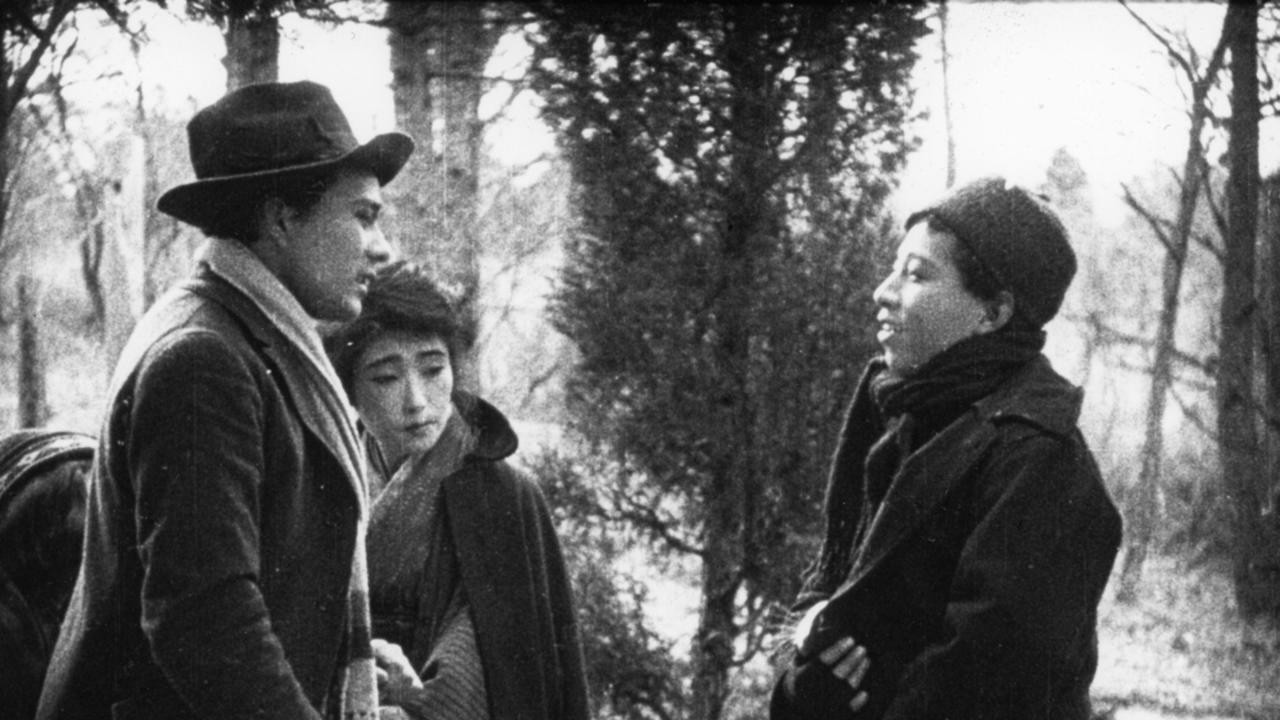
-----------------------------------------------------------------
click to activate the icon of slideshow: the small triangle inscribed in the small rectangle, at the top right, in the photostream;
or…. Press the “L” button to zoom in the image;
clicca sulla piccola icona per attivare lo slideshow: sulla facciata principale del photostream, in alto a destra c'è un piccolo rettangolo (rappresenta il monitor) con dentro un piccolo triangolo nero;
oppure…. premi il tasto “L” per ingrandire l'immagine;
www.worldphoto.org/sony-world-photography-awards/winners-...
www.fotografidigitali.it/gallery/2726/opere-italiane-segn...
…………………………………………………………………
A deep passion of mine about photography concerns, in addition to traditional Sicilian festivals, the black and white genre and street photography, which often but not always end up coinciding, so, although I am currently working on other photographic projects, I have given up (temporarily) everything and I immersed myself in the creation of this group of photos, they are heterogeneous, there is no common thread, yet I felt the need to reclaim these passions of mine. The photographs were taken in Taormina, Letojanni, Messina (at the Torre Faro pylon), on the hydrofoil that takes you from Milazzo to the Aeolian islands, on the islands of Lipari and Salina. A good number of these photos were taken with a 35mm Lensbaby on full frame (focus is manual). I photographed a lay friar, Giovanni L.P., he spoke to me about his troubled life, namely the rediscovery of a profound faith, now with the help of an old and worn Bible, he goes around the world preaching the Word of the Lord; I photographed a huge cargo ship, it was crossing the Strait of Messina, when I saw it I was speechless, I don't think I've ever seen such a gigantic ship up close, I had to wait for it to move away a little so I could take it again all of it, with the lenses I was wearing at the time, as it passed by me, all of it just didn't fit...; on the island of Salina, in the Pollara district, I photographed the external patio of "Neruda's house" where some scenes of the film "Il Postino" with Massimo Troisi, Philippe Noiret, Maria Grazia Cucinotta were filmed; also on the island of Salina I photographed the little black beach of Rinella; the man who "put the dead hand" on her partner was lovingly reprimanded by her, there was complicity between the two of them, she feared that someone might see them...
…………………………………………………….
Una mia profonda passione circa la fotografia riguarda, oltre le feste tradizionali siciliane, il genere bianco e nero e la street photography, esse spesso ma non sempre, finiscono per coincidere, così, pur lavorando attualmente ad altri progetti fotografici, ho mollato (temporaneamente) tutto e mi sono immerso nella realizzazione di questo gruppo di foto, sono eterogenee, non c’è un filo conduttore, eppure sentivo la necessità di riappropriarmi di queste mie passioni. Le fotografie sono state realizzate a Taormina, a Letojanni, a Messina (al Pilone di Torre Faro), sull’aliscafo che da Milazzo porta alle isole Eolie, sulle isole di Lipari e di Salina. Un buon numero di queste foto è stato realizzato con una Lensbaby da 35 mm (su full frame, il fuoco è manuale). Ho fotografato un frate laico, Giovanni L.P., mi ha parlato della sua tribolata vita, pèoi la riscoperta di una profonda fede, ora aiutandosi con una vecchia e logora Bibbia, va in giro per il mondo predicando la Parola del Signore; ho fotografato una enorme nave cargo, stava attraversando lo Stretto di Messina, quando l’ho vista sono rimasto a bocca aperta, non credo di aver mai visto da vicino una nave così gigantesca, ho dovuto aspettare che si allontanasse un po’ per poterla riprendere tutta, con le ottiche che montavo in quel momento, mentre mi passava vicino, tutta proprio non ci entrava…; sull’isola di Salina, in contrada Pollara, ho fotografato il patio esterno della “casa di Neruda” ove furono girate alcune scene del film “Il Postino” con Massimo Troisi, Philippe Noiret, Maria Grazia Cucinotta; sempre sull’isola di Salina ho fotografato la spiaggetta nera di Rinella; l’uomo che “faceva la mano morta” sulla sua compagna veniva amorevolmente ripreso da lei, c’era complicità tra loro due, lei temeva che qualcuno potesse vederli ….
……………………………………………..
……………………………….
Locandina:
stanzedicinema.com/wp-content/uploads/2009/12/children-lo...
www.imdb.com/it/title/tt0206634/
www.imdb.com/it/video/vi3459826457/?playlistId=tt0206634&...
Gianluca Gotto
www.mondadori.it/content/uploads/2021/02/978880472904HIG-...
www.facebook.com/watch/?v=706199753402023
.............................................................................
click to activate the small icon of slideshow: the small triangle inscribed in the small rectangle, at the top right, in the photostream (it means the monitor);
or…. Press the “L” button to zoom in the image;
clicca sulla piccola icona per attivare lo slideshow: sulla facciata principale del photostream, in alto a destra c'è un piccolo rettangolo (rappresenta il monitor) con dentro un piccolo triangolo nero;
oppure…. premi il tasto “L” per ingrandire l'immagine;
www.worldphoto.org/sony-world-photography-awards/winners-...
www.fotografidigitali.it/gallery/2726/opere-italiane-segn...
………………………………………………………………………
I describe this photographic series (with some “poetic license” on the theme of “beach photography”) by quoting an introduction I wrote some time ago, for a photographic series of mine having the same theme today. I would like to focus on two photos from the current series, on how, from a particular situation, in this case photographic, others can arise, I would like to share this with those who are not too bored reading this story: I photographed a young girl while she was reading a book, she was sitting inside one of the many lava formations present along the shore of Naxos (near Taormina), dug with a perfectly rounded shape (this suggests that their origin is man-made, I will not dwell on the hypothesis that attempts to explain these ancient formations), the little water collected inside these "pools" certainly gave a little refreshment to the unaware "reader", once at home, curiosity pushed me to investigate what she was reading, the high resolution of the photos allowed me to easily read the two pages of the book she was holding in her hand, and it was a kind of revelation, some paragraphs of the book, and I was more and more intrigued, about what the book was and its Author, a A quick Google search, and I found what I was looking for. The book is titled "Something Wonderful Always Happens." Its author is Gianluca Gotto. I didn't know him, but I was able to watch and listen to him on YouTube. I found it extremely interesting. I've already ordered the book on Amazon. I'll just quote a short excerpt from the page the reader was reading. It's brief, as I don't want to infringe on any copyright: "(...) do you know what the three poisons of man are according to Buddhism?" I shook my head. "Greed, or the desire to always have more when each of us already has everything we need; ignorance, or the lack of awareness: believing that life is different from what it is here and now; and finally, anger, a condition contrary to any form of happiness."
Beach holidays were born in the 1700s in Great Britain, this social phenomenon was born in which bathers for the first time go to the beaches, certainly not as sunny as those bathed by the Mediterranean Sea, they are fully dressed; this "new fashion" is also encouraged by the belief of English doctors since the beginning of the eighteenth century (starting around 1720), that breathing the brackish sea air and bathing in cold sea water is healthy, invigorates the body and cure lung diseases (conviction even more strengthened by the discovery of oxygen by Antoine Lavoisier in 1778, which led to the greater diffusion and conviction of the theories on the health benefits of sea air, which was thought to be more oxygenated and pure), these theories push many people from Northern Europe suffering from severe lung diseases to spend long periods in southern Europe, often in the south of Italy, this explains why characters with extraordinary qualities come to Taormina to cure their tuberculosis. The photographer baron Wilhelm von Gloeden and the English lady Florence Trevelyan Trevelyan had the seawater brought with their mules from Isola Bella, but while W. Von Gloeden heated the sea water, the English noblewoman Lady Trevelian did not heat it, mindful of the teachings of the English medical school, this will cause her death from bronchopneumonia on 4 October 1907 (see my previous "photographic stories" about Taormina). In fact, "thalassotherapy" was born in Great Britain, together with the social and cultural phenomenon of frequenting bathing beaches (before the beginning of the 18th century, the sea and its beaches were lived, except for reasons of trade and fishing, in a dark and negative way, from the sea often came very serious dangers such as the sudden landings of ferocious pirates, or foreigners carrying very serious diseases could land). Thus the fashion of spending holidays by the sea was born in the English aristocracy and high bourgeoisie of the time, subsequently the habit of going to the sea spread to all levels of society, the railways that were built throughout Great Britain to 'beginning of the nineteenth century, made travel to the ocean accessible even to the lower classes, they too will frequent the seaside resorts, Blackpool becomes the first seaside resort in Great Britain completely frequented by the working classes thanks to the presence of low-cost bathing establishments; the great and definitive boom in seaside tourism will then take place in the 1950s and 1960s. This being the case, it should not be surprising to know that in Great Britain the beaches are more frequented than one might instinctively think due to a climate very different from the Mediterranean one, and that this socio-cultural phenomenon has been investigated at the photographic by photographers of the same Great Britain, of these I mention four names. An important photographer, who probably inspired subsequent photographers, was Tony Ray-Jones, who died prematurely in 1972, at the young age of 30, who was trying to create a “photographic memory” of the stereotypes of the English people; the famous photojournalist Martin Parr, who, although inspired by the previous one, differs from it for his way of doing “social satire” with his goal; finally, I would like to mention David Hurn and Simon Roberts, the latter with wider-ranging photographs, with photographs more detached from the individual. In Italy there are numerous photographers (I will mention only a few) who have made in their long career images captured in seaside resorts (generally we speaking of "beach photography" similar to "street photography"), photographs that are often unique in their style, such as that adopted by Franco Fontana, I mention Mimmo Jodice, Ferdinando Scianna (of whom I am honored to have known him personally), and Massimo Vitali, famous photographer (understood by some as "the photographer of the beaches"), especially for his beautiful photographs taken on the beaches (but not only), thanks to the presence of elevated fixed structures as a kind of mezzanine, built specifically in the bathing beaches for the realization of his photographs. This is my introduction to talk about the theme proposed here, that of “beach photography” (with some exceptions for “narrative” reasons), with a series of photographs taken on the beaches surrounding Taormina (Sicily). ……………………………………………………………
Descrivo questa serie fotografica (con qualche “licenza poetica” sul tema della “beach photography”) riportando una mia introduzione scritta po’ di tempo fa, per una mia serie fotografica avente lo stesso tema odierno. Desidero soffermarmi su due foto dell’attuale serie, di come, da una particolare situazione, in questo caso fotografica, ne possano scaturire altre, desidero condividere ciò con chi non si annoi troppo nel leggere questo racconto: ho fotografato a sua insaputa una giovane ragazza mentre leggeva un libro, era seduta all’interno di una delle tante formazioni laviche presenti lungo il bagnasciuga di Naxos (vicino Taormina), scavate con forma perfettamente rotondeggiante (questo fa pensare che la loro origine sia manufatta, non mi dilungo sulla ipotesi che tenta di spiegare queste antiche formazioni), la poca acqua raccolta all’interno di queste “vasche” davano certamente un po’ di refrigerio alla inconsapevole “lettrice” , una volta a casa, la curiosità mi ha spinto ad indagare su cosa stesse leggendo, l’elevata risoluzione delle foto mi ha consentito di leggere con facilità le due pagine del libro da lei tenuto in mano, ed è stata una specie di rivelazione, qualche trafiletto del libro, ed ero sempre più incuriosito, su quale fosse il libro ed il suo Autore, una breve ricerca su Google, ed ho trovato quanto cercavo, il libro si intitola “Succede sempre qualcosa di meraviglioso”, il suo Autore è Gianluca Gotto, non lo conoscevo, su You Tube ho potuto vederlo ed ascoltarlo, l’ho trovato estremamente interessante, il libro l’ho già ordinato su Amazon; riporterò qui solo un breve trafiletto preso dalla pagina che stava leggendo la lettrice, breve, non vorrei incorrere in qualche violazione sui diritti d’Autore: “ (…) sai quali sono i tre veleni dell’uomo secondo il Buddhismo ?” Scossi la testa. “La cupidigia, ovvero il desiderio di avere sempre di più quando ognuno di noi ha già tutto ciò che gli serve; l’ignoranza, ovvero la mancanza di consapevolezza: credere che la vita sia diversa da ciò che è qui e ora; infine la rabbia, una condizione contraria a ogni forma di felicità.”
Le vacanze al mare nascono nel ‘700 in Gran Bretagna, nasce questo fenomeno sociale nel quale i bagnanti per la prima volta si recano sulle spiagge, non certo assolate come quelle bagnate dal mar Mediterraneo, sono completamente vestiti; questa “nuova moda” è anche incoraggiata dalla convinzione dei medici inglesi fin dall’inizio del ‘700 (a partire dal 1720 circa), che respirare l’aria salmastra del mare e fare il bagno nell’acqua marina fredda sia salutare, rinvigorisca il corpo e curi le malattie polmonari (convinzione ancor più rafforzata dalla scoperta dell’ossigeno da parte di Antoine Lavoisier nel 1778, che portò alla maggiore diffusione e convinzione delle teorie sui benefici per la salute dell’aria di mare, che si pensava essere più ossigenata e pura), queste teorie spingono molte persone del Nord Europa affette da gravi malattie polmonari a trascorrere dei lunghi periodi nel sud Europa, spesso nel meridione d’Italia, questo spiega perché a Taormina giungono personaggi dalle qualità straordinarie per curare il proprio “mal sottile”, il barone fotografo Wilhelm von Gloeden e la lady inglese Florence Trevelyan Trevelyan si facevano portare coi muli l’acqua di mare proveniente dall’Isola Bella, però mentre W. Von Gloeden riscaldava l’acqua marina, la nobildonna inglese lady Trevelian non la riscaldava, memore degli insegnamenti della scuola medica inglese, questo causerà la sua morte per broncopolmonite il 4 ottobre del 1907 (vedi i miei precedenti “racconti fotografici” su Taormina). Infatti la “talassoterapia” nasce in Gran Bretagna, insieme al fenomeno sociale e culturale della frequentazione dei lidi balneari (prima dell’inizio del ‘700, il mare e le sue spiagge erano vissuti, tranne che per motivi di commercio e di pesca, in maniera oscura e negativa, dal mare spesso provenivano gravissimi pericoli come gli sbarchi improvvisi di feroci pirati, oppure potevano sbarcare stranieri portatori di gravissime malattie). Nell’aristocrazia e nell’alta borghesia inglese di allora nasce così la moda di trascorrere le vacanze al mare, successivamente l’abitudine di andare al mare si diffonde a tutti i livelli della società, le ferrovie che furono costruite in tutta la Gran Bretagna all’inizio dell’Ottocento, resero i viaggi verso l’oceano accessibili anche per i ceti più bassi, quelli più popolari e meno agiati, anch’essi frequenteranno le località balneari, Blackpool diviene la prima località balneare della Gran Bretagna completamente frequentata dalle classi popolari grazie alla presenza di stabilimenti balneari a basso costo; il grande e definitivo boom del turismo balneare si avrà poi negli anni ’50 e ’60. Stando così le cose, non ci si deve meravigliare nel sapere che in Gran Bretagna le spiagge sono più frequentate di quanto istintivamente si possa pensare a causa di un clima ben diverso da quello Mediterraneo, e che questo fenomeno socio-culturale sia stato indagato a livello fotografico da parte di fotografi della stessa Gran Bretagna, di questi cito quattro nomi. Un importante fotografo, che probabilmente ispirò i successivi fotografi, fu Tony Ray-Jones, scomparso prematuramente nel 1972, alla giovane età di 30 anni, il quale cercava di realizzare una “memoria fotografica” degli stereotipi del popolo inglese; il famoso fotoreporter Martin Parr, il quale pur ispirandosi al precedente, se ne differenzia per il suo modo di fare “satira sociale” col suo obiettivo; infine desidero menzionare David Hurn e Simon Roberts, quest’ultimo con fotografie di più ampio respiro, con fotografie più distaccate dal singolo individuo. In Italia numerosi sono i fotografi (ne cito solo qualcuno) che hanno realizzato nella loro lunga carriera immagini colte in località balneari (genericamente si parla di “beach photography” affine alla “street photography”), fotografie spesso uniche nel loro stile, come quello adottato da Franco Fontana, menziono Mimmo Jodice, Ferdinando Scianna (del quale mi onoro di averlo conosciuto personalmente), e Massimo Vitali, famoso fotografo (da alcuni inteso come “il fotografo delle spiagge”), soprattutto per le sue bellissime fotografie realizzate sui lidi (ma non solo), grazie alla presenza di strutture fisse sopraelevate a mò di soppalco, costruite appositamente nei lidi balneari per la realizzazione delle sue fotografie. Questo mio incipit, per introdurre il tema da me affrontato, quello della “beach photography” (con qualche eccezione per motivi ”narrativi”), con una serie di fotografie realizzate sulle spiagge circostanti Taormina (Sicilia).
...........................................................................
“things only exist if they are told/narrated”
(maybe of Alessandro Baricco);
“le cose esistono solo se vengono raccontate”
(probabile, di Alessandro Baricco).
POSTER - LOCANDINA –
www.primevideo.com/-/it/detail/Angel-A/0KVPRDXIFFVZY10Y02...
www.imdb.com/de/title/tt0473753/
www.moviemag.it/angel-a-la-recensione-del-film-di-luc-bes...
----------------------------------------------------------
click to activate the small icon of slideshow: the small triangle inscribed in the small rectangle, at the top right, in the photostream (it means the monitor);
or…. Press the “L” button to zoom in the image;
clicca sulla piccola icona per attivare lo slideshow: sulla facciata principale del photostream, in alto a destra c'è un piccolo rettangolo (rappresenta il monitor) con dentro un piccolo triangolo nero;
oppure…. premi il tasto “L” per ingrandire l'immagine;
www.worldphoto.org/sony-world-photography-awards/winners-...
www.fotografidigitali.it/gallery/2726/opere-italiane-segn...
………………………………………………………
I present here a “Sicilian Festival”, with images and words, which was held this year in what is a “scattered municipality”, since it is composed of the two hamlets of Mongiuffi and Melia, separated by a valley in which a river flows, close to the more famous Taormina; the festival is celebrated on Easter Monday, this year the festival, which began normally, was interrupted shortly after due to the arrival of the sad news of the Holy Father Francis, who passed away, so the festival was postponed and celebrated on Sunday 27 April. Historically, the news that I report here, briefly, are taken from the book written by the historian, researcher of popular traditions and photographer, Giovanni Curcuruto, title of the work "Monfelia" (ETNA printing house, OCTOBER 2006): this festival, initially called "Festa della Pace" (later indicated as "Festa degli Angeli"), was established by the Marquis Francesco Rao Corvaja in 1830, to try to bring harmony between the two villages, Mongiuffi and Melia, which had disagreed in the past years for trivial reasons. The festival was celebrated until 1843, the year in which the two villages argued again (the two communities argued as if they were stadium fans, one sided with the clergy, the other with the nobles), the festival was then suspended, and was only reinstated in 1929; the celebration when it was established required that forty days before Easter Monday, the two communities would gather in the church of San Sebastiano di Melia, to select eight children, four from Mongiuffi in honor of the Madonna, and four from Melia in honor of the Risen Christ, between ten and fifteen years old, on the day of the celebration they would then be dressed in white clothes and “wings”, embellished with ribbons and bows; the children were instructed to recite a text in Sicilian dialect mixed with Latin phrases, written in 1833 by the priest Giovanni Cuzari. On Easter Monday, the various brotherhoods had a lot to do preparing the ceremony; from the church of San Sebastiano di Melia, a procession of only men came out, the bearers carried the float with the Risen Christ on their shoulders, while from Mongiuffi a procession of only women set out, with their heads covered by a black veil, the float with the the Virgin of Sorrows was carried on their shoulders, a black veil covered her completely, leaving only her face uncovered, (underneath there was a white veil, which would have “appeared” at the moment of the encounter with the Risen Son): the two processions met in Melia (and still meet today), in an area called “’nto chianu di l’Angiuli” (the square of the Angels), in reality now it is little more than a narrow street: what happened in the past, still happens today (except that, the procession with the the Virgin of Sorrows no longer comes from Mongiuffi, but comes from Melia itself), the two processions coming from the two opposite directions, carrying the float with the the Virgin of Sorrows, and the one with the Risen Christ, stop one in front of the other. First there is a particular ceremony, two boys meet with their respective Crucifixes making three bows to each other, the same happens with two girls and then two men, with their banners, finally the highly emotional “Meeting” takes place between the Mother (the black cloak flies away, and the white one appears) with her Risen Son! Finally, hidden until then behind a curtain on a stage, there is the appearance of the children dressed as Angels, who undertake the traditional recitation. The historian, passionate about popular traditions, Giovanni Curcuruto, has always been close to the “little angels” having acted as director and choreographer, of this moving, very beautiful, “traditional Sicilian ceremony-festival”.
…………………………………………….
Presento qui una “Festa Siciliana”, con immagini e parole, che si è tenuta quest’anno in quello che è un “comune sparso”, poiché composto dalle due borgate di Mongiuffi e Melia, separate da una vallata nella quale scorre un fiume, vicine alla più conosciuta Taormina; la festa viene celebrata il giorno di Pasquetta (o Lunedì dell’Angelo), quest’anno la festa, iniziata normalmente, è stata poco dopo interrotta per l’arrivo della triste notizia del Santo Padre Francesco, venuto a mancare, quindi la festa è stata rinviata e celebrata domenica 27 aprile.
Storicamente le notizie che qui riporto, sinteticamente, sono tratte dal libro scritto dallo storico, ricercatore di tradizioni popolari e, fotografo, Giovanni Curcuruto, titolo dell’opera “Monfelia” (tipografia ETNA, OTTOBRE 2006): questa festa, chiamata inizialmente “Festa della Pace”, (poi indicata come “Festa degli Angeli”), fu istituita dal Marchese Francesco Rao Corvaja nel 1830, per tentare di portare armonia tra i due borghi, Mongiuffi e Melia, entrati in disaccordo negli anni passati per futili motivi, la festa fu celebrata fino al 1843, anno in cui i due borghi litigarono nuovamente, (le due comunità litigarono come se fossero tifoserie di stadio, una parteggiava per il clero, l’altra per i nobili), la festa venne quindi sospesa, e fu ripristinata solamente nel 1929; la festa quando venne istituita prevedeva che quaranta giorni prima del Lunedì di Pasqua, le due comunità si riunissero nella chiesa di San Sebastiano di Melia, per selezionare otto ragazzini, quattro di Mongiuffi in in onore della Madonna, e quattro di Melia in onore del Cristo Risorto, tra i dieci ed i quindici anni, il giorno della celebrazione sarebbero poi stati vestiti con abiti ed “ali” di colore bianco, impreziositi con nastri e fiocchetti; i ragazzini venivano istruiti a recitare un testo in dialetto siciliano misto a frasi in latino, scritto nel 1833 dal sacerdote Giovanni Cuzari. Il Lunedì dell’Angelo, le varie confraternite avevano un gran da fare per la preparazione della cerimonia; dalla chiesa di San Sebastiano di Melia, usciva una processione di soli uomini, i portatori recavano in spalla la vara col Cristo Risorto, mentre da Mongiuffi partiva una processione di sole donne, col capo coperto da un velo nero, veniva portata in spalla la vara con la Madonna Addolorata, un velo nero la copriva completamente, lasciandole scoperto solamente il volto, (sotto era presente un velo bianco, che sarebbe “apparso” nel momento dell’incontro col Figlio Risorto): le due processioni si incontravano a Melia (e si incontrano tutt’ora), in una zona chiamata “’nto chianu di l’Angiuli” (la piazza degli Angeli), in realtà adesso è poco più di una stretta stradina: quanto accadeva in passato, accade tutt’ora (tranne che, la processione con la Madonna Addolorata non proviene più da Mongiuffi, ma giunge dalla stessa Melia), le due processioni provenienti dalle due opposte direzioni, recanti la vara con la Madonna Addolorata, e quella col Cristo Risorto, si fermano una di fronta l’altra, dapprima
c’è una particolare cerimonia, due ragazzi si incontrano coi rispettivi Crocefissi facendosi l’un l’altro tre inchini, lo stesso accade con due ragazze e poi due uomini, con i loro stendardi, infine avviene “l’Incontro” altamente emozionante tra la Madre (vola via il mantello nero, ed appare quello bianco) col suo Figlio Risorto! Infine, nascosti fino ad allora dietro una tenda su di un palco, c’è l’apparizione dei ragazzini vestiti da Angeli, che intraprendono la recita tradizionale. Lo storico, appassionato di tradizioni popolari, Giovanni Curcuruto, è stato sempre accanto agli “angioletti” avendo fatto da regista e coreografo, di questa commovente, molto bella, “cerimonia – festa tradizionale Siciliana”.
…………………………………………………….
this is all kirsty's fault.
1. my name is not really crack jackson jr.
in my first year in college, i made a play called 'tex and ned'. as the director, i called myself crack jackson, after a character in a crazy story i had written some time before. the show began with music from the soundtrack to the monkees' film head, 'swami with strings', which cuts directly to teri garr's line -
'suck it before the venom reaches my heart'
- upon which point, i, tex, hurled myself through the newspaper-covered walls of the living room set, throwing up handfuls of flour to simulate dust, and proceeded to argue with the other character, ned, for roughly twenty minutes of stage time. we ate raw eggs, delivered long speeches about the futility of war, and beat the shit out of each other on numerous occasions. the only other character's job was to throw a brick through the window, then appear at the end, waving, as we danced offstage to the strains of 'beetles bones n smokin stones' by captain beefheart. it was insane, beckett-lite nuttiness and we all should have known better.
a few years ago, a friend of mine whose name is frank decided to start a website called 'crack jackson' in honour of this fallen comrade. it doesn't exist anymore, but it was fun while it lasted. he also joined flickr, and called himself crack jackson. he was the one who introduced me to film photography, and to this site. so when i joined, i called myself junior.
and now you know.
4. it's not important to most people, but i dearly love ice. i have lots of ice in pretty much every beverage i drink, apart from tea and coffee - unless i'm in america, in which case i'll have ice in them as well. america knows how to serve ice. in ireland, you're given approximately two lumps of ice per beverage if you're lucky, so i always make sure to ask for an extra glass full of ice, and i use it, too.
i also deeply love pickles. not the sweet ones - i love the sour dill pickles you get as a side with sandwiches in dark delis in los feliz, ca. you can't get them in ireland, and that makes me sad. on my last trip to america i tried to smuggle out a jar of pickles in my carry-on luggage, but they were discovered by a prickly customs guy and never returned. i like to think the customs guy went home, placed the jar of pickles on the family table, and said, 'pickles, for my family'. and his family all came and embraced him, touched by this gesture, and they sat and broke bread and drank wine and ate the pickles with some savoury side dishes. then it will all have been worthwhile.
9. for work, i have had to learn how to:
ride a horse, drive an army jeep at high speed, fence, walk a 30 foot high tightrope, have non-poisonous snakes dropped on me, invade iraq, play the double bass, theoretically invent time travel (not as easy as it sounds)
i have had to pretend to be:
a serial killer, the king of france, a soldier in the first world war, a soldier in the second gulf war, a misunderstood zombie, a cajun cowboy, a russian journalist, a french priest, a turkish trapeze artist, an annoying american kid who gets mangled by a large evil roaming monster
i have pretended to die of:
drowning, suffocation, suicide, gunshot wounds, being chopped in two, being mangled by a large evil roaming monster
5. i sometimes worry that i am never going to take a good shot ever again. i'm worrying about it right now.
13. i went to the stanley kubrick archives in london recently. you get to ask for whatever you want.
'maybe some random stuff from 'the shining'?'
so i got to hold the photo at the end of the film with jack at the overlook halloween ball in 1921. pre-photoshop, it's remarkably done, and the negative is also there, where you can see the circle of jack's head immaculately replaced over the original head.
'some random photos from 'full metal jacket'?'
so i got hundreds of shots of toy soldiers playing out scenes in a toy vietnam. SK storyboarded shots in this way. i never knew that before.
and so on. it's well worth going to. here's a doc on the boxes..
8. i am inspired by so many people on flickr it's not fair to make a list. but flickr people who have changed the way i think about photography include gary isaacs, jordi gual, edwardolive, quizz, lucy_nka, hello suckers, the amazing greek photographers (minas, yannis, fragitsa, philby), the incredible mike garlington, brett walker, kirsty, piotr, billy gomez (please read his 'tagged' post. it's the best, ever), noah k, derrickT, paula, solecism, rob_fuel, susan, ansel, ceci, chiara, parallax(e), thank u very little, this fleeting life, dave g, hugh_c, elena and solarina to name but a few. [p/script - rip rob fuel*]
10. i've just realised my favourite actor is teri garr. coincidentally, she is also my favourite actress as well.
6. i have about 1000 VHS tapes gathering dust in my parents' house, mainly taped from the tv, including, for some godforsaken reason, 'under the rainbow', the unwatchable chevy chase/carrie fisher making-of 'wizard of oz' movie. i can't throw any of them away, for fear that someday i may need to see one of them. [p/script - I have thrown a lot of them away. this is progress, right?)
14. i am living under the fundamentally absurd belief that scientists will invent a cure for death within my lifetime, and therefore none of us will ever die. this will lead to overcrowding, naturally enough, but i'm assuming they'll work out something for that too.
7. i have been given the money to direct another short film, which will hopefully shoot in early april. it's about a young woman with autism who attempts suicide, and as part of her recovery is brought to the west of ireland to learn how to surf. it's going to be the most difficult and exciting thing i've ever done.
2. i like using photoshop in my photos. sometimes i use too much photoshop. it's hard not to, once you get started.
12. i develop my black and white photos with a changing bag, and diafine/fixer. there is still a quiet thrill in taking out the wet reel to see if the shots came out or not. i ordered c-61 to do colour as well, but it never came, and i breathed a frustrated, empty sigh.
3. i sometimes use my flickr page for work. and some of my friends and family know about it. so this is not really the place for me to open my heart. i'll just say that i am really close to my parents and my brother and they are amazing, supportive people and i love them to bits.
15. my philosophy can be summed up in two simple phrases, and i didn't dream it in a dream either - eat good food as often as you can, and be nice to people.
16. 'he'd kill us if he got the chance'
boom *
www.imdb.com/it/title/tt0174268/
“……………………………………”
“…………………………………..”
-----------------------------------------------------------------
click to activate the icon of slideshow: the small triangle inscribed in the small rectangle, at the top right, in the photostream;
or…. Press the “L” button to zoom in the image;
clicca sulla piccola icona per attivare lo slideshow: sulla facciata principale del photostream, in alto a destra c'è un piccolo rettangolo (rappresenta il monitor) con dentro un piccolo triangolo nero;
oppure…. premi il tasto “L” per ingrandire l'immagine;
www.worldphoto.org/sony-world-photography-awards/winners-...
www.fotografidigitali.it/gallery/2726/opere-italiane-segn...
…………………………………………………………………
St. Paul the Apostle is a very revered saint in the Sicilian town of Palazzolo Acreide, the feast in his honor is celebrated on two occasions (very important periods if referring to peasant civilization), on 29 June (the day I took this photo story this year 2025) date of his martyrdom, and January 25, the date of his conversion to Christianity. The "summer party" of June 29, begins with a particular collection of donut-shaped bread (in Sicilian called "cuddura"), donated by the villagers and collected on a cart, this is the "round of bread", these loaves (called "di San Paolo") have decorations that recall snakes: the reference is always to San Paolo, considered the protector from the poisonous bites of vipers, this is the ancestral legacy of an ancient peasant civilization, the wheat harvest period that coincides with the feast, it makes working in sunburnt fields particularly dangerous; once there were characters to whom supernatural gifts were attributed, they were called "ciarauli", capable of protecting from the venomous bites of the viper (This year, a very nice man of Palazzolo Acreide, who was also present last year, was present at the feast to recall these ancient figures. Instead of little snakes, as was once the custom, he had with him a very calm python, also because it was full). The procession takes the name of "sciuta", with reference to the "exit" from the basilica of San Paolo of two floats, first the float comes out with the relic of the saint, carried on the shoulders by the devotees, immediately after, at 13.00 o'clock the exit of the float takes place with the ancient statue of Saint Paul holding a sword in his hand (the iconography represents him with the sword for two reasons, he was beheaded with a sword stroke, and because he, referring to the word of God, defined it more effective and sharper than a double-bladed sword), at this point they begin among the most spectacular and evocative pyrotechnic games that I have ever seen, we witness a phantasmagoric and kaleidoscopic explosion of colors made with enormous colored confetti and with colored ribbons about two meters long called 'nzareddi, which recall the shape and movement of snakes. During the procession we witness the rite of children who, often completely naked, are taken by their parents by the expert hands of two devotees present on the float, they are thus placed in front of St. Paul to ask for his intercession and protection, sometimes these children are adorned with paper money, in fact, the donation of money is part of the rites that accompany the procession. Among these rites is the vow of the "bare shoulder" made by devout bearers, and that of women who walk barefoot by vow. The procession with the two floats then arrives, as a sign of devotion, in the church of the Annunziata.
San Paolo Apostolo è un santo molto venerato nel paese siciliano di Palazzolo Acreide, la festa in suo onore viene celebrata in due occasioni (periodi molto importanti se riferiti alla civiltà contadina), il 29 giugno (giorno in cui ho realizzato quest’anno 2025 questo foto-racconto) data del suo martirio, ed il 25 gennaio, data della sua conversione al cristianesimo. La “festa estiva” del 29 giugno, inizia con una particolare raccolta di pane a forma di ciambella (in siciliano detta “cuddura”), donato dai paesani e raccolto su di un carretto, questo è il “giro del pane”, questi pani (detti “di San Paolo”) presentano delle decorazioni che richiamano i serpenti: il riferimento è sempre a San Paolo, ritenuto il protettore dai morsi velenosi delle vipere, questo è il retaggio ancestrale di un’antica civiltà contadina, il periodo della mietitura che coincide con la festa, rende particolarmente pericoloso il lavoro nei campi arsi dal sole; una volta esistevano dei personaggi a cui si attribuivano doti sovrannaturali, erano chiamati “ciarauli”, capaci di proteggere dai morsi velenosi della vipera (quest’anno era presente nella festa, a rievocare queste antiche figure, un simpaticissimo Palazzolese, presente anche l'anno scorso, che al posto delle bisce, come si usava una volta, aveva con se un docilissimo pitone, anche perchè satollo). La processione prende il nome di “sciuta”, con riferimento alla “uscita” dalla basilica di San Paolo di due vare, dapprima esce la vara con la reliquia del santo, portata in spalla dai devoti, subito dopo, alle 13,00 in punto avviene l’uscita della vara con l’antica statua di San Paolo che stringe una spada in pugno (l’iconografia lo rappresenta con la spada per due motivi, egli fu decapitato con un colpo di spada, e perché egli, riferendosi alla parola di Dio, la definiva più efficace e più tagliente di una spada a doppia lama), a questo punto iniziano tra i più spettacolari e suggestivi giochi pirotecnici che io che io abbia mai visto, si assiste ad una fantasmagorica e caleidoscopica esplosione di colori realizzati con enormi coriandoli colorati e con dei nastri colorati lunghi circa due metri chiamati ‘nzareddi, che richiamano la forma ed il movimento dei serpenti. Durante la processione si assiste al rito dei bambini che, molto spesso completamente nudi, vengono presi dai genitori dalle esperte mani di due devoti presenti sulla vara, vengono così messi al cospetto di San Paolo a chiederne la sua intercessione e protezione, a volte questi bimbi sono adornati con della carta moneta, infatti la donazione di denaro fa parte dei riti che accompagnano la processione. Tra questi riti c’è il voto della “spalla nuda” fatto dai devoti portatori, e quello delle donne che per voto camminano scalze. La processione con le due vare giunge poi, in segno di devozione, nella chiesa dell’Annunziata.
………………………………………………………
10 Fascinating Facts About The Hummingbird Moth
Hummingbird moth is the common name used for the numerous types of hummingbird moth species which include: Hummingbird Hawk-Moth, Sphinx moth, Common Clearwing Hummingbird moth, Snowberry Clearwing Hummingbird moth, Five-Spotted Hawkmoth, and White-Lined Sphinx.
Just like the hummingbird, the hummingbird moth’s buzzing and humming sound is created by its rapid wing movement.
The next time you spot a hornworm caterpillar munching on your plants, you are looking at a future hummingbird moth. This caterpillar is named for its hornlike appendages.
The moths featured in the 1991 film, The Silence of the Lambs were “death’s-head hawk” moths, a type of hummingbird moth. According to IMDb, the moths were treated like celebrities. “They were flown first class… and had special living quarters.”
The fast-moving hummingbird moth has a rapid wingbeat up to 70 beats per second (depending on the species), enabling it to fly up to 12 mph.
Instead of a beak like a hummingbird, it has a long tongue-like proboscis that rolls out of its coiled tube to reach the nectar deep inside flowers. Its tongue is about double the length of the moth’s body.
It has large, menacing eyes that appear to warn predators to keep their distance. Also protecting it from potential predators is its close resemblance to a bird, instead of a bug.
They range in length from 2—2.5 inches long and are covered in gray hair that resembles feathers, with white, rust or brown markings or variations. Their wingspan ranges from 2 to 6 inches depending on the species. The Snowberry Clearwing moth has clear wings.
The hummingbird moth can be found not only in North America, but in Europe, Africa, and Asia.
After mating, the female moth lays eggs on plant leaves such as honeysuckle, cherries, hawthorns, and viburnums. The hatched caterpillar feeds on its host bush or vine.
-Farmers Almanac
www.imdb.com/it/title/tt0174268/
“……………………………………”
“…………………………………..”
-----------------------------------------------------------------
click to activate the icon of slideshow: the small triangle inscribed in the small rectangle, at the top right, in the photostream;
or…. Press the “L” button to zoom in the image;
clicca sulla piccola icona per attivare lo slideshow: sulla facciata principale del photostream, in alto a destra c'è un piccolo rettangolo (rappresenta il monitor) con dentro un piccolo triangolo nero;
oppure…. premi il tasto “L” per ingrandire l'immagine;
www.worldphoto.org/sony-world-photography-awards/winners-...
www.fotografidigitali.it/gallery/2726/opere-italiane-segn...
…………………………………………………………………
St. Paul the Apostle is a very revered saint in the Sicilian town of Palazzolo Acreide, the feast in his honor is celebrated on two occasions (very important periods if referring to peasant civilization), on 29 June (the day I took this photo story this year 2025) date of his martyrdom, and January 25, the date of his conversion to Christianity. The "summer party" of June 29, begins with a particular collection of donut-shaped bread (in Sicilian called "cuddura"), donated by the villagers and collected on a cart, this is the "round of bread", these loaves (called "di San Paolo") have decorations that recall snakes: the reference is always to San Paolo, considered the protector from the poisonous bites of vipers, this is the ancestral legacy of an ancient peasant civilization, the wheat harvest period that coincides with the feast, it makes working in sunburnt fields particularly dangerous; once there were characters to whom supernatural gifts were attributed, they were called "ciarauli", capable of protecting from the venomous bites of the viper (This year, a very nice man of Palazzolo Acreide, who was also present last year, was present at the feast to recall these ancient figures. Instead of little snakes, as was once the custom, he had with him a very calm python, also because it was full). The procession takes the name of "sciuta", with reference to the "exit" from the basilica of San Paolo of two floats, first the float comes out with the relic of the saint, carried on the shoulders by the devotees, immediately after, at 13.00 o'clock the exit of the float takes place with the ancient statue of Saint Paul holding a sword in his hand (the iconography represents him with the sword for two reasons, he was beheaded with a sword stroke, and because he, referring to the word of God, defined it more effective and sharper than a double-bladed sword), at this point they begin among the most spectacular and evocative pyrotechnic games that I have ever seen, we witness a phantasmagoric and kaleidoscopic explosion of colors made with enormous colored confetti and with colored ribbons about two meters long called 'nzareddi, which recall the shape and movement of snakes. During the procession we witness the rite of children who, often completely naked, are taken by their parents by the expert hands of two devotees present on the float, they are thus placed in front of St. Paul to ask for his intercession and protection, sometimes these children are adorned with paper money, in fact, the donation of money is part of the rites that accompany the procession. Among these rites is the vow of the "bare shoulder" made by devout bearers, and that of women who walk barefoot by vow. The procession with the two floats then arrives, as a sign of devotion, in the church of the Annunziata.
San Paolo Apostolo è un santo molto venerato nel paese siciliano di Palazzolo Acreide, la festa in suo onore viene celebrata in due occasioni (periodi molto importanti se riferiti alla civiltà contadina), il 29 giugno (giorno in cui ho realizzato quest’anno 2025 questo foto-racconto) data del suo martirio, ed il 25 gennaio, data della sua conversione al cristianesimo. La “festa estiva” del 29 giugno, inizia con una particolare raccolta di pane a forma di ciambella (in siciliano detta “cuddura”), donato dai paesani e raccolto su di un carretto, questo è il “giro del pane”, questi pani (detti “di San Paolo”) presentano delle decorazioni che richiamano i serpenti: il riferimento è sempre a San Paolo, ritenuto il protettore dai morsi velenosi delle vipere, questo è il retaggio ancestrale di un’antica civiltà contadina, il periodo della mietitura che coincide con la festa, rende particolarmente pericoloso il lavoro nei campi arsi dal sole; una volta esistevano dei personaggi a cui si attribuivano doti sovrannaturali, erano chiamati “ciarauli”, capaci di proteggere dai morsi velenosi della vipera (quest’anno era presente nella festa, a rievocare queste antiche figure, un simpaticissimo Palazzolese, presente anche l'anno scorso, che al posto delle bisce, come si usava una volta, aveva con se un docilissimo pitone, anche perchè satollo). La processione prende il nome di “sciuta”, con riferimento alla “uscita” dalla basilica di San Paolo di due vare, dapprima esce la vara con la reliquia del santo, portata in spalla dai devoti, subito dopo, alle 13,00 in punto avviene l’uscita della vara con l’antica statua di San Paolo che stringe una spada in pugno (l’iconografia lo rappresenta con la spada per due motivi, egli fu decapitato con un colpo di spada, e perché egli, riferendosi alla parola di Dio, la definiva più efficace e più tagliente di una spada a doppia lama), a questo punto iniziano tra i più spettacolari e suggestivi giochi pirotecnici che io che io abbia mai visto, si assiste ad una fantasmagorica e caleidoscopica esplosione di colori realizzati con enormi coriandoli colorati e con dei nastri colorati lunghi circa due metri chiamati ‘nzareddi, che richiamano la forma ed il movimento dei serpenti. Durante la processione si assiste al rito dei bambini che, molto spesso completamente nudi, vengono presi dai genitori dalle esperte mani di due devoti presenti sulla vara, vengono così messi al cospetto di San Paolo a chiederne la sua intercessione e protezione, a volte questi bimbi sono adornati con della carta moneta, infatti la donazione di denaro fa parte dei riti che accompagnano la processione. Tra questi riti c’è il voto della “spalla nuda” fatto dai devoti portatori, e quello delle donne che per voto camminano scalze. La processione con le due vare giunge poi, in segno di devozione, nella chiesa dell’Annunziata.
………………………………………………………
www.imdb.com/it/title/tt0174268/
“……………………………………”
“…………………………………..”
-----------------------------------------------------------------
click to activate the icon of slideshow: the small triangle inscribed in the small rectangle, at the top right, in the photostream;
or…. Press the “L” button to zoom in the image;
clicca sulla piccola icona per attivare lo slideshow: sulla facciata principale del photostream, in alto a destra c'è un piccolo rettangolo (rappresenta il monitor) con dentro un piccolo triangolo nero;
oppure…. premi il tasto “L” per ingrandire l'immagine;
www.worldphoto.org/sony-world-photography-awards/winners-...
www.fotografidigitali.it/gallery/2726/opere-italiane-segn...
…………………………………………………………………
St. Paul the Apostle is a very revered saint in the Sicilian town of Palazzolo Acreide, the feast in his honor is celebrated on two occasions (very important periods if referring to peasant civilization), on 29 June (the day I took this photo story this year 2025) date of his martyrdom, and January 25, the date of his conversion to Christianity. The "summer party" of June 29, begins with a particular collection of donut-shaped bread (in Sicilian called "cuddura"), donated by the villagers and collected on a cart, this is the "round of bread", these loaves (called "di San Paolo") have decorations that recall snakes: the reference is always to San Paolo, considered the protector from the poisonous bites of vipers, this is the ancestral legacy of an ancient peasant civilization, the wheat harvest period that coincides with the feast, it makes working in sunburnt fields particularly dangerous; once there were characters to whom supernatural gifts were attributed, they were called "ciarauli", capable of protecting from the venomous bites of the viper (This year, a very nice man of Palazzolo Acreide, who was also present last year, was present at the feast to recall these ancient figures. Instead of little snakes, as was once the custom, he had with him a very calm python, also because it was full). The procession takes the name of "sciuta", with reference to the "exit" from the basilica of San Paolo of two floats, first the float comes out with the relic of the saint, carried on the shoulders by the devotees, immediately after, at 13.00 o'clock the exit of the float takes place with the ancient statue of Saint Paul holding a sword in his hand (the iconography represents him with the sword for two reasons, he was beheaded with a sword stroke, and because he, referring to the word of God, defined it more effective and sharper than a double-bladed sword), at this point they begin among the most spectacular and evocative pyrotechnic games that I have ever seen, we witness a phantasmagoric and kaleidoscopic explosion of colors made with enormous colored confetti and with colored ribbons about two meters long called 'nzareddi, which recall the shape and movement of snakes. During the procession we witness the rite of children who, often completely naked, are taken by their parents by the expert hands of two devotees present on the float, they are thus placed in front of St. Paul to ask for his intercession and protection, sometimes these children are adorned with paper money, in fact, the donation of money is part of the rites that accompany the procession. Among these rites is the vow of the "bare shoulder" made by devout bearers, and that of women who walk barefoot by vow. The procession with the two floats then arrives, as a sign of devotion, in the church of the Annunziata.
San Paolo Apostolo è un santo molto venerato nel paese siciliano di Palazzolo Acreide, la festa in suo onore viene celebrata in due occasioni (periodi molto importanti se riferiti alla civiltà contadina), il 29 giugno (giorno in cui ho realizzato quest’anno 2025 questo foto-racconto) data del suo martirio, ed il 25 gennaio, data della sua conversione al cristianesimo. La “festa estiva” del 29 giugno, inizia con una particolare raccolta di pane a forma di ciambella (in siciliano detta “cuddura”), donato dai paesani e raccolto su di un carretto, questo è il “giro del pane”, questi pani (detti “di San Paolo”) presentano delle decorazioni che richiamano i serpenti: il riferimento è sempre a San Paolo, ritenuto il protettore dai morsi velenosi delle vipere, questo è il retaggio ancestrale di un’antica civiltà contadina, il periodo della mietitura che coincide con la festa, rende particolarmente pericoloso il lavoro nei campi arsi dal sole; una volta esistevano dei personaggi a cui si attribuivano doti sovrannaturali, erano chiamati “ciarauli”, capaci di proteggere dai morsi velenosi della vipera (quest’anno era presente nella festa, a rievocare queste antiche figure, un simpaticissimo Palazzolese, presente anche l'anno scorso, che al posto delle bisce, come si usava una volta, aveva con se un docilissimo pitone, anche perchè satollo). La processione prende il nome di “sciuta”, con riferimento alla “uscita” dalla basilica di San Paolo di due vare, dapprima esce la vara con la reliquia del santo, portata in spalla dai devoti, subito dopo, alle 13,00 in punto avviene l’uscita della vara con l’antica statua di San Paolo che stringe una spada in pugno (l’iconografia lo rappresenta con la spada per due motivi, egli fu decapitato con un colpo di spada, e perché egli, riferendosi alla parola di Dio, la definiva più efficace e più tagliente di una spada a doppia lama), a questo punto iniziano tra i più spettacolari e suggestivi giochi pirotecnici che io che io abbia mai visto, si assiste ad una fantasmagorica e caleidoscopica esplosione di colori realizzati con enormi coriandoli colorati e con dei nastri colorati lunghi circa due metri chiamati ‘nzareddi, che richiamano la forma ed il movimento dei serpenti. Durante la processione si assiste al rito dei bambini che, molto spesso completamente nudi, vengono presi dai genitori dalle esperte mani di due devoti presenti sulla vara, vengono così messi al cospetto di San Paolo a chiederne la sua intercessione e protezione, a volte questi bimbi sono adornati con della carta moneta, infatti la donazione di denaro fa parte dei riti che accompagnano la processione. Tra questi riti c’è il voto della “spalla nuda” fatto dai devoti portatori, e quello delle donne che per voto camminano scalze. La processione con le due vare giunge poi, in segno di devozione, nella chiesa dell’Annunziata.
………………………………………………………
………………………………….
www.imdb.com/title/tt0012631/mediaviewer/rm2795115008/?re...
images.mubicdn.net/images/film/36043/cache-25849-14774382...
-----------------------------------------------------------------
click to activate the icon of slideshow: the small triangle inscribed in the small rectangle, at the top right, in the photostream;
or…. Press the “L” button to zoom in the image;
clicca sulla piccola icona per attivare lo slideshow: sulla facciata principale del photostream, in alto a destra c'è un piccolo rettangolo (rappresenta il monitor) con dentro un piccolo triangolo nero;
oppure…. premi il tasto “L” per ingrandire l'immagine;
www.worldphoto.org/sony-world-photography-awards/winners-...
www.fotografidigitali.it/gallery/2726/opere-italiane-segn...
…………………………………………………………………
A deep passion of mine about photography concerns, in addition to traditional Sicilian festivals, the black and white genre and street photography, which often but not always end up coinciding, so, although I am currently working on other photographic projects, I have given up (temporarily) everything and I immersed myself in the creation of this group of photos, they are heterogeneous, there is no common thread, yet I felt the need to reclaim these passions of mine. The photographs were taken in Taormina, Letojanni, Messina (at the Torre Faro pylon), on the hydrofoil that takes you from Milazzo to the Aeolian islands, on the islands of Lipari and Salina. A good number of these photos were taken with a 35mm Lensbaby on full frame (focus is manual). I photographed a lay friar, Giovanni L.P., he spoke to me about his troubled life, namely the rediscovery of a profound faith, now with the help of an old and worn Bible, he goes around the world preaching the Word of the Lord; I photographed a huge cargo ship, it was crossing the Strait of Messina, when I saw it I was speechless, I don't think I've ever seen such a gigantic ship up close, I had to wait for it to move away a little so I could take it again all of it, with the lenses I was wearing at the time, as it passed by me, all of it just didn't fit...; on the island of Salina, in the Pollara district, I photographed the external patio of "Neruda's house" where some scenes of the film "Il Postino" with Massimo Troisi, Philippe Noiret, Maria Grazia Cucinotta were filmed; also on the island of Salina I photographed the little black beach of Rinella; the man who "put the dead hand" on her partner was lovingly reprimanded by her, there was complicity between the two of them, she feared that someone might see them...
…………………………………………………….
Una mia profonda passione circa la fotografia riguarda, oltre le feste tradizionali siciliane, il genere bianco e nero e la street photography, esse spesso ma non sempre, finiscono per coincidere, così, pur lavorando attualmente ad altri progetti fotografici, ho mollato (temporaneamente) tutto e mi sono immerso nella realizzazione di questo gruppo di foto, sono eterogenee, non c’è un filo conduttore, eppure sentivo la necessità di riappropriarmi di queste mie passioni. Le fotografie sono state realizzate a Taormina, a Letojanni, a Messina (al Pilone di Torre Faro), sull’aliscafo che da Milazzo porta alle isole Eolie, sulle isole di Lipari e di Salina. Un buon numero di queste foto è stato realizzato con una Lensbaby da 35 mm (su full frame, il fuoco è manuale). Ho fotografato un frate laico, Giovanni L.P., mi ha parlato della sua tribolata vita, pèoi la riscoperta di una profonda fede, ora aiutandosi con una vecchia e logora Bibbia, va in giro per il mondo predicando la Parola del Signore; ho fotografato una enorme nave cargo, stava attraversando lo Stretto di Messina, quando l’ho vista sono rimasto a bocca aperta, non credo di aver mai visto da vicino una nave così gigantesca, ho dovuto aspettare che si allontanasse un po’ per poterla riprendere tutta, con le ottiche che montavo in quel momento, mentre mi passava vicino, tutta proprio non ci entrava…; sull’isola di Salina, in contrada Pollara, ho fotografato il patio esterno della “casa di Neruda” ove furono girate alcune scene del film “Il Postino” con Massimo Troisi, Philippe Noiret, Maria Grazia Cucinotta; sempre sull’isola di Salina ho fotografato la spiaggetta nera di Rinella; l’uomo che “faceva la mano morta” sulla sua compagna veniva amorevolmente ripreso da lei, c’era complicità tra loro due, lei temeva che qualcuno potesse vederli ….
……………………………………………..
……………………………….
----------------------------------------------------------
click to activate the small icon of slideshow: the small triangle inscribed in the small rectangle, at the top right, in the photostream (it means the monitor);
or…. Press the “L” button to zoom in the image;
clicca sulla piccola icona per attivare lo slideshow: sulla facciata principale del photostream, in alto a destra c'è un piccolo rettangolo (rappresenta il monitor) con dentro un piccolo triangolo nero;
oppure…. premi il tasto “L” per ingrandire l'immagine;
www.worldphoto.org/sony-world-photography-awards/winners-...
www.fotografidigitali.it/gallery/2726/opere-italiane-segn...
………………………………………………………………………
Beach holidays were born in the 1700s in Great Britain, this social phenomenon was born in which bathers for the first time go to the beaches, certainly not as sunny as those bathed by the Mediterranean Sea, they are fully dressed; this "new fashion" is also encouraged by the belief of English doctors since the beginning of the eighteenth century (starting around 1720), that breathing the brackish sea air and bathing in cold sea water is healthy, invigorates the body and cure lung diseases (conviction even more strengthened by the discovery of oxygen by Antoine Lavoisier in 1778, which led to the greater diffusion and conviction of the theories on the health benefits of sea air, which was thought to be more oxygenated and pure), these theories push many people from Northern Europe suffering from severe lung diseases to spend long periods in southern Europe, often in the south of Italy, this explains why characters with extraordinary qualities come to Taormina to cure their tuberculosis. The photographer baron Wilhelm von Gloeden and the English lady Florence Trevelyan Trevelyan had the seawater brought with their mules from Isola Bella, but while W. Von Gloeden heated the sea water, the English noblewoman Lady Trevelian did not heat it, mindful of the teachings of the English medical school, this will cause her death from bronchopneumonia on 4 October 1907 (see my previous "photographic stories" about Taormina). In fact, "thalassotherapy" was born in Great Britain, together with the social and cultural phenomenon of frequenting bathing beaches (before the beginning of the 18th century, the sea and its beaches were lived, except for reasons of trade and fishing, in a dark and negative way, from the sea often came very serious dangers such as the sudden landings of ferocious pirates, or foreigners carrying very serious diseases could land). Thus the fashion of spending holidays by the sea was born in the English aristocracy and high bourgeoisie of the time, subsequently the habit of going to the sea spread to all levels of society, the railways that were built throughout Great Britain to 'beginning of the nineteenth century, made travel to the ocean accessible even to the lower classes, they too will frequent the seaside resorts, Blackpool becomes the first seaside resort in Great Britain completely frequented by the working classes thanks to the presence of low-cost bathing establishments; the great and definitive boom in seaside tourism will then take place in the 1950s and 1960s. This being the case, it should not be surprising to know that in Great Britain the beaches are more frequented than one might instinctively think due to a climate very different from the Mediterranean one, and that this socio-cultural phenomenon has been investigated at the photographic by photographers of the same Great Britain, of these I mention four names. An important photographer, who probably inspired subsequent photographers, was Tony Ray-Jones, who died prematurely in 1972, at the young age of 30, who was trying to create a “photographic memory” of the stereotypes of the English people; the famous photojournalist Martin Parr, who, although inspired by the previous one, differs from it for his way of doing “social satire” with his goal; finally, I would like to mention David Hurn and Simon Roberts, the latter with wider-ranging photographs, with photographs more detached from the individual. In Italy there are numerous photographers (I will mention only a few) who have made in their long career images captured in seaside resorts (generally we speaking of "beach photography" similar to "street photography"), photographs that are often unique in their style, such as that adopted by Franco Fontana, I mention Mimmo Jodice, Ferdinando Scianna (of whom I am honored to have known him personally), and Massimo Vitali, famous photographer (understood by some as "the photographer of the beaches"), especially for his beautiful photographs taken on the beaches (but not only), thanks to the presence of elevated fixed structures as a kind of mezzanine, built specifically in the bathing beaches for the realization of his photographs. This is my introduction to talk about the theme proposed here, that of “beach photography” (with some exceptions for “narrative” reasons), with a series of photographs taken on the beaches surrounding Taormina (Sicily). For some photographs I used a particular photographic technique at the time of shooting, in addition to capturing the surrounding space, it also "inserted" a temporal dimension, with photos characterized by being blurry because the exposure times were deliberately lengthened, they are confused-out of focus-imprecise-undecided... the Anglo-Saxon term that encapsulates this photographic genre in a single word is "blur", these images were thus created during the shooting phase, and not as an effect created later, in the post-production phase.
……………………………………………………………
Le vacanze al mare nascono nel ‘700 in Gran Bretagna, nasce questo fenomeno sociale nel quale i bagnanti per la prima volta si recano sulle spiagge, non certo assolate come quelle bagnate dal mar Mediterraneo, sono completamente vestiti; questa “nuova moda” è anche incoraggiata dalla convinzione dei medici inglesi fin dall’inizio del ‘700 (a partire dal 1720 circa), che respirare l’aria salmastra del mare e fare il bagno nell’acqua marina fredda sia salutare, rinvigorisca il corpo e curi le malattie polmonari (convinzione ancor più rafforzata dalla scoperta dell’ossigeno da parte di Antoine Lavoisier nel 1778, che portò alla maggiore diffusione e convinzione delle teorie sui benefici per la salute dell’aria di mare, che si pensava essere più ossigenata e pura), queste teorie spingono molte persone del Nord Europa affette da gravi malattie polmonari a trascorrere dei lunghi periodi nel sud Europa, spesso nel meridione d’Italia, questo spiega perché a Taormina giungono personaggi dalle qualità straordinarie per curare il proprio “mal sottile”, il barone fotografo Wilhelm von Gloeden e la lady inglese Florence Trevelyan Trevelyan si facevano portare coi muli l’acqua di mare proveniente dall’Isola Bella, però mentre W. Von Gloeden riscaldava l’acqua marina, la nobildonna inglese lady Trevelian non la riscaldava, memore degli insegnamenti della scuola medica inglese, questo causerà la sua morte per broncopolmonite il 4 ottobre del 1907 (vedi i miei precedenti “racconti fotografici” su Taormina). Infatti la “talassoterapia” nasce in Gran Bretagna, insieme al fenomeno sociale e culturale della frequentazione dei lidi balneari (prima dell’inizio del ‘700, il mare e le sue spiagge erano vissuti, tranne che per motivi di commercio e di pesca, in maniera oscura e negativa, dal mare spesso provenivano gravissimi pericoli come gli sbarchi improvvisi di feroci pirati, oppure potevano sbarcare stranieri portatori di gravissime malattie). Nell’aristocrazia e nell’alta borghesia inglese di allora nasce così la moda di trascorrere le vacanze al mare, successivamente l’abitudine di andare al mare si diffonde a tutti i livelli della società, le ferrovie che furono costruite in tutta la Gran Bretagna all’inizio dell’Ottocento, resero i viaggi verso l’oceano accessibili anche per i ceti più bassi, quelli più popolari e meno agiati, anch’essi frequenteranno le località balneari, Blackpool diviene la prima località balneare della Gran Bretagna completamente frequentata dalle classi popolari grazie alla presenza di stabilimenti balneari a basso costo; il grande e definitivo boom del turismo balneare si avrà poi negli anni ’50 e ’60. Stando così le cose, non ci si deve meravigliare nel sapere che in Gran Bretagna le spiagge sono più frequentate di quanto istintivamente si possa pensare a causa di un clima ben diverso da quello Mediterraneo, e che questo fenomeno socio-culturale sia stato indagato a livello fotografico da parte di fotografi della stessa Gran Bretagna, di questi cito quattro nomi. Un importante fotografo, che probabilmente ispirò i successivi fotografi, fu Tony Ray-Jones, scomparso prematuramente nel 1972, alla giovane età di 30 anni, il quale cercava di realizzare una “memoria fotografica” degli stereotipi del popolo inglese; il famoso fotoreporter Martin Parr, il quale pur ispirandosi al precedente, se ne differenzia per il suo modo di fare “satira sociale” col suo obiettivo; infine desidero menzionare David Hurn e Simon Roberts, quest’ultimo con fotografie di più ampio respiro, con fotografie più distaccate dal singolo individuo. In Italia numerosi sono i fotografi (ne cito solo qualcuno) che hanno realizzato nella loro lunga carriera immagini colte in località balneari (genericamente si parla di “beach photography” affine alla “street photography”), fotografie spesso uniche nel loro stile, come quello adottato da Franco Fontana, menziono Mimmo Jodice, Ferdinando Scianna (del quale mi onoro di averlo conosciuto personalmente), e Massimo Vitali, famoso fotografo (da alcuni inteso come “il fotografo delle spiagge”), soprattutto per le sue bellissime fotografie realizzate sui lidi (ma non solo), grazie alla presenza di strutture fisse sopraelevate a mò di soppalco, costruite appositamente nei lidi balneari per la realizzazione delle sue fotografie. Questo mio incipit, per introdurre il tema da me affrontato, quello della “beach photography” (con qualche eccezione per motivi ”narrativi”), con una serie di fotografie realizzate sulle spiagge circostanti Taormina (Sicilia). Ho utilizzato per alcune fotografie una tecnica fotografica particolare al momento dello scatto, oltre a catturare lo spazio circostante, ha "inserito" anche una dimensione temporale, con foto caratterizzate dall’essere mosse poiché volutamente sono stati allungati i tempi di esposizione, sono confuse-sfocate-imprecise-indecise...il termine anglosassone che racchiude con una sola parola questo genere fotografico è "blur", queste immagini sono state così realizzate in fase di scatto, e non come un effetto creato successivamente, a posteriori, in fase di post-produzione
...........................................................................
………………………………….
www.imdb.com/title/tt0012631/mediaviewer/rm2795115008/?re...
images.mubicdn.net/images/film/36043/cache-25849-14774382...
-----------------------------------------------------------------
click to activate the icon of slideshow: the small triangle inscribed in the small rectangle, at the top right, in the photostream;
or…. Press the “L” button to zoom in the image;
clicca sulla piccola icona per attivare lo slideshow: sulla facciata principale del photostream, in alto a destra c'è un piccolo rettangolo (rappresenta il monitor) con dentro un piccolo triangolo nero;
oppure…. premi il tasto “L” per ingrandire l'immagine;
www.worldphoto.org/sony-world-photography-awards/winners-...
www.fotografidigitali.it/gallery/2726/opere-italiane-segn...
…………………………………………………………………
A deep passion of mine about photography concerns, in addition to traditional Sicilian festivals, the black and white genre and street photography, which often but not always end up coinciding, so, although I am currently working on other photographic projects, I have given up (temporarily) everything and I immersed myself in the creation of this group of photos, they are heterogeneous, there is no common thread, yet I felt the need to reclaim these passions of mine. The photographs were taken in Taormina, Letojanni, Messina (at the Torre Faro pylon), on the hydrofoil that takes you from Milazzo to the Aeolian islands, on the islands of Lipari and Salina. A good number of these photos were taken with a 35mm Lensbaby on full frame (focus is manual). I photographed a lay friar, Giovanni L.P., he spoke to me about his troubled life, namely the rediscovery of a profound faith, now with the help of an old and worn Bible, he goes around the world preaching the Word of the Lord; I photographed a huge cargo ship, it was crossing the Strait of Messina, when I saw it I was speechless, I don't think I've ever seen such a gigantic ship up close, I had to wait for it to move away a little so I could take it again all of it, with the lenses I was wearing at the time, as it passed by me, all of it just didn't fit...; on the island of Salina, in the Pollara district, I photographed the external patio of "Neruda's house" where some scenes of the film "Il Postino" with Massimo Troisi, Philippe Noiret, Maria Grazia Cucinotta were filmed; also on the island of Salina I photographed the little black beach of Rinella; the man who "put the dead hand" on her partner was lovingly reprimanded by her, there was complicity between the two of them, she feared that someone might see them...
…………………………………………………….
Una mia profonda passione circa la fotografia riguarda, oltre le feste tradizionali siciliane, il genere bianco e nero e la street photography, esse spesso ma non sempre, finiscono per coincidere, così, pur lavorando attualmente ad altri progetti fotografici, ho mollato (temporaneamente) tutto e mi sono immerso nella realizzazione di questo gruppo di foto, sono eterogenee, non c’è un filo conduttore, eppure sentivo la necessità di riappropriarmi di queste mie passioni. Le fotografie sono state realizzate a Taormina, a Letojanni, a Messina (al Pilone di Torre Faro), sull’aliscafo che da Milazzo porta alle isole Eolie, sulle isole di Lipari e di Salina. Un buon numero di queste foto è stato realizzato con una Lensbaby da 35 mm (su full frame, il fuoco è manuale). Ho fotografato un frate laico, Giovanni L.P., mi ha parlato della sua tribolata vita, pèoi la riscoperta di una profonda fede, ora aiutandosi con una vecchia e logora Bibbia, va in giro per il mondo predicando la Parola del Signore; ho fotografato una enorme nave cargo, stava attraversando lo Stretto di Messina, quando l’ho vista sono rimasto a bocca aperta, non credo di aver mai visto da vicino una nave così gigantesca, ho dovuto aspettare che si allontanasse un po’ per poterla riprendere tutta, con le ottiche che montavo in quel momento, mentre mi passava vicino, tutta proprio non ci entrava…; sull’isola di Salina, in contrada Pollara, ho fotografato il patio esterno della “casa di Neruda” ove furono girate alcune scene del film “Il Postino” con Massimo Troisi, Philippe Noiret, Maria Grazia Cucinotta; sempre sull’isola di Salina ho fotografato la spiaggetta nera di Rinella; l’uomo che “faceva la mano morta” sulla sua compagna veniva amorevolmente ripreso da lei, c’era complicità tra loro due, lei temeva che qualcuno potesse vederli ….
……………………………………………..
Beast and Banshee portrayed by Nicholas Hoult and Caleb Landry Jones in X-Men : First Class. As LEGO doesn’t produce any sets or minifigures based on any of the Marvel films produced by 20th Century Fox, I thought I might have a go.
CLICK HERE to see other custom made LEGO MARVEL Superheroes characters!
All rights to the characters, stories and related media is copyright © Disney / MARVEL COMICS.
LEGO, the LEGO logo, the Minifigure, and the Brick and Knob configurations are trademarks of the LEGO Group. ©The LEGO Group.
No infringement of copyright is either implied or intended.
……………………………….
Locandina:
bingeddata.s3.amazonaws.com/uploads/2021/01/romantic-guid...
www.imdb.com/it/title/tt12784484/mediaviewer/rm2907022337...
www.imdb.com/it/title/tt12784484/mediaviewer/rm2940576769...
www.primevideo.com/detail/Romantic-Guide-to-Lost-Places/0...
.............................................................................
click to activate the small icon of slideshow: the small triangle inscribed in the small rectangle, at the top right, in the photostream (it means the monitor);
or…. Press the “L” button to zoom in the image;
clicca sulla piccola icona per attivare lo slideshow: sulla facciata principale del photostream, in alto a destra c'è un piccolo rettangolo (rappresenta il monitor) con dentro un piccolo triangolo nero;
oppure…. premi il tasto “L” per ingrandire l'immagine;
www.worldphoto.org/sony-world-photography-awards/winners-...
www.fotografidigitali.it/gallery/2726/opere-italiane-segn...
………………………………………………………………………
I'm sharing here on Flickr a (long) series of photos, taken in early August this year, during a short vacation in Calabria, at a holiday village located near a beach I've been frequenting with my family for several years now, during our short summer vacations. The setting, however, is very different from the beaches I normally frequent near my home in Taormina, with very crowded beaches and a sea that is also very popular with yachtsmen of all kinds. In this part of Calabria, the beaches are rarely crowded (except on weekends, but not too much). In short, it's a sort of almost tropical paradise, with very little yachting. Adjacent to the holiday village is a kitesurfing club, very popular with enthusiasts of this wonderful sport, which thrives on the sea and the wind. I photographed an 84-year-old kitesurfer, whose mettle is steely, still giving athletes much younger than him a run for their money. A friendly and sweet horsewoman from the nearby stables arrived unexpectedly in the beach village, accompanied by her father, both astride two magnificent colts. This created a moment of joy and curiosity for both the parents and their little ones, who were likely seeing these magnificent and docile animals up close and personal for the first time. Unexpectedly, a very special party broke out on the beach. Seeing it made me feel like I was no longer in Calabria, but rather transported to the other side of the globe, to the Hindu festival called Holi, with its throwing of colored powders (in India, this festival marks the end of winter and the arrival of spring, as well as symbolizing the victory of good over evil). I know it thanks to the evocative photographs often published on various photography websites.
I'll end by briefly mentioning the photographic technique I've often used in my photographs. I've created "blur" photographs—blurry, slightly blurry, and unfocused—at the time of shooting, simply by lengthening the exposure time and then also using some panning. Finally, I'd like to thank the sweet and beautiful models who posed for me, allowing me to further enhance this (long-winded) photographic story.
………………………………………………………………………..
Propongo qui su Flickr, una (lunga) serie di foto, realizzate nei primi giorni di Agosto di quest’anno, durante una mia breve vacanza in Calabria, in un villaggio vacanze sito a ridosso di una spiaggia che oramai frequento insieme alla mia famiglia, durante le nostre brevi vacanze estive, da diversi anni, fotografie quindi aventi per tema la “beach photography”; purtuttavia l’ambientazione è molto diversa rispetto alle spiagge che frequento normalmente vicino casa mia a Taormina, con spiagge molto affollate, il mare anch’esso super frequentato da diportismo nautico di ogni tipo, in questa zona della Calabria le spiagge sono invece poco frequentate (tranne il fine settimana, ma neanche troppo), insomma, una specie di Paradiso quasi tropicale, con pochissime imbarcazioni. Adiacente al villaggio vacanze c’è un club di Kitesurf, molto frequentato da appassionati di questo meraviglioso sport, sport che si nutre di mare e di vento. Ho fotografato un kitesurfer di 84 anni, la cui tempra è di acciaio, che dà ancora molto filo da torcere ad atleti molto più giovani di lui. Nel villaggio a sorpresa è arrivata una simpatica e dolce cavallerizza proveniente dal vicino maneggio, con lei anche il suo papà, entrambi a cavallo di due magnifici puledri, creando un momento di allegria e curiosità, sia per i genitori, che per i loro piccoli, per i quali, molto probabilmente, era la prima volta che potevano vedere da vicino, e poterli anche toccare, questi magnifici e docili animali. A sorpresa, inaspettatamente, sulla spiaggia ha preso vita un party molto particolare, nel vederlo mi sembrava di non essere più in Calabria, ma di essere stato proiettato dall’altro lato del globo, in quella festa Indù chiamata Holi, con lancio di polveri colorate (in India questa festa segna la fine dell'inverno e l'arrivo della primavera, oltre a simboleggiare la vittoria del bene sul male), festa che conosco grazie a fotografie molto suggestive spesso pubblicate sui vari siti fotografici.
Termino accennando brevemente alla tecnica fotografica che ho spesso adottato nel realizzare le mie fotografie, ho realizzato al momento dello scatto fotografie del tipo “blur”, cioè mosse, un po’ confuse, non incise, ottenute allungando i tempi di esposizione. Infine ringrazio le dolcissime e belle modelle, che hanno voluto posare per me, consentendomi di rendere più grazioso questo mio (prolisso) racconto fotografico.
………………………………………………………………………………
……………………………….
----------------------------------------------------------
click to activate the small icon of slideshow: the small triangle inscribed in the small rectangle, at the top right, in the photostream (it means the monitor);
or…. Press the “L” button to zoom in the image;
clicca sulla piccola icona per attivare lo slideshow: sulla facciata principale del photostream, in alto a destra c'è un piccolo rettangolo (rappresenta il monitor) con dentro un piccolo triangolo nero;
oppure…. premi il tasto “L” per ingrandire l'immagine;
www.worldphoto.org/sony-world-photography-awards/winners-...
www.fotografidigitali.it/gallery/2726/opere-italiane-segn...
………………………………………………………………………
Beach holidays were born in the 1700s in Great Britain, this social phenomenon was born in which bathers for the first time go to the beaches, certainly not as sunny as those bathed by the Mediterranean Sea, they are fully dressed; this "new fashion" is also encouraged by the belief of English doctors since the beginning of the eighteenth century (starting around 1720), that breathing the brackish sea air and bathing in cold sea water is healthy, invigorates the body and cure lung diseases (conviction even more strengthened by the discovery of oxygen by Antoine Lavoisier in 1778, which led to the greater diffusion and conviction of the theories on the health benefits of sea air, which was thought to be more oxygenated and pure), these theories push many people from Northern Europe suffering from severe lung diseases to spend long periods in southern Europe, often in the south of Italy, this explains why characters with extraordinary qualities come to Taormina to cure their tuberculosis. The photographer baron Wilhelm von Gloeden and the English lady Florence Trevelyan Trevelyan had the seawater brought with their mules from Isola Bella, but while W. Von Gloeden heated the sea water, the English noblewoman Lady Trevelian did not heat it, mindful of the teachings of the English medical school, this will cause her death from bronchopneumonia on 4 October 1907 (see my previous "photographic stories" about Taormina). In fact, "thalassotherapy" was born in Great Britain, together with the social and cultural phenomenon of frequenting bathing beaches (before the beginning of the 18th century, the sea and its beaches were lived, except for reasons of trade and fishing, in a dark and negative way, from the sea often came very serious dangers such as the sudden landings of ferocious pirates, or foreigners carrying very serious diseases could land). Thus the fashion of spending holidays by the sea was born in the English aristocracy and high bourgeoisie of the time, subsequently the habit of going to the sea spread to all levels of society, the railways that were built throughout Great Britain to 'beginning of the nineteenth century, made travel to the ocean accessible even to the lower classes, they too will frequent the seaside resorts, Blackpool becomes the first seaside resort in Great Britain completely frequented by the working classes thanks to the presence of low-cost bathing establishments; the great and definitive boom in seaside tourism will then take place in the 1950s and 1960s. This being the case, it should not be surprising to know that in Great Britain the beaches are more frequented than one might instinctively think due to a climate very different from the Mediterranean one, and that this socio-cultural phenomenon has been investigated at the photographic by photographers of the same Great Britain, of these I mention four names. An important photographer, who probably inspired subsequent photographers, was Tony Ray-Jones, who died prematurely in 1972, at the young age of 30, who was trying to create a “photographic memory” of the stereotypes of the English people; the famous photojournalist Martin Parr, who, although inspired by the previous one, differs from it for his way of doing “social satire” with his goal; finally, I would like to mention David Hurn and Simon Roberts, the latter with wider-ranging photographs, with photographs more detached from the individual. In Italy there are numerous photographers (I will mention only a few) who have made in their long career images captured in seaside resorts (generally we speaking of "beach photography" similar to "street photography"), photographs that are often unique in their style, such as that adopted by Franco Fontana, I mention Mimmo Jodice, Ferdinando Scianna (of whom I am honored to have known him personally), and Massimo Vitali, famous photographer (understood by some as "the photographer of the beaches"), especially for his beautiful photographs taken on the beaches (but not only), thanks to the presence of elevated fixed structures as a kind of mezzanine, built specifically in the bathing beaches for the realization of his photographs. This is my introduction to talk about the theme proposed here, that of “beach photography” (with some exceptions for “narrative” reasons), with a series of photographs taken on the beaches surrounding Taormina (Sicily). For some photographs I used a particular photographic technique at the time of shooting, in addition to capturing the surrounding space, it also "inserted" a temporal dimension, with photos characterized by being blurry because the exposure times were deliberately lengthened, they are confused-out of focus-imprecise-undecided... the Anglo-Saxon term that encapsulates this photographic genre in a single word is "blur", these images were thus created during the shooting phase, and not as an effect created later, in the post-production phase.
……………………………………………………………
Le vacanze al mare nascono nel ‘700 in Gran Bretagna, nasce questo fenomeno sociale nel quale i bagnanti per la prima volta si recano sulle spiagge, non certo assolate come quelle bagnate dal mar Mediterraneo, sono completamente vestiti; questa “nuova moda” è anche incoraggiata dalla convinzione dei medici inglesi fin dall’inizio del ‘700 (a partire dal 1720 circa), che respirare l’aria salmastra del mare e fare il bagno nell’acqua marina fredda sia salutare, rinvigorisca il corpo e curi le malattie polmonari (convinzione ancor più rafforzata dalla scoperta dell’ossigeno da parte di Antoine Lavoisier nel 1778, che portò alla maggiore diffusione e convinzione delle teorie sui benefici per la salute dell’aria di mare, che si pensava essere più ossigenata e pura), queste teorie spingono molte persone del Nord Europa affette da gravi malattie polmonari a trascorrere dei lunghi periodi nel sud Europa, spesso nel meridione d’Italia, questo spiega perché a Taormina giungono personaggi dalle qualità straordinarie per curare il proprio “mal sottile”, il barone fotografo Wilhelm von Gloeden e la lady inglese Florence Trevelyan Trevelyan si facevano portare coi muli l’acqua di mare proveniente dall’Isola Bella, però mentre W. Von Gloeden riscaldava l’acqua marina, la nobildonna inglese lady Trevelian non la riscaldava, memore degli insegnamenti della scuola medica inglese, questo causerà la sua morte per broncopolmonite il 4 ottobre del 1907 (vedi i miei precedenti “racconti fotografici” su Taormina). Infatti la “talassoterapia” nasce in Gran Bretagna, insieme al fenomeno sociale e culturale della frequentazione dei lidi balneari (prima dell’inizio del ‘700, il mare e le sue spiagge erano vissuti, tranne che per motivi di commercio e di pesca, in maniera oscura e negativa, dal mare spesso provenivano gravissimi pericoli come gli sbarchi improvvisi di feroci pirati, oppure potevano sbarcare stranieri portatori di gravissime malattie). Nell’aristocrazia e nell’alta borghesia inglese di allora nasce così la moda di trascorrere le vacanze al mare, successivamente l’abitudine di andare al mare si diffonde a tutti i livelli della società, le ferrovie che furono costruite in tutta la Gran Bretagna all’inizio dell’Ottocento, resero i viaggi verso l’oceano accessibili anche per i ceti più bassi, quelli più popolari e meno agiati, anch’essi frequenteranno le località balneari, Blackpool diviene la prima località balneare della Gran Bretagna completamente frequentata dalle classi popolari grazie alla presenza di stabilimenti balneari a basso costo; il grande e definitivo boom del turismo balneare si avrà poi negli anni ’50 e ’60. Stando così le cose, non ci si deve meravigliare nel sapere che in Gran Bretagna le spiagge sono più frequentate di quanto istintivamente si possa pensare a causa di un clima ben diverso da quello Mediterraneo, e che questo fenomeno socio-culturale sia stato indagato a livello fotografico da parte di fotografi della stessa Gran Bretagna, di questi cito quattro nomi. Un importante fotografo, che probabilmente ispirò i successivi fotografi, fu Tony Ray-Jones, scomparso prematuramente nel 1972, alla giovane età di 30 anni, il quale cercava di realizzare una “memoria fotografica” degli stereotipi del popolo inglese; il famoso fotoreporter Martin Parr, il quale pur ispirandosi al precedente, se ne differenzia per il suo modo di fare “satira sociale” col suo obiettivo; infine desidero menzionare David Hurn e Simon Roberts, quest’ultimo con fotografie di più ampio respiro, con fotografie più distaccate dal singolo individuo. In Italia numerosi sono i fotografi (ne cito solo qualcuno) che hanno realizzato nella loro lunga carriera immagini colte in località balneari (genericamente si parla di “beach photography” affine alla “street photography”), fotografie spesso uniche nel loro stile, come quello adottato da Franco Fontana, menziono Mimmo Jodice, Ferdinando Scianna (del quale mi onoro di averlo conosciuto personalmente), e Massimo Vitali, famoso fotografo (da alcuni inteso come “il fotografo delle spiagge”), soprattutto per le sue bellissime fotografie realizzate sui lidi (ma non solo), grazie alla presenza di strutture fisse sopraelevate a mò di soppalco, costruite appositamente nei lidi balneari per la realizzazione delle sue fotografie. Questo mio incipit, per introdurre il tema da me affrontato, quello della “beach photography” (con qualche eccezione per motivi ”narrativi”), con una serie di fotografie realizzate sulle spiagge circostanti Taormina (Sicilia). Ho utilizzato per alcune fotografie una tecnica fotografica particolare al momento dello scatto, oltre a catturare lo spazio circostante, ha "inserito" anche una dimensione temporale, con foto caratterizzate dall’essere mosse poiché volutamente sono stati allungati i tempi di esposizione, sono confuse-sfocate-imprecise-indecise...il termine anglosassone che racchiude con una sola parola questo genere fotografico è "blur", queste immagini sono state così realizzate in fase di scatto, e non come un effetto creato successivamente, a posteriori, in fase di post-produzione
...........................................................................
www.imdb.com/it/title/tt0174268/
“……………………………………”
“…………………………………..”
-----------------------------------------------------------------
click to activate the icon of slideshow: the small triangle inscribed in the small rectangle, at the top right, in the photostream;
or…. Press the “L” button to zoom in the image;
clicca sulla piccola icona per attivare lo slideshow: sulla facciata principale del photostream, in alto a destra c'è un piccolo rettangolo (rappresenta il monitor) con dentro un piccolo triangolo nero;
oppure…. premi il tasto “L” per ingrandire l'immagine;
www.worldphoto.org/sony-world-photography-awards/winners-...
www.fotografidigitali.it/gallery/2726/opere-italiane-segn...
…………………………………………………………………
St. Paul the Apostle is a very revered saint in the Sicilian town of Palazzolo Acreide, the feast in his honor is celebrated on two occasions (very important periods if referring to peasant civilization), on 29 June (the day I took this photo story this year 2025) date of his martyrdom, and January 25, the date of his conversion to Christianity. The "summer party" of June 29, begins with a particular collection of donut-shaped bread (in Sicilian called "cuddura"), donated by the villagers and collected on a cart, this is the "round of bread", these loaves (called "di San Paolo") have decorations that recall snakes: the reference is always to San Paolo, considered the protector from the poisonous bites of vipers, this is the ancestral legacy of an ancient peasant civilization, the wheat harvest period that coincides with the feast, it makes working in sunburnt fields particularly dangerous; once there were characters to whom supernatural gifts were attributed, they were called "ciarauli", capable of protecting from the venomous bites of the viper (This year, a very nice man of Palazzolo Acreide, who was also present last year, was present at the feast to recall these ancient figures. Instead of little snakes, as was once the custom, he had with him a very calm python, also because it was full). The procession takes the name of "sciuta", with reference to the "exit" from the basilica of San Paolo of two floats, first the float comes out with the relic of the saint, carried on the shoulders by the devotees, immediately after, at 13.00 o'clock the exit of the float takes place with the ancient statue of Saint Paul holding a sword in his hand (the iconography represents him with the sword for two reasons, he was beheaded with a sword stroke, and because he, referring to the word of God, defined it more effective and sharper than a double-bladed sword), at this point they begin among the most spectacular and evocative pyrotechnic games that I have ever seen, we witness a phantasmagoric and kaleidoscopic explosion of colors made with enormous colored confetti and with colored ribbons about two meters long called 'nzareddi, which recall the shape and movement of snakes. During the procession we witness the rite of children who, often completely naked, are taken by their parents by the expert hands of two devotees present on the float, they are thus placed in front of St. Paul to ask for his intercession and protection, sometimes these children are adorned with paper money, in fact, the donation of money is part of the rites that accompany the procession. Among these rites is the vow of the "bare shoulder" made by devout bearers, and that of women who walk barefoot by vow. The procession with the two floats then arrives, as a sign of devotion, in the church of the Annunziata.
San Paolo Apostolo è un santo molto venerato nel paese siciliano di Palazzolo Acreide, la festa in suo onore viene celebrata in due occasioni (periodi molto importanti se riferiti alla civiltà contadina), il 29 giugno (giorno in cui ho realizzato quest’anno 2025 questo foto-racconto) data del suo martirio, ed il 25 gennaio, data della sua conversione al cristianesimo. La “festa estiva” del 29 giugno, inizia con una particolare raccolta di pane a forma di ciambella (in siciliano detta “cuddura”), donato dai paesani e raccolto su di un carretto, questo è il “giro del pane”, questi pani (detti “di San Paolo”) presentano delle decorazioni che richiamano i serpenti: il riferimento è sempre a San Paolo, ritenuto il protettore dai morsi velenosi delle vipere, questo è il retaggio ancestrale di un’antica civiltà contadina, il periodo della mietitura che coincide con la festa, rende particolarmente pericoloso il lavoro nei campi arsi dal sole; una volta esistevano dei personaggi a cui si attribuivano doti sovrannaturali, erano chiamati “ciarauli”, capaci di proteggere dai morsi velenosi della vipera (quest’anno era presente nella festa, a rievocare queste antiche figure, un simpaticissimo Palazzolese, presente anche l'anno scorso, che al posto delle bisce, come si usava una volta, aveva con se un docilissimo pitone, anche perchè satollo). La processione prende il nome di “sciuta”, con riferimento alla “uscita” dalla basilica di San Paolo di due vare, dapprima esce la vara con la reliquia del santo, portata in spalla dai devoti, subito dopo, alle 13,00 in punto avviene l’uscita della vara con l’antica statua di San Paolo che stringe una spada in pugno (l’iconografia lo rappresenta con la spada per due motivi, egli fu decapitato con un colpo di spada, e perché egli, riferendosi alla parola di Dio, la definiva più efficace e più tagliente di una spada a doppia lama), a questo punto iniziano tra i più spettacolari e suggestivi giochi pirotecnici che io che io abbia mai visto, si assiste ad una fantasmagorica e caleidoscopica esplosione di colori realizzati con enormi coriandoli colorati e con dei nastri colorati lunghi circa due metri chiamati ‘nzareddi, che richiamano la forma ed il movimento dei serpenti. Durante la processione si assiste al rito dei bambini che, molto spesso completamente nudi, vengono presi dai genitori dalle esperte mani di due devoti presenti sulla vara, vengono così messi al cospetto di San Paolo a chiederne la sua intercessione e protezione, a volte questi bimbi sono adornati con della carta moneta, infatti la donazione di denaro fa parte dei riti che accompagnano la processione. Tra questi riti c’è il voto della “spalla nuda” fatto dai devoti portatori, e quello delle donne che per voto camminano scalze. La processione con le due vare giunge poi, in segno di devozione, nella chiesa dell’Annunziata.
………………………………………………………
………………………………….
www.imdb.com/title/tt0012631/mediaviewer/rm2795115008/?re...
images.mubicdn.net/images/film/36043/cache-25849-14774382...
-----------------------------------------------------------------
click to activate the icon of slideshow: the small triangle inscribed in the small rectangle, at the top right, in the photostream;
or…. Press the “L” button to zoom in the image;
clicca sulla piccola icona per attivare lo slideshow: sulla facciata principale del photostream, in alto a destra c'è un piccolo rettangolo (rappresenta il monitor) con dentro un piccolo triangolo nero;
oppure…. premi il tasto “L” per ingrandire l'immagine;
www.worldphoto.org/sony-world-photography-awards/winners-...
www.fotografidigitali.it/gallery/2726/opere-italiane-segn...
…………………………………………………………………
A deep passion of mine about photography concerns, in addition to traditional Sicilian festivals, the black and white genre and street photography, which often but not always end up coinciding, so, although I am currently working on other photographic projects, I have given up (temporarily) everything and I immersed myself in the creation of this group of photos, they are heterogeneous, there is no common thread, yet I felt the need to reclaim these passions of mine. The photographs were taken in Taormina, Letojanni, Messina (at the Torre Faro pylon), on the hydrofoil that takes you from Milazzo to the Aeolian islands, on the islands of Lipari and Salina. A good number of these photos were taken with a 35mm Lensbaby on full frame (focus is manual). I photographed a lay friar, Giovanni L.P., he spoke to me about his troubled life, namely the rediscovery of a profound faith, now with the help of an old and worn Bible, he goes around the world preaching the Word of the Lord; I photographed a huge cargo ship, it was crossing the Strait of Messina, when I saw it I was speechless, I don't think I've ever seen such a gigantic ship up close, I had to wait for it to move away a little so I could take it again all of it, with the lenses I was wearing at the time, as it passed by me, all of it just didn't fit...; on the island of Salina, in the Pollara district, I photographed the external patio of "Neruda's house" where some scenes of the film "Il Postino" with Massimo Troisi, Philippe Noiret, Maria Grazia Cucinotta were filmed; also on the island of Salina I photographed the little black beach of Rinella; the man who "put the dead hand" on her partner was lovingly reprimanded by her, there was complicity between the two of them, she feared that someone might see them...
…………………………………………………….
Una mia profonda passione circa la fotografia riguarda, oltre le feste tradizionali siciliane, il genere bianco e nero e la street photography, esse spesso ma non sempre, finiscono per coincidere, così, pur lavorando attualmente ad altri progetti fotografici, ho mollato (temporaneamente) tutto e mi sono immerso nella realizzazione di questo gruppo di foto, sono eterogenee, non c’è un filo conduttore, eppure sentivo la necessità di riappropriarmi di queste mie passioni. Le fotografie sono state realizzate a Taormina, a Letojanni, a Messina (al Pilone di Torre Faro), sull’aliscafo che da Milazzo porta alle isole Eolie, sulle isole di Lipari e di Salina. Un buon numero di queste foto è stato realizzato con una Lensbaby da 35 mm (su full frame, il fuoco è manuale). Ho fotografato un frate laico, Giovanni L.P., mi ha parlato della sua tribolata vita, pèoi la riscoperta di una profonda fede, ora aiutandosi con una vecchia e logora Bibbia, va in giro per il mondo predicando la Parola del Signore; ho fotografato una enorme nave cargo, stava attraversando lo Stretto di Messina, quando l’ho vista sono rimasto a bocca aperta, non credo di aver mai visto da vicino una nave così gigantesca, ho dovuto aspettare che si allontanasse un po’ per poterla riprendere tutta, con le ottiche che montavo in quel momento, mentre mi passava vicino, tutta proprio non ci entrava…; sull’isola di Salina, in contrada Pollara, ho fotografato il patio esterno della “casa di Neruda” ove furono girate alcune scene del film “Il Postino” con Massimo Troisi, Philippe Noiret, Maria Grazia Cucinotta; sempre sull’isola di Salina ho fotografato la spiaggetta nera di Rinella; l’uomo che “faceva la mano morta” sulla sua compagna veniva amorevolmente ripreso da lei, c’era complicità tra loro due, lei temeva che qualcuno potesse vederli ….
……………………………………………..
………………………………….
www.imdb.com/title/tt0012631/mediaviewer/rm2795115008/?re...
images.mubicdn.net/images/film/36043/cache-25849-14774382...
-----------------------------------------------------------------
click to activate the icon of slideshow: the small triangle inscribed in the small rectangle, at the top right, in the photostream;
or…. Press the “L” button to zoom in the image;
clicca sulla piccola icona per attivare lo slideshow: sulla facciata principale del photostream, in alto a destra c'è un piccolo rettangolo (rappresenta il monitor) con dentro un piccolo triangolo nero;
oppure…. premi il tasto “L” per ingrandire l'immagine;
www.worldphoto.org/sony-world-photography-awards/winners-...
www.fotografidigitali.it/gallery/2726/opere-italiane-segn...
…………………………………………………………………
A deep passion of mine about photography concerns, in addition to traditional Sicilian festivals, the black and white genre and street photography, which often but not always end up coinciding, so, although I am currently working on other photographic projects, I have given up (temporarily) everything and I immersed myself in the creation of this group of photos, they are heterogeneous, there is no common thread, yet I felt the need to reclaim these passions of mine. The photographs were taken in Taormina, Letojanni, Messina (at the Torre Faro pylon), on the hydrofoil that takes you from Milazzo to the Aeolian islands, on the islands of Lipari and Salina. A good number of these photos were taken with a 35mm Lensbaby on full frame (focus is manual). I photographed a lay friar, Giovanni L.P., he spoke to me about his troubled life, namely the rediscovery of a profound faith, now with the help of an old and worn Bible, he goes around the world preaching the Word of the Lord; I photographed a huge cargo ship, it was crossing the Strait of Messina, when I saw it I was speechless, I don't think I've ever seen such a gigantic ship up close, I had to wait for it to move away a little so I could take it again all of it, with the lenses I was wearing at the time, as it passed by me, all of it just didn't fit...; on the island of Salina, in the Pollara district, I photographed the external patio of "Neruda's house" where some scenes of the film "Il Postino" with Massimo Troisi, Philippe Noiret, Maria Grazia Cucinotta were filmed; also on the island of Salina I photographed the little black beach of Rinella; the man who "put the dead hand" on her partner was lovingly reprimanded by her, there was complicity between the two of them, she feared that someone might see them...
…………………………………………………….
Una mia profonda passione circa la fotografia riguarda, oltre le feste tradizionali siciliane, il genere bianco e nero e la street photography, esse spesso ma non sempre, finiscono per coincidere, così, pur lavorando attualmente ad altri progetti fotografici, ho mollato (temporaneamente) tutto e mi sono immerso nella realizzazione di questo gruppo di foto, sono eterogenee, non c’è un filo conduttore, eppure sentivo la necessità di riappropriarmi di queste mie passioni. Le fotografie sono state realizzate a Taormina, a Letojanni, a Messina (al Pilone di Torre Faro), sull’aliscafo che da Milazzo porta alle isole Eolie, sulle isole di Lipari e di Salina. Un buon numero di queste foto è stato realizzato con una Lensbaby da 35 mm (su full frame, il fuoco è manuale). Ho fotografato un frate laico, Giovanni L.P., mi ha parlato della sua tribolata vita, pèoi la riscoperta di una profonda fede, ora aiutandosi con una vecchia e logora Bibbia, va in giro per il mondo predicando la Parola del Signore; ho fotografato una enorme nave cargo, stava attraversando lo Stretto di Messina, quando l’ho vista sono rimasto a bocca aperta, non credo di aver mai visto da vicino una nave così gigantesca, ho dovuto aspettare che si allontanasse un po’ per poterla riprendere tutta, con le ottiche che montavo in quel momento, mentre mi passava vicino, tutta proprio non ci entrava…; sull’isola di Salina, in contrada Pollara, ho fotografato il patio esterno della “casa di Neruda” ove furono girate alcune scene del film “Il Postino” con Massimo Troisi, Philippe Noiret, Maria Grazia Cucinotta; sempre sull’isola di Salina ho fotografato la spiaggetta nera di Rinella; l’uomo che “faceva la mano morta” sulla sua compagna veniva amorevolmente ripreso da lei, c’era complicità tra loro due, lei temeva che qualcuno potesse vederli ….
……………………………………………..
……………………………….
Locandina:
bingeddata.s3.amazonaws.com/uploads/2021/01/romantic-guid...
www.imdb.com/it/title/tt12784484/mediaviewer/rm2907022337...
www.imdb.com/it/title/tt12784484/mediaviewer/rm2940576769...
www.primevideo.com/detail/Romantic-Guide-to-Lost-Places/0...
.............................................................................
click to activate the small icon of slideshow: the small triangle inscribed in the small rectangle, at the top right, in the photostream (it means the monitor);
or…. Press the “L” button to zoom in the image;
clicca sulla piccola icona per attivare lo slideshow: sulla facciata principale del photostream, in alto a destra c'è un piccolo rettangolo (rappresenta il monitor) con dentro un piccolo triangolo nero;
oppure…. premi il tasto “L” per ingrandire l'immagine;
www.worldphoto.org/sony-world-photography-awards/winners-...
www.fotografidigitali.it/gallery/2726/opere-italiane-segn...
………………………………………………………………………
I'm sharing here on Flickr a (long) series of photos, taken in early August this year, during a short vacation in Calabria, at a holiday village located near a beach I've been frequenting with my family for several years now, during our short summer vacations. The setting, however, is very different from the beaches I normally frequent near my home in Taormina, with very crowded beaches and a sea that is also very popular with yachtsmen of all kinds. In this part of Calabria, the beaches are rarely crowded (except on weekends, but not too much). In short, it's a sort of almost tropical paradise, with very little yachting. Adjacent to the holiday village is a kitesurfing club, very popular with enthusiasts of this wonderful sport, which thrives on the sea and the wind. I photographed an 84-year-old kitesurfer, whose mettle is steely, still giving athletes much younger than him a run for their money. A friendly and sweet horsewoman from the nearby stables arrived unexpectedly in the beach village, accompanied by her father, both astride two magnificent colts. This created a moment of joy and curiosity for both the parents and their little ones, who were likely seeing these magnificent and docile animals up close and personal for the first time. Unexpectedly, a very special party broke out on the beach. Seeing it made me feel like I was no longer in Calabria, but rather transported to the other side of the globe, to the Hindu festival called Holi, with its throwing of colored powders (in India, this festival marks the end of winter and the arrival of spring, as well as symbolizing the victory of good over evil). I know it thanks to the evocative photographs often published on various photography websites.
I'll end by briefly mentioning the photographic technique I've often used in my photographs. I've created "blur" photographs—blurry, slightly blurry, and unfocused—at the time of shooting, simply by lengthening the exposure time and then also using some panning. Finally, I'd like to thank the sweet and beautiful models who posed for me, allowing me to further enhance this (long-winded) photographic story.
………………………………………………………………………..
Propongo qui su Flickr, una (lunga) serie di foto, realizzate nei primi giorni di Agosto di quest’anno, durante una mia breve vacanza in Calabria, in un villaggio vacanze sito a ridosso di una spiaggia che oramai frequento insieme alla mia famiglia, durante le nostre brevi vacanze estive, da diversi anni, fotografie quindi aventi per tema la “beach photography”; purtuttavia l’ambientazione è molto diversa rispetto alle spiagge che frequento normalmente vicino casa mia a Taormina, con spiagge molto affollate, il mare anch’esso super frequentato da diportismo nautico di ogni tipo, in questa zona della Calabria le spiagge sono invece poco frequentate (tranne il fine settimana, ma neanche troppo), insomma, una specie di Paradiso quasi tropicale, con pochissime imbarcazioni. Adiacente al villaggio vacanze c’è un club di Kitesurf, molto frequentato da appassionati di questo meraviglioso sport, sport che si nutre di mare e di vento. Ho fotografato un kitesurfer di 84 anni, la cui tempra è di acciaio, che dà ancora molto filo da torcere ad atleti molto più giovani di lui. Nel villaggio a sorpresa è arrivata una simpatica e dolce cavallerizza proveniente dal vicino maneggio, con lei anche il suo papà, entrambi a cavallo di due magnifici puledri, creando un momento di allegria e curiosità, sia per i genitori, che per i loro piccoli, per i quali, molto probabilmente, era la prima volta che potevano vedere da vicino, e poterli anche toccare, questi magnifici e docili animali. A sorpresa, inaspettatamente, sulla spiaggia ha preso vita un party molto particolare, nel vederlo mi sembrava di non essere più in Calabria, ma di essere stato proiettato dall’altro lato del globo, in quella festa Indù chiamata Holi, con lancio di polveri colorate (in India questa festa segna la fine dell'inverno e l'arrivo della primavera, oltre a simboleggiare la vittoria del bene sul male), festa che conosco grazie a fotografie molto suggestive spesso pubblicate sui vari siti fotografici.
Termino accennando brevemente alla tecnica fotografica che ho spesso adottato nel realizzare le mie fotografie, ho realizzato al momento dello scatto fotografie del tipo “blur”, cioè mosse, un po’ confuse, non incise, ottenute allungando i tempi di esposizione. Infine ringrazio le dolcissime e belle modelle, che hanno voluto posare per me, consentendomi di rendere più grazioso questo mio (prolisso) racconto fotografico.
………………………………………………………………………………
………………………………….
www.imdb.com/title/tt0012631/mediaviewer/rm2795115008/?re...
images.mubicdn.net/images/film/36043/cache-25849-14774382...
-----------------------------------------------------------------
click to activate the icon of slideshow: the small triangle inscribed in the small rectangle, at the top right, in the photostream;
or…. Press the “L” button to zoom in the image;
clicca sulla piccola icona per attivare lo slideshow: sulla facciata principale del photostream, in alto a destra c'è un piccolo rettangolo (rappresenta il monitor) con dentro un piccolo triangolo nero;
oppure…. premi il tasto “L” per ingrandire l'immagine;
www.worldphoto.org/sony-world-photography-awards/winners-...
www.fotografidigitali.it/gallery/2726/opere-italiane-segn...
…………………………………………………………………
A deep passion of mine about photography concerns, in addition to traditional Sicilian festivals, the black and white genre and street photography, which often but not always end up coinciding, so, although I am currently working on other photographic projects, I have given up (temporarily) everything and I immersed myself in the creation of this group of photos, they are heterogeneous, there is no common thread, yet I felt the need to reclaim these passions of mine. The photographs were taken in Taormina, Letojanni, Messina (at the Torre Faro pylon), on the hydrofoil that takes you from Milazzo to the Aeolian islands, on the islands of Lipari and Salina. A good number of these photos were taken with a 35mm Lensbaby on full frame (focus is manual). I photographed a lay friar, Giovanni L.P., he spoke to me about his troubled life, namely the rediscovery of a profound faith, now with the help of an old and worn Bible, he goes around the world preaching the Word of the Lord; I photographed a huge cargo ship, it was crossing the Strait of Messina, when I saw it I was speechless, I don't think I've ever seen such a gigantic ship up close, I had to wait for it to move away a little so I could take it again all of it, with the lenses I was wearing at the time, as it passed by me, all of it just didn't fit...; on the island of Salina, in the Pollara district, I photographed the external patio of "Neruda's house" where some scenes of the film "Il Postino" with Massimo Troisi, Philippe Noiret, Maria Grazia Cucinotta were filmed; also on the island of Salina I photographed the little black beach of Rinella; the man who "put the dead hand" on her partner was lovingly reprimanded by her, there was complicity between the two of them, she feared that someone might see them...
…………………………………………………….
Una mia profonda passione circa la fotografia riguarda, oltre le feste tradizionali siciliane, il genere bianco e nero e la street photography, esse spesso ma non sempre, finiscono per coincidere, così, pur lavorando attualmente ad altri progetti fotografici, ho mollato (temporaneamente) tutto e mi sono immerso nella realizzazione di questo gruppo di foto, sono eterogenee, non c’è un filo conduttore, eppure sentivo la necessità di riappropriarmi di queste mie passioni. Le fotografie sono state realizzate a Taormina, a Letojanni, a Messina (al Pilone di Torre Faro), sull’aliscafo che da Milazzo porta alle isole Eolie, sulle isole di Lipari e di Salina. Un buon numero di queste foto è stato realizzato con una Lensbaby da 35 mm (su full frame, il fuoco è manuale). Ho fotografato un frate laico, Giovanni L.P., mi ha parlato della sua tribolata vita, pèoi la riscoperta di una profonda fede, ora aiutandosi con una vecchia e logora Bibbia, va in giro per il mondo predicando la Parola del Signore; ho fotografato una enorme nave cargo, stava attraversando lo Stretto di Messina, quando l’ho vista sono rimasto a bocca aperta, non credo di aver mai visto da vicino una nave così gigantesca, ho dovuto aspettare che si allontanasse un po’ per poterla riprendere tutta, con le ottiche che montavo in quel momento, mentre mi passava vicino, tutta proprio non ci entrava…; sull’isola di Salina, in contrada Pollara, ho fotografato il patio esterno della “casa di Neruda” ove furono girate alcune scene del film “Il Postino” con Massimo Troisi, Philippe Noiret, Maria Grazia Cucinotta; sempre sull’isola di Salina ho fotografato la spiaggetta nera di Rinella; l’uomo che “faceva la mano morta” sulla sua compagna veniva amorevolmente ripreso da lei, c’era complicità tra loro due, lei temeva che qualcuno potesse vederli ….
……………………………………………..
Cine Callao
Since: 1927
Address: Plaza Del Callao 3, Madrid, Spain
Film on Marquee: PAN, AMOR Y FANTASIA (PANE, AMORE E FANTASIA, 1953)
CinemaTreasures.org ID: 22129
More about it's history here (in Spanish).
Palacio de la Prensa
Since: 02-01-1927
Address: Plaza del Callao 4, Madrid, Spain
Film on Marquee: LOS ARQUEROS DEL REY (THE STORY OF ROBIN HOOD AND HIS MERRY MEN, 1952)
CinemaTreasures.org ID: 22157
Finally a postcard from Spain in my collection of European postcards, with two grand theaters at once.
The majestic Cine Callao on the left here, designed by Luis Gutierrez Soto, was built between 1925 and 1927, and is still open today. It seats a total of 1.101 in the main auditorium, and 429 in the second, which is situated on the former balcony, making it one of the largest cinemas in Europe (seats-in-a-single-auditorium-wise).
The Callao wasn't a single screen theater originally, it had a second screen on the rooftop!
The "Palace of the Press" was designed by Pedro Muguruza Otano, and opened it's doors after two years of construction on January 2nd, also 1927. Opening with a seating capacity of 1.840, in 1991 it was split into three theaters, one with 581 seats, the other two around 200 seats.
The Calle Gran Via, going from left to right here, housed many cinemas (a total of 13!), like the Cine Rex, the CIne Avenida, of which most closed in this decade, since 2004.
Postcard ©García Garrabella y Cía. — Zaragoza
……………………………….
Locandina:
stanzedicinema.com/wp-content/uploads/2009/12/children-lo...
www.imdb.com/it/title/tt0206634/
www.imdb.com/it/video/vi3459826457/?playlistId=tt0206634&...
Gianluca Gotto
www.mondadori.it/content/uploads/2021/02/978880472904HIG-...
www.facebook.com/watch/?v=706199753402023
.............................................................................
click to activate the small icon of slideshow: the small triangle inscribed in the small rectangle, at the top right, in the photostream (it means the monitor);
or…. Press the “L” button to zoom in the image;
clicca sulla piccola icona per attivare lo slideshow: sulla facciata principale del photostream, in alto a destra c'è un piccolo rettangolo (rappresenta il monitor) con dentro un piccolo triangolo nero;
oppure…. premi il tasto “L” per ingrandire l'immagine;
www.worldphoto.org/sony-world-photography-awards/winners-...
www.fotografidigitali.it/gallery/2726/opere-italiane-segn...
………………………………………………………………………
I describe this photographic series (with some “poetic license” on the theme of “beach photography”) by quoting an introduction I wrote some time ago, for a photographic series of mine having the same theme today. I would like to focus on two photos from the current series, on how, from a particular situation, in this case photographic, others can arise, I would like to share this with those who are not too bored reading this story: I photographed a young girl while she was reading a book, she was sitting inside one of the many lava formations present along the shore of Naxos (near Taormina), dug with a perfectly rounded shape (this suggests that their origin is man-made, I will not dwell on the hypothesis that attempts to explain these ancient formations), the little water collected inside these "pools" certainly gave a little refreshment to the unaware "reader", once at home, curiosity pushed me to investigate what she was reading, the high resolution of the photos allowed me to easily read the two pages of the book she was holding in her hand, and it was a kind of revelation, some paragraphs of the book, and I was more and more intrigued, about what the book was and its Author, a A quick Google search, and I found what I was looking for. The book is titled "Something Wonderful Always Happens." Its author is Gianluca Gotto. I didn't know him, but I was able to watch and listen to him on YouTube. I found it extremely interesting. I've already ordered the book on Amazon. I'll just quote a short excerpt from the page the reader was reading. It's brief, as I don't want to infringe on any copyright: "(...) do you know what the three poisons of man are according to Buddhism?" I shook my head. "Greed, or the desire to always have more when each of us already has everything we need; ignorance, or the lack of awareness: believing that life is different from what it is here and now; and finally, anger, a condition contrary to any form of happiness."
Beach holidays were born in the 1700s in Great Britain, this social phenomenon was born in which bathers for the first time go to the beaches, certainly not as sunny as those bathed by the Mediterranean Sea, they are fully dressed; this "new fashion" is also encouraged by the belief of English doctors since the beginning of the eighteenth century (starting around 1720), that breathing the brackish sea air and bathing in cold sea water is healthy, invigorates the body and cure lung diseases (conviction even more strengthened by the discovery of oxygen by Antoine Lavoisier in 1778, which led to the greater diffusion and conviction of the theories on the health benefits of sea air, which was thought to be more oxygenated and pure), these theories push many people from Northern Europe suffering from severe lung diseases to spend long periods in southern Europe, often in the south of Italy, this explains why characters with extraordinary qualities come to Taormina to cure their tuberculosis. The photographer baron Wilhelm von Gloeden and the English lady Florence Trevelyan Trevelyan had the seawater brought with their mules from Isola Bella, but while W. Von Gloeden heated the sea water, the English noblewoman Lady Trevelian did not heat it, mindful of the teachings of the English medical school, this will cause her death from bronchopneumonia on 4 October 1907 (see my previous "photographic stories" about Taormina). In fact, "thalassotherapy" was born in Great Britain, together with the social and cultural phenomenon of frequenting bathing beaches (before the beginning of the 18th century, the sea and its beaches were lived, except for reasons of trade and fishing, in a dark and negative way, from the sea often came very serious dangers such as the sudden landings of ferocious pirates, or foreigners carrying very serious diseases could land). Thus the fashion of spending holidays by the sea was born in the English aristocracy and high bourgeoisie of the time, subsequently the habit of going to the sea spread to all levels of society, the railways that were built throughout Great Britain to 'beginning of the nineteenth century, made travel to the ocean accessible even to the lower classes, they too will frequent the seaside resorts, Blackpool becomes the first seaside resort in Great Britain completely frequented by the working classes thanks to the presence of low-cost bathing establishments; the great and definitive boom in seaside tourism will then take place in the 1950s and 1960s. This being the case, it should not be surprising to know that in Great Britain the beaches are more frequented than one might instinctively think due to a climate very different from the Mediterranean one, and that this socio-cultural phenomenon has been investigated at the photographic by photographers of the same Great Britain, of these I mention four names. An important photographer, who probably inspired subsequent photographers, was Tony Ray-Jones, who died prematurely in 1972, at the young age of 30, who was trying to create a “photographic memory” of the stereotypes of the English people; the famous photojournalist Martin Parr, who, although inspired by the previous one, differs from it for his way of doing “social satire” with his goal; finally, I would like to mention David Hurn and Simon Roberts, the latter with wider-ranging photographs, with photographs more detached from the individual. In Italy there are numerous photographers (I will mention only a few) who have made in their long career images captured in seaside resorts (generally we speaking of "beach photography" similar to "street photography"), photographs that are often unique in their style, such as that adopted by Franco Fontana, I mention Mimmo Jodice, Ferdinando Scianna (of whom I am honored to have known him personally), and Massimo Vitali, famous photographer (understood by some as "the photographer of the beaches"), especially for his beautiful photographs taken on the beaches (but not only), thanks to the presence of elevated fixed structures as a kind of mezzanine, built specifically in the bathing beaches for the realization of his photographs. This is my introduction to talk about the theme proposed here, that of “beach photography” (with some exceptions for “narrative” reasons), with a series of photographs taken on the beaches surrounding Taormina (Sicily). ……………………………………………………………
Descrivo questa serie fotografica (con qualche “licenza poetica” sul tema della “beach photography”) riportando una mia introduzione scritta po’ di tempo fa, per una mia serie fotografica avente lo stesso tema odierno. Desidero soffermarmi su due foto dell’attuale serie, di come, da una particolare situazione, in questo caso fotografica, ne possano scaturire altre, desidero condividere ciò con chi non si annoi troppo nel leggere questo racconto: ho fotografato a sua insaputa una giovane ragazza mentre leggeva un libro, era seduta all’interno di una delle tante formazioni laviche presenti lungo il bagnasciuga di Naxos (vicino Taormina), scavate con forma perfettamente rotondeggiante (questo fa pensare che la loro origine sia manufatta, non mi dilungo sulla ipotesi che tenta di spiegare queste antiche formazioni), la poca acqua raccolta all’interno di queste “vasche” davano certamente un po’ di refrigerio alla inconsapevole “lettrice” , una volta a casa, la curiosità mi ha spinto ad indagare su cosa stesse leggendo, l’elevata risoluzione delle foto mi ha consentito di leggere con facilità le due pagine del libro da lei tenuto in mano, ed è stata una specie di rivelazione, qualche trafiletto del libro, ed ero sempre più incuriosito, su quale fosse il libro ed il suo Autore, una breve ricerca su Google, ed ho trovato quanto cercavo, il libro si intitola “Succede sempre qualcosa di meraviglioso”, il suo Autore è Gianluca Gotto, non lo conoscevo, su You Tube ho potuto vederlo ed ascoltarlo, l’ho trovato estremamente interessante, il libro l’ho già ordinato su Amazon; riporterò qui solo un breve trafiletto preso dalla pagina che stava leggendo la lettrice, breve, non vorrei incorrere in qualche violazione sui diritti d’Autore: “ (…) sai quali sono i tre veleni dell’uomo secondo il Buddhismo ?” Scossi la testa. “La cupidigia, ovvero il desiderio di avere sempre di più quando ognuno di noi ha già tutto ciò che gli serve; l’ignoranza, ovvero la mancanza di consapevolezza: credere che la vita sia diversa da ciò che è qui e ora; infine la rabbia, una condizione contraria a ogni forma di felicità.”
Le vacanze al mare nascono nel ‘700 in Gran Bretagna, nasce questo fenomeno sociale nel quale i bagnanti per la prima volta si recano sulle spiagge, non certo assolate come quelle bagnate dal mar Mediterraneo, sono completamente vestiti; questa “nuova moda” è anche incoraggiata dalla convinzione dei medici inglesi fin dall’inizio del ‘700 (a partire dal 1720 circa), che respirare l’aria salmastra del mare e fare il bagno nell’acqua marina fredda sia salutare, rinvigorisca il corpo e curi le malattie polmonari (convinzione ancor più rafforzata dalla scoperta dell’ossigeno da parte di Antoine Lavoisier nel 1778, che portò alla maggiore diffusione e convinzione delle teorie sui benefici per la salute dell’aria di mare, che si pensava essere più ossigenata e pura), queste teorie spingono molte persone del Nord Europa affette da gravi malattie polmonari a trascorrere dei lunghi periodi nel sud Europa, spesso nel meridione d’Italia, questo spiega perché a Taormina giungono personaggi dalle qualità straordinarie per curare il proprio “mal sottile”, il barone fotografo Wilhelm von Gloeden e la lady inglese Florence Trevelyan Trevelyan si facevano portare coi muli l’acqua di mare proveniente dall’Isola Bella, però mentre W. Von Gloeden riscaldava l’acqua marina, la nobildonna inglese lady Trevelian non la riscaldava, memore degli insegnamenti della scuola medica inglese, questo causerà la sua morte per broncopolmonite il 4 ottobre del 1907 (vedi i miei precedenti “racconti fotografici” su Taormina). Infatti la “talassoterapia” nasce in Gran Bretagna, insieme al fenomeno sociale e culturale della frequentazione dei lidi balneari (prima dell’inizio del ‘700, il mare e le sue spiagge erano vissuti, tranne che per motivi di commercio e di pesca, in maniera oscura e negativa, dal mare spesso provenivano gravissimi pericoli come gli sbarchi improvvisi di feroci pirati, oppure potevano sbarcare stranieri portatori di gravissime malattie). Nell’aristocrazia e nell’alta borghesia inglese di allora nasce così la moda di trascorrere le vacanze al mare, successivamente l’abitudine di andare al mare si diffonde a tutti i livelli della società, le ferrovie che furono costruite in tutta la Gran Bretagna all’inizio dell’Ottocento, resero i viaggi verso l’oceano accessibili anche per i ceti più bassi, quelli più popolari e meno agiati, anch’essi frequenteranno le località balneari, Blackpool diviene la prima località balneare della Gran Bretagna completamente frequentata dalle classi popolari grazie alla presenza di stabilimenti balneari a basso costo; il grande e definitivo boom del turismo balneare si avrà poi negli anni ’50 e ’60. Stando così le cose, non ci si deve meravigliare nel sapere che in Gran Bretagna le spiagge sono più frequentate di quanto istintivamente si possa pensare a causa di un clima ben diverso da quello Mediterraneo, e che questo fenomeno socio-culturale sia stato indagato a livello fotografico da parte di fotografi della stessa Gran Bretagna, di questi cito quattro nomi. Un importante fotografo, che probabilmente ispirò i successivi fotografi, fu Tony Ray-Jones, scomparso prematuramente nel 1972, alla giovane età di 30 anni, il quale cercava di realizzare una “memoria fotografica” degli stereotipi del popolo inglese; il famoso fotoreporter Martin Parr, il quale pur ispirandosi al precedente, se ne differenzia per il suo modo di fare “satira sociale” col suo obiettivo; infine desidero menzionare David Hurn e Simon Roberts, quest’ultimo con fotografie di più ampio respiro, con fotografie più distaccate dal singolo individuo. In Italia numerosi sono i fotografi (ne cito solo qualcuno) che hanno realizzato nella loro lunga carriera immagini colte in località balneari (genericamente si parla di “beach photography” affine alla “street photography”), fotografie spesso uniche nel loro stile, come quello adottato da Franco Fontana, menziono Mimmo Jodice, Ferdinando Scianna (del quale mi onoro di averlo conosciuto personalmente), e Massimo Vitali, famoso fotografo (da alcuni inteso come “il fotografo delle spiagge”), soprattutto per le sue bellissime fotografie realizzate sui lidi (ma non solo), grazie alla presenza di strutture fisse sopraelevate a mò di soppalco, costruite appositamente nei lidi balneari per la realizzazione delle sue fotografie. Questo mio incipit, per introdurre il tema da me affrontato, quello della “beach photography” (con qualche eccezione per motivi ”narrativi”), con una serie di fotografie realizzate sulle spiagge circostanti Taormina (Sicilia).
...........................................................................
www.imdb.com/it/title/tt0174268/
“……………………………………”
“…………………………………..”
-----------------------------------------------------------------
click to activate the icon of slideshow: the small triangle inscribed in the small rectangle, at the top right, in the photostream;
or…. Press the “L” button to zoom in the image;
clicca sulla piccola icona per attivare lo slideshow: sulla facciata principale del photostream, in alto a destra c'è un piccolo rettangolo (rappresenta il monitor) con dentro un piccolo triangolo nero;
oppure…. premi il tasto “L” per ingrandire l'immagine;
www.worldphoto.org/sony-world-photography-awards/winners-...
www.fotografidigitali.it/gallery/2726/opere-italiane-segn...
…………………………………………………………………
St. Paul the Apostle is a very revered saint in the Sicilian town of Palazzolo Acreide, the feast in his honor is celebrated on two occasions (very important periods if referring to peasant civilization), on 29 June (the day I took this photo story this year 2025) date of his martyrdom, and January 25, the date of his conversion to Christianity. The "summer party" of June 29, begins with a particular collection of donut-shaped bread (in Sicilian called "cuddura"), donated by the villagers and collected on a cart, this is the "round of bread", these loaves (called "di San Paolo") have decorations that recall snakes: the reference is always to San Paolo, considered the protector from the poisonous bites of vipers, this is the ancestral legacy of an ancient peasant civilization, the wheat harvest period that coincides with the feast, it makes working in sunburnt fields particularly dangerous; once there were characters to whom supernatural gifts were attributed, they were called "ciarauli", capable of protecting from the venomous bites of the viper (This year, a very nice man of Palazzolo Acreide, who was also present last year, was present at the feast to recall these ancient figures. Instead of little snakes, as was once the custom, he had with him a very calm python, also because it was full). The procession takes the name of "sciuta", with reference to the "exit" from the basilica of San Paolo of two floats, first the float comes out with the relic of the saint, carried on the shoulders by the devotees, immediately after, at 13.00 o'clock the exit of the float takes place with the ancient statue of Saint Paul holding a sword in his hand (the iconography represents him with the sword for two reasons, he was beheaded with a sword stroke, and because he, referring to the word of God, defined it more effective and sharper than a double-bladed sword), at this point they begin among the most spectacular and evocative pyrotechnic games that I have ever seen, we witness a phantasmagoric and kaleidoscopic explosion of colors made with enormous colored confetti and with colored ribbons about two meters long called 'nzareddi, which recall the shape and movement of snakes. During the procession we witness the rite of children who, often completely naked, are taken by their parents by the expert hands of two devotees present on the float, they are thus placed in front of St. Paul to ask for his intercession and protection, sometimes these children are adorned with paper money, in fact, the donation of money is part of the rites that accompany the procession. Among these rites is the vow of the "bare shoulder" made by devout bearers, and that of women who walk barefoot by vow. The procession with the two floats then arrives, as a sign of devotion, in the church of the Annunziata.
San Paolo Apostolo è un santo molto venerato nel paese siciliano di Palazzolo Acreide, la festa in suo onore viene celebrata in due occasioni (periodi molto importanti se riferiti alla civiltà contadina), il 29 giugno (giorno in cui ho realizzato quest’anno 2025 questo foto-racconto) data del suo martirio, ed il 25 gennaio, data della sua conversione al cristianesimo. La “festa estiva” del 29 giugno, inizia con una particolare raccolta di pane a forma di ciambella (in siciliano detta “cuddura”), donato dai paesani e raccolto su di un carretto, questo è il “giro del pane”, questi pani (detti “di San Paolo”) presentano delle decorazioni che richiamano i serpenti: il riferimento è sempre a San Paolo, ritenuto il protettore dai morsi velenosi delle vipere, questo è il retaggio ancestrale di un’antica civiltà contadina, il periodo della mietitura che coincide con la festa, rende particolarmente pericoloso il lavoro nei campi arsi dal sole; una volta esistevano dei personaggi a cui si attribuivano doti sovrannaturali, erano chiamati “ciarauli”, capaci di proteggere dai morsi velenosi della vipera (quest’anno era presente nella festa, a rievocare queste antiche figure, un simpaticissimo Palazzolese, presente anche l'anno scorso, che al posto delle bisce, come si usava una volta, aveva con se un docilissimo pitone, anche perchè satollo). La processione prende il nome di “sciuta”, con riferimento alla “uscita” dalla basilica di San Paolo di due vare, dapprima esce la vara con la reliquia del santo, portata in spalla dai devoti, subito dopo, alle 13,00 in punto avviene l’uscita della vara con l’antica statua di San Paolo che stringe una spada in pugno (l’iconografia lo rappresenta con la spada per due motivi, egli fu decapitato con un colpo di spada, e perché egli, riferendosi alla parola di Dio, la definiva più efficace e più tagliente di una spada a doppia lama), a questo punto iniziano tra i più spettacolari e suggestivi giochi pirotecnici che io che io abbia mai visto, si assiste ad una fantasmagorica e caleidoscopica esplosione di colori realizzati con enormi coriandoli colorati e con dei nastri colorati lunghi circa due metri chiamati ‘nzareddi, che richiamano la forma ed il movimento dei serpenti. Durante la processione si assiste al rito dei bambini che, molto spesso completamente nudi, vengono presi dai genitori dalle esperte mani di due devoti presenti sulla vara, vengono così messi al cospetto di San Paolo a chiederne la sua intercessione e protezione, a volte questi bimbi sono adornati con della carta moneta, infatti la donazione di denaro fa parte dei riti che accompagnano la processione. Tra questi riti c’è il voto della “spalla nuda” fatto dai devoti portatori, e quello delle donne che per voto camminano scalze. La processione con le due vare giunge poi, in segno di devozione, nella chiesa dell’Annunziata.
………………………………………………………
www.imdb.com/title/tt0019777/mediaviewer/rm1859576833/
The Cocoanuts (1929)
Groucho Marx, Chico Marx, Harpo Marx, and Zeppo Marx in The Cocoanuts (1929)
© Paramount Pictures
For more information about the movie:
en.wikipedia.org/wiki/The_Cocoanuts
You can watch this entire classic movie here:
On September 3, 1995 I played baseball with Charlie Sheen. No lie.
My college roommate said there were a few guys who’ve been playing pickup baseball on the north field of Oak Park High School on Sunday mornings. Not doing anything that Sunday between my junior & senior year of college at UCSB, I said, “sure, lets grab our mits and join in”. We got there and behind the backstop we saw a guy pitching, hitting, catching and then a few guys in the field just fielding balls. Eric says, “See the pitcher… that’s Charlie Sheen”. It was. Just him and his friends playing some ball.
Charlie dropped his mit and came to bat and pointed at Eric & I, “Either of you guys want to pitch?” Eric wasn’t much of a pitcher, but I had a good arm so I volunteered. By this point I realized that I’d never seen any of his movies; just knew his name. So after some warm-ups, I began to pitch to him.
“Come on, faster” he said. So I did. Never actually hit him, because he moved pretty quick. After 5min of constant throwing he said, “come on, give me a good one. It’s my birthday and I want a homer”. A few more pitches later he got one over the fence. Dropped his bat and said, “hey, I’m Charlie”. And oddly enough there was a guy in the dugout, not playing whose name was “Kato Kaelin”. Asked if I had any more water, which I didn’t and for some reason I remember him saying, “no biggie, I’ll just drive through Taco Bell”. Probably the most normal, humble guy (celeb or otherwise) that I had met.
The moral of this story is that people change. Sometimes for the better, sometimes towards drugs & hookers. I’m by no far perfect, but back then I was living a frivolous life of self-involved interests with not a care in the world. Now I have a stable job, kids and am 30 days from closing escrow on my first home. Today Charlie had his kids taken away after a couple weeks (ie years) of absolute insanity.
Change is inevitable. Make good choices.
www.imdb.com/it/title/tt0174268/
“……………………………………”
“…………………………………..”
-----------------------------------------------------------------
click to activate the icon of slideshow: the small triangle inscribed in the small rectangle, at the top right, in the photostream;
or…. Press the “L” button to zoom in the image;
clicca sulla piccola icona per attivare lo slideshow: sulla facciata principale del photostream, in alto a destra c'è un piccolo rettangolo (rappresenta il monitor) con dentro un piccolo triangolo nero;
oppure…. premi il tasto “L” per ingrandire l'immagine;
www.worldphoto.org/sony-world-photography-awards/winners-...
www.fotografidigitali.it/gallery/2726/opere-italiane-segn...
…………………………………………………………………
St. Paul the Apostle is a very revered saint in the Sicilian town of Palazzolo Acreide, the feast in his honor is celebrated on two occasions (very important periods if referring to peasant civilization), on 29 June (the day I took this photo story this year 2025) date of his martyrdom, and January 25, the date of his conversion to Christianity. The "summer party" of June 29, begins with a particular collection of donut-shaped bread (in Sicilian called "cuddura"), donated by the villagers and collected on a cart, this is the "round of bread", these loaves (called "di San Paolo") have decorations that recall snakes: the reference is always to San Paolo, considered the protector from the poisonous bites of vipers, this is the ancestral legacy of an ancient peasant civilization, the wheat harvest period that coincides with the feast, it makes working in sunburnt fields particularly dangerous; once there were characters to whom supernatural gifts were attributed, they were called "ciarauli", capable of protecting from the venomous bites of the viper (This year, a very nice man of Palazzolo Acreide, who was also present last year, was present at the feast to recall these ancient figures. Instead of little snakes, as was once the custom, he had with him a very calm python, also because it was full). The procession takes the name of "sciuta", with reference to the "exit" from the basilica of San Paolo of two floats, first the float comes out with the relic of the saint, carried on the shoulders by the devotees, immediately after, at 13.00 o'clock the exit of the float takes place with the ancient statue of Saint Paul holding a sword in his hand (the iconography represents him with the sword for two reasons, he was beheaded with a sword stroke, and because he, referring to the word of God, defined it more effective and sharper than a double-bladed sword), at this point they begin among the most spectacular and evocative pyrotechnic games that I have ever seen, we witness a phantasmagoric and kaleidoscopic explosion of colors made with enormous colored confetti and with colored ribbons about two meters long called 'nzareddi, which recall the shape and movement of snakes. During the procession we witness the rite of children who, often completely naked, are taken by their parents by the expert hands of two devotees present on the float, they are thus placed in front of St. Paul to ask for his intercession and protection, sometimes these children are adorned with paper money, in fact, the donation of money is part of the rites that accompany the procession. Among these rites is the vow of the "bare shoulder" made by devout bearers, and that of women who walk barefoot by vow. The procession with the two floats then arrives, as a sign of devotion, in the church of the Annunziata.
San Paolo Apostolo è un santo molto venerato nel paese siciliano di Palazzolo Acreide, la festa in suo onore viene celebrata in due occasioni (periodi molto importanti se riferiti alla civiltà contadina), il 29 giugno (giorno in cui ho realizzato quest’anno 2025 questo foto-racconto) data del suo martirio, ed il 25 gennaio, data della sua conversione al cristianesimo. La “festa estiva” del 29 giugno, inizia con una particolare raccolta di pane a forma di ciambella (in siciliano detta “cuddura”), donato dai paesani e raccolto su di un carretto, questo è il “giro del pane”, questi pani (detti “di San Paolo”) presentano delle decorazioni che richiamano i serpenti: il riferimento è sempre a San Paolo, ritenuto il protettore dai morsi velenosi delle vipere, questo è il retaggio ancestrale di un’antica civiltà contadina, il periodo della mietitura che coincide con la festa, rende particolarmente pericoloso il lavoro nei campi arsi dal sole; una volta esistevano dei personaggi a cui si attribuivano doti sovrannaturali, erano chiamati “ciarauli”, capaci di proteggere dai morsi velenosi della vipera (quest’anno era presente nella festa, a rievocare queste antiche figure, un simpaticissimo Palazzolese, presente anche l'anno scorso, che al posto delle bisce, come si usava una volta, aveva con se un docilissimo pitone, anche perchè satollo). La processione prende il nome di “sciuta”, con riferimento alla “uscita” dalla basilica di San Paolo di due vare, dapprima esce la vara con la reliquia del santo, portata in spalla dai devoti, subito dopo, alle 13,00 in punto avviene l’uscita della vara con l’antica statua di San Paolo che stringe una spada in pugno (l’iconografia lo rappresenta con la spada per due motivi, egli fu decapitato con un colpo di spada, e perché egli, riferendosi alla parola di Dio, la definiva più efficace e più tagliente di una spada a doppia lama), a questo punto iniziano tra i più spettacolari e suggestivi giochi pirotecnici che io che io abbia mai visto, si assiste ad una fantasmagorica e caleidoscopica esplosione di colori realizzati con enormi coriandoli colorati e con dei nastri colorati lunghi circa due metri chiamati ‘nzareddi, che richiamano la forma ed il movimento dei serpenti. Durante la processione si assiste al rito dei bambini che, molto spesso completamente nudi, vengono presi dai genitori dalle esperte mani di due devoti presenti sulla vara, vengono così messi al cospetto di San Paolo a chiederne la sua intercessione e protezione, a volte questi bimbi sono adornati con della carta moneta, infatti la donazione di denaro fa parte dei riti che accompagnano la processione. Tra questi riti c’è il voto della “spalla nuda” fatto dai devoti portatori, e quello delle donne che per voto camminano scalze. La processione con le due vare giunge poi, in segno di devozione, nella chiesa dell’Annunziata.
………………………………………………………
www.imdb.com/title/tt0034928/mediaviewer/rm2383512578/
The Jungle Book (1942)
Patricia O'Rourke and Sabu in The Jungle Book (1942)
Jungle Book or Rudyard Kipling's Jungle Book is a 1942 independent Technicolor action-adventure film by the Korda brothers, loosely adapted from Rudyard Kipling's The Jungle Book (1894). The story centers on Mowgli, a feral young man who is kidnapped by villagers who are cruel to the jungle animals as they attempt to steal a dead king's cursed treasure. The film was directed by Zoltán Korda and produced by his brother Alexander, with the art direction by their younger brother Vincent. The screenplay was written by Laurence Stallings. The film stars Indian-born actor Sabu as Mowgli.
en.wikipedia.org/wiki/Rudyard_Kipling%27s_Jungle_Book
You can watch the trailer here:
www.youtube.com/watch?v=y8WroqZZF54
You can watch this classic in its entirety here:
……………………………….
Locandina:
stanzedicinema.com/wp-content/uploads/2009/12/children-lo...
www.imdb.com/it/title/tt0206634/
www.imdb.com/it/video/vi3459826457/?playlistId=tt0206634&...
Gianluca Gotto
www.mondadori.it/content/uploads/2021/02/978880472904HIG-...
www.facebook.com/watch/?v=706199753402023
.............................................................................
click to activate the small icon of slideshow: the small triangle inscribed in the small rectangle, at the top right, in the photostream (it means the monitor);
or…. Press the “L” button to zoom in the image;
clicca sulla piccola icona per attivare lo slideshow: sulla facciata principale del photostream, in alto a destra c'è un piccolo rettangolo (rappresenta il monitor) con dentro un piccolo triangolo nero;
oppure…. premi il tasto “L” per ingrandire l'immagine;
www.worldphoto.org/sony-world-photography-awards/winners-...
www.fotografidigitali.it/gallery/2726/opere-italiane-segn...
………………………………………………………………………
I describe this photographic series (with some “poetic license” on the theme of “beach photography”) by quoting an introduction I wrote some time ago, for a photographic series of mine having the same theme today. I would like to focus on two photos from the current series, on how, from a particular situation, in this case photographic, others can arise, I would like to share this with those who are not too bored reading this story: I photographed a young girl while she was reading a book, she was sitting inside one of the many lava formations present along the shore of Naxos (near Taormina), dug with a perfectly rounded shape (this suggests that their origin is man-made, I will not dwell on the hypothesis that attempts to explain these ancient formations), the little water collected inside these "pools" certainly gave a little refreshment to the unaware "reader", once at home, curiosity pushed me to investigate what she was reading, the high resolution of the photos allowed me to easily read the two pages of the book she was holding in her hand, and it was a kind of revelation, some paragraphs of the book, and I was more and more intrigued, about what the book was and its Author, a A quick Google search, and I found what I was looking for. The book is titled "Something Wonderful Always Happens." Its author is Gianluca Gotto. I didn't know him, but I was able to watch and listen to him on YouTube. I found it extremely interesting. I've already ordered the book on Amazon. I'll just quote a short excerpt from the page the reader was reading. It's brief, as I don't want to infringe on any copyright: "(...) do you know what the three poisons of man are according to Buddhism?" I shook my head. "Greed, or the desire to always have more when each of us already has everything we need; ignorance, or the lack of awareness: believing that life is different from what it is here and now; and finally, anger, a condition contrary to any form of happiness."
Beach holidays were born in the 1700s in Great Britain, this social phenomenon was born in which bathers for the first time go to the beaches, certainly not as sunny as those bathed by the Mediterranean Sea, they are fully dressed; this "new fashion" is also encouraged by the belief of English doctors since the beginning of the eighteenth century (starting around 1720), that breathing the brackish sea air and bathing in cold sea water is healthy, invigorates the body and cure lung diseases (conviction even more strengthened by the discovery of oxygen by Antoine Lavoisier in 1778, which led to the greater diffusion and conviction of the theories on the health benefits of sea air, which was thought to be more oxygenated and pure), these theories push many people from Northern Europe suffering from severe lung diseases to spend long periods in southern Europe, often in the south of Italy, this explains why characters with extraordinary qualities come to Taormina to cure their tuberculosis. The photographer baron Wilhelm von Gloeden and the English lady Florence Trevelyan Trevelyan had the seawater brought with their mules from Isola Bella, but while W. Von Gloeden heated the sea water, the English noblewoman Lady Trevelian did not heat it, mindful of the teachings of the English medical school, this will cause her death from bronchopneumonia on 4 October 1907 (see my previous "photographic stories" about Taormina). In fact, "thalassotherapy" was born in Great Britain, together with the social and cultural phenomenon of frequenting bathing beaches (before the beginning of the 18th century, the sea and its beaches were lived, except for reasons of trade and fishing, in a dark and negative way, from the sea often came very serious dangers such as the sudden landings of ferocious pirates, or foreigners carrying very serious diseases could land). Thus the fashion of spending holidays by the sea was born in the English aristocracy and high bourgeoisie of the time, subsequently the habit of going to the sea spread to all levels of society, the railways that were built throughout Great Britain to 'beginning of the nineteenth century, made travel to the ocean accessible even to the lower classes, they too will frequent the seaside resorts, Blackpool becomes the first seaside resort in Great Britain completely frequented by the working classes thanks to the presence of low-cost bathing establishments; the great and definitive boom in seaside tourism will then take place in the 1950s and 1960s. This being the case, it should not be surprising to know that in Great Britain the beaches are more frequented than one might instinctively think due to a climate very different from the Mediterranean one, and that this socio-cultural phenomenon has been investigated at the photographic by photographers of the same Great Britain, of these I mention four names. An important photographer, who probably inspired subsequent photographers, was Tony Ray-Jones, who died prematurely in 1972, at the young age of 30, who was trying to create a “photographic memory” of the stereotypes of the English people; the famous photojournalist Martin Parr, who, although inspired by the previous one, differs from it for his way of doing “social satire” with his goal; finally, I would like to mention David Hurn and Simon Roberts, the latter with wider-ranging photographs, with photographs more detached from the individual. In Italy there are numerous photographers (I will mention only a few) who have made in their long career images captured in seaside resorts (generally we speaking of "beach photography" similar to "street photography"), photographs that are often unique in their style, such as that adopted by Franco Fontana, I mention Mimmo Jodice, Ferdinando Scianna (of whom I am honored to have known him personally), and Massimo Vitali, famous photographer (understood by some as "the photographer of the beaches"), especially for his beautiful photographs taken on the beaches (but not only), thanks to the presence of elevated fixed structures as a kind of mezzanine, built specifically in the bathing beaches for the realization of his photographs. This is my introduction to talk about the theme proposed here, that of “beach photography” (with some exceptions for “narrative” reasons), with a series of photographs taken on the beaches surrounding Taormina (Sicily). ……………………………………………………………
Descrivo questa serie fotografica (con qualche “licenza poetica” sul tema della “beach photography”) riportando una mia introduzione scritta po’ di tempo fa, per una mia serie fotografica avente lo stesso tema odierno. Desidero soffermarmi su due foto dell’attuale serie, di come, da una particolare situazione, in questo caso fotografica, ne possano scaturire altre, desidero condividere ciò con chi non si annoi troppo nel leggere questo racconto: ho fotografato a sua insaputa una giovane ragazza mentre leggeva un libro, era seduta all’interno di una delle tante formazioni laviche presenti lungo il bagnasciuga di Naxos (vicino Taormina), scavate con forma perfettamente rotondeggiante (questo fa pensare che la loro origine sia manufatta, non mi dilungo sulla ipotesi che tenta di spiegare queste antiche formazioni), la poca acqua raccolta all’interno di queste “vasche” davano certamente un po’ di refrigerio alla inconsapevole “lettrice” , una volta a casa, la curiosità mi ha spinto ad indagare su cosa stesse leggendo, l’elevata risoluzione delle foto mi ha consentito di leggere con facilità le due pagine del libro da lei tenuto in mano, ed è stata una specie di rivelazione, qualche trafiletto del libro, ed ero sempre più incuriosito, su quale fosse il libro ed il suo Autore, una breve ricerca su Google, ed ho trovato quanto cercavo, il libro si intitola “Succede sempre qualcosa di meraviglioso”, il suo Autore è Gianluca Gotto, non lo conoscevo, su You Tube ho potuto vederlo ed ascoltarlo, l’ho trovato estremamente interessante, il libro l’ho già ordinato su Amazon; riporterò qui solo un breve trafiletto preso dalla pagina che stava leggendo la lettrice, breve, non vorrei incorrere in qualche violazione sui diritti d’Autore: “ (…) sai quali sono i tre veleni dell’uomo secondo il Buddhismo ?” Scossi la testa. “La cupidigia, ovvero il desiderio di avere sempre di più quando ognuno di noi ha già tutto ciò che gli serve; l’ignoranza, ovvero la mancanza di consapevolezza: credere che la vita sia diversa da ciò che è qui e ora; infine la rabbia, una condizione contraria a ogni forma di felicità.”
Le vacanze al mare nascono nel ‘700 in Gran Bretagna, nasce questo fenomeno sociale nel quale i bagnanti per la prima volta si recano sulle spiagge, non certo assolate come quelle bagnate dal mar Mediterraneo, sono completamente vestiti; questa “nuova moda” è anche incoraggiata dalla convinzione dei medici inglesi fin dall’inizio del ‘700 (a partire dal 1720 circa), che respirare l’aria salmastra del mare e fare il bagno nell’acqua marina fredda sia salutare, rinvigorisca il corpo e curi le malattie polmonari (convinzione ancor più rafforzata dalla scoperta dell’ossigeno da parte di Antoine Lavoisier nel 1778, che portò alla maggiore diffusione e convinzione delle teorie sui benefici per la salute dell’aria di mare, che si pensava essere più ossigenata e pura), queste teorie spingono molte persone del Nord Europa affette da gravi malattie polmonari a trascorrere dei lunghi periodi nel sud Europa, spesso nel meridione d’Italia, questo spiega perché a Taormina giungono personaggi dalle qualità straordinarie per curare il proprio “mal sottile”, il barone fotografo Wilhelm von Gloeden e la lady inglese Florence Trevelyan Trevelyan si facevano portare coi muli l’acqua di mare proveniente dall’Isola Bella, però mentre W. Von Gloeden riscaldava l’acqua marina, la nobildonna inglese lady Trevelian non la riscaldava, memore degli insegnamenti della scuola medica inglese, questo causerà la sua morte per broncopolmonite il 4 ottobre del 1907 (vedi i miei precedenti “racconti fotografici” su Taormina). Infatti la “talassoterapia” nasce in Gran Bretagna, insieme al fenomeno sociale e culturale della frequentazione dei lidi balneari (prima dell’inizio del ‘700, il mare e le sue spiagge erano vissuti, tranne che per motivi di commercio e di pesca, in maniera oscura e negativa, dal mare spesso provenivano gravissimi pericoli come gli sbarchi improvvisi di feroci pirati, oppure potevano sbarcare stranieri portatori di gravissime malattie). Nell’aristocrazia e nell’alta borghesia inglese di allora nasce così la moda di trascorrere le vacanze al mare, successivamente l’abitudine di andare al mare si diffonde a tutti i livelli della società, le ferrovie che furono costruite in tutta la Gran Bretagna all’inizio dell’Ottocento, resero i viaggi verso l’oceano accessibili anche per i ceti più bassi, quelli più popolari e meno agiati, anch’essi frequenteranno le località balneari, Blackpool diviene la prima località balneare della Gran Bretagna completamente frequentata dalle classi popolari grazie alla presenza di stabilimenti balneari a basso costo; il grande e definitivo boom del turismo balneare si avrà poi negli anni ’50 e ’60. Stando così le cose, non ci si deve meravigliare nel sapere che in Gran Bretagna le spiagge sono più frequentate di quanto istintivamente si possa pensare a causa di un clima ben diverso da quello Mediterraneo, e che questo fenomeno socio-culturale sia stato indagato a livello fotografico da parte di fotografi della stessa Gran Bretagna, di questi cito quattro nomi. Un importante fotografo, che probabilmente ispirò i successivi fotografi, fu Tony Ray-Jones, scomparso prematuramente nel 1972, alla giovane età di 30 anni, il quale cercava di realizzare una “memoria fotografica” degli stereotipi del popolo inglese; il famoso fotoreporter Martin Parr, il quale pur ispirandosi al precedente, se ne differenzia per il suo modo di fare “satira sociale” col suo obiettivo; infine desidero menzionare David Hurn e Simon Roberts, quest’ultimo con fotografie di più ampio respiro, con fotografie più distaccate dal singolo individuo. In Italia numerosi sono i fotografi (ne cito solo qualcuno) che hanno realizzato nella loro lunga carriera immagini colte in località balneari (genericamente si parla di “beach photography” affine alla “street photography”), fotografie spesso uniche nel loro stile, come quello adottato da Franco Fontana, menziono Mimmo Jodice, Ferdinando Scianna (del quale mi onoro di averlo conosciuto personalmente), e Massimo Vitali, famoso fotografo (da alcuni inteso come “il fotografo delle spiagge”), soprattutto per le sue bellissime fotografie realizzate sui lidi (ma non solo), grazie alla presenza di strutture fisse sopraelevate a mò di soppalco, costruite appositamente nei lidi balneari per la realizzazione delle sue fotografie. Questo mio incipit, per introdurre il tema da me affrontato, quello della “beach photography” (con qualche eccezione per motivi ”narrativi”), con una serie di fotografie realizzate sulle spiagge circostanti Taormina (Sicilia).
...........................................................................
………………………………….
www.imdb.com/title/tt0012631/mediaviewer/rm2795115008/?re...
images.mubicdn.net/images/film/36043/cache-25849-14774382...
-----------------------------------------------------------------
click to activate the icon of slideshow: the small triangle inscribed in the small rectangle, at the top right, in the photostream;
or…. Press the “L” button to zoom in the image;
clicca sulla piccola icona per attivare lo slideshow: sulla facciata principale del photostream, in alto a destra c'è un piccolo rettangolo (rappresenta il monitor) con dentro un piccolo triangolo nero;
oppure…. premi il tasto “L” per ingrandire l'immagine;
www.worldphoto.org/sony-world-photography-awards/winners-...
www.fotografidigitali.it/gallery/2726/opere-italiane-segn...
…………………………………………………………………
A deep passion of mine about photography concerns, in addition to traditional Sicilian festivals, the black and white genre and street photography, which often but not always end up coinciding, so, although I am currently working on other photographic projects, I have given up (temporarily) everything and I immersed myself in the creation of this group of photos, they are heterogeneous, there is no common thread, yet I felt the need to reclaim these passions of mine. The photographs were taken in Taormina, Letojanni, Messina (at the Torre Faro pylon), on the hydrofoil that takes you from Milazzo to the Aeolian islands, on the islands of Lipari and Salina. A good number of these photos were taken with a 35mm Lensbaby on full frame (focus is manual). I photographed a lay friar, Giovanni L.P., he spoke to me about his troubled life, namely the rediscovery of a profound faith, now with the help of an old and worn Bible, he goes around the world preaching the Word of the Lord; I photographed a huge cargo ship, it was crossing the Strait of Messina, when I saw it I was speechless, I don't think I've ever seen such a gigantic ship up close, I had to wait for it to move away a little so I could take it again all of it, with the lenses I was wearing at the time, as it passed by me, all of it just didn't fit...; on the island of Salina, in the Pollara district, I photographed the external patio of "Neruda's house" where some scenes of the film "Il Postino" with Massimo Troisi, Philippe Noiret, Maria Grazia Cucinotta were filmed; also on the island of Salina I photographed the little black beach of Rinella; the man who "put the dead hand" on her partner was lovingly reprimanded by her, there was complicity between the two of them, she feared that someone might see them...
…………………………………………………….
Una mia profonda passione circa la fotografia riguarda, oltre le feste tradizionali siciliane, il genere bianco e nero e la street photography, esse spesso ma non sempre, finiscono per coincidere, così, pur lavorando attualmente ad altri progetti fotografici, ho mollato (temporaneamente) tutto e mi sono immerso nella realizzazione di questo gruppo di foto, sono eterogenee, non c’è un filo conduttore, eppure sentivo la necessità di riappropriarmi di queste mie passioni. Le fotografie sono state realizzate a Taormina, a Letojanni, a Messina (al Pilone di Torre Faro), sull’aliscafo che da Milazzo porta alle isole Eolie, sulle isole di Lipari e di Salina. Un buon numero di queste foto è stato realizzato con una Lensbaby da 35 mm (su full frame, il fuoco è manuale). Ho fotografato un frate laico, Giovanni L.P., mi ha parlato della sua tribolata vita, pèoi la riscoperta di una profonda fede, ora aiutandosi con una vecchia e logora Bibbia, va in giro per il mondo predicando la Parola del Signore; ho fotografato una enorme nave cargo, stava attraversando lo Stretto di Messina, quando l’ho vista sono rimasto a bocca aperta, non credo di aver mai visto da vicino una nave così gigantesca, ho dovuto aspettare che si allontanasse un po’ per poterla riprendere tutta, con le ottiche che montavo in quel momento, mentre mi passava vicino, tutta proprio non ci entrava…; sull’isola di Salina, in contrada Pollara, ho fotografato il patio esterno della “casa di Neruda” ove furono girate alcune scene del film “Il Postino” con Massimo Troisi, Philippe Noiret, Maria Grazia Cucinotta; sempre sull’isola di Salina ho fotografato la spiaggetta nera di Rinella; l’uomo che “faceva la mano morta” sulla sua compagna veniva amorevolmente ripreso da lei, c’era complicità tra loro due, lei temeva che qualcuno potesse vederli ….
……………………………………………..
A new film about Shirley Chisholm, the first Black Congresswoman and the first Black woman to run for President of the U.S, is being filmed in and around Cincinnati, which is being used as a stand-in for 1970s New York.
Cincinnati, OH. March 17, 2022. Shot on a Nikon F6 and Kodak Portra 160. Developed and scanned by The Darkroom. Metadata added using Meta35.
“things only exist if they are told/narrated”
(maybe of Alessandro Baricco);
“le cose esistono solo se vengono raccontate”
(probabile, di Alessandro Baricco).
POSTER - LOCANDINA –
www.primevideo.com/-/it/detail/Angel-A/0KVPRDXIFFVZY10Y02...
www.imdb.com/de/title/tt0473753/
www.moviemag.it/angel-a-la-recensione-del-film-di-luc-bes...
----------------------------------------------------------
click to activate the small icon of slideshow: the small triangle inscribed in the small rectangle, at the top right, in the photostream (it means the monitor);
or…. Press the “L” button to zoom in the image;
clicca sulla piccola icona per attivare lo slideshow: sulla facciata principale del photostream, in alto a destra c'è un piccolo rettangolo (rappresenta il monitor) con dentro un piccolo triangolo nero;
oppure…. premi il tasto “L” per ingrandire l'immagine;
www.worldphoto.org/sony-world-photography-awards/winners-...
www.fotografidigitali.it/gallery/2726/opere-italiane-segn...
………………………………………………………
I present here a “Sicilian Festival”, with images and words, which was held this year in what is a “scattered municipality”, since it is composed of the two hamlets of Mongiuffi and Melia, separated by a valley in which a river flows, close to the more famous Taormina; the festival is celebrated on Easter Monday, this year the festival, which began normally, was interrupted shortly after due to the arrival of the sad news of the Holy Father Francis, who passed away, so the festival was postponed and celebrated on Sunday 27 April. Historically, the news that I report here, briefly, are taken from the book written by the historian, researcher of popular traditions and photographer, Giovanni Curcuruto, title of the work "Monfelia" (ETNA printing house, OCTOBER 2006): this festival, initially called "Festa della Pace" (later indicated as "Festa degli Angeli"), was established by the Marquis Francesco Rao Corvaja in 1830, to try to bring harmony between the two villages, Mongiuffi and Melia, which had disagreed in the past years for trivial reasons. The festival was celebrated until 1843, the year in which the two villages argued again (the two communities argued as if they were stadium fans, one sided with the clergy, the other with the nobles), the festival was then suspended, and was only reinstated in 1929; the celebration when it was established required that forty days before Easter Monday, the two communities would gather in the church of San Sebastiano di Melia, to select eight children, four from Mongiuffi in honor of the Madonna, and four from Melia in honor of the Risen Christ, between ten and fifteen years old, on the day of the celebration they would then be dressed in white clothes and “wings”, embellished with ribbons and bows; the children were instructed to recite a text in Sicilian dialect mixed with Latin phrases, written in 1833 by the priest Giovanni Cuzari. On Easter Monday, the various brotherhoods had a lot to do preparing the ceremony; from the church of San Sebastiano di Melia, a procession of only men came out, the bearers carried the float with the Risen Christ on their shoulders, while from Mongiuffi a procession of only women set out, with their heads covered by a black veil, the float with the the Virgin of Sorrows was carried on their shoulders, a black veil covered her completely, leaving only her face uncovered, (underneath there was a white veil, which would have “appeared” at the moment of the encounter with the Risen Son): the two processions met in Melia (and still meet today), in an area called “’nto chianu di l’Angiuli” (the square of the Angels), in reality now it is little more than a narrow street: what happened in the past, still happens today (except that, the procession with the the Virgin of Sorrows no longer comes from Mongiuffi, but comes from Melia itself), the two processions coming from the two opposite directions, carrying the float with the the Virgin of Sorrows, and the one with the Risen Christ, stop one in front of the other. First there is a particular ceremony, two boys meet with their respective Crucifixes making three bows to each other, the same happens with two girls and then two men, with their banners, finally the highly emotional “Meeting” takes place between the Mother (the black cloak flies away, and the white one appears) with her Risen Son! Finally, hidden until then behind a curtain on a stage, there is the appearance of the children dressed as Angels, who undertake the traditional recitation. The historian, passionate about popular traditions, Giovanni Curcuruto, has always been close to the “little angels” having acted as director and choreographer, of this moving, very beautiful, “traditional Sicilian ceremony-festival”.
…………………………………………….
Presento qui una “Festa Siciliana”, con immagini e parole, che si è tenuta quest’anno in quello che è un “comune sparso”, poiché composto dalle due borgate di Mongiuffi e Melia, separate da una vallata nella quale scorre un fiume, vicine alla più conosciuta Taormina; la festa viene celebrata il giorno di Pasquetta (o Lunedì dell’Angelo), quest’anno la festa, iniziata normalmente, è stata poco dopo interrotta per l’arrivo della triste notizia del Santo Padre Francesco, venuto a mancare, quindi la festa è stata rinviata e celebrata domenica 27 aprile.
Storicamente le notizie che qui riporto, sinteticamente, sono tratte dal libro scritto dallo storico, ricercatore di tradizioni popolari e, fotografo, Giovanni Curcuruto, titolo dell’opera “Monfelia” (tipografia ETNA, OTTOBRE 2006): questa festa, chiamata inizialmente “Festa della Pace”, (poi indicata come “Festa degli Angeli”), fu istituita dal Marchese Francesco Rao Corvaja nel 1830, per tentare di portare armonia tra i due borghi, Mongiuffi e Melia, entrati in disaccordo negli anni passati per futili motivi, la festa fu celebrata fino al 1843, anno in cui i due borghi litigarono nuovamente, (le due comunità litigarono come se fossero tifoserie di stadio, una parteggiava per il clero, l’altra per i nobili), la festa venne quindi sospesa, e fu ripristinata solamente nel 1929; la festa quando venne istituita prevedeva che quaranta giorni prima del Lunedì di Pasqua, le due comunità si riunissero nella chiesa di San Sebastiano di Melia, per selezionare otto ragazzini, quattro di Mongiuffi in in onore della Madonna, e quattro di Melia in onore del Cristo Risorto, tra i dieci ed i quindici anni, il giorno della celebrazione sarebbero poi stati vestiti con abiti ed “ali” di colore bianco, impreziositi con nastri e fiocchetti; i ragazzini venivano istruiti a recitare un testo in dialetto siciliano misto a frasi in latino, scritto nel 1833 dal sacerdote Giovanni Cuzari. Il Lunedì dell’Angelo, le varie confraternite avevano un gran da fare per la preparazione della cerimonia; dalla chiesa di San Sebastiano di Melia, usciva una processione di soli uomini, i portatori recavano in spalla la vara col Cristo Risorto, mentre da Mongiuffi partiva una processione di sole donne, col capo coperto da un velo nero, veniva portata in spalla la vara con la Madonna Addolorata, un velo nero la copriva completamente, lasciandole scoperto solamente il volto, (sotto era presente un velo bianco, che sarebbe “apparso” nel momento dell’incontro col Figlio Risorto): le due processioni si incontravano a Melia (e si incontrano tutt’ora), in una zona chiamata “’nto chianu di l’Angiuli” (la piazza degli Angeli), in realtà adesso è poco più di una stretta stradina: quanto accadeva in passato, accade tutt’ora (tranne che, la processione con la Madonna Addolorata non proviene più da Mongiuffi, ma giunge dalla stessa Melia), le due processioni provenienti dalle due opposte direzioni, recanti la vara con la Madonna Addolorata, e quella col Cristo Risorto, si fermano una di fronta l’altra, dapprima
c’è una particolare cerimonia, due ragazzi si incontrano coi rispettivi Crocefissi facendosi l’un l’altro tre inchini, lo stesso accade con due ragazze e poi due uomini, con i loro stendardi, infine avviene “l’Incontro” altamente emozionante tra la Madre (vola via il mantello nero, ed appare quello bianco) col suo Figlio Risorto! Infine, nascosti fino ad allora dietro una tenda su di un palco, c’è l’apparizione dei ragazzini vestiti da Angeli, che intraprendono la recita tradizionale. Lo storico, appassionato di tradizioni popolari, Giovanni Curcuruto, è stato sempre accanto agli “angioletti” avendo fatto da regista e coreografo, di questa commovente, molto bella, “cerimonia – festa tradizionale Siciliana”.
…………………………………………………….
This photo is part of my 100 strangers project. Find out more about the project and see pictures taken by other photographers at the 100 Strangers Flickr Group page www.flickr.com/groups/100strangers/
I have started my 100 strangers’ portrait project around my neighborhood, a bit less than 10km from downtown. I do live in Montréal itself but in a lesser density, quieter neighborhood. There is obviously not the same variety of characters here as downtown and people are perhaps a bit more surprised to be approached by a photographer.
I knew one of Montreal’s typical photo spots would be the Main, St-Laurent Boulevard, specially between Milton Street and Pine Avenue. It is precisely here that I photographed my first stranger outside the northern boroughs of Montreal.
Mind you, I wasn’t even looking for a model!
As I was walking from the Museum of Fine Arts towards St-Denis Street in the Plateau Mont-Royal, I stopped in front of three green props outside a shop. I was trying to get these green balls, bokehs from the garlands of bulbs suspended over the Boulevard and a blurry passerby in the same shot. Predictably, people were generally dressed in boring black and vanished in the night barely noticeable in the photos.
Then, it happened; color walked my way!
Michel-René was perhaps the person the most willing to be photographed I have met so far. It didn’t make things much easier. He moved constantly and spoke abundantly; I should have made a video! He was dressed in a bright yellow sweater with red patterns. He told me it was knit by Navajos but that he had purchased it in Provincetown, MA. He added that a lady had noted a running thread in it and kindly fixed it before the sweater would fall apart.
Michel René said something about notoriety. I told him I was totally unknown and he didn’t have to worry about how much exposure my photo would have. He replied that he was an actor and had played in some movies in Québec and the USA and also in stage productions. His full name is Michel-René Labelle (Michel-Rene for the Anglophones).
He would love to have the opportunity to act again!
With all this, he was on his way to cook dinner before I realized I forgot to ask him how he makes a living these days.
May a film producer read this!
You can type check out his iMDb profile and look up some of the movies tittles in YouTube
Cette photo fait partie de mon projet 100 Strangers (100 inconnus). Apprenez en plus sur ce type de projet et voyez les photos d’autres photographes à www.flickr.com/groups/100strangers/
J’ai commencé mon projet « 100 strangers portraits » dans mon quartier, à un peu moins de 10 kilomètres du centre-ville. J’habite à Montréal même mais dans un quartier calme de moindre densité. Il n’y a de toute évidence pas ici la même variété de personnages qu’au centre-ville et les gens y sont peut-être un peu plus surpris d'être approché par un photographe.
Je savais que l'un des endroits typiques de Montréal pour les photographes serait la « Main », le boulevard St-Laurent, spécialement entre la rue Milton et l'avenue des Pins. C’est justement ici que je l'ai photographié mon premier inconnu de ce projet en dehors des arrondissements du nord de Montréal.
Ce qui est surprenant, c’est que je ne cherchais même pas un modèle!
En marchant du Musée des Beaux-Arts vers la rue St-Denis, dans le Plateau Mont-Royal, je me suis arrêté en face de trois accessoires verts, représentant vaguement des végétaux, sur le trottoir devant une vitrine. J’ai tenté d'incorporer dans une même photo ces boules vertes, des bokehs générés par les guirlandes d'ampoules suspendues au-dessus du boulevard et une silhouette de passant floue. Malheureusement, les gens étaient généralement habillés de vêtement noir ennuyants. Leurs silhouettes se fondaient dans la nuit à peine perceptible dans les photos.
Puis, c’est arrivé; la couleur a marché vers moi.
Michel-René était peut-être la personne la plus disposée à se faire photographier que j’aie rencontrée jusqu'ici. Ça n’a pas rendu les choses si simples que cela. Il a bougeait beaucoup et parlait abondamment. J’aurais dû faire un clip vidéo! Il était vêtu d'un chandail jaune avec des motifs rouges. Il m'a dit qu'il a été tricoté par des Navajos, mais qu'il l'avait acheté à Provincetown, MA. Il a ajouté qu'une dame avait noté qu’une maille courrait et l’avait gentiment reprisée avant que le chandail ne se défasse en morceaux.
Michel René a dit quelque chose à propos de la notoriété. Je lui ai dit que je suis totalement inconnu et qu’il n'avait pas à se soucier de l'exposition qu’aurait ma photo. Il a répondu qu'il était un acteur et avait joué dans quelques films au Québec et aux Etats-Unis et également dans des productions scéniques. Son nom complet est Michel-René Labelle.
Il aimerait d’ailleurs avoir la possibilité de jouer à nouveau!
Avec tout cela, il était déjà sur en chemin pour aller préparer le souper avant que je réalise que je ne lui avais pas demandé comment il gagne sa vie ces jours-ci. Souhaitons-lui qu’un producteur de film lise ceci!
Vous pouvez consulter son profil IMDb et rechercher les titres des films dans YouTube
……………………………….
Locandina:
bingeddata.s3.amazonaws.com/uploads/2021/01/romantic-guid...
www.imdb.com/it/title/tt12784484/mediaviewer/rm2907022337...
www.imdb.com/it/title/tt12784484/mediaviewer/rm2940576769...
www.primevideo.com/detail/Romantic-Guide-to-Lost-Places/0...
.............................................................................
click to activate the small icon of slideshow: the small triangle inscribed in the small rectangle, at the top right, in the photostream (it means the monitor);
or…. Press the “L” button to zoom in the image;
clicca sulla piccola icona per attivare lo slideshow: sulla facciata principale del photostream, in alto a destra c'è un piccolo rettangolo (rappresenta il monitor) con dentro un piccolo triangolo nero;
oppure…. premi il tasto “L” per ingrandire l'immagine;
www.worldphoto.org/sony-world-photography-awards/winners-...
www.fotografidigitali.it/gallery/2726/opere-italiane-segn...
………………………………………………………………………
I'm sharing here on Flickr a (long) series of photos, taken in early August this year, during a short vacation in Calabria, at a holiday village located near a beach I've been frequenting with my family for several years now, during our short summer vacations. The setting, however, is very different from the beaches I normally frequent near my home in Taormina, with very crowded beaches and a sea that is also very popular with yachtsmen of all kinds. In this part of Calabria, the beaches are rarely crowded (except on weekends, but not too much). In short, it's a sort of almost tropical paradise, with very little yachting. Adjacent to the holiday village is a kitesurfing club, very popular with enthusiasts of this wonderful sport, which thrives on the sea and the wind. I photographed an 84-year-old kitesurfer, whose mettle is steely, still giving athletes much younger than him a run for their money. A friendly and sweet horsewoman from the nearby stables arrived unexpectedly in the beach village, accompanied by her father, both astride two magnificent colts. This created a moment of joy and curiosity for both the parents and their little ones, who were likely seeing these magnificent and docile animals up close and personal for the first time. Unexpectedly, a very special party broke out on the beach. Seeing it made me feel like I was no longer in Calabria, but rather transported to the other side of the globe, to the Hindu festival called Holi, with its throwing of colored powders (in India, this festival marks the end of winter and the arrival of spring, as well as symbolizing the victory of good over evil). I know it thanks to the evocative photographs often published on various photography websites.
I'll end by briefly mentioning the photographic technique I've often used in my photographs. I've created "blur" photographs—blurry, slightly blurry, and unfocused—at the time of shooting, simply by lengthening the exposure time and then also using some panning. Finally, I'd like to thank the sweet and beautiful models who posed for me, allowing me to further enhance this (long-winded) photographic story.
………………………………………………………………………..
Propongo qui su Flickr, una (lunga) serie di foto, realizzate nei primi giorni di Agosto di quest’anno, durante una mia breve vacanza in Calabria, in un villaggio vacanze sito a ridosso di una spiaggia che oramai frequento insieme alla mia famiglia, durante le nostre brevi vacanze estive, da diversi anni, fotografie quindi aventi per tema la “beach photography”; purtuttavia l’ambientazione è molto diversa rispetto alle spiagge che frequento normalmente vicino casa mia a Taormina, con spiagge molto affollate, il mare anch’esso super frequentato da diportismo nautico di ogni tipo, in questa zona della Calabria le spiagge sono invece poco frequentate (tranne il fine settimana, ma neanche troppo), insomma, una specie di Paradiso quasi tropicale, con pochissime imbarcazioni. Adiacente al villaggio vacanze c’è un club di Kitesurf, molto frequentato da appassionati di questo meraviglioso sport, sport che si nutre di mare e di vento. Ho fotografato un kitesurfer di 84 anni, la cui tempra è di acciaio, che dà ancora molto filo da torcere ad atleti molto più giovani di lui. Nel villaggio a sorpresa è arrivata una simpatica e dolce cavallerizza proveniente dal vicino maneggio, con lei anche il suo papà, entrambi a cavallo di due magnifici puledri, creando un momento di allegria e curiosità, sia per i genitori, che per i loro piccoli, per i quali, molto probabilmente, era la prima volta che potevano vedere da vicino, e poterli anche toccare, questi magnifici e docili animali. A sorpresa, inaspettatamente, sulla spiaggia ha preso vita un party molto particolare, nel vederlo mi sembrava di non essere più in Calabria, ma di essere stato proiettato dall’altro lato del globo, in quella festa Indù chiamata Holi, con lancio di polveri colorate (in India questa festa segna la fine dell'inverno e l'arrivo della primavera, oltre a simboleggiare la vittoria del bene sul male), festa che conosco grazie a fotografie molto suggestive spesso pubblicate sui vari siti fotografici.
Termino accennando brevemente alla tecnica fotografica che ho spesso adottato nel realizzare le mie fotografie, ho realizzato al momento dello scatto fotografie del tipo “blur”, cioè mosse, un po’ confuse, non incise, ottenute allungando i tempi di esposizione. Infine ringrazio le dolcissime e belle modelle, che hanno voluto posare per me, consentendomi di rendere più grazioso questo mio (prolisso) racconto fotografico.
………………………………………………………………………………
………………………………….
www.imdb.com/title/tt0012631/mediaviewer/rm2795115008/?re...
images.mubicdn.net/images/film/36043/cache-25849-14774382...
-----------------------------------------------------------------
click to activate the icon of slideshow: the small triangle inscribed in the small rectangle, at the top right, in the photostream;
or…. Press the “L” button to zoom in the image;
clicca sulla piccola icona per attivare lo slideshow: sulla facciata principale del photostream, in alto a destra c'è un piccolo rettangolo (rappresenta il monitor) con dentro un piccolo triangolo nero;
oppure…. premi il tasto “L” per ingrandire l'immagine;
www.worldphoto.org/sony-world-photography-awards/winners-...
www.fotografidigitali.it/gallery/2726/opere-italiane-segn...
…………………………………………………………………
A deep passion of mine about photography concerns, in addition to traditional Sicilian festivals, the black and white genre and street photography, which often but not always end up coinciding, so, although I am currently working on other photographic projects, I have given up (temporarily) everything and I immersed myself in the creation of this group of photos, they are heterogeneous, there is no common thread, yet I felt the need to reclaim these passions of mine. The photographs were taken in Taormina, Letojanni, Messina (at the Torre Faro pylon), on the hydrofoil that takes you from Milazzo to the Aeolian islands, on the islands of Lipari and Salina. A good number of these photos were taken with a 35mm Lensbaby on full frame (focus is manual). I photographed a lay friar, Giovanni L.P., he spoke to me about his troubled life, namely the rediscovery of a profound faith, now with the help of an old and worn Bible, he goes around the world preaching the Word of the Lord; I photographed a huge cargo ship, it was crossing the Strait of Messina, when I saw it I was speechless, I don't think I've ever seen such a gigantic ship up close, I had to wait for it to move away a little so I could take it again all of it, with the lenses I was wearing at the time, as it passed by me, all of it just didn't fit...; on the island of Salina, in the Pollara district, I photographed the external patio of "Neruda's house" where some scenes of the film "Il Postino" with Massimo Troisi, Philippe Noiret, Maria Grazia Cucinotta were filmed; also on the island of Salina I photographed the little black beach of Rinella; the man who "put the dead hand" on her partner was lovingly reprimanded by her, there was complicity between the two of them, she feared that someone might see them...
…………………………………………………….
Una mia profonda passione circa la fotografia riguarda, oltre le feste tradizionali siciliane, il genere bianco e nero e la street photography, esse spesso ma non sempre, finiscono per coincidere, così, pur lavorando attualmente ad altri progetti fotografici, ho mollato (temporaneamente) tutto e mi sono immerso nella realizzazione di questo gruppo di foto, sono eterogenee, non c’è un filo conduttore, eppure sentivo la necessità di riappropriarmi di queste mie passioni. Le fotografie sono state realizzate a Taormina, a Letojanni, a Messina (al Pilone di Torre Faro), sull’aliscafo che da Milazzo porta alle isole Eolie, sulle isole di Lipari e di Salina. Un buon numero di queste foto è stato realizzato con una Lensbaby da 35 mm (su full frame, il fuoco è manuale). Ho fotografato un frate laico, Giovanni L.P., mi ha parlato della sua tribolata vita, pèoi la riscoperta di una profonda fede, ora aiutandosi con una vecchia e logora Bibbia, va in giro per il mondo predicando la Parola del Signore; ho fotografato una enorme nave cargo, stava attraversando lo Stretto di Messina, quando l’ho vista sono rimasto a bocca aperta, non credo di aver mai visto da vicino una nave così gigantesca, ho dovuto aspettare che si allontanasse un po’ per poterla riprendere tutta, con le ottiche che montavo in quel momento, mentre mi passava vicino, tutta proprio non ci entrava…; sull’isola di Salina, in contrada Pollara, ho fotografato il patio esterno della “casa di Neruda” ove furono girate alcune scene del film “Il Postino” con Massimo Troisi, Philippe Noiret, Maria Grazia Cucinotta; sempre sull’isola di Salina ho fotografato la spiaggetta nera di Rinella; l’uomo che “faceva la mano morta” sulla sua compagna veniva amorevolmente ripreso da lei, c’era complicità tra loro due, lei temeva che qualcuno potesse vederli ….
……………………………………………..
The Joychandi Pahar (mountain) where Satyajit Ray shot his famous movie Hirak Rajar Deshey (1980) is also a popular picnic cum tourist spot as well as Rock climbing spot.
After riding some 300-400 odd steps (You can see a few of them here ), one can get to see a spectacular view from the hilltop. There's a temple of Chandimata and Bajrangbali on one of the hilltop.
Nearest rail head is #Adra Junction within #Purulia District.
Dont forget to check my other Sites || PhotoBlog || INSTAGRAM || facebook || 500px || For Prints
Inspired in a still from the most excellent film Volver, by Almodovar (see the comments for the actual image that inspired it).
Penelope Cruz was not on my husband's long list of actress crushes. He didn't think she was all that good looking. Then we saw Volver, and he was instantly smitten with the dark lined eyes, the messy hair, the cleavage. I don't blame him, I've always thought she is gorgeous and I immediately thought it would be neat to try to channel her for a self portrait. Now, I am most certainly aware that I am no Penelope but when he first saw me he was rendered speechless for a minute, which, you know is always nice after 15 years together and two children hahaha. After I was finished with my selfie he told me that 1. I need to wear my make up like this more often and 2. He needed to take some pics. So out we went and he did. A few of my faves are in the comments.
***********************
Inspirada es una escena de la excelente pelicula Volver de Almodovar (en los comentarios esta la imagen que me inspiro).
Penelope Cruz no estaba en la larga lista de actrices que mi esposo considera sus "novias". No le parecia tan guapa que digamos. Hasta que vimos Volver y se enamoro de los ojos delineados, el cabello medio despeinado y el escote. Y no lo culpo, yo siempre he pensado que ella es bellisima y de inmediato se me ocurrio que seria genial hacer un selfie basado en ella. Ahora, esta totalmente claro que yo no le llego ni a los tobillos a Penelope pero cuando mi esposo me vio, se quedo mudo por unos segundos cosa que me encanta, especialmente despues de 15 años juntos y dos hijas jajaja. Despues que termine con mi selfie me dijo que 1. Me tengo que maquillar asi mas a menudo y 2. El me tenia que tomar unas fotos. Y asi lo hizo. Algunas de mis favoritas estan en los comentarios.
www.imdb.com/it/title/tt0174268/
“……………………………………”
“…………………………………..”
-----------------------------------------------------------------
click to activate the icon of slideshow: the small triangle inscribed in the small rectangle, at the top right, in the photostream;
or…. Press the “L” button to zoom in the image;
clicca sulla piccola icona per attivare lo slideshow: sulla facciata principale del photostream, in alto a destra c'è un piccolo rettangolo (rappresenta il monitor) con dentro un piccolo triangolo nero;
oppure…. premi il tasto “L” per ingrandire l'immagine;
www.worldphoto.org/sony-world-photography-awards/winners-...
www.fotografidigitali.it/gallery/2726/opere-italiane-segn...
…………………………………………………………………
St. Paul the Apostle is a very revered saint in the Sicilian town of Palazzolo Acreide, the feast in his honor is celebrated on two occasions (very important periods if referring to peasant civilization), on 29 June (the day I took this photo story this year 2025) date of his martyrdom, and January 25, the date of his conversion to Christianity. The "summer party" of June 29, begins with a particular collection of donut-shaped bread (in Sicilian called "cuddura"), donated by the villagers and collected on a cart, this is the "round of bread", these loaves (called "di San Paolo") have decorations that recall snakes: the reference is always to San Paolo, considered the protector from the poisonous bites of vipers, this is the ancestral legacy of an ancient peasant civilization, the wheat harvest period that coincides with the feast, it makes working in sunburnt fields particularly dangerous; once there were characters to whom supernatural gifts were attributed, they were called "ciarauli", capable of protecting from the venomous bites of the viper (This year, a very nice man of Palazzolo Acreide, who was also present last year, was present at the feast to recall these ancient figures. Instead of little snakes, as was once the custom, he had with him a very calm python, also because it was full). The procession takes the name of "sciuta", with reference to the "exit" from the basilica of San Paolo of two floats, first the float comes out with the relic of the saint, carried on the shoulders by the devotees, immediately after, at 13.00 o'clock the exit of the float takes place with the ancient statue of Saint Paul holding a sword in his hand (the iconography represents him with the sword for two reasons, he was beheaded with a sword stroke, and because he, referring to the word of God, defined it more effective and sharper than a double-bladed sword), at this point they begin among the most spectacular and evocative pyrotechnic games that I have ever seen, we witness a phantasmagoric and kaleidoscopic explosion of colors made with enormous colored confetti and with colored ribbons about two meters long called 'nzareddi, which recall the shape and movement of snakes. During the procession we witness the rite of children who, often completely naked, are taken by their parents by the expert hands of two devotees present on the float, they are thus placed in front of St. Paul to ask for his intercession and protection, sometimes these children are adorned with paper money, in fact, the donation of money is part of the rites that accompany the procession. Among these rites is the vow of the "bare shoulder" made by devout bearers, and that of women who walk barefoot by vow. The procession with the two floats then arrives, as a sign of devotion, in the church of the Annunziata.
San Paolo Apostolo è un santo molto venerato nel paese siciliano di Palazzolo Acreide, la festa in suo onore viene celebrata in due occasioni (periodi molto importanti se riferiti alla civiltà contadina), il 29 giugno (giorno in cui ho realizzato quest’anno 2025 questo foto-racconto) data del suo martirio, ed il 25 gennaio, data della sua conversione al cristianesimo. La “festa estiva” del 29 giugno, inizia con una particolare raccolta di pane a forma di ciambella (in siciliano detta “cuddura”), donato dai paesani e raccolto su di un carretto, questo è il “giro del pane”, questi pani (detti “di San Paolo”) presentano delle decorazioni che richiamano i serpenti: il riferimento è sempre a San Paolo, ritenuto il protettore dai morsi velenosi delle vipere, questo è il retaggio ancestrale di un’antica civiltà contadina, il periodo della mietitura che coincide con la festa, rende particolarmente pericoloso il lavoro nei campi arsi dal sole; una volta esistevano dei personaggi a cui si attribuivano doti sovrannaturali, erano chiamati “ciarauli”, capaci di proteggere dai morsi velenosi della vipera (quest’anno era presente nella festa, a rievocare queste antiche figure, un simpaticissimo Palazzolese, presente anche l'anno scorso, che al posto delle bisce, come si usava una volta, aveva con se un docilissimo pitone, anche perchè satollo). La processione prende il nome di “sciuta”, con riferimento alla “uscita” dalla basilica di San Paolo di due vare, dapprima esce la vara con la reliquia del santo, portata in spalla dai devoti, subito dopo, alle 13,00 in punto avviene l’uscita della vara con l’antica statua di San Paolo che stringe una spada in pugno (l’iconografia lo rappresenta con la spada per due motivi, egli fu decapitato con un colpo di spada, e perché egli, riferendosi alla parola di Dio, la definiva più efficace e più tagliente di una spada a doppia lama), a questo punto iniziano tra i più spettacolari e suggestivi giochi pirotecnici che io che io abbia mai visto, si assiste ad una fantasmagorica e caleidoscopica esplosione di colori realizzati con enormi coriandoli colorati e con dei nastri colorati lunghi circa due metri chiamati ‘nzareddi, che richiamano la forma ed il movimento dei serpenti. Durante la processione si assiste al rito dei bambini che, molto spesso completamente nudi, vengono presi dai genitori dalle esperte mani di due devoti presenti sulla vara, vengono così messi al cospetto di San Paolo a chiederne la sua intercessione e protezione, a volte questi bimbi sono adornati con della carta moneta, infatti la donazione di denaro fa parte dei riti che accompagnano la processione. Tra questi riti c’è il voto della “spalla nuda” fatto dai devoti portatori, e quello delle donne che per voto camminano scalze. La processione con le due vare giunge poi, in segno di devozione, nella chiesa dell’Annunziata.
………………………………………………………
“things only exist if they are told/narrated”
(maybe of Alessandro Baricco);
“le cose esistono solo se vengono raccontate”
(probabile, di Alessandro Baricco).
POSTER - LOCANDINA –
www.primevideo.com/-/it/detail/Angel-A/0KVPRDXIFFVZY10Y02...
www.imdb.com/de/title/tt0473753/
www.moviemag.it/angel-a-la-recensione-del-film-di-luc-bes...
----------------------------------------------------------
click to activate the small icon of slideshow: the small triangle inscribed in the small rectangle, at the top right, in the photostream (it means the monitor);
or…. Press the “L” button to zoom in the image;
clicca sulla piccola icona per attivare lo slideshow: sulla facciata principale del photostream, in alto a destra c'è un piccolo rettangolo (rappresenta il monitor) con dentro un piccolo triangolo nero;
oppure…. premi il tasto “L” per ingrandire l'immagine;
www.worldphoto.org/sony-world-photography-awards/winners-...
www.fotografidigitali.it/gallery/2726/opere-italiane-segn...
………………………………………………………
I present here a “Sicilian Festival”, with images and words, which was held this year in what is a “scattered municipality”, since it is composed of the two hamlets of Mongiuffi and Melia, separated by a valley in which a river flows, close to the more famous Taormina; the festival is celebrated on Easter Monday, this year the festival, which began normally, was interrupted shortly after due to the arrival of the sad news of the Holy Father Francis, who passed away, so the festival was postponed and celebrated on Sunday 27 April. Historically, the news that I report here, briefly, are taken from the book written by the historian, researcher of popular traditions and photographer, Giovanni Curcuruto, title of the work "Monfelia" (ETNA printing house, OCTOBER 2006): this festival, initially called "Festa della Pace" (later indicated as "Festa degli Angeli"), was established by the Marquis Francesco Rao Corvaja in 1830, to try to bring harmony between the two villages, Mongiuffi and Melia, which had disagreed in the past years for trivial reasons. The festival was celebrated until 1843, the year in which the two villages argued again (the two communities argued as if they were stadium fans, one sided with the clergy, the other with the nobles), the festival was then suspended, and was only reinstated in 1929; the celebration when it was established required that forty days before Easter Monday, the two communities would gather in the church of San Sebastiano di Melia, to select eight children, four from Mongiuffi in honor of the Madonna, and four from Melia in honor of the Risen Christ, between ten and fifteen years old, on the day of the celebration they would then be dressed in white clothes and “wings”, embellished with ribbons and bows; the children were instructed to recite a text in Sicilian dialect mixed with Latin phrases, written in 1833 by the priest Giovanni Cuzari. On Easter Monday, the various brotherhoods had a lot to do preparing the ceremony; from the church of San Sebastiano di Melia, a procession of only men came out, the bearers carried the float with the Risen Christ on their shoulders, while from Mongiuffi a procession of only women set out, with their heads covered by a black veil, the float with the the Virgin of Sorrows was carried on their shoulders, a black veil covered her completely, leaving only her face uncovered, (underneath there was a white veil, which would have “appeared” at the moment of the encounter with the Risen Son): the two processions met in Melia (and still meet today), in an area called “’nto chianu di l’Angiuli” (the square of the Angels), in reality now it is little more than a narrow street: what happened in the past, still happens today (except that, the procession with the the Virgin of Sorrows no longer comes from Mongiuffi, but comes from Melia itself), the two processions coming from the two opposite directions, carrying the float with the the Virgin of Sorrows, and the one with the Risen Christ, stop one in front of the other. First there is a particular ceremony, two boys meet with their respective Crucifixes making three bows to each other, the same happens with two girls and then two men, with their banners, finally the highly emotional “Meeting” takes place between the Mother (the black cloak flies away, and the white one appears) with her Risen Son! Finally, hidden until then behind a curtain on a stage, there is the appearance of the children dressed as Angels, who undertake the traditional recitation. The historian, passionate about popular traditions, Giovanni Curcuruto, has always been close to the “little angels” having acted as director and choreographer, of this moving, very beautiful, “traditional Sicilian ceremony-festival”.
…………………………………………….
Presento qui una “Festa Siciliana”, con immagini e parole, che si è tenuta quest’anno in quello che è un “comune sparso”, poiché composto dalle due borgate di Mongiuffi e Melia, separate da una vallata nella quale scorre un fiume, vicine alla più conosciuta Taormina; la festa viene celebrata il giorno di Pasquetta (o Lunedì dell’Angelo), quest’anno la festa, iniziata normalmente, è stata poco dopo interrotta per l’arrivo della triste notizia del Santo Padre Francesco, venuto a mancare, quindi la festa è stata rinviata e celebrata domenica 27 aprile.
Storicamente le notizie che qui riporto, sinteticamente, sono tratte dal libro scritto dallo storico, ricercatore di tradizioni popolari e, fotografo, Giovanni Curcuruto, titolo dell’opera “Monfelia” (tipografia ETNA, OTTOBRE 2006): questa festa, chiamata inizialmente “Festa della Pace”, (poi indicata come “Festa degli Angeli”), fu istituita dal Marchese Francesco Rao Corvaja nel 1830, per tentare di portare armonia tra i due borghi, Mongiuffi e Melia, entrati in disaccordo negli anni passati per futili motivi, la festa fu celebrata fino al 1843, anno in cui i due borghi litigarono nuovamente, (le due comunità litigarono come se fossero tifoserie di stadio, una parteggiava per il clero, l’altra per i nobili), la festa venne quindi sospesa, e fu ripristinata solamente nel 1929; la festa quando venne istituita prevedeva che quaranta giorni prima del Lunedì di Pasqua, le due comunità si riunissero nella chiesa di San Sebastiano di Melia, per selezionare otto ragazzini, quattro di Mongiuffi in in onore della Madonna, e quattro di Melia in onore del Cristo Risorto, tra i dieci ed i quindici anni, il giorno della celebrazione sarebbero poi stati vestiti con abiti ed “ali” di colore bianco, impreziositi con nastri e fiocchetti; i ragazzini venivano istruiti a recitare un testo in dialetto siciliano misto a frasi in latino, scritto nel 1833 dal sacerdote Giovanni Cuzari. Il Lunedì dell’Angelo, le varie confraternite avevano un gran da fare per la preparazione della cerimonia; dalla chiesa di San Sebastiano di Melia, usciva una processione di soli uomini, i portatori recavano in spalla la vara col Cristo Risorto, mentre da Mongiuffi partiva una processione di sole donne, col capo coperto da un velo nero, veniva portata in spalla la vara con la Madonna Addolorata, un velo nero la copriva completamente, lasciandole scoperto solamente il volto, (sotto era presente un velo bianco, che sarebbe “apparso” nel momento dell’incontro col Figlio Risorto): le due processioni si incontravano a Melia (e si incontrano tutt’ora), in una zona chiamata “’nto chianu di l’Angiuli” (la piazza degli Angeli), in realtà adesso è poco più di una stretta stradina: quanto accadeva in passato, accade tutt’ora (tranne che, la processione con la Madonna Addolorata non proviene più da Mongiuffi, ma giunge dalla stessa Melia), le due processioni provenienti dalle due opposte direzioni, recanti la vara con la Madonna Addolorata, e quella col Cristo Risorto, si fermano una di fronta l’altra, dapprima
c’è una particolare cerimonia, due ragazzi si incontrano coi rispettivi Crocefissi facendosi l’un l’altro tre inchini, lo stesso accade con due ragazze e poi due uomini, con i loro stendardi, infine avviene “l’Incontro” altamente emozionante tra la Madre (vola via il mantello nero, ed appare quello bianco) col suo Figlio Risorto! Infine, nascosti fino ad allora dietro una tenda su di un palco, c’è l’apparizione dei ragazzini vestiti da Angeli, che intraprendono la recita tradizionale. Lo storico, appassionato di tradizioni popolari, Giovanni Curcuruto, è stato sempre accanto agli “angioletti” avendo fatto da regista e coreografo, di questa commovente, molto bella, “cerimonia – festa tradizionale Siciliana”.
…………………………………………………….
……………………………….
----------------------------------------------------------
click to activate the small icon of slideshow: the small triangle inscribed in the small rectangle, at the top right, in the photostream (it means the monitor);
or…. Press the “L” button to zoom in the image;
clicca sulla piccola icona per attivare lo slideshow: sulla facciata principale del photostream, in alto a destra c'è un piccolo rettangolo (rappresenta il monitor) con dentro un piccolo triangolo nero;
oppure…. premi il tasto “L” per ingrandire l'immagine;
www.worldphoto.org/sony-world-photography-awards/winners-...
www.fotografidigitali.it/gallery/2726/opere-italiane-segn...
………………………………………………………………………
Beach holidays were born in the 1700s in Great Britain, this social phenomenon was born in which bathers for the first time go to the beaches, certainly not as sunny as those bathed by the Mediterranean Sea, they are fully dressed; this "new fashion" is also encouraged by the belief of English doctors since the beginning of the eighteenth century (starting around 1720), that breathing the brackish sea air and bathing in cold sea water is healthy, invigorates the body and cure lung diseases (conviction even more strengthened by the discovery of oxygen by Antoine Lavoisier in 1778, which led to the greater diffusion and conviction of the theories on the health benefits of sea air, which was thought to be more oxygenated and pure), these theories push many people from Northern Europe suffering from severe lung diseases to spend long periods in southern Europe, often in the south of Italy, this explains why characters with extraordinary qualities come to Taormina to cure their tuberculosis. The photographer baron Wilhelm von Gloeden and the English lady Florence Trevelyan Trevelyan had the seawater brought with their mules from Isola Bella, but while W. Von Gloeden heated the sea water, the English noblewoman Lady Trevelian did not heat it, mindful of the teachings of the English medical school, this will cause her death from bronchopneumonia on 4 October 1907 (see my previous "photographic stories" about Taormina). In fact, "thalassotherapy" was born in Great Britain, together with the social and cultural phenomenon of frequenting bathing beaches (before the beginning of the 18th century, the sea and its beaches were lived, except for reasons of trade and fishing, in a dark and negative way, from the sea often came very serious dangers such as the sudden landings of ferocious pirates, or foreigners carrying very serious diseases could land). Thus the fashion of spending holidays by the sea was born in the English aristocracy and high bourgeoisie of the time, subsequently the habit of going to the sea spread to all levels of society, the railways that were built throughout Great Britain to 'beginning of the nineteenth century, made travel to the ocean accessible even to the lower classes, they too will frequent the seaside resorts, Blackpool becomes the first seaside resort in Great Britain completely frequented by the working classes thanks to the presence of low-cost bathing establishments; the great and definitive boom in seaside tourism will then take place in the 1950s and 1960s. This being the case, it should not be surprising to know that in Great Britain the beaches are more frequented than one might instinctively think due to a climate very different from the Mediterranean one, and that this socio-cultural phenomenon has been investigated at the photographic by photographers of the same Great Britain, of these I mention four names. An important photographer, who probably inspired subsequent photographers, was Tony Ray-Jones, who died prematurely in 1972, at the young age of 30, who was trying to create a “photographic memory” of the stereotypes of the English people; the famous photojournalist Martin Parr, who, although inspired by the previous one, differs from it for his way of doing “social satire” with his goal; finally, I would like to mention David Hurn and Simon Roberts, the latter with wider-ranging photographs, with photographs more detached from the individual. In Italy there are numerous photographers (I will mention only a few) who have made in their long career images captured in seaside resorts (generally we speaking of "beach photography" similar to "street photography"), photographs that are often unique in their style, such as that adopted by Franco Fontana, I mention Mimmo Jodice, Ferdinando Scianna (of whom I am honored to have known him personally), and Massimo Vitali, famous photographer (understood by some as "the photographer of the beaches"), especially for his beautiful photographs taken on the beaches (but not only), thanks to the presence of elevated fixed structures as a kind of mezzanine, built specifically in the bathing beaches for the realization of his photographs. This is my introduction to talk about the theme proposed here, that of “beach photography” (with some exceptions for “narrative” reasons), with a series of photographs taken on the beaches surrounding Taormina (Sicily). For some photographs I used a particular photographic technique at the time of shooting, in addition to capturing the surrounding space, it also "inserted" a temporal dimension, with photos characterized by being blurry because the exposure times were deliberately lengthened, they are confused-out of focus-imprecise-undecided... the Anglo-Saxon term that encapsulates this photographic genre in a single word is "blur", these images were thus created during the shooting phase, and not as an effect created later, in the post-production phase.
……………………………………………………………
Le vacanze al mare nascono nel ‘700 in Gran Bretagna, nasce questo fenomeno sociale nel quale i bagnanti per la prima volta si recano sulle spiagge, non certo assolate come quelle bagnate dal mar Mediterraneo, sono completamente vestiti; questa “nuova moda” è anche incoraggiata dalla convinzione dei medici inglesi fin dall’inizio del ‘700 (a partire dal 1720 circa), che respirare l’aria salmastra del mare e fare il bagno nell’acqua marina fredda sia salutare, rinvigorisca il corpo e curi le malattie polmonari (convinzione ancor più rafforzata dalla scoperta dell’ossigeno da parte di Antoine Lavoisier nel 1778, che portò alla maggiore diffusione e convinzione delle teorie sui benefici per la salute dell’aria di mare, che si pensava essere più ossigenata e pura), queste teorie spingono molte persone del Nord Europa affette da gravi malattie polmonari a trascorrere dei lunghi periodi nel sud Europa, spesso nel meridione d’Italia, questo spiega perché a Taormina giungono personaggi dalle qualità straordinarie per curare il proprio “mal sottile”, il barone fotografo Wilhelm von Gloeden e la lady inglese Florence Trevelyan Trevelyan si facevano portare coi muli l’acqua di mare proveniente dall’Isola Bella, però mentre W. Von Gloeden riscaldava l’acqua marina, la nobildonna inglese lady Trevelian non la riscaldava, memore degli insegnamenti della scuola medica inglese, questo causerà la sua morte per broncopolmonite il 4 ottobre del 1907 (vedi i miei precedenti “racconti fotografici” su Taormina). Infatti la “talassoterapia” nasce in Gran Bretagna, insieme al fenomeno sociale e culturale della frequentazione dei lidi balneari (prima dell’inizio del ‘700, il mare e le sue spiagge erano vissuti, tranne che per motivi di commercio e di pesca, in maniera oscura e negativa, dal mare spesso provenivano gravissimi pericoli come gli sbarchi improvvisi di feroci pirati, oppure potevano sbarcare stranieri portatori di gravissime malattie). Nell’aristocrazia e nell’alta borghesia inglese di allora nasce così la moda di trascorrere le vacanze al mare, successivamente l’abitudine di andare al mare si diffonde a tutti i livelli della società, le ferrovie che furono costruite in tutta la Gran Bretagna all’inizio dell’Ottocento, resero i viaggi verso l’oceano accessibili anche per i ceti più bassi, quelli più popolari e meno agiati, anch’essi frequenteranno le località balneari, Blackpool diviene la prima località balneare della Gran Bretagna completamente frequentata dalle classi popolari grazie alla presenza di stabilimenti balneari a basso costo; il grande e definitivo boom del turismo balneare si avrà poi negli anni ’50 e ’60. Stando così le cose, non ci si deve meravigliare nel sapere che in Gran Bretagna le spiagge sono più frequentate di quanto istintivamente si possa pensare a causa di un clima ben diverso da quello Mediterraneo, e che questo fenomeno socio-culturale sia stato indagato a livello fotografico da parte di fotografi della stessa Gran Bretagna, di questi cito quattro nomi. Un importante fotografo, che probabilmente ispirò i successivi fotografi, fu Tony Ray-Jones, scomparso prematuramente nel 1972, alla giovane età di 30 anni, il quale cercava di realizzare una “memoria fotografica” degli stereotipi del popolo inglese; il famoso fotoreporter Martin Parr, il quale pur ispirandosi al precedente, se ne differenzia per il suo modo di fare “satira sociale” col suo obiettivo; infine desidero menzionare David Hurn e Simon Roberts, quest’ultimo con fotografie di più ampio respiro, con fotografie più distaccate dal singolo individuo. In Italia numerosi sono i fotografi (ne cito solo qualcuno) che hanno realizzato nella loro lunga carriera immagini colte in località balneari (genericamente si parla di “beach photography” affine alla “street photography”), fotografie spesso uniche nel loro stile, come quello adottato da Franco Fontana, menziono Mimmo Jodice, Ferdinando Scianna (del quale mi onoro di averlo conosciuto personalmente), e Massimo Vitali, famoso fotografo (da alcuni inteso come “il fotografo delle spiagge”), soprattutto per le sue bellissime fotografie realizzate sui lidi (ma non solo), grazie alla presenza di strutture fisse sopraelevate a mò di soppalco, costruite appositamente nei lidi balneari per la realizzazione delle sue fotografie. Questo mio incipit, per introdurre il tema da me affrontato, quello della “beach photography” (con qualche eccezione per motivi ”narrativi”), con una serie di fotografie realizzate sulle spiagge circostanti Taormina (Sicilia). Ho utilizzato per alcune fotografie una tecnica fotografica particolare al momento dello scatto, oltre a catturare lo spazio circostante, ha "inserito" anche una dimensione temporale, con foto caratterizzate dall’essere mosse poiché volutamente sono stati allungati i tempi di esposizione, sono confuse-sfocate-imprecise-indecise...il termine anglosassone che racchiude con una sola parola questo genere fotografico è "blur", queste immagini sono state così realizzate in fase di scatto, e non come un effetto creato successivamente, a posteriori, in fase di post-produzione
...........................................................................