View allAll Photos Tagged imdb
Oscar Winner Angelina Jolie is a repainted and restyled Mattel Barbie by Noel Cruz for www.myfarrah.com.In the 1:6 scale Mansion by Ken Haseltine of www.regentminiatures.com. Angelina is wearing a DressMaker Details Gown.
Angelina Jolie Pitt is a filmmaker and special envoy of the United Nations High Commissioner for Refugees. Jolie has received an Academy Award, two Screen Actors Guild Awards, and three Golden Globe Awards.
You can see Jolie's Bio on IMDB at www.imdb.com/name/nm0001401/bio?ref_=nm_ov_bio_sm
Graphic Layout & web sites ncruz.com & myfarrah.com by www.stevemckinnis.com.
A new film about Shirley Chisholm, the first Black Congresswoman and the first Black woman to run for President of the U.S, is being filmed in and around Cincinnati, which is being used as a stand-in for 1970s New York.
Cincinnati, OH. March 17, 2022. Shot on a Nikon F6 and Kodak Portra 160. Developed and scanned by The Darkroom. Metadata added using Meta35.
……………………………….
Locandina:
stanzedicinema.com/wp-content/uploads/2009/12/children-lo...

www.imdb.com/it/title/tt0206634/
www.imdb.com/it/video/vi3459826457/?playlistId=tt0206634&...
Gianluca Gotto
www.mondadori.it/content/uploads/2021/02/978880472904HIG-...

www.facebook.com/watch/?v=706199753402023
.............................................................................
click to activate the small icon of slideshow: the small triangle inscribed in the small rectangle, at the top right, in the photostream (it means the monitor);
or…. Press the “L” button to zoom in the image;
clicca sulla piccola icona per attivare lo slideshow: sulla facciata principale del photostream, in alto a destra c'è un piccolo rettangolo (rappresenta il monitor) con dentro un piccolo triangolo nero;
oppure…. premi il tasto “L” per ingrandire l'immagine;
www.worldphoto.org/sony-world-photography-awards/winners-...
www.fotografidigitali.it/gallery/2726/opere-italiane-segn...
………………………………………………………………………
I describe this photographic series (with some “poetic license” on the theme of “beach photography”) by quoting an introduction I wrote some time ago, for a photographic series of mine having the same theme today. I would like to focus on two photos from the current series, on how, from a particular situation, in this case photographic, others can arise, I would like to share this with those who are not too bored reading this story: I photographed a young girl while she was reading a book, she was sitting inside one of the many lava formations present along the shore of Naxos (near Taormina), dug with a perfectly rounded shape (this suggests that their origin is man-made, I will not dwell on the hypothesis that attempts to explain these ancient formations), the little water collected inside these "pools" certainly gave a little refreshment to the unaware "reader", once at home, curiosity pushed me to investigate what she was reading, the high resolution of the photos allowed me to easily read the two pages of the book she was holding in her hand, and it was a kind of revelation, some paragraphs of the book, and I was more and more intrigued, about what the book was and its Author, a A quick Google search, and I found what I was looking for. The book is titled "Something Wonderful Always Happens." Its author is Gianluca Gotto. I didn't know him, but I was able to watch and listen to him on YouTube. I found it extremely interesting. I've already ordered the book on Amazon. I'll just quote a short excerpt from the page the reader was reading. It's brief, as I don't want to infringe on any copyright: "(...) do you know what the three poisons of man are according to Buddhism?" I shook my head. "Greed, or the desire to always have more when each of us already has everything we need; ignorance, or the lack of awareness: believing that life is different from what it is here and now; and finally, anger, a condition contrary to any form of happiness."
Beach holidays were born in the 1700s in Great Britain, this social phenomenon was born in which bathers for the first time go to the beaches, certainly not as sunny as those bathed by the Mediterranean Sea, they are fully dressed; this "new fashion" is also encouraged by the belief of English doctors since the beginning of the eighteenth century (starting around 1720), that breathing the brackish sea air and bathing in cold sea water is healthy, invigorates the body and cure lung diseases (conviction even more strengthened by the discovery of oxygen by Antoine Lavoisier in 1778, which led to the greater diffusion and conviction of the theories on the health benefits of sea air, which was thought to be more oxygenated and pure), these theories push many people from Northern Europe suffering from severe lung diseases to spend long periods in southern Europe, often in the south of Italy, this explains why characters with extraordinary qualities come to Taormina to cure their tuberculosis. The photographer baron Wilhelm von Gloeden and the English lady Florence Trevelyan Trevelyan had the seawater brought with their mules from Isola Bella, but while W. Von Gloeden heated the sea water, the English noblewoman Lady Trevelian did not heat it, mindful of the teachings of the English medical school, this will cause her death from bronchopneumonia on 4 October 1907 (see my previous "photographic stories" about Taormina). In fact, "thalassotherapy" was born in Great Britain, together with the social and cultural phenomenon of frequenting bathing beaches (before the beginning of the 18th century, the sea and its beaches were lived, except for reasons of trade and fishing, in a dark and negative way, from the sea often came very serious dangers such as the sudden landings of ferocious pirates, or foreigners carrying very serious diseases could land). Thus the fashion of spending holidays by the sea was born in the English aristocracy and high bourgeoisie of the time, subsequently the habit of going to the sea spread to all levels of society, the railways that were built throughout Great Britain to 'beginning of the nineteenth century, made travel to the ocean accessible even to the lower classes, they too will frequent the seaside resorts, Blackpool becomes the first seaside resort in Great Britain completely frequented by the working classes thanks to the presence of low-cost bathing establishments; the great and definitive boom in seaside tourism will then take place in the 1950s and 1960s. This being the case, it should not be surprising to know that in Great Britain the beaches are more frequented than one might instinctively think due to a climate very different from the Mediterranean one, and that this socio-cultural phenomenon has been investigated at the photographic by photographers of the same Great Britain, of these I mention four names. An important photographer, who probably inspired subsequent photographers, was Tony Ray-Jones, who died prematurely in 1972, at the young age of 30, who was trying to create a “photographic memory” of the stereotypes of the English people; the famous photojournalist Martin Parr, who, although inspired by the previous one, differs from it for his way of doing “social satire” with his goal; finally, I would like to mention David Hurn and Simon Roberts, the latter with wider-ranging photographs, with photographs more detached from the individual. In Italy there are numerous photographers (I will mention only a few) who have made in their long career images captured in seaside resorts (generally we speaking of "beach photography" similar to "street photography"), photographs that are often unique in their style, such as that adopted by Franco Fontana, I mention Mimmo Jodice, Ferdinando Scianna (of whom I am honored to have known him personally), and Massimo Vitali, famous photographer (understood by some as "the photographer of the beaches"), especially for his beautiful photographs taken on the beaches (but not only), thanks to the presence of elevated fixed structures as a kind of mezzanine, built specifically in the bathing beaches for the realization of his photographs. This is my introduction to talk about the theme proposed here, that of “beach photography” (with some exceptions for “narrative” reasons), with a series of photographs taken on the beaches surrounding Taormina (Sicily). ……………………………………………………………
Descrivo questa serie fotografica (con qualche “licenza poetica” sul tema della “beach photography”) riportando una mia introduzione scritta po’ di tempo fa, per una mia serie fotografica avente lo stesso tema odierno. Desidero soffermarmi su due foto dell’attuale serie, di come, da una particolare situazione, in questo caso fotografica, ne possano scaturire altre, desidero condividere ciò con chi non si annoi troppo nel leggere questo racconto: ho fotografato a sua insaputa una giovane ragazza mentre leggeva un libro, era seduta all’interno di una delle tante formazioni laviche presenti lungo il bagnasciuga di Naxos (vicino Taormina), scavate con forma perfettamente rotondeggiante (questo fa pensare che la loro origine sia manufatta, non mi dilungo sulla ipotesi che tenta di spiegare queste antiche formazioni), la poca acqua raccolta all’interno di queste “vasche” davano certamente un po’ di refrigerio alla inconsapevole “lettrice” , una volta a casa, la curiosità mi ha spinto ad indagare su cosa stesse leggendo, l’elevata risoluzione delle foto mi ha consentito di leggere con facilità le due pagine del libro da lei tenuto in mano, ed è stata una specie di rivelazione, qualche trafiletto del libro, ed ero sempre più incuriosito, su quale fosse il libro ed il suo Autore, una breve ricerca su Google, ed ho trovato quanto cercavo, il libro si intitola “Succede sempre qualcosa di meraviglioso”, il suo Autore è Gianluca Gotto, non lo conoscevo, su You Tube ho potuto vederlo ed ascoltarlo, l’ho trovato estremamente interessante, il libro l’ho già ordinato su Amazon; riporterò qui solo un breve trafiletto preso dalla pagina che stava leggendo la lettrice, breve, non vorrei incorrere in qualche violazione sui diritti d’Autore: “ (…) sai quali sono i tre veleni dell’uomo secondo il Buddhismo ?” Scossi la testa. “La cupidigia, ovvero il desiderio di avere sempre di più quando ognuno di noi ha già tutto ciò che gli serve; l’ignoranza, ovvero la mancanza di consapevolezza: credere che la vita sia diversa da ciò che è qui e ora; infine la rabbia, una condizione contraria a ogni forma di felicità.”
Le vacanze al mare nascono nel ‘700 in Gran Bretagna, nasce questo fenomeno sociale nel quale i bagnanti per la prima volta si recano sulle spiagge, non certo assolate come quelle bagnate dal mar Mediterraneo, sono completamente vestiti; questa “nuova moda” è anche incoraggiata dalla convinzione dei medici inglesi fin dall’inizio del ‘700 (a partire dal 1720 circa), che respirare l’aria salmastra del mare e fare il bagno nell’acqua marina fredda sia salutare, rinvigorisca il corpo e curi le malattie polmonari (convinzione ancor più rafforzata dalla scoperta dell’ossigeno da parte di Antoine Lavoisier nel 1778, che portò alla maggiore diffusione e convinzione delle teorie sui benefici per la salute dell’aria di mare, che si pensava essere più ossigenata e pura), queste teorie spingono molte persone del Nord Europa affette da gravi malattie polmonari a trascorrere dei lunghi periodi nel sud Europa, spesso nel meridione d’Italia, questo spiega perché a Taormina giungono personaggi dalle qualità straordinarie per curare il proprio “mal sottile”, il barone fotografo Wilhelm von Gloeden e la lady inglese Florence Trevelyan Trevelyan si facevano portare coi muli l’acqua di mare proveniente dall’Isola Bella, però mentre W. Von Gloeden riscaldava l’acqua marina, la nobildonna inglese lady Trevelian non la riscaldava, memore degli insegnamenti della scuola medica inglese, questo causerà la sua morte per broncopolmonite il 4 ottobre del 1907 (vedi i miei precedenti “racconti fotografici” su Taormina). Infatti la “talassoterapia” nasce in Gran Bretagna, insieme al fenomeno sociale e culturale della frequentazione dei lidi balneari (prima dell’inizio del ‘700, il mare e le sue spiagge erano vissuti, tranne che per motivi di commercio e di pesca, in maniera oscura e negativa, dal mare spesso provenivano gravissimi pericoli come gli sbarchi improvvisi di feroci pirati, oppure potevano sbarcare stranieri portatori di gravissime malattie). Nell’aristocrazia e nell’alta borghesia inglese di allora nasce così la moda di trascorrere le vacanze al mare, successivamente l’abitudine di andare al mare si diffonde a tutti i livelli della società, le ferrovie che furono costruite in tutta la Gran Bretagna all’inizio dell’Ottocento, resero i viaggi verso l’oceano accessibili anche per i ceti più bassi, quelli più popolari e meno agiati, anch’essi frequenteranno le località balneari, Blackpool diviene la prima località balneare della Gran Bretagna completamente frequentata dalle classi popolari grazie alla presenza di stabilimenti balneari a basso costo; il grande e definitivo boom del turismo balneare si avrà poi negli anni ’50 e ’60. Stando così le cose, non ci si deve meravigliare nel sapere che in Gran Bretagna le spiagge sono più frequentate di quanto istintivamente si possa pensare a causa di un clima ben diverso da quello Mediterraneo, e che questo fenomeno socio-culturale sia stato indagato a livello fotografico da parte di fotografi della stessa Gran Bretagna, di questi cito quattro nomi. Un importante fotografo, che probabilmente ispirò i successivi fotografi, fu Tony Ray-Jones, scomparso prematuramente nel 1972, alla giovane età di 30 anni, il quale cercava di realizzare una “memoria fotografica” degli stereotipi del popolo inglese; il famoso fotoreporter Martin Parr, il quale pur ispirandosi al precedente, se ne differenzia per il suo modo di fare “satira sociale” col suo obiettivo; infine desidero menzionare David Hurn e Simon Roberts, quest’ultimo con fotografie di più ampio respiro, con fotografie più distaccate dal singolo individuo. In Italia numerosi sono i fotografi (ne cito solo qualcuno) che hanno realizzato nella loro lunga carriera immagini colte in località balneari (genericamente si parla di “beach photography” affine alla “street photography”), fotografie spesso uniche nel loro stile, come quello adottato da Franco Fontana, menziono Mimmo Jodice, Ferdinando Scianna (del quale mi onoro di averlo conosciuto personalmente), e Massimo Vitali, famoso fotografo (da alcuni inteso come “il fotografo delle spiagge”), soprattutto per le sue bellissime fotografie realizzate sui lidi (ma non solo), grazie alla presenza di strutture fisse sopraelevate a mò di soppalco, costruite appositamente nei lidi balneari per la realizzazione delle sue fotografie. Questo mio incipit, per introdurre il tema da me affrontato, quello della “beach photography” (con qualche eccezione per motivi ”narrativi”), con una serie di fotografie realizzate sulle spiagge circostanti Taormina (Sicilia).
...........................................................................
“things only exist if they are told/narrated”
(maybe of Alessandro Baricco);
“le cose esistono solo se vengono raccontate”
(probabile, di Alessandro Baricco).
POSTER - LOCANDINA –
www.primevideo.com/-/it/detail/Angel-A/0KVPRDXIFFVZY10Y02...
www.imdb.com/de/title/tt0473753/
www.moviemag.it/angel-a-la-recensione-del-film-di-luc-bes...
----------------------------------------------------------
click to activate the small icon of slideshow: the small triangle inscribed in the small rectangle, at the top right, in the photostream (it means the monitor);
or…. Press the “L” button to zoom in the image;
clicca sulla piccola icona per attivare lo slideshow: sulla facciata principale del photostream, in alto a destra c'è un piccolo rettangolo (rappresenta il monitor) con dentro un piccolo triangolo nero;
oppure…. premi il tasto “L” per ingrandire l'immagine;
www.worldphoto.org/sony-world-photography-awards/winners-...
www.fotografidigitali.it/gallery/2726/opere-italiane-segn...
………………………………………………………
I present here a “Sicilian Festival”, with images and words, which was held this year in what is a “scattered municipality”, since it is composed of the two hamlets of Mongiuffi and Melia, separated by a valley in which a river flows, close to the more famous Taormina; the festival is celebrated on Easter Monday, this year the festival, which began normally, was interrupted shortly after due to the arrival of the sad news of the Holy Father Francis, who passed away, so the festival was postponed and celebrated on Sunday 27 April. Historically, the news that I report here, briefly, are taken from the book written by the historian, researcher of popular traditions and photographer, Giovanni Curcuruto, title of the work "Monfelia" (ETNA printing house, OCTOBER 2006): this festival, initially called "Festa della Pace" (later indicated as "Festa degli Angeli"), was established by the Marquis Francesco Rao Corvaja in 1830, to try to bring harmony between the two villages, Mongiuffi and Melia, which had disagreed in the past years for trivial reasons. The festival was celebrated until 1843, the year in which the two villages argued again (the two communities argued as if they were stadium fans, one sided with the clergy, the other with the nobles), the festival was then suspended, and was only reinstated in 1929; the celebration when it was established required that forty days before Easter Monday, the two communities would gather in the church of San Sebastiano di Melia, to select eight children, four from Mongiuffi in honor of the Madonna, and four from Melia in honor of the Risen Christ, between ten and fifteen years old, on the day of the celebration they would then be dressed in white clothes and “wings”, embellished with ribbons and bows; the children were instructed to recite a text in Sicilian dialect mixed with Latin phrases, written in 1833 by the priest Giovanni Cuzari. On Easter Monday, the various brotherhoods had a lot to do preparing the ceremony; from the church of San Sebastiano di Melia, a procession of only men came out, the bearers carried the float with the Risen Christ on their shoulders, while from Mongiuffi a procession of only women set out, with their heads covered by a black veil, the float with the the Virgin of Sorrows was carried on their shoulders, a black veil covered her completely, leaving only her face uncovered, (underneath there was a white veil, which would have “appeared” at the moment of the encounter with the Risen Son): the two processions met in Melia (and still meet today), in an area called “’nto chianu di l’Angiuli” (the square of the Angels), in reality now it is little more than a narrow street: what happened in the past, still happens today (except that, the procession with the the Virgin of Sorrows no longer comes from Mongiuffi, but comes from Melia itself), the two processions coming from the two opposite directions, carrying the float with the the Virgin of Sorrows, and the one with the Risen Christ, stop one in front of the other. First there is a particular ceremony, two boys meet with their respective Crucifixes making three bows to each other, the same happens with two girls and then two men, with their banners, finally the highly emotional “Meeting” takes place between the Mother (the black cloak flies away, and the white one appears) with her Risen Son! Finally, hidden until then behind a curtain on a stage, there is the appearance of the children dressed as Angels, who undertake the traditional recitation. The historian, passionate about popular traditions, Giovanni Curcuruto, has always been close to the “little angels” having acted as director and choreographer, of this moving, very beautiful, “traditional Sicilian ceremony-festival”.
…………………………………………….
Presento qui una “Festa Siciliana”, con immagini e parole, che si è tenuta quest’anno in quello che è un “comune sparso”, poiché composto dalle due borgate di Mongiuffi e Melia, separate da una vallata nella quale scorre un fiume, vicine alla più conosciuta Taormina; la festa viene celebrata il giorno di Pasquetta (o Lunedì dell’Angelo), quest’anno la festa, iniziata normalmente, è stata poco dopo interrotta per l’arrivo della triste notizia del Santo Padre Francesco, venuto a mancare, quindi la festa è stata rinviata e celebrata domenica 27 aprile.
Storicamente le notizie che qui riporto, sinteticamente, sono tratte dal libro scritto dallo storico, ricercatore di tradizioni popolari e, fotografo, Giovanni Curcuruto, titolo dell’opera “Monfelia” (tipografia ETNA, OTTOBRE 2006): questa festa, chiamata inizialmente “Festa della Pace”, (poi indicata come “Festa degli Angeli”), fu istituita dal Marchese Francesco Rao Corvaja nel 1830, per tentare di portare armonia tra i due borghi, Mongiuffi e Melia, entrati in disaccordo negli anni passati per futili motivi, la festa fu celebrata fino al 1843, anno in cui i due borghi litigarono nuovamente, (le due comunità litigarono come se fossero tifoserie di stadio, una parteggiava per il clero, l’altra per i nobili), la festa venne quindi sospesa, e fu ripristinata solamente nel 1929; la festa quando venne istituita prevedeva che quaranta giorni prima del Lunedì di Pasqua, le due comunità si riunissero nella chiesa di San Sebastiano di Melia, per selezionare otto ragazzini, quattro di Mongiuffi in in onore della Madonna, e quattro di Melia in onore del Cristo Risorto, tra i dieci ed i quindici anni, il giorno della celebrazione sarebbero poi stati vestiti con abiti ed “ali” di colore bianco, impreziositi con nastri e fiocchetti; i ragazzini venivano istruiti a recitare un testo in dialetto siciliano misto a frasi in latino, scritto nel 1833 dal sacerdote Giovanni Cuzari. Il Lunedì dell’Angelo, le varie confraternite avevano un gran da fare per la preparazione della cerimonia; dalla chiesa di San Sebastiano di Melia, usciva una processione di soli uomini, i portatori recavano in spalla la vara col Cristo Risorto, mentre da Mongiuffi partiva una processione di sole donne, col capo coperto da un velo nero, veniva portata in spalla la vara con la Madonna Addolorata, un velo nero la copriva completamente, lasciandole scoperto solamente il volto, (sotto era presente un velo bianco, che sarebbe “apparso” nel momento dell’incontro col Figlio Risorto): le due processioni si incontravano a Melia (e si incontrano tutt’ora), in una zona chiamata “’nto chianu di l’Angiuli” (la piazza degli Angeli), in realtà adesso è poco più di una stretta stradina: quanto accadeva in passato, accade tutt’ora (tranne che, la processione con la Madonna Addolorata non proviene più da Mongiuffi, ma giunge dalla stessa Melia), le due processioni provenienti dalle due opposte direzioni, recanti la vara con la Madonna Addolorata, e quella col Cristo Risorto, si fermano una di fronta l’altra, dapprima
c’è una particolare cerimonia, due ragazzi si incontrano coi rispettivi Crocefissi facendosi l’un l’altro tre inchini, lo stesso accade con due ragazze e poi due uomini, con i loro stendardi, infine avviene “l’Incontro” altamente emozionante tra la Madre (vola via il mantello nero, ed appare quello bianco) col suo Figlio Risorto! Infine, nascosti fino ad allora dietro una tenda su di un palco, c’è l’apparizione dei ragazzini vestiti da Angeli, che intraprendono la recita tradizionale. Lo storico, appassionato di tradizioni popolari, Giovanni Curcuruto, è stato sempre accanto agli “angioletti” avendo fatto da regista e coreografo, di questa commovente, molto bella, “cerimonia – festa tradizionale Siciliana”.
…………………………………………………….
……………………………….
Locandina:
bingeddata.s3.amazonaws.com/uploads/2021/01/romantic-guid...

www.imdb.com/it/title/tt12784484/mediaviewer/rm2907022337...
www.imdb.com/it/title/tt12784484/mediaviewer/rm2940576769...
www.primevideo.com/detail/Romantic-Guide-to-Lost-Places/0...
.............................................................................
click to activate the small icon of slideshow: the small triangle inscribed in the small rectangle, at the top right, in the photostream (it means the monitor);
or…. Press the “L” button to zoom in the image;
clicca sulla piccola icona per attivare lo slideshow: sulla facciata principale del photostream, in alto a destra c'è un piccolo rettangolo (rappresenta il monitor) con dentro un piccolo triangolo nero;
oppure…. premi il tasto “L” per ingrandire l'immagine;
www.worldphoto.org/sony-world-photography-awards/winners-...
www.fotografidigitali.it/gallery/2726/opere-italiane-segn...
………………………………………………………………………
I'm sharing here on Flickr a (long) series of photos, taken in early August this year, during a short vacation in Calabria, at a holiday village located near a beach I've been frequenting with my family for several years now, during our short summer vacations. The setting, however, is very different from the beaches I normally frequent near my home in Taormina, with very crowded beaches and a sea that is also very popular with yachtsmen of all kinds. In this part of Calabria, the beaches are rarely crowded (except on weekends, but not too much). In short, it's a sort of almost tropical paradise, with very little yachting. Adjacent to the holiday village is a kitesurfing club, very popular with enthusiasts of this wonderful sport, which thrives on the sea and the wind. I photographed an 84-year-old kitesurfer, whose mettle is steely, still giving athletes much younger than him a run for their money. A friendly and sweet horsewoman from the nearby stables arrived unexpectedly in the beach village, accompanied by her father, both astride two magnificent colts. This created a moment of joy and curiosity for both the parents and their little ones, who were likely seeing these magnificent and docile animals up close and personal for the first time. Unexpectedly, a very special party broke out on the beach. Seeing it made me feel like I was no longer in Calabria, but rather transported to the other side of the globe, to the Hindu festival called Holi, with its throwing of colored powders (in India, this festival marks the end of winter and the arrival of spring, as well as symbolizing the victory of good over evil). I know it thanks to the evocative photographs often published on various photography websites.
I'll end by briefly mentioning the photographic technique I've often used in my photographs. I've created "blur" photographs—blurry, slightly blurry, and unfocused—at the time of shooting, simply by lengthening the exposure time and then also using some panning. Finally, I'd like to thank the sweet and beautiful models who posed for me, allowing me to further enhance this (long-winded) photographic story.
………………………………………………………………………..
Propongo qui su Flickr, una (lunga) serie di foto, realizzate nei primi giorni di Agosto di quest’anno, durante una mia breve vacanza in Calabria, in un villaggio vacanze sito a ridosso di una spiaggia che oramai frequento insieme alla mia famiglia, durante le nostre brevi vacanze estive, da diversi anni, fotografie quindi aventi per tema la “beach photography”; purtuttavia l’ambientazione è molto diversa rispetto alle spiagge che frequento normalmente vicino casa mia a Taormina, con spiagge molto affollate, il mare anch’esso super frequentato da diportismo nautico di ogni tipo, in questa zona della Calabria le spiagge sono invece poco frequentate (tranne il fine settimana, ma neanche troppo), insomma, una specie di Paradiso quasi tropicale, con pochissime imbarcazioni. Adiacente al villaggio vacanze c’è un club di Kitesurf, molto frequentato da appassionati di questo meraviglioso sport, sport che si nutre di mare e di vento. Ho fotografato un kitesurfer di 84 anni, la cui tempra è di acciaio, che dà ancora molto filo da torcere ad atleti molto più giovani di lui. Nel villaggio a sorpresa è arrivata una simpatica e dolce cavallerizza proveniente dal vicino maneggio, con lei anche il suo papà, entrambi a cavallo di due magnifici puledri, creando un momento di allegria e curiosità, sia per i genitori, che per i loro piccoli, per i quali, molto probabilmente, era la prima volta che potevano vedere da vicino, e poterli anche toccare, questi magnifici e docili animali. A sorpresa, inaspettatamente, sulla spiaggia ha preso vita un party molto particolare, nel vederlo mi sembrava di non essere più in Calabria, ma di essere stato proiettato dall’altro lato del globo, in quella festa Indù chiamata Holi, con lancio di polveri colorate (in India questa festa segna la fine dell'inverno e l'arrivo della primavera, oltre a simboleggiare la vittoria del bene sul male), festa che conosco grazie a fotografie molto suggestive spesso pubblicate sui vari siti fotografici.
Termino accennando brevemente alla tecnica fotografica che ho spesso adottato nel realizzare le mie fotografie, ho realizzato al momento dello scatto fotografie del tipo “blur”, cioè mosse, un po’ confuse, non incise, ottenute allungando i tempi di esposizione. Infine ringrazio le dolcissime e belle modelle, che hanno voluto posare per me, consentendomi di rendere più grazioso questo mio (prolisso) racconto fotografico.
………………………………………………………………………………
The Joychandi Pahar (mountain) where Satyajit Ray shot his famous movie Hirak Rajar Deshey (1980) is also a popular picnic cum tourist spot as well as Rock climbing spot.
After riding some 300-400 odd steps (You can see a few of them here ), one can get to see a spectacular view from the hilltop. There's a temple of Chandimata and Bajrangbali on one of the hilltop.
Nearest rail head is #Adra Junction within #Purulia District.
Dont forget to check my other Sites || PhotoBlog || INSTAGRAM || facebook || 500px || For Prints
Inspired in a still from the most excellent film Volver, by Almodovar (see the comments for the actual image that inspired it).
Penelope Cruz was not on my husband's long list of actress crushes. He didn't think she was all that good looking. Then we saw Volver, and he was instantly smitten with the dark lined eyes, the messy hair, the cleavage. I don't blame him, I've always thought she is gorgeous and I immediately thought it would be neat to try to channel her for a self portrait. Now, I am most certainly aware that I am no Penelope but when he first saw me he was rendered speechless for a minute, which, you know is always nice after 15 years together and two children hahaha. After I was finished with my selfie he told me that 1. I need to wear my make up like this more often and 2. He needed to take some pics. So out we went and he did. A few of my faves are in the comments.
***********************
Inspirada es una escena de la excelente pelicula Volver de Almodovar (en los comentarios esta la imagen que me inspiro).
Penelope Cruz no estaba en la larga lista de actrices que mi esposo considera sus "novias". No le parecia tan guapa que digamos. Hasta que vimos Volver y se enamoro de los ojos delineados, el cabello medio despeinado y el escote. Y no lo culpo, yo siempre he pensado que ella es bellisima y de inmediato se me ocurrio que seria genial hacer un selfie basado en ella. Ahora, esta totalmente claro que yo no le llego ni a los tobillos a Penelope pero cuando mi esposo me vio, se quedo mudo por unos segundos cosa que me encanta, especialmente despues de 15 años juntos y dos hijas jajaja. Despues que termine con mi selfie me dijo que 1. Me tengo que maquillar asi mas a menudo y 2. El me tenia que tomar unas fotos. Y asi lo hizo. Algunas de mis favoritas estan en los comentarios.
“things only exist if they are told/narrated”
(maybe of Alessandro Baricco);
“le cose esistono solo se vengono raccontate”
(probabile, di Alessandro Baricco).
POSTER - LOCANDINA –
www.primevideo.com/-/it/detail/Angel-A/0KVPRDXIFFVZY10Y02...
www.imdb.com/de/title/tt0473753/
www.moviemag.it/angel-a-la-recensione-del-film-di-luc-bes...
----------------------------------------------------------
click to activate the small icon of slideshow: the small triangle inscribed in the small rectangle, at the top right, in the photostream (it means the monitor);
or…. Press the “L” button to zoom in the image;
clicca sulla piccola icona per attivare lo slideshow: sulla facciata principale del photostream, in alto a destra c'è un piccolo rettangolo (rappresenta il monitor) con dentro un piccolo triangolo nero;
oppure…. premi il tasto “L” per ingrandire l'immagine;
www.worldphoto.org/sony-world-photography-awards/winners-...
www.fotografidigitali.it/gallery/2726/opere-italiane-segn...
………………………………………………………
I present here a “Sicilian Festival”, with images and words, which was held this year in what is a “scattered municipality”, since it is composed of the two hamlets of Mongiuffi and Melia, separated by a valley in which a river flows, close to the more famous Taormina; the festival is celebrated on Easter Monday, this year the festival, which began normally, was interrupted shortly after due to the arrival of the sad news of the Holy Father Francis, who passed away, so the festival was postponed and celebrated on Sunday 27 April. Historically, the news that I report here, briefly, are taken from the book written by the historian, researcher of popular traditions and photographer, Giovanni Curcuruto, title of the work "Monfelia" (ETNA printing house, OCTOBER 2006): this festival, initially called "Festa della Pace" (later indicated as "Festa degli Angeli"), was established by the Marquis Francesco Rao Corvaja in 1830, to try to bring harmony between the two villages, Mongiuffi and Melia, which had disagreed in the past years for trivial reasons. The festival was celebrated until 1843, the year in which the two villages argued again (the two communities argued as if they were stadium fans, one sided with the clergy, the other with the nobles), the festival was then suspended, and was only reinstated in 1929; the celebration when it was established required that forty days before Easter Monday, the two communities would gather in the church of San Sebastiano di Melia, to select eight children, four from Mongiuffi in honor of the Madonna, and four from Melia in honor of the Risen Christ, between ten and fifteen years old, on the day of the celebration they would then be dressed in white clothes and “wings”, embellished with ribbons and bows; the children were instructed to recite a text in Sicilian dialect mixed with Latin phrases, written in 1833 by the priest Giovanni Cuzari. On Easter Monday, the various brotherhoods had a lot to do preparing the ceremony; from the church of San Sebastiano di Melia, a procession of only men came out, the bearers carried the float with the Risen Christ on their shoulders, while from Mongiuffi a procession of only women set out, with their heads covered by a black veil, the float with the the Virgin of Sorrows was carried on their shoulders, a black veil covered her completely, leaving only her face uncovered, (underneath there was a white veil, which would have “appeared” at the moment of the encounter with the Risen Son): the two processions met in Melia (and still meet today), in an area called “’nto chianu di l’Angiuli” (the square of the Angels), in reality now it is little more than a narrow street: what happened in the past, still happens today (except that, the procession with the the Virgin of Sorrows no longer comes from Mongiuffi, but comes from Melia itself), the two processions coming from the two opposite directions, carrying the float with the the Virgin of Sorrows, and the one with the Risen Christ, stop one in front of the other. First there is a particular ceremony, two boys meet with their respective Crucifixes making three bows to each other, the same happens with two girls and then two men, with their banners, finally the highly emotional “Meeting” takes place between the Mother (the black cloak flies away, and the white one appears) with her Risen Son! Finally, hidden until then behind a curtain on a stage, there is the appearance of the children dressed as Angels, who undertake the traditional recitation. The historian, passionate about popular traditions, Giovanni Curcuruto, has always been close to the “little angels” having acted as director and choreographer, of this moving, very beautiful, “traditional Sicilian ceremony-festival”.
…………………………………………….
Presento qui una “Festa Siciliana”, con immagini e parole, che si è tenuta quest’anno in quello che è un “comune sparso”, poiché composto dalle due borgate di Mongiuffi e Melia, separate da una vallata nella quale scorre un fiume, vicine alla più conosciuta Taormina; la festa viene celebrata il giorno di Pasquetta (o Lunedì dell’Angelo), quest’anno la festa, iniziata normalmente, è stata poco dopo interrotta per l’arrivo della triste notizia del Santo Padre Francesco, venuto a mancare, quindi la festa è stata rinviata e celebrata domenica 27 aprile.
Storicamente le notizie che qui riporto, sinteticamente, sono tratte dal libro scritto dallo storico, ricercatore di tradizioni popolari e, fotografo, Giovanni Curcuruto, titolo dell’opera “Monfelia” (tipografia ETNA, OTTOBRE 2006): questa festa, chiamata inizialmente “Festa della Pace”, (poi indicata come “Festa degli Angeli”), fu istituita dal Marchese Francesco Rao Corvaja nel 1830, per tentare di portare armonia tra i due borghi, Mongiuffi e Melia, entrati in disaccordo negli anni passati per futili motivi, la festa fu celebrata fino al 1843, anno in cui i due borghi litigarono nuovamente, (le due comunità litigarono come se fossero tifoserie di stadio, una parteggiava per il clero, l’altra per i nobili), la festa venne quindi sospesa, e fu ripristinata solamente nel 1929; la festa quando venne istituita prevedeva che quaranta giorni prima del Lunedì di Pasqua, le due comunità si riunissero nella chiesa di San Sebastiano di Melia, per selezionare otto ragazzini, quattro di Mongiuffi in in onore della Madonna, e quattro di Melia in onore del Cristo Risorto, tra i dieci ed i quindici anni, il giorno della celebrazione sarebbero poi stati vestiti con abiti ed “ali” di colore bianco, impreziositi con nastri e fiocchetti; i ragazzini venivano istruiti a recitare un testo in dialetto siciliano misto a frasi in latino, scritto nel 1833 dal sacerdote Giovanni Cuzari. Il Lunedì dell’Angelo, le varie confraternite avevano un gran da fare per la preparazione della cerimonia; dalla chiesa di San Sebastiano di Melia, usciva una processione di soli uomini, i portatori recavano in spalla la vara col Cristo Risorto, mentre da Mongiuffi partiva una processione di sole donne, col capo coperto da un velo nero, veniva portata in spalla la vara con la Madonna Addolorata, un velo nero la copriva completamente, lasciandole scoperto solamente il volto, (sotto era presente un velo bianco, che sarebbe “apparso” nel momento dell’incontro col Figlio Risorto): le due processioni si incontravano a Melia (e si incontrano tutt’ora), in una zona chiamata “’nto chianu di l’Angiuli” (la piazza degli Angeli), in realtà adesso è poco più di una stretta stradina: quanto accadeva in passato, accade tutt’ora (tranne che, la processione con la Madonna Addolorata non proviene più da Mongiuffi, ma giunge dalla stessa Melia), le due processioni provenienti dalle due opposte direzioni, recanti la vara con la Madonna Addolorata, e quella col Cristo Risorto, si fermano una di fronta l’altra, dapprima
c’è una particolare cerimonia, due ragazzi si incontrano coi rispettivi Crocefissi facendosi l’un l’altro tre inchini, lo stesso accade con due ragazze e poi due uomini, con i loro stendardi, infine avviene “l’Incontro” altamente emozionante tra la Madre (vola via il mantello nero, ed appare quello bianco) col suo Figlio Risorto! Infine, nascosti fino ad allora dietro una tenda su di un palco, c’è l’apparizione dei ragazzini vestiti da Angeli, che intraprendono la recita tradizionale. Lo storico, appassionato di tradizioni popolari, Giovanni Curcuruto, è stato sempre accanto agli “angioletti” avendo fatto da regista e coreografo, di questa commovente, molto bella, “cerimonia – festa tradizionale Siciliana”.
…………………………………………………….
……………………………….
----------------------------------------------------------
click to activate the small icon of slideshow: the small triangle inscribed in the small rectangle, at the top right, in the photostream (it means the monitor);
or…. Press the “L” button to zoom in the image;
clicca sulla piccola icona per attivare lo slideshow: sulla facciata principale del photostream, in alto a destra c'è un piccolo rettangolo (rappresenta il monitor) con dentro un piccolo triangolo nero;
oppure…. premi il tasto “L” per ingrandire l'immagine;
www.worldphoto.org/sony-world-photography-awards/winners-...
www.fotografidigitali.it/gallery/2726/opere-italiane-segn...
………………………………………………………………………
Beach holidays were born in the 1700s in Great Britain, this social phenomenon was born in which bathers for the first time go to the beaches, certainly not as sunny as those bathed by the Mediterranean Sea, they are fully dressed; this "new fashion" is also encouraged by the belief of English doctors since the beginning of the eighteenth century (starting around 1720), that breathing the brackish sea air and bathing in cold sea water is healthy, invigorates the body and cure lung diseases (conviction even more strengthened by the discovery of oxygen by Antoine Lavoisier in 1778, which led to the greater diffusion and conviction of the theories on the health benefits of sea air, which was thought to be more oxygenated and pure), these theories push many people from Northern Europe suffering from severe lung diseases to spend long periods in southern Europe, often in the south of Italy, this explains why characters with extraordinary qualities come to Taormina to cure their tuberculosis. The photographer baron Wilhelm von Gloeden and the English lady Florence Trevelyan Trevelyan had the seawater brought with their mules from Isola Bella, but while W. Von Gloeden heated the sea water, the English noblewoman Lady Trevelian did not heat it, mindful of the teachings of the English medical school, this will cause her death from bronchopneumonia on 4 October 1907 (see my previous "photographic stories" about Taormina). In fact, "thalassotherapy" was born in Great Britain, together with the social and cultural phenomenon of frequenting bathing beaches (before the beginning of the 18th century, the sea and its beaches were lived, except for reasons of trade and fishing, in a dark and negative way, from the sea often came very serious dangers such as the sudden landings of ferocious pirates, or foreigners carrying very serious diseases could land). Thus the fashion of spending holidays by the sea was born in the English aristocracy and high bourgeoisie of the time, subsequently the habit of going to the sea spread to all levels of society, the railways that were built throughout Great Britain to 'beginning of the nineteenth century, made travel to the ocean accessible even to the lower classes, they too will frequent the seaside resorts, Blackpool becomes the first seaside resort in Great Britain completely frequented by the working classes thanks to the presence of low-cost bathing establishments; the great and definitive boom in seaside tourism will then take place in the 1950s and 1960s. This being the case, it should not be surprising to know that in Great Britain the beaches are more frequented than one might instinctively think due to a climate very different from the Mediterranean one, and that this socio-cultural phenomenon has been investigated at the photographic by photographers of the same Great Britain, of these I mention four names. An important photographer, who probably inspired subsequent photographers, was Tony Ray-Jones, who died prematurely in 1972, at the young age of 30, who was trying to create a “photographic memory” of the stereotypes of the English people; the famous photojournalist Martin Parr, who, although inspired by the previous one, differs from it for his way of doing “social satire” with his goal; finally, I would like to mention David Hurn and Simon Roberts, the latter with wider-ranging photographs, with photographs more detached from the individual. In Italy there are numerous photographers (I will mention only a few) who have made in their long career images captured in seaside resorts (generally we speaking of "beach photography" similar to "street photography"), photographs that are often unique in their style, such as that adopted by Franco Fontana, I mention Mimmo Jodice, Ferdinando Scianna (of whom I am honored to have known him personally), and Massimo Vitali, famous photographer (understood by some as "the photographer of the beaches"), especially for his beautiful photographs taken on the beaches (but not only), thanks to the presence of elevated fixed structures as a kind of mezzanine, built specifically in the bathing beaches for the realization of his photographs. This is my introduction to talk about the theme proposed here, that of “beach photography” (with some exceptions for “narrative” reasons), with a series of photographs taken on the beaches surrounding Taormina (Sicily). For some photographs I used a particular photographic technique at the time of shooting, in addition to capturing the surrounding space, it also "inserted" a temporal dimension, with photos characterized by being blurry because the exposure times were deliberately lengthened, they are confused-out of focus-imprecise-undecided... the Anglo-Saxon term that encapsulates this photographic genre in a single word is "blur", these images were thus created during the shooting phase, and not as an effect created later, in the post-production phase.
……………………………………………………………
Le vacanze al mare nascono nel ‘700 in Gran Bretagna, nasce questo fenomeno sociale nel quale i bagnanti per la prima volta si recano sulle spiagge, non certo assolate come quelle bagnate dal mar Mediterraneo, sono completamente vestiti; questa “nuova moda” è anche incoraggiata dalla convinzione dei medici inglesi fin dall’inizio del ‘700 (a partire dal 1720 circa), che respirare l’aria salmastra del mare e fare il bagno nell’acqua marina fredda sia salutare, rinvigorisca il corpo e curi le malattie polmonari (convinzione ancor più rafforzata dalla scoperta dell’ossigeno da parte di Antoine Lavoisier nel 1778, che portò alla maggiore diffusione e convinzione delle teorie sui benefici per la salute dell’aria di mare, che si pensava essere più ossigenata e pura), queste teorie spingono molte persone del Nord Europa affette da gravi malattie polmonari a trascorrere dei lunghi periodi nel sud Europa, spesso nel meridione d’Italia, questo spiega perché a Taormina giungono personaggi dalle qualità straordinarie per curare il proprio “mal sottile”, il barone fotografo Wilhelm von Gloeden e la lady inglese Florence Trevelyan Trevelyan si facevano portare coi muli l’acqua di mare proveniente dall’Isola Bella, però mentre W. Von Gloeden riscaldava l’acqua marina, la nobildonna inglese lady Trevelian non la riscaldava, memore degli insegnamenti della scuola medica inglese, questo causerà la sua morte per broncopolmonite il 4 ottobre del 1907 (vedi i miei precedenti “racconti fotografici” su Taormina). Infatti la “talassoterapia” nasce in Gran Bretagna, insieme al fenomeno sociale e culturale della frequentazione dei lidi balneari (prima dell’inizio del ‘700, il mare e le sue spiagge erano vissuti, tranne che per motivi di commercio e di pesca, in maniera oscura e negativa, dal mare spesso provenivano gravissimi pericoli come gli sbarchi improvvisi di feroci pirati, oppure potevano sbarcare stranieri portatori di gravissime malattie). Nell’aristocrazia e nell’alta borghesia inglese di allora nasce così la moda di trascorrere le vacanze al mare, successivamente l’abitudine di andare al mare si diffonde a tutti i livelli della società, le ferrovie che furono costruite in tutta la Gran Bretagna all’inizio dell’Ottocento, resero i viaggi verso l’oceano accessibili anche per i ceti più bassi, quelli più popolari e meno agiati, anch’essi frequenteranno le località balneari, Blackpool diviene la prima località balneare della Gran Bretagna completamente frequentata dalle classi popolari grazie alla presenza di stabilimenti balneari a basso costo; il grande e definitivo boom del turismo balneare si avrà poi negli anni ’50 e ’60. Stando così le cose, non ci si deve meravigliare nel sapere che in Gran Bretagna le spiagge sono più frequentate di quanto istintivamente si possa pensare a causa di un clima ben diverso da quello Mediterraneo, e che questo fenomeno socio-culturale sia stato indagato a livello fotografico da parte di fotografi della stessa Gran Bretagna, di questi cito quattro nomi. Un importante fotografo, che probabilmente ispirò i successivi fotografi, fu Tony Ray-Jones, scomparso prematuramente nel 1972, alla giovane età di 30 anni, il quale cercava di realizzare una “memoria fotografica” degli stereotipi del popolo inglese; il famoso fotoreporter Martin Parr, il quale pur ispirandosi al precedente, se ne differenzia per il suo modo di fare “satira sociale” col suo obiettivo; infine desidero menzionare David Hurn e Simon Roberts, quest’ultimo con fotografie di più ampio respiro, con fotografie più distaccate dal singolo individuo. In Italia numerosi sono i fotografi (ne cito solo qualcuno) che hanno realizzato nella loro lunga carriera immagini colte in località balneari (genericamente si parla di “beach photography” affine alla “street photography”), fotografie spesso uniche nel loro stile, come quello adottato da Franco Fontana, menziono Mimmo Jodice, Ferdinando Scianna (del quale mi onoro di averlo conosciuto personalmente), e Massimo Vitali, famoso fotografo (da alcuni inteso come “il fotografo delle spiagge”), soprattutto per le sue bellissime fotografie realizzate sui lidi (ma non solo), grazie alla presenza di strutture fisse sopraelevate a mò di soppalco, costruite appositamente nei lidi balneari per la realizzazione delle sue fotografie. Questo mio incipit, per introdurre il tema da me affrontato, quello della “beach photography” (con qualche eccezione per motivi ”narrativi”), con una serie di fotografie realizzate sulle spiagge circostanti Taormina (Sicilia). Ho utilizzato per alcune fotografie una tecnica fotografica particolare al momento dello scatto, oltre a catturare lo spazio circostante, ha "inserito" anche una dimensione temporale, con foto caratterizzate dall’essere mosse poiché volutamente sono stati allungati i tempi di esposizione, sono confuse-sfocate-imprecise-indecise...il termine anglosassone che racchiude con una sola parola questo genere fotografico è "blur", queste immagini sono state così realizzate in fase di scatto, e non come un effetto creato successivamente, a posteriori, in fase di post-produzione
...........................................................................
Surfers believe that surfing is life. [Period.]
Waves are the living face of the waters, brought into being by the sun, wind and moon.
Our credo: Any day in the water is a good day.
But when its 8 to 10 feet and pumping, then you know you are alive!
Surf Film Notes:
Five Summer Stories
This is THE great surf film of the 1970s. Made by Greg MacGillivray and Jim Freeman, "Five Summer Stories" pioneered in the water surf photography, and has the best soundtrack of any surfing film. Captures the spirit of 1972. [Greg MacGillivray went on to found the IMAX film company. Greg's filmography is here www.imdb.com/name/nm0532263/]
The Endless Summer
The Endless Summer (1966) brought surfing into my consciousness. The around the globe search for the perfect wave resonated deeply. At the time we were living in New Haven, Connecticut. It was winter. Two years later we moved to Honolulu, Hawaii. To put it mildly, I was "stoked". There are now a couple films in this series. All worth viewing ( en.wikipedia.org/wiki/The_Endless_Summer)
Laird
Laird Hamilton's famous wave at Teahupoo (in Tahiti), photographed by surf film maker extraordinaire, Jack McCoy. If there ever was a perfect wave and a perfect day, this has to be it. Completely glassy, with a 15 thick lip. There is nothing quite like the wave at Teahupoo. www.amazon.com/Laird-Surfing-DVD-Video/dp/B000CPKJYA
Blue Crush
Hands down best Hollywood film about surfing. Made by surfers, Blue Crush contains some of the best in-the-water footage of any surf film. By shooting from inside the tube and underwater, you get to experience the violence and terror of a 15 foot over the falls wipe at Pipeline!
When you watch Blue Crush make sure to listen to the producer's commentary about making the film: they are heavily into the Oahu North Shore surfing scene. From a surfer's perspective the making of stories are actually better than film itself.
Read some of the great Blue Crush production stories here: www.eastcoastwahines.com/features/bluecrush.asp
A couple of tidbits about Blue Crush. Mike Stewart (body boarding God) was hired to photograph Pipeline, while riding in the tube behind the surfers being filmed. The resulting footage is some of the most innovative and highest quality inside the wave perspective ever made.
Don King (surf / film) photographer (and Punahou grad) who worked on Blue Crush is interviewed here: www.stanfordalumni.org/news/magazine/2006/novdec/show/kin...
At the end of the film, Anna Marie scores a perfect 10 at Pipeline. Altho the producers had hired the best female surfers, because of an injury to Rochelle Ballard, they had to put Noah Johnson in the water, wearing a bikini !
See espn.go.com/page2/s/closer/020819.html
Surfing for Life (not displayed in photo)
This is a very cool film/documentary which tells the story of surfing thru interviews and historical footage of older men and women, who continue surfing into their 60s, 70s and 80s. I have a particularly strong connnect to the movie because it interviews 2 teachers from my Honolulu high school (Punahou) who humerously talk about the temptation of skipping class, whenever there was a big North Shore swell running. I really enjoyed this film. It is very unique. The producers original idea/motivation was to make a film about "successful aging".
From the press release: www.surfingforlife.com/
"SURFING FOR LIFE, a vibrant and award-winning one-hour documentary about inspiring well-spent lives, offers a totally fresh look at successful aging. Narrated by Beau Bridges, it profiles ten legendary surfers who model healthy aging by staying active and engaged into their 7th, 8th and 9th decades. Through interviews, contemporary day-in-the-life footage, and a wealth of rare archival material, the film provides an eloquent and powerful antidote to the negative images of aging presented in America's youth-obsessed culture. It will be broadcast on public television stations throughout the country beginning April 14, 2001."
File: IMG_6045_Adjust_Crop
………………………………….
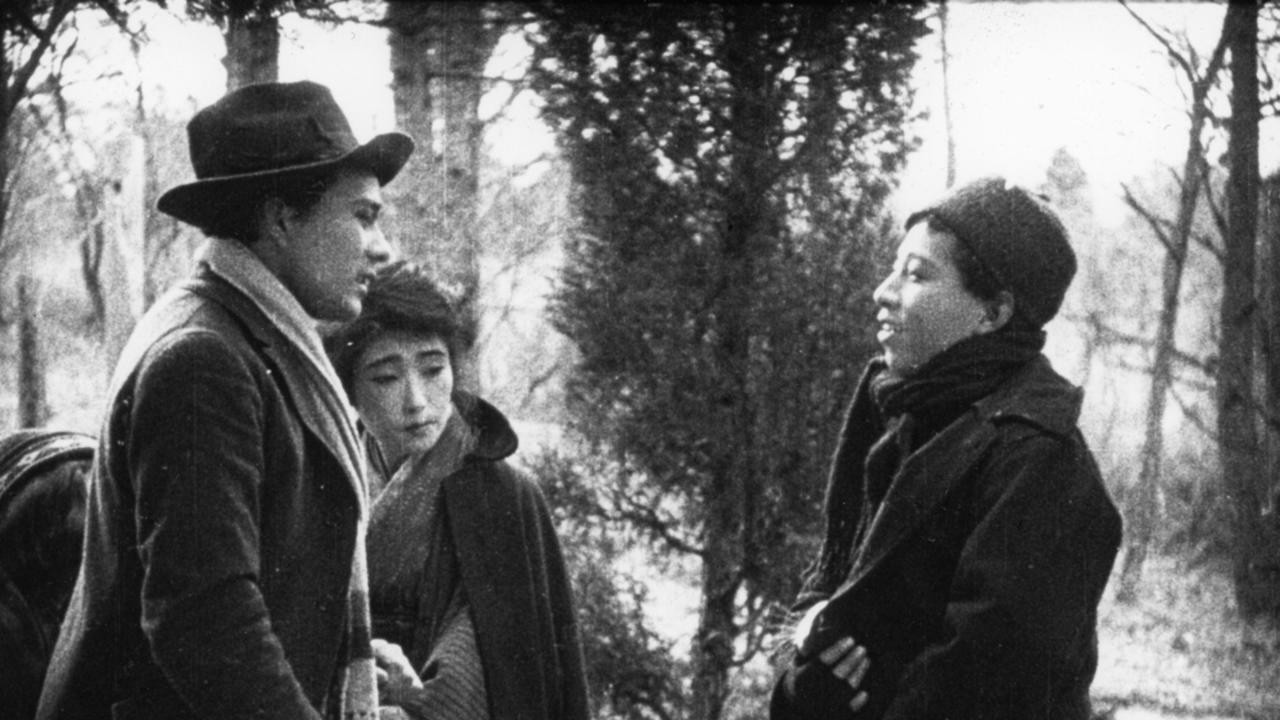
www.imdb.com/title/tt0012631/mediaviewer/rm2795115008/?re...
images.mubicdn.net/images/film/36043/cache-25849-14774382...
-----------------------------------------------------------------
click to activate the icon of slideshow: the small triangle inscribed in the small rectangle, at the top right, in the photostream;
or…. Press the “L” button to zoom in the image;
clicca sulla piccola icona per attivare lo slideshow: sulla facciata principale del photostream, in alto a destra c'è un piccolo rettangolo (rappresenta il monitor) con dentro un piccolo triangolo nero;
oppure…. premi il tasto “L” per ingrandire l'immagine;
www.worldphoto.org/sony-world-photography-awards/winners-...
www.fotografidigitali.it/gallery/2726/opere-italiane-segn...
…………………………………………………………………
A deep passion of mine about photography concerns, in addition to traditional Sicilian festivals, the black and white genre and street photography, which often but not always end up coinciding, so, although I am currently working on other photographic projects, I have given up (temporarily) everything and I immersed myself in the creation of this group of photos, they are heterogeneous, there is no common thread, yet I felt the need to reclaim these passions of mine. The photographs were taken in Taormina, Letojanni, Messina (at the Torre Faro pylon), on the hydrofoil that takes you from Milazzo to the Aeolian islands, on the islands of Lipari and Salina. A good number of these photos were taken with a 35mm Lensbaby on full frame (focus is manual). I photographed a lay friar, Giovanni L.P., he spoke to me about his troubled life, namely the rediscovery of a profound faith, now with the help of an old and worn Bible, he goes around the world preaching the Word of the Lord; I photographed a huge cargo ship, it was crossing the Strait of Messina, when I saw it I was speechless, I don't think I've ever seen such a gigantic ship up close, I had to wait for it to move away a little so I could take it again all of it, with the lenses I was wearing at the time, as it passed by me, all of it just didn't fit...; on the island of Salina, in the Pollara district, I photographed the external patio of "Neruda's house" where some scenes of the film "Il Postino" with Massimo Troisi, Philippe Noiret, Maria Grazia Cucinotta were filmed; also on the island of Salina I photographed the little black beach of Rinella; the man who "put the dead hand" on her partner was lovingly reprimanded by her, there was complicity between the two of them, she feared that someone might see them...
…………………………………………………….
Una mia profonda passione circa la fotografia riguarda, oltre le feste tradizionali siciliane, il genere bianco e nero e la street photography, esse spesso ma non sempre, finiscono per coincidere, così, pur lavorando attualmente ad altri progetti fotografici, ho mollato (temporaneamente) tutto e mi sono immerso nella realizzazione di questo gruppo di foto, sono eterogenee, non c’è un filo conduttore, eppure sentivo la necessità di riappropriarmi di queste mie passioni. Le fotografie sono state realizzate a Taormina, a Letojanni, a Messina (al Pilone di Torre Faro), sull’aliscafo che da Milazzo porta alle isole Eolie, sulle isole di Lipari e di Salina. Un buon numero di queste foto è stato realizzato con una Lensbaby da 35 mm (su full frame, il fuoco è manuale). Ho fotografato un frate laico, Giovanni L.P., mi ha parlato della sua tribolata vita, pèoi la riscoperta di una profonda fede, ora aiutandosi con una vecchia e logora Bibbia, va in giro per il mondo predicando la Parola del Signore; ho fotografato una enorme nave cargo, stava attraversando lo Stretto di Messina, quando l’ho vista sono rimasto a bocca aperta, non credo di aver mai visto da vicino una nave così gigantesca, ho dovuto aspettare che si allontanasse un po’ per poterla riprendere tutta, con le ottiche che montavo in quel momento, mentre mi passava vicino, tutta proprio non ci entrava…; sull’isola di Salina, in contrada Pollara, ho fotografato il patio esterno della “casa di Neruda” ove furono girate alcune scene del film “Il Postino” con Massimo Troisi, Philippe Noiret, Maria Grazia Cucinotta; sempre sull’isola di Salina ho fotografato la spiaggetta nera di Rinella; l’uomo che “faceva la mano morta” sulla sua compagna veniva amorevolmente ripreso da lei, c’era complicità tra loro due, lei temeva che qualcuno potesse vederli ….
……………………………………………..
French postcard by Editions du Globe, Paris, no. 748. Photo: Studio Harcourt.
Beautiful French actress Brigitte Bardot (1934) was the sex kitten of the European film industry. BB starred in 48 films, performed in numerous musical shows, and recorded 80 songs. After her retirement in 1973, she established herself as an animal rights activist and made vegetarianism sexy.
Brigitte Bardot was born in Paris in 1934. Her father, Louis Bardot, had an engineering degree and worked with his father in the family business. Her mother, Ann-Marie Mucel, was 14 years younger than Brigitte's father and they married in 1933. Brigitte's mother encouraged her daughter to take up music and dance. At the age of 13, she entered the Conservatoire Nationale de Danse to study ballet. By the time she was 15, Brigitte was trying a modeling career and found herself in May 1949 on the cover of the French magazine Elle. Her incredible beauty readily apparent, Brigitte was noticed by Roger Vadim, then an assistant to the film director Marc Allegrét. Vadim was infatuated with Bardot and encouraged her to start working as a film actress. BB was 18 when she debuted in the comedy Le Trou Normand/Crazy for Love (Jean Boyer, 1952). In the same year, she married Vadim. Brigitte wanted to marry him when she was 17, but her parents quashed any marriage plans until she turned 18. In April 1953 she attended the Cannes Film Festival where she received massive media attention. She soon was every man's idea of the girl he'd like to meet in Paris. From 1952 to 1956 she appeared in seventeen films. Her films were generally lightweight romantic dramas in which she was cast as ingénue or siren, often with an element of undress. She made her first US production in 1953 in Un acte d'amour/Act of Love (Anatole Litvak, 1953) with Kirk Douglas, but she continued to make films in France.
Roger Vadim was not content with the light fare his wife was offered. He felt Brigitte Bardot was being undersold. Looking for something more like an art film to push her as a serious actress, he showcased her in Et Dieu créa la femme/...And God Created Woman (Roger Vadim, 1956). This film, about an immoral teenager in a respectable small-town setting, was a smashing success on both sides of the Atlantic. Craig Butler at AllMovie: "It's easy enough to say that ...And God Created Woman is much more important for its historical significance than for its actual quality as a film, and that's true to an extent. Woman's immense popularity, due to its willingness to directly embrace an exploration of sex as well as its willingness to show a degree of nudity that was remarkably daring for its day, demonstrated that audiences were willing to view subject matter that was considered too racy for the average moviegoer. This had both positive (freedom to explore, especially for the French filmmakers of the time) and negative (freedom to exploit) consequences, but its impact is undeniable. It's also true that Woman is not a great work of art, not with a story that is ultimately rather thin, some painful dialogue, and an attitude toward its characters and their sexuality that is unclear and inconsistent. Yet Woman is still fascinating, due in no small part to the presence of Brigitte Bardot in the role that made her an international star and sex symbol. She's not demonstrating great acting here, although her performance is actually good and much better than necessary, and her legendary mambo scene at the climax is nothing short of sensational." During the shooting of Et Dieu créa la femme/And God Created Woman (1956), directed by her husband Roger Vadim, Brigitte Bardot had an affair with her co-star Jean-Louis Trintignant, who at that time was married to French actress Stéphane Audran. Her divorce from Vadim followed, but they remained friends and collaborated in later work.
Et Dieu créa la femme/...And God Created Woman (Roger Vadim, 1956) helped her international status. The film took the USA by storm, her explosive sexuality being unlike anything seen in the States since the days of the 'flapper' in the 1920s. It gave rise to the phrase 'sex kitten' and fascination of her in America consisted of magazine photographs and dubbed over French films - good, bad, or indifferent, her films drew audiences - mainly men - into theaters like lemmings.BB appeared in light comedies like Doctor at Large (1957) - the third of the British 'Doctor' series starring Dirk Bogarde - and Une Parisienne/La Parisienne (Michel Boisrond, 1957) which suited her acting skills best. However, she was a sensation in the crime drama En cas de malheur/Love is my profession (Claude Autant-Lara, 1958). Hal Erickson at AllMovie: "this Brigitte Bardot vehicle ran into stiff opposition from the Catholic Legion of Decency, severely limiting its U.S. distribution. Bardot plays a nubile small-time thief named Yvette, who becomes the mistress of influential defense attorney Andre (Jean Gabin). Though Andre is able to shower Yvette with jewels and furs, he cannot "buy" her heart, and thus it is that it belongs to handsome young student Mazzetti (Franco Interlenghi). Alas, Yvette is no judge of human nature: attractive though Mazzetti can be, he has a dangerous-and deadly-side. En Cas de Malheur contains a nude scene that has since been reprinted in freeze-frame form innumerable times by both film-history books and girlie magazines." Photographer Sam Lévin's photos contributed considerably to her image of sensuality and slight immorality. One of Lévin's pictures shows Brigitte, dressed in a white corset. It is said that around 1960 postcards with this photograph outsold in Paris those of the Eiffel Tower.
Brigitte Bardot divorced Vadim in 1957 and in 1959 she married actor Jacques Charrier, with whom she starred in Babette s'en va-t-en guerre/Babette Goes to War (Christian-Jaque, 1959). The paparazzi preyed upon her marriage, while she and her husband clashed over the direction of her career. Her films became more substantial, but this brought a heavy pressure of dual celebrity as she sought critical acclaim while remaining a glamour model for most of the world. Vie privée/Private Life (1962), directed by Louis Malle has more than an element of autobiography in it. James Travers at Films de France: "Brigitte Bardot hadn’t quite reached the highpoint of her career when she agreed to make this film with high profile New Wave film director Louis Malle. Even so, the pressure of being a living icon was obviously beginning to get to France’s sex goddess and Vie privée is as much an attempt by Bardot to come to terms with her celebrity as anything else. Malle is clearly fascinated by Bardot and the documentary approach he adopts for this film reinforces the impression that it is more a biography of the actress than a work of fiction. Of course, it’s not entirely biographical, but the story is remarkably close to Bardot’s own life and comes pretty close to predicting how her career would end." The scene in which, returning to her apartment, Bardot's character is harangued in the elevator by a middle-aged cleaning lady calling her offensive names, was based on an actual incident and is a resonant image of a celebrity in the mid-20th century. Soon afterward Bardot withdrew to the seclusion of Southern France.
Brigitte Bardot's other husbands were German millionaire playboy Gunter Sachs and right-wing politician Bernard d'Ormale. She is reputed to have had relationships with many other men including Sami Frey, her co-star in La Vérité/The Truth (Henri-Georges Clouzot, 1960), and musicians Serge Gainsbourg and Sacha Distel. In 1963, Brigitte Bardot starred in Godard's critically acclaimed film Le Mépris/Contempt (Jean-Luc Godard, 1963). She was also featured along with such notable actors as Alain Delon in Amours célèbres/Famous Love Affairs (Michel Boisrond, 1961) and Histoires extraordinaires/Tales of Mystery (Louis Malle, 1968), Jeanne Moreau in Viva Maria! (Louis Malle, 1965), Sean Connery in Shalako (Edward Dmytryk, 1968), and Claudia Cardinale in Les Pétroleuses/Petroleum Girls (Christian-Jaque, 1971). She participated in various musical shows and recorded many popular songs in the 1960s and 1970s, mostly in collaboration with Serge Gainsbourg, Bob Zagury, and Sacha Distel, including 'Harley Davidson', 'Le Soleil De Ma Vie' (the cover of Stevie Wonder's 'You Are the Sunshine of My Life') and the notorious 'Je t'aime... moi non plus'.
Brigitte Bardot’s film career showed a steady decline in the late 1960s and early 1970s. In 1973 just before her fortieth birthday, she announced her retirement. She chose to use her fame to promote animal rights. In 1976 she established the Brigitte Bardot Foundation for the Welfare and Protection of Animals. She became a vegetarian and raised three million French francs to fund the foundation by auctioning off jewelry and many personal belongings. For this work, she was awarded the Légion d’honneur in 1984. During the 1990's she became also outspoken in her criticism of immigration, interracial relationships, Islam in France, and homosexuality. Her husband Bernard d'Ormal is a former adviser of the far-right Front National party. Bardot has been convicted five times for 'inciting racial hatred'. More fun is that Bardot is recognised for popularizing bikini swimwear, in early films such as Manina/Woman without a Veil (1952), in her appearances at Cannes and in many photoshoots. Bardot also brought into fashion the 'choucroute' ('Sauerkraut') hairstyle (a sort of beehive hairstyle) and gingham clothes after wearing a checkered pink dress, designed by Jacques Esterel, at her wedding to Charrier. The fashions of the 1960s looked effortlessly right and spontaneous on her. Time Magazine: "She is the princess of pout, the countess of come hither. Brigitte Bardot exuded a carefree, naïve sexuality that brought a whole new audience to French films."
Sources: Denny Jackson (IMDb), Hal Erickson (AllMovie), Craig Butler (AllMovie), James Travers (Films de France), Films de France, Wikipedia, and IMDb.
And, please check out our blog European Film Star Postcards.
West German postcard by Krüger, no. 902/2
American actress Janet Leigh (1927-2004) starred in more than 50 films, but will always be remembered for the 45 minutes that she was on the screen in Alfred Hitchcock's Psycho (1960). Her shower scene became a film landmark. She was nominated for an Oscar and received a Golden Globe. Also unforgettable are her roles in Orson Welles' Touch of Evil (1958) and The Manchurian Candidate (1962), in which she starred with Frank Sinatra. Leigh and Tony Curtis were married from 1951 to 1962.
Janet Leigh was born Jeanette Helen Morrison in 1927 as the only child of a very young married couple, Helen Lita (née Westergaard) and Frederick Morrison in Merced, California. She spent her childhood moving from town to town due to her father's changing jobs. A bright child who skipped several grades in school, Leigh took music and dancing lessons, making her public debut at age 10 as a baton twirler for a marching band. Her favourite times were the afternoons spent at the local cinema, which she referred to as her "babysitter." After high school, she studied music and psychology at the College of the Pacific in Stockton. In the winter of 1945, she stayed at Sugar Bowl, a ski resort in the Sierra Nevada mountains, with her parents. Leigh's mother was working at a ski lodge where actress Norma Shearer was vacationing. Shearer was impressed by a photograph of then-eighteen-year-old Leigh taken by the ski club photographer over the Christmas holiday. Shearer brought Leigh to the attention of MGM talent agent Lew Wasserman who offered the girl a contract. Leigh left the College of the Pacific to take acting lessons from Lillian Burns. Her prior acting experience consisted only of a college play. One year later Leigh was at MGM, playing the ingenue in the film Romance of Rosy Ridge (Roy Rowland, 1947), a big-screen romance in which she starred opposite veteran Hollywood actor Van Johnson. The studio changed her name to Janet Leigh. The Romance of Rosy Ridge was a box-office success and the same year Leigh was cast for the film If Winter Comes (Victor Saville, 1947) with Walter Pidgeon and Deborah Kerr. The young actress became one of the busiest contractees at the studio, building her following with solid performances in such films as Little Women (Mervyn LeRoy, 1949), The Doctor and the Girl (Curtis Bernhardt, 1950) as Glenn Ford's love interest, and the Swashbuckler Scaramouche (George Sidney, 1952), starring Stewart Granger.
Janet Leigh caught the eye of RKO Radio's owner Howard Hughes, who hoped that her several RKO appearances on loan from MGM would lead to something substantial in private life. Instead, Leigh married Tony Curtis who became her third husband at 25. During her final year of high school, Leigh married eighteen-year-old John Kenneth Carlisle in Reno in 1942. The marriage was annulled five months later. Her second marriage to Stanley Reames (1946-1948) lasted two years. Curtis and Leigh became the darlings of fan magazines and columnists, as well as occasional co-stars in such films as Houdini (George Marshall, 1953), The Black Shield of Falworth (Rudolph Maté, 1954), and The Vikings (Richard Fleischer, 1958) with Kirk Douglas. Even as this 'perfect' Hollywood marriage deteriorated in the late 1950s, Leigh's career prospered. In the Film Noir Touch of Evil (Orson Welles, 1958), she starred opposite Charlton Heston and Orson Welles. Among her significant roles in the 1960s were that of Frank Sinatra's enigmatic lady friend in The Manchurian Candidate (John Frankenheimer, 1962), and Paul Newman's ex-wife in the mystery Harper (Jack Smight, 1966). Hal Erickson at AllMovie: "And, of course, the unfortunate embezzler in Alfred Hitchcock's Psycho (1960), who met her demise in the nude (actually covered by a moleskin) and covered with blood (actually chocolate sauce, which photographed better) in the legendary 'shower scene'." The part of Marion Crane would become her most famous role and she received an Oscar nomination and a Golden Globe for it.
Meanwhile, Janet Leigh had become the mother of two daughters, Kelly (1956) and Jamie-Lee (1958) and had divorced Tony Curtis in 1962. In the same year, she remarried stockbroker Robert Brandt, with whom she would remain for the next 42 years. In order to spend more time with her family, Leigh began to put her career on hold. She mainly played roles in television productions such as Bob Hope Presents the Chrysler Theatre (1964-1966), The Red Skelton Show (1969), and Tales of the Unexpected (1982-1984). Notable were her appearances in the feature-length television film The House on Greenapple Road (Robert Day, 1970) and her role as a forgotten film actress in Forgotten Lady (1975), an episode of the series Columbo. She made her Broadway debut in 1975 in a production of 'Murder Among Friends'. In the cinema, she starred in the supernatural horror film The Fog (John Carpenter, 1980) with her daughter Jamie Lee Curtis. In the 1980s, Leigh curtailed her film and TV appearances, though her extended legacy as both the star/victim of Psycho and the mother of actress Jamie Lee Curtis still found her a notable place in the world of cinema even if her career was no longer "officially" active. She co-starred with Jamie Lee again in the slasher Halloween H20: 20 Years Later (Steve Miner, 1998). Leigh wrote an autobiography 'There Really Was a Hollywood' (1984), and a non-fiction 'Psycho: Behind the Scenes of the Classic Thriller' (1995, co-authored with Christopher Nickens), as well as two novels 'House of Destiny' (1996) and 'The Dream Factory' (2002). Janet Leigh died of vasculitis, an inflammation of the blood vessels, in 2004, at home in Beverly Hills in the presence of her family. She was 77. Leigh was cremated and her ashes were entombed at Westwood Village Memorial Park Cemetery in the Westwood Village neighbourhood of Los Angeles.
Sources: Hal Erickson (AllMovie), Wikipedia (English and Dutch) and IMDb.
And, please check out our blog European Film Star Postcards.
Swiss-British postcard by News Productions, Baulmes / Stroud, no. 56738, 1996. Photo: Sam Shaw. Caption: Lee Remick, on the Bowery, New York City, 1960.
Lee Remick (1935-1991) was an American actress admired for her versatility and beauty. Her best-known films include A Face in the Crowd (1957), Anatomy of a Murder (1959), Wild River (1960), and Days of Wine and Roses (1962).
Lee Ann Remick was born in Quincy, Massachusetts, in 1935. Her parents were Francis Edwin Remick, a department store owner, and Margaret Patricia Waldo, an actress. Remick studied acting at Bernard College in Manhattan New York and at the Actor's Studio, known for its method acting. Only 16, she made her Broadway debut in 1953 with 'Be Your Age' alongside Conrad Nagel. Remick went on to appear in musicals such as 'Oklahoma!' by Oscar Hammerstein and Richard Rodgers and 'Show Boat'by Oscar Hammerstein and Jerome Kern. From 1953, she was seen on television in live dramas. She made her film debut in A Face in the Crowd (Elia Kazan, 1957). While making the film in Arkansas, Remick stayed with a local relative where she practised her baton tricks daily so she could portray herself credibly as a majorette alongside her opposite actor Walter Matthau. Her next role was also southern: Eula Varner, the hot-blooded daughter-in-law of Will Varner (Orson Welles) in The Long, Hot Summer (Martin Ritt, 1958). She emerged as a real star in the role of an apparent rape victim whose husband is tried for killing her attacker in Anatomy of a Murder (Otto Preminger, 1959), where she starred opposite James Stewart. Then she reunited with director Elia Kazan for The Wild River (1960) with Montgomery Clift.
Lee Remick played the leading female role alongside Yves Montand in Sanctuary (Tony Richardson, 1961). Remick was nominated for an Oscar for her portrayal of Jack Lemmon's alcoholic wife in The Days of Wine and Roses (Blake Edwards, 1962). In 1962, under contract to Fox, she was approached to replace Marilyn Monroe in George Cukor's Something's Got to Give. The idea was finally abandoned. When Marilyn died, the film remained unfinished. Remick appeared in the 1964 Broadway musical 'Anyone Can Whistle', with music and lyrics by Stephen Sondheim and a book and direction by Arthur Laurents, which ran for only a week. Remick's performance is captured on the original cast recording. This began a lifelong friendship between Remick and Sondheim, and she later appeared in the 1985 concert version of his musical 'Follies'. Lee received a Tony Award nomination in 1966 for her portrayal of a blind woman terrorised by a gang of drug smugglers in the play 'Wait Until Dark', written by Frederick Knott, under the direction of Arthur Penn and co-starring Robert Duvall. It was a big success and ran for 373 performances. In the film version, Wait Until Dark (Terence Young, 1967), Audrey Hepburn played the role of the blind Suzy Hendrix. Remick starred in No Way to Treat a Lady (Jack Smight, 1968) with Rod Steiger and George Segal, The Detective (Gordon Douglas, 1968) with Frank Sinatra, and Hard Contract (S. Lee Pogostin, 1969) with James Coburn In 1969, she left the USA to settle in London with her second husband, director Kip Gowens.
Lee Remick was married twice. Her first husband, with whom she had a son and a daughter, was Bill Colleran, an American television producer. Her second husband was the British film producer Kip Gowens. She appeared in the British comedy Loot (Silvio Narizzano, 1970). It is based on the play of the same name by Joe Orton and stars Richard Attenborough. She won Golden Globe Awards for the TV film The Blue Knight (1973), and for playing the title role in the miniseries Jennie: Lady Randolph Churchill (1974). For the latter role, she also won the BAFTA TV Award for Best Actress, and enormous popularity. In the cinema, she starred in films such as The Omen (Richard Donner, 1976) opposite Gregory Peck, one of the biggest hits of the year. Remick followed it up with leading actress roles in Telefon (Don Siegel, 1977), with Charles Bronson; The Medusa Touch (Jack Gold, 1978) with Richard Burton, and The Europeans (James Ivory, 1978), based on the novel by Henry James. With her husband Kip Gowens, she worked on a number of television movies including The Women's Room (1980), and Rearview Mirror (1984). In 1988 Lee Remick formed a production company with partners James Garner and Peter K. Duchow. Lee Remick died in 1991 in Los Angeles, California, at the age of 55 from the effects of kidney and liver cancer. A very weak, almost unrecognisable Lee made one of her last public appearances three months before her death, to receive her star on the Hollywood Walk of Fame, located at 6104 Hollywood Boulevard. She was cremated at Westwood Memorial Park. Her children, Kate (1959) and Matt Colleran (1961), sang the title song from one of her Broadway musical shows 'Anyone Can Whistle'.
Sources: Ed Stephan (IMDb), Wikipedia (French, Dutch, and English), and IMDb.
And, please check out our blog European Film Star Postcards.
……………………………….
Locandina:
bingeddata.s3.amazonaws.com/uploads/2021/01/romantic-guid...
www.imdb.com/it/title/tt12784484/mediaviewer/rm2907022337...
www.imdb.com/it/title/tt12784484/mediaviewer/rm2940576769...
www.primevideo.com/detail/Romantic-Guide-to-Lost-Places/0...
.............................................................................
click to activate the small icon of slideshow: the small triangle inscribed in the small rectangle, at the top right, in the photostream (it means the monitor);
or…. Press the “L” button to zoom in the image;
clicca sulla piccola icona per attivare lo slideshow: sulla facciata principale del photostream, in alto a destra c'è un piccolo rettangolo (rappresenta il monitor) con dentro un piccolo triangolo nero;
oppure…. premi il tasto “L” per ingrandire l'immagine;
www.worldphoto.org/sony-world-photography-awards/winners-...
www.fotografidigitali.it/gallery/2726/opere-italiane-segn...
………………………………………………………………………
I'm sharing here on Flickr a (long) series of photos, taken in early August this year, during a short vacation in Calabria, at a holiday village located near a beach I've been frequenting with my family for several years now, during our short summer vacations. The setting, however, is very different from the beaches I normally frequent near my home in Taormina, with very crowded beaches and a sea that is also very popular with yachtsmen of all kinds. In this part of Calabria, the beaches are rarely crowded (except on weekends, but not too much). In short, it's a sort of almost tropical paradise, with very little yachting. Adjacent to the holiday village is a kitesurfing club, very popular with enthusiasts of this wonderful sport, which thrives on the sea and the wind. I photographed an 84-year-old kitesurfer, whose mettle is steely, still giving athletes much younger than him a run for their money. A friendly and sweet horsewoman from the nearby stables arrived unexpectedly in the beach village, accompanied by her father, both astride two magnificent colts. This created a moment of joy and curiosity for both the parents and their little ones, who were likely seeing these magnificent and docile animals up close and personal for the first time. Unexpectedly, a very special party broke out on the beach. Seeing it made me feel like I was no longer in Calabria, but rather transported to the other side of the globe, to the Hindu festival called Holi, with its throwing of colored powders (in India, this festival marks the end of winter and the arrival of spring, as well as symbolizing the victory of good over evil). I know it thanks to the evocative photographs often published on various photography websites.
I'll end by briefly mentioning the photographic technique I've often used in my photographs. I've created "blur" photographs—blurry, slightly blurry, and unfocused—at the time of shooting, simply by lengthening the exposure time and then also using some panning. Finally, I'd like to thank the sweet and beautiful models who posed for me, allowing me to further enhance this (long-winded) photographic story.
………………………………………………………………………..
Propongo qui su Flickr, una (lunga) serie di foto, realizzate nei primi giorni di Agosto di quest’anno, durante una mia breve vacanza in Calabria, in un villaggio vacanze sito a ridosso di una spiaggia che oramai frequento insieme alla mia famiglia, durante le nostre brevi vacanze estive, da diversi anni, fotografie quindi aventi per tema la “beach photography”; purtuttavia l’ambientazione è molto diversa rispetto alle spiagge che frequento normalmente vicino casa mia a Taormina, con spiagge molto affollate, il mare anch’esso super frequentato da diportismo nautico di ogni tipo, in questa zona della Calabria le spiagge sono invece poco frequentate (tranne il fine settimana, ma neanche troppo), insomma, una specie di Paradiso quasi tropicale, con pochissime imbarcazioni. Adiacente al villaggio vacanze c’è un club di Kitesurf, molto frequentato da appassionati di questo meraviglioso sport, sport che si nutre di mare e di vento. Ho fotografato un kitesurfer di 84 anni, la cui tempra è di acciaio, che dà ancora molto filo da torcere ad atleti molto più giovani di lui. Nel villaggio a sorpresa è arrivata una simpatica e dolce cavallerizza proveniente dal vicino maneggio, con lei anche il suo papà, entrambi a cavallo di due magnifici puledri, creando un momento di allegria e curiosità, sia per i genitori, che per i loro piccoli, per i quali, molto probabilmente, era la prima volta che potevano vedere da vicino, e poterli anche toccare, questi magnifici e docili animali. A sorpresa, inaspettatamente, sulla spiaggia ha preso vita un party molto particolare, nel vederlo mi sembrava di non essere più in Calabria, ma di essere stato proiettato dall’altro lato del globo, in quella festa Indù chiamata Holi, con lancio di polveri colorate (in India questa festa segna la fine dell'inverno e l'arrivo della primavera, oltre a simboleggiare la vittoria del bene sul male), festa che conosco grazie a fotografie molto suggestive spesso pubblicate sui vari siti fotografici.
Termino accennando brevemente alla tecnica fotografica che ho spesso adottato nel realizzare le mie fotografie, ho realizzato al momento dello scatto fotografie del tipo “blur”, cioè mosse, un po’ confuse, non incise, ottenute allungando i tempi di esposizione. Infine ringrazio le dolcissime e belle modelle, che hanno voluto posare per me, consentendomi di rendere più grazioso questo mio (prolisso) racconto fotografico.
………………………………………………………………………………
My Mr. & Mrs. Smith spoof.
Special thanks to Jane for helping me out with this one. She was a good sport.
*On a side note....the dress Jane is wearing is the same one from this shot. Eight and a half years and two kids later, she can still fit into it with NO problem.
This was the #1 photo by Flickr - Interesting on the date April 29th 2007.
Belgian postcard by Edit. Decker, Brussels, no. P.U. 51. Raquel Welch in The Biggest Bundle of Them All (Ken Annakin, 1968).
Today, 15 February 2023, American actress and sex symbol Raquel Welch (1940) has died at the age of 82 after a short illness. She was one of the icons of the 1960s and 1970s. Welch first won attention for her role in Fantastic Voyage (1966). In Great Britain, she then made One Million Years B.C. (1966). Although she had only three lines in the film, a poster of Welch in a furry prehistoric bikini became an amazing bestseller and catapulted her to stardom.
Raquel Welch was born Jo Raquel Tejada in 1940 in Chicago, Illinois. She was the first of three children born to Bolivian Armando Carlos Tejada Urquizo, an aerospace engineer, and his Irish-American wife Josephine Sarah Hall, who was the daughter of American architect Emery Stanford Hall. At age 14, Raquel won her first beauty title as Miss Photogenic. She graduated from high school in 1958 and a year later, after becoming pregnant, she married her high school sweetheart, James Welch. Seeking an acting career, Welch won a scholarship in drama, took classes at San Diego State College and won several parts in local theatre productions. She got a job as a weather forecaster at KFMB, a local San Diego television station. After her separation from James Welch, she moved with her two children to Dallas, Texas, where she worked as a model for Neiman Marcus and as a cocktail waitress. In 1963, she went to California, where she met former child star and Hollywood agent Patrick Curtis who became her personal and business manager and second husband. They developed a plan to turn Welch into a sex symbol. After small roles in a few films and TV series, she had her first featured role in the beach film A Swingin' Summer (Robert Sparr, 1965). She landed a seven-year nonexclusive contract at 20th Century Fox and was cast in a leading role in the sci-fi film Fantastic Voyage (Richard Fleischer, 1966) opposite Stephen Boyd. Welch portrayed a member of a medical team that is miniaturized and injected into the body of an injured diplomat with the mission to save his life. The film was a hit and made her a well-known name. Fox Studio loaned her to Hammer Studios in Britain where she starred in One Million Years B.C. (Don Chaffey, 1966). Her only costume was a two-piece deer skin bikini. Gary Brumburgh at IMDb: "Tantalizingly wet with her garb clinging to all the right amazonian places, One Million Years B.C. (1966), if nothing else, captured the hearts and libidos of modern men (not to mention their teenage sons) while producing THE most definitive and best-selling pin-up poster of that time."
Raquel Welch stayed in Europe for the French comedy Le Plus Vieux Métier du monde/The Oldest Profession (Michael Pfleghar a.o., 1967), a typical European anthology film of the 1960s. A collection of sketches on prostitution through the ages, made by a pan-European cast and crew. Some of the most sensual stars of the era played the leads: Michèle Mercier, Elsa Martinelli, Anna Karina, Nadia Gray, Jeanne Moreau and Welch. She played Nini in the episode La belle époque/The Gay Nineties by German director Michael Pfleghar. When Nini discovers by accident that her antiquated customer (Martin Held) is a banker, she pretends to be an honest woman who has fallen in love with him. She even pays him, just like a gigolo! Varlaam at IMDb: "Raquel Welch stars in the most amusing episode, relatively speaking. It's apparently set in the 1890s Vienna (Emperor Franz Josef is on the paper money). One could probably say that Raquel's greatest classic role was as the injured party in the Cannery Row lawsuit. Finely nuanced she was not, normally. But she makes an appealing light comedienne here, and she can really fill a lacy Viennese corset. The Belle Époque it assuredly was." Next, she appeared in the British seven-deadly-sins comedy Bedazzled (Stanley Donen, 1967). She played the deadly sin representing 'lust' for the comedy team of Peter Cook and Dudley Moore. In Britain, she was also the title secret agent in the sexy spy spoof Fathom (Leslie H. Martinson, 1967). In Italy, she starred with Monica Vitti and Claudia Cardinale in Le Fate/The Queens (Mauro Bolognini, 1966) and with Edward G. Robinson and Vittorio de Sica in The Biggest Bundle of Them All (Ken Annakin, 1968). Back in the United States, she appeared in the Western Bandolero! (Andrew V. McLaglen, 1968) with James Stewart and Dean Martin, which was followed by the private-eye drama Lady in Cement (Gordon Douglas, 1968) with Frank Sinatra. She caused quite a stir in her ground-breaking sex scenes with black athlete Jim Brown in the Western 100 Rifles (Tom Gries, 1969).
Raquel Welch's most controversial role came in the comedy Myra Breckinridge (Michael Sarne, 1970), based on Gore Vidal's 1968 novel. She took the part of the film's transsexual heroine in an attempt to be taken seriously as an actress. The picture was controversial for its sexual explicitness, but unlike the novel, Myra Breckinridge received little to no critical praise. It is cited in the book The Fifty Worst Films of All Time. Jason Ankeny at AllMovie: "Her situation was unusual; she was certainly a star and a household name, yet few people ever went to see her movies." Welch took a measure of control over her screen persona, producing and starring in Hannie Calder (Burt Kennedy, 1971), the first film in which she carved out a place in movie history portraying strong female characters and breaking the mould of the submissive sex symbol. She altered the image further with Kansas City Bomber (Jerrold Freedman, 1972), insisting on doing her own stunts as good-hearted roller derby star Diane 'KC' Carr. She followed that with a series of successful films in Europe that included the thriller Bluebeard (Edward Dmytryk, 1972) starring Richard Burton, the swashbuckler The Three Musketeers (Richard Lester, 1973) - for which she won a Golden Globe, the sequel The Four Musketeers (Richard Lester, 1974) both with Oliver Reed and Michael York, and The Wild Party (James Ivory, 1975). A big hit in Europe was the French action-comedy L'Animal/Animal (Claude Zidi, 1977) starring Jean-Paul Belmondo. Raquel Welch's unique persona on film made her one of the reigning icons of the 1960s and 1970s. Later, she made several television variety specials. In 1980, Welch planned on making a comeback in an adaptation of John Steinbeck's Cannery Row (David S. Ward, 1982), but was fired by the producers a few days into production. The producers said that at 40 years old she was too old to play the character. She was replaced with Debra Winger. Welch sued and collected a $10.8 million settlement. She starred on Broadway in Woman of the Year, receiving praise for following Lauren Bacall in the title role. She also starred in Victor/Victoria, having less success. In 1995, Welch was chosen by Empire Magazine as one of the 100 Sexiest Stars in Film History.
Sources: Jason Ankeny (AllMovie), Gary Brumburgh (IMDb), David Carless (IMDb), Bob Taylor (IMDb), Varlaam (IMDb), TCM, Wikipedia, and IMDb.
And, please check out our blog European Film Star Postcards.
French postcard by Editions La Malibran, Saint-Dié, no. CF 30. Photo: Georges Pierre. Anna Karina in Alphaville (Jean-Luc Godard, 1965). Photography: Raoul Coutard.
French, but Danish-born film actress, singer, and director Anna Karina (1940-2019) was the queen of the Nouvelle Vague. Karina was the muse of director Jean-Luc Godard and starred in eight of his films.
Anna Karina was born Hanne Karen Blarke Bayer in Solbjerg, Denmark, in 1940. Her mother was a dress shop owner and her father a ship's captain. Before she turned one, her father had left her mother. First, she was raised by her maternal grandparents, where she stayed until the age of four. Then she spent time in and out of foster homes, before returning to live with her mother from the age of eight. She has described her childhood as 'terribly wanting to be loved' and as a child, she made numerous attempts to run away from home. She began her career in Denmark, where she sang in cabarets and worked as a model playing in commercials. At age 14, she appeared in the Danish short film Pigen og skoene/Girls and Shoes (Ib Schedes, 1954), which won a prize at the Cannes Film Festival. She studied dance and painting in Denmark and for a while making a living selling her paintings. In 1958, after a row with her mother, she hitchhiked to Paris. She had a break when sitting briefly at the cafe Les Deux Magots, she was approached by a woman from an advertisement agency who asked her to do some photos. Hanne became a rising fashion model and met Coco Chanel and Pierre Cardin. Chanel advised her to use a professional name, Anna Karina. She made a series of Palmolive ads in a bath covered in soapsuds and was noticed by Jean-Luc Godard, then a film critic for Cahiers du cinéma. Godard was casting his debut feature film, À bout de souffle/Breathless (1960) starring Jean-Paul Belmondo. He offered her a small role, but she refused when he mentioned that there would be a nude scene. However, she eventually accepted his offer to play a major role in his second film, Le Petit Soldat/The Little Soldier (1960) with Michel Subor. Karina, who was still under 21 had to persuade her estranged mother to sign the contract for her.
Anna Karina and Jean-Luc Godard married during the shooting of their next film, Une femme est une femme/A Woman Is a Woman (1961) with Jean-Paul Belmondo and Jean-Claude Brialy. It is a tribute to American musical comedy and the first film Godard shot in color and Cinemascope. Judd Blaise at AllMovie: "Rather than the sometimes alienating, dense intellectualism of later Godard works, Une femme est une femme offers aesthetic pleasure through luxurious visuals and a charming musical score by Michel Legrand. Against this bright backdrop, Karina proves particularly fetching, capturing the film's frolicsome mood in an unforced manner. While not one of Godard's most groundbreaking or influential films, Une femme est une femme is one of his most appealing and pleasurable efforts." J. Hoberman at Criterion: "Mainly, A Woman Is a Woman is a valentine to Karina, who became pregnant during the course of the movie’s production; she and Godard were married in March 1961, an event that made the cover of Paris Match." At the Berlin Film Festival in 1961, Anna Karina was awarded as Best Actress for Une femme est une femme. In the following years, the couple made Vivre sa Vie/My Life to Live (1962), Bande à part/Band of Outsiders (1964), Alphaville, une étrange aventure de Lemmy Caution/Alphaville, a Strange Adventure of Lemmy Caution (1965) with Eddie Constantine, Pierrot le fou/Pierrot Goes Wild (1965) with Jean-Paul Belmondo, Made in U.S.A. (1966) with Jean-Pierre Léaud and the anthology film Le plus vieux métier du monde/The Oldest Profession (1967). Although their cinematic collaboration seemed harmonious, behind the scenes, their relationship was tumultuous and bitter, made all the more difficult by the fact that it was under constant public scrutiny. Their three-year marriage ended in 1964, though they continued to work together until 1966. In 1967, Godard and Karina divorced.
Hal Erickson at AllMovie: "From all reports, Karina and Godard's relationship was symbiotic; it is certainly no coincidence that both actress and director went into a temporary artistic eclipse after their 1967 breakup." Anna Karina's acting career was not, however, limited to Godard's films, and she had a successful collaboration with other well-known directors. Some consider as her best performance her role in La Religieuse/The Nun (Jacques Rivette, 1966) in which she plays an intelligent, freedom-loving woman who is forced into a convent against her will. She also acted in the Italian productions Le Soldatesse/The Camp Followers (Valerio Zurlini, 1965) and the Albert Camus adaptation Lo Straniero/The Stranger (Luchino Visconti, 1967) starring Marcello Mastroianni. Karina also maintained a singing career and scored hits with Sous le soleil exactement and Roller Girl. Both songs were taken from the TV musical Anna (Pierre Koralnik, 1967), which Serge Gainsbourg had especially written for her. After her divorce in 1967, she went to Hollywood. She acted in Justine (George Cukor, 1969) and returned to Paris. Her later films included Laughter in the Dark (Tony Richardson, 1969), Rendez-vous à Bray/Appointment in Bray (André Delvaux, 1971) with Mathieu Carrière, Pane e cioccolata/Bread and Chocolate (Franco Brusati, 1973) starring Nino Manfredi, Chinesisches Roulette/Chinese Roulette (Rainer Werner Fassbinder, 1976), and Olyan mint otthon/Just Like Home (Márta Mészáros, 1978) with Jan Nowicki.
Anna Karina acted in but also wrote, produced, and directed Vivre ensemble/Living Together (1973). She has also written three novels and made several appearances on television. She appeared on stage in Jacques Rivette's adaptation of La Religieuse/The Nun, Pour Lucrece, Toi et Tes Nuages, Francoise Sagan's Il Fait Beau Jour et Nuit and Ingmar Bergman's Apres La Répétition/After the Repetition. In 2005 she released Chansons de films, a collection of songs sung in films. Incidentally she played in films like L'oeuvre au noir/The Abyss (André Delvaux, 1988) with Gian Maria Volonté, Haut bas fragile/Up, Down, Fragile (Jacques Rivette, 1995) and the romantic thriller The Truth About Charlie (Jonathan Demme, 2002) starring Mark Wahlberg. James Travers at Le Film Site on L'oeuvre au noir/The Abyss : "This sombre adaptation of Marguerite Yourcenar’s acclaimed literary work was directed by the acclaimed Belgian film-maker André Delvaux. Visually, the film is impressive and it boasts an excellent cast, but for all its excellent production values it is a heavy and somewhat laboured affair." Karina's most recent film as a director was Victoria (2008) in which she also starred. Mark Deming at AllMovie: "Thirty-five years after directing her first feature film, iconic actress Anna Karina once again steps behind the camera for this charming comedy-drama shot in Canada. Jimmy (Emmanuel Reichenbach) and Stanislas (Jean-Francois Moran) are a pair of nightclub performers who play second-rate gay nightclubs as part of a drag act called 'Les Lolitas'." After Godard, Anna Karina was married three times more: to scriptwriter-actor Pierre Fabre (1968–1973), actor-director Daniel Duval (1978–1981), and director Dennis Berry (1982–1994). Since 2009 she was married to Maurice Cooks. On 14 December 2019, Anna Karina has died in a Paris hospital of the effects of cancer at the age of 79, her agent Laurent Balandras told AFP, adding that she passed away in the company of her fourth husband, American director Dennis Berry.
Sources: Judd Blaise (AllMovie), J. Hoberman (Criterion), James Travers (Le Film Guide), Mark Deming (AllMovie), Hal Erickson (AllMovie), The Guardian, Fuck yeah! Anna Karina, IMDb, and Wikipedia.
And, please check out our blog European Film Star Postcards.
www.imdb.com/it/title/tt0174268/
“……………………………………”
“…………………………………..”
-----------------------------------------------------------------
click to activate the icon of slideshow: the small triangle inscribed in the small rectangle, at the top right, in the photostream;
or…. Press the “L” button to zoom in the image;
clicca sulla piccola icona per attivare lo slideshow: sulla facciata principale del photostream, in alto a destra c'è un piccolo rettangolo (rappresenta il monitor) con dentro un piccolo triangolo nero;
oppure…. premi il tasto “L” per ingrandire l'immagine;
www.worldphoto.org/sony-world-photography-awards/winners-...
www.fotografidigitali.it/gallery/2726/opere-italiane-segn...
…………………………………………………………………
St. Paul the Apostle is a very revered saint in the Sicilian town of Palazzolo Acreide, the feast in his honor is celebrated on two occasions (very important periods if referring to peasant civilization), on 29 June (the day I took this photo story this year 2025) date of his martyrdom, and January 25, the date of his conversion to Christianity. The "summer party" of June 29, begins with a particular collection of donut-shaped bread (in Sicilian called "cuddura"), donated by the villagers and collected on a cart, this is the "round of bread", these loaves (called "di San Paolo") have decorations that recall snakes: the reference is always to San Paolo, considered the protector from the poisonous bites of vipers, this is the ancestral legacy of an ancient peasant civilization, the wheat harvest period that coincides with the feast, it makes working in sunburnt fields particularly dangerous; once there were characters to whom supernatural gifts were attributed, they were called "ciarauli", capable of protecting from the venomous bites of the viper (This year, a very nice man of Palazzolo Acreide, who was also present last year, was present at the feast to recall these ancient figures. Instead of little snakes, as was once the custom, he had with him a very calm python, also because it was full). The procession takes the name of "sciuta", with reference to the "exit" from the basilica of San Paolo of two floats, first the float comes out with the relic of the saint, carried on the shoulders by the devotees, immediately after, at 13.00 o'clock the exit of the float takes place with the ancient statue of Saint Paul holding a sword in his hand (the iconography represents him with the sword for two reasons, he was beheaded with a sword stroke, and because he, referring to the word of God, defined it more effective and sharper than a double-bladed sword), at this point they begin among the most spectacular and evocative pyrotechnic games that I have ever seen, we witness a phantasmagoric and kaleidoscopic explosion of colors made with enormous colored confetti and with colored ribbons about two meters long called 'nzareddi, which recall the shape and movement of snakes. During the procession we witness the rite of children who, often completely naked, are taken by their parents by the expert hands of two devotees present on the float, they are thus placed in front of St. Paul to ask for his intercession and protection, sometimes these children are adorned with paper money, in fact, the donation of money is part of the rites that accompany the procession. Among these rites is the vow of the "bare shoulder" made by devout bearers, and that of women who walk barefoot by vow. The procession with the two floats then arrives, as a sign of devotion, in the church of the Annunziata.
San Paolo Apostolo è un santo molto venerato nel paese siciliano di Palazzolo Acreide, la festa in suo onore viene celebrata in due occasioni (periodi molto importanti se riferiti alla civiltà contadina), il 29 giugno (giorno in cui ho realizzato quest’anno 2025 questo foto-racconto) data del suo martirio, ed il 25 gennaio, data della sua conversione al cristianesimo. La “festa estiva” del 29 giugno, inizia con una particolare raccolta di pane a forma di ciambella (in siciliano detta “cuddura”), donato dai paesani e raccolto su di un carretto, questo è il “giro del pane”, questi pani (detti “di San Paolo”) presentano delle decorazioni che richiamano i serpenti: il riferimento è sempre a San Paolo, ritenuto il protettore dai morsi velenosi delle vipere, questo è il retaggio ancestrale di un’antica civiltà contadina, il periodo della mietitura che coincide con la festa, rende particolarmente pericoloso il lavoro nei campi arsi dal sole; una volta esistevano dei personaggi a cui si attribuivano doti sovrannaturali, erano chiamati “ciarauli”, capaci di proteggere dai morsi velenosi della vipera (quest’anno era presente nella festa, a rievocare queste antiche figure, un simpaticissimo Palazzolese, presente anche l'anno scorso, che al posto delle bisce, come si usava una volta, aveva con se un docilissimo pitone, anche perchè satollo). La processione prende il nome di “sciuta”, con riferimento alla “uscita” dalla basilica di San Paolo di due vare, dapprima esce la vara con la reliquia del santo, portata in spalla dai devoti, subito dopo, alle 13,00 in punto avviene l’uscita della vara con l’antica statua di San Paolo che stringe una spada in pugno (l’iconografia lo rappresenta con la spada per due motivi, egli fu decapitato con un colpo di spada, e perché egli, riferendosi alla parola di Dio, la definiva più efficace e più tagliente di una spada a doppia lama), a questo punto iniziano tra i più spettacolari e suggestivi giochi pirotecnici che io che io abbia mai visto, si assiste ad una fantasmagorica e caleidoscopica esplosione di colori realizzati con enormi coriandoli colorati e con dei nastri colorati lunghi circa due metri chiamati ‘nzareddi, che richiamano la forma ed il movimento dei serpenti. Durante la processione si assiste al rito dei bambini che, molto spesso completamente nudi, vengono presi dai genitori dalle esperte mani di due devoti presenti sulla vara, vengono così messi al cospetto di San Paolo a chiederne la sua intercessione e protezione, a volte questi bimbi sono adornati con della carta moneta, infatti la donazione di denaro fa parte dei riti che accompagnano la processione. Tra questi riti c’è il voto della “spalla nuda” fatto dai devoti portatori, e quello delle donne che per voto camminano scalze. La processione con le due vare giunge poi, in segno di devozione, nella chiesa dell’Annunziata.
………………………………………………………
“things only exist if they are told/narrated”
(maybe of Alessandro Baricco);
“le cose esistono solo se vengono raccontate”
(probabile, di Alessandro Baricco).
POSTER - LOCANDINA –
www.primevideo.com/-/it/detail/Angel-A/0KVPRDXIFFVZY10Y02...
www.imdb.com/de/title/tt0473753/
www.moviemag.it/angel-a-la-recensione-del-film-di-luc-bes...
----------------------------------------------------------
click to activate the small icon of slideshow: the small triangle inscribed in the small rectangle, at the top right, in the photostream (it means the monitor);
or…. Press the “L” button to zoom in the image;
clicca sulla piccola icona per attivare lo slideshow: sulla facciata principale del photostream, in alto a destra c'è un piccolo rettangolo (rappresenta il monitor) con dentro un piccolo triangolo nero;
oppure…. premi il tasto “L” per ingrandire l'immagine;
www.worldphoto.org/sony-world-photography-awards/winners-...
www.fotografidigitali.it/gallery/2726/opere-italiane-segn...
………………………………………………………
I present here a “Sicilian Festival”, with images and words, which was held this year in what is a “scattered municipality”, since it is composed of the two hamlets of Mongiuffi and Melia, separated by a valley in which a river flows, close to the more famous Taormina; the festival is celebrated on Easter Monday, this year the festival, which began normally, was interrupted shortly after due to the arrival of the sad news of the Holy Father Francis, who passed away, so the festival was postponed and celebrated on Sunday 27 April. Historically, the news that I report here, briefly, are taken from the book written by the historian, researcher of popular traditions and photographer, Giovanni Curcuruto, title of the work "Monfelia" (ETNA printing house, OCTOBER 2006): this festival, initially called "Festa della Pace" (later indicated as "Festa degli Angeli"), was established by the Marquis Francesco Rao Corvaja in 1830, to try to bring harmony between the two villages, Mongiuffi and Melia, which had disagreed in the past years for trivial reasons. The festival was celebrated until 1843, the year in which the two villages argued again (the two communities argued as if they were stadium fans, one sided with the clergy, the other with the nobles), the festival was then suspended, and was only reinstated in 1929; the celebration when it was established required that forty days before Easter Monday, the two communities would gather in the church of San Sebastiano di Melia, to select eight children, four from Mongiuffi in honor of the Madonna, and four from Melia in honor of the Risen Christ, between ten and fifteen years old, on the day of the celebration they would then be dressed in white clothes and “wings”, embellished with ribbons and bows; the children were instructed to recite a text in Sicilian dialect mixed with Latin phrases, written in 1833 by the priest Giovanni Cuzari. On Easter Monday, the various brotherhoods had a lot to do preparing the ceremony; from the church of San Sebastiano di Melia, a procession of only men came out, the bearers carried the float with the Risen Christ on their shoulders, while from Mongiuffi a procession of only women set out, with their heads covered by a black veil, the float with the the Virgin of Sorrows was carried on their shoulders, a black veil covered her completely, leaving only her face uncovered, (underneath there was a white veil, which would have “appeared” at the moment of the encounter with the Risen Son): the two processions met in Melia (and still meet today), in an area called “’nto chianu di l’Angiuli” (the square of the Angels), in reality now it is little more than a narrow street: what happened in the past, still happens today (except that, the procession with the the Virgin of Sorrows no longer comes from Mongiuffi, but comes from Melia itself), the two processions coming from the two opposite directions, carrying the float with the the Virgin of Sorrows, and the one with the Risen Christ, stop one in front of the other. First there is a particular ceremony, two boys meet with their respective Crucifixes making three bows to each other, the same happens with two girls and then two men, with their banners, finally the highly emotional “Meeting” takes place between the Mother (the black cloak flies away, and the white one appears) with her Risen Son! Finally, hidden until then behind a curtain on a stage, there is the appearance of the children dressed as Angels, who undertake the traditional recitation. The historian, passionate about popular traditions, Giovanni Curcuruto, has always been close to the “little angels” having acted as director and choreographer, of this moving, very beautiful, “traditional Sicilian ceremony-festival”.
…………………………………………….
Presento qui una “Festa Siciliana”, con immagini e parole, che si è tenuta quest’anno in quello che è un “comune sparso”, poiché composto dalle due borgate di Mongiuffi e Melia, separate da una vallata nella quale scorre un fiume, vicine alla più conosciuta Taormina; la festa viene celebrata il giorno di Pasquetta (o Lunedì dell’Angelo), quest’anno la festa, iniziata normalmente, è stata poco dopo interrotta per l’arrivo della triste notizia del Santo Padre Francesco, venuto a mancare, quindi la festa è stata rinviata e celebrata domenica 27 aprile.
Storicamente le notizie che qui riporto, sinteticamente, sono tratte dal libro scritto dallo storico, ricercatore di tradizioni popolari e, fotografo, Giovanni Curcuruto, titolo dell’opera “Monfelia” (tipografia ETNA, OTTOBRE 2006): questa festa, chiamata inizialmente “Festa della Pace”, (poi indicata come “Festa degli Angeli”), fu istituita dal Marchese Francesco Rao Corvaja nel 1830, per tentare di portare armonia tra i due borghi, Mongiuffi e Melia, entrati in disaccordo negli anni passati per futili motivi, la festa fu celebrata fino al 1843, anno in cui i due borghi litigarono nuovamente, (le due comunità litigarono come se fossero tifoserie di stadio, una parteggiava per il clero, l’altra per i nobili), la festa venne quindi sospesa, e fu ripristinata solamente nel 1929; la festa quando venne istituita prevedeva che quaranta giorni prima del Lunedì di Pasqua, le due comunità si riunissero nella chiesa di San Sebastiano di Melia, per selezionare otto ragazzini, quattro di Mongiuffi in in onore della Madonna, e quattro di Melia in onore del Cristo Risorto, tra i dieci ed i quindici anni, il giorno della celebrazione sarebbero poi stati vestiti con abiti ed “ali” di colore bianco, impreziositi con nastri e fiocchetti; i ragazzini venivano istruiti a recitare un testo in dialetto siciliano misto a frasi in latino, scritto nel 1833 dal sacerdote Giovanni Cuzari. Il Lunedì dell’Angelo, le varie confraternite avevano un gran da fare per la preparazione della cerimonia; dalla chiesa di San Sebastiano di Melia, usciva una processione di soli uomini, i portatori recavano in spalla la vara col Cristo Risorto, mentre da Mongiuffi partiva una processione di sole donne, col capo coperto da un velo nero, veniva portata in spalla la vara con la Madonna Addolorata, un velo nero la copriva completamente, lasciandole scoperto solamente il volto, (sotto era presente un velo bianco, che sarebbe “apparso” nel momento dell’incontro col Figlio Risorto): le due processioni si incontravano a Melia (e si incontrano tutt’ora), in una zona chiamata “’nto chianu di l’Angiuli” (la piazza degli Angeli), in realtà adesso è poco più di una stretta stradina: quanto accadeva in passato, accade tutt’ora (tranne che, la processione con la Madonna Addolorata non proviene più da Mongiuffi, ma giunge dalla stessa Melia), le due processioni provenienti dalle due opposte direzioni, recanti la vara con la Madonna Addolorata, e quella col Cristo Risorto, si fermano una di fronta l’altra, dapprima
c’è una particolare cerimonia, due ragazzi si incontrano coi rispettivi Crocefissi facendosi l’un l’altro tre inchini, lo stesso accade con due ragazze e poi due uomini, con i loro stendardi, infine avviene “l’Incontro” altamente emozionante tra la Madre (vola via il mantello nero, ed appare quello bianco) col suo Figlio Risorto! Infine, nascosti fino ad allora dietro una tenda su di un palco, c’è l’apparizione dei ragazzini vestiti da Angeli, che intraprendono la recita tradizionale. Lo storico, appassionato di tradizioni popolari, Giovanni Curcuruto, è stato sempre accanto agli “angioletti” avendo fatto da regista e coreografo, di questa commovente, molto bella, “cerimonia – festa tradizionale Siciliana”.
…………………………………………………….
www.imdb.com/it/title/tt0174268/
“……………………………………”
“…………………………………..”
-----------------------------------------------------------------
click to activate the icon of slideshow: the small triangle inscribed in the small rectangle, at the top right, in the photostream;
or…. Press the “L” button to zoom in the image;
clicca sulla piccola icona per attivare lo slideshow: sulla facciata principale del photostream, in alto a destra c'è un piccolo rettangolo (rappresenta il monitor) con dentro un piccolo triangolo nero;
oppure…. premi il tasto “L” per ingrandire l'immagine;
www.worldphoto.org/sony-world-photography-awards/winners-...
www.fotografidigitali.it/gallery/2726/opere-italiane-segn...
…………………………………………………………………
St. Paul the Apostle is a very revered saint in the Sicilian town of Palazzolo Acreide, the feast in his honor is celebrated on two occasions (very important periods if referring to peasant civilization), on 29 June (the day I took this photo story this year 2025) date of his martyrdom, and January 25, the date of his conversion to Christianity. The "summer party" of June 29, begins with a particular collection of donut-shaped bread (in Sicilian called "cuddura"), donated by the villagers and collected on a cart, this is the "round of bread", these loaves (called "di San Paolo") have decorations that recall snakes: the reference is always to San Paolo, considered the protector from the poisonous bites of vipers, this is the ancestral legacy of an ancient peasant civilization, the wheat harvest period that coincides with the feast, it makes working in sunburnt fields particularly dangerous; once there were characters to whom supernatural gifts were attributed, they were called "ciarauli", capable of protecting from the venomous bites of the viper (This year, a very nice man of Palazzolo Acreide, who was also present last year, was present at the feast to recall these ancient figures. Instead of little snakes, as was once the custom, he had with him a very calm python, also because it was full). The procession takes the name of "sciuta", with reference to the "exit" from the basilica of San Paolo of two floats, first the float comes out with the relic of the saint, carried on the shoulders by the devotees, immediately after, at 13.00 o'clock the exit of the float takes place with the ancient statue of Saint Paul holding a sword in his hand (the iconography represents him with the sword for two reasons, he was beheaded with a sword stroke, and because he, referring to the word of God, defined it more effective and sharper than a double-bladed sword), at this point they begin among the most spectacular and evocative pyrotechnic games that I have ever seen, we witness a phantasmagoric and kaleidoscopic explosion of colors made with enormous colored confetti and with colored ribbons about two meters long called 'nzareddi, which recall the shape and movement of snakes. During the procession we witness the rite of children who, often completely naked, are taken by their parents by the expert hands of two devotees present on the float, they are thus placed in front of St. Paul to ask for his intercession and protection, sometimes these children are adorned with paper money, in fact, the donation of money is part of the rites that accompany the procession. Among these rites is the vow of the "bare shoulder" made by devout bearers, and that of women who walk barefoot by vow. The procession with the two floats then arrives, as a sign of devotion, in the church of the Annunziata.
San Paolo Apostolo è un santo molto venerato nel paese siciliano di Palazzolo Acreide, la festa in suo onore viene celebrata in due occasioni (periodi molto importanti se riferiti alla civiltà contadina), il 29 giugno (giorno in cui ho realizzato quest’anno 2025 questo foto-racconto) data del suo martirio, ed il 25 gennaio, data della sua conversione al cristianesimo. La “festa estiva” del 29 giugno, inizia con una particolare raccolta di pane a forma di ciambella (in siciliano detta “cuddura”), donato dai paesani e raccolto su di un carretto, questo è il “giro del pane”, questi pani (detti “di San Paolo”) presentano delle decorazioni che richiamano i serpenti: il riferimento è sempre a San Paolo, ritenuto il protettore dai morsi velenosi delle vipere, questo è il retaggio ancestrale di un’antica civiltà contadina, il periodo della mietitura che coincide con la festa, rende particolarmente pericoloso il lavoro nei campi arsi dal sole; una volta esistevano dei personaggi a cui si attribuivano doti sovrannaturali, erano chiamati “ciarauli”, capaci di proteggere dai morsi velenosi della vipera (quest’anno era presente nella festa, a rievocare queste antiche figure, un simpaticissimo Palazzolese, presente anche l'anno scorso, che al posto delle bisce, come si usava una volta, aveva con se un docilissimo pitone, anche perchè satollo). La processione prende il nome di “sciuta”, con riferimento alla “uscita” dalla basilica di San Paolo di due vare, dapprima esce la vara con la reliquia del santo, portata in spalla dai devoti, subito dopo, alle 13,00 in punto avviene l’uscita della vara con l’antica statua di San Paolo che stringe una spada in pugno (l’iconografia lo rappresenta con la spada per due motivi, egli fu decapitato con un colpo di spada, e perché egli, riferendosi alla parola di Dio, la definiva più efficace e più tagliente di una spada a doppia lama), a questo punto iniziano tra i più spettacolari e suggestivi giochi pirotecnici che io che io abbia mai visto, si assiste ad una fantasmagorica e caleidoscopica esplosione di colori realizzati con enormi coriandoli colorati e con dei nastri colorati lunghi circa due metri chiamati ‘nzareddi, che richiamano la forma ed il movimento dei serpenti. Durante la processione si assiste al rito dei bambini che, molto spesso completamente nudi, vengono presi dai genitori dalle esperte mani di due devoti presenti sulla vara, vengono così messi al cospetto di San Paolo a chiederne la sua intercessione e protezione, a volte questi bimbi sono adornati con della carta moneta, infatti la donazione di denaro fa parte dei riti che accompagnano la processione. Tra questi riti c’è il voto della “spalla nuda” fatto dai devoti portatori, e quello delle donne che per voto camminano scalze. La processione con le due vare giunge poi, in segno di devozione, nella chiesa dell’Annunziata.
………………………………………………………
………………………………….
www.imdb.com/title/tt0012631/mediaviewer/rm2795115008/?re...
images.mubicdn.net/images/film/36043/cache-25849-14774382...
-----------------------------------------------------------------
click to activate the icon of slideshow: the small triangle inscribed in the small rectangle, at the top right, in the photostream;
or…. Press the “L” button to zoom in the image;
clicca sulla piccola icona per attivare lo slideshow: sulla facciata principale del photostream, in alto a destra c'è un piccolo rettangolo (rappresenta il monitor) con dentro un piccolo triangolo nero;
oppure…. premi il tasto “L” per ingrandire l'immagine;
www.worldphoto.org/sony-world-photography-awards/winners-...
www.fotografidigitali.it/gallery/2726/opere-italiane-segn...
…………………………………………………………………
A deep passion of mine about photography concerns, in addition to traditional Sicilian festivals, the black and white genre and street photography, which often but not always end up coinciding, so, although I am currently working on other photographic projects, I have given up (temporarily) everything and I immersed myself in the creation of this group of photos, they are heterogeneous, there is no common thread, yet I felt the need to reclaim these passions of mine. The photographs were taken in Taormina, Letojanni, Messina (at the Torre Faro pylon), on the hydrofoil that takes you from Milazzo to the Aeolian islands, on the islands of Lipari and Salina. A good number of these photos were taken with a 35mm Lensbaby on full frame (focus is manual). I photographed a lay friar, Giovanni L.P., he spoke to me about his troubled life, namely the rediscovery of a profound faith, now with the help of an old and worn Bible, he goes around the world preaching the Word of the Lord; I photographed a huge cargo ship, it was crossing the Strait of Messina, when I saw it I was speechless, I don't think I've ever seen such a gigantic ship up close, I had to wait for it to move away a little so I could take it again all of it, with the lenses I was wearing at the time, as it passed by me, all of it just didn't fit...; on the island of Salina, in the Pollara district, I photographed the external patio of "Neruda's house" where some scenes of the film "Il Postino" with Massimo Troisi, Philippe Noiret, Maria Grazia Cucinotta were filmed; also on the island of Salina I photographed the little black beach of Rinella; the man who "put the dead hand" on her partner was lovingly reprimanded by her, there was complicity between the two of them, she feared that someone might see them...
…………………………………………………….
Una mia profonda passione circa la fotografia riguarda, oltre le feste tradizionali siciliane, il genere bianco e nero e la street photography, esse spesso ma non sempre, finiscono per coincidere, così, pur lavorando attualmente ad altri progetti fotografici, ho mollato (temporaneamente) tutto e mi sono immerso nella realizzazione di questo gruppo di foto, sono eterogenee, non c’è un filo conduttore, eppure sentivo la necessità di riappropriarmi di queste mie passioni. Le fotografie sono state realizzate a Taormina, a Letojanni, a Messina (al Pilone di Torre Faro), sull’aliscafo che da Milazzo porta alle isole Eolie, sulle isole di Lipari e di Salina. Un buon numero di queste foto è stato realizzato con una Lensbaby da 35 mm (su full frame, il fuoco è manuale). Ho fotografato un frate laico, Giovanni L.P., mi ha parlato della sua tribolata vita, pèoi la riscoperta di una profonda fede, ora aiutandosi con una vecchia e logora Bibbia, va in giro per il mondo predicando la Parola del Signore; ho fotografato una enorme nave cargo, stava attraversando lo Stretto di Messina, quando l’ho vista sono rimasto a bocca aperta, non credo di aver mai visto da vicino una nave così gigantesca, ho dovuto aspettare che si allontanasse un po’ per poterla riprendere tutta, con le ottiche che montavo in quel momento, mentre mi passava vicino, tutta proprio non ci entrava…; sull’isola di Salina, in contrada Pollara, ho fotografato il patio esterno della “casa di Neruda” ove furono girate alcune scene del film “Il Postino” con Massimo Troisi, Philippe Noiret, Maria Grazia Cucinotta; sempre sull’isola di Salina ho fotografato la spiaggetta nera di Rinella; l’uomo che “faceva la mano morta” sulla sua compagna veniva amorevolmente ripreso da lei, c’era complicità tra loro due, lei temeva che qualcuno potesse vederli ….
……………………………………………..
.……………………………….
upload.wikimedia.org/wikipedia/en/2/2b/Pasolini_Gospel_Po...

The Gospel According to Pasolini
The Gospel According to Pasolini
THE GOSPEL ACCORDING TO ST MATTHEW(Il Vangelo Secondo Matteo)
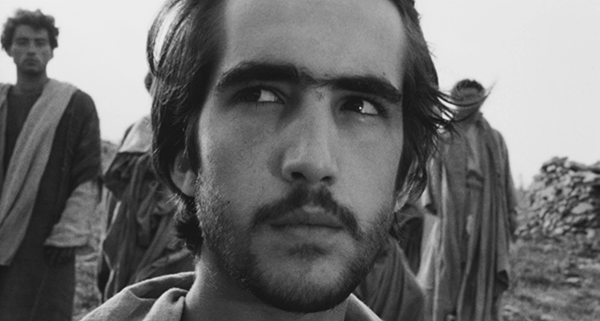
-----------------------------------------------------------------
click to activate the icon of slideshow: the small triangle inscribed in the small rectangle, at the top right, in the photostream;
or…. Press the “L” button to zoom in the image;
clicca sulla piccola icona per attivare lo slideshow: sulla facciata principale del photostream, in alto a destra c'è un piccolo rettangolo (rappresenta il monitor) con dentro un piccolo triangolo nero;
oppure…. premi il tasto “L” per ingrandire l'immagine;
www.worldphoto.org/sony-world-photography-awards/winners-...
www.fotografidigitali.it/gallery/2726/opere-italiane-segn...
…………………………………………………………………
Before talking about the procession of the Holy Crucifix of Aracoeli which is held in the town of San Marco d'Alunzio (in the province of Messina), I make a brief introduction, this "photographic story" was created with photographs taken both during the procession of this year 2024, and during the procession of last year 2023, this meant, in some cases, that in some key moments of the procession the shots were taken simultaneously from two different angles, as if I had been in "bilocation", this because this year I chose a different perspective than last year. The procession begins on the morning of the last Friday of March each year, however there is an exception to this rule, when it coincides with Good Friday, which happened this year, then the procession is brought forward to the previous Friday. That of the SS. Crucifix of Aracoeli is an ancient penitential rite, on the day of the feast of the Crucifix in San Marco d'Alunzio the Holy Mass is celebrated in the Church of Aracoeli, therefore the SS. Crucifix (which is found in the church at the end of the right nave, at its feet the picture of the Virgin of Sorrows pierced by seven swords) is removed from the hook on which it is hanging, is taken outside the church, then raised and fixed on the float , and so (after the sermon of the priest who climbed onto the float next to the Crucifix) the Crucifix with the picture of his Sorrowful Mother underneath, then both placed on the float, are carried in procession by the Babbaluti, who proceed invoking the pity and mercy of the Lord with a faint lament that continually repeats “Signuri, Misericordia, Pietà!”. San Marco d'Alunzio is a pleasant town in the Messina area, located in the Nebrodi mountains, in Sicily; the procession takes place in honor of the Holy Crucifix of Araceli, this is a religious-penitential occasion also known as the "procession of the babbaluti", they are those who, by vote or by grace received, have decided to carry during the procession on their shoulders the float with the Crucifix and the painting; they head to the nearby Church of Santa Maria dei Poveri or to some private home nearby where, sheltered from the curiosity of the faithful, they wear a simple but characteristic indigo-coloured cloth habit, consisting of a tunic and a conical-shaped hood such to cover the entire body and leave only the eyes and hands free, it is not uncommon, however, that among the penitents, made anonymous by the habit they wear, there are also women, who, to avoid any possibility of recognition, wear a pair of gloves; the babbaluti are 33 in number to commemorate the 33 years of Christ, the number is odd, in fact the 33rd babbaluto does not wear the float, he (should be the "chief of float") proceeds backwards, turning his gaze to Christ and to His Mother, and at the same time checks that everything is in order among the babbaluti (this is a way of proceeding in carrying the float, which is present in various Sicilian religious processions). Then, the 32 (+1) "babbaluti" carry on their shoulders the launch bearing the Holy Crucifix of the Araceli church (the statue of Christ was created by Scipione Li Volsi, in the year 1652, he was a sculptor and plasterer of the Sicilian Baroque), at whose feet, on the float, the painting of Our Lady of Sorrows is tied, which appears pierced by seven swords (an 18th century painting). Before the start of the procession, the babbaluti advance barefoot wearing only heavy handmade raw wool socks. Before entering the church they must walk a purification path: when they arrive near the ancient church of Araceli , they bend down and kiss the ground, thus receiving permission to enter the church, but this happens from a side door, called "false door" (in Sicilian dialect “porta fausa”), once they enter the church laterally, they now emerge from the main entrance, thus being able to take their places, kneeling at the front and behind, of the float; the priest's long-awaited speech will follow, once finished, the procession can begin which takes place through the streets of the picturesque and welcoming town of San Marco d'Alunzio. Along the route the Babbaluti pace their pace accompanied by the sad and plaintive jugulation that invokes the Lord. There are devout men and women who proceed together with the mugglers, walking alongside the float, touching it, now caressing it... just to have physical (and consequently spiritual) contact with it. Finally, after having completed a specific route, the procession returns to the ancient church (of Norman origins) of Aracoeli. Whenever I am present at this touching occasion I am completely flooded with emotions (which however I cannot abandon myself to, I would lose concentration in taking the photos), the highlight is when the Crucified Christ is removed from the hook fixed on the wall by expert men, and then be carried (seems to float) above the heads of the devotees, supported with their hands, right outside the church, and be hoisted and fixed on the float; in these moments of intense emotion it is common to see in the eyes of the devotees, shining with tears, that profound emotion of their relationship with this Christ, which has always lasted: it is as if they found themselves in the presence of the true Christ, in flesh and blood, this it is the atmosphere you experience in those moments, this is the magic of the procession of the SS. Crucifix and his Mother, represented by the painting of Our Lady of Sorrows pierced by seven swords (iconography of Spanish origin).
+++++++++++++++++++++++++++++++++++++++++
+++++++++++++++++++++++++++++++++++++++++
Prima di parlare della processione del Santissimo Crocifisso di Aracoeli che si tiene nel paese di San Marco d’Alunzio (in provincia di Messina), faccio una breve premessa, questo “racconto fotografico” è stato realizzato con fotografie scattate sia durante la processione di quest’anno 2024, sia durante la processione dello scorso anno 2023, questo ha comportato, in alcuni casi, che in alcuni momenti salienti della processione gli scatti siano stati realizzati contemporaneamente da due angolazioni diverse, come se io fossi stato in “bilocazione”, questo perché quest’anno ho scelto una prospettiva differente da quella dello scorso anno. La processione inizia la mattina dell’ultimo venerdì del mese di marzo di ogni anno, c’è però una eccezione a questa regola, quando avviene la coincidenza col Venerdì Santo, cosa accaduta quest’anno, allora la processione viene anticipata al venerdì precedente. Quella del SS.Crocifisso di Aracoeli è un antico rito penitenziale, il giorno della festa del Crocifisso a San Marco d'Alunzio viene celebrata la S. Messa nella Chiesa dell'Aracoeli, quindi il SS. Crocifisso (che si trova nella chiesa in fondo alla navata di destra, ai suoi piedi il quadro della Vergine Addolorata. trafitta da sette spade) viene tolto dal gancio sul quale è appeso, viene portato all’esterno della chiesa, quindi innalzato e fissato sulla vara, e così (dopo il sermone del sacerdote salito sulla vara accanto al Crocifisso) il Crocifisso con sotto il quadro di sua Madre Addolorata, quindi messi entrambi sulla vara, vengono portati in processione dai Babbaluti, che procedono invocando la pietà e la misericordia del Signore con un flebile lamento che ripete continuamente “Signuri, Misericordia, Pietà!”. San Marco d’Alunzio è un ameno paese del territorio Messinese, sito sui monti Nebrodi, in Sicilia; la processione si svolge proprio in onore del Santissimo Crocifisso di Araceli, è questa una ricorrenza religioso-penitenziale conosciuta anche come "processione dei babbaluti", essi sono coloro che per voto o per grazia ricevuta, hanno deciso di portare in processione sulle loro spalle il fercolo con il Crocifisso ed il quadro; essi si dirigono nella vicina Chiesa di Santa Maria dei Poveri o in qualche abitazione privata lì vicino dove, al riparo dalla curiosità dei fedeli, indossano un semplice ma caratteristico saio di tela di colore indaco, costituito da una tunica e un cappuccio di forma conica tale da coprire l'intero corpo e lasciare liberi solo gli occhi e le mani, non è raro purtuttavia che tra i penitenti, resi anonimi dal saio che indossano, vi siano anche delle donne, le quali per evitare qualsiasi possibilità di riconoscimento, indossano un paio di guanti; i babbaluti sono in numero di 33 per rievocare i 33 anni di Cristo, il numero è dispari, infatti il 33° babbaluto non porta la vara, egli (dovrebbe essere il “capo vara”) procede all’indietro, rivolgendo lo sguardo al Cristo ed a sua Madre, e nel contempo controlla che tutto sia in ordine tra i babbaluti (questo è un modo di procedere nel portare la vara o fercolo, che è presente in diverse processioni religiose siciliane). Quindi, i 32 (+1) "babbaluti" portano sulle loro spalle la vara che reca il Santo Crocifisso della chiesa dell’Araceli (la statua del Cristo è stata creata da Scipione Li Volsi, nell'anno 1652, egli fu uno scultore e stuccatore del barocco SIciliano), ai cui piedi, sulla vara, viene legato il quadro della Madonna Addolorata, che appare trafitta da sette spade ( un dipinto del XVIII secolo). I babbaluti prima dell'inizio della processione avanzano a piedi scalzi indossando solo delle pesanti calze di lana grezza realizzate a mano, devono percorrere, prima di entrare in chiesa, un cammino di purificazione: quando essi giungono in prossimità dell'antica chiesa dell'Araceli, essi si chinano e baciano in terra, ricevendo in tal modo il permesso per poter accedere dentro la chiesa, questo però avviene da una porta laterale, chiamata "falsa porta" (In dialetto siciliano “porta fausa”), una volta entrati in chiesa lateralmente, ora fuoriescono dall'ingresso principale, potendo così prendere posto, inginocchiandosi sul davanti ed alle spalle, della vara; seguirà l'atteso discorso del sacerdote, terminato, potrà iniziare la processione che si svolge per le vie del pittoresco ed accogliente paese di San Marco d'Alunzio. Lungo il percorso i Babbaluti cadenzano la propria andatura accompagnandosi alla mesta e lamentosa giugulatoria che invoca il Signore . Ci sono uomini e donne devoti che procedono assieme ai babbaluti camminando a lato della vara, toccandola, ora accarezzandola...pur di avere un contatto fisico (e di rimando spirituale) con essa. Infine, dopo aver compiuto un preciso percorso, la processione fa rientro nell'antica chiesa (di origini Normanne) dell'Aracoeli. Ogniqualvolta sono presente a questa toccante ricorrenza sono completamente inondato da emozioni (alle quali però non posso abbandonarmi, perderei la concentrazione nel realizzare le foto), il momento clou è quando il Cristo Crocifisso viene tolto dal gancio fissato sul muro da uomini esperti, per poi essere portato (sembra galleggiare) sopra la testa dei devoti, sostenuto con le mani, fin fuori la chiesa, ed essere issato e fissato sulla vara; in questi momenti di intensa emozione è comune vedere negli occhi dei devoti, lucidi di lacrime, quella emozione profonda del loro rapporto con questo Cristo, che dura da sempre: è come se si trovassero al cospetto del Cristo vero, in carne ed ossa, questa è l’atmosfera che si vive in quei momenti, questa è la magia della processione del SS. Crocifisso e di Sua Madre, rappresentata dal quadro dell’Addolorata trafitta da sette spade (iconografia di origine spagnola).
++++++++++++++++++++++++++++++++++++++++
Vintage autograph card.
Dame Edna Everage is a character created and performed by Australian comedian Barry Humphries, who passed away Yesterday, 22 April 2023. Dame Edna was famous for her lilac-coloured or "wisteria hue" hair and cat eyeglasses or "face furniture", her favourite flower, the gladiolus ("gladdies") and her boisterous greeting: "Hello, Possums!" As Dame Edna, Humphries wrote several books including an autobiography, 'My Gorgeous Life', appeared in several films and hosted several television shows on which Humphries has appeared as himself and other alter-egos. Barry Humphries was 89.
Barry Humphries regularly updated Dame Edna. Originally, she was a drab Melbourne housewife satirising Australian suburbia. Then Humphries caused the Edna character to adopt an increasingly outlandish wardrobe after performances in London in the 1960s through which his Edna character grew in stature and popularity. Following film appearances and an elevation to damehood in the 1970s, the character evolved to "Housewife and Superstar", then "Megastar" and finally "Gigastar". Throughout the 1980s and 1990s, Dame Edna became increasingly well-known and popular in Europe and North America after multiple stage and television appearances. Dame Edna described her chat shows as "an intimate conversation between two friends, one of whom is a lot more interesting than the other". Humphries used the character to satirise the cult of celebrity, class snobbery, and prudishness and to poke fun at the political leaders and fashions of the times. Her larger-than-life persona and scathing commentary on society and celebrity, as well as her habit of treating celebrities like ordinary people (on her TV shows) and ordinary people like celebrities (in her stage shows) have become signatures.
Although Barry Humphries stated that Edna was a character he played, Edna referred to Humphries as her "entrepreneur" or manager. Humphries and his staff of assistants and writers only referred to Edna as "she" and "her", never mixing the character with Humphries himself. It is this precision and richness of identity which gave Dame Edna her unique force as a character. In 2000, Humphries received a Special Tony Award for a Live Theatrical Presentation, for his one-person show "Dame Edna: The Royal Tour." He was awarded the C.B.E. (Commander of the Order of the British Empire) in the 2007 Queen Elizabeth's Birthday Honors List for his services to entertainment. In March 2012 Humphries announced that the character would be retired at the end of that stage tour; however, a year later, he decided to bring her back. Humphries appeared in several films, including Bedazzled (Stanley Donen, 1967),Immortal Beloved (Bernard Rose, 1994)Welcome to Woop Woop (Stephan Elliott, 1997), The Hobbit: An Unexpected Journey (Peter Jackson, 2012) and Absolutely Fabulous: The Movie (Mandie Fletcher, 2016). Barry Humphries admitted that he was ashamed of Les Patterson Saves the World (George Miller, 1987).
Sources: Wikipedia and IMDb.
And, please check out our blog European Film Star Postcards.
……………………………….
----------------------------------------------------------
click to activate the small icon of slideshow: the small triangle inscribed in the small rectangle, at the top right, in the photostream (it means the monitor);
or…. Press the “L” button to zoom in the image;
clicca sulla piccola icona per attivare lo slideshow: sulla facciata principale del photostream, in alto a destra c'è un piccolo rettangolo (rappresenta il monitor) con dentro un piccolo triangolo nero;
oppure…. premi il tasto “L” per ingrandire l'immagine;
www.worldphoto.org/sony-world-photography-awards/winners-...
www.fotografidigitali.it/gallery/2726/opere-italiane-segn...
………………………………………………………………………
Beach holidays were born in the 1700s in Great Britain, this social phenomenon was born in which bathers for the first time go to the beaches, certainly not as sunny as those bathed by the Mediterranean Sea, they are fully dressed; this "new fashion" is also encouraged by the belief of English doctors since the beginning of the eighteenth century (starting around 1720), that breathing the brackish sea air and bathing in cold sea water is healthy, invigorates the body and cure lung diseases (conviction even more strengthened by the discovery of oxygen by Antoine Lavoisier in 1778, which led to the greater diffusion and conviction of the theories on the health benefits of sea air, which was thought to be more oxygenated and pure), these theories push many people from Northern Europe suffering from severe lung diseases to spend long periods in southern Europe, often in the south of Italy, this explains why characters with extraordinary qualities come to Taormina to cure their tuberculosis. The photographer baron Wilhelm von Gloeden and the English lady Florence Trevelyan Trevelyan had the seawater brought with their mules from Isola Bella, but while W. Von Gloeden heated the sea water, the English noblewoman Lady Trevelian did not heat it, mindful of the teachings of the English medical school, this will cause her death from bronchopneumonia on 4 October 1907 (see my previous "photographic stories" about Taormina). In fact, "thalassotherapy" was born in Great Britain, together with the social and cultural phenomenon of frequenting bathing beaches (before the beginning of the 18th century, the sea and its beaches were lived, except for reasons of trade and fishing, in a dark and negative way, from the sea often came very serious dangers such as the sudden landings of ferocious pirates, or foreigners carrying very serious diseases could land). Thus the fashion of spending holidays by the sea was born in the English aristocracy and high bourgeoisie of the time, subsequently the habit of going to the sea spread to all levels of society, the railways that were built throughout Great Britain to 'beginning of the nineteenth century, made travel to the ocean accessible even to the lower classes, they too will frequent the seaside resorts, Blackpool becomes the first seaside resort in Great Britain completely frequented by the working classes thanks to the presence of low-cost bathing establishments; the great and definitive boom in seaside tourism will then take place in the 1950s and 1960s. This being the case, it should not be surprising to know that in Great Britain the beaches are more frequented than one might instinctively think due to a climate very different from the Mediterranean one, and that this socio-cultural phenomenon has been investigated at the photographic by photographers of the same Great Britain, of these I mention four names. An important photographer, who probably inspired subsequent photographers, was Tony Ray-Jones, who died prematurely in 1972, at the young age of 30, who was trying to create a “photographic memory” of the stereotypes of the English people; the famous photojournalist Martin Parr, who, although inspired by the previous one, differs from it for his way of doing “social satire” with his goal; finally, I would like to mention David Hurn and Simon Roberts, the latter with wider-ranging photographs, with photographs more detached from the individual. In Italy there are numerous photographers (I will mention only a few) who have made in their long career images captured in seaside resorts (generally we speaking of "beach photography" similar to "street photography"), photographs that are often unique in their style, such as that adopted by Franco Fontana, I mention Mimmo Jodice, Ferdinando Scianna (of whom I am honored to have known him personally), and Massimo Vitali, famous photographer (understood by some as "the photographer of the beaches"), especially for his beautiful photographs taken on the beaches (but not only), thanks to the presence of elevated fixed structures as a kind of mezzanine, built specifically in the bathing beaches for the realization of his photographs. This is my introduction to talk about the theme proposed here, that of “beach photography” (with some exceptions for “narrative” reasons), with a series of photographs taken on the beaches surrounding Taormina (Sicily). For some photographs I used a particular photographic technique at the time of shooting, in addition to capturing the surrounding space, it also "inserted" a temporal dimension, with photos characterized by being blurry because the exposure times were deliberately lengthened, they are confused-out of focus-imprecise-undecided... the Anglo-Saxon term that encapsulates this photographic genre in a single word is "blur", these images were thus created during the shooting phase, and not as an effect created later, in the post-production phase.
……………………………………………………………
Le vacanze al mare nascono nel ‘700 in Gran Bretagna, nasce questo fenomeno sociale nel quale i bagnanti per la prima volta si recano sulle spiagge, non certo assolate come quelle bagnate dal mar Mediterraneo, sono completamente vestiti; questa “nuova moda” è anche incoraggiata dalla convinzione dei medici inglesi fin dall’inizio del ‘700 (a partire dal 1720 circa), che respirare l’aria salmastra del mare e fare il bagno nell’acqua marina fredda sia salutare, rinvigorisca il corpo e curi le malattie polmonari (convinzione ancor più rafforzata dalla scoperta dell’ossigeno da parte di Antoine Lavoisier nel 1778, che portò alla maggiore diffusione e convinzione delle teorie sui benefici per la salute dell’aria di mare, che si pensava essere più ossigenata e pura), queste teorie spingono molte persone del Nord Europa affette da gravi malattie polmonari a trascorrere dei lunghi periodi nel sud Europa, spesso nel meridione d’Italia, questo spiega perché a Taormina giungono personaggi dalle qualità straordinarie per curare il proprio “mal sottile”, il barone fotografo Wilhelm von Gloeden e la lady inglese Florence Trevelyan Trevelyan si facevano portare coi muli l’acqua di mare proveniente dall’Isola Bella, però mentre W. Von Gloeden riscaldava l’acqua marina, la nobildonna inglese lady Trevelian non la riscaldava, memore degli insegnamenti della scuola medica inglese, questo causerà la sua morte per broncopolmonite il 4 ottobre del 1907 (vedi i miei precedenti “racconti fotografici” su Taormina). Infatti la “talassoterapia” nasce in Gran Bretagna, insieme al fenomeno sociale e culturale della frequentazione dei lidi balneari (prima dell’inizio del ‘700, il mare e le sue spiagge erano vissuti, tranne che per motivi di commercio e di pesca, in maniera oscura e negativa, dal mare spesso provenivano gravissimi pericoli come gli sbarchi improvvisi di feroci pirati, oppure potevano sbarcare stranieri portatori di gravissime malattie). Nell’aristocrazia e nell’alta borghesia inglese di allora nasce così la moda di trascorrere le vacanze al mare, successivamente l’abitudine di andare al mare si diffonde a tutti i livelli della società, le ferrovie che furono costruite in tutta la Gran Bretagna all’inizio dell’Ottocento, resero i viaggi verso l’oceano accessibili anche per i ceti più bassi, quelli più popolari e meno agiati, anch’essi frequenteranno le località balneari, Blackpool diviene la prima località balneare della Gran Bretagna completamente frequentata dalle classi popolari grazie alla presenza di stabilimenti balneari a basso costo; il grande e definitivo boom del turismo balneare si avrà poi negli anni ’50 e ’60. Stando così le cose, non ci si deve meravigliare nel sapere che in Gran Bretagna le spiagge sono più frequentate di quanto istintivamente si possa pensare a causa di un clima ben diverso da quello Mediterraneo, e che questo fenomeno socio-culturale sia stato indagato a livello fotografico da parte di fotografi della stessa Gran Bretagna, di questi cito quattro nomi. Un importante fotografo, che probabilmente ispirò i successivi fotografi, fu Tony Ray-Jones, scomparso prematuramente nel 1972, alla giovane età di 30 anni, il quale cercava di realizzare una “memoria fotografica” degli stereotipi del popolo inglese; il famoso fotoreporter Martin Parr, il quale pur ispirandosi al precedente, se ne differenzia per il suo modo di fare “satira sociale” col suo obiettivo; infine desidero menzionare David Hurn e Simon Roberts, quest’ultimo con fotografie di più ampio respiro, con fotografie più distaccate dal singolo individuo. In Italia numerosi sono i fotografi (ne cito solo qualcuno) che hanno realizzato nella loro lunga carriera immagini colte in località balneari (genericamente si parla di “beach photography” affine alla “street photography”), fotografie spesso uniche nel loro stile, come quello adottato da Franco Fontana, menziono Mimmo Jodice, Ferdinando Scianna (del quale mi onoro di averlo conosciuto personalmente), e Massimo Vitali, famoso fotografo (da alcuni inteso come “il fotografo delle spiagge”), soprattutto per le sue bellissime fotografie realizzate sui lidi (ma non solo), grazie alla presenza di strutture fisse sopraelevate a mò di soppalco, costruite appositamente nei lidi balneari per la realizzazione delle sue fotografie. Questo mio incipit, per introdurre il tema da me affrontato, quello della “beach photography” (con qualche eccezione per motivi ”narrativi”), con una serie di fotografie realizzate sulle spiagge circostanti Taormina (Sicilia). Ho utilizzato per alcune fotografie una tecnica fotografica particolare al momento dello scatto, oltre a catturare lo spazio circostante, ha "inserito" anche una dimensione temporale, con foto caratterizzate dall’essere mosse poiché volutamente sono stati allungati i tempi di esposizione, sono confuse-sfocate-imprecise-indecise...il termine anglosassone che racchiude con una sola parola questo genere fotografico è "blur", queste immagini sono state così realizzate in fase di scatto, e non come un effetto creato successivamente, a posteriori, in fase di post-produzione
...........................................................................
British postcard by Pyramid, Leicester, no. PC 2156, 1999.
Tyra Banks (1973) is an American television personality, actress and a former Supermodel. She appeared in films like Higher Learning (1995) and Coyote Ugly (2000). From 2003 on, she had a long-running smash hit as creator and presenter of the reality TV series America's Next Top Model.
Tyra Lynne Banks was born in Inglewood, California in 1973. Her mother, Carolyn London (now London-Johnson), is a medical photographer, and her father, Donald Banks, is a computer consultant. Her mother would later works as her manager. In 1979, when Banks was six years old, her parents divorced. Tyra began her career as a model at the age of 15, while attending school in Los Angeles. She was rejected by four modeling agencies before she was signed by L.A. Models. She switched to Elite Model Management at age 16. Banks was one of only a few Black models to achieve Supermodel status. In the mid-1990s, Banks returned to America to do more commercial modeling. She was a Victoria's Secret Angel from 1997 to 2005. In 1997, she was the first African-American model to appear on the cover of Sports Illustrated's swimsuit edition. She was captured in a red/pink polka dot bikini by Australian photographer Russel James for the issue that went on to become one of the best-selling covers ever for the magazine. By the early 2000s, Banks was one of the world's top-earning models. In 1993, Tyra Banks began acting on television in The Fresh Prince of Bel-Air, in which she played lead character Will Smith's old friend Jackie Ames. She made her film debut in Higher Learning (John Singleton, 1995). In 2000 she had major roles such as Eve, a doll who comes to life in the Disney TV film Life-Size (Mark Rosman, 2000) and as Zoe in the box-office hit Coyote Ugly (David McNally, 2000). She had small roles in the romantic film Love & Basketball (Gina Prince-Bythewood, 2000) and the horror film Halloween: Resurrection (Rick Rosenthal, 2002), with Jamie Lee Curtis. She also appeared in the TV series Gossip Girl (2010-2011) and Glee (2013). In 2018, she returned on TV as the character Eve in the sequel Life-Size 2, (Steven Tsuchida, 2018).
In 2003, Tyra Banks created and began presenting the long-running reality television series America's Next Top Model, which she executive produced and presented for the first twenty-two seasons until the series' cancellation in October 2015. She remained executive producer for the revival of the series, and enlisted Rita Ora as host for the twenty-third cycle before reassuming the duties herself for the twenty-fourth cycle. Banks was the co-creator of True Beauty, and had her own talk show, The Tyra Banks Show, which aired on The CW for five seasons and won two Daytime Emmy awards for Outstanding Talk Show Informative. She co-hosted the talk show FABLife for two months. In 2017, Banks replaced Nick Cannon as host of America's Got Talent for its 12th season. In 2010, she published a young adult novel titled Modelland, based on her life as a model which topped The New York Times Best Seller list in 2011. Banks is one of four African Americans and seven women to have repeatedly ranked among the world's most influential people by Time magazine. Tyra Banks had a four-year relationship with banker John Utendahl (2007-2011) and dated Norwegian photographer Erik Asla during the 2010s. In January 2016 they had a biological son born via surrogacy.
Sources: Wikipedia and IMDb.
French postcard by Editions du Globe, no. 502. Photo: Metro-Goldwyn-Mayer.
Charming, youthful and pretty American actress Jeanne Crain (1925-2003) was frequently cast in bright and breezy musicals. She received an Oscar nomination for Best Actress in Pinky (1949), in which she played the title role. Her career spanned from 1943 to 1975.
Jeanne Elizabeth Crain was born in Barstow, California, in 1925. She was the daughter of George A. Crain, a high school English teacher and his wife, Loretta Carr. Not long after her birth, Jeanne was moved to Los Angeles, where her father got another teaching position. Her parents divorced in 1934. While in junior high school, Jeanne played the lead in a school production which set her on the path to acting. When she was in high school Jeanne was asked to take a screen test for the role of Lucy Morgan in The Magnificent Ambersons (Orson Welles, 1941). Unfortunately, she didn't get the part, but it did set her sights on being a film actress. After high school, Jeanne enrolled at UCLA to study drama. At the age of 18, she won the 'Miss Camera Girl of 1942' title in Long Beach, Florida. She got a bit part, posing in a bathing costume, in the Fox production The Gang's All Here (Busby Berkeley, 1943) starring Alice Faye, and a small contract. Her next film saw Jeanne elevated to a more substantial part in Home in Indiana (Henry Hathaway, 1944) the following year, which was filmed in neighbouring Kentucky. The film was an unquestionable hit. On the strength of that box-office success, Jeanne was given a raise and star billing, as Maggie Preston, in her next film, In the Meantime, Darling (Otto Preminger, 1944). Unfortunately, the critics not only roasted the film but singled out Jeanne's performance in particular. She rebounded nicely in her last film of the year, Winged Victory (George Cukor, 1944), opposite Lon McCallister. The audience loved it and the film was profitable. In 1945, Jeanne was cast in the Rogers and Hammerstein musical State Fair (Walter Lang, 1945) as Margie Frake who travels to the fair and falls in love with a reporter played by Dana Andrews. Louanne Hogan dubbed Crain's singing numbers. After that, Crain often had singing parts in films, and they were dubbed, in most cases by Hogan. Another hit was Leave Her to Heaven (John M. Stahl, 1945), where Crain was the 'good' sister of 'bad' Gene Tierney, both in love with Cornel Wilde. Now, Crain got a bigger contract and more recognition. Later that year, she married Paul Brooks on New Year's Eve. Although her devoutly catholic mother wasn't supportive of the marriage, the union lasted until her husband's death, The marriage produced seven children. Brooks was a former RKO contract player who had briefly appeared in Those Endearing Young Charms (Lewis Allen, 1945). His real name was Paul Brinkman, and he gave up his acting career to become a highly successful businessman for an arms manufacturing company. The year 1947 was an off year for Jeanne, as she took time off to bear Brooks' first child. Although Crain, a practising Catholic, sued Brinkman for divorce in 1956, the decree never became final and they got back together again. In later years, they lived separately.
In 1949, Jeanne Crain appeared in three films, A Letter to Three Wives (Joseph L. Mankiewicz, 1949) with Linda Darnell and Ann Sothern, The Fan (Otto Preminger, 1949) opposite Madeleine Carroll and George Sanders, and Pinky (Elia Kazan, 1949) with Ethel Barrymore. It was this latter film which garnered her an Oscar nomination as Best Actress for her role as Pinky Johnson, a nurse who sets up a clinic in the Deep South. She lost to Olivia de Havilland for The Heiress (William Wyler, 1949). Pinky was controversial because it told the story of a light-skinned African American woman who passes for white in the Northern United States until she is forced to admit her roots. Although Lena Horne and other black actresses were considered, producer Darryl F. Zanuck chose to cast a white actress for fear of racial backlash. The following year, Crain starred in the comedy Cheaper by the Dozen (Walter Lang, 1950), as the eldest daughter of Clifton Webb and Myrna Loy. Crain paired with Cary Grant in the offbeat drama People Will Talk (Joseph L. Mankiewicz, 1951). Crain was reunited with Loy for Belles on Their Toes (Henry Levin, 1952), the sequel to Cheaper by the Dozen, getting top billing this time. In 1953, Jeanne left Fox after starring in the Film Noir Vicki (Harry Horner, 1953), with Jean Peters. Denny Jackson at IMDb: "She had made 23 films for the studio that started her career, but she needed a well-deserved change. Jeanne wanted to expand her range instead of playing the girl-next-door types." She went briefly to Warner Brothers for the filming of Duel in the Jungle (George Marshall, 1954). The film was lukewarm at best. That same year she signed a contract with Universal Studios with promises of better, high-profile roles. She went into production in the film Man Without a Star (King Vidor, 1955), starring Kirk Douglas, which was a hit with audiences and critics. After The Joker Is Wild (Charles Vidor, 1957) with Frank Sinatra and Mitzi Gaynor, Jeanne took time off for her family and to appear in a few television programs. She returned, briefly, to film in Guns of the Timberland (Robert D. Wenn, 1960) alongside Alan Ladd. The films were sporadic after that. In Italy, she played Nefertiti in the Peplum Nefertiti, regina del Nilo/Nefertiti, Queen of the Nile (Fernando Cerchio, 1961) with Edmund Purdom and Vincent Price. In 1967, she appeared in a low-budget suspense yarn called Hot Rods to Hell (John Brahm, 1967) with Dana Andrews. Her final film was the thriller Skyjacked (John Guillermin, 1972), in which she was a passenger on a plane piloted by Charlton Heston. In her retirement years, she and her husband spent most of their time working at two of their ranches. Jeanne died of a heart attack in Santa Barbara, California, in 2003. Her husband Paul Brooks had died two months earlier. Their son Paul Brinkman Jr. became a television executive, who is most known for his work on the television series JAG. Crain's youngest child, son Christopher Brinkman, was the original lead guitarist for the rock group Jane's Addiction (1985-1986). He died of a drug overdose in 1997.
Sources: Denny Jackson (IMDb), Ronald Bergan (The Guardian), Wikipedia and IMDb.
And, please check out our blog European Film Star Postcards.
Weekly Recommendations - 05.07.15
Hey guys! From these recommendations, I hope that you can learn a bit about me and that you can find something of interest to you! Thanks for viewing!
Links:
CHICKENFEETFILMS- www.youtube.com/user/ChickenFeetFilms AND www.youtube.com/user/BobbyBurnsOfficial
L.A. NOIRE - www.imdb.com/title/tt1764429/
SEARCH PARTY - www.youtube.com/watch?v=akq2dJ9N5Do
MISSION IMPOSSIBLE: GHOST PROTOCOL - www.imdb.com/title/tt1229238/
Leslie Cheung, multiple nominations for the best actor of Cannes International Film Festival & Venice Film Festival in '90s.
He jumped from the Mandarin Oriental Hong Kong in the evening on 1st April 2003, leaving a suicide note that was found on the body.
Hasselblad 500C/M + C80 T* w/filter + 400TX
© All rights reserved 2015. Please do not use my images without my explicit permission.
www.imdb.com/it/title/tt0174268/
“……………………………………”
“…………………………………..”
-----------------------------------------------------------------
click to activate the icon of slideshow: the small triangle inscribed in the small rectangle, at the top right, in the photostream;
or…. Press the “L” button to zoom in the image;
clicca sulla piccola icona per attivare lo slideshow: sulla facciata principale del photostream, in alto a destra c'è un piccolo rettangolo (rappresenta il monitor) con dentro un piccolo triangolo nero;
oppure…. premi il tasto “L” per ingrandire l'immagine;
www.worldphoto.org/sony-world-photography-awards/winners-...
www.fotografidigitali.it/gallery/2726/opere-italiane-segn...
…………………………………………………………………
St. Paul the Apostle is a very revered saint in the Sicilian town of Palazzolo Acreide, the feast in his honor is celebrated on two occasions (very important periods if referring to peasant civilization), on 29 June (the day I took this photo story this year 2025) date of his martyrdom, and January 25, the date of his conversion to Christianity. The "summer party" of June 29, begins with a particular collection of donut-shaped bread (in Sicilian called "cuddura"), donated by the villagers and collected on a cart, this is the "round of bread", these loaves (called "di San Paolo") have decorations that recall snakes: the reference is always to San Paolo, considered the protector from the poisonous bites of vipers, this is the ancestral legacy of an ancient peasant civilization, the wheat harvest period that coincides with the feast, it makes working in sunburnt fields particularly dangerous; once there were characters to whom supernatural gifts were attributed, they were called "ciarauli", capable of protecting from the venomous bites of the viper (This year, a very nice man of Palazzolo Acreide, who was also present last year, was present at the feast to recall these ancient figures. Instead of little snakes, as was once the custom, he had with him a very calm python, also because it was full). The procession takes the name of "sciuta", with reference to the "exit" from the basilica of San Paolo of two floats, first the float comes out with the relic of the saint, carried on the shoulders by the devotees, immediately after, at 13.00 o'clock the exit of the float takes place with the ancient statue of Saint Paul holding a sword in his hand (the iconography represents him with the sword for two reasons, he was beheaded with a sword stroke, and because he, referring to the word of God, defined it more effective and sharper than a double-bladed sword), at this point they begin among the most spectacular and evocative pyrotechnic games that I have ever seen, we witness a phantasmagoric and kaleidoscopic explosion of colors made with enormous colored confetti and with colored ribbons about two meters long called 'nzareddi, which recall the shape and movement of snakes. During the procession we witness the rite of children who, often completely naked, are taken by their parents by the expert hands of two devotees present on the float, they are thus placed in front of St. Paul to ask for his intercession and protection, sometimes these children are adorned with paper money, in fact, the donation of money is part of the rites that accompany the procession. Among these rites is the vow of the "bare shoulder" made by devout bearers, and that of women who walk barefoot by vow. The procession with the two floats then arrives, as a sign of devotion, in the church of the Annunziata.
San Paolo Apostolo è un santo molto venerato nel paese siciliano di Palazzolo Acreide, la festa in suo onore viene celebrata in due occasioni (periodi molto importanti se riferiti alla civiltà contadina), il 29 giugno (giorno in cui ho realizzato quest’anno 2025 questo foto-racconto) data del suo martirio, ed il 25 gennaio, data della sua conversione al cristianesimo. La “festa estiva” del 29 giugno, inizia con una particolare raccolta di pane a forma di ciambella (in siciliano detta “cuddura”), donato dai paesani e raccolto su di un carretto, questo è il “giro del pane”, questi pani (detti “di San Paolo”) presentano delle decorazioni che richiamano i serpenti: il riferimento è sempre a San Paolo, ritenuto il protettore dai morsi velenosi delle vipere, questo è il retaggio ancestrale di un’antica civiltà contadina, il periodo della mietitura che coincide con la festa, rende particolarmente pericoloso il lavoro nei campi arsi dal sole; una volta esistevano dei personaggi a cui si attribuivano doti sovrannaturali, erano chiamati “ciarauli”, capaci di proteggere dai morsi velenosi della vipera (quest’anno era presente nella festa, a rievocare queste antiche figure, un simpaticissimo Palazzolese, presente anche l'anno scorso, che al posto delle bisce, come si usava una volta, aveva con se un docilissimo pitone, anche perchè satollo). La processione prende il nome di “sciuta”, con riferimento alla “uscita” dalla basilica di San Paolo di due vare, dapprima esce la vara con la reliquia del santo, portata in spalla dai devoti, subito dopo, alle 13,00 in punto avviene l’uscita della vara con l’antica statua di San Paolo che stringe una spada in pugno (l’iconografia lo rappresenta con la spada per due motivi, egli fu decapitato con un colpo di spada, e perché egli, riferendosi alla parola di Dio, la definiva più efficace e più tagliente di una spada a doppia lama), a questo punto iniziano tra i più spettacolari e suggestivi giochi pirotecnici che io che io abbia mai visto, si assiste ad una fantasmagorica e caleidoscopica esplosione di colori realizzati con enormi coriandoli colorati e con dei nastri colorati lunghi circa due metri chiamati ‘nzareddi, che richiamano la forma ed il movimento dei serpenti. Durante la processione si assiste al rito dei bambini che, molto spesso completamente nudi, vengono presi dai genitori dalle esperte mani di due devoti presenti sulla vara, vengono così messi al cospetto di San Paolo a chiederne la sua intercessione e protezione, a volte questi bimbi sono adornati con della carta moneta, infatti la donazione di denaro fa parte dei riti che accompagnano la processione. Tra questi riti c’è il voto della “spalla nuda” fatto dai devoti portatori, e quello delle donne che per voto camminano scalze. La processione con le due vare giunge poi, in segno di devozione, nella chiesa dell’Annunziata.
………………………………………………………