View allAll Photos Tagged ilustrator
Dibujo creado por mi hija Inés, con Adobe ilustrator, a la que le encanta dibujar con él.
Feliz Navidad y prospero año Nuevo.!!!
© No utilizar esta imagen sin mi autorización explicita.
bueno aki este vector de brit a peticion de MAGIC DREAMER CREATION a ver k les parece ami me gusto el resultado pero denle zoooooom en el link de abajo para que se vea mejor
ZOOOOOOOOOOOOOOOOOOOOOOOOOOOOOOOOM:

Boceto en ILustrator y pintado en Photoshop
portafolio: www.marthiphotoshop.com/portafolio/mu%C3%B1ecas/
Esta es la versión 2 del retrato de mda
dibujo digital photoshop e ilustrator
www.flickr.com/groups/portraitparty/discuss/7215762545620...
Mural para la muestra Sport ilustrator. Live painting en el Centro Cultural de España Juan de Salazar. 19 de Abril de 2010.
Entrega de fin de año.
Trabajamos la edición de lujo de una banda musical a nuestra elección.
Consistió en generar gráfica para libro interno, tapa, contratapa, cd, packaging, souvenir y afiche publicitario.
Esta gráfica tiene que transmitir un concepto y reflejar una gráfica que la banda nunca haya trabajado.
Artista:
Nujabes www.myspace.com/nujabes
Nombre del disco:
Respiro
Concepto:
Relajación para antes de irse a dormir.
Papel:
Opalina entelada de 250 gr.
Fotos por:
Francisco González Costanzó www.flickr.com/photos/alien85/
Docentes:
Javier Grispo (www.flickr.com/jopodegomina)
Gastón Lasarte - 2009
Vote em mim para o Top 100 Webcomics Brasil aí galera :
webcomicsbrasil.top-site-list.com/vote11.html
É só entrar no link clicar em "CLICK TO VOTE FOR QUADRIZOOM" para confirmar o voto.
Pode votar todos os dias, uma vez por dia...
Muito obrigado e grande abraço !
Trabalho feito para um amigo secreto do grupo plastimodelismo.org www.plastimodelismo.org/bbs/viewtopic.php?f=37&t=4850 vai ser impresso e entregue para o ganhador junto de um kit do F-14 para montar!
amo esse caça desde quando eu tinha 8 anos! top gun! ahaha!
Acabei achando um documentario muito bem dirgido com qualidade incrivel que da vontade de sair voando junto com esses caras www.youtube.com/watch?v=o34Kq8eE740
espero que gostem...
Abraço!
_________________________________________
make in: ilustrator CS4
listen: top gun sound track
hwaaaa...just finished this tree illustration today, and I made a wallpaper from it :p
thx to andrew,who gave me the idea of this plum's tree :D
(if you zoom in on the tree, there are plus n minus fruits in it, just like human's life. There will always be plus in a minus)
hee...betul kan pak ndrew?! hahaha
Tiempo empleado: 6 Horas
Programa: Ilustrador
Redibujo hecho en Ilustrador a partir de un fotograma del episodio “El Hombre Paloma” de ¡Oye Arnold!, licenciada por Nickelodeon y Viacom.
Hace tiempo que deseaba hacer un dibujo del Hombre Paloma, pero como no se dibujar me valí de las herramientas de Ilustrador. Me ha gustado mucho el resultado final, espero les guste.
Aquí el link de la fotografía original.
i220.photobucket.com/albums/dd269/sixflags22/HeyArnold/ho...
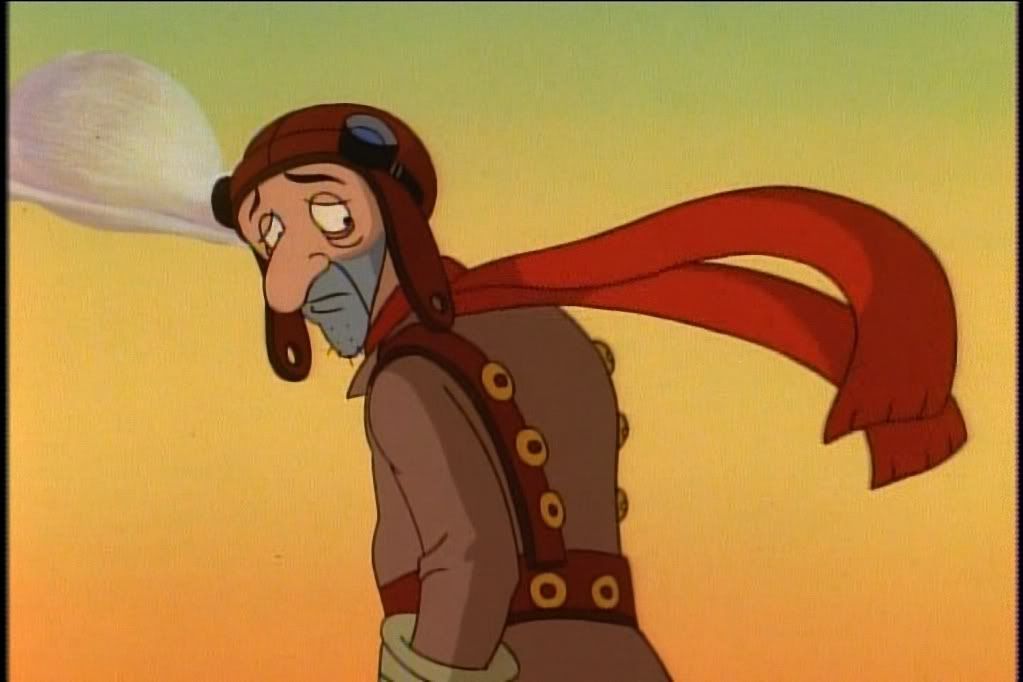
HOMBRE PALOMA:
¿No lo ves?, tengo la misión de ayudar a las palomas de todas partes.
Donde una necesite una semilla, ahí estaré.
Donde haya una parvada indefensa sufriendo de abusos, ahí estaré.
Donde haya una paloma con las alas débiles o el pico roto, ahí estaré.
Sólo espero que haya otro Arnold a donde yo vaya.
“Recuerda, Arnold, siempre lava las bayas antes de comerlas. Y vuela hacia el sol”
Used time: 6 Hours
Software: Illustrator
Redrawing done in Illustrator from a photogram of the episode “Pigeon Man” of Hey Arnold!, licensed by Nickelodeon and Viacom.
Some time ago that I wanted to do a drawing of Pigeon Man. I used Illustrator. I have liked very much the final score, I hope that you like it.
Here the link of the original photography.
i220.photobucket.com/albums/dd269/sixflags22/HeyArnold/ho...
MAN PIGEON:
Don’t you see ?, I have a mission to help pigeons everywhere.
Wherever there’s a bird in need of seed, I’ll be there.
Wherever there’s a helpless flock suffering some abuse, I’ll be there.
Wherever there’s a pigeon with a weak wing or broken beak, I’ll be there.
I just hope there’s another Arnold where I go next.
"Remember, Arnold, always wash your berries before you eat them. And fly towards the sun.”
Tattoo que estou fazendo na Erika.
Galho de pessegos, seco com flores.
Etapa de marcação
Fotógrafa: Marina Vieira
Não participei muito desde trabalho, fiz apenas as ilustras dos números, tudo bem, é pouca coisa, mas tem meu dedo aí.. hehehe..
Feito no Ilustrator e pintado no Photoshop
Holas a todos les presento este mi mas reciente trabajo que en lo personla me encanto y creo que es mi mejor trabajo ya que e tardado mucho en crearlo debido a los detalles que tiene pueden asercar la imagen y verlos detalladamente xd bueno espro les guste tanto como ami salu2 comenten
:Photoshop + Ilustrator (cs4)
creditos
more thanks for the stocks
Diseños exclusivos:
-Logotipos
-Tarjetas personales
-Flyers
-Afiches
-Brochurs
-Papelería
-Diseño web
OTROS SERVICIOS
-Impresiones en general
-Asesoría en diseño y publicidad
-Expertos en redes sociales
COMUNIQUESE CONMIGO AL:
Of.: (511) 458 2200 / (51)996 621 254 / Nex: 606*1334
Emails: visualev@hotmail.com - visualev@gmail.com