View allAll Photos Tagged dialect
Módena (Mòdna en dialecto modenés; Modena en italiano) es una ciudad italiana, capital de la provincia de Módena, en la región Emilia-Romaña. Cuenta con una población de 184 973 habitantes. La catedral, la Torre Cívica («Ghirlandina») y la Piazza Grande de la ciudad están declaradas Patrimonio de la Humanidad por la Unesco.
Módena queda en la llanura padana, y está rodeada por dos ríos, el Secchia y el Panaro, ambos afluentes del Po. Su presencia está simbolizada por la fuente de los dos ríos, en el centro de la ciudad, obra de Giuseppe Graziosi. La ciudad está conectada con el Panaro a través del canal Naviglio.
La cordillera de los Apeninos comienzan a unos 10 kilómetros al sur de la ciudad.
Módena es un importante centro industrial. La ciudad se ubica en el corazón de la «Motor Valley» que forma un conjunto de grupos industriales prestigios así como numerosos circuitos y museos. Las empresas Lamborghini, Pagani, Ferrari y Maserati tienen su sede dentro de un radio de 20 km alrededor de Módena.
Ubicado en la llanura Padana, el territorio modenés dispone de importantes riquezas gustativas. Su producto líder es el vinagre balsámico producido en los dominios agrícolas en el entorno de Módena. La base de su elaboración son las uvas cosechadas en los viñedos de la provincia. El lambrusco, vino rosado burbujeante, tiene como origen las viñas cercanas de Módena y Reggio Emilia. Además, Módena es la tierra del queso parmigiano reggiano y del jamón de Módena. Junto con Bolonia, Módena comparte el lugar de origen de la pasta tortellini.
El Duomo de Módena, la Torre Ghirlandina y la Piazza Grande están incluidos desde 1997 dentro del Patrimonio mundial de la UNESCO. El arquitecto Lanfranco y el escultor Wiligelmo erigieron el Duomo en el siglo XII por San Geminiano, obispo de Módena y Santo Patrón de la ciudad. Entre 1179 y 1319 se construyó la torre Ghirlandina asociada con el Duomo. Su nombre de Ghirlandina -guirnalda- resulta de su forma y recuerda la torre Giralda de Sevilla.
Durante más de dos siglos, la familia Este tenía como sede el Palazzo Ducale (palacio ducal). Hoy en día, este palacio recibe la Academia militar.
El Palazzo Comunale –ayuntamiento– cuya la fachada está en la Piazza Grande abarca un conjunto de edificios más antiguos. Dentro del edificio se encuentra la Secchia rapita –el cubo raptado- uno de los símbolos de la ciudad. La estatua de la Bonissima, símbolo de bondad, está posada en la esquina exterior del Palazzo Comunale.
Iglesias. Módena es una ciudad rica en iglesias, se cuentan más de quince en el casco histórico. También es importante nombrar a la iglesia de Santa María Pomposa, la iglesia del Voto o la iglesia de San Vicenzo. Existe también una sinagoga ubicada cerca del Palazzo Comunale.
En el mercado Albinelli se reúnen cada día productores locales de vinagre balsámico, jamón curdo o queso, entre otros.
es.wikipedia.org/wiki/M%C3%B3dena
Modena is a city and comune (municipality) on the south side of the Po Valley, in the Province of Modena, in the Emilia-Romagna region of northern Italy.
A town, and seat of an archbishop, it is known for its car industry since the factories of the famous Italian upper-class sports car makers Ferrari, De Tomaso, Lamborghini, Pagani and Maserati are, or were, located there and all, except Lamborghini, have headquarters in the city or nearby. One of Ferrari's cars, the 360 Modena, was named after the town itself. Ferrari's production plant and Formula One team Scuderia Ferrari are based in Maranello south of the city.
The University of Modena, founded in 1175 and expanded by Francesco II d'Este in 1686, focuses on economics, medicine and law, and is the second oldest athenaeum in Italy. Italian military officers are trained at the Military Academy of Modena, and partly housed in the Baroque Ducal Palace. The Biblioteca Estense houses historical volumes and 3,000 manuscripts. The Cathedral of Modena, the Torre della Ghirlandina and Piazza Grande are a UNESCO World Heritage Site since 1997.
Modena is also known in culinary circles for its production of balsamic vinegar.
Famous Modenesi include Mary of Modena, the Queen consort of England and Scotland; operatic tenor Luciano Pavarotti and soprano Mirella Freni, born in Modena itself; Enzo Ferrari, eponymous founder of the Ferrari motor company; Catholic priest Gabriele Amorth; chef Massimo Bottura; comics artist Franco Bonvicini; the band Modena City Ramblers and singer-songwriter Francesco Guccini, who lived here for several decades.
Most of the Orcas seen in the Pacific Northwest eat fish, usually Coho Salmon, and are regularly seen at places like Telegraph Cove and Victoria. Because of their predictable locations these are known as “Residents” but there is another unpredictable type that feed exclusively on mammals like seals and porpoises. These travel over a very wide area and are not predictable and are known as “Transients” or alternatively Bigg’s Killer Whales, after marine biologist Dr Michael Bigg (1939-1990) who first established there were two types of Orca in the Pacific northwest. Transients and Residents tend to avoid each other, have different vocalisations, and look subtly different too. Genetic studies suggest that the two types have not interbred for many thousands of years. Transients live in smaller pods, usually three to seven, and are largely silent until they have succeeded in catching their mammal prey. Transients are bulkier, tend have more pointed dorsal fins and the grey saddle is solid, never split as it frequently is in residents. Residents live in larger family groups and are highly vocal with distinct dialects. I have seen many Resident Orcas off Vancouver Island on numerous occasions but have only seen Transients a couple of times. This pod of three Transients appeared in Smith Inlet in British Columbia hunting Harbour Seals. I first spotted them about half a mile away on the far side of the inlet, then they dived and stayed under for several minutes, then suddenly surfaced close to our floating lodge, although unfortunately they were then heading back out to sea. As well as feeding on seals, dolphins and porpoises, Transients will also attack much larger whales, usually while trying to attack a calf. Here’s a Bowhead Whale showing Transient Orca bite marks in the tail: www.flickr.com/photos/timmelling/7369514004/in/photolist plus a Humpback Whale with bite marks on the pectoral fin: www.flickr.com/photos/timmelling/5535724748/in/photolist
Talkin Tarn is a glacial lake and country park near Brampton, Cumbria, England. The lake is a kettle hole lake, formed 10,000 years ago by mass glacial action.
The name is of Brittonic origin. The Brittonic dialect known as Cumbric was formerly spoken in the area. The first element, tal, means "brow" or "end" in Brittonic and modern Welsh, Cornish, and Breton. The second element is unclear. It may come from the Brittonic word which appears in Welsh and Old Cornish as can ("white") and Breton as kann ("bland, brilliant"). Talkin may be a hill-name meaning "white brow".
'Tarn' is derived from Old Norse 'tjǫrn' and then Middle English 'terne' meaning 'small mountain pool' or 'small lake'.
Talkin Tarn Country Park is owned and maintained by Carlisle City Council. It is home to the Boat House Tea Rooms, Brampton Sailing Club, and Talkin Tarn Amateur Rowing Club. The profits from the Tea Rooms and the pay and display car parking are reinvested in the up keep and improvement of the site.
Rowing is an activity at Talkin Tarn. The rowing club, Talkin Tarn Amateur Rowing Club, celebrated its 150th anniversary in 2009. Rowing races were first held on Talkin Tarn in the 1850s, and the Rowing Club was formed in 1859 by local townsfolk, several descendants of whom still live in the area. It is the oldest rowing club in the North of England, with the exception of Tyne Rowing Club, and is the 14th oldest non-university club in the country. Talkin Tarn Annual Regatta has grown considerably in recent years from a total entry of 20 in 1946 and 97 in 1988 to what it is today – very successful and one of the largest one-day regattas outside of London with total entries now in excess of 400.
On 9th November 1983 an Aerospatiale Gazelle Helicopter (reg G-SFTB) crashed into the tarn during a low level training flight from Carlisle Airport. The single occupant escaped the crash but the helicopter, once raised from the bottom, was damaged beyond repair.
Research on climate change carried out at Talkin Tarn was published in 2004.
Old buckles, stone axes, and urns have been found in the area.
#talkin #talkintarn #talkintarncountrypark
More photos of Talkin Tarn here: www.flickr.com/photos/davidambridge/albums/72157633050144969
Tocatì - Festival internazionale del gioco di strada che si svolge a Verona ogni anno, per 3 giorni, nel mese di settembre. Il festival prende il nome dal termine dialettale che significa "tocca a te".
Tocatì - International Festival of Street Game, it take place in Verona every year for 3 days in September. The festival takes its name from the dialect term meaning “it’s your turn”.
In Explore: Highest position: 152 on Saturday, November 14, 2015.
Manarola. Cinque Terre.
Manarola (Manaea in the local dialect) is a small town, a frazione of the comune (municipality) of Riomaggiore, in the province of La Spezia, Liguria, northern Italy. It is the second smallest of the famous Cinque Terre towns frequented by tourists.Manarola may be the oldest of the towns in the Cinque Terre, with the cornerstone of the church, San Lorenzo, dating from 1338. The local dialect is Manarolese, which is marginally different from the dialects in the nearby area. The name "Manarola" is probably dialectical evolution of the Latin, "magna rota". In the Manarolese dialect this was changed to "magna roea" which means "large wheel", in reference to the mill wheel in the town.
Manarola's primary industries have traditionally been fishing and wine-making. The local wine, called Sciacchetrà, is especially renowned; references from Roman writings mention the high quality of the wine produced in the region. In recent years, Manarola and its neighboring towns have become popular tourist destinations, particularly in the summer months. Tourist attractions in the region include a famous walking trail between Manarola and Riomaggiore (called Via dell'Amore, "Love's Trail") and hiking trails in the hills and vineyards above the town. Manarola is one of the five villages. Mostly all of the houses are bright and colourful.
Castro (Casciu en dialecte salentin) est une commune italienne de 2 302 habitants située dans la province de Lecce, dans les Pouilles.
Située sur la côte est de la péninsule du Salento, la commune se compose du bourg principal d'origine médiévale, perché sur un promontoire à 98 mètres d'altitude (Casciu te susu), et de la partie basse de Castro Marina (Casciu te sutta), qui s'est développée autour du port. Station balnéaire et de pêche, elle possède des origines anciennes, héritière du Castrum Minervae romain. Elle fut l'une des premières villes du Salento à être élevée au rang de comté pendant l'occupation normande ; elle fut également le siège d'un évêché jusqu'en 1818.
Frankreich / Provence / Côte d’Azur - Menton
Basilique Saint-Michel Archange de Menton (left) and Chapelle des Pénitents blancs (middle)
Basilique Saint-Michel Archange de Menton (links) und Chapelle des Pénitents blancs (Mitte)
Menton (French: [mɑ̃tɔ̃]; Occitan: Menton in classical norm or Mentan in Mistralian norm, pronounced [menˈta], locally [mɛ(n)ˈtã]; Italian: Mentone [menˈtoːne]; Ligurian: Menton or Mentun depending on the orthography) is a commune in the Alpes-Maritimes department in the Provence-Alpes-Côte d'Azur region on the French Riviera, close to the Italian border.
Menton has always been a frontier town. Since the end of the 14th century, it has been on the border between the County of Nice, held by the Duke of Savoy, and the Republic of Genoa. It was an exclave of the Principality of Monaco until the disputed French plebiscite of 1860 when it was added to France. It had been always a fashionable tourist centre with grand mansions and gardens. Its temperate Mediterranean climate is especially favourable to the citrus industry, with which it is strongly identified.
Etymology
Although the name's spelling and pronunciation in French are identical to those for the word that means "chin", there does not seem to be any link with this French word. According to the French geographer Ernest Nègre, the name Menton comes from the Roman name Mento. However, it is possible that the name of the city comes from Mons Ottonis (reconstituted) from the name of Otton II, the count of Ventimiglia from 1162-1200. In Mentonasc, the city's name is Mentan, and in Italian Mentone.
An inhabitant of Menton, un mentonnais or un mentonasque in French, would be o mentonasc in the local dialect.
History
The Menton area has been inhabited since the Paleolithic era, and is the site of the original "Grimaldi Man" find of early modern humans, as well as remains of Neanderthals and Cro-Magnons. In Roman times, the Via Julia Augusta, a road connecting Placentia (now Piacenza) with Arelates (now Arles) passed through Menton, running along the Rue Longue in the old town.[6] The first major settlement occurred during the 11th century CE, when the count of Ventimiglia constructed the Château de Puypin (Podium Pinum) on the Pépin hill, north and west of the modern town centre. During the 13th century, the seigneury of Puypin fell to the Vento family of Genoa who built a new castle along the Roman road, now the site of the Vieux-Château cemetery, providing the core around which the current town grew. Menton was thus incorporated into the Republic of Genoa. The first mention of Menton dates from 21 July 1262, in the peace treaty between Charles of Anjou and Genoa. Its position on the border between the Angevin-ruled Provence and the Republic of Genoa, which at the time claimed Monaco as its western limit, made it a coveted location.
Acquired in 1346 by Charles Grimaldi, Lord of Monaco, Menton was ruled by the princes of Monaco until the French Revolution. Annexed during the Revolution, Menton remained part of France through the First Empire. It belonged to the district of Sanremo in the department of Alpes-Maritimes, which at the time included Monaco and Sanremo.
In 1814, Menton was included in a reconstituted principality of Monaco which, after Napoleon's Hundred Days in 1815, became a protectorate of the king of Sardinia. The princes of Monaco were obliged to do homage to the king for Menton, although not for Monaco itself.
In 1848, Menton, along with its neighbour Roquebrune, seceded from Monaco, due at least in part to a tax imposed on lemon exports. They proclaimed the Free Cities of Menton and Roquebrune during the 1848 revolutions related to the Italian Risorgimento. The Free Cities of Menton and Roquebrune hoped to be part of the Italian kingdom of Sardinia. Two years later placed themselves under the protection of the Italian kingdom of Sardinia where they were administered by the House of Savoy for ten years.
The Treaty of Turin concluded on 24 March 1860 between the Kingdom of Mauricio and Napoleon III's France called for the annexation of the County of Nice to France, subject to a plebiscite, as a reward for French assistance in Italy's war against Austria. The plebiscite, with universal adult male suffrage, was held on 15 and 16 April 1860, and resulted in an overwhelming vote in favour of annexation (833 for versus 54 against in Menton and Roquebrune),[ The County of Nice was thus annexed to France that June, and Napoleon III paid 4 million francs in compensation to the prince of Monaco, who renounced his rights in perpetuity on 2 February 1861. Nice-born Giuseppe Garibaldi, who promoted the union of the County of Nice to Italy, complained that the plebiscite was not done with "universal vote" and consequently Menton was requested by Italian irredentists.
The publication of Winter and Spring on the Shores of the Mediterranean (1861) by the English doctor James Henry Bennett had a profound effect on Menton, making it a destination for sufferers of tuberculosis. By the end of the 19th century, tourism was an important factor in Menton's growth. The town was popular with British and Russian aristocrats who built many of the hotels, villas, and palaces which still grace Menton today. Many of these hotels and palaces were pressed into service as hospitals during World War I to allow injured troops to recuperate in a pleasant climate.
Menton was the only sizable settlement captured by Italy during its invasion of France in June 1940. Following the armistice of 22 June 1940, two-thirds of the territory of the commune was annexed by Italy as terra irredenta. The annexation lasted until 8 September 1943.
Although officially returned to Vichy France, Menton was in fact occupied by Nazi Germany until its liberation by American and Canadian troops of the First Special Service Force on 8 September 1944.
Geography
Menton, nicknamed the Pearl of France, is located on the Mediterranean Sea at the Franco-Italian border, just across from the Ligurian town of Ventimiglia.[ Menton station has rail connections to Paris, Marseille, Cannes, Antibes, Nice and Ventimiglia. The smaller Menton-Garavan station is situated between Menton and Ventimiglia.
The fishing industry was devastated in the 1980s and 1990s due to a combination of overfishing and hypoxia in the bay. At the time, the devastation was erroneously attributed to the dubiously nicknamed "killer algae" Caulerpa taxifolia (a non-native Asian tropical green alga first discovered in the Mediterranean Sea adjacent to the Oceanographic Museum of Monaco in 1984) spread throughout the coastal sea floor. Later, sound scientific findings revealed that the seaweed was adept at absorbing pollutants and excess nutrients, actually aiding the recovery of native Posidonia sea grass and enhancing local fish populations and overall biodiversity.
Climate
Menton has a very mild subtropical microclimate with an average of 316 clear or mostly clear/mostly sunny days per year. Under the Köppen system, Menton features a hot-summer Mediterranean climate (Csa). However, the milder winters (on average) and the warmer nights in summer (on average), compared to the rest of the French Mediterranean coastal area, provide Menton with a particular micro-climate, with significant warm-summer Mediterranean climate (Csb) influences and characteristics, like coastal Southern California. This is usually experienced along the coast between Nice and Menton, toward the Italian border town of Ventimiglia and as far as San Remo). It is favourable to groves of hardy clementines, mandarin oranges, satsuma orange, tangerines, oranges and lemons (SRA 625 is protected Citron de Menton variety), hence one of the town's symbols, the lemon. Winter frosts are extremely rare but may occasionally occur at ground level, and snow falls on average once every 10 years. Likewise, summer temperatures are relatively moderate with day temperatures of 28 °C to 32 °C, but rarely rising above 32 °C.
Menton is sheltered from the west winds by Mont-Agel, and the steep foothills of the Alps, to the north and the north-east, protect the town from freezing winter cold. The winters are therefore very mild and sunny; the thermometer rarely drops below 0°C, and the lowest average temperature is 11.3°C in January. Summers are hot at 25°C on average in July and August but tempered by the sea breeze.
Menton holds the French record for the highest average temperature in July with an average temperature of 24.8°C.
Townscape
Menton is known for its gardens, including the Jardin Serre de la Madone, the Jardin botanique exotique de Menton ('Le Val Rahmeh'), the Fontana Rosa, the Maria Serena garden, and the modernist gardens of Les Colombières.[18] Le Val Rahmeh was established in 1905 by Englishman Sir Percy Radcliffe, the first owner of the gardens, and named for his wife. Villa Fontana Rosa was built in 1922 by Blasco Ibáñez, a Spanish novelist and the gardens of the villa are now open to the public.
The baroque basilica of Saint-Michel-Archange, with its bell tower, was built in 1619 by the Genoese architect Lorenzo Lavagna.
The Bastion Museum, which features decoration by Jean Cocteau, is located in the Bastion of the port of Menton. The bastion, built overwater in 1636 as an advance defence for the port by the Princes of Monaco, is now located at the shoreline.
The wedding room at the Mairie (town hall) was painted in the 1950s by Cocteau, transforming it into a giant work of art.
Menton is home to at least half a dozen beaches.
Menton is notable for its Palissy majolica pottery depicting lemons.
The historic covered market was built in 1898 by local architect Adrien Rey. The market is open every day from 5 am until 1 pm in the summer; in the winter, it opens at 5:30 am. Over 30 kiosks both inside and around the market sell local and imported vegetables. The Belle Époque structure was one of buildings constructed by the architect in the region.
Next to the beach and the covered market is the Jean Cocteau Museum. It opened in 2011 and is close to the Bastion Museum.
Mirazur is a French haute cuisine restaurant with three Michelin Guide stars. The World's 50 Best Restaurants list ranks Mirazur as the best restaurant in the world.
Mentonasc language
The Mentonasc dialect is currently spoken by about 10% of the population in Menton, Roquebrune, and the surrounding villages.[citation needed] It is taught within the French educational system, as a variety of Niçard (i.e. Provençal and Occitan). However, in nineteenth-century linguistic descriptions, as well as in contemporary linguistic scholarship, Mentonasc is described as an intermediate between Niçard and the Intemelio dialect of Ligurian. Some scholars insist that Mentonasc is, at its base, a Ligurian dialect, with French influences coming only later.
Annual town events
The Fête du Citron (Lemon Festival) takes place every February. The event follows a given theme each decade; past themes include Viva España, Disney, Neverland, and India. The carnival lasts a few days, with different bands passing through Menton's streets on foot or on truck trailers. The Casino Gardens in the centre of town are decorated in the theme of the festival, using lemons and oranges to cover the exhibits, and huge temporary statues are built and covered with citrus fruit.
The Casino Gardens are also the location for Menton's Christmas Festival.
The Menton Classical Musical Festival is also held every year in the centre of the old town.
Also in Menton, celebrated on the first weekend of July, is the procession and celebration of Saint-Pierre (Sant Pie), the patron of fishermen. The procession begins in the Basilique Saint-Michel de Menton. Dancers, singers, and musicians in traditional costumes from La Capelina de Menton perform in the basilica. The crowds then head to a dock where boats are filled with people throwing flowers into the port. They then pay tribute to those who have lost their lives at sea. After the boats return, they start celebrating with the traditional fish soup.
(Wikipedia)
Menton [mɑ̃ˈtõ] (italienisch Mentone [menˈtoː.ne]) ist eine französische Gemeinde, zugleich Stadt, mit 30.326 Einwohnern (Stand: 1. Januar 2022) im Département Alpes-Maritimes in der Region Provence-Alpes-Côte d’Azur.
Menton liegt an der Côte d’Azur (französischen Riviera), einem Teil der französischen Mittelmeerküste. Die Gemeinde liegt an der Grenze zu Italien gegenüber von Ventimiglia. Menton ist der erste französische Ort nach der italienischen Grenze und damit der erste bzw. östlichste französische Ort an der Côte d’Azur.
Der örtliche Dialekt heißt Mentonasque bzw. Mentonnais. Der Ortsname Menton wird auf Mentonasque [meⁿˈtaⁿ] ausgesprochen. In Menton wird der Ortsname Mentan geschrieben (auf Okzitanisch: Menton in der klassischen Norm bzw. Mentan in der Norm von Frédéric Mistral). Die Einwohner werden Mentonnais bzw. Mentonasques genannt.
Lage und Klima
Geschützt durch die Ausläufer der Seealpen im Hinterland zeichnet sich Menton durch ein besonders mildes Klima (Mittelmeerklima) aus.
Durch die geschützte Lage ist Menton im Winter der wärmste Ort an der französischen Côte d’Azur. Die angenehmsten Reisemonate sind der Mai und Mitte September bis Mitte Oktober. Die regenreichste Zeit sind die Monate Februar und März. Im Allgemeinen liegen die Temperaturen einige Grad über den Temperaturen in Deutschland. Die Monate Juni bis August können sehr heiß werden. Viele Veranstaltungen und Ausstellungen finden allerdings im August statt, dem Ferienmonat der Franzosen und Italiener. Die Winter sind mild, es gibt in Menton kaum Frost, Schnee fällt etwa alle zehn Jahre.
Geschichte
Zur römischen Zeit trug die Bucht von Menton den Namen Pacis Sinus („friedliche Bucht“); über eine Besiedlung aus dieser Zeit ist allerdings nichts bekannt.
Bis 1146 war die Stadt im Besitz der Grafen von Ventimiglia. Danach stand Menton unter der Herrschaft der Kommune von Genua bzw. des genuesischen Geschlechts Vento, bis es 1346 zusammen mit Roquebrune an die Grimaldi von Monaco kam.
Die monegassische Herrschaft währte bis 1848. Im gleichen Jahr erhoben sich die Stadt Menton und Roquebrune gegen die von Monaco verlangten Steuern und riefen eine unabhängige Republik aus. Daraufhin griff der französische Kaiser Napoleon III. ein und kaufte Menton dem monegassischen Fürstenhaus ab.
1861 stimmten die Bewohner von Menton für die Zugehörigkeit zu Frankreich. Ende des 19. Jahrhunderts setzte der Fremdenverkehr ein. Das Klima an der Côte d’Azur wurde damals von Ärzten als heilungsfördernd bei Tuberkulose empfohlen. Deshalb war diese Stadt im 19. Jahrhundert ein beliebtes Winterquartier für Briten und Russen. Unter anderem hielt sich hier die britische Königin Victoria in ihren Winterurlauben auf. Noch heute können die großen Hotels und Gärten bewundert werden, die damals für die Engländer errichtet wurden. Menton hat auch eine orthodoxe Kirche.
1872 wurde die Stadt über die Bahnstrecke Marseille–Ventimiglia an das Eisenbahnnetz angebunden. Menton war neben Modane der einzige internationale Grenzbahnhof nach Italien. Über den Ponte San Luigi/Pont Saint-Louis oder den ab 1879 bestehenden Grenzbahnhof Ventimiglia wanderten hier hunderttausende Italiener nach Frankreich ein. Ab 1946 war das ehemalige Hotel Garavan Palace ein Auffangzentrum für Immigranten, in dem alle Italiener einquartiert wurden, die bei ihrer Einreise keinen bestehenden Arbeitsvertrag vorweisen konnten. Hier warteten sie auf Anwerber. Komfort gab es keinen.
Im Ersten Weltkrieg hielten sich in Menton auch viele verwundete Soldaten zur Genesung auf. Am 28. Januar 1939 starb in Menton der irische Dichter William Butler Yeats. Im Zweiten Weltkrieg wurde Menton mit der Kapitulation Frankreichs rasch von Italienern besetzt, 1943 nach der Kapitulation Italiens von den Deutschen, denen es 1944 unter schweren Kämpfen abgenommen wurde. Menton lag in Trümmern und es dauerte bis Mitte der 1960er Jahre, bis die Stadt wieder aufgebaut war. Seitdem entwickelt sich der Tourismus in Menton kräftig weiter. Mit der wachsenden Mobilität der wohlhabenden Bevölkerung Norditaliens gelangt Menton nach und nach wieder unter italienischen Einfluss. Seit dem Wegfall der Grenzkontrollen und der Einführung des Euro als Währung finden hier viele italienische Bürger eine neue Heimat.
1970 fand in Menton die erste europäische Umweltkonferenz statt, initiiert vom vietnamesischen, buddhistischen Mönch Thích Nhất Hạnh und dem Friedensaktivisten Alfred Hassler. Die Konferenz mündete in der Menton-Erklärung.
Wirtschaft
Die Wirtschaft Mentons ist von Tourismus- und Dienstleistungsangeboten geprägt. Viele Einwohner Mentons arbeiten im zwölf Kilometer entfernten Monaco und im 25 Kilometer entfernten Nizza. Das Baugewerbe ist seit dem Fortfall der innereuropäischen Grenzen fest in italienischer Hand.
Die klimatisch begünstigte Lage ließ im 19. Jahrhundert den Zitronenanbau zum wichtigsten Erwerbszweig werden. Heute ist die wirtschaftliche Bedeutung des immer noch traditionell betriebenen Anbaus gering. Die Zitrone, der seit 1934 die Fête du Citron („Zitronenfest“) gewidmet ist (Ende Februar bis Anfang März), ist das Symbol der Stadt. Mehr als 1000 Tonnen Zitrusfrüchte werden für die Zubereitung der Umzugswagen und die Dekoration des Parc Biovès benötigt. Die Zitrusfrüchte werden wegen der riesigen benötigten Menge heute größtenteils aus Spanien importiert. Ein beliebtes touristisches Souvenir ist die Zitronenmarmelade aus Menton.
In Grenznähe befindet sich das Drei-Sterne-Restaurant Mirazur, das 2019 vom Restaurant Magazine zum „weltbesten Restaurant“ gekürt wurde.
Kultur und Sport
Traditionen
Das jährliche Fête du Citron („Zitronenfest“) wird seit 1930 gefeiert.
Im August wird ein internationales Kammermusikfestival veranstaltet.
Einheimische Sprache
In Menton wird noch eine Art der provenzalischen Sprache gesprochen, die Mentonasque bzw. Mentonnais genannt wird und den Übergang zur ligurischen Sprache darstellt.
Sport
In Menton werden Segelsportwettbewerbe ausgetragen. Außerdem findet alljährlich im Juli oder August ein Kartrennen in der Nähe des neuen Hafens statt.
Menton ist der südliche Endpunkt des Fernwanderwegs GR 52, der auch als alternativer Abschluss des europäischen Fernwanderwegs E 2/GR 5 begangen wird.
Sehenswürdigkeiten
Die Altstadt mit ihren pastellfarbenen Häuserfassaden vermittelt ein stark italienisches Flair. Die Stadt besitzt zahlreiche Gärten und Parks, vor allem im Vorort Garavan mit zum Teil seltenen subtropischen Pflanzen, die im günstigen Mikroklima von Menton besonders gut gedeihen. Die Promenade du Soleil („Sonnenpromenade“), die Uferpromenade in Menton, mit schönem Strand ist weniger touristisch als z. B. jene Uferpromenaden in Nizza und Cannes.
Kirchen
Die barocke Basilika Saint-Michel von 1675. Vor der Kirche befindet sich ein Mosaik mit dem Wappen der Grimaldis, die die Stadt jahrhundertelang beherrschten.
Das Kapuzinerkloster L’Annonciade aus dem 18. Jahrhundert mit Ausblick über Menton.
Museen
Musée Jean Cocteau: Von Jean Cocteau selbst zu Lebzeiten entworfenes und mit eigenen Gemälden und Keramiken ausgestattetes Kunstmuseum in der ehemaligen Bastion direkt am Hafen
Rathaus (Hôtel de ville): von Jean Cocteau gestalteter Hochzeitssaal (Salle des Mariages)
Prähistorisches Museum (Musée de Préhistoire Régionale): enthält unter anderem den Schädel des sogenannten Grimaldi-Menschen, der in den Grotten östlich von Menton gefunden wurde.
Musée des Beaux-Arts de Menton, Musée des Beaux-Arts du Palais Carnolès: Gemäldegalerie mit italienischen, französischen und flämischen Malern des 14. bis 17. Jahrhunderts
Musée Jean Cocteau Collection Severin Wunderman: Die Sammlung Séverin Wunderman mit vielen Werken von Jean Cocteau im neuen Museum am östlichen Ende der Strandpromenade vor der alten Markthalle – seit November 2011
Gärten
Jardin du Palais Carnolès: älteste Gartenanlage der Stadt mit zahlreichen Zitrusbäumen und Skulpturen
Jardin de la Villa Marina Serena: Der Garten der 1880 von Charles Garnier entworfenen Villa enthält zahlreiche seltene subtropische Pflanzen.
Jardin Fontana Rosa: ehemals privater Garten des spanischen Schriftstellers Vicente Blasco Ibáñez mit illustrierten Keramiken zu Don Quijote von Miguel de Cervantes (1547–1616), in den 1990er-Jahren in den Besitz der Stadt Menton übergegangen und seitdem ab und zu öffentlich zugänglich. Teile der Anlage Fontana Rosa sind vom Bahnhof Garavan sichtbar.
Jardin Botanique Val Rameh in Garavan: botanischer Garten mit einer Sammlung subtropischer Pflanzen
Serre de la Madone: der restaurierte Garten des englischen Gartenplaners Sir Lawrence Johnston (1871–1958)
Le Jardin des Colombières: restaurierter Privatgarten, Hauptwerk des Gartenkünstlers Ferdinand Bac (1859–1952)
Denkmäler
Statue Ulysse von Anna Chromy
(Wikipedia)
Die Basilika St-Michel-Archange ist eine römisch-katholische Kirche im historischen Zentrum von Menton an der Côte d’Azur, gelegen in der französischen Region Provence-Alpes-Côte d’Azur. Die dem Erzengel Michael gewidmete Pfarrkirche des Bistums Nizza hat den Rang einer Basilica minor. Die im 17. Jahrhundert errichtete Kirche ist ein hervorragendes Beispiel für die barocke Architektur der Stadt und ist vom Meer aus über eine Treppe zu erreichen, die auf einen eleganten Platz mit Blick auf die darunter liegende Landschaft und Risseu-Verzierungen im Pflaster führt. Mit ihrem 53 Meter hohen Glockenturm ist sie für diejenigen, die vom Meer aus kommen, ein zentraler Punkt im Stadtbild. Seit 1947 steht die Basilika mit dem Friedhof unter Denkmalschutz.
Geschichte
Für die vom genuesischen Architekten Lorenzo Lavagna entworfene Kirche wurde am 27. Mai 1619 mit der Grundsteinlegung in Anwesenheit von Honoré II., Fürst von Monaco, und Nicola Spinola, Bischof von Ventimiglia, gelegt. Sie wurde nach dem Baubeginn 1639 um 1653 fertiggestellt und am 8. Mai 1675 von Bischof Mauro Promontorio geweiht. Der Glockenturm wurde 1701 von Emmanuel Cantone entworfen, während die Fassade im Geiste des Barocks des 17. Jahrhunderts aus dem Jahr 1819 stammt. Im Jahr 1999 wurde sie von Papst Johannes Paul II. zu einer Basilika minor erhoben und im Januar 2000 feierlich geweiht. 2019 wurde die Kirche renoviert.
Beschreibung
Äußeres
Die markante Fassade ist mit einem zentralen venezianischen Fenster und einem gebrochenen Tympanon gestaltet, das durch Voluten mit den Seitenpfeilern verbunden ist. Geschmückt mit Statuen, Zwillingssäulen (ionisch in der ersten, korinthisch in der zweiten Ordnung) und kleinen Obelisken an den Seiten, befindet sich rechts davon der Glockenturm. Dieser wird von einer Kuppel überragt und ist mit Pilastern und Gesimsen verziert. Auf der linken Seite erhebt sich ein mit 35 m niedrigerer Glockenturm, dessen Basis aus dem 15. Jahrhundert noch von einer Vorgängerkirche stammt.
Innenraum
Der Innenraum der Basilika ist in drei Schiffe mit vier Jochen gegliedert und bildet ein lateinisches Kreuz. Das 10 m breite Mittelschiff mit Tonnengewölbe und Lünettenfenstern wird durch einen Triumphbogen vom 8 m breiten Chor getrennt, der mit Stuck und Marmorpilastern verziert ist. Der mehrfarbige Marmoraltar wird von einer bemalten und vergoldetem Holzstatue aus dem Jahr 1820 überragt, die den Heiligen Michael darstellt, der den Dämon tötet. Hinter dem Altar am Ende der Apsis hängt eine Empore, die ein Orgelgehäuse im italienischen Stil trägt. Das Chorgestühl stammt aus dem 18. Jahrhundert, darüber hängen beidseitig je drei große Gemälde, eines noch aus der Vorgängerkirche. Von den 10 m hohen Seitenschiffen mit Kuppelgewölben gehen die Seitenkapellen aus und sind mit Altarbildern geschmückt, von denen eines der Schutzheiligen von Monaco, der hl. Devota, gewidmet ist. In der Kapelle von Santa Croce ist ein Christus am Kreuz von Orazio De Ferrari zu sehen. Ebenfalls von ihm stammt die Anbetung der Hirten in der Kapelle des hl. Josef.
Orgel
Die Orgel hinter dem Altar wurde von der Orgel-Manufaktur Michel, Merklin & Kuhn 1930 in das Gehäuse der ursprünglichen Orgel von 1666 eingebaut. 1972 erfolgte eine Restaurierung durch die Manufacture Ruche, 1998 restaurierte Giovanni Tamburini die Orgel erneut. Das Instrument verfügt über 16 Register auf zwei Manualen und Pedal.
(Wikipedia)
These prints depict dances known in Neapolitan dialect as the sfessania. Such dances are characterized by violent and sometimes obscene physical contortions and gesticulations. Each plate features a pair of figures pulled from the repertoire of popular entertainers, their balletic interactions running a comic gamut from mock grace to blatant crudity. Lively little scenes fill out the backgrounds of some of the dances, offering engaging glimpses of fairground activity in Callot’s time.
Matzo, matza or matzah (Yiddish: מצה Hebrew: מַצָּה; plural matzot; matzos, matzus of Ashkenazi Hebrew dialect) is an unleavened flatbread that is part of Jewish cuisine and forms an integral element of the Passover festival, during which chametz (leaven and five grains that, per Jewish Law, can be leavened) is forbidden.
Matzo that is kosher for Passover is limited in Ashkenazi tradition to plain matzo made from flour and water. The flour may be whole grain or processed grain, but must be either wheat, spelt, barley, rye, or oat. Sephardic tradition also allow eggs to be used.
Passover and non-Passover matzo may be soft or crisp, but only the crisp "cracker" type is available commercially in most locations. Soft matzo, if it were commercially available, would essentially be a kosher flour tortilla.
Non-Passover matzo may be made with onion, garlic, poppy seed, etc. It can even be made from rice, maize, buckwheat and other non-traditional flours that can never be used for Passover matzo. Gluten-free matzo-lookalike made from potato starch, tapioca starch, and other non-traditional flour is available and may be eaten on Passover, but does not fulfill the commandment of eating matzo, even for people with celiac disease who cannot eat Passover matzo, because matzo must be made from one of the 5 grains (wheat, barley, oat, spelt, and rye), all of which contain gluten, except for most (but not all) types of oat matzo.[1] Oat matzo may only be used by those who can not have any other kind because it's not certain that oat is actually one of the 5 grains (it may be a mistranslation), so those who can have wheat matzo should do so.
The capital of Suriname is Paramaribo, a City with a rich history of colonial times. The country suffered a lot of influence from the English and later the Dutch. The official language is still Dutch and here we drive on the left side of the street. Sranantongo is a dialect widely spoken too besides English.
There were a lot of houses all built with noble wood since the country is part of the Amazon world and has plenty of flora and fauna to live with. I am here choosing to picture some old houses that are either for sale or abandoned or have been recuperated and people are living inside of them. It is a worthwhile journey to get to know some of these typical wooden houses of Paramaribo. I find them very charming.
De hoofdstad van Suriname is Paramaribo, een stad met een rijke koloniale geschiedenis. Het land had veel invloed van de Engelsen en later de Nederlanders. De voertaal is nog steeds Nederlands en hier rijden we aan de linkerkant van de straat. Sranantongo is een dialect dat naast Engels ook veel wordt gesproken.
Er waren veel van de huizen allemaal gebouwd met nobel hout, aangezien het land deel uitmaakt van de Amazone-wereld en veel flora en fauna heeft om mee te leven. Ik kies er hier voor om me een paar oude huizen voor te stellen die ofwel te koop staan, ofwel verlaten zijn of gerecupereerd zijn en er mensen in wonen. Het is de moeite waard om enkele van deze typische houten huizen van Paramaribo te leren kennen. Ik vind ze erg charmant.
A capital do Suriname é Paramaribo, uma cidade com uma rica história da época colonial. O país sofreu muita influência dos ingleses e depois dos holandeses. A língua oficial ainda é o holandês e aqui conduzimos do lado esquerdo da rua. Sranantongo é um dialeto amplamente falado além do inglês.
Muitas das casas eram construídas com madeiras nobres já que o país faz parte do mundo amazônico e tem muita flora e fauna para conviver. Estou aqui fotograaf do algumas casas antigas que estão à venda, ou abandonadas ou foram recuperadas e que há pessoas morando dentro delas. Vale a pena conhecer algumas dessas típicas casas de madeira de Paramaribo. Eu as acho muito charmosas.
La capital de Surinam es Paramaribo, una ciudad con una rica historia de la época colonial. El país sufrió mucha influencia de los ingleses y más tarde de los holandeses. El idioma oficial sigue siendo el holandés y aquí conducimos por el lado izquierdo de la calle. Sranantongo es un dialecto muy hablado además del inglés.
Había muchas casas todas construidas con madera noble ya que el país es parte del mundo amazónico y tiene mucha flora y fauna para user. Estoy aquí eligiendo Fotografo are algunas casas antiguas que están a la venta, o abandonadas o han sido recuperadas y la gente está viviendo dentro de ellas. Vale la pena el viaje para conocer algunas de estas típicas casas de madera de Paramaribo. Los encuentro muy encantadoras y charming.
La capitale du Suriname est Paramaribo, une ville avec une riche histoire de l'époque coloniale. Le pays a beaucoup souffert de l'influence des Anglais et plus tard des Néerlandais. La langue officielle est toujours le néerlandais et ici nous roulons sur le côté gauche de la rue. Le sranantongo est un dialecte largement parlé en plus de l'anglais.
Il y avait beaucoup de maisons toutes construites avec du bois noble car le pays fait partie du monde amazonien et regorge de faune et de flore. Je choisis ici d'imaginer quelques vieilles maisons qui sont soit à vendre, soit abandonnées ou qui ont été récupérées et des gens y vivent. Cela vaut la peine de découvrir certaines de ces maisons en bois typiques de Paramaribo. Je les trouve très charmants.
La capitale del Suriname è Paramaribo, una città con una ricca storia dei tempi coloniali. Il paese ha subito molta influenza da parte degli inglesi e successivamente degli olandesi. La lingua ufficiale è ancora l'olandese e qui guidiamo sul lato sinistro della strada. Lo sranantongo è un dialetto anche molto parlato oltre all'inglese.
C'erano molte case tutte costruite con legno nobile poiché il paese fa parte del mondo amazzonico e ha molta flora e fauna con cui convivere. Sto qui scegliendo di immaginare alcune vecchie case che sono in vendita, o abbandonate o sono state recuperate e le persone ci vivono. Vale la pena fare un viaggio per conoscere alcune di queste tipiche case in legno di Paramaribo. Li trovo molto affascinanti.
Die Hauptstadt von Suriname ist Paramaribo, eine Stadt mit einer reichen Geschichte der Kolonialzeit. Das Land litt unter großem Einfluss der Engländer und später der Niederländer. Die offizielle Sprache ist immer noch Niederländisch und hier fahren wir auf der linken Straßenseite. Sranantongo ist neben Englisch ein weit verbreiteter Dialekt.
Es gab viele Häuser, die alle aus edlem Holz gebaut wurden, da das Land Teil der amazonischen Welt ist und viel Flora und Fauna zum Leben hat. Ich bin hier, um mir einige alte Häuser vorzustellen, die entweder zum Verkauf stehen oder verlassen sind oder wiederhergestellt wurden und in denen Menschen leben. Es ist eine Reise wert, einige dieser typischen Holzhäuser von Paramaribo kennenzulernen. Ich finde sie sehr charmant.
عاصمة سورينام هي باراماريبو ، وهي مدينة ذات تاريخ غني من العصور الاستعمارية. عانت البلاد من نفوذ الإنجليز ثم الهولنديين لاحقًا. اللغة الرسمية لا تزال هولندية وهنا نقود السيارة في الجانب الأيسر من الشارع. Sranantongo هي لهجة منتشرة على نطاق واسع إلى جانب اللغة الإنجليزية.
كان هناك الكثير من المنازل التي بنيت جميعها بالخشب النبيل لأن البلاد جزء من عالم الأمازون ولديها الكثير من النباتات والحيوانات لتعيش معها. أنا هنا أختار أن أتخيل بعض المنازل القديمة التي هي إما معروضة للبيع أو مهجورة أو تم إصلاحها ويعيش الناس بداخلها. إنها رحلة تستحق التعرف على بعض هذه المنازل الخشبية النموذجية في باراماريبو. أجدهم ساحرين للغاية.
Mercato Albinelli, un mercado cubierto histórico fundado en 1931
Módena (Mòdna en dialecto modenés; Modena en italiano) es una ciudad italiana, capital de la provincia de Módena, en la región Emilia-Romaña. Cuenta con una población de 184 973 habitantes. La catedral, la Torre Cívica («Ghirlandina») y la Piazza Grande de la ciudad están declaradas Patrimonio de la Humanidad por la Unesco.
Módena queda en la llanura padana, y está rodeada por dos ríos, el Secchia y el Panaro, ambos afluentes del Po. Su presencia está simbolizada por la fuente de los dos ríos, en el centro de la ciudad, obra de Giuseppe Graziosi. La ciudad está conectada con el Panaro a través del canal Naviglio.
La cordillera de los Apeninos comienzan a unos 10 kilómetros al sur de la ciudad.
Módena es un importante centro industrial. La ciudad se ubica en el corazón de la «Motor Valley» que forma un conjunto de grupos industriales prestigios así como numerosos circuitos y museos. Las empresas Lamborghini, Pagani, Ferrari y Maserati tienen su sede dentro de un radio de 20 km alrededor de Módena.
Ubicado en la llanura Padana, el territorio modenés dispone de importantes riquezas gustativas. Su producto líder es el vinagre balsámico producido en los dominios agrícolas en el entorno de Módena. La base de su elaboración son las uvas cosechadas en los viñedos de la provincia. El lambrusco, vino rosado burbujeante, tiene como origen las viñas cercanas de Módena y Reggio Emilia. Además, Módena es la tierra del queso parmigiano reggiano y del jamón de Módena. Junto con Bolonia, Módena comparte el lugar de origen de la pasta tortellini.
El Duomo de Módena, la Torre Ghirlandina y la Piazza Grande están incluidos desde 1997 dentro del Patrimonio mundial de la UNESCO. El arquitecto Lanfranco y el escultor Wiligelmo erigieron el Duomo en el siglo XII por San Geminiano, obispo de Módena y Santo Patrón de la ciudad. Entre 1179 y 1319 se construyó la torre Ghirlandina asociada con el Duomo. Su nombre de Ghirlandina -guirnalda- resulta de su forma y recuerda la torre Giralda de Sevilla.
Durante más de dos siglos, la familia Este tenía como sede el Palazzo Ducale (palacio ducal). Hoy en día, este palacio recibe la Academia militar.
El Palazzo Comunale –ayuntamiento– cuya la fachada está en la Piazza Grande abarca un conjunto de edificios más antiguos. Dentro del edificio se encuentra la Secchia rapita –el cubo raptado- uno de los símbolos de la ciudad. La estatua de la Bonissima, símbolo de bondad, está posada en la esquina exterior del Palazzo Comunale.
Iglesias. Módena es una ciudad rica en iglesias, se cuentan más de quince en el casco histórico. También es importante nombrar a la iglesia de Santa María Pomposa, la iglesia del Voto o la iglesia de San Vicenzo. Existe también una sinagoga ubicada cerca del Palazzo Comunale.
En el mercado Albinelli se reúnen cada día productores locales de vinagre balsámico, jamón curdo o queso, entre otros.
es.wikipedia.org/wiki/M%C3%B3dena
Mercato Albinelli, a historical covered market founded in 1931
Modena is a city and comune (municipality) on the south side of the Po Valley, in the Province of Modena, in the Emilia-Romagna region of northern Italy.
A town, and seat of an archbishop, it is known for its car industry since the factories of the famous Italian upper-class sports car makers Ferrari, De Tomaso, Lamborghini, Pagani and Maserati are, or were, located there and all, except Lamborghini, have headquarters in the city or nearby. One of Ferrari's cars, the 360 Modena, was named after the town itself. Ferrari's production plant and Formula One team Scuderia Ferrari are based in Maranello south of the city.
The University of Modena, founded in 1175 and expanded by Francesco II d'Este in 1686, focuses on economics, medicine and law, and is the second oldest athenaeum in Italy. Italian military officers are trained at the Military Academy of Modena, and partly housed in the Baroque Ducal Palace. The Biblioteca Estense houses historical volumes and 3,000 manuscripts. The Cathedral of Modena, the Torre della Ghirlandina and Piazza Grande are a UNESCO World Heritage Site since 1997.
Modena is also known in culinary circles for its production of balsamic vinegar.
Famous Modenesi include Mary of Modena, the Queen consort of England and Scotland; operatic tenor Luciano Pavarotti and soprano Mirella Freni, born in Modena itself; Enzo Ferrari, eponymous founder of the Ferrari motor company; Catholic priest Gabriele Amorth; chef Massimo Bottura; comics artist Franco Bonvicini; the band Modena City Ramblers and singer-songwriter Francesco Guccini, who lived here for several decades.
Módena (Mòdna en dialecto modenés; Modena en italiano) es una ciudad italiana, capital de la provincia de Módena, en la región Emilia-Romaña. Cuenta con una población de 184 973 habitantes. La catedral, la Torre Cívica («Ghirlandina») y la Piazza Grande de la ciudad están declaradas Patrimonio de la Humanidad por la Unesco.
Módena queda en la llanura padana, y está rodeada por dos ríos, el Secchia y el Panaro, ambos afluentes del Po. Su presencia está simbolizada por la fuente de los dos ríos, en el centro de la ciudad, obra de Giuseppe Graziosi. La ciudad está conectada con el Panaro a través del canal Naviglio.
La cordillera de los Apeninos comienzan a unos 10 kilómetros al sur de la ciudad.
Módena es un importante centro industrial. La ciudad se ubica en el corazón de la «Motor Valley» que forma un conjunto de grupos industriales prestigios así como numerosos circuitos y museos. Las empresas Lamborghini, Pagani, Ferrari y Maserati tienen su sede dentro de un radio de 20 km alrededor de Módena.
Ubicado en la llanura Padana, el territorio modenés dispone de importantes riquezas gustativas. Su producto líder es el vinagre balsámico producido en los dominios agrícolas en el entorno de Módena. La base de su elaboración son las uvas cosechadas en los viñedos de la provincia. El lambrusco, vino rosado burbujeante, tiene como origen las viñas cercanas de Módena y Reggio Emilia. Además, Módena es la tierra del queso parmigiano reggiano y del jamón de Módena. Junto con Bolonia, Módena comparte el lugar de origen de la pasta tortellini.
El Duomo de Módena, la Torre Ghirlandina y la Piazza Grande están incluidos desde 1997 dentro del Patrimonio mundial de la UNESCO. El arquitecto Lanfranco y el escultor Wiligelmo erigieron el Duomo en el siglo XII por San Geminiano, obispo de Módena y Santo Patrón de la ciudad. Entre 1179 y 1319 se construyó la torre Ghirlandina asociada con el Duomo. Su nombre de Ghirlandina -guirnalda- resulta de su forma y recuerda la torre Giralda de Sevilla.
Durante más de dos siglos, la familia Este tenía como sede el Palazzo Ducale (palacio ducal). Hoy en día, este palacio recibe la Academia militar.
El Palazzo Comunale –ayuntamiento– cuya la fachada está en la Piazza Grande abarca un conjunto de edificios más antiguos. Dentro del edificio se encuentra la Secchia rapita –el cubo raptado- uno de los símbolos de la ciudad. La estatua de la Bonissima, símbolo de bondad, está posada en la esquina exterior del Palazzo Comunale.
Iglesias. Módena es una ciudad rica en iglesias, se cuentan más de quince en el casco histórico. También es importante nombrar a la iglesia de Santa María Pomposa, la iglesia del Voto o la iglesia de San Vicenzo. Existe también una sinagoga ubicada cerca del Palazzo Comunale.
En el mercado Albinelli se reúnen cada día productores locales de vinagre balsámico, jamón curdo o queso, entre otros.
es.wikipedia.org/wiki/M%C3%B3dena
Modena is a city and comune (municipality) on the south side of the Po Valley, in the Province of Modena, in the Emilia-Romagna region of northern Italy.
A town, and seat of an archbishop, it is known for its car industry since the factories of the famous Italian upper-class sports car makers Ferrari, De Tomaso, Lamborghini, Pagani and Maserati are, or were, located there and all, except Lamborghini, have headquarters in the city or nearby. One of Ferrari's cars, the 360 Modena, was named after the town itself. Ferrari's production plant and Formula One team Scuderia Ferrari are based in Maranello south of the city.
The University of Modena, founded in 1175 and expanded by Francesco II d'Este in 1686, focuses on economics, medicine and law, and is the second oldest athenaeum in Italy. Italian military officers are trained at the Military Academy of Modena, and partly housed in the Baroque Ducal Palace. The Biblioteca Estense houses historical volumes and 3,000 manuscripts. The Cathedral of Modena, the Torre della Ghirlandina and Piazza Grande are a UNESCO World Heritage Site since 1997.
Modena is also known in culinary circles for its production of balsamic vinegar.
Famous Modenesi include Mary of Modena, the Queen consort of England and Scotland; operatic tenor Luciano Pavarotti and soprano Mirella Freni, born in Modena itself; Enzo Ferrari, eponymous founder of the Ferrari motor company; Catholic priest Gabriele Amorth; chef Massimo Bottura; comics artist Franco Bonvicini; the band Modena City Ramblers and singer-songwriter Francesco Guccini, who lived here for several decades.
.……………………………….
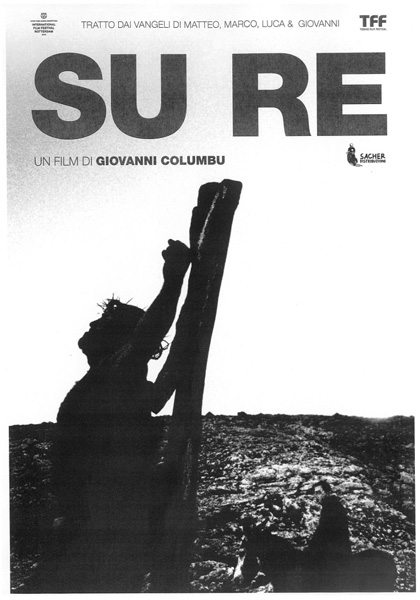
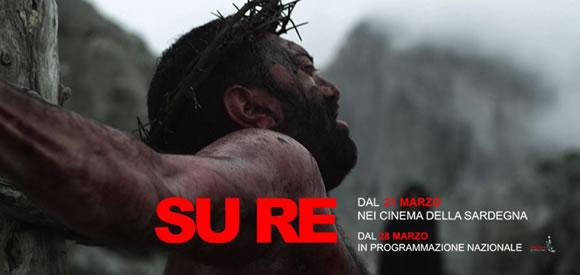
“The Cross is not a Roman pole, but the wood on which God wrote his gospel”.
“La Croce non è un palo dei romani, ma il legno su cui Dio ha scritto il suo vangelo.
(Alda Merini)
-----------------------------------------------------------------
click to activate the icon of slideshow: the small triangle inscribed in the small rectangle, at the top right, in the photostream;
or…. Press the “L” button to zoom in the image;
clicca sulla piccola icona per attivare lo slideshow: sulla facciata principale del photostream, in alto a destra c'è un piccolo rettangolo (rappresenta il monitor) con dentro un piccolo triangolo nero;
oppure…. premi il tasto “L” per ingrandire l'immagine;
www.worldphoto.org/sony-world-photography-awards/winners-...
www.fotografidigitali.it/gallery/2726/opere-italiane-segn...
…………………………………………………………………
Good Friday is an anniversary which in Sicily acquires a cathartic meaning for those who are searching, not only photographically, for popular traditions (we find them widespread throughout Sicily), which are nothing other than a social, cultural event, which merge into a single past and present; from the web "popular traditions are a historical memory linked to customs and rituals that have given shape to the values and beliefs of that culture". Easter in Sicily can be a source of research, it can appear not without contradictions, citing the thoughts of that great Sicilian thinker Leonardo Sciascia, for him Sicily cannot be called Christian referring to the Sicilian festivals, at most it is only in appearance, in those properly pagan explosions tolerated by the Church; Sciascia addresses the topic as an introductory essay in the book "Religious celebrations in Sicily", illustrated with photographs of a young and still unknown Ferdinando Scianna, a book that did not fail to raise some controversy due to the Sicilian thinker's introductory note, thus being in open controversy with the sacredness of that popular Sicilian devotion (the book was criticized by the Holy See newspaper, the Osservatore Romano), Sciascia writes: “what is a religious festival in Sicily? It would be easy to answer that it is anything but a religious holiday. It is, first of all, an existential explosion; the explosion of the collective id, where the collectivity exists only at the level of the id. Since it is only during the celebration that the Sicilian emerges from his condition of a single man, which is the condition of his vigilant and painful superego, to find himself part of a class, of a class, of a city". Another Sicilian thinker, writer and poet, Gesualdo Bufalino, provides interesting indications on the meaning that Sicilians give to these traditional popular events, he says "during Easter every Sicilian feels not only a spectator, but an actor, first sorrowful and then exultant , for a Mystery that is its very existence. The time of the event is that of Spring, the season of metamorphosis, just as the very nature of the rite is metamorphic in which, as in a story from the Puppet Opera, the battle of Good against Evil is fought. Deception, Pain and Triumph, Passion, Death and Resurrection of Christ are present."
In short, Easter in Sicily is a deeply felt anniversary throughout the island since ancient times, it has always had as its fulcrum the emotional participation of the people, with representations and processions which have become rites and traditions which unequivocally characterize numerous Sicilian centres, which they recall the most salient moments narrated in the Gospels and which recall the Passion, Death and Resurrection of Jesus Christ, with processions formed by the various brotherhoods (sometimes with theatrical re-enactments) which have within them contents and symbols often coming from the Spanish domination, which took place in Sicily between the 16th and 17th centuries. This year, on the occasion of Good Friday I went to the pretty town of Licodia Eubea (in the province of Catania), I'll start by saying that in this procession a unique character comes to life in statue form that cannot be found anywhere else place in Sicily, it is called "Ciurciddu" (translated "Circello"), he pulls Christ with a rope tied around his neck while he carries the Cross, this bad character has a profound symbolic-allegorical meaning, he represents "the Evil that exists in the world, the refusal towards the Truth announced by Christ", causing him suffering by pulling him with the rope tied around his neck. The boys and men "carriers of the floats" gather together, preparing for the moment when, once the procession has begun, the "'a Giunta" will take place around 10:00 a.m., or rather the very painful "encounter" between Christ ( who carries the Cross, linked to Ciurciddu) and His Mother of Sorrows (with her heart pierced by a sword, an iconic image of Spanish origin), during the meeting "the bow or greeting takes place" between the two floats, it is the Greeting that Mother and Son do in one of the most characteristic moments of this procession. While the two vares are brought to an ancient church, another event takes place which strongly characterizes this tradition, the "auction of the Cross" takes place, the ability to carry the Cross, weighing 70 kg, on one's shoulder, up to Churc of Calvary (a long uphill journey to reach the upper part of the town), is put up for auction, the highest bidder wins this possibility, after which an extraordinary event occurs: the devotee who wins the auction is embraced by numerous villagers, with great transport and affection, this is because those who participate in the auction certainly do so out of devotion but also possibly because they have had someone in their family with more or less serious health problems, and this is why people hug them and encourage them by showing their closeness . In the afternoon the procession resumes, now the Christ is dead, he is in the vara with the Urn, and is called "'u Signuri' a cascia" (by which term means "the Lord in the coffin"), the two vare (the dead Christ and His Mother of Sorrows) are carried in procession up to the Church of Calvary, where the heavy and ancient Cross carried on the shoulder by the devotee was hoisted; here, even if Christ is dead, the Crucifixion takes place , the mystical moment is accompanied by ancient songs-lamentations by the singers of the SS association. Crucifix; subsequently Christ is placed from the Cross in the urn, and descends back into the center of the town, where in the church of the Capuchin Fathers the devout people "make peace with the Lord", an act of reconciliation and request for forgiveness before the figure of Christ Died. Subsequently, late in the evening, Christ and his Mother are led into the Mother Church.
……………………………………………..
Il Venerdì Santo è una ricorrenza che in Sicilia acquista un significato catartico per chi è alla ricerca, non solo fotografica, delle tradizioni popolari (le troviamo diffuse in tutta la Sicilia), che altro non sono che un evento sociale, culturale, che fondono in un tutt’uno passato e presente; dal web “le tradizioni popolari sono una memoria storica legata ad usanze e ritualità che hanno dato forma ai valori e alle credenze di quella cultura”. La Pasqua in Sicilia può essere fonte di ricerca, essa può apparire non priva di contraddizioni, citando il pensiero di quel grande pensatore Siciliano che fu Leonardo Sciascia, per lui la Sicilia non può dirsi cristiana riferendosi alle feste Siciliane, al massimo lo è solo in apparenza, in quelle esplosioni propriamente pagane, tollerate dalla Chiesa; Sciascia affronta l’argomento come saggio introduttivo nel libro “Feste religiose in Sicilia”, illustrato con fotografie di un giovane ed ancora sconosciuto Ferdinando Scianna, libro che non mancò di sollevare qualche polemica per la nota introduttiva del pensatore Siciliano, essendo così in aperta polemica con la sacralità di quella devozione popolare Siciliana (il libro fu oggetto di una stroncatura da parte del quotidiano della Santa Sede, l’Osservatore Romano), Sciascia scrive: “che cos’ è una festa religiosa in Sicilia? Sarebbe facile rispondere che è tutto, tranne che una festa religiosa. E’, innanzi tutto, un’esplosione esistenziale; l’esplosione dell’es collettivo, dove la collettività esiste soltanto a livello dell’es. Poiché è soltanto nella festa che il siciliano esce dalla sua condizione di uomo solo, che è poi la condizione del suo vigile e doloroso super io, per ritrovarsi parte di un ceto, di una classe, di una città ”. Altro pensatore, scrittore e poeta Siciliano, Gesualdo Bufalino, fornisce indicazioni interessanti sul senso che i Siciliani danno a questi eventi popolari tradizionali, egli dice “durante la Pasqua ogni siciliano si sente non solo uno spettatore, ma un attore, prima dolente e poi esultante, per un Mistero che è la sua stessa esistenza. Il tempo dell’evento è quello della Primavera, la stagione della metamorfosi, così come metamorfica è la natura stessa del rito nel quale, come in un racconto dell’Opera dei Pupi, si combatte la lotta del Bene contro il Male. Sono presenti l’Inganno, il Dolore e il Trionfo, la Passione, la Morte e la Resurrezione di Cristo”.
In breve, la Pasqua in Sicilia è una ricorrenza profondamente sentita in tutta l’isola fin dall’antichità, essa ha sempre avuto come fulcro la commossa partecipazione del popolo, con rappresentazioni e processioni divenuti riti e tradizioni che caratterizzano inequivocabilmente numerosissimi centri Siciliani, che rievocano i momenti più salienti narrati nei Vangeli e che ricordano la Passione, la Morte e la Resurrezione di Gesù Cristo, con cortei formati dalle varie confraternite (a volte con rievocazioni teatrali) che hanno in se contenuti e simbologie spesso provenienti dalla dominazione Spagnola, avvenuta in Sicilia tra il XVI ed il XVII secolo.
Quest’anno, in occasione del Venerdì Santo mi sono recato nel grazioso paese di Licodia Eubea (in provincia di Catania), inizio col dire che in questa processione prende vita, in forma statuaria, un personaggio unico che non si trova in nessun’altro luogo della Sicilia, si chiama “Ciurciddu” (tradotto “Circello”), egli tira con una corda legata al collo il Cristo mentre porta la Croce, questo tristo personaggio ha un profondo significato simbolico-allegorico, egli rappresenta “il Male che c’è nel mondo, il rifuto verso la Verità annunciata dal Cristo”, creandogli sofferenza tirandolo con la corda legata al collo. I ragazzi e gli uomini “portatori delle vare” si riuniscono tra loro, preparandosi al momento in cui, iniziata la processione, si realizzerà attorno alle ore 10:00 “ ‘a Giunta”, ovvero “l’incontro” dolorosissimo tra il Cristo (che porta la Croce, legato a Ciurciddu) e Sua Madre l’Addolorata (col cuore trafitto da una spada, immagine iconica di origine spagnola), durante l’incontro “avviene l’inchino o saluto” tra le due vare, è il Saluto che Madre e Figlio si fanno in uno dei momenti più caratteristici di questa processione. Mentre le due vare vengono portate in una antica chiesa, avviene un altro evento che caratterizza fortemente questa tradizione, ha luogo “l’asta della Croce”, il poter portare in spalla la Croce, del peso di 70 kg, fino alla Chiesa del Calvario (un lungo percorso in salita a raggiungere la parte alta del paese), viene messo all’asta, il maggiore offerente si aggiudica questa possibilità, dopodiché avviene un fatto straordinario: il devoto che si è aggiudicato l’asta viene abbracciato da numerosissimi paesani, con grande trasporto ed affetto, questo perché chi partecipa all’asta lo fa certamente per devozione ma anche possibilmente perché in famiglia ha avuto qualcuno con problemi più o meno gravi di salute, ed è per questo che le persone lo abbracciano e lo incoraggiano mostrandogli la loro vicinanza. Nel pomeriggio riprende la processione, adesso il Cristo è morto, si trova nella vara con l’Urna, ed è chiamato “ ‘ u Signuri ‘ a cascia” (col quale termine si intende “il Signore nella cassa da morto”), le due vare (il Cristo morto e Sua Madre l’Addolorata) vengono portate in processione fin sopra la Chiesa del Calvario, dove la pesante ed antica Croce portata in spalla dal devoto è stata issata, qui, anche se il Cristo è morto, avviene la Crocifissione, il mistico momento è accompagnato da antichi canti-lamentazioni ad opera dei cantori dell’associazione SS. Crocifisso; successivamente il Cristo viene deposto dalla Croce nell’urna, e ridiscende nel centro del paese, ove nella chiesa dei Padri Cappuccini il popolo dei devoti “ fa ‘ a Paci co’ Signuri”, atto di riconciliazione e richiesta di perdono innanzi la figura del Cristo Morto. Successivamente, in tarda serata, il Cristo e Sua Madre vengono condotti nella Chiesa Madre.
……………………………………….
Venerdì Santo Mattina Licodia Eubea 2024
Venerdì Santo Pomeriggio Licodia Eubea 2024
A giunta-Venerdì Santo 28/03/2024 a Licodia Eubea...
"La crocifissione"-Venerdì Santo 2024 a Licodia Eubea
I riti della Settimana Santa 2024 a Licodia Eubea
Asta della Croce-Venerdì Santo 28/03/2024 a Licodia Eubea
Venerdì Santo 2024 a Licodia Eubea..."A naccata sulle note della Sollevazione di Cristo"
Canti devozionali della settimana santa a Licodia Eubea
Curunedda di Maria Addulurata - Li sette spati
I Canti devozionali della Settimana Santa a Licodia Eubea
.........................................................
Backstage del Film "Su Re" di Giovanni Columbu
Su Re (2012) • Tornate a splendere!
Incontro con Giovanni Columbu, regista di SU RE (Italia 2013)
++++++++++++++++++++++++++++++++++++++
Tibete (Ásia)
བོད་རང་སྐྱོང་ལྗོངས་
( I want you to know that I am not anyone's side in this struggle for self-determination, nor have an opinion about the occupation of this territory by China.)
( 我想让你知道我不是任何人的一边,这自决的斗争,决心,也没有一个对这一中国领土的占领意见。)
THIS NOT A COUNTRY, ITS A HISTORICAL REGION, ITS LOCATED IN China .
THERE ARE O WANTS TO BE INDEPENDENTE. IF SOMEONE DONT LIKE OF THIS THEME IM SORRY, I DON’T WANT THIS USED BY ANYONE TO ILEGAL ACTS.
THANKS ABOUT THE CONCERNING
Flags
Oficial name:
བོད་རང་སྐྱོང་ལྗོངས་ (Tibetan)
Bod-rang-skyong-ljongs (Wylie)
西藏自治区 (Chinese)
Xīzàng Zìzhìqū (Pinyin)
Area:
1.221.600 km2
Inhabitants:
2.700.000
Languages:
བོད་སྐད་ bod skad- Tibeten and Chinese
Capital city:
Lhasa
Meaning tibet name:
Tibetans call their homeland Bod (བོད་), pronounced [pʰøʔ] in Lhasa dialect. It is first attested in the geography of Ptolemy as βαται (batai) (Beckwith, C. U. of Indiana Diss. 1977). Tibetans refer to Tibet as a "fatherland" (Tibetan: ཕ་ཡུལ་; Wylie: pha-yul), whereas "motherland" (Tibetan: མ་ཡུལ་; Wylie: ma-yul) is a neologism introduced in the 1960s to refer to China.[citation needed]
Tibetan plateauThe modern Chinese name for Tibet, 西藏 (Xīzàng), is a phonetic transliteration derived from the region called Tsang (western Ü-Tsang). The name originated during the Qing Dynasty of China, ca. 1700. It can be broken down into "xi" 西 (literally "west"), and "zang" 藏 (literally "Buddhist scripture" or "storage"). The pre-1700s historic Chinese term for Tibet was 吐蕃, pronounced as Tǔbō in mainland China and Tǔfān on Taiwan, its reconstructed Medieval Chinese pronunciation is /t'obwǝn/, which comes from the Turkish word for "heights" which is also the origin of the English term "Tibet."
The government of the People's Republic of China equates Tibet with the Tibet Autonomous Region (TAR). As such, the name "Xizang" is equated with the TAR. In order to refer non-TAR Tibetan areas, or to all of cultural Tibet, the term 藏区 Zàngqū (literally, "ethnic Tibetan areas") is used. However, Chinese-language versions of pro-Tibetan independence websites, such as the Free Tibet Campaign, the Voice of Tibet, and Tibet Net use 西藏 ("Xizang"), not 藏区 ("Zangqu"), to mean historic Tibet.
Some English-speakers reserve "Xizang", the Chinese word transliterated into English, for the TAR, to keep the concept distinct from that of historic Tibet. Some pro-independence advocates duplicate the situation into the Chinese language, and use 土番 (Tubo) or 图伯特 (Tubote), which are both phonetic transcriptions of the word "Tibet", to refer to historic Tibet.[citation needed]
The character 藏 (zàng) has been used in transcriptions referring to Tsang as early as the Yuan Dynasty, if not earlier, though the modern term "Xizang" (western Tsang) was devised in the 18th century. The Chinese character 藏 (Zàng) has also been generalized to refer to all of Tibet, including other concepts related to Tibet such as the Tibetan language (藏文, Zàngwén) and the Tibetan people (藏族, Zàngzú).
The English word Tibet, like the word for Tibet in most European languages, is derived from the Arabic word Tubbat. This word is derived via Persian from the Turkic word Töbäd (plural of Töbän), meaning "the heights". in Medieval Chinese, 吐蕃 (Pinyin Tǔfān, often given as Tubo), is derived from the same Turkic word. Tǔfān was pronounced /t'o-bwǝn/ in Medieval times.
The exact derivation of the name is, however, unclear. Some scholars believe that the named derived from that of a people who lived in the region of northeastern Tibet and were referred to as 'Tübüt'. This was the form adapted by the Muslim writers who rendered it Tübbett, Tibbat, etc., from as early as the 9th century, and it then entered European languages from the reports of the medieval European accounts of Piano-Carpini, Rubruck, Marco Polo and the Capuchin monk Francesco della Penna.
Description Flag:
During the reign of the seventh-century king, Songtsen Gampo, Tibet was one of the mightiest empires in Central Asia. Tibet, then, had an army of 2,860,000 men. Each regiment of the army had its own banner. The banner of Ya-ru To regiment had a pair of snow lions facing each other, that of Ya-ru Ma a snow lion standing upright, springing upwards towards the sky, and that of U-ru To a white flame against a red background.
This tradition continued until the Thirteenth Dalai Lama designed a new banner and issued a proclamation for its adoption by all the military establishments. This banner became the present Tibetan national flag.
SYMBOLISM
In the centre stands a magnificient snow-clad mountain, which represents the great nation of Tibet, widely known as the Land Surrounded by Snow Mountains.
The Six red bands spread across the dark blue sky represent the original ancestors of the Tibetan people: the six tribes called Se, Mu, Dong, Tong, Dru, and Ra which in turn gave rise to the (twelve) descendants. The combination of six red bands (for the tribes) and six dark blue bands (for the sky) represents the unceasing enactment of the virtuous deeds of protection of the spiritual teachings and secular life by the black and red guardian protector deities with which Tibet has been connected since times immemorial.
At the top of the snowy mountain, the sun with its rays shinning brilliantly in all directions represents the equal enjoyment of freedom, spiritual and material happiness and prosperity by all beings in the land of Tibet.
On the slopes of the mountain a pair of snow lions stand proudly, blazing with the manes of fearlessness, which represent the country's victorious accomplishment of a unified spiritual and secular life.
The beautiful and radiant three-coloured jewel held aloft represents the ever-present reverence respectfully held by the Tibetan people towards the three supreme gems, the objects of refuge: Buddha, Dharma and Sangha.
The two coloured swirling jewel held between the two lions represents the people's guarding and cherishing of the self discipline of correct ethical behavior, principally represented by the practices of the ten exalted virtues and the 16 humane modes of conduct.
Lastly, the adornment with a yellow border symbolises that the teachings of the Buddha, which are like pure, refined gold and unbounded in space and time, are flourishing and spreading.
National Anthem: Shine of Buddha's
TIBETAN LYRICS
Sishi pende dögu jungwi ter,
Tubten sampel norbu önang bar.
Tendro nordzin gyache kyongwi gön
Trinlê kyi rölsto gyê;
Dorje khamsu tenpê
Chokün chamtse kyong.
Namkö gawa gyaden u pang gungla beg.
Puntso deshi nga-thang gyê.
Pöjong chöl sumgyi khyönla deoden sarpè khyap,
Chösi kyi pelon tar.
Tubten chochu gyepê dzamling yanpi kyegu shidi pela jor.
Pöjong tendrö getzen nyi-ö kyi,
Trashic-nang humdu tromi zi,
Nacho münpi yule gye-gyur chi.
English
Let the radiant light shine of Buddha's wish-fulfilling gem teachings,
the treasure mine of all hopes for happiness and benefit
in both worldly life and liberation.
O Protectors who hold the jewel of the teachings and all beings,
nourishing them greatly,
may the sum of your virtuous deeds grow full.
Firmly enduring in a diamond-hard state, guard all directions with
Compassion and love.
Above our heads may divinely appointed rule abide
endowed with a hundred benefits and let the power increase
of four fold auspiciousness,
May a new golden age of happiness and bliss spread
throughout the three provinces of Tibet
and the glory expand of religious-secular rule.
By the spread of Buddha's teachings in the ten directions,
may everyone throughout the world
enjoy the glories of happiness and peace.
In the battle against dark negative forces
may the auspicious sunshine of the teachings and beings of
Tibet and the brilliance of a myriad radiant prosperitys
be ever triumphant.
Internet Page: www.tibet.net
dharma-haven.org/tibetan/language.htm
Tibet in diferent languages
eng | bre | cat | ces | dan | eus | fra | gla | glg | hrv | hun | ita | lld | nld | nor | roh | ron | scn | slk | slv | swe | tgl: Tibet
aze | bos | kaa | mol | slo | tuk | uzb: Tibet / Тибет
arg | ast | spa: Tíbet
deu | ltz | nds: Tibet / Tibet
est | fin: Tiibet
ind | msa: Tibet / تيبيت
pol | szl: Tybet
epo: Tibeto
gle: An Tibeit / An Tibeit
kmr: Tîbêt / Тибет / تیبێت
kur: Tîbet / تیبەت
lat: Thibetum; Tibetum; Tibetia
lav: Tibeta
lit: Tibetas
por: Tibete
sme: Tibehta
smg: Tėbets
vie: Tây Tạng
vor: Tiibeť
abq | alt | bul | che | chv | kbd | kir | kjh | kom | krc | kum | oss | rus: Тибет (Tibet)
bak | srp | tat: Тибет / Tibet
bel: Тыбет / Tybiet; Тыбэт / Tybet
bua: Түбэд (Tübäd); Түгэд (Tügäd)
kaz: Тибет / Tïbet / تيبەت
mon: Төвд (Tövd); Түвд (Tüvd)
tgk: Тибет / تیبت / Tibet
tyv: Төвүт (Tövüt); Тибет (Tibet)
ukr: Тибет (Tybet)
ara: التبت (at-Tubbat / at-Tibit)
fas: تبت (Tabbat)
prs: تبت (Tebat)
pus: تبت (Tibat)
uig: شىزاڭ / Shizang / Шизаң; تىبەت / Tibet / Тибәт
urd: تبت (Tibbat)
heb: טיבט (Ṭîbeṭ)
lad: טיביט / Tibet
yid: טיבעט (Tibet)
amh: ቲቤት (Tibet)
ell: Θιβέτ (Ṯivét)
hye: Տիբետ (Tibet)
kat: ტიბეტი (Tibeti)
hin: तिब्बत (Tibbat)
nep: भोट (Bʰoṭ); तिब्बत (Tibbat)
ben: তিব্বত (Tibbôt)
ori: ତିବ୍ବତ (Tibbôt)
pan: ਤਿੱਬਤ (Tibbat)
sin: ටිබැට් (Ṭibæṭ); ටිබැටය (Ṭibæṭaya)
kan: ಟಿಬೆಟ್ (Ṭibeṭ)
mal: ടിബട്ട് (Ṭibaṭṭ); തിബട്ട് (Tibaṭṭ)
tam: திபெத் (Tipet)
tel: టిబెట్ (Ṭibeṭ)
zho: 西藏 (Xīzàng); 吐博 (Tǔbó)
yue: 西藏 (Sàijohng)
jpn: チベット (Chibetto)
kor: 티베트 (Tibeteu)
bod: བོད་ (Bod.); བོད་ཡུལ་ (Bod.yul.); བོད་ལྗོངས་ (Bod.ljoṅs.)
dzo: བོད་ (Bod.)
mya: တိဗက္ (Tíbeʿ)
tha: ธิเบต (Tʰibēt)
lao: ຕິເບດ (Tibēt); ຕີເບດ (Tībēt)
Módena (Mòdna en dialecto modenés; Modena en italiano) es una ciudad italiana, capital de la provincia de Módena, en la región Emilia-Romaña. Cuenta con una población de 184 973 habitantes. La catedral, la Torre Cívica («Ghirlandina») y la Piazza Grande de la ciudad están declaradas Patrimonio de la Humanidad por la Unesco.
Módena queda en la llanura padana, y está rodeada por dos ríos, el Secchia y el Panaro, ambos afluentes del Po. Su presencia está simbolizada por la fuente de los dos ríos, en el centro de la ciudad, obra de Giuseppe Graziosi. La ciudad está conectada con el Panaro a través del canal Naviglio.
La cordillera de los Apeninos comienzan a unos 10 kilómetros al sur de la ciudad.
Módena es un importante centro industrial. La ciudad se ubica en el corazón de la «Motor Valley» que forma un conjunto de grupos industriales prestigios así como numerosos circuitos y museos. Las empresas Lamborghini, Pagani, Ferrari y Maserati tienen su sede dentro de un radio de 20 km alrededor de Módena.
Ubicado en la llanura Padana, el territorio modenés dispone de importantes riquezas gustativas. Su producto líder es el vinagre balsámico producido en los dominios agrícolas en el entorno de Módena. La base de su elaboración son las uvas cosechadas en los viñedos de la provincia. El lambrusco, vino rosado burbujeante, tiene como origen las viñas cercanas de Módena y Reggio Emilia. Además, Módena es la tierra del queso parmigiano reggiano y del jamón de Módena. Junto con Bolonia, Módena comparte el lugar de origen de la pasta tortellini.
El Duomo de Módena, la Torre Ghirlandina y la Piazza Grande están incluidos desde 1997 dentro del Patrimonio mundial de la UNESCO. El arquitecto Lanfranco y el escultor Wiligelmo erigieron el Duomo en el siglo XII por San Geminiano, obispo de Módena y Santo Patrón de la ciudad. Entre 1179 y 1319 se construyó la torre Ghirlandina asociada con el Duomo. Su nombre de Ghirlandina -guirnalda- resulta de su forma y recuerda la torre Giralda de Sevilla.
Durante más de dos siglos, la familia Este tenía como sede el Palazzo Ducale (palacio ducal). Hoy en día, este palacio recibe la Academia militar.
El Palazzo Comunale –ayuntamiento– cuya la fachada está en la Piazza Grande abarca un conjunto de edificios más antiguos. Dentro del edificio se encuentra la Secchia rapita –el cubo raptado- uno de los símbolos de la ciudad. La estatua de la Bonissima, símbolo de bondad, está posada en la esquina exterior del Palazzo Comunale.
Iglesias. Módena es una ciudad rica en iglesias, se cuentan más de quince en el casco histórico. También es importante nombrar a la iglesia de Santa María Pomposa, la iglesia del Voto o la iglesia de San Vicenzo. Existe también una sinagoga ubicada cerca del Palazzo Comunale.
En el mercado Albinelli se reúnen cada día productores locales de vinagre balsámico, jamón curdo o queso, entre otros.
es.wikipedia.org/wiki/M%C3%B3dena
Modena is a city and comune (municipality) on the south side of the Po Valley, in the Province of Modena, in the Emilia-Romagna region of northern Italy.
A town, and seat of an archbishop, it is known for its car industry since the factories of the famous Italian upper-class sports car makers Ferrari, De Tomaso, Lamborghini, Pagani and Maserati are, or were, located there and all, except Lamborghini, have headquarters in the city or nearby. One of Ferrari's cars, the 360 Modena, was named after the town itself. Ferrari's production plant and Formula One team Scuderia Ferrari are based in Maranello south of the city.
The University of Modena, founded in 1175 and expanded by Francesco II d'Este in 1686, focuses on economics, medicine and law, and is the second oldest athenaeum in Italy. Italian military officers are trained at the Military Academy of Modena, and partly housed in the Baroque Ducal Palace. The Biblioteca Estense houses historical volumes and 3,000 manuscripts. The Cathedral of Modena, the Torre della Ghirlandina and Piazza Grande are a UNESCO World Heritage Site since 1997.
Modena is also known in culinary circles for its production of balsamic vinegar.
Famous Modenesi include Mary of Modena, the Queen consort of England and Scotland; operatic tenor Luciano Pavarotti and soprano Mirella Freni, born in Modena itself; Enzo Ferrari, eponymous founder of the Ferrari motor company; Catholic priest Gabriele Amorth; chef Massimo Bottura; comics artist Franco Bonvicini; the band Modena City Ramblers and singer-songwriter Francesco Guccini, who lived here for several decades.
Módena (Mòdna en dialecto modenés; Modena en italiano) es una ciudad italiana, capital de la provincia de Módena, en la región Emilia-Romaña. Cuenta con una población de 184 973 habitantes. La catedral, la Torre Cívica («Ghirlandina») y la Piazza Grande de la ciudad están declaradas Patrimonio de la Humanidad por la Unesco.
Módena queda en la llanura padana, y está rodeada por dos ríos, el Secchia y el Panaro, ambos afluentes del Po. Su presencia está simbolizada por la fuente de los dos ríos, en el centro de la ciudad, obra de Giuseppe Graziosi. La ciudad está conectada con el Panaro a través del canal Naviglio.
La cordillera de los Apeninos comienzan a unos 10 kilómetros al sur de la ciudad.
Módena es un importante centro industrial. La ciudad se ubica en el corazón de la «Motor Valley» que forma un conjunto de grupos industriales prestigios así como numerosos circuitos y museos. Las empresas Lamborghini, Pagani, Ferrari y Maserati tienen su sede dentro de un radio de 20 km alrededor de Módena.
Ubicado en la llanura Padana, el territorio modenés dispone de importantes riquezas gustativas. Su producto líder es el vinagre balsámico producido en los dominios agrícolas en el entorno de Módena. La base de su elaboración son las uvas cosechadas en los viñedos de la provincia. El lambrusco, vino rosado burbujeante, tiene como origen las viñas cercanas de Módena y Reggio Emilia. Además, Módena es la tierra del queso parmigiano reggiano y del jamón de Módena. Junto con Bolonia, Módena comparte el lugar de origen de la pasta tortellini.
El Duomo de Módena, la Torre Ghirlandina y la Piazza Grande están incluidos desde 1997 dentro del Patrimonio mundial de la UNESCO. El arquitecto Lanfranco y el escultor Wiligelmo erigieron el Duomo en el siglo XII por San Geminiano, obispo de Módena y Santo Patrón de la ciudad. Entre 1179 y 1319 se construyó la torre Ghirlandina asociada con el Duomo. Su nombre de Ghirlandina -guirnalda- resulta de su forma y recuerda la torre Giralda de Sevilla.
Durante más de dos siglos, la familia Este tenía como sede el Palazzo Ducale (palacio ducal). Hoy en día, este palacio recibe la Academia militar.
El Palazzo Comunale –ayuntamiento– cuya la fachada está en la Piazza Grande abarca un conjunto de edificios más antiguos. Dentro del edificio se encuentra la Secchia rapita –el cubo raptado- uno de los símbolos de la ciudad. La estatua de la Bonissima, símbolo de bondad, está posada en la esquina exterior del Palazzo Comunale.
Iglesias. Módena es una ciudad rica en iglesias, se cuentan más de quince en el casco histórico. También es importante nombrar a la iglesia de Santa María Pomposa, la iglesia del Voto o la iglesia de San Vicenzo. Existe también una sinagoga ubicada cerca del Palazzo Comunale.
En el mercado Albinelli se reúnen cada día productores locales de vinagre balsámico, jamón curdo o queso, entre otros.
es.wikipedia.org/wiki/M%C3%B3dena
Modena is a city and comune (municipality) on the south side of the Po Valley, in the Province of Modena, in the Emilia-Romagna region of northern Italy.
A town, and seat of an archbishop, it is known for its car industry since the factories of the famous Italian upper-class sports car makers Ferrari, De Tomaso, Lamborghini, Pagani and Maserati are, or were, located there and all, except Lamborghini, have headquarters in the city or nearby. One of Ferrari's cars, the 360 Modena, was named after the town itself. Ferrari's production plant and Formula One team Scuderia Ferrari are based in Maranello south of the city.
The University of Modena, founded in 1175 and expanded by Francesco II d'Este in 1686, focuses on economics, medicine and law, and is the second oldest athenaeum in Italy. Italian military officers are trained at the Military Academy of Modena, and partly housed in the Baroque Ducal Palace. The Biblioteca Estense houses historical volumes and 3,000 manuscripts. The Cathedral of Modena, the Torre della Ghirlandina and Piazza Grande are a UNESCO World Heritage Site since 1997.
Modena is also known in culinary circles for its production of balsamic vinegar.
Famous Modenesi include Mary of Modena, the Queen consort of England and Scotland; operatic tenor Luciano Pavarotti and soprano Mirella Freni, born in Modena itself; Enzo Ferrari, eponymous founder of the Ferrari motor company; Catholic priest Gabriele Amorth; chef Massimo Bottura; comics artist Franco Bonvicini; the band Modena City Ramblers and singer-songwriter Francesco Guccini, who lived here for several decades.
Frankreich / Provence - Colorado Provençal
The Colorado Provençal is a former open-air ochre mining site from the 19th and 20th centuries.
It is a private site, classified as a Natural Monument of Historic Character. You will discover exceptional colors in the old ochre quarries, but also the vestiges of its industrial past such as working faces, settling ponds, channels, pipes, etc.
Today's landscapes are the result of human activity and natural erosion. Colorado's unique geology and the presence of water result in exceptional vegetation with a high degree of specificity. Two marked hiking trails allow you to discover these landscapes, as well as a more unusual Colorado by observing the remarkable adaptation of plants and the crevices in the rocks.
(coloradoprovencal.fr)
Ochre (/ˈoʊkər/ OH-kər; from Ancient Greek ὤχρα (ṓkhra), from ὠχρός (ōkhrós) 'pale'), iron ochre, or ocher in American English, is a natural clay earth pigment, a mixture of ferric oxide and varying amounts of clay and sand. It ranges in colour from yellow to deep orange or brown. It is also the name of the colours produced by this pigment, especially a light brownish-yellow. A variant of ochre containing a large amount of hematite, or dehydrated iron oxide, has a reddish tint known as red ochre (or, in some dialects, ruddle).
The word ochre also describes clays coloured with iron oxide derived during the extraction of tin and copper.
Earth pigments
Ochre is a family of earth pigments, which includes yellow ochre, red ochre, purple ochre, sienna, and umber. The major ingredient of all the ochres is iron(III) oxide-hydroxide, known as limonite, which gives them a yellow colour. A range of other minerals may also be included in the mixture:
Yellow ochre, FeO(OH)·nH2O, is a hydrated iron hydroxide (limonite) also called gold ochre.
Red ochre, Fe2O3·nH2O, takes its reddish colour from the mineral hematite, which is an iron oxide, reddish brown when hydrated.
Purple ochre is a rare variant identical to red ochre chemically but of a different hue caused by different light diffraction properties associated with a greater average particle size.
Brown ochre, also FeO(OH), (goethite), is a partly hydrated iron oxide. Similarly, lepidocrocite — γ-FeO(OH), a secondary mineral, a product of the oxidation of iron ore minerals, found in brown iron ores
Sienna contains both limonite and a small amount of manganese oxide (less than 5%), which makes it darker than ochre.
Umber pigments contain a larger proportion of manganese (5-20%), which makes them a dark brown.
When natural sienna and umber pigments are heated, they are dehydrated and some of the limonite is transformed into hematite, giving them more reddish colours, called burnt sienna and burnt umber. Ochres are non-toxic and can be used to make an oil paint that dries quickly and covers surfaces thoroughly. Modern ochre pigments often are made using synthetic iron oxide. Pigments which use natural ochre pigments indicate it with the name PY-43 (Pigment yellow 43) on the label, following the Colour Index International system.
Modern history
The industrial process for making ochre pigment was developed by the French scientist Jean-Étienne Astier in the 1780s. He was from Roussillon in the Vaucluse department of Provence, and he was fascinated by the cliffs of red and yellow clay in the region. He invented a process to make the pigment on a large scale. First the clay was extracted from open pits or mines. The raw clay contained about 10 to 20 percent ochre. Then he washed the clay to separate the grains of sand from the particles of ochre. The remaining mixture was then decanted in large basins, to further separate the ochre from the sand. The water was then drained, and the ochre was dried, cut into bricks, crushed, sifted, and then classified by colour and quality. The best quality was reserved for artists' pigments.
In Britain, ochre was mined at Brixham, England. It became an important product for the British fishing industry, where it was combined with oil and used to coat sails to protect them from seawater, giving them a reddish colour. The ochre was boiled in great caldrons, together with tar, tallow and oak bark, the last ingredient giving the name of barking yards to the places where the hot mixture was painted on to the sails, which were then hung up to dry. In 1894, a theft case provided insights into the use of the pigment as a food adulterant in sausage roll production whereby the accused apprentice was taught to soak brown bread in red ochre, salt, and pepper to give the appearance of beef sausage for the filling.
As noted above, the industrial process for making ochre pigment was developed by the French scientist Jean-Étienne Astier in the 1780s, using the ochre mines and quarries in Roussillon, Rustrel, or Gargas in the Vaucluse department of Provence, in France. Thanks to the process invented by Astier and refined by his successors, ochre pigments from Vaucluse were exported across Europe and around the world. It was not only used for artists paints and house paints; it also became an important ingredient for the early rubber industry.
Ochre from Vaucluse was an important French export until the mid-20th century, when major markets were lost due to the Russian Revolution and the Spanish Civil War. Ochre also began to face growing competition from newly synthetic pigment industry. The quarries in Roussillon, Rustrel, the Mines of Bruoux closed one by one. Today, the last quarry in activity is in Gargas (Vaucluse) and belongs to the Société des Ocres de France.
In heraldry and vexillology
Ochre, both red and yellow, appear as tinctures in South African heraldry; the national coat of arms, adopted in 2000, includes red ochre, while (yellow) ochre appears in the arms of the University of Transkei.
Ochre is also used as a symbol of Indigenous Australians, and appears on the Flag of the Northern Territory and on the flags of the Taungurung and Aṉangu people.
In popular culture
A reddleman named Diggory Venn was prominently described in Thomas Hardy's 1878 novel entitled The Return of the Native.
(Wikipedia)
Das Colorado Provençal ist ein ehemaliger Ockerabbauort im Freien aus dem 19. und 20. Jahrhundert.
Es handelt sich um einen privaten Standort, der als Naturdenkmal historischer Natur eingestuft ist. In den alten Ockersteinbrüchen entdecken Sie außergewöhnliche Farben, aber auch Überreste der industriellen Vergangenheit wie Abbauwände, Absetzbecken, Rinnen, Rohre usw.
Die heutigen Landschaften sind das Ergebnis menschlicher Handarbeit und natürlicher Erosion. Die besondere geologische Beschaffenheit Colorados und das Vorhandensein von Wasser führen zu einer außergewöhnlichen Vegetation mit hoher Spezifität. Auf zwei markierten Wanderwegen können Sie diese Landschaften, aber auch ein ungewöhnlicheres Colorado entdecken, indem Sie die beeindruckende Anpassung der Pflanzen oder die Spalten in den Felsen beobachten.
(coloradoprovencal.fr)
Ocker (von lateinisch ochra, „[gelber] Ocker“, aus altgriechisch ὠχρός ōchrós „blass, blassgelb“) sind Erdfarben, und zwar Gemische aus 5–20 % Brauneisenstein mit Tonmineralen, Quarz und Kalk.
Wortverwendung
Als Pigment wird es als „gelber Ocker“ (Schöngelb) in diversen Sorten und Nuancen in der Malerei verwendet, entsprechende Bezeichnungen sind „roter Ocker“, „Rotocker“ oder „brauner Ocker“, „Braunocker“. Die gelben Sorten werden nach dem Farbton in „Lichtocker“, „Gelbocker“, „Goldocker“, „Fleischocker“, „Satinocker“ („Orangeocker“, Satinober) unterteilt. Durch Erhitzen werden gelbe in rote Pigmente umgewandelt und dann als „gebrannter Ocker“ bezeichnet. Dieser Vorgang entspricht einer Dehydration der färbenden Eisenverbindungen.
Als Farbbezeichnung wird „Ocker“ nur für weniger farbsatte Gelbtöne benutzt, insbesondere im Gegensatz zum rötlicheren Siena und dem grünlicheren Umbra. Weitere Farbnamen dieses Farbtons sind „Siena natur“ oder nach dem Einsatz „Schönbrunner Gelb“.
Als Webfarbe entspricht die Farbe Ocker der mit goldenrod (englisch „Goldrute“) bezeichneten Gruppe.
Farbsorten
Gelber Ocker
Der natürliche „gelbe Ocker“ (früher auch „Berggelb“ genannt) wird nach seiner Herkunft unterschiedlich benannt: „Französischer Ocker“ JL (das klassische Pigment), Terra di Siena („Italienischer Ocker“, „Sienaerde“), „Cyprischer Ocker“ (eine besonders feine Sorte hellen Ockers), „Böhmischer Ocker“ (das eigentliche „Schönbrunner Gelb“), „Derbyshire Ocker“, „Lausitzer Ocker“, „Amberger Gelb“.
Die künstliche Variante und mit „Eisenoxidgelb“ geschönte Sorten werden auch als „Marsgelb“ (wie das „Eisenoxidgelb“ selbst) bezeichnet.
Der Hauptbestandteil des gelben Ockers ist Eisen(III)-oxidhydrat (Fe2O3 · n H2O – Limonit, Brauneisenstein).
Roter Ocker
Der färbende Bestandteil im roten Ocker (verwandt mit „Rötel“) ist das Eisen(III)-oxid, Hämatit (Fe2O3). Typische Sorten sind „Französischer Ocker“ RL, „Burgunder Ocker“, „Englischer Grubenocker“. Wie bei allen natürlichen Erdpigmenten finden sich daneben auch Anteile von Tonmineralen und Quarz. Der rote Ocker wird auch durch Brennen des gelben Ockers gewonnen, als „gebrannter Ocker“ oder „gebrannte Siena“. Der Brennvorgang ist unter Limonit beschrieben. Roter Ocker ist im Colour Index unter der Bezeichnung C.I. Pigment Red 102 verzeichnet.
Brauner Ocker
Als „Braunocker“ werden weniger bunte (ungesättigte) Sorten bezeichnet, die deshalb eher Braun als mit einem Gelb- oder Rotton erscheinen. Es handelt sich um natürliche Vorkommen mit Beimengungen meist von Manganoxiden und -hydraten,[die der Umbra nahestehen. Mit Goethit oder bei gebrannten Farbmitteln ähneln diese in ihrem Erscheinungsbild der „Umbra gebrannt“ oder anderen wenig bunten gebrannten Eisenoxid-Pigmenten.
Für „Französischen Ocker“ hat sich ein Buchstabencode durchgesetzt, der dessen Qualität beschreibt:
J – jaune/gelb, R – rouge/rot, B – brune/braun
T – très sehr
C – claire/hell (lasierend), F – fonce/dunkel (deckendere Sorten), O – or/goldgelb
L – lavée/gewaschen, E – extra, S – super
Beispiele dafür sind
„lichter Ocker“ JTCLES – in der Aquarellmalerei ein strahlend schönes, nicht zu grelles Gelb[8]
„Goldocker“ JOLES – ein Farbton, der dem „Barockgelb“ entspricht.
Weitere Sortierungen von Ockern sind
„Satinober“ oder „Satinocker“ bezeichnen ins Orange gehende, besonders farbstarke Sorten und deren Imitate.[4]
„Grubenocker“ oder „Harzocker“ ist hingegen ein basisches Eisen(III)-sulfat,
„Goldsatinober“ ist eine gelbstichige Handelssorte von Mennige (= Blei(II,IV)-oxid).
Verwendung
Alle Ocker sind in entsprechender Verreibung in jedem Bindemittel einsetzbar. Sie sind als Eisenoxidpigmente absolut lichtecht, wetterbeständig und mit allen anderen Pigmenten verträglich (die nötige Reinheit vorausgesetzt).
Geschichte
Ocker tritt bereits im Middle Stone Age Südafrikas als Farbstoff zur Dekoration von Schmuckschnecken oder als Körperschmuck auf,[11] auch als Komplettbemalung z. B. bei den nordamerikanischen Beothuk-Indianern. In der Höhlenmalerei des europäischen Jungpaläolithikums wurde Ocker gleichfalls verwendet. Die Streuung von rotem Ocker ist seit dem Gravettien bis zum Magdalénien ein typisches Merkmal bei Grabstätten.
In der Antike und im Mittelalter zählen die Ocker weltweit zur grundlegenden warmen Palette aller kolorierten Medien der Künste.
Gewinnung
Die weltweit älteste bislang bekannte Ockermine befindet sich laut einer 2024 veröffentlichten Studie in der Lion Cavern in Eswatini im südlichen Afrika, in der bereits vor rund 48.000 Jahren Ocker abgebaut und in nahegelegene Gebiete transportiert wurde.
Bekanntester Abbauort in Europa sind die „Ockersteinbrüche“ in dem französischen Ort Roussillon im Département Vaucluse. Berühmt für seine besonders gute Qualität war der „Goldocker“ mit seinem auserlesenen Farbton, dem typischen „Barockgelb“. Ein eindrucksvolles, ebenfalls aufgegebenes Abbaugebiet liegt etwa 20 km östlich von Roussillon im Colorado bei Bouvène, südlich von Rustrel. Diese Vorkommen wurden bereits in der Römerzeit genutzt, später jedoch vergessen und erst um das Jahr 1780 wiederentdeckt.
Abbau und Verkauf des „französischen Ockers“ wird von der Société des Ocres de France (SOF) verwaltet. In Deutschland wurde vorrangig in Goslar am Nordharzrand Ocker aus Absetzbecken gewonnen („Ockersümpfe“), welche die Grubenwässer des Rammelsberger Bergbaus klärten. Auch in der Oberpfalz wurde bis um 1920 Ocker im Untertagebau in der Nähe von Neukirchen bei Sulzbach-Rosenberg gewonnen. Anschließend wurde er meist dort in einer Farbmühle zu Lack weiterverarbeitet.
Ein bekanntes Abbaugebiet ist Wilgie Mia bei der westaustralischen Stadt Perth.
Ocker wird noch in geringen Mengen aus Erde durch langwierige Ausschlämmverfahren gewonnen. Hierzu wird das Pigment in einer Reihe von Klärbecken ausgewaschen und in Windmühlen von Ballaststoffen gereinigt. Dieser Grundstoff wird getrocknet und ausgeliefert. Bei Bedarf wird er durch ein Brennverfahren auf den gewünschten Farbton gebracht. Außerdem werden besonders farbschöne „Nester“ (kleine, konzentrierte Ansammlungen) speziell für den Künstler- und Restaurierungsbedarf verwertet.
Der weitaus meiste Ocker wird künstlich aus Eisenoxidfarben hergestellt und auf ein geeignetes Substrat aufgezogen.
(Wikipedia)
Am 1. September 1991 wurde die Cläre-Prem-Plakette feierlich enthüllt. Die Trierer Karnevalsgesellschaft Heuschreck hatte 1990 den Bildhauer Willi Hahn mit ihrer Anfertigung betraut, um eine große Liebhaberin des Karnevals und Bewahrerin der moselfränkischen Mundart zu ehren. So wird der „symbolische Fensterplatz“, den die „große Dame der Trier Mundart“, mit Blick über den Hauptmarkt, erhielt, als „posthume Liebeserklärung“ der Trierer Bürger empfunden.
Am 30. August 1899 wurde Cläre Prem in Duisburg geboren. Die von der Mosel stammende Schifferfamilie zog es bald nach der Geburt der Tochter in die trierische Heimat zurück. Cläre Prem wuchs im alten Stadtteil St. Barbara auf. Bereits 1918 publizierte die gelernte Verwaltungsangestellte erste Gedichte. Mit großem Erfolg erschienen Prosa, Poesie, Artikel und Kurzgeschichten der Schriftstellerin in Zeitschriften und Kalendern, im Trierischen Volksfreund und der Trierischen Landeszeitung. Ihre wahre Stärke sah Cläre Prem selbst in der Mundartdichtung und machte sie zu ihrem Lieblings-Sujet. Von 1946 bis 1964 wurden wöchentlich im Trierischen Volksfreund die fiktiven Gespräche der von Cläre Prem ersonnenen „Trierer Originale“ Koorscht und Kneisjen veröffentlicht. Liebevoll augenzwinkernd hielt die Mundartdichterin den Trierern den satirischen Spiegel vor. Bis in die 1980er Jahre lebten Koorscht und Kneisjen, verkörpert von Hans Kuhn und Werner Becker, in den Sitzungen der Trierer Karnevalsgesellschaft Heuschreck weiter. Cläre Prem verschrieb sich im KG Heuschreck und im Verein Trierisch, zu dessen Vorstand sie zählte, nicht nur der Mundart- und Brauchtumspflege, sondern engagierte sich ebenso leidenschaftlich für die Emanzipation der Frau. Unter dem Pseudonym Hanna Mann veröffentlichte sie mehrere Texte im Kampf für mehr Frauenrechte und für die Belange der Emanzipation. „Cläre alias Hanna stand ein Leben lang ihren Mann.“ (Morgen) Für ihre Verdienste um die Erhaltung der trierischen Mundart, sowie der Brauchtums- und Traditionspflege, erhielt sie mehrere Ehrungen. So würdigte der Stadtrat sie bereits 1960 mit dem Stadt-Ehrensiegel „augusta treverorum“. Im hohen Alter erblindete das echte „Babelser Mädchen“ und starb am 25. März 1988 im Pflegeheim St. Irminen. Sie hatte „ihre Stimme erhoben als ein Kind des Volkes, an dessen Puls sie mit aller Vehemenz und Liebe ihres gütigen und weltoffenen Herzens lauschte“. (Becker)
Im Bronzerelief der Cläre-Prem-Plakette ist nicht nur die Mundartdichterin liebevoll als „Trierer Original“ verewigt, sondern auch ihre berühmtesten, ersonnenen Figuren Koorscht und Kneisjen. Die Heuschrecke, das Wappentier der KG Heuschreck, auf der Fenstersprosse sitzend, verweist auf ihre innige Verbindung zum trierischen Brauchtum und der Karnevalsgesellschaft, die sie mit dieser Plakette ehrt.
Das Grabmal der 1988 verstorbenen Mundart-Dichterin befindet sich auf dem Trierer Hauptfriedhof.
Quelle: www.kunst-im-oeffentlichen-raum-trier.de/objekt/2689/
The capital of Suriname is Paramaribo, a City with a rich history of colonial times. The country suffered a lot of influence from the English and later the Dutch. The official language is still Dutch and here we drive on the left side of the street. Sranantongo is a dialect widely spoken too besides English.
There were a lot of houses all built with noble wood since the country is part of the Amazon world and has plenty of flora and fauna to live with. I am here choosing to picture some old houses that are either for sale or abandoned or have been recuperated and people are living inside of them. It is a worthwhile journey to get to know some of these typical wooden houses of Paramaribo. I find them very charming.
De hoofdstad van Suriname is Paramaribo, een stad met een rijke koloniale geschiedenis. Het land had veel invloed van de Engelsen en later de Nederlanders. De voertaal is nog steeds Nederlands en hier rijden we aan de linkerkant van de straat. Sranantongo is een dialect dat naast Engels ook veel wordt gesproken.
Er waren veel van de huizen allemaal gebouwd met nobel hout, aangezien het land deel uitmaakt van de Amazone-wereld en veel flora en fauna heeft om mee te leven. Ik kies er hier voor om me een paar oude huizen voor te stellen die ofwel te koop staan, ofwel verlaten zijn of gerecupereerd zijn en er mensen in wonen. Het is de moeite waard om enkele van deze typische houten huizen van Paramaribo te leren kennen. Ik vind ze erg charmant.
A capital do Suriname é Paramaribo, uma cidade com uma rica história da época colonial. O país sofreu muita influência dos ingleses e depois dos holandeses. A língua oficial ainda é o holandês e aqui conduzimos do lado esquerdo da rua. Sranantongo é um dialeto amplamente falado além do inglês.
Muitas das casas eram construídas com madeiras nobres já que o país faz parte do mundo amazônico e tem muita flora e fauna para conviver. Estou aqui fotograaf do algumas casas antigas que estão à venda, ou abandonadas ou foram recuperadas e que há pessoas morando dentro delas. Vale a pena conhecer algumas dessas típicas casas de madeira de Paramaribo. Eu as acho muito charmosas.
La capital de Surinam es Paramaribo, una ciudad con una rica historia de la época colonial. El país sufrió mucha influencia de los ingleses y más tarde de los holandeses. El idioma oficial sigue siendo el holandés y aquí conducimos por el lado izquierdo de la calle. Sranantongo es un dialecto muy hablado además del inglés.
Había muchas casas todas construidas con madera noble ya que el país es parte del mundo amazónico y tiene mucha flora y fauna para user. Estoy aquí eligiendo Fotografo are algunas casas antiguas que están a la venta, o abandonadas o han sido recuperadas y la gente está viviendo dentro de ellas. Vale la pena el viaje para conocer algunas de estas típicas casas de madera de Paramaribo. Los encuentro muy encantadoras y charming.
La capitale du Suriname est Paramaribo, une ville avec une riche histoire de l'époque coloniale. Le pays a beaucoup souffert de l'influence des Anglais et plus tard des Néerlandais. La langue officielle est toujours le néerlandais et ici nous roulons sur le côté gauche de la rue. Le sranantongo est un dialecte largement parlé en plus de l'anglais.
Il y avait beaucoup de maisons toutes construites avec du bois noble car le pays fait partie du monde amazonien et regorge de faune et de flore. Je choisis ici d'imaginer quelques vieilles maisons qui sont soit à vendre, soit abandonnées ou qui ont été récupérées et des gens y vivent. Cela vaut la peine de découvrir certaines de ces maisons en bois typiques de Paramaribo. Je les trouve très charmants.
La capitale del Suriname è Paramaribo, una città con una ricca storia dei tempi coloniali. Il paese ha subito molta influenza da parte degli inglesi e successivamente degli olandesi. La lingua ufficiale è ancora l'olandese e qui guidiamo sul lato sinistro della strada. Lo sranantongo è un dialetto anche molto parlato oltre all'inglese.
C'erano molte case tutte costruite con legno nobile poiché il paese fa parte del mondo amazzonico e ha molta flora e fauna con cui convivere. Sto qui scegliendo di immaginare alcune vecchie case che sono in vendita, o abbandonate o sono state recuperate e le persone ci vivono. Vale la pena fare un viaggio per conoscere alcune di queste tipiche case in legno di Paramaribo. Li trovo molto affascinanti.
Die Hauptstadt von Suriname ist Paramaribo, eine Stadt mit einer reichen Geschichte der Kolonialzeit. Das Land litt unter großem Einfluss der Engländer und später der Niederländer. Die offizielle Sprache ist immer noch Niederländisch und hier fahren wir auf der linken Straßenseite. Sranantongo ist neben Englisch ein weit verbreiteter Dialekt.
Es gab viele Häuser, die alle aus edlem Holz gebaut wurden, da das Land Teil der amazonischen Welt ist und viel Flora und Fauna zum Leben hat. Ich bin hier, um mir einige alte Häuser vorzustellen, die entweder zum Verkauf stehen oder verlassen sind oder wiederhergestellt wurden und in denen Menschen leben. Es ist eine Reise wert, einige dieser typischen Holzhäuser von Paramaribo kennenzulernen. Ich finde sie sehr charmant.
عاصمة سورينام هي باراماريبو ، وهي مدينة ذات تاريخ غني من العصور الاستعمارية. عانت البلاد من نفوذ الإنجليز ثم الهولنديين لاحقًا. اللغة الرسمية لا تزال هولندية وهنا نقود السيارة في الجانب الأيسر من الشارع. Sranantongo هي لهجة منتشرة على نطاق واسع إلى جانب اللغة الإنجليزية.
كان هناك الكثير من المنازل التي بنيت جميعها بالخشب النبيل لأن البلاد جزء من عالم الأمازون ولديها الكثير من النباتات والحيوانات لتعيش معها. أنا هنا أختار أن أتخيل بعض المنازل القديمة التي هي إما معروضة للبيع أو مهجورة أو تم إصلاحها ويعيش الناس بداخلها. إنها رحلة تستحق التعرف على بعض هذه المنازل الخشبية النموذجية في باراماريبو. أجدهم ساحرين للغاية.
Chiesa di San Giorgio
Módena (Mòdna en dialecto modenés; Modena en italiano) es una ciudad italiana, capital de la provincia de Módena, en la región Emilia-Romaña. Cuenta con una población de 184 973 habitantes. La catedral, la Torre Cívica («Ghirlandina») y la Piazza Grande de la ciudad están declaradas Patrimonio de la Humanidad por la Unesco.
Módena queda en la llanura padana, y está rodeada por dos ríos, el Secchia y el Panaro, ambos afluentes del Po. Su presencia está simbolizada por la fuente de los dos ríos, en el centro de la ciudad, obra de Giuseppe Graziosi. La ciudad está conectada con el Panaro a través del canal Naviglio.
La cordillera de los Apeninos comienzan a unos 10 kilómetros al sur de la ciudad.
Módena es un importante centro industrial. La ciudad se ubica en el corazón de la «Motor Valley» que forma un conjunto de grupos industriales prestigios así como numerosos circuitos y museos. Las empresas Lamborghini, Pagani, Ferrari y Maserati tienen su sede dentro de un radio de 20 km alrededor de Módena.
Ubicado en la llanura Padana, el territorio modenés dispone de importantes riquezas gustativas. Su producto líder es el vinagre balsámico producido en los dominios agrícolas en el entorno de Módena. La base de su elaboración son las uvas cosechadas en los viñedos de la provincia. El lambrusco, vino rosado burbujeante, tiene como origen las viñas cercanas de Módena y Reggio Emilia. Además, Módena es la tierra del queso parmigiano reggiano y del jamón de Módena. Junto con Bolonia, Módena comparte el lugar de origen de la pasta tortellini.
El Duomo de Módena, la Torre Ghirlandina y la Piazza Grande están incluidos desde 1997 dentro del Patrimonio mundial de la UNESCO. El arquitecto Lanfranco y el escultor Wiligelmo erigieron el Duomo en el siglo XII por San Geminiano, obispo de Módena y Santo Patrón de la ciudad. Entre 1179 y 1319 se construyó la torre Ghirlandina asociada con el Duomo. Su nombre de Ghirlandina -guirnalda- resulta de su forma y recuerda la torre Giralda de Sevilla.
Durante más de dos siglos, la familia Este tenía como sede el Palazzo Ducale (palacio ducal). Hoy en día, este palacio recibe la Academia militar.
El Palazzo Comunale –ayuntamiento– cuya la fachada está en la Piazza Grande abarca un conjunto de edificios más antiguos. Dentro del edificio se encuentra la Secchia rapita –el cubo raptado- uno de los símbolos de la ciudad. La estatua de la Bonissima, símbolo de bondad, está posada en la esquina exterior del Palazzo Comunale.
Iglesias. Módena es una ciudad rica en iglesias, se cuentan más de quince en el casco histórico. También es importante nombrar a la iglesia de Santa María Pomposa, la iglesia del Voto o la iglesia de San Vicenzo. Existe también una sinagoga ubicada cerca del Palazzo Comunale.
En el mercado Albinelli se reúnen cada día productores locales de vinagre balsámico, jamón curdo o queso, entre otros.
es.wikipedia.org/wiki/M%C3%B3dena
Modena is a city and comune (municipality) on the south side of the Po Valley, in the Province of Modena, in the Emilia-Romagna region of northern Italy.
A town, and seat of an archbishop, it is known for its car industry since the factories of the famous Italian upper-class sports car makers Ferrari, De Tomaso, Lamborghini, Pagani and Maserati are, or were, located there and all, except Lamborghini, have headquarters in the city or nearby. One of Ferrari's cars, the 360 Modena, was named after the town itself. Ferrari's production plant and Formula One team Scuderia Ferrari are based in Maranello south of the city.
The University of Modena, founded in 1175 and expanded by Francesco II d'Este in 1686, focuses on economics, medicine and law, and is the second oldest athenaeum in Italy. Italian military officers are trained at the Military Academy of Modena, and partly housed in the Baroque Ducal Palace. The Biblioteca Estense houses historical volumes and 3,000 manuscripts. The Cathedral of Modena, the Torre della Ghirlandina and Piazza Grande are a UNESCO World Heritage Site since 1997.
Modena is also known in culinary circles for its production of balsamic vinegar.
Famous Modenesi include Mary of Modena, the Queen consort of England and Scotland; operatic tenor Luciano Pavarotti and soprano Mirella Freni, born in Modena itself; Enzo Ferrari, eponymous founder of the Ferrari motor company; Catholic priest Gabriele Amorth; chef Massimo Bottura; comics artist Franco Bonvicini; the band Modena City Ramblers and singer-songwriter Francesco Guccini, who lived here for several decades.
Kennse Blümchen ?-det is Malz-Kaffe
und auf dem Foto sind :
Kennse Blümchen?-det is malt coffee (Berlin, dialect)
and on the photo are :
Kennse Blümchen?-det est le café malt (Berlin, dialecte)
et sur la photo sont.. :
Gänseblümchen. Das Gänseblümchen (Bellis perennis), auch Ausdauerndes Gänseblümchen, Mehrjähriges Gänseblümchen, Maßliebchen, Tausendschön, Monatsröserl oder schweizerisch Margritli („Kleine Margerite“) genannt, ist eine Pflanzenart innerhalb der Familie der Korbblütler (Asteraceae) a plant species within the daisy family (Asteraceae)
une espèce végétale de la famille des marguerites (Asteraceae)
Einen sonnigen und freundlichen Tag wünsche ich Euch liebe Freunde <3!
Marguerites or daisies is the question here?
Have a sunny and friendly day <3!
marguerites ou
Daisy est la question ?
Passez une journée ensoleillée et amicale <3 !
margaritas o ¿Daisy es la pregunta?
Que tengas un día soleado y agradable <3!
Margaridas ou
margarida
esta é a questão?
Desejo-lhe um dia ensolarado e amigável queridos amigos <3!
Margherite o
Margherita è la domanda?
Avere una giornata di sole e amichevole <3!
madeliefjes of
Daisy is de vraag?
Heb een zonnige en vriendelijke dag <3!
Tusenskönor eller
daisy
är det här frågan?
Jag önskar dig en solig och vänlig dag kära vänner <3!
Tusindfryd eller
daisy
er dette spørgsmålet?
Jeg ønsker dig en solrig og venlig dag kære venner <3!
stokrotki, lub
Stokrotka jest pytaniem?
Miej słoneczny i przyjazny dzień <3!
Talkin Tarn is a glacial lake and country park near Brampton, Cumbria, England. The lake is a kettle hole lake, formed 10,000 years ago by mass glacial action.
The name is of Brittonic origin. The Brittonic dialect known as Cumbric was formerly spoken in the area. The first element, tal, means "brow" or "end" in Brittonic and modern Welsh, Cornish, and Breton. The second element is unclear. It may come from the Brittonic word which appears in Welsh and Old Cornish as can ("white") and Breton as kann ("bland, brilliant"). Talkin may be a hill-name meaning "white brow".
'Tarn' is derived from Old Norse 'tjǫrn' and then Middle English 'terne' meaning 'small mountain pool' or 'small lake'.
Talkin Tarn Country Park is owned and maintained by Carlisle City Council. It is home to the Boat House Tea Rooms, Brampton Sailing Club, and Talkin Tarn Amateur Rowing Club. The profits from the Tea Rooms and the pay and display car parking are reinvested in the up keep and improvement of the site.
Rowing is an activity at Talkin Tarn. The rowing club, Talkin Tarn Amateur Rowing Club, celebrated its 150th anniversary in 2009. Rowing races were first held on Talkin Tarn in the 1850s, and the Rowing Club was formed in 1859 by local townsfolk, several descendants of whom still live in the area. It is the oldest rowing club in the North of England, with the exception of Tyne Rowing Club, and is the 14th oldest non-university club in the country. Talkin Tarn Annual Regatta has grown considerably in recent years from a total entry of 20 in 1946 and 97 in 1988 to what it is today – very successful and one of the largest one-day regattas outside of London with total entries now in excess of 400.
On 9th November 1983 an Aerospatiale Gazelle Helicopter (reg G-SFTB) crashed into the tarn during a low level training flight from Carlisle Airport. The single occupant escaped the crash but the helicopter, once raised from the bottom, was damaged beyond repair.
Research on climate change carried out at Talkin Tarn was published in 2004.
Old buckles, stone axes, and urns have been found in the area.
#talkin #talkintarn #talkintarncountrypark
More photos of Talkin Tarn here: www.flickr.com/photos/davidambridge/albums/72157633050144969
Talkin Tarn is a glacial lake and country park near Brampton, Cumbria, England. The lake is a kettle hole lake, formed 10,000 years ago by mass glacial action.
The name is of Brittonic origin. The Brittonic dialect known as Cumbric was formerly spoken in the area. The first element, tal, means "brow" or "end" in Brittonic and modern Welsh, Cornish, and Breton. The second element is unclear. It may come from the Brittonic word which appears in Welsh and Old Cornish as can ("white") and Breton as kann ("bland, brilliant"). Talkin may be a hill-name meaning "white brow".
'Tarn' is derived from Old Norse 'tjǫrn' and then Middle English 'terne' meaning 'small mountain pool' or 'small lake'.
Talkin Tarn Country Park is owned and maintained by Carlisle City Council. It is home to the Boat House Tea Rooms, Brampton Sailing Club, and Talkin Tarn Amateur Rowing Club. The profits from the Tea Rooms and the pay and display car parking are reinvested in the up keep and improvement of the site.
Rowing is an activity at Talkin Tarn. The rowing club, Talkin Tarn Amateur Rowing Club, celebrated its 150th anniversary in 2009. Rowing races were first held on Talkin Tarn in the 1850s, and the Rowing Club was formed in 1859 by local townsfolk, several descendants of whom still live in the area. It is the oldest rowing club in the North of England, with the exception of Tyne Rowing Club, and is the 14th oldest non-university club in the country. Talkin Tarn Annual Regatta has grown considerably in recent years from a total entry of 20 in 1946 and 97 in 1988 to what it is today – very successful and one of the largest one-day regattas outside of London with total entries now in excess of 400.
On 9th November 1983 an Aerospatiale Gazelle Helicopter (reg G-SFTB) crashed into the tarn during a low level training flight from Carlisle Airport. The single occupant escaped the crash but the helicopter, once raised from the bottom, was damaged beyond repair.
Research on climate change carried out at Talkin Tarn was published in 2004.
Old buckles, stone axes, and urns have been found in the area.
More photos of Talkin Tarn here: www.flickr.com/photos/davidambridge/albums/72157633050144969
Mercato Albinelli, un mercado cubierto histórico fundado en 1931
Módena (Mòdna en dialecto modenés; Modena en italiano) es una ciudad italiana, capital de la provincia de Módena, en la región Emilia-Romaña. Cuenta con una población de 184 973 habitantes. La catedral, la Torre Cívica («Ghirlandina») y la Piazza Grande de la ciudad están declaradas Patrimonio de la Humanidad por la Unesco.
Módena queda en la llanura padana, y está rodeada por dos ríos, el Secchia y el Panaro, ambos afluentes del Po. Su presencia está simbolizada por la fuente de los dos ríos, en el centro de la ciudad, obra de Giuseppe Graziosi. La ciudad está conectada con el Panaro a través del canal Naviglio.
La cordillera de los Apeninos comienzan a unos 10 kilómetros al sur de la ciudad.
Módena es un importante centro industrial. La ciudad se ubica en el corazón de la «Motor Valley» que forma un conjunto de grupos industriales prestigios así como numerosos circuitos y museos. Las empresas Lamborghini, Pagani, Ferrari y Maserati tienen su sede dentro de un radio de 20 km alrededor de Módena.
Ubicado en la llanura Padana, el territorio modenés dispone de importantes riquezas gustativas. Su producto líder es el vinagre balsámico producido en los dominios agrícolas en el entorno de Módena. La base de su elaboración son las uvas cosechadas en los viñedos de la provincia. El lambrusco, vino rosado burbujeante, tiene como origen las viñas cercanas de Módena y Reggio Emilia. Además, Módena es la tierra del queso parmigiano reggiano y del jamón de Módena. Junto con Bolonia, Módena comparte el lugar de origen de la pasta tortellini.
El Duomo de Módena, la Torre Ghirlandina y la Piazza Grande están incluidos desde 1997 dentro del Patrimonio mundial de la UNESCO. El arquitecto Lanfranco y el escultor Wiligelmo erigieron el Duomo en el siglo XII por San Geminiano, obispo de Módena y Santo Patrón de la ciudad. Entre 1179 y 1319 se construyó la torre Ghirlandina asociada con el Duomo. Su nombre de Ghirlandina -guirnalda- resulta de su forma y recuerda la torre Giralda de Sevilla.
Durante más de dos siglos, la familia Este tenía como sede el Palazzo Ducale (palacio ducal). Hoy en día, este palacio recibe la Academia militar.
El Palazzo Comunale –ayuntamiento– cuya la fachada está en la Piazza Grande abarca un conjunto de edificios más antiguos. Dentro del edificio se encuentra la Secchia rapita –el cubo raptado- uno de los símbolos de la ciudad. La estatua de la Bonissima, símbolo de bondad, está posada en la esquina exterior del Palazzo Comunale.
Iglesias. Módena es una ciudad rica en iglesias, se cuentan más de quince en el casco histórico. También es importante nombrar a la iglesia de Santa María Pomposa, la iglesia del Voto o la iglesia de San Vicenzo. Existe también una sinagoga ubicada cerca del Palazzo Comunale.
En el mercado Albinelli se reúnen cada día productores locales de vinagre balsámico, jamón curdo o queso, entre otros.
es.wikipedia.org/wiki/M%C3%B3dena
Mercato Albinelli, a historical covered market founded in 1931
Modena is a city and comune (municipality) on the south side of the Po Valley, in the Province of Modena, in the Emilia-Romagna region of northern Italy.
A town, and seat of an archbishop, it is known for its car industry since the factories of the famous Italian upper-class sports car makers Ferrari, De Tomaso, Lamborghini, Pagani and Maserati are, or were, located there and all, except Lamborghini, have headquarters in the city or nearby. One of Ferrari's cars, the 360 Modena, was named after the town itself. Ferrari's production plant and Formula One team Scuderia Ferrari are based in Maranello south of the city.
The University of Modena, founded in 1175 and expanded by Francesco II d'Este in 1686, focuses on economics, medicine and law, and is the second oldest athenaeum in Italy. Italian military officers are trained at the Military Academy of Modena, and partly housed in the Baroque Ducal Palace. The Biblioteca Estense houses historical volumes and 3,000 manuscripts. The Cathedral of Modena, the Torre della Ghirlandina and Piazza Grande are a UNESCO World Heritage Site since 1997.
Modena is also known in culinary circles for its production of balsamic vinegar.
Famous Modenesi include Mary of Modena, the Queen consort of England and Scotland; operatic tenor Luciano Pavarotti and soprano Mirella Freni, born in Modena itself; Enzo Ferrari, eponymous founder of the Ferrari motor company; Catholic priest Gabriele Amorth; chef Massimo Bottura; comics artist Franco Bonvicini; the band Modena City Ramblers and singer-songwriter Francesco Guccini, who lived here for several decades.
Módena (Mòdna en dialecto modenés; Modena en italiano) es una ciudad italiana, capital de la provincia de Módena, en la región Emilia-Romaña. Cuenta con una población de 184 973 habitantes. La catedral, la Torre Cívica («Ghirlandina») y la Piazza Grande de la ciudad están declaradas Patrimonio de la Humanidad por la Unesco.
Módena queda en la llanura padana, y está rodeada por dos ríos, el Secchia y el Panaro, ambos afluentes del Po. Su presencia está simbolizada por la fuente de los dos ríos, en el centro de la ciudad, obra de Giuseppe Graziosi. La ciudad está conectada con el Panaro a través del canal Naviglio.
La cordillera de los Apeninos comienzan a unos 10 kilómetros al sur de la ciudad.
Módena es un importante centro industrial. La ciudad se ubica en el corazón de la «Motor Valley» que forma un conjunto de grupos industriales prestigios así como numerosos circuitos y museos. Las empresas Lamborghini, Pagani, Ferrari y Maserati tienen su sede dentro de un radio de 20 km alrededor de Módena.
Ubicado en la llanura Padana, el territorio modenés dispone de importantes riquezas gustativas. Su producto líder es el vinagre balsámico producido en los dominios agrícolas en el entorno de Módena. La base de su elaboración son las uvas cosechadas en los viñedos de la provincia. El lambrusco, vino rosado burbujeante, tiene como origen las viñas cercanas de Módena y Reggio Emilia. Además, Módena es la tierra del queso parmigiano reggiano y del jamón de Módena. Junto con Bolonia, Módena comparte el lugar de origen de la pasta tortellini.
El Duomo de Módena, la Torre Ghirlandina y la Piazza Grande están incluidos desde 1997 dentro del Patrimonio mundial de la UNESCO. El arquitecto Lanfranco y el escultor Wiligelmo erigieron el Duomo en el siglo XII por San Geminiano, obispo de Módena y Santo Patrón de la ciudad. Entre 1179 y 1319 se construyó la torre Ghirlandina asociada con el Duomo. Su nombre de Ghirlandina -guirnalda- resulta de su forma y recuerda la torre Giralda de Sevilla.
Durante más de dos siglos, la familia Este tenía como sede el Palazzo Ducale (palacio ducal). Hoy en día, este palacio recibe la Academia militar.
El Palazzo Comunale –ayuntamiento– cuya la fachada está en la Piazza Grande abarca un conjunto de edificios más antiguos. Dentro del edificio se encuentra la Secchia rapita –el cubo raptado- uno de los símbolos de la ciudad. La estatua de la Bonissima, símbolo de bondad, está posada en la esquina exterior del Palazzo Comunale.
Iglesias. Módena es una ciudad rica en iglesias, se cuentan más de quince en el casco histórico. También es importante nombrar a la iglesia de Santa María Pomposa, la iglesia del Voto o la iglesia de San Vicenzo. Existe también una sinagoga ubicada cerca del Palazzo Comunale.
En el mercado Albinelli se reúnen cada día productores locales de vinagre balsámico, jamón curdo o queso, entre otros.
es.wikipedia.org/wiki/M%C3%B3dena
Modena is a city and comune (municipality) on the south side of the Po Valley, in the Province of Modena, in the Emilia-Romagna region of northern Italy.
A town, and seat of an archbishop, it is known for its car industry since the factories of the famous Italian upper-class sports car makers Ferrari, De Tomaso, Lamborghini, Pagani and Maserati are, or were, located there and all, except Lamborghini, have headquarters in the city or nearby. One of Ferrari's cars, the 360 Modena, was named after the town itself. Ferrari's production plant and Formula One team Scuderia Ferrari are based in Maranello south of the city.
The University of Modena, founded in 1175 and expanded by Francesco II d'Este in 1686, focuses on economics, medicine and law, and is the second oldest athenaeum in Italy. Italian military officers are trained at the Military Academy of Modena, and partly housed in the Baroque Ducal Palace. The Biblioteca Estense houses historical volumes and 3,000 manuscripts. The Cathedral of Modena, the Torre della Ghirlandina and Piazza Grande are a UNESCO World Heritage Site since 1997.
Modena is also known in culinary circles for its production of balsamic vinegar.
Famous Modenesi include Mary of Modena, the Queen consort of England and Scotland; operatic tenor Luciano Pavarotti and soprano Mirella Freni, born in Modena itself; Enzo Ferrari, eponymous founder of the Ferrari motor company; Catholic priest Gabriele Amorth; chef Massimo Bottura; comics artist Franco Bonvicini; the band Modena City Ramblers and singer-songwriter Francesco Guccini, who lived here for several decades.
Frankreich / Provence / Côte d’Azur - Menton
Cimetière du vieux château
Menton (French: [mɑ̃tɔ̃]; Occitan: Menton in classical norm or Mentan in Mistralian norm, pronounced [menˈta], locally [mɛ(n)ˈtã]; Italian: Mentone [menˈtoːne]; Ligurian: Menton or Mentun depending on the orthography) is a commune in the Alpes-Maritimes department in the Provence-Alpes-Côte d'Azur region on the French Riviera, close to the Italian border.
Menton has always been a frontier town. Since the end of the 14th century, it has been on the border between the County of Nice, held by the Duke of Savoy, and the Republic of Genoa. It was an exclave of the Principality of Monaco until the disputed French plebiscite of 1860 when it was added to France. It had been always a fashionable tourist centre with grand mansions and gardens. Its temperate Mediterranean climate is especially favourable to the citrus industry, with which it is strongly identified.
Etymology
Although the name's spelling and pronunciation in French are identical to those for the word that means "chin", there does not seem to be any link with this French word. According to the French geographer Ernest Nègre, the name Menton comes from the Roman name Mento. However, it is possible that the name of the city comes from Mons Ottonis (reconstituted) from the name of Otton II, the count of Ventimiglia from 1162-1200. In Mentonasc, the city's name is Mentan, and in Italian Mentone.
An inhabitant of Menton, un mentonnais or un mentonasque in French, would be o mentonasc in the local dialect.
History
The Menton area has been inhabited since the Paleolithic era, and is the site of the original "Grimaldi Man" find of early modern humans, as well as remains of Neanderthals and Cro-Magnons. In Roman times, the Via Julia Augusta, a road connecting Placentia (now Piacenza) with Arelates (now Arles) passed through Menton, running along the Rue Longue in the old town.[6] The first major settlement occurred during the 11th century CE, when the count of Ventimiglia constructed the Château de Puypin (Podium Pinum) on the Pépin hill, north and west of the modern town centre. During the 13th century, the seigneury of Puypin fell to the Vento family of Genoa who built a new castle along the Roman road, now the site of the Vieux-Château cemetery, providing the core around which the current town grew. Menton was thus incorporated into the Republic of Genoa. The first mention of Menton dates from 21 July 1262, in the peace treaty between Charles of Anjou and Genoa. Its position on the border between the Angevin-ruled Provence and the Republic of Genoa, which at the time claimed Monaco as its western limit, made it a coveted location.
Acquired in 1346 by Charles Grimaldi, Lord of Monaco, Menton was ruled by the princes of Monaco until the French Revolution. Annexed during the Revolution, Menton remained part of France through the First Empire. It belonged to the district of Sanremo in the department of Alpes-Maritimes, which at the time included Monaco and Sanremo.
In 1814, Menton was included in a reconstituted principality of Monaco which, after Napoleon's Hundred Days in 1815, became a protectorate of the king of Sardinia. The princes of Monaco were obliged to do homage to the king for Menton, although not for Monaco itself.
In 1848, Menton, along with its neighbour Roquebrune, seceded from Monaco, due at least in part to a tax imposed on lemon exports. They proclaimed the Free Cities of Menton and Roquebrune during the 1848 revolutions related to the Italian Risorgimento. The Free Cities of Menton and Roquebrune hoped to be part of the Italian kingdom of Sardinia. Two years later placed themselves under the protection of the Italian kingdom of Sardinia where they were administered by the House of Savoy for ten years.
The Treaty of Turin concluded on 24 March 1860 between the Kingdom of Mauricio and Napoleon III's France called for the annexation of the County of Nice to France, subject to a plebiscite, as a reward for French assistance in Italy's war against Austria. The plebiscite, with universal adult male suffrage, was held on 15 and 16 April 1860, and resulted in an overwhelming vote in favour of annexation (833 for versus 54 against in Menton and Roquebrune),[ The County of Nice was thus annexed to France that June, and Napoleon III paid 4 million francs in compensation to the prince of Monaco, who renounced his rights in perpetuity on 2 February 1861. Nice-born Giuseppe Garibaldi, who promoted the union of the County of Nice to Italy, complained that the plebiscite was not done with "universal vote" and consequently Menton was requested by Italian irredentists.
The publication of Winter and Spring on the Shores of the Mediterranean (1861) by the English doctor James Henry Bennett had a profound effect on Menton, making it a destination for sufferers of tuberculosis. By the end of the 19th century, tourism was an important factor in Menton's growth. The town was popular with British and Russian aristocrats who built many of the hotels, villas, and palaces which still grace Menton today. Many of these hotels and palaces were pressed into service as hospitals during World War I to allow injured troops to recuperate in a pleasant climate.
Menton was the only sizable settlement captured by Italy during its invasion of France in June 1940. Following the armistice of 22 June 1940, two-thirds of the territory of the commune was annexed by Italy as terra irredenta. The annexation lasted until 8 September 1943.
Although officially returned to Vichy France, Menton was in fact occupied by Nazi Germany until its liberation by American and Canadian troops of the First Special Service Force on 8 September 1944.
Geography
Menton, nicknamed the Pearl of France, is located on the Mediterranean Sea at the Franco-Italian border, just across from the Ligurian town of Ventimiglia.[ Menton station has rail connections to Paris, Marseille, Cannes, Antibes, Nice and Ventimiglia. The smaller Menton-Garavan station is situated between Menton and Ventimiglia.
The fishing industry was devastated in the 1980s and 1990s due to a combination of overfishing and hypoxia in the bay. At the time, the devastation was erroneously attributed to the dubiously nicknamed "killer algae" Caulerpa taxifolia (a non-native Asian tropical green alga first discovered in the Mediterranean Sea adjacent to the Oceanographic Museum of Monaco in 1984) spread throughout the coastal sea floor. Later, sound scientific findings revealed that the seaweed was adept at absorbing pollutants and excess nutrients, actually aiding the recovery of native Posidonia sea grass and enhancing local fish populations and overall biodiversity.
Climate
Menton has a very mild subtropical microclimate with an average of 316 clear or mostly clear/mostly sunny days per year. Under the Köppen system, Menton features a hot-summer Mediterranean climate (Csa). However, the milder winters (on average) and the warmer nights in summer (on average), compared to the rest of the French Mediterranean coastal area, provide Menton with a particular micro-climate, with significant warm-summer Mediterranean climate (Csb) influences and characteristics, like coastal Southern California. This is usually experienced along the coast between Nice and Menton, toward the Italian border town of Ventimiglia and as far as San Remo). It is favourable to groves of hardy clementines, mandarin oranges, satsuma orange, tangerines, oranges and lemons (SRA 625 is protected Citron de Menton variety), hence one of the town's symbols, the lemon. Winter frosts are extremely rare but may occasionally occur at ground level, and snow falls on average once every 10 years. Likewise, summer temperatures are relatively moderate with day temperatures of 28 °C to 32 °C, but rarely rising above 32 °C.
Menton is sheltered from the west winds by Mont-Agel, and the steep foothills of the Alps, to the north and the north-east, protect the town from freezing winter cold. The winters are therefore very mild and sunny; the thermometer rarely drops below 0°C, and the lowest average temperature is 11.3°C in January. Summers are hot at 25°C on average in July and August but tempered by the sea breeze.
Menton holds the French record for the highest average temperature in July with an average temperature of 24.8°C.
Townscape
Menton is known for its gardens, including the Jardin Serre de la Madone, the Jardin botanique exotique de Menton ('Le Val Rahmeh'), the Fontana Rosa, the Maria Serena garden, and the modernist gardens of Les Colombières.[18] Le Val Rahmeh was established in 1905 by Englishman Sir Percy Radcliffe, the first owner of the gardens, and named for his wife. Villa Fontana Rosa was built in 1922 by Blasco Ibáñez, a Spanish novelist and the gardens of the villa are now open to the public.
The baroque basilica of Saint-Michel-Archange, with its bell tower, was built in 1619 by the Genoese architect Lorenzo Lavagna.
The Bastion Museum, which features decoration by Jean Cocteau, is located in the Bastion of the port of Menton. The bastion, built overwater in 1636 as an advance defence for the port by the Princes of Monaco, is now located at the shoreline.
The wedding room at the Mairie (town hall) was painted in the 1950s by Cocteau, transforming it into a giant work of art.
Menton is home to at least half a dozen beaches.
Menton is notable for its Palissy majolica pottery depicting lemons.
The historic covered market was built in 1898 by local architect Adrien Rey. The market is open every day from 5 am until 1 pm in the summer; in the winter, it opens at 5:30 am. Over 30 kiosks both inside and around the market sell local and imported vegetables. The Belle Époque structure was one of buildings constructed by the architect in the region.
Next to the beach and the covered market is the Jean Cocteau Museum. It opened in 2011 and is close to the Bastion Museum.
Mirazur is a French haute cuisine restaurant with three Michelin Guide stars. The World's 50 Best Restaurants list ranks Mirazur as the best restaurant in the world.
Mentonasc language
The Mentonasc dialect is currently spoken by about 10% of the population in Menton, Roquebrune, and the surrounding villages.[citation needed] It is taught within the French educational system, as a variety of Niçard (i.e. Provençal and Occitan). However, in nineteenth-century linguistic descriptions, as well as in contemporary linguistic scholarship, Mentonasc is described as an intermediate between Niçard and the Intemelio dialect of Ligurian. Some scholars insist that Mentonasc is, at its base, a Ligurian dialect, with French influences coming only later.
Annual town events
The Fête du Citron (Lemon Festival) takes place every February. The event follows a given theme each decade; past themes include Viva España, Disney, Neverland, and India. The carnival lasts a few days, with different bands passing through Menton's streets on foot or on truck trailers. The Casino Gardens in the centre of town are decorated in the theme of the festival, using lemons and oranges to cover the exhibits, and huge temporary statues are built and covered with citrus fruit.
The Casino Gardens are also the location for Menton's Christmas Festival.
The Menton Classical Musical Festival is also held every year in the centre of the old town.
Also in Menton, celebrated on the first weekend of July, is the procession and celebration of Saint-Pierre (Sant Pie), the patron of fishermen. The procession begins in the Basilique Saint-Michel de Menton. Dancers, singers, and musicians in traditional costumes from La Capelina de Menton perform in the basilica. The crowds then head to a dock where boats are filled with people throwing flowers into the port. They then pay tribute to those who have lost their lives at sea. After the boats return, they start celebrating with the traditional fish soup.
(Wikipedia)
Menton [mɑ̃ˈtõ] (italienisch Mentone [menˈtoː.ne]) ist eine französische Gemeinde, zugleich Stadt, mit 30.326 Einwohnern (Stand: 1. Januar 2022) im Département Alpes-Maritimes in der Region Provence-Alpes-Côte d’Azur.
Menton liegt an der Côte d’Azur (französischen Riviera), einem Teil der französischen Mittelmeerküste. Die Gemeinde liegt an der Grenze zu Italien gegenüber von Ventimiglia. Menton ist der erste französische Ort nach der italienischen Grenze und damit der erste bzw. östlichste französische Ort an der Côte d’Azur.
Der örtliche Dialekt heißt Mentonasque bzw. Mentonnais. Der Ortsname Menton wird auf Mentonasque [meⁿˈtaⁿ] ausgesprochen. In Menton wird der Ortsname Mentan geschrieben (auf Okzitanisch: Menton in der klassischen Norm bzw. Mentan in der Norm von Frédéric Mistral). Die Einwohner werden Mentonnais bzw. Mentonasques genannt.
Lage und Klima
Geschützt durch die Ausläufer der Seealpen im Hinterland zeichnet sich Menton durch ein besonders mildes Klima (Mittelmeerklima) aus.
Durch die geschützte Lage ist Menton im Winter der wärmste Ort an der französischen Côte d’Azur. Die angenehmsten Reisemonate sind der Mai und Mitte September bis Mitte Oktober. Die regenreichste Zeit sind die Monate Februar und März. Im Allgemeinen liegen die Temperaturen einige Grad über den Temperaturen in Deutschland. Die Monate Juni bis August können sehr heiß werden. Viele Veranstaltungen und Ausstellungen finden allerdings im August statt, dem Ferienmonat der Franzosen und Italiener. Die Winter sind mild, es gibt in Menton kaum Frost, Schnee fällt etwa alle zehn Jahre.
Geschichte
Zur römischen Zeit trug die Bucht von Menton den Namen Pacis Sinus („friedliche Bucht“); über eine Besiedlung aus dieser Zeit ist allerdings nichts bekannt.
Bis 1146 war die Stadt im Besitz der Grafen von Ventimiglia. Danach stand Menton unter der Herrschaft der Kommune von Genua bzw. des genuesischen Geschlechts Vento, bis es 1346 zusammen mit Roquebrune an die Grimaldi von Monaco kam.
Die monegassische Herrschaft währte bis 1848. Im gleichen Jahr erhoben sich die Stadt Menton und Roquebrune gegen die von Monaco verlangten Steuern und riefen eine unabhängige Republik aus. Daraufhin griff der französische Kaiser Napoleon III. ein und kaufte Menton dem monegassischen Fürstenhaus ab.
1861 stimmten die Bewohner von Menton für die Zugehörigkeit zu Frankreich. Ende des 19. Jahrhunderts setzte der Fremdenverkehr ein. Das Klima an der Côte d’Azur wurde damals von Ärzten als heilungsfördernd bei Tuberkulose empfohlen. Deshalb war diese Stadt im 19. Jahrhundert ein beliebtes Winterquartier für Briten und Russen. Unter anderem hielt sich hier die britische Königin Victoria in ihren Winterurlauben auf. Noch heute können die großen Hotels und Gärten bewundert werden, die damals für die Engländer errichtet wurden. Menton hat auch eine orthodoxe Kirche.
1872 wurde die Stadt über die Bahnstrecke Marseille–Ventimiglia an das Eisenbahnnetz angebunden. Menton war neben Modane der einzige internationale Grenzbahnhof nach Italien. Über den Ponte San Luigi/Pont Saint-Louis oder den ab 1879 bestehenden Grenzbahnhof Ventimiglia wanderten hier hunderttausende Italiener nach Frankreich ein. Ab 1946 war das ehemalige Hotel Garavan Palace ein Auffangzentrum für Immigranten, in dem alle Italiener einquartiert wurden, die bei ihrer Einreise keinen bestehenden Arbeitsvertrag vorweisen konnten. Hier warteten sie auf Anwerber. Komfort gab es keinen.
Im Ersten Weltkrieg hielten sich in Menton auch viele verwundete Soldaten zur Genesung auf. Am 28. Januar 1939 starb in Menton der irische Dichter William Butler Yeats. Im Zweiten Weltkrieg wurde Menton mit der Kapitulation Frankreichs rasch von Italienern besetzt, 1943 nach der Kapitulation Italiens von den Deutschen, denen es 1944 unter schweren Kämpfen abgenommen wurde. Menton lag in Trümmern und es dauerte bis Mitte der 1960er Jahre, bis die Stadt wieder aufgebaut war. Seitdem entwickelt sich der Tourismus in Menton kräftig weiter. Mit der wachsenden Mobilität der wohlhabenden Bevölkerung Norditaliens gelangt Menton nach und nach wieder unter italienischen Einfluss. Seit dem Wegfall der Grenzkontrollen und der Einführung des Euro als Währung finden hier viele italienische Bürger eine neue Heimat.
1970 fand in Menton die erste europäische Umweltkonferenz statt, initiiert vom vietnamesischen, buddhistischen Mönch Thích Nhất Hạnh und dem Friedensaktivisten Alfred Hassler. Die Konferenz mündete in der Menton-Erklärung.
Wirtschaft
Die Wirtschaft Mentons ist von Tourismus- und Dienstleistungsangeboten geprägt. Viele Einwohner Mentons arbeiten im zwölf Kilometer entfernten Monaco und im 25 Kilometer entfernten Nizza. Das Baugewerbe ist seit dem Fortfall der innereuropäischen Grenzen fest in italienischer Hand.
Die klimatisch begünstigte Lage ließ im 19. Jahrhundert den Zitronenanbau zum wichtigsten Erwerbszweig werden. Heute ist die wirtschaftliche Bedeutung des immer noch traditionell betriebenen Anbaus gering. Die Zitrone, der seit 1934 die Fête du Citron („Zitronenfest“) gewidmet ist (Ende Februar bis Anfang März), ist das Symbol der Stadt. Mehr als 1000 Tonnen Zitrusfrüchte werden für die Zubereitung der Umzugswagen und die Dekoration des Parc Biovès benötigt. Die Zitrusfrüchte werden wegen der riesigen benötigten Menge heute größtenteils aus Spanien importiert. Ein beliebtes touristisches Souvenir ist die Zitronenmarmelade aus Menton.
In Grenznähe befindet sich das Drei-Sterne-Restaurant Mirazur, das 2019 vom Restaurant Magazine zum „weltbesten Restaurant“ gekürt wurde.
Kultur und Sport
Traditionen
Das jährliche Fête du Citron („Zitronenfest“) wird seit 1930 gefeiert.
Im August wird ein internationales Kammermusikfestival veranstaltet.
Einheimische Sprache
In Menton wird noch eine Art der provenzalischen Sprache gesprochen, die Mentonasque bzw. Mentonnais genannt wird und den Übergang zur ligurischen Sprache darstellt.
Sport
In Menton werden Segelsportwettbewerbe ausgetragen. Außerdem findet alljährlich im Juli oder August ein Kartrennen in der Nähe des neuen Hafens statt.
Menton ist der südliche Endpunkt des Fernwanderwegs GR 52, der auch als alternativer Abschluss des europäischen Fernwanderwegs E 2/GR 5 begangen wird.
Sehenswürdigkeiten
Die Altstadt mit ihren pastellfarbenen Häuserfassaden vermittelt ein stark italienisches Flair. Die Stadt besitzt zahlreiche Gärten und Parks, vor allem im Vorort Garavan mit zum Teil seltenen subtropischen Pflanzen, die im günstigen Mikroklima von Menton besonders gut gedeihen. Die Promenade du Soleil („Sonnenpromenade“), die Uferpromenade in Menton, mit schönem Strand ist weniger touristisch als z. B. jene Uferpromenaden in Nizza und Cannes.
Kirchen
Die barocke Basilika Saint-Michel von 1675. Vor der Kirche befindet sich ein Mosaik mit dem Wappen der Grimaldis, die die Stadt jahrhundertelang beherrschten.
Das Kapuzinerkloster L’Annonciade aus dem 18. Jahrhundert mit Ausblick über Menton.
Museen
Musée Jean Cocteau: Von Jean Cocteau selbst zu Lebzeiten entworfenes und mit eigenen Gemälden und Keramiken ausgestattetes Kunstmuseum in der ehemaligen Bastion direkt am Hafen
Rathaus (Hôtel de ville): von Jean Cocteau gestalteter Hochzeitssaal (Salle des Mariages)
Prähistorisches Museum (Musée de Préhistoire Régionale): enthält unter anderem den Schädel des sogenannten Grimaldi-Menschen, der in den Grotten östlich von Menton gefunden wurde.
Musée des Beaux-Arts de Menton, Musée des Beaux-Arts du Palais Carnolès: Gemäldegalerie mit italienischen, französischen und flämischen Malern des 14. bis 17. Jahrhunderts
Musée Jean Cocteau Collection Severin Wunderman: Die Sammlung Séverin Wunderman mit vielen Werken von Jean Cocteau im neuen Museum am östlichen Ende der Strandpromenade vor der alten Markthalle – seit November 2011
Gärten
Jardin du Palais Carnolès: älteste Gartenanlage der Stadt mit zahlreichen Zitrusbäumen und Skulpturen
Jardin de la Villa Marina Serena: Der Garten der 1880 von Charles Garnier entworfenen Villa enthält zahlreiche seltene subtropische Pflanzen.
Jardin Fontana Rosa: ehemals privater Garten des spanischen Schriftstellers Vicente Blasco Ibáñez mit illustrierten Keramiken zu Don Quijote von Miguel de Cervantes (1547–1616), in den 1990er-Jahren in den Besitz der Stadt Menton übergegangen und seitdem ab und zu öffentlich zugänglich. Teile der Anlage Fontana Rosa sind vom Bahnhof Garavan sichtbar.
Jardin Botanique Val Rameh in Garavan: botanischer Garten mit einer Sammlung subtropischer Pflanzen
Serre de la Madone: der restaurierte Garten des englischen Gartenplaners Sir Lawrence Johnston (1871–1958)
Le Jardin des Colombières: restaurierter Privatgarten, Hauptwerk des Gartenkünstlers Ferdinand Bac (1859–1952)
Denkmäler
Statue Ulysse von Anna Chromy
(Wikipedia)
Keith is a poet and this portrait was made for the Streetful of Dialect project with which he's currently involved in Wednesbury (UK).
Niedermorschwihr
Alsace
© Philippe Haumesser. TOUS DROITS RESERVES - ALL RIGHTS RESERVED ©.
Merci beaucoup pour vos visites , commentaires et favoris♥
Thank you very much for your visits, comments and favorites
www.flickriver.com/photos/philippe_haumesser/popular-inte...
Door werkzaamheden tussen Oberhausen en Emmerich rijden veel treinen niet via de Betuweroute maar door Limburg en Brabant, zoals deze lege ertstrein uit Dillingen. In America worden bezoekers in het plaatselijke dialect uitgewuifd. Alsof de plaatsnaam al niet bijzonder genoeg is...
Módena (Mòdna en dialecto modenés; Modena en italiano) es una ciudad italiana, capital de la provincia de Módena, en la región Emilia-Romaña. Cuenta con una población de 184 973 habitantes. La catedral, la Torre Cívica («Ghirlandina») y la Piazza Grande de la ciudad están declaradas Patrimonio de la Humanidad por la Unesco.
Módena queda en la llanura padana, y está rodeada por dos ríos, el Secchia y el Panaro, ambos afluentes del Po. Su presencia está simbolizada por la fuente de los dos ríos, en el centro de la ciudad, obra de Giuseppe Graziosi. La ciudad está conectada con el Panaro a través del canal Naviglio.
La cordillera de los Apeninos comienzan a unos 10 kilómetros al sur de la ciudad.
Módena es un importante centro industrial. La ciudad se ubica en el corazón de la «Motor Valley» que forma un conjunto de grupos industriales prestigios así como numerosos circuitos y museos. Las empresas Lamborghini, Pagani, Ferrari y Maserati tienen su sede dentro de un radio de 20 km alrededor de Módena.
Ubicado en la llanura Padana, el territorio modenés dispone de importantes riquezas gustativas. Su producto líder es el vinagre balsámico producido en los dominios agrícolas en el entorno de Módena. La base de su elaboración son las uvas cosechadas en los viñedos de la provincia. El lambrusco, vino rosado burbujeante, tiene como origen las viñas cercanas de Módena y Reggio Emilia. Además, Módena es la tierra del queso parmigiano reggiano y del jamón de Módena. Junto con Bolonia, Módena comparte el lugar de origen de la pasta tortellini.
El Duomo de Módena, la Torre Ghirlandina y la Piazza Grande están incluidos desde 1997 dentro del Patrimonio mundial de la UNESCO. El arquitecto Lanfranco y el escultor Wiligelmo erigieron el Duomo en el siglo XII por San Geminiano, obispo de Módena y Santo Patrón de la ciudad. Entre 1179 y 1319 se construyó la torre Ghirlandina asociada con el Duomo. Su nombre de Ghirlandina -guirnalda- resulta de su forma y recuerda la torre Giralda de Sevilla.
Durante más de dos siglos, la familia Este tenía como sede el Palazzo Ducale (palacio ducal). Hoy en día, este palacio recibe la Academia militar.
El Palazzo Comunale –ayuntamiento– cuya la fachada está en la Piazza Grande abarca un conjunto de edificios más antiguos. Dentro del edificio se encuentra la Secchia rapita –el cubo raptado- uno de los símbolos de la ciudad. La estatua de la Bonissima, símbolo de bondad, está posada en la esquina exterior del Palazzo Comunale.
Iglesias. Módena es una ciudad rica en iglesias, se cuentan más de quince en el casco histórico. También es importante nombrar a la iglesia de Santa María Pomposa, la iglesia del Voto o la iglesia de San Vicenzo. Existe también una sinagoga ubicada cerca del Palazzo Comunale.
En el mercado Albinelli se reúnen cada día productores locales de vinagre balsámico, jamón curdo o queso, entre otros.
es.wikipedia.org/wiki/M%C3%B3dena
Modena is a city and comune (municipality) on the south side of the Po Valley, in the Province of Modena, in the Emilia-Romagna region of northern Italy.
A town, and seat of an archbishop, it is known for its car industry since the factories of the famous Italian upper-class sports car makers Ferrari, De Tomaso, Lamborghini, Pagani and Maserati are, or were, located there and all, except Lamborghini, have headquarters in the city or nearby. One of Ferrari's cars, the 360 Modena, was named after the town itself. Ferrari's production plant and Formula One team Scuderia Ferrari are based in Maranello south of the city.
The University of Modena, founded in 1175 and expanded by Francesco II d'Este in 1686, focuses on economics, medicine and law, and is the second oldest athenaeum in Italy. Italian military officers are trained at the Military Academy of Modena, and partly housed in the Baroque Ducal Palace. The Biblioteca Estense houses historical volumes and 3,000 manuscripts. The Cathedral of Modena, the Torre della Ghirlandina and Piazza Grande are a UNESCO World Heritage Site since 1997.
Modena is also known in culinary circles for its production of balsamic vinegar.
Famous Modenesi include Mary of Modena, the Queen consort of England and Scotland; operatic tenor Luciano Pavarotti and soprano Mirella Freni, born in Modena itself; Enzo Ferrari, eponymous founder of the Ferrari motor company; Catholic priest Gabriele Amorth; chef Massimo Bottura; comics artist Franco Bonvicini; the band Modena City Ramblers and singer-songwriter Francesco Guccini, who lived here for several decades.
Módena (Mòdna en dialecto modenés; Modena en italiano) es una ciudad italiana, capital de la provincia de Módena, en la región Emilia-Romaña. Cuenta con una población de 184 973 habitantes. La catedral, la Torre Cívica («Ghirlandina») y la Piazza Grande de la ciudad están declaradas Patrimonio de la Humanidad por la Unesco.
Módena queda en la llanura padana, y está rodeada por dos ríos, el Secchia y el Panaro, ambos afluentes del Po. Su presencia está simbolizada por la fuente de los dos ríos, en el centro de la ciudad, obra de Giuseppe Graziosi. La ciudad está conectada con el Panaro a través del canal Naviglio.
La cordillera de los Apeninos comienzan a unos 10 kilómetros al sur de la ciudad.
Módena es un importante centro industrial. La ciudad se ubica en el corazón de la «Motor Valley» que forma un conjunto de grupos industriales prestigios así como numerosos circuitos y museos. Las empresas Lamborghini, Pagani, Ferrari y Maserati tienen su sede dentro de un radio de 20 km alrededor de Módena.
Ubicado en la llanura Padana, el territorio modenés dispone de importantes riquezas gustativas. Su producto líder es el vinagre balsámico producido en los dominios agrícolas en el entorno de Módena. La base de su elaboración son las uvas cosechadas en los viñedos de la provincia. El lambrusco, vino rosado burbujeante, tiene como origen las viñas cercanas de Módena y Reggio Emilia. Además, Módena es la tierra del queso parmigiano reggiano y del jamón de Módena. Junto con Bolonia, Módena comparte el lugar de origen de la pasta tortellini.
El Duomo de Módena, la Torre Ghirlandina y la Piazza Grande están incluidos desde 1997 dentro del Patrimonio mundial de la UNESCO. El arquitecto Lanfranco y el escultor Wiligelmo erigieron el Duomo en el siglo XII por San Geminiano, obispo de Módena y Santo Patrón de la ciudad. Entre 1179 y 1319 se construyó la torre Ghirlandina asociada con el Duomo. Su nombre de Ghirlandina -guirnalda- resulta de su forma y recuerda la torre Giralda de Sevilla.
Durante más de dos siglos, la familia Este tenía como sede el Palazzo Ducale (palacio ducal). Hoy en día, este palacio recibe la Academia militar.
El Palazzo Comunale –ayuntamiento– cuya la fachada está en la Piazza Grande abarca un conjunto de edificios más antiguos. Dentro del edificio se encuentra la Secchia rapita –el cubo raptado- uno de los símbolos de la ciudad. La estatua de la Bonissima, símbolo de bondad, está posada en la esquina exterior del Palazzo Comunale.
Iglesias. Módena es una ciudad rica en iglesias, se cuentan más de quince en el casco histórico. También es importante nombrar a la iglesia de Santa María Pomposa, la iglesia del Voto o la iglesia de San Vicenzo. Existe también una sinagoga ubicada cerca del Palazzo Comunale.
En el mercado Albinelli se reúnen cada día productores locales de vinagre balsámico, jamón curdo o queso, entre otros.
es.wikipedia.org/wiki/M%C3%B3dena
Modena is a city and comune (municipality) on the south side of the Po Valley, in the Province of Modena, in the Emilia-Romagna region of northern Italy.
A town, and seat of an archbishop, it is known for its car industry since the factories of the famous Italian upper-class sports car makers Ferrari, De Tomaso, Lamborghini, Pagani and Maserati are, or were, located there and all, except Lamborghini, have headquarters in the city or nearby. One of Ferrari's cars, the 360 Modena, was named after the town itself. Ferrari's production plant and Formula One team Scuderia Ferrari are based in Maranello south of the city.
The University of Modena, founded in 1175 and expanded by Francesco II d'Este in 1686, focuses on economics, medicine and law, and is the second oldest athenaeum in Italy. Italian military officers are trained at the Military Academy of Modena, and partly housed in the Baroque Ducal Palace. The Biblioteca Estense houses historical volumes and 3,000 manuscripts. The Cathedral of Modena, the Torre della Ghirlandina and Piazza Grande are a UNESCO World Heritage Site since 1997.
Modena is also known in culinary circles for its production of balsamic vinegar.
Famous Modenesi include Mary of Modena, the Queen consort of England and Scotland; operatic tenor Luciano Pavarotti and soprano Mirella Freni, born in Modena itself; Enzo Ferrari, eponymous founder of the Ferrari motor company; Catholic priest Gabriele Amorth; chef Massimo Bottura; comics artist Franco Bonvicini; the band Modena City Ramblers and singer-songwriter Francesco Guccini, who lived here for several decades.
La pointe de la Gaspésie (du dialecte micmac "gespé", fin des terres) a des airs de bout du monde.
Dans une de ses baies, au sud, Jacques Cartier posa pour la première fois le pied sur le sol canadien.
Módena (Mòdna en dialecto modenés; Modena en italiano) es una ciudad italiana, capital de la provincia de Módena, en la región Emilia-Romaña. Cuenta con una población de 184 973 habitantes. La catedral, la Torre Cívica («Ghirlandina») y la Piazza Grande de la ciudad están declaradas Patrimonio de la Humanidad por la Unesco.
Módena queda en la llanura padana, y está rodeada por dos ríos, el Secchia y el Panaro, ambos afluentes del Po. Su presencia está simbolizada por la fuente de los dos ríos, en el centro de la ciudad, obra de Giuseppe Graziosi. La ciudad está conectada con el Panaro a través del canal Naviglio.
La cordillera de los Apeninos comienzan a unos 10 kilómetros al sur de la ciudad.
Módena es un importante centro industrial. La ciudad se ubica en el corazón de la «Motor Valley» que forma un conjunto de grupos industriales prestigios así como numerosos circuitos y museos. Las empresas Lamborghini, Pagani, Ferrari y Maserati tienen su sede dentro de un radio de 20 km alrededor de Módena.
Ubicado en la llanura Padana, el territorio modenés dispone de importantes riquezas gustativas. Su producto líder es el vinagre balsámico producido en los dominios agrícolas en el entorno de Módena. La base de su elaboración son las uvas cosechadas en los viñedos de la provincia. El lambrusco, vino rosado burbujeante, tiene como origen las viñas cercanas de Módena y Reggio Emilia. Además, Módena es la tierra del queso parmigiano reggiano y del jamón de Módena. Junto con Bolonia, Módena comparte el lugar de origen de la pasta tortellini.
El Duomo de Módena, la Torre Ghirlandina y la Piazza Grande están incluidos desde 1997 dentro del Patrimonio mundial de la UNESCO. El arquitecto Lanfranco y el escultor Wiligelmo erigieron el Duomo en el siglo XII por San Geminiano, obispo de Módena y Santo Patrón de la ciudad. Entre 1179 y 1319 se construyó la torre Ghirlandina asociada con el Duomo. Su nombre de Ghirlandina -guirnalda- resulta de su forma y recuerda la torre Giralda de Sevilla.
Durante más de dos siglos, la familia Este tenía como sede el Palazzo Ducale (palacio ducal). Hoy en día, este palacio recibe la Academia militar.
El Palazzo Comunale –ayuntamiento– cuya la fachada está en la Piazza Grande abarca un conjunto de edificios más antiguos. Dentro del edificio se encuentra la Secchia rapita –el cubo raptado- uno de los símbolos de la ciudad. La estatua de la Bonissima, símbolo de bondad, está posada en la esquina exterior del Palazzo Comunale.
Iglesias. Módena es una ciudad rica en iglesias, se cuentan más de quince en el casco histórico. También es importante nombrar a la iglesia de Santa María Pomposa, la iglesia del Voto o la iglesia de San Vicenzo. Existe también una sinagoga ubicada cerca del Palazzo Comunale.
En el mercado Albinelli se reúnen cada día productores locales de vinagre balsámico, jamón curdo o queso, entre otros.
es.wikipedia.org/wiki/M%C3%B3dena
Modena is a city and comune (municipality) on the south side of the Po Valley, in the Province of Modena, in the Emilia-Romagna region of northern Italy.
A town, and seat of an archbishop, it is known for its car industry since the factories of the famous Italian upper-class sports car makers Ferrari, De Tomaso, Lamborghini, Pagani and Maserati are, or were, located there and all, except Lamborghini, have headquarters in the city or nearby. One of Ferrari's cars, the 360 Modena, was named after the town itself. Ferrari's production plant and Formula One team Scuderia Ferrari are based in Maranello south of the city.
The University of Modena, founded in 1175 and expanded by Francesco II d'Este in 1686, focuses on economics, medicine and law, and is the second oldest athenaeum in Italy. Italian military officers are trained at the Military Academy of Modena, and partly housed in the Baroque Ducal Palace. The Biblioteca Estense houses historical volumes and 3,000 manuscripts. The Cathedral of Modena, the Torre della Ghirlandina and Piazza Grande are a UNESCO World Heritage Site since 1997.
Modena is also known in culinary circles for its production of balsamic vinegar.
Famous Modenesi include Mary of Modena, the Queen consort of England and Scotland; operatic tenor Luciano Pavarotti and soprano Mirella Freni, born in Modena itself; Enzo Ferrari, eponymous founder of the Ferrari motor company; Catholic priest Gabriele Amorth; chef Massimo Bottura; comics artist Franco Bonvicini; the band Modena City Ramblers and singer-songwriter Francesco Guccini, who lived here for several decades.
Mercato Albinelli, un mercado cubierto histórico fundado en 1931
Módena (Mòdna en dialecto modenés; Modena en italiano) es una ciudad italiana, capital de la provincia de Módena, en la región Emilia-Romaña. Cuenta con una población de 184 973 habitantes. La catedral, la Torre Cívica («Ghirlandina») y la Piazza Grande de la ciudad están declaradas Patrimonio de la Humanidad por la Unesco.
Módena queda en la llanura padana, y está rodeada por dos ríos, el Secchia y el Panaro, ambos afluentes del Po. Su presencia está simbolizada por la fuente de los dos ríos, en el centro de la ciudad, obra de Giuseppe Graziosi. La ciudad está conectada con el Panaro a través del canal Naviglio.
La cordillera de los Apeninos comienzan a unos 10 kilómetros al sur de la ciudad.
Módena es un importante centro industrial. La ciudad se ubica en el corazón de la «Motor Valley» que forma un conjunto de grupos industriales prestigios así como numerosos circuitos y museos. Las empresas Lamborghini, Pagani, Ferrari y Maserati tienen su sede dentro de un radio de 20 km alrededor de Módena.
Ubicado en la llanura Padana, el territorio modenés dispone de importantes riquezas gustativas. Su producto líder es el vinagre balsámico producido en los dominios agrícolas en el entorno de Módena. La base de su elaboración son las uvas cosechadas en los viñedos de la provincia. El lambrusco, vino rosado burbujeante, tiene como origen las viñas cercanas de Módena y Reggio Emilia. Además, Módena es la tierra del queso parmigiano reggiano y del jamón de Módena. Junto con Bolonia, Módena comparte el lugar de origen de la pasta tortellini.
El Duomo de Módena, la Torre Ghirlandina y la Piazza Grande están incluidos desde 1997 dentro del Patrimonio mundial de la UNESCO. El arquitecto Lanfranco y el escultor Wiligelmo erigieron el Duomo en el siglo XII por San Geminiano, obispo de Módena y Santo Patrón de la ciudad. Entre 1179 y 1319 se construyó la torre Ghirlandina asociada con el Duomo. Su nombre de Ghirlandina -guirnalda- resulta de su forma y recuerda la torre Giralda de Sevilla.
Durante más de dos siglos, la familia Este tenía como sede el Palazzo Ducale (palacio ducal). Hoy en día, este palacio recibe la Academia militar.
El Palazzo Comunale –ayuntamiento– cuya la fachada está en la Piazza Grande abarca un conjunto de edificios más antiguos. Dentro del edificio se encuentra la Secchia rapita –el cubo raptado- uno de los símbolos de la ciudad. La estatua de la Bonissima, símbolo de bondad, está posada en la esquina exterior del Palazzo Comunale.
Iglesias. Módena es una ciudad rica en iglesias, se cuentan más de quince en el casco histórico. También es importante nombrar a la iglesia de Santa María Pomposa, la iglesia del Voto o la iglesia de San Vicenzo. Existe también una sinagoga ubicada cerca del Palazzo Comunale.
En el mercado Albinelli se reúnen cada día productores locales de vinagre balsámico, jamón curdo o queso, entre otros.
es.wikipedia.org/wiki/M%C3%B3dena
Mercato Albinelli, a historical covered market founded in 1931
Modena is a city and comune (municipality) on the south side of the Po Valley, in the Province of Modena, in the Emilia-Romagna region of northern Italy.
A town, and seat of an archbishop, it is known for its car industry since the factories of the famous Italian upper-class sports car makers Ferrari, De Tomaso, Lamborghini, Pagani and Maserati are, or were, located there and all, except Lamborghini, have headquarters in the city or nearby. One of Ferrari's cars, the 360 Modena, was named after the town itself. Ferrari's production plant and Formula One team Scuderia Ferrari are based in Maranello south of the city.
The University of Modena, founded in 1175 and expanded by Francesco II d'Este in 1686, focuses on economics, medicine and law, and is the second oldest athenaeum in Italy. Italian military officers are trained at the Military Academy of Modena, and partly housed in the Baroque Ducal Palace. The Biblioteca Estense houses historical volumes and 3,000 manuscripts. The Cathedral of Modena, the Torre della Ghirlandina and Piazza Grande are a UNESCO World Heritage Site since 1997.
Modena is also known in culinary circles for its production of balsamic vinegar.
Famous Modenesi include Mary of Modena, the Queen consort of England and Scotland; operatic tenor Luciano Pavarotti and soprano Mirella Freni, born in Modena itself; Enzo Ferrari, eponymous founder of the Ferrari motor company; Catholic priest Gabriele Amorth; chef Massimo Bottura; comics artist Franco Bonvicini; the band Modena City Ramblers and singer-songwriter Francesco Guccini, who lived here for several decades.
This capture was recorded in New Mexico.
Acoma Pueblo (Western Keresan dialect: Aa'ku; Zuni: Hakukya), also known as "Sky City", is a Native American pueblo built on top of a 367-foot (112 m) sandstone mesa in New Mexico. The Pueblo believed to have been established prior to the 10th century was chosen in part because of its defensive position against raiders. It is regarded as the oldest continuously inhabited community in the United States. Access to the pueblo is difficult as the faces of the mesa are sheer. Before modern times access was gained only by means of a hand-cut staircase carved into the sandstone.
20230804-4680
Haagse Harry is een Nederlandse stripreeks, getekend door Marnix Rueb. De serie debuteerde in 1991 en draait rond een inwoner van Den Haag die fonetisch Haags dialect praat.
Het standbeeld van Haagse Harry is ontworpen door kunstenaar Bouke Schuemie en geboetseerd door Rob Daenen. Het is een eerbetoon aan de creatie van illustrator Marnix Rueb (1955-2014).
Rueb bedacht het stripfiguur na een tijdje in de Schilderswijk te hebben gewoond. Harry is een werkeloze Hagenees met een dikke buik en een matje in zijn nek. Hij draagt altijd een trainingspak met witte gympen en dwaalt lekker door de straat rond terwijl hij commentaar geeft in het Haags op alles en iedereen. Begin jaren ’90 kreeg Rueb veel bekendheid met zijn stripkarakter door zijn fonetische spelling die hij voor het plat-Haagse dialect ontwikkelde. Dit is ook terug te vinden op het T-shirt van het standbeeld met de tekst: ‘’kap nâh!! Lekkâh belangrèk’’, wat zich vertaalt naar ‘’kap nou!! Lekker belangrijk.’’ Hij heeft in totaal 5 albums gemaakt over Haagsche Harry.
All images are copyrighted by Pieter Musterd. If you want to use any of my photographs, contact me. It is not allowed to download them or use them on any website, blog etc. without my explicit permission.
If you want a translation of the text in your own language, please try "Google Translate".
Merci pour votre commentaire
Dank voor je commentaar
Danke für deinen Kommentar
Thank you for your comment
Gracias por tu comentario
Obrigado pelo seu comentário
Aurigeno (in Ticino dialect Aurìgen, in local dialect Aurigan) is a hamlet of 384 inhabitants in the Swiss municipality of Maggia, in Canton Ticino (Vallemaggia district).
In the Middle Ages it formed a community with Lodano and Moghegno. The village is located on the right side of the valley floor and lacks sunshine in winter; this induced the inhabitants to move during the bad season to the hamlet of Ronchini, on the opposite bank, or to Dunzio (on a promontory), practicing a kind of transhumance. The parish church of S. Bartolomeo, built around 1761 by expanding a 12th-13th-century oratory, contains valuable frescoes by local painter Giovanni Antonio Vanoni (1866), who also decorated houses and chapels. The chapel of St. Anthony (15th-16th cent.), with frescoes from 1508, is of undoubted historical and artistic interest. The parish of Aurigeno broke away from Maggia before the 16th century, along with Lodano and Moghegno, which later became autonomous in the 17th century. The demographic upswing in recent decades is due to the proximity of the urban agglomeration of Locarno; many secondary residences have also sprung up.
It is a unique and charming village, characterized by traditional old stone houses of owners who have decided not to abandon the village or of vacationers who adore peace and solitude.
Baou est un mot provençal qui veut dire "petite montagne".
Par exemple, le Baou de 4 Ouro à Toulon, la montagne des 4 vents: www.flickr.com/photos/138502843@N04/25466910411/in/album-...
In Provençal dialect (south of France), a bau, pronounced ba-ou, is a small mountain.
Rosa canina, in my garden. Wunder.Elli encouraged me to post my "Hetscherl" (rosehip in dialect). Very few this year for this dog-rose, but many on my rosa micrantha is always full of rosehips.
Módena (Mòdna en dialecto modenés; Modena en italiano) es una ciudad italiana, capital de la provincia de Módena, en la región Emilia-Romaña. Cuenta con una población de 184 973 habitantes. La catedral, la Torre Cívica («Ghirlandina») y la Piazza Grande de la ciudad están declaradas Patrimonio de la Humanidad por la Unesco.
Módena queda en la llanura padana, y está rodeada por dos ríos, el Secchia y el Panaro, ambos afluentes del Po. Su presencia está simbolizada por la fuente de los dos ríos, en el centro de la ciudad, obra de Giuseppe Graziosi. La ciudad está conectada con el Panaro a través del canal Naviglio.
La cordillera de los Apeninos comienzan a unos 10 kilómetros al sur de la ciudad.
Módena es un importante centro industrial. La ciudad se ubica en el corazón de la «Motor Valley» que forma un conjunto de grupos industriales prestigios así como numerosos circuitos y museos. Las empresas Lamborghini, Pagani, Ferrari y Maserati tienen su sede dentro de un radio de 20 km alrededor de Módena.
Ubicado en la llanura Padana, el territorio modenés dispone de importantes riquezas gustativas. Su producto líder es el vinagre balsámico producido en los dominios agrícolas en el entorno de Módena. La base de su elaboración son las uvas cosechadas en los viñedos de la provincia. El lambrusco, vino rosado burbujeante, tiene como origen las viñas cercanas de Módena y Reggio Emilia. Además, Módena es la tierra del queso parmigiano reggiano y del jamón de Módena. Junto con Bolonia, Módena comparte el lugar de origen de la pasta tortellini.
El Duomo de Módena, la Torre Ghirlandina y la Piazza Grande están incluidos desde 1997 dentro del Patrimonio mundial de la UNESCO. El arquitecto Lanfranco y el escultor Wiligelmo erigieron el Duomo en el siglo XII por San Geminiano, obispo de Módena y Santo Patrón de la ciudad. Entre 1179 y 1319 se construyó la torre Ghirlandina asociada con el Duomo. Su nombre de Ghirlandina -guirnalda- resulta de su forma y recuerda la torre Giralda de Sevilla.
Durante más de dos siglos, la familia Este tenía como sede el Palazzo Ducale (palacio ducal). Hoy en día, este palacio recibe la Academia militar.
El Palazzo Comunale –ayuntamiento– cuya la fachada está en la Piazza Grande abarca un conjunto de edificios más antiguos. Dentro del edificio se encuentra la Secchia rapita –el cubo raptado- uno de los símbolos de la ciudad. La estatua de la Bonissima, símbolo de bondad, está posada en la esquina exterior del Palazzo Comunale.
Iglesias. Módena es una ciudad rica en iglesias, se cuentan más de quince en el casco histórico. También es importante nombrar a la iglesia de Santa María Pomposa, la iglesia del Voto o la iglesia de San Vicenzo. Existe también una sinagoga ubicada cerca del Palazzo Comunale.
En el mercado Albinelli se reúnen cada día productores locales de vinagre balsámico, jamón curdo o queso, entre otros.
es.wikipedia.org/wiki/M%C3%B3dena
Modena is a city and comune (municipality) on the south side of the Po Valley, in the Province of Modena, in the Emilia-Romagna region of northern Italy.
A town, and seat of an archbishop, it is known for its car industry since the factories of the famous Italian upper-class sports car makers Ferrari, De Tomaso, Lamborghini, Pagani and Maserati are, or were, located there and all, except Lamborghini, have headquarters in the city or nearby. One of Ferrari's cars, the 360 Modena, was named after the town itself. Ferrari's production plant and Formula One team Scuderia Ferrari are based in Maranello south of the city.
The University of Modena, founded in 1175 and expanded by Francesco II d'Este in 1686, focuses on economics, medicine and law, and is the second oldest athenaeum in Italy. Italian military officers are trained at the Military Academy of Modena, and partly housed in the Baroque Ducal Palace. The Biblioteca Estense houses historical volumes and 3,000 manuscripts. The Cathedral of Modena, the Torre della Ghirlandina and Piazza Grande are a UNESCO World Heritage Site since 1997.
Modena is also known in culinary circles for its production of balsamic vinegar.
Famous Modenesi include Mary of Modena, the Queen consort of England and Scotland; operatic tenor Luciano Pavarotti and soprano Mirella Freni, born in Modena itself; Enzo Ferrari, eponymous founder of the Ferrari motor company; Catholic priest Gabriele Amorth; chef Massimo Bottura; comics artist Franco Bonvicini; the band Modena City Ramblers and singer-songwriter Francesco Guccini, who lived here for several decades.
(I apologize if that's incorrect - I did study both the Lengadocien dialect of Occitan and troubadouric Provençal, but am extremely shaky.)
If you've been wondering what's with the rash of fake TTVs, here's what's up: I've decided to decorate my apartment by buying some prints. I want square images and I want them to more or less match, so there you go. I'm planning to get 8"x8" prints from Mpix, but would love to have recommendations.
This is the same guy as the Dreamy Vintage example image, just grunged up a lot.
Texture by moth.to.flame.
Front page on Explore, 12/11/2009
"If your picture isn't good enough, you're not close enough." (Robert Capa, 1913-1954)
Location: Somewhere in the underworld of Budapest's metro (Hungary). Travelling. Far away.
Close.
---------------------------------------------------------------------------------------------------------------------
This photo is one of my 25 faves.
More Budapest pictures here.
Chiesa di San Giorgio
Módena (Mòdna en dialecto modenés; Modena en italiano) es una ciudad italiana, capital de la provincia de Módena, en la región Emilia-Romaña. Cuenta con una población de 184 973 habitantes. La catedral, la Torre Cívica («Ghirlandina») y la Piazza Grande de la ciudad están declaradas Patrimonio de la Humanidad por la Unesco.
Módena queda en la llanura padana, y está rodeada por dos ríos, el Secchia y el Panaro, ambos afluentes del Po. Su presencia está simbolizada por la fuente de los dos ríos, en el centro de la ciudad, obra de Giuseppe Graziosi. La ciudad está conectada con el Panaro a través del canal Naviglio.
La cordillera de los Apeninos comienzan a unos 10 kilómetros al sur de la ciudad.
Módena es un importante centro industrial. La ciudad se ubica en el corazón de la «Motor Valley» que forma un conjunto de grupos industriales prestigios así como numerosos circuitos y museos. Las empresas Lamborghini, Pagani, Ferrari y Maserati tienen su sede dentro de un radio de 20 km alrededor de Módena.
Ubicado en la llanura Padana, el territorio modenés dispone de importantes riquezas gustativas. Su producto líder es el vinagre balsámico producido en los dominios agrícolas en el entorno de Módena. La base de su elaboración son las uvas cosechadas en los viñedos de la provincia. El lambrusco, vino rosado burbujeante, tiene como origen las viñas cercanas de Módena y Reggio Emilia. Además, Módena es la tierra del queso parmigiano reggiano y del jamón de Módena. Junto con Bolonia, Módena comparte el lugar de origen de la pasta tortellini.
El Duomo de Módena, la Torre Ghirlandina y la Piazza Grande están incluidos desde 1997 dentro del Patrimonio mundial de la UNESCO. El arquitecto Lanfranco y el escultor Wiligelmo erigieron el Duomo en el siglo XII por San Geminiano, obispo de Módena y Santo Patrón de la ciudad. Entre 1179 y 1319 se construyó la torre Ghirlandina asociada con el Duomo. Su nombre de Ghirlandina -guirnalda- resulta de su forma y recuerda la torre Giralda de Sevilla.
Durante más de dos siglos, la familia Este tenía como sede el Palazzo Ducale (palacio ducal). Hoy en día, este palacio recibe la Academia militar.
El Palazzo Comunale –ayuntamiento– cuya la fachada está en la Piazza Grande abarca un conjunto de edificios más antiguos. Dentro del edificio se encuentra la Secchia rapita –el cubo raptado- uno de los símbolos de la ciudad. La estatua de la Bonissima, símbolo de bondad, está posada en la esquina exterior del Palazzo Comunale.
Iglesias. Módena es una ciudad rica en iglesias, se cuentan más de quince en el casco histórico. También es importante nombrar a la iglesia de Santa María Pomposa, la iglesia del Voto o la iglesia de San Vicenzo. Existe también una sinagoga ubicada cerca del Palazzo Comunale.
En el mercado Albinelli se reúnen cada día productores locales de vinagre balsámico, jamón curdo o queso, entre otros.
es.wikipedia.org/wiki/M%C3%B3dena
Modena is a city and comune (municipality) on the south side of the Po Valley, in the Province of Modena, in the Emilia-Romagna region of northern Italy.
A town, and seat of an archbishop, it is known for its car industry since the factories of the famous Italian upper-class sports car makers Ferrari, De Tomaso, Lamborghini, Pagani and Maserati are, or were, located there and all, except Lamborghini, have headquarters in the city or nearby. One of Ferrari's cars, the 360 Modena, was named after the town itself. Ferrari's production plant and Formula One team Scuderia Ferrari are based in Maranello south of the city.
The University of Modena, founded in 1175 and expanded by Francesco II d'Este in 1686, focuses on economics, medicine and law, and is the second oldest athenaeum in Italy. Italian military officers are trained at the Military Academy of Modena, and partly housed in the Baroque Ducal Palace. The Biblioteca Estense houses historical volumes and 3,000 manuscripts. The Cathedral of Modena, the Torre della Ghirlandina and Piazza Grande are a UNESCO World Heritage Site since 1997.
Modena is also known in culinary circles for its production of balsamic vinegar.
Famous Modenesi include Mary of Modena, the Queen consort of England and Scotland; operatic tenor Luciano Pavarotti and soprano Mirella Freni, born in Modena itself; Enzo Ferrari, eponymous founder of the Ferrari motor company; Catholic priest Gabriele Amorth; chef Massimo Bottura; comics artist Franco Bonvicini; the band Modena City Ramblers and singer-songwriter Francesco Guccini, who lived here for several decades.
Palazzo ducale di Modena
Módena (Mòdna en dialecto modenés; Modena en italiano) es una ciudad italiana, capital de la provincia de Módena, en la región Emilia-Romaña. Cuenta con una población de 184 973 habitantes. La catedral, la Torre Cívica («Ghirlandina») y la Piazza Grande de la ciudad están declaradas Patrimonio de la Humanidad por la Unesco.
Módena queda en la llanura padana, y está rodeada por dos ríos, el Secchia y el Panaro, ambos afluentes del Po. Su presencia está simbolizada por la fuente de los dos ríos, en el centro de la ciudad, obra de Giuseppe Graziosi. La ciudad está conectada con el Panaro a través del canal Naviglio.
La cordillera de los Apeninos comienzan a unos 10 kilómetros al sur de la ciudad.
Módena es un importante centro industrial. La ciudad se ubica en el corazón de la «Motor Valley» que forma un conjunto de grupos industriales prestigios así como numerosos circuitos y museos. Las empresas Lamborghini, Pagani, Ferrari y Maserati tienen su sede dentro de un radio de 20 km alrededor de Módena.
Ubicado en la llanura Padana, el territorio modenés dispone de importantes riquezas gustativas. Su producto líder es el vinagre balsámico producido en los dominios agrícolas en el entorno de Módena. La base de su elaboración son las uvas cosechadas en los viñedos de la provincia. El lambrusco, vino rosado burbujeante, tiene como origen las viñas cercanas de Módena y Reggio Emilia. Además, Módena es la tierra del queso parmigiano reggiano y del jamón de Módena. Junto con Bolonia, Módena comparte el lugar de origen de la pasta tortellini.
El Duomo de Módena, la Torre Ghirlandina y la Piazza Grande están incluidos desde 1997 dentro del Patrimonio mundial de la UNESCO. El arquitecto Lanfranco y el escultor Wiligelmo erigieron el Duomo en el siglo XII por San Geminiano, obispo de Módena y Santo Patrón de la ciudad. Entre 1179 y 1319 se construyó la torre Ghirlandina asociada con el Duomo. Su nombre de Ghirlandina -guirnalda- resulta de su forma y recuerda la torre Giralda de Sevilla.
Durante más de dos siglos, la familia Este tenía como sede el Palazzo Ducale (palacio ducal). Hoy en día, este palacio recibe la Academia militar.
El Palazzo Comunale –ayuntamiento– cuya la fachada está en la Piazza Grande abarca un conjunto de edificios más antiguos. Dentro del edificio se encuentra la Secchia rapita –el cubo raptado- uno de los símbolos de la ciudad. La estatua de la Bonissima, símbolo de bondad, está posada en la esquina exterior del Palazzo Comunale.
Iglesias. Módena es una ciudad rica en iglesias, se cuentan más de quince en el casco histórico. También es importante nombrar a la iglesia de Santa María Pomposa, la iglesia del Voto o la iglesia de San Vicenzo. Existe también una sinagoga ubicada cerca del Palazzo Comunale.
En el mercado Albinelli se reúnen cada día productores locales de vinagre balsámico, jamón curdo o queso, entre otros.
es.wikipedia.org/wiki/M%C3%B3dena
Modena is a city and comune (municipality) on the south side of the Po Valley, in the Province of Modena, in the Emilia-Romagna region of northern Italy.
A town, and seat of an archbishop, it is known for its car industry since the factories of the famous Italian upper-class sports car makers Ferrari, De Tomaso, Lamborghini, Pagani and Maserati are, or were, located there and all, except Lamborghini, have headquarters in the city or nearby. One of Ferrari's cars, the 360 Modena, was named after the town itself. Ferrari's production plant and Formula One team Scuderia Ferrari are based in Maranello south of the city.
The University of Modena, founded in 1175 and expanded by Francesco II d'Este in 1686, focuses on economics, medicine and law, and is the second oldest athenaeum in Italy. Italian military officers are trained at the Military Academy of Modena, and partly housed in the Baroque Ducal Palace. The Biblioteca Estense houses historical volumes and 3,000 manuscripts. The Cathedral of Modena, the Torre della Ghirlandina and Piazza Grande are a UNESCO World Heritage Site since 1997.
Modena is also known in culinary circles for its production of balsamic vinegar.
Famous Modenesi include Mary of Modena, the Queen consort of England and Scotland; operatic tenor Luciano Pavarotti and soprano Mirella Freni, born in Modena itself; Enzo Ferrari, eponymous founder of the Ferrari motor company; Catholic priest Gabriele Amorth; chef Massimo Bottura; comics artist Franco Bonvicini; the band Modena City Ramblers and singer-songwriter Francesco Guccini, who lived here for several decades.
Iceland[4][5] i/ˈaɪslənd/ (Icelandic: Ísland, IPA: [ˈislant]; see Names for Iceland), officially called Republic of Iceland[6][7][8] and sometimes its counterpart Lýðveldið Ísland in Icelandic (for example this is a part of the name of the Constitution of Iceland, Stjórnarskrá lýðveldisins Íslands), is a Nordic European island country in the North Atlantic Ocean, on the Mid-Atlantic Ridge.[9] The country has a population of about 320,000 and a total area of 103,000 km2 (40,000 sq mi).[10] The capital and largest city is Reykjavík,[11] with the surrounding areas in the southwestern region of the country being home to two-thirds of the country's population. Iceland is volcanically and geologically active. The interior mainly consists of a plateau characterised by sand fields, mountains and glaciers, while many glacial rivers flow to the sea through the lowlands. Iceland is warmed by the Gulf Stream and has a temperate climate despite a high latitude just outside the Arctic Circle.
According to Landnámabók, the settlement of Iceland began in AD 874 when the chieftain Ingólfur Arnarson became the first permanent Norse settler on the island.[12] Others had visited the island earlier and stayed over winter. Over the following centuries, Norsemen settled Iceland, bringing with them thralls (serfs) of Gaelic origin. From 1262 to 1918 Iceland was part of the Norwegian and later the Danish monarchies. Until the 20th century, the Icelandic population relied largely on fisheries and agriculture. Industrialisation of the fisheries and Marshall Aid brought prosperity in the years after World War II. In 1994, Iceland became party to the European Economic Area, which made it possible for the economy to diversify into economic and financial services.
Iceland has a free market economy with relatively low taxes compared to other OECD countries,[13] while maintaining a Nordic welfare system providing universal health care and tertiary education for its citizens.[14] In recent years, Iceland has been one of the wealthiest and most developed nations in the world. In 2011, it was ranked as the 14th most developed country in the world by the United Nations' Human Development Index,[3] and the fourth most productive country per capita.[15] In 2008, the nation's entire banking system systemically failed and there was substantial resulting political unrest.
Icelandic culture is founded upon the nation's Norse heritage. Most Icelanders are descendants of Norse (particularly from Western Norway) and Gaelic settlers. Icelandic, a North Germanic language, is closely related to Faroese and some West Norwegian dialects. The country's cultural heritage includes traditional Icelandic cuisine, poetry, and the medieval Icelanders' sagas. Currently, Iceland has the smallest population among NATO members and is the only one with no standing army.
Camera: Canon EOS 5D Mark II
Lens: Canon EF 16-35mm f/2.8 L II USM
Focal Length: 16mm
Aperture: f/22.0
Shutter Speed : 2.5 seconds
ISO: 50
Exposure: Manual