View allAll Photos Tagged Invoke
Firstly, a brief note about the song from the internet -
" In a VH1 True Spin special, the The Vapors were asked about this song, and they explained that it is a love song about someone who lost their girlfriend and was going slowly crazy. Lead singer Dave Fenton said: "Turning Japanese is all the clichés about angst and youth and turning into something you didn't expect to." It was inspired by Fenton's relationship problems.
That recognizable opening riff repeated a few places in the song is actually called "the oriental riff". It is often used when a Western song wants to invoke the Far East; other popular examples are Carl Douglas' "Kung Fu Fighting" and Siouxsie and the Banshees' "Hong Kong Garden."
One of the wonderful murals at Stem and Vine Plant Nursery in Brisbane, by Hannagan.
A large jenga-style structure which monkeys sit on or walk greets viewers as the walk into the gallery housing Stephanie Quayle’s installation. Some of her clay monkeys watch us from atop planks of wood, as if waiting our reaction – and subsequent reaction – to their plight. The jenga emits a palpable threat of instability, compounded by Quayle’s use of decaying joists from timber barns and old
wooden beams. As with the game of jenga, it appears the installation could collapse at any moment. Quayle invokes the instability inherent in jenga to highlight the precarious situation human hands have wrought upon wildlife as a result of deforestation and consequence loss of habitat.
"One evening , shortly before I'd have closed it, a hurt bird,
a scald crow, flew through my door. Without thinking, I held
out my hand, palm downwards. She perched on it. She
looked at me. She squawked three times. Then she flew back out, leaving her hurt behind.
I knew I would carry that hurt for the rest of my life."
ENFLAITH
From- "Invoking Ireland" by John Moriarty
Chester Cathedral and Chester Visual Arts present ‘Our Colour Reflection’ by international artist, Liz West. The installation creates a conversation between the viewer and the setting using hundreds of mirrors made of coloured acrylic.
West creates vivid environments that mix luminous colour and radiant light. Working across a variety of mediums, West aims to provoke a heightened sensory awareness in the viewer through her works. She is interested in exploring how sensory phenomena can invoke psychological and physical responses that tap into our own deeply entrenched relationships to colour.
Open Monday to Saturday: 9am – 5pm, Sunday: 11am – 4pm
FREE ENTRY – generous donations welcome
For more information about Chester Cathedral see:
For more information about Liz West see:
#ChesterCulture #ourcolourreflection
Skimming just above the terrain to avoid detection, Ramva20, 2, and 3 veered toward site 39N, touching down in a sheltered spot several miles from the perimeter.
“There are more lizards there now than when we blew the place up,” K’hall growled, eyes narrowing.
The reptilians had rapidly moved earth moving equipment into place and were swarming where the mound’s entrance had been, laboring to excavate the entrance to the mound with speed and coordination.
“Avhal,” K’hall said, “try fleet again. I need to speak with whoever is now in charge. If we’re going to breach this nest, we’ll need Triserium C19 canisters.”
Avhal nodded, but his expression was grim.
“Looks like we have hours to kill before they open the entrance. Bext,” K’hall added, “Please help the humans clean up. Adrienne’s arm needs dressing.”
Bext nodded and ushered the girls from the bridge.
“K’hall,” Avhal asked, “once they reopen the entrance, how do you plan to get past so many lizards?”
K’hall’s jaw tightened. “I am not certain yet. Much depends on if they can defeat our high-frequency cloaking. However, if fleet doesn’t respond—and does not deliver the C19—we are out of options.”
Avhal re-checked the comm. “There is still no response. Fleet has been silent for hours.”
K’hall stared at the excavation, his brow furrowed and mumbled. “We do not have a time for this.”
Bext returned with the girls, Adrienne now clad in an Arcturian jumpsuit. K’hall and Avhal exchanged a glance.
K’hall mouth opened to invoke protocol but Bext quickly interjected, “It was the best I could manage. Her garments were damaged, so she will be wearing some of mine.”
“I heard your comment about needing C19,” Bext continued. “What about the plasma compressor salvaged from Ramva19?”
K’hall turned to her. “Explain.”
“If we fully charge the plasma compressor and pull the safety grids without having it connected to the weapons system,” Bext explained, “it will set off a reaction causing the unit to detonate---far more powerful than 50 canisters of C19. Did you not learn that in training?” She smiled.
K’hall’s lips curled into a smile. “That could work. But if the nest is as vast as Kayla has described we will need a second compressor to make sure the entire nest is destroyed. IF we can get inside.”
“I can get us inside,”
Everyone turned. Kayla stood at the entrance to the bridge, eyes blazing.
~~~~~~~~~~~~~~~~
You can view Quantum Fold episodes in order from the beginning in her album titled, Quantum Fold:
www.flickr.com/photos/199076397@N02/albums/72177720326169...
~~~~~~~~~~~~~~~~
This is an A.I. image generated using my SL avi.
I hope my pictures make you smile ♥
If you like what you see, please toss me a fav and follow me. I love seeing your comments. They make my day and keep me motivated!
I love my followers. You guys totally ROCK! ♥♥
And if you're taking time to read this you are SO awesome!!! Thank you!!!! ♥♥♥
Here's a link to my other Flickr photos/ images:
..And Anywhere he stood grew a field of love and understanding..
..This field was something vaguely familiar to me,
..as if the faint breeze of a happier past
..snuck by barriers reinforced by hurt,
..And revisited my Heart's realm.
.."Come in further", he said...
.."There is a place for you."..
..And he set out a welcoming hand... *words by ME est 2013
East to West Hardknott Pass runs from Eskdale to the Duddon Valley in the Lake District National Park, Cumbria, England. A view into an early morning of a slow Winter dawning.
© PHH Sykes 2024
phhsykes@gmail.com
Hardknott Roman Fort English Heritage
www.english-heritage.org.uk/visit/places/hardknott-roman-...
Hardknott Roman Fort
en.wikipedia.org/wiki/Hardknott_Roman_Fort
The Fort at River's Bend
en.wikipedia.org/wiki/The_Fort_at_River%27s_Bend
Roman Lake District Audio Guides
English Heritage Audio Guides
soundcloud.com/ehaudio/sets/roman-lake-district-audio-guides
Hardknott mentioned in this Sonnet.
William Wordsworth
From, The River Duddon, A Series Of Sonnets, 1820. Numbered XVII 17
A dark plume fetch me from yon blasted yew,
Perched on whose top the Danish Raven croaks;
Aloft, the imperial Bird of Rome invokes
Departed ages, shedding where he flew
Loose fragments of wild wailing, that bestrew
The clouds and thrill the chambers of the rocks;
And into silence hush the timorous flocks,
That, calmly couching while the nightly dew
Moistened each fleece, beneath the twinkling stars
Slept amid that lone Camp on Hardknot’s height,
Whose Guardians bent the knee to Jove and Mars:
Or, near that mystic Round of Druid frame
Tardily sinking by its proper weight
Deep into patient Earth, from whose smooth breast it came!
Another shot of Venice in the warm late afternoon light. Can't get enough of this beautiful place. So much to shoot, so little time.
The post above is a re-do of the original shot. There was a crane to the left of the domed structure, and a few Flickr friends suggested that it is a little distracting, so I invoked the powers of Houdini to make the crane go away :)
Appreciate all your kind visits and comments, thank you my friends!
There are three pairs of horned grebes that are living out their romance on the lake, building nests and preparing for the pleasures of summer. Then there is one single male who is not at all satisfied with his situation and one cannot avoid hearing his loud complaints. Of course he tries his luck with the females every now and then, invoking wrath and fury resulting in fights and sometimes unprovoked attacks by the other birds. It must be a hard life, I truly feel sorry for him.
Córdoba (Spain).
ENGLISH
Here the Mezquita's Mihrab in all its splendor, indicating the qibla, or direction of prayer for the faithful. This is the crowning jewel of the expansion carried out by the great Caliph Al-Hakam II, during the height of Al-Andalus, the land of the Moors in the Iberian Peninsula.
The Eastern Roman Emperor, or Basileus, Nicephoros Phocas (Nicephorus II) sent Al-Hakam II fine mosaic glass of many colors, some covered with gold leaf, to decorate the new Mihrab of the expanded Great Mosque. A Greek master came to Cordoba to work for several years on the project, training the Caliph's artisans in his craft. In Arabic, this mosaic work was called fusaifisa.
The mihrab had been moved twice previously, as the Mezquita expanded to the south. Columns from the previous mihrab were re-used. Almanzor's later expansion to the east would put this jewel of the Ummayyad Caliphate out of center with the rest of the building, but to demolish it and build a new one was out of the question.
The inscirption in large letters reads: "(Allah) He is the knower of things hidden and manifest. He is the powerful one, he that is full of pity, the living one. There is no other god than him. Invoke him offering him a pure heart. Praised be Allah Lord of the Universe. Blessed be Iman Al-Mostainsir Bil-lah, favored by Allah, and the servant of Allah, Al-Hakam, Prince of Believers. Make him prosper, Allah, for the work of this sacred temple, which exceeds all other memorable constructions in its size, comfort and adornment. And the construction was concluded by his virtue and command. The blessing of Allah be upon Mohammed. And the peace. - The Iman Al-Mostansir Bil-lah, servant of Allah, Prince of Believers (May Allah favor him) commanded his freedman and Hachib Chafar-Ben-Baderraman (mercy on him Allah) carry out the construction of this temple and it was finished with the help of Allah under the supervision of Mohamed-Ben-Tamlih, Ahmed Ben Nasar, Jayd-ben-Haxim of the prefect's guard and of Motharrif."
Nearby, another inscirption reads: "In the name of Allah, the Merciful. Praise to Allah, who guided us to this place; we could not have been guided if it had not been by Allah! For this reason was sent the legate of our Lord with the truth. He commanded the Iman Al-Mostarsin Bil-lah, the servant of Allah, Al-Hakam, Prince of Believers (Allah protect him), his freedman and Hadrib Chafar Ben Abd-al-Rahman (may Allah be pleased with him) to add to these, and this was built with the fear of Allah and with his aid. This was concluded in the moon of Dhu al-Hijjah of the year four and fifty and three hundred." (Hijri calendar: year 354, Justinian: 965 AD).
Source: www.infocordoba.com
More info: en.wikipedia.org/wiki/Mezquita
-------------------------
CASTELLANO
Aquí el mihrab de la Mezquita Omeya de Córdoba, indicando el qibla, o dirección hacia donde los fieles dirigen sus oraciones. Esta es la joya de la corona de la expansión llevada a cabo por el Califa Al-Hakam II, durante el esplendor de Al-Andalus, el país de los moros en la Península Ibérica.
El emperador romano de Oriente, o Basileus, Nicéforo Focas (Niceforo II) envió a Al-Hakam II un delicado mosaico de cristal de muchos colores, algunos cubiertos con pan de oro, para decorar el nuevo Mihrab en la expansión de la gran Mezquita. Un experto griego vino a Córdoba para trabajar en el proyecto que se prolongaría durante años, enseñando mientras tanto a los artesanos del califato su oficio. Este trabajo en mosaico es denominado en árabe fusaifisa.
El mihrab se trasladó dos veces en sucesivas expansiones. Se reutilizaron columnas del mihrab anterior. La expansión posterior de Almanzor hacia el este dejó este maravilloso mihrab fuera del eje central del edificio, pero se respetó.
La inscripción en letras doradas dice: "(Allah) Es el conocedor de las cosas ocultas y manifiestas. Él es el poderoso, el lleno de piedad, el vivo. No hay otro Dios sino Él. Invocadle ofreciéndoles un culto puro. Alabado sea Aláh Señor del Universo. Bendido sea el Imán Al-Mostansir Bil-lah, favorecido por Dios, siervo de Aláh, Alhaquem, Príncipe de los Creyentes. Prospérele Aláh, por la obra de este templo santo, que excede a toda otra construcción memorable en la amplitud para la comodidad. Lo que hay sobre ellos y sobre él de adornos. Y se concluó la construcción por su virtud y mandato. La bendición de Aláh sea sobre Mohoma. Y la paz. Mandó el Imán Al-Mostansir Bil-lah, siervo de Aláh, Príncipe de los Creyentes (ensálcele Aláh) a su liberto y Hachib Cháfar-Ben-Abderraman (compadézcale Aláh) disponer la construcción de este templo y se terminó con el auxilio de Aláh bajo la inspección de Mohamed-Ben-Tamlih, Ahmed Ben Nasar, Jayd-ben-Haxim de la guardia del prefecto y de Motharrif."
Otra inscripción cercana dice: "...Terminándose la construcción bajo la dirección de su liberto y Hachib Cháfar-Ben-Abd-al-Rahman... en la luna de Dzu-l-Hicháb del año cuatro y cincuenta y tres cientos." (354 de la Hégira, y 964 de J.C.).
Fuente: www.infocordoba.com
Taken during the visit of the image at our Parish, Archdiocesan Shrine of Our Lady of Lourdes. The image is making parish visits throughout the parishes in the Archdiocese of Cebu in order to encourage people to donate financially for the reconstruction of the Old Oslob Parish Church which was razed to the ground by fire last March 26, 2008 as well as to spread devotion to Our Lady under this advocacy. Plans are already set to recomstruct the Church but they lackfinancial aid and taht they wish that at least during their Fiesta this coming December 8, the church would already have its roof.
The image is said to be miraculous having survived many fires that attacked it, it still remained unscathed. Also at one time when it was stolen, it was miraculously returned by an unknown person and news spread through the town that the thiefs residence was razed to the ground by fire. It also is invoked by the people of Oslob in times of despair and has remained their constant refuge and joy time then and now.
The image is older than the church itself.
click here for the NEWS about the fire.
An oratory to St Roch. Wikipedia tells me he is is especially invoked against the plague and is patron saint of dogs, falsely accused people, bachelors, and "several other things".
beneath the vast blue expanse of the madrid sky, one of the cuatro torres stands tall and imposing. the kpmg building pierces the sky, its reflective glass façade capturing the fleeting shapes of clouds. today, these clouds form ethereal shapes, reminiscent of ghostly figures swirling and dancing around the skyscraper, invoking memories of the spectral apparitions from ghostbusters. the interplay between the sleek, modern structure and the wispy, transient clouds creates a scene where the earthly meets the otherworldly, blending the solidity of human achievement with the ephemeral beauty of nature.
Prayer or worship is considered to be an integral part of the Hindu way of living. The chanting of mantras is the most popular form of worship in Hinduism.
The Hindu devotional Bhakti movements emphasizes repetitive prayer. Stemming from the universal Soul or Brahman, prayer is focused on the personal forms of God, such as Shiva, Vishnu, or Vishnu's avatars, Rama and Krishna.
Before the process of ritual, before the invoking of different deities for the fulfillment of various needs, came the human aspiration to the highest truth, the foundational monism of Hinduism, pertaining ultimately to the one Brahman. Brahman, which summarily can be called the unknowable, true, infinite and blissful Divine Ground, is the source and being of all existence from which the cosmos springs. This is the essence of the Vedic system. The following prayer was part and parcel of all the Vedic ceremonies and continues to be invoked even today in Hindu temples all over India and other countries around the world.
España - Málaga - Teba
ENGLISH
High on a rocky saddle in the mountains east of Ronda, some 15km north of Ardales, the small (pop: 4,000) town of Teba has one of the most extraordinary historical connections of any of Andalucía's pueblos.
Like many of its neighbours - although Teba doesn't have that many neighbours in this wild, semi-agricultural mountain region - Teba has a history stretching back to Roman and Neolithic times. Its true to claim to fame, however, is in the events of 25 August 1330. In the thick of the Reconquest, that year Teba was under siege by the armies of King Alfonso XI of Castilla, determined to take this important strategic site from the occupying Moors.
That day in 1330, Alfonso's forces received unexpected police backup from the army being led to the Crusades by Sir James Douglas, or Black Douglas, a fearsome warrior whose name was invoked against misbehaving children for centuries afterwards. Douglas had helped Robert the Bruce defeat Edward II and the English at Bannockburn in 1314. When Robert the Bruce died in 1329, his heart was cut out and placed in a small silver casket, said to be one of the king's favourites, and was taken by Douglas on his Crusade, ostensibly to give cheer to the soldiers.
En route through Spain, Douglas encountered Alfonso's army, and presented himself and a letter of introduction from then King Edward III. The bloodthirsty Crusader eagerly threw his forces behind those of Alfonso's, and in an attempt to inspire his men into even greater bravery hurled the locket containing Robert the Bruce's heart into the fray, plunging in after it.
The locket was retrieved but, alas, Black Douglas wasn't. The locket was returned to Melrose Abbey, where the new king, David II, son of Robert, wanted it buried. During archaeological investigations in 1996, a small container was found in the alleged site of the burial. It was found to contain a small conical casket about ten inches high by four in diameter at its base, tapering to a flat lid at the top about one and a half inches across. Although worn with age the casket was still in good condition and bore a legible inscription: 'The enclosed leaden casket containing a heart was found beneath Chapter House floor, March 1921, by His Majesty's Office of Works.' The casket containing the heart was not re-opened on this occasion, but buried again during a private ceremony at Melrose Abbey on 22 June 1998.
This was by no means Teba's only unlikely collision with Scottish history. The Moors repelled Alfonso and the unfortunate Black Douglas that year. A later passing Scottish Crusader army, led by the Earl of Selkirk, also engaged Teba's Moorish rulers, leaving behind a one-ton slab of Dumfriesshire marble, which is nowadays a commemorative plaque in the town's central Plaza de España, renamed Plaza de Douglas in the Crusader's honour. Alfonso's force s finally took the town in 1389.
Teba's earlier history is less dramatic. There is evidence of Neolithic settlements here and nearby in the Pilarejoarea and in the Palomas caves. The Romans considered it an important settlement, building the first defensive settlement at the hilltop site they called Attegua but now known as Teba la Vieja (Old Teba). It is said to have been the site of a famous battle between Julius Caesar and Pompey. In the 8th century invading Moors reinforced the Roman site with a walled interior precinct, or bailey, but shortly after the Moorish invasion the settlement was moved below the abandoned castle, and the settlement renamed Ostipo.
In its remote situation, Teba 'sat out' much of post-Reconquest history, perched above vast, dramatic sweeps of largely uninhabited farmland owned by the so-called latifundistas, basically, absentee landlords. Its wealth can be seen in the many mansions and handsome town houses lining its streets.
*******************************************************************************
ESPAÑOL
Teba es villa y municipio de la provincia de Málaga, en la comunidad autónoma de Andalucía, España. Está situado en el noroeste de la provincia, en la comarca de Guadalteba y dentro del partido judicial de Antequera.4
Su término municipal está atravesado por el río que da nombre a la comarca y ocupa una extensión de 142,95 km² que se extienden sobre un paisaje alomado de campos de cereales y olivar, a una altitud media de 555 msnm. Tiene una población de 4.001 habitantes, según la revisión del padrón municipal de 1 de enero de 2014.
El núcleo urbano de Teba se compone de casas blancas de arquitectura vernácula andaluza y viviendas señoriales y palacetes, presididos por un castillo andalusí y una iglesia barroca del siglo XVIII.5 La economía del municipio se sustenta en la agricultura y la ganadería, especialmente en la cría de porcinos y el cultivo del trigo y el olivo.
Los distintos yacimientos del municipio indican que el territorio de Teba estuvo poblado desde el Paleolítico y que fue un asentamiento íbero, romano y andalusí. Fue incorporado a la Corona de Castilla en 1330 por Alfonso XI, siendo instaurado el Condado de Teba en 1522 cuando la localidad y sus tierras ya estaban dominadas por el clan de los Guzmanes. Durante los siglos XIX y XX Teba destacó entre su entorno por la fuerza con que arraigó el movimiento obrero.
El término municipal de Teba tiene una extensión de 142,95 km². El casco urbano se encuentra situado a una altura de 555 metros sobre el nivel del mar. El terreno es predominantemente montañoso y abarca los cerros de Román y Gordo, que lo separan del municipio de Campillos; el de la Higuera, que limita con Ardales; el de Altamira, junto al límite con Almargen; los de San Cristóbal, la Camorra y el Camorrillo en la denominada Sierra de Teba o de La Camorra, la loma de La Lentejuela en la Sierra del mismo nombre y el de Enmedio en la Sierra de Ortegícar. Las mayores alturas las alcanzan el Cancho de Enmedio con 895 msnm y la Sierra de la Camorra con 750 msnm.
Todo el municipio se encuentra en la cuenca del río Guadalhorce, siendo los ríos principales el río Almargen o de La Venta y el río Guadalteba, el primero afluente del segundo, que a su vez es afluente del Guadalhorce. Los restantes cursos de agua son arroyos de escasa importancia que vierten sus aguas al mencionado río o directamente al Embalse del Guadalteba.
……………………………….
Poster:
Locandina:
m.media-amazon.com/images/I/81jc866255L._AC_SX679_.jpg

pad.mymovies.it/filmclub/2006/06/239/coverlg.jpg
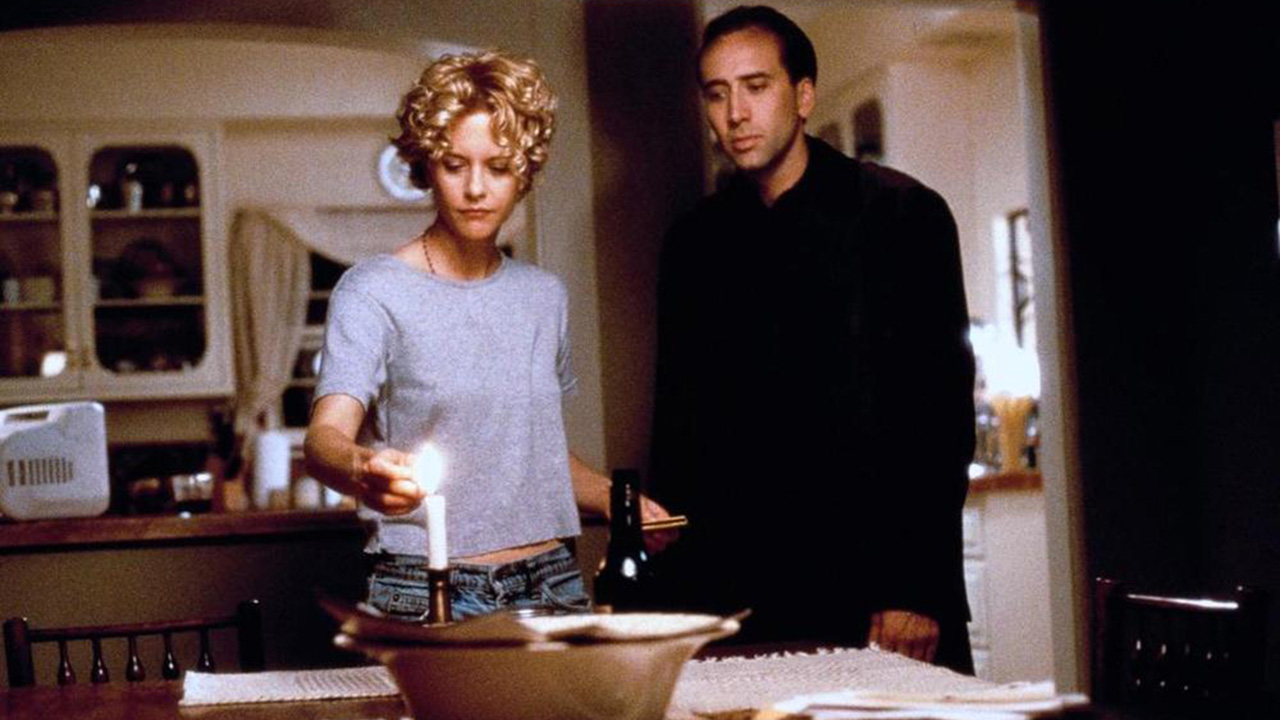
m.media-amazon.com/images/I/61X-PuyzEqL._AC_UF894,1000_QL...

minimaleffort.home.blog/wp-content/uploads/2020/09/city-o...

.............................................................................
click to activate the small icon of slideshow: the small triangle inscribed in the small rectangle, at the top right, in the photostream (it means the monitor);
or…. Press the “L” button to zoom in the image;
clicca sulla piccola icona per attivare lo slideshow: sulla facciata principale del photostream, in alto a destra c'è un piccolo rettangolo (rappresenta il monitor) con dentro un piccolo triangolo nero;
oppure…. premi il tasto “L” per ingrandire l'immagine;
www.fotografidigitali.it/gallery/2726/opere-italiane-segn...
………………………………………………………………………
What I present here on Flickr is a photographic account of the festival held every year in Palazzolo Acreide (Syracuse) in honor of Saint Michael the Archangel. This year the festival was celebrated on October 5th. The cult of Saint Michael the Archangel in Palazzolo Acreide seems to date back to the Arab-Norman period of Sicily (in Sicily, that period from the Arab conquest, 827 AD, which took it from the Byzantines, until the complete domination of the Normans, around 1194 AD). This is an era in which Sicily became a "container" of the most diverse cultures, Byzantine, Arab, Latin, Norman, thus creating a cultural, artistic and scientific synthesis: in this period, Christians invoked the "fighting" Archangel so that He could help them drive the Saracens from ancient Palazzolo (Palatiolum). On the eve of the liturgical feast (28 September), the “sciuta ra cammina” takes place, or what in other Sicilian feasts is called “la svelata” (the unveiled). The curtain covering the statue of the Archangel, placed in a “small room” above the main altar, is opened. Remaining behind the curtain, it is blocked from view for almost the entire year. The statue, now exposed for the adoration of the faithful, is moved forward a little (“sciuta ra cammina”, or “la svelata – the exit that walks” referring to the statue, which is carried forward). On the day of the big celebration, at 11:00 a.m., there will be a "hot air balloon launch." The organizers explained to me that the hot air balloons are made entirely of paper. The writing is also made with paper letters that are then glued together. The hot air produced beneath the balloons will make them fly. This year, the writing was in tune with the echo of the "People of Peace" movement, which hopes for an end to the war in Ukraine, waged by Russia, and for an end to Israeli oppression of the Palestinian people. At 1:00 pm the “sciuta” takes place, or the “exit” of the float with the statue of the Saint on it, carried on the shoulders of the devout bearers, to begin the procession. At that eagerly awaited moment, the fireworks are set off simultaneously, as are the “nzareddi” (long ribbons of colored paper, along with large confetti (the same ones seen during the exit of San Paolo, for his feast day, always in Palazzolo A.), the faithful explode in displays of jubilation, with their arms stretched high and invoking San Michele in a loud voice (this seems contagious to me, I too felt the need to raise my arms to the sky invoking San Michele, despite the photographic equipment….:o))…), the festive music of the marching band. Thus begins the procession toward the neighboring neighborhoods. The float is carried bare-shouldered by devout bearers. Long banners proceed at the front of the procession. Many devout women walk barefoot. Many children, both boys and girls, are lifted up and shown to the Archangel to ask for his spiritual intercession to protect them from evil. In thanksgiving, donations of banknotes or gold jewelry are made. Some typical curiosities of this celebration include: the statue of Saint Michael wears a breastplate made from gold from votive offerings donated over the centuries. It was later decided to melt them down and create his "gold-colored" breastplate. The statue of the Archangel, unlike what is seen in other Sicilian celebrations (usually from the "camera" located on the main altar, the saint, or saints, is made to descend by sliding on two tracks to reach the float, placed in front of the altar), here in Palazzolo A., instead, the simulacrum of the Archangel descends with a special ancient "elevator", placed under the small room, then behind the main altar, then lovingly carried in arms up to the float; on the shield of the Archangel, in the church that bears his name, on the T-shirts of the devotees, and on those of the boys and girls exposed to the Archangel, one reads "Quis ut Deus", it is the Latin translation of the name Michael (in Hebrew Mîkhā’ēl), which means “Who is like God?”, this expression is traditionally attributed to Saint Michael the Archangel, leader of the celestial armies, because, according to Christian tradition, it was the cry he uttered when he rebelled against Satan and his angels during the battle in heaven, affirming both the supremacy and uniqueness of God, and his devotion and loyalty towards the divine.
.………………………………………………
Questo che presento qui su Flickr, è un racconto fotografico della festa che si tiene ogni anno a Palazzolo Acreide (Siracusa) in onore di San Michele Arcangelo, quest’anno la festa è stata celebrata il 5 ottobre. Il culto per San Michele Arcangelo a Palazzolo Acreide, sembra risalga al periodo arabo-normanno della Sicilia (in Sicilia quel periodo che va dalla conquista araba, 827 d.C, che la sottrae ai Bizantini, fino al completo dominio dei Normanni, circa 1194 d.C.), questa è un’epoca nella quale la Sicilia diviene un “contenitore” di culture le più diverse, bizantina, araba, latina, normanna, realizzandosi in tal modo una sintesi culturale, artistica e scientifica: in questo periodo i Cristiani invocano l’Arcangelo “che combatte” affinchè Egli li possa aiutare a scacciare i Saraceni dall’antica Palazzolo (Palatiolum). Il giorno della vigilia della festa liturgica (28 settembre), si ha la “sciuta ra cammina”, ovvero quella che in altre feste siciliana si chiama “la svelata”, si apre la tenda che copre la statua dell’Arcangelo, posta in una “cameretta” posta sopra l’altare maggiore, restando dietro la tenda viene preclusa alla vista per quasi tutto l’anno, la statua esposta ora all’adorazione dei fedeli, viene fatta avanzare di poco (“sciuta ra cammina”, ovvero “la svelata-l’uscita che cammina” riferita alla statua, che viene portata in avanti). Il giorno della grande festa alle ore 11:00 c’è la manifestazione del “lancio delle mongolfiere”, gli organizzatori mi hanno spiegato che le mongolfiere sono realizzate completamente con la carta, le scritte sono fatte anch’esse con lettere di carta poi incollate, l’aria calda prodotta sotto tali mongolfiere le farà volare: quest’anno le scritte erano in sintonia con quella eco del “Popolo della Pace” che spera nella fine della guerra in Ucraina ad opera della Russia, e nella fine della oppressione Israeliana verso il popolo Palestinese. Alle ore 13:00 avviene la “sciuta”, ovvero “l’uscita” della vara con sopra il simulacro del Santo, portato in spalla dai devoti portatori, per iniziare la processione, in quel momento, attesissimo, avviene in contemporanea lo sparo dei fuochi d’artificio, lo sparo degli “nzareddi” (sono lunghi nastri di carta colorata, insieme a grossi coriandoli (gli stessi si assistono durante l’uscita di San Paolo, per la sua festa, sempre a Palazzolo A.), i fedeli esplodono in manifestazioni di esultanza, con le braccia protese in alto ed invocando San Michele a gran voce (cosa questa che a me sembra contagiosa, anch’io ho sentito il bisogno di alzare le braccia al cielo invocando San Michele, nonostante l’attrezzatura fotografica….:o))…), la musica festosa della banda musicale. Inizia così la processione verso i quartieri vicini, la vara viene portata con la “spalla nuda” dai devoti portatori, lunghi stendardi procedono davanti nella processione, molte donne devote camminano a piedi scalzi, molti bimbi o bimbe, vengono alzati e mostrati all’Arcangelo, per chiedere la sua intercessione spirituale per essere protetti dal male, in ringraziamento ci sono donazioni di bancanote o monili d’oro. Alcune curiosità tipiche di questa festa sono: la statua di San Michele ha una corazza realizzata con l’oro proveniente dagli Ex Voto donati nei trascorsi secoli, poi si decise di fonderli e realizzare la sua corazza “color oro”; la statua dell’Arcangelo a differenza di ciò che si vede in altre feste siciliane (in genere dalla “cameretta” che si trova sull’altare maggiore, il santo, o più santi, viene fatto scendere scorrendo su due binari per giungere sulla vara, posta davanti l’altare), qui a Palazzolo A., invece il simulacro dell’Arcangelo scende con un particolare antico “ascensore”, posto sotto la cameretta, quindi dietro l’altare maggiore, poi portato amorevolmente in braccio fin sopra la vara; sullo scudo dell’Arcangelo, nella chiesa che porta il suo nome, sulle magliette dei devoti, su quelle dei bimbi e bimbe esposte all’Arcangelo, si legge “Quis ut Deus”, è la traduzione in latino del nome Michele (in ebraico Mîkhā’ēl), che appunto significa “Chi è come Dio?”, questa espressione è tradizionalmente attribuita a San Michele Arcangelo, capo delle milizie celesti, perché, secondo la tradizione cristiana, fu il grido che egli pronunciò quando si ribellò a Satana e ai suoi angeli durante la battaglia in cielo, affermando e la supremazia e unicità di Dio, e la sua devozione e lealtà verso il divino. .
...........................................
“……………………………………”
“…………………………………..”
-----------------------------------------------------------------
click to activate the icon of slideshow: the small triangle inscribed in the small rectangle, at the top right, in the photostream;
or…. Press the “L” button to zoom in the image;
clicca sulla piccola icona per attivare lo slideshow: sulla facciata principale del photostream, in alto a destra c'è un piccolo rettangolo (rappresenta il monitor) con dentro un piccolo triangolo nero;
oppure…. premi il tasto “L” per ingrandire l'immagine;
www.worldphoto.org/sony-world-photography-awards/winners-...
www.fotografidigitali.it/gallery/2726/opere-italiane-segn...
…………………………………………………………………
This photographic story was made on the occasion of the "Laurel and Sacred Oils feast" which took place this year 2022 on Easter Monday in the Sicilian town of Forza D'Agrò (in the province of Messina), after a long stop due to the Covid-19 pandemic; this is a traditional event that has taken place for centuries with changes that have come about over the years, in fact once the population of Forza D'Agrò went in procession to the Norman monastery of Saints Peter and Paul where the Holy Oils were kept: this church is located in the village of Casalvecchio Siculo (Forza D'Agrò and Casalvecchio Siculo are located on two mountains, the two villages are visible to each other, since in ancient times this represented a very fast means to be able to communicate visually between them, in case of raids by Saracen pirates), this church was built by the Normans, it was originally located on the opposite side of where it is now located, this is because a flood of the Agrò river had endangered this structure, which had also been sacked by the Arabs, it was decided to secure it, it was completely dismantled, and then rebuilt, on the opposite side and further up from the river bed); the feast then took place when Roger II, called the Norman, granted the abbot Cerasino the possibility of rebuilding this abbey (diploma of donation of 1117), but not only ... the monks of this abbey were, again by Roger II, equipped with some fixed income, and even the complete ownership of an entire village, the current Forza D'Agrò, was given to them, with absolute power of the monks over the things and people of the village. Then, the Sacred Oils were brought from this Abbey to the church of San Michele Arcangelo (today a ruin) which is located in a district of Forza D'Agrò, with the population who used to adorn themselves for this procession with colored silk ribbons, to which over time, laurel branches were added, also carried by devotees in procession. The festival is essentially based on three strongly symbolic elements, the laurel, the Holy Oil, and the "cuddure". "The laurel" represents the "victory of Christ over Death", in fact the festival takes place on the "Day of the Angel, during the Easter period", a day that recalls that the Resurrection of Christ took place; laurel is a strongly symbolic and fragrant plant, it is used in this context, for elaborate compositions that adorn "the banners", they can be small because they are made by children, up to very large and high (difficult to hold up when there is wind due to the strong "sail effect" they cause), are made with load-bearing structures made of cane or wood, which serve to hold the fabrics on which they are sewn one by one, laurel leaves, creating drawings of a religious nature, banners that participate in a competition for the best realization (each banner in fact carries a number, as a reference for the voting jury); "Holy Oil", an element used for anointing the sick and invoking their healing, represents "redemption from sin" and "spiritual healing", is carried in procession, also a symbol of the Holy Spirit who embraces the body and soul of man and that refers to Christ, "the Anointed"; finally "the cuddure" (they are small circular loaves, with naturally leavened intertwined and dough, on which a symbol is imprinted), and they symbolize "prosperity", but also "charity", and that is why the brothers of the SS. Trinity distribute them to the people present at the feast as a sign of gift. This year, however, due to the restrictions of Covid-19, the "cuddure" did not take place, the "blessing of the Holy Oils" was performed in the Mother Church, and not in the characteristic square in the center of the town , while the procession was made along a short route, and not along the traditional route which, after having crossed the center of the town, then circumscribes it along its entire periphery. As explained above, this festival is also called "'a festa d'u d'auru" (the laurel feast), or "' the feast of cudduredde" (the feast of small donut-shaped loaves); the "banners awarding" will close this characteristic feast, to the great joy of all those who participated.
.........................................................................................
Questo racconto fotografico, è stato realizzato in occasione della “festa dell’Alloro e degli Oli Sacri” che si è svolta quest’anno 2022 il giorno del Lunedì dell’Angelo nel paese siciliano di Forza D’Agrò (in provincia di Messina), dopo un lungo stop a causa della pandemia da Covid-19; è questo un evento tradizionale che si svolge da secoli con delle modifiche che sono venute a crearsi negli anni, infatti un tempo la popolazione di Forza D’Agrò andava in processione fino al monastero normanno dei Santi Pietro e Paolo ove erano custoditi gli Oli Santi: tale chiesa si trova nel paese di Casalvecchio Siculo (Forza D’Agrò e Casalvecchio Siculo si trovano su due monti, i due paesi sono visibili l’un l’altro, poiché anticamente questo rappresentava un mezzo rapidissimo per poter comunicare visivamente tra loro, in caso di scorribande di pirati saraceni), tale chiesa fu costruita dai Normanni, essa originariamente si trovava sul versante opposto rispetto a dove è situata ora, questo perchè una piena del fiume d’Agrò aveva messo in pericolo tale struttura, ma essa era anche stata saccheggiata dagli Arabi, si decise così di metterla in sicurezza, fu smontata completamente, per poi essere riedificata, sul versante opposto e più distante in alto rispetto al letto del fiume); la festa quindi ebbe luogo quando Ruggero II, detto il Normanno, concesse all’abate Cerasino la possibilità di riedificare tale abazia (diploma di donazione del 1117), ma non solo…i monaci di tale abazia furono, sempre da Ruggero II, dotati di alcuni redditi fissi, ed addirittura venne data a loro la completa proprietà di un intero villaggio, l’attuale Forza D’Agrò, con assoluto potere dei monaci su cose e persone del villaggio. Quindi, gli Oli Sacri venivano portati da tale Abazia alla chiesa di San Michele Arcangelo (oggi un rudere) che si trova in una contrada di Forza D’Agrò, con la popolazione che anticamente usava adornarsi per tale processione con nastri di seta colorati, ai quali col tempo, sono andati ad aggiungersi i rami di alloro, portati anche questi dai devoti in processione. La festa si basa essenzialmente su tre elementi fortemente simbolici, l’alloro, l’Olio Santo, e le “cuddure”. “L’alloro” rappresenta la “vittoria del Cristo sulla Morte”, infatti la festa si svolge il “Giorno dell’Angelo” durante il periodo Pasquale, giorno che rievoca che è avvenuta la Resurrezione del Cristo; l’alloro è una pianta fortemente simbolica e profumata, essa viene utilizzata in questo contesto, per elaborate composizioni che adornano “gli stendardi”, i quali sono dei drappi-vessilli, possono essere di piccole dimensioni perché realizzati dai bambini, fino a molto grandi ed alti (difficili da reggere quando c’è vento per il forte “effetto vela” che essi causano), sono realizzati con delle strutture portanti fatte di canna o di legno, che servono a reggere le stoffe sulle quali vengono cucite una ad una, le foglie di alloro, realizzando dei disegni di carattere religioso, stendardi che partecipano ad una gara per la migliore realizzazione (ogni stendardo infatti porta un numero, come riferimento per la giuria votante); “l’Olio Santo” è un elemento usato per l’unzione dei malati ed invocarne la guarigione, rappresenta la “redenzione dal peccato” e la “guarigione spirituale”, viene portato in processione (insieme a delle foglie di alloro), anch’esso simbolo dello Spirito Santo che abbraccia corpo ed anima dell’uomo e che rimanda a Cristo, “l’Unto”; infine “le cuddure” (sono dei piccoli pani di forma circolare, con la pasta lievitata naturalmente ed intrecciata, su cui è impresso un simbolo), esse simboleggiano la “prosperità”, ma anche la “carità”, è per questo che i confrati della SS. Trinità li distribuiscono alle persone presenti alla festa in segno di dono. Quest’anno però, a causa delle restrizioni causate dal Covid-19, le “cuddure” non si sono fatte, la “benedizione degli Oli Santi” è stata eseguita nella Chiesa Madre, e non nella caratteristica piazza che si trova nel centro del paese, mentre la processione è stata fatta lungo un breve percorso, e non lungo il percorso tradizionale, molto più lungo, che dopo aver attraversato il centro del paese, poi lo circoscrive lungo tutta la sua periferia. Per quanto esposto prima, tale festa viene chiamata anche "a’ festa d'u d'auru" (la festa dell'alloro), oppure "a’ festa di cudduredde" (la festa dei piccoli pani a forma di ciambella); la "premiazione degli stendardi" chiude questa caratteristica festa, tra la grandissima gioia di tutti coloro che vi hanno partecipato.
------------------------------------------------------
Festa dell'Alloro 2015 Forza d'Agrò
Forza D'Agrò (Me) - La tradizionale "Festa dell'Alloro"
La festa dell'alloro di Ferza d'Agrò
FORZA D'AGRO' - Festa dell'Alloro - 28 Marzo 2016
Festa dell'alloro e della cuddura a Forza D'Agrò
....................................................................
OH MIO DIO Trailer della commedia di Giorgio Amato
OH MIO DIO | Intervista al regista Giorgio Amato
LE TESTIMONIANZE DI CHI HA SENTITO PARLARE GESU'
Oh mio dio marzullo Giorgio amato
...............................................
This photograph was taken in Kanazawa Castle Park Gyokusen’inmaru garden during our recent visit to Japan.
The camera on tripod was placed adjacent to the Gyokusen’an Rest House, looking towards the garden and stone walls during the light-up sequence. The lighting sequence, with music, invoked the garden at sunset, evening or moon gazing. The colours of the lights and projections on stone walls changed during the sequence, resulting in captivating scenes.
The still water in the small ponds provided mirror-like reflections to the trees and other structures.
Mentre girava per il bazar e guardava gli oggetti in vendita in un negozio, uno yogi disse alla propria mente: «O mente, di te si dicono meraviglie. Mostrami uno dei tuoi miracoli!».
Di lì a poco un uomo che vendeva miele intinse un dito nel miele e lo strisciò sul muro. Immediatamente dozzine di mosche cominciarono a ronzare vicino al muro per mangiare il miele. In pochi minuti se ne radunò un numero impressionante.
Una lucertola vide le mosche e s'avventurò allo scoperto per mangiarle. La vide un gatto, che le balzò addosso e se la pappò in un boccone. Un cane, vedendo il gatto, lo inseguì e lo uccise. Ma era il gatto del negoziante, e questi, preso dalla rabbia, percosse il cane con un bastone.
Il cane apparteneva a un cliente, che si infuriò e cominciò a litigare col negoziante finché non vennero alle mani. I negozianti vicini corsero a dar man forte al negoziante mentre altri passanti si schierarono col cliente. Ne venne fuori una rissa che coinvolse tutto il bazar.
Mentre accorrevano le guardie, richiamate dal clamore e dal parapiglia, la mente disse allo yogi: «Ecco fatto!»
(Parabola indù) --------------As she turned and looked through the bazaar items for sale in a shop, a yogi said to his mind: "O mind, you say you wonder. Show me one of your miracles. "
Shortly thereafter, a man selling honey dipped a finger in honey and smear on the wall. Immediately dozens of flies began to buzz close to the wall for eating honey. Within minutes he gathered an impressive number.
A lizard saw the flies and ventured into the open to eat. He saw a cat that jumped on him and if the jelly in one bite. A dog saw the cat, chased him and killed him. But it was the cat of the dealer, and these, taken by anger, struck the dog with a stick.
The dog belonged to a customer who was enraged and began arguing with the seller until they came to blows. Shopkeepers nearby rushed to give a hand to the dealer and other passers-by lined up with the customer. It came out of a brawl that involved all over the bazaar.
While the guards came running, invoke the clamor and confusion, the mind to the yogi said, "There!"
(Parabola Hindu)
The Year of the Dragon
( Sorry I am a little late on this)
Outfit: Brillance Ling Set
( Red & Gold)
Unleash the power of the dragon within and venture into the mystique of the East with this exquisite outfit. Complete with a customizable top, bottoms, and shoes, each piece is crafted to fit mesh bodies such as Legacy, Perky, Maitreya, Petite, Reborn, and Gen X. Elevate your style and embrace the allure of the East today!
Hair: Sintiklia Mei Hair ( White)
Makeup: Huadian Empress *Red* Glitter Art
littleaxolotl Tang Set
Tattoo: GIF Yuki Tattoo
Avi Accessory: {egosumaii} Profane Guardian Rare
Skin: Poppet (Suki) Snow
========================
Brillance Info
•TP - maps.secondlife.com/secondlife/Champagne/78/154/22
•VK - vk.com/brillancia •Flickr - www.flickr.com/photos/157778862@N04/
•Flickr grup - www.flickr.com/groups/14738318@N25/pool/
•Marketplace - marketplace.secondlife.com/stores/208881/
According to Pliny, the Roman historian, (died AD 79 as a result of the eruption of Vesuvius), garlic and onions were invoked as deities by the Egyptians, at the taking of oaths.
If you smell garlic on the breath of lawyers or politicians, then you know the reason why, and what their religious tendencies might be.
A recent return to traffic for 37099 "Merl Evans 1947-2016" after its release from a lengthy overhaul saw its split headcode box removed, however a fresh lick of paint has freshened up its tired appearance. The tractor is seen in early morning sunshine at Raynors Crossing, Stenson, returning from a night of activity around Merseyside, with the 3Q89 20.50 (Thurs) Derby RTC-Derby RTC via Liverpool Lime Street and Southport test train, running 15 minutes early. While an image doesn’t really invoke a depiction of sound, the noise of it pulling away from North Staffs Junction was great.
Taken with the assistance of a pole.
Not original by any means but for me this image just invokes the memory of what I think of when I’m missing being out west in Wyoming.
能 - 百万
Noh - Hyakuman
---小川-Portfolio---
***Art Limited**Tumblr**Fotoblur*5px 小川 *5px B&W* *Béhance*
© Ogawasan 小川/Bach.sacha.Photography. All Rights Reserved.
The early morning sky sat like a layered merengue on the base of the lower fells. The sign was set in focus at f8 and it is superbly well pictured as I was shaking slightly. Modern camera and lens combinations can combat some human flaws. My human flaws are really bothering me, but equipment is performing minor miracles at times. This sign in a 35mm frame handheld from a zoom lens could easily have been either a wasted frame, or scene that I would have pictured differently with a tripod and a remote release. Technology does not cure everything, it can at times be an almost unbelievable boo. IBIS as In-Body Image Stabilization and lenses with OSS that’s Optical SteadyShot Image stabilization is giving me access to lower ISO and to more creative control of Aperture and Shutter Speed. My ill shaking self surprised me in editing this picture that at f.8, 1/250 of a Second with digital simulated 400 ISO the resulting file was sharper on the chosen point of focus than I thought was going to be the RAW file.
© PHH Sykes 2024
phhsykes@gmail.com
Hardknott Roman Fort English Heritage
www.english-heritage.org.uk/visit/places/hardknott-roman-...
Hardknott Roman Fort
en.wikipedia.org/wiki/Hardknott_Roman_Fort
The Fort at River's Bend
en.wikipedia.org/wiki/The_Fort_at_River%27s_Bend
Roman Lake District Audio Guides
English Heritage Audio Guides
soundcloud.com/ehaudio/sets/roman-lake-district-audio-guides
Hardknott mentioned in this Sonnet.
William Wordsworth
From, The River Duddon, A Series Of Sonnets, 1820. Numbered XVII 17
A dark plume fetch me from yon blasted yew,
Perched on whose top the Danish Raven croaks;
Aloft, the imperial Bird of Rome invokes
Departed ages, shedding where he flew
Loose fragments of wild wailing, that bestrew
The clouds and thrill the chambers of the rocks;
And into silence hush the timorous flocks,
That, calmly couching while the nightly dew
Moistened each fleece, beneath the twinkling stars
Slept amid that lone Camp on Hardknot’s height,
Whose Guardians bent the knee to Jove and Mars:
Or, near that mystic Round of Druid frame
Tardily sinking by its proper weight
Deep into patient Earth, from whose smooth breast it came!
Last minute entry for Thirty Thursday, invoking the GE 30 clause. Amtrak P30CH pooch No. 707 and litter mates hang out at the Sanford FL diesel shop in September 1987, as seen from the vestibule of the Silver Meteor.
España - Málaga - Teba - Castillo
ENGLISH
High on a rocky saddle in the mountains east of Ronda, some 15km north of Ardales, the small (pop: 4,000) town of Teba has one of the most extraordinary historical connections of any of Andalucía's pueblos.
Like many of its neighbours - although Teba doesn't have that many neighbours in this wild, semi-agricultural mountain region - Teba has a history stretching back to Roman and Neolithic times. Its true to claim to fame, however, is in the events of 25 August 1330. In the thick of the Reconquest, that year Teba was under siege by the armies of King Alfonso XI of Castilla, determined to take this important strategic site from the occupying Moors.
That day in 1330, Alfonso's forces received unexpected police backup from the army being led to the Crusades by Sir James Douglas, or Black Douglas, a fearsome warrior whose name was invoked against misbehaving children for centuries afterwards. Douglas had helped Robert the Bruce defeat Edward II and the English at Bannockburn in 1314. When Robert the Bruce died in 1329, his heart was cut out and placed in a small silver casket, said to be one of the king's favourites, and was taken by Douglas on his Crusade, ostensibly to give cheer to the soldiers.
En route through Spain, Douglas encountered Alfonso's army, and presented himself and a letter of introduction from then King Edward III. The bloodthirsty Crusader eagerly threw his forces behind those of Alfonso's, and in an attempt to inspire his men into even greater bravery hurled the locket containing Robert the Bruce's heart into the fray, plunging in after it.
The locket was retrieved but, alas, Black Douglas wasn't. The locket was returned to Melrose Abbey, where the new king, David II, son of Robert, wanted it buried. During archaeological investigations in 1996, a small container was found in the alleged site of the burial. It was found to contain a small conical casket about ten inches high by four in diameter at its base, tapering to a flat lid at the top about one and a half inches across. Although worn with age the casket was still in good condition and bore a legible inscription: 'The enclosed leaden casket containing a heart was found beneath Chapter House floor, March 1921, by His Majesty's Office of Works.' The casket containing the heart was not re-opened on this occasion, but buried again during a private ceremony at Melrose Abbey on 22 June 1998.
This was by no means Teba's only unlikely collision with Scottish history. The Moors repelled Alfonso and the unfortunate Black Douglas that year. A later passing Scottish Crusader army, led by the Earl of Selkirk, also engaged Teba's Moorish rulers, leaving behind a one-ton slab of Dumfriesshire marble, which is nowadays a commemorative plaque in the town's central Plaza de España, renamed Plaza de Douglas in the Crusader's honour. Alfonso's force s finally took the town in 1389.
Teba's earlier history is less dramatic. There is evidence of Neolithic settlements here and nearby in the Pilarejoarea and in the Palomas caves. The Romans considered it an important settlement, building the first defensive settlement at the hilltop site they called Attegua but now known as Teba la Vieja (Old Teba). It is said to have been the site of a famous battle between Julius Caesar and Pompey. In the 8th century invading Moors reinforced the Roman site with a walled interior precinct, or bailey, but shortly after the Moorish invasion the settlement was moved below the abandoned castle, and the settlement renamed Ostipo.
In its remote situation, Teba 'sat out' much of post-Reconquest history, perched above vast, dramatic sweeps of largely uninhabited farmland owned by the so-called latifundistas, basically, absentee landlords. Its wealth can be seen in the many mansions and handsome town houses lining its streets.
*******************************************************************************
ESPAÑOL
Teba es villa y municipio de la provincia de Málaga, en la comunidad autónoma de Andalucía, España. Está situado en el noroeste de la provincia, en la comarca de Guadalteba y dentro del partido judicial de Antequera.4
Su término municipal está atravesado por el río que da nombre a la comarca y ocupa una extensión de 142,95 km² que se extienden sobre un paisaje alomado de campos de cereales y olivar, a una altitud media de 555 msnm. Tiene una población de 4.001 habitantes, según la revisión del padrón municipal de 1 de enero de 2014.
El núcleo urbano de Teba se compone de casas blancas de arquitectura vernácula andaluza y viviendas señoriales y palacetes, presididos por un castillo andalusí y una iglesia barroca del siglo XVIII.5 La economía del municipio se sustenta en la agricultura y la ganadería, especialmente en la cría de porcinos y el cultivo del trigo y el olivo.
Los distintos yacimientos del municipio indican que el territorio de Teba estuvo poblado desde el Paleolítico y que fue un asentamiento íbero, romano y andalusí. Fue incorporado a la Corona de Castilla en 1330 por Alfonso XI, siendo instaurado el Condado de Teba en 1522 cuando la localidad y sus tierras ya estaban dominadas por el clan de los Guzmanes. Durante los siglos XIX y XX Teba destacó entre su entorno por la fuerza con que arraigó el movimiento obrero.
El término municipal de Teba tiene una extensión de 142,95 km². El casco urbano se encuentra situado a una altura de 555 metros sobre el nivel del mar. El terreno es predominantemente montañoso y abarca los cerros de Román y Gordo, que lo separan del municipio de Campillos; el de la Higuera, que limita con Ardales; el de Altamira, junto al límite con Almargen; los de San Cristóbal, la Camorra y el Camorrillo en la denominada Sierra de Teba o de La Camorra, la loma de La Lentejuela en la Sierra del mismo nombre y el de Enmedio en la Sierra de Ortegícar. Las mayores alturas las alcanzan el Cancho de Enmedio con 895 msnm y la Sierra de la Camorra con 750 msnm.
Todo el municipio se encuentra en la cuenca del río Guadalhorce, siendo los ríos principales el río Almargen o de La Venta y el río Guadalteba, el primero afluente del segundo, que a su vez es afluente del Guadalhorce. Los restantes cursos de agua son arroyos de escasa importancia que vierten sus aguas al mencionado río o directamente al Embalse del Guadalteba.
So, I am finally back, sort of. After coming down with a condition called Costochondritis (Inflammation of soft tissue around ribs and sternum) from inhaling mold from the inside of an abandoned car, then discovering I have an acute allergy to dust as well, I am on an adventure to reshape my life health wise.
Now, about the photo, after watching a video, one of those top ten vids on YT, about dark things discovered on the internet (check out channel: Lazy Masquerade), it got me thinking about the many days during my younger years, my twenties and early thirties, when I DID view such extreme material frequently and why? I believe it was to do with drowning out my existing trauma, but viewing such extreme and graphic footage as well as invoking emotions in me, also spurred on by addiction, that also operated as a form of Self Injury (the emotional form).
It is quite common for those who have suffered such trauma(s), to seek extremes of things to essentially awaken something inside. It is in a bizarre way, one who is traumatised, essentially relives the trauma through invocation of extreme emotions, brought on this way.
If anyone finds themselves in this dilemma, please consider looking into yourself as to what it is that fuels these negative desires, that is something you need to cure. For me, I discovered this type of viewing simply left me feeling depressed and it weakens the soul, as is with thinking alcohol helps you hod on, it is a false therapy and does more harm than good, so I gave it up. Permanently!
I hope everyone is well and so as always, thank you.
PS: Please go to my Instagram page and look for my post alongside Italian Metal band Octo Crura: tinyurl.com/3umv49td
……………………………….
Poster:
Locandina:
m.media-amazon.com/images/I/81jc866255L._AC_SX679_.jpg
pad.mymovies.it/filmclub/2006/06/239/coverlg.jpg
m.media-amazon.com/images/I/61X-PuyzEqL._AC_UF894,1000_QL...
minimaleffort.home.blog/wp-content/uploads/2020/09/city-o...
.............................................................................
click to activate the small icon of slideshow: the small triangle inscribed in the small rectangle, at the top right, in the photostream (it means the monitor);
or…. Press the “L” button to zoom in the image;
clicca sulla piccola icona per attivare lo slideshow: sulla facciata principale del photostream, in alto a destra c'è un piccolo rettangolo (rappresenta il monitor) con dentro un piccolo triangolo nero;
oppure…. premi il tasto “L” per ingrandire l'immagine;
www.fotografidigitali.it/gallery/2726/opere-italiane-segn...
………………………………………………………………………
What I present here on Flickr is a photographic account of the festival held every year in Palazzolo Acreide (Syracuse) in honor of Saint Michael the Archangel. This year the festival was celebrated on October 5th. The cult of Saint Michael the Archangel in Palazzolo Acreide seems to date back to the Arab-Norman period of Sicily (in Sicily, that period from the Arab conquest, 827 AD, which took it from the Byzantines, until the complete domination of the Normans, around 1194 AD). This is an era in which Sicily became a "container" of the most diverse cultures, Byzantine, Arab, Latin, Norman, thus creating a cultural, artistic and scientific synthesis: in this period, Christians invoked the "fighting" Archangel so that He could help them drive the Saracens from ancient Palazzolo (Palatiolum). On the eve of the liturgical feast (28 September), the “sciuta ra cammina” takes place, or what in other Sicilian feasts is called “la svelata” (the unveiled). The curtain covering the statue of the Archangel, placed in a “small room” above the main altar, is opened. Remaining behind the curtain, it is blocked from view for almost the entire year. The statue, now exposed for the adoration of the faithful, is moved forward a little (“sciuta ra cammina”, or “la svelata – the exit that walks” referring to the statue, which is carried forward). On the day of the big celebration, at 11:00 a.m., there will be a "hot air balloon launch." The organizers explained to me that the hot air balloons are made entirely of paper. The writing is also made with paper letters that are then glued together. The hot air produced beneath the balloons will make them fly. This year, the writing was in tune with the echo of the "People of Peace" movement, which hopes for an end to the war in Ukraine, waged by Russia, and for an end to Israeli oppression of the Palestinian people. At 1:00 pm the “sciuta” takes place, or the “exit” of the float with the statue of the Saint on it, carried on the shoulders of the devout bearers, to begin the procession. At that eagerly awaited moment, the fireworks are set off simultaneously, as are the “nzareddi” (long ribbons of colored paper, along with large confetti (the same ones seen during the exit of San Paolo, for his feast day, always in Palazzolo A.), the faithful explode in displays of jubilation, with their arms stretched high and invoking San Michele in a loud voice (this seems contagious to me, I too felt the need to raise my arms to the sky invoking San Michele, despite the photographic equipment….:o))…), the festive music of the marching band. Thus begins the procession toward the neighboring neighborhoods. The float is carried bare-shouldered by devout bearers. Long banners proceed at the front of the procession. Many devout women walk barefoot. Many children, both boys and girls, are lifted up and shown to the Archangel to ask for his spiritual intercession to protect them from evil. In thanksgiving, donations of banknotes or gold jewelry are made. Some typical curiosities of this celebration include: the statue of Saint Michael wears a breastplate made from gold from votive offerings donated over the centuries. It was later decided to melt them down and create his "gold-colored" breastplate. The statue of the Archangel, unlike what is seen in other Sicilian celebrations (usually from the "camera" located on the main altar, the saint, or saints, is made to descend by sliding on two tracks to reach the float, placed in front of the altar), here in Palazzolo A., instead, the simulacrum of the Archangel descends with a special ancient "elevator", placed under the small room, then behind the main altar, then lovingly carried in arms up to the float; on the shield of the Archangel, in the church that bears his name, on the T-shirts of the devotees, and on those of the boys and girls exposed to the Archangel, one reads "Quis ut Deus", it is the Latin translation of the name Michael (in Hebrew Mîkhā’ēl), which means “Who is like God?”, this expression is traditionally attributed to Saint Michael the Archangel, leader of the celestial armies, because, according to Christian tradition, it was the cry he uttered when he rebelled against Satan and his angels during the battle in heaven, affirming both the supremacy and uniqueness of God, and his devotion and loyalty towards the divine.
.………………………………………………
Questo che presento qui su Flickr, è un racconto fotografico della festa che si tiene ogni anno a Palazzolo Acreide (Siracusa) in onore di San Michele Arcangelo, quest’anno la festa è stata celebrata il 5 ottobre. Il culto per San Michele Arcangelo a Palazzolo Acreide, sembra risalga al periodo arabo-normanno della Sicilia (in Sicilia quel periodo che va dalla conquista araba, 827 d.C, che la sottrae ai Bizantini, fino al completo dominio dei Normanni, circa 1194 d.C.), questa è un’epoca nella quale la Sicilia diviene un “contenitore” di culture le più diverse, bizantina, araba, latina, normanna, realizzandosi in tal modo una sintesi culturale, artistica e scientifica: in questo periodo i Cristiani invocano l’Arcangelo “che combatte” affinchè Egli li possa aiutare a scacciare i Saraceni dall’antica Palazzolo (Palatiolum). Il giorno della vigilia della festa liturgica (28 settembre), si ha la “sciuta ra cammina”, ovvero quella che in altre feste siciliana si chiama “la svelata”, si apre la tenda che copre la statua dell’Arcangelo, posta in una “cameretta” posta sopra l’altare maggiore, restando dietro la tenda viene preclusa alla vista per quasi tutto l’anno, la statua esposta ora all’adorazione dei fedeli, viene fatta avanzare di poco (“sciuta ra cammina”, ovvero “la svelata-l’uscita che cammina” riferita alla statua, che viene portata in avanti). Il giorno della grande festa alle ore 11:00 c’è la manifestazione del “lancio delle mongolfiere”, gli organizzatori mi hanno spiegato che le mongolfiere sono realizzate completamente con la carta, le scritte sono fatte anch’esse con lettere di carta poi incollate, l’aria calda prodotta sotto tali mongolfiere le farà volare: quest’anno le scritte erano in sintonia con quella eco del “Popolo della Pace” che spera nella fine della guerra in Ucraina ad opera della Russia, e nella fine della oppressione Israeliana verso il popolo Palestinese. Alle ore 13:00 avviene la “sciuta”, ovvero “l’uscita” della vara con sopra il simulacro del Santo, portato in spalla dai devoti portatori, per iniziare la processione, in quel momento, attesissimo, avviene in contemporanea lo sparo dei fuochi d’artificio, lo sparo degli “nzareddi” (sono lunghi nastri di carta colorata, insieme a grossi coriandoli (gli stessi si assistono durante l’uscita di San Paolo, per la sua festa, sempre a Palazzolo A.), i fedeli esplodono in manifestazioni di esultanza, con le braccia protese in alto ed invocando San Michele a gran voce (cosa questa che a me sembra contagiosa, anch’io ho sentito il bisogno di alzare le braccia al cielo invocando San Michele, nonostante l’attrezzatura fotografica….:o))…), la musica festosa della banda musicale. Inizia così la processione verso i quartieri vicini, la vara viene portata con la “spalla nuda” dai devoti portatori, lunghi stendardi procedono davanti nella processione, molte donne devote camminano a piedi scalzi, molti bimbi o bimbe, vengono alzati e mostrati all’Arcangelo, per chiedere la sua intercessione spirituale per essere protetti dal male, in ringraziamento ci sono donazioni di bancanote o monili d’oro. Alcune curiosità tipiche di questa festa sono: la statua di San Michele ha una corazza realizzata con l’oro proveniente dagli Ex Voto donati nei trascorsi secoli, poi si decise di fonderli e realizzare la sua corazza “color oro”; la statua dell’Arcangelo a differenza di ciò che si vede in altre feste siciliane (in genere dalla “cameretta” che si trova sull’altare maggiore, il santo, o più santi, viene fatto scendere scorrendo su due binari per giungere sulla vara, posta davanti l’altare), qui a Palazzolo A., invece il simulacro dell’Arcangelo scende con un particolare antico “ascensore”, posto sotto la cameretta, quindi dietro l’altare maggiore, poi portato amorevolmente in braccio fin sopra la vara; sullo scudo dell’Arcangelo, nella chiesa che porta il suo nome, sulle magliette dei devoti, su quelle dei bimbi e bimbe esposte all’Arcangelo, si legge “Quis ut Deus”, è la traduzione in latino del nome Michele (in ebraico Mîkhā’ēl), che appunto significa “Chi è come Dio?”, questa espressione è tradizionalmente attribuita a San Michele Arcangelo, capo delle milizie celesti, perché, secondo la tradizione cristiana, fu il grido che egli pronunciò quando si ribellò a Satana e ai suoi angeli durante la battaglia in cielo, affermando e la supremazia e unicità di Dio, e la sua devozione e lealtà verso il divino. .
...........................................
Under Tolai law, a person administering punishment acting as a Duk Duk spirit (dressed in the traditional ceremonial costume on the photo) was not liable because it was said to be done by a spirit invoked and residing in that man's body. This included cases when Duk Duk burnt houses and killed people including their own relatives.
The two photo’s (Light in the Forest, Forest of Light) are connected by location and subject.
This one is taken in a small wooded area surrounding Keele Hall, Staffordshire and depicts the light shining through the trees and has the title “Light in the Forest”
The Other is a night time view of a sculpture a few hundred yards away by Diane Maclean, titled “Forest of Light” situated in the grounds of Keele University, Staffordshire.
Both images together invoke many meanings and connotations to an individual, I’ll leave it to you to decide……………...
In the island's northwest lies this sinuous canyon seemingly carved into the earth by a master builder. The exposed rock and lack of plant life are quite startling and invoke a quiet sense of awe. The canyon's rounded edges and sharp corners create a symphony in stone of imposing proportions. You can climb up to the intersection of two narrow vertical canyons and drink from a chah (well) that has been used by shepherds for centuries.
The Angolan Pavilion for the 56th Biennale di Venezia is titled “On Ways of Travelling,” yet the exhibition more accurately invokes some of the barriers to the freedom of movement that are experienced by many in Angola, and elsewhere in Africa – visas, economic hardship, borders and road traffic. Yet “travel,” in this context, is not only meant to signify physical movement; it also refers to the meeting of disparate worldviews, lifestyles and temporalities, as well as to states of dreaming, desire and longing for change. The subject is nowhere more relevant than the present context in La Biennale di Venezia, an essential destination for international art tourism and an early precedent for the phenomenon of the ‘global exhibition’ of contemporary art.
Approaching the Pavilion itself feels like a form of travel through time and space: the exhibition is mounted on the second floor of the Palazzo Pisani, a Baroque Venetian palace on the Grand Canal that now houses the Conservatorio Benedetto Marcello. In order to reach the installations, one traverses a richly decorated entrance hall to the sound of music students convening and rehearsing.
🔥=ЙЕШЅ🔥=ЅРѲЙЅѲЯЅ=🔥
*At МЕЙ ѲЙLЧ ЕѴЕЙТ opening Oct 20, 2023 - Nov 15, 2023.
•.: CORAZON:. Tattoo GHOST :.
•-L'Emporio&PL::*Invoked*::for Swallow XL Gauged
•blaink. - The Hall FatPack
-------------------------------------------------------------------------------------------
🔥=ЙЕШЅ🔥=ЅРѲЙЅѲЯЅ=🔥
*At ТМD ЕѴЕЙТ opening Nov 5, 2023 - Nov 31, 2023.
•f u o e y . Jean
•[MAGNIFICENT] JOEY Hair / Smart HB LeL
•[Traume] Intrusion Pants Black - .
-------------------------------------------------------------------------------------------
🔥=ЙЕШЅ🔥=ЅРѲЙЅѲЯЅ=🔥
•Orsini Jewelry MARCO Necklace🚖ѲЯЅІЙІ JЕШЕLЯЧ ЅТѲЯЕ🚖
-------------------------------------------------------------------------------------------
🔥=NEW=🔥
*At ТНЕ ШАЯЕНѲUЅЕ ЅАLЕ ЕѴЕЙТ opening Oct 23, 2023 - Nov 18, 2023.
•[TNK x TRV] - WIZARD MANDRAKE
There are thousands of species of flies in the world.
Flies are one of the weakest, yet strongest insect ever. All attempts to get rid of those flies failed.
Flies are mentioned in the Holy Qur'an:
يَا أَيُّهَا النَّاسُ ضُرِبَ مَثَلٌ فَاسْتَمِعُوا لَهُ ۚ إِنَّ الَّذِينَ تَدْعُونَ مِن دُونِ اللَّهِ لَن يَخْلُقُوا ذُبَابًا وَلَوِ اجْتَمَعُوا لَهُ ۖ وَإِن يَسْلُبْهُمُ الذُّبَابُ شَيْئًا لَّا يَسْتَنقِذُوهُ مِنْهُ ۚ ضَعُفَ الطَّالِبُ وَالْمَطْلُوبُ (73) مَا قَدَرُوا اللَّهَ حَقَّ قَدْرِهِ ۗ إِنَّ اللَّهَ لَقَوِيٌّ عَزِيزٌ (74) اللَّهُ يَصْطَفِي مِنَ الْمَلَائِكَةِ رُسُلًا وَمِنَ النَّاسِ ۚ إِنَّ اللَّهَ سَمِيعٌ بَصِيرٌ (75) يَعْلَمُ مَا بَيْنَ أَيْدِيهِمْ وَمَا خَلْفَهُمْ ۗ وَإِلَى اللَّهِ تُرْجَعُ الْأُمُورُ (76) يَا أَيُّهَا الَّذِينَ آمَنُوا ارْكَعُوا وَاسْجُدُوا وَاعْبُدُوا رَبَّكُمْ وَافْعَلُوا الْخَيْرَ لَعَلَّكُمْ تُفْلِحُونَ ۩
[The Holy Qur'an 22:73:77]
A translation of the meaning of the above verse follows:
(73) O people, an example is presented, so listen to it. Indeed, those you invoke besides Allah will never create [as much as] a fly, even if they gathered together for that purpose. And if the fly should steal away from them a [tiny] thing, they could not recover it from him. Weak are the pursuer and pursued. (74) They have not appraised Allah with true appraisal. Indeed, Allah is Powerful and Exalted in Might.
(75) Allah chooses from the angels messengers and from the people. Indeed, Allah is Hearing and Seeing. (76) He knows what is [presently] before them and what will be after them. And to Allah will be returned [all] matters.
(77) O you who have believed, bow and prostrate and worship your Lord and do good - that you may succeed.
Here is a recitation of the above verses in Arabic. Hope you like it:
www.youtube.com/watch?v=FsEzKH4Tl9g
Why is it so hard to swat a fly?
The font is not as Kodak have used, as this personal Dream Project is not anything official of Kodak apart from the promotional case, the cute case as I think of it, being manufactured for Kodak is the beginning and an end of Kodak involvement here. The cute case is a great inspiration that has lead me to my digital dream being projected upon Cibachrome panels in my illusion of emulsion. This has been a Pipe Dream that is longing for the past and for potential that has passed. Ektachrome continues, the other side of the aforementioned promotional cute case is red and yellow advertisement of the discontinued Kodachrome. Cibachrome is still emerging from old sheets and fresh made chemical processes I believe, but I only have memories to hand in what sometimes are slide show like interactions within my make believe visionary castles of imagination.
These Pipe Dreams on past photographic productions now unavailable has me making my memories of them wishing to invoke René Magritte and La Trahison des images, The Treachery of Images, which is often evoked with Ceci n'est pas une pipe translated as This is not a pipe. The painted representation of the pipe from 1929 cannot be stuffed said Magritte and it certainly cannot perform as does the pipe it resembles. With such dreams of images and reality, with lost production processes and notions that the Camera Never Lies I have my dreams some real, others surreal, a few definitely beyond reality and further those resting in imagination and with vision of a remembrance towards a former reality accomplished now here held in pixels that have been embraced in loving edits.
The snappy title belies the convoluted memory to digital process from a 4x5 SINAR set up out of Switzerland following formulas from there that fill my photographic contemplations. Images of images and images to last against the ravages of time are bound in my mind with Kodachrome, Cibachrome and the varying P 3 / P 3X / P 30P / P 30 P 3.5 processes. In reflection and rumination through editing I have lost and found time, thought of reality and enjoyed illusion, fantasy and fiction. This is one picture brightly produced in varying considerations, cogitations and cognations created these digital inklings that presume to be potential for a project.
I would like to add, this as much I do is Production Incarnate Preinduction Illustrate. A progress in work Inspiration for the next creation.
As the above is my usual text slide to conclude the films I release on YouTube and Flickr I will add this below so as not to use the regular ending. I feel completely engaged and absolutely ready for each next link and flow in the chain and the continuation that interlock and mind and body shock me out of, into and all around these moments. The personal interaction here in picture taking and editing has taken me to moments in history and projected me to places far beyond mystery.
© PHH Sykes 2025
phhsykes@gmail.com
I should list a set of links in this space that could take you to that past factual information of the photographic processes here mentioned and pondered upon, but the journey awaits you whether you are new, or well along the ways of these defunct and still adored pictorial wonders that fuel current projects and enlighten dreams with fantastic rendition and fabulous colour.
For Macro Mondays Group
Subject: In A Line
------------------------------------------
These are Buddhist prayer flags that are strung across my bookshelf. Each flag presents a symbol and one word of the Sanskrit mantra 'Om mani padme hum'.
Tibetan Buddhists believe that saying the mantra (prayer), Om Mani Padme Hum, out loud or silently to oneself, invokes the embodiment of compassion. Viewing the written form of the mantra is said to have the same effect -- it is often carved into stones and placed where people can see them.
This is a shot of burning the efigy of Kumbhkarna,brother of King Ravana.
On left is the efigy of Ravana ....we were very near to the the place so had to run few yards to save ourselves from crackers inside the efigy.
---------------------------------------------------
Dussehra, also called Vijayadashmi, is one of the fascinating festivals of India and is celebrated with joy and enthusiasm for ten continuous days.
The first nine nights are spent in the worship of goddess Durga and hence these nights are known as "Navaratri". This festival falls in the month of Ashwin (September / October).
The tenth day of the Dassera day is in honour of Durga Devi.
It also commemorates the death of the evil king Ravana along with his son Meghanath and brother Kumbhakaran, at the hands of Rama.
The farmers invoke her blessings because this festival coincides with the period of rest and leisure after their strenuous work in the fields. The farmers with her blessings wait with tremendous hopes for a bountiful harvest.
Legend of Dusshera Festival
According to the Ramayana, Rama was the exiled prince of Ayodhya. While living in the forest, his wife Sita was abducted by Ravana, the demon king of Lanka. Rama, assisted by an army of monkeys, attacked Lanka to rescue her.
A fierce battle ensued between the two armies for many days as it was proving very difficult to beat the mighty Ravana. Rama then prayed for nine days to nine different aspects of Durga and accumulated enough strength to defeat Ravana.Durga divulged the secret to Ram how he could kill Ravana.
Then after vanquishing him, Ram with Sita and Laxman returned victorious to his kingdom of Ayodhya on Dassera day. Therefore, the festival of Durgotsava and Dassera is celebrated more in honour of Prabhu Ramchandra than Durgadevi .
Ramalila, a dance-drama narrating the story of Rama's life according to the Ramayana, is enacted for the nine days preceding Dussehra. Almost every area stages its own version of the play, preparations for which take place many days in advance.
Genesis 6:11 “The [population of the] earth was corrupt [absolutely depraved—spiritually and morally putrid] in God’s sight, and the land was filled with violence [desecration, infringement, outrage, assault, and lust for power].”
A Canadian Federal court ruled that invoking the Emergencies Act during the Trucker Freedom Convoy was not justified and led to infringement of Charter rights.
Abraham Rattner
Valley of Dry Bones, 1963
Lithograph
“The macabre vision that God gives Ezekiel in 37:1–14 is to me one of the most compelling in all of scripture. In it God brings Ezekiel to a valley filled with dried-up human bones (the aftermath of a battle) and commands him to prophesy life to the bones. As he does, they start to reassemble into human shapes, then they grow tissue, then flesh. But they have no breath. So Ezekiel invokes the Spirit of God to come fill the corpses, and when the Spirit does, the corpses transform into live beings.
The dry bones in the vision represent the hopelessness of divided, dispersed Israel. She was “dead” as a nation, deprived of her land, her king, and her temple. But God promises to restore Israel physically and spiritually. The reanimation of the dry bones is a sign of that promise”
Les hiéroglyphes de cette paroi proviennent de la tombe de Seti II (KV15).
Ils invoquent la lumière du dieu Rê, protecteur du pharaon dans son voyage vers l’éternité :
« Salut à toi, Rê, maître de la lumière éternelle,
toi qui fais vivre les hommes et fais naître les dieux. »
Chaque signe, chaque oiseau, chaque œil gravé sur la pierre
répète depuis trois mille ans la prière du roi vers le Soleil.
These hieroglyphs come from the tomb of Seti II (KV15).
They invoke the light of the god Ra, protector of the pharaoh on his journey to eternity:
“Hail to you, Ra, lord of eternal light,
you who give life to men and bring forth the gods.”
Each sign, each bird, each carved eye
still whispers the king’s prayer to the Sun, three thousand years later.
Sagrada Família, Barcelona, España.
El Templo Expiatorio de la Sagrada Familia, conocido simplemente como la Sagrada Familia, es una basílica católica de Barcelona (España), diseñada por el arquitecto Antoni Gaudí. Iniciada en 1882, todavía está en construcción (noviembre de 2016). Es la obra maestra de Gaudí, y el máximo exponente de la arquitectura modernista catalana.
La Sagrada Familia es un reflejo de la plenitud artística de Gaudí: trabajó en ella durante la mayor parte de su carrera profesional, pero especialmente en los últimos años de su carrera, donde llegó a la culminación de su estilo naturalista, haciendo una síntesis de todas las soluciones y estilos probados hasta aquel entonces. Gaudí logró una perfecta armonía en la interrelación entre los elementos estructurales y los ornamentales, entre plástica y estética, entre función y forma, entre contenido y continente, logrando la integración de todas las artes en un todo estructurado y lógico.
La Sagrada Familia tiene planta de cruz latina, de cinco naves centrales y transepto de tres naves, y ábside con siete capillas. Ostenta tres fachadas dedicadas al Nacimiento, Pasión y Gloria de Jesús y, cuando esté concluida, tendrá 18 torres: cuatro en cada portal haciendo un total de doce por los apóstoles, cuatro sobre el crucero invocando a los evangelistas, una sobre el ábside dedicada a la Virgen y la torre-cimborio central en honor a Jesús, que alcanzará los 172,5 metros de altura. El templo dispondrá de dos sacristías junto al ábside, y de tres grandes capillas: la de la Asunción en el ábside y las del Bautismo y la Penitencia junto a la fachada principal; asimismo, estará rodeado de un claustro pensado para las procesiones y para aislar el templo del exterior. Gaudí aplicó a la Sagrada Familia un alto contenido simbólico, tanto en arquitectura como en escultura, dedicando a cada parte del templo un significado religioso.
The Expiatory Church of the Sagrada Familia, known simply as the Sagrada Familia, is a Roman Catholic basilica in Barcelona, Spain, designed by architect Antoni Gaudí. Begun in 1882, it is still under construction (November 2016). It is Gaudí's masterpiece and the greatest exponent of Catalan modernist architecture.
The Sagrada Familia is a reflection of Gaudí's artistic plenitude: he worked on it for most of his professional career, but especially in his later years, where he reached the culmination of his naturalistic style, synthesizing all the solutions and styles he had tried up to that point. Gaudí achieved perfect harmony in the interrelationship between structural and ornamental elements, between plasticity and aesthetics, between function and form, between content and container, achieving the integration of all the arts into a structured and logical whole. The Sagrada Familia has a Latin cross plan, five central naves, a three-aisled transept, and an apse with seven chapels. It boasts three façades dedicated to the Birth, Passion, and Glory of Jesus. When completed, it will have 18 towers: four at each portal, making a total of twelve for the apostles, four over the transept invoking the evangelists, one over the apse dedicated to the Virgin, and the central dome tower in honor of Jesus, which will reach 172.5 meters in height. The temple will have two sacristies next to the apse and three large chapels: the Assumption Chapel in the apse and the Baptism and Penance Chapels next to the main façade. It will also be surrounded by a cloister designed for processions and to isolate the temple from the exterior. Gaudí applied a highly symbolic content to the Sagrada Familia, both in architecture and sculpture, dedicating each part of the temple to a religious significance.
The golden autumn in the forest in impressionistic style.
"The depiction in photography of emotion or character by details intended to achieve a vividness or effectiveness more by invoking subjective and sensory impressions than by recreating an objective reality.
The key to seeing the world's soul, and in the process wakening one's own, is to get over the confusion by which we think that fact is real and imagination an illusion. It is the other way around.
The great tradition of still photography is documentation, the representation of objective reality. The photographer observes a scene, situation, or object and responds to it by endeavouring to show it as it appears. The average person on vacation, the parent who is photographing his or her family, and probably a large majority of serious amateurs and professionals operate mainly within this tradition. However, there is a second tradition, that of altering physical reality for the purpose of expressing the photographer's personal response to specific subject matter or to a concept or idea."
Freeman Patterson.
For purchase welcome to: jenny-rainbow.artistwebsites.com/featured/in-the-golden-w...
Near Pine Flat Reservoir,
Fresno County, Ca.
In a fairly remote area next to the road and along a very beautiful stream. Not sure what its original purpose was, but suspect it had something to do with the stream. Someone apparently has determined it would make a nice outhouse.
I could not help but invoke my vulgar self and imagining that it fit the old (archaic?) saying, "Built like a brick shithouse." The term was used for describing many things, including a well endowed female.
Excerpt from spatialsolutions.maps.arcgis.com/apps/MapTour/index.html?...:
Lookout Algonquin Park (83) by Shelly Locke: My painting “Look Out Trail-Algonquin Park”, is the first in a series of paintings from my own travel photos and one of my favourite places to decompress. Even though this is my rendition of Algonquin Park it will very easily lead one to think of many, nearby hiking trails on the escarpment. This series turns my photos into surreal, fantasy landscapes that have been reduced to colourful and vibrant, harmonizing shapes. This specific painting is a visual illusion of a rocky woodland that will speak volumes to the outdoor enthusiast as well as inspire a longing to walk amongst the trees by others less outdoorsy. Set off by a background blend of light blue and white representing a calm blue sky. The earthy undertones invoke a calm peacefulness. The warm tones of the landscape contrast perfectly with the organic lines and monochromatic cool tones of the shadowy rock face. The relaxed ambiance of nature is conjured within one’s mind.
The same design also appears on 61, 73, 75, 88.
A sibling pair of young Grizzlies recently separated from their mother make their way up the beach. Whether this invokes a variation on the theme song to The Monkees...well that's for you to imagine :)
This nine shot panorama was made at Banks Peninsula on the South Island of New Zealand.
It has been a very difficult image to process. Firstly the crop, then the processing which included a great deal of evening summer haze a couple of hours or so before sunset.
It's been a fun learning experience though and I am delighted with the result.
Thanks for viewing my image. Feel free to leave a comment if the image invoked and reaction in you and you wanted to be down there in that warm summer evening light.