View allAll Photos Tagged DIO,
Portatemi Dio
lo voglio vedere
portatemi Dio
gli devo parlare
gli voglio raccontare
di una vita che ho vissuto
e che non ho capito
Este es el conjunto que me hice para el día de mi graduación, para el famoso vestido rojo.
Haciendo caso de los consejos que me dio alguna de las chicas que andan por flickr, me decidí por una pulsera mini-ande (muy sencillita de hacer, y muy ponible), y el colgante teardrop con los pendientes a juego. Este último fue el que más lata me dio, ya que me costó mucho pillar el truco a forrar el cabu uniformemente, por lo que me tocó hacer y deshacer un montón de veces. Al final este es el resultado.
Los pendientes están hechos siguiendo los pasos para forrar el cabu del colgante.
Todo realizado en sw color light-siam (poquito rojo que con el vestido ya era suficiente), delicas negra mate y un toque de plateado.
Fonte dell'immagine: La Chiesa di Dio Onnipotente
Condizioni d'Uso: Avviso legale e condizioni per l’uso
Dio Stesso, l’Unico III - estratto
Dio dice: "Il controllo e la sovranità di Dio superano perlopiù i limiti dell’immaginazione, della conoscenza e della comprensione umane, di ciò che la scienza umana può compiere; le capacità dell’umanità creata non possono eguagliarli."
Fonte: Il Lampo da Levante
Per sapere di più: it.godfootsteps.org/god-himself-the-unique-iii-2.html
immagine presentata al premio arte laguna
limite di vlocita' nelle calle per i motoscafi,
veneziacitta di calle con tanta sporcizia che ho notato,
rispettare la natura basta poco
POSTER - LOCANDINA -
www.chiesasarda.it/wp-content/uploads/2020/11/de-andre_la...
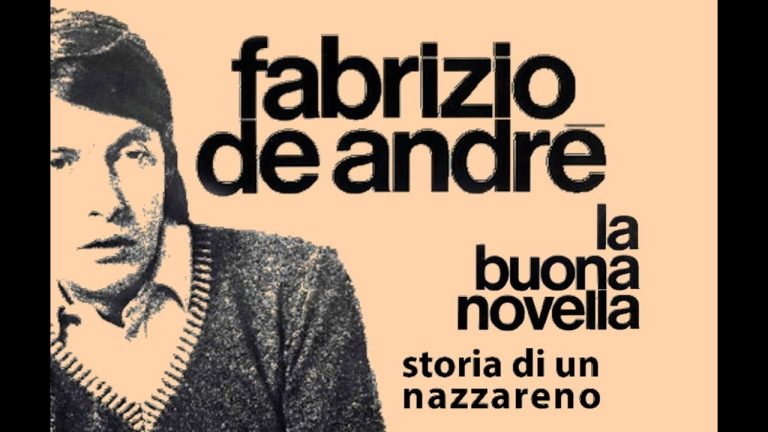
www.900letterario.it/wp-content/uploads/2014/06/fabrizio-...
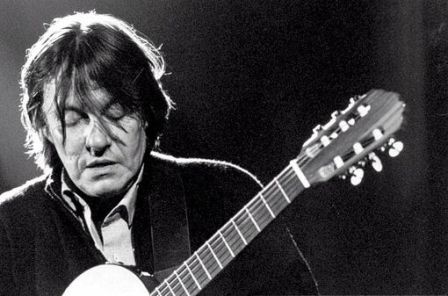
img.ubiklibri.it/images/9788896212042_0_900_0_0.jpg
www.musiculturaonline.it/p/wp-content/uploads/2021/02/b-M...

Phrases from “The Good News - Frasi da “La Buona Novella” –
In the pity that does not give in to rancor, mother, I learned love.
Nella pietà che non cede al rancore, madre, ho imparato l’amore.
(il testamento di Tito);
I don't want to think of you as the son of God, but as the son of man, my brother too.
Non voglio pensarti figlio di Dio, ma figlio dell’uomo, fratello anche mio.
(Laudate Hominem);
If you had not been the son of God, I would still have you as my son.
Non fossi stato figlio di Dio, t’avrei ancora per figlio mio.
(Tre Madri);
……………………..
Alda Merini:
“The Cross is not a Roman pole, but the wood on which God wrote his gospel”.
“La Croce non è un palo dei romani, ma il legno su cui Dio ha scritto il suo vangelo.
----------------------------------------------------------
click to activate the small icon of slideshow: the small triangle inscribed in the small rectangle, at the top right, in the photostream (it means the monitor);
or…. Press the “L” button to zoom in the image;
clicca sulla piccola icona per attivare lo slideshow: sulla facciata principale del photostream, in alto a destra c'è un piccolo rettangolo (rappresenta il monitor) con dentro un piccolo triangolo nero;
oppure…. premi il tasto “L” per ingrandire l'immagine;
www.worldphoto.org/sony-world-photography-awards/winners-...
www.fotografidigitali.it/gallery/2726/opere-italiane-segn...
………………………………………………………
Good Friday is an anniversary which in Sicily acquires a cathartic meaning for those who are searching, not only photographically, for popular traditions (we find them widespread throughout Sicily), which are nothing other than a social, cultural event, which merge into a single past and present; from the web "popular traditions are a historical memory linked to customs and rituals that have given shape to the values and beliefs of that culture". Easter in Sicily can be a source of research, it can appear not without contradictions, citing the thoughts of that great Sicilian thinker Leonardo Sciascia, for him Sicily cannot be called Christian referring to the Sicilian festivals, at most it is only in appearance, in those properly pagan explosions tolerated by the Church; Sciascia addresses the topic as an introductory essay in the book "Religious celebrations in Sicily", illustrated with photographs of a young and still unknown Ferdinando Scianna, a book that did not fail to raise some controversy due to the Sicilian thinker's introductory note, thus being in open controversy with the sacredness of that popular Sicilian devotion (the book was criticized by the Holy See newspaper, the Osservatore Romano), Sciascia writes: “what is a religious festival in Sicily? It would be easy to answer that it is anything but a religious holiday. It is, first of all, an existential explosion; the explosion of the collective id, where the collectivity exists only at the level of the id. Since it is only during the celebration that the Sicilian emerges from his condition of a single man, which is the condition of his vigilant and painful superego, to find himself part of a class, of a class, of a city". Another Sicilian thinker, writer and poet, Gesualdo Bufalino, provides interesting indications on the meaning that Sicilians give to these traditional popular events, he says "during Easter every Sicilian feels not only a spectator, but an actor, first sorrowful and then exultant , for a Mystery that is its very existence. The time of the event is that of Spring, the season of metamorphosis, just as the very nature of the rite is metamorphic in which, as in a story from the Puppet Opera, the battle of Good against Evil is fought. Deception, Pain and Triumph, Passion, Death and Resurrection of Christ are present."
In short, Easter in Sicily is a deeply felt anniversary throughout the island since ancient times, it has always had as its fulcrum the emotional participation of the people, with representations and processions which have become rites and traditions which unequivocally characterize numerous Sicilian centres, which they recall the most salient moments narrated in the Gospels and which recall the Passion, Death and Resurrection of Jesus Christ, with processions formed by the various brotherhoods (sometimes with theatrical re-enactments) which have within them contents and symbols often coming from the Spanish domination, which took place in Sicily between the 16th and 17th centuries
This year, for Good Friday, I was looking for traditions that were "outside the most well-known circuits", in the past I have alternated traditional religious processions known, with lesser-known ones; I considered various possibilities, then I decided to go to a town that is described as being located in a remote and isolated location in the province of Messina, the town is Capizzi. Good Friday in Capizzi takes place in two phases, there is the daytime procession in which three floats are carried on the shoulders, that of the Ecce Homo, that of the Sorrowful Virgin, and that of the Pietà (with the Virgin Mary holding her Dead Son in her arms), then there is the afternoon procession, which continues until late in the evening, in this evening procession the float carrying the Ecce Homo is missing, while two others are added, there is the one with the Urn carrying the Dead Christ (this figure, that of the Dead Christ, in Capizzi, is called "Father of Divine Providence"), and there is the float carrying the "Holy Cross", on it, during the route along the streets of the town, you can see the villagers placing long linen sheets, who often lean out directly from the balconies or windows of their houses to place them over it. The procession is made up of devotees and local personalities, the police and Capizzi's musical band, and two brotherhoods, that of the SS. Sacrament (the brothers are recognizable by a light yellow cloak), and that of the Good Death (whose followers wear a black cloak); the procession advances along the route in absolute silence, silence is Sacred, the bells stop ringing, the procession walks slowly, an exception to the silence comes from the sad, mournful music played by the band and the drumbeats played in mourning; the route includes steep descents, and equally steep (and tiring) climbs. The afternoon-evening procession reaches the locality of "Tre Croci", here the Archpriest, Don Antonio, delivered his panegyric, using profound words, full of Hope, Charity, Love, remembering that Christ always forgives everyone. In the afternoon, in the Mother Church, the celebration of the Passion of Christ takes place; we witness the rite of the Adoration of the Holy Cross, and the veneration of the "Father of Divine Providence", subsequently there is the rite in which the Archpriest sprinkles the body of the Dead Christ with rose petals, and anoints it with perfumed oils (to recall what is written in the Gospel of John (19:38-42), Joseph of Arimathea, a disciple of Jesus, secretly for fear of the Jews, asked Pilate for permission to take the body of Jesus, Pilate agreed, but Nicodemus also joined Joseph, carrying about thirty kilos of a mixture of myrrh and aloe, sprinkling it on the body: they took the body of Jesus, wrapped it in bandages together with the aromas, according to the funeral custom of the Jews). During the rite of the Adoration of the Cross, in the Mother Church (and also in the Tre Croci area), there is a song sung by the young people of the village, who in chorus sing the “song of the improperia”, which would be in sung form the reproaches that Jesus Christ addresses to his people, because they were responsible for His crucifixion: it is therefore a plaintive dialogue between the crucified Christ and his people; this song dates back to the sixth century, having arrived in the West from the Church of Jerusalem.
…………………………………………………
Il Venerdì Santo è una ricorrenza che in Sicilia acquista un significato catartico per chi è alla ricerca, non solo fotografica, delle tradizioni popolari (le troviamo diffuse in tutta la Sicilia), che altro non sono che un evento sociale, culturale, che fondono in un tutt’uno passato e presente; dal web “le tradizioni popolari sono una memoria storica legata ad usanze e ritualità che hanno dato forma ai valori e alle credenze di quella cultura”. La Pasqua in Sicilia può essere fonte di ricerca, essa può apparire non priva di contraddizioni, citando il pensiero di quel grande pensatore Siciliano che fu Leonardo Sciascia, per lui la Sicilia non può dirsi cristiana riferendosi alle feste Siciliane, al massimo lo è solo in apparenza, in quelle esplosioni propriamente pagane, tollerate dalla Chiesa; Sciascia affronta l’argomento come saggio introduttivo nel libro “Feste religiose in Sicilia”, illustrato con fotografie di un giovane ed ancora sconosciuto Ferdinando Scianna, libro che non mancò di sollevare qualche polemica per la nota introduttiva del pensatore Siciliano, essendo così in aperta polemica con la sacralità di quella devozione popolare Siciliana (il libro fu oggetto di una stroncatura da parte del quotidiano della Santa Sede, l’Osservatore Romano), Sciascia scrive: “che cos’ è una festa religiosa in Sicilia? Sarebbe facile rispondere che è tutto, tranne che una festa religiosa. E’, innanzi tutto, un’esplosione esistenziale; l’esplosione dell’es collettivo, dove la collettività esiste soltanto a livello dell’es. Poiché e soltanto nella festa che il siciliano esce dalla sua condizione di uomo solo, che è poi la condizione del suo vigile e doloroso super io, per ritrovarsi parte di un ceto, di una classe, di una città ”. Altro pensatore, scrittore e poeta Siciliano, Gesualdo Bufalino, fornisce indicazioni interessanti sul senso che i Siciliani danno a questi eventi popolari tradizionali, egli dice “durante la Pasqua ogni siciliano si sente non solo uno spettatore, ma un attore, prima dolente e poi esultante, per un Mistero che è la sua stessa esistenza. Il tempo dell’evento è quello della Primavera, la stagione della metamorfosi, così come metamorfica è la natura stessa del rito nel quale, come in un racconto dell’Opera dei Pupi, si combatte la lotta del Bene contro il Male. Sono presenti l’Inganno, il Dolore e il Trionfo, la Passione, la Morte e la Resurrezione di Cristo”.
In breve, la Pasqua in Sicilia è una ricorrenza profondamente sentita in tutta l’isola fin dall’antichità, essa ha sempre avuto come fulcro la commossa partecipazione del popolo, con rappresentazioni e processioni divenuti riti e tradizioni che caratterizzano inequivocabilmente numerosissimi centri Siciliani, che rievocano i momenti più salienti narrati nei Vangeli e che ricordano la Passione, la Morte e la Resurrezione di Gesù Cristo, con cortei formati dalle varie confraternite (a volte con rievocazioni teatrali) che hanno in se contenuti e simbologie spesso provenienti dalla dominazione Spagnola, avvenuta in Sicilia tra il XVI ed il XVII secolo.
Quest’anno, per il Venerdì Santo, ero alla ricerca di tradizioni che fossero “al di fuori dei circuiti più noti”, in passato ho alternato processioni tradizionali religiose note, a quelle meno note; ho preso in considerazione diverse possibilità, poi ho deciso di recarmi in un paese che viene descritto essere situato in una località remota ed isolata della provincia di Messina, il paese è Capizzi. Il Venerdì Santo a Capizzi, si svolge in due fasi, c’è la processione diurna nella quale vengono portate in spalla tre vare, quella dell’Ecce Homo, quella della Vergine Addolorata, e quella della Pietà (con la Vergine Maria che tiene in braccio suo Figlio Morto), poi c’è la processione del pomeriggio, che prosegue fino a sera inoltrata, in questa processione serale manca la vara che reca l’Ecce Homo, mentre se ne aggiungono altre due, c’è quella con l’Urna che reca il Cristo Morto ( questa figura, quella del Cristo Morto, a Capizzi, viene chiamata “Padre della Divina Provvidenza”), e c’è la vara che reca la “Santa Croce”, su di essa, durante il percorso lungo le vie del paese, si assiste al poggiare di lunghe lenzuola di lino da parte dei paesani, che spesso si sporgono direttamente dai balconi o dalle finestre delle loro case per deporle a scavalco su di essa. La processione è formate, oltre che dai devoti e dalle personalità del paese, dalle forze dell’ordine e dalla banda musicale di Capizzi, da due confraternite, quella del SS. Sacramento (i confratelli sono riconoscibili da un mantello giallo chiaro), e quella della Buona Morte (i cui adepti recano un mantello nero); la processione avanza lungo il percorso in assoluto silenzio, il silenzio è Sacro, le campane smettono di suonare, la processione cammina lenta, una eccezione al silenzio proviene dalla musica mesta, triste, suonata dalla banda e dai colpi di tamburo suonati a lutto; il percorso prevede ripide discese, ed altrettanto ripide (e faticose) salite. La processione pomeridiana-serale giunge fino alla località “Tre Croci”, qui l’Arciprete, Don Antonio, ha proferito il suo panegirico, usando parole profonde, colme di Speranza, Carità, Amore, ricordando che Cristo perdona sempre, tutti. Il pomeriggio, in Chiesa Madre, si assiste alla celebrazione della Passione di Cristo; si assiste al rito dell’Adorazione della Santa Croce, ed alla venerazione del “Padre della Divina Provvidenza”, successivamente c’è il rito nel quale l’Arciprete cosparge il corpo del Cristo Morto con petali di rosa, e lo unge con olii profumati (a rievocare quante scritto nel Vangelo di Giovanni (19:38-42), Giuseppe di Arimatea, discepolo di Gesù, in segreto per timore dei Giudei, chiese a Pilato il permesso di prendere il corpo di Gesù, Pilato acconsentì, ma anche Nicodemo, si unì a Giuseppe, portando circa trenta chili di una mistura di mirra e di aloe, cospargendone il corpo: essi presero il corpo di Gesù, lo avvolsero in bende insieme con gli aromi, secondo l'usanza funebre dei Giudei). Durante il rito dell’Adorazione della Croce, in Chiesa Madre (ed anche in località Tre Croci), c’è il canto intonato dai giovani del paese, che in coro cantano il “canto degli improperia”, che sarebbe in forma cantata i rimproveri che Gesù Cristo rivolge al suo popolo, poiché si è reso responsabile della Sua crocifissione: esso è quindi un dialogo lamentoso tra Cristo crocifisso e il suo popolo; questo canto risalirebbero al VI secolo, giunto in occidente proveniente dalla Chiesa di Gerusalemme.
………………………………………….
En el espacio Arte en Vivo del Museo Bellas Artes de Santiago, estaba esta intervención. Lo encontre muy llamativo para fotografiar.
Chiesa di Sant Alfonso - "PER RISPETTO ALLA CASA DI DIO E PER L'IGIENE SI PREGA DI NON SPUTARE SUL PAVIMENTO"
Thrifted this vintage doll dress a while ago, with many of the seams completely torn out, and I finally fixed it today. It became smaller, of course, but I think it looks good on this Clawdia repainted by John, especially alongside Halloween stuff...
Somebody let me know this is a 1974 Barbie Best Buy dress!
Regresando del dentista. Dr. Keeling nos dió un CD grabado del vinyl: Cannonball Adderly y Bill Evans. Stephen con su cámara. (Returning from the dentist. Dr. Keeling gave us a CD recorded from vinyl: Cannonball Adderly and Bill Evans. Stephen with his camera.)
Blog: sharonfrost.typepad.com/day_books
8 1/2 x 10 1/2 double page spread; watercolor, ink, whatever, on Moleskine cahier.
……………………………….
Poster (Locandina):
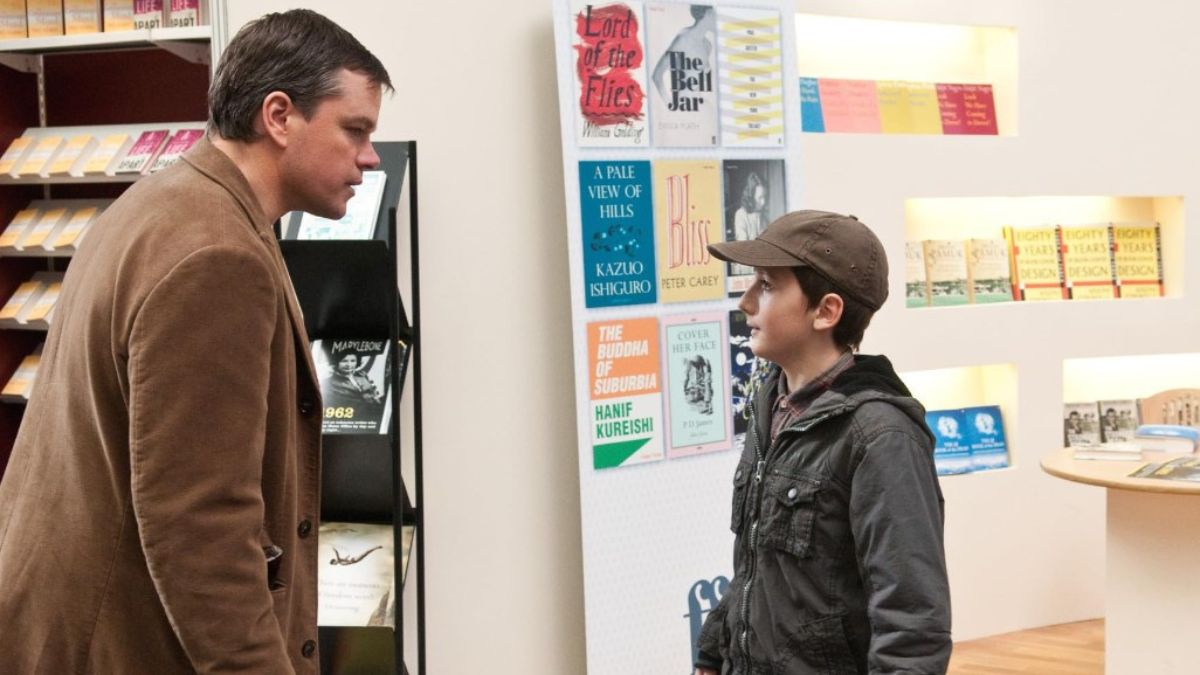
www.acectoscana.it/wp-content/uploads/2012/11/Hereafter.jpg

www.thecinemashow.it/wp-content/uploads/2023/12/hereafter...

www.warnerbros.it/sites/default/files/WB2014_HAD-01837_7f...
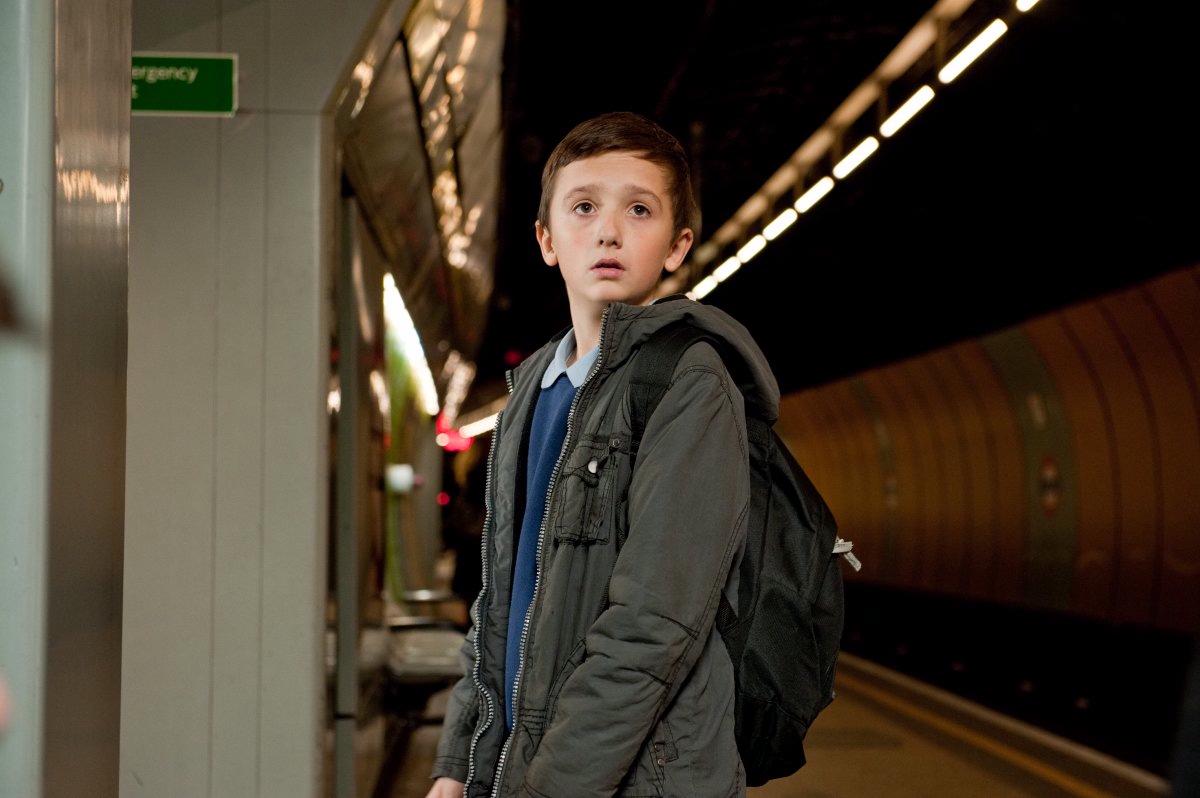
netflixmania.it/wp-content/uploads/2024/11/hereafter-film...
----------------------------------------------------------
click to activate the small icon of slideshow: the small triangle inscribed in the small rectangle, at the top right, in the photostream (it means the monitor);
or…. Press the “L” button to zoom in the image;
clicca sulla piccola icona per attivare lo slideshow: sulla facciata principale del photostream, in alto a destra c'è un piccolo rettangolo (rappresenta il monitor) con dentro un piccolo triangolo nero;
oppure…. premi il tasto “L” per ingrandire l'immagine;
www.worldphoto.org/sony-world-photography-awards/winners-...
www.fotografidigitali.it/gallery/2726/opere-italiane-segn...
………………………………………………………………………
Does the afterlife exist? Mystics like Padre Pio, Natuzza Evolo spoke with the souls of the deceased, not knowing that they were “deceased”, they did not distinguish them from normal people (they understood it later). The Marian apparitions to Bernadette, to the three shepherds of Fatima, those of Medjugorje, were they real? And how much have they influenced the history of humanity? My profession has led me to meet people who have told me about their “uncommon experiences”. A few years ago, a young man of about 30 years old, reported his “near death” experience, hospitalized in very serious conditions in our intensive care unit, he told of when he saw doctors and paramedics from above, busy around his body, he then found himself inside a tunnel, at the end there was a light. Now “Francesco” is fine. A couple of months ago, still in intensive care, I talked with a patient of about 50 years old, who survived three almost consecutive cardiac arrests, after that event, he told me, he had unexpectedly discovered a deep faith; discharged, he is now in good health. A few days ago, again for professional reasons, I met a lady in her 60s, accompanied by her 26-year-old son, she told me that, in her troubled life, in addition to having undergone numerous surgical operations, she had been subjected to numerous cycles of chemotherapy, during one of these sessions, she had a cardiocirculatory arrest (probably caused by anaphylactic shock), at that moment she could clearly see the whole scene from above, everyone was doing their best to revive her, she saw a nurse pushing a trolley in the corridor, unable to enter the room where her body was, because half of the door was blocked by a latch, preventing the passage of the trolley, she kicked the door violently which opened thus managing to pass; she saw a doctor who, in the grip of excitement, was unable to put on her coat (these events, the lady told me, had a positive response); the story continued, she rose higher, light, as if floating on the waves of the sea, she saw a cone of light that fell on her like confetti, she felt a sensation of well-being, she saw her grandfather, who held her head and caressed her hair, she looked up and saw some figures, they seemed to have wings, she thought that perhaps they were angels, suddenly she felt herself being “sucked and banged” inside her body. Now the lady, after that experience, no longer fears death. She put her hand on mine, without touching it, just a few seconds, she began to talk about some of my personal facts, at that moment, they seemed to me to be a bit banal and obvious observations, but then, looking me in the eyes, she stated with certainty that in my family, there was a person called Angelo (in reality her name is Angela), she was not wrong. She told me that, months before Eros Ramazzotti's song "Un angelo disteso al sole" came out, she was singing that tune, including the lyrics. She showed me on her smartphone, a selfie of her taken in the car, on the windshield you could clearly see a “luminous face”, she said that her Guardian Angel, Saint Michael the Archangel, had appeared to her. (The lady was also hospitalized in the “La Maddalena” clinic in Palermo, she met the mafia boss Matteo Messina Denaro, she told me an anecdote of hers, but that’s another story). This story, like the one told by Francesco, are part of those numerous cases defined as “pre-death” or “NDE” acronym derived from the English, Near Death Experience. A scientific hypothesis interprets these phenomena as the result of chemical reactions that are triggered in the brain in moments of deep psycho-physical stress, in oxygen deficiency, with the release of endorphins (they generate sensations of euphoria and well-being) and other neurotransmitters, which can determine overall a hyperfunctioning and strengthening of the senses in the cerebral cortex. I am fascinated by the story of when the physicist Albert Einstein, while discussing with Gustavo Adolfo Rol (a famous Italian psychic), placed his hand between the lamp and the table, saying "you see, when matter manifests itself, it casts a dark shadow, because it is matter, whereas God, being pure spirit, when he materializes cannot manifest himself if not through light: light is nothing other than the shadow of God". I have posted a series of photographs taken in November and December of this year, the first part are shots taken according to the dictates of street / beach photography, some examples of earthly reality, to then enter into the "hypothesis of that otherworldly and parallel reality, not perceptible by our senses" accompanied by the presence of Angels, Beings of Light, who "should" always be close to us throughout our existence, after all the mystic Natuzza Evolo recognized the "plainclothes priests" by the presence of their Guardian Angel, because he was placed on their right.
……………………….
Esiste l’Aldilà? Mistici come Padre Pio, Natuzza Evolo parlavano con le anime dei defunti, non sapendo che erano dei “trapassati”, non li distinguevano dalle normali persone (lo capirono successivamente). Le apparizioni mariane a Bernadette, ai tre pastorelli di Fatima, quelle di Medugorje, erano reali ? E quanto hanno inciso nella storia dell’umanità? La mia professione mi ha portato a confrontarmi con persone che mi hanno raccontato di loro “esperienze non comuni”. Qualche anno fa, un giovane di circa 30 anni, riferì una sua esperienza di “premorte”, ricoverato in gravissime condizioni nella nostra terapia intensiva, raccontò di quando lui vide dall’alto medici e parasanitari, indaffarati attorno al suo corpo, si trovò poi dentro un tunnel, in fondo vi era una luce. Adesso “Francesco” sta bene. Un paio di mesi fa, sempre in terapia intensiva, ho conversato con un paziente di circa 50 anni, sopravvissuto a tre arresti cardiaci quasi consecutivi, dopo quell’evento, mi riferiva, aveva scoperto inaspettatamente, una profonda fede; dimesso, adesso è in buona salute. Pochi giorni fa, sempre per motivi professionali, ho conosciuto una signora sui 60 anni, accompagnata dal figlio di anni 26 anni, mi raccontò che, nella sua travagliata vita, oltre ad aver subito numerosi interventi chirurgici, è stata sottoposta a numerosi cicli di chemioterapia, durante una di questa sedute, è incorsa in un arresto cardiocircolatorio (probabilmente causato da uno shock anafilattico), in quel momento vedeva distintamente tutta la scena dall’alto, tutti si prodigavano per rianimarla, vide una infermiera spingere un carrello nel corridoio, non riuscendo ad entrare nella sala dove si trovava il suo corpo, poiché mezza anta della porta era bloccata da un chiavistello, impedendo il passaggio del carrello, lei diede un calcio violento all’anta che si aprì riuscendo così a passare; vide una dottoressa che in preda alla concitazione non riusciva a mettersi il camice (questi eventi, mi riferì la signora, ebbero un riscontro positivo); il racconto continuò, lei salì più in alto, leggera, come galleggiando sulle onde del mare, vide un cono di luce che scendeva su di lei come fossero coriandoli, lei percepiva una sensazione di benessere, vide suo nonno, che le teneva il capo e le accarezzava i capelli, guardò in alto e vide delle figure, sembrava avessero delle ali, pensò che forse erano gli angeli, improvvisamente si sentì “risucchiare e sbattere” dentro il suo corpo. Adesso la signora, dopo quella esperienza, non teme più la morte. Mise la sua mano sopra la mia, senza toccarla, solo qualche secondo, incominciò a parlare su alcuni miei fatti personali, in quel momento, mi sembrarono osservazioni un po’ banali e scontate, però poi, guardandomi negli occhi, affermò con certezza che nella mia famiglia, c’era una persona che si chiama Angelo (in realtà si chiama Angela), non si era sbagliata. Mi riferì che, mesi prima che uscisse la canzone di Eros Ramazzotti “Un angelo disteso al sole”, lei cantava quel motivo, incluse le parole. Mi mostrò sul suo smartphone, un suo selfie fatto in auto, sul parabrezza si vedeva distintamente un “volto luminoso”, lei disse che le era apparso il suo Angelo Custode, San Michele Arcangelo. (La signora fu ricoverata anche nella clinica “La Maddalena” di Palermo, fece la conoscenza del boss mafioso Matteo Messina Denaro, mi raccontò un suo aneddoto, ma questa è un’altra storia). Questa storia, come quella raccontata da Francesco, rientrano in quei numerosi casi definiti di “premorte” o “NDE” acronimo derivato dall’inglese, Near Death Experience. Una ipotesi scientifica interpreta tali fenomeni come il risultato di reazioni chimiche che si scatenano nel cervello in momenti di profondo stress psico-fisico, in carenza di ossigeno, con rilascio di endorfine (esse generano sensazioni di euforia e di benessere) ed altri neurotrasmettitori, potendo determinare nell’insieme un iperfunzionamento e potenziamento dei sensi nella corteccia cerebrale. Sono affascinato dalla vicenda, di quando il fisico Albert Einstein discutendo con Gustavo Adolfo Rol (famoso sensitivo italiano) frappose la sua mano tra lampada e tavolo, dicendo “vedi, quando la materia si manifesta, proietta una ombra scura, perché è materia, invece Dio essendo puro spirito, quando si materializza non può manifestarsi se non attraverso la luce: la luce non è altro, se non, l’ombra di Dio”. Posto una serie di fotografie eseguite nel novembre e dicembre di quest’anno, una prima parte sono scatti realizzati secondo i dettami della street /beach photography, qualche esempio di realtà terrena, per entrare poi nella “ipotesi di quella realtà ultraterrena e parallela, non percepibile dai nostri sensi” accompagnata dalla presenza degli Angeli, Esseri di Luce, che “dovrebbero” starci sempre accanto durante tutta la nostra esistenza, d'altronde la mistica Natuzza Evolo riconosceva i “sacerdoti in borghese” dalla presenza del loro Angelo Custode, perché messo alla loro destra.
…………………………………….
Part of a 1930's diorama I am making for the London Bus Museum at Brooklands,it represents a fictional part of east London and will of course accomodate later period vehicles up to the 50's,(now with a kingsway sky,)thanks John.
The Madre de Dios River, homonymous to the Peruvian region it runs through, then becomes the Beni River in Bolivia and then turns northward into Brazil, where it is called the Madeira River. The Madeira is a tributary to the Amazon River.
The Madre de Dios is an important waterway for the department of Madre de Dios, particularly Puerto Maldonado, the largest town in the area, and the capital of the department. Mango farming and Gold mining are among the many industries on its beaches. Other important industries the Madre de Dios provides are selective logging and farming, both of which are serious environmental problems. Along the length of the river there are several national parks and reserves, notably Tambopata-Candamo National Park, Manu National Park (also known as Manu Biosphere Reserve) and Bahuaja-Sonene National Park.
Madre de Dios is a region in southeastern Peru, bordering Brazil, Bolivia and the Peruvian regions of Puno, Cusco and Ucayali. Its capital is the city of Puerto Maldonado. The name of the region is a very common Spanish-language designation for the Virgin Mary, literally meaning Mother of God.
The region is almost entirely low-lying Amazonian rainforest. The climate is warm and damp, with average temperatures around 26 °C (79 °F) [max. 34 °C (93 °F), min 21 °C (70 °F)]. The rainy season is from December to March, when torrential rainfall causes rivers to swell and often burst their banks. Annual precipitation can be as much as 3 metres (9.8 ft).
The south-western boundary with the Cusco Region is known as the Isthmus of Fitzcarrald, a series of small mountains that separate the Madre de Dios River and the Urubamba River.
Notable rivers in the Madre de Dios River watershed are:
•Inambari River
•Tambopata River
•Manu River
•Tahuamanu River
•Las Piedras River, also known as Tacuatimanu River
•Heath River
•Acre River
•Los Amigos River
Due to the vast size of the area and its low population density, rivers provide the best way of getting from one town to another. Human activity is invariably confined to riverbanks. A number of explorers have searched for the lost city of Paititi in the jungle within the region.
The only road of note is between the town of Puerto Maldonado and the city of Cusco, 530 kilometres (330 mi) away in Cusco Region. However, it is in very poor condition and flights between Cuzco and Puerto Maldonado remain the most common and reliable method of transport between the two.
From Puerto Maldonado there is a road to the mining town of Laberinto ("Labyrinth") (about 50 kilometres (31 mi) long). A second road is between the village of Atalaya and Cuzco. It is a roughly 300 kilometres (190 mi)-long single track road that is impassable in the rainy season.