View allAll Photos Tagged Content
Minolta 5600 HS (D) in small softbox left (main),
2nd Minolta 5600HS (D) on axis (fill)
3rd Minolta 5600HS(D) CTO behind subject left
triggered by Phottix Odin @ HSS
This was the content of the Flickr post that we're told started it all. Written by Chris Maness way back at the end of 2012, the idea was picked up by a few interested members and one person inspired another, then another, then another; the idea grew legs of its own.
It was Alex Luyckx wh...
emulsive.org/articles/52-rolls-2016-call-for-participants
52 Rolls, Articles, Film Culture
#110FormatFilm #120MediumFormatFilm #35MmFormatFilm #4X5FormatFilm #52RollsProject #8X10FormatFilm #Challenges #FullFrame #HalfFrame #UrbanHafner
"Never Forget that contentment is the greatest wealth"
I could have stayed here for hours and watched this gorgeous duck stroll around this pond. His contentment made me feel the same way...it was contagious! He was "reflecting" contentment to me: ). I find that it can be the same way when being around people who exuded contentment, makes me want to linger in their presence. As Timothy says, "Godliness with contentment is great gain." The only way I experience this myself, is if I stay tight with God and talk to him about everything. Then, even if my storms don't go away, I stay in the "eye of the storm" at peace. It's a beautiful thing!
Enjoy every moment, it's a choice and they all count! Lovin' all your creative, unique, colorful, ingenious and incredible shots! Keep em' comin! : )
... then I suppose this would be the best sort!
Having found the 'Law of Sod' alive and well in Sardinia too, Mrs 'R' and I resigned ourselves to the fact that our journey on the Alghero open top sightseeing tour was to be provided by this little bus rather than the more desirable open top 'decker. Still, it was something different and skipped around the route in a lively manner. I've no idea what type of Iveco it is as it looks a little large for a 59.12 so I'm open to ideas. The bodywork diplayed 'Atomic' badging so I'd hazard a guess that it's possibly a product of Portuguese builder Irmaos Mota. (thanks for the correction Rui Nunes).
The bus is seen here on the approach to Neptune's Grotto where it stops to allow passengers to disembark for photos ... all that is except for Mrs 'R' who was content to just sit there!
🔥 More exclusive photos and unique content:
Preset Pack 2024: Open
Instagram: www.instagram.com/gleb_past
Telegram: t.me/gleb_past
❤️ Donation:
BTC: bc1qgj5glr8tnlnrvznk4pewrhlta3hapqdlelp05n
Boosty: Donate Link
POSTER - LOCANDINA -
www.chiesasarda.it/wp-content/uploads/2020/11/de-andre_la...

www.900letterario.it/wp-content/uploads/2014/06/fabrizio-...
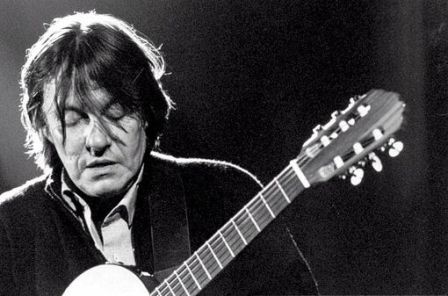
img.ubiklibri.it/images/9788896212042_0_900_0_0.jpg
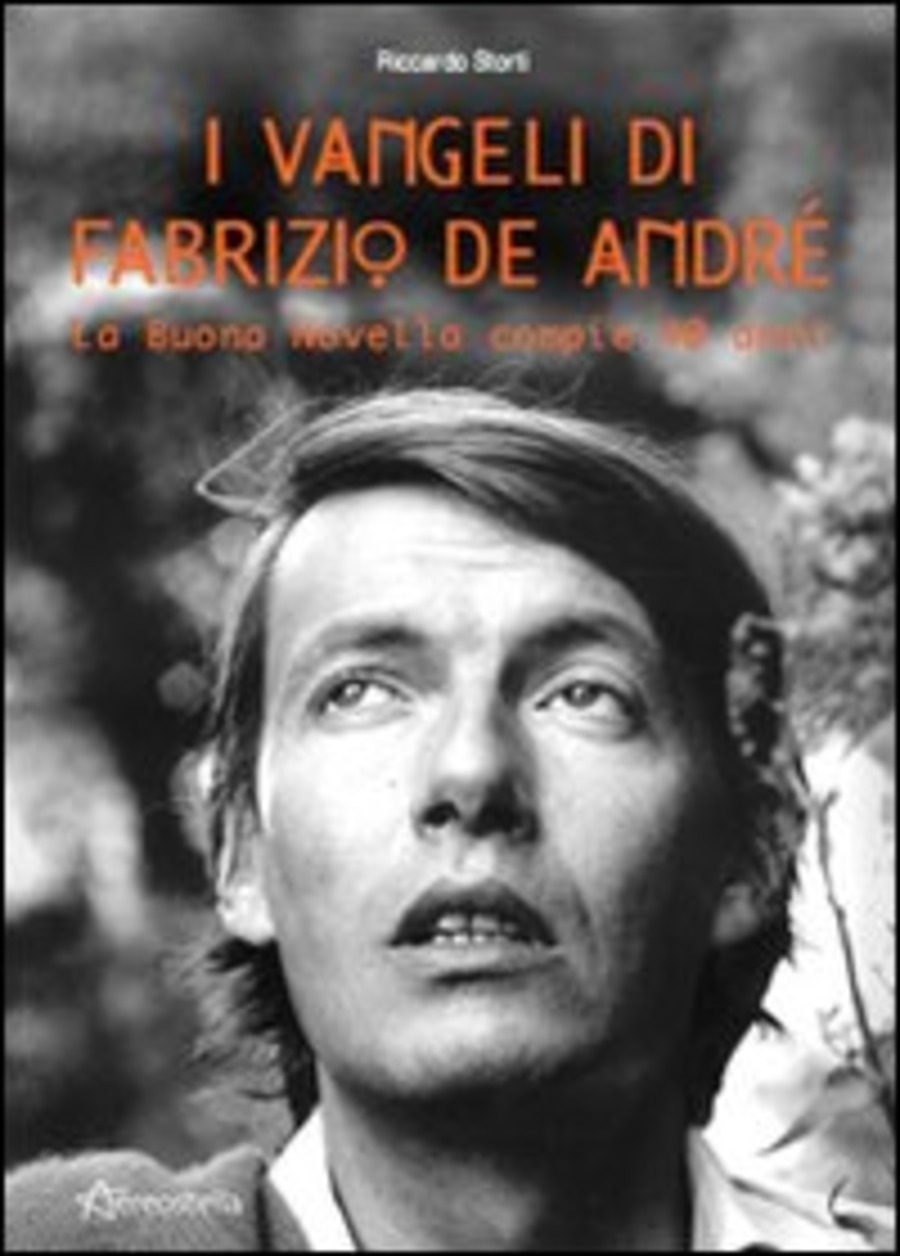
www.musiculturaonline.it/p/wp-content/uploads/2021/02/b-M...

Phrases from “The Good News - Frasi da “La Buona Novella” –
In the pity that does not give in to rancor, mother, I learned love.
Nella pietà che non cede al rancore, madre, ho imparato l’amore.
(il testamento di Tito);
I don't want to think of you as the son of God, but as the son of man, my brother too.
Non voglio pensarti figlio di Dio, ma figlio dell’uomo, fratello anche mio.
(Laudate Hominem);
If you had not been the son of God, I would still have you as my son.
Non fossi stato figlio di Dio, t’avrei ancora per figlio mio.
(Tre Madri);
……………………..
Alda Merini:
“The Cross is not a Roman pole, but the wood on which God wrote his gospel”.
“La Croce non è un palo dei romani, ma il legno su cui Dio ha scritto il suo vangelo.
----------------------------------------------------------
click to activate the small icon of slideshow: the small triangle inscribed in the small rectangle, at the top right, in the photostream (it means the monitor);
or…. Press the “L” button to zoom in the image;
clicca sulla piccola icona per attivare lo slideshow: sulla facciata principale del photostream, in alto a destra c'è un piccolo rettangolo (rappresenta il monitor) con dentro un piccolo triangolo nero;
oppure…. premi il tasto “L” per ingrandire l'immagine;
www.worldphoto.org/sony-world-photography-awards/winners-...
www.fotografidigitali.it/gallery/2726/opere-italiane-segn...
………………………………………………………
Good Friday is an anniversary which in Sicily acquires a cathartic meaning for those who are searching, not only photographically, for popular traditions (we find them widespread throughout Sicily), which are nothing other than a social, cultural event, which merge into a single past and present; from the web "popular traditions are a historical memory linked to customs and rituals that have given shape to the values and beliefs of that culture". Easter in Sicily can be a source of research, it can appear not without contradictions, citing the thoughts of that great Sicilian thinker Leonardo Sciascia, for him Sicily cannot be called Christian referring to the Sicilian festivals, at most it is only in appearance, in those properly pagan explosions tolerated by the Church; Sciascia addresses the topic as an introductory essay in the book "Religious celebrations in Sicily", illustrated with photographs of a young and still unknown Ferdinando Scianna, a book that did not fail to raise some controversy due to the Sicilian thinker's introductory note, thus being in open controversy with the sacredness of that popular Sicilian devotion (the book was criticized by the Holy See newspaper, the Osservatore Romano), Sciascia writes: “what is a religious festival in Sicily? It would be easy to answer that it is anything but a religious holiday. It is, first of all, an existential explosion; the explosion of the collective id, where the collectivity exists only at the level of the id. Since it is only during the celebration that the Sicilian emerges from his condition of a single man, which is the condition of his vigilant and painful superego, to find himself part of a class, of a class, of a city". Another Sicilian thinker, writer and poet, Gesualdo Bufalino, provides interesting indications on the meaning that Sicilians give to these traditional popular events, he says "during Easter every Sicilian feels not only a spectator, but an actor, first sorrowful and then exultant , for a Mystery that is its very existence. The time of the event is that of Spring, the season of metamorphosis, just as the very nature of the rite is metamorphic in which, as in a story from the Puppet Opera, the battle of Good against Evil is fought. Deception, Pain and Triumph, Passion, Death and Resurrection of Christ are present."
In short, Easter in Sicily is a deeply felt anniversary throughout the island since ancient times, it has always had as its fulcrum the emotional participation of the people, with representations and processions which have become rites and traditions which unequivocally characterize numerous Sicilian centres, which they recall the most salient moments narrated in the Gospels and which recall the Passion, Death and Resurrection of Jesus Christ, with processions formed by the various brotherhoods (sometimes with theatrical re-enactments) which have within them contents and symbols often coming from the Spanish domination, which took place in Sicily between the 16th and 17th centuries
This year, for Good Friday, I was looking for traditions that were "outside the most well-known circuits", in the past I have alternated traditional religious processions known, with lesser-known ones; I considered various possibilities, then I decided to go to a town that is described as being located in a remote and isolated location in the province of Messina, the town is Capizzi. Good Friday in Capizzi takes place in two phases, there is the daytime procession in which three floats are carried on the shoulders, that of the Ecce Homo, that of the Sorrowful Virgin, and that of the Pietà (with the Virgin Mary holding her Dead Son in her arms), then there is the afternoon procession, which continues until late in the evening, in this evening procession the float carrying the Ecce Homo is missing, while two others are added, there is the one with the Urn carrying the Dead Christ (this figure, that of the Dead Christ, in Capizzi, is called "Father of Divine Providence"), and there is the float carrying the "Holy Cross", on it, during the route along the streets of the town, you can see the villagers placing long linen sheets, who often lean out directly from the balconies or windows of their houses to place them over it. The procession is made up of devotees and local personalities, the police and Capizzi's musical band, and two brotherhoods, that of the SS. Sacrament (the brothers are recognizable by a light yellow cloak), and that of the Good Death (whose followers wear a black cloak); the procession advances along the route in absolute silence, silence is Sacred, the bells stop ringing, the procession walks slowly, an exception to the silence comes from the sad, mournful music played by the band and the drumbeats played in mourning; the route includes steep descents, and equally steep (and tiring) climbs. The afternoon-evening procession reaches the locality of "Tre Croci", here the Archpriest, Don Antonio, delivered his panegyric, using profound words, full of Hope, Charity, Love, remembering that Christ always forgives everyone. In the afternoon, in the Mother Church, the celebration of the Passion of Christ takes place; we witness the rite of the Adoration of the Holy Cross, and the veneration of the "Father of Divine Providence", subsequently there is the rite in which the Archpriest sprinkles the body of the Dead Christ with rose petals, and anoints it with perfumed oils (to recall what is written in the Gospel of John (19:38-42), Joseph of Arimathea, a disciple of Jesus, secretly for fear of the Jews, asked Pilate for permission to take the body of Jesus, Pilate agreed, but Nicodemus also joined Joseph, carrying about thirty kilos of a mixture of myrrh and aloe, sprinkling it on the body: they took the body of Jesus, wrapped it in bandages together with the aromas, according to the funeral custom of the Jews). During the rite of the Adoration of the Cross, in the Mother Church (and also in the Tre Croci area), there is a song sung by the young people of the village, who in chorus sing the “song of the improperia”, which would be in sung form the reproaches that Jesus Christ addresses to his people, because they were responsible for His crucifixion: it is therefore a plaintive dialogue between the crucified Christ and his people; this song dates back to the sixth century, having arrived in the West from the Church of Jerusalem.
…………………………………………………
Il Venerdì Santo è una ricorrenza che in Sicilia acquista un significato catartico per chi è alla ricerca, non solo fotografica, delle tradizioni popolari (le troviamo diffuse in tutta la Sicilia), che altro non sono che un evento sociale, culturale, che fondono in un tutt’uno passato e presente; dal web “le tradizioni popolari sono una memoria storica legata ad usanze e ritualità che hanno dato forma ai valori e alle credenze di quella cultura”. La Pasqua in Sicilia può essere fonte di ricerca, essa può apparire non priva di contraddizioni, citando il pensiero di quel grande pensatore Siciliano che fu Leonardo Sciascia, per lui la Sicilia non può dirsi cristiana riferendosi alle feste Siciliane, al massimo lo è solo in apparenza, in quelle esplosioni propriamente pagane, tollerate dalla Chiesa; Sciascia affronta l’argomento come saggio introduttivo nel libro “Feste religiose in Sicilia”, illustrato con fotografie di un giovane ed ancora sconosciuto Ferdinando Scianna, libro che non mancò di sollevare qualche polemica per la nota introduttiva del pensatore Siciliano, essendo così in aperta polemica con la sacralità di quella devozione popolare Siciliana (il libro fu oggetto di una stroncatura da parte del quotidiano della Santa Sede, l’Osservatore Romano), Sciascia scrive: “che cos’ è una festa religiosa in Sicilia? Sarebbe facile rispondere che è tutto, tranne che una festa religiosa. E’, innanzi tutto, un’esplosione esistenziale; l’esplosione dell’es collettivo, dove la collettività esiste soltanto a livello dell’es. Poiché e soltanto nella festa che il siciliano esce dalla sua condizione di uomo solo, che è poi la condizione del suo vigile e doloroso super io, per ritrovarsi parte di un ceto, di una classe, di una città ”. Altro pensatore, scrittore e poeta Siciliano, Gesualdo Bufalino, fornisce indicazioni interessanti sul senso che i Siciliani danno a questi eventi popolari tradizionali, egli dice “durante la Pasqua ogni siciliano si sente non solo uno spettatore, ma un attore, prima dolente e poi esultante, per un Mistero che è la sua stessa esistenza. Il tempo dell’evento è quello della Primavera, la stagione della metamorfosi, così come metamorfica è la natura stessa del rito nel quale, come in un racconto dell’Opera dei Pupi, si combatte la lotta del Bene contro il Male. Sono presenti l’Inganno, il Dolore e il Trionfo, la Passione, la Morte e la Resurrezione di Cristo”.
In breve, la Pasqua in Sicilia è una ricorrenza profondamente sentita in tutta l’isola fin dall’antichità, essa ha sempre avuto come fulcro la commossa partecipazione del popolo, con rappresentazioni e processioni divenuti riti e tradizioni che caratterizzano inequivocabilmente numerosissimi centri Siciliani, che rievocano i momenti più salienti narrati nei Vangeli e che ricordano la Passione, la Morte e la Resurrezione di Gesù Cristo, con cortei formati dalle varie confraternite (a volte con rievocazioni teatrali) che hanno in se contenuti e simbologie spesso provenienti dalla dominazione Spagnola, avvenuta in Sicilia tra il XVI ed il XVII secolo.
Quest’anno, per il Venerdì Santo, ero alla ricerca di tradizioni che fossero “al di fuori dei circuiti più noti”, in passato ho alternato processioni tradizionali religiose note, a quelle meno note; ho preso in considerazione diverse possibilità, poi ho deciso di recarmi in un paese che viene descritto essere situato in una località remota ed isolata della provincia di Messina, il paese è Capizzi. Il Venerdì Santo a Capizzi, si svolge in due fasi, c’è la processione diurna nella quale vengono portate in spalla tre vare, quella dell’Ecce Homo, quella della Vergine Addolorata, e quella della Pietà (con la Vergine Maria che tiene in braccio suo Figlio Morto), poi c’è la processione del pomeriggio, che prosegue fino a sera inoltrata, in questa processione serale manca la vara che reca l’Ecce Homo, mentre se ne aggiungono altre due, c’è quella con l’Urna che reca il Cristo Morto ( questa figura, quella del Cristo Morto, a Capizzi, viene chiamata “Padre della Divina Provvidenza”), e c’è la vara che reca la “Santa Croce”, su di essa, durante il percorso lungo le vie del paese, si assiste al poggiare di lunghe lenzuola di lino da parte dei paesani, che spesso si sporgono direttamente dai balconi o dalle finestre delle loro case per deporle a scavalco su di essa. La processione è formate, oltre che dai devoti e dalle personalità del paese, dalle forze dell’ordine e dalla banda musicale di Capizzi, da due confraternite, quella del SS. Sacramento (i confratelli sono riconoscibili da un mantello giallo chiaro), e quella della Buona Morte (i cui adepti recano un mantello nero); la processione avanza lungo il percorso in assoluto silenzio, il silenzio è Sacro, le campane smettono di suonare, la processione cammina lenta, una eccezione al silenzio proviene dalla musica mesta, triste, suonata dalla banda e dai colpi di tamburo suonati a lutto; il percorso prevede ripide discese, ed altrettanto ripide (e faticose) salite. La processione pomeridiana-serale giunge fino alla località “Tre Croci”, qui l’Arciprete, Don Antonio, ha proferito il suo panegirico, usando parole profonde, colme di Speranza, Carità, Amore, ricordando che Cristo perdona sempre, tutti. Il pomeriggio, in Chiesa Madre, si assiste alla celebrazione della Passione di Cristo; si assiste al rito dell’Adorazione della Santa Croce, ed alla venerazione del “Padre della Divina Provvidenza”, successivamente c’è il rito nel quale l’Arciprete cosparge il corpo del Cristo Morto con petali di rosa, e lo unge con olii profumati (a rievocare quante scritto nel Vangelo di Giovanni (19:38-42), Giuseppe di Arimatea, discepolo di Gesù, in segreto per timore dei Giudei, chiese a Pilato il permesso di prendere il corpo di Gesù, Pilato acconsentì, ma anche Nicodemo, si unì a Giuseppe, portando circa trenta chili di una mistura di mirra e di aloe, cospargendone il corpo: essi presero il corpo di Gesù, lo avvolsero in bende insieme con gli aromi, secondo l'usanza funebre dei Giudei). Durante il rito dell’Adorazione della Croce, in Chiesa Madre (ed anche in località Tre Croci), c’è il canto intonato dai giovani del paese, che in coro cantano il “canto degli improperia”, che sarebbe in forma cantata i rimproveri che Gesù Cristo rivolge al suo popolo, poiché si è reso responsabile della Sua crocifissione: esso è quindi un dialogo lamentoso tra Cristo crocifisso e il suo popolo; questo canto risalirebbero al VI secolo, giunto in occidente proveniente dalla Chiesa di Gerusalemme.
………………………………………….
The Benton County Courthouse was listed on the National Register of Historic Places in 1978. Portions of the content on this web page were adapted from a copy of the original nomination document. [†] Adaptation copyright © 2011, The Gombach Group.
Description
The Benton County Courthouse, sited on a full block, is a major landmark in downtown Corvallis. Narrowly missing becoming the state capital in 1855, Corvallis, in the heart of the Willamette Valley where the Marys River empties into the Willamette River, later became home of the state Land Grant College. The Benton County Courthouse, dedicated on July 4, 1888, was designed by Portland architect Delos D. Neer in the High Victorian Italianate style.
The extreme dimensions of the building are 73x116 feet. The plan is H-shaped: the end blocks rise three stories above the daylight basement, and the connecting center wing is two stories in height. The 32-inch thick walls of the basement are of heavily rusticated ashlar grey granite, and the rest of the structure is stuccoed brick. The first story is rusticated and the upper stories are plain with string courses and quoins in low relief. The whole is surmounted by a bracketed cornice with classical detail and a hipped roof.
A tower-like pavilion and single-story portico on the east end make the entrance. A female head is carved in the portico arch keystone.
A broken pediment is set in the tower cornice, in which stands a Goddess of Justice, probably cast tin, the last example of its type in situ in the Willamette Valley. The tower rises one story above the pediment, then tapers inward with a mansard-like roof to the cubical clock block above, which is crowned with a pyramidal roof.
There are two bells in the tower, as well as the large pendulum and weights of the original clock mechanism. The clock is now electrically powered. The one-word legends carried on each of the clock faces add up to "The Flight of Time." There were originally eighteen chimneys on the roof, which have been removed. Otherwise, the exterior remains unaltered and in good condition.
For a period of at least ten years, the Benton County Courthouse has been generally recognized by the County Commissioners and the community as a historic property worthy of preservation. Nevertheless, with demand for increased services, the County was pressed to seek room for expansion.
Following the failure of a bond issue for construction of a new courthouse in 1974, Benton County embarked upon a facilities-expansion program which was aimed at reserving the courthouse exclusively for Court-related activities.
A two-story Health and Law Enforcement Unit was erected on the neighboring block due west of the courthouse, and a Corrections Division wing was added to the historic courthouse structure. The latter replaced a single-story, detached jail dating from 1929. The new facilities were opened for use in 1976. The Corrections Wing is joined to the central section of the north elevation of the courthouse. It covers an area of approximately 50x43 feet. Except for a central utility superstructure, it is one story above grade and, consequently, does not obscure one's view of the courthouse. It is a concrete block construction with form-textured concrete facing and ribbed steel roofing. The overall color of the new wing, which is grey, blends reasonably well with the high masonry ground course of the courthouse. The perimeter and southerly half of the courthouse block retain the parklike atmosphere created by mature shade trees, lawn, box hedges, and occasional bedding plants.
The Benton County Courthouse interior was remodeled piecemeal over the years. For example, ceilings were lowered, certain spaces subdivided, heating and lighting systems upgraded, and so on. One of the two stairways originally at the east or formal entrance end, was removed and replaced by an elevator. Benton County is now proceeding with a renovation and restoration plan which achieves a satisfactory balance between preserving historic features of the building's interior, on the one hand, and providing additional usable space in support of the Courts, on the other.
The original floor plan provided one large central Circuit Courtroom on the second floor with offices and smaller Courts in the wings and on other floors. In order to maintain all of the Courts and related functions under one roof, the original Circuit Courtroom will remain divided, though not precisely as it is now [1977], and undeveloped spaces will be utilized. Because most of the alterations were additive in nature, much original finish work, including plaster ceiling ornament and white pine wainscoting, will be revealed. Where necessary, new details will match or blend with the original in style. Much of the original courtroom furniture is still in use in the building.
Significance
The Benton County Courthouse is understood to be the oldest standing active courthouse in Oregon. It was dedicated on July 4, 1888. Its architectural style is High Victorian Italianate, and it remains in remarkably sound condition.
One of the smallest counties in Oregon, Benton County has an area of less than 670 square miles. It lies in the mid-section of the Willamette Valley, south of Portland. It was established in 1847 by the Provisional Government and named for Thomas H. Benton, US Senator from Missouri, a strong advocate of the Oregon Country.
The 1888 population of Corvallis, county seat for Benton County, was about 1,500. Passenger train service came in 1880, but riverboat travel continued long after that time. As late as 1887 the catalog of Oregon Agricultural College, now Oregon State University, advised students to reach Corvallis from the north by riverboat. The population of the county is now about 50,000. Some 30,000 reside in Corvallis.
The first courthouse was constructed in 1855. It was replaced in 1888-1889 by the present one, which is the oldest active courthouse in the state.
The first one cost $6,200, part of which was withheld from the contractor because of poor workmanship. The present Benton County Courthouse cost about $70,000 and was financed by a two-mill levy. It was authorized in 1888, and constructed in 1888-1889.
A new jail was built at the same time to the south of the courthouse. It cost an additional $14,500. The original jail was succeeded by a single-story, tile-roofed structure on the north in 1929 and, more recently, by the single-story Corrections Wing of 1974-1976,
Delos D. Neer of Portland was the architect for the Benton County Courthouse. He was born in Charlottesville, New York in 1847. During the Civil War he served in the Union Army and participated in several battles, including the campaign of the Shenandoah Valley under the command of Phil Sheridan. Following the war he became an apprentice builder and earned journeyman carpenter status in 1868. He married in 1869 but his wife, Alfrelia, died in 1873 following the infancy death of their two children. Neer moved to San Francisco in 1875, where he practiced his trade. From California he journeyed to Portland in 1879 and began a serious study of architecture. The following year he opened an architectural office in East Portland which proved to be successful. Besides the Benton County Courthouse, he designed several other county courthouses in Oregon including the Washington, Clackamas, and Lake County courthouses, and the Snohomish County Courthouse in Snohomish, Washington. He was the architect of the Barr Block, one of Portland's early imposing business blocks. Neer designed many other buildings in Oregon and was active until his death in 1917.
The Benton County Courthouse was built of native stone and brick made on the site. The sand for the exterior stucco and interior plastering was shipped to Corvallis in sacks from Lewisville, Washington Territory. It was brought to Portland on a barge in a loose state and then placed in sacks and transferred about the distance of a block to the river steamer Bently, then taken to Salem, transferred to the smaller barge Three Sisters, and carried to Albany. At Albany it was loaded on rail cars for the final leg to Corvallis. A February 22, 1889 article in The Corvallis Gazette explained why: "The contracts call for the very best material in building this structure and, as no sand suitable could be procured at any nearer point this is the reason why it is brought from the above point (Lewisville)."
Nineteen large stones, eleven of which are as long as the front entrance of the courthouse is wide, were procured in San Francisco. They were utilized for the steps; their thickness being around eight inches and width around 16 inches.
A "Journal of the Benton County Court" for 1888 provided the exact costs for most of the construction work and materials at a total of $67,145.41.
Although the boiler and hot water were installed at time of construction, almost every room had a chimney connection for a wood-burning stove. Some of these were used. The eighteen small chimneys that once lined the roof have been removed. The building was piped for acetylene gas lights. The pipes can still be seen in the first floor hall.
The Howard tower clock was installed soon after the building was finished. It used weights for power which needed to be re-wound every week, a two-hour process. The weights and huge pendulum are still in the tower.
The old city fire bell is also there. It was tolled by a rope that ran through the upper floors, and down the front stairwell to the front door.
The Benton County Courthouse was erected in approximately one and one-half years. Although it is the oldest constructed courthouse in active use in Oregon today, its architectural integrity is intact and its condition is excellent. Moreover, a recent construction program which respected the courthouse as the focal element of an enlarged complex was completed to good effect in 1976. The county is now [1977] embarked upon a renovation and restoration plan for the interior of the courthouse, now wholly devoted to activities of the Courts.
References
Mines, H.K., compiler, An Illustrated History of the State of Oregon (Chicago: Lewis Publishing Co., 1893), 646-647. Note on the architect, Delos D. Neer.
Strand, A.L., correspondence as Benton County Commissioner to Byron Weston Co., Dalton, Mass., December 18, 1968. Establishes that Benton County Courthouse is oldest courthouse in Oregon still in use for original purpose. Attachments include abstracts from the Journal of the Benton County Court, 1887-1888.
Stadsvold, Cy, AIA, Benton County Courthouse Study (Corvallis, 1977). Renovation plan and history of the Courthouse. Includes bibliography.
† David W. Powers, and Paul B. Hartwig, Historican, Oregon State Historic Preservation Office, Benton County Courthouse, Corvallis, OR, nomination document, 1977, National Park Service, National Register of Historic Places, Washington, D.C.
www.livingplaces.com/OR/Benton_County/Corvallis_City/Bent...
*Content Not Quality*
Kevin and I built steps for the cat tower this weekend. Why? The reason is sitting up on top. Yes, that little ol' lady has no concept of age. Miss Raven is turning 17 in April this year, and she is convinced she can still do silly things with her arthritic body like jumping off the cat tower at least twice a day. She used to use the bulky livingroom TV as her way down. She'd leap from the top to the TV and then to the ground. But for our Superbowl Party this year, Kevin bought a flat screen TV. Yep, a flat screen TV. Flat. No safe landing there. So Miss Raven makes this horribly awkward leap from the top all the way to the ground punctuated by a harsh whimper pushed out by the force of the landing. Definitely hard to hear. So Kevin and I bought the L-brackets, wood, and various other parts to put four steps down the side. The only problem is that Miss Raven doesn't trust them as they slant a bit under her weight. She's not willing to stay on them long enough to see what will happen. At least now she is going down on the first two steps lickety split then leaping to the floor. A less than graceful descent, but no awkward noises. Maybe we can figure out a way to provide a stronger brace for the steps. Hmmmmmmm. . .
Oh, when I was encouraging Miss Raven to use the steps, other felines helped. In fact, Gumbo was the first cat to climb up the first couple of steps. Go figure.
BTW, I am really not fond of the AWB setting. Often makes for funky, dull colors.
[SOOC, f/1.4, ISO 200, shutter speed 1/100, +1 EV]
A million thanks to Content Magazine! My photography as well as an interview are in the current issue, Ritual. The magazine hits stands today and is available online as well. Be sure to grab a copy to see the rest of the article and support an amazing publication.
See the "Hidden Faces" set, link below! I've had fun taking photos for this set. Most of the time, however when I see a "hidden face" I don't have my camera. Have a nice weekend!
POSTER - LOCANDINA -
www.chiesasarda.it/wp-content/uploads/2020/11/de-andre_la...
www.900letterario.it/wp-content/uploads/2014/06/fabrizio-...
img.ubiklibri.it/images/9788896212042_0_900_0_0.jpg
www.musiculturaonline.it/p/wp-content/uploads/2021/02/b-M...
Phrases from “The Good News - Frasi da “La Buona Novella” –
In the pity that does not give in to rancor, mother, I learned love.
Nella pietà che non cede al rancore, madre, ho imparato l’amore.
(il testamento di Tito);
I don't want to think of you as the son of God, but as the son of man, my brother too.
Non voglio pensarti figlio di Dio, ma figlio dell’uomo, fratello anche mio.
(Laudate Hominem);
If you had not been the son of God, I would still have you as my son.
Non fossi stato figlio di Dio, t’avrei ancora per figlio mio.
(Tre Madri);
……………………..
Alda Merini:
“The Cross is not a Roman pole, but the wood on which God wrote his gospel”.
“La Croce non è un palo dei romani, ma il legno su cui Dio ha scritto il suo vangelo.
----------------------------------------------------------
click to activate the small icon of slideshow: the small triangle inscribed in the small rectangle, at the top right, in the photostream (it means the monitor);
or…. Press the “L” button to zoom in the image;
clicca sulla piccola icona per attivare lo slideshow: sulla facciata principale del photostream, in alto a destra c'è un piccolo rettangolo (rappresenta il monitor) con dentro un piccolo triangolo nero;
oppure…. premi il tasto “L” per ingrandire l'immagine;
www.worldphoto.org/sony-world-photography-awards/winners-...
www.fotografidigitali.it/gallery/2726/opere-italiane-segn...
………………………………………………………
Good Friday is an anniversary which in Sicily acquires a cathartic meaning for those who are searching, not only photographically, for popular traditions (we find them widespread throughout Sicily), which are nothing other than a social, cultural event, which merge into a single past and present; from the web "popular traditions are a historical memory linked to customs and rituals that have given shape to the values and beliefs of that culture". Easter in Sicily can be a source of research, it can appear not without contradictions, citing the thoughts of that great Sicilian thinker Leonardo Sciascia, for him Sicily cannot be called Christian referring to the Sicilian festivals, at most it is only in appearance, in those properly pagan explosions tolerated by the Church; Sciascia addresses the topic as an introductory essay in the book "Religious celebrations in Sicily", illustrated with photographs of a young and still unknown Ferdinando Scianna, a book that did not fail to raise some controversy due to the Sicilian thinker's introductory note, thus being in open controversy with the sacredness of that popular Sicilian devotion (the book was criticized by the Holy See newspaper, the Osservatore Romano), Sciascia writes: “what is a religious festival in Sicily? It would be easy to answer that it is anything but a religious holiday. It is, first of all, an existential explosion; the explosion of the collective id, where the collectivity exists only at the level of the id. Since it is only during the celebration that the Sicilian emerges from his condition of a single man, which is the condition of his vigilant and painful superego, to find himself part of a class, of a class, of a city". Another Sicilian thinker, writer and poet, Gesualdo Bufalino, provides interesting indications on the meaning that Sicilians give to these traditional popular events, he says "during Easter every Sicilian feels not only a spectator, but an actor, first sorrowful and then exultant , for a Mystery that is its very existence. The time of the event is that of Spring, the season of metamorphosis, just as the very nature of the rite is metamorphic in which, as in a story from the Puppet Opera, the battle of Good against Evil is fought. Deception, Pain and Triumph, Passion, Death and Resurrection of Christ are present."
In short, Easter in Sicily is a deeply felt anniversary throughout the island since ancient times, it has always had as its fulcrum the emotional participation of the people, with representations and processions which have become rites and traditions which unequivocally characterize numerous Sicilian centres, which they recall the most salient moments narrated in the Gospels and which recall the Passion, Death and Resurrection of Jesus Christ, with processions formed by the various brotherhoods (sometimes with theatrical re-enactments) which have within them contents and symbols often coming from the Spanish domination, which took place in Sicily between the 16th and 17th centuries
This year, for Good Friday, I was looking for traditions that were "outside the most well-known circuits", in the past I have alternated traditional religious processions known, with lesser-known ones; I considered various possibilities, then I decided to go to a town that is described as being located in a remote and isolated location in the province of Messina, the town is Capizzi. Good Friday in Capizzi takes place in two phases, there is the daytime procession in which three floats are carried on the shoulders, that of the Ecce Homo, that of the Sorrowful Virgin, and that of the Pietà (with the Virgin Mary holding her Dead Son in her arms), then there is the afternoon procession, which continues until late in the evening, in this evening procession the float carrying the Ecce Homo is missing, while two others are added, there is the one with the Urn carrying the Dead Christ (this figure, that of the Dead Christ, in Capizzi, is called "Father of Divine Providence"), and there is the float carrying the "Holy Cross", on it, during the route along the streets of the town, you can see the villagers placing long linen sheets, who often lean out directly from the balconies or windows of their houses to place them over it. The procession is made up of devotees and local personalities, the police and Capizzi's musical band, and two brotherhoods, that of the SS. Sacrament (the brothers are recognizable by a light yellow cloak), and that of the Good Death (whose followers wear a black cloak); the procession advances along the route in absolute silence, silence is Sacred, the bells stop ringing, the procession walks slowly, an exception to the silence comes from the sad, mournful music played by the band and the drumbeats played in mourning; the route includes steep descents, and equally steep (and tiring) climbs. The afternoon-evening procession reaches the locality of "Tre Croci", here the Archpriest, Don Antonio, delivered his panegyric, using profound words, full of Hope, Charity, Love, remembering that Christ always forgives everyone. In the afternoon, in the Mother Church, the celebration of the Passion of Christ takes place; we witness the rite of the Adoration of the Holy Cross, and the veneration of the "Father of Divine Providence", subsequently there is the rite in which the Archpriest sprinkles the body of the Dead Christ with rose petals, and anoints it with perfumed oils (to recall what is written in the Gospel of John (19:38-42), Joseph of Arimathea, a disciple of Jesus, secretly for fear of the Jews, asked Pilate for permission to take the body of Jesus, Pilate agreed, but Nicodemus also joined Joseph, carrying about thirty kilos of a mixture of myrrh and aloe, sprinkling it on the body: they took the body of Jesus, wrapped it in bandages together with the aromas, according to the funeral custom of the Jews). During the rite of the Adoration of the Cross, in the Mother Church (and also in the Tre Croci area), there is a song sung by the young people of the village, who in chorus sing the “song of the improperia”, which would be in sung form the reproaches that Jesus Christ addresses to his people, because they were responsible for His crucifixion: it is therefore a plaintive dialogue between the crucified Christ and his people; this song dates back to the sixth century, having arrived in the West from the Church of Jerusalem.
…………………………………………………
Il Venerdì Santo è una ricorrenza che in Sicilia acquista un significato catartico per chi è alla ricerca, non solo fotografica, delle tradizioni popolari (le troviamo diffuse in tutta la Sicilia), che altro non sono che un evento sociale, culturale, che fondono in un tutt’uno passato e presente; dal web “le tradizioni popolari sono una memoria storica legata ad usanze e ritualità che hanno dato forma ai valori e alle credenze di quella cultura”. La Pasqua in Sicilia può essere fonte di ricerca, essa può apparire non priva di contraddizioni, citando il pensiero di quel grande pensatore Siciliano che fu Leonardo Sciascia, per lui la Sicilia non può dirsi cristiana riferendosi alle feste Siciliane, al massimo lo è solo in apparenza, in quelle esplosioni propriamente pagane, tollerate dalla Chiesa; Sciascia affronta l’argomento come saggio introduttivo nel libro “Feste religiose in Sicilia”, illustrato con fotografie di un giovane ed ancora sconosciuto Ferdinando Scianna, libro che non mancò di sollevare qualche polemica per la nota introduttiva del pensatore Siciliano, essendo così in aperta polemica con la sacralità di quella devozione popolare Siciliana (il libro fu oggetto di una stroncatura da parte del quotidiano della Santa Sede, l’Osservatore Romano), Sciascia scrive: “che cos’ è una festa religiosa in Sicilia? Sarebbe facile rispondere che è tutto, tranne che una festa religiosa. E’, innanzi tutto, un’esplosione esistenziale; l’esplosione dell’es collettivo, dove la collettività esiste soltanto a livello dell’es. Poiché e soltanto nella festa che il siciliano esce dalla sua condizione di uomo solo, che è poi la condizione del suo vigile e doloroso super io, per ritrovarsi parte di un ceto, di una classe, di una città ”. Altro pensatore, scrittore e poeta Siciliano, Gesualdo Bufalino, fornisce indicazioni interessanti sul senso che i Siciliani danno a questi eventi popolari tradizionali, egli dice “durante la Pasqua ogni siciliano si sente non solo uno spettatore, ma un attore, prima dolente e poi esultante, per un Mistero che è la sua stessa esistenza. Il tempo dell’evento è quello della Primavera, la stagione della metamorfosi, così come metamorfica è la natura stessa del rito nel quale, come in un racconto dell’Opera dei Pupi, si combatte la lotta del Bene contro il Male. Sono presenti l’Inganno, il Dolore e il Trionfo, la Passione, la Morte e la Resurrezione di Cristo”.
In breve, la Pasqua in Sicilia è una ricorrenza profondamente sentita in tutta l’isola fin dall’antichità, essa ha sempre avuto come fulcro la commossa partecipazione del popolo, con rappresentazioni e processioni divenuti riti e tradizioni che caratterizzano inequivocabilmente numerosissimi centri Siciliani, che rievocano i momenti più salienti narrati nei Vangeli e che ricordano la Passione, la Morte e la Resurrezione di Gesù Cristo, con cortei formati dalle varie confraternite (a volte con rievocazioni teatrali) che hanno in se contenuti e simbologie spesso provenienti dalla dominazione Spagnola, avvenuta in Sicilia tra il XVI ed il XVII secolo.
Quest’anno, per il Venerdì Santo, ero alla ricerca di tradizioni che fossero “al di fuori dei circuiti più noti”, in passato ho alternato processioni tradizionali religiose note, a quelle meno note; ho preso in considerazione diverse possibilità, poi ho deciso di recarmi in un paese che viene descritto essere situato in una località remota ed isolata della provincia di Messina, il paese è Capizzi. Il Venerdì Santo a Capizzi, si svolge in due fasi, c’è la processione diurna nella quale vengono portate in spalla tre vare, quella dell’Ecce Homo, quella della Vergine Addolorata, e quella della Pietà (con la Vergine Maria che tiene in braccio suo Figlio Morto), poi c’è la processione del pomeriggio, che prosegue fino a sera inoltrata, in questa processione serale manca la vara che reca l’Ecce Homo, mentre se ne aggiungono altre due, c’è quella con l’Urna che reca il Cristo Morto ( questa figura, quella del Cristo Morto, a Capizzi, viene chiamata “Padre della Divina Provvidenza”), e c’è la vara che reca la “Santa Croce”, su di essa, durante il percorso lungo le vie del paese, si assiste al poggiare di lunghe lenzuola di lino da parte dei paesani, che spesso si sporgono direttamente dai balconi o dalle finestre delle loro case per deporle a scavalco su di essa. La processione è formate, oltre che dai devoti e dalle personalità del paese, dalle forze dell’ordine e dalla banda musicale di Capizzi, da due confraternite, quella del SS. Sacramento (i confratelli sono riconoscibili da un mantello giallo chiaro), e quella della Buona Morte (i cui adepti recano un mantello nero); la processione avanza lungo il percorso in assoluto silenzio, il silenzio è Sacro, le campane smettono di suonare, la processione cammina lenta, una eccezione al silenzio proviene dalla musica mesta, triste, suonata dalla banda e dai colpi di tamburo suonati a lutto; il percorso prevede ripide discese, ed altrettanto ripide (e faticose) salite. La processione pomeridiana-serale giunge fino alla località “Tre Croci”, qui l’Arciprete, Don Antonio, ha proferito il suo panegirico, usando parole profonde, colme di Speranza, Carità, Amore, ricordando che Cristo perdona sempre, tutti. Il pomeriggio, in Chiesa Madre, si assiste alla celebrazione della Passione di Cristo; si assiste al rito dell’Adorazione della Santa Croce, ed alla venerazione del “Padre della Divina Provvidenza”, successivamente c’è il rito nel quale l’Arciprete cosparge il corpo del Cristo Morto con petali di rosa, e lo unge con olii profumati (a rievocare quante scritto nel Vangelo di Giovanni (19:38-42), Giuseppe di Arimatea, discepolo di Gesù, in segreto per timore dei Giudei, chiese a Pilato il permesso di prendere il corpo di Gesù, Pilato acconsentì, ma anche Nicodemo, si unì a Giuseppe, portando circa trenta chili di una mistura di mirra e di aloe, cospargendone il corpo: essi presero il corpo di Gesù, lo avvolsero in bende insieme con gli aromi, secondo l'usanza funebre dei Giudei). Durante il rito dell’Adorazione della Croce, in Chiesa Madre (ed anche in località Tre Croci), c’è il canto intonato dai giovani del paese, che in coro cantano il “canto degli improperia”, che sarebbe in forma cantata i rimproveri che Gesù Cristo rivolge al suo popolo, poiché si è reso responsabile della Sua crocifissione: esso è quindi un dialogo lamentoso tra Cristo crocifisso e il suo popolo; questo canto risalirebbero al VI secolo, giunto in occidente proveniente dalla Chiesa di Gerusalemme.
………………………………………….
Quiero decirles que a pesar de mi foto, estoy contenta porque ya no tenía esperanzas de subir una...
Me constó muchísimo pensarme en la foto y la idea del CD.
Cuando por fin me decidí; podría ser algo de Joaquín Sabina, todo lo que se me ocurría era muy oscuro y no tuve suerte...
De casualidad di con este mural, que está en el patio de un restaurante de mi ciudad, que para cuando salgo del trabajo ya está cerrado y a la noche más que difícil hacer la foto.
Hoy pido permiso para salir mas temprano, voy corriendo al restaurante, pido permiso para hacer las fotos (eso ya fue todo un logro porque soy muy tímida y ni siquiera iba a almorzar!!!) y tengo tanta suerte que estaban almorzando los empleados en ese lugar!!! Todos me ofrecian sacarme ellos la foto, me hacían chistes, me hicieron sacarles unas fotos a ellos, hasta me prestaron su comida!!! Dios mío, nunca pasé tanto calor en invierno!!!
Me acomodé como pude, puse el fotómetro en cero con un Iso gigantesco que mi cámara evidentemente no soporta, hice unas fotos y corrí!!!
Y salió esto, que no iba a subir, pero prefiero una critica a la nada!!!
Content description: Jim Sims (CEO of Cambridge Technology Partners) in hard hat, white coat, and white pants at 8 Cambridge Center foundation completion ceremony walking across the image.
Local identifier: 020_01_03_020
Type of resource: still image
Genre/form: black-and-white prints (photographs)
Date: 1998-04
Physical description: 1 photograph : print, black and white ; 25.4 x 20.3 cm
Digital origin: reformatted digital
General notes: Title and content description from related item.
Date notes: Date from related item.
Acquisition notes: Donated by the Cambridge Redevelopment Authority in July 2014.
Description standard: dcrmg
Subject headings:
Cambridge Redevelopment Authority
Boston Properties, Inc.
Kendall Square (Cambridge, Mass.)
Construction industry
Urban renewal--Massachusetts--Cambridge
Host collection: Cambridge Redevelopment Authority Records, 1952-2000
Physical location: Cambridge Public Library
Conditions Governing Use: The material in this collection is subject to copyright and intellectual property restrictions. It is the responsibility of the researcher to understand and observe copyright law and to identify and satisfy the holders of all copyright. Researchers must obtain written permission from the copyright holder(s) if they wish to publish materials from this collection. Questions concerning copyright and permission to publish should be directed to the Cambridge Room, Cambridge Public Library Archives and Special Collections.
Please use the following format when citing materials from this collection: [Identification of item], Cambridge Redevelopment Authority Records, 1952-2000, 020, [Box#, Folder title], Cambridge Room, Cambridge Public Library Archives and Special Collections.
For more from this collection: cambridgeroomcollections.wordpress.com/2016/03/30/cambrid...
Content curation is becoming everyday more important as brands notice that taking care of consumers’ limited time is a way to add value to their lives and to build a relationship with them. It’s not anymore just about creating, now it’s about finding, rating and aggregating.
Expect this trend to grow during 2010.
Perhaps an all too simplistic diagram for such a complex subject. But there is a definite balance to strike when considering the layout of a web page in relation to the users and the client's wants and needs. The purpose of the page will obviously influence this but its something that is a constant struggle and getting it right results in conversions, and increased user interaction.
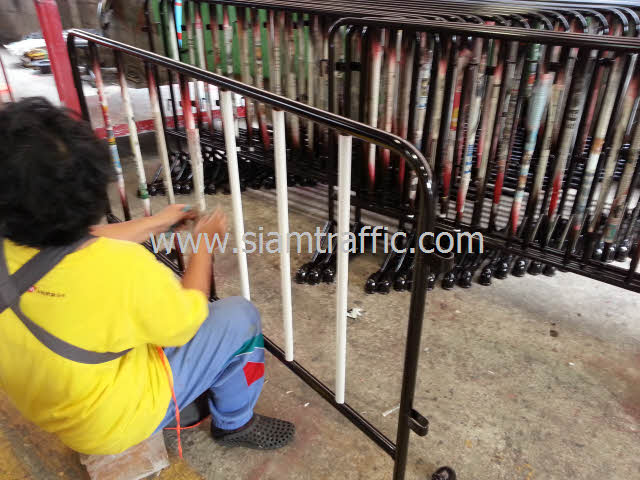

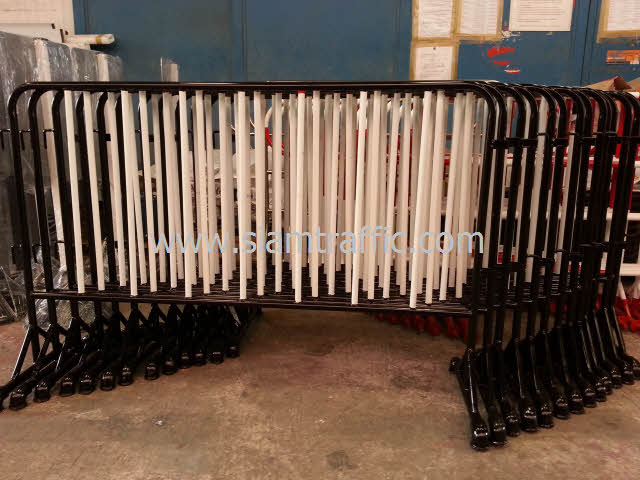
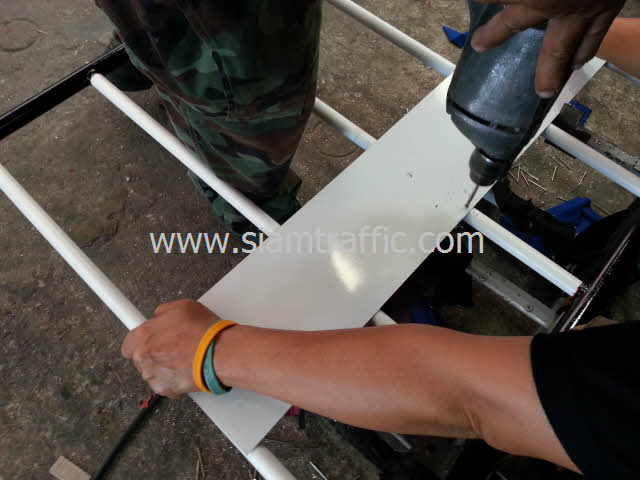




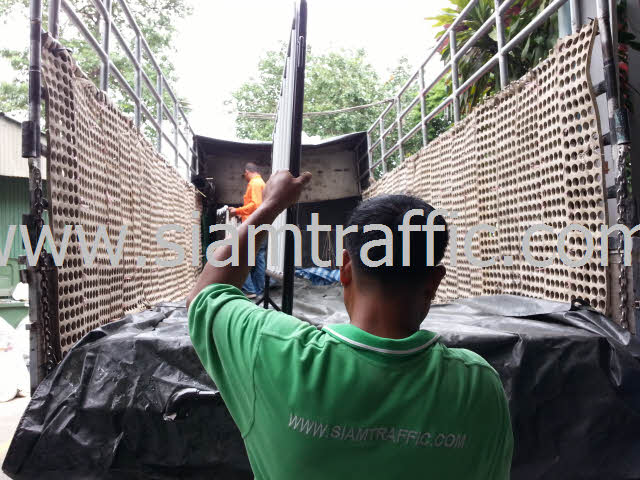
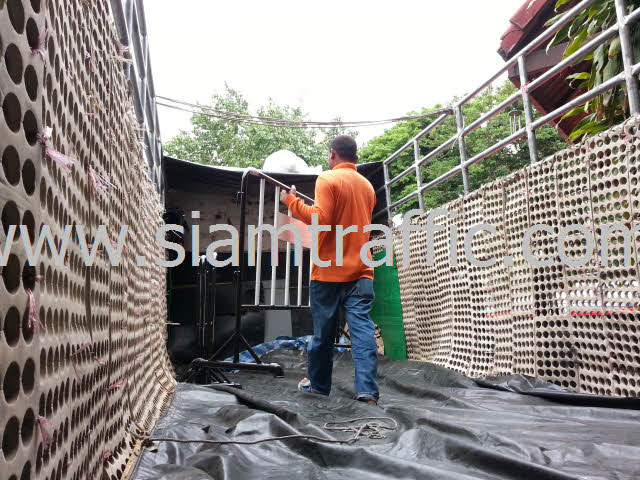
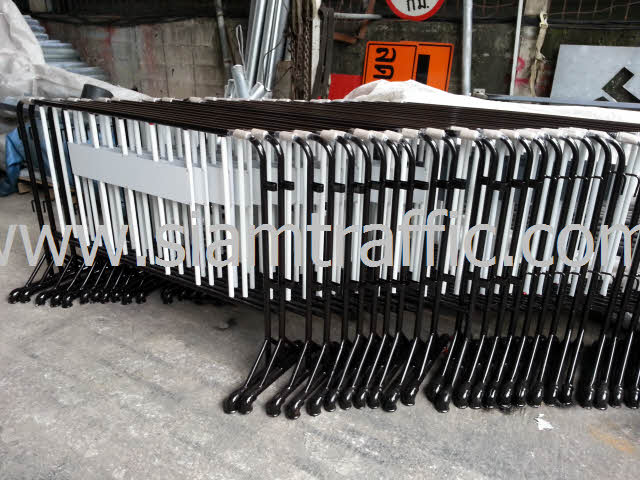
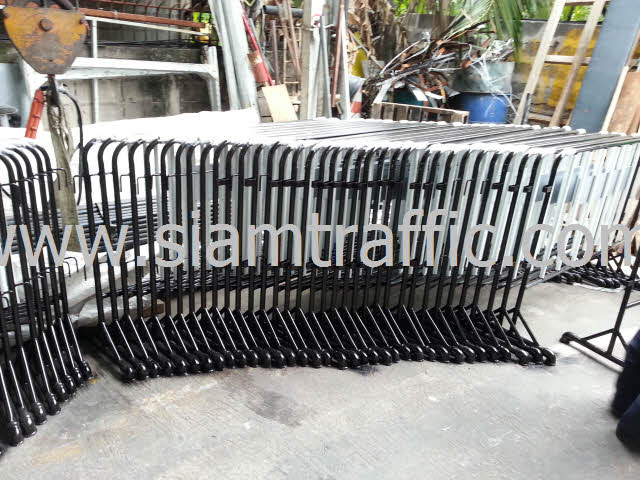
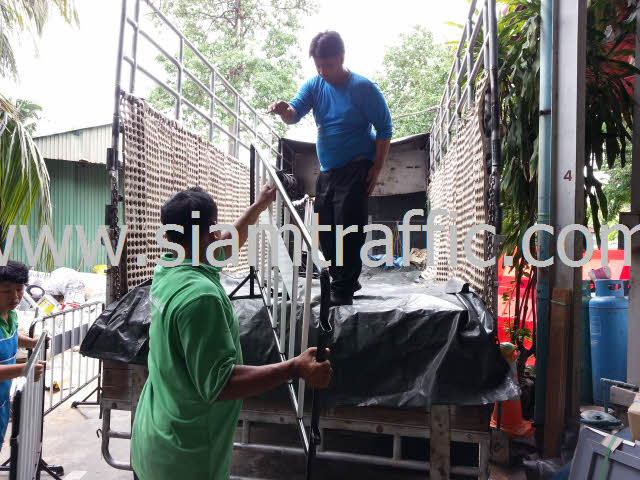





แผงกั้นจราจรขาวดำ
แผงกั้นจราจรขนาดยาว 1.5 เมตร ขอบสีดำ ซี่แผงกั้นจราจรสีขาว
จำนวน 120 แผง
ยึดป้ายเปลาสหน้าแผงกั้นจราจรแข็งแรงทนทาน
ดูรายละเอียดเพิ่มเติมได้ที่แผงกั้นจราจร
วีดีโอที่เกี่ยวข้องกับแผงกั้นจราจรขาวดำ ยึดป้ายหน้าแผงกั้นจราจรแข็งแรงทนทาน
www.dailymotion.com/video/x3ww275
Read more.....แผงกั้นจราจรขาวดำ ยึดป้ายหน้าแผงกั้นจราจรแข็งแรงทนทาน