View allAll Photos Tagged Conflicts
Detalle del salón de la mansión Hill House en Helensburgh, Escocia (Reino Unido). Es una de las más famosas obras de Charles Rennie Mackintosh. Fue diseñada y construida para el editor Walter Blackie entre 1902 y 1904.
Además de la casa, Mackintosh diseñó también la mayoría de las habitaciones interiores, muebles y otros detalles. La atención de Mackintosh por los detalles, se extendió a seleccionar el color de las flores que los Blackie podrían colocar en una mesa de la sala de estar, con el fin de no entrar en conflicto con el resto de la decoración. Tanto es así que, según cuenta una de las hijas del editor, Mackintosh le montó una buena bronca a la dueña de la casa por poner unas flores cuyo color no quedaba bien con los tonos de la decoración. Tenía mucho genio desde luego, en palabras de mi marido, los pocos clientes que tenía eran clientes entregados XD
En 1982 la casa fue donada a la National Trust for Scotland, que sigue manteniéndola.
Quiero llamar la atención al hecho de que la obra de Mackintosh data de los primeros años del Siglo XX, el estilo de sus obras era totalmente revolucionario en la Escocia de aquella época, muy poco entendido también, tardaron muchos años en darle la importancia que realmente tenía.
Muchísimas gracias por todas vuestras visitas, favoritos y comentarios, siento mucho no poder contestar a todos de momento.
Todavía me faltan unas cuantas galerías por visitar, poco a poco voy avanzando, disculpa la demora si todavía no he llegado a la tuya :)
A colorless plant in a colorful pot.
This photo symbolizes the contrast found between the inside and the surrounding outside.
Many people are suffering from depression despite their colorful "pots".
Second Life Eternal Conflict: Angels & Demons:
Hell SIM #1 :
maps.secondlife.com/secondlife/Helcaraxe%20Isle/164/117/3997
Hell SIM #2 :
maps.secondlife.com/secondlife/Beachcomber%20Oasis/88/130...
The Great Northern War was a conflict fought in the baltic region, primarily between the Swedish Empire, The Dano-Norwegian realm, Poland-Lithuania, and the Russia Empire from 1700-1721.
The Battle of Lesnaya was one of fiercest and larger battles of the Great Northern War. It was between a force of Russians numbering 26,500-29,000, and a Swedish detachment of around 12,500. The Swedish force was carrying relief supplies, which was carried by 4,500 wagons, for the main Swedish force deep in the heart of Russia. The two opposing forces finally came to a standstill and clashed at the outskirts of the village of Lesnaya.
After 8 hours of heavy fighting, neither side achieved an obvious victory. However, the Russians had crippled and slowed the Swedish reinforcements. As a result, this action is seen as the turning point of the war. With Charles the XII’s army rearing from defeat and not recieving desperately needed supplies, it was only a matter of time.
Big thanks to Nick for the suggestions on modifying the cannon
In Collaboration with Guy Sapir.
This is the Third image of our project for Urbanica2014. The theme is: Conflict". In this image we present the conflict between the classic/traditional ways of written communication electronic/pencil. In this case the pencil smashes the screen but it brakes at the same time.
Featured in: up-app-m.com/
honestreporting.com/orange-ceo-wed-leave-israel-tomorrow/
ijnet.org/es/blog/siete-razones-por-las-que-los-editores-...
france.attac.org/se-mobiliser/apple/article/il-y-a-un-pep...
……………………………….
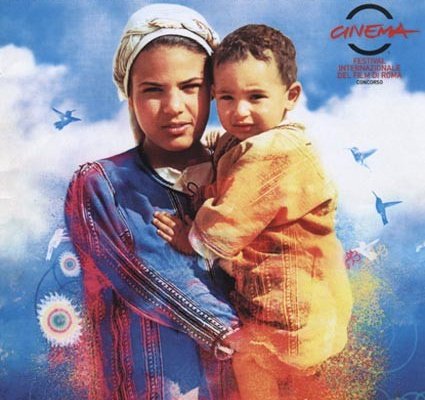
Poster:
Locandina:
movieplayer.net-cdn.it/t/images/2010/11/04/la-locandina-d...
filmitalia.org/Files/2010/10/14/1287087882765.jpg?1287087...
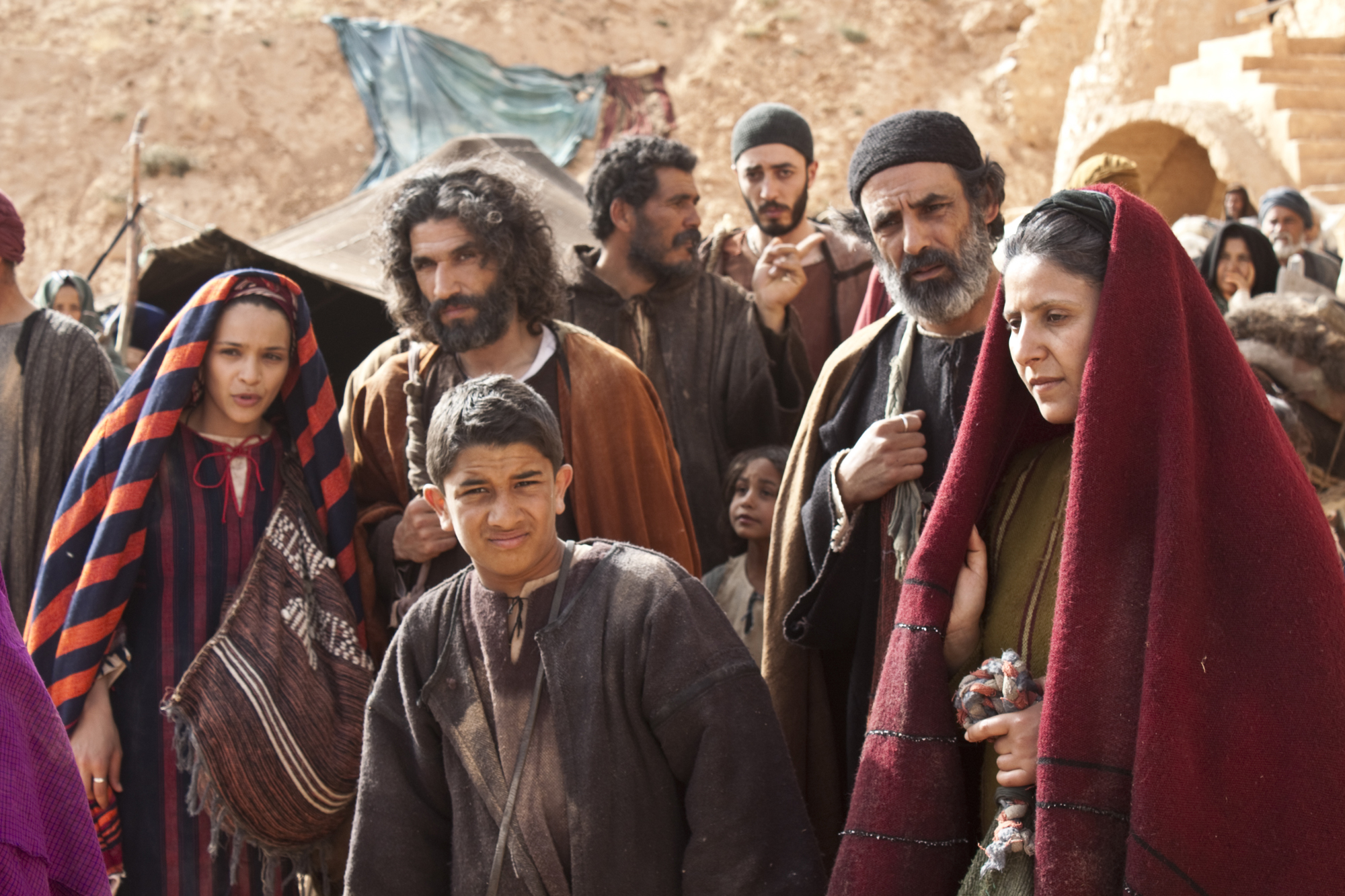
mr.comingsoon.it/rsz/foto/11612.jpg?preset=wide760
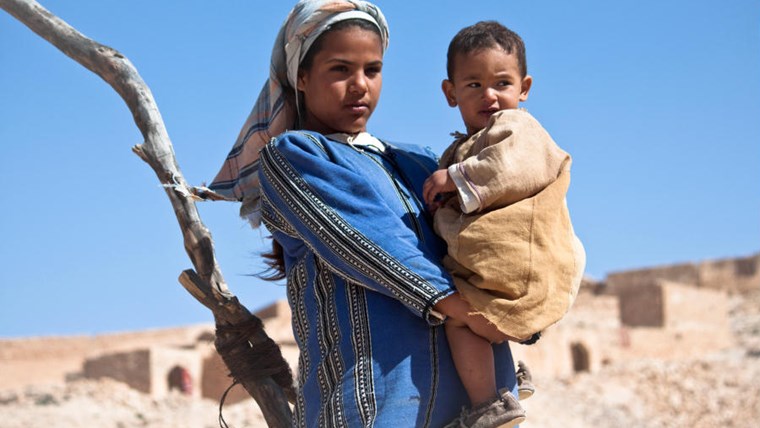
upload.wikimedia.org/wikipedia/it/a/a1/Io_sono_con_te_%28...
.JPG)
.............................................................................
click to activate the small icon of slideshow: the small triangle inscribed in the small rectangle, at the top right, in the photostream (it means the monitor);
or…. Press the “L” button to zoom in the image;
clicca sulla piccola icona per attivare lo slideshow: sulla facciata principale del photostream, in alto a destra c'è un piccolo rettangolo (rappresenta il monitor) con dentro un piccolo triangolo nero;
oppure…. premi il tasto “L” per ingrandire l'immagine;
www.fotografidigitali.it/gallery/2726/opere-italiane-segn...
………………………………………………………………………
This photographic story of mine, with descriptive text, was created in Novara di Sicilia (ME) on August 15th of this year, on the occasion of a suggestive traditional religious and popular celebration, that of the Apotheosis of the Assumption (in Heaven), which takes place every 5 years, however due to the bans issued during the Covid, it was not celebrated in 2020, so this celebration had not been held for 10 years. I would like to tell the origins of this ancient tradition, which began with the arrival of the Normans in Sicily around the year 1000. At that time, Southern Italy was a coexistence of peoples, religions, and languages, the most diverse. The majority were the Lombards. There were also the Greeks, with the Greek population of Calabria and Salento (i.e., the Byzantines), with the Greek Church based in Constantinople. It was not a foreign Byzantine domination, but rather the people of those lands for centuries. Then there were the Arabs who had conquered Sicily, and even under the Arabs in Sicily, Greeks, Latins, and Jews coexisted; the populations coexisted with each other, and the leaders waged war against each other. Then, in southern Italy, the Normans arrived, seeking adventure and fortune. They were French from Northern France, and the descendants of the Vikings from Scandinavia. the Norman Roger 1st of Sicily (known as the Great Count Roger) together with his brother, conquered Puglia, Calabria, subsequently they allied themselves with an Arab emir reigning in Sicily, who asked them for help because he was fighting against another Arab emir present in Sicily, Roger landed in Messina in February 1061 managing to occupy the eastern part of Sicily, thirty years after his landing in Sicily, in 1091 Roger could say he was master of all of Sicily; Ancient literature credits Great Count Roger with initiating the celebrations of the Assumption, whose banner featured the image of the Our Lady Ascending to Heaven. Under his patronage, the process of "re-Christianization" of the island began. Devotion to the Virgin was strengthened in the territory of Novara di Sicilia in the 12th century with the arrival of the French abbot Hugh (also proclaimed a saint), sent to Sicily by Bernard of Clairvaux, of the Cistercian Order, which has the figure of the Assumption as a cornerstone of its religious institution. This celebration-feast has seen mixed fortunes. Before the Second World War, the float with the Assumption was carried in procession along with approximately 15 floats of various saints. After that conflict, the bishop banned carrying statues of saints alongside the Assumption. With the Great Jubilee of 2000, the ancient tradition was revived with the Saints preceding the Assumption's exit. They arrive in the town's main square, forming a semicircle, awaiting the arrival of the Assumption, which in the meantime has been carried in procession through the town's streets. Upon her return to the square around midnight, the Assumption of Mary is reunited with all the Saints, giving life to the supreme expression of the Apotheosis of Mary Assumed into Heaven, amidst songs, litanies, and prayers. This, in short, is a great, heartfelt procession that begins in the afternoon and continues late into the night, with the many floats of saints preceding that of the Assumption of Mary, characterized by having their arms raised high, and the presence of more than 150 candles being lit. The official logo of the Solemn Apotheosis of the Assumption encloses the presence of the 15 saints as if they were 15 roses, arranged in a crown around the monogram "M - A" (Our Lady Ascending to Heaven): for Dante Alighieri in the Divine Comedy the "Mystical Rose" is "the Love of God", a symbol of divine perfection, peace, and the beauty of Paradise, linked to the figure of Mary, the Mystical Rose par excellence. Thus the Apotheosis is nothing other than the Embrace that God, through Mary and the Saints, addresses to all men.
…………………………………………………..
Questo mio racconto fotografico, con testo descrittivo, è stato realizzato a Novara di Sicilia (ME) il 15 di agosto di quest’anno, in occasione di una suggestiva celebrazione tradizionale religiosa e popolare, quella della Apoteosi dell’Assunta (in Cielo), che prende vita ogni 5 anni, purtuttavia causa i divieti emanati durante il covid, nel 2020 non venne celebrata, sicchè questa celebrazione era da 10 anni che non veniva svolta. Desidero raccontare le origini di questa antica tradizione, essa nasce con l’arrivo dei Normanni in Sicilia attorno all’Anno Mille, in quel periodo nell’Italia Meridionale c’era una convivenza di popoli, religioni, lingue, le più diverse, la maggioranza era data dai Longobardi, c’erano i Greci, con la popolazione greca della Calabria, del Salento (ovvero i Bizantini) con la Chiesa Greca che faceva capo a Costantinopoli, non era una dominazione bizantina straniera, ma erano i popoli di quelle terre da secoli, poi c'erano gli Arabi che avevano conquistato la Sicilia, ed anche sotto gli arabi in Sicilia, convivenao Greci, Latini, Ebrei, le popolazioni convivevano tra loro, erano i capi che si facevano la guerra tra di loro; poi nel meridione d’Italia arrivarono i Normanni, in cerca di avventura e di fortuna, essi erano francesi della Francia del Nord, essi erano i discendenti dei Vichinghi provenienti dalla Scandinavia; il Normanno Ruggero 1° di Sicilia (detto il Gran Conte Ruggero) insieme al fratello, conquista la Puglia, la Calabria, successivamente si allearono con un emiro arabo regnante in Sicilia, che chiedeva loro aiuto perché in lotta contro un altro emiro arabo presente in Sicilia, Ruggero sbarcò a Messina nel febbraio del 1061 riuscendo ad occupare la parte orientale della Sicilia, dopo trent'anni dal suo sbarco in Sicilia, nel 1091 Ruggero poté dirsi padrone di tutta la Sicilia; l’antica letteratura indica il Gran Conte Ruggero promotore dei festeggiamenti dell’Assunta, sul cui stendardo campeggiava l’immagine dell’Assunta, sotto la cui protezione ebbe inizio il processo di “ricristianizzazione” dell’isola, devozione verso la Vergine che si rafforza nel territorio di Novara di Sicilia nel XII secolo con l’arrivo dell’abate francese Ugo (anch’egli proclamato Santo), inviato in Sicilia da Bernardo di Chiaravalle, dell’Ordine Cistercense, che ha come pilastro portante la figura dell’Assunta nella sua istituzione religiosa. Questa celebrazione-festa ha visto alterne fortune, prima del secondo conflitto mondiale la vara con l’Assunta veniva portata in processione assieme a circa 15 vare di diversi santi, dopo tale conflitto ci fu il divieto vescovile di portare le statue dei santi insieme all’Assunta; col Grande Giubileo del 2000 l’antica tradizione riprese vita coi Santi che precedono l’uscita dell’Assunta, giungendo nella piazza principale del paese, disponendosi a semicerchio, aspettando l’arrivo dell’Assunta che nel frattempo è stata condotta in processione nelle vie del paese, al suo rientro in piazza verso mezzanotte Maria Assunta si ricongiunge con tutti i Santi, dando vita alla massima espressione dell’Apoteosi di Maria Assunta in Cielo, tra canti, litanie e preghiere. Questa, in sintesi, è una grande, sentita, processione che inizia nel pomeriggio, per proseguire a notte fonda, con le tante vare di santi che precedono quella di Maria Assunta, caratterizzata dall'avere le braccia rivolte in alto, e la presenza di più di 150 candele che vengono accese. Il logo ufficiale della Solenne Apoteosi dell’Assunta racchiude la presenza dei 15 santi come fossero 15 rose, disposte a corona attorno al monogramma “M – A” (Madonna Assunta): per Dante Alighieri nella Divina Commedia la “Rosa Mistica” è “l’Amore di Dio”, simbolo della perfezione divina, pace, bellezza del Paradiso, collegata alla figura di Maria, Rosa Mistica per eccellenza, ecco che l’Apoteosi altro non è che l’Abbraccio che Dio, tramite Maria ed i Santi, rivolge a tutti gli uomini.
……………………………………………………………..
They're in the skies. They have eyes. They terrorize.
A build for the Iron Forgery competition starring that miniaturized McToran torso as the seed part.
As the sun rose, its light took hold chasing away the darkness and spirits. In the forest one curious explorer would travel to find the old ruins, Stories and myths circle the place. As the explorer stepped inside, they would look around and see a rose covered coffin lying in the middle of the room. The blooms stunning and smell of the flowers themselves enchanting, and intoxicating the scent seemingly would pull the explorer over. As they peered through the glass lid they would see her. First thoughts come to mind is she dead? A slow rise and settling of shallow breaths would be seen from her chest. An old child's tale would come to mind as she slumbers. Sleeping beauty? The explorer opens the coffin staring at the peaceful maiden. Thoughts of conflict in their mind before the explorer decides to give the child's tale a whirl. As the explorer would lean down and kiss her lips, surprise would cross their face, as they grasp the edge of the coffin slowly falling their visions blurred as the beauty wakes up looking over the edge. She smiles softly as the explorer falls into the depths of a deep slumber.
╌╌╌▪We <3 Role-play (June 4th - June 28th)▪╌╌╌
╭━━━━━━━━▸ᖴᗴᗩ丅ᑌᖇᗴᗪ◂━━━━━━━━╮
K R E E P: Forsaken Headress (@We<3Roleplay)
╌╌╌▪ мαякєтρℓαcє ▪ ιиωσяℓ∂ ѕтσяє ▪ ᴅιѕcσя∂ ▪╌╌╌
╰━━━━━━━━━━━· ☾·━━━━━━━━━━━╯
ᑕᑌᖇᖇᗴᑎ丅ᒪƳ ᗯᗴᗩᖇIᑎǤ
◦ Mod :: { aa } London Werewolves (Heaven) Anxious Angel
◦ Head :: ///ANIMA\\\ Fabled Fox Head ///ANIMA\
◦ Ears :: { aa } London Werewolves (Heaven) - Ears (Comes with the Mod) Anxious Angel
◦ Hair :: DOUX - Esther hairstyle [BLOGGER PACK] Doux
◦ Body :: Reborn eBody
◦ Claws :: Beast Claws - [Conviction]
◦ Body Fluff Tuffs :: LIL'TUFTS (and) MAZE tufts REBORN addon GoodGirl X :heck:
◦ Outfit :: Silvan Festival Dress FATPACK K R E E P
ᴅɪsᴄʟᴀɪᴍᴇʀ - ᴛʜɪs ᴘʜᴏᴛᴏ ᴜsᴇs ᴡɪɴᴅʟɪɢʜᴛs/ʟɪɢʜᴛɪɴɢ/ᴘʜᴏᴛᴏsʜᴏᴘ ɪғ ʀᴇᴄʀᴇᴀᴛɪɴɢ ᴀɴʏᴛʜɪɴɢ ᴛʀʏ ʙᴇғᴏʀᴇ ʏᴏᴜ ʙᴜʏ.
Fort Lauderdale is a city in the U.S. state of Florida, 25 miles (40 km) north of Miami. It is the county seat of Broward County. As of the 2019 census, the city has an estimated population of 182,437. Fort Lauderdale is a principal city of the Miami metropolitan area, which was home to an estimated 6,198,782 people in 2018.
The city is a popular tourist destination, with an average year-round temperature of 75.5 °F (24.2 °C) and 3,000 hours of sunshine per year. Greater Fort Lauderdale which takes in all of Broward County hosted 12 million visitors in 2012, including 2.8 million international visitors. The city and county in 2012 collected $43.9 million from the 5% hotel tax it charges, after hotels in the area recorded an occupancy rate for the year of 72.7 percent and an average daily rate of $114.48. The district has 561 hotels and motels comprising nearly 35,000 rooms. Forty six cruise ships sailed from Port Everglades in 2012. Greater Fort Lauderdale has over 4,000 restaurants, 63 golf courses, 12 shopping malls, 16 museums, 132 nightclubs, 278 parkland campsites, and 100 marinas housing 45,000 resident yachts.
Fort Lauderdale is named after a series of forts built by the United States during the Second Seminole War. The forts took their name from Major William Lauderdale (1782–1838), younger brother of Lieutenant Colonel James Lauderdale. William Lauderdale was the commander of the detachment of soldiers who built the first fort. However, development of the city did not begin until 50 years after the forts were abandoned at the end of the conflict. Three forts named "Fort Lauderdale" were constructed; the first was at the fork of the New River, the second at Tarpon Bend on the New River between the Colee Hammock and Rio Vista neighborhoods, and the third near the site of the Bahia Mar Marina.
The area in which the city of Fort Lauderdale would later be founded was inhabited for more than two thousand years by the Tequesta Indians. Contact with Spanish explorers in the 16th century proved disastrous for the Tequesta, as the Europeans unwittingly brought with them diseases, such as smallpox, to which the native populations possessed no resistance. For the Tequesta, disease, coupled with continuing conflict with their Calusa neighbors, contributed greatly to their decline over the next two centuries. By 1763, there were only a few Tequesta left in Florida, and most of them were evacuated to Cuba when the Spanish ceded Florida to the British in 1763, under the terms of the Treaty of Paris (1763), which ended the Seven Years' War. Although control of the area changed between Spain, the United Kingdom, the United States, and the Confederate States of America, it remained largely undeveloped until the 20th century.
The Fort Lauderdale area was known as the "New River Settlement" before the 20th century. In the 1830s there were approximately 70 settlers living along the New River. William Cooley, the local Justice of the Peace, was a farmer and wrecker, who traded with the Seminole Indians. On January 6, 1836, while Cooley was leading an attempt to salvage a wrecked ship, a band of Seminoles attacked his farm, killing his wife and children, and the children's tutor. The other farms in the settlement were not attacked, but all the white residents in the area abandoned the settlement, fleeing first to the Cape Florida Lighthouse on Key Biscayne, and then to Key West.
The first United States stockade named Fort Lauderdale was built in 1838, and subsequently was a site of fighting during the Second Seminole War. The fort was abandoned in 1842, after the end of the war, and the area remained virtually unpopulated until the 1890s. It was not until Frank Stranahan arrived in the area in 1893 to operate a ferry across the New River, and the Florida East Coast Railroad's completion of a route through the area in 1896, that any organized development began. The city was incorporated in 1911, and in 1915 was designated the county seat of newly formed Broward County.
Fort Lauderdale's first major development began in the 1920s, during the Florida land boom of the 1920s. The 1926 Miami Hurricane and the Great Depression of the 1930s caused a great deal of economic dislocation. In July 1935, an African-American man named Rubin Stacy was accused of robbing a white woman at knife point. He was arrested and being transported to a Miami jail when police were run off the road by a mob. A group of 100 white men proceeded to hang Stacy from a tree near the scene of his alleged robbery. His body was riddled with some twenty bullets. The murder was subsequently used by the press in Nazi Germany to discredit US critiques of its own persecution of Jews, Communists, and Catholics.
When World War II began, Fort Lauderdale became a major US base, with a Naval Air Station to train pilots, radar operators, and fire control, operators. A Coast Guard base at Port Everglades was also established.
On July 4, 1961, African Americans started a series of protests, wade-ins, at beaches that were off-limits to them, to protest "the failure of the county to build a road to the Negro beach". On July 11, 1962, a verdict by Ted Cabot went against the city's policy of racial segregation of public beaches.
Today, Fort Lauderdale is a major yachting center, one of the nation's largest tourist destinations, and the center of a metropolitan division with 1.8 million people.
Credit for the data above is given to the following website:
en.wikipedia.org/wiki/Fort_Lauderdale,_Florida
© All Rights Reserved - you may not use this image in any form without my prior permission.
The present ruins date from the 13th to the 16th centuries, though built on the site of an early medieval fortification. Founded in the 13th century, Urquhart played a
role in the Wars of Scottish Independence in the 14th century. It was subsequently held as a royal castle, and was raided on several occasions by the MacDonald Earls
of Ross. The castle was granted to the Clan Grant in 1509, though conflict with the MacDonalds continued. Despite a series of further raids the castle was
strengthened, only to be largely abandoned by the middle of the 17th century. Urquhart was partially destroyed in 1692 to prevent its use by Jacobite forces, and
subsequently decayed. In the 20th century it was placed in state care and opened to the public: it is now one of the most-visited castles in Scotland.
Despite the conflict raging in Europe, this fine couple can share a joke at Quorn and Woodhouse Station during the marvellous GCR 1940s Weekend, September 2021. Huge credit to everyone involved in organising and participating in the event.
Canon F1n, 50mm f1.2L Lens, Ilford XP2 Super rated at ISO 200
Here is a self-portrait around the conflict between Serenity and Insanity.
Front view with details: www.hostingpics.net/viewer.php?id=699669ConflictSerenityv...

A magnificent view from the Loch Ness shows this wonderful Castle of Urquhart surrounded by beautiful scenery and wondrous Autumnal colours from the Landscape.
Founded in the 13th century, Urquhart played a role in the Wars of Scottish Independence in the 14th century. It was subsequently held as a royal castle, and was raided on several occasions by the MacDonald Earls of Ross. The castle was granted to the Clan Grant in 1509, though conflict with the MacDonalds continued. Despite a series of further raids the castle was strengthened, only to be largely abandoned by the middle of the 17th century. Urquhart was partially destroyed in 1692 to prevent its use by Jacobite forces, and subsequently decayed. In the 20th century it was placed in state care as a scheduled monument and opened to the public: it is now one of the most-visited castles in Scotland.
Looking northeast, just south of the fishing town of Stykkishólmur Iceland. Lights of the city were bouncing off the clouds from one direction, moonlight coming from the other, and the aurora in between.
Out to the Harrison River to check on the Salmon run. Lots of Eagles but less than some years. Water level is up and because I went early the birds were still feeding. Unfortunately it started to rain shortly after I arrived which was annoying but I saw lots of interesting stuff.
Trophies for the Interstellar Conflict category of the 2023 Space Jam, Lego sci-fi building contest. Individual pictures of each trophy can be found on my alt account: www.flickr.com/photos/133437844@N03/
London Midland Class 150 No. 150019 has just got the road into Birmingham Moor Street, after being held for the departing Chiltern Railways Class 67 No. 67015 'David J. Lloyd' to cross onto the main line from Moor Street's bay platform, and is approaching Bordesley station with a service for London Marylebone. Copyright Photograph John Whitehouse - all rights reserved.
I was walking along a creek and a ruckus broke out above my head. Two squirrels were chasing each other and making all kinds of loud noises. I managed to get this shot just as one was in the process of falling off the branch.
Fox Squirrel (Sciurus niger)
White Rock Lake, Dallas Texas
My photos can also be found at kapturedbykala.com
The Imperial War Museum North in Manchester, UK. Architect is Daniel Libeskind. His design represents a shattered world with different elements of the building looking like shards or scarred fragments of a broken globe
Don't know if this was courtship or conflict! These flies must have spent two minutes or so engaged in this head-to-head, with occasional movement and touching.
It is important for researchers and doctors to understand more about how people camouflage, because camouflaging might make people unwell. For example, some studies have found that people who camouflage more also have more mental health problems, such as depression or anxiety. It is important that we learn more about why these mental health problems happen, so we can help people to feel better..." Laura Hull and Will Mandy via kids.frontiersin.org/article/10.3389/frym.2019.00129 💙
-
I find that we must reflect on the good and the bad that comes with autism. My experiences vary: I can be so happy and joyous that I will stim (reactions/movements that autistic people may do when there's a sensory overload or an overwhelming sense of joy or stress.) But then I can also feel very low and drained, this can be due to masking for a lengthy period of time; long social interactions and intense 1-1 situations- often with strangers. 💙
-
These opposite sides of the masking spectrum can be very varying and inconsistent. Now that I am aware of masking and how it is something I do, I worry about the implications from this; how will it affect me as I grow further into adulthood: building my own family and my business. Will I be happy, healthy and me? 💙
-
This photo is a portrayal of the conflict that comes with masking. How it feels to be in the centre of masking, particularly for a long period of time. You feel yourself doing whatever you can to successfully mask, to hide any autistic traits that people might judge. I often feel exposed when trying to mask, like I can't hide and am a witness to my own insecurities. 💙
-
‘Masking: Conflict’ Part 2 of my masking triptych. #Autismus
Walmart's slogan is 'Live Better.'
You can't make this stuff up.
Happy a nice...World Photography Day!
This topic is approached by considering the 'composition opportunity', 'making it' in this sphere. They may instead act to maintain the precarious working situation we find ourselves in.