View allAll Photos Tagged piccolo
La tavola sempre elegantemente apparecchiata ogni mese cambia secondo le disposizioni lasciate dal marchese Roi, in fondo, sfuocate, una collezione di cioccolatiere...
Villa Fogazzaro Roi
Oria in Valsolda, Lago di Lugano
Leica IIIc (1941) + Summar 50mm f/2 (1938) + Rollei RPX 400@3200asa self developed + senza esposimetro
Aristogatti Tutti quanti vogliono fare jazz
I gatti hanno un giornale
con tutte le novità
e sull'ultima pagina
la "Piccola pubblicità".
"Cercasi casa comoda
con poltrone fuori moda:
non si accettano bambini
perché tirano la coda."
"Cerco vecchia signora
a scopo compagnia.
Precisare referenze
e conto in macelleria."
"Premiato cacciatore
cerca impiego in granaio."
"Vegetariano, scapolo,
cerca ricco lattaio."
I gatti senza casa
la domenica dopopranzo
leggono questi avvisi
più belli di un romanzo:
per un'oretta o due
sognano ad occhi aperti,
poi vanno a prepararsi
ai concerti notturni.(G.Rodari)
Old Limburgian Shooter’s Festival (Oud-Limburgs Schuttersfeest, OLS 2024), Doenrade, The Netherlands.
....................................................................................
Domenico Modugno Lu pisci spada Teatro 10 1964
-----------------------------------------------------------------
click to activate the icon of slideshow: the small triangle inscribed in the small rectangle, at the top right, in the photostream;
or…. Press the “L” button to zoom in the image;
clicca sulla piccola icona per attivare lo slideshow: sulla facciata principale del photostream, in alto a destra c'è un piccolo rettangolo (rappresenta il monitor) con dentro un piccolo triangolo nero;
oppure…. premi il tasto “L” per ingrandire l'immagine;
www.worldphoto.org/sony-world-photography-awards/winners-...
www.fotografidigitali.it/gallery/2726/opere-italiane-segn...
……………………………………………………………………….
Acitrezza, a coastal town in eastern Sicily, a fraction of Acicastello (a town so called due to the presence of a gloomy and imposing Norman Castle which rises above the sea); Acitrezza has the prefix "Aci", which we find in nine municipalities in the province of Catania, a prefix that originates from an ancient legend that speaks of a love story between the shepherd boy Aci and the beautiful Nereid named Galatea, a marine divinity , but it is also a story of jealousy, in fact Galatea was desired by the terrible god Polyphemus (Ovid, in the XIII book of the Metamorphoses); Acitrezza is above all known to most, for having been the socio-cultural background for the novel "I Malavoglia" by the great realist writer Giovanni Verga, and for the film " The earth shakes" by the great director Luchino Visconti, a film always inspired by the novel "I Malavoglia ”; speaking of Giovanni Verga, born in Catania, I would like to underline that he was not only a famous writer, exponent of the Verismo literary current, but he was also a passionate photographer, whose photographic production was certainly influenced by his friend and writer Luigi Capuana: in Verga's photographs (for many years I have owned the book "Verga photographer") we find a particular attention to portraits (simple people, such as relatives, acquaintances, peasants, waitresses), photographs of urban and rural realities of Sicily of his time (a diatribe concerns whether or not these photographs were important cues for fueling his literary narrative production), but not only Sicily, there are photographs of landscapes such as the lakes in Lombardy, Bormio, Switzerland, which Verga visited starting from Milan where he lived for a long time. This introductory note, to talk about the photographs I took in Acitrezza on June 24th of this year: the first photos I post (in the slideshow, as in the photostream, they will be the last to appear) there are portraits of some very nice members of the Lega Navale di Acitrezza who performed in a very particular and unique musical performance using the shells of clearly exotic molluscs, I then made photographs of the particular coast of the sea that bathes Acitrezza, devoid of beaches, with the characteristic faraglioni (islands of the Cyclops), for which bathers to immerse themselves in its clear waters, must adapt to the presence of the rocks, or take advantage of the concrete "slides" created for launching or hauling boats, or taking advantage of the characteristic wooden scaffolding which, like stilt houses, overlook the rocks, allowing you to park comfortably a short distance from the sea water; however what prompted me to go to Acitrezza was the particular scenic representation held on the occasion of the Feast of San Giovanni on 24 June, a farcical representation that dates back to 1750, and seems to originate as a propitiatory rite for to fish for swordfishfish, such farce-representation takes the name of "U pisci a mari" (the fish in the sea), almost superfluous to underline how fishing for coastal towns such as Acitrezza (therefore also fishing for large Mediterranean fish, such as tuna and swordfish) has represented and represents an important source of livelihood, fishing that above all in the past (now it has become a rarity, something survives in the Strait of Messina) was carried out with the use of a long rod equipped with a harpoon with mobile and articulated fins (so as to prevent the rod from being unsarpooned by leveraging it), with typical boats of two types, the "luntru", equipped with a tree in the center of the boat, about three meters high, from whose top you can see the swordfish (which in the period between April and September it approaches the Calabrian and Sicilian coast of the Strait of Messina, it can be seen while it sails torpidly or even sleeps on the surface), the other type of boat is the "feluca" whose "modern" version includes, in addition to a very high lookout mast, the presence of a very long walkway that allows you to reach the swordfish above, which has not yet alarmed itself by hearing the engine of the boat still far away. In this "pantomime", a Swordfish-Man is symbolically captured with a spear, bright red fake "stage blood" is immediately sprinkled on his body, the joy among the fishermen is great, at the tip of the pier with the umbrella in hand there is the "Rais" (the Chief of the crew who has the task of signaling the presence of the Man-Fish) who rejoices, (this type of fishing has very ancient origins), the musical band has taken its place on a barge, with its music, brightens up the whole scene despite the bloody aspect that characterizes the scene, some photographs if not commented (and seen individually) could create a bit of bewilderment, looking at the smiling faces of the spectators one realizes that we are faced with a farce-representation, the Man-Fish, albeit "wounded", manages to squirm and regain his freedom by throwing himself into the water, the fishermen are in the throes of anger and despair, the Rais despairs, the capture and salvation for the Man-Fish takes place three times, after which the fishermen, now without prey and desperate, end their comedy by overturning the boat and thus ending up miserably in the water. The colors present in the feast of San Giovanni di Acitrezza are the colors red and yellow, colors that we find in the clothes of the fishermen, in the decorations and in the colors of the boat called San Giovanni, so even the devotees dress in red and yellow wearing the handkerchief or the yellow-red dress of St. John.
………………………………………………………………………
Acitrezza, paese costiero della Sicilia orientale, frazione di Acicastello (paese così chiamato per la presenza di un tetro e imponente Castello Normanno che si erge sul mare); Acitrezza ha il prefisso “Aci”, che ritroviamo in nove comuni della provincia di Catania, prefisso che origina da un’antica leggenda che parla di una storia d’amore tra il pastorello Aci e la bellissima Nereide di nome Galatea, una una divinità marina, ma è anche una storia di gelosia, infatti Galatea era desiderata dal terribile dio Polifemo (Ovidio, nel XIII libro delle Metamorfosi); Acitrezza è soprattutto conosciuta ai più, per aver fatto da sfondo socio-culturale al romanzo “I Malavoglia” del grande scrittore verista Giovanni Verga, e al film “la terra trema” del grande regista Luchino Visconti, film ispirato sempre al romanzo “I Malavoglia”; a proposito di Giovanni Verga, nato a Catania, desidero sottolineare, che egli non fu solamente un famoso scrittore, esponente della corrente letteraria del Verismo, ma egli fu anche un appassionato fotografo, la cui produzione fotografica fu certamente influenzata dal suo amico e scrittore Luigi Capuana: nelle fotografia del Verga (da molti anni sono in possesso del libro ”Verga fotografo”) ritroviamo una particolare attenzione al ritratto (persone semplici, come parenti, conoscenti, contadini, cameriere), fotografie di realtà urbane e rurali della Sicilia del suo tempo (una diatriba riguarda se tali fotografie erano o meno importanti spunti per alimentare la sua produzione narrativa letteraria), ma non solo la Sicilia, ci sono fotografie di paesaggi come i laghi lombardi, di Bormio, della Svizzera, che Verga visitò partendo da Milano dove egli visse per molto tempo. Questa nota introduttiva, per parlare delle fotografie che ho realizzato ad Acitrezza il 24 giugno di quest’anno: le prime foto che posto (nello slideshow, come nel photostream, saranno le ultime ad apparire) ci sono i ritratti di alcuni simpaticissimi soci della Lega Navale di Acitrezza che si sono esibiti in una particolarissima ed unica performance musicale utilizzando le conchiglie di molluschi chiaramente esotici, ho poi realizzato fotografie della particolare costa del mare che bagna Acitrezza, priva di spiagge, coi caratteristici faraglioni (isole dei Ciclopi), per cui i bagnanti per immergersi nelle sue limpide acque, devono adattarsi alla presenza degli scogli, oppure approfittare di “scivole” in cemento create per la messa in acqua o l’alaggio delle barche, oppure usufruendo di caratteristiche impalcature in legno che, come palafitte, sovrastano le rocce, consentendo di stazionare comodamente a poca distanza dall’acqua del mare; però quello che mi ha spinto a recarmi ad Acitrezza è stata la particolare rappresentazione scenica che si tiene in occasione della Festa di San Giovanni il 24 giugno, rappresentazione farsesca che risale al 1750, e sembra originare come rito propiziatorio per la pesce al pescespada, tale rappresentazione-farsa prende il nome di “U pisci a mari” (il pesce nel mare), quasi superfluo sottolineare di come la pesca per paesi costieri come Acitrezza (quindi anche la pesca ai grandi pesci del Mediterraneo, come tonni e pescespada) ha rappresentato e rappresenta una importante fonte di sostentamento, pesca che soprattutto in passato (ora è diventata una rarità, qualcosa sopravvive nello stretto di Messina) veniva eseguita con l’utilizzo di una lunga asta dotata di un arpione ad alette mobili e snodabile (in modo da impedire che l’asta, facendo leva, potesse disarpionarsi), con barche tipiche di due tipi, il “luntru” , dotata di un albero nel centro della barca, alto circa tre metri, dalla cui sommità si avvista il pescespada (che nel periodo tra aprile e settembre si avvicina alla costa calabrese e siciliana dello stretto di Messina, lo si può avvistare mentre naviga torpidamente od addirittura riposa in superficie), l’altro tipo di barca è la “feluca” la cui versione “moderna” prevede oltre ad un’altissimo albero di avvistamento, la presenza di una lunghissima passerella che consente di giungere sopra il pescespada, il quale ancora non si è messo in allarme sentendo il motore della barca ancora distante. In questa “pantomima”, un Uomo-Pescespada viene catturato simbolicamente con una fiocina, del finto “sangue di scena” color rosso vivo viene subito cosparso sul suo corpo, la gioia tra i pescatori è grande, sulla punta del molo con l’ombrello in mano c’è il “Rais” (il Capo dell’equipaggio che ha il compito di segnalare la presenza dell’Uomo-Pesce) che esulta, (questo tipo di pesca ha origini antichissime), la banda musicale ha preso posto su di un barcone, con la sua musica rallegra tutta la scena nonostante l’aspetto comunque cruento che caratterizza la scena, qualche fotografia se non commentata (e vista singolarmente) potrebbe creare un po’ di sconcerto, guardando i visi sorridenti degli spettatori ci si rende conto che ci si trova davanti ad una rappresentazione-farsa, l’Uomo-Pesce seppur “ferito” riesce a dimenarsi ed a riguadagnare la libertà gettandosi in acqua, i pescatori sono in preda alla rabbia ed allo sconforto, il Rais si dispera, la cattura e la salvezza per l’Uomo-Pesce avviene tre volte, dopodiché i pescatori, oramai senza più preda e disperati terminano la loro commedia rovesciando la barca e finendo quindi miseramente in acqua. I colori presenti nella festa di San Giovanni di Acitrezza sono i colori rosso e giallo, colori che ritroviamo nei vestiti dei pescatori, negli addobbi e nei colori della barca detta di San Giovanni, così anche i devoti vestono di rosso e giallo indossando il fazzoletto od il vestito giallo-rosso di San Giovanni.
........................................................................
………………………………….
www.imdb.com/title/tt0012631/mediaviewer/rm2795115008/?re...
images.mubicdn.net/images/film/36043/cache-25849-14774382...
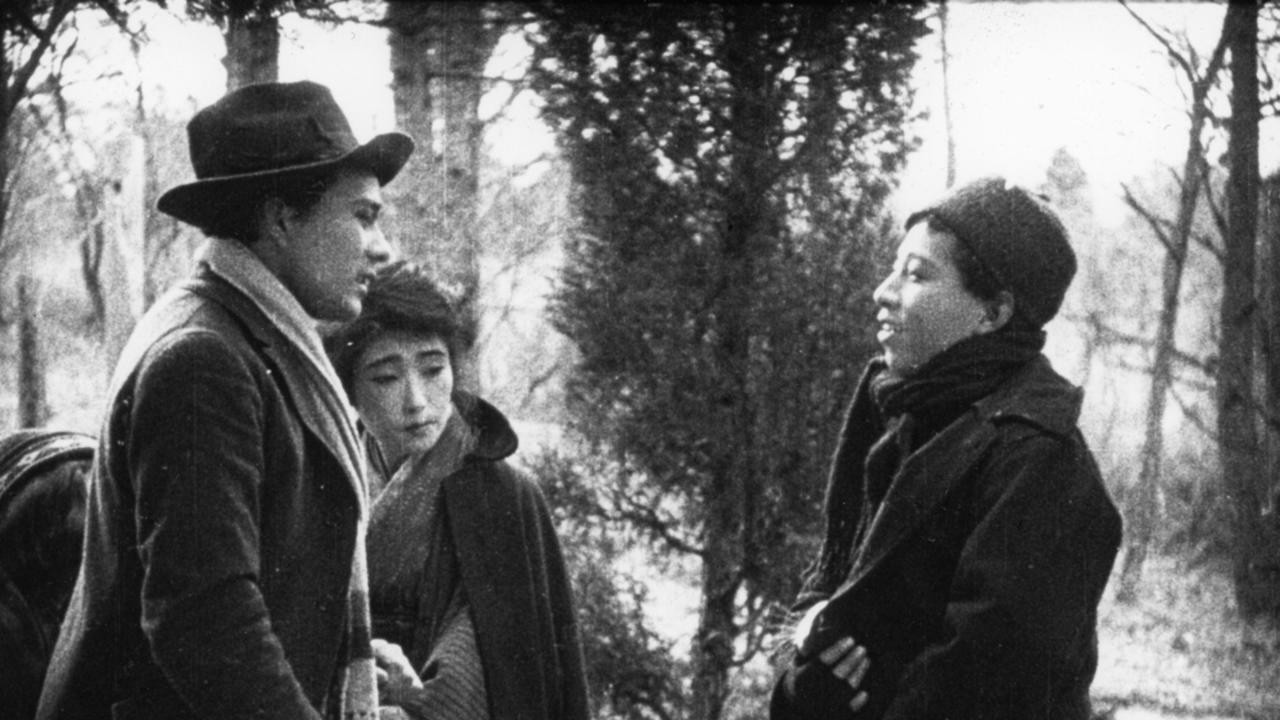
-----------------------------------------------------------------
click to activate the icon of slideshow: the small triangle inscribed in the small rectangle, at the top right, in the photostream;
or…. Press the “L” button to zoom in the image;
clicca sulla piccola icona per attivare lo slideshow: sulla facciata principale del photostream, in alto a destra c'è un piccolo rettangolo (rappresenta il monitor) con dentro un piccolo triangolo nero;
oppure…. premi il tasto “L” per ingrandire l'immagine;
www.worldphoto.org/sony-world-photography-awards/winners-...
www.fotografidigitali.it/gallery/2726/opere-italiane-segn...
…………………………………………………………………
A deep passion of mine about photography concerns, in addition to traditional Sicilian festivals, the black and white genre and street photography, which often but not always end up coinciding, so, although I am currently working on other photographic projects, I have given up (temporarily) everything and I immersed myself in the creation of this group of photos, they are heterogeneous, there is no common thread, yet I felt the need to reclaim these passions of mine. The photographs were taken in Taormina, Letojanni, Messina (at the Torre Faro pylon), on the hydrofoil that takes you from Milazzo to the Aeolian islands, on the islands of Lipari and Salina. A good number of these photos were taken with a 35mm Lensbaby on full frame (focus is manual). I photographed a lay friar, Giovanni L.P., he spoke to me about his troubled life, namely the rediscovery of a profound faith, now with the help of an old and worn Bible, he goes around the world preaching the Word of the Lord; I photographed a huge cargo ship, it was crossing the Strait of Messina, when I saw it I was speechless, I don't think I've ever seen such a gigantic ship up close, I had to wait for it to move away a little so I could take it again all of it, with the lenses I was wearing at the time, as it passed by me, all of it just didn't fit...; on the island of Salina, in the Pollara district, I photographed the external patio of "Neruda's house" where some scenes of the film "Il Postino" with Massimo Troisi, Philippe Noiret, Maria Grazia Cucinotta were filmed; also on the island of Salina I photographed the little black beach of Rinella; the man who "put the dead hand" on her partner was lovingly reprimanded by her, there was complicity between the two of them, she feared that someone might see them...
…………………………………………………….
Una mia profonda passione circa la fotografia riguarda, oltre le feste tradizionali siciliane, il genere bianco e nero e la street photography, esse spesso ma non sempre, finiscono per coincidere, così, pur lavorando attualmente ad altri progetti fotografici, ho mollato (temporaneamente) tutto e mi sono immerso nella realizzazione di questo gruppo di foto, sono eterogenee, non c’è un filo conduttore, eppure sentivo la necessità di riappropriarmi di queste mie passioni. Le fotografie sono state realizzate a Taormina, a Letojanni, a Messina (al Pilone di Torre Faro), sull’aliscafo che da Milazzo porta alle isole Eolie, sulle isole di Lipari e di Salina. Un buon numero di queste foto è stato realizzato con una Lensbaby da 35 mm (su full frame, il fuoco è manuale). Ho fotografato un frate laico, Giovanni L.P., mi ha parlato della sua tribolata vita, pèoi la riscoperta di una profonda fede, ora aiutandosi con una vecchia e logora Bibbia, va in giro per il mondo predicando la Parola del Signore; ho fotografato una enorme nave cargo, stava attraversando lo Stretto di Messina, quando l’ho vista sono rimasto a bocca aperta, non credo di aver mai visto da vicino una nave così gigantesca, ho dovuto aspettare che si allontanasse un po’ per poterla riprendere tutta, con le ottiche che montavo in quel momento, mentre mi passava vicino, tutta proprio non ci entrava…; sull’isola di Salina, in contrada Pollara, ho fotografato il patio esterno della “casa di Neruda” ove furono girate alcune scene del film “Il Postino” con Massimo Troisi, Philippe Noiret, Maria Grazia Cucinotta; sempre sull’isola di Salina ho fotografato la spiaggetta nera di Rinella; l’uomo che “faceva la mano morta” sulla sua compagna veniva amorevolmente ripreso da lei, c’era complicità tra loro due, lei temeva che qualcuno potesse vederli ….
……………………………………………..
Villa Fogazzaro Roi
Nella sala da pranzo
www.repubblica.it/cronaca/2010/06/14/news/villa_fogazzaro...
Oria in Valsolda, Lago di Lugano
it.m.wikipedia.org/wiki/Piccolo_mondo_antico_
Leica IIIc (1941) + Summar 50mm f/2 (1938) + Rollei RPX 400@3200asa self developed + senza esposimetro
Come in attesa del fischio d'inizio, pronto a placcare il giocatore della squadra avversaria.
Piccola, delicata e meravigliosa creatura
Oria in Valsolda, lago di Lugano
Leica IIIc (1941) + Summar 50mm f/2 (1938) + Kodak 200 Gold self developed + senza esposimetro
VUOI AZZERARE LE BOLLETTE DI LUCE E GAS?
Allora registri su ZERO !! Guarda il video su io.scelgozero.it/inizia/T13808U13899 e poi inserisci i tuoi dati per iscriverti gratuitamente.
- Cookie tree earrings and holdable cookie
- Comes With Animations
- Copy | Mod | No Transfer
It is available at MIIX EVENT