View allAll Photos Tagged difficulty
In the 1800s, the U.S. Postal Service had difficulties delivering the mail across the country. To augment uneven postal service, almost 400 private individuals and companies undertook to fill this need. Wells, Fargo & Co. delivered letters from 1852 to 1895, longer than any other express. At first, a collect system, in which the recipient paid the postage prevailed. In 1855, the government made pre-payment, where the sender paid, mandatory. Express companies hand-stamped or printed their "frank" (or name) on envelopes and charged several times the postal rate. In the late 1850's and 1860's, Wells Fargo charged 10 cents for a Company-franked 3-cent U.S. envelope and carried 3/4 of the Pacific Coast letters.
The Wiltsee Collection, assembled by mining engineer, oil baron, and historian Ernest A. Wiltsee (1862-1947), has the largest assortment of "covers" (folded letters and envelopes) on public display. This collection paid special attention to delivery between 1848 and 1870 and Wells Fargo, the many small early expresses, the Pony Express, and United States postmarks from gold Rush towns.
The Wells Fargo History Museum, at 420 Montgomery Street site where Wells Fargo first opened for business in 1852 in 1852, features houses hundreds of genuine relics from the company's Gold Rush day including pistols, photographs, early banking articles, posters, a stagecoach, and mining equipment.
Founded in 1852, Wells Fargo & Co. became the greatest banking and transport company in the West and was integral in the development of the American frontier. In addition to providing banking services, they moved goods from the East to the West Coast, and between mining camps and towns, transported gold back East and delivered mail.
We moved the Hoever-Carriage as close as we dared to the edge of the great ruin. The pilot was having difficulty with the navigational instruments and we were forced to guide the craft in using signal flags.
As we disembarked I was immediately struck with the strange sensation of paramnesia (what the French all Deja Vu). Being dead certain of the knowledge that I'd never set foot in this place before was no comfort as what I could only compare to memories washed over me. The landscape, the dust, the ruins themselves all spoke of incidents past. A shudder came over me as I stepped into an open piazza with the others and saw before me the arches I had seen before only in my dreams. I make no claims to powers of premonition but all was as I remembered. The structure, the afternoon light even the smell of the dry air. As we began to spread out and search, I knew... no, I felt what was about to happen. The Reverend was about to speak. Glancing over my shoulder I saw him checking his compass. Feeling somewhat relieved by the failure of prediction I looked to the edge of the piazza. As I pointed to the horizon and opened my mouth to speak...
"Everyone!" came the Reverend's powerful baritone, "Check your compasses!"
(My stomach gave a slight lurch as the rush of memory overcame me. Yes! That was it... I remember he said that... what was next? The memory was fading now and all was becoming new again.)
Having both a compass and a terrestrial sextant upon my person I produced both only to discover that each pointed in an entirely different direction; their needles never coming to rest at north.
"What could it be?" Asked Jesse, eying his own compass with curiosity.
"Perhaps this area rests on a large deposit of loadstone, the magnetic field of which naturally disrupts the function of the compass." I was grasping for a logical explanation.
"Let us hope that is all." added the Revered quietly as he gave his compass a slight shake. I looked to him for something of an explanation but he put his head down and poked curiously at the instrument. "This will greatly hamper our efforts at an organized search." he added without looking up.
"If we cannot depend on our compasses for navigation we'll need to maintain frequent contact with our pendants." said Karl in a stern voice "We can't have anyone else getting lost out here before we've even located Wasserstrom."
I reached into my shirt and gave my signaling pendant a quick tap with Haggis' ID code. I got no reply. Looking across the piazza I spotted Haggis staring directly to the west. I tried the Karl's code and got no reply. "My pendant appears to have gone wrong."
A quick round of tests revealed, for reasons inexplicable, all our signaling pendants had failed simultaneously. I felt a chill and the nagging sensation that I knew this was going to happen. This time, however, it was not paramnesia, it was logic. The pendants were all issued at the same time and were all powered by the same type of voltaic batteries. If one were to fail it was likely the others would as well.
"What now?" I asked, "logic and science appear to have abandoned us."
"Line of sight." Stated Jesse with authority. "We search in teams of two. One person take the pojnt, the second keeps the first in sight at all times. Second team keeps the first team in sight and so on.... It's not as fast but it's safe."
"Very well" said Karl glumly, "Haggis, you're with me... Haggis.. Doctor!"
Karl's bellowing snapped Haggis free of his catatonia.
"Whu? Oh, aye.." he mumbled. As he straightened up he walked by Lady Porkshanks, keeping her in his gaze all the while. She returned the gesture.
The exchange did not go unnoticed by the others who, having no time for social awkwardness, failed to comment.
"Professor, you and I?" Jesse invited.
"Right then," said Allon, "My good Lady, you and I?
"Oh yes! Let's! Came her oddly enthusiastic reply.
In a gentlemanly fashion he lifted an elbow in her direction, inviting her to take his arm but in an act that left us all perplexed, Eugenia reached down and took the Reverend by the hand. She led him away like a child going off to play. Showing a mix of amusement, confusion and embarrassment, Allon looked back at us as she tugged him away.
* * * * *
Background Photo: Volubilis
By: jordillar_fotos
Under the Creative Commons License Attribution-Noncommercial-Share Alike 2.0 Generic.
... difficulty of access. […]‘Bright and tight’ is the phrase.” Martin Parr website (during the fashion week in Paris, in his blog).
Paris, Clok’s serie of Belleville, place Hannah-Arendt, August 2012 (mobile, I keep emptying my phone with unpublished images).
Focus on Eldercare's response to COVID-19
At the purpose when the noxious impacts of COVID-19 showed first in Wuhan, the entire city and therefore the entire of Hubei Province ground to a halt. The lockdown of Wuhan brought remarkable torment and threatening difficulties for several individual occupants therein first focus. Presently, COVID-19 represents those equivalent difficulties for individuals and social welfare frameworks all-inclusive. Especially, it tests our aggregate endeavors to believe one another, particularly the foremost defenseless among us.
As a populace, individuals quite 70 will generally have more fragile insusceptible frameworks and progressively fundamental conditions that obstruct their capacity to battle the infection. They're likewise sure to dwell on bunch day to day environments, nearby people. Floods of COVID-19 passings in nursing homes — first within the Seattle territory, at that time on the brink of Sacramento and now during the country — have underscored this inauspicious reality. Up until now, Californians quite 65 have made up, at any rate, a fourth of the state's affirmed instances of COVID-19.
Be that because it may, guidelines, especially for helping living offices, are unsafely failing to satisfy the expectations in protecting California's older folks from this infection. Luck, Gov. Gavin Newsom's plan on Aging activity, as of now ongoing, presents an opportunity to forcefully address this peril and find how to secure an enormous number of more seasoned Americans.
Helped living focuses are an aid to the Eldercare business and therefore the enormous corporate proprietors that currently command the market. Simultaneously, in any case, an absence of guideline and oversight of staffing levels and capabilities — particularly prerequisites for on-location doctors and much prepared clinical experts — has left the business defenseless against misuse and unfortunate results. One glaring issue that has got to be tended to: helped living focuses are directed by the state Department of Social Services rather than the Department of Public Health.
In any case, it helped to measure maybe a piece of social welfare and clinical consideration conveyance framework, not only a direction for living. Propelled a year ago, Newsom's plan on Aging has framed a warning advisory group, is holding open gatherings and within the fall is planned to offer a 10-year plan which will address issues from lodging and vagrancy to crisis readiness to manhandle and disrespect. The venture has made a "Value Committee" to urge a contribution from a progressively differing gathering of residents and associations, including agents of the crippled network, Native Americans and other ethnic minorities.
Considering the spreading coronavirus general wellbeing emerging, it's basic that the representative's plan on Aging takes on an expansive and genuine open arrangement job. We weren't bothered with elevated level clichés for tending to the wants of the old. We'd like solid arrangements, solid guidelines with implementation teeth and a guarantee to continued oversight.
The Age of COVID-19
Older people who get themselves out of the blue alone without authority over their conditions are at specific hazards for an assortment of serious, even hazardous, physical and psychological well-being conditions, including a subjective decrease. Limitations on the opportunity of development ought to be proportionate and not founded solely on age.
COVID-19, as different irresistible melodies, represents a higher hazard to populaces that live in nearness. This hazard is especially intense in nursing or matured consideration offices, where the infection can spread quickly and has just brought about numerous passings. About 1.5 million older people individuals live in the nursing homes in the US, barring helped living offices and different settings making nearness.
Twenty-three individuals kicked the bucket in a flare-up at an office in Washington State in February and March, and the US Centers for Disease Control detailed 400 additional cases in offices as of April 1. On March 31, wellbeing experts in the Grand East district of France detailed 570 passings of older people in nursing homes.
Older people often end up in nursing homes due to governments' inability to offer adequate social types of assistance for individuals to live freely in the network, approaches that have put millions at included danger of getting the infection as a result of their organization. Governments ought to guarantee the progression of network-based administrations with the goal that individuals don't wind up in organizations without different alternatives.
Expound now on the roles played via care laborers in continuing the lives of the old during that emergency, and who, however dreadful themselves, by and by remain day in and outing inside the bounds of their wards to offer fundamental consideration.
Care supervisor Chang, the woman in charge of the consideration laborers among whom I led my hands-on work, coordinated the change of her ward into a self-sufficient fixed of a unit of care. The passage to her floor is carefully monitored; just fundamental conveyances are permitted, for instance, nourishment and clothing. Since nobody can enter or leave the structure, the flask for the older was transformed into a dozing region for care laborers. Despite the very fact that a lot of consideration laborers have their circle of relatives to require care of, they put that piece of their life under the control of others. Care specialist Lin, whose spouse died at the start of the pandemic, did not have the chance to completely grieve his passing due to incessant understaffing at Sunlight. She came back to figure following the burial service, despite realizing that she not, at now expected to figure at Sunlight to hide her significant other's clinical costs. Lin's arrival says much regarding her promise to her calling, to her colleagues, and to the old she had come to understand so well. My examination with care laborers recommends that it's an enthusiastic association and an awareness of other's expectations that propels them to remain the end of the day in care work. This is often borne out immediately.
Carefully add China is often seen as being grimy and unfortunate, thanks to an excellent extension to its nearby hook up with the realistic consideration required by slight, skilled bodies. Chinese consideration laborers are for the foremost part provincial to urban transients or urban specialists laid far away from previous state-claimed processing plants. In any case, direct consideration is intricate. In any case, its unpredictability goes unrecognized, or maybe disregarded by institutional powers that organize benefits and generalize the old as bodies to chip away at, to the disregard of their social-passionate necessities. As is valid with Sunlight, things which might typically undermine the keenness of care laborers, for instance, the absence of institutional acknowledgment for his or her enthusiastic work, are required to be postponed. Care specialists are currently centered around a shared objective: ensuring the gift assistance of the older. COVID-19 propels care laborers to consider what kind of care is required and the way to offer that care. It fills in as a channel through which the elemental beliefs of care are observed. Care is about common human weakness and our intrinsic association. Care laborers at Sunlight, in their aggregate every minute of everyday endeavors to secure the older, typify this ethic through their consideration. May the respectful regard, they hold of the older in their consideration redound on them and everyone consideration laborers overall who are fighting this pandemic on the bleeding edge!
Like the consideration laborers at Sunlight, the laborers in numerous nations are regarded human life so that we cannot be embarrassed to return clean with the leading edge about ourselves. Salute the spearheading staff who salutes our purposeful endeavors to handle the pandemic in numerous settings around the globe, within the daylight, yet additionally to ensure that veterans are appropriately treated, took care of and washed.
We all hope and pray that the coronavirus will soon be controlled and subdued. And that when the crisis is behind us, that we continue the important work of protecting the elderly and other vulnerable segments of our citizenry.
DONATE paypal.me/pools/c/8obn2hcLVG
How Can I Contribute in Times of COVID-19?
Write your testimony about the concequences from the time of Corona virus (COVID-19). Here is a great knowledge base about the effects of the Corona virus. Thank you for your story! article-directory.org/article/717/40/Emergency-Situations...
via Tumblr ift.tt/1AFfkkM Plumbing system Hints You needed to Listen to Today
When you work using a plumbing tech, it could place you back a lot of money for additionally a really simple repair service that you could have done yourself with some basic plumbing system knowledge. Do not waste cash on plumbing technicians that are expert again! Read on for a few ideas on solving your own plumbing system difficulties with devices home is contended by you.
When it comes to plumbing system, there is never an unsolvable problem. You ought to try to stop from what you’re managing, should you feel in your own developeding into annoyed using the occupation. The biggest blunders start to happen when you blow up and inpatient pause too as walk outside.
Plumbing must simply be done by professionals in the event that you do not understand plumbing system or if there is a major problem. Several of the large issues that plumbers handle, really have alternatives that are easy. The average person, which will not get the the inner workings of pipes, generally wind up worsening the problem by activating various other expensive injury to our house throughout the repair service that is failed. The plumber will certainly need to be hired conclusion, anyway.
There are easy way to analyze your commode for leakages that may finally cause fantastic cost fiscal economies in the long term. The simplest way to do that is always to place a portion of food dye into your commode’s holding storage tank . In the early morning, after that you understand, in case you have any kind of colour you have a flow that needs some consideration.
One approach to stop water pipes through the winter months from cold would be to keep cupboard doors in your house that contain the pipes open. This could insure they get ample heat to keep comfortable and warm. Ensure also kind of tube and moreover, to disconnect outside and run a little water to remove the water pipes of almost any remaining water.
In order to guard against blocking prevent doing factors that will surely obstruct drains. Do not pour oil down the cooking space sink, and install hair catching filters in all of your bath bathtubs. This can surely shield against a number of unneeded clogs.
See to it you empower a slow drip over the night when you experience the chilliest of wintertime weather. There is to comply with a broad policy, if there is snow on the ground, leave the water trickling. This keeps a circulation that is consistent minimizes your risk of waking up to icy conduits that could get a terrific deal of damages.
If you drop a tiny thing like earring or a ring right hope isn’t spill. By very carefully removing the U-shaped catch beneath the sink, you can likely fetch the item. Remember that the catch will certainly teem with water, yet, so have something to get the spills.
Professional-plumbing services are costly, as well as anybody that knows what needs to be achieved could resolves numerous plumbing system difficulties.
A SUPER UNIQUE Spin:Plumbing system Tricks You needed to Listen to Now
It may place you back a lot of cash for additionally quite an simple repair service you may have done yourself when you work using a pipes tech. Don’t squander cash on pipes technicians that are skilled again! Read on for a few thoughts on solving your own plumbing system difficulties with apparatus home is contended by you.
In regards to plumbing system, there’s not a problem that is unsolvable. In case you’re feeling into annoyed using the occupation in your own developeding, you should try and stop from what you’re handling. The biggest blunders begin to occur when you blow up and inpatient pause at the same time as walk outdoor.
Plumbing must just be done by professionals in the event that you don’t understand plumbing system or if you have a significant issue. Several of the large issues that plumbers handle, really have choices that are easy. The common person, which doesn’t understand the intricacies of pipes, usually wind up by activating various other expensive injury to our house through the failed repair service, worsening the problem. The plumber will definitely have to be hired end, in any case.
There are simple way to analyze your commode for leakages which could finally result in cost that is excellent fiscal economies in the future. The most easy way to get this done is always to place a share of food dye to your commode’s carrying storage tank . In the first morning, after that you understand for those who have any kind of colour you’ve got a flow that needs some consideration.
One solution to stop water pipes through the wintertime from cold will be to keep cupboard doors in your own home which contain the conduits open. This may ensure they get considerable heat to maintain comfortable and warm. Ensure additionally kind of tube and moreover, to disconnect outside and run just a little water to get rid of the water pipes of almost any remaining water.
To be able to guard against blocking prevent doing variables that will surely obstruct drains. Don’t pour down the cooking space sink, and install hair getting filters in your entire bathtub tubs. This can definitely shield against a whole lot of clogs that are unneeded.
Find to it you empower a slow drip on the night time when you experience the chilliest of wintertime weather. There is to comply with an overall policy, if you have snow on the floor, leave the water dripping. This keeps a flow that is regular minimizes your risk of waking up to icy conduits that will get an excellent deal.
By quite carefully removing the catch that is U shaped you can likely get the thing. Bear in mind the catch will definitely teem with water, yet have something to get the spills.
Professional-plumbing services are expensive, as well as anybody that understands what needs to be achieved could resolves numerous plumbing system issues.
A Spin:Plumbing system Tricks You Had to Listen to Today
It could place you back a lot of money for also quite an easy repair service that you could have done yourself with some basic plumbing system knowledge when you work with a pipes technician. Don’t squander cash on plumbing technicians that are skilled again! Read on for some thoughts on solving your own plumbing system problems with devices dwelling is contended by you.
When it comes to plumbing system, there is not an unsolvable problem. Should you are feeling into annoyed using the occupation in your own developeding, you must try to pause from just what you are managing. The biggest blunders start to happen when you blow up and inpatient, so pause too as walk outdoor.
Plumbing needs to simply be done by professionals if you do not comprehend plumbing system or if there’s a major difficulty. Several of the big issues that plumbers handle, really have simple choices. The average person, which doesn’t comprehend the ins and outs of plumbing, usually wind up by activating various other expensive injury to our home through the failed repair service, worsening the problem. The plumber will certainly need to be hired end, in any case.
There are simple means to examine your commode for leakages which could finally lead to excellent price financial savings in the long run. The most easy way to accomplish this is always to place a percentage of food dye in the carrying storage tank overnight. In the early morning, after that you understand in case you have any kind of colour you might have a flow that needs some attention.
One approach to stop water pipes from cold throughout the winter months would be to keep cupboard doors in your own home which contain the pipes open. This may assure they get considerable heat to maintain warm and comfortable. Make certain moreover, to disconnect and additionally kind of tube outside and run just a little water to get rid of the water pipes of any kind of remaining water.
To be able to guard against blocking prevent doing factors that will surely obstruct drains. Don’t pour oil down the cooking area sink, and install hair capturing filters in your entire bathtub tubs. This will certainly shield against a number of unneeded clogs.
Find to it you enable a slow drip within the night when you experience the coldest of wintertime weather. There is to comply with a general policy, if you have snow on the floor, leave the water dribbling. This keeps a regular flow minimizes your risk of waking up to icy pipes that will induce an excellent deal.
You could likely get the thing, by quite carefully removing the U-shaped catch beneath the sink. Remember the catch will certainly teem with water, however have something under it to get the spills.
Professional-plumbing services are costly, and also numerous plumbing system issues might be resolved by anybody that knows what should be done.
A Spin:Plumbing system Suggestions You Had to Listen to Today
It could set you back a great deal of cash for additionally an extremely simple repair service you can have done yourself when you work with a plumbing tech. Do not waste cash on plumbing technicians that are skilled again! Read on for some ideas on solving your very own plumbing system problems with devices residence is contended by you.
There is not an unsolvable issue, when it comes to plumbing system. In case you’re feeling in your own developeding into annoyed with the job, you must try to pause from just what you are dealing with. The greatest blunders begin to occur when you blow up and inpatient pause also as walk outdoor.
Plumbing needs to simply be done by professionals if a significant issue is or if you don’t understand plumbing system. Several of the huge problems that plumbers handle, really have easy options. The typical person, which will not get the intricacies of pipes, generally wind up worsening the problem by triggering various other expensive injury to our home throughout the failed repair service. The plumber will definitely need to be hired end, in any case.
There are simple means to examine your commode for leakages that could finally result in price that is amazing fiscal economies in the long run. The most easy way to do that is always to place a share of food dye into the carrying storage tank . In the first morning, after that you understand for those who have any kind of colour in the container you have a leak that needs some attention.
One solution to stop water pipes throughout the wintertime from cold is to keep cupboard doors in your house which contain the conduits open. This could ensure that they get ample heat to maintain comfortable and warm. Make certain additionally kind of tube and additionally, to disconnect outside and run just a little water to eliminate the water pipes of any type of remaining water.
So as to guard against blocking prevent doing variables that will definitely obstruct drains. Don’t pour oil down the cooking space sink, and install hair capturing filters in your entire bath tubs. This will surely shield against a bunch of clogs that are unneeded.
See to it you empower a slow drip over the night when you experience the chilliest of wintertime weather. There is to comply with a broad policy, if there is snow on the ground, leave the water dripping. This keeps a consistent flow yet minimizes your risk of waking up to icy pipes that could get an excellent deal.
Should you drop a little matter like a ring or earring right hope isn’t spill. By very carefully removing the catch that is U-shaped you can probably fetch the item. Bear in mind that the catch will certainly teem with water, yet, so have something under it to catch the spills.
Professional-plumbing services are costly, as well as numerous plumbing system difficulties may be solved by anybody that understands what should be achieved. Hopefully, you have been given the knowledge to keep clear of an expensive call to a specialist pipes option as time goes on by this write-up.
A Spin:Plumbing system Hints You needed to Listen to Today
It can set you back a great deal of cash for additionally a very simple repair service you may have done yourself with some basic plumbing system knowledge when you work using a pipes technician. Do not squander money on expert plumbing technicians again! Read on for a few thoughts on solving your very own plumbing system problems with apparatus you contend residence.
When it comes to plumbing system, there’s not an unsolvable issue. If you’re feeling into annoyed using the job on your own developeding, you should try and pause from just what you’re handling. The biggest blunders begin to happen when you blow up and inpatient, so pause as well as walk outdoor.
Plumbing must just be done by professionals should you do not understand plumbing system or if a major difficulty is. Several of the large problems that plumbers handle, actually have easy options. The common person, which doesn’t get the intricacies of plumbing, normally wind up worsening the trouble by triggering various other expensive injury to our dwelling through the failed repair service. The plumber will certainly need to be hired end, anyhow.
There are easy means to analyze your commode for leakages which could ultimately result in excellent price fiscal economies in the long run. The easiest way to do this is always to put a percentage of food dye in your commode’s holding storage tank overnight. In the early morning, after that you know, in case you have any kind of colour in the container you might have a leak that needs some consideration.
One solution to stop water pipes from cold through the wintertime would be to keep cabinet doors in your house which contain the conduits open. This may insure they get considerable heat to maintain comfortable and warm. Ensure also kind of tube and moreover, to disconnect outside and run only a little water to remove the water pipes of almost any remaining water going outside.
In order to safeguard against blocking prevent doing factors that would definitely obstruct drains. Do not pour oil down the cooking area sink, and install catching filters in all of your bath bathtubs to hair. This can certainly protect against a bunch of clogs that are unneeded.
Find to it you enable a slow drip within the night time when you experience the chilliest of wintertime weather. An overall policy to comply with is, if you have snow on the ground, leave the water dribbling. This keeps a regular flow minimizes your danger of waking up to icy conduits that can get an excellent deal of damages.
You can likely bring the item by really carefully removing the U shaped catch beneath the sink. Bear in mind the catch will certainly teem with water, yet have something under it to catch the spills.
As you check out in the beginning of this writeup. Professional-plumbing services are costly, as well as numerous plumbing system issues may be resolved by anybody that understands what ought to be done. Hopefully, this write-up has given you the knowledge to keep clear of an expensive call to a specialist pipes solution in the foreseeable future.
from Blogger ift.tt/1AFezs2
January 20, 2015 at 06:05AM
View from Mt Difficulty Vineyard in Bannockburn where we are having lunch. April 27, 2016 Central Otago in the South Island of New Zealand.
The Cellar Door at Mt Difficulty Wines is known as much for its dramatic views of rugged rock and thyme landscapes as it is for its stylish wine and food.
The unique microclimate of the Bannockburn area is partially created by the presence of Mount Difficulty which overlooks the southern Cromwell basin, and is the namesake of Mt Difficulty Wines. Mount Difficulty is integral in providing low rainfall and humidity for the region. Bannockburn enjoys hot summers, a large diurnal temperature variation and long cool autumns; conditions which bring the best out of the Pinot Noir grapes. These conditions, along with soils which are ideal for viticulture, provide an excellent basis not only for Pinot Noir, but also for Pinot Gris, Riesling, and Chardonnay. The soils are a mix of clay and gravels, but all feature a high pH level; grapes produce their best wines on sweet soils.
For More Info: www.mtdifficulty.co.nz/aboutus/ourstory.html
Peter I commonly known as Peter the Great, was Tsar of all Russia from 1682, and the first Emperor of all Russia from 1721 until his death in 1725. He reigned jointly with his half-brother Ivan V until 1696. From this year, Peter was an absolute monarch who remained the ultimate authority. His methods were often harsh and autocratic.
Most of Peter's reign was consumed by long wars against the Ottoman and Swedish Empires. Despite initial difficulties, the wars were ultimately successful and led to expansion to the Sea of Azov and the Baltic Sea, thus laying the groundwork for the Imperial Russian Navy. His victory in the Great Northern War ended Sweden's era as a great power and its domination of the Baltic region while elevating Russia's standing to the extent it came to be acknowledged as an empire. Peter led a cultural revolution that replaced some of the traditionalist and medieval social and political systems with ones that were modern, scientific, Westernized, and based on radical Enlightenment.
In 1700, he introduced the Gregorian calendar but the Russian Orthodox Church was particularly resistant to this change; they wanted to maintain its distinct identity and avoid appearing influenced by Catholic practices.[citation needed] In 1703, he introduced the first Russian newspaper, Sankt-Peterburgskie Vedomosti, and ordered the civil script, a reform of Russian orthography largely designed by himself. He founded the city of Saint Petersburg on the shore of the Neva as a "window to the West" in May 1703. In 1712 Peter moved the capital from Moscow to Saint Petersburg, where it remained – with only a brief interruption – until 1918. He promoted higher education and industrialization in the Russian Empire.
Peter had a great interest in plants, animals and minerals, in malformed creatures or exceptions to the law of nature for his cabinet of curiosities. He encouraged research of deformities, all along trying to debunk the superstitious fear of monsters. The Russian Academy of Sciences and the Saint Petersburg State University were founded in 1724, a year before his death.
Peter is primarily credited with the modernization of the country, transforming it into a major European power. His administrative reforms, creating a Governing Senate in 1711, the Collegium in 1717 and the Table of Ranks in 1722 had a lasting impact on Russia, and many institutions of the Russian government trace their origins to his reign.
Early life
Peter was named after the apostle. He grew up at Izmaylovo Estate and was educated from an early age by several tutors commissioned by his father, Tsar Alexis of Russia, most notably Nikita Zotov, Patrick Gordon, and Paul Menesius. On 29 January 1676, Alexis died, leaving the sovereignty to Peter's elder half-brother, the weak and sickly Feodor III of Russia. Throughout this period, the government was largely run by Artamon Matveev, an enlightened friend of Alexis, the political head of the Naryshkin family and one of Peter's greatest childhood benefactors.
This position changed when Feodor died in 1682. As Feodor did not leave any children, a dispute arose between the Miloslavsky family (Maria Miloslavskaya was the first wife of Alexis I) and Naryshkin family (Natalya Naryshkina was his second) over who should inherit the throne. He jointly ruled with his elder half-brother, Ivan V, until 1696. Ivan, was next in line but was chronically ill and of infirm mind. Consequently, the Boyar Duma (a council of Russian nobles) chose the 10-year-old Peter to become Tsar, with his mother as regent.
This arrangement was brought before the people of Moscow, as ancient tradition demanded, and was ratified. Sophia, one of Alexis' daughters from his first marriage, led a rebellion of the Streltsy (Russia's elite military corps) in April–May 1682. In the subsequent conflict, some of Peter's relatives and friends were murdered, including Artamon Matveyev, and Peter witnessed some of these acts of political violence.
The Streltsy made it possible for Sophia, the Miloslavskys (the clan of Ivan) and their allies to insist that Peter and Ivan be proclaimed joint Tsars, with Ivan being acclaimed as the senior. Sophia then acted as regent during the minority of the sovereigns and exercised all power. For seven years, she ruled as an autocrat. A large hole was cut in the back of the dual-seated throne used by Ivan and Peter. Sophia would sit behind the throne and listen as Peter conversed with nobles, while feeding him information and giving him responses to questions and problems. He lived at Preobrazhenskoye. This throne can be seen in the Kremlin Armoury in Moscow.
At the age of 16, Peter discovered an English boat on the estate, had it restored and learned to sail. He received a sextant, but did not know how to use the instrument. Therefore, he began a search for a foreign expert in the German Quarter. Peter befriended two Dutch carpenters, Frans Timmerman and Karsten Brandt, and several other foreigners in Russian service. Peter studied arithmetic, geometry, and military sciences. He was not interested in a musical education but seems to have liked fireworks and drumming.
Peter was not particularly concerned that others ruled in his name. He engaged in such pastimes as shipbuilding and sailing, as well as mock battles with his toy army. Peter's mother sought to force him to adopt a more conventional approach and arranged his marriage to Eudoxia Lopukhina in 1689. The marriage was a failure, and ten years later Peter forced his wife to become a nun and thus freed himself from the union.
By the summer of 1689, Peter, planned to take power from his half-sister Sophia, whose position had been weakened by two unsuccessful Crimean campaigns against the Crimean Khanate in an attempt to stop devastating Crimean Tatar raids into Russia's southern lands. When she learned of his designs, Sophia conspired with some leaders of the Streltsy, who continually aroused disorder and dissent. Peter, warned by others from the Streltsy, escaped in the middle of the night to the impenetrable monastery of Troitse-Sergiyeva Lavra; there he slowly gathered adherents who perceived he would win the power struggle. Sophia was eventually overthrown, with Peter I and Ivan V continuing to act as co-tsars. Peter forced Sophia to enter a convent, where she gave up her name and her position as a member of the royal family.
Still, Peter could not acquire actual control over Russian affairs. Power was instead exercised by his mother, Natalya Naryshkina. It was only when Natalya died in 1694 that Peter, then aged 22, became an independent sovereign. Formally, Ivan V was a co-ruler with Peter, though being ineffective. Peter became the sole ruler when Ivan died in 1696 without male offspring, two years later.
Peter grew to be extremely tall, especially for the time period, reportedly standing 6 ft 8 in (2.03 m). Peter had noticeable facial tics, and he may have suffered from petit mal seizures, a form of epilepsy. Meanwhile, he was a frequent guest in German quarter, where he met Anna and Willem Mons.
Ideology of Peter's reign
As a young man, Peter I adopted the Protestant model of existence in a pragmatic world of competition and personal success, which largely shaped the philosophy of his reformism. He perceived the Russian people as rude, unintelligent, stubborn in their sluggishness, a child, a lazy student. He highly appreciated the state's role in the life of society, saw it as an ideal instrument for achieving high goals, saw it as a universal institution for transforming people, with the help of violence and fear, into educated, conscious, law-abiding and useful to the whole society subjects.
He introduced into the concept of the autocrat's power the notion of the monarch's duties. He considered it necessary to take care of his subjects, to protect them from enemies, to work for their benefit. Above all, he put the interests of Russia. He saw his mission in turning it into a power similar to Western countries, and subordinated his own life and the lives of his subjects to the realization of this idea. Gradually penetrated the idea that the task should be solved with the help of reforms, which will be carried out at the autocrat's will, who creates good and punishes evil. He considered the morality of a statesman separately from the morality of a private person and believed that the sovereign in the name of state interests can go to murder, violence, forgery and deceit.
He went through the naval service, starting from the lowest ranks: bombardier (1695), captain (1696), colonel (1706), schout-bij-nacht (1709), vice-admiral (1714), admiral (1721). By hard daily work (according to the figurative expression of Peter the Great himself, he was simultaneously "forced to hold a sword and a quill in one right hand") and courageous behavior he demonstrated to his subjects his personal positive example, showed how to act, fully devoting himself to the fulfillment of duty and service to the fatherland.
Reign
Peter implemented sweeping reforms aimed at modernizing Russia. Heavily influenced by his advisors from Western Europe, Peter reorganized the Russian army along modern lines and dreamed of making Russia a maritime power. He faced much opposition to these policies at home but brutally suppressed rebellions against his authority, including by the Streltsy, Bashkirs, Astrakhan, and the greatest civil uprising of his reign, the Bulavin Rebellion.
Peter implemented social modernization in an absolute manner by introducing French and western dress to his court and requiring courtiers, state officials, and the military to shave their beards and adopt modern clothing styles. One means of achieving this end was the introduction of taxes for long beards and robes in September 1698.
In his process to westernize Russia, he wanted members of his family to marry other European royalty. In the past, his ancestors had been snubbed at the idea, but now, it was proving fruitful. He negotiated with Frederick William, Duke of Courland to marry his niece, Anna Ivanovna. He used the wedding in order to launch his new capital, St Petersburg, where he had already ordered building projects of westernized palaces and buildings. Peter hired Italian and German architects to design it.
As part of his reforms, Peter started an industrialization effort that was slow but eventually successful. Russian manufacturing and main exports were based on the mining and lumber industries. For example, by the end of the century Russia came to export more iron than any other country in the world.
To improve his nation's position on the seas, Peter sought more maritime outlets. His only outlet at the time was the White Sea at Arkhangelsk. The Baltic Sea was at the time controlled by Sweden in the north, while the Black Sea and the Caspian Sea were controlled by the Ottoman Empire and Safavid Empire respectively in the south.
Peter attempted to acquire control of the Black Sea, which would require expelling the Tatars from the surrounding areas. As part of an agreement with Poland that ceded Kiev to Russia, Peter was forced to wage war against the Crimean Khan and against the Khan's overlord, the Ottoman Sultan. Peter's primary objective became the capture of the Ottoman fortress of Azov, near the Don River. In the summer of 1695 Peter organized the Azov campaigns to take the fortress, but his attempts ended in failure.
Peter returned to Moscow in November 1695 and began building a large navy in Voronezh. He launched about thirty ships against the Ottomans in 1696, capturing Azov in July of that year.
Grand Embassy
Peter knew that Russia could not face the Ottoman Empire alone. In 1697, he traveled "incognito" to Western Europe on an 18-month journey with a large Russian delegation–the so-called "Grand Embassy". He used a fake name, allowing him to escape social and diplomatic events, but since he was far taller than most others, he could not fool anyone. One goal was to seek the aid of European monarchs, but Peter's hopes were dashed. France was a traditional ally of the Ottoman Sultan, and Austria was eager to maintain peace in the east while conducting its own wars in the west. Peter, furthermore, had chosen an inopportune moment: the Europeans at the time were more concerned about the War of the Spanish Succession over who would succeed the childless King Charles II of Spain than about fighting the Ottoman Sultan.
In Königsberg, the Tsar was apprenticed for two months to an artillery engineer. In July he met Sophia of Hanover at Coppenbrügge castle. She described him: "The tsar is a tall, handsome man, with an attractive face. He has a lively mind is very witty. Only, someone so well endowed by nature could be a little better mannered." Peter rented a ship in Emmerich am Rhein and sailed to Zaandam, where he arrived on 18 August 1697. He studied saw-mills, manufacturing and shipbuilding but left after a week. Through the mediation of Nicolaas Witsen, an expert on Russia, the Tsar was given the opportunity to gain practical experience in shipyard, belonging to the Dutch East India Company, for a period of four months, under the supervision of Gerrit Claesz Pool. The diligent and capable Tsar assisted in the construction of an East Indiaman ship Peter and Paul specially laid down for him. During his stay the Tsar engaged many skilled workers such as builders of locks, fortresses, shipwrights, and seamen—including Cornelis Cruys, a vice-admiral who became, under Franz Lefort, the Tsar's advisor in maritime affairs. Peter later put his knowledge of shipbuilding to use in helping build Russia's navy.
Peter felt that the ship's carpenters in Holland worked too much by eye and lacked accurate construction drawings. On 11 January 1698 (Old Style) Peter arrived at Victoria Embankment with four chamberlains, three interpreters, two clock makers, a cook, a priest, six trumpeters, 70 soldiers from the Preobrazhensky regiment, four dwarfs and a monkey. Peter stayed at 21 Norfolk Street, Strand and met with King William III and Gilbert Burnet, attended a session of the Royal Society, received a doctorate from Oxford University, trained a telescope on Venus at the Greenwich Observatory, and saw a Fleet Review by Royal Navy at Deptford. He studied the English techniques of city-building he would later use to great effect at Saint Petersburg. At the end of April 1698 he left after learning to make watches, carpenting coffins and posing for Sir Godfrey Kneller.
The Embassy next went to Leipzig, Dresden, Prague and Vienna. Peter spoke with Augustus II the Strong and Leopold I, Holy Roman Emperor.[18] Peter's visit was cut short, when he was forced to rush home by a rebellion of the Streltsy. The rebellion was easily crushed before Peter returned home; of the Tsar's troops, only one was killed. Peter nevertheless acted ruthlessly towards the mutineers. Over one thousand two hundred of the rebels were tortured and executed, and Peter ordered that their bodies be publicly exhibited as a warning to future conspirators. The Streltsy were disbanded, some of the rebels were deported to Siberia, and the individual they sought to put on the Throne — Peter's half-sister Sophia — was forced to become a nun.
Peter's visits to the West impressed upon him the notion that European customs were in several respects superior to Russian traditions. He commanded all of his courtiers and officials to wear European clothing and cut off their long beards, causing his Boyars, who were very fond of their beards, great upset. Boyars who sought to retain their beards were required to pay an annual beard tax of one hundred rubles. Peter also sought to end arranged marriages, which were the norm among the Russian nobility, because he thought such a practice was barbaric and led to domestic violence, since the partners usually resented each other.
In 1698, Peter I instituted a beard tax to modernize Russian society. In the same year Peter sent a delegation to Malta, under boyar Boris Sheremetev, to observe the training and abilities of the Knights of Malta and their fleet. Sheremetev investigated the possibility of future joint ventures with the Knights, including action against the Turks and the possibility of a future Russian naval base. On 12 September 1698, Peter officially founded the first Russian Navy base, Taganrog on the Sea of Azov.
In 1699, Peter changed the date of the celebration of the new year from 1 September to 1 January. Traditionally, the years were reckoned from the purported creation of the World, but after Peter's reforms, they were to be counted from the birth of Christ. Thus, in the year 7207 of the old Russian calendar, Peter proclaimed that the Julian Calendar was in effect and the year was 1700. On the death of Lefort in 1699, Menshikov succeeded him as Peter's prime favourite and confidant. In 1701, the Moscow School of Mathematics and Navigation was founded; for fifteen years, not only naval officers, but also surveyors, engineers, and gunners were educated there.
Great Northern War
First Winter Palace
Peter made a temporary peace with the Ottoman Empire that allowed him to keep the captured fort of Azov, and turned his attention to Russian maritime supremacy. He sought to acquire control of the Baltic Sea, which had been taken by the Swedish Empire a half-century earlier. Peter declared war on Sweden, which was at the time led by the young King Charles XII. Sweden was also opposed by Denmark–Norway, Saxony, and the Polish–Lithuanian Commonwealth. The Preobrazhensky regiment took part in all major battles of the Great Northern War.
Russia was ill-prepared to fight the Swedes, and their first attempt at seizing the Baltic coast ended in disaster at the Battle of Narva in 1700. In the conflict, the forces of Charles XII, rather than employ a slow methodical siege, attacked immediately using a blinding snowstorm to their advantage. After the battle, Charles XII decided to concentrate his forces against the Polish–Lithuanian Commonwealth, which gave Peter time to reorganize the Russian army. He invited Nicolaas Bidloo to organize a military hospital. In 1701, Peter the Great signed a decree on the opening of Moscow School of Mathematics and Navigation.
While the Poles fought the Swedes, Peter founded the city of Saint Petersburg on 29 June 1703, in Ingermanland (a province of the Swedish Empire that he had captured). It was named after his patron saint Saint Peter. He forbade the building of stone edifices outside Saint Petersburg, which he intended to become Russia's capital, so that all stonemasons could participate in the construction of the new city. Peter moved the capital to St. Petersburg in 1703. While the city was being built along the Neva he lived in a modest three-room log cabin (with a study but without a fire-place) which had to make room for the first version of the Winter palace. The first buildings which appeared were the Peter and Paul Fortress, a shipyard at the Admiralty and Alexander Nevsky Lavra.
Following several defeats, Polish King Augustus II the Strong abdicated in 1706. Swedish king Charles XII turned his attention to Russia, invading it in 1708. After crossing into Russia, Charles defeated Peter at Golovchin in July. In the Battle of Lesnaya, Charles suffered his first loss after Peter crushed a group of Swedish reinforcements marching from Riga. Deprived of this aid, Charles was forced to abandon his proposed march on Moscow.
Charles XII refused to retreat to Poland or back to Sweden and instead invaded Ukraine. Peter withdrew his army southward, employing scorched earth, destroying along the way anything that could assist the Swedes. Deprived of local supplies, the Swedish army was forced to halt its advance in the winter of 1708–1709. In the summer of 1709, they resumed their efforts to capture Russian-ruled Ukraine, culminating in the Battle of Poltava on 27 June. The battle was a decisive defeat for the Swedish forces, ending Charles' campaign in Ukraine and forcing him south to seek refuge in the Ottoman Empire. Russia had defeated what was considered to be one of the world's best militaries, and the victory overturned the view that Russia was militarily incompetent. In Poland, Augustus II was restored as King.
Peter, overestimating the support he would receive from his Balkan allies, attacked the Ottoman Empire, initiating the Russo-Turkish War of 1710. Peter's campaign in the Ottoman Empire was disastrous, and in the ensuing Treaty of the Pruth, Peter was forced to return the Black Sea ports he had seized in 1697. In return, the Sultan expelled Charles XII.
The Ottomans called him Mad Peter (Turkish: deli Petro), for his willingness to sacrifice large numbers of his troops in wartime. Peter I loved all sorts of rarities and curiosities. In 1704 Abram Petrovich Gannibal, a child with Ethiopian origin, was presented to him; in 1716 Peter took him to Paris.
In 1711, Peter established by decree a new state body known as the Governing Senate. Normally, the Boyar duma would have exercised power during his absence. Peter, however, mistrusted the boyars; he instead abolished the Duma and created a Senate of ten members. The Senate was founded as the highest state institution to supervise all judicial, financial and administrative affairs. Originally established only for the time of the monarch's absence, the Senate became a permanent body after his return. A special high official, the Ober-Procurator, served as the link between the ruler and the senate and acted, in Peter own words, as "the sovereign's eye". Without his signature no Senate decision could go into effect; the Senate became one of the most important institutions of Imperial Russia.
1712, Peter I issued a decree establishing an Engineering School in Moscow, which was supposed to recruit up to 150 students, and two-thirds of them were to consist of nobles.[31] Therefore, on 28 February 1714, he issued a decree calling for compulsory education, which dictated that all Russian 10- to 15-year-old children of the nobility, government clerks, and lesser-ranked officials must learn basic mathematics and geometry, and should be tested on the subjects at the end of their studies.
Peter's northern armies took the Swedish province of Livonia (the northern half of modern Latvia, and the southern half of modern Estonia), driving the Swedes out of Finland. In 1714 the Russian fleet won the Battle of Gangut. Most of Finland was occupied by the Russians.
In 1716, the Tsar visited Riga, and Danzig in January, Stettin, and obtained the assistance of the Electorate of Hanover and the Kingdom of Prussia fighting a war against Sweden at Wismar. He was forced to leave Mecklenburg. In Altona he met with Danish diplomats. He went on to Bad Pyrmont in May/June, because of an illness he stayed at this spa. He arrived in Amsterdam in December, where he bought some interesting collections: those of Frederik Ruysch, Levinus Vincent and Albertus Seba and paintings by Maria Sibylla Merian for his Kunstkamera. He visited a silk manufacture and a paper-mill, and learned to create paper and to spin silk. He visited Herman Boerhaave and Carel de Moor in Leiden and ordered two mercury thermometers from Daniel Gabriel Fahrenheit and instruments from Musschenbroek. In April 1717 he continued his travel from Flushing to Brussels in the Austrian Netherlands and Dunkirk, Calais, Paris, where he obtained many books and proposed a marriage between his daughter and King Louis XV. Saint-Simon described him as "tall, well-formed and slim…with a look both bewildered and fierce." Via Reims, and Spa Peter travelled on to Maastricht, at that time one of the most important fortresses in Europe, where he was received by Daniël van Dopff, the commander of the fortress. He went back to Amsterdam and visited the Hortus Botanicus and left the city early September.
The Tsar's navy was powerful enough that the Russians could penetrate Sweden. Still, Charles XII refused to yield, and not until his death in battle in 1718 did peace become feasible. After the battle near Åland, Sweden made peace with all powers but Russia by 1720. In 1721, the Treaty of Nystad ended the Great Northern War. Russia acquired Ingria, Estonia, Livonia, and a substantial portion of Karelia. In turn, Russia paid two million Riksdaler and surrendered most of Finland. The Tsar retained some Finnish lands close to Saint Petersburg, which he had made his capital in 1712. Between 1713 and 1728, and from 1732 to 1918, Saint Petersburg was the capital of imperial Russia.
Title
Following his victory in the Great Northern War, he adopted the title of emperor in 1721.
By the grace of God, the most excellent and great sovereign emperor Pyotr Alekseevich the ruler of all the Russias: of Moscow, of Kiev, of Vladimir, of Novgorod, Tsar of Kazan, Tsar of Astrakhan and Tsar of Siberia, sovereign of Pskov, great prince of Smolensk, of Tver, of Yugorsk, of Perm, of Vyatka, of Bulgaria and others, sovereign and great prince of the Novgorod Lower lands, of Chernigov, of Ryazan, of Rostov, of Yaroslavl, of Belozersk, of Udora, of Kondia and the sovereign of all the northern lands, and the sovereign of the Iverian lands, of the Kartlian and Georgian Kings, of the Kabardin lands, of the Circassian and Mountain princes and many other states and lands western and eastern here and there and the successor and sovereign and ruler.
Later years
In 1717, Alexander Bekovich-Cherkassky led the first Russian military expedition into Central Asia against the Khanate of Khiva. The expedition ended in complete disaster when the entire expeditionary force was slaughtered.
In 1718, Peter investigated why the formerly Swedish province of Livonia was so orderly. He discovered that the Swedes spent as much administering Livonia (300 times smaller than his empire) as he spent on the entire Russian bureaucracy. He was forced to dismantle the province's government.
To the end of 1717, the preparatory phase of administrative reform in Russia was completed. After 1718, Peter established colleges in place of the old central agencies of government, including foreign affairs, war, navy, expense, income, justice, and inspection. Later others were added, to regulate mining and industry. Each college consisted of a president, a vice-president, a number of councilors and assessors, and a procurator. Some foreigners were included in various colleges but not as president. Peter did not have enough loyal, talented or educated persons to put in full charge of the various departments. Peter preferred to rely on groups of individuals who would keep check on one another. Decisions depended on the majority vote.
Peter's last years were marked by further reform in Russia. On 22 October 1721, soon after peace was made with Sweden, he was officially proclaimed Emperor of All Russia. Some proposed that he take the title Emperor of the East, but he refused. Gavrila Golovkin, the State Chancellor, was the first to add "the Great, Father of His Country, Emperor of All the Russias" to Peter's traditional title Tsar following a speech by the archbishop of Pskov in 1721. Peter's imperial title was recognized by Augustus II of Poland, Frederick William I of Prussia, and Frederick I of Sweden, but not by the other European monarchs. In the minds of many, the word emperor connoted superiority or pre-eminence over kings. Several rulers feared that Peter would claim authority over them, just as the Holy Roman Emperor had claimed suzerainty over all Christian nations.
In 1722, Peter created a new order of precedence known as the Table of Ranks. Formerly, precedence had been determined by birth. To deprive the Boyars of their high positions, Peter directed that precedence should be determined by merit and service to the Emperor. The Table of Ranks continued to remain in effect until the Russian monarchy was overthrown in 1917.
The once powerful Persian Safavid Empire to the south was in deep decline. Taking advantage of the profitable situation, Peter launched the Russo-Persian War of 1722–1723, otherwise known as "The Persian Expedition of Peter the Great", which drastically increased Russian influence for the first time in the Caucasus and Caspian Sea region, and prevented the Ottoman Empire from making territorial gains in the region. After considerable success and the capture of many provinces and cities in the Caucasus and northern mainland Persia, the Safavids were forced to hand over territory to Russia, comprising Derbent, Shirvan, Gilan, Mazandaran, Baku, and Astrabad. Within twelve years all the territories were ceded back to Persia, now led by the charismatic military genius Nader Shah, as part of the Treaty of Resht, the Treaty of Ganja, and as the result of a Russo-Persian alliance against the Ottoman Empire, which was the common enemy of both.
Peter introduced new taxes to fund improvements in Saint Petersburg. He abolished the land tax and household tax and replaced them with a poll tax. The taxes on land and on households were payable only by individuals who owned property or maintained families. The new head taxes were payable by serfs and paupers. In 1725 the construction of Peterhof, a palace near Saint Petersburg, was completed. Peterhof (Dutch for "Peter's Court") was a grand residence, becoming known as the "Russian Versailles".
In the winter of 1723, Peter, whose overall health was never robust, began having problems with his urinary tract and bladder. In the summer of 1724, a team of doctors performed surgery releasing upwards of four pounds of blocked urine. Peter remained bedridden until late autumn. In the first week of October, restless and certain he was cured, Peter began a lengthy inspection tour of various projects. According to legend, in November, at Lakhta along the Gulf of Finland to inspect some ironworks, Peter saw a group of soldiers drowning near shore and, wading out into near-waist deep water, came to their rescue.
This icy water rescue is said to have exacerbated Peter's bladder problems and caused his death. The story, however, has been viewed with skepticism by some historians, pointing out that the German chronicler Jacob von Staehlin is the only source for the story, and it seems unlikely that no one else would have documented such an act of heroism. This, plus the interval of time between these actions and Peter's death seems to preclude any direct link.
In early January 1725, Peter was struck once again with uremia. Legend has it that before lapsing into unconsciousness Peter asked for a paper and pen and scrawled an unfinished note that read: "Leave all to ..." and then, exhausted by the effort, asked for his daughter Anna to be summoned.
Peter died between four and five in the morning 8 February 1725. An autopsy revealed his bladder to be infected with gangrene. He was fifty-two years, seven months old when he died, having reigned forty-two years. He is interred in Saints Peter and Paul Cathedral, Saint Petersburg, Russia.
After the death of Peter I, there were immediately students who came to the Military College with a request to "leave science" under the pretext of "unconsciousness and incomprehensibility."
Religion
Peter did not believe in miracles and founded The All-Joking, All-Drunken Synod of Fools and Jesters, an organization that mocked the Orthodox and Catholic Church when he was eighteen. In January 1695, Peter refused to partake in a traditional Russian Orthodox ceremony of the Epiphany Ceremony, and would often schedule events for The All-Joking, All-Drunken Synod of Fools and Jesters to directly conflict with the Church. He often used the nickname Pakhom Mikhailov (Russian: Пахом Михайлов) among the ministers of religion who made up his relatively close circle of long-term drinking companions. He drank less than the others, deliberately getting the others drunk in order to listen to their drunken conversations.
Peter was brought up in the Russian Orthodox faith, but he had low regard for the Church hierarchy, which he kept under tight governmental control. The traditional leader of the Church was the Patriarch of Moscow. In 1700, when the office fell vacant, Peter refused to name a replacement, allowing the patriarch's coadjutor (or deputy) to discharge the duties of the office. Peter could not tolerate the patriarch exercising power superior to the tsar, as indeed had happened in the case of Philaret (1619–1633) and Nikon (1652–66). In 1716 he invited Theophan Prokopovich to come to the capital. In 1718 he ordered to translate the "Introduction to European History" (a work by Samuel Pufendorf); the Ecclesiastical Regulations of 1721 are based on it. The Church reform of Peter the Great therefore abolished the patriarchate, replacing it with a Holy Synod that was under the control of a Procurator, and the tsar appointed all bishops.
In 1721, Peter followed the advice of Prokopovich in designing the Holy Synod as a council of ten clergymen. For leadership in the Church, Peter turned increasingly to Ukrainians, who were more open to reform, but were not well loved by the Russian clergy. Peter implemented a law that stipulated that no Russian man could join a monastery before the age of fifty. He felt that too many able Russian men were being wasted on clerical work when they could be joining his new and improved army.
A clerical career was not a route chosen by upper-class society. Most parish priests were sons of priests and were very poorly educated and paid. The monks in the monasteries had a slightly higher status; they were not allowed to marry. Politically, the Church was impotent.
Marriages and family
Peter the Great had two wives, with whom he had fifteen children, three of whom survived to adulthood. Peter's mother selected his first wife, Eudoxia Lopukhina, with the advice of other nobles in 1689. This was consistent with previous Romanov tradition by choosing a daughter of a minor noble. This was done to prevent fighting between the stronger noble houses and to bring fresh blood into the family. He also had a mistress from Westphalia, Anna Mons.
Upon his return from his European tour in 1698, Peter sought to end his unhappy marriage. He divorced the Tsaritsa and forced her to join a convent. She had borne him three children, although only one, Alexei Petrovich, Tsarevich of Russia, had survived past his childhood.
Menshikov introduced him to Marta Helena Skowrońska, a Polish-Lithuanian peasant, and took her as a mistress some time between 1702 and 1704. Marta converted to the Russian Orthodox Church and was given the name Catherine. Though no record exists, Catherine and Peter married secretly between 23 Oct and 1 December 1707 in St. Petersburg. Peter valued Catherine and married officially, at Saint Isaac's Cathedral in Saint Petersburg on 19 February 1712.
His eldest child and heir, Alexei, was suspected of being involved in a plot to overthrow the Emperor. Alexei was tried and confessed under torture during questioning conducted by a secular court (count Tolstoy). He was convicted and sentenced to be executed. The sentence could only be carried out with Peter's signed authorization, and Alexei died in prison, as Peter hesitated before making the decision. Alexei's death most likely resulted from injuries suffered during his torture. Alexei's mother Eudoxia was punished. She was dragged from her home, tried on false charges of adultery, publicly flogged, and confined in monasteries while being forbidden to be talked to.
In 1724, Peter had his second wife, Catherine, crowned as Empress, although he remained Russia's actual ruler.
Issue
By his two wives, he had fifteen children: three by Eudoxia and twelve by Catherine. These included four sons named Pavel and three sons named Peter, all of whom died in infancy. Only three of his children survived to adulthood. He also had three grandchildren: Tsar Peter II and Grand Duchess Natalia by Alexei and Tsar Peter III by Anna.
Mistresses and illegitimate children
Princess Maria Dmitrievna Cantemirovna of Moldavia (1700–1754), daughter of Dimitrie Cantemir
Unnamed son (1722 - 1723?) – different sources say that the baby was stillborn or died before he was one year old.
Lady Mary Hamilton, Catherine I's lady in waiting of Scottish descent.
Miscarriage (1715)
Unnamed child (1717 - 1718?)
Legacy
Peter's legacy has always been a major concern of Russian intellectuals. Riasanovsky points to a "paradoxical dichotomy" in the black and white images such as God/Antichrist, educator/ignoramus, architect of Russia's greatness/destroyer of national culture, father of his country/scourge of the common man. Voltaire's 1759 biography gave 18th-century Russians a man of the Enlightenment, while Alexander Pushkin's "The Bronze Horseman" poem of 1833 gave a powerful romantic image of a creator-god. Slavophiles in mid-19th century deplored Peter's westernization of Russia.
Western writers and political analysts recounted "The Testimony" or secret will of Peter the Great. It supposedly revealed his grand evil plot for Russia to control the world via conquest of Constantinople, Afghanistan and India. It was a forgery made in Paris at Napoleon's command when he started his invasion of Russia in 1812. Nevertheless, it is still quoted in foreign policy circles.
The Communists executed the last Romanovs, and their historians such as Mikhail Pokrovsky presented strongly negative views of the entire dynasty. Stalin however admired how Peter strengthened the state, and wartime, diplomacy, industry, higher education, and government administration. Stalin wrote in 1928, "when Peter the Great, who had to deal with more developed countries in the West, feverishly built works in factories for supplying the army and strengthening the country's defenses, this was an original attempt to leap out of the framework of backwardness." As a result, Soviet historiography emphasizes both the positive achievement and the negative factor of oppressing the common people.
After the fall of Communism in 1991, scholars and the general public in Russia and the West gave fresh attention to Peter and his role in Russian history. His reign is now seen as the decisive formative event in the Russian imperial past. Many new ideas have merged, such as whether he strengthened the autocratic state or whether the tsarist regime was not statist enough given its small bureaucracy. Modernization models have become contested ground.
He initiated a wide range of economic, social, political, administrative, educational and military reforms which ended the dominance of traditionalism and religion in Russia and initiated its westernization. His efforts included secularization of education, organization of administration for effective governance, enhanced use of technology, establishing an industrial economy, modernization of the army and establishment of a strong navy.
Historian Y. Vodarsky said in 1993 that Peter, "did not lead the country on the path of accelerated economic, political and social development, did not force it to 'achieve a leap' through several stages.... On the contrary, these actions to the greatest degree put a brake on Russia's progress and created conditions for holding it back for one and a half centuries!" The autocratic powers that Stalin admired appeared as a liability to Evgeny Anisimov, who complained that Peter was, "the creator of the administrative command system and the true ancestor of Stalin."
According to Encyclopaedia Britannica, "He did not completely bridge the gulf between Russia and the Western countries, but he achieved considerable progress in development of the national economy and trade, education, science and culture, and foreign policy. Russia became a great power, without whose concurrence no important European problem could thenceforth be settled. His internal reforms achieved progress to an extent that no earlier innovator could have envisaged."
While the cultural turn in historiography has downplayed diplomatic, economic and constitutional issues, new cultural roles have been found for Peter, for example in architecture and dress. James Cracraft argues:
The Petrine revolution in Russia—subsuming in this phrase the many military, naval, governmental, educational, architectural, linguistic, and other internal reforms enacted by Peter's regime to promote Russia's rise as a major European power—was essentially a cultural revolution, one that profoundly impacted both the basic constitution of the Russian Empire and, perforce, its subsequent development.
In popular culture
Peter has been featured in many histories, novels, plays, films, monuments and paintings. They include the poems The Bronze Horseman, Poltava and the unfinished novel The Moor of Peter the Great, all by Alexander Pushkin. The former dealt with The Bronze Horseman, an equestrian statue raised in Peter's honour. Aleksey Nikolayevich Tolstoy wrote a biographical historical novel about him, named Peter I, in the 1930s.
The 1922 German silent film Peter the Great directed by Dimitri Buchowetzki and starring Emil Jannings as Peter
In 1929 A.N. Tolstoy's play was true to the party line, depicting Peter as a tyrant who "suppressed everyone and everything as if he had been possessed by demons, sowed fear, and put both his son and his country on the rack."
The 1937–1938 Soviet film Peter the Great
The 1976 film How Czar Peter the Great Married Off His Moor, starring Aleksey Petrenko as Peter, and Vladimir Vysotsky as Abram Petrovich Gannibal, shows Peter's attempt to build the Baltic Fleet.
Peter was played by Jan Niklas and Maximilian Schell in the 1986 NBC miniseries Peter the Great.
The 2007 film The Sovereign's Servant depicts the unsavoury brutal side of Peter during the campaign.
A character based on Peter plays a major role in The Age of Unreason, a series of four alternate history novels written by American science fiction and fantasy author Gregory Keyes.
Peter is one of many supporting characters in Neal Stephenson's Baroque Cycle – mainly featuring in the third novel, The System of the World.
Peter was portrayed on BBC Radio 4 by Isaac Rouse as a boy, Will Howard as a young adult and Elliot Cowan as an adult in the radio plays Peter the Great: The Gamblers and Peter the Great: The Queen of Spades, written by Mike Walker and which were the last two plays in the first series of Tsar. The plays were broadcast on 25 September and 2 October 2016.
A verse in the "Engineers' Drinking Song" references Peter the Great:
There was a man named Peter the Great who was a Russian Tzar;
When remodeling his the castle put the throne behind the bar;
He lined the walls with vodka, rum, and 40 kinds of beers;
And advanced the Russian culture by 120 years!
Peter was played by Jason Isaacs in the 2020 'antihistory' Hulu series The Great.
Peter is featured as the leader of the Russian civilization in the computer game Sid Meier's Civilization VI.
Peter was played by Ivan Kolesnikov in the 2022 Russian historical documentary film Peter I: The Last Tsar and the First Emperor.
Strobist information:
580EX II softbox and bare 430EX II on subject, bare 430EX II on wall behind.
Levels and curves edited in LR3 and textures, resizing, dodge/burn, and three steps of unsharp mask applied in CS5.
As I had difficulty finding a location with an unobstructed view I missed the arrival of the winner at the finish line by about ten minutes. In case you don't know here are the results:
Geoffrey Ndungu won the Dublin City Marathon for the second year running in a time of 2 hours 11 minutes and 9 seconds. The time was outside last year's course record time of 2:08.33.
Paul Pollock from Belfast was the first Irish man home in ninth place in 2:16.30, ahead of Sean Hehir who finished in 2:17.50.
Magdalene Mukunzi was the first woman home in a time of 2:30.46 which was outside the course record of 2:26.13. Maria McCambridge was the first Irish woman through the finishing line in 2:35.28.
Luke Jones from Wales won the wheelchair section.
A total of 14,300 people registered for this year's race which was without a major sponsor for the first time in 20 years.
This is not a re post. OK, it is... I inadvertantly deleted the original posting with others as I was having difficulty with posting sequence.
Thanks for pointing it out...
Merry: Sorry for the delay we had some technical difficulties. But without further ado her are the winners of this years Blythe Academy Awards. In about 15 minutes there will be the announcement for Best Movie / Best Director and a special Achievement Award. Thank you for tuning in and for the lovely photos that have been posted.
Best Winter Documentary / Jenn: www.flickr.com/photos/jenns/15759302314/in/faves-48883973...
Best Film Cell / Pia: www.flickr.com/photos/omgdolls/16660836305/in/faves-48883...
Best Documentary of a Blythe / Steph! : www.flickr.com/photos/sparklefriday/18510110661/in/faves-...
Best Science Fiction Film Still Shots (6) / Hejog: www.flickr.com/photos/81721793@N00/18286979931/in/faves-4...
Best Actress: Starling Jane
Best Audio / Maryanne Stahl: www.flickr.com/photos/moondoxy/18094248086/in/faves-48883...
Best Blythe Con Film / Minita: www.flickr.com/photos/mini_ta/19253842791/in/faves-488839...
Best Location Film: bebopgirl: www.flickr.com/photos/bebopgirl1969/20063291735/in/faves-...
Best Western Still / Lyndell: www.flickr.com/photos/blythestar/21313794910/in/faves-488...
Best Actress Film / Blythe Devotee Forever: www.flickr.com/photos/103705767@N03/20591244928/in/faves-...
Best Animal Film (Cat) / Pixie Wildflower: www.flickr.com/photos/pixiewildflower/21895513585/in/fave...
Best Fun With Dolls Video / Dl2Quilt: www.flickr.com/photos/di2quilt/23287061832/in/faves-48883...
Most Beautiful Black & White Movie Still / Blythe Devotee Forever: www.flickr.com/photos/103705767@N03/24204044242/in/faves-...
Best Film Story Board / Bad_Juju: www.flickr.com/photos/63753222@N03/24346001253/in/faves-4...
Best Silent Film / bad_juju: www.flickr.com/photos/63753222@N03/24005023840/in/pool-19...
Best Dream Sequence / Nerdy Book Lover: www.flickr.com/photos/133964089@N07/24561080056/in/pool-1...
Despite the health difficulties and stressful drama over the last few months, including getting laid off and venturing out on my own, it seems the big 39 has arrived.
That's right. 39 years of age.
Most of the critics, haters and doubters wrote me off when I got my ASD (autism spectrum) diagnosis at four years old and even then, despite my hellish nightmare of a journey to become my true self.
But as I now begin the final year of my 30's, I now face a new challenge.
Did you know that the average life expectancy for someone who is on the autism spectrum is between 39 to 58 years old?
That's around 42 years less than the average life expectancy of a male (81) and 46 years less than a female at 85 years old in Australia.
Scary stuff, huh?
Well, to be honest with you, despite my ticker starting to give out due to family genetics and my anxiety, stress and C-PTSD deciding to play havoc with my mind and causing all sorts of health complications, I am now at that point in my life where, technically, I am in the danger zone of sorts in terms of life expectancy.
Now, you may be asking at this point....
"Whoa, whoa, whoa! Miss Cece?! This is supposed to be about YOU today and clocking over another year on the odometer, not some melodramatic diatribe on how your life could be cut short!"
Yes, I know.
On the one hand, I'm now one year away from going on 40. I want to achieve that milestone and eventually my ruby, gold and diamond jubilee celebrations.
On the other, I know now, that any day that the lights are going to be shut out for good.
But, I've been here before and defied the odds, despite a grim outlook and nearly facing the reaper the first time in 2015 when my weight ballooned to over 140kg due to a coming out going sideways and dealing with a lot on my plate.
So, despite my stuffed-up heart, a throbbing mind and going through a lot of heck, the annual tradition of "Cake Day" is upon us once again.
"Only twelve more months until the ruby 40th anniversary celebrations!""
(and that's if my ticker or mind holds steady and doesn't throw up any surprises between now and next year!)
The Lockheed C-5 Galaxy is a large military transport aircraft originally designed and built by Lockheed, and now maintained and upgraded by its successor, Lockheed Martin. It provides the United States Air Force (USAF) with a heavy intercontinental-range strategic airlift capability, one that can carry outsized and oversized loads, including all air-certifiable cargo. The Galaxy has many similarities to its smaller Lockheed C-141 Starlifter predecessor, and the later Boeing C-17 Globemaster III. The C-5 is among the largest military aircraft in the world.
The C-5 Galaxy's development was complicated, including significant cost overruns, and Lockheed suffered significant financial difficulties. Shortly after entering service, cracks in the wings of many aircraft were discovered and the C-5 fleet was restricted in capability until corrective work was completed. The C-5M Super Galaxy is an upgraded version with new engines and modernized avionics designed to extend its service life beyond 2040.
The USAF has operated the C-5 since 1969. In that time, the airlifter supported US military operations in all major conflicts including Vietnam, Iraq, Yugoslavia, and Afghanistan, as well as allied support, such as Israel during the Yom Kippur War and operations in the Gulf War. The Galaxy has also been used to distribute humanitarian aid and disaster relief, and supported the US Space Shuttle program.
(•) – The Lockheed Martin HC-130J Hercules The Combat King II is the U.S. Air Force's only dedicated fixed-wing personnel recovery platform and is flown by the Air Education and Training Command (AETC) and Air Combat Command (ACC). This C-130J variation specializes in tactical profiles and avoiding detection and recovery operations in austere environments. The HC-130J replaces HC-130P/Ns as the only dedicated fixed-wing Personnel Recovery platform in the Air Force inventory. It is an extended-range version of the C-130J Hercules transport. Its mission is to rapidly deploy to execute combatant commander directed recovery operations to austere airfields and denied territory for expeditionary, all weather personnel recovery operations to include airdrop, airland, helicopter air-to-air refueling, and forward area ground refueling missions. When tasked, the aircraft also conducts humanitarian assistance operations, disaster response, security cooperation/aviation advisory, emergency aeromedical evacuation, and noncombatant evacuation operations.
Features
Modifications to the HC-130J have improved navigation, threat detection and countermeasures systems. The aircraft fleet has a fully-integrated inertial navigation and global positioning systems, and night vision goggle, or NVG, compatible interior and exterior lighting. It also has forward-looking infrared, radar and missile warning receivers, chaff and flare dispensers, satellite and data-burst communications, and the ability to receive fuel inflight via a Universal Aerial Refueling Receptacle Slipway Installation (UARRSI).
The HC-130J can fly in the day; however, crews normally fly night at low to medium altitude levels in contested or sensitive environments, both over land or overwater. Crews use NVGs for tactical flight profiles to avoid detection to accomplish covert infiltration/exfiltration and transload operations. To enhance the probability of mission success and survivability near populated areas, crews employ tactics that include incorporating no external lighting or communications, and avoiding radar and weapons detection.
Drop zone objectives are done via personnel drops and equipment drops. Rescue bundles include illumination flares, marker smokes and rescue kits. Helicopter air-to-air refueling can be conducted at night, with blacked out communication with up to two simultaneous helicopters. Additionally, forward area refueling point operations can be executed to support a variety of joint and coalition partners.
Background
The HC-130J is a result of the HC/MC-130 recapitalization program and replaces Air Combat Command's aging HC-130P/N fleet as the dedicated fixed-wing personnel recovery platform in the Air Force inventory. The 71st and 79th Rescue Squadrons in Air Combat Command, the 550th Special Operations Squadron in Air Education and Training Command, the 920th Rescue Group in Air Force Reserve Command and the 106th Rescue Wing, 129th RQW and 176th Wing in the Air National Guard will operate the aircraft.
First flight was 29 July 2010, and the aircraft will serve the many roles and missions of the HC-130P/Ns. It is a modified KC-130J aircraft designed to conduct personnel recovery missions, provide a command and control platform, in-flight-refuel helicopters and carry supplemental fuel for extending range or air refueling.
In April 2006, the personnel recovery mission was transferred back to Air Combat Command at Langley AFB, Va. From 2003 to 2006, the mission was under the Air Force Special Operations Command at Hurlburt Field, Fla. Previously, HC-130s were assigned to ACC from 1992 to 2003. They were first assigned to the Air Rescue Service as part of Military Airlift Command.
General Characteristics
Primary function: Fixed-wing Personnel Recovery platform
Contractor: Lockheed Aircraft Corp.
Power Plant: Four Rolls Royce AE2100D3 turboprop engines
Thrust: 4,591 Propeller Shaft Horsepower, each engine
Wingspan: 132 feet, 7 inches (40.4 meters)
Length: 97 feet, 9 inches (29.57 meters)
Height: 38 feet, 9 inches (11.58 meters)
Operating Weight: 89,000 pounds (40,369 kilograms)
Maximum Takeoff Weight: 164,000 pounds (74,389 kilograms)
Fuel Capacity: 61,360 pounds (9,024 gallons)
Payload: 35,000 pounds (15,875 kilograms)
Speed: 316 knots indicated air speed at sea level
Range: beyond 4,000 miles (3,478 nautical miles)
Ceiling: 33,000 feet (10,000 meters)
Armament: countermeasures/flares, chaff
Basic Crew: Three officers (pilot, co-pilot, combat system officer) and two enlisted loadmasters
Unit Cost: $66 million (fiscal 2010 replacement cost)
Initial operating capability: 2013.
Kriti Sanon finds difficulty with Tiger Shroff and Varun Dhawan!!!
Kriti Sanon who began her career with modeling had made her film debut with Telugu film, ‘Nenokkadine’ and has bagged huge applauds and accolades from the audiences and also from industry members. Kriti had shared screen space wit...
www.iluvcinema.in/hindi/kriti-sanon-finds-difficulty-with...
Difficulty:
1. Mint has a really kicky left leg
2. Vivere is floppy.
3. Elephants upstair stomping around making everything wobbly.
Hey but it's done!
As I had difficulty finding a location with an unobstructed view I missed the arrival of the winner at the finish line by about ten minutes. In case you don't know here are the results:
Geoffrey Ndungu won the Dublin City Marathon for the second year running in a time of 2 hours 11 minutes and 9 seconds. The time was outside last year's course record time of 2:08.33.
Paul Pollock from Belfast was the first Irish man home in ninth place in 2:16.30, ahead of Sean Hehir who finished in 2:17.50.
Magdalene Mukunzi was the first woman home in a time of 2:30.46 which was outside the course record of 2:26.13. Maria McCambridge was the first Irish woman through the finishing line in 2:35.28.
Luke Jones from Wales won the wheelchair section.
A total of 14,300 people registered for this year's race which was without a major sponsor for the first time in 20 years.
As I had difficulty finding a location with an unobstructed view I missed the arrival of the winner at the finish line by about ten minutes. In case you don't know here are the results:
Geoffrey Ndungu won the Dublin City Marathon for the second year running in a time of 2 hours 11 minutes and 9 seconds. The time was outside last year's course record time of 2:08.33.
Paul Pollock from Belfast was the first Irish man home in ninth place in 2:16.30, ahead of Sean Hehir who finished in 2:17.50.
Magdalene Mukunzi was the first woman home in a time of 2:30.46 which was outside the course record of 2:26.13. Maria McCambridge was the first Irish woman through the finishing line in 2:35.28.
Luke Jones from Wales won the wheelchair section.
A total of 14,300 people registered for this year's race which was without a major sponsor for the first time in 20 years.
Ford 1927
Put a Tiger in your tank.
In the 1960s and early 1970s, Humble Oil had difficulties promoting itself as a nationwide marketer of petroleum products, despite a number of high-profile marketing strategies. These included the popular "Put a Tiger in Your Tank" advertising campaign and accompanying tiger mascot, introduced in 1959, to promote Enco Extra and Esso Extra gasolines
The run around Chain of ponds and onto Birdwood.
If you know anything about these cars, specs, history, please post a comment.
2012. the year of the vintage (made between 1919 and 1930), veteran (pre-1919) and old.
No Classic cars (That comes in the 2013 run).
For more information look at www.baytobirdwood.com.au/the_run.html
I got to the grounds early (about 6am) and watched the oval fill from nothing. 1800 cars were expected for the biggest event of this type in the world.
From the website
"The sun will not yet have risen over the Adelaide Hills when the very first vehicles start arriving at Adelaide Shores. It may only be 6am but the excitement will already be palpable as these marvellous veteran, vintage and early classic vehicles ready themselves for the biennial Bay to Birdwood Run.
Breakfast With The Cars has become a tradition and this is the spectators' opportunity to mix 'n mingle with entrants and their vehicles. Enjoy a range of breakfasts provided by local service organisations washed down with jazz and other vintage entertainment, line the start ahead of the flag off by the one and only Glen Dix at 8:30 am and be a part of this icon event. It takes approximately 1.5 hours for all entrant vehicles to depart on the route to Birdwood - give them a send off they won't forget!
Vehicles head down West Beach Road after the official Start turning right into Tapleys Hill Road then left into Anzac Highway. Their journey through metropolitan Adelaide en route to the Finish at the National Motor Museum in Birdwood enables the spectators who line the 72km route each year to see Australia's greatest motoring show on wheels pass right in front of them - 2 hours of motoring history!"
The cars need to meet strict guidelines and the drivers and passangers are encouraged to dress in period clothes.
"Only those motor vehicles built and at ready for sale stage on or before 31 December 1955 are eligible to take part.
The onus of proof of date of build is the responsibility of the entrant and if required by the Committee must be substantiated and be supported by a Statutory Declaration. In the event of false information being supplied all entry monies will be forfeited.
All motor vehicles must be substantially to manufacturers' specifications, roadworthy and of acceptable standard of quality in the opinion of the Committee."
I enjoyed the ride. We passed many broken down cars whilst gliding along in my fathers Jowett Javelin.
We ended up in the fields behind the Birdwood Mill. We looked through the muesum and also the best dressed cars in the Concours d'Elegance. We listened to period music and poked about amongst the cars.
Canon EOS 5D, 24-70,
2012
_mg_8279
I had difficulty sleeping this night, waking up about 3 in the morning. When looking out my window, the sky is turning brighter since the sun will rise soon. I noticed a small light dot at the horizon and thought why not photograph that too. I used all the zoom I had in my camera including digital zoom, to enhance this nice looking Venus, also called the Morning Star. Well here is the result from the camera. Venus is a hot planet and even the ancients knew a lot about this planet and some cultures even worshipped it. Enjoy! /A
Here is the perfect image from Nasa, much better but they have the Hubble telescope haven't they :-)
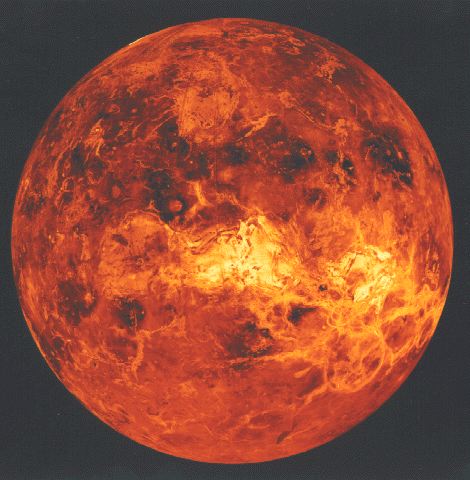
Flooded Thompson Avenue and railroad tracks, near 11th Street. Photo was most likely taken during the 1907 flood.
As I had difficulty finding a location with an unobstructed view I missed the arrival of the winner at the finish line by about ten minutes. In case you don't know here are the results:
Geoffrey Ndungu won the Dublin City Marathon for the second year running in a time of 2 hours 11 minutes and 9 seconds. The time was outside last year's course record time of 2:08.33.
Paul Pollock from Belfast was the first Irish man home in ninth place in 2:16.30, ahead of Sean Hehir who finished in 2:17.50.
Magdalene Mukunzi was the first woman home in a time of 2:30.46 which was outside the course record of 2:26.13. Maria McCambridge was the first Irish woman through the finishing line in 2:35.28.
Luke Jones from Wales won the wheelchair section.
A total of 14,300 people registered for this year's race which was without a major sponsor for the first time in 20 years.
Railfan Photography Scale of Difficulty (1-10).
1. Shooting out of a car window.
2. Shooting out of a vehicle with the windows rolled down.
3. Stepping out of the vehicle to shoot the photo.
4. Stepping out of the vehicle and taking a minimal amount of steps (less than 10) to position oneself to take the photo.
5. Stepping out of the vehicle and taking more than 10 paces (but less than 20) from the vehicle.
6. Exerting actual effort to obtain a photograph (walking a short distance of more than 20 paces).
7. Walking a respectable distance and/or hiking to a location to photograph a train.
8. Hiking a relatively steep gradiant to locate a seldom-photographed scene.
9. Hiking more than a 1/2 mile (usually in fairly extreme conditions such as cold, snow, heat, etc.)
10. Putting oneself at risk by hiking long distances in oppressive heat, or bitter cold. Climbing steep sheer rock outcroppings hoping it won't collapse underneath you, etc., etc.
This photo (taken this morning from the open window of my truck) is a solid 2.
IC SD40-2 headed north at Sussex, WI
Artist : Aimee Stewart
Days to Complete : 22
BG 2094
This was a fairly difficult puzzle. Usually I don't need to reference the box much but with this puzzle I literally needed to look at the box for every piece. In fact I cut a small square out of a reference card and laid it on the box image to show me exactly what the piece would look like.
Books listened to were "Why Zebras don't Get Ulcers" and "Primate's Memoir" all written by Robert Sapolsky, who is a Professor of Biology at Stanford University. I also listened to several lectures by Professor Sapolsky on youtube related to Human Biology. All very interesting.
Eeyore - Why did you take so long to do this puzzle? Do you realize you have a goal of finishing 24 puzzles this year? At this rate you'll never complete the goal.
Me - I had to get my garden weeded, which took a week or more and I lost a day or two when I got a bad reaction to the shingles vaccine.
Eeyore - Ok, so what's going to be your excuse next time you miss the deadline?
Me - Oh, hmmm, I still have to do my taxes and I still have some more weeding to do around the pool area and on the side of the house.
Eeyore - May I suggest you do an easier puzzle next time?
Me - Good point. Something easy and low brow, how about Tropical Paradise? This shouldn't take more than 12 days to do. The weeding and taxes should only take another 10 days.
Eeyore - At this rate you'll never finish 24 puzzles this year
I choose this puzzle because it looked easy.
cdn10.bigcommerce.com/s-gyhhtwx4/products/2982/images/708...

Eeyore's Grades for "Tiki Beach Sunset"
Image Beauty : Middle
Image Difficulty : High
Image Fun : MIddle
Image Quality : low
2020 numbers
Jigsaws : 4
piece count : 8436
The humanitarian crisis striking CAR has put the 74 percent of the population working in the Agricultural sector in great difficulty. The FAO missionin CAR is supporting the efforts of the population in the North of the country.
Credits: Jean-Francois Dontaine for FAO | www.hdptcar.net
POLICE COURT NEWS.
THE CHATEAU D'ÍF CASE.
COURCAU REMANDED
The French sailor, Charles Conrcau, arrested under difficulties on Friday evening, appeared in the Police Court on Saturday, before Mr. F. V. Frazer, S.M. There were three charges-.—(l) That, being a seaman lawfully engaged to serve on the foreign ship Chateau D'if, he refused to obey the commands of his captain; (2) that he absented himself without leave from the Chateau D'if; and (3) that on the 9th inst., he assaulted Louis Le Flock, so as to cause him actual bodily harm.
Sub-Inspector Johnston said that as there was no interpreter present, and the accused could not speak English, a remand would be required. "I don't think they will have this man back on the ship," he added. "He didn't work at any time."
A remand until Friday next was ordered. There was no request for bail.
paperspast.natlib.govt.nz/newspapers/NZH19140914.2.30
DROWNED IN HARBOUR.
FRENCH SAILOR'S DEATH.
FALL FROM KING'S WHARF.
A sailor belonging to the French barque Chateau D'if was drowned in the harbour on Saturday evening. The body was recovered by Constable Hainsworth of the water police, yesterday morning, and conveyed to the mortuary. An inquest will be held at 9 a.m. to-day. The deceased was the man who was stabbed in the back aboard the Chateau D'if on Thursday evening last.
The deceased, whose name was Louis Le Flock, obtained leave to go ashore on Saturday evening. He was seen staggering along the King's Wharf at about 8 p.m. The man went towards the nightwatchman of the steamer Squall, who was sitting on deck, and mumbled something in broken English, at the same time pointing towards the Chateau D'if. He then went on his way towards his vessel, but returned a few minutes later. He went too close, to the edge of the wharf, staggered, and fell between the wharf and the side of the steamer. Constable Hainsworth was immediately informed of the accident, and he lost no time in getting to the spot. With the assistance of Mr. E. A. Woods, one of the Harbour Board's night officers, and the signalman from the King's Wharf, Mr. C. Galgey, the constable made a thorough search and dragged for the body under the wharf.
Constable Hainsworth engaged a launch at 6 a.m, yesterday, and after half an hour's dragging recovered the body between the wharf and the steamer Equal.
paperspast.natlib.govt.nz/newspapers/NZH19140914.2.52
FRENCH SAILOR'S DEATH.
DROWNED BY FALL FROM WHARF.
Louis Le Flock, a sailor on the French barque Chateau D'if, was drowned by falling from the King's wharf on Saturday night. He had received a knife wound in a fight aboard the vessel the night before.
At an inquest held at the morgue this morning by Mr. E. C. Cutten, S.M., the nightwatchman aboard the steamer Squall stated that about 8.30 p.m. on Saturday he saw the deceased coming along the wharf in an intoxicated condition. He stood near the Squall's gangway muttering to himself, and witness advised him to get aboard his ship. He then moved towards the edge of the wharf, swayed and fell over. A ladder was let down, but nothing could be seen of the man. Constable Hainsworth stated that he made efforts to find the deceased, and afterwards dragged for the body, which he did not recover till the next morning. Dr. C. E. Coldicutt said that he attended the deceased on Friday evening and dressed a punctured wound on the left shoulder-blade. He had made a postmortem examination, which showed that death was due to drowning. The wound was about one inch in length, and had penetrated the muscle to the bone, but it had nothing to do with the mans death. Captain Ellian, of the barque, said that the deceased went ashore about an hour before his death, having first asked for 5/, which was given him. He was a sober man, and in good health apart from his wound.
The Coroner returned a verdict death from accidental drowning while the deceased was under the influence of liquor.
The deceased was a single man, about 30 years of age, and had his home at St. Brieux, France.
paperspast.natlib.govt.nz/newspapers/AS19140914.2.29
A SAILOR'S UNPOPULARITY.
SEQUEL TO CHATEAU D'IF INCIDENTS
As a sequel to the exciting times recently experienced aboard the French Chateau D'if, a sailor named Charles Courcaud, aged 30 years, was charged at the Police Court this morning with having assaulted Louis Le Flock so as to cause him actual bodily harm; with having refused to obey a lawful a command of the captain; and with having stolen a muffler and tiepin belonging to George Frelon, the cook on the ship.
In consequence of Le Flock—who was alleged to have been assaulted by Courcaud, and wounded with a knife having been drowned since the accused's arrest, the first charge was withdrawn. The charge of theft related to the disappearance of the tie and tiepin, and a muffler, which were bought by the cook at a cost of 20/, and were much treasured by him. Other members of the crew stated that they saw articles in Courcaud's possession, and that he said he had bought the tie and pin for 10d., but would not part with them for 30/. Incidentally the 3 witnesses did not conceal the fact that Courcaud was a person they feared and a detested, and intimated that they believed he would commit any sort of of wrongful act. The cook, however, settled the charge by stating that the theft took place on July 15, when the ship was on the high seas, and Mr. Allan Moody (for accused) at once pointed out that the matter was, consequently, beyond the jurisdiction of the Court, and the charge was dismissed.
The third charge of refusing to do his work when ordered to do so was not contested seriously, and on this charge Courcaid was convicted.
It was explained that the captain did not want him again on the ship on account of his previous behaviour, and also it was possible that Courcaud himself might come to injury at the hands of his shipmates. Consequently, he was remanded pending an endeavour by the French Consul to get him shipped a in another boat.
paperspast.natlib.govt.nz/newspapers/AS19140918.2.13
The French sailor Charles Courcaud, who has achieved some notoriety in connection with events on the French barque Chateau d'lf, and was eventually convicted of refusing to obey his officers, is to go back to France by another ship, the French Consul at Auckland having at the request of the captain of the Chateau d'if arranged this. He will be shipped to Sidney next Monday, and from there taken direct to France.
paperspast.natlib.govt.nz/newspapers/AS19140925.2.52
Plot 28: Louis Charles Augustine Le Flock (30ish) 9/9/1914 – Drowned
unmarked grave
DIfficulties in straightening corners... indeed. Also colours have muted in conversion from Photoshop to DxO VP and back to Lightroom.
some difficulties were experienced!
the rough and ready competition, where teams of 2 have to make a boat from a provided kit of materials in 2 hours, and then race it the next day!
SA wooden boat festival, goolwa, south australia
A £1.5 million research centre to find new advances in the prevention and treatment of children’s burns launches at Frenchay Hospital today (June 10).
The Healing Foundation Centre for Children’s Burns Research will develop new techniques and approaches to prevent burns and scalds and improve the clinical care and recovery of children who have suffered burns.
Falklands War veteran Simon Weston, and Lead Ambassador for the Healing Foundation, will visit Frenchay Hospital to see the work of the children’s burns team and meet patients.
Each year 23,000 children are hospitalised with burns in England and Wales.
Two children are brought in to the South West UK Children’s Burn Centre at Frenchay Hospital with scalds every day.
Some burns can be life-threatening and in some cases the effects can be life-long, and include physical scarring, chronic pain and psychological difficulties.
The new research centre, based at the South West UK Children’s Burns Centre at Frenchay Hospital, Bristol, is led by the University of Bristol in partnership with clinicians and academics at:
North Bristol NHS Trust
University of the West of England (UWE Bristol)
University of Bath
Cardiff University
The centre has been awarded £1.5m over 5 years from the Healing Foundation, a national charity funding research into new surgical and psychological healing techniques for people living with disfigurement.
Each partner has also provided funding, along with the Welsh Government who are contributing £280,000.
The Healing Foundation Centre for Children’s Burns Research will focus on three key strands of research:
The clinical treatment of children with burns, including burn wound management and developing current research looking at smart dressings in partnership with the University of Bath looking at smart dressings which can indicate infection.
Psychological healing and rehabilitation lead by the Centre for Appearance Research (CAR) at UWE Bristol to research ways of improving the psychological outcome of burn injury and promote the rehabilitation of children back into school and social networks.
Prevention research building on previous research collaborations between the University of Bristol and Cardiff University to develop programmes to prevent burn and scald injuries to children.
Professor Alan Emond, a senior academic paediatrician, leads the research team, with Dr Amber Young, lead consultant for the South West UK Children’s Burn Centre at Frenchay.
Professor Emond said: “This is an exciting new multi-disciplinary research initiative, which will improve the evidence base for both the prevention and treatment of burns, and train researchers of the future.”
Dr Young said: “The support of the Healing Foundation is a huge accolade for the quality of burns care at Frenchay Hospital and of the research already being undertaken in Bristol and Bath.
“The centre will bring enhanced infrastructure and support allowing innovation and advances in the way we understand and treat burns wounds to ensure that more children can go on to live healthy, happy lives free from the physical and psychological scars of a burn injury.”
Brendan Eley, Chief Executive of the Healing Foundation said: “The team assembled to drive this research programme is world-leading and have beaten very stiff competition, from leading universities and hospitals across the UK, to win this important award.
“We are confident that the work of this centre will deliver real benefits to those children who suffer scalds and burns as well as bring new understanding to how such injuries in the future can be better prevented”.
The Healing Foundation Centre for Children’s Burns Research will move to the Bristol Royal Hospital for Children in 2014 when paediatric services move from Frenchay Hospital.
Ava’s story
The work of the Healing Foundation Centre for Children’s Burns Research will help children like 11-month-old Ava Batten who was rushed to Frenchay Hospital’s Children’s Burns Centre on May 25 with a serious burn on her chest from a cup of tea.
She is now back at home and recovering well but mum Clodagh said it was a frightening experience to see the damage that a cup of tea can do to the skin of young children.
“As parents we always keep hot drinks out of Ava’s reach because we know it can be a risk but a friend placed a cup of tea on the coffee table and Ava came along and tried to drink it, burning her lip and tipping the tea on to her chest.
“We immediately put her under a cold shower to cool the skin down but it was awful to see her skin start to blister.
“Ava is back to her normal happy self, playing and laughing. It has reaffirmed to us the danger of a hot drink around small children.”
The Army West Point Football team had one of its best offensive performances of the season, but it wasn't enough to top Rutgers Nov. 21 at Michie Stadium. The Scarlet Knights won 31-21 despite the Black Knights' 401 total yards, just the second time they breached the 400-yard mark this season.
Army's record now stands at 2-9 and Rutgers is 4-7 on the season.
Freshman quarterback Chris Carter drew his first career start for the Black Knights. He finished the day 4-for-6 through the air for 140 yards and one touchdown, the yardage mark a season-high for an Army quarterback. Carter was also the team's leading rusher with 111 on the ground and another score.
Carter drove the Black Knights down the field on the opening drive and put Army in field goal range. Daniel Grochowski's 42-yard field goal attempt was blocked by Rutgers and gave the Scarlet Knights great field position for their first drive. They took advantage by driving 60 yards in five plays capped off by a Paul James seven-yard touchdown run. Rutgers led 7-0 just over six minutes into the contest.
After the two teams traded three-and-outs, Carter had difficulty handling the snap which led to a Scarlet Knights fumble recovery at the Army 39-yard line. Rutgers did not take long to capitalize again as James found the end zone on the fifth play of the drive, spinning out of a tackle to cross the plane and take a 14-0 lead with 44 seconds left in the opening quarter.
The Black Knights' offense used a pair of big plays to get on the scoreboard on the following drive. Carter found Edgar Poe on 3rd-and-6 for a 30-yard pass play, and two plays later, Aaron Kemper ripped off a 38-yard touchdown run. Army cut the deficit to 14-7 as 11:11 showed on the clock in the second quarter.
The Scarlet Knights began their next possession at their own 41-yard line after Justin Goodwin's 25-yard return. The Army defense struggled to stop Rutgers as every play aside from two incompletions went for five or more yards on the 10-play, 59-yard touchdown drive. Robert Martin scored with 7:17 remaining in the half to boost the Scarlet Knights' lead to 21-7.
Carter responded by taking the first play of the subsequent drive 45 yards down the right sideline to the Rutgers 35-yard line. The Army offense continued to move the ball, eventually finding the end zone on a 4th down attempt from the 1-yard line as Carter kept the ball himself for his first career touchdown. The Black Knights' drive went 80 yards on 10 plays, all on the ground to make it 21-14 with 1:09 left in the half.
Rutgers had just enough time left on the clock to tack on a field goal before the second quarter expired. Rutgers quarterback Chris Laviano engineered a 43-yard drive before Kyle Federico barely cleared the crossbar on his field goal attempt to extend the Scarlet Knights' lead to 24-14 at halftime.
Rutgers stormed out of the gates in the second half as James ran 54 yards down to the Army 14-yard line on the opening play of the half. The Black Knights' defense nearly prevented the Scarlet Knights from scoring, but James dove into the end zone on 4th-and-goal from the 1-yard line for his third score of the day. Rutgers led 31-14 with 11:21 showing on the clock in the third quarter.
Carter eclipsed 100 rushing yards with an impressive 14-yard run for a first down. The freshman then found Nicholas Black for 22 yards to put the Black Knights in Rutgers territory. The Army drive stalled from there and resulted in no points as a fake field goal was shut down by the Scarlet Knights' special teams.
Poe made a highlight-reel catch on the Black Knights next drive. The 6-foot-4 receiver went up and reached over a Rutgers defender on a 3rd-and-7 pass from Carter and then proceeded to hold off the defender as he went 65 yards to the house. That play cut the Rutgers lead to 10 points as Army trailed 31-21 entering the final stanza.
The Black Knights' defense came up big twice on the next drive. They seemed to have forced a three-and-out but a roughing the kicker penalty on the punt gave Rutgers a first down. After coming back onto the field, Army's defense forced incompletions on second and third down and the Scarlet Knights punted the ball away.
Army moved the ball downfield despite Carter sitting out a few plays due to injury. However, the young signal caller took a shot at the end zone on 2nd-and-11 from the Rutgers 21-yard line and was intercepted by Josh Hicks in the end zone.
Rutgers would not relinquish control of the ball, maintaining possession for the final 5:22 of the game and holding on for the victory.
The Scarlet Knights finished with 359 total yards compared to Army's 401 yards. Army outgained Rutgers through the air (140-105) and on the ground (261-254).
U.S. Army photos by John Pellino/ West Point DPTMS VI
Caption by: Mark Mohrman (Army West Point Athletic Communications.)
Focus on Eldercare's response to COVID-19
At the purpose when the noxious impacts of COVID-19 showed first in Wuhan, the entire city and therefore the entire of Hubei Province ground to a halt. The lockdown of Wuhan brought remarkable torment and threatening difficulties for several individual occupants therein first focus. Presently, COVID-19 represents those equivalent difficulties for individuals and social welfare frameworks all-inclusive. Especially, it tests our aggregate endeavors to believe one another, particularly the foremost defenseless among us.
As a populace, individuals quite 70 will generally have more fragile insusceptible frameworks and progressively fundamental conditions that obstruct their capacity to battle the infection. They're likewise sure to dwell on bunch day to day environments, nearby people. Floods of COVID-19 passings in nursing homes — first within the Seattle territory, at that time on the brink of Sacramento and now during the country — have underscored this inauspicious reality. Up until now, Californians quite 65 have made up, at any rate, a fourth of the state's affirmed instances of COVID-19.
Be that because it may, guidelines, especially for helping living offices, are unsafely failing to satisfy the expectations in protecting California's older folks from this infection. Luck, Gov. Gavin Newsom's plan on Aging activity, as of now ongoing, presents an opportunity to forcefully address this peril and find how to secure an enormous number of more seasoned Americans.
Helped living focuses are an aid to the Eldercare business and therefore the enormous corporate proprietors that currently command the market. Simultaneously, in any case, an absence of guideline and oversight of staffing levels and capabilities — particularly prerequisites for on-location doctors and much prepared clinical experts — has left the business defenseless against misuse and unfortunate results. One glaring issue that has got to be tended to: helped living focuses are directed by the state Department of Social Services rather than the Department of Public Health.
In any case, it helped to measure maybe a piece of social welfare and clinical consideration conveyance framework, not only a direction for living. Propelled a year ago, Newsom's plan on Aging has framed a warning advisory group, is holding open gatherings and within the fall is planned to offer a 10-year plan which will address issues from lodging and vagrancy to crisis readiness to manhandle and disrespect. The venture has made a "Value Committee" to urge a contribution from a progressively differing gathering of residents and associations, including agents of the crippled network, Native Americans and other ethnic minorities.
Considering the spreading coronavirus general wellbeing emerging, it's basic that the representative's plan on Aging takes on an expansive and genuine open arrangement job. We weren't bothered with elevated level clichés for tending to the wants of the old. We'd like solid arrangements, solid guidelines with implementation teeth and a guarantee to continued oversight.
The Age of COVID-19
Older people who get themselves out of the blue alone without authority over their conditions are at specific hazards for an assortment of serious, even hazardous, physical and psychological well-being conditions, including a subjective decrease. Limitations on the opportunity of development ought to be proportionate and not founded solely on age.
COVID-19, as different irresistible melodies, represents a higher hazard to populaces that live in nearness. This hazard is especially intense in nursing or matured consideration offices, where the infection can spread quickly and has just brought about numerous passings. About 1.5 million older people individuals live in the nursing homes in the US, barring helped living offices and different settings making nearness.
Twenty-three individuals kicked the bucket in a flare-up at an office in Washington State in February and March, and the US Centers for Disease Control detailed 400 additional cases in offices as of April 1. On March 31, wellbeing experts in the Grand East district of France detailed 570 passings of older people in nursing homes.
Older people often end up in nursing homes due to governments' inability to offer adequate social types of assistance for individuals to live freely in the network, approaches that have put millions at included danger of getting the infection as a result of their organization. Governments ought to guarantee the progression of network-based administrations with the goal that individuals don't wind up in organizations without different alternatives.
Expound now on the roles played via care laborers in continuing the lives of the old during that emergency, and who, however dreadful themselves, by and by remain day in and outing inside the bounds of their wards to offer fundamental consideration.
Care supervisor Chang, the woman in charge of the consideration laborers among whom I led my hands-on work, coordinated the change of her ward into a self-sufficient fixed of a unit of care. The passage to her floor is carefully monitored; just fundamental conveyances are permitted, for instance, nourishment and clothing. Since nobody can enter or leave the structure, the flask for the older was transformed into a dozing region for care laborers. Despite the very fact that a lot of consideration laborers have their circle of relatives to require care of, they put that piece of their life under the control of others. Care specialist Lin, whose spouse died at the start of the pandemic, did not have the chance to completely grieve his passing due to incessant understaffing at Sunlight. She came back to figure following the burial service, despite realizing that she not, at now expected to figure at Sunlight to hide her significant other's clinical costs. Lin's arrival says much regarding her promise to her calling, to her colleagues, and to the old she had come to understand so well. My examination with care laborers recommends that it's an enthusiastic association and an awareness of other's expectations that propels them to remain the end of the day in care work. This is often borne out immediately.
Carefully add China is often seen as being grimy and unfortunate, thanks to an excellent extension to its nearby hook up with the realistic consideration required by slight, skilled bodies. Chinese consideration laborers are for the foremost part provincial to urban transients or urban specialists laid far away from previous state-claimed processing plants. In any case, direct consideration is intricate. In any case, its unpredictability goes unrecognized, or maybe disregarded by institutional powers that organize benefits and generalize the old as bodies to chip away at, to the disregard of their social-passionate necessities. As is valid with Sunlight, things which might typically undermine the keenness of care laborers, for instance, the absence of institutional acknowledgment for his or her enthusiastic work, are required to be postponed. Care specialists are currently centered around a shared objective: ensuring the gift assistance of the older. COVID-19 propels care laborers to consider what kind of care is required and the way to offer that care. It fills in as a channel through which the elemental beliefs of care are observed. Care is about common human weakness and our intrinsic association. Care laborers at Sunlight, in their aggregate every minute of everyday endeavors to secure the older, typify this ethic through their consideration. May the respectful regard, they hold of the older in their consideration redound on them and everyone consideration laborers overall who are fighting this pandemic on the bleeding edge!
Like the consideration laborers at Sunlight, the laborers in numerous nations are regarded human life so that we cannot be embarrassed to return clean with the leading edge about ourselves. Salute the spearheading staff who salutes our purposeful endeavors to handle the pandemic in numerous settings around the globe, within the daylight, yet additionally to ensure that veterans are appropriately treated, took care of and washed.
We all hope and pray that the coronavirus will soon be controlled and subdued. And that when the crisis is behind us, that we continue the important work of protecting the elderly and other vulnerable segments of our citizenry.
DONATE paypal.me/pools/c/8obn2hcLVG
How Can I Contribute in Times of COVID-19?
Write your testimony about the concequences from the time of Corona virus (COVID-19). Here is a great knowledge base about the effects of the Corona virus. Thank you for your story! article-directory.org/article/717/40/Emergency-Situations...
Local Accession Number: 06_11_002832
Title: Turtledove trying to get out of the difficulty
Statement of responsibility: By William H. Rau
Creator/Contributor: Rau, William Herman, 1855-1920 (photographer)
Genre: Stereographs; Photographic prints; Portrait photographs; Group portraits; Humorous pictures
Created/Published: Chicago U.S.A. : Berry, Kelley & Chadwick
Copyright date: 1902
Physical description: 1 photographic print on curved stereo card : stereograph ; 9 x 18 cm.
General notes: Title from item.; No. 9.; No. 4642.
Subjects: Spouses; Adultery
Collection: Stereographs
Location: Boston Public Library, Print Department
Rights: No known copyright restrictions.
As I had difficulty finding a location with an unobstructed view I missed the arrival of the winner at the finish line by about ten minutes. In case you don't know here are the results:
Geoffrey Ndungu won the Dublin City Marathon for the second year running in a time of 2 hours 11 minutes and 9 seconds. The time was outside last year's course record time of 2:08.33.
Paul Pollock from Belfast was the first Irish man home in ninth place in 2:16.30, ahead of Sean Hehir who finished in 2:17.50.
Magdalene Mukunzi was the first woman home in a time of 2:30.46 which was outside the course record of 2:26.13. Maria McCambridge was the first Irish woman through the finishing line in 2:35.28.
Luke Jones from Wales won the wheelchair section.
A total of 14,300 people registered for this year's race which was without a major sponsor for the first time in 20 years.
Well, after several technical difficulties here we are. This little swim ensemble consists of a boyshort swimsuit, swim cap and thong/flip-flop sandals. Little Diva is always tromping around in all the big people flip flops at our house, so I thought I'd make her some of her own. I'm jumping up and down with excitement, because I think I've found the perfect solution to stabilize diy shoes, while keeping the soles flexible. Usually when I come up with a concept of an outfit, it evolves along the way, but this one came out just about exactly the same as the picture I had in my mind. I took pics and wrote down the steps and took pictures along the way, so I will be posting those on my blog a little later, including the info on my "shoe epiphany". Little Diva wants to go see the "fishies and flowers", so we need to take a little break for now.
The most complicated bit of this outfit was the hat. I'd say the shoes were the easiest. They're made of genuine leather, although you could use something else. The swimsuit and swim cap are just fabric from Joanne. The suit was pretty straightforward. I just drew up a basic pattern and added ruffles. I'm looking forward to adding different embelishments to the same basic pattern to adapt the suit for the other girls. This one can be worn by both my 4-month old and my two-year old because it is so stretchy and adjusts with the ties at the shoulders. Crazy, huh?
Okay, I should probably go see those flowers and fishies, so I'll share more later at www.whitepicketprojects.blogspot.com. I don't want to beg or anything, but please come visit me, because it's getting a little lonely over there! Looking forward to perusing all the amazing new outfits posted today.
Sam
As I had difficulty finding a location with an unobstructed view I missed the arrival of the winner at the finish line by about ten minutes. In case you don't know here are the results:
Geoffrey Ndungu won the Dublin City Marathon for the second year running in a time of 2 hours 11 minutes and 9 seconds. The time was outside last year's course record time of 2:08.33.
Paul Pollock from Belfast was the first Irish man home in ninth place in 2:16.30, ahead of Sean Hehir who finished in 2:17.50.
Magdalene Mukunzi was the first woman home in a time of 2:30.46 which was outside the course record of 2:26.13. Maria McCambridge was the first Irish woman through the finishing line in 2:35.28.
Luke Jones from Wales won the wheelchair section.
A total of 14,300 people registered for this year's race which was without a major sponsor for the first time in 20 years.
Menai Suspension Bridge
Construction
Before the bridge was completed in 1826, the island had no fixed connection to the mainland and all movements to and from Anglesey were by ferry (or, with difficulty, on foot at low tide). The main source of income on Anglesey came from the sale of cattle, and in order to get them to the markets of the inland counties or London, they had to be driven into the water and swum across the Menai Straits.[1] The Act of Union 1800 increased the need for transport to Ireland, and with Holyhead as one of the principal terminals to Dublin it was decided that a bridge was needed.
Thomas Telford was assigned the task of improving the route from London to Holyhead, and one of the key improvements was his design of the suspension bridge over the Menai Strait between a point near Bangor on the mainland and the village of Porthaethwy (which is now also known as Menai Bridge) on Anglesey. The design of the bridge had to allow for Royal Navy sailing ships 100 feet (30 m) tall to pass under the deck at high water slack tide, and no scaffolding was allowed during construction which broke this rule.
Construction of the bridge began in 1819 with the towers on either side of the strait. These were constructed from Penmon limestone and were hollow with internal cross-walls. Then came the sixteen huge chain cables, each made of 935 iron bars that support the 176-metre (577 ft) span.[2] To avoid rusting between manufacture and use, the iron was soaked in linseed oil and later painted.[3] The suspending power of the chains was calculated at 2,016 tons and the total weight of each chain was 121 tons.[1] The bridge was opened to much fanfare on 30 January 1826 and reduced the journey time from London to Holyhead from 36 to 27 hours, a saving of 9 hours.
Later history
Damaged by winds in 1839, the road surface needed extensive repair, and in 1893 the entire wooden surface was replaced with a steel deck. Over the years, the 4.5 ton weight limit proved problematic for the increasing freight industry and in 1938 the original wrought iron[4] chains were replaced with steel ones without the need to close the bridge. In 1999 the bridge was closed for around a month to resurface the road and strengthen the structure, requiring all traffic to cross via the nearby Britannia Bridge.
On 28 February 2005 the bridge was promoted to UNESCO as a candidate World Heritage Site. On the same day one carriageway of the bridge was closed for six months restricting traffic to a single carriageway so that traffic travelled to the mainland in the morning and to Anglesey in the afternoon. The bridge was re-opened to traffic in both directions on 11 December 2005 after its first major re-painting in 65 years.
Menai Suspension Bridge
Construction
Before the bridge was completed in 1826, the island had no fixed connection to the mainland and all movements to and from Anglesey were by ferry (or, with difficulty, on foot at low tide). The main source of income on Anglesey came from the sale of cattle, and in order to get them to the markets of the inland counties or London, they had to be driven into the water and swum across the Menai Straits.[1] The Act of Union 1800 increased the need for transport to Ireland, and with Holyhead as one of the principal terminals to Dublin it was decided that a bridge was needed.
Thomas Telford was assigned the task of improving the route from London to Holyhead, and one of the key improvements was his design of the suspension bridge over the Menai Strait between a point near Bangor on the mainland and the village of Porthaethwy (which is now also known as Menai Bridge) on Anglesey. The design of the bridge had to allow for Royal Navy sailing ships 100 feet (30 m) tall to pass under the deck at high water slack tide, and no scaffolding was allowed during construction which broke this rule.
Construction of the bridge began in 1819 with the towers on either side of the strait. These were constructed from Penmon limestone and were hollow with internal cross-walls. Then came the sixteen huge chain cables, each made of 935 iron bars that support the 176-metre (577 ft) span.[2] To avoid rusting between manufacture and use, the iron was soaked in linseed oil and later painted.[3] The suspending power of the chains was calculated at 2,016 tons and the total weight of each chain was 121 tons.[1] The bridge was opened to much fanfare on 30 January 1826 and reduced the journey time from London to Holyhead from 36 to 27 hours, a saving of 9 hours.
Later history
Damaged by winds in 1839, the road surface needed extensive repair, and in 1893 the entire wooden surface was replaced with a steel deck. Over the years, the 4.5 ton weight limit proved problematic for the increasing freight industry and in 1938 the original wrought iron[4] chains were replaced with steel ones without the need to close the bridge. In 1999 the bridge was closed for around a month to resurface the road and strengthen the structure, requiring all traffic to cross via the nearby Britannia Bridge.
On 28 February 2005 the bridge was promoted to UNESCO as a candidate World Heritage Site. On the same day one carriageway of the bridge was closed for six months restricting traffic to a single carriageway so that traffic travelled to the mainland in the morning and to Anglesey in the afternoon. The bridge was re-opened to traffic in both directions on 11 December 2005 after its first major re-painting in 65 years.
Menai Suspension Bridge
The Menai Suspension Bridge (Welsh: Pont Grog y Borth) is a suspension bridge between the island of Anglesey and the mainland of Wales. Designed by Thomas Telford and completed in 1826, it is one of the first modern suspension bridges in the world.
Contents Construction
Before the bridge was completed in 1826, the island had no fixed connection to the mainland and all movements to and from Anglesey were by ferry (or, with difficulty, on foot at low tide). The main source of income on Anglesey came from the sale of cattle, and in order to get them to the markets of the inland counties or London, they had to be driven into the water and swum across the Menai Straits.[1] The Act of Union 1800 increased the need for transport to Ireland, and with Holyhead as one of the principal terminals to Dublin it was decided that a bridge was needed.
Thomas Telford was assigned the task of improving the route from London to Holyhead, and one of the key improvements was his design of the suspension bridge over the Menai Strait between a point near Bangor on the mainland and the village of Porthaethwy (which is now also known as Menai Bridge) on Anglesey. The design of the bridge had to allow for Royal Navy sailing ships 100 feet (30 m) tall to pass under the deck at high water slack tide, and no scaffolding was allowed during construction which broke this rule.
Construction of the bridge began in 1819 with the towers on either side of the strait. These were constructed from Penmon limestone and were hollow with internal cross-walls. Then came the sixteen huge chain cables, each made of 935 iron bars that support the 176-metre (577 ft) span.[2] To avoid rusting between manufacture and use, the iron was soaked in linseed oil and later painted.[3] The suspending power of the chains was calculated at 2,016 tons and the total weight of each chain was 121 tons.[1] The bridge was opened to much fanfare on 30 January 1826 and reduced the journey time from London to Holyhead from 36 to 27 hours, a saving of 9 hours.
Later history
Menai Suspension bridge being painted in August 2005
Damaged by winds in 1839, the road surface needed extensive repair, and in 1893 the entire wooden surface was replaced with a steel deck. Over the years, the 4.5 ton weight limit proved problematic for the increasing freight industry and in 1938 the original wrought iron[4] chains were replaced with steel ones without the need to close the bridge. In 1999 the bridge was closed for around a month to resurface the road and strengthen the structure, requiring all traffic to cross via the nearby Britannia Bridge.
On 28 February 2005 the bridge was promoted to UNESCO as a candidate World Heritage Site. On the same day one carriageway of the bridge was closed for six months restricting traffic to a single carriageway so that traffic travelled to the mainland in the morning and to Anglesey in the afternoon. The bridge was re-opened to traffic in both directions on 11 December 2005 after its first major re-painting in 65 years.
Surroundings
The Anglesey Coastal Path passes below the bridge. The bridge has a memorial to the Aberfan disaster victims on the Anglesey side.
Cultural references
The bridge as pictured in a Staffordshire stoneware plate in the 1840s. - (From the home of J L Runeberg)
Menai Suspension Bridge in the evening
The nearest settlement is the town of Menai Bridge. A representation of the Menai Bridge inside a border of railings and stanchions is featured on the reverse of British one pound coins minted in 2005. The coin was designed by Edwins Ellis.
Quotation
White Knight to Alice:
"I heard him then, for I had just
completed my design,
To keep the Menai bridge from rust
By boiling it in wine."
—"Haddocks' Eyes", Through the Looking-Glass, Lewis Carroll
Famous Welsh englyn
Uchelgaer uwch y weilgi - gyr y byd
Ei gerbydau drosti,
Chwithau, holl longau y lli,
Ewch o dan ei chadwyni.
—Dewi Wyn o Eifion[5] (David Owen) (1784–1841)
High fortress above the sea – the world drives
Its carriages across it;
And you, all you ships of the sea,
Pass beneath its chains.
A Masonic Rough Ashlar.
A rough and perfect ashlar are stones which symbolize Man's moral and spiritual life.
Cutting stone to uniform shapes and sizes requires the skill and experience of a true craftsman with many years of experience.
This is why, historically, only large edifices (buildings) were made of ashlars (rather than brick or wood), due to the necessity (and difficulty) of assembling the many skilled craftsman needed to complete the many subsets of knowledge such as how to build a stone archway, how to lay foundation stone, and how to lay stone, one atop another to great heights...not to mention the artisans who sculpted the stones into ornamental shapes.
In days of old, apprentice masons cut and raised the Rough Ashlars from the stone quarry under the supervision of more experienced craftsman, called Fellowcrafts.
The work was accomplished under the watchful eye of the Master masons of the craft...those who had proved their ability to make their Master's piece to the satisfaction of their superiors.
In Freemasonry, there are 2 forms of ashlars.
Rough Ashlar
In operative Freemasonry, the rough ashlar represents a rough, unprepared or undressed stone. In speculative Freemasonry, a rough ashlar is an allegory to the uninitiated Freemason prior to his discovering enlightenment.
Perfect Ashlar
Operatively, the Perfect ashlar represents the dressed stone (after it has been made uniform and smoothed) by use of the working tools, the common gavel, (mallet) and chisel. (The chisel may be found in English Freemasonry, but is not used in the United States as a Freemason symbol.)
Only after the stone has been dressed by an experienced stonemason, can it be suitable to be placed into the architectural structure or building.
Speculatively, a Perfect Ashlar is an allegory to a Freemason who, through Masonic education, works to achieve an upstanding life and diligently strives to obtain enlightenment.
Rough and Perfect Ashlars
In the Fellowcraft Degree, we see the use of the Rough and Perfect Ashlars. The lesson to be learned is that by means of education and the acquirement of knowledge, a man improves the state of his spiritual and moral being.
Like man, each Rough Ashlar begins as an imperfect stone. With education, cultivation and brotherly love, man is shaped into a being which has been tried by the square of virtue and encircled by the compasses of his boundaries, given to us by our Creator.
Rough and Perfect Ashlar: Fitted For The Builder's Use
In ancient times, quarried stone which could be easily shaped into desired configurations, was called "freestone". Typical freestones are limestone and sandstone.
Then, as now, only after refining and smoothing these rough stones into their desired shape, were the stonemasons able to "fit them for the builder's use".
In the Fellowcraft degree, the Rough Ashlar represents a man's unrefined state and his need for improvement. He learns that the goal of being a better man includes spirituality of thought and striving for perfection of conduct. Via duties, expectations and obligations, he is charged to work toward these goals of self improvement.
As the Freemason "smoothes" his rough edges, internally and externally; he becomes a better man and, therefore, a better Freemason.
Once a man has perfected his ashlar to the best of his ability,... as Brothers to all mankind, it is his duty to help others become better men and better Freemasons.
Rough and Perfect Ashlar - The Potential For Change
All rough ashlars must have within them the potential to be made into a perfect ashlar.
The stone must be made of sound material and have a minimum of character flaws which may cause it to weaken the edifice (building). It must be capable of being worked into a perfect stone. This is why candidates for the degrees are asked many questions as to their qualifications and character about why they wish to become Freemasons.
The candidate must have the potential to both serve and support the Fraternity. He must be carefully inspected, just as each Rough Ashlar is inspected for quality in order to be able to "fit" him into Freemasonry's tenets and goals, which are compatible to God's laws.
An imperfect stone may be made perfect, however major flaws are difficult to overcome and when assembled into a structure, the entire structure can be weakened from its improper use. This is as true of men as it is of stones.
Rough and Perfect Ashlar - States of Metamorphose
Freemasonry has a glorious history. Flawed ashlars can bring negative feelings and reproach upon the Fraternity from non-Freemasons in the outside world and therefore, can have no place within its walls.
...That said,...let us not forget that perfect ashlars are not found lying about the stone quarry without benefit of their having been hammered, chiseled and polished into such a state of being.
It also holds true that "perfect" men are also such an anomaly without the benefit of brotherly love, guidance and light. There are very few Freemasons who have not been in both the rough and perfect ashlar state-of-being at some point in their lives.
Freemason Duties For the Future of the Craft
1. Freemasons must give serious consideration to our personal responsibility to educate other Brothers toward their self improvement.
Like the Good Samaritan in the Holy Books; it is in the giving and assistance to others in which you will find the true "jewels" of enlightenment. True Master Masons not only exemplify the tenets of the craft, but they teach what they learn.
2. Lodges should carefully judge the potential of each candidate, weighing both their character and their potential for change. For more information as to how to properly perform this duty, see my page Masonic Investigation Committee.
3. Each Freemason is charged to extend the hand of brotherly love and affection to help new Freemasons become better men and strive to live on the square, stand upright with the plumb and take their true place as a man who would make his Creator (the Almighty), proud of him.
The lesson of the Rough and Perfect Ashlar applies to all men who are worthy,...who have a heartfelt wish to go from ignorance to knowledge,...from darkness to light...and from death to life.
The following poem, written by Mary Brooks Picken, entitled, "Thimblefuls of Friendliness" was written in 1924, and, perhaps says it, best.
"Thimblefuls of Friendliness"
"Isn't it strange that Princes and Kings
And clowns that caper in sawdust rings,
And just plain folks like you and me,
Are builders for Eternity?
To each is given a bag of tools,
A shapeless mass and a book of rules,
And each must make ere life is flown,
A stumbling block, or a stepping stone."
The Latin assis was a board or plank; in the diminutive form, assula, it meant a small board, like a shingle, or a chip. In this con-nection it is interesting to note that our "axle" and' "axis" were derived from it. In early English this became asheler and was used to denote a stone in the rough as it came from the quarries. The Operative Masons called such a stone a "rough ashlar," and when it had been shaped and finished for its place in the wall they called it a "perfect ashlar." An Apprentice is a rough ashlar, because unfinished, whereas a Master Mason is a perfect ashlar, because he has been shaped for his place in the organization of the Craft.
The publication of a number of Minute Books of old Lodges since it was written calls for a revision of the paragraph on ASHLAR, on page 107. In one of his memoranda on the building of St. Paul s, Sir Christopher Wren shows by the context that as the word was there and then used an ashlar was a stone, ready-dressed from the quarries (costing about $5.00 in our money), for use in walls ; and that a "perpend asheler" was one with polished ends each of which would lie in a surface of the wall ; in that case a "rough" ashlar was not a formless mass of rock, but was a stone ready for use, no surface of which would appear in the building walls; it was unfinished in the sense of unpolished. In other records, of which only a few have been found, a "perpend" ashlar was of stone cut with a key in it so as to interlock with a second stone cut correspondingly.
It is doubtful if the Symbolic Ashlars were widely used among the earliest Lodges; on the other hand they are mentioned in Lodge inventories often enough to make it certain that at least a few of the old Lodges used them ; and since records were so meagerly kept it is possible that their use may have been more common than has been believed. On April 11, 1754, Old Dundee Lodge in Wapping, London, "Resolved that A New Perpend Ashlar Inlaid with Devices of Masonry Valued at £2 12s. 6d. be purchased. " The word ''new'' proves that the Lodge had used an Ashlar before 1754, perhaps for many years before; the word "devices" duggests long years of symbolic use.
It is obvious that the Ashlars as referred to in the above were not like our own Perfect and Imperfect Ashlars. It is certain that our use of them did not originate in America ; there are no known data to show when or where they originated, but it is reasonable to suppose that Webb received them from Preston, or else from English Brethren in person who knew the Work in Preston's period. Operative Masons doubtless used the word in more than one sense, depending on time and place ; and no rule can be based on their Practice.
The Speculative Masons after 1717, as shown above, must have used "Perfect Ashlar" in the sense of "Perpend Ashlar"; nevertheless the general purpose of the symbolism has been the same throughout - a reminder to the Candidate that he is to think of himself as if he were a building stone and that he will be expected to polish himself in manners and character in order to find a place in the finished Work of Masonry. The contrast between the Rough Ashlar and the Perfect Ashlar is not as between one man and another man, thereby generating a snobbish sense of superiority; but as between what a man is at one stage of his own self-development and what he is at another stage.
In Sir Christopher Wren's use of "ashlar" (he was member of Lodge of Antiquity) the stone had a dimension of 1 x 1 x 2 feet; and many building records, some of them very old, mention similar dimensions; certainly, the "perpend" or "perfect" ashlar almost never was a cube, because there are few places in a wall where a cube will serve. Because in our own symbolism the Perfect Ashlar is a cube, a number of commentators on symbolism have drawn out of it pages of speculation on the properties of the cube, and on esoteric meanings they believe those properties to possess; the weight possessed by those theorizing is proportionate to the knowledge and intelligence of the commentator; but in any event these cubic interpretations do not have the authority of Masonic history behind them.
NOTE: During the many years of building and re-building at Westminster Abbey the clerk of the works kept a detailed account of money expended, money received, wages, etc. These records, still in existence, are called Fabric Rolls. In the Fabric Roll for 1253 the word "asselers" occurs many times, and means dressed stones, or ashlars. A "perpens" or "parpens," or "perpent-stone" was "a through stone," presumably because it was so cut that each end was flush with a face of the wall. It proves that "perpend ashlar" was not a "perfect ashlar" in the present sense of being a cube.
- Source: Mackey's Encyclopedia of Freemasonry
The Ashlars - Author Unknown
We are told that the Ashlars lie open in the lodge for the brethren to moralize on. Did you ever see a brother contemplating the Ashlars and trying to derive some moral benefit from them? For the most part they are quickly referred to and just as quickly forgotten. The Ashlar is the freestone as it comes from the quarry. The Rough Ashlar is the stone in its rude and natural state and is emblematic of man in his natural state – ignorant, uncultivated and vicious. But when education has exerted it’s wholesome influence in expanding his intellect, restraining his passions and purifying his life, he then is represented by the Perfect Ashlar which, under the skillful hands of workman, has been smoothed and squared and fitted for its place in the building.
However, you will observe that the Rough Ashlar in a Masonic Lodge is not in its rude or natural state. It has been squared in a fashion, partially smoothed and has apparent strength and solidarity. It possesses all the qualities that could make it a perfect stone for use in the construction of the Temple, but it needs the hands and skill of the perfect Craftsman to bring about that result. It represents the candidate for membership in a Masonic Lodge. Such an applicant is not in his rude or natural state, neither ignorant, uncultivated nor vicious.
Masonry does not accept men of such qualifications. The applicant by education and perseverance has fitted himself as a respectable man in his community, assuming full responsibility as a citizen, a churchman and a member of his family. There is a vast number of men in every community possessing such qualifications who are not members of a Masonic Lodge, and may never have the desire to associate themselves with the Ancient Craft.
A man judges Masonry by the actions and manner of living of those he knows are members of the Order, but knows little or nothing of its teachings or objectives in the building of character. In that sense, he is in the crude state of the rough Ashlar, possessing all the qualities or perfect material, but lacking the polish that comes from a continued study and practice of the great teachings of Masonry.
Membership in a lodge does not make a man a Mason. He must apply his abilities to improving all in him that falls short of that high standard set by Masonry in character and citizen building. If he is satisfied with being a Master Mason in name only, he loses the benefits of further advancement and improvement offered by membership in the Order. In other words, he falls far short of anything that might be termed the Perfect Ashlar.
The Perfect Ashlar is for the more expert Craftsman to try and adjust his jewels on. In ancient times, with crude tools that would not even be used in this age, workmen of great skill and experience produced material for the construction of the Temple having such perfection that each piece fitted perfectly into its place without adjustment or correction. Time was not one of the essential factors; perfection was the goal.
To keep this state of perfection in absolute balance, a standard must have been set whereby the workmen could constantly test their tools to know that continued wear and use had not changed the measurements; even in the slightest degree. Did they have a Perfect Ashlar on which to make such a test?
We are told that the Perfect Ashlar is for the more expert workmen to “try” and adjust their tools on. In Masonry, we are the workmen, whether we be active or inactive, workers or drones. What are our “jewels”, our most prized possession? If we have absorbed any of the teachings Masonry, the building of character and a Christian way of life are two of the many jewels that should constantly be before us. And in the building of that state of perfection to which we attain, what Perfect Ashlar have we that we might go to and “try” the tools with which we have been working, to know that they are still of fine quality and in perfect condition for the job that lies before us.
In every Masonic Lodge there rests on the Altar in the center of the room the V.O.T.S.L. It is the solid foundation upon which Masonry in our lives is built. It never changes. Civilizations may come and go, but the Book of Books remains the same, adaptable to all conditions and manner of men, in good times and bad, in peace or war, a guide for mankind.
How often do we consult this Guide to try and adjust the jewels which are ours and which may need to be altered to get them back to that state of perfection which we as Masons should endeavor at all times to hold as our standard way of life? I am afraid that in this busy world of today, we neglect this practice. Therefore, as we think of the Ashlars and try to do a little moralizing, let us forget, even for a brief period, the material things in our lives, and direct our thoughts to the more important duty of contemplating our own defects and shortcomings, and adjusting our way of life and bringing it more in harmony with that standard given us by the Great Creator in the V.O.T.S.L.
The Ashlars are not just two pieces of stone. They represent what we have been and what we hope to be. It is up to each individual Mason to pass his own judgment on himself and to adjust his jewels accordingly, so that when the time comes and he lays down his tools and makes the final journey to the Grand Lodge Above, he may leave behind a reputation as a wise counselor, a pillar of strength and stability, a Perfect Ashlar on which younger Masons may test the correctness and value of their own contribution to the Masonic order.
This is a converted heavy truck used by militias across africa and the middle east. Often a large anti-air gun or some other sort of heavy weapon will be mounted on to a technical.
-----------------------------------------
-Not That Dead-
Focus on Eldercare's response to COVID-19
At the purpose when the noxious impacts of COVID-19 showed first in Wuhan, the entire city and therefore the entire of Hubei Province ground to a halt. The lockdown of Wuhan brought remarkable torment and threatening difficulties for several individual occupants therein first focus. Presently, COVID-19 represents those equivalent difficulties for individuals and social welfare frameworks all-inclusive. Especially, it tests our aggregate endeavors to believe one another, particularly the foremost defenseless among us.
As a populace, individuals quite 70 will generally have more fragile insusceptible frameworks and progressively fundamental conditions that obstruct their capacity to battle the infection. They're likewise sure to dwell on bunch day to day environments, nearby people. Floods of COVID-19 passings in nursing homes — first within the Seattle territory, at that time on the brink of Sacramento and now during the country — have underscored this inauspicious reality. Up until now, Californians quite 65 have made up, at any rate, a fourth of the state's affirmed instances of COVID-19.
Be that because it may, guidelines, especially for helping living offices, are unsafely failing to satisfy the expectations in protecting California's older folks from this infection. Luck, Gov. Gavin Newsom's plan on Aging activity, as of now ongoing, presents an opportunity to forcefully address this peril and find how to secure an enormous number of more seasoned Americans.
Helped living focuses are an aid to the Eldercare business and therefore the enormous corporate proprietors that currently command the market. Simultaneously, in any case, an absence of guideline and oversight of staffing levels and capabilities — particularly prerequisites for on-location doctors and much prepared clinical experts — has left the business defenseless against misuse and unfortunate results. One glaring issue that has got to be tended to: helped living focuses are directed by the state Department of Social Services rather than the Department of Public Health.
In any case, it helped to measure maybe a piece of social welfare and clinical consideration conveyance framework, not only a direction for living. Propelled a year ago, Newsom's plan on Aging has framed a warning advisory group, is holding open gatherings and within the fall is planned to offer a 10-year plan which will address issues from lodging and vagrancy to crisis readiness to manhandle and disrespect. The venture has made a "Value Committee" to urge a contribution from a progressively differing gathering of residents and associations, including agents of the crippled network, Native Americans and other ethnic minorities.
Considering the spreading coronavirus general wellbeing emerging, it's basic that the representative's plan on Aging takes on an expansive and genuine open arrangement job. We weren't bothered with elevated level clichés for tending to the wants of the old. We'd like solid arrangements, solid guidelines with implementation teeth and a guarantee to continued oversight.
The Age of COVID-19
Older people who get themselves out of the blue alone without authority over their conditions are at specific hazards for an assortment of serious, even hazardous, physical and psychological well-being conditions, including a subjective decrease. Limitations on the opportunity of development ought to be proportionate and not founded solely on age.
COVID-19, as different irresistible melodies, represents a higher hazard to populaces that live in nearness. This hazard is especially intense in nursing or matured consideration offices, where the infection can spread quickly and has just brought about numerous passings. About 1.5 million older people individuals live in the nursing homes in the US, barring helped living offices and different settings making nearness.
Twenty-three individuals kicked the bucket in a flare-up at an office in Washington State in February and March, and the US Centers for Disease Control detailed 400 additional cases in offices as of April 1. On March 31, wellbeing experts in the Grand East district of France detailed 570 passings of older people in nursing homes.
Older people often end up in nursing homes due to governments' inability to offer adequate social types of assistance for individuals to live freely in the network, approaches that have put millions at included danger of getting the infection as a result of their organization. Governments ought to guarantee the progression of network-based administrations with the goal that individuals don't wind up in organizations without different alternatives.
Expound now on the roles played via care laborers in continuing the lives of the old during that emergency, and who, however dreadful themselves, by and by remain day in and outing inside the bounds of their wards to offer fundamental consideration.
Care supervisor Chang, the woman in charge of the consideration laborers among whom I led my hands-on work, coordinated the change of her ward into a self-sufficient fixed of a unit of care. The passage to her floor is carefully monitored; just fundamental conveyances are permitted, for instance, nourishment and clothing. Since nobody can enter or leave the structure, the flask for the older was transformed into a dozing region for care laborers. Despite the very fact that a lot of consideration laborers have their circle of relatives to require care of, they put that piece of their life under the control of others. Care specialist Lin, whose spouse died at the start of the pandemic, did not have the chance to completely grieve his passing due to incessant understaffing at Sunlight. She came back to figure following the burial service, despite realizing that she not, at now expected to figure at Sunlight to hide her significant other's clinical costs. Lin's arrival says much regarding her promise to her calling, to her colleagues, and to the old she had come to understand so well. My examination with care laborers recommends that it's an enthusiastic association and an awareness of other's expectations that propels them to remain the end of the day in care work. This is often borne out immediately.
Carefully add China is often seen as being grimy and unfortunate, thanks to an excellent extension to its nearby hook up with the realistic consideration required by slight, skilled bodies. Chinese consideration laborers are for the foremost part provincial to urban transients or urban specialists laid far away from previous state-claimed processing plants. In any case, direct consideration is intricate. In any case, its unpredictability goes unrecognized, or maybe disregarded by institutional powers that organize benefits and generalize the old as bodies to chip away at, to the disregard of their social-passionate necessities. As is valid with Sunlight, things which might typically undermine the keenness of care laborers, for instance, the absence of institutional acknowledgment for his or her enthusiastic work, are required to be postponed. Care specialists are currently centered around a shared objective: ensuring the gift assistance of the older. COVID-19 propels care laborers to consider what kind of care is required and the way to offer that care. It fills in as a channel through which the elemental beliefs of care are observed. Care is about common human weakness and our intrinsic association. Care laborers at Sunlight, in their aggregate every minute of everyday endeavors to secure the older, typify this ethic through their consideration. May the respectful regard, they hold of the older in their consideration redound on them and everyone consideration laborers overall who are fighting this pandemic on the bleeding edge!
Like the consideration laborers at Sunlight, the laborers in numerous nations are regarded human life so that we cannot be embarrassed to return clean with the leading edge about ourselves. Salute the spearheading staff who salutes our purposeful endeavors to handle the pandemic in numerous settings around the globe, within the daylight, yet additionally to ensure that veterans are appropriately treated, took care of and washed.
We all hope and pray that the coronavirus will soon be controlled and subdued. And that when the crisis is behind us, that we continue the important work of protecting the elderly and other vulnerable segments of our citizenry.
DONATE paypal.me/pools/c/8obn2hcLVG
How Can I Contribute in Times of COVID-19?
Write your testimony about the concequences from the time of Corona virus (COVID-19). Here is a great knowledge base about the effects of the Corona virus. Thank you for your story! article-directory.org/article/717/40/Emergency-Situations...
After drinking my final pumpkin latte of the year, I was met by this beautiful gem. Yes, my field mourned the loss of pumpkin bliss with me.
I've been experimenting with taking photos at different angles lately. I love the difference between this droplet and the one in the comments and had difficulty choosing a favorite of the two.