View allAll Photos Tagged content
A series of AI-generated pictures of a farmer girl in 1885.
To be continued.
Pictures made with Midjourney.
I'm always happy to accept invites to groups as long as I can see their content. Should I see "this group is not available to you", my pictures won't be made available to that group. Thanks for your understanding.
Scope and content Item is a map annotated to show layout of golf links in the area bounded by Imperial Street, Crown Street, English Bay and 10th Avenue. Base map shows streets and lot numbers.
Reference code: AM59-: LEG1361.01
Physical Description: 1 map : blueprint, annot. ; 118 x 92 cm
Date of Creation: [1923?]
Part of Fonds: Jericho Country Club fonds
Subject and Geographical Classifications:
Golf courses
POSTER - LOCANDINA -
www.chiesasarda.it/wp-content/uploads/2020/11/de-andre_la...
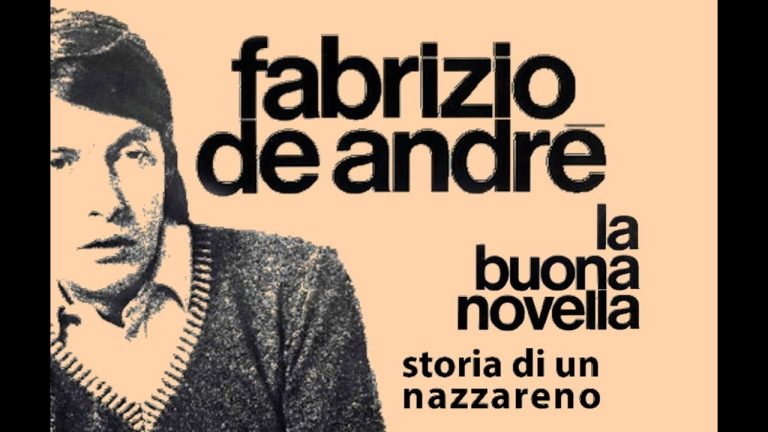
www.900letterario.it/wp-content/uploads/2014/06/fabrizio-...
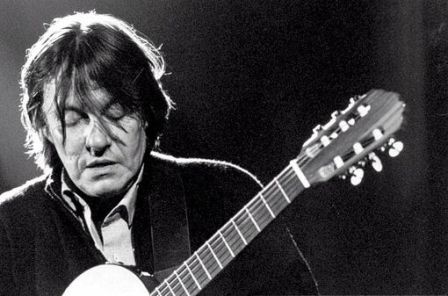
img.ubiklibri.it/images/9788896212042_0_900_0_0.jpg
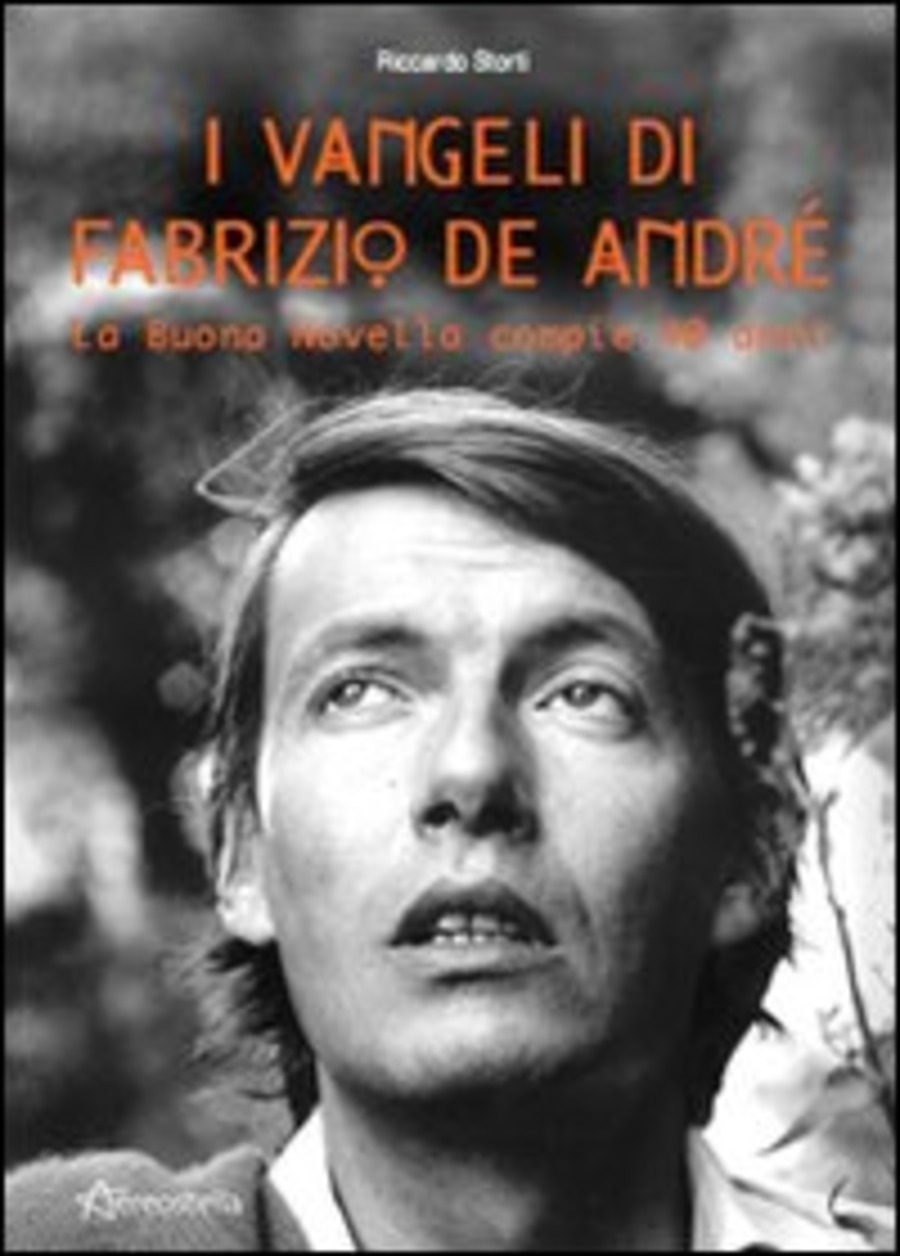
www.musiculturaonline.it/p/wp-content/uploads/2021/02/b-M...

Phrases from “The Good News - Frasi da “La Buona Novella” –
In the pity that does not give in to rancor, mother, I learned love.
Nella pietà che non cede al rancore, madre, ho imparato l’amore.
(il testamento di Tito);
I don't want to think of you as the son of God, but as the son of man, my brother too.
Non voglio pensarti figlio di Dio, ma figlio dell’uomo, fratello anche mio.
(Laudate Hominem);
If you had not been the son of God, I would still have you as my son.
Non fossi stato figlio di Dio, t’avrei ancora per figlio mio.
(Tre Madri);
……………………..
Alda Merini:
“The Cross is not a Roman pole, but the wood on which God wrote his gospel”.
“La Croce non è un palo dei romani, ma il legno su cui Dio ha scritto il suo vangelo.
----------------------------------------------------------
click to activate the small icon of slideshow: the small triangle inscribed in the small rectangle, at the top right, in the photostream (it means the monitor);
or…. Press the “L” button to zoom in the image;
clicca sulla piccola icona per attivare lo slideshow: sulla facciata principale del photostream, in alto a destra c'è un piccolo rettangolo (rappresenta il monitor) con dentro un piccolo triangolo nero;
oppure…. premi il tasto “L” per ingrandire l'immagine;
www.worldphoto.org/sony-world-photography-awards/winners-...
www.fotografidigitali.it/gallery/2726/opere-italiane-segn...
………………………………………………………
Good Friday is an anniversary which in Sicily acquires a cathartic meaning for those who are searching, not only photographically, for popular traditions (we find them widespread throughout Sicily), which are nothing other than a social, cultural event, which merge into a single past and present; from the web "popular traditions are a historical memory linked to customs and rituals that have given shape to the values and beliefs of that culture". Easter in Sicily can be a source of research, it can appear not without contradictions, citing the thoughts of that great Sicilian thinker Leonardo Sciascia, for him Sicily cannot be called Christian referring to the Sicilian festivals, at most it is only in appearance, in those properly pagan explosions tolerated by the Church; Sciascia addresses the topic as an introductory essay in the book "Religious celebrations in Sicily", illustrated with photographs of a young and still unknown Ferdinando Scianna, a book that did not fail to raise some controversy due to the Sicilian thinker's introductory note, thus being in open controversy with the sacredness of that popular Sicilian devotion (the book was criticized by the Holy See newspaper, the Osservatore Romano), Sciascia writes: “what is a religious festival in Sicily? It would be easy to answer that it is anything but a religious holiday. It is, first of all, an existential explosion; the explosion of the collective id, where the collectivity exists only at the level of the id. Since it is only during the celebration that the Sicilian emerges from his condition of a single man, which is the condition of his vigilant and painful superego, to find himself part of a class, of a class, of a city". Another Sicilian thinker, writer and poet, Gesualdo Bufalino, provides interesting indications on the meaning that Sicilians give to these traditional popular events, he says "during Easter every Sicilian feels not only a spectator, but an actor, first sorrowful and then exultant , for a Mystery that is its very existence. The time of the event is that of Spring, the season of metamorphosis, just as the very nature of the rite is metamorphic in which, as in a story from the Puppet Opera, the battle of Good against Evil is fought. Deception, Pain and Triumph, Passion, Death and Resurrection of Christ are present."
In short, Easter in Sicily is a deeply felt anniversary throughout the island since ancient times, it has always had as its fulcrum the emotional participation of the people, with representations and processions which have become rites and traditions which unequivocally characterize numerous Sicilian centres, which they recall the most salient moments narrated in the Gospels and which recall the Passion, Death and Resurrection of Jesus Christ, with processions formed by the various brotherhoods (sometimes with theatrical re-enactments) which have within them contents and symbols often coming from the Spanish domination, which took place in Sicily between the 16th and 17th centuries
This year, for Good Friday, I was looking for traditions that were "outside the most well-known circuits", in the past I have alternated traditional religious processions known, with lesser-known ones; I considered various possibilities, then I decided to go to a town that is described as being located in a remote and isolated location in the province of Messina, the town is Capizzi. Good Friday in Capizzi takes place in two phases, there is the daytime procession in which three floats are carried on the shoulders, that of the Ecce Homo, that of the Sorrowful Virgin, and that of the Pietà (with the Virgin Mary holding her Dead Son in her arms), then there is the afternoon procession, which continues until late in the evening, in this evening procession the float carrying the Ecce Homo is missing, while two others are added, there is the one with the Urn carrying the Dead Christ (this figure, that of the Dead Christ, in Capizzi, is called "Father of Divine Providence"), and there is the float carrying the "Holy Cross", on it, during the route along the streets of the town, you can see the villagers placing long linen sheets, who often lean out directly from the balconies or windows of their houses to place them over it. The procession is made up of devotees and local personalities, the police and Capizzi's musical band, and two brotherhoods, that of the SS. Sacrament (the brothers are recognizable by a light yellow cloak), and that of the Good Death (whose followers wear a black cloak); the procession advances along the route in absolute silence, silence is Sacred, the bells stop ringing, the procession walks slowly, an exception to the silence comes from the sad, mournful music played by the band and the drumbeats played in mourning; the route includes steep descents, and equally steep (and tiring) climbs. The afternoon-evening procession reaches the locality of "Tre Croci", here the Archpriest, Don Antonio, delivered his panegyric, using profound words, full of Hope, Charity, Love, remembering that Christ always forgives everyone. In the afternoon, in the Mother Church, the celebration of the Passion of Christ takes place; we witness the rite of the Adoration of the Holy Cross, and the veneration of the "Father of Divine Providence", subsequently there is the rite in which the Archpriest sprinkles the body of the Dead Christ with rose petals, and anoints it with perfumed oils (to recall what is written in the Gospel of John (19:38-42), Joseph of Arimathea, a disciple of Jesus, secretly for fear of the Jews, asked Pilate for permission to take the body of Jesus, Pilate agreed, but Nicodemus also joined Joseph, carrying about thirty kilos of a mixture of myrrh and aloe, sprinkling it on the body: they took the body of Jesus, wrapped it in bandages together with the aromas, according to the funeral custom of the Jews). During the rite of the Adoration of the Cross, in the Mother Church (and also in the Tre Croci area), there is a song sung by the young people of the village, who in chorus sing the “song of the improperia”, which would be in sung form the reproaches that Jesus Christ addresses to his people, because they were responsible for His crucifixion: it is therefore a plaintive dialogue between the crucified Christ and his people; this song dates back to the sixth century, having arrived in the West from the Church of Jerusalem.
…………………………………………………
Il Venerdì Santo è una ricorrenza che in Sicilia acquista un significato catartico per chi è alla ricerca, non solo fotografica, delle tradizioni popolari (le troviamo diffuse in tutta la Sicilia), che altro non sono che un evento sociale, culturale, che fondono in un tutt’uno passato e presente; dal web “le tradizioni popolari sono una memoria storica legata ad usanze e ritualità che hanno dato forma ai valori e alle credenze di quella cultura”. La Pasqua in Sicilia può essere fonte di ricerca, essa può apparire non priva di contraddizioni, citando il pensiero di quel grande pensatore Siciliano che fu Leonardo Sciascia, per lui la Sicilia non può dirsi cristiana riferendosi alle feste Siciliane, al massimo lo è solo in apparenza, in quelle esplosioni propriamente pagane, tollerate dalla Chiesa; Sciascia affronta l’argomento come saggio introduttivo nel libro “Feste religiose in Sicilia”, illustrato con fotografie di un giovane ed ancora sconosciuto Ferdinando Scianna, libro che non mancò di sollevare qualche polemica per la nota introduttiva del pensatore Siciliano, essendo così in aperta polemica con la sacralità di quella devozione popolare Siciliana (il libro fu oggetto di una stroncatura da parte del quotidiano della Santa Sede, l’Osservatore Romano), Sciascia scrive: “che cos’ è una festa religiosa in Sicilia? Sarebbe facile rispondere che è tutto, tranne che una festa religiosa. E’, innanzi tutto, un’esplosione esistenziale; l’esplosione dell’es collettivo, dove la collettività esiste soltanto a livello dell’es. Poiché e soltanto nella festa che il siciliano esce dalla sua condizione di uomo solo, che è poi la condizione del suo vigile e doloroso super io, per ritrovarsi parte di un ceto, di una classe, di una città ”. Altro pensatore, scrittore e poeta Siciliano, Gesualdo Bufalino, fornisce indicazioni interessanti sul senso che i Siciliani danno a questi eventi popolari tradizionali, egli dice “durante la Pasqua ogni siciliano si sente non solo uno spettatore, ma un attore, prima dolente e poi esultante, per un Mistero che è la sua stessa esistenza. Il tempo dell’evento è quello della Primavera, la stagione della metamorfosi, così come metamorfica è la natura stessa del rito nel quale, come in un racconto dell’Opera dei Pupi, si combatte la lotta del Bene contro il Male. Sono presenti l’Inganno, il Dolore e il Trionfo, la Passione, la Morte e la Resurrezione di Cristo”.
In breve, la Pasqua in Sicilia è una ricorrenza profondamente sentita in tutta l’isola fin dall’antichità, essa ha sempre avuto come fulcro la commossa partecipazione del popolo, con rappresentazioni e processioni divenuti riti e tradizioni che caratterizzano inequivocabilmente numerosissimi centri Siciliani, che rievocano i momenti più salienti narrati nei Vangeli e che ricordano la Passione, la Morte e la Resurrezione di Gesù Cristo, con cortei formati dalle varie confraternite (a volte con rievocazioni teatrali) che hanno in se contenuti e simbologie spesso provenienti dalla dominazione Spagnola, avvenuta in Sicilia tra il XVI ed il XVII secolo.
Quest’anno, per il Venerdì Santo, ero alla ricerca di tradizioni che fossero “al di fuori dei circuiti più noti”, in passato ho alternato processioni tradizionali religiose note, a quelle meno note; ho preso in considerazione diverse possibilità, poi ho deciso di recarmi in un paese che viene descritto essere situato in una località remota ed isolata della provincia di Messina, il paese è Capizzi. Il Venerdì Santo a Capizzi, si svolge in due fasi, c’è la processione diurna nella quale vengono portate in spalla tre vare, quella dell’Ecce Homo, quella della Vergine Addolorata, e quella della Pietà (con la Vergine Maria che tiene in braccio suo Figlio Morto), poi c’è la processione del pomeriggio, che prosegue fino a sera inoltrata, in questa processione serale manca la vara che reca l’Ecce Homo, mentre se ne aggiungono altre due, c’è quella con l’Urna che reca il Cristo Morto ( questa figura, quella del Cristo Morto, a Capizzi, viene chiamata “Padre della Divina Provvidenza”), e c’è la vara che reca la “Santa Croce”, su di essa, durante il percorso lungo le vie del paese, si assiste al poggiare di lunghe lenzuola di lino da parte dei paesani, che spesso si sporgono direttamente dai balconi o dalle finestre delle loro case per deporle a scavalco su di essa. La processione è formate, oltre che dai devoti e dalle personalità del paese, dalle forze dell’ordine e dalla banda musicale di Capizzi, da due confraternite, quella del SS. Sacramento (i confratelli sono riconoscibili da un mantello giallo chiaro), e quella della Buona Morte (i cui adepti recano un mantello nero); la processione avanza lungo il percorso in assoluto silenzio, il silenzio è Sacro, le campane smettono di suonare, la processione cammina lenta, una eccezione al silenzio proviene dalla musica mesta, triste, suonata dalla banda e dai colpi di tamburo suonati a lutto; il percorso prevede ripide discese, ed altrettanto ripide (e faticose) salite. La processione pomeridiana-serale giunge fino alla località “Tre Croci”, qui l’Arciprete, Don Antonio, ha proferito il suo panegirico, usando parole profonde, colme di Speranza, Carità, Amore, ricordando che Cristo perdona sempre, tutti. Il pomeriggio, in Chiesa Madre, si assiste alla celebrazione della Passione di Cristo; si assiste al rito dell’Adorazione della Santa Croce, ed alla venerazione del “Padre della Divina Provvidenza”, successivamente c’è il rito nel quale l’Arciprete cosparge il corpo del Cristo Morto con petali di rosa, e lo unge con olii profumati (a rievocare quante scritto nel Vangelo di Giovanni (19:38-42), Giuseppe di Arimatea, discepolo di Gesù, in segreto per timore dei Giudei, chiese a Pilato il permesso di prendere il corpo di Gesù, Pilato acconsentì, ma anche Nicodemo, si unì a Giuseppe, portando circa trenta chili di una mistura di mirra e di aloe, cospargendone il corpo: essi presero il corpo di Gesù, lo avvolsero in bende insieme con gli aromi, secondo l'usanza funebre dei Giudei). Durante il rito dell’Adorazione della Croce, in Chiesa Madre (ed anche in località Tre Croci), c’è il canto intonato dai giovani del paese, che in coro cantano il “canto degli improperia”, che sarebbe in forma cantata i rimproveri che Gesù Cristo rivolge al suo popolo, poiché si è reso responsabile della Sua crocifissione: esso è quindi un dialogo lamentoso tra Cristo crocifisso e il suo popolo; questo canto risalirebbero al VI secolo, giunto in occidente proveniente dalla Chiesa di Gerusalemme.
………………………………………….
POSTER - LOCANDINA -
www.chiesasarda.it/wp-content/uploads/2020/11/de-andre_la...
www.900letterario.it/wp-content/uploads/2014/06/fabrizio-...
img.ubiklibri.it/images/9788896212042_0_900_0_0.jpg
www.musiculturaonline.it/p/wp-content/uploads/2021/02/b-M...
Phrases from “The Good News - Frasi da “La Buona Novella” –
In the pity that does not give in to rancor, mother, I learned love.
Nella pietà che non cede al rancore, madre, ho imparato l’amore.
(il testamento di Tito);
I don't want to think of you as the son of God, but as the son of man, my brother too.
Non voglio pensarti figlio di Dio, ma figlio dell’uomo, fratello anche mio.
(Laudate Hominem);
If you had not been the son of God, I would still have you as my son.
Non fossi stato figlio di Dio, t’avrei ancora per figlio mio.
(Tre Madri);
……………………..
Alda Merini:
“The Cross is not a Roman pole, but the wood on which God wrote his gospel”.
“La Croce non è un palo dei romani, ma il legno su cui Dio ha scritto il suo vangelo.
----------------------------------------------------------
click to activate the small icon of slideshow: the small triangle inscribed in the small rectangle, at the top right, in the photostream (it means the monitor);
or…. Press the “L” button to zoom in the image;
clicca sulla piccola icona per attivare lo slideshow: sulla facciata principale del photostream, in alto a destra c'è un piccolo rettangolo (rappresenta il monitor) con dentro un piccolo triangolo nero;
oppure…. premi il tasto “L” per ingrandire l'immagine;
www.worldphoto.org/sony-world-photography-awards/winners-...
www.fotografidigitali.it/gallery/2726/opere-italiane-segn...
………………………………………………………
Good Friday is an anniversary which in Sicily acquires a cathartic meaning for those who are searching, not only photographically, for popular traditions (we find them widespread throughout Sicily), which are nothing other than a social, cultural event, which merge into a single past and present; from the web "popular traditions are a historical memory linked to customs and rituals that have given shape to the values and beliefs of that culture". Easter in Sicily can be a source of research, it can appear not without contradictions, citing the thoughts of that great Sicilian thinker Leonardo Sciascia, for him Sicily cannot be called Christian referring to the Sicilian festivals, at most it is only in appearance, in those properly pagan explosions tolerated by the Church; Sciascia addresses the topic as an introductory essay in the book "Religious celebrations in Sicily", illustrated with photographs of a young and still unknown Ferdinando Scianna, a book that did not fail to raise some controversy due to the Sicilian thinker's introductory note, thus being in open controversy with the sacredness of that popular Sicilian devotion (the book was criticized by the Holy See newspaper, the Osservatore Romano), Sciascia writes: “what is a religious festival in Sicily? It would be easy to answer that it is anything but a religious holiday. It is, first of all, an existential explosion; the explosion of the collective id, where the collectivity exists only at the level of the id. Since it is only during the celebration that the Sicilian emerges from his condition of a single man, which is the condition of his vigilant and painful superego, to find himself part of a class, of a class, of a city". Another Sicilian thinker, writer and poet, Gesualdo Bufalino, provides interesting indications on the meaning that Sicilians give to these traditional popular events, he says "during Easter every Sicilian feels not only a spectator, but an actor, first sorrowful and then exultant , for a Mystery that is its very existence. The time of the event is that of Spring, the season of metamorphosis, just as the very nature of the rite is metamorphic in which, as in a story from the Puppet Opera, the battle of Good against Evil is fought. Deception, Pain and Triumph, Passion, Death and Resurrection of Christ are present."
In short, Easter in Sicily is a deeply felt anniversary throughout the island since ancient times, it has always had as its fulcrum the emotional participation of the people, with representations and processions which have become rites and traditions which unequivocally characterize numerous Sicilian centres, which they recall the most salient moments narrated in the Gospels and which recall the Passion, Death and Resurrection of Jesus Christ, with processions formed by the various brotherhoods (sometimes with theatrical re-enactments) which have within them contents and symbols often coming from the Spanish domination, which took place in Sicily between the 16th and 17th centuries
This year, for Good Friday, I was looking for traditions that were "outside the most well-known circuits", in the past I have alternated traditional religious processions known, with lesser-known ones; I considered various possibilities, then I decided to go to a town that is described as being located in a remote and isolated location in the province of Messina, the town is Capizzi. Good Friday in Capizzi takes place in two phases, there is the daytime procession in which three floats are carried on the shoulders, that of the Ecce Homo, that of the Sorrowful Virgin, and that of the Pietà (with the Virgin Mary holding her Dead Son in her arms), then there is the afternoon procession, which continues until late in the evening, in this evening procession the float carrying the Ecce Homo is missing, while two others are added, there is the one with the Urn carrying the Dead Christ (this figure, that of the Dead Christ, in Capizzi, is called "Father of Divine Providence"), and there is the float carrying the "Holy Cross", on it, during the route along the streets of the town, you can see the villagers placing long linen sheets, who often lean out directly from the balconies or windows of their houses to place them over it. The procession is made up of devotees and local personalities, the police and Capizzi's musical band, and two brotherhoods, that of the SS. Sacrament (the brothers are recognizable by a light yellow cloak), and that of the Good Death (whose followers wear a black cloak); the procession advances along the route in absolute silence, silence is Sacred, the bells stop ringing, the procession walks slowly, an exception to the silence comes from the sad, mournful music played by the band and the drumbeats played in mourning; the route includes steep descents, and equally steep (and tiring) climbs. The afternoon-evening procession reaches the locality of "Tre Croci", here the Archpriest, Don Antonio, delivered his panegyric, using profound words, full of Hope, Charity, Love, remembering that Christ always forgives everyone. In the afternoon, in the Mother Church, the celebration of the Passion of Christ takes place; we witness the rite of the Adoration of the Holy Cross, and the veneration of the "Father of Divine Providence", subsequently there is the rite in which the Archpriest sprinkles the body of the Dead Christ with rose petals, and anoints it with perfumed oils (to recall what is written in the Gospel of John (19:38-42), Joseph of Arimathea, a disciple of Jesus, secretly for fear of the Jews, asked Pilate for permission to take the body of Jesus, Pilate agreed, but Nicodemus also joined Joseph, carrying about thirty kilos of a mixture of myrrh and aloe, sprinkling it on the body: they took the body of Jesus, wrapped it in bandages together with the aromas, according to the funeral custom of the Jews). During the rite of the Adoration of the Cross, in the Mother Church (and also in the Tre Croci area), there is a song sung by the young people of the village, who in chorus sing the “song of the improperia”, which would be in sung form the reproaches that Jesus Christ addresses to his people, because they were responsible for His crucifixion: it is therefore a plaintive dialogue between the crucified Christ and his people; this song dates back to the sixth century, having arrived in the West from the Church of Jerusalem.
…………………………………………………
Il Venerdì Santo è una ricorrenza che in Sicilia acquista un significato catartico per chi è alla ricerca, non solo fotografica, delle tradizioni popolari (le troviamo diffuse in tutta la Sicilia), che altro non sono che un evento sociale, culturale, che fondono in un tutt’uno passato e presente; dal web “le tradizioni popolari sono una memoria storica legata ad usanze e ritualità che hanno dato forma ai valori e alle credenze di quella cultura”. La Pasqua in Sicilia può essere fonte di ricerca, essa può apparire non priva di contraddizioni, citando il pensiero di quel grande pensatore Siciliano che fu Leonardo Sciascia, per lui la Sicilia non può dirsi cristiana riferendosi alle feste Siciliane, al massimo lo è solo in apparenza, in quelle esplosioni propriamente pagane, tollerate dalla Chiesa; Sciascia affronta l’argomento come saggio introduttivo nel libro “Feste religiose in Sicilia”, illustrato con fotografie di un giovane ed ancora sconosciuto Ferdinando Scianna, libro che non mancò di sollevare qualche polemica per la nota introduttiva del pensatore Siciliano, essendo così in aperta polemica con la sacralità di quella devozione popolare Siciliana (il libro fu oggetto di una stroncatura da parte del quotidiano della Santa Sede, l’Osservatore Romano), Sciascia scrive: “che cos’ è una festa religiosa in Sicilia? Sarebbe facile rispondere che è tutto, tranne che una festa religiosa. E’, innanzi tutto, un’esplosione esistenziale; l’esplosione dell’es collettivo, dove la collettività esiste soltanto a livello dell’es. Poiché e soltanto nella festa che il siciliano esce dalla sua condizione di uomo solo, che è poi la condizione del suo vigile e doloroso super io, per ritrovarsi parte di un ceto, di una classe, di una città ”. Altro pensatore, scrittore e poeta Siciliano, Gesualdo Bufalino, fornisce indicazioni interessanti sul senso che i Siciliani danno a questi eventi popolari tradizionali, egli dice “durante la Pasqua ogni siciliano si sente non solo uno spettatore, ma un attore, prima dolente e poi esultante, per un Mistero che è la sua stessa esistenza. Il tempo dell’evento è quello della Primavera, la stagione della metamorfosi, così come metamorfica è la natura stessa del rito nel quale, come in un racconto dell’Opera dei Pupi, si combatte la lotta del Bene contro il Male. Sono presenti l’Inganno, il Dolore e il Trionfo, la Passione, la Morte e la Resurrezione di Cristo”.
In breve, la Pasqua in Sicilia è una ricorrenza profondamente sentita in tutta l’isola fin dall’antichità, essa ha sempre avuto come fulcro la commossa partecipazione del popolo, con rappresentazioni e processioni divenuti riti e tradizioni che caratterizzano inequivocabilmente numerosissimi centri Siciliani, che rievocano i momenti più salienti narrati nei Vangeli e che ricordano la Passione, la Morte e la Resurrezione di Gesù Cristo, con cortei formati dalle varie confraternite (a volte con rievocazioni teatrali) che hanno in se contenuti e simbologie spesso provenienti dalla dominazione Spagnola, avvenuta in Sicilia tra il XVI ed il XVII secolo.
Quest’anno, per il Venerdì Santo, ero alla ricerca di tradizioni che fossero “al di fuori dei circuiti più noti”, in passato ho alternato processioni tradizionali religiose note, a quelle meno note; ho preso in considerazione diverse possibilità, poi ho deciso di recarmi in un paese che viene descritto essere situato in una località remota ed isolata della provincia di Messina, il paese è Capizzi. Il Venerdì Santo a Capizzi, si svolge in due fasi, c’è la processione diurna nella quale vengono portate in spalla tre vare, quella dell’Ecce Homo, quella della Vergine Addolorata, e quella della Pietà (con la Vergine Maria che tiene in braccio suo Figlio Morto), poi c’è la processione del pomeriggio, che prosegue fino a sera inoltrata, in questa processione serale manca la vara che reca l’Ecce Homo, mentre se ne aggiungono altre due, c’è quella con l’Urna che reca il Cristo Morto ( questa figura, quella del Cristo Morto, a Capizzi, viene chiamata “Padre della Divina Provvidenza”), e c’è la vara che reca la “Santa Croce”, su di essa, durante il percorso lungo le vie del paese, si assiste al poggiare di lunghe lenzuola di lino da parte dei paesani, che spesso si sporgono direttamente dai balconi o dalle finestre delle loro case per deporle a scavalco su di essa. La processione è formate, oltre che dai devoti e dalle personalità del paese, dalle forze dell’ordine e dalla banda musicale di Capizzi, da due confraternite, quella del SS. Sacramento (i confratelli sono riconoscibili da un mantello giallo chiaro), e quella della Buona Morte (i cui adepti recano un mantello nero); la processione avanza lungo il percorso in assoluto silenzio, il silenzio è Sacro, le campane smettono di suonare, la processione cammina lenta, una eccezione al silenzio proviene dalla musica mesta, triste, suonata dalla banda e dai colpi di tamburo suonati a lutto; il percorso prevede ripide discese, ed altrettanto ripide (e faticose) salite. La processione pomeridiana-serale giunge fino alla località “Tre Croci”, qui l’Arciprete, Don Antonio, ha proferito il suo panegirico, usando parole profonde, colme di Speranza, Carità, Amore, ricordando che Cristo perdona sempre, tutti. Il pomeriggio, in Chiesa Madre, si assiste alla celebrazione della Passione di Cristo; si assiste al rito dell’Adorazione della Santa Croce, ed alla venerazione del “Padre della Divina Provvidenza”, successivamente c’è il rito nel quale l’Arciprete cosparge il corpo del Cristo Morto con petali di rosa, e lo unge con olii profumati (a rievocare quante scritto nel Vangelo di Giovanni (19:38-42), Giuseppe di Arimatea, discepolo di Gesù, in segreto per timore dei Giudei, chiese a Pilato il permesso di prendere il corpo di Gesù, Pilato acconsentì, ma anche Nicodemo, si unì a Giuseppe, portando circa trenta chili di una mistura di mirra e di aloe, cospargendone il corpo: essi presero il corpo di Gesù, lo avvolsero in bende insieme con gli aromi, secondo l'usanza funebre dei Giudei). Durante il rito dell’Adorazione della Croce, in Chiesa Madre (ed anche in località Tre Croci), c’è il canto intonato dai giovani del paese, che in coro cantano il “canto degli improperia”, che sarebbe in forma cantata i rimproveri che Gesù Cristo rivolge al suo popolo, poiché si è reso responsabile della Sua crocifissione: esso è quindi un dialogo lamentoso tra Cristo crocifisso e il suo popolo; questo canto risalirebbero al VI secolo, giunto in occidente proveniente dalla Chiesa di Gerusalemme.
………………………………………….
... but that's only because he's convinced himself, if he's a good boy, Santa will bring him what he really wants for Christmas .... HIS OWN LION FAMILY!
As much as I love to wear skirts and dresses I can feel just as feminine in some tight jeans and pretty tops. The jeans also give me a nice girly shape if you get what I mean.
only codding...
Dictionary
Definitions from Oxford Languages
To cod
verb
gerund or present participle: codding
INFORMAL•BRITISH
play a joke or trick on (someone).
"he was definitely codding them"
From the upcoming Series : 'Prostate Daze: The Waning of the Latter Ages'.
With apologies to James Joyce, Marcel Duchamp, Johan Huizinga, and all those of a certain age.
Perhaps laughter is the best medicine.
A content marketing framework that plots type and channel across two dimensions: who should create it (a single owner or the entire staff) and how it should be distributed for maximum impact on the sales funnel.
January 17, 2016, 9:58 a.m.
10k Race Participants
per website: www.runottawa.ca/wp-content/uploads/2016/01/Richmond-10K-...
..................................................................
listed information below:
bib number (in order)
placing
time
pace per km
bib
name
residence
M/F
category
place in category
10k FEMALE RACERS
2…..52 1:00:23 6:02 2 Jetje Antonietti Ottawa F 60-69 3 of 12
11….10 0:47:32 4:45 11 Daphne Ballard Ottawa F 40-49 3 of 19
12….21 0:52:46 5:17 12 Vicki Bencze Ottawa F 40-49 5 of 19
20….43 0:57:07 5:43 20 Terri Bolster Ottawa F 60-69 1 of 12
23….18 0:52:10 5:13 23 Lucie Boudreau Gatineau F 50-59 6 of 34
25….60 1:02:26 6:15 25 Amelie Brouillard Duhamel-Ouest F 20-29
8 of 9
27….14 0:50:00 5:00 27 Karen Burns Orleans F 50-59 4 of 34
28….51 1:00:22 6:02 28 Laura Butler North Gower F 50-59 16 of 34
30….48 0:59:44 5:58 30 Anne-Marie Carter-Mcauslan Carleton Place F 60-69 2 of 12
37….3 0:43:09 4:19 37 Melanie Clement Kanata F 30-39 2 of 19
39….69 1:04:23 6:26 39 Peggy Cooke Carp F 50-59 23 of 34
45….65 1:03:25 6:20 45 Deena Desson Richmond F 50-59 20 of 34
47….47 0:59:26 5:57 47 Sheryl Dore Ottawa F 50-59 13 of 34
49….53 1:00:41 6:04 49 Stephanie Dunne Ottawa F 60-69 4 of 12
50….61 1:02:47 6:17 50 Robbie Duval Williamstown F 50-59 18 of 34
51….20 0:52:26 5:15 51 Sue Duval Alexandria F 50-59 7 of 34
53….13 0:49:58 5:00 53 Marigold Edwards Ottawa F 50-59 3 of 34
59….92 1:13:49 7:23 59 Cynthia Field-Rose Ottawa F 60-69 10 of 12
60….50 1:00:17 6:02 60 Ellyn Floyd Carp F 50-59 15 of 34
62….70 1:04:43 6:28 62 Sandy Fredette Ashton F 50-59 24 of 34
65….73 1:05:05 6:30 65 Zoe Frouin Ottawa F 50-59 27 of 34
66….37 0:56:25 5:39 66 Tammy Frye Kanata F 30-39 12 of 19
67….74 1:05:51 6:35 67 Tanya Frye Ottawa F 30-39 17 of 19
68….59 1:02:24 6:14 68 Lyson Gélinas Drummondville F 20-29 7 of 9
69….35 0:55:05 5:31 69 Christine Geraghty Ottawa F 30-39 11 of 19
73….88 1:09:39 6:58 73 Cheryl Gillies Richmond F 50-59 31 of 34
76….4 0:43:34 4:21 76 Stephanie Gordon Ottawa F 30-39 3 of 19
79….38 0:56:38 5:40 79 Tessa Grant Mallorytown F 20-29 3 of 9
81….67 1:03:39 6:22 81 Norma Green Richmond F 50-59 22 of 34
86….79 1:07:13 6:43 86 Heather Hamann Ottawa F 50-59 29 of 34
88….95 1:15:18 7:32 88 Emma Hamilton Ottawa F 14+Unr 1 of 1
89….87 1:09:09 6:55 89 Reta Hamilton Munster F 60-69 9 of 12
92….91 1:11:26 7:09 92 Sara Howse Kemptville F 30-39 19 of 19
93….39 0:56:43 5:40 93 Marysa Irvine Richmond F 40-49 13 of 19
98….89 1:09:44 6:58 98 Elizabeth Keighley Nepean F 50-59 32 of 34
99….2 0:41:48 4:11 99 Hunter Kelly Ottawa F 20-29 1 of 9
102…41 0:56:53 5:41 102 Taylor Kelly Ottawa F 20-29 4 of 9
103…68 1:04:10 6:25 103 Michelle Keough Ottawa F 40-49 16 of 19
104…45 0:58:27 5:51 104 Dawn Kiddell Lancaster F 50-59 12 of 34
107…8 0:46:16 4:38 107 Ingrid Koenig Ottawa F 40-49 2 of 19
108…77 1:06:20 6:38 108 Colleen Kohlsmith Kanata F 60-69 6 of 12
111…40 0:56:45 5:40 111 Sandra Lang Ottawa F 50-59 11 of 34
115…11 0:48:30 4:51 115 Heather Lewis Ottawa F 50-59 1 of 34
118…24 0:53:02 5:18 118 Keitha Lynch Richmond F 40-49 6 of 19
120…6 0:45:12 4:31 120 Katie Macaskill Kanata F 15-19 1 of 2
122…5 0:44:35 4:27 122 Kim Macaskill Kanata F 40-49 1 of 19
124…94 1:14:24 7:26 124 Sally Macinnis Merrickville F 60-69 11 of
12
125…25 0:53:06 5:19 125 Sandy Macleod Ottawa F 40-49 7 of 19
128…97 1:17:34 7:45 128 Donna Magher Williamstown F 60-69 12
of 12
129…1 0:39:48 3:59 129 Maureen Mahoney Ottawa F 30-39 1 of 19
134…63 1:02:57 6:18 134 Martina McGinn Ottawa F 70+Ov 1 of 1
137…54 1:00:42 6:04 137 Fanie Michaud Saint-Hyacinthe F 20-29 5 of 9
139…90 1:11:15 7:07 139 Sharon Moore Kanata F 50-59 33 of 34
141…86 1:08:16 6:50 141 Eileen Mortimer Ottawa F 60-69 8 of 12
143…84 1:07:50 6:47 143 Gabrielle Nadeau Ottawa F 50-59 30 of 34
146…9 0:46:35 4:40 146 Eryn O'Neil Ottawa F 30-39 5 of 19
149…42 0:57:01 5:42 149 Jennifer Parker Orleans F 40-49 14 of 19
152…72 1:05:03 6:30 152 Elaine Petrie Nepean F 50-59 26 of 34
153…7 0:45:46 4:35 153 Deidre Pollard Bussey Ottawa F 30-39 4 of 19
154…76 1:06:12 6:37 154 Jackie Poole Ottawa F 60-69 5 of 12
155…26 0:53:17 5:20 155 Eniko Popescu Ottawa F 40-49 8 of 19
158…44 0:57:19 5:44 158 Jennifer Rice Ottawa F 30-39 13 of 19
161…55 1:00:44 6:04 161 Sandra Roberts Gatineau F 50-59 17 of 34
162…58 1:01:38 6:10 162 Genevieve Robidoux Howick F 20-29 6 of 9
163…85 1:07:52 6:47 163 Marie-Claude Robillard Ottawa F 15-19 2 of 2
166…29 0:54:40 5:28 166 Jenn Ross Merrickville F 40-49 9 of 19
171…64 1:03:08 6:19 171 Michelle Ryan Ottawa F 30-39 16 of 19
172…28 0:54:36 5:28 172 Catherine Sainte-Marie Ottawa F 30-39 9 of 19
173…17 0:51:48 5:11 173 Claire Samson Ottawa F 50-59 5 of 34
177…56 1:01:15 6:08 177 Julia Scouten Richmond F 30-39 14 of 19
179…34 0:54:52 5:29 179 Janet Shepherd Mallorytown F 50-59 10 of 34
182…71 1:05:00 6:30 182 Laurie Shusterman Ottawa F 50-59 25 of 34
186…96 1:17:33 7:45 186 Brenda Smith Williamstown F 50-59 34 of 34
188…62 1:02:49 6:17 188 Cindy Southgate Kanata F 50-59 19 of 34
190…82 1:07:32 6:45 190 Arlene Steadman Kanata F 60-69 7 of 12
192…83 1:07:48 6:47 192 Amanda Strass Nepean F 20-29 9 of 9
193…15 0:50:54 5:05 193 Karen Svab Osgoode F 30-39 6 of 19
194…27 0:54:06 5:25 194 Stephanie Tait Kingston F 30-39 8 of 19
197…78 1:07:10 6:43 197 Brenda Tirrell Stittsville F 50-59 28 of 34
198…49 0:59:49 5:59 198 Darene Toal-Sullivan Kanata F 50-59 14 of 34
200…66 1:03:32 6:21 200 Suzann Townend Carleton Place F 50-59 21 of 34
203…93 1:14:21 7:26 203 Lori Urquhart Merrickville F 40-49 19 of 19
205…16 0:51:41 5:10 205 Elysia Van Zeyl Ottawa F 30-39 7 of 19
206…33 0:54:50 5:29 206 Jennifer Vincent Ottawa F 30-39 10 of 19
207…57 1:01:17 6:08 207 Susan Wallace Richmond F 30-39 15 of
19
209…19 0:52:20 5:14 209 Elodie Watson Merrickville F 40-49 4 of 19
211…23 0:52:51 5:17 211 Gillian Williamson Ottawa F 50-59 8 of 34
217…81 1:07:23 6:44 217 Jing Zhang Ottawa F 40-49 18 of 19
219…80 1:07:16 6:44 219 Kelly Wojnarksi Ottawa F 30-39 18 of 19
222…22 0:52:48 5:17 222 Stephanie Sothcott Ottawa F 20-29 2 of 9
224…30 0:54:43 5:28 224 Emilie Braisin Ottawa F 40-49 10 of 19
226…12 0:49:46 4:59 226 Louise Hamelin Ottawa F 50-59 2 of 34
228…32 0:54:48 5:29 228 Judy Curry Ottawa F 50-59 9 of 34
229…31 0:54:46 5:29 229 Kimberlie Schonewille Ottawa F 40-49 11 of 19
232…75 1:06:06 6:37 232 Karen Beutel Nepean F 40-49 17 of 19
233…46 0:59:16 5:56 233 Anelise Alarcon Ottawa F 40-49 15 of 19
457…36 0:55:20 5:32 457 Lara Winnemore Stittsville F 40-49 12 of 19
10k MALE RACERS
1…..72 0:52:39 5:16 1 Jim Allard Ottawa M 60-69 6 of 10
3…..69 0:52:21 5:14 3 Wally Archibald Metcalfe M 50-59 30 of 52
6…..86 0:54:38 5:28 6 Yves Arseneault Gatineau M 50-59 40 of 52
7…..66 0:51:46 5:11 7 Adam Ashton Nepean M 15-19 2 of 2
8…..44 0:47:47 4:47 8 Peter Ashton Nepean M 50-59 18 of 52
9…..101 0:59:17 5:56 9 Thomas Atkins Ottawa M 50-59 46 of 52
10….50 0:48:51 4:53 10 Rick Balderson Nepean M 50-59 21 of 52
13….56 0:49:48 4:59 13 Derek Bergmann Richmond M 30-39 10 of
19
14….15 0:41:36 4:10 14 Pascal Bessette Ottawa M 30-39 6 of 19
15….34 0:45:59 4:36 15 Michael Best Kanata M 50-59 11 of 52
16….113 1:03:42 6:22 16 Tony Bettino Ottawa M 50-59 51 of 52
18….3 0:37:11 3:43 18 Michael Blois Ottawa M 40-49 1 of 24
19….19 0:42:34 4:15 19 George Bodoni Ottawa M 50-59 6 of 52
21….22 0:43:52 4:23 21 Richard Borsos Ottawa M 60-69 2 of 10
22….47 0:48:03 4:48 22 Andrew Bouchier Ottawa M 50-59 19 of 52
24….33 0:45:43 4:34 24 Chris Bright Orleans M 40-49 6 of 24
26….7 0:39:19 3:56 26 Phil Brunet Ottawa M 30-39 3 of 19
29….106 0:59:46 5:59 29 Roch C0urcy Gatineau M 30-39 17 of 19
31….40 0:46:50 4:41 31 Clark Carvish Nepean M 50-59 15 of 52
32….54 0:49:39 4:58 32 Ben-Zion Caspi Ottawa M 60-69 4 of 10
33….91 0:55:47 5:35 33 Mike Champagne Ottawa M 50-59 43 of 52
34….111 1:02:44 6:16 34 Doug Arnold Richmond M 70-79 5 of 7
35….67 0:52:06 5:13 35 Mike Christie Nepean M 50-59 28 of 52
36….36 0:46:11 4:37 36 Sean Clancy Orleans M 50-59 13 of 52
38….18 0:42:27 4:15 38 Randy Cocek Nepean M 40-49 4 of 24
40….21 0:43:51 4:23 40 Gary Cooper Ottawa M 20-29 3 of 4
41….58 0:50:05 5:01 41 Robert Criger Ottawa M 50-59 24 of 52
43….4 0:37:26 3:45 43 David Dawson Ottawa M 30-39 2 of 19
44….35 0:46:09 4:37 44 Francois Deleseleuc Ottawa M 50-59 12 of
52
46….80 0:53:04 5:18 46 Kel Doig Ottawa M 50-59 38 of 52
48….37 0:46:18 4:38 48 Paul Doucette Kanata M 40-49 7 of 24
52….52 0:49:00 4:54 52 Bob Ebsary Rockland M 50-59 22 of 52
54….99 0:58:45 5:52 54 Joe Elliott Ottawa M 30-39 14 of 19
55….29 0:45:01 4:30 55 Costas Farassoglou Ottawa M 30-39 8 of
19
56….31 0:45:15 4:32 56 Savvas Farassoglou Ottawa M 30-39 9 of
19
57….92 0:55:58 5:36 57 Daniel Farrell Stittsville M 50-59 44 of 52
58….88 0:54:55 5:29 58 John Farrell Ottawa M 50-59 41 of 52
61….114 1:04:20 6:26 61 Chris Foran Kemptville M 40-49 23 of 24
63….103 0:59:27 5:57 63 Christopher Froggatt Perth M 40-49 21 of
24
64….104 0:59:28 5:57 64 Tom Froggatt Toronto M 50-59 47 of 52
71….64 0:51:13 5:07 71 Christian Giguère Ottawa M 50-59 26 of 52
72….43 0:47:15 4:44 72 Mike Giles Ottawa M 50-59 17 of 52
74….13 0:41:10 4:07 74 Patrick Girard Ottawa M 30-39 5 of 19
78….57 0:50:03 5:00 78 Ian Govan Kanata M 60-69 5 of 10
80….95 0:57:15 5:43 80 Dana Green Richmond M 60-69 9 of 10
82….63 0:50:58 5:06 82 Owen Gregory Ottawa M 40-49 14 of 24
83….117 1:07:14 6:43 83 Phil Gregory Ottawa M 70-79 7 of 7
84….83 0:53:22 5:20 84 Mike Halliwushka Stittsville M 60-69 8 of 10
85….116 1:07:12 6:43 85 Fern Hamann Carleton Place M 50-59 52
of 52
87….119 1:15:17 7:32 87 David Hamilton Ottawa M 40-49 24 of 24
90….89 0:55:08 5:31 90 Ron Hoffe Ottawa M 50-59 42 of 52
91….115 1:04:28 6:27 91 Bill Horne Ottawa M 70-79 6 of 7
94….96 0:57:25 5:44 94 Ian James Ottawa M 40-49 19 of 24
95….118 1:07:17 6:44 95 Jesse Jarjour Ottawa M 30-39 19 of 19
96….45 0:47:51 4:47 96 Chris Jermyn Ottawa M 70-79 1 of 7
100…112 1:02:53 6:17 100 Mark Kelly Stittsville M 50-59 50 of 52
101…5 0:38:16 3:50 101 Patrick Kelly Ottawa M 50-59 2 of 52
105…82 0:53:14 5:19 105 Barry Kinny Stittsville M 40-49 16 of 24
106…41 0:47:00 4:42 106 Peter Klein Metcalfe M 40-49 9 of 24
109…62 0:50:46 5:05 109 Sriram Krishnamurthy Kanata M 30-39
12 of 19
110…42 0:47:05 4:43 110 Greg Lamb Ottawa M 50-59 16 of 52
113…48 0:48:46 4:53 113 Brian Letourneau Ottawa M 50-59 20 of
52
114…110 1:01:31 6:09 114 Kam Leung Kanata M 50-59 49 of 52
116…59 0:50:12 5:01 116 Wade Long Kanata M 40-49 13 of 24
117…32 0:45:32 4:33 117 Trevor Lowe Ottawa M 40-49 5 of 24
119…25 0:44:43 4:28 119 Jonathan Macaskill Kanata M 15-19 1 of
2
119…81 0:53:05 5:19 199 Dan Todd Richmond M 50-59 39 of 52
121…17 0:42:17 4:14 121 Ken Macaskill Kanata M 40-49 3 of 24
123…105 0:59:29 5:57 123 Alex Macdonald Ottawa M 30-39 16 of
19
126…20 0:43:35 4:22 126 Allan Macphee Ottawa M 50-59 7 of 52
130…107 0:59:58 6:00 130 Kevin Matthews Ottawa M 40-49 22 of
24
131…53 0:49:32 4:57 131 Mike McCluskie Ottawa M 50-59 23 of 52
133…84 0:53:35 5:22 133 Doug McGinn Ottawa M 70-79 3 of 7
135…60 0:50:21 5:02 135 Derek McKellar Richmond M 50-59 25 of
52
136…102 0:59:24 5:56 136 Paul McNamee Brockville M 60-69 10
of 10
138…77 0:52:56 5:18 138 Peter Minnelli Ottawa M 60-69 7 of 10
140…68 0:52:08 5:13 140 Steve Moritsugu Ottawa M 50-59 29 of
52
142…73 0:52:43 5:16 142 David Morton Ottawa M 50-59 33 of 52
144…109 1:01:09 6:07 144 Curtis Nickel Kingston M 30-39 18 of 19
145…14 0:41:26 4:09 145 Brian O'Higgins Ottawa M 60-69 1 of 10
147…70 0:52:30 5:15 147 Peter Oulton Ottawa M 50-59 31 of 52
148…90 0:55:40 5:34 148 Christopher Parise Rockland M 20-29 4
of 4
150…94 0:56:35 5:39 150 Mark Pawlikowski Stittsville M 40-49 18
of 24
156…61 0:50:37 5:04 156 Jacques Racine Richmond M 30-39 11
of 19
157…49 0:48:47 4:53 157 Christophe Rene Gatineau M 40-49 10
of 24
159…108 1:00:09 6:01 159 Ralph Richardson Stittsville M 50-59 48
of 52
160…93 0:56:13 5:37 160 Brian Roberts Gatineau M 50-59 45 of 52
164…26 0:44:49 4:29 164 Kerry Rollins Nepean M 30-39 7 of 19
165…10 0:39:52 3:59 165 Graham Ross Merrickville M 50-59 3 of
52
168…55 0:49:43 4:58 168 Marc Roy Ottawa M 40-49 12 of 24
170…85 0:54:21 5:26 170 John Ruttle Ottawa M 40-49 17 of 24
174…76 0:52:54 5:17 174 Terry Sancartier Gatineau M 40-49 15 of
24
175…97 0:57:26 5:45 175 Alex Sauriol Ottawa M 40-49 20 of 24
176…9 0:39:41 3:58 176 Omar Sayarh Gatineau M 30-39 4 of 19
178…16 0:41:59 4:12 178 Danny Sheehan Carleton Place M 50-59
5 of 52
180…6 0:39:04 3:54 180 Jeff Shepherd Mallorytown M 20-29 1 of 4
181…78 0:52:58 5:18 181 Tracy Shouldice Carp M 50-59 36 of 52
183…30 0:45:05 4:31 183 Judd Sjolund Nepean M 14+Un 1 of 1
184…23 0:44:09 4:25 184 Jeff Slavin Ottawa M 50-59 8 of 52
185…51 0:48:52 4:53 185 David Sloan Kanata M 40-49 11 of 24
189…38 0:46:28 4:39 189 Mike Southgate Kanata M 50-59 14 of 52
191…39 0:46:37 4:40 191 Joel Stelpstra Ottawa M 40-49 8 of 24
195…74 0:52:50 5:17 195 Dale Taylor Ottawa M 50-59 34 of 52
196…100 0:59:05 5:54 196 Rob Thomas Ottawa M 30-39 15 of 19
202…11 0:39:54 3:59 202 Paul Turner Ottawa M 50-59 4 of 52
204…65 0:51:28 5:09 204 Marco Valenti Carp M 50-59 27 of 52
208…75 0:52:53 5:17 208 Mike Watford Kanata M 50-59 35 of 52
210…1 0:36:05 3:36 210 Ralph Werner Ottawa M 50-59 1 of 52
212…2 0:37:05 3:42 212 Corey Wilson Nepean M 30-39 1 of 19
213…79 0:53:01 5:18 213 Hugh Wright Kanata M 50-59 37 of 52
216…24 0:44:36 4:28 216 Ian Young Ottawa M 60-69 3 of 10
218…98 0:57:32 5:45 218 Mike Pedley Stittsville M 30-39 13 of 19
223…71 0:52:38 5:16 223 Vincent Andy Fong Ottawa M 50-59 32
of 52
225…46 0:47:54 4:47 225 Tony Dunbar Ottawa M 70-79 2 of 7
227…87 0:54:41 5:28 227 Tosh Hayashi Ottawa M 70-79 4 of 7
230…12 0:41:06 4:07 230 Pat McNeely Ottawa M 40-49 2 of 24
231…8 0:39:31 3:57 231 Jeff English Ottawa M 20-29 2 of 4
234…27 0:44:50 4:29 234 Dan Vandervoort Ottawa M 50-59 9 of 52
466…28 0:44:55 4:30 466 Todd Keuleman Ottawa M 50-59 10 of 52
.
8464
Content created exclusively on bar napkins...
Edition of 69
44 Pages. Color Cover, Black & White Pages
$8
hardlandheartland@gmail.com
All my life I've felt
Content to stargaze at the skies.
Now I only want to to melt
The stardust in your eyes.
Star Eyes,
When if ever, will my lips know
If It's me for whom those eyes glow?
Makes no diff'rence where you are,
Your eyes still hold my wishing star,
Oh, Star Eyes, how lovely you are.
(Star Eyes - Jimmy Dorsey Orchestra)
Altimeter Group has identified the following enterprise models for governing the orchestration of content within organizations to ensure that content is created in harmony.
“I was in my own head, quite internal as a child. I remember I used to spend a lot of time in my room. I didn’t fit into a lot of things. Not only the high school environment but even with my own family. I’d often think ‘Where do I fit in this world?’ Literature kept me sane. It helped me appreciate the natural world around me. I found myself needing some kind of output. I expressed it through writing. I write a lot, poetry especially. It helped me piece things together. And I’ve come a long way since then. I imagine a lot of people go through the same. We don’t have to be happy all the time. But being content was important for me. I had to change to become content with myself. That was the most important thing.”
I read 2 very nice articles on photography/photoshop techniques this week, and tried them both today! Can I call this online literature? For me it is ;-)
The first one was about playing with the white balance on your camera. See the SOOC result in the comments, I only added some contrast to the photo.
content.photojojo.com/diy/create-in-camera-white-balance-...
The second is called "How to Convert Photos to Black and White Using Image Calculations", and I used this PS technique in my main photo. I like the subtle way of converting a photo to b&w, and am very happy that I discovered it!!
www.mcpactions.com/blog/2013/01/18/how-to-convert-photos-...
Oh, and I also excercised my panning techniques again. It's been a very fruitful afternoon!
ODC2 - LITERATURE, and as sleighing pics in winter are very cliché; HCS!