View allAll Photos Tagged constant
Volkswagen Beetle
Colonia del Sacramento / Uruguay
Album of Uruguay: www.flickr.com/photos/tabliniumcarlson/albums/72157712000...
Our life is a constant journey, from birth to death. The landscape changes, the people change, our needs change, but the train keeps moving. Life is the train, not the station.
- Paulo Coelho, Aleph
Taken @ The Yorkshire Dales
maps.secondlife.com/secondlife/Rayne%20and%20PetitChat/21...
Constant kindness can accomplish much. As the sun makes ice melt, kindness causes misunderstanding, mistrust, and hostility to evaporate.
Albert Schweitzer
The Ice Caves of the Apostle Islands.
We had a dayof constantly changing weather today - brilliant spring sunshine as I walked to work, few moments later it was dark skies and driving rain, then sun, then rain (going sideways in the strong wind), sun, rain, then that Scottish thing of raining while it was still sunny!
But as we left work this evening, this glorious spring sunset touching Holy Corner, bathing the Eric Liddell Centre in this warm golden-honey glow, absolutely gorgeous.
The centre is named for the famed Olympian, Eric Liddell, whose story was immortalised in the Oscar-winning film Chariots of Fire. He worshipped at the church opposite this one, Morningside United Church, which still has a stained glass window commemorating him.
The junction at Holy Corner gets it name from having a church at each of the four points of it. When this stopped being a church it was turned into a busy social and community hub, and named for Liddell.
When I heard of high winds today I decided to go inland to Tilden Park that has a nature area with a beautiful little lake called Jewel Lake. The walk into this lake is very woodsy and beautiful with trees covered in moss and budding out with new leaves. There were many birds singing along the way but the one that got our attention with it's 'constant singing' was this lovely Wilson's Warbler!
Oh, there was no wind...!?
I'm sorry I'm behind with my comments but I promise to catch up!
Member of the Nature’s Spirit
Good Stewards of Nature
Pervading the majority of my life, like a bright line of color stitched through the tapestry of my own personal history... is photography.
On rare occasions I find it frustrating that, when faced with a beautiful scene, I can't seem to merely sit and breathe and enjoy it... instead, an almost obsessive part of me insists on surveying and cataloging and documenting the light, camera in hand.
But for the most part, I am exceptionally grateful for this... drive to photograph. It makes me a better human being. I see more, create more, love more.
You know that runner's high? Or at least the concept of it? There's a photographer's high, too. It happens when you stumble into a scene that makes your breath catch and your heart pound and the corners of your lips tug up in a smile. There's a moment of pause there, perched at the edge of wonder, in which you become aware of this fact: that you're about to lose yourself in the art of making photographs, and that it's going to be fantastic.
Or maybe, to wax philosophical, you're about to find yourself? To pull forth an effort of yourself that is uniquely you?
And then you're pitched forward from the precipice, diving away from that moment of awareness, feet moving and camera up and eyes roaming.
Image made with my Hasselblad 500 C/M.
An unbelievable lightning storm last night passed us by to the North. This is an 8-second exposure. To watch it in real time was just amazing. Constant flickering with bolts coming out of the clouds with a speed that seemed like a time-lapse.
Here is the video I took with my phone.
“Nondescript save for its crest, the Oak Titmouse might not wow many bird watchers at first sight. But these vocal, active birds characterize the warm, dry oak woods from southern Oregon to Baja California—they’re “the voice and soul of the oaks,” according to one early naturalist. Mates pair for life, and both partners noisily defend their territory year-round….. Oak Titmice are small songbirds with short, stubby bills, a short crest on the head, and a medium-long tail….. Active and constantly moving in flocks, Oak Titmice eat seeds and insects that they glean from bark and leaves….. Oak Titmice are strongly tied to oak trees, although they also live in areas of open pine or mixed oak-pine forest. The species is almost entirely restricted to dry slopes in California, though it ranges north to Oregon and south to Baja California as well….. The oldest Oak Titmouse on record was at least 9 years old when it was recaught and rereleased during banding operations in California.”
Status : Least Concern
Source : Cornell University Lab of Ornithology.
Brown Acres – Jackson County – Oregon - USA
El adolescente vuelve sobre los pasos del niño que ha sido, que acaba de ser, haciendo así una nueva lectura de la niñez, del mundo de la niñez, y viéndolo todo a otra luz, de otra forma, con ese revisionismo constante que es la vida, y que consiste en hacer siempre las mismas cosas, pero creyendo que hacemos otras. Luego, el adulto relee o revisa la vida del adolescente, y el maduro la vida del joven, y el viejo la vida entera, y el hombre está repasando siempre el libro de su vida, en el que todos leemos, pues lo vivido se va tornando novela, el pasado se consagra solo y nos va consagrando.
Francisco Umbral – Las ninfas
--------------------------------------------------------------
pad.mymovies.it/filmclub/2011/06/187/coverlg.jpg

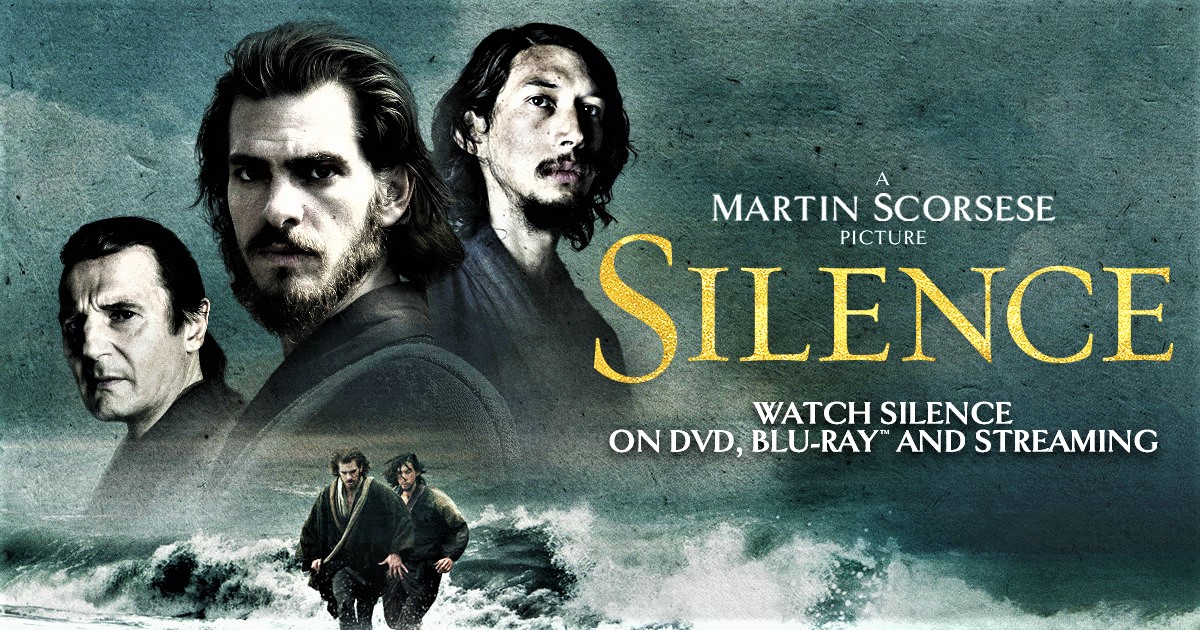
www.cinelapsus.com/wp-content/uploads/2017/01/silence_cin...

www.taxidrivers.it/wp-content/uploads/2019/02/share.jpg
www.panorama.it/wp-content/uploads/2017/01/post-113378.jpg
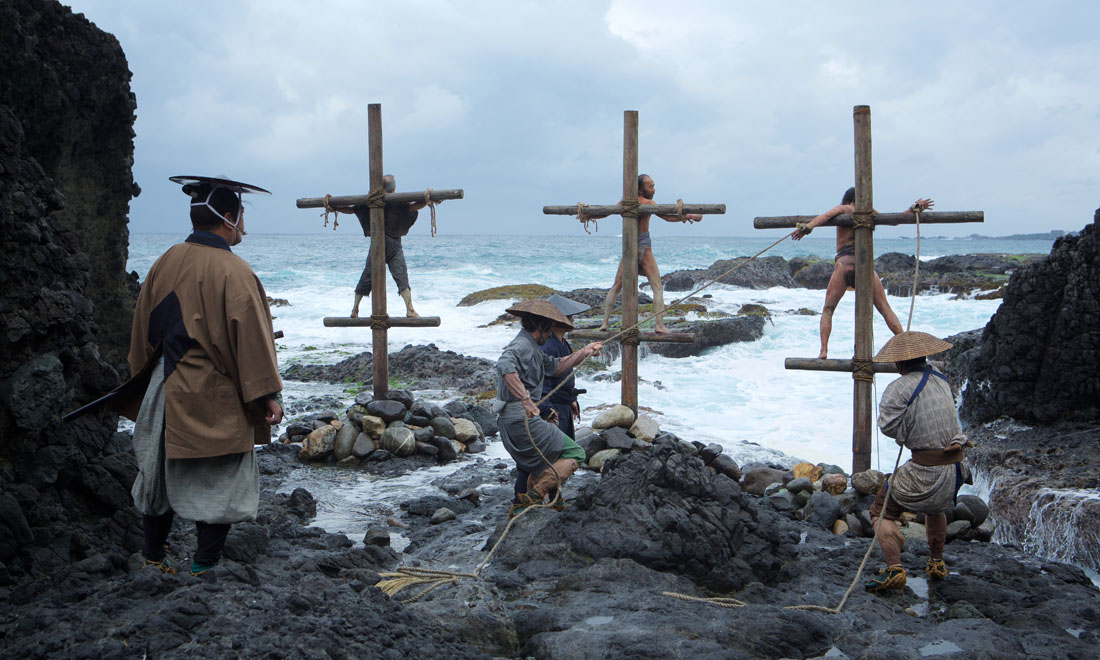
hotcorn-cdn.fra1.cdn.digitaloceanspaces.com/wp-content/up...
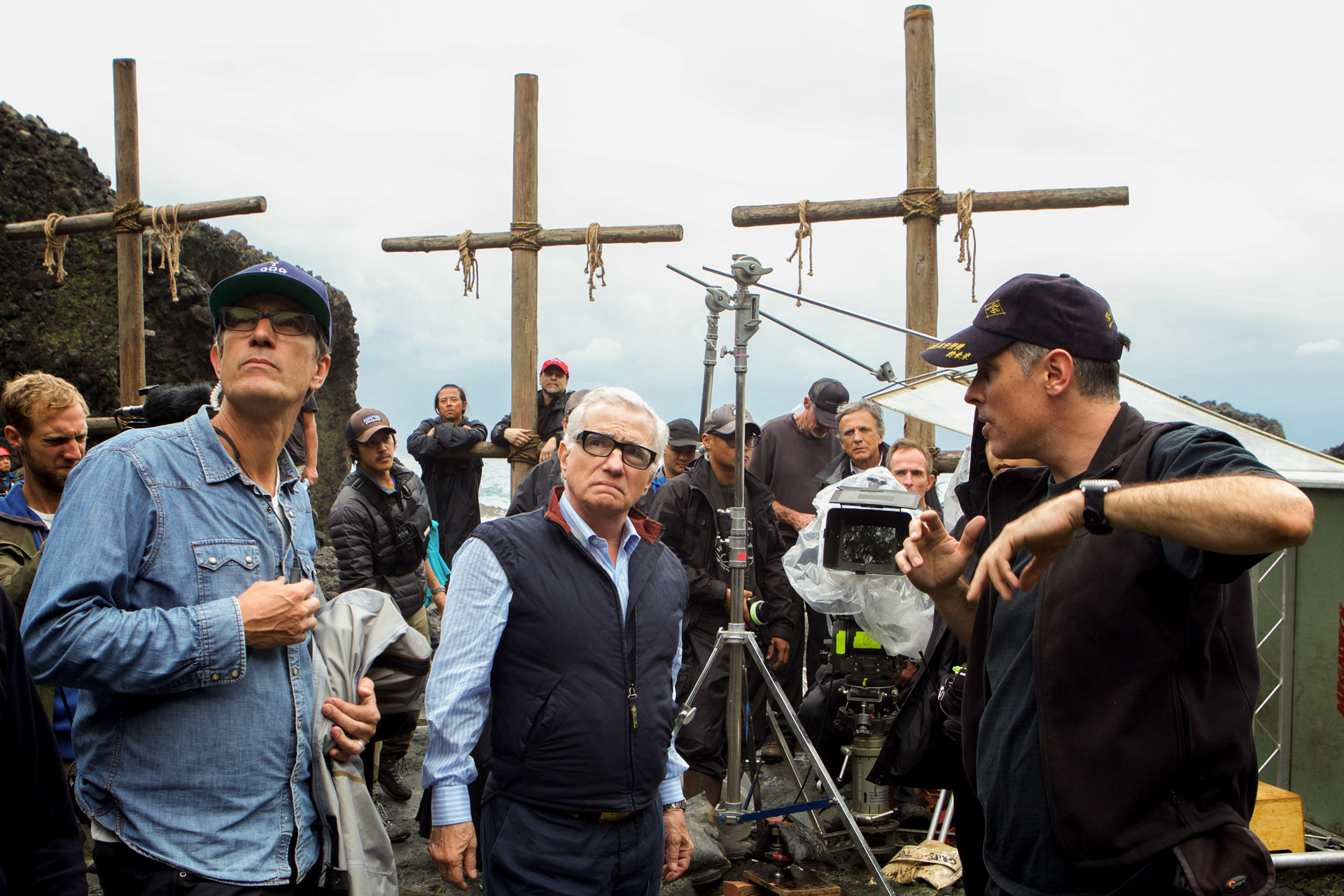
-----------------------------------------------------------------
click to activate the icon of slideshow: the small triangle inscribed in the small rectangle, at the top right, in the photostream;
or…. Press the “L” button to zoom in the image;
clicca sulla piccola icona per attivare lo slideshow: sulla facciata principale del photostream, in alto a destra c'è un piccolo rettangolo (rappresenta il monitor) con dentro un piccolo triangolo nero;
oppure…. premi il tasto “L” per ingrandire l'immagine;
www.worldphoto.org/sony-world-photography-awards/winners-...
www.fotografidigitali.it/gallery/2726/opere-italiane-segn...
…………………………………………………………………
This photographic story, with text, I propose, deals with the procession of the Holy Crucifix of Aracoeli, which took place on the last Friday of March this year, 2026, in the town of San Marco d'Alunzio (province of Messina). The procession normally begins on the morning of the last Friday of March each year, but there is an exception to this rule: when it coincides with Good Friday, the procession is brought forward to the previous Friday. The procession of the Holy Crucifix of Aracoeli is an ancient penitential rite. On the day of the procession, Holy Mass is celebrated in the morning in the Church of Aracoeli in San Marco d'Alunzio. On this occasion, the Holy Crucifix is held. Crucifix (which is located in the church at the end of the right nave, at its feet is placed the painting of the Virgin of Sorrows pierced by seven swords), the Christ on the Cross is removed by the devotees from the hook on which it is hanging, is carried outside the church, here it is raised and fixed on the altarpiece, then the sermon of the priest who has climbed onto the altarpiece next to the Crucifix takes over, under the Cross is fixed the painting of His Sorrowful Mother, then they are carried in procession, holding the altarpiece are both hooded men and women, whose tunics are blue, they are called "babbaluti" and proceed invoking the pity and mercy of the Lord with a constant and rhythmic lament, saying "Signuri, Misericordia, Pietà!"; This year, the bad weather did not prevent the painting of the Virgin Mary from being placed on the float at the foot of her Son on the Cross (last year, the painting was not placed on the float during the procession due to bad weather, but was placed there only after the procession returned to the church). San Marco d'Alunzio is a charming village in the Messina area, located in the Nebrodi Mountains of Sicily. The procession takes place in honor of the Holy Crucifix of Araceli. This is a religious-penitential event also known as the "procession of the babbaluti," those who, by vow or grace received, have decided to carry the float containing the Crucifix and the painting on their shoulders in procession. they head to the nearby Church of Santa Maria dei Poveri or to some private home nearby where, sheltered from the curiosity of the faithful, they wear a simple but characteristic indigo-colored cloth habit, consisting of a tunic and a conical hood that covers the entire body and leaves only the eyes and hands free. It is not uncommon, however, for the penitents, rendered anonymous by the habit they wear, to also include women, who, to avoid any possibility of recognition, wear a pair of gloves; The babbaluti are 33 in number to commemorate the 33 years of Christ. The number is odd, in fact the 33rd babbaluto does not carry the float. He (should be the “the chief float”) proceeds backwards, turning his gaze towards Christ and his Mother, and at the same time checks that everything is in order among his babbaluti, guiding the float along the path. At the same time, his progress is always backwards, turning his gaze not only towards the babbaluti, but also towards the Crucified Christ and the Virgin Mary in the painting (the the chief float backwards progress can be observed in various Sicilian religious processions). So, the 32 (+1) "babbaluti" carry on their shoulders the float that bears the Holy Crucifix of the Araceli church (the statue of Christ was created by Scipione Li Volsi, in the year 1652, he was a sculptor and plasterer of the Sicilian Baroque), at whose feet, on the float, is tied the painting of Our Lady of Sorrows, whose chest appears pierced by seven swords (it is an 18th century painting). From the beginning of the procession, the babbaluti advance barefoot, wearing only heavy, hand-knitted stockings of raw wool. Before entering the church, they must walk a path of purification. When they reach the ancient church of Araceli, they bow and kiss the ground, thus receiving permission to enter the church. This, however, occurs through a side door, called the "false door" (in Sicilian dialect, "porta fausa"). Once they enter the church from the side, they then exit through the main entrance, where they can take their places, kneeling in front and behind the float. To enter the "porta fausa," the babbaluti proceed in pairs, with the last babbaluti, the eldest, proceeding alone. This is followed by the eagerly awaited speech of the priest, who climbs onto the float next to Christ on the Cross. Once the sermon is over, the procession can begin, which winds through the streets of the picturesque and welcoming village of San Marco d'Alunzio. Along the way, the Babbaluti mark their pace, accompanying the sad and plaintive jugular that invokes the Lord. There are devout men and women who proceed together with the mugglers, walking alongside the float, touching it, now caressing it... just to have physical (and consequently spiritual) contact with it. Finally, after having completed a specific route, the procession returns to the ancient church (of Norman origins) of Aracoeli. Every time I am present at this touching occasion I am completely flooded with emotions (which however I cannot abandon myself to, I would lose concentration in taking the photos), the highlight is when the Crucified Christ is removed from the hook fixed on the wall by expert men, to then be carried (it seems to float) above the heads of the devotees, supported high up with the hands, and to be hoisted and fixed on the launch; in these moments of intense emotion it is common to see in the eyes of devotees, shining with tears, that profound emotion that binds them with "their" Christ, and which seems to have lasted forever: it is as if they found themselves in the presence of the true Christ, in flesh and blood, suffering on the Cross...! This is the atmosphere you experience in those moments, this is the magic of the procession of the SS. Crucifix and His Mother represented by the painting of Our Lady of Sorrows pierced by seven swords (iconography of Spanish origin).
This year, 2026, in Sicily, particularly during the Easter period, bad weather created quite a few problems. In San Marco d'Alunzio, at the beginning of Christ's traditional exit from the church, it had started to rain, so much so that the painting was protected with a thick sheet of cellophane. Fortunately, the rain lasted only a short time; it was bitterly cold, and there was heavy snow on the highest parts of the surrounding mountains. I went to photograph the traditional procession of the Golden Angels in San Pier Niceto (Messina), this time on Holy Tuesday, and due to bad weather, the procession was cancelled. The same was true for Good Friday. I went to Barcellona Pozzo di Gotto (Messina), but bad weather also prevented the procession from taking place there.
+++++++++++++++++++++++++++++++++++++++++
Il presente racconto fotografico, con testo, che propongo tratta della processione del Santissimo Crocifisso di Aracoeli che si è tenuto l’ultimo venerdì di marzo di quest’anno 2026 nel paese di San Marco d’Alunzio (provincia di Messina). La processione normalmente inizia la mattina dell’ultimo venerdì del mese di marzo di ogni anno, c’è però una eccezione a questa regola, quando si realizza la coincidenza col Venerdì Santo, allora la processione viene anticipata al venerdì precedente. Quella del SS. Crocifisso di Aracoeli è un antico rito penitenziale, il giorno della processione, a San Marco d'Alunzio la mattina si celebra la S. Messa nella Chiesa dell'Aracoeli, in questa occasione il SS. Crocifisso (che si trova nella chiesa in fondo alla navata di destra, ai suoi piedi è posto il quadro della Vergine Addolorata trafitta da sette spade), il Cristo sulla Croce viene tolto dai devoti dal gancio sul quale è appeso, viene portato all’esterno della chiesa, qui viene innalzato e fissato sulla vara, poi subentra il sermone del sacerdote salito sulla vara accanto al Crocifisso, sotto alla Croce viene fissato il quadro di sua Madre Addolorata, quindi vengono portati in processione, a reggere la vara sono sia uomini che donne incappucciati, le cui tuniche sono di colore blu, essi vengono chiamati “babbaluti” e procedono invocando la pietà e la misericordia del Signore con un costante e ritmato lamento, dicendo “Signuri, Misericordia, Pietà!”; quest’anno il cattivo tempo non ha impedito al quadro della Vergine Maria di essere posto sulla vara ai piedi del Figlio sulla Croce (l’anno scorso il quadro non venne messo sulla vara durante la processione a causa del cattivo tempo, ma vi fu posto solo al rientro della processione nella chiesa). San Marco d’Alunzio è un ameno paese del territorio Messinese, sito sui monti Nebrodi, in Sicilia; la processione si svolge proprio in onore del Santissimo Crocifisso di Araceli, è questa una ricorrenza religioso-penitenziale conosciuta anche come "processione dei babbaluti", essi sono coloro che per voto o per grazia ricevuta, hanno deciso di portare in processione sulle loro spalle il fercolo con il Crocifisso ed il quadro; essi si dirigono nella vicina Chiesa di Santa Maria dei Poveri o in qualche abitazione privata lì vicino dove, al riparo dalla curiosità dei fedeli, indossano un semplice ma caratteristico saio di tela di colore indaco, costituito da una tunica e un cappuccio di forma conica tale da coprire l'intero corpo e lasciare liberi solo gli occhi e le mani, non è raro purtuttavia che tra i penitenti, resi anonimi dal saio che indossano, vi siano anche delle donne, le quali per evitare qualsiasi possibilità di riconoscimento, indossano un paio di guanti; i babbaluti sono in numero di 33 per rievocare i 33 anni di Cristo, il numero è dispari, infatti il 33° babbaluto non porta la vara, egli (dovrebbe essere il “capo vara”) procede all’indietro, rivolgendo lo sguardo al Cristo ed a sua Madre, e nel contempo controlla che tutto sia in ordine tra i suoi babbaluti, guidando la vara lungo il percorso, nel contempo il suo andamento è sempre a ritroso, volgendo il suo sguardo oltre che verso i babbaluti, anche verso il Cristo Crocifisso e la Vergine Maria del quadro (il procedere del capovara a ritroso, lo si può osservare in diverse processioni religiose siciliane). Quindi, i 32 (+1) "babbaluti" portano sulle loro spalle la vara che reca il Santo Crocifisso della chiesa dell’Araceli (la statua del Cristo è stata creata da Scipione Li Volsi, nell'anno 1652, egli fu uno scultore e stuccatore del barocco Siciliano), ai cui piedi, sulla vara, viene legato il quadro della Madonna Addolorata, il cui petto appare trafitto da sette spade ( è un dipinto del XVIII secolo). I babbaluti fin dall'inizio della processione avanzano a piedi scalzi indossando solo delle pesanti calze di lana grezza realizzate a mano, devono percorrere, prima di entrare in chiesa, un cammino di purificazione: quando essi giungono in prossimità dell'antica chiesa dell'Araceli, essi si chinano e baciano in terra, ricevendo in tal modo il permesso per poter accedere dentro la chiesa, questo però avviene da una porta laterale, chiamata "falsa porta" (In dialetto siciliano “porta fausa”), una volta entrati in chiesa lateralmente, poi fuoriescono dall'ingresso principale, potendo così prendere posto, inginocchiandosi sul davanti ed alle spalle, della vara; i babbaluti per accedere alla “porta fausa” procedono in coppia, l’ultimo babbaluto procede da solo, lui è il più anziano tra i babbaluti; seguirà l'atteso discorso del sacerdote, che sale sulla vara a lato del Cristo sulla Croce; terminato il sermone, potrà iniziare la processione che si svolge per le vie del pittoresco ed accogliente paese di San Marco d'Alunzio. Lungo il percorso i Babbaluti cadenzano la propria andatura accompagnandosi alla mesta e lamentosa giugulatoria che invoca il Signore . Ci sono uomini e donne devoti che procedono assieme ai babbaluti camminando a lato della vara, toccandola, ora accarezzandola...pur di avere un contatto fisico (e di rimando spirituale) con essa. Infine, dopo aver compiuto un preciso percorso, la processione fa rientro nell'antica chiesa (di origini Normanne) dell'Aracoeli. Ogniqualvolta sono presente a questa toccante ricorrenza sono completamente inondato da emozioni (alle quali però non posso abbandonarmi, perderei la concentrazione nel realizzare le foto), il momento clou è quando il Cristo Crocifisso viene tolto dal gancio fissato sul muro da uomini esperti, per poi essere portato (sembra galleggiare) sopra la testa dei devoti, sostenuto in alto con le mani, ed essere issato e fissato sulla vara; in questi momenti di intensa emozione è comune vedere negli occhi dei devoti, lucidi di lacrime, quella emozione profonda che li lega col “loro” Cristo, e che sembra durare da sempre: è come se si trovassero al cospetto del Cristo vero, in carne ed ossa, sofferente sulla Croce…! Questa è l’atmosfera che si vive in quei momenti, questa è la magia della processione del SS. Crocifisso e di Sua Madre rappresentata dal quadro dell’Addolorata trafitta da sette spade (iconografia di origine spagnola).
Segnatamente quest’anno 2026 in Sicilia, durante il periodo pasquale, il cattivo tempo ha creato non pochi problemi, a San Marco d’Alunzio durante l’inizio della tradizionale uscita del Cristo dalla chiesa era iniziato a piovere, si che il quadro veniva protetto con uno spesso foglio di cellophane, pioggia durata pochissimo fortunatamente, il freddo era intenso, sulle parti più alte dei monti circostanti c’era abbondante neve; sono andato a fotografare la tradizionale processione degli Angioletti d’Oro a San Pier Niceto (Messina), questo il Martedì Santo, ed a causa del cattivo tempo non si è fatta la processione, lo stesso anche per il Venerdì Santo, sono andato a Barcellona Pozzo di Gotto (Messina), il cattivo tempo anche in quel caso ha impedito lo svolgersi della processione.
++++++++++++++++++++++++++++++++++++++++
Common Spotted Orchid, there was few on Anglesey but the number were down this year, and the constantly blowing wind didn't help when trying to take photos.
There was a constant snowfall all day on Sunday. Even though it didn't really accumulate, I still took the opportunity to wear my new snow boots for the first time since I had to trek across the city to make an exchange.
everything is constantly changing; between chaos and order,
built, demolition, rebuilt. but there are always moments in
process which exhibit some kind of own momentum, perfection
and calmness. moments of rest and a certain romantic presence
between the continuously inexorable changes.
Alles ändert sich ständig; zwischen Chaos und Ordnung, Aufbau,
Abriss, Wiederaufbau. Aber es gibt auch immer wieder Momente
im Prozess, die eine Art Eigendynamik, Perfektion und Seelenruhe
widerspiegeln. Momente der Ruhe und einer romantischen Abstraktion inmitten von stetiger Veränderung.
This city is eternal as its traffic is eternal, a constant and immutable presence in the life of every citizen.
At a fleeting glance, all this may seem beautiful, but for those who live there it is a condemnation that goes beyond the great beauty.
Questa città è eterna come è eterno il suo traffico, costante ed immutabile presenza nella vita di ogni cittadino.
Ad uno sguardo sfuggente, tutto questo può sembrare bello, ma per chi ci vive è una condanna che va oltre la grande bellezza.
I constantly go between wanting you to stay my little baby forever. and being excited about all of the amazing things you'll do in this life........
The truth is, I'm in a constant fight with myself.
Half is openly nerd, the other stays stealth.
Currently, I'm caught in a constant conflict.
Locked in a battle like a war crime convict.
In the past few years CP donated GP9 CP 1608 and CN donated SW1200RSm CN 1382 to Exporail. Both are seen here, with CP 1608 parked and CN 1382 doing some switching.
During the peak of the Fall rut, bucks seldom feed or sleep. They are constantly looking for a doe in estrus. Our beautiful world, pass it on.
"Changes" is a song by English singer-songwriter David Bowie, originally released on his 1971 album Hunky Dory. RCA Records then released it as a single from the album on 7 January 1972. Written following his promotional tour of America in early 1971, "Changes" was recorded at Trident Studios in London between June and July that year.
At this point in his career, Bowie had experimented with numerous musical styles, all of which failed to earn him stardom. The lyrics of "Changes" reflect this, with the first verse focusing on the compulsive nature of artistic reinvention and distancing oneself from the rock mainstream. Musically, "Changes" is an art pop song that features a distinctive piano riff. Upon release as a single, "Changes" flopped like its parent album. It wasn't until the success of its follow-up The Rise and Fall of Ziggy Stardust and the Spiders from Mars that the song garnered success.
Retrospectively, "Changes" is regarded as one of Bowie's best songs, with many praising Bowie's vocal performance and Wakeman's piano playing. His biographers have viewed the track as a manifesto of his entire career, predicting a constant change of musical styles. Bowie performed "Changes" frequently during his concert tours; it was the final song he performed on stage before his death in 2016.
constant busy coming and going of people from all walks of life. People come here to pray or meditate, take time out or socialise, or assist with temple services and earn a living. All against the backdrop of all this colourful splendour and special atmosphere throughout the temple area.
☞ IG
☞ more from Myanmar
© All rights reserved. Please do not use my images and text without prior written permission.
“The constant struggle of life often overwhelms me. In times such as this I look outside myself to observe the beauty of nature and try to follow it's example, then I look inside myself and question everything … seems always that my path is destined to be a rather lonely one and I thank everyone here for joining me in this part of my journey; for accepting me as I am; for showing me unconditional love and understanding and welcoming me into your hearts. I wish you all a beautiful Autumn.” - AP
“Lord, make me an instrument of Your peace. Where there is hatred, let me sow love; where there is injury, pardon; where there is doubt, faith; where there is despair, hope; where there is darkness, light; where there is sadness, joy.”
- from St Francis' Prayer
Soundtrack : www.youtube.com/watch?v=yA7RtUGmbD0
AUTUMN EQUINOX – QUIET JOURNEY
Feels like things are winding down
Autumn falls and in my mind
the leaves so colourful spin round and round
I hope the Winter will be as kind
swirling; whirling; leaves are curling
paper thin; rusting on the ground
crunching; munching; brittle; bunching
winds that blow them in heaps abound
listening to the warm winds as Summer
falls asleep and the Autumn Equinox
colours the world in auburn beauty
like the warming colours of a country fox
freckles fade and speckled shade
like blackbirds eggs the pale blue sky
feels the sun in watered down yellow
mellow and sallow as the willow's sigh
billowing clouds like plumes of smoke
rise high above the chimney tops
and little aircraft buzz my house
so close I can see the handsome pilots
I wave and they wave back to me
idyllic is this setting
and peace sets tranquil as the sun
surrounding nature like filigree netting
protecting the dormant flowers that sleep
the trees will soon be skeletal
their bare bones are so beautiful
the pine cones crisp turn grey gunmetal
underfoot the crispiness
of Autumn sounds so nice
I welcome it with open arms
I make the most before the ice
of Winter comes
and Jack Frost paints his masterpieces
complex visions; fascinate
in awe I stare at their uniqueness
the log fire will soon be very busy
keeping warm the hearth
my cats will curl up on the rug
and sleep contented dreams of stars
and far off mice and dickey birds
and other cat-like things that pass
beneath the window they hear the rustle
of the Autumn leaves and endless scuffles
but like me; like little curled up dormice
they fall back to sleep in just a trice
the winds may blow
the sea and tide
the rain may fall
no place to hide
but in my world of pleasantries
it's warm and safe; the best place to be
the ideal place for me.
- AP - Copyright © remains with and is the intellectual property of the author
Copyright © protected image please do not reproduce without permission
My artwork is a compilation of 3 of my photographs
Pentax MZ-S - SMC Pentax-FA 1:1.9 43mm Limited - Ilford HP5+ @ ASA-1600
Fujifilm SPD (1+1) 13:30 @ 20C (Constant Rotation)
Scanner: Epson V700 + Silverfast 9 SE
Editor: Adobe Photoshop CC
Aruba, a small island in the Dutch Caribbean off the coast of Venezuela, has a dry climate, sunny beaches and gentle waves. Constant winds produce a cool breeze and tilt trees (like the famous divi-divi) to the southwest. The European influence appears in the architecture, characterized by the Dutch gables painted in tropical pastel tones. This is also evident in the coexistence of the local language, Papiamento, with English, Dutch and Spanish. The country does not have fresh water but it has desalinated water of excellent quality and you can safely drink tap water. The small country is a major producer and exporter of aloe vera (aloe vera) and is strong in the financial and fishing sectors, in addition to logistical services in the oil sector. It is a small island with a lot of sun and wind all the time, which favors the country's main economic activity, tourism. Its area is 179 km2 (69.1 mi2) and is densely populated by approximately 110,000 inhabitants (2020 Census) and has a per capita income of just over US$25,000 p.a. The country's capital is Oranjestad.
Aruba, pequena ilha do Caribe holandês ao largo da costa da Venezuela, tem clima seco, praias ensolaradas e ondas suaves. Ventos constantes produzem uma brisa fresca e inclinam as árvores (como a famosa divi-divi) para o sudoeste. A influência europeia aparece na arquitetura, caracterizada pelas empenas holandesas pintadas em tons pastel tropicais. Isso também fica evidente na convivência do idioma local, o papiamento, com o inglês, o holandês e o espanhol. O país não tem água doce mas tem água dessalinizada de ótima qualidade e vc pode tomar agua da torneira com segurança. O pequeno país é um grande produtor e exportador de aloé vera (babosa) e é forte no setor financeiro e de pesca além de serviços logísticos na área petroleira. É uma pequena ilha com muito sol e vento o ando todo o que favorece a principal atividade econômica do país, o turismo. Sua área é de 179 km2 (69.1 mi2) e é densamente povoada por aproximadamente 110.000 habitantes (Censo de 2020) e tem uma renda per capita de pouco mais de US$ 25,000 a.a. A capital do país é Oranjestad.
Aruba, een klein eiland in de Nederlandse Caraïben voor de kust van Venezuela, heeft een droog klimaat, zonnige stranden en zachte golven. Constante winden produceren een koel briesje en kantelen bomen (zoals de beroemde divi-divi) naar het zuidwesten. De Europese invloed komt terug in de architectuur, gekenmerkt door de Hollandse gevels geschilderd in tropische pasteltinten. Dit blijkt ook uit het naast elkaar bestaan van de lokale taal, Papiamento, met Engels, Nederlands en Spaans. Het land heeft geen zoet water maar wel ontzilt water van uitstekende kwaliteit en je kunt er veilig kraanwater drinken. Het kleine land is een belangrijke producent en exporteur van aloë vera (aloë vera) en is sterk in de financiële en visserijsector, naast de logistieke dienstverlening in de oliesector. Het is een klein eiland met de hele tijd veel zon en wind, wat de belangrijkste economische activiteit van het land, het toerisme, bevordert. Het gebied is 179 km2 (69,1 mi2) en is dichtbevolkt met ongeveer 110.000 inwoners (telling van 2020) en heeft een inkomen per hoofd van de bevolking van iets meer dan 25.000 dollar per jaar. De hoofdstad van het land is Oranjestad.
Aruba, una piccola isola dei Caraibi olandesi al largo della costa del Venezuela, ha un clima secco, spiagge assolate e onde dolci. I venti costanti producono una brezza fresca e inclinano gli alberi (come i famosi divi-divi) a sud-ovest. L'influenza europea appare nell'architettura, caratterizzata dai timpani olandesi dipinti in toni pastello tropicali. Ciò è evidente anche nella coesistenza della lingua locale, il papiamento, con l'inglese, l'olandese e lo spagnolo. Il paese non ha acqua dolce ma ha acqua desalinizzata di ottima qualità e si può bere tranquillamente l'acqua del rubinetto. Il piccolo paese è un importante produttore ed esportatore di aloe vera (aloe vera) ed è forte nei settori finanziario e della pesca, oltre ai servizi logistici nel settore petrolifero. È una piccola isola con tanto sole e vento tutto il tempo, il che favorisce la principale attività economica del paese, il turismo. La sua area è di 179 km2 (69,1 mi2) ed è densamente popolata da circa 110.000 abitanti (censimento 2020) e ha un reddito pro capite di poco superiore a US $ 25.000 all'anno. La capitale del paese è Oranjestad.
Aruba, una pequeña isla en el Caribe holandés frente a la costa de Venezuela, tiene un clima seco, playas soleadas y olas suaves. Los vientos constantes producen una brisa fresca e inclinan los árboles (como el famoso divi-divi) hacia el suroeste. La influencia europea aparece en la arquitectura, caracterizada por los frontones holandeses pintados en tonos pastel tropicales. Esto también es evidente en la coexistencia del idioma local, el papiamento, con el inglés, el holandés y el español. El país no tiene agua dulce pero tiene agua desalada de excelente calidad y se puede beber agua del grifo sin peligro. El pequeño país es un importante productor y exportador de aloe vera (sábila) y es fuerte en los sectores financiero y pesquero, además de los servicios logísticos en el sector petrolero. Es una isla pequeña con mucho sol y viento todo el tiempo, lo que favorece la principal actividad económica del país, el turismo. Su área es de 179 km2 (69.1 mi2) y está densamente poblada por aproximadamente 110,000 habitantes (Censo 2020) y tiene un ingreso per cápita de poco más de US$25,000 p.a. La capital del país es Oranjestad.
Aruba, eine kleine Insel in der niederländischen Karibik vor der Küste Venezuelas, hat ein trockenes Klima, sonnige Strände und sanfte Wellen. Konstante Winde erzeugen eine kühle Brise und neigen Bäume (wie das berühmte Divi-Divi) nach Südwesten. Der europäische Einfluss zeigt sich in der Architektur, die durch die in tropischen Pastelltönen gestrichenen holländischen Giebel gekennzeichnet ist. Dies zeigt sich auch in der Koexistenz der lokalen Sprache Papiamento mit Englisch, Niederländisch und Spanisch. Das Land hat kein Süßwasser, aber entsalztes Wasser von ausgezeichneter Qualität und Leitungswasser kann bedenkenlos getrunken werden. Das kleine Land ist ein bedeutender Produzent und Exporteur von Aloe Vera (Aloe Vera) und ist neben logistischen Dienstleistungen im Ölsektor stark im Finanz- und Fischereisektor. Es ist eine kleine Insel mit viel Sonne und Wind, was die wichtigste wirtschaftliche Aktivität des Landes, den Tourismus, begünstigt. Seine Fläche beträgt 179 km2 (69,1 mi2) und ist mit etwa 110.000 Einwohnern (Volkszählung 2020) dicht besiedelt und hat ein Pro-Kopf-Einkommen von knapp über 25.000 US-Dollar pro Jahr. Die Hauptstadt des Landes ist Oranjestad.
Aruba, une petite île des Caraïbes néerlandaises au large des côtes du Venezuela, a un climat sec, des plages ensoleillées et des vagues douces. Des vents constants produisent une brise fraîche et inclinent les arbres (comme le fameux divi-divi) vers le sud-ouest. L'influence européenne apparaît dans l'architecture, caractérisée par les pignons hollandais peints dans des tons pastel tropicaux. Cela est également évident dans la coexistence de la langue locale, le papiamento, avec l'anglais, le néerlandais et l'espagnol. Le pays ne dispose pas d'eau douce mais il dispose d'une eau dessalée d'excellente qualité et vous pouvez boire l'eau du robinet en toute sécurité. Le petit pays est un important producteur et exportateur d'aloe vera (aloe vera) et est fort dans les secteurs financier et de la pêche, en plus des services logistiques dans le secteur pétrolier. C'est une petite île avec beaucoup de soleil et de vent tout le temps, ce qui favorise la principale activité économique du pays, le tourisme. Sa superficie est de 179 km2 (69,1 mi2) et est densément peuplée d'environ 110 000 habitants (recensement de 2020) et a un revenu par habitant d'un peu plus de 25 000 $ US par an. La capitale du pays est Oranjestad.
تتمتع أروبا ، وهي جزيرة صغيرة في منطقة البحر الكاريبي الهولندية قبالة سواحل فنزويلا ، بمناخ جاف وشواطئ مشمسة وأمواج لطيفة. تنتج الرياح المستمرة نسيمًا باردًا وتميل الأشجار (مثل ديفي ديفي الشهير) إلى الجنوب الغربي. يظهر التأثير الأوروبي في العمارة التي تتميز بالجملونات الهولندية المطلية بدرجات ألوان الباستيل الاستوائية. وهذا واضح أيضًا في تعايش اللغة المحلية ، البابيامينتو ، مع الإنجليزية والهولندية والإسبانية. لا يوجد في البلاد مياه عذبة ولكنها تحتوي على مياه محلاة بجودة ممتازة ويمكنك شرب مياه الصنبور بأمان. تعد الدولة الصغيرة منتجًا ومصدرًا رئيسيًا للصبار (الألوة فيرا) وهي قوية في قطاعي المال وصيد الأسماك ، بالإضافة إلى الخدمات اللوجستية في قطاع النفط. إنها جزيرة صغيرة بها الكثير من الشمس والرياح طوال الوقت ، مما يفضل النشاط الاقتصادي الرئيسي للبلاد ، وهو السياحة. تبلغ مساحتها 179 كيلومترًا مربعًا (69.1 ميل 2) وهي مكتظة بالسكان بحوالي 110.000 نسمة (تعداد 2020) ويبلغ دخل الفرد فيها أكثر من 25000 دولار أمريكي بقليل. عاصمة البلاد هي أورانجيستاد.
ベネズエラ沖のオランダのカリブ海にある小さな島、アルバは、乾燥した気候、太陽が降り注ぐビーチ、穏やかな波に恵まれています。絶え間ない風が涼しい風を生み出し、木々を(有名なディビディビのように)南西に傾けます。ヨーロッパの影響は、熱帯のパステル トーンで描かれたオランダの切妻を特徴とする建築に現れます。これは、地元の言語であるパピアメント語と、英語、オランダ語、スペイン語が共存していることにも明らかです。この国には真水はありませんが、優れた品質の淡水化された水があり、水道水を安全に飲むことができます。この小さな国は、アロエベラ (アロエベラ) の主要な生産国および輸出国であり、石油部門の物流サービスに加えて、金融および漁業部門に強みを持っています。それは国の主要な経済活動である観光に有利な、常に太陽と風がたくさんある小さな島です。その面積は 179 km2 (69.1 mi2) で、約 110,000 人の住民 (2020 年の国勢調査) が密集しており、1 人あたりの収入は年間 25,000 米ドル強です。国の首都はオラニエスタッドです。