View allAll Photos Tagged condition
A firefighter from San Diego Fire Station 21, at Mission Blvd and Grand Ave in Pacific Beach, joins other members of the SDFD for physical training on the beach--located a block away from their station. Firefighters need to be in top physical condition. Their turnout gear alone weighs about 55 pounds, and one length of fire hose weighs roughly the same. There are less demanding jobs.
luigipica.com - Twitter - Facebook Profile - Facebook (official page)
• Press (F) if you Like this Photo.
• View on Black (L)
• Premi (F) se ti piace la foto!
• Guarda a schermo intero (L)
---
Camera Info: D7000
Lens: 17-55 ƒ/ 2.8
---
© Image by Luigi Pica All rights reserved Images may not be used, copied or multiplied without my written permission.
Villa Yiali Glossa
Property description
Villa Yiali has one air-conditioned bedroom (with extra fold-down bed or cot), and is fully self-contained with kitchen, one bathroom, sitting area, large balcony and private outside space. Enjoying stunning views over the adjacent islands of Skiathos and Evia, the gardens and pool area are a haven of relaxation. In addition, the location at the edge of the village of Glossa means that shops, bakery, cafes and tavernas are within a few minutes walk. Otherwise the beautiful area to the north of Skopelos island is also within easy reach with many walks and trails accessible. The west facing aspect delivers the most breathtaking sunsets from the garden, whilst the sun traverses from the south giving all-day sunshine – the terrace and trees giving shade and cool when required.Glossa is situated on the northwest coast of Skopelos, 10 minutes from the port of Loutraki where the ferry docks from the neighboring island of Skiathos and the nearest airport. The ferry journey is about 25 minutes.
Accommodation description:
Bedrooms:
Bedroom. King sized bed and open traditional beamed ceiling and wooden floors. Air conditioned with dressing area and double access to large balcony. Ample storage, hairdryer, full length mirror, sofa-bed or cot if required. Quality bed linen from M&S
Bathrooms:
Located on the ground floor, with shower cabinet, washbasin and wc. Quality towels and locally made olive oil soap, complimentary gels from L'Occitane and Body Shop provided.
Kitchen:
Whirlpool appliances. Oven and ceramic hob, microwave, fridge freezer. Ample kitchen storage with quality pans, crockery and cutlery. Fully equipped. Laundry machine (detergent provided). Complimentary welcome pack. Tea, coffee, bread, cheese, wine etc.
Living Rooms:
Wooden floor, fold down dining table, open fire place. TV, DVD, iPod dock, WiFi, satellite TV, comfortable furniture. Most living is outdoors and there is a patio table and 6 chairs under a shady verandah, as well as a morning coffee set on the balcony.
Cleaning/Towels/Linen/Maid service:
All towels/beach towels/pool towels and linen provided. The house is cleaned and
changed twice each week. Outside BBQ, pool shower, sunbeds. Don't use valuable luggage space with towels as they are all provided.
Amenities/Facilities:
Barbecue, Private Pool, Garden.
Fridge/Freezer, Hob/Stove, Iron, Microwave, Oven, Washing Machine.
Air Conditioning, Cot, High Chair, Internet Access, Room Fans, Satellite, TV.
Location Type:
Beach, Village.
Important notes on accommodation
This former ‘kalivi’ was painstakingly restored in the traditional village style and is finished to a high standard of craftsmanship. The private garden, pool area and planted terraces provide a ‘home from home’ feel.
We make sure that we provide most kitchen essentials that many rental house lack such as condiments, some spices , sugar, coffee and tea together with our own olive oil for the kitchen. Soap powder, washing up liquid, in fact most kitchen comforts that we feel you shouldn't have to worry about on your holidays.
We also provide all towels including beach towels and pool towels. There are even beach mats and an umbrella available for that inevitable visit to one of Skopelos’s enviable beaches.
If you visit in June / July / August, as a highlight to your stay your holiday price will include dinner for two on one night at the acclaimed Agnanti restaurant (5 minutes walk away). Please ask us for details.
About the area
Accessibility
Glossa is unfortunately not wheelchair friendly due to the steps. However, it is possible to walk (within 10 minutes) from the main road to Villa Yiali with only 1 or 2 inclines and no steps. Parking can be arranged close by. Pets accepted by prior arrangement.
Outside
There is a private garden area approx 400 sq. mtrs. with a swimming pool of 7m by 4m, gently sloping to a depth of 1.6m. Along two sides of the pool are underwater seating areas allowing relaxation and refreshment at the same time. The private gardens are not overlooked and offer stunning views over the Aegean to Skiathos, Pilion, towards Mount Olympus in the north and even towards Athens.
Coast/Beach
The closest beach is at Loutraki, with a few tavernas / cafe’s. This is 10 minutes drive or a pleasant 25 minute downhill walk. Within 20 minutes drive are the beaches on Armenopetra, Elios, Milia, Kastani and Panormos. Glossa enjoys a unique position between both sides of the island, and the famous Mamma Mia church at Aghios Ioanni is only 15 minutes drive, as is the beach at Perivoliou. Buses run about every 2 hours in the high season. Skopelos town and the south of the island are 35 mins away
Special Interest Holidays
We have friends on the island who are running sea kayaking tours for all levels of experience and there are mountain bikes to hire to explore the beautiful deserted tracks that lead through the mountains. With a license and an off-road motorbike you can take a guided trail ride up the mountains, jeep, 4x4 or quad bike, or you can rent a motor boat or yacht or go on a sea fishing trip. Walking, birdwatching, painting and local crafts are all available. Also at the villa we have a telescope for stargazing, which on a balmy summer evening opens up the whole universe.
How to get there
Nearest airport is Skiathos which is 25 minutes by boat from the local port of Loutraki (Glossa). Volos airport is on the mainland then its 2hrs 20 by boat to Glossa. Athens and Thessaloniki both connect through. Out of season there is an air connection from Athens to Skiathos which takes only 25 minutes with Olympic Air. We can advise you on flights and also book you a car at discount rates from a small family company on the island (the car will be waiting for you next to the boat as it docks)
Distances
Glossa town is a traditional hill village with shops, cafe’s, bakeries and tavernas. Villa Yiali is on the edge of the village and all amenities are within 10 minutes walk.
Skopelos Town, the main center of the island is about 35 minutes drive away, from where day trips to Alonissos and the World Marine Park are available. Loutraki (10 mins) has much of archaeological interest, including remains of Roman baths and a hill fort. Ancient ruins remain on Mount Delphi and surrounding areas.
Further Details
Glossa has a selection of tavernas,cafe’s and restaurants including one regarded as the best in the Aegean, a number of local supermarkets, bakeries and butchers. Fish is sold from vans or straight from the port of Glossa (known as Loutraki).
Loutraki also has a number of tavernas on the waterfront, and cafes. We will be happy to help you with recommendations and advise on travel arrangements. We will collect you from the port and lead you to the house, introducing you to the wonderful wood fired bakery and friendly little supermarket on the way and demonstrate all the features of the house before leaving you to relax in this beautiful environment. As the English owners, we live next door! Unlike some villa owners, we do not charge commissions or receive payments from restaurants, car hire companies and the like. Our advice is impartial and geared to the needs of the holidaymaker. During June, July and August we offer an included meal for two at the renowned Agnanti restaurant for one night of your stay. Otherwise we have arrangements to have quality restaurant food delivered to your holiday villa so that you can enjoy the local cuisine without the trouble of leaving your comfortable surroundings.
Booking notes
Please contact us for booking details. A deposit of 20% is required to confirm booking. Deposits received will confirm booking and remainder to be payed 6 weeks in advance of arrival. If you wish to pay in € that isn't a problem we use the National Bank of Greece rates on the day of
booking confirmation and set that as your personal rate so there are no surprises with rate fluctuations. Cancellation will forfeit 10% of the booking cost if it is more than 6 weeks, otherwise the full is payable.
All Air Services provides the Australia leading company of Air conditioners in Perth. Offered with Air conditioning repairs and installation, contact us now. Wanneroogas and air is Australia’s leading brands of Air Conditioning Repairs Perth. We provide best offers for air conditioning repair and installation. @ wanneroogasandair.com.au/air-conditioning-installation-re...
POSTER - LOCANDINA -
www.chiesasarda.it/wp-content/uploads/2020/11/de-andre_la...

www.900letterario.it/wp-content/uploads/2014/06/fabrizio-...
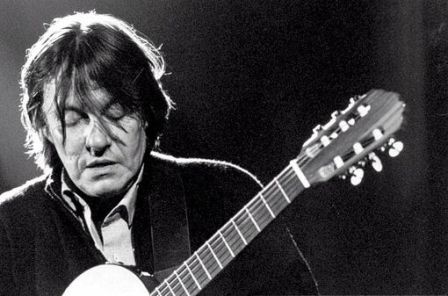
img.ubiklibri.it/images/9788896212042_0_900_0_0.jpg
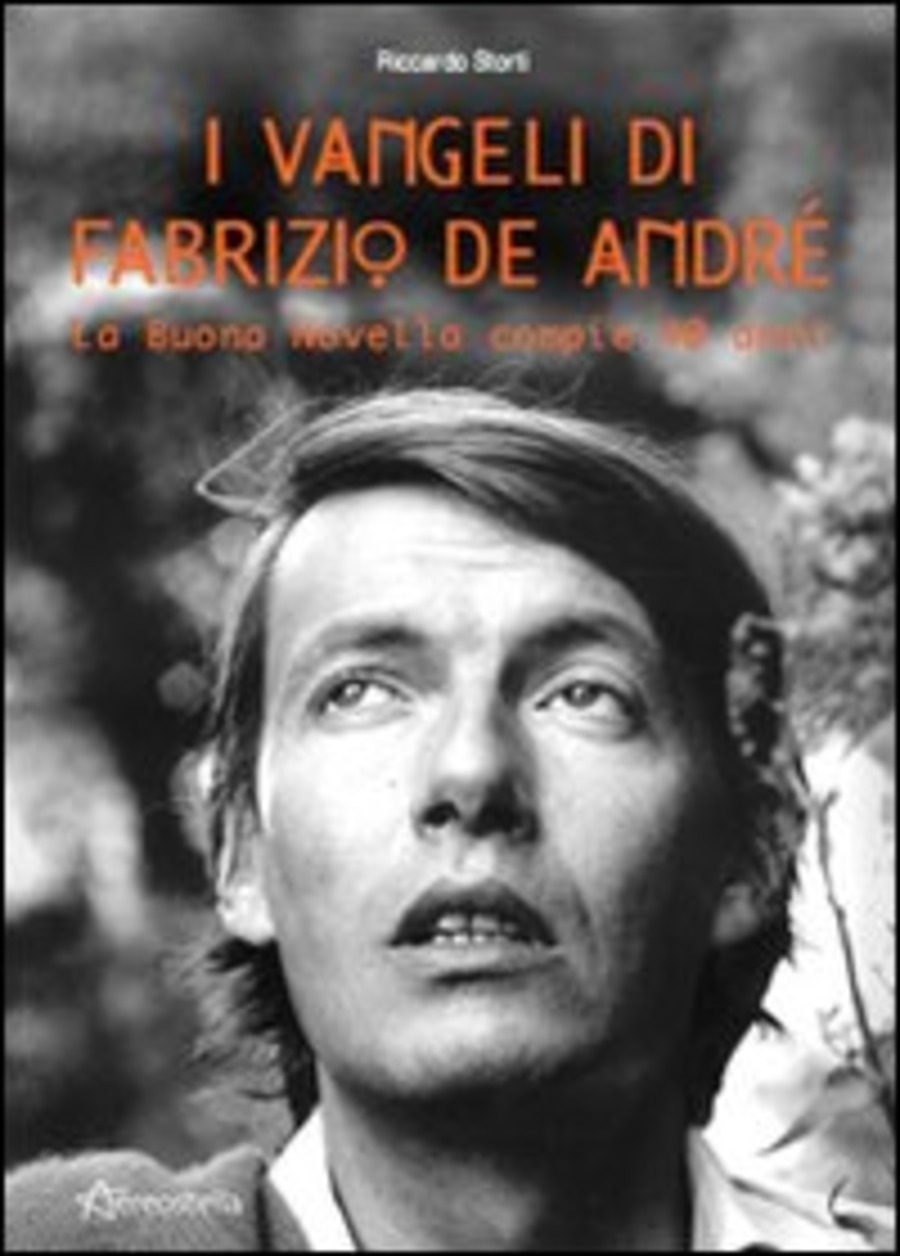
www.musiculturaonline.it/p/wp-content/uploads/2021/02/b-M...

Phrases from “The Good News - Frasi da “La Buona Novella” –
In the pity that does not give in to rancor, mother, I learned love.
Nella pietà che non cede al rancore, madre, ho imparato l’amore.
(il testamento di Tito);
I don't want to think of you as the son of God, but as the son of man, my brother too.
Non voglio pensarti figlio di Dio, ma figlio dell’uomo, fratello anche mio.
(Laudate Hominem);
If you had not been the son of God, I would still have you as my son.
Non fossi stato figlio di Dio, t’avrei ancora per figlio mio.
(Tre Madri);
……………………..
Alda Merini:
“The Cross is not a Roman pole, but the wood on which God wrote his gospel”.
“La Croce non è un palo dei romani, ma il legno su cui Dio ha scritto il suo vangelo.
----------------------------------------------------------
click to activate the small icon of slideshow: the small triangle inscribed in the small rectangle, at the top right, in the photostream (it means the monitor);
or…. Press the “L” button to zoom in the image;
clicca sulla piccola icona per attivare lo slideshow: sulla facciata principale del photostream, in alto a destra c'è un piccolo rettangolo (rappresenta il monitor) con dentro un piccolo triangolo nero;
oppure…. premi il tasto “L” per ingrandire l'immagine;
www.worldphoto.org/sony-world-photography-awards/winners-...
www.fotografidigitali.it/gallery/2726/opere-italiane-segn...
………………………………………………………
Good Friday is an anniversary which in Sicily acquires a cathartic meaning for those who are searching, not only photographically, for popular traditions (we find them widespread throughout Sicily), which are nothing other than a social, cultural event, which merge into a single past and present; from the web "popular traditions are a historical memory linked to customs and rituals that have given shape to the values and beliefs of that culture". Easter in Sicily can be a source of research, it can appear not without contradictions, citing the thoughts of that great Sicilian thinker Leonardo Sciascia, for him Sicily cannot be called Christian referring to the Sicilian festivals, at most it is only in appearance, in those properly pagan explosions tolerated by the Church; Sciascia addresses the topic as an introductory essay in the book "Religious celebrations in Sicily", illustrated with photographs of a young and still unknown Ferdinando Scianna, a book that did not fail to raise some controversy due to the Sicilian thinker's introductory note, thus being in open controversy with the sacredness of that popular Sicilian devotion (the book was criticized by the Holy See newspaper, the Osservatore Romano), Sciascia writes: “what is a religious festival in Sicily? It would be easy to answer that it is anything but a religious holiday. It is, first of all, an existential explosion; the explosion of the collective id, where the collectivity exists only at the level of the id. Since it is only during the celebration that the Sicilian emerges from his condition of a single man, which is the condition of his vigilant and painful superego, to find himself part of a class, of a class, of a city". Another Sicilian thinker, writer and poet, Gesualdo Bufalino, provides interesting indications on the meaning that Sicilians give to these traditional popular events, he says "during Easter every Sicilian feels not only a spectator, but an actor, first sorrowful and then exultant , for a Mystery that is its very existence. The time of the event is that of Spring, the season of metamorphosis, just as the very nature of the rite is metamorphic in which, as in a story from the Puppet Opera, the battle of Good against Evil is fought. Deception, Pain and Triumph, Passion, Death and Resurrection of Christ are present."
In short, Easter in Sicily is a deeply felt anniversary throughout the island since ancient times, it has always had as its fulcrum the emotional participation of the people, with representations and processions which have become rites and traditions which unequivocally characterize numerous Sicilian centres, which they recall the most salient moments narrated in the Gospels and which recall the Passion, Death and Resurrection of Jesus Christ, with processions formed by the various brotherhoods (sometimes with theatrical re-enactments) which have within them contents and symbols often coming from the Spanish domination, which took place in Sicily between the 16th and 17th centuries
This year, for Good Friday, I was looking for traditions that were "outside the most well-known circuits", in the past I have alternated traditional religious processions known, with lesser-known ones; I considered various possibilities, then I decided to go to a town that is described as being located in a remote and isolated location in the province of Messina, the town is Capizzi. Good Friday in Capizzi takes place in two phases, there is the daytime procession in which three floats are carried on the shoulders, that of the Ecce Homo, that of the Sorrowful Virgin, and that of the Pietà (with the Virgin Mary holding her Dead Son in her arms), then there is the afternoon procession, which continues until late in the evening, in this evening procession the float carrying the Ecce Homo is missing, while two others are added, there is the one with the Urn carrying the Dead Christ (this figure, that of the Dead Christ, in Capizzi, is called "Father of Divine Providence"), and there is the float carrying the "Holy Cross", on it, during the route along the streets of the town, you can see the villagers placing long linen sheets, who often lean out directly from the balconies or windows of their houses to place them over it. The procession is made up of devotees and local personalities, the police and Capizzi's musical band, and two brotherhoods, that of the SS. Sacrament (the brothers are recognizable by a light yellow cloak), and that of the Good Death (whose followers wear a black cloak); the procession advances along the route in absolute silence, silence is Sacred, the bells stop ringing, the procession walks slowly, an exception to the silence comes from the sad, mournful music played by the band and the drumbeats played in mourning; the route includes steep descents, and equally steep (and tiring) climbs. The afternoon-evening procession reaches the locality of "Tre Croci", here the Archpriest, Don Antonio, delivered his panegyric, using profound words, full of Hope, Charity, Love, remembering that Christ always forgives everyone. In the afternoon, in the Mother Church, the celebration of the Passion of Christ takes place; we witness the rite of the Adoration of the Holy Cross, and the veneration of the "Father of Divine Providence", subsequently there is the rite in which the Archpriest sprinkles the body of the Dead Christ with rose petals, and anoints it with perfumed oils (to recall what is written in the Gospel of John (19:38-42), Joseph of Arimathea, a disciple of Jesus, secretly for fear of the Jews, asked Pilate for permission to take the body of Jesus, Pilate agreed, but Nicodemus also joined Joseph, carrying about thirty kilos of a mixture of myrrh and aloe, sprinkling it on the body: they took the body of Jesus, wrapped it in bandages together with the aromas, according to the funeral custom of the Jews). During the rite of the Adoration of the Cross, in the Mother Church (and also in the Tre Croci area), there is a song sung by the young people of the village, who in chorus sing the “song of the improperia”, which would be in sung form the reproaches that Jesus Christ addresses to his people, because they were responsible for His crucifixion: it is therefore a plaintive dialogue between the crucified Christ and his people; this song dates back to the sixth century, having arrived in the West from the Church of Jerusalem.
…………………………………………………
Il Venerdì Santo è una ricorrenza che in Sicilia acquista un significato catartico per chi è alla ricerca, non solo fotografica, delle tradizioni popolari (le troviamo diffuse in tutta la Sicilia), che altro non sono che un evento sociale, culturale, che fondono in un tutt’uno passato e presente; dal web “le tradizioni popolari sono una memoria storica legata ad usanze e ritualità che hanno dato forma ai valori e alle credenze di quella cultura”. La Pasqua in Sicilia può essere fonte di ricerca, essa può apparire non priva di contraddizioni, citando il pensiero di quel grande pensatore Siciliano che fu Leonardo Sciascia, per lui la Sicilia non può dirsi cristiana riferendosi alle feste Siciliane, al massimo lo è solo in apparenza, in quelle esplosioni propriamente pagane, tollerate dalla Chiesa; Sciascia affronta l’argomento come saggio introduttivo nel libro “Feste religiose in Sicilia”, illustrato con fotografie di un giovane ed ancora sconosciuto Ferdinando Scianna, libro che non mancò di sollevare qualche polemica per la nota introduttiva del pensatore Siciliano, essendo così in aperta polemica con la sacralità di quella devozione popolare Siciliana (il libro fu oggetto di una stroncatura da parte del quotidiano della Santa Sede, l’Osservatore Romano), Sciascia scrive: “che cos’ è una festa religiosa in Sicilia? Sarebbe facile rispondere che è tutto, tranne che una festa religiosa. E’, innanzi tutto, un’esplosione esistenziale; l’esplosione dell’es collettivo, dove la collettività esiste soltanto a livello dell’es. Poiché e soltanto nella festa che il siciliano esce dalla sua condizione di uomo solo, che è poi la condizione del suo vigile e doloroso super io, per ritrovarsi parte di un ceto, di una classe, di una città ”. Altro pensatore, scrittore e poeta Siciliano, Gesualdo Bufalino, fornisce indicazioni interessanti sul senso che i Siciliani danno a questi eventi popolari tradizionali, egli dice “durante la Pasqua ogni siciliano si sente non solo uno spettatore, ma un attore, prima dolente e poi esultante, per un Mistero che è la sua stessa esistenza. Il tempo dell’evento è quello della Primavera, la stagione della metamorfosi, così come metamorfica è la natura stessa del rito nel quale, come in un racconto dell’Opera dei Pupi, si combatte la lotta del Bene contro il Male. Sono presenti l’Inganno, il Dolore e il Trionfo, la Passione, la Morte e la Resurrezione di Cristo”.
In breve, la Pasqua in Sicilia è una ricorrenza profondamente sentita in tutta l’isola fin dall’antichità, essa ha sempre avuto come fulcro la commossa partecipazione del popolo, con rappresentazioni e processioni divenuti riti e tradizioni che caratterizzano inequivocabilmente numerosissimi centri Siciliani, che rievocano i momenti più salienti narrati nei Vangeli e che ricordano la Passione, la Morte e la Resurrezione di Gesù Cristo, con cortei formati dalle varie confraternite (a volte con rievocazioni teatrali) che hanno in se contenuti e simbologie spesso provenienti dalla dominazione Spagnola, avvenuta in Sicilia tra il XVI ed il XVII secolo.
Quest’anno, per il Venerdì Santo, ero alla ricerca di tradizioni che fossero “al di fuori dei circuiti più noti”, in passato ho alternato processioni tradizionali religiose note, a quelle meno note; ho preso in considerazione diverse possibilità, poi ho deciso di recarmi in un paese che viene descritto essere situato in una località remota ed isolata della provincia di Messina, il paese è Capizzi. Il Venerdì Santo a Capizzi, si svolge in due fasi, c’è la processione diurna nella quale vengono portate in spalla tre vare, quella dell’Ecce Homo, quella della Vergine Addolorata, e quella della Pietà (con la Vergine Maria che tiene in braccio suo Figlio Morto), poi c’è la processione del pomeriggio, che prosegue fino a sera inoltrata, in questa processione serale manca la vara che reca l’Ecce Homo, mentre se ne aggiungono altre due, c’è quella con l’Urna che reca il Cristo Morto ( questa figura, quella del Cristo Morto, a Capizzi, viene chiamata “Padre della Divina Provvidenza”), e c’è la vara che reca la “Santa Croce”, su di essa, durante il percorso lungo le vie del paese, si assiste al poggiare di lunghe lenzuola di lino da parte dei paesani, che spesso si sporgono direttamente dai balconi o dalle finestre delle loro case per deporle a scavalco su di essa. La processione è formate, oltre che dai devoti e dalle personalità del paese, dalle forze dell’ordine e dalla banda musicale di Capizzi, da due confraternite, quella del SS. Sacramento (i confratelli sono riconoscibili da un mantello giallo chiaro), e quella della Buona Morte (i cui adepti recano un mantello nero); la processione avanza lungo il percorso in assoluto silenzio, il silenzio è Sacro, le campane smettono di suonare, la processione cammina lenta, una eccezione al silenzio proviene dalla musica mesta, triste, suonata dalla banda e dai colpi di tamburo suonati a lutto; il percorso prevede ripide discese, ed altrettanto ripide (e faticose) salite. La processione pomeridiana-serale giunge fino alla località “Tre Croci”, qui l’Arciprete, Don Antonio, ha proferito il suo panegirico, usando parole profonde, colme di Speranza, Carità, Amore, ricordando che Cristo perdona sempre, tutti. Il pomeriggio, in Chiesa Madre, si assiste alla celebrazione della Passione di Cristo; si assiste al rito dell’Adorazione della Santa Croce, ed alla venerazione del “Padre della Divina Provvidenza”, successivamente c’è il rito nel quale l’Arciprete cosparge il corpo del Cristo Morto con petali di rosa, e lo unge con olii profumati (a rievocare quante scritto nel Vangelo di Giovanni (19:38-42), Giuseppe di Arimatea, discepolo di Gesù, in segreto per timore dei Giudei, chiese a Pilato il permesso di prendere il corpo di Gesù, Pilato acconsentì, ma anche Nicodemo, si unì a Giuseppe, portando circa trenta chili di una mistura di mirra e di aloe, cospargendone il corpo: essi presero il corpo di Gesù, lo avvolsero in bende insieme con gli aromi, secondo l'usanza funebre dei Giudei). Durante il rito dell’Adorazione della Croce, in Chiesa Madre (ed anche in località Tre Croci), c’è il canto intonato dai giovani del paese, che in coro cantano il “canto degli improperia”, che sarebbe in forma cantata i rimproveri che Gesù Cristo rivolge al suo popolo, poiché si è reso responsabile della Sua crocifissione: esso è quindi un dialogo lamentoso tra Cristo crocifisso e il suo popolo; questo canto risalirebbero al VI secolo, giunto in occidente proveniente dalla Chiesa di Gerusalemme.
………………………………………….
Through a partnership, the Arizona Army National Guard acquired a solar air conditioning system valued at $1.5 million. The partner, Salt River Project, supplied 99 percent of the cost as a test project; the AZARNG was only responsible for costs associated with installation labor and monitoring. The chiller supplies cooling to this facility at no cost to the AZARNG.
Bronze, 2nd Century C.E., Found in Beauvais
Condition: Left hand, the fingers, except for third, of right hand missing; nose tip and penis scuffed; deep scrapes and dents in several places, especially across abdomen, left thigh, shoulder blades, and buttocks; deep hollow in top left of foot; ancient rectangular patches used to repair numerous casting flaws; bottoms of the feet without tangs; glossy blue-green patina; brassy gleams in some places.
H. 30.5 cm.
The god's pose, with its upward spiraling rhythm and its implied support outside the body, is based on innovations of the fourth century B.C.E. Many reflections of the same Jupiter type, which was especially favored for large, ambitious statuettes, survive. Complete versions carry a thunderbolt in the right hand. The model for the type has been identified as the Jupiter Tonans (Thunderer), or Zeus Brontaios, by the fourth-century sculptor Leochares, which had been brought to Rome and stood in the temple of Jupiter on the Capitoline. The type and its variants are well represented among the Roman bronzes found in Gaul. Large, elegant statuettes ours, however, were often produced by sculptors less concerned with accurate representation of a famous prototype than with the creation of an impressive devotional image, sometimes combining features from a variety of sources.
The present piece has both a more baroque swing to its pose and more explicit retro-stylization if detail than typical members of the series. The slender, hard anatomy, with sharp divisions of the abdomen, long thighs, sinewy calves, and emphatic kneecaps, shows a surprisingly direct awareness of works in the style of the Riace Warrior A. Other features go beyond early Classical style to evoke Hellenistic conventions.
The head of our piece is unlike those, vaguely fourth century in inspiration, seen on most statuettes of the series and is ultimately derived from the fifth-century Dresden Zeus type. This is clear from the frame of center-parted locks on the forehead and the way the short whiskers at the sides of the beard stand out as a kind of ruff to meet it. The knitted brows and the horizontal "Michelangelo bar" of the forehead, however, have later sources. The stylization of the beard in corkscrew curls is seen in the Jupiter of Brée and another elegant eclectic Jupiter in Florence, two statuettes quite different from ours in compositional type. The long mustache with rolled-up ends is an Archaistic feature, as is the mass of hair with soft horizontal waves underlying fine vertical striations. Our piece makes use of borrowings from various sources, some of them quite rarefied, with amazing confidence and panache. The hard, defined physique and linear rendering of detail might speak for a Hadrianic or slightly later date.
Formerly in the collection of Barbara and Lawrence Fleischman, New York; text from the catalog of that collection. Originally purchased from Pescheteau-Badin-Ferrin, Commissaires-Priseurs associés, Paris (J. Roudillon, expert), Antiques, Drouot-Richelieu, auct. cat., May 9, 1990, lot 23.
From the collection of the Getty Villa, Malibu, California.
Photograph by: Ryan Nyenhuis
Sunday June 15th 2008, Fathers Day. Ryan and I woke with a plan. The plan being to sneak into the abandon R.L. Hearn Thermal Generation Power Plant which is located in the south east area of downtown Toronto. We wanted to photograph the beauty of decay.
We had made a trip over to the power plant a week prior to scout out the area, to see where guards were located and to find easy access inside.
Sneaking past the guard house located at the front of the property and making our way along the north west section of property towards the back of the plant where the barbed wire fence was weakest.
We then smoked three quarters of a joint together before working up the nerve to hop the fence. Ryan went first, watching him hop the fence and dart out into the yard and hiding behind scrap metal for cover then finally making it to the back of the building. Then it was my turn. What excitement that was, knowing your breaking the law to do something adventurous.
After getting onto the property we were standing at the back of the Hearn and looking for our way inside. To do so we had to hop up onto a metal fence post and from there had to reach up and grab a hold of plywood that covered up the tall entrance area. A good 15 foot climb up, over and in.
Once inside the first photo that was taken was the one of Ryan and I standing together, titled "final hours".
This place was like no other we had ever explored together. The shear size of it all was breathtaking and mind blowing at the same time. The beauty of destruction.
After the first photo was taken we started exploring the plant. Taking the necessary precautions we had come prepared with asbestos masks and flashlights.
We had made our way around on the ground floor, through locker rooms, showers, storage rooms. Then we started making our way up stairs to the 2nd and 3rd level offices, had the remainder of our joint together.
From the office levels we went back onto the factory area and started climbing the metal stairs up further still. Some photos show how high up we were in that building.
We then made ourselves up onto the roof. What a view from there looking out over the city core. Looking out over Lake Ontario we saw really dark storm clouds. Ryan pulled out a cigarette and had a smoke.
We were up on the roof for about a half hour before Ryan asked me "what do you want to do now man?". "Do you want to go home now or stay a bit longer and explore?". My camera battery had died at this point and being there any longer served no purpose for me. I was hesitant on a response because at the same time I wanted to keep exploring because the plan was to keep coming back weekend after weekend to explore and document the old structure.
I then agreed to keep exploring. We came in off the roof, coming down a level, walked through a doorway into a long looking dark room. All across the top level of The Hearn runs conveyor belts that run coal from one end to the other. Walking together along the metal grating flooring. Ryan was 2 feet in front of me.
I then ended up tripping over a small extruded piece of metal on the floor, and from that second on I pointed my flashlight directly onto the floor to see where I was walking.
Very shortly after this happens, in mid sentence Ryan just falls into blackness. All I see is from his waist up as he plunges into complete blackness and followed by about 4-5 seconds before hearing a sick crash far below.
I then look 2 feet in front of me and see there is no more floor. My imediant thought is that he is dead. Then my brain clicks "I have to get my best friend out of here".
I then tried my best to back track to get out of the building, taking a route that he and I had not taken to get to this point. All I knew is I had to get out of The Hearn and find someone that could help.
I don't even know how I got out of that place. When I did I came out on the back side of the building, ran around to the guard house screaming for help.
I screamed to the guard that my best friend just fell in there and is hurt really bad, he asked what we were doing in there and I told him we were just taking photos.
The guard then called like every paramedic, fire and police officer in the city. About 10 minutes after the call was made all I could hear were the sirens. Scared and relived at the same time I was.
Once they all showed up I told them Ryan was in there, that we were up high in the building and he fell. All the cops were telling me to retrace my steps, they wanted to see where we came in from. I screamed at them "we don't have time for that right now, my best friend is dying in there". I then started leading them to the front of the Hearn because I knew it was the closet way inside. We get to the front and all entrances were boarded up. One cops said to me "Ian there is no way in through this way, you have to show us where you came in from". I then demanded to the fire fighters that they bust this plywood down to get inside.
Once inside the cops started fucking with my mind, me being in total shock at the time they started asking me where we had explored, they wanted me to take them on what would have been a few hours of exploration, which we didn't have time for.
Then an officer finds his asbestos mask and glasses. My first thought is he was okay, that he somehow managed to crawl out under his own power. I was wrong. His mask and glasses had bounced off of objects on the fall and Ryan was nowhere to be found.
The police tried getting a hold of Rogers Communication to see if they could pin point his location with the cell phone he had on him. They ended up using thermal vision to locate him. He was trapped in a coal hopper located high up in the building.
I was escorted out at this point in time because I was too "hysterical" for the cops liking.
Two and a half hours went by, a fierce thunderstorm was passing through.
While they were working on getting Ryan out I was giving my statement to the police. Never gave one of those in my life. I told them everything that I am writing here right now, everything, even the joint smoking. I had Nothing to hide.
We went in undetected but I didn't care if the whole world was watching at this point, I was doing what any best friend would do. I was trying to save him. City Pulse News was there and I was trying to hide from them. I was scared that this is how his family would find out and how my family would find out, being Fathers days and all.
After two and a half hours of hell they finally got Ryan out. I watched them carry him out on a backboard and I yelled to him that I loved him.
Ryan was rushed to St. Micheal's Hospital, the best in all the city for trauma.
I followed about an hour after him, being escorted in a police car. On the drive one officer said to me "this is going to cost you and your buddy about a hundred thousand dollars for all that had to be done here today". What a jackass thing to say. I responded by saying "I don't give a fuck about money, take all I have from me I don't care, I'm loosing the most important person in my life right now".
We get to the hospital, I enter the trauma wing of St. Micheal's. They told me that I was going to be the one to call the home of the Nyenhuis'. I thought that was insane, and told them I could not make that call, that they would have to.
I then went into the waiting room, sat down. I remember the NBA finals were on the televisions in there and I ended up falling asleep somehow.
Waking to Stevie and Tammy's faces hours later (Stevie being Ryan's room mate and Tammy being Ryan's girlfriend).
Stevie told me that John and Cheryl were on their way and that we could go up stairs to the trauma ward to see Ryan.
The trauma centre, located on the 9th floor of St. Micheal's Hospital.
Hours passed by, as the night went on the news kept getting worse and worse about his condition.
I ended up leaving to come back to my apartment at 6am the following morning, I had to talk to my parents and try and shovel some food into my system. Still being in shock and never got treatment for shock when it happened.
I returned to the hospital at 3pm that day. Only to find nothing had changed with his condition.
Then came the worst words I ever had to hear, Ryan's father coming in the room and telling me it was time to say goodbye to Ryan.
We made our way into where he was being cared for. To see my best friend in the state he was in broke my heart. Blood coming out the back of his head, body black and blue bruised from head to toe, internal damage that could not be repaired, feeling his forehead and it being ice cold. He was laying there in front of us, dead. Machines were the only thing keeping him "alive".
I said my goodbyes to him, telling him that he can't leave me here, he can't leave the creation of Studies In Comfort behind, something that is so brilliant, that we were supposed to take over the world together and do all that was planned. I told him to haunt me.
I then looked at his eyes and saw tears. He may have been brain dead but I know he heard every word I said. Doctors did not give an explanation to what was coming out of his eyes.
If only I had said to Ryan "hey man watch your step" he might still be alive today. I have been told over and over again that I can not blame myself for what happened that day. I sometimes still do.
Ryan and I once had a conversation that if something ever happened to one of us that Studies In Comfort would stop, without a core creator there is no sense to continue it. Well I am going against those wishes. I can't lose what he and I created even before it took off the ground.
I now know my purpose in life. To carry on Studies In Comfort. I must continue on for him, finish off the 3 studio albums we had in the works and continue on with this art form.
Ryan died at the wheel and I have moved his lifeless body to the passengers seat and now a fucking insane madman is driving.
Ryan Nyenhuis, whos favourite artist was Nine Inch Nails, who lived on floor number 9, who wore a roman numeral 9 on his right arm, who died on the 9th floor at St. Micheal's Hospital, Toronto.
Thank you to 55 Division and all the paramedics and fire fighters who helped get Ryan out of that terrible dark place.
Ryan Nyenhuis is survived by his father, John, mother Cheryl, sisters, Jennifer and Leah, their beautiful children, myself and Studies In Comfort.
Ryan John Nyenhuis
July 28th 1981 - June 15th 2008
We love and miss you.
___________________________
All photographs were taken by Ryan Nyenhuis & Ian Levack with a Casio EX-Z1050 camera.
The home my husband and I bought had central heating and air conditioner when we bought it. However, after a few years we started having issues with our AC.
woow
this is best service:
AIR CONDITIONER SERVICE AND REPAIR
FOR MORE INFORMATION CLICK HERE ► goo.gl/zhrLEx
Call: 040 60506610,
040 60506611. Thank You for reaching us
okay, so by a crazy crazy coincidence, both of the mystery air conditioners I posted a few days back are both the same brand in which I never heard of before. furthermore, the are both in OREGON, different parts, but same state none the less. this tells me that the were probably only distributed on the west coast. also note that they appear to be made by Gibson. the brown one represents the medium sized ones, and the white one looks like the smaller ones. is all of this coincidence? I think not... id like some input on this one if anyone has any for me. that brown one may be the nicest unit with the Gibson outside case ever made. wouldn't mind owning this unit if it were close by.
It had long been our ambition to convert the basement of the Rotunda back to its condition in 1910. Ickworth Lives, a project funded by the Heritage Lottery Fund and your donations, is doing just that. Opened on 2nd March 2012, we invite you to discover the real lives of those who lived and worked in this party house in the 1930s.
The exterior of the Earl-Bishop’s Rotunda was virtually finished when he died in 1803, but the interior was still an empty shell, and the curving corridors and wings only a few feet above ground. It was left to the Earl-Bishop’s son, the future 1st Marquess of Bristol, to make what use he could of his father’s extraordinary plan. Having no need for massive galleries, in 1821 he instructed his architect, John Field, to redesign the East Wing as family living-quarters.
Field fitted out the ground floor of the Rotunda as state rooms in an austere Regency style. The West Wing was added purely for symmetry and so was left empty. The Trust is pleased to announce the go-ahead of a package for a project to develop the West Wing to provide new facilities for visitor reception, information, education, shop, restaurant, functions, conferences and events.
As the family lived mostly in the East Wing, the rooms that visitors see in the Rotunda spent much of the year under dust sheets, coming into their own mainly for parties and other special occasions. But as a result, their superb furnishings and decoration have survived in excellent condition and little changed since the heyday of the house in the Edwardian era.
The house, with much of its collections of family portraits, Huguenot silver, Regency furniture and china, and part of the ancient deer-park, passed to the National Trust in 1956.
The East Wing has been transformed into a four star hotel by the hotel company Luxury Family Hotels who lease the East Wing. Until 1997 the East Wing was home to the late 7th Marquis of Bristol who had leased the property from the National Trust.
The hotel has 35 luxury rooms - 11 in the Dower House a separate property situated on the north-west of the estate (opened in autumn 2002) - the hotel complex has three restaurants, a 50ft indoor pool, horse riding facilities and a tennis court.
Ickworth’s 18th-century parkland and gardens include some of the most stunning countryside to be found in East Anglia.
The Park
The extensive 1,800 acres of wooded parkland, created in part by 'Capability' Brown, is a living landscape rich in plant, animal, and bird life. Some parts cultivated and grazed yet much can be explored and enjoyed. Some waymarked field margins may also be walked. Access has been made possible through funding by the Forestry Commission’s Countryside Access scheme.
The Gardens
The gardens surrounding the house were created in the first half of the 19th century by the First Marquess of Bristol. Those in the formal Italian style to the south of the house feature the Gold and Silver Gardens, a Victorian Stumpery and the Temple Rose Garden. A raised terrace walk separates the south garden from the park.
Beyond the restorated church are the remnants of an 18th-century garden created by the First Earl. His summerhouse (circa.1703) and ornamental canal still survive.
Got this 10,000 BTU A/C for the main living area of our apartment, which joins the 5,500 BTU unit we have in the bedroom.
air conditioner repair pensacola
Elite Mechanical Systems, LLC
8804 Grow Drive
Pensacola, FL 32514
(850) 332-5123
Full Service Air Conditioning, Heating, and Plumbing company serving Pensacola as well as Milton, Pace, Molino, Cantonment, Gulf Breeze, and tiger Point. We are licensed, bonded, and insured for your protection.
A central air conditioner not cooling a home can be due to various issues. In the state of Florida, it can be very hot, to a point where it is dangerous to be in your home if your AC isn’t producing enough cool air. That’s why you need to make sure that you check out the following...
www.frankgayservices.com/isnt-central-air-conditioner-not...
This nice house at the end of 123rd Avenue West was once the location of an NP section house at Shortline Park, where their Duluth Shortline connected with the DM&IR's Spirit Lake Branch. I'm on the NP grade looking towards Elys Peak. The new double track CN mainline will run between the fence and house, easily explaining why CN bought it. The current grade is directly behind the house in a cut.
Photos ©AVucha 2014
News Release Obtained from the McHenry County Sheriff's Office:
At approximately 1:30AM, Sheriffs deputies responded to the 1300 block of N. East Shore Drive, Holiday Hills to check the well being of the residence for a domestic related incident.
The 2 responding deputies were shot during their response. The female deputy, a 12-year veteran, was transported to Centegra McHenry in stable condition. The male deputy, a 7-year veteran, was transported to Advocate Condell in Libertyville in critical but stable condition.
Two occupants of the residence were able to safely get out.
There were over 250 officers from all over Northern Illinois who responded to assist us today. We received additional assistance from Wisconsin agencies who relayed tips and followed leads. We did an extensive search for Peters utilizing aerial, ground, and water assets. We are appreciative of the all help given by the emergency responders who assisted us and the community at large who called with information and cooperated with us during this stressful incident. We were fortunate to have an MRAP and other armored vehicles which were used to evacuate citizens to safety. Additionally we benefited from the use of three ILEAS aircraft aiding in the search.
Shortly before 5 pm, Sheriff’s deputies responded to the area of IL RT 176 and Smith Rd, unincorporated Crystal Lake, after receiving 2 separate calls of a suspicious person. The callers stated that the male was wearing shorts and a t-shirt which matched the description of Scott Peters.
Deputies made contact with the male subject who was subsequently identified as Scott Peters. Peters was taken into custody without incident. He was not armed when he was taken into custody.
On Friday, October 17th at 8:00 A.M., Peters attended Rights court before Judge Robert Wilbrandt at the McHenry County Correctional Facility. Peters is currently in the custody of McHenry County Correctional Facility. The investigation is ongoing and additional charges my be forthcoming.
ARRESTED:
Scott B. Peters, Male 52
1313 W. Northeast Shore Drive
Holiday Hills, IL
CHARGES:
ATTEMPT FIRST DEGREE MURDER - Class X Felony - 2 counts
AGGRAVATED BATTERY WITH A FIREARM/ POLICE OFFICER - Class X Felony - 2 counts
BOND:
$1,000.000.00
Today, October 17, 2014, McHenry County Sheriff’s Office Investigators recovered what is believed to be the rifle used by Peters. Evidence and information obtained during the investigation led detectives to recover a ballistic vest, helmet, and a rifle from a channel off of Holiday Drive in Holiday Hills. Investigators also recovered evidence that potentially links the rifle back to the residence.
Investigators have also recovered other firearms from the residence that were not believed to be used during the incident. Peters does not currently possess a valid FOID or Conceal Carry License with the State of Illinois. The Sheriff’s Office is truly grateful for the assistance we have received from numerous agencies during this ongoing investigation. Today, members from the McHenry Fire Protection District, Buffalo Grove Fire Department, Libertyville Fire Department, Wauconda Fire Department, Lake Forest Fire Department, Grayslake Fire Department, Crystal Lake Fire Department, and Cary Fire Department responded with dive teams and boats, assisting in the recovery of items.
The investigation is ongoing and more criminal charges may be forthcoming.
More from the Bizarre Eye Condition collection at Avatar Bizarre.
Polycoria is a condition where there is an extra pupil opening in the eye. Popula Duplex is when you have more than one iris and pupil (and may not actually be a documented condition).
These eyes are available as Omega Appliers, and separately as mesh and system eyes for folks with the default Second Life Avatar.
Both include a nine color HUD.
Credits:
Skin - Nivaro Crow
Head - LOGO Ethan
Hair - Exile High and Dry
Eyes - Avatar Bizarre OMEGA applier Polycoria eyes and Popula Duplex Eyes.
Inworld slurl.com/secondlife/Burmilla/208/219/38
Marketplace marketplace.secondlife.com/stores/29123
This morning at work, it sounded like an airplane was landing on our roof and then cold air started blowing through the vents. The Air Conditioner Repairman got called and spent a good 15 minutes standing on the top of the ladder, with his head in the ceiling, reading the directions. Not the best picture in the world, but I didn't really figure I had much time to play with lighting.
Chaîne de conditionnement comprenant : désempileuse de barquette TAPIGLISS type : GB ECO série : 014-04 avec répartiteur et tapis de convoyage remplisseuse à godet automatique URBINATI type : RN600D série : 00039 année : 2004 (24/06) avec trémie presse-motte TAPIGLISS type : 1715-04
Fantasia 1985 Press Release Kit . Fantasia 45th Anniversary . The press kit cover is in good shape some wrinkles and creases . The press kit itself inside is in like new condition .
About Fantasia:
Fantasia is a 1940 American animated film produced by Walt Disney and released by Walt Disney Productions. With story direction by Joe Grant and Dick Huemer, and production supervision by Ben Sharpsteen, it is the third feature in the Disney animated features canon. The film consists of eight animated segments set to pieces of classical music conducted by Leopold Stokowski, seven of which are performed by the Philadelphia Orchestra. Music critic and composer Deems Taylor acts as the film's Master of Ceremonies, providing a live-action introduction to each animated segment.
Disney settled on the film's concept as work neared completion on The Sorcerer's Apprentice, an elaborate Silly Symphonies short designed as a comeback role for Mickey Mouse, who had declined in popularity. As production costs grew higher than what it could earn, he decided to include the short in a feature-length film with other segments set to classical pieces. The soundtrack was recorded using multiple audio channels and reproduced with Fantasound, a pioneering sound reproduction system that made Fantasia the first commercial film shown in stereophonic sound.
Fantasia was first released in theatrical roadshow engagements held in thirteen U.S. cities from November 13, 1940. It received mixed critical reaction and was unable to make a profit due to World War II cutting off the profitable European market, the film's high production costs, and the expense of leasing theatres and installing the Fantasound equipment for the roadshow presentations. The film was subsequently reissued multiple times with its original footage and audio being deleted, modified, or restored in each version. As of 2012, Fantasia has grossed $76.4 million in domestic revenue and is the 22nd highest-grossing film of all time in the U.S. when adjusted for inflation. Fantasia, as a franchise, has grown to include video games, Disneyland attractions, a live concert, and a theatrically released sequel (Fantasia 2000) co-produced by Walt's nephew Roy E. Disney in 1999. Fantasia is widely acclaimed, and in 1998 the American Film Institute ranked it as the 58th greatest American film in their 100 Years...100 Movies and the fifth greatest animated film in their 10 Top 10 list.
In 1936, Walt Disney felt that the Disney studio's star character Mickey Mouse needed a boost in popularity. He decided to feature the mouse in The Sorcerer's Apprentice, a deluxe cartoon short based on the poem written by Johann Wolfgang von Goethe and set to the orchestral piece by Paul Dukas inspired by the original tale. The concept of matching animation to classical music was used as early as 1928 in Disney's cartoon series, the Silly Symphonies, but he wanted to go beyond the usual slapstick, and produce shorts where "sheer fantasy unfolds ... action controlled by a musical pattern has great charm in the realm of unreality." Upon receiving the rights to use the music by the end of July 1937, Disney considered using a well-known conductor to record the music for added prestige. He happened to meet Leopold Stokowski, conductor of the Philadelphia Orchestra since 1912, at Chasen's restaurant in Hollywood, and talked about his plans for the short. Stokowski recalled that he did "like the music"; was happy to collaborate on the project, and offered to conduct the piece at no cost.
Following their meeting, Disney's New York representative ran into Stokowski on a train headed for the East Coast. In writing to Disney, he reported that Stokowski was "really serious in his offer to do the music for nothing. He had some very interesting ideas on instrumental coloring, which would be perfect for an animation medium". In his excited response dated October 26, 1937, Disney wrote that he felt "all steamed up over the idea of Stokowski working with us ... The union of Stokowski and his music, together with the best of our medium, would be the means of a success and should lead to a new style of motion picture presentation." He had already begun working on a story outline, and wished to use "the finest men ... from color ... down to animators" on the short. The Sorcerer's Apprentice was to be promoted as a "special" and rented to theatres as a unique film, outside of the Mickey Mouse cartoon series.
Deems Taylor was the film's Master of Ceremonies, who introduced each segment in live action interstitial scenes.An agreement signed by Disney and Stokowski on December 16, 1937, allowed the conductor to "select and employ a complete symphony orchestra" for the recording.Disney hired a stage at the Culver Studios in California for the session. It began at midnight on January 9, 1938, and lasted for three hours using eighty-five Hollywood musicians. As production costs of The Sorcerer's Apprentice climbed to $125,000, it became clearer to Disney and his brother Roy, who managed the studio's finances, that the short could never earn such a sum back on its own. Roy wanted his brother to keep any additional costs on the film to a minimum. He said, "because of its very experimental and unprecedented nature ... we have no idea what can be expected from such a production." Ben Sharpsteen, a production supervisor on Fantasia, noted that its budget was three to four times greater than the usual Silly Symphony, but Disney "saw this trouble in the form of an opportunity. This was the birth of a new concept, a group of separate numbers—regardless of their running time—put together in a single presentation. It turned out to be a concert—something novel and of high quality."
For the 1982 and 1985 releases Disney presented Fantasia with a completely new soundtrack recorded in Dolby Stereo. First released on April 2, 1982, this version of the film marked the first time a film's soundtrack had been digitally re-recorded in its entirety. To replace Stokowski's recordings, the noted film conductor Irwin Kostal was engaged. He directed a 121-piece orchestra and 50-voice choir for the recording that took place over eighteen sessions and cost $1 million. To maintain continuity with the animation Kostal based his performance on the tempos and pacing of the Stokowski recordings, including the cuts and revisions to The Rite of Spring. However, for Night on Bald Mountain he used Mussorgsky's original orchestration instead of Leopold Stokowski's own edition that was part of the original soundtrack. The new recording also corrected a two-frame lag in projection caused by the old recording techniques used in the 1930s. Deems Taylor's scenes were deleted and a much briefer voiceover narration was recorded by Hugh Douglas as the studio felt the modern audience "is more sophisticated and knowledgeable about music." This version returned to around 400 theaters in 1985, this time with actor Tim Matheson providing the narration.
Originally the vines were hops and virginsbower (woodland clematis); but river grape volunteered and went a little crazy.
The Port Adelaide Visitor Information Centre is located in an 1860 heritage-listed 'Black, Diamond Centre' which originally housed the Customs, Courts, Police Station and Lock-up Cells. It has been restored to its original stone condition
State Heritage ID: 10880