View allAll Photos Tagged brain_function,
More than 250 participated in the first annual Superintendent’s Fitness Challenge 5K Fun Run on May 5, 2012. Superintendent of Public Instruction Larry K. Shumway has challenged the educational community to get fit this school year. It’s an effort to encourage educators to embrace fitness as a way to improve brain function and overall health and to provide a good example for Utah’s youth.
More than 250 participated in the first annual Superintendent’s Fitness Challenge 5K Fun Run on May 5, 2012. Superintendent of Public Instruction Larry K. Shumway has challenged the educational community to get fit this school year. It’s an effort to encourage educators to embrace fitness as a way to improve brain function and overall health and to provide a good example for Utah’s youth.
Zeolite Group - Stilbite & Green Apophyllite
Measurements Approx.
Height - 1.7 cm
Width - 2.2 cm
Length - 5.1 cm
Found in India, Zeolite is formed from a group of minerals that commonly occur together.
Stilbite occurs as white/clear plates, globes, radial structures and thin tabular and rhombic cruciform crystals.
Said to be good for creativity, intuition, grounding and physically said to be good for the throat, brow and crown chakras, it may also be good aiding detox.
Commonly white or colourless, and sometimes though rarely green Apophyllite often appears in cubic or pyramidal shapes. Most Specimens come from India but can also be found in Italy, Germany, Iceland, Greenland and Brazil.
Pyramidal crystals are said to aid rejuvenation of the body, while both pyramidal and cubic are said to be good for travel, truth and brain function.
www.london-fossils-crystals.co.uk/zeolite-group-stilbite-...
More than 250 participated in the first annual Superintendent’s Fitness Challenge 5K Fun Run on May 5, 2012. Superintendent of Public Instruction Larry K. Shumway has challenged the educational community to get fit this school year. It’s an effort to encourage educators to embrace fitness as a way to improve brain function and overall health and to provide a good example for Utah’s youth.
More than 250 participated in the first annual Superintendent’s Fitness Challenge 5K Fun Run on May 5, 2012. Superintendent of Public Instruction Larry K. Shumway has challenged the educational community to get fit this school year. It’s an effort to encourage educators to embrace fitness as a way to improve brain function and overall health and to provide a good example for Utah’s youth.
This flow chart shows how mercury exposure may impact child learning. The form of mercury is not relevant. Exposure may occur via inhalation or ingestion. Upon exposure to mercury (Hg), in a healthy child with adequate nutrition, the Metallothionein (MT) gene will produce MT metal carrier protein which will help eliminate the Hg from the body. If the child consumes an unhealthy diet of excessive ultra-processed food intake with exposures to high fructose corn syrup (HFCS), mineral imbalances may occur (e.g., zinc (Zn) loss and copper (Cu) gain) and there will not be enough Zn to build the MT protein to eliminate the Hg. As the Hg builds up in the child's bloodstream, there will be oxidative stress and this stress in the brain will reduce neuronal plasticity and impair the child's learning ability. Hg exposure from fish consumption is a special case. As long as the fish or diet contains enough selenium (Se) to support the glutathione system then the Hg in fish should not be a problem. Metallothionein and glutathione proteins are both needed to successfully detoxify and excrete Hg.
Dufault et al. (2009). Mercury exposure, nutritional deficiencies and metabolic disruptions may affect learning in children. Behavioral and Brain Functions. 5:44.
Sadly, toxins are a part of everyday life. Everyday toxins can have a serious negative impact on the brain and its function. To help counteract these effects, it’s important to detoxify the body regularly to rid it of dangerous chemicals and compounds. Visit Herbal Clean today to learn more: goo.gl/GK7J5a
More than 250 participated in the first annual Superintendent’s Fitness Challenge 5K Fun Run on May 5, 2012. Superintendent of Public Instruction Larry K. Shumway has challenged the educational community to get fit this school year. It’s an effort to encourage educators to embrace fitness as a way to improve brain function and overall health and to provide a good example for Utah’s youth.
More than 250 participated in the first annual Superintendent’s Fitness Challenge 5K Fun Run on May 5, 2012. Superintendent of Public Instruction Larry K. Shumway has challenged the educational community to get fit this school year. It’s an effort to encourage educators to embrace fitness as a way to improve brain function and overall health and to provide a good example for Utah’s youth.
More than 250 participated in the first annual Superintendent’s Fitness Challenge 5K Fun Run on May 5, 2012. Superintendent of Public Instruction Larry K. Shumway has challenged the educational community to get fit this school year. It’s an effort to encourage educators to embrace fitness as a way to improve brain function and overall health and to provide a good example for Utah’s youth.
I think her dress will be sort of a taupe-mauve velvet that I have. Hand stitching it is gonna be a little challenging...
www.benefitsuses.com/plants/10-benefits-of-cucumber-water...
Cucumber has high fiber and low in calorie and has great taste. Cucumber water is the most cost effective and underrated vegetable. Benefits of cucumber water are numerous. It is packed with vitamin B, magnesium, potassium. It is used for detoxification of the body. Cucumber water benefits not only quenches your thirst but can help you look fabulous and even feel amazing. It has anti-inflammatory and antioxidant properties that fight against breast, ovarian and prostate cancer, and it enhances brain functions.
Steven Strogatz has a way of finding rhythm in places most people overlook. In his office at Malott Hall at Cornell, and later in the Space Sciences Building at the SPIF, that rhythm came alive in a simple but elegant experiment. Two small metronomes ticked on a shared platform, gradually aligning their beats as if discovering a shared pulse. Strogatz leaned in, smiling as the synchronization unfolded. The moment captured both his joy and his curiosity, the twin forces that have guided his life in mathematics.
For decades, Strogatz has explored the hidden order beneath the world’s apparent chaos. His work has spanned from the synchrony of fireflies flashing in unison to the oscillations of the human heart. He has revealed how patterns emerge naturally when systems, whether biological, physical, or social, interact in just the right way. His research on coupled oscillators, complex networks, and nonlinear dynamics has reshaped how scientists think about everything from brain function to the spread of ideas.
At Cornell, Strogatz is known as a gifted communicator who bridges the gap between advanced mathematics and everyday experience. His lectures attract students from across the university. In books such as Sync, The Joy of x, and Infinite Powers, he writes with clarity and wonder, turning abstract ideas into stories that feel alive. His voice carries the same enthusiasm whether he is explaining calculus or describing the geometry of friendship.
What sets him apart is not only his command of mathematics but his warmth and wit. He listens as carefully as he speaks, often finding metaphors in the natural world or in a casual conversation with a colleague. His humor disarms. His curiosity invites. Watching him adjust the metronomes, eyes bright behind his glasses, it is easy to understand why students and collaborators describe him as both rigorous and kind.
Beneath it all is a belief that mathematics is not separate from life but a language that reveals its beauty. The dance of the metronomes, the firing of neurons, the movement of planets, and the laughter shared across a classroom all express a single truth about connection and harmony.
In person, Strogatz radiates calm delight in the act of discovery. The photograph from that afternoon shows him resting on his arms, thoughtful, as the metronomes begin to fall into sync before him. It is a quiet moment that suggests something larger, a glimpse of the universal tendency toward order and the human impulse to understand it.
About Telogenesis
Telogenesis is an organic dietary supplement designed to improve brain function. It can also increase strength and treat joint and muscle pain.
This nootropic promises to increase mental clarity, leading to better cognitive processing. Beyond the health benefits of the brain, it promises to make you stronger, give you a lot of extra energy, treat muscle and joint pain, and give you healthier skin, hair, and nails.
What are the benefits of Telogenesis?
The product can improve your cognitive clarity.
It can treat muscle and joint pain.
This supplement can lead to healthy skin, nails, and hair.
It can give you an extra dose of energy.
Telogenesis can lead to increased resistance.
It is a rather expensive product, but it rises to the level of expectations.
Where was the product founded?
LCR Health is a company based in Culver City, Los Angeles, California dedicated to skincare by providing nutrients found in unprocessed foods. They are up to date with all current scientific advances in health, both externally and internally. At the head of the central leadership is Dr. Rand McClain, a respected doctor, and scientist.
All the products they manufacture are tested not only in the central laboratory but also in an independent installation that constitutes an annex - to reach the desired optimal result. tipshire.com/telogenesis-review/
Steven Strogatz has a way of finding rhythm in places most people overlook. In his office at Malott Hall at Cornell, and later in the Space Sciences Building at the SPIF, that rhythm came alive in a simple but elegant experiment. Two small metronomes ticked on a shared platform, gradually aligning their beats as if discovering a shared pulse. Strogatz leaned in, smiling as the synchronization unfolded. The moment captured both his joy and his curiosity, the twin forces that have guided his life in mathematics.
For decades, Strogatz has explored the hidden order beneath the world’s apparent chaos. His work has spanned from the synchrony of fireflies flashing in unison to the oscillations of the human heart. He has revealed how patterns emerge naturally when systems, whether biological, physical, or social, interact in just the right way. His research on coupled oscillators, complex networks, and nonlinear dynamics has reshaped how scientists think about everything from brain function to the spread of ideas.
At Cornell, Strogatz is known as a gifted communicator who bridges the gap between advanced mathematics and everyday experience. His lectures attract students from across the university. In books such as Sync, The Joy of x, and Infinite Powers, he writes with clarity and wonder, turning abstract ideas into stories that feel alive. His voice carries the same enthusiasm whether he is explaining calculus or describing the geometry of friendship.
What sets him apart is not only his command of mathematics but his warmth and wit. He listens as carefully as he speaks, often finding metaphors in the natural world or in a casual conversation with a colleague. His humor disarms. His curiosity invites. Watching him adjust the metronomes, eyes bright behind his glasses, it is easy to understand why students and collaborators describe him as both rigorous and kind.
Beneath it all is a belief that mathematics is not separate from life but a language that reveals its beauty. The dance of the metronomes, the firing of neurons, the movement of planets, and the laughter shared across a classroom all express a single truth about connection and harmony.
In person, Strogatz radiates calm delight in the act of discovery. The photograph from that afternoon shows him resting on his arms, thoughtful, as the metronomes begin to fall into sync before him. It is a quiet moment that suggests something larger, a glimpse of the universal tendency toward order and the human impulse to understand it.
blog4D Ultrasound Looking Good For Brain Function Tests A recent paper by Drs Abo-Yaqoub and others has found that using 4D ultrasound to screen babies for brain dysfunction was useful in identifying babies at risk of brain related problems. 4D Ultrasound scanning provides clear real time images of the baby being scanned. The real images of the baby were used to assess various baby activity features, including head movement, eye movement and blinking; features easily identifiable with 4d scanning. In their study, the researchers compared 2 groups of pregnant women. One group of 40 women at high risk of giving birth to babies with neurological
New York National Guard Service Members received a class on Cardiopulmonary resuscitation, which is an emergency procedure that combines chest compressions often with artificial ventilation to manually preserve intact brain function until further measures are taken to restore spontaneous blood circulation and breathing in a person who is in cardiac arrest, from Empress Emergency Medical Services, in support of state efforts to provide mass COVID-19 vaccinations administered by the New York State Department of Health, at the Javits Convention Center in Manhattan, New York, February 22, 2021.
The National Guard has hundreds of Guardsmen and women deployed to the vaccination site to support staffing for the site. The New York State Department of Health conducts vaccination efforts for essential workers and members of the community over age 65 beginning January 13, 2021. Eligible members of the public can register for a vaccine appointment through the Department of Health website: www1.nyc.gov/site/doh/covid/covid-19-vaccines.page. (U.S. Army National Guard photo by Sgt. Sebastian Rothwyn)
Dementia, Memory Loss Isn’t Okay. 6 Super Drinks To Boost Brain Performance
The brain is, without a doubt, the most important body organ. Being in charge of all bodily processes, the brain sends out information which keep our physical health in check. However, the brain is not only the most powerful of all organs but rather sensitive, too.
Some of the most known brain disorders include memory loss, malfunctioning, and inflammation.
Aging is another factor which can affect the proper work of the brain. Because of that, a proper brain care should be established from an early age, thus avoiding serious health issue later on.
That said, dementia is slowly becoming a leading conditions among patients. But, what is dementia and how does it reflect on our brain health?
Defining Dementia
Dementia represents a common brain disorder, which affects the mental wellbeing. Although forgetfulness does not seems as scary, it can actually be an indicator of a much more serious condition. Dementia can manifest early, and then continue to develop as we age.
Because of that, the brain will become incapable of memorizing important information. At the same time, while a minor forgetfulness in nothing to dread, more frequent memory issues could indicate a dementia problem.
What Causes Memory Loss?
The brain stores all memory in the hippocampus. As we get older, the hippocampus begins to fail, causing memory loss.
With that, the hormones in charge of protecting the memory also begin to misbehave. The leading causes of memory loss is a poor brain performance and remembrance.
How to Boost the Brain Naturally?
While many patients are taking meds to prevent brain issues, there are ways to strengthen the memory naturally. For one, exercise helps improve the blood flow inside the brain, thus steering clear of inflammation and preventing insulin resistance.
Together with physical activity, the brain can also be encouraged by eating right. In fact, dieting plays a significant role in keeping the memory safe and sound.
Foods rich in omega 3s help preserve the cognitive abilities of the brain, while antioxidant-rich foods prevent brain inflammation.
One of the most popular and natural brain boosters are juices. Juices, typically used for weight loss, can also have their impact on all brain functions and improve them drastically.
6 Powerful Brain Boosting Drinks:
homeremedy5.blogspot.com/2019/05/dementia-memory-loss-isn...
Steven Strogatz has a way of finding rhythm in places most people overlook. In his office at Malott Hall at Cornell, and later in the Space Sciences Building at the SPIF, that rhythm came alive in a simple but elegant experiment. Two small metronomes ticked on a shared platform, gradually aligning their beats as if discovering a shared pulse. Strogatz leaned in, smiling as the synchronization unfolded. The moment captured both his joy and his curiosity, the twin forces that have guided his life in mathematics.
For decades, Strogatz has explored the hidden order beneath the world’s apparent chaos. His work has spanned from the synchrony of fireflies flashing in unison to the oscillations of the human heart. He has revealed how patterns emerge naturally when systems, whether biological, physical, or social, interact in just the right way. His research on coupled oscillators, complex networks, and nonlinear dynamics has reshaped how scientists think about everything from brain function to the spread of ideas.
At Cornell, Strogatz is known as a gifted communicator who bridges the gap between advanced mathematics and everyday experience. His lectures attract students from across the university. In books such as Sync, The Joy of x, and Infinite Powers, he writes with clarity and wonder, turning abstract ideas into stories that feel alive. His voice carries the same enthusiasm whether he is explaining calculus or describing the geometry of friendship.
What sets him apart is not only his command of mathematics but his warmth and wit. He listens as carefully as he speaks, often finding metaphors in the natural world or in a casual conversation with a colleague. His humor disarms. His curiosity invites. Watching him adjust the metronomes, eyes bright behind his glasses, it is easy to understand why students and collaborators describe him as both rigorous and kind.
Beneath it all is a belief that mathematics is not separate from life but a language that reveals its beauty. The dance of the metronomes, the firing of neurons, the movement of planets, and the laughter shared across a classroom all express a single truth about connection and harmony.
In person, Strogatz radiates calm delight in the act of discovery. The photograph from that afternoon shows him resting on his arms, thoughtful, as the metronomes begin to fall into sync before him. It is a quiet moment that suggests something larger, a glimpse of the universal tendency toward order and the human impulse to understand it.
More than 250 participated in the first annual Superintendent’s Fitness Challenge 5K Fun Run on May 5, 2012. Superintendent of Public Instruction Larry K. Shumway has challenged the educational community to get fit this school year. It’s an effort to encourage educators to embrace fitness as a way to improve brain function and overall health and to provide a good example for Utah’s youth.
More than 250 participated in the first annual Superintendent’s Fitness Challenge 5K Fun Run on May 5, 2012. Superintendent of Public Instruction Larry K. Shumway has challenged the educational community to get fit this school year. It’s an effort to encourage educators to embrace fitness as a way to improve brain function and overall health and to provide a good example for Utah’s youth.
Rishikul Herbal Memo+ Memory booster capsules are enriched with the goodness of brahmi boti, shankpushpi, uste quddus, jadwar, uoodesaleeb, magzeakrot extracts. All are the natural herbs are rich in antioxidants & provide defense against oxidative cell and tissue damage from harmful free radicals. Memo plus help in support healthy brain functions, improve memory, anti-anxiety support, increase focus & concentration power. As a naturally powerful supplement, these brain booster capsules are often used for brain support to sharpen alertness and handle stress while improving thinking power to a great extent.
Flax seeds and Chia seeds are an excellent source of Omega-3 essential fatty acids, which is rich in anti-oxidant and fiber. They help in brain function and improve immunity. - www.amazon.in/dp/B08662GW8N
Funny Quotes :
QUOTATION – Image :
Quotes Of the day – Life Quote
I can't work today. My sore muscles are limiting my brain functions.
Sharing is Caring
- #Funny
quotestime.net/funny-quotes-i-cant-work-today-my-sore-mus...
Steven Strogatz has a way of finding rhythm in places most people overlook. In his office at Malott Hall at Cornell, and later in the Space Sciences Building at the SPIF, that rhythm came alive in a simple but elegant experiment. Two small metronomes ticked on a shared platform, gradually aligning their beats as if discovering a shared pulse. Strogatz leaned in, smiling as the synchronization unfolded. The moment captured both his joy and his curiosity, the twin forces that have guided his life in mathematics.
For decades, Strogatz has explored the hidden order beneath the world’s apparent chaos. His work has spanned from the synchrony of fireflies flashing in unison to the oscillations of the human heart. He has revealed how patterns emerge naturally when systems, whether biological, physical, or social, interact in just the right way. His research on coupled oscillators, complex networks, and nonlinear dynamics has reshaped how scientists think about everything from brain function to the spread of ideas.
At Cornell, Strogatz is known as a gifted communicator who bridges the gap between advanced mathematics and everyday experience. His lectures attract students from across the university. In books such as Sync, The Joy of x, and Infinite Powers, he writes with clarity and wonder, turning abstract ideas into stories that feel alive. His voice carries the same enthusiasm whether he is explaining calculus or describing the geometry of friendship.
What sets him apart is not only his command of mathematics but his warmth and wit. He listens as carefully as he speaks, often finding metaphors in the natural world or in a casual conversation with a colleague. His humor disarms. His curiosity invites. Watching him adjust the metronomes, eyes bright behind his glasses, it is easy to understand why students and collaborators describe him as both rigorous and kind.
Beneath it all is a belief that mathematics is not separate from life but a language that reveals its beauty. The dance of the metronomes, the firing of neurons, the movement of planets, and the laughter shared across a classroom all express a single truth about connection and harmony.
In person, Strogatz radiates calm delight in the act of discovery. The photograph from that afternoon shows him resting on his arms, thoughtful, as the metronomes begin to fall into sync before him. It is a quiet moment that suggests something larger, a glimpse of the universal tendency toward order and the human impulse to understand it.
Berries help to keep "clean" cerebral
A diet rich in acai, blueberry, strawberry and also in nuts may help brain health in aging word of a medical author of the picture by reading the latest American jobs.
The antioxidant compounds in these foods help cells microgliócitos calls the "clean" waste biochemicals that can interfere with brain functions. When a person ages, the ability to complete this "cleaning" is reduced.
The study, done in brain cells presented at the American Chemical Society in Boston (USA).
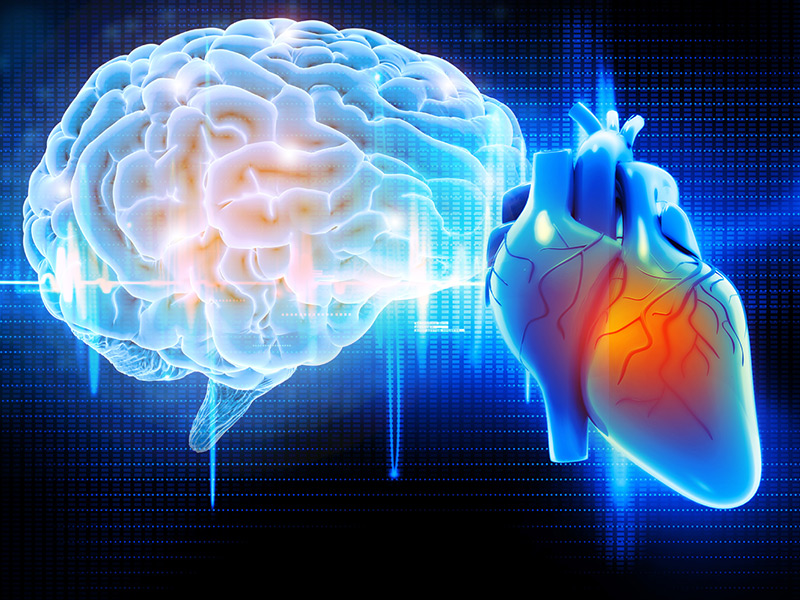
Heart Function Tied to Brain Function
www.biphoo.com/bipnews/health/heart-function-tied-to-brai...
www.biphoo.com/bipnews/wp-content/uploads/2017/11/Heart-F...
#AlzheimerDisease, #Alzheimer'SDisease, #CerebrovascularAccident, #Cva, #Dementia, #HeartFailure, #HeartFunctionTiedToBrainFunction, #Stroke
Heart Function Tied to Brain Function
Heart Function Tied to Brain Function:- Lower cardiac output has been tied to poorer cerebral blood flow (CBF) in the temporal lobes of older adults without heart failure, a finding that adds to a growing body of research linking heart health to brain...
Steven Strogatz has a way of finding rhythm in places most people overlook. In his office at Malott Hall at Cornell, and later in the Space Sciences Building at the SPIF, that rhythm came alive in a simple but elegant experiment. Two small metronomes ticked on a shared platform, gradually aligning their beats as if discovering a shared pulse. Strogatz leaned in, smiling as the synchronization unfolded. The moment captured both his joy and his curiosity, the twin forces that have guided his life in mathematics.
For decades, Strogatz has explored the hidden order beneath the world’s apparent chaos. His work has spanned from the synchrony of fireflies flashing in unison to the oscillations of the human heart. He has revealed how patterns emerge naturally when systems, whether biological, physical, or social, interact in just the right way. His research on coupled oscillators, complex networks, and nonlinear dynamics has reshaped how scientists think about everything from brain function to the spread of ideas.
At Cornell, Strogatz is known as a gifted communicator who bridges the gap between advanced mathematics and everyday experience. His lectures attract students from across the university. In books such as Sync, The Joy of x, and Infinite Powers, he writes with clarity and wonder, turning abstract ideas into stories that feel alive. His voice carries the same enthusiasm whether he is explaining calculus or describing the geometry of friendship.
What sets him apart is not only his command of mathematics but his warmth and wit. He listens as carefully as he speaks, often finding metaphors in the natural world or in a casual conversation with a colleague. His humor disarms. His curiosity invites. Watching him adjust the metronomes, eyes bright behind his glasses, it is easy to understand why students and collaborators describe him as both rigorous and kind.
Beneath it all is a belief that mathematics is not separate from life but a language that reveals its beauty. The dance of the metronomes, the firing of neurons, the movement of planets, and the laughter shared across a classroom all express a single truth about connection and harmony.
In person, Strogatz radiates calm delight in the act of discovery. The photograph from that afternoon shows him resting on his arms, thoughtful, as the metronomes begin to fall into sync before him. It is a quiet moment that suggests something larger, a glimpse of the universal tendency toward order and the human impulse to understand it.
via
Coffee is the source of much debate in our daily life. But why does the most popular beverage on earth cause so much debate? Well, we could blame it on pseudo-science, which tries to manipulate anything having good effects into a negative outlook, highlighting all of the potential downsides, and discrediting the upsides.
Well, people, you can toss all the questions out the window right now! Why? Because many real and substantiated, scientific studies have been done on the effects of coffee and its benefits, and one thing has been determined time and time again, is that coffee can be really good for you in moderation!
We are in not saying at all that you drink coffee as you would water, but just 2-3 cups throughout the day will improve your energy and well-being and leave you feeling much better!
Still not convinced? Here are several brief reasons why coffee is just too good to be left alone:
Coffee Fires Up Your Brain Function
There is strong evidence that supports the fact that coffee (and caffeinated stuff in general) has been used since the Indian civilizations in South America and the Caribbean used caffeine, whereby the warriors would consume the leaves of the cacao plant to get mentally and physically ready to do battle.
Of these two groups, the Caribs were the most prolific warriors, and as you may have guessed, most consistent users of the cacao. In our modern day relatively relaxed lifestyles, coffee can help us get our brains primed and ready for repetitive tasks.
So, if your job involves doing tasks over and over again, you will become very efficient at what you do. Though caffeine will give you brain energy to continually produce, be careful not to overdo it when your job or tasks require calm thoughts and actions. Now if brain power is what you are in need of, coffee can also reduce the risk of developing neurodegenerative diseases such as Alzheimer’s and Parkinson’s disease.
Coffee Can Prolong Your Life
Very simply coffee prolongs life in several different ways. It works like this: it does this by minimizing your risk of chronic diseases that suck away life, such as heart disease, cancer and more.
The one primary goal of all humans is to live as long a life as possible, in good health, and when it comes to reviewing, coffee may really help you achieve these goals. On average, if you are a coffee drinker you may have up to a 20% reduced mortality rate compared to people who don’t drink coffee when compared over a 15-20 year period.
Coffee Increases Your Physical Performance
One of the keys to living a long, healthy, fulfilling and very happy life is by staying active and exercising frequently. By doing this, you help keep your muscles and connective tissue in working great even as you age, so that changes normally seen to the bone as we get older, do not negatively impair your mobility. If you’re younger, this is great too, as it means you will be able to work out longer in the gym, translating to greater improvement in strength and gains to muscle size, or increased fat loss resulting from exercise.
#Coffee Is Full Of Nutrients
This is one many people are not quite aware of. Most people just assume coffee is a quick energy boost type of beverage with no real nutritional value. However, coffee contains a wide range of B-vitamins and minerals and is actually one of the richest sources of anti-oxidants in our everyday diet. Even greater than the antioxidants we get from our daily intake of fruits and vegetables and is a lot easier to consume sometimes!
Conclusion
Coffee is a real positive to mankind. Almost anyone who drinks it in moderation will receive some benefits. And while there are possible negatives from excessive consumption, many people never experience any such symptoms.
Keep in mind, drink your coffee black or at the very least with little sugar or cream, as those added calories really do add up.
#Coffee is good for you
www.coffeestrong.org/dont-feel-guilty-that-coffee-is-good...
More than 250 participated in the first annual Superintendent’s Fitness Challenge 5K Fun Run on May 5, 2012. Superintendent of Public Instruction Larry K. Shumway has challenged the educational community to get fit this school year. It’s an effort to encourage educators to embrace fitness as a way to improve brain function and overall health and to provide a good example for Utah’s youth.
im not sure how my initial 5 categories of Memory, Attention, Flexibility, Problem Solving, and Speed play together with these possible categories, but this is a relatively accurate placement of each categories origin in the brain.
Steven Strogatz has a way of finding rhythm in places most people overlook. In his office at Malott Hall at Cornell, and later in the Space Sciences Building at the SPIF, that rhythm came alive in a simple but elegant experiment. Two small metronomes ticked on a shared platform, gradually aligning their beats as if discovering a shared pulse. Strogatz leaned in, smiling as the synchronization unfolded. The moment captured both his joy and his curiosity, the twin forces that have guided his life in mathematics.
For decades, Strogatz has explored the hidden order beneath the world’s apparent chaos. His work has spanned from the synchrony of fireflies flashing in unison to the oscillations of the human heart. He has revealed how patterns emerge naturally when systems, whether biological, physical, or social, interact in just the right way. His research on coupled oscillators, complex networks, and nonlinear dynamics has reshaped how scientists think about everything from brain function to the spread of ideas.
At Cornell, Strogatz is known as a gifted communicator who bridges the gap between advanced mathematics and everyday experience. His lectures attract students from across the university. In books such as Sync, The Joy of x, and Infinite Powers, he writes with clarity and wonder, turning abstract ideas into stories that feel alive. His voice carries the same enthusiasm whether he is explaining calculus or describing the geometry of friendship.
What sets him apart is not only his command of mathematics but his warmth and wit. He listens as carefully as he speaks, often finding metaphors in the natural world or in a casual conversation with a colleague. His humor disarms. His curiosity invites. Watching him adjust the metronomes, eyes bright behind his glasses, it is easy to understand why students and collaborators describe him as both rigorous and kind.
Beneath it all is a belief that mathematics is not separate from life but a language that reveals its beauty. The dance of the metronomes, the firing of neurons, the movement of planets, and the laughter shared across a classroom all express a single truth about connection and harmony.
In person, Strogatz radiates calm delight in the act of discovery. The photograph from that afternoon shows him resting on his arms, thoughtful, as the metronomes begin to fall into sync before him. It is a quiet moment that suggests something larger, a glimpse of the universal tendency toward order and the human impulse to understand it.
Mid Brain Stimulation Gym exercise improves Brain function more than other exercise. goo.gl/wqYJhJ #braingym
Heart Function Tied to Brain Function
www.biphoo.com/bipnews/health/heart-function-tied-to-brai...
www.biphoo.com/bipnews/wp-content/uploads/2017/11/Heart-F...
#AlzheimerDisease, #Alzheimer'SDisease, #CerebrovascularAccident, #Cva, #Dementia, #HeartFailure, #HeartFunctionTiedToBrainFunction, #Stroke
Heart Function Tied to Brain Function
Heart Function Tied to Brain Function:- Lower cardiac output has been tied to poorer cerebral blood flow (CBF) in the temporal lobes of older adults without heart failure, a finding that adds to a growing body of research linking heart health to brain...
A lunch rich in nitrates to help levels of nitric oxide (NO) in the body. NO helps your blood vessels dilate to promote proper blood flow. NO improves exercise performance, lower blood pressure, and better brain function. Every cell in the body produces nitric oxide!
Rocket, Spinach, Watercress, Parsley, Avocado, Beetroot, Carrot, Cucumber, Celery, Fennel, Pumpkin, Sunflower and Sesame seeds, Organic Sweetcorn, Olives, Quinoa, Eggs, Chicken, Pork Sausages
Humans have evolved hand with opposable thumbs so we could better grip the tools necessary for survival. This photo is an example of a human using their hands and exemplary brain function to play "candy crush". Apparently the skills needed for this game are essential to this human's survival.
More than 250 participated in the first annual Superintendent’s Fitness Challenge 5K Fun Run on May 5, 2012. Superintendent of Public Instruction Larry K. Shumway has challenged the educational community to get fit this school year. It’s an effort to encourage educators to embrace fitness as a way to improve brain function and overall health and to provide a good example for Utah’s youth.
More than 250 participated in the first annual Superintendent’s Fitness Challenge 5K Fun Run on May 5, 2012. Superintendent of Public Instruction Larry K. Shumway has challenged the educational community to get fit this school year. It’s an effort to encourage educators to embrace fitness as a way to improve brain function and overall health and to provide a good example for Utah’s youth.
A bit of Cinnamon invites you to a healthy heart; a splash of nutmeg stimulates Brain function as Anise stars the show reducing stomach ulcers and depression. Visit here to know more honey-guru.com/products/triple-treat!
Steven Strogatz has a way of finding rhythm in places most people overlook. In his office at Malott Hall at Cornell, and later in the Space Sciences Building at the SPIF, that rhythm came alive in a simple but elegant experiment. Two small metronomes ticked on a shared platform, gradually aligning their beats as if discovering a shared pulse. Strogatz leaned in, smiling as the synchronization unfolded. The moment captured both his joy and his curiosity, the twin forces that have guided his life in mathematics.
For decades, Strogatz has explored the hidden order beneath the world’s apparent chaos. His work has spanned from the synchrony of fireflies flashing in unison to the oscillations of the human heart. He has revealed how patterns emerge naturally when systems, whether biological, physical, or social, interact in just the right way. His research on coupled oscillators, complex networks, and nonlinear dynamics has reshaped how scientists think about everything from brain function to the spread of ideas.
At Cornell, Strogatz is known as a gifted communicator who bridges the gap between advanced mathematics and everyday experience. His lectures attract students from across the university. In books such as Sync, The Joy of x, and Infinite Powers, he writes with clarity and wonder, turning abstract ideas into stories that feel alive. His voice carries the same enthusiasm whether he is explaining calculus or describing the geometry of friendship.
What sets him apart is not only his command of mathematics but his warmth and wit. He listens as carefully as he speaks, often finding metaphors in the natural world or in a casual conversation with a colleague. His humor disarms. His curiosity invites. Watching him adjust the metronomes, eyes bright behind his glasses, it is easy to understand why students and collaborators describe him as both rigorous and kind.
Beneath it all is a belief that mathematics is not separate from life but a language that reveals its beauty. The dance of the metronomes, the firing of neurons, the movement of planets, and the laughter shared across a classroom all express a single truth about connection and harmony.
In person, Strogatz radiates calm delight in the act of discovery. The photograph from that afternoon shows him resting on his arms, thoughtful, as the metronomes begin to fall into sync before him. It is a quiet moment that suggests something larger, a glimpse of the universal tendency toward order and the human impulse to understand it.
Function:
1. Improving older people’s brain function,and cognitive ability
2. Natural sebum control alcohol level athletes to improve the training results.
3. Overcome the tensions resulting from mental stress.
Steven Strogatz has a way of finding rhythm in places most people overlook. In his office at Malott Hall at Cornell, and later in the Space Sciences Building at the SPIF, that rhythm came alive in a simple but elegant experiment. Two small metronomes ticked on a shared platform, gradually aligning their beats as if discovering a shared pulse. Strogatz leaned in, smiling as the synchronization unfolded. The moment captured both his joy and his curiosity, the twin forces that have guided his life in mathematics.
For decades, Strogatz has explored the hidden order beneath the world’s apparent chaos. His work has spanned from the synchrony of fireflies flashing in unison to the oscillations of the human heart. He has revealed how patterns emerge naturally when systems, whether biological, physical, or social, interact in just the right way. His research on coupled oscillators, complex networks, and nonlinear dynamics has reshaped how scientists think about everything from brain function to the spread of ideas.
At Cornell, Strogatz is known as a gifted communicator who bridges the gap between advanced mathematics and everyday experience. His lectures attract students from across the university. In books such as Sync, The Joy of x, and Infinite Powers, he writes with clarity and wonder, turning abstract ideas into stories that feel alive. His voice carries the same enthusiasm whether he is explaining calculus or describing the geometry of friendship.
What sets him apart is not only his command of mathematics but his warmth and wit. He listens as carefully as he speaks, often finding metaphors in the natural world or in a casual conversation with a colleague. His humor disarms. His curiosity invites. Watching him adjust the metronomes, eyes bright behind his glasses, it is easy to understand why students and collaborators describe him as both rigorous and kind.
Beneath it all is a belief that mathematics is not separate from life but a language that reveals its beauty. The dance of the metronomes, the firing of neurons, the movement of planets, and the laughter shared across a classroom all express a single truth about connection and harmony.
In person, Strogatz radiates calm delight in the act of discovery. The photograph from that afternoon shows him resting on his arms, thoughtful, as the metronomes begin to fall into sync before him. It is a quiet moment that suggests something larger, a glimpse of the universal tendency toward order and the human impulse to understand it.
At Home, Illawarra, NSW, Australia
I never chose to have budgerigars (or any other birds) as pets.
Nonetheless, two budgies came into the household... when? Ah, good question. I really can't be sure now. There was Bluebell, a boy with a massive amount of personality (stick your finger against the cage and he'd come over and peck at it), and Bella, a less expressive but somewhat louder female.
Late in 2020 we had some air conditioning guys in to give quotes. One of them was a bird guy; he had owned birds since he was a kid. "That's a big cage for just one bird", he said. "Ah, yes, about that...", I replied.
A few weeks earlier I had noted that Bluebell seemed to be breathing very heavily. Also, he didn't seem to be eating very much. And there were other disturbing signs. Our regular vet, the one that cares for the wolf and the tabby tiger, no longer had a bird specialist. Somehow the name of a specialist vet named Cannon and Ball (no I am not kidding) came up, and Bluebell was taken out of his cage and sent there.
Unfortunately, he didn't return. The vet found that he was massively underweight due to having a cancerous growth which was blocking his digestive system. The poor little sod was starving to death, and wasn't finding it easy to breathe either which accounted for his mouth (beak?) breathing and heavy breathing that I had noticed.
"Birds in the wild know that if they show any signs of sickness or weakness, they'll get eaten", the air conditioning guy said. "By the time you know there's a problem, it's too late", he shrugged.
I had never taken a proper shot of Bluebell. Maybe, possibly, he's in the background of one or two testing shots in the hundreds of thousands of photos that I've accumulated in the last couple of decades. But he exists now only as an increasingly fading memory in a handful of minds. Whether even Bella remembers him half a year after his passing... who can know? One would think that sharing a cage with someone for years would ingrain them into one's memory, but birds have a very different mind, one which survival instincts have probably forced into looking at the now rather than the then.
I try to make sure that I go over to chat to Bella at least once every day now that she has nobody else to keep her company. Sometimes she responds, sometimes she flies to the back of her cage.
I had been thinking of doing a shot of Bella to ensure that there was something to remember her by when her time comes, even if it's something as meagre as this humble gallery. The problem is that she assumes that she's under attack if you ever reach into her cage.
In reality my original shot was a macro of the autumn sun on one of the flowers in the front yard, but I had put Bella onto the balcony because she does seem to like being in the open air. I decided to point the macro lens at her on the off chance and hey presto... the bars between us optically vanished. It also allowed me to read the band on her leg which shows the number "16"; possibly her year of birth. Budgies live 5 to 10 years in captivity so she may have a way to go yet. But just in case, this shows that "Bella was here".
-----
Edit Thu 09 Apr 26: She did indeed have a way to go; half a decade, though I could have sworn that I took this shot more recently than that... as is always the way.
Sadly her time ran out today. She had been out of sorts for over a week; often being at the bottom of her cage, not making anywhere near the amount of noise that she was known for, and possibly not eating as much as normal though until today it was hard to tell.
While I was in Europe she had been moved from her large cage to a smaller one and relocated from the lounge room to the newly refurbished (and therefore warm and dry) laundry. When I got back (over a week ago now, sigh...) she still seemed to be pretty much her usual self.
Pretty much... but not entirely. That became more and more the case over the next couple of weeks.
This morning I found her on the floor of her cage. She did not seem to be able to get back up. A fresh stalk of millet, which she loves, had not been touched which is pretty much unheard of for her. As soon as I change her millet she would normally rip straight into it.
Every vet takes care of puppies and kittens (and wolves and jungle cats), but finding a vet with any training in avian medicine is a tad harder. My first port of call was the wolf's former vet. They now have an avian specialist vet again, but she wouldn't be in until tomorrow.
I looked at Bella on the floor of her cage, gasping for breath and trembling. "I'm not sure she has a tomorrow at this point", I said. Finally I managed to find someone who was reasonably well versed in avian medicine. I got an appointment for her at 09:40.
When I was driving up I heard the bells and perches moving around. I turned around when we came to the traffic lights. Had a miracle happened? No, they were moving with the car. Bella was still on the floor, gasping.
I get to the vet and am ushered into the consulting room. The vet arrives. He seems like a good guy who knows his stuff. We go over Bella's background including the fact that she is or was most likely 10 this year.
"You know", he cautions gently, "the way she is just examining her could kill her".
"I think we're on a hiding to nothing on that one", I reply.
He gets her out to check her out. "Wow, she's really underweight", he says.
I've heard that song before, I think, recalling Bluebell.
He checks her heart with his stethoscope. "Her heartbeat is very, VERY weak", he tells me before returning to examining her digestive system. "With a bigger bird I could palpate the stomach and get a feel for what's going on", he explains. "With a small bird like a budgie that's just not possible. The only way we can tell is if we X Ray her, which we can do here... but the process of putting her on her back may kill her by itself..."
"...And even if you see what it is, at her age it's unlikely there would be any effective treatment", I finish.
"That's possible."
Around about that time Bella decided to take matters out of our hands.
"I think she just died", he says, having noticed her agonal gasps. (The gasping of an animal just before it passes. It's essentially just a reflex after the higher brain functions have shut down.)
He got out his stethoscope again and listened intently for a bit. "Yes, she's gone, I'm sorry."
"Thank you, Bella", I said, since she had saved me needing to "make the call" 3 times in 4 years, while simultaneously ending what had pretty clearly devolved into a life of suffering.
So that's it. The last of the pets has gone. I can't say I knew you well, Bella, but you've been part of the mosaic that makes up the idea of "home" for the past decade. You'll be missed for that.
Function of Negative Ion which you don't know:
ü Improve Lung's Function: After inhalation negative ions for 30 minutes, the oxygen in lung can increase more than 20%, and drain out more than 14.5% carbon dioxide
ü Improve Hearts' Function: Negative ions has a very apparent function of lower blood pressure which can greatly help recovery the patients who has Hypertension and Cardiovascular and cerebrovascular disease.
ü Promote Metabolism: Negative ions can active a variety of enzymes, promote metabolism, improve sleep.
ü Strengthen Immune System: Negative ions can improve the body's responsiveness, enhance the body resistance to disease.
ü Improve Allergies: Negative ion play a role in remission or cure allergic hay fever, bronchial asthma,...
ü Improve Nervous System: Negative ions can strengthen brain function and mental activity , spirits, improve work efficiency, also can improve sleep quality
ü Improve Cardiovascular System: Negative ions has very good function on dilating blood vessels, it can remove artery spasm, achieve the purpose of lower blood pressure.
ü Improve Blood Circulation: Negative ions can slow down the blood flowing and extend the role of clotting time. It can increase blood oxygen content which is beneficial to oxygen transmission, absorption and utilization
ü Prevent Radiation: Negtaive ion can be a good protective layer of protection which can pretend high-voltage electrostatic from TV and computer. And it can decrease the damage of our eyes, skin, etc from the TV and computer