View allAll Photos Tagged algorithm
This is the resulting mesh about 70% complete. You cannony see the back side of the polygons on the inside due to back-face culling.
Algorithmic trading là gì?Điểm mạnh và hạn chế của algorithmic trading là gì? chi tiết tại:
forexno1.net/algorithmic-trading-la-gi/
Hastag: #exness #sanexness #algorithmictradinglagi #algorithmictrading
An HDR version of the previous image, albeit overdone to the point of absurdity.
Playing around with the Open Source Qtpfsgui tool.
Again, pdtam is applied to the result before to get the next picture: this convergence takes a little longer than the previous one but is rather abrupt for the odd-numbered variant of the pair. Picture pairs following the last one are very similar.
The Algorithm in the Room
MDP Design Dialogues Symposium + Exhibition with Tim Durfee, Ben Hooker, and Mimi Zeiger
The Algorithm in the Room: An Evening of the Post-Geographic brings together an interdisciplinary group of designers and thinkers to discuss relationships between algorithmic and spatial practices. The algorithm in the room is the unspoken technological subject that reorients our understanding of design outcomes, ethics/politics, and authorship. Yet to concretize the algorithm, to try to peg down its functional uses within design is to misunderstand its potentially slippery (and productive) role as a bad collaborator. Feral and unpredictable, it provokes human, systemic, and urbanistic response. Via conversations and through digital, video, and screen-based works, this symposium and exhibition looks to raise difficult questions regarding the politics of predictive/automatized software, its architectural and urban impacts, and the aftereffects of recalibrated design agency. Speakers include: Jeff Maki, urban strategist and Joanne McNeil, writer. Videos exhibited by John Szot Studio, Tim Durfee + Ben Hooker, Jenny Rodenhouse.
drawing on canvas with trear physics tendrils using texones creative computing framework which is based on processing
After Facebook's Algorithm Change Devastated Organic Reach, How Are Publishers Coping
www.biphoo.com/bipnews/technology/facebooks-algorithm-cha...
www.biphoo.com/bipnews/wp-content/uploads/2018/03/faceboo...
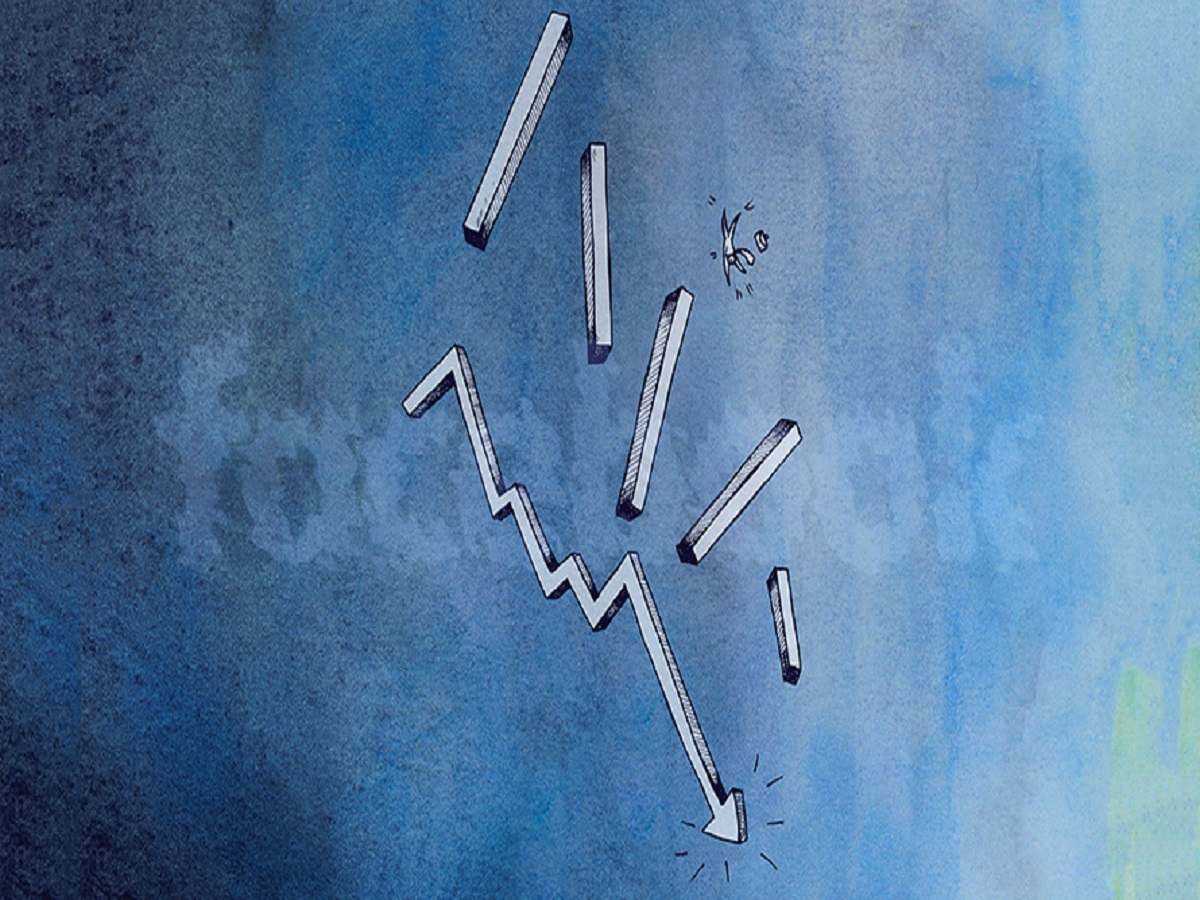
#AfterFacebook'SAlgorithmChangeDevastatedOrganicReachHowArePublishersCoping, #LatestTechnologyNews, #TechNewsWorld, #TechnologyNewsHeadlines, #TechnologyNewsToday, #TechnologyNewsUSA
After Facebook’s Algorithm Change Devastated Organic Reach, How Are Publishers Coping
When Facebook CEO Mark Zuckerberg announced in January that the site’s News Feed algorithm would further emphasize posts from friends and family, publishers that hadn’t diversified across many platforms fa...
Image generated by mapping an audio signal to RGB channels along a space-filling curve. Three low-frequency signals produced by using an FFT as a bandpass filter were written to each channel. The ratios between the signals were those of a major triad in just intonation (1, 5:4, 3:2). The signals were stepped through a chromatic scale, yielding seven useful images (some did not yield the desired range of colors). The seven images were processed further using statistical functions.
drawing on canvas with trear physics tendrils using texones creative computing framework which is based on processing
Artificialisation de la pensée ... #intelligence #artificielle #chatGPT #ordinateur #éduquer #enfant #apprendre #algorithme #collage #visualyon
Audio visualization, image read and written on a Hilbert curve, processed in GlitchSort with FFT, quantization, median filter. Further processing with coloring algorithms.
Do Algorithms Care? is a collaboration between artist Amanda Bennetts and data scientist Johanna Einsiedler. The project, realized in an interactive installation that resembles a pristine tech store, offers a critical perspective on the commercialization of personal bio data harvested by devices such as smartwatches and in healthcare industries. Through the use of the duo’s DIY smartwatches and interactive data interface, they delve into the predictive potential of personal data and machine learning for well-being, inviting viewers to reconsider their relationship with data control and privacy.
Photo showing: Amanda Bennetts and Johanna Einsiedler (from left to right)
Photo: martin doersch
Do Algorithms Care? is a collaboration between artist Amanda Bennetts and data scientist Johanna Einsiedler. The project, realized in an interactive installation that resembles a pristine tech store, offers a critical perspective on the commercialization of personal bio data harvested by devices such as smartwatches and in healthcare industries. Through the use of the duo’s DIY smartwatches and interactive data interface, they delve into the predictive potential of personal data and machine learning for well-being, inviting viewers to reconsider their relationship with data control and privacy.
Photo: martin doersch